Review updates
(1 total)- 2026-06-01 — Review published
PUMA FAST R NITRO ELITE 3 IS BEST FOR
BEST FOR
SWEET SPOT
SPEED COMPATIBILITY
BIOMECHANICS: THE PUMA FAST-R NITRO ELITE 3
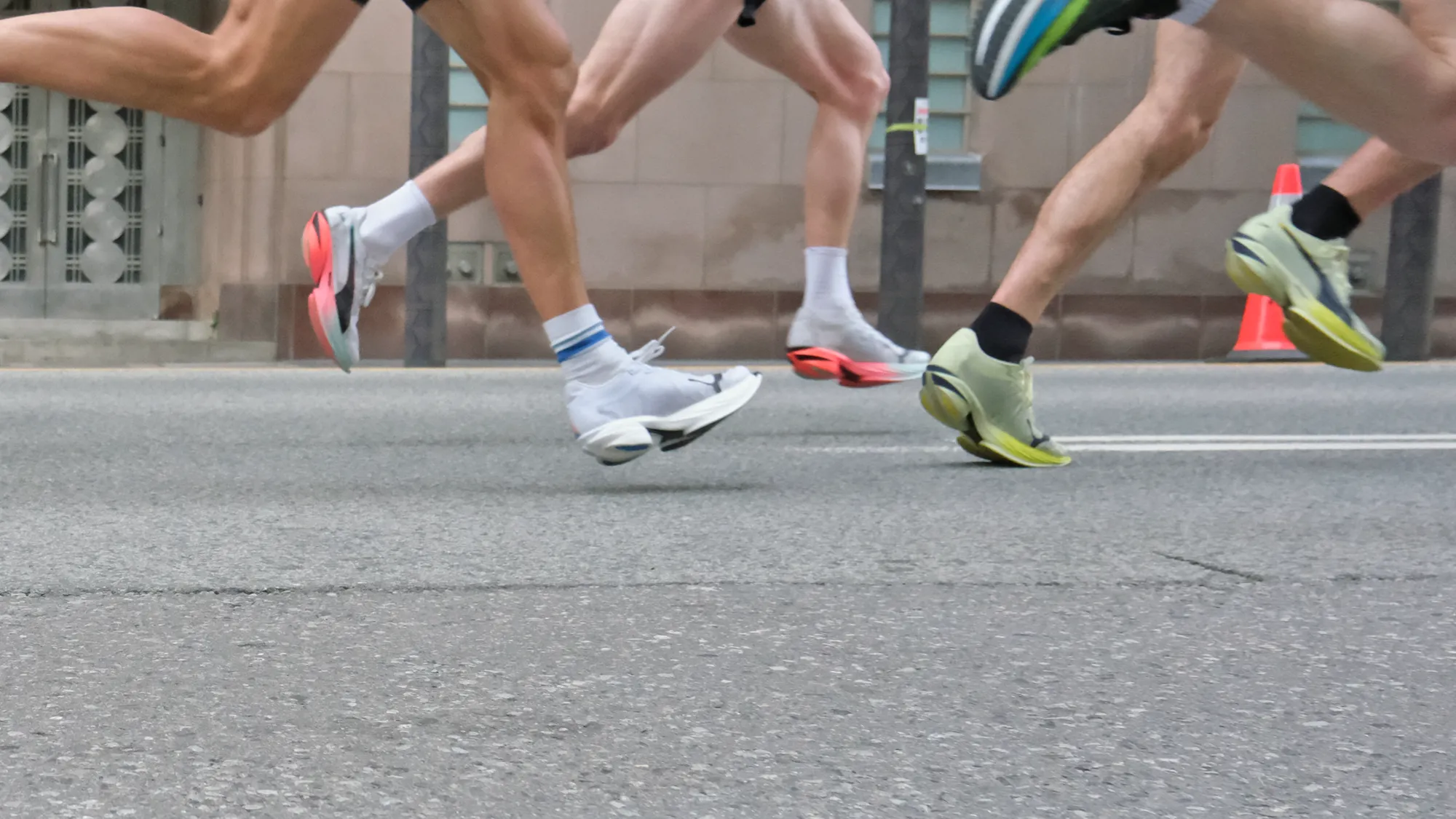
There's a very good reason why our dynamic scoring allocates a 89% weightage to the elite runner profile. The Fast R Elite 3 has been purpose-built for elite-level speeds. Be it the forefoot-strike-friendly midsole geometry, the ridiculously grippy outsole, or the glove-like upper that prevents forward slide, all the features function in perfect harmony. The CF-reinforced polymer plate adds the highest level of stiffness for a propulsive ride, and the unique outsole extension provides traction right up to the end of the toe-off phase. Elite runners have the lowest ground-contact time, so issues such as negative heel offset or midsole sink are non-issues.
See The Puma Fast-R Nitro Elite 3 in action
(Click to pause/play)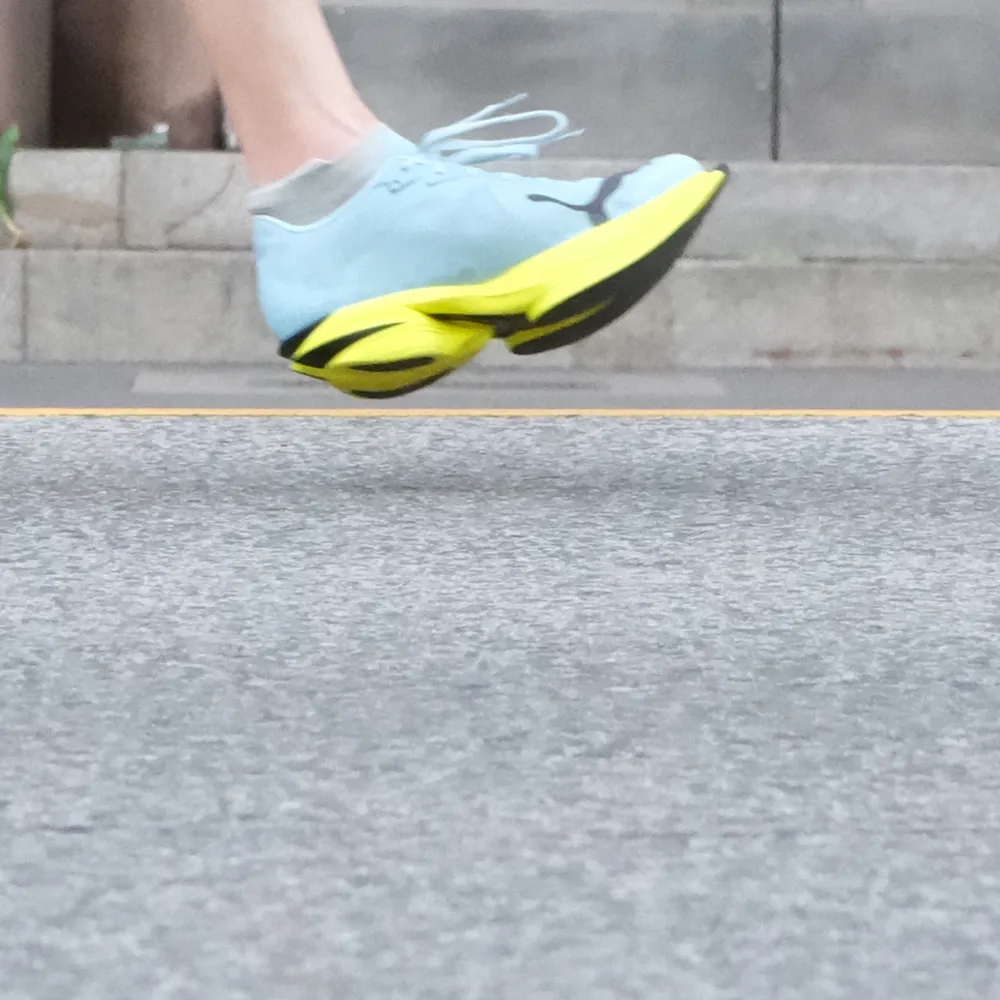
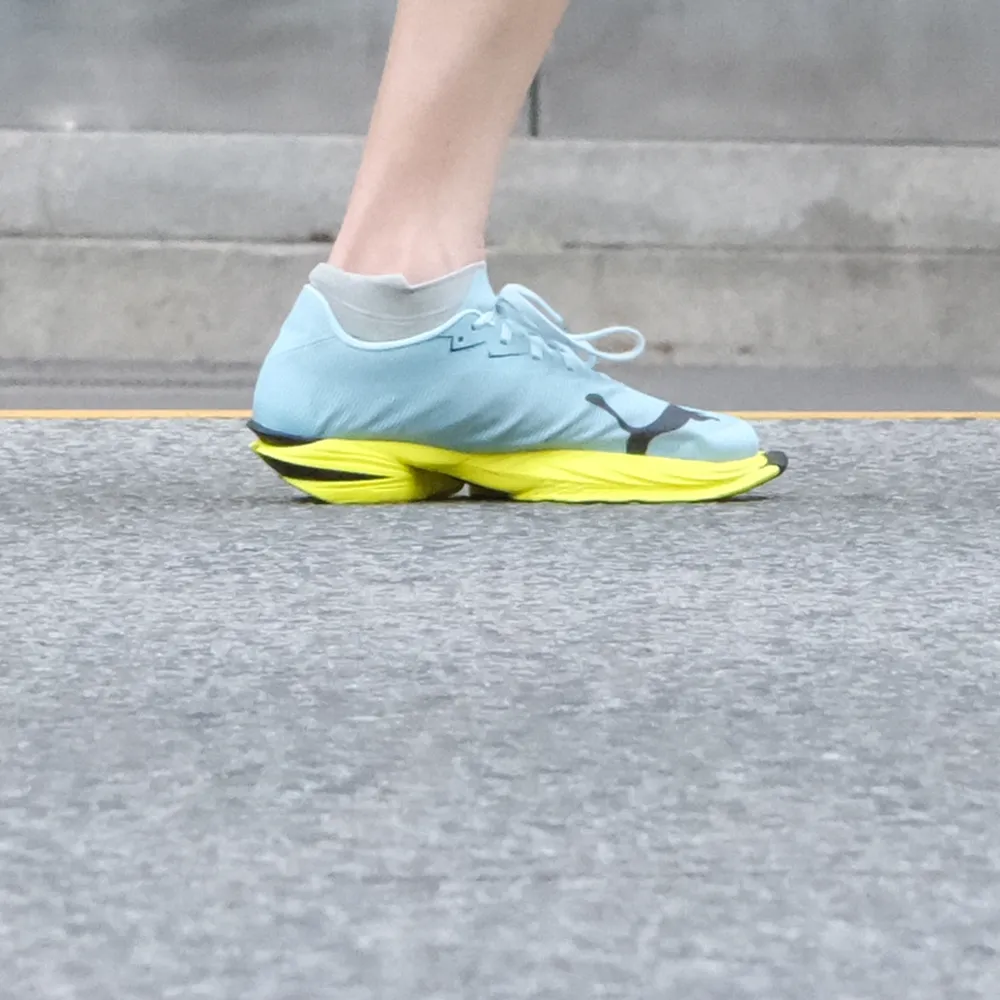
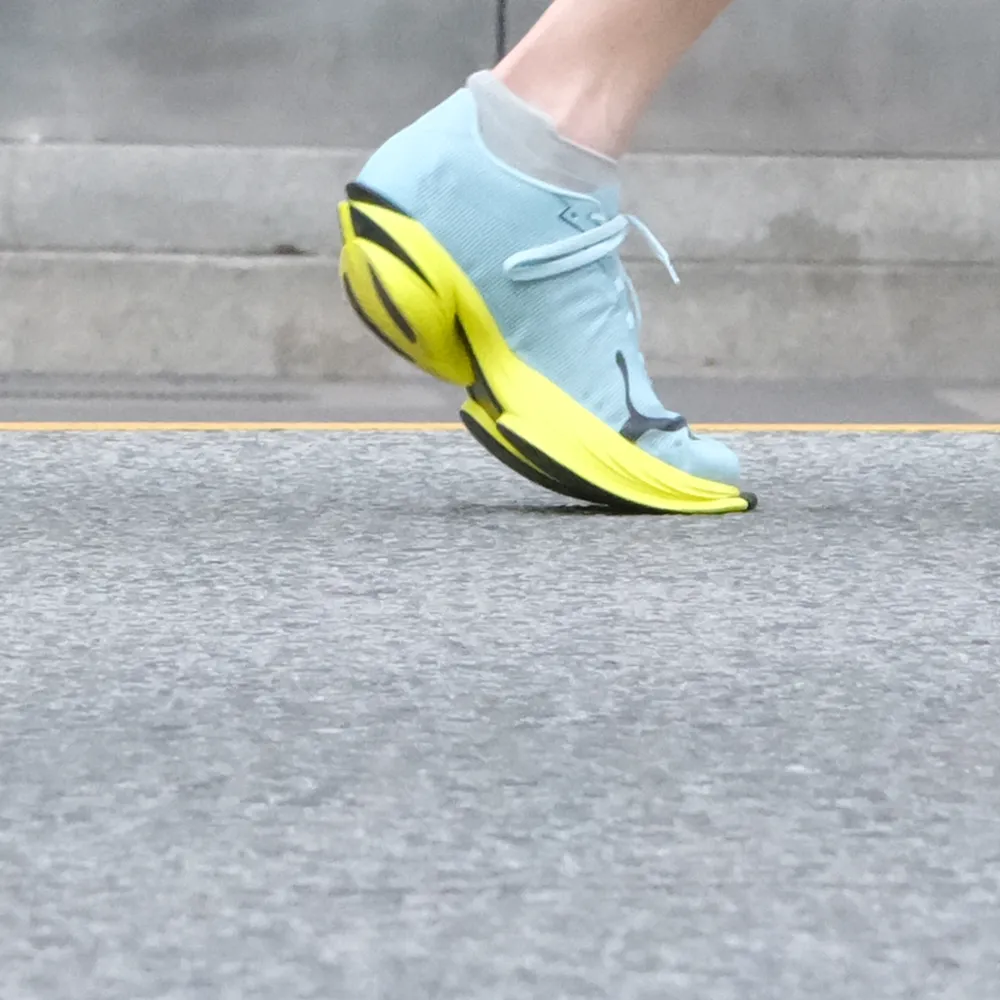
Mechanics at Work
- Ultra-stiff plate → conserves energy, drives propulsion
- Extra-secure fit → prevents slide, optimises power delivery
- Extended outsole → offers superlative grip during take offs
- Nitrofoam Elite → cushions high-cadence runs
Only mid-pack runners who race at speeds of 4:30 min/km or faster can make the most of the Fast R Nitro Elite 3's feature set. Again, forefoot striking is preferable. The subject in our biomechanical frame(s) is a heel striker who lands on the inside heel, making negative drop and transition recovery slightly less of a concern. They will benefit from the longitudinal plate stiffness and rocker, as well as the strong foot-to-midsole connection that the secure upper creates.
See The Puma Fast-R Nitro Elite 3 in action
(Click to pause/play)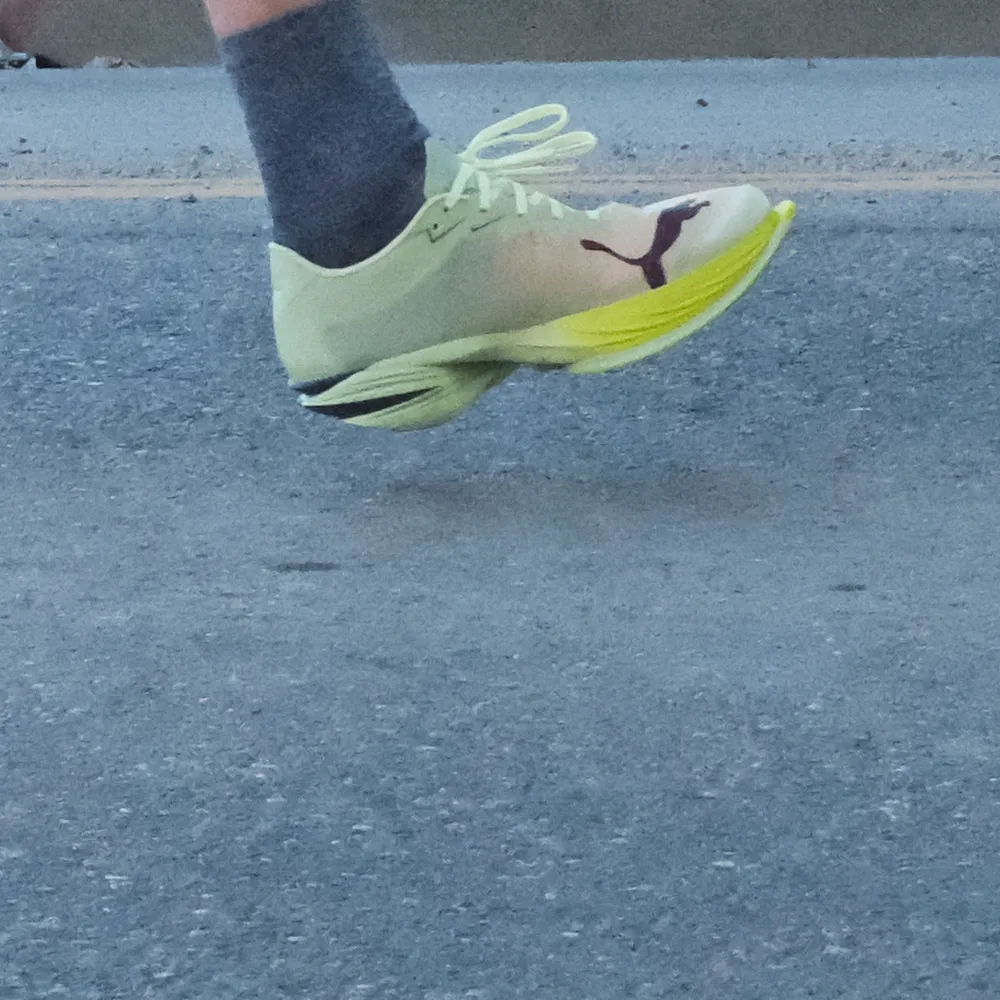
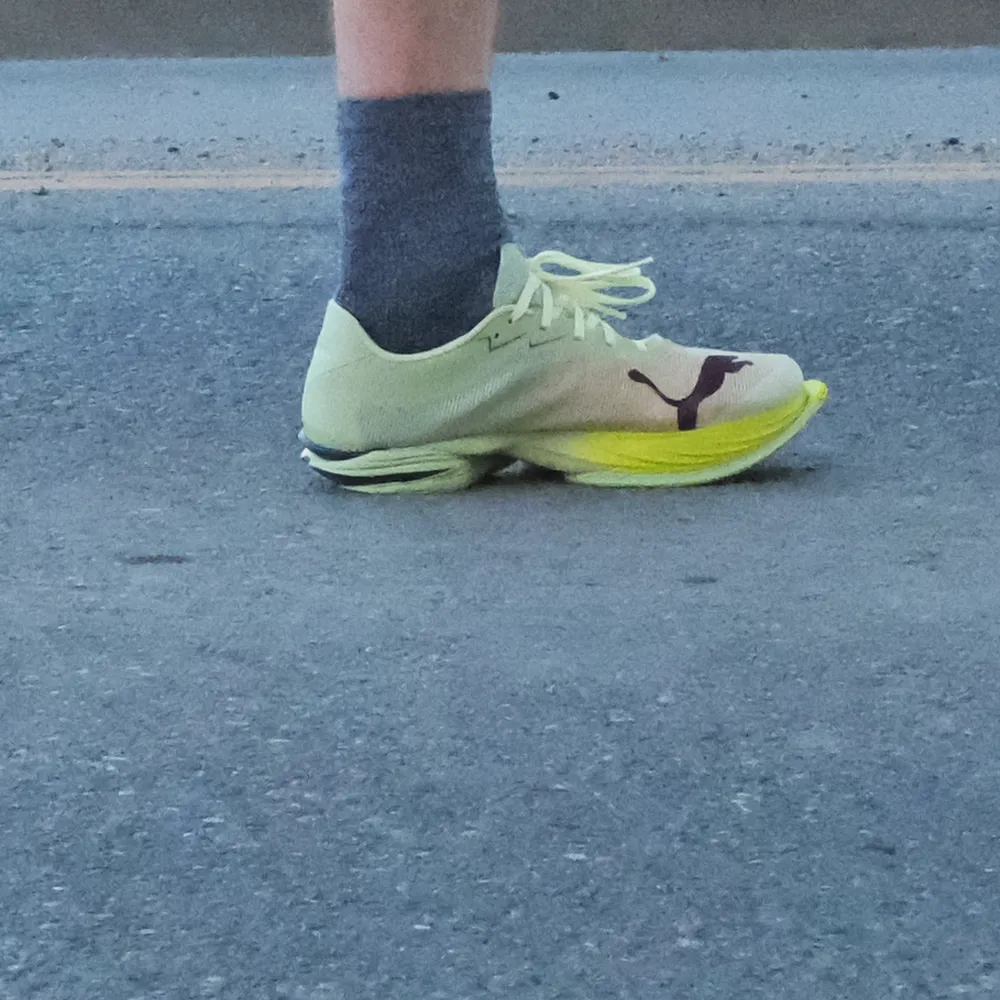
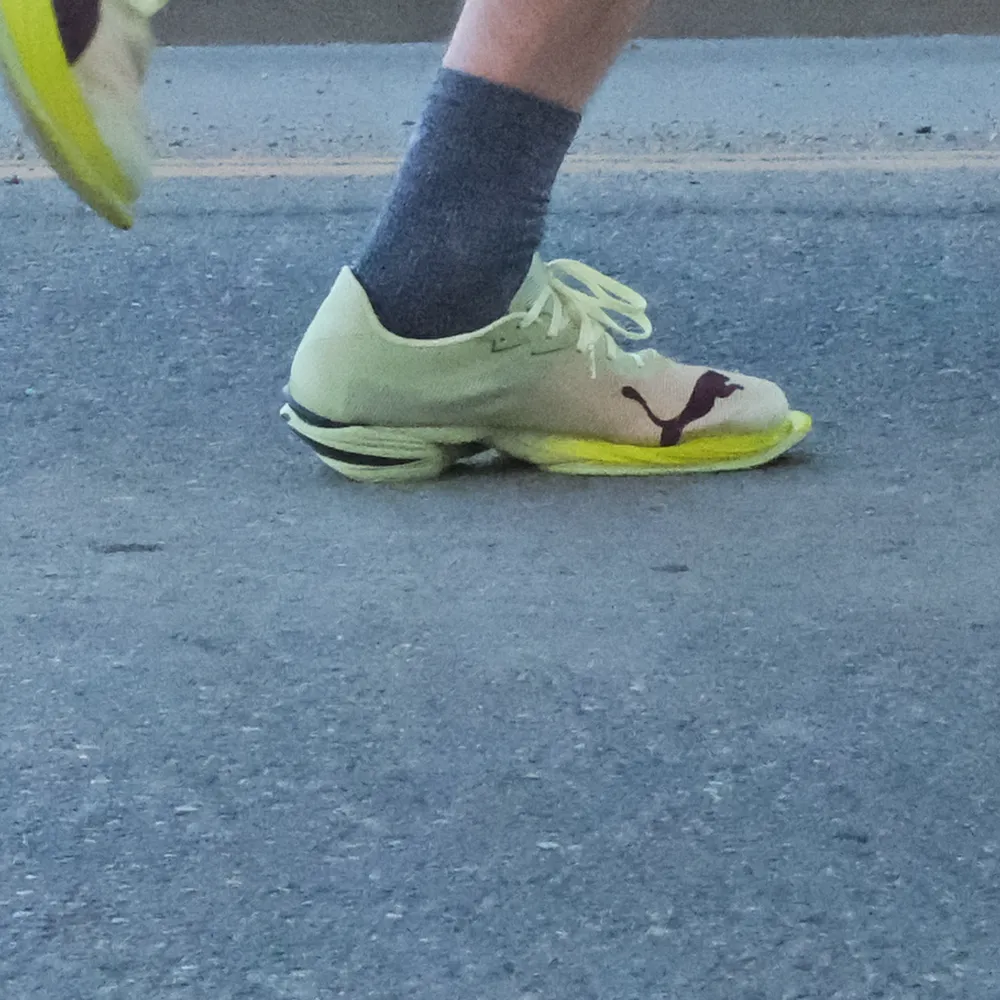
Mechanics at Work
- CF reinforced polymer plate → makes transitions and rocker efficient
- Ultra-secure upper → drives power to the midsole
- Nitrofoam Elite → delivers cushioning rebound
The recreational runner in our biomechanical animation landed heel first before transitioning to the midstance phase. We observed that most recreational runners are either heel or midfoot strikers, and the Fast R Nitro Elite 3 isn't ideal for both footstrike scenarios. Negative drop or heel sink is a risk. Also, the rearfoot crash pad is tucked away deep under the heel edge and has minimal outsole coverage. Only forefoot strikers can take advantage of the outsole coverage and the efficient transitions. Recreational runners may also prefer a roomier fit, which the Fast R Nitro Elite 3 doesn't have. Our 'Mechanics at Work' section explains the shortcomings of recreational-level heel and midfoot striking.
See The Puma Fast-R Nitro Elite 3 in action
(Click to pause/play)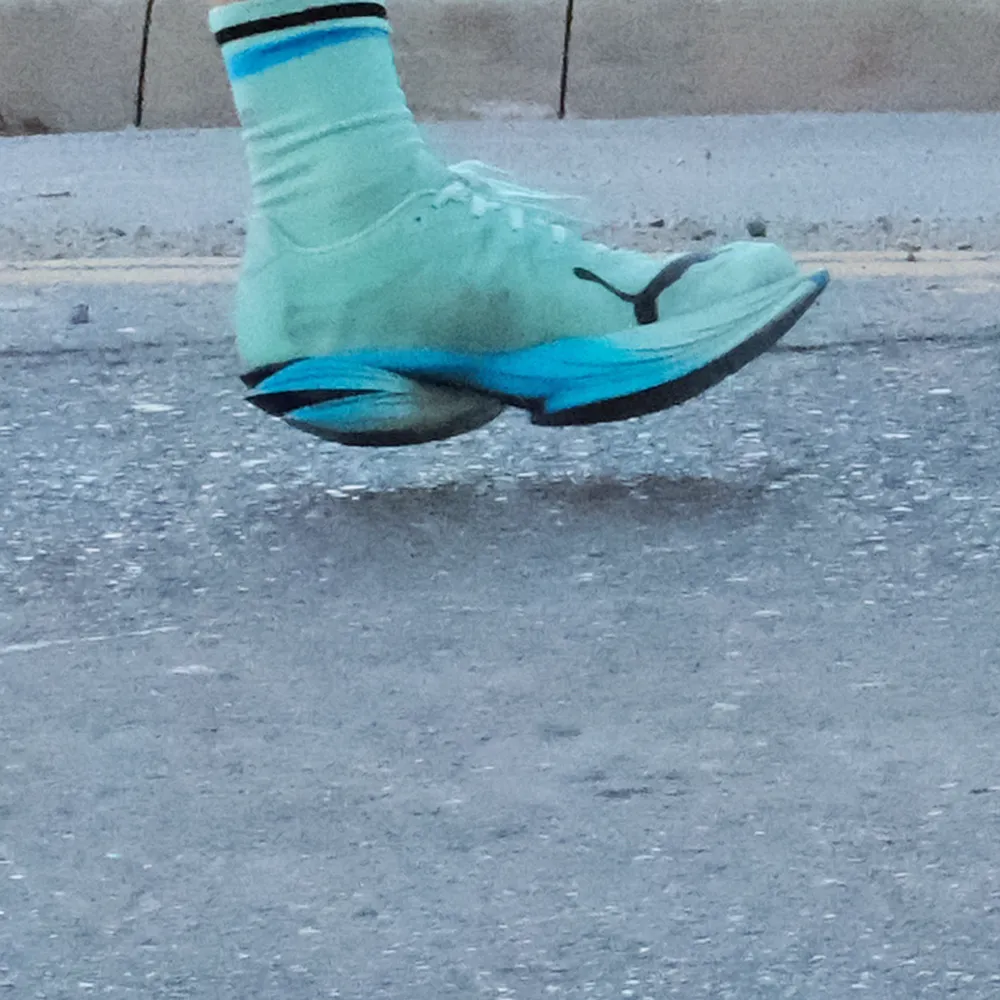
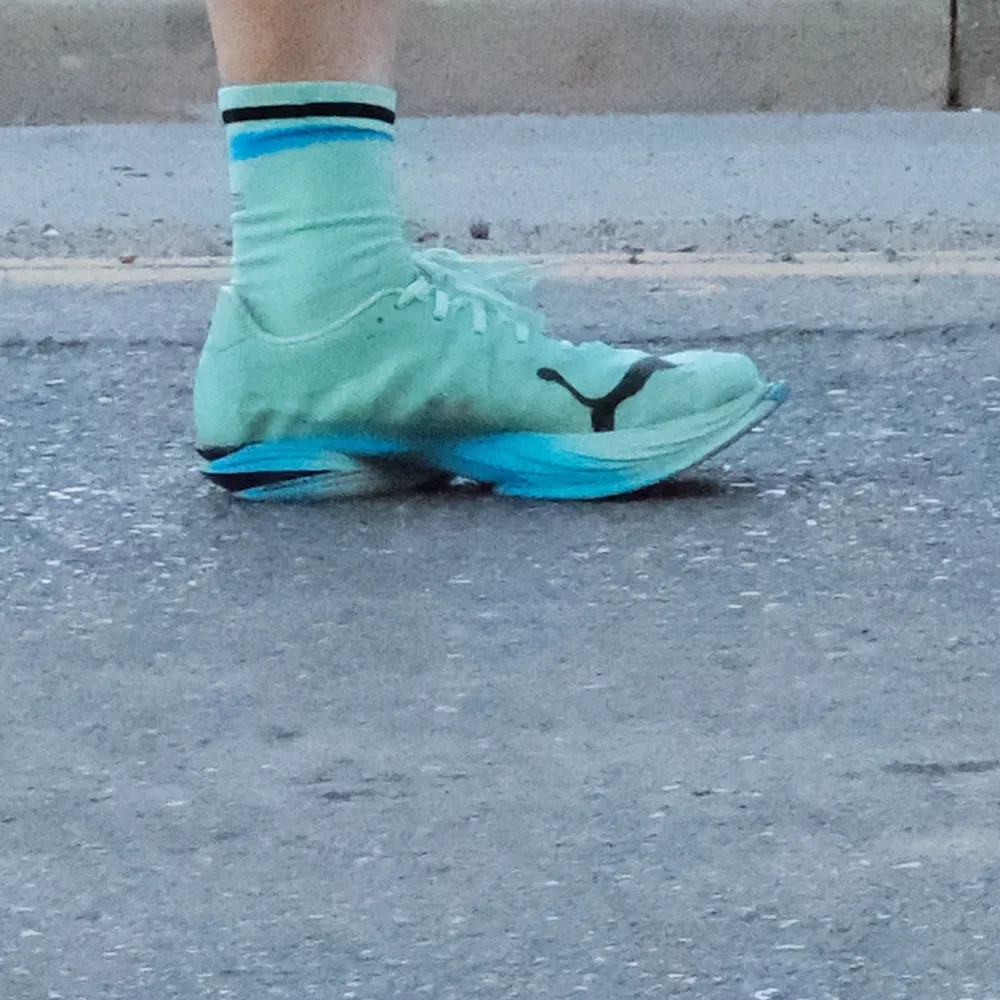
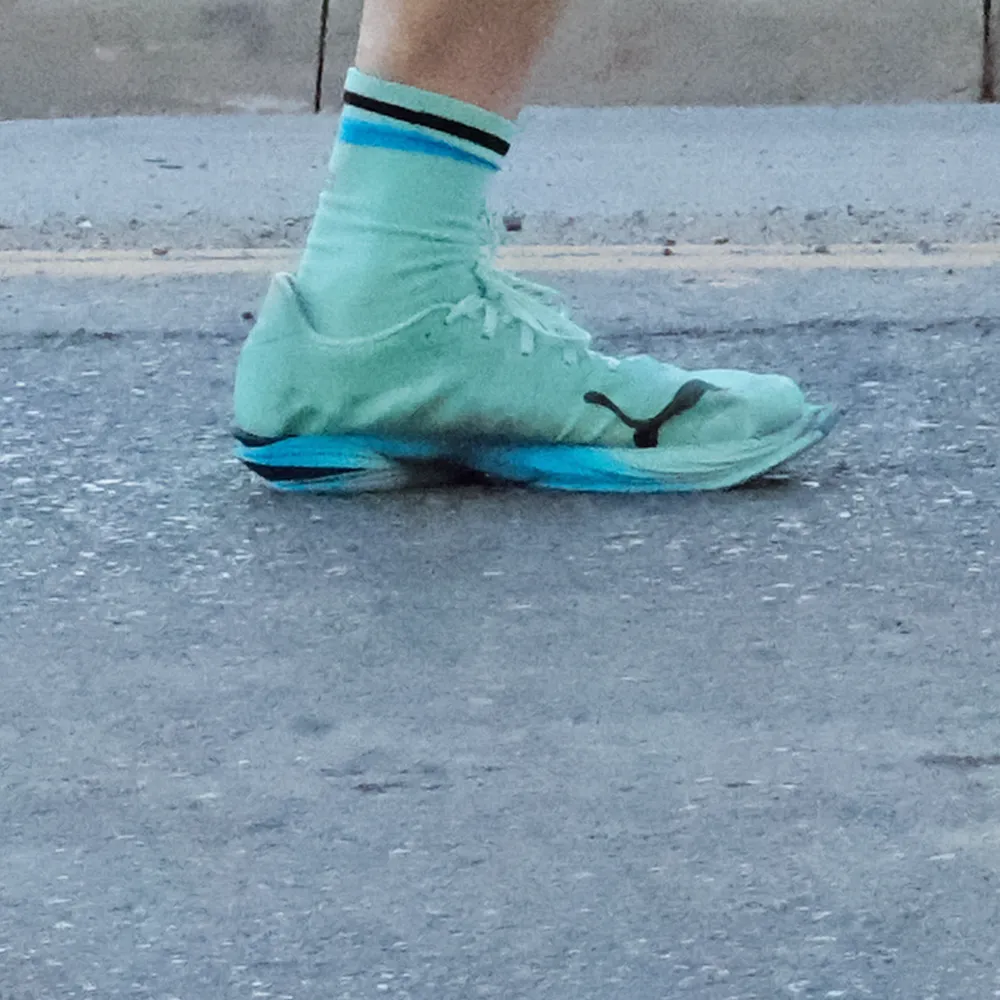
Mechanics at Work
- Heel strikes → can create negative drop
- Softer heel → slows down transitions
- Midfoot gap → has insufficient contact patch
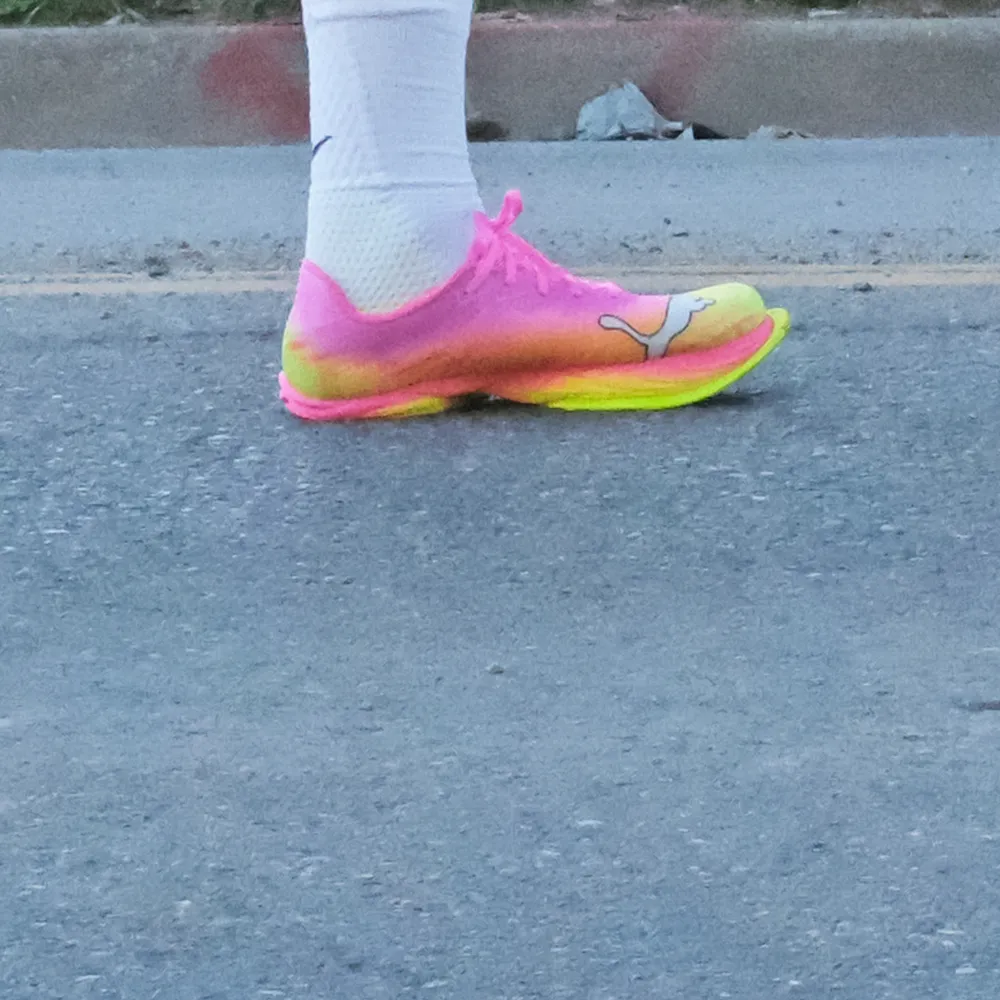
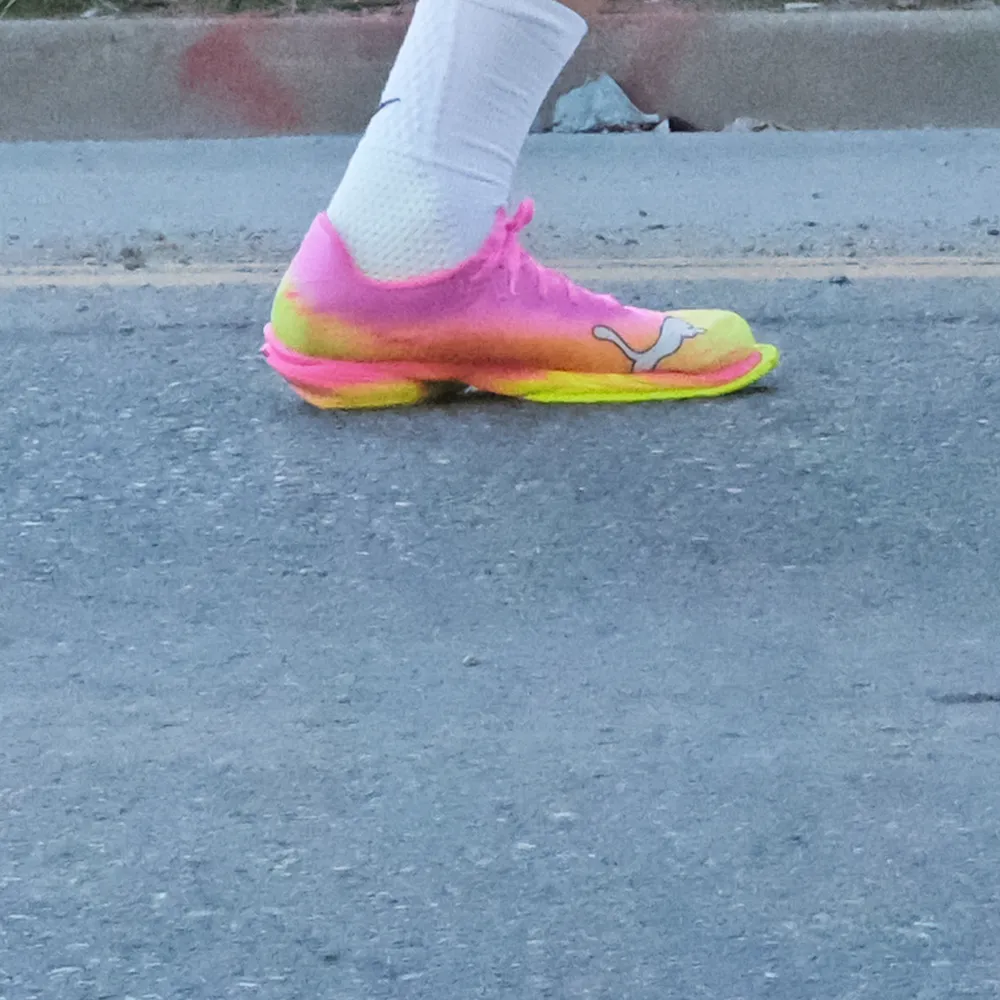
Non-elite rearfoot strikers will experience a negative heel-to-toe offset - a dynamic state when the midsole heel height is temporarily lower than the forefoot stack height. This occurs despite the midsole's 8 mm drop. The Fast R Nitro Elite 3's heel is much easier to compress than the forefoot because of the negative under-heel space. Hard heel landings will also apply stress to the Achilles and calves, resulting in potential soreness if the target muscle groups and tendons are unconditioned for a zero or negative drop.
See The Puma Fast-R Nitro Elite 3 in action
(Click to pause/play)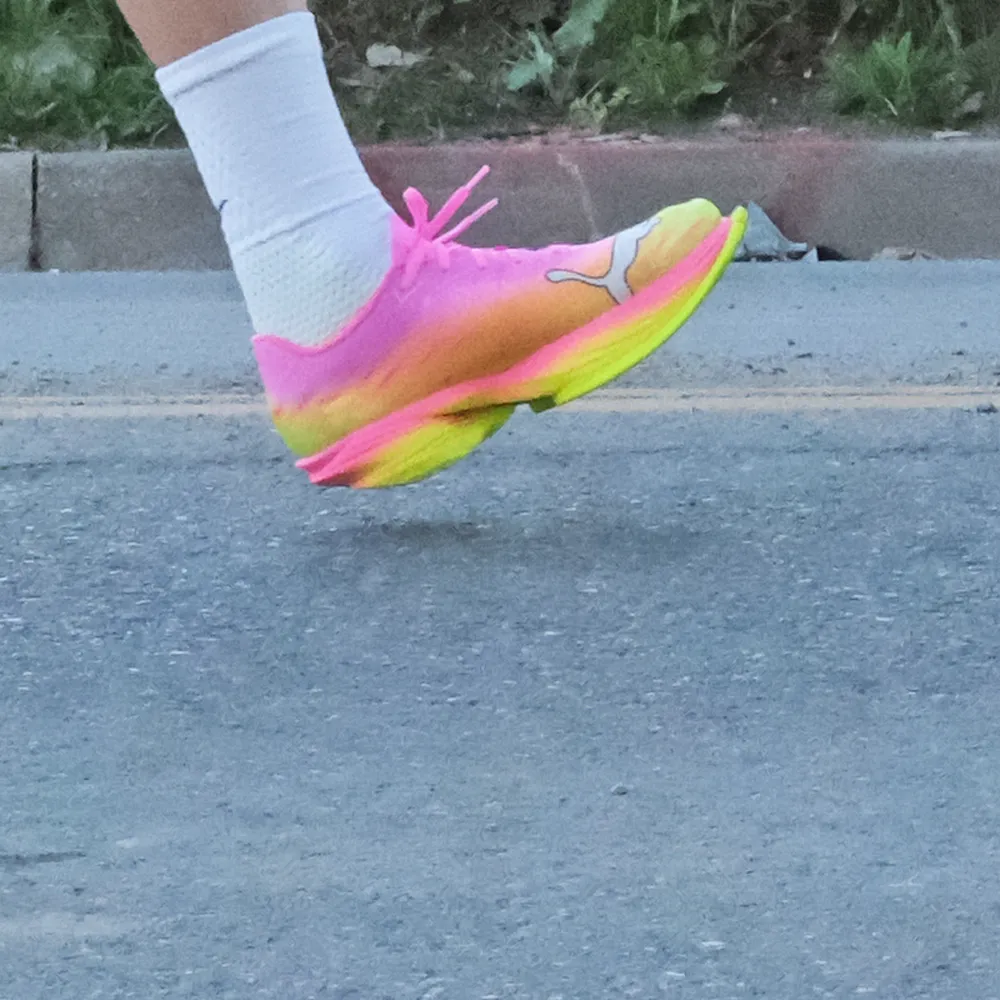
Mechanics at Work
- Softer heel → may temporarily cause negative drop
- Slim and soft rearfoot → negatively affects stability
- Heel midsole sink → makes transitions less efficient
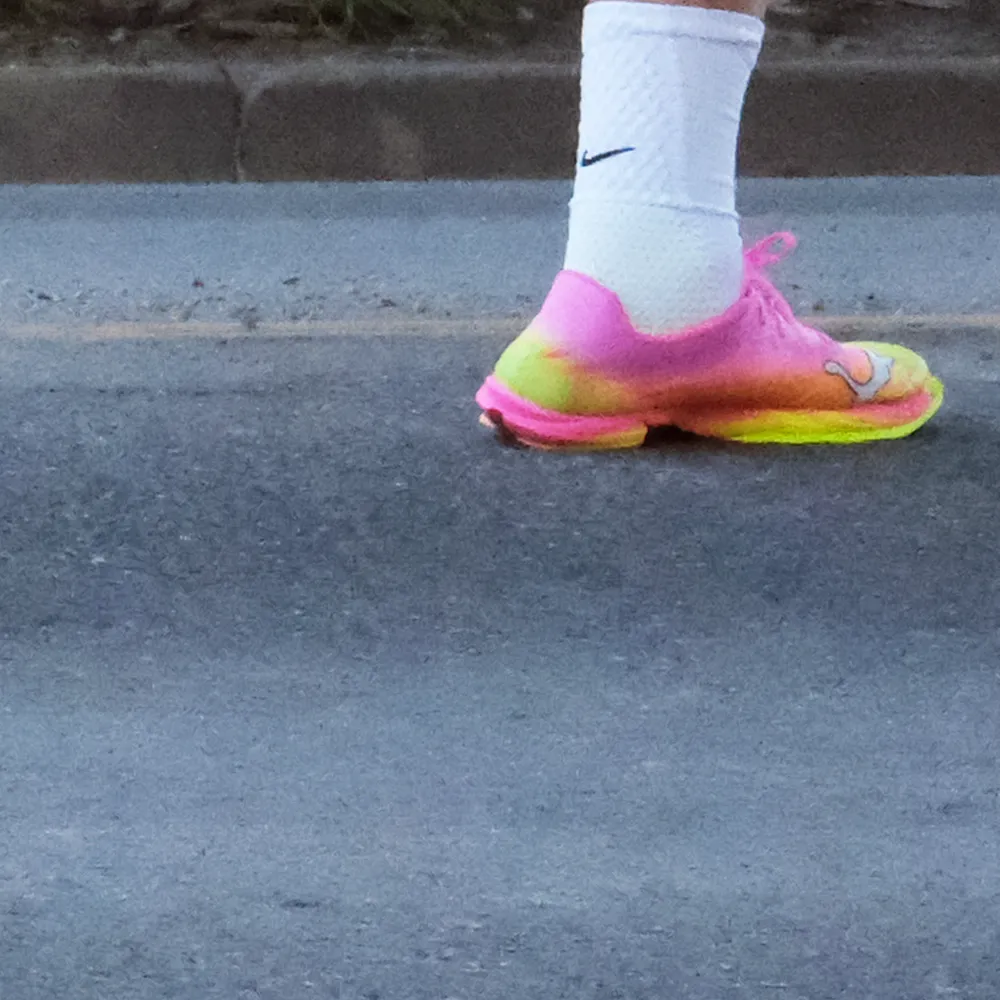
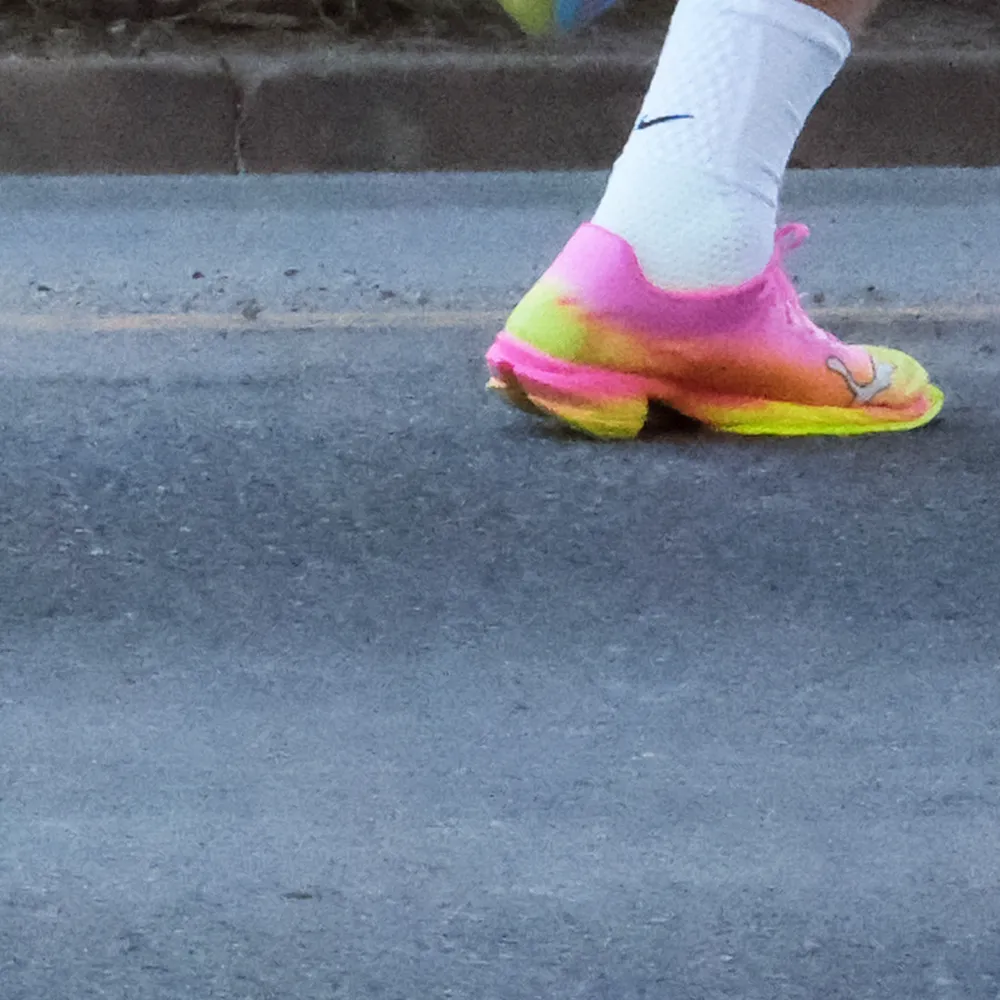
For a shoe with a slim midsole profile, the Fast R Elite 3 resists pronation rather well. The highly stiff CF-reinforced polymer plate prevents the midsole from folding inwards. The softer heel midsole is the weak link, as a pronated gait causes it to briefly sink. However, this caveat only applies to rearfoot strikers. If you're an elite or a top 20 percentile mid-pack runner who lands with a midfoot or forefoot strike, an overpronated gait is not a cause for concern. The shorter ground-contact time also minimizes the effect of overpronation.
See The Puma Fast-R Nitro Elite 3 in action
(Click to pause/play)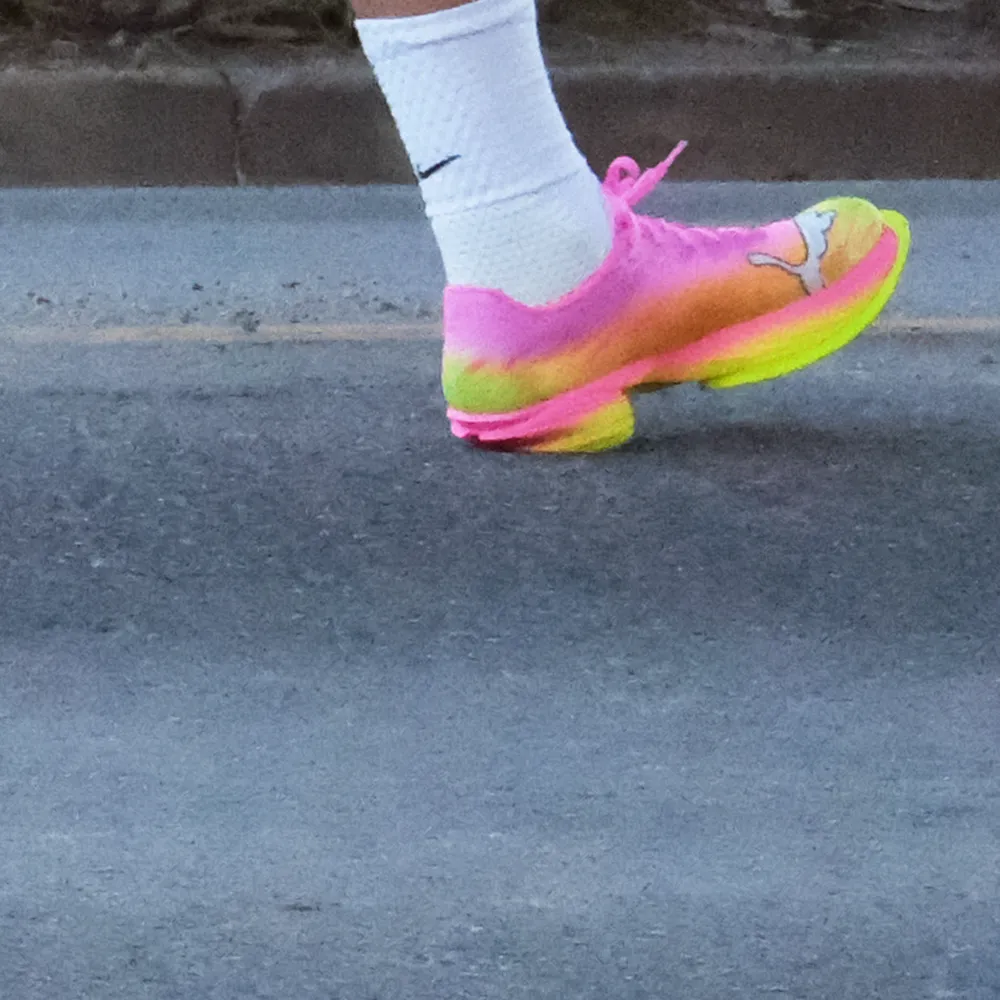
Mechanics at Work
- High plate stiffness → maintains midsole structure
- Soft heel midsole → causes inwards roll for heel strikers
- Ultra secure fit → prevents foot movement
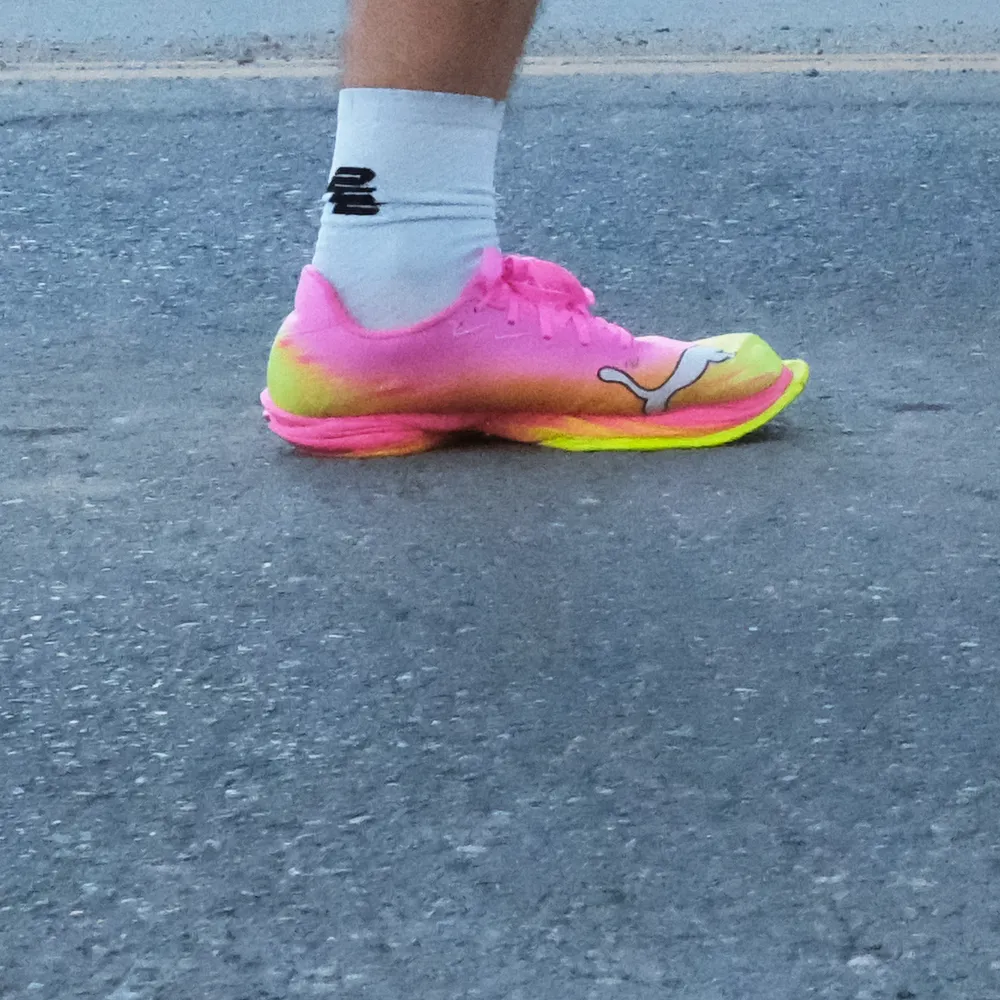
Only rearfoot-striking recreational and mid-pack runners who run slower than 4:30 min/km (7:00 min/mile) should avoid the Puma Fast R Nitro Elite 3. While faster heavy runners will compress the Nitrofoam Elite midsole more than others (see our biomechanical evidence), they will still stand to benefit from the speed-friendly feature set.
See The Puma Fast-R Nitro Elite 3 in action
(Click to pause/play)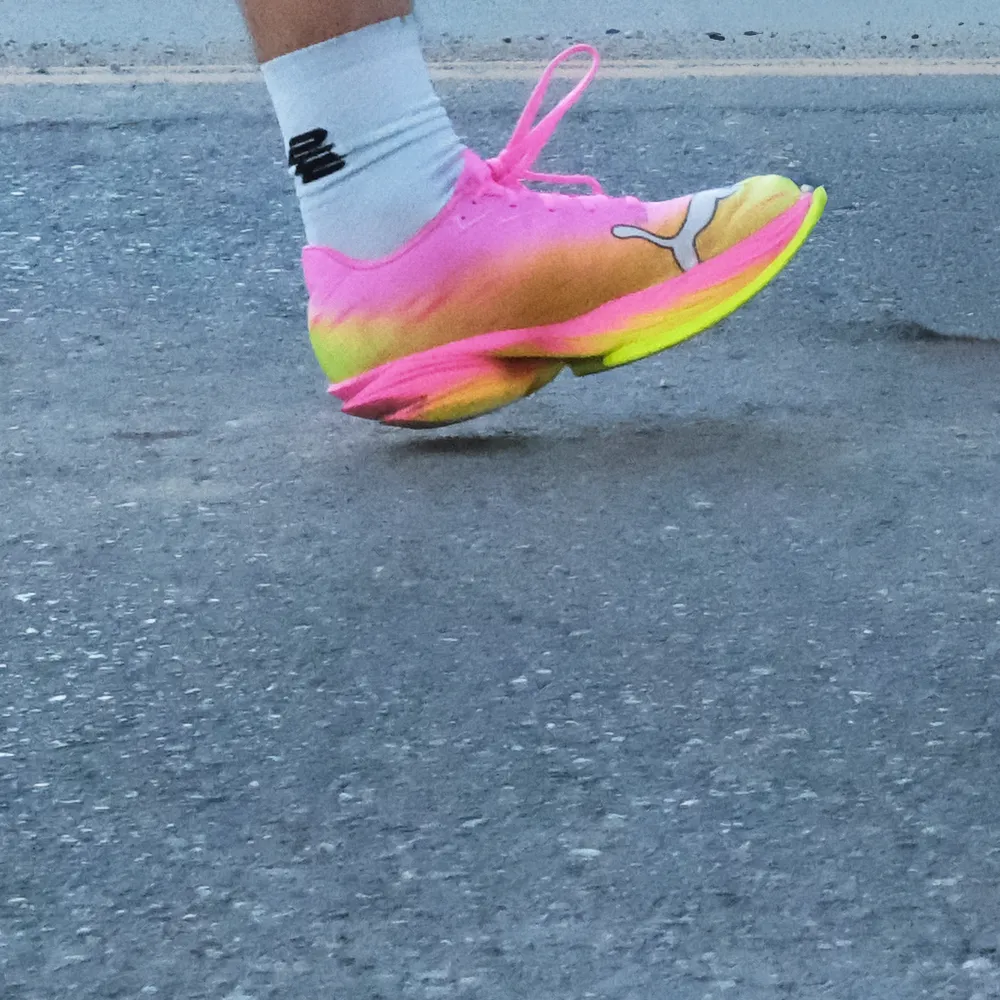
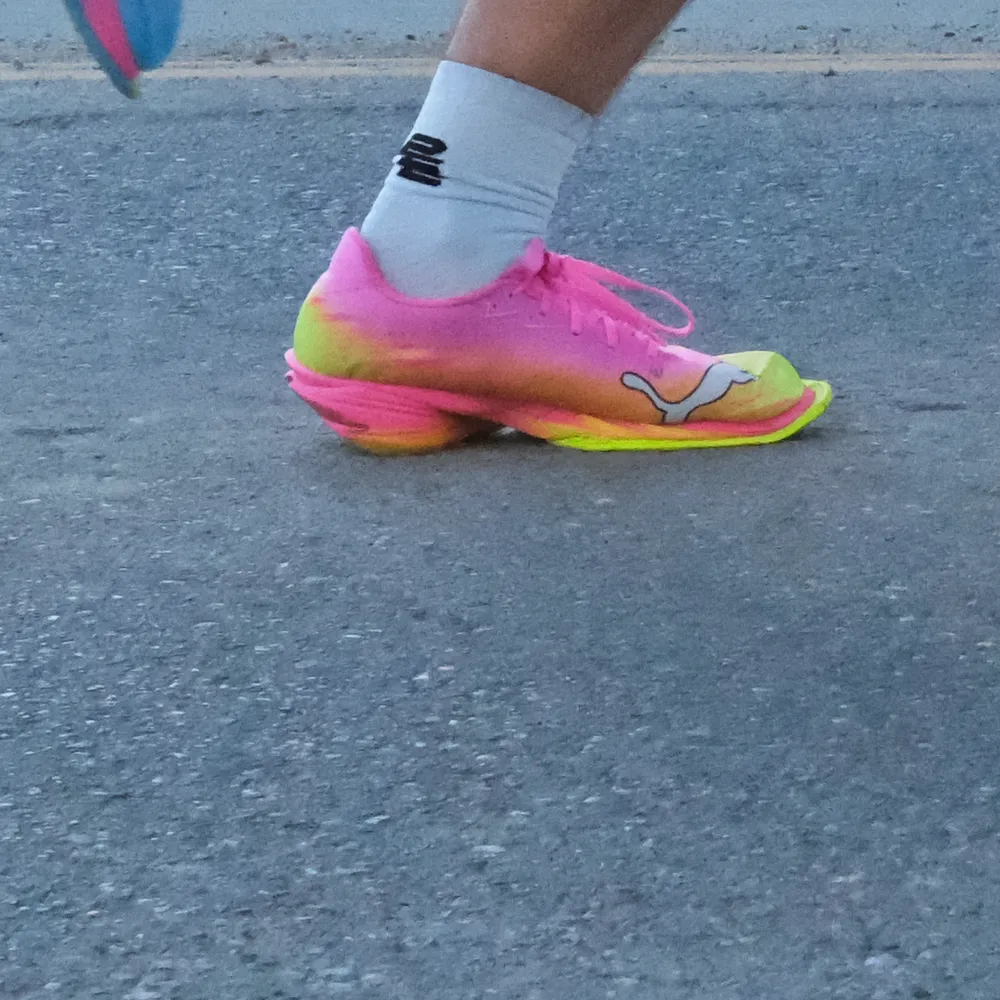
Mechanics at Work
- Nitrofoam Elite midsole → cushions without bottoming out
- Carbon fiber plate → stabilizes and smooths transitions
- Race-fit upper → securely locks the foot in
How we scored Puma Fast R Nitro Elite 3
Select your profile for the score
Our scoring is weighted by intended use and biomechanics. A daily trainer is judged by different standards than a racing shoe. The central Global Score reflects how well this shoe fulfills its intended purpose; if a shoe is weak in foundational areas like stability or traction, our algorithm applies automatic penalty points.
Recreational Score Breakdown
Summary
- Buy If: You're a forefoot-striking elite or serious runner who wants a hyper-propulsive speed-focused racing shoe with an ultra-stiff ride, exceptional traction, and a race-fit upper. You meet one or all of the following cut-off criteria: a sub-20-minute 5K, a sub-40-minute 10K, a sub-1:30 half-marathon, and/or a sub-3-hour marathon.
- Avoid If: You are a recreational or mid-pack runner who doesn't meet the recommended timing criteria. The Fast R Elite 3 doesn't take kindly to easy runs; it imposes performance penalties on slow speeds and rearfoot strikes. Our dynamic score of 9.4/10 assigns an 89% weightage to elite runners, 10% to mid-pack runners, and a mere 1% relevance weightage to recreational runners.
🔍 Deep Dive
The Fast R Nitro Elite 3 is nowhere near as forgiving as the Deviate Nitro Elite 4; this is a focused racing tool that’s purposely designed for elite and sub-elite runners with a forefoot strike. The Fast R really comes into its own at speeds faster than 4:00 min/km (6:30 min/mile). The ultra-stiff ride, the high rebound Nitro Elite foam, the sticky outsole, and the form-fitting upper work together as a cohesive unit.
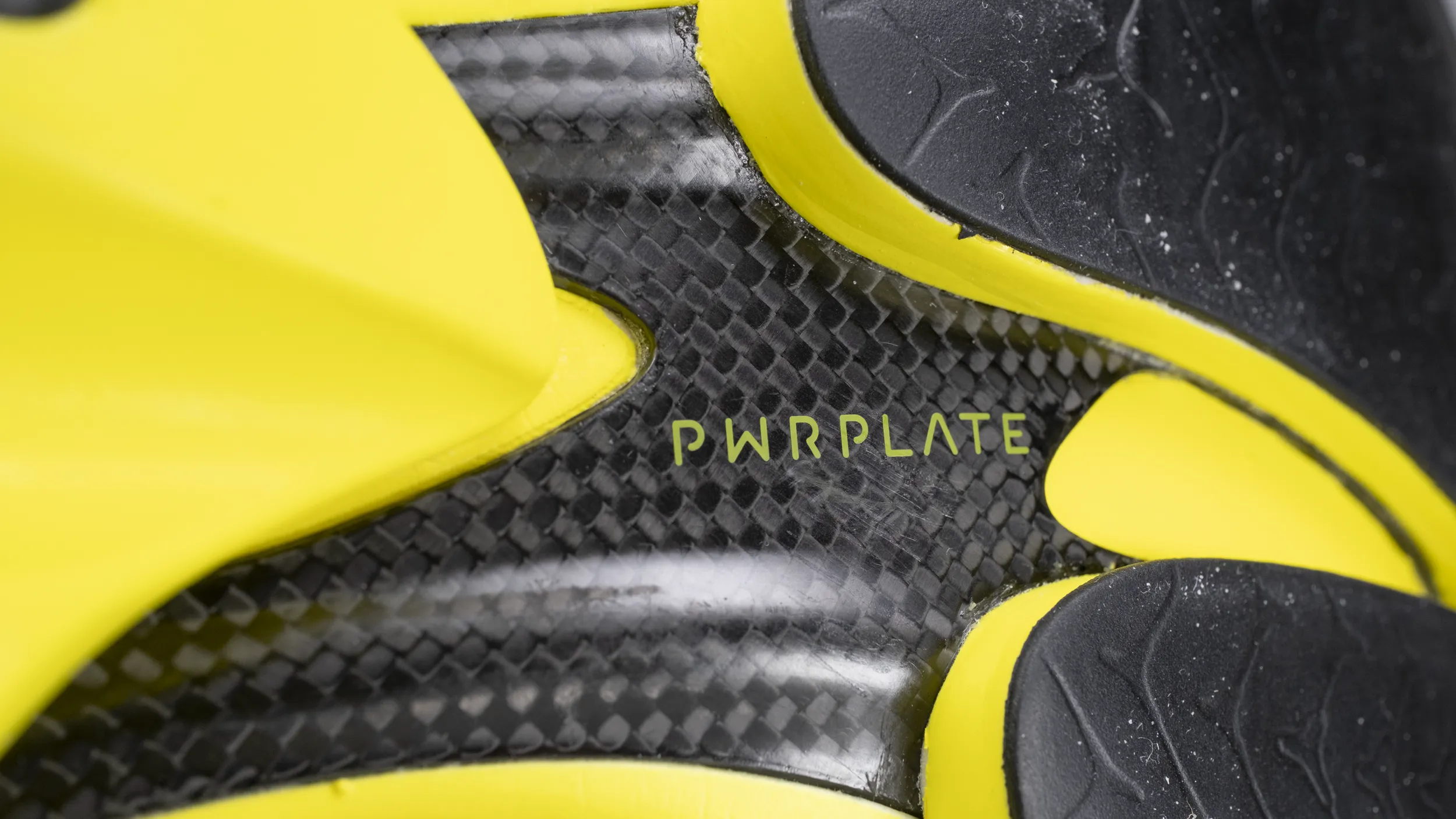
We’d like to call out a couple of unique features. It is the only racing shoe currently on the market to feature a carbon fiber reinforced polymer plate (similar to what pro-level ice hockey skates use). Our magnifier module has a high-resolution image of the plate; you can see the carbon fiber strands encased in polymer. In functional terms, this plate imparts exceptional stiffness to the midsole. Not only does it make the forefoot practically unbendable, but it also adds excellent torsional rigidity. The added stiffness makes the early-stage rocker so much more effective.
The Pumagrip outsole is the second noteworthy feature. Besides its superlative grip, the forefoot outsole extends over the front tip of the midsole. This allows elite runner to take advantage of outsole traction right up to the toe-off stage. As far as super shoes go, the upper is the best we’ve seen so far. The lightweight upper is extremely efficient at driving power from the foot to the midsole, while also highlighting the cushioning rebound.
Pros
- Highly propulsive rocker
- True-to-size, glove-like fit
- Exceptional outsole grip
- Foam rebound
- Ventilation
Cons
- Negative drop for heel strikers
- Low utility for non-elite runners
SHOE MAGNIFIER
Zoom In. Enhance.
Select a view, then use the slider to zoom in on the Fast R Nitro Elite 3.