Review Updates
(1 total)- 2026-06-03 — Review published
BROOKS GLYCERIN MAX 2 IS BEST FOR
BEST FOR
SWEET SPOT
SPEED COMPATIBILITY
BIOMECHANICS: THE BROOKS GLYCERIN MAX 2
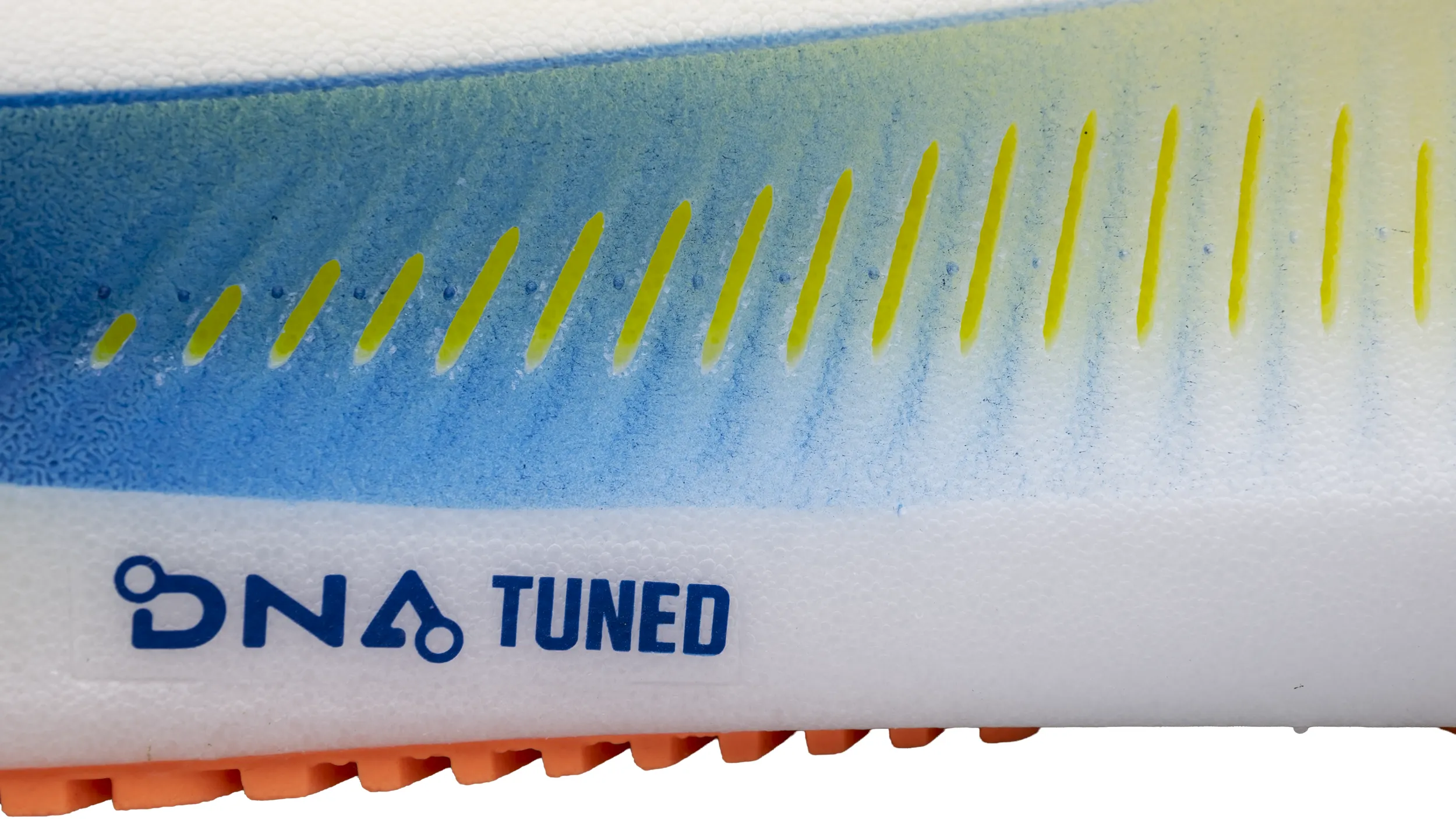
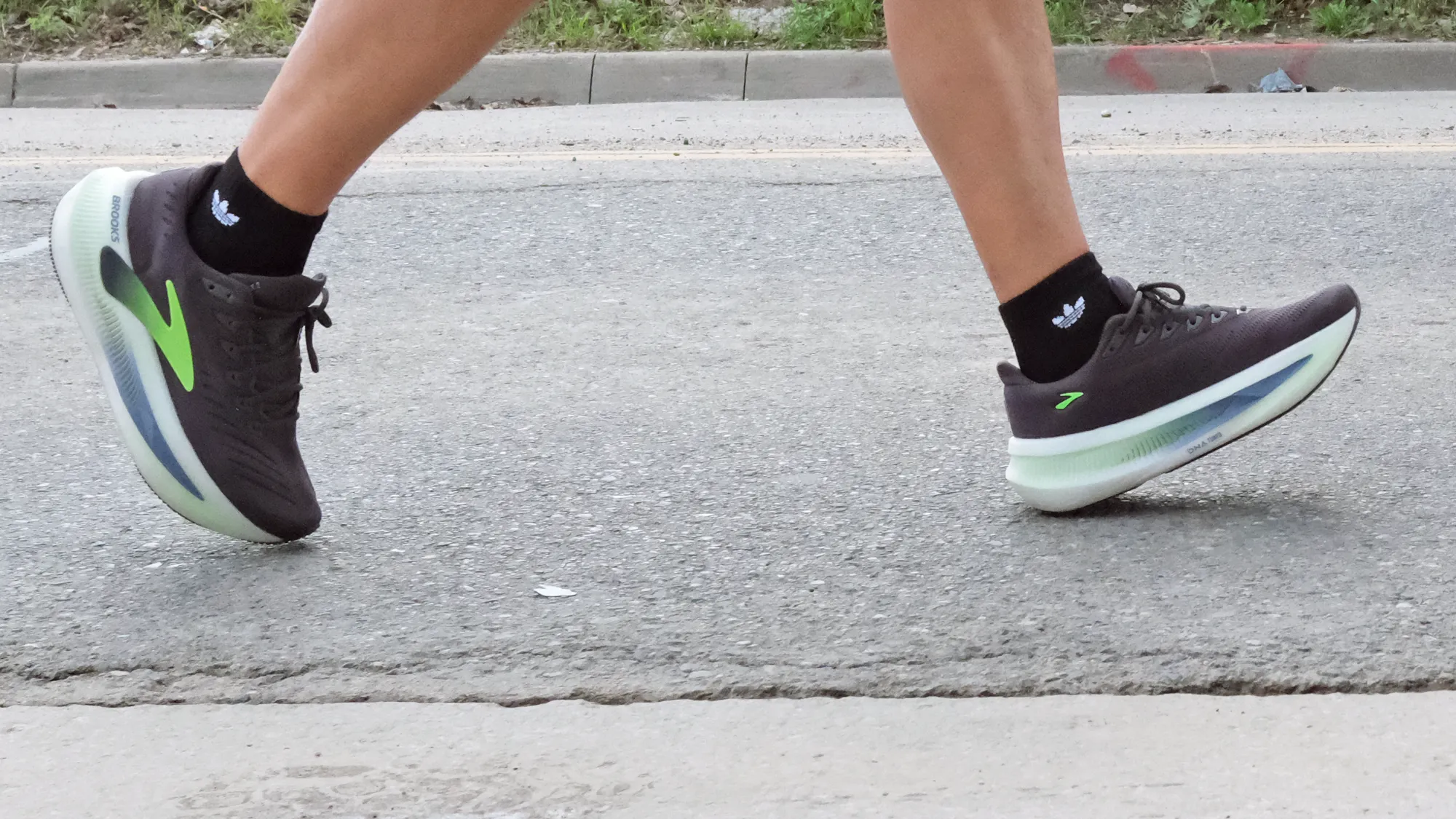
By design, the midsole produces softer heel landings and firmer toe-offs. The dual-density DNA Tuned midsole encases a firmer (small-celled) nitrogen-infused foam inside a softer (large-celled) covering. While the firmer foam (the fluorescent green part) is full-length, it is thickest and rocker-shaped under the forefoot. Neutral heel strikers will experience a smooth transition from landing to toe-off. Overpronating and/or heavy recreational runners will experience medial compression because of the laser-cut sidewalls.
See The Brooks Glycerin Max 2 in action
(Click to pause/play)


Mechanics at Work
- 46 mm, 40 mm stack heights → produce a highly-cushioned ride
- Unsupportive laser-cut sidewalls → lack support for edge cases
- Narrow forefoot → offers security, but runs warm
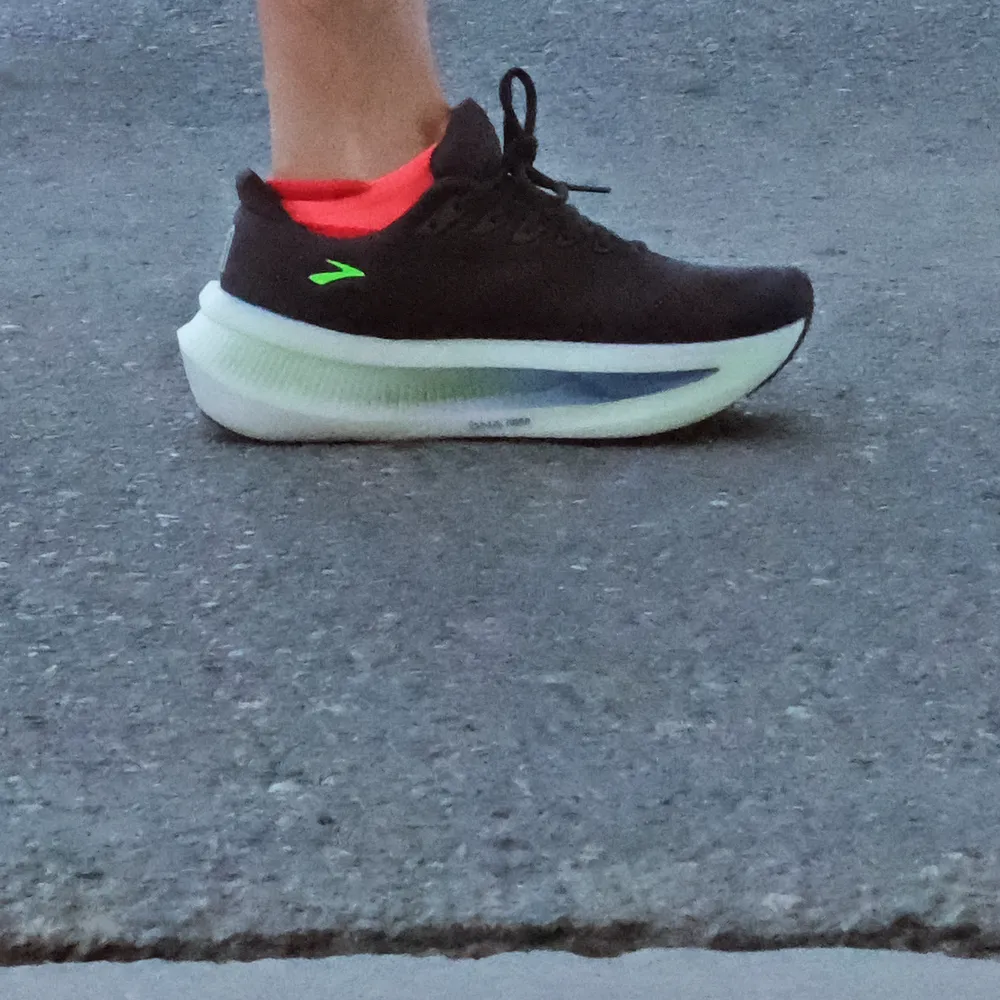
Mid-pack runners at a 5:00 min/km (8:00 min/mile) pace will be able to extract usable performance out of the Glycerin Max 2, provided they land midfoot or forefoot first. While they will experience minor sidewall caving (see our biomechanical mid-stance frame), the firmer forefoot and rocker make the transitions relatively efficient for a shoe this bulky. The forefoot outsole grip is excellent, while the snug upper allows the foot to connect better with the midsole.
See The Brooks Glycerin Max 2 in action
(Click to pause/play)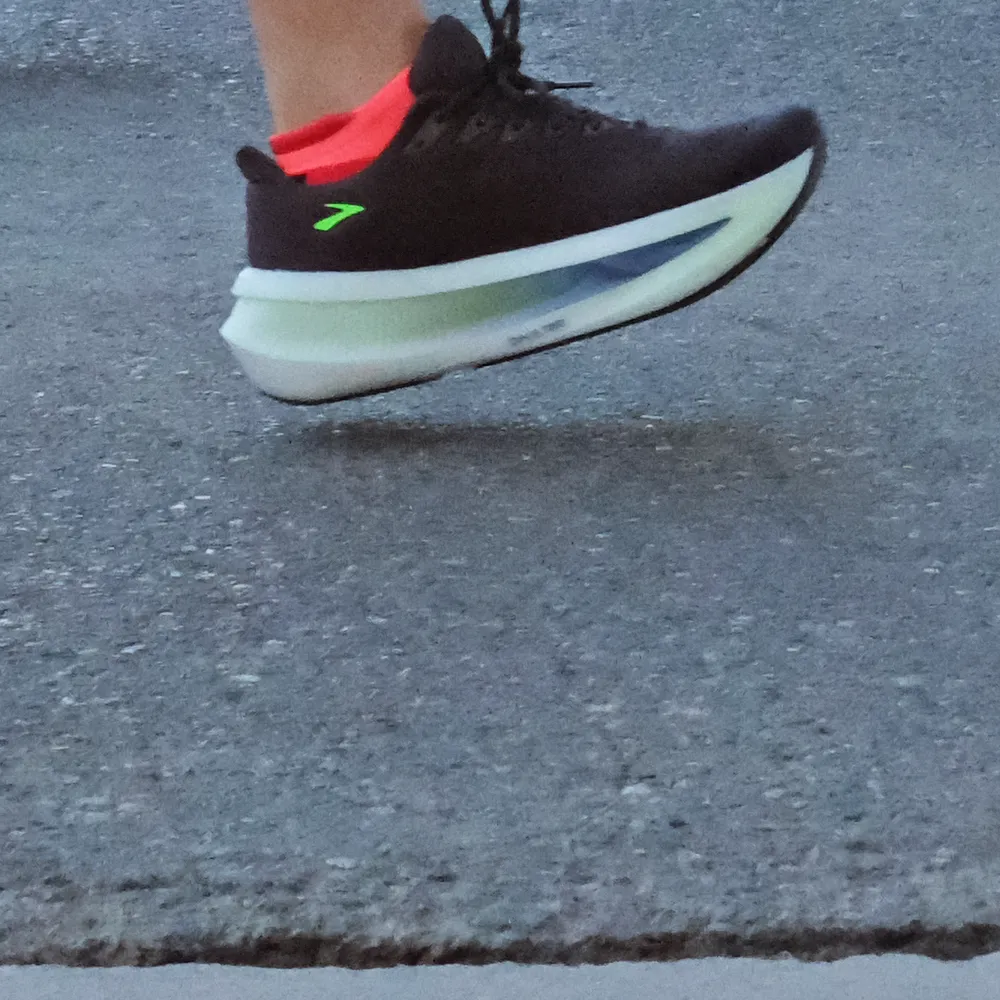

Mechanics at Work
- Firmer DNA Tuned forefoot → makes toe-offs efficient
- Forefoot outsole → provides dependable traction
- Narrow fit → drives power to the midsole
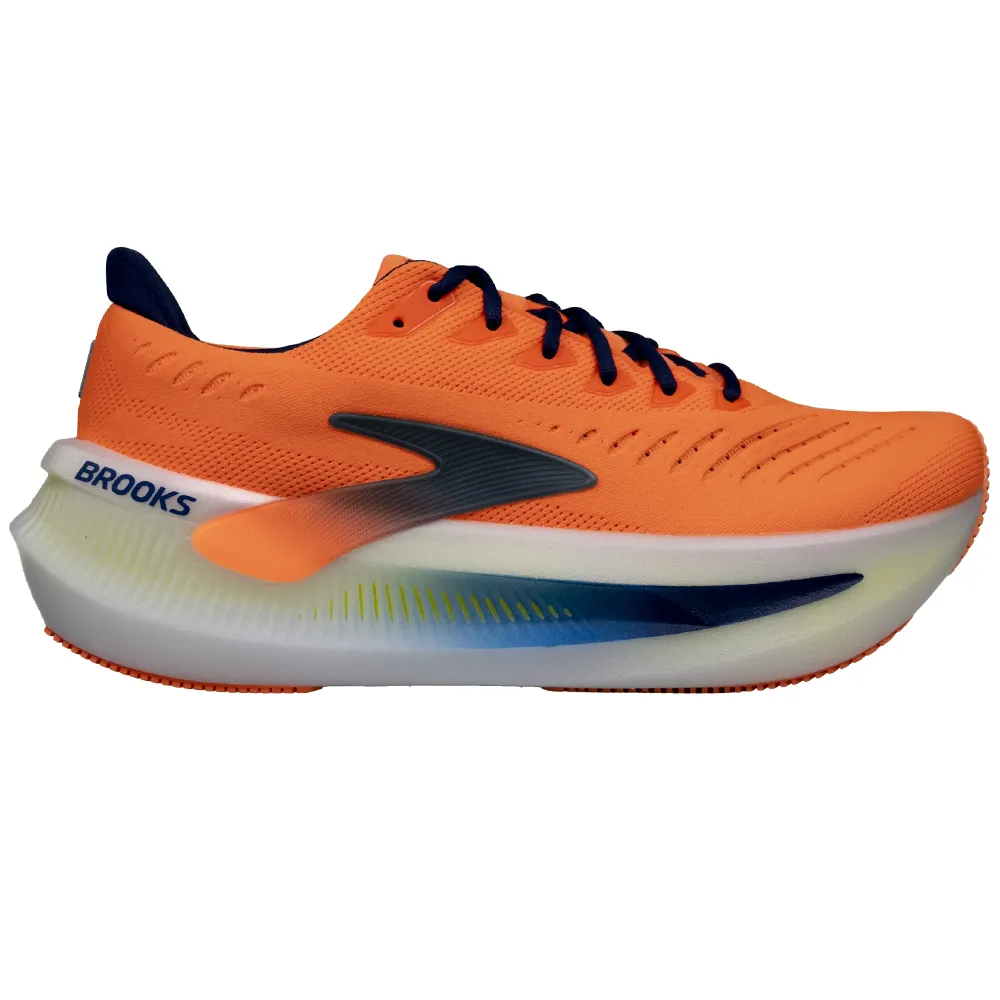
For obvious reasons, this shoe will struggle during demanding high-speed runs. The cushioning sink makes the transitions extremely inefficient at high speeds, the upper runs too hot, and proprioceptive feedback is non-existent. Also, its 11.3-ounce weight far exceeds the median weight for performance racers.
See The Brooks Glycerin Max 2 in action
Mechanics at Work
- Soft midsole → drastically weakens proprioception
- Tall stack without stiff element → slows transitions
- 11.3-ounce weight → is excessively heavy for race pace
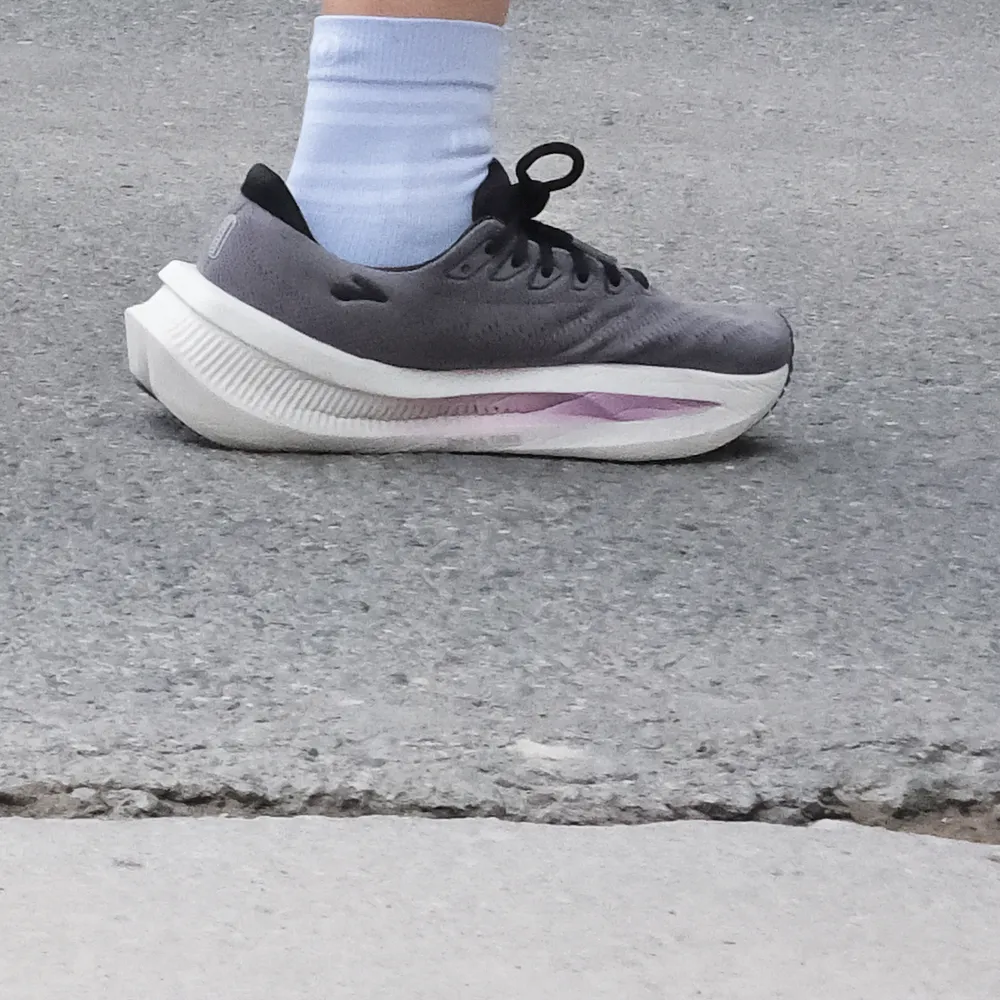
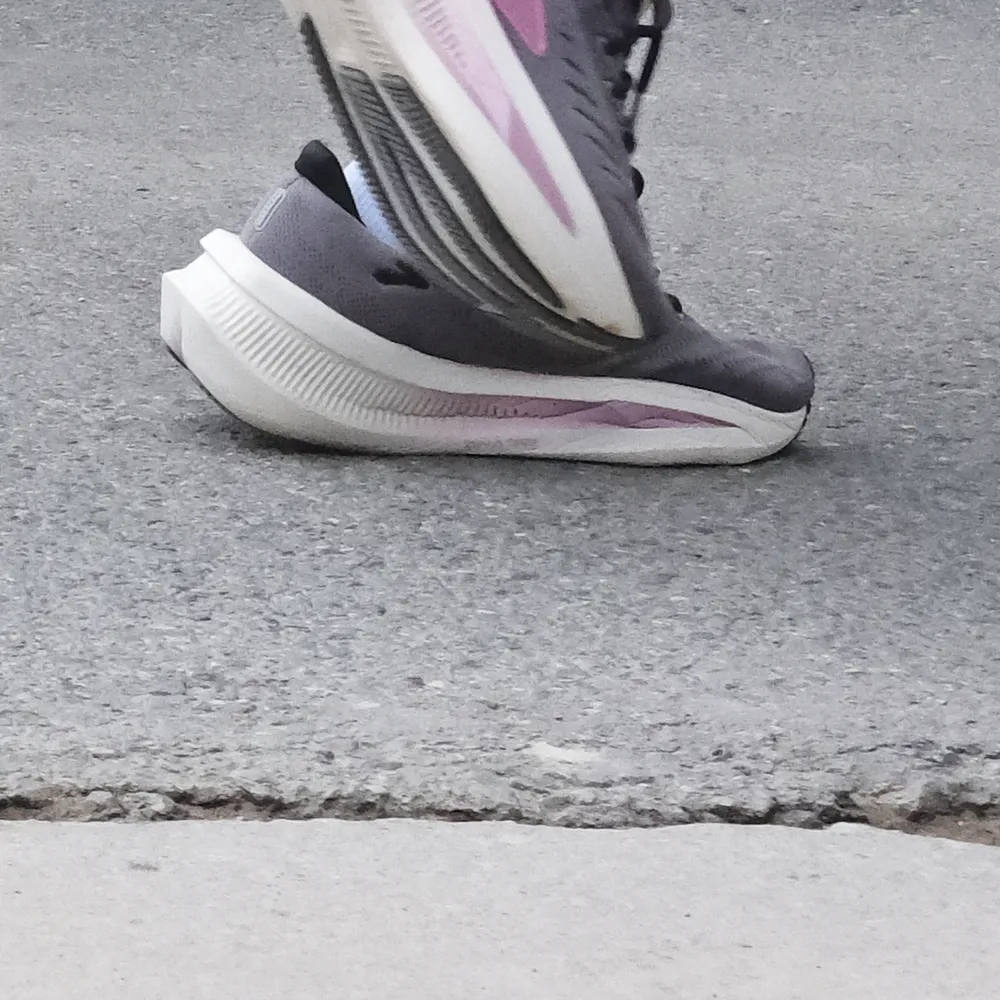
Rearfoot strikers receive what they expect - mostly. The foot will land on the thickest and softest part of the midsole - all 46 to 48 mm of it - before gradually transitioning to the firmer forefoot. During the mid-stance phase, the published 6 mm heel drop will be entirely consumed by the cushioning sink. The laser-cut sidewall slits also make the midsole easier to compress than the more supportive forefoot stack. While exceptions apply, the Glycerin Max 2 produces a comfortable ride without unpleasant surprises for neutral heel strikers.
See The Brooks Glycerin Max 2 in action
(Click to pause/play)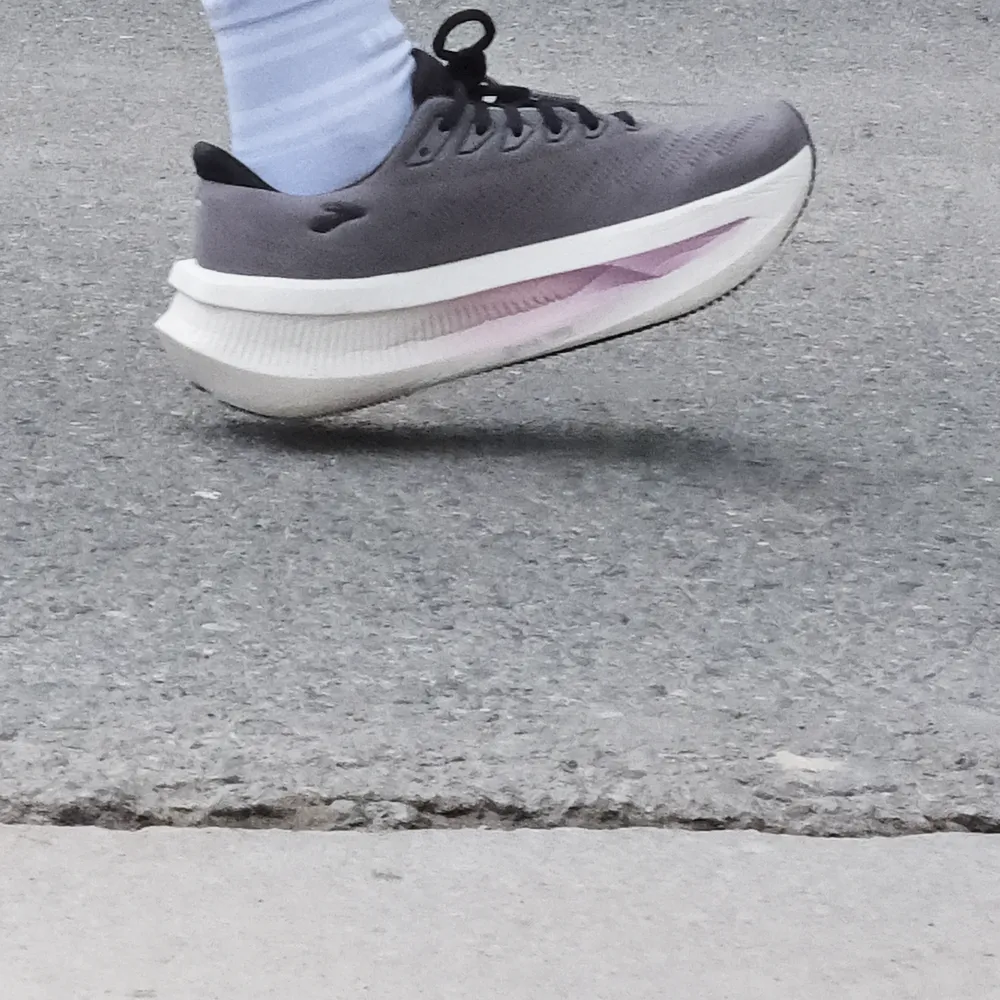
Mechanics at Work
- 46 mm stack height → cushions landing impact
- Dual-density midsole → offers long-distance comfort
- Weak sidewall structure → may cause zero drop conditions
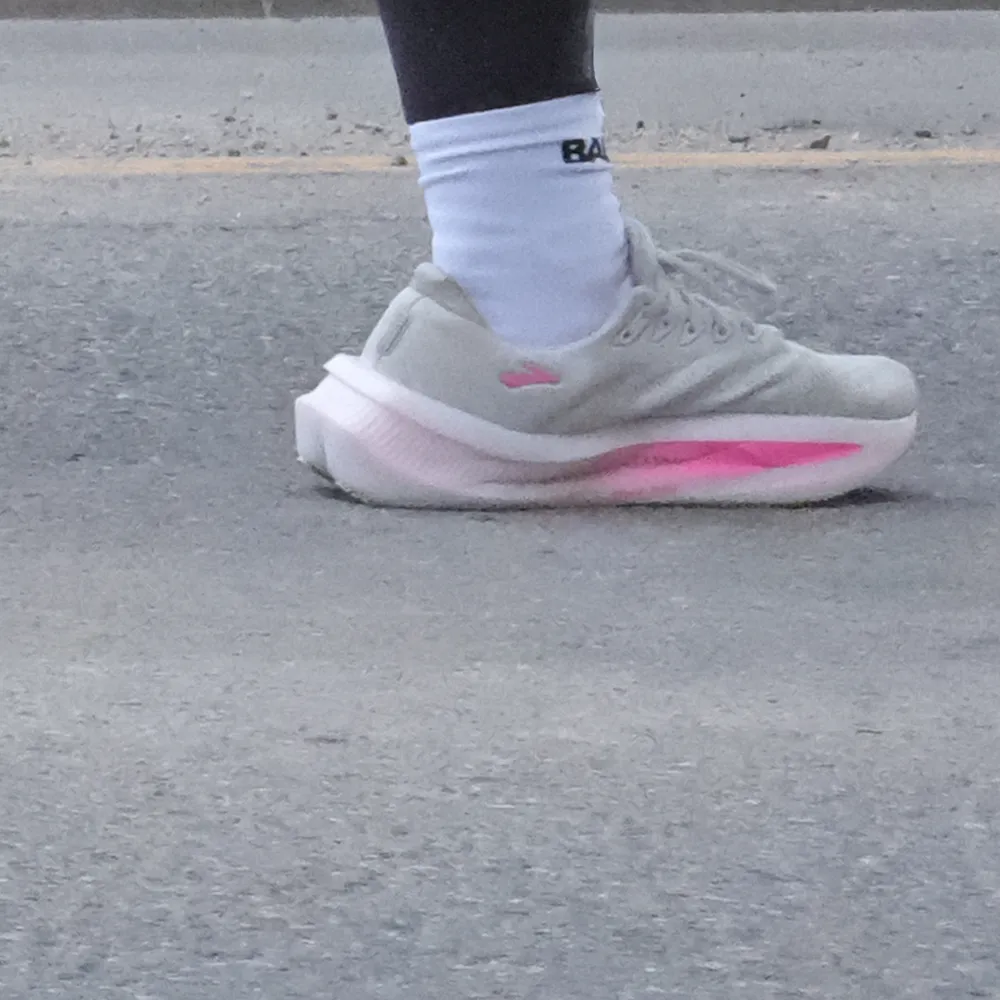
Contrary to what Brooks claims, the Glycerin Max 2 does not offer "max support". As far as medial support is concerned, it is on the much lower end of the stability spectrum. Despite its wide outsole and midsole cupping action, the laser-cut sidewalls and concave grooves decrease structural support on the medial side. While the midsole doesn't collapse on its side, the shoe offers lower levels of pronation resistance than other softer trainers like the Brooks Glycerin 23, Hoka Bondi 9, and even the Nike Vomero Plus.
See The Brooks Glycerin Max 2 in action
(Click to pause/play)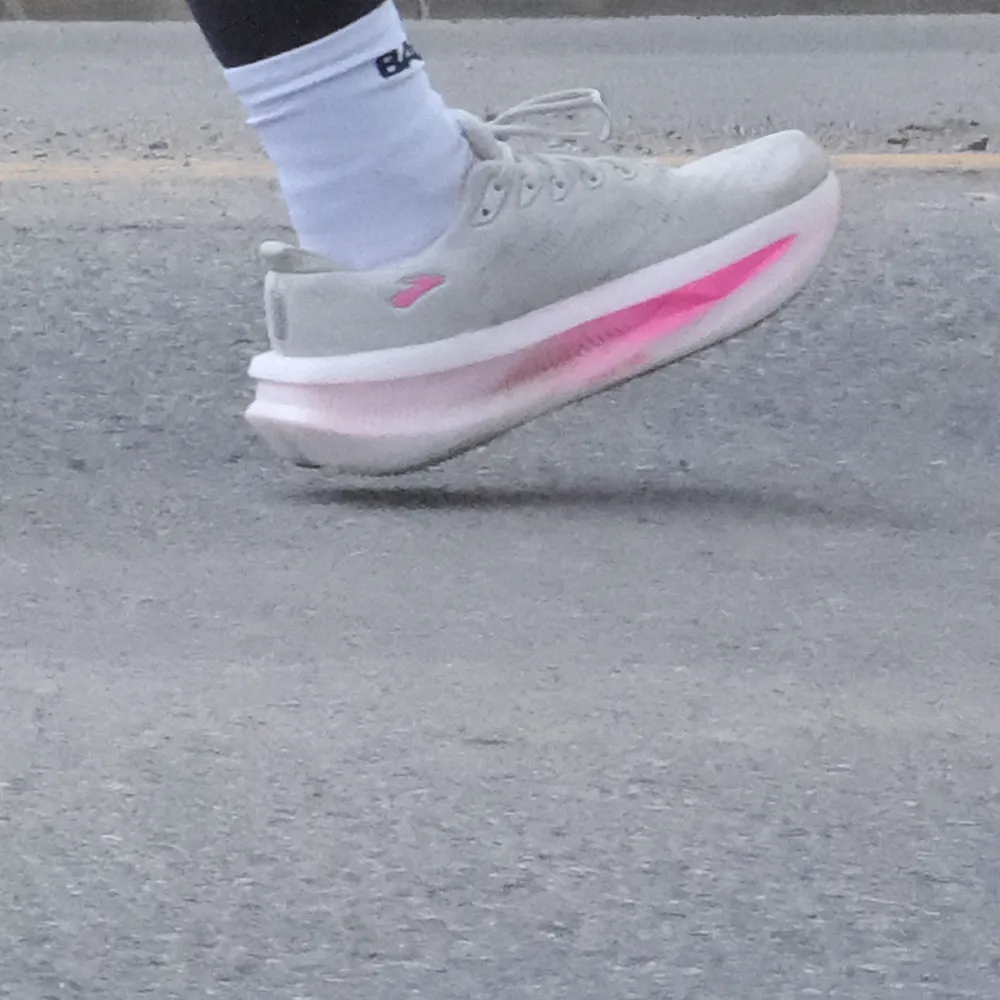

Mechanics at Work
- Medial concave groove → weakens midsole structure
- Laser-cut sidewalls → do not resist inwards roll
- Inwards midsole sink → may produce negative drop conditons
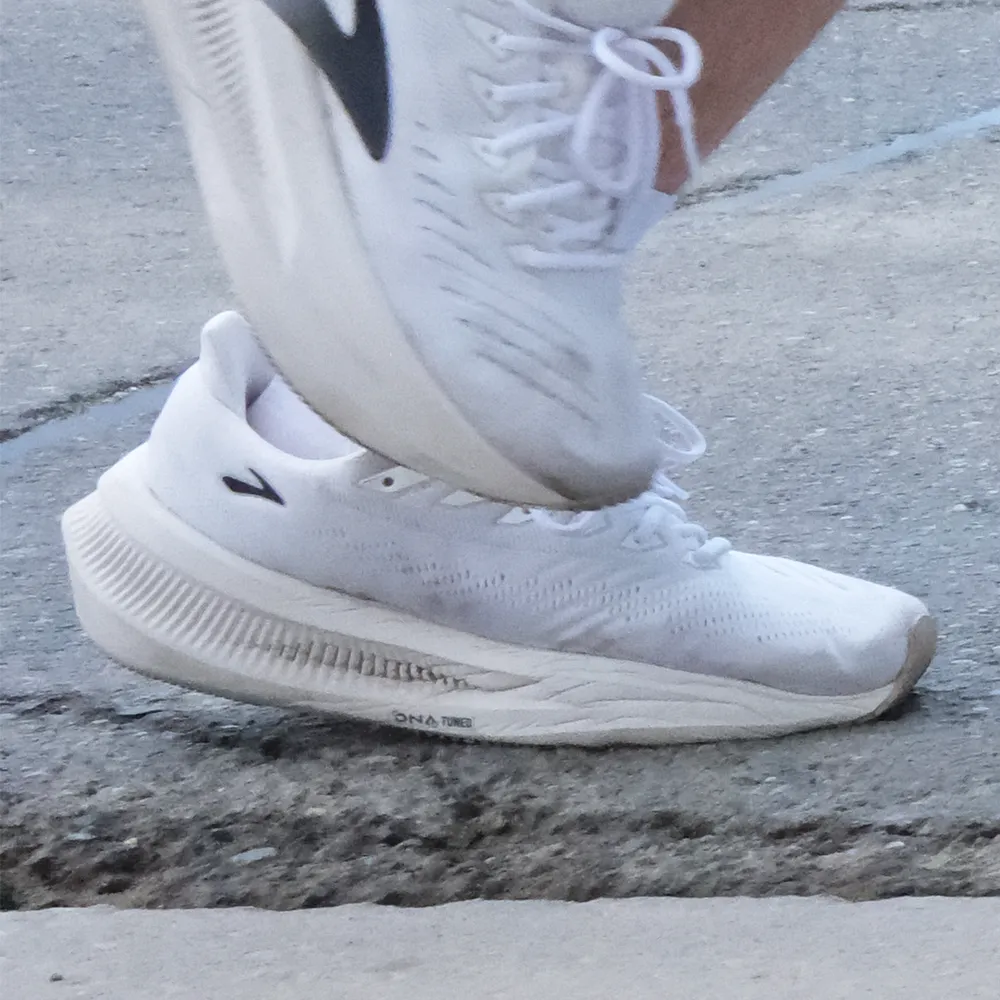
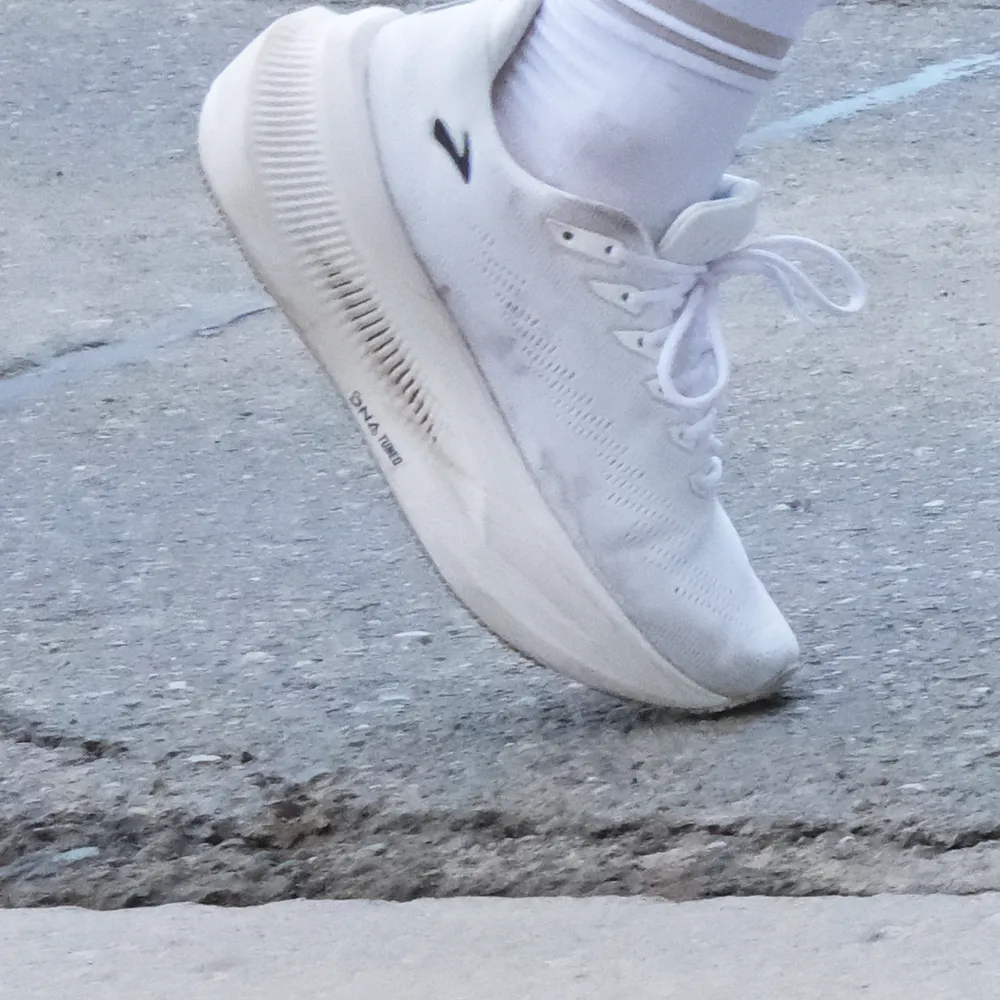
The Brooks DNA Tuned foam generally does a good job of resisting compression under heavy loads. For example, the Glycerin 23 fares well under non-oversupinating heavy loads. However, the midsole sidewalls aren't built to handle heavy loads. Thanks to the shallow concave channels, the midsole doesn't offer a lot of compression resistance. The laser-cut holes do the rest. While the midsole doesn't bottom out under heavy loads, the deformation is higher than on comparable trainers in its class. The rest is standard fare - a comfortable ride for long and easy runs, and so on.
See The Brooks Glycerin Max 2 in action
(Click to pause/play)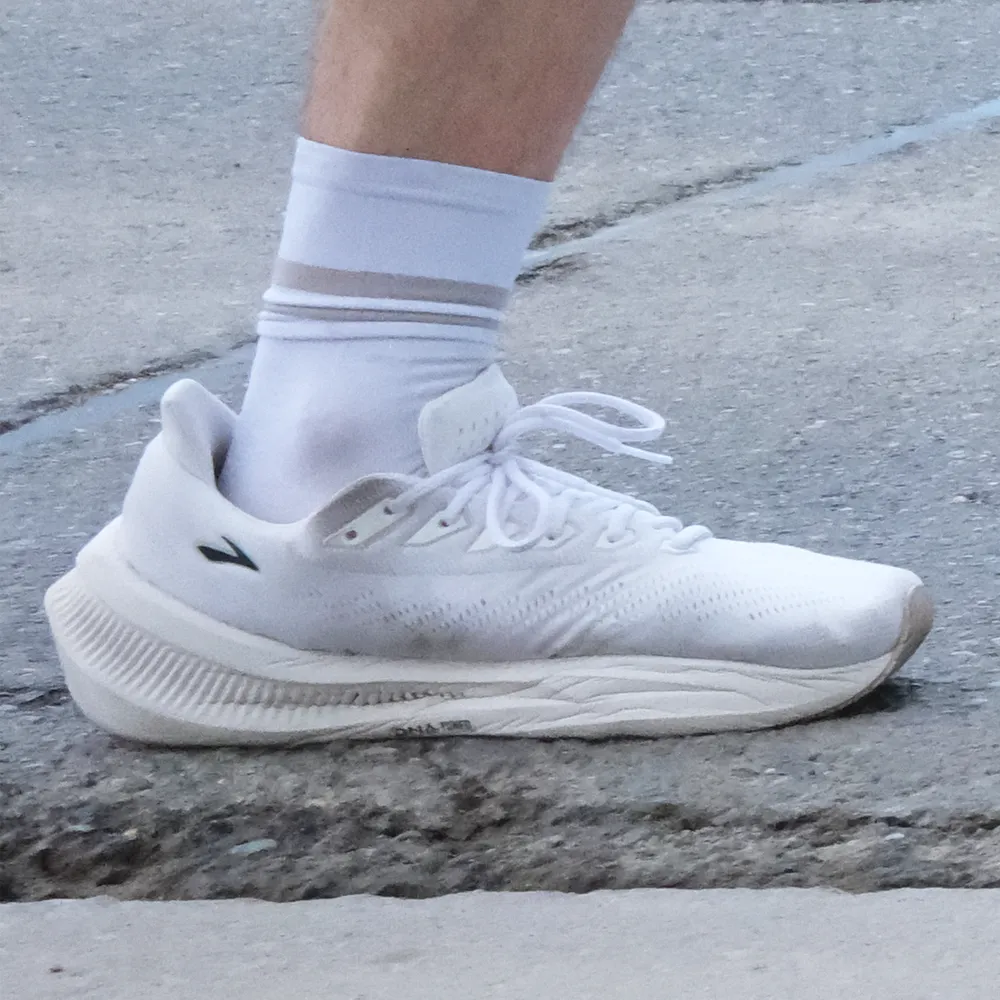
Mechanics at Work
- Concave sidewall channels → offers limited support
- Laser-cut midsole slits → decreases compression resistance
- Resilient DNA Tuned foam → doesn't bottom under heavy loads
How we scored the Brooks Glycerin Max 2
Select your profile for the score
Our scoring is weighted by intended use and biomechanics. A daily trainer is judged by different standards than a racing shoe. The central Global Score reflects how well this shoe fulfills its intended purpose; if a shoe is weak in foundational areas like stability or traction, our algorithm applies automatic penalty points.
Recreational Score Breakdown
Summary
- Buy If: You're a neutral runner with good running form and want a comfortable trainer for everyday training and road races. The Glycerin Max 2 works best if your pace equals to or is slower than a 30-minute 5K, 60-minute 10K, 2:00 half-marathon, and/or 4:00 marathon.
- Avoid If: You want a shoe for speeds that exceed the recommended thresholds. This shoe is also a surprisingly poor choice for heavy runners, overpronators, and supinators because low lateral and medial stability increase the workload for the foot. Our contextual score of 6.7/10 assigns a 75% weightage to recreational runners, 24.5% to mid-pack runners, and a mere 0.5% relevance weightage to elite runners.
🔍 Deep Dive
The Brooks Glycerin Max 2 delivers what it promises for neutral runners who weigh under 190 lbs (86 kg). The dual-density DNA Tuned midsole creates a comfortable ride at speeds slower than 5:30 min/km (8:50 min/mile). With a narrow fit and a firmer forefoot, this shoe feels quicker for forefoot strikers than it does for rearfoot strikers.
It also appears that Brooks didn’t spend as much time designing the Glycerin Max 2 as it did on the polished Glycerin 23. The laser-cut slits on the sidewalls remove foam to make the midsole easier to compress. The midsole sidewalls also have concave depressions that weaken its structural integrity. Our biomechanical data captured during actual road races demonstrate that the Glycerin Max 2 offers low stability for overpronators and over-supinators, as the laser-cut concave sidewalls fail to offer the necessary levels of support. Sorry Brooks, your ‘max support’ claim doesn’t hold up.
One would think a wide outsole footprint, sidewall cupping, an under-heel groove, and the resilient DNA Tuned foam would offer a lot of support for heavy runners. However, the compression-prone sidewalls and needlessly tall midsole impose unexpected demands on running form. Shoes like the Asics Nimbus 28, Nike Vomero Plus, and Hoka Bondi 9 are more forgiving of overpronation, oversupination, and heavier loads than the Glycerin Max 2. If you wish to stick to Brooks, we recommend that you either get the Glycerin 23 or Ghost Max 3 instead.
The true-to-size upper does one thing very well. The narrow fit presses the foot down over the firmer DNA Tuned forefoot, accentuating the rocker effect for a mildly propulsive feel. However, the warm upper lacks the refinement of the Glycerin 23’s upper.
Pros
- Ultra-cushioned ride for neutral runners
- Excellent outsole traction
- Secure upper lockdown
- Non-mushy forefoot
- Rocker for smooth toe-offs
Cons
- Heavy, unstable ride
- Low pronation and supination resistance
- Thick upper doesn't breathe well
- Tongue slide
- No widths
SHOE MAGNIFIER
Zoom In. Enhance.
Select a view, then use the slider to zoom in on the Glycerin Max 2