Review Updates
(2 total)- 2026-07-23 — Added links to relevant reviews
- 2026-07-09 — Review published
NEW BALANCE 1080V15 IS BEST FOR
BEST FOR
SWEET SPOT
SPEED COMPATIBILITY
BIOMECHANICS: THE NEW BALANCE 1080V15
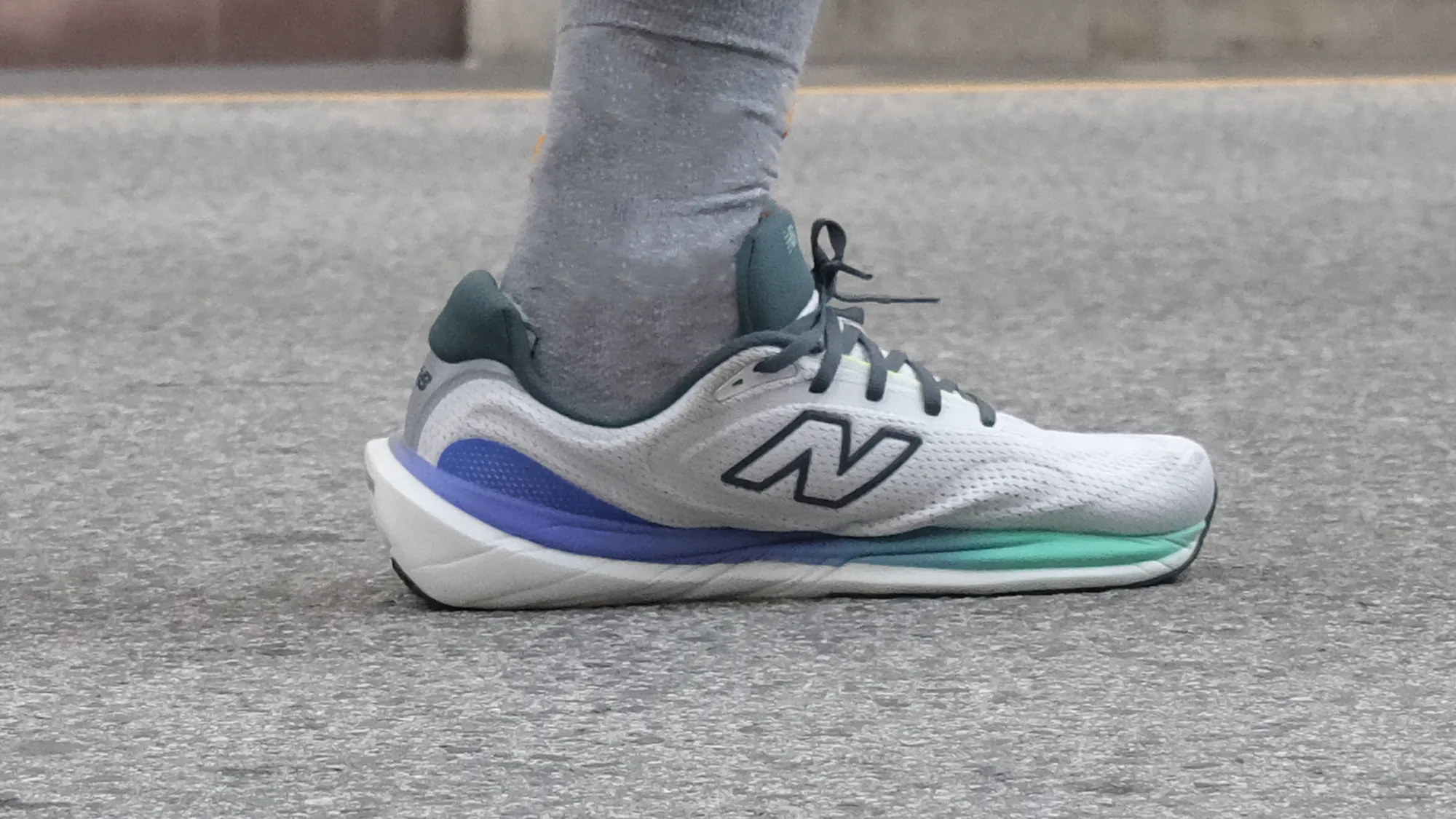
Lightweight recreational runners with a neutral gait orientation will experience an ultra-soft ride. However, as seen in our biomechanical frames, the Infinion midsole compresses easily during the gait cycle, almost to the point of bottoming out. The foot has to work hard to stabilize the body during landings and transitions, and the transitions feel sluggish. Avoid hard landings.
See The New Balance 1080v15 in action
(Click to pause/play)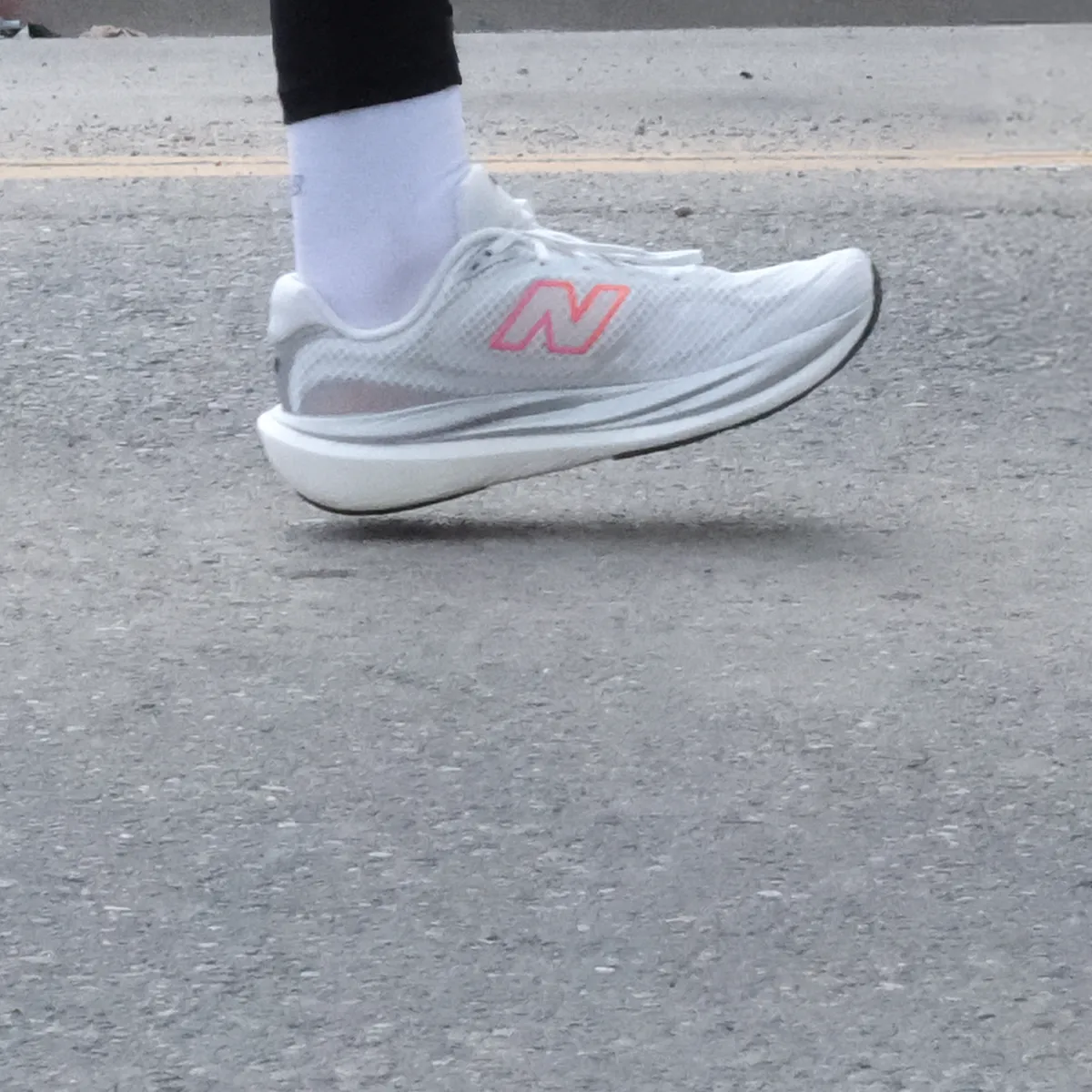
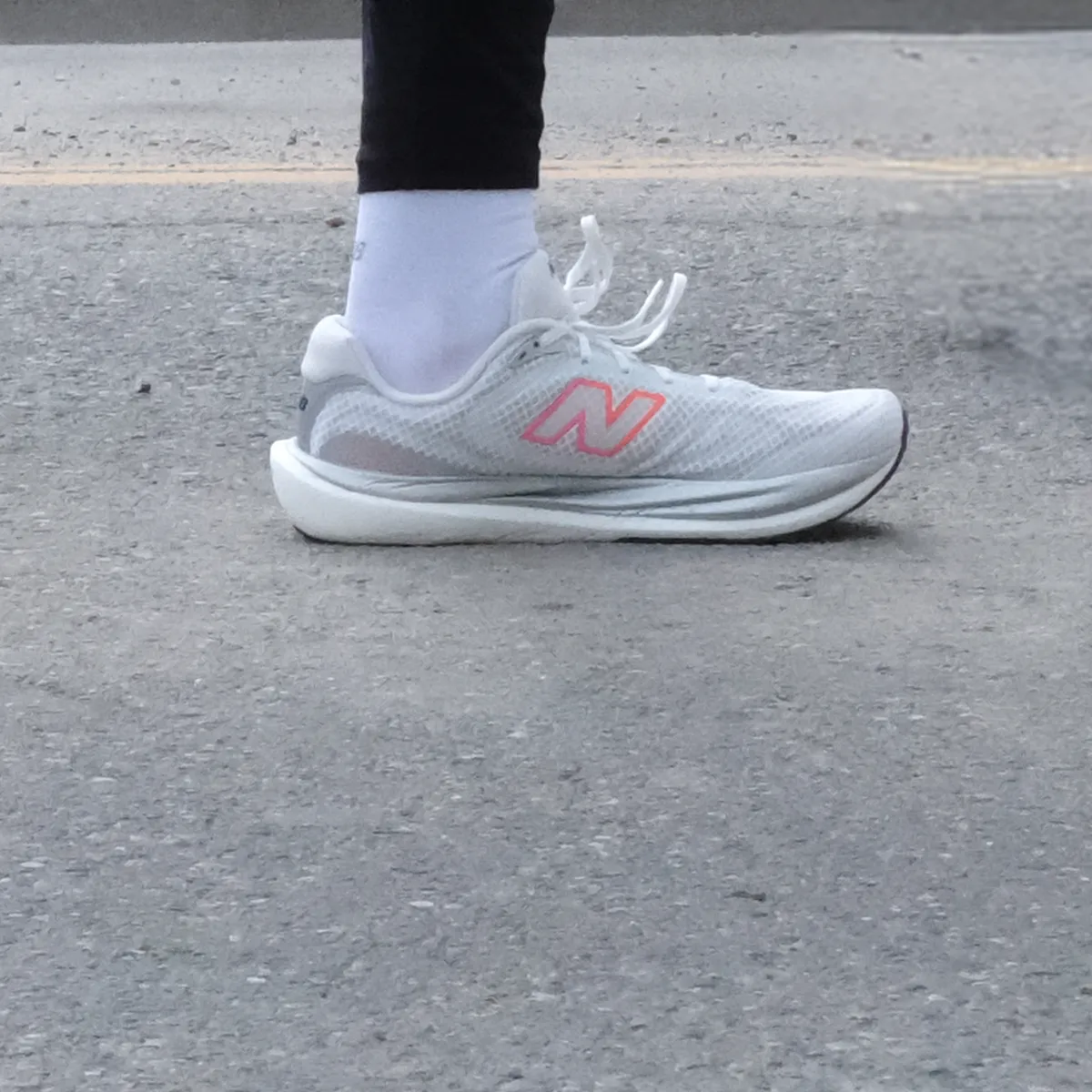
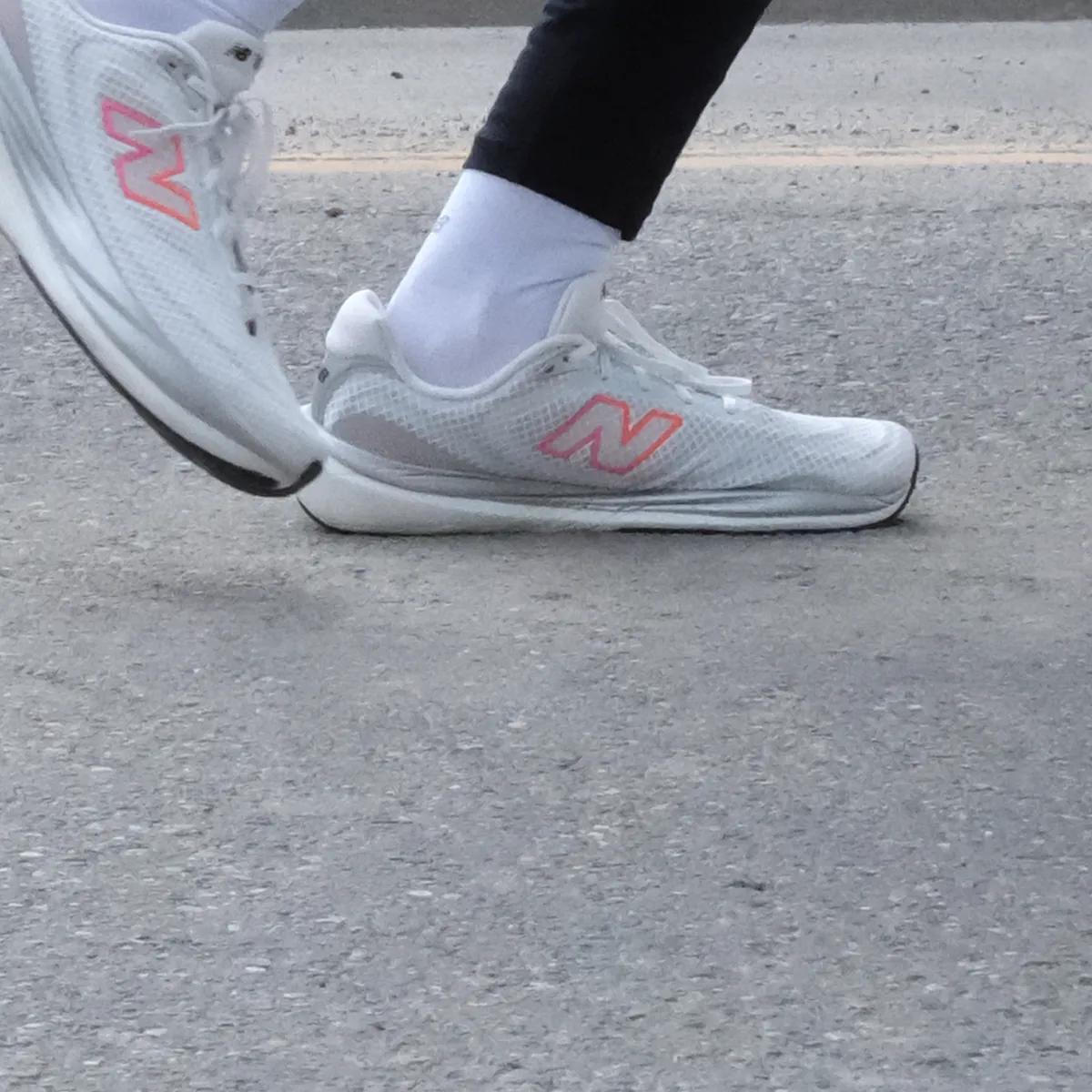
Mechanics at Work
- TPE/EVA Infinion midsole → lacks lateral and medial stability
- Risk of bottoming → increases risk of stress-related injuries
- Molded mesh upper → fits narrow; secures the foot
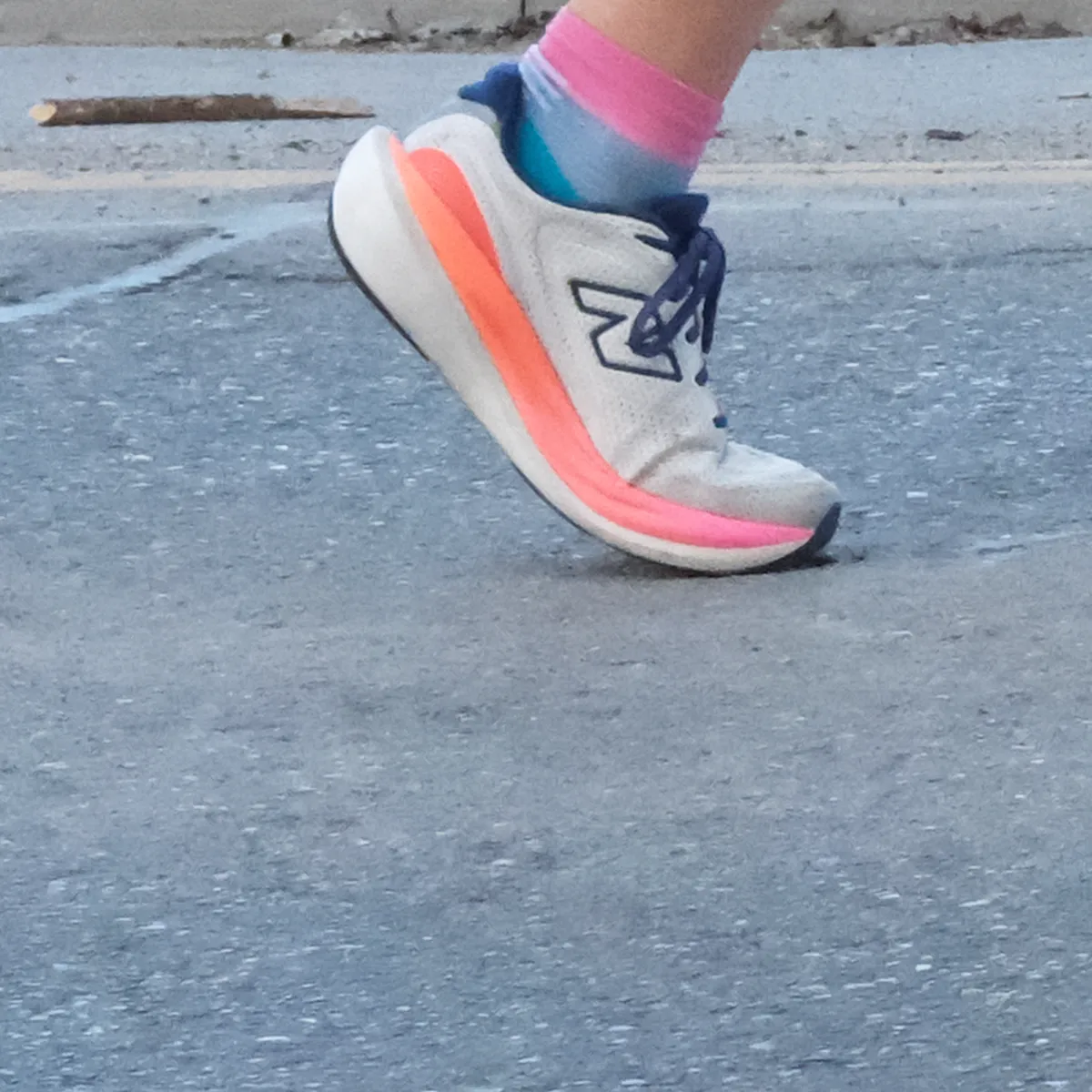
Like we said at the start: the quicker you run, the less glaring the 1080v15’s faults become. If you’re a neutral mid-pack runner who runs midfoot-first, then you’ll be able to quickly progress to the toe-off stage without experiencing the sluggishness that recreational runners will likely experience. That way, the midsole doesn’t compress as deeply as it does at slower speeds.
See The New Balance 1080v15 in action
(Click to pause/play)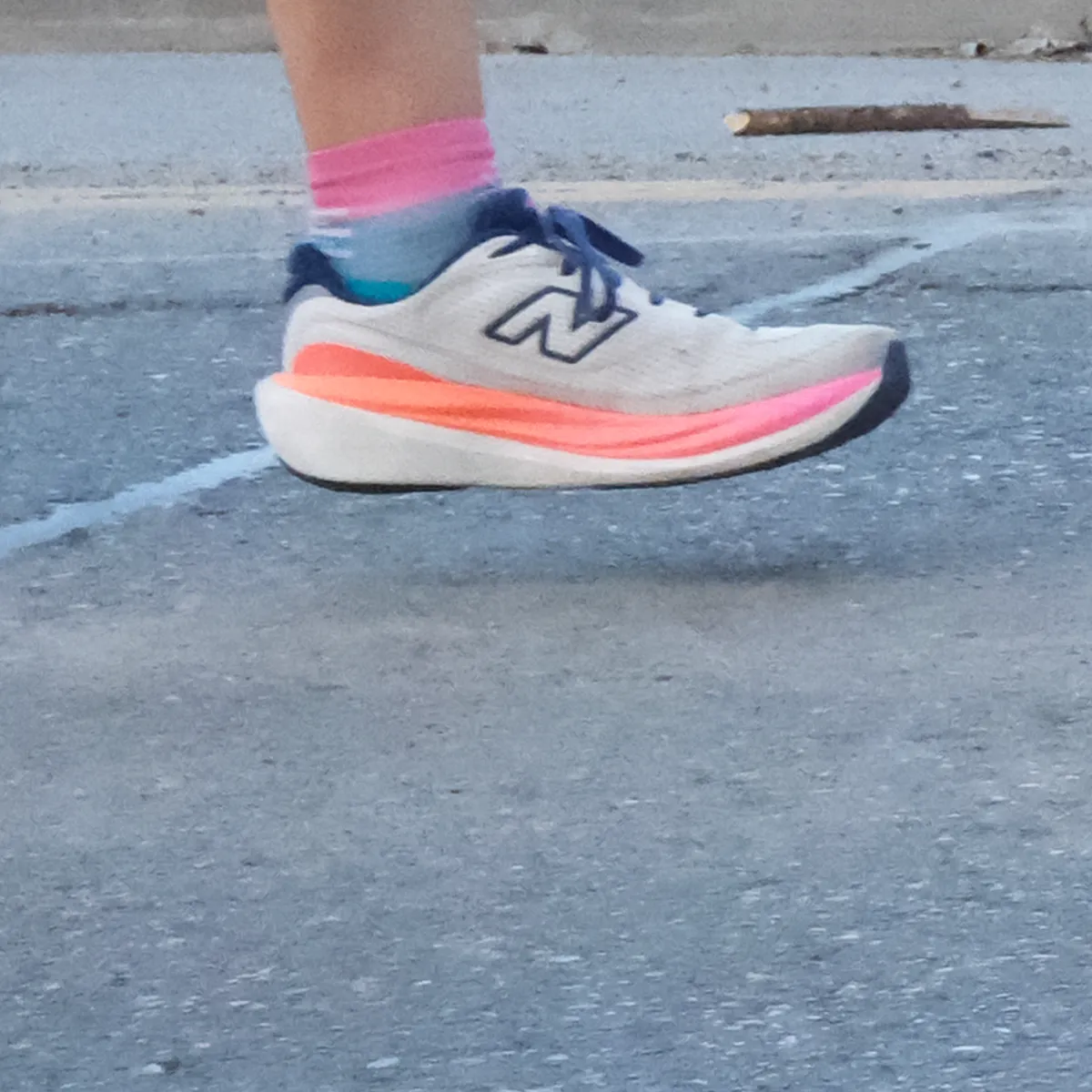
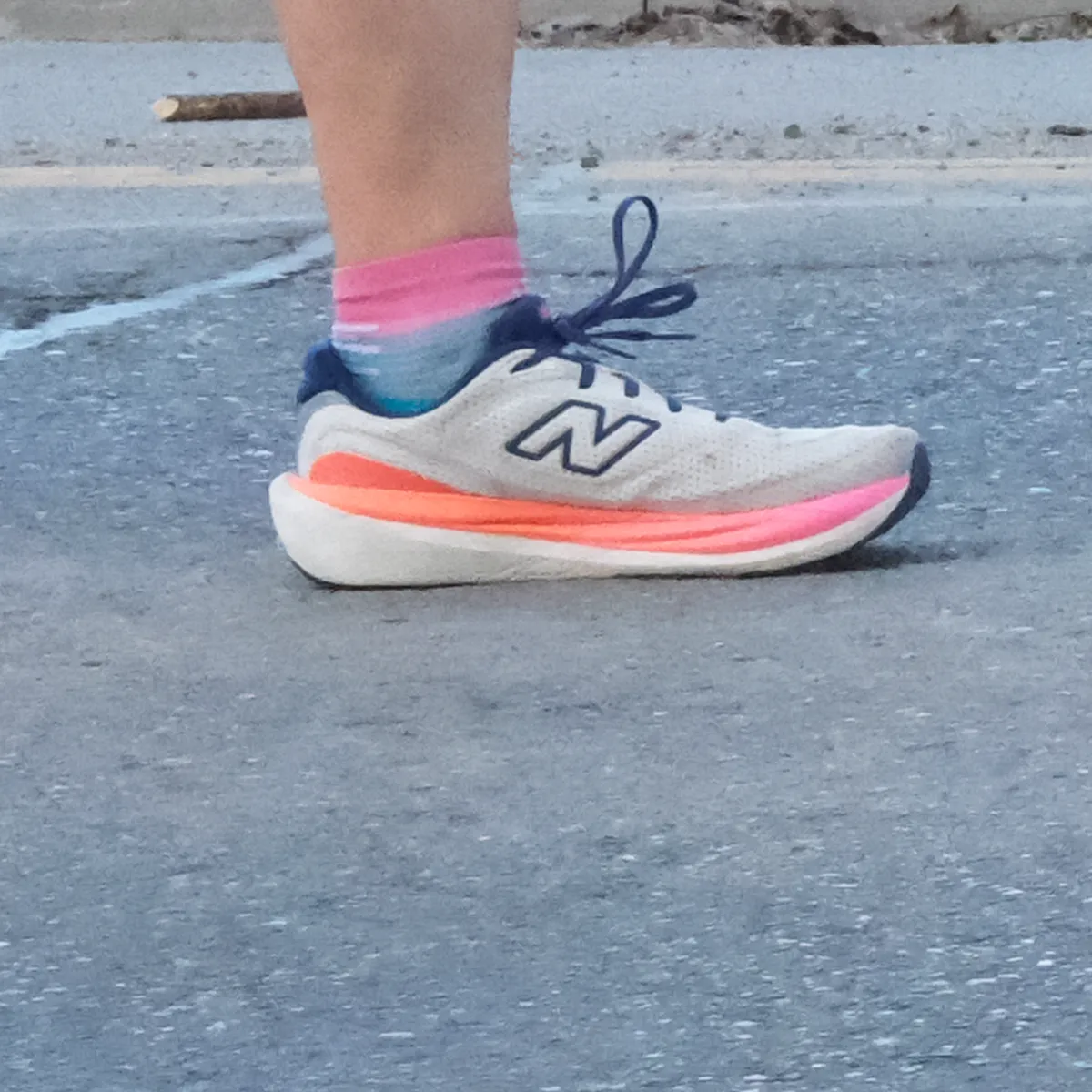
Mechanics at Work
- Midfoot striking → minimizes instability
- Midsole compression → is manageable during faster speeds
- Narrow fit → keeps foot locked in
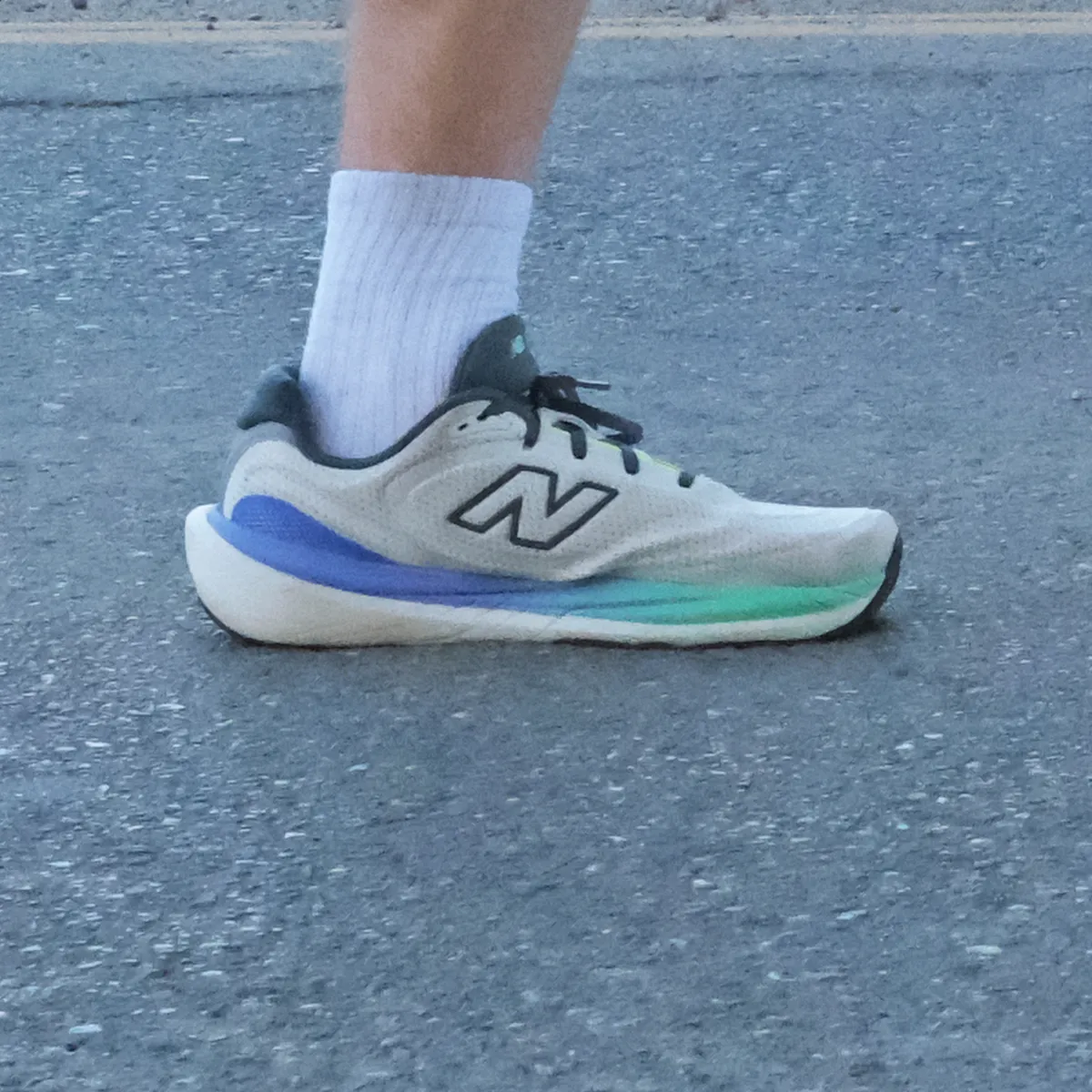
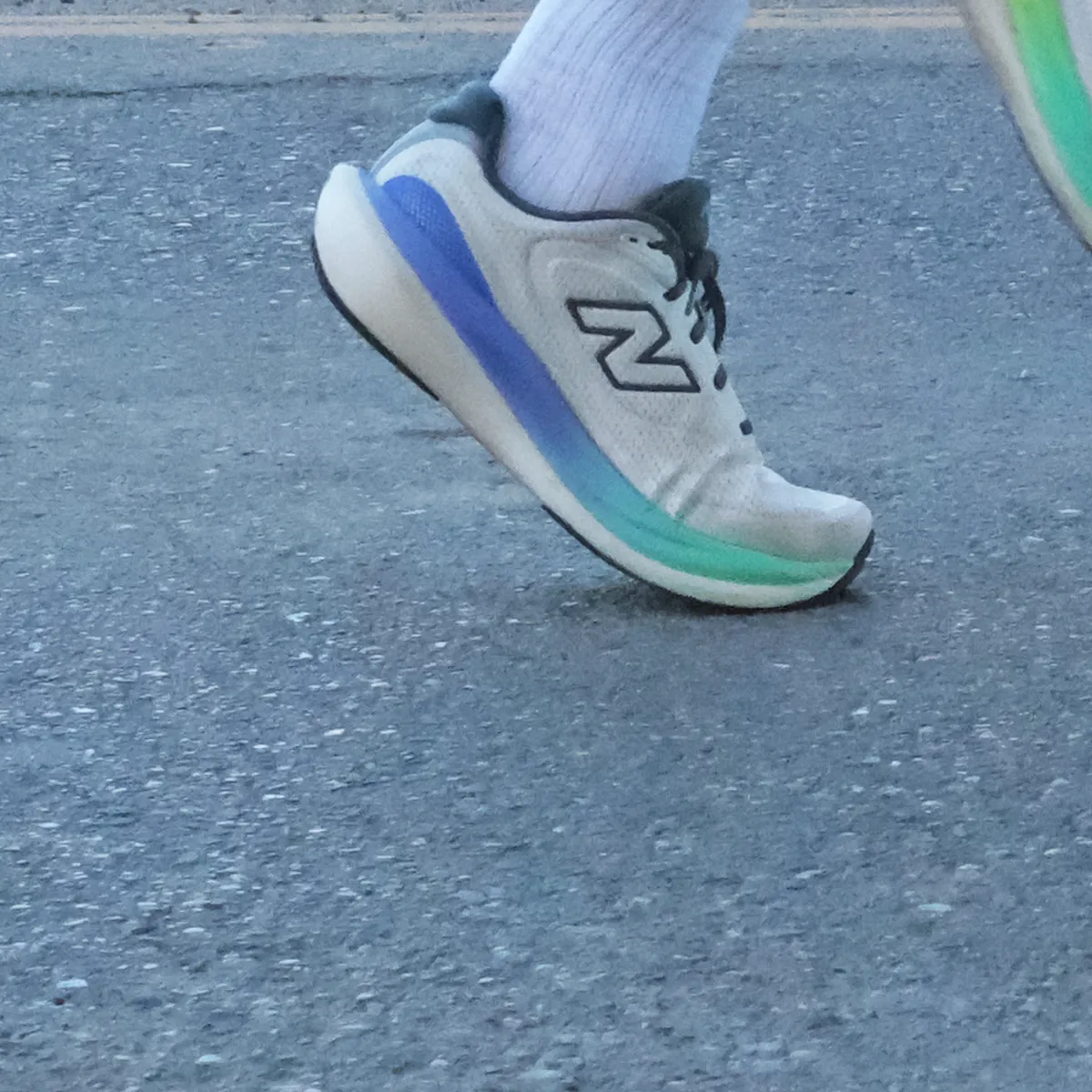
While we observed a sub-elite runner in the 1080v15 during a road race, the midsole design is not compatible with higher speeds. As an internal plate or a rocker is absent, the midsole softness impedes sub-elite and elite-tier running paces. The thick, molded mesh upper doesn’t breathe as freely as a race-day shoe should. Hard landings will also increase the risk of midsole bottoming.
See The New Balance 1080v15 in action
(Click to pause/play)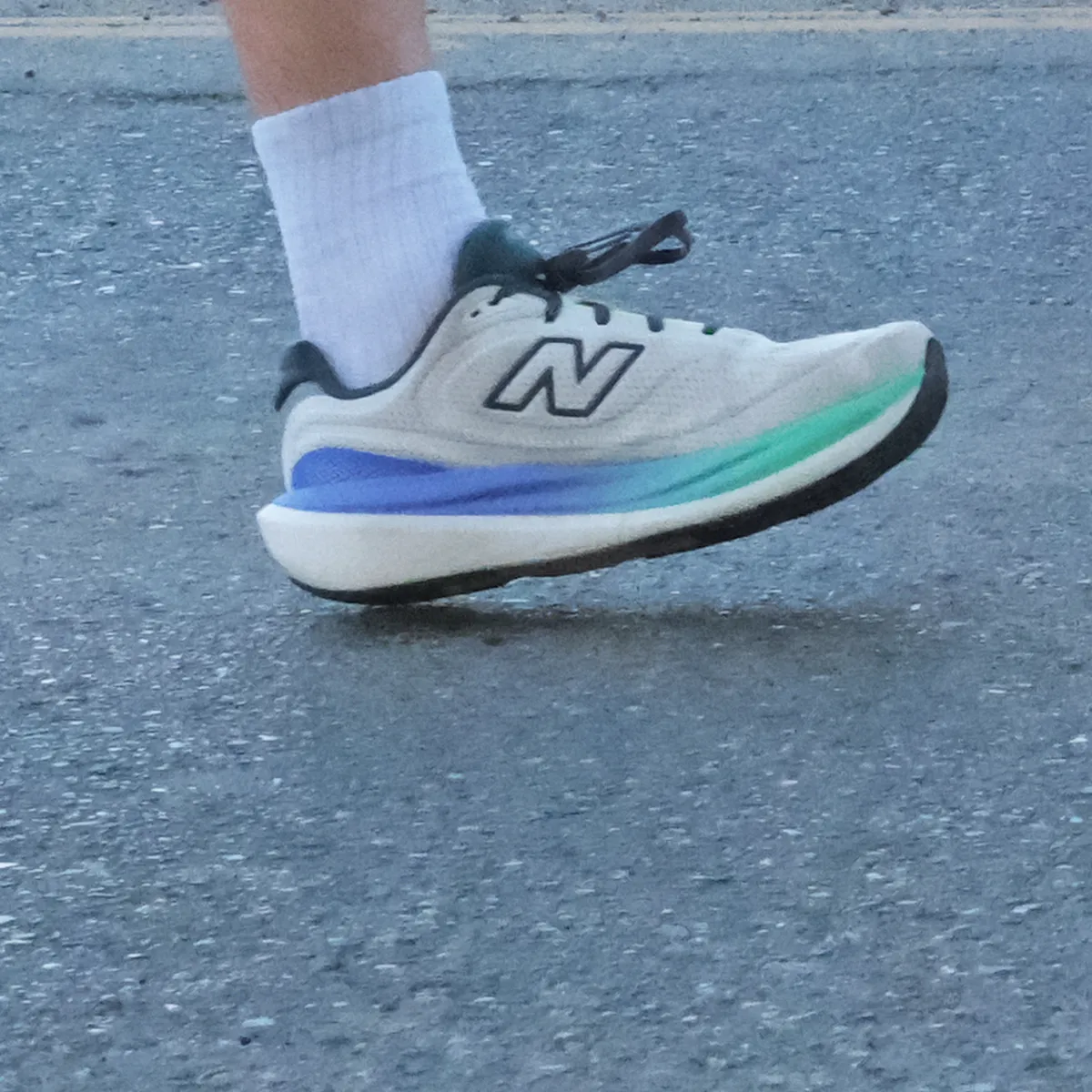
Mechanics at Work
- Soft Infinion midsole → impedes speed
- Lack of plate and rocker → weakens propulsion
- Easily compressible foam → can potentially bottom out
- Thick, molded upper → lacks ventilation for high-intensity runs
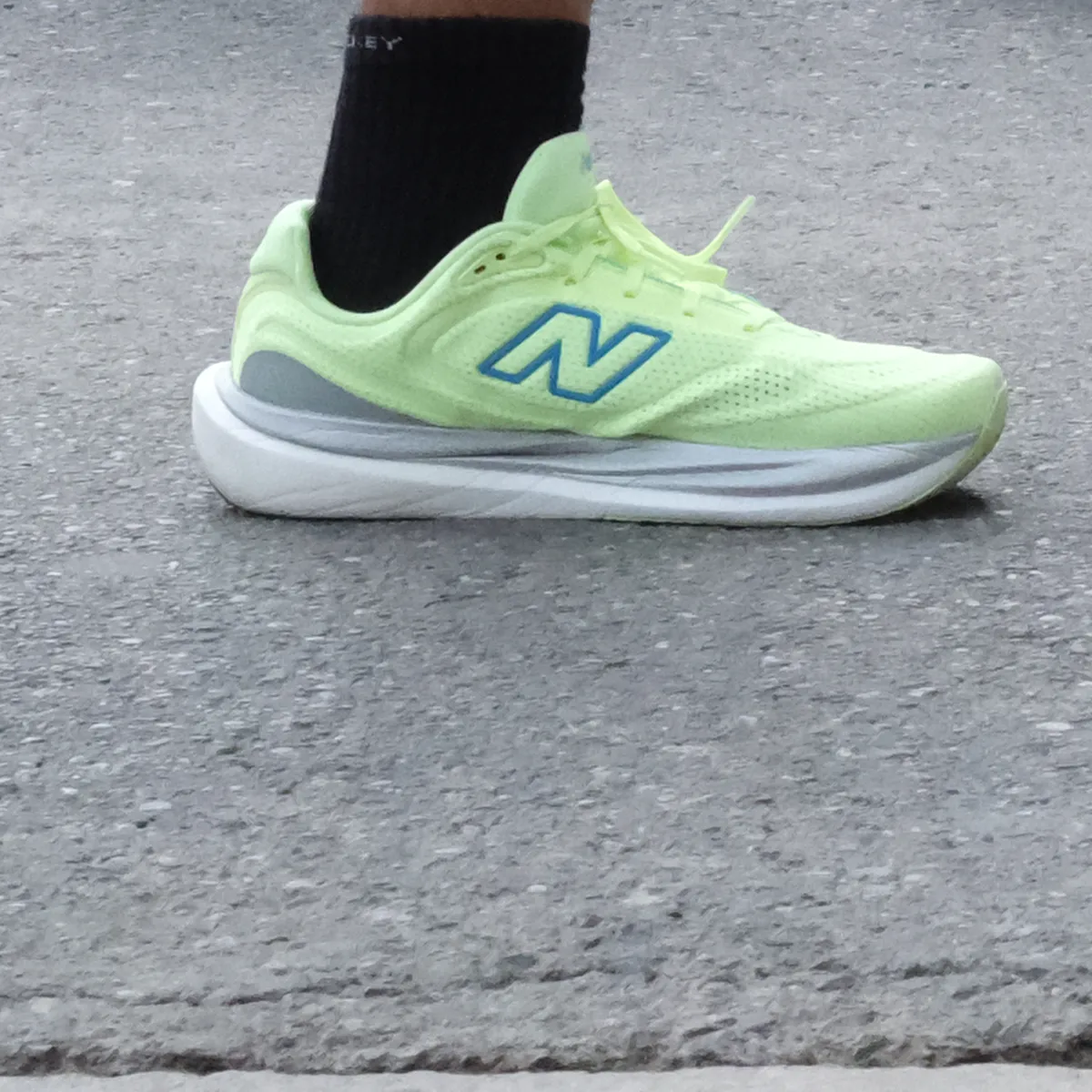
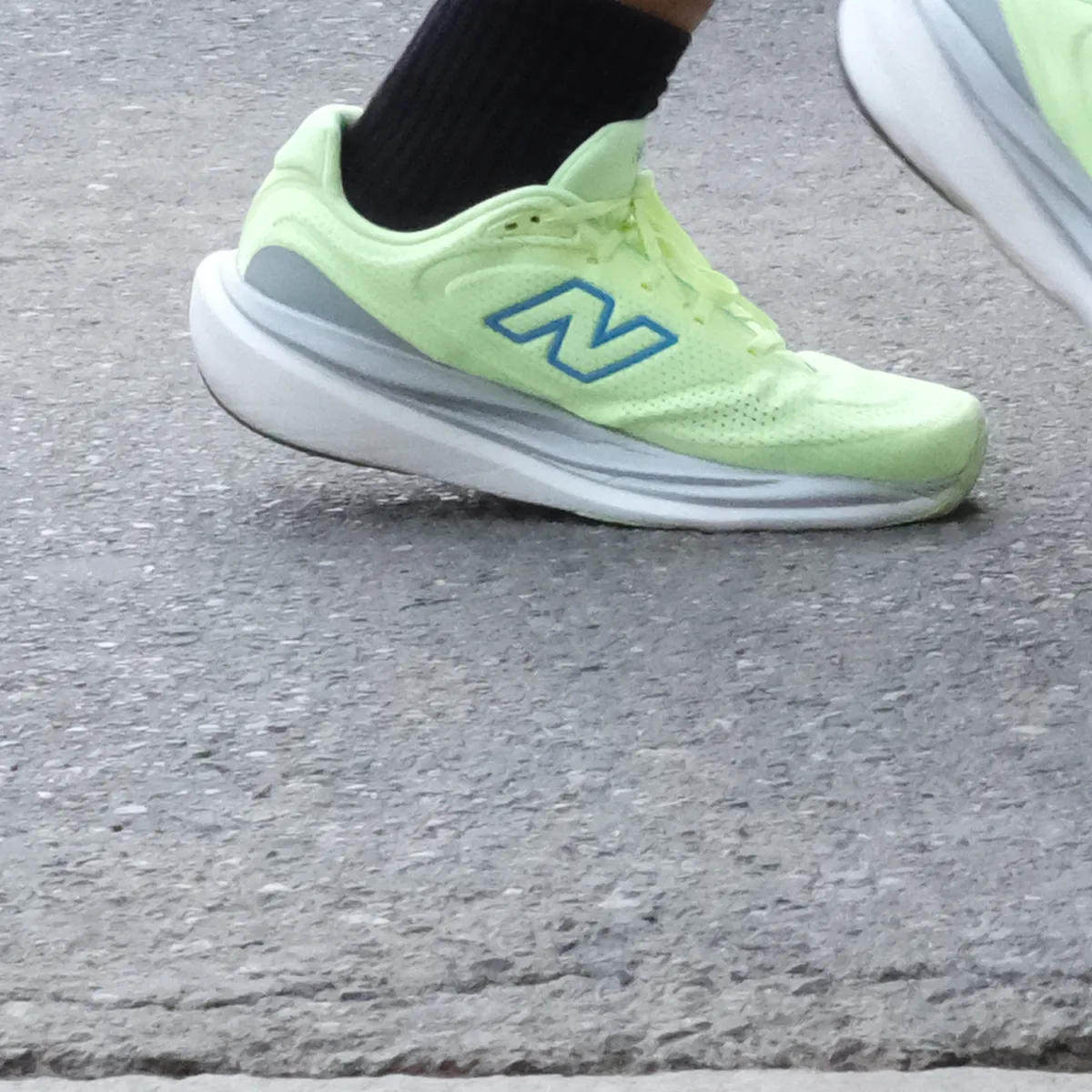
The 1080v15 generally behaves well for neutral heel strikers who weigh under 75 kg (165 lbs) and run faster than 5:30 min/km. At that weight and speed range, the midsole compression is controlled with acceptable levels of stability. The entire midsole is made of single-density Infinion (TPE/EVA blend) foam, so the cushioning and transitions feel smooth.
See The New Balance 1080v15 in action
(Click to pause/play)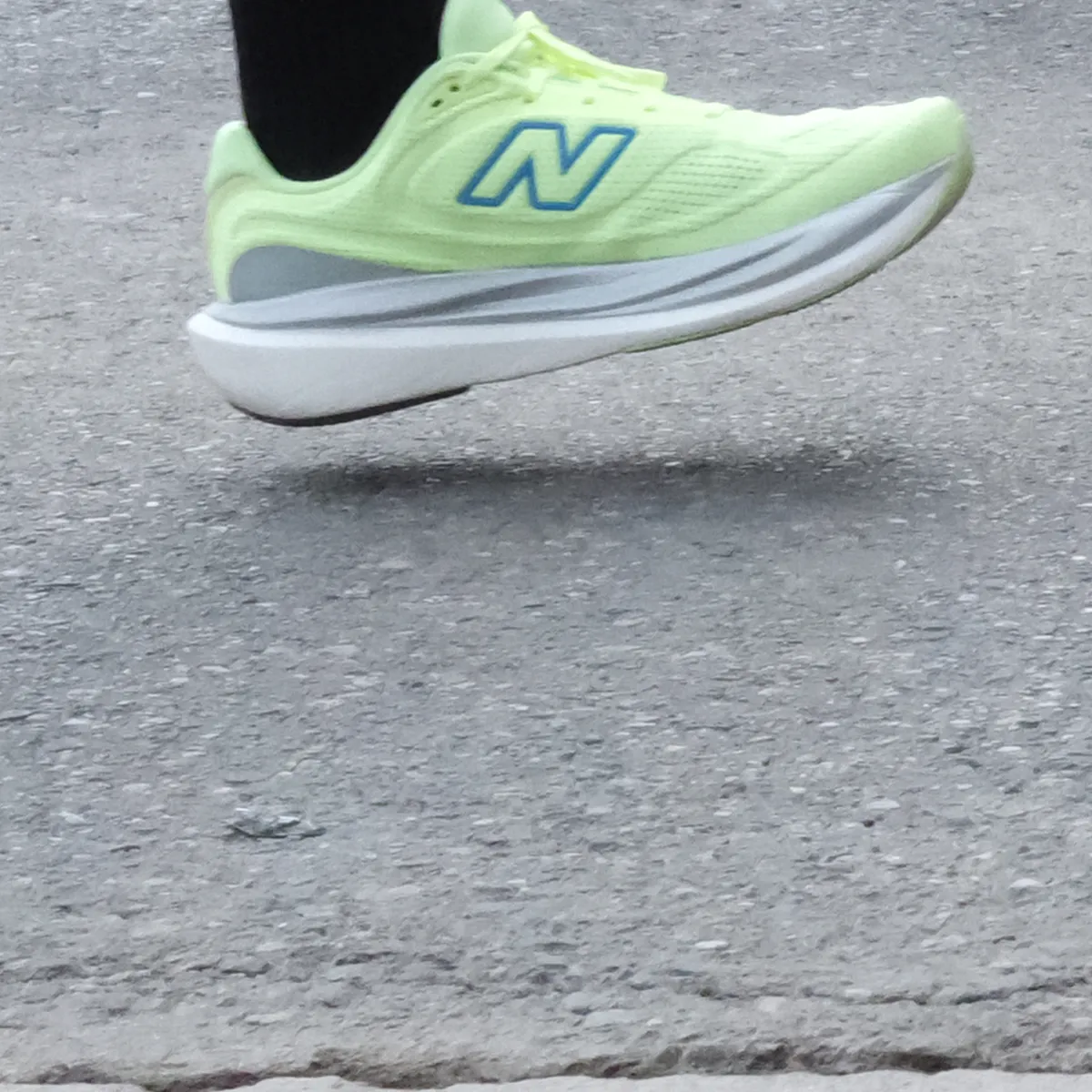
Mechanics at Work
- Infinion midsole → delivers smooth ride for lightweight heel strikers
- Secure heel fit → prevents foot slippage
- Strategically placed outsole → adds hard-wearing grip
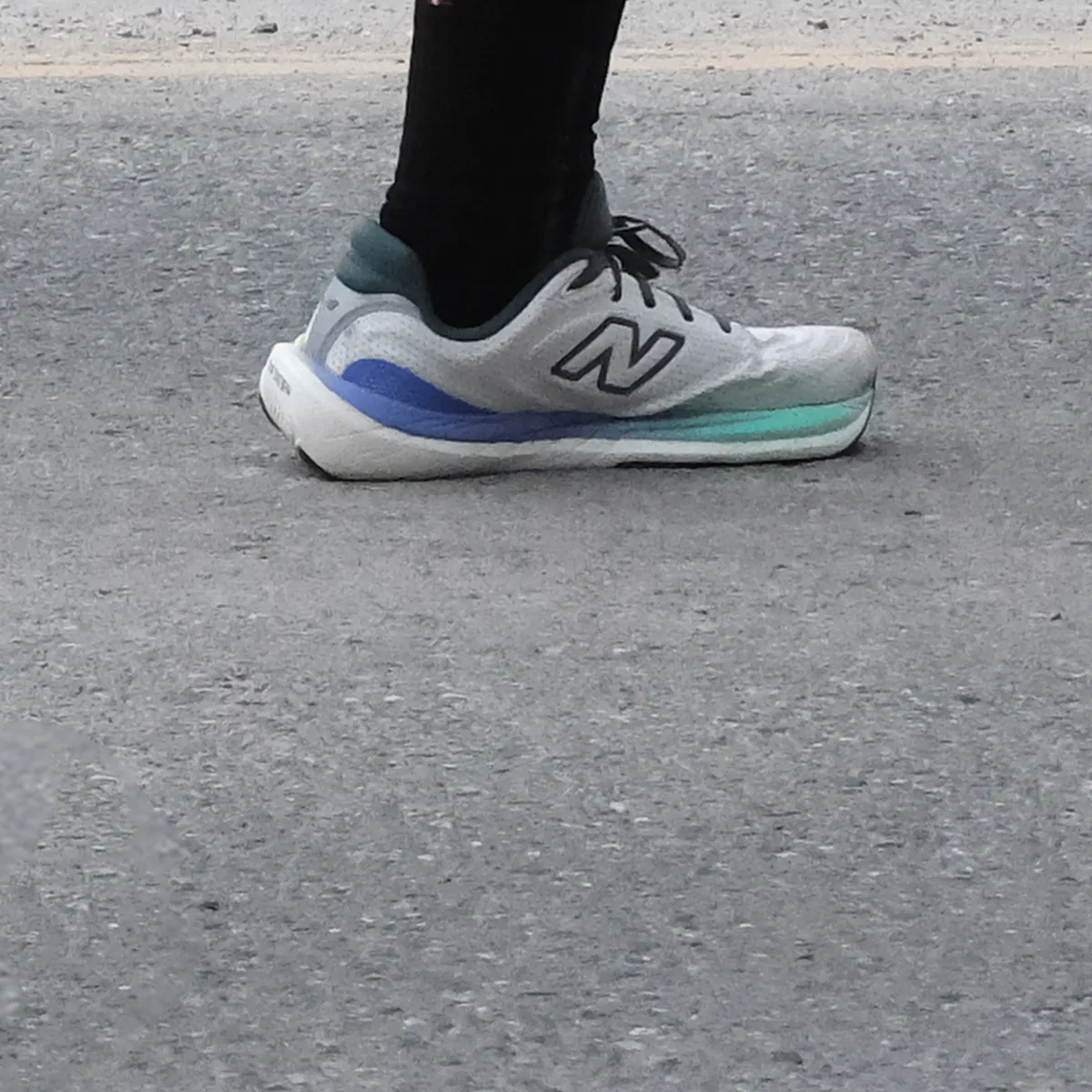
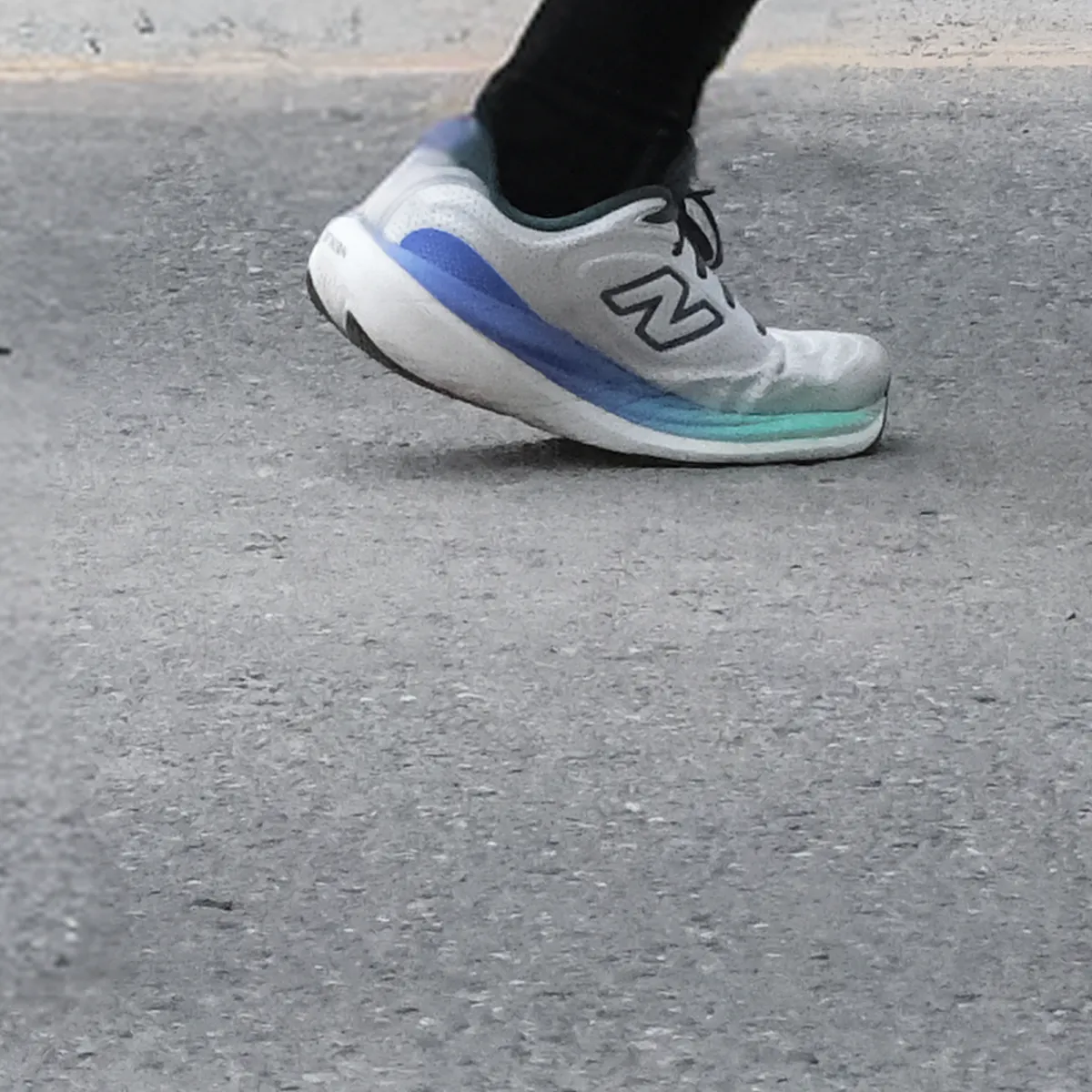
New Balance doesn’t market the 1080v15 as a prescriptive running shoe, but overpronators should avoid it nonetheless. As seen in the biomechanical frame capture here, the soft midsole lacks the necessary levels of compression resistance that can counter an excessive inward roll.
See The New Balance 1080v15 in action
(Click to pause/play)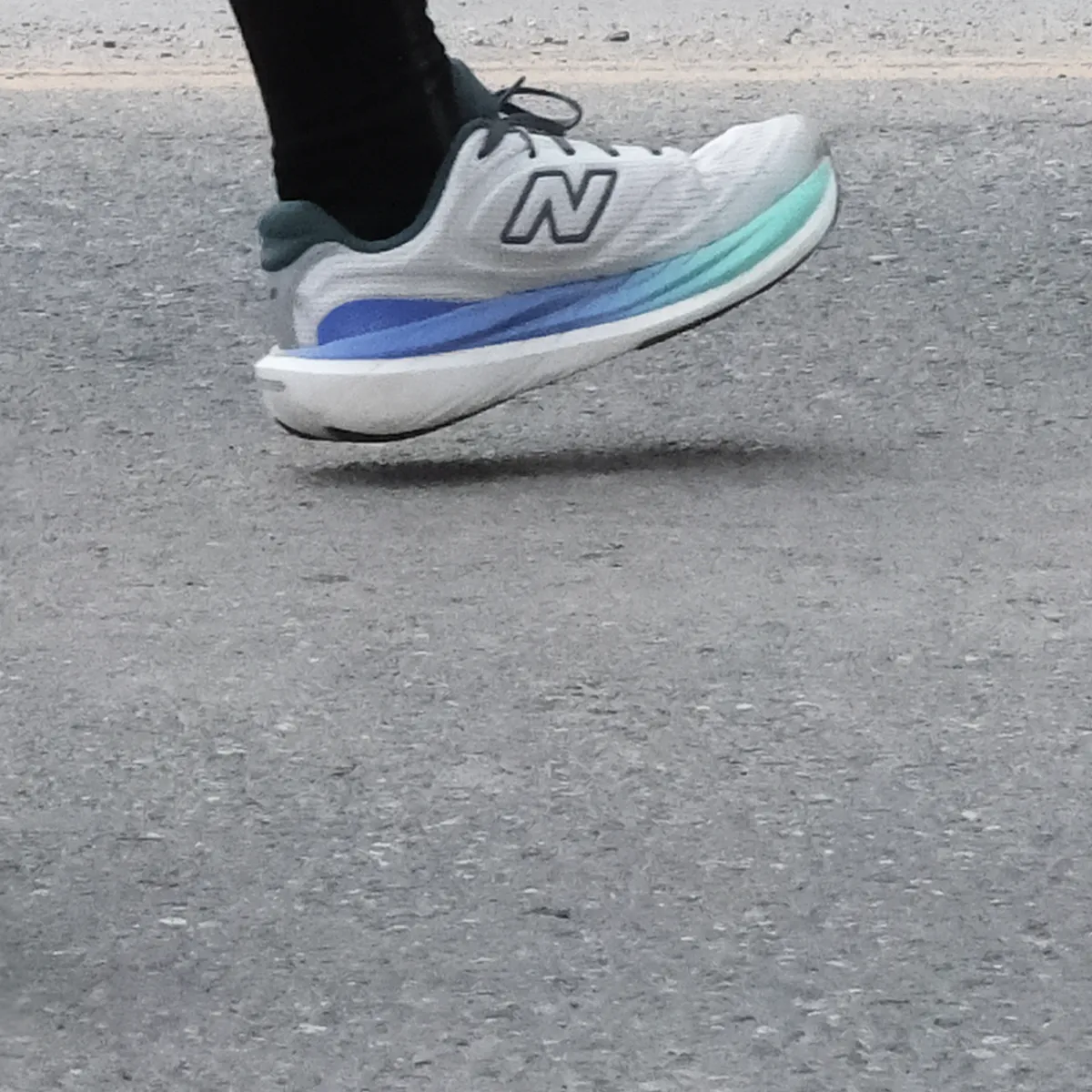
Mechanics at Work
- Soft and compliant foam → doesn’t resist overpronation
- Medial midsole sidewall → lacks stabilization features
- Secure upper → gets pulled inwards with the midsole
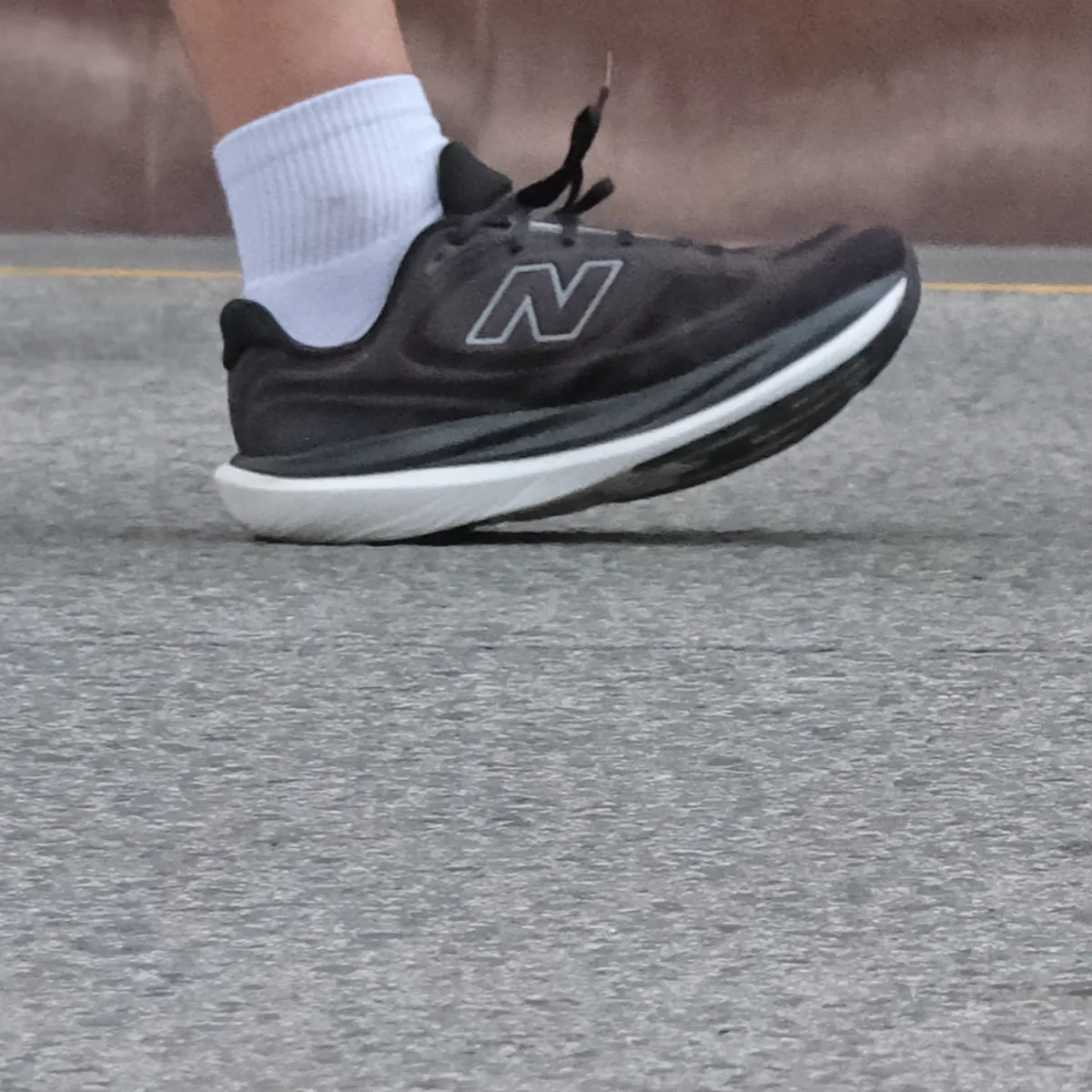
Our internal benchmark for a heavy runner is 190 lbs (86 kg), but for the 1080v15, we’ll have to lower that to 75 kg (165 lbs) - just to be safe. New Balance has made the midsole too soft, so even runners of average weight run the risk of bottoming out under hard landings. In the following biomechanical frame animation, the midsole consumes 100% of the 6 mm drop and veers into the negative drop territory when loaded with heavy heel strikes.
See The New Balance 1080v15 in action
(Click to pause/play)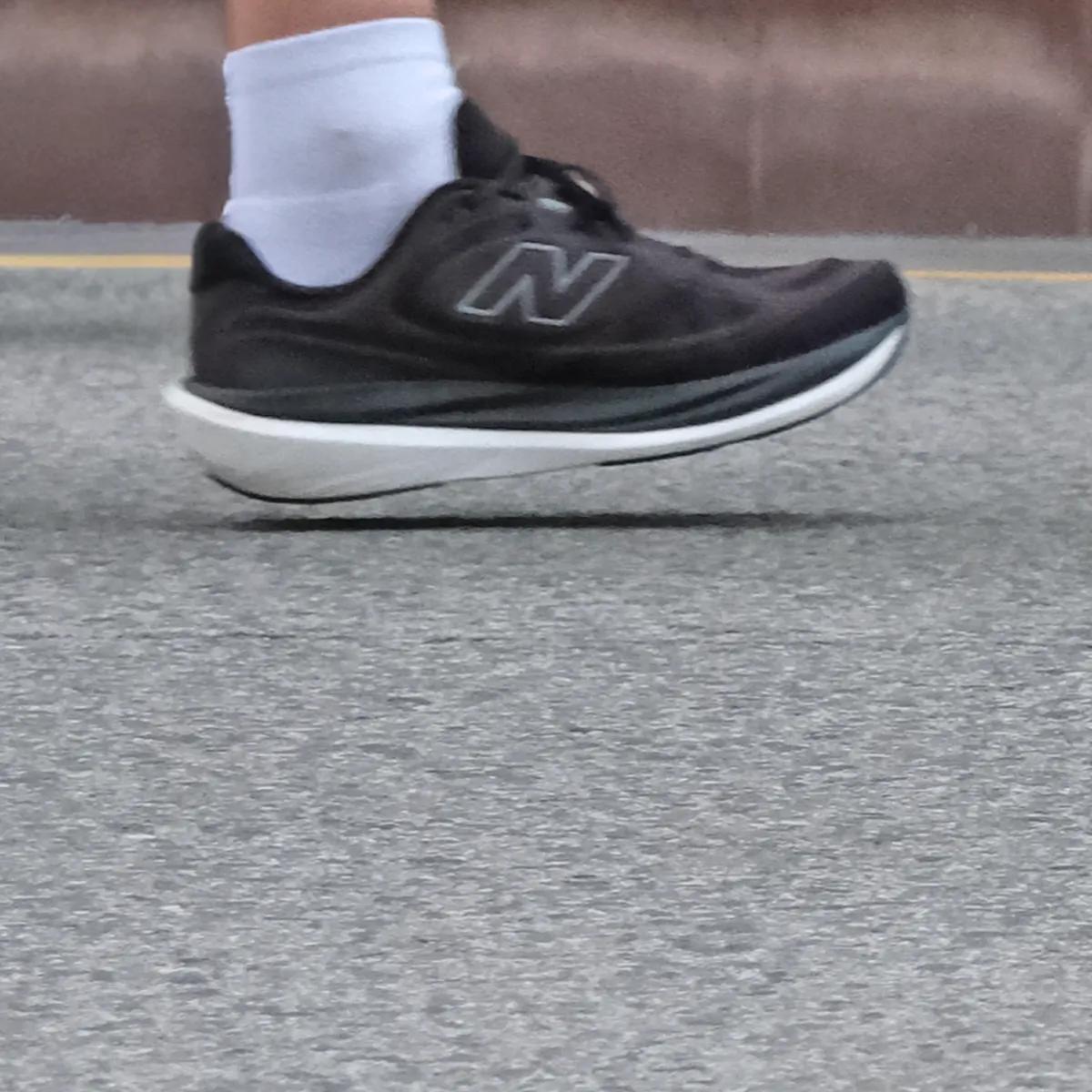
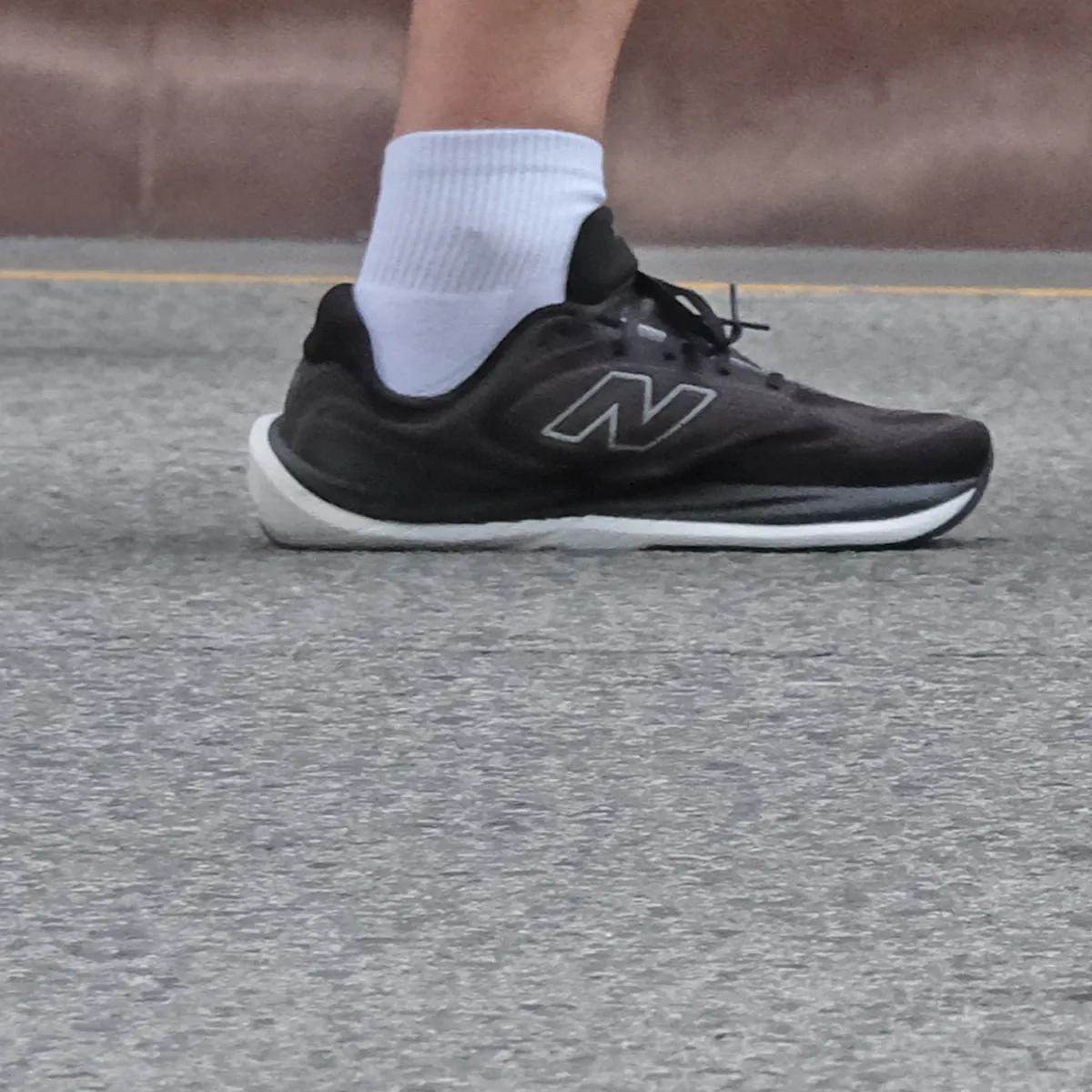
Mechanics at Work
- Soft midsole → bottoms out under heavy loads
- Midsole bottoming → risk stress-related injuries
- Narrow upper → prevents excessive movement
How we scored New Balance 1080v15
Select your profile for the score
Our scoring is weighted by intended use and biomechanics. A daily trainer is judged by different standards than a racing shoe. The central Global Score reflects how well this shoe fulfills its intended purpose; if a shoe is weak in foundational areas like stability or traction, our algorithm applies automatic penalty points.
Recreational Score Breakdown
Summary
- Buy If: You weigh under 75 kg (165 lbs), run faster than 5:30 min/km, have a neutral gait, and want an ultra-soft running shoe for daily runs. You should also be okay with the 1080’s unstable ride and narrow fit.
- Avoid If: You’re a heavy runner, overpronator, or oversupinator, and run slower than 5:30 min/km (8:50 min/mile). The ultra-soft Infinion midsole bottoms out under heavy weight, and is prone to negative drop.
🔍 Deep Dive
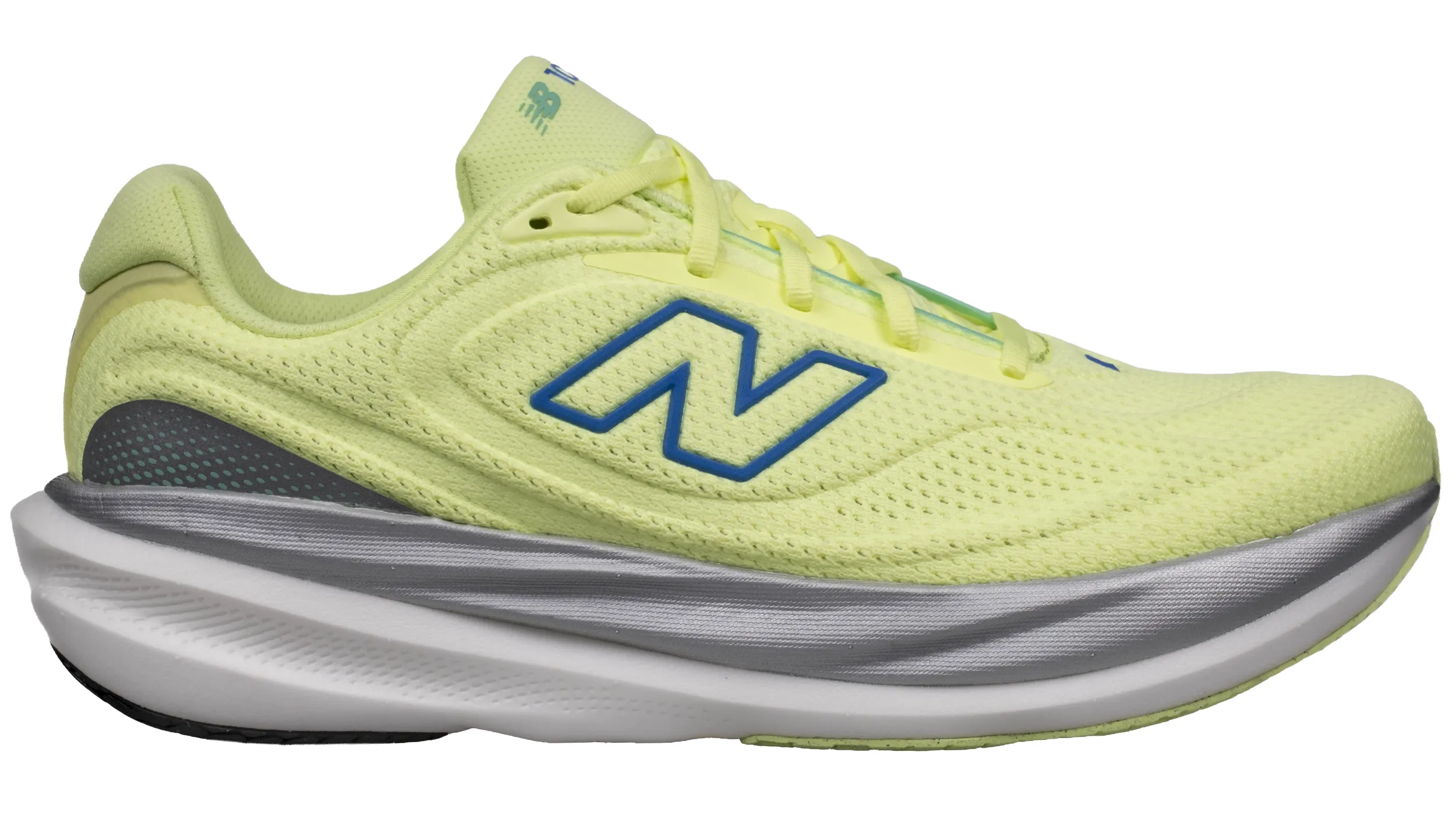
We’re not going to beat around the bush – the New Balance 1080v15 is a poorly designed running shoe. The new Infinion foam midsole (supposedly a TPE/EVA blend) is dangerously unstable for slow runners and increases the workload for the foot. When analyzing our biomechanical frames from road races, we saw the ultra-soft midsole bottoming out under heavy loads, which defeats the purpose of a midsole that is supposed to provide impact protection. Because of the excessive compression, the 1080v15 exhibits negative drop conditions for heavy runners. The published ‘6 mm drop’ amounts to very little here.
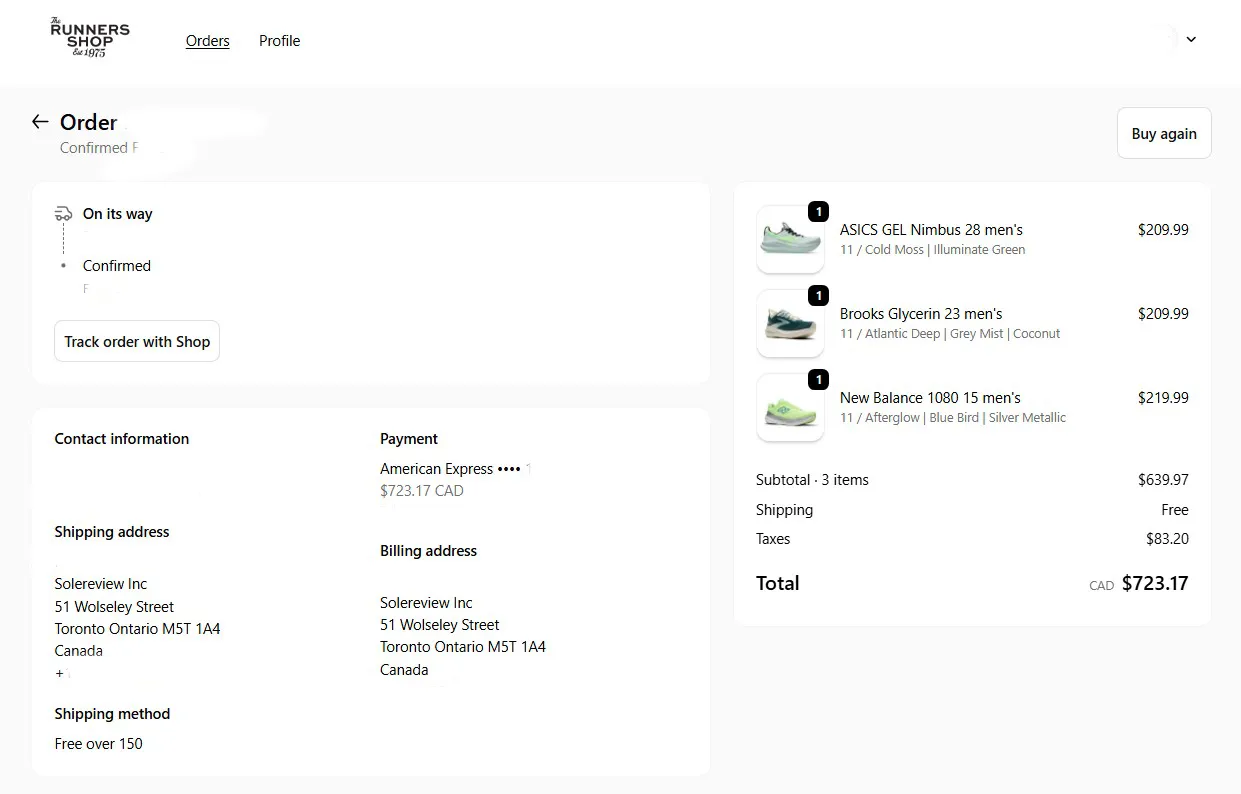
The 1080v15’s soft ride is counterintuitive, as it presents more problems at slower running speeds than it does at faster paces. The faster the speeds (5:30 min/km, 8:50 min/mile and faster), the less apparent the faults are. The new upper isn’t great either. The new molded mesh lacks the semi-stretchy and comfortable fit of the previous version, while fitting narrower. The fit runs nearly a half-size longer too, but if you were to buy a half-size smaller, it’s only going to make the tight fit worse. The fact that optional widths are available is beside the point. Our verdict? Stick with the 1080v14, or buy comparable models like the Asics Nimbus 28, Brooks Glycerin 23, and the Nike Vomero 18.
Pros
- Lightweight
- Reflective details
- Secure upper fit
- Optional B, 2E, 4E widths
Cons
- Unstable ride
- Midsole bottoming under heavy loads
- Inconsistent fit vs 1080v14
- Risk of negative drop for heavy runners
SHOE MAGNIFIER
Zoom In. Enhance.
Select a view, then use the slider to zoom in on the New Balance 1080v15