
Product guide updates
(4 total)- 2026-08-05 — Updated carousel with Novablast 6 and Hyperion Max 4
- 2026-06-25 — Added alternatives to scrollable carousel under each recommendation
- 2026-06-25 — Created FAQ with relevant question and answer pairs
- 2026-06-25 — Migrated product guide to new editorial format
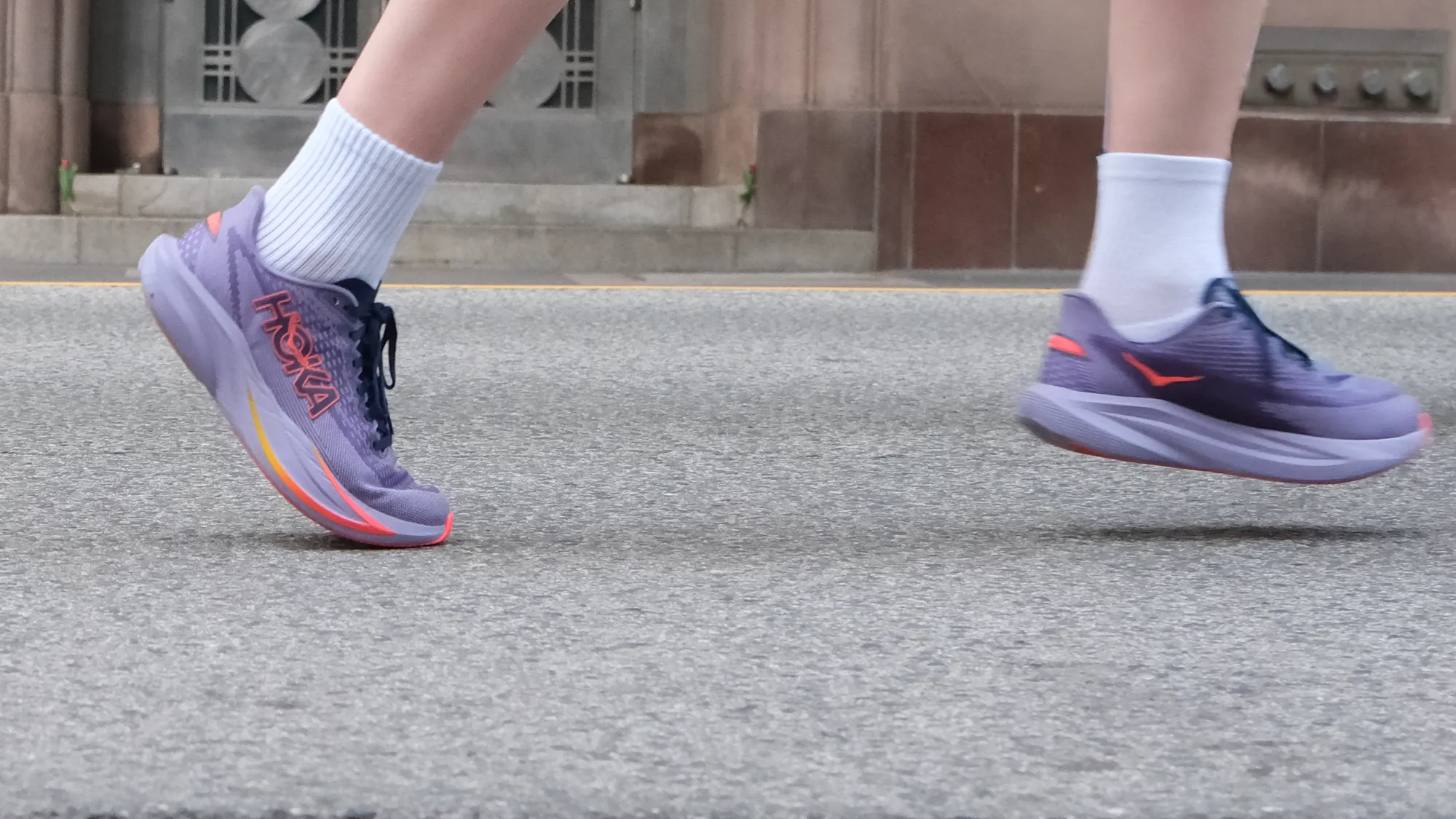
In this product guide:
How we selected
Our recommended shoes that have a narrow fit are grouped by use cases – daily training, 10Ks and marathons, recovery runs, and speedwork (5Ks, tempo, and intervals). By connecting each feature with its respective function, the “Why it works” section explains why a particular shoe (in its respective class) has a narrow fit, and how that benefits runners. The scrollable carousel contains alternatives within each recommended category. For example, the alternatives to the Hoka Bondi 9 (our recovery run pick) are the New Balance 1080 v15 (for a softer ride), the Brooks Hyperion Max 3 (the plated option), and two others. When combined, this product guide contains 19 different running shoe recommendations with a narrow fit.
- Best for daily runs: Do-everything trainers with a snug fit.
- Best for 10Ks and marathons: Plated and non-plated speed-friendly shoes with excellent lockdown.
- Best for recovery runs: Long-run-friendly shoes with a narrow fit.
- Best for 5Ks and speedwork: Lightweight speed shoes with a secure upper.
Our recommendations combine our influence-free, expert-led wear-testing with biomechanical data sourced from over 33,000 high-speed images captured during actual road races. We also perform evidence-based screening of design features that decrease midfoot and forefoot space. Visit our FAQ section at the bottom to learn more about why narrow running shoes are beneficial under certain circumstances. To be clear, not all shoes with a narrow forefoot and midfoot have a pointy toe box. Unless it’s a racing flat, it’s very common for a narrow forefoot to co-exist with a roomy toe box.
Why it works (the basics)
- Full internal sleeve → decreases space for a snug fit
- Secure lockdown → improves power delivery for faster toe-offs
- Rocker midsole → adds a mildly propulsive feel
- ReactX and ZoomX midsole → blends ride comfort with support
🔍 Deep Dive
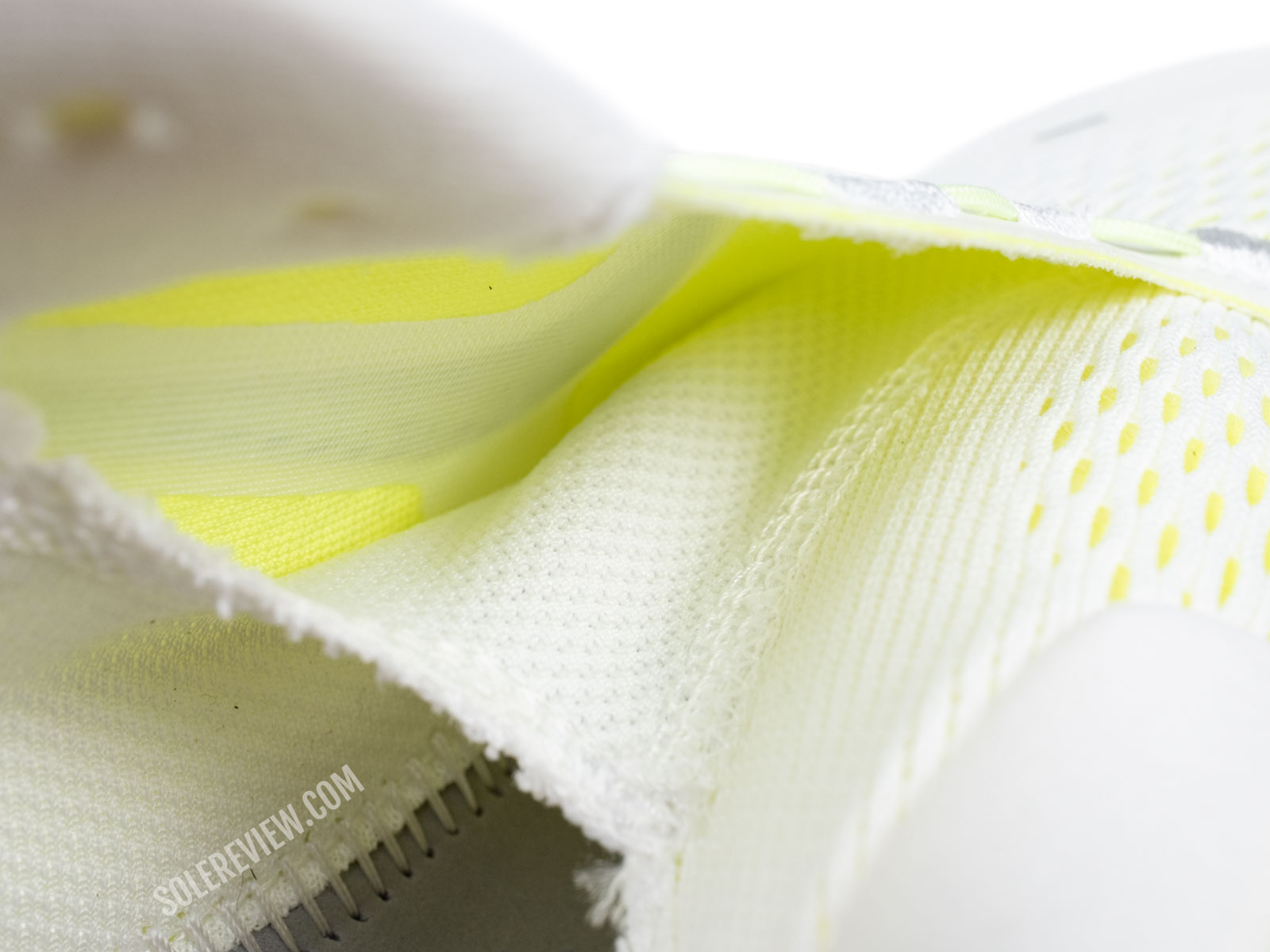
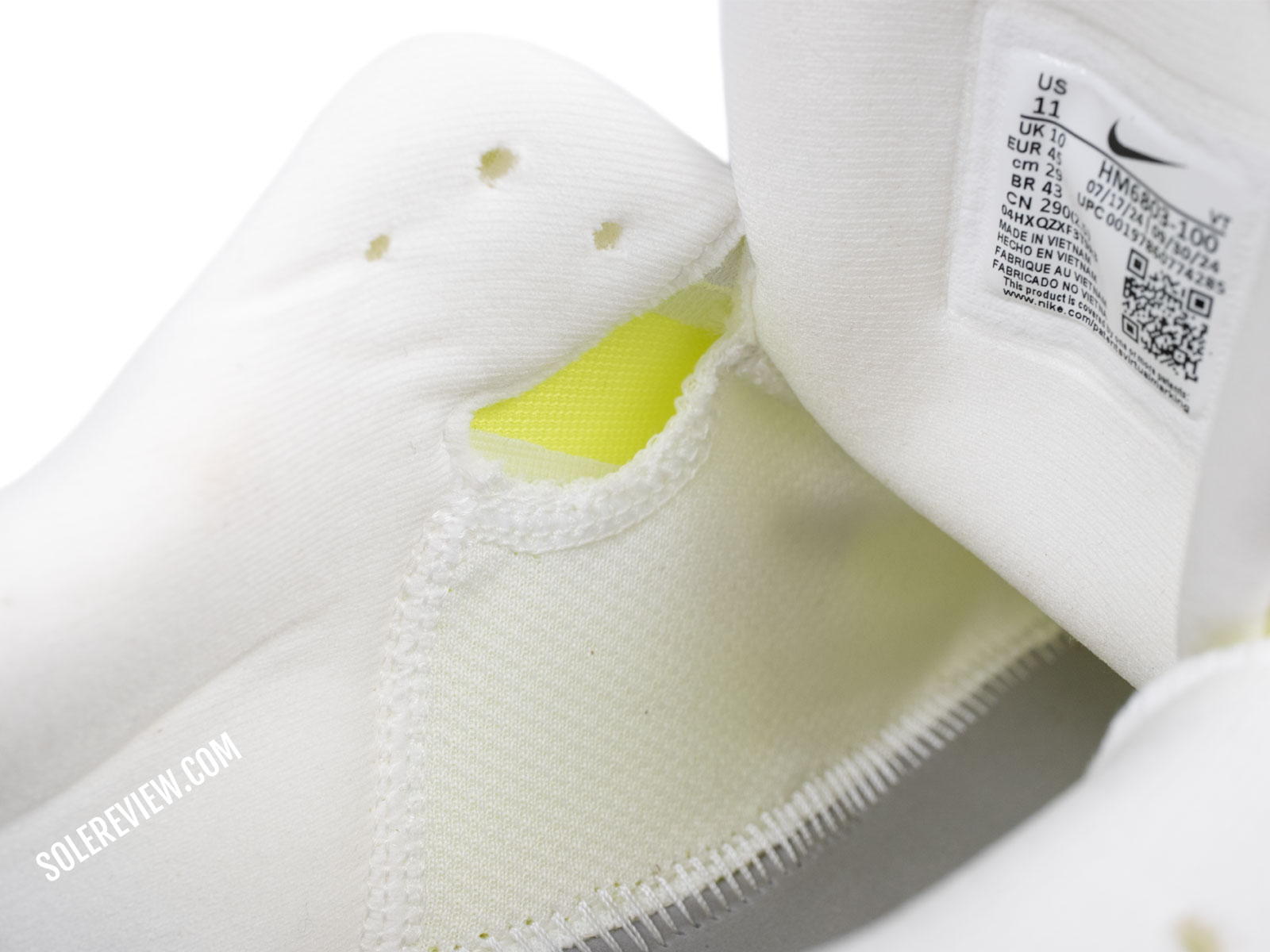
Unlike the softer Vomero Plus, the Vomero 18 uses a full inner sleeve, meaning there is a second layer of mesh underneath the exterior. The double-layered upper decreases the interior space, thereby making the fit narrow. Okay, while the Vomero suffers from below-average levels of ventilation, the secure upper is the silver lining. A strong bond between the foot and the midsole results in superior power transfer to the latter.
The firm ReactX foam base creates a stable foundation while adding forefoot stiffness for better rocker functionality. The softer ZoomX layer on top adds comfort to everyday runs; the propulsive rocker and snug fit make the Vomero 18 surprisingly agile in its class.
Pros
- Blends stability with comfort
- Secure upper improves transitions
- Plush interior
- Propulsive, versatile character
Cons
- Sleeved upper runs warm
- Outsole grip on wet roads
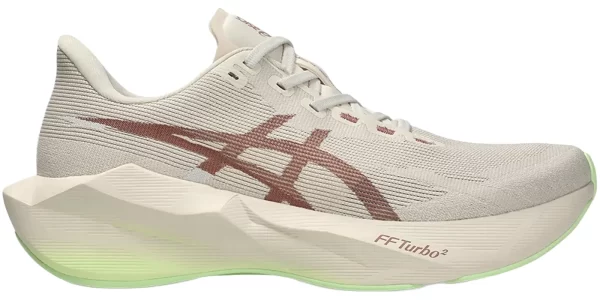
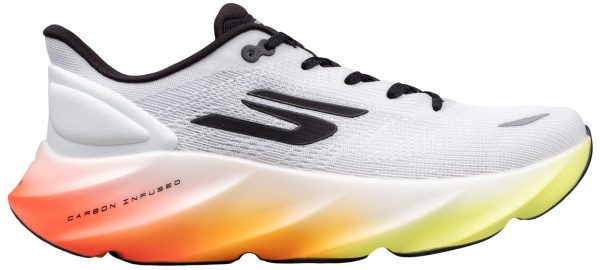
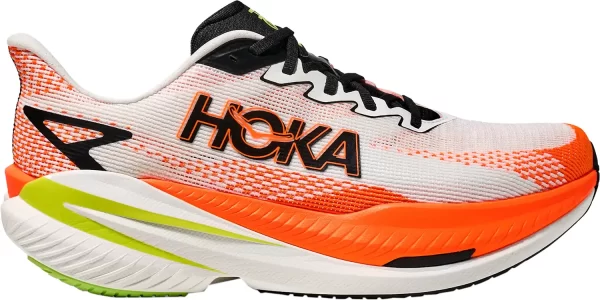
Other daily trainers with a narrow fit
Fit Notes
True to size with a narrow forefoot. Runs warm due to the full sleeve. Also comes in a wide.
Gallery
Specs
- Heel stack: 44 mm
- Forefoot stack: 34 mm
- Drop: 10 mm
- Weight: 11.5 oz / 325 gms
- Widths: Regular, wide
- Midsole: ReactX and ZoomX foam
- Insole: Molded, removable
Why it works (the basics)
- Racer last profile → makes the fit narrow
- Extended lacing → secures the midfoot and forefoot
- Narrow fit → improves power delivery to the midsole
- Energy Rods → adds a propulsive feel during take offs
🔍 Deep Dive
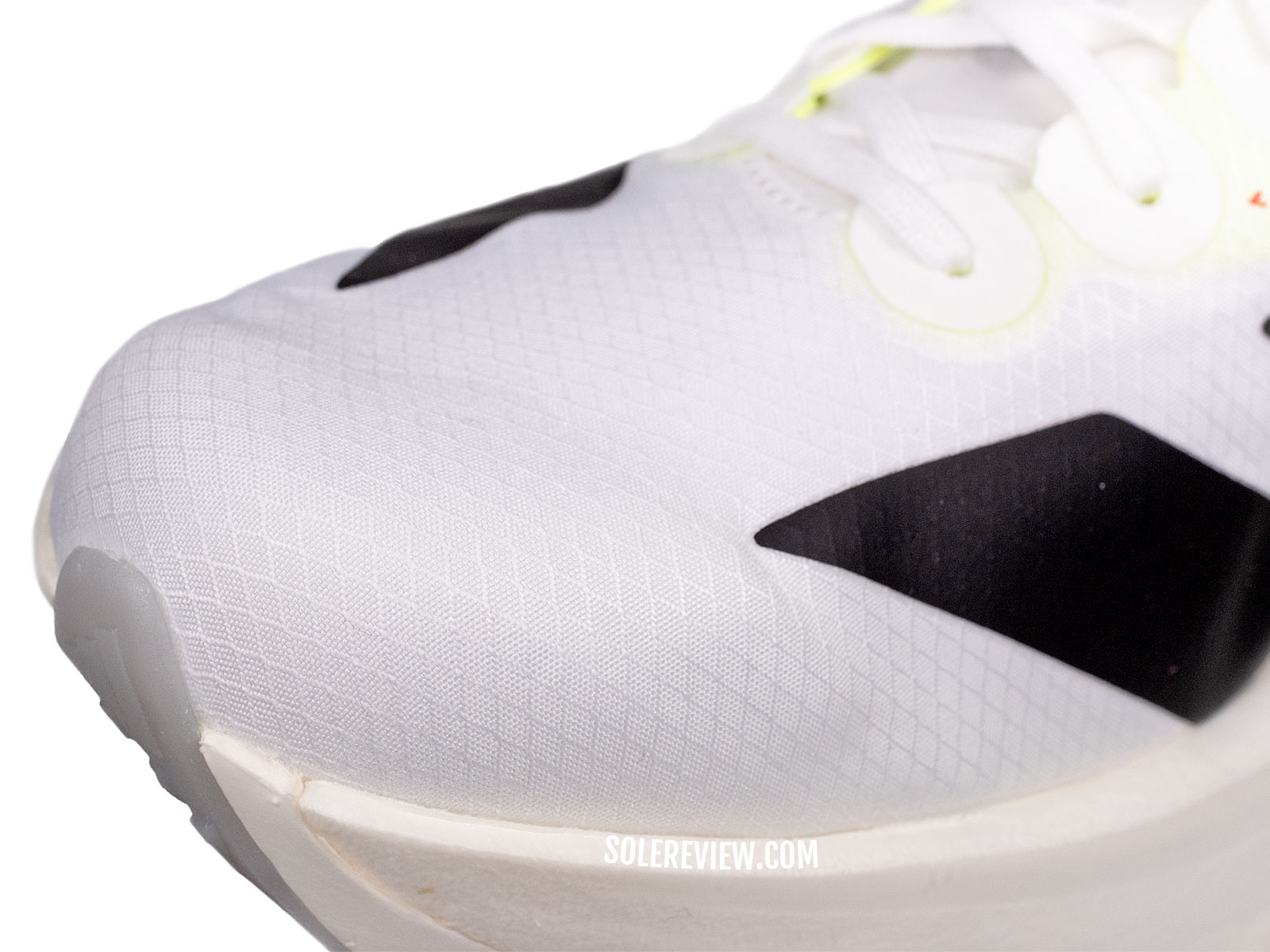
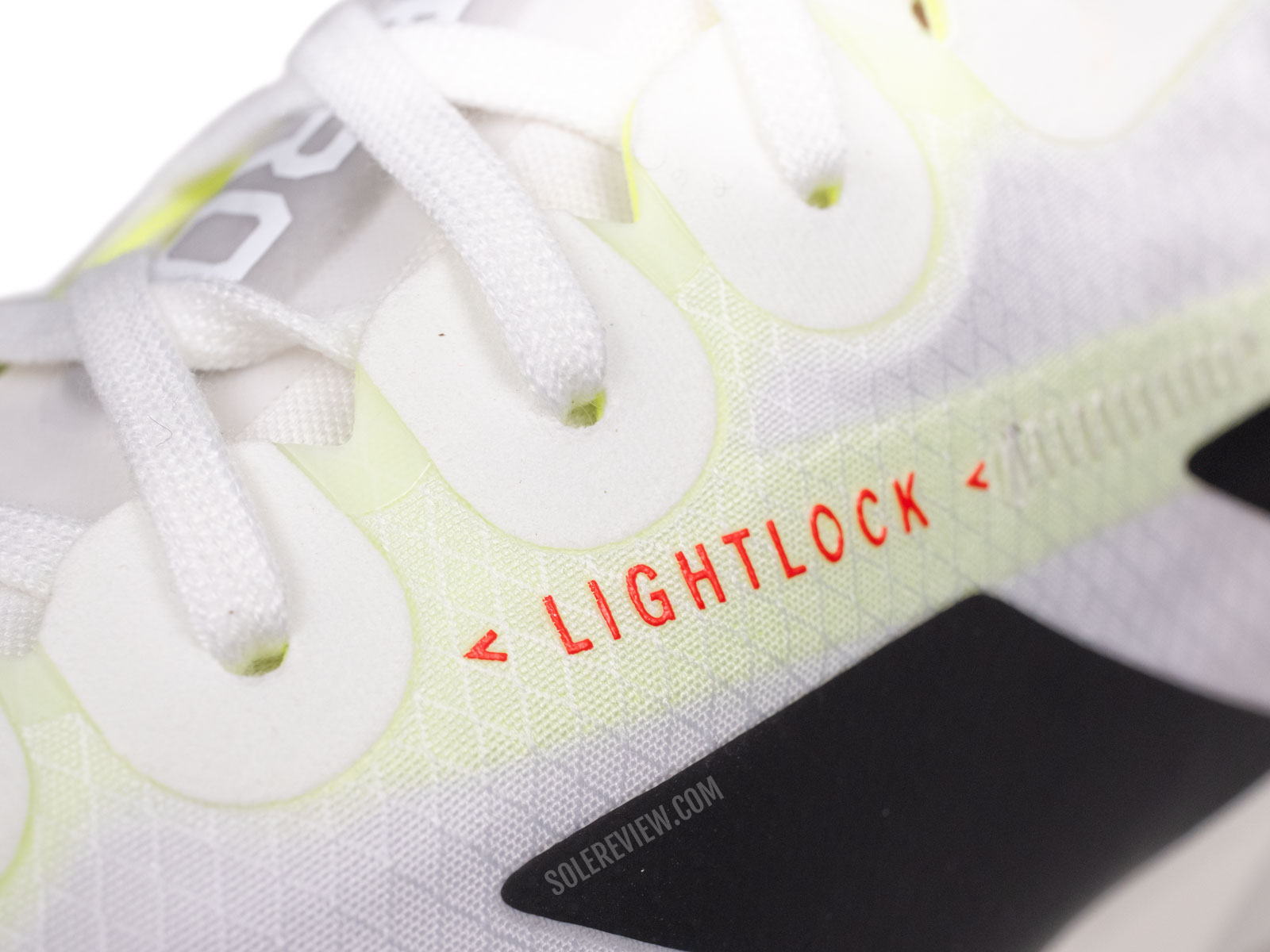
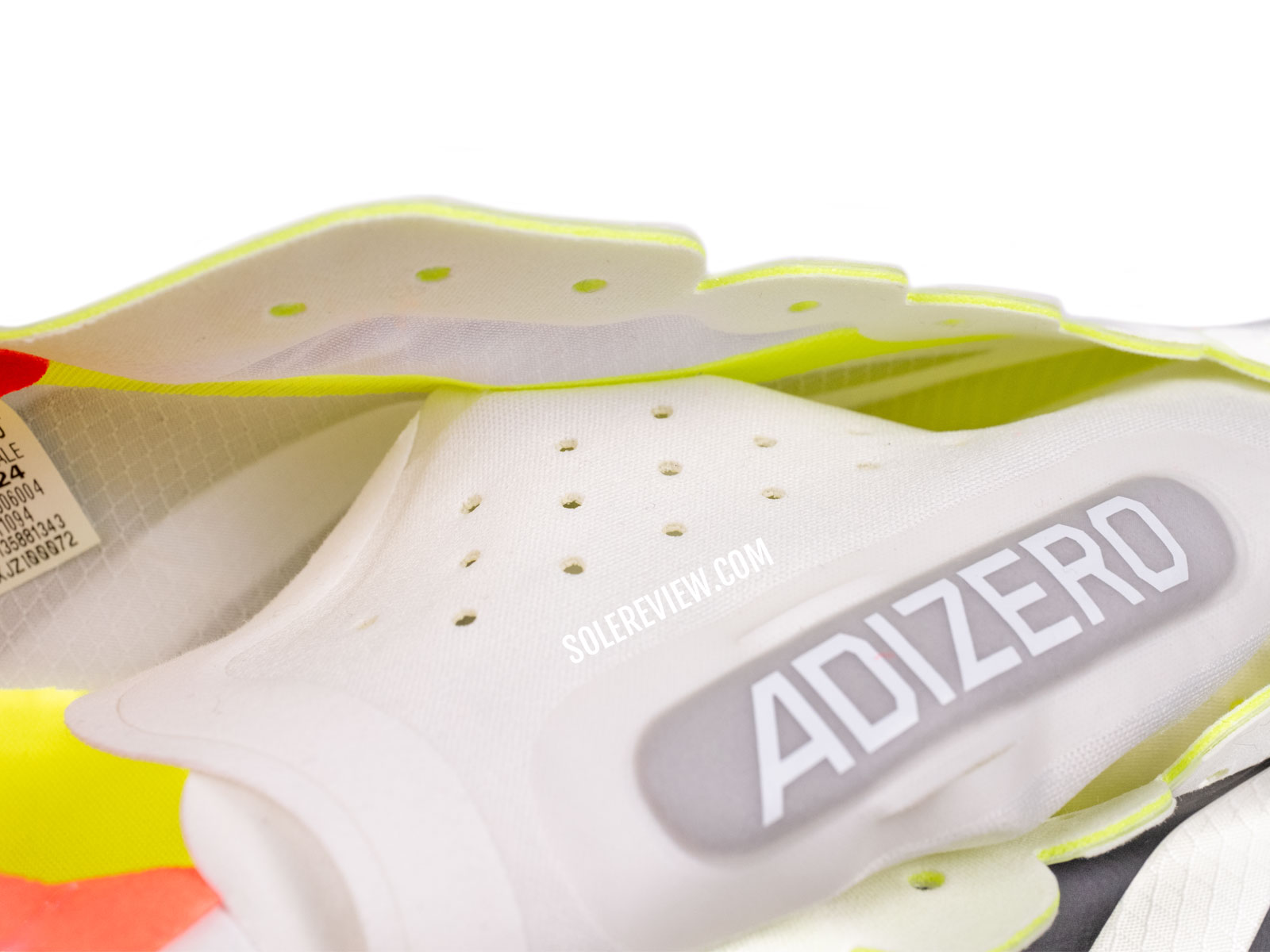
On any running shoe designed for speedwork, a narrow fit is an industry best practice. A tight fit reduces the overall workload by preventing excessive movement. It also helps conserve energy by doing a better job of directing power to the midsole. When the foot is pinned tightly against the midsole, it can take advantage of other tools the shoe has to offer. In the Adios Pro 4’s case, those would be the propulsive rocker and bouncy Lightstrike Pro foam.
The tight upper makes the rocker more effective while highlighting the springy cushioning. The Adios Pro 4 isn’t ideal for heel strikers, overpronators, and heavy runners, so consider the alternatives from our carousel for edge cases. Our personal choice for a narrow-fitting carbon-plated racer is the Puma Fast-R Nitro Elite 3, but it’s usable only by elite and sub-elite runners.
Pros
- Ultra-secure forefoot/midfoot
- Bouncy soft Lightstrike Pro
- Forefoot outsole grip
- Propulsive Energy Rods
Cons
- Very unstable heel
- Punishes slow speeds and poor form
Other 10K and marathon racers with a narrow fit
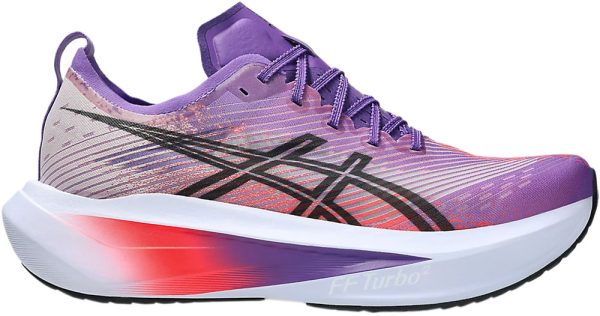
Asics Megablast
Narrow fitting, plate-free, max-cushioned
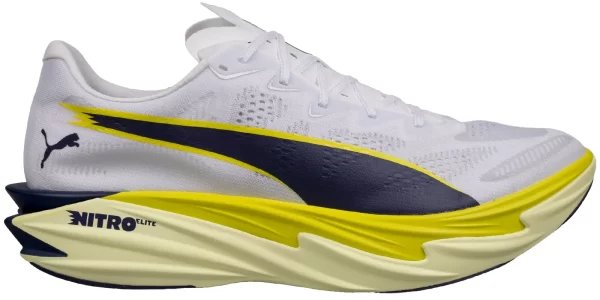
Puma Deviate Nitro Elite 4
More forgiving of heel strikes and slow speeds
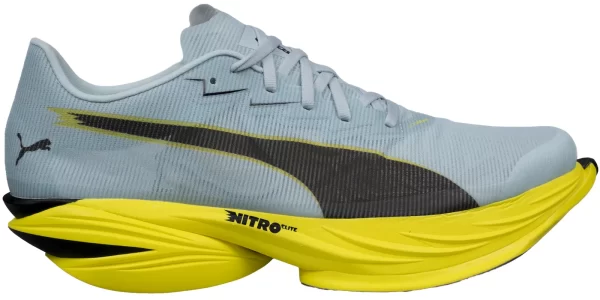
Puma Fast R Nitro 3
The best choice for the fastest runners
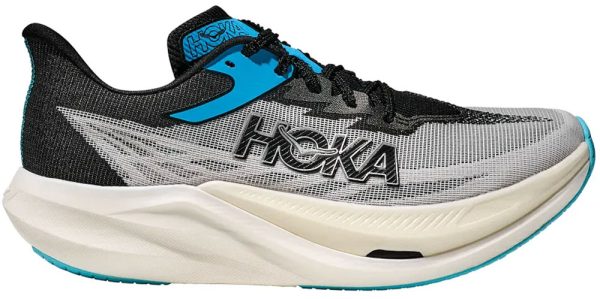
Hoka Rocket X3
Best for an ultra-breathable upper
Fit Notes
True to size. Very narrow. Fits half-size smaller (shorter) than the Adios Pro 3.
Gallery
Specs
- Heel stack: 39 mm
- Forefoot stack: 33 mm
- Drop: 6 mm
- Weight: 7.05 oz / 200 gms
- Widths: Regular (single)
- Midsole: Lightstrike Pro, Energy Rods
- Insole: Non-removable
Why it works (the basics)
- Slim last, thick mesh → makes fit narrow
- Snug fit → secures the foot
- 42.5 mm, 35.5 mm stack → delivers long-distance comfort
- Tongue and heel padding → makes the interior plush
🔍 Deep Dive
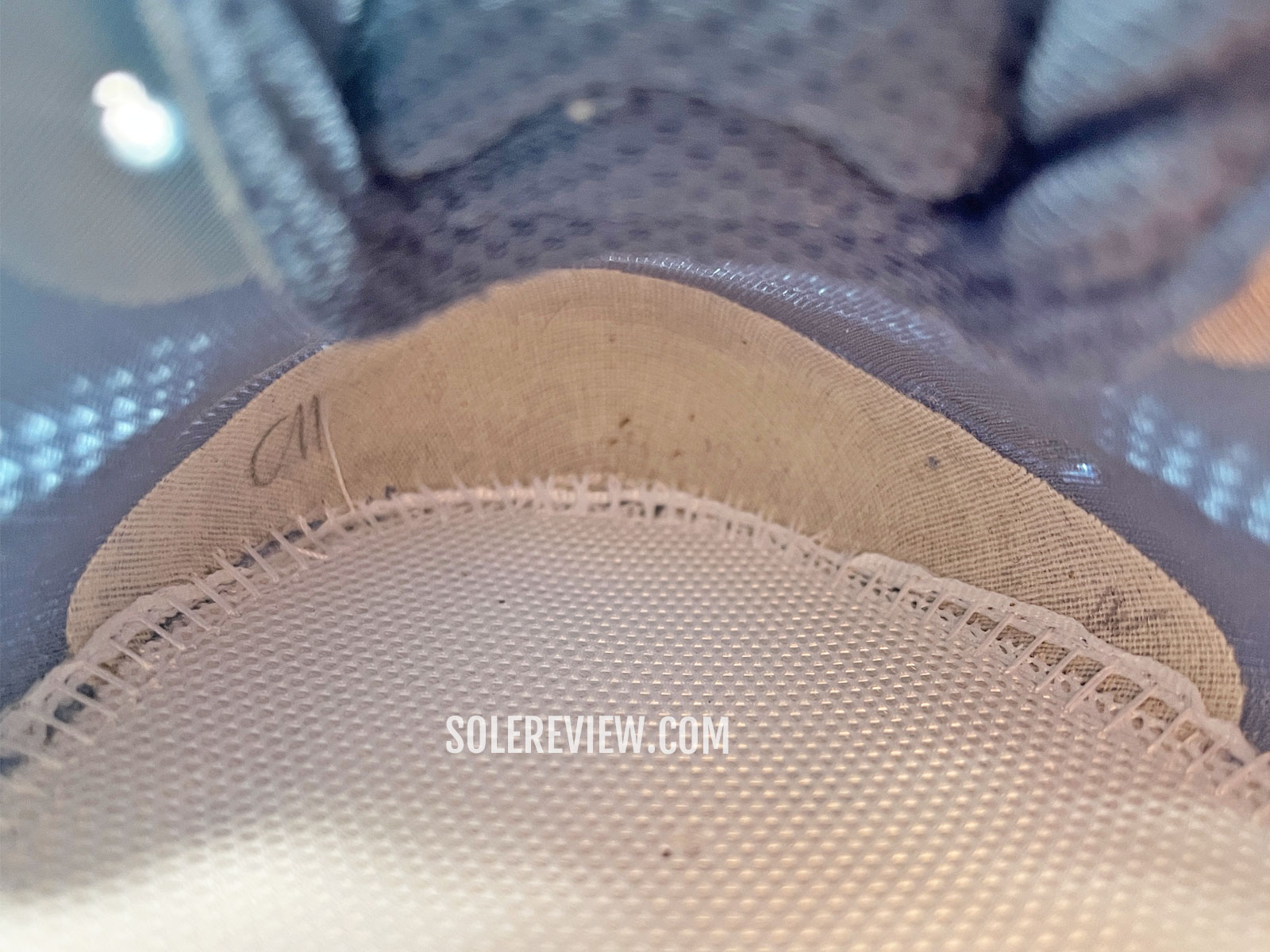
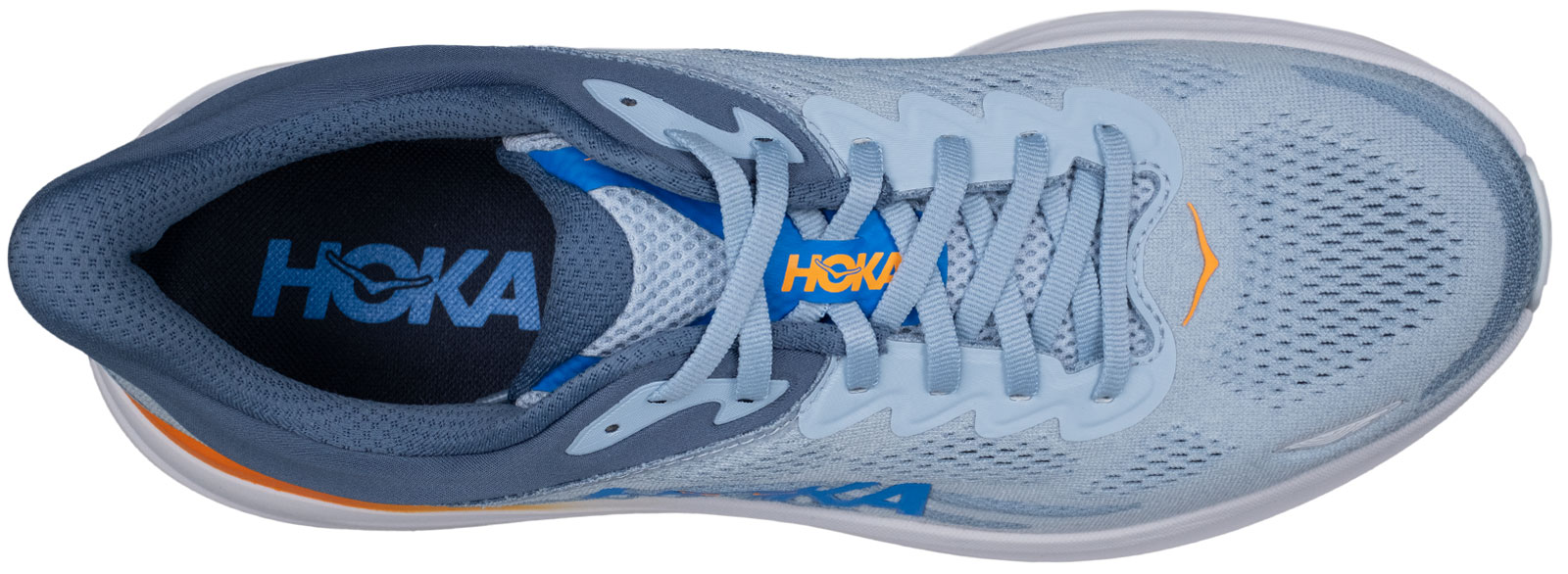
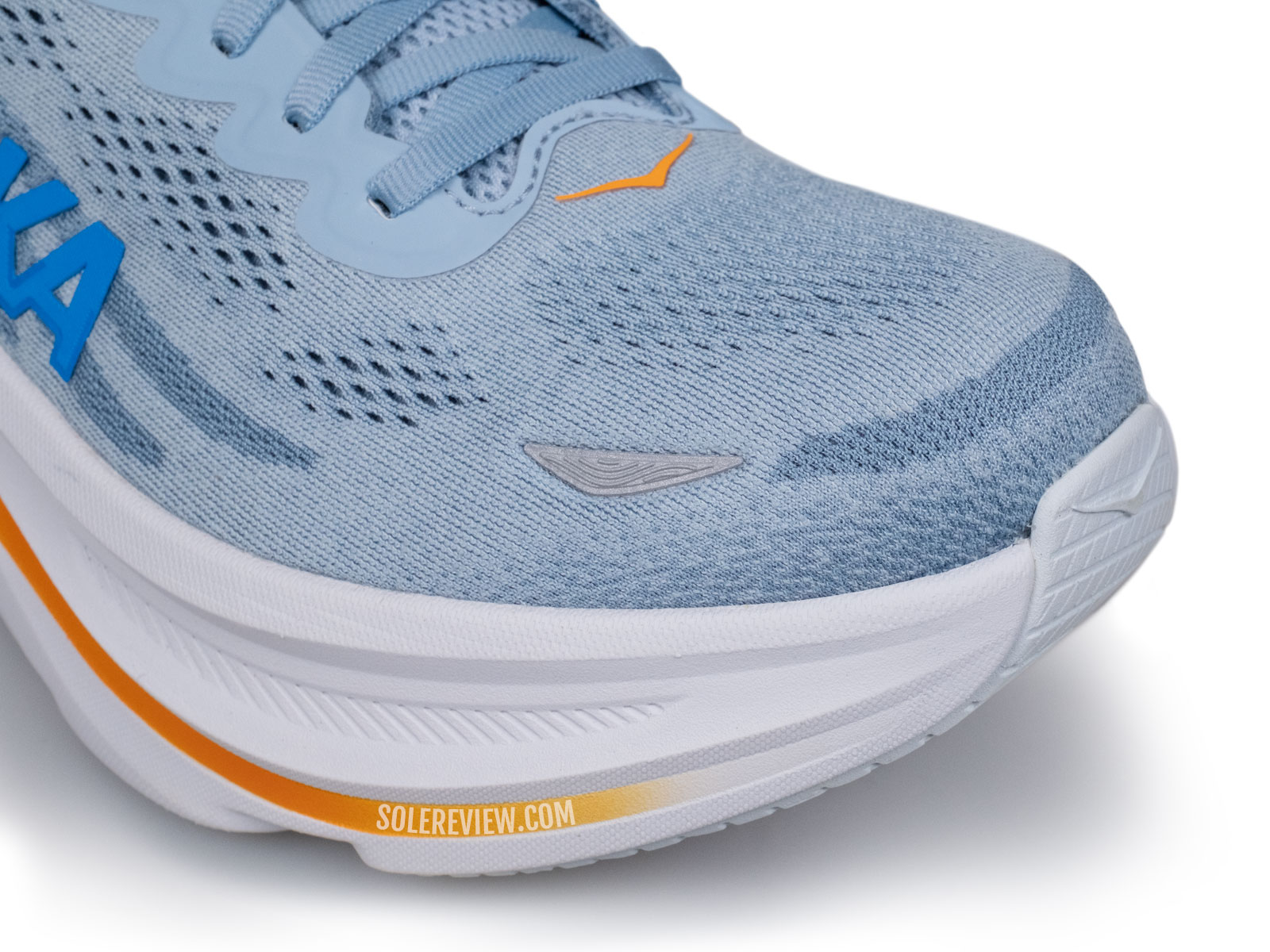
Unless you’re new to Hoka, you’d be familiar with the brand’s ‘house’ fit. Most of their running shoes have a narrow midfoot and forefoot with a roomy toe box, and that’s how the Bondi 9 fits. Admittedly, the Bondi 9 isn’t as excruciatingly tight as the Bondi 8, so that’s a relief. Still, the slim last and thick upper mesh hold the foot more tightly than comparable max-cushioned trainers. The toe box is nothing like the forefoot and midfoot, as it offers ample room for the toes to splay.
The rest of the shoe is what a runner expects from a shoe in this category. The compression EVA foam midsole offers a familiar ride experience, one that offers the comfort needed for long training runs, walks, or even standing all day. It’s not a shoe that likes to be rushed, so it does best at speeds slower than 5:30 min/km (8:50 min/mile).
Pros
- Secure upper lockdown
- Comfort for longer distances
- Plush interior
- Reflective accents
- Decent stability
- Optional widths
Cons
- Runs warm due to thick mesh
- Limited versatility other than slow runs
- Heavy
- Stiffens in freezing temperatures
Other recovery trainers with a narrow fit
Asics Nimbus 28
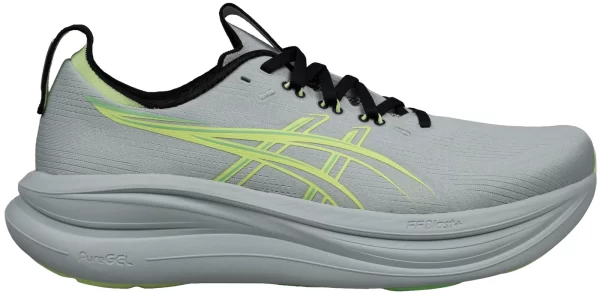
Another traditional recovery trainer with a narrow fit
Brooks Glycerin Max 2
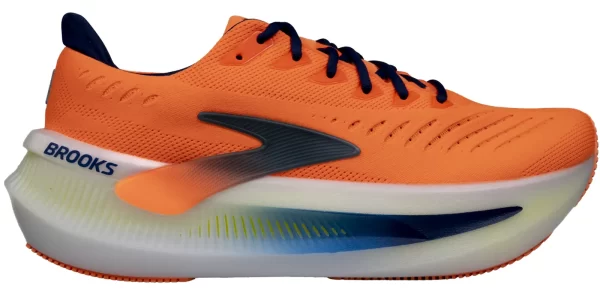
For quicker forefoot transitions
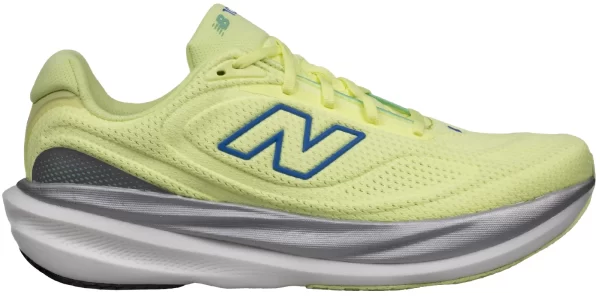
New Balance 1080V15
For the softest ride within this guide
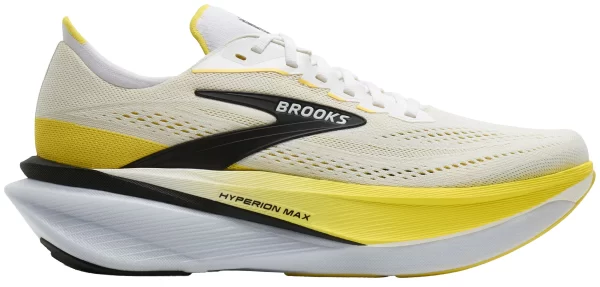
Brooks Hyperion Max 4
Serves max-cushioning on an internal plate
Fit Notes
True to size. Narrow midfoot and forefoot with a roomy toe box. Below average ventilation.
Gallery
Specs
- Heel stack: 42.5 mm
- Forefoot stack: 35.5 mm
- Drop: 7 mm
- Weight: 10.5 oz / 298 gms
- Widths: Regular, wide, extra-wide
- Midsole: Compression-molded EVA foam
- Insole: Molded, removable
Why it works (the basics)
- Sleek last profile → creates a snug midfoot and forefoot
- Tight upper → enhances ground feel
- Lightweight mesh → makes the interior breathable
- SCF EVA → cushions without diluting proprioception
🔍 Deep Dive
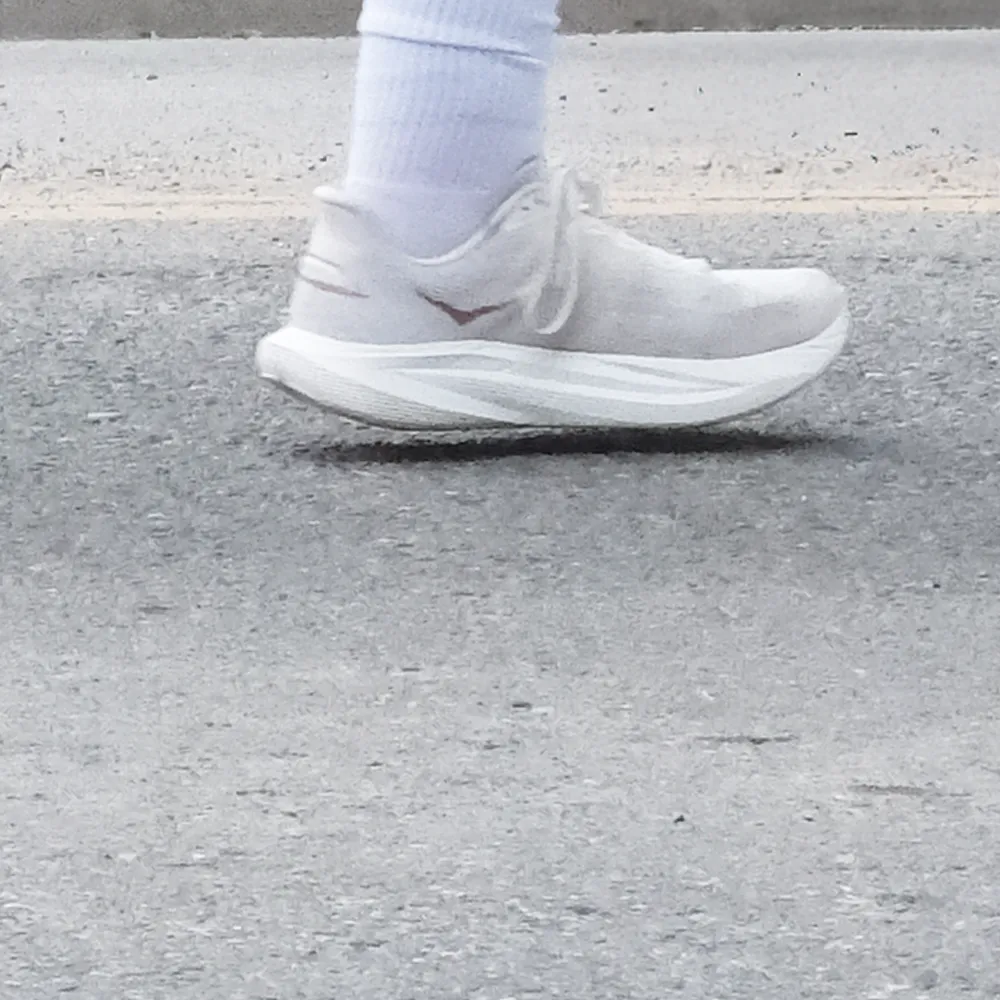
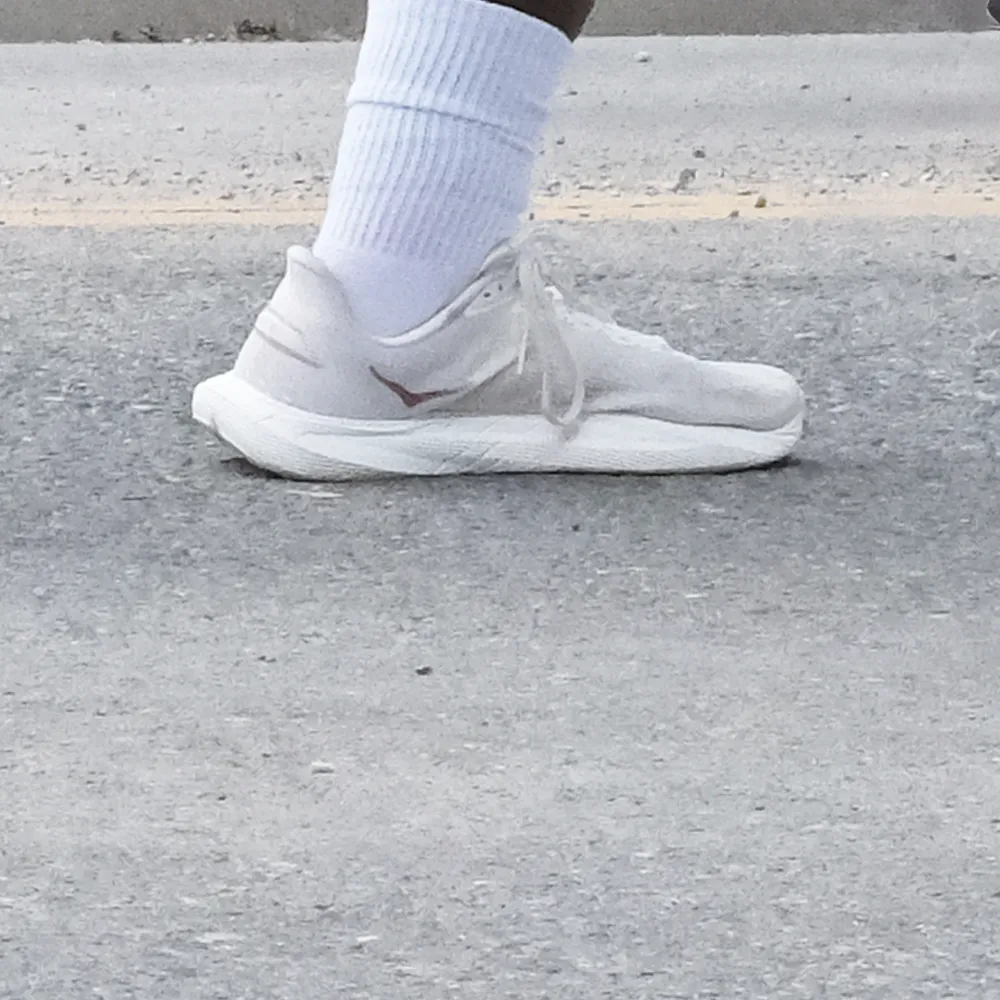
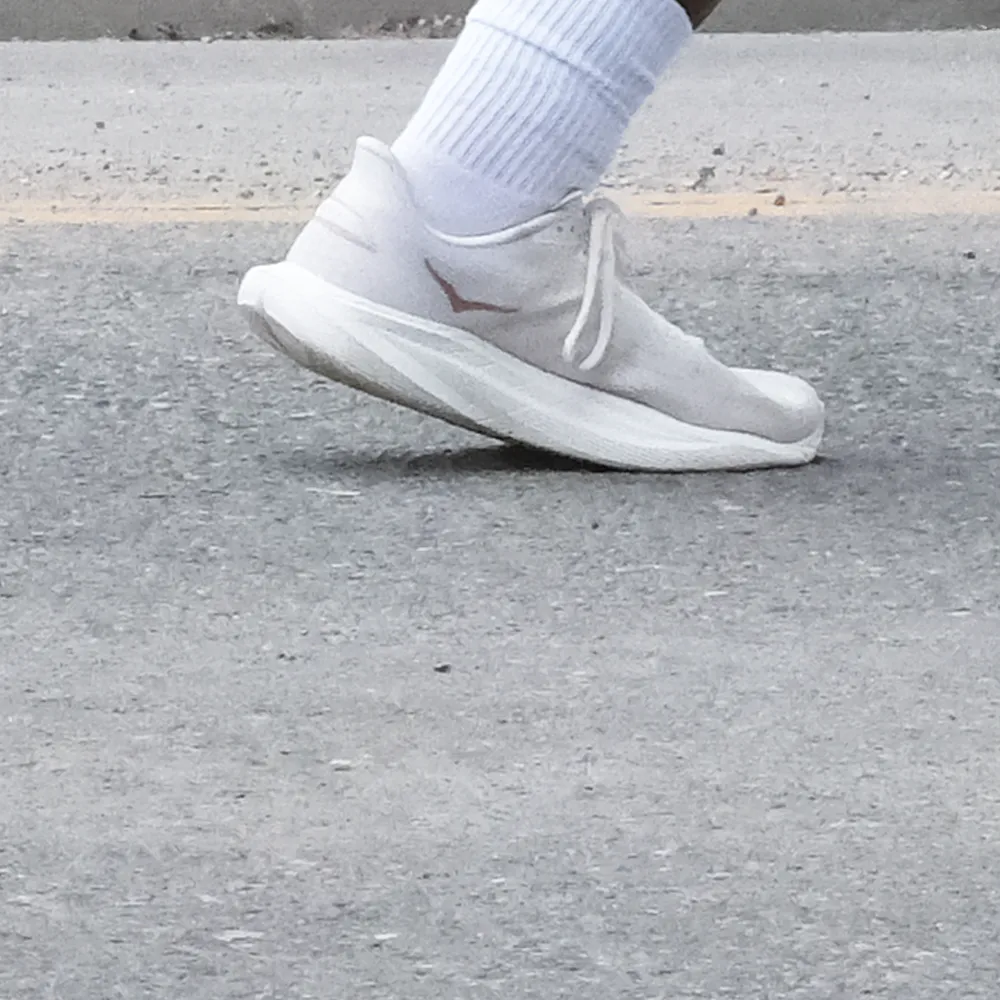
The Mach 7’s fit is perfect for a shoe of its class. Any speed trainer with a low-profile midsole benefits from a tight upper, as it enhances the ground feel. Here, the 35 mm and 30 mm stack heights are made of supercritical EVA foam – a material that resists excessive compression while delivering impact protection. A 30 mm tall forefoot is relatively tame by modern standards, so a narrow fit allows the foot to work through the midsole without losing touch with the ground. While the Mach 7 is perfectly capable of sub-4:00 min/km speeds, it doesn’t penalize slow speeds and heel strikes.
Pros
- Fast, but non-demanding ride
- Secure upper fit
- Ventilation
- Superior ground feel
- Outsole grip
Cons
- Tongue is slightly short
- Lack of reflectivity
Other 5K and tempo trainers with a narrow fit
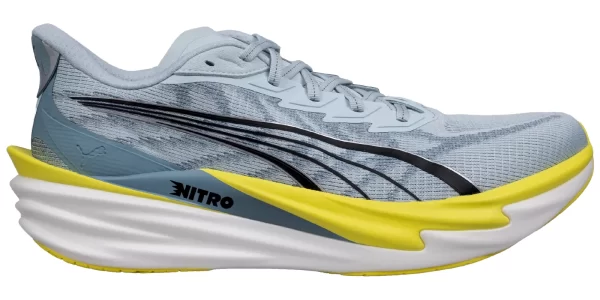
Puma Deviate Nitro 4
A plated trainer with a tight fit
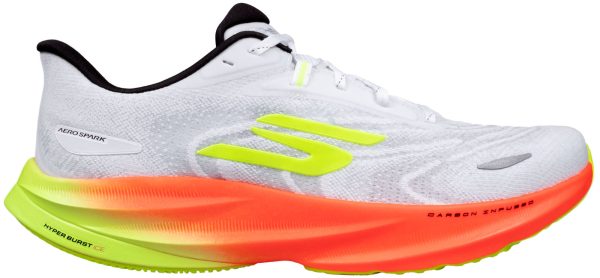
Skechers Aero Spark
Firmer and tighter than the Mach 7
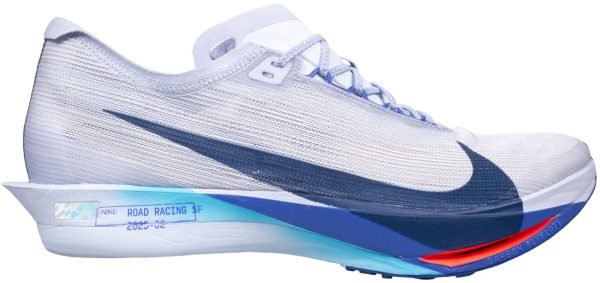
Nike Streakfly 2
For a very narrow and very pointy fit
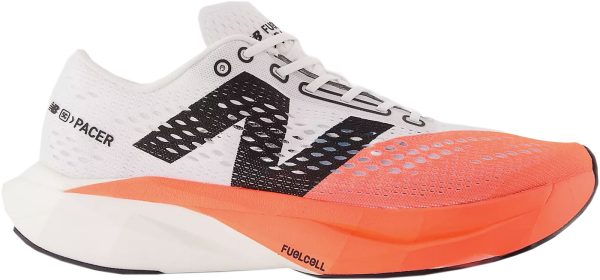
New Balance SC Pacer V2
Plated racer in a low-profile form factor
Fit Notes
True to size. Tight forefoot and midfoot with decent toe box room. Very breathable; also sold in a wide.
Gallery
Specs
- Heel stack: 35 mm
- Forefoot stack: 30 mm
- Drop: 5 mm
- Weight: 8.37 oz / 237 gms
- Widths: Regular, wide
- Midsole: Supercritically-foam EVA
- Insole: Molded, removable
FAQs
Why should I buy a running shoe with a narrow fit?
Individual foot anatomy and use case are the two reasons why a runner should consider a narrow-fitting shoe. If your feet run narrower than average, then excessive upper space will lead to foot movement. So you need to wear a running shoe that is a good match for your narrow feet.
The second reason is the use case. Tighter uppers perform better when running and racing at faster speeds (4:30 min/km, 7:00 min/mile), as they help drive power to the ground while preventing foot slide. Trail running is also where narrow uppers add value, as they enhance ground feel by creating a strong bond between the foot and the midsole.
I noticed my favorite running shoe model fits narrower than last year. What do you think has changed?
The last – the shape that defines the fit of a particular shoe – seldom changes, so the likely cause is either an updated heel collar, the addition of a thicker gusset or sleeve, a change in mesh, or a combination of multiple factors. For example, if the foam padding in the heel collar increases, that has the effect of pushing the foot forward, thus making the fit narrower than before. The sensory aspect of tightness also matters; if the stretchy mesh of the previous model is “updated” with a thicker, non-stretchy type, that will make the fit feel narrower despite the last being unchanged.
I don't see narrow trail running shoes on your guide. Can you suggest some?
Sure. The adidas Terrex Agravic Speed Ultra 2, Salomon Speedcross, Nike Ultrafly Trail, Hoka Speedgoat, and Saucony Peregrine 16 have a narrow fit.
Which popular running shoes are not ideal for narrow feet?
Most of the current Asics Metaspeed Tokyo models (the Edge, Sky, and Ray) have too much space. The adidas Evo SL is also not ideal for narrow feet, nor is the adidas Boston 13.