Review Updates
(1 total)- 2026-06-05 — Review published
ASICS CUMULUS 28 IS BEST FOR
BEST FOR
SWEET SPOT
SPEED COMPATIBILITY
BIOMECHANICS: THE ASICS CUMULUS 28
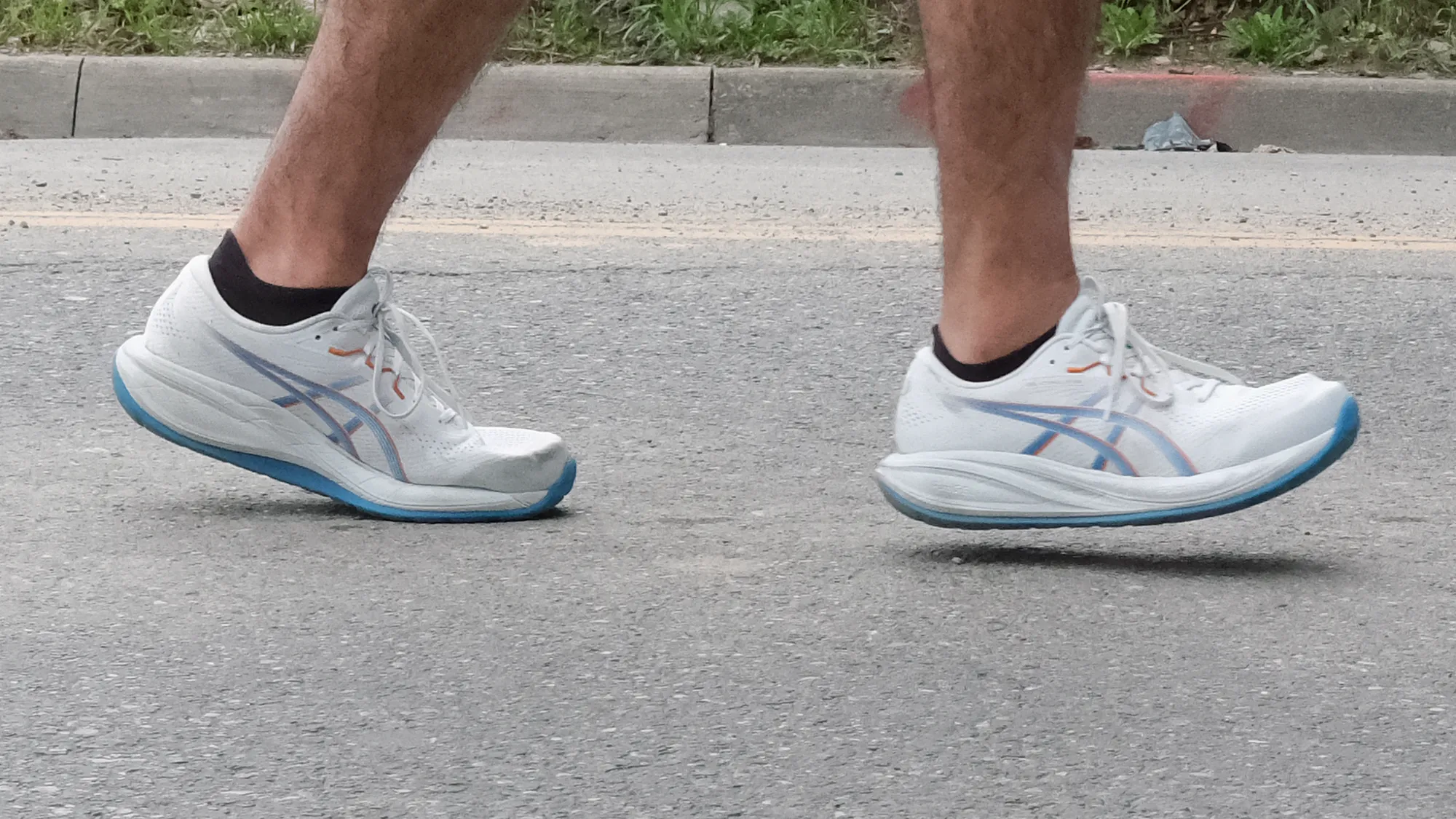
The FlyteFoam Blast Max midsole doesn't have a whole lot of give, so the controlled landings do not increase the workload for the body. Except for the tiny rubber heel plug, most of the outsole is made of firm EVA foam. The latter blends well with the midsole to produce smooth footstrikes and toe-offs. The midsole doesn't provide rocker assistance during the pre-swing phase.
See The Asics Cumulus 28 in action
(Click to pause/play)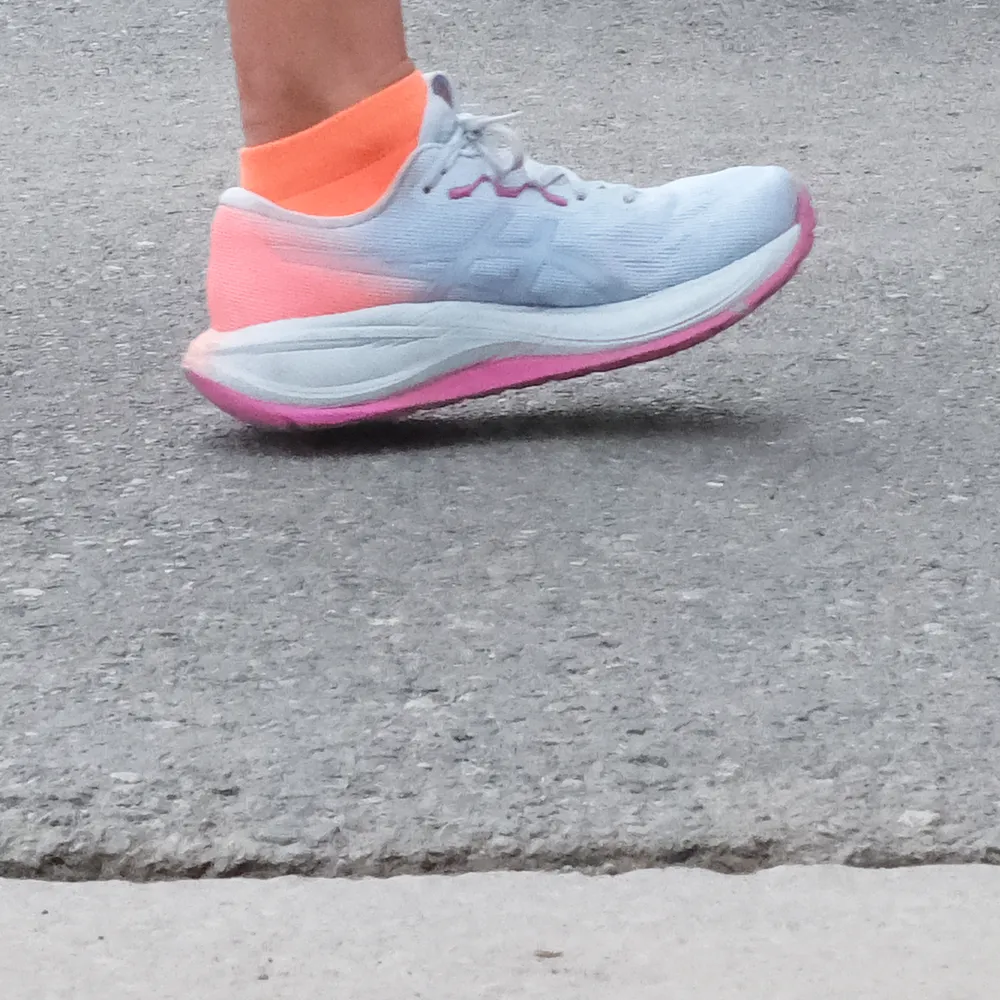
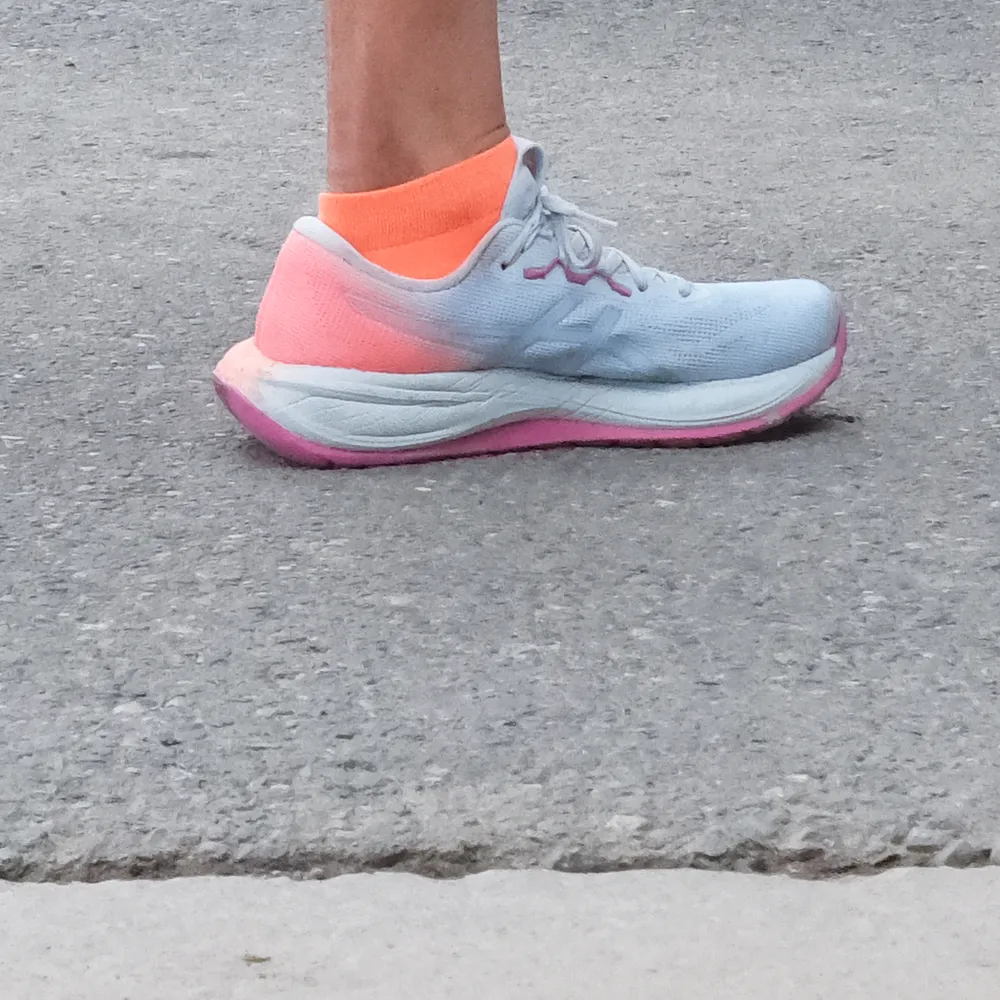
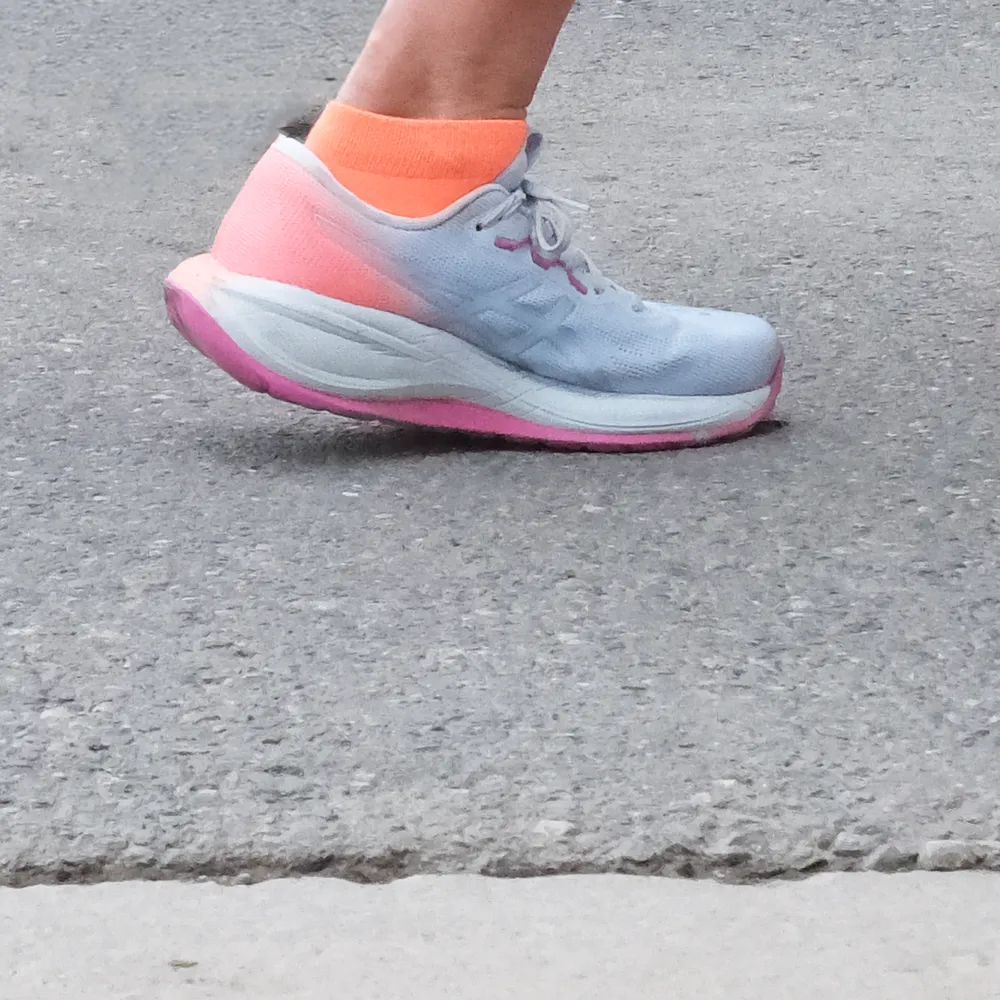
Mechanics at Work
- FlyteFoam Blast Max midsole → delivers supportive cushioning
- Wide outsole base → creates planted landing and take offs
- Secure upper → locks the foot over the midsole
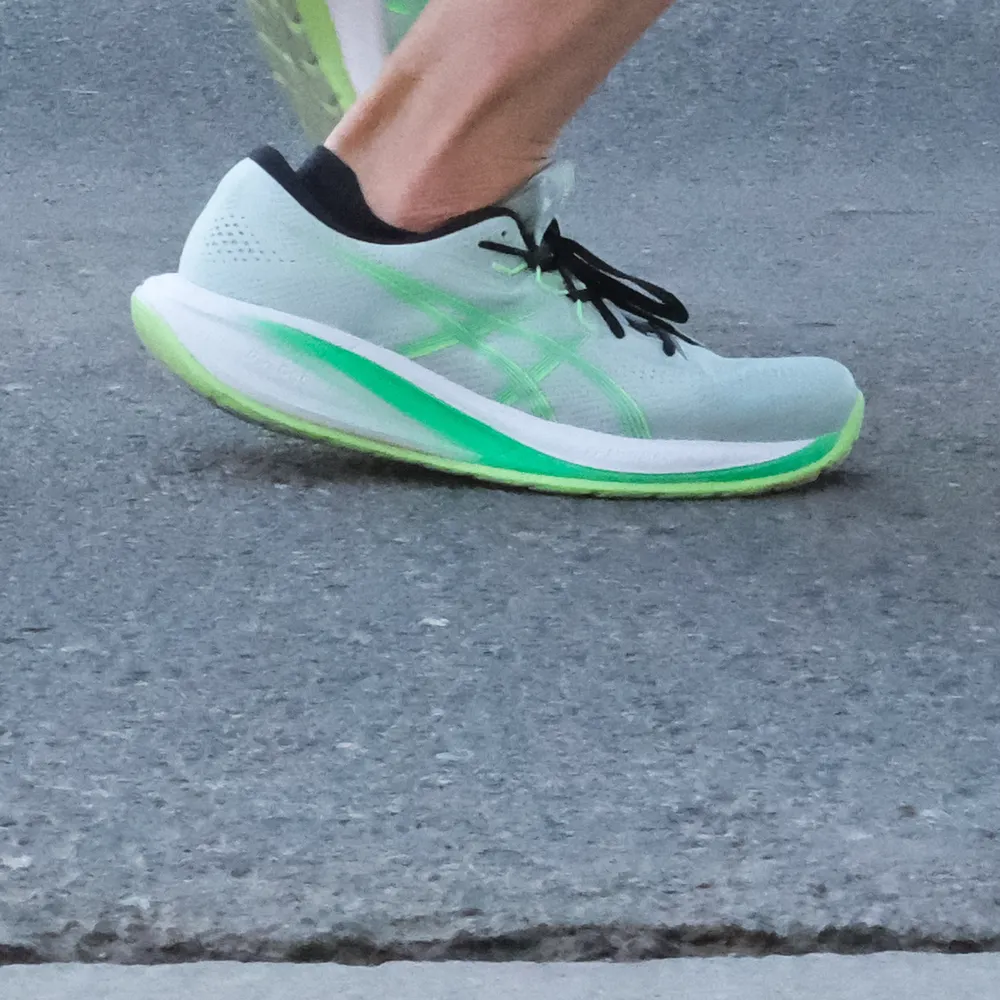
While the Cumulus 28 doesn't provide toe-off assistance by means of a rocker or plate, two design features benefit mid-pack runners who are forefoot strikers. The snug upper does a good job of securely seating the foot over the midsole, improving power delivery to the 32 mm stack. The firm midsole is also compression-resistant, thereby increasing transition efficiency. Though heel-striking mid-pack runners are in a slightly less advantageous position because of the 40 mm heel stack, the Cumulus 28 will work up to 4:30 min/km (7:00 min/mile) speeds.
See The Asics Cumulus 28 in action
(Click to pause/play)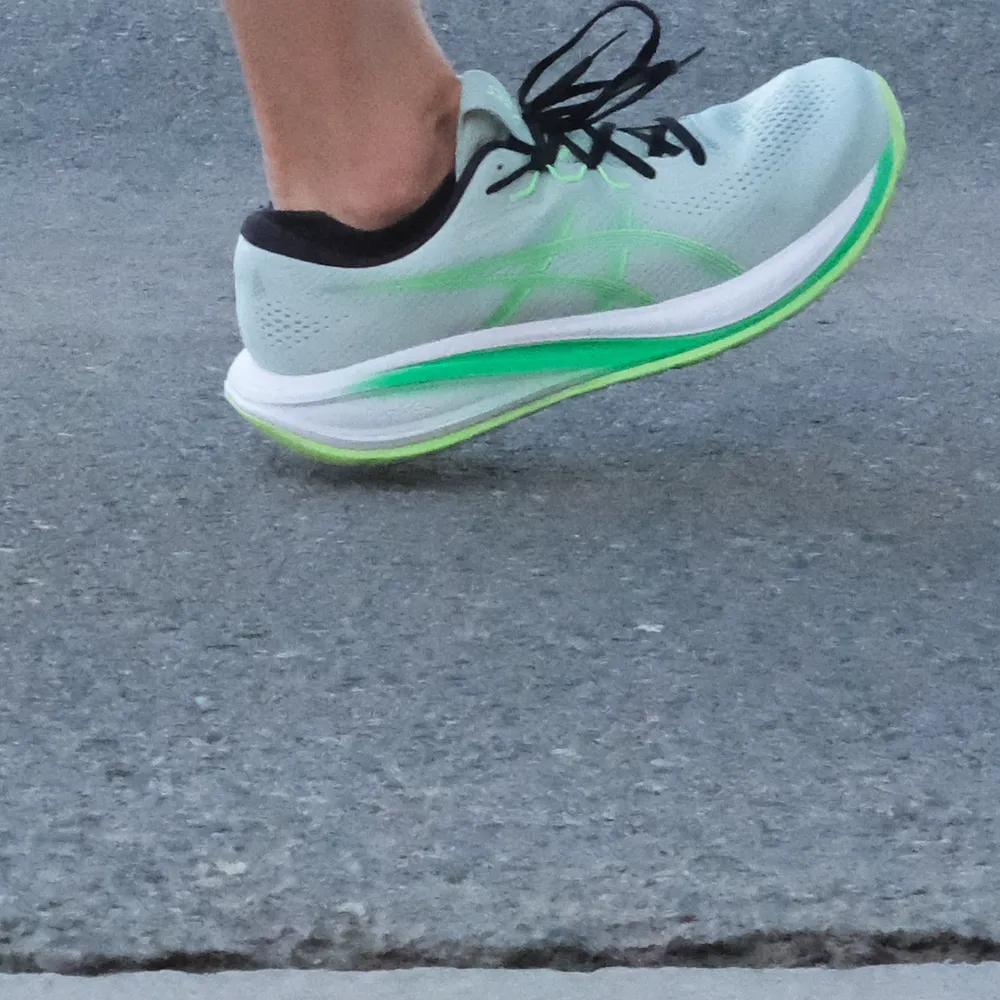
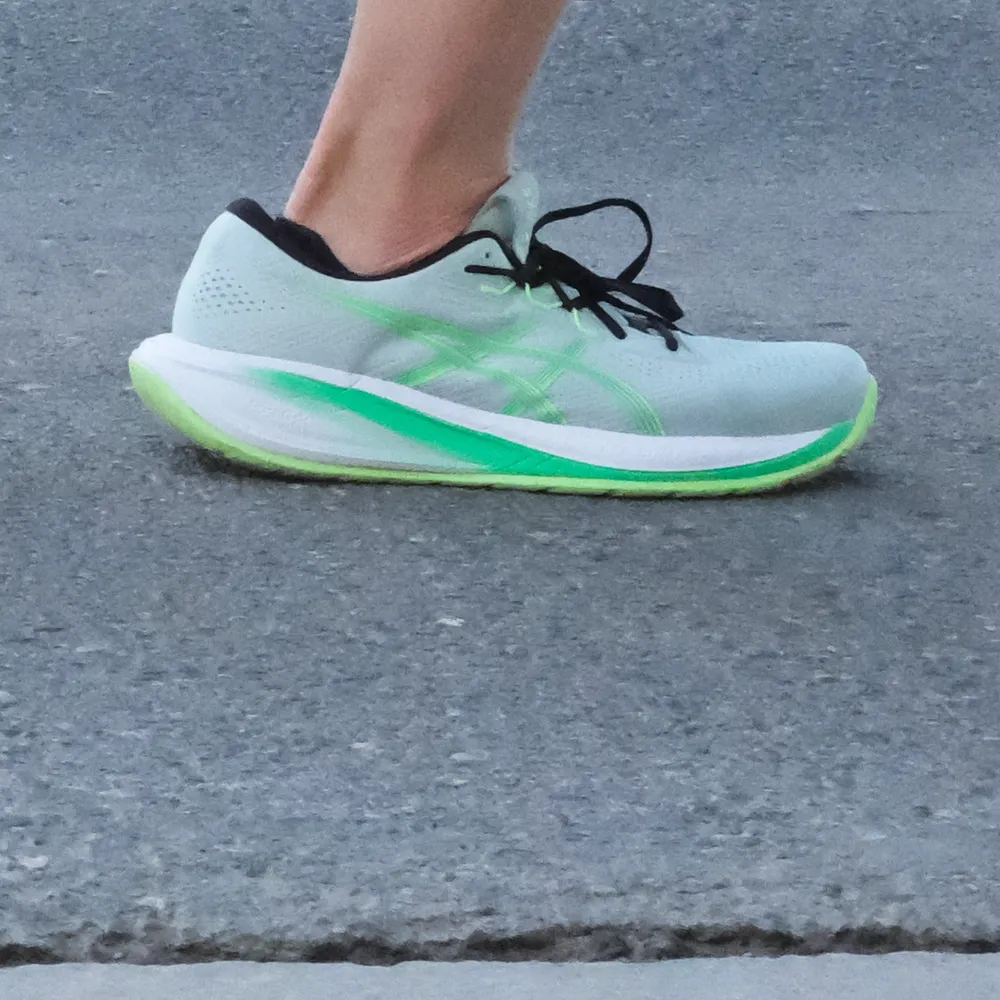
Mechanics at Work
- Secure upper → assists power delivery to midsole
- Firm FF Blast Max → conserves energy
- Wide contact patch → stabilizes foot-strikes and transitions
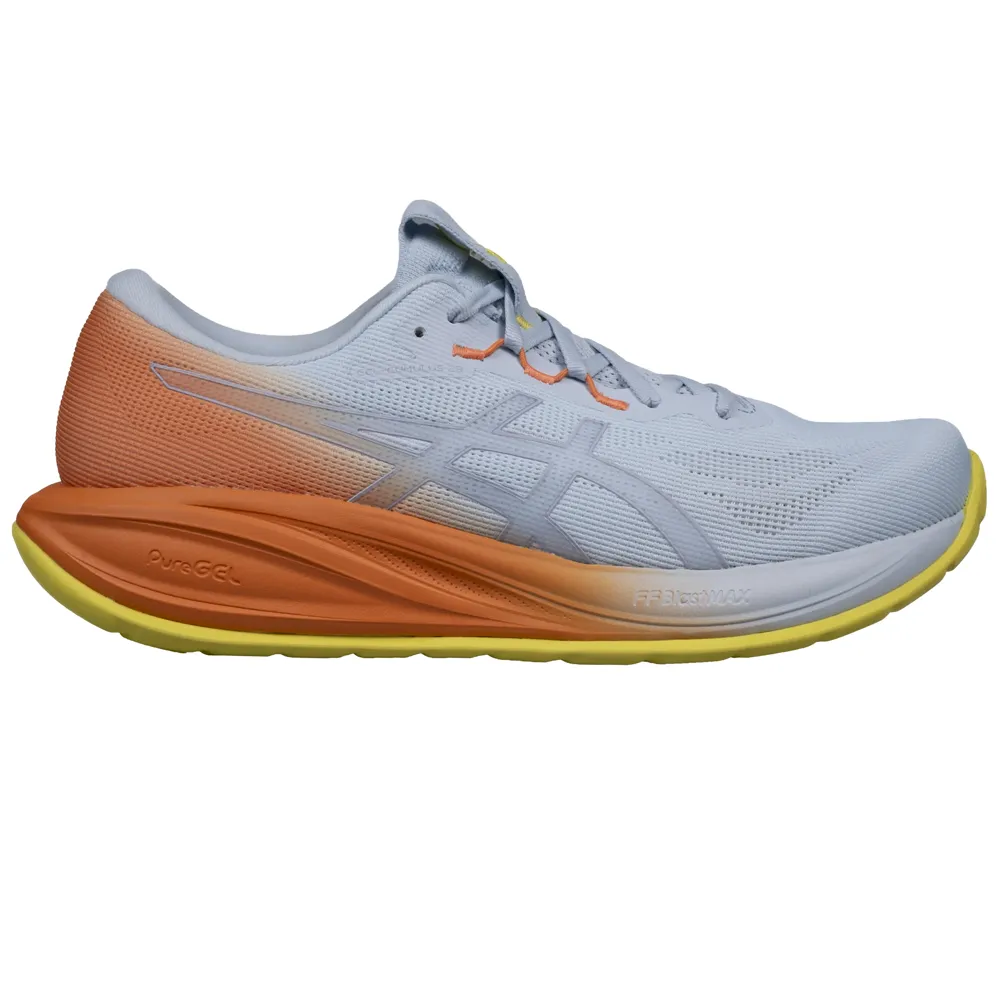
If you're an elite or serious athlete, it's more of a "it's not the shoe, but the runner" deal here. While the Cumulus 28 is capable of sub-4-minute kilometer paces, it takes slightly more work than a shoe designed specifically for racing. For example, you may find the outsole grip lacking during quick touch-and-go landings. The thick upper also tends to trap heat more than a lightweight mesh upper commonly found on racing shoes. The Cumulus 28 does not have a rocker either, so there is that too.
See The Asics Cumulus 28 in action
Mechanics at Work
- Foam outsole → lacks grip for sub-4-minute km pace
- Everyday trainer upper → runs warm during a race
- Lack of propulsive rocker → slows toe offs.
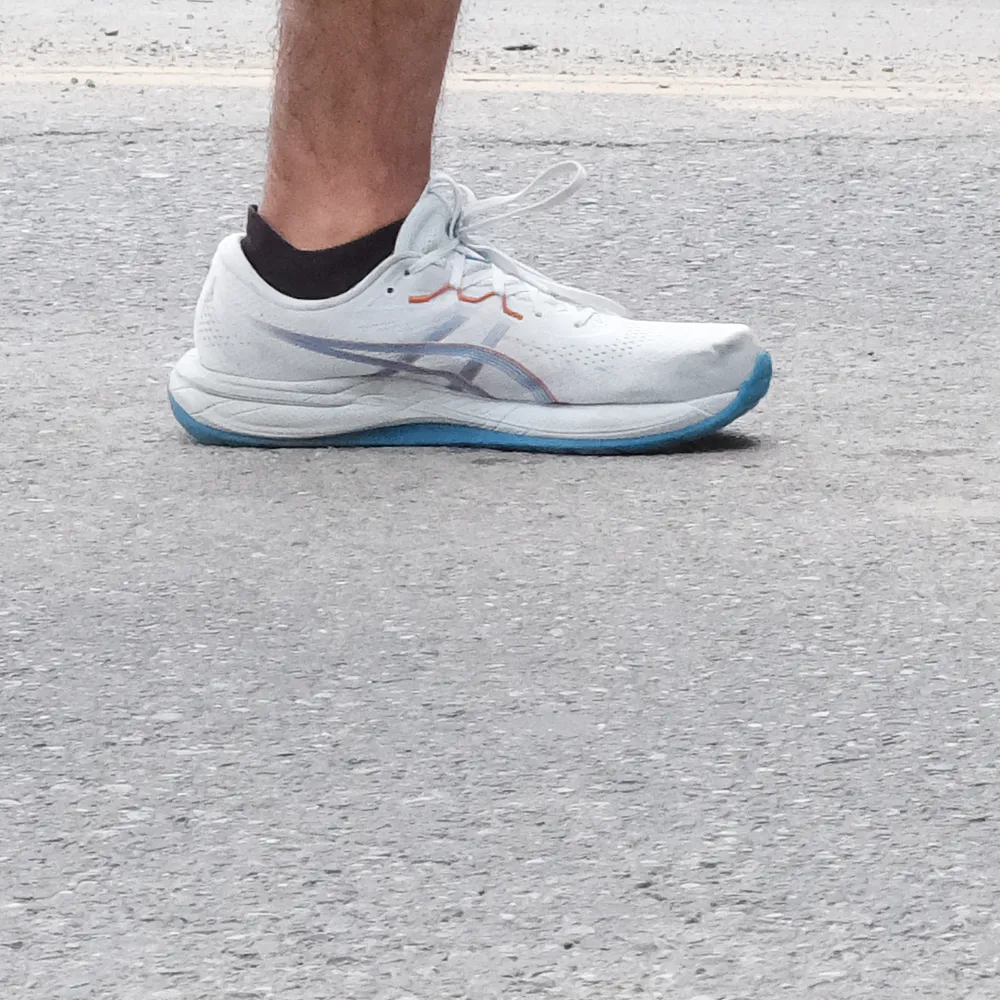
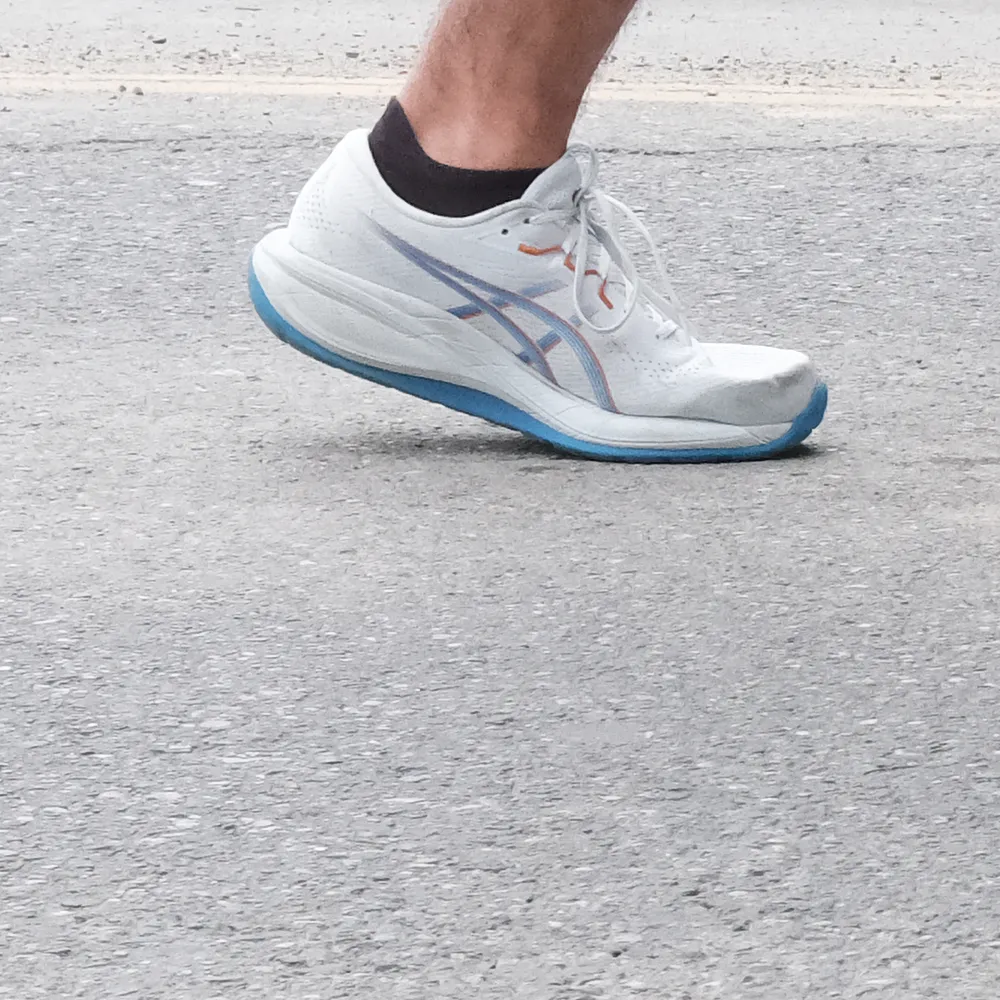
The Cumulus 28 is on its best behavior during heel strikes. The midsole doesn't steer into the negative heel drop territory, nor does it place unnecessary proprioceptive demands on the body. The compression-resistant midsole prevents cushioning sink and helps conserve energy. This is a true supportive-neutral trainer; the wide outsole contact area and shallow groove also help center the weight during landings.
See The Asics Cumulus 28 in action
(Click to pause/play)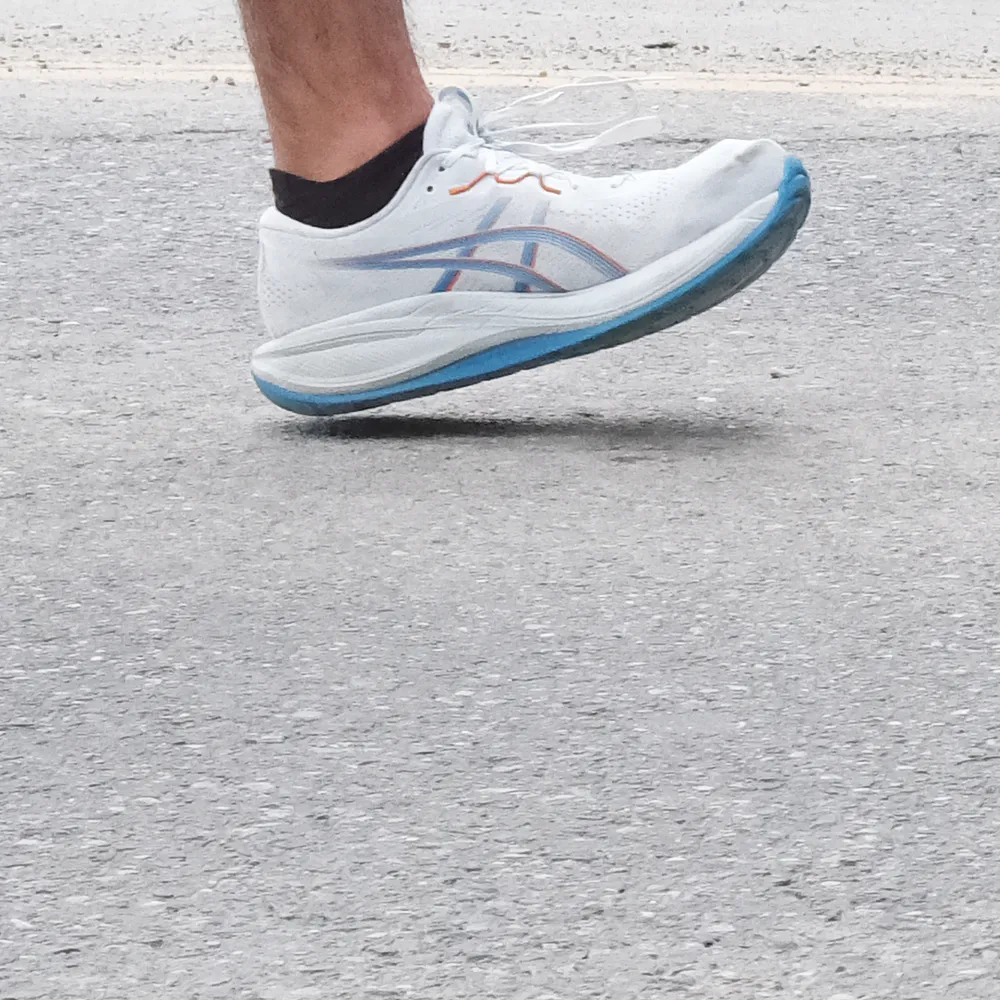
Mechanics at Work
- Firm, beveled midsole → supports heel landings
- 40 mm stack height → absorbs impact forces
- Under-heel groove → centers the weight
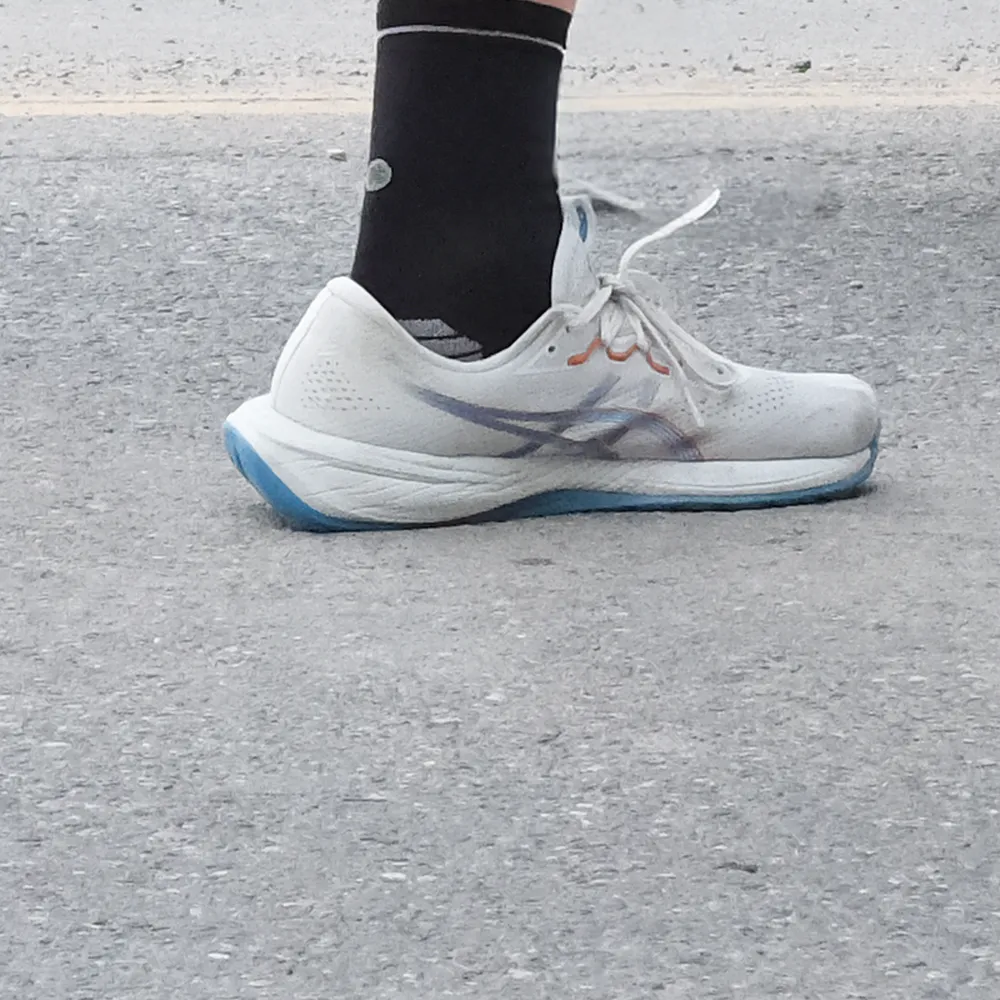
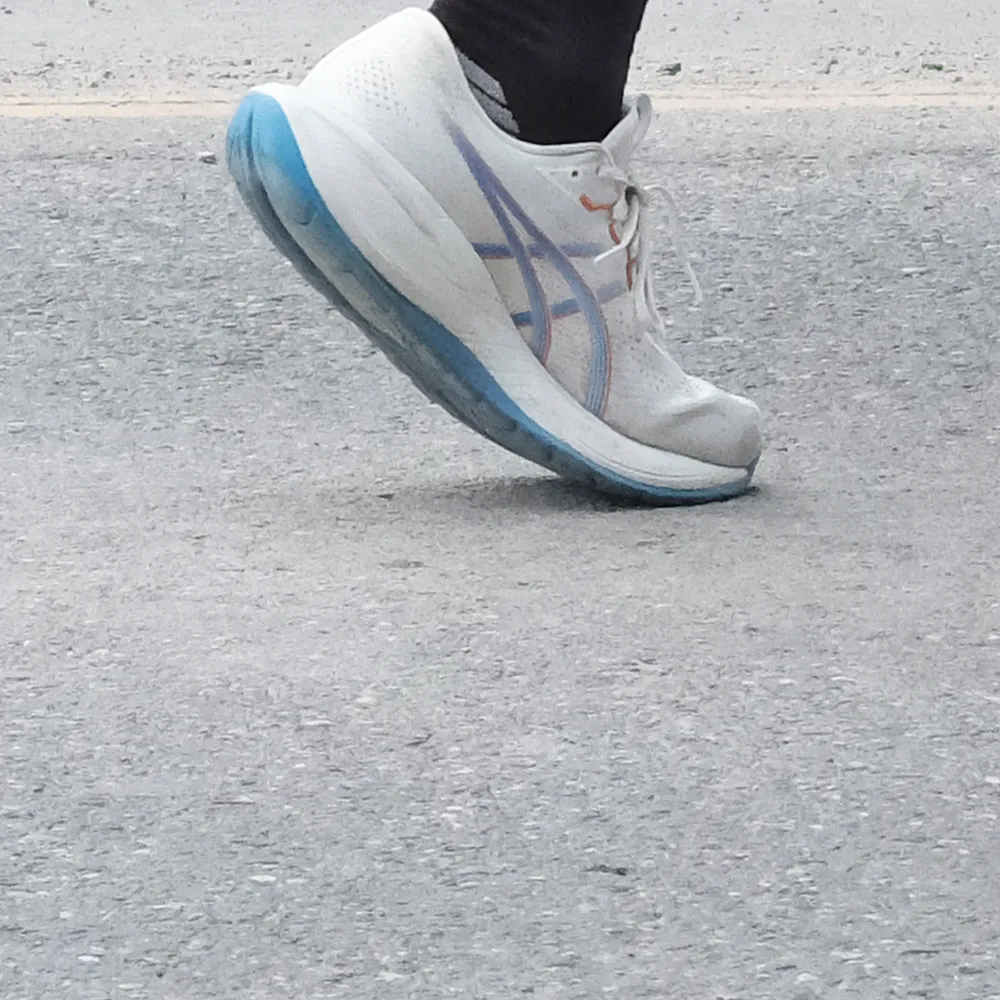
For a running shoe that's not advertised as a pronation-resistant trainer, it certainly does an excellent job of being one. The medial midsole is firm, without compression channels or grooves. At its base, the firm outsole (in yellow) bridges the midfoot gap for support. As seen in our high-speed (mid-stance) frame, there is some compression when the arch loads the midsole, but the shoe doesn't lose its structure.
See The Asics Cumulus 28 in action
(Click to pause/play)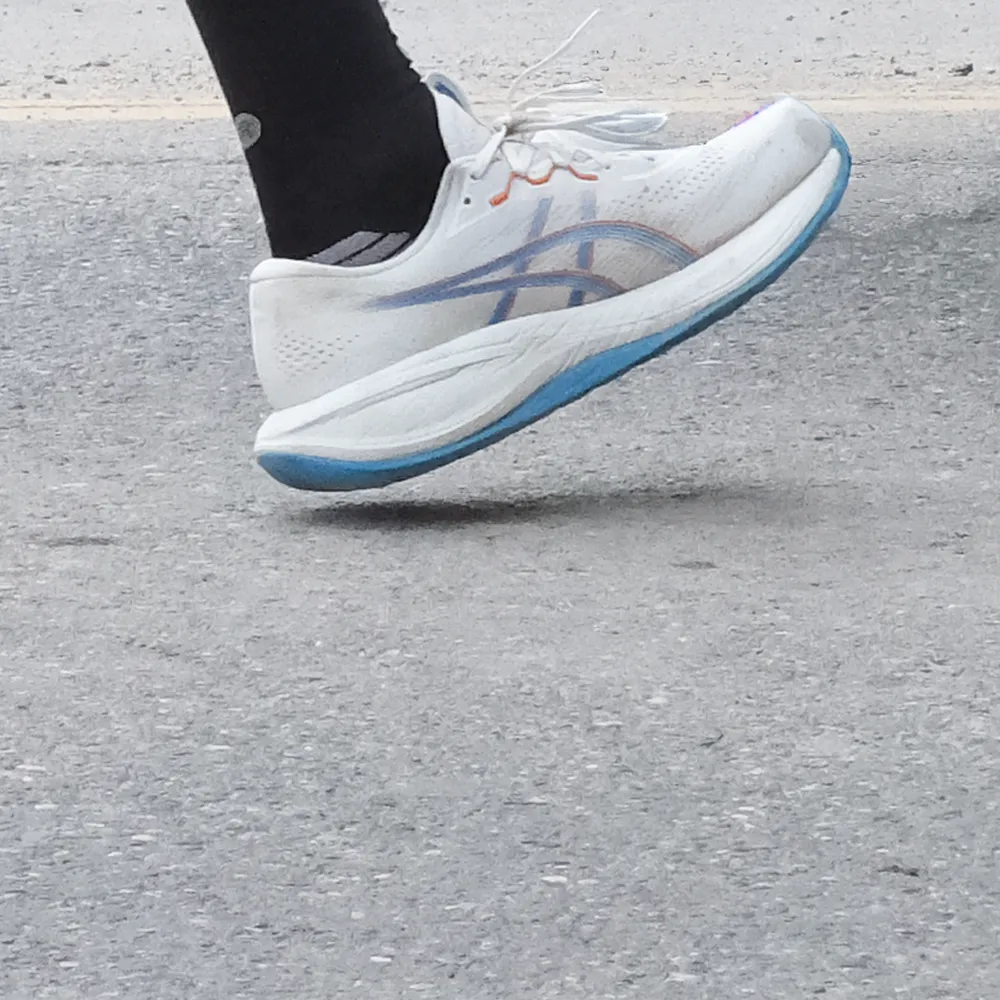
Mechanics at Work
- Firm FF Blast Max midsole → resists compression
- Supportive medial sidewall → doesn't collapse when loaded
- Outsole midfoot bridge → acts as a mini medial post.
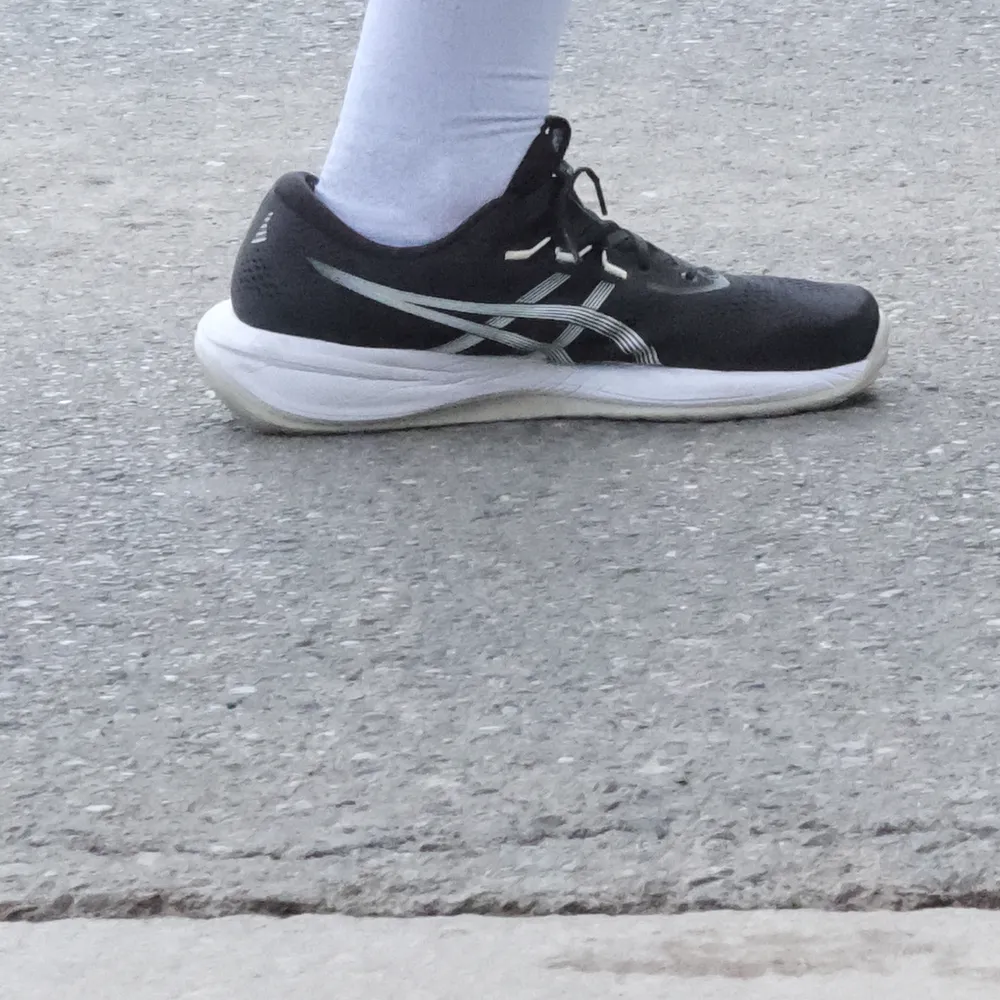
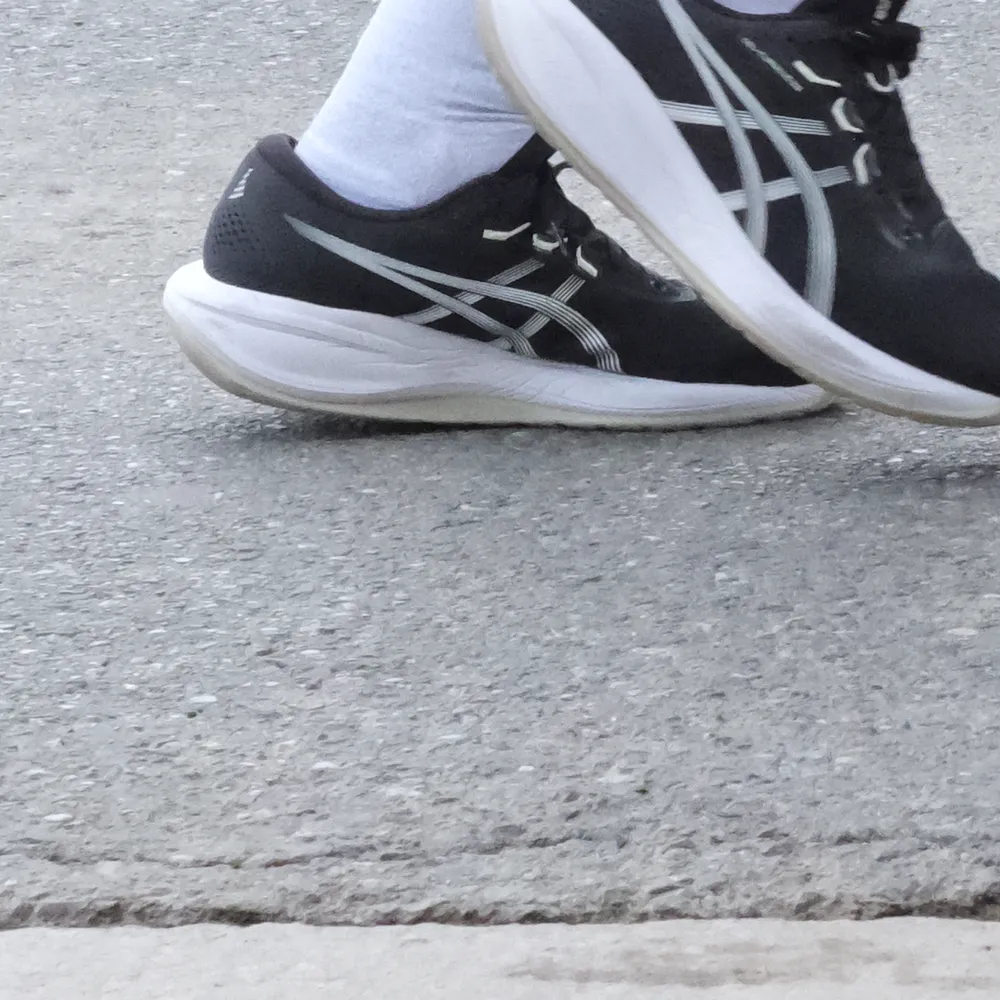
For once, it's refreshing to see a shoe with a 40 mm stack height that doesn't bottom out under heavy loads. The most obvious reason is the compression-resistant midsole foam, but there are other factors as well. The firm outsole is a full-ground-contact design, meaning there is coverage available through the entire gait cycle. The outsole geometry is also continuous, without grooves or separated lugs. Therefore, under heavy loads, the midsole doesn't sink into any exposed cavities - simply because there are none, except for the under-heel area.
See The Asics Cumulus 28 in action
(Click to pause/play)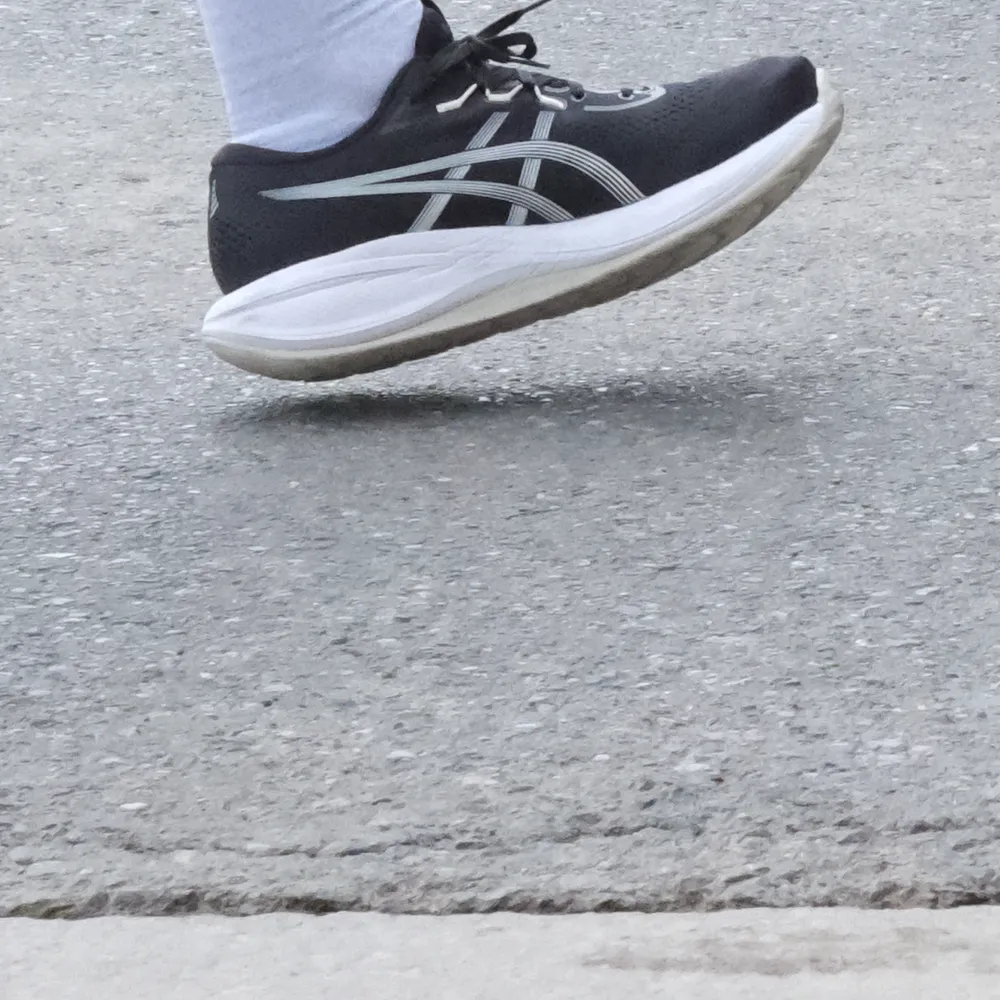
Mechanics at Work
- Firm FF Blast Max foam → doesn't sink when loaded
- Continuous outsole → assists with load bearing
- Lack of sidewall grooves → minimizes cushioning bias
How we scored the Asics Cumulus 28
Select your profile for the score
Our scoring is weighted by intended use and biomechanics. A daily trainer is judged by different standards than a racing shoe. The central Global Score reflects how well this shoe fulfills its intended purpose; if a shoe is weak in foundational areas like stability or traction, our algorithm applies automatic penalty points.
Recreational Score Breakdown
Summary
- Buy If: You want a lightweight, do-everything trainer with a stable and predictable cushioning character that works across all gait and body-weight ranges. The Cumulus 28 is ideal for everyday runs, 10Ks, and half-marathons up to 4:30 min/km (7:00 min/mile) speeds.
- Avoid If: You want a running shoe with a propulsive ride or noticeable "energy return" from the midsole. Rather than a rocker or plate helping with the transitions and toe-offs, the foot has to work through the midsole. Our dynamic score of 8/10 assigns a 75% weightage to recreational runners, 22% to mid-pack runners, and a mere 3% relevance to elite/serious runners.
🔍 Deep Dive
We owe the Asics Cumulus 27 an apology. In our Cumulus 27 review, we wrote, “Why should anyone buy the Cumulus when alternatives like the Asics Novablast 5 and New Balance Rebel V5?”
But that was before we completely revamped our process for biomechanical data collection from road races last year. While we have been capturing high-speed frames from actual road races since 2021, October 2025 was the first time we went deep. Really deep. For example, this spring, we shot over 200,000 frames across four different races, then extracted over 13,000 frames labeled by brand, model, gait, body weight, and speed. Combined with our previously generated database of 20,000 images, we now have a total of 33,000 high-speed images. Sure, all that sounds great, but what does that have to do with the Cumulus 28?
After reviewing tens of thousands of individual frames, we realized that running shoes are becoming increasingly unstable due to taller stack heights, unsupportive midsole designs, and mushy midsole foams. Even the Saucony Ride 19 and Brooks Ghost 18/19 are much softer than they used to be, with ride stability becoming collateral damage. Contrary to the hype, many of these ultra-soft trainers increase the workload for the foot, as it constantly tries to make micro adjustment to compensate for the unstable ride and poor ground feel.
The more we test modern running shoes, the more we like the Cumulus 27 and 28’s ‘boring’ ride. The Cumulus delivers what every running shoe should – a comfortable ride and a well-fitting upper that work for heel strikers, forefoot strikers, heavy runners, overpronators, neutral runners, and oversupinators. That would have been a low bar to clear five years ago, but in today’s ‘softer and taller is better’ world, a consistent and accommodating ride quality is rarer than you think.
Pros
- Excellent stability
- Supports even overpronators
- Consistent cushioning
- Secure, true to size fit
Cons
- Lack of reflective elements
- No heel pull loop like the Cumulus 27.
SHOE MAGNIFIER
Zoom In. Enhance.
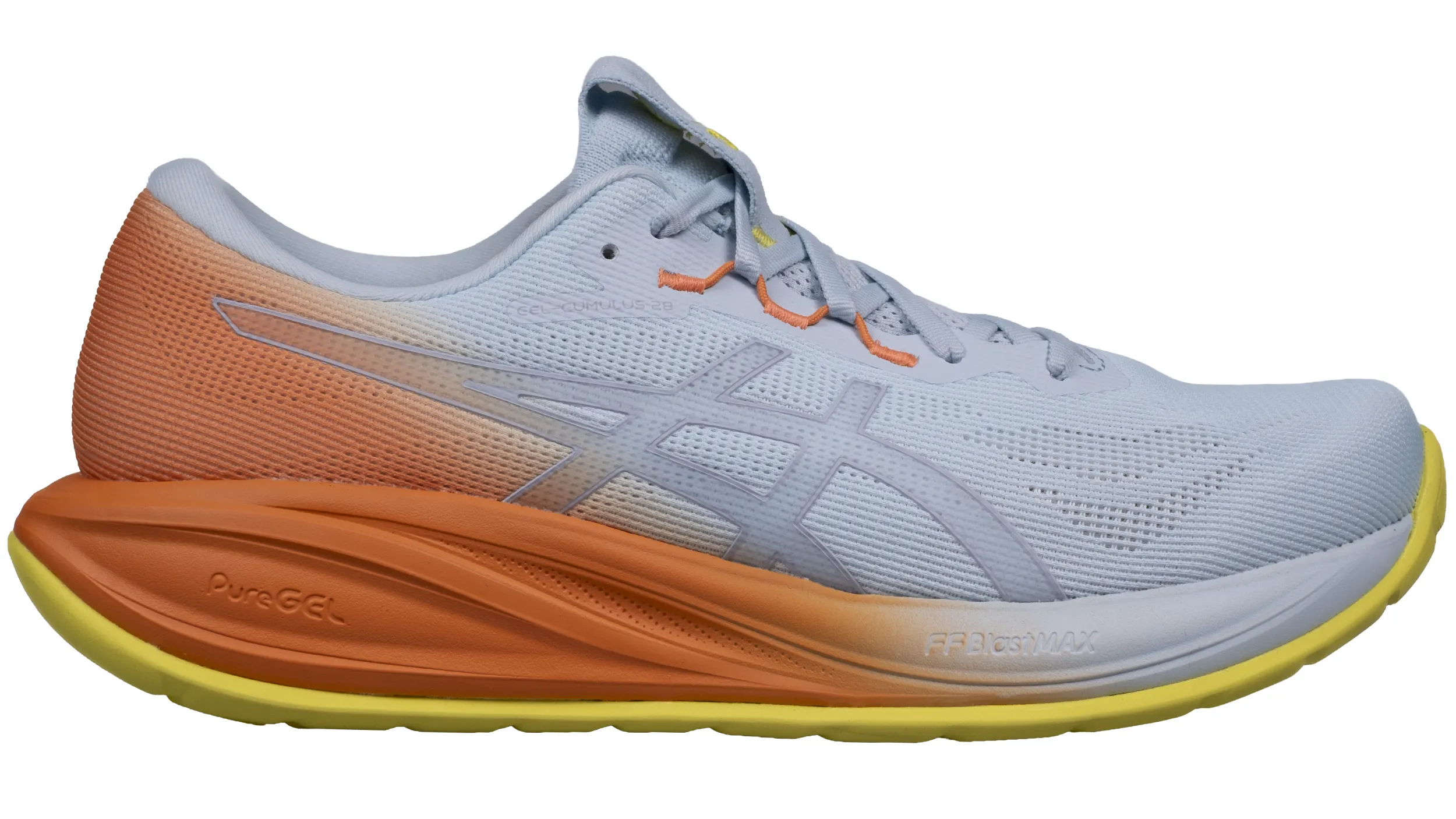
Select a view, then use the slider to zoom in on the Cumulus 28.