
Review Updates
(3 total)- 2026-07-23 — Added 'Cut in half' module
- 2026-07-23 — Added star rating module
- 2025-08-19 — Review published
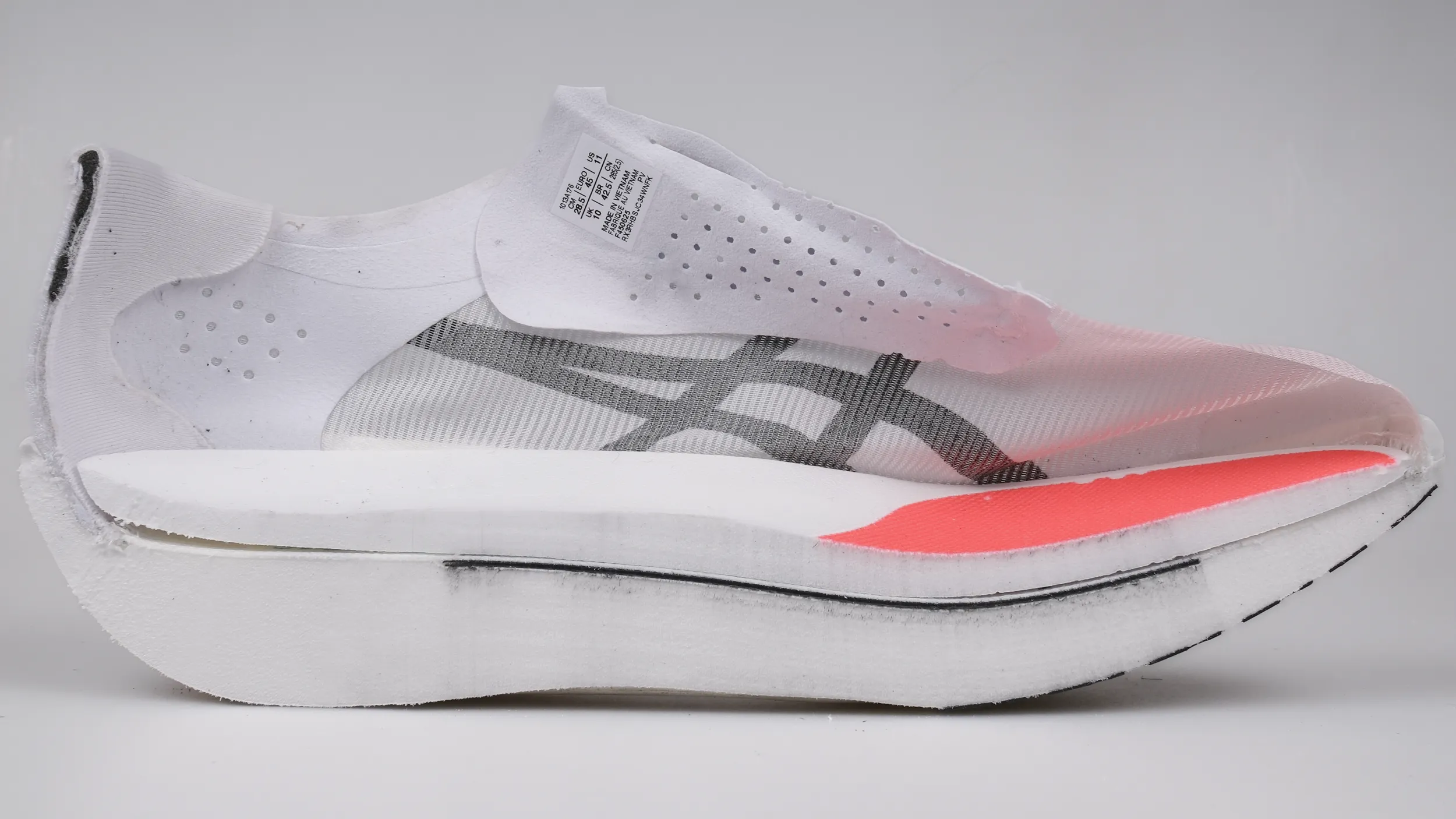
CUT-IN-HALF: ASICS METASPEED RAY
Teardown Analysis
Tap the hotspots to reveal component specifications.
Select a component
Pros
- Ultra-lightweight and bouncy ride
- Propulsive rocker assistance
- Ventilation
Cons
- Insufficient forefoot outsole coverage
- Loose upper results in a weak connection between the foot and the midsole
- Highly unstable at slower speeds
- Upper bunching, and the tongue folds under
In this review:
SUMMARY
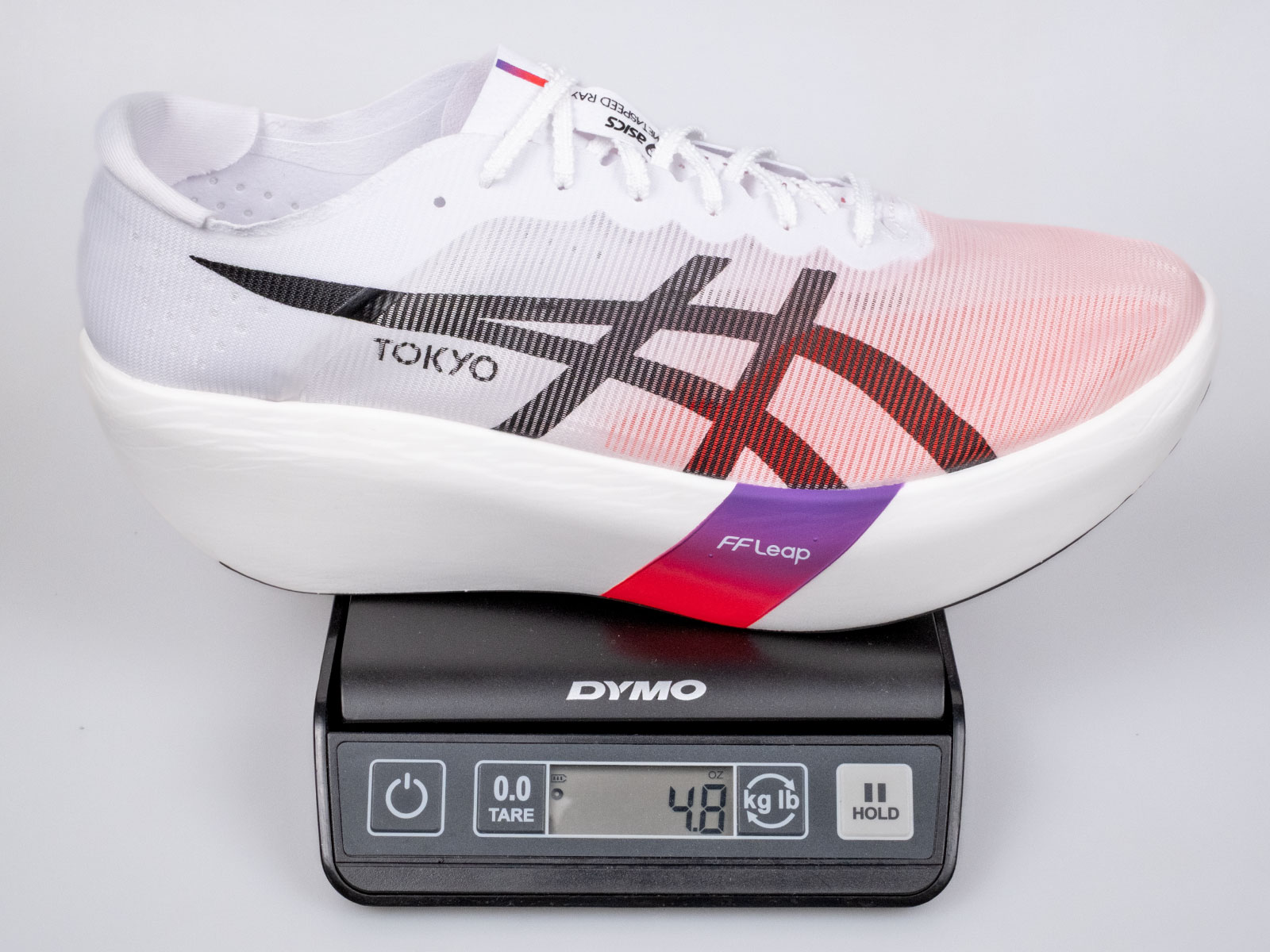
At a mere 4.2 ounces (119 grams) for a half pair of US 9, the Asics Metaspeed Ray is the lightest plated racer money can buy. It’s even lighter than the adidas EVO Pro 2, so that’s saying something. But there are two things you should know about this shoe. The Metaspeed Ray’s ideal user profile is a forefoot striker who runs at speeds faster than 4:00 min/km (6:30 min/mile). In other words, heel strikers, heavy runners, and slower paces are incompatible with the ultra-lightweight and ultra-bouncy FlyteFoam Leap midsole. By incompatible, we refer to the unstable midsole that increases the workload on the foot during heel strikes and easy runs. Also, the 3/4 length carbon plate’s sweet spot is over the forefoot, so its efficacy decreases at slower speeds and/or heel-first landings. So don’t buy the Metaspeed Ray just because you can afford it – the demanding nature of the shoe extracts a toll when used outside its performance range.

The upper fit is sub-par for a shoe with such a niche use case. The excessive toe-box room gets in the way of a strong bond between the foot and the midsole, so the power transfer to the midsole feels inefficient. The upper fit also negatively affects the stability. Tightening the laces makes the upper and tongue gather over the foot; the tongue flap also folds over. It’s fair to say that the upper fit prevents the Metaspeed Ray from reaching its full potential.
WHAT THE METASPEED RAY DOES WELL
– Delivers a hyper-lightweight and bouncy ride for forefoot strikers.
– Works best at speeds quicker than 4:00 min/km (6:30 min/mile).
– It’s a racer for a 5K to a marathon, but only under optimal operating conditions.
– The soft and roomy upper, while not ideal, can accommodate wider feet.
– Breathes extremely well because of the lightweight mesh.
– The soft, collapsible heel minimizes the risk of chafing.
WHAT THE METASPEED RAY DOES POORLY
– The instability is pronounced for heel strikers, heavy runners, and speeds slower than 4:00 min/km (6:30 min/mile)
– Not ideal for runners other than fast forefoot strikers.
– The loose upper isn’t great at efficiently driving power to the midsole.
– Limited fit adjustment due to the narrow lacing width.
– The outsole traction falls short of the high standards that a forefoot-focused racer demands.
POTENTIAL ISSUES

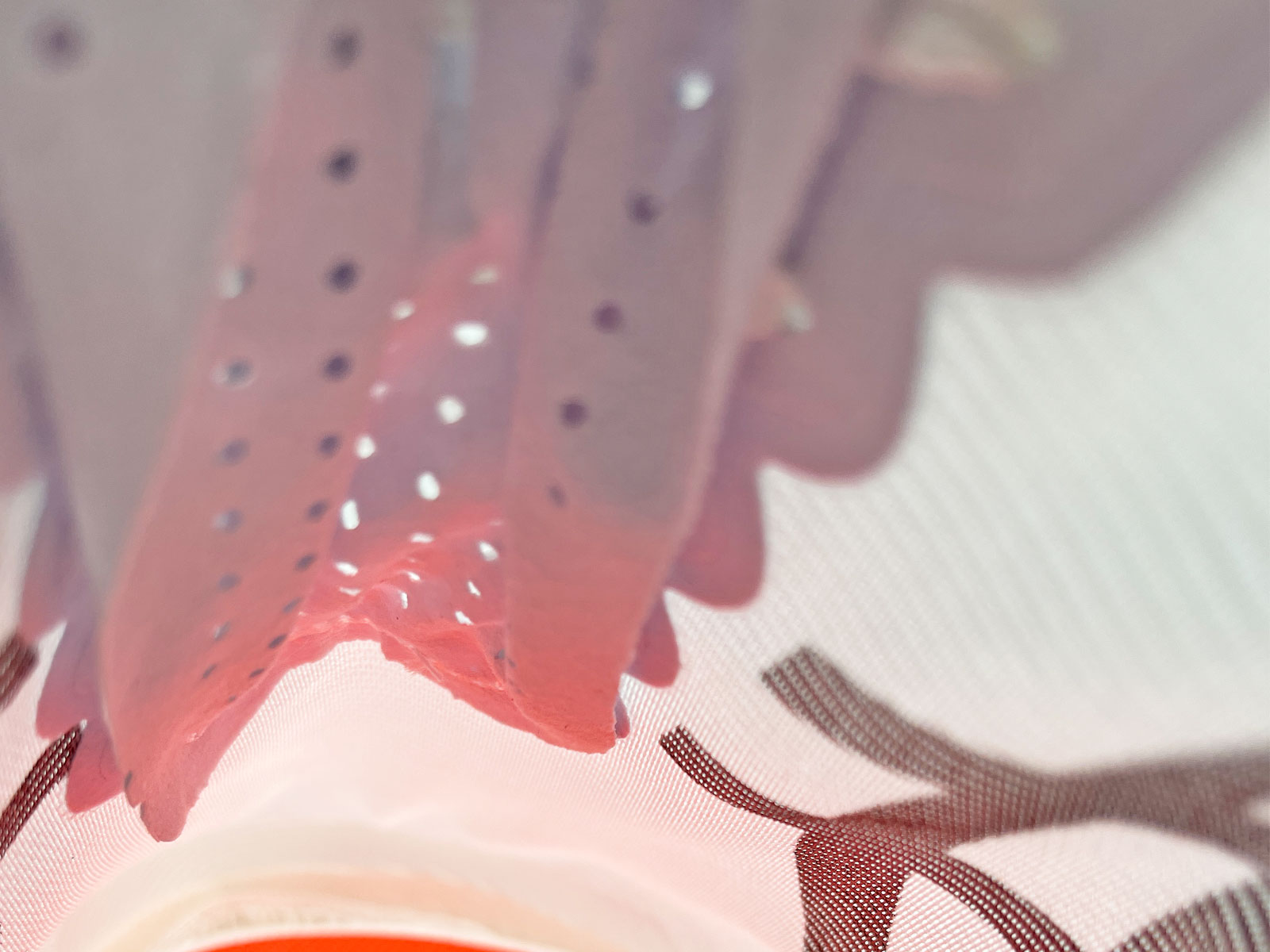
The loose upper makes the mesh gather over the foot. The tongue folds and puckers up, so you may need to reach in with your fingers to straighten the flap before each run. The ultra-bouncy midsole is unstable in less-than-ideal conditions, so be mindful at lower speeds, heel striking, and during fast cornering.
THE RIDE EXPERIENCE

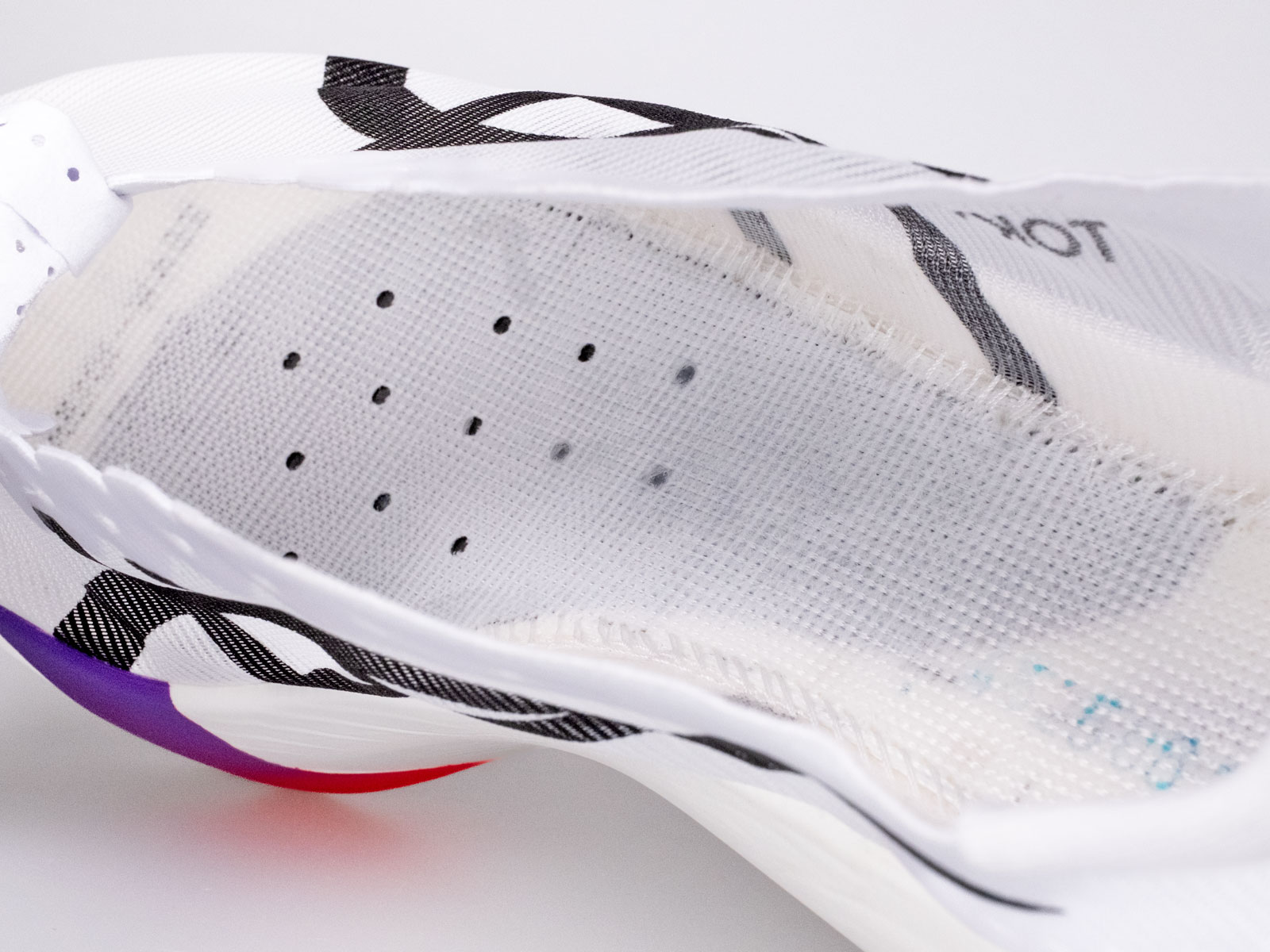
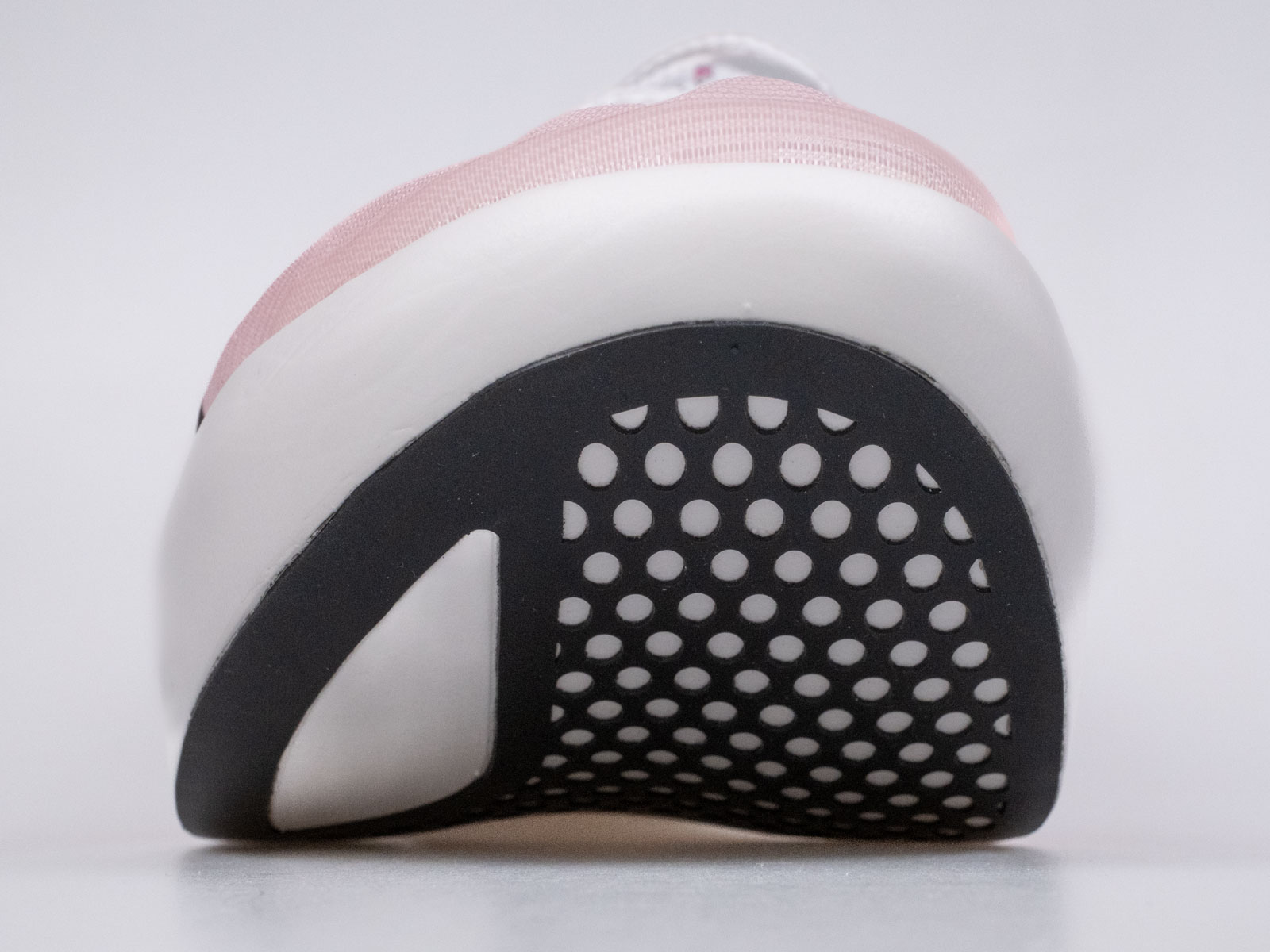
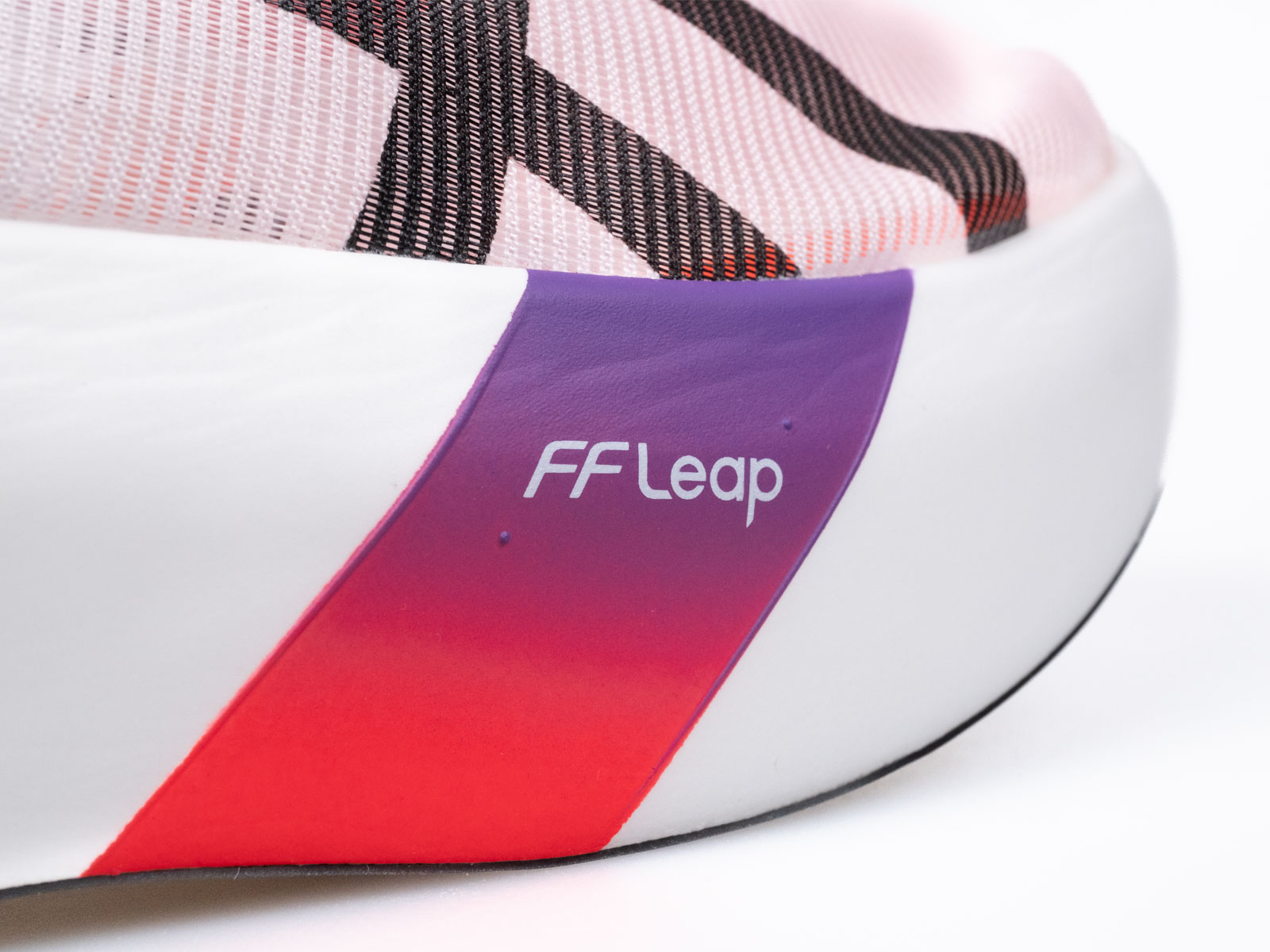
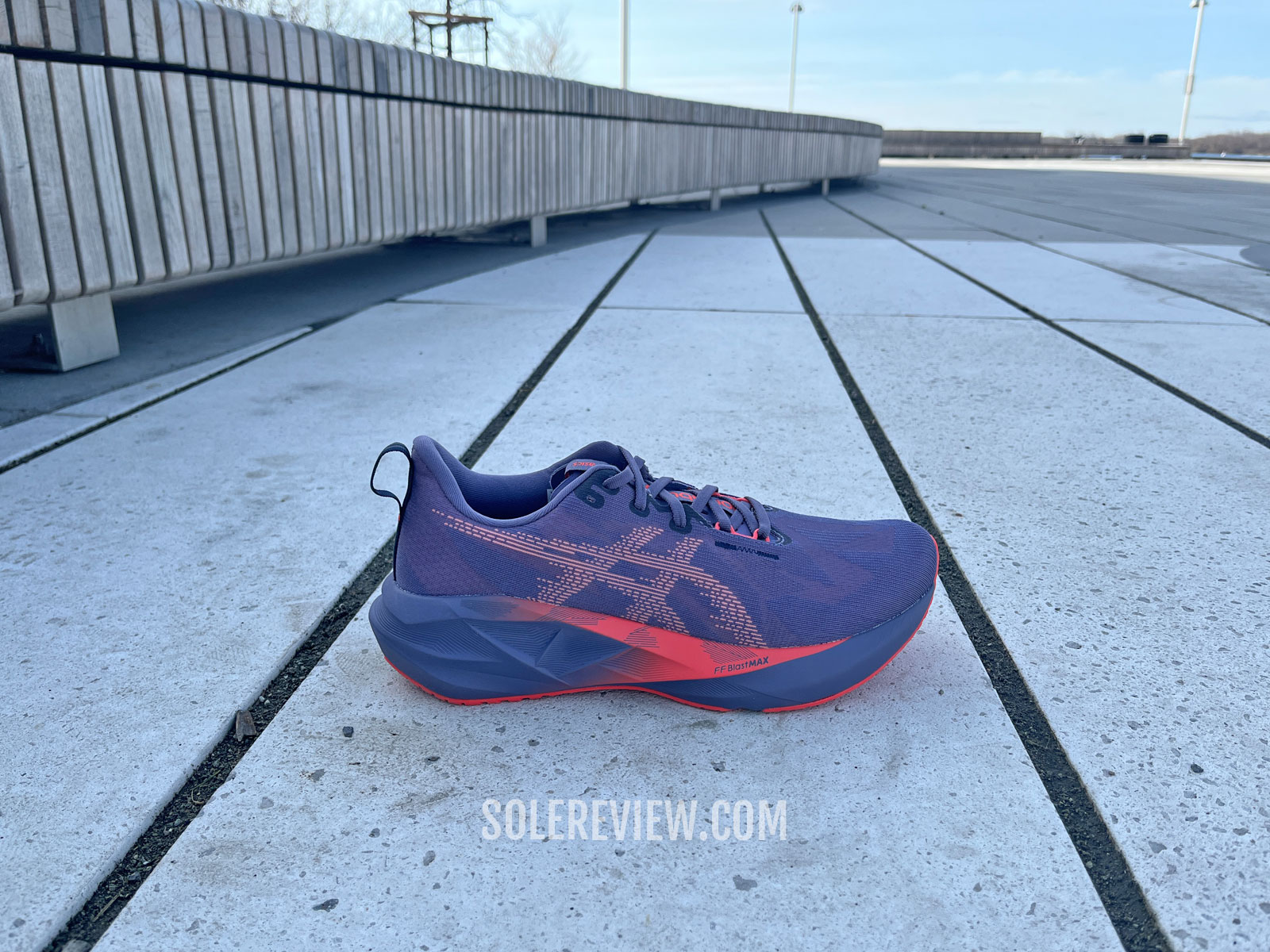
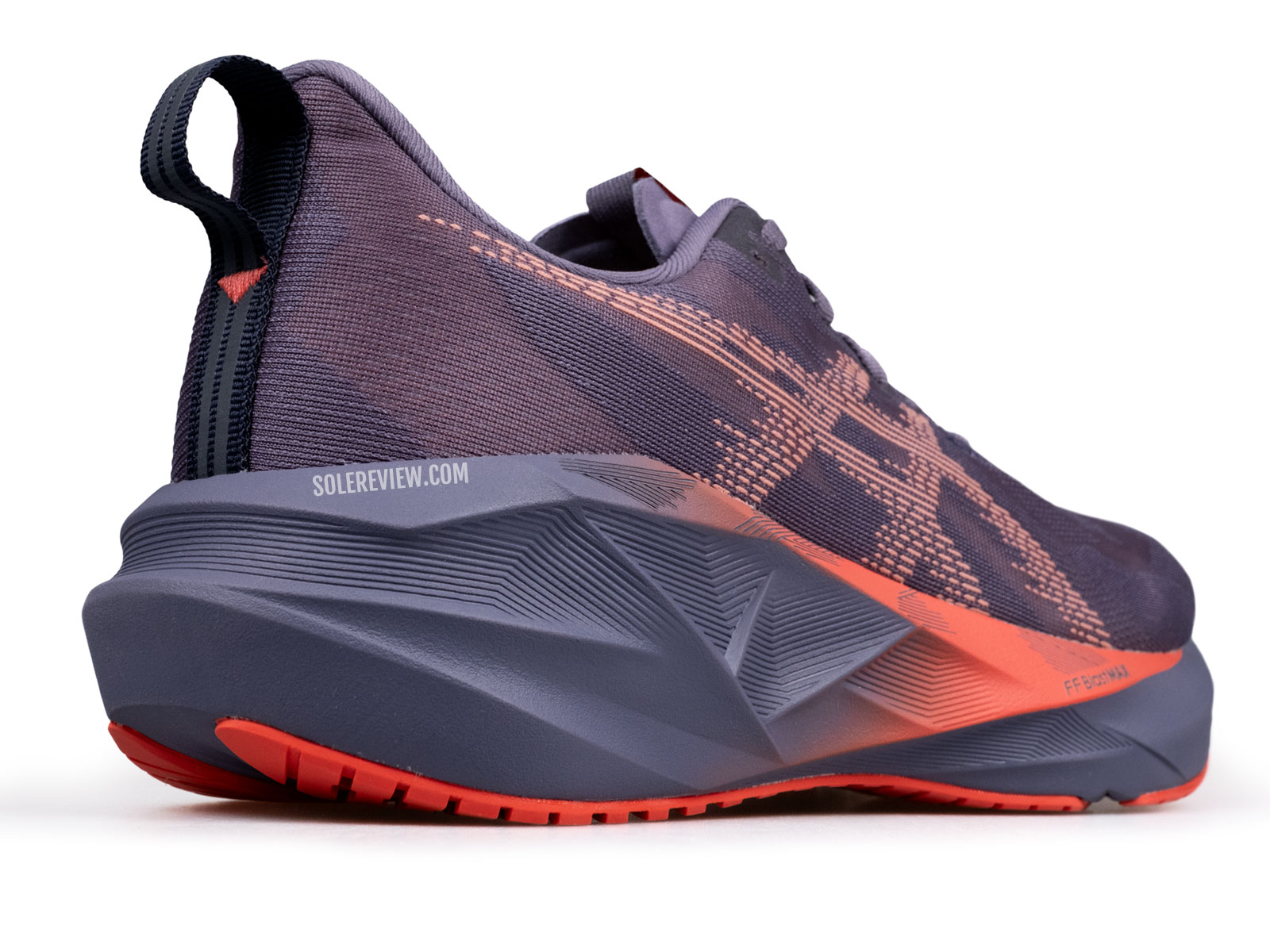
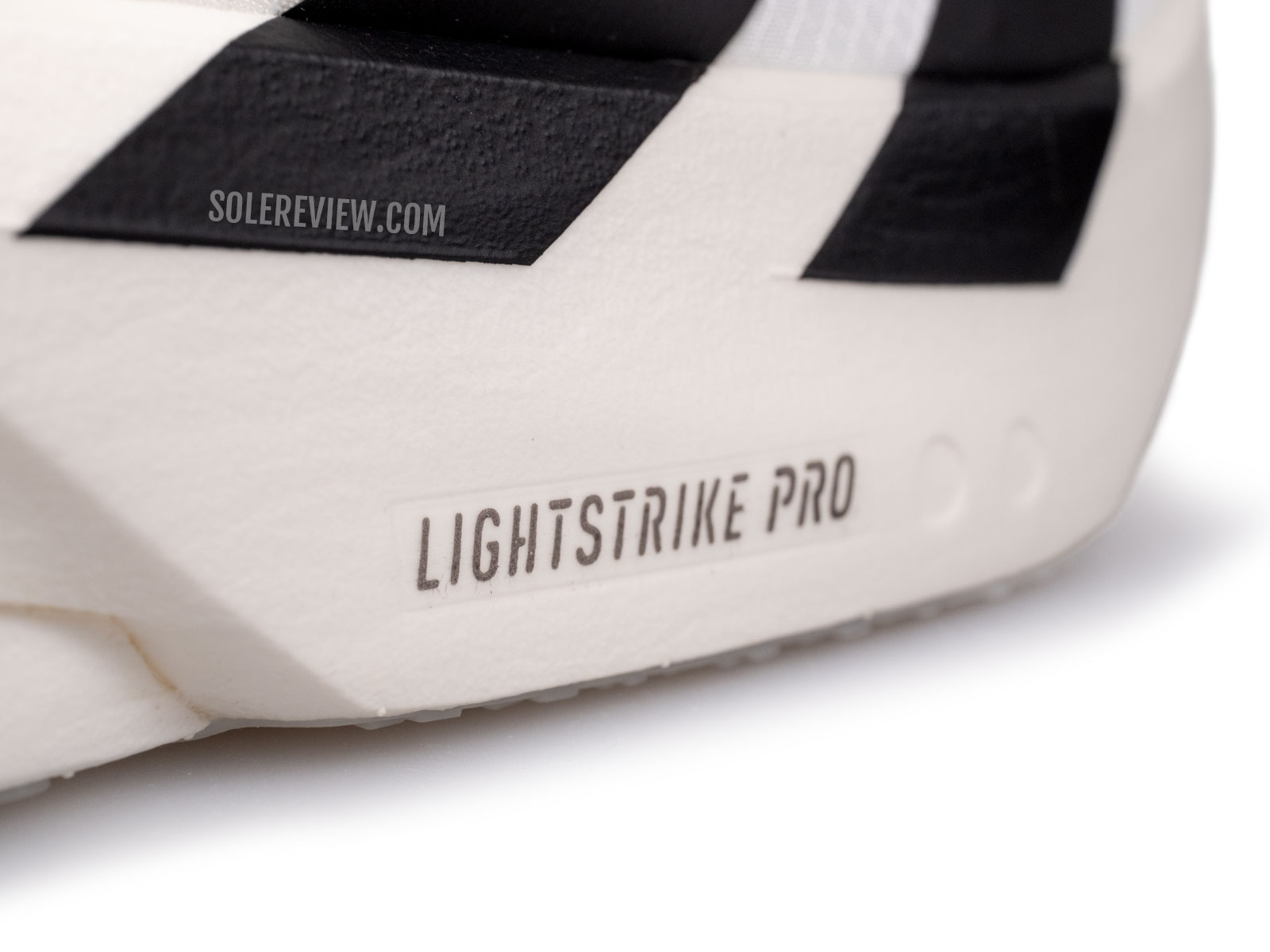
The FlyteFoam Leap foam is ridiculously lightweight and bouncy; the entire shoe weighs just 4.2 ounces. Foam to foam, the bounciness is comparable to the reformulated Lightstrike Pro used on the adidas Adios Pro 4. That being said, the overall forefoot midsole design influences how the foam responds under compression.
Unlike most plated racers, the carbon plate is placed above the FF Leap midsole rather than inside it. So when the foot lands on the forefoot, the plate results in a fuller and (more) evenly distributed foam compression. It’s effectively a suspension system made of super-foam, generating a powerful pushback under high-speed loading. Runners who know how to use this midsole will experience the full extent of the lightweight and bouncy softness, as well as the propulsive rocker produced by the plate. That said, a better-fitting upper (more on that later) would have done a far better job of extracting the best out of this high-tech midsole.
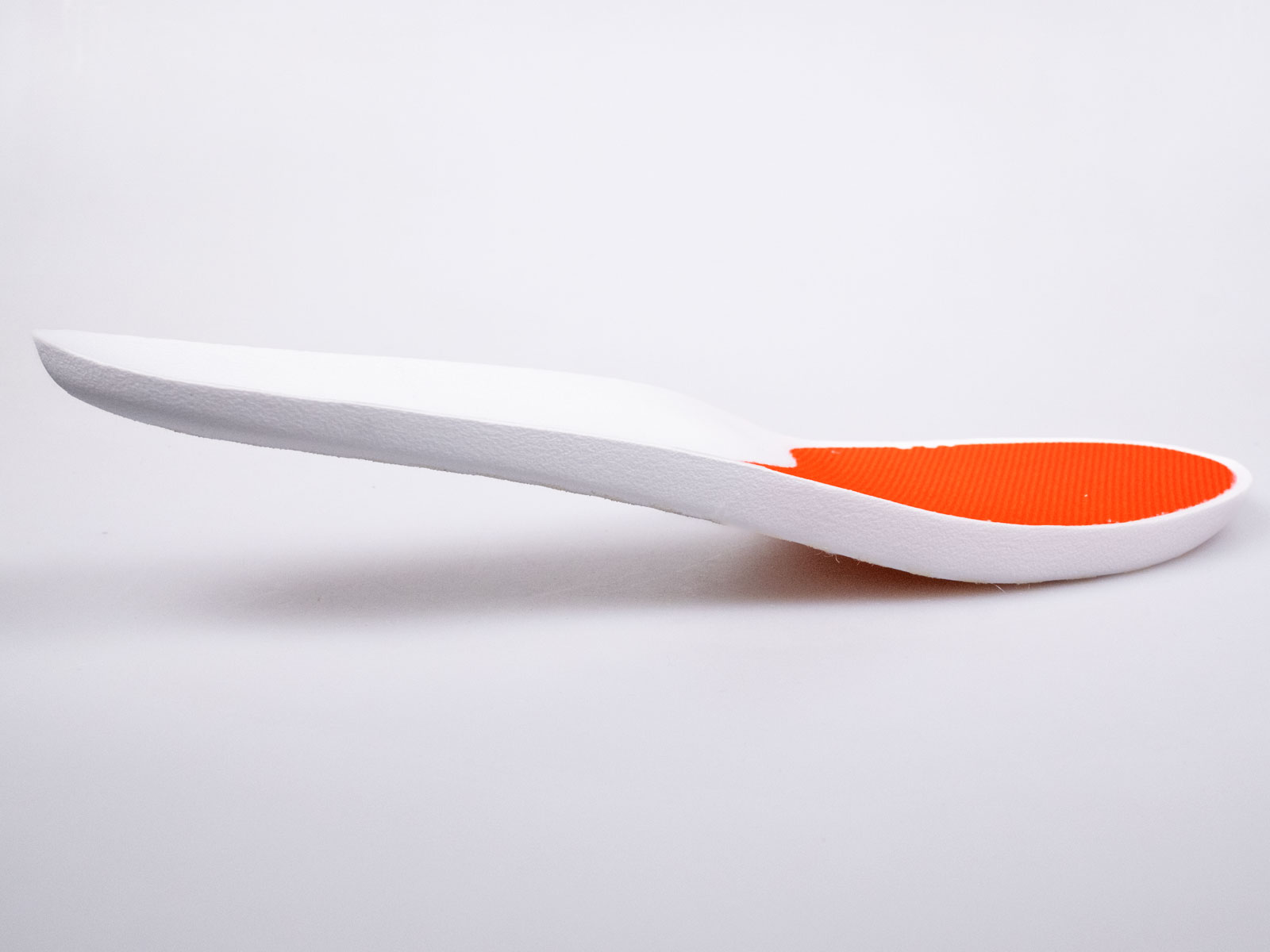
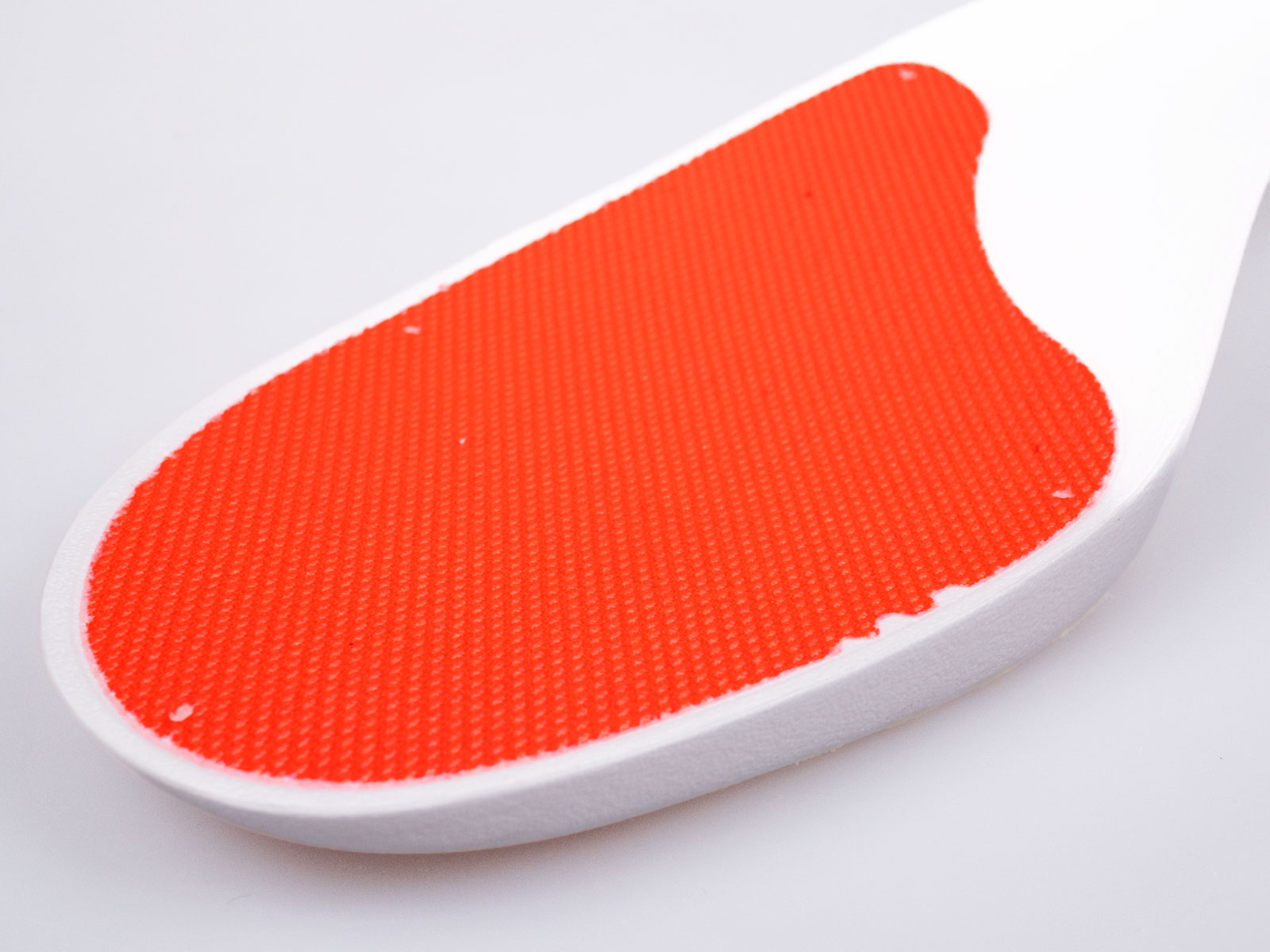
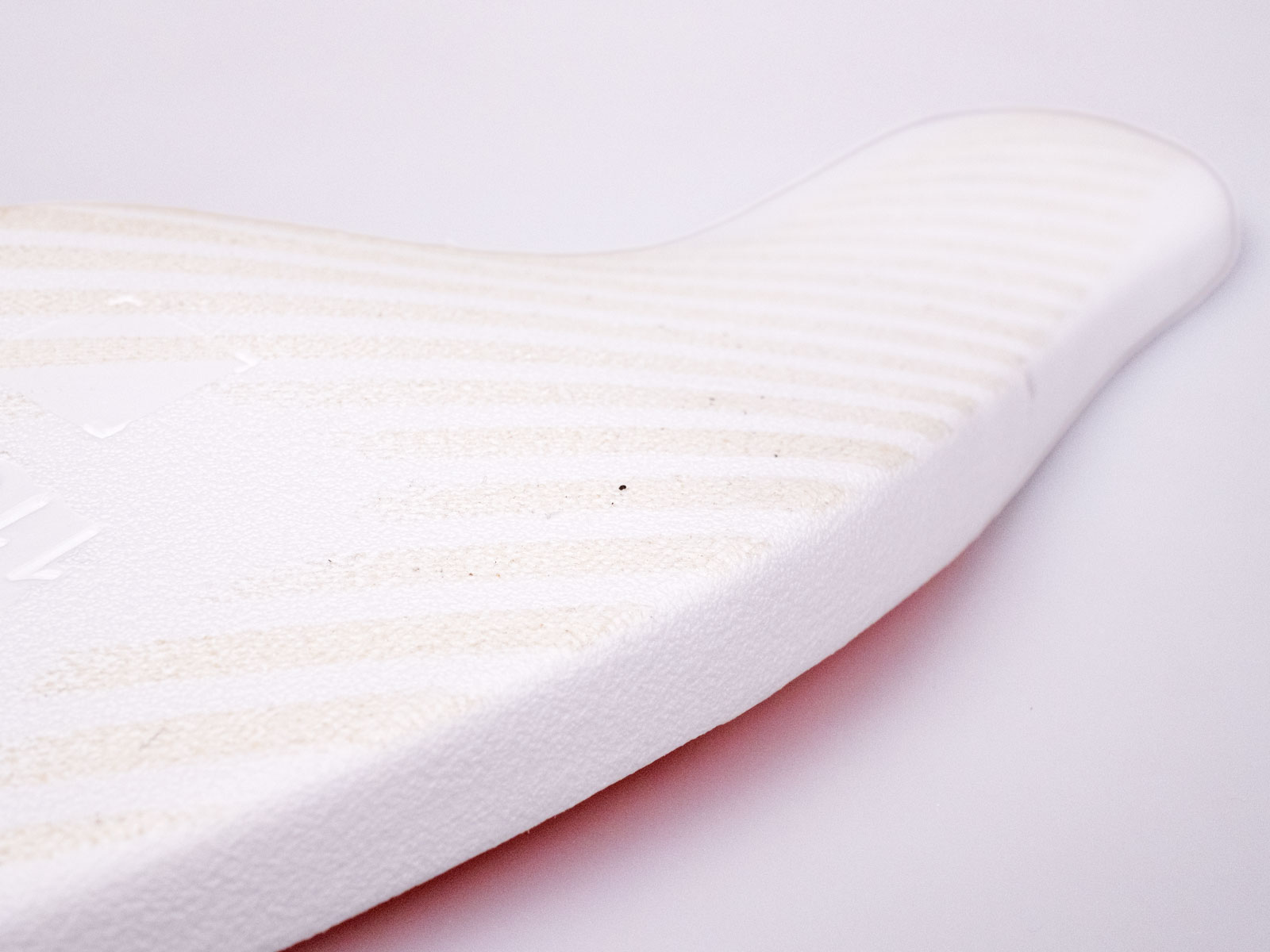
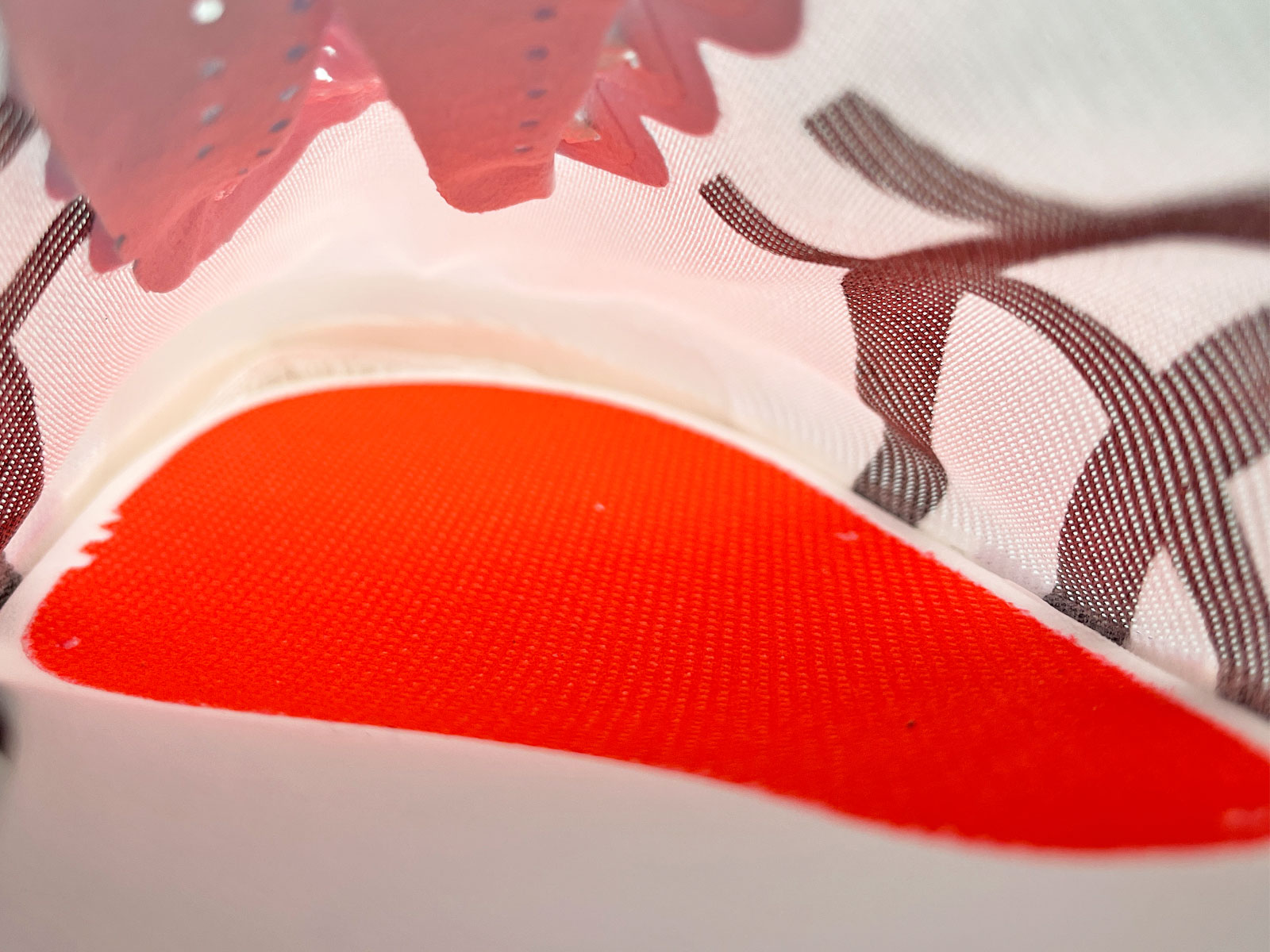
Another unique feature benefits forefoot strikers. After removing the footbed, what’s left is a midsole with a cup-like design. If you were to wear the Metaspeed Ray without the insole, the midsole edges will be higher than the base of the foot, even inside the forefoot. The footbed is effectively a drop-in kind, somewhat similar to what the ON Cloudboom Strike has.
Unlike most footbeds, the Metaspeed Ray’s insole doesn’t have a uniform thickness. It’s thicker under the forefoot than the heel. It features a patch of grippy fabric, but only in the front. So when a runner lands forefoot-first, the FF Leap foam is just one component of the overall cushioning experience. The drop-in footbed adds to the cushioning with a thick layer of step-in softness.
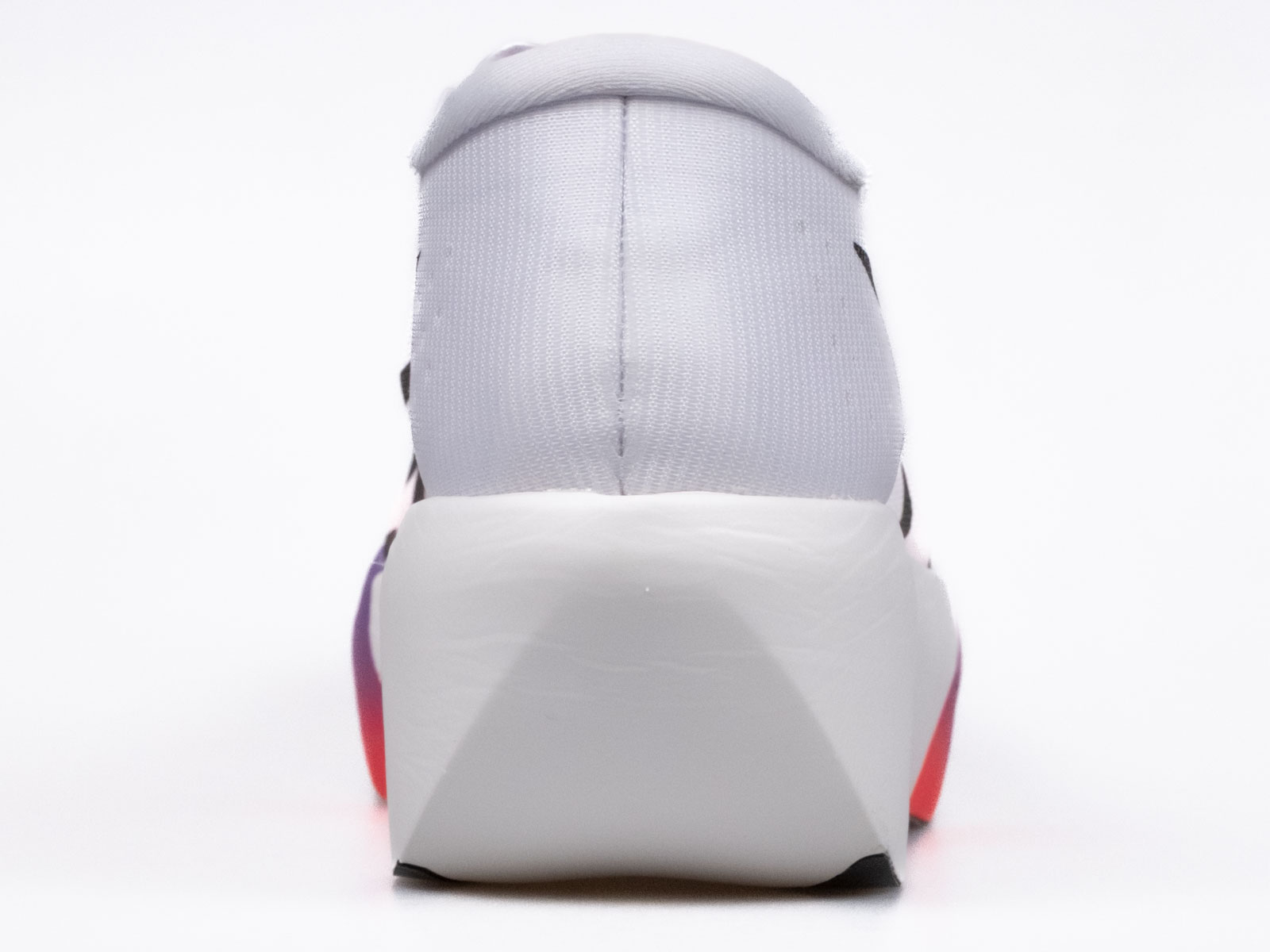
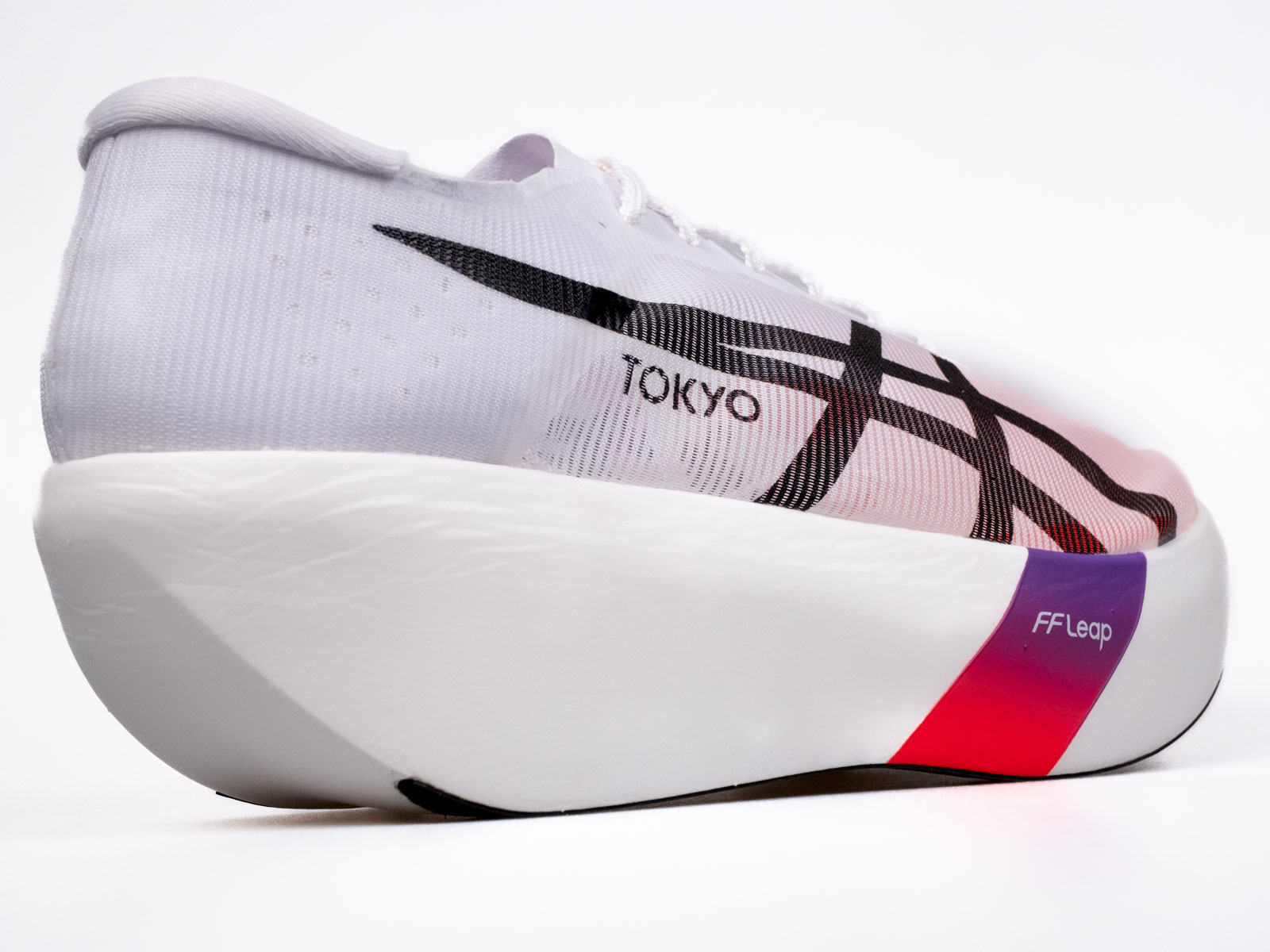
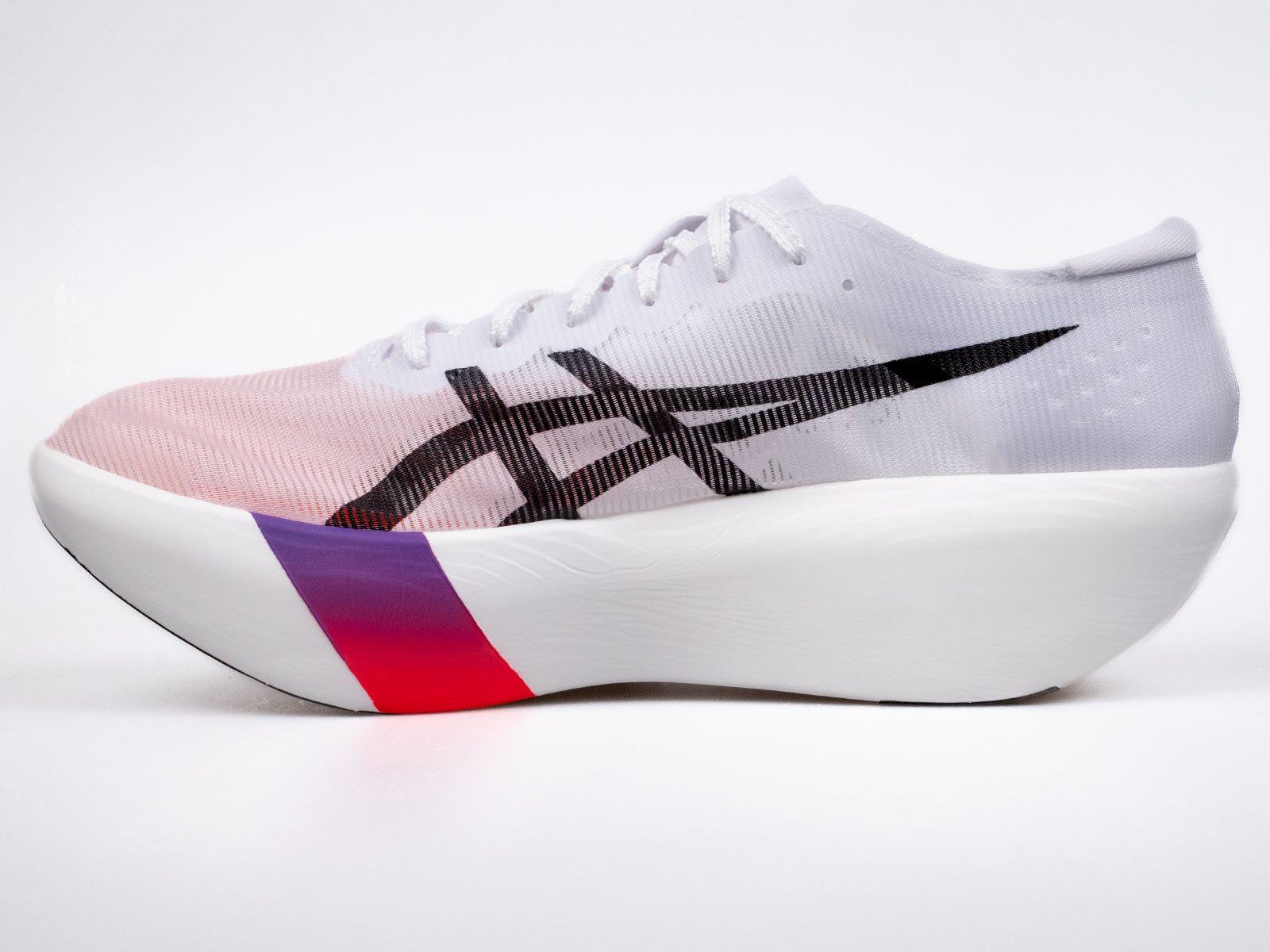
The 3/4 length plate doesn’t extend to the heel, so the snappy springboard effect of the Metaspeed Sky and Edge is unavailable. The rearfoot is mostly FF Leap foam with a slim base, so the stability is terrible for runners who land heel-first. The more time one spends loading the midsole, the more susceptible the foot becomes to the shoe’s shortcomings. Landings and take-offs need to be quick enough (under 4:00 min/km, 6:30 min/mile), else the foot tries too hard to compensate for the soft cushioning. The Metaspeed Ray is truly a touch-and-go kind; any other usage pattern produces a disappointing outcome for the wearer. Unless you’re a runner who can maintain a forefoot strike pattern for the entire duration of the race, the Metaspeed Ray will not be a good fit.
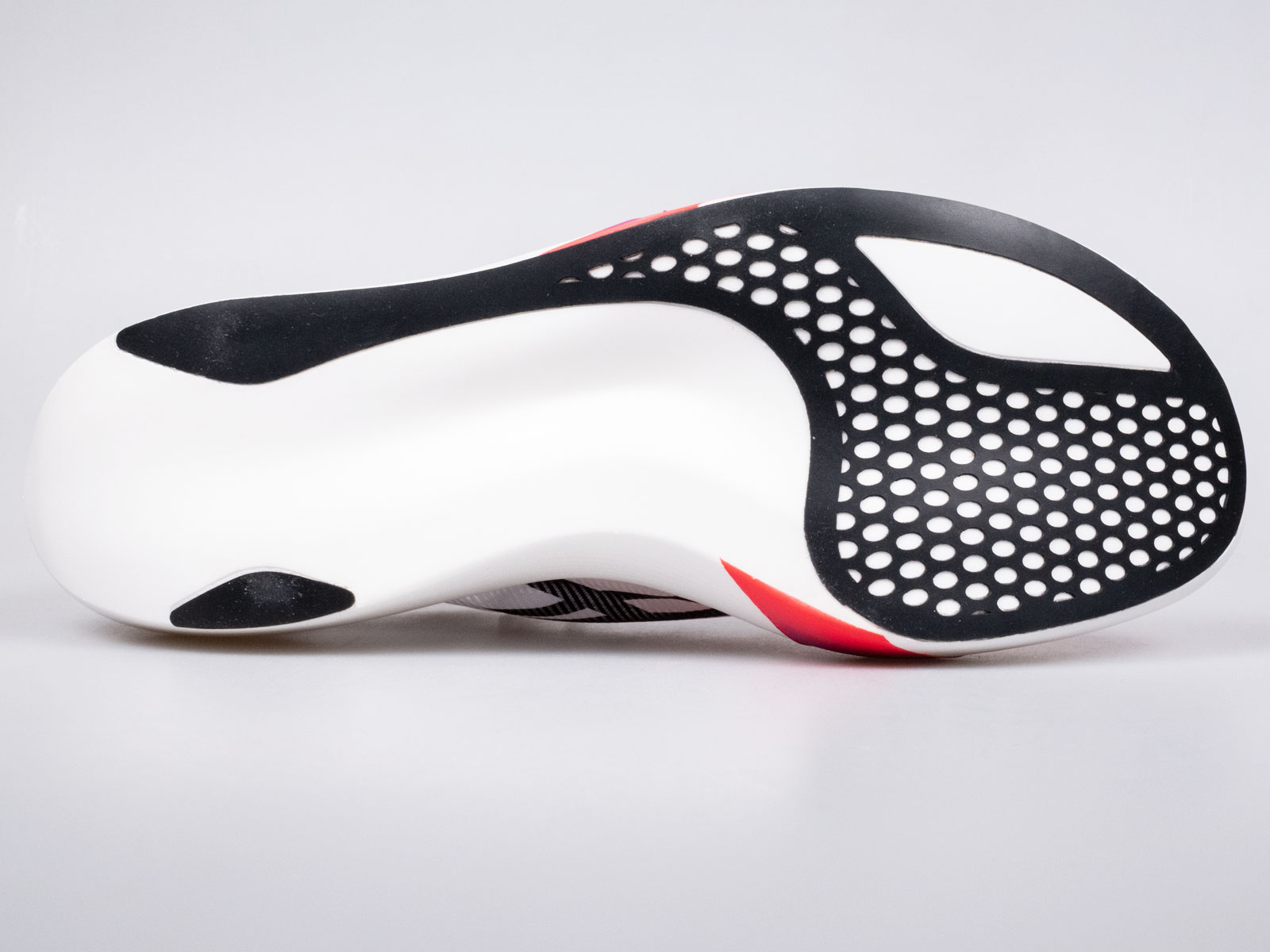
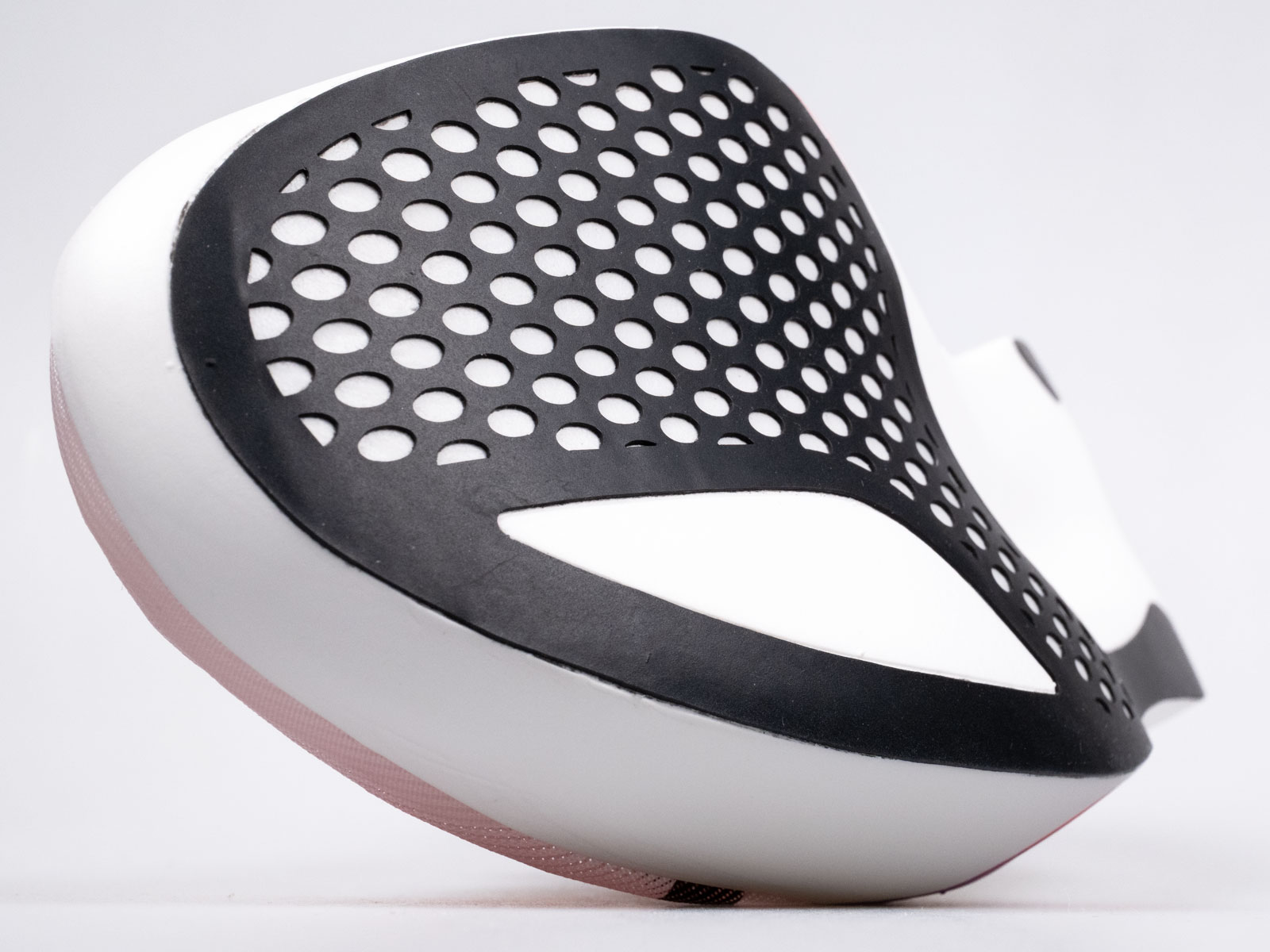
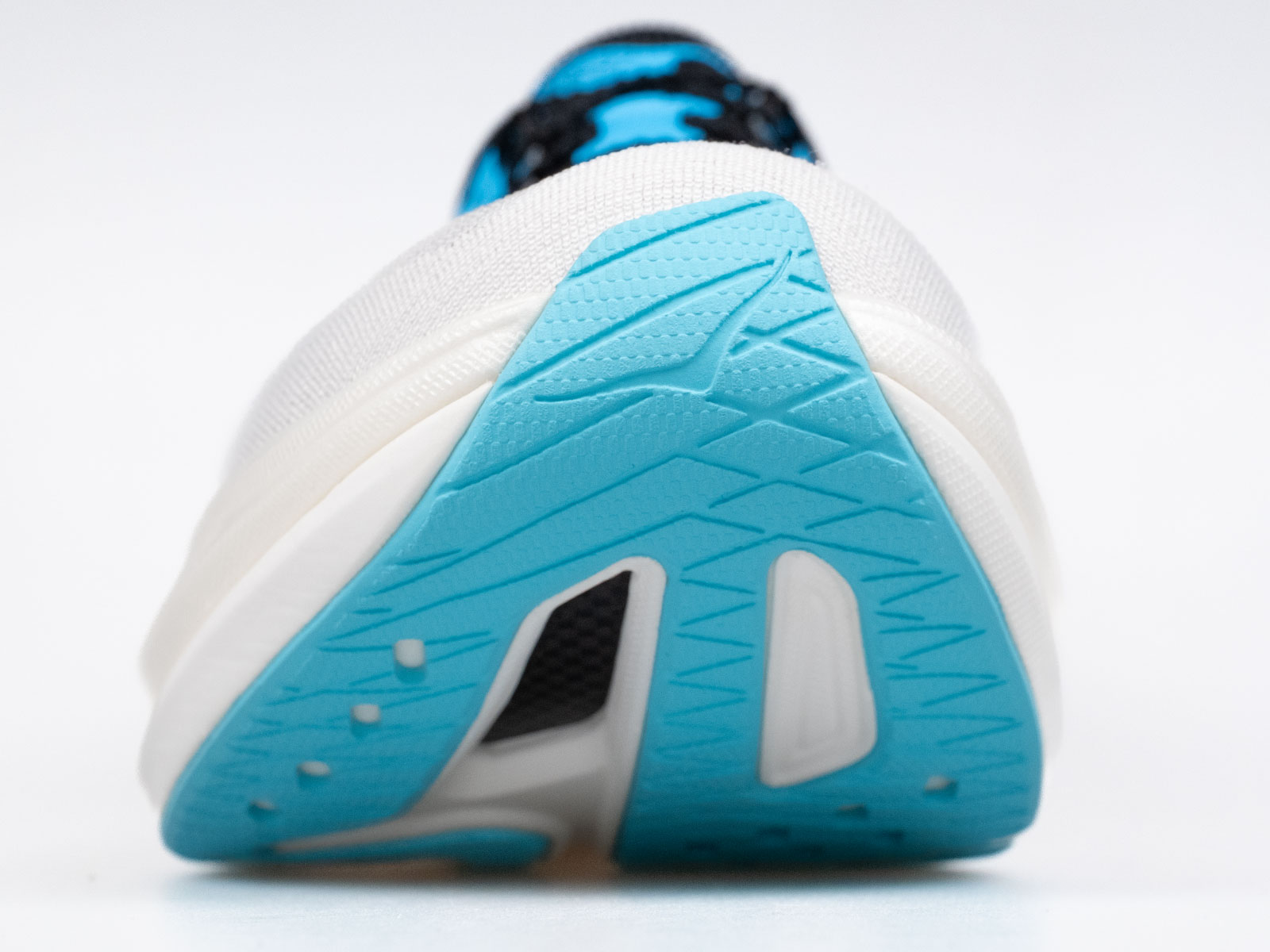
While most of the Asicsgrip rubber outsole coverage is under the forefoot, there’s insufficient coverage under the ball of the foot, or the first metatarsal. The missing contact patch is noticeable during forefoot kickbacks; there’s not just enough rubber where it needs to be. The forefoot lands on a section that’s part foam, part outsole rubber, and part negative space. The concave geometry provides rigidity to the midsole, but doesn’t do favors for the forefoot grip. In short, the outsole traction isn’t terrible, but it’s not what we hoped for. Asics should refer to the adidas Adios Pro 4 and EVO Pro 2 to benchmark outsole coverage.
RECOMMENDED ROTATION

- Use the Asics Metaspeed Ray for fast forefoot striking, racing only
- Use the Asics Superblast 2 for tempo and long runs
- Use the Asics Novablast 5 for everyday training
THE UPPER DESIGN AND FIT
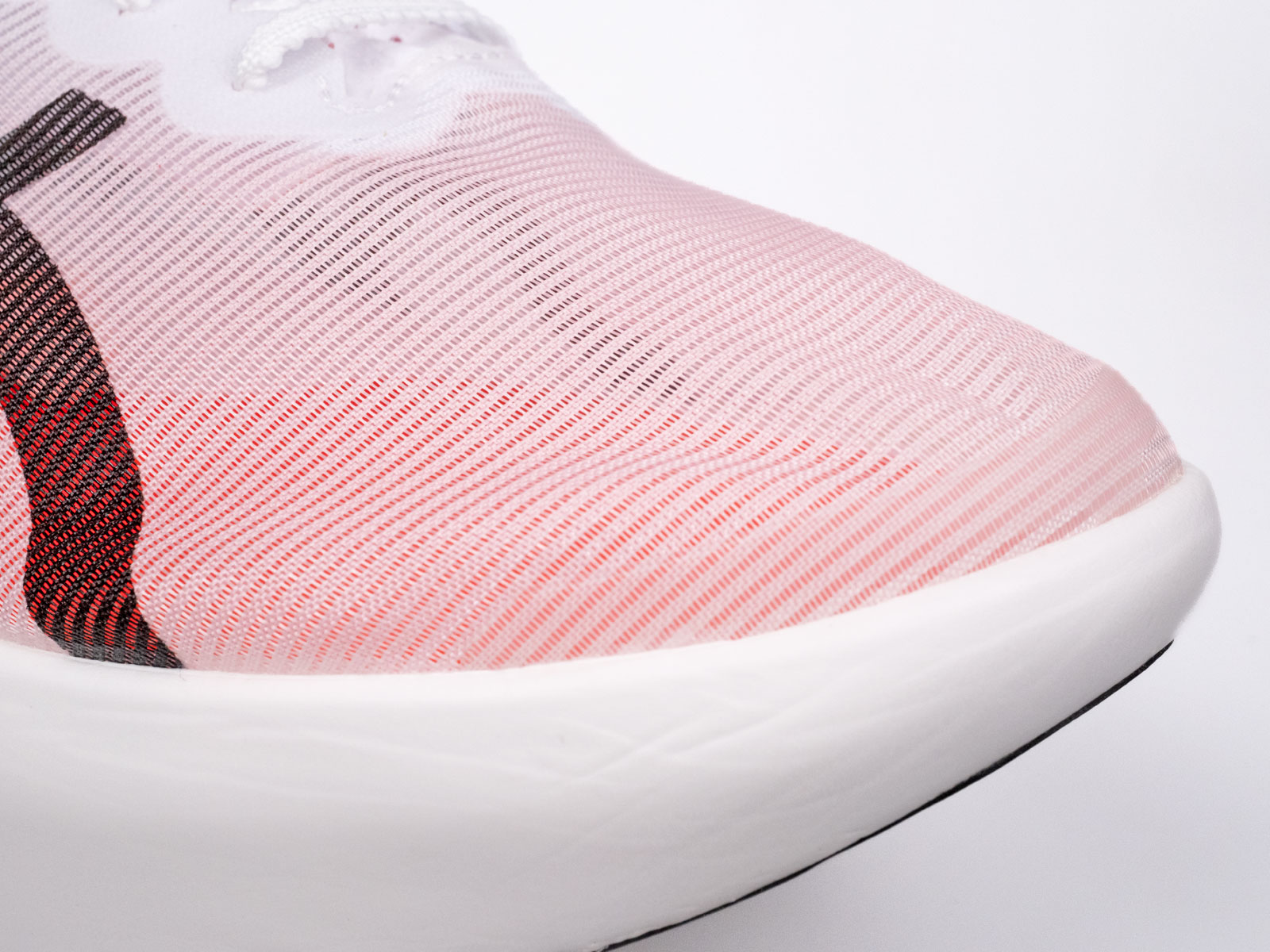
The forefoot upper fits like a lounge slipper; we don’t say that in a nice way. Even though the true-to-size forefoot fits snugly on the sides, the toe box has too much room. The lightweight ‘Matryx’ mesh (supplied by Chamatex from France) has very little structure, so the upper doesn’t contain the toes as a racer should. There’s excess ceiling room for a regular ‘D’ width foot, so the material gathers on top when laced tight. Don’t even get us started on the tongue. The thin flap gets crushed between the opposing eyelets, ending up in a perpetually folded-over state.

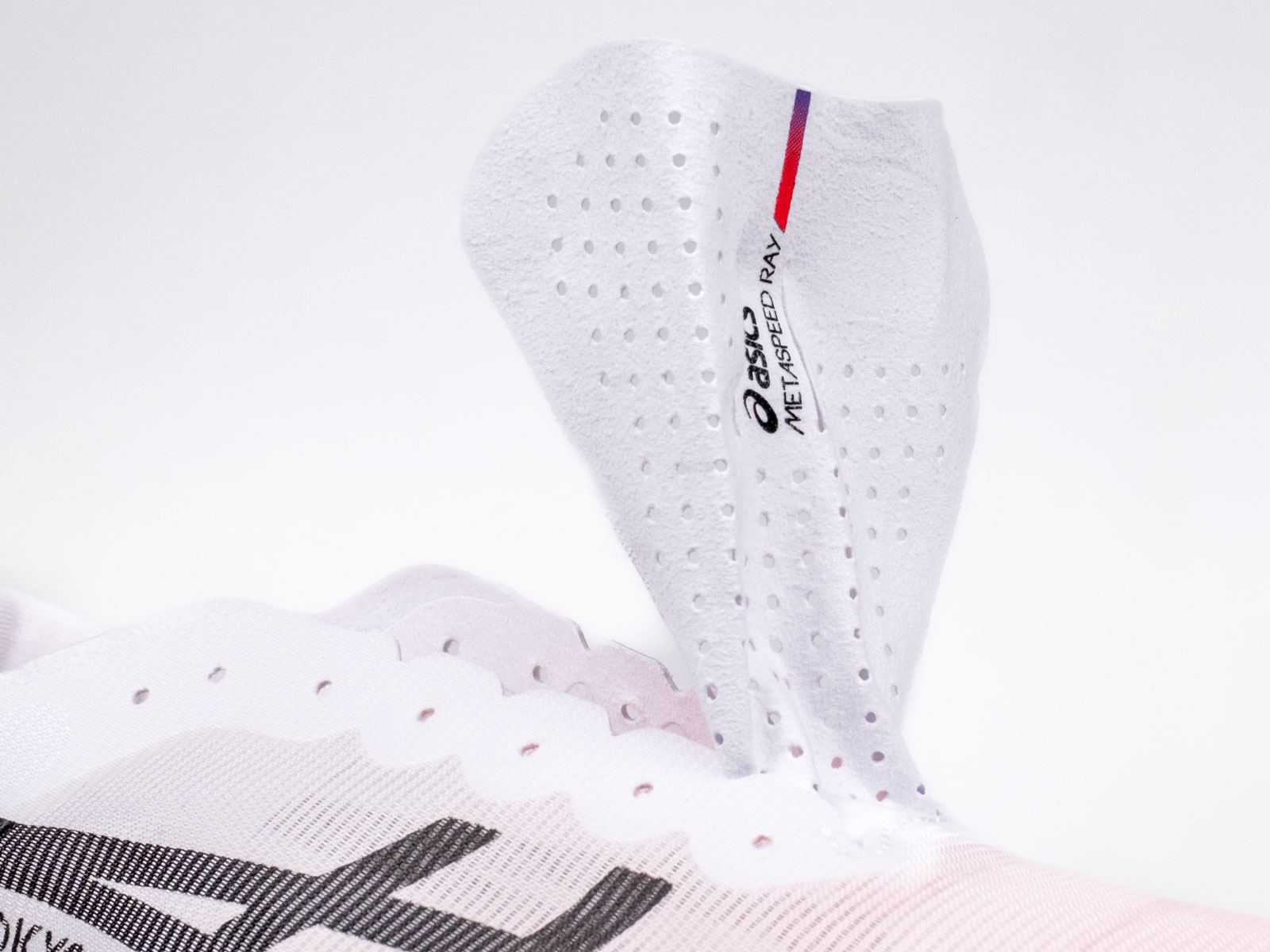

Wait. Isn’t a spacious toe box a good thing on a shoe? Sure, if it’s a regular everyday trainer, yes. But this is a demanding racing shoe designed for fast forefoot strikers, so an aggressive forefoot and toe-box fit should be standard. Containing the toes inside the upper creates a superior connection with the midsole. Conversely, a spacious toe box isn’t efficient in driving power to the midsole. An upper can be both comfortable and have an ultra-secure fit, but the Metaspeed Ray scores on only one of those. The upper is soft, breathable, and loungy, but it lacks the aggressive upper lockdown of the adidas Adios Pro 4, Nike Streakfly 2, and the Hoka Rocket X3, all of which work best for forefoot strikers.
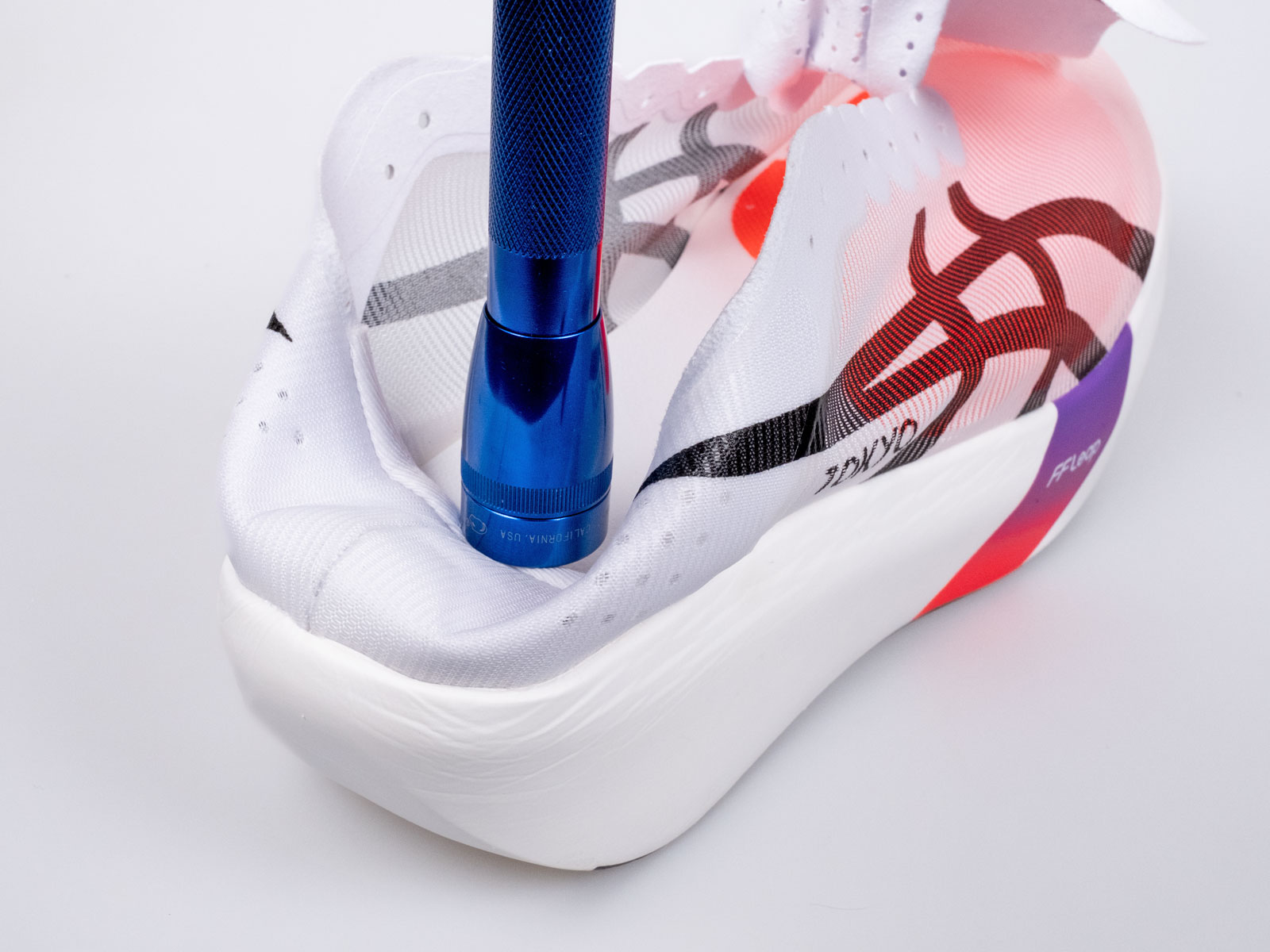
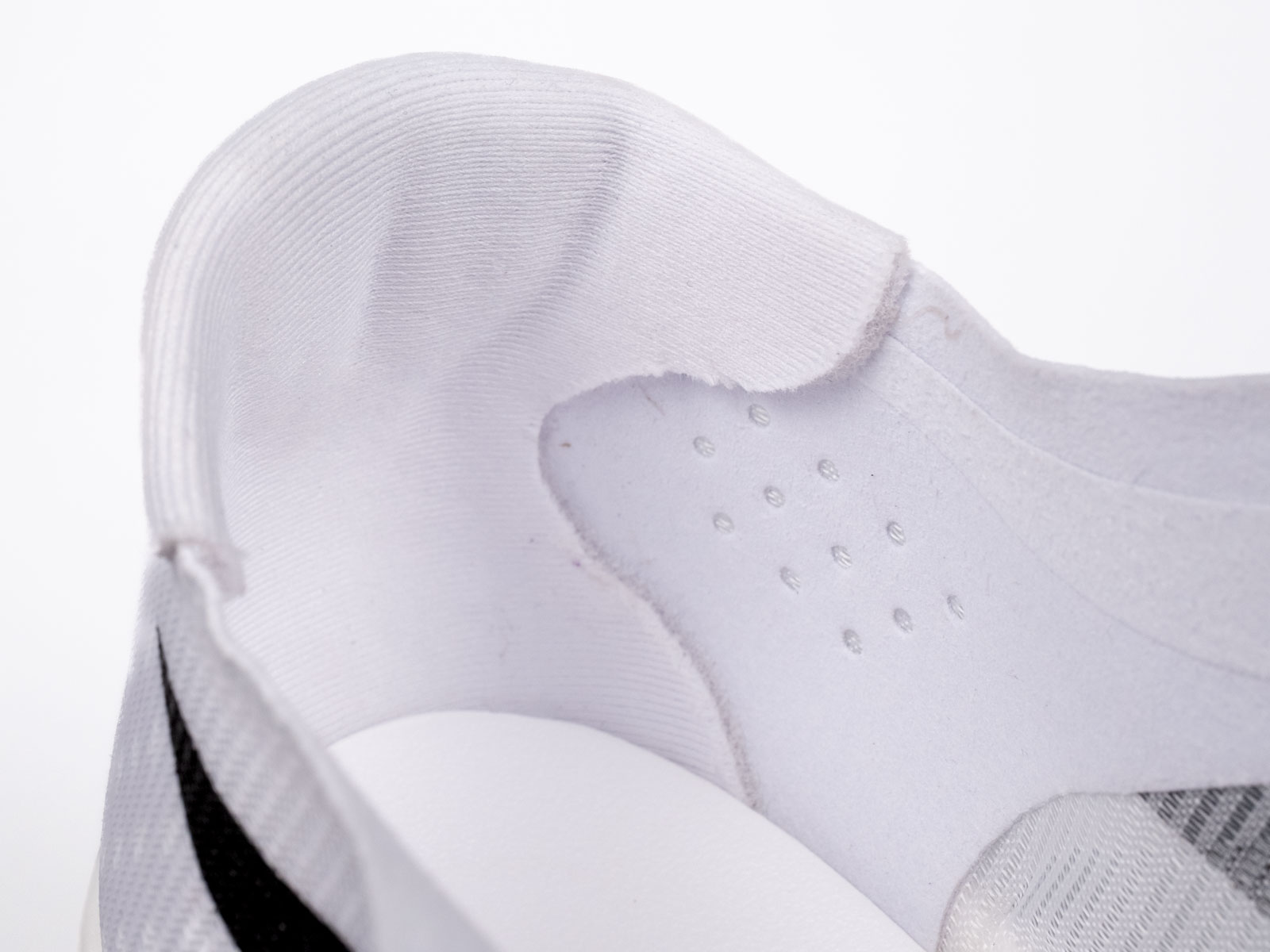
The ultra-lightweight mesh upper vanishes over the foot during a run. The soft, lightly padded heel has a collapsible structure for a slipper-like feel, and there are no pressure hot spots. Once cinched, the ribbed/serrated racing laces stay tied.
SHOES COMPARABLE TO THE ASICS METASPEED RAY
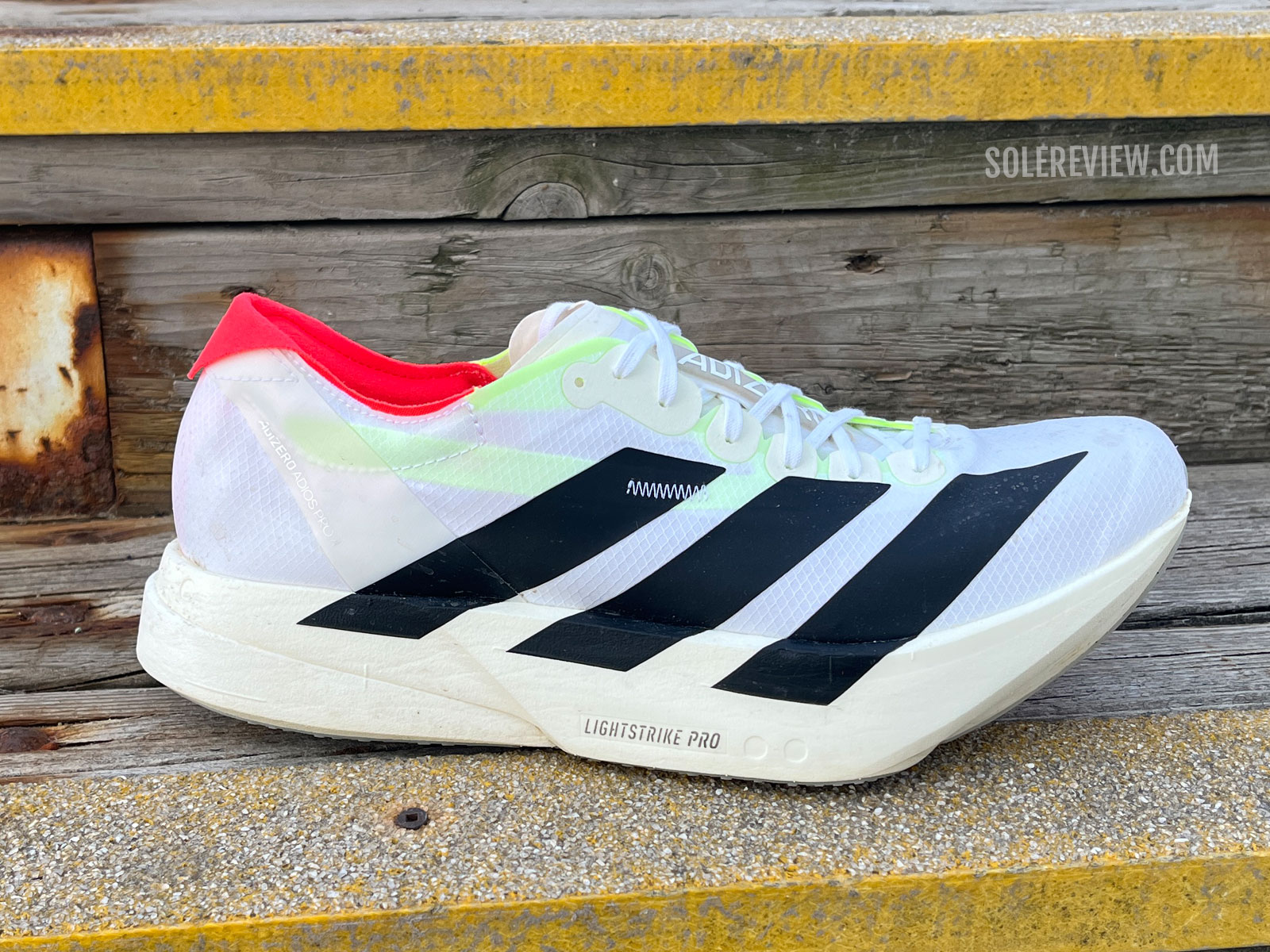

Also consider:
- adidas Adios Pro 4
- Hoka Rocket X3
- Asics Metaspeed Sky Tokyo
- adidas EVO Pro 2, but it’s unobtanium, price and distribution-wise.
TECHNICAL SPECIFICATIONS
- Asics’s marketing pitch: Designed for forefoot strikers who start and finish faster.
- Upper: Lightweight Matryx mesh. No sleeve.
- Upper fit: True to size, loose.
- Midsole: FlyteFoam Leap foam with a drop-in footbed. 5 mm heel drop.
- Outsole: Asicsgrip rubber under the forefoot.
- Weight: 119 gms/ 4.2 Oz for a half pair of Men’s US 9/UK 8/EUR 42.5/CM 27.
- Stack heights: 39.5 mm (heel), 34.5 mm (forefoot).
- Available widths: Single – D (regular).
- Recommended use: 5K, 10K, marathons.
- Footstrike orientation: Forefoot strikers only.
- Median lifespan: 250 miles.
- Country of origin: Vietnam.
- Recommended paces: 4:00 min/km (6:30 min/mile) and faster.
- Recommended temperature range: Warmer than -0° C/32° F.