
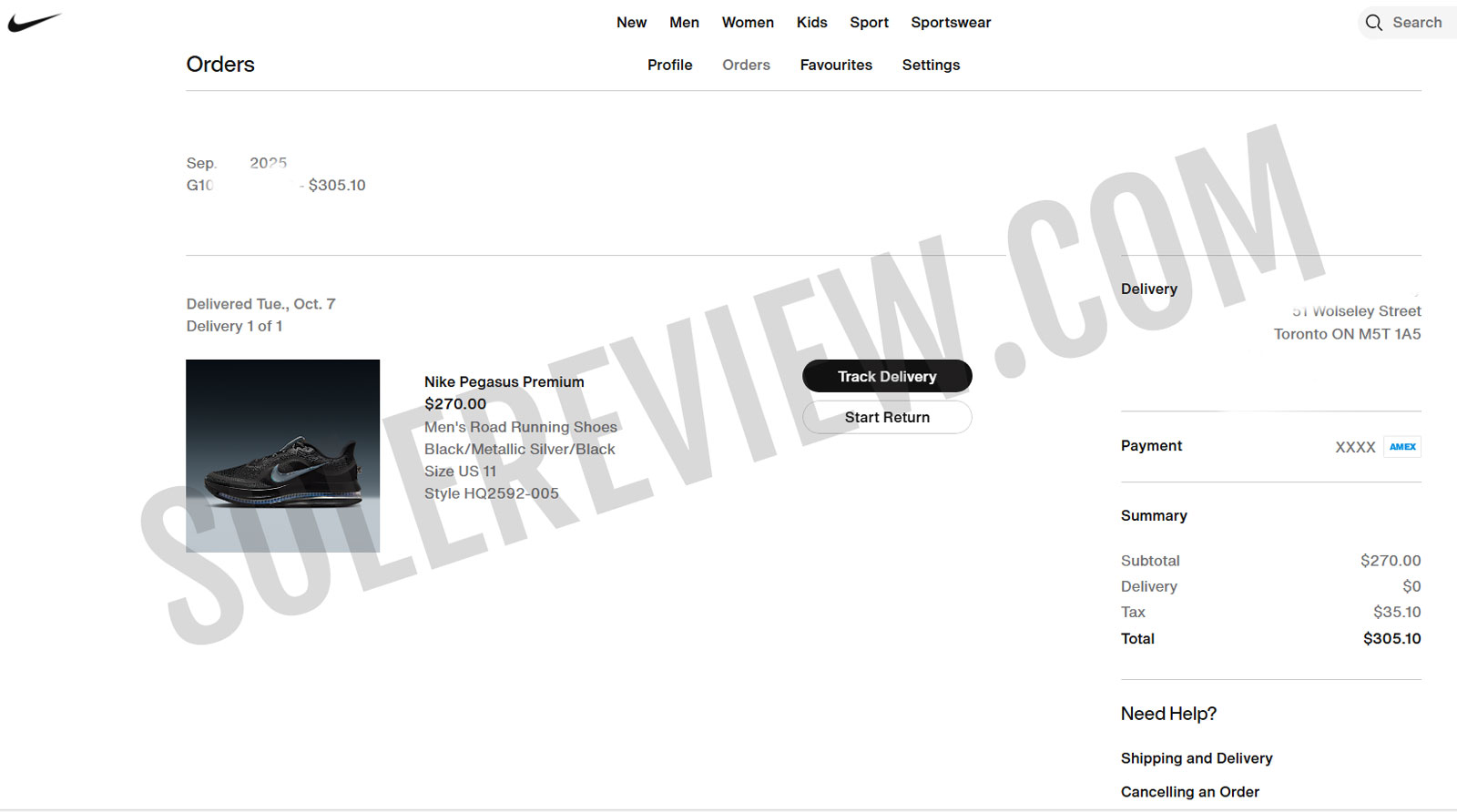
Review Updates
(3 total)- 2026-07-16 — Added 'cut in half' module
- 2026-07-16 — Converted % scoring to star rating system
- 2025-10-21 — Review published
CUT-IN-HALF: NIKE PEGASUS PREMIUM
Teardown Analysis
Tap the hotspots to reveal component specifications.
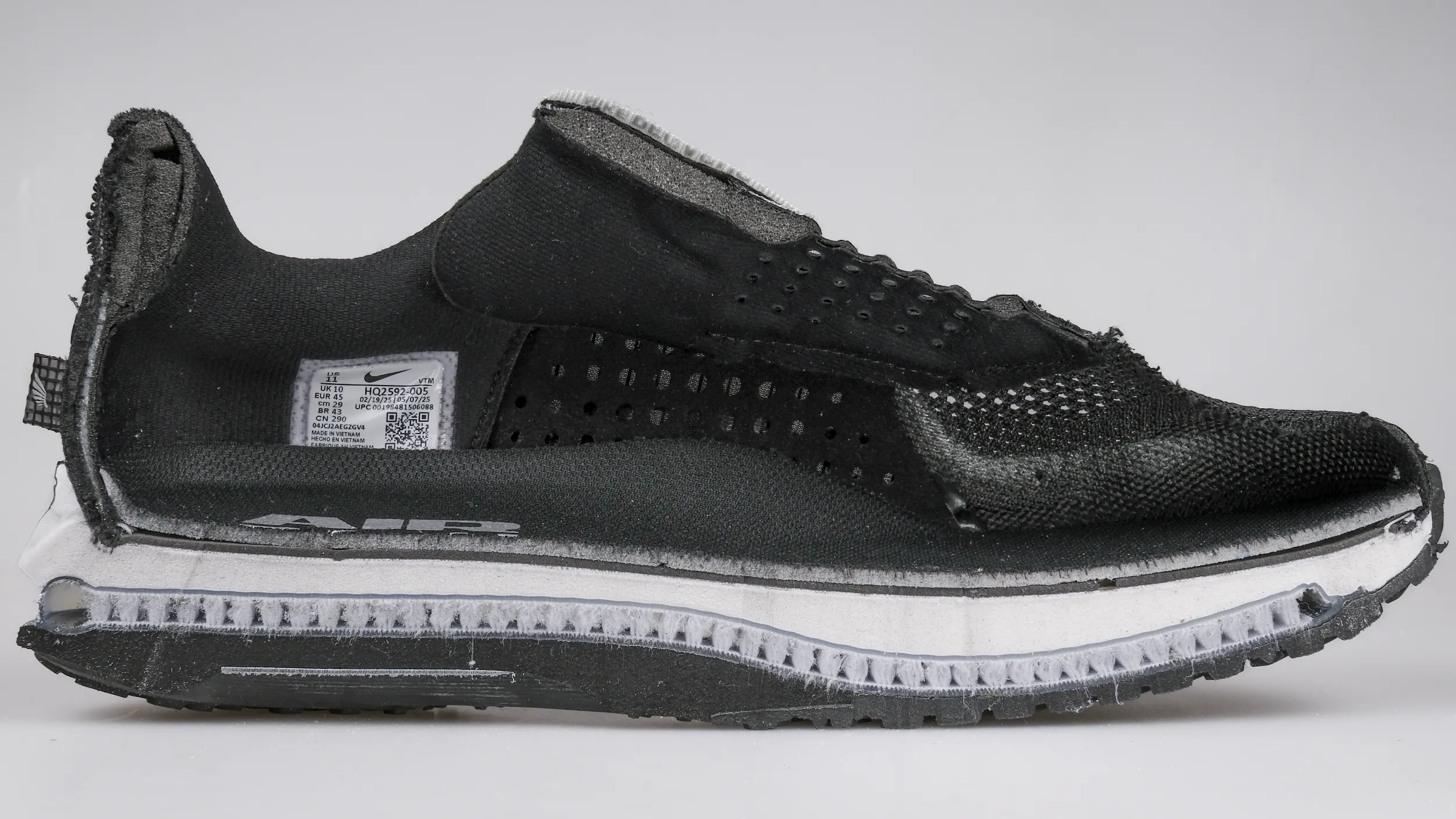
Select a component
Pros
- Abundant reflectivity
- Secure midfoot fit
Cons
- Uneven fit, cramped and shallow over large toe
- Heavy
- Expensive
- Poor rearfoot stability
- Heel sink leads to collar rub
- Lack of optional widths
- Tongue slide
- Rough lacing action, interiors feel downmarket
In this review:
SUMMARY
There are only three good reasons to wear the Nike Pegasus Premium:
1. You got it for free.
2. You really like the futuristic-looking Zoom Air midsole, or
3. You want a super-reflective shoe. The high-viz laces and 360° reflectivity from the pressed TPU panels make the Pegasus Premium highly visible in the dark.
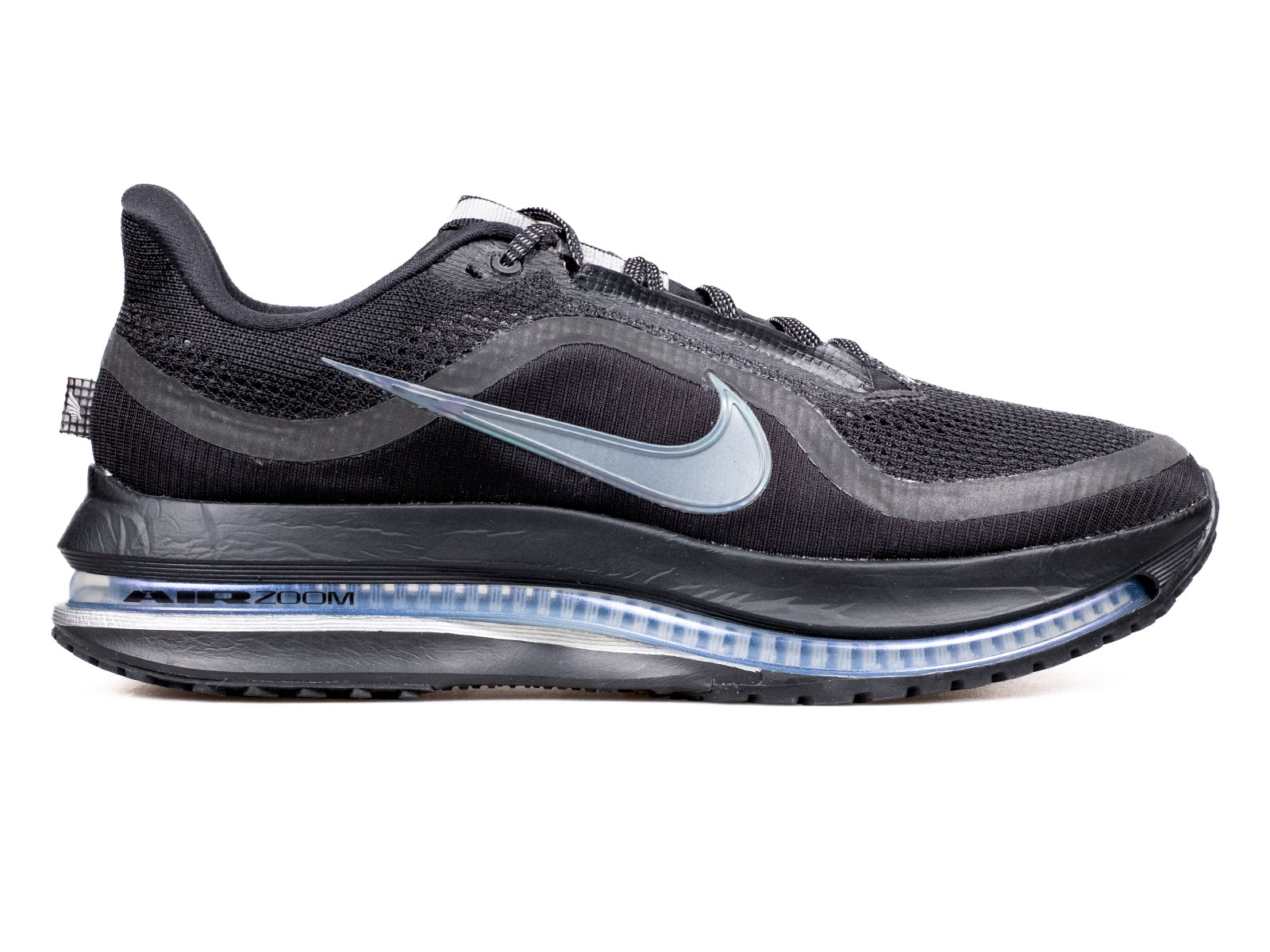
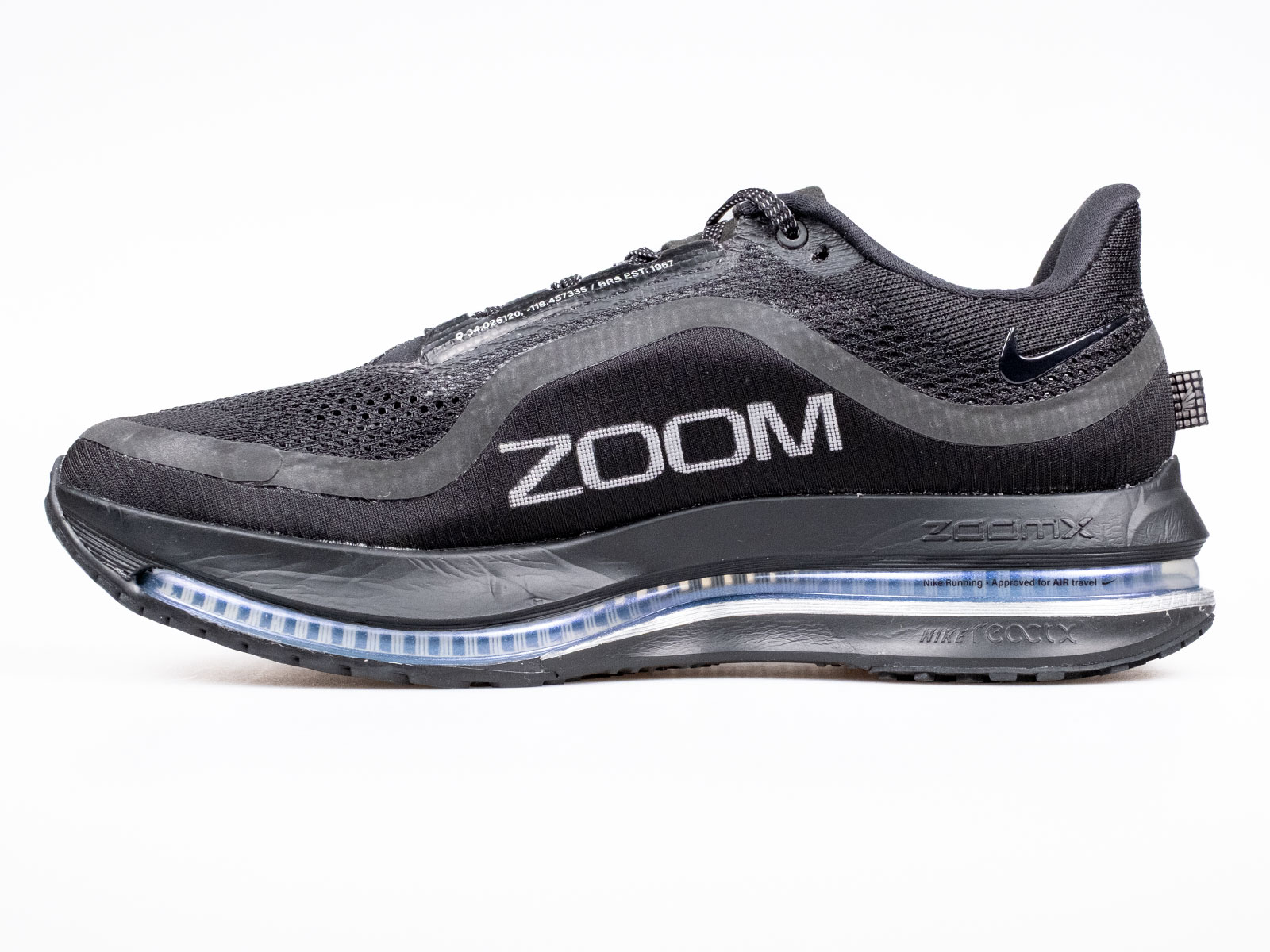
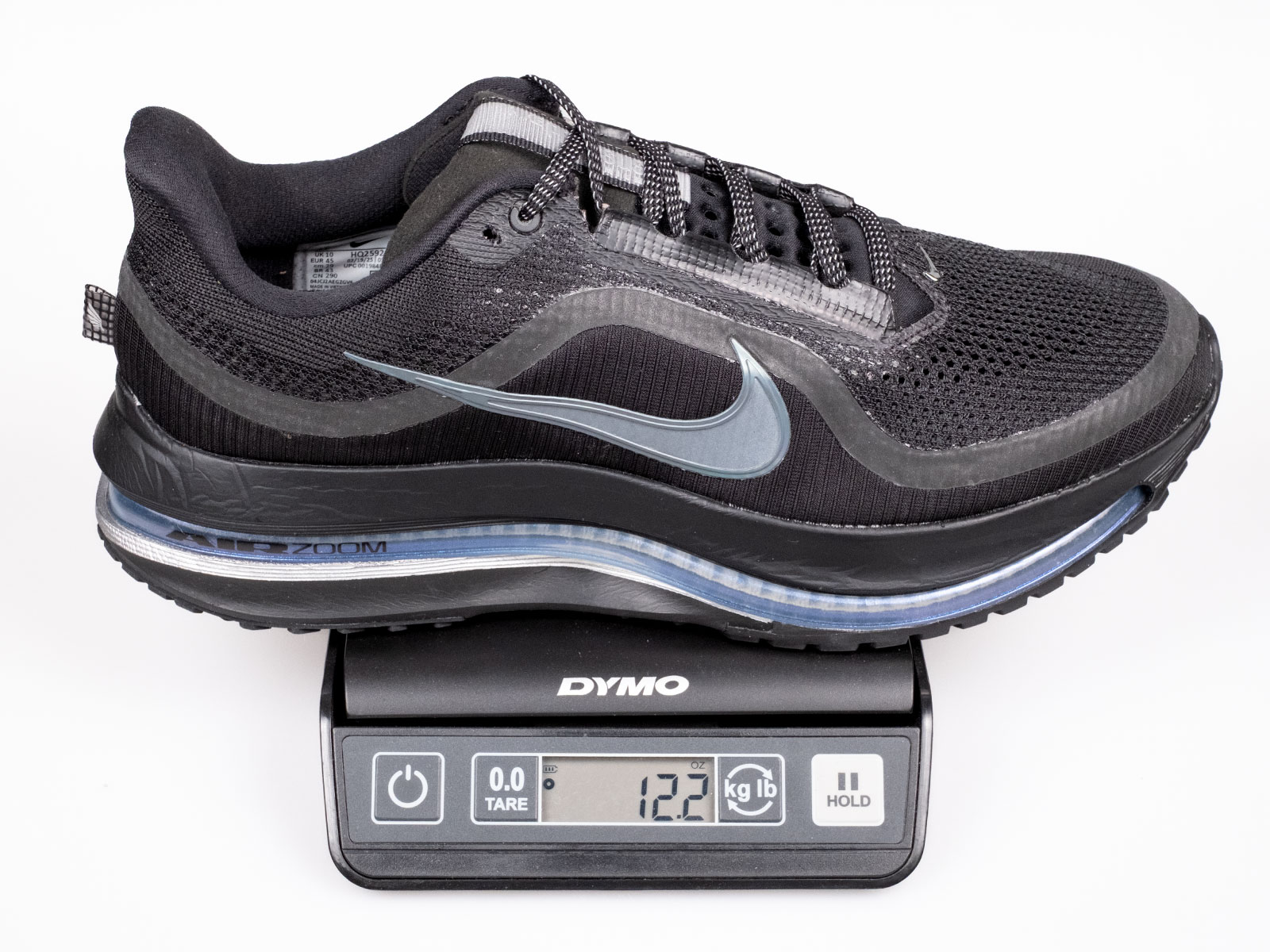
But if you want a running shoe for everyday training or tempo runs, the Pegasus Premium is a poor choice. At 325 grams (11.5 ounces), it’s a veritable brick by modern standards, offering little in return for its bulk. The rear midsole has below-average stability, the triple-density midsole feels sluggish, and the upper has an odd fit with puzzling material choices.
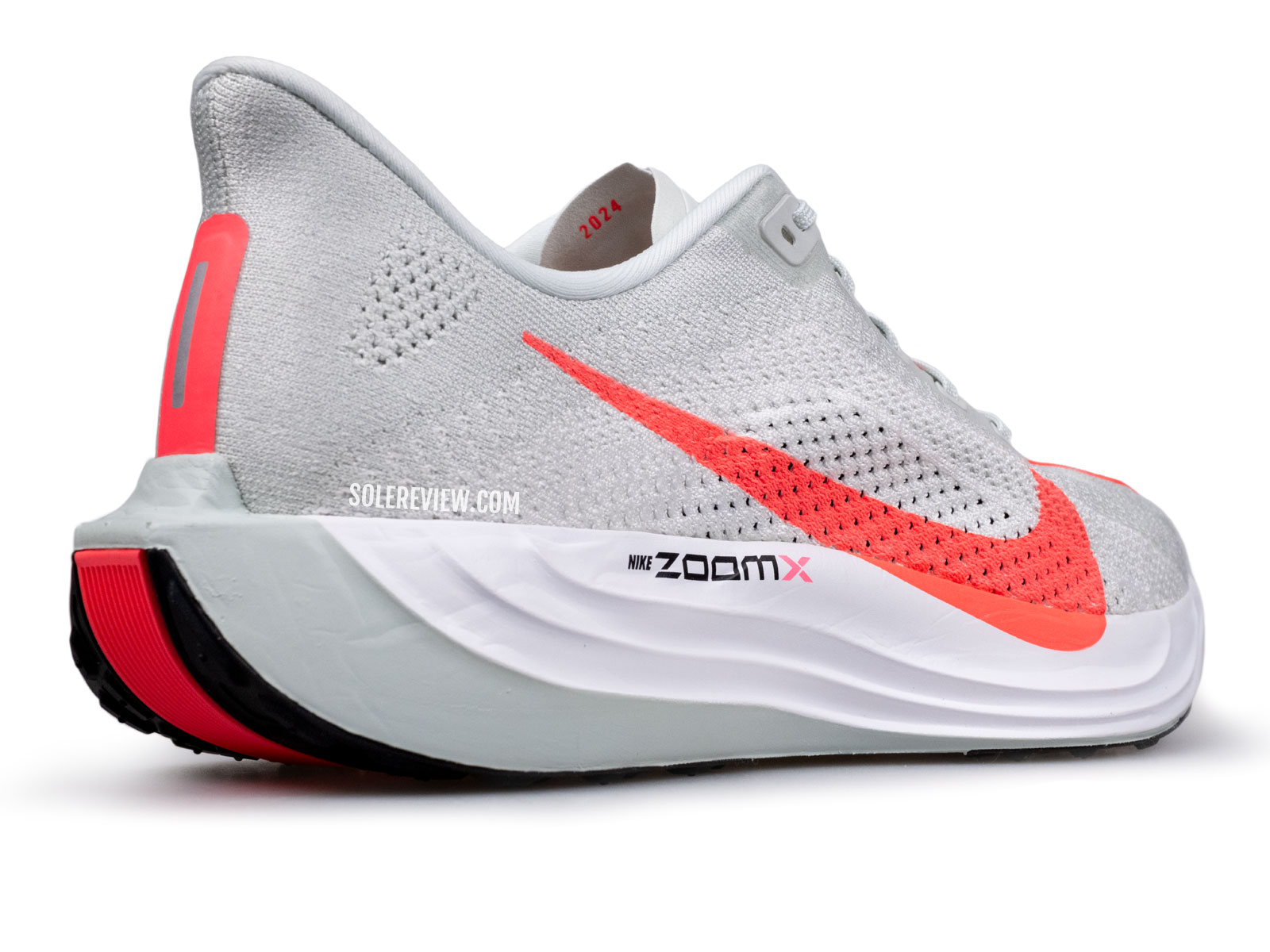
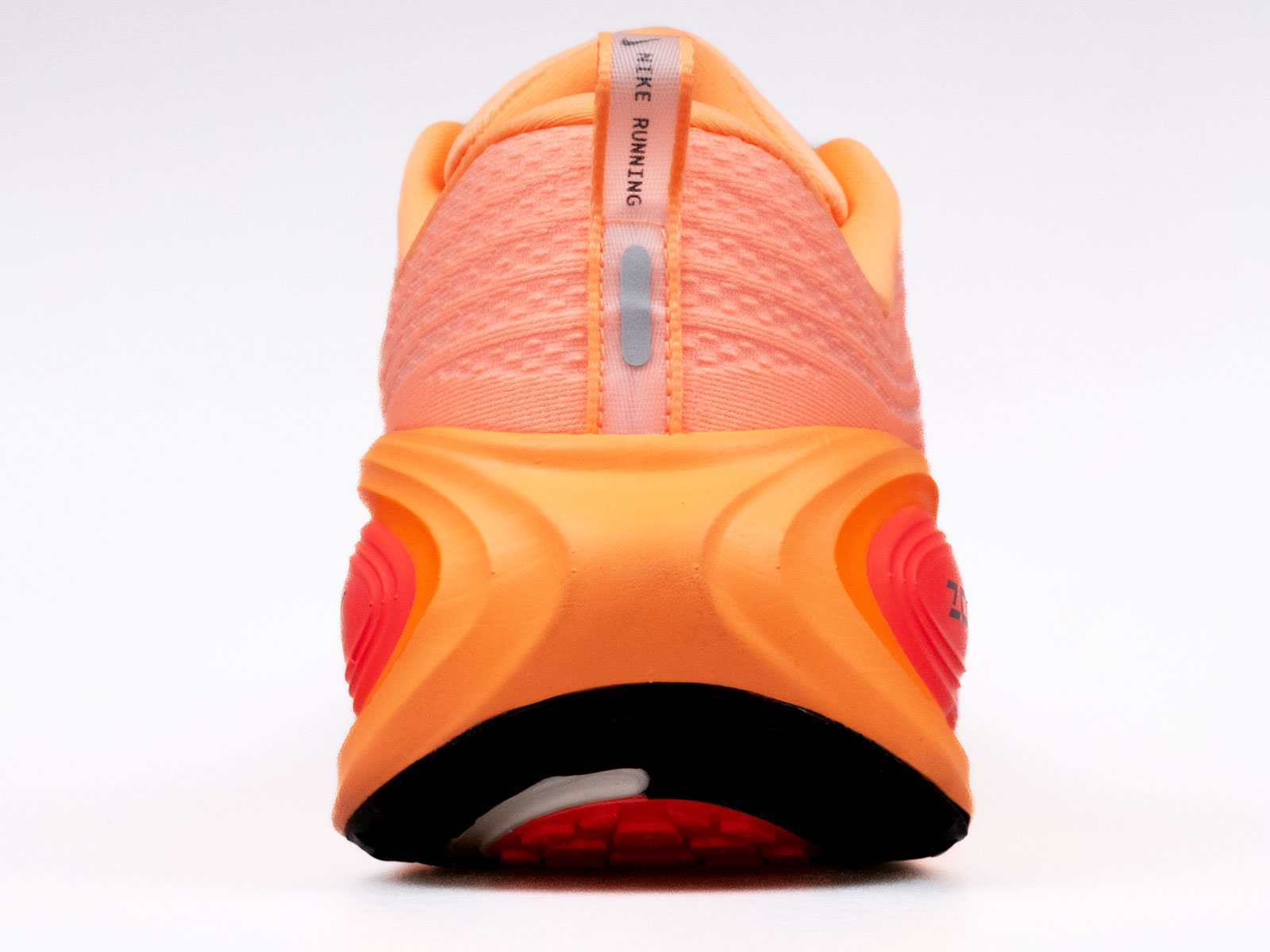
The Pegasus Premium is a very average running shoe, and a passable casual sneaker at best. Nike markets the Pegasus Premium as a road running shoe, so we’ve rated the shoe as such. Do your feet and wallet a favor, and buy the Pegasus Plus or Nike Vomero 18 instead. Even the standard Pegasus 41 is a far more sensible buy than the so-called Premium. And if you just want a casual sneaker, other Nike models such as the Air Max 270 and Air Max DN 8 are superior alternatives.
WHAT THE PEGASUS PREMIUM DOES WELL
– Offers a soft ride for casual use and walking.
– Provides a secure heel and midfoot fit.
– Has abundant reflectivity to make the shoe visible in the dark.
WHAT THE PEGASUS PREMIUM DOES POORLY
– Doesn’t provide enough support for heavy runners and overpronators.
– The 325-gm package and weak proprioceptive feel limit the Pegasus Premium to low-intensity runs.
– Increases the foot workload because of the stiff forefoot and lack of a rocker.
– Lacks sufficient forefoot and toe box splay room.
– The gusset-free design fails to keep the tongue from sliding.
– Doesn’t feature soft-touch lining materials for a plush interior.
– Its cramped toe box is not ideal for wide feet.
POTENTIAL ISSUES
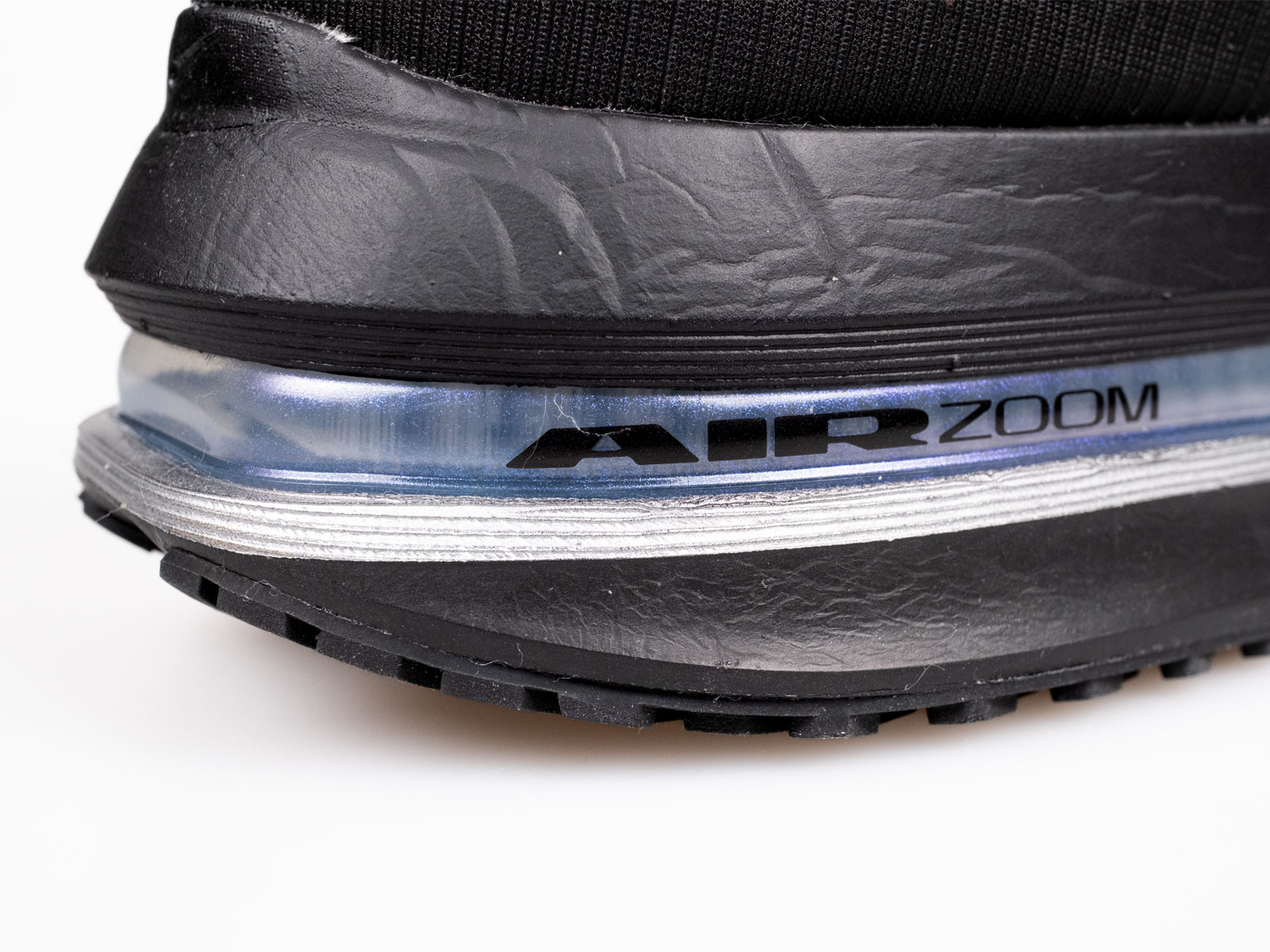
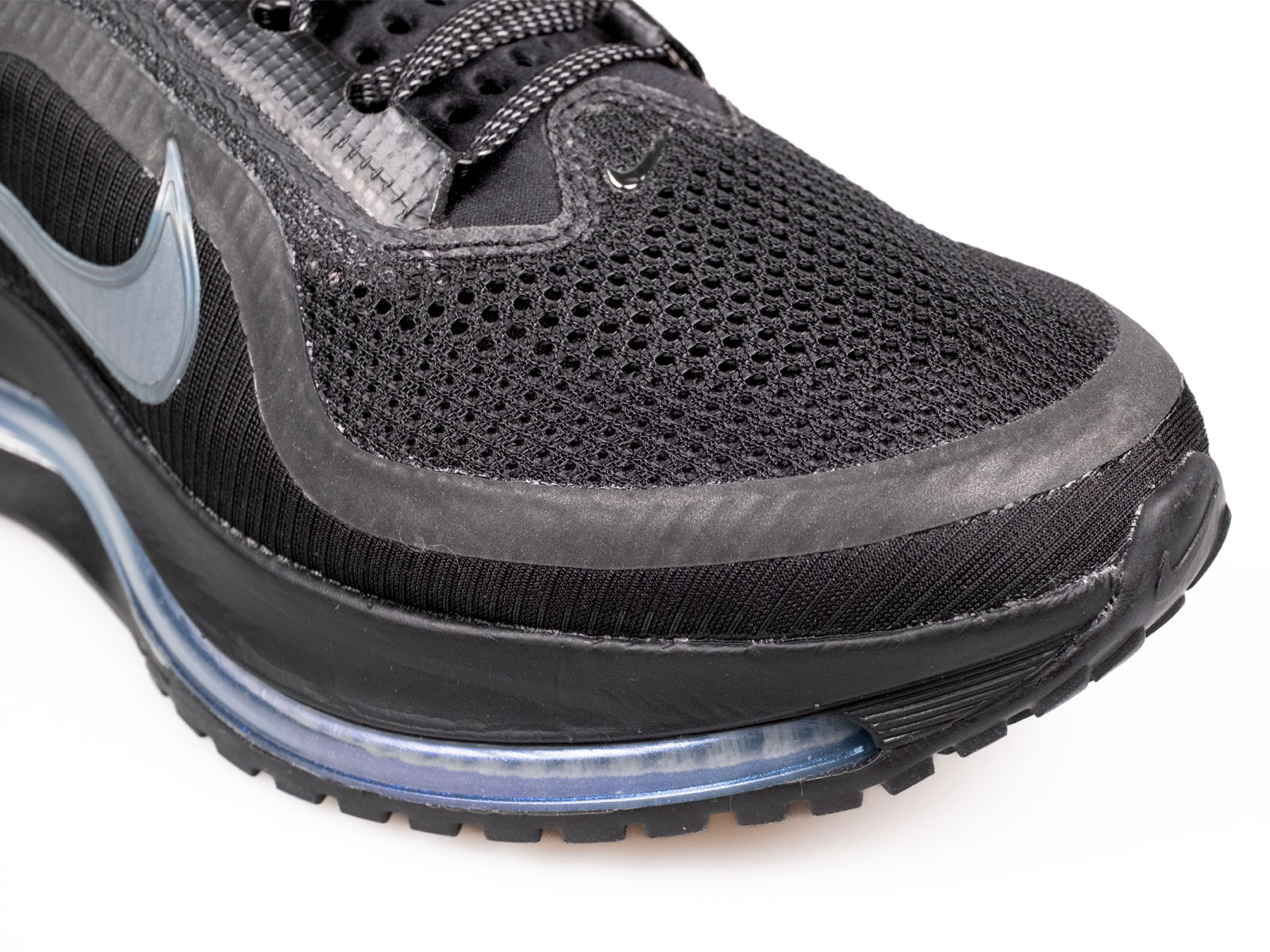
While the narrow fit is not a negative by itself, but it certainly helps to be mindful of it. Potential customers with wide feet should avoid buying this shoe and also resist buying a half-size larger (US 11 instead of US 10.5) just to make the shoe fit better. Despite its narrow fit, the Pegasus Premium fits true to size. It’s the shallow toe-box ceiling, particularly over the small toe, that lends the impression of short sizing. The tongue slide is noticeable. There’s no gusset, and the tongue flap is neither wide nor padded enough to prevent it from moving to one side.
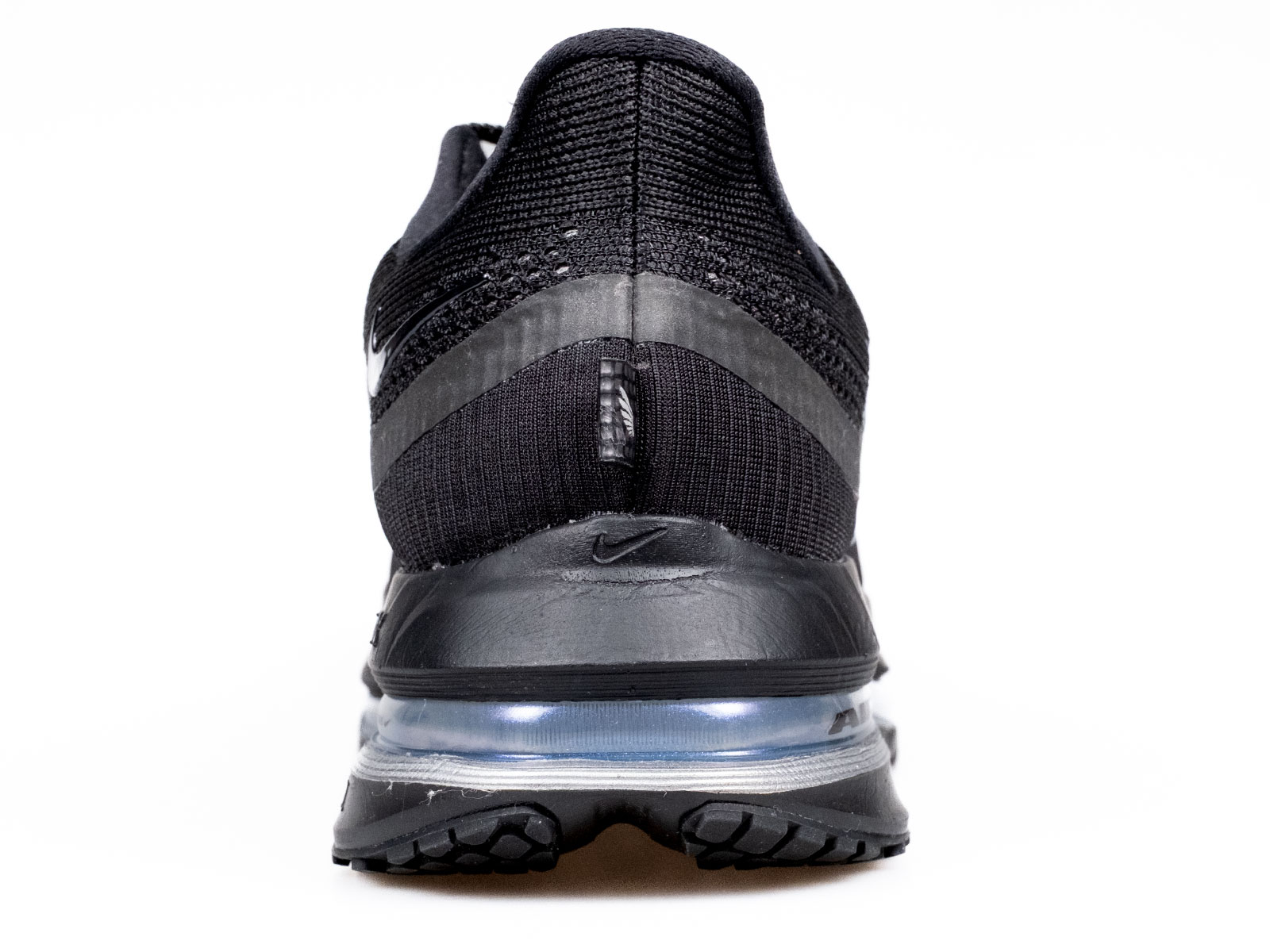
The heel midsole lacks support. The narrow base and soft midsole sidewalls lack the structural integrity that heel strikers and overpronators require. There’s only so much support that the soft ZoomX foam and inflated Air bag can provide. At walking speeds, the lack of both medial and lateral stability is noticeable. There’s a fair bit of heel sink, so the heel collar moves up and down over the Achilles by a few mm. Due to the potential risk of chafing, it’s best to use ankle or crew-length running socks with the Pegasus Premium.
Also, the stiff forefoot and absence of a rocker increase the workload for the foot.
As for the long-term durability of the Zoom Air bag, it’s too early to say.
PERFORMANCE SCENARIOS
This section evaluates the Pegasus Premium’s performance and its compatibility with different use-case scenarios. We examined the combined behavior of the midsole, outsole, and upper fit under various running conditions. For this review, three scenarios were considered: heel and midfoot striking at speeds around a 5:30 min/km (8:50 min/mile) pace, followed by casual use and walking. Higher-speed running was excluded, as it falls outside this particular shoe’s comfort zone. This scenario-based approach replaces the traditional “ride experience” and “upper fit” breakdowns. Future updates may include additional parameters such as body weight, gait orientation, and foot-strike type. Scenarios highlighted with green boxes indicate ideal use cases, while red boxes denote lower compatibility.
SCENARIO 1: HEEL STRIKING AT 5:30 MIN/KM, 8:50 MIN/MILE
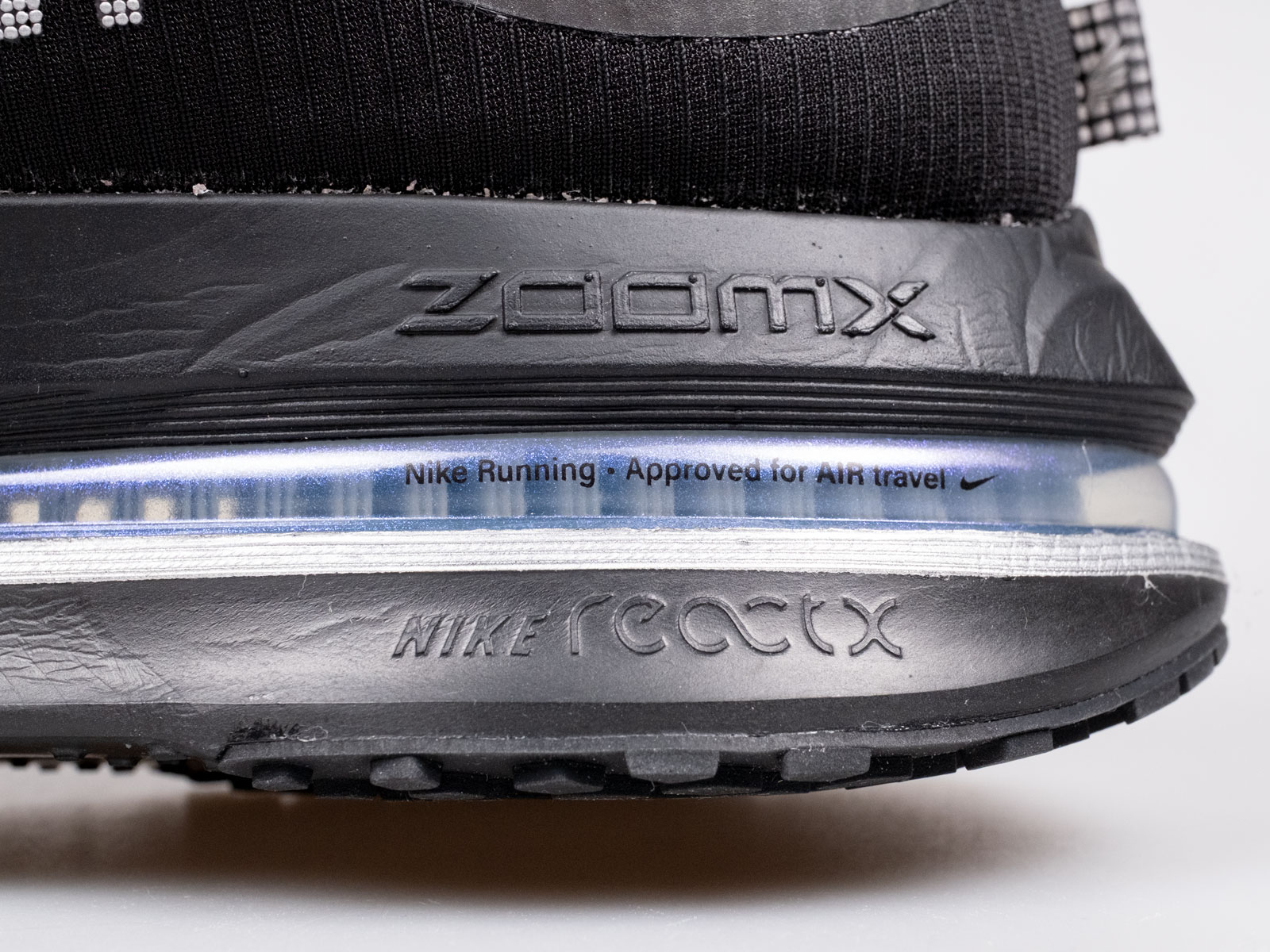
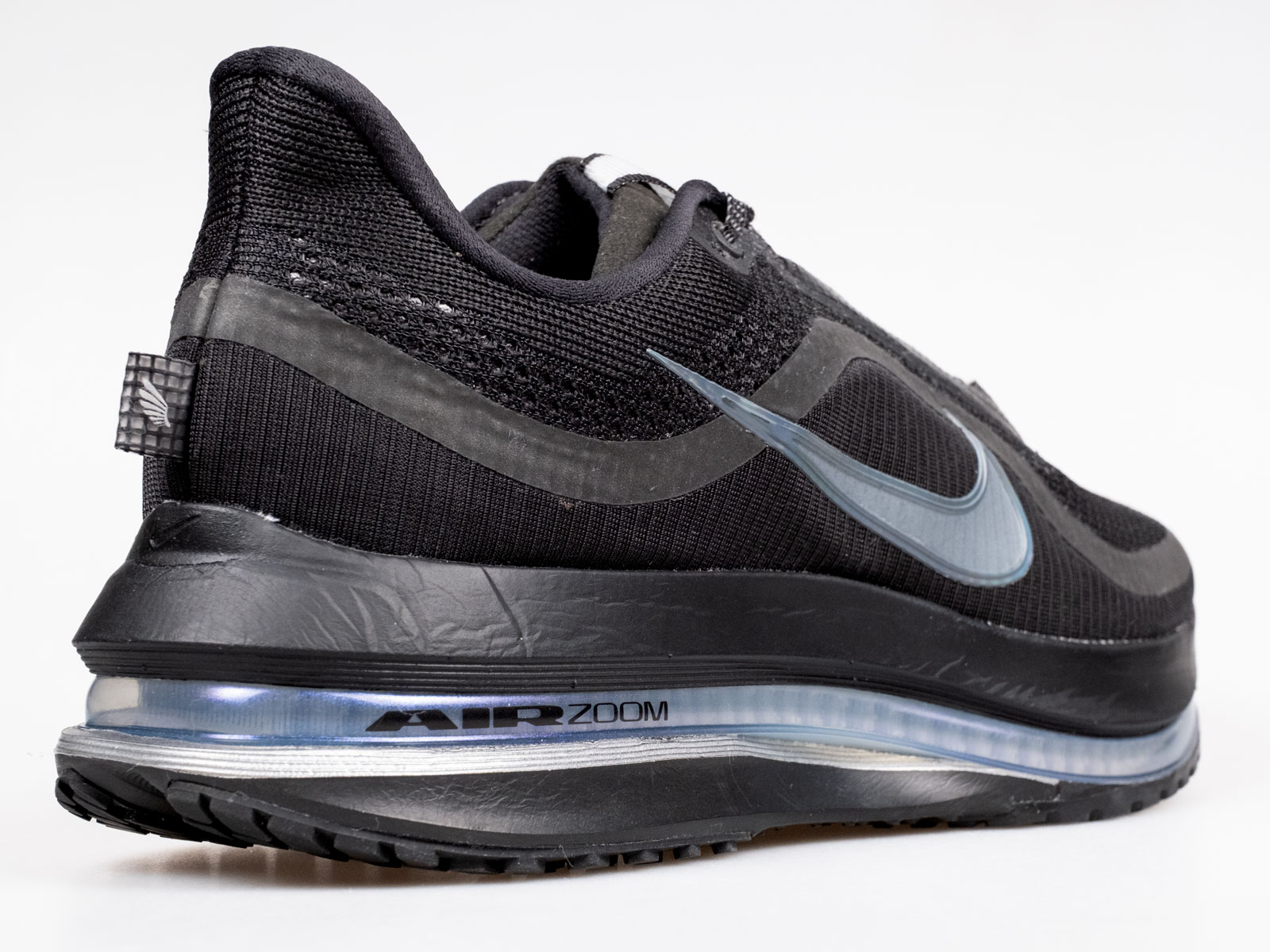
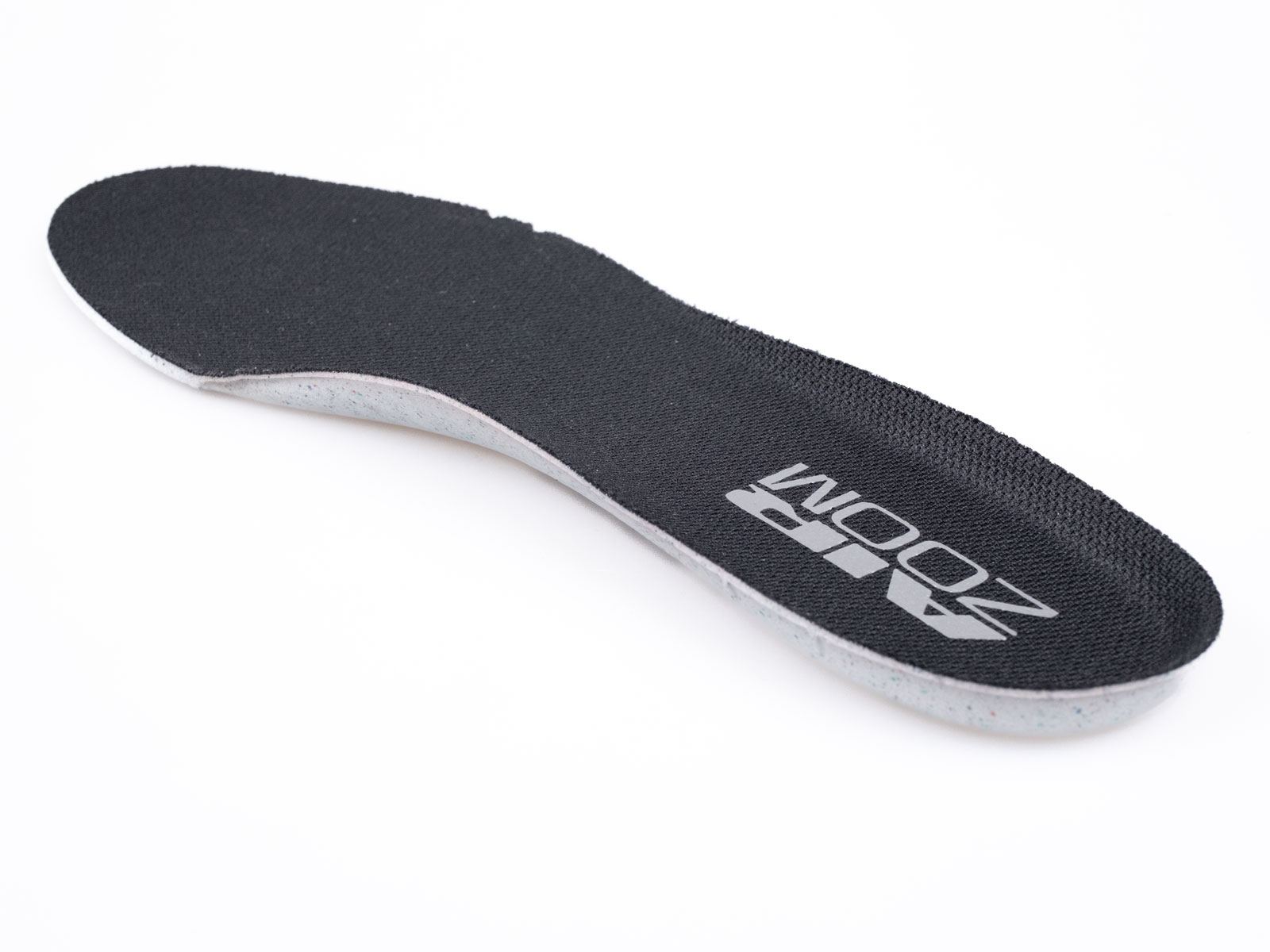
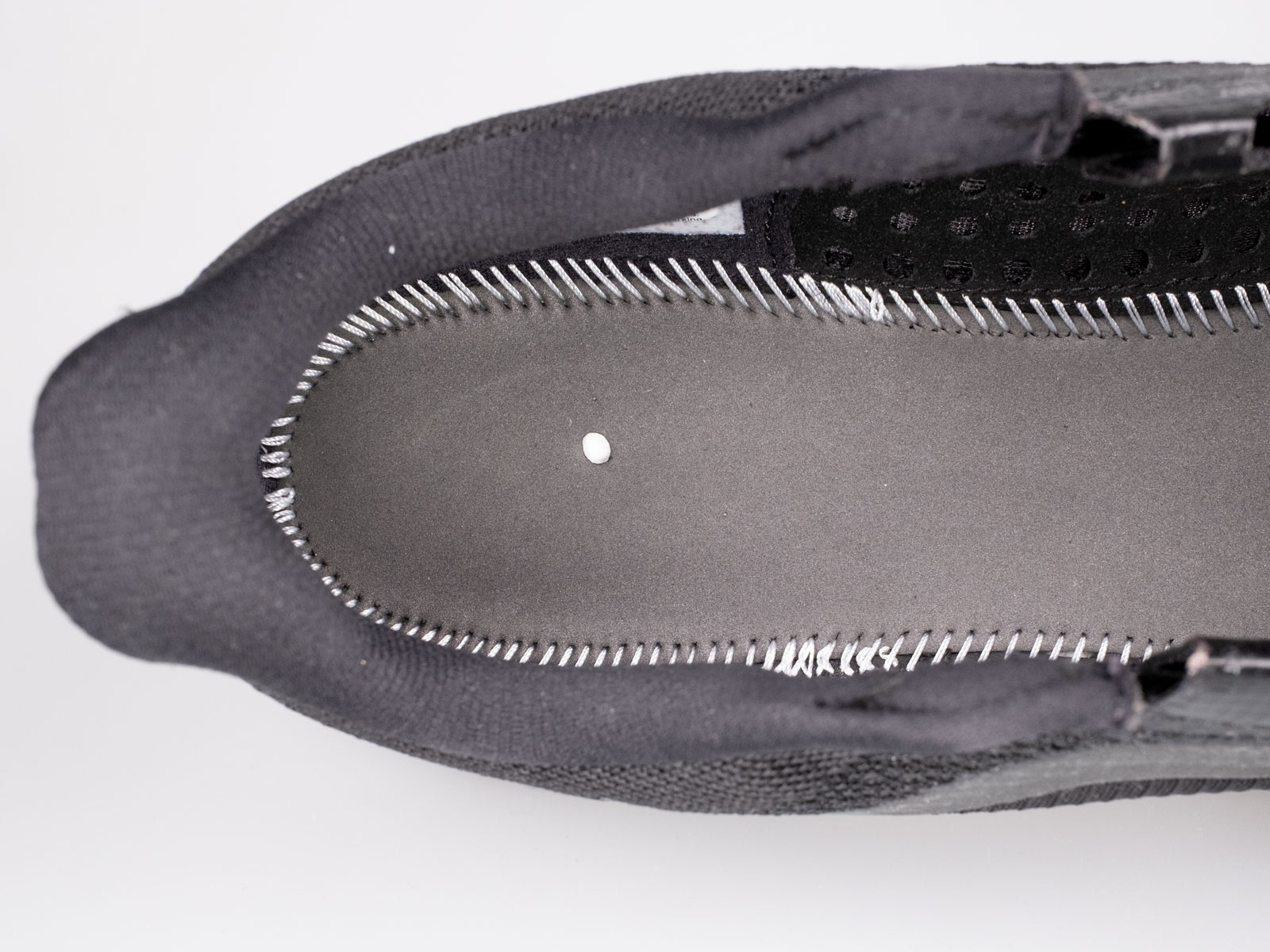
If you’re expecting a Nike Alphafly 3-esque rebound from the Zoom Air bag, you’ll be disappointed. Here, most of the softness is delivered by the ZoomX foam layer above the Zoom Air bag. During heel strikes, the cushioning follows the path of least resistance, meaning the softest layers get compressed first. In this case, that would be the removable, blown-foam footbed, the ZoomX foam layer, followed by the compression of the ReactX layer. The heel section has a wide void, causing the midsole to sink briefly upon footstrike to produce a trampoline-like effect. As highlighted in our ‘potential issues‘ section, the heel sink also results in the padded collar shifting vertically against the Achilles.
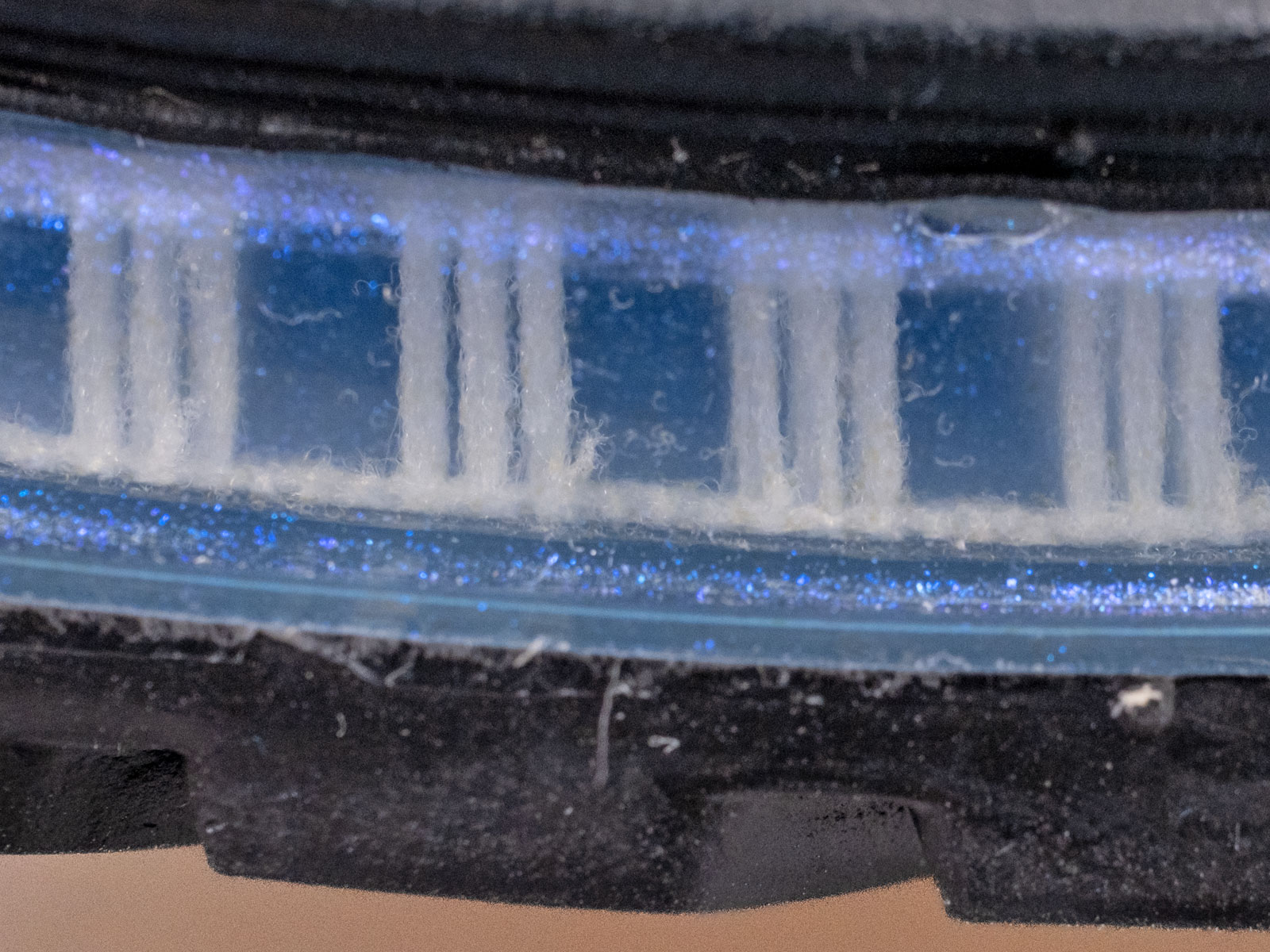
The thin Zoom Air bag is the last layer to compress. Unless you’re running at very slow speeds or weigh over 190 lbs, there’s insufficient time for the Zoom Air bag to fully compress. This differs from the Alphafly 3’s forefoot, where the Zoom Air bag is the primary cushioning component. Naturally, the midsole behaves differently at walking speeds, and that’s why we’ve dedicated a separate performance scenario for that use case.
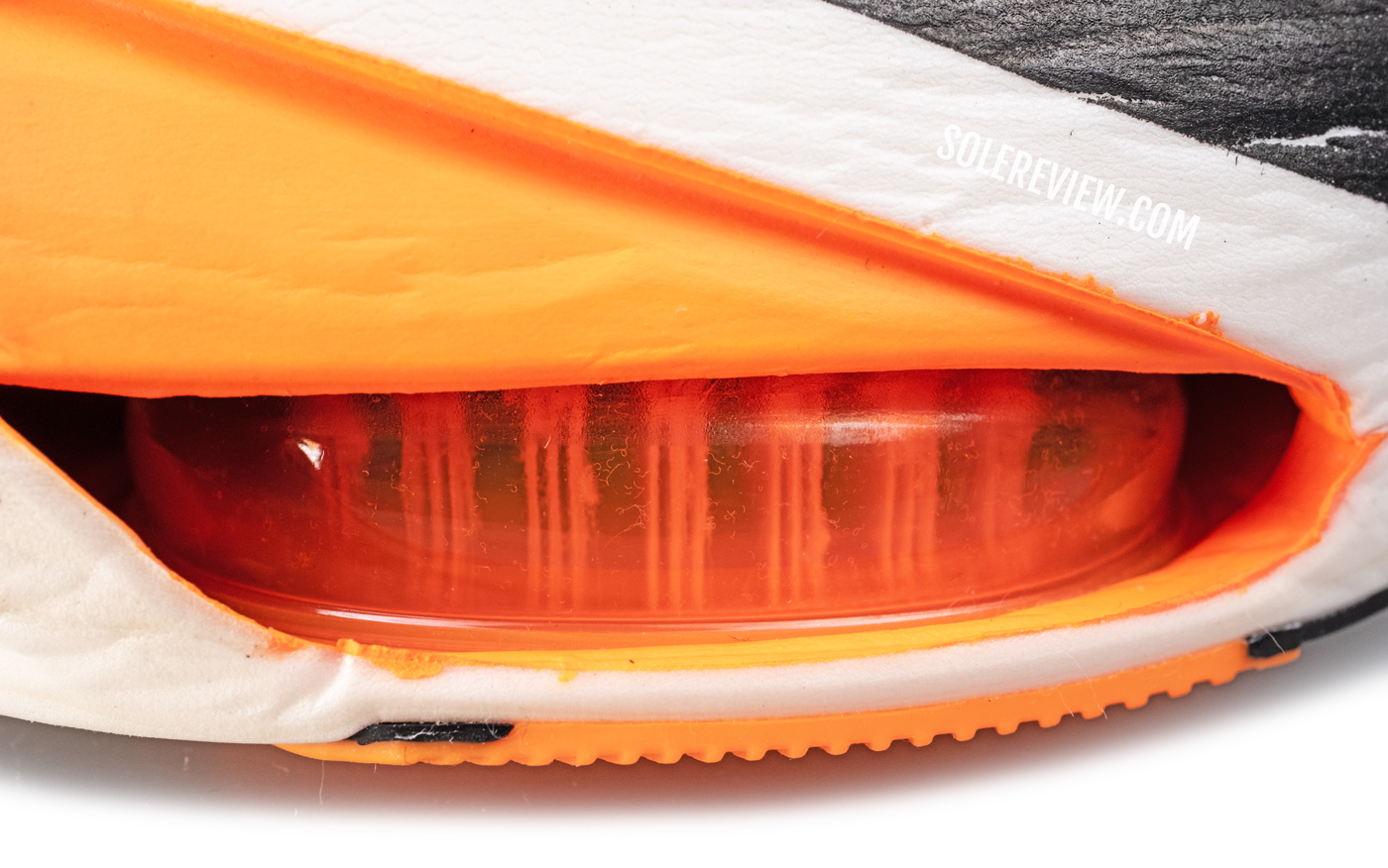
The Pegasus Premium has a soft ride, but that’s all there is to it. The cushioning lacks the peppy, lightweight feel of the Pegasus Plus, and running in this shoe feels like a chore. There’s no rocker effect, so there’s no transition assist. The foot has to work the stiff forefoot midsole before take-offs instead of gliding through. The midsole is lethargic by modern running shoe standards, and offers very limited utility, save for short training runs.
SCENARIO 2: FOREFOOT/MIDFOOT STRIKING AT 5:30 MIN/KM, 8:50 MIN/MILE
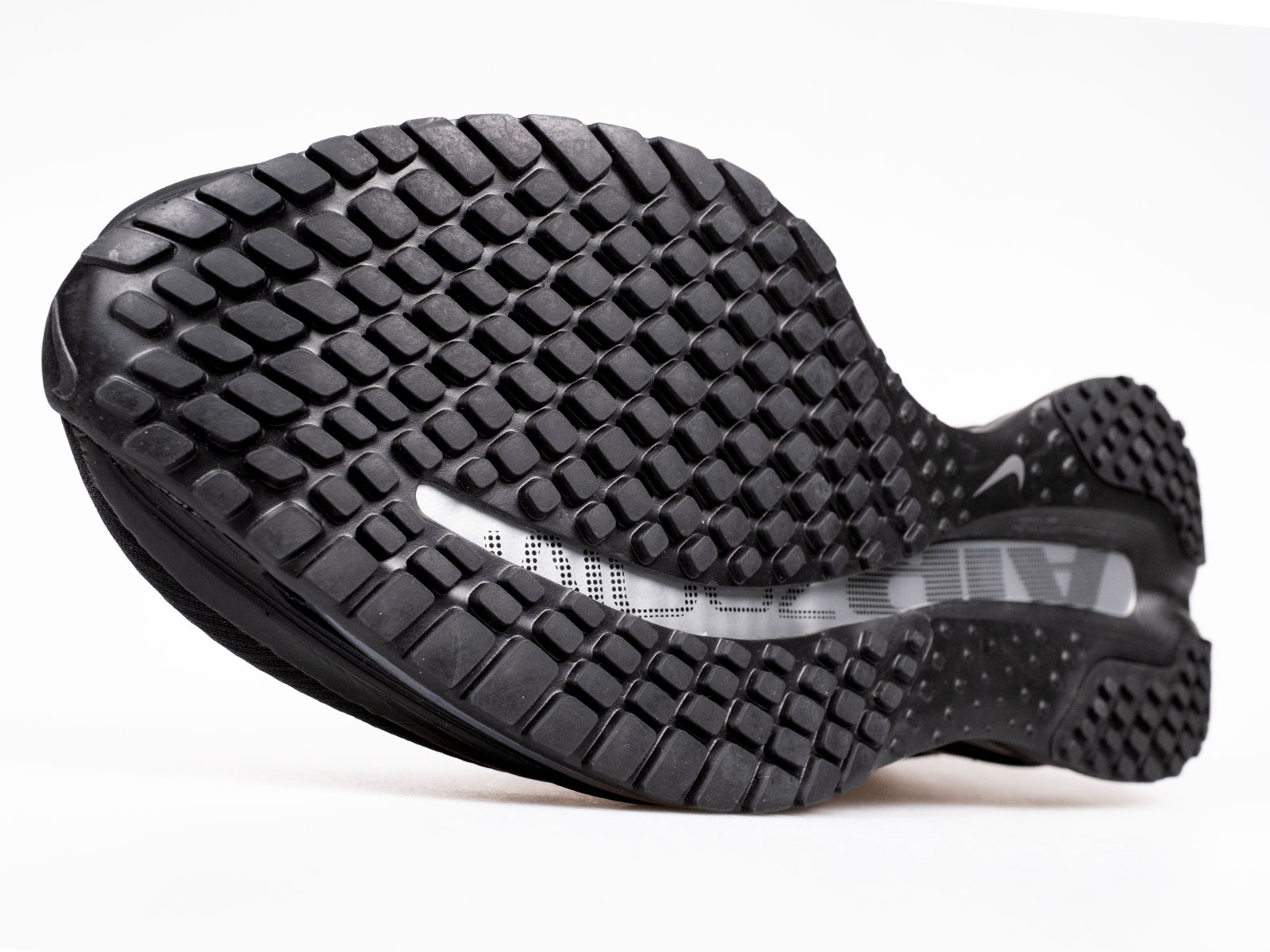
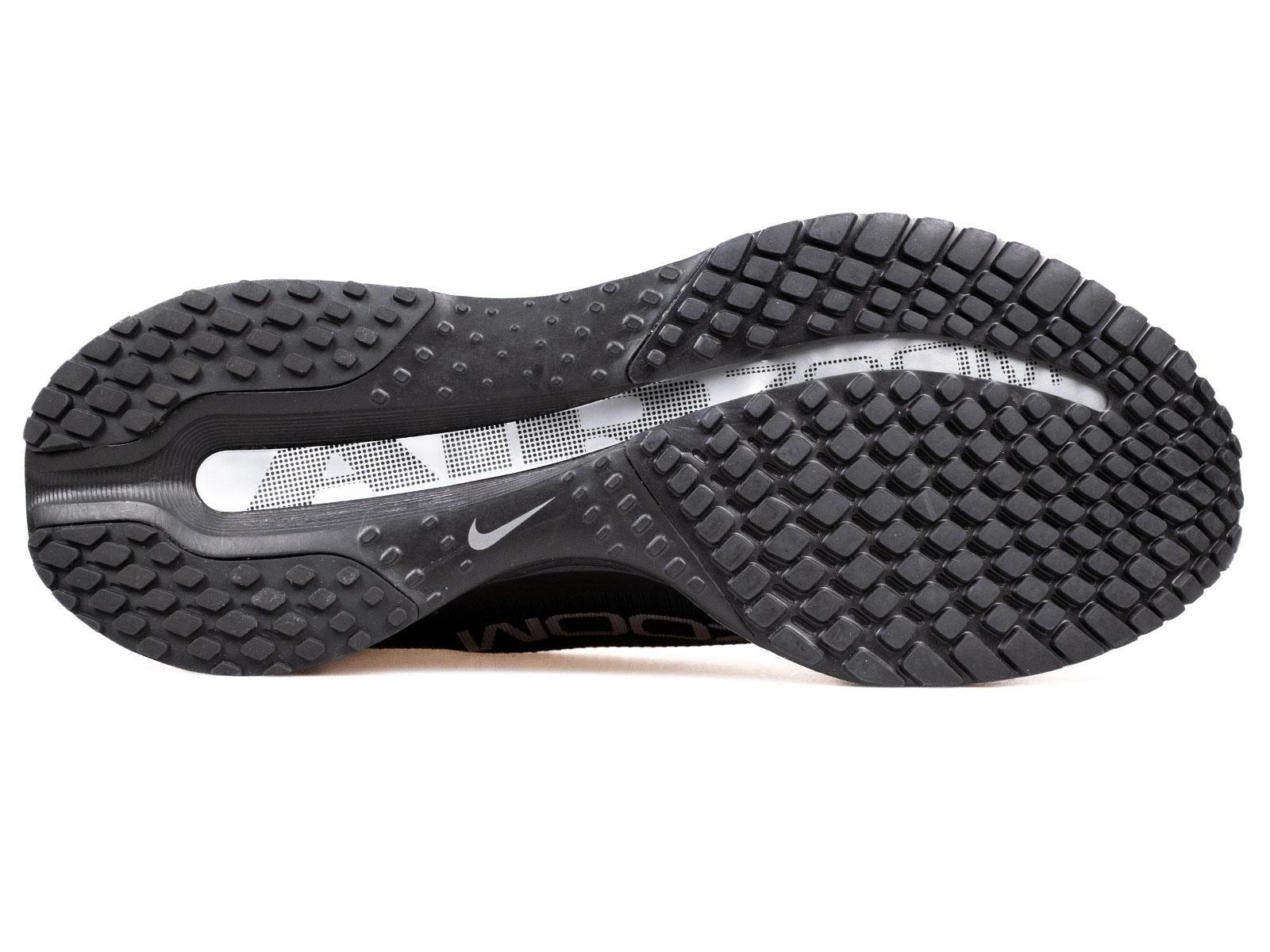
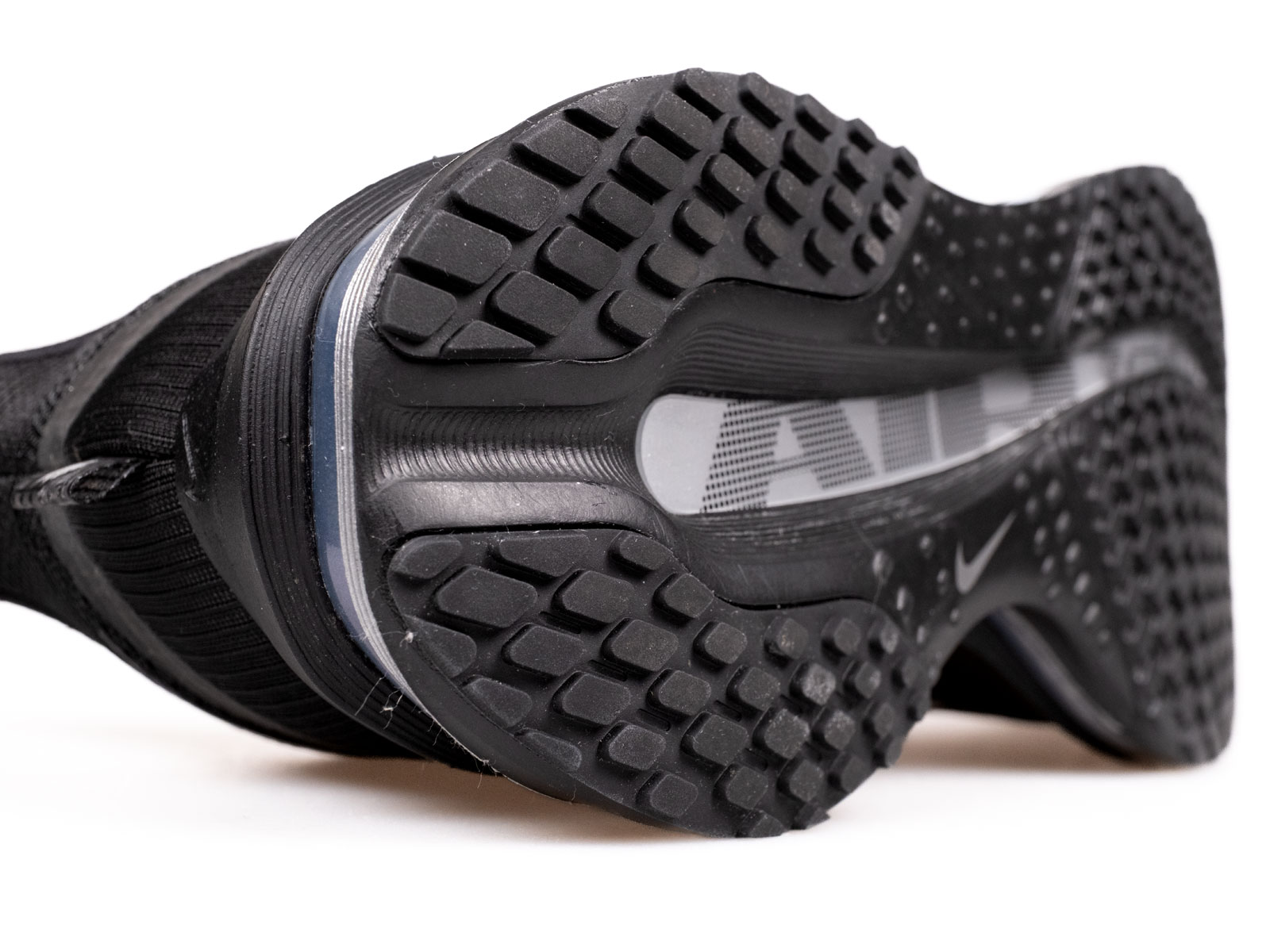
Forefoot striking feels pretty one-dimensional. The insole and ZoomX foam layer produce soft landings, but the Zoom Air bag feels dead under the forefoot. Also, there’s none of the trampoline effect that heel strikers experience. Unlike the rearfoot, there’s no ReactX foam under the forefoot – the React foam wedge only extends from the midfoot to the heel.
The outsole traction is decent, but nothing to write home about. Also, don’t expect any assistance during transitions. There’s no rocker – at least not that kind that makes roll-offs easier.
SCENARIO 3: WALKING AND EVERYDAY CASUAL USE
Regardless of how Nike markets the Pegasus Premium, this shoe is a sneaker disguised as a running shoe. Walking speeds do a better job at revealing Zoom Air’s character, in both good and not-so-good ways. We begin with the good part first. Slower walking paces allow the midsole to go through a longer compression cycle, so the drop-stitched Zoom Air bag plays a larger role in cushioning than it does at higher speeds. Loading the heel accentuates the pressurized cushioning of the Zoom Air unit, along with the soft feel of the ZoomX foam and the trampoline effect from the ReactX base.
The not-so-good part would be the stability – or rather, the lack of it. The slim midsole base and lack of sidewall support makes the Zoom Air bag the weakest link in the chain. There’s a brief rocking of the heel, as the Zoom Air sidewalls lose structure when loaded. At walking speeds, the stiff forefoot feels like a lot of work. In the absence of a rocker, the foot has to put in effort to flex the midsole, as the Zoom Air bag resists bending.
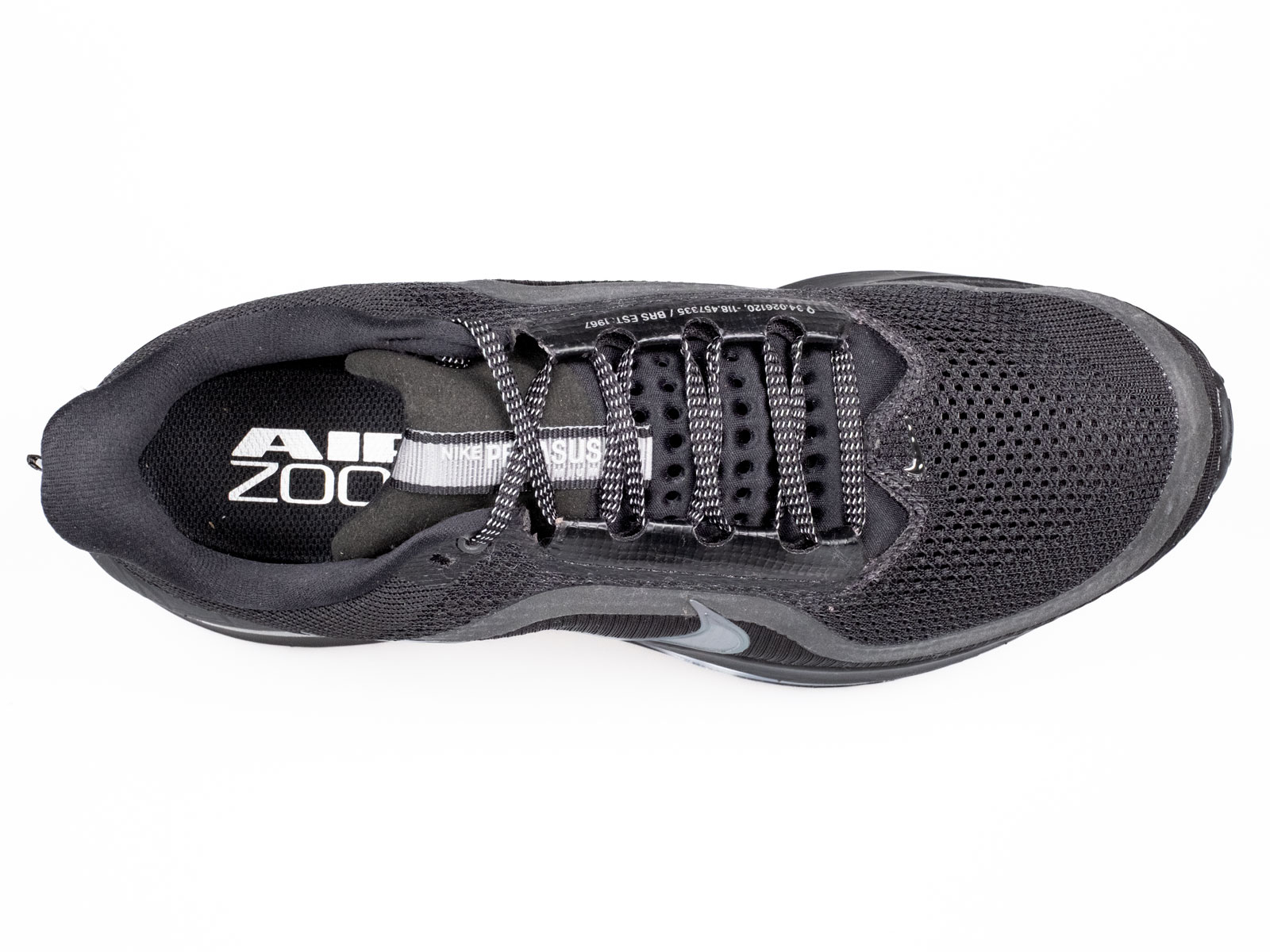
There are a few reasons why we described the Pegasus Premium as a passable sneaker. The narrow forefoot and toe box feel cramped, with optional widths unavailable. The shallow toe-box ceiling also presses down against the big toe. The reflective stripes on the sides bend inward over the foot during midsole flexion.
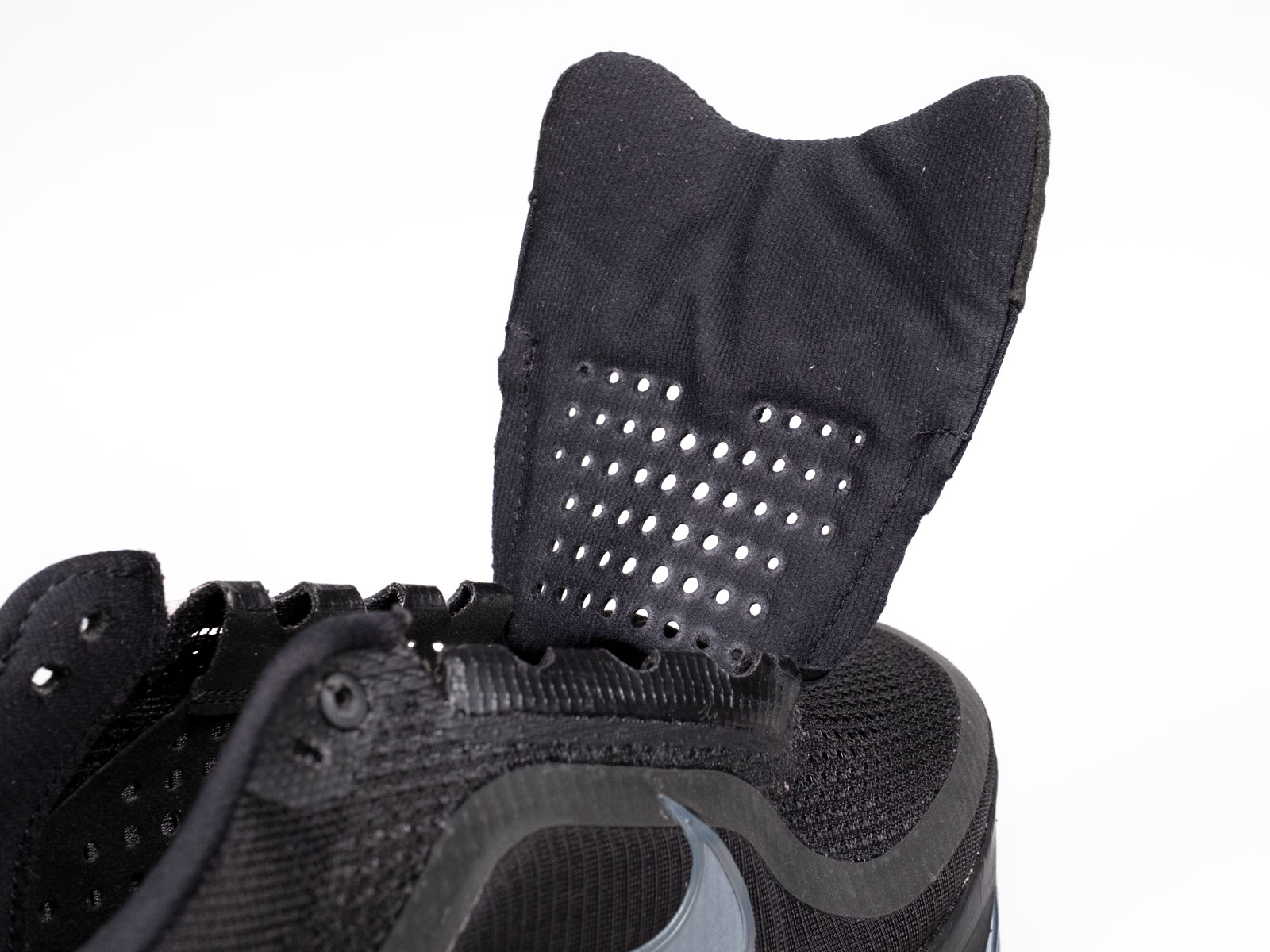
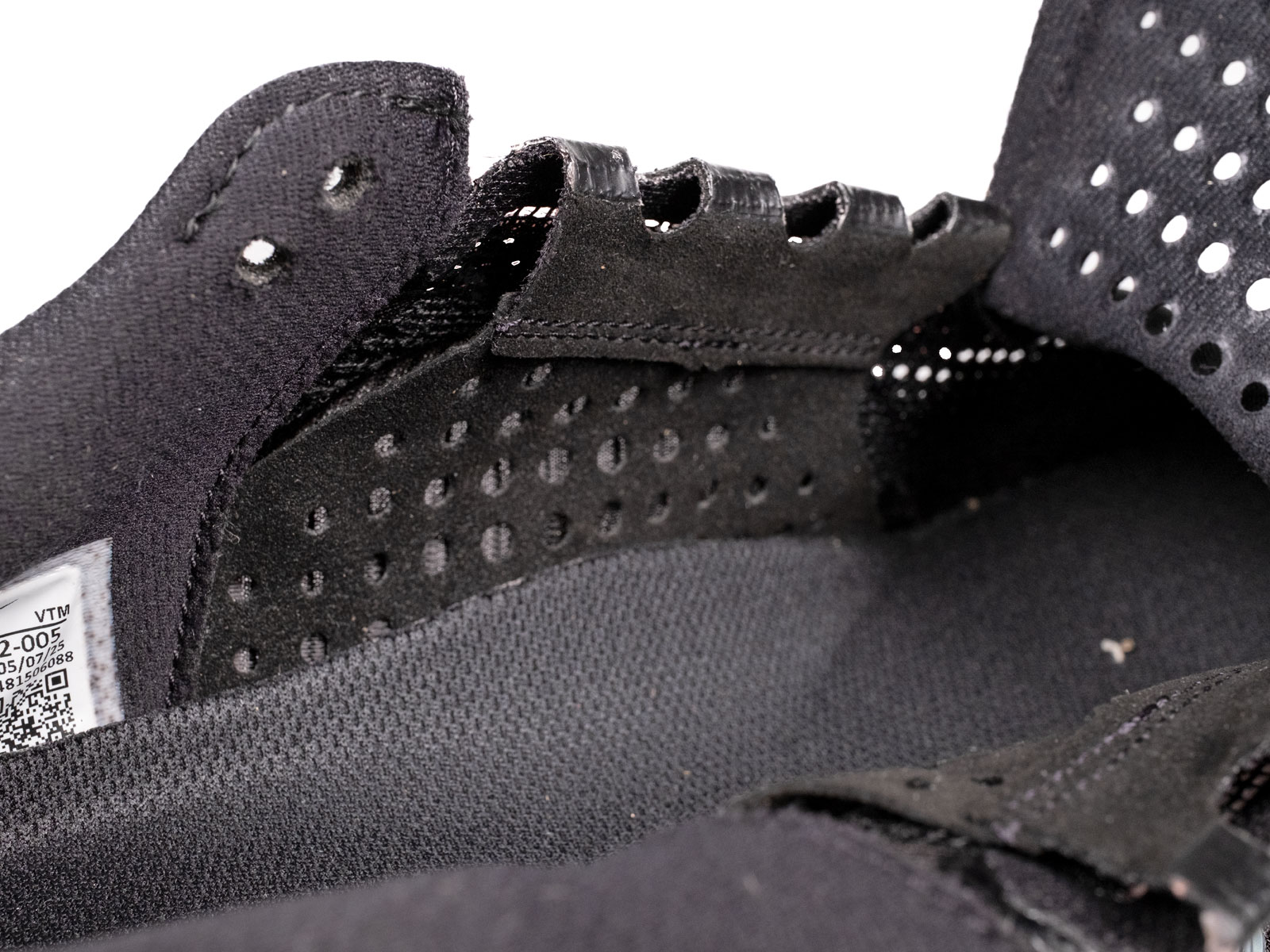
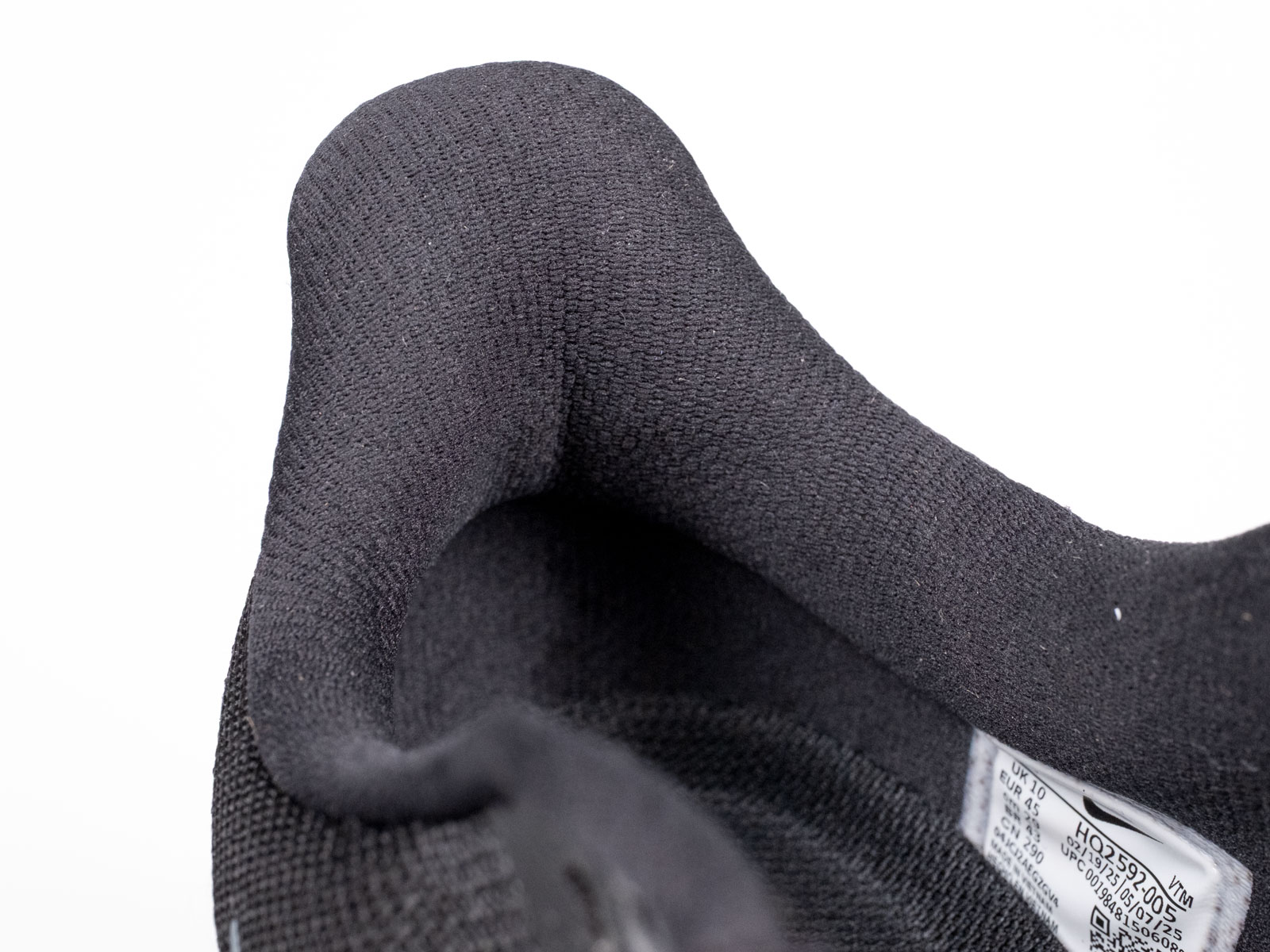
The tight fit and ripstop midfoot panels deter airflow, so despite the perforated tongue and mesh, breathability is so-so at best. The interior feels anything but ‘premium’. The forward section of the tongue (the perforated area) feels stiff, and the tongue and heel lining don’t have the satiny-soft feel of the Vomero Plus. The lacing action is also far from smooth, as the laces hesitate to slide through the loops of the thick midfoot saddle. The lack of a gusset, wide tongue flap, and sparse foam padding causes the tongue to move sideways.
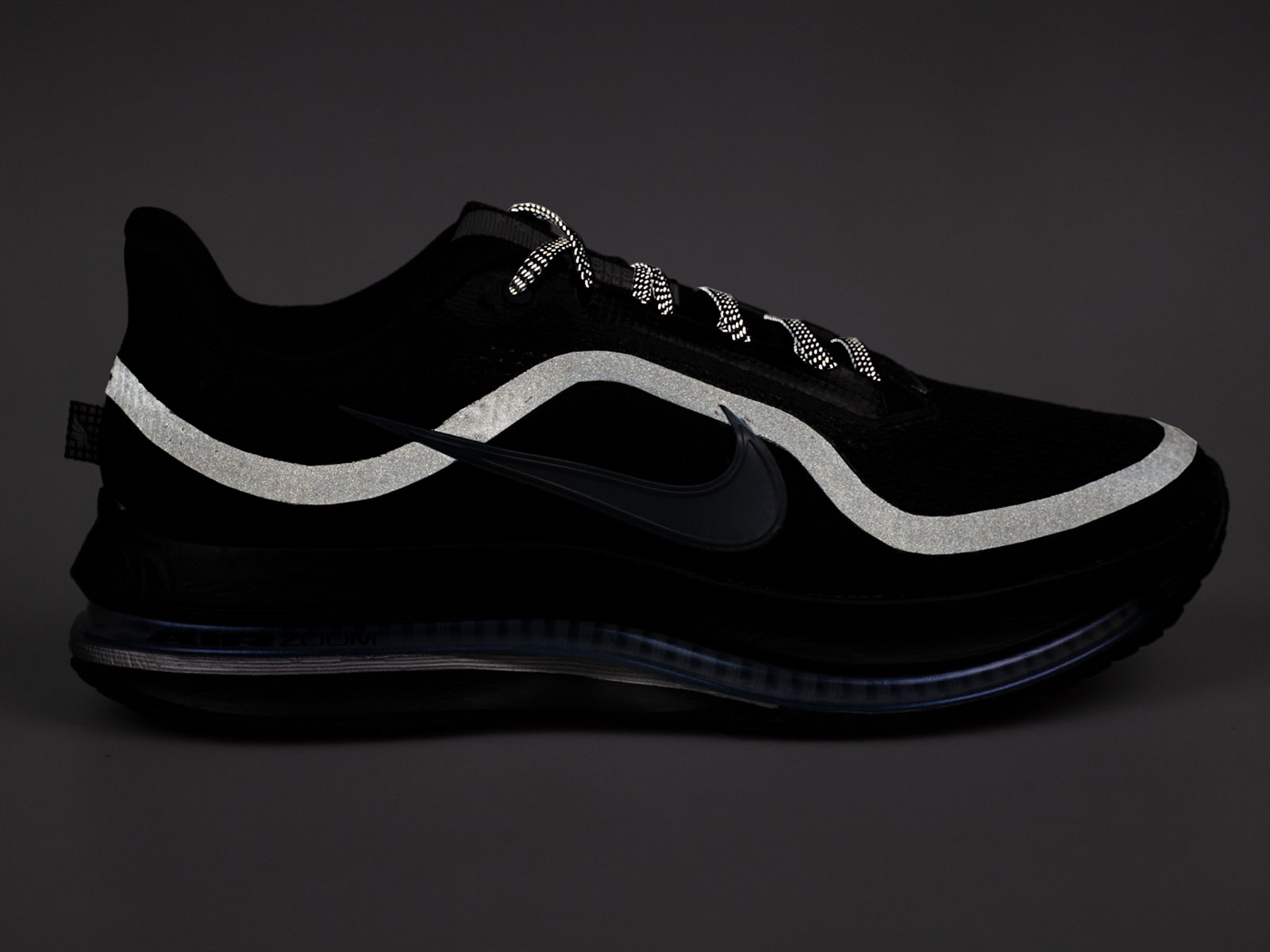
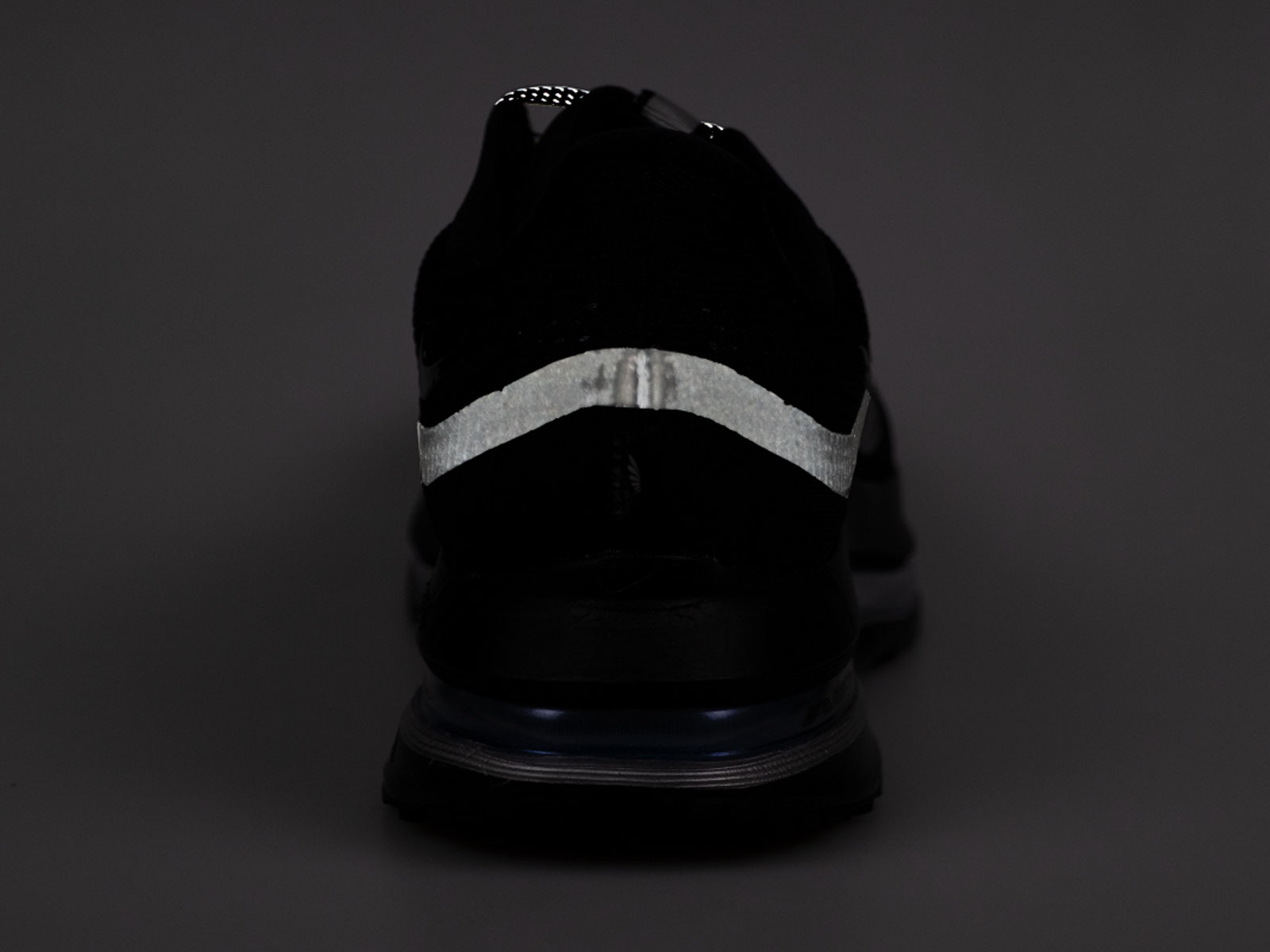
There’s only one thing the upper truly excels at: reflectivity. There’s an unbelievable amount of it – the upper features 360° reflectivity, thanks to the reflective side strips and high-visibility laces.
SHOES COMPARABLE TO THE NIKE PEGASUS PREMIUM
Also consider:
- Nike Air Max DN 8
- Nike Air Max 270
TECHNICAL SPECIFICATIONS
- Nike’s marketing pitch: Responsive cushioning for the ultimate energised ride.
- Upper: Open and ripstop mesh, pressed TPU with reflective details, high-viz laces, no sleeve.
- Sizing profile: True to size.
- Toe box fit: Tight over large toe.
- Forefoot fit: Narrow.
- Midfoot and heel fit: Secure.
- Midsole: Full-length Zoom Air with ZoomX and ReactX foam, blown foam insole. 10 mm heel drop.
- Outsole: Waffle-shaped rubber in high-wear areas.
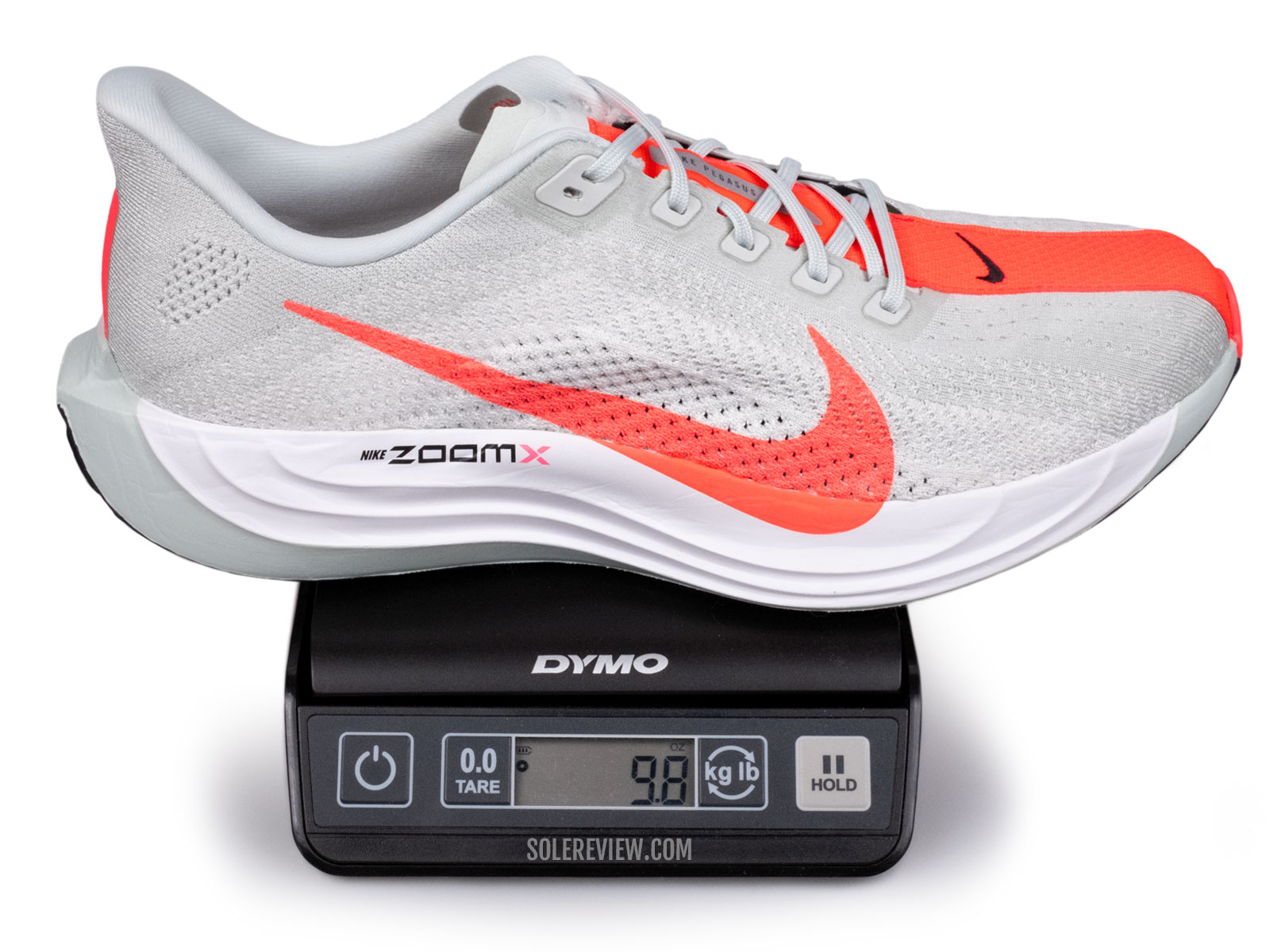
- Weight: 325 gms/ 11.5 Oz for a half pair of Men’s US 10/UK 9/EUR 44/CM 27.1
- Stack heights: 45 mm (heel), 35 mm (forefoot).
- Available widths: Single – D (regular).
- Recommended use: Walking.
- Footstrike orientation: All types (heel/midfoot/forefoot).
- Median lifespan: 350 miles.
- Country of origin: Vietnam.
- Recommended paces: 5:30 min/km (8:50 min/mile) and slower.
- Recommended temperature range: Warmer than -5° C/23° F.