Review updates
(2 total)- 2026-05-30 — Made minor edits
- 2026-05-29 — Review published
BROOKS GLYCERIN 23 IS BEST FOR
BEST FOR
SWEET SPOT
SPEED COMPATIBILITY
BIOMECHANICS: THE BROOKS GLYCERIN 23
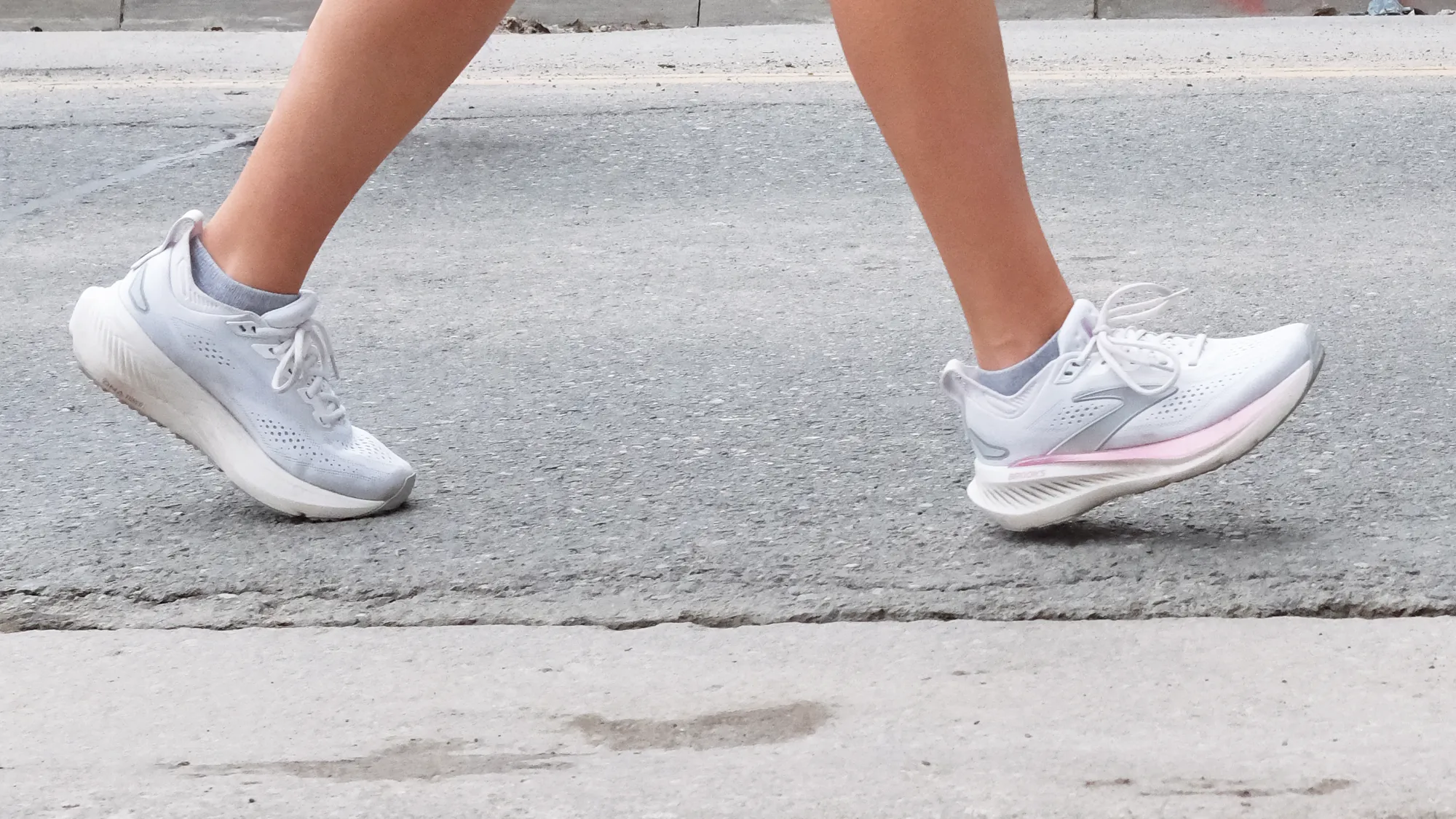
The Glycerin 23's midsole is designed to produce maximum softness during heel strikes. It's not just about the larger-celled (and softer) DNA Tuned foam under the heel; two other factors are at play here. The negative under-heel space splays during impact, and the laser-cut perforations make the outer midsole easier to compress than the inner side. That being said, the soft heel doesn't produce a negative heel drop, nor does it turn mushy. Nearly half of the heel midsole uses the firmer DNA Tuned foam from the forefoot, thus producing a smooth and balanced ride.
See The Brooks Glycerin 23 in action
(Click to pause/play)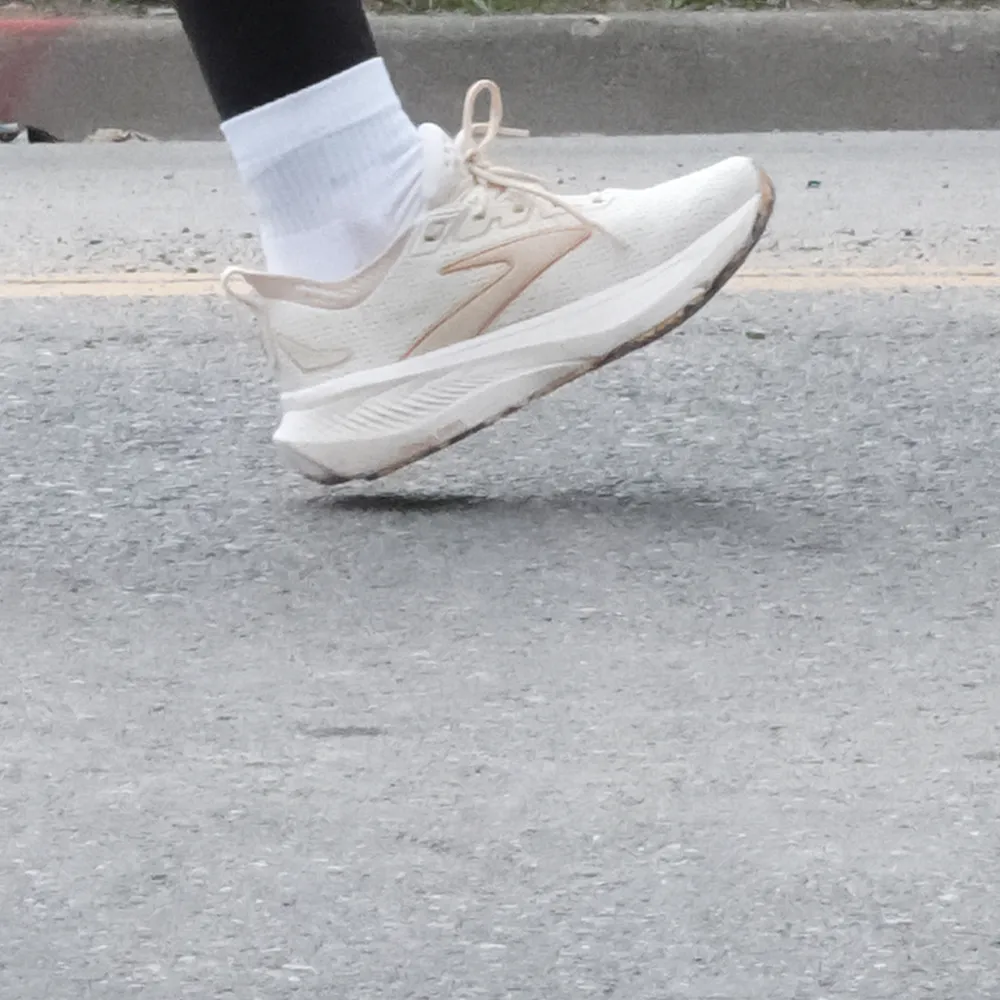

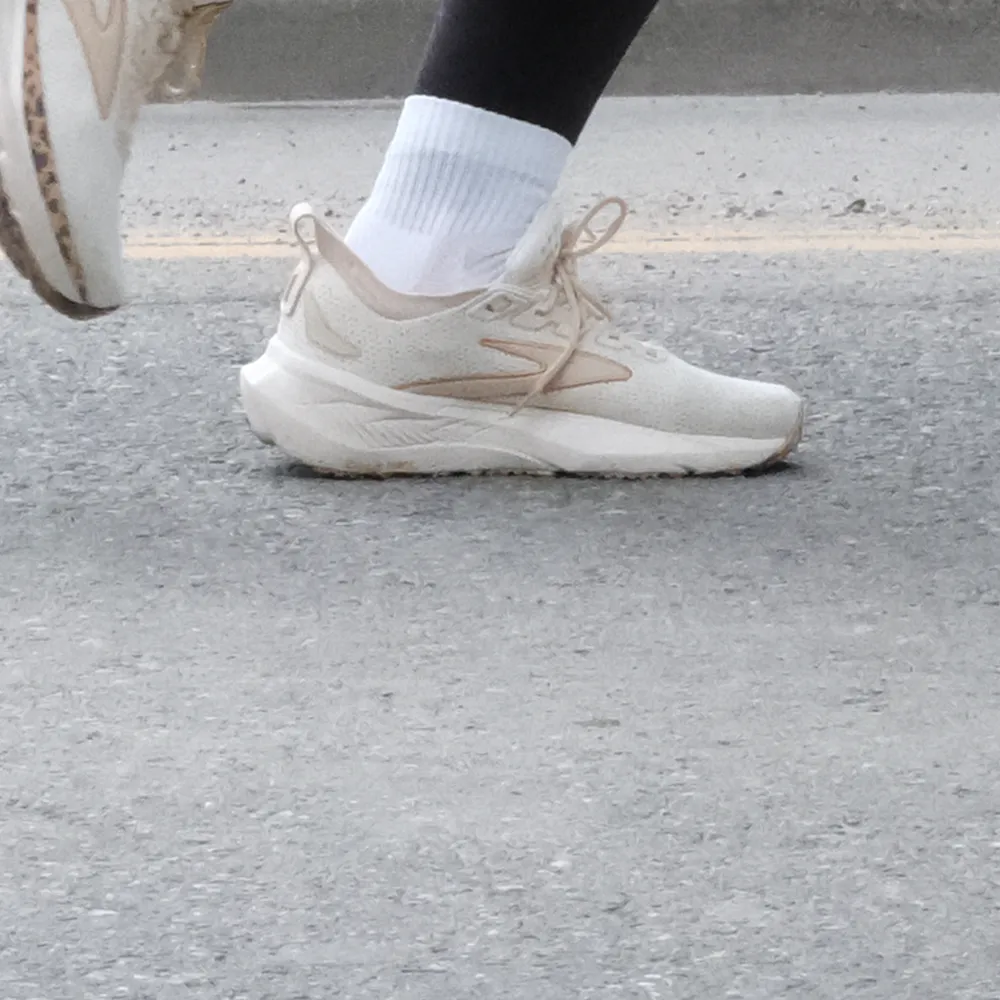
Mechanics at Work
- Articulated crash pad → prevents jarring landings
- Negative under-heel space → splays upon impact
- Softer DNA Tuned foam → enhances softness
- Laser-perforated sidewall → adds lateral bias
The midsole geometry supports neutral and overpronating heavy runners who weigh over 190 lbs (86 kg). The dense, nitrogen-infused foam doesn't bottom, nor does it create a negative heel drop situation. The wide midsole base and negative space keep the weight centered. Only oversupinating heavy runners may have to consider alternatives, or stick with the Glycerin 22. The new midsole has a noticeably softer lateral side (because of the laser perforations), thus lacking the necessary load-bearing structure that heavy loads require.
See The Brooks Glycerin 23 in action
(Click to pause/play)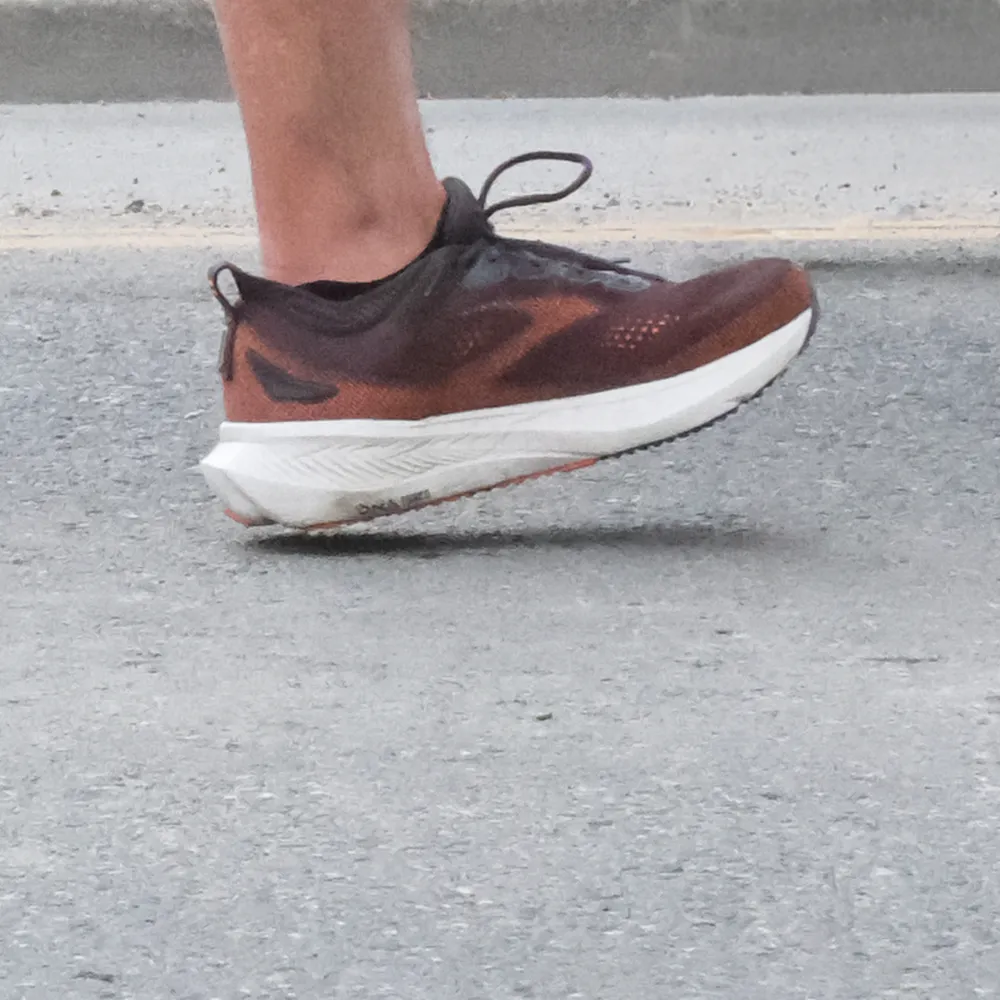
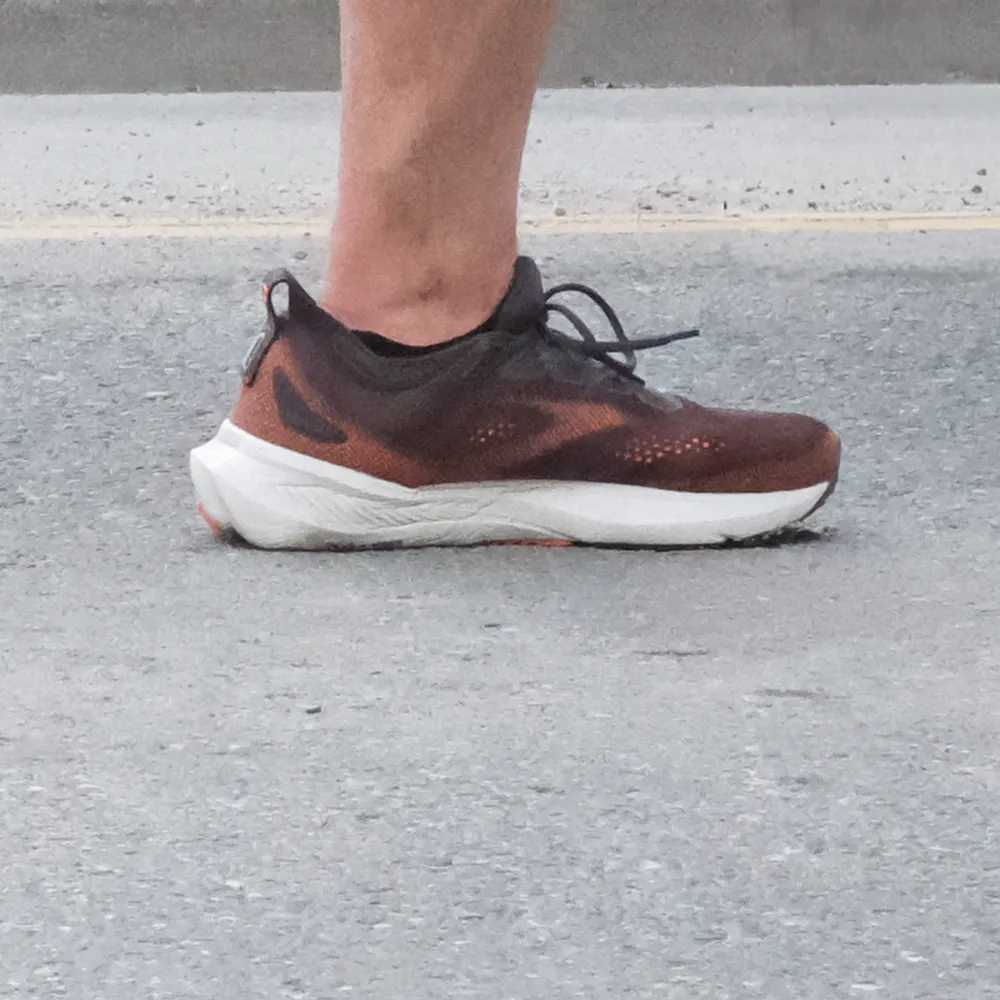
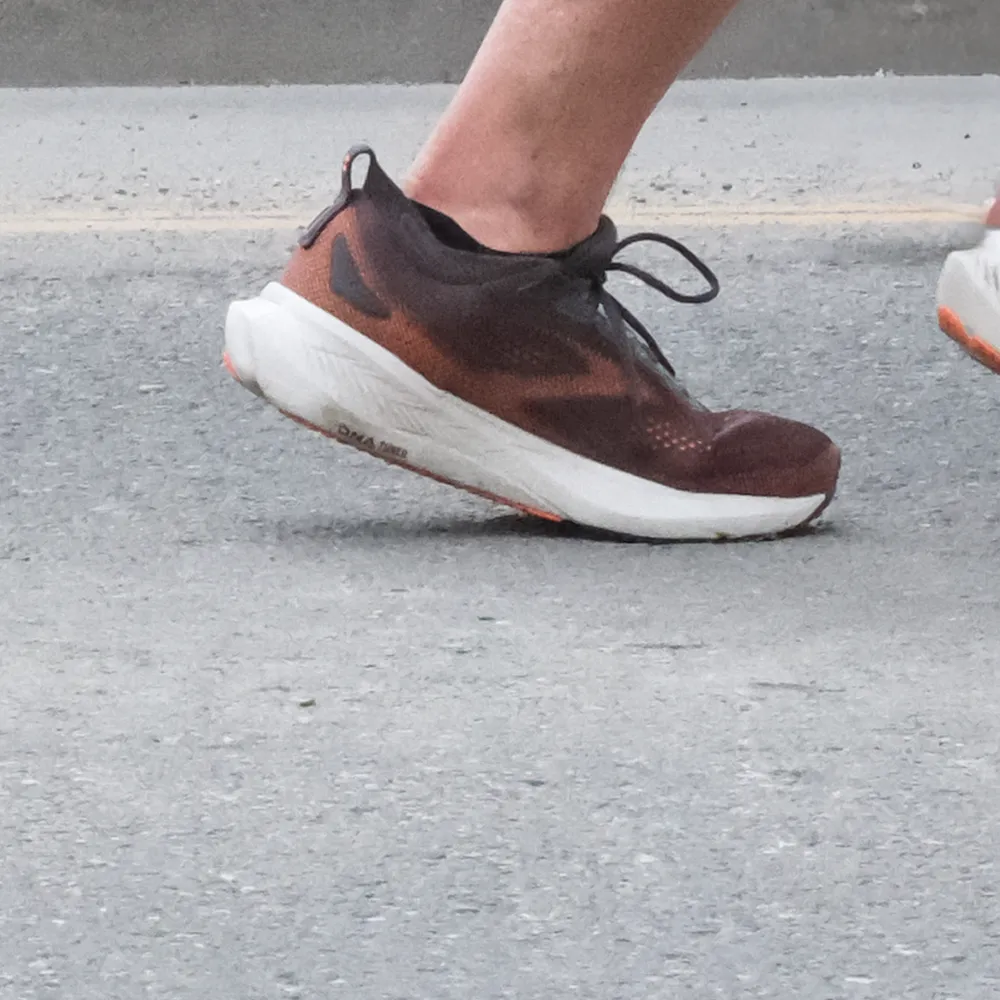
Mechanics at Work
- Nitrogen-infused DNA Tuned foam → doesn't bottom out
- Supportive inner midsole → suits neutral runners and overpronators
- Softer lateral side → lacks structure, but only for oversupinators
- Plush and snug upper → connects the foot with the midsole
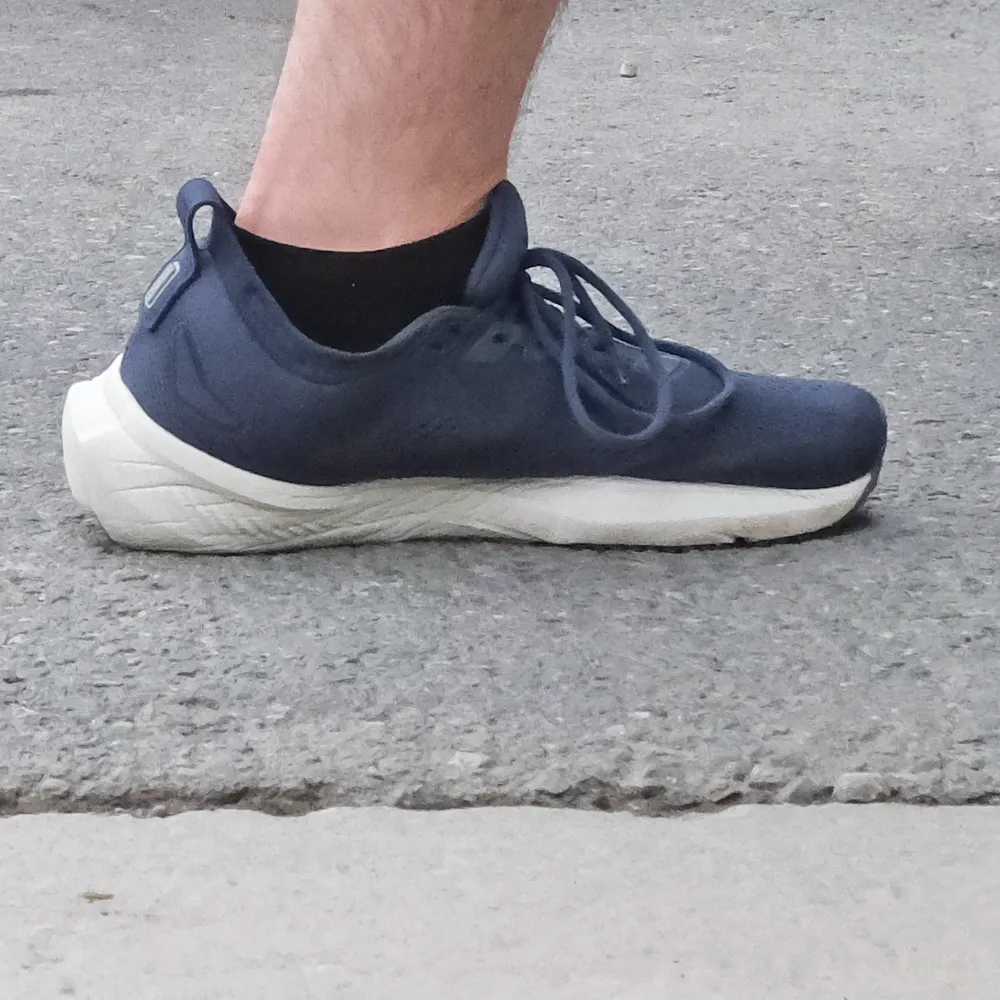
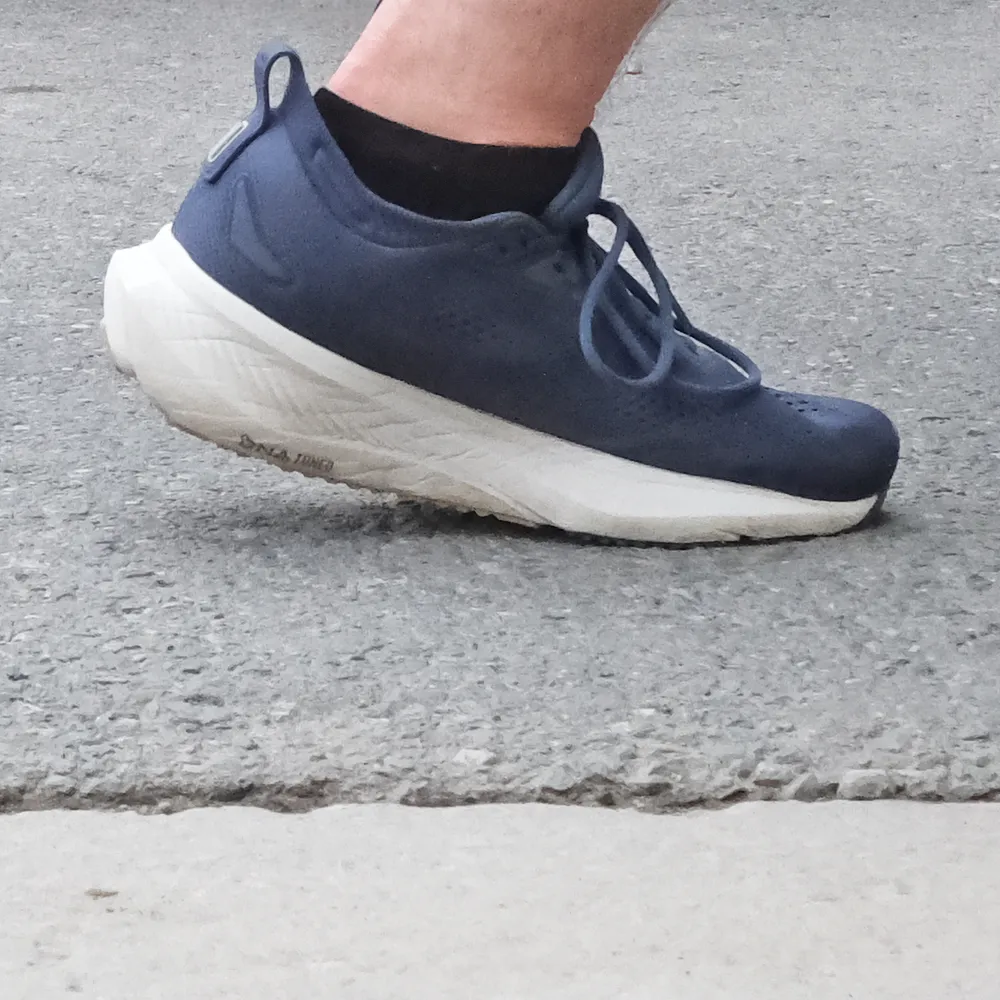
While the Glycerin 23 wasn't designed with pronation resistance in mind, the midsole is surprisingly usable for overpronators. The medial (inner) midsole is more resistant to compression than the outer side. The outer midsole has these laser-perforated openings as well as a recessed groove. In other words, the inward pronation roll is partially redirected towards the softer/outer midsole. The Glycerin 23 has higher overpronation resistance than the Glycerin 22.
See The Brooks Glycerin 23 in action
(Click to pause/play)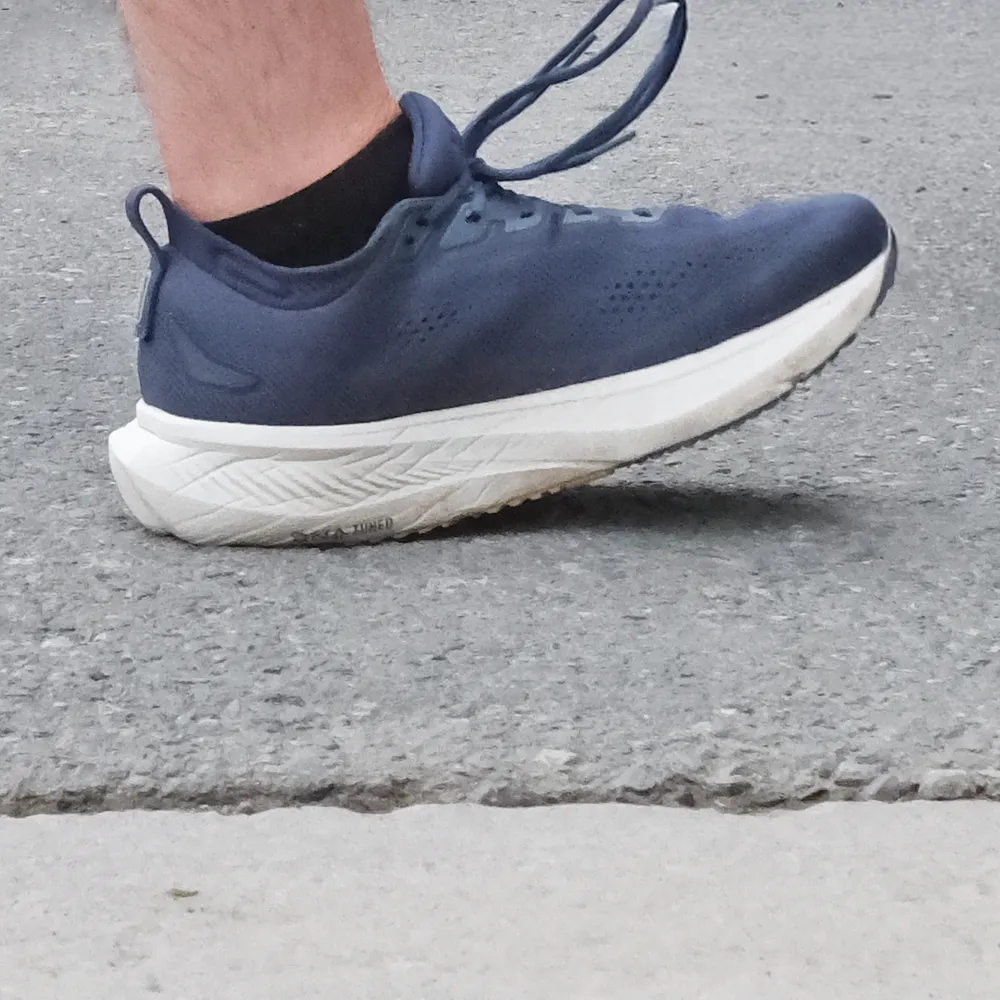
Mechanics at Work
- Softer outer sidewall → adds pronation-friendly bias
- Supportive inner midsole → minimizes inward roll
- Stiff heel counter → prevents foot movement
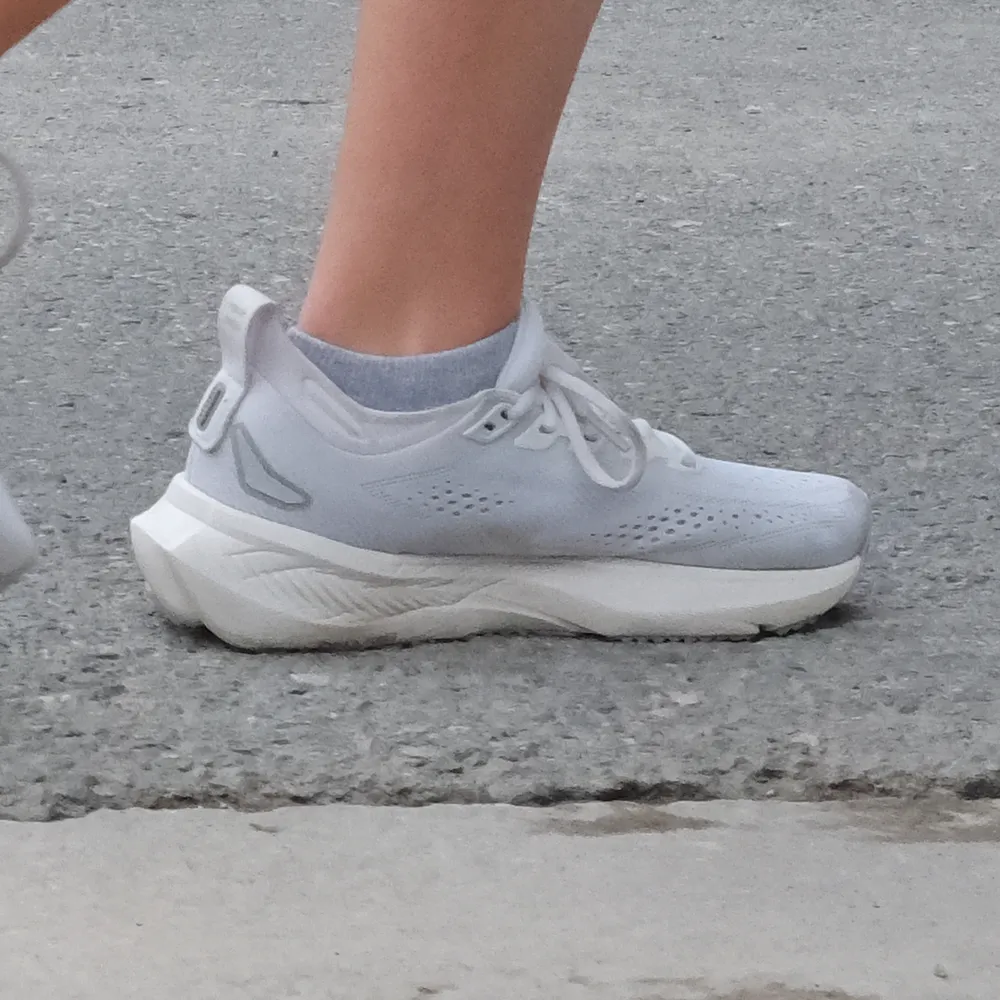
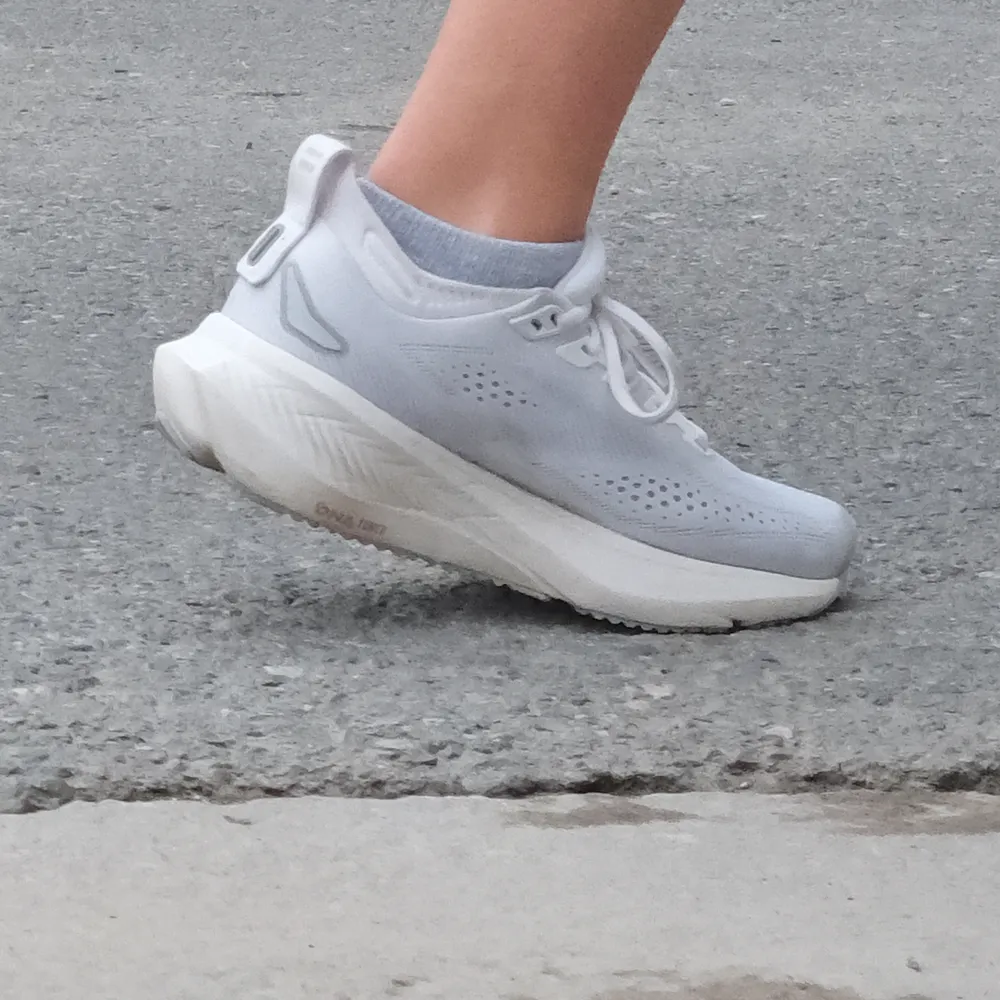
Most recreational runners will love what the Glycerin 23 has to offer. If you land heel first, you'll experience soft cushioning that transitions smoothly to the forefoot. Landing forefoot first activates the firmer section of the DNA Tuned midsole that stabilizes the foot and reduces transition workload. Regardless of how one lands, the midsole has ample cushioning for everyday runs, 10Ks, and marathons. The plush upper complements the cushioned ride perfectly.
See The Brooks Glycerin 23 in action
(Click to pause/play)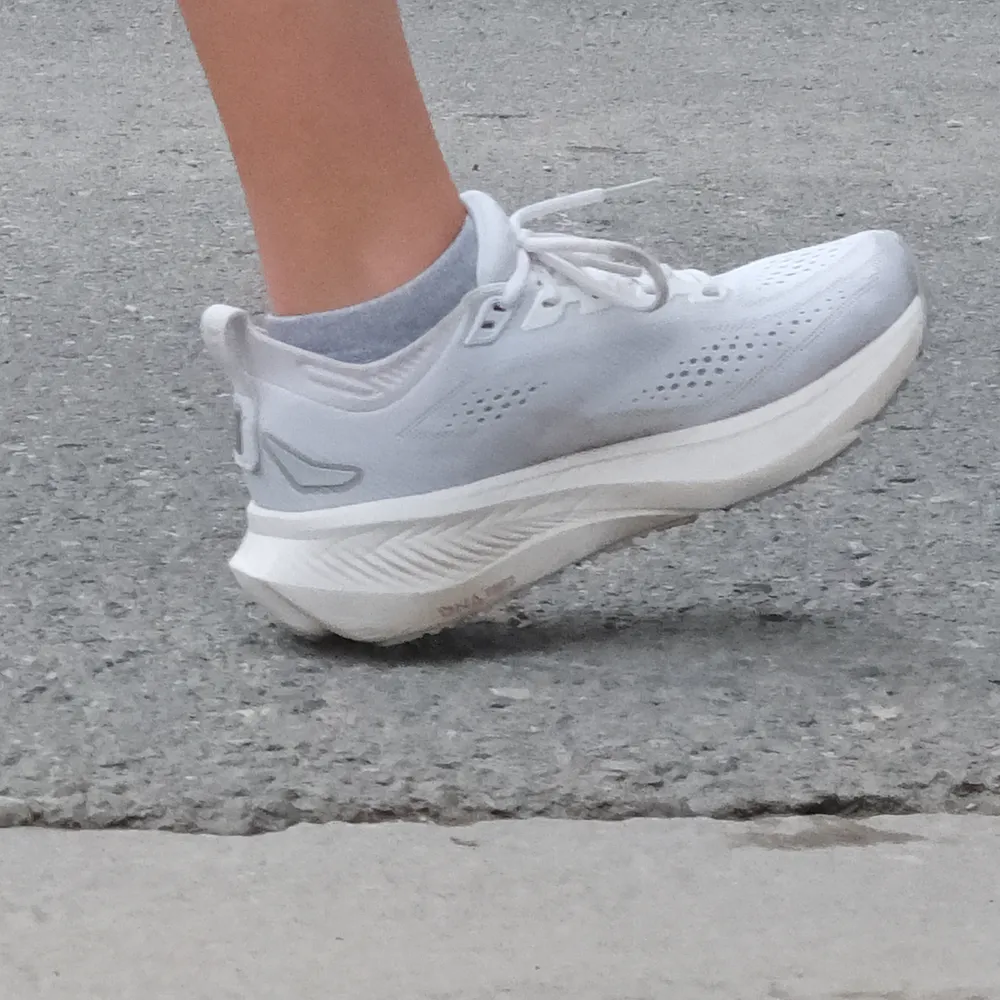
Mechanics at Work
- Softer rearfoot → cushions impact at slower speeds
- Firmer forefoot → for efficient landings and transitions
- 38 mm and 30 mm stack heights → makes all run types comfortable
- Ultra plush upper → offers a secure, true-to-size fit
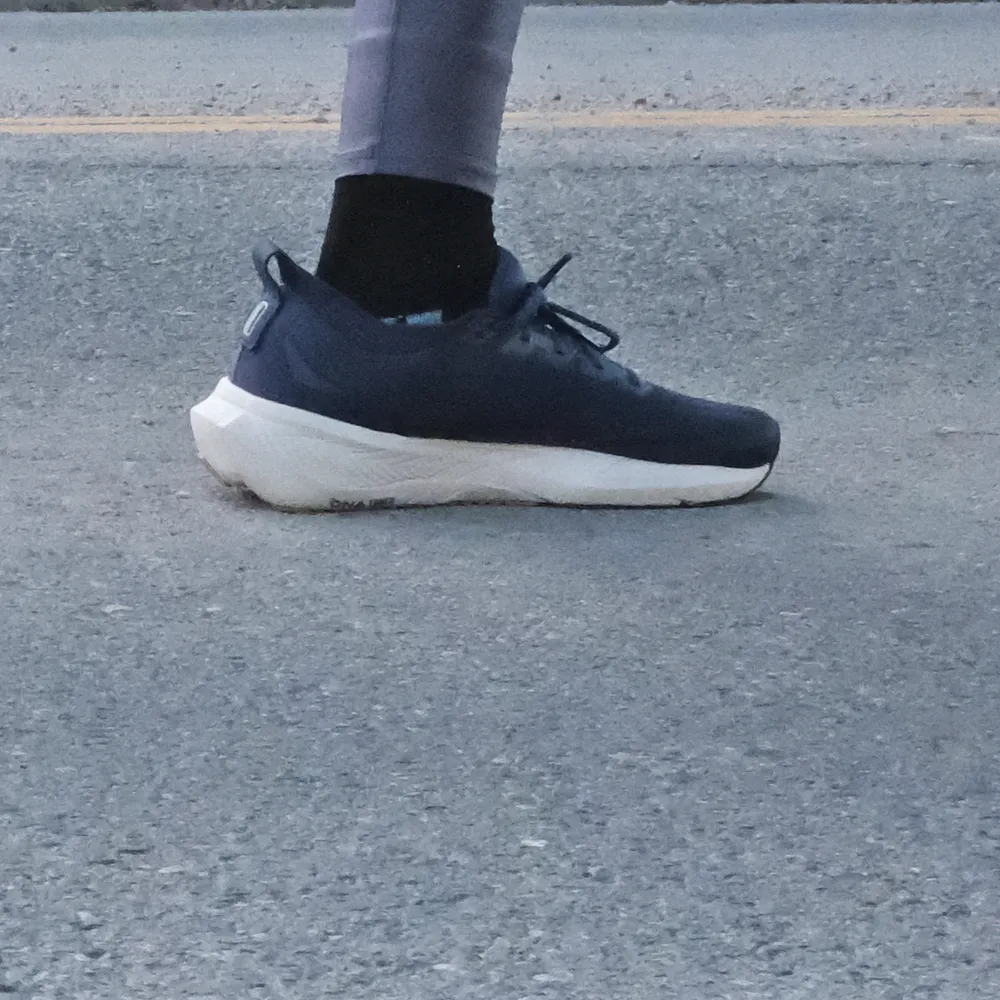
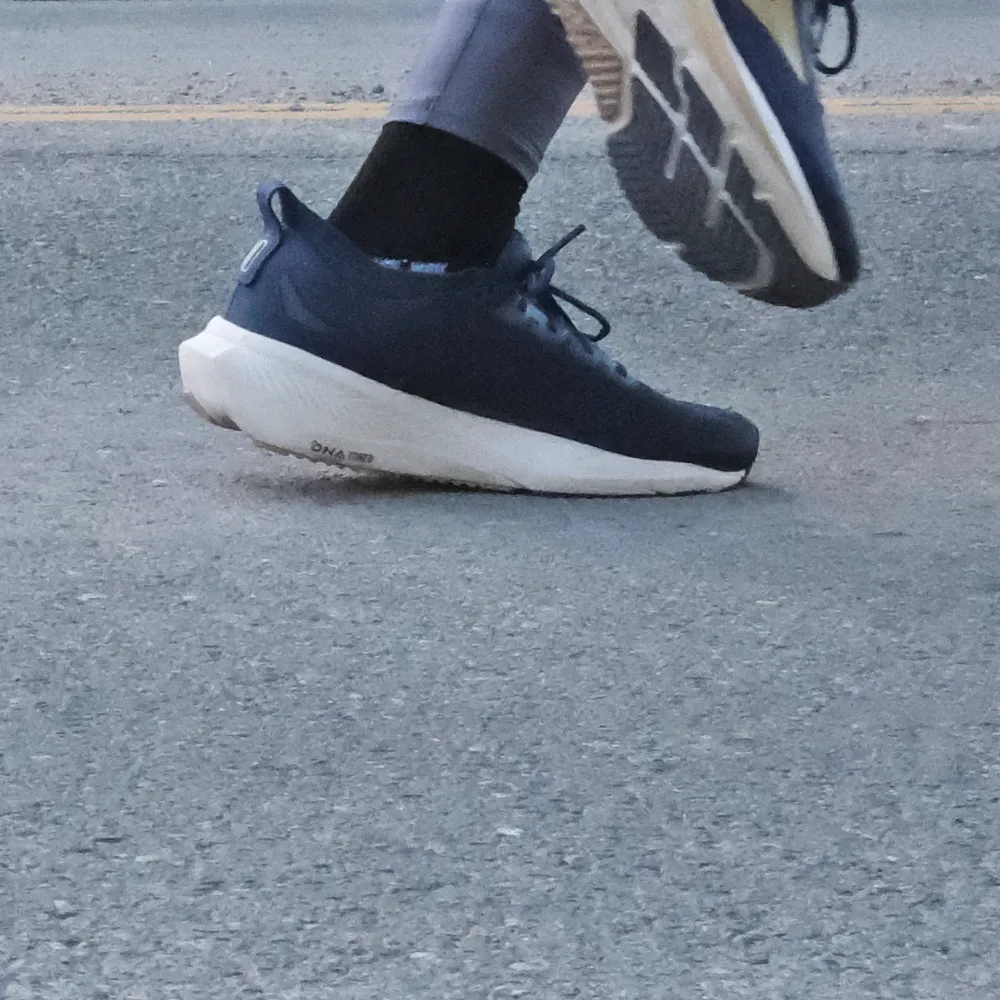
For mid-pack runners, the Glycerin 23 is a tale of two halves. The midsole rewards forefoot and midfoot strikers with higher efficiency, as the firmer DNA Tuned section reduces the workload for the foot. The Glycerin feels far less efficient during rearfoot strikes, as the taller and thicker heel is easier to compress. In pace terms, the sweet spot for rearfoot strikers is 5:00 min/km (8 min/mile) or slower. The firmer forefoot is comfortable up to speeds of 4:30 min/km (7:00 min/mile).
See The Brooks Glycerin 23 in action
(Click to pause/play)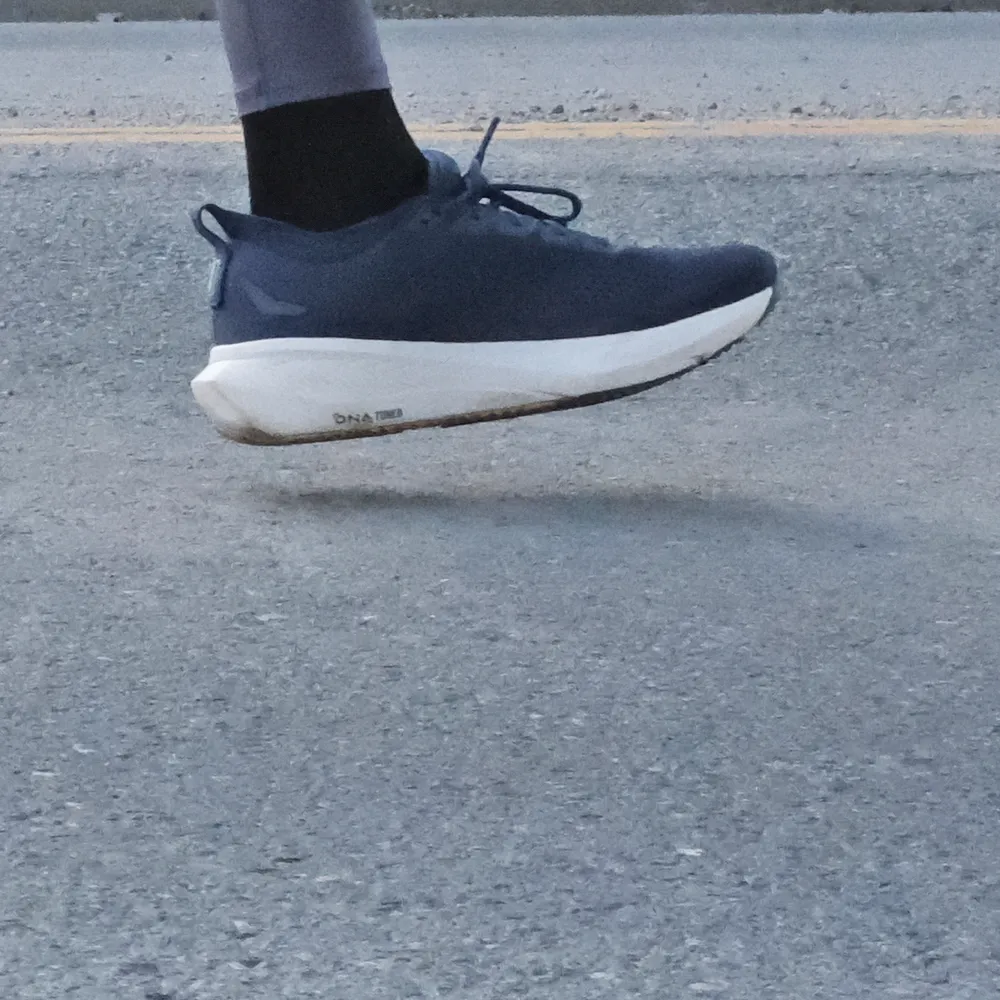
Mechanics at Work
- Firmer DNA-tuned forefoot → benefits forefoot strikers
- Softer rearfoot → is ideal up to 5:00 min/km (8 min/mile) speeds.
- Plush and secure upper → connects the foot with the midsole
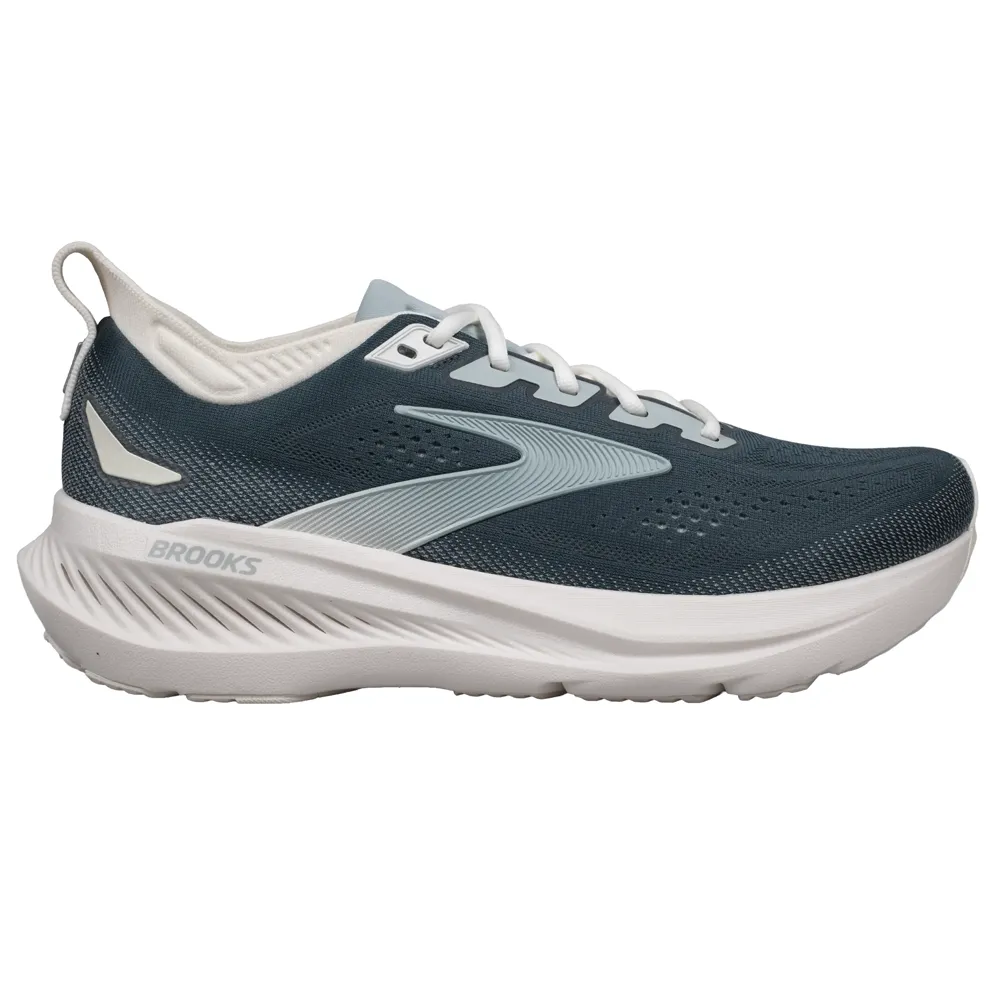
Our 'Mechanics at Work' section explains why certain features make the Glycerin 23 unsuitable for demanding elite-tier speeds. Elite and serious runners should consider alternatives like the Brooks Hyperion 3 and adidas EVO SL if non-plated shoes are preferable.
See The Brooks Glycerin 23 in action
Mechanics at Work
- Soft and tall rearfoot → saps ride efficiency
- Absence of rocker → weakens propulsion
- 300 gm (10.6 oz) weight → adds significant bulk
- Thick, padded upper → offers low thermal regulation
How we scored the Brooks Glycerin 23
Select your profile for the score
Our scoring is weighted by intended use and biomechanics. A daily trainer is judged by different standards than a racing shoe. The central Global Score reflects how well this shoe fulfills its intended purpose; if a shoe is weak in foundational areas like stability or traction, our algorithm applies automatic penalty points.
Recreational Score Breakdown
Summary
- Buy If: You want a comfortable trainer with a plush upper and a smooth ride for your everyday runs, 10Ks, and marathons. The Glycerin 23 works best at speeds slower than 4:30 min/km (7:00 min/mile) and supports heavier runners as well.
- Avoid If: You want a shoe that can go fast. The Glycerin 23 is also not ideal for oversupinators because of its lateral bias. Also, runners who prefer a ventilated upper may find the shoe too warm for their liking.
🔍 Deep Dive
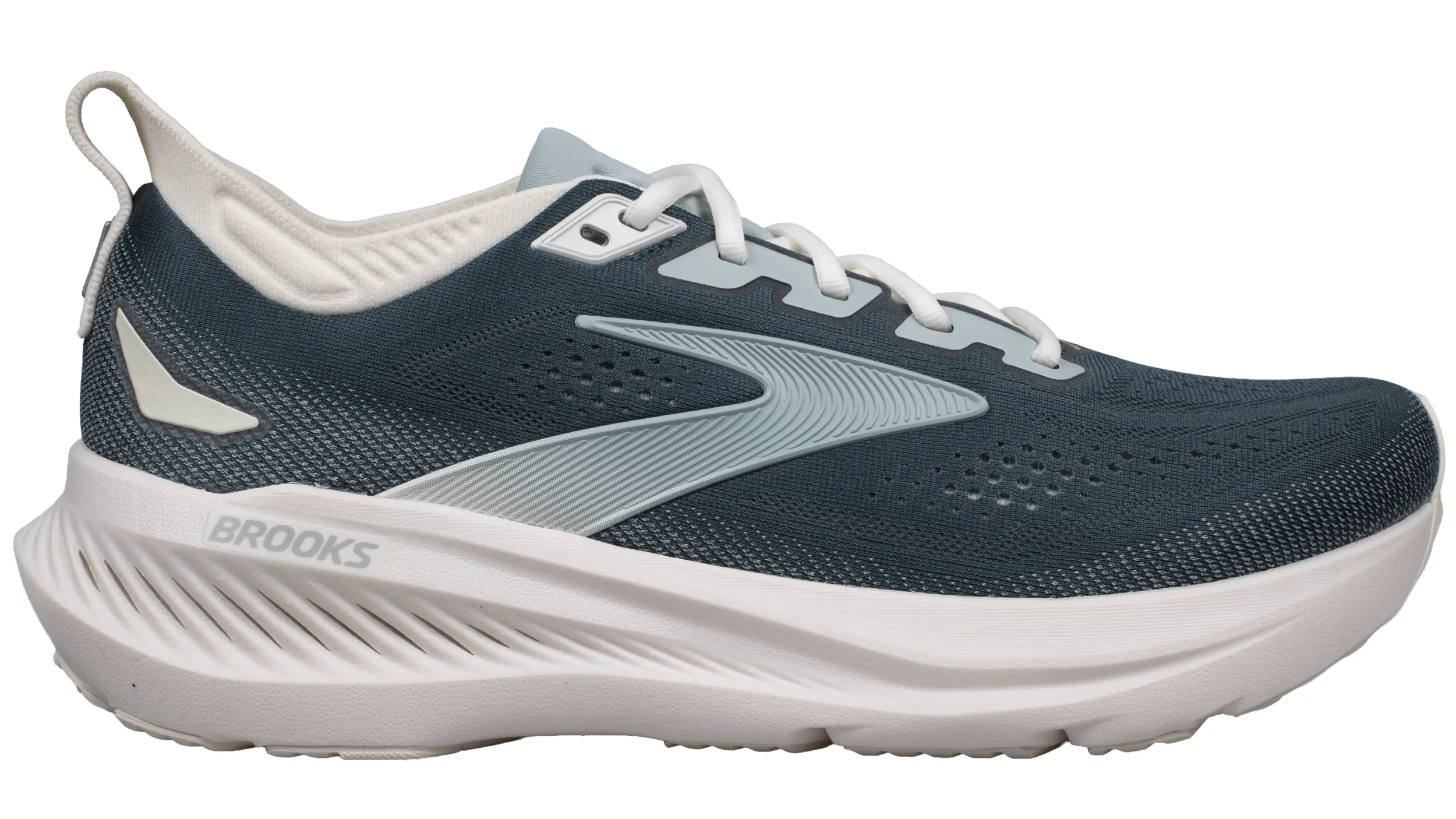
The Brooks Glycerin 23 promises plush landings, and it delivers. The dual-density DNA Tuned midsole first made its debut on last year’s Glycerin 22, and the newest version has a similar setup. On the outside is a softer, larger-celled foam casing. Inside, there’s a firmer nitrogen-infused foam that runs the length of the shoe. The firmer foam is at its thickest under the forefoot, making toe-offs less work than on older Glycerin variants (pre-version 22).
The rearfoot is the softest part of the midsole. The 38 mm stack combines the soft and firm DNA Tuned foam with a negative space and laser-perforated sidewalls. The laser perforations on the outer sidewall make that side easier to compress, giving the Glycerin 23 a bit of a lateral bias. That means runners who land on the outer side of their heel should stick with the Glycerin 22 or comparable trainers like the Asics Nimbus 28 and Nike Vomero 18.
Brooks cut no corners when designing the well-fitting upper. The materials used are plush with a soft hand feel; the upper combines functional bits like a heel pull loop, tongue-lock loops, and a padded collar with pleasing cosmetic details like molded trims. The Glycerin 23 fits true to size, and is available in three widths (select colors only). Now, why can’t the Glycerin Max 2 have an upper this nice?
Pros
- Plush and smooth ride
- Efficient forefoot transitions
- Outsole grip
- Upper fit and feel
- Multiple widths
Cons
- Layered upper runs warm
- Low lateral support
SHOE MAGNIFIER
Zoom In. Enhance.
Select a view, then use the slider to zoom.