Review Updates
(1 total)- 2026-06-04 — Review published
HOKA MACH 7 IS BEST FOR
BEST FOR
SWEET SPOT
SPEED COMPATIBILITY
BIOMECHANICS: THE HOKA MACH 7
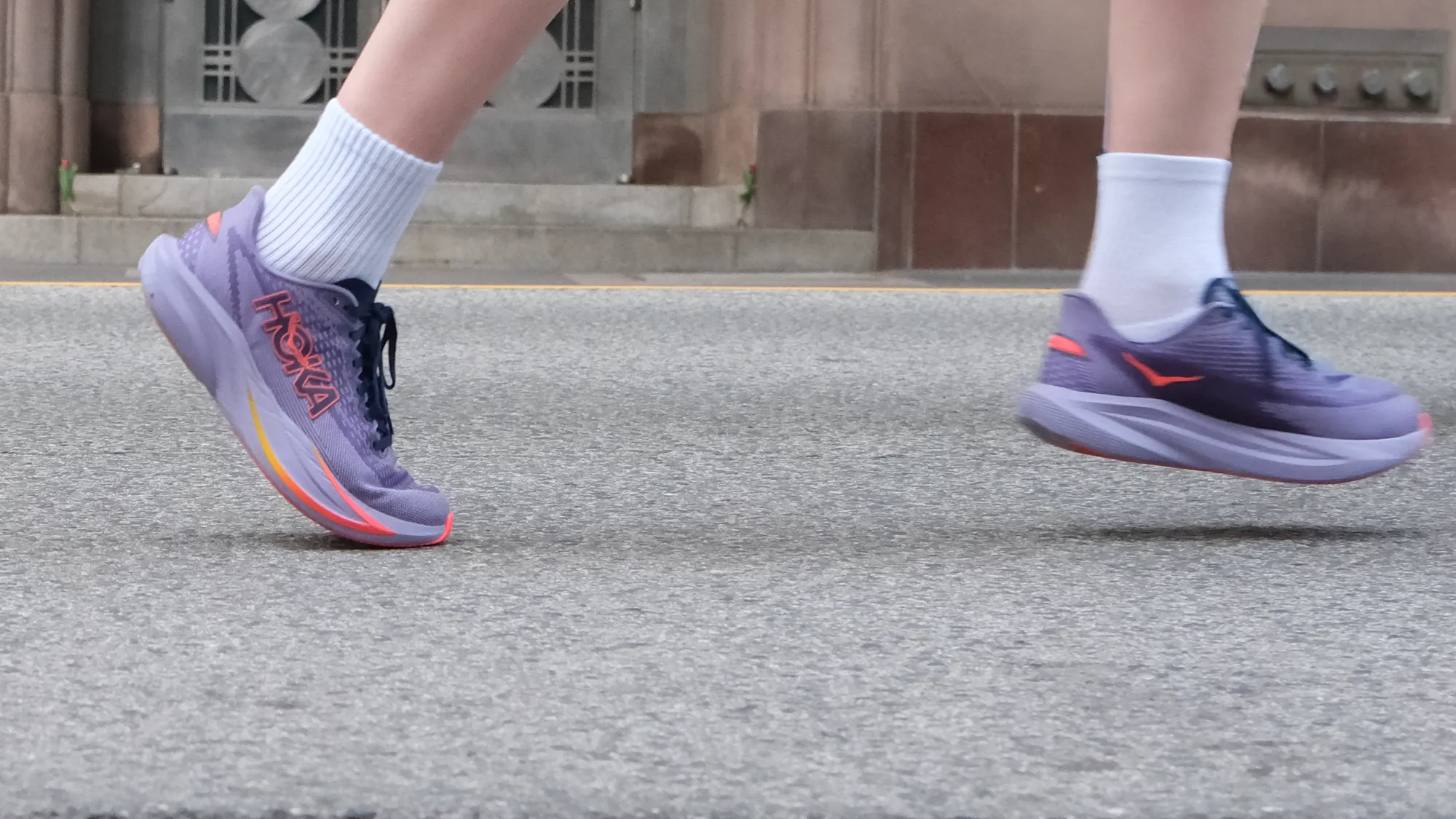
The Mach 7 is ideal for mid-pack runners who want a speed-friendly trainer that doesn't compromise on cushioning comfort. While the midsole lacks an internal plate or an eager rocker, the stiff forefoot and strong foot-to-midsole connection keep things peppy. Whether you're a rearfoot or forefoot striker, the firm midsole stabilizes and cushions landings.
See The Hoka Mach 7 in action
(Click to pause/play)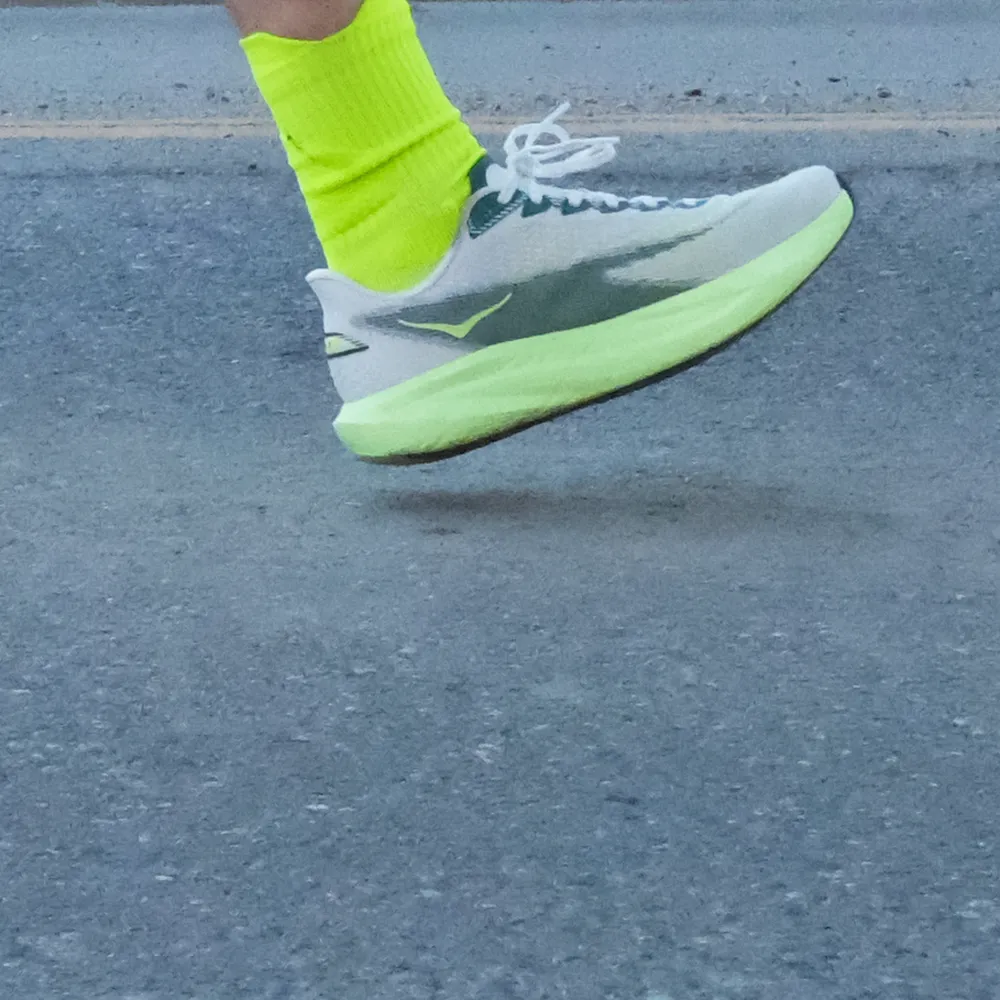
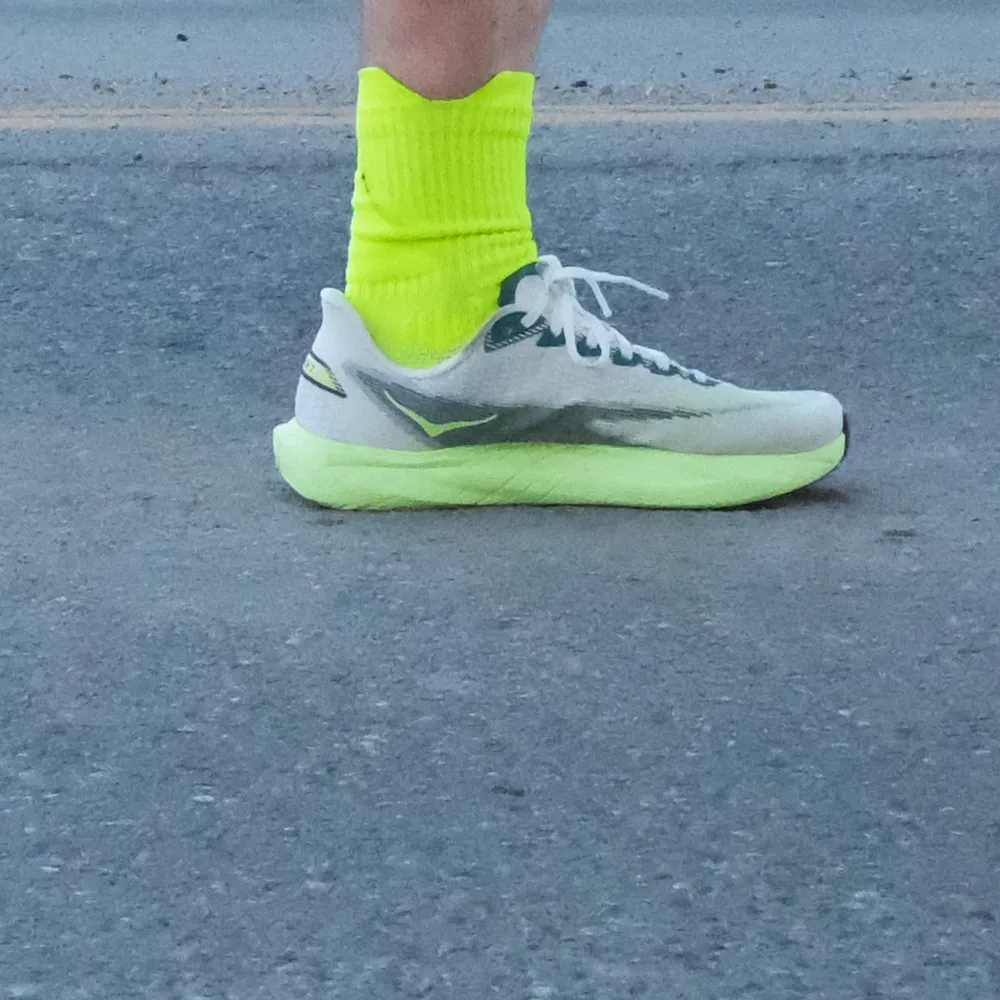
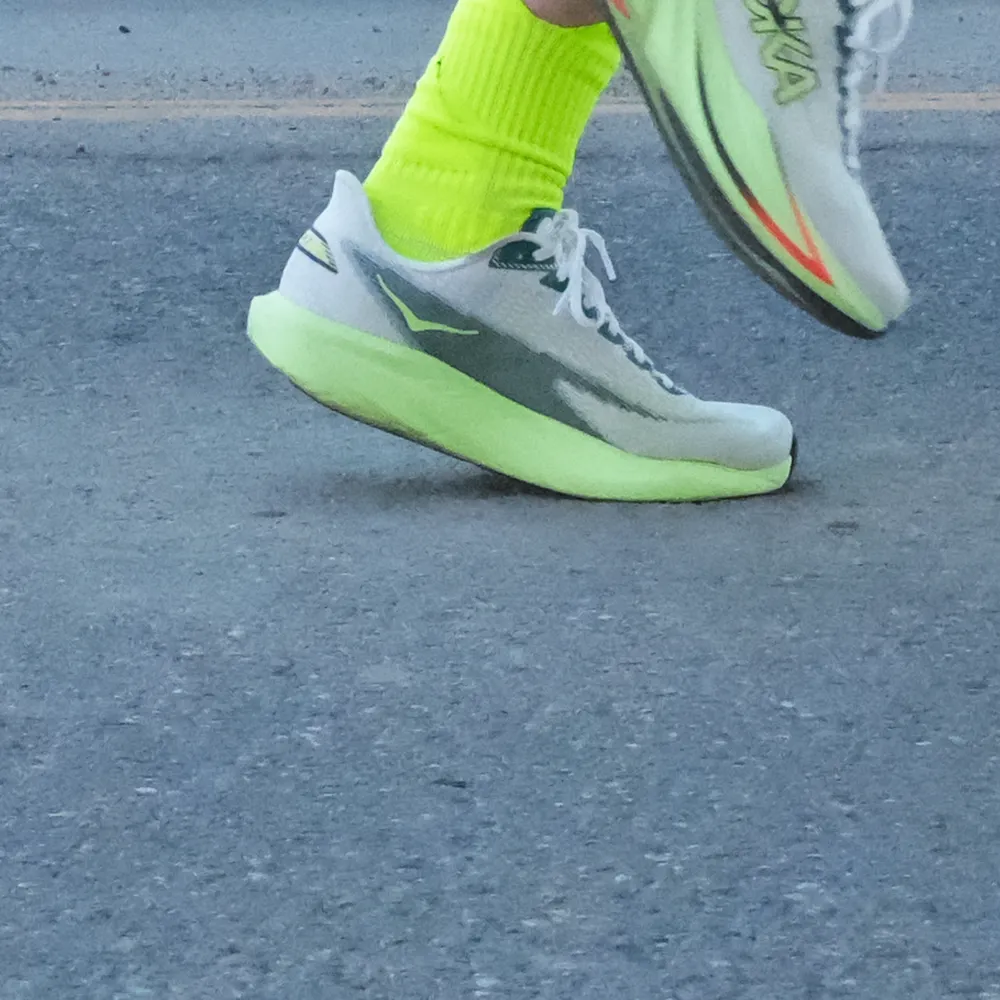
Mechanics at Work
- Stiff forefoot → makes toe-offs efficient
- Firm midsole → smoothens transitions
- Secure fit → prevents movement during take off
If you're an elite or sub-elite runner who prefers to race in a plate-free running shoe but find the Adidas Boston 13, EVO SL, and Brooks Hyperion 3 either too soft or too roomy, the Mach 7 could be just exactly what you need. While the Mach 7 isn't exactly what one would describe as a racing flat, it shares many of their qualities. The tight upper excels at driving power from the foot to the midsole. The sticky forefoot rubber delivers dependable grip during quick touch-and-go landings. The 30 mm forefoot stack resists cushioning sink and promotes proprioceptive feedback.
See The Hoka Mach 7 in action
(Click to pause/play)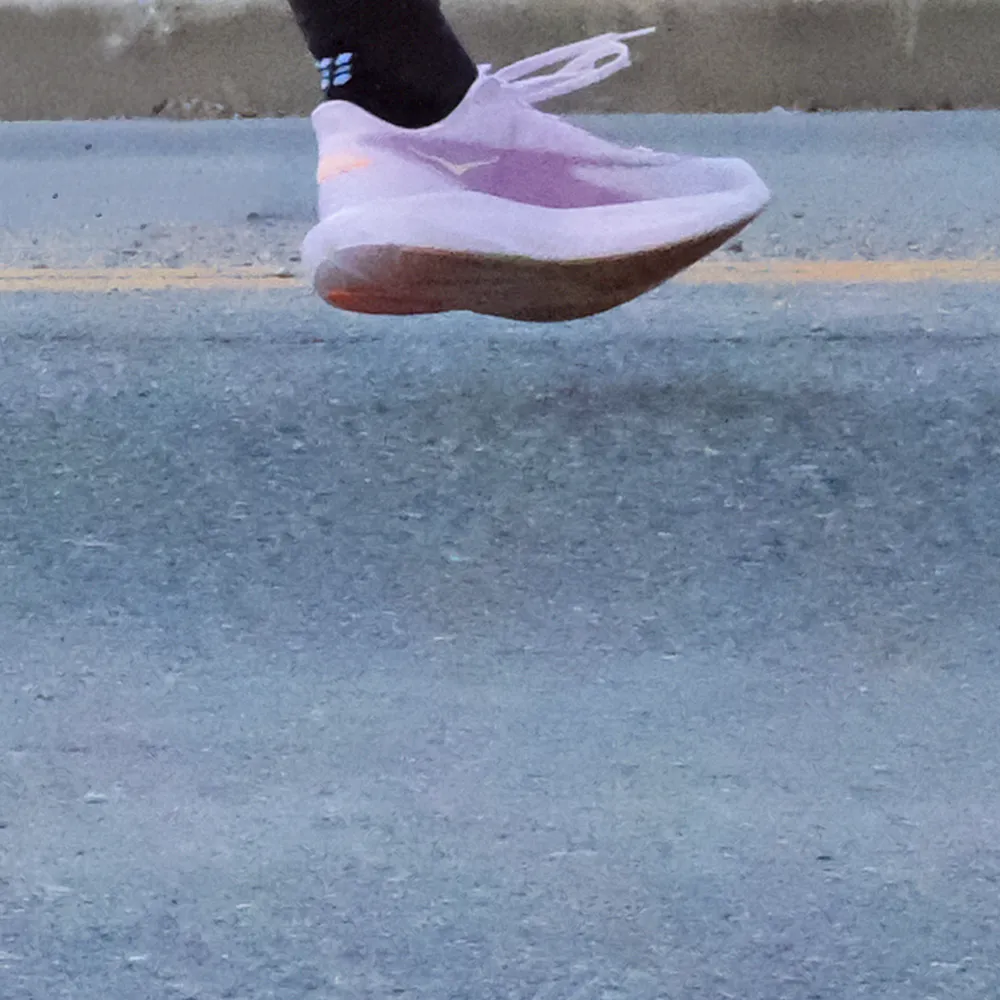
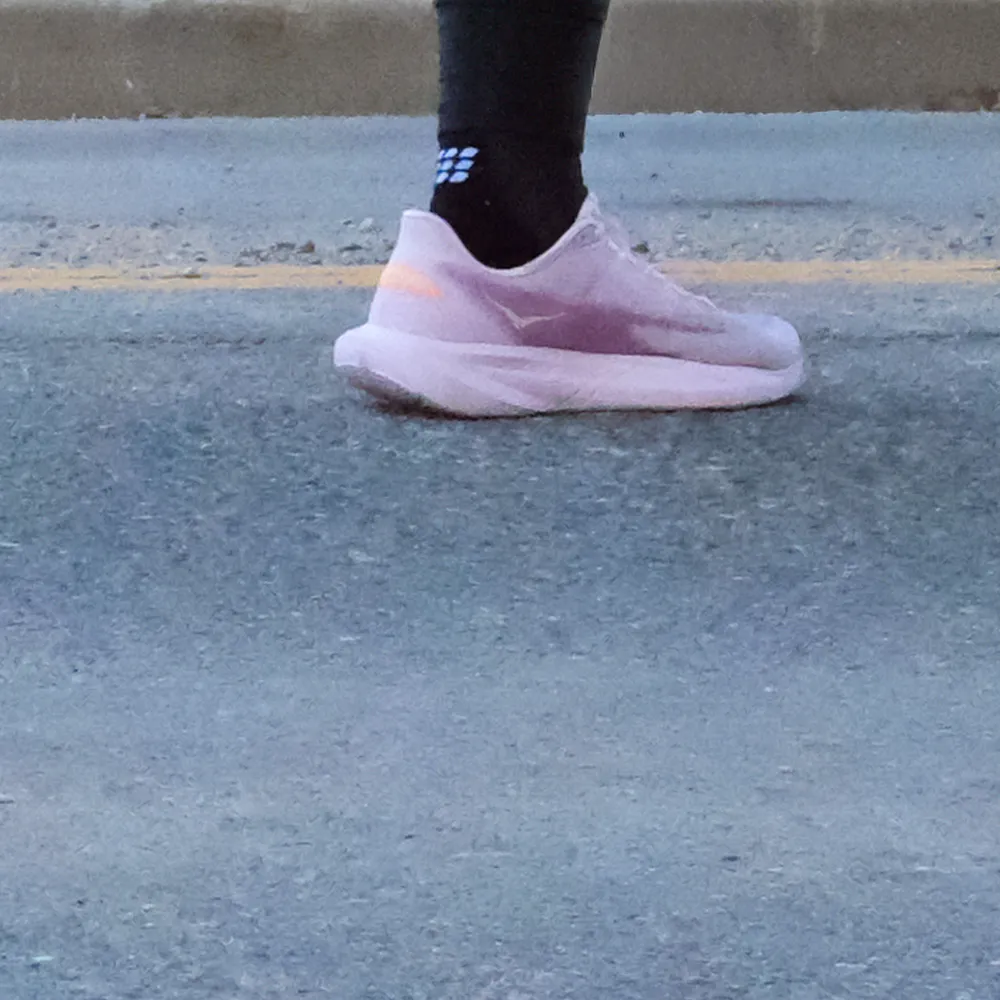
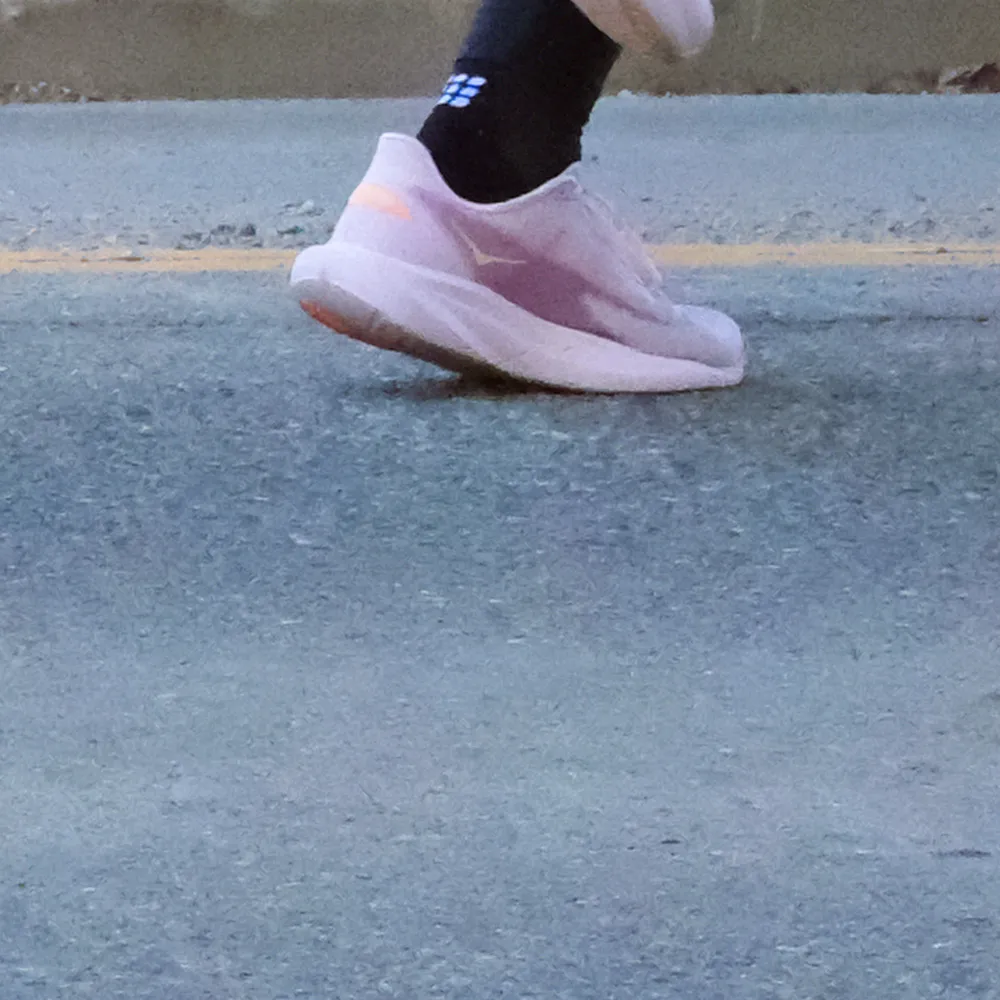
Mechanics at Work
- Sticky outsole → provides touch-and-go traction
- Low-the-ground midsole → promotes ground feel
- Tight, breathable upper → improves power delivery
In our preface, we remarked that the Mach 7 lets the foot do most of the work. However, the reverse is also true - the firm and stable ride doesn't place unnecessary demands on the body. For instance, unlike with softer, max-stack shoes, the firm midsole cushions the initial impact and then gets out of the way. The foot doesn't need to compensate for a lack of stability or excessive softness because the Mach 7 suffers from neither. The entire gait cycle is supported by the resilient midsole and the breathable upper that secures the foot.
See The Hoka Mach 7 in action
(Click to pause/play)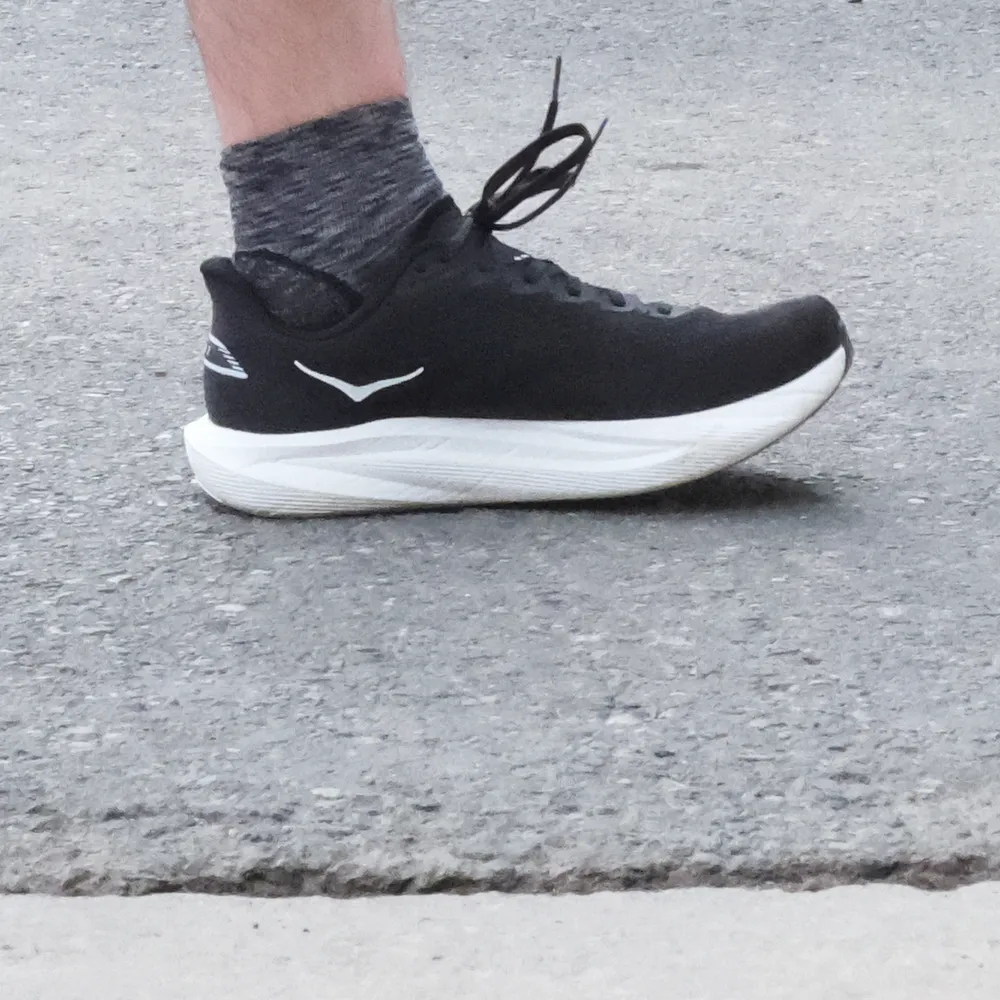
Mechanics at Work
- SC EVA midsole → offers stable cushioning
- Full-length medial outsole → delivers heel and forefoot grip
- Tight upper → offers breathable fit security
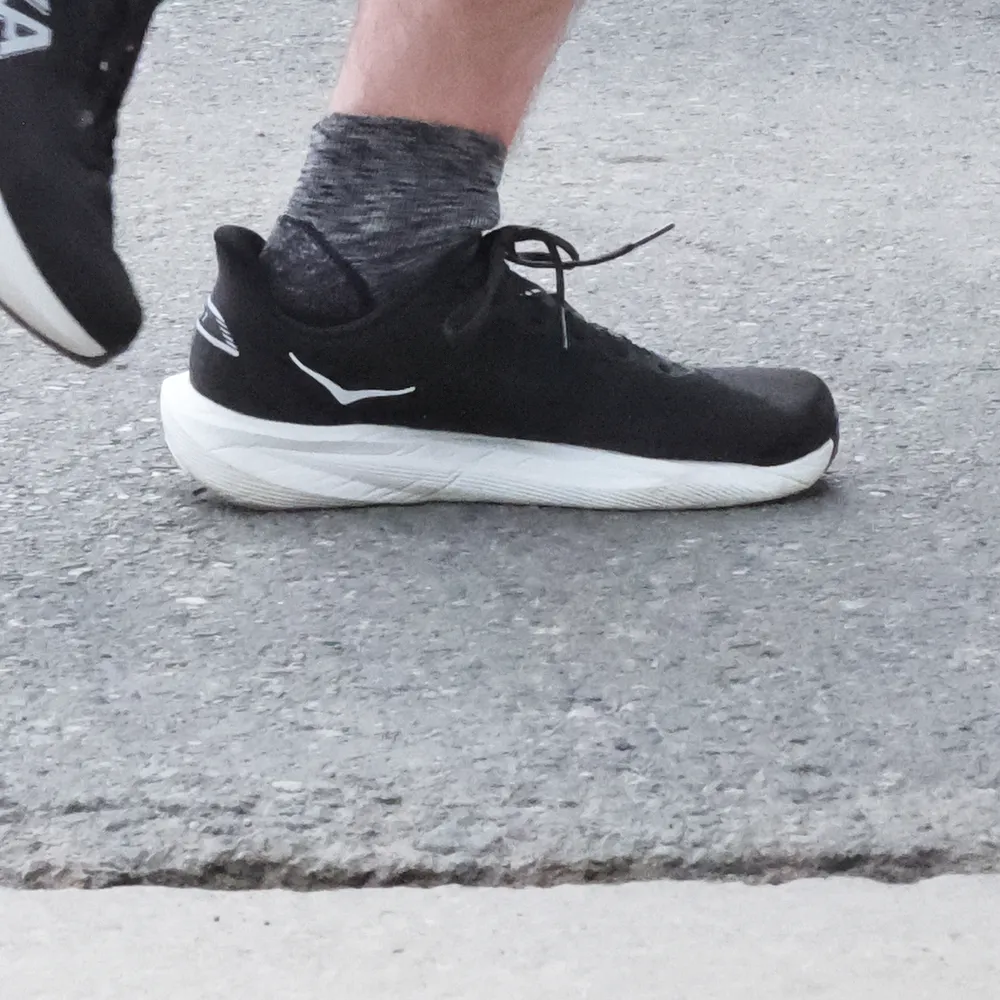
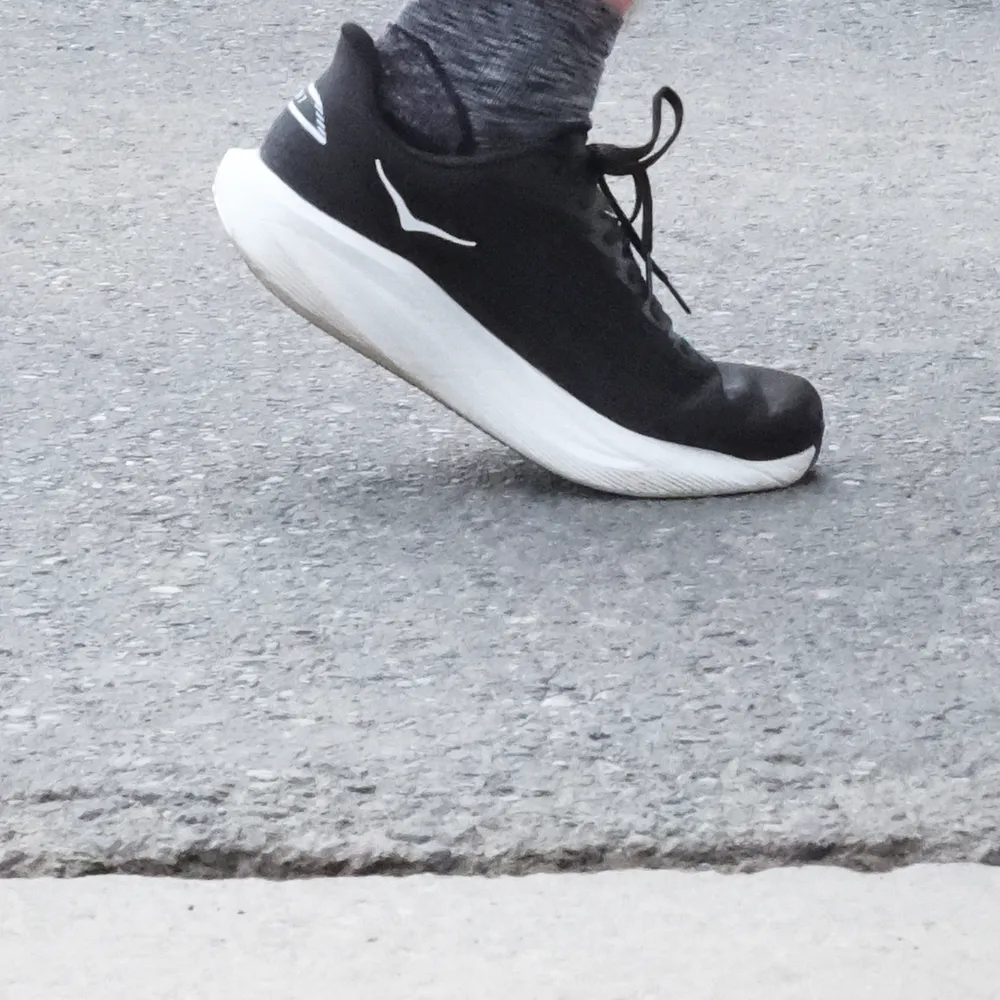
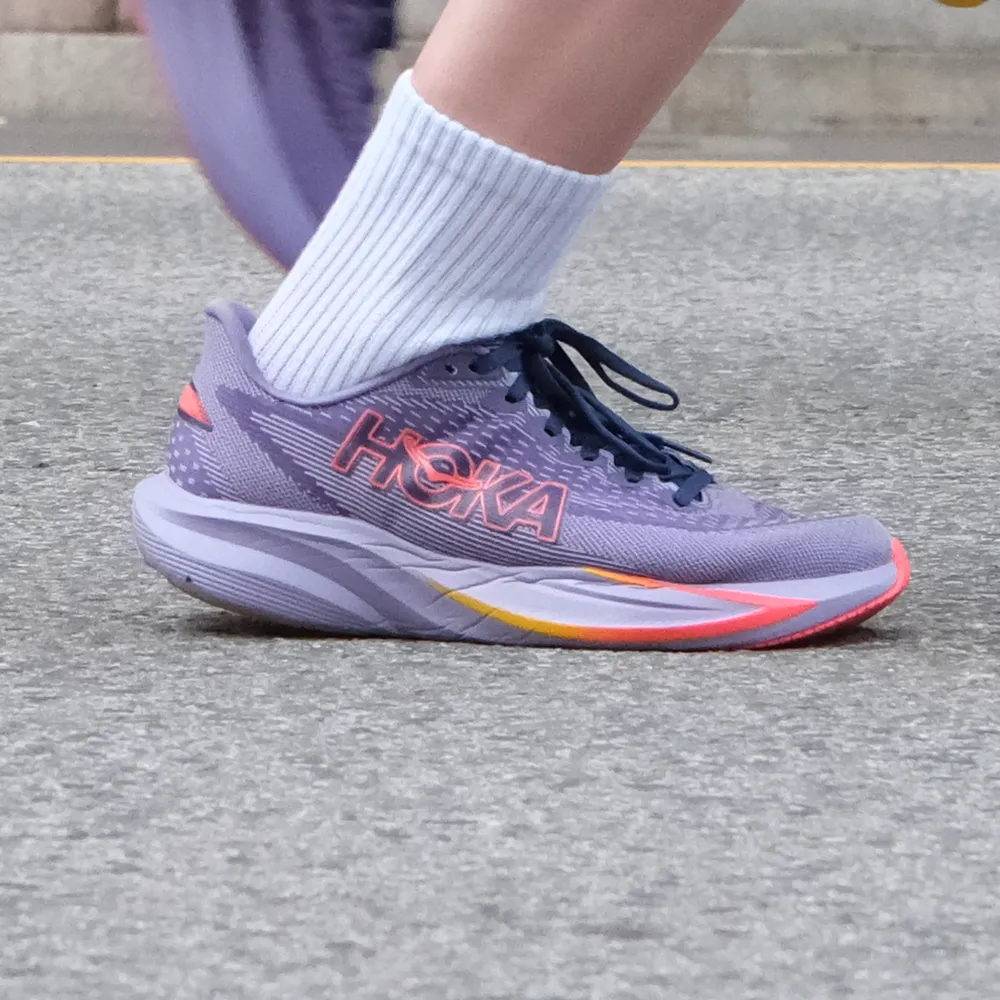
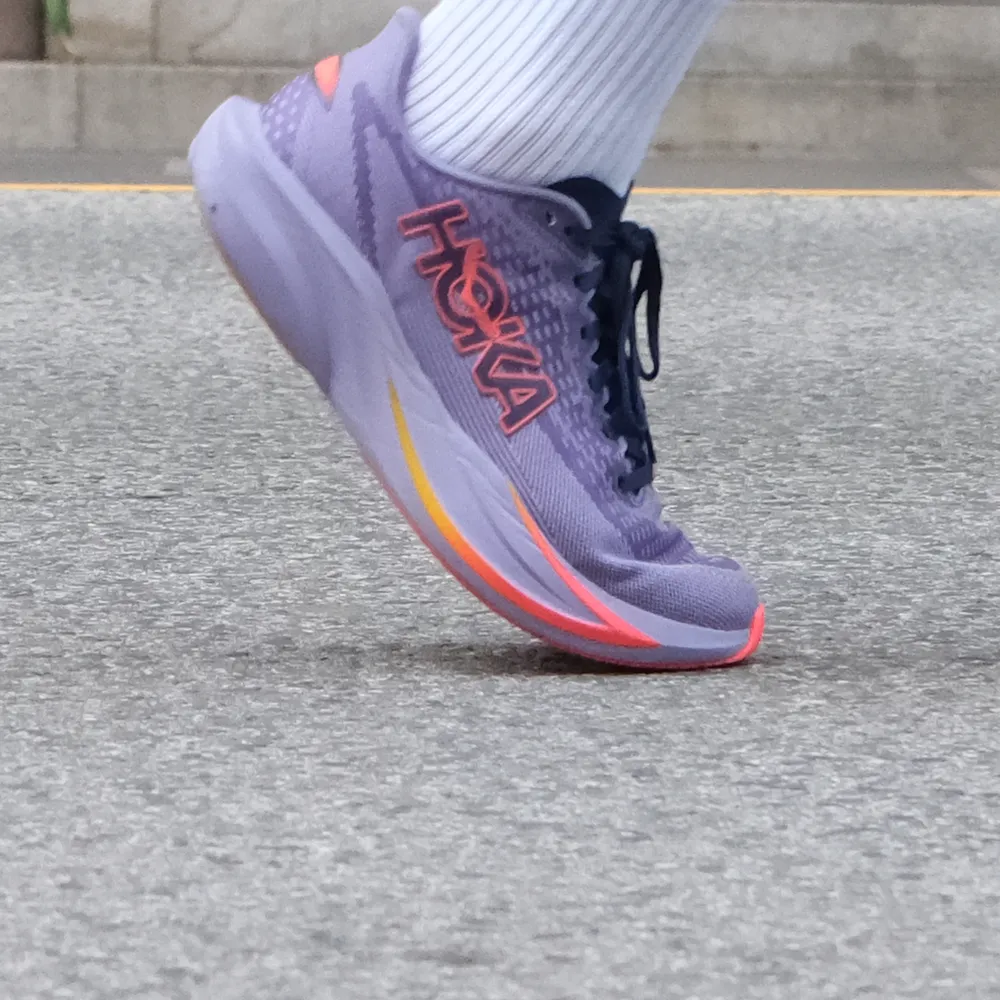
The Mach 7's firm midsole works rather well for heel strikers. For starters, it doesn't impose the micro-adjustments and compensations that the foot is forced when landing on a much softer midsole. The heel also doesn't have a negative space underneath; most of the midsole thickness is compression-resistant supercritical EVA foam. As you can see in our biomechanical frames below, the midsole doesn't collapse on its side. It offers controlled vertical compression at heel strike while preventing negative heel-drop conditions.
See The Hoka Mach 7 in action
(Click to pause/play)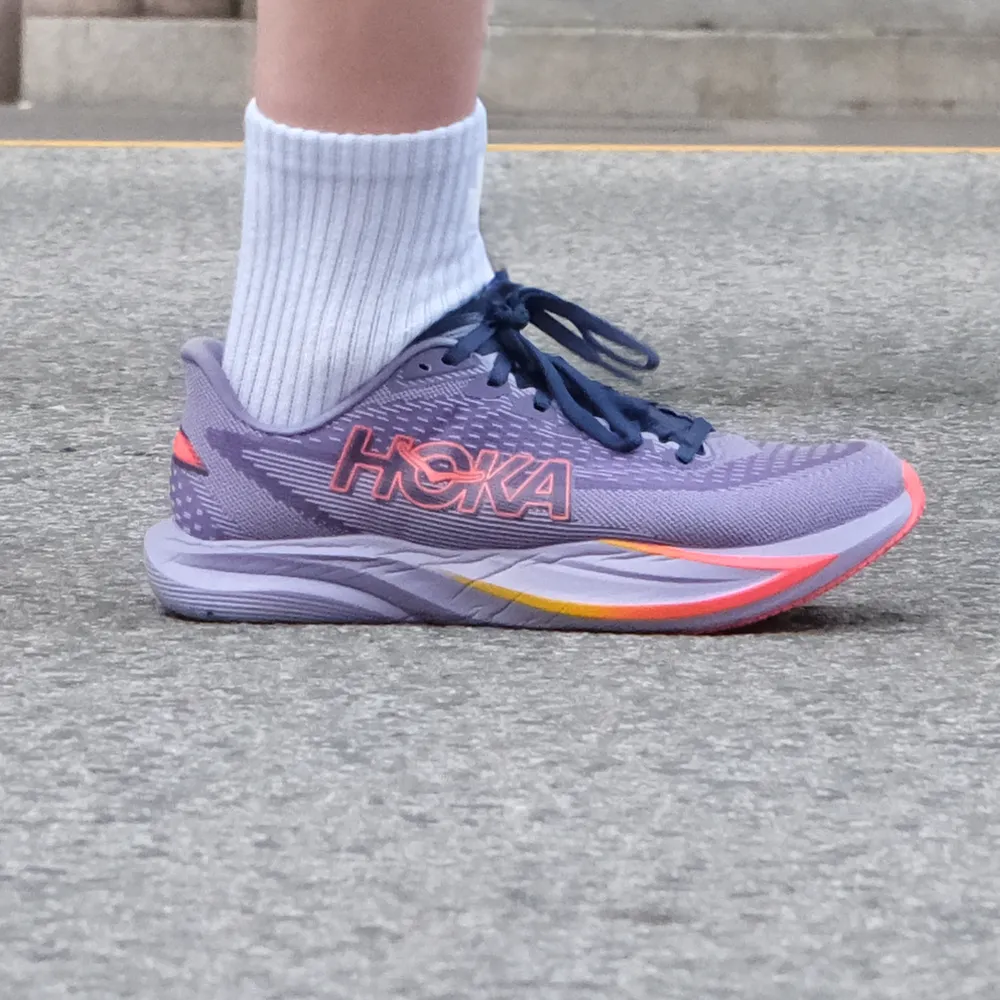
Mechanics at Work
- Lack of under-heel cavity → makes midsole stable
- Firm, supercritical EVA foam → resists negative heel drop
- 35 mm heel stack → cushions heel landings
The combination of the midsole architecture and foam properties creates a supportive platform for runners who weigh over 190 lbs (86 kg). The supercritical EVA foam offers higher deformation resistance than softer superfoams (like PEBA, for example). The rearfoot and midfoot sections lack the deep grooves or negative space that can collapse under heavy loads. The Mach 7 supports heavy loads through the full gait cycle, regardless of the footstrike and gait orientation.
See The Hoka Mach 7 in action
(Click to pause/play)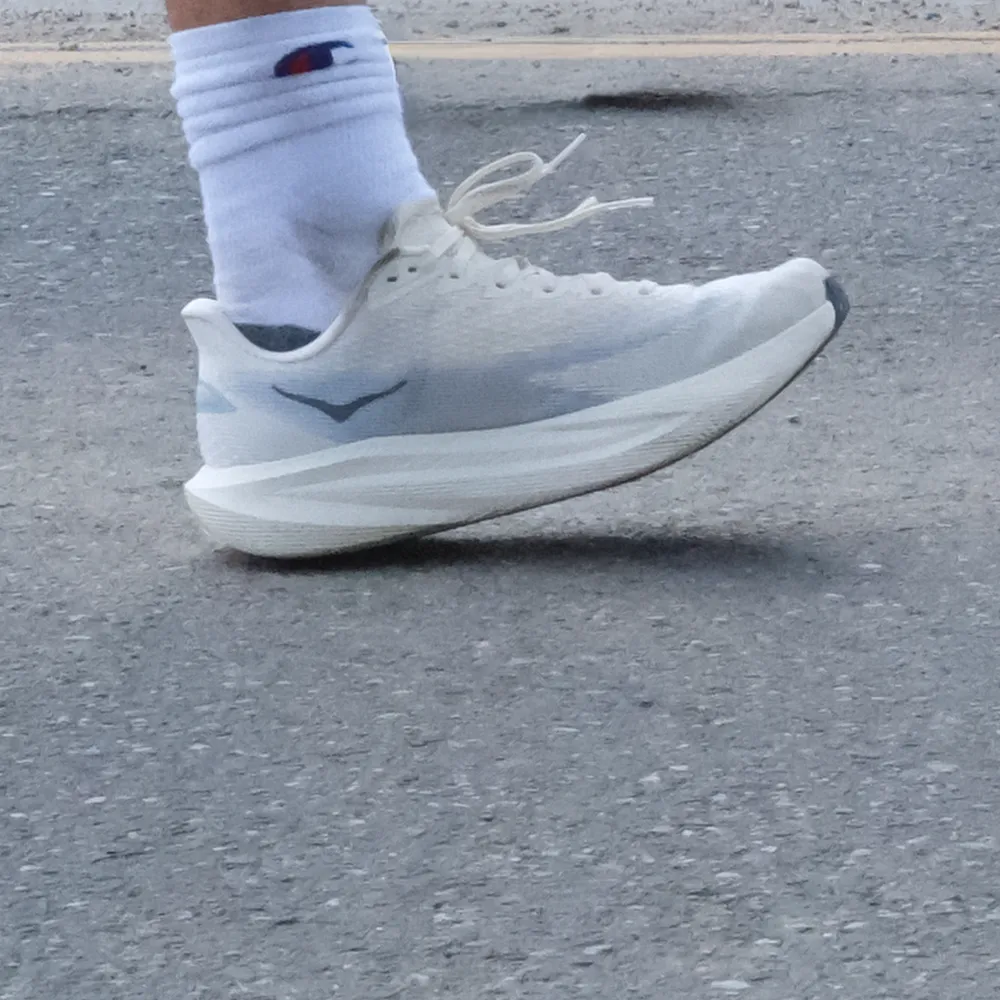
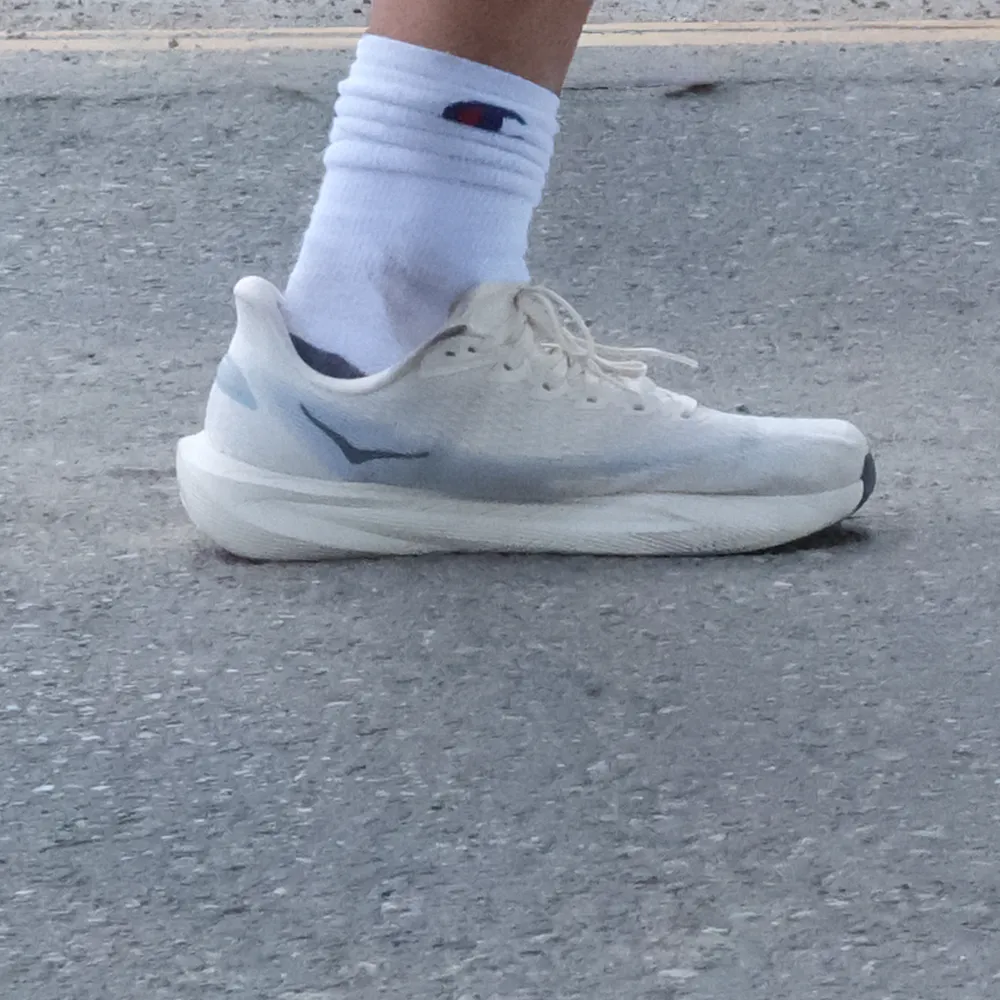
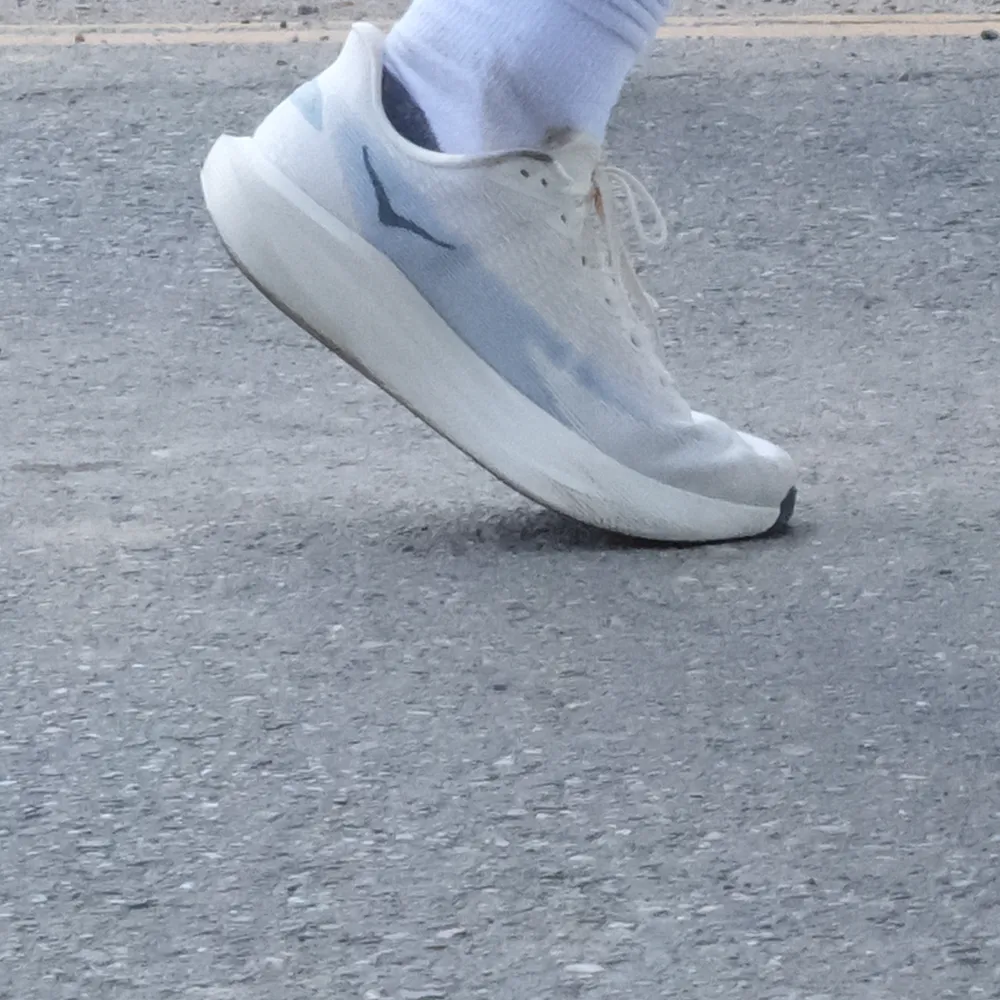
Mechanics at Work
- Firm and dense SC EVA → is compression-resistant.
- No under-heel negative space → increases stability
- Ultra-secure fit → prevents internal foot movement
Unlike softer midsoles that tend to cave inward during overpronation, the Mach 7 holds up extremely well. Three design features make this shoe overpronation-safe. First, the SC EVA foam is inherently resistant to compression. Second, there's no midsole gap on the inner midfoot, like how the Brooks Hyperion Max 3 and adidas Adios Pro have. The midsole and outsole offer a continuous contact path to support the gait cycle. Third, the upper ripples (observed in the mid-stance biomechanical frame) indicate how well the upper wraps and supports the arch.
See The Hoka Mach 7 in action
(Click to pause/play)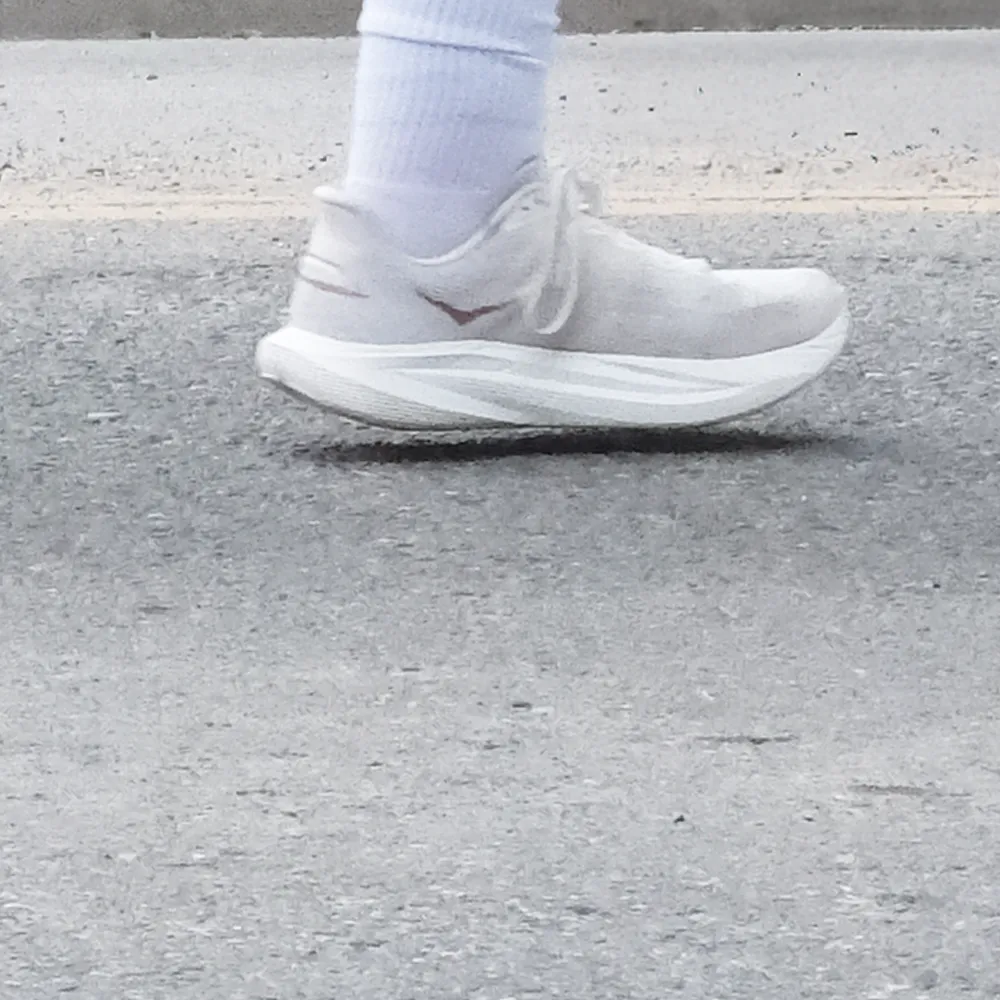
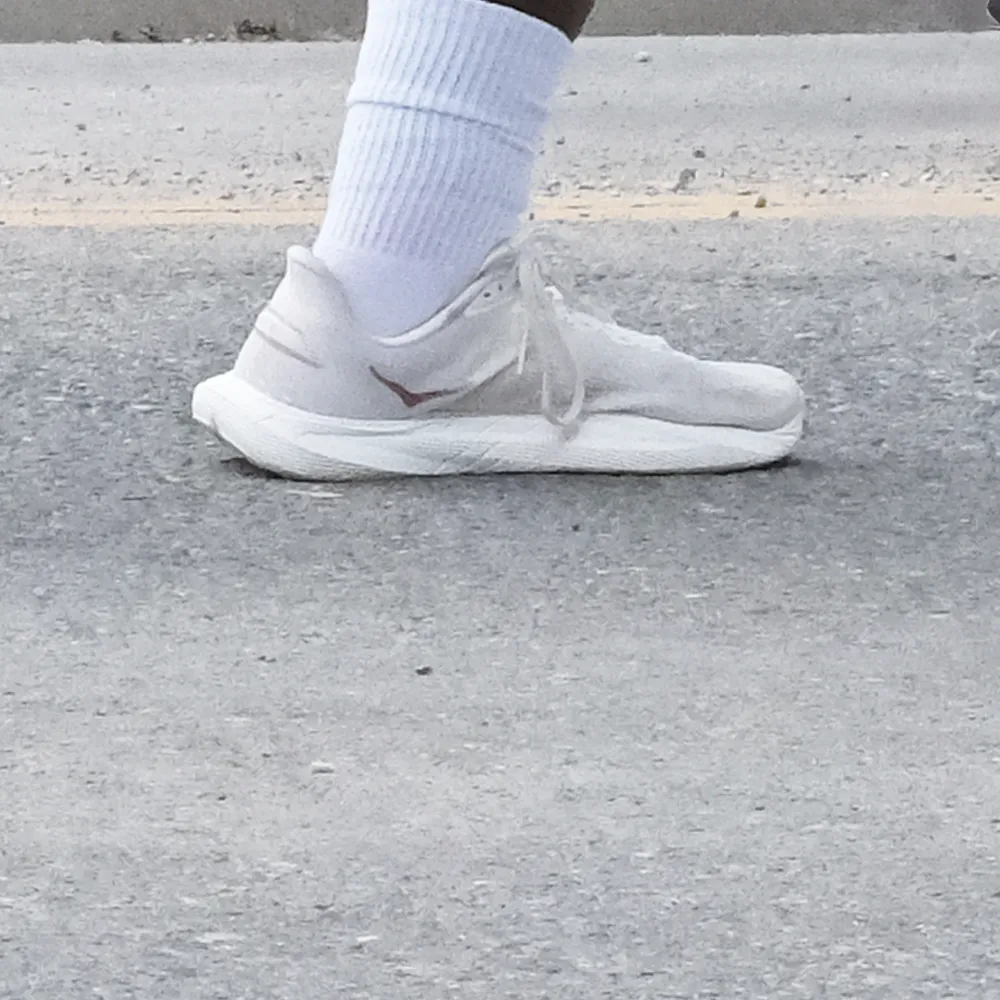
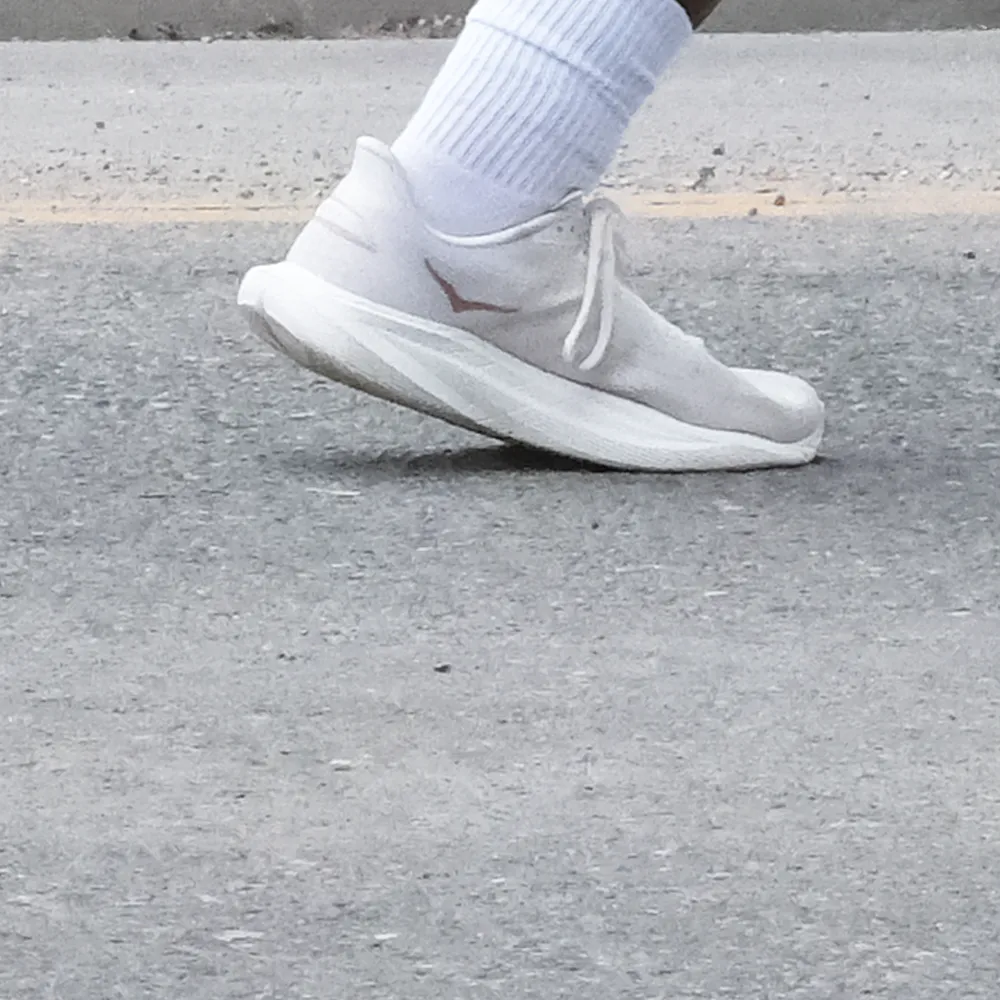
Mechanics at Work
- Lack of midfoot midsole gap → adds structural reinforcement
- Firm, SC EVA midsole → manages inward roll
- Snug, gusseted upper → wraps and supports the arch
How we scored the Hoka Mach 7
Select your profile for the score
Our scoring is weighted by intended use and biomechanics. A daily trainer is judged by different standards than a racing shoe. The central Global Score reflects how well this shoe fulfills its intended purpose; if a shoe is weak in foundational areas like stability or traction, our algorithm applies automatic penalty points.
Recreational Score Breakdown
Summary
- Buy If: You want a plate-free running shoe for tempo runs, interval training, general speedwork, and races ranging from a 5K to a half-marathon. The relatively low midsole height and tight upper produce excellent ground feel and overall stability. Our dynamic score of 8/10 assigns a 60% weightage to mid-pack runners, 25% to elite/serious runners, and a 15% relevance weightage to recreational runners.
- Avoid If: You want a shoe with a propulsive rocker, an ultra-soft ride, and a roomy forefoot. While the Mach 7 does not penalize heel strikers and slow speeds, it requires the runner to do most of the work - whether racing a 5K at a sub-3-minute/km pace or during a 5:30 min/km long run. This shoe does NOT pamper you.
🔍 Deep Dive
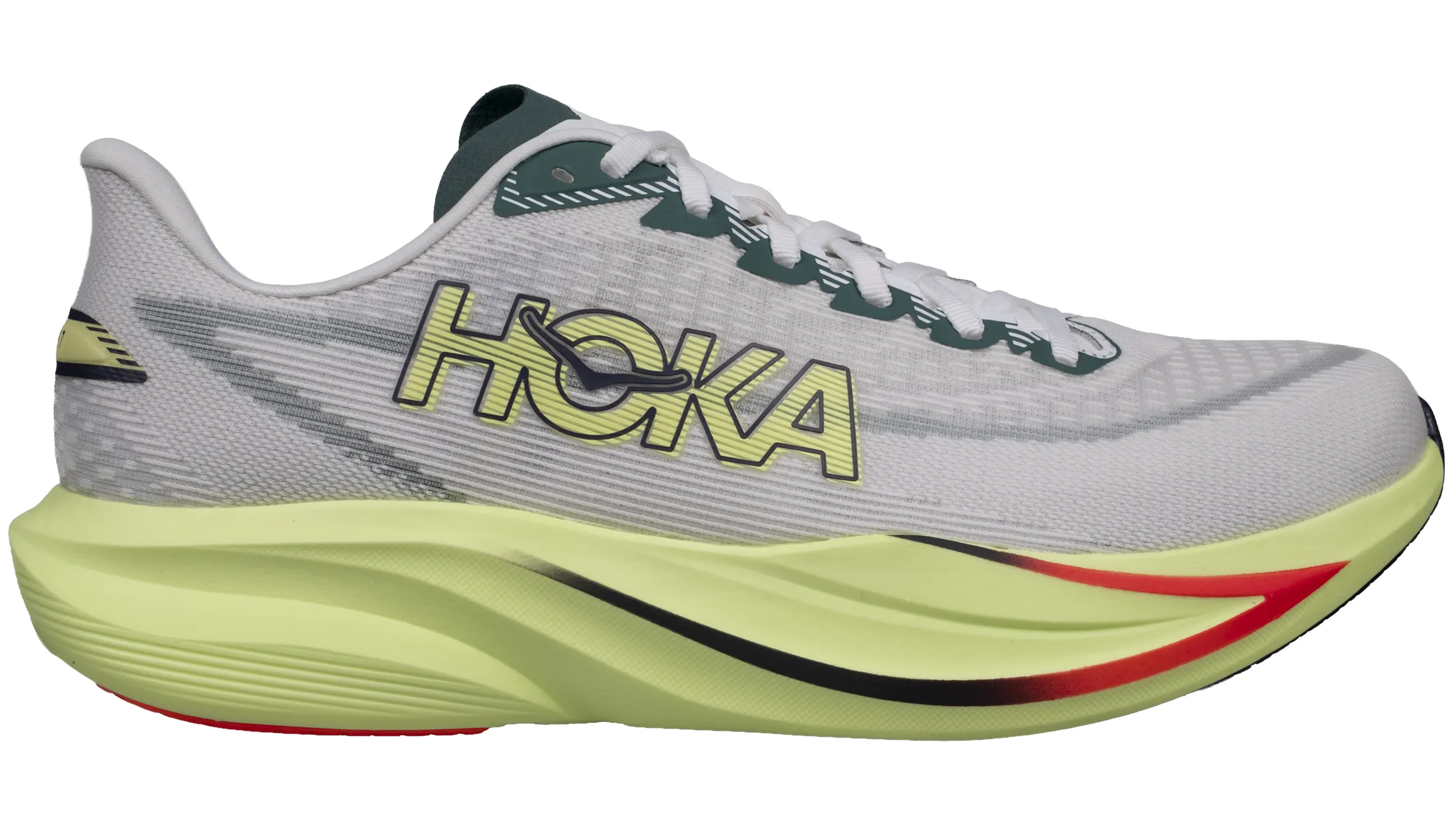
The Hoka Mach 7 is not the shoe you want, but the shoe you need. It lacks many of the modern niceties that runners have gotten accustomed to recently. You know, features like an aggressive rocker, stack heights exceeding 40 mm, soft cushioning, a spacious interior, a plate, and so on. The Mach 7 is an excellent example of a running shoe that looks past commercial trends and instead focuses on what’s truly good for the runner (Asics, Brooks, and New Balance, take note). If your average max-cushion running shoe was the equivalent of a delicious burger loaded with sodium and fat, the Mach 7 is akin to a nutrient-dense salad with high-quality protein, complex carbs, and healthy fats.
The midsole limits its stack heights to a sensible 35 mm and 30 mm. As observed in our real-world biomechanical data, the super critically (SC) foamed EVA is highly resistant to bottoming out, creating a highly supportive ride across a wide range of gait and body weight variables. The tight upper excels at driving power from the foot to the ground, enhancing proprioceptive feedback. The limited foam compression and stiff forefoot make the Mach 7 an efficient tool, even at sub-4-minute kilometer speeds. The shoe responds just as well to slow speeds, heavy runners (190 lbs/86 kg+), and heel strikers due to its stable ride and midsole/outsole design.
Pros
- Excellent stability
- Ultra-secure fit
- Upper ventilation
- Lightweight cushioning
- Optional widths
- Outsole grip
Cons
- Lack of reflective elements
- Slightly short tongue
SHOE MAGNIFIER
Zoom In. Enhance.
Select a view, then use the slider to zoom in on the Hoka Mach 7.