

Pros
- Soft and bouncy cushioning
- Propulsive early-stage rocker
- Ventilation
- Outsole grip
- Upper lockdown
- Soft touch upper materials
Cons
- No widths
- Low stability for heel strikers
In this review:

SUMMARY
The carbon-plated racer segment is crowded as it gets, making it increasingly hard for a shoe to get noticed. Mediocrity in any form will quickly dispatch a shoe to the bargain bin and out of public consciousness. Fortunately, it’s unlikely that such a fate will befall the Hoka Rocket X3. Hoka’s updated racer gets most things right. The ride is soft and bouncy; the carbon plate delivers propulsive roll-offs and the signature rearfoot snap. The new outsole rubber grips well on wet and dry roads, and the upper balances fit security with interior comfort.
The Rocket X 3 is also a stellar example of incremental updates done right. Hoka has clearly invested the time and effort to make the new model a better version of the Rocket X 2. Among the noteworthy updates is a padded heel that not only fixes the sensation of slippage felt on the Rocket X2, but also pushes the foot forward to make the rocker more effective. Yes, you read that correctly; the new upper improves the rocker by turning it into an early-stage kind. The dual-density PEBA midsole has been reconfigured for relatively supportive heel landings.
It’s not perfect; the lateral stability is poor for heel strikers. But as far as carbon-plated racers go, the Rocket X3 succeeds at making itself noticed. This shoe has all the necessary ingredients of a ‘fast’ racer, and works equally well for short-distance (5K, 10K) races and a marathon. The Rocket X3 shines particularly well at high speeds, so it feels under-utilized at speeds slower than 5:00 min/km (8 min/mile).
WHAT THE ROCKET X 3 DOES WELL
– Delivers a propulsive rocker for quick turnovers.
– Produces a soft and bouncy cushioning.
– Ideal for 5K, 10K, and half marathons.
– Better suited for forefoot and midfoot strikers.
– Does best at speeds higher than 5:00 min/km (8 min/mile)
– The narrow fit establishes a strong foot-midsole connection.
– The curved plate produces a snappy rearfoot feel.
– Breathes well due to the thin mesh and gusset-free tongue.
– The soft tongue and padded heel create a soft interior environment.
– Reliable outsole traction, even on damp roads.
WHAT THE ROCKET X 3 DOES POORLY
– Not ideal for easy and recovery runs.
– Lacks the stability for heel landings.
– Lacks upper space for wide feet.
– Doesn’t have sufficient splay room for the toes.
– Lacks the durability for everyday training.
POTENTIAL ISSUES
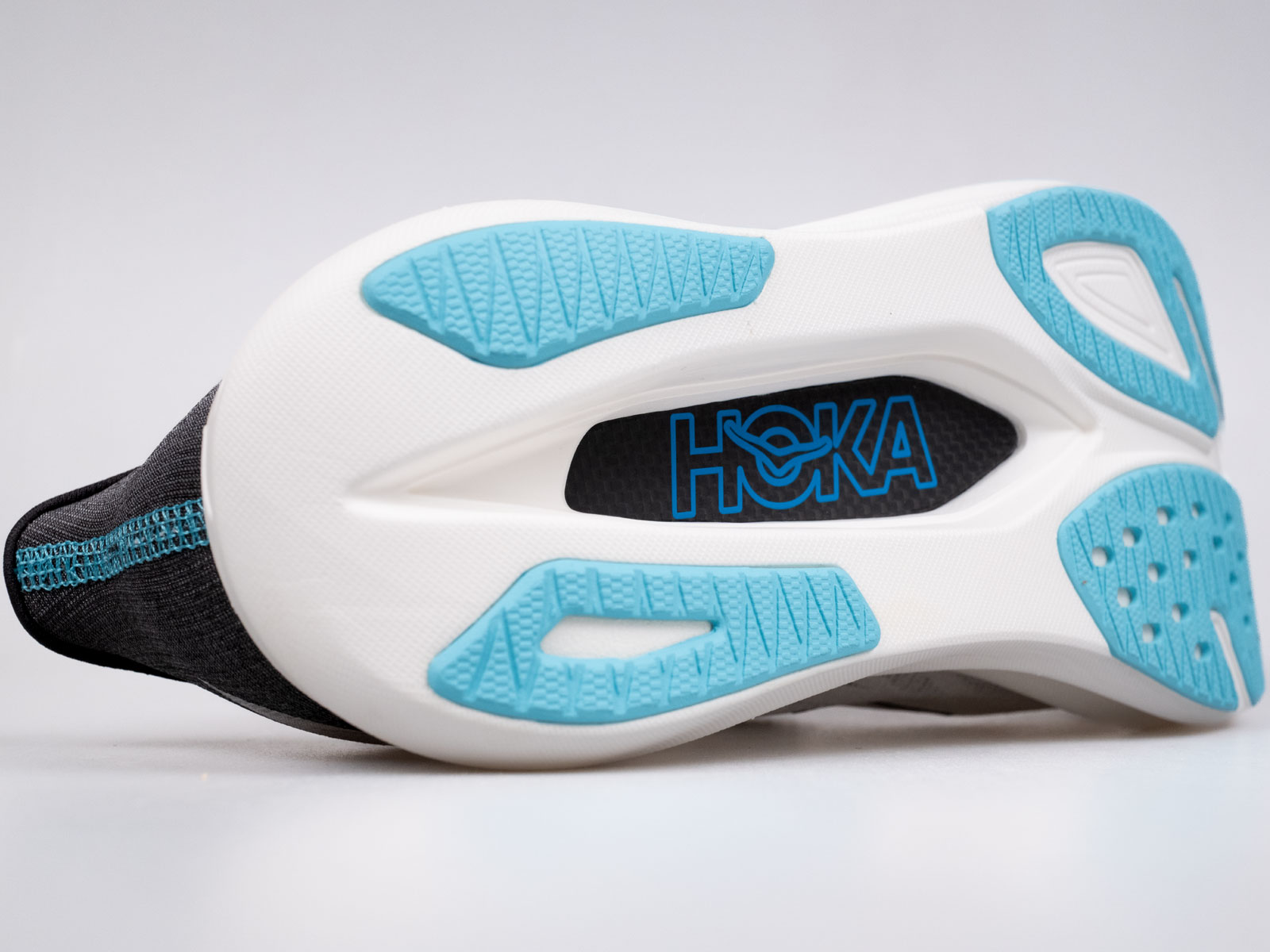
Heel striking will consume all of the published 7 mm heel drop, momentarily turning the effective drop to zero, or even negative. This isn’t specific to the Rocket X; all racers with a softer heel will behave similarly, including shoes such as the Adidas Adios Pro 4. A negative drop may cause temporary Achilles and calf soreness, so it’s best to gradually build up miles on the Rocket X3 if you’re a heel striker. The poor lateral (outer) stability is another thing heel strikers need to watch out for.
WHAT HAS CHANGED SINCE THE ROCKET X 2
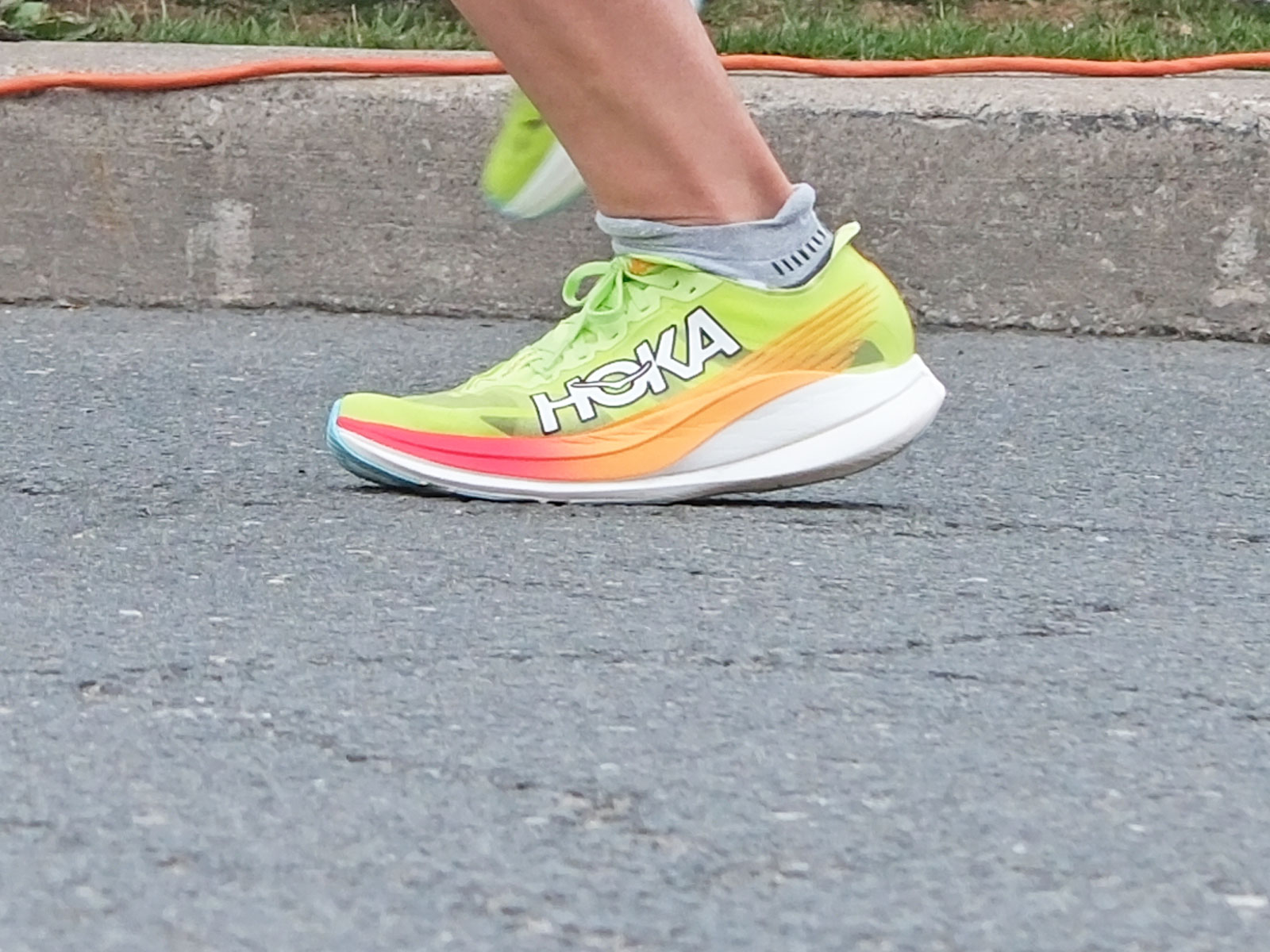
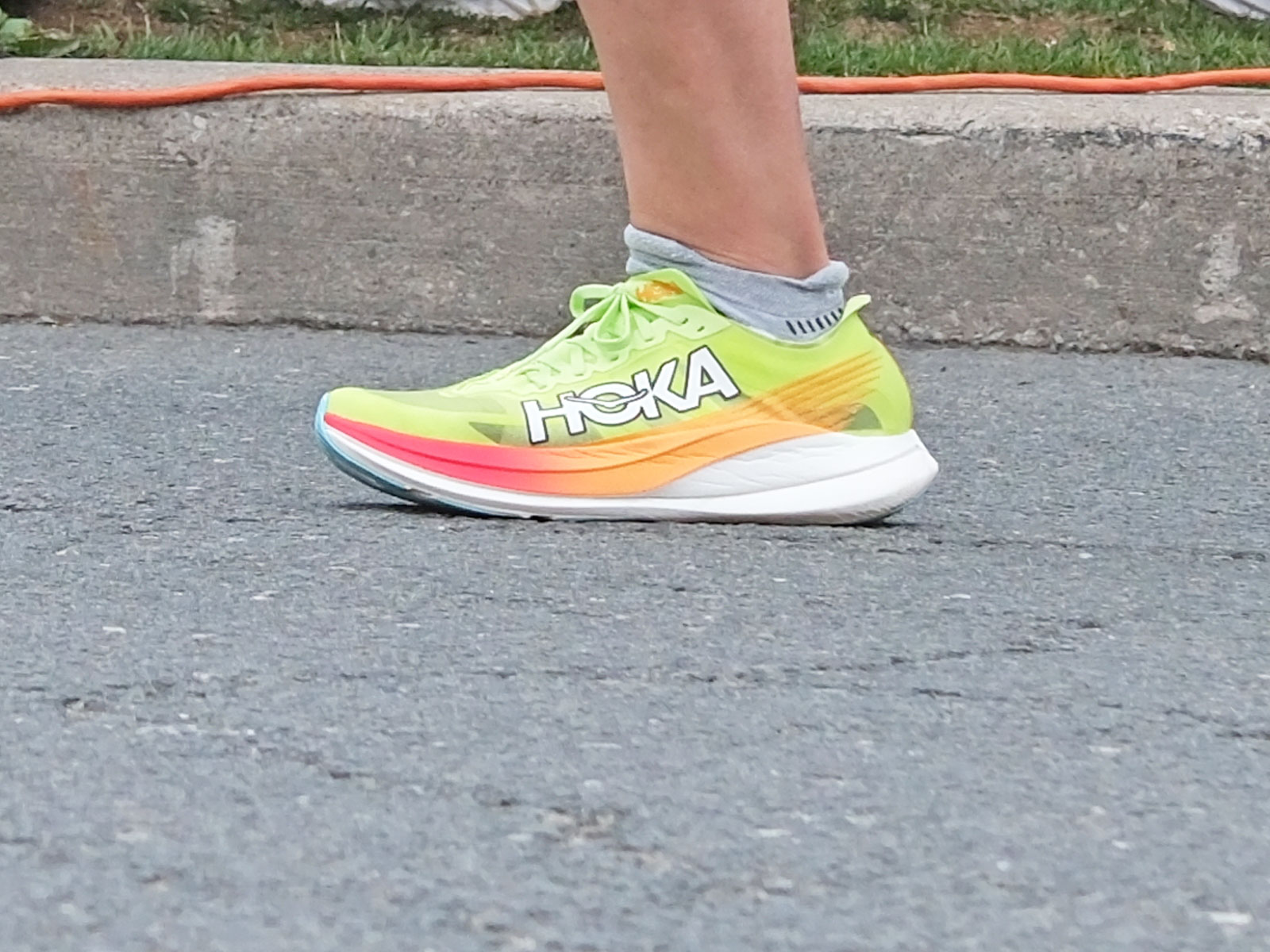
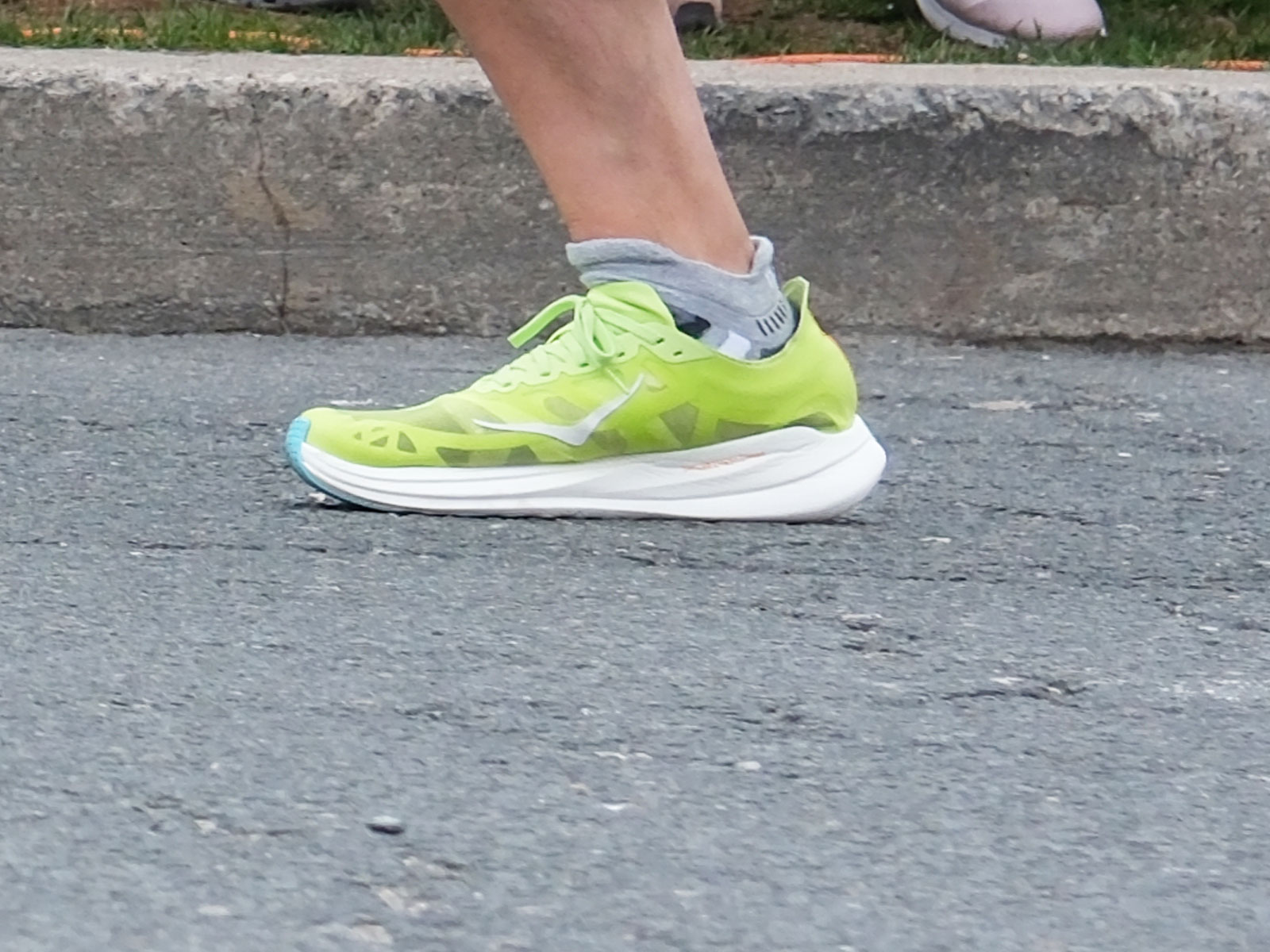
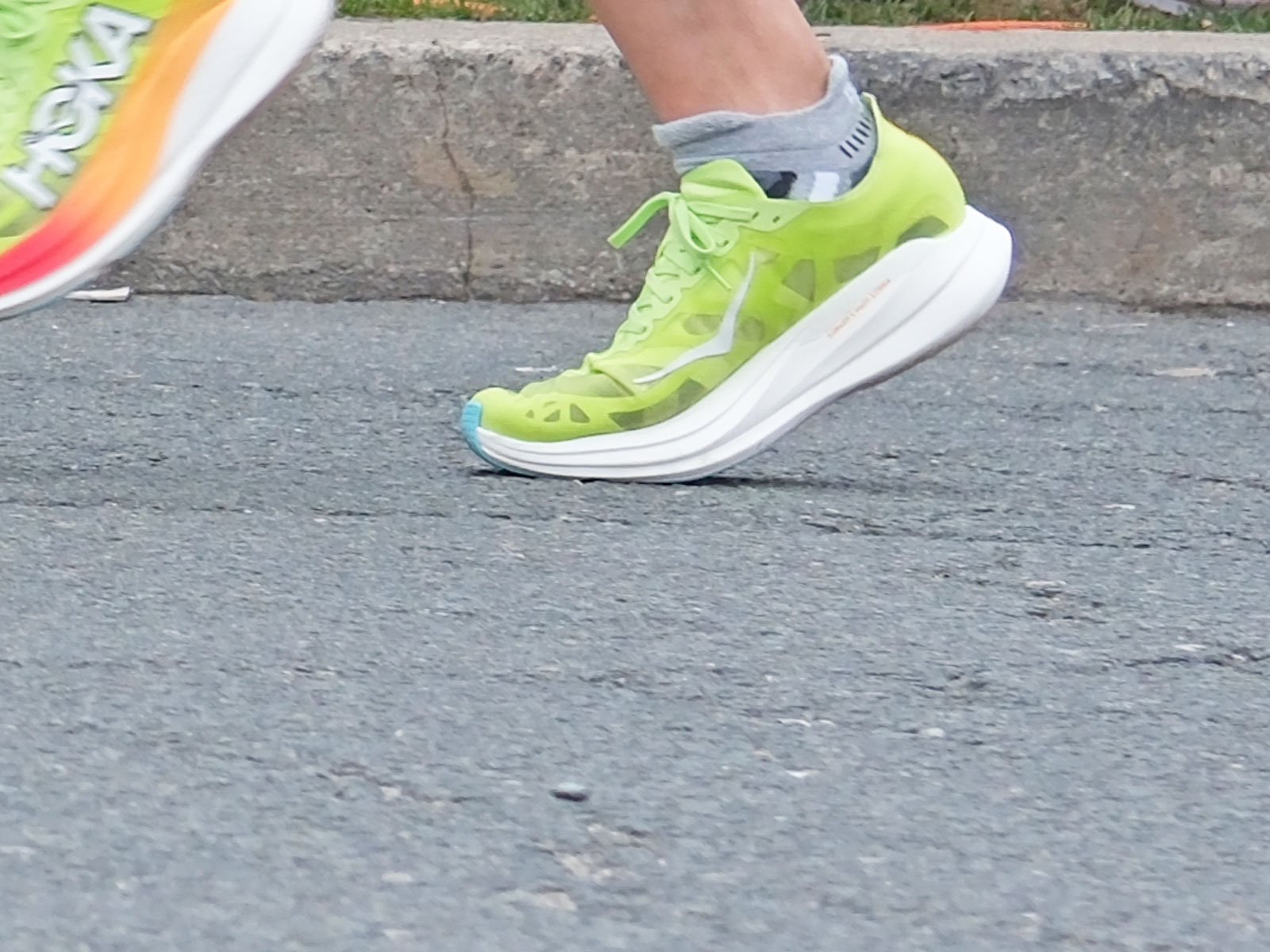
– The rearfoot is firmer due to the rearranged stacking.
– Stack heights have increased by 2-3 mm.
– Improved heel fit, thanks to the padding and internal counter.
– The repositioning of the foot improves rocker propulsion.
– A softer and smoother interior due to mesh change, gusset removal, updated tongue, and heel padding.
– Addition of an internal heel stiffener.
– The new outsole compound grips better.
– Laces changed to a serrated/ribbed kind for a secure cinch.
THE RIDE EXPERIENCE
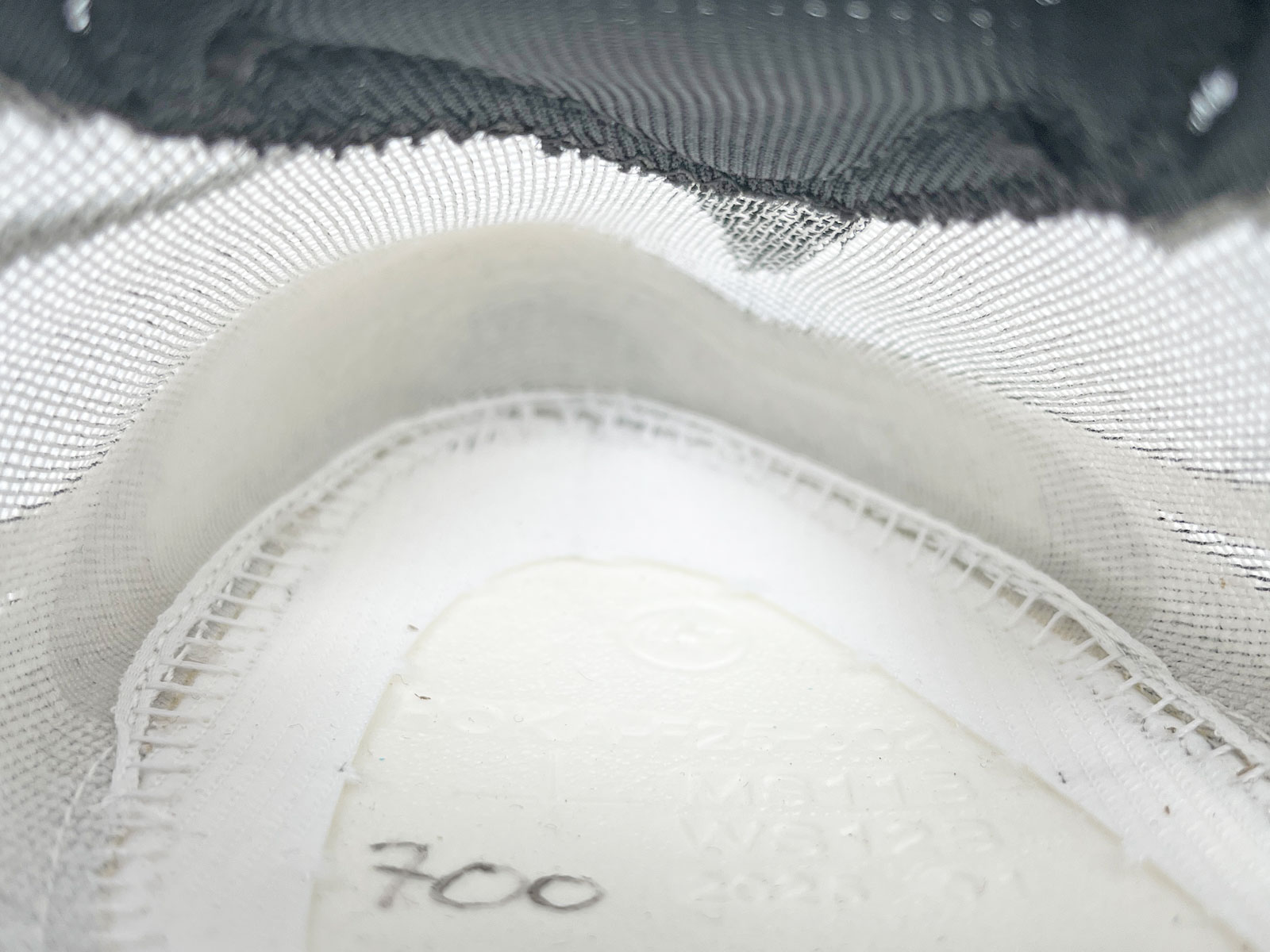
Hoka has rearranged the dual-density PEBA foam stack to make the rearfoot cushioning firmer than the forefoot. While both the soft and firm foams are full-length, they are tapered to achieve the desired cushioning outcome. The softer foam on top is thickest under the forefoot and tapers to a thin layer under the heel. From the outside, it appears as if the softer forefoot foam stops right around the midfoot area. That’s not the case; lifting the removable footbed reveals the full-length top PEBA layer.
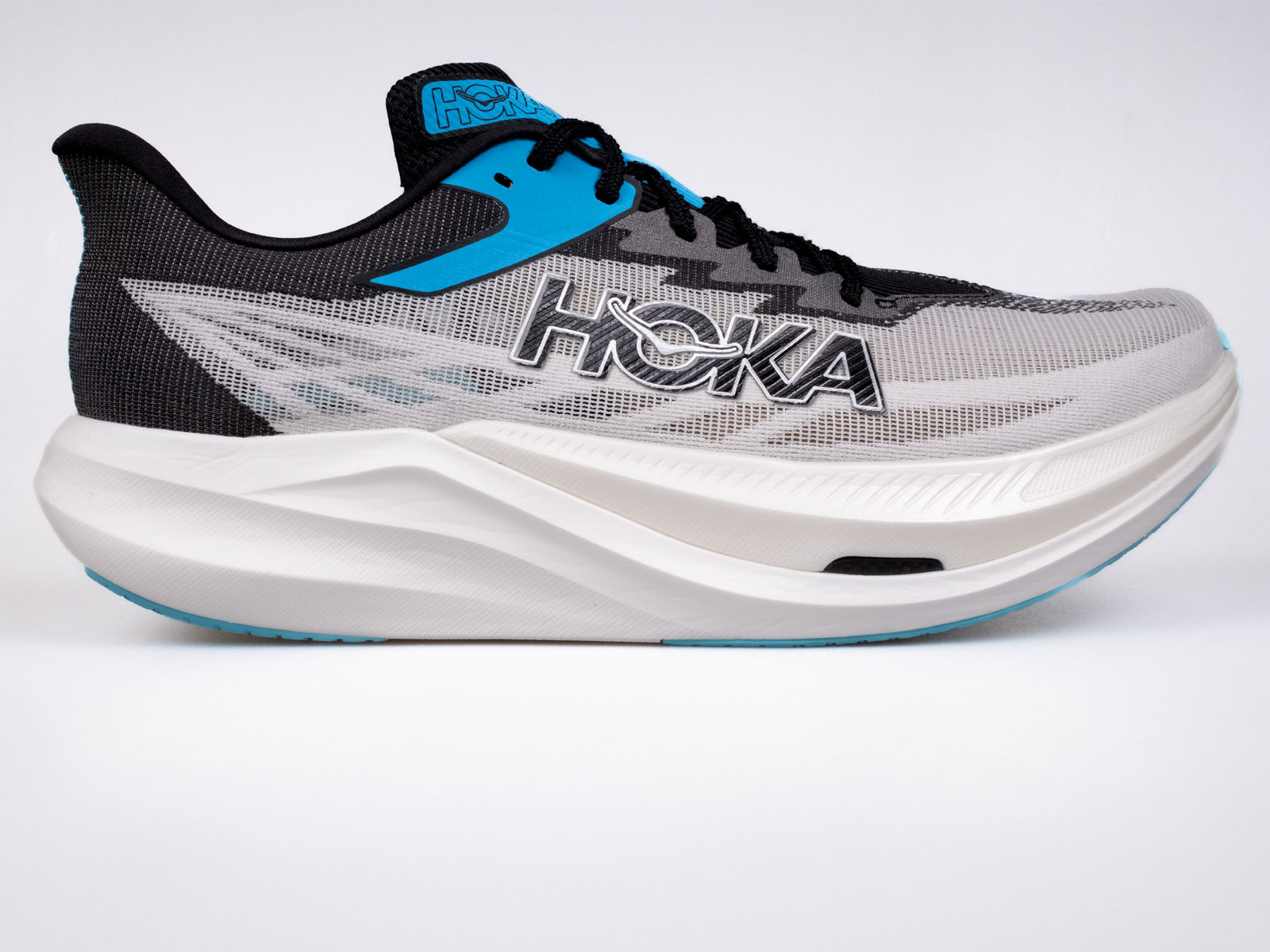
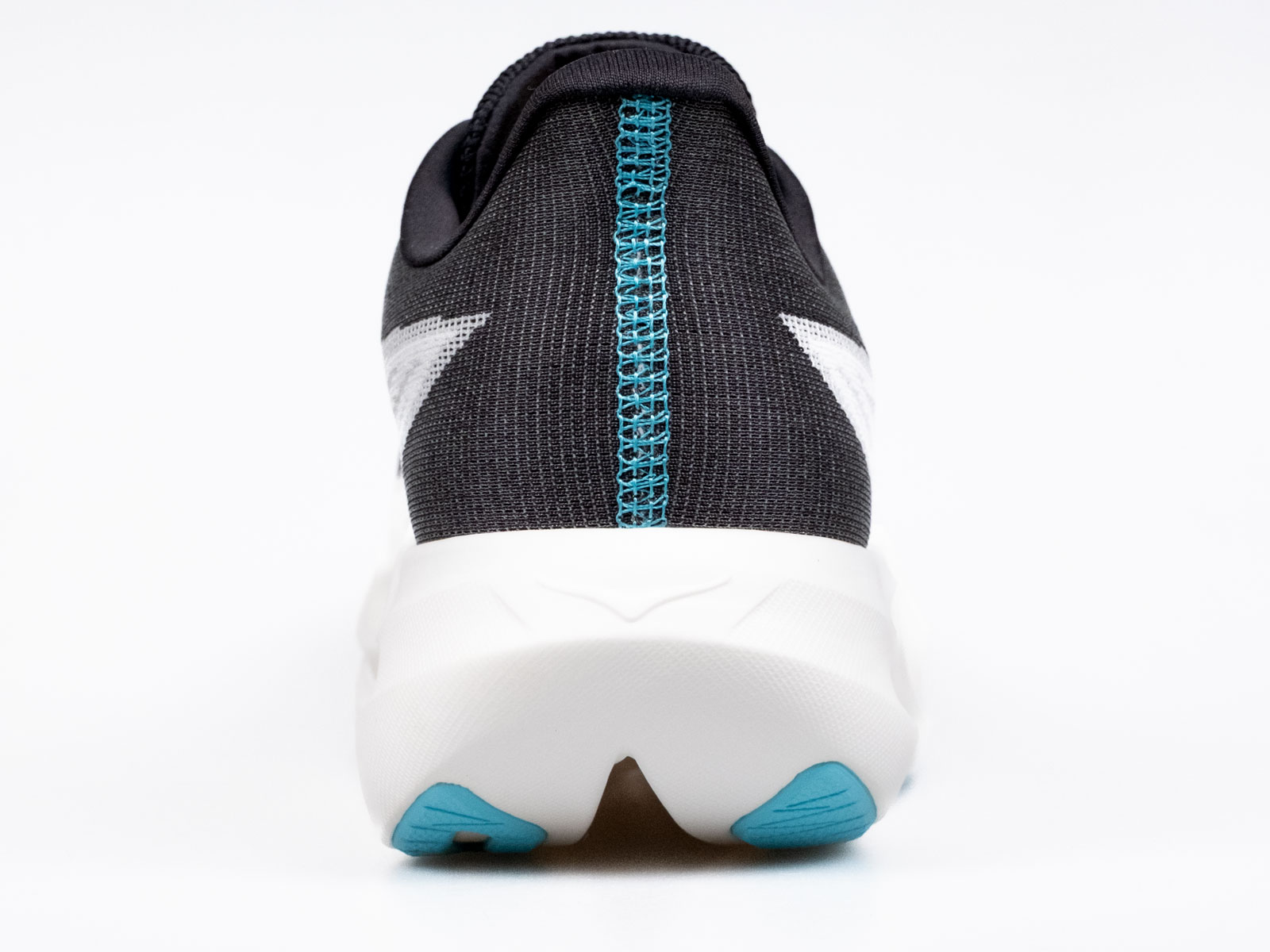
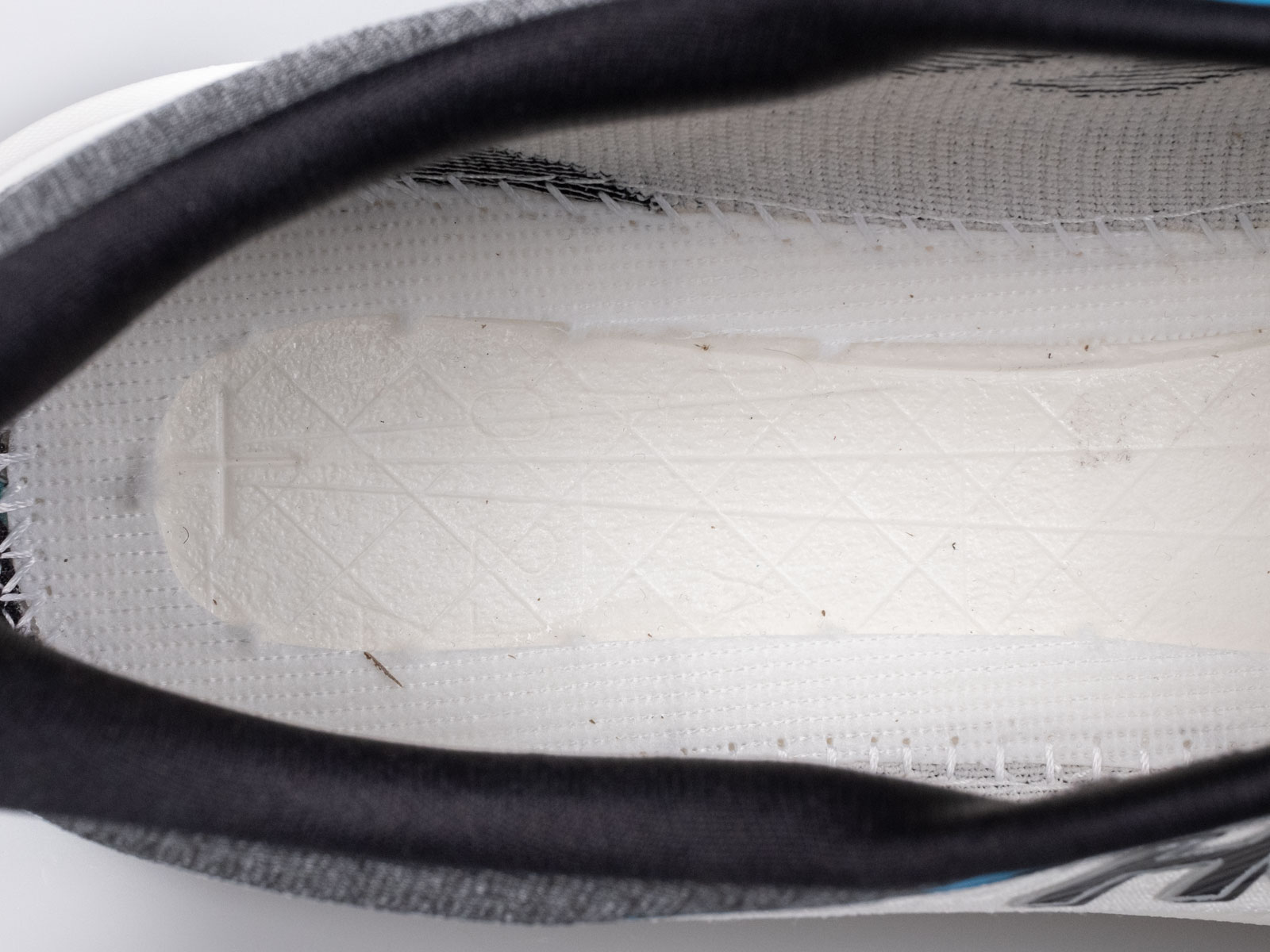
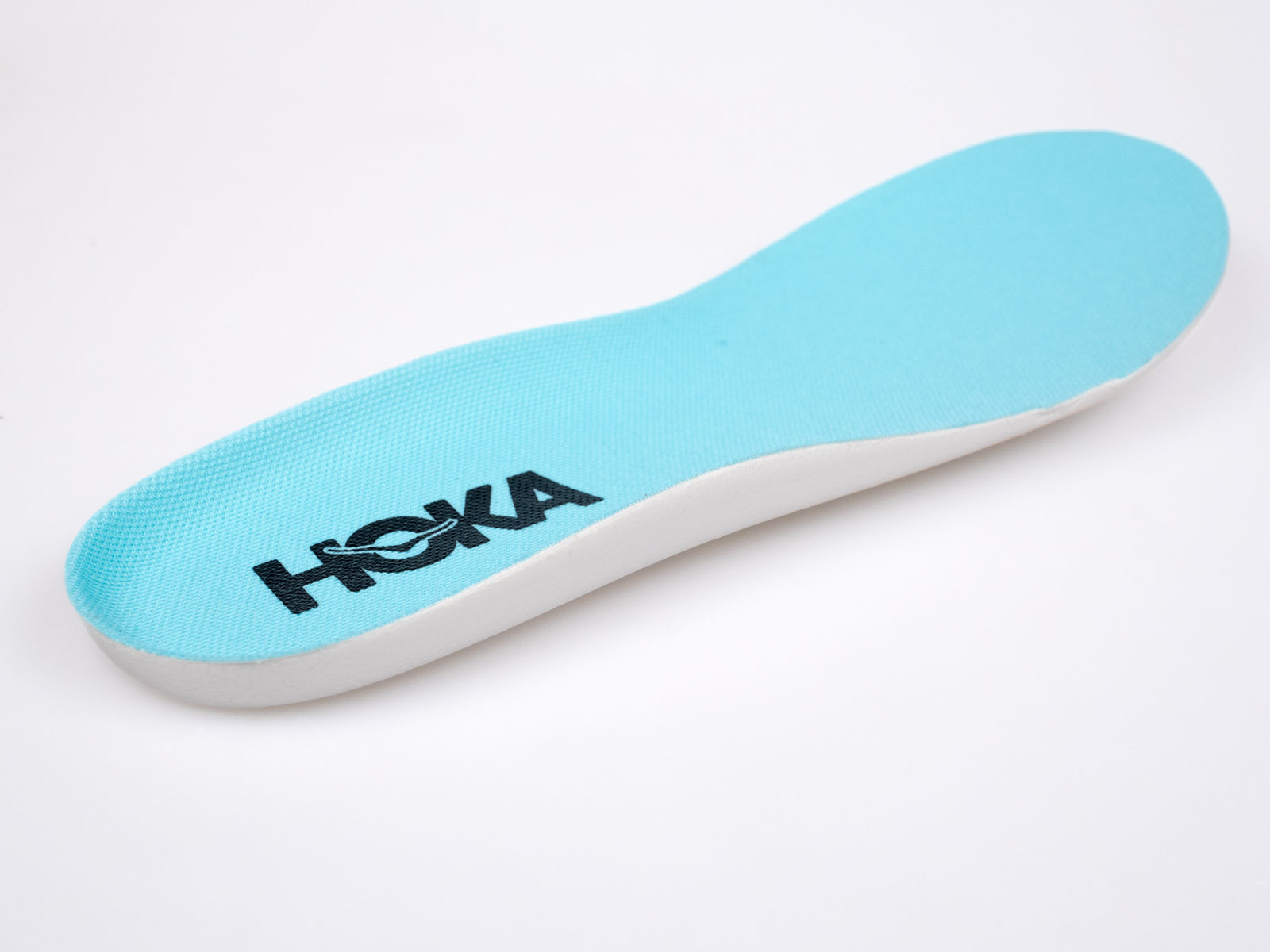
The bottom foam layer makes up most of the heel stack, where it delivers a firmer ride than the forefoot. It’s still very soft, so the stability isn’t great for runners who land heel first. The sidewalls easily collapse when loaded, with the deformation more noticeable on the outer side. The large void for the carbon plate enhances the rearfoot snap and bounciness of the foam, but negatively affects stability. For this reason, we recommend the Rocket X 3 be used by forefoot/midfoot strikers. Besides the low stability, rearfoot strikers will experience negative heel drop upon loading. On a related note, we have a buyer’s guide for heel-strike-friendly plated shoes.
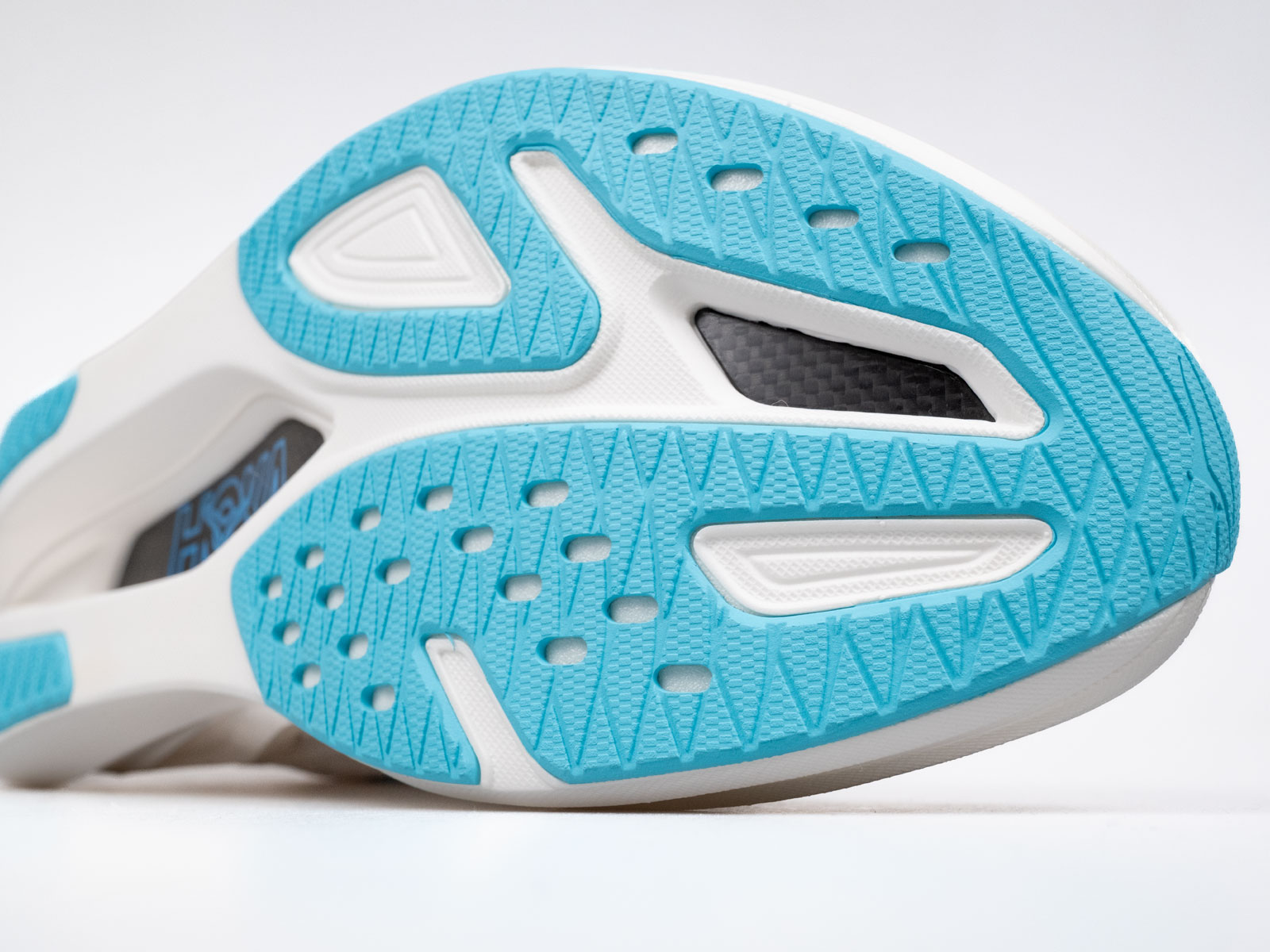
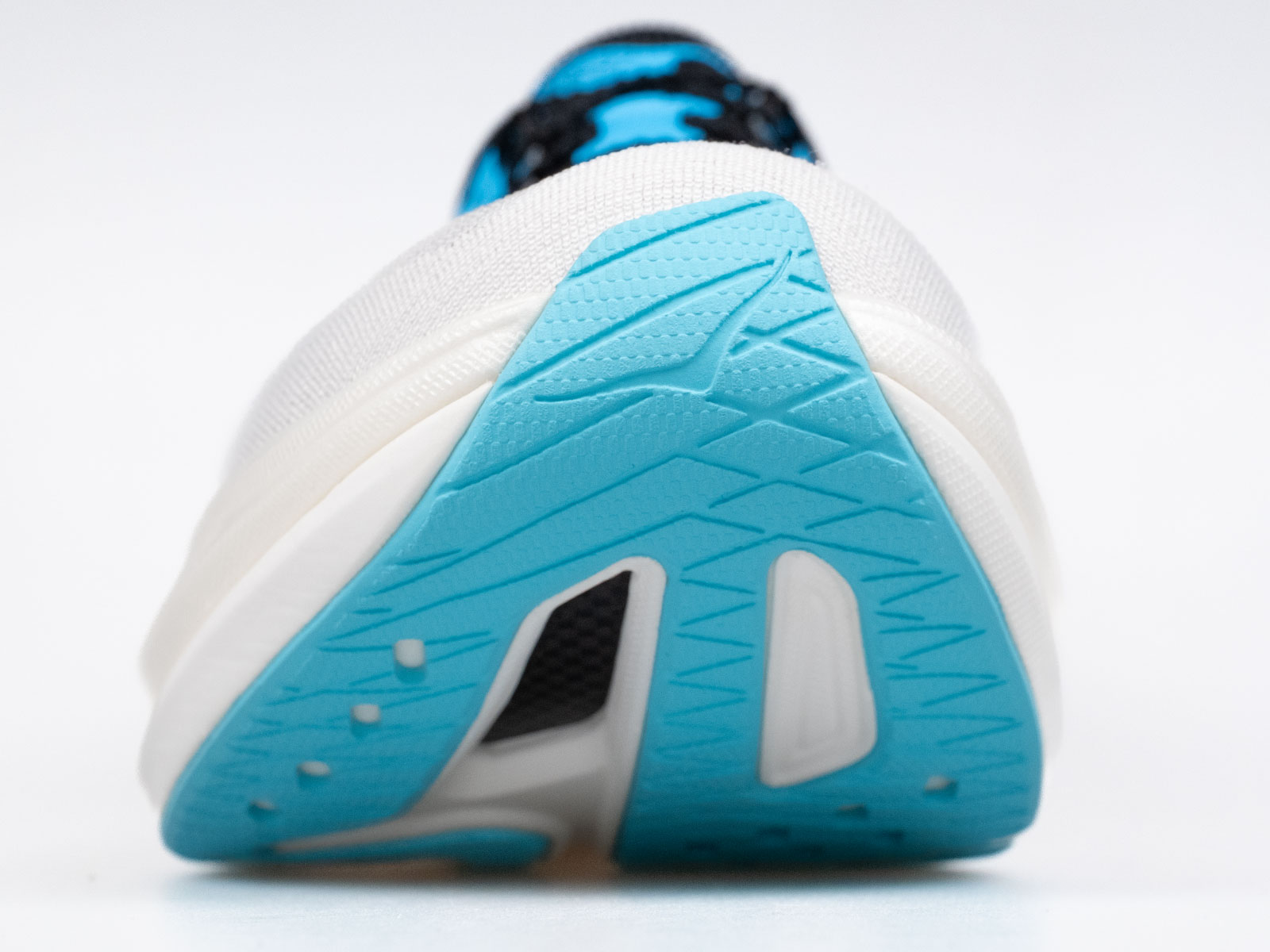
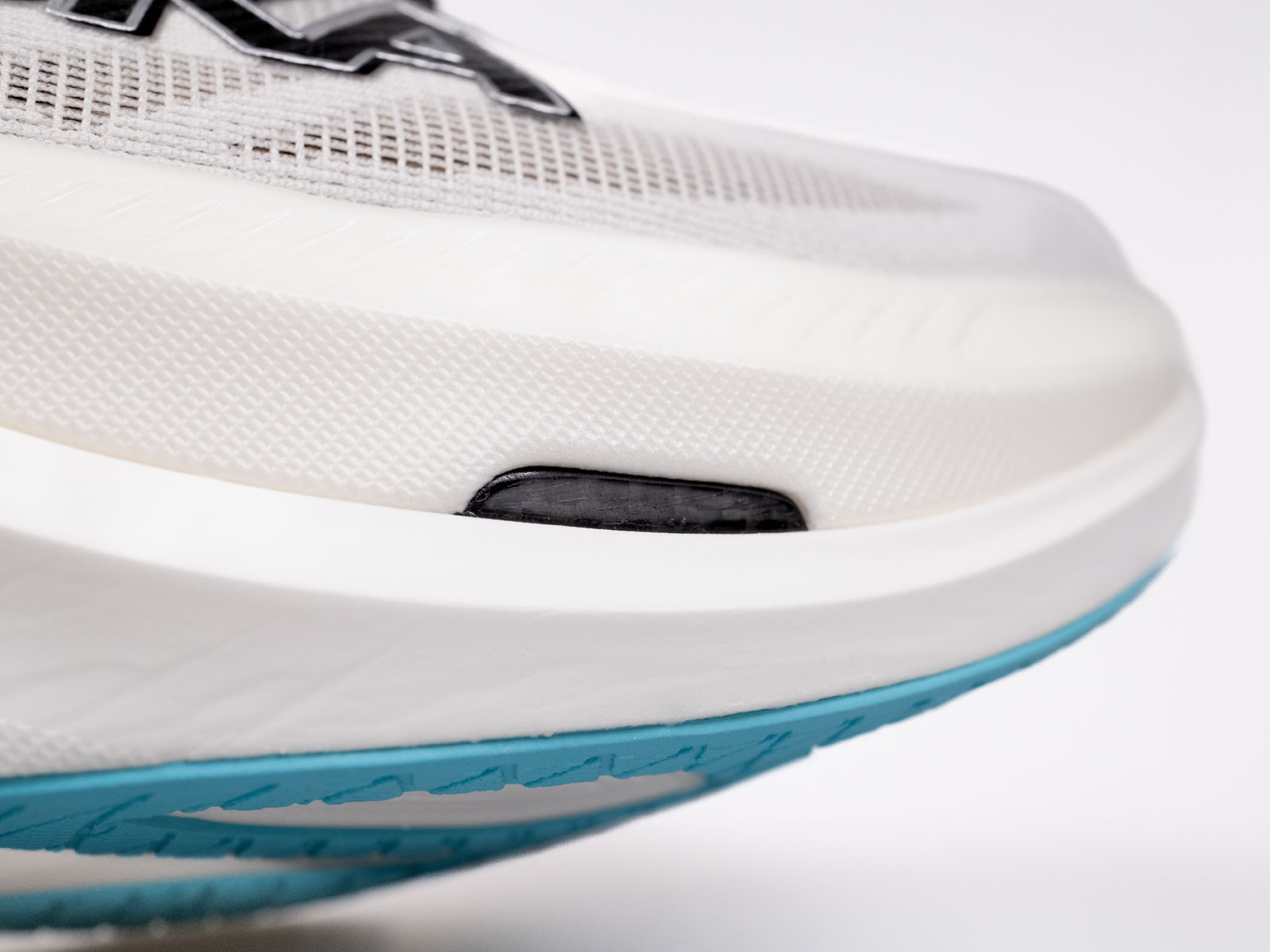
The carbon plate is truly full-length, completely bridging the heel and toe. It’s mostly solid, except for a slit under the forefoot and a fork under the heel. It’s rocker-shaped under the forefoot, extending rearwards in a rising slope. The plate works exactly as expected, delivering a propulsive, early-stage rocker effect as well as the rearfoot springboard snap.
The redesigned upper plays a role in improving the rocker effect; the newly introduced heel padding pushes the foot forward so it’s directly over the toe spring. This change creates the ‘early-stage’ rocker effect that helps with quicker turnovers. The plate ‘winglet’ under the forefoot doesn’t serve any function; it’s cosmetic as far as we can tell.
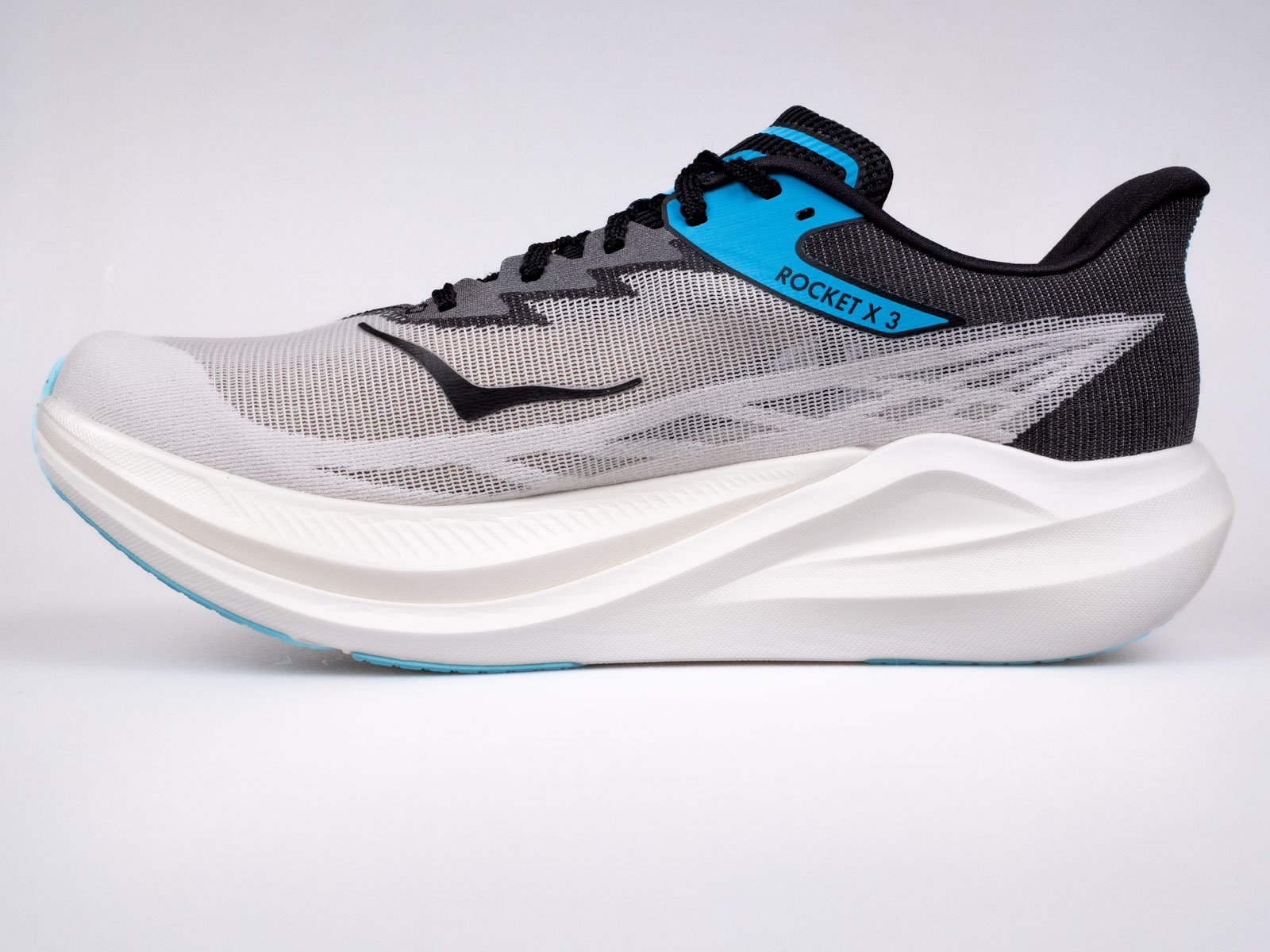
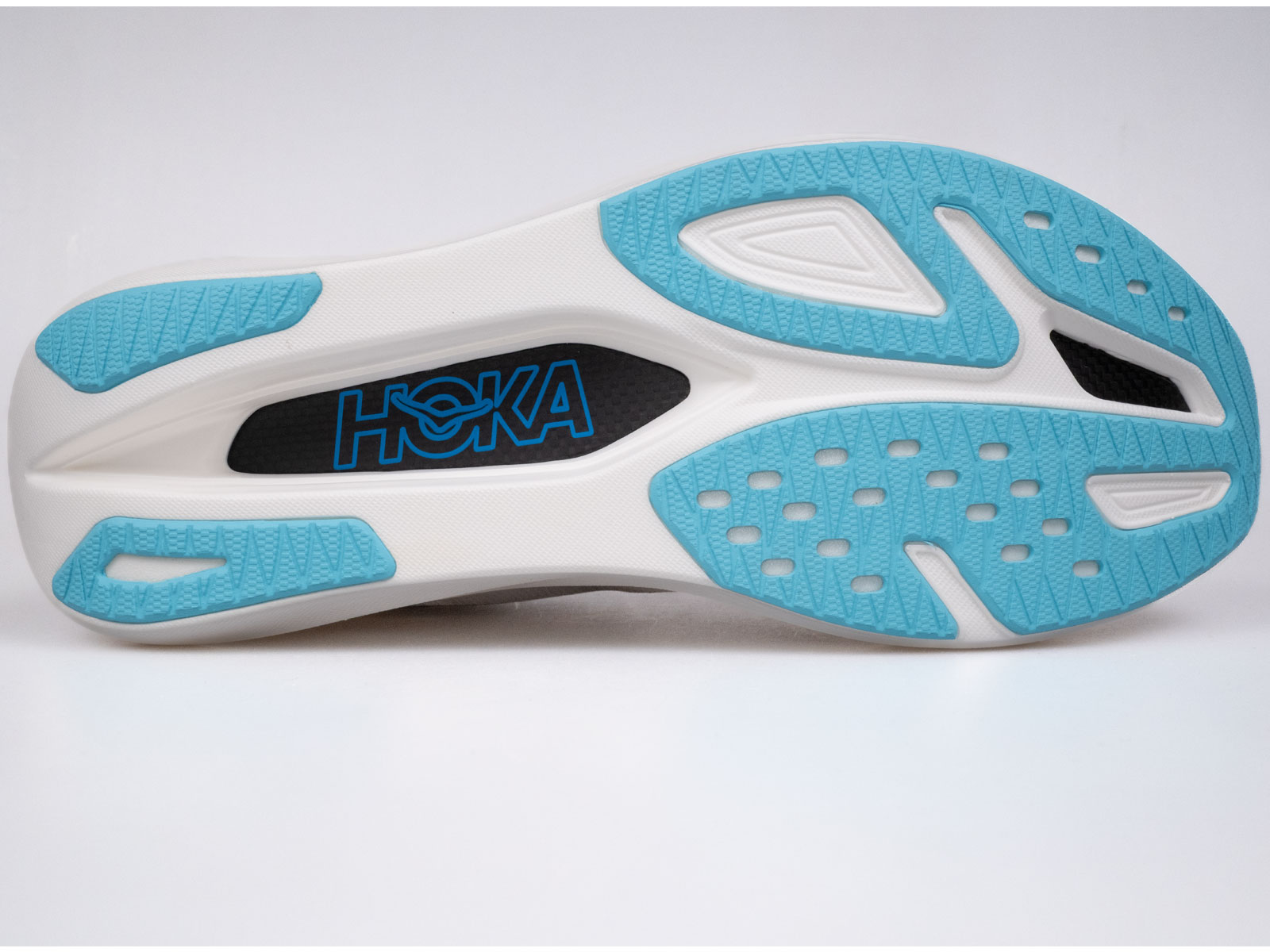
Despite the dual-density foam setup, the front and rear sections blend seamlessly to deliver a smooth, cohesive cushioning. Forefoot landings produce a springy feel that feels somewhat similar to the Asics Metaspeed Edge Tokyo. The rocker is extremely effective, making the Rocket X 3 ideal for high-speed racing. The new outsole compound grips better than the older version, offering improved wet-road traction. The new rubber is still not up to the level of adidas Lighttraxion/Continental rubber, Asicsgrip, or Pumagrip, but it’s a step forward in the right direction.
RECOMMENDED ROTATION
- Use the Hoka Rocket X 3 for 10K, marathons
- Use the Hoka Mach 6 for 5K and tempo runs
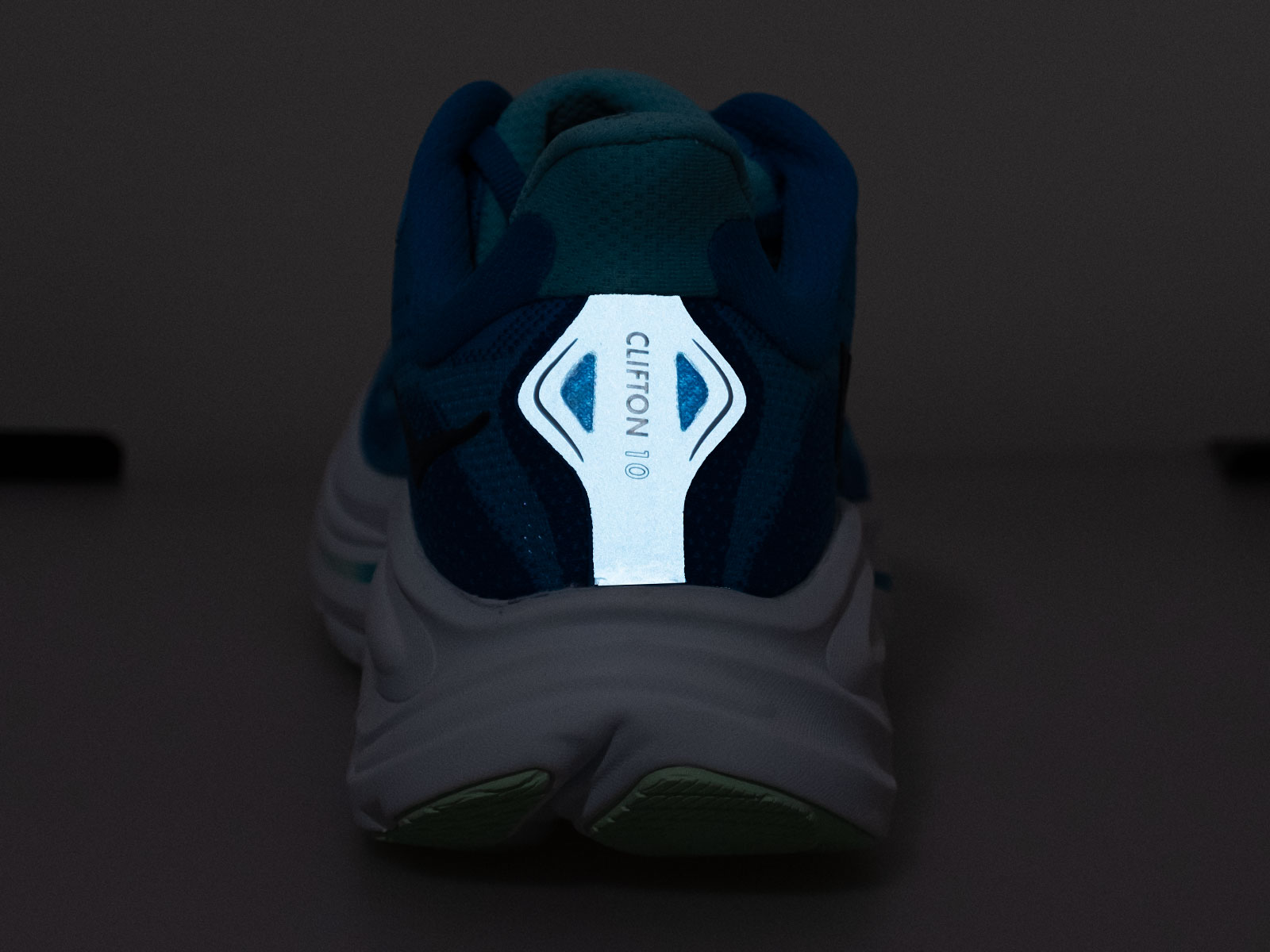
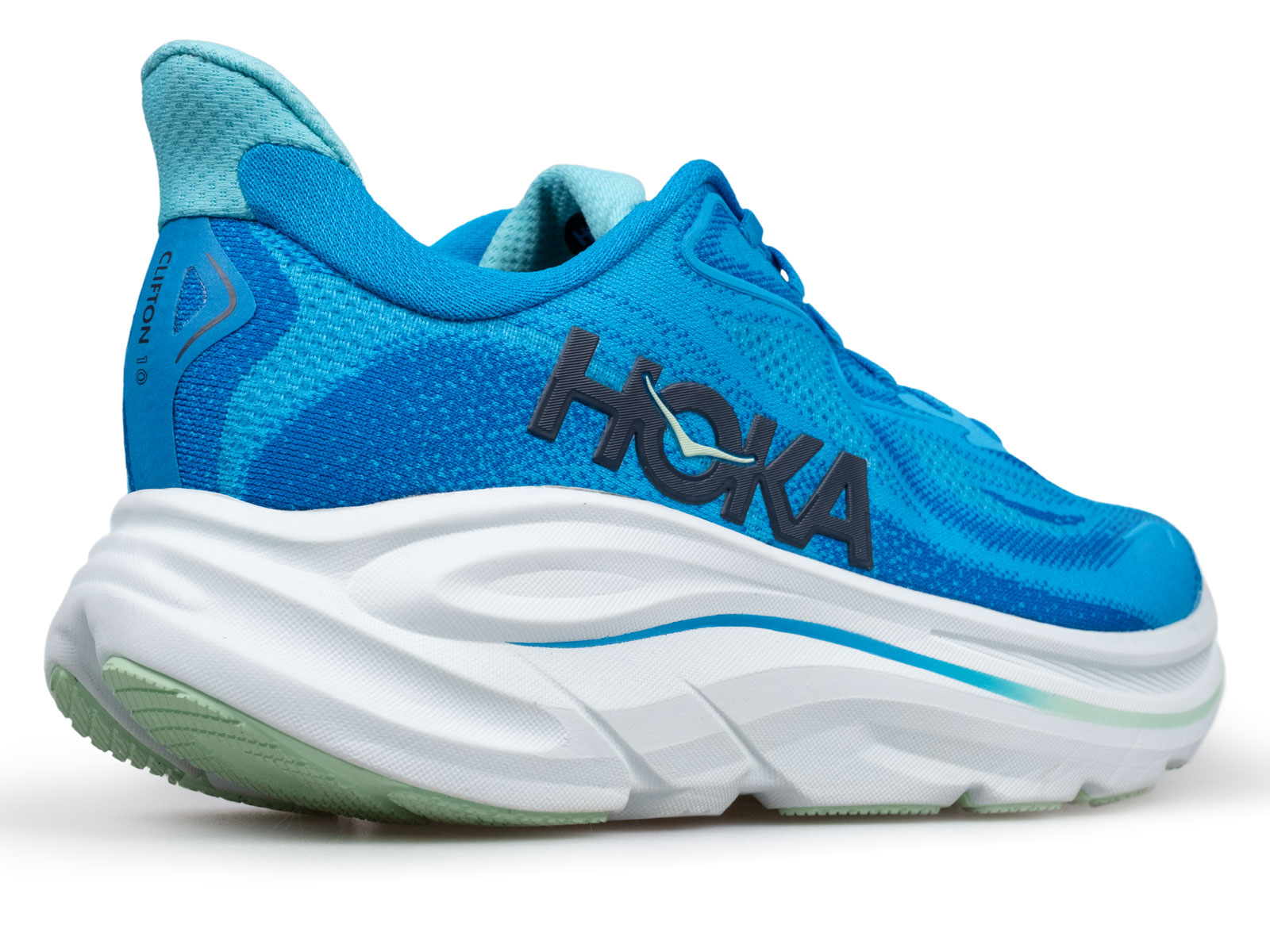
- Use the Hoka Clifton 10 for everyday training
THE UPPER DESIGN AND FIT
In the running shoe business, the Rocket X3 has what’s called a racer fit. The true-to-size upper has a narrow fit with scarce toe box room. Interestingly, the narrow forefoot fit doesn’t feel cramped. There’s some room on top of the foot, lending an illusion of space. Also, Hoka has cleaned up house on the new upper, getting rid of the gusset and fused support layers. These updates elevate the interior smoothness and comfort without compromising fit security. The forefoot, midfoot, and heel do an excellent job at locking the foot down over the removable insole.
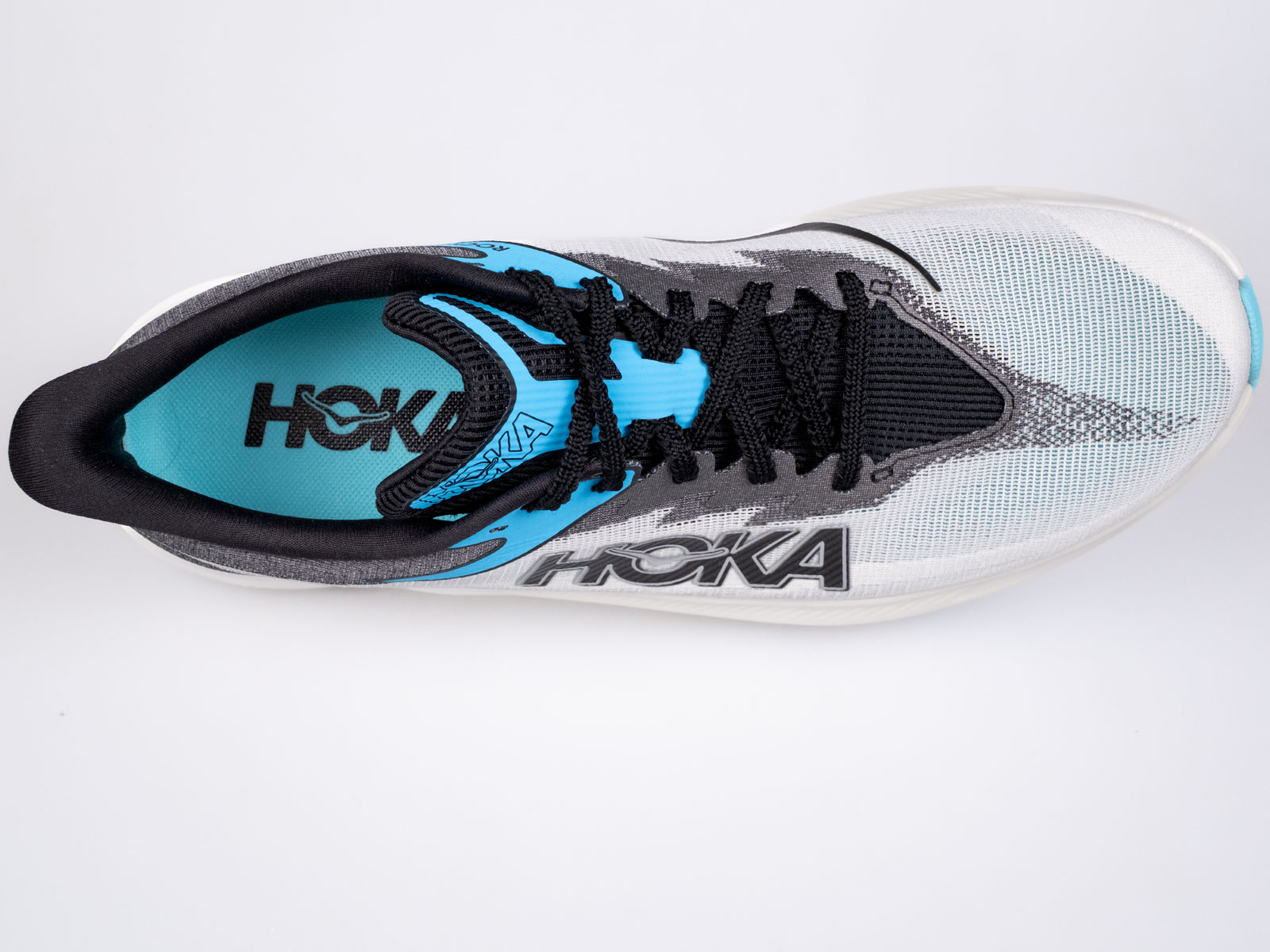
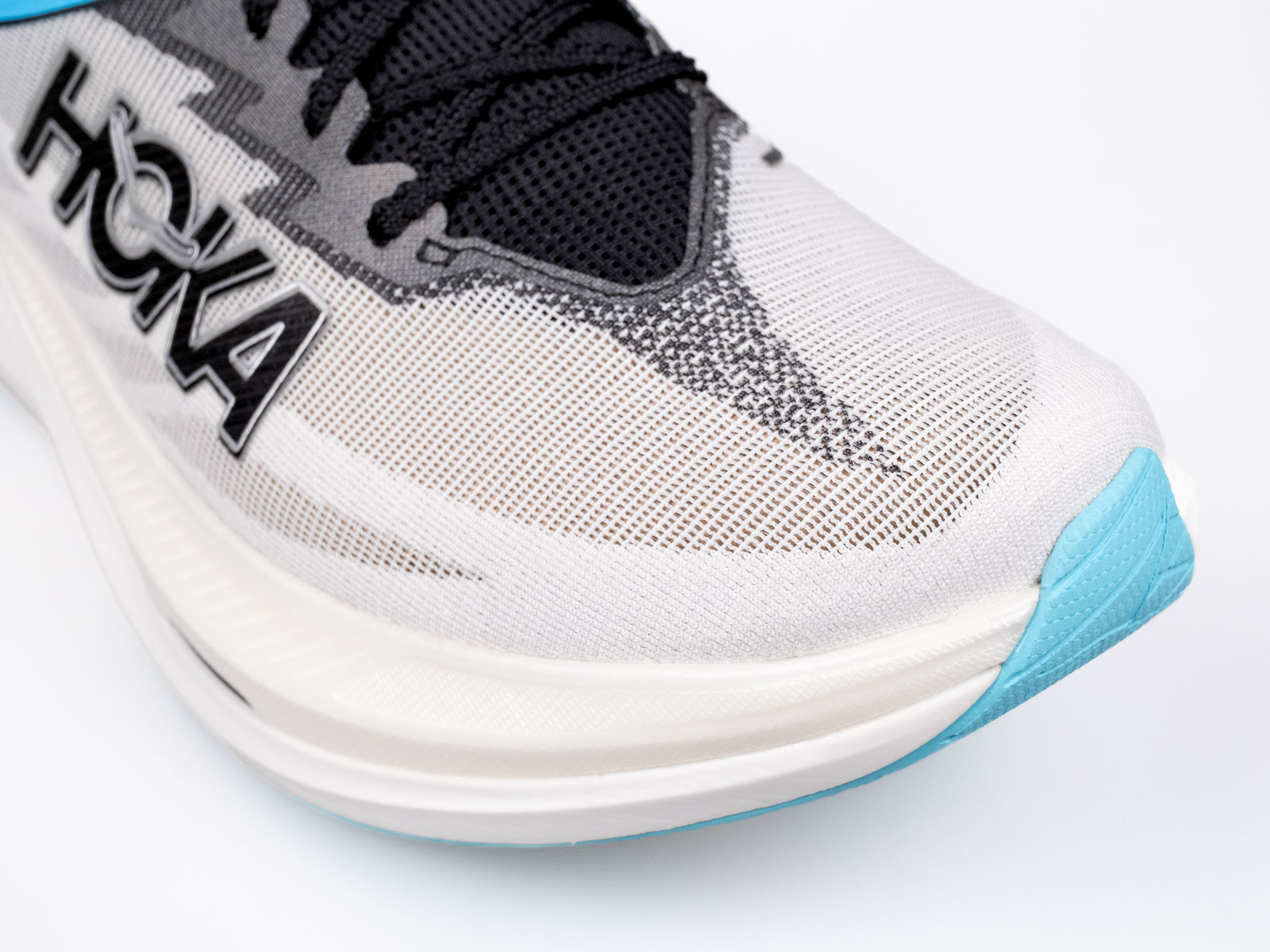
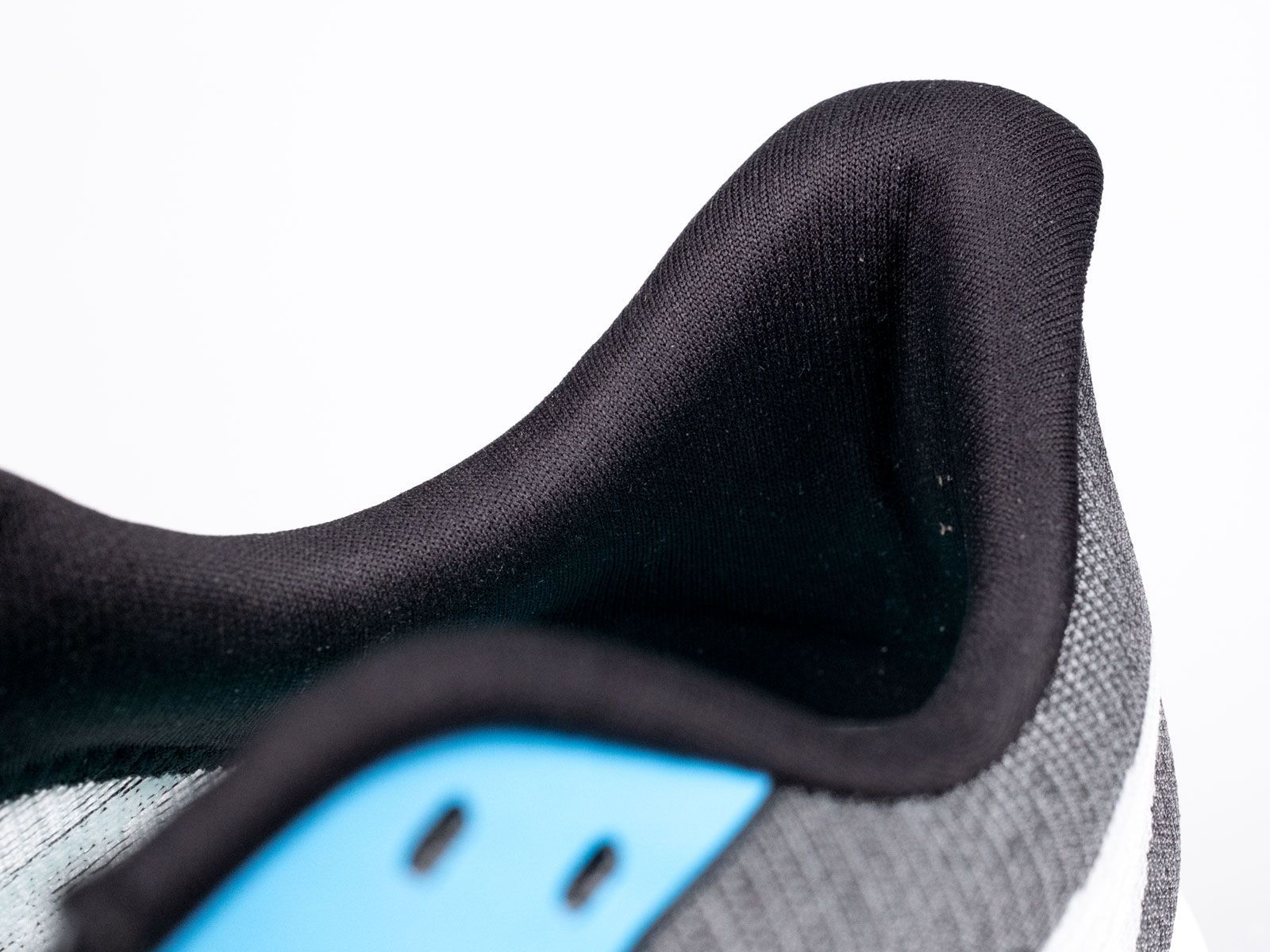
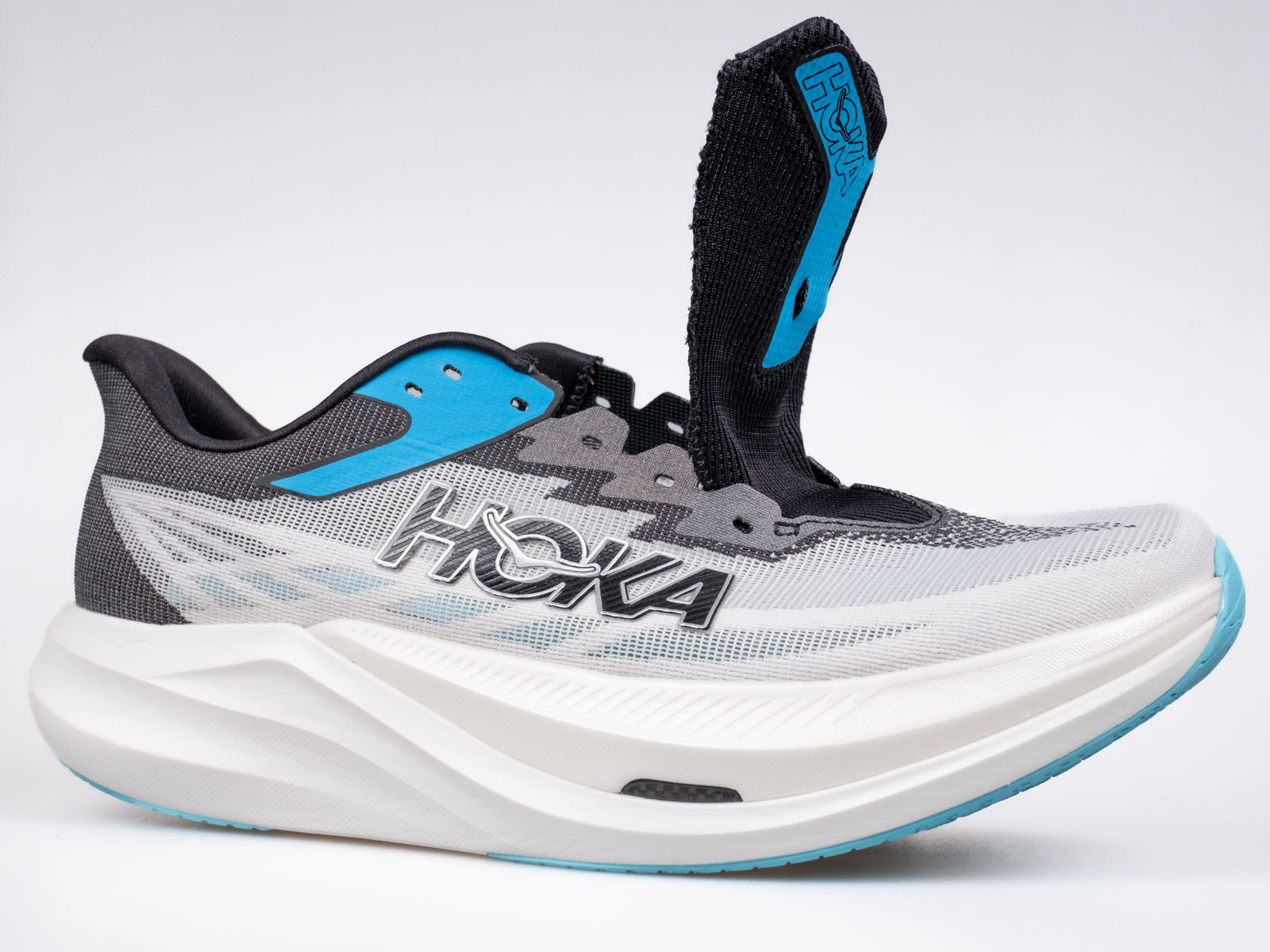
The heel fit, in particular, is a noticeable improvement. It gets a full-sized internal stiffener as well as daily trainer levels of foam padding. Besides the obvious benefit of better grip, it also repositions the foot closer to the front. By doing so, the foot rests directly over the rocker’s sweet spot for an enhanced propulsive effect. The tight upper keeps the foot close to the midsole to maximize the soft and springy cushioning feel. The new ribbed laces will be appreciated by the runners, as they’re highly resistant to coming undone.
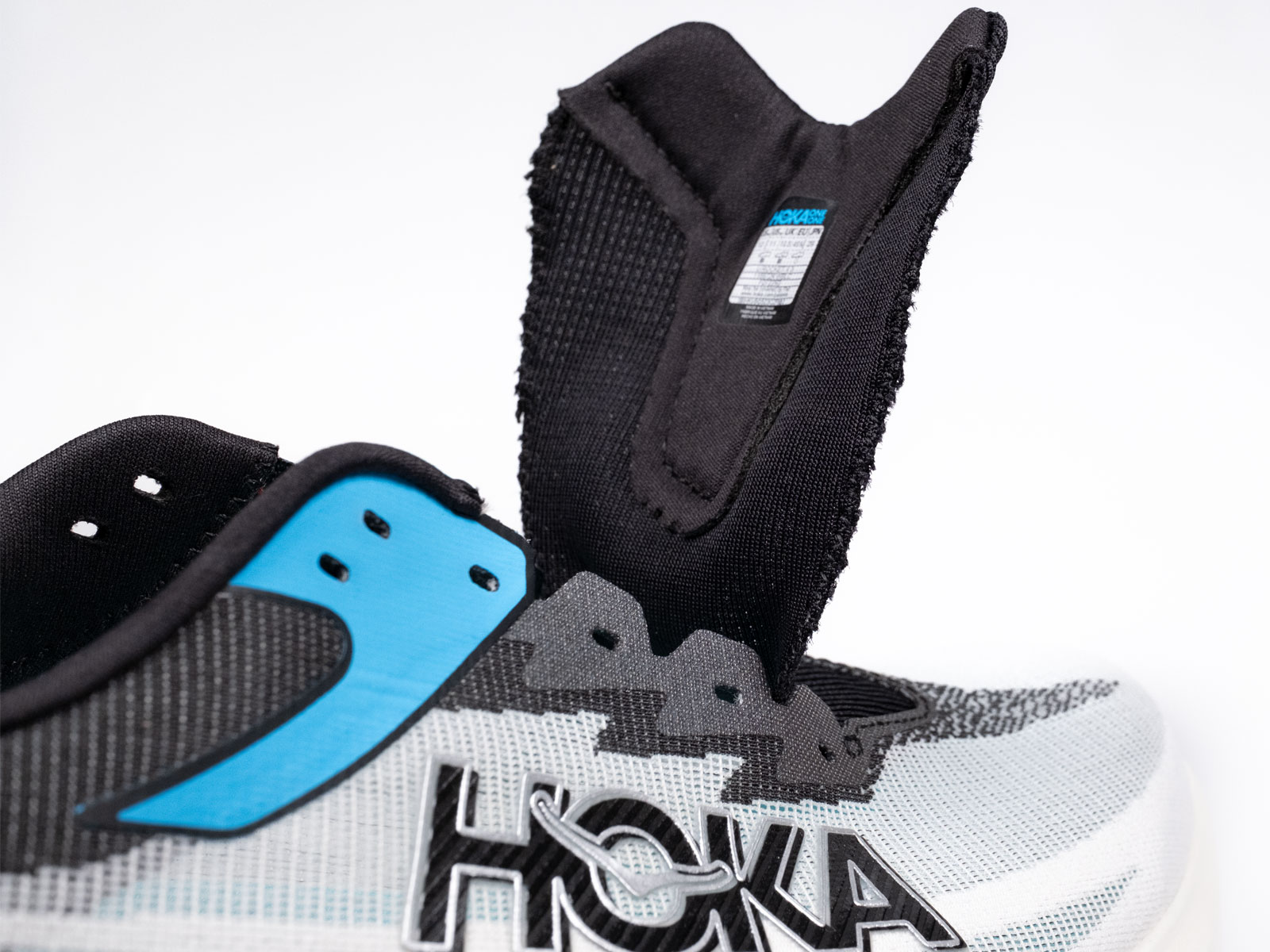
Getting rid of the gusset doesn’t lead to tongue slide, at least to the extent of becoming obvious. The wide tongue flap fills in the space on either side to minimize movement. It features a softer and more breathable mesh than that on the Rocket X2, improving the midfoot comfort. The thin tongue partially extends to the forefoot for easier upper flexing. Unlike the Mach X3, the Rocket X3 doesn’t come in an optional wide or extra-wide.
SHOES COMPARABLE TO THE HOKA ROCKET X 3
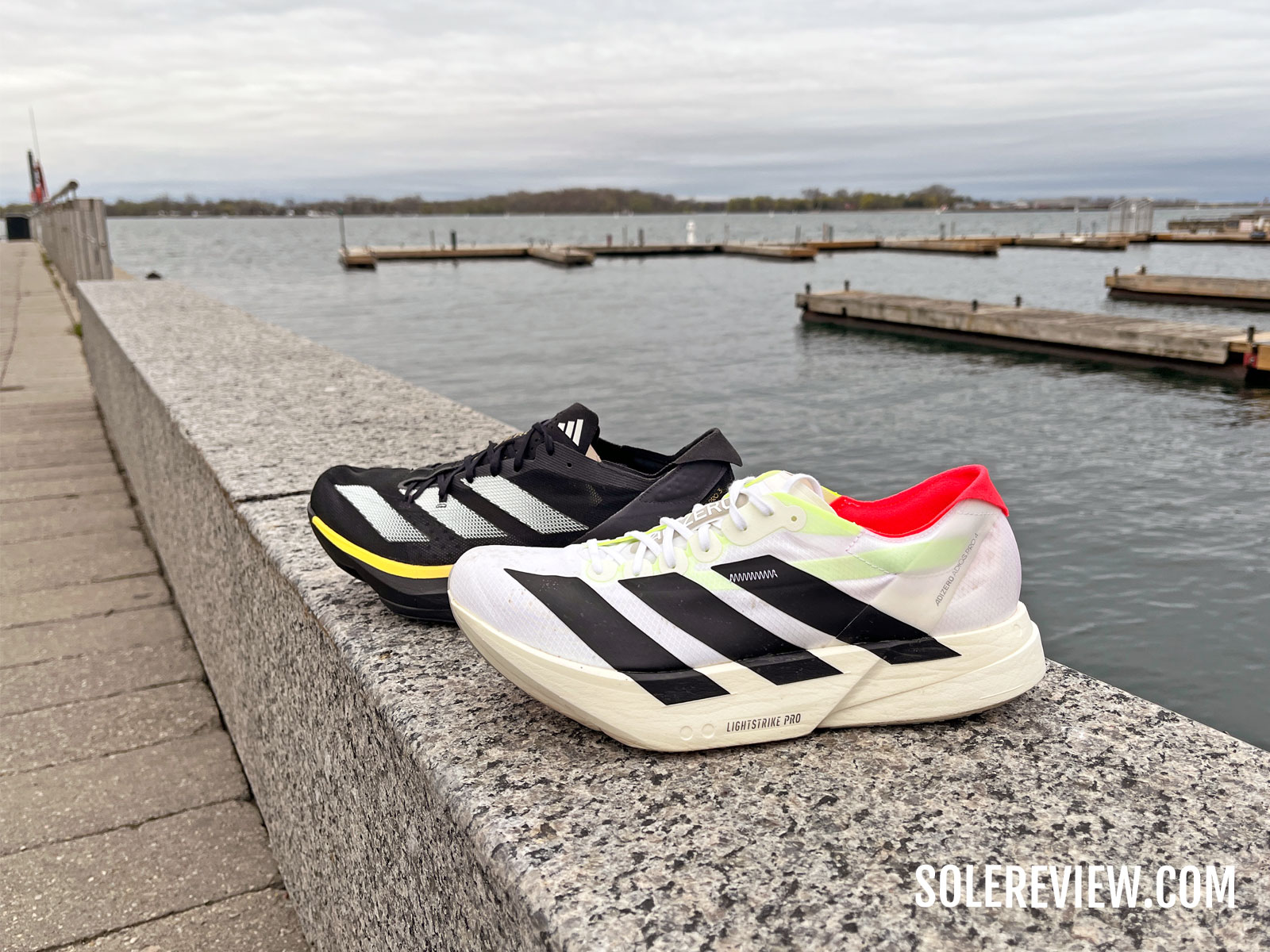
The adidas running lineup is changing - and fast.


Also consider:
- adidas Adios Pro 4
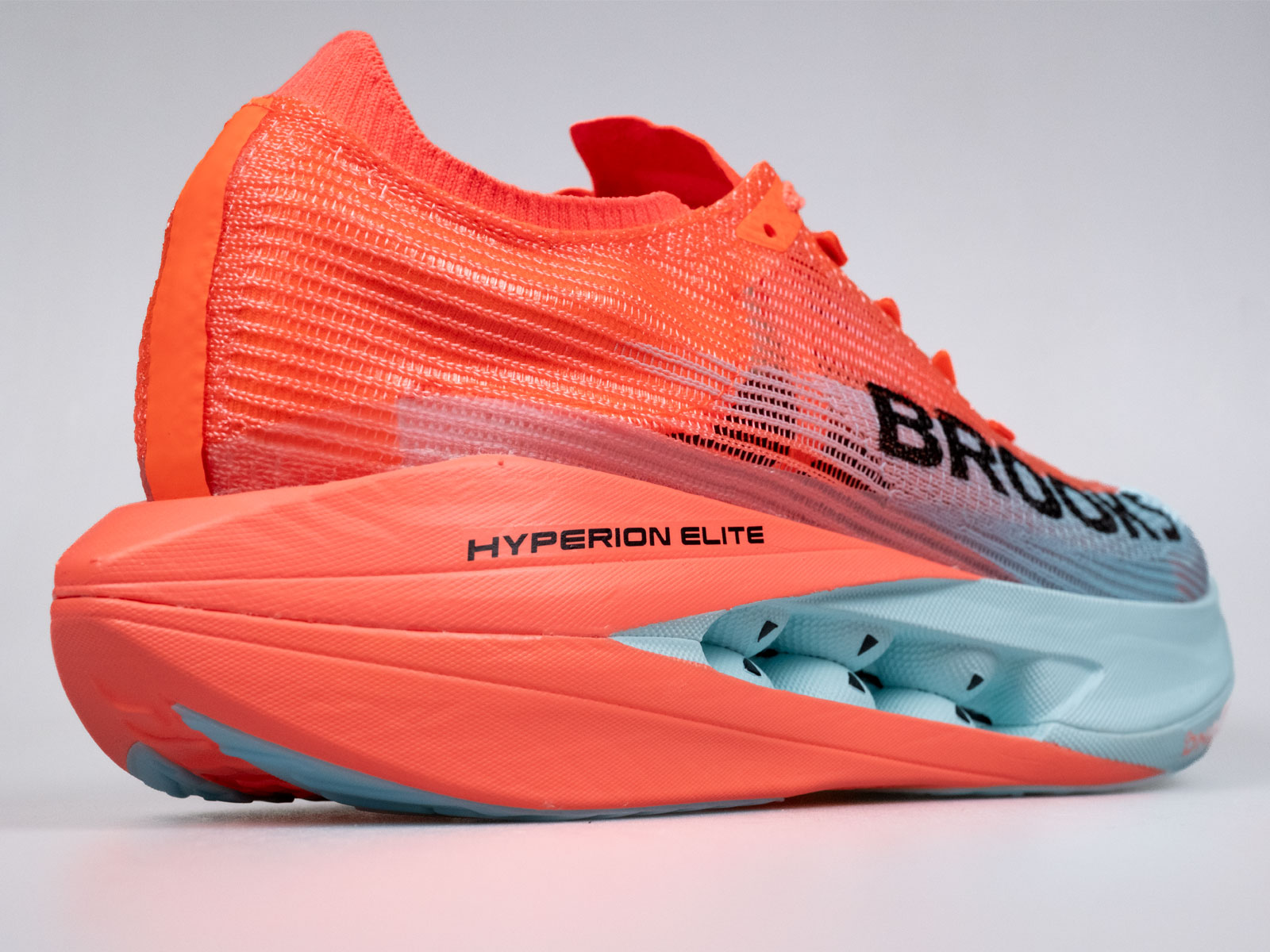
- Brooks Hyperion Elite 5
- Asics Metaspeed Edge Tokyo
- Nike Vaporfly 4
TECHNICAL SPECIFICATIONS
- Hoka’s marketing pitch: Pace-pushing propulsion for PB chasers.
- Upper: Lightweight breathable mesh, no sleeve.
- Sizing profile: True to size.
- Toe box fit: Cramped, but with some ceiling room.
- Forefoot fit: Narrow.
- Midfoot and heel fit: Secure.
- Midsole: Dual-density PEBA foam, carbon plate, removable footbed. 7 mm heel drop.
- Outsole: Carbon rubber in high-wear areas..
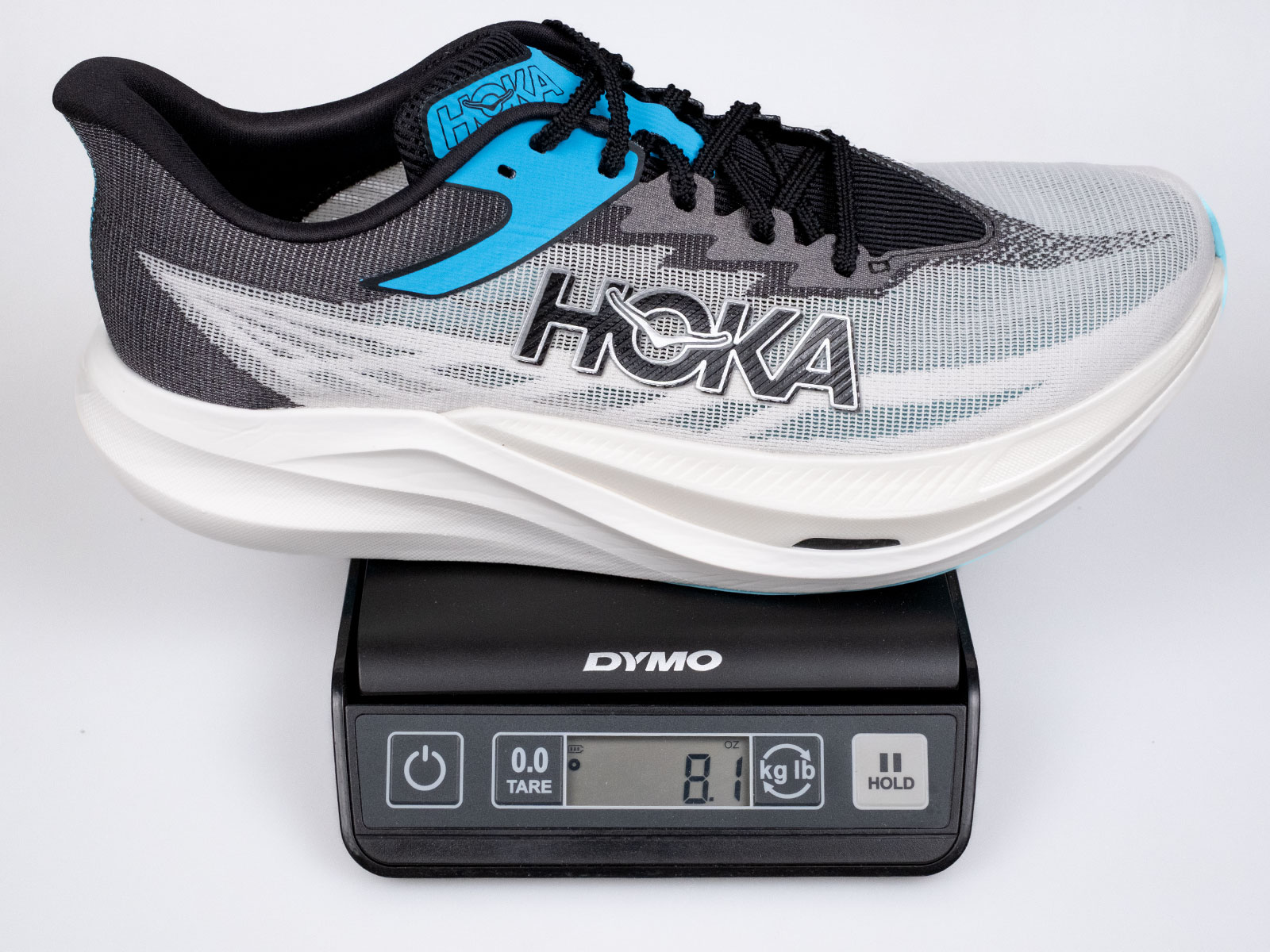
- Weight: 201 gms/ 7.1 Oz for a half pair of Men’s US 9/UK 8.5/EUR 42.5/CM 27.
- Stack heights: 40 mm (heel), 33 mm (forefoot).
- Available widths: Single – D (regular).
- Recommended use: 10K, half and full-marathons.
- Footstrike orientation: Midfoot/forefoot.
- Median lifespan: 350 miles.
- Previous model: Hoka Rocket X 2.
- Country of origin: Vietnam.
- Recommended paces: 5:00 min/km (8:00 min/mile) and faster.
- Recommended temperature range: Warmer than -0° C/32° F.