
Review Updates
(3 total)- 2026-07-21 — Added 'Cut in half' module
- 2026-07-21 — Added star rating module
- 2025-09-12 — Review published
CUT-IN-HALF: NIKE VAPORFLY 4
Teardown Analysis
Tap the hotspots to reveal component specifications.
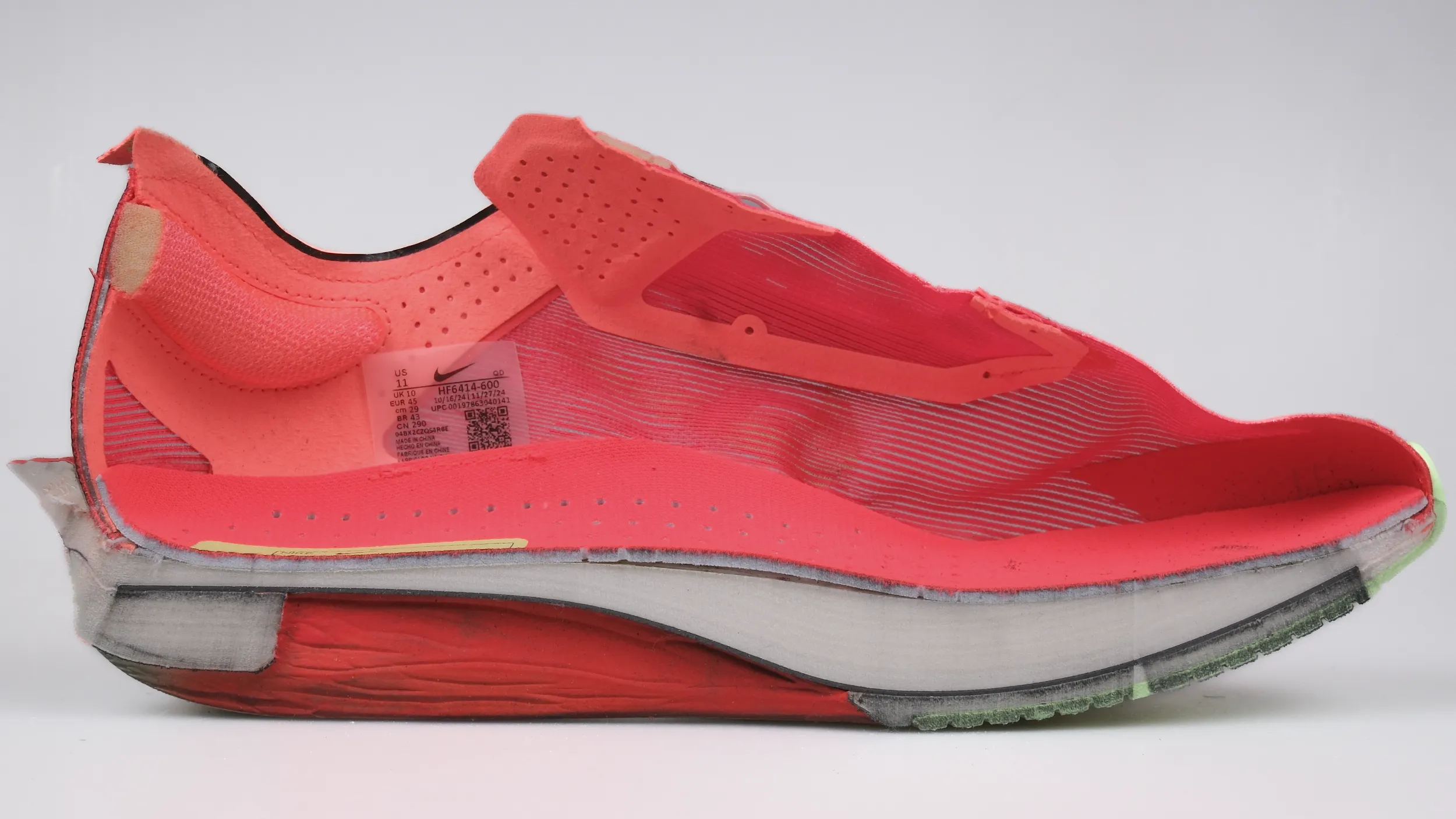
Select a component
Pros
- Soft, springy, and speed-friendly cushioning
- Secure upper improves power delivery and rocker effect
- Snappy springboard effect
- Ventilation
- High cushioning-to-weight ratio
Cons
- Poor heel stability
- Heel fit could be better
- Low compatibility with slow speeds and heel strikes
In this review:

SUMMARY
Running in the Vaporfly 3 was an underwhelming experience, so we rated the shoe accordingly. The previous model discarded much of what worked well for the Vaporfly 2, making it the weakest update in the series. The upper fit was sloppy, the power delivery from the foot to the midsole was poor, and the ZoomX cushioning felt underutilized. The vastly improved Nike Vaporfly 4 puts all that behind.
The Vaporfly 4 returns to form with a secure upper that extracts the best of the ZoomX midsole. Compared to the previous design, the upper does a much better job at highlighting the soft bounciness of ZoomX foam and the propulsiveness of the rocker. Meaningful tweaks have been applied to the midsole for improved performance. The higher angle of the carbon Flyplate and deep channel makes the familiar ‘springboard’ effect stronger.
While the ZoomX foam is almost identical across both versions, the midsole and upper changes enhance the cushioning quality. Although the heel stability is poor, the medial stability has improved because of the new midsole ridges and an outsole that partially extends to the midfoot. Only the heel fit is a step backwards from the Vaporfly 3; the new insole is the most probable cause. The Vaporfly 4 uses a molded footbed with raised edges instead of the flat die-cut design from last year. The new insole slightly raises the foot, making the heel depth shallower and causing the foam padding to miss its sweet spot.
At its core, the Vaporfly 4 is still a Vaporfly, but a refined one. We view it as an incrementally improved version of the Vaporfly 2, and pretend the Vaporfly 3 never existed. Runners will experience a lightweight ride with plenty of springy softness, as well as other recognizable traits such as the rear snap of the plate and propulsive rocker. As typical of carbon-plated supershoes, the Vaporfly 4 feels most at home during high-intensity runs at speeds 4:30 min/km (7:00 min/mile) and faster, preferably with forefoot and midfoot landings. This shoe is not a versatile, do-everything trainer; reserve it for 5K, 10K, and marathons.
WHAT THE VAPORFLY 4 DOES WELL
– Serves as a dedicated 5K, 10K, and marathon racer.
– Midsole and plate geometry favors fast forefoot strikers.
– Delivers a soft and bouncy ride.
– Offers a snappy rearfoot feel due to the angled plate.
– The glove-like forefoot and midfoot fit make the rocker and cushioning more effective.
– Offers adequate ventilation.
– Ideally operates at speeds of 4:30 min/km (7:00 min/mile) and faster.
WHAT THE VAPORFLY 4 DOES POORLY
– Not ideal for slow speeds, recovery runs, and heel striking.
– Offers low levels of heel stability.
– Doesn’t offer optional widths for wide feet.
– Doesn’t provide sufficient space for toe splay.
– Lacks the durability for daily runs or frequent mileage.
POTENTIAL ISSUES


The lack of heel stability is now almost a given for carbon-plated racers, so heel strikers need to be cautious during landings. Also, the heel collar doesn’t grip as well as the Vaporfly 3. As pointed out in the summary, the new footbed is the likely cause. The slight elevation of the foot causes the foam padding to miss its sweet spot for optimal grip.
WHAT HAS CHANGED
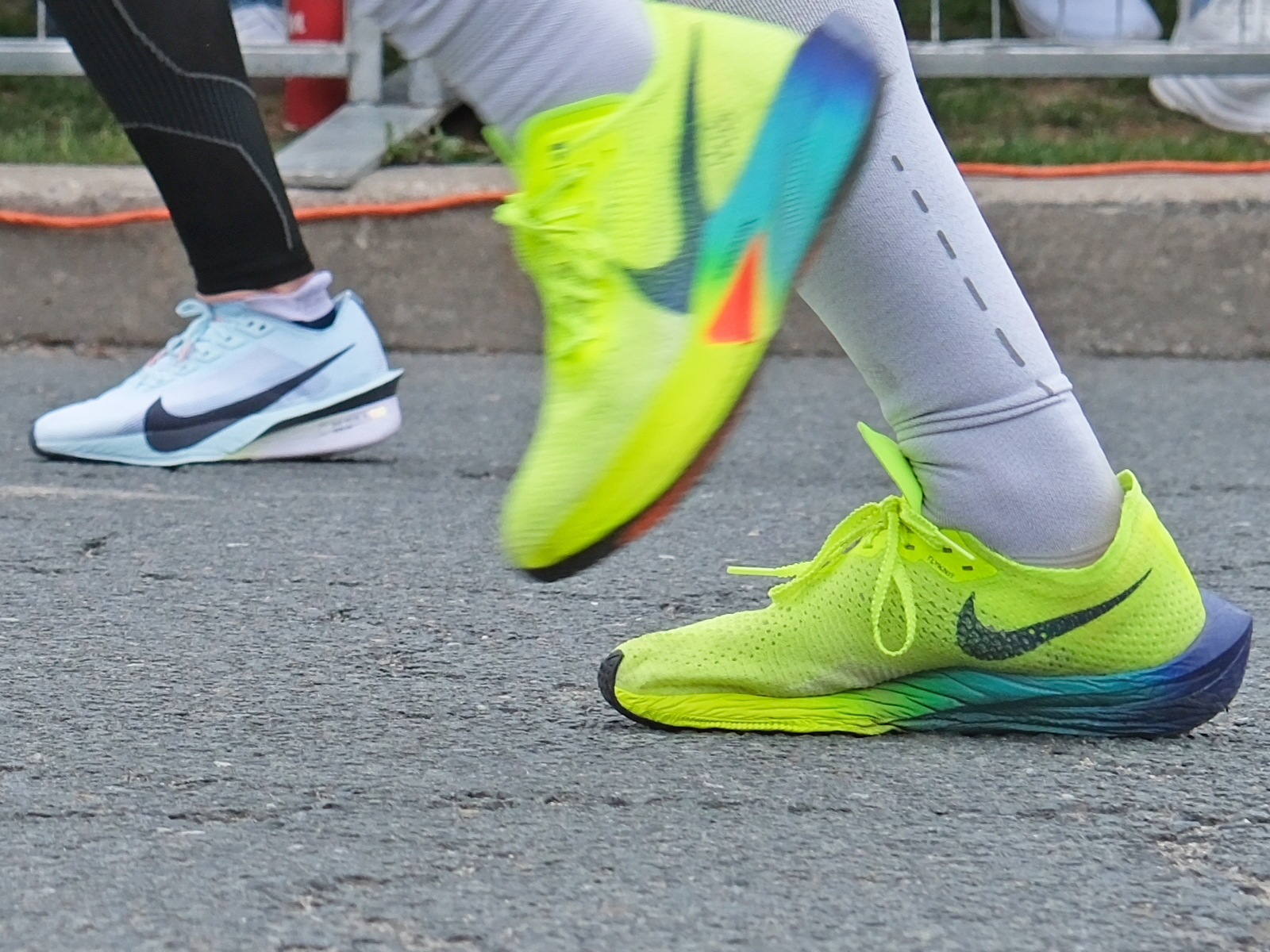
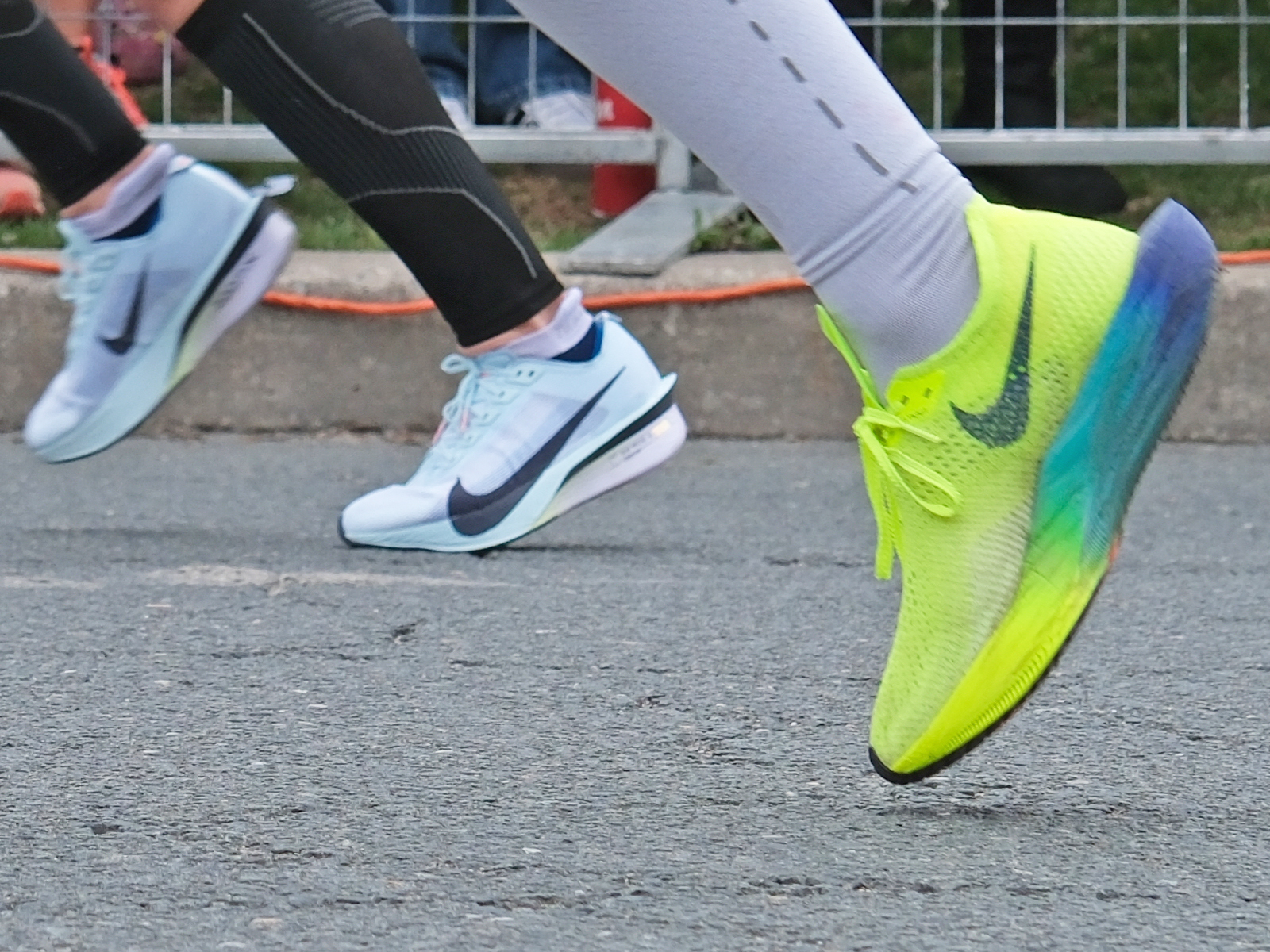
– Tighter and shallower forefoot and toe box.
– Softer and bouncier ride.
– Higher plate angle for better springboard effect.
– Forefoot plate is closer to the ground than the VF3.
– 10% lighter than Vaporfly 3.
– New blown rubber outsole with greater forefoot coverage.
– Longer and deeper Flyplate window on the outsole.
– The asymmetrical lacing has been replaced with a standard kind.
– New molded footbed instead of a flat insole.
– Updated mesh with a tighter structure.
– Side ridges added to the midsole.
– Slightly reduced ventilation.
– Marginally weaker heel fit due to the redesigned insole.
– 2 mm lower heel stack height and heel drop.
– Gets an internal toe bumper.
– Heel counter has vents at base, versus the Vaporfly 3’s solid design.
– New micro-braided laces replace the serrated/ribbed laces.
THE RIDE EXPERIENCE
The midsole is set up to deliver the ideal Vaporfly experience. Under the forefoot, the curved plate creates a distinct rocker effect for a propulsive roll-forward feel. Under the heel, the far end of the plate delivers the familiar rebound. Two updates enhance the ‘springboard’ effect under the heel. The plate has a higher angle and is now located closer to the ground under the forefoot. The midsole features a deeper channel exposing the carbon Flyplate underneath. The hollow midsole structure allows the plate to flex more freely, making the snappy feel more noticeable. The forefoot plate’s increased closeness to the ground also makes the rocker more effective.


The ZoomX midsole (35 mm and 29 mm stack) dials up the soft bounciness; it’s the softest in the series by far. For that, we have the upper, footbed, and redesigned outsole to thank. By doing a better job of locking the foot down over the midsole, the snugger upper brings out the foam’s inherent properties. The upper is made more secure by the mesh, as well as the new footbed that decreases the interior space. The springy cushioning feels substantial under the forefoot. In the back, the bouncy softness is the result of both the foam and the plate doing their thing. The blown rubber outsole has improved traction, as it gets rid of the perforation while providing more coverage. The grip isn’t super sticky, but there are no complaints either.

At speeds slower than 4:30 min/km (7:00 min/mile), the midsole’s lack of stability becomes increasingly obvious. The more time the foot spends loading the midsole, the more unstable the slim base feels. The bouncy rocker forefoot also tends to throw you around at slower speeds. Quick turnovers best complement the Vaporfly’s range of talents. The forefoot midsole is disproportionately wider, so it’s easy to see where the Vaporfly 4’s priorities lie. This lightweight (190 gms, 6.7 oz) racing shoe delivers the speed-friendly ride and cushioning for fast 5K, 10K, and marathons, but for everything else, it’s best to reach out for another shoe in your rotation.


The Vaporfly 4 has two other things that the previous models lacked. The non-removable insole now has molded edges that cup the heel and under-arch area. The midsole edge curves sharply under the midsole, so the new insole acts as a foam barrier. The dull pressure felt initially under the forefoot disappears after a few runs.
While the overall stability is average, the Vaporfly 4 is a far superior choice for overpronators than the Vaporfly 3. The new ridges on the midsole give it more structure during loading. The outsole also improves medial support by extending further under the arch area than the VF 3.
RECOMMENDED ROTATION
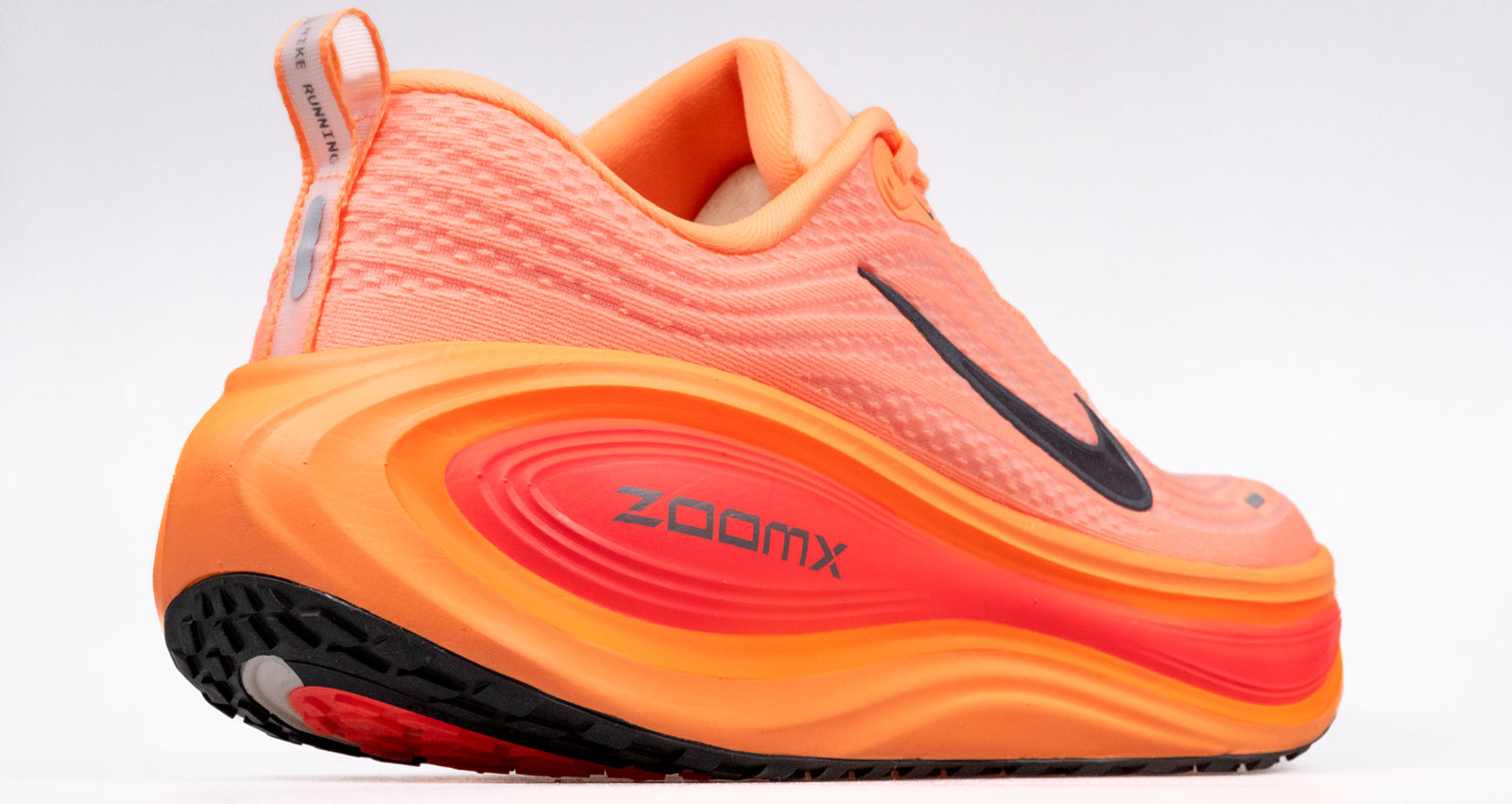
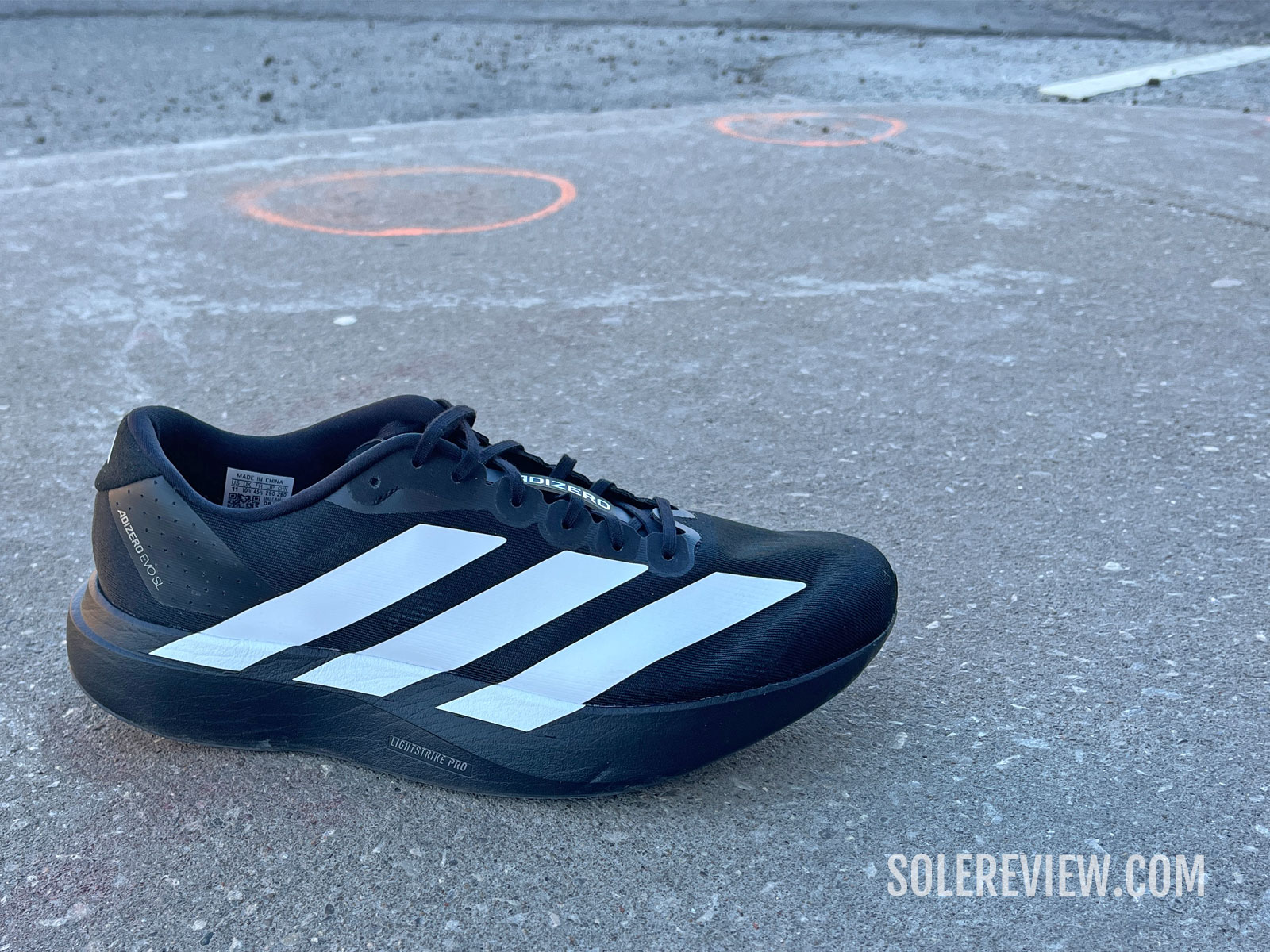
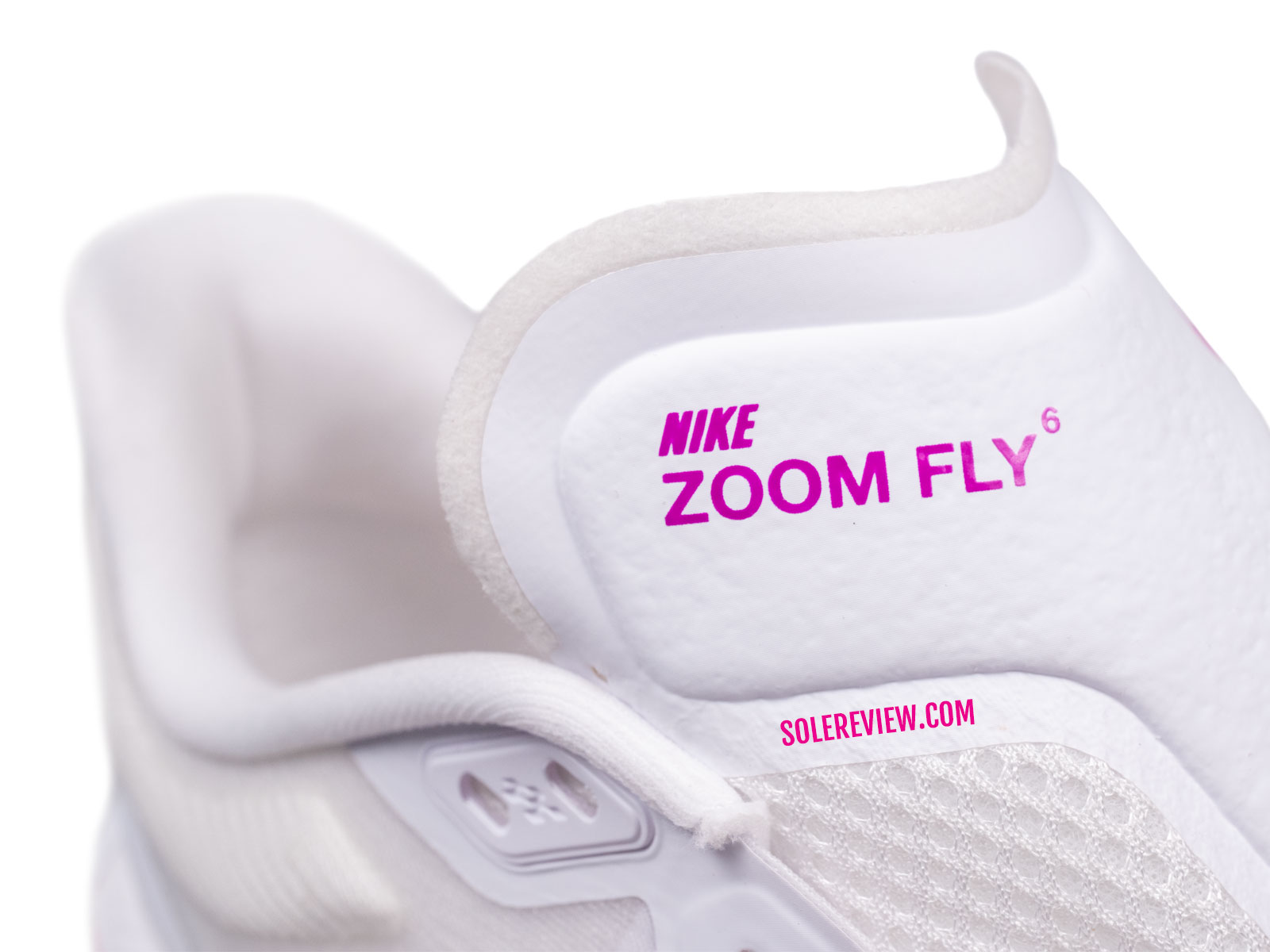
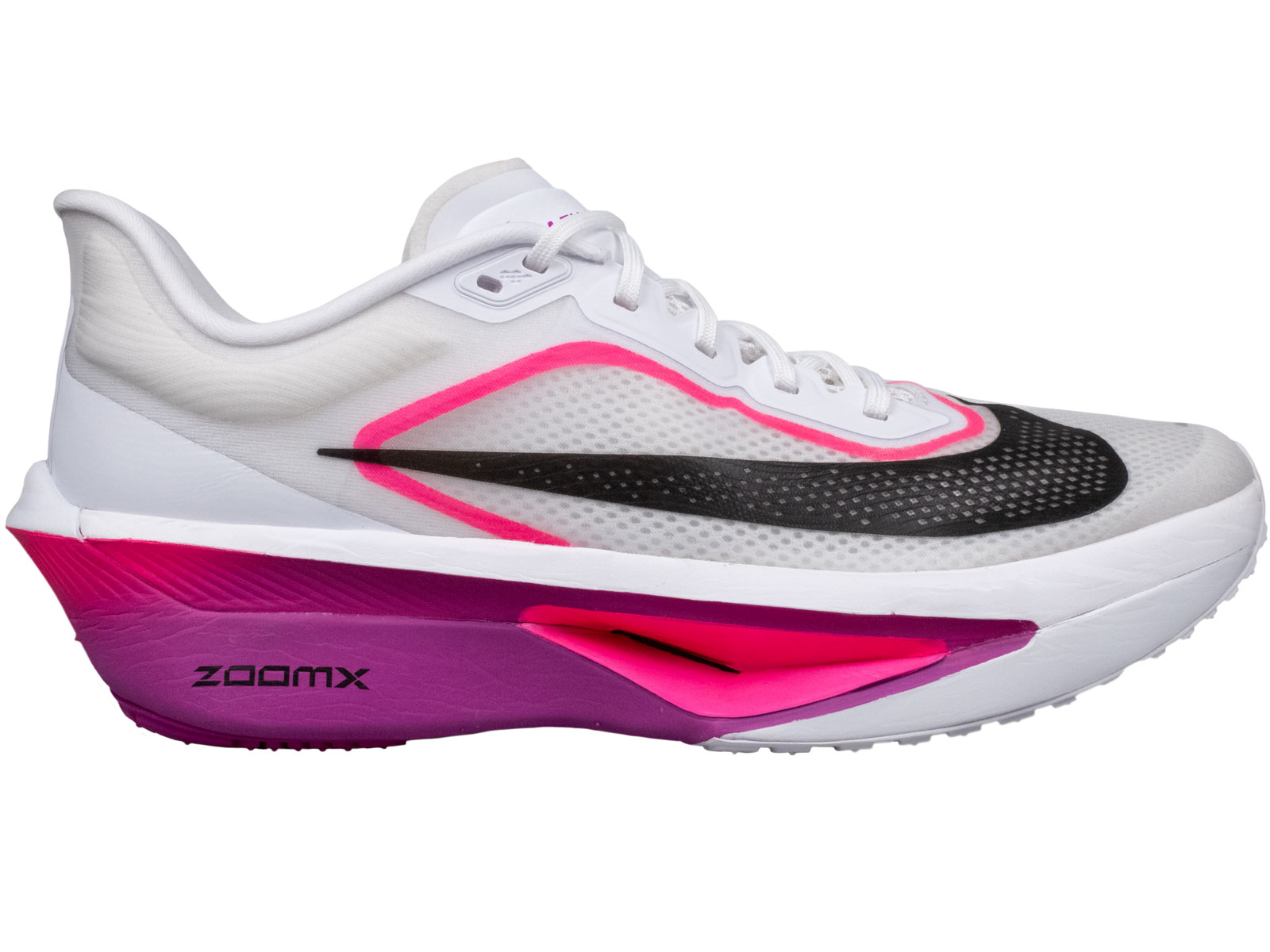
- Use the Nike Vaporfly 4 for 10K, marathons
- Use the Nike Vomero Plus for recovery and easy runs
- Use the adidas EVO SL or Nike Zoom Fly 6 for daily runs, tempos, intervals
THE UPPER DESIGN AND FIT
Most of the changes on the Vaporfly 4’s upper are tangible improvements. The forefoot and toe box fit have significantly improved, locking the foot in during high-intensity running, fast cornering included. The internal bumper adds the previously missing structure to the toe box. The true-to-size forefoot fits as a racer should, but without the aggressive fit that shoes such as the adidas Adios Pro 4 and Brooks Hyperion Elite 5 have. Changing the mesh has made a notable difference, with some help from the new footbed that decreases interior space.


The midfoot lockdown is excellent, too. For the first time in Vaporfly’s history, the lacing panel is no longer asymmetrical and now sits directly on top of the midfoot. The laces have also been updated, changing from the ribbed/serrated kind to one with a flat and coarse hand feel. Tugging on the laces creates a glove-like wrap around the foot. The new mesh texture has alternating thick and thin zones running horizontally. While non-stretchy, the thin lines have a 2-3 mm of play on each side, so the upper conforms to the foot when laced tight. This is a milder version of what we experienced on the Brooks Hyperion Elite 5.
The heel fit is the only section that feels half-baked. At no point does the foot slip out of the heel, and besides, the midfoot and forefoot do a great job of securing the foot. That said, the average heel fit is the unintended result of two new features. While the heel uses similar foam pods as the last time, it doesn’t lock in on the same spot over the foot. The newly-added insole edges lift up the foot by a few millimeters, so the entire heel collar loses some depth. Even when fully laced, there’s some gap between the foot and the inner collar, something the Vaporfly 3 did not suffer from. The vents at the base of the heel counter are also new for this version.
SHOES COMPARABLE TO THE NIKE VAPORFLY 4
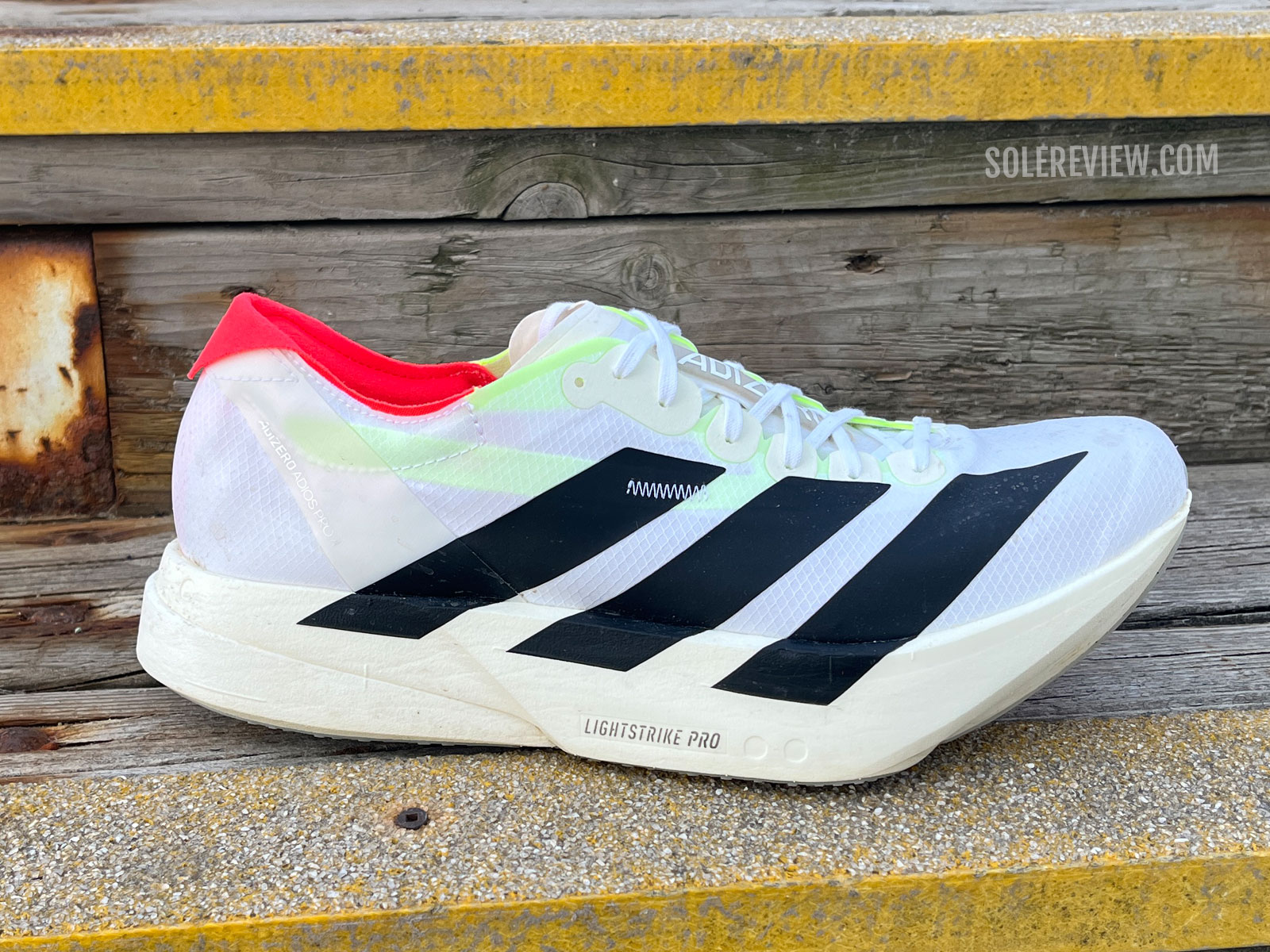
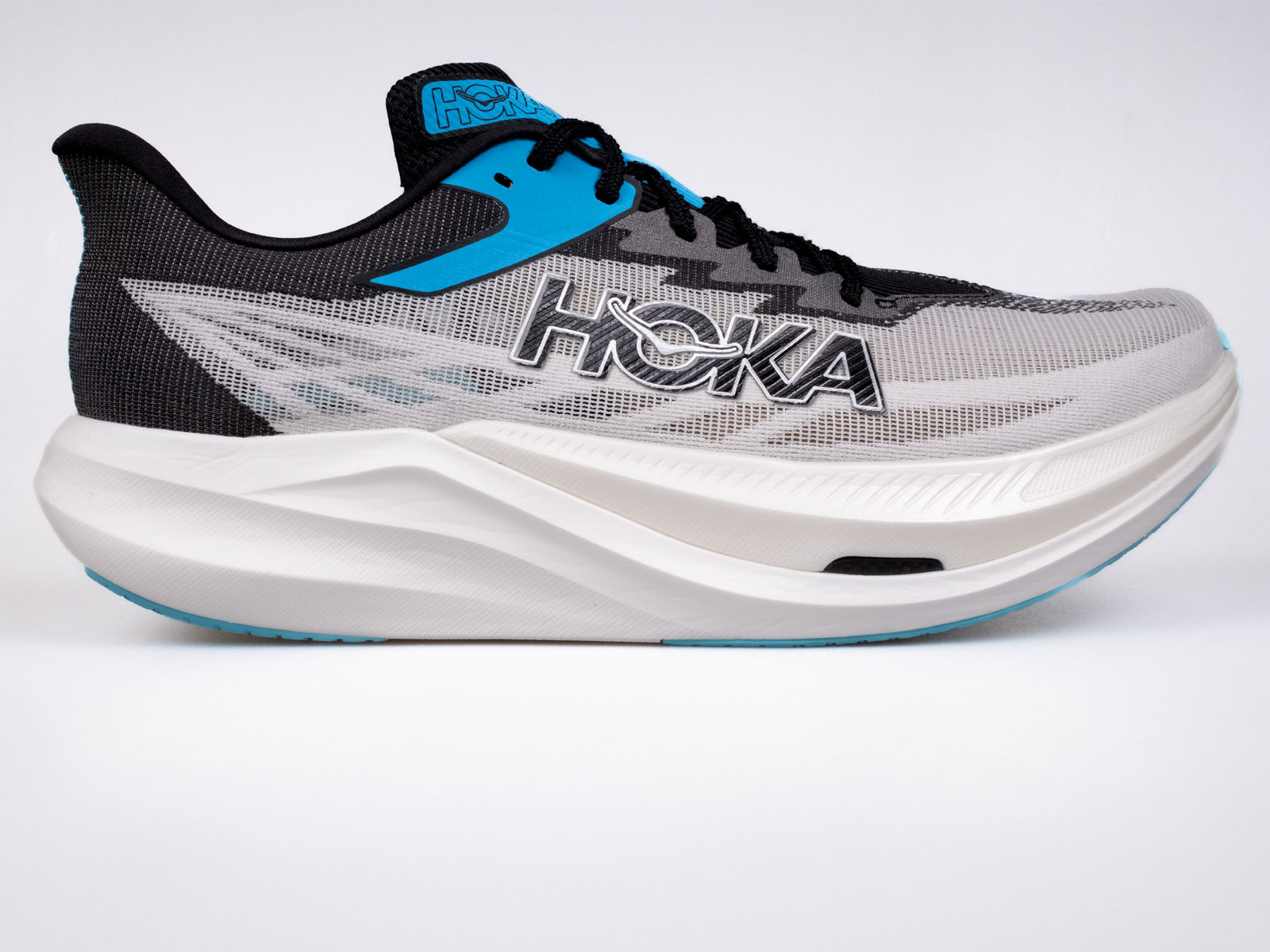
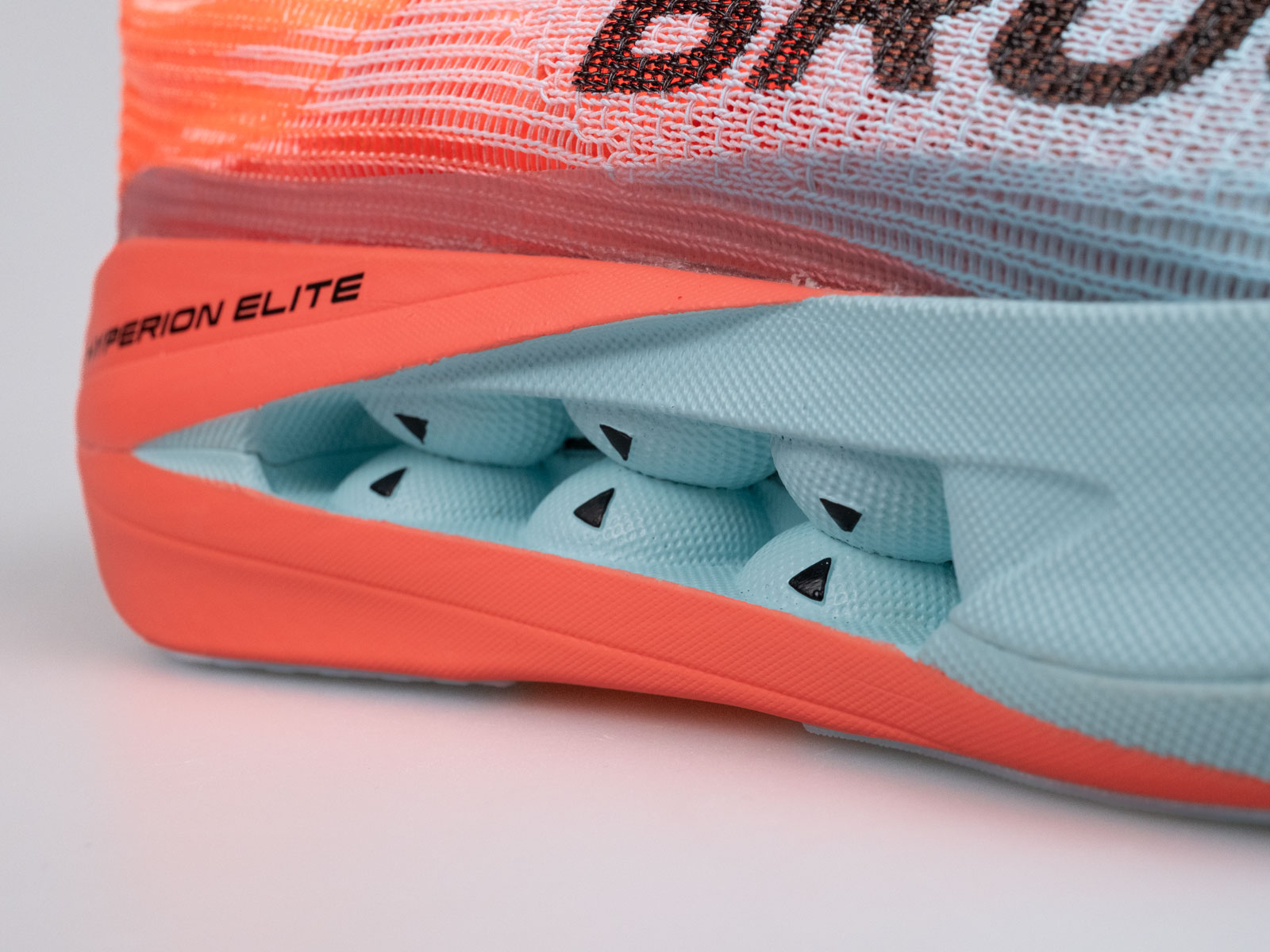
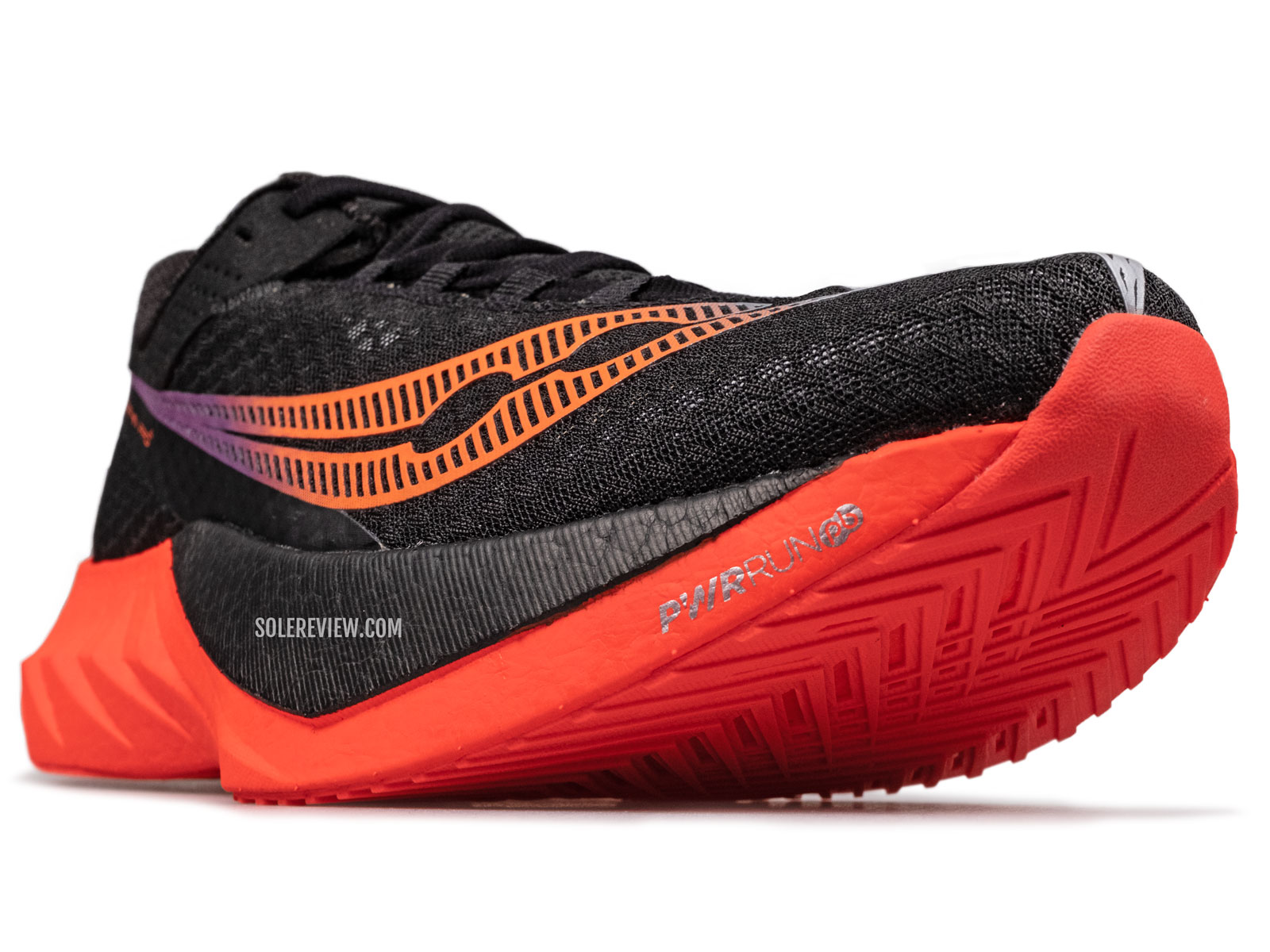
Also consider:
- adidas Adios Pro 4
- Asics Metaspeed Edge Tokyo
- Brooks Hyperion Elite 5
- Hoka Rocket X3
- Saucony Endorphin Pro 4
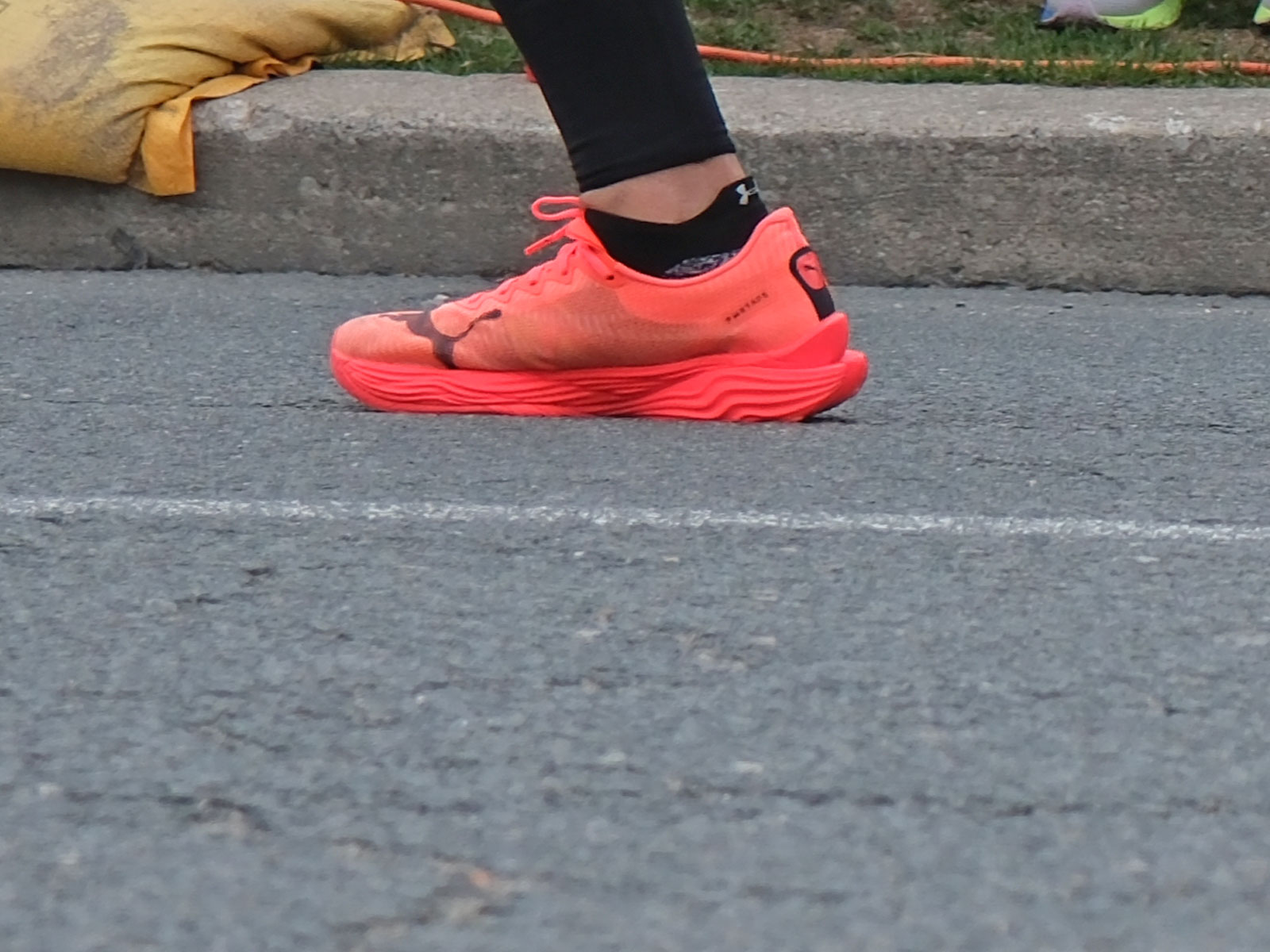
- Puma Deviate Nitro Elite 3
TECHNICAL SPECIFICATIONS
- Nike’s marketing pitch: A lean, mean, mile-eating machine.
- Upper: Lightweight mesh, no sleeve.
- Sizing profile: True to size.
- Toe box fit: Secure, slightly pointy.
- Forefoot fit: Narrow.
- Midfoot fit: Very secure.
- Heel fit: Slightly loose, but no slippage.
- Midsole: 100% ZoomX foam, full-length carbon plate. Glued-on footbed. 6 mm heel drop.
- Outsole: Soft blown rubber in high-wear areas.
- Weight: 190 gms/ 6.7 Oz for a half pair of Men’s US 10/UK 9/EUR 44/CM 27.1
- Stack heights: 35 mm (heel), 29 mm (forefoot).
- Available widths: Single – D (regular)
- Recommended use: 10K, half and full marathons.
- Footstrike orientation: Midfoot/forefoot.
- Median lifespan: 350 miles.
- Previous model: Nike Vaporfly 3.
- Country of origin: China.
- Recommended paces: 4:30 min/km (7:00 min/mile) and faster.
- Recommended temperature range: Warmer than 0° C/32° F.