
Pros
- Soft and bouncy cushioning
- Propulsive early-stage rocker
- Secure upper fit
- Efficient power transfer from the foot to the midsole
- Versatility for daily miles and races at 4:00 min/km (6:30 min/mile) and slower
Cons
- Heavy
- Low medial stability
- Stretchy tongue and bootie entry affects ventilation
- Lack of widths
- Cramped inner toe box
- Average outsole grip on wet roads
In this review:

SUMMARY
In its latest form, the Brooks Hyperion Max 3 is a generously cushioned trainer with a Nylon plate, an early-stage rocker, and a tight upper fit. If you’re willing to pay $200, this shoe is an excellent marathon racer and general-purpose trainer at speeds slower than 4:00 min/km (6:30 min/mile).
While the last two versions of this franchise (if you can even call it that) shared the same name, they were nothing like the current model. For all practical purposes, the Hyperion Max 3 is a brand-new introduction that should be treated as such. The latest version takes off in a completely different direction, featuring a substantially softer midsole that partially features the new DNA Gold foam. The upper uses an elastic tongue and entry with a stiffer toe box, leaving the Hyperion Max 2’s near-perfect upper in the past. The Hyperion Max 3 is a more enjoyable trainer to run in, but it sacrifices much of its stability and speed-friendly character. The Hyperion Max 2 was a purist’s trainer; the Hyperion Max 3 is more commercial with a broader appeal.
WHAT THE HYPERION MAX 3 DOES WELL
– Everyday training, recovery runs, long runs, and marathons, ideally at 4:00 min/km (6:30 min/mile) or slower.
– Delivers a soft and bouncy ride with a peppy feel.
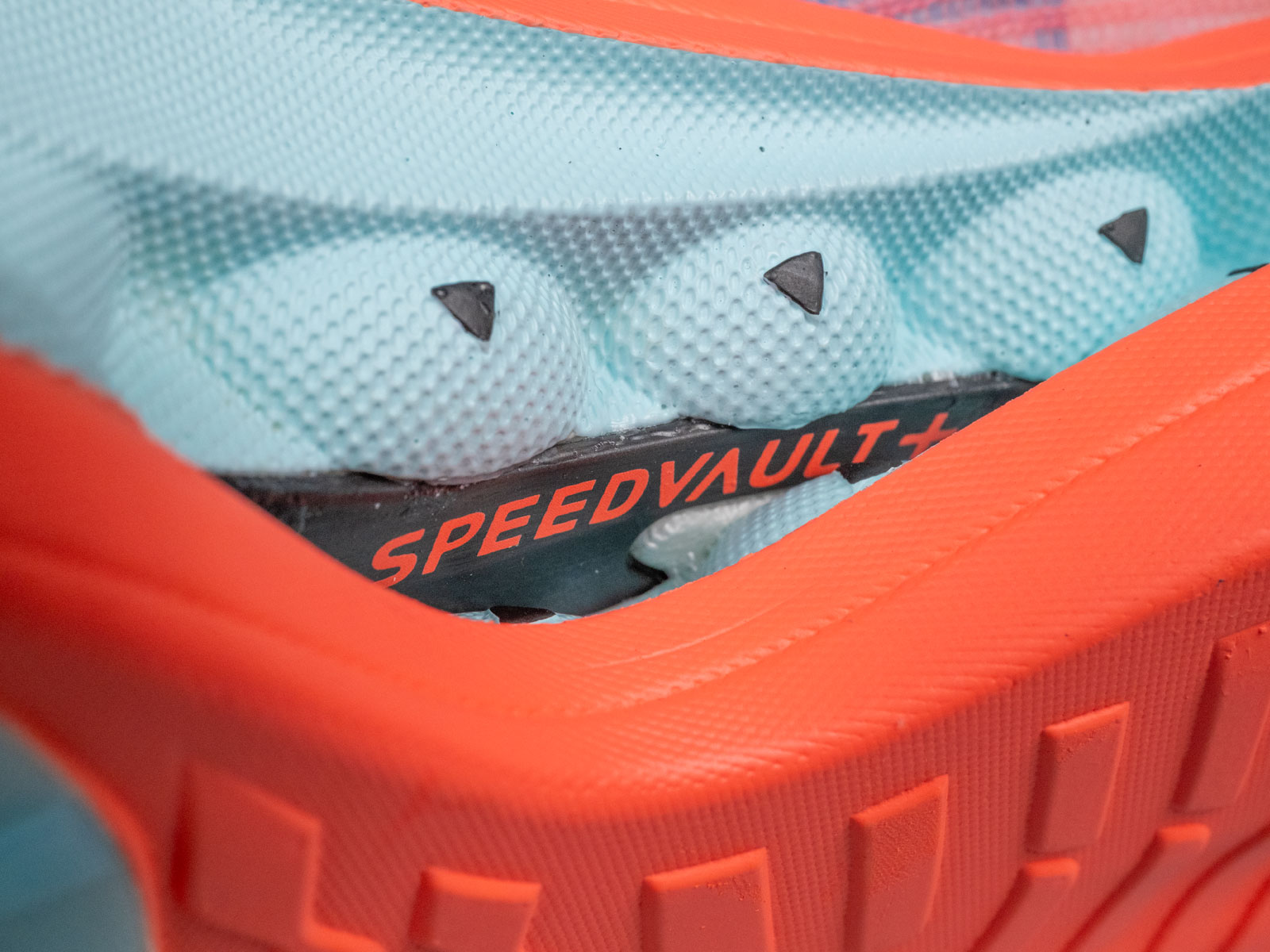
– Smooth transitions, brought to you by the Nylon Speedvault plate and early-stage rocker.
– Offers a secure fit.
– Establishes a strong connection between the foot and the midsole for efficient transfer of power.
– Works equally well for midfoot and heel strikers.
– Does not penalize slow running speeds.
WHAT THE HYPERION MAX 3 DOES POORLY
– Struggles at running speeds under 4:00 min/km (6:30 min/mile) due to its soft ride and weight.
– Poor performance for overpronators due to low medial support.
– Not great for wide feet because of the snug forefoot and toe box, as well the lack of widths.
– Runs warmer in humid and hot weather because of the stretchy tongue and bootie entry.
– Carries more weight than comparable super-trainers, bottom-heavy.
– Cannot accommodate an aftermarket insole or orthotic.
POTENTIAL ISSUES


The cut-out section over the Speedvault plate (under the arch area) negatively impacts stability. The slim base, scooped sidewalls, and lack of midsole flare and cupping action make the shoe unsuitable for overpronating feet. The midsole is much softer than the Hyperion Max 2, resulting in diminished high-speed capabilities than before. Runners who loved the just-right fit of the previous model may find the redesigned toe box too cramped for their liking, the large toe side in particular.
WHAT HAS CHANGED

– Softer and bouncier ride due to the new DNA Gold foam and lower-density DNA Flash V2.
– Lower stability because of material change, inner midsole cut-out, and removal of the center channel from the V2.
– Lacks the raised sidewalls (Guiderails) of the previous model.
– More life in the midsole than the flat and stiff ride of H2, but harder to get quicker (>4:00 min/km) miles out of.
– Warmer upper with a tighter toe box.
– Features ordinary laces instead of the serrated/ribbed racing laces.
– Features an early-stage rocker instead of the late-stage rocker of the H-Max V2.
– Lower forefoot grip due to decreased outsole surface area and geometry.
– 12% weight increase.
– Price increase from $180 to $200.
THE RIDE EXPERIENCE
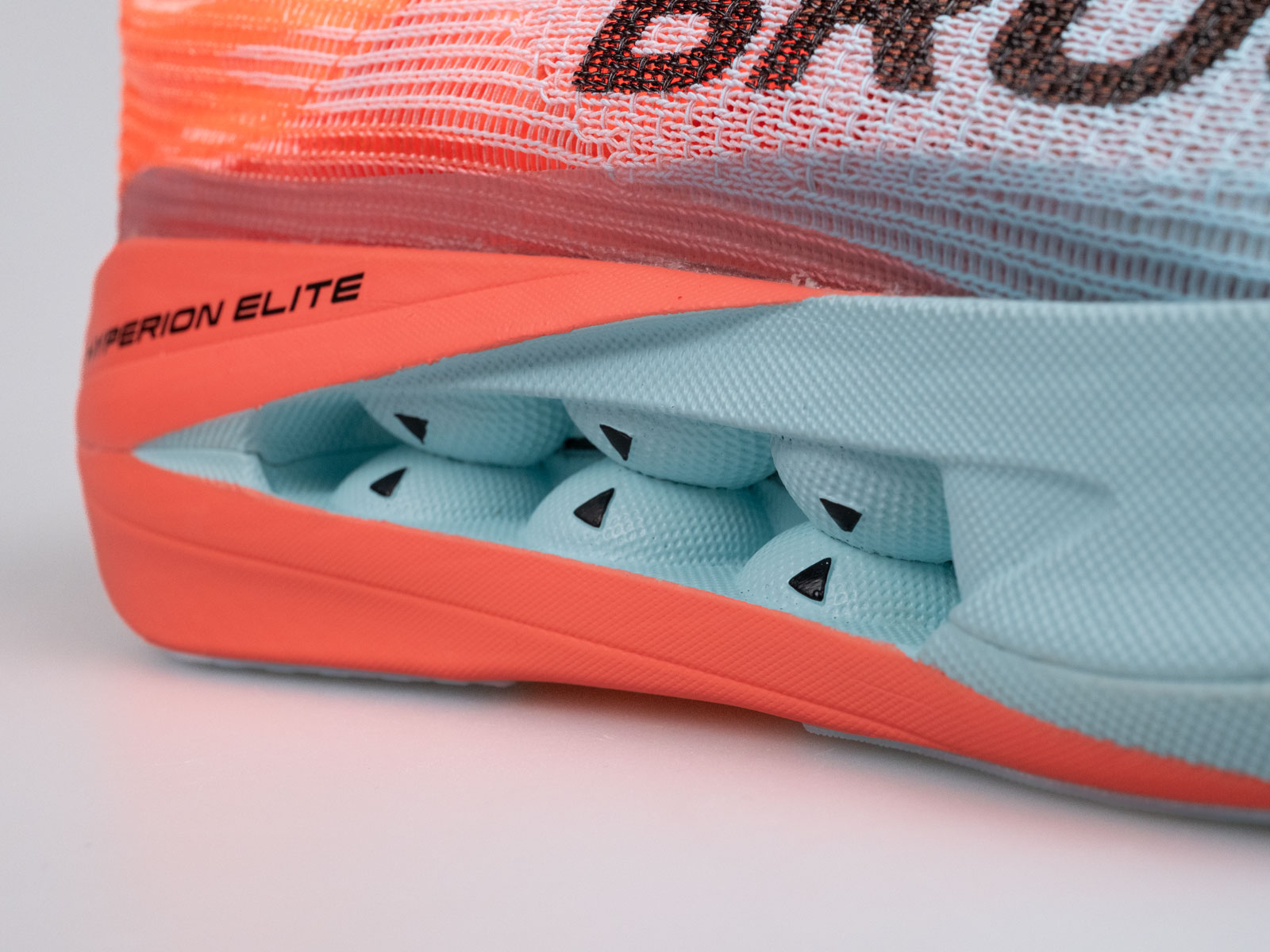
Brooks is in the process of phasing out the firm DNA Flash foam across their line-up, replacing it with a softer and lower-density variant called the Flash V2. The new DNA Gold foam (PEBA) also made its debut on the Hyperion Elite 5, and the Hyperion Max 3 gets it too, albeit partially. The Hyperion Max 3 is in a unique position as it features both upgraded foams.


If you’ve read this review so far, we hope we’ve made it clear how different the Hyperion Max 3 is from the Hyperion Max 2. The Nylon Speedvault plate is the only recognizable component from the last model, and everything else around it is new. The springy-soft DNA Gold foam is layered over the dense and rubbery DNA Flash V2 platform. The DNA Gold foam tapers from the forefoot to the heel, meaning forefoot strikers stand to benefit the most from the new setup. Together, these foam layers produce stack heights of 44 mm (heel) and 38 mm (forefoot). There’s not much in the way of step-in cushioning; the footbed is thin, and the lasting uses fabric. The insole is glued to the lasting, but weakly.


Brooks advertises the Hyperion Max 3 as a shoe that ‘helps you train fast and recover well’. While Brooks takes liberties with the term ‘fast’, the overall ride experience isn’t that far removed from the claim. The tall midsole blends the soft rebound of the DNA Gold foam with the rubbery cushioning of the DNA Flash V2 base.
The rocker position has moved back to an early stage position, meaning the foot falls into the roll-off zone earlier than the Hyperion Max 2. The curved Nylon plate accentuates the rocker effect, making the loading and turnovers smoother. The combination of the foam cushioning and plate assist adds versatility to the ride. This is a shoe that works for everyday miles, recovery runs, and races – as long as the speeds stay over 4:00 min/km (6:30 min/mile).
Brooks implies that the Hyperion Max 3 is ‘fast’, but that’s stretching it. There’s a fair degree of give when the midsole is fully loaded, and the softer ride introduces a sense of lethargy that was absent on the stiffer Hyperion Max 2 and 1. For example, if the last version (V2) was perfectly comfortable cruising at 3:30 min/km (5:30 min/mile) paces, the softer ride of the V3 is far more hesitant at those speeds.
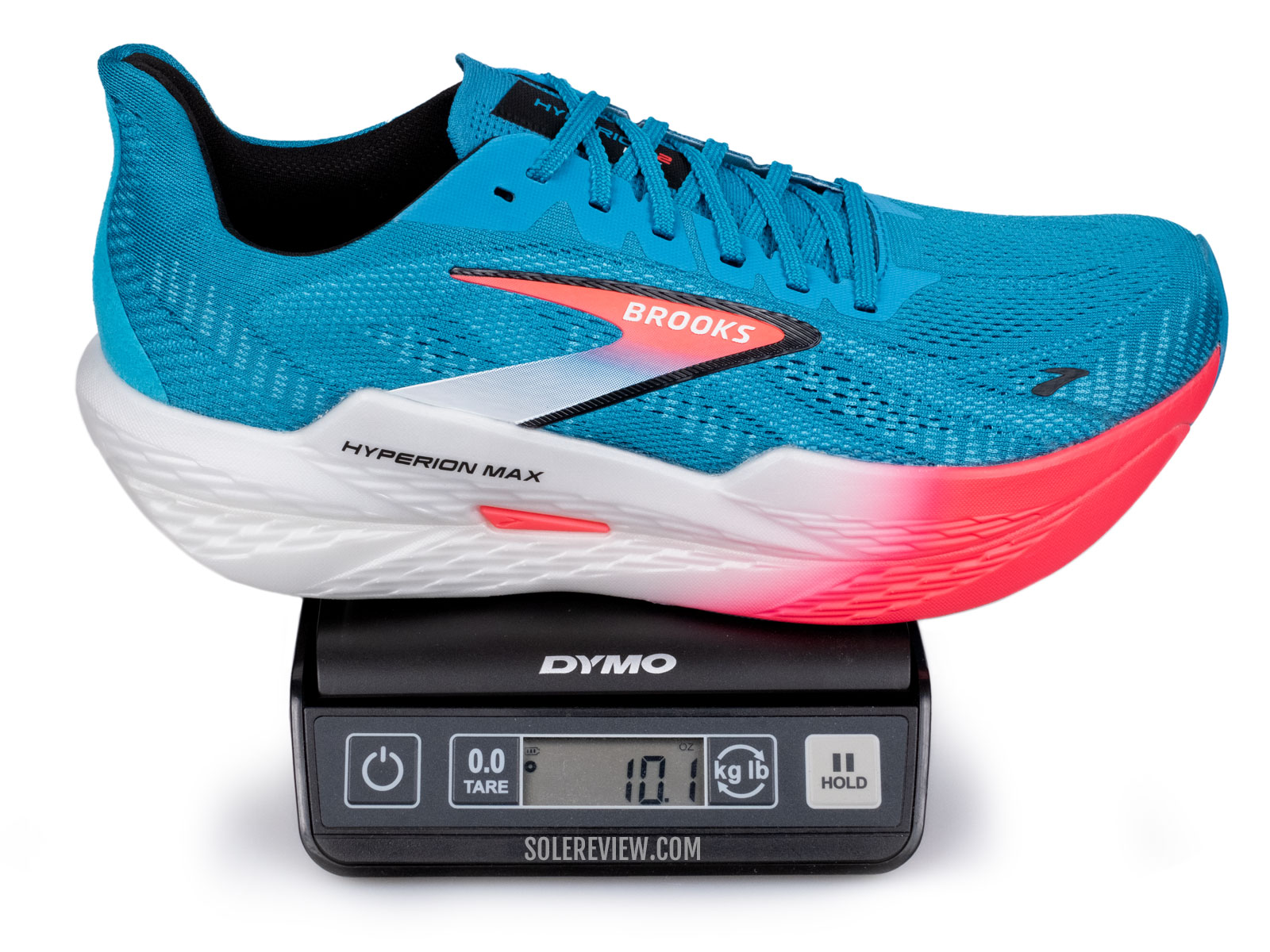
This isn’t a lightweight shoe either; our half pair of US 11 weighs over 11 ounces. While the snug upper does an excellent job of transferring power to the midsole, the foot takes a split second longer to work through the soft midsole. The Hyperion Max 2 was a purist’s tempo training tool; the Hyperion Max 3 is more mainstream and enjoyable to run in.


Under most circumstances, a softer ride translates into lower stability. That’s the case here, but there are a couple of other reasons why this cushioned trainer lacks support, particularly on the medial side. The foot sits on the top of the midsole without any support from side cupping. The Hyperion Max 2, for example, had raised sidewalls on either side. Brooks wanted to show off the Speedvault plate, so they removed a section of the inner midsole. The cut-out affects the structural integrity of the midsole, with overpronators noticing the lack of support.
In essence, overpronators should buy a more stable plated shoe instead of the Hyperion Max 3. The slim midsole base has concave scoops molded into its sidewalls, making compression easier but sacrificing stability in the process. To be clear, the Hyperion Max 3 isn’t an unstable trainer except under a heavily overpronated gait. That being said, the difference in stability is noticeable when compared with the previous model.

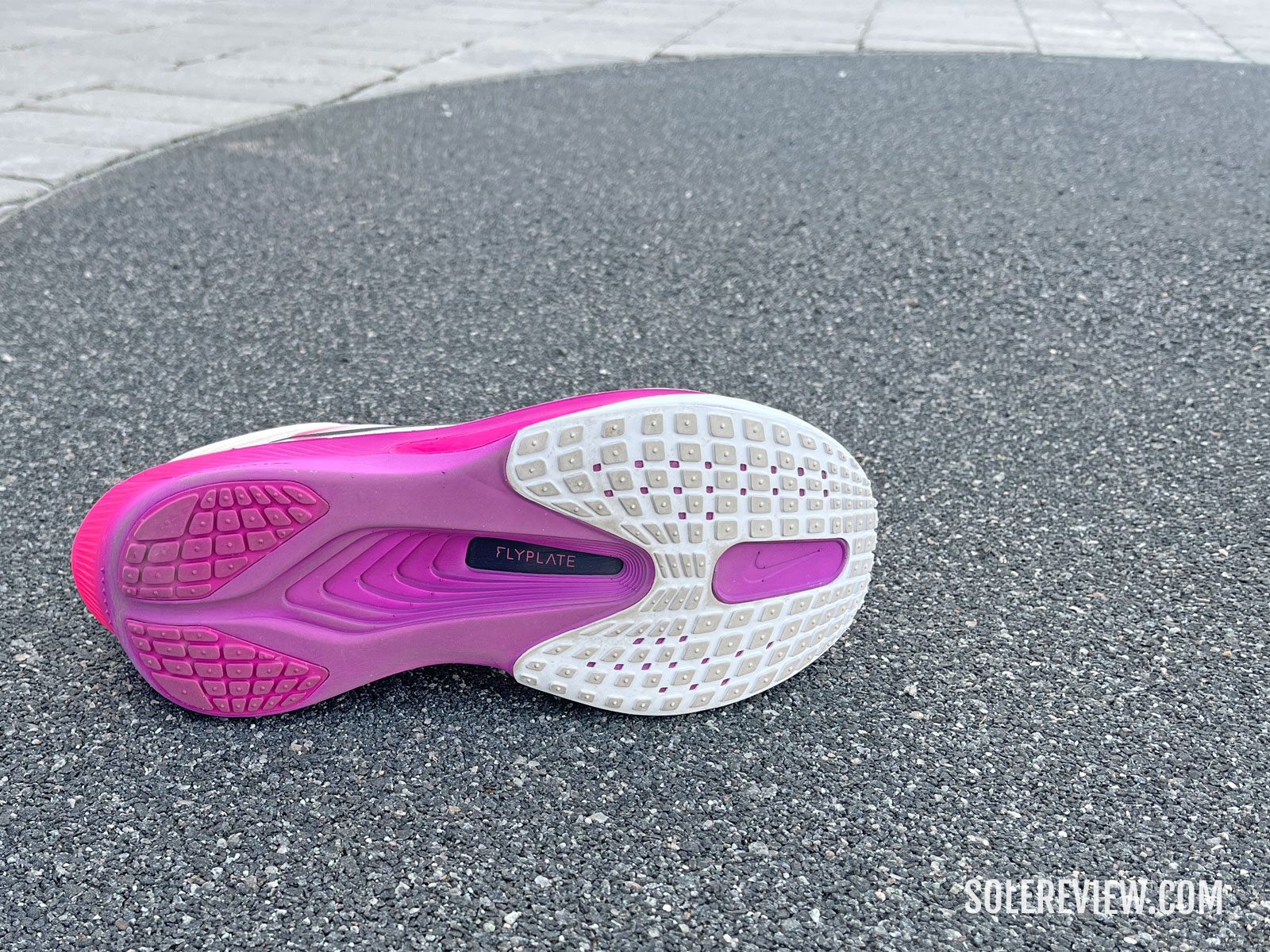
The outsole traction performs well under dry conditions. The traction is affected not only by the Speedvault window, but also by the gap between the rubber lugs. Considering the early-stage rocker configuration, a wider outsole contact surface would have helped. We miss the aggressive grip of the earlier Hyperion models; even the Hyperion Max 2 fared better.
RECOMMENDED ROTATION


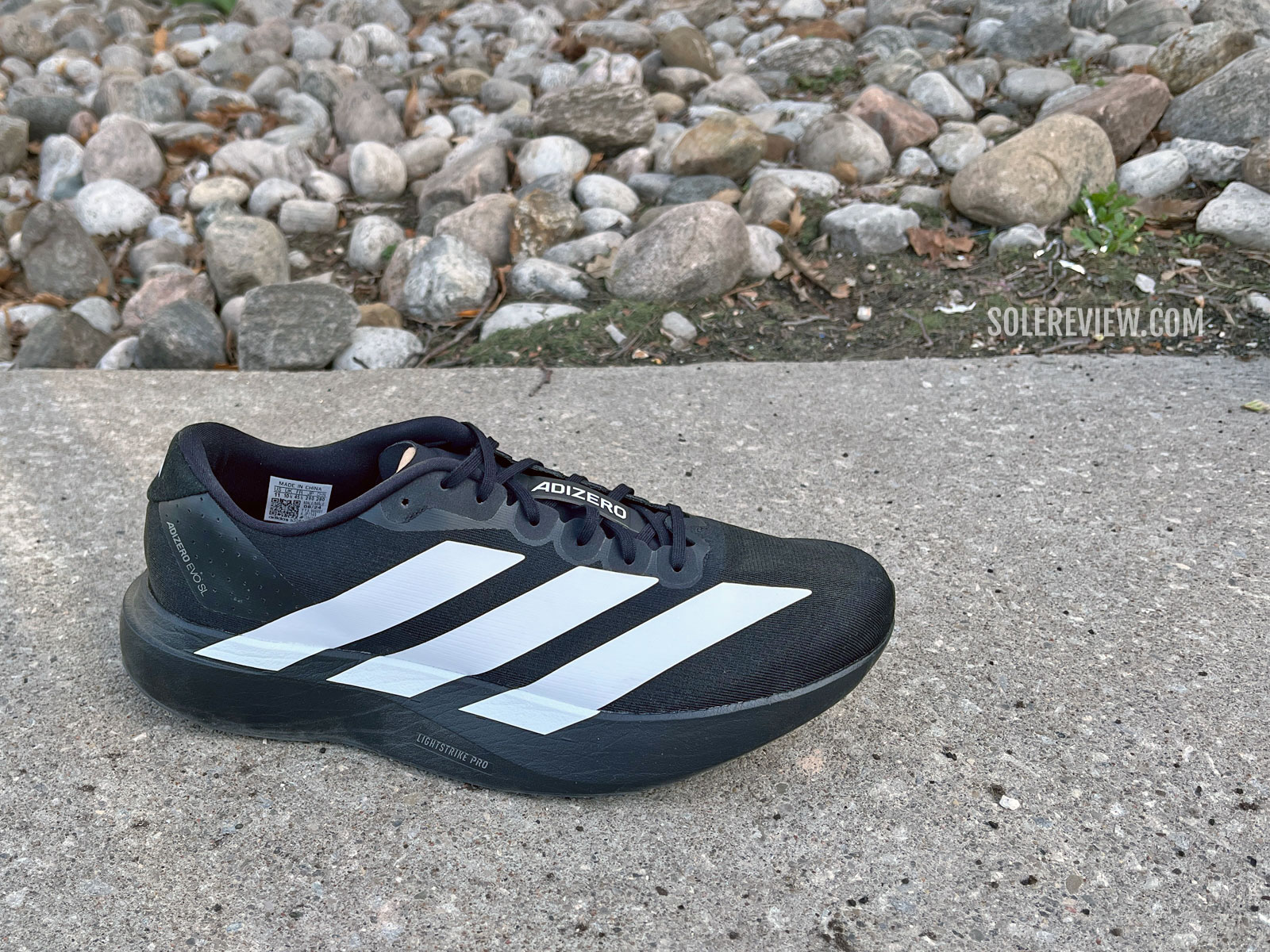
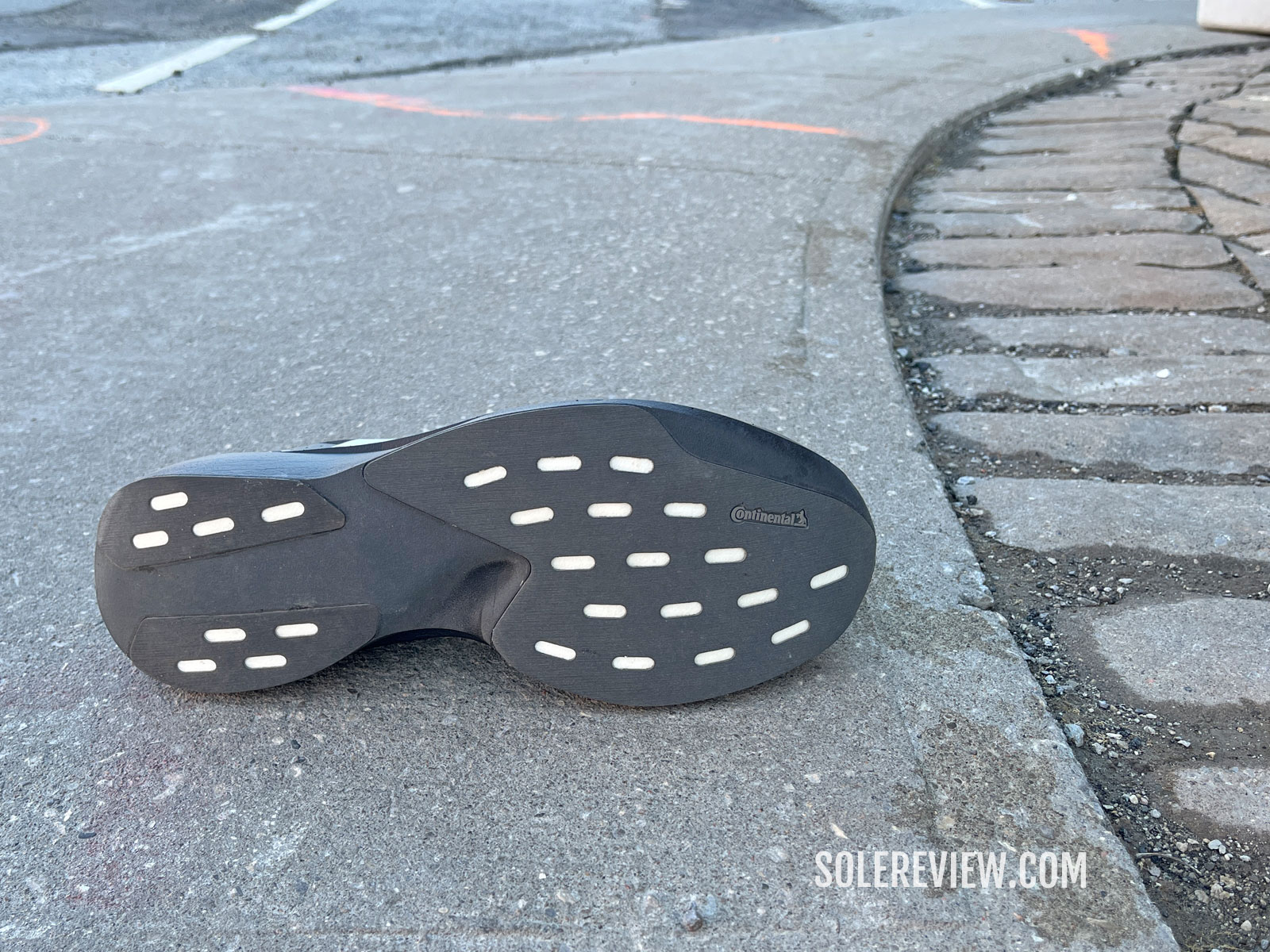
- Use the Brooks Hyperion Max 3 for daily training, recovery runs, long runs
- Use the adidas EVO SL or Boston 13 for tempo runs and interval training
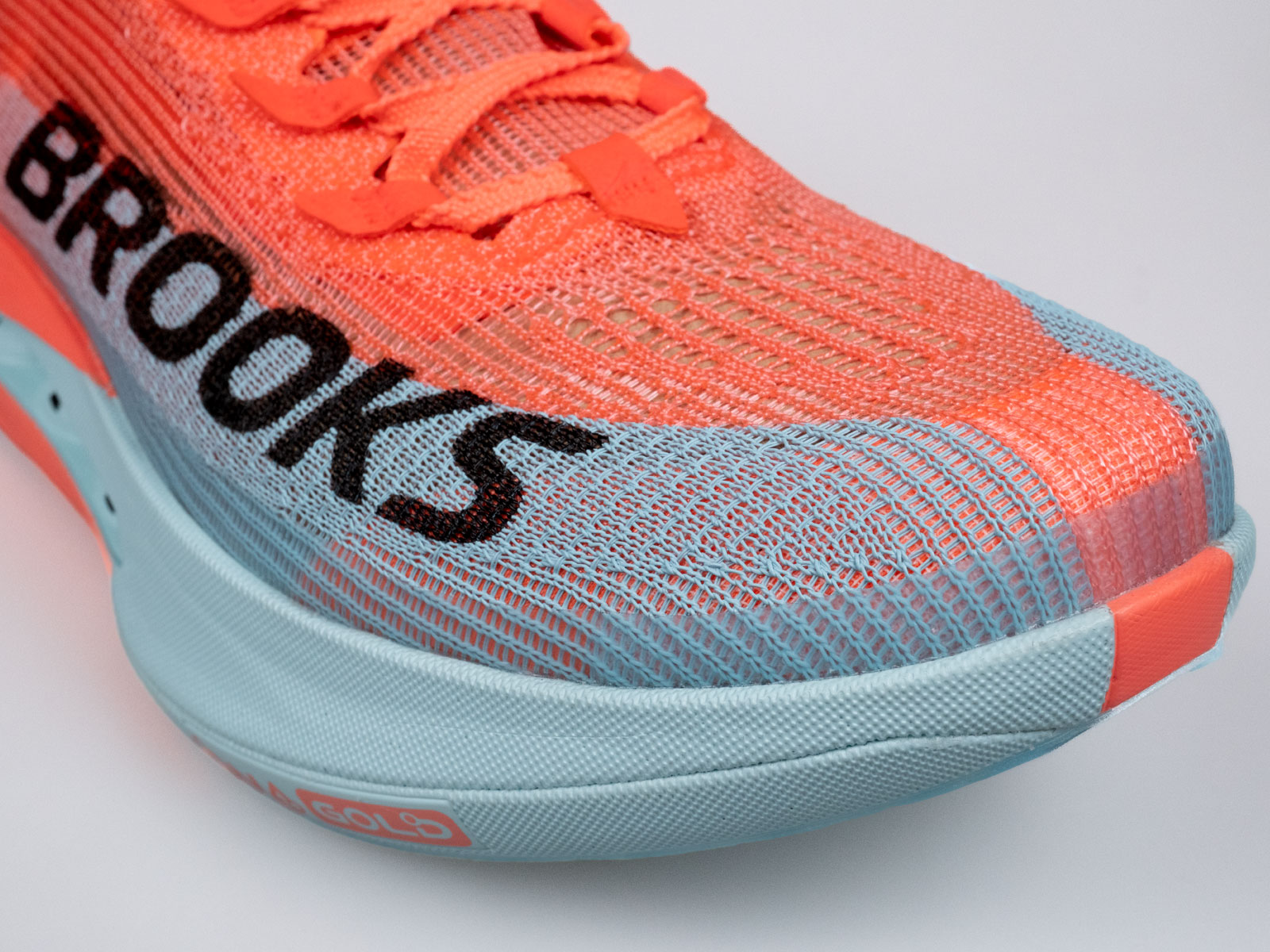
- Use the Brooks Hyperion Elite 5 for 5K, 10K, and marathons
THE UPPER DESIGN AND FIT
With its bootie-style entry, elastic tongue, and layered toe box, the new upper is fancier-looking. But is it a better upper? The Hyperion Max 2 had one of the best upper fits of 2024. The forefoot occupied the sweet spot between fit security and interior comfort. The toe box had excellent proportions, and the precision-knitted tongue had a flush fit. The serrated (ribbed) racing laces stayed tight once cinched, and the stiff heel counter prevented any slippage. It was a 10/10 upper with a cohesive feel. But that was last year. The Hyperion Max 3 tries too many new things at once. For the most part, the results are satisfactory, but fall short of the high standards set by the outgoing model.


First, the basics. The upper fits true to size with an excellent lockdown. The forefoot is ultra-secure, and the elasticated tongue creates a snug wrap around the midfoot. The counter stiffener is larger than average, as it extends longer on the sides than the average shoe. The stiffener and padded collar do a great job of securing the heel.


The larger issue with the new upper doesn’t concern its cramped toe box or hotter midfoot. The design lacks cohesion, as if the Hyperion Max 3 borrows different bits and pieces from many shoes, cobbling everything together on a single upper. The inner toe box (over the large toe) has a protective bumper that’s straight out of a trail running shoe. The ventilated forefoot mesh is connected to a busy midfoot area, including a padded elastic tongue. The elastic heel collar and loop belong to the Asics Nimbus 27. By the way, the racing laces of the H-Max 2 have been replaced with standard ones.
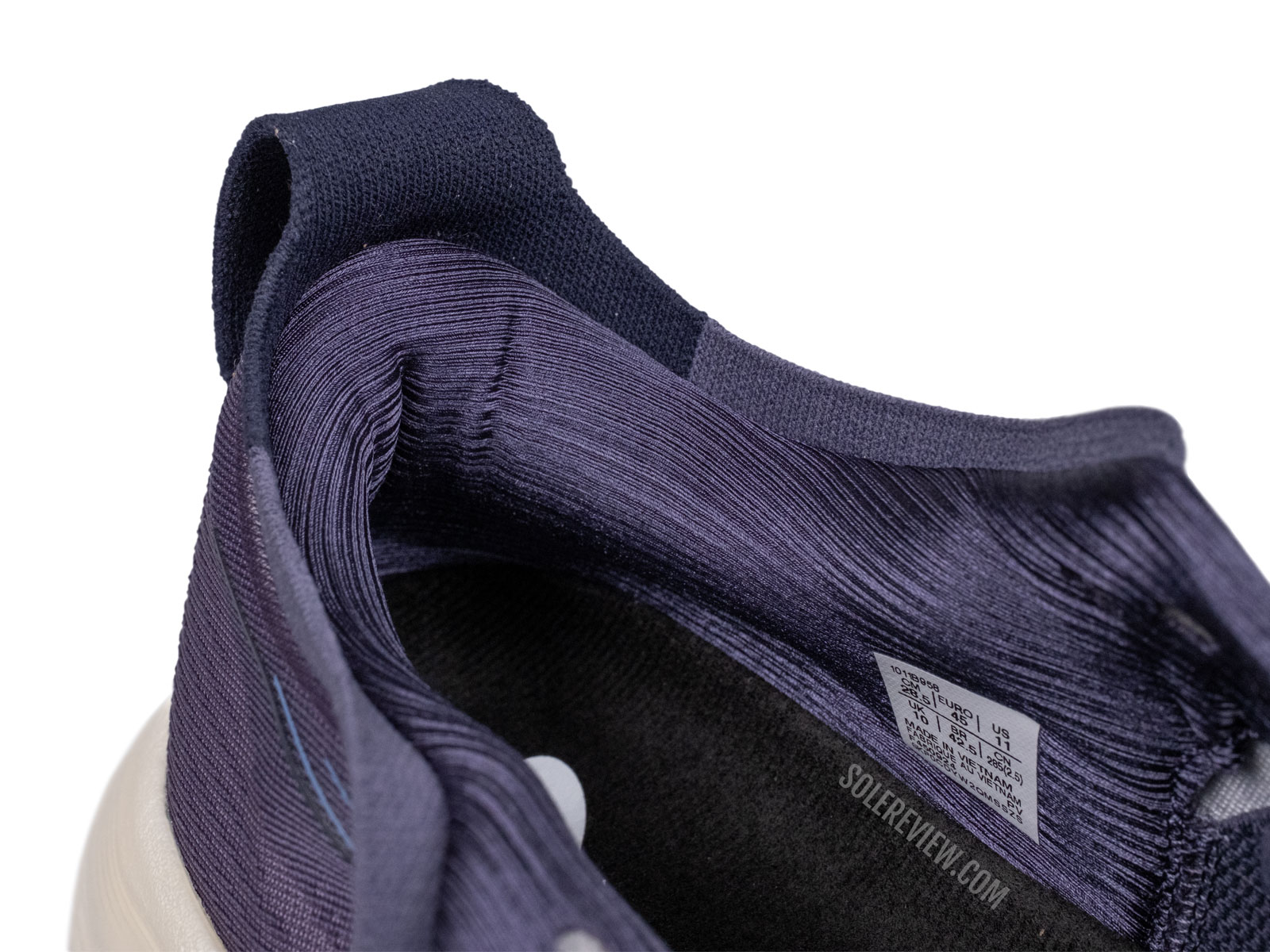

Most runners will pay no attention to the design cohesion or the lack thereof. But they will certainly notice the effect of the fused toe bumper that hems in the large toe and makes that area feel cramped. The midfoot runs hot during summer, courtesy of the padded elastic tongue and closed entry.
SHOES COMPARABLE TO THE BROOKS HYPERION MAX 3

Also consider:
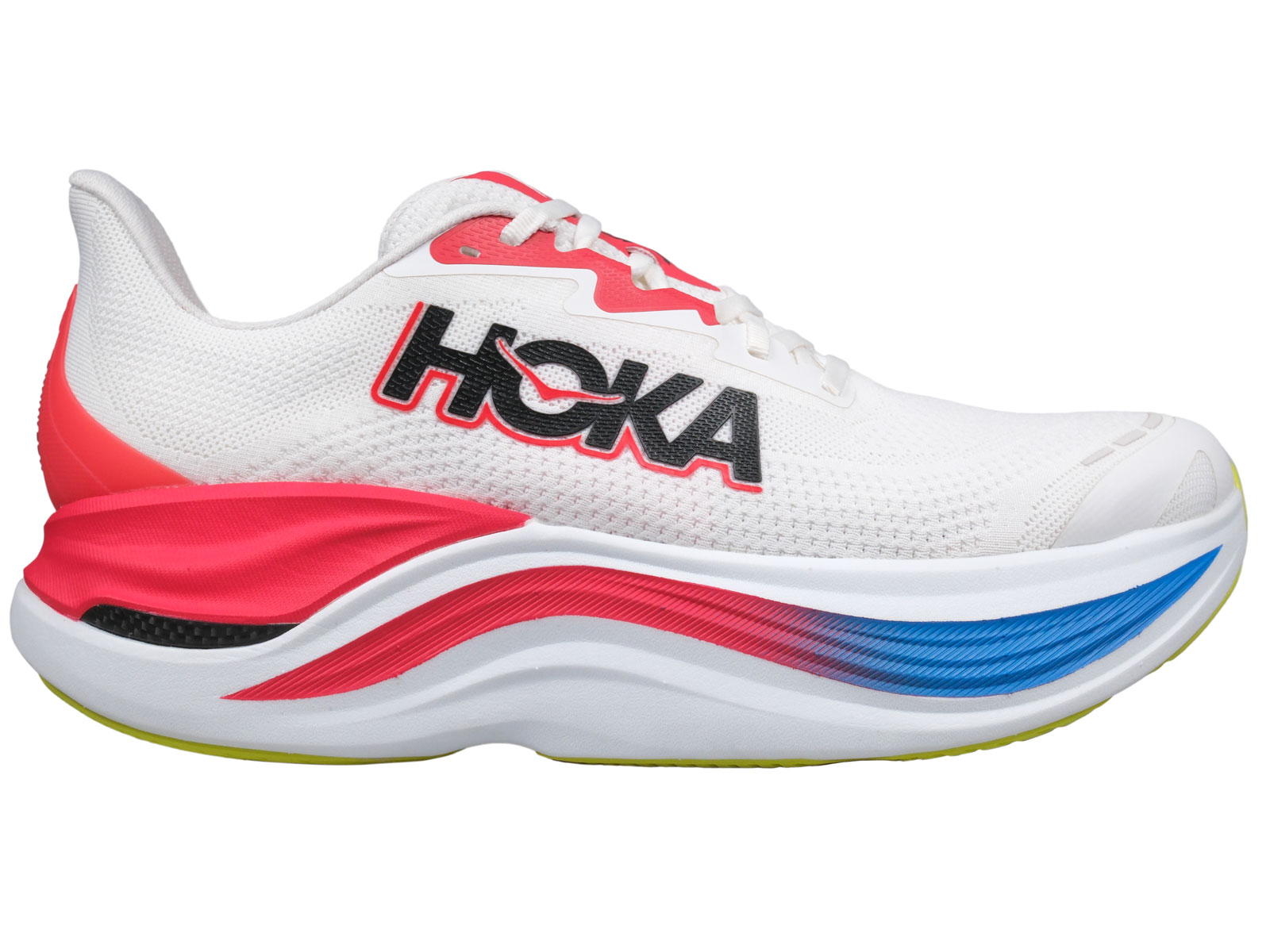
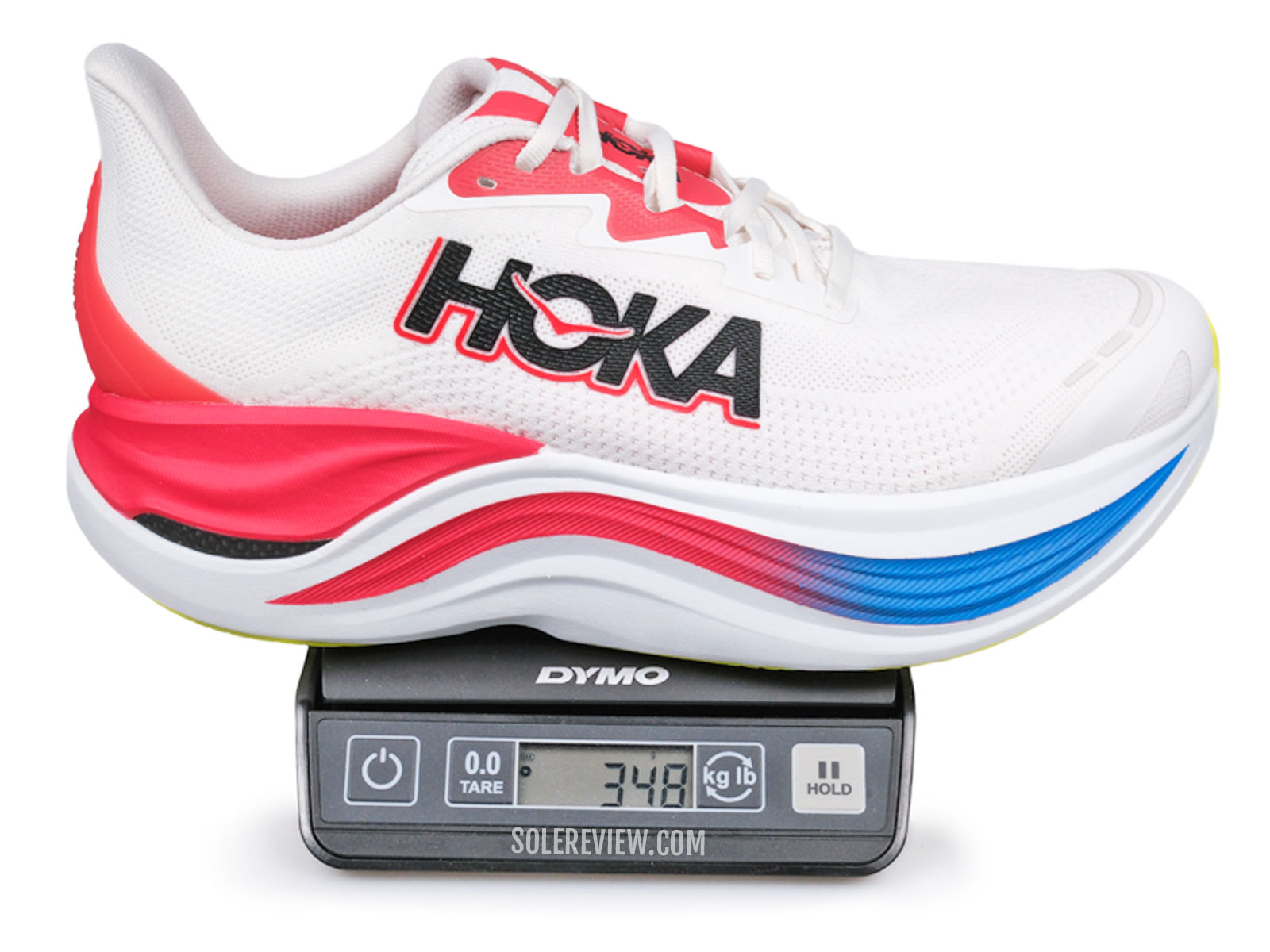
- Hoka Skyward X
- New Balance SC Trainer V3
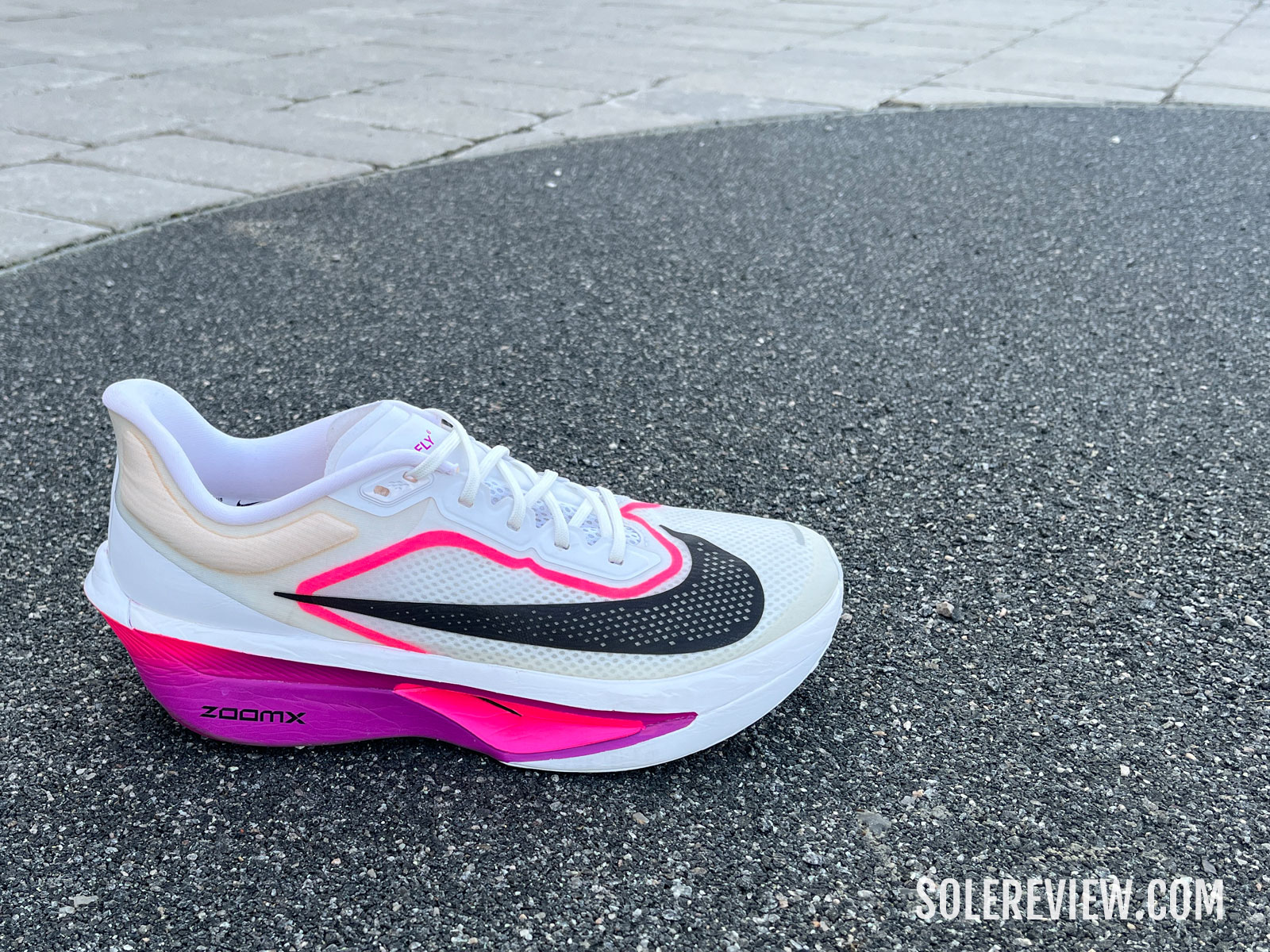
- Nike Zoom Fly 6
- Saucony Endorphin Trainer
- adidas Boston 13 (low-stack option)
TECHNICAL SPECIFICATIONS
- Brooks’s marketing pitch: Helps you train fast and recover well.
- Upper: Layered mesh with an elastic bootie construction.
- Upper fit: True to size, snug fit.
- Midsole: DNA Gold and DNA Flash V2 foam. 6 mm heel drop.
- Outsole: Blown rubber under the forefoot, hard rubber under the heel.
- Weight: 295 gms/ 10.4 Oz for a half pair of Men’s US 9/UK 8/EUR 42.5/CM 27.
- Stack heights: 44 mm (heel), 38 mm (forefoot).
- Available widths: Single – D (regular).
- Recommended use: Daily training, recovery runs, long runs, marathons.
- Footstrike orientation: All types (heel/midfoot/forefoot).
- Median lifespan: 450 miles.
- Country of origin: Vietnam.
- Previous version: Brooks Hyperion Max 2.
- Recommended paces: 4:30 min/km (7:00 min/mile) and slower.
- Recommended temperature range: Warmer than -5° C/23° F.