
Pros
- Cushioned ride
- Versatile and peppy ride
- Outsole traction
- Lightweight, durable
- Breathable, secure fit
- Works well even at slow speeds and heel strikes
Cons
- Not as stable as the Boston 12
- No reflectivity
- No optional width(s)
In this review:

SUMMARY
In the simplest of terms, the adidas Boston 13 is a shoe that does what it’s asked of. It’s the running shoe equivalent of a voice assistant on consumer electronics.
‘Hey, Boston. Can you help me go fast?” “Sure, would you like me to activate the Energy Rods?”
“Hello, Boston. I’d like some cushioning for a long run.” “Okay, I’ll see what the Lightstrike Pro foam midsole can do.”
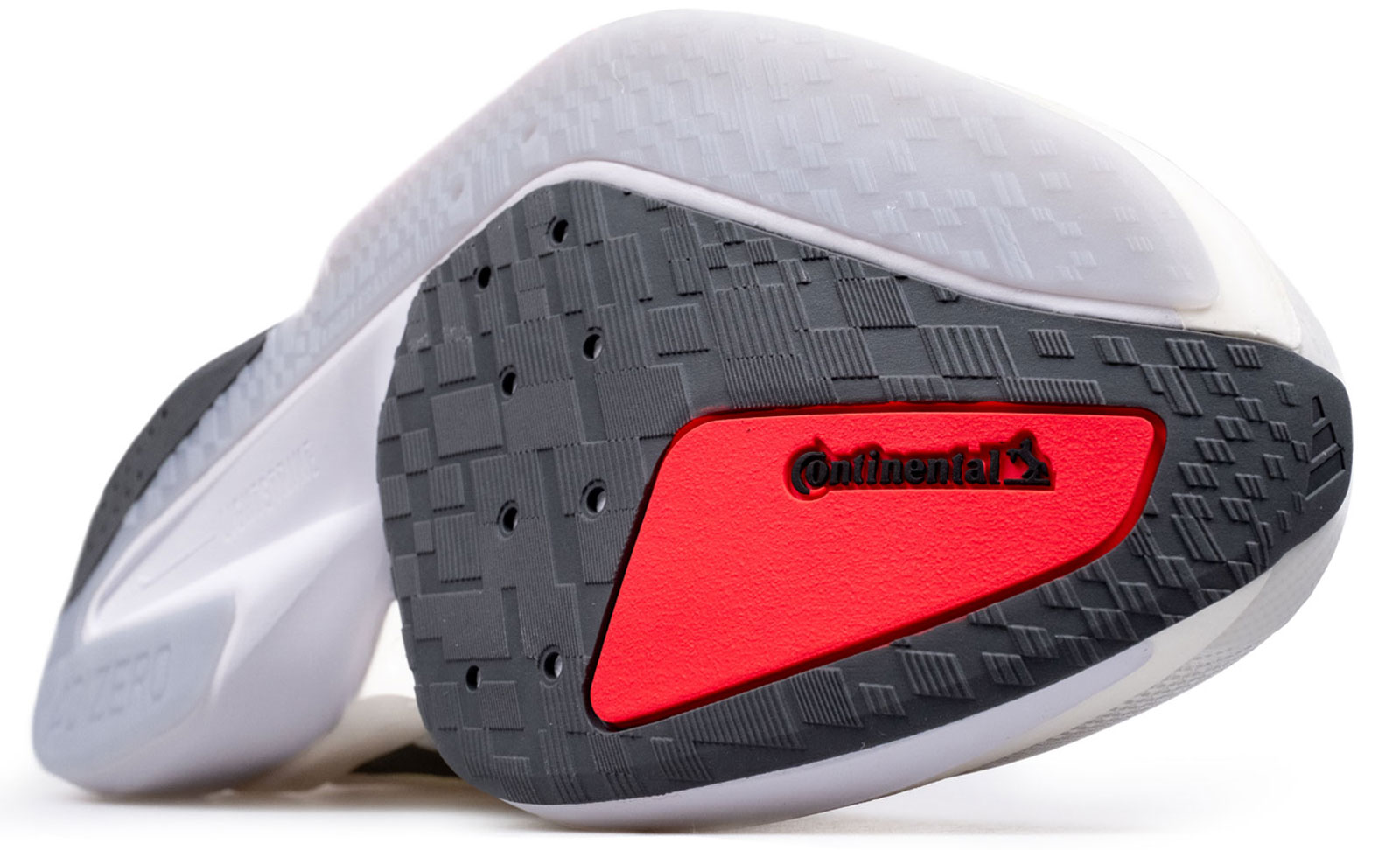
“Hi, Boston. I’m approaching a patch of wet road. Some traction will be nice.” “No problem, the Continental and Lighttraxion outsole will provide the grip you need.”
“Boston! Today is a hot day, so I need some ventilation.” “Of course. The soft and lightweight mesh upper will keep your feet cool.”
You get the idea. The adidas Boston 13 is a multi-role trainer capable of wearing many hats. It’s durable enough for accumulating daily miles, peppy enough for tempo and interval training, fartleks, mile repeats, and is cushioned enough for road races of up to a half-marathon. The soft and comfortable upper features a roomy toe box and a secure forefoot that breathes well. The retail pricing is competitive for the level of kit, and the Boston 13 is widely available.
As versatile as the Boston 13 is, it’s much softer than the Boston 12 and lacks the latter’s solid ground feel and stability. In return, runners will experience a bouncier ride and a softer upper that fits truer to size than before. The updated heel padding (read more in our upper fit section) pushes the foot forward a half-size more than the Boston 12, so remember to account for the sizing difference when upgrading from the previous model.
Should you buy the Boston 13 over the adidas EVO SL? If we had to choose just one, it would be the EVO SL. It’s very cushioned, yet exceedingly versatile. On the other hand, if you want slightly better rearfoot stability, quicker forefoot transitions (because of the Energy Rods, which the EVO SL doesn’t have), and better midfoot fit (the EVO SL’s tongue slides), then the Boston 13 has a stronger case of the two.
WHAT THE BOSTON 13 DOES WELL
– Everyday training, tempo runs, intervals, and short races at 3:00 min/km (4:50 min/mile) and slower.
– Has sufficient cushioning for up to a half-marathon.
– Grips well under dry and wet conditions.
– Offers soft cushioning with smooth transitions.
– Has plenty of toe box room with a secure forefoot fit.
– Creates a soft interior environment.
– Breathes well on hotter days.
– Fused bumper prevents the toe box from absorbing moisture.
WHAT THE BOSTON 13 DOES POORLY
– Softer midsole requires greater proprioceptive effort than the Boston 12.
– Weak forefoot rocker assistance.
– Not great for low-light conditions due to the lack of reflective trims.
– Average medial stability because of the Energy Rod(s) window; overpronators take note.
POTENTIAL ISSUES


There are no glaring issues on the Boston 13, but we’d like to mention a couple of things. Existing Boston 12 users will miss the solidity and planted feel of the older model. It was easier to put the previous Boston 12 through quick touch-and-go transitions than the Boston 13. The softer and bouncier forefoot takes a split second longer to find its footing.
The upper lockdown meets most expectations, but deploying the runner’s loop on the last lacing row may be required. The tongue flap rests higher on the instep instead of filling the gap under the second-last eyelet; this creates unwanted space between the ankle and upper. It’s not a dealbreaker, but use the last lacing row if the gap bothers you. The heel fit isn’t affected.
Existing Boston 12 users will discover the Boston 13 to run a half-size smaller. This is because the new model gets a redesigned heel with more padding, as opposed to the foam pockets of the previous version. The additional padding pushes the foot further into the toe box than the Boston 12 did.
WHAT HAS CHANGED
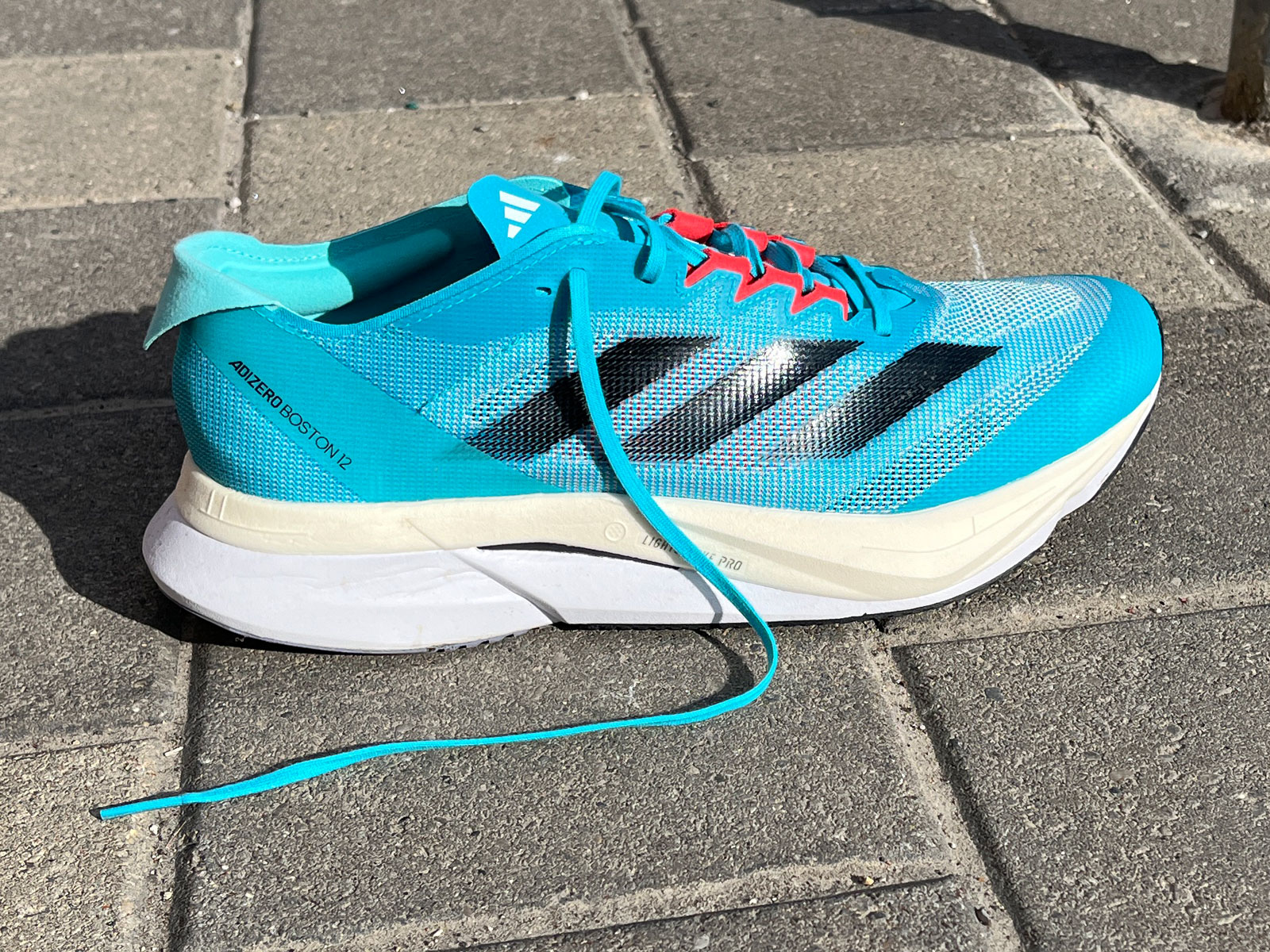

– 14% more Lightstrike Pro foam volume than the Boston 12.
– Noticeably softer and bouncier ride.
– Improved upper comfort because of the softer materials and padding.
– Removing the midfoot saddle and redesigning the tongue improves breathability.
– The heel collar is now fully padded, replacing the side foam pockets.
– Truer to size fit due to the updated heel padding.
– A padded tongue replaces the flat racer tongue on the last version.
– The less stiff midsole no longer requires a break-in period.
– Weaker ground feel and speed capabilities than the Boston 12.
– Lower medial stability because of the softer midsole and cut-out section.
– Less aggressive outsole grip due to the new geometry and two-piece design.
– Improved forefoot fit adjustability as the first lacing row moves closer to the toe area.
THE RIDE EXPERIENCE
Before carbon-plated super-shoes became a thing, marathons were run in shoes like the adizero Boston and Adios. Historically, the adizero Boston always had additional cushioning over the Adios and other racing flats, a brand strategy that has been consistent over the last decade.


To keep up with the max-cushioning trend, the Boston turned softer over the years, with the 13 being the softest version to date. The midsole increases the Lightstrike Pro volume (14% more according to adidas) while dialing down its density, as well as that of the Lightstrike EVA base. That’s not all; the forefoot outsole is softer because of its two-piece construction, and the inner midsole is missing a chunk of Lightstrike Pro foam. While the stack heights (36 mm and 30 mm) are nearly identical to the previous version, the midsole responds with greater softness and bounce during landings. Like last time, the thin footbed doesn’t add much step-in softness.

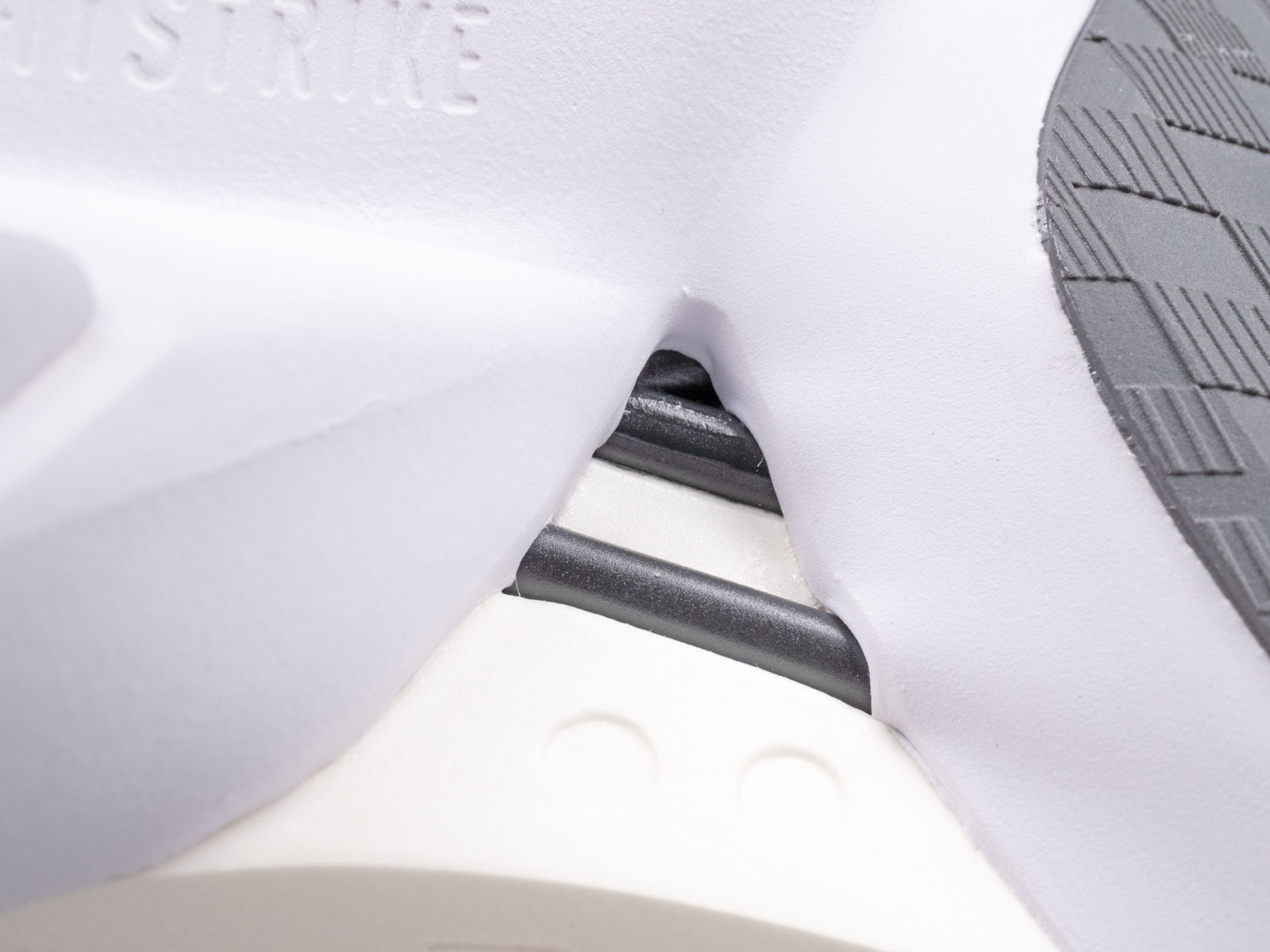


The tubular Energy Rods improve the loading by adding stiffness to the dual-density midsole. It also helps the forefoot return to shape after take-offs. There was a break-in period necessary for the Boston 12, but the Boston 13 feels great right out of the box. The less stiff forefoot is relatively easier to flex. There’s next to no rocker effect available, so the midsole behaves like a regular trainer during push-offs, save for the snappy feel of the Energy Rods. The dual-compound outsole (Continental and Lighttraxion rubber) delivers reliable traction on both dry and wet surfaces, contributing to quicker turnovers and better cornering abilities.

Even with the softer ride, the Boston 13 is very efficient during landings and take-offs. With 30 mm of forefoot thickness, there’s just enough cushioning for padded landings. At the same time, the low-profile midsole does not waste energy. While the stiffer Boston 12 was a better shoe for quick touch-and-go landings, the Boston 13’s reconfigured midsole offers greater ride comfort. It’s a trade-off, really.
It’s still a ‘quick’ shoe that can go as fast as you’re willing to push it. Use it for short-distance races, tempo and intervals, mile-repeats, and logging daily miles – there’s plenty of versatility on offer. Since the Boston 13 doesn’t punish easy speeds and heel landings, it makes switching gears easy – particularly during workouts like mile repeats that involve alternating intensities.
RECOMMENDED ROTATION
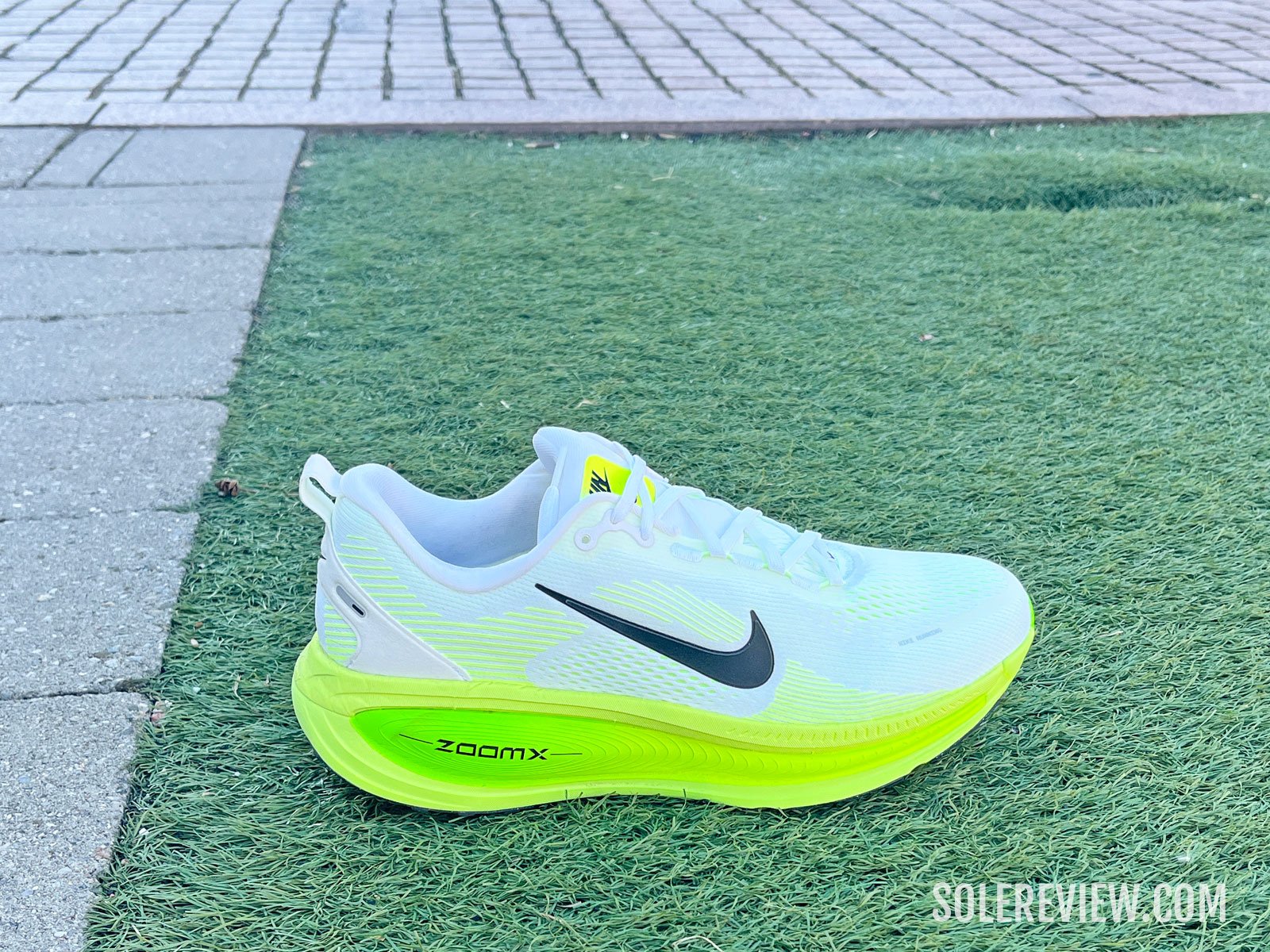
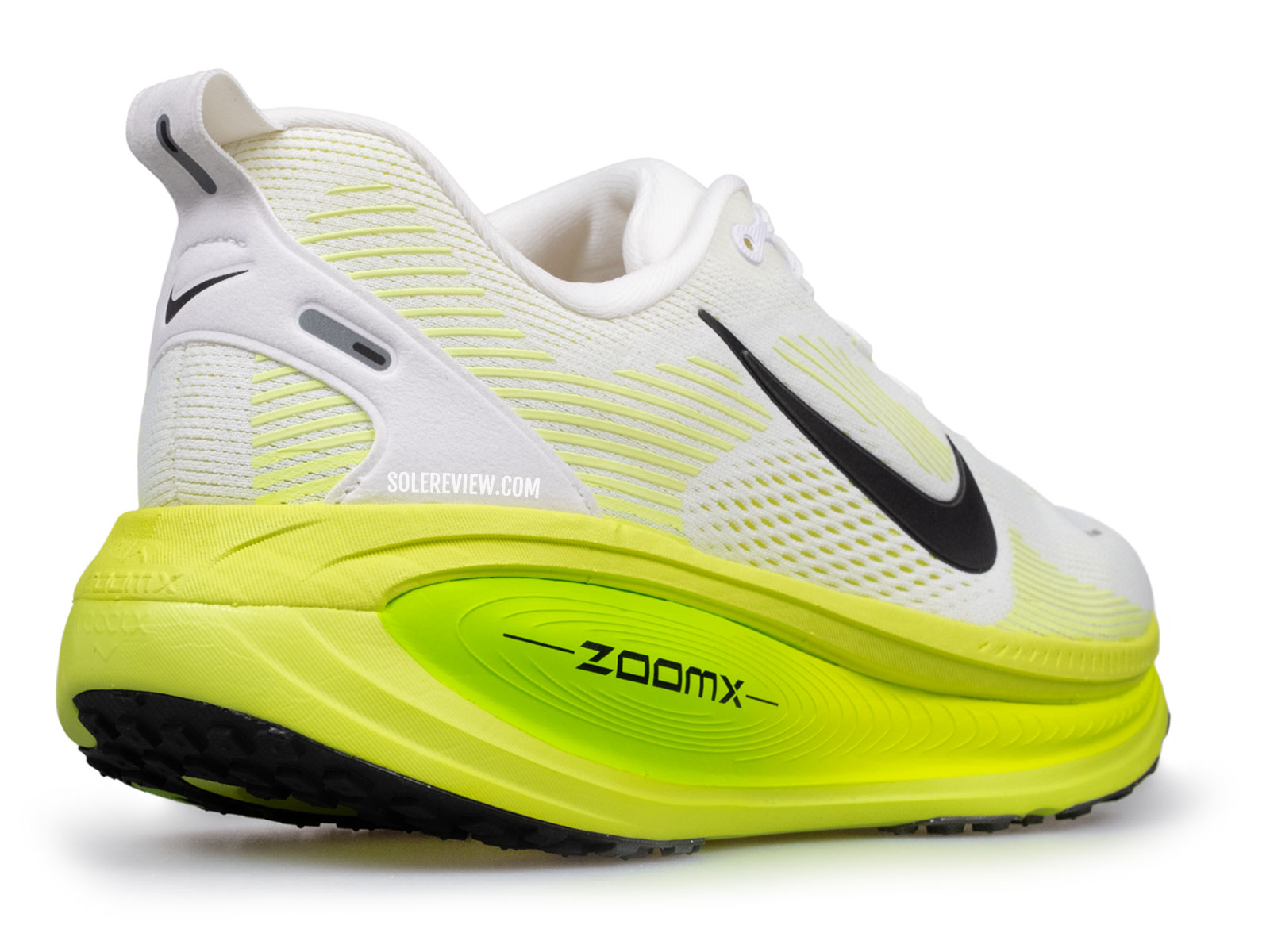
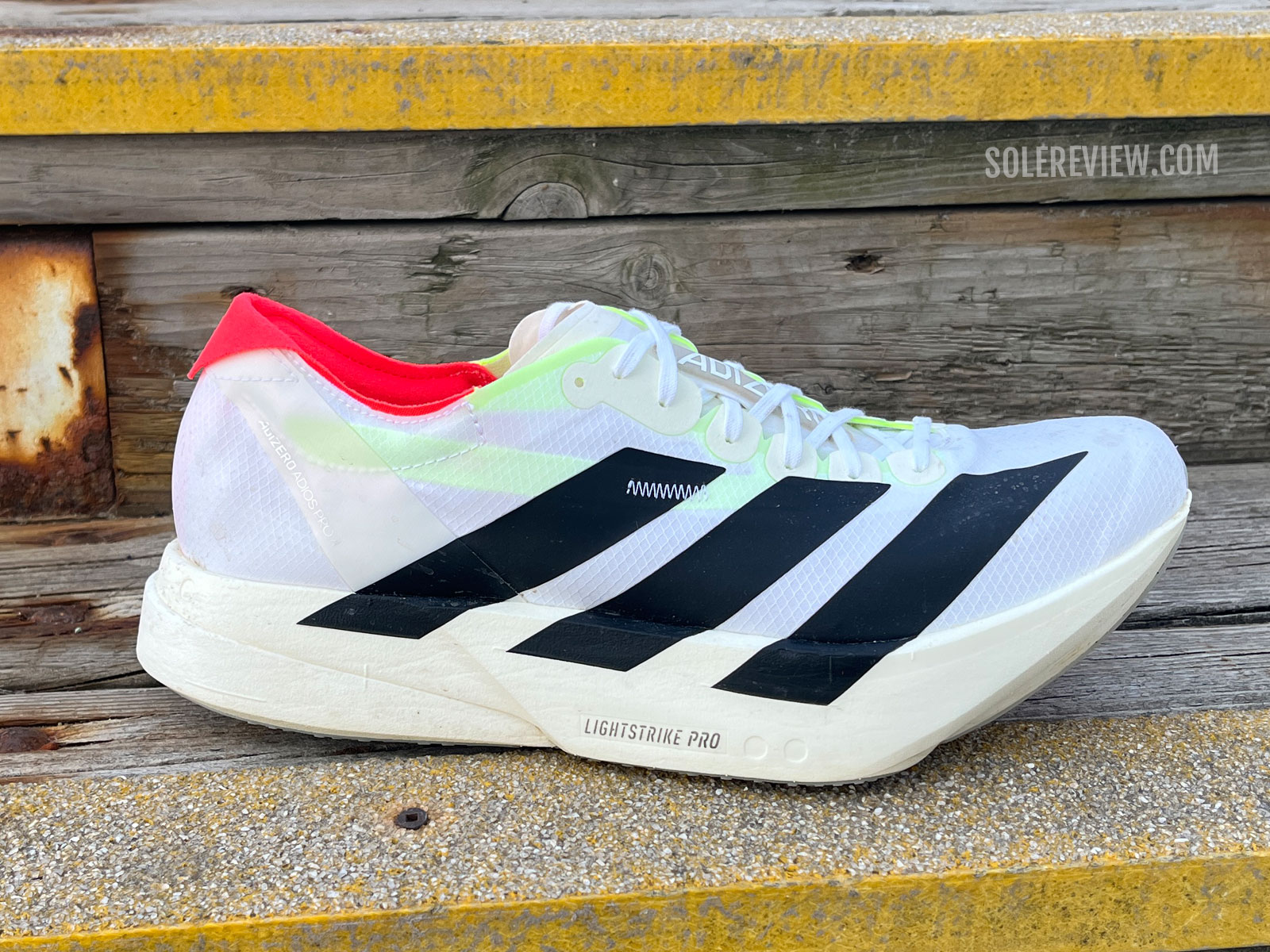

- Use the Nike Vomero 18 for daily training and recovery runs
- Use adizero Boston 13 for tempo, threshold, intervals
- Use the adidas Adios Pro 4 for 5K, 10K, marathons
THE UPPER DESIGN AND FIT
While minimal in overall design, the Boston 13’s upper fits like a standard trainer. It fits true to size and has a spacious toe box. The forefoot fits just right, securing the foot without excessive looseness or tightness. The first row of lacing has moved closer to the front than the Boston 12, so a quick tug on the laces adjusts the fit.


The (new) full heel padding also improves the fit. On the previous model, only the sides of the heel had foam pockets. That placed the foot further away from the toe-box, making the sizing run larger. The fully padded heel on the new Boston rectifies that, creating an interior that’s truer to size.
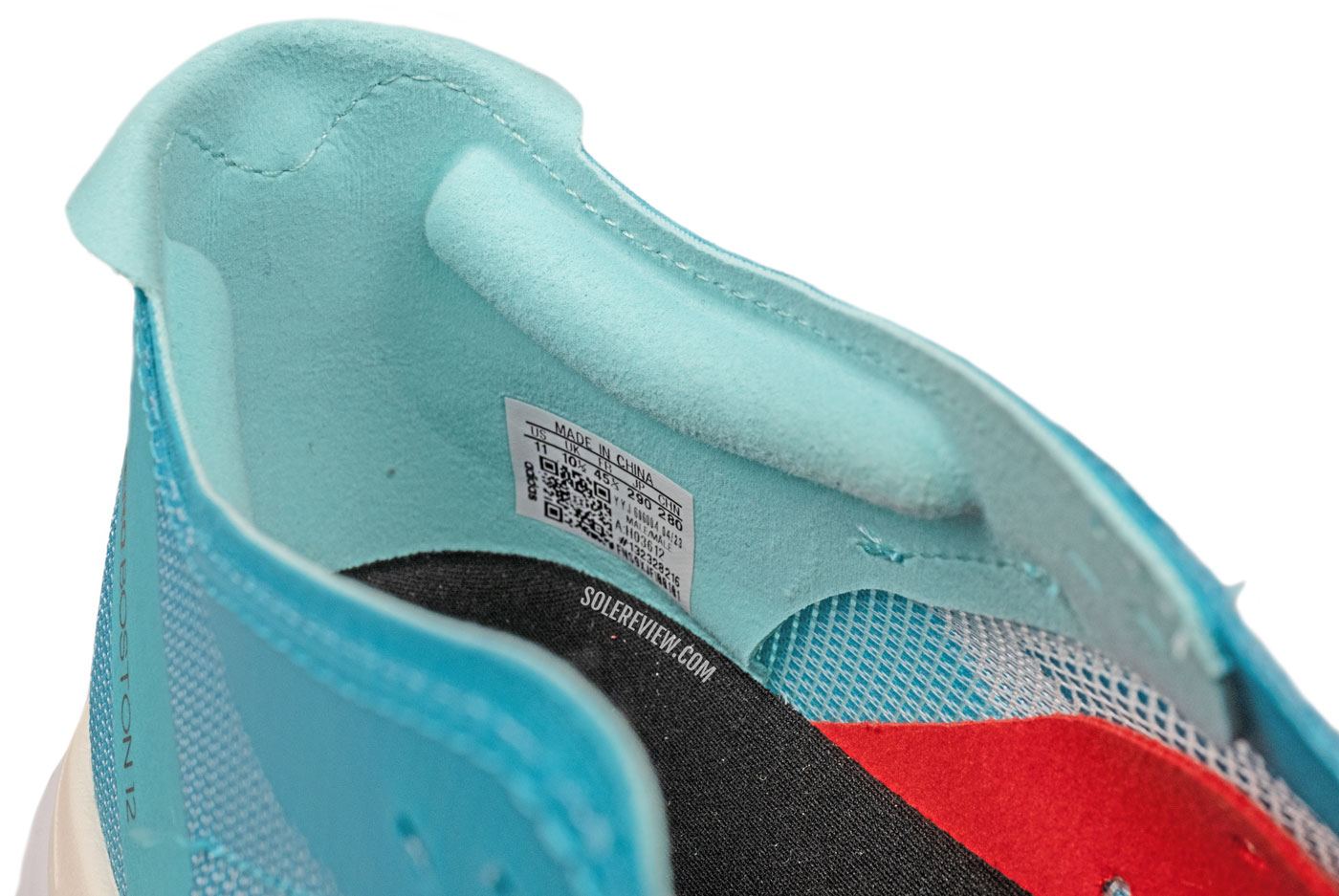
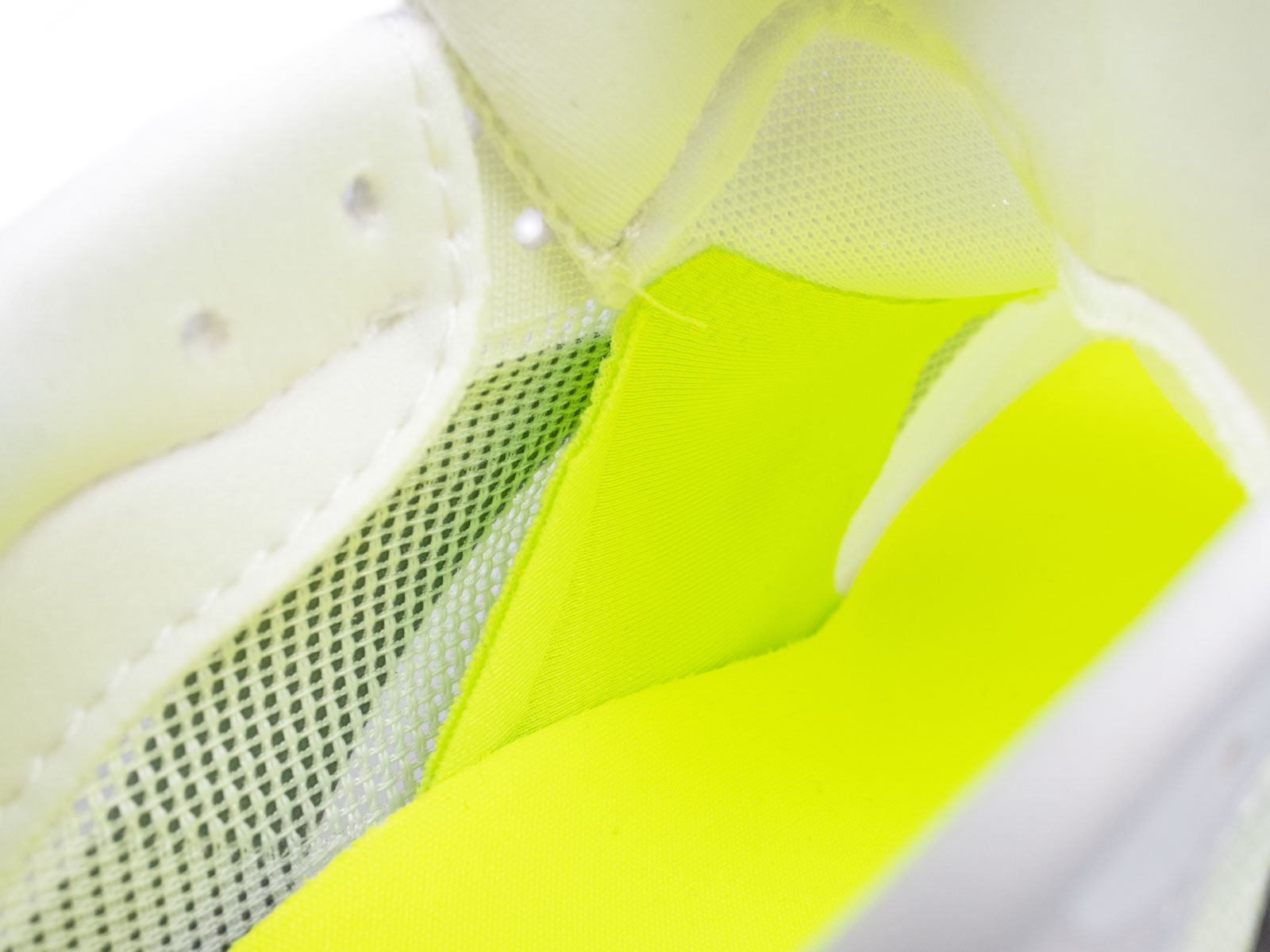
Two other changes affect the fit. The midfoot strapping system from the previous model has been replaced with a soft, semi-stretchy gusset. Does that change the midfoot fit? Yes, but only in the way the upper responds to the lacing cinch. It was easier to make the Boston 12’s midfoot tighter, as the internal saddle was directly connected to the lacing loops. Also, there’s a new tongue with a softer construction and a padded flap. As pointed out earlier in this review, the flap sits higher on the foot than required, creating a gap under the last few rows of lacing.

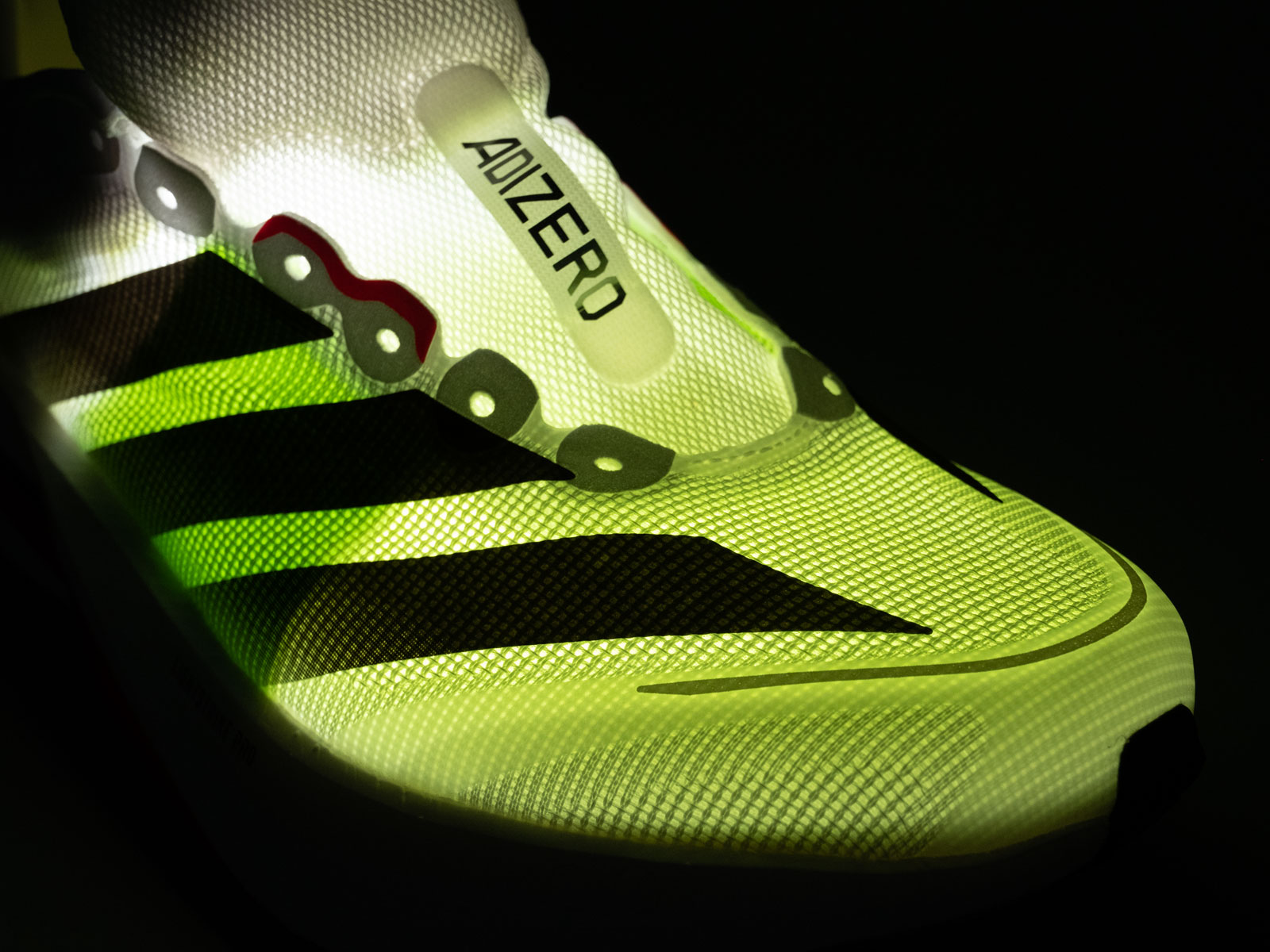
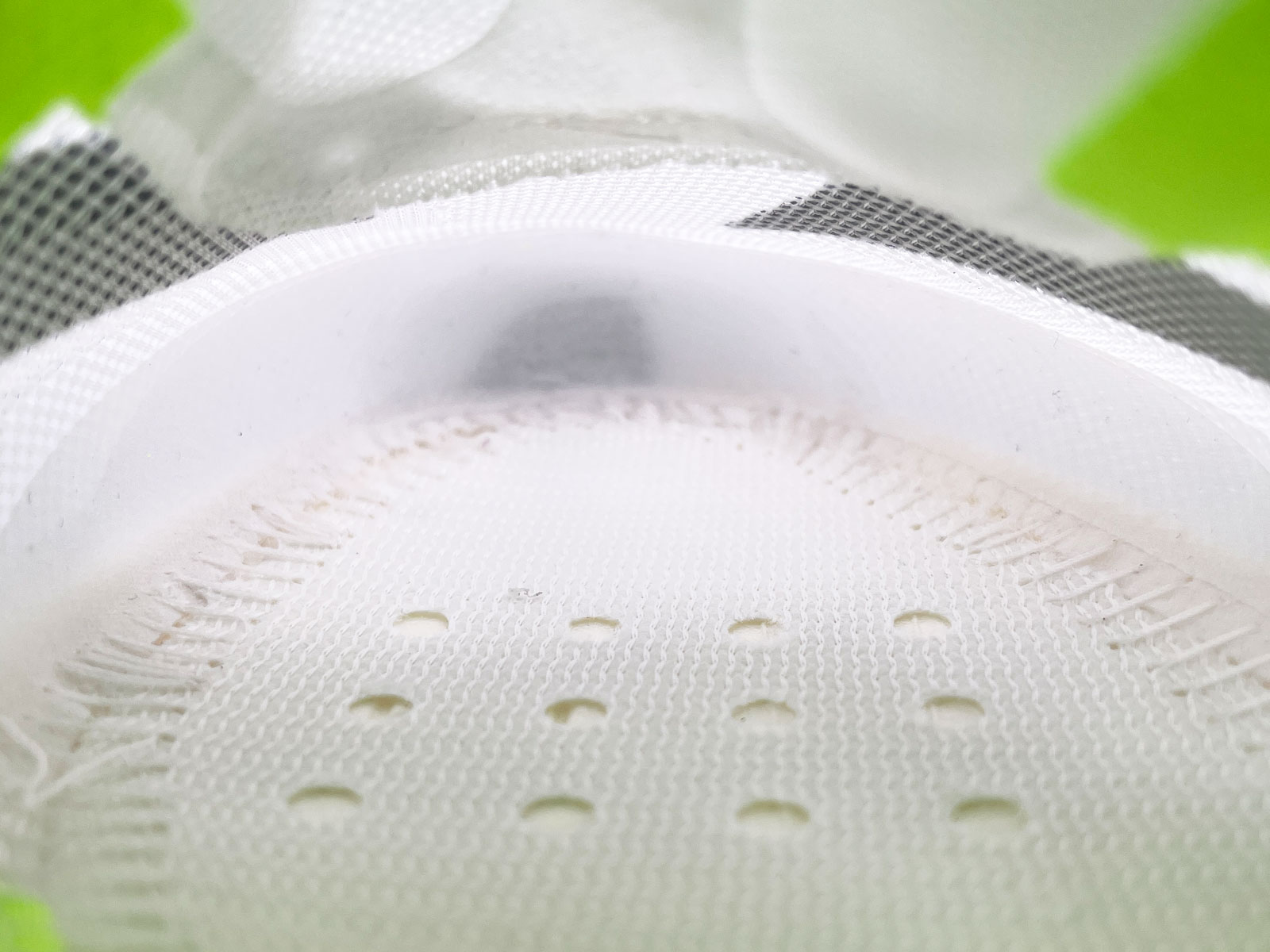
The unlined upper is very airy. The thin mesh circulates the air well, and removing the midfoot strap improves ventilation. The upper is reinforced in targeted areas like the toe box, lacing panel, and heel. There’s also an invisible film-like reinforcement where the mesh upper meets the midsole edges. This design prevents the upper from tearing due to friction. Most brands skip this feature (the New Balance Rebel 2 did, and found out the hard way), so this is a clever and practical detail. The fused toe bumper also prevents the mesh from absorbing moisture from splashes.
SHOES COMPARABLE TO THE ADIDAS BOSTON 13
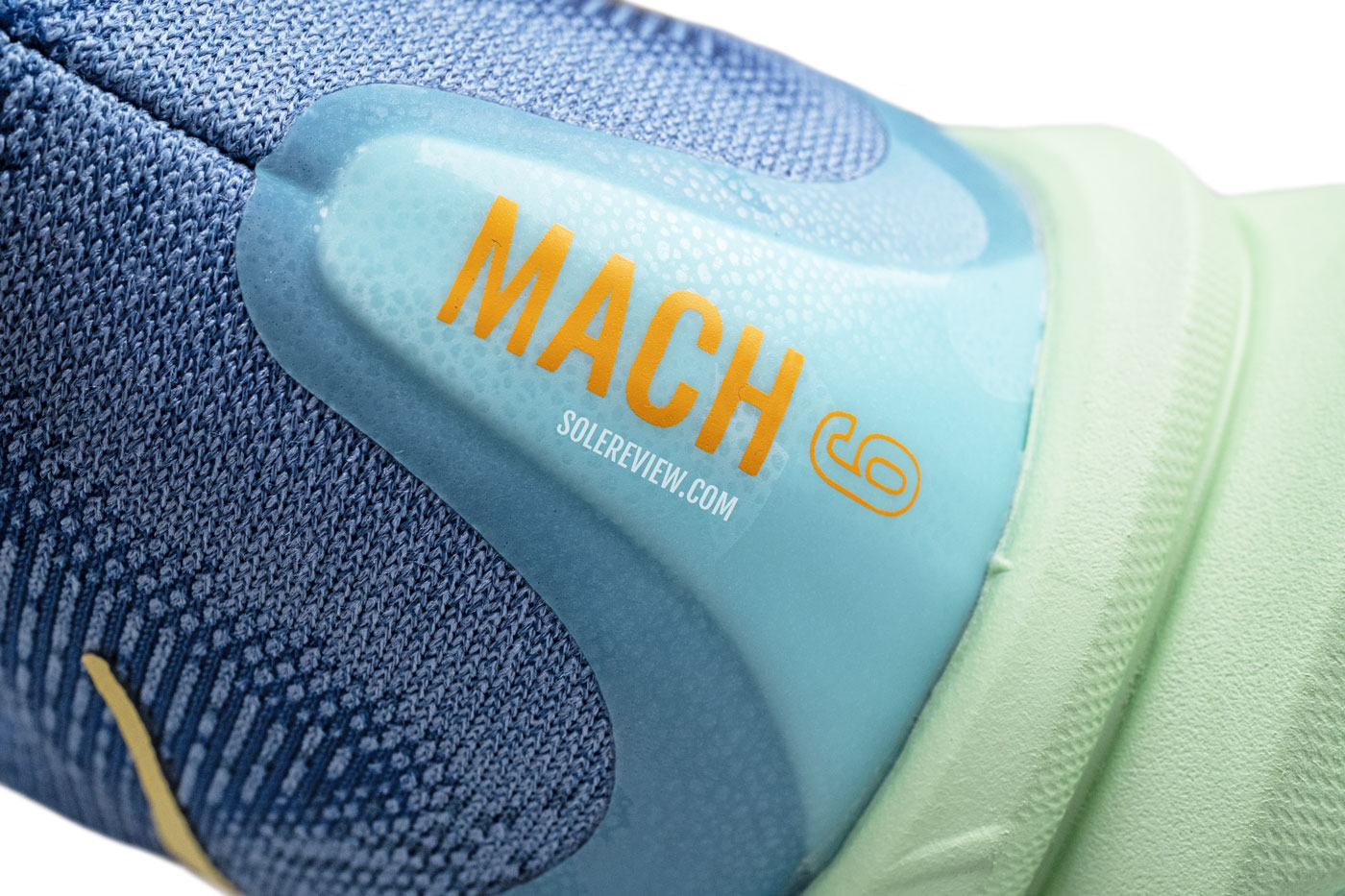
Hoka steps up its game with the Mach 6.
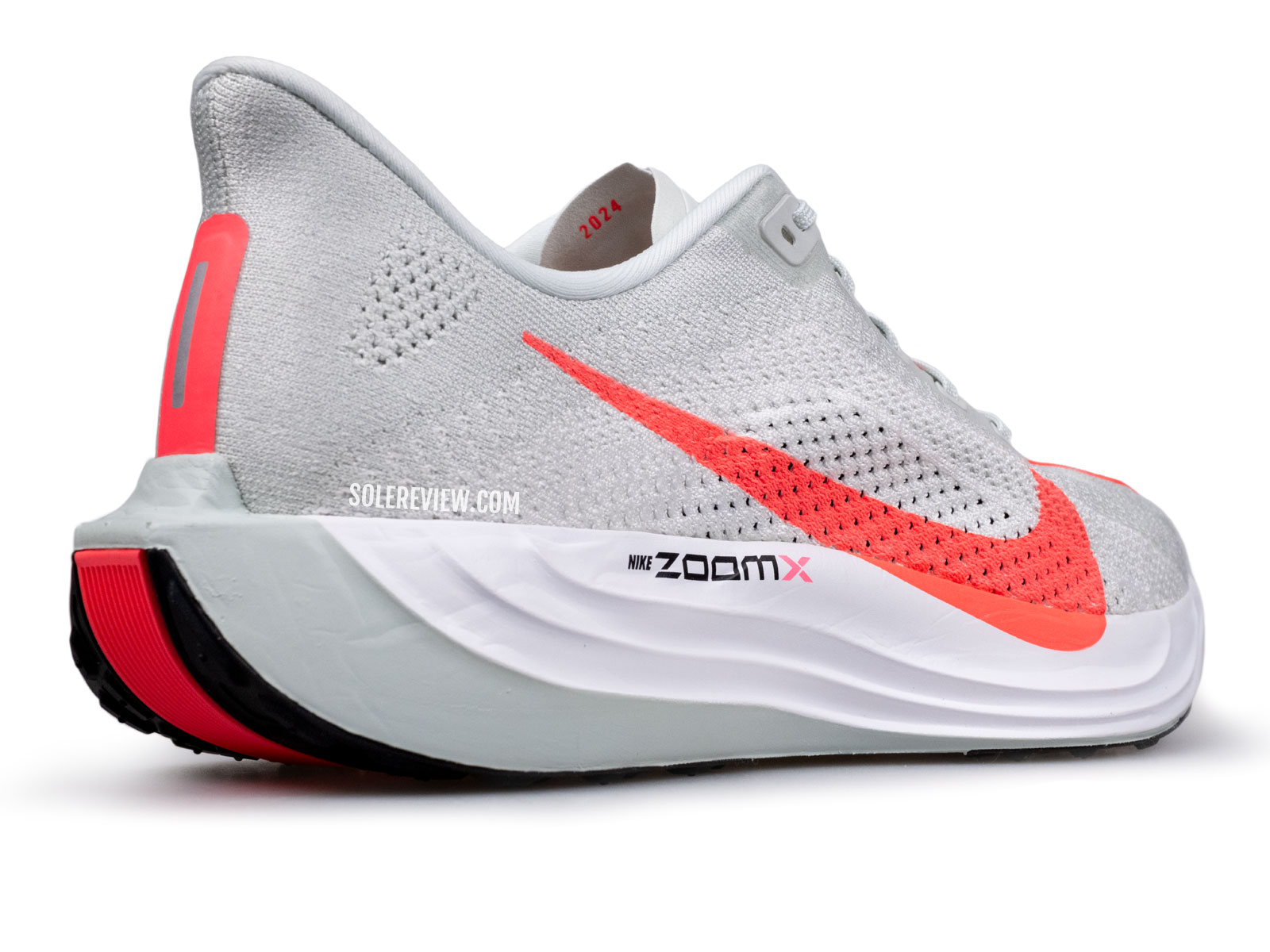
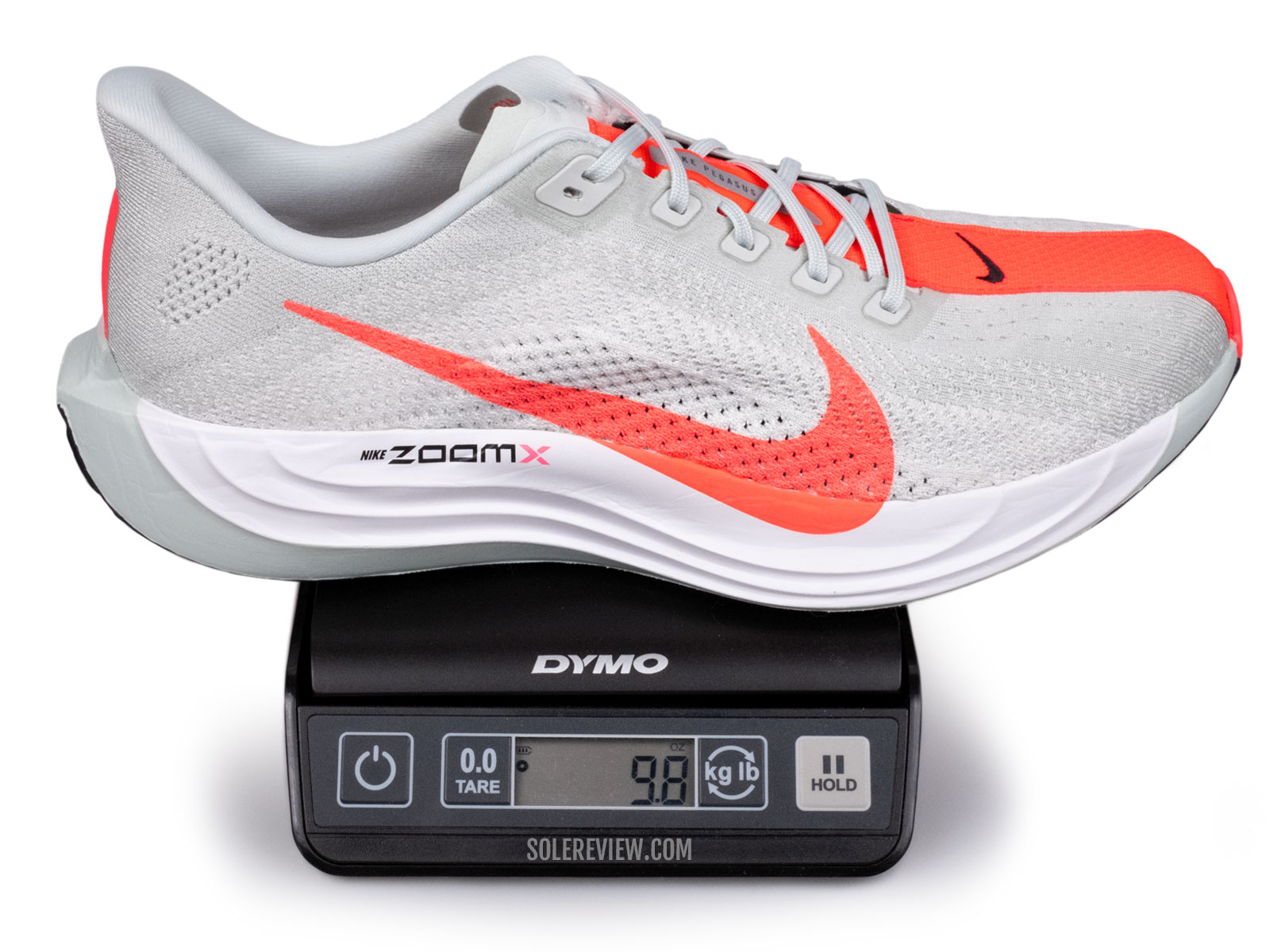
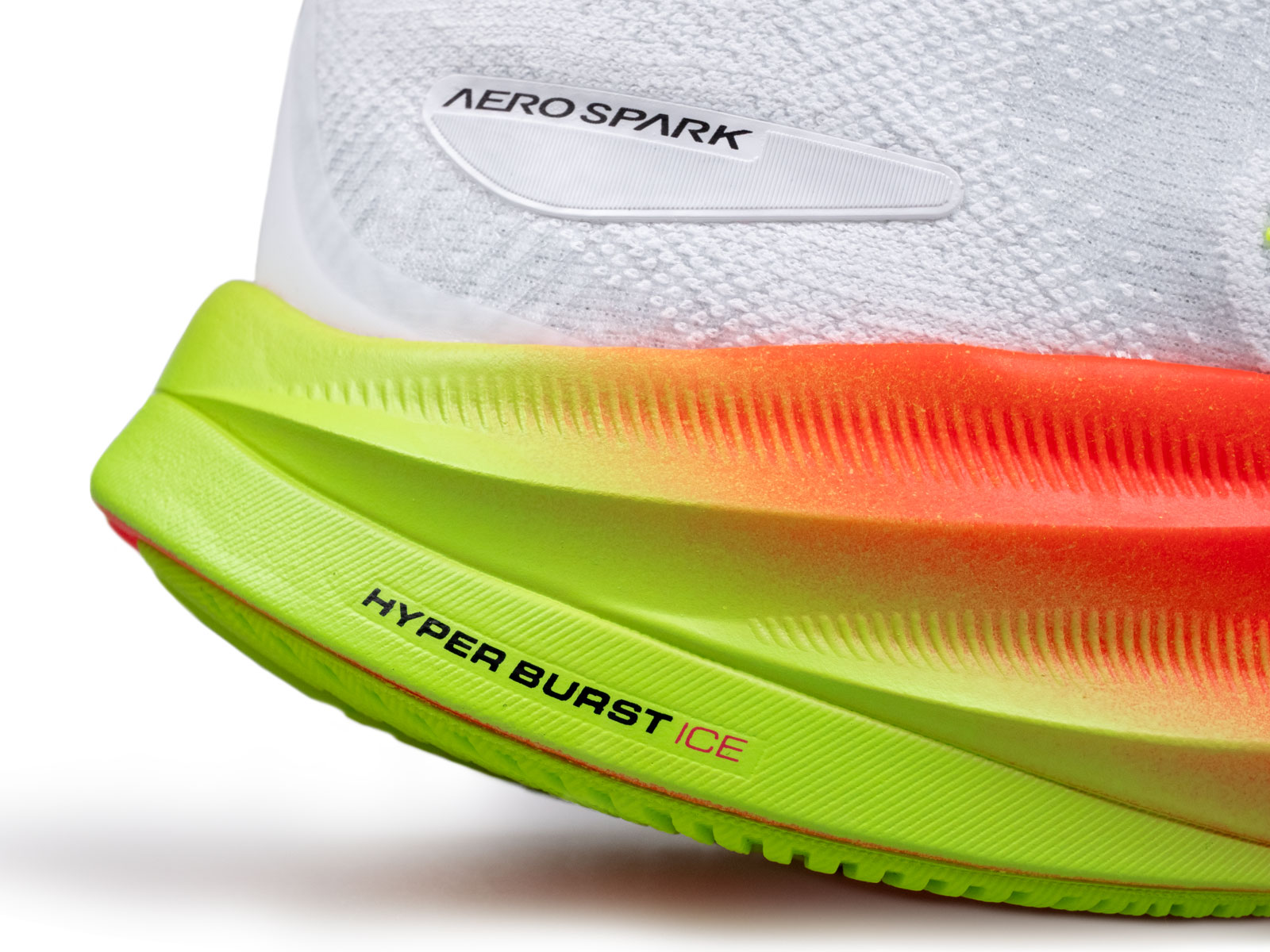
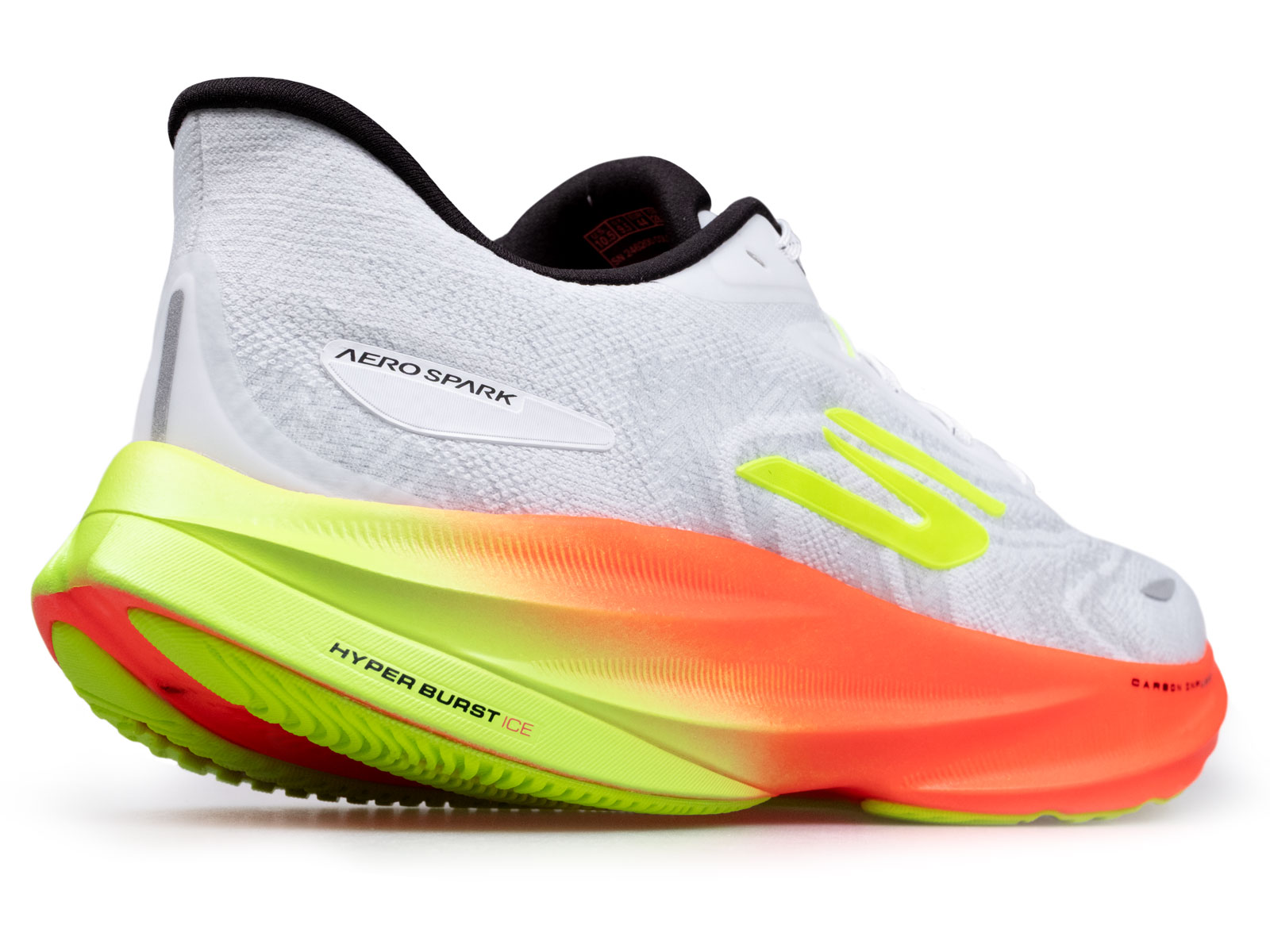
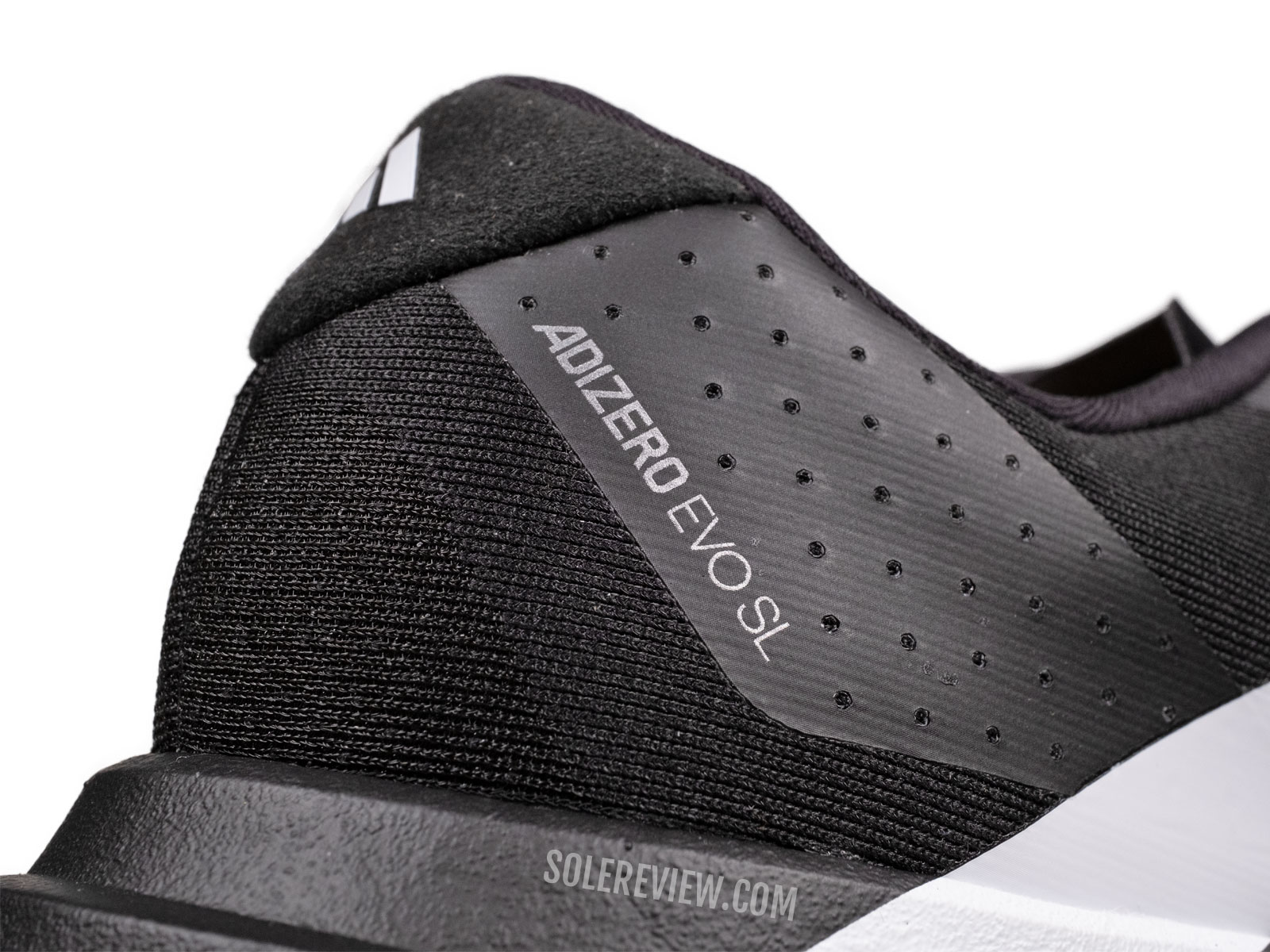
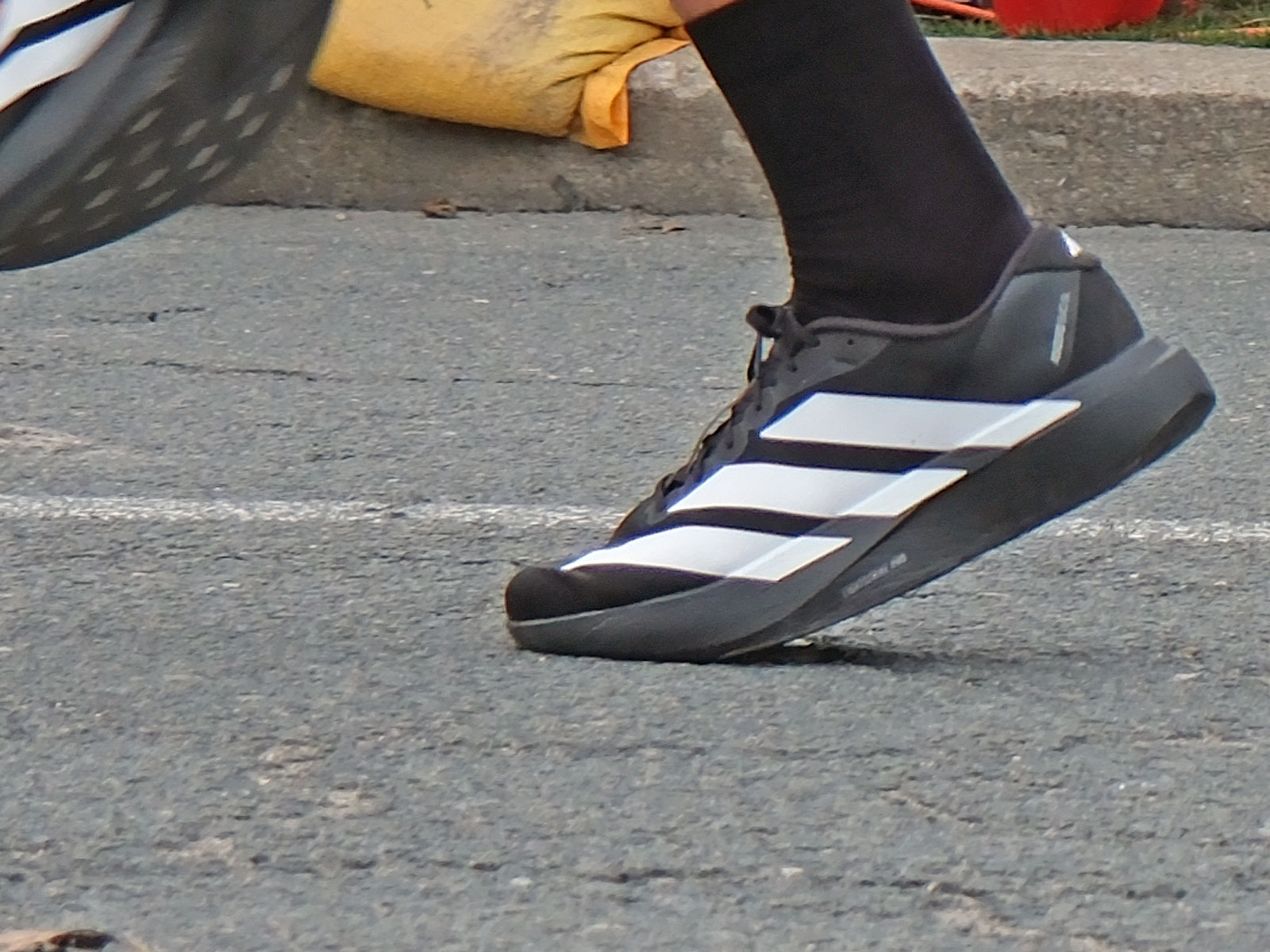
Also consider:
- New Balance Rebel V5
- Skechers Aero Spark
- Hoka Mach 6
- Brooks Hyperion 3 and Launch 11
- Nike Pegasus Plus
TECHNICAL SPECIFICATIONS
- adidas’s marketing pitch: Lightweight running shoes for speed training and race prep.
- Upper: Lightweight mesh, tongue gusset.
- Midsole: Lightstrike Pro and Lightstrike EVA foam, Energy Rods. 6 mm heel drop.
- Outsole: Continental and Lighttraxion rubber.
- Weight: 260 gms/ 9.2 Oz for a half pair of Men’s US 9/UK 8.5/EUR 42.5/CM 27.
- Stack heights: 36 mm (heel), 30 mm (forefoot).
- Available widths: Single, D – regular (reviewed).
- Country of origin: China.
- Recommended use: Tempo/threshold, 5K, 10K, half-marathons.
- Footstrike orientation: Heel/midfoot/forefoot.
- Orthotic compatibility: No.
- Median lifespan: 400 miles.
- Previous model: adidas Boston 12.
- Recommended paces: 3:00 min/km (4:50 min/mile) and slower.
- Recommended temperature range: Warmer than -0° C/32° F.