
Review Updates
(4 total)- 2026-07-21 — Added 'cut in half' module
- 2026-07-21 — Added star rating module
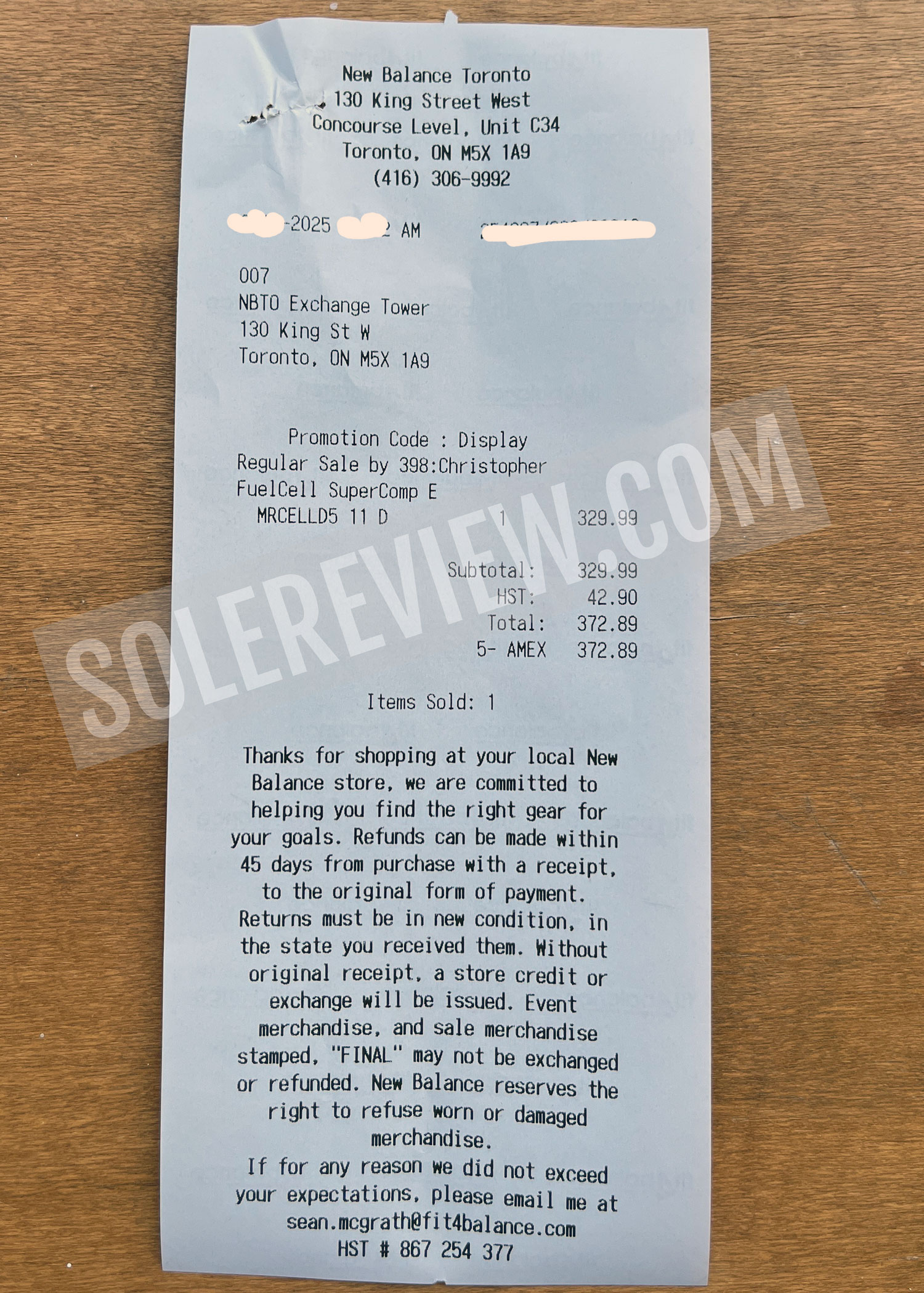
- 2025-12-16 — Added 'proof of purchase' trust badge and receipt
- 2025-10-14 — Review published
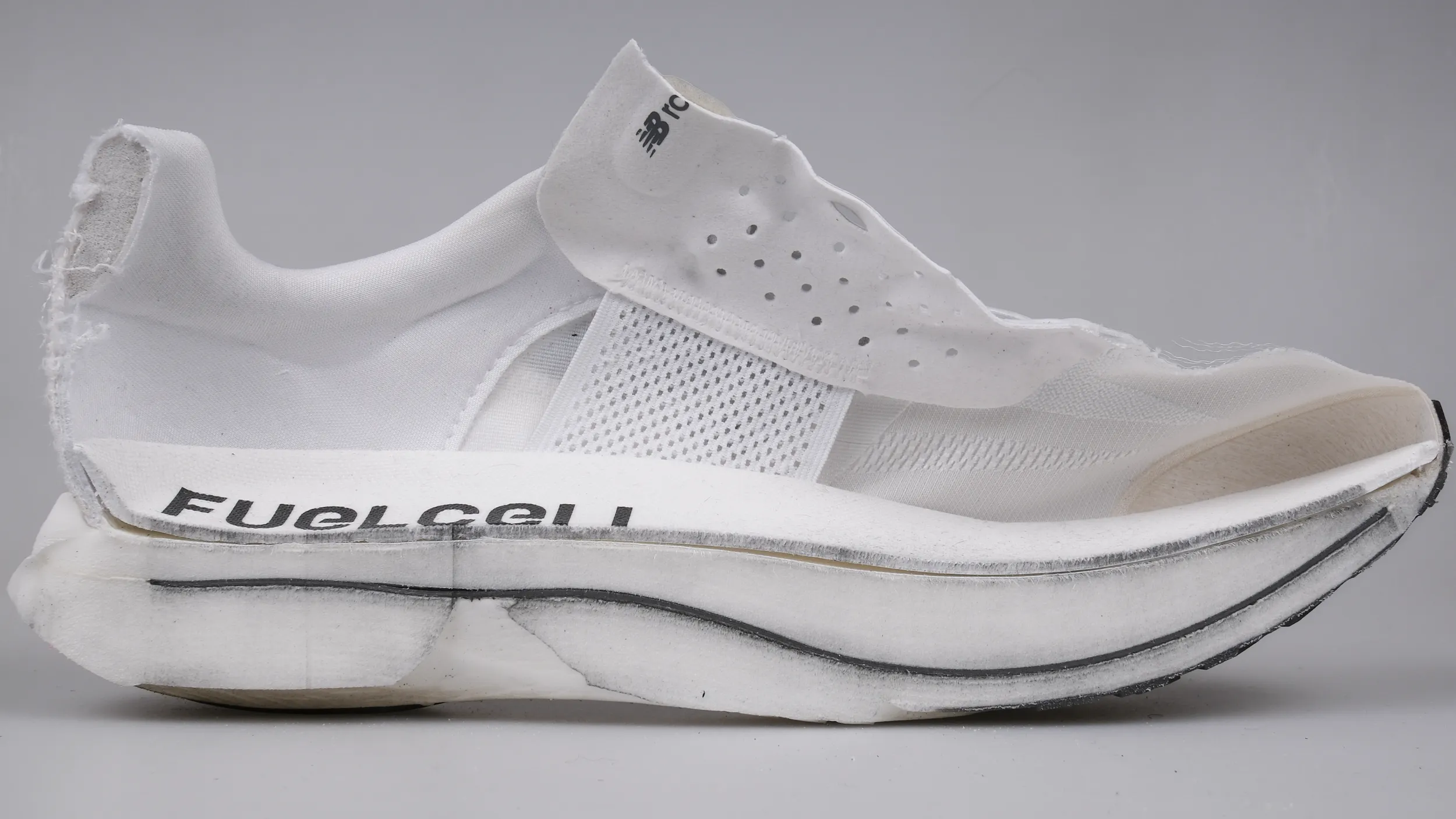
CUT-IN-HALF: NEW BALANCE SC ELITE V5
Teardown Analysis
Tap the hotspots to reveal component specifications.
Select a component
Pros
- Soft and bouncy ride
- Optional width
- Secure fit for efficient power delivery
- Excellent outsole traction
Cons
- Average heel stability
- Short tongue
- Stiff last two eyelets are a potential pressure hotspot
- Forefoot snugness isn’t evenly distributed
In this review:
SUMMARY
Another day, another carbon-plated racer. Does the New Balance SC Elite V5 have anything special to offer, other than the expected ‘snappy-carbon plate inside a bouncy midsole’ schtick? The answer is no, but there’s no reason to avoid this shoe either.
The SC Elite V5 is a typical carbon-plated racer, but an agreeable and enjoyable one. It delicately balances different components of the ride and fit quality for a broader appeal. The SC Elite V5 is soft, but doesn’t overdo it. The bounciness of the Fuelcell midsole gets closer to its contemporaries, such as the adidas Adios Pro. The upper fit is snug, but not too tight. The plate lives up to its potential, leveraging (literally) its corrugated geometry to create a forward-rolling rocker effect and noticeable rearfoot snap. The midsole is comfortable enough for a marathon and has the quickness required for shorter races (10K). Forefoot strikes are rewarded with a soft and springy cushioning, followed by rocker assistance.
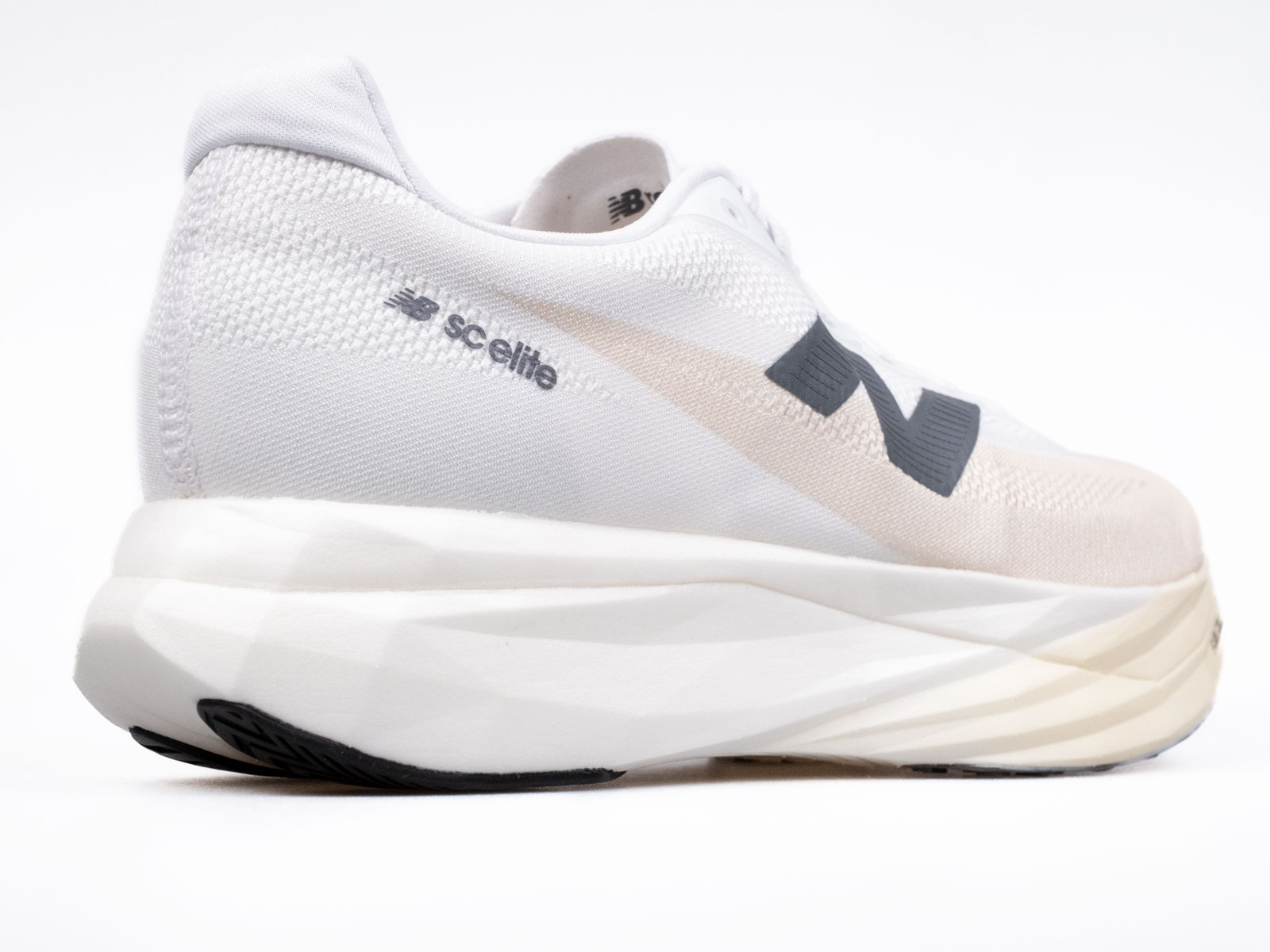
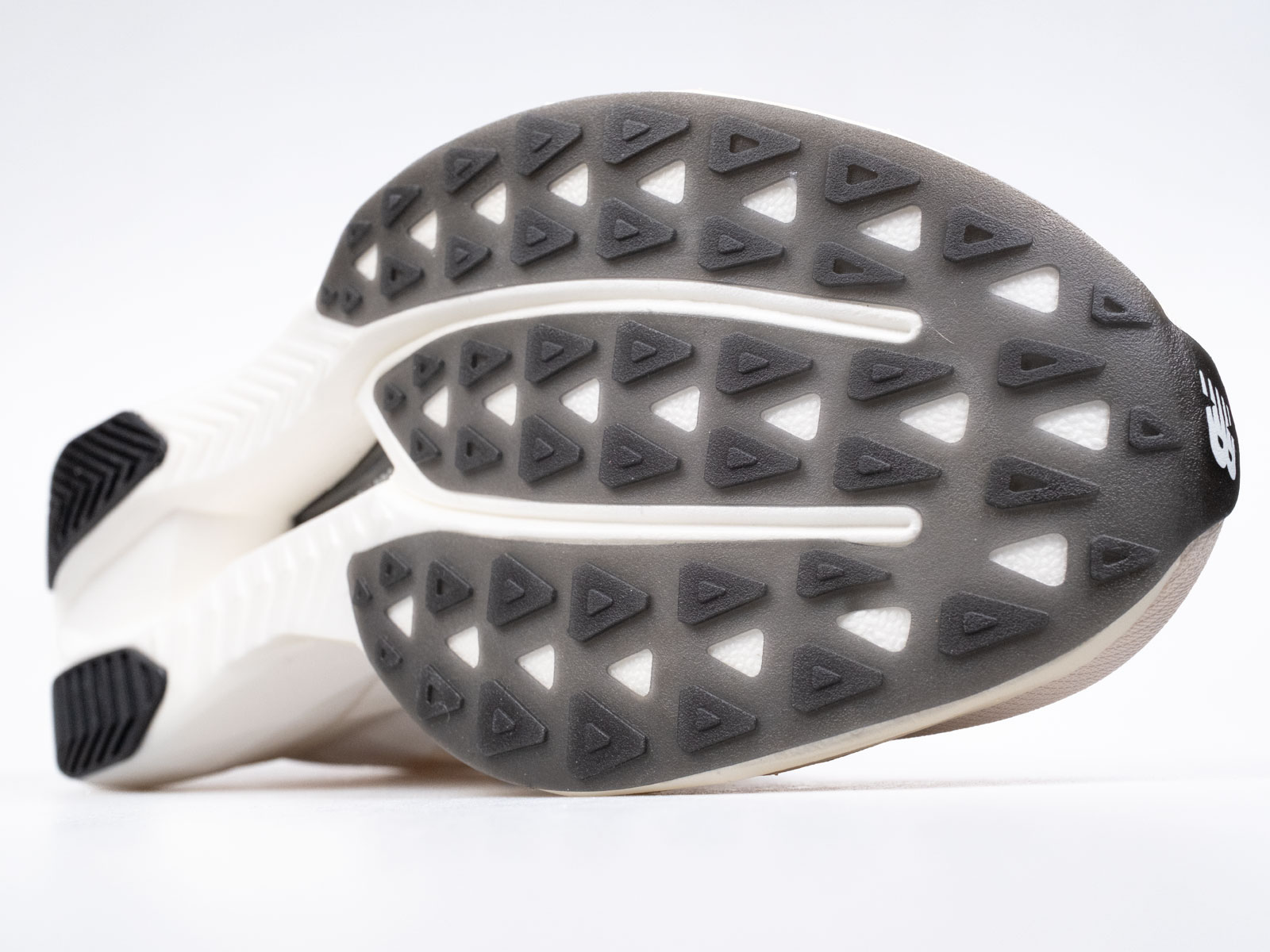
Generally speaking, plated super-shoes suffer from poor heel stability and are not recommended for heel strikers. The SC Elite V5 is ideal for forefoot and midfoot strikers who race at speeds higher than 4:30 min/km (7:00 min/mile). At the same time, the midsole isn’t terrible for heel strikers. The Fuelcell midsole offers marginally better stability than the likes of the adidas Adios Pro 4 and Asics Metaspeed Sky Tokyo.
In its short five-year history, the New Balance SC Elite has stayed clear of incremental updates. The SC Elite V3 (a fun shoe, by the way) was nothing like the V2, and the V4 was nothing like the V3. New Balance continues the tradition by introducing significant changes to the SC Elite V5. It’s tighter-fitting than the V4, the outsole grips better, and the midsole foam goes softer. It also feels quicker than the V4, a result of improved fit security. The heel-to-toe offset is now 8 mm, twice that of the previous model. On the road, the increased drop is of little consequence. The softer midsole equalizes the loaded or dynamic heel drop.
WHAT THE SC ELITE V5 DOES WELL
– 10K, half-marathons, and marathons at 4:30 min/km (7:00 min/mile) speeds or faster.
– Fuelcell midsole delivers soft and springy cushioning.
– The midsole and outsole design favors forefoot and midfoot strikers.
– Offers a propulsive rocker effect.
– Delivers excellent forefoot traction.
– The snug upper connects the foot with the midsole for efficient power transfer.
– Only carbon-plated super-shoe to offer an optional width.
WHAT THE SC ELITE V5 DOES POORLY
– Lacks the versatility for heel strikers and slow speeds.
– Lightweight build quality is not ideal for high-mileage use.
– Doesn’t have high-visibility features for low light conditions.
POTENTIAL ISSUES
The tongue is shorter than the V4 and no longer uses the spongy mesh flap. The shorter tongue flap also lets the stiff eyelet panels produce a mild pressure spot. Also, the semi-stretchy laces could be 10 mm shorter and perform just as well.
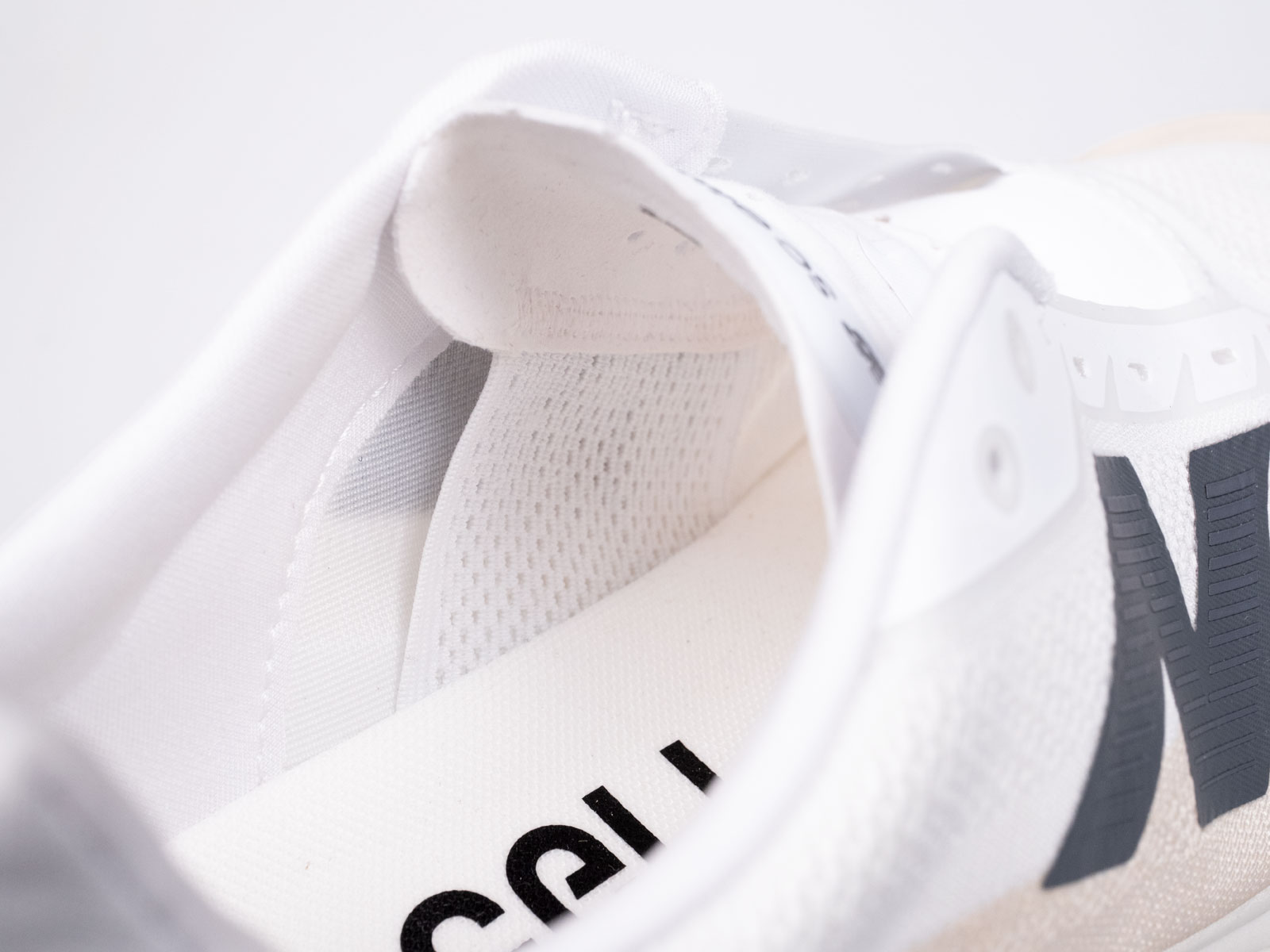
In what’s more of a quirk than a performance issue, the midsole produces a slappy noise during rearfoot landings. That happens due to the air rushing out of the void upon footstrike.
WHAT HAS CHANGED

– Softer Fuelcell foam.
– Narrow forefoot fit because of the heel collar update.
– Improved step-in softness due to non-perforated footbed and tighter fit.
– Vastly improved forefoot outsole traction.
– Stiffer EnergyArc plate.
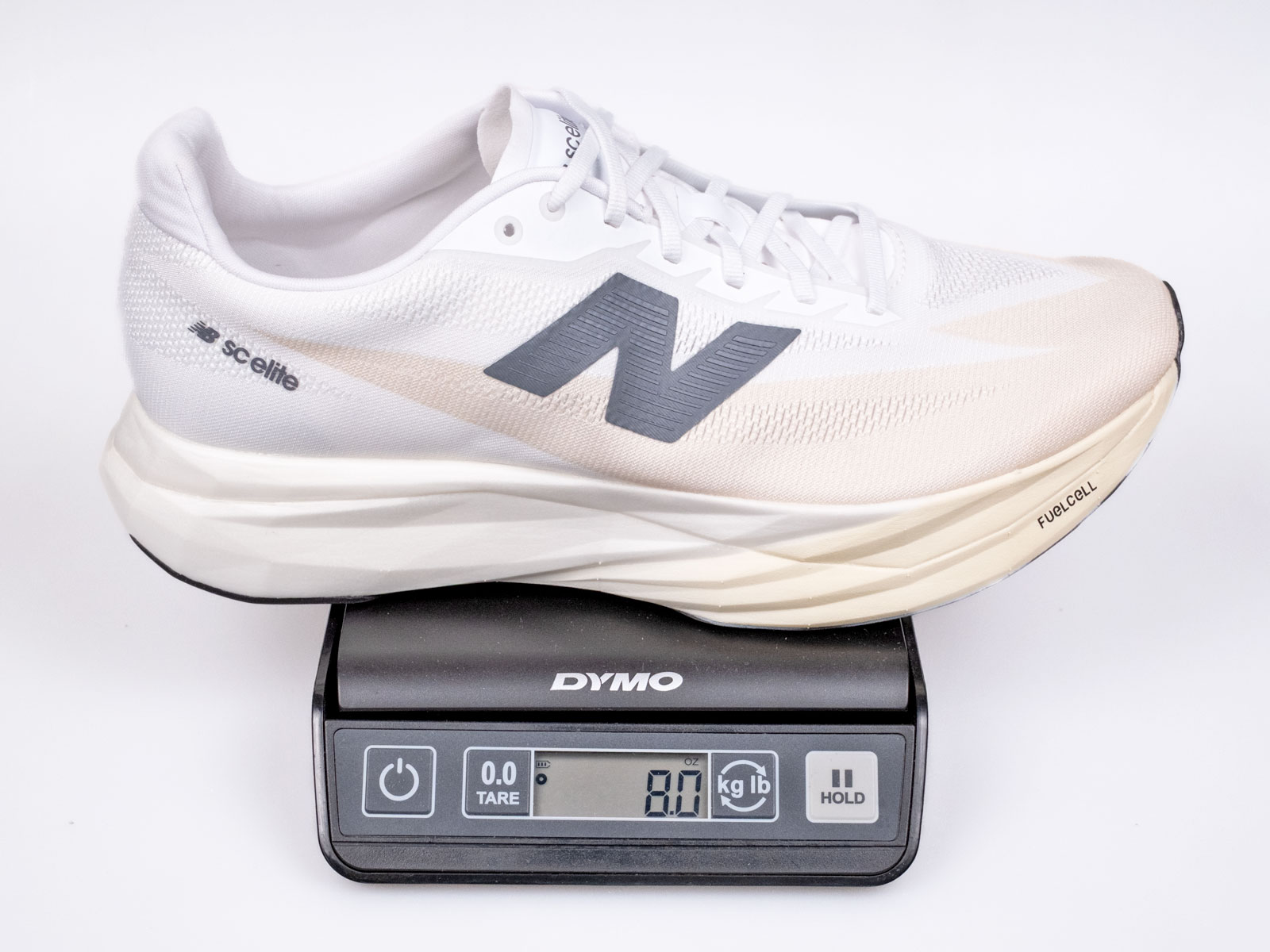
– Lighter by 0.5 oz or 15 grams.
– Forefoot stack lowered from 36 mm to 32 mm.
– Heel drop now 8 mm instead of 4 mm.
– Smaller Energy Arc window.
– Shorter tongue length than SC Elite V4.
– The tongue is no longer made of the spongy mesh.
– Softer Achilles heel tab and padding.
THE RIDE EXPERIENCE
Saying that a form is ‘soft and bouncy’ doesn’t mean much without reference. The Fuelcell feels similar to the Lightstrike Pro foam from last year’s adidas Adios Pro 3, except that it’s less eager to spring back to shape. It’s slightly softer than the older version of the Lightstrike Pro, yet firmer than the latest Adios Pro 4. Does that make sense? If you have no idea what the adidas Lightstrike Pro foam is or what it feels like, the Fuelcell cushioning occupies the middle of the softness and bounciness spectrum. It’s not as firm as the Saucony Endorphin Pro 4, but not as soft as the Asics FlyteFoam Leap. In short, forefoot strikers will find healthy levels of both cushioning properties.
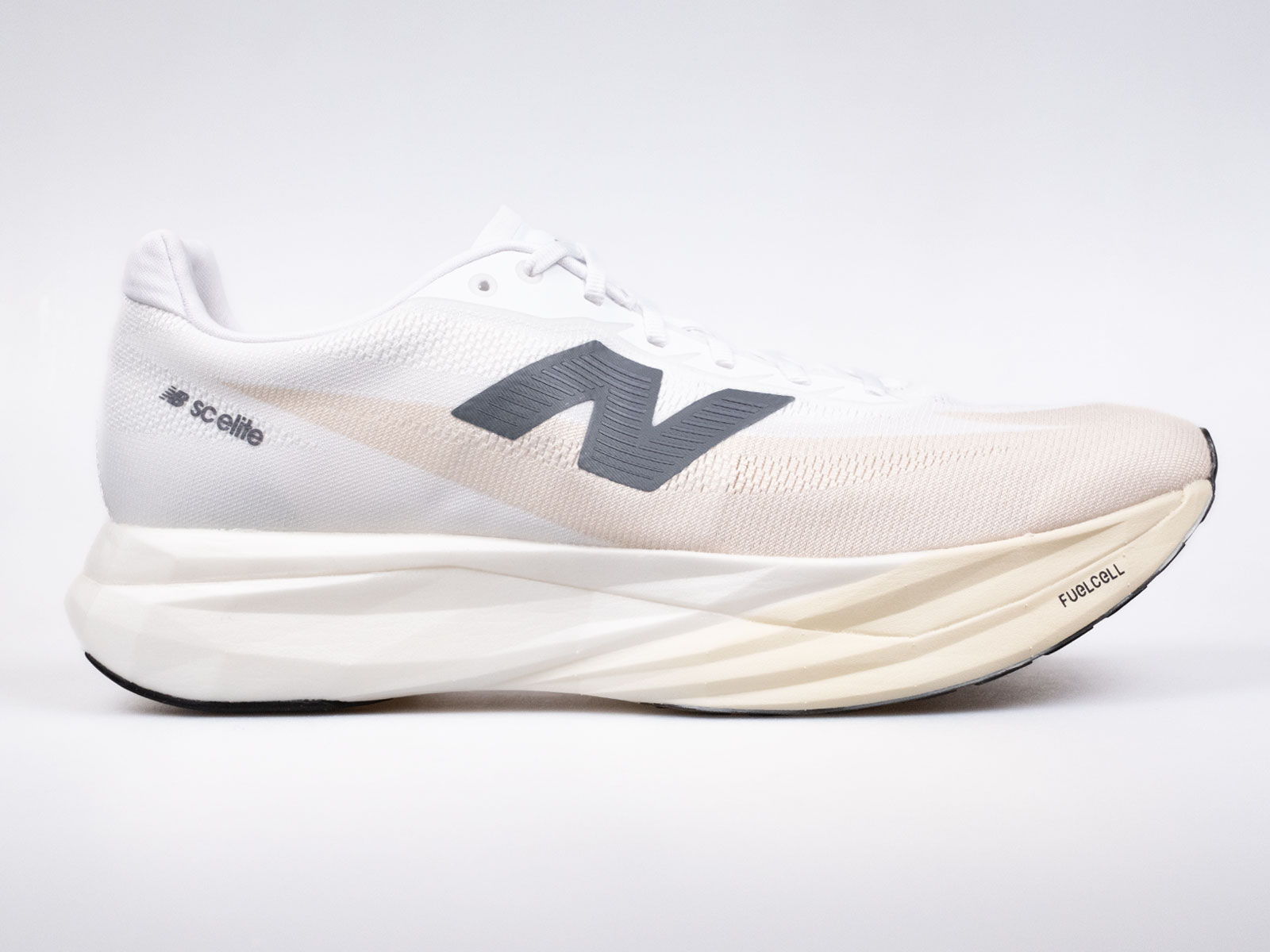
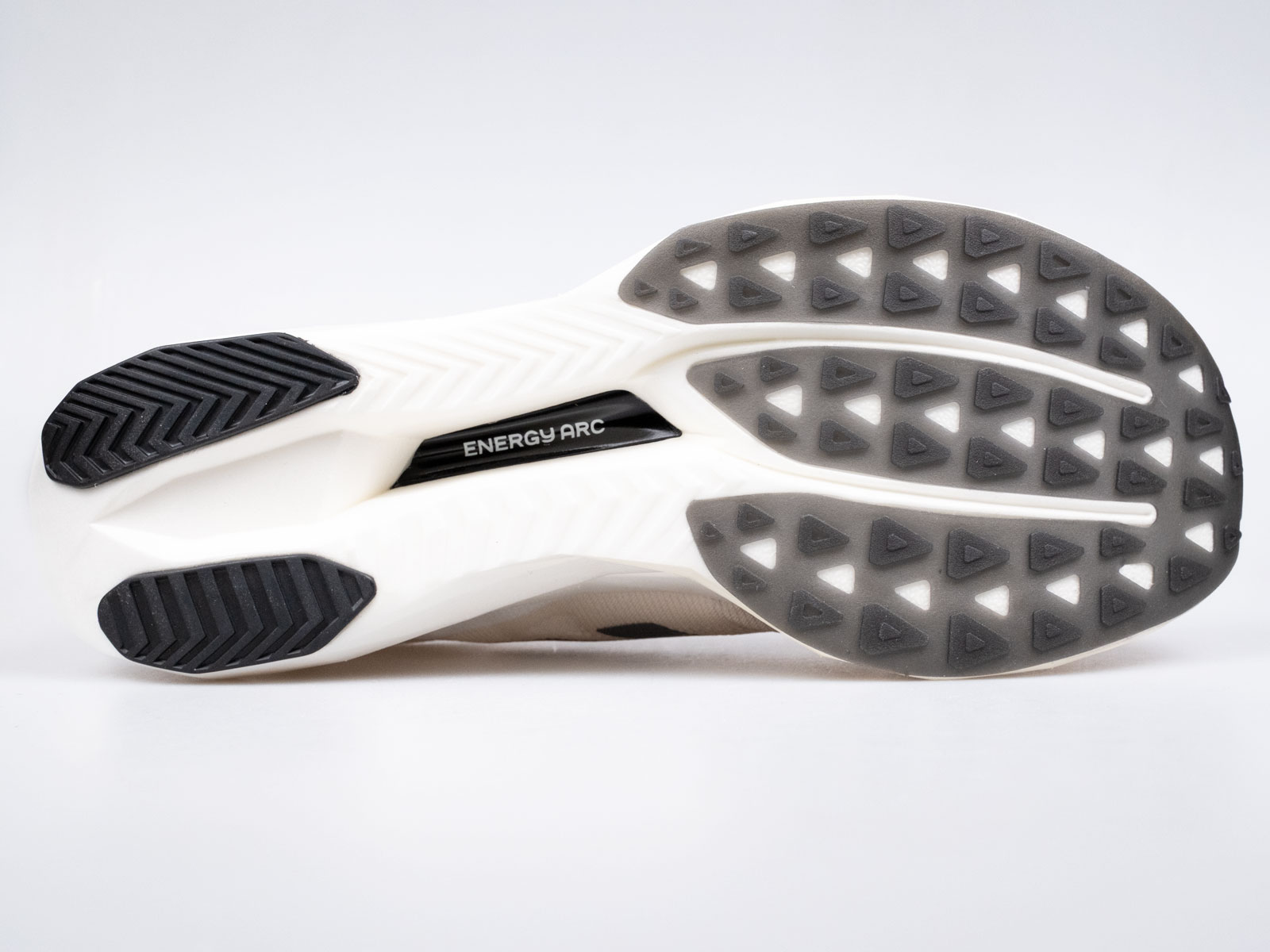
New Balance has updated the midsole stack heights to reflect the increased heel-to-toe offset. The SC Elite V5 is now an 8-mm drop shoe, replacing the 4 mm offset of the previous model. To achieve this, the forefoot stack heights have been lowered to 32 mm from 36 mm. The loss of stack doesn’t necessarily decrease softness. If anything, the SC Elite V5 provides softer landings than the V4. Not only is the Fuelcell foam softer, but the thinner and softer outsole isn’t as stiff as that on the V4. The ultra-grippy outsole blends into the Fuelcell midsole, rather than behaving like a stiff, independent layer.
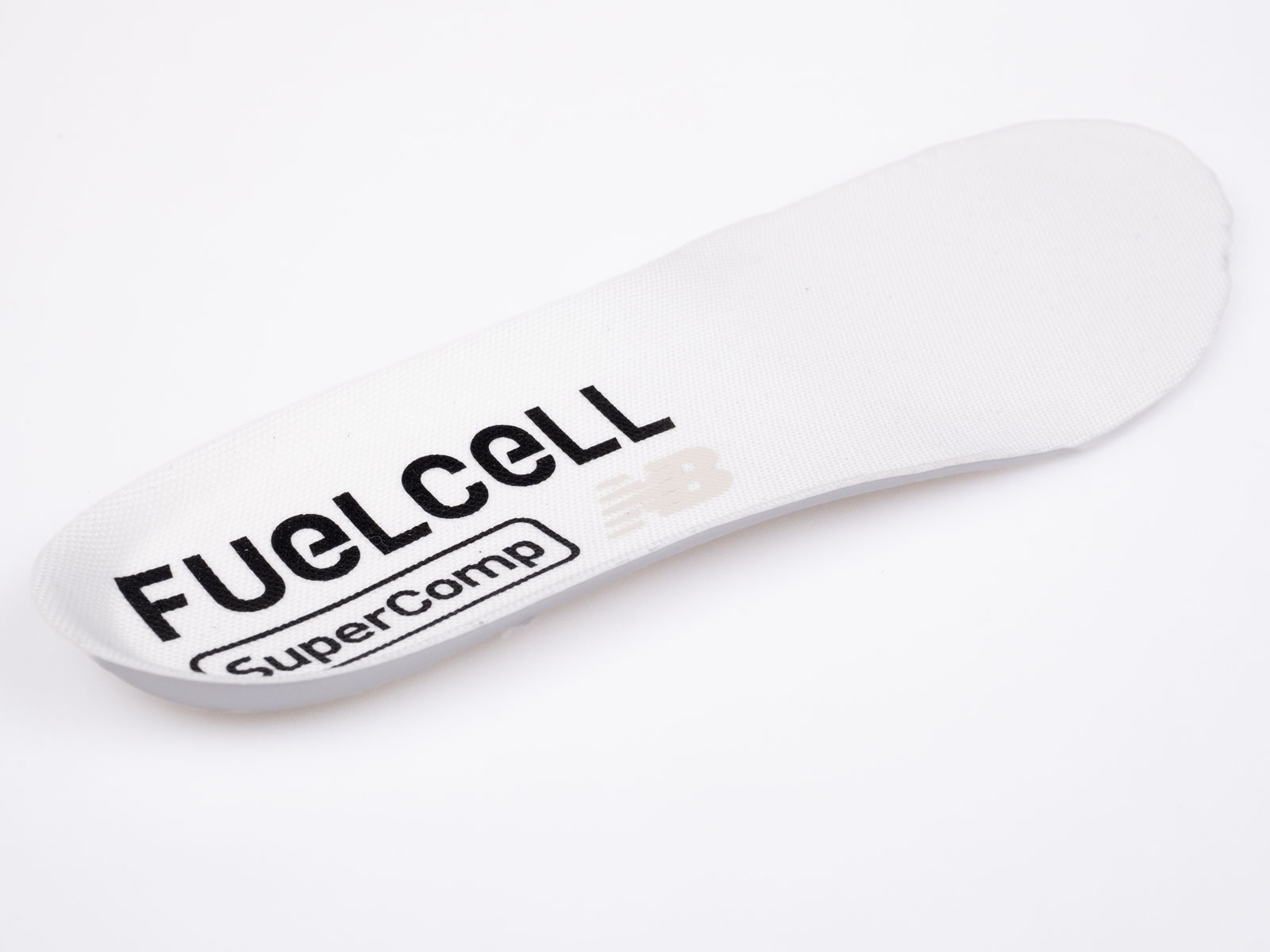
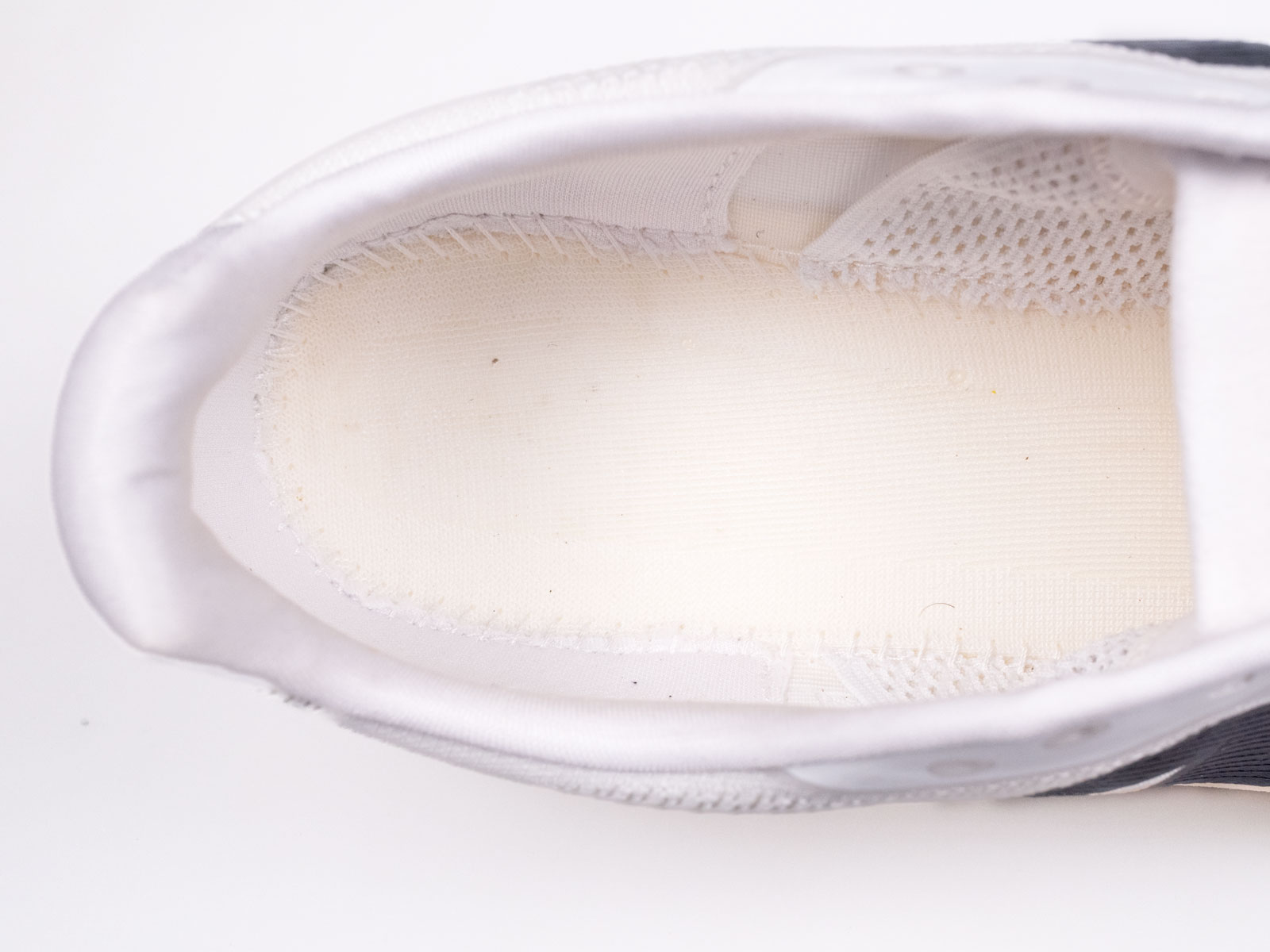
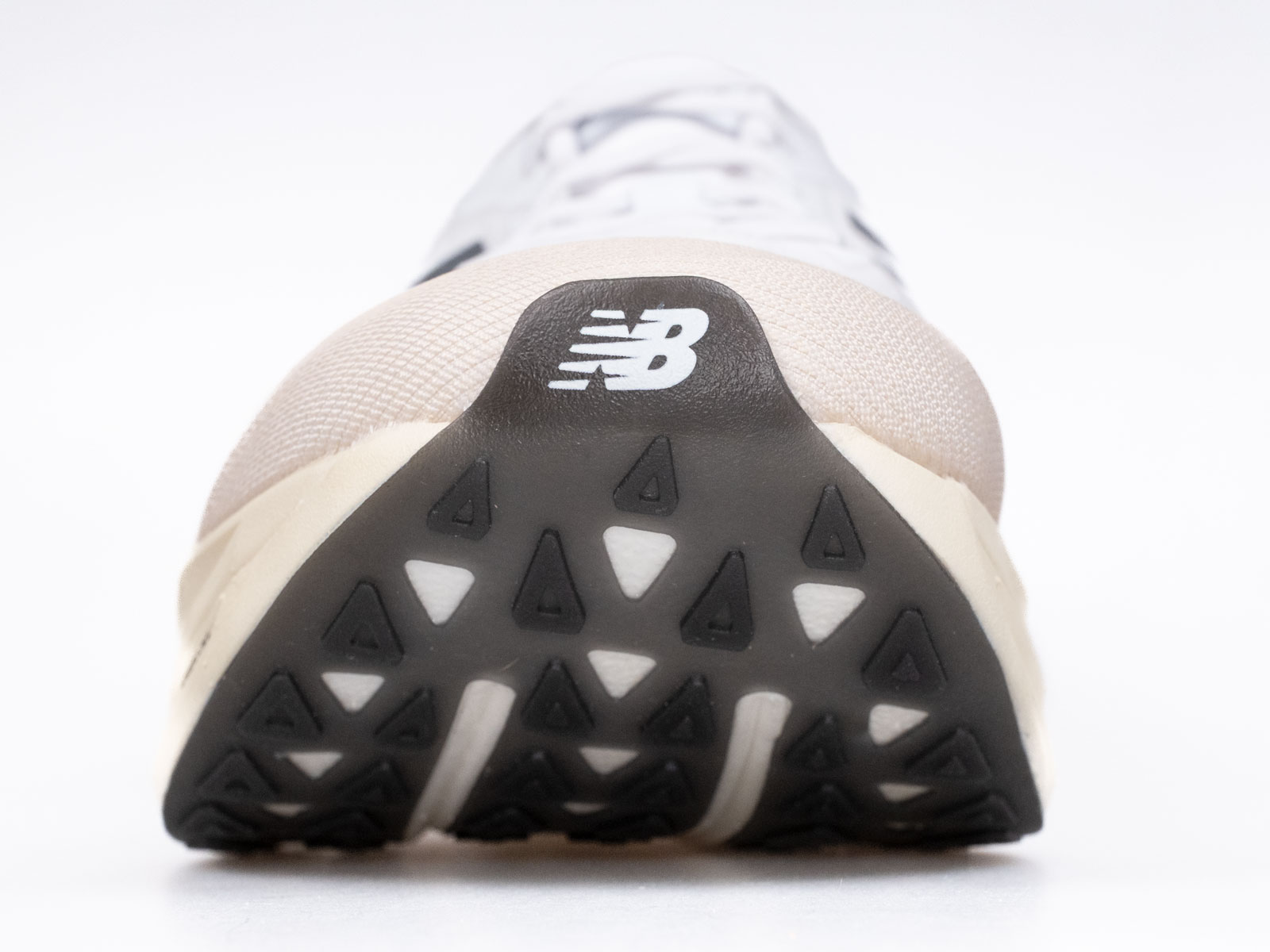
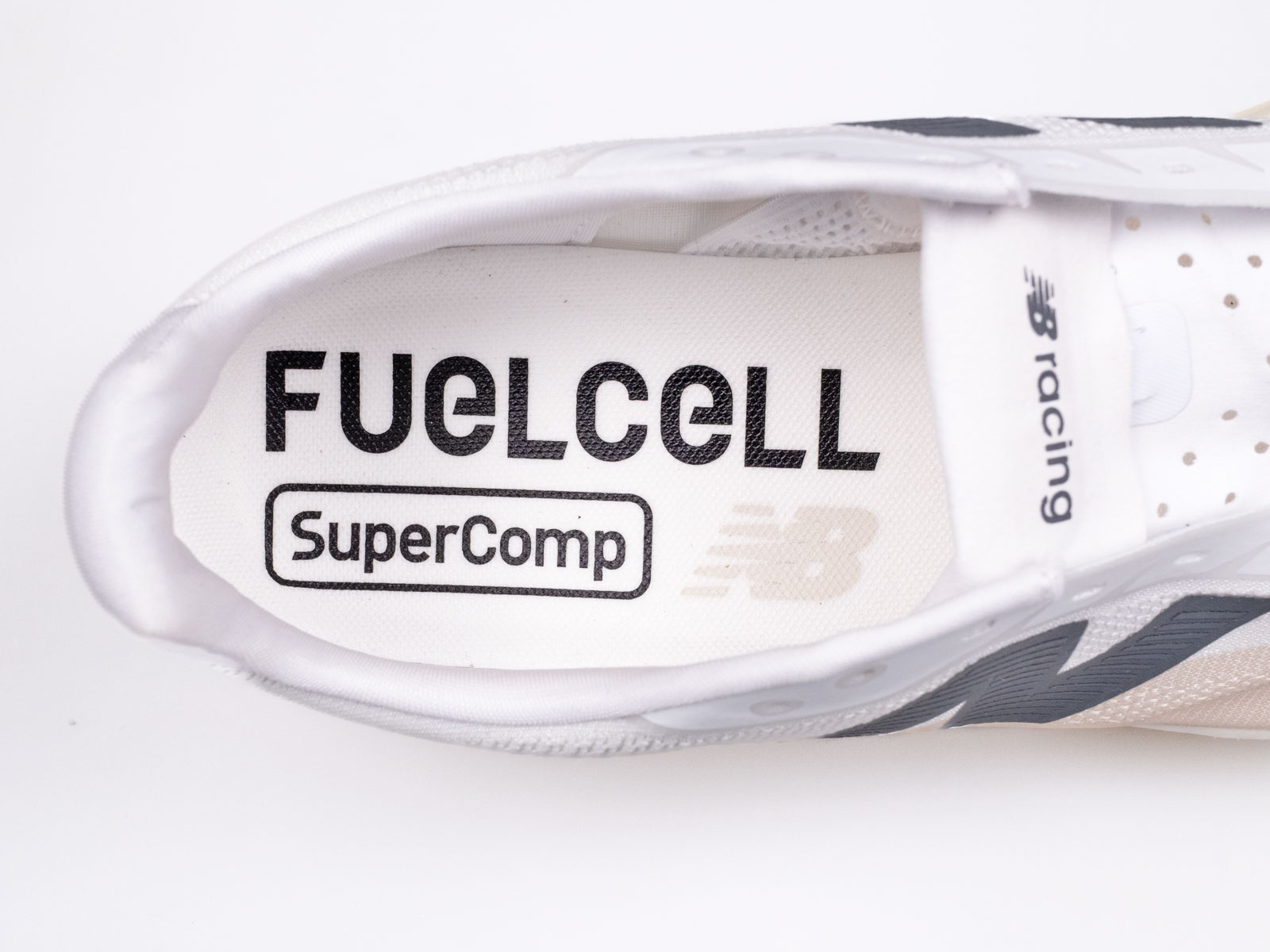
The SC Elite V5 swaps the perforated footbed of the V4 for a solid insole. This update marginally boosts the step-in softness, and the tighter upper does the rest. The snugger fit does an excellent job of extracting the cushioning availability from both the insole and the midsole. The loss in stack height is barely felt at all, with the SC Elite V5 delivering a more energetic ride than its predecessor. The rocker works very well due to the stiffness of the carbon plate. The heel collar padding makes the fit slightly smaller than before, moving the foot forward by a few mm.
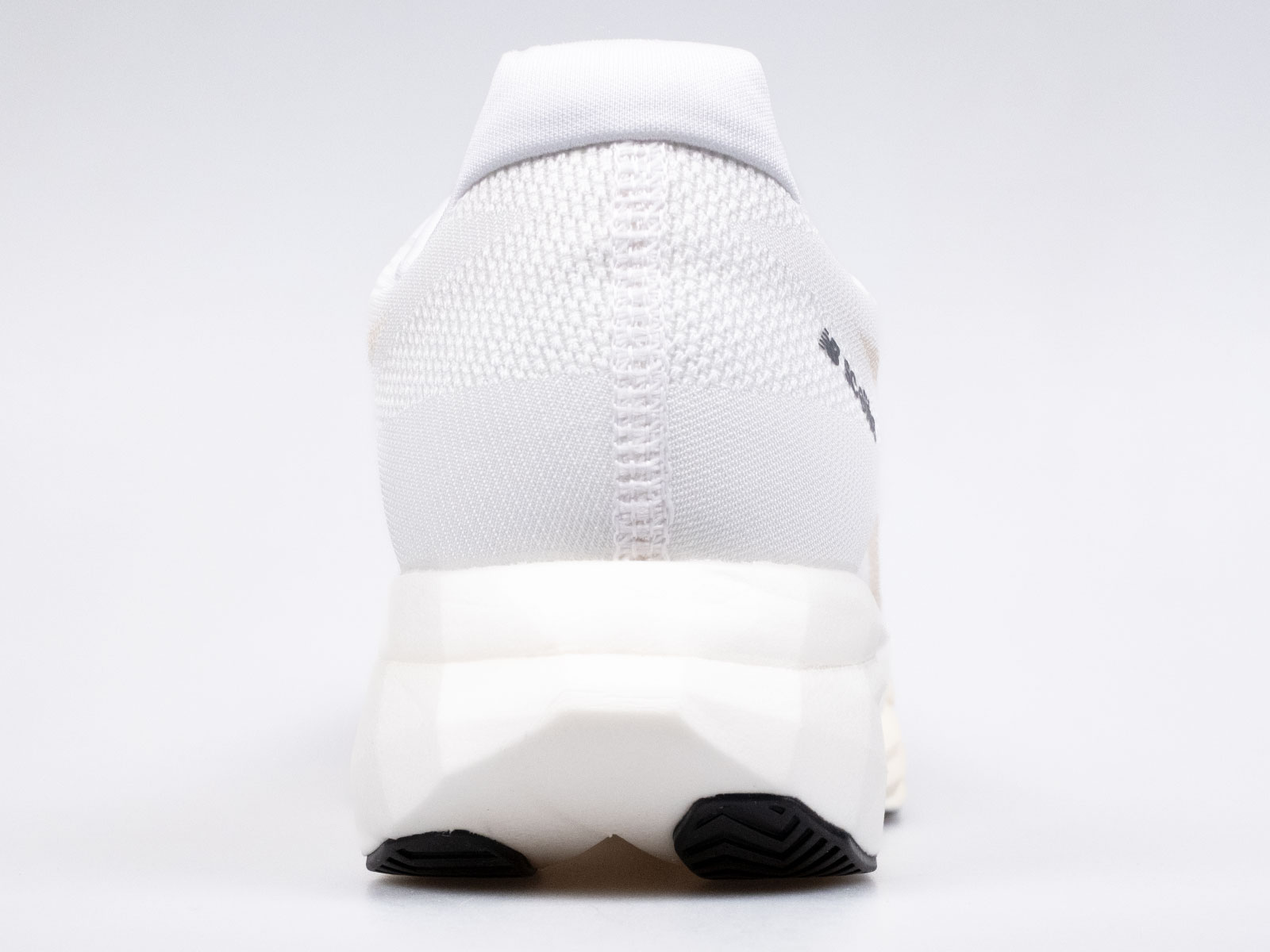
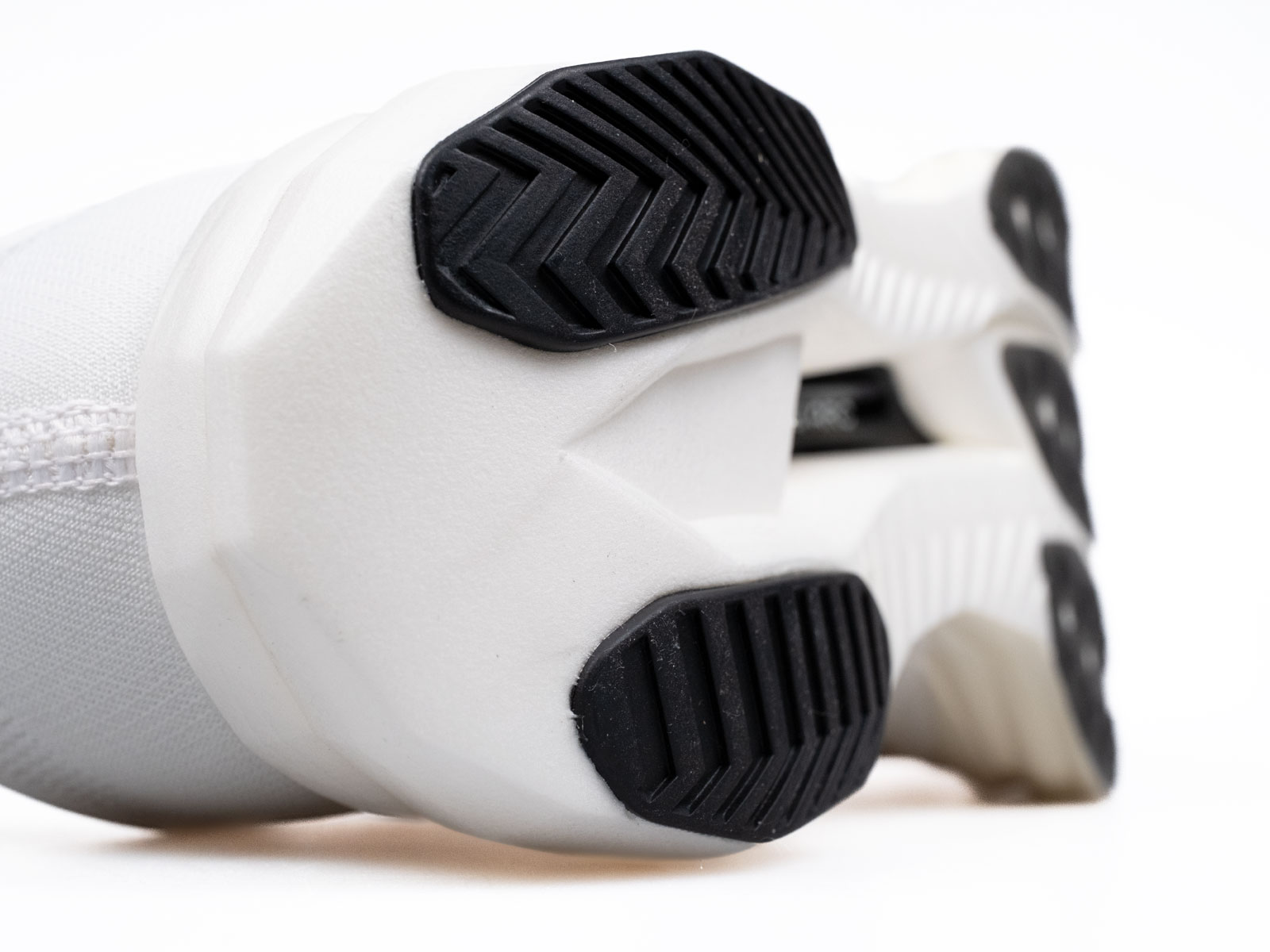
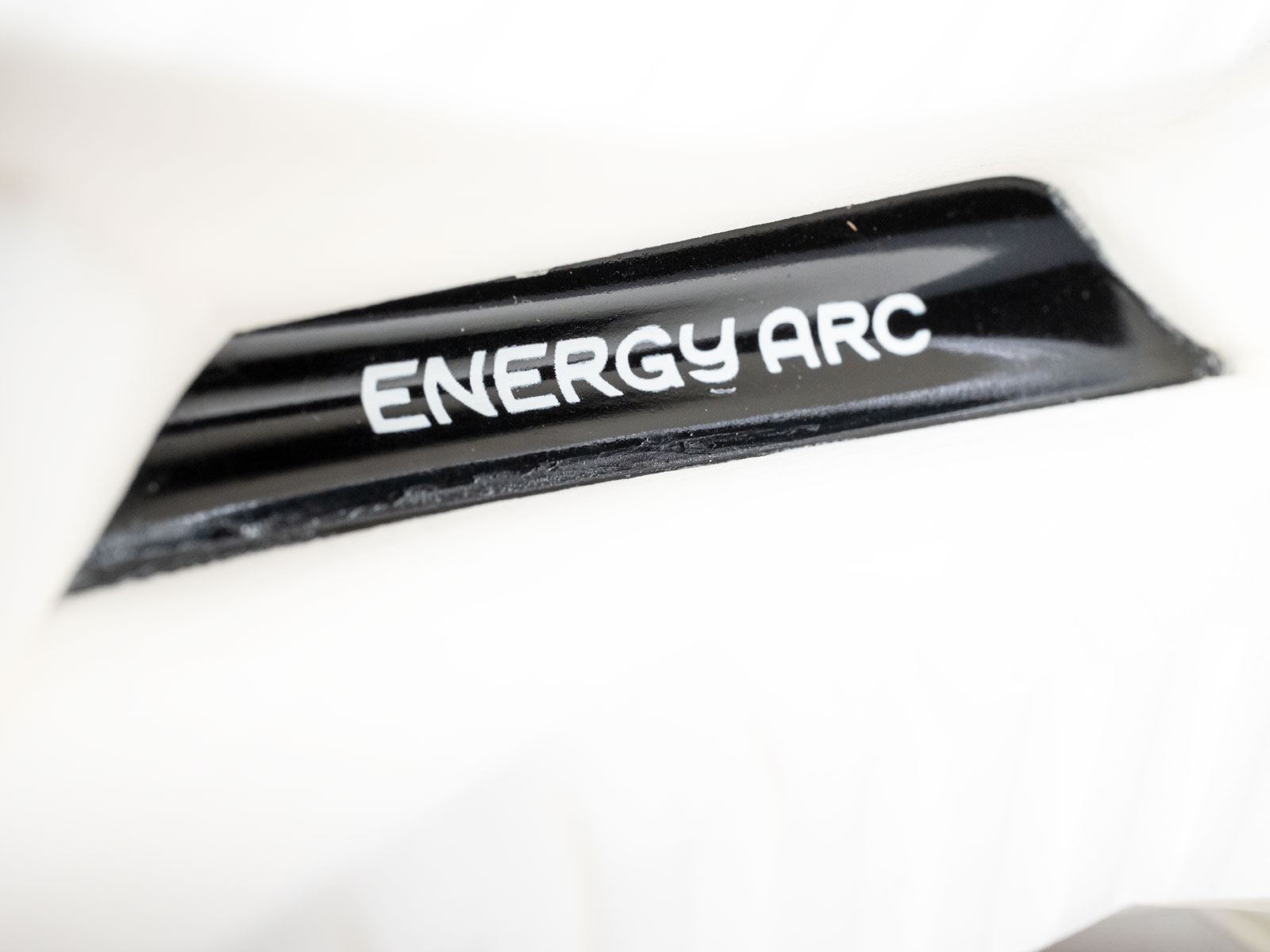
The rearfoot stability isn’t at the Saucony Endorphin Pro 4’s level, but it isn’t bad either. The under-heel area has a shallow void, but not deep enough to turn the midsole mushy. There’s a compression bias towards the outer/lateral side, as expected of a soft midsole with a slim base. The corrugated design of the plate also seems to improve the overall stability. The full-length plate inside the SC Elite V5 isn’t flat all the way through, but rippled from the midfoot to the heel; the curve is partially visible through the outsole window. The corrugated design adds stiffness, which in turn benefits stability.
Despite the (more) Achilles-friendly heel drop of 8 mm, the SC Elite V5 isn’t exactly a heel striker’s racer. The playground is set up for forefoot and midfoot strikers to play in. Besides, heel striking makes a whooshing sound, as the trapped air rushes out of the void under the heel.
RECOMMENDED ROTATION
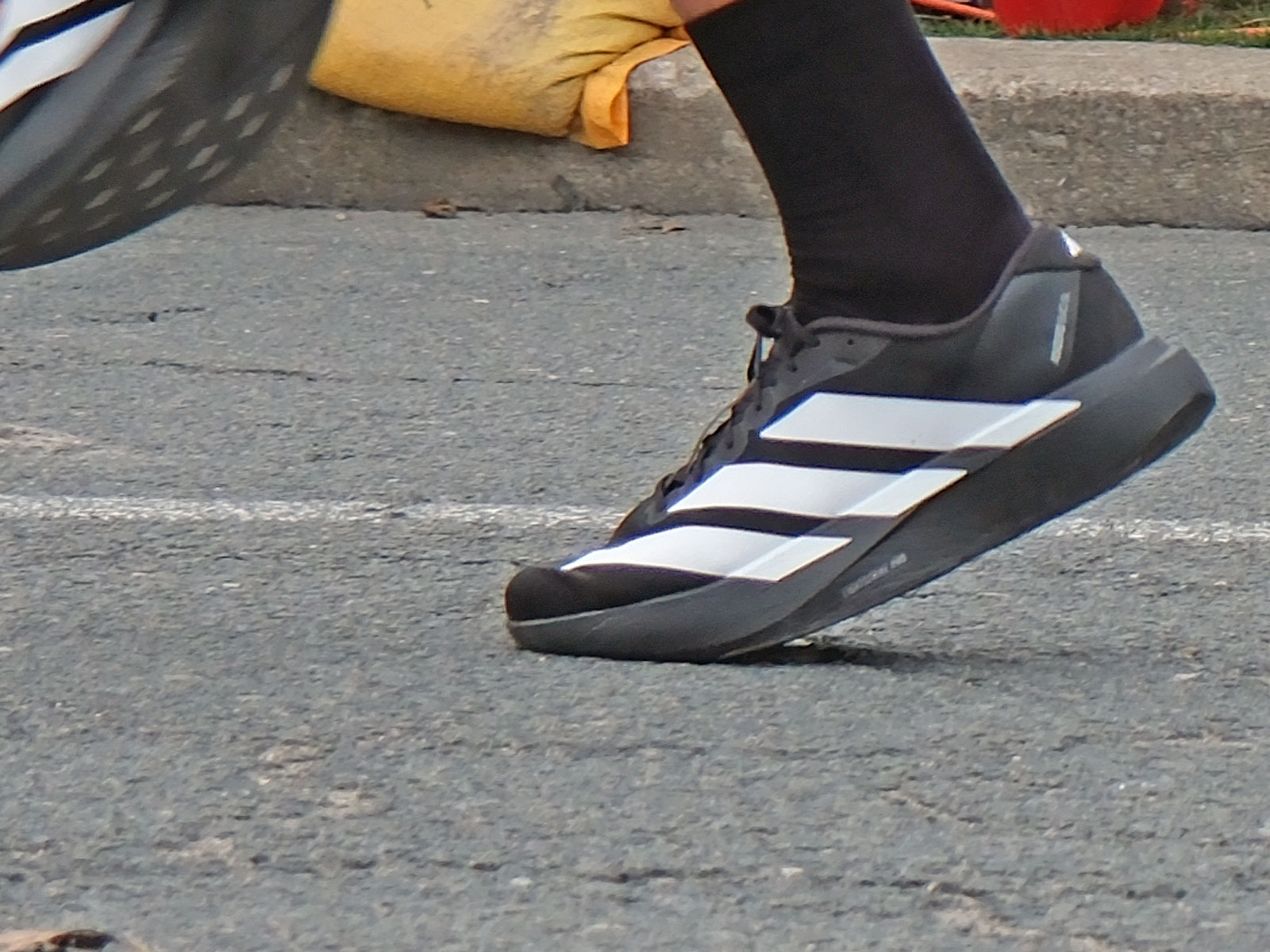
- Use the New Balance SC Elite V4 for 10K and marathons
- Use the adidas EVO SL for tempo runs and 5K
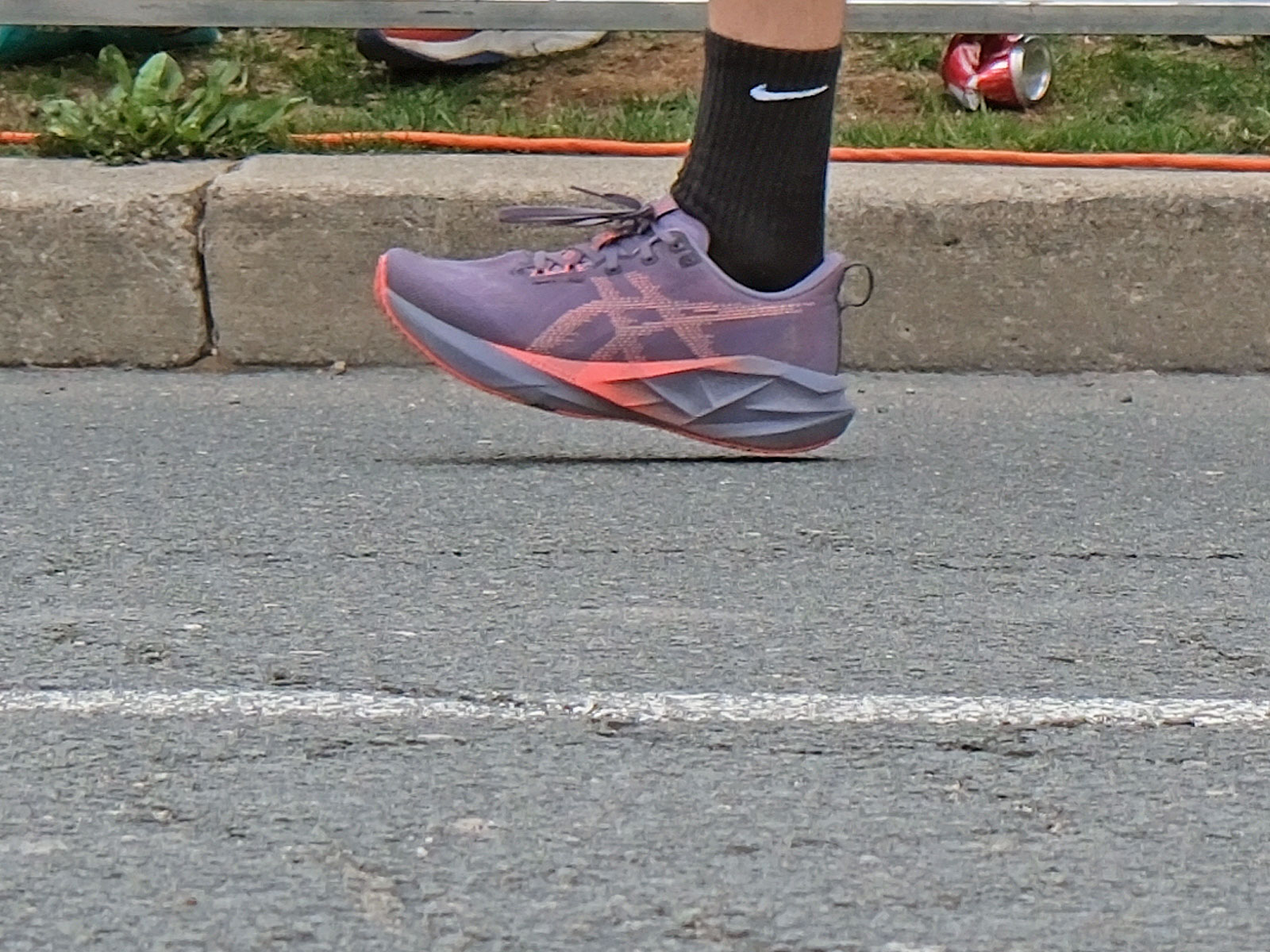
- Use the Asics Novablast 5 for everyday training
THE UPPER DESIGN AND FIT
The upper fits true to size, and if you’re transitioning from the SC Elite V4, it is slightly shorter-fitting. The large toe sits closer to the tip than the previous model, as the redesigned heel collar pushes the foot forward. The narrowness of the upper fit doesn’t have an even spread; the fit is tighter over the small toe than the large toe. In what’s a first, the SC Elite V5 is the only high-end plated racer to be sold in an optional 2E width. The Hoka Mach X3 is also sold in a wide, but that’s from a tier below.
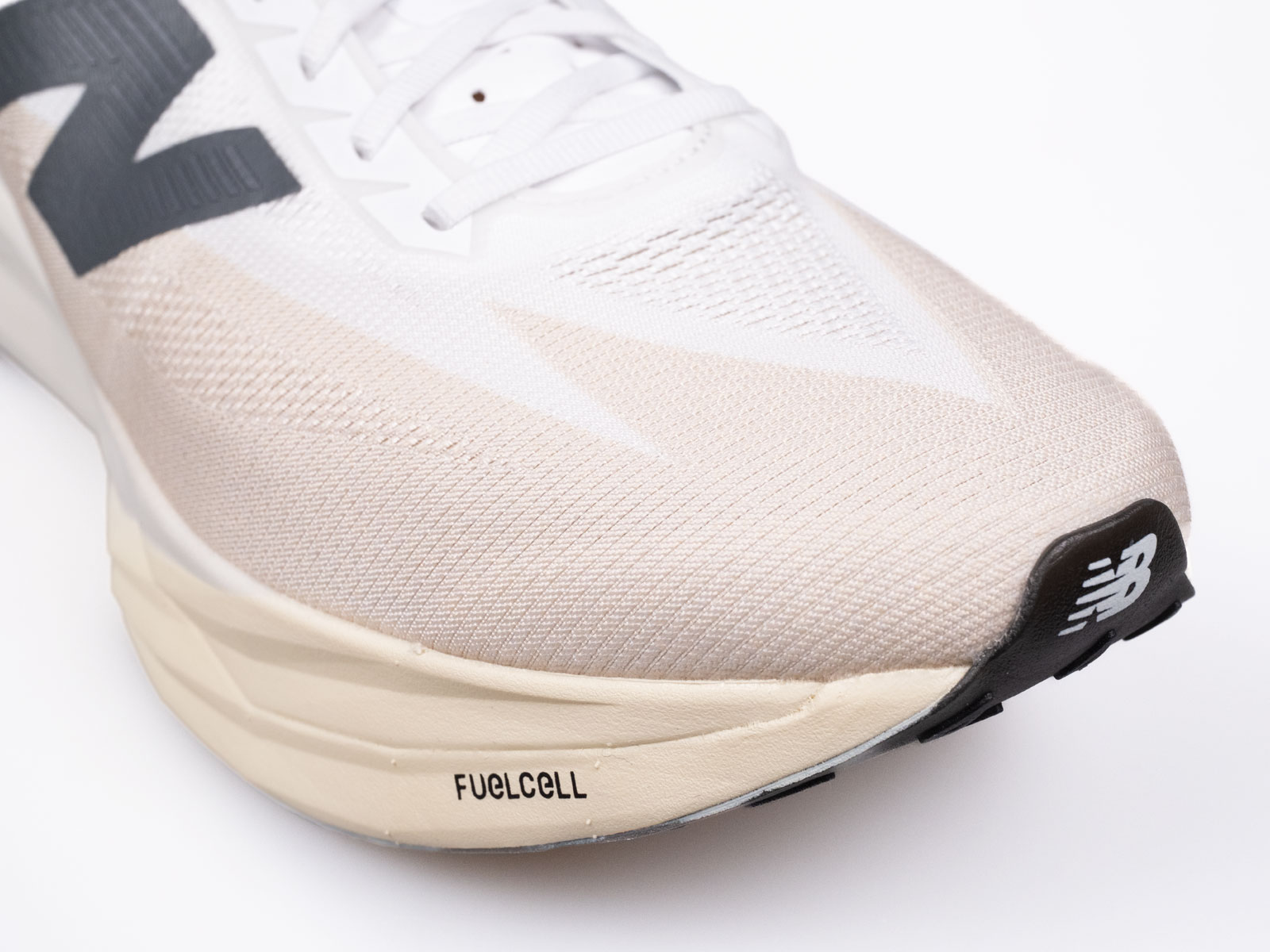
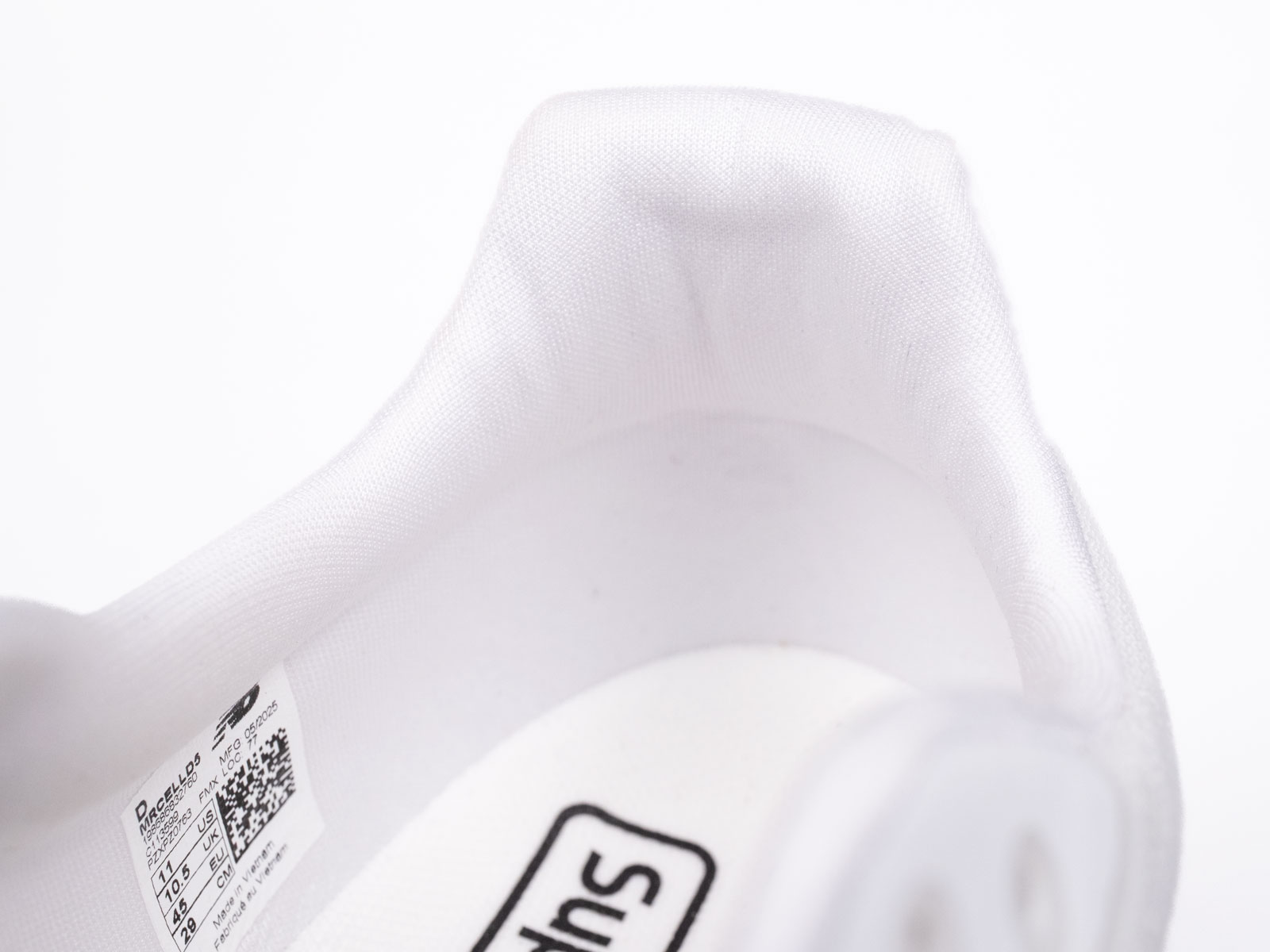
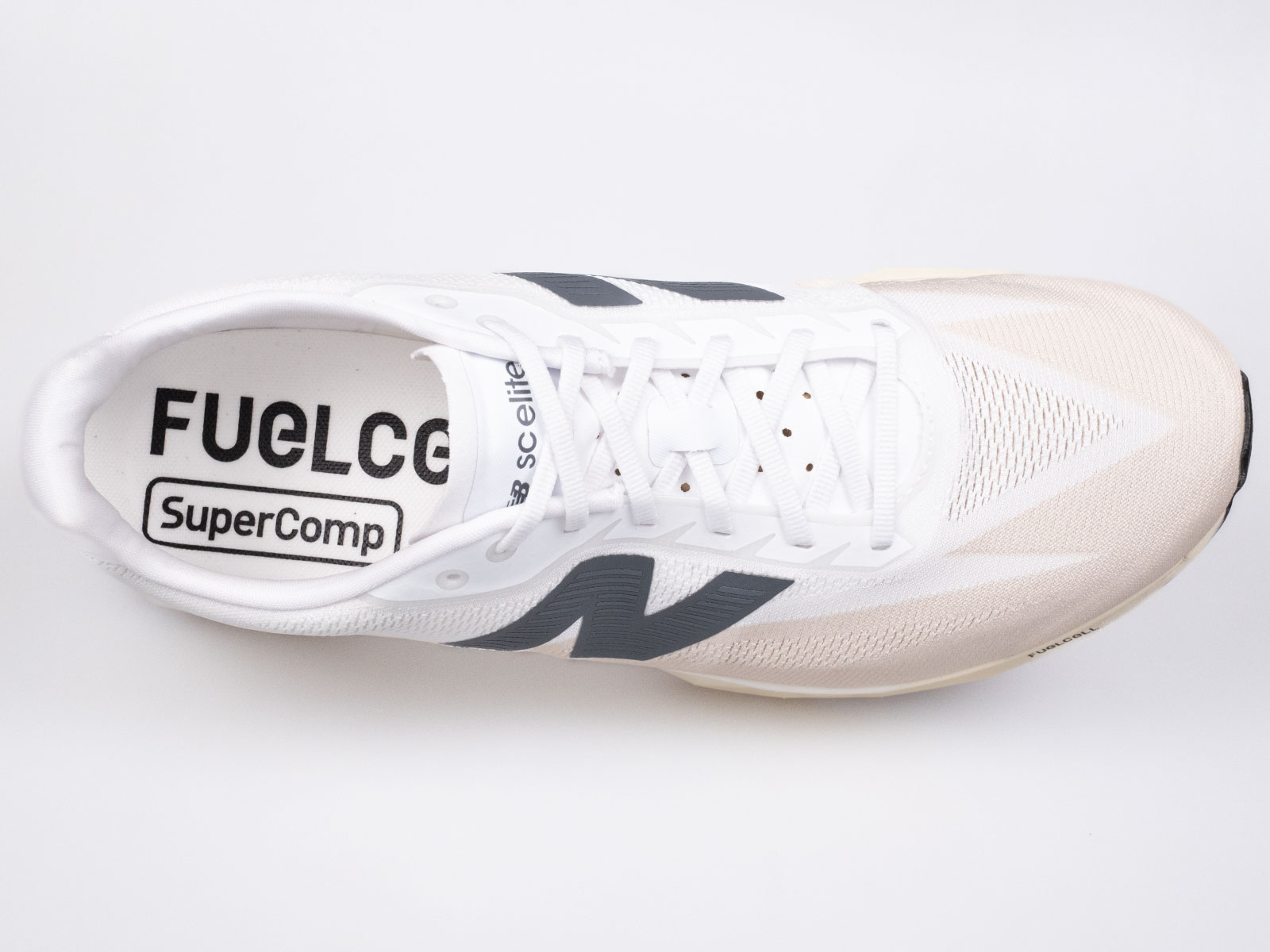
Unlike many super-shoes, the heel counter isn’t collapsible. The heel backer is half the height of a regular-sized one, making the top of the heel soft and pliable. More padding has been added to the Achilles tab, making the entry into the shoe more comfortable and secure.
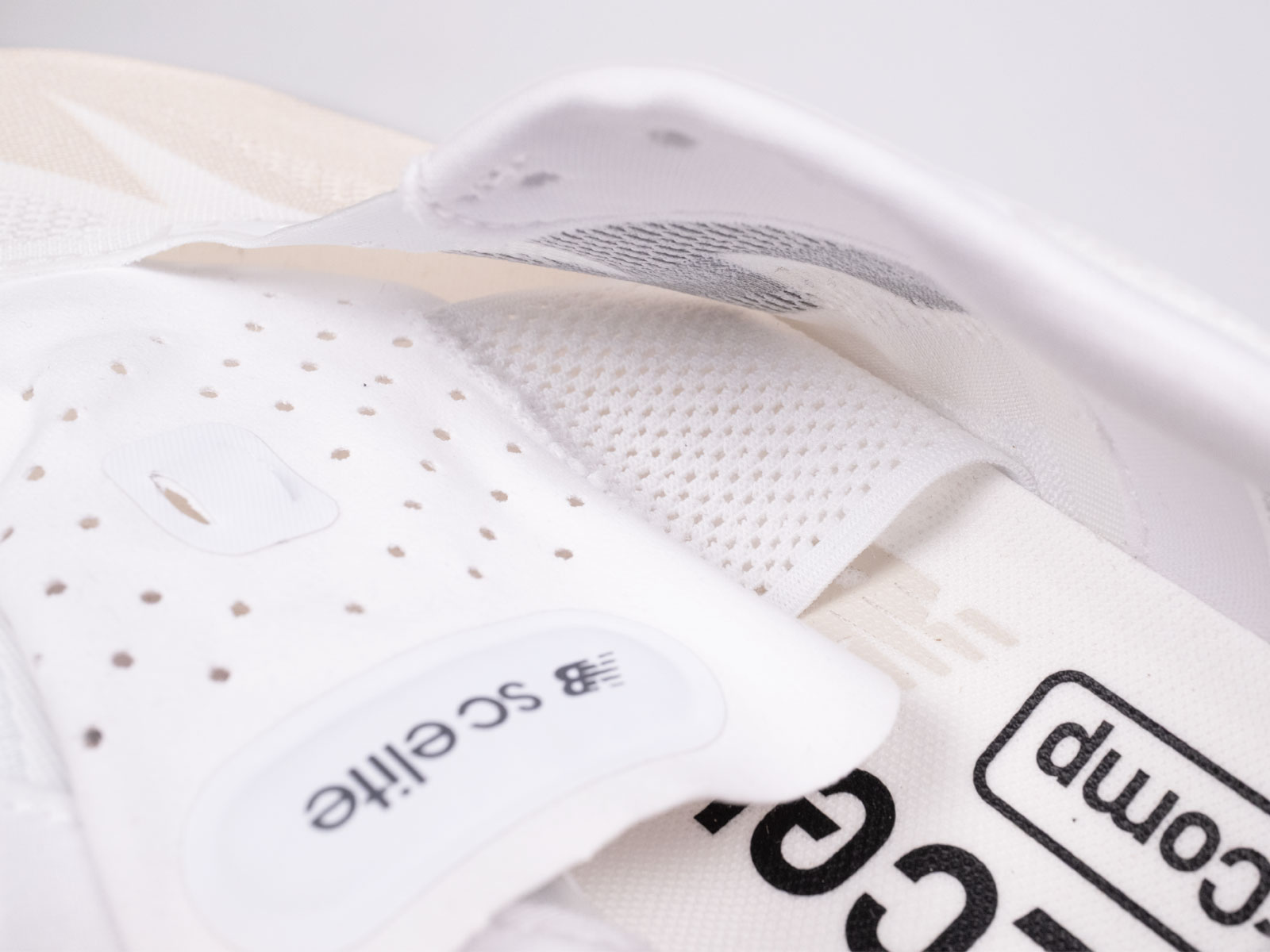
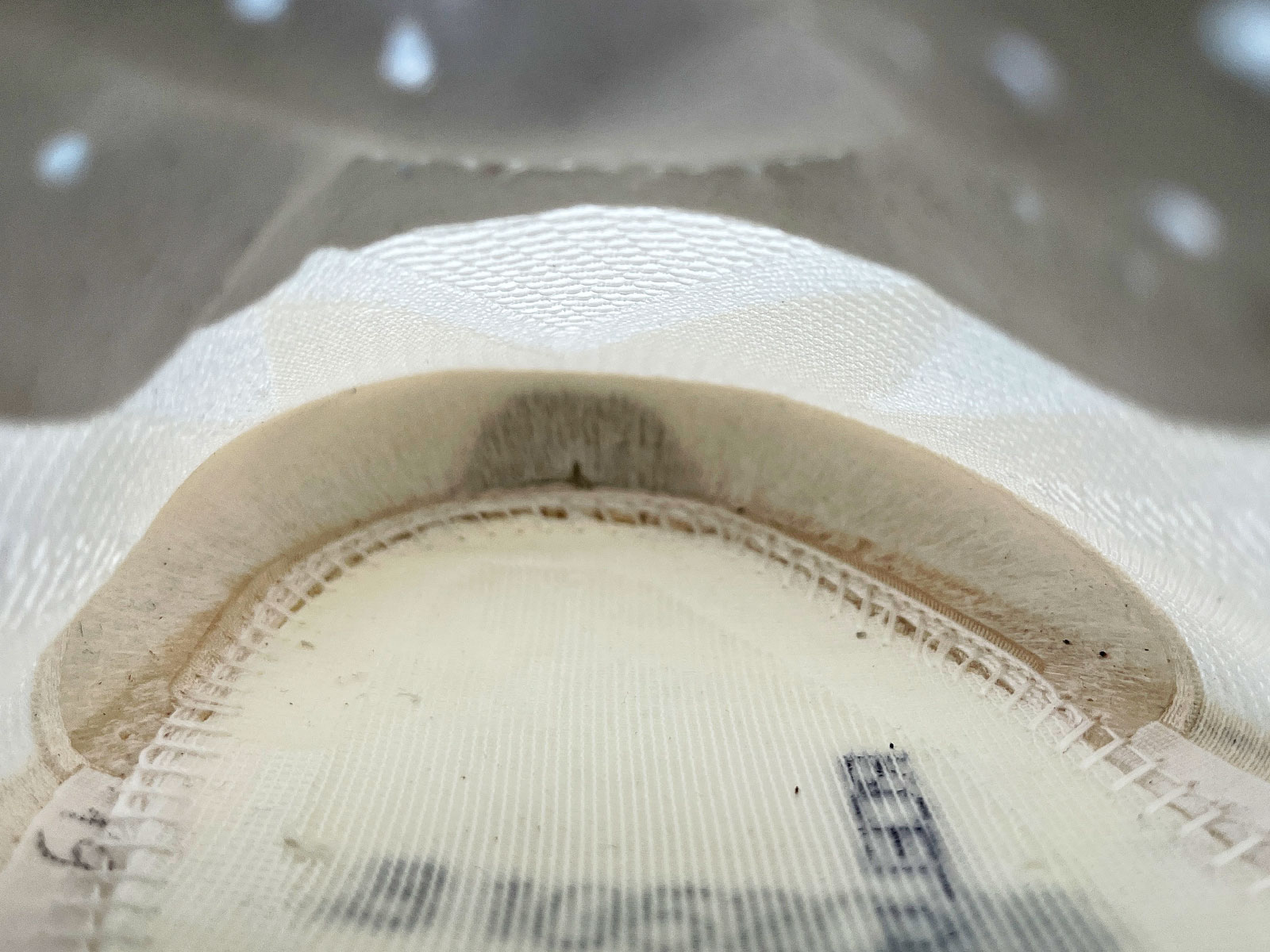
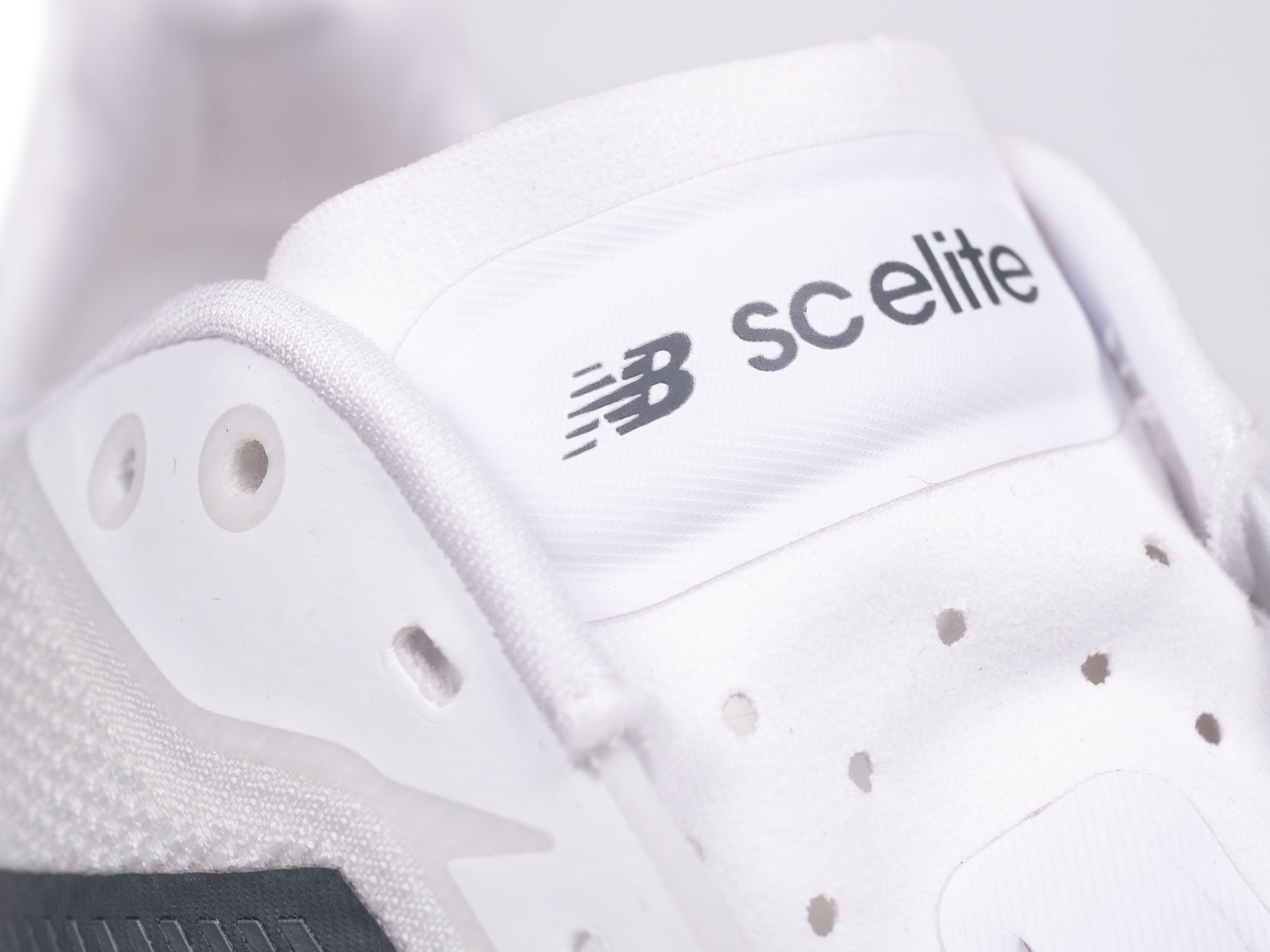
The midfoot effectively locks the foot in; the elastic gussets secure the tongue over the foot. The semi-elastic laces are slightly longer (approximately 10 mm) than required, but they do the job. The tongue could have been designed better, as it’s shorter and not as comfortable as the one on the SC Elite V4. The shorter and thinner flap lets the stiffness of the eyelet panel (under the last row) be felt. It’s not a persistent issue, but it is somewhat noticeable in the early stages of ownership. The ventilation is okay. While the vented zones on the toe box and midfoot help with air flow, the SC Elite V5 is nowhere as breezy as the Brooks Hyperion Elite 5 or the Saucony Endorphin Pro 4.
SHOES COMPARABLE TO THE NEW BALANCE SC ELITE V5
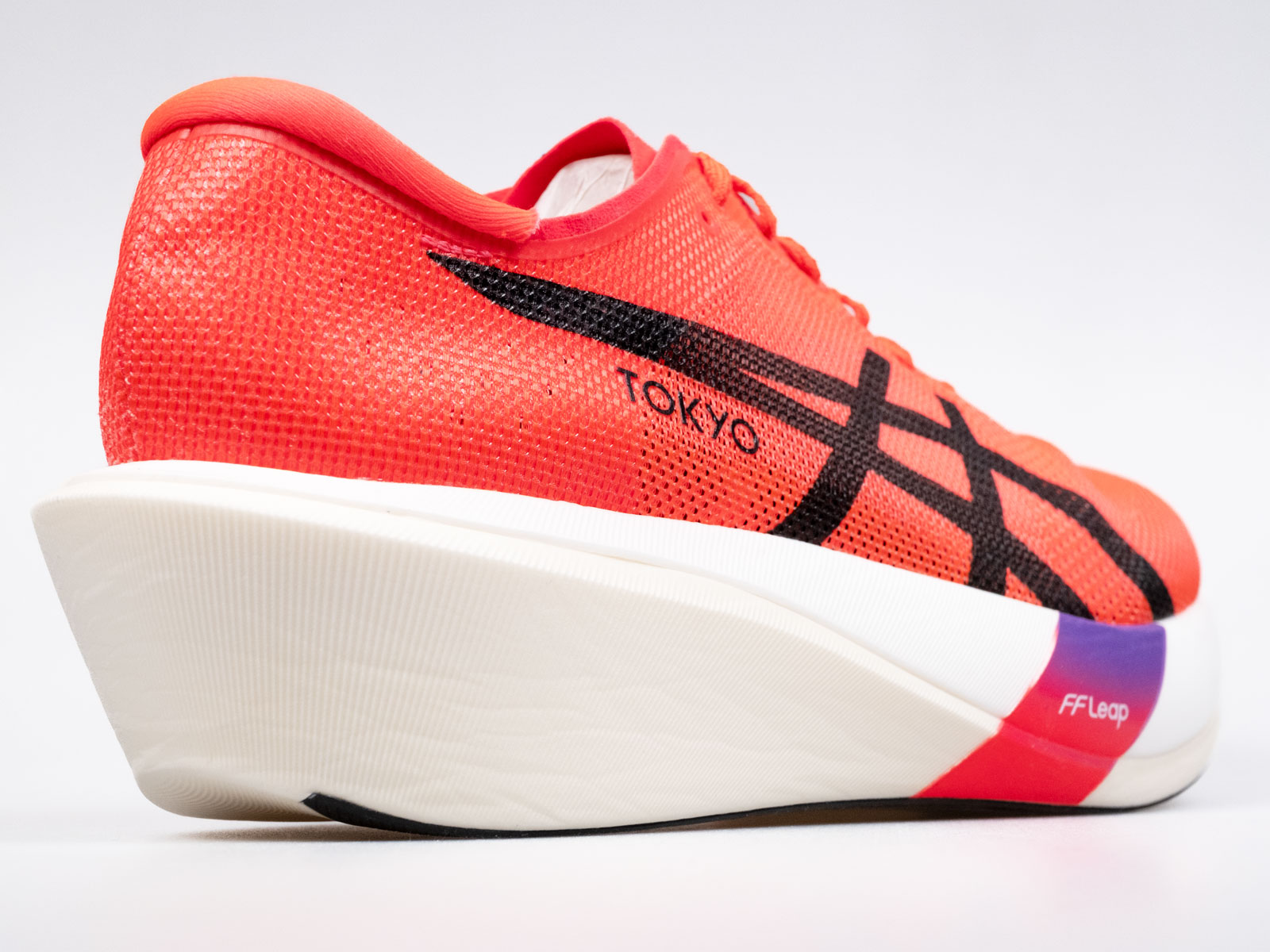
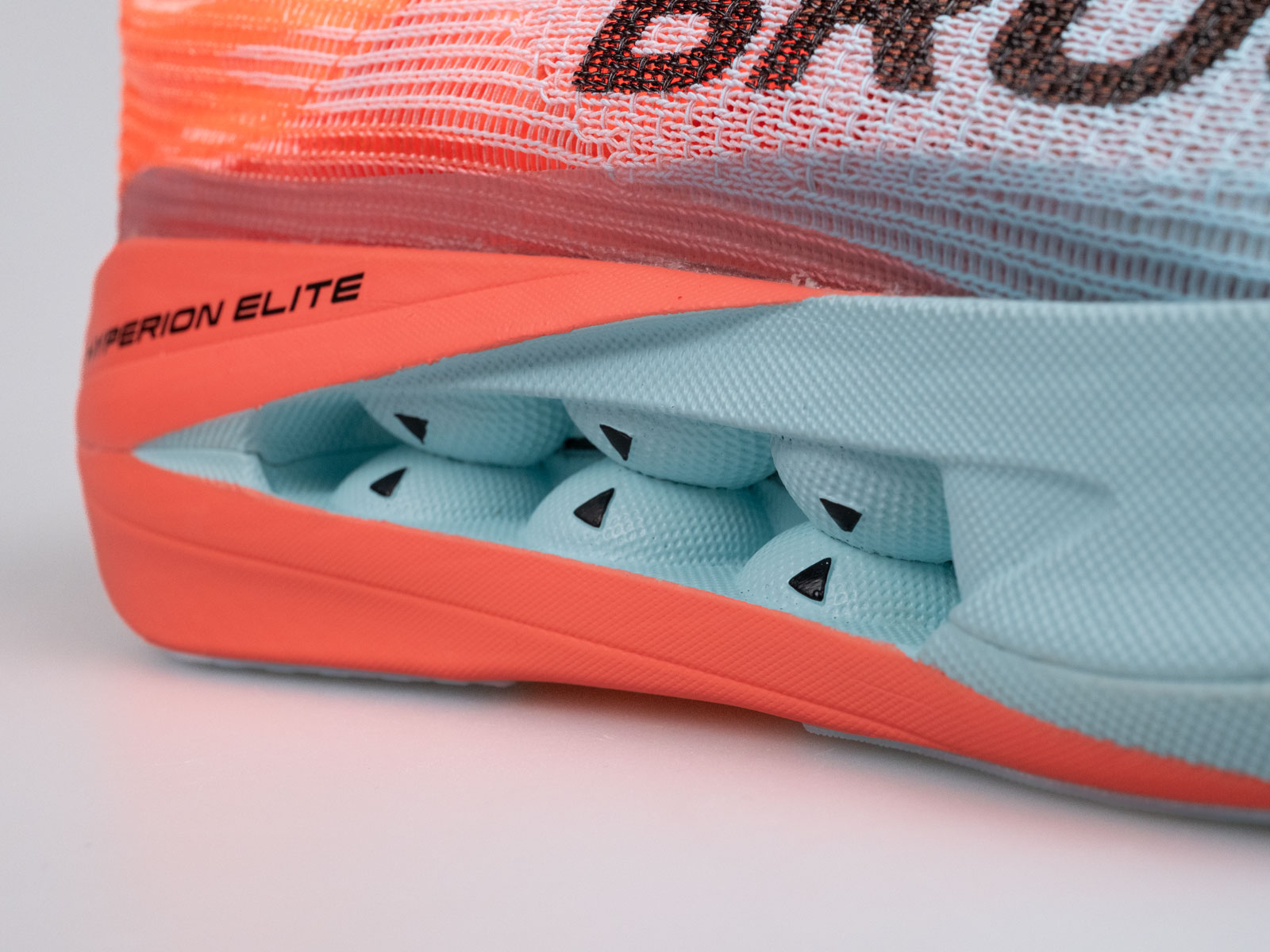
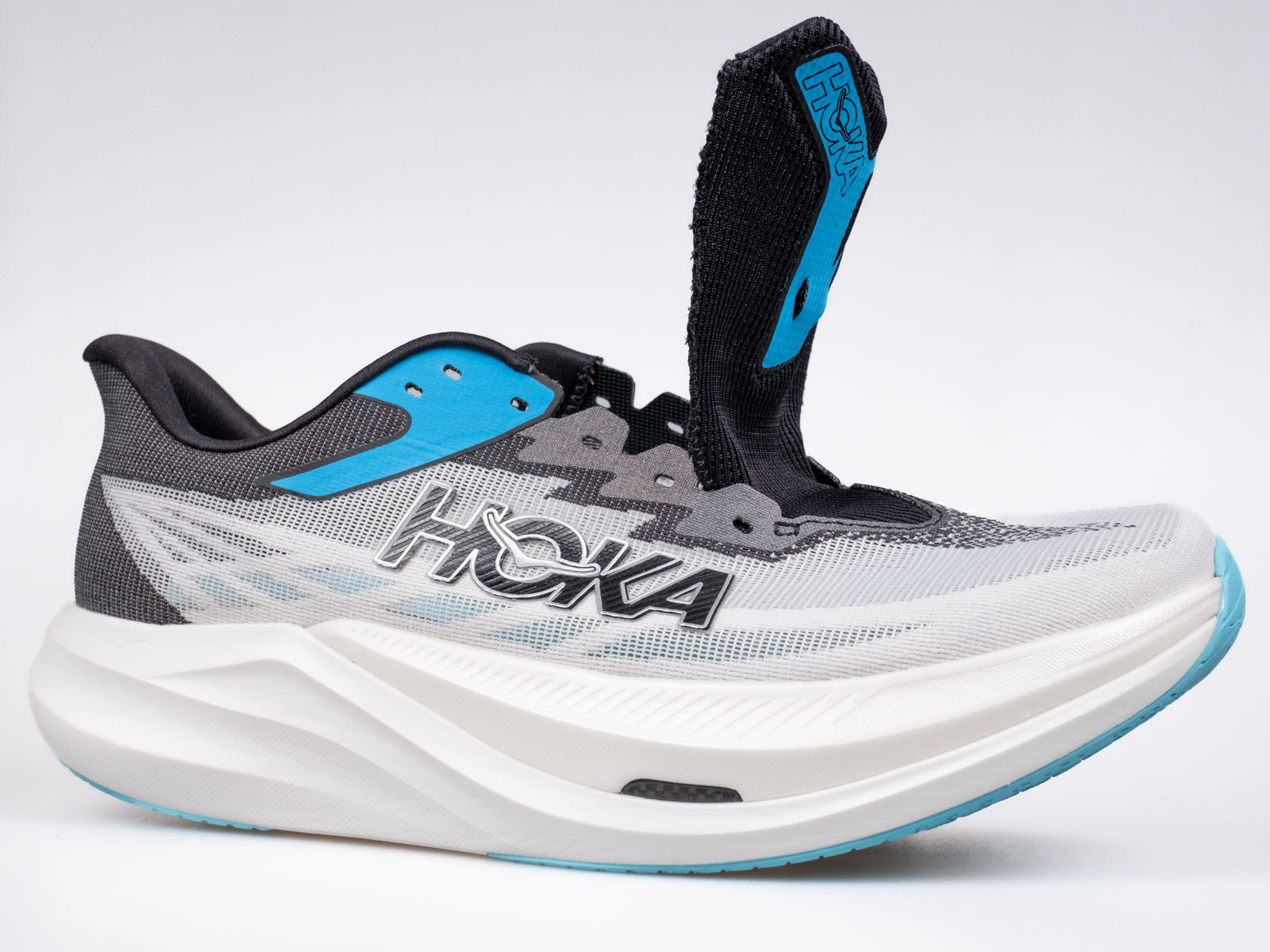

Also consider:
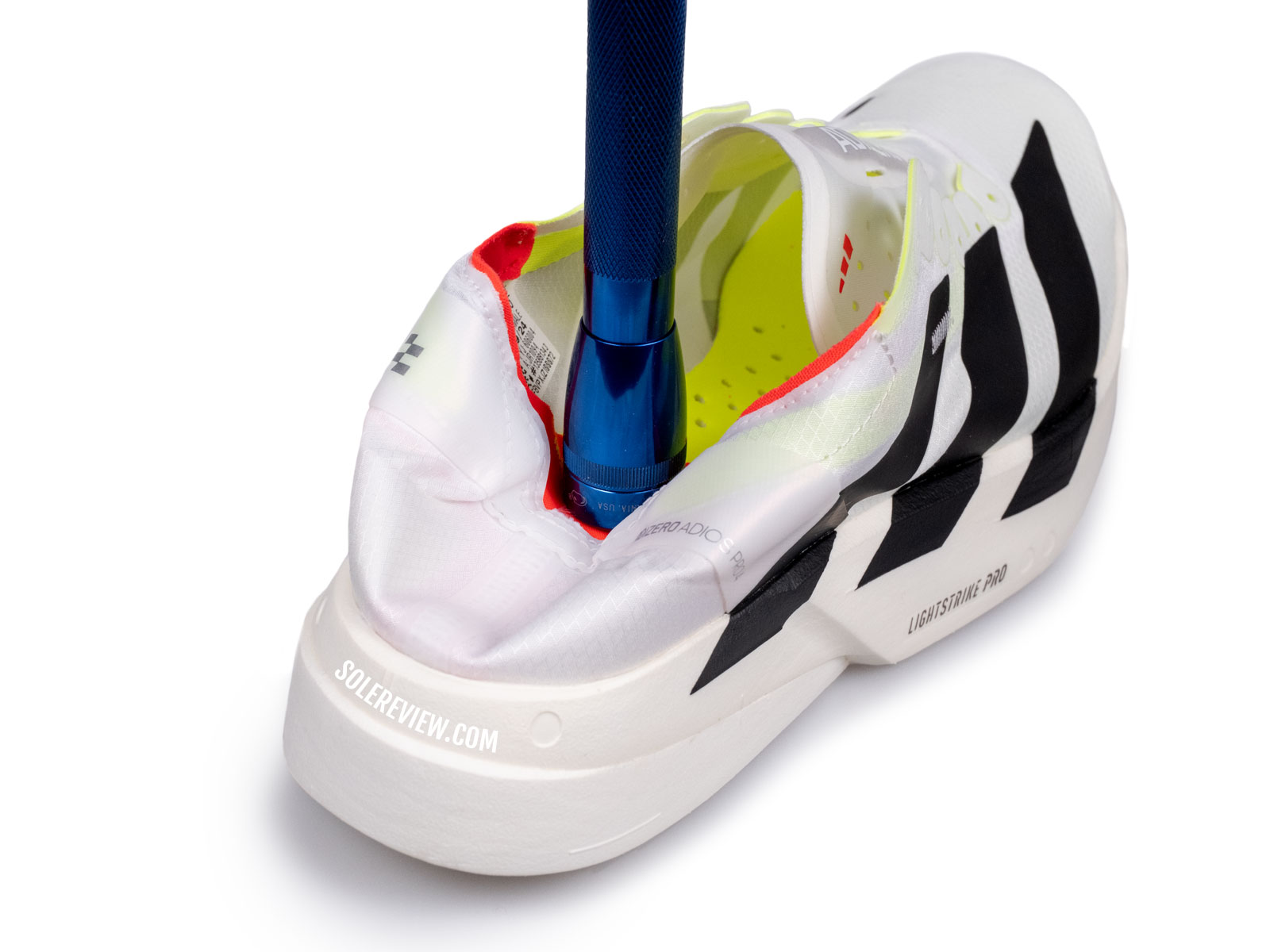
- adidas Adios Pro 4
- Hoka Rocket X3
- Brooks Hyperion Elite 5
- Asics Metaspeed Edge Tokyo
- Nike Vaporfly 4
TECHNICAL SPECIFICATIONS
- New Balance’s marketing pitch: Premium performance that is built for race day.
- Upper: Mesh with zonal ventilation, tongue gusset.
- Sizing profile: True to size.
- Toe box fit: Tight over small toe.
- Forefoot fit: Narrow.
- Midfoot and heel fit: Secure.
- Midsole: 100% Fuelcell PEBA foam, EnergyArc plate, EVA insole. 8 mm heel drop.
- Outsole: Soft and sticky forefoot rubber, harder heel rubber.
- Weight: 215 gms/ 7.6 Oz for a half pair of Men’s US 9/UK 8.5/EUR 42.5/CM 27.
- Stack heights: 40 mm (heel), 32 mm (forefoot).
- Available widths: D (regular), 2E – (wide).
- Recommended use: 10K, marathons.
- Footstrike orientation: Midfoot or forefoot striking.
- Median lifespan: 300 miles.
- Previous model: New Balance SC Elite V4.
- Country of origin: Vietnam.
- Recommended paces: 4:30 min/km (7:00 min/mile) and faster.
- Recommended temperature range: Warmer than -0° C/32° F.