
Product guide updates
(5 total)- 2026-09-20 — Added 'Top recommendations summary' module
- 2026-08-07 — Updated with Cloudboom Strike V2
- 2026-07-03 — Added alternatives to scrollable carousel under each recommendation
- 2026-07-03 — Created FAQ with relevant question and answer pairs
- 2026-07-03 — Migrated product guide to new editorial format
In this product guide:
How we selected
Our recommended shoes with a 4-5 mm drop are grouped by use cases – daily training, 10Ks and marathons, speedwork, and trail. By connecting each feature with its respective function, the “Why it works” section explains why a particular shoe (in its respective class) is suitable for its recommended use case. The scrollable carousel contains alternatives within each recommended category. For example, the alternatives to the Altra Experience Flow 3 (our daily trainer pick) are the New Balance Fresh Foam More v6 (for recovery runs), the Hoka Skyflow (for a higher level of cushioning), and two others. When combined, this product guide contains 20 different low-drop running shoe recommendations. Please note that non-plated and max-cushioned options are featured in the daily trainer and marathon carousels.
- Best for daily runs: Comfortable running shoes with a 4-5 mm drop.
- Best for 10Ks and marathons: Plated super-shoes with a low heel-to-toe offset.
- Best for 5Ks and speedwork: Low drop running shoes that can go fast.
- Best for trail: Off-road running shoes with a 4-5 mm heel drop.
Our recommendations combine our influence-free, expert-led wear-testing with biomechanical data sourced from over 33,000 high-speed images captured during actual road races. We also visually review midsole compression during races to see which shoes are least likely to consume their published heel drops during landings. Visit our FAQ section at the bottom to learn more about the use cases where low-heel-offset running shoes prove most useful.
The research behind our picks
Why should I consider a running shoe with a low heel-to-toe offset?
Here’s a brief primer on heel ‘drops’, and why low-drop running shoes turned into a thing. Every running shoe has a foam midsole, and the midsole has a certain thickness across its length. For example, if you were to measure the forefoot thickness with a caliper, you’d end up with a number in millimeters, say, 20 mm. In the rear, the midsole could be 30 mm.
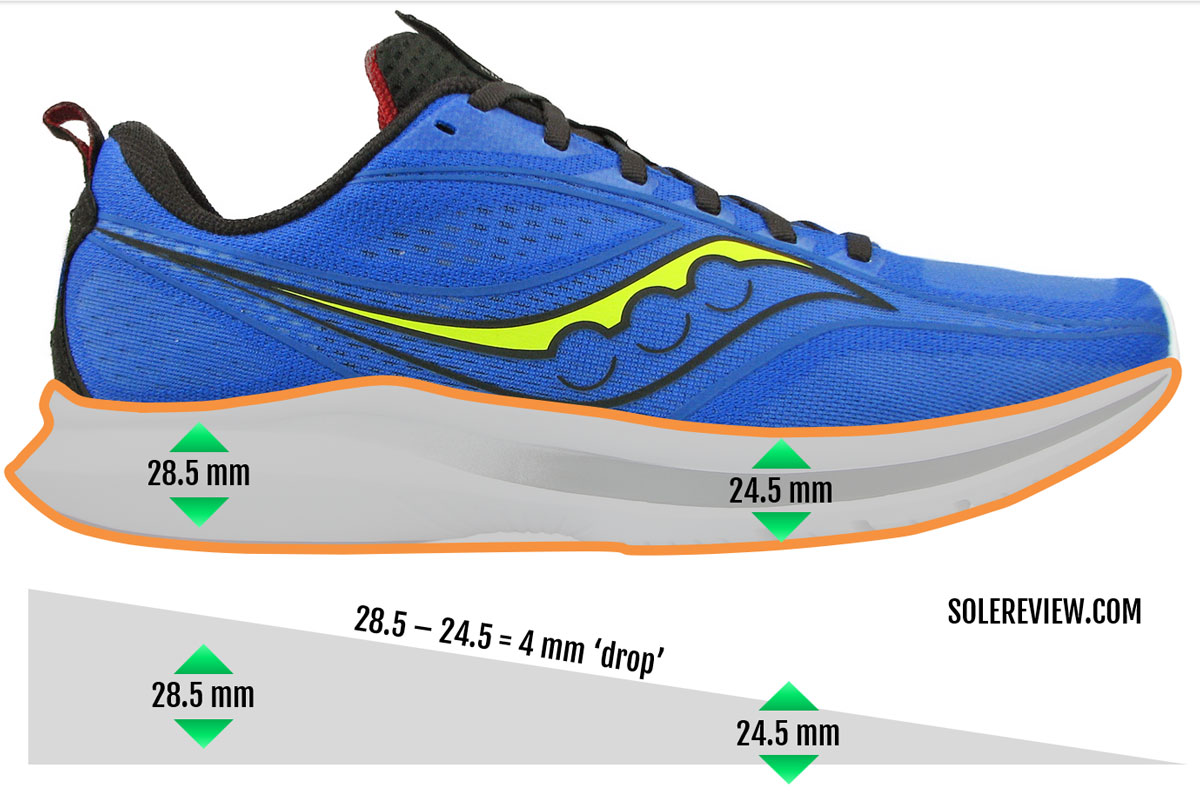
A heel drop is nothing but the difference between the forefoot and rearfoot midsole thickness. In this case, 30 mm – 20 mm = a 10 mm drop. Similarly, a 20 mm forefoot and 24 mm rear would mean that the running shoe has a 4 mm heel-to-toe offset. And why is this spec perceived to be important? A lower drop running shoe is thought to promote a more ‘natural’ gait. The underlying rationale is that if barefoot running is zero drop, why should running shoes have a thicker heel? A low heel-to-toe slope is also associated with forefoot and midfoot striking. The logic is that having a lower slope allows the foot to make full ground contact rather than catching the heel first.
That, of course, is debatable. A video of elite runners racing a marathon in higher drop (8 mm+) shoes will often show them landing full-contact instead of rearfoot striking. As they say, it’s the runner and not the shoe. It’s obvious that the overall design also plays a part in how the shoe behaves – the discussion should not be reduced to just the heel offset.
Related read: The best running shoes for midfoot and forefoot strikers.
It is safe to assume that the barefoot running boom also vilified rearfoot landings. However, there is no scientific evidence linking it to decreased biomechanical efficiency or a higher risk of injuries. Midsole drops are a personal choice so maybe over time, 4-6 mm offsets became the preferred norm for purists. That said, we must point out that published heel drop specs are to be taken with a grain of salt. Not all shoes with the same heel offset number are the same. A softly-cushioned 4 mm drop midsole will behave differently under weight-loaded conditions than a firmer 4 mm drop midsole. A softer midsole will compress under the weight (and impact), thus creating a ‘dynamic’ heel drop that is lower than the advertised number.
Do you want to know what Solereview thinks? It’s pointless to obsess over an exact number. Though this guide is about running shoes with a 4 mm offset, it makes no difference whether you buy a 2, 5, or even a 6 mm offset shoe instead.
It’s also getting harder to find trail running shoes with a 4 mm gradient. Though there are solid choices like the Saucony Peregrine 16 and Nike Terra Kiger 10, you’ll have access to a wider and better assortment if you’re not fixated on a specific number. Hoka and New Balance are great places to find running shoes with a 5-6 mm offset.
Is there a downside to running in low-drop shoes?
Not really, but if you’re transitioning from a higher drop (8-12 mm) shoe, make sure to gradually build up the miles. This will allow the calves and Achilles to get accustomed and reduce the chances of initial soreness.
Why it works (the basics)
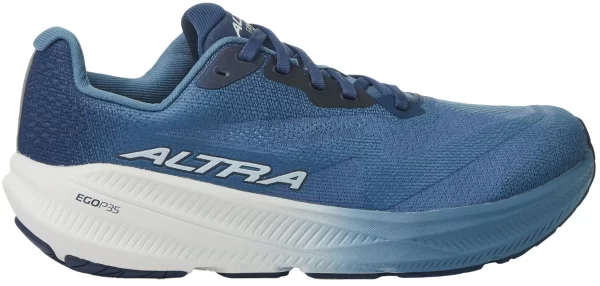
- 4 mm heel drop → is gentler on the Achilles than zero drop
- Olefin block polymer midsole → delivers support without bottoming out
- 34 mm, 30 mm stack → adds versatile comfort
- Roomy toe box → allows the toes to splay
🔍 Deep Dive
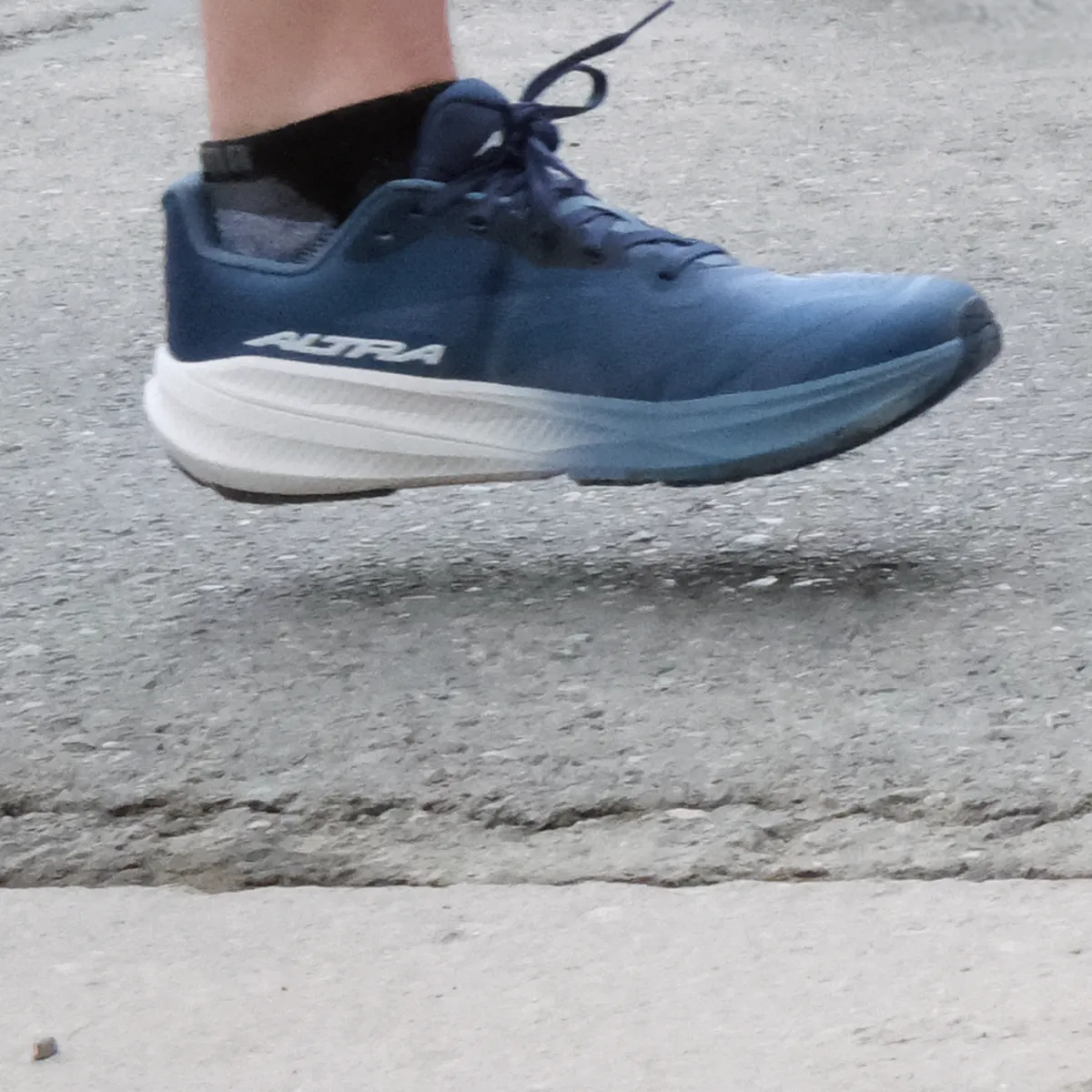
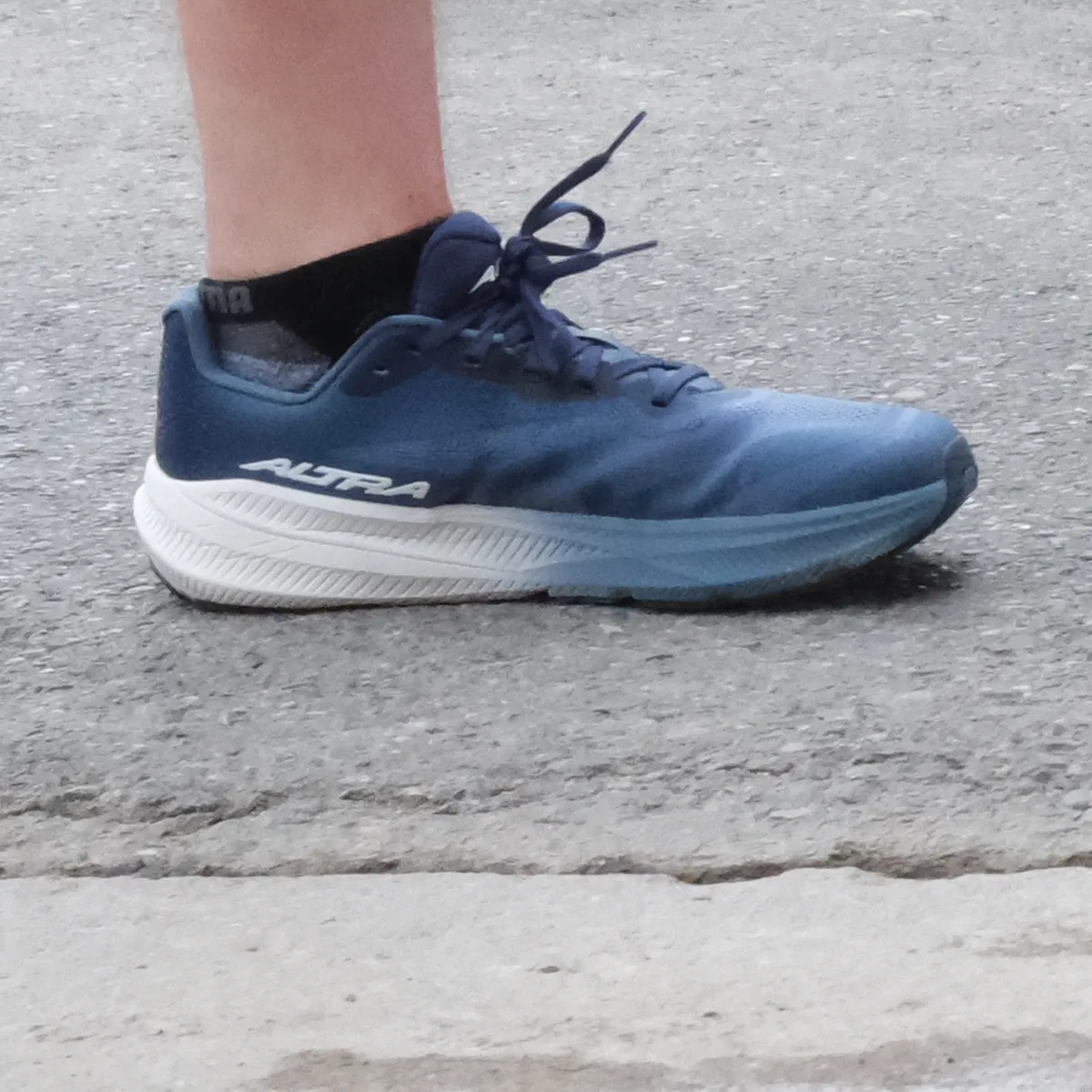
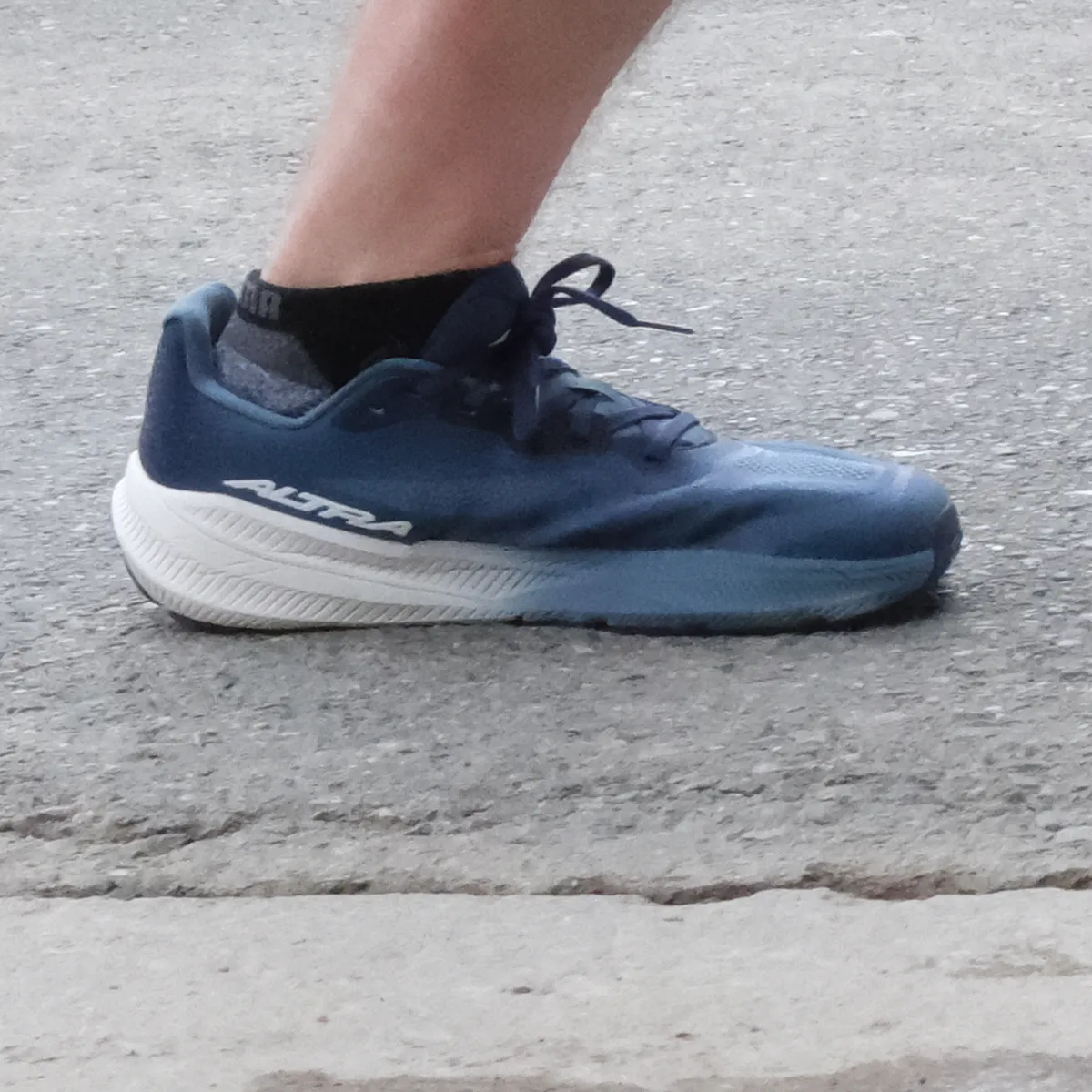
Altra’s “Experience” series of models helped it get out of the zero-drop image the brand had built for itself over the years. Of all the road Altra shoes, the Experience Flow 3 is likely its most successful, thanks to its 4 mm drop midsole that blends everyday comfort with stability. The OBC (Olefin Block Copolymer) midsole offers versatile comfort for daily mileage without bottoming out. Durable outsole rubber is placed under high-wear areas for traction.
While the upper isn’t particularly breathable, the snug forefoot/midfoot is paired with a roomy toe box. The Experience Flow 3 provides fit security where it’s needed the most, yet has enough room to let the toes splay wide.
Pros
- Stable comfort
- Spacious toe box
- Practical outsole layout
- Lightweight in its class
- Snug forefoot/midfoot
Cons
- Runs warm
- No optional widths
Other daily and recovery trainers with a 4-5 mm drop
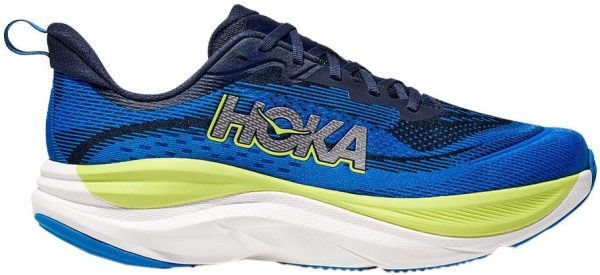
Hoka Skyflow
Versatile cushioning in a low drop package
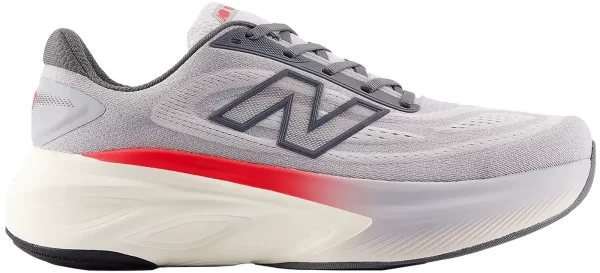
New Balance Fresh Foam More v6
Recovery trainer for long and slow runs
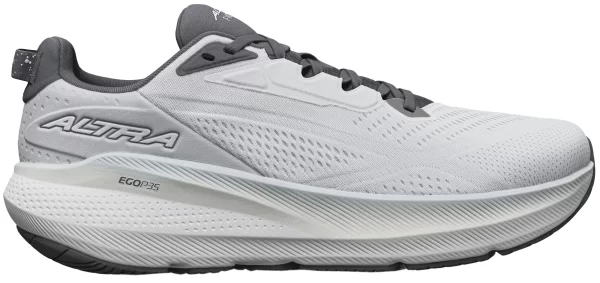
Altra FWD Via 2
A max-cushioned ride with a roomy toe box
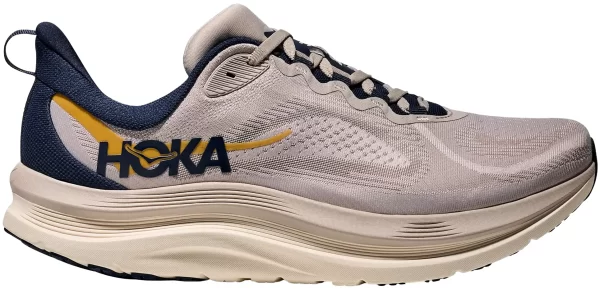
Hoka Kawana 3
Cushioned trainer with a snug forefoot and toe box
Fit Notes
True to size with a snug forefoot/midfoot and a roomy toe-box. Breathability is average. No optional widths.
Gallery
Specs
- Heel stack: 34 mm
- Forefoot stack: 30 mm
- Drop: 4mm
- Weight: 9.0 oz / 255 gms
- Widths: Regular
- Midsole: Olefin block polymer foam
- Insole: Molded, removable
Why it works (the basics)
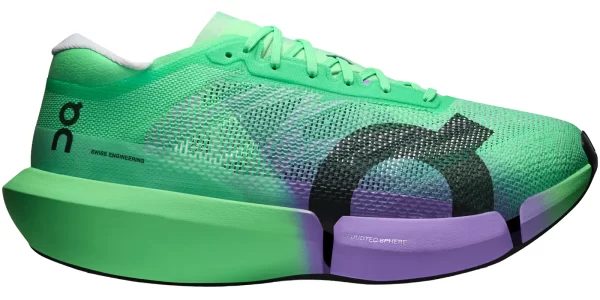
- Helion HF foam → provides lightweight cushioning
- Nested midsole design → adds closer-to-the-foot comfort
- Extended outsole tip → protects the upper during toe offs
- Secure, breathable upper → locks the upper in without overheating
- Carbon Speedboard → creates speed-friendly transitions
🔍 Deep Dive
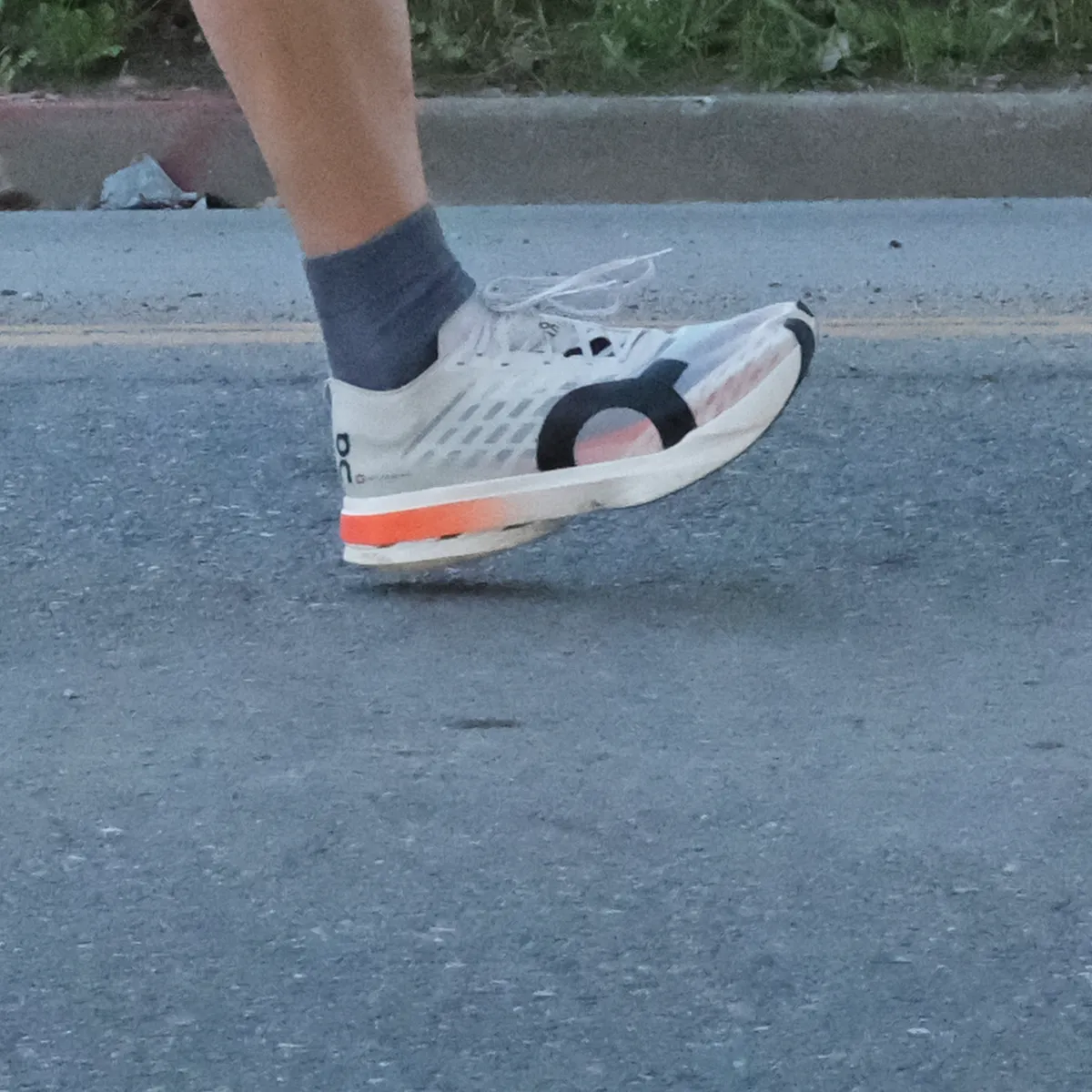
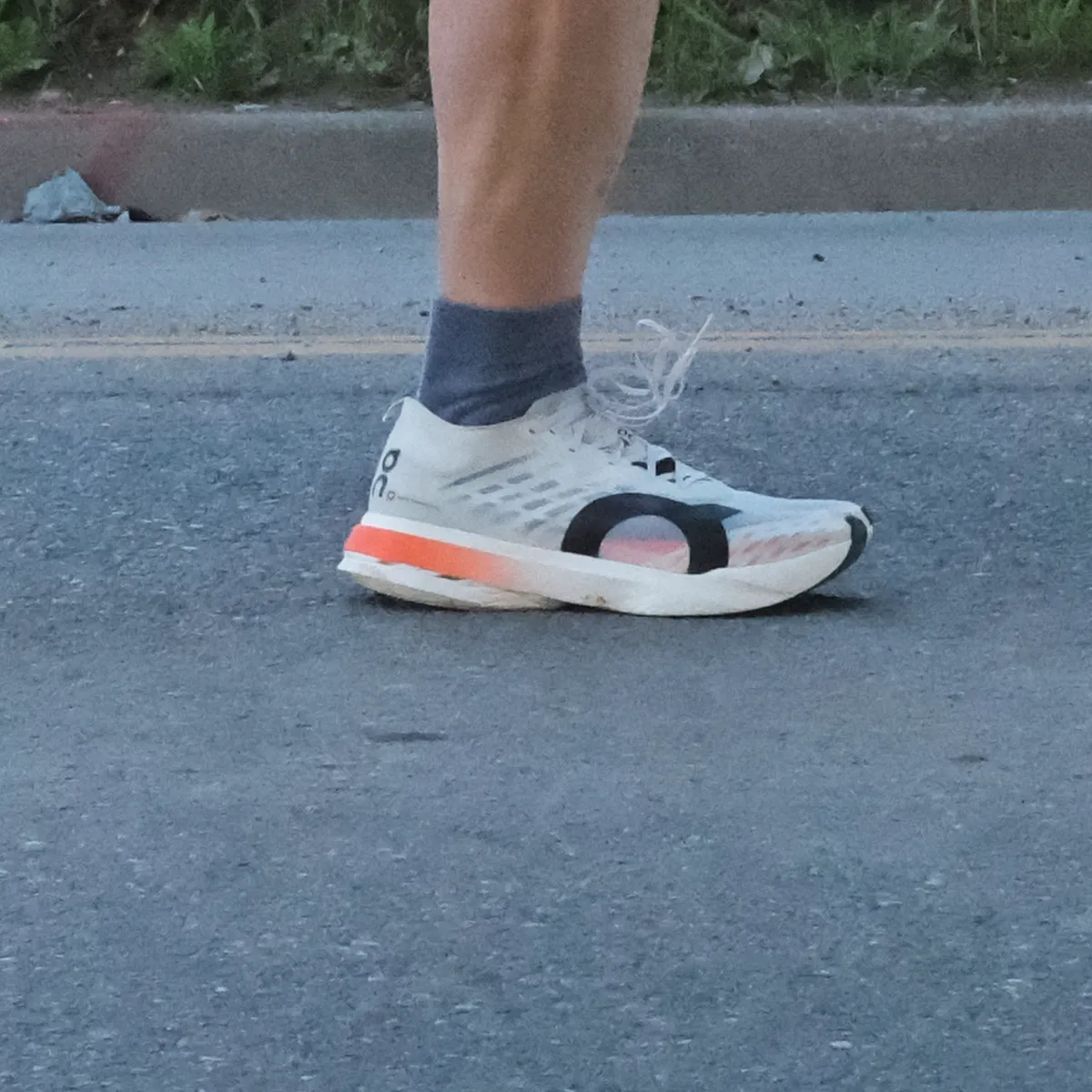
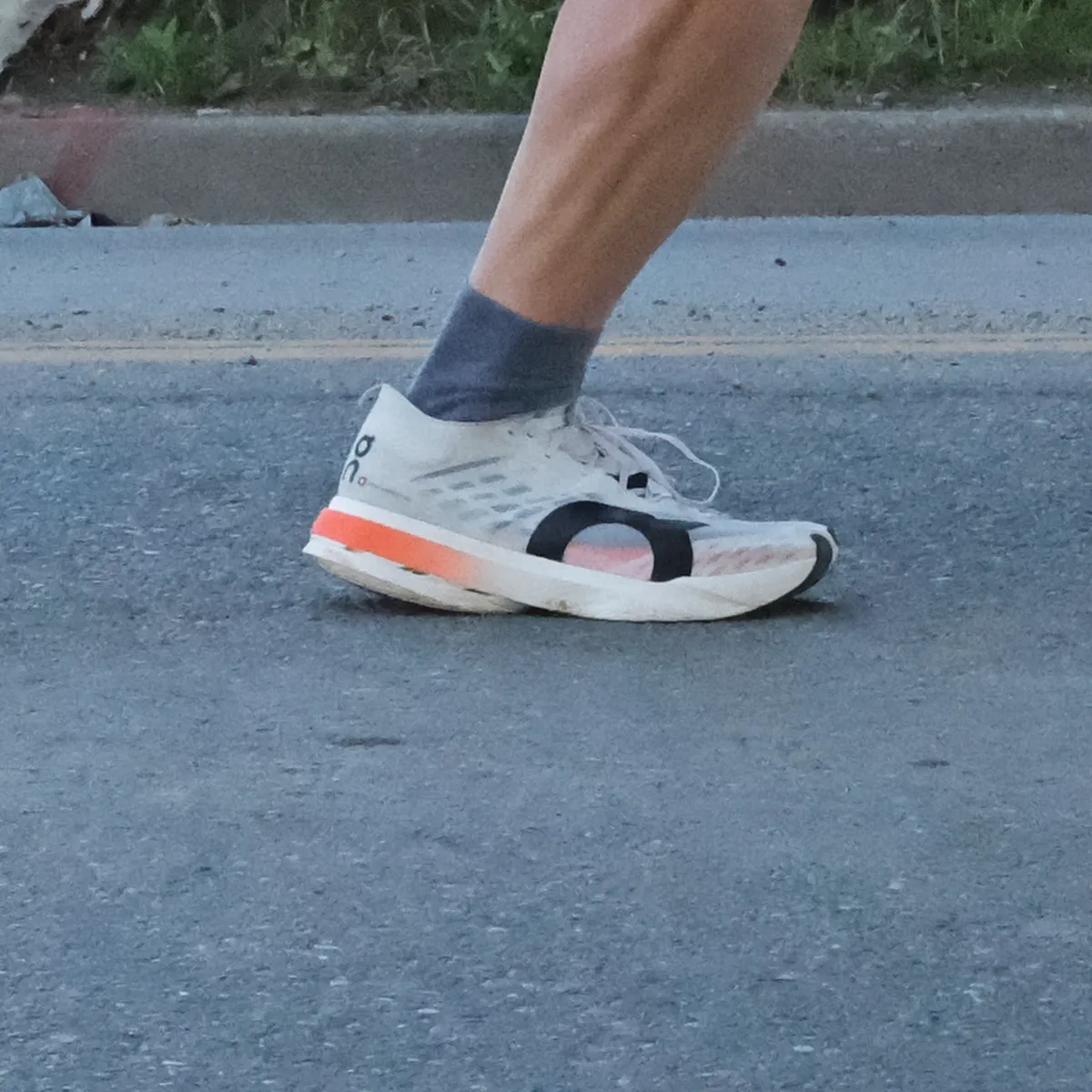
If one were to ask a serious runner to quickly name two On models, the Cloudmonster and Cloudboom Strike would be the likely answer. Unlike most On shoes that use an EVA blend midsole and depend on large hollow chambers to deliver their cushioning, the Cloudboom Strike relies on its Helion HF superfoam and a full-length carbon plate to deliver its speed-friendly performance.
The Cloudboom Strike’s 4 mm drop midsole is constructed differently than most carbon-plated shoes, giving it an edge in certain areas. The ride is stable for a shoe in its class, making it suitable for heel strikers and slower speeds. The outsole extends over the toe box to create a protective bumper and reduce wear and tear on the upper. The lightweight upper locks the foot in place while allowing plenty of ventilation.
Pros
- Speed-friendly architecture
- Fit security and ventilation
- Abrasion resistant toe box
- Roomy toe box
Cons
- Lack of widths
- Low stability for heel strikers
Other 10K and marathon racers with a 4-5 mm drop
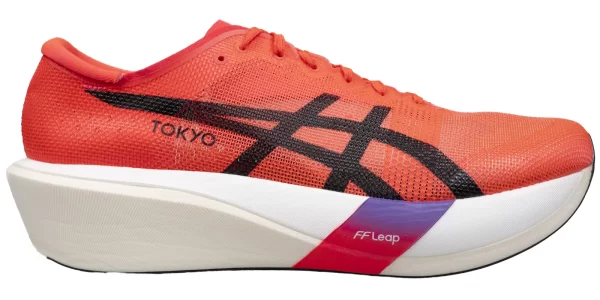
Asics Metaspeed Edge Tokyo
Softer, bouncier, but far less stable
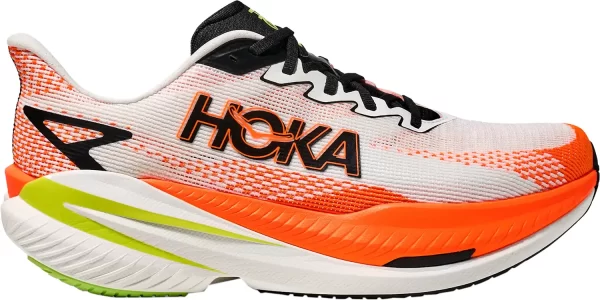
Hoka Mach X3
Firm and ultra-stable with a Pebax plate
New Balance Fresh Foam More V6
Ultra-cushioned without a plate, but slow
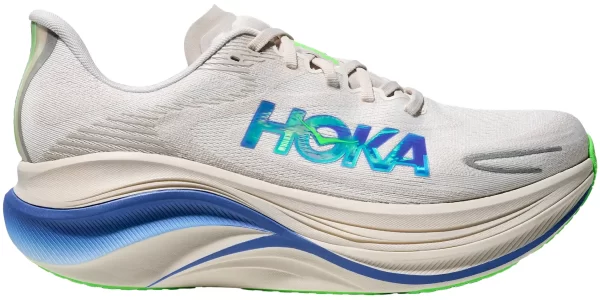
Hoka Skyward X2
Max-cushioning with plate assistance
Fit Notes
True to size. Snug forefoot with spacious toe box. Excellent ventilation. Single width only.
Gallery
Specs
- Heel stack: 40 mm
- Forefoot stack: 36 mm
- Drop: 4 mm
- Weight: 7.4 oz / 210 gms
- Widths: Regular (single)
- Midsole: Helion HF foam, carbon plate
- Insole: Drop in, removable. Part of the midsole.
Why it works (the basics)
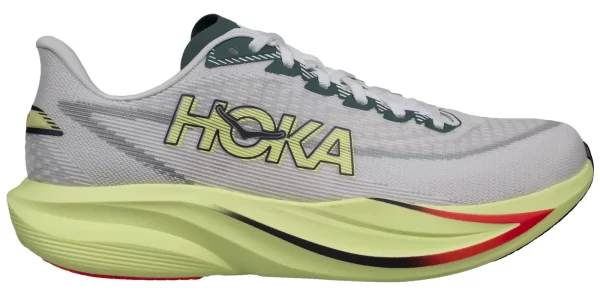
- Super-critically foamed EVA midsole → resists bottoming out
- Secure, breathable upper → connects foot with the midsole
- Generous outsole coverage → grips heel and forefoot landings
- Supportive cushioning → is stable enough for heavy runners
🔍 Deep Dive
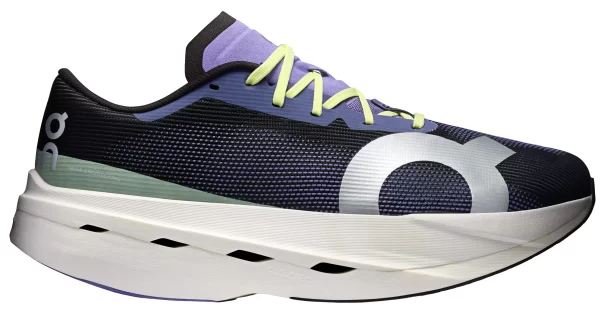
The thoughtfully designed Mach 7 suggests that Hoka followed design best practices, rather than succumbing to the industry trend, which is to make every running shoe needlessly soft, light, and bouncy. The supercritically-foamed EVA midsole provides impact protection without bottoming out. The manageable stack heights of 35 mm and 30 mm let the foot feel the ground for proprioceptive feedback.
There’s no plate, so the foot has to do most of the work here. That said, the snug upper does a great job of transferring power from the foot to the midsole for quick push-offs. This lightweight trainer is ideal for tempo runs, interval training, or racing a 5K or 10k.
Pros
- Speed-friendly ride
- Secure fit
- Heavy runner compatibility
- Outsole grip
Cons
- Slightly short tongue
- Lack of reflective elements
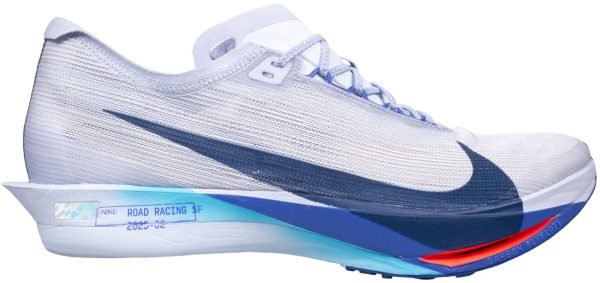
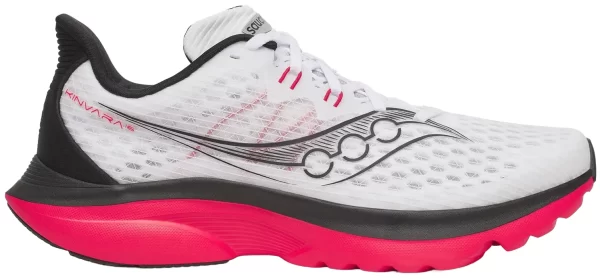
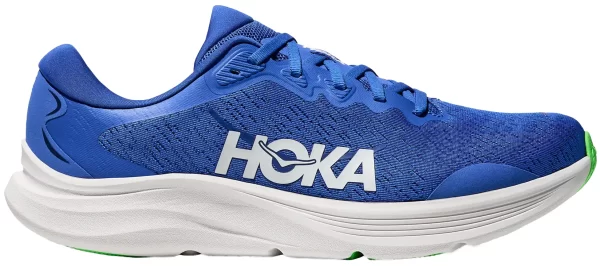
Other tempo trainers with a 4-5 mm drop
Fit Notes
True to size. Has a narrow upper fit; breathes well. Gusseted tongue. Also sells in a wide.
Specs
- Heel stack: 35 mm
- Forefoot stack: 30 mm
- Drop: 5 mm
- Weight: 8.4 oz / 237 gms
- Widths: Regular, wide
- Midsole: Supercritical EVA foam
- Insole: Molded, removable
Why it works (the basics)
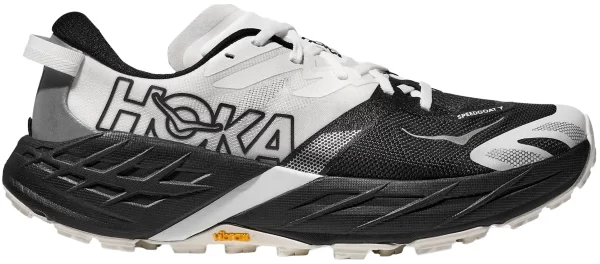
- Supercritical EVA foam midsole → provides durable off-road comfort
- Tight upper fit → locks the foot over uneven terrain
- Vibram Megagrip outsole → offers protective grip
- 37 mm, 32 mm stack → cushions impact on the trails
🔍 Deep Dive
While the Speedgoat 6 was a capable nearly do-everything trail running shoe, its firm cushioning felt a little flat. The Speedgoat 7 has been updated with a supercritical EVA foam midsole, a material similar to what the Mach 7 uses, but adapted for trail use. This update improves the feedback quality without compromising off-road stability. It’s excellent for everyday trail runs, and an okay shoe for demanding terrain. The Vibram Megagrip outsole does its job, but the lack of a rock plate and a relatively thick forefoot mean the Speedgoat 7’s protective proprioception isn’t best in class.
The upper is a mixed bag, as it’s tighter and stiffer than the Speedgoat 6. The new upper has stiffer overlays around the toe box, and the added heel padding pushes the foot forward, making the fit a half-size smaller. For some runners, the tight fit may be uncomfortable during ultra distances or fast downhill runs, so consider buying the optional wide width.
Pros
- Versatile trail cushioning
- Outsole grip
- Ultra-secure fit
- Decent stability
- Optional wide width
Cons
- Inconsistent (shorter) sizing than the Speedgoat 6
- Stiff upper overlays
Other trail running shoes with a 4-5 mm drop
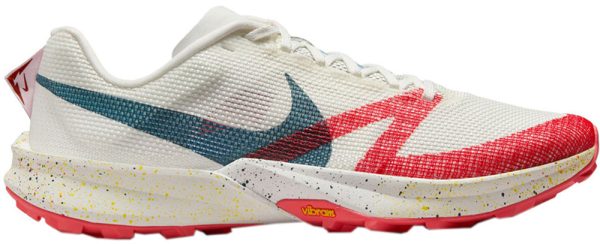
Nike Terra Kiger 10
For better ground feel and breathability
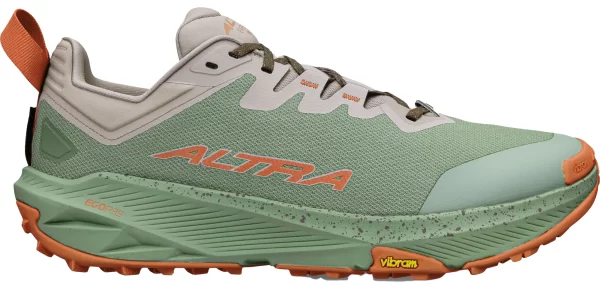
Altra Experience Wild 3
For better traction and gaiter compatblity
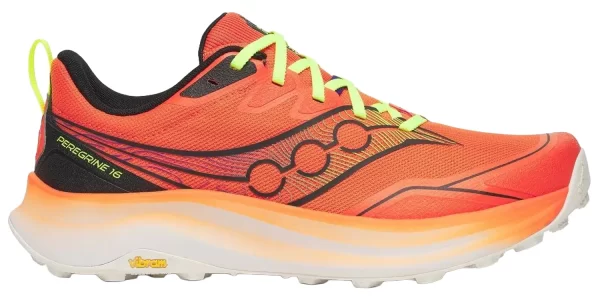
Saucony Peregrine 16
Best for shorter yet faster trail runs
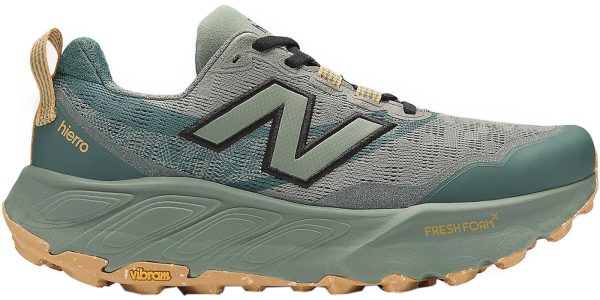
New Balance Hierro V9
Best for switching between road and trail
Fit Notes
Fits half-size small. To get the same fit as the Speedgoat 6, buy a half-size larger (eg., US 10.5 instead US 10). Narrow forefoot, cramped toe-box.
Specs
- Heel stack: 37 mm
- Forefoot stack: 32 mm
- Drop: 5 mm
- Weight: 9.7 oz / 275 gms
- Widths: Standard, wide
- Midsole: Supercritically molded EVA foam
- Insole: Molded, removable