
Product guide updates
(5 total)- 2026-09-20 — Added 'Top recommendations summary' module
- 2026-08-05 — Updated carousels with Novablast 6, Clifton 11, and Hyperion Elite 6.
- 2026-06-12 — Added alternatives to scrollable carousel under each recommendation.
- 2026-06-12 — Created FAQ with relevant question and answer pairs.
- 2026-06-12 — Migrated product guide to new editorial format.
In this product guide:
How we selected
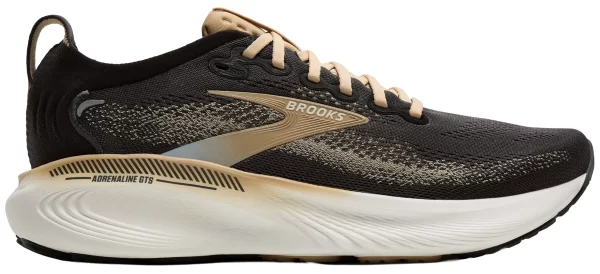
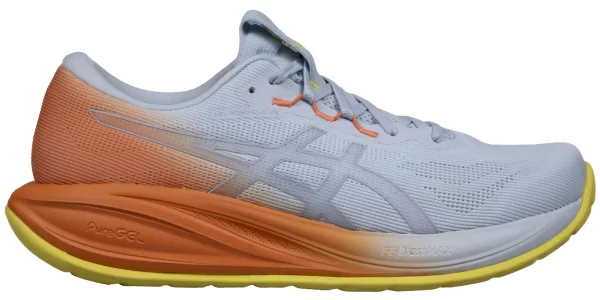
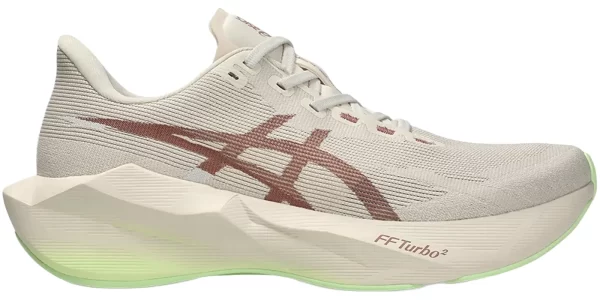
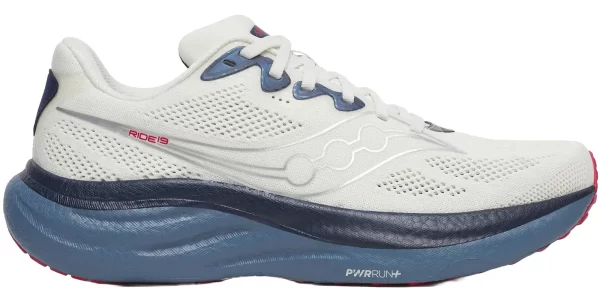
Our recommended running shoes with 8-10 mm heel drops are grouped by use cases – daily training, 10Ks and marathons, recovery runs, and trail. By connecting each feature with its respective function, the “Why it works” section explains how a particular shoe (in its respective class) utilises its 8-10 mm drop. The scrollable carousel contains alternatives within each recommended category. For example, the alternatives to the Brooks Adrenaline GTS 25 (our daily training pick) are the Asics Novablast 5 (for a softer ride), the Asics Cumulus 28 (for heavy runners), and two others. When combined, this product guide contains 20 different running shoe recommendations with an 8-10 heel-to-toe offset.
- Best for daily runs:Offers a wide range of usable performance.
- Best for 10K, marathons: Speed-friendly shoes with an 8-10 mm drop.
- Best for recovery runs: Max-cushion shoes that resist negative drop.
- Best for trail: Off-road shoes with an 8-10 mm heel offset.
Our recommendations combine our influence-free, expert-led wear-testing with biomechanical data sourced from over 33,000 high-speed images captured during actual road races. Visit our FAQ section at the bottom to learn more about heel drops (like static and active offsets) and their relevance in the context of modern running shoe design.
Why it works (the basics)
- 38 mm heel, 28 mm stack → delivers everyday comfort
- 10 mm heel drop → is gentle on the Achilles
- Nitrogen-infused DNA Loft V3 foam → minimizes heel sink.
- Secure, true-to-size upper → creates a plush interior
🔍 Deep Dive
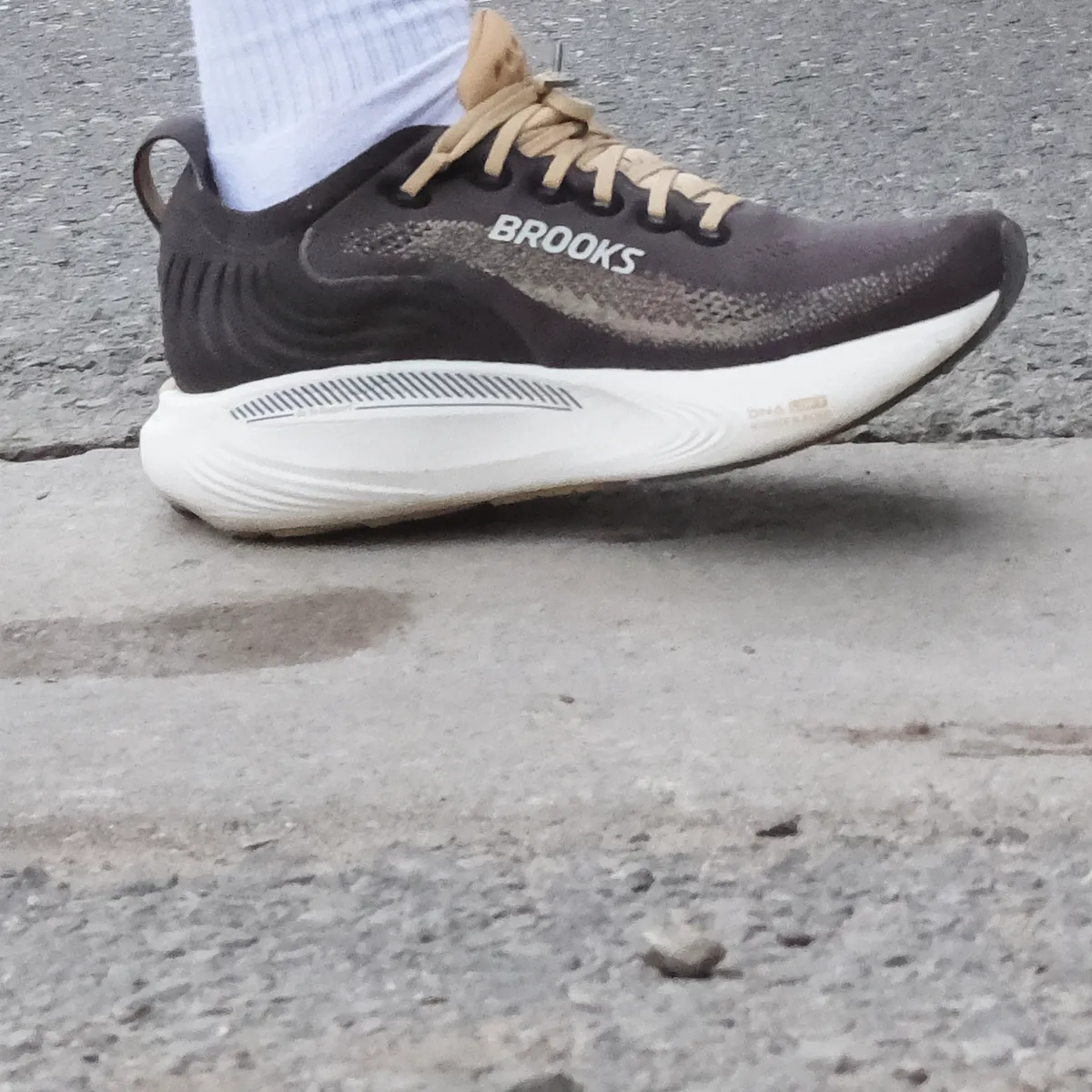
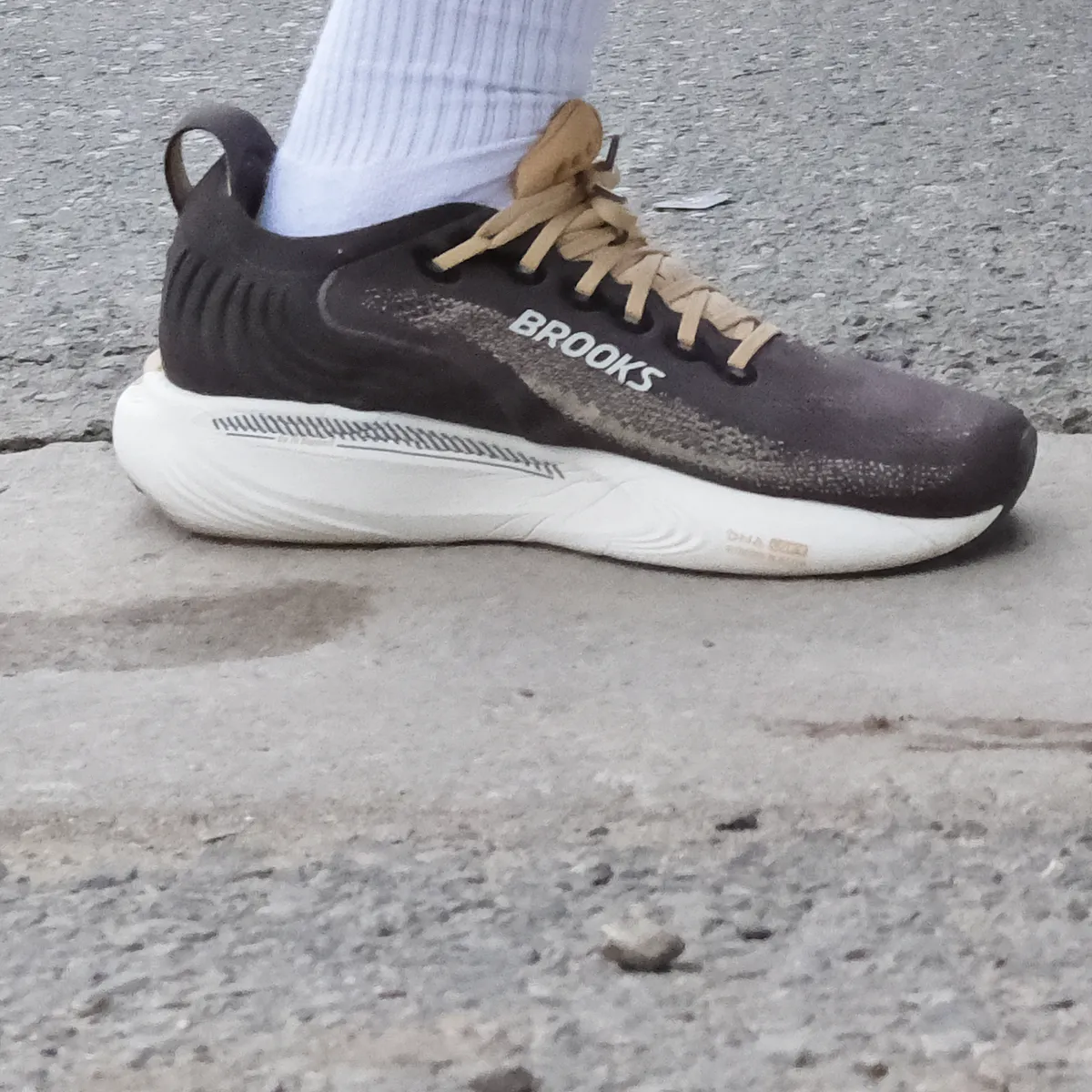
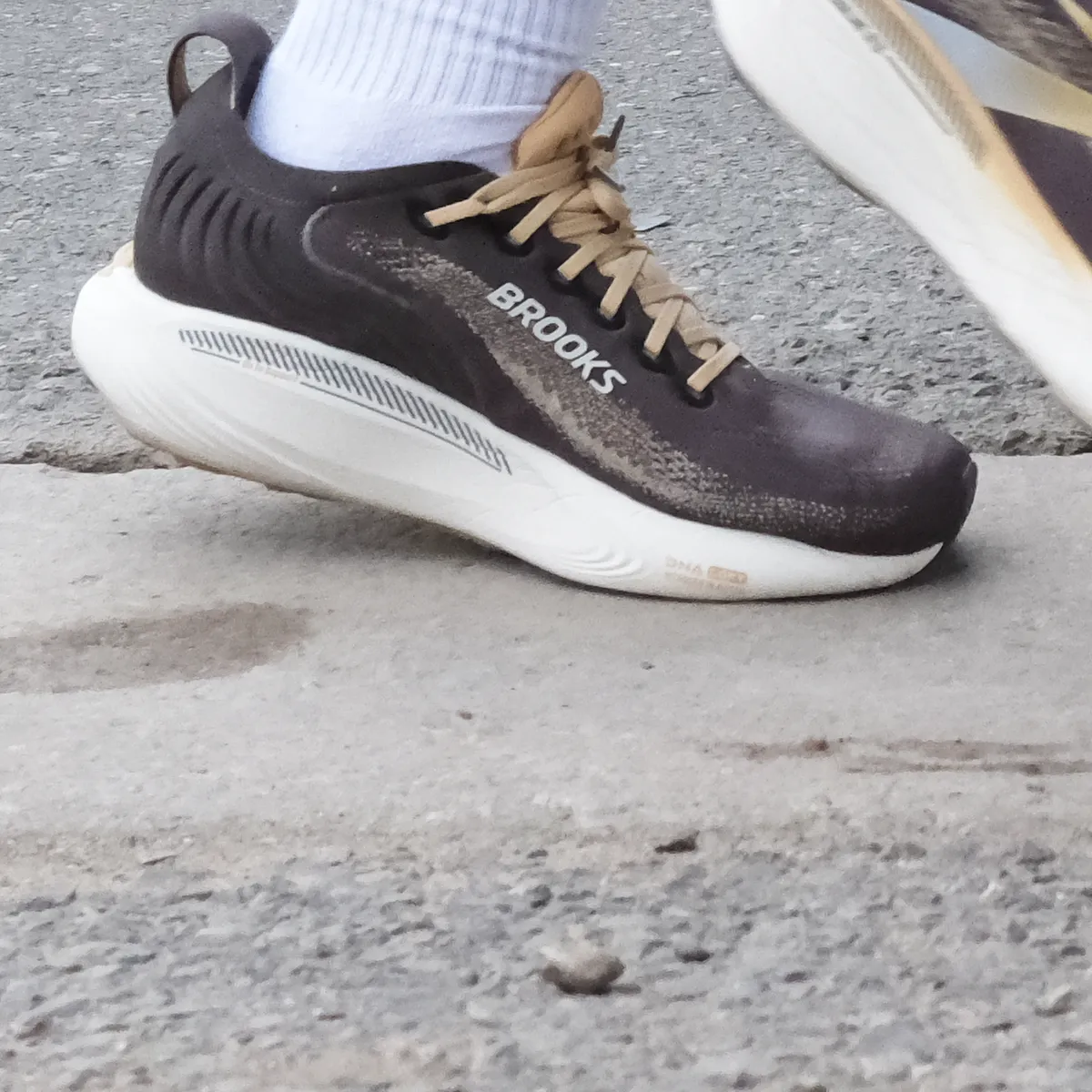
Don’t get scared by the Adrenaline GTS 25’s ‘stability’ shoe label. The tiny section of raised foam sidewall called ‘GuideRails’ is a placebo and isn’t going to ‘keep excessive movement in check’ as Brooks claims. That marketing gimmick aside, the Adrenaline happens to be a competent everyday trainer for runners of all experience levels. The midsole isn’t overly soft, so it’s still going to retain a part of its published 10 mm drop during runs. The shoe is sufficiently comfortable for daily training, 10Ks, and half-marathons, ideally for speeds slower than 4:30 min/km (7:00 min/mile). Heavier runners should consider the Asics Cumulus 28 – one of the alternatives in the carousel below.
Pros
- Usable, everyday comfort
- Sink-resistant cushioning
- Gentle on the Achilles
- Outsole grip
- 3 optional widths
Cons
- Less stable than the GTS 24
Other daily trainers with a 8-10 mm drop
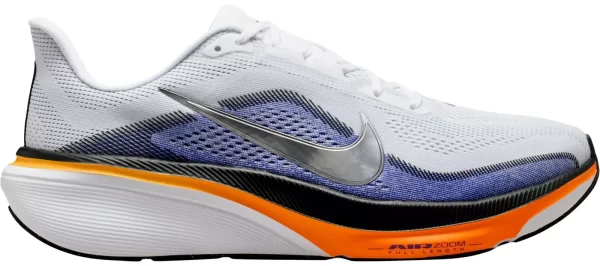
Fit Notes
True to size with a secure fit.
Gallery
Specs
- Heel stack: 38 mm
- Forefoot stack: 28 mm
- Drop: 10 mm
- Weight: 10.6 oz / 300.5 gms
- Widths: Narrow, regular, wide, extra-wide
- Midsole: Nitrogen-injected DNA Loft V3
- Insole: Molded, removable
Why it works (the basics)
- 8 mm heel drop → keeps Achilles stress low
- NitroFoam Elite midsole → is heel-strike friendly
- Composite Pwrplate → enables high speeds
- Lightweight upper → provides breathable, secure fit
🔍 Deep Dive
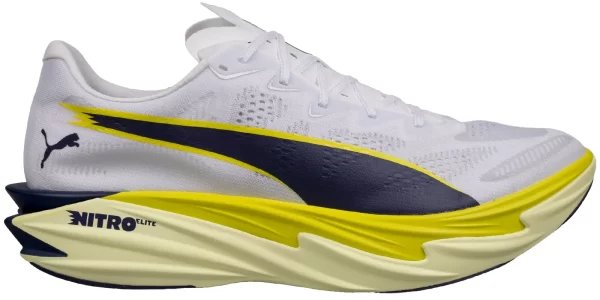
Puma running shoes are finally getting the credit and attention they deserve. For many years, they flew under the radar, despite using high-quality materials and technology. A case in point is the Deviate Nitro Elite 4 – Puma’s premium marathon racer that sits one level below the aggressive speed-demon that is the Fast R Nitro Elite 3. Unlike the Fast R, the Nitro Elite 4 delivers its race-day speed in a user-friendly package that doesn’t penalize heel striking or slow running speeds. The 8 mm drop midsole lowers Achilles and calf strain during long-distance runs while providing all the performance benefits of a carbon-plated racing shoe.
Pros
- Achilles-friendly 8 mm drop
- Heel-strike-friendly midsole
- Does not penalize slow speeds
- Excellent traction
- Breathable, secure upper
Cons
- Heel outsole coverage
- Lack of widths.
Other 10K and marathon racers with a 8-10 mm drop
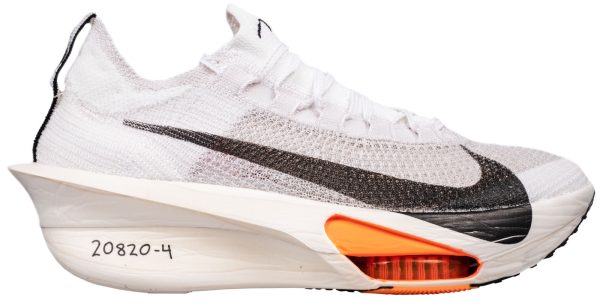
Nike Alphafly 3
Best for forefoot strikers (8 mm drop)
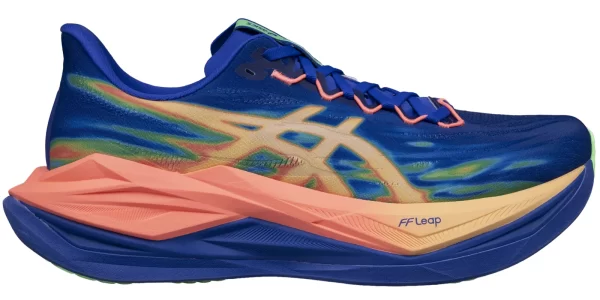
Asics Superblast 3
Non-plated shoe for slow runners (8 mm drop)
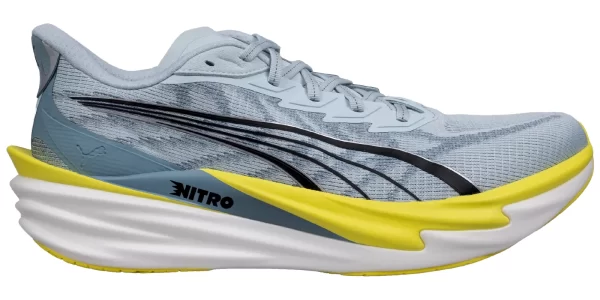
Puma Deviate Nitro 4
It's an even more use-friendly version of the Nitro Elite
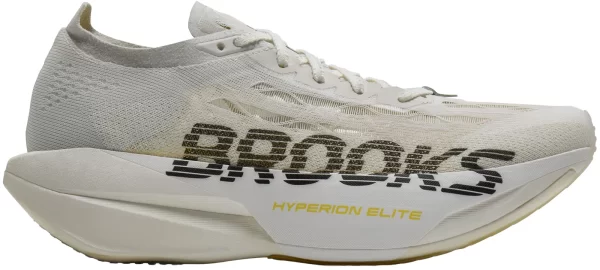
Brooks Hyperion Elite 6
Consider for an ultra-breathable upper
Fit Notes
True-to-size with a narrow race-day fit. Excellent ventilation.
Gallery
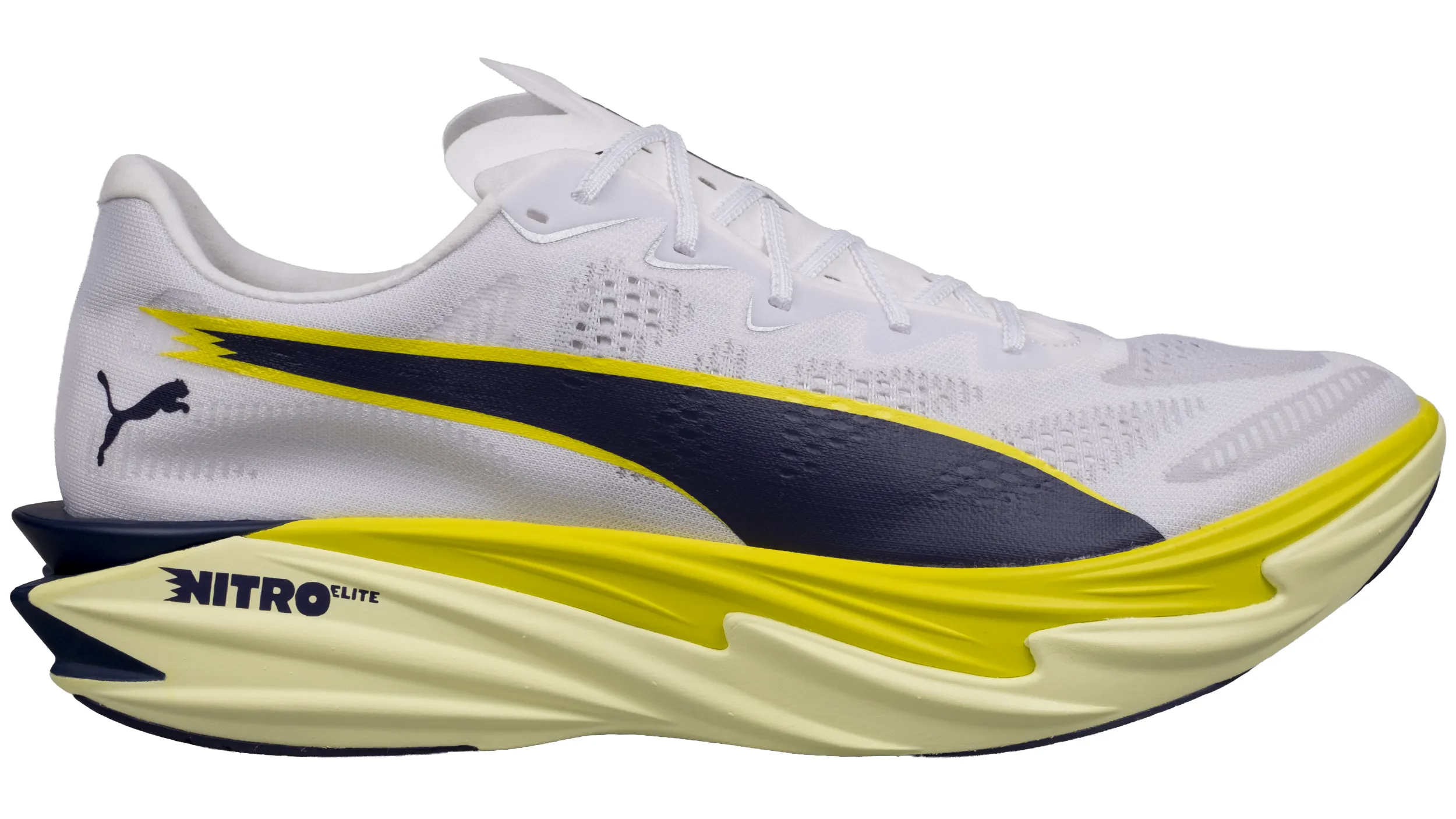
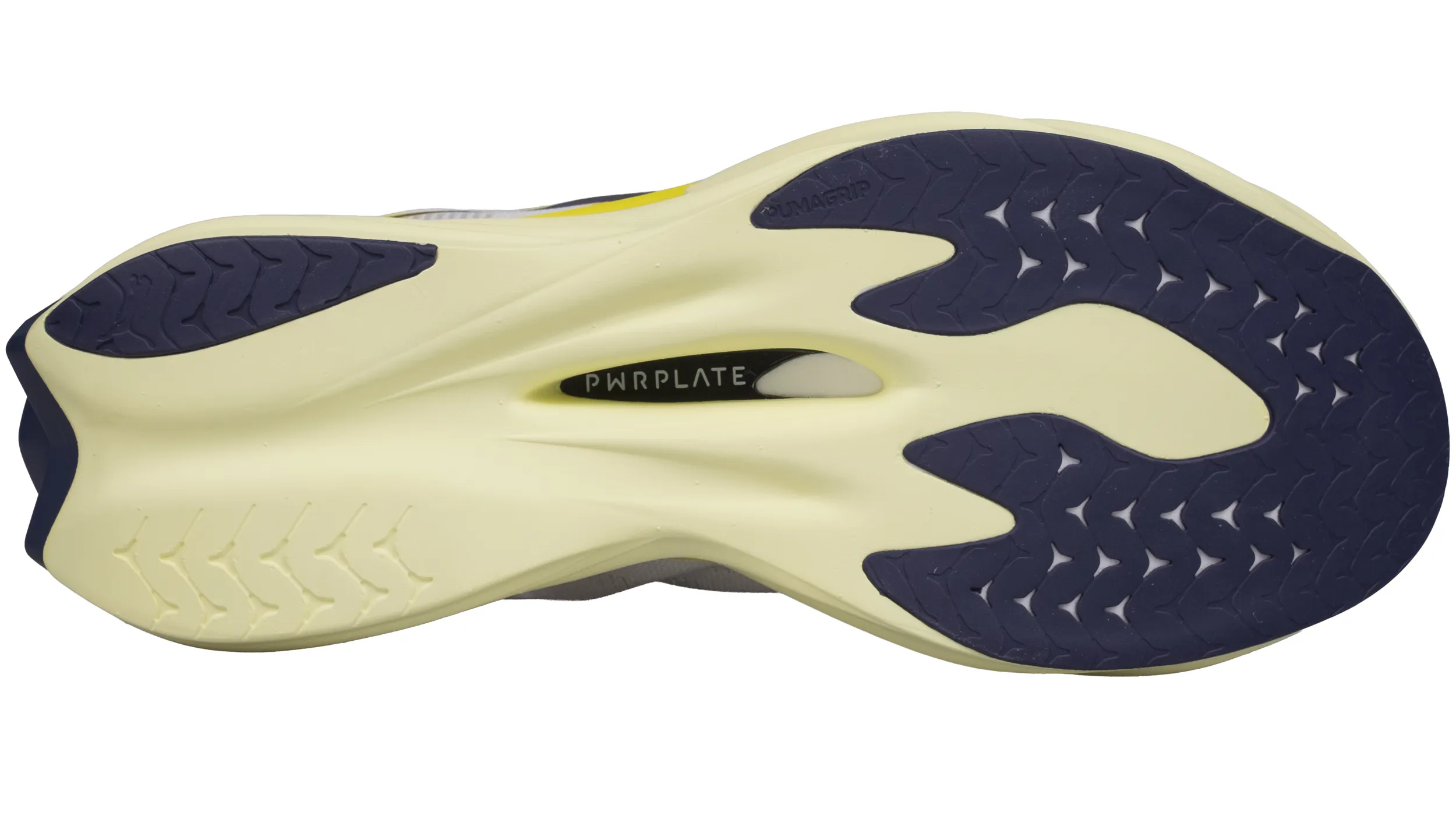
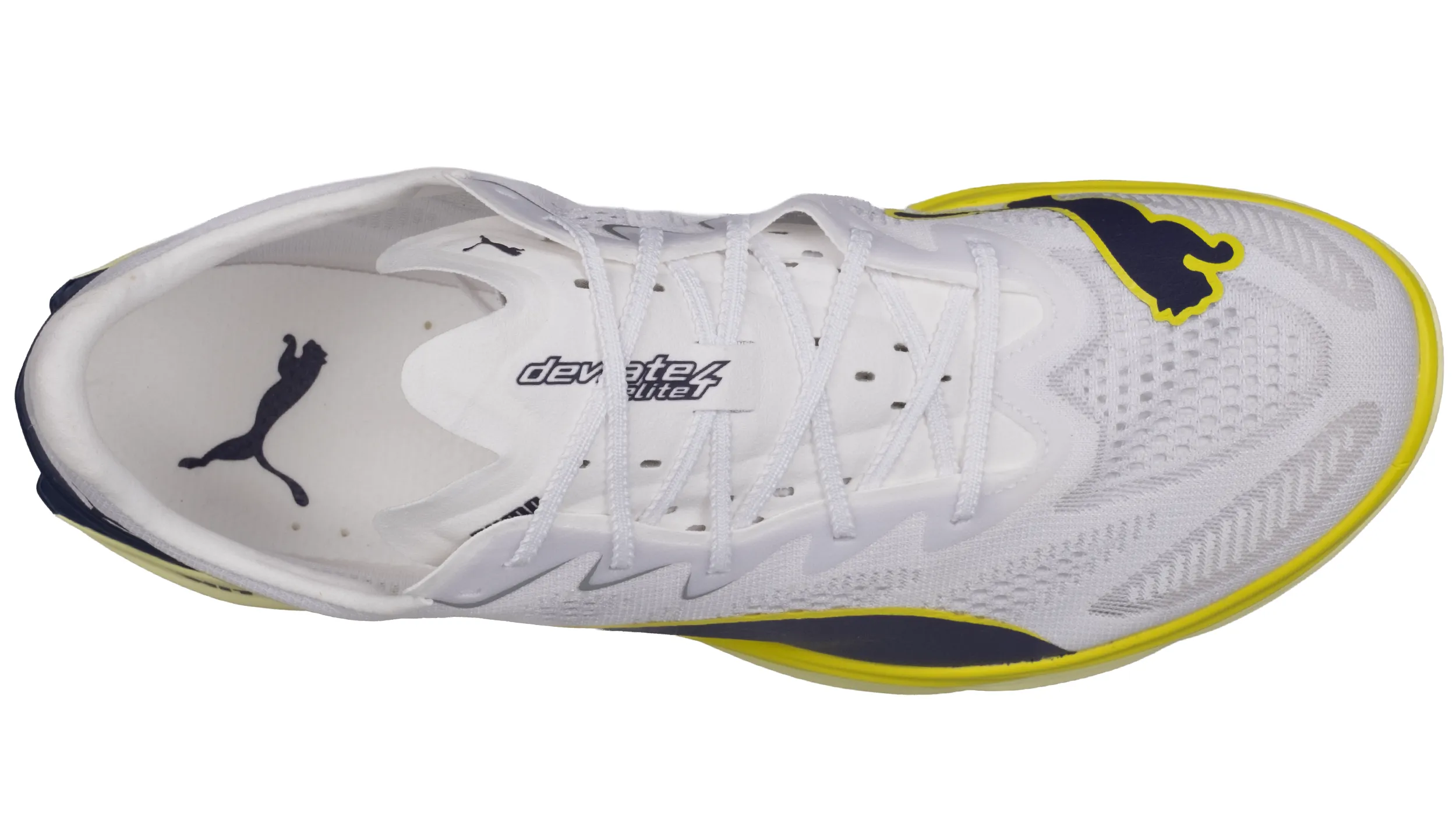
Specs
- Heel stack: 40 mm
- Forefoot stack: 32 mm
- Drop: 8 mm
- Weight: 5.9 oz / 170 gms
- Widths: Regular (single)
- Midsole: NitroElite foam, carbon Pwrplate
- Insole: Molded, non-removable.
Why it works (the basics)
- 10 mm heel drop → is heel-strike-friendly
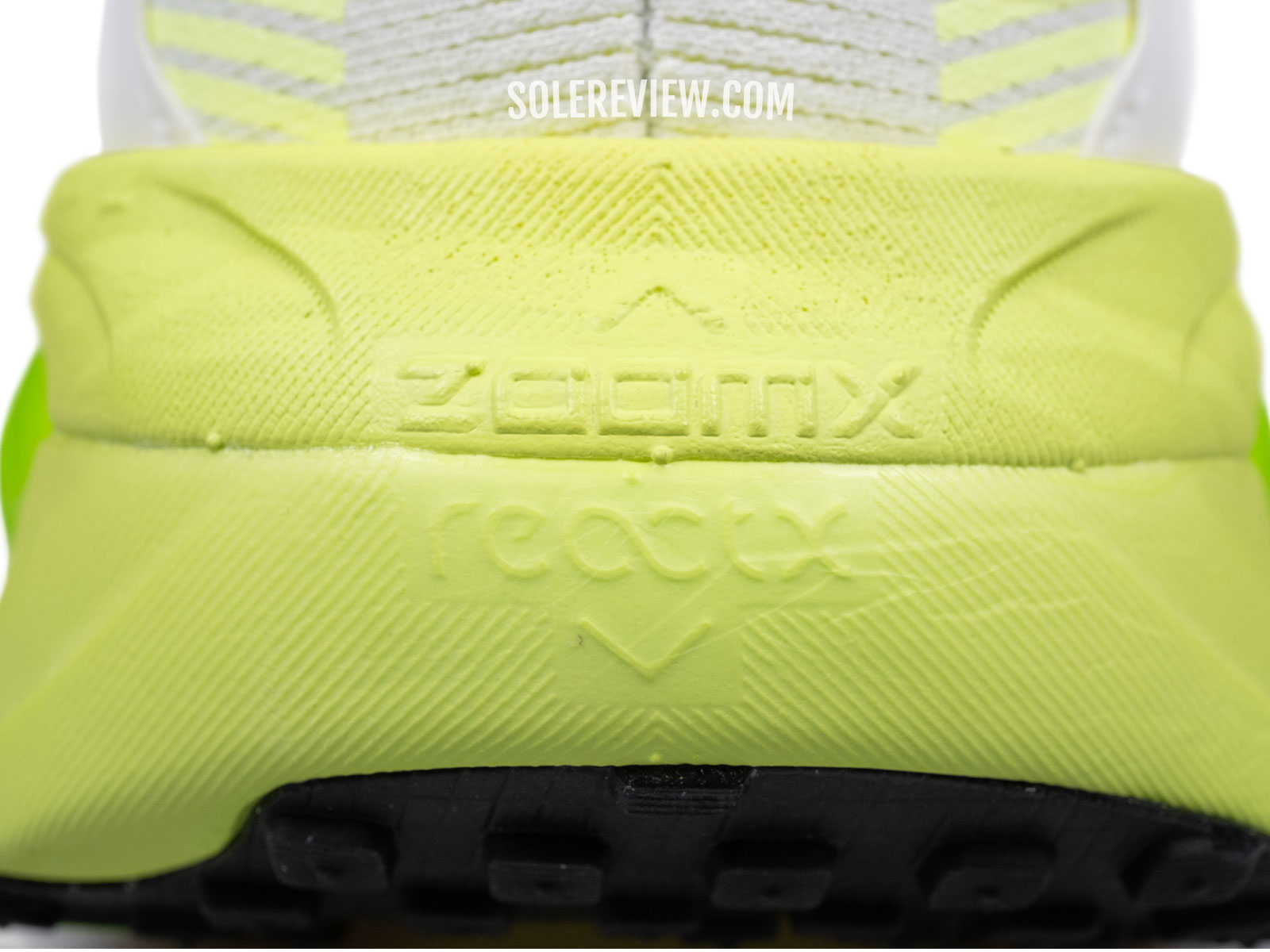
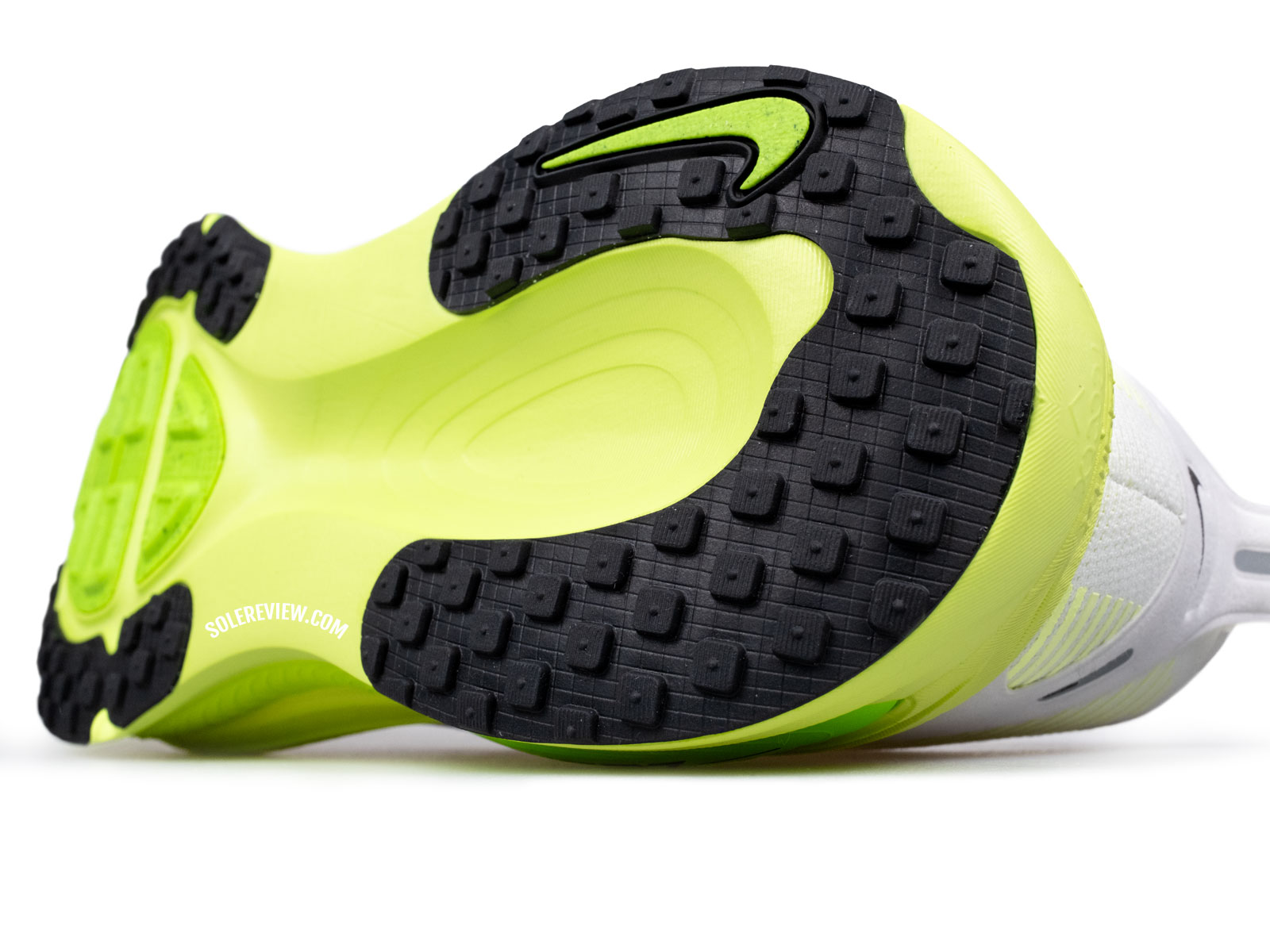
- Top ZoomX-foam layer → adds cushioning comfort
- Firmer ReactX foam base → resists negative heel offsets
- Fully sleeved upper → creates an ultra-secure fit
🔍 Deep Dive
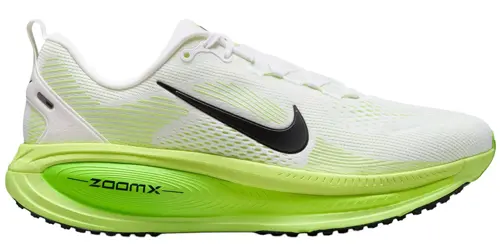
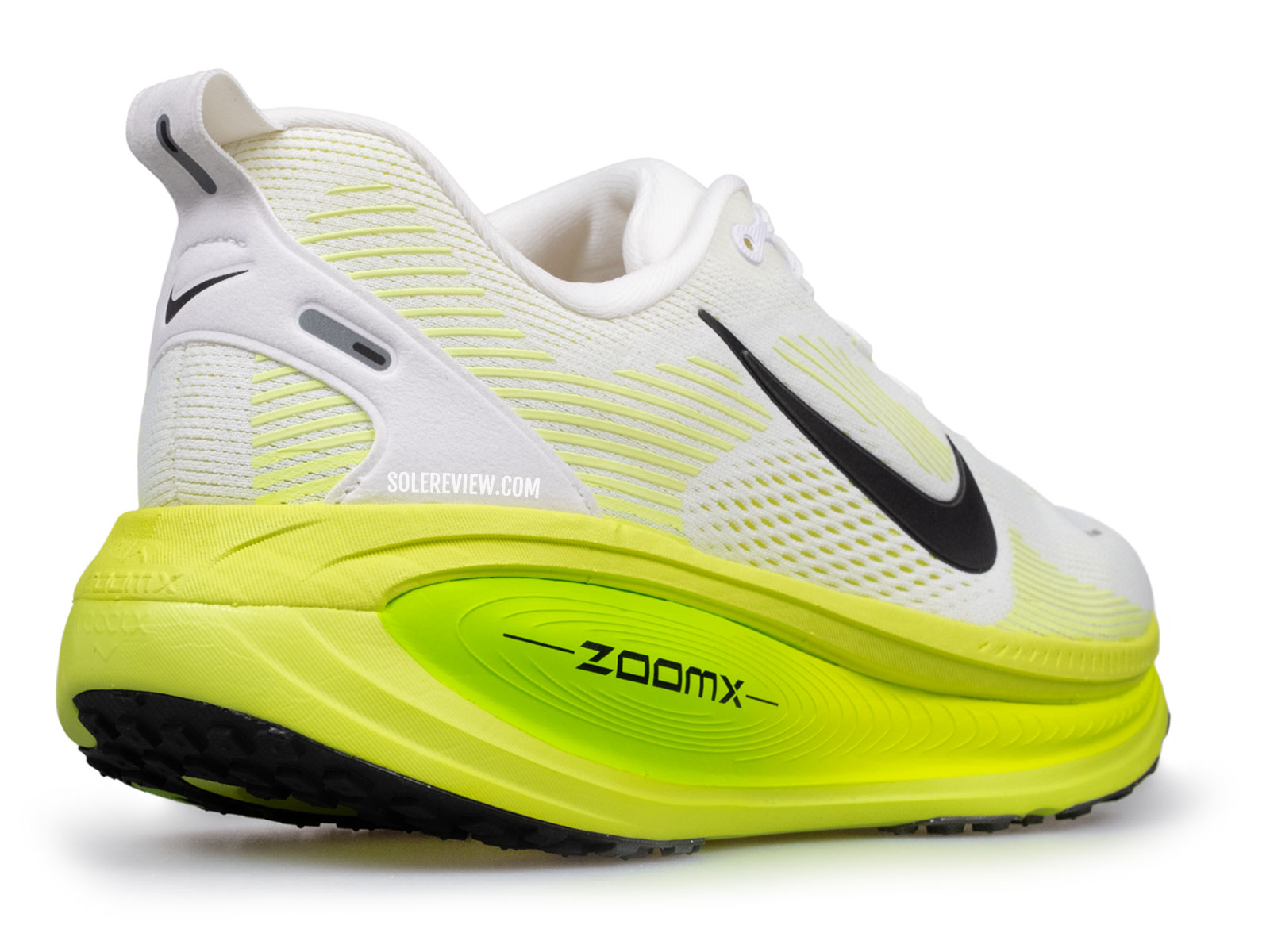
If we had to pick just three models out of Nike’s running shoe assortment, the Vomero 18 would be one of them. It’s not very often we come across a shoe with tall stack heights (44 mm and 34 mm in this case) that is so versatile. Not only is the Vomero comfortable during long runs, but it also manages to be a capable everyday trainer. It doesn’t feel sluggish even at 4:30 min/km (7:00 min/mile) paces, and it is equally accepting of heavy heel strikers as it is of forefoot strikers. The firm React X midsole base adds stability while providing necessary the negative-drop resistance.
Pros
- Do-everything character
- Supports heavy runners
- resists negative drop
- 10 mm drop minimizes Achilles strain
- Plush, secure fit
Cons
- Heavy
- Sleeved upper traps heat.
Other recovery trainers with a 8-10 mm drop
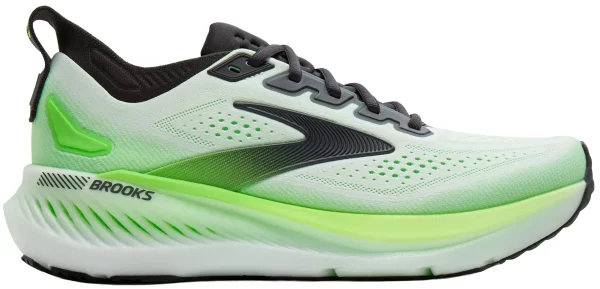
Brooks Glycerin GTS 23
Offers better support for overpronators
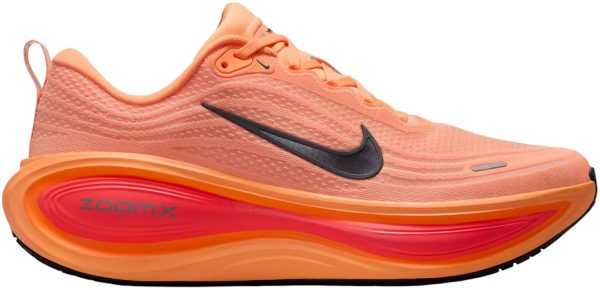
Nike Vomero Plus
Softer, taller, and slower than the Vomero 18
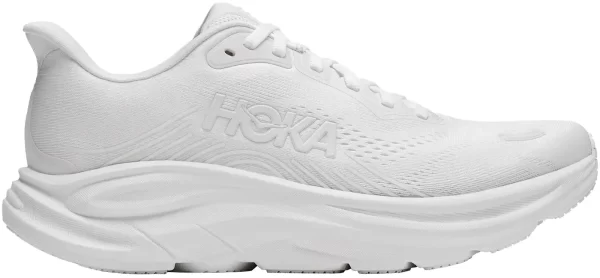
Hoka Clifton 11
Time-tested max-cushioning, but slow
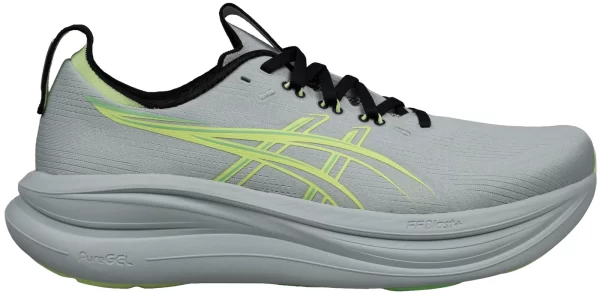
Asics Nimbus 28
Delivers cushioning comfort for easy-paced runs
Fit Notes
True to size. Fully sleeved, so the interiors run hot during summer
Gallery
Specs
- Heel stack: 44 mm
- Forefoot stack: 34 mm
- Drop: 10 mm
- Weight: 11.5 oz / 325 gms
- Widths: Regular, wide
- Midsole: ZoomX, ReactX foam
- Insole: Molded, removable
Why it works (the basics)
- 38 mm, 30 mm stack → offers controlled off-road cushioning
- Forefoot rock plate → protects foot from roots and rocks
- 4 mm Asicsgrip lugs → delivers traction on the trail
- Reinforced toe bumper → is abrasion-resistant
🔍 Deep Dive
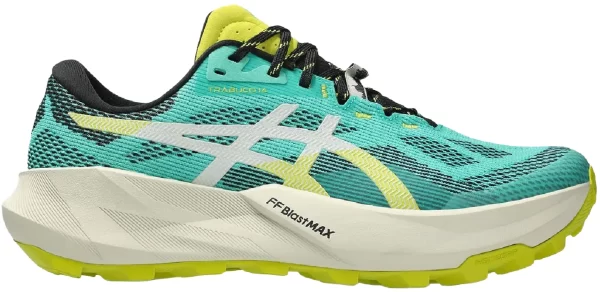
Unlike road-trail hybrids like the Hoka Challenger 8 and New Balance Hierro 9, the Trabuco takes its ‘trail’ label more seriously. On one hand, the respectable stack heights (38 mm and 30 mm) of the FF Blast Max midsole make trail runs comfortable. But there’s more to the Trabuco 14 than its cushy ride. The midsole is protected with a woven forefoot rock plate, and the off-road traction comes from the Asicsgrip outsole’s 4 mm lugs. The balanced design package is ideal for moderate gradients and park runs, while being durable enough for the occasional road run. The breathable upper offers a secure and protected fit, thanks to the fused toe-bumper and side overlays. Because the thick midsole doesn’t offer the ground feel or proprioception needed for technical trail, that is the Trabuco’s blind spot.
Pros
- Protective off-road cushioning
- Forefoot rock plate
- Outsole grip
- Achilles-friendly 8 mm drop
- Breathable, abrasion-resistant upper
Cons
- Low utility on technical trails
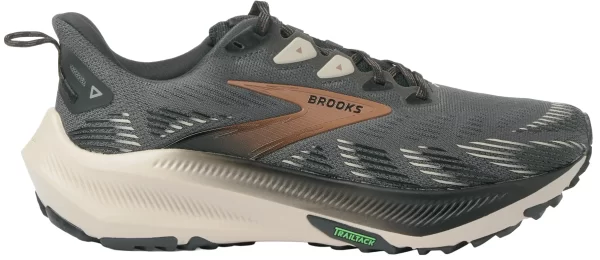
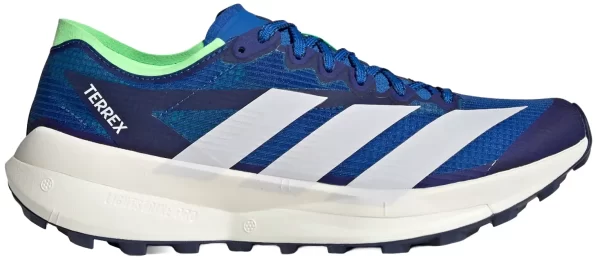
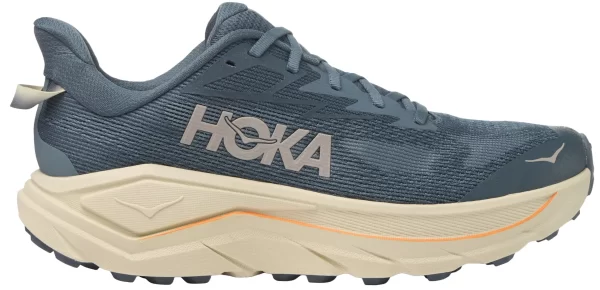
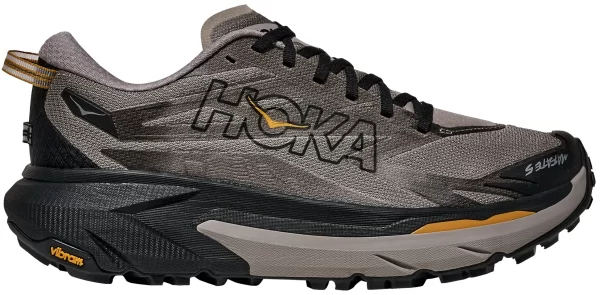
Other trail running shoes with a 8-10 mm drop
Fit Notes
True to size. The waterproof (Gore-Tex) variant is optional for $15 extra.
Specs
- Heel stack: 38 mm
- Forefoot stack: 30 mm
- Drop: 8 mm
- Weight: 9.9 oz / 293 gms
- Widths: Regular, wide
- Midsole: FF Blast Max, rock plate
- Insole: Molded, removable.
The research behind our picks
What does a heel-to-toe drop even mean?
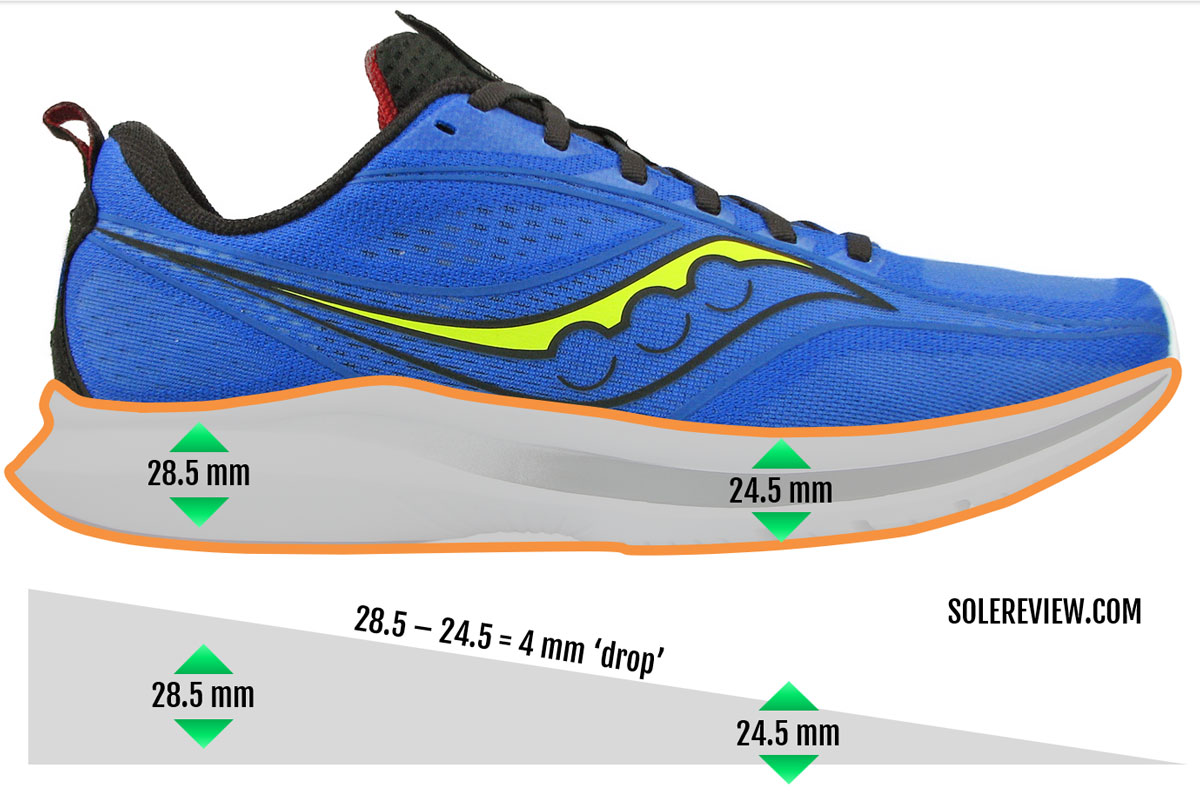
Also known as the heel-to-toe offset, the ‘drop’ is the difference between the heel and forefoot thickness. For example, if a midsole has an 18 mm thick heel and a 10 mm thick forefoot, it has an 8 mm drop. Here’s an illustration:
Why should I care (or not care) about a high heel-to-toe offset?
An 8 mm offset is compatible with most runner profiles
There’s a reason why most shoe brands produce running shoes with an 8 – 10 mm heel-to-toe offset. A higher heel drop automatically translates into a taller midsole heel. Statistically, since the majority of runners are heel strikers, rearfoot comfort is preferable.
An 8 mm drop is less likely to strain the Achilles
A lower ‘drop’ also lowers the position of the heel, thus stretching the Achilles tendon. Though the human foot has a zero millimeter ‘drop’, most people aren’t accustomed to footwear without a heel. Therefore, transitioning from a 12 mm drop shoe to 0 mm may require an adjustment period. An 8 mm drop running shoe needs little to no acclimatization.
It works for all experience levels
An 8 mm offset is versatile enough to be used across all running shoe classes. New runners can quickly find comfort in this offset range, and so can runners who are shaking off their winter hibernation. With an 8 – 10 mm drop midsole, it’s easy to pick up where you left off.
A higher heel is useful in the gym
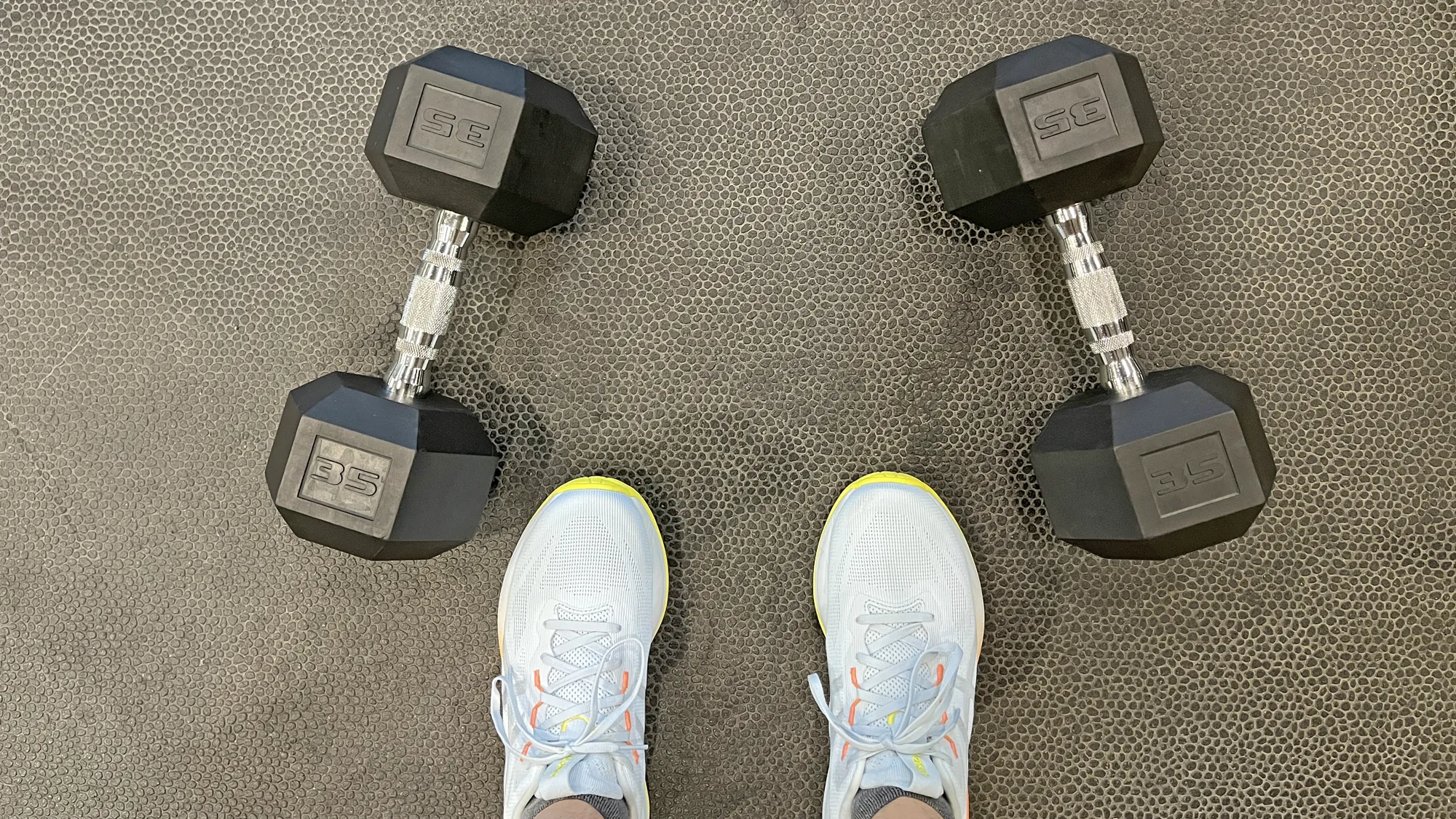
Not everybody runs on the road. For many runners, the treadmill is where most of their runs take place. That’s also usually preceded – or followed by – strength training. A higher heel-to-toe offset moves the center of gravity forward. This is helpful during lifts, where a forward bias is desirable. That’s why training shoes that are designed for strength training have a high drop.
Related read: The best running shoes for the gym.
What is a loaded or 'dynamic' heel-to-toe drop?
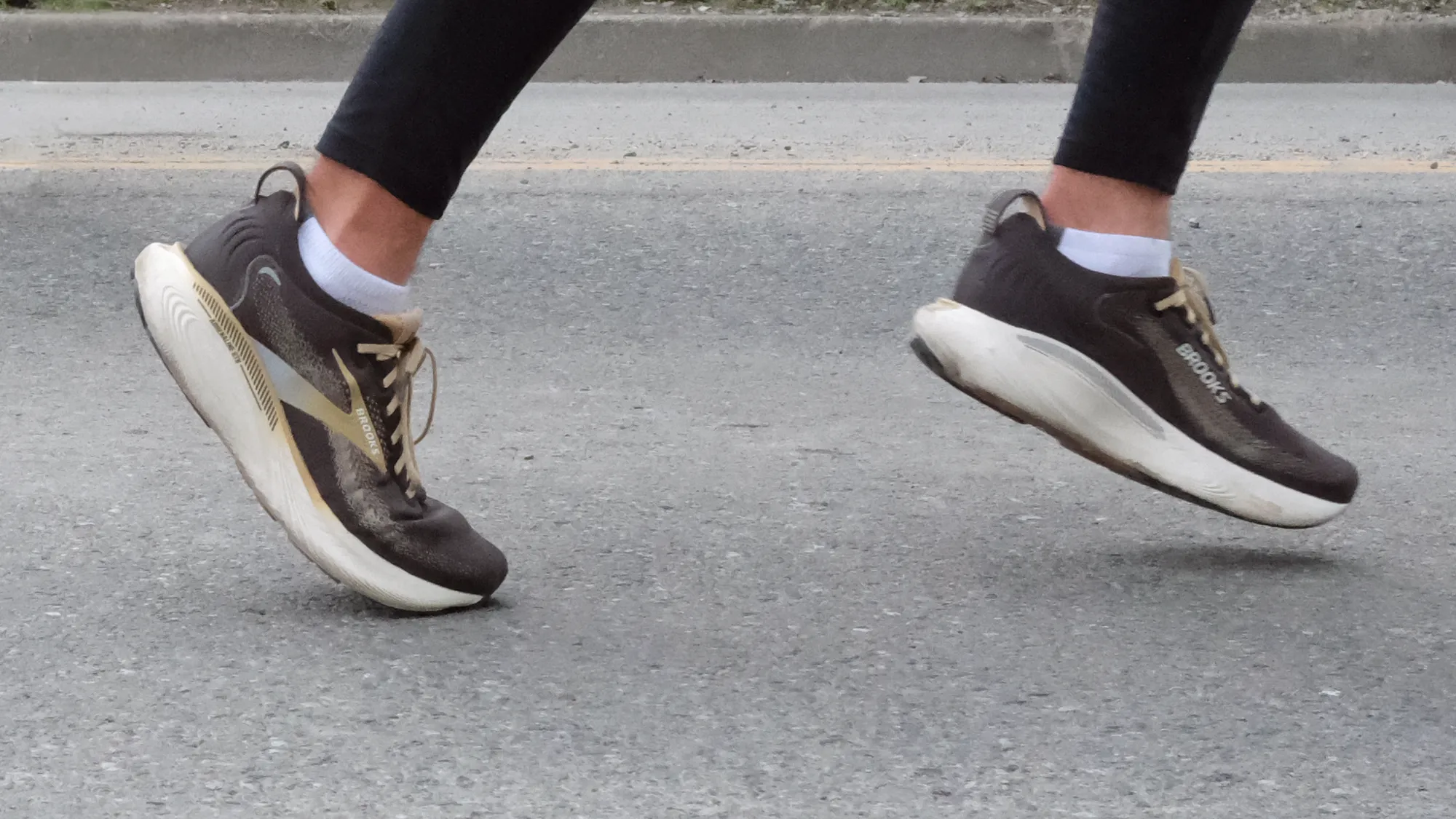
The loaded heel drop differs from the published or advertised number because the latter measures the difference between the forefoot and heel stack heights during the shoe’s resting state. However, when a shoe is loaded with body weight at midstance or during landings, the 8 mm drop may decrease to 2 mm or 0 mm, depending on how soft the midsole is.
When studying our biomechanical data from high-speed frames, we have noticed ‘negative drop’ states on soft shoes that supposedly have high heel ‘drops’. If the heel midsole lacks support, it might compress excessively during heel strike, briefly making it lower in height than the forefoot. That’s why all static heel drop numbers should be taken with a larger grain of salt, because the active or loaded drop is what actually matters. In this guide, we selected running shoes that are least likely to experience a negative drop, while retaining a few mm of their 8 mm drop during a loaded state.
I'm a forefoot striker. Should I care about heel-to-toe offset?
The short answer is no, unless we’re talking about heel drops in excess of 12 mm. Getting fixated on just the ‘drop’ isn’t always helpful – even if someone is looking for a midfoot strike-friendly shoe. There’s a lot more involved in what makes a running shoe compatible with forefoot landings. For instance, what does the heel design look like? How wide is the forefoot? Does the upper heel allow the foot to fit flush against the heel? Is there a heel bevel for smooth transitions? Is the outsole a full-contact type?