
In this product guide:
- 1. Best for daily and tempo runs: adidas adizero EVO SL
- 2. Best for recovery runs: adidas Ultraboost 5X
- 3. Best for 5K, 10K, and marathons: adidas Adios Pro 4
- 4. Best for casual wear: adidas Ultra 4DFWD
- 5. Best for casual wear: adidas Ultraboost 1.0
- 6. Best on a budget: adidas RunFalcon 5
- Our selection criteria
As long as we can remember, a black color combo has always been available in the adizero line. It’s no different this time. adidas’s newest speed shoe – the EVO SL – is also sold with a blacked-out midsole. The white stripes are a striking contrast to the color scheme. But there’s a lot more to the EVO SL than its color story. This brand-new model can wear many hats, so its break-out success isn’t surprising. The adizero EVO SL is powered by a full-length Lightstrike Pro midsole with substantial stack heights.
The shoe uses other high-performance bits from the adizero parts bin. The outsole is mostly made of Continental rubber, a design nearly identical to last year’s adios Pro 3. The midsole has a pronounced rocker profile for smoother transitions during toe-off.
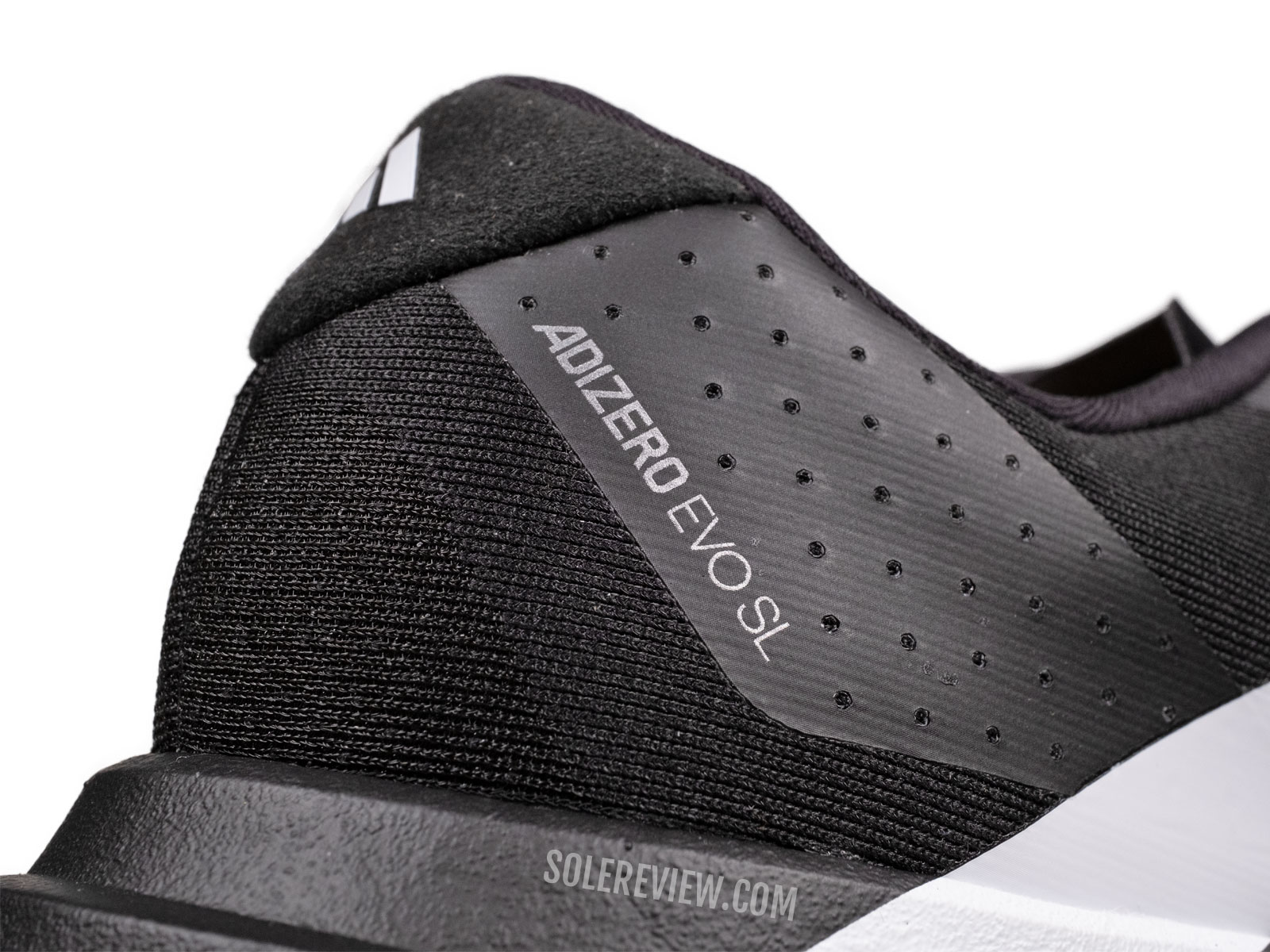
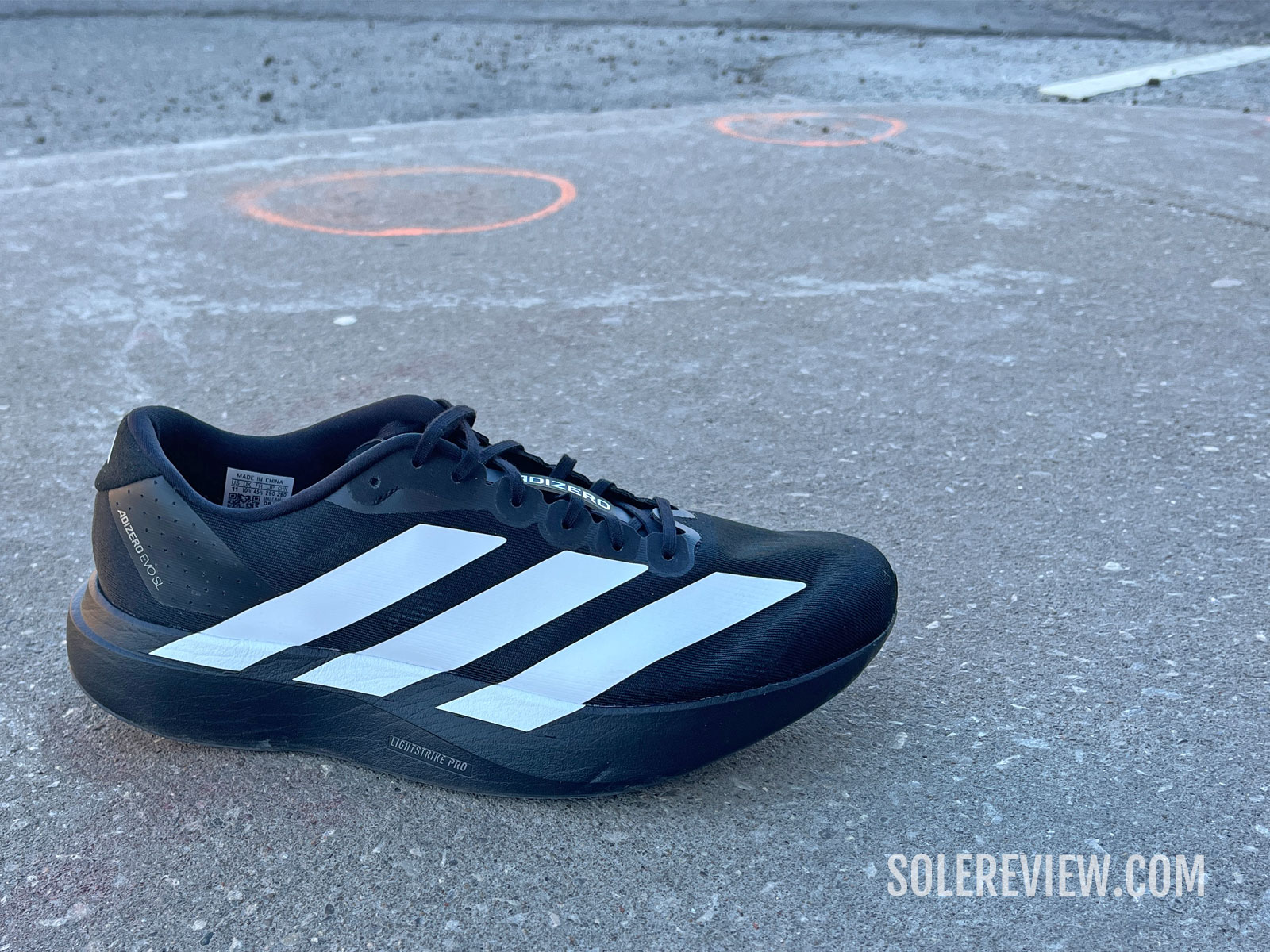
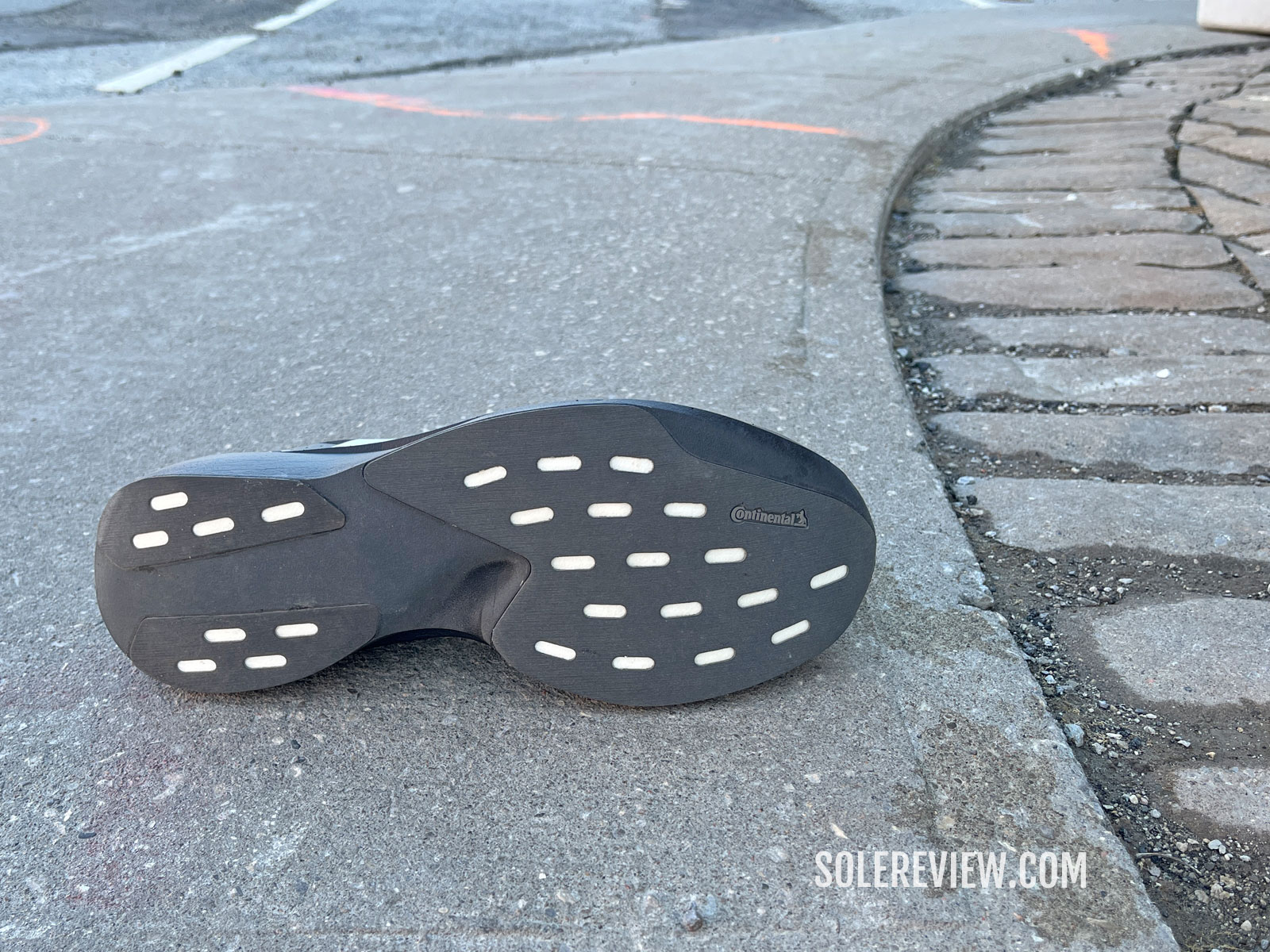
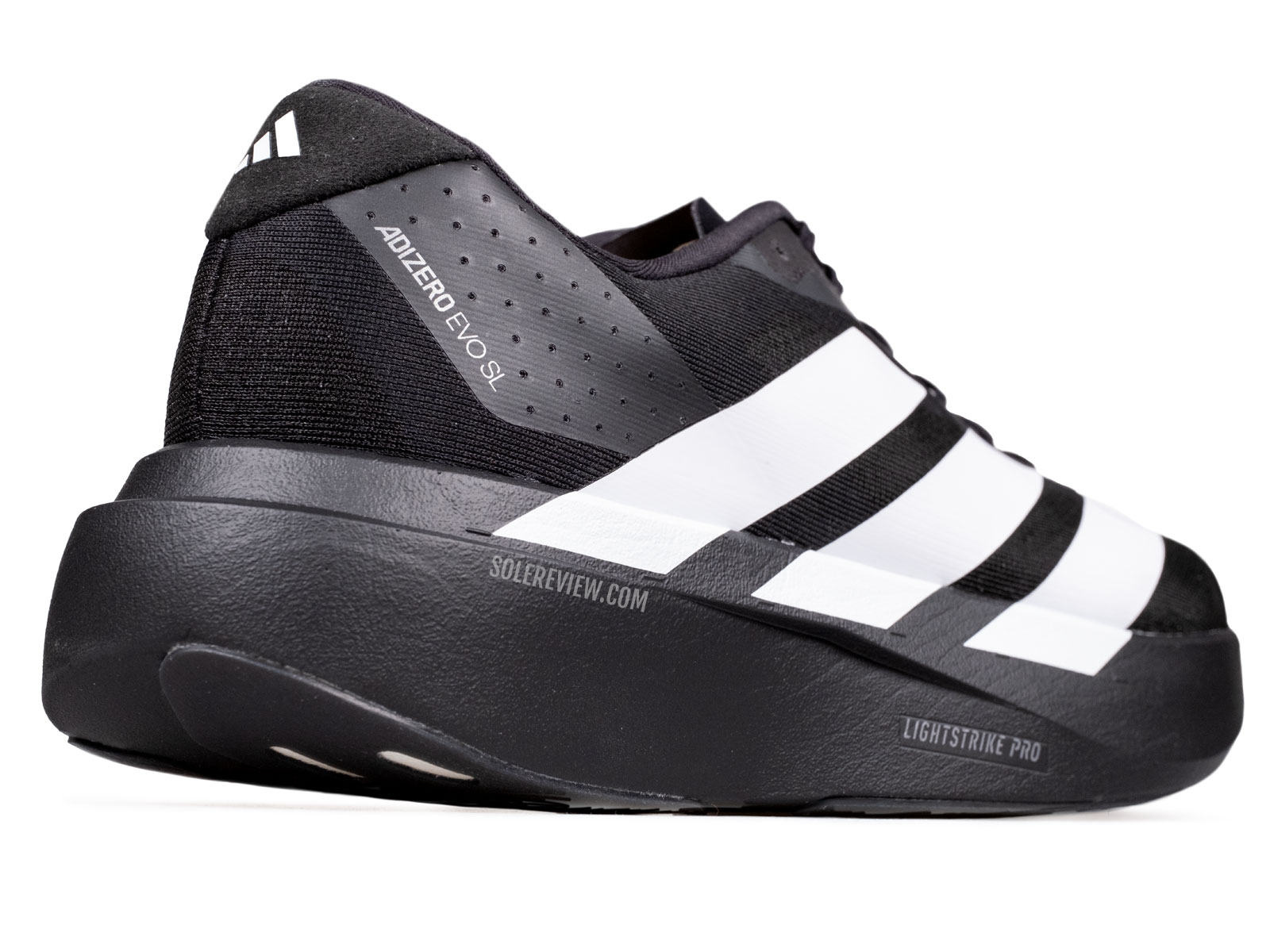
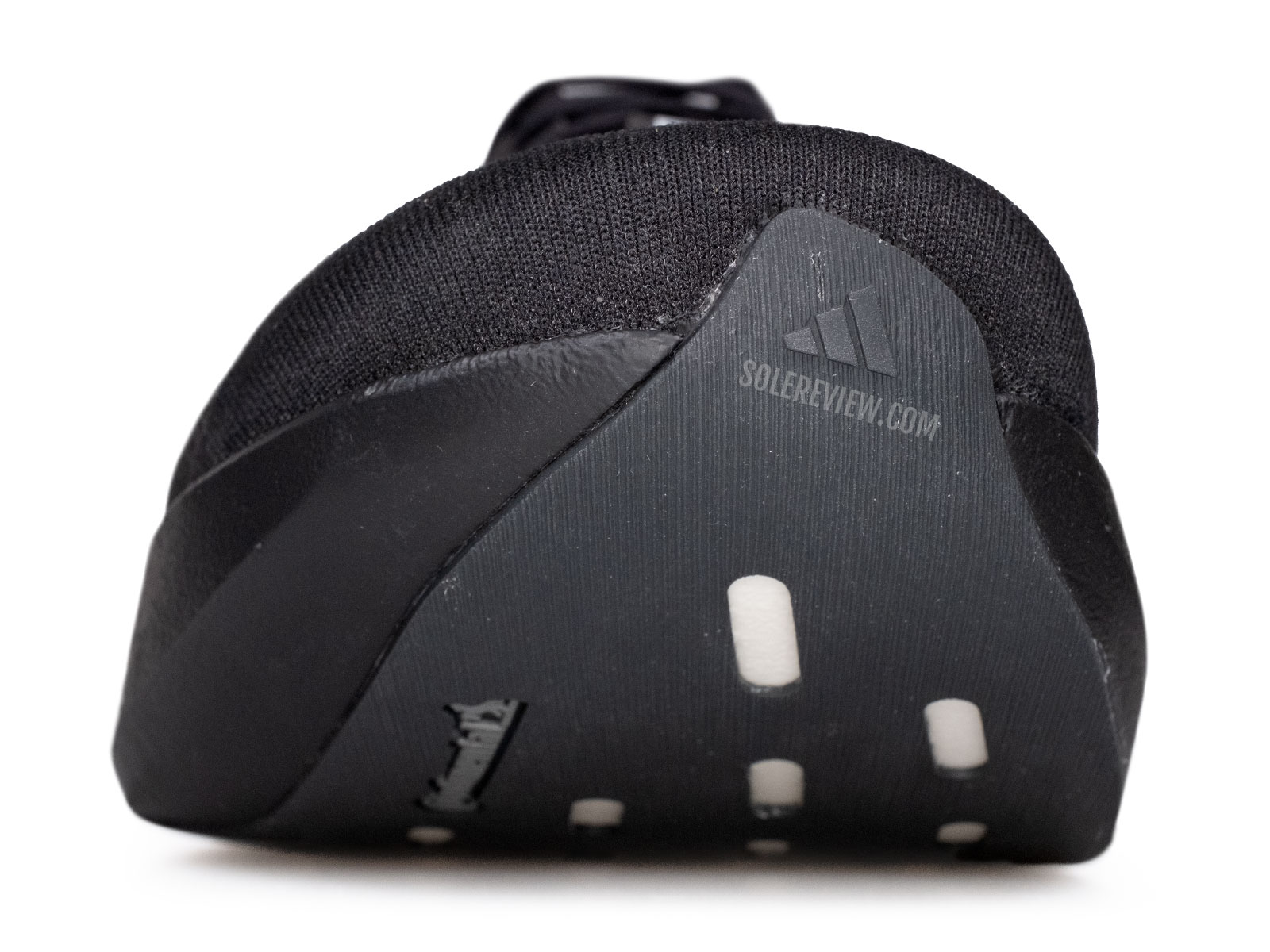
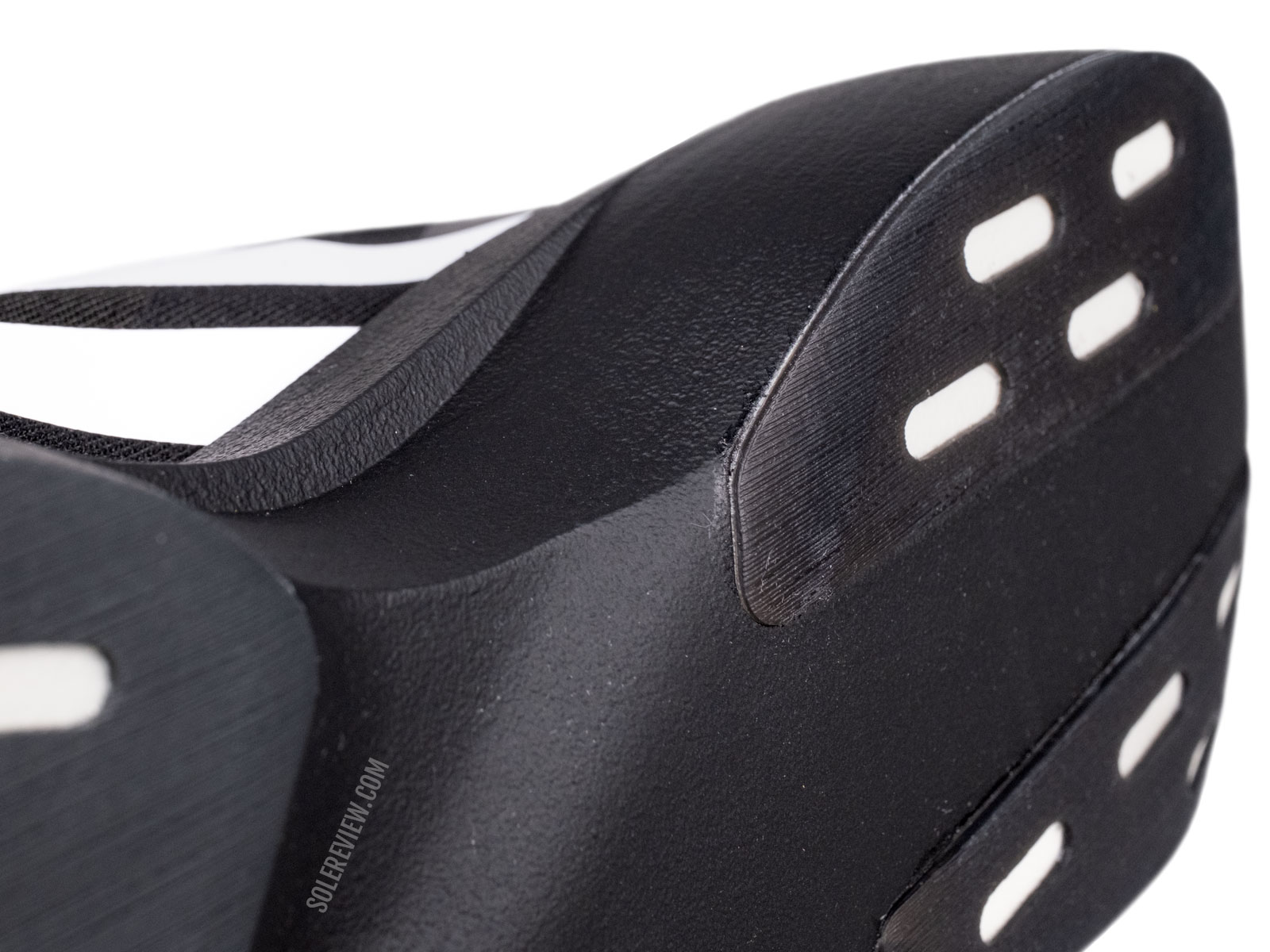
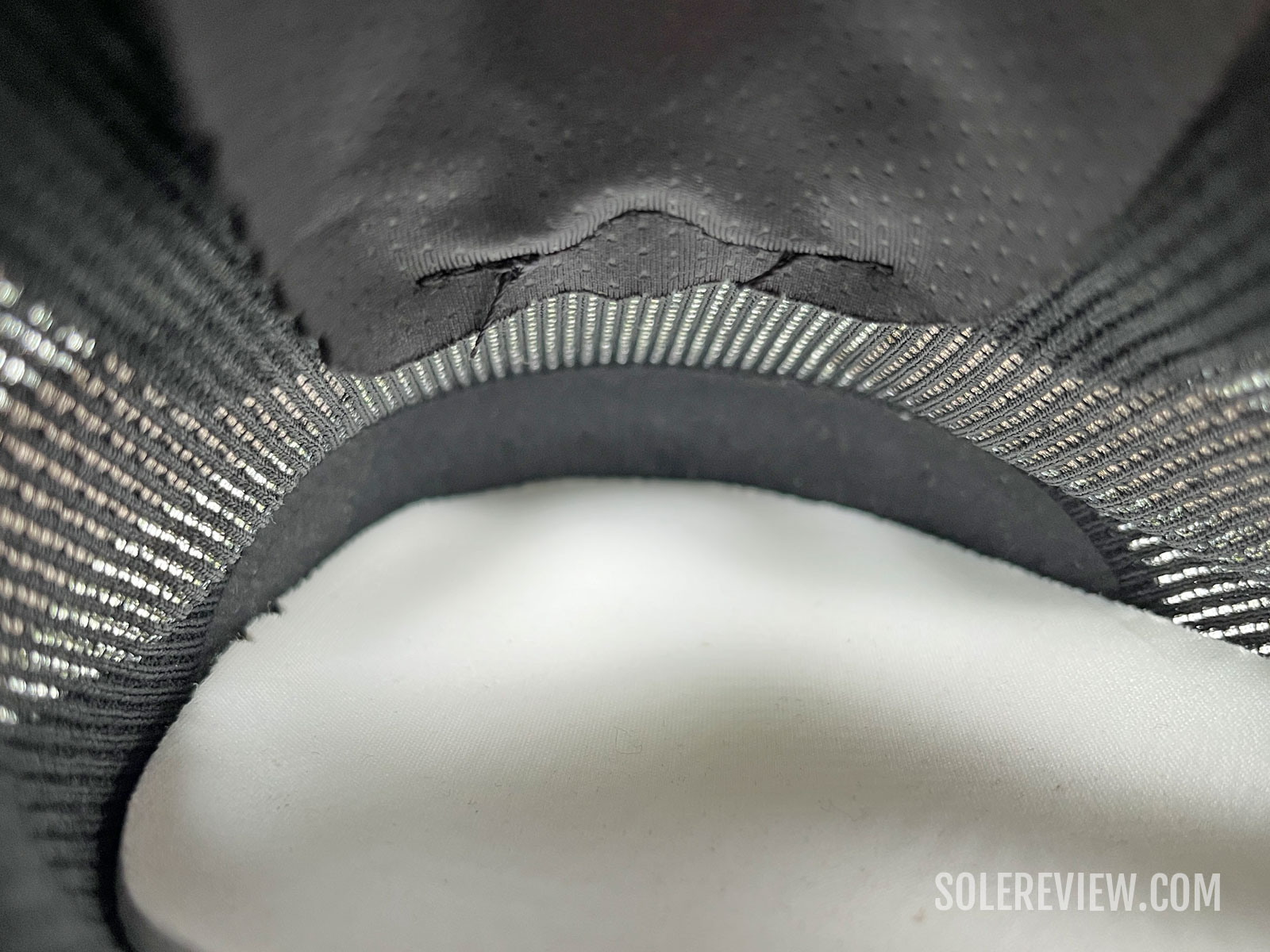
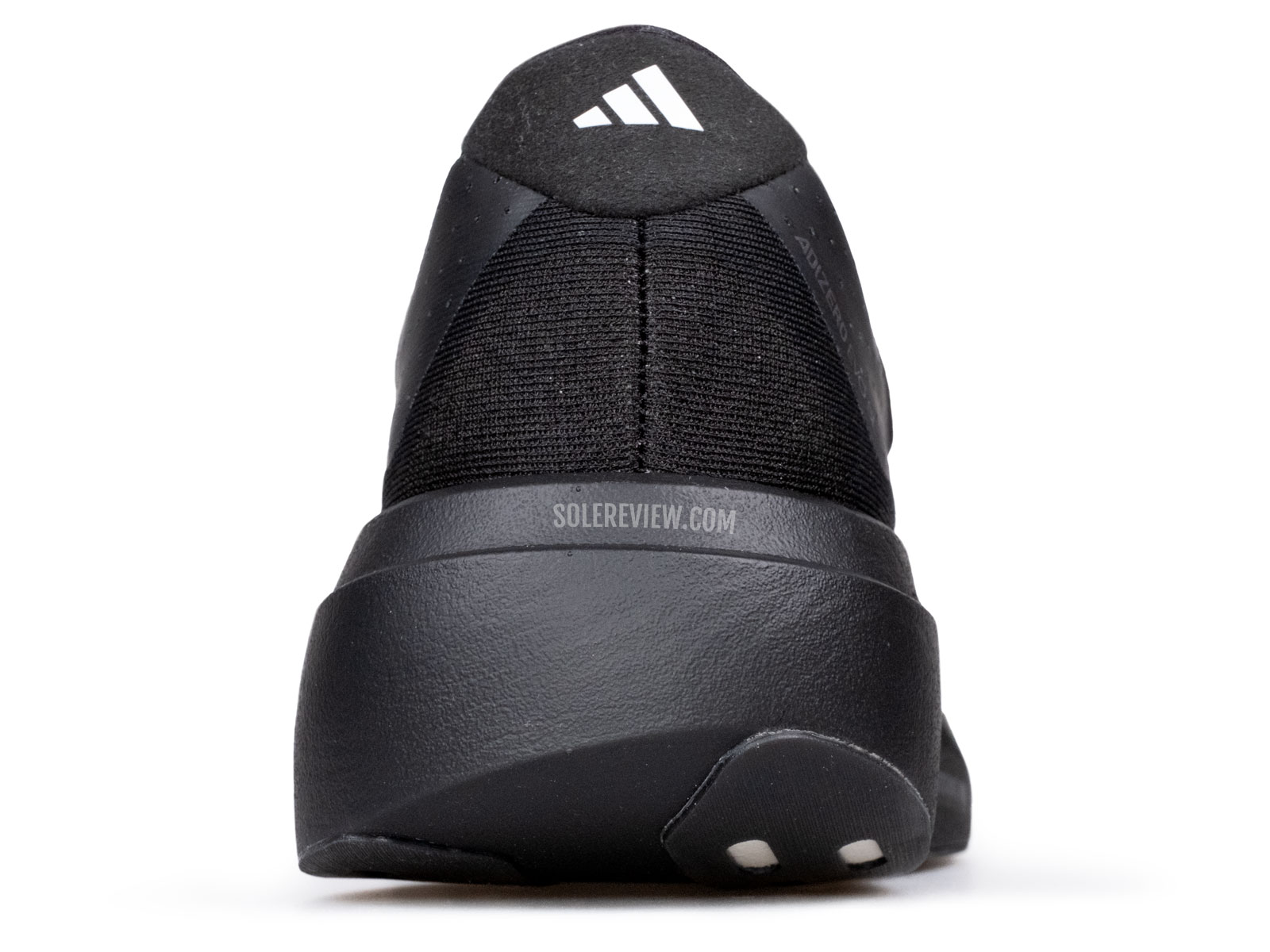
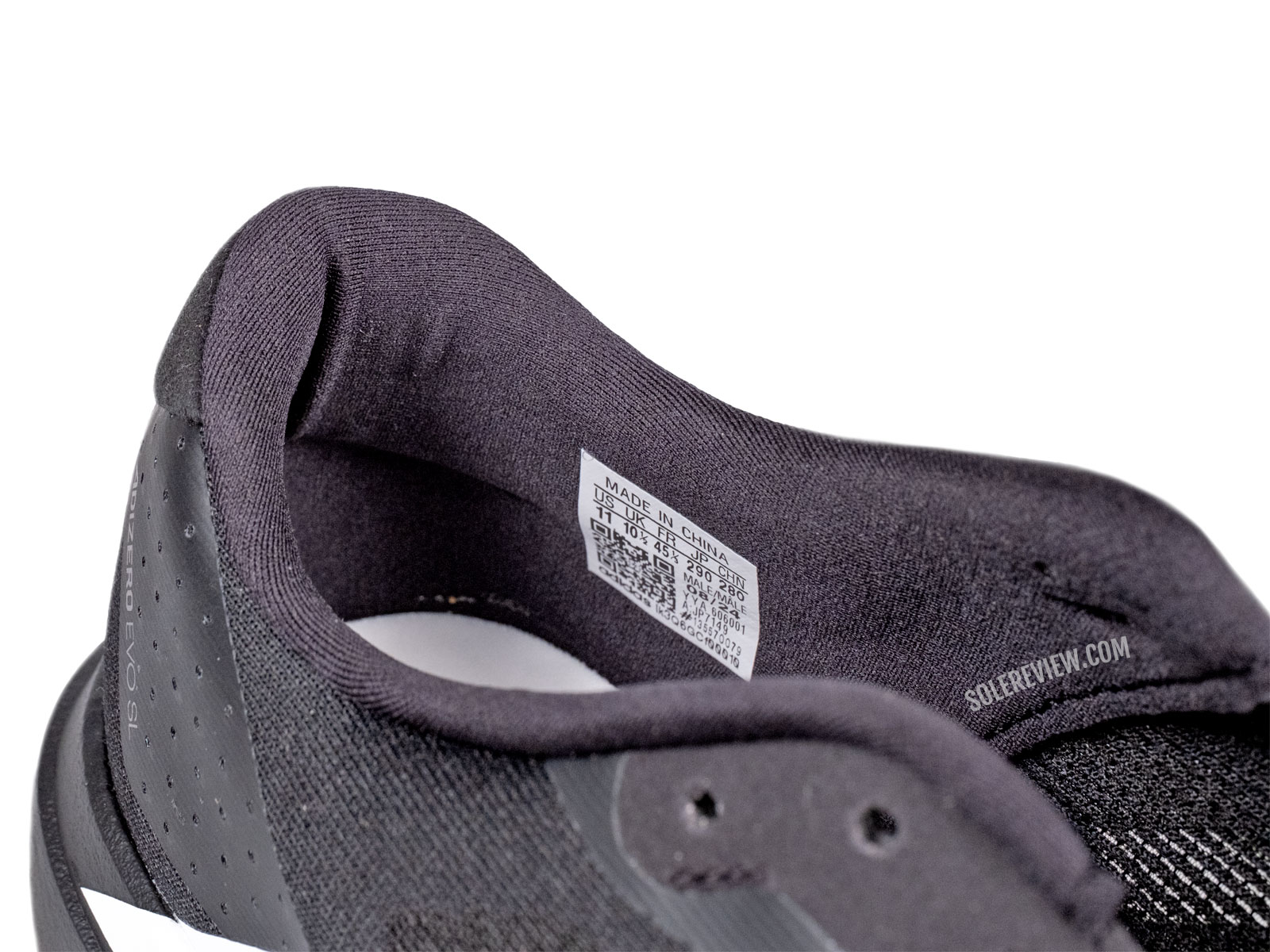
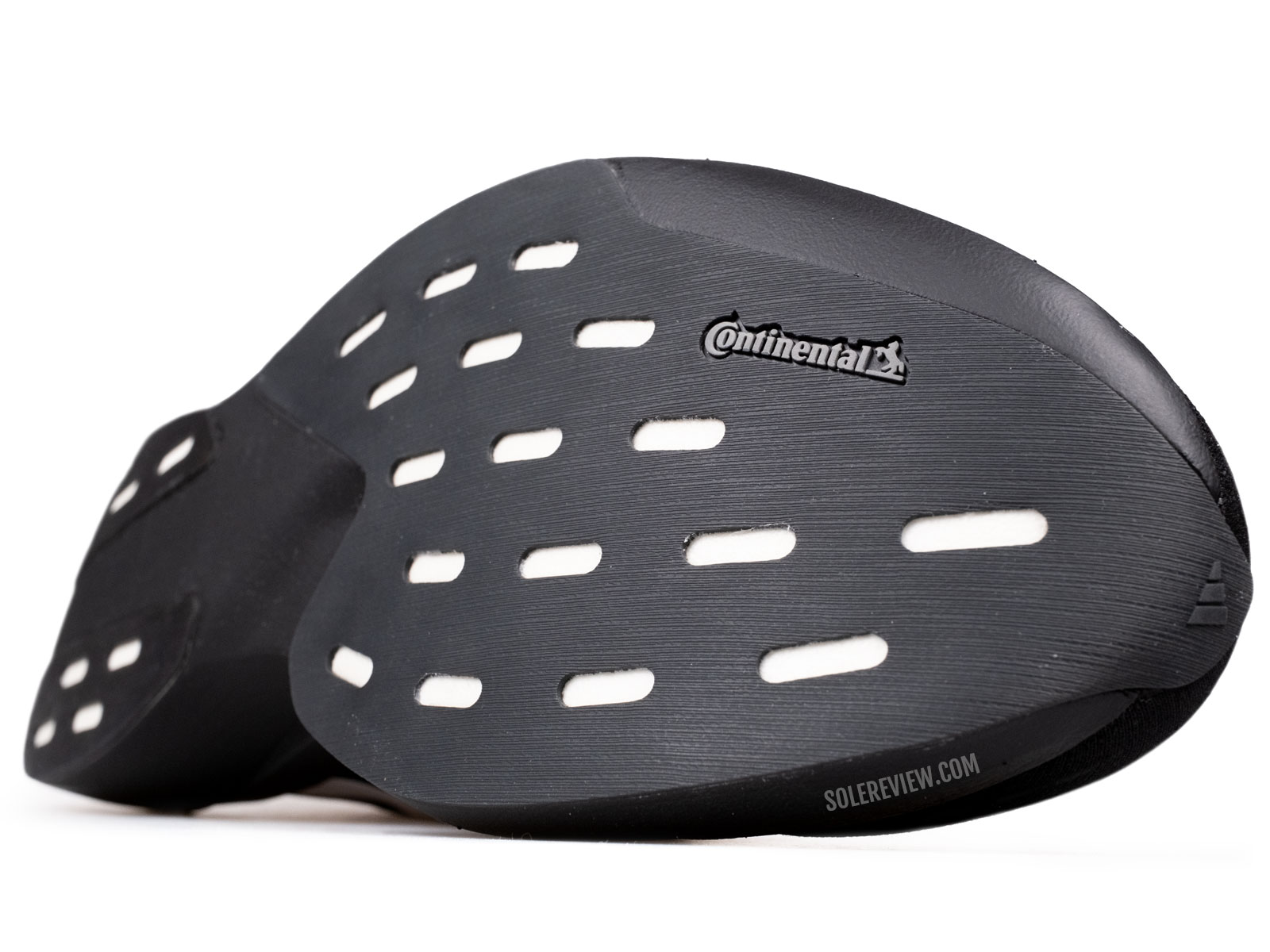
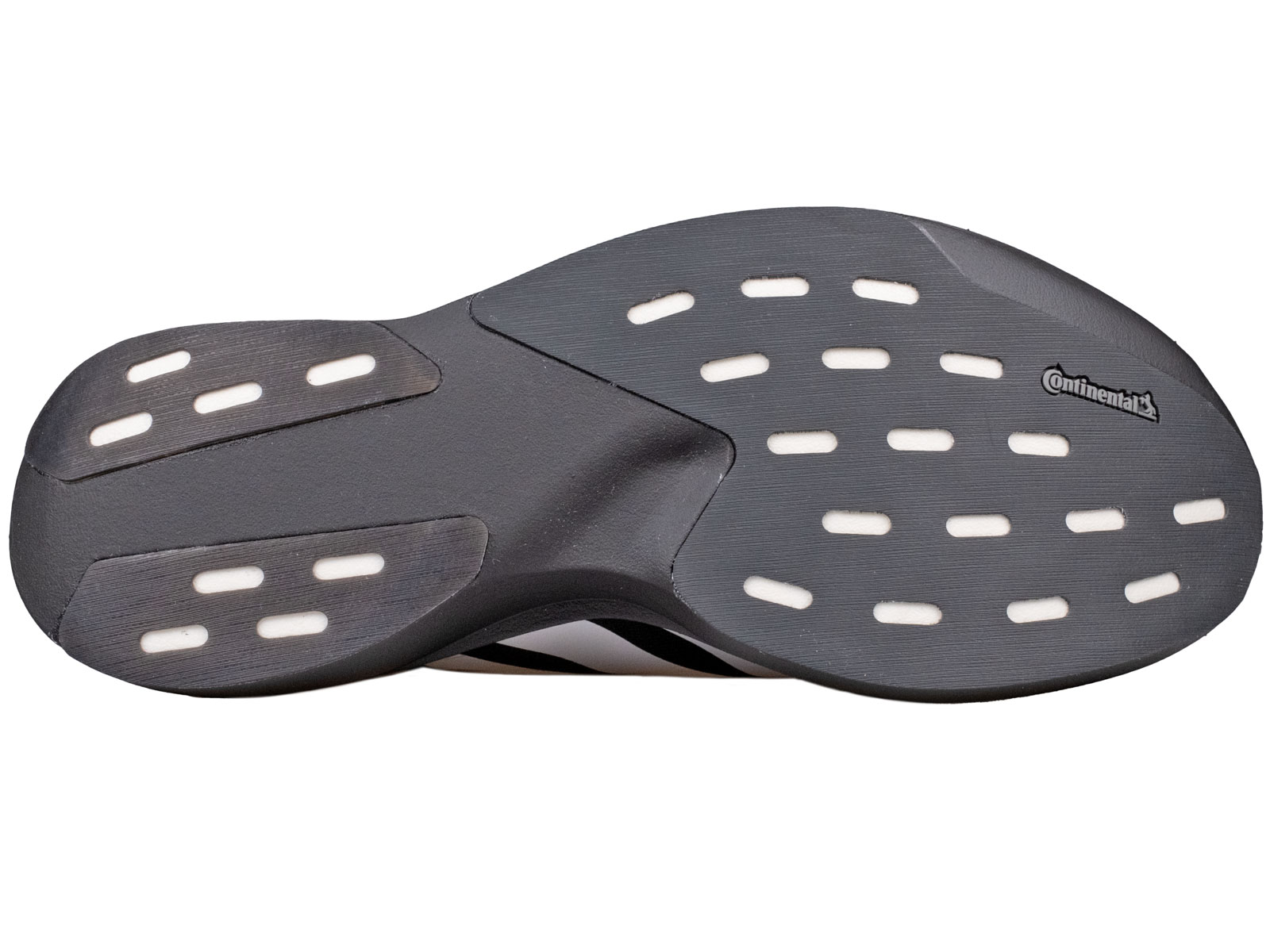

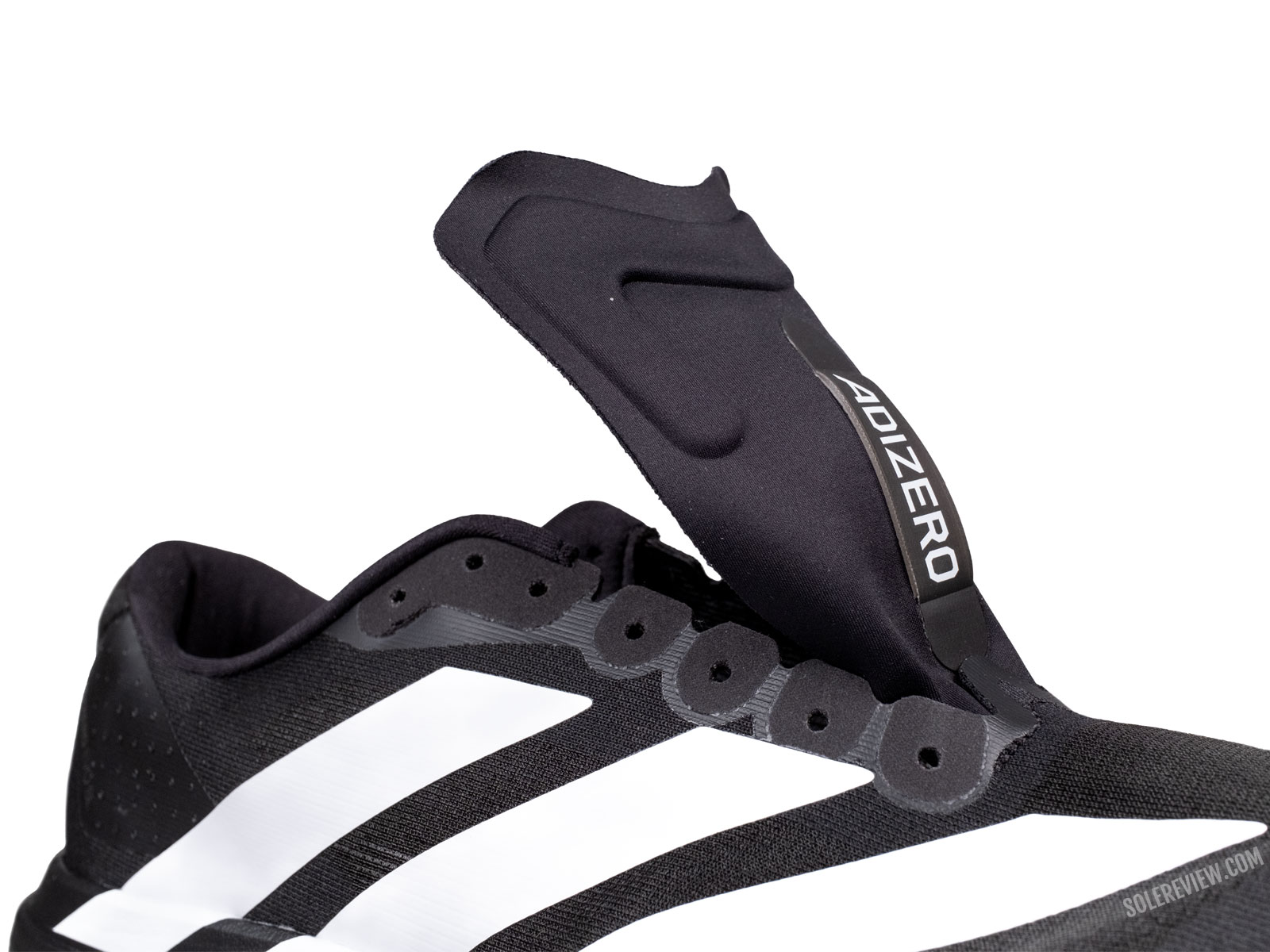

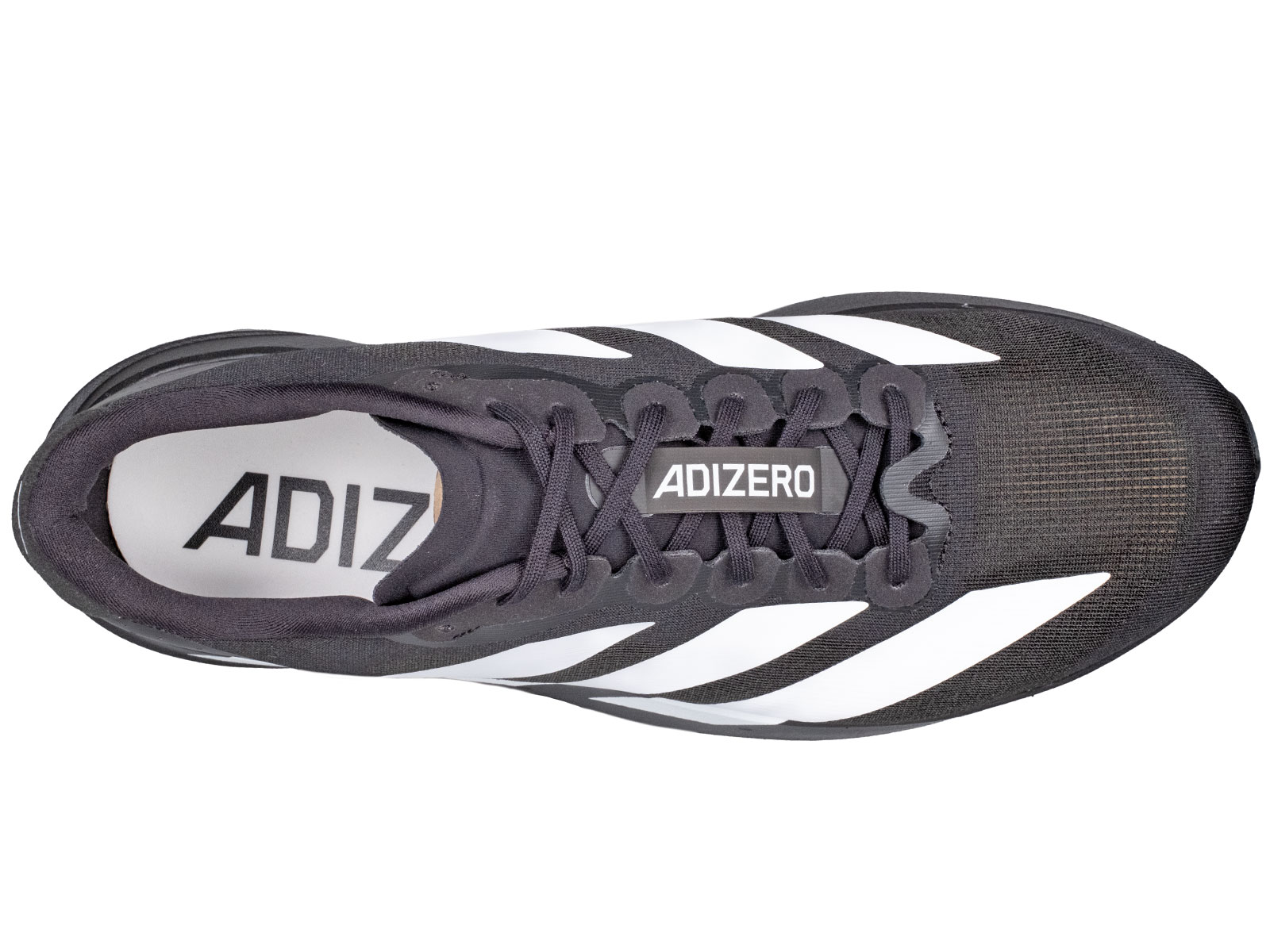
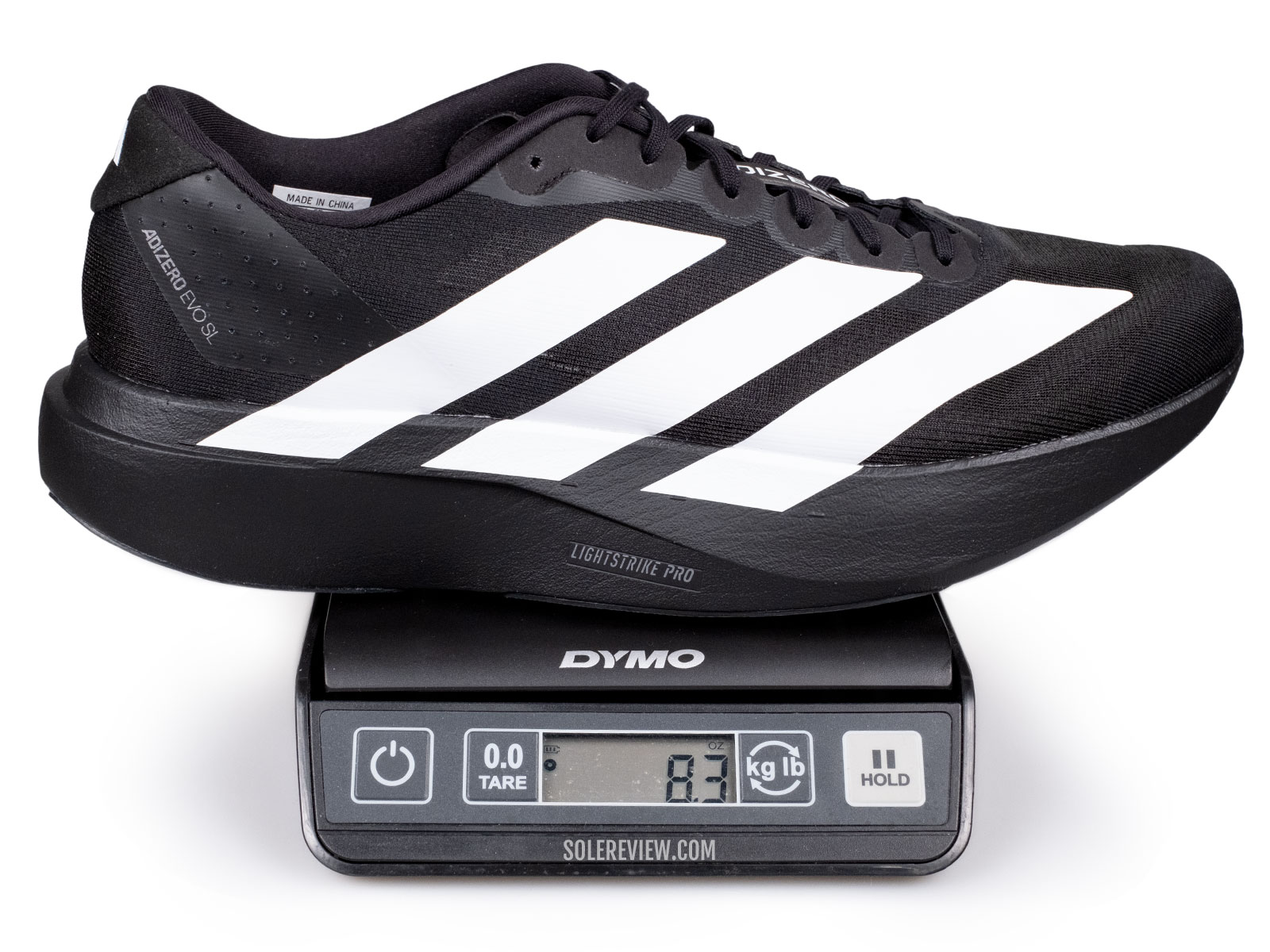
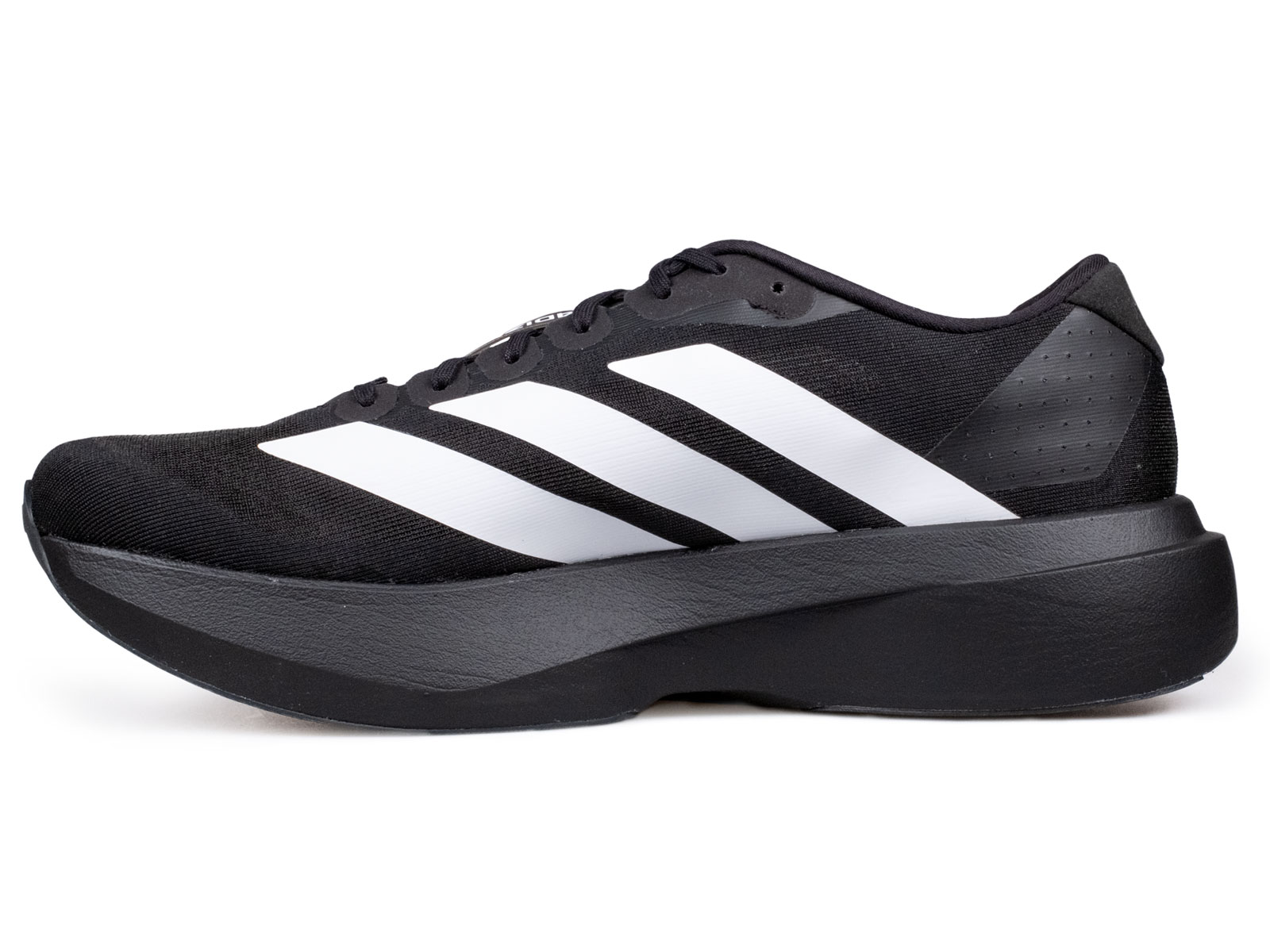
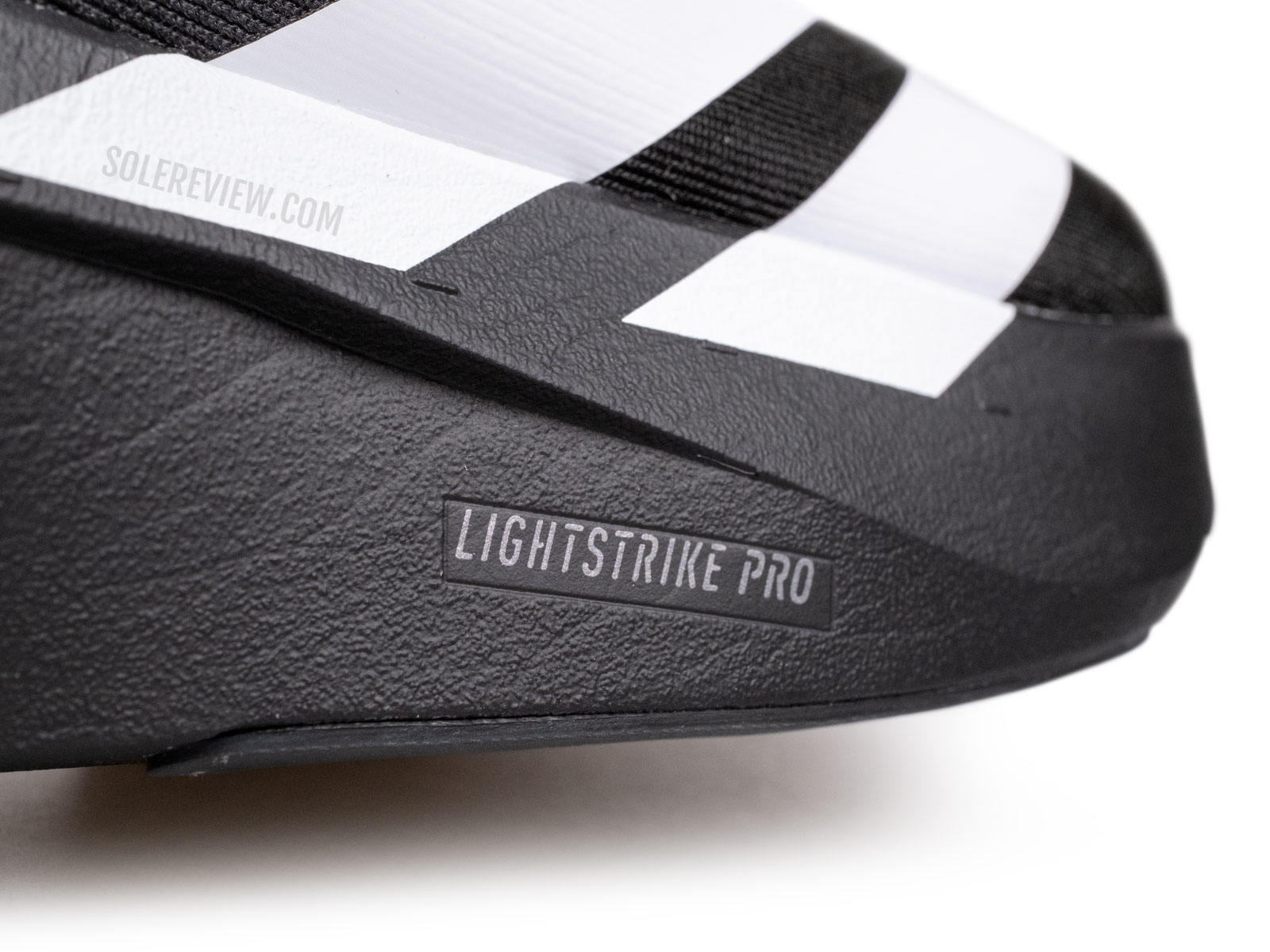
In short, the EVO SL is like the adios Pro 3, but minus the stiff Energy Rods. The tall stack adds soft and bouncy comfort to run up to a half-marathon. The rocker midsole helps the shoe accelerate on demand. The user-friendly design doesn’t punish slow runners or heel strikers. This is a lightweight and versatile trainer for many occasions, whether a 5K, 10K, or tempo training.
- adidas’s marketing pitch: Experience the feeling of fast.
- Upper: Lightweight mesh, no inner sleeve.
- Midsole: Full-length Lightstrike Pro foam. 7 mm heel drop.
- Outsole: Continental rubber (forefoot), Clear rubber (heel).
- Weight: 224 gms/ 7.9 Oz for a half pair of Men’s US 9/UK 8.5/EUR 42.5/CM 27.
- Stack heights: 39 mm (heel), 32 mm (forefoot).
- Available widths: Single, D – regular (reviewed)
- Country of origin: China.
- Recommended use: 5K, 10K, half-marathons.
- Footstrike orientation: Midfoot/forefoot (full contact).
- Orthotic compatibility: No.
- Median lifespan: 400 miles.
- Recommended paces: 4:00 min/km (6:30 min/mile) and slower.
- Recommended temperature range: Warmer than -0° C/32° F.
Pros
- Soft and bouncy comfort
- Effective midsole rocker
- Outsole traction
- Breathable, just-right fit
- Works well even at slow speeds and heel strikes
Cons
- No reflectivity
- No optional width(s)
In our view, the 5X model is the best-designed Ultraboost to date. The new design addresses most of the issues that needed improvement, resulting in a refined Ultraboost with a wider appeal. In particular, the older model(s) had a noticeably thin forefoot stack. Before the 5X, most of the Boost foam was crammed under the heel. This rearfoot-heavy approach left very little cushioning under the forefoot.
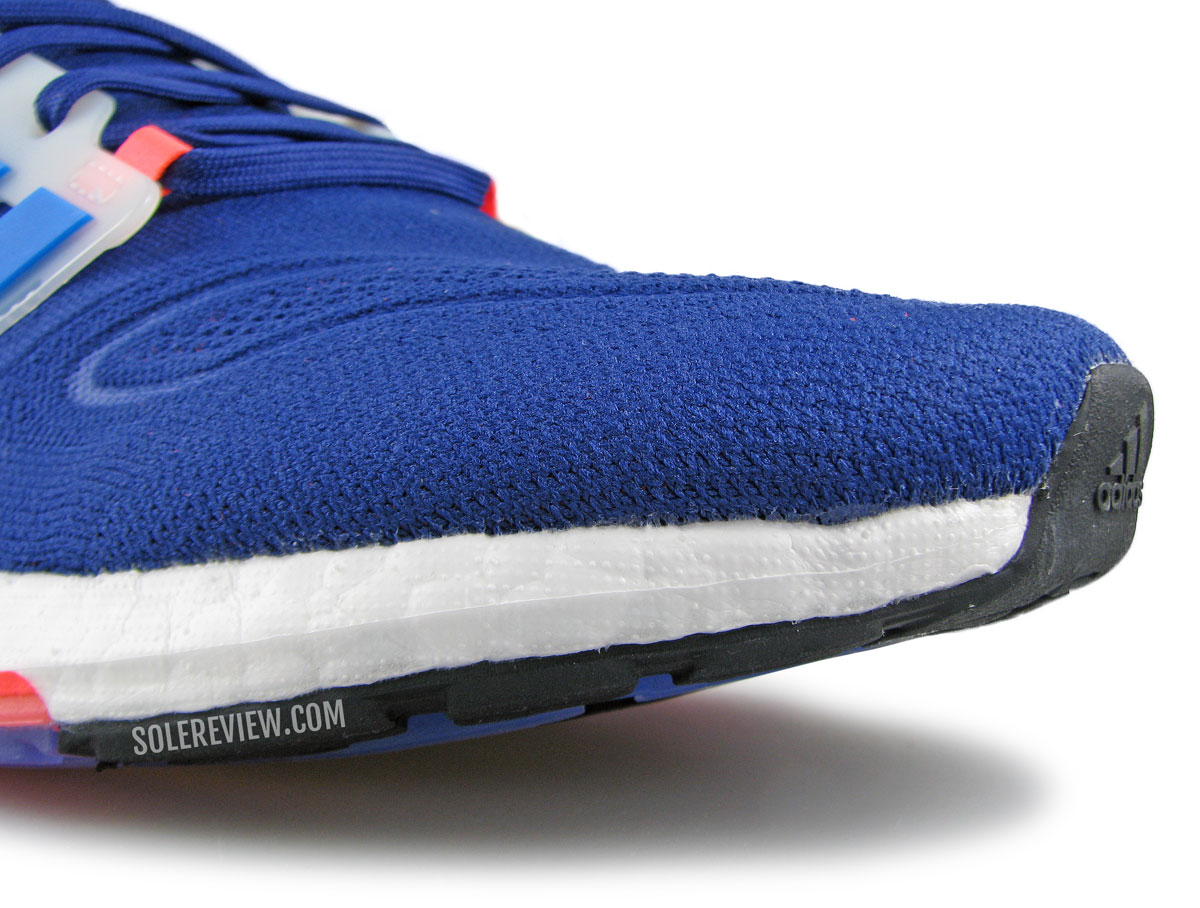
The Ultraboost 5X corrects that by making the forefoot significantly taller. The midsole still has a 10 mm drop, but with a 28 mm thick forefoot. With this change, the forefoot comfort has dramatically improved. The 5X offers dependable cushioning for runs, walks, or being on the feet all day. The ‘Lightboost’ is softer and lighter than before.
A thick and durable layer of Continental rubber adds miles to the shoe’s lifespan. While no additional widths are offered, the stretchy Primeknit upper is accommodating and secure.
- adidas’s marketing pitch: Delivers continual energy return across the miles.
- Upper: Stretchy Primeknit upper with a bootie construction.
- Midsole: Full-length ‘Light Boost’ foam, Torsion midfoot shank. 10 mm heel drop.
- Outsole: Single piece Continental rubber.
- Weight: 275 gms/ 9.7 Oz for a half pair of Men’s US 9/UK 8.5/EUR 42.5/CM 27.
- Stack heights: 38 mm (heel), 28 mm (forefoot).
- Available widths: Single, D – regular (reviewed)
- Previous model: adidas Ultraboost Light.
- Country of origin: Vietnam.
- Recommended use: Daily cruiser, half-marathons, marathons.
- Footstrike orientation: Heel, midfoot/forefoot (full contact).
- Orthotic compatibility: Low.
- Median lifespan: 500 miles.
- Recommended paces: Slower than 5:00 min/km (8:00 min/mile).
- Recommended temperature range: Warmer than -5° C/23° F.
Pros
- Soft and bouncy comfort
- Very secure fit
- Outsole traction
- Long term durability
- Highly reflective upper
Cons
- Lower stability than before
- Shallow toe box
- No optional width(s)
- Short Torsion piece affects transitions
The Adios Pro leaves the safe and versatile character of the Adios Pro 3 behind. The previous model felt comfortable even at slower speeds and for heel strikes. That’s no longer the case, as the Adios Pro 4 now targets forefoot strikers running at speeds faster than 4:30 min/km (7:00 min/mile). The Lightstrike Pro foam is softer and bouncier than before, and the heel midsole has a deep channel. Both these updates reduce heel stability while making forefoot landings bouncier and propulsive. The stiff Energy Rods form an early-stage forefoot rocker for quick roll-offs.
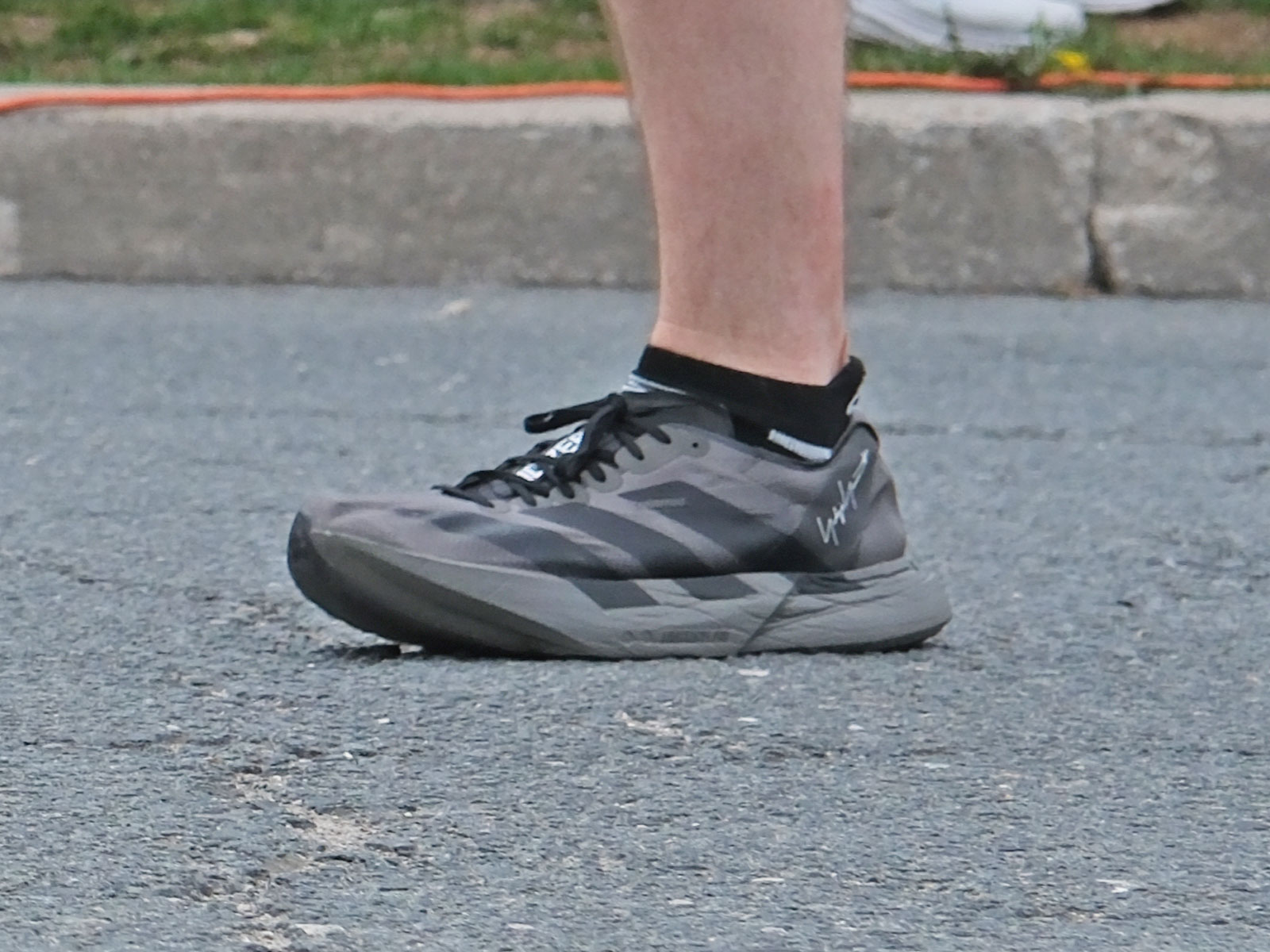
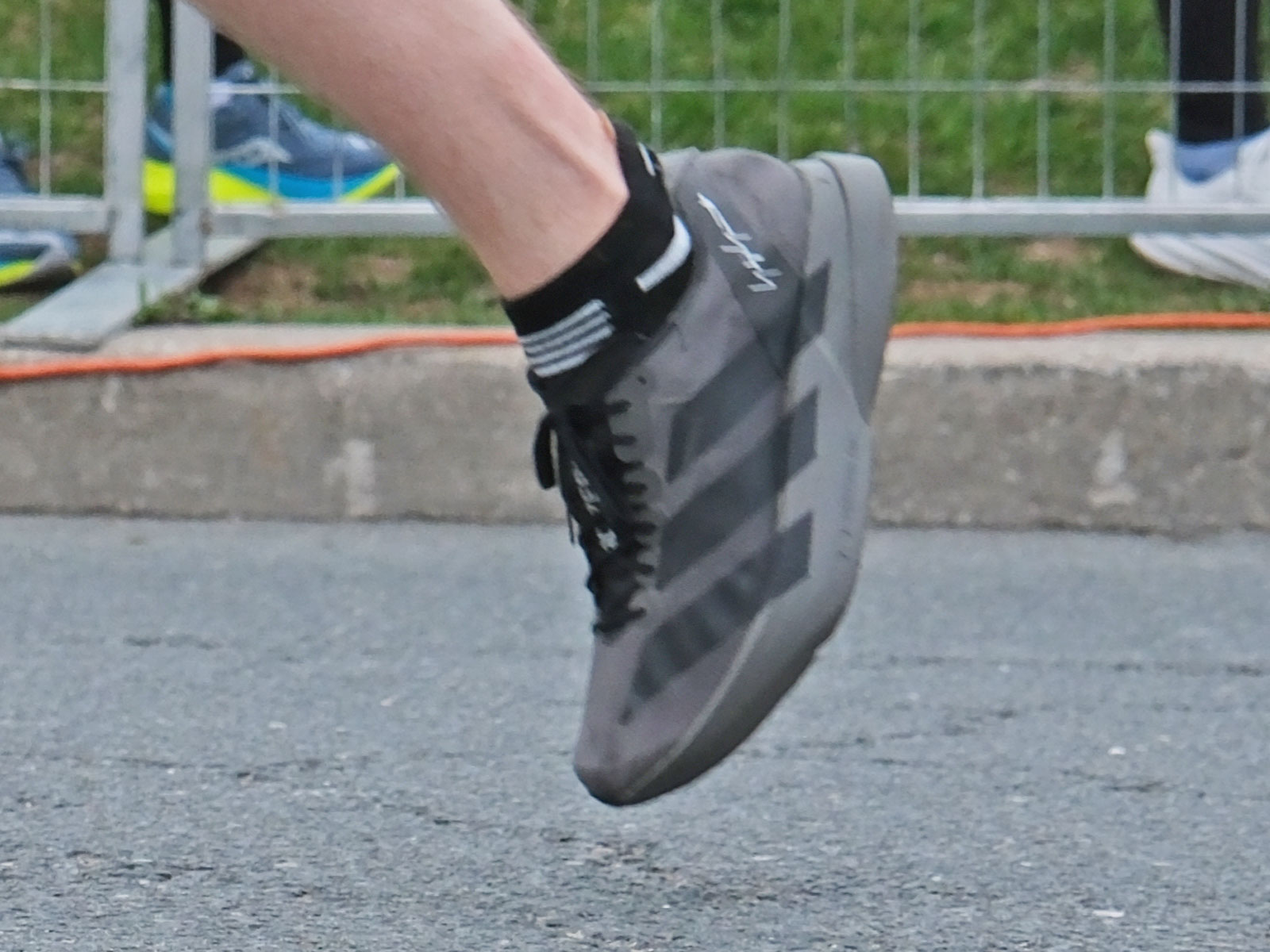
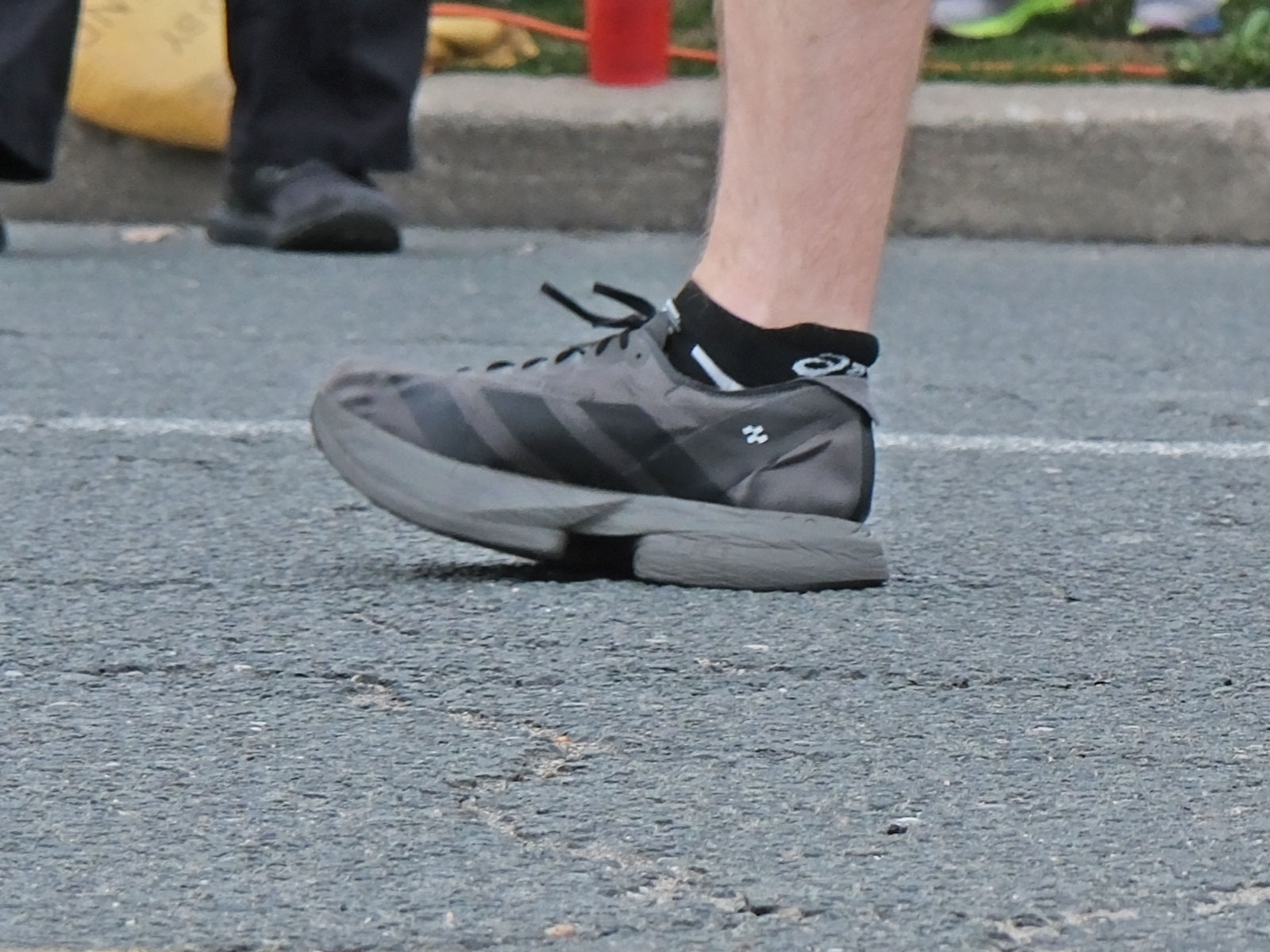
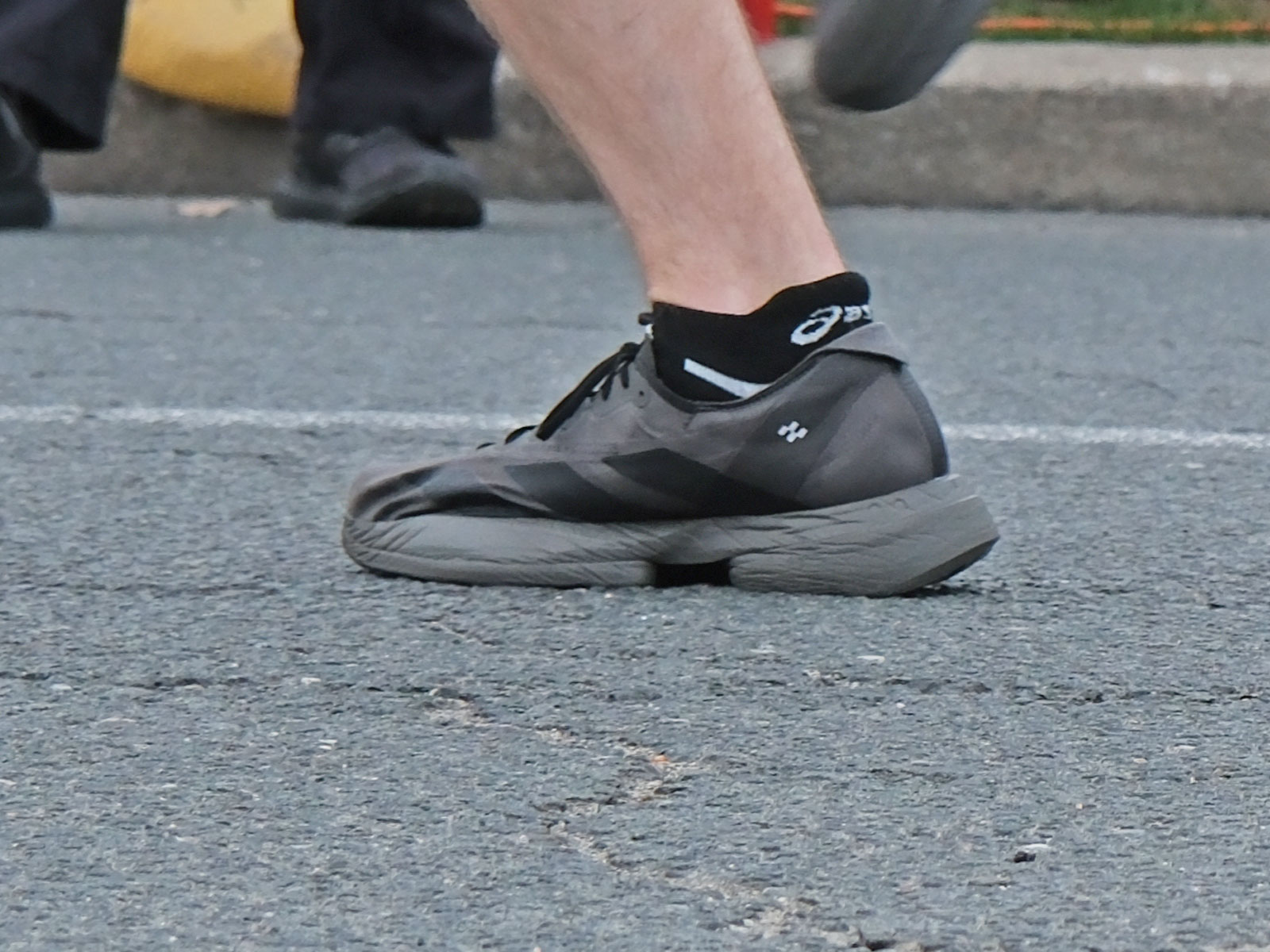
It’s not just the midsole that repurposes its design for forefoot strikers. The upper has a narrower and shorter fit than the Pro 3. The tight fit is better at driving power to the midsole for efficient turnovers. Adding foam padding in the heel pushes the foot forward, making the Adios Pro 4 fit a half-size smaller than the Pro 3.
- adidas’s marketing pitch: Designed to optimize running efficiency.
- Upper: Lightweight mesh with attached tongue. Semi-collapsible heel.
- Midsole: Full-length Lightstrike Pro foam with Energy rods. 6 mm heel drop.
- Outsole: Continental and Lighttraxion rubber.
- Weight: 200 gms/ 7.05 Oz for a half pair of Men’s US 9/UK 8.5/EUR 42.5/CM 27.
- Stack heights: 39 mm (heel), 33 mm (forefoot).
- Available widths: Single, D – regular (reviewed)
- Previous model: adidas adios Pro 3.
- Country of origin: China.
- Recommended use: 10K, half-marathons, marathons.
- Footstrike orientation: Midfoot/forefoot (full contact).
- Orthotic compatibility: No.
- Median lifespan: 400 miles.
- Recommended paces: Quicker than 5:30 min/km (8:50 min/mile).
- Recommended temperature range: Warmer than -0° C/32° F.
Pros
- Soft and bouncy comfort
- Propulsive rocker effect
- Outsole traction
- Upper comfort
- Speed-friendly ride
Cons
- Unstable heel
- Long term durability is unknown
- No optional width(s)
Most people don’t know it or even care, but the adidas Ultra 4DFWD 4 is the only mass-produced sneaker with a 3D-printed midsole. Nearly 7 years ago, we published an opinion piece on 3D printing, and how mass-produced 3D-printed midsoles were not going mainstream anytime soon.
In retrospect, we were wrong, and we were also right. We were wrong because adidas now sells the 4DFWD shoe. We were partially on the money because so far, 3D-printed parts have failed to replicate the bouncy foam midsoles that are used on most running shoes. The adidas 4DFWD 4 is like an Ultraboost, but without the Boost midsole. Instead, the shoe uses a latticed midsole made of 3D-printed resin.
There’s a reason why the shoe looks like that. The resin isn’t as lightweight as regular EVA, TPU, or PEBA foam, so the chain-link design is necessary to reduce weight. The shoe still weighs 10.9 ounces, thus making it heavy by modern standards. In return, the elastic midsole delivers a fun and bouncy ride, but its versatility is limited to easy runs. Most people use this as a casual sneaker for everyday use. The upper is partially stretchy over the tongue for a conforming fit; it’s somewhat similar to the Ultraboost’s Primeknit upper. A full-coverage rubber outsole provides durable and dependable traction.
The very first Ultraboost wasn’t a bad running shoe at all – our 2015 review is proof. It was a simpler time back then, and the Ultraboost was a softer shoe without the extra stack that the Ultraboost 5X has. Even the latticed ‘Stretchweb’ outsole helped increase the cushioning sensation.
The Ultraboost 1.0 is almost a replica of the 2015 Ultraboost (except for the outsole), so the ride and fit character are the same. The single-density Boost midsole provides excellent comfort for mild-intensity runs or regular casual use.
This budget $65 shoe takes its design inspiration from the Ultraboost 5X. But it’s built to a cost, as all the high-tech materials (like Boost, Continental, and Primeknit) are replaced with lower-spec materials. Despite its basic design, it has most of the necessary functional bits. A full rubber outsole provides grip and durability, thus delivering more miles per dollar spent.
All said, the Run Falcon 5 offers pretty good value for its $65 price. So while we can’t expect the ride comfort of a $180 shoe, the fundamentals aren’t lacking. The firm Cloudfoam EVA midsole provides the necessary levels of everyday cushioning, and the breathable mesh upper fits as a running shoe should.
How we selected
More often than not, black running shoes are a substitute for casual footwear. Unlike stiff leather shoes with firm PU or rubber soles, cushioned running shoes make spending long hours on the feet extremely comfortable. A black running shoe doesn’t soil easily and is easier to wipe. They also mix well with casual pants and work uniforms.
Black shoes aren’t ideal for running, since they aren’t as visible as light-colored footwear. Sure, some black trainers (like the Ultraboost 5X) include high-visibility elements on the upper, but such specimens are uncommon. Black sneakers are also popular in the service industry. The foam midsoles are comfortable during long shifts, whereas the rubber outsole offers a confidence-inspiring grip on smooth floors.
Anyone who has worked in the retail, healthcare, logistics, or hospitality industry will attest that modern running shoes are far easier on the feet than leather casual shoes. adidas and Nike know this trend very well, so they offer a black-on-black color on most of their popular running shoe models.
(Related read: The best black Nike running shoes.)