
Product guide updates
(5 total)- 2026-09-19 — Added 'Top recommendations summary' module
- 2026-09-11 — Updated with minor edits
- 2026-09-10 — Created FAQ with relevant question and answer pairs
- 2026-09-10 — Migrated product guide to new editorial format
- 2026-09-10 — Updated all primary and secondary recommendations
In this product guide:
How we selected
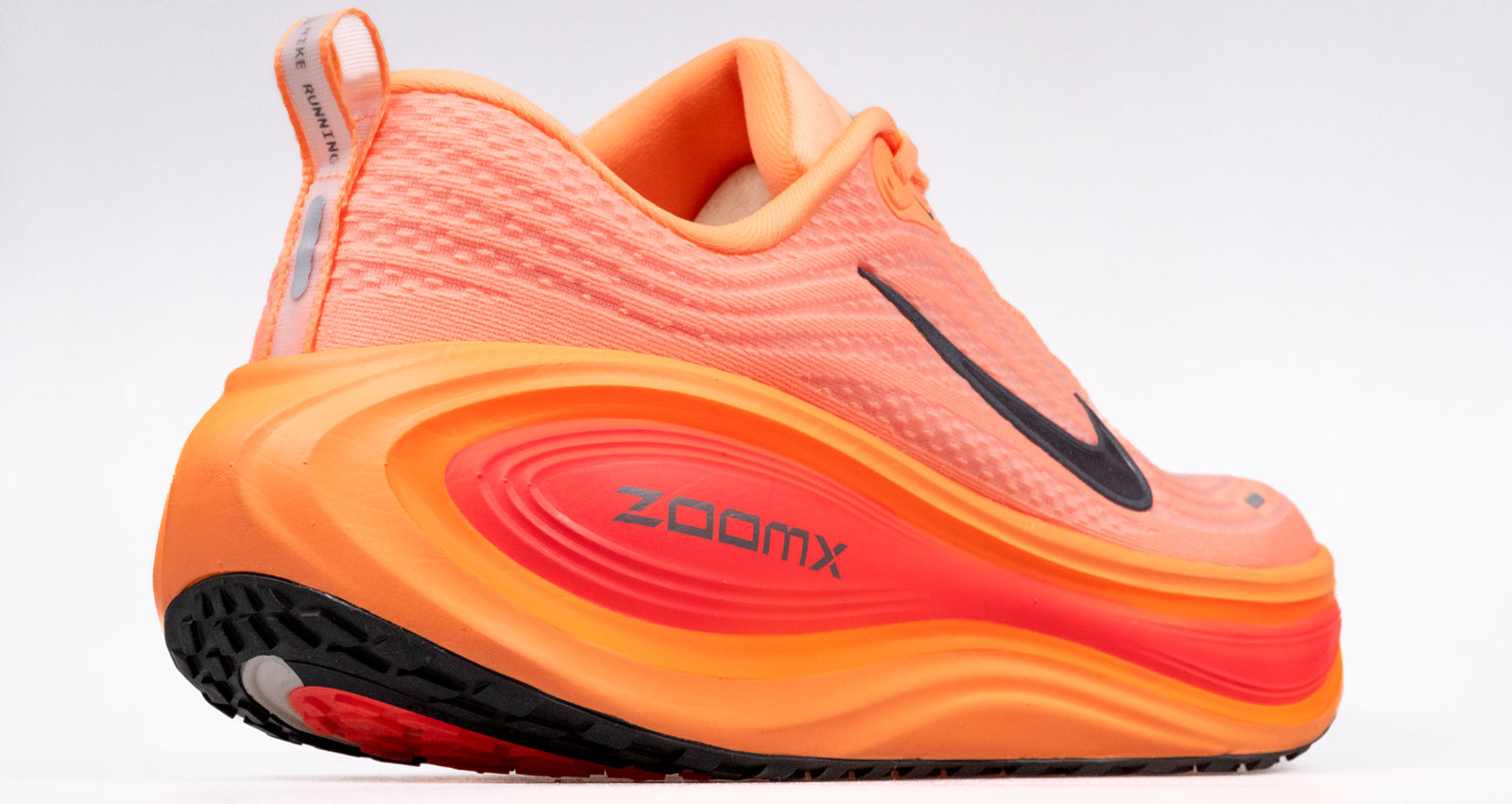
Our recommended comfortable Nike running shoes are grouped by use cases – daily training, 10Ks and marathons, recovery runs, and trail. By connecting each feature with its respective function, the “Why it works” section explains why a particular shoe (in its respective class) is suitable for its recommended use case or attribute. Alternatives are suggested under each recommended category. For example, the alternatives to the Nike Zoom Fly 6 (our 10K and marathon pick) are the Nike Alphafly 3 (for forefoot strikers), the Nike Vaporfly 4 (for elites and sub-elites), and the Nike Vomero Plus (for maximum comfort at easier paces). When combined, this product guide contains 13 different comfortable Nike running shoe recommendations.
- Best for daily runs: Running shoes with strong multi-role capabilities.
- Best for 10Ks and marathons: Plated and non-plated shoes for long runs.
- Best for recovery runs: Shoes that prioritize ride plushness over speed.
- Best for trail: Shoes that deliver off-road comfort.
Our recommendations combine our influence-free, expert-led wear-testing with biomechanical data sourced from over 33,000 high-speed images captured during actual road races. We combined our wear-test observations with an evidence-based screening of design features that make a Nike running shoe comfortable. The FAQ section at the bottom explains our selection criteria, including why we left out the Nike Vomero Premium, the Nike Pegasus Premium, and the Pegasus Plus 2.
Why it works (the basics)
- ZoomX top layer → brings comfort closer to the foot
- ReactX foam frame → adds stability during landings
- Stiff forefoot → for a propulsive, rocker-led feel
- Foam-quilted, sleeved upper → creates a plush interior
🔍 Deep Dive
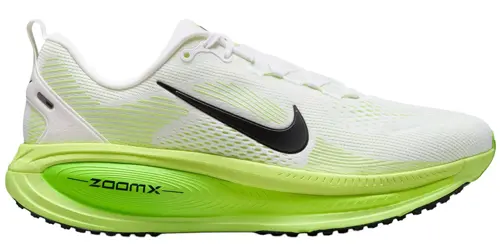
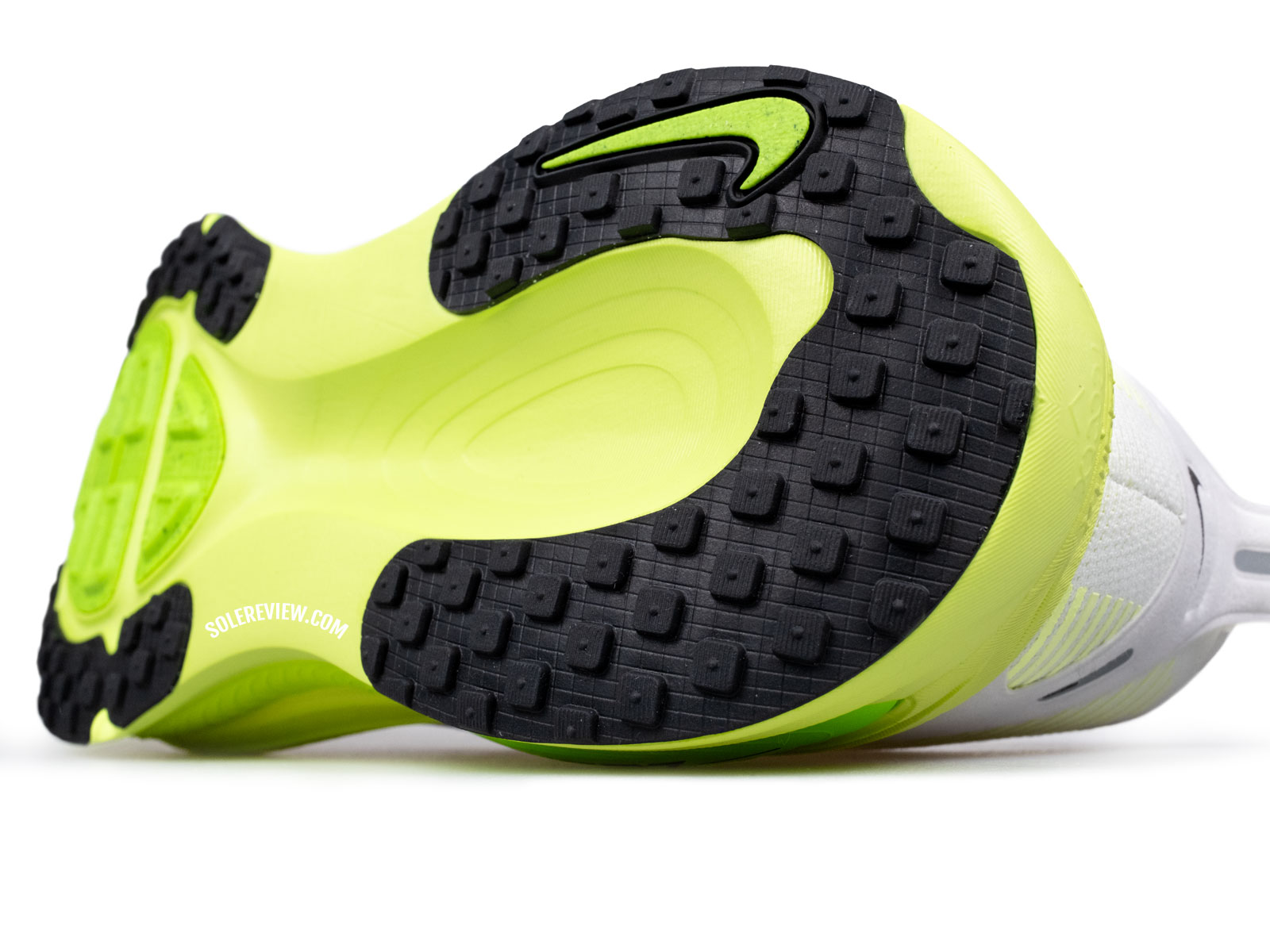
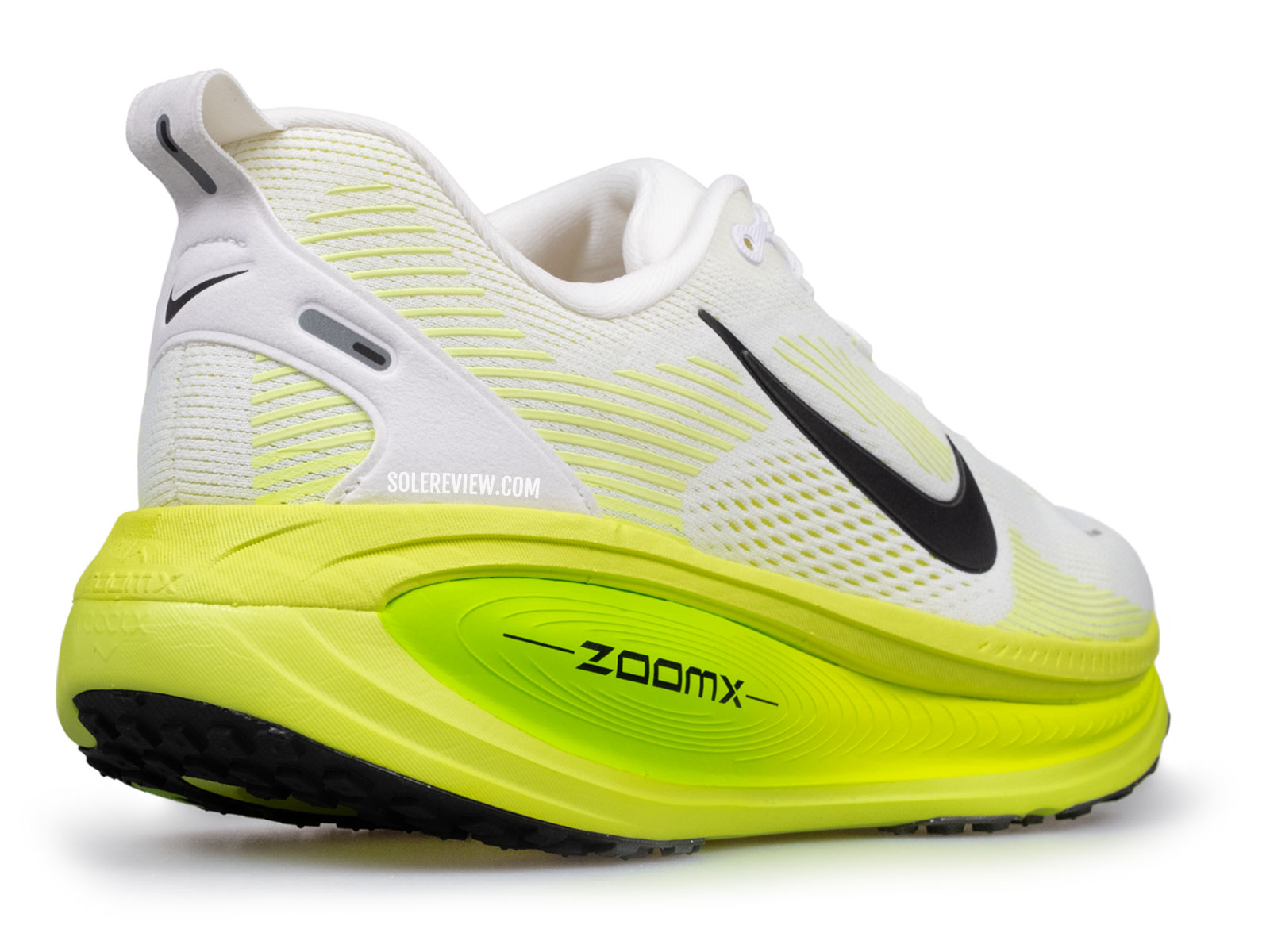
There are three models in the Nike Vomero series, out of which the Vomero 18 is the most versatile. Its do-everything character is the result of bringing together ZoomX and ReactX foam in just the right proportion and architecture. Closer to the foot, the removable footbed and softer ZoomX layer add step-in comfort.
Supporting the foot is a firmer-density ReactX foam that’s more compression-resistant than ZoomX. Having a firmer foam under the ZoomX foam brings out the springy character of the latter while highlighting the soft footbed. The ReactX base also adds stiffness to the forefoot, thus helping the rocker deliver a propulsive, roll-forward feel. In short, the Vomero 18’s ride comfort doesn’t come with the usual stability trade-off.
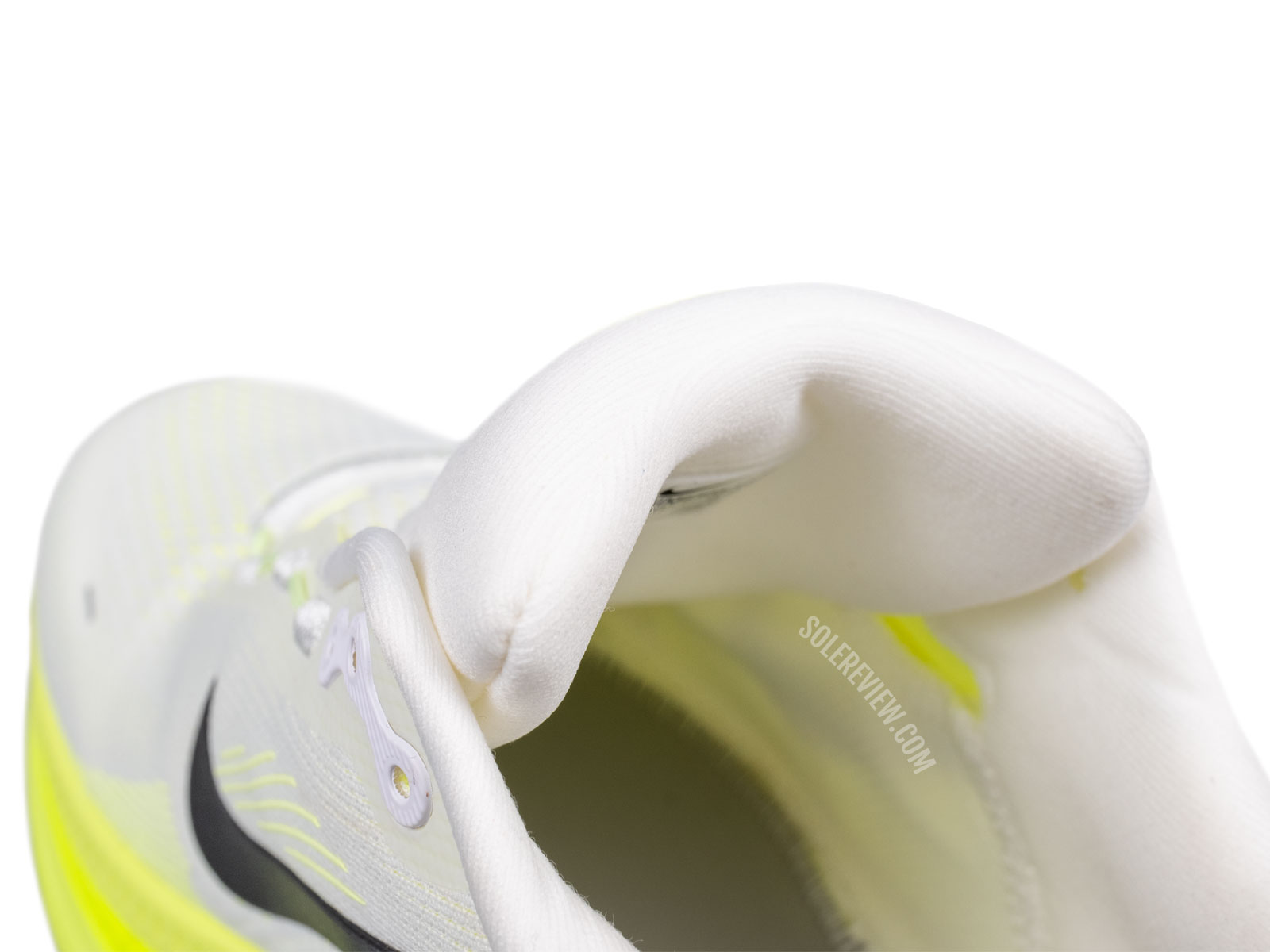
The true-to-size upper is quite plush too. Nike hasn’t skimped on the tongue and heel padding, and there’s a full inner sleeve. The insides feel plush and smooth as a result, with the only minor drawback being the average breathability.
Pros
- Supportive comfort
- Non-mushy cushioning
- Propulsive rocker
- Plush and secure interiors
- Optional wide
- 10 mm drop is Achilles-friendly
Cons
- Average grip on wet surfaces
- Average breathability due to sleeve
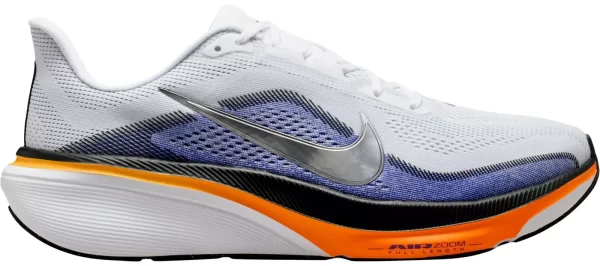
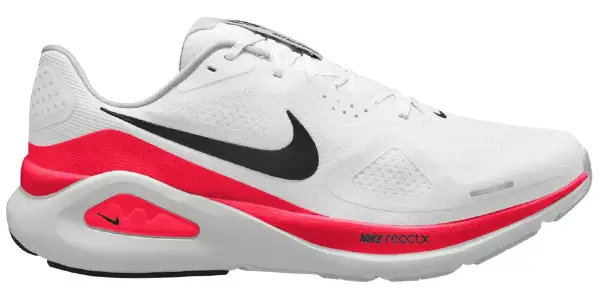
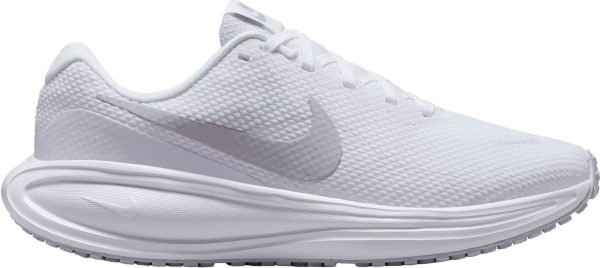
Other comfortable Nike daily trainers
Fit Notes
True to size with a snug forefoot and spacious toe box. Full sleeve negatively affects ventilation. Wide width also available.
Gallery
Specs
- Heel stack: 44 mm
- Forefoot stack: 34 mm
- Drop: 10 mm
- Weight: 11.5 oz / 325 gms
- Widths: Regular, wide
- Midsole: ReactX, ZoomX foam
- Insole: Molded, removable
Why it works (the basics)
- Soft ZoomX top midsole → for close-to-the-foot comfort
- Firmer SR-02 foam base → offers support for all footstrike patterns
- Carbon FlyPlate → makes ride speed-friendly
- Plush heel collar → adds comfort without slippage
🔍 Deep Dive
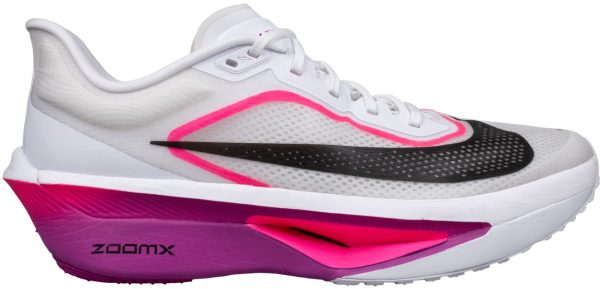
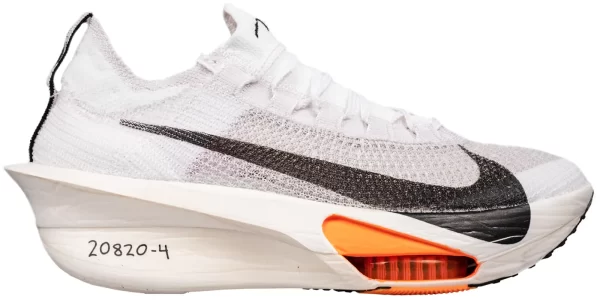
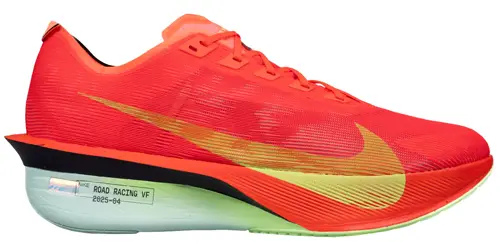
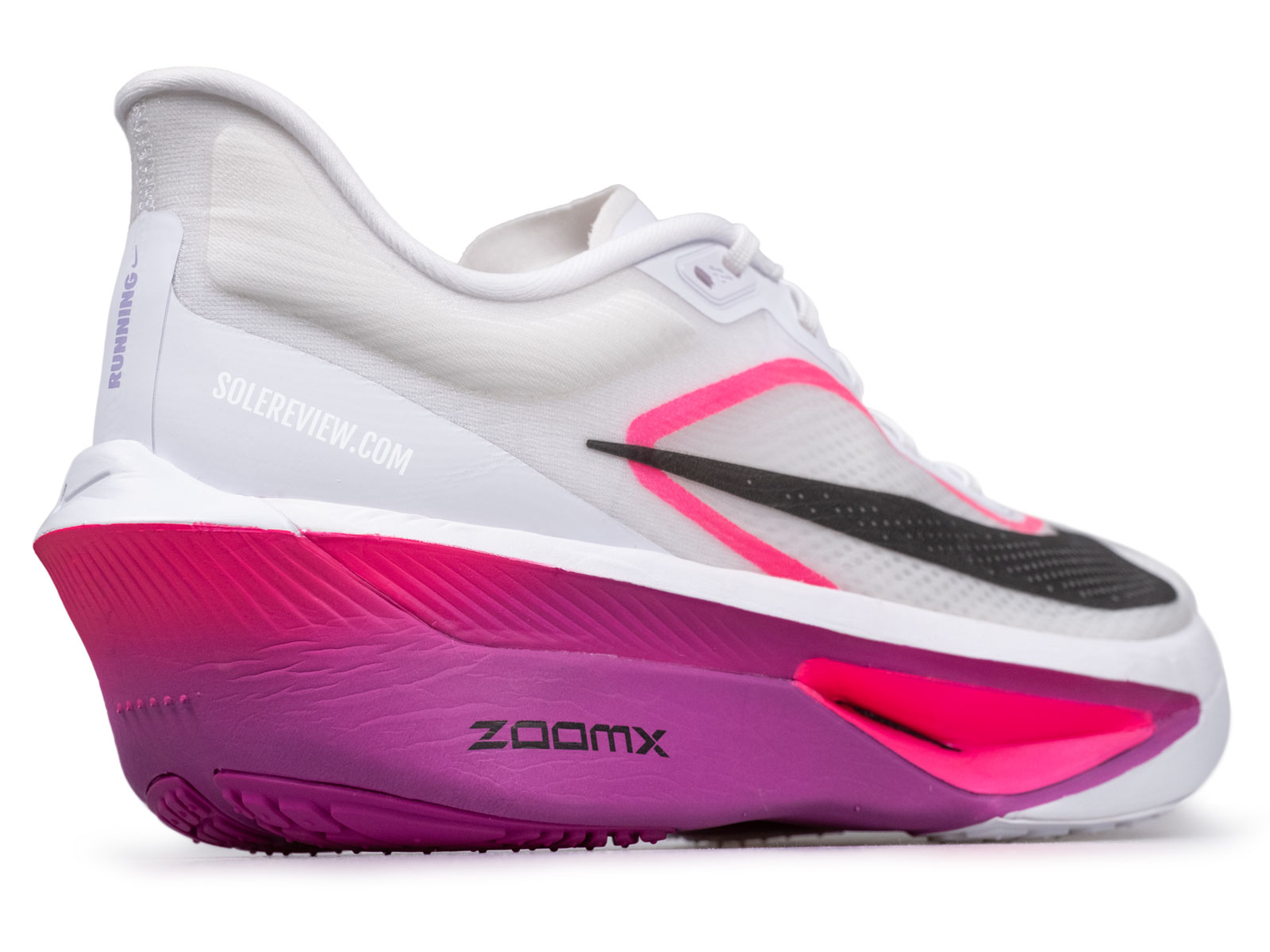
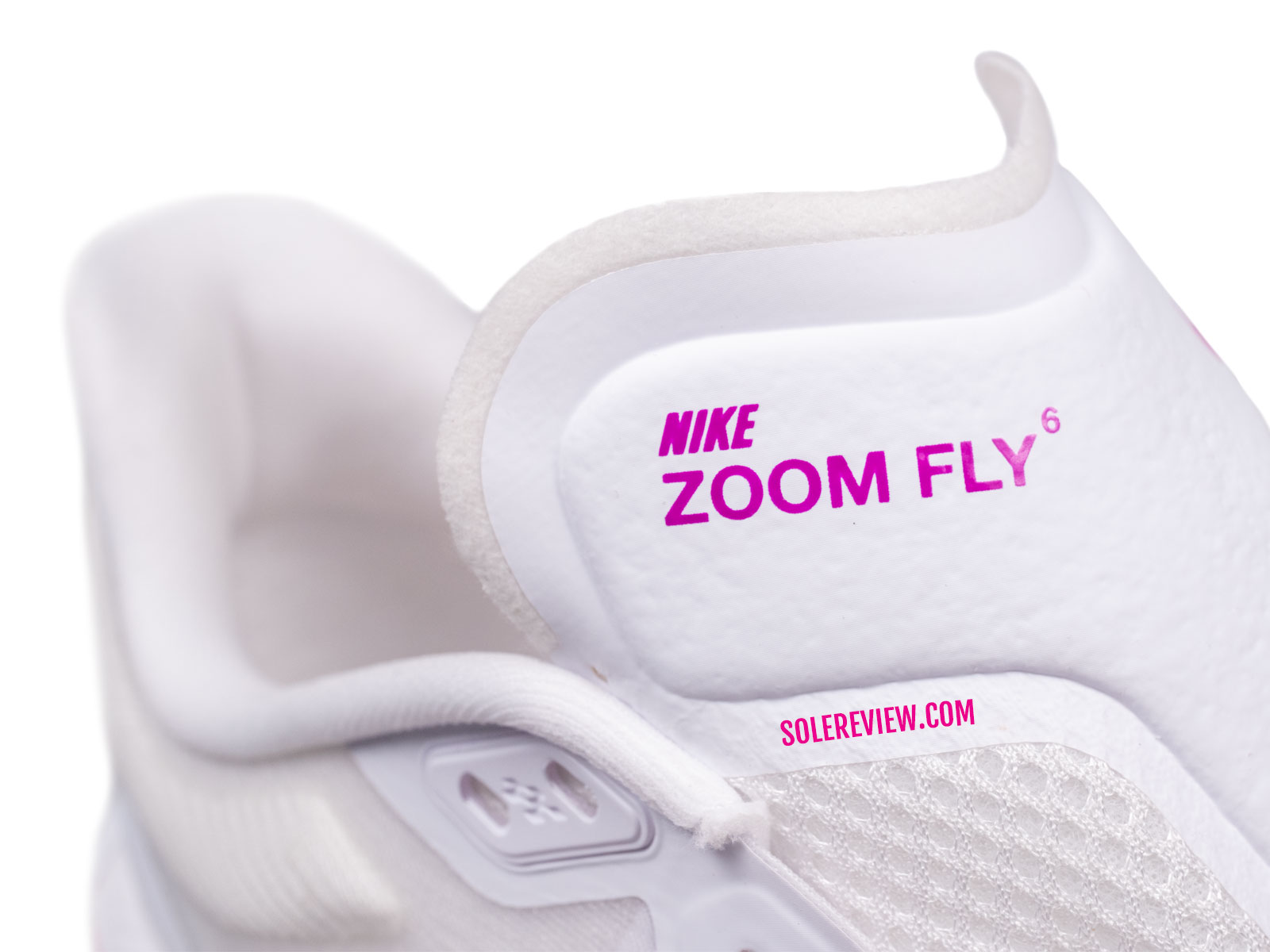
You must be wondering – why is the Zoom Fly 6 the primary recommendation for this use case (10Ks and marathons), while signature models like the Alphafly 3 and Vaporfly 4 have been sidelined to the alternatives section? That’s because this guide is about comfortable Nike running shoes, and the Zoom Fly 6’s balanced architecture delivers comfort to runners of all experience levels, not just forefoot-striking elites and sub-elites.
By featuring many of the typical super-shoe ingredients, the Zoom Fly 6 marries ride comfort with race-day speed manners. Just like the Vaporfly 4, the Zoom Fly 6 features a carbon Flyplate. However, the foam surrounding the plate isn’t 100% ZoomX; the midsole has SR-02 foam and better outsole coverage. The under-heel area is solid, and the firmer SR-02 foam doesn’t punish heel strikers and recreational runners. The molded ‘ridges’ on the midsole sides also add support.
Nike advertises this shoe as a racer-trainer hybrid, which is spot-on. The carbon plate adds a quick feel during a race while simultaneously delivering comfort over longer distances. It’s worth mentioning that the upper has a narrower fit than the previous model. The true-to-size fit is excellent at establishing a strong bond between the foot and the plated midsole, but runners with wide feet may have to look elsewhere, as there is only a single width on offer.
Pros
- Blends comfort with stability
- Doesn’t punish heel strikes and slow speeds
- Speed-friendly plate
- Outsole traction
- Secure lockdown
Cons
- Runs warm for a racer
- No optional widths
- Potential yellowing on white uppers
Other comfortable Nike shoes for 10Ks and marathons
Fit Notes
True to size with a narrow forefoot and pointy toe box. Average ventilation due to the full sleeve; no optional widths.
Gallery

Specs
- Heel stack: 40 mm
- Forefoot stack: 32 mm
- Drop: 8 mm
- Weight: 9.3 oz / 265 gms
- Widths: Regular (single)
- Midsole: ZoomX, SR-02, carbon Flyplate
- Insole: Molded, non-removable
Why it works (the basics)
- Rockered ZoomX midsole → provides agile max-comfort
- 45 mm, 35 mm stack → creates a deep cushioning reservoir
- Sleeve-free upper → gives the toes comfortable splay room
- Padded tongue and heel → adds interior plushness
🔍 Deep Dive
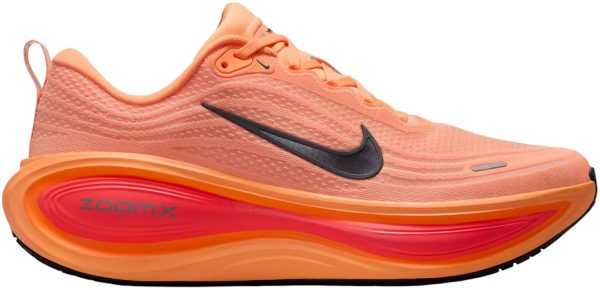
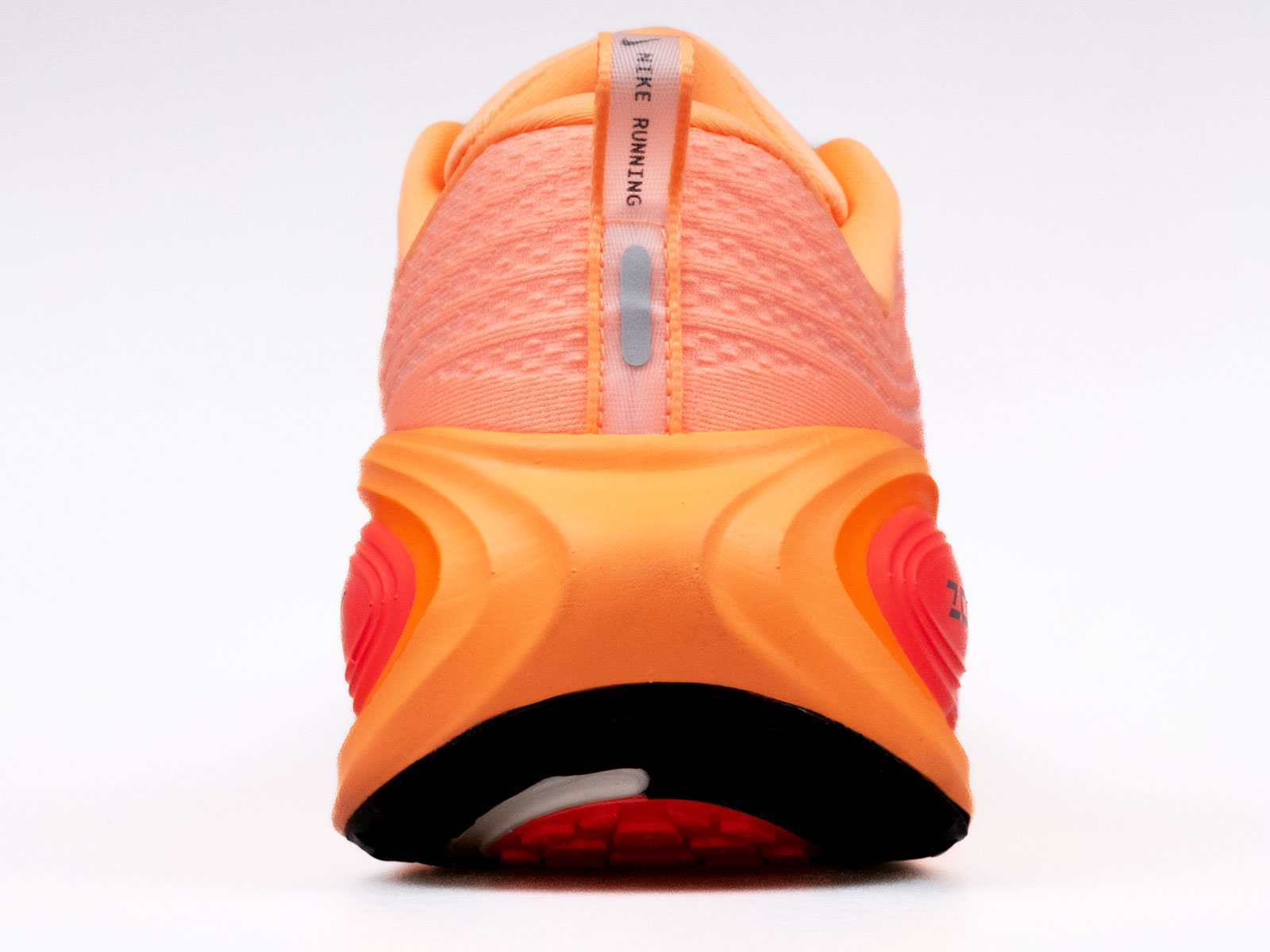
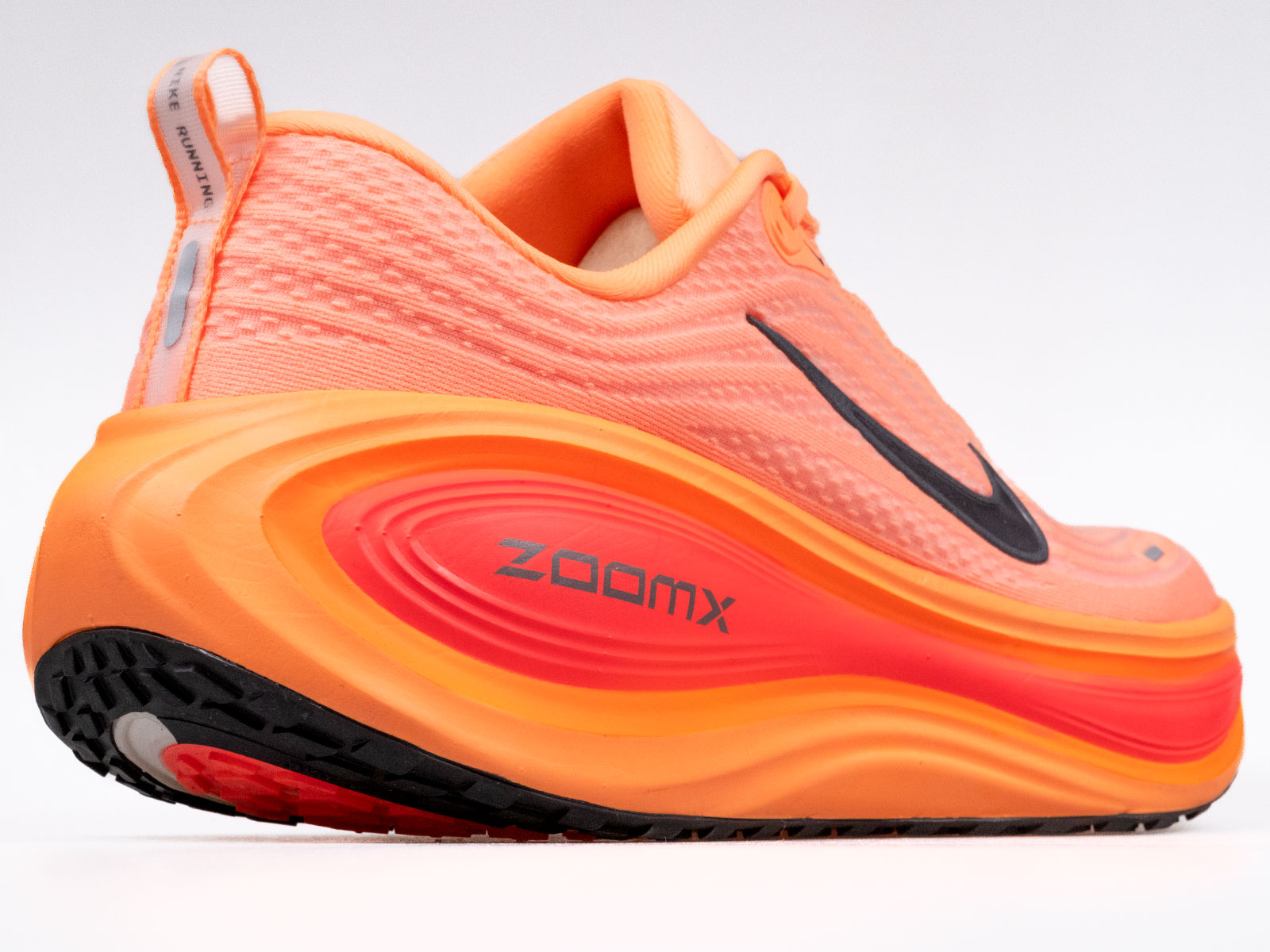
With massive stack heights of 45 mm and 35 mm, cushioning comfort will be the last thing on any runner’s mind. The full-length ZoomX midsole delivers bottomless cushioning regardless of the footstrike. The Vomero Plus goes a step further with a transition-friendly midsole rocker. While this is no speed demon, the rocker makes it easier to glide through the take-off phase. Also, ZoomX has a resilient rebound quality that prevents the ride from getting mushy. This form factor is ideal for everyday miles, marathon training, recovery runs, and high-mileage weeks – preferably at paces slower than 5:00 min/km (8:00 min/mile).
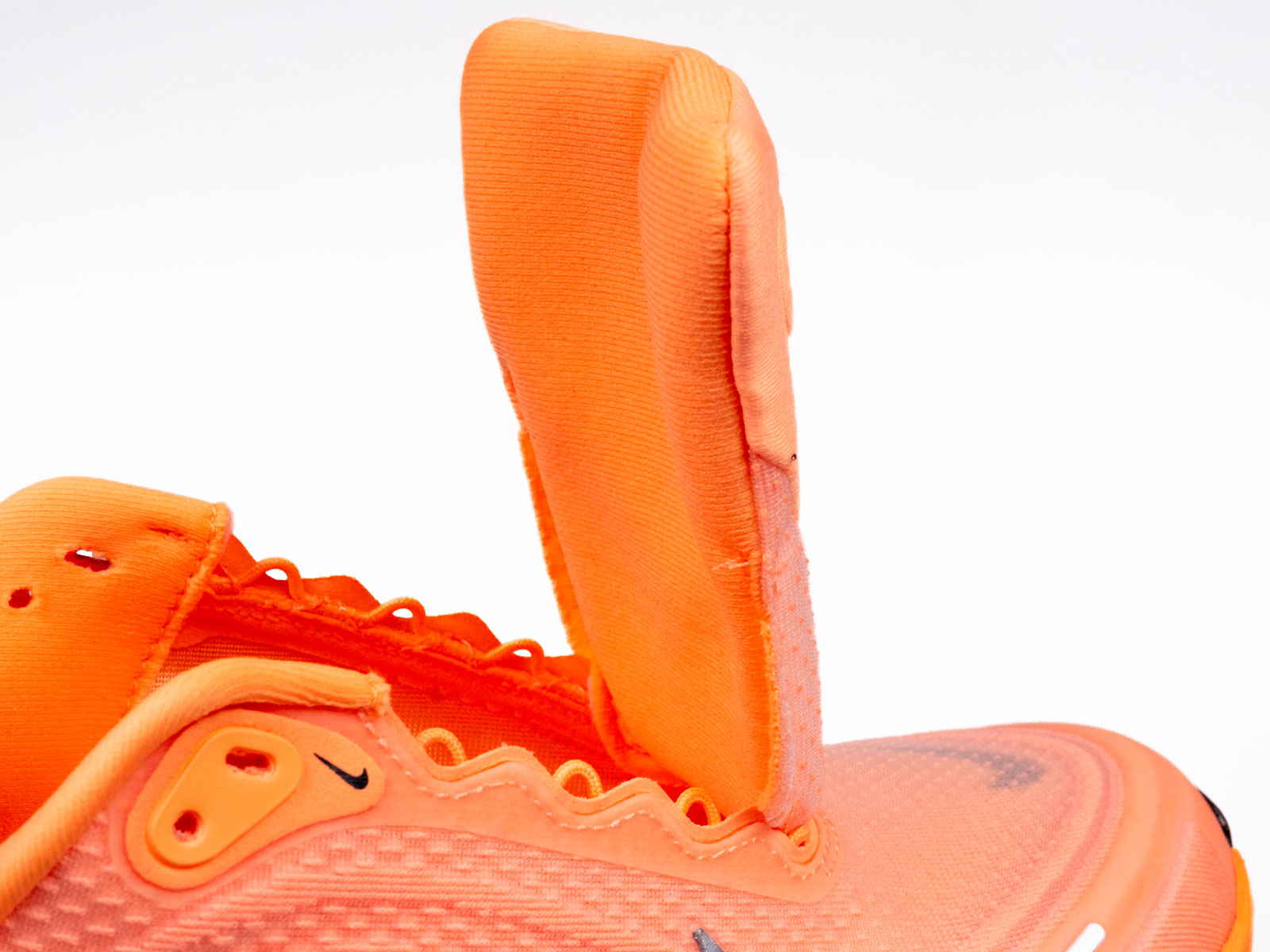
Like some recent Nike models, the Vomero Plus has dropped the internal sleeve, making it roomier than the fully-sleeved Vomero 18. This change affects sizing as well – the Vomero Plus fits about a half-size larger than the Vomero 18. The upper uses lux, plushness-inducing materials to match the ultra-cushioned ride. The heel and tongue are generously foam-backed, and a satin-like midfoot lining enhances comfort.
Pros
- Non-lethargic max-comfort
- Mild rocker assistance
- Ultra-plush interiors
- Optional width
Cons
- Average grip on wet roads
- Runs warm due to the plush tongue
Fit Notes
Fits half-size larger than the Vomero 18 due to the sleeve-free design; roomy toe box. Also comes in an extra-wide.
Gallery
Specs
- Heel stack: 45 mm
- Forefoot stack: 35 mm
- Drop: 10 mm
- Weight: 10.3 oz / 292 gms
- Widths: Regular, extra-wide
- Midsole: ZoomX foam
- Insole: Removable OrthoLite
Why it works (the basics)
- ZoomX top layer → adds comfort during trail runs
- Supportive EVA foam base → minimizes overwork for the foot
- Smooth, roomy interiors → lets the toes splay comfortably
- Debris-resistant cuff → creates a distraction-free ride
🔍 Deep Dive
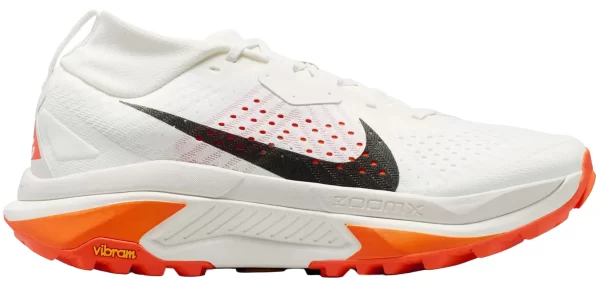
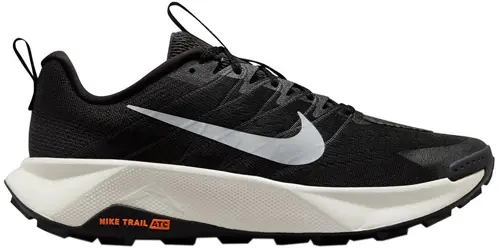
The ACG Zegama Trail isn’t Nike’s softest trail running shoe, nor is it the lightest. So why is it our top pick in this category? For that, we have to look beyond mere specs like weight and midsole durometer readings. The Zegama scores high on overall comfort because it delivers on multiple fronts. The Zegama’s comfort is derived from its ability to minimize discomfort, if that makes sense?
For example, the smooth upper has a roomy fit that lets the toes splay in comfort. Or, the soft, stretchy fabric cuff around the ankle that minimizes debris entry, thus lowering the risk of the stray pebble irritating the foot. Or, how about the soft ZoomX foam and removable insole that offer comfort closer to the foot? The firm and supportive EVA foam base (Nike Cushlon) stabilizes the foot on uneven terrain, therefore minimizing overwork for the foot. The Vibram Megagrip is split into four sections, delivering traction independently during the gait cycle.
Pros
- Wide fit for a trail shoe
- Grippy Vibram Megagrip outsole
- Debris-resisting cuff
- Blend of comfort and off-road stability
- Smooth interiors without hotspots
Cons
- No optional widths
- Heavy
- Insufficient tongue length
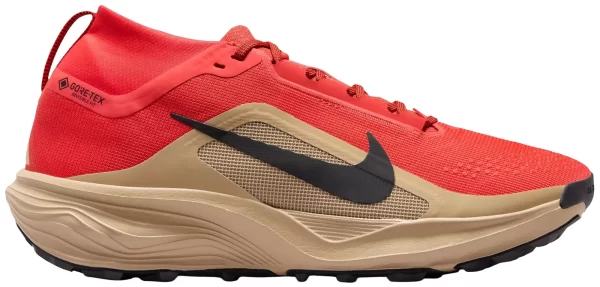
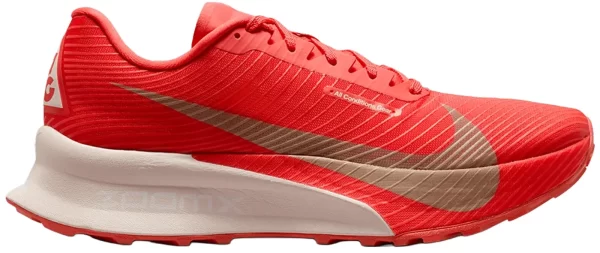
Other comfortable Nike trail running shoes
Fit Notes
Fits true to size with a roomy forefoot and toe box. The midfoot lockdown takes some work due to the short tongue that limits the cinching efficacy of the last lacing row. Single width only.
Specs
- Heel stack: 36 mm
- Forefoot stack: 32 mm
- Drop: 4 mm
- Weight: 11.9 oz / 338 gms
- Widths: Regular (single)
- Midsole: ZoomX, EVA-blend foam
- Insole: Molded, removable
The research behind our picks
Which design features or technologies make a Nike running shoe comfortable?
Is it just ZoomX or ReactX foam? Or is it a combination of Zoom Air and other midsole foams? While a cushioning material like React or ZoomX usually enhances the overall comfort, there’s some nuance involved:
The term ‘ride comfort’ isn’t the same across different categories
On an easygoing cruiser like the Vomero Plus, more ZoomX and a taller stack work to its advantage. However, such a design would be counterproductive on the Vaporfly 4 or Alphafly 3. The Vaporfly’s race-day character would be diluted with too much ZoomX, and the Alphafly 3’s snappy responsiveness won’t be the same with a bulky midsole.
Lightweight is usually better, but not always
At higher price tiers, a featherlight running shoe is a result of using a superior midsole with an upper to match. In Nike’s context, the Vaporfly 4 is such a product. However, at lower price bands, an ultra-lightweight running shoe is often lacking in structural integrity. A long time ago, Nike even sold a lightweight marathon racer that was aptly named the ‘Mayfly’. It was designed just to last a few training sessions plus a marathon, and then self-destruct. Here’s another example. The Zegama Trail is ‘heavy’ on paper, but it scores high on comfort due to a combination of factors – like a roomy fit, debris-resistant upper, and a stable ride that doesn’t overwork the foot.
It’s not just about a spacious upper, but rather how it fits
The interior comfort is a lot more than a spacious upper; it depends on how the upper interacts with the foot. The Vomero 18’s upper has a snug feel, but the lack of overlays or pressure hot spots creates a comfortable environment.
Why are the Nike Vomero Premium, the Pegasus Premium, and the Pegasus Plus 2 not on this guide?
We rated those shoes poorly in our reviews. Based on our data from biomechanical frames sourced from road races, the Vomero Premium offers very little stability for recreational runners (its target consumer group), while the Pegasus Premium is heavy with a dull ride and average upper comfort.
While the Pegasus Plus 2 looks promising, we don’t have wear-test miles, nor do we have biomechanical data, since it’s just been released. We buy our shoes at full retail price after the official launch date, so we don’t have access to preview samples that many other sites do.
Do you have any comfortable waterproof Nike running shoe recommendations?
We highly recommend the Gore-Tex version of the Vomero 18. Not only does it have a waterproof upper, but it’s also equipped with a Storm-Tread outsole. Read our detailed waterproof running shoe guide for more details.