
In this product guide:
Recovery runs are short-duration workouts (under 40 minutes) at comfortable jogging paces, which are half as slow as an individual’s regular speed. It can also be described as a conversational pace, where the runner can comfortably talk with their companion. Within a structured training program, recovery runs are done a day after a high-intensity or high-endurance workout like a tempo run or a long run. As recovery runs happen in a fatigued state, they help improve overall conditioning and fitness.
Comfort is the central theme for recovery runs, so the choice of footwear should reflect that. A recovery trainer doesn’t need to prioritize speed and propulsive toe-offs. For this guide, we chose models with deep cushioning that do not feel flat or boring.
Our top pick is the Nike Vomero Plus, a reimagined Nike Invincible with a 100% ZoomX (PEBA) midsole. The Glycerin Max has an interesting ride, thanks to its DNA-Tuned cushioning technology. The Hyperion Max 3 is the only plated trainer on this list that combines generous cushioning with a nylon ‘Speedvault’ plate. Lastly, the Hoka Bondi 9 is a tried-and-tested choice that plays it safe. There are other shoes you can consider, like the Asics Nimbus 27, Puma Magnify Nitro 3, and the New Balance Fresh Foam More V6.
While recovery runs and easy runs are not the same, these shoes can also be used for long and easy runs. For long training runs, please read our product guide for marathon trainers.
The Vomero Plus is a fresh take on Nike’s previous attempt at max-cushioning – the Invincible 3. The Vomero Plus has some of the Invincible DNA; for example, the tall midsole is made entirely of ZoomX (PEBA) foam. That being said, the Vomero Plus is more usable and versatile than the Invincible. Nike has updated the midsole design and ZoomX formula to improve bounciness and overall transition – just the kind of ride that works best for recovery runs.
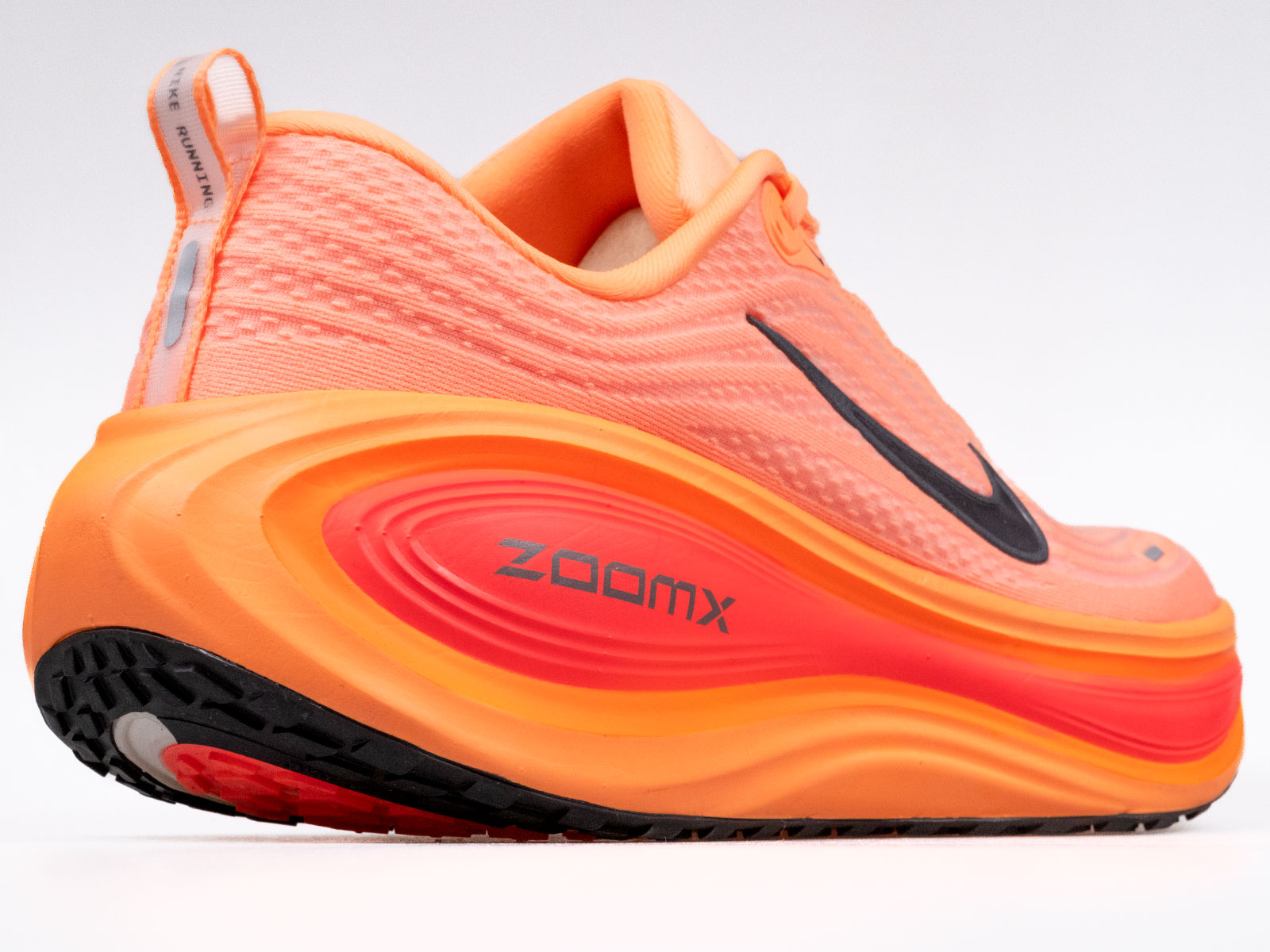

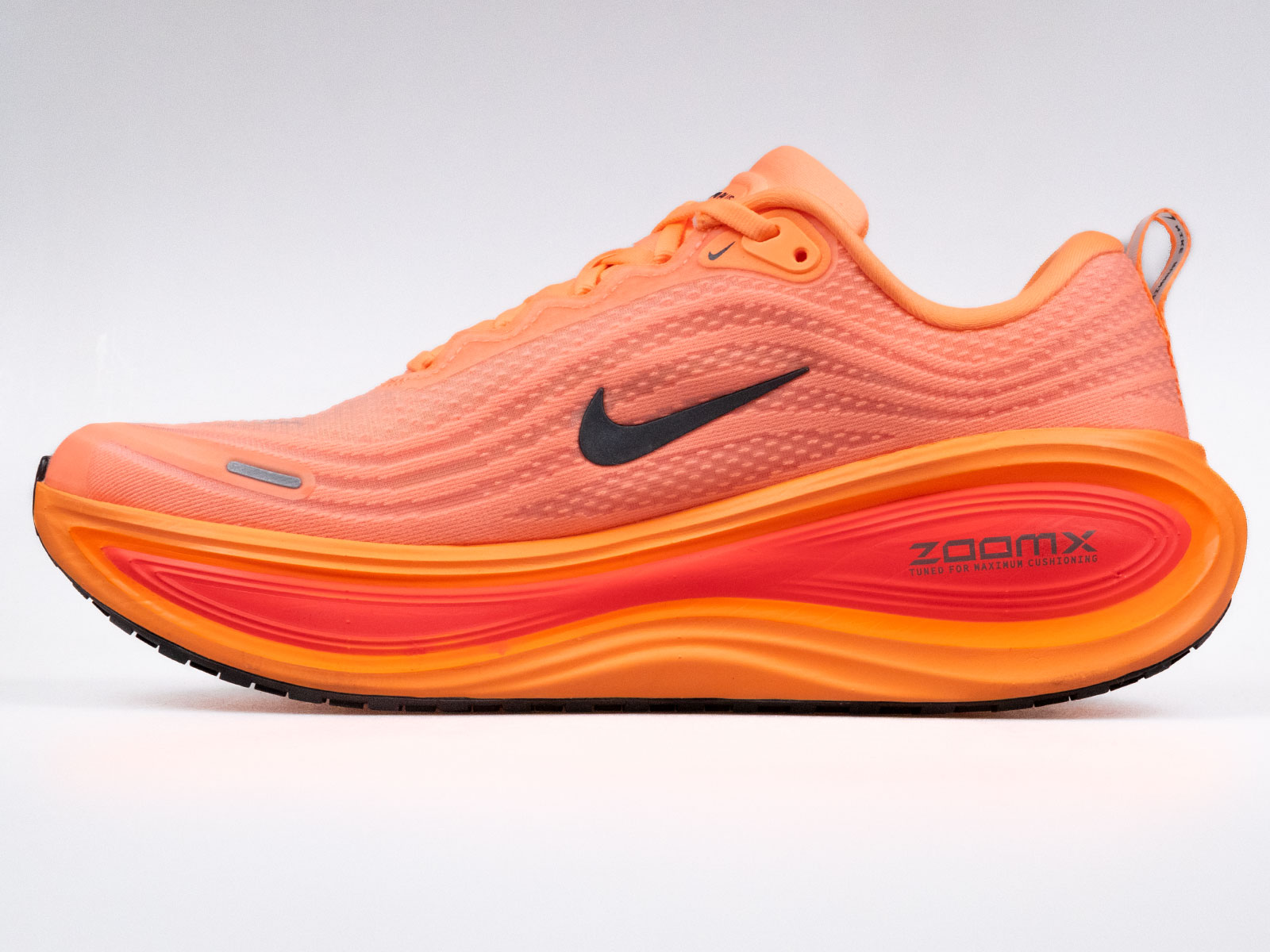
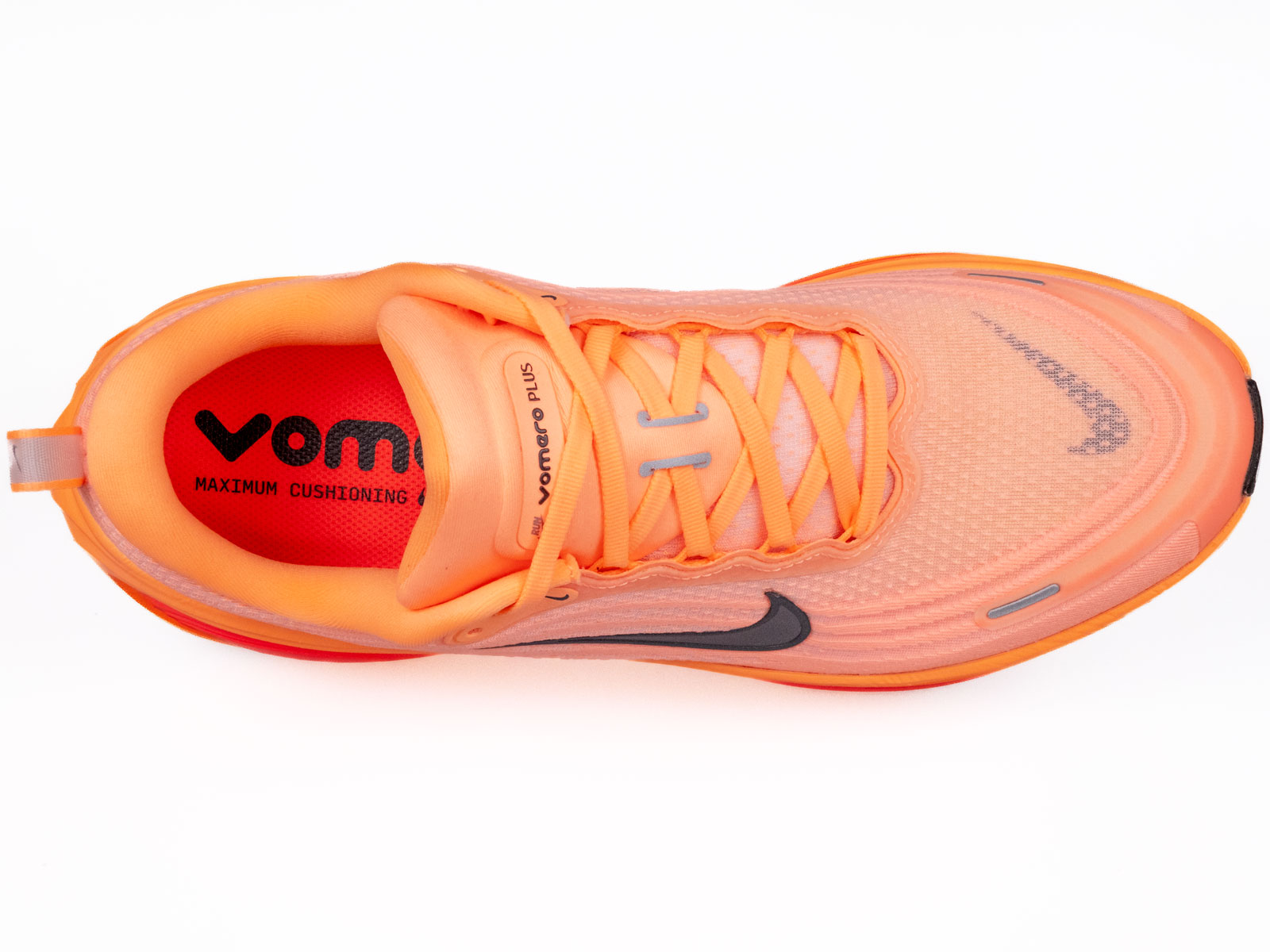
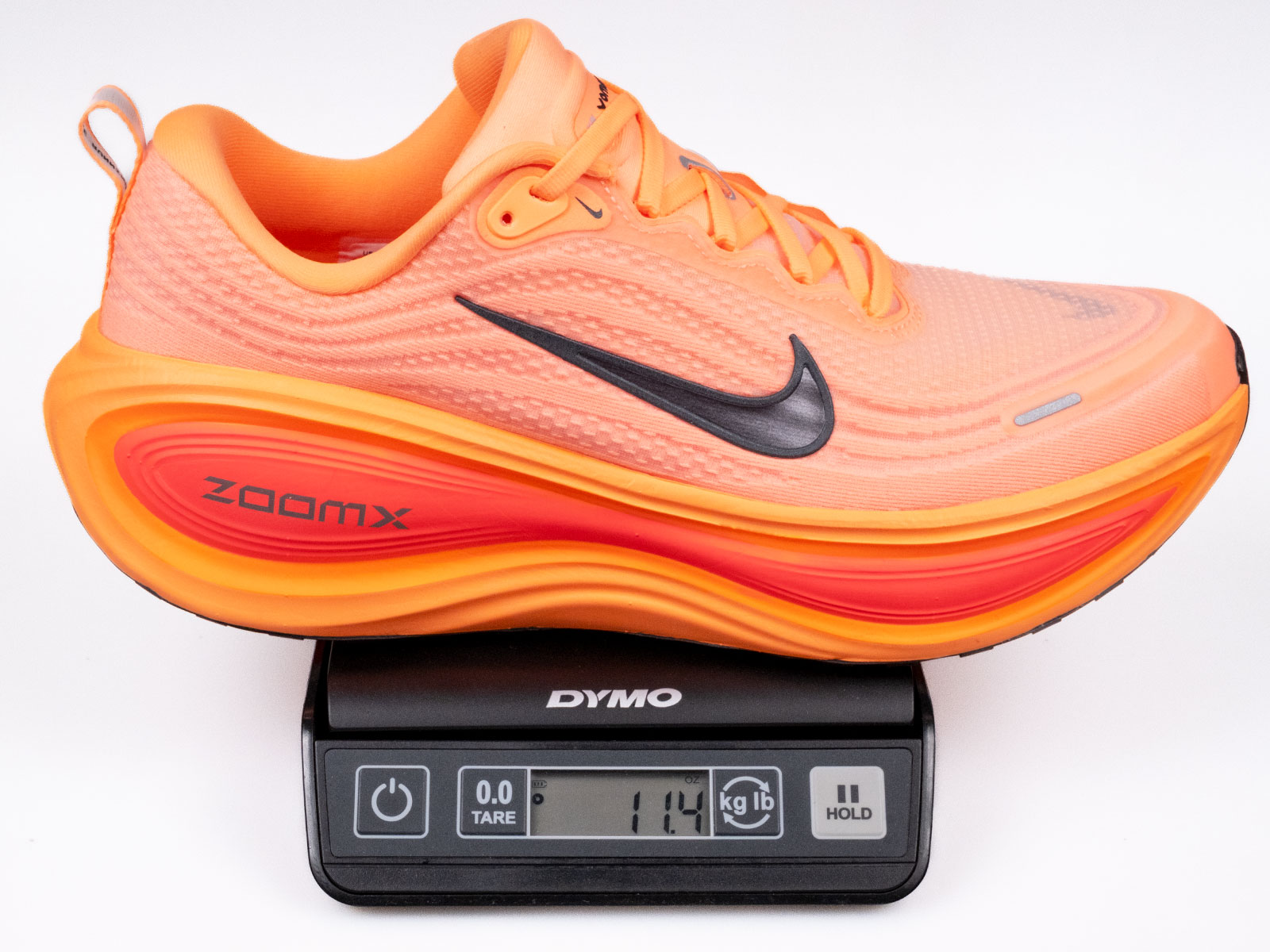
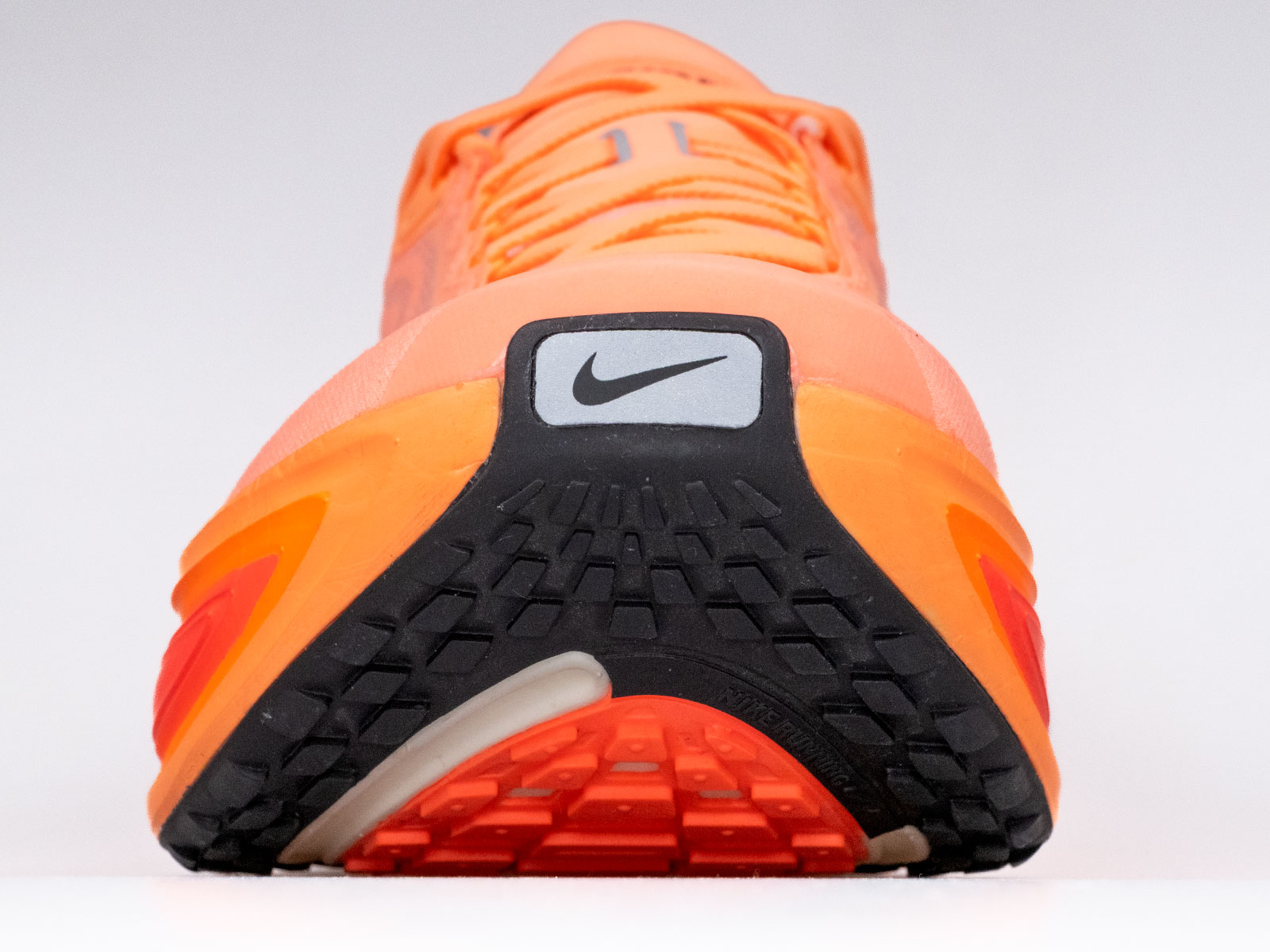
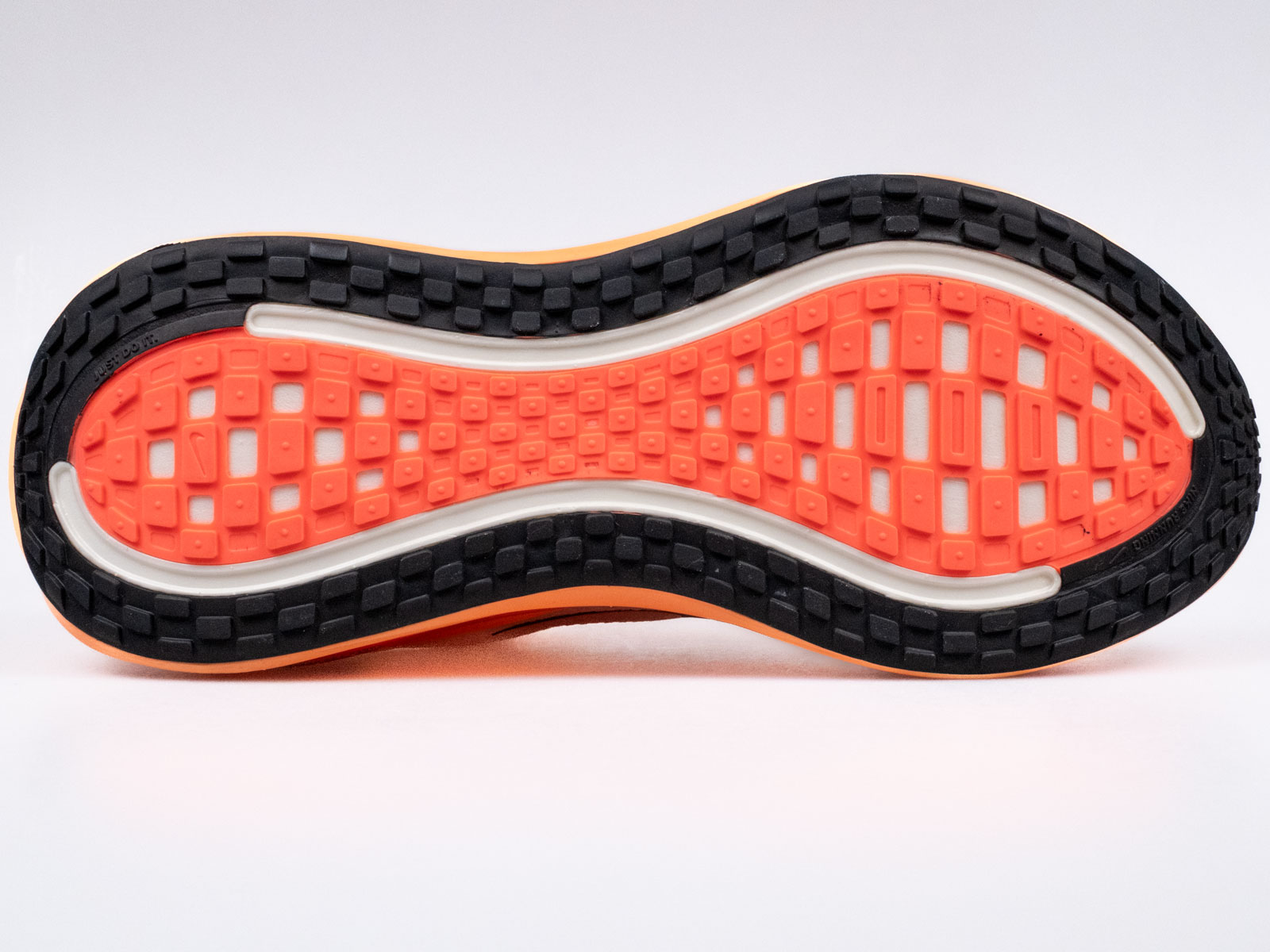
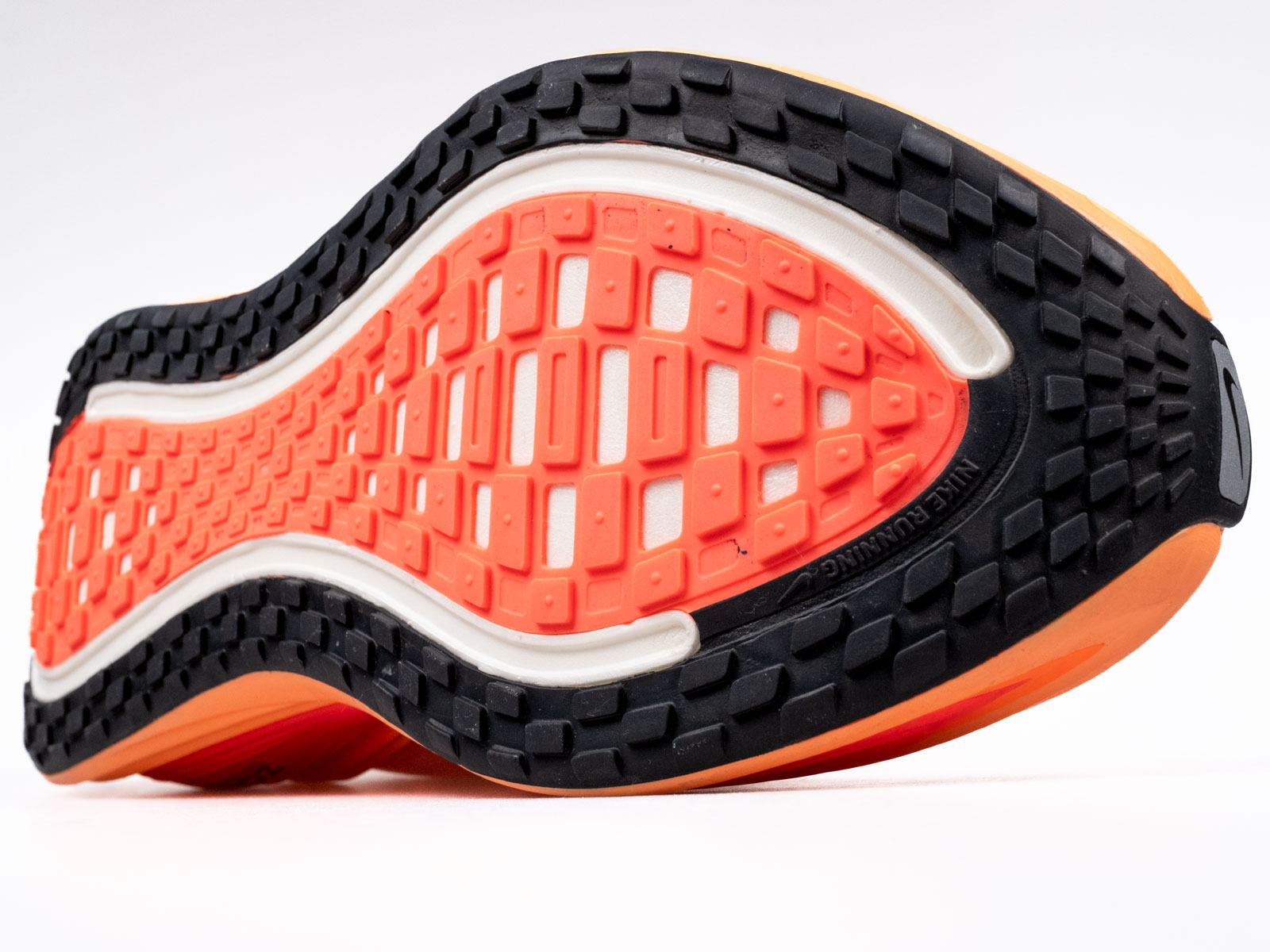
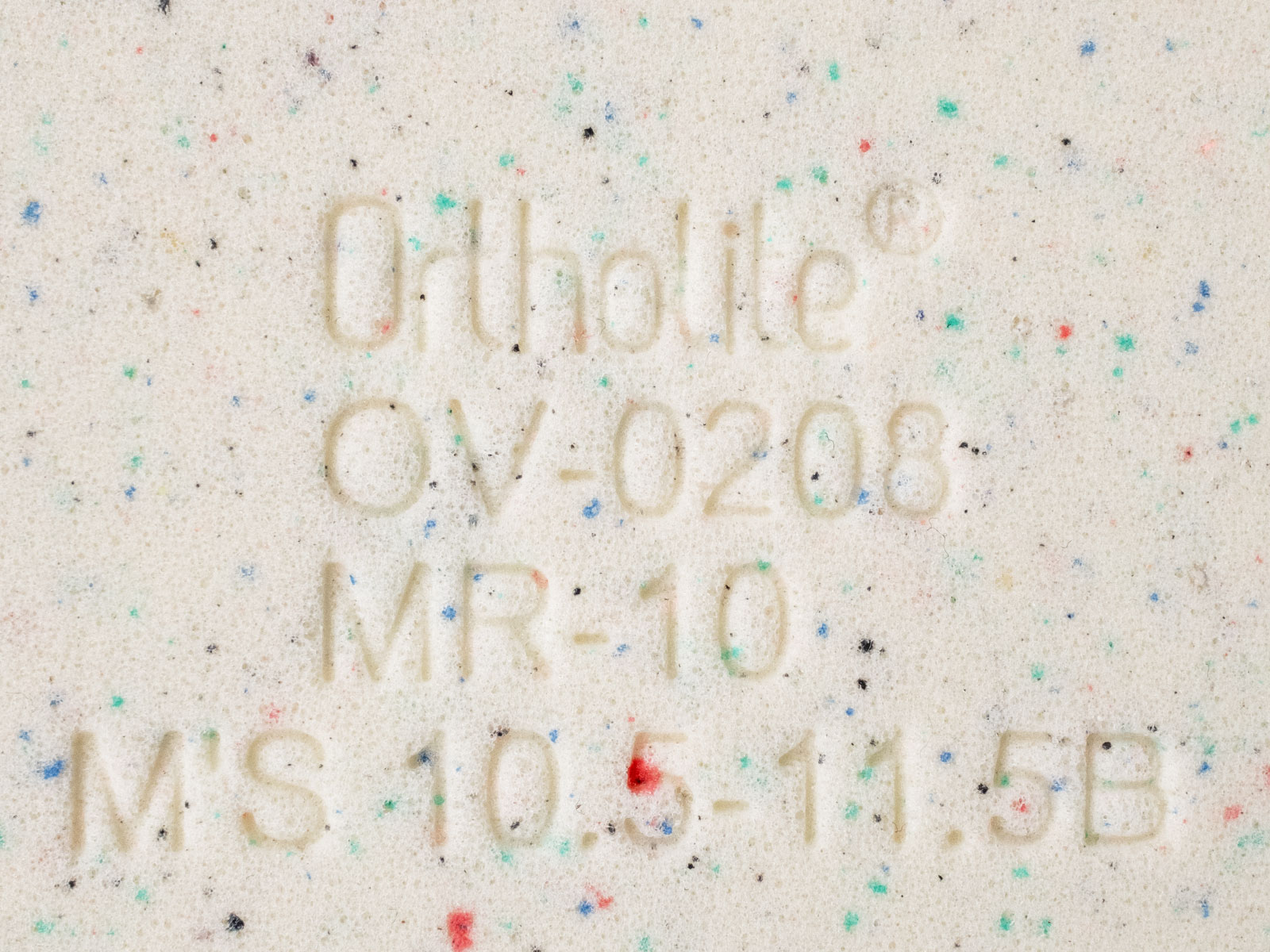
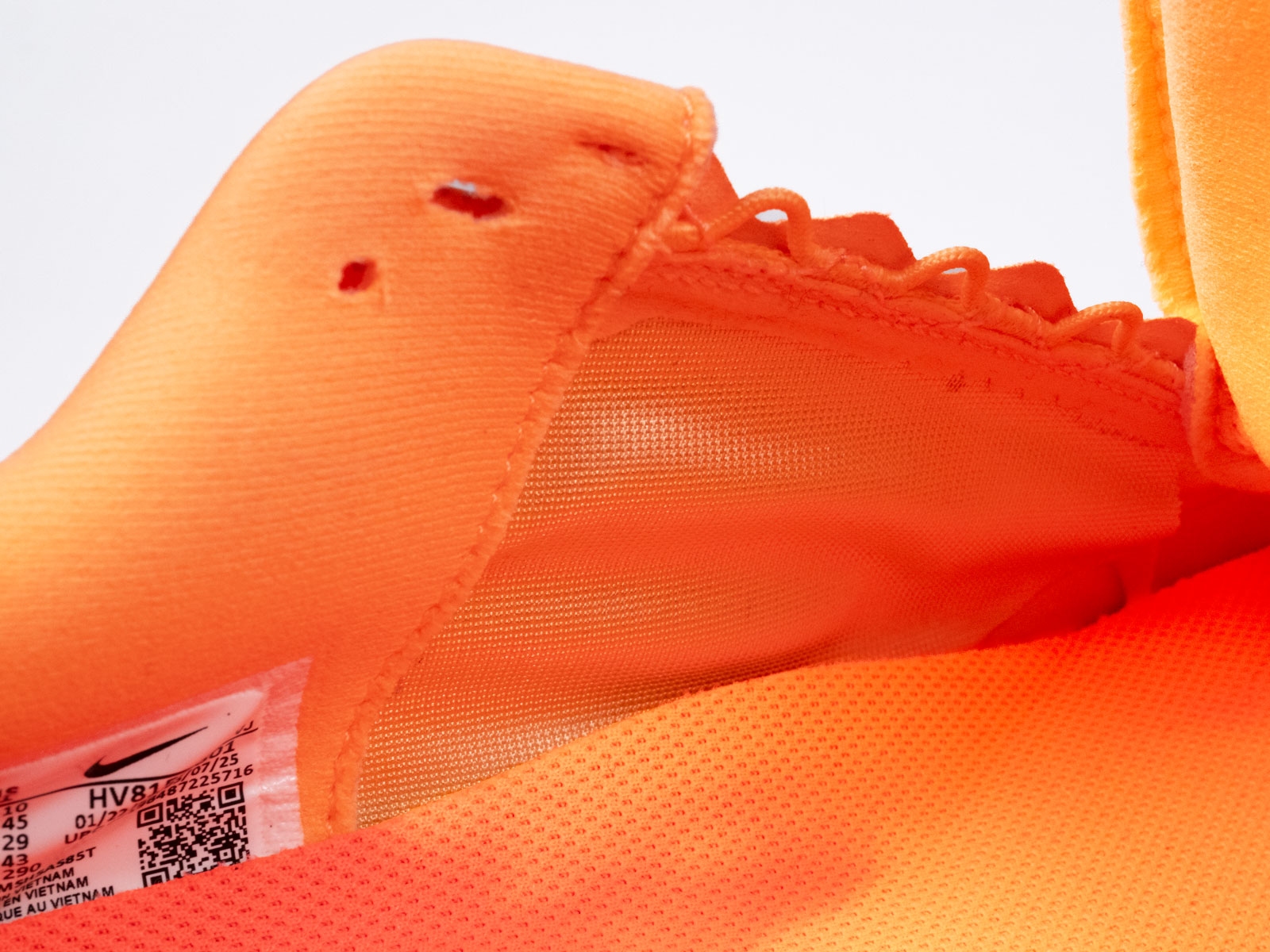
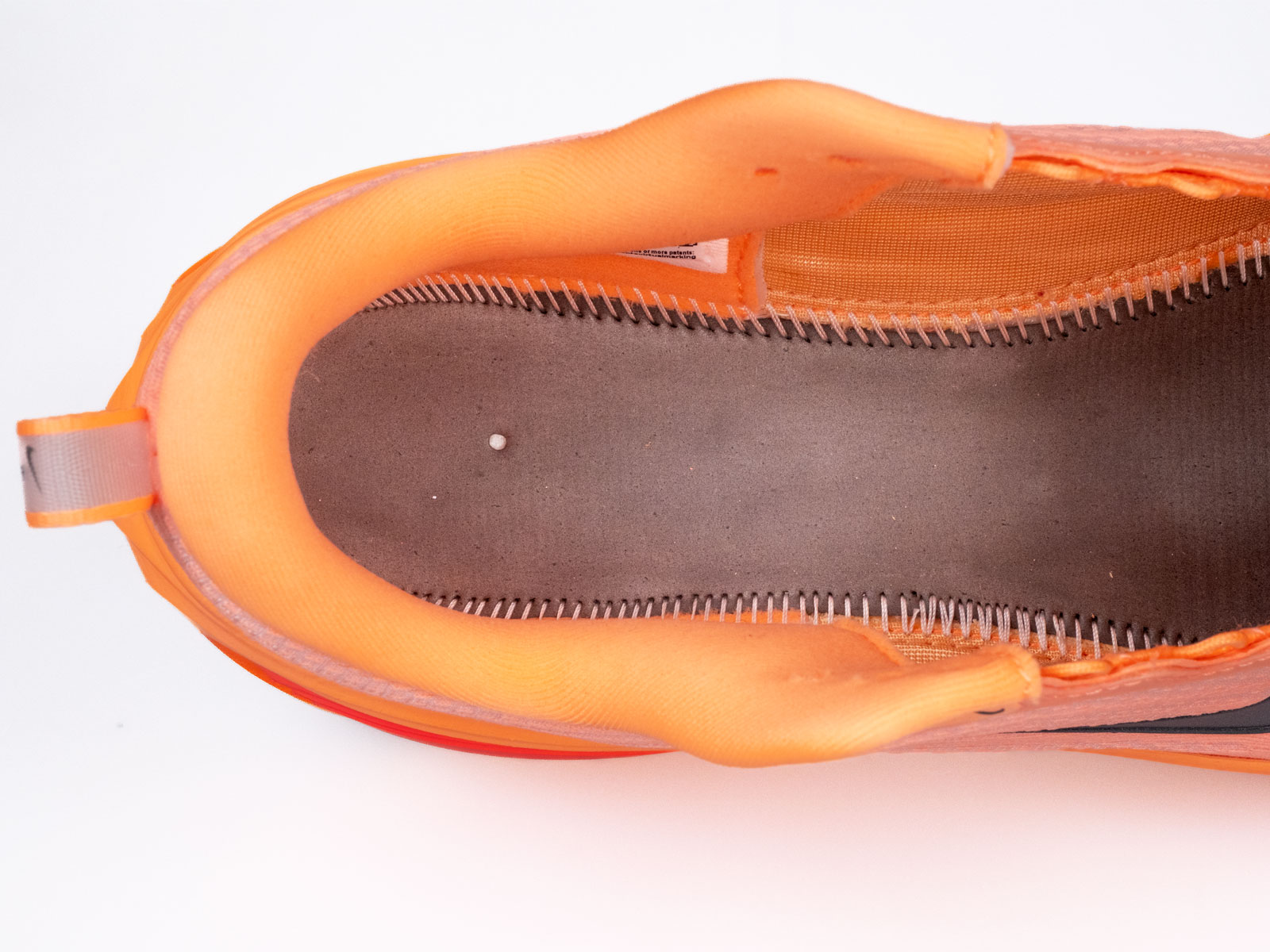
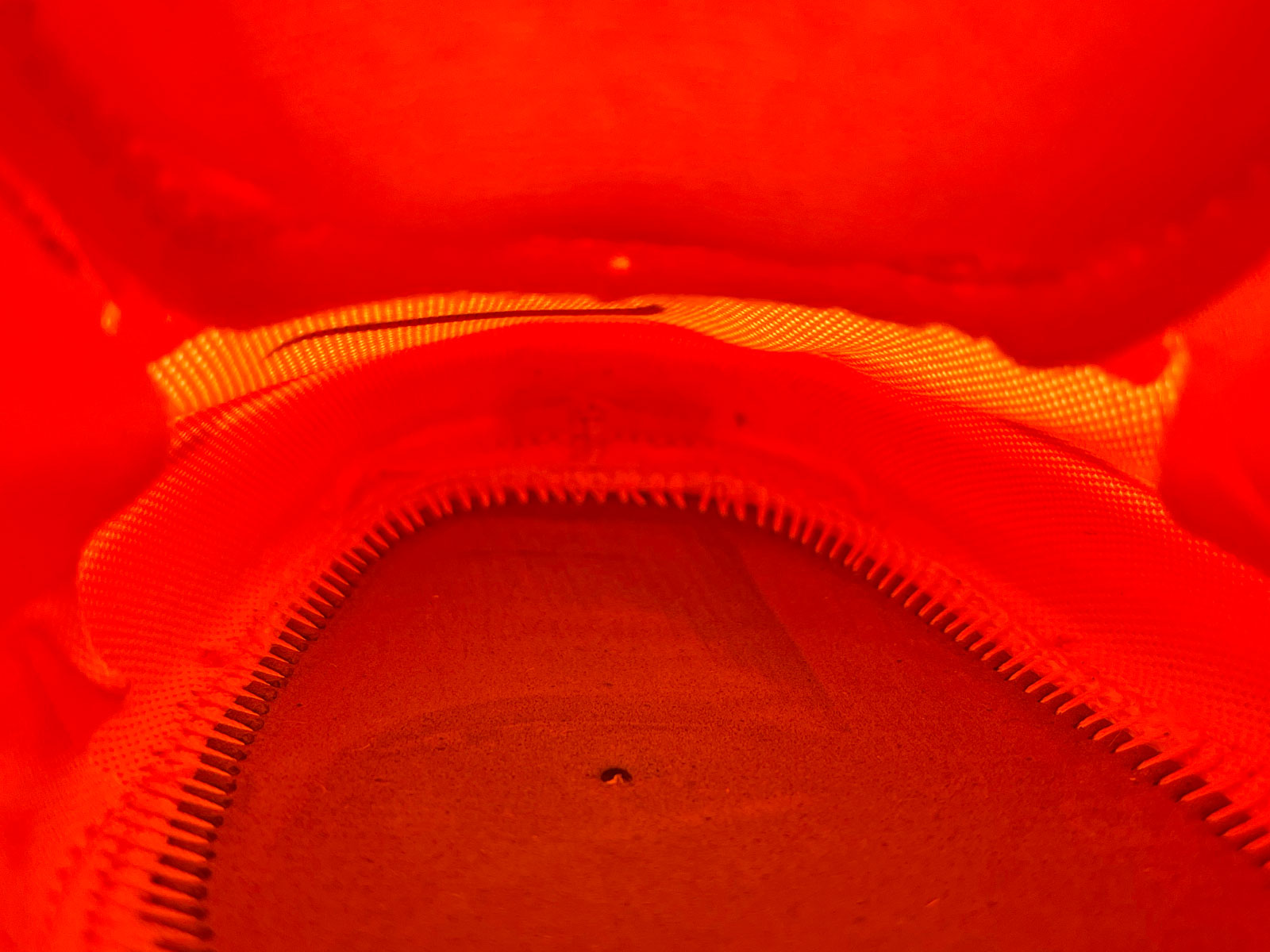
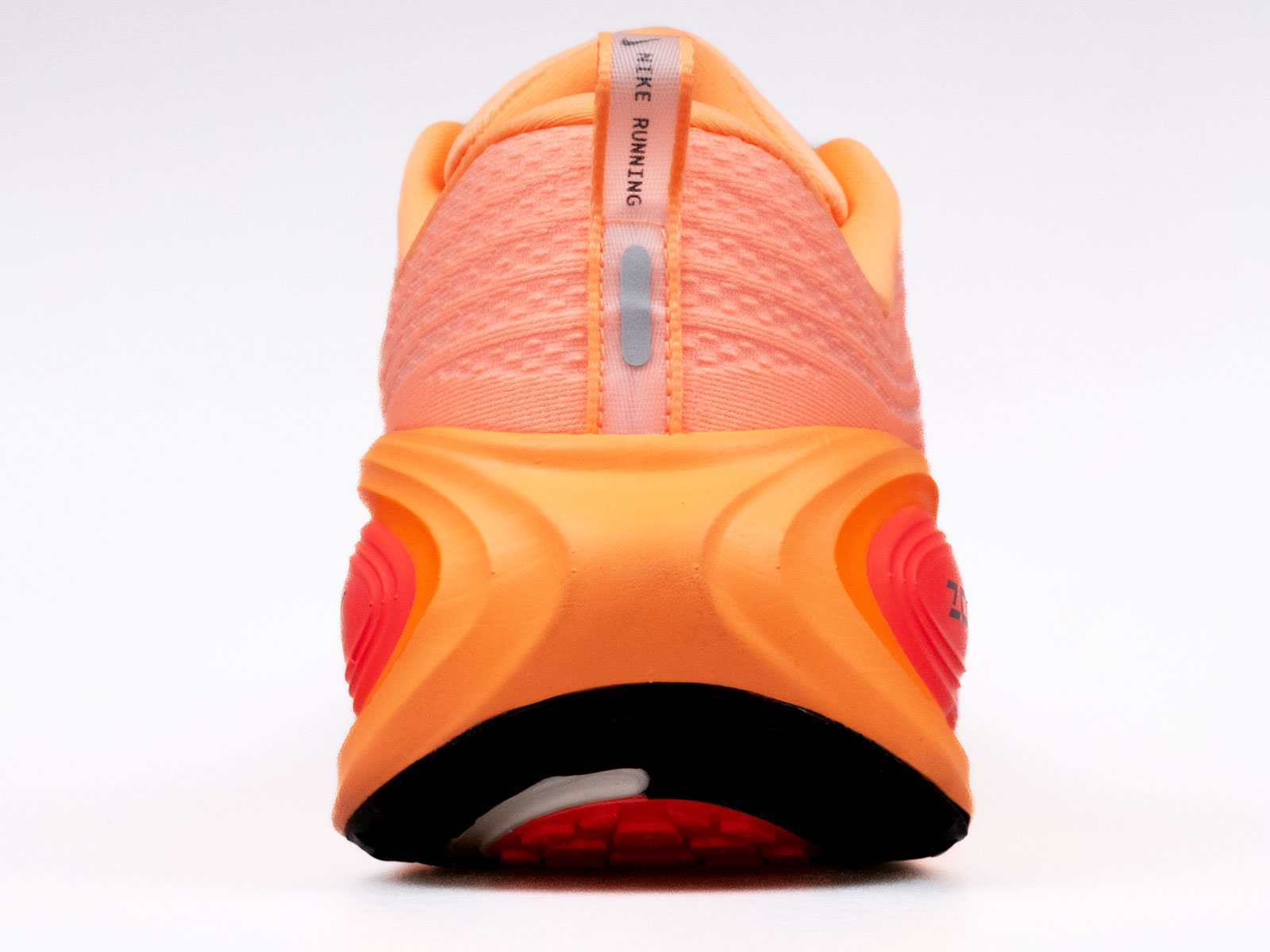
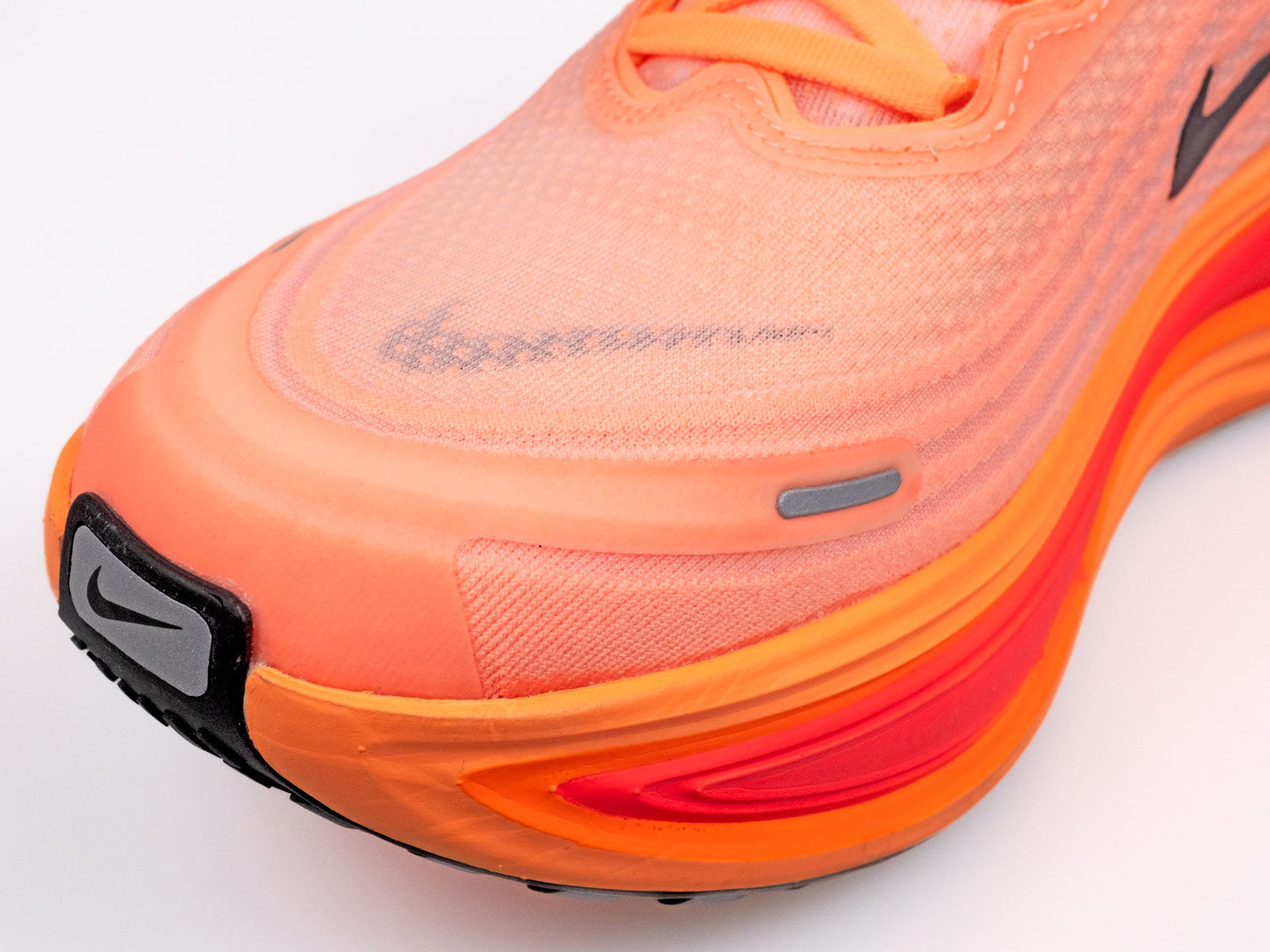
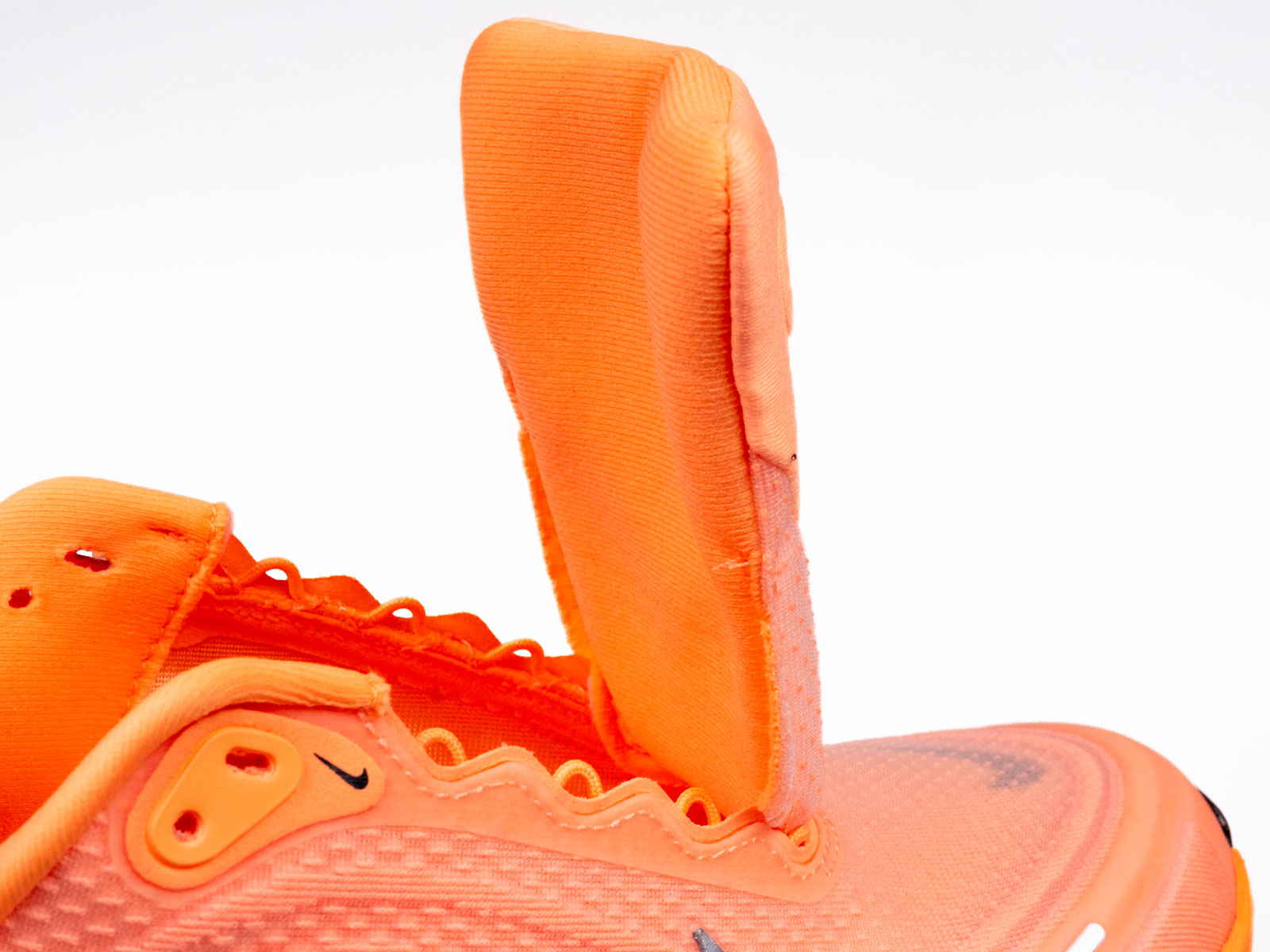
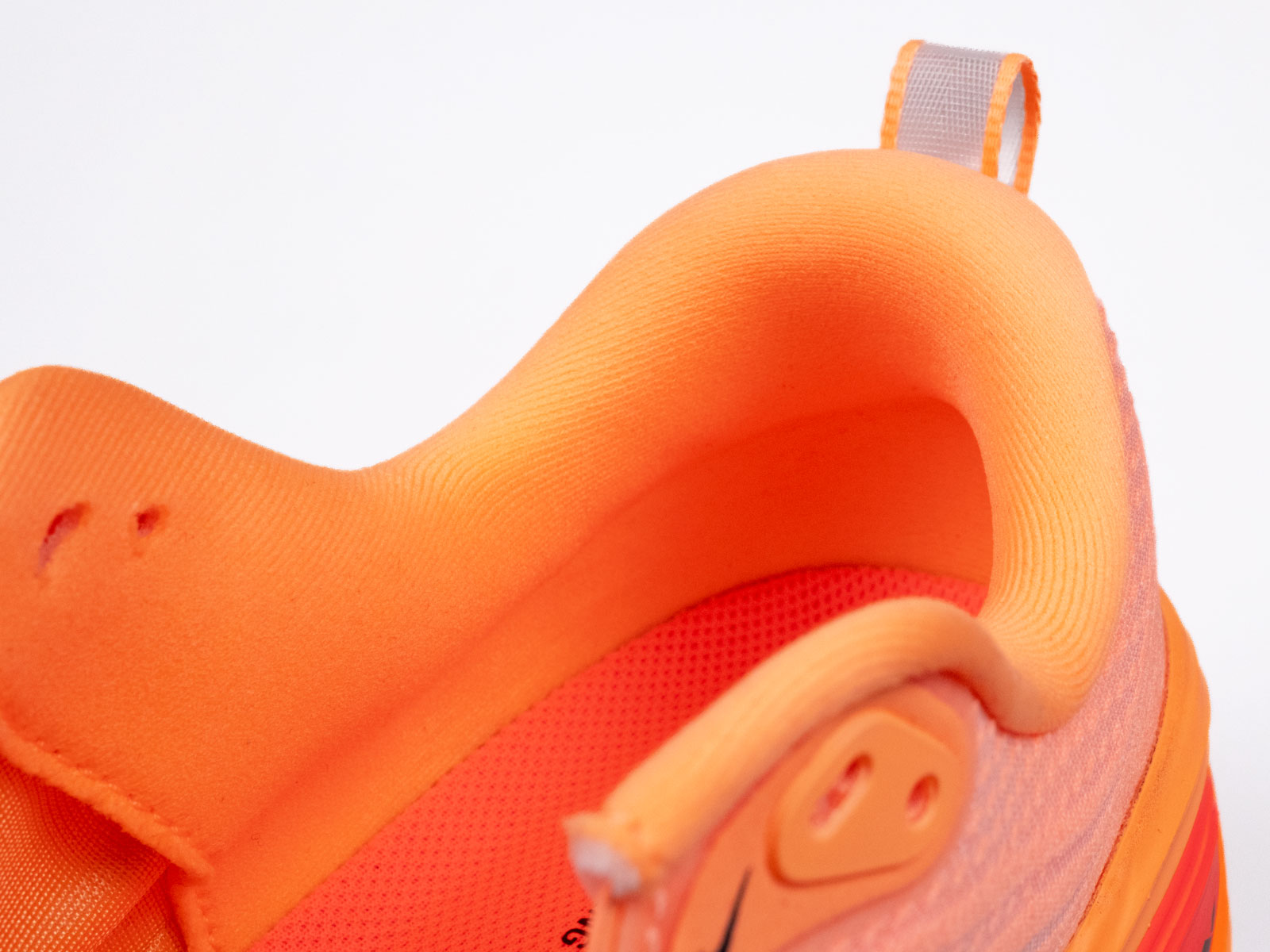
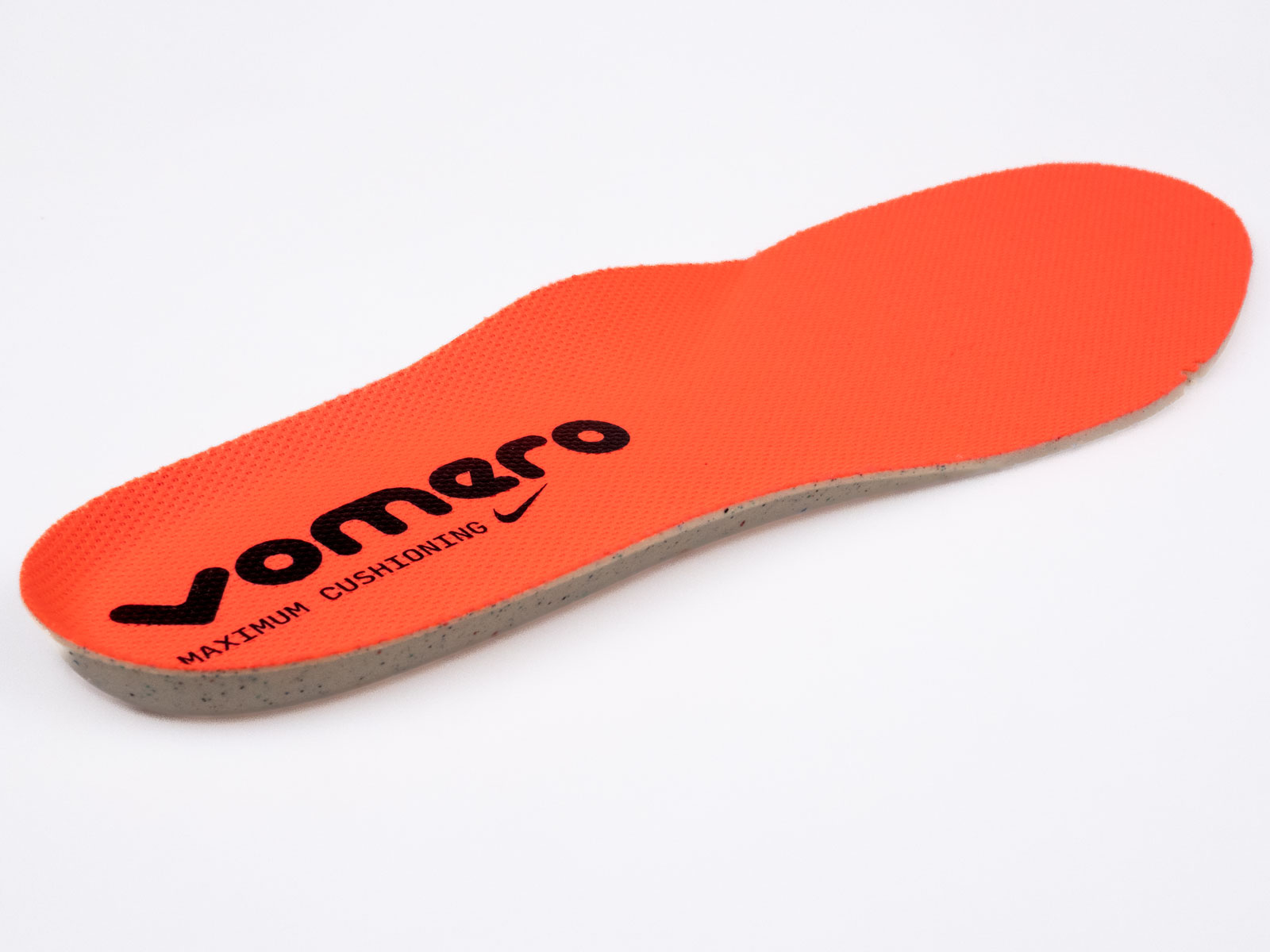
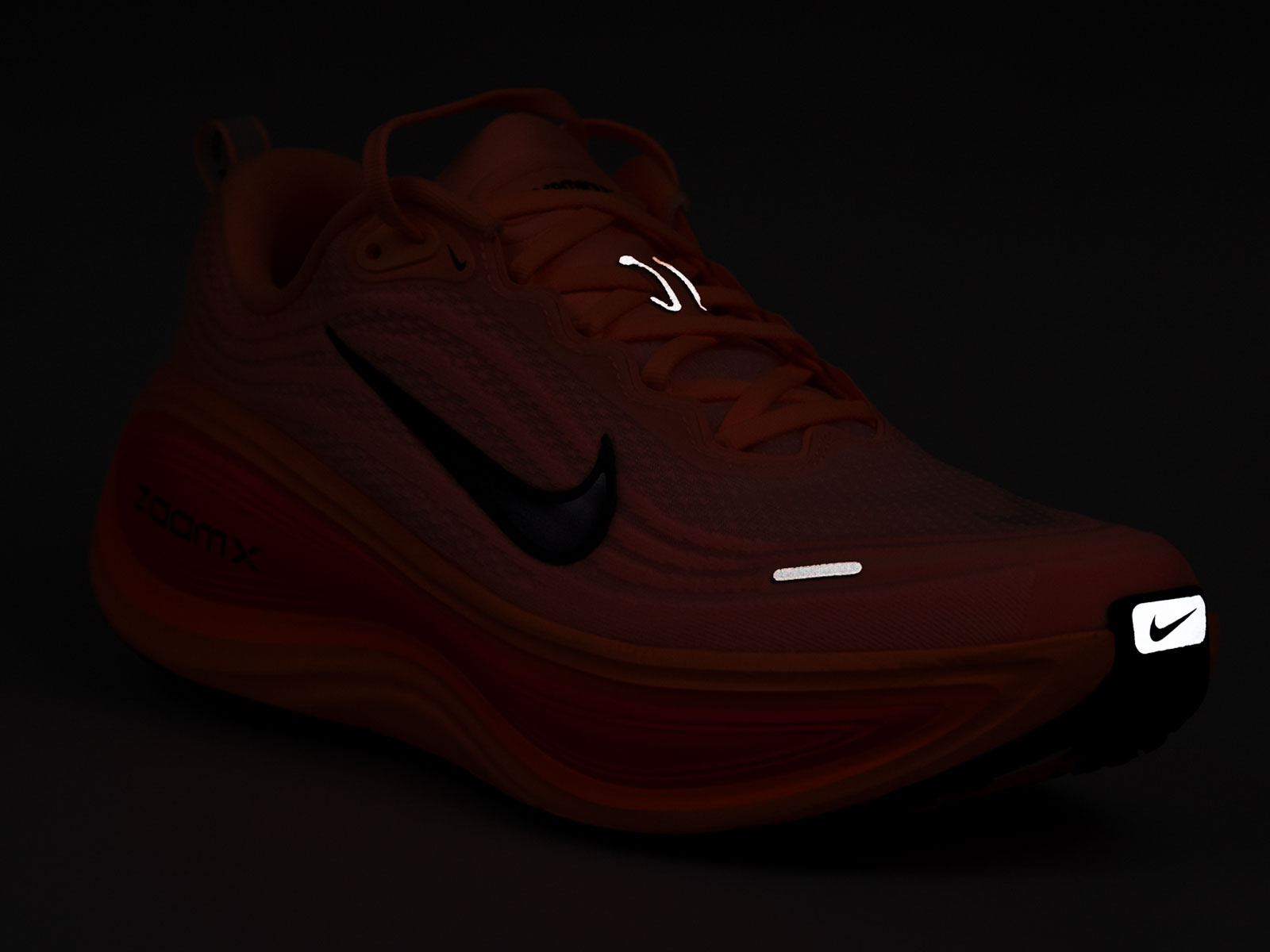
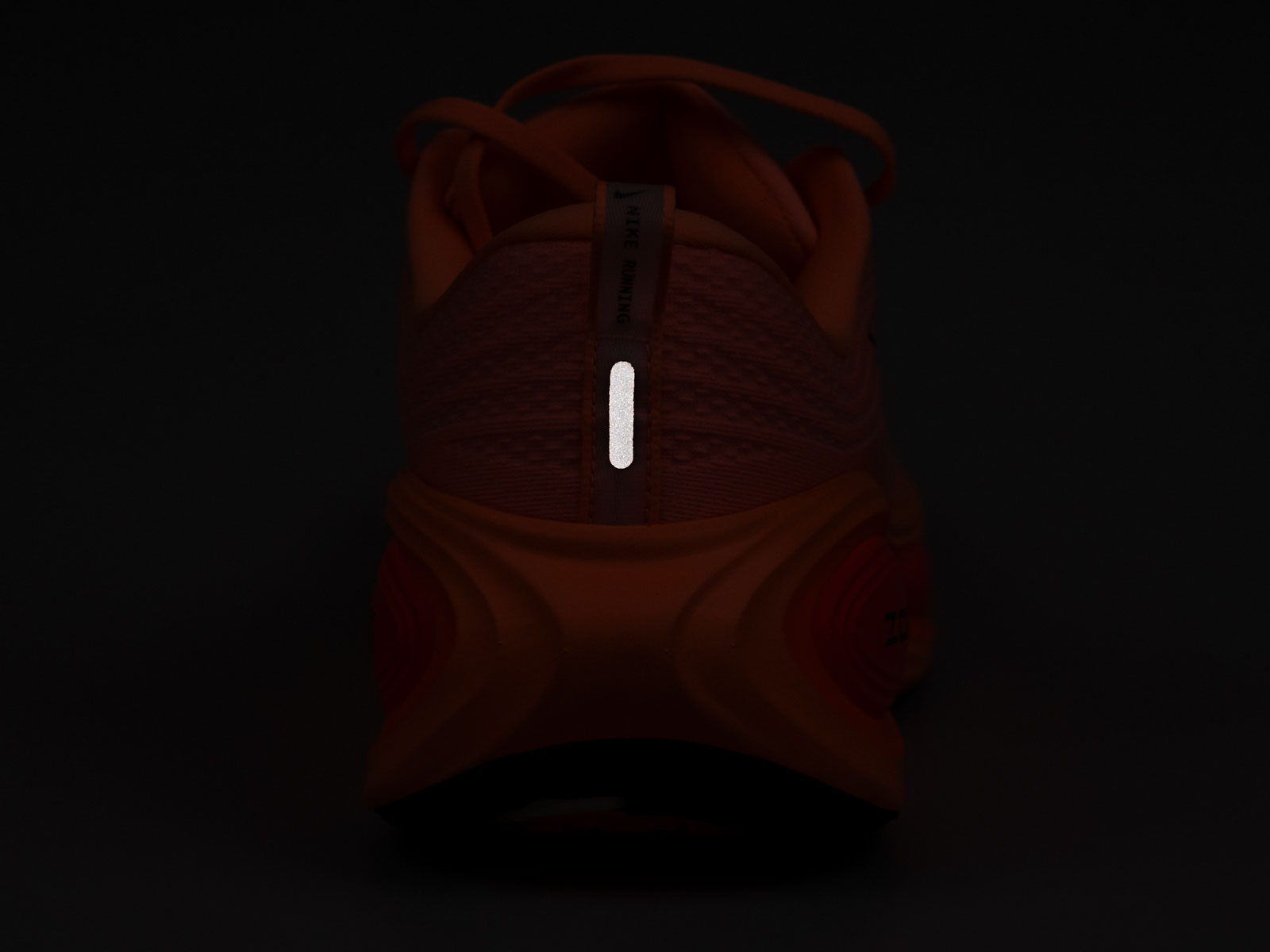
Despite the generous stack heights (45 mm heel and 35 mm forefoot), the Vomero Plus doesn’t feel mushy. Once the foot gets past the step-in softness of the removable footbed, it’s supported by the firmer-than-before ZoomX core. There’s no void under the heel, and the rubber outsole offers continuous coverage from the heel to toe. The ultra-cushioned midsole offers a predictable loading experience with plenty of outsole grip. While the forefoot is stiff and rocker-shaped, it’s not noticeably propulsive, offering just a hint of assistance during toe-offs.
The upper fit and feel are also tuned for comfort. The forefoot has a snug yet accommodating fit, and there’s a choice of an extra-wide. The wide toe box runs slightly larger than expected for a Nike shoe due to the absence of a full sleeve. We recommend staying true to size in this shoe for a comfortable and roomy fit.
- Nike’s marketing pitch: Full-stack, ultra-soft max cushioning.
- Upper: Textured mesh with reflective details and midfoot lining, no sleeve.
- Upper fit: True to size, just-right fit.
- Midsole: 100% ZoomX foam, Ortholite insole. 10 mm heel drop.
- Outsole: Single-piece carbon rubber.
- Weight: 292 gms/ 10.3 Oz for a half pair of Men’s US 10/UK 9/EUR 44/CM 27.1
- Stack heights: 45 mm (heel), 35 mm (forefoot).
- Available widths: Single – D (regular), 4E- (extra-wide).
- Recommended use: Recovery runs, long runs, walking.
- Footstrike orientation: All types (heel/midfoot/forefoot).
- Median lifespan: 450 miles.
- Country of origin: Vietnam.
- Recommended paces: 4:30 min/km (7:00 min/mile) and slower.
- Recommended temperature range: Warmer than -5° C/23° F.
Pros
- Max cushioning that doesn’t feel lethargic
- Mild rocker assistance
- Plush interiors
- Reflective details
- Secure fit
- Optional width
Cons
- Average grip on wet roads
- Runs warm because of thick mesh and tongue
Also consider:
- Hoka Bondi 9
- Brooks Glycerin Max
- New Balance More V6
- Puma Magmax Nitro
- Use the Nike Vomero Plus for long runs, recovery runs
- Use Nike Pegasus Plus for daily training and tempo runs
- Use the Nike Vaporfly 4 for 5K, 10K, and marathons
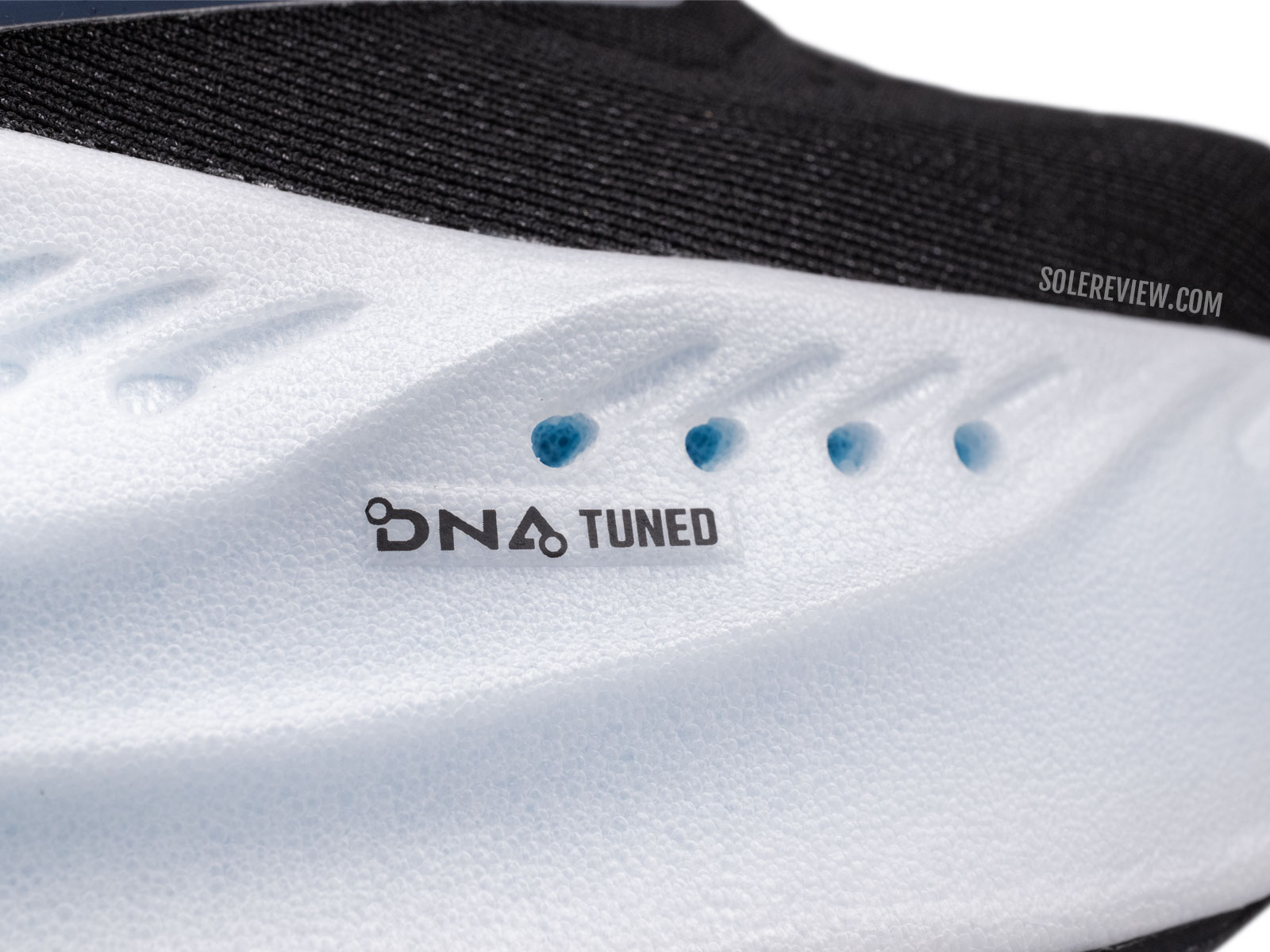
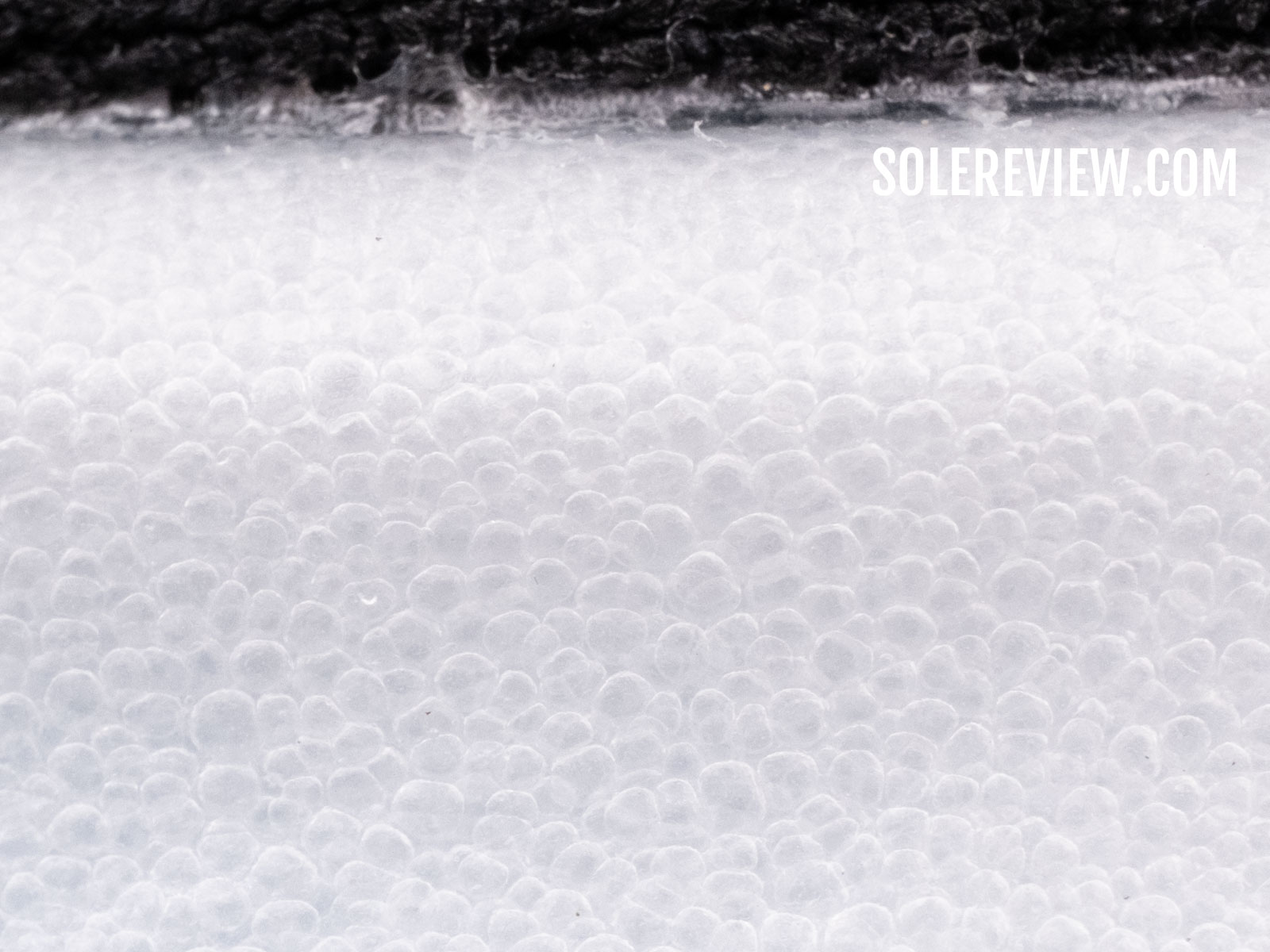
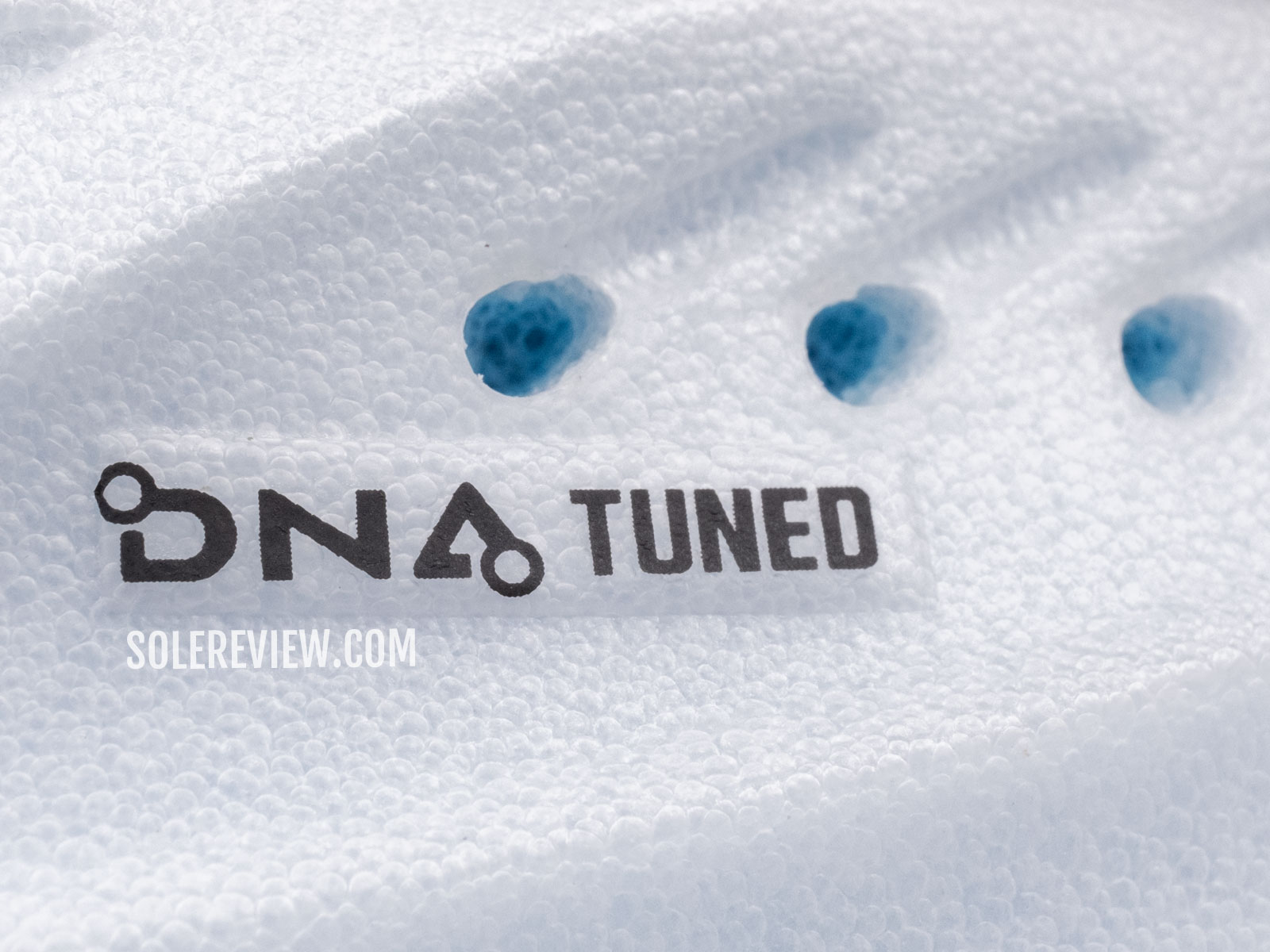
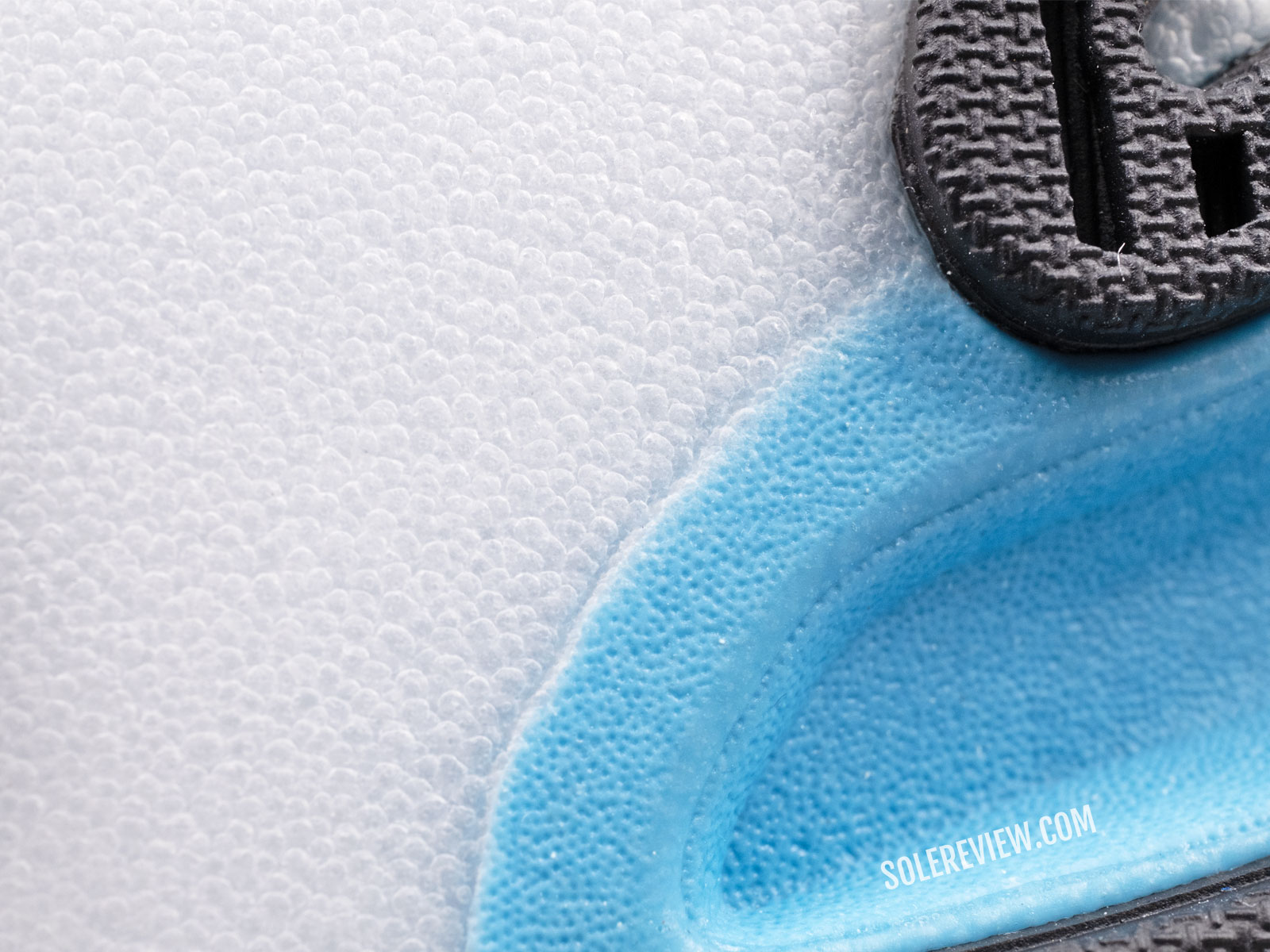
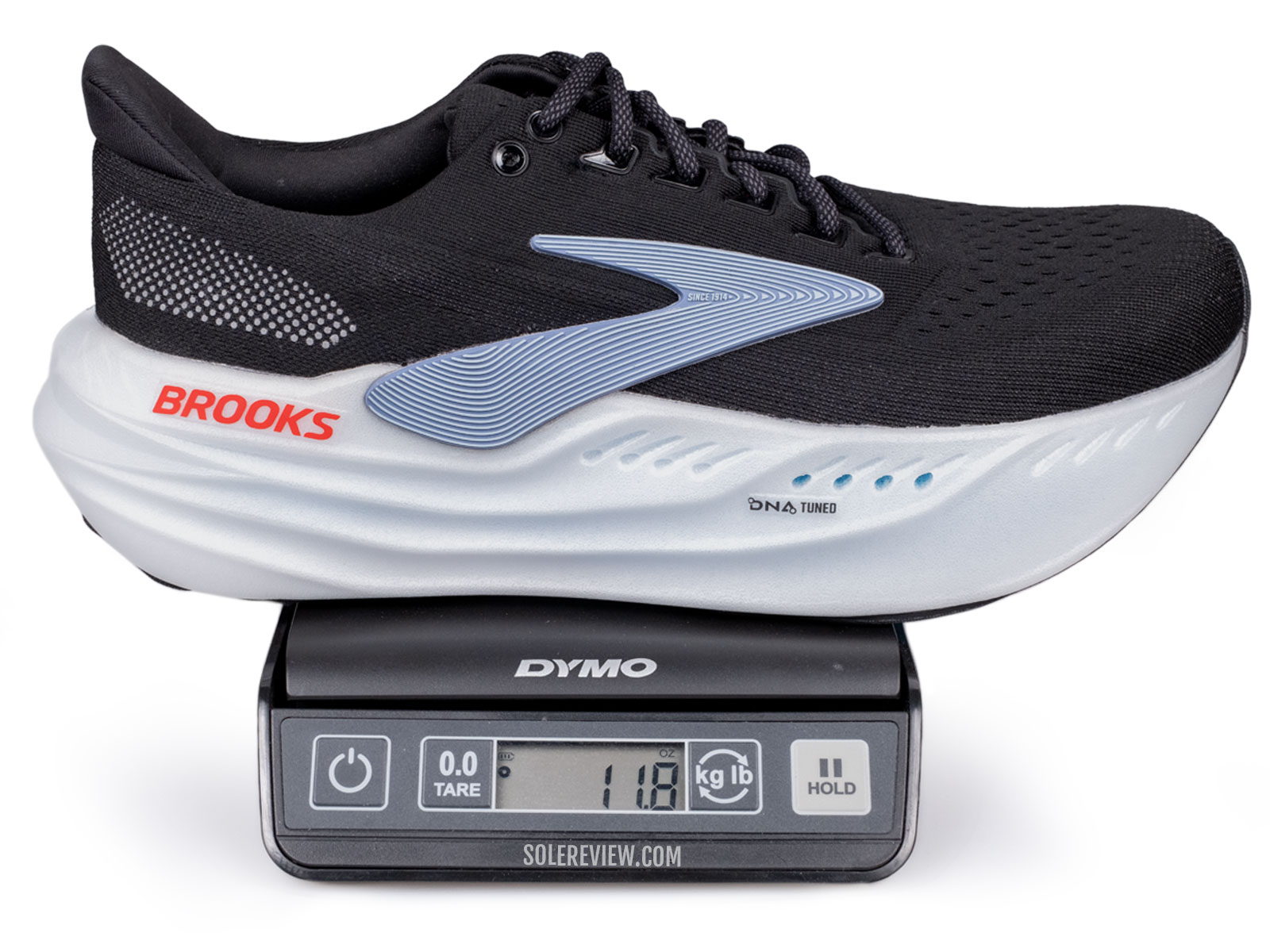
Unsurprisingly, Brooks’s tallest running shoe also happens to be an excellent recovery run trainer. The Glycerin Max isn’t just about its 47 mm and 41 mm tall stack heights; it’s also about its nuanced cushioning experience. The nuance comes from Brooks’s unique DNA-Tuned midsole. The nitrogen-infused foam is lower density under the heel for softness, and firmer under the forefoot for easier roll-offs. These are not two separate components, but co-molded to produce a cohesive ride experience.
Recovery runs and easy runs are well within the Glycerin Max’s wheelhouse. As noted in our review, a slower running speed allows the foams to undergo a longer compression cycle for enhanced cushioning. What’s more, the midsole maintains its structure even under heavy loads, making it ideal for slow heel strikers regardless of body weight. The outsole grip is excellent, and the rocker is effective in nudging the foot forward.
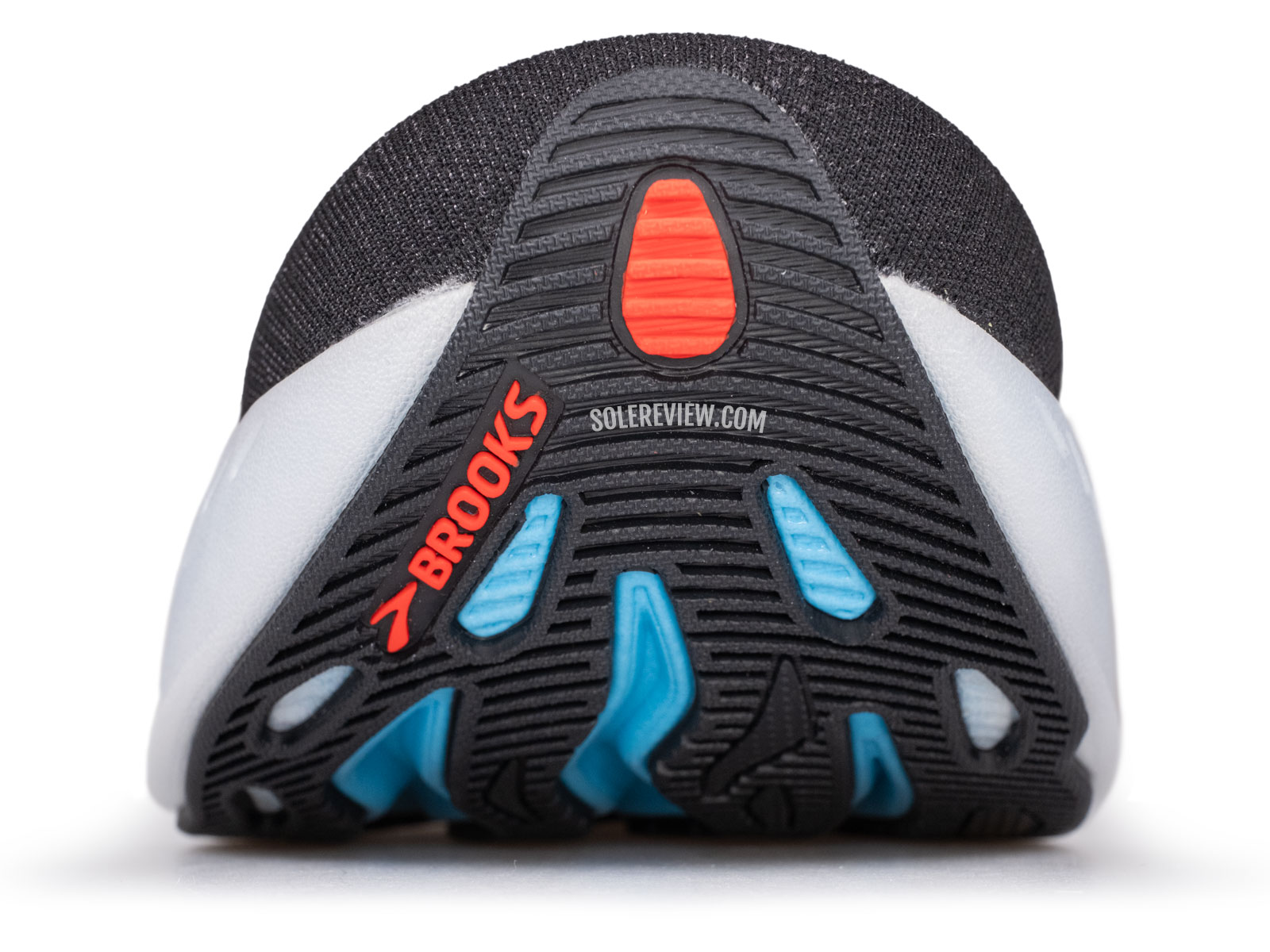
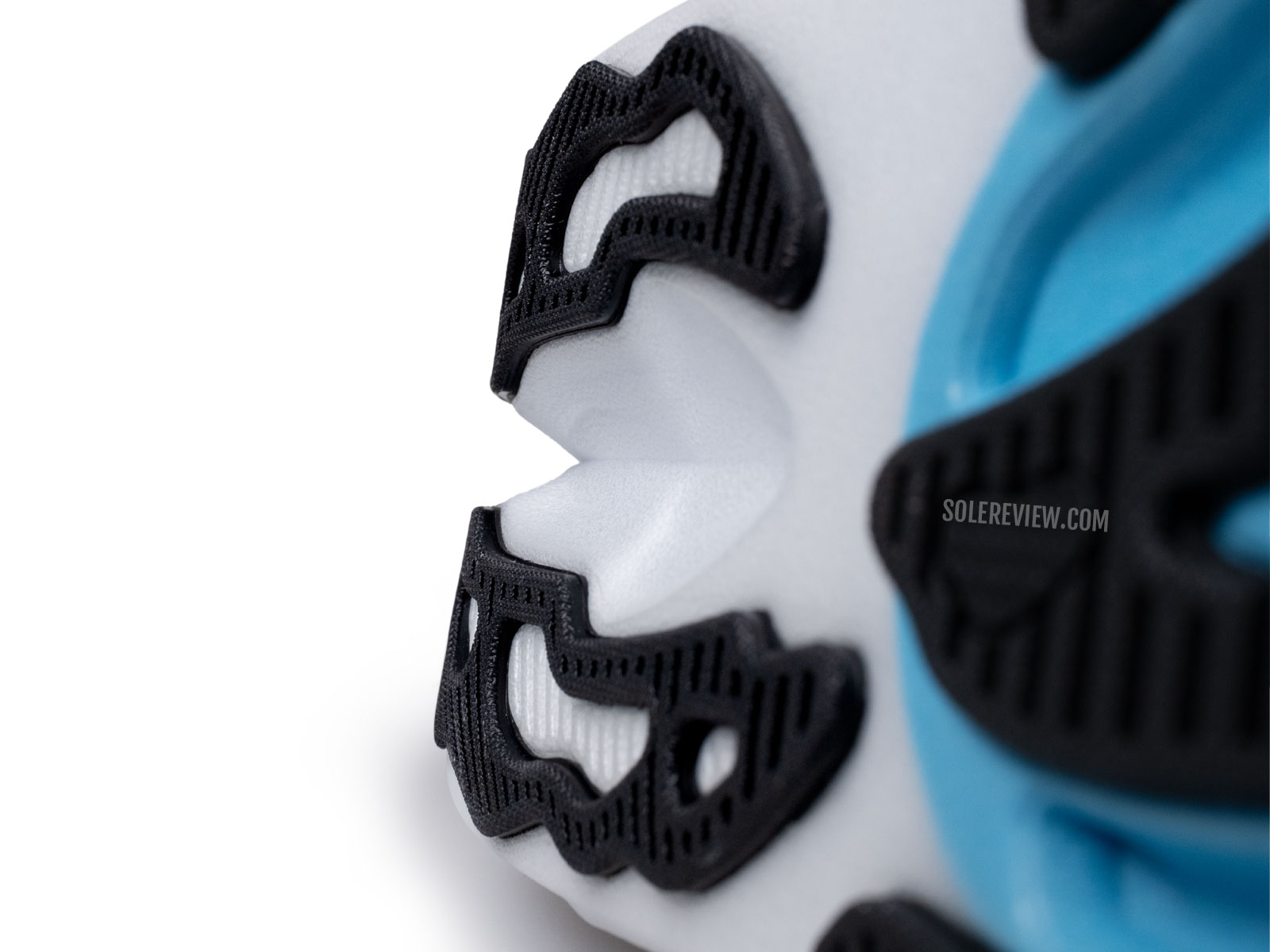
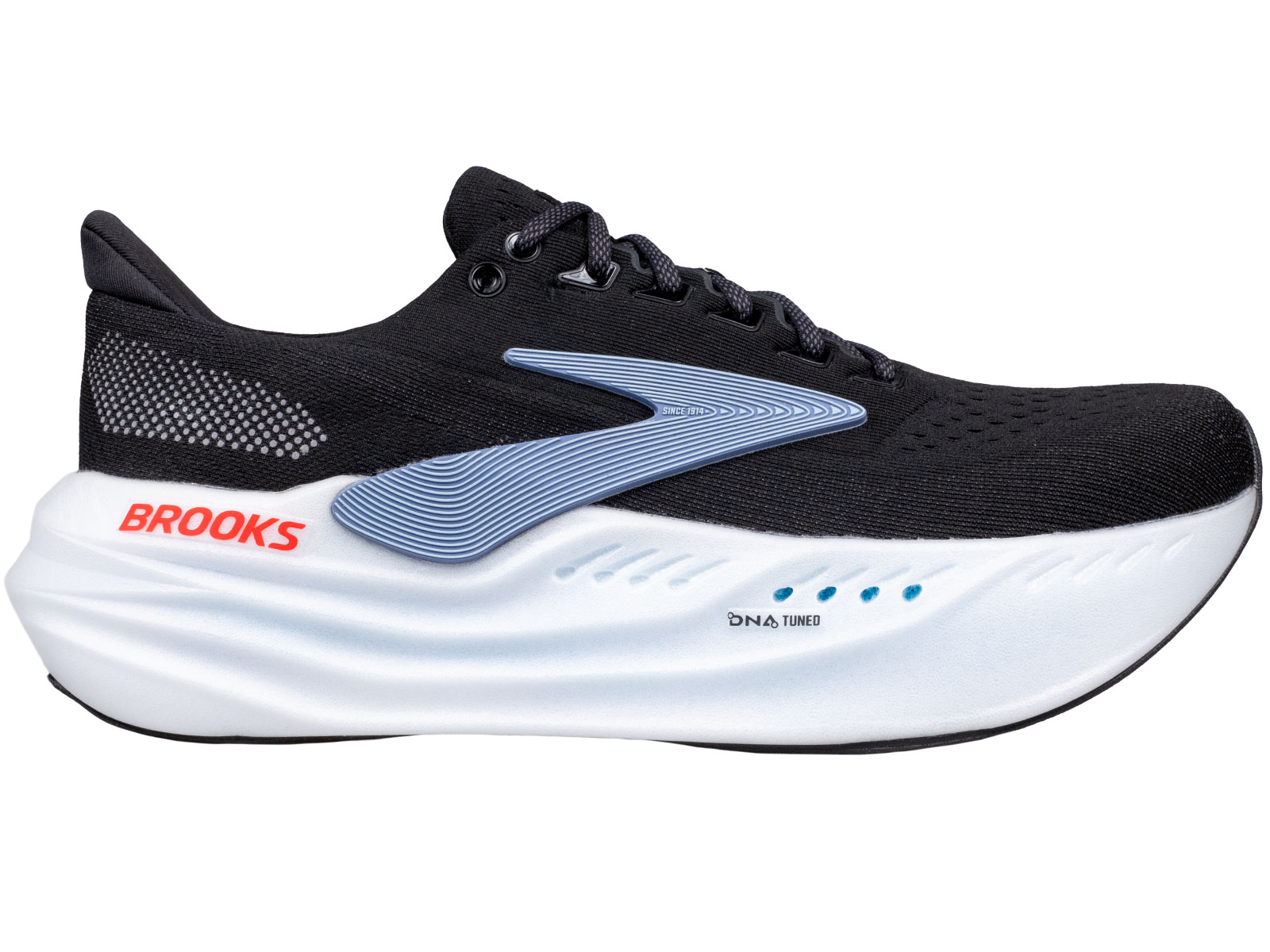
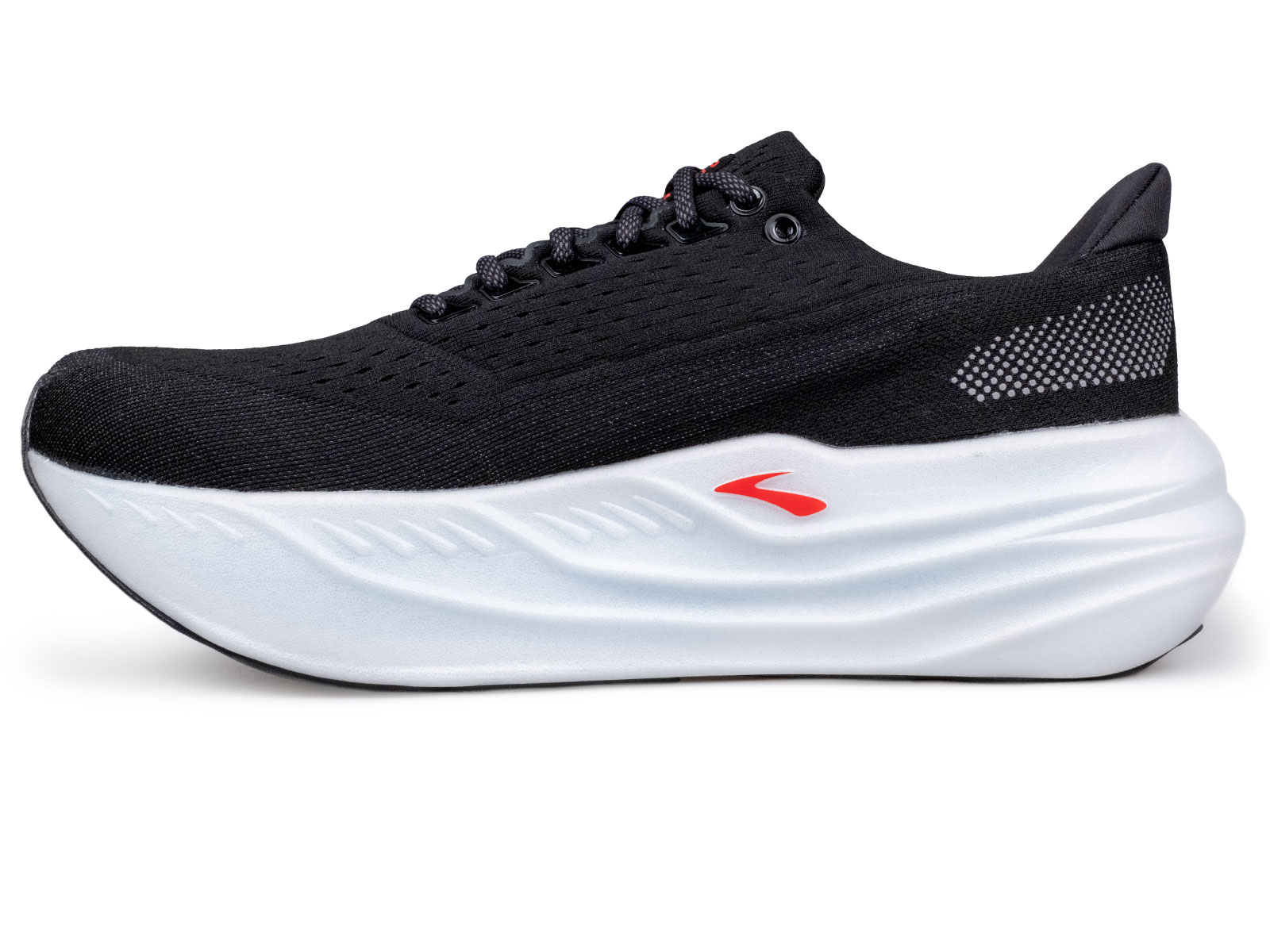
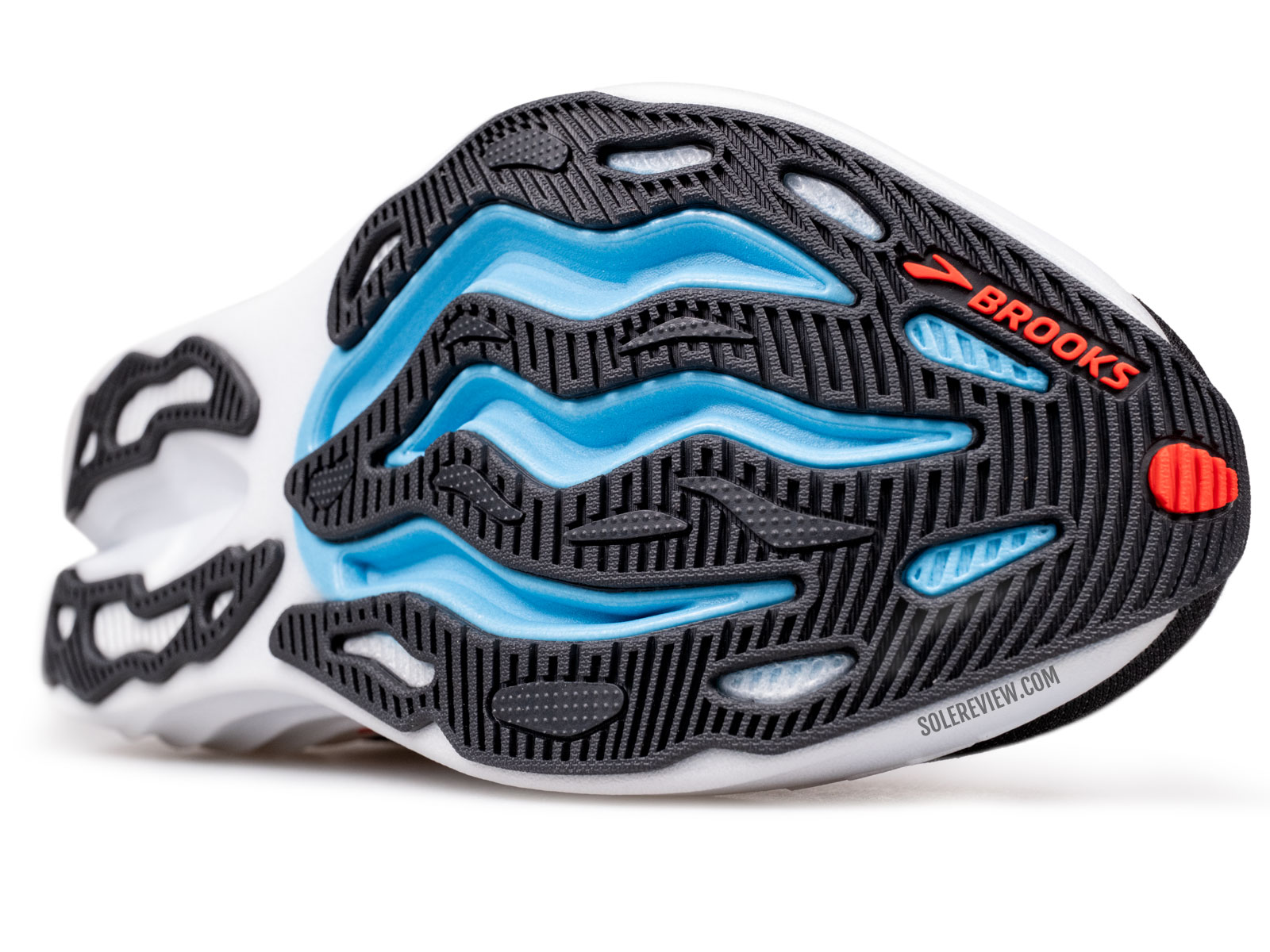
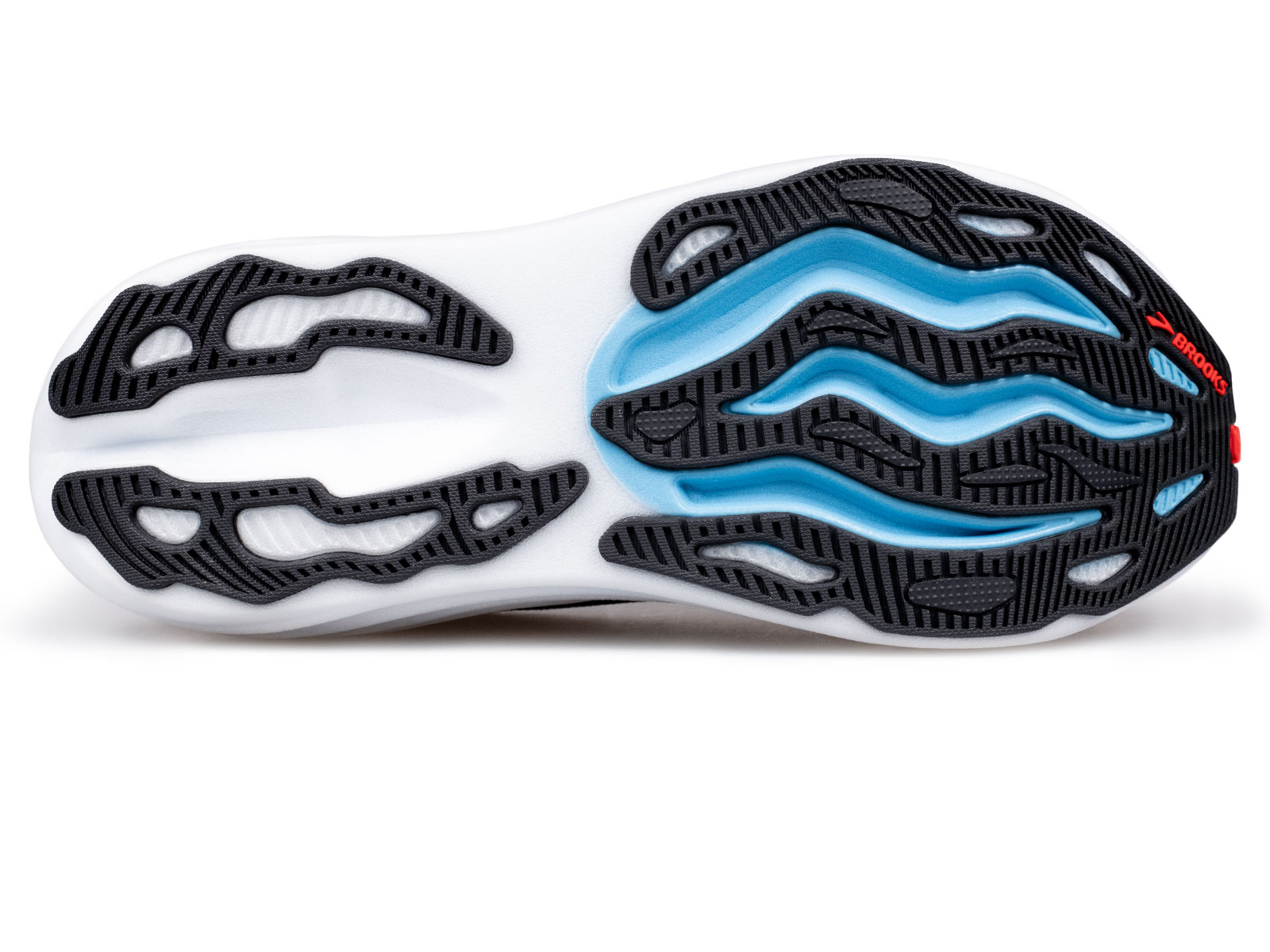
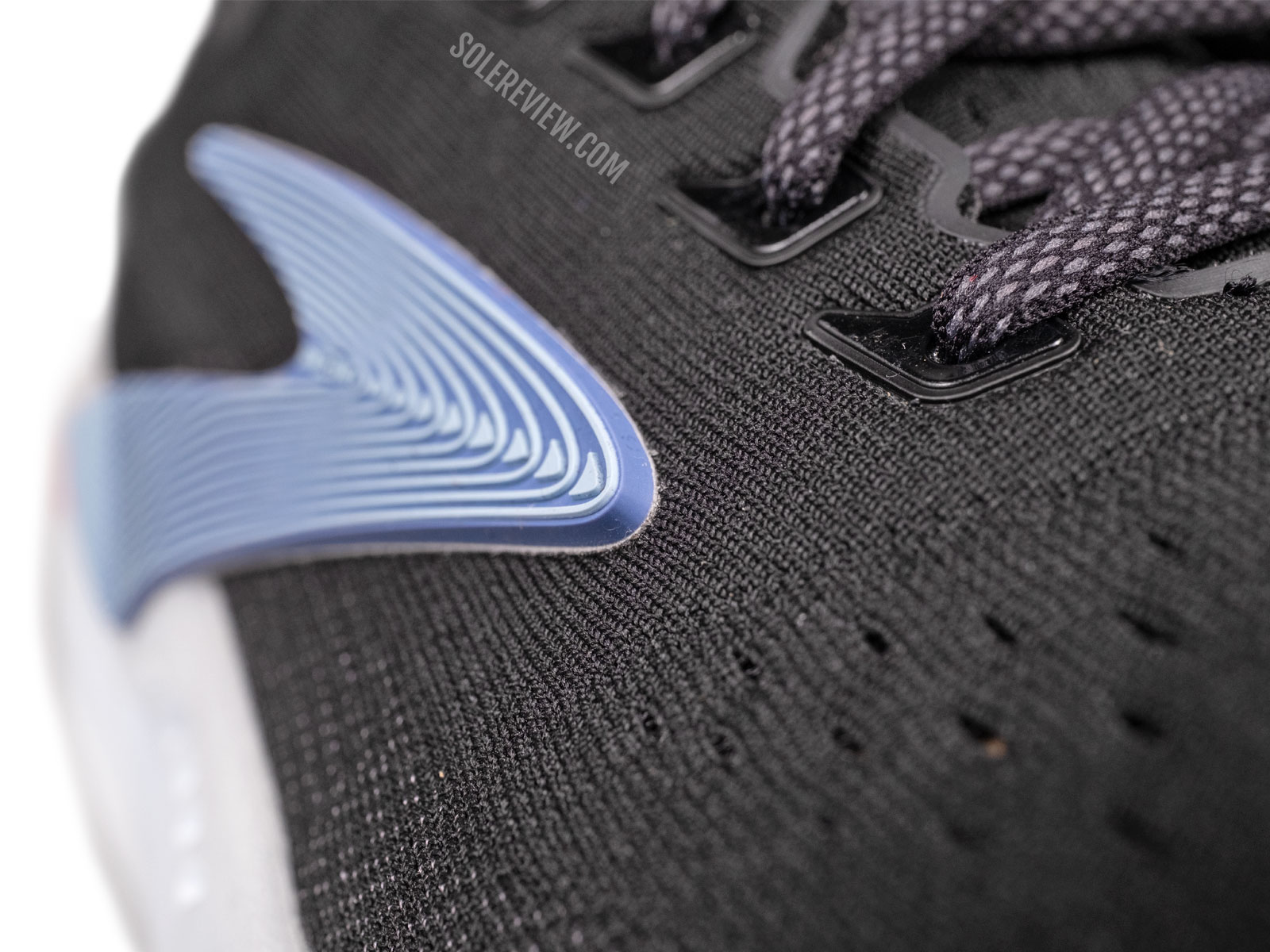
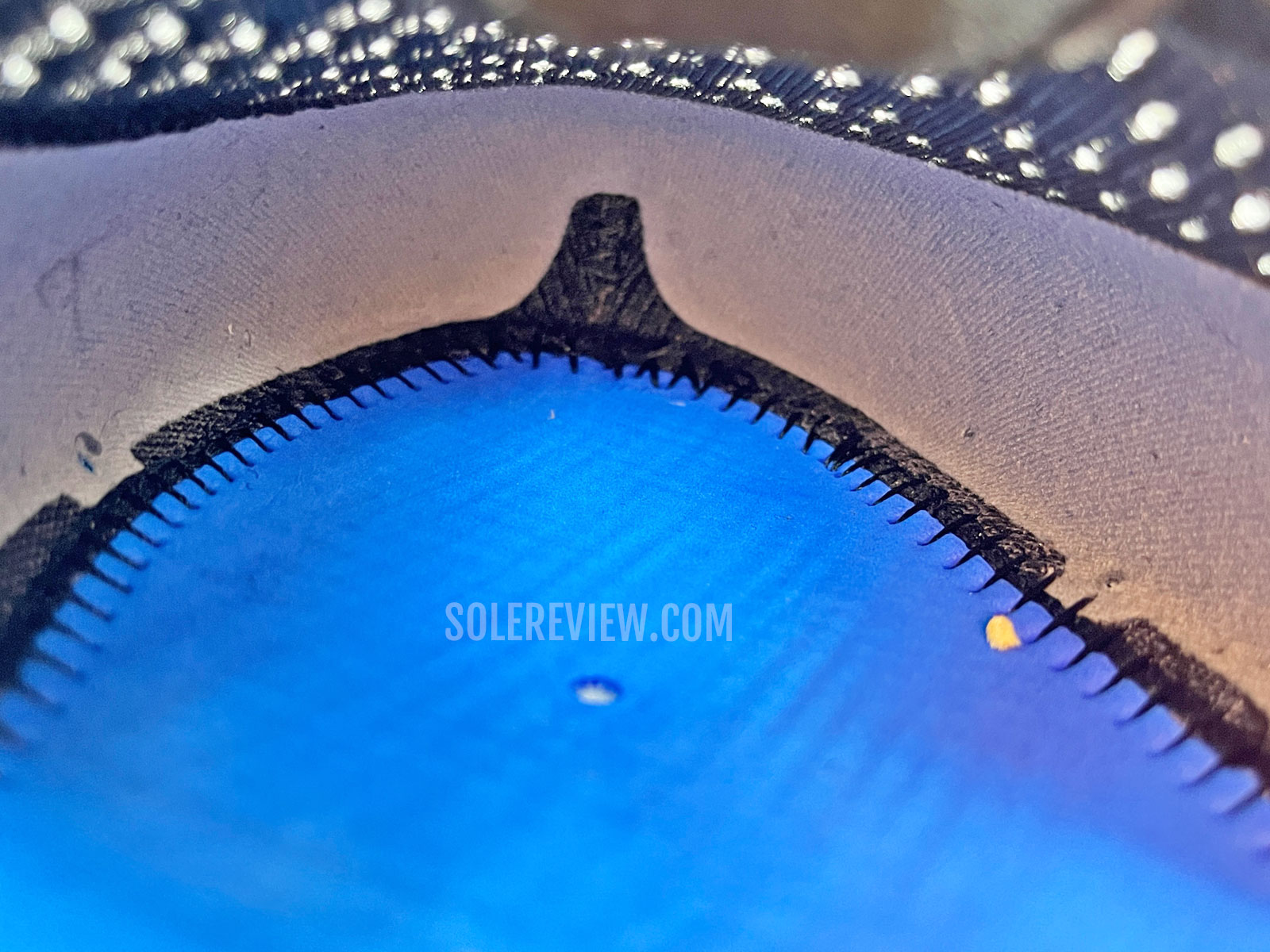
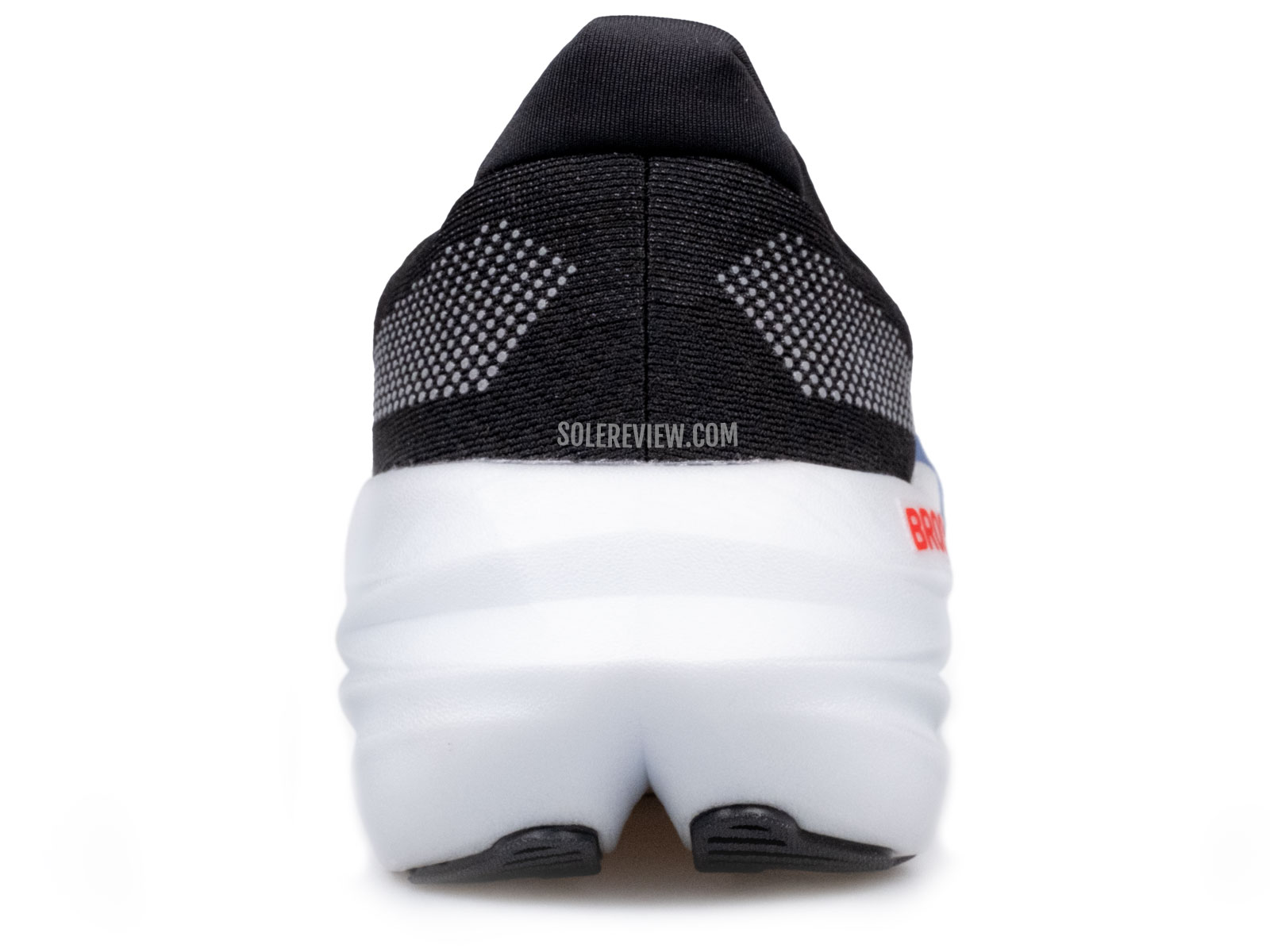
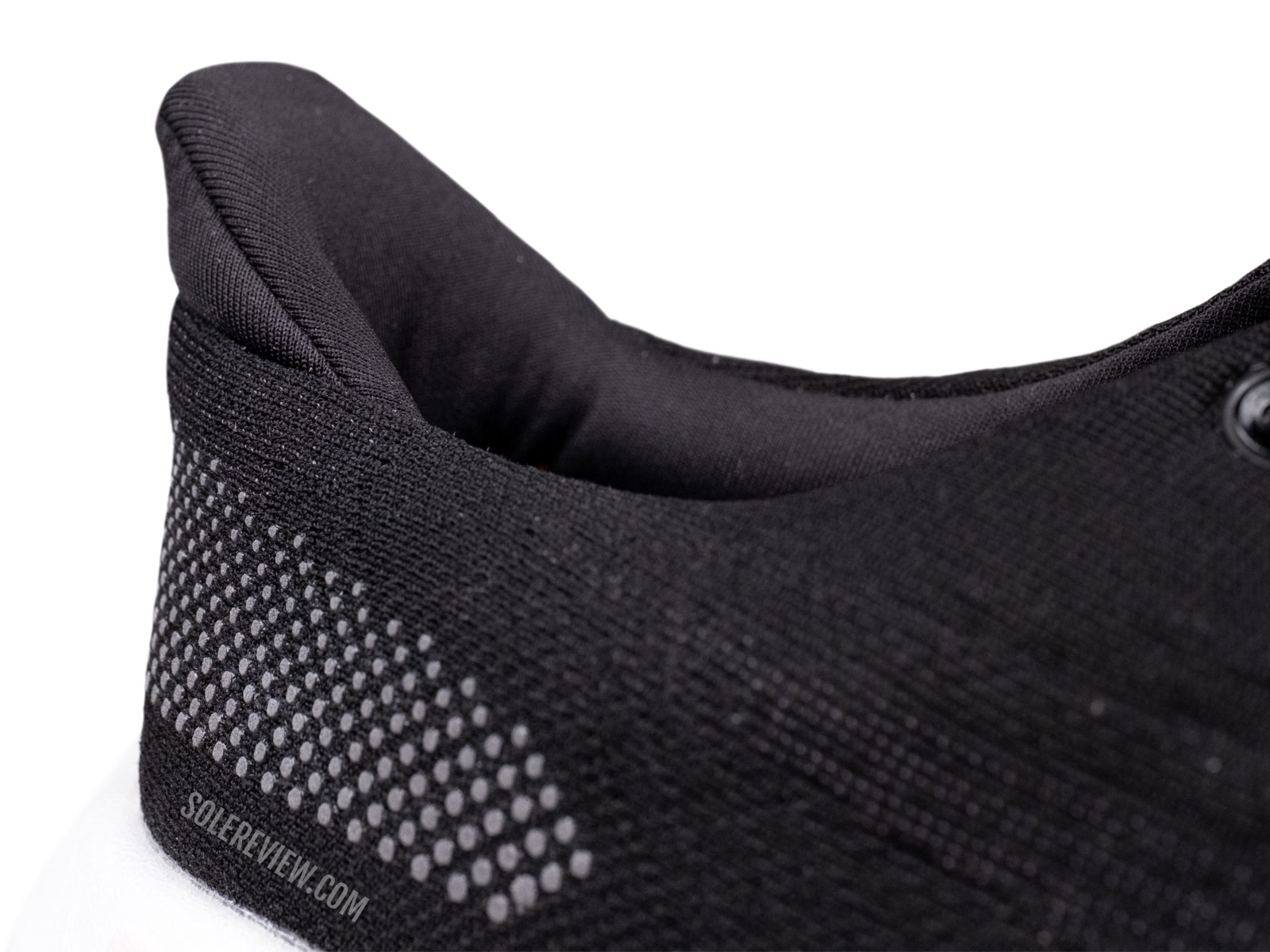
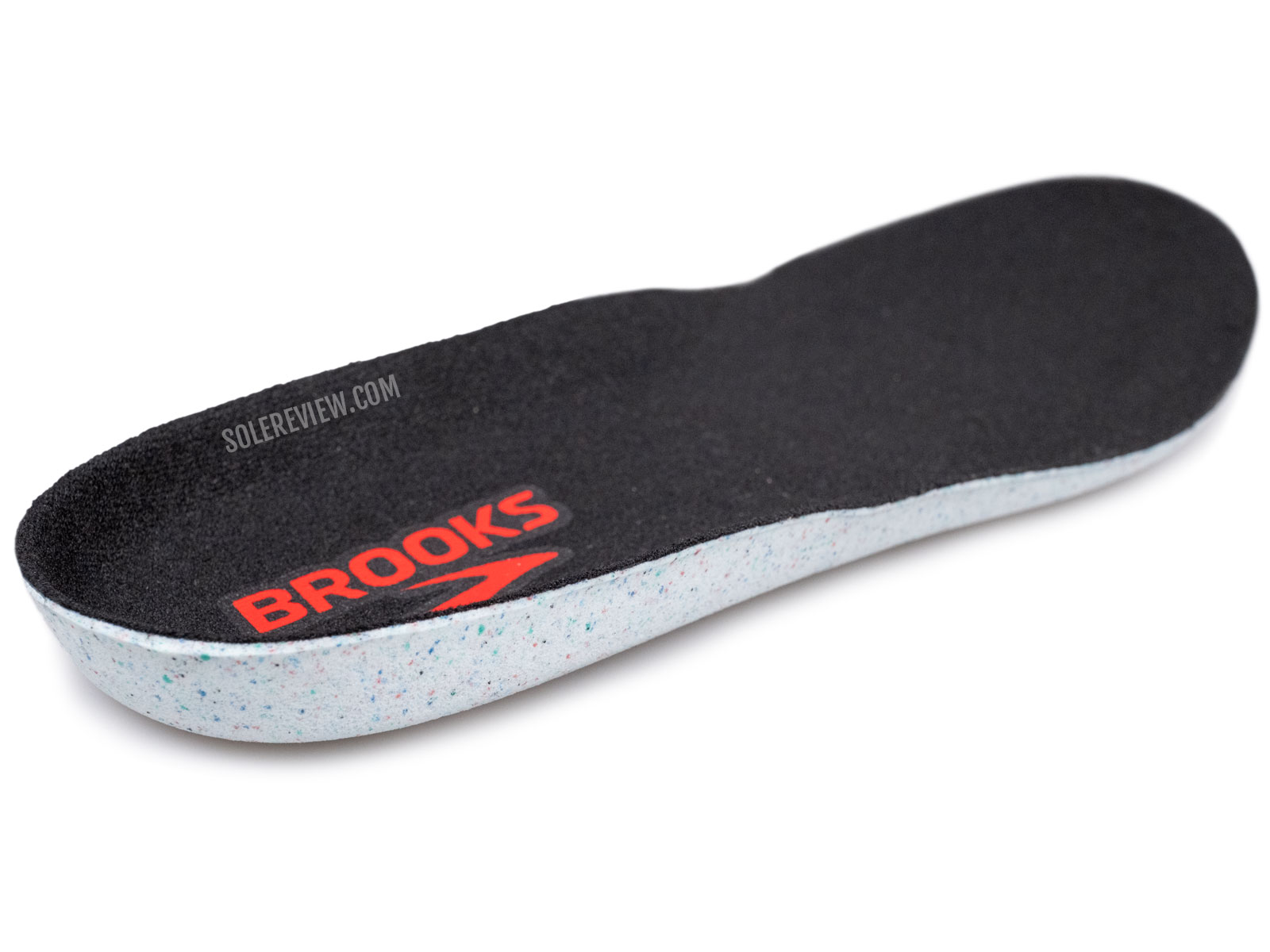

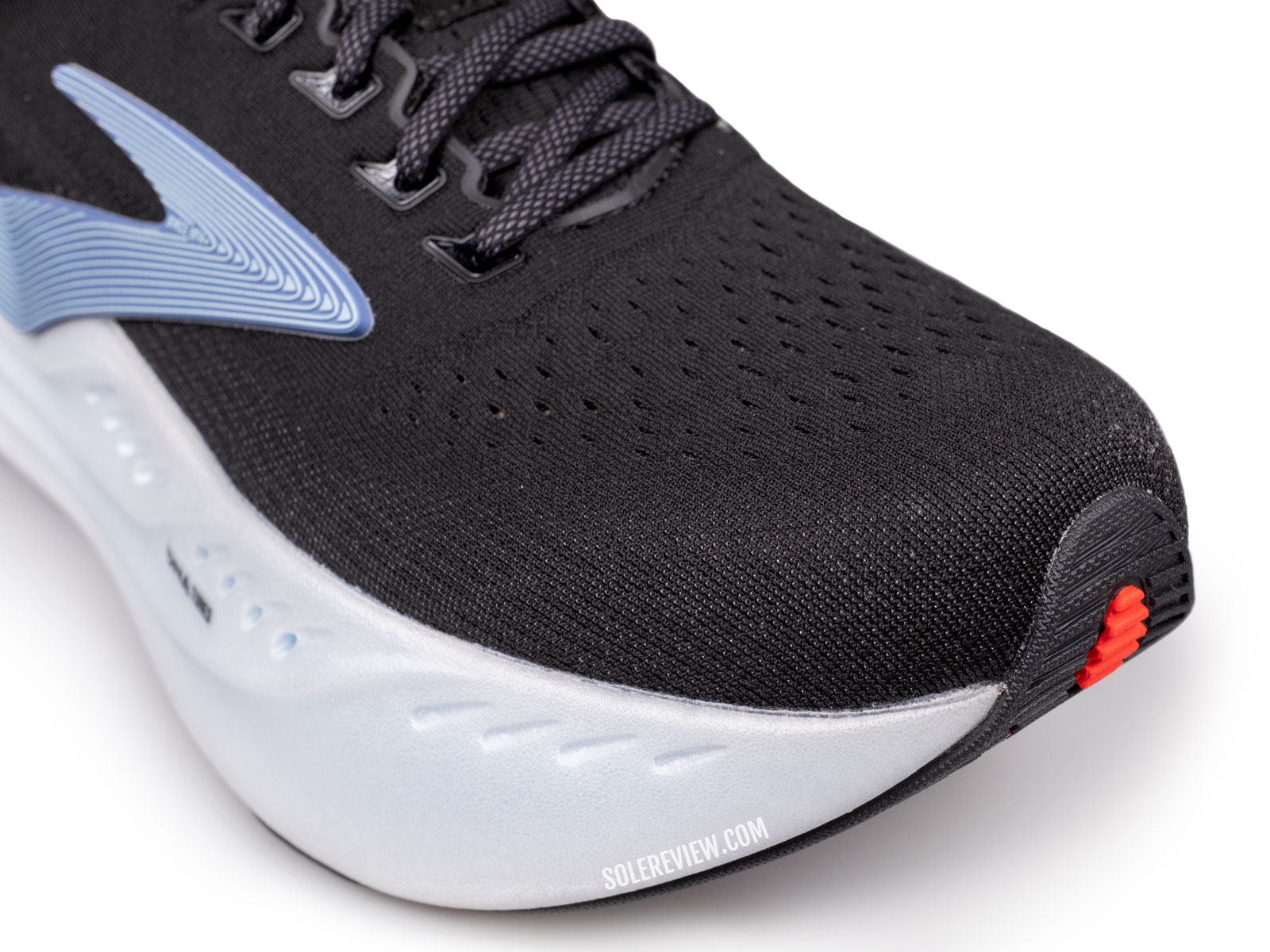
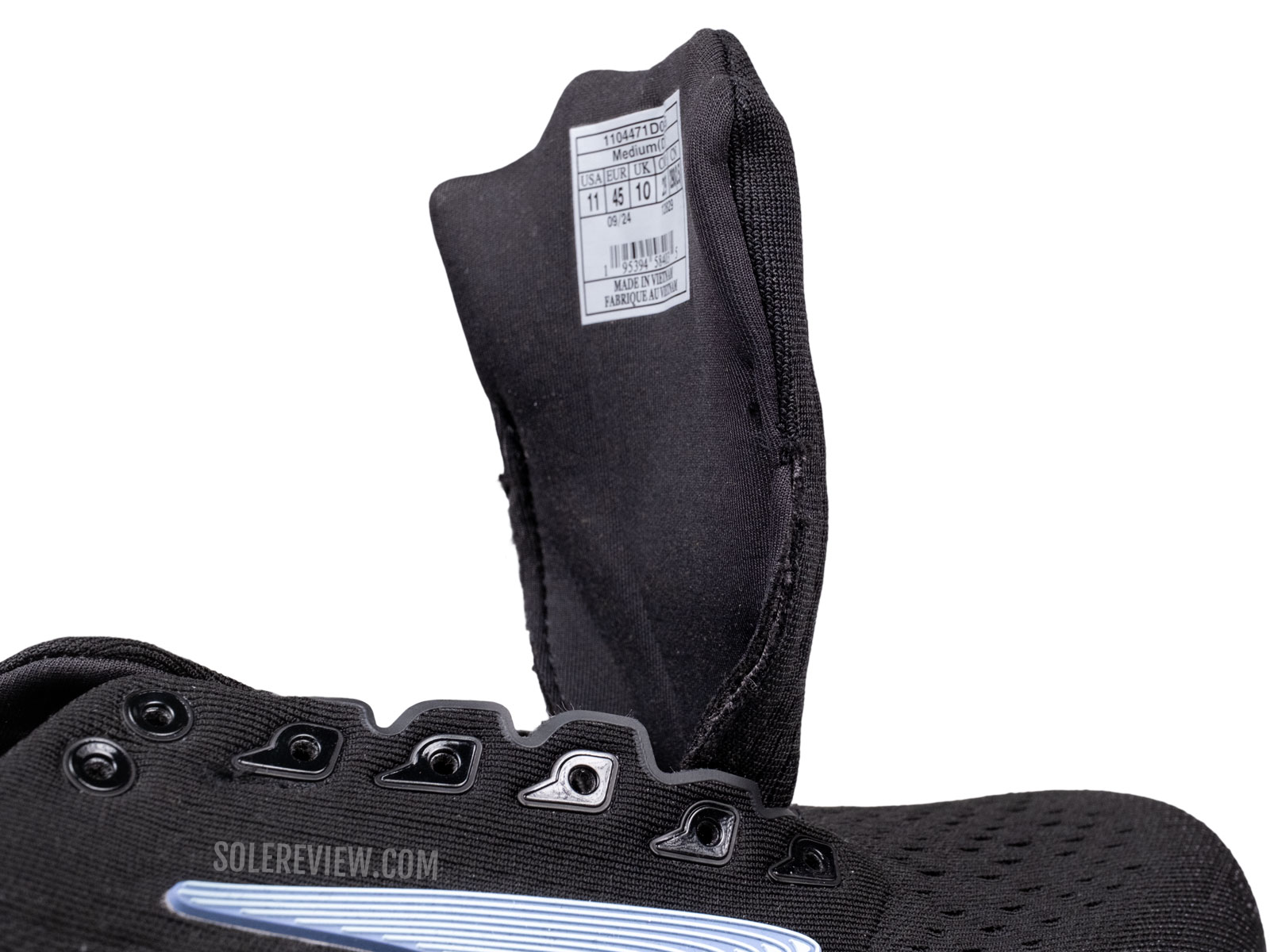
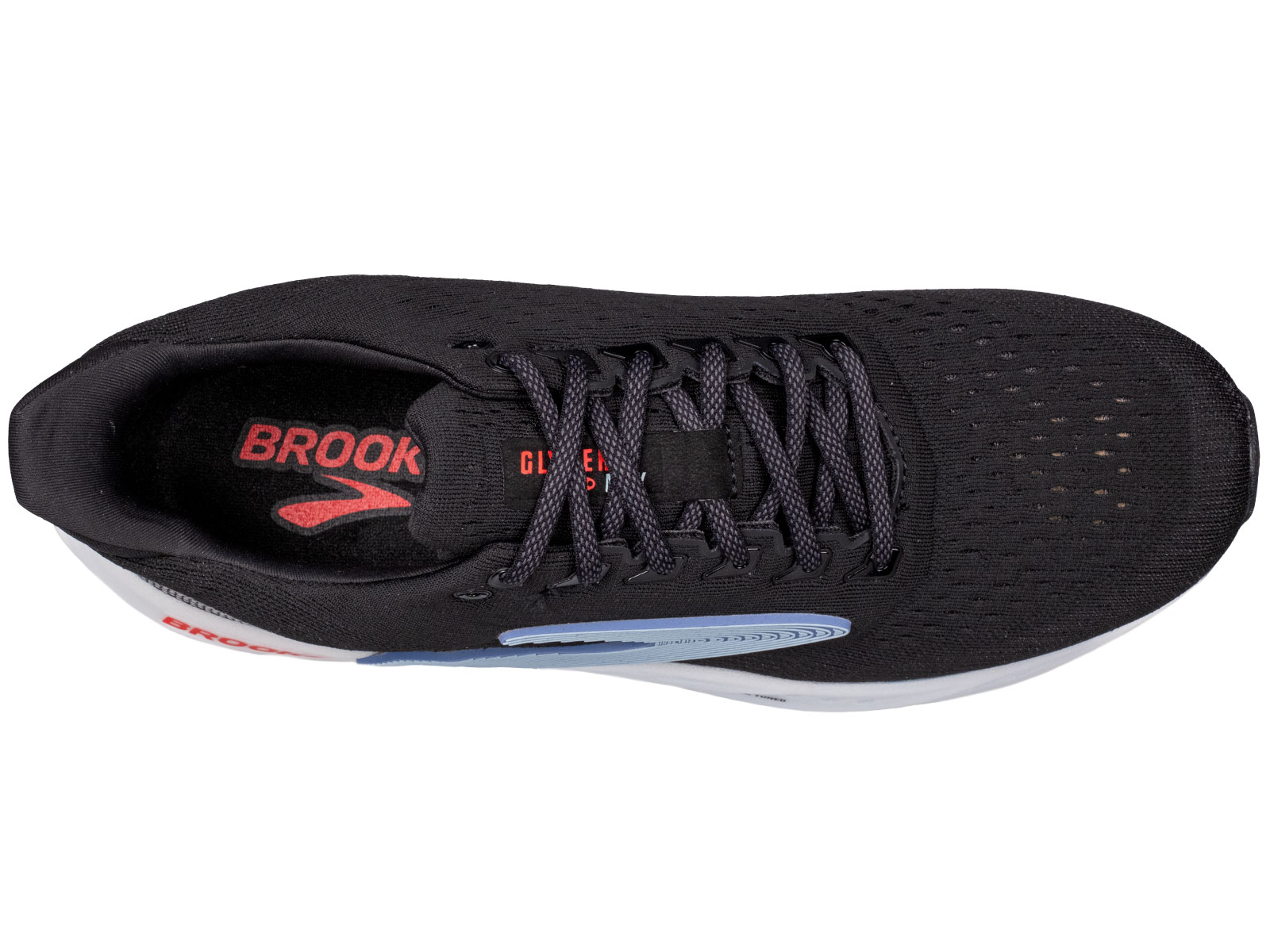
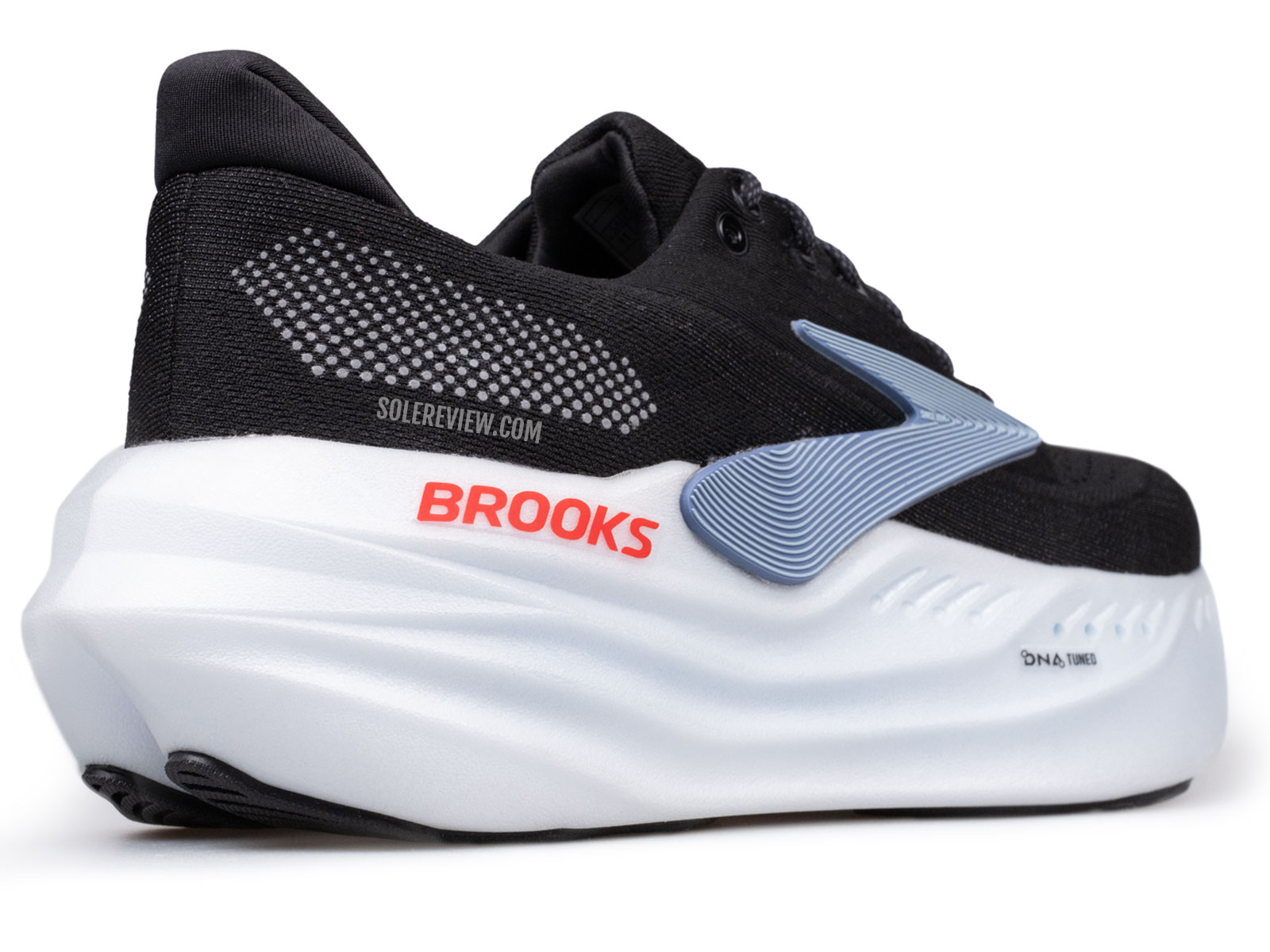
The upper fits a half-size larger, so a US 10.5 will fit like a US 11. The forefoot fits narrow, and the low heel height creates a sense of slippage, even though there’s no real slippage. There’s no gusset, and the tongue flap isn’t wide, so some tongue movement will happen.
- Brooks’ marketing pitch: Optimizes airy softness and electrifying responsiveness.
- Upper: Engineered mesh, no gusset.
- Midsole: Dual-density DNA Tuned foam. 6 mm heel drop.
- Outsole: Carbon rubber in high-wear areas.
- Weight: 300 gms/ 10.6 Oz for a half pair of Men’s US 9/UK 8/EUR 42.5/CM 27.
- Stack heights: 47 mm (heel), 41 mm (forefoot).
- Available widths: D – regular (reviewed).
- Country of origin: Vietnam.
- Recommended use: Daily training, recovery runs, marathons.
- Footstrike orientation: Heel, midfoot/forefoot (full contact).
- Recommended paces: 5:00 min/km (8:00 min/mile) and slower.
- Median lifespan: 450 miles.
- Recommended temperature range: Warmer than -5° C/23° F.
Pros
- True max cushioning
- Neutral and supportive ride
- Durable build quality
- Outsole grip
- Reflective upper
Cons
- Half-size larger fit weakens the rocker effect
- Heavy
- Expensive
- No optional widths
- Low versatility; limited to slower speeds
Also consider:
- Hoka Skyward X
- Nike Vomero 18
- Puma MagMax Nitro
- Asics Nimbus 27
- Hoka Bondi 9
- Use the Brooks Glycerin Max for daily training and recovery runs
- Use the Saucony Endorphin Pro 4 or Nike Vaporfly 4 for 10K, half-marathons, and marathons
- Use the adidas Adizero EVO SL or Brooks Hyperion 2 for tempo runs, threshold, and 10K races
If this article were published last year, the Brooks Hyperion Max 2 would be left out. It was a firm shoe that worked very well for tempo runs and such. The newest Hyperion Max 3 is a very different shoe. The midsole is much softer, as the firm DNA Flash foam has been replaced with DNA Gold – a soft and springy foam that’s also featured on the Hyperion Elite. The midsole still features DNA Flash as the bottom layer, except that it’s softer than before.
The updated foams work together to produce a comfortable ride that’s ideal for recovery runs. The nylon plate prevents the foot from sinking into the midsole while creating a nice rocker effect for smoother toe-offs.


We’re not sold on the new upper design. The closed bootie construction is more inconvenient to get into, and it runs warm because of the thicker mesh. The forefoot and toe-box are more cramped than the Hyperion Max 2. It’s a decent upper for narrow feet, but you’re out of luck if you want more interior space.
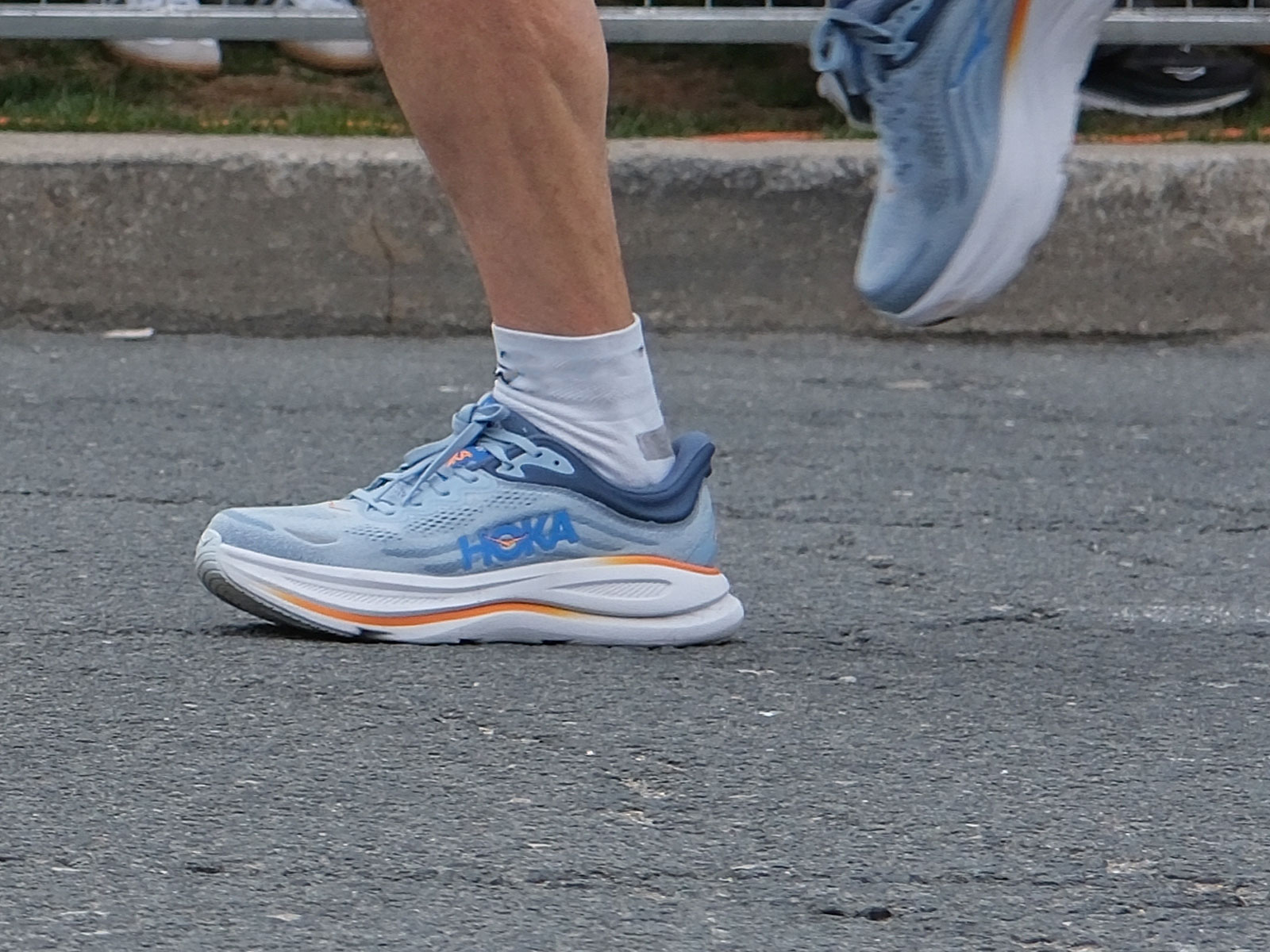
The predictable Bondi 9 is the dumb reach of recovery trainers. The Bondi takes the term ‘incremental improvements’ to heart, and makes only slight tweaks to its popular form factor. The cushioning is powered by the tall EVA foam midsole and the step-in comfort from the removable footbed. Landing on this midsole produces a soft ride experience that’s perfect for short-duration runs at easy speeds. The wide base and strategic outsole placement create stable landings.
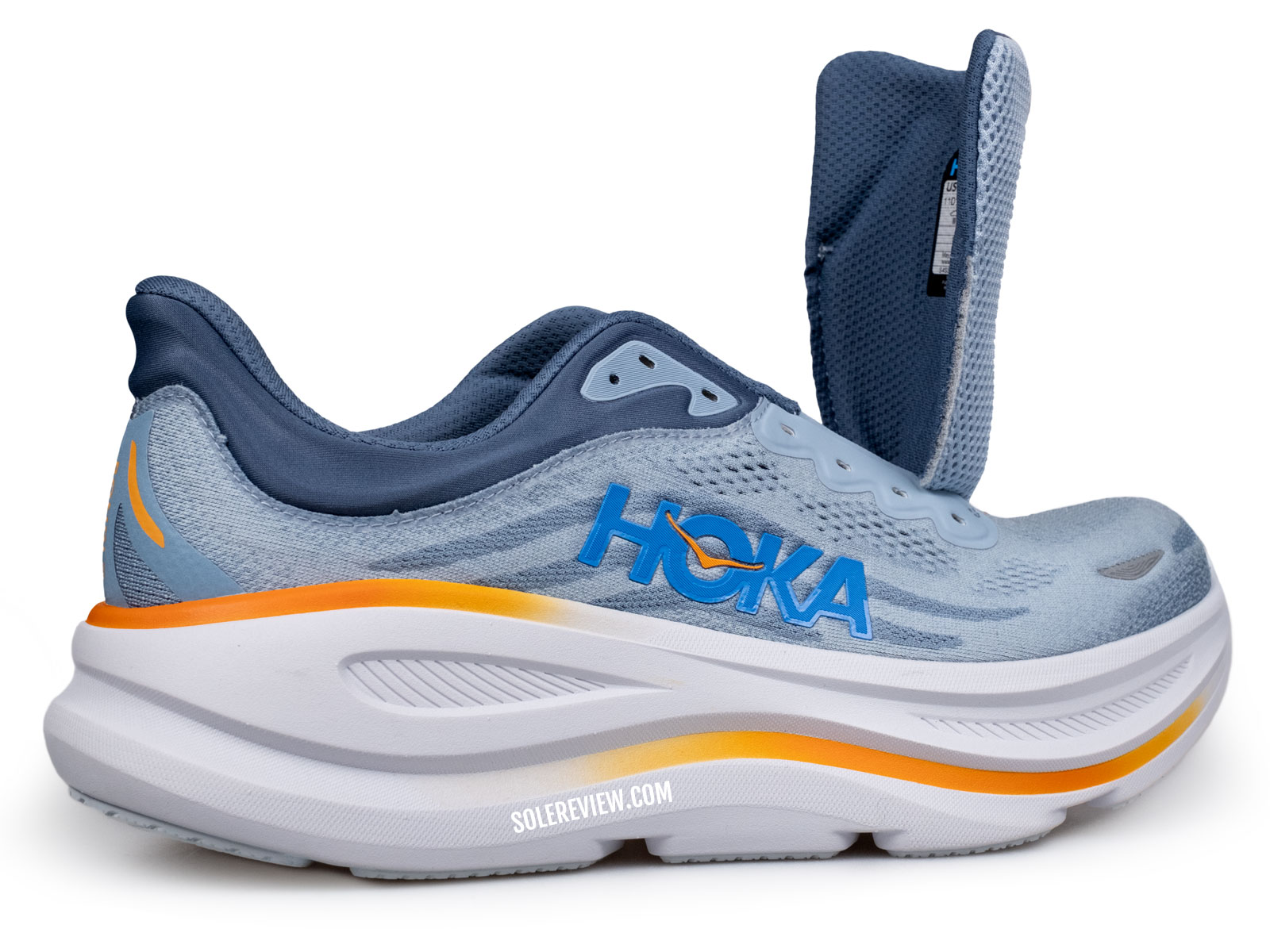
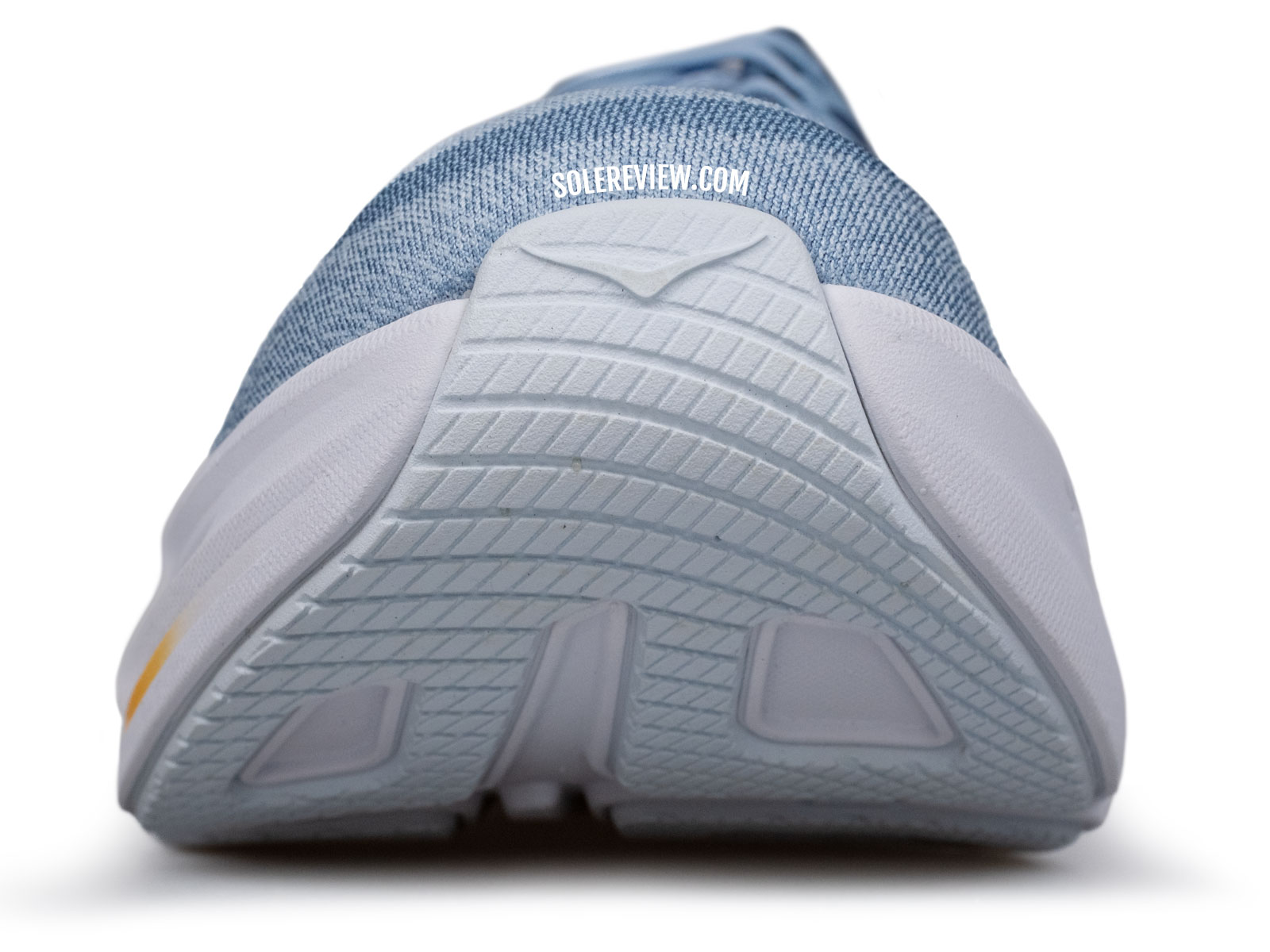
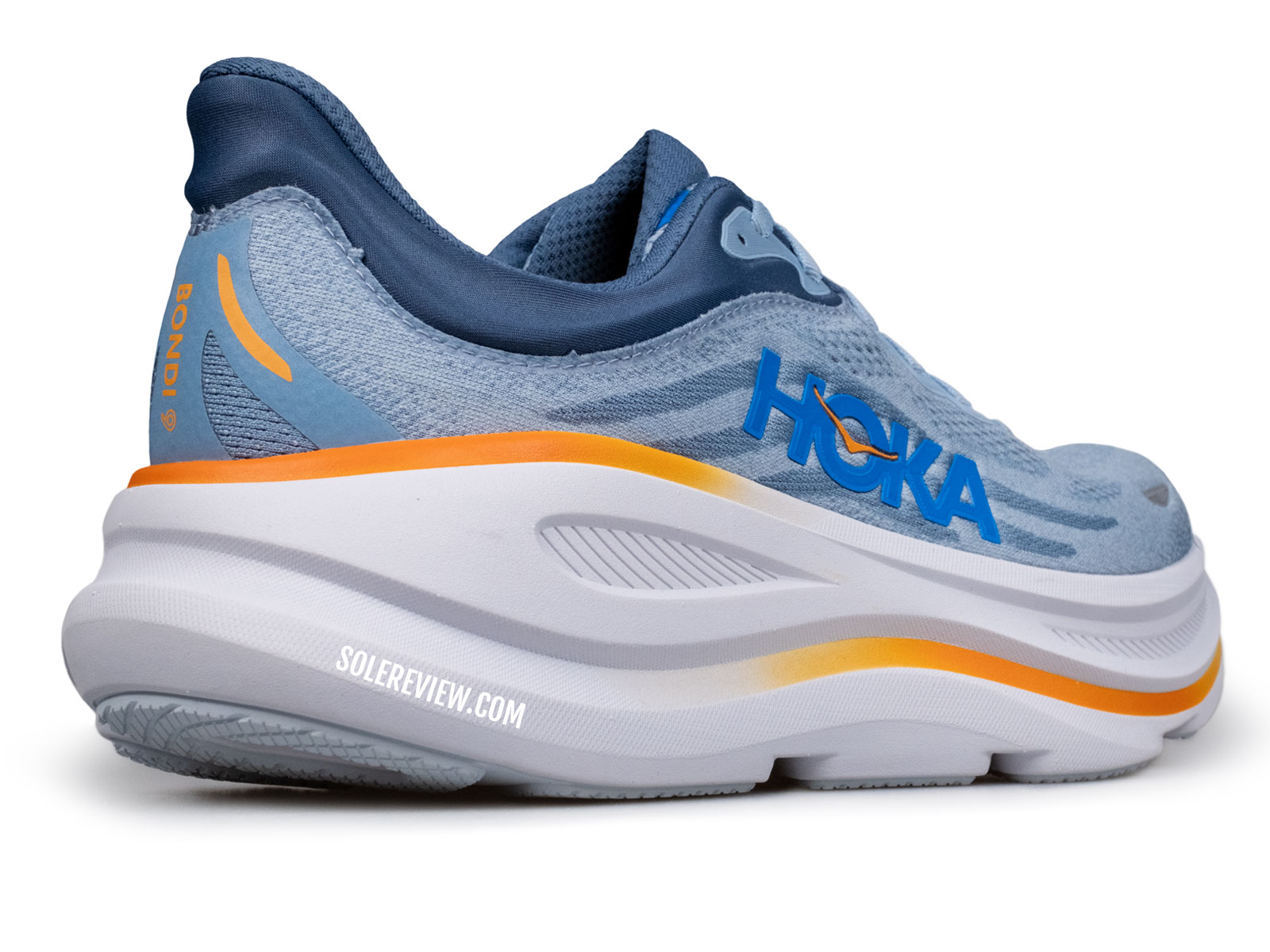
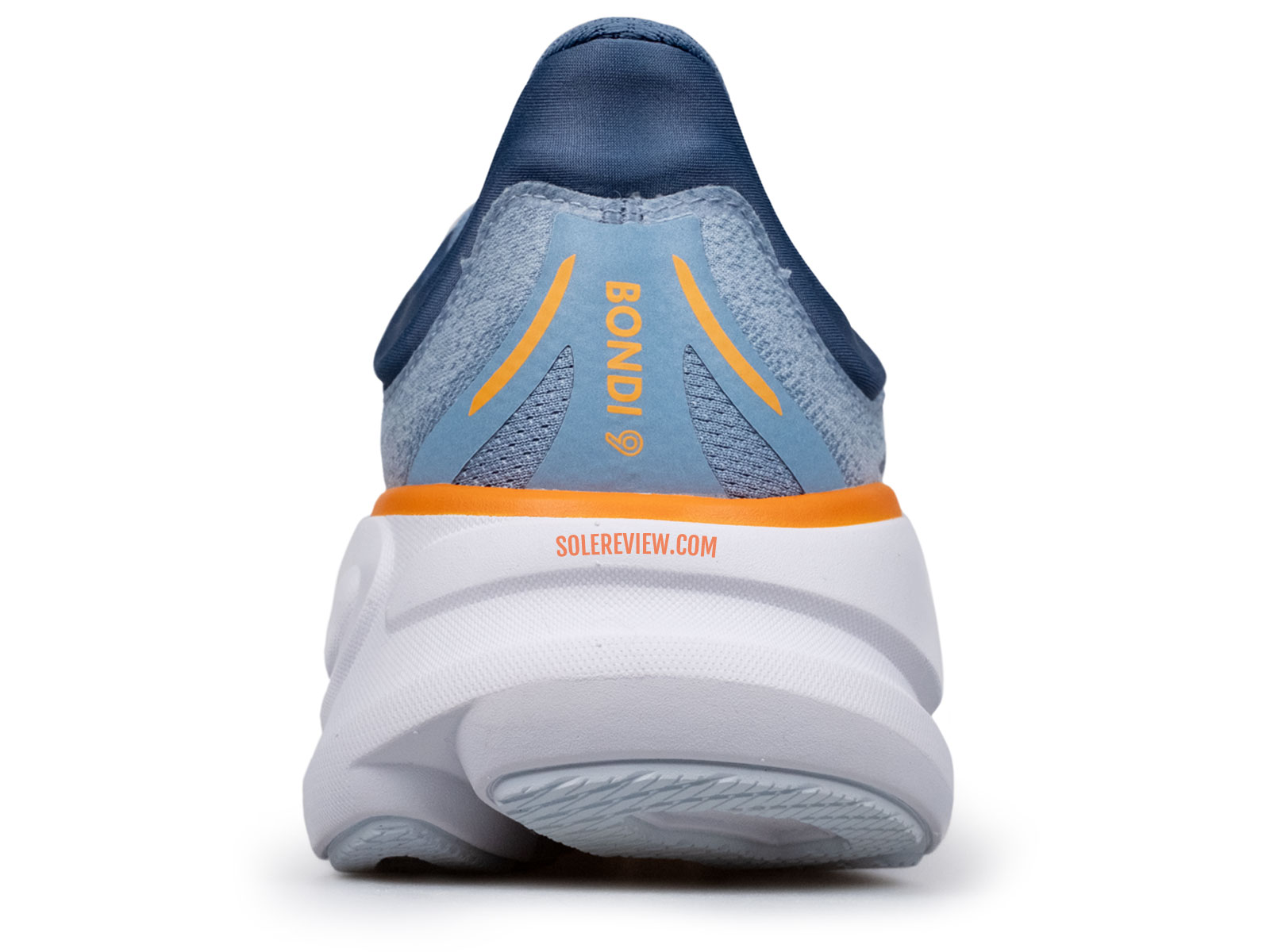
The Hoka Bondi 9 has a cushioned yet supportive midsole.
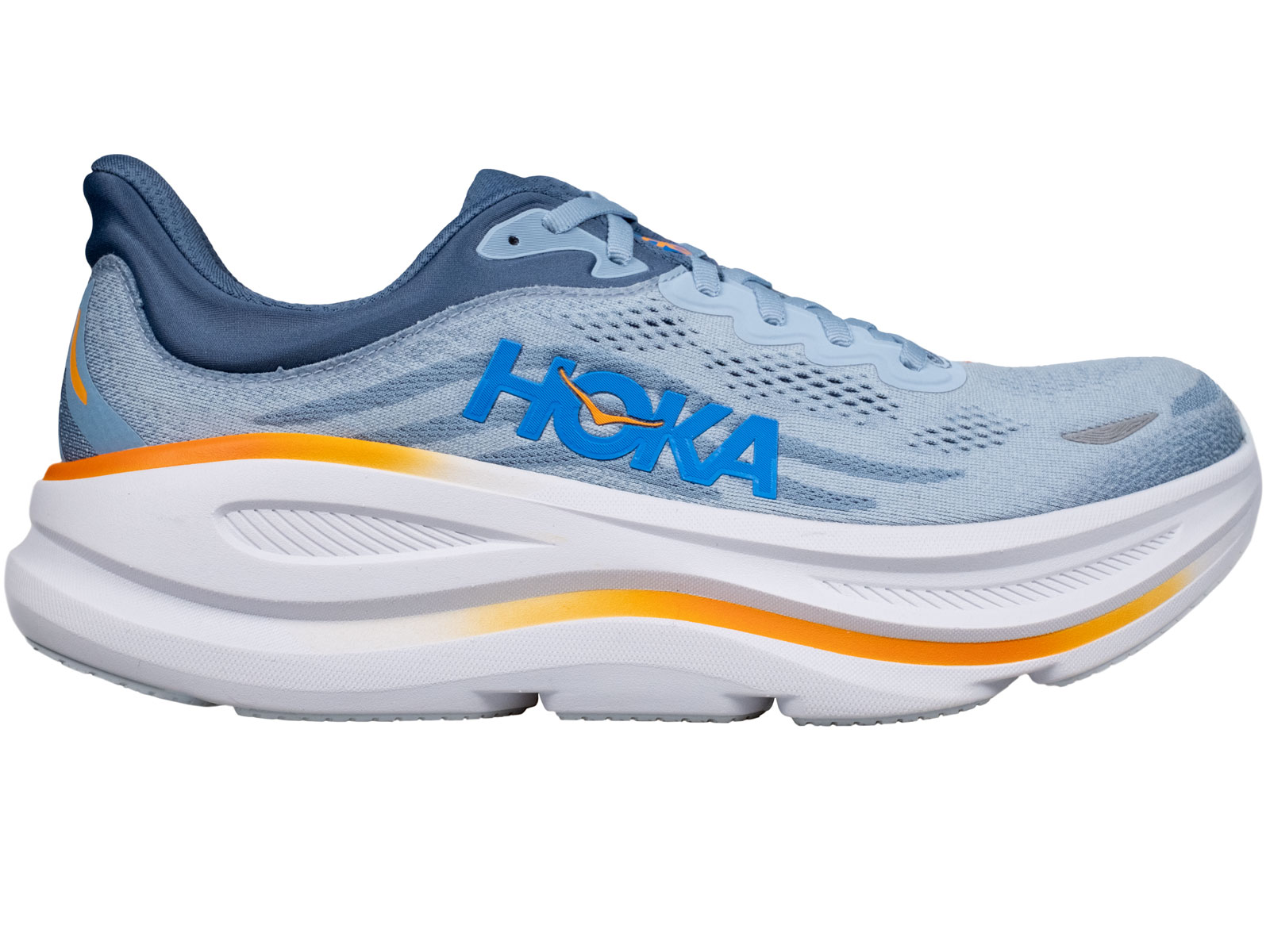
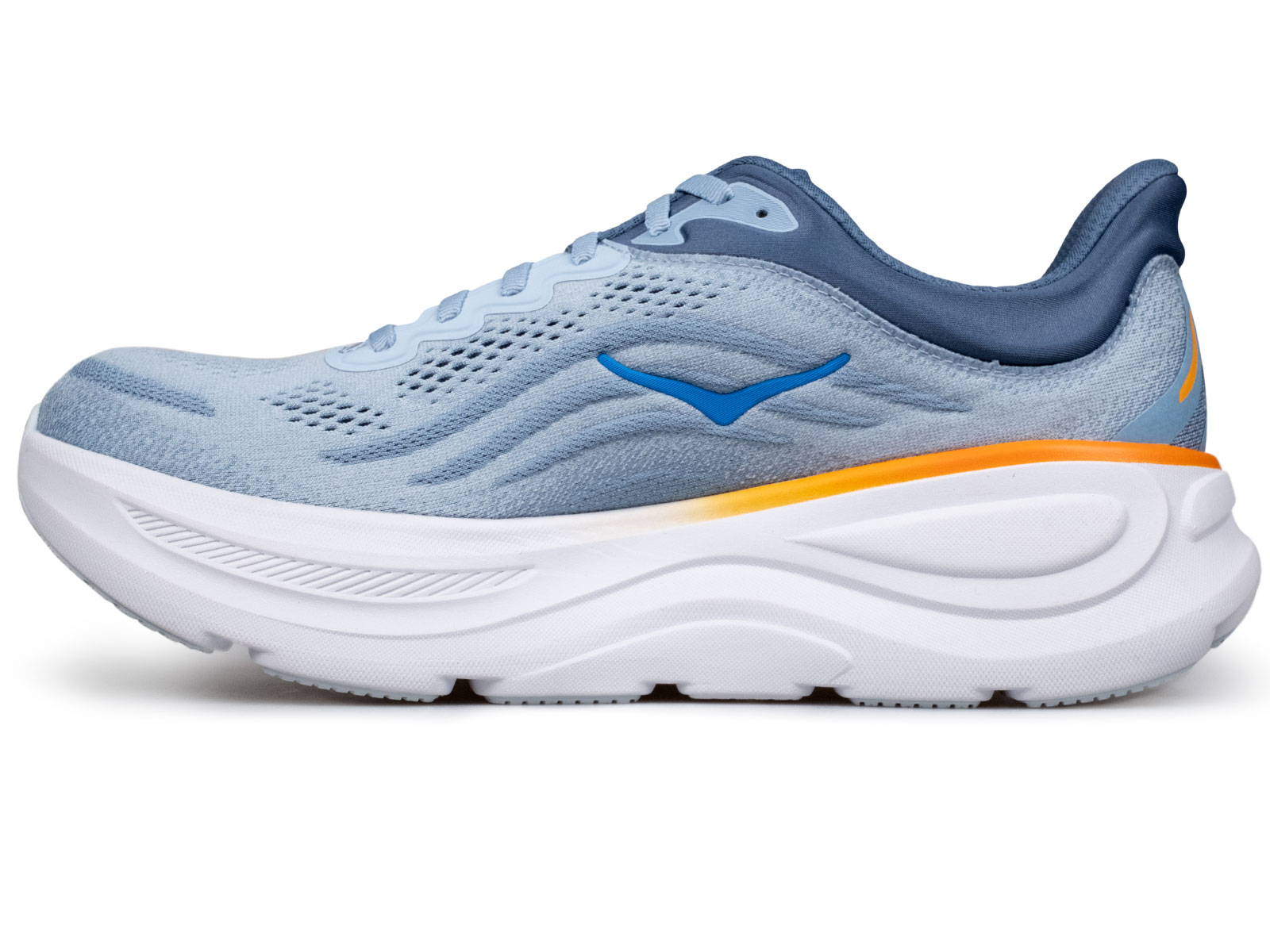
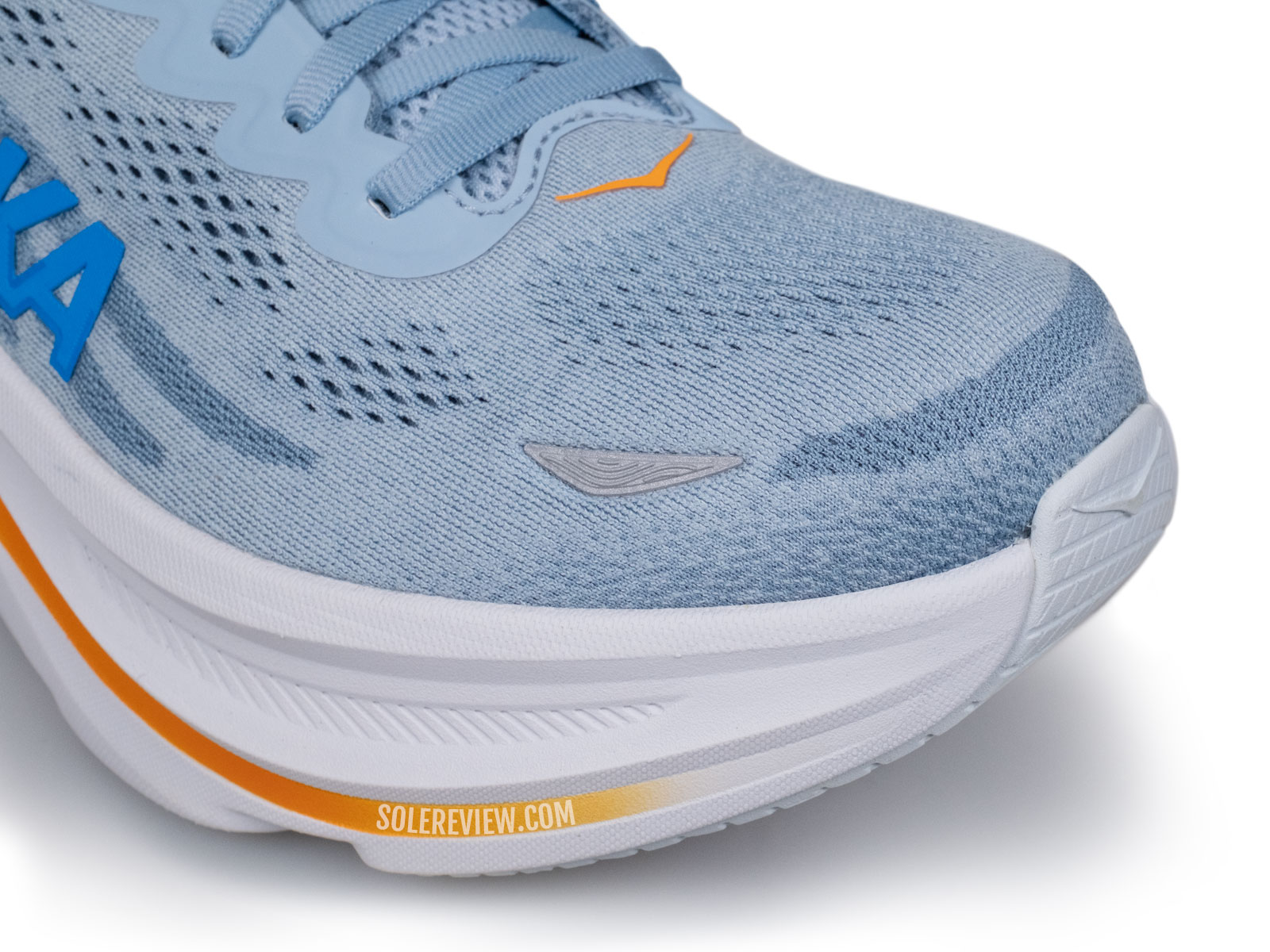
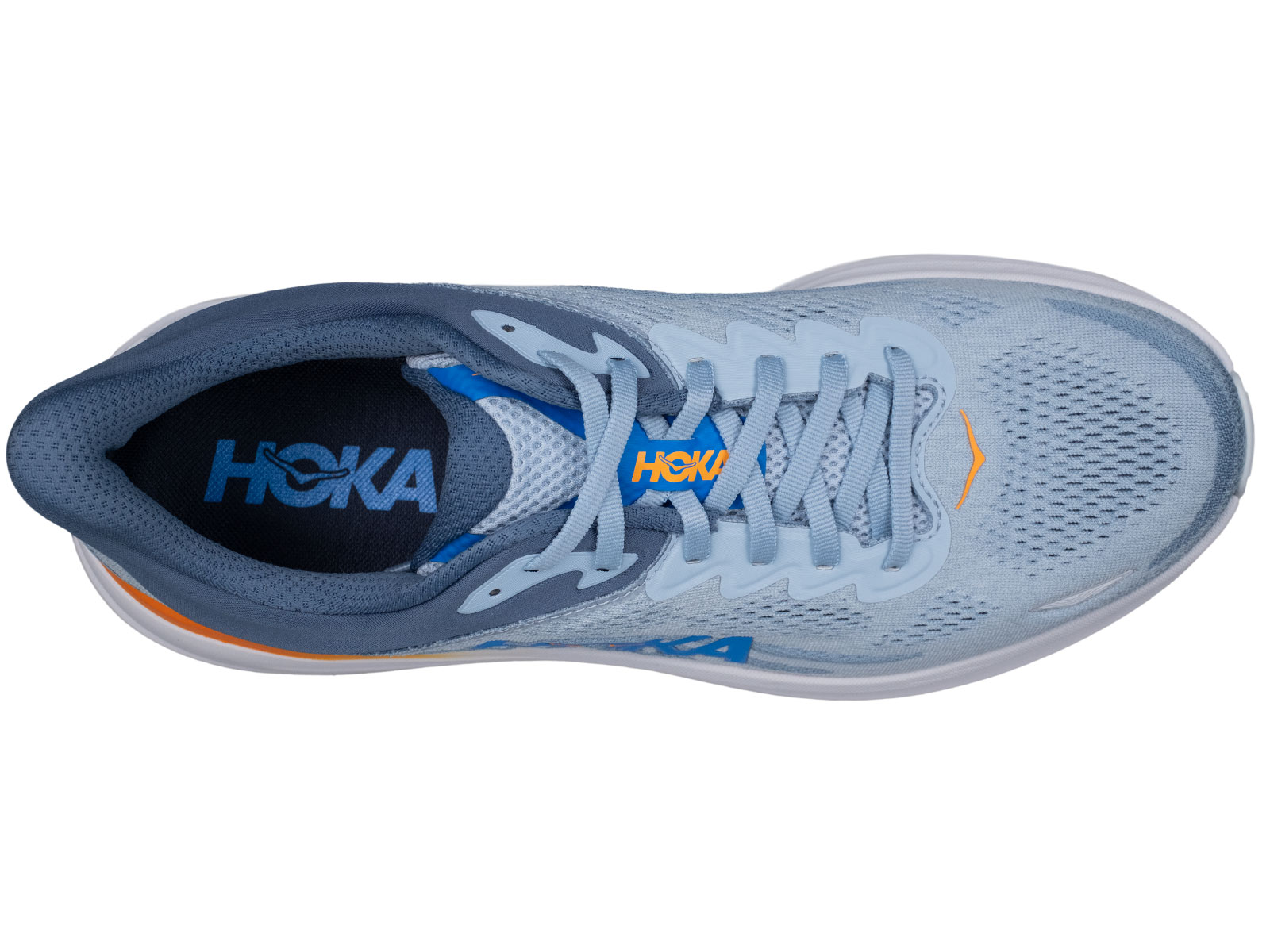
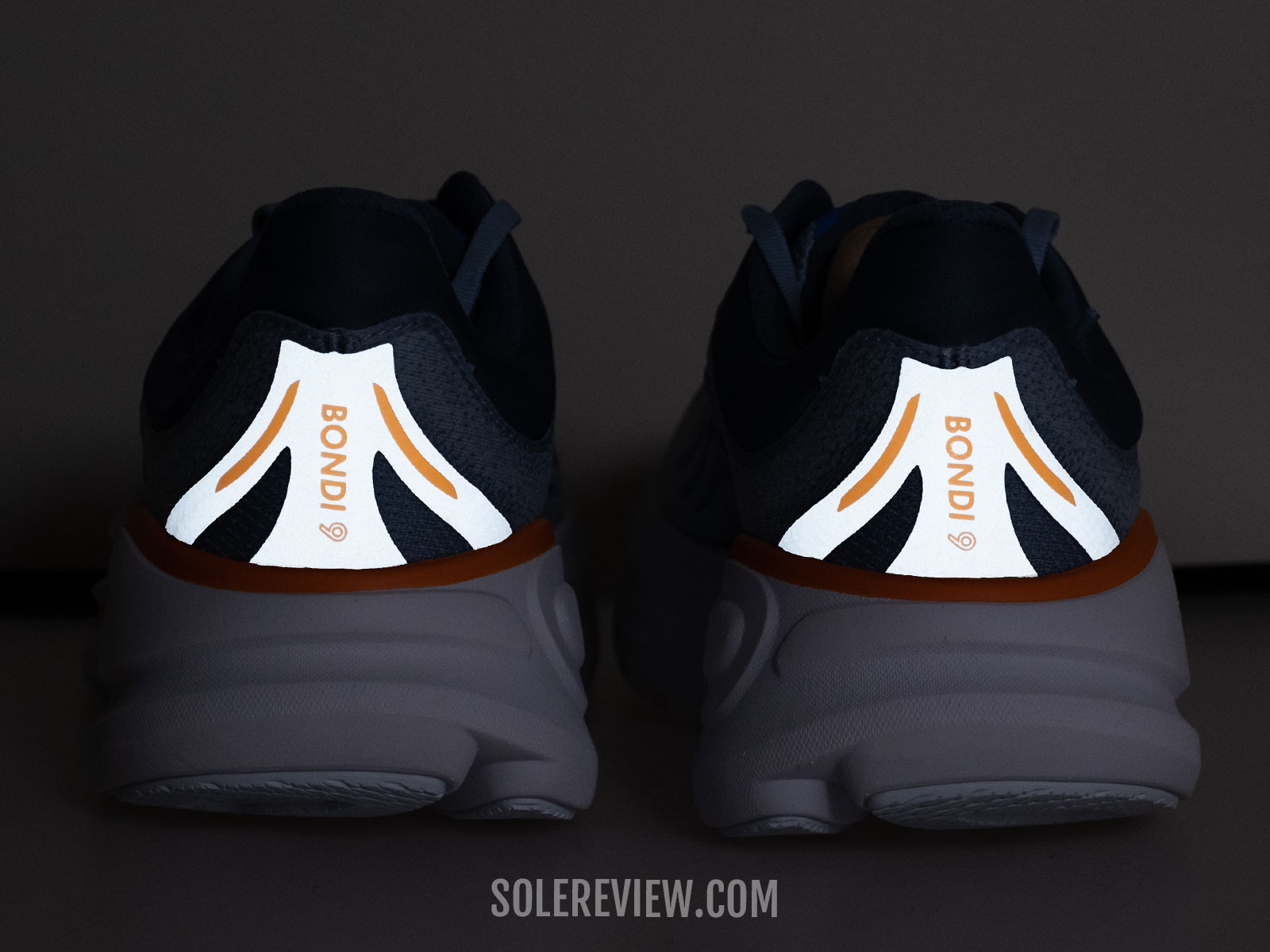
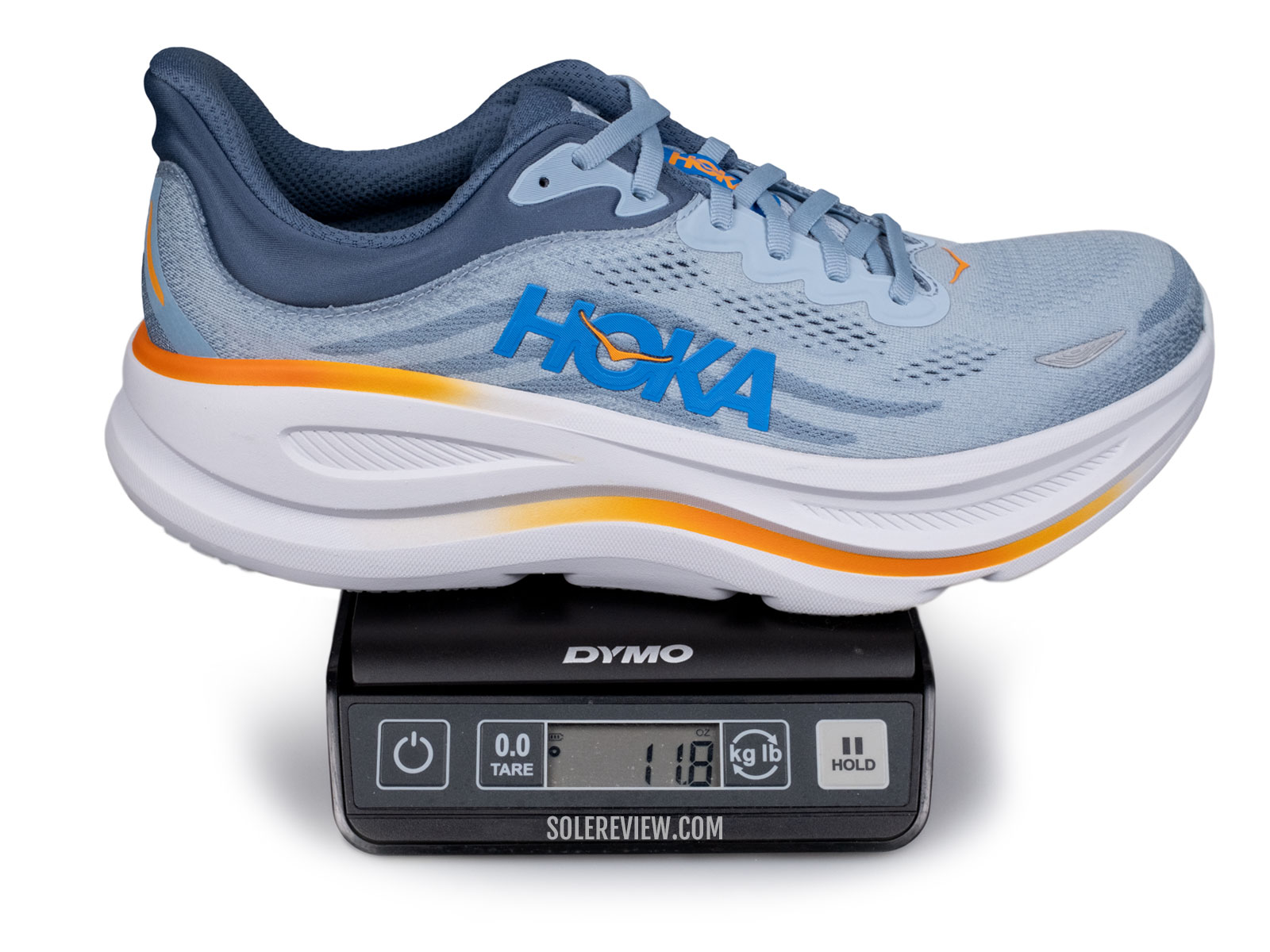


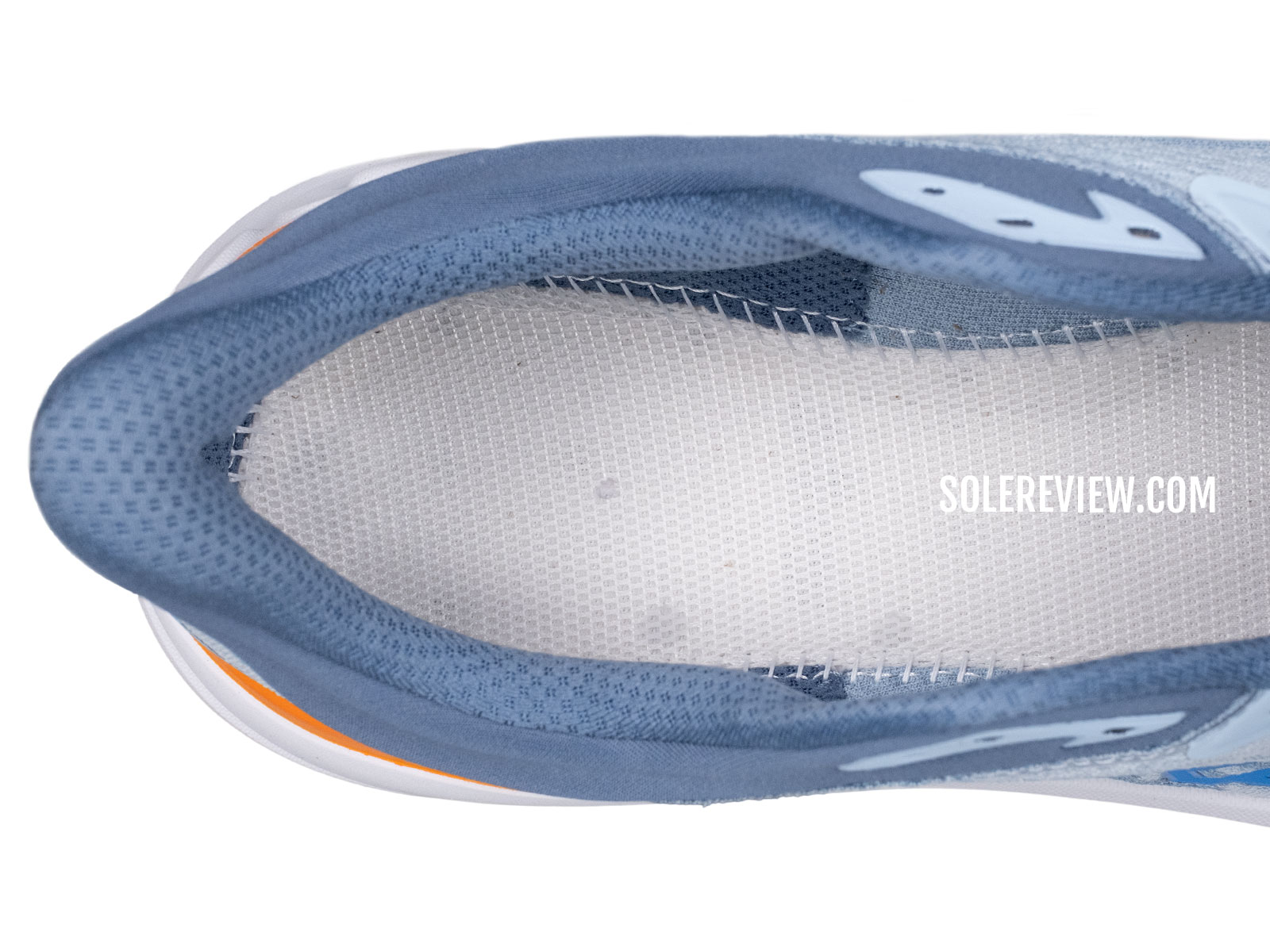
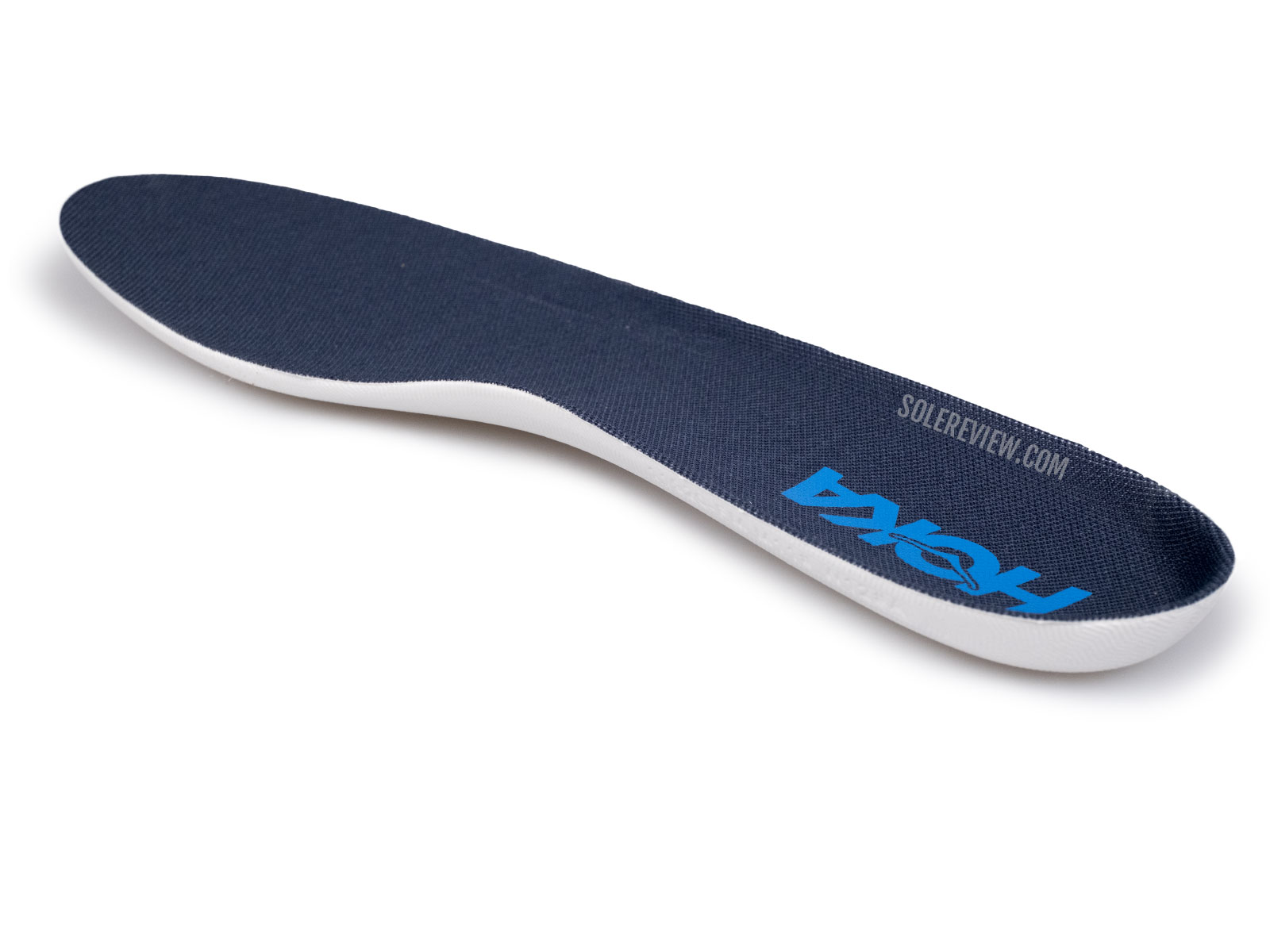
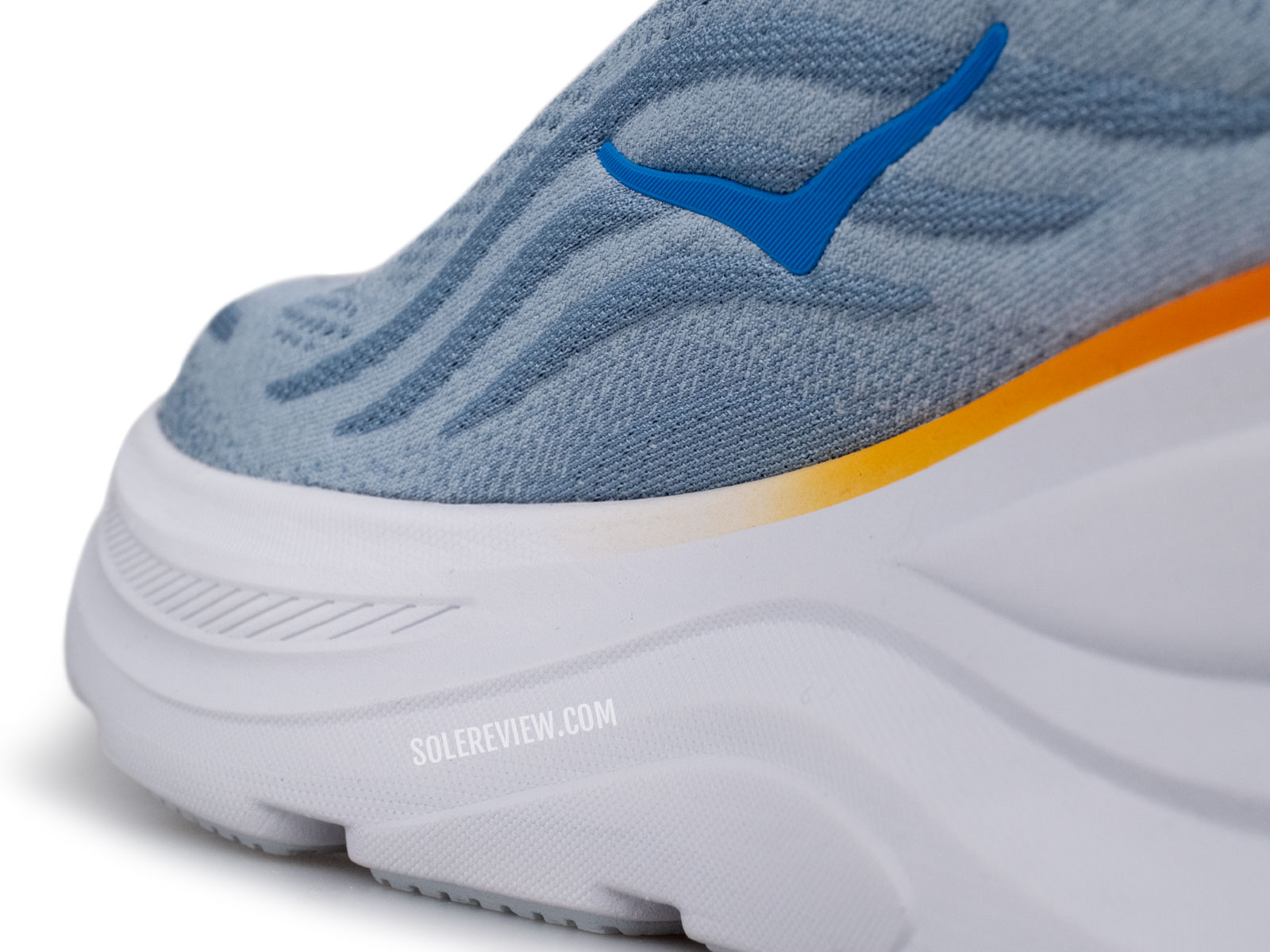
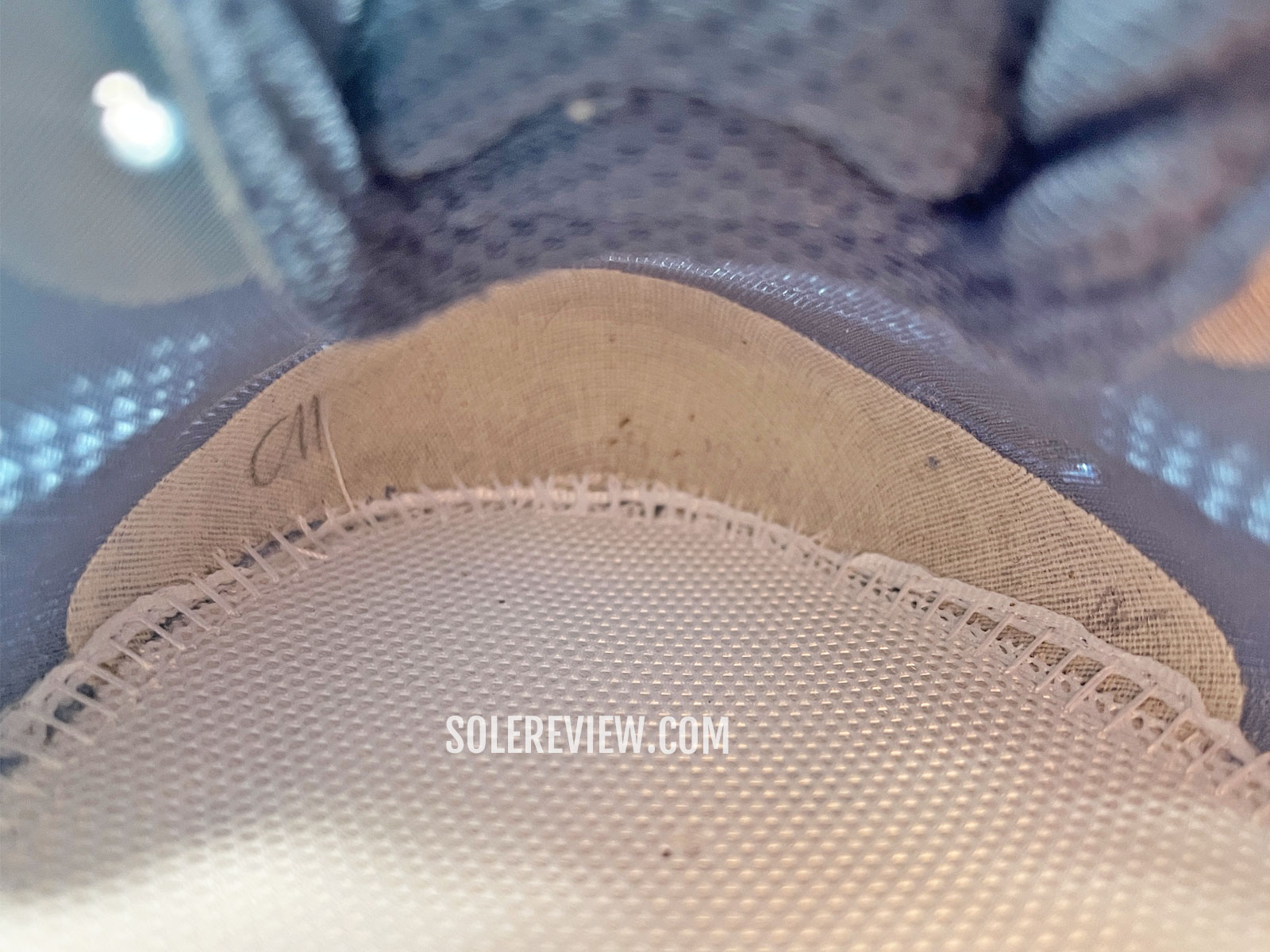
While the Bondi 9’s upper looks similar to the previous version, the interiors are more comfortable than the Bondi 8. In our review of the Bondi 8, we highlighted the narrow fit and the pressure hot-spot from the midsole edges. The Bondi 9 corrects that with a more spacious forefoot and a softer midsole. At $175, the Bondi 9 is just $5 less expensive than the PEBA foam-powered Nike Vomero Plus, so it feels overpriced for its tech level.
- Hoka’s marketing pitch: The ultra-cushioned game-changer.
- Upper: Perforated engineered mesh, reflective details. No tongue gusset.
- Upper fit: True to size, narrow.
- Midsole: EVA foam and footbed. 5 mm heel drop.
- Outsole: Carbon rubber, exposed EVA foam.
- Weight: 298 gms/ 10.5 Oz for a half pair of Men’s US 9/UK 8.5/EUR 42.5/CM 27.
- Stack heights: 44 mm (heel), 39 mm (forefoot).
- Available widths: D – regular (reviewed), 2E – wide, 4E – extra wide.
- Previous model: Hoka Bondi 8.
- Country of origin: Vietnam.
- Recommended use: Everyday training, marathons.
- Footstrike orientation: All types (heel/midfoot/forefoot).
- Median lifespan: 450 miles.
- Recommended paces: 5:00 min/km (8:00 min/mile) and slower.
- Recommended temperature range: Warmer than -5° C/23° F.
Pros
- Cushioned and stable ride
- Reflective details
- Smooth transitions
- Secure upper fit
- Optional widths
Cons
- Antiquated cushioning tech
- Heavy
- Overpriced for what it offers
- Mild tongue slide