
In this product guide:
Simply put, tempo training involves high-intensity runs outside a runner’s comfort zone. Tempo runs are uncomfortable, but not to the point where you’re running out of breath. While reasonably fast, it’s supposed to be run slightly below an individual’s 5K race pace. Ideally, tempo runs take place at 85% of maximum heart rate and last around 20 minutes, sandwiched between easy pace sessions. For example, a typical 40-minute workout could be structured as 10 minutes warm-up at an easy pace, 20 minutes at tempo pace, followed by 10 minutes of cool down. There are other variations, but that’s the gist of it. While tempo runs depend on personal endurance thresholds and not a specific pace per se, it’s safe to assume that the speeds involved would be faster than 5:30 min/km (8:50 min/mile).
How do tempo runs help? The long-held belief is that these workouts help improve the lactate threshold. Tempo runs and lactate threshold are often mentioned together. Lactate, or lactic acid, is produced when the body burns stored sugar (Glycogen) for energy. While Lactate has long been associated with fatigue and the burning sensation in the muscles during intense workouts, research suggests1 that inflammation in the muscles because of micro-tearing may be the reason.
There are two other reasons why tempo runs are immensely beneficial when training for a half or full marathon. It improves the VO2 Max, which is the body’s oxygen delivery and extraction ability with respect to the working muscles. Tempo runs also help slow-twitch (type 1) and intermediate (type 2a) muscle fibres respond more efficiently to aerobic demands, thus improving the endurance capabilities.
Four key characteristics in a running shoe complement the demanding nature of tempo runs. The most important feature is the shoe’s ability to ramp up speed efficiently, as the workout progresses from an easy pace to a tempo. In other words, while the midsole should be cushioned to absorb the impact forces during the 30 ~ 60-minute session, it should also be able to pick up speed on demand. If it’s too soft, then it’s going to struggle to build and sustain the necessary speed. A low-profile midsole, responsive foam, and a forefoot rocker are helpful features; an internal plate is a bonus.
Tempo runs take up decent mileage when training for a marathon or half, so the shoe should be more durable than a race-day shoe. In this guide, careful consideration was given to the overall build quality and durability.
This is not an exhaustive list. If you’re looking for more cushioning in a tempo trainer, we recommend the Asics Superblast 2 or the Nike Zoom Fly 6.
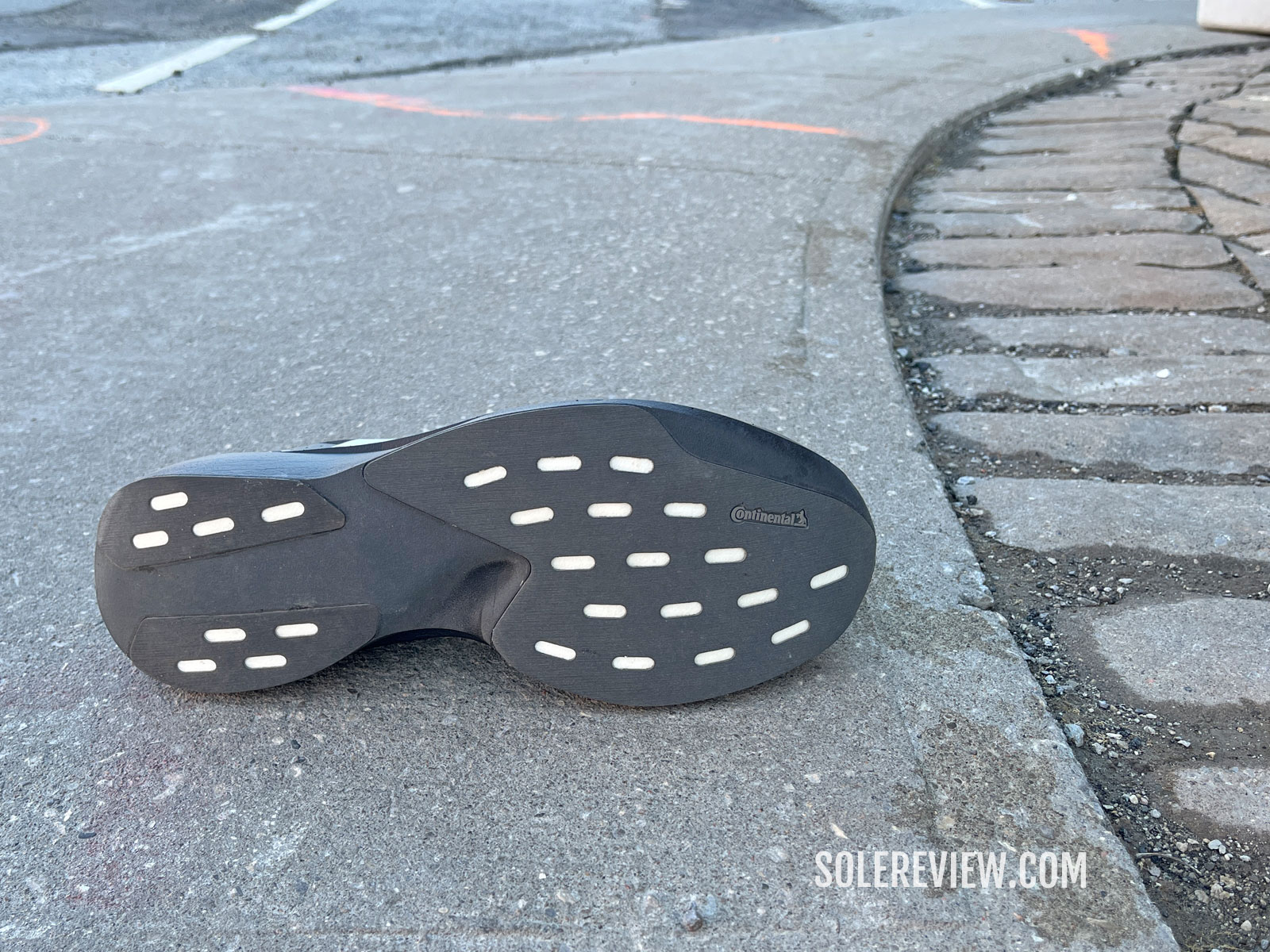
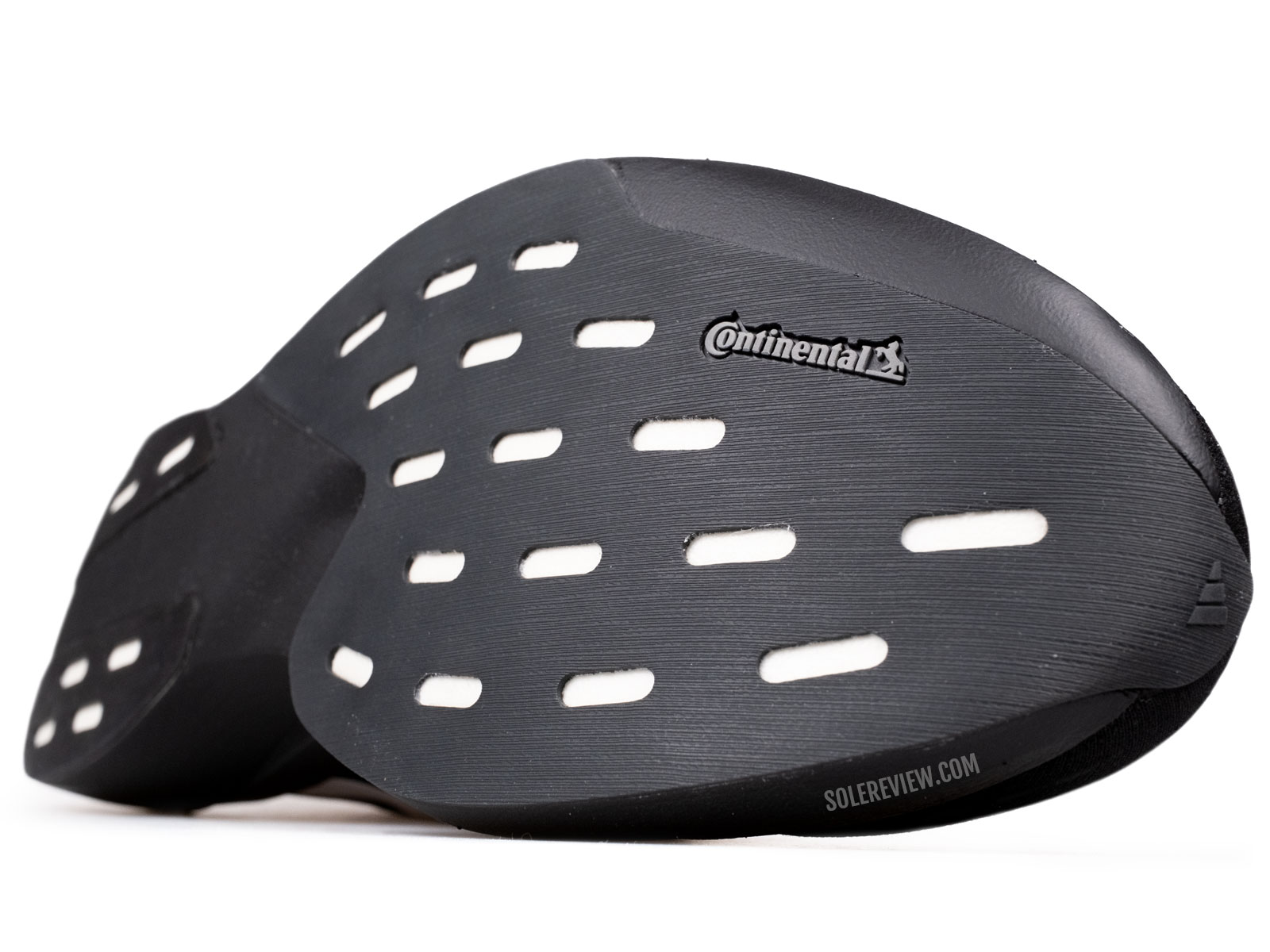
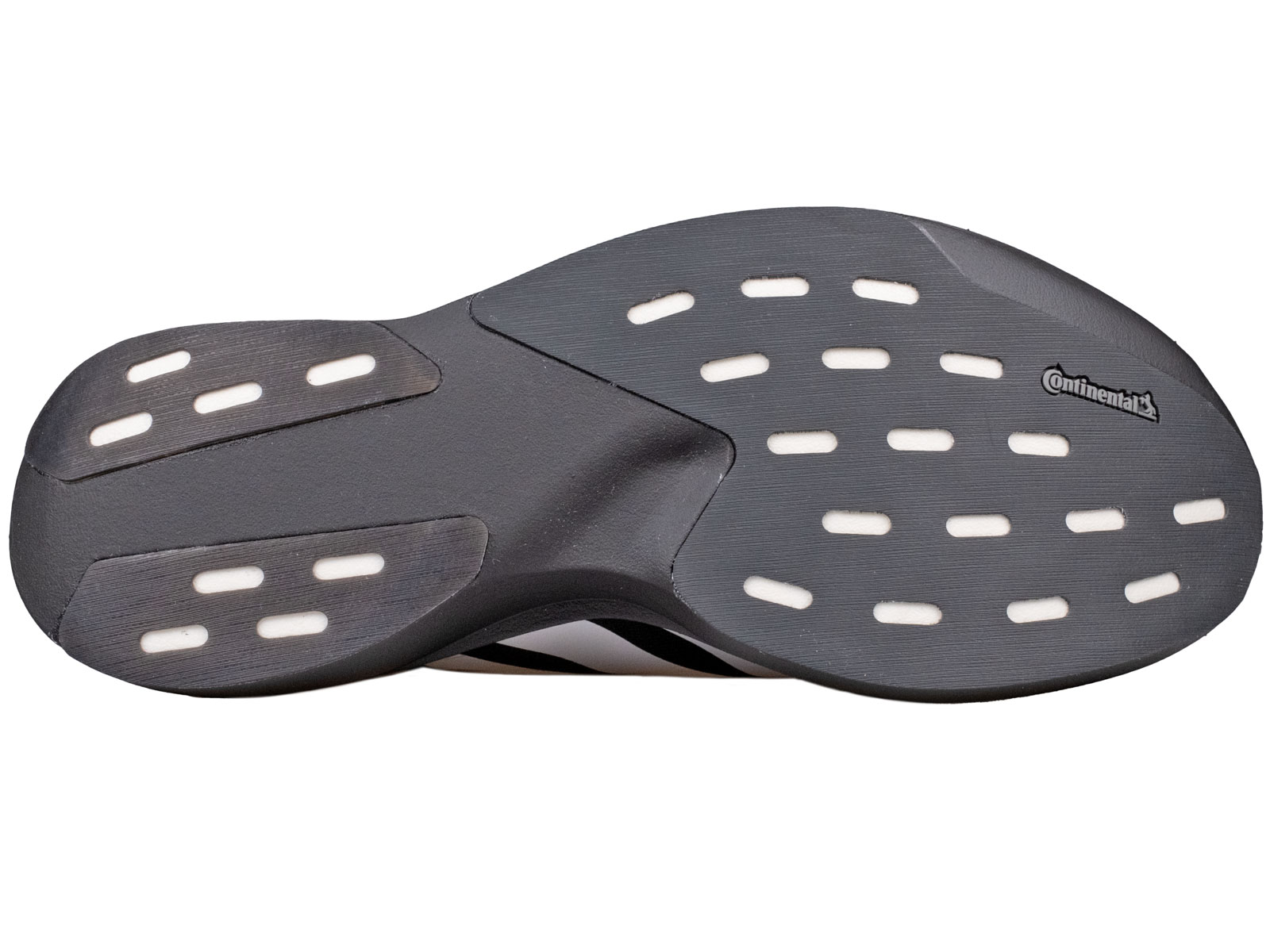
The adidas EVO SL ranks highly on the list of best-selling running shoes, and it’s not hard to see why. The EVO SL sells supershoe performance at a reasonable price and has the versatility of an everyday trainer. In our review, we likened the EVO SL to the adidas Adios Pro 3, but without the Energy Rods. Runners land on a midsole made entirely of Lightstrike Pro, adidas’s high-performance foam. The LS Pro midsole delivers a comfortable and compliant ride during easy runs, but is equally eager to perform when in the tempo zone. The foam has a delightful bounce, while the rocker forefoot makes the toe-offs propulsive. A stiff midfoot shank minimizes energy loss. The Continental and clear rubber outsole offers durable traction to heel and forefoot strikers alike.
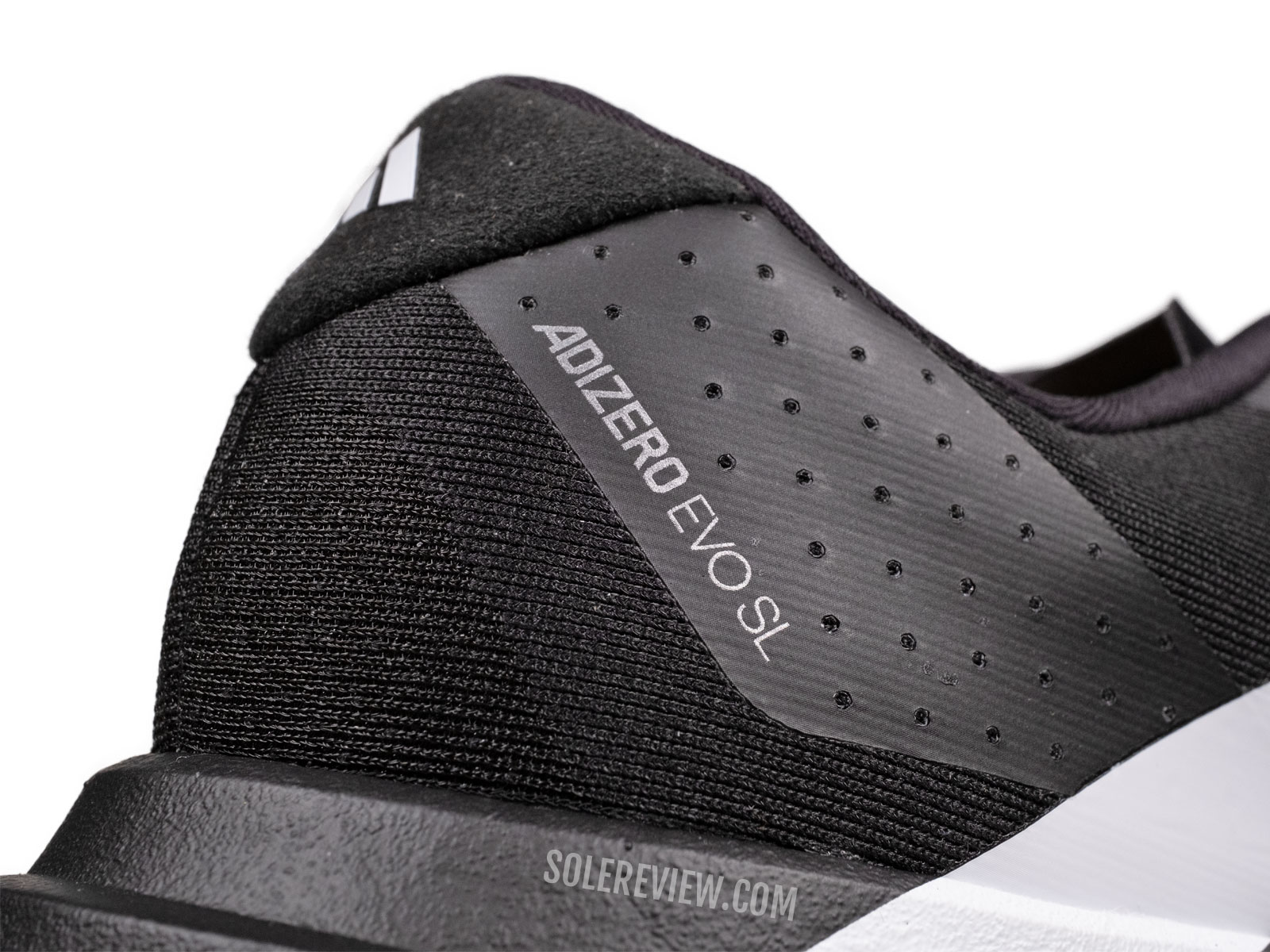
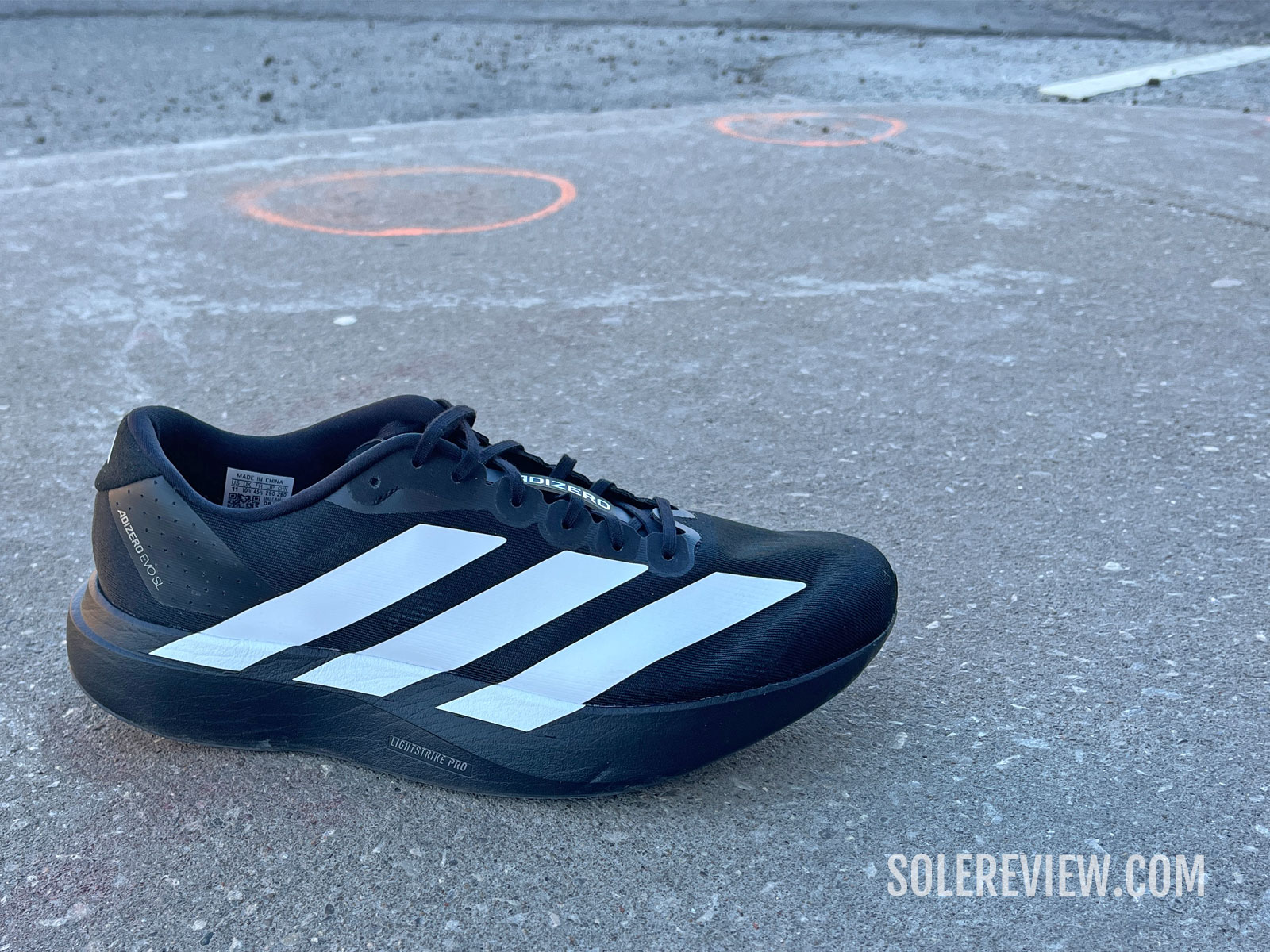
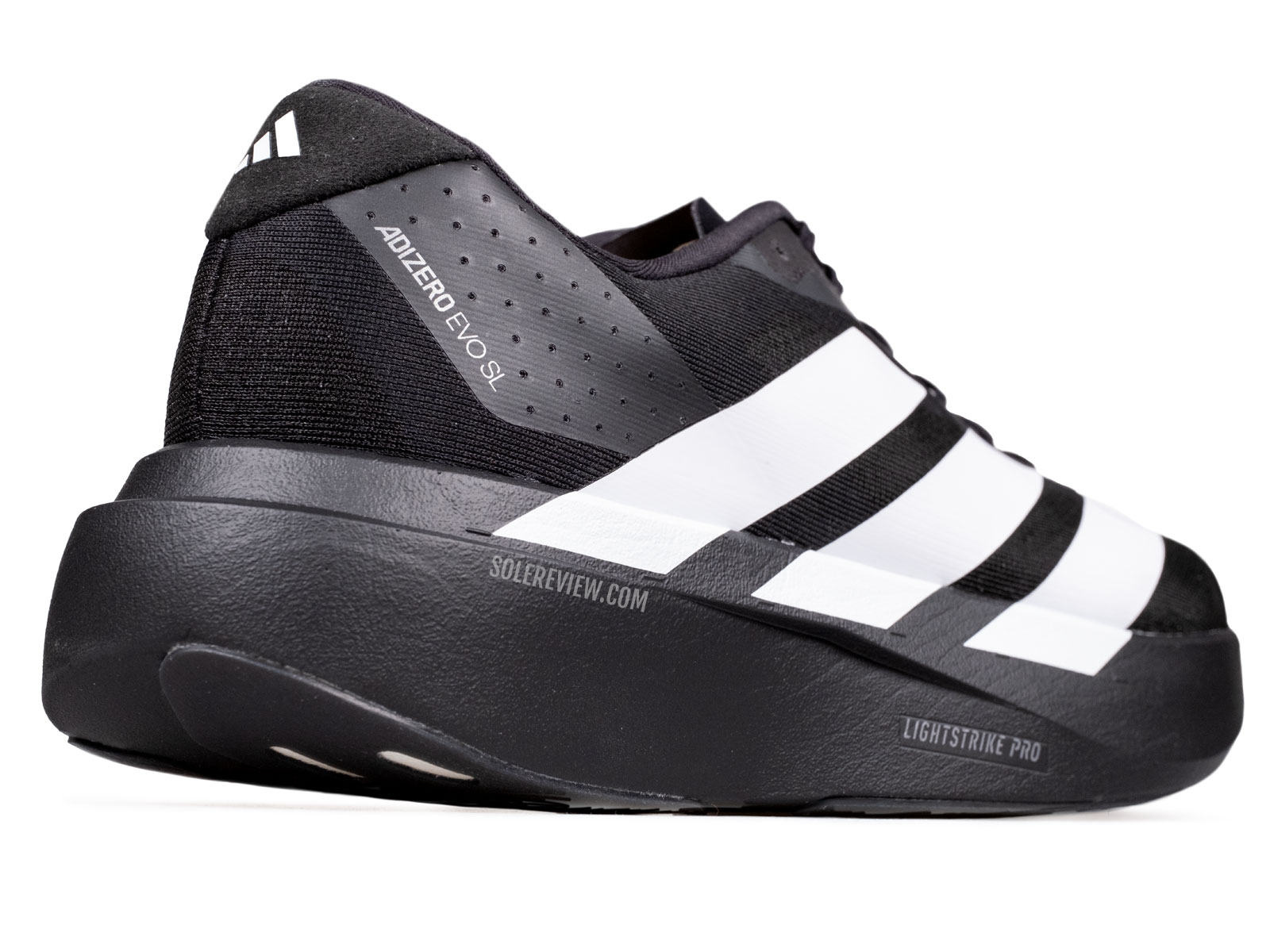
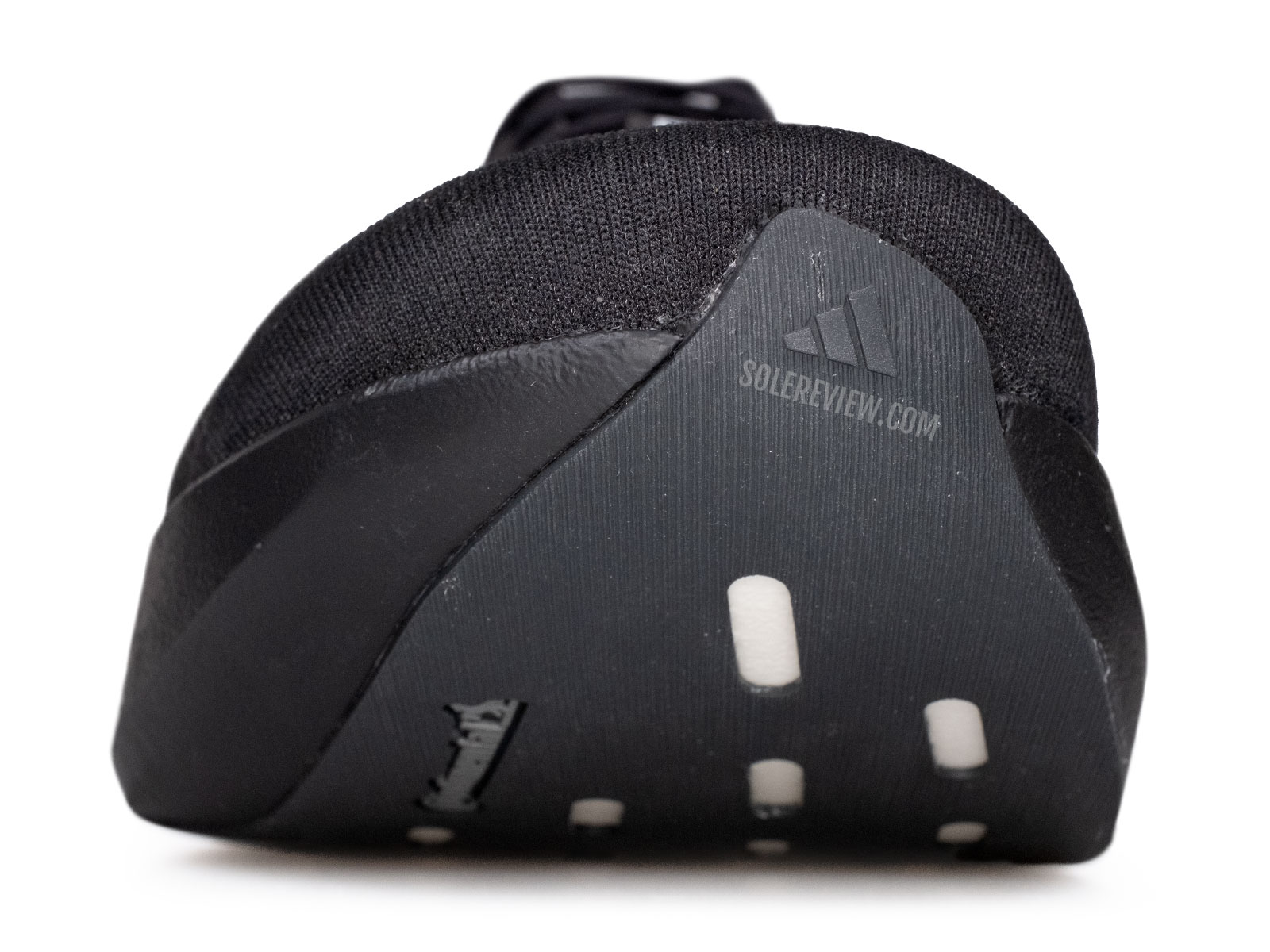
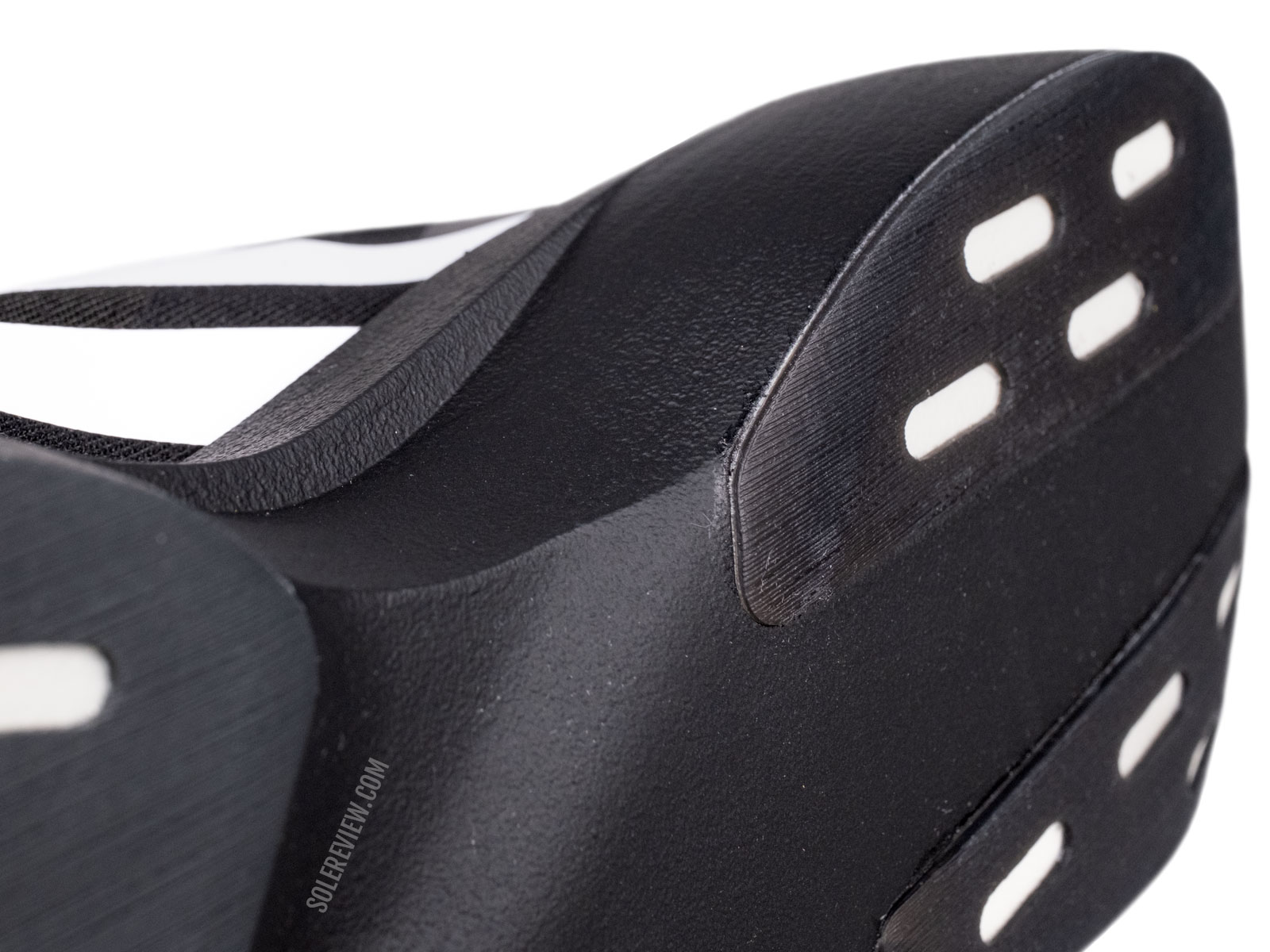
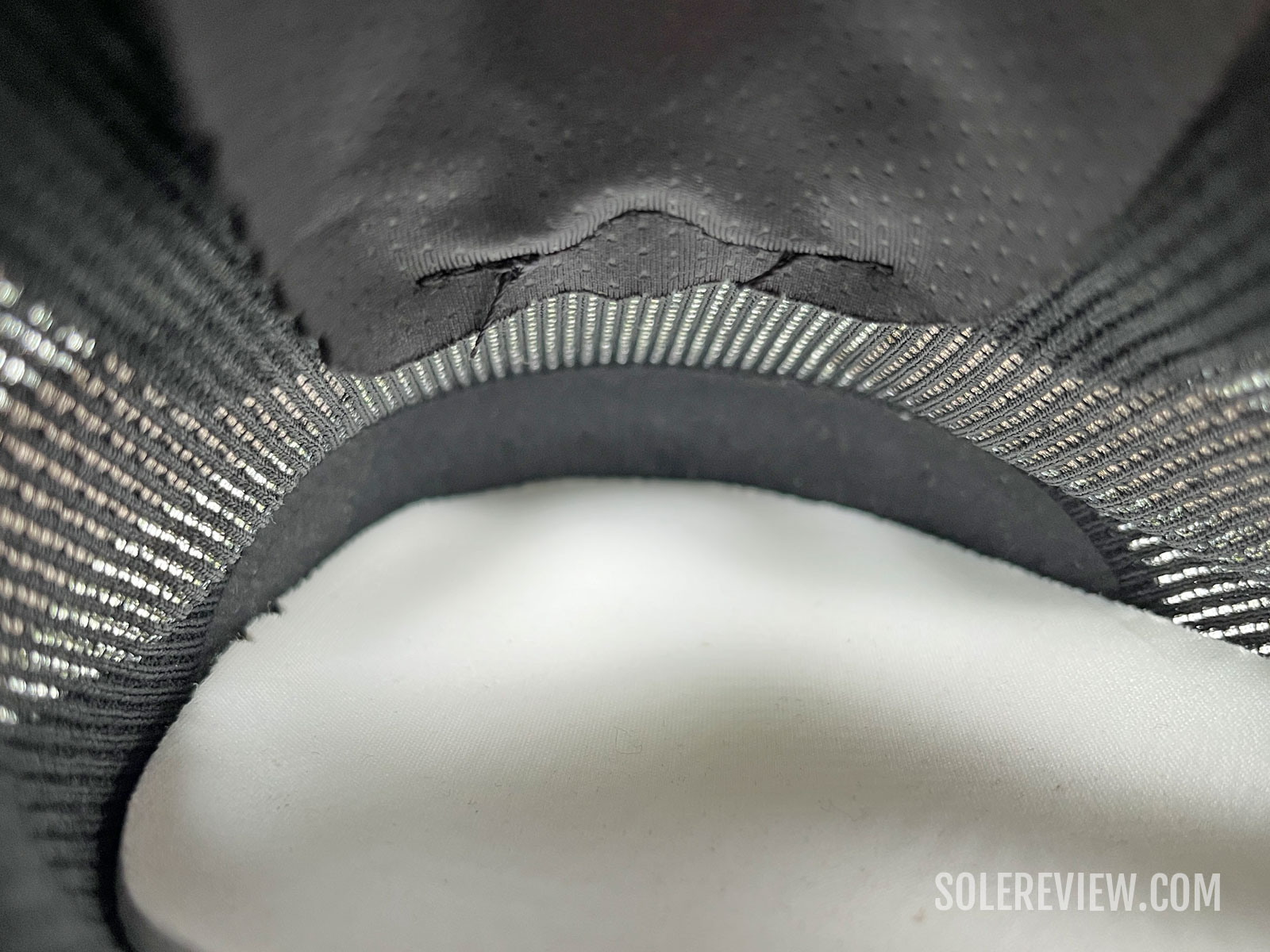
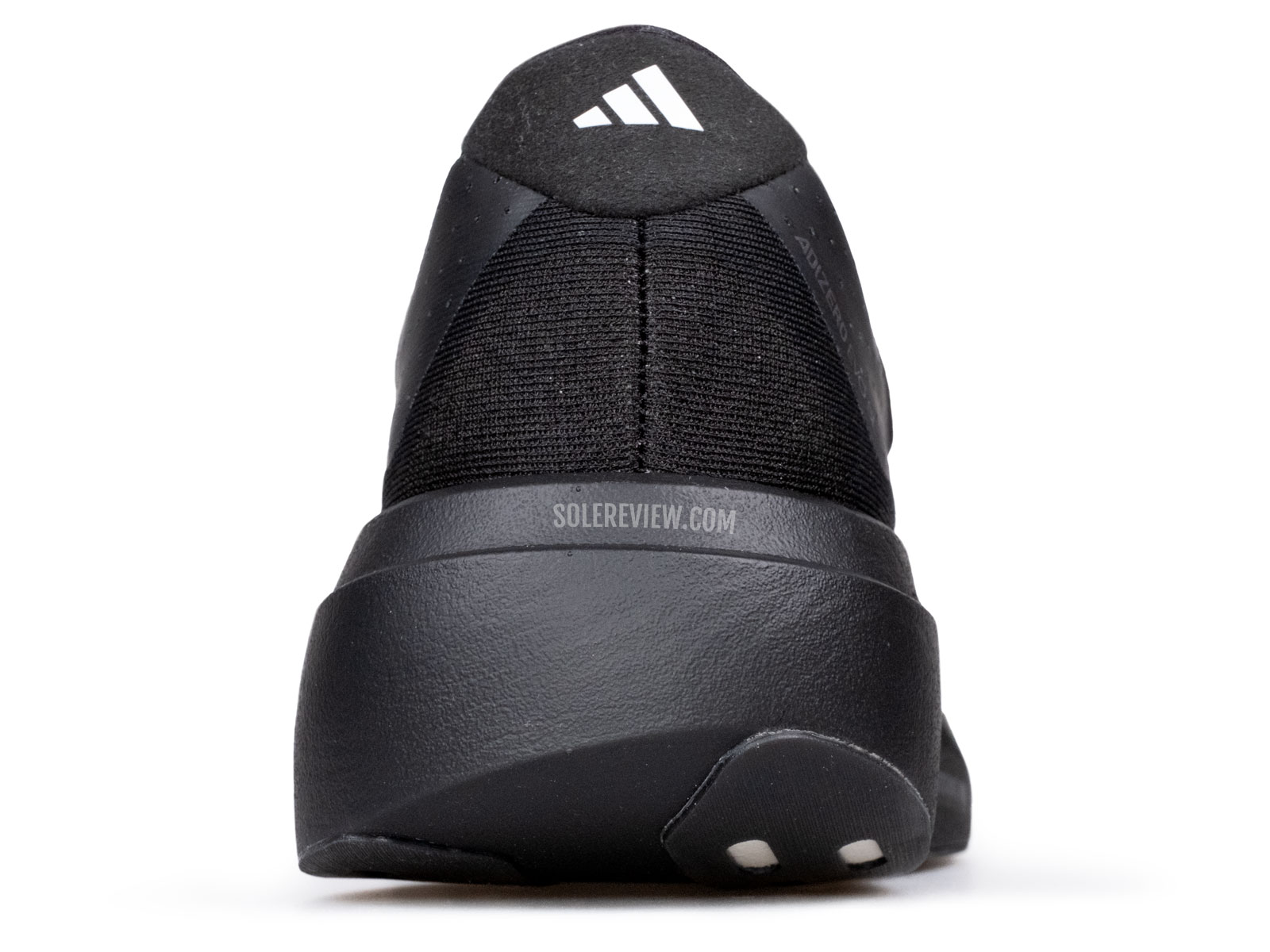
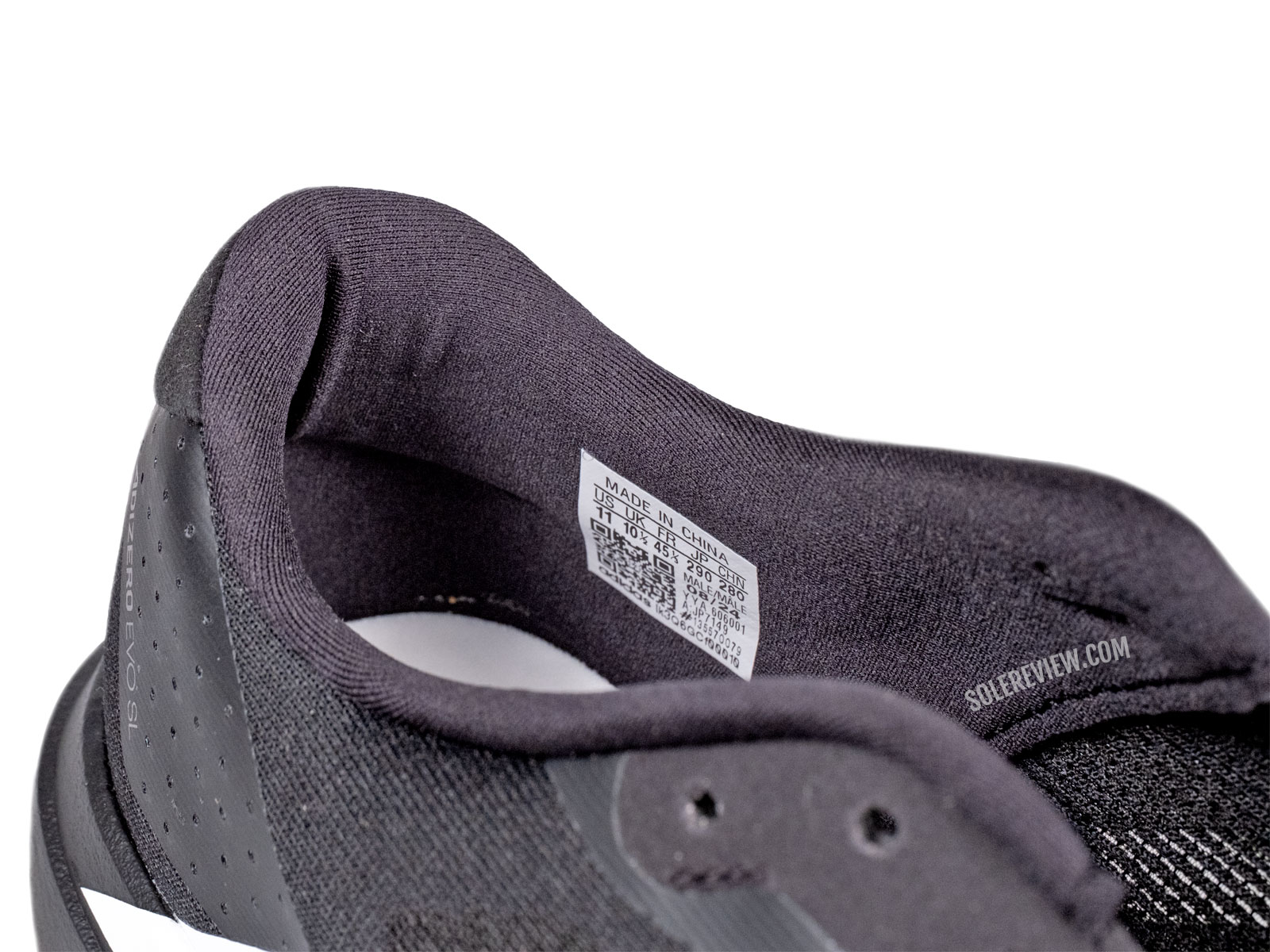

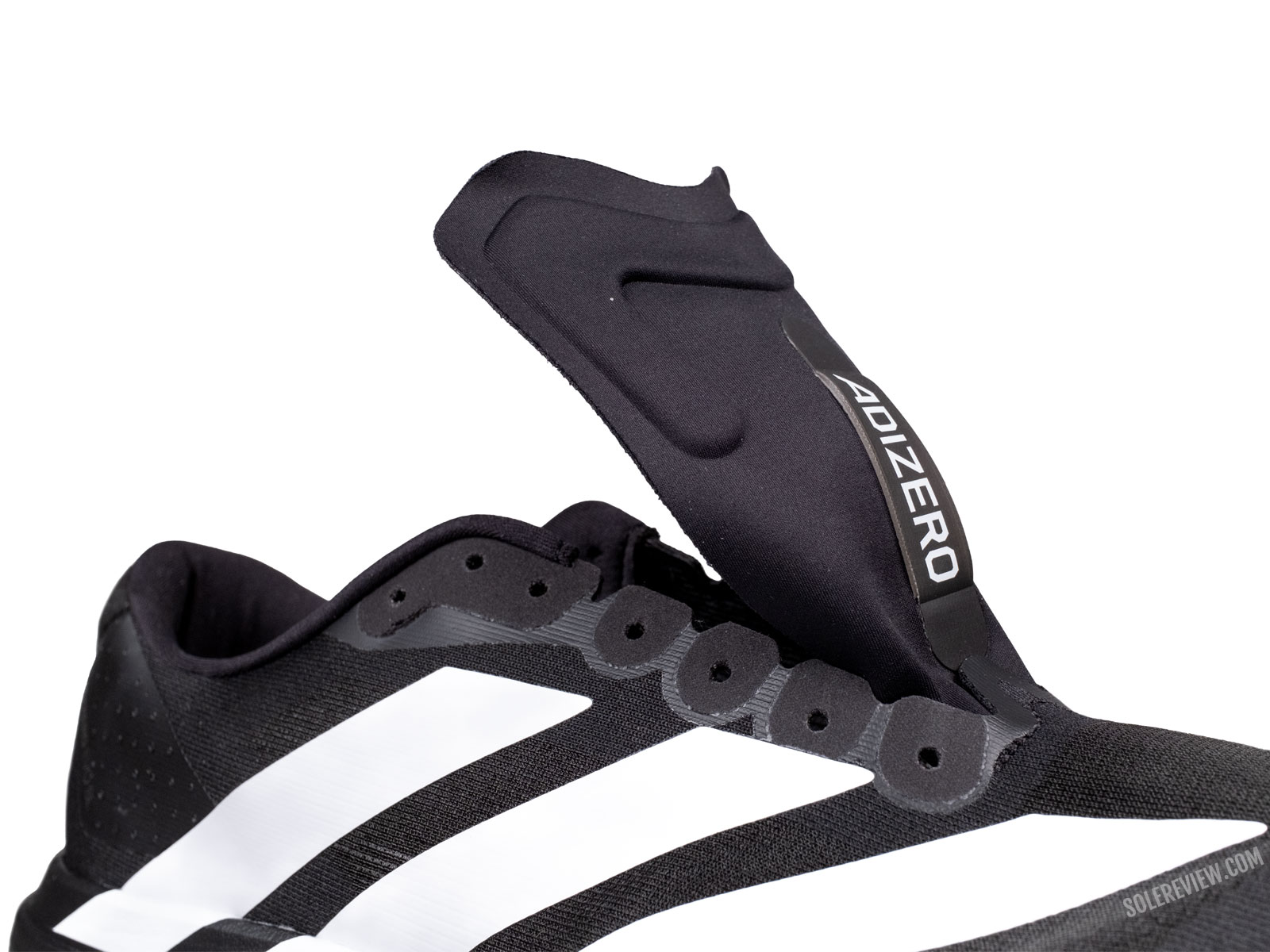

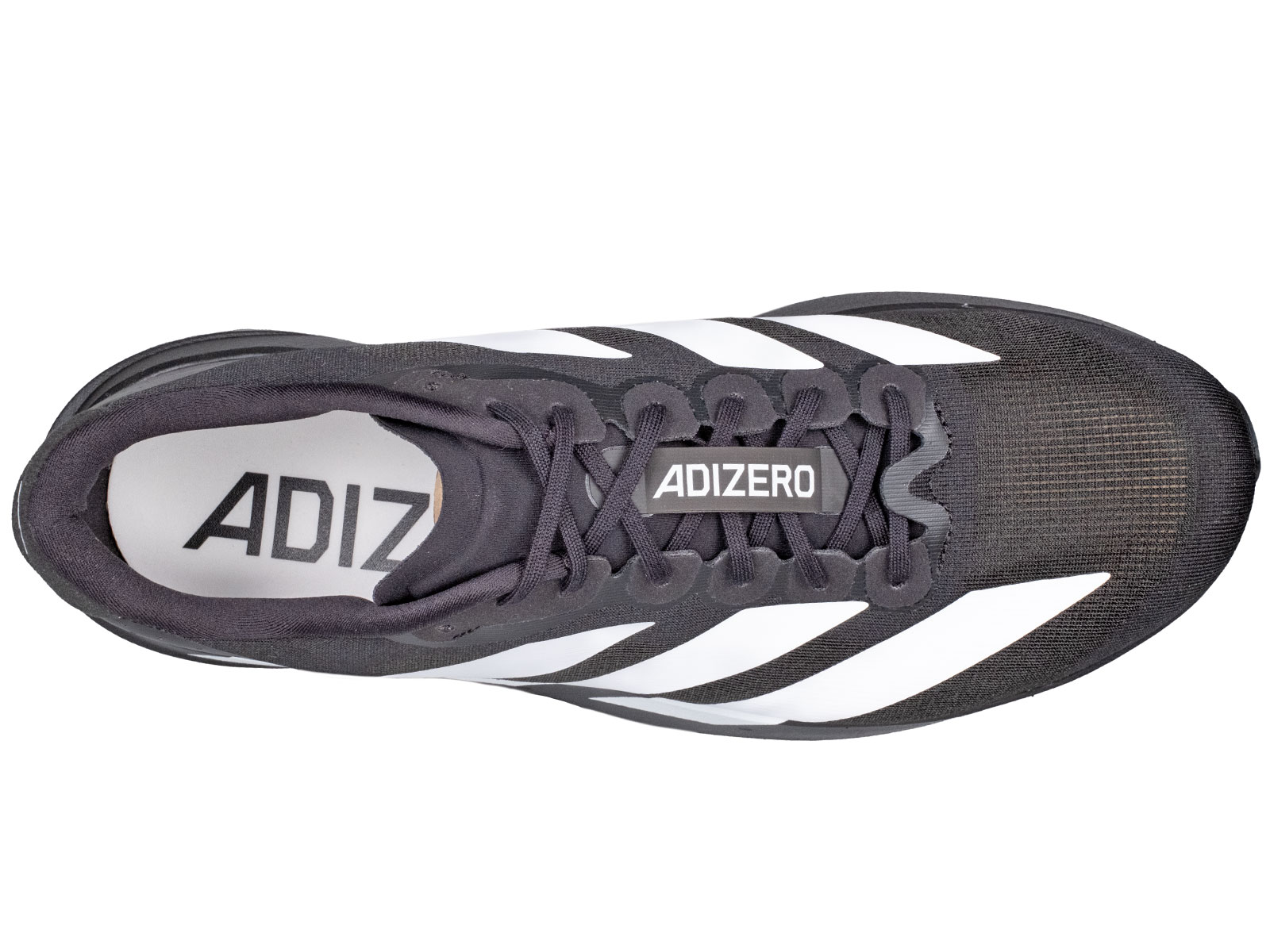
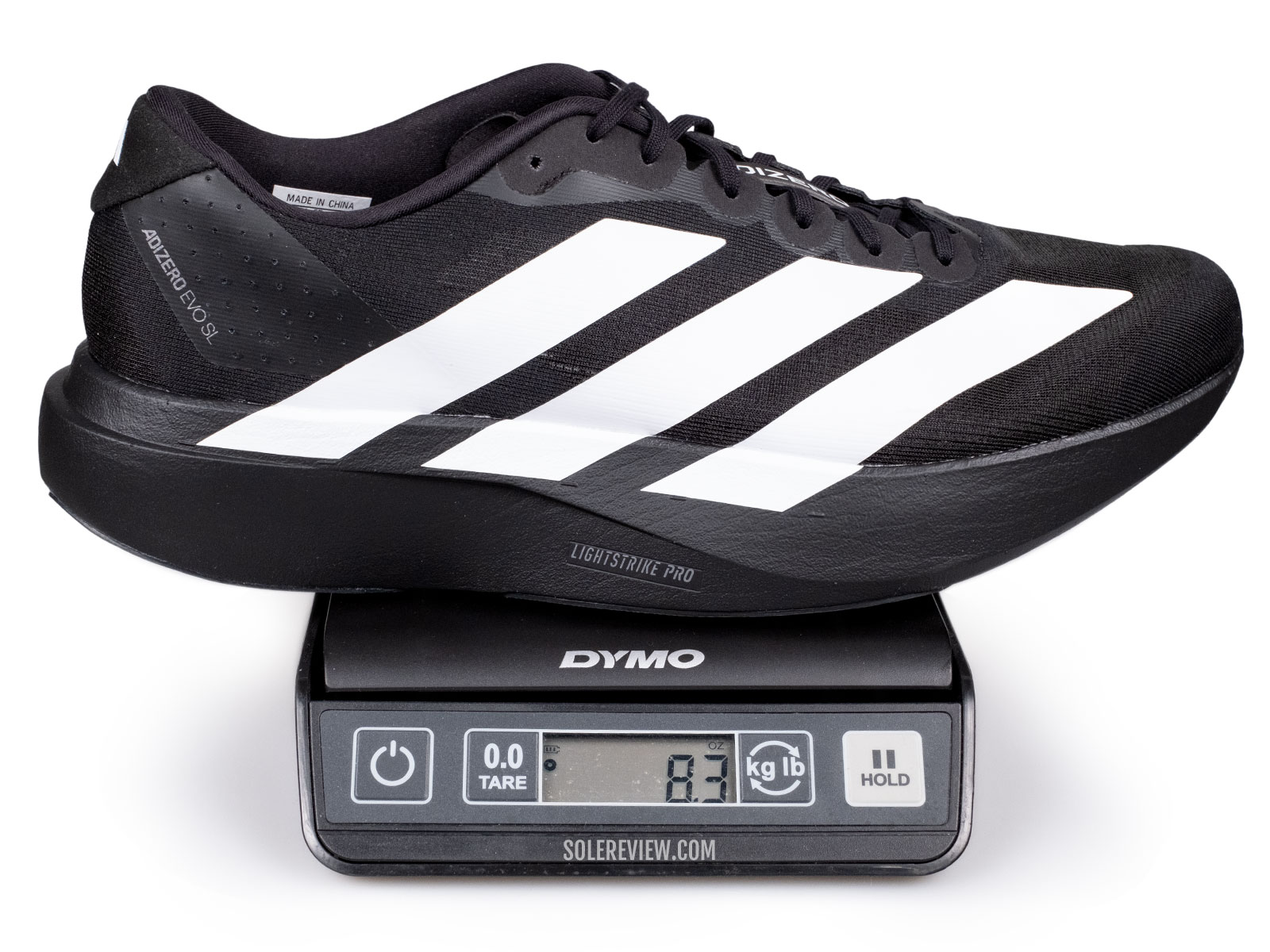
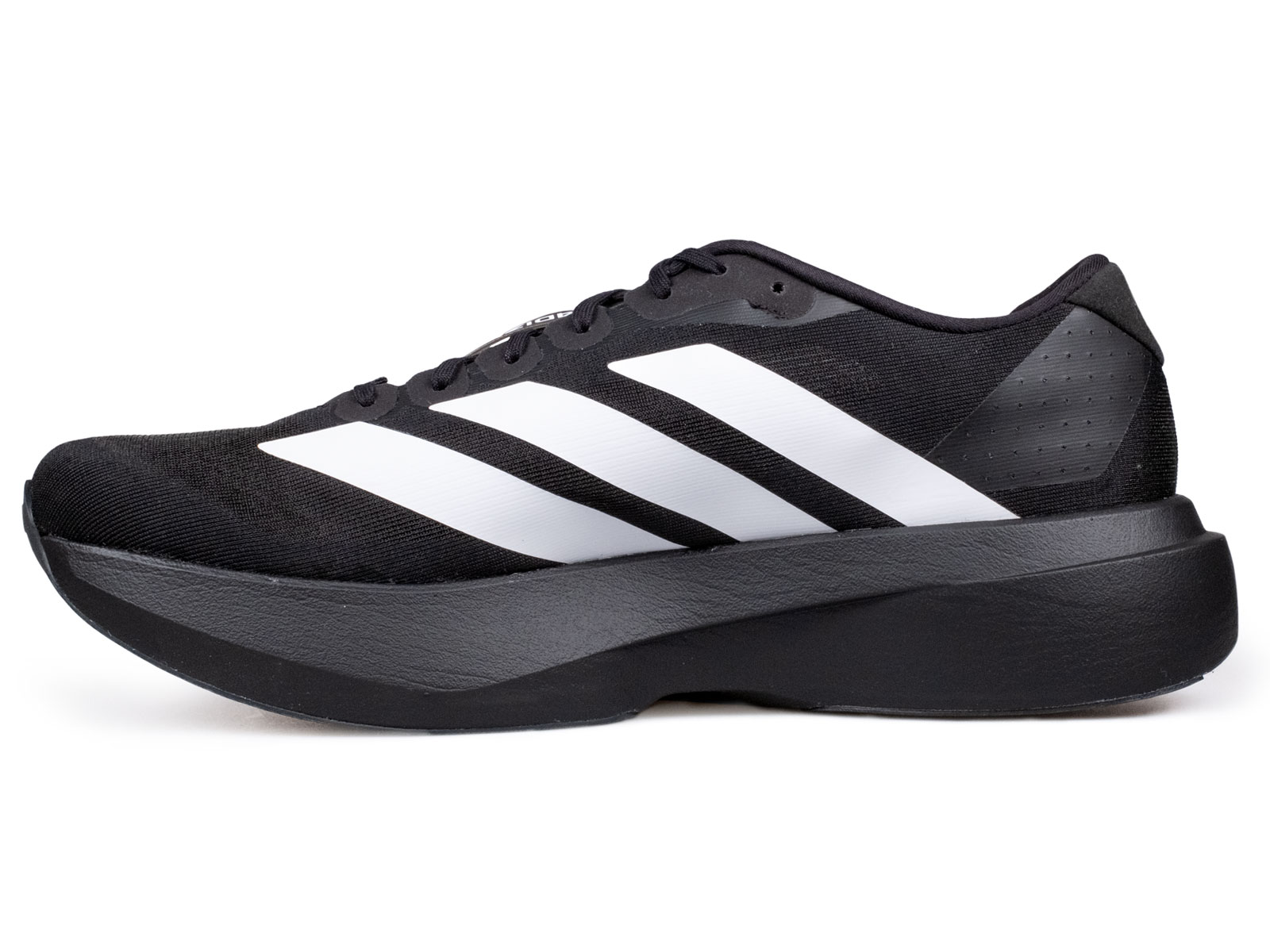
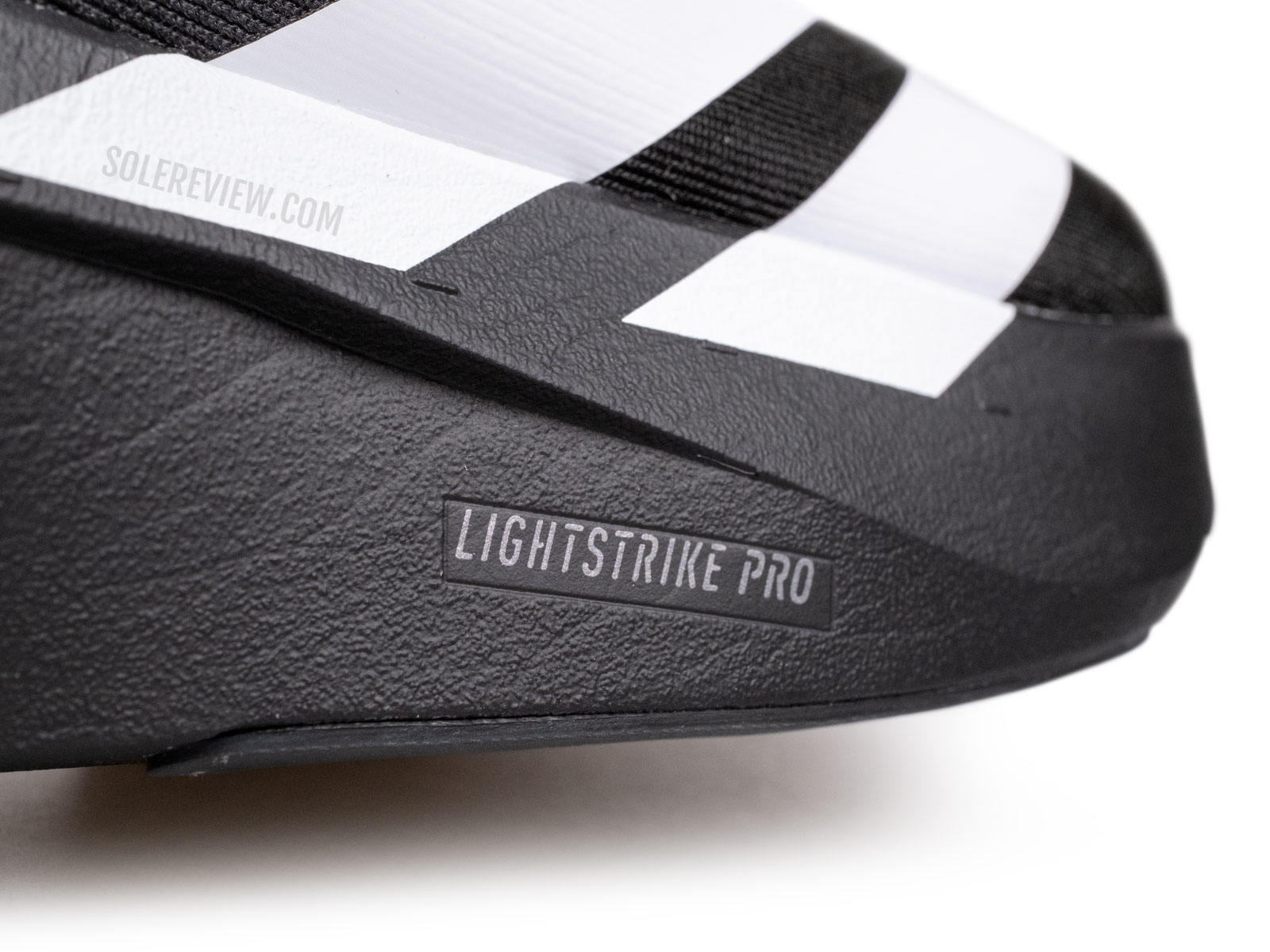
The true-to-size upper is friendly for training sessions, meaning it doesn’t have an ultra-narrow racer fit. The roomy toe-box has excellent ventilation to keep the feet cool during high-intensity runs. If we had to nitpick, it would be the tongue slide due to the lack of a gusset.
Also see: The New Balance Rebel V5. (AFF LINK)
- adidas’s marketing pitch: Experience the feeling of fast.
- Upper: Lightweight mesh, no inner sleeve.
- Midsole: Full-length Lightstrike Pro foam. 7 mm heel drop.
- Outsole: Continental rubber (forefoot), Clear rubber (heel).
- Weight: 224 gms/ 7.9 Oz for a half pair of Men’s US 9/UK 8.5/EUR 42.5/CM 27.
- Stack heights: 39 mm (heel), 32 mm (forefoot).
- Available widths: Single, D – regular (reviewed)
- Country of origin: China.
- Recommended use: 5K, 10K, half-marathons.
- Footstrike orientation: Midfoot/forefoot (full contact).
- Orthotic compatibility: No.
- Median lifespan: 400 miles.
- Recommended paces: 4:00 min/km (6:30 min/mile) and slower.
- Recommended temperature range: Warmer than -0° C/32° F.
Pros
- Soft and bouncy comfort
- Effective midsole rocker
- Outsole traction
- Breathable, just-right fit
- Works well even at slow speeds and heel strikes
Cons
- No reflectivity
- No optional width(s)
The Mach 6 is an excellent tempo trainer for narrow feet. In its standard ‘D’ width, the snug upper does a great job of efficiently driving power from the foot to the midsole. Runners graduating from the Mach 5 might be tempted to buy a half-size larger in the Mach 6, but that will dilute the midsole’s speed-enabling capabilities. While it has less toe-box room than the Mach 5, the short and tight fit is ideal for tempo training. Besides, we’re not talking long-distance runs here, so a tight upper isn’t a deal breaker. The materials feel very plush, so the narrow fit is offset by interior comfort.
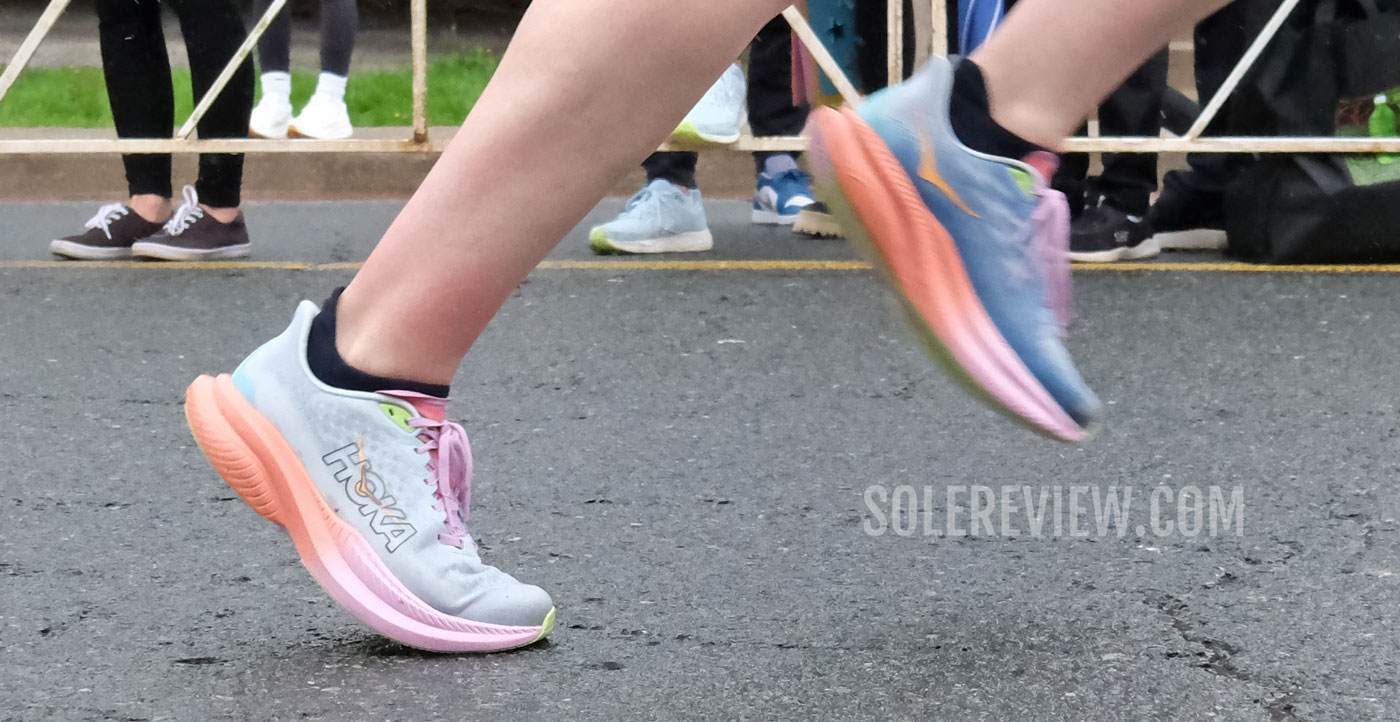
New for 2024-2025 is the Mach 6’s supercritical foam midsole. Its rubbery peppiness makes fast runs enjoyable, with sufficient cushioning for the easy run sections of a tempo workout. The rocker effect is limited, meaning the foot has to push through the transition without secondary assistance.
Also consider: The Skechers Aero Spark.
- Hoka’s marketing pitch:Your gateway to everyday speed.
- Upper: Engineered mesh, elastic gusset.
- Midsole: Full-length Supercritical foam, 5 mm heel drop.
- Outsole: Perforated Carbon rubber.
- Weight: 232 gms/ 8.2 Oz for a half pair of Men’s US 9/UK 8/EUR 42.5/CM 27.
- Stack heights: 37 mm (rear), 32 mm (forefoot).
- Available widths: D – regular (reviewed), 2E – wide.
- Previous model: Hoka Mach 5.
- Country of origin: Vietnam.
- Recommended use: Easy runs, half-marathons, Fartleks, interval training, tempo runs.
- Footstrike orientation: Heel, midfoot/forefoot (full contact).
- Median lifespan: 400 miles.
- Recommended paces: Slower than 3:30 min/km (5:30 min/mile).
- Recommended temperature range: Warmer than -5° C/23° F.
Pros
- Versatile, speed-friendly ride
- Bouncy cushioning
- Quick transitions
- Ultra-secure upper
- Optional width
Cons
- Less stable than the Mach 5
- Sizing differs from the Mach 5
- Lack of reflective elements
- Average grip on wet roads
The Boston 13 has been upgraded with a refreshed set of Energy Rod tubes, higher Lightstrike Pro volume, and a comfortably soft upper. The Boston 12 had a very business-like feel to it; the Boston 13 is more enjoyable to run in. There’s more feedback from the soft and bouncy Lightstrike Pro layer under the forefoot, in contrast to the flat ride character of the Boston 12. The Energy Rods minimize energy loss during quick paces through their rocker effect and by creating an efficient transition path. The dual-compound (Continental and Lighttraxion rubber) outsole offers hard-wearing traction.


The upper is surprisingly soft and comfortable for a high-performance trainer. The forefoot and toe-box have an accommodating and true-to-size fit for comfort that doesn’t compromise the quality of lockdown. The true-to-size upper uses soft-touch materials for elevated interior plushness.
- adidas’s marketing pitch: Lightweight running shoes for speed training and race prep.
- Upper: Lightweight mesh, tongue gusset.
- Midsole: Lightstrike Pro and Lightstrike EVA foam, Energy Rods. 6 mm heel drop.
- Outsole: Continental rubber (forefoot), Clear rubber (heel).
- Weight: 260 gms/ 9.2 Oz for a half pair of Men’s US 9/UK 8.5/EUR 42.5/CM 27.
- Stack heights: 36 mm (heel), 30 mm (forefoot).
- Available widths: Single, D – regular (reviewed).
- Country of origin: China.
- Recommended use: Tempo/threshold, 5K, 10K, half-marathons.
- Footstrike orientation: Heel/midfoot/forefoot.
- Orthotic compatibility: No.
- Median lifespan: 500 miles.
- Recommended paces: 3:30 min/km (5:30 min/mile) and slower.
- Recommended temperature range: Warmer than -0° C/32° F.
Pros
- Cushioned ride
- Versatile and stable ride
- Outsole traction
- Lightweight, durable
- Breathable, spacious fit
- Works well even at slow speeds and heel strikes
Cons
- No reflectivity
- No optional width(s)
Also consider:
- New Balance Rebel V5
- Skechers Aero Spark
- Hoka Mach 6
- Brooks Hyperion 3
- Use the Nike Vomero 18 for daily training and recovery runs
- Use adizero Boston 13 for tempo, threshold, 5K, 10K, and half marathons
- Use the adidas Adios Pro 4 for marathons
The Mach X3 is the training version of the Rocket X3, so it’s designed to be more durable and supportive. At the same time, it shares a few traits with the higher-end shoe. A full-length PEBAX Rnew plate accelerates the loading process through a snappy rocker effect, preventing the foot from sinking into the midsole. Unlike the more expensive Rocket X3, the Mach X3 uses a firm EVA base for better stability. Outsole rubber is placed in strategic areas for long-lasting traction. The Mach X3 uses the same midsole as the Mach X2, making this an upper-only update.
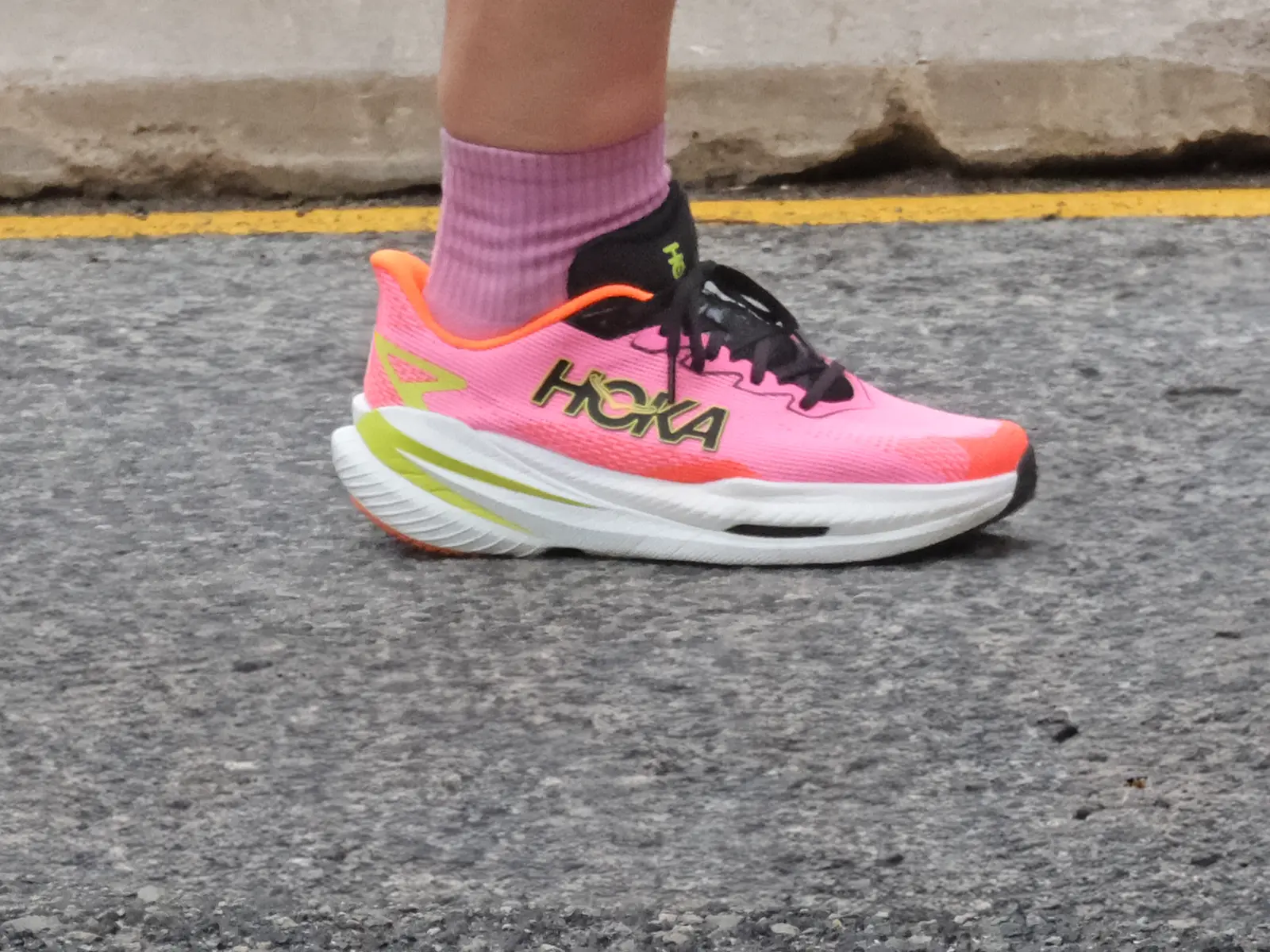
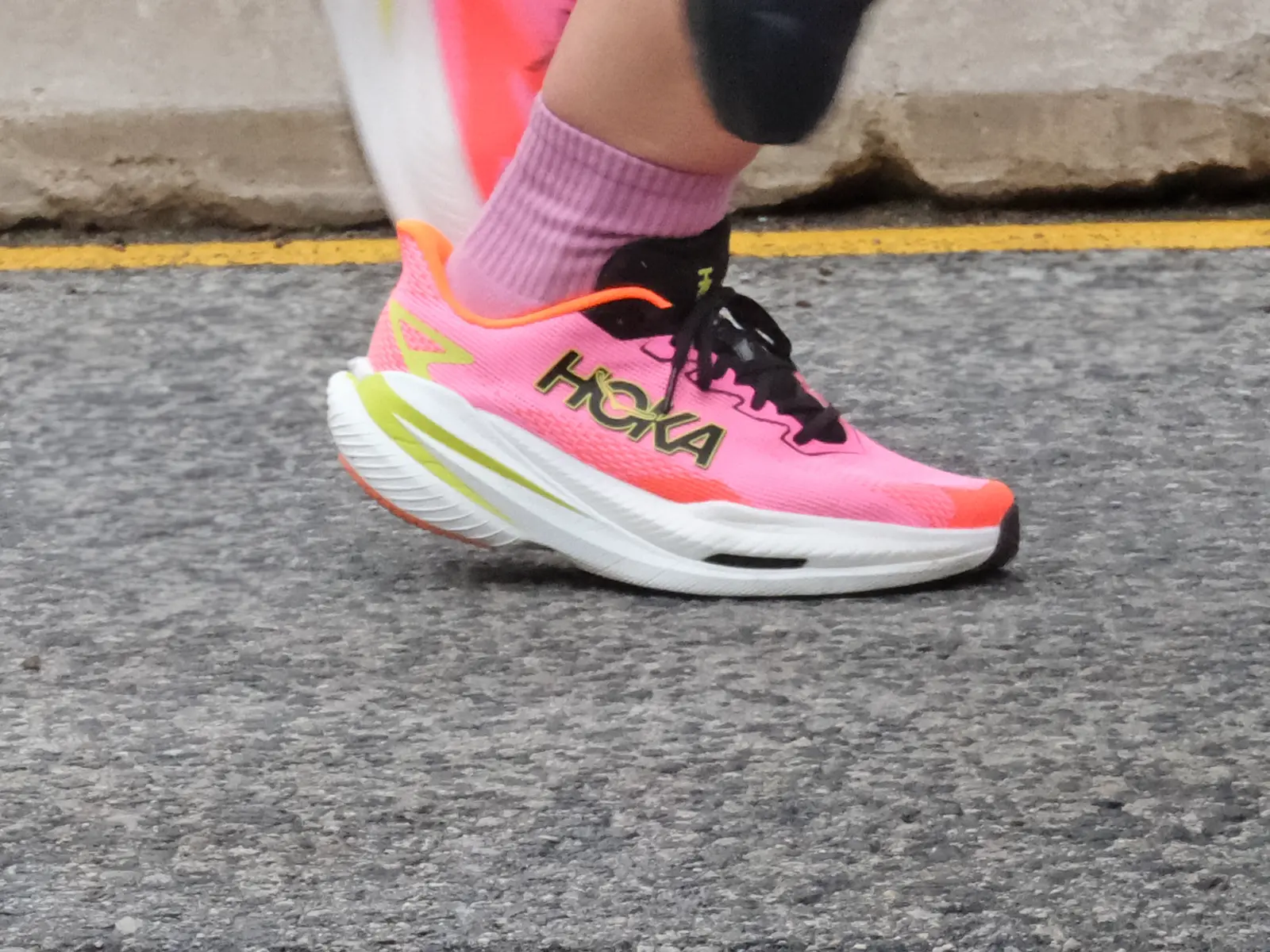
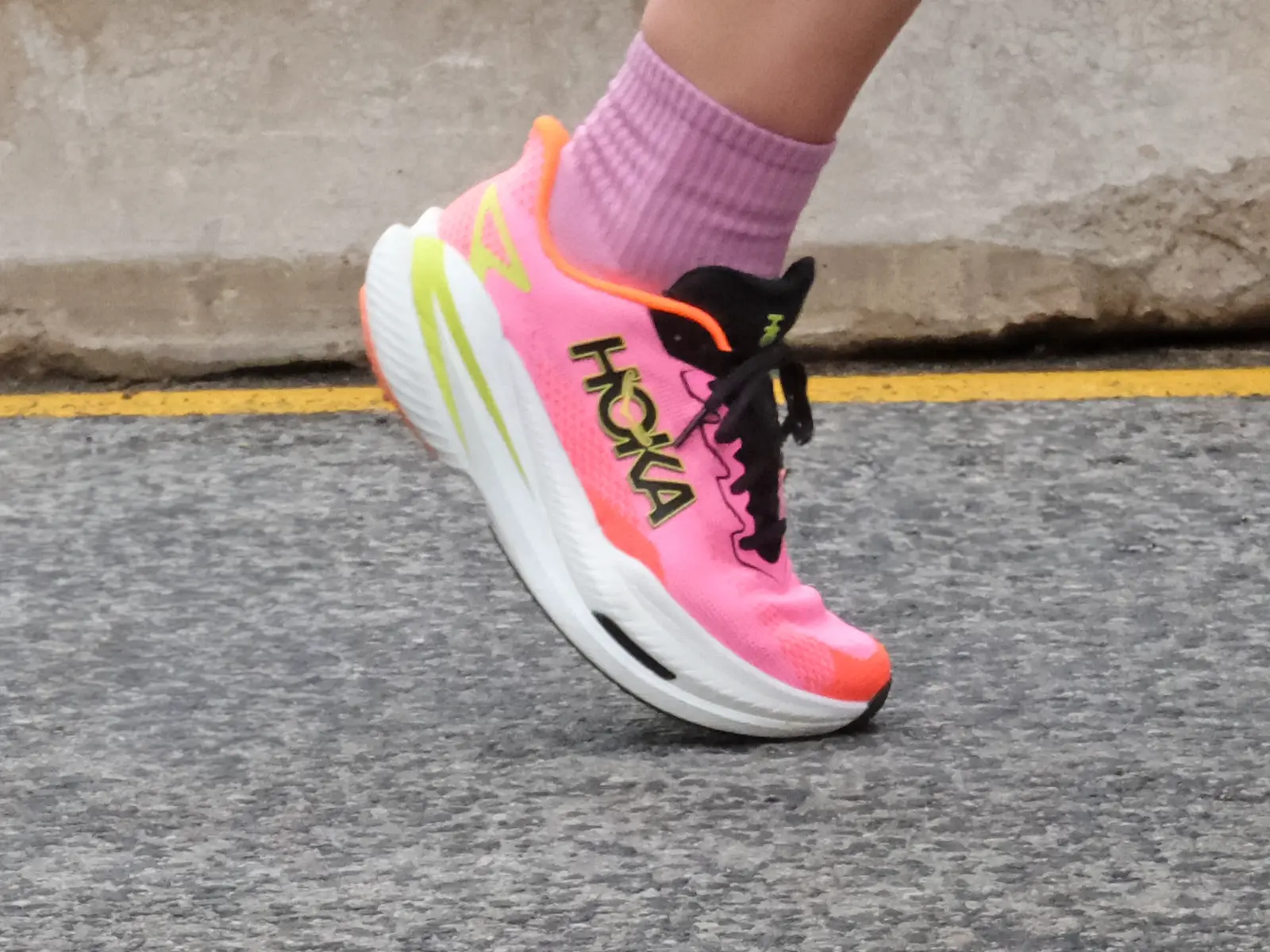
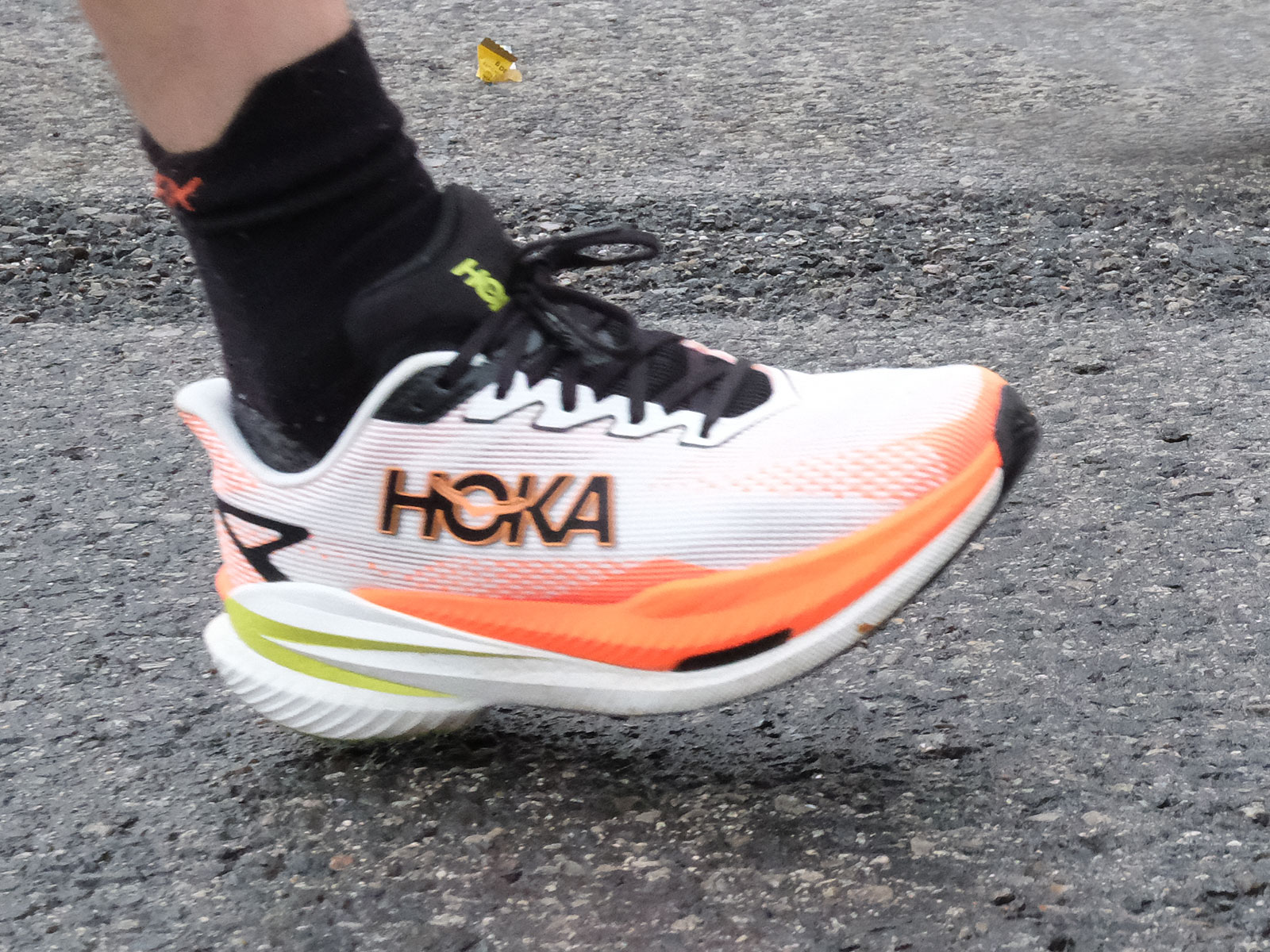
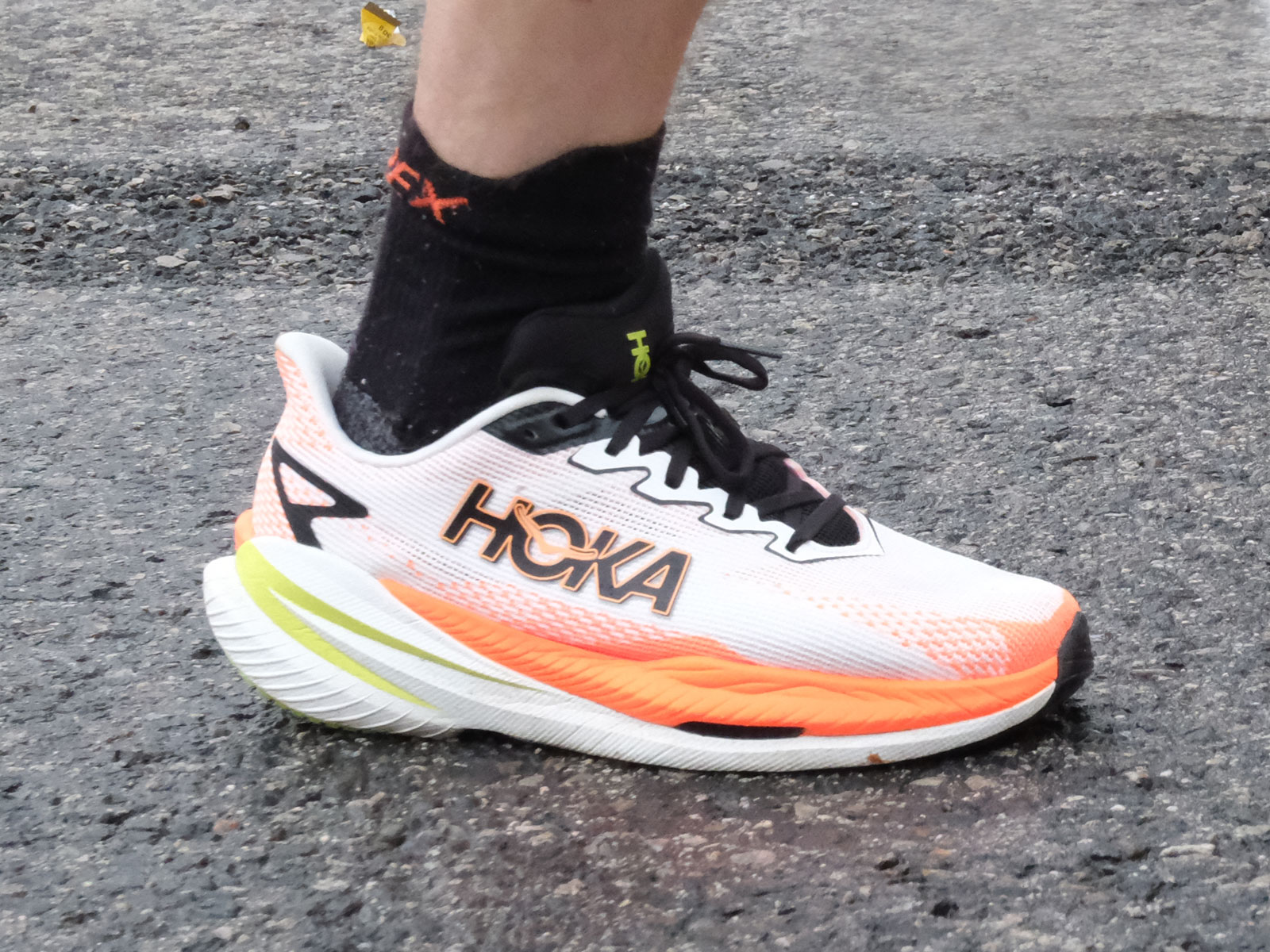
Like most Hoka running shoes, the Mach X3 has a snug fit, but that’s not a negative during tempo runs. The ultra-secure lockdown connects the foot with the midsole for efficient toe-offs. The heel and tongue are now padded to daily-trainer standards, improving fit security and comfort compared to the Mach X2.
Sources:
– Science Fact or Science Fiction? Lactic Acid Buildup Causes Muscle Fatigue and Soreness. (Pfizer)
– Lactate production contributes to development of fatigue during intense exercise in humans. (Jens Bangsbo, Morten Hostrup)
– Lactate: Friend or Foe (Mederic M. Hall MD et. al)