
In this product guide:
- 1. Softest daily trainer: Nike Vomero 18
- 2. Softest shoe for overpronators: New Balance 860V14
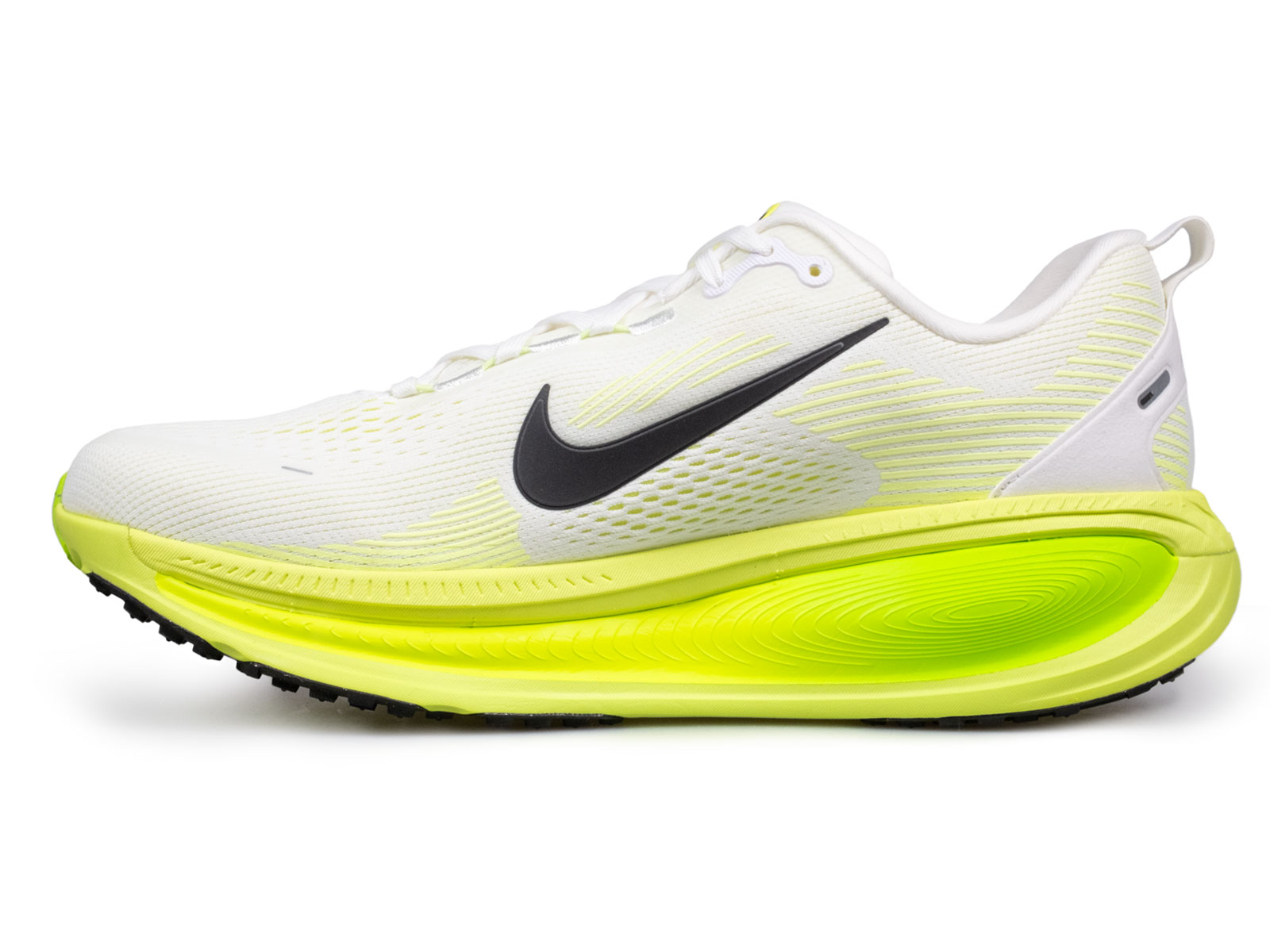
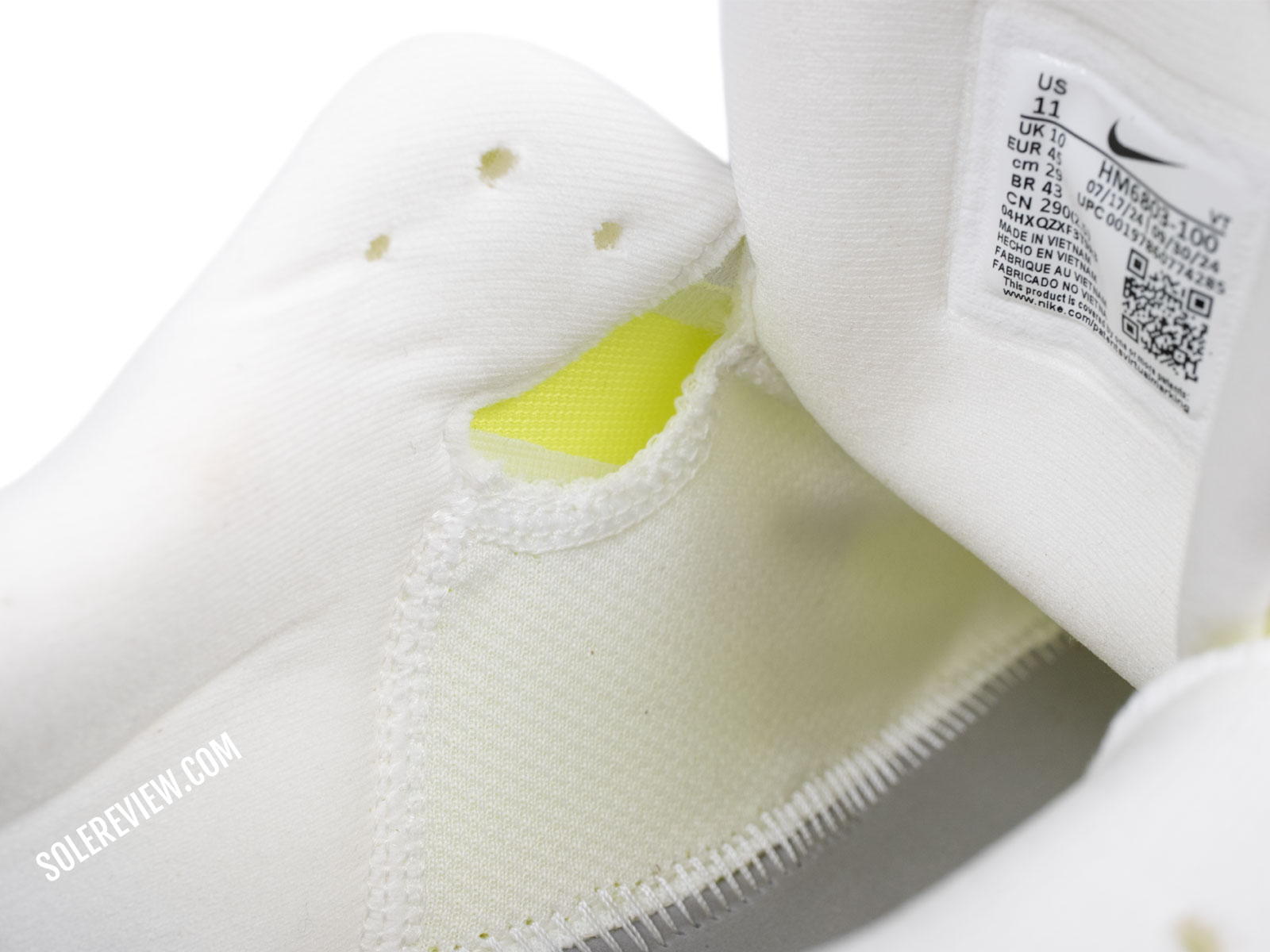
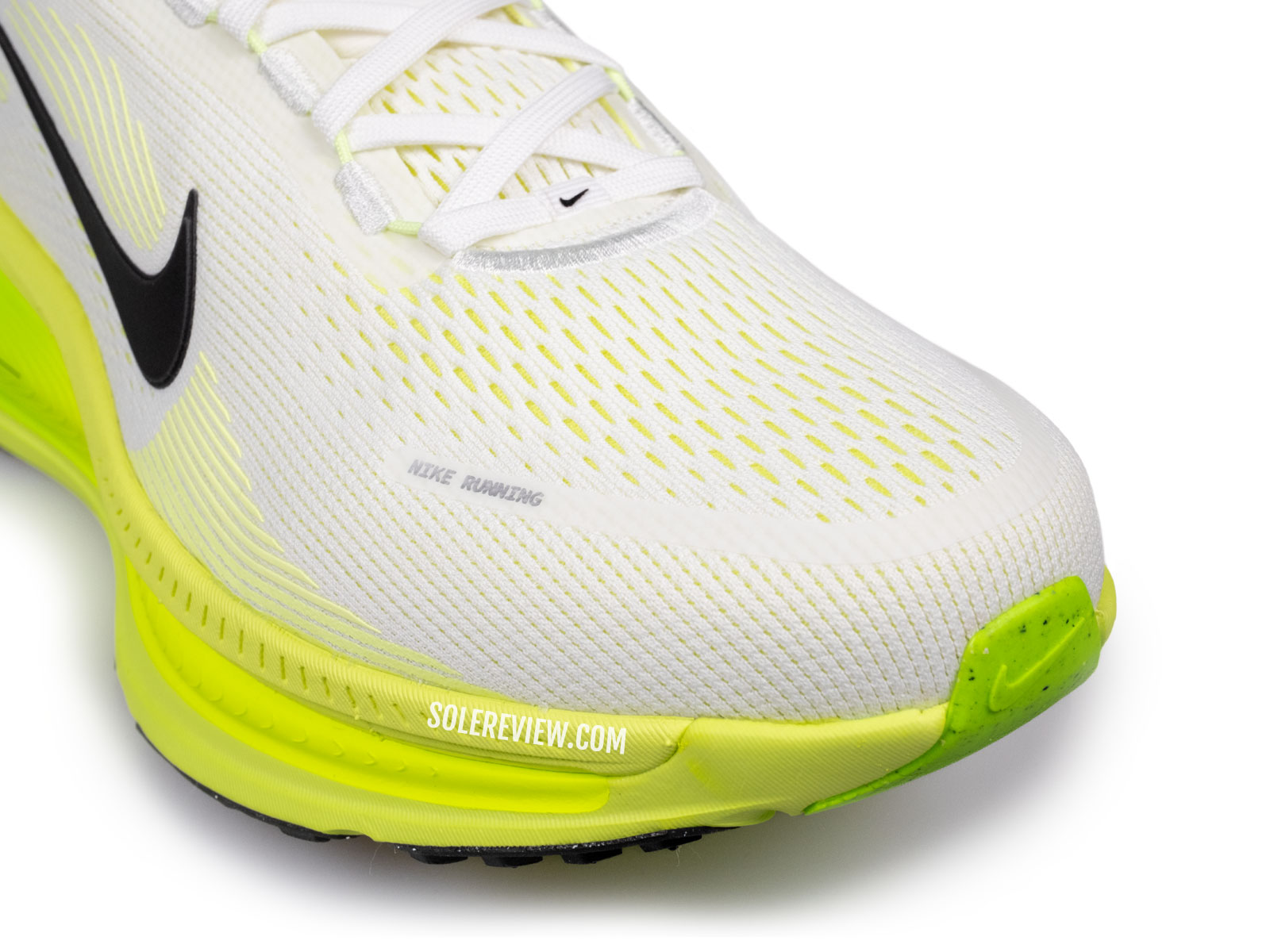
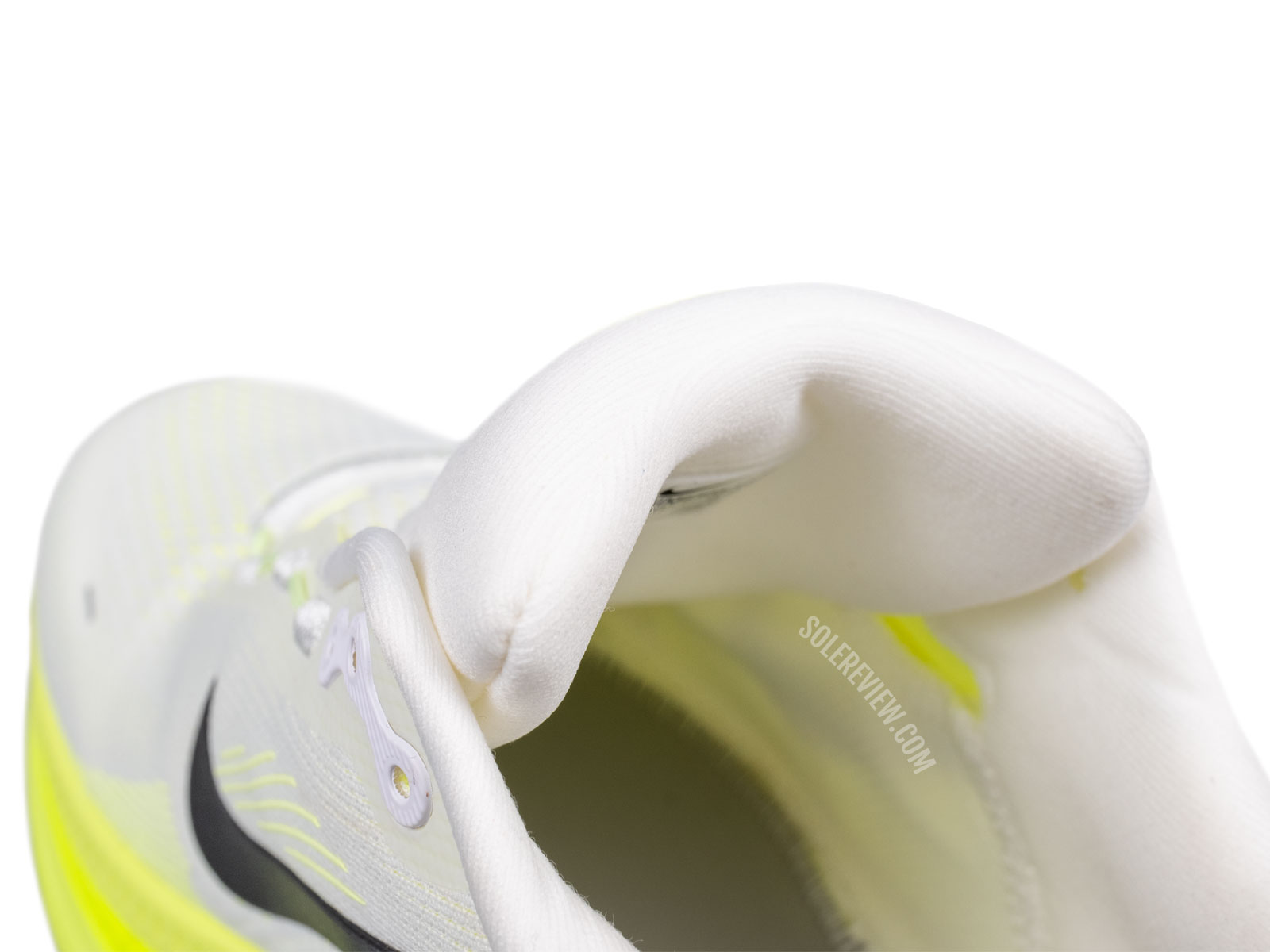
- 3. Softest recovery trainer: Nike Vomero Plus
- 4. Softest marathon racer: adidas Adios Pro 4
- 5. Softest tempo trainer: New Balance Fuelcell Rebel V5
- 6. Softest trail runner: adidas Terrex Agravic Speed Ultra
- How we selected
A 44 mm heel stack may seem like a lot – and it is. However, you don’t sink into the midsole. The Vomero’s soft ride is the product of two foams working in tandem. The cushier ZoomX foam is available closer to the foot. A firmer ReactX foam cradles the ZoomX foam and defines the midsole rocker. A soft midsole is only as good as its usability; the Vomero 18’s soft ride is also versatile. The ZoomX layer and foam footbed add step-in comfort while the ReactX midsole produces a springy response. A deep transition groove behaves like a trampoline, and the rocker midsole helps propel the foot.
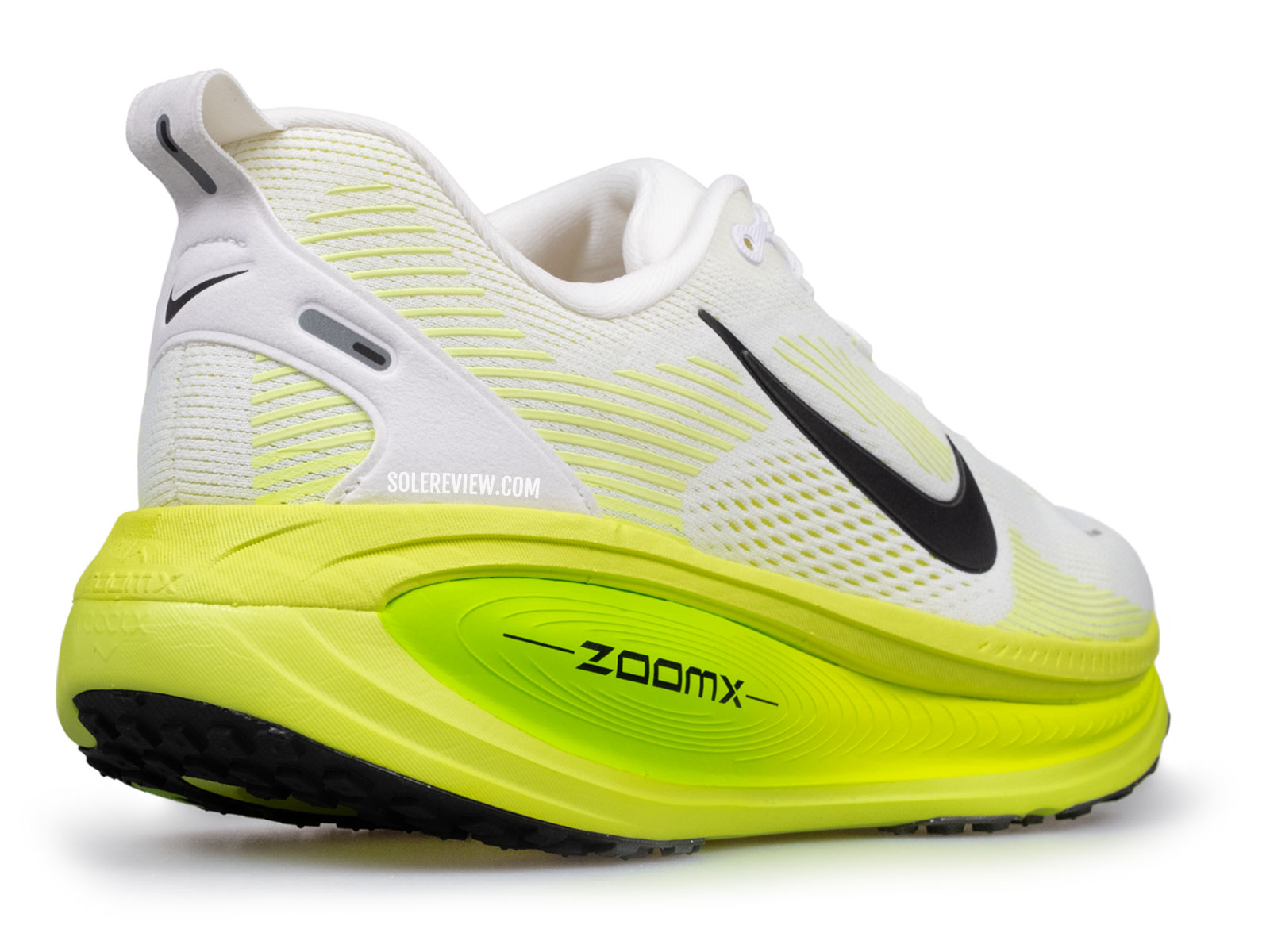
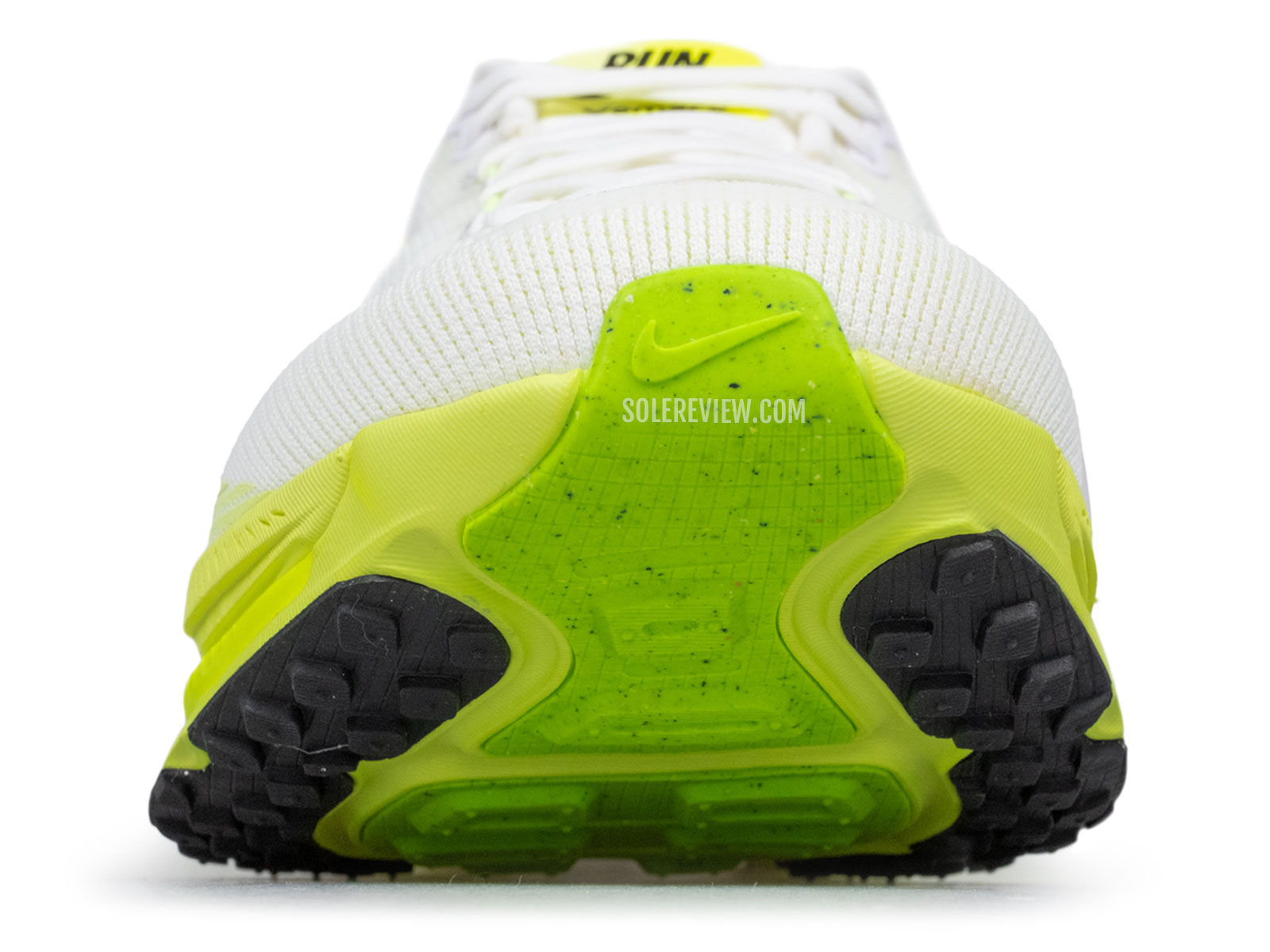
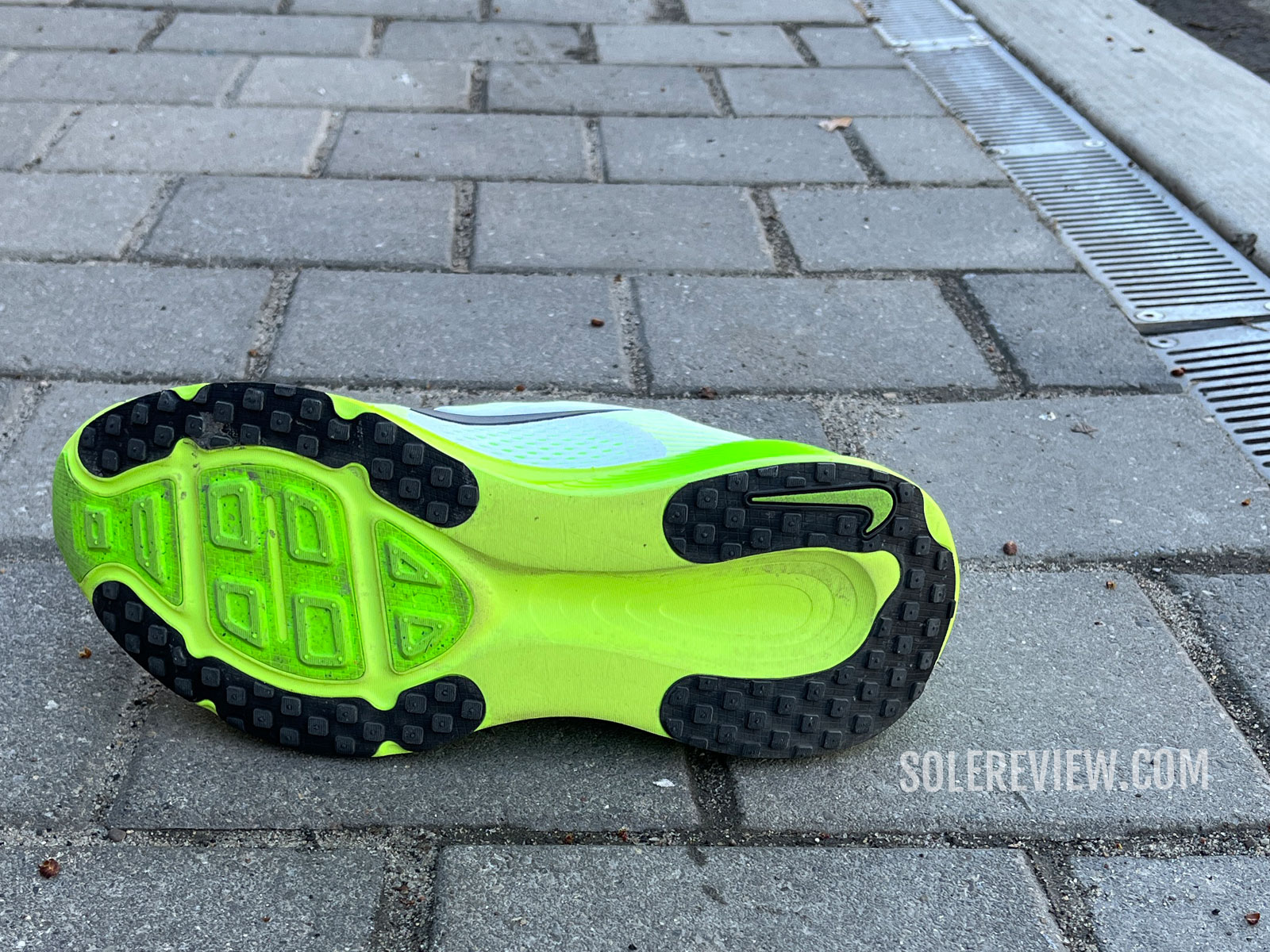
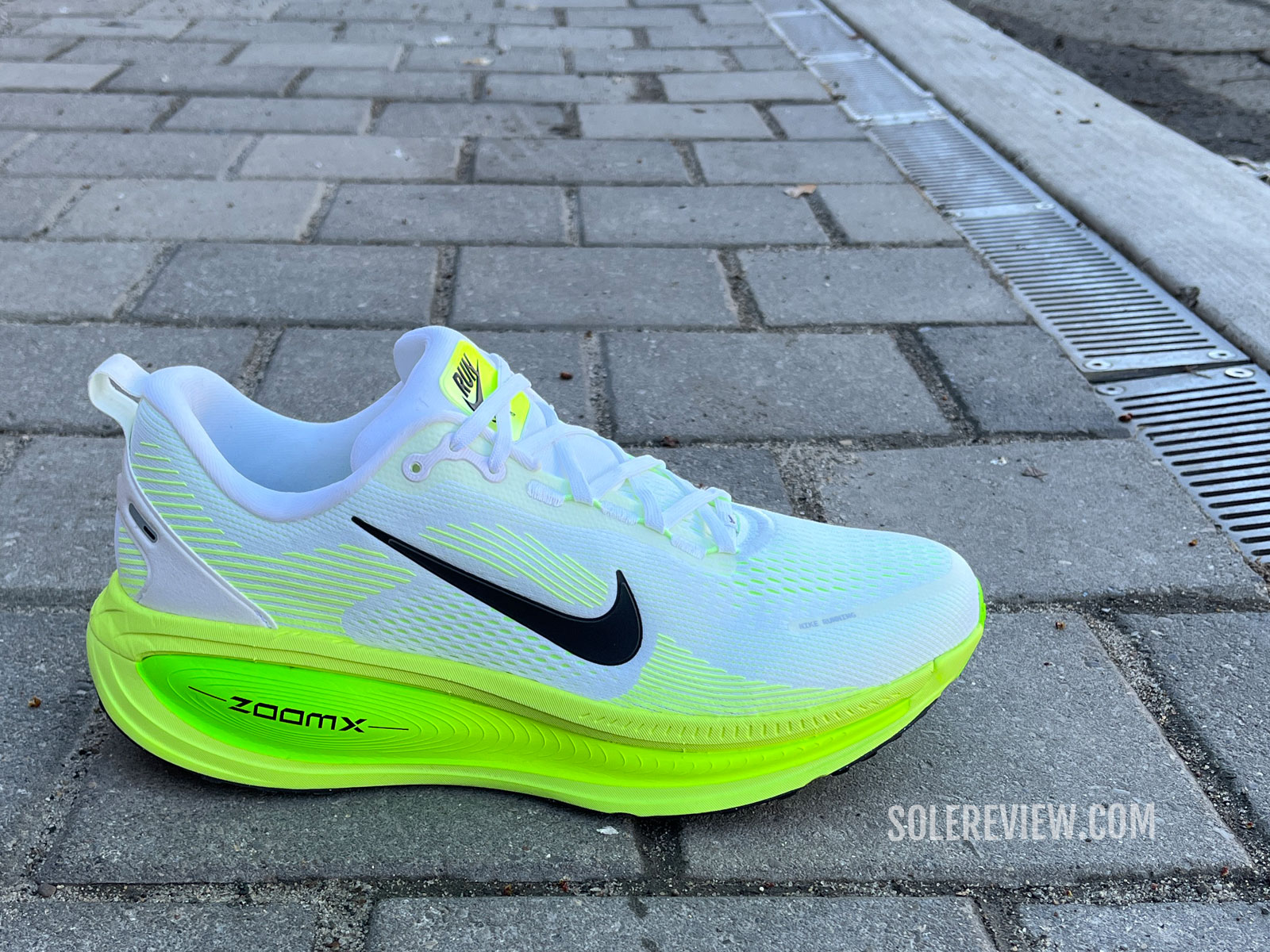
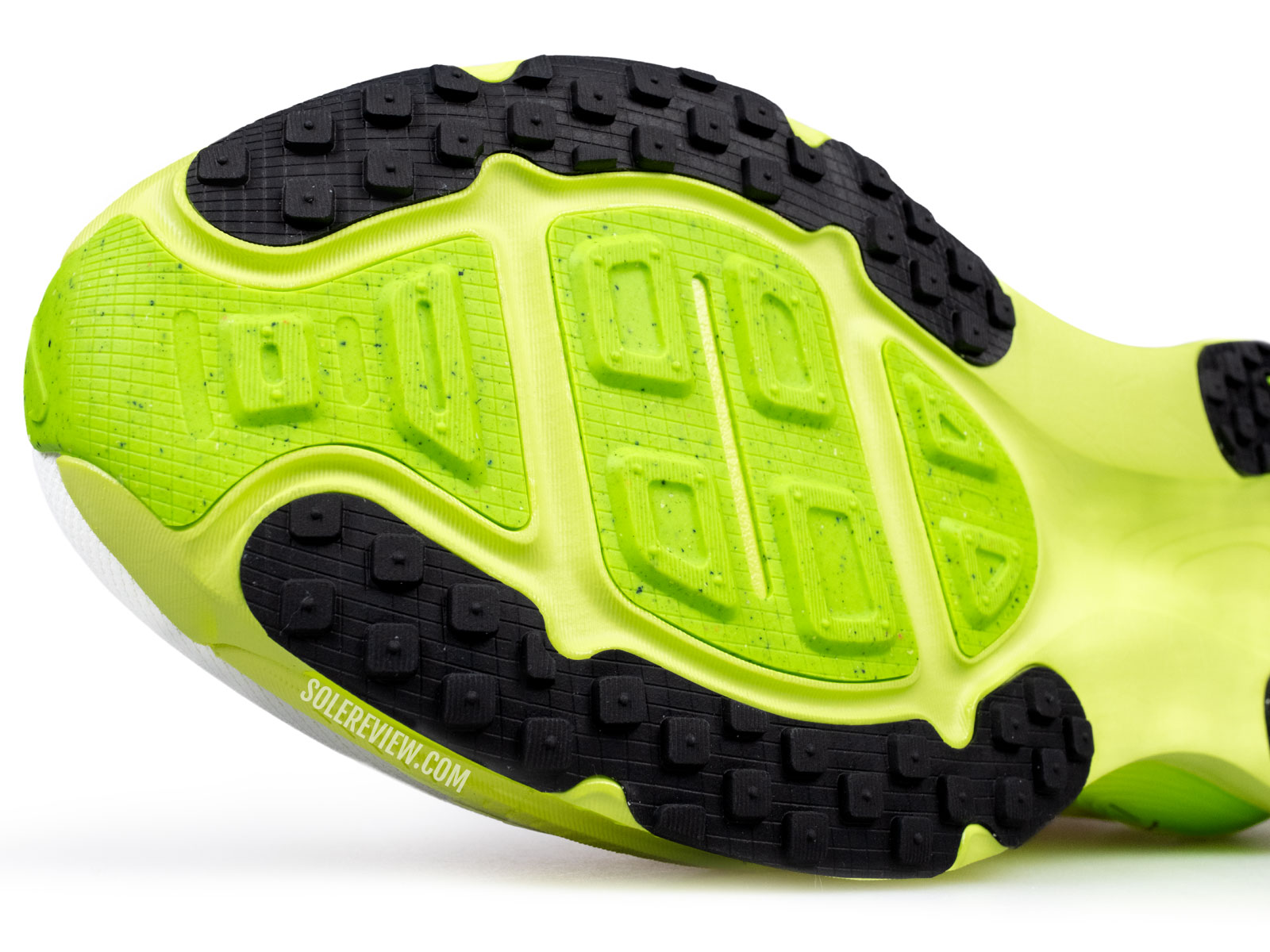
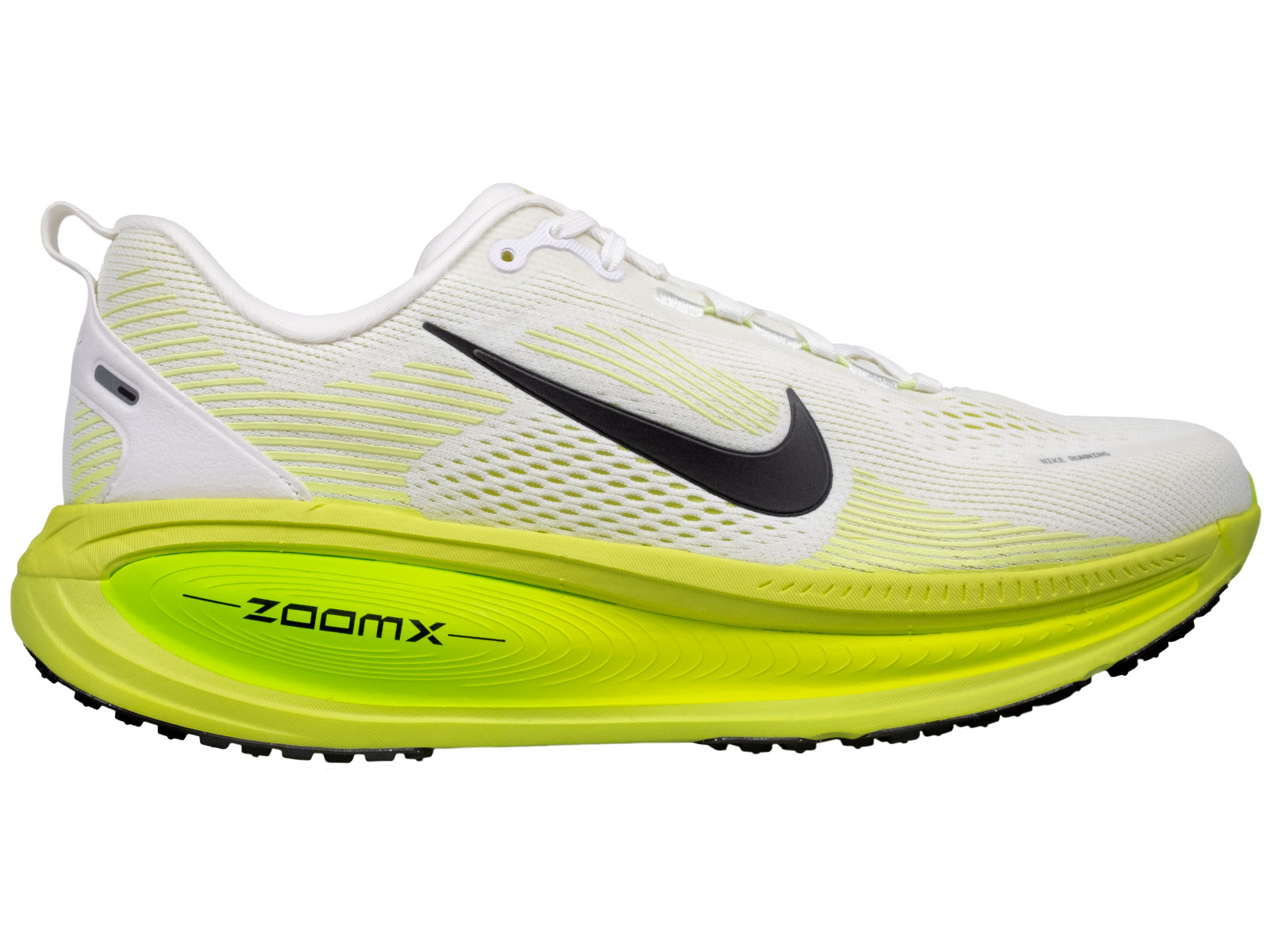
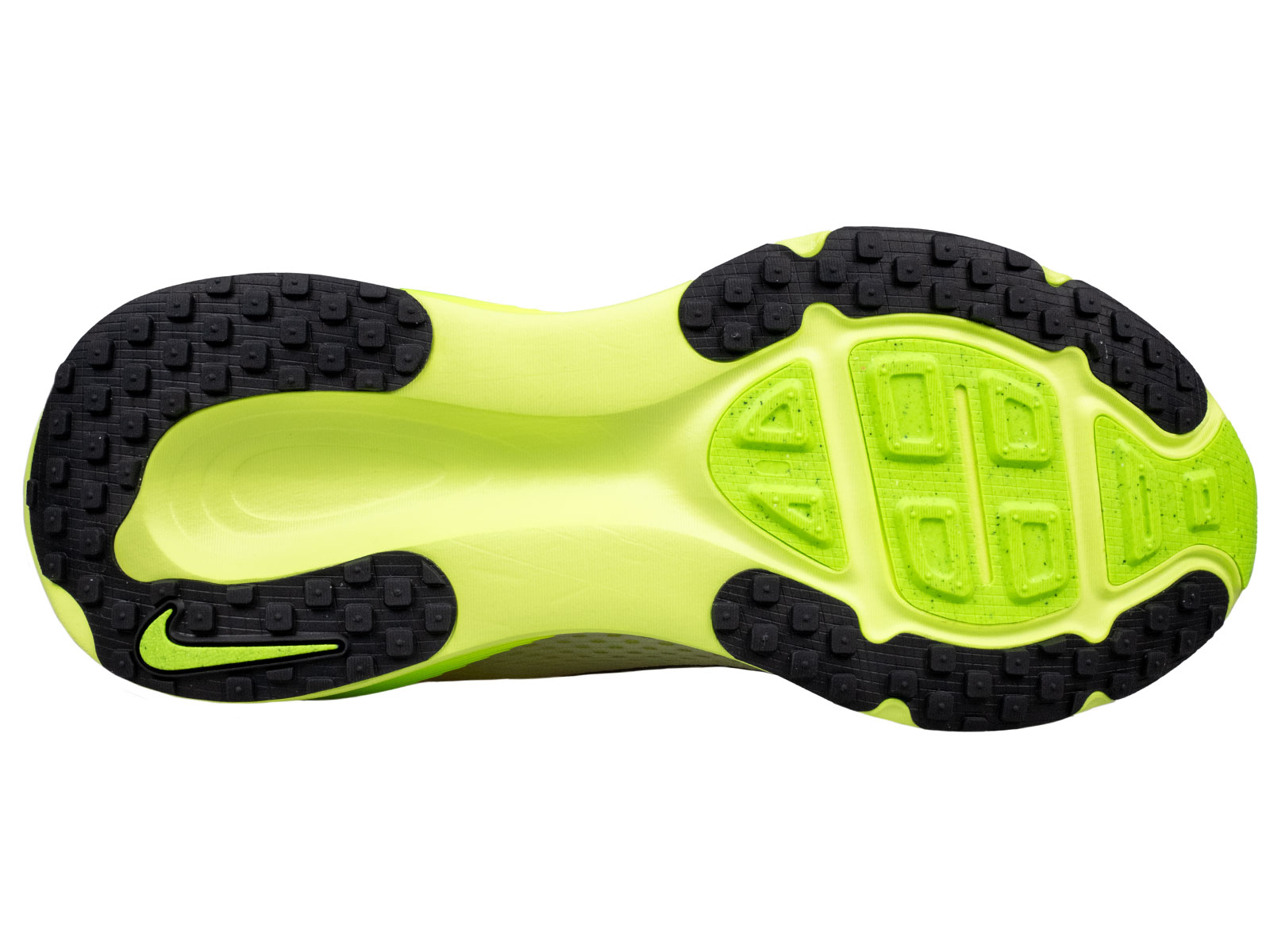
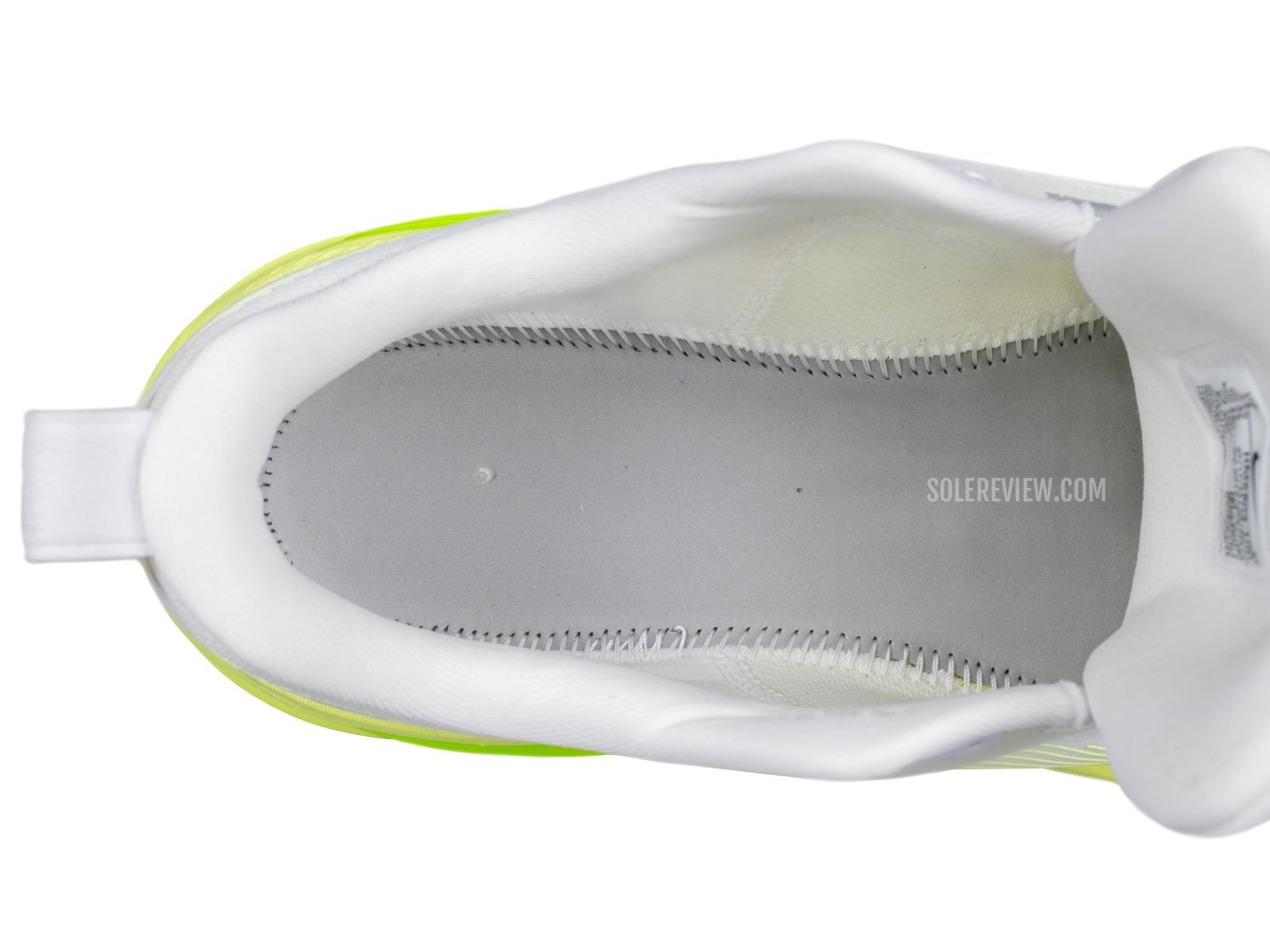
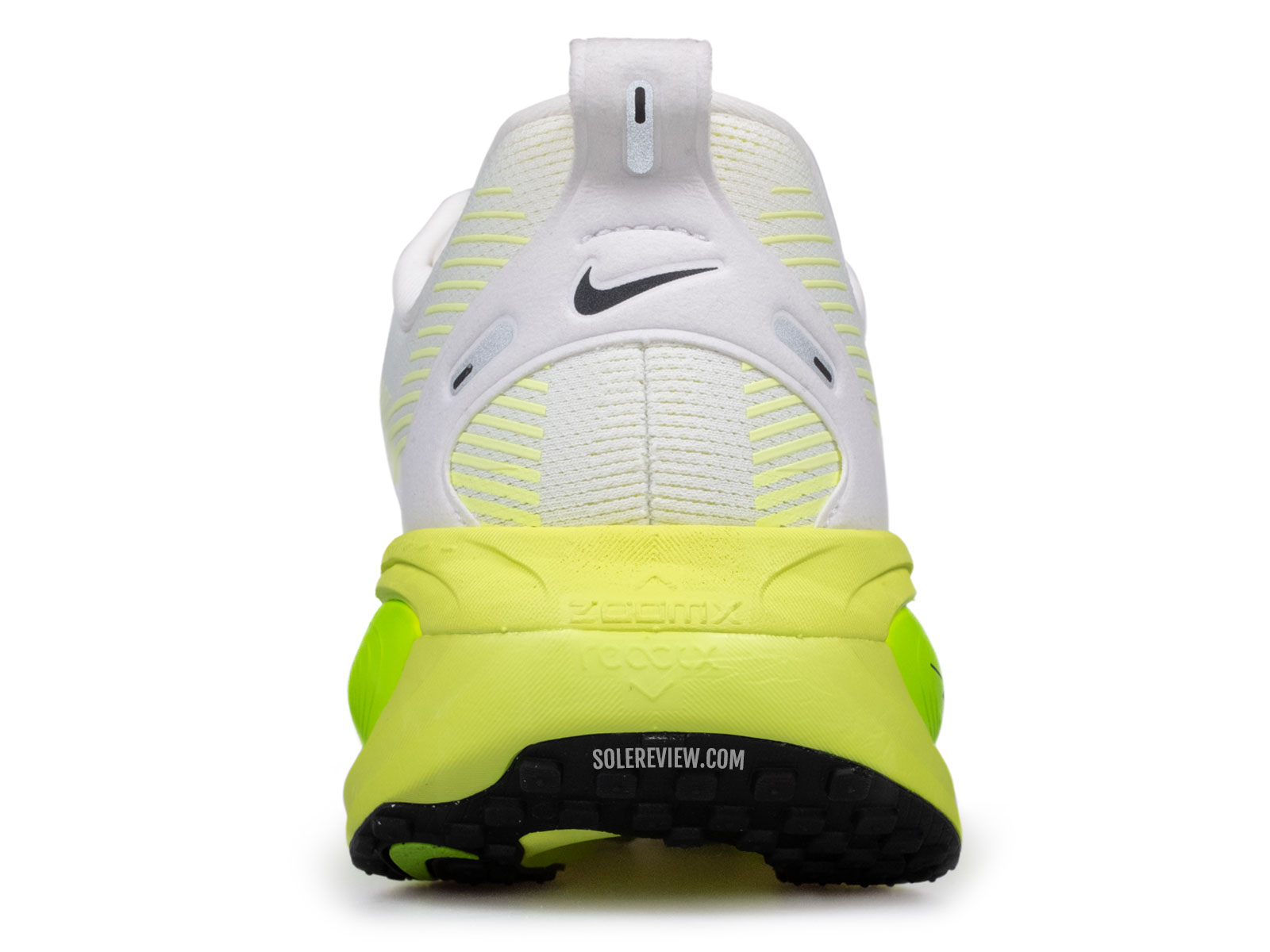
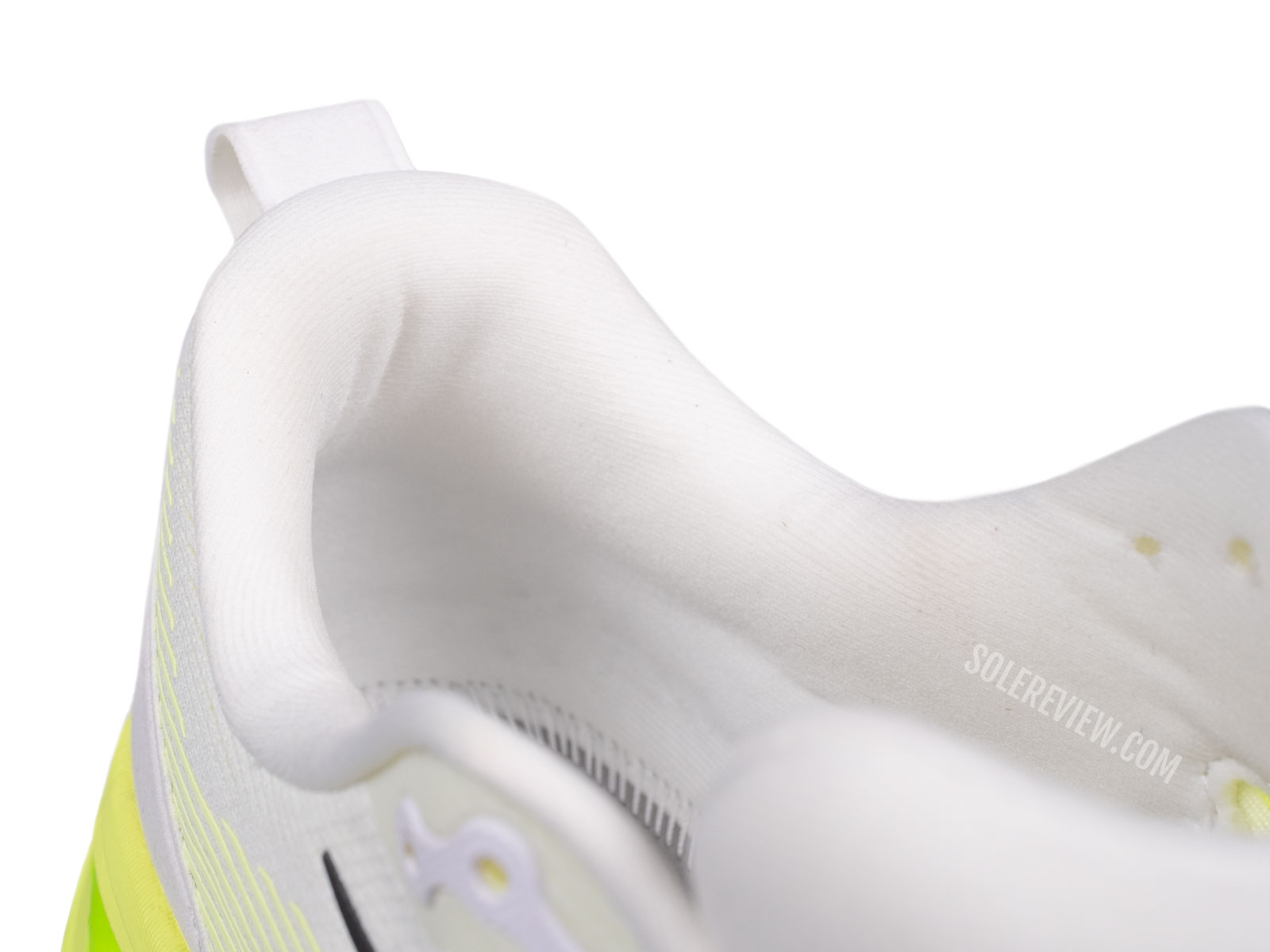
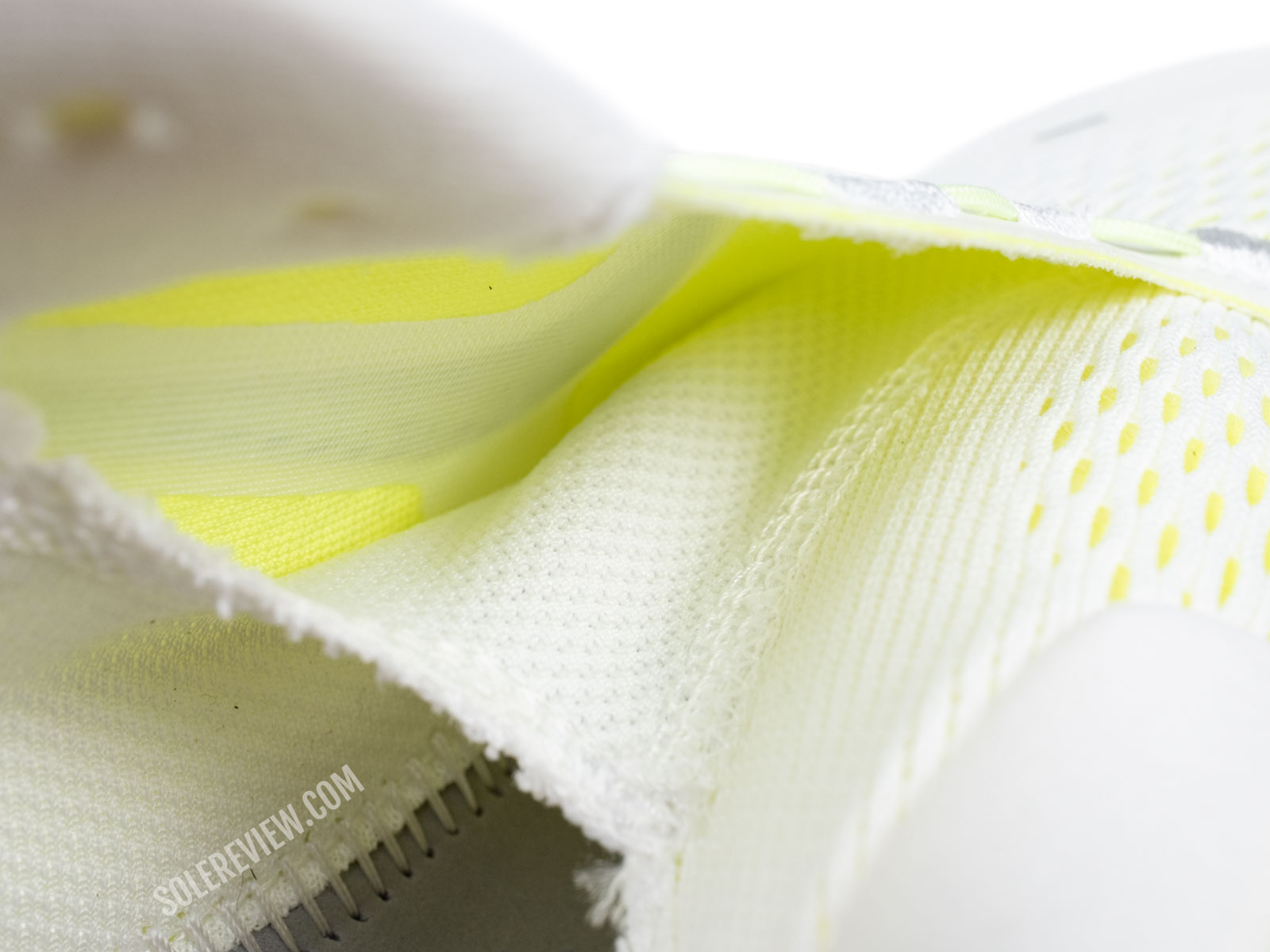
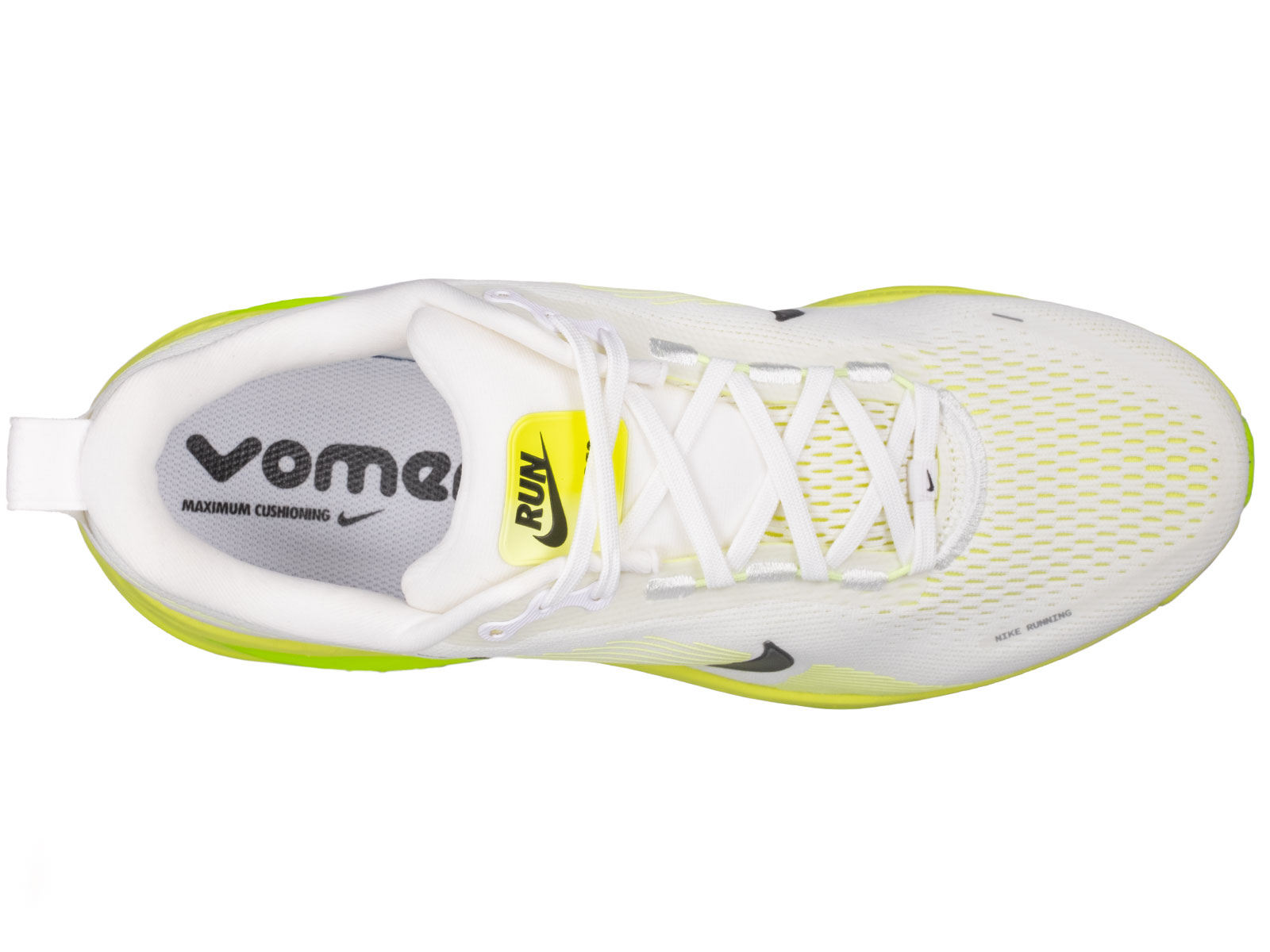
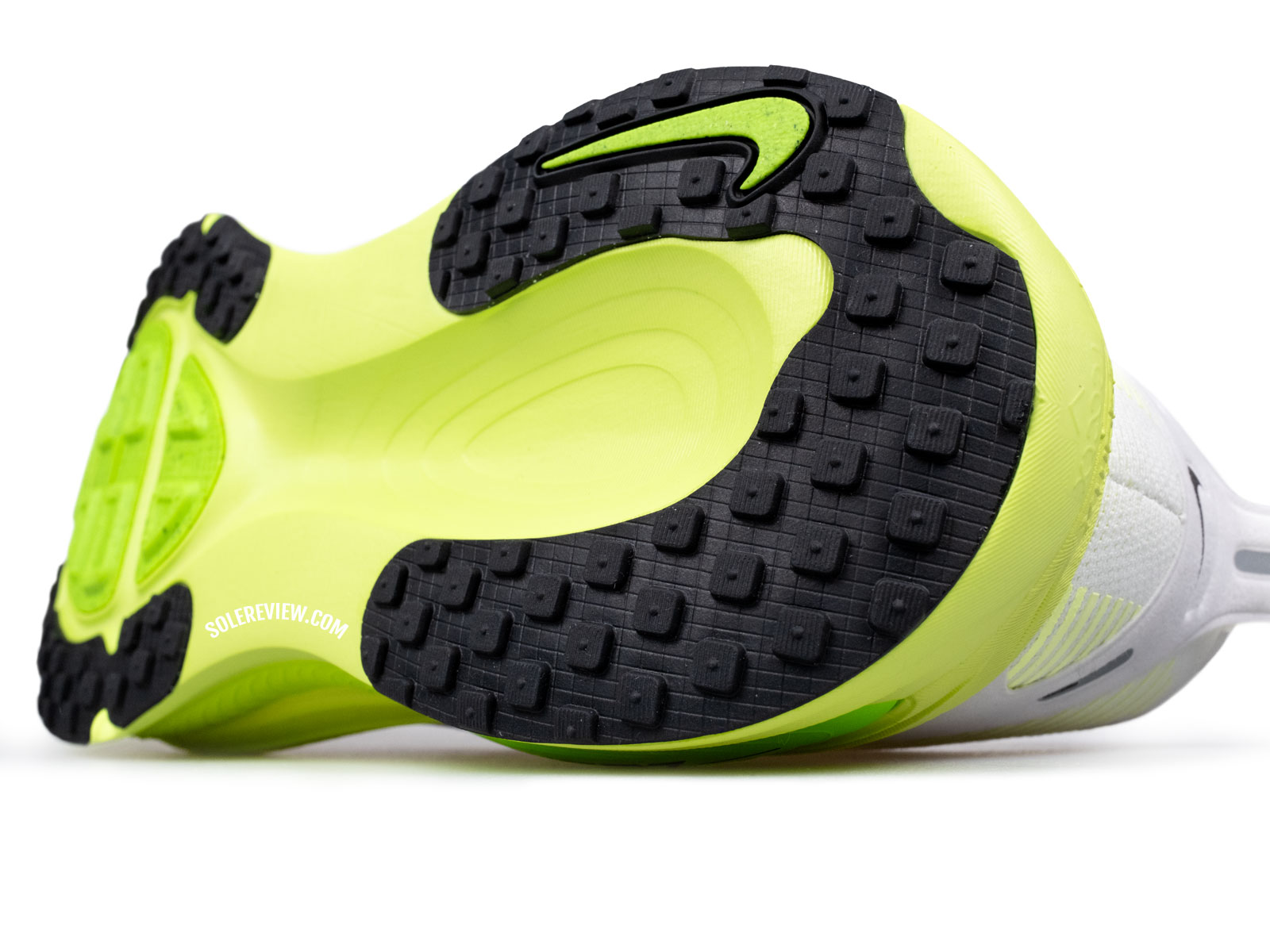
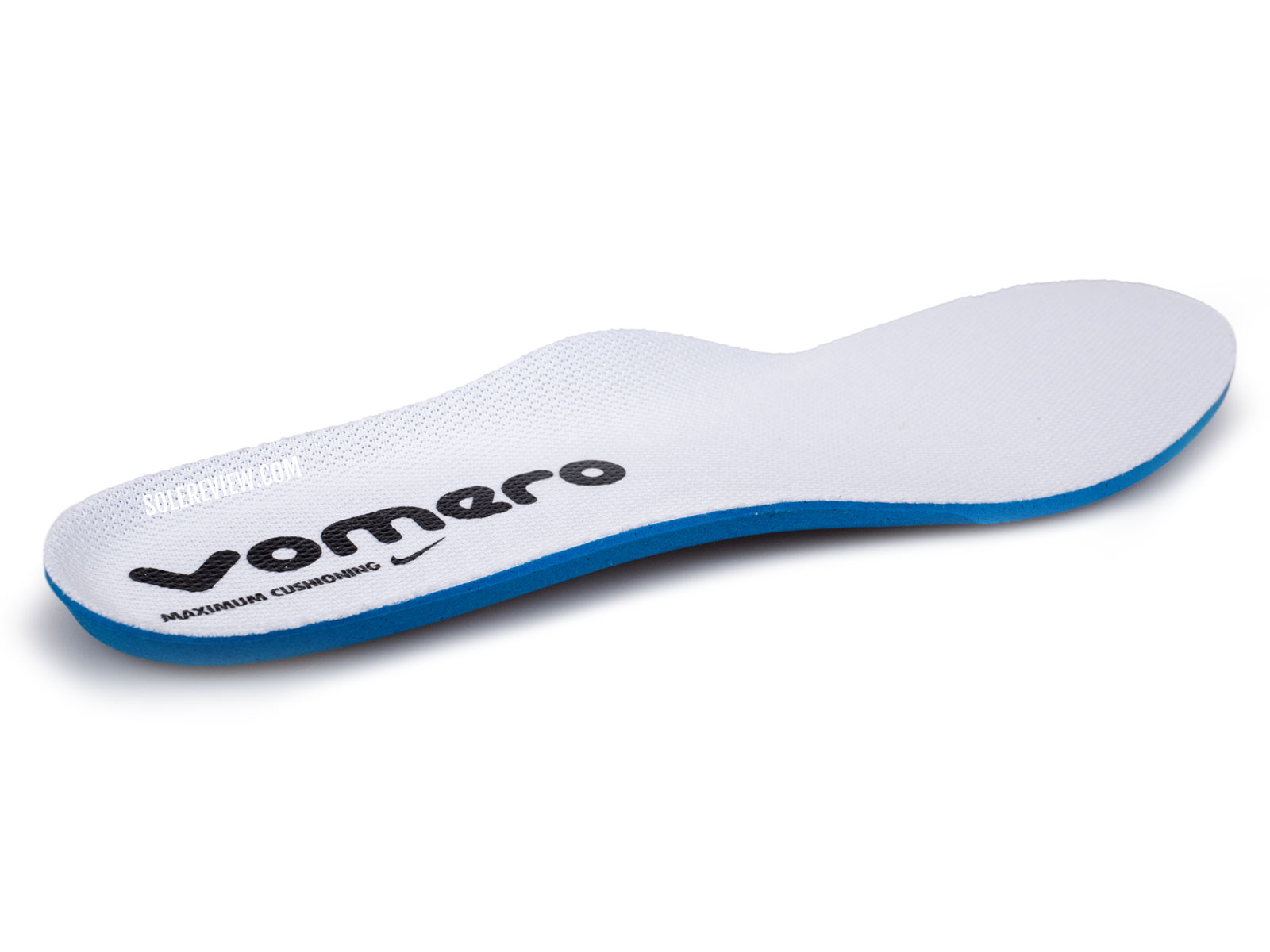
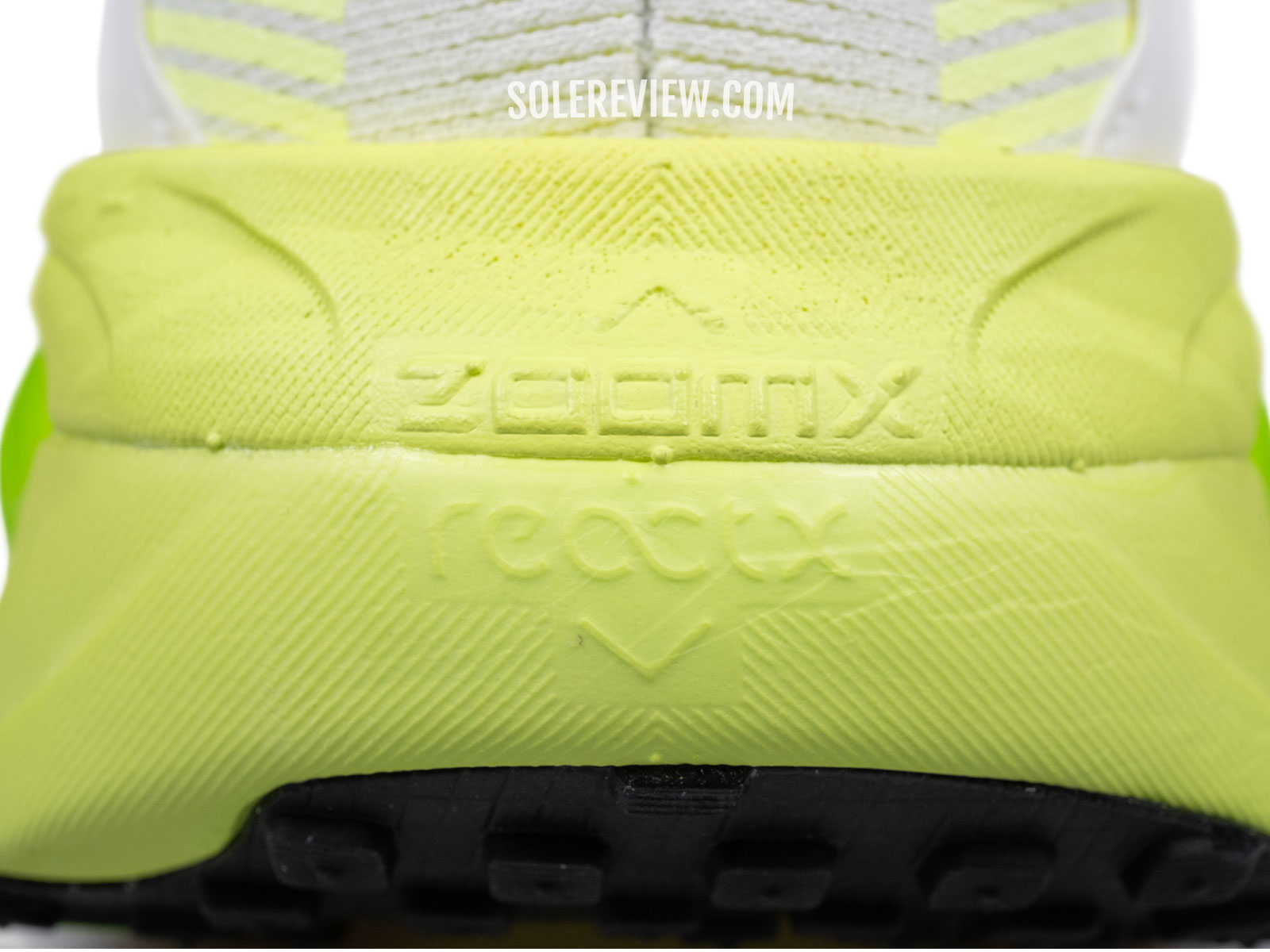
The Vomero 18’s softness has a nuanced quality which is missing on the Invincible 3 or even the New Balance 1080V14. The new Vomero is cushioned yet surprisingly peppy. It is a multi-role shoe capable of everyday training, tempo runs (up to a certain speed range), and marathons. The midsole softness is matched by an equally plush upper that is spacious and true to size.
- Nike’s marketing pitch: A comfortable ride for everyday runs.
- Upper: Engineered mesh with a full sleeve.
- Upper fit: True to size, just-right fit.
- Midsole: React X foam with ZoomX top layer. 10 mm heel drop.
- Outsole: Regrind rubber under the forefoot, Carbon rubber.
- Weight: 298 gms/ 10.5 Oz for a half pair of Men’s US 9/UK 8/EUR 42.5/CM 27.
- Stack heights: 44 mm (heel), 34 mm (forefoot).
- Available widths: Single – D (regular).
- Recommended use: Everyday runs, tempo runs, marathon training, walking.
- Footstrike orientation: All types (heel/midfoot/forefoot).
- Median lifespan: 450 miles.
- Country of origin: Vietnam.
- Recommended paces: 4:30 min/km (7:00 min/mile) and slower.
- Recommended temperature range: Warmer than -5° C/23° F.
Pros
- Versatile for different use cases
- Rocker assists with smooth roll offs
- Neutral and stable ride
- Goldilocks zone cushioning
- Just-right and plush fit
Cons
- No widths at this time
- Average grip on wet roads
- Runs warm due to full sleeve
- Low reflectivity
Never has the 860 been so soft. It always had a firm ride, and with good reason.Earlier versions of the 860 had a firmer medial post – a foam wedge that made the arch side more supportive. If the rest of the midsole was too soft, the mismatch between the two foam densities would have upset the cushioning balance.
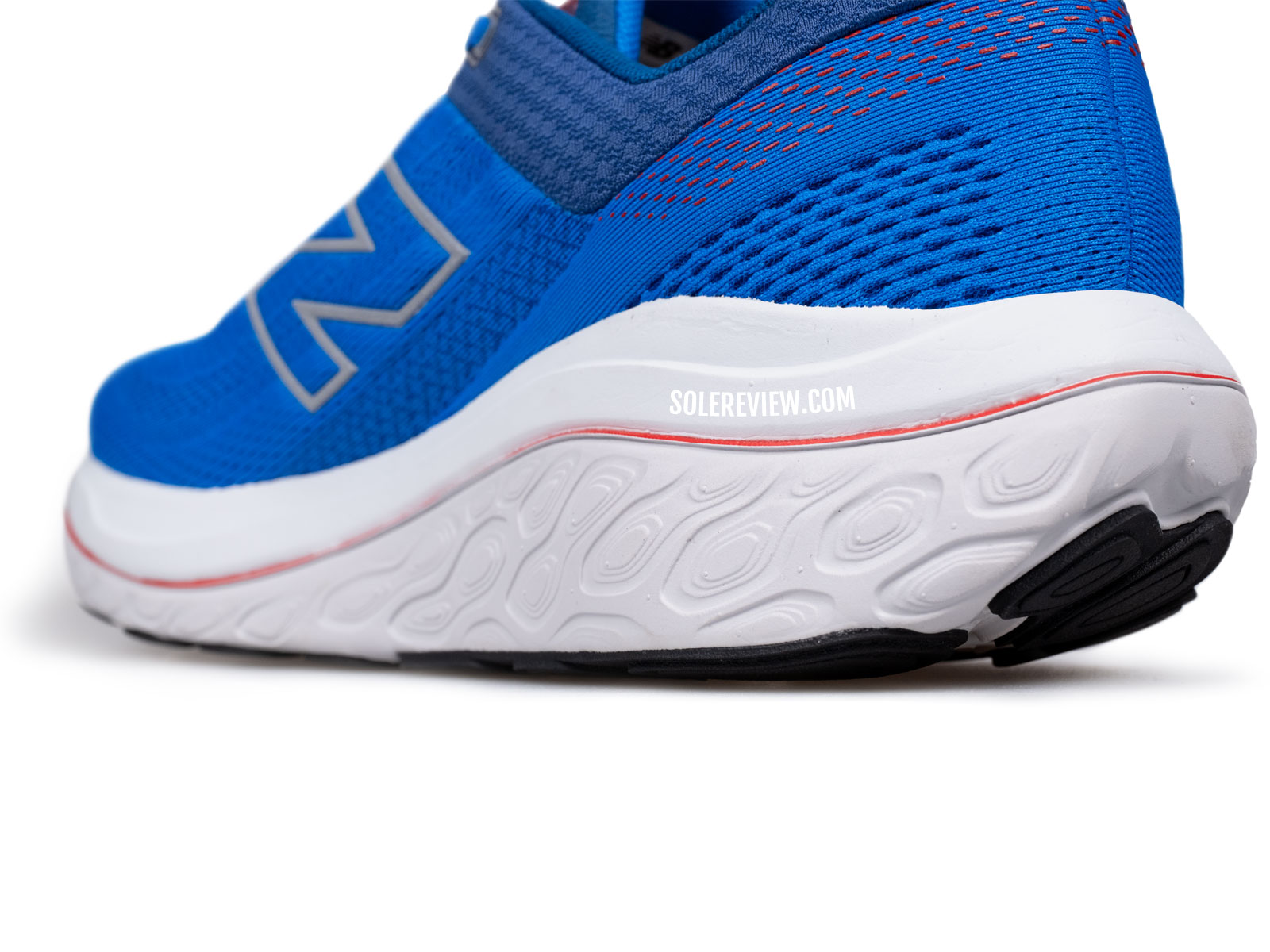
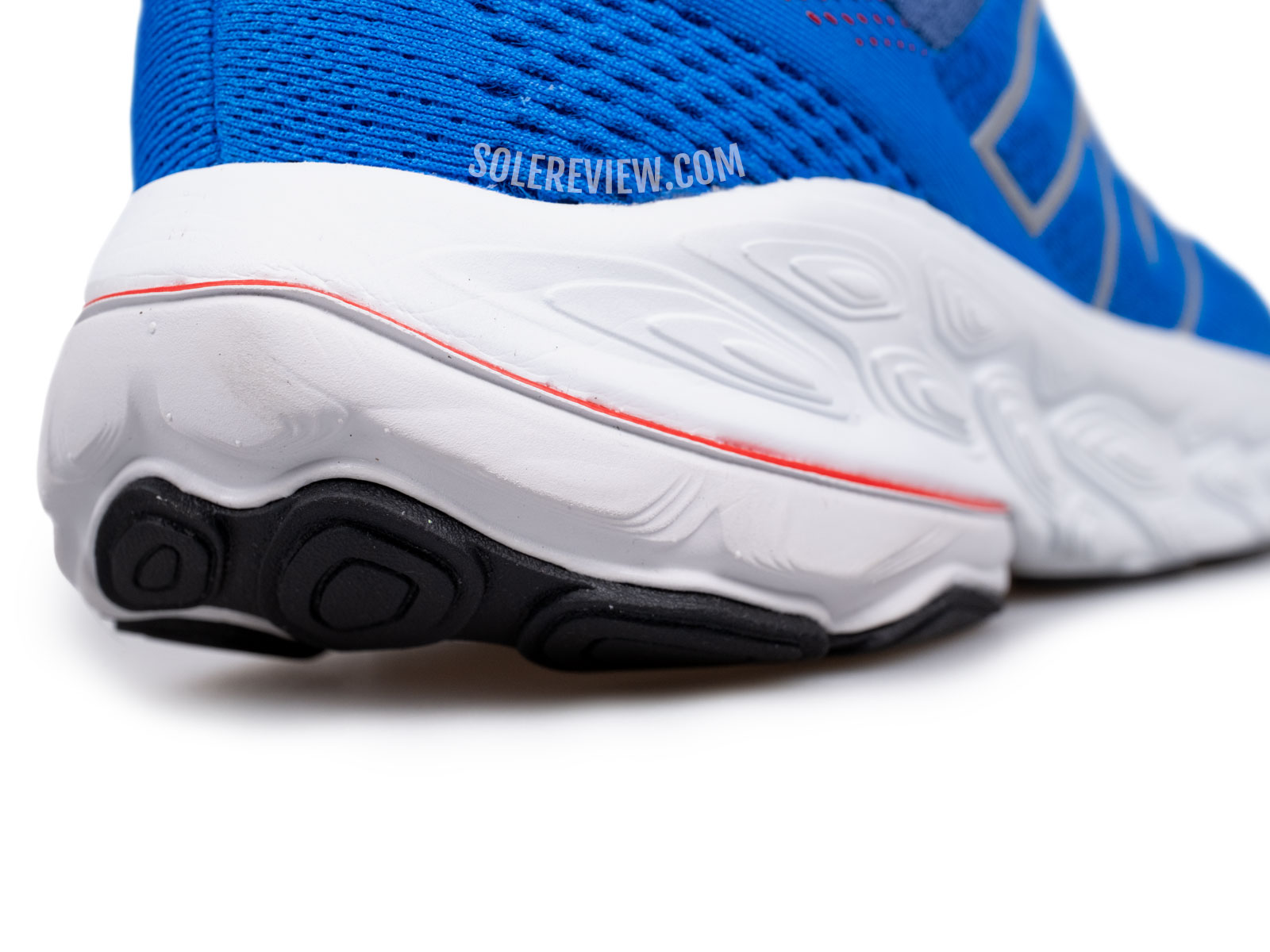
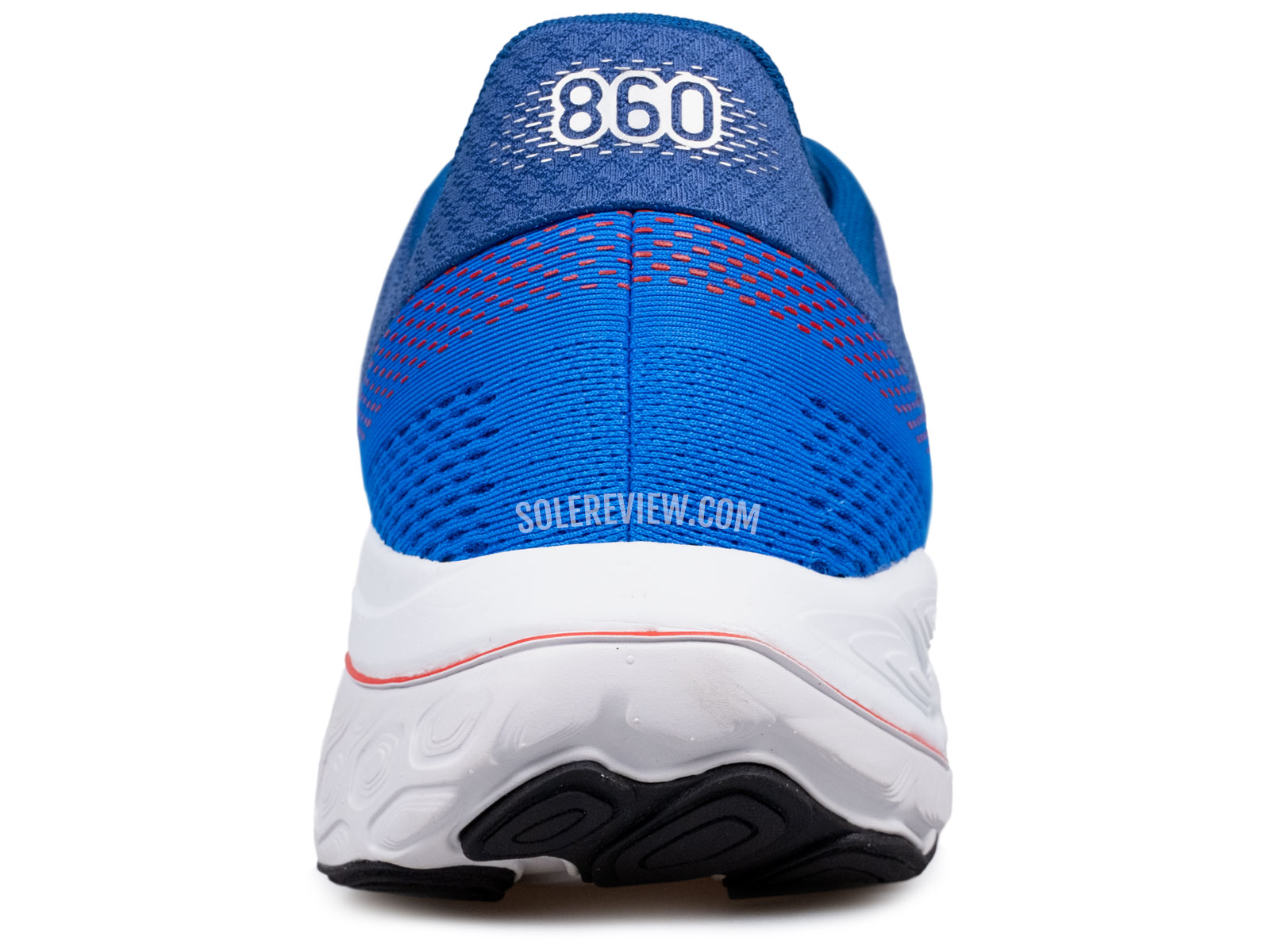
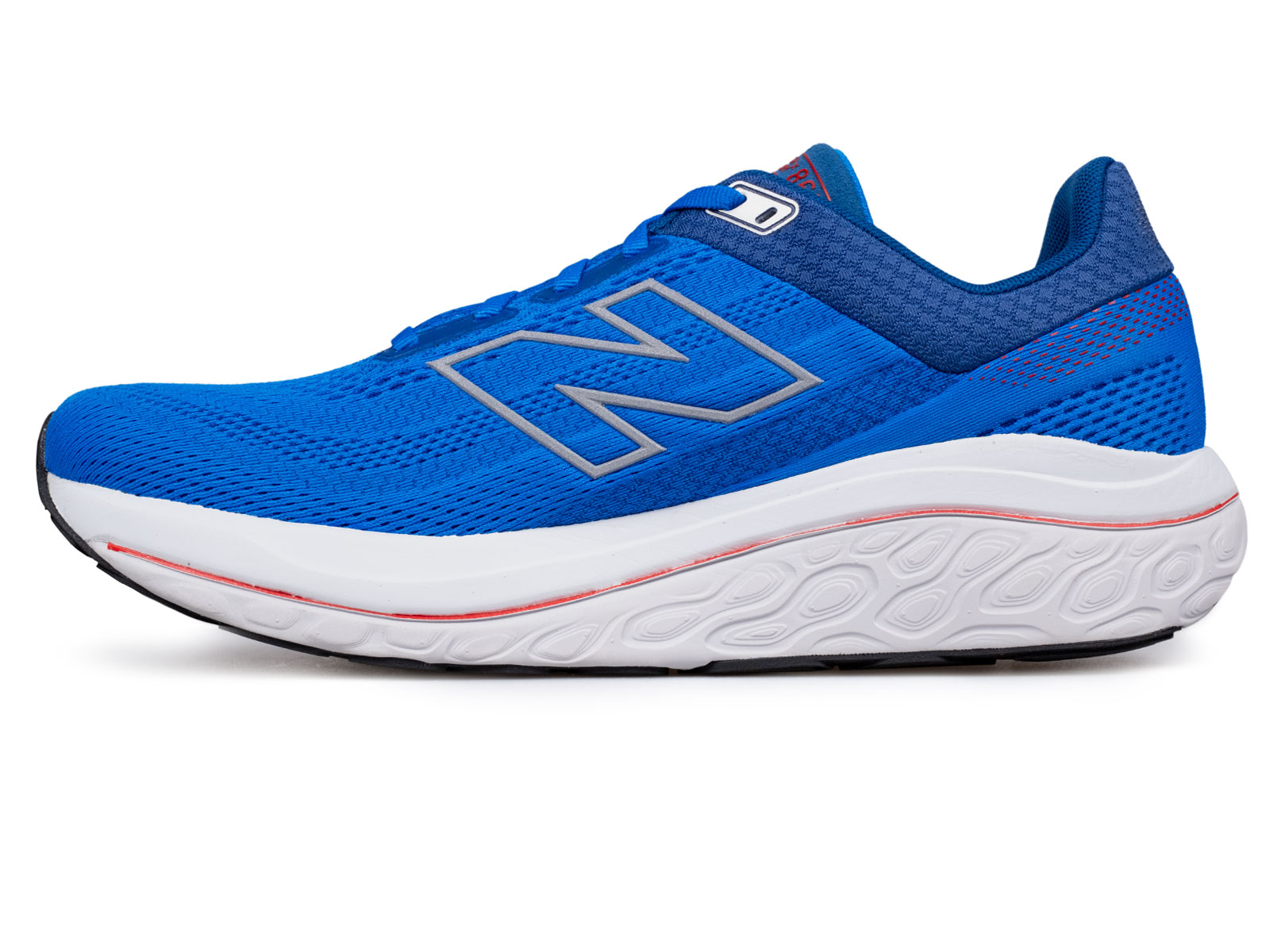
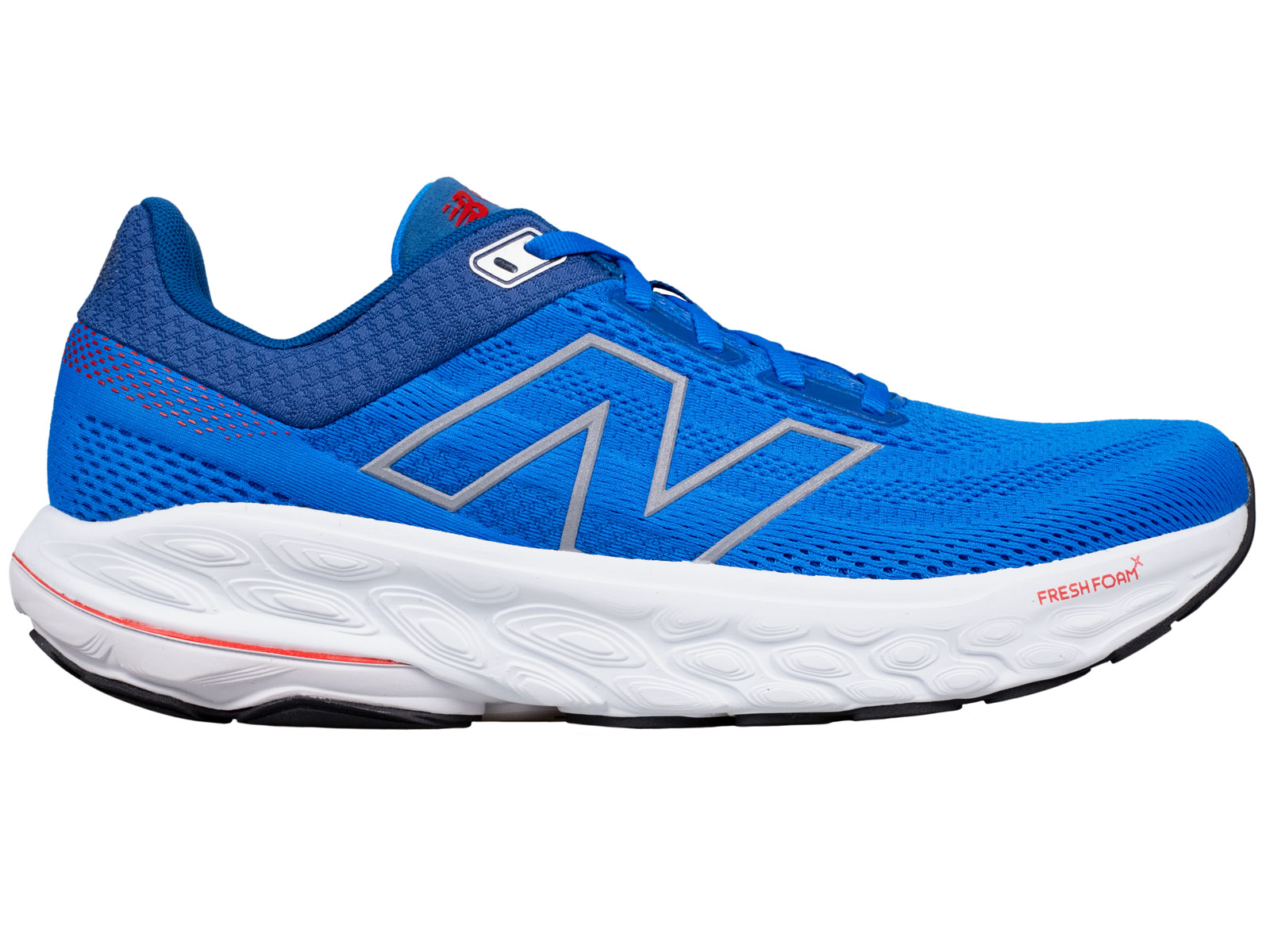
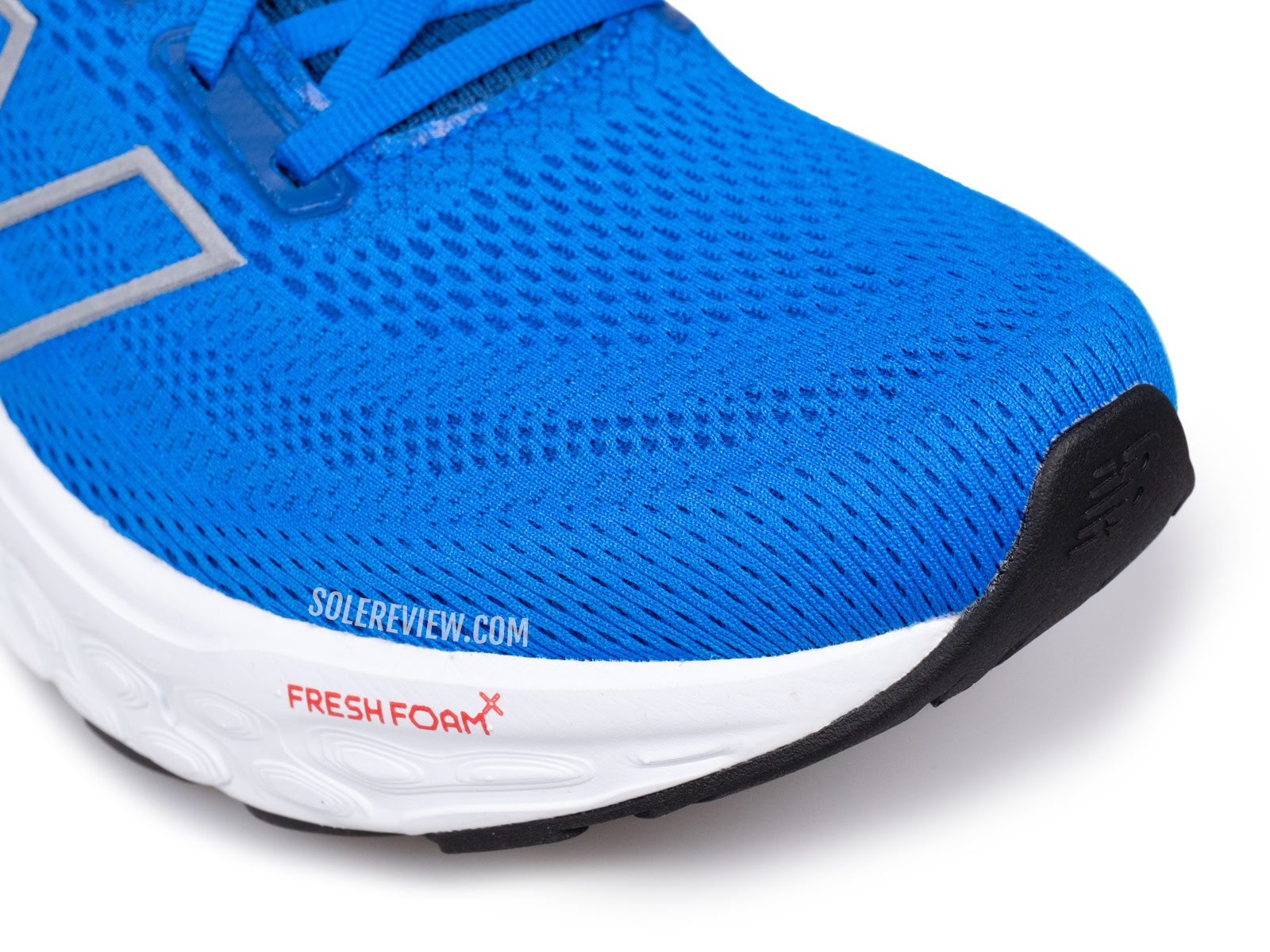
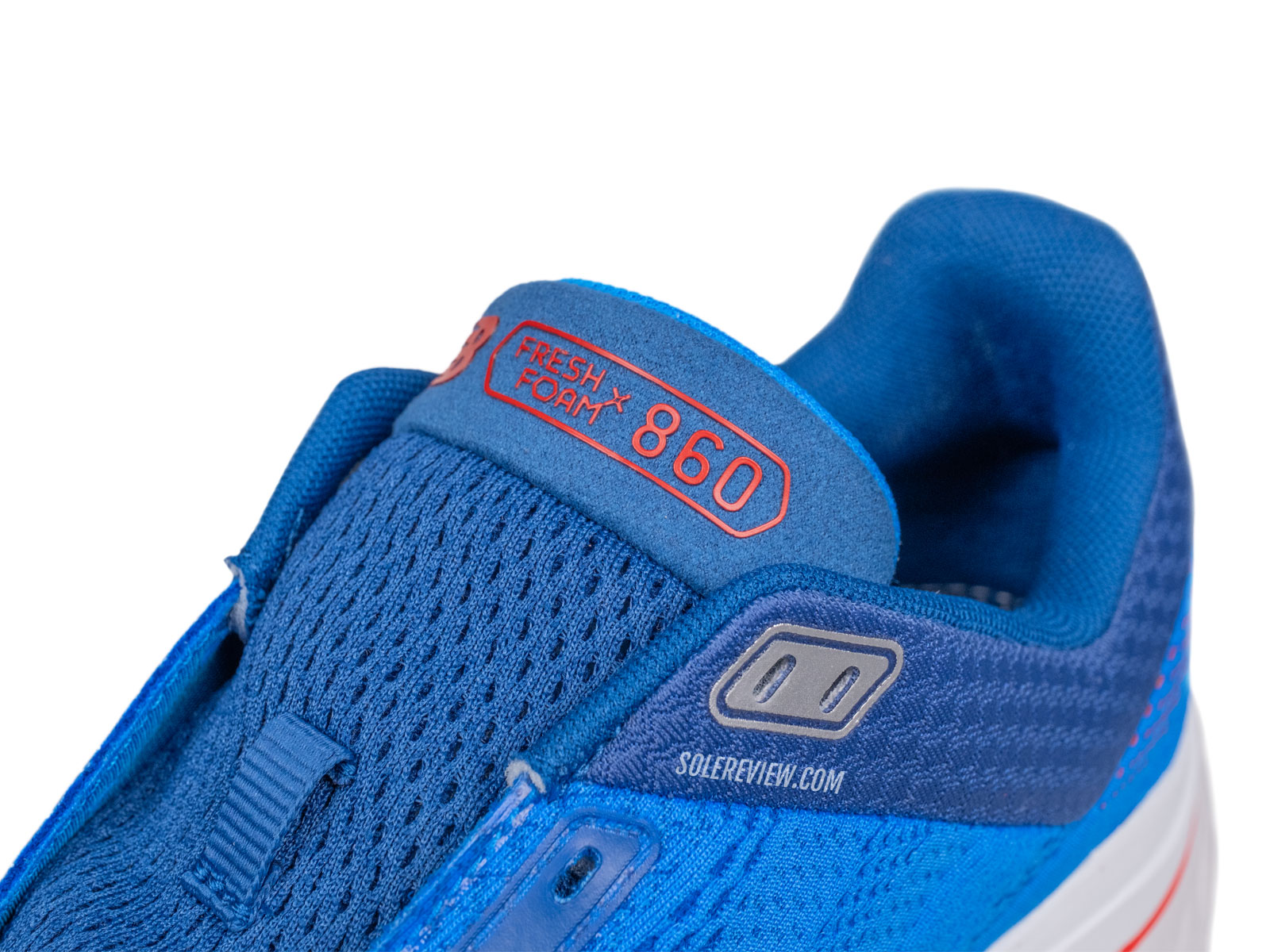
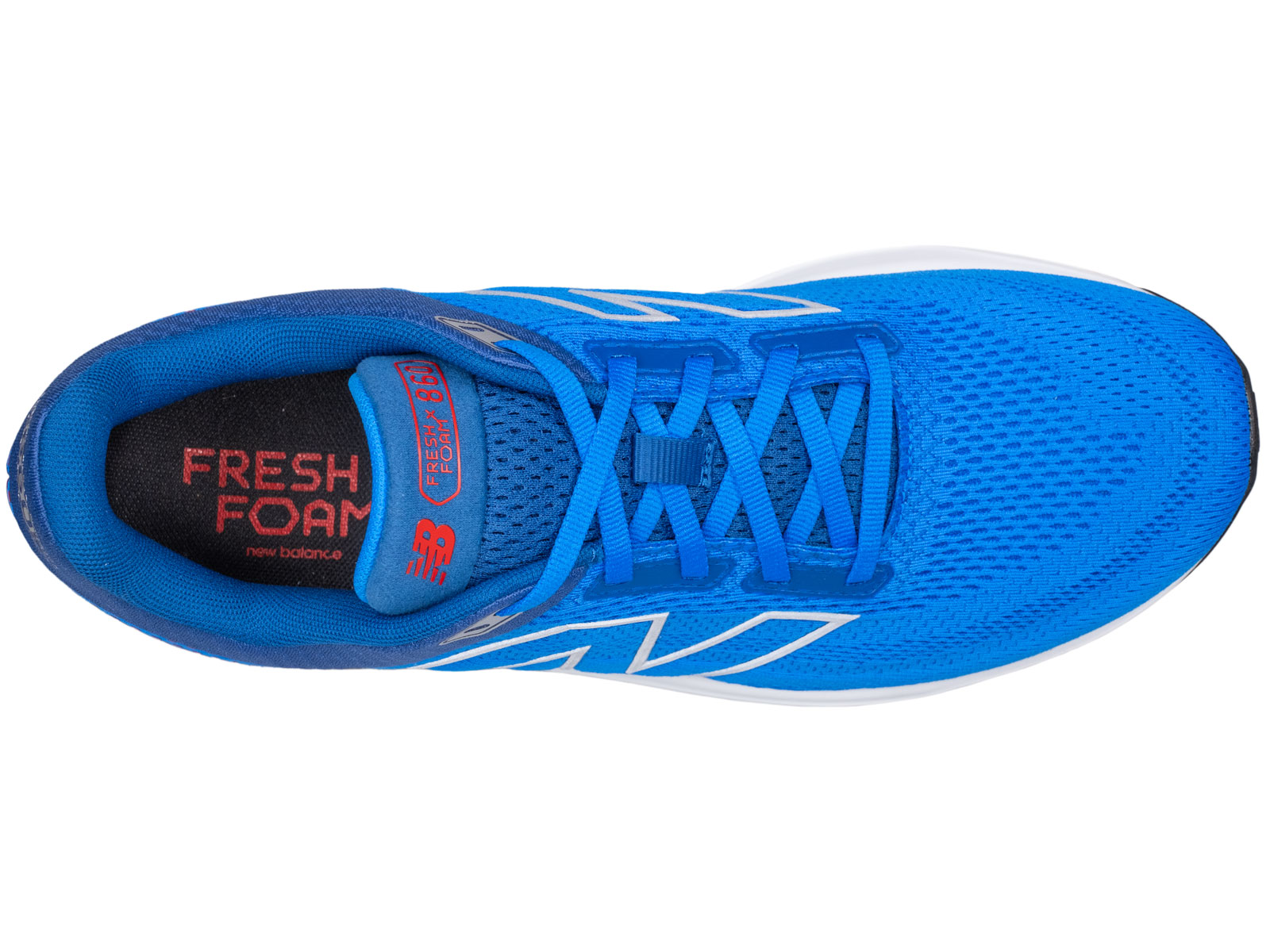
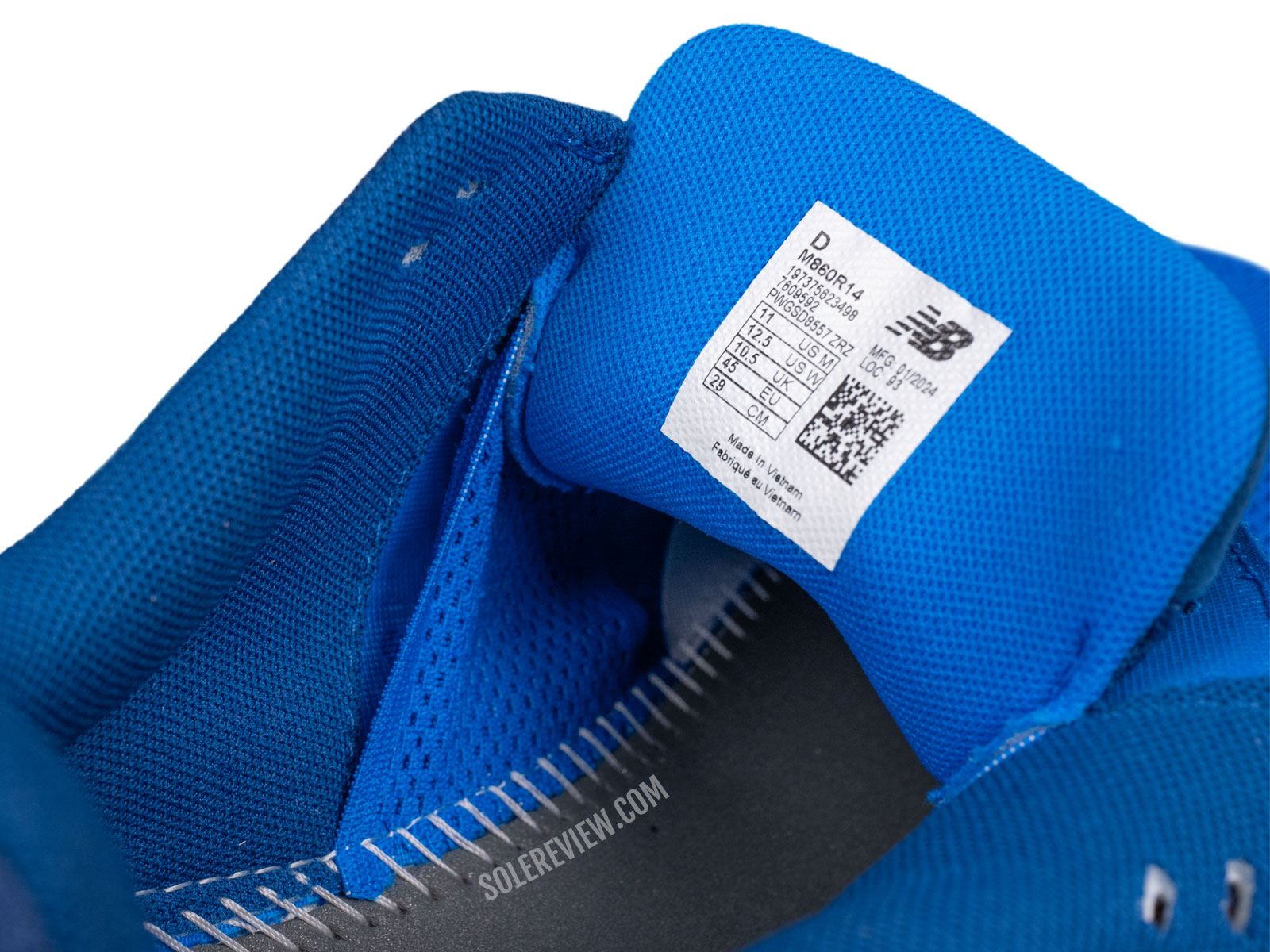
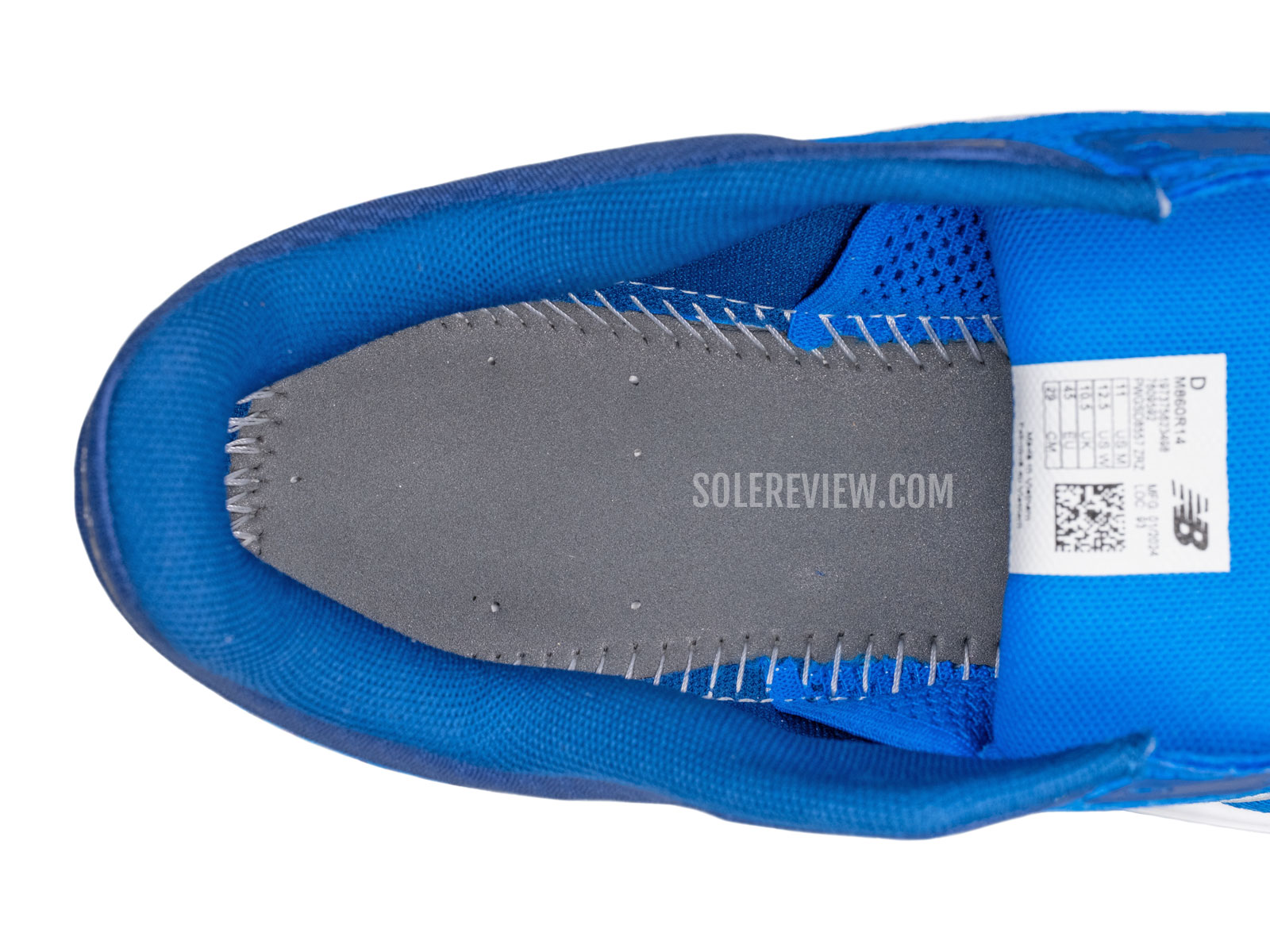
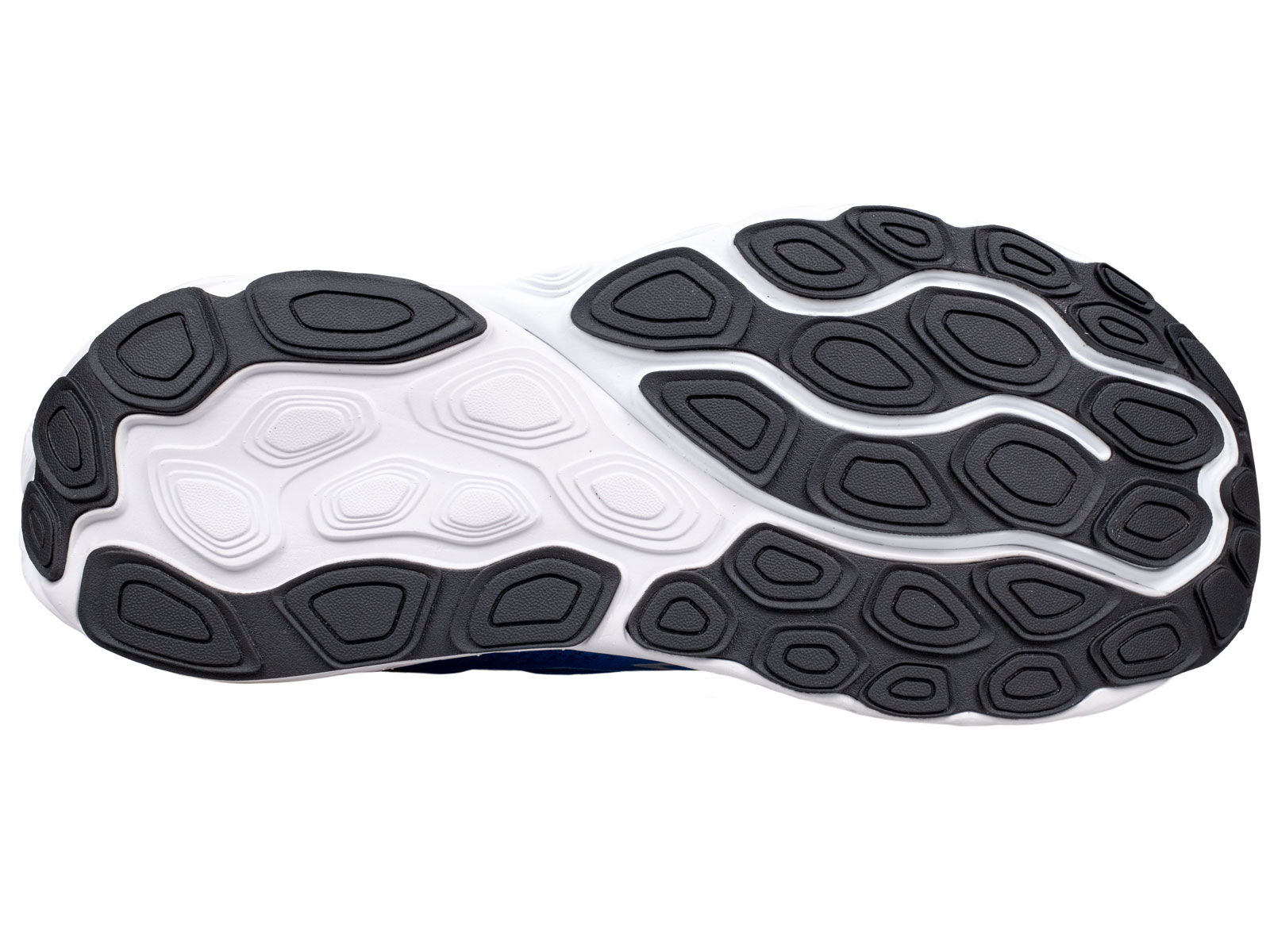
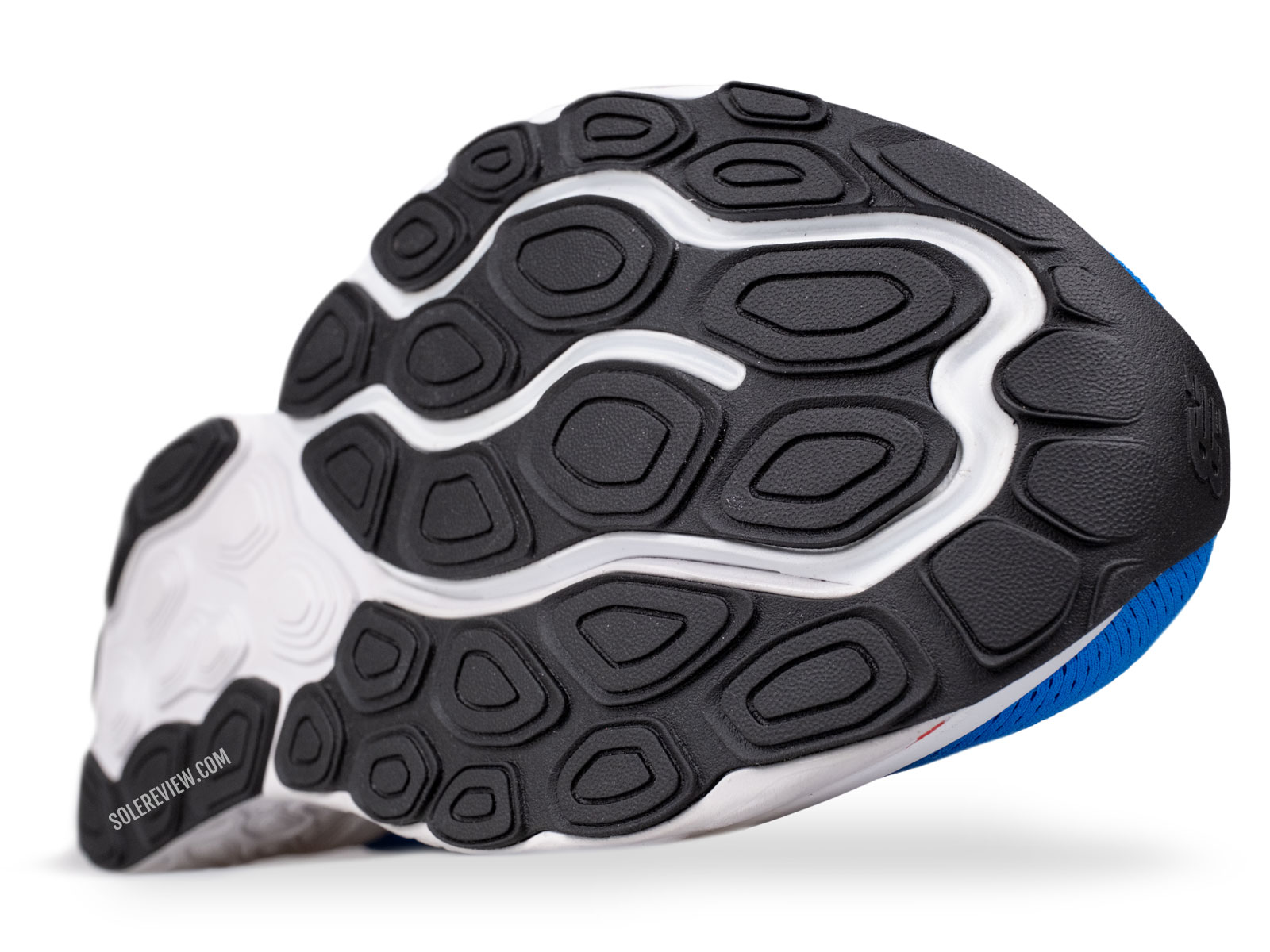
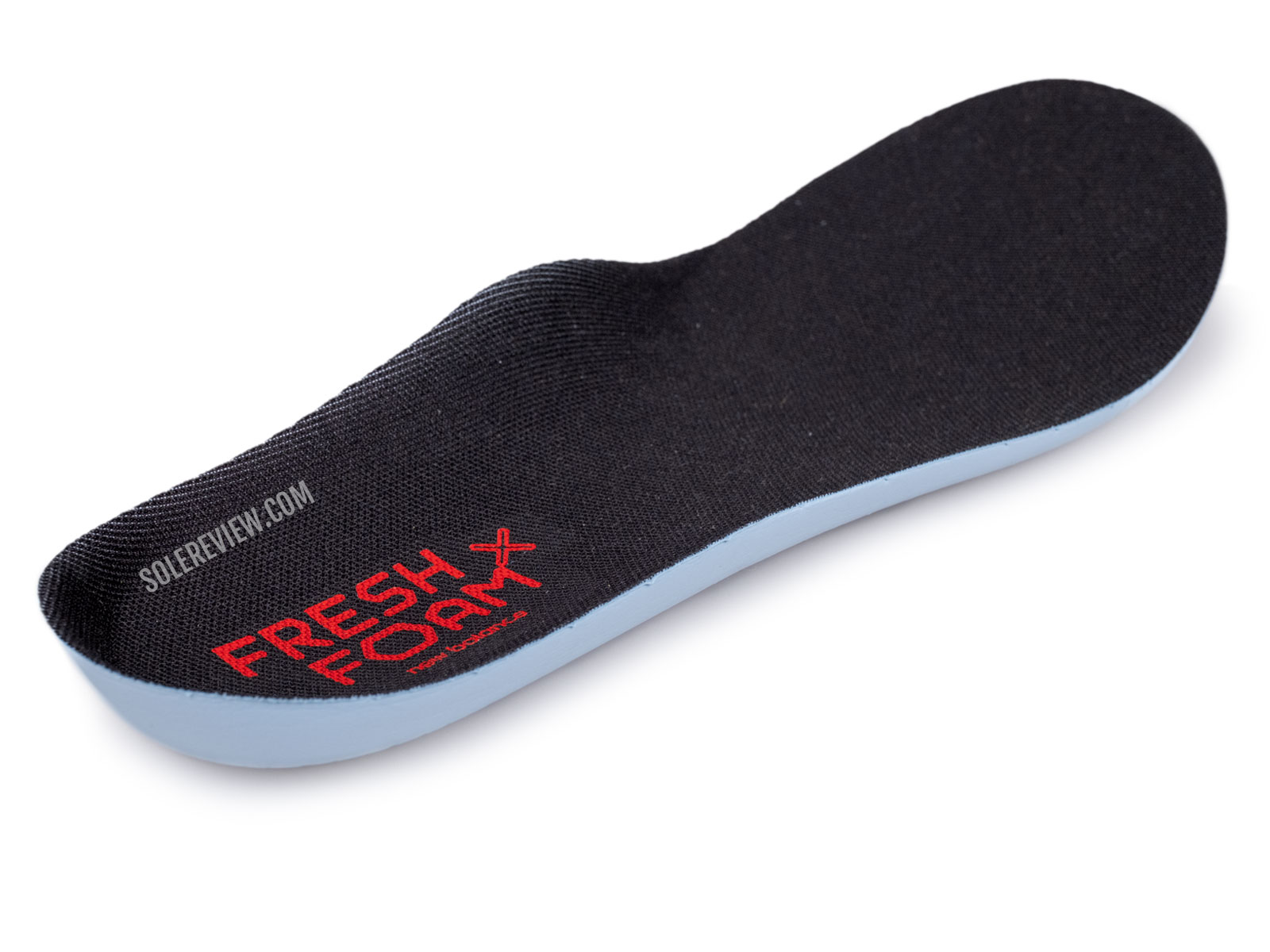
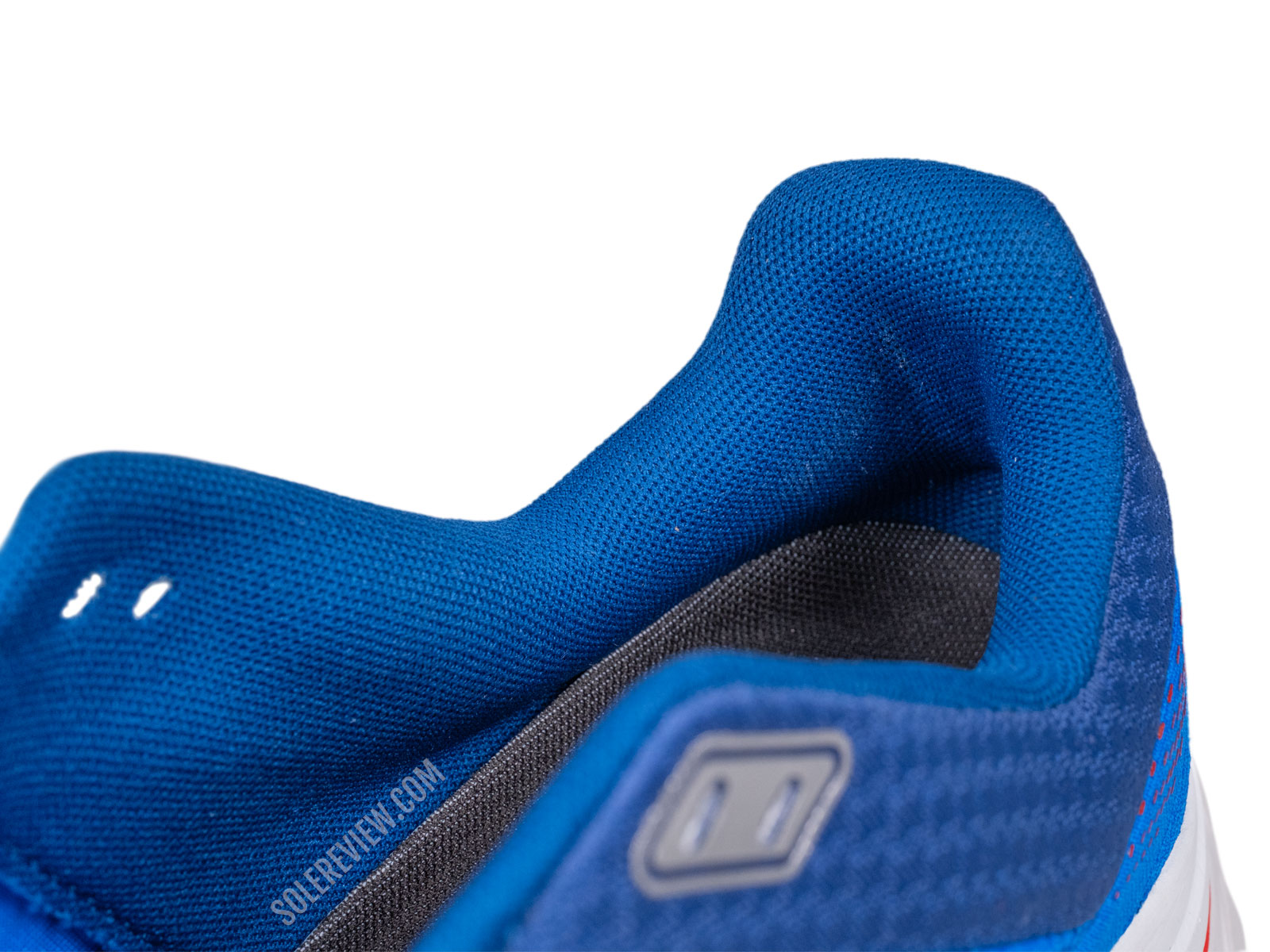
The 860V14 doesn’t have a medial post, so it doesn’t have the performance limitations of the previous model. The new 860 has the same parlor trick as the Vongo. Inside the Fresh Foam X midsole is a ‘stability plane’ plate. Not to be confused with plates found in marathon racers, this plate features a supportive inner side with a flexible outer half. The 860 achieves this by punching holes into the outer plate while keeping the inner half solid. The solid half adds support to the arch side, whereas the perforated side is more responsive to loading pressure.
The goal of any pronation-control shoe is to prevent the arch side of the midsole from collapsing and re-direct the loading towards the outer side. The 860’s and Vongo’s novel plate design achieves that better than any currently available pronation-control measure. In typical New Balance fashion, the comfortable and true-to-size upper is available in multiple widths.
- New Balance’s marketing pitch: Built for reliability over the long haul.
- Upper: Engineered mesh, tongue gusset.
- Upper fit: True-to-size with loose forefoot.
- Midsole: Dual-density Fresh Foam, perforated ‘stability plane’ plate. 8 mm drop.
- Outsole: Harder rubber under the heel with softer forefoot blown foam.
- Weight: 306 gms/ 10.8 Oz for a half pair of Men’s US 9/UK 8.5/EUR 42.5/CM 27.
- Stack heights: 36 mm (rear), 28 mm (forefoot).
- Available widths: D – regular (reviewed), 2E – wide.
- Previous model: New Balance 860 v13.
- Country of origin: Vietnam.
- Recommended use: Everyday training, half-marathons.
- Footstrike orientation: Heel, midfoot/forefoot (full contact).
- Median lifespan: 400 miles.
- Recommended paces: 4:30 min/km (7:00 min/mile) and slower
- Recommended temperature range: Warmer than -0° C/32° F.
Pros
- Effective pronation control
- Ride comfort
- Outsole grip
- Plush and breathable upper
- Optional 2E width, reflectivity
Cons
- None worth mentioning
It’s hard to coax quicker miles out of the Vomero Plus, but that’s not what this shoe is meant for. Consider what we have here: the Vomero Plus ultra-tall midsole is made of 100% ZoomX foam. With stack heights of 45 mm (heel) and 35 mm (forefoot), soft and bouncy landings are guaranteed regardless of the footstrike pattern. The thick bed of foam is perfect for recovery runs and low-intensity running. Just keep the Vomero Plus out of tempo runs, intervals, and mile repeats – the midsole is too soft and thick for those workouts.
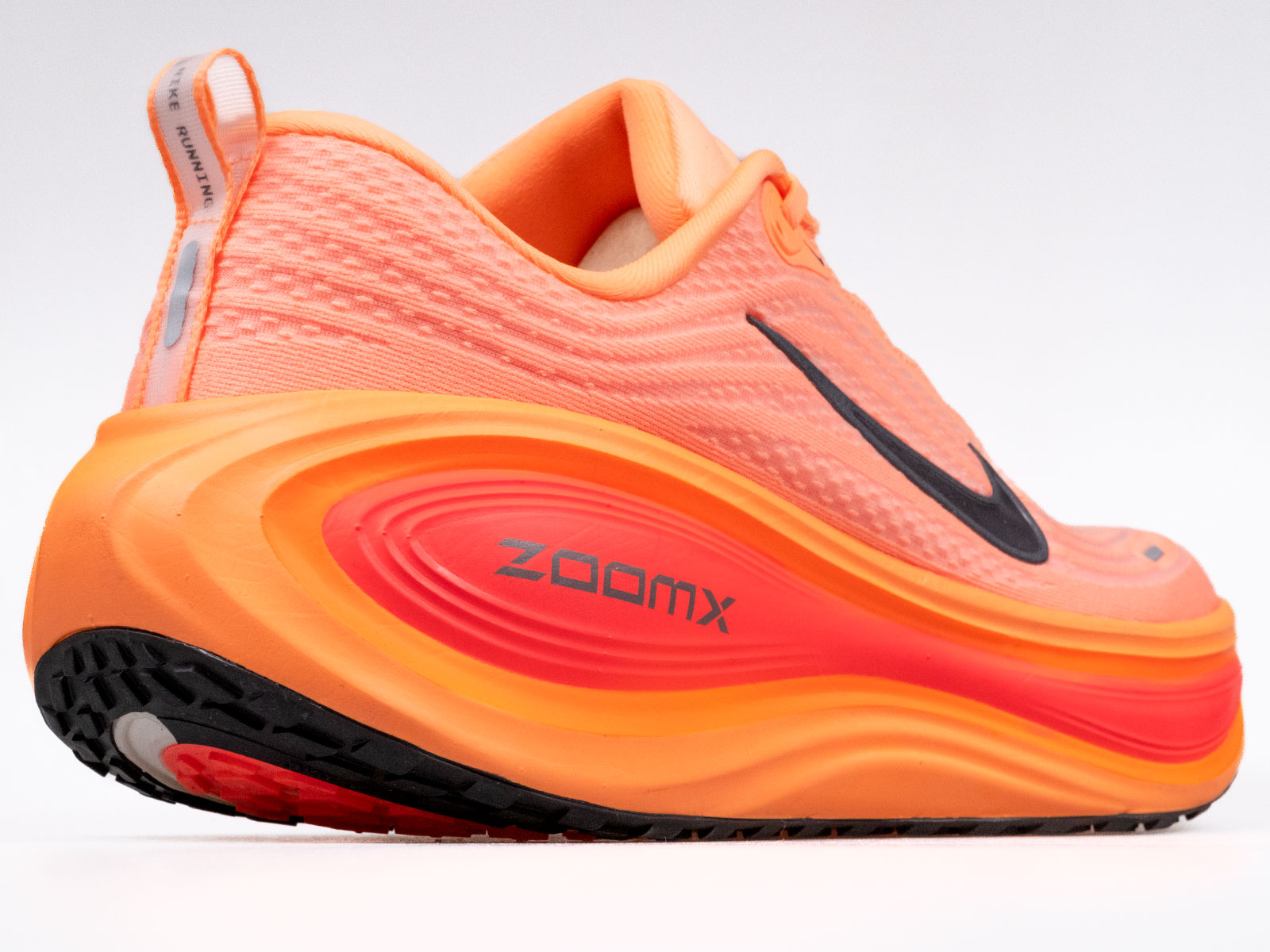

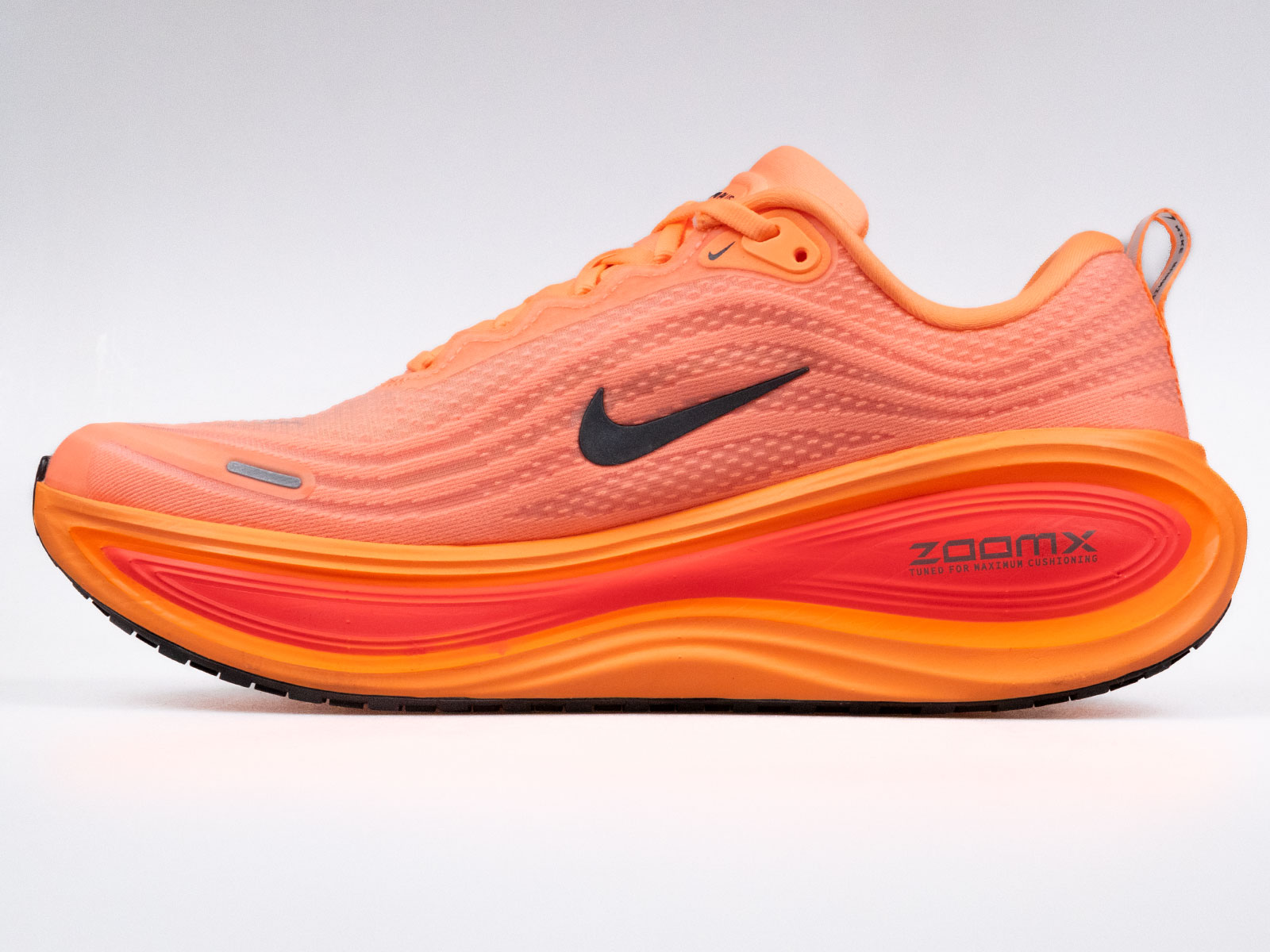
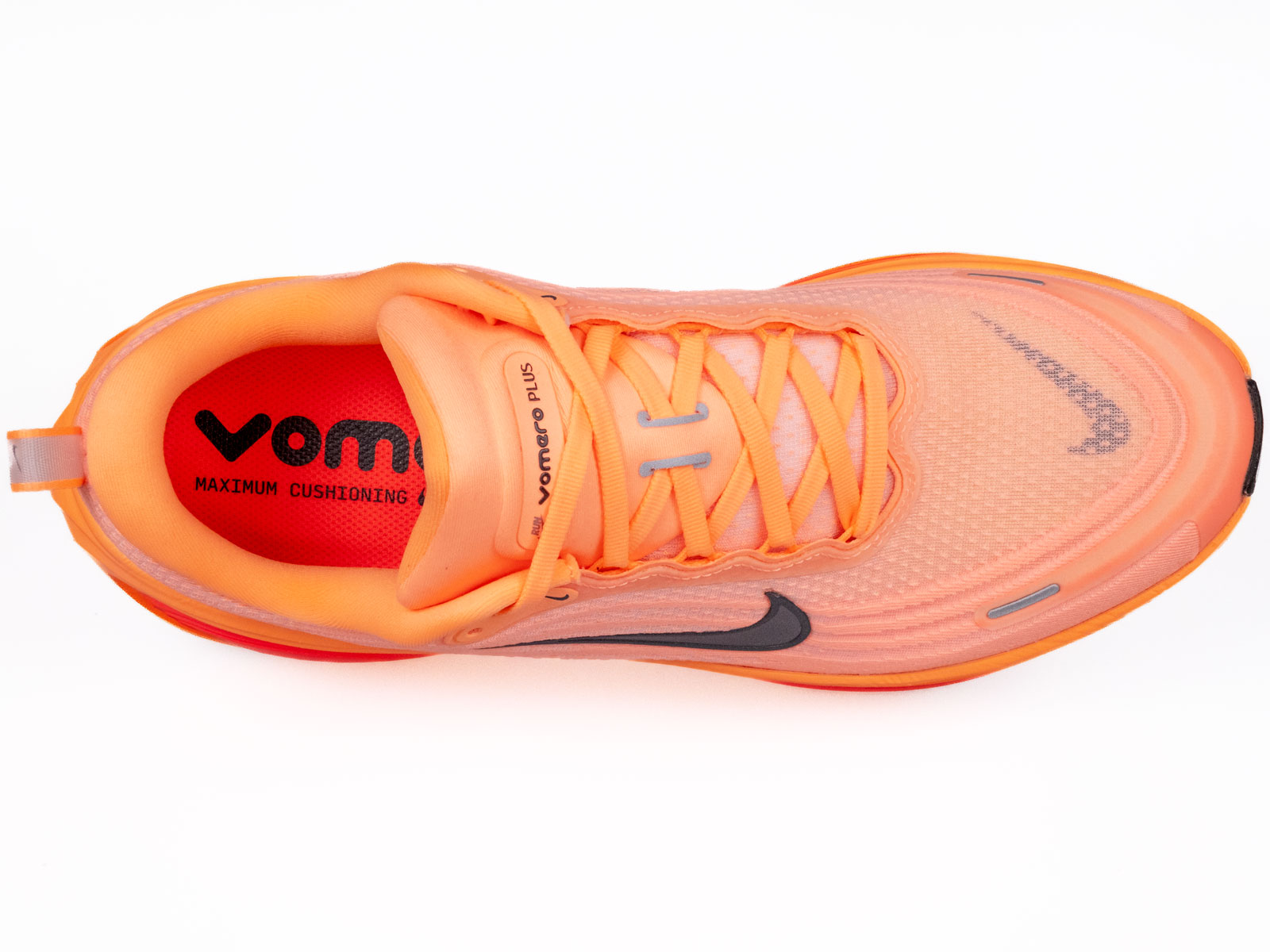
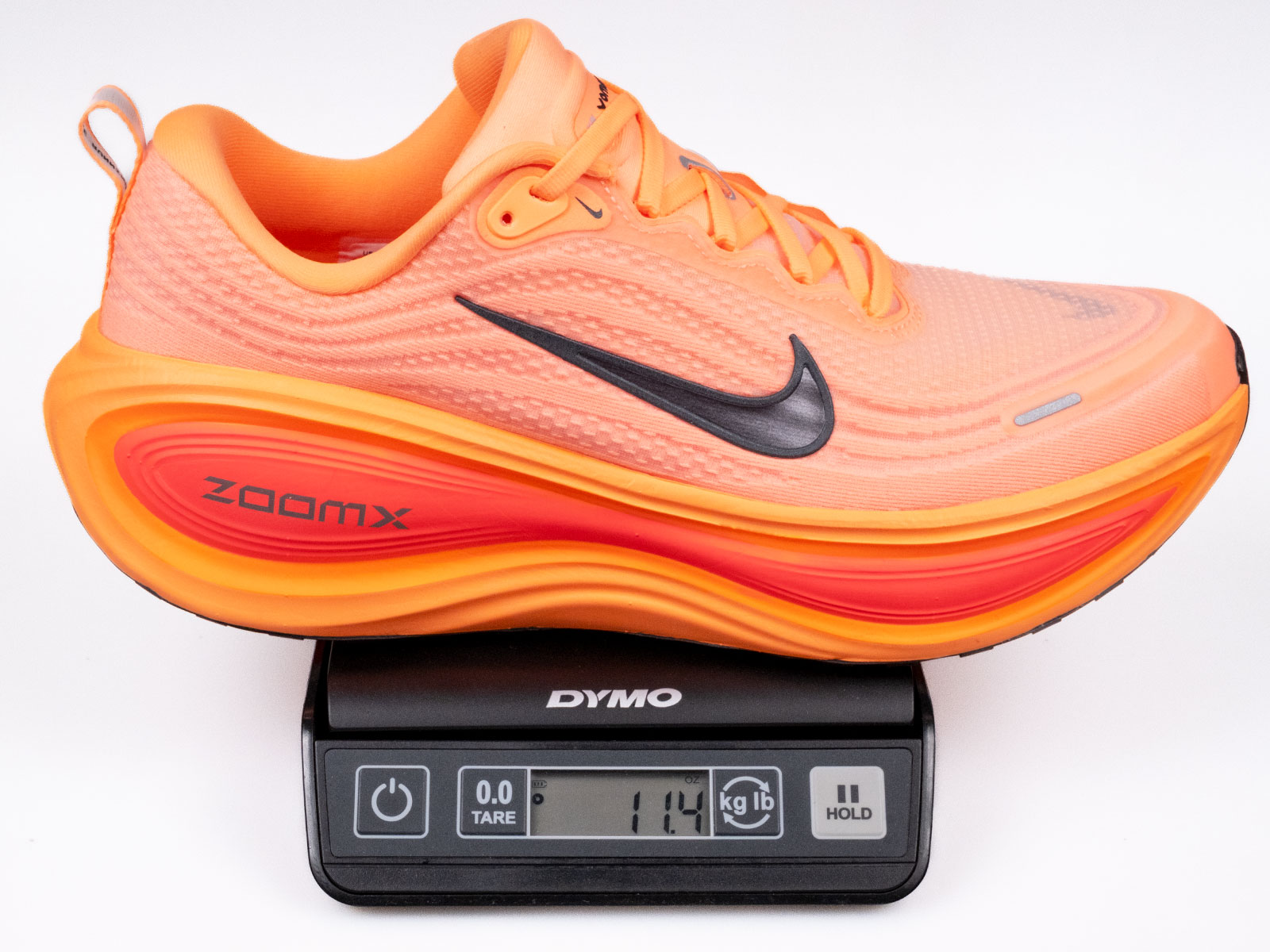
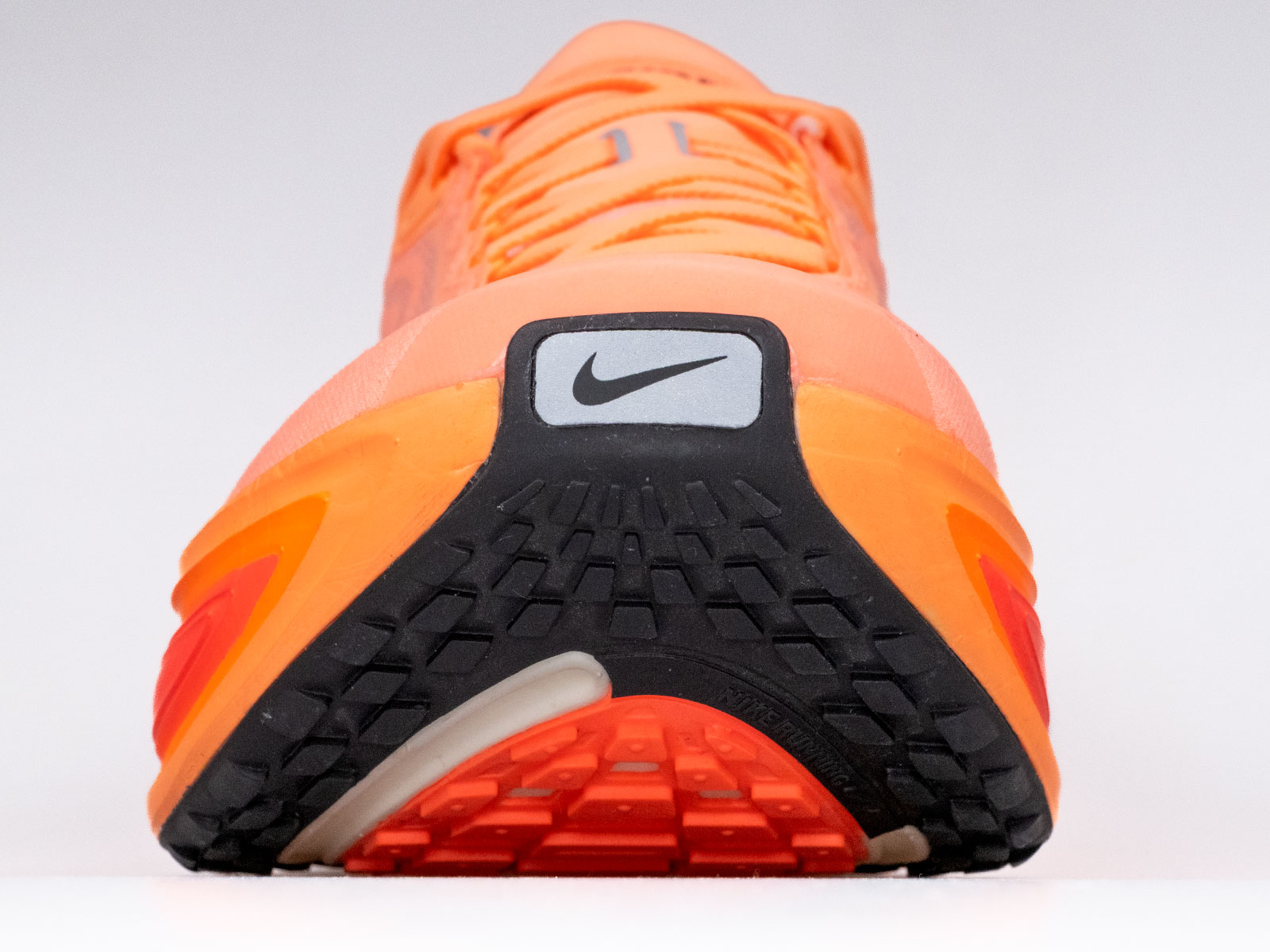
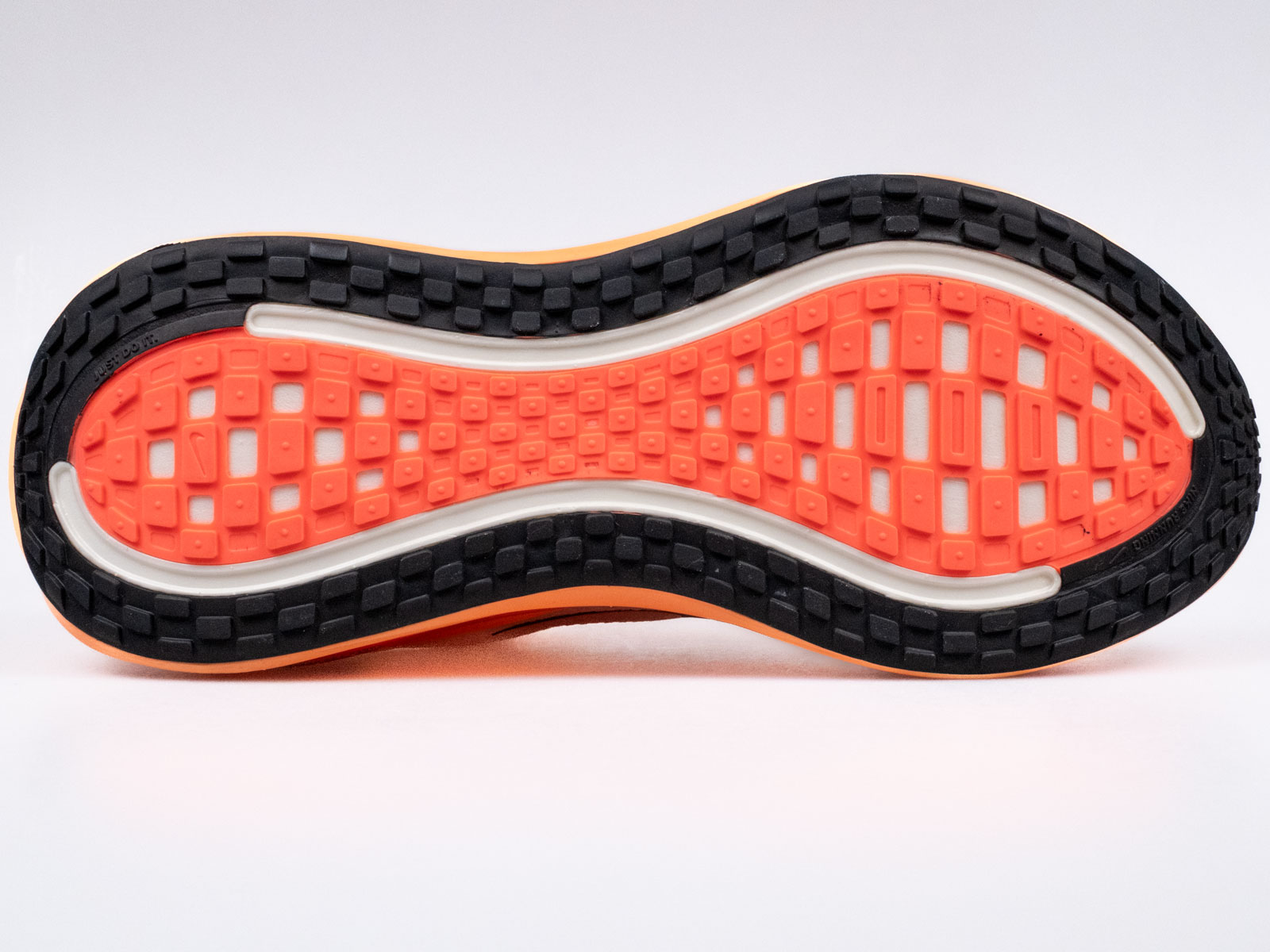
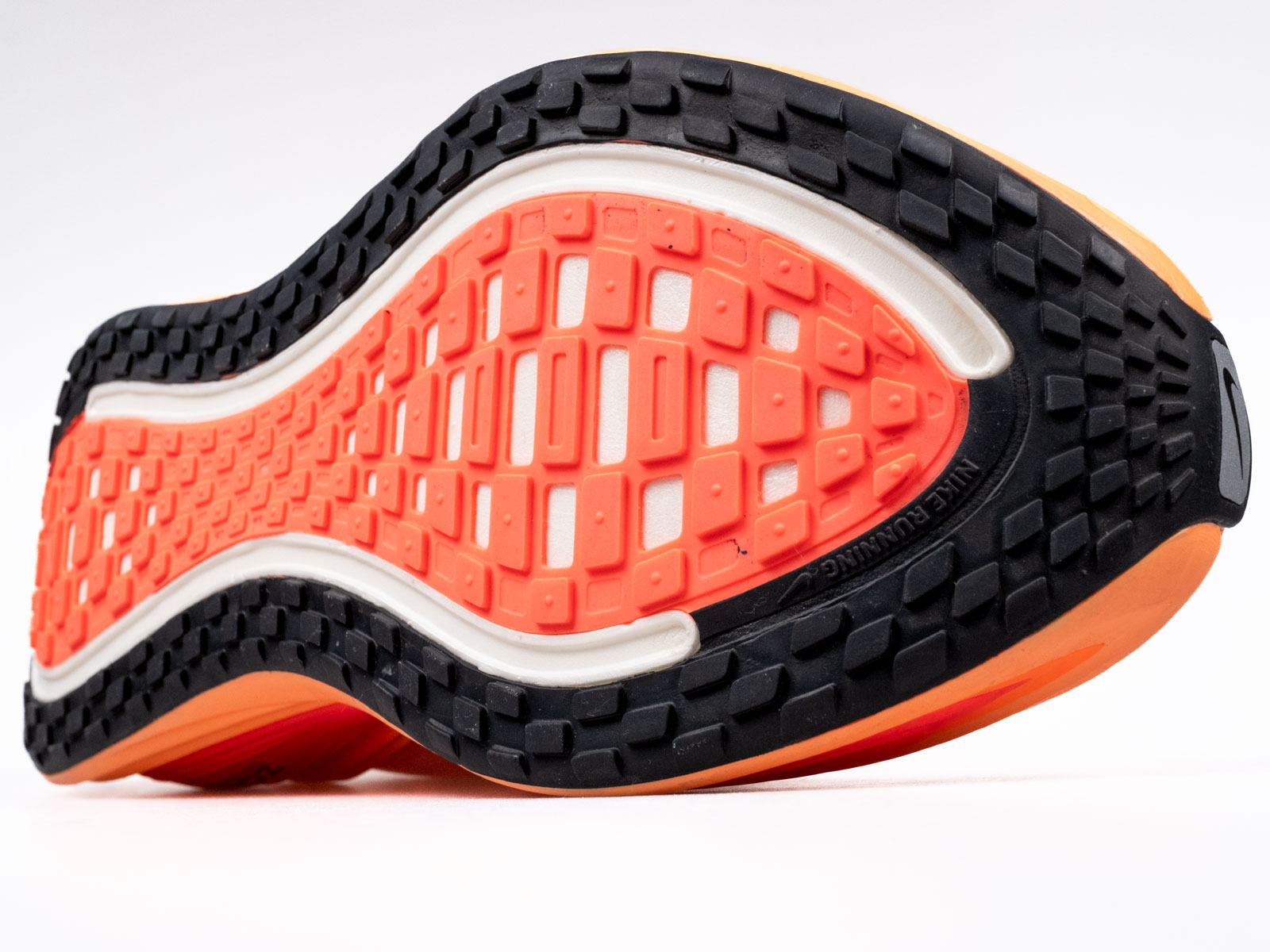
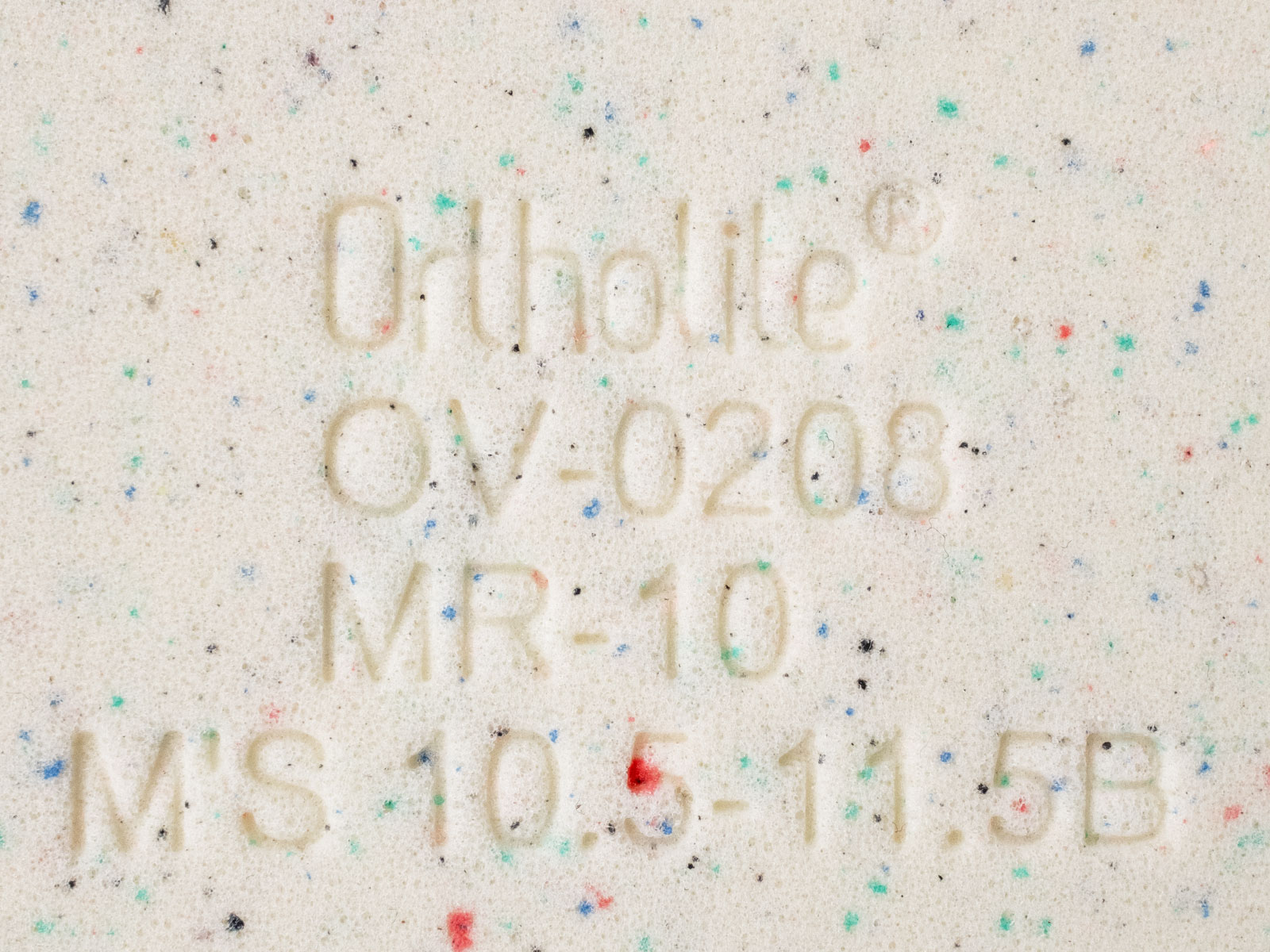
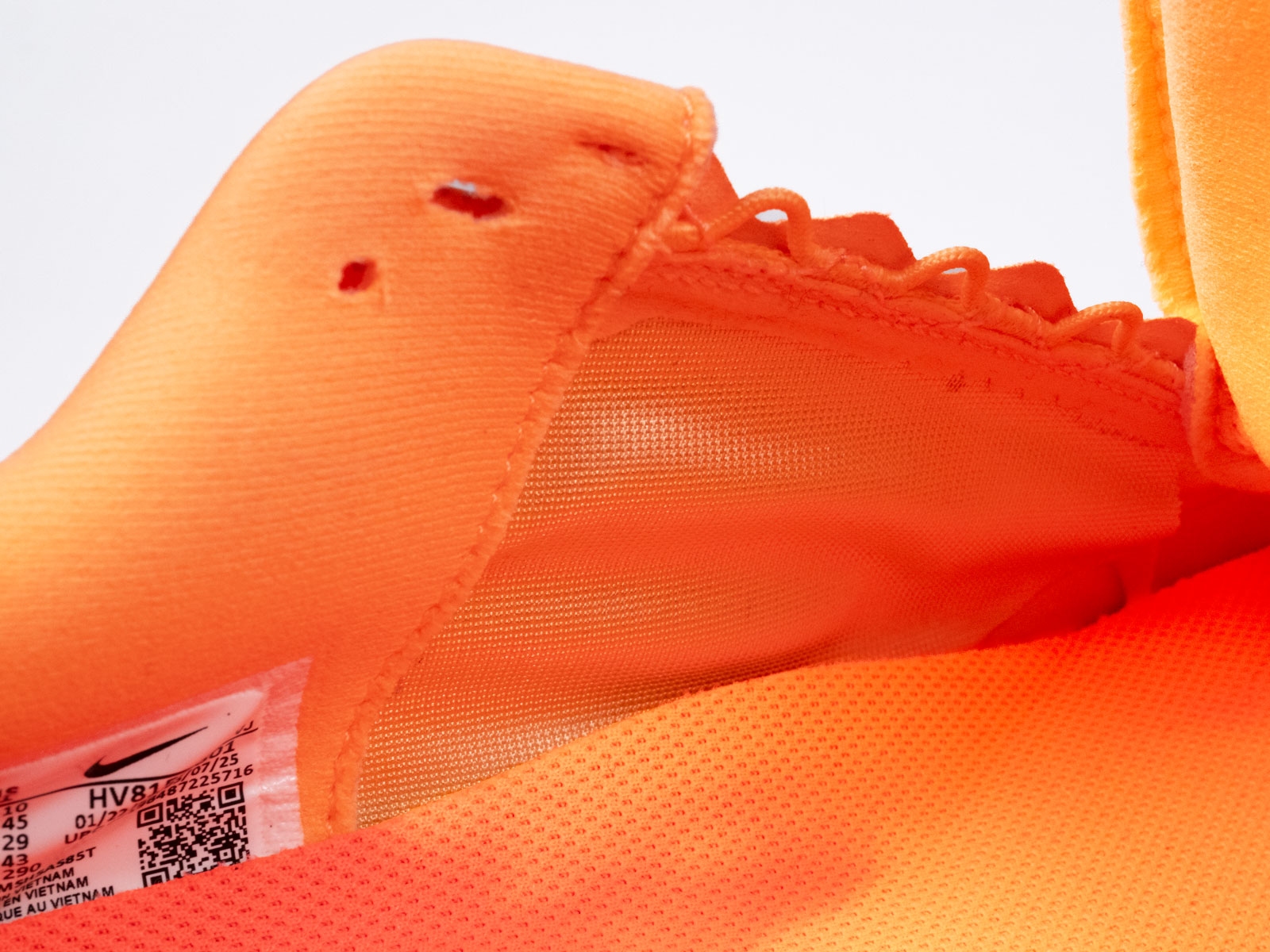
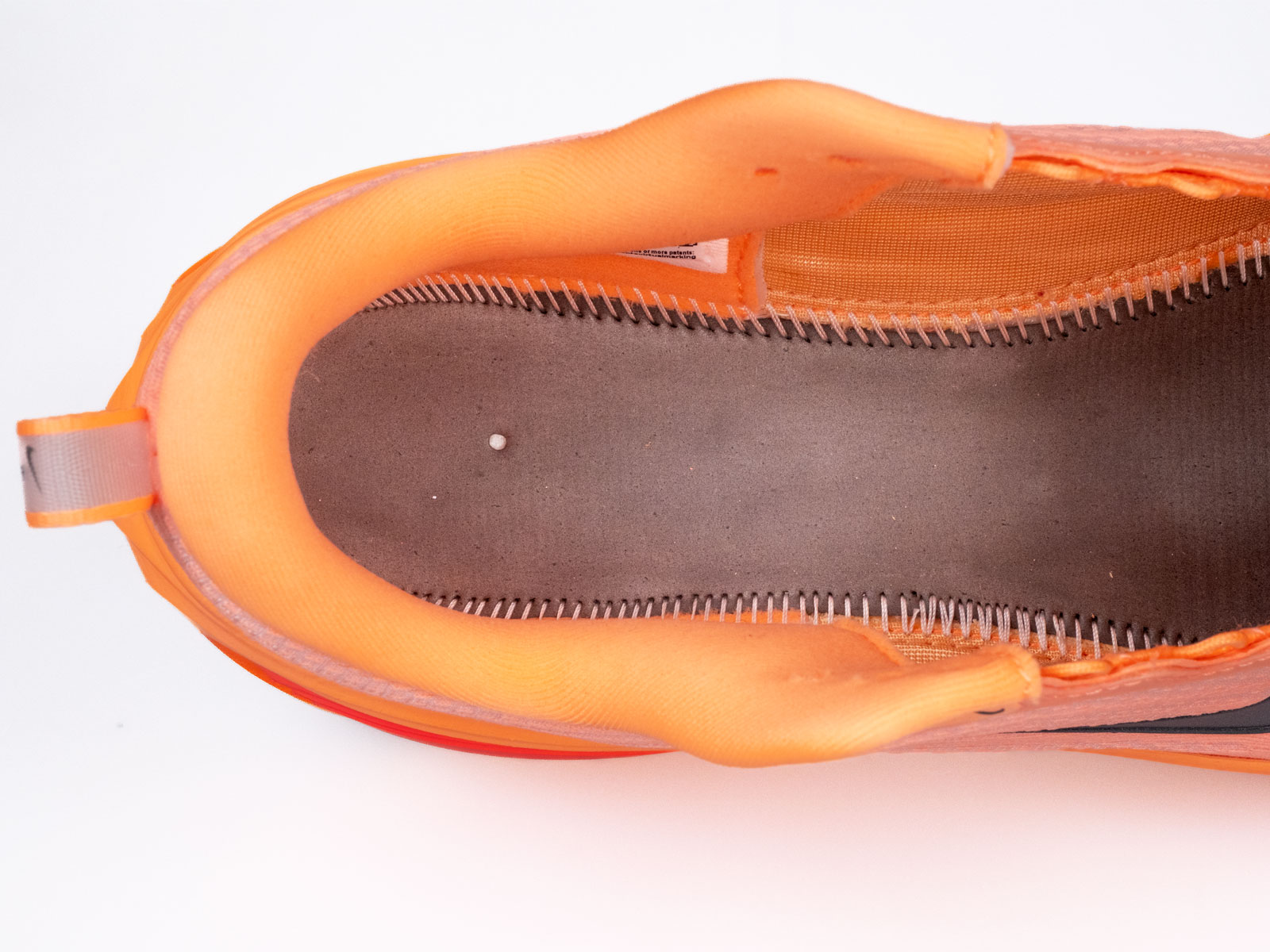
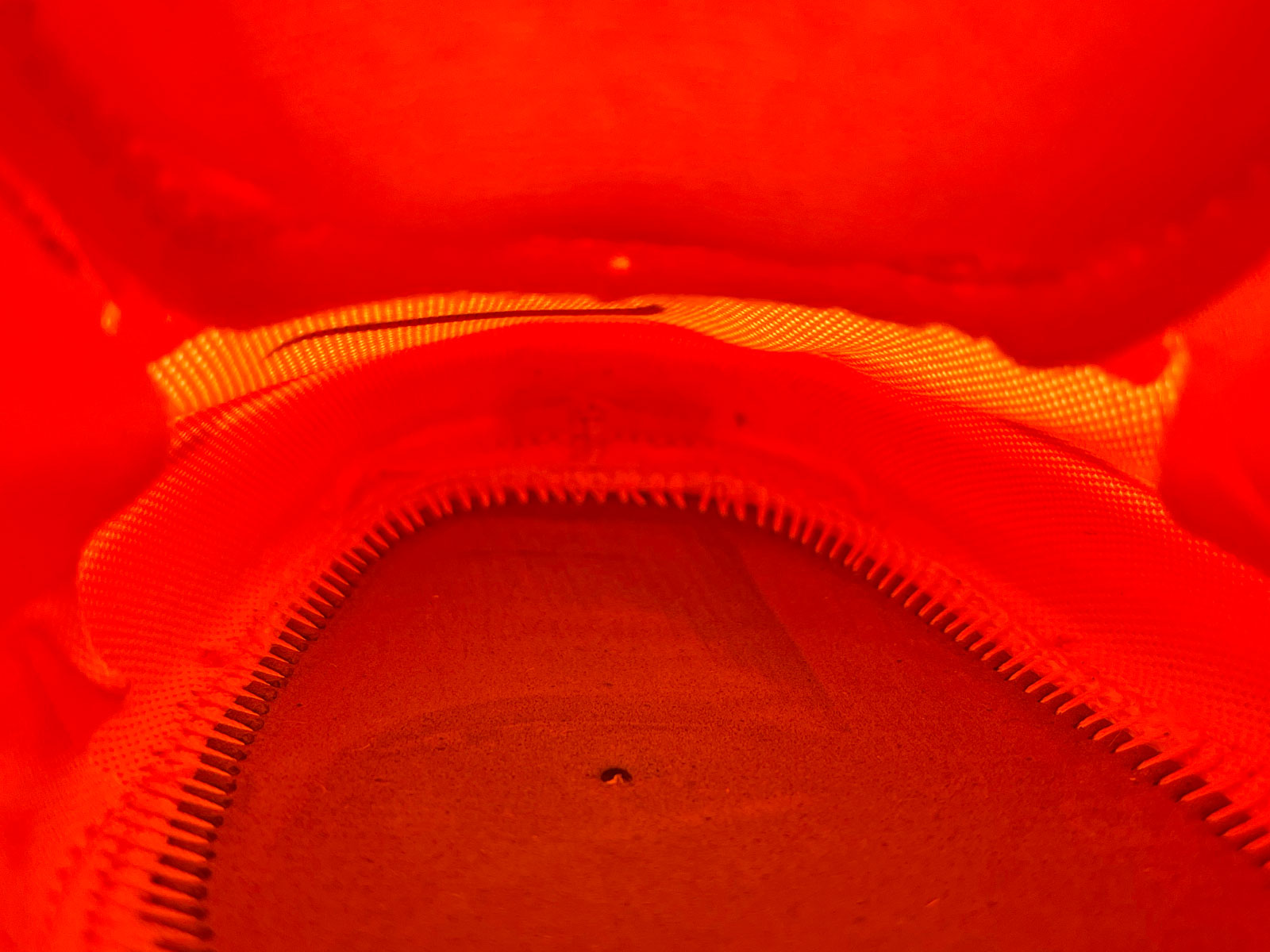
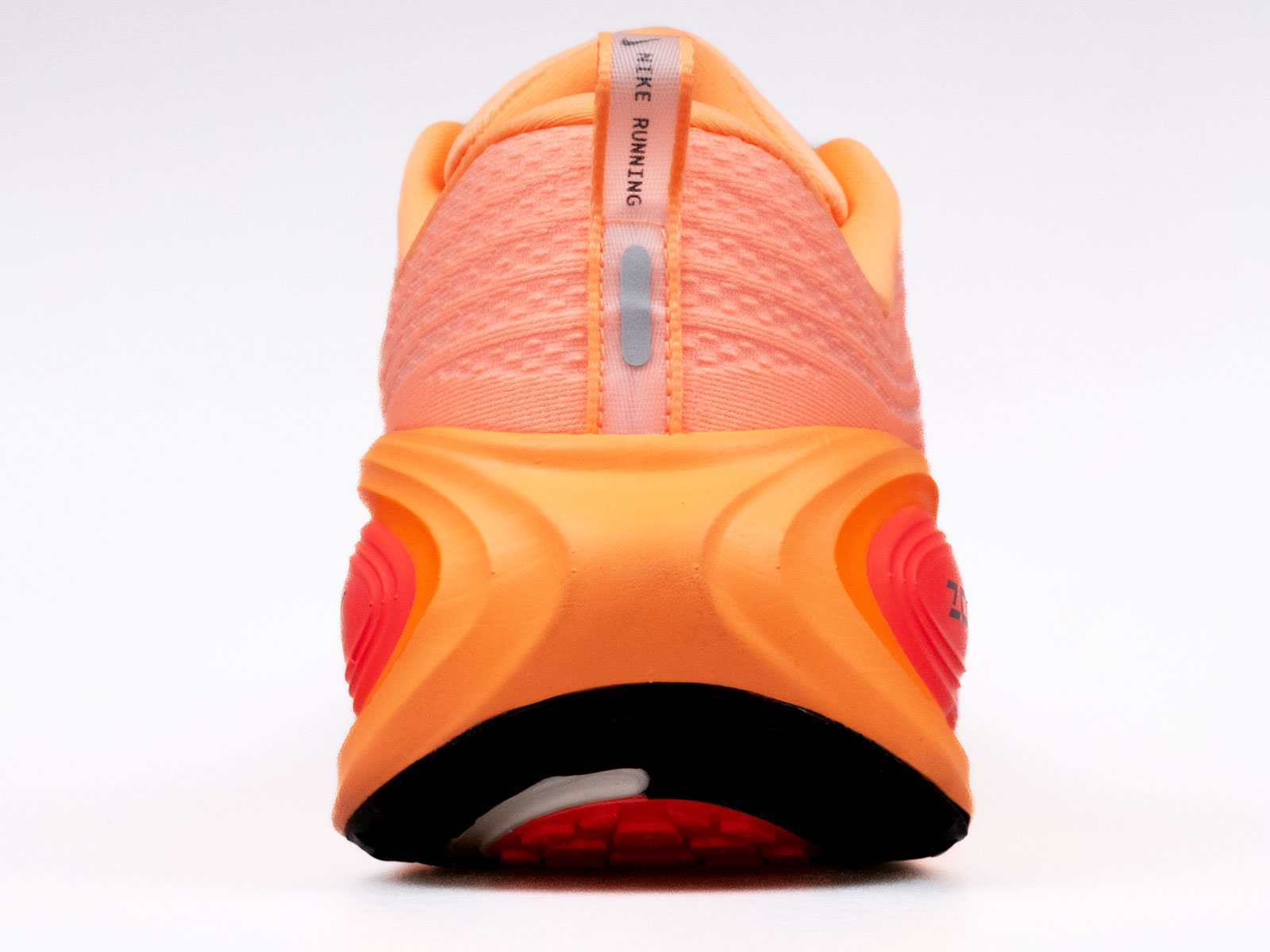
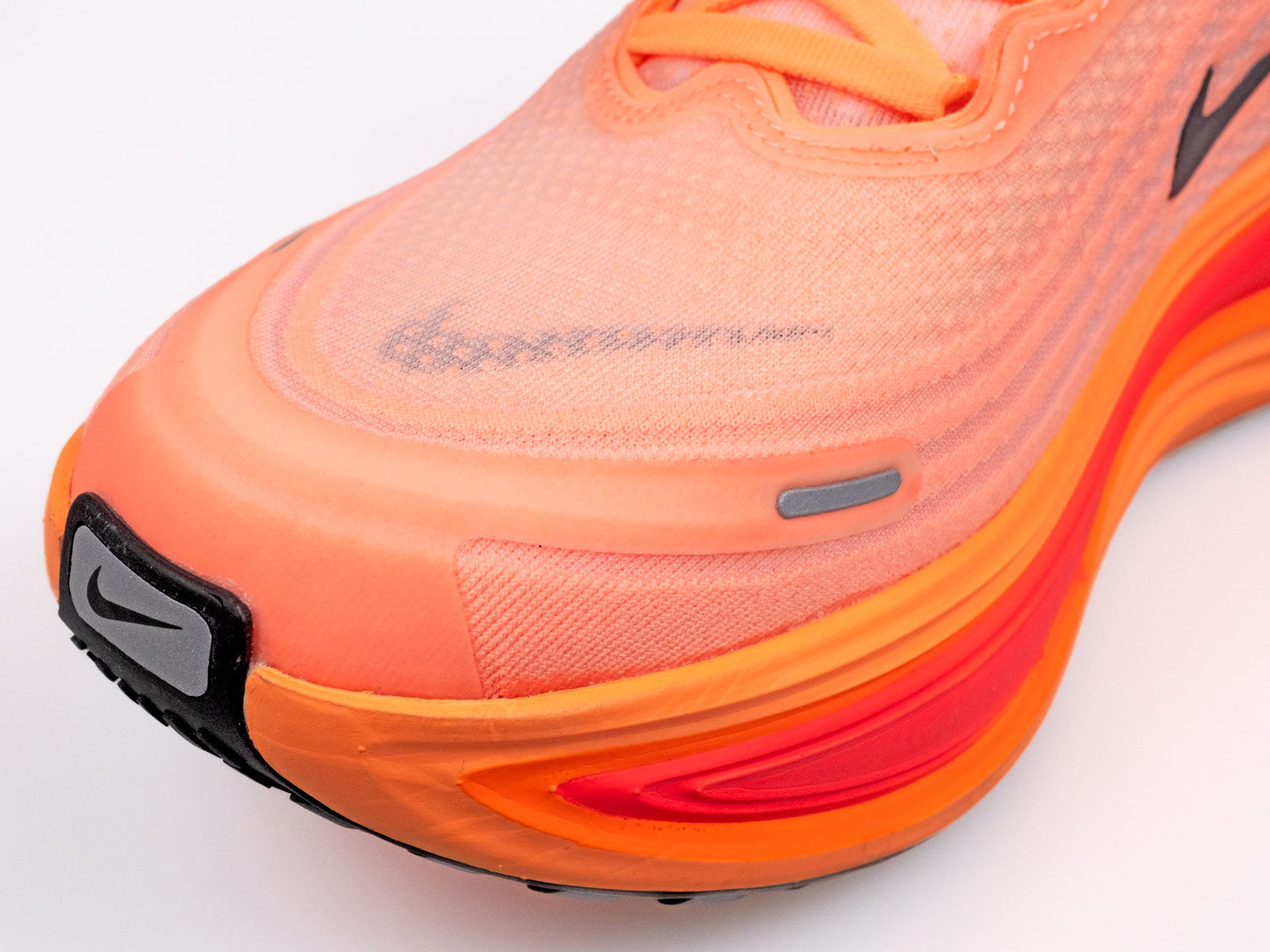
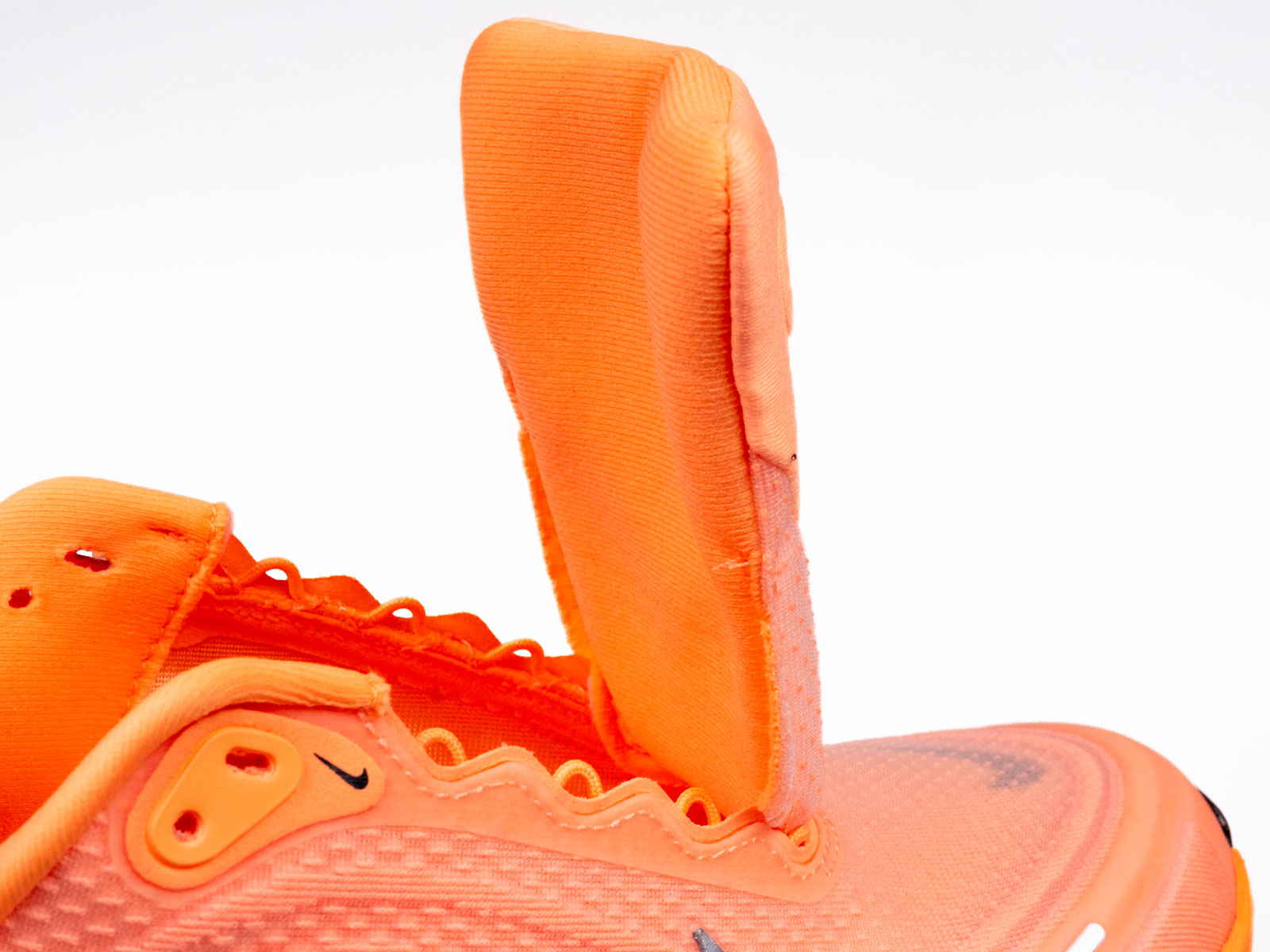
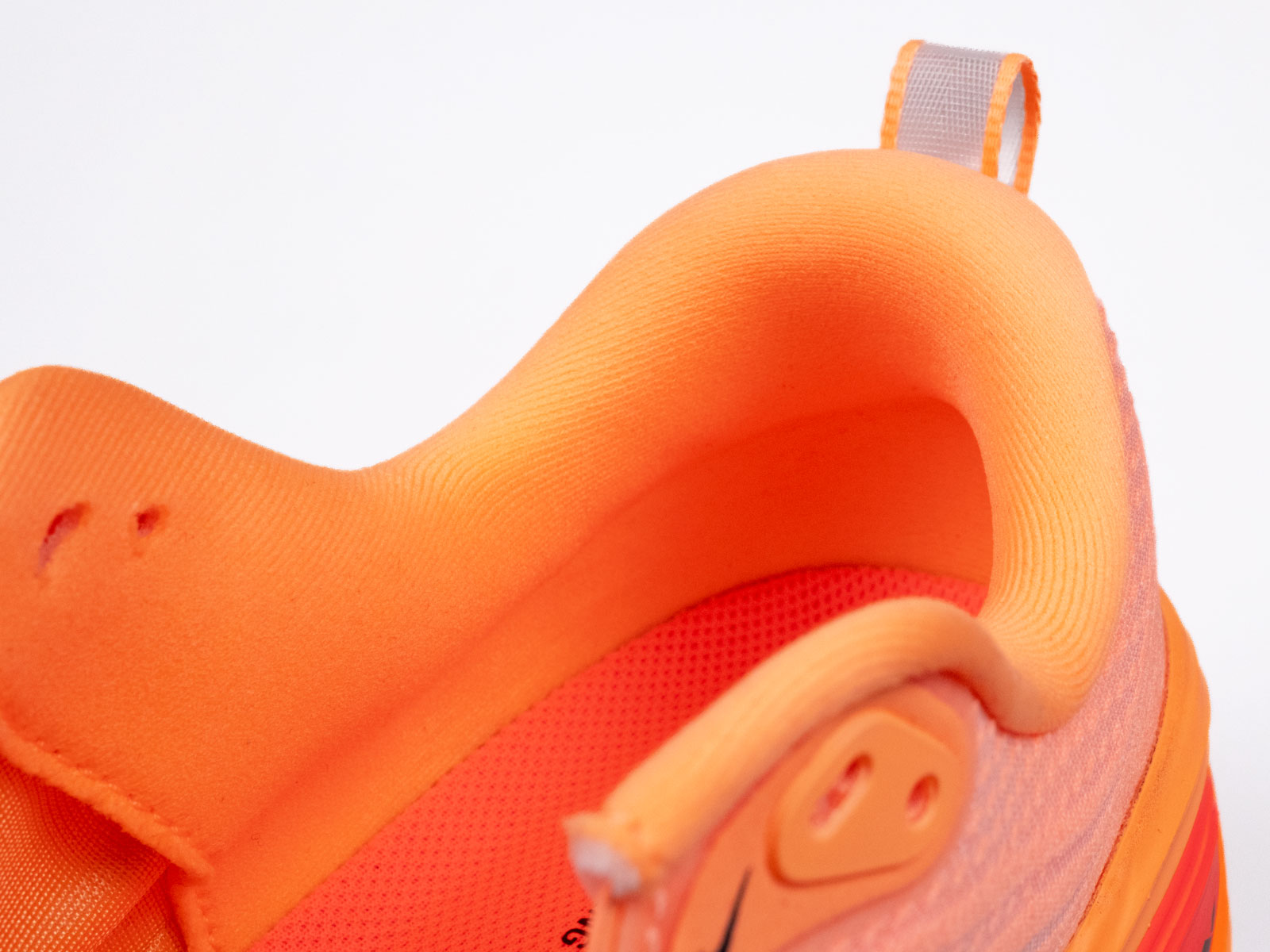
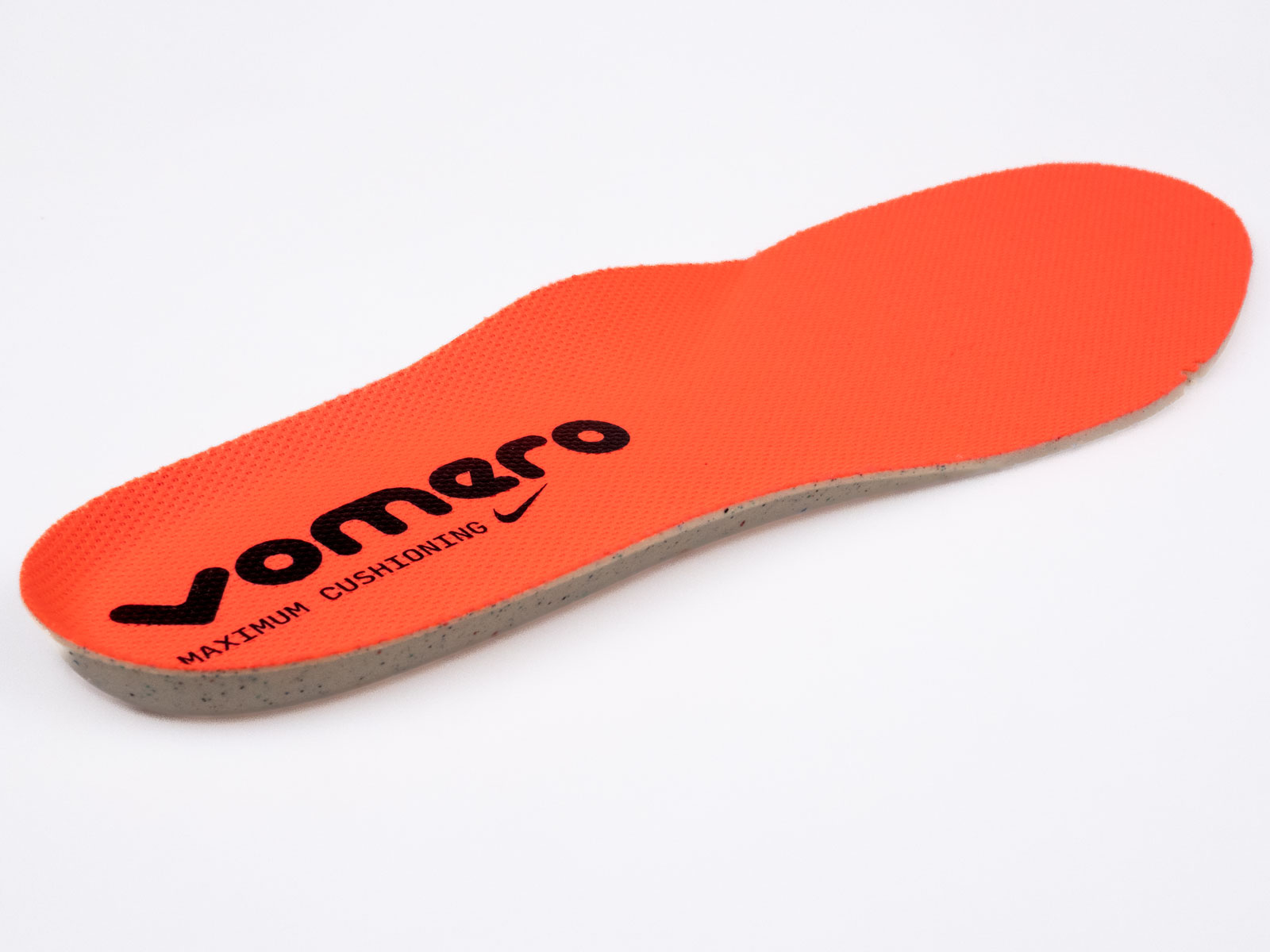
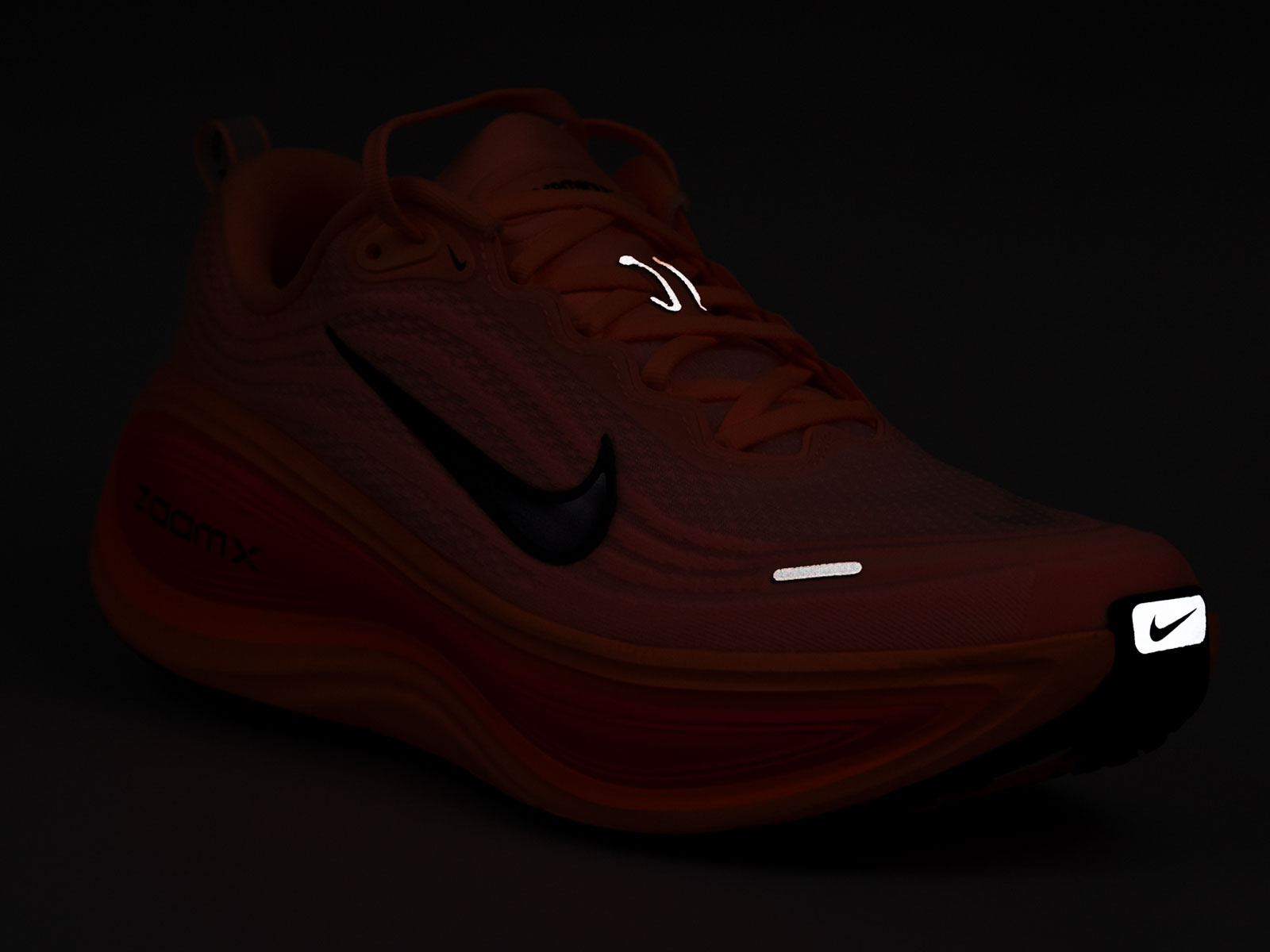
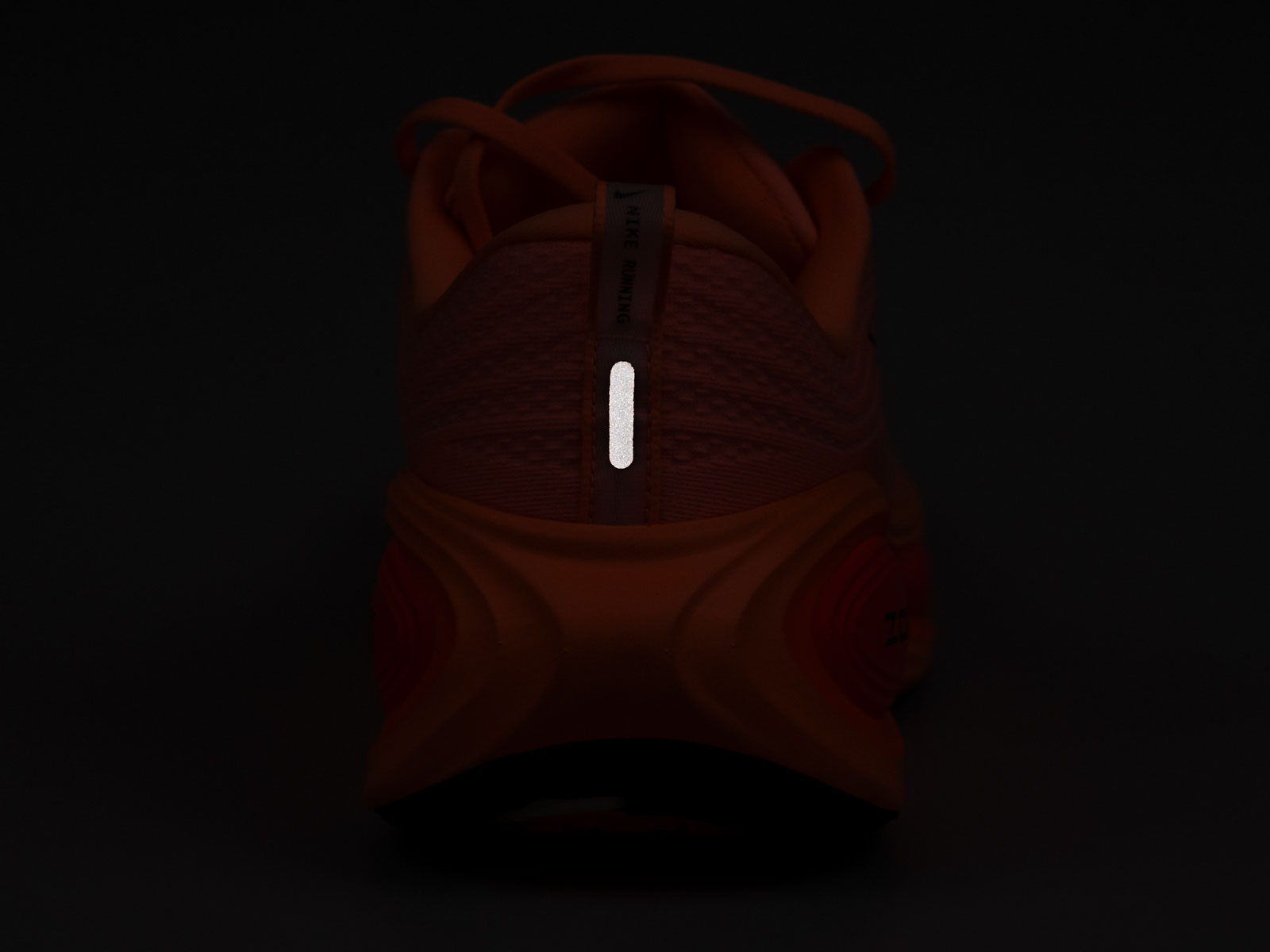
The upper also receives the plush treatment. The tongue and heel don’t skimp on the foam padding, and the midfoot feels soft and smooth due to the satin-like lining material. Unlike previous Nike models, the Vomero Plus doesn’t have an inner sleeve. While the upper fits true to size with a secure fit, there’s slightly more room in front of the toes than in legacy Nike running shoes.
- Nike’s marketing pitch: Full-stack, ultra-soft max cushioning.
- Upper: Textured mesh with reflective details and midfoot lining, no sleeve.
- Upper fit: True to size, just-right fit.
- Midsole: 100% ZoomX foam, Ortholite insole. 10 mm heel drop.
- Outsole: Single-piece carbon rubber.
- Weight: 292 gms/ 10.3 Oz for a half pair of Men’s US 10/UK 9/EUR 44/CM 27.1
- Stack heights: 45 mm (heel), 35 mm (forefoot).
- Available widths: Single – D (regular), 4E- (extra-wide).
- Recommended use: Recovery runs, long runs, walking.
- Footstrike orientation: All types (heel/midfoot/forefoot).
- Median lifespan: 450 miles.
- Country of origin: Vietnam.
- Recommended paces: 4:30 min/km (7:00 min/mile) and slower.
- Recommended temperature range: Warmer than -5° C/23° F.
Pros
- Max cushioning that doesn’t feel lethargic
- Mild rocker assistance
- Plush interiors
- Reflective details
- Secure fit
- Optional width
Cons
- Average grip on wet roads
- Runs warm because of thick mesh and tongue
Also consider:
- Hoka Bondi 9
- Brooks Glycerin Max
- New Balance More V6
- Puma Magmax Nitro
- Use the Nike Vomero Plus for long runs, recovery runs
- Use Nike Pegasus Plus for daily training and tempo runs
- Use the Nike Vaporfly 4 for 5K, 10K, and marathons
Runners who swap their Adios Pro 3 for the Adios Pro 4 are in for a surprise. The newest Adios Pro is noticeably softer with a changed character. Unlike the versatile and user-friendly Pro 3, the Pro 4 favors fast forefoot strikers over the generalist. If you’re a heel striker, overpronator, or someone who runs slower than 4:30 min/km (7:00 min/mile), it makes more sense to consider alternatives such as the Puma Deviate Nitro Elite 3 or Saucony Endorphin Pro 4.
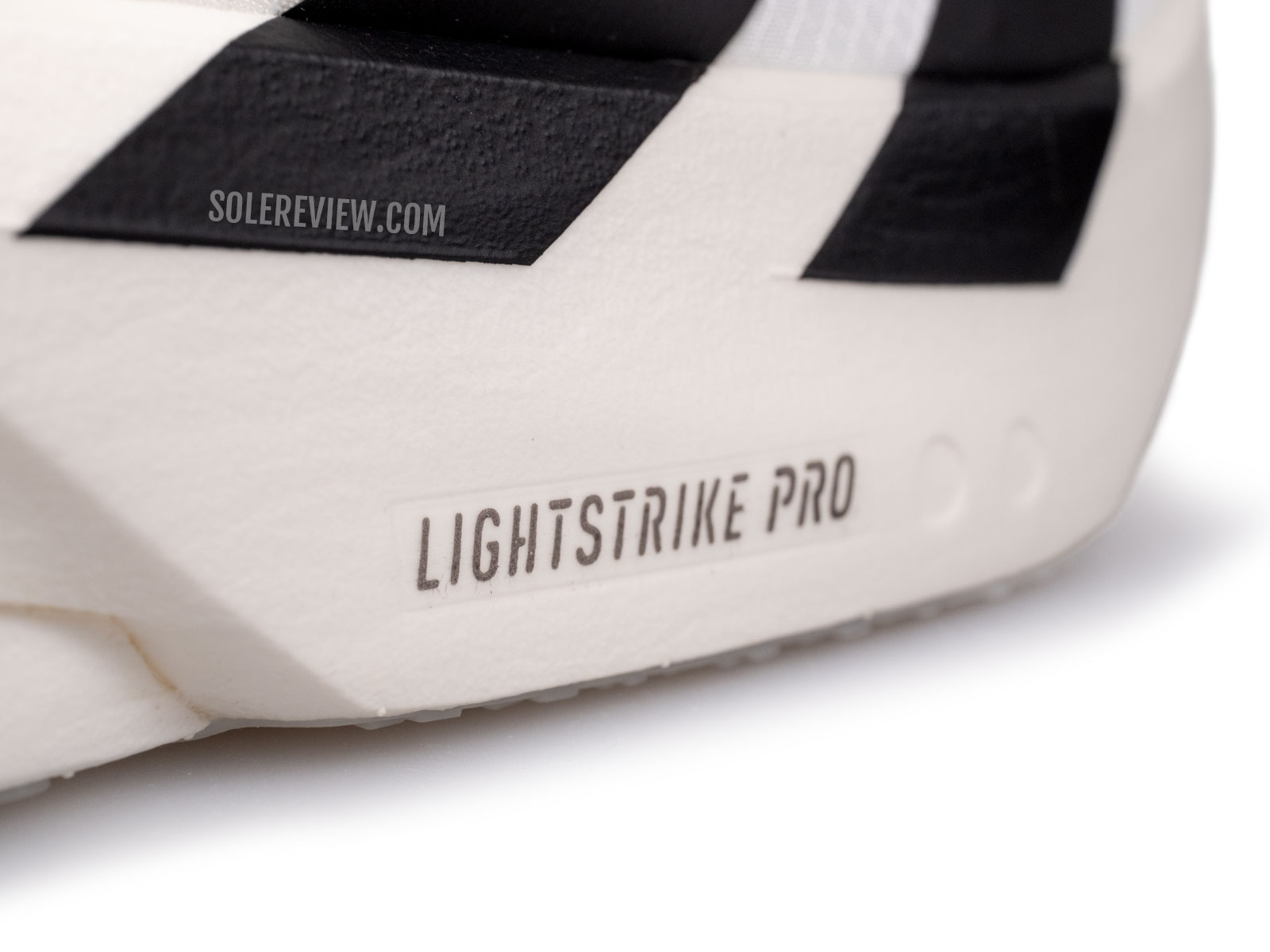
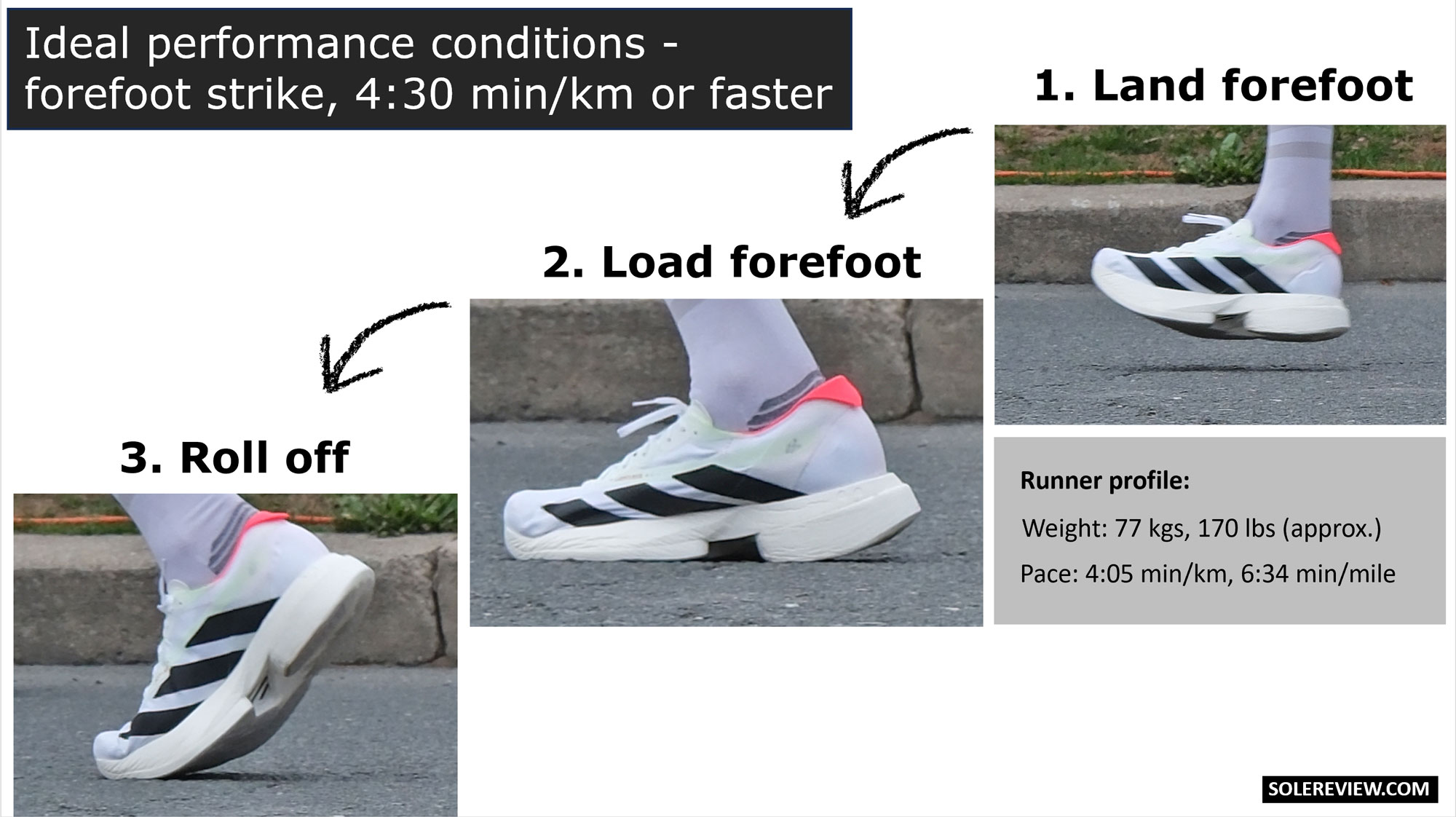
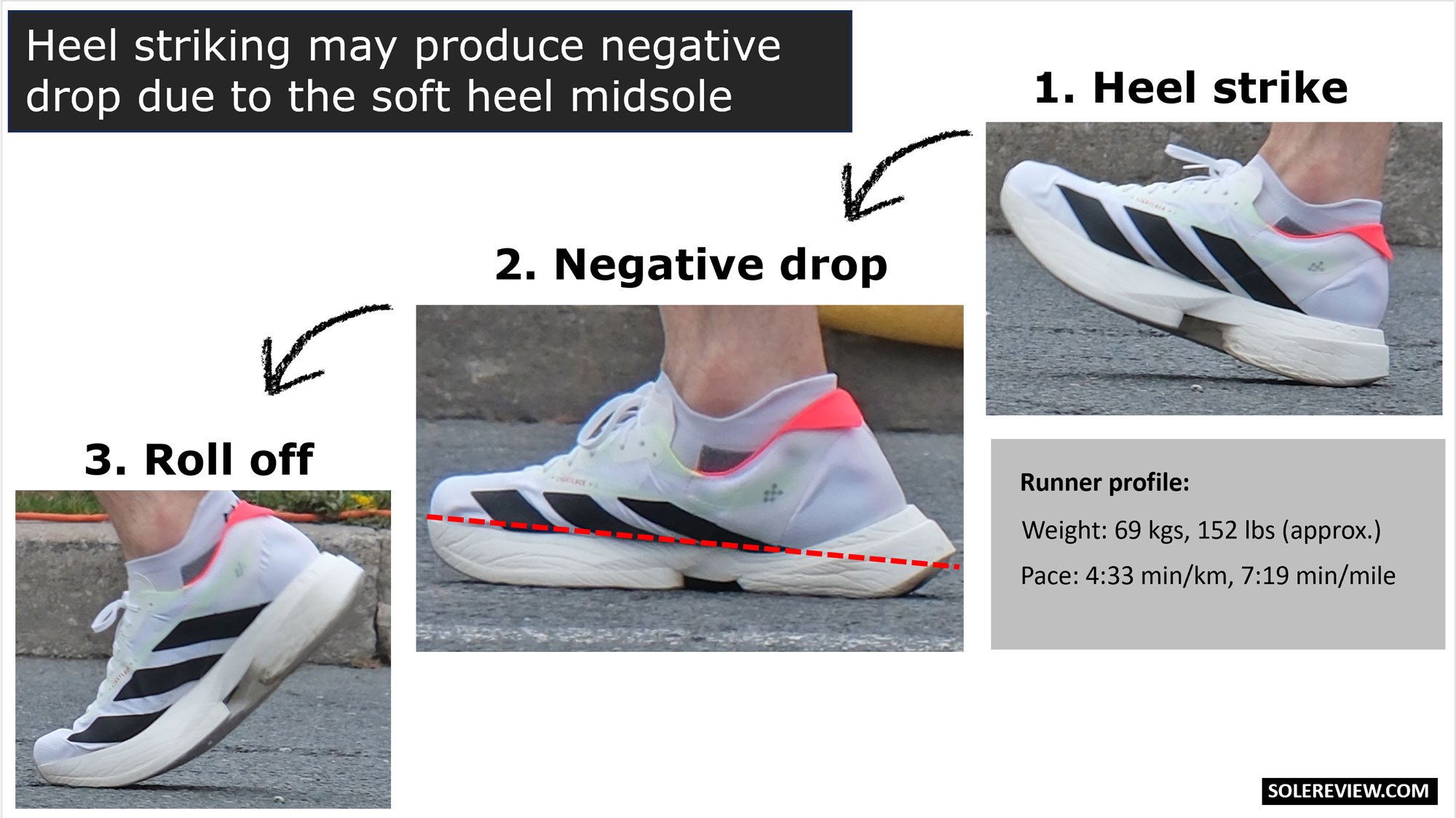
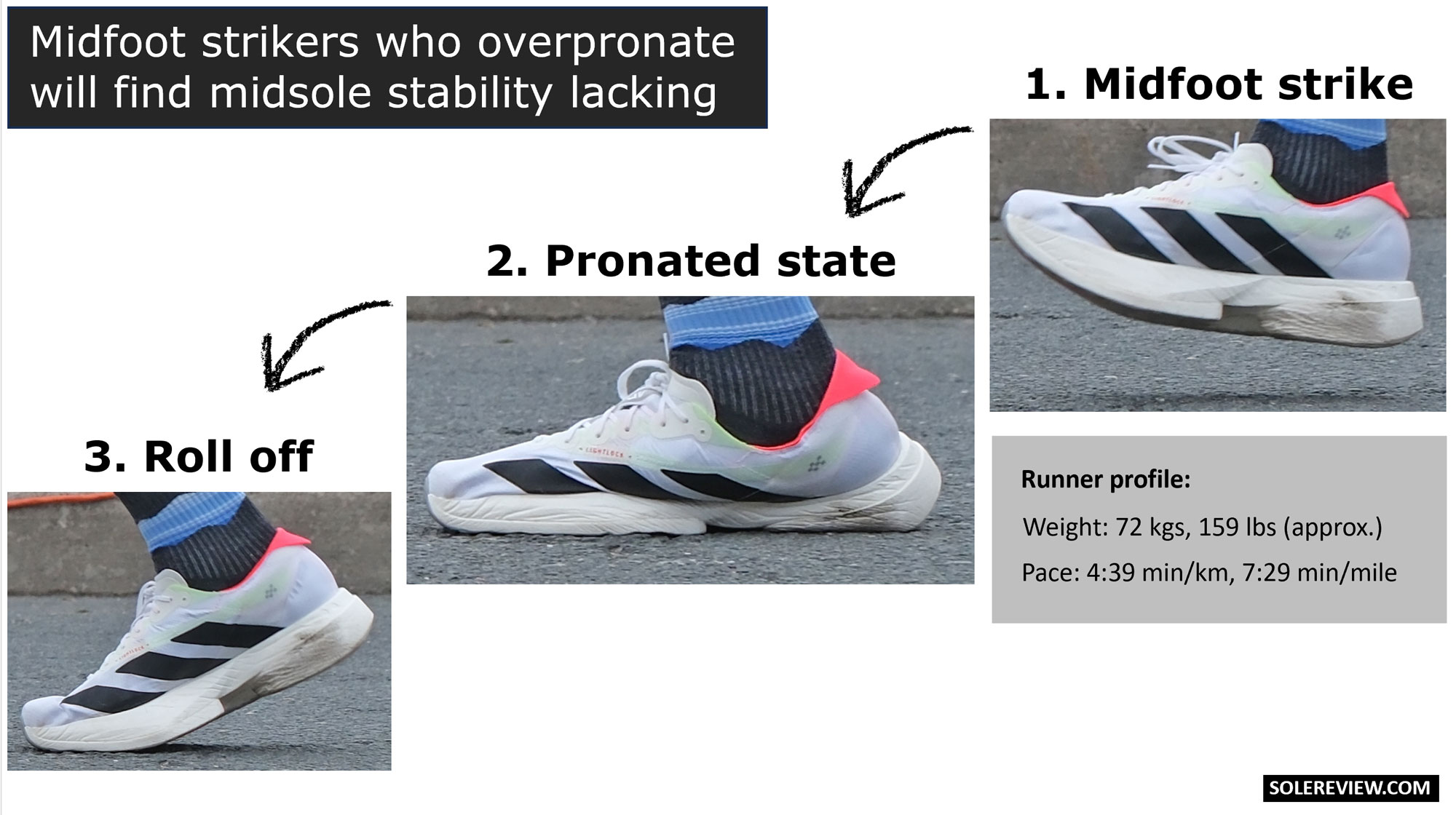
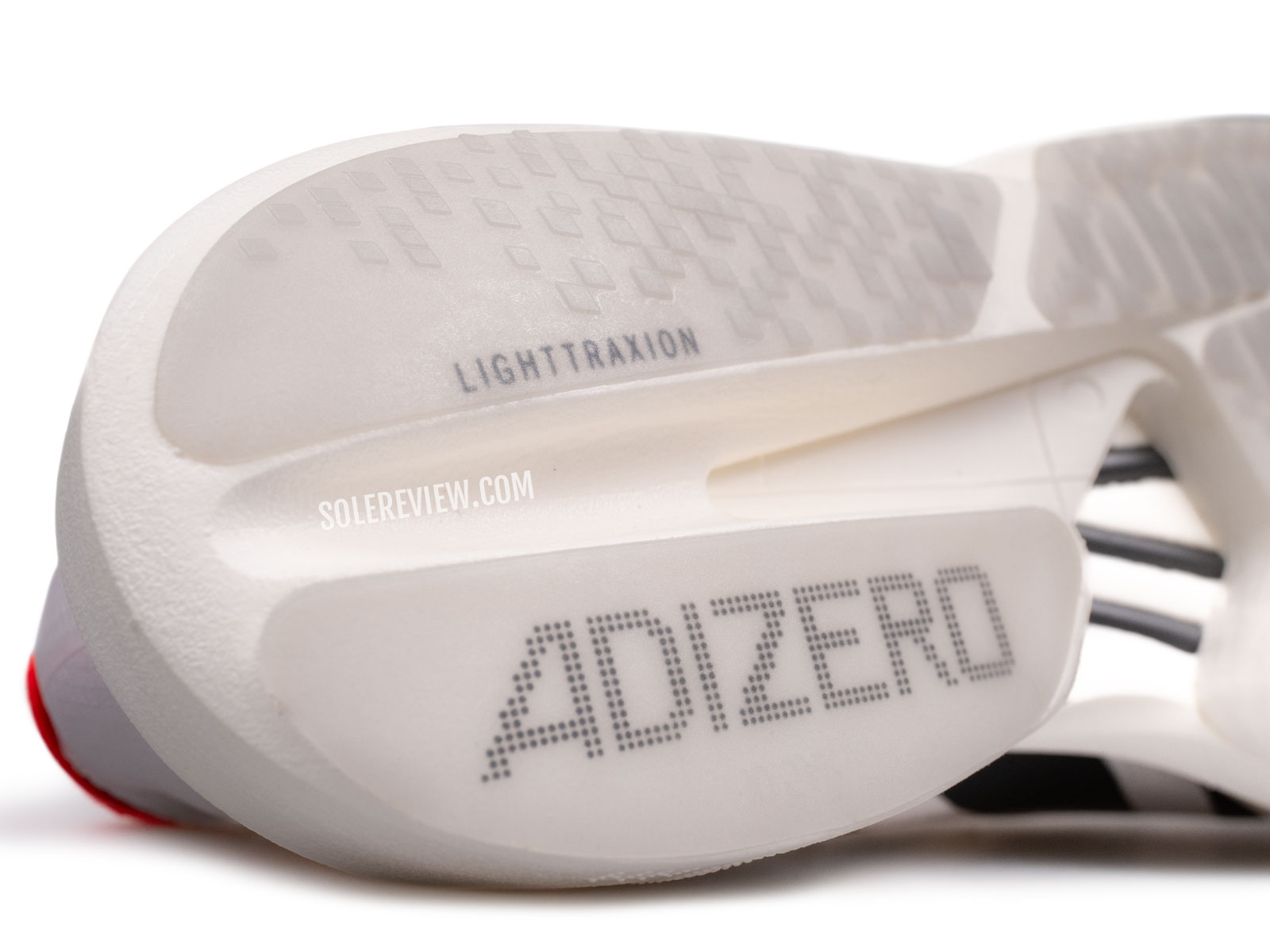
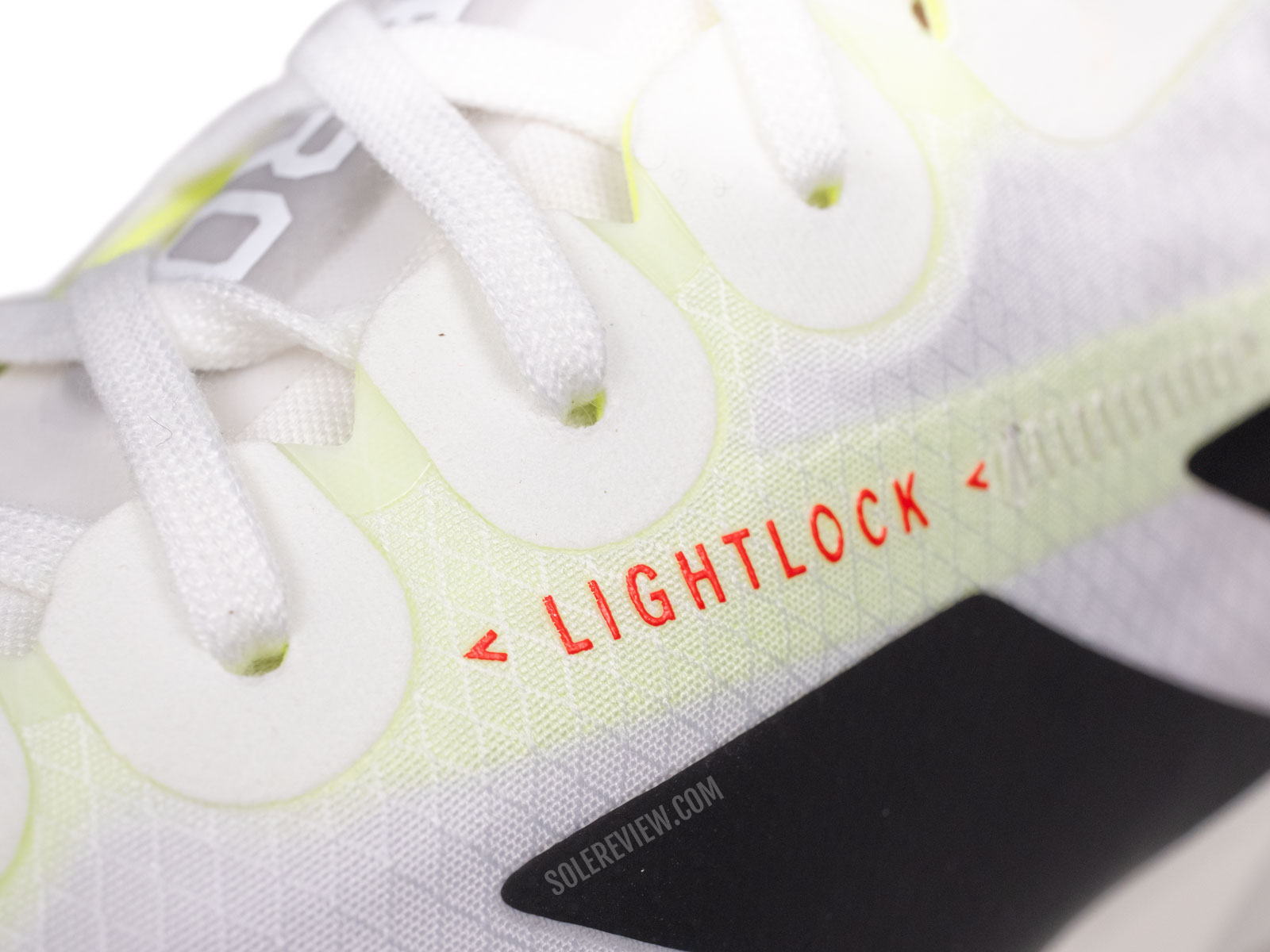
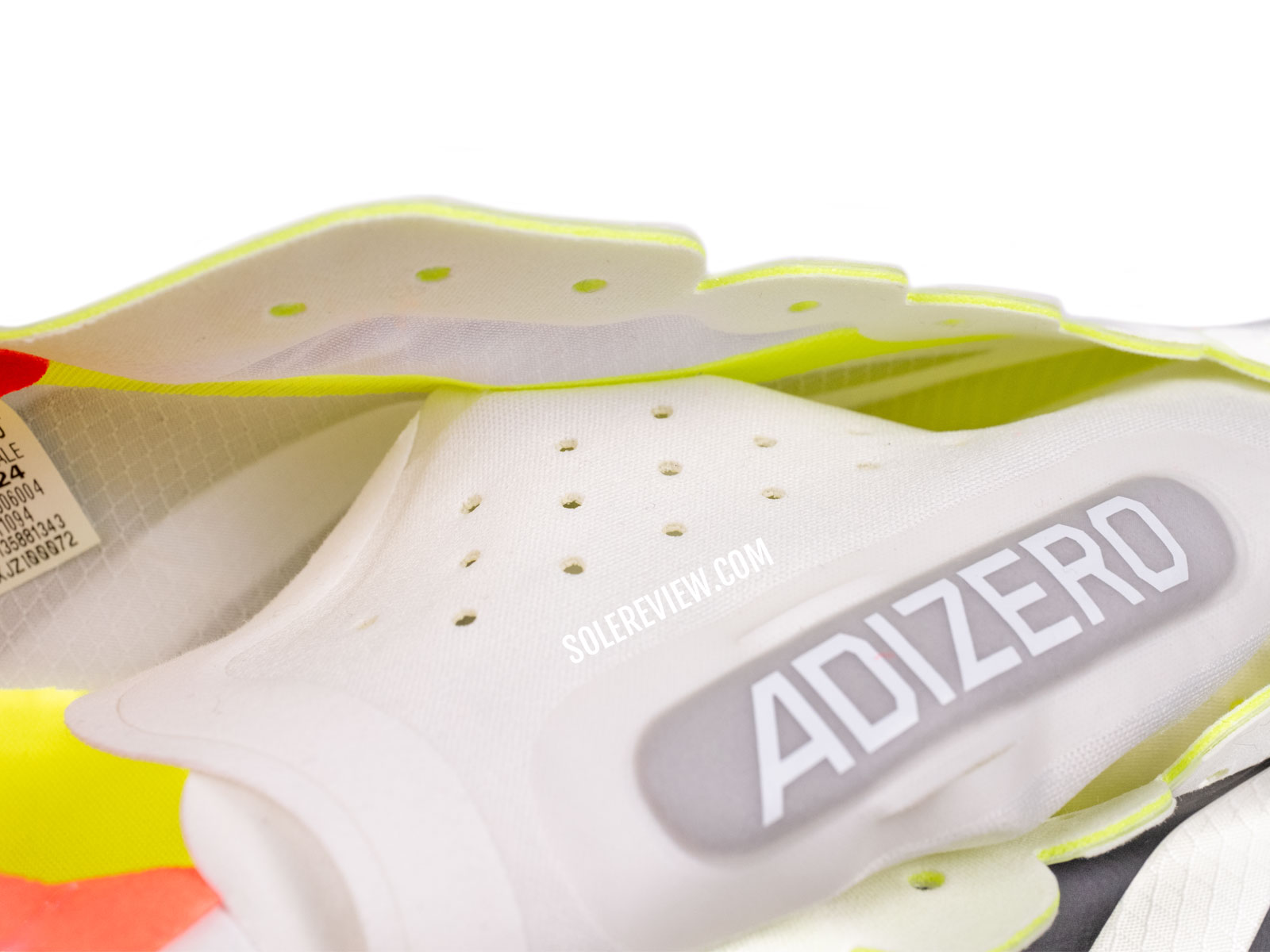
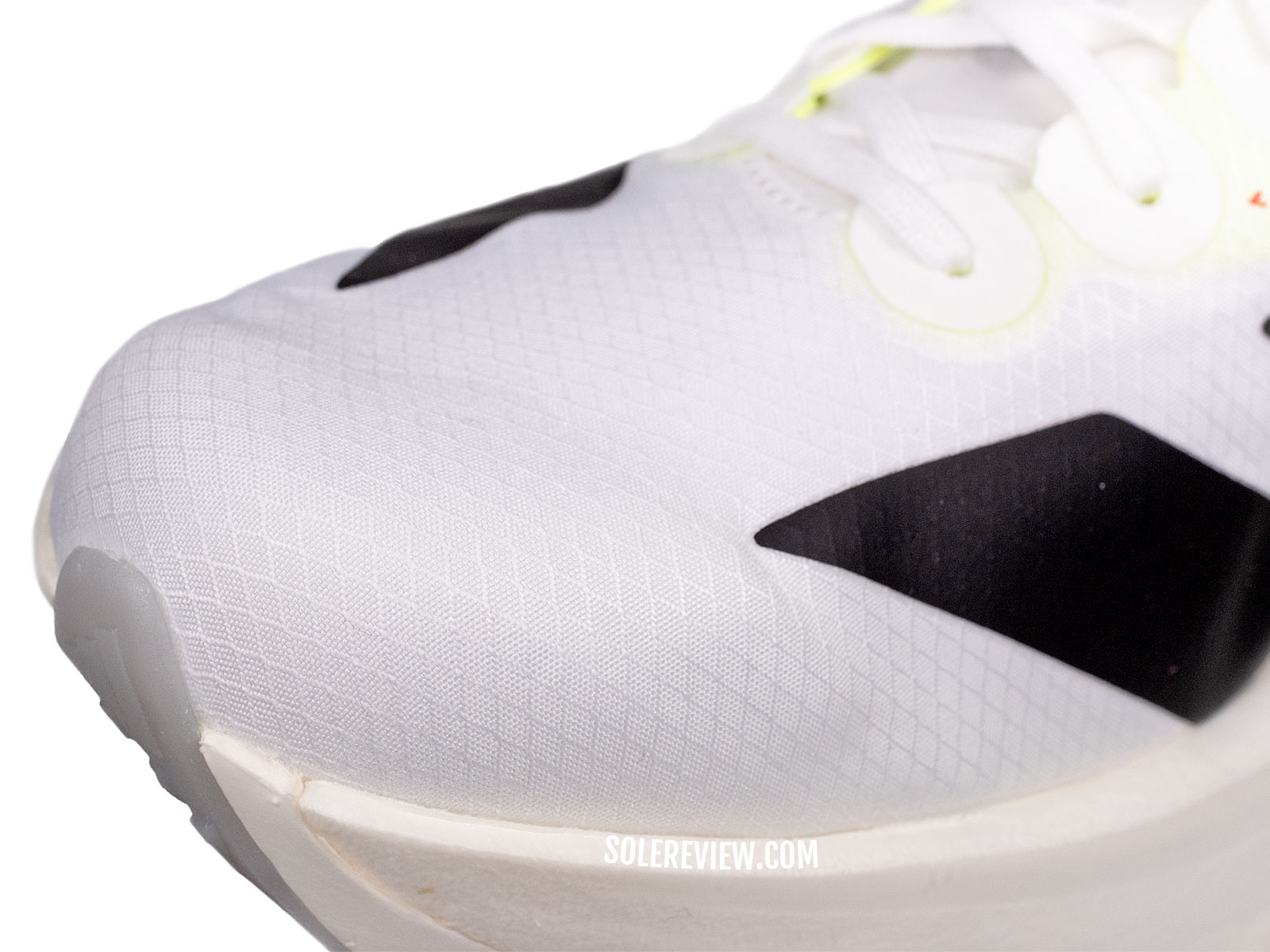
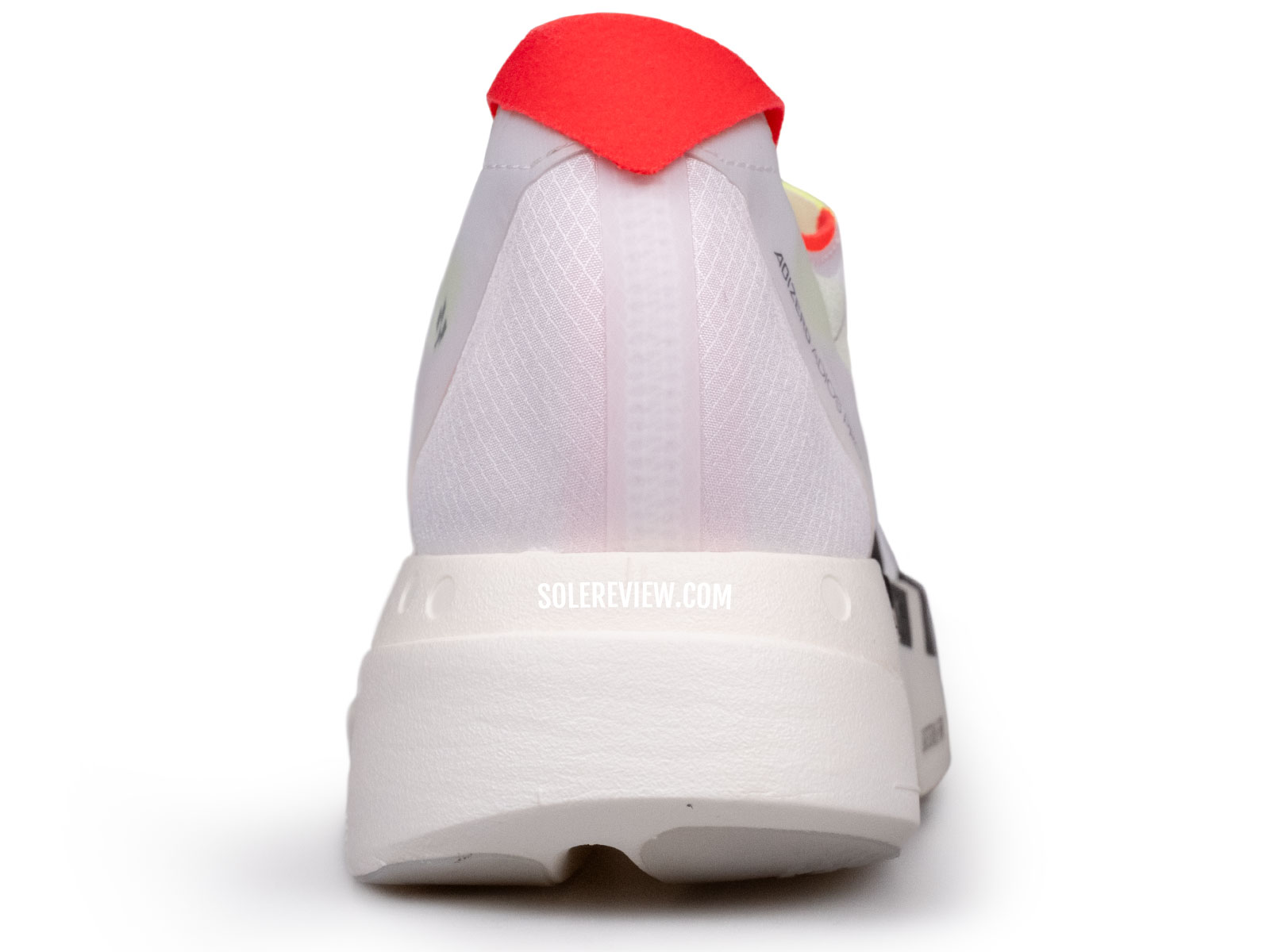
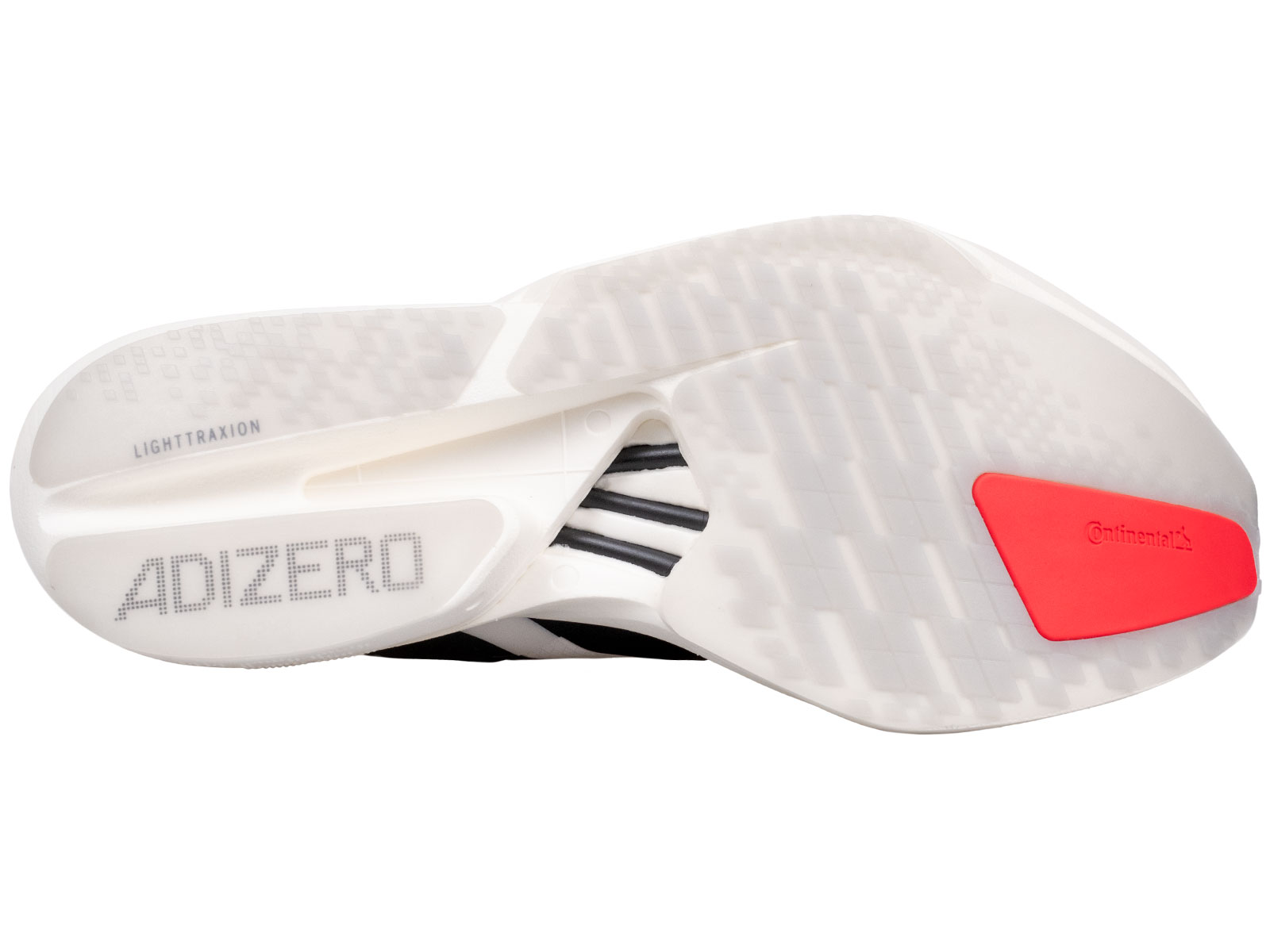
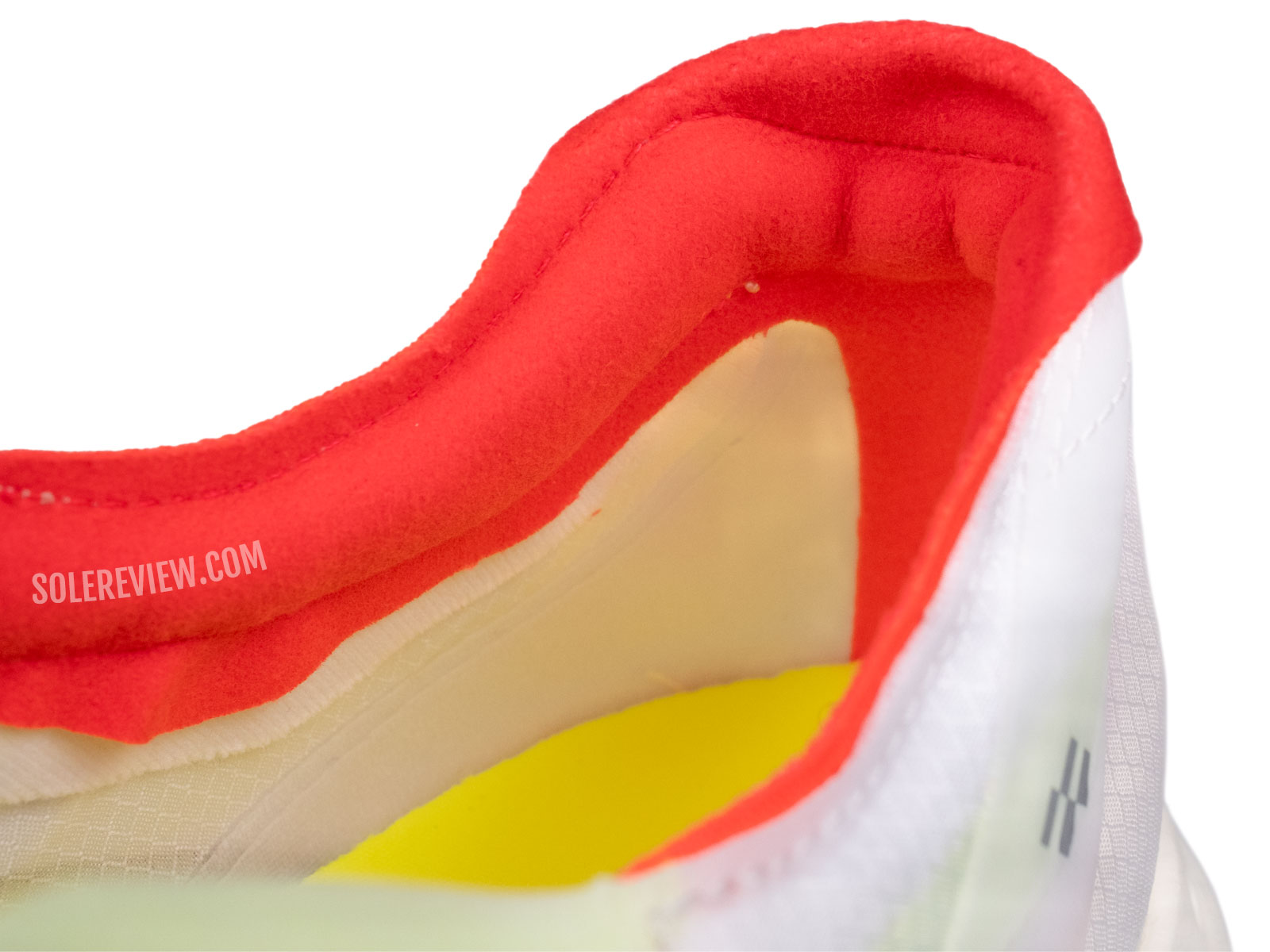
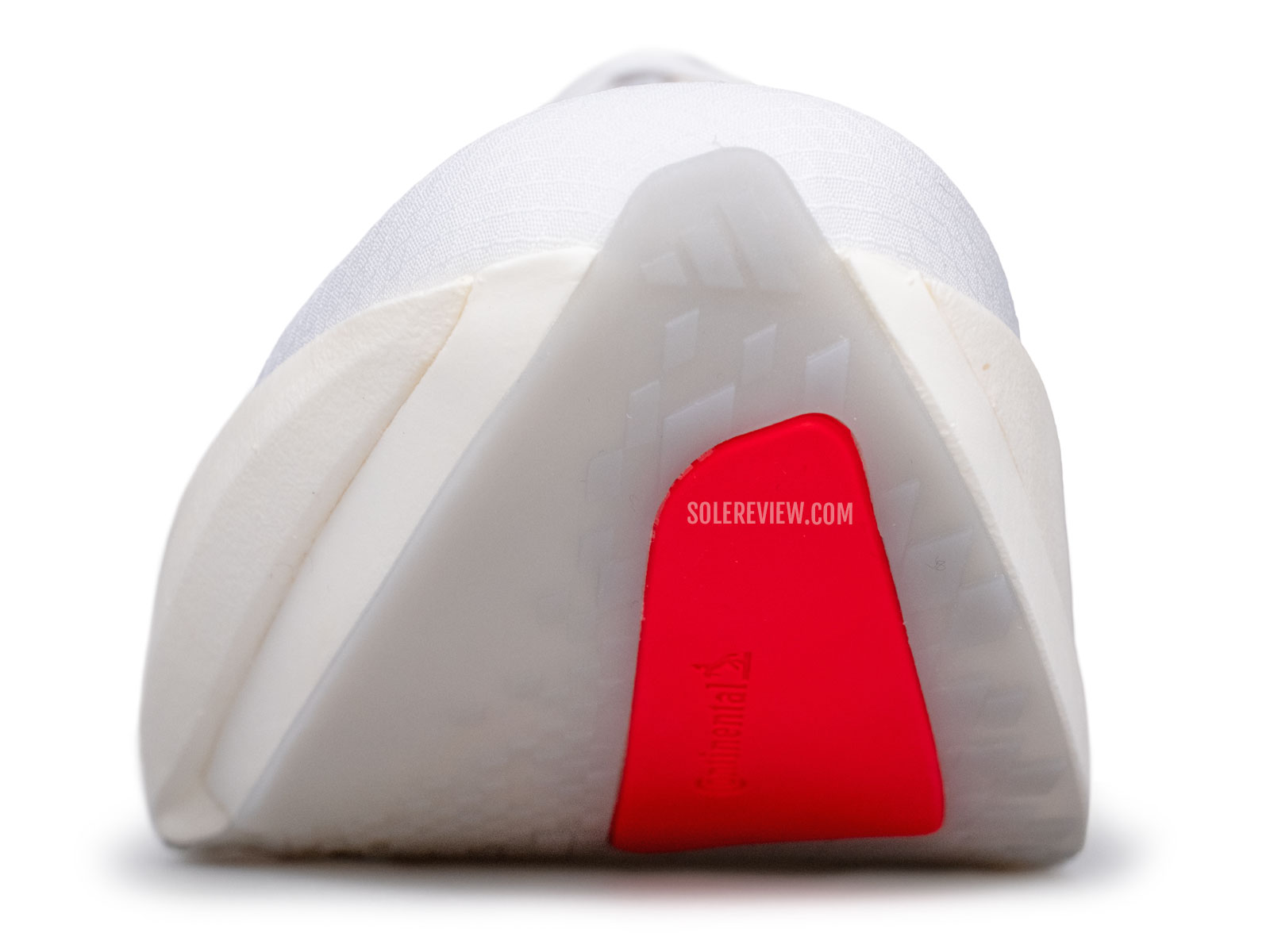
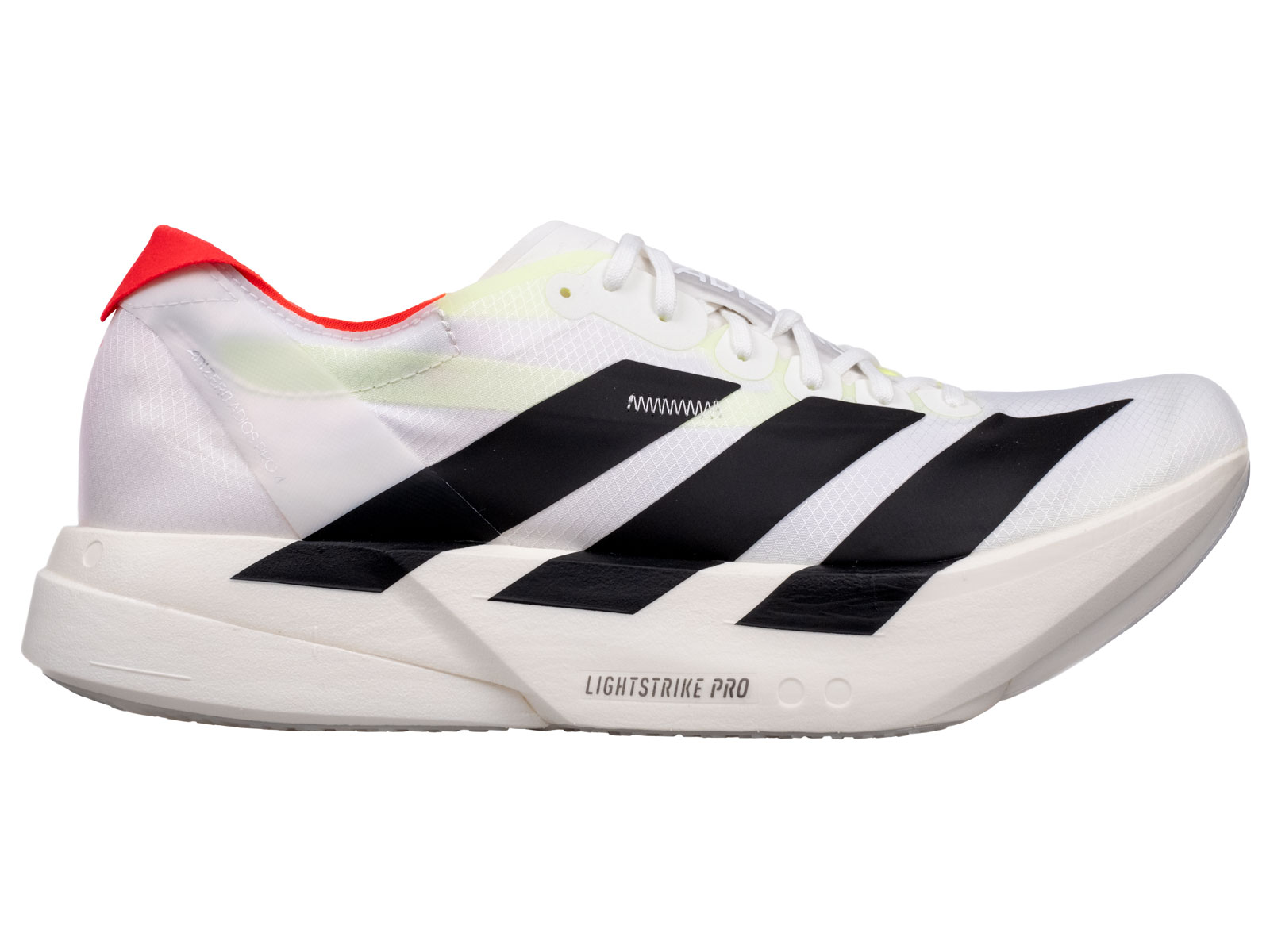
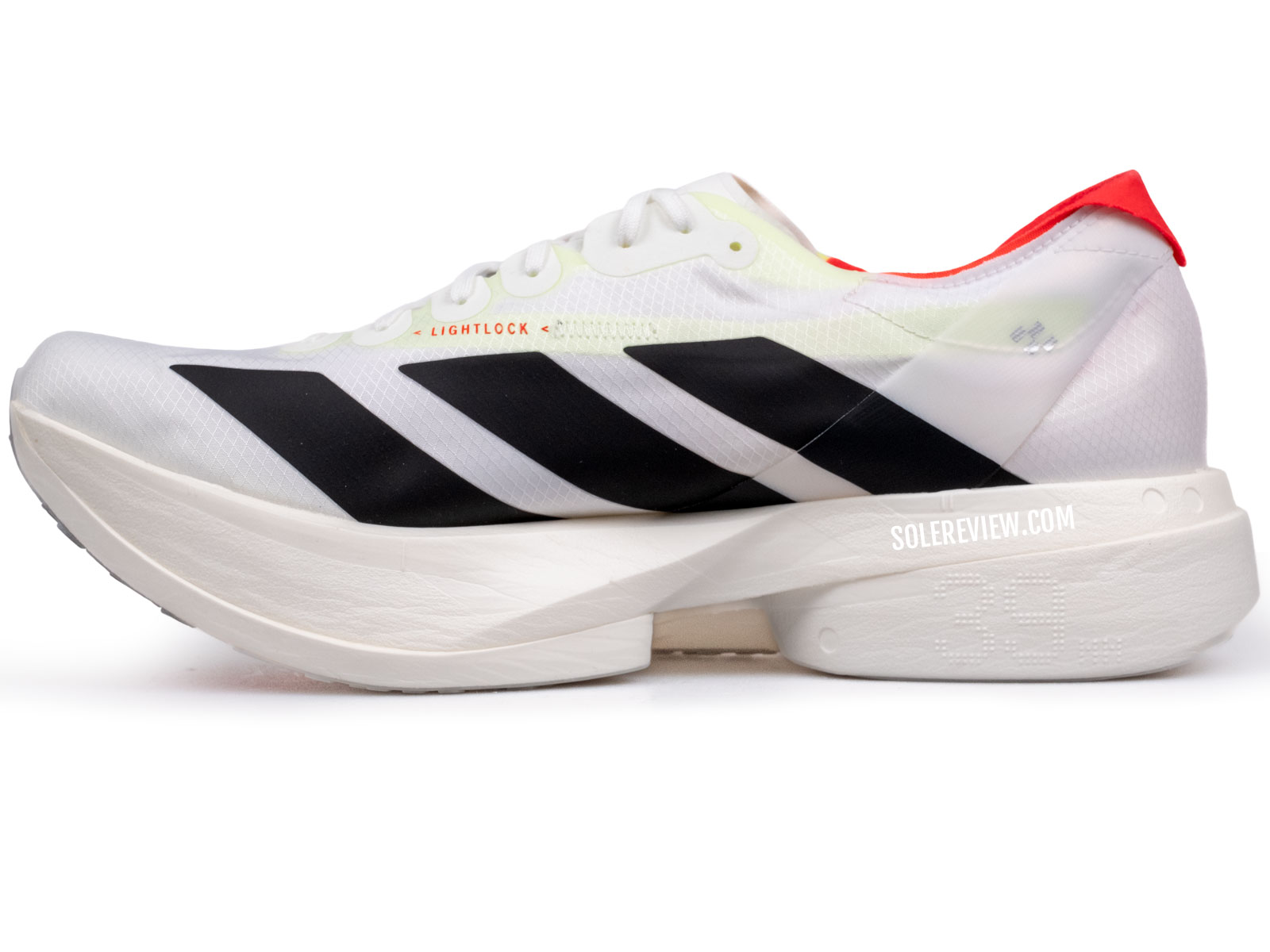
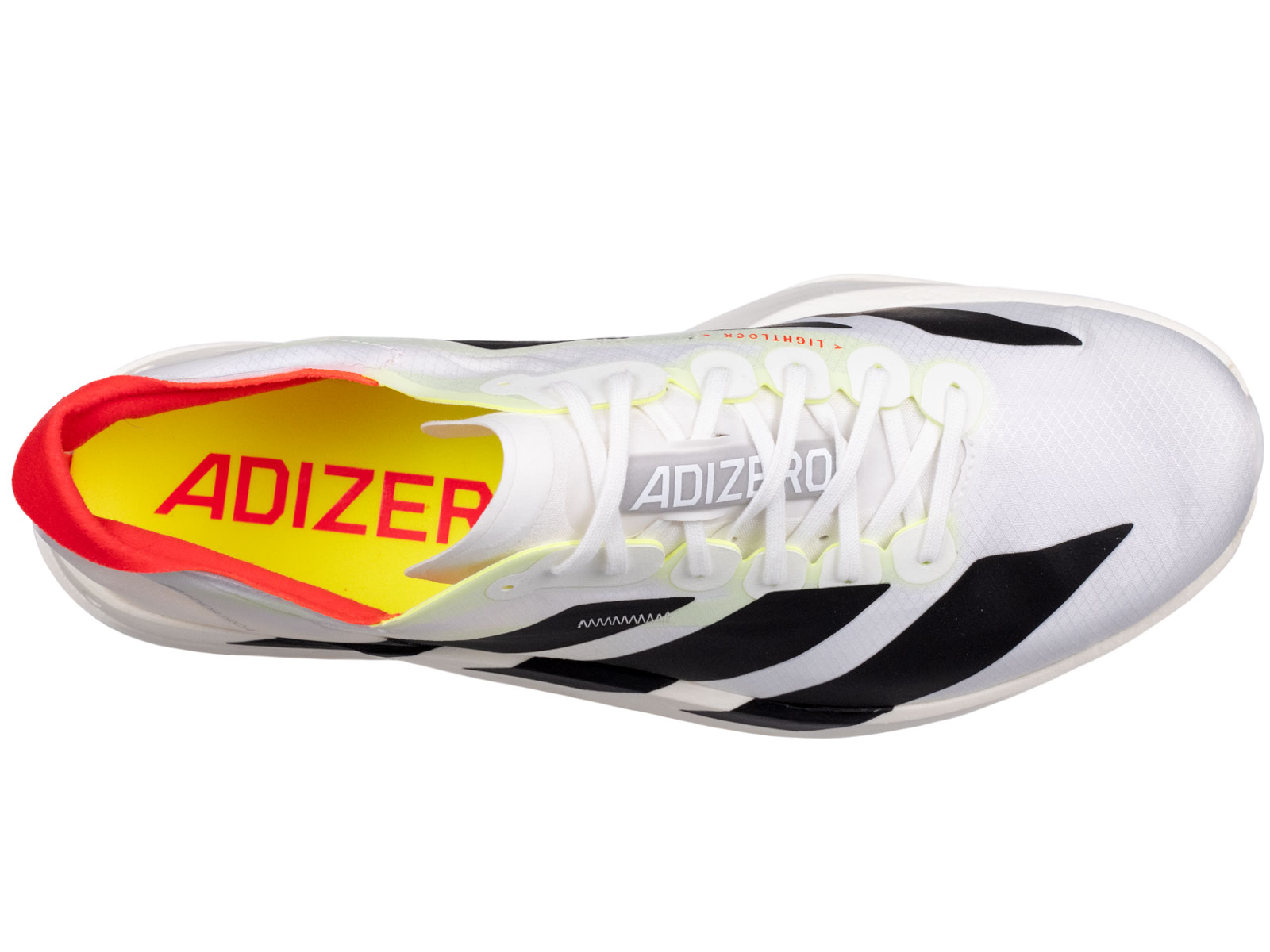
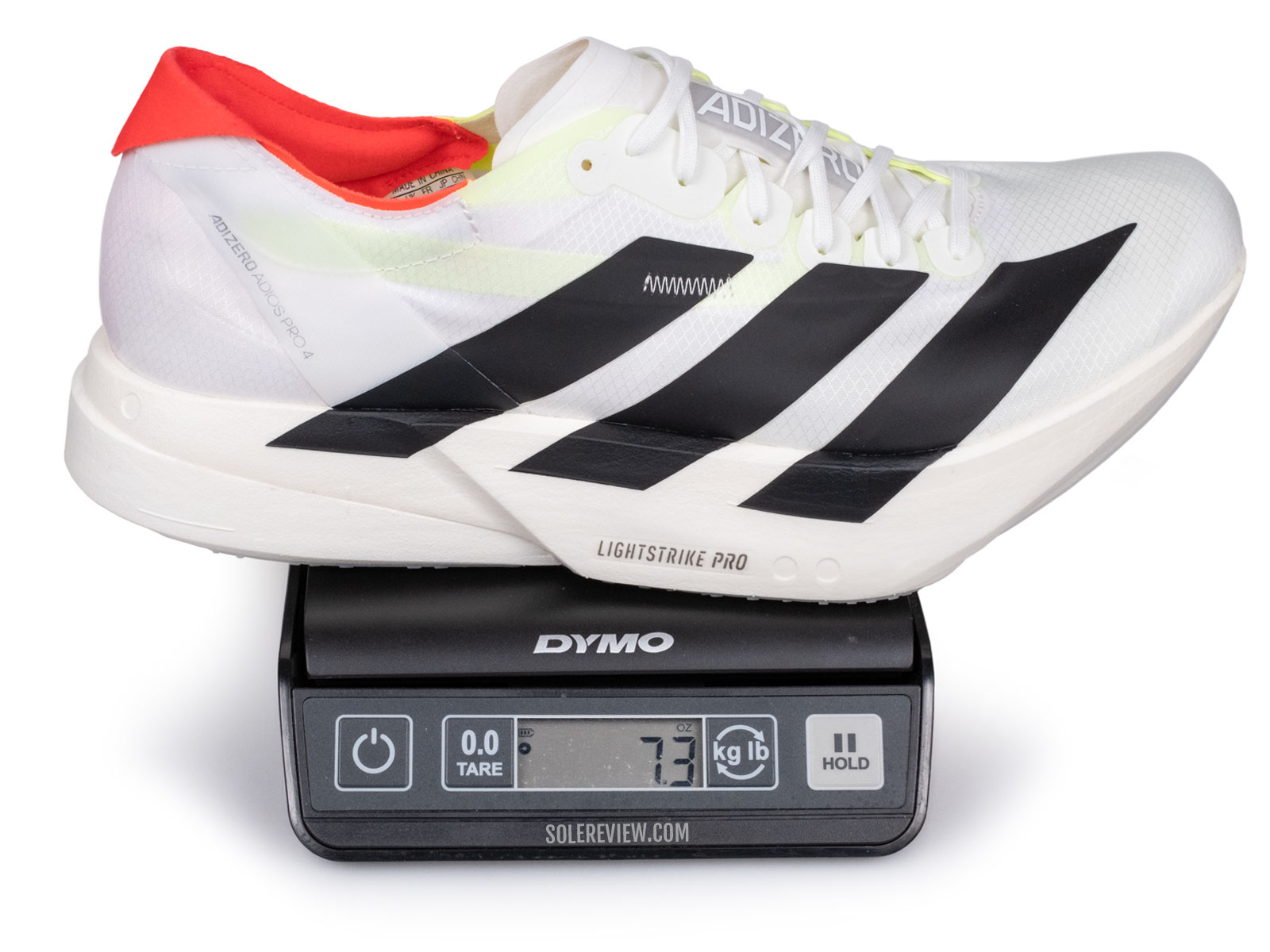
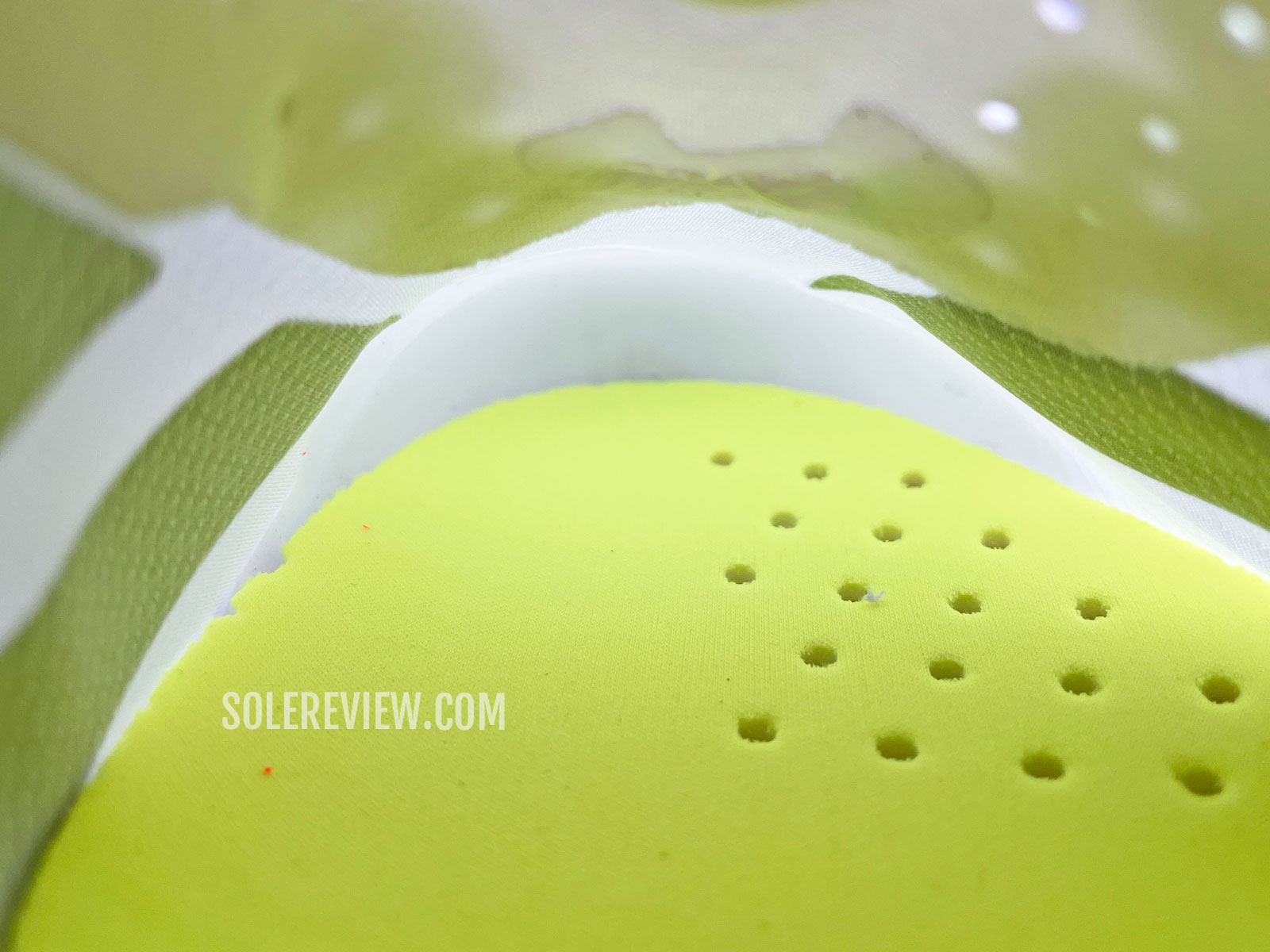
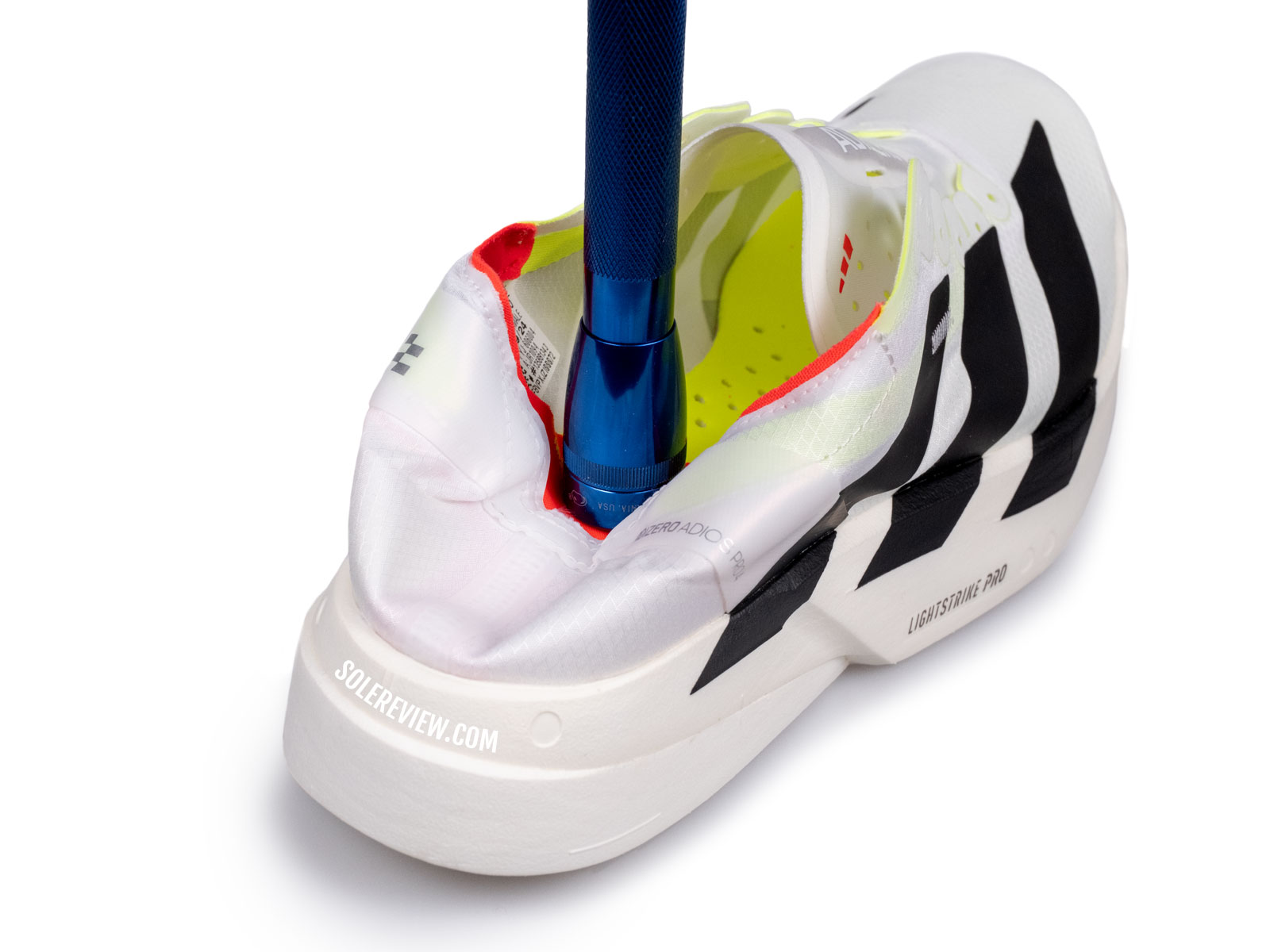
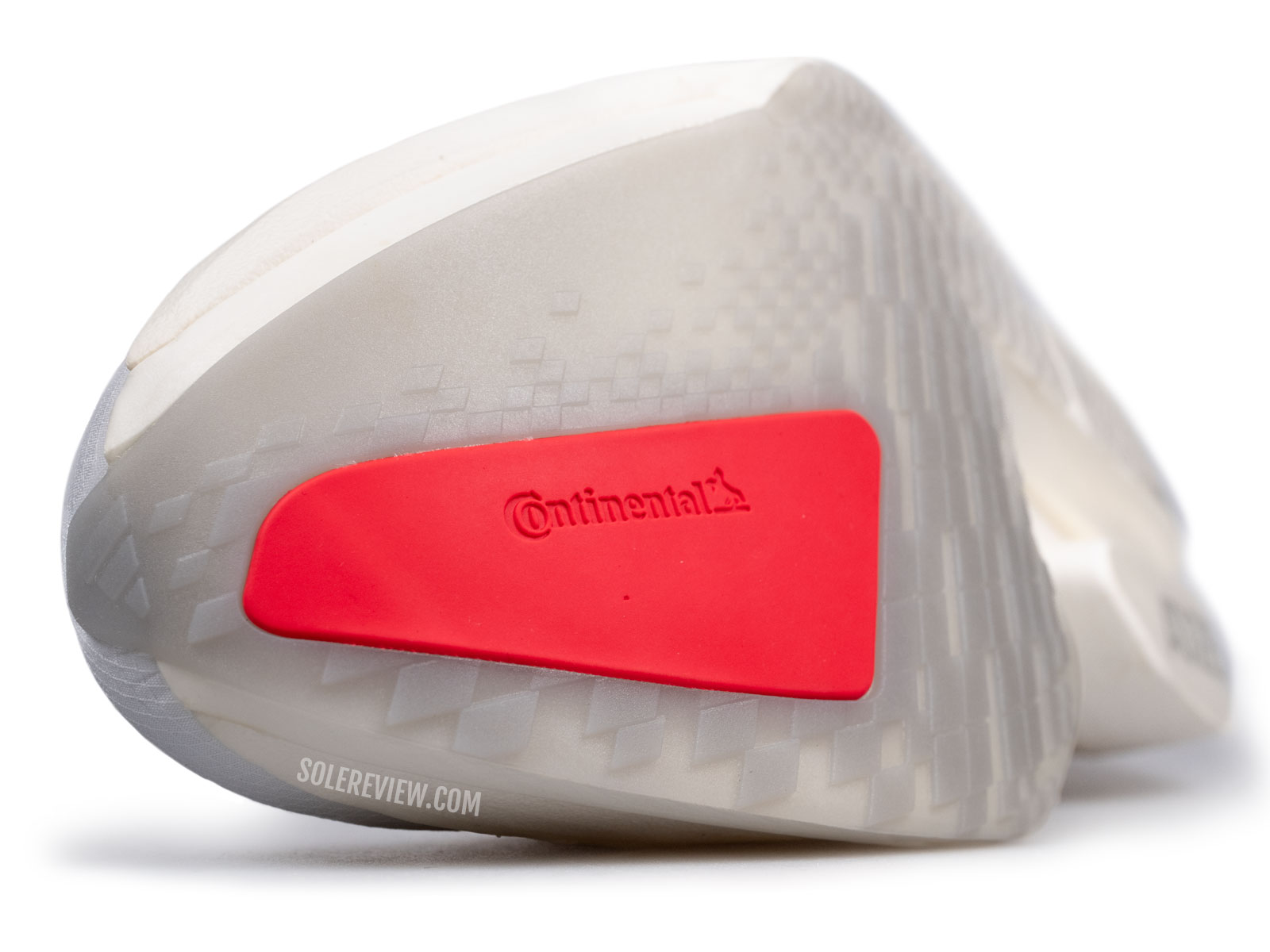
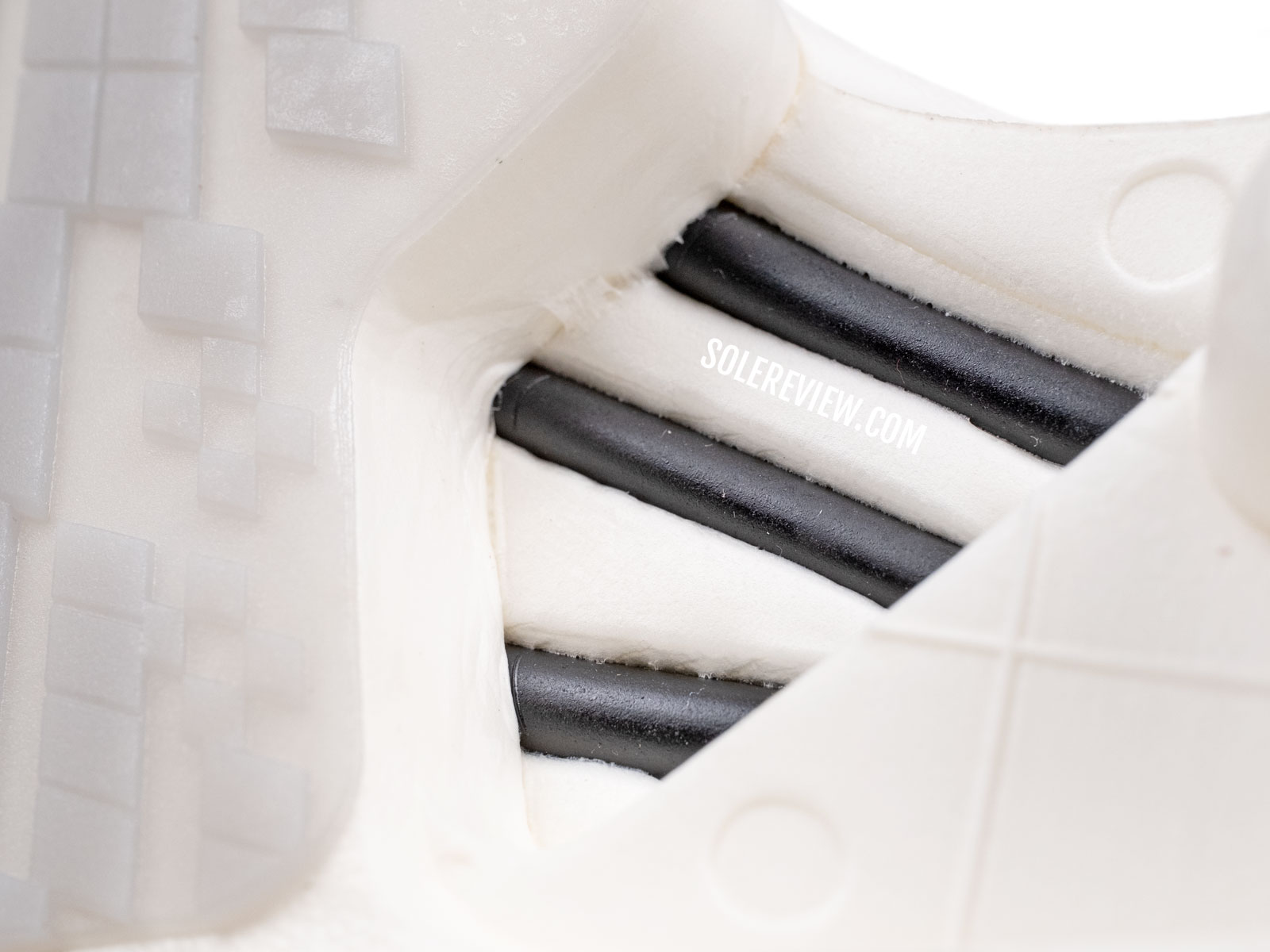
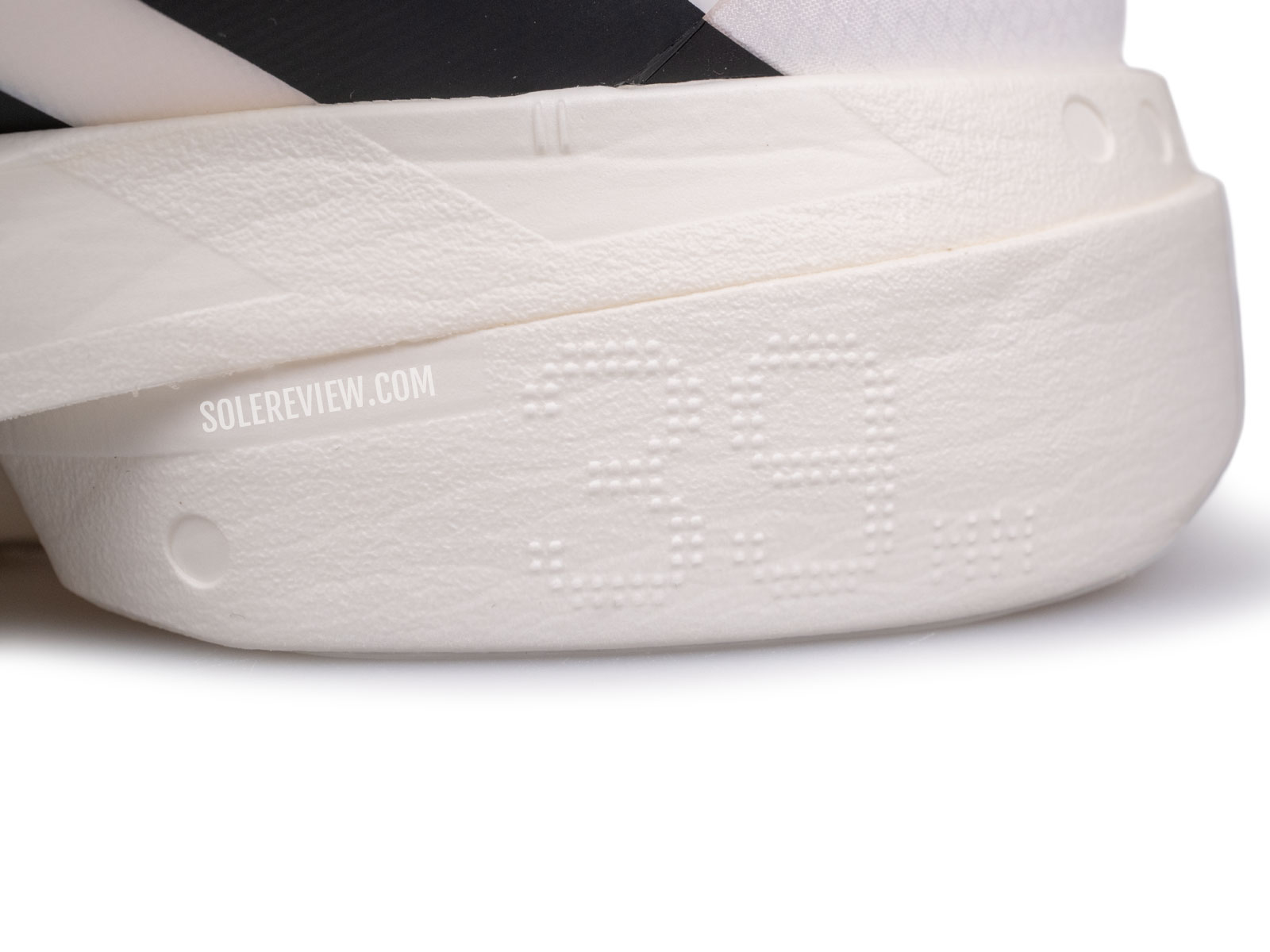
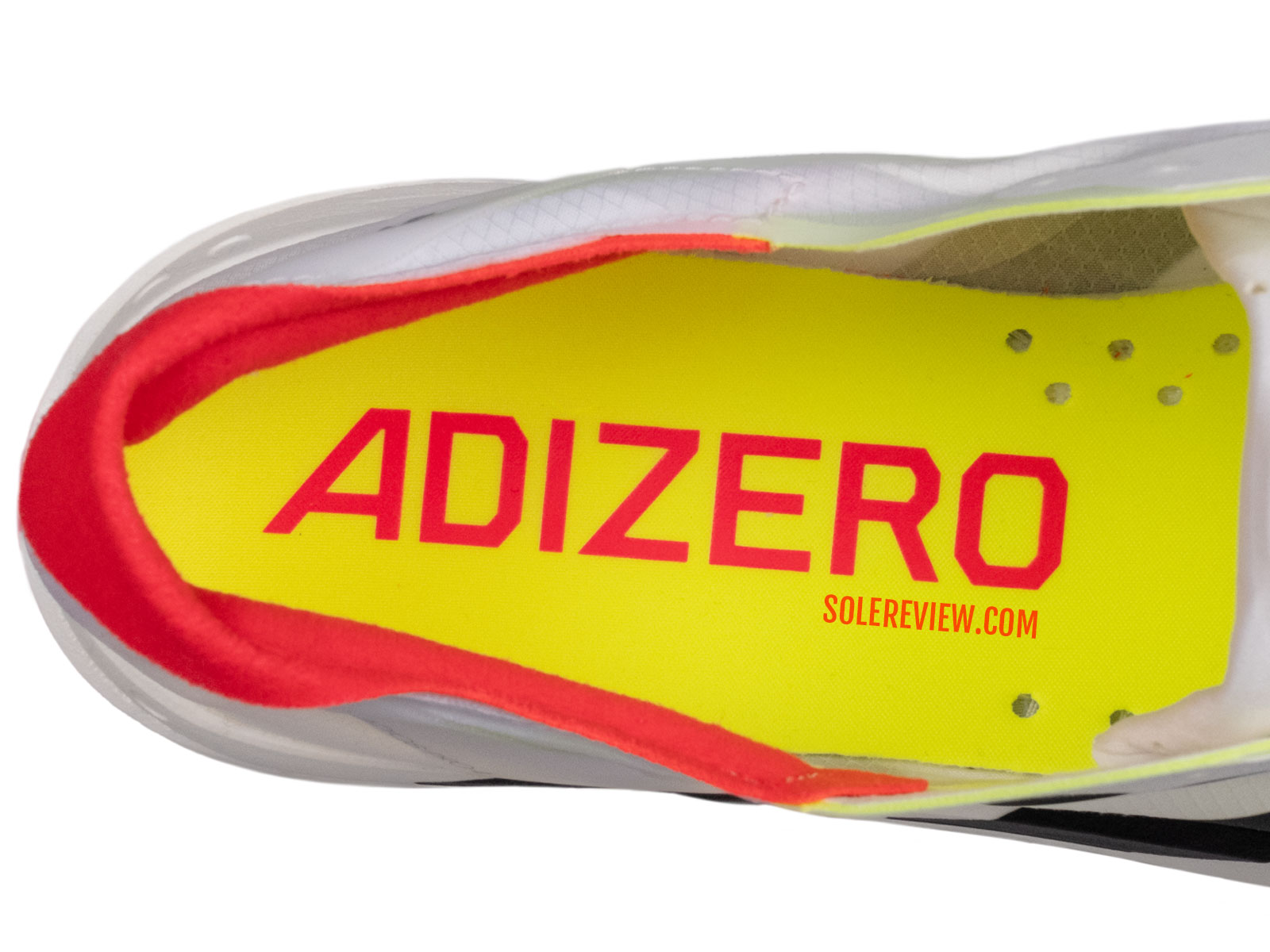
On the other hand, the Adios Pro 4 is ideal for forefoot strikers who run fast. The reformulated Lightstrike Pro foam is softer and bouncier than before, making landings springier upon impact. The heel midsole now has a deep groove that makes the ride softer but vastly decreases stability. The upper is narrower than the last model and does a better job of locking the foot down over the midsole. The interior offers greater comfort over the Adios Pro 3 without compromising the locked-in feel.
Also consider: The Brooks Hyperion Elite 5, Hoka Rocket X 3.
- adidas’s marketing pitch: Designed to optimize running efficiency.
- Upper: Lightweight mesh with attached tongue. Semi-collapsible heel.
- Midsole: Full-length Lightstrike Pro foam with Energy rods. 6 mm heel drop.
- Outsole: Continental and Lighttraxion rubber.
- Weight: 200 gms/ 7.05 Oz for a half pair of Men’s US 9/UK 8.5/EUR 42.5/CM 27.
- Stack heights: 39 mm (heel), 33 mm (forefoot).
- Available widths: Single, D – regular (reviewed)
- Previous model: adidas adios Pro 3.
- Country of origin: China.
- Recommended use: 10K, half-marathons, marathons.
- Footstrike orientation: Midfoot/forefoot (full contact).
- Orthotic compatibility: No.
- Median lifespan: 400 miles.
- Recommended paces: Quicker than 5:30 min/km (8:50 min/mile).
- Recommended temperature range: Warmer than -0° C/32° F.
Pros
- Soft and bouncy comfort
- Propulsive rocker effect
- Outsole traction
- Upper comfort
- Speed-friendly ride
Cons
- Unstable heel
- Long term durability is unknown
- No optional width(s)
We don’t view the New Balance Rebel V5 as the ideal tempo trainer. Running shoes such as the adidas Boston 13 and Brooks Launch 11 are superior choices, except that they are not as soft.
To us, the Rebel V5 lines up with New Balance’s claim, which is being a steady-state trainer. The Fuelcell midsole has a wide base with an outsole that covers the entire forefoot for maximum contact. The midsole formula has been tweaked to make the foam softer and livelier than the Rebel V4. Like the previous model, the rocker effect is minimal, letting the foot take charge of the transition. Forefoot and heel landings are rewarded with a rubbery-soft cushioning, protecting the foot from harsh impact forces. This isn’t a shoe that actively promotes fast runs, but it also doesn’t get in the way when speeding up.
The softer ride isn’t the only change on the Rebel V5. The upper fit is tighter around the forefoot with less room (lengthwise) versus the Revel V4. While that is partly due to the thicker mesh used for the upper, most of the sizing difference is due to the extra heel padding. The additional foam padding pushes the foot forward towards the narrower section of the toe box. A narrow fit is useful during faster runs, since it establishes a stronger connection between the foot and the midsole for power transfer.
Also consider: The adidas Adizero EVO SL.
- New Balance’s marketing pitch: Built to look and feel fast.
- Upper: Engineered mesh, tongue gusset.
- Upper fit: True-to-size with snug forefoot.
- Midsole: Full-length PEBA-blend Fuelcell foam. 6 mm heel drop.
- Outsole: Carbon rubber in high-wear areas.
- Weight: 227 gms/ 8.0 Oz for a half pair of Men’s US 9/UK 8.5/EUR 42.5/CM 27.
- Stack heights: 38 mm (rear), 32 mm (forefoot).
- Available widths: D – regular (reviewed), 2E – wide.
- Previous model: New Balance Rebel V4.
- Country of origin: Vietnam.
- Recommended use: Everyday training, tempo runs, half-marathons.
- Footstrike orientation: Heel, midfoot/forefoot (full contact).
- Median lifespan: 400 miles.
- Recommended paces: 4:30 min/km (7:00 min/mile) and slower
- Recommended temperature range: Warmer than -0° C/32° F.
Pros
- Tempo-friendly ride comfort
- Smooth transitions
- Lightweight and secure upper
- Optional width
Cons
- Softer ride decreases speed-friendliness
- Lack of reflective elements
It was a matter of time before road-based supershoes were adapted for trail use. The Saucony Endorphin Edge had limited success, but it doesn’t get the credit it deserves for being the first of its kind. On the other hand, it’s fair to say the more successful Nike Ultrafly set the precedent for this new class of trail footwear. Trail shoes in this category borrow high-tech foam and Carbon bits from road-going marathon shoes and repurpose them into a trail-worthy package. Hoka has sold cushioned trail shoes for long, but has so far relied on conventional midsole materials.
The Terrex Agravic Speed Ultra has similar stack heights as the Nike Ultrafly, but it has a performance edge in a few important ways. The Carbon ‘Flyplate’ inside the Ultrafly is smaller as it only extends from the midfoot to the forefoot; it’s shaped like a fork with two rounded prongs under the forefoot. Adidas uses the Energy Rods system inside the Agravic Speed Ultra, but it’s longer and better articulated than the Nike Flyplate. Under the forefoot, the Energy rods have four ‘fingers’. Under the heel, the Energy rods have a two-prong design. The Energy Rod design and outsole layout give the Agravic a better proprioceptive feel than the Ultrafly.
The Continental rubber outsole has a groove under the forefoot, something that the Ultrafly’s Vibram outsole lacks. The Nike Ultrafly scores better on protection, but there’s a weight trade-off and a weaker connection with the trail. The Agravic is an ounce lighter, and has a softer forefoot than the Ultrafly.
Finally, despite comparable specs, the Agravic Speed Ultra is $40 cheaper than Nike. So while both trail shoes are comfortable choices for ultra trail distances, there are limits to such a design. These high-stack trail shoes are excellent on gentle gradients and trail-road transitions, but are best kept off technical terrain.
How we selected: What to look for
The terms soft, cushioned, and padded are often conflated. A cushioned shoe needn’t be soft. A padded shoe could be cushioned, but without being soft. There are two qualifiers for a running shoe to be truly soft. At least, that’s how Solereview defines it. Firstly, the foam material should compress the moment it is loaded. Secondly, the midsole made of the said foam should be a high-volume kind.
That’s why the Nike Vomero Plus features on this list. The plump midsole uses a similar midsole material as the Invincible 3, thus giving it a soft and bouncy ride despite its 10-ounce weight. Softness comes in various forms, with some better than others. The adidas Adios Pro 4 and New Balance Rebel V5 demonstrate that ride softness and quick transitions can happily co-exist. Also included is the Nike Vomero 18 – a versatile trainer with an ultra-high volume midsole made with ZoomX and ReactX foam.