
Product guide updates
(7 total)- 2026-09-25 — Replaced Brooks Hyperion 3 with New Balance Rebel v5
- 2026-09-25 — Updated Escalante 4 with Escalante 5
- 2026-09-20 — Added 'Top recommendations summary' module
- 2026-08-06 — Updated with Inspire 22, Ride TR3, and Velocity Nitro 5
- 2026-06-09 — Added alternatives to scrollable carousel under each recommendation.
- 2026-06-09 — Created FAQ with relevant question and answer pairs.
- 2026-06-09 — Migrated product guide to new editorial format.
In this product guide:
How we selected
Please note that this product guide focuses on running shoes for gym and weight training. If you’re simply looking for a sneaker to lift weights, don’t waste money on expensive running shoes. Instead, get a pair of Vans Old Skool, Nike Dunks, adidas Gazelle, or any firm, flat-soled shoe. You should only buy a running shoe for the gym if: 1) You’re traveling and want a versatile shoe, 2) You focus on treadmill and cardio sessions with some mild weight-training, 3) You need a flexible shoe for circuit training and jumps.
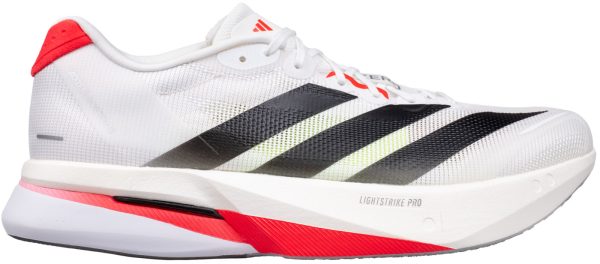
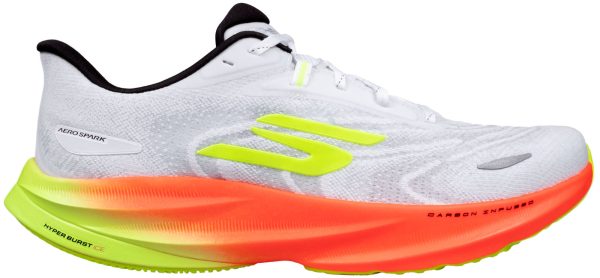
Our recommended running shoes for the gym are grouped by use cases – best overall, cardio/treadmills, flexibility/CT/jumps, and light weight training. By connecting each feature with its respective function, the “Why it works” section explains why a particular shoe (in its respective class) is suitable for the gym. The scrollable carousel contains alternatives within each category. For example, the alternatives to the Hoka Mach 7 (our cardio/treadmill pick) are the adidas Boston 13 (for a spacious fit), the Skechers Aero Spark (for a firmer ride), and two others. When combined, this product guide contains 18 different running shoe recommendations for the gym.
- Best overall: Decent for cardio, okay for mild weight training
- Best for cardio/treadmill: Prioritizes grip and stability.
- Best for flexibility: Promotes ground feel.
- Best for lifting: Compression and abrasion resistance.
Our recommendations combine our influence-free and expert-led wear-testing with performance insights from using the shoes in different gym environments. Visit our FAQ section at the bottom to learn more about running shoes for in-gym use.
Key considerations
Which features make a running shoe gym-friendly?
The firmer and lower the midsole, the better the running shoe is for the gym. A firm midsole resists bottoming out when loaded with weight; a low-profile construction is ideal for treadmill and cardio workouts. On the other hand, a flexible midsole works better for circuit training and high-intensity exercise regimens like Les Mills and P90X.
Understandably, not all features may be available in a single running shoe. That’s why this guide is split into four parts, each focusing on a specific area of competency. If you intend to lift heavy weights (including free-weight squats and deadlifts), skip this guide and get yourself a pair of proper gym shoes with a stiff and elevated heel.
What kind of shoes work best in the gym? Should they be 100% running-focused, or a shoe that’s designed specifically for training and lifting? A pure-play training shoe offers a lot of stability, but isn’t great for treadmill sessions. The Nike Metcon 10 is a good example. Conversely, a soft running shoe offers a higher level of comfort on the road, but lacks the stability that weight-training sessions demand. There is always a middle ground for everything, and that’s what this guide is about.
1. The shoe should preferably have a heel drop of 4 mm or higher: The higher the drop/lift (10-12 mm), the better it is – but only if the running shoe in question is firm and supportive. A soft midsole foam will lack sufficient stability during weight-training. The 4 mm+ drop rule is waived for zero-drop shoes that aren’t too soft. For example, the Altra models range between 24-25 mm of overall stack. A heel-to-toe offset of 0 mm works better on a firm midsole than it does on a soft one. There’s a lower risk of ‘negative drop’ on a harder midsole – a state where the heel is temporarily lower than the forefoot when loaded with body weight.
2. A firm and stable midsole with a full-ground-contact outsole: A professional power-lifting shoe is super-firm, exhibits zero midsole bias, and has a full-contact outsole for superior grip and stability. That’s why casual sneakers with those characteristics – like the Converse Chuck Taylor and Vans – are near-perfect for the gym.
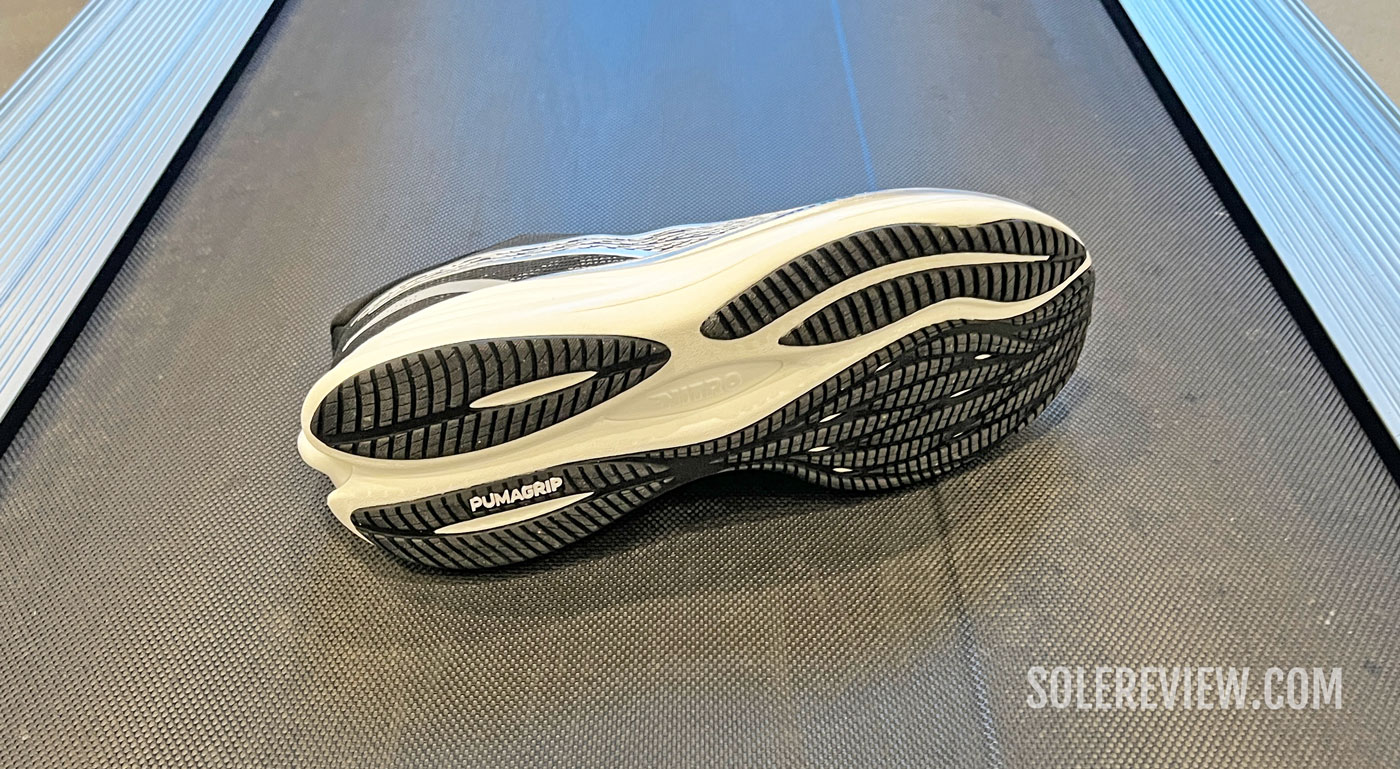
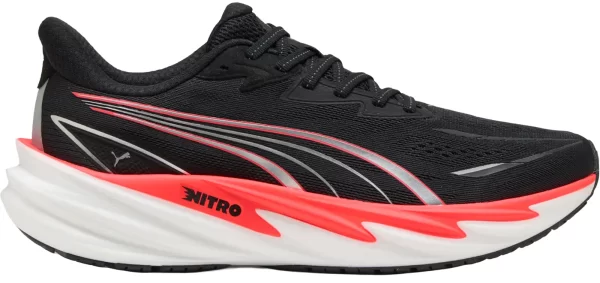
The Puma Velocity Nitro grips well on a treadmill.
For the same reasons, shoes with a heel Air unit (Nike) or super-soft midsoles are excluded. Besides, treadmill runs require a firmer shoe than road running.
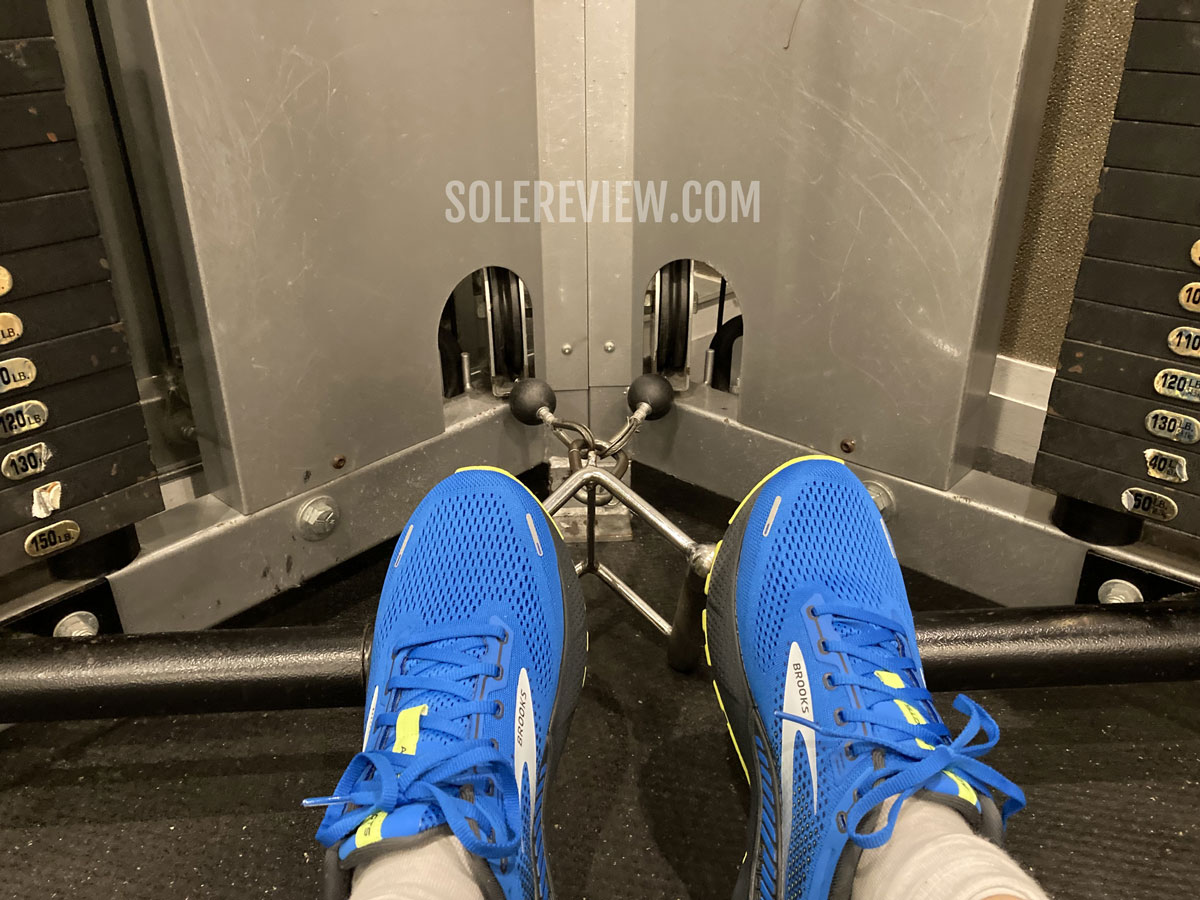
If you’re lifting more than 110 kg/250 lbs for squats or 40 kg/100 lbs for (standing) barbell/dumbbells curls, then ignore this guide and get a proper (firm) training or lifting shoe instead. At this weight, a stable training shoe offers better safety than a soft running shoe.
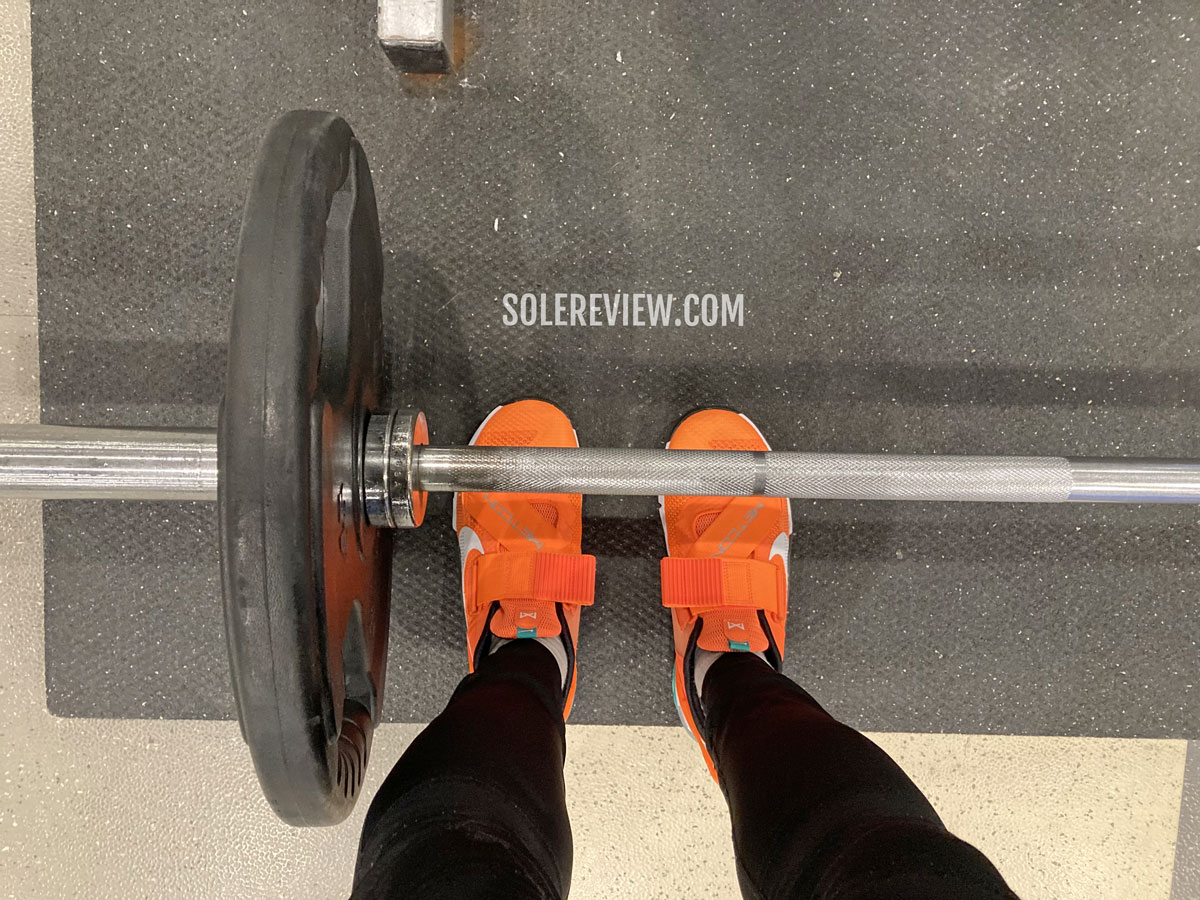
If you don’t plan on running, get a proper training shoe like the Nike Metcon 10 instead. The rearfoot lift and stability inspire confidence during squat cleans, kettlebell swings, deadlifts, and regular squats.
For reference, we reviewed the Nike Metcon 7 a few years ago – an example of a gym-worthy training shoe for lifting and strength conditioning exercises.
3. A planted forefoot and outsole grip: The shoe should grip well; exercises such as lunges, leg presses, or calf raises activate the ball (front) of the foot. The forefoot should be flexible too.
4. Sufficient cushioning: Ride comfort is important for treadmill running, and that should co-exist with traits mentioned in points #1 to #3. This list applies only if the gym workout includes running. Otherwise, buying a pair of Vans canvas sneakers is a cost-effective way of meeting most weight-training needs.
What kind of running shoes do not perform well in a gym?
Unless your gym session is 100% treadmill-focused, avoid all max-cushion running shoes like the Brooks Glycerin Max 2, Hoka Bondi 9, Nike Vomero Plus, and the Saucony Triumph 24. Their thick midsoles compress noticeably during mild weight training sessions, forcing your body to work harder to stabilize itself. Tall stack heights and aggressive rockers also reduce proprioception, cutting off valuable sensory feedback from the gym floor.
Why it works (the basics)
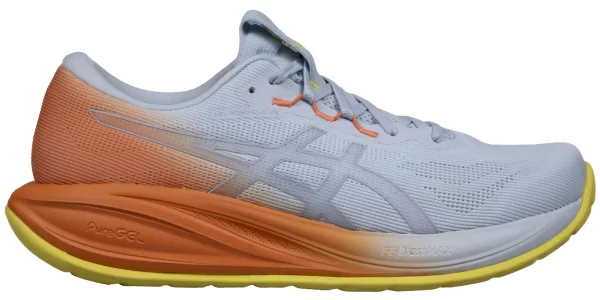
- FF Blast Max midsole → cushions treadmill runs.
- Compression-resistant midsole → supports mild lifting sessions
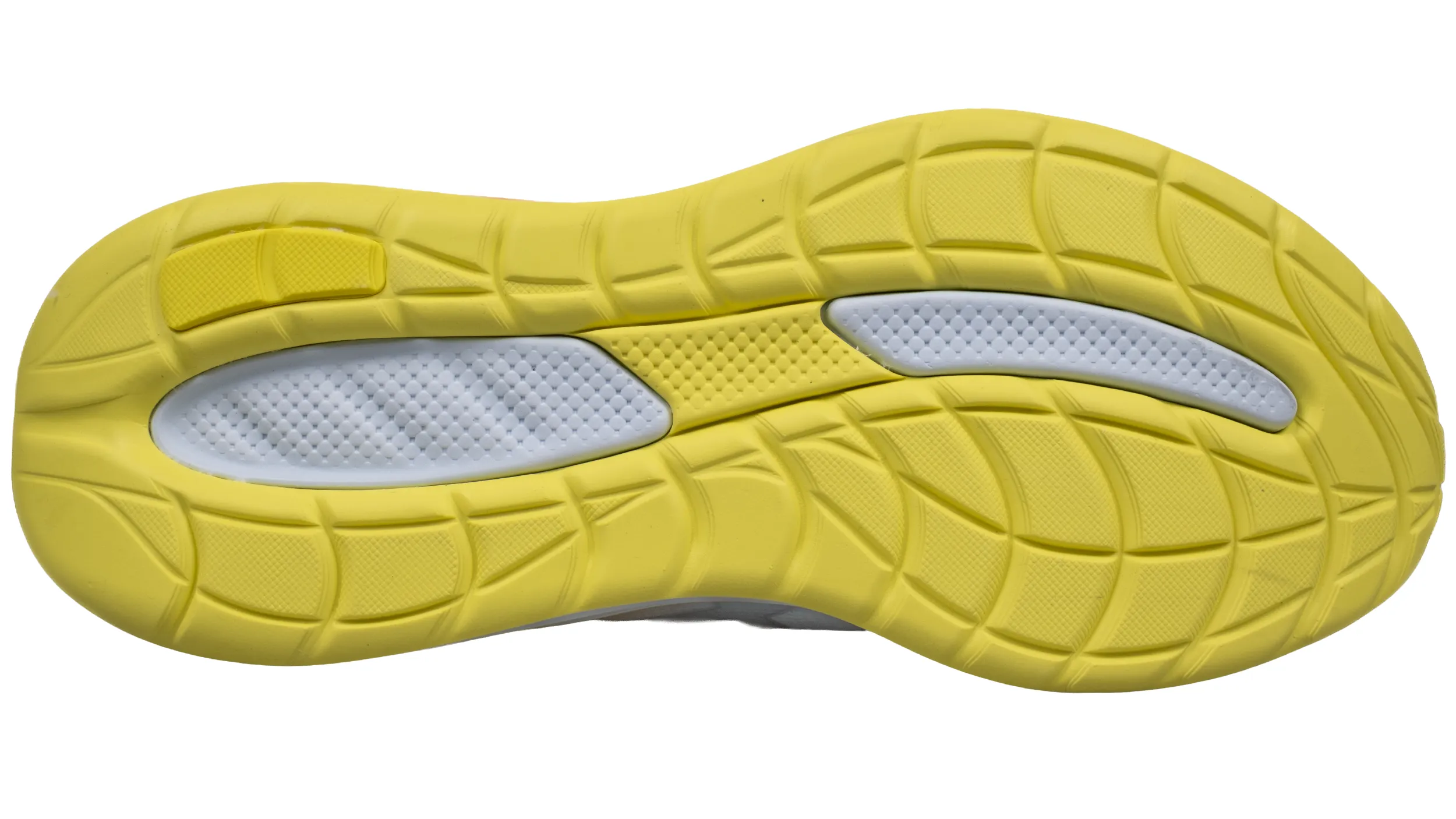
- Full-contact, non-marking outsole → creates a planted ride
- Shallow under-heel cavity → centers the body weight
🔍 Deep Dive
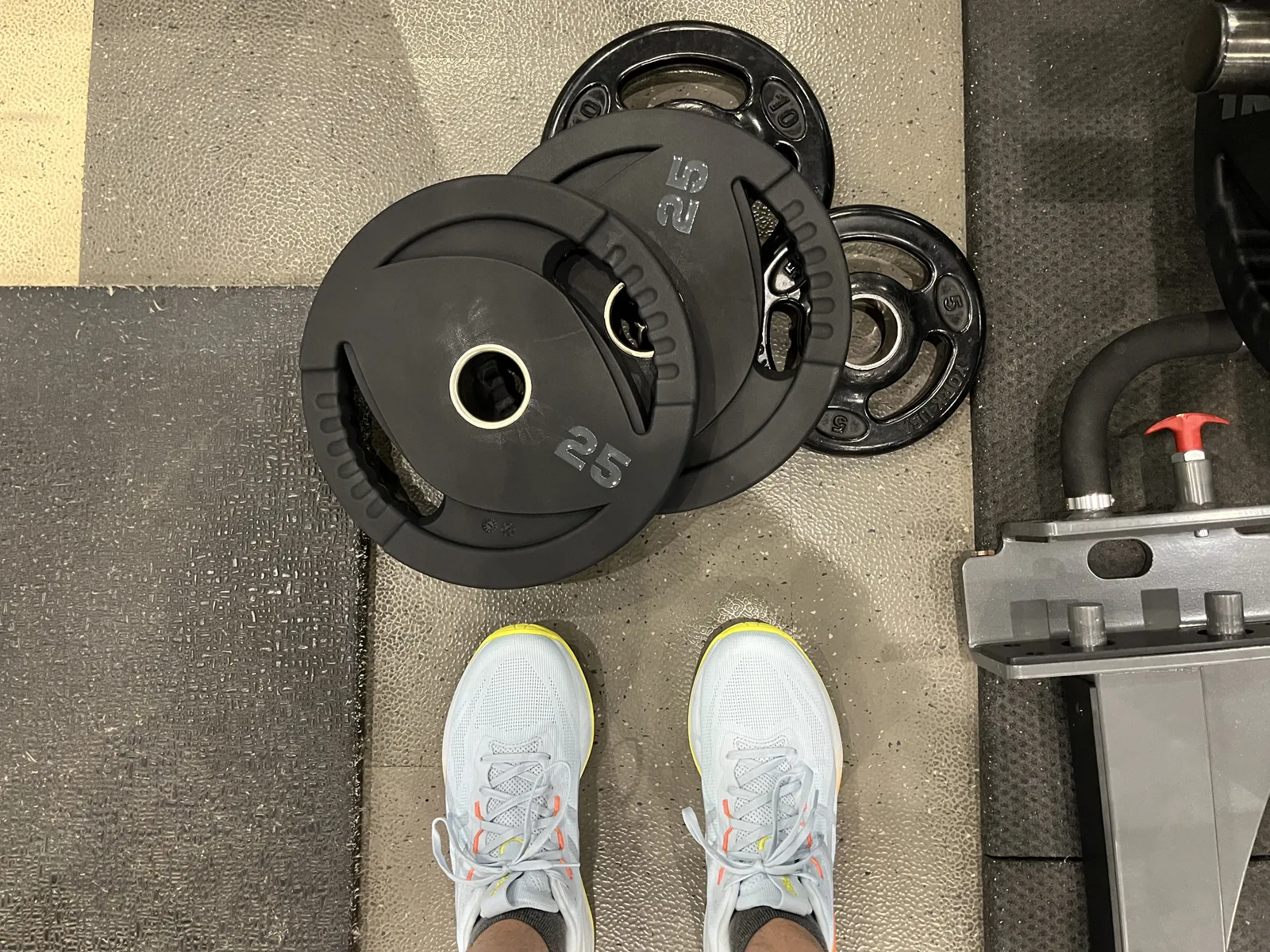
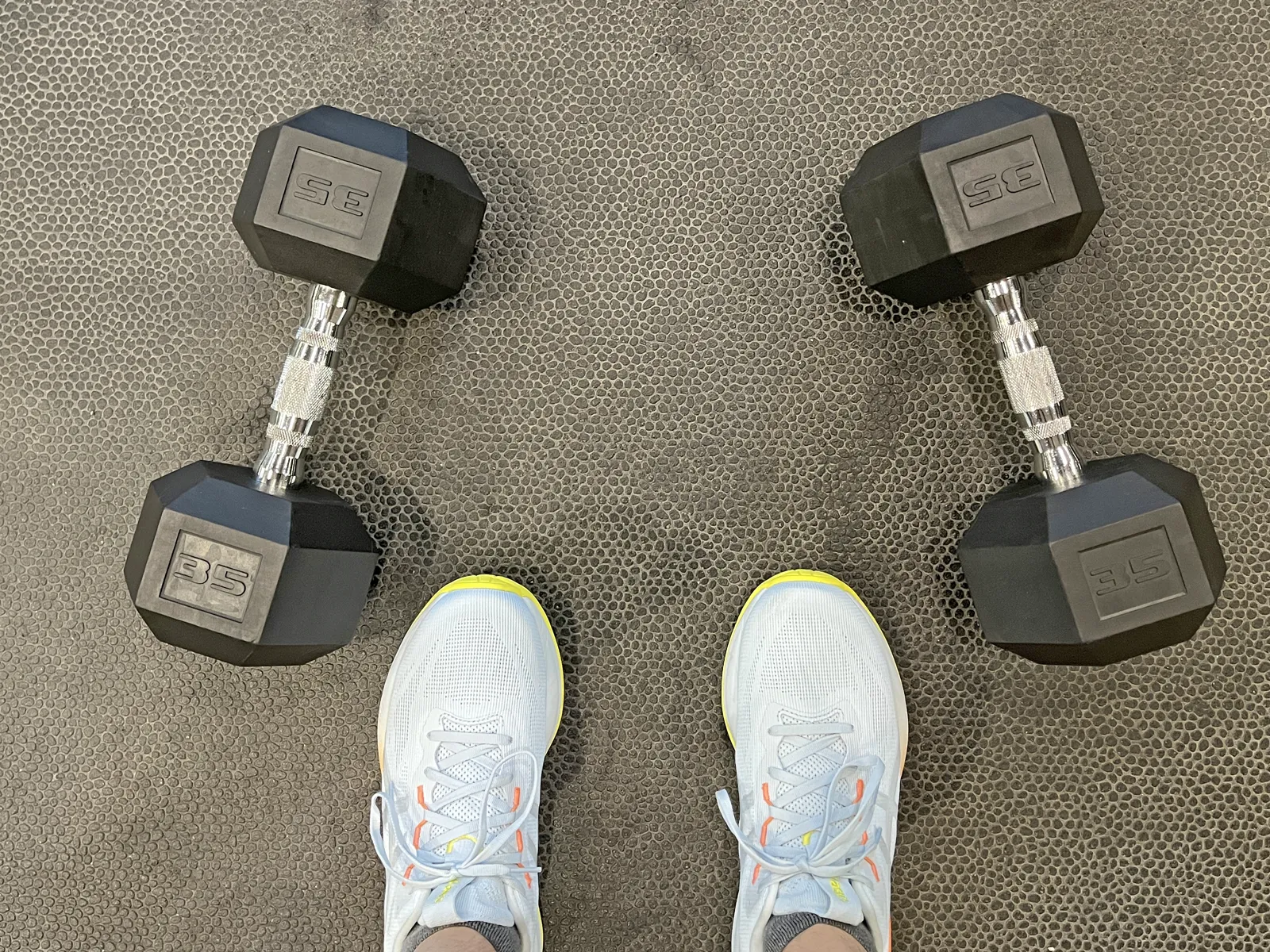
Unlike many modern running shoes, the Cumulus isn’t mushy. Our review highlighted its supportive ride that works across different gait and body weight ranges. The same versatility also works inside the gym. The firm FF Blast Max and full-contact outsole create a supportive base for mild lifting sessions, treadmill runs, and jumps. It’s also relatively lightweight, making it ideal for travel.
To be specific, ‘mild’ lifting implies that compound exercises like barbell squats and deadlifts are excluded; we recommend that you limit free weights to a set of 30 lb (14 kg) dumbbells when loading the heel. You can go higher with workouts that involve fixed weights (e.g., Smith machine) and cable-activated weights.
Pros
- Supportive comfort.
- Non-marking outsole.
- Outsole without peripheral gaps.
- Weight-centering channels.
Cons
- Low flexibility for circuit training.
- Does not support heavy free weights
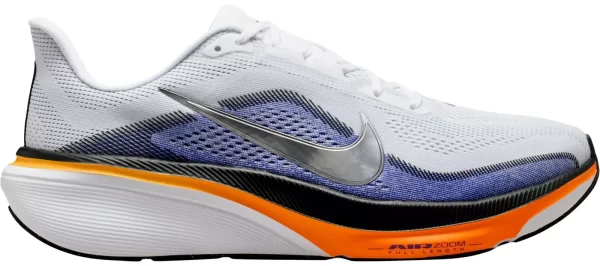
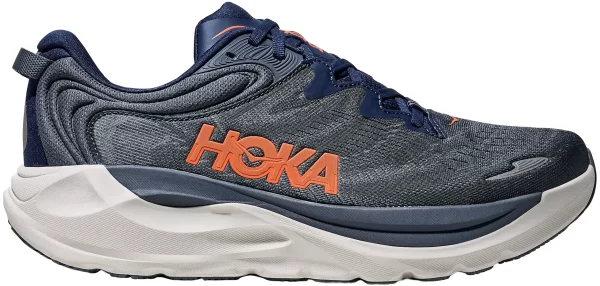
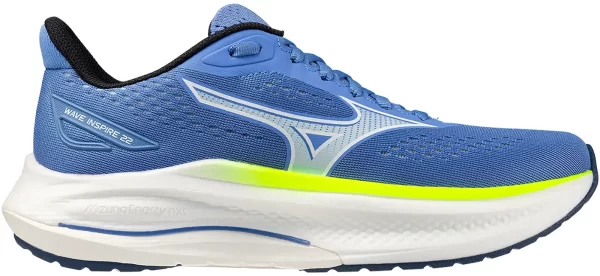
Other cushioned trainers for the gym
Fit Notes
True-to-size and secure fit. Gusseted tongue.
Gallery
Specs
- Heel stack: 40 mm
- Forefoot stack: 32 mm
- Drop: 8 mm
- Weight: 9.1 oz / 259 gms
- Widths: Regular, wide, extra-wide
- Midsole: Flytefoam Blast Max
- Insole: Molded, removable
Why it works (the basics)
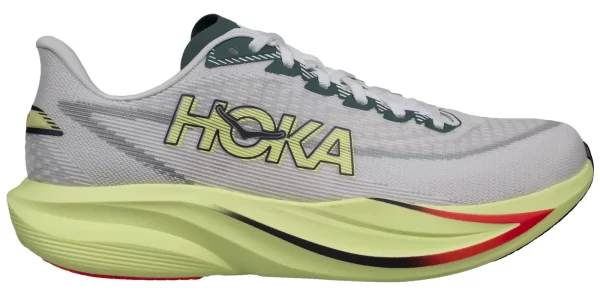
- Large outsole coverage → grips rubberized belts and pads
- Firm midsole → promotes stability
- 35 mm, 30 mm stack → enhances ground feel
- Secure, breathable upper → prevents foot slippage
🔍 Deep Dive
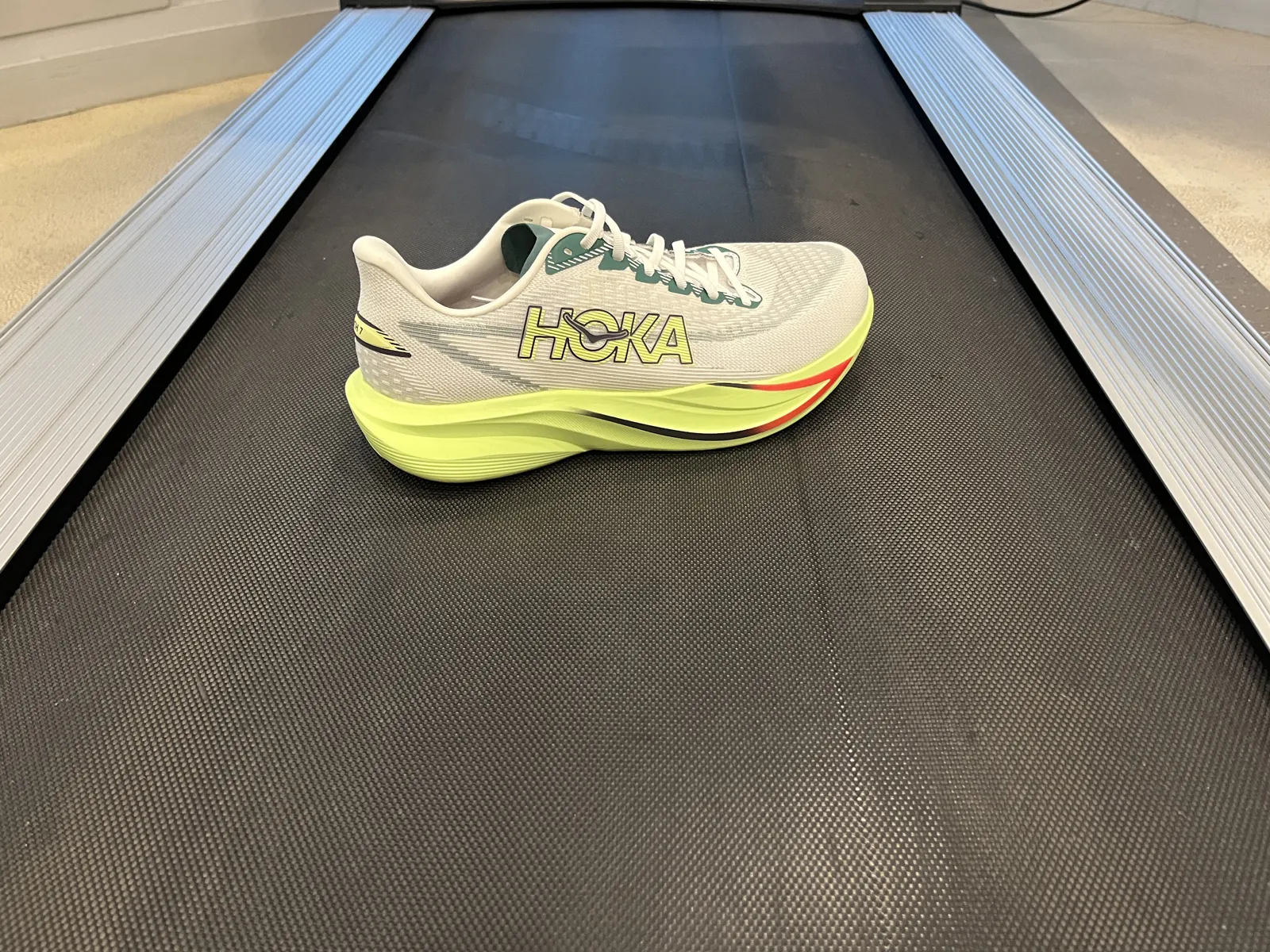
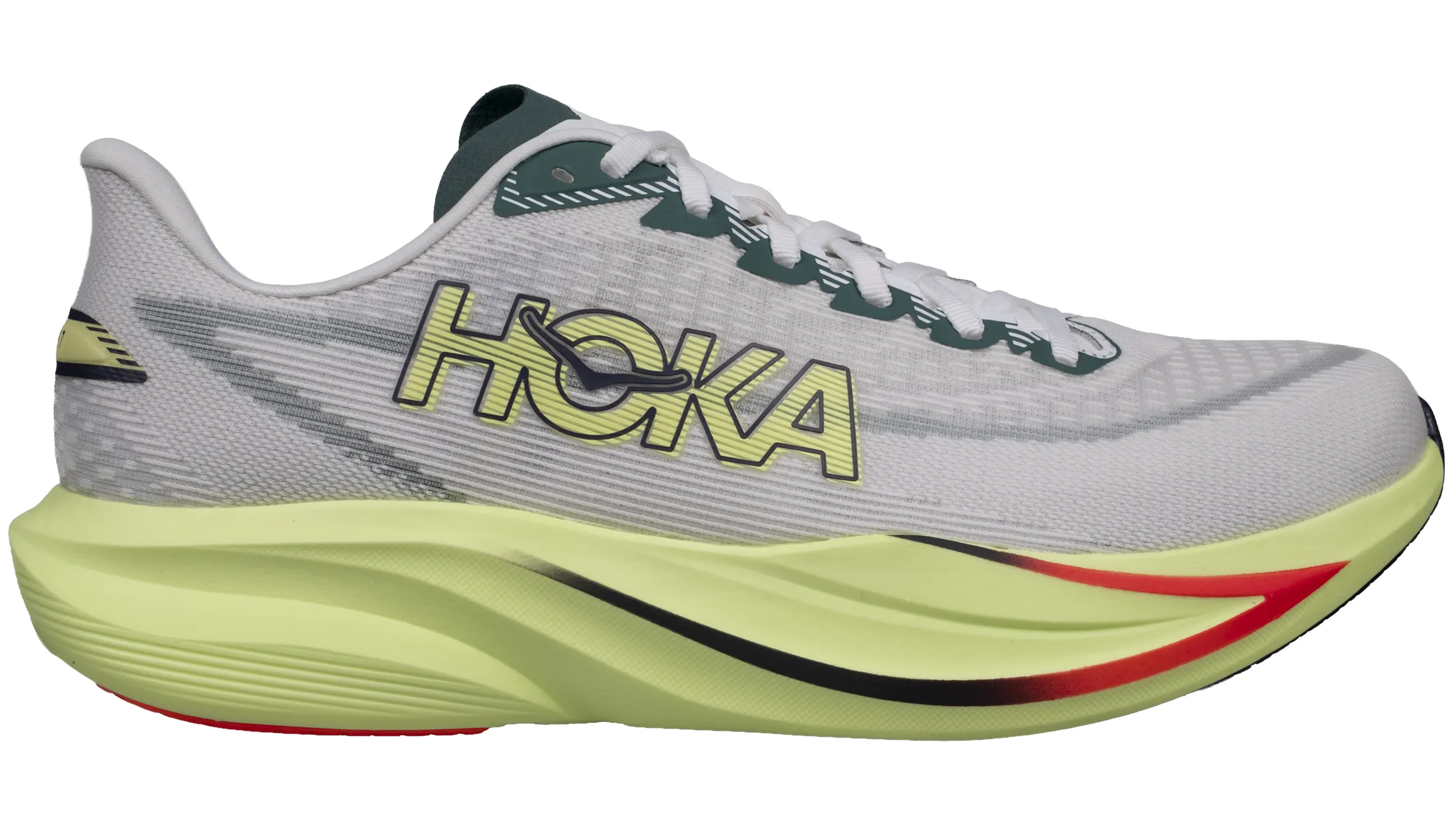
A treadmill-friendly running shoe should have at least three ingredients: One, a firm ride, two, a grippy outsole, and three, a snug upper that drives power from the foot to the midsole. The Mach 7 meets all three requirements. Its supercritically foamed EVA foam midsole limits its stack heights to 35 mm and 30 mm, making it more stable than taller running shoes. This foam material is also dense and compression-resistant, so you can use it for mild weight-training sessions.
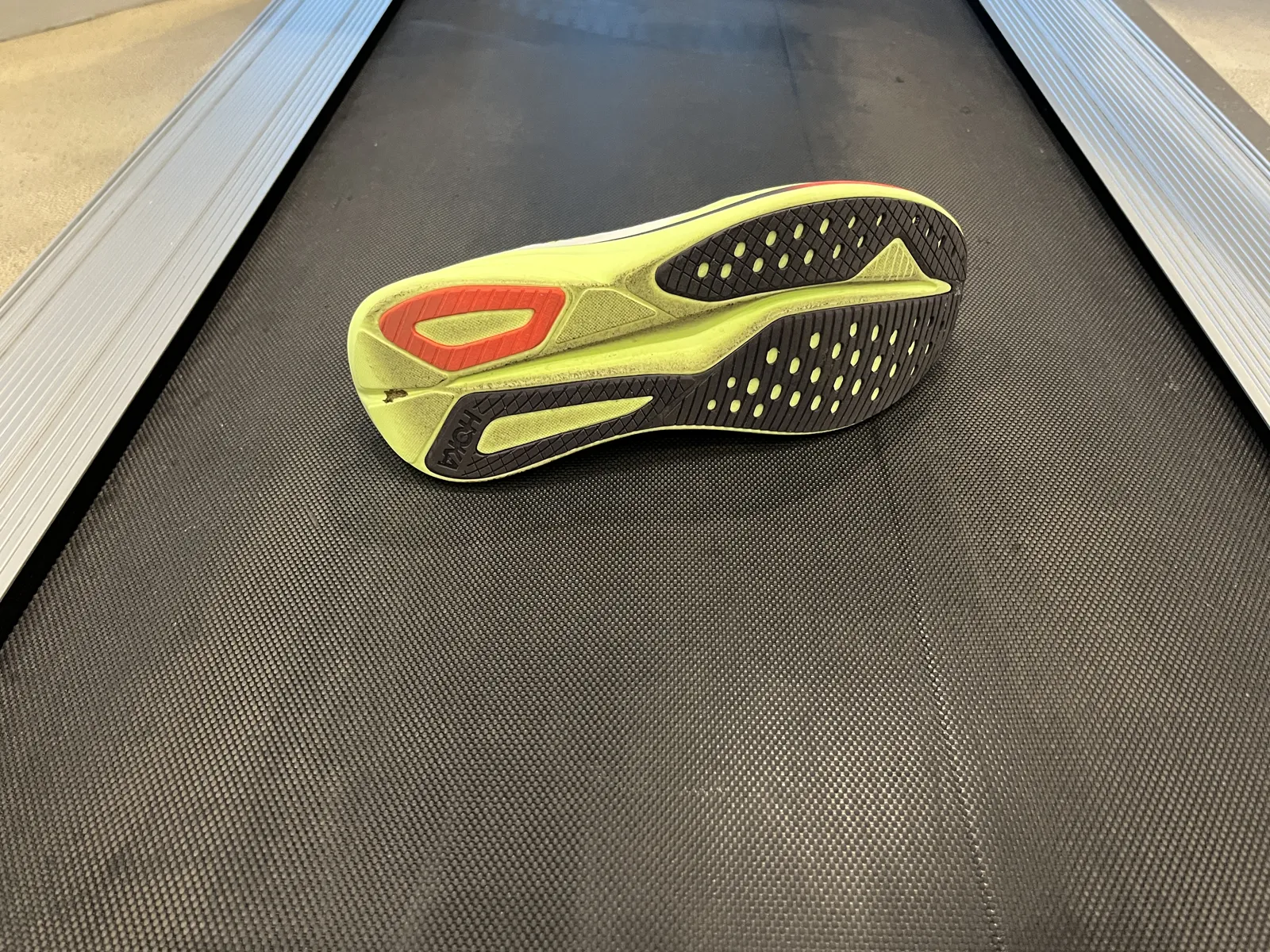
The outsole traction is excellent, as it combines sticky rubber with a flat geometry. It grips equally well on treadmills and rubberized surfaces.
Pros
- Traction on treadmills and steppers
- Snug upper lockdown
- Firm, supportive midsole
- Secure fit.
- Optional widths
Cons
- Stiff forefoot isn't ideal for circuit training
Other running shoes for cardio/treadmill
Fit Notes
True to size. Breathable, fits close to the foot.
Gallery
Specs
- Heel stack: 35 mm
- Forefoot stack: 30 mm
- Drop: 5 mm
- Weight: 8.4 oz / 237 gms
- Widths: Regular, wide
- Midsole: Supercritically molded EVA foam
- Insole: Molded, removable.
Why it works (the basics)
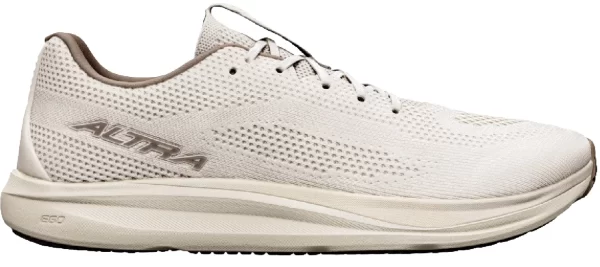
- Low-profile midsole → enhances ground feel
- Articulated outsole → provides flexibility for lunges and jumps
- Zero heel drop → conditions Achilles and Calves
- Wide toe-box → helps vertical push-offs and landings
🔍 Deep Dive
The Escalante 5 sticks to its roots, adopting the path of incremental evolution. Like all the versions that came before it, the Escalante 5 features a low-profile midsole (24 mm stack) in a zero-drop form factor. The outsole is generously articulated to balance traction and flexibility. The snug upper comes with a wide toe box. These features are ideal for gym workouts that require ground feel and multi-directional movement.
For example, the flexible midsole is ideal for lunges. The low-profile midsole stabilizes the foot during vertical movement, while the wide toe box helps connect the foot with the gym floor. The secure midfoot lockdown prevents foot slide during lateral movements. The Escalante 5 is also light enough to be a travel-friendly gym shoe, while remaining capable of cardio workouts and medium-intensity weight-training.
Pros
- Stable, low-profile cushioning
- Flexible midsole
- Secure forefoot
- Wide toe-box helps push offs
Cons
- Flimsy build
- Tongue slide
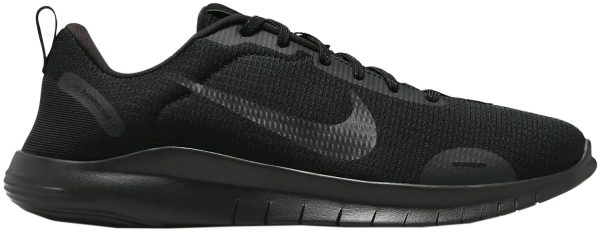
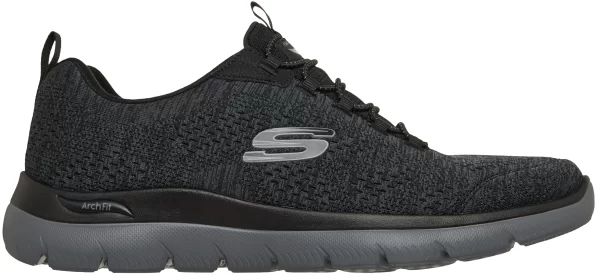
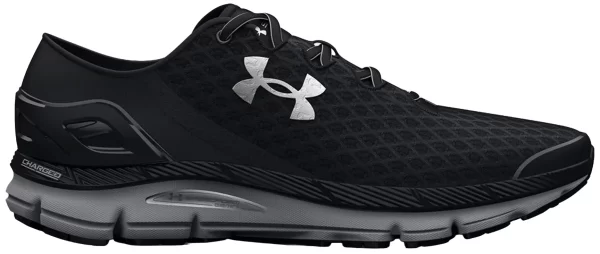
Other flexible running shoes for the gym
Fit Notes
True to size. Narrow forefoot, roomy toe box.
Specs
- Heel stack: 24 mm
- Forefoot stack: 24 mm
- Drop: 0 mm
- Weight: 9.7 oz / 275 gms
- Widths: Standard (single)
- Midsole: Altra EGO EVA foam blend
- Insole: Molded, replaceable
Why it works (the basics)
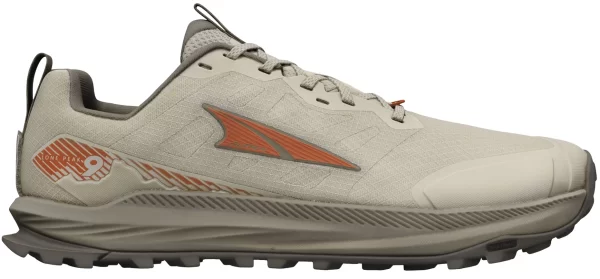
- Zero drop, 24 mm uniform stack → provides stable base
- Firm EVA midsole → resists excessive compression
- Layered upper → protects the foot against bumps
- Vibram Megagrip outsole → grips gym floors
🔍 Deep Dive
When we originally published this buyer’s guide, one of the recommended shoes was the New Balance Minimus Trail. At the time, we saw the rugged trail form factor as ideal for gym use – the firm midsole and grippy outsole helped during weight-training sessions. The Altra Lone Peak 9+ is included for a similar reason. The firm, zero-drop midsole doesn’t bottom out when lifting weights, and the layered upper protects the foot from occasional bumps. The full-length Vibram Megagrip outsole provides excellent grip on gym floors.
On the flip side, the layered upper may run warm during extended gym sessions, and the tall outsole lugs are not ideal for treadmill use. Our carousel contains alternative recommendations.
Pros
- Sufficient stability for mild weight training
- Protective upper
- Outsole coverage and traction
- Compression resistance
- Wide toe-box for planted feel
Cons
- Poor ventilation
- Not ideal for treadmill/cardio
Other running shoes for weight training
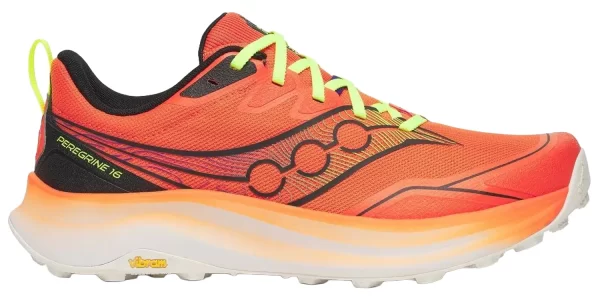
Saucony Peregrine 16
For a slightly softer ride with a 4 mm drop
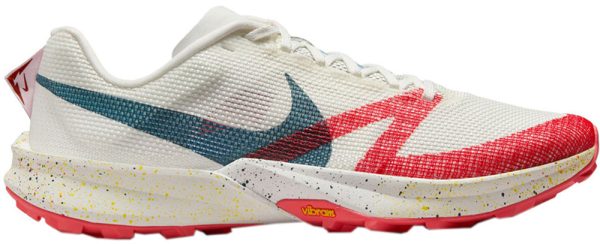
Nike Terra Kiger 10
For better ventilation than the Lone Peak 9
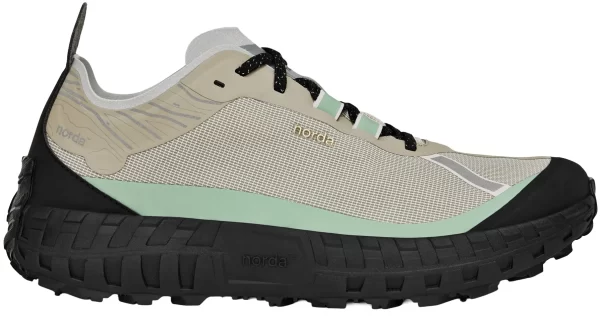
Norda 001A
If you like a taller, yet supportive midsole
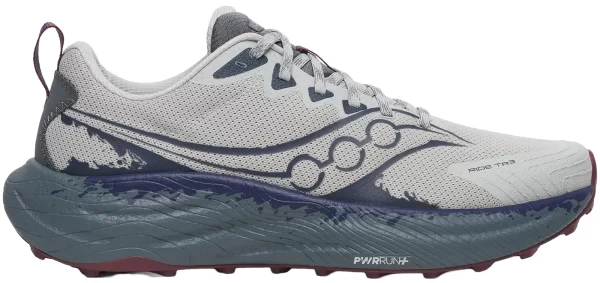
Saucony Ride TR3
Affordable ruggedness with firm cushioning
Fit Notes
True to size. Fully sleeved upper, so runs slightly warm. Spacious toe-box, snug forefoot.
Specs
- Heel stack: 25 mm
- Forefoot stack: 25 mm
- Drop: 0 mm
- Weight: 11.5 oz / 327 gms
- Widths: Regular (single)
- Midsole: EVA foam
- Insole: Molded, removable