
In this product guide:
- 1. Best for daily runs: Asics Novablast 5
- 2. Best for recovery runs: Asics Nimbus 27
- 3. Best for overpronators: Asics Kayano 32
- 4. Best for tempo and distance training: Asics Superblast 2
- 5. Best for 10K and marathons: Asics Metaspeed Edge Tokyo
- 6. Best for trail: Asics Trabuco 13
- 7. Best on a budget: Asics Excite 11
- How we selected
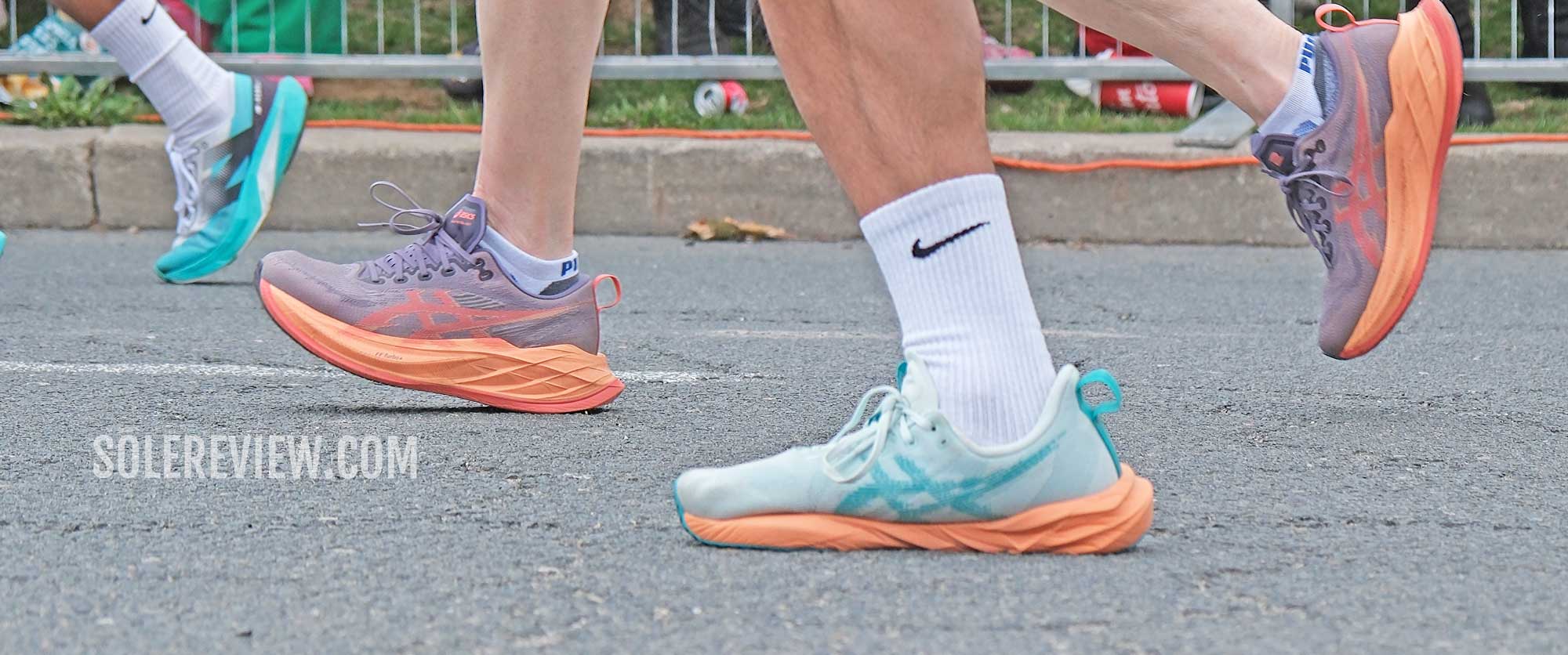
If we had to pick just one running shoe from Asics, you’re looking at it. Not only is the Novablast 5 softer than the Novablast 4, but its upper is more spacious. With this setup, the Flytefoam midsole delivers a comfortable ride that simultaneously feels peppy. However, runners who loved the ultra-secure upper and defined rocker effect of the Novablast 4 will be disappointed.
The softer Flytefoam Blast Max foam makes the rocker effect less effective. While the Novablast 5’s upper is more breathable, the roomier fit creates a weaker connection between the foot and the midsole. Nonetheless, the Novablast is still versatile enough for most run types.
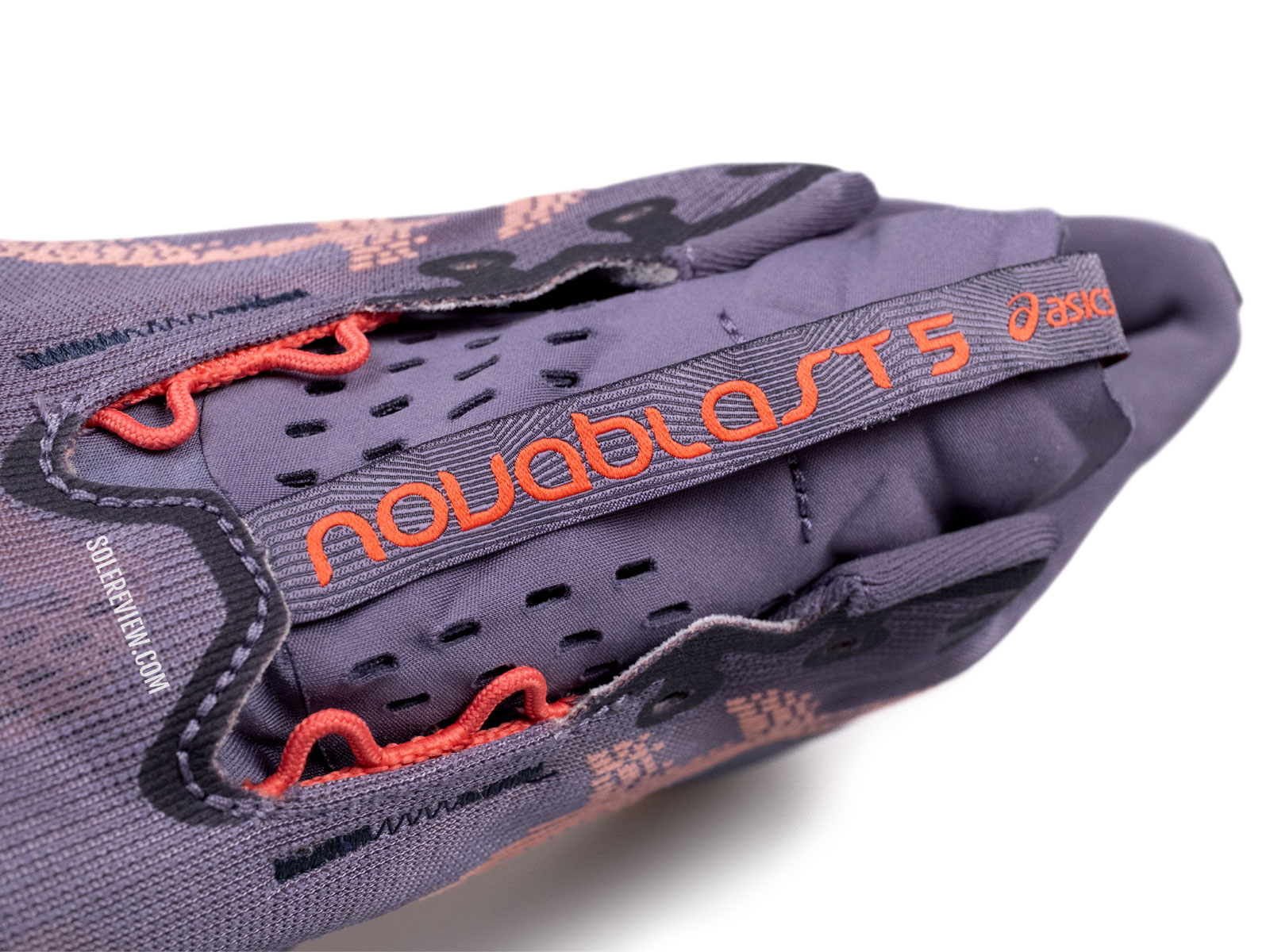
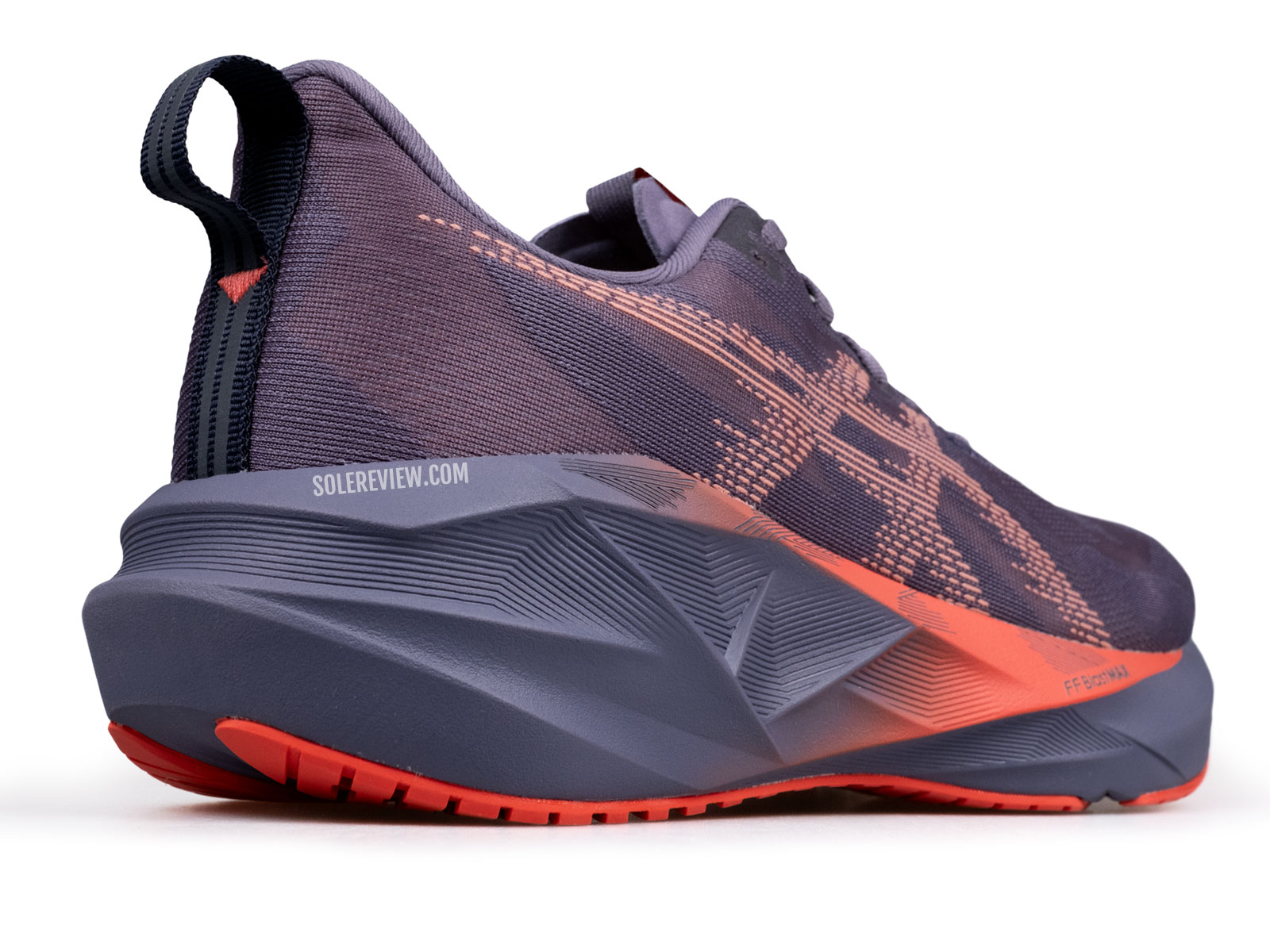
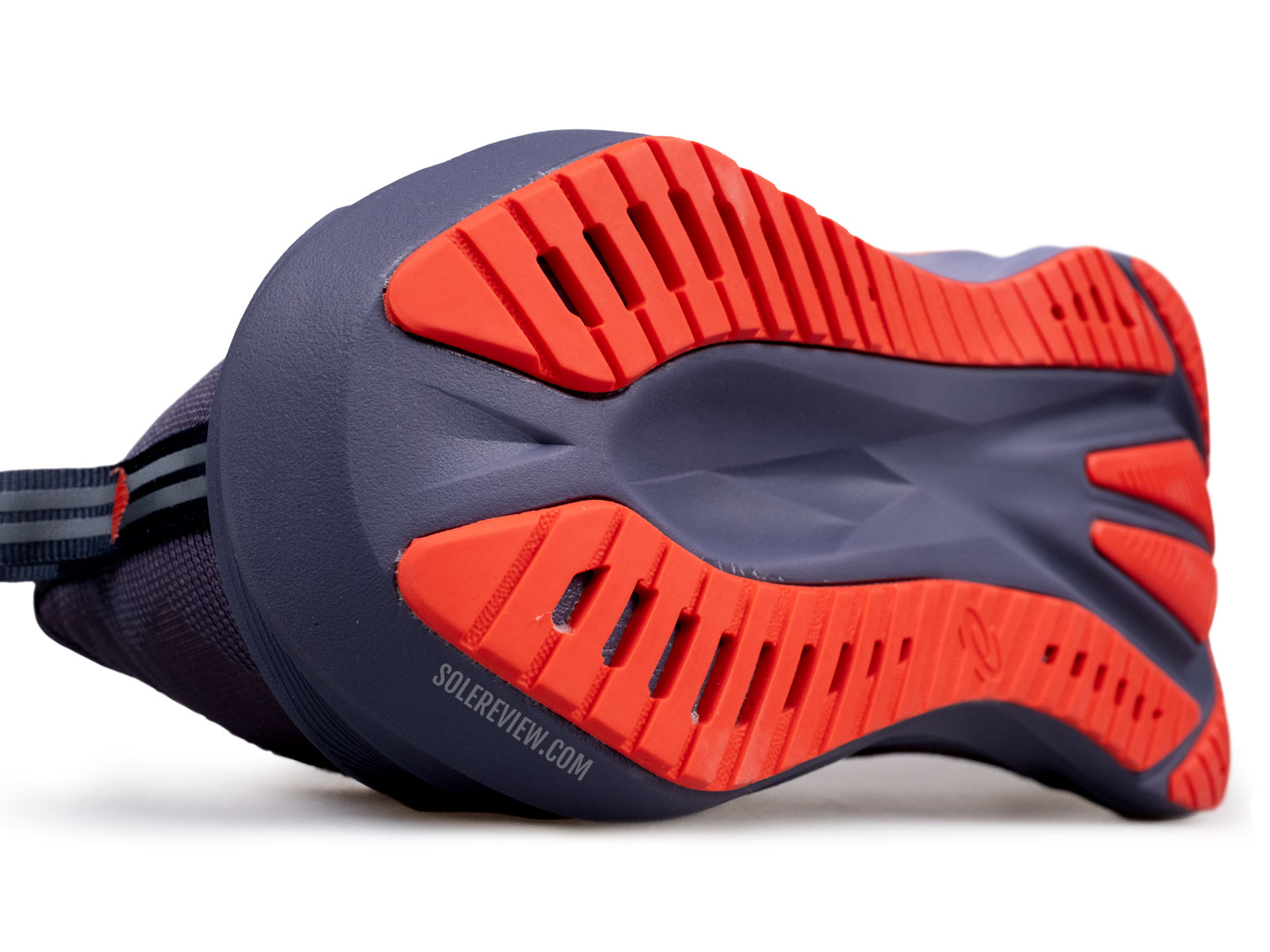
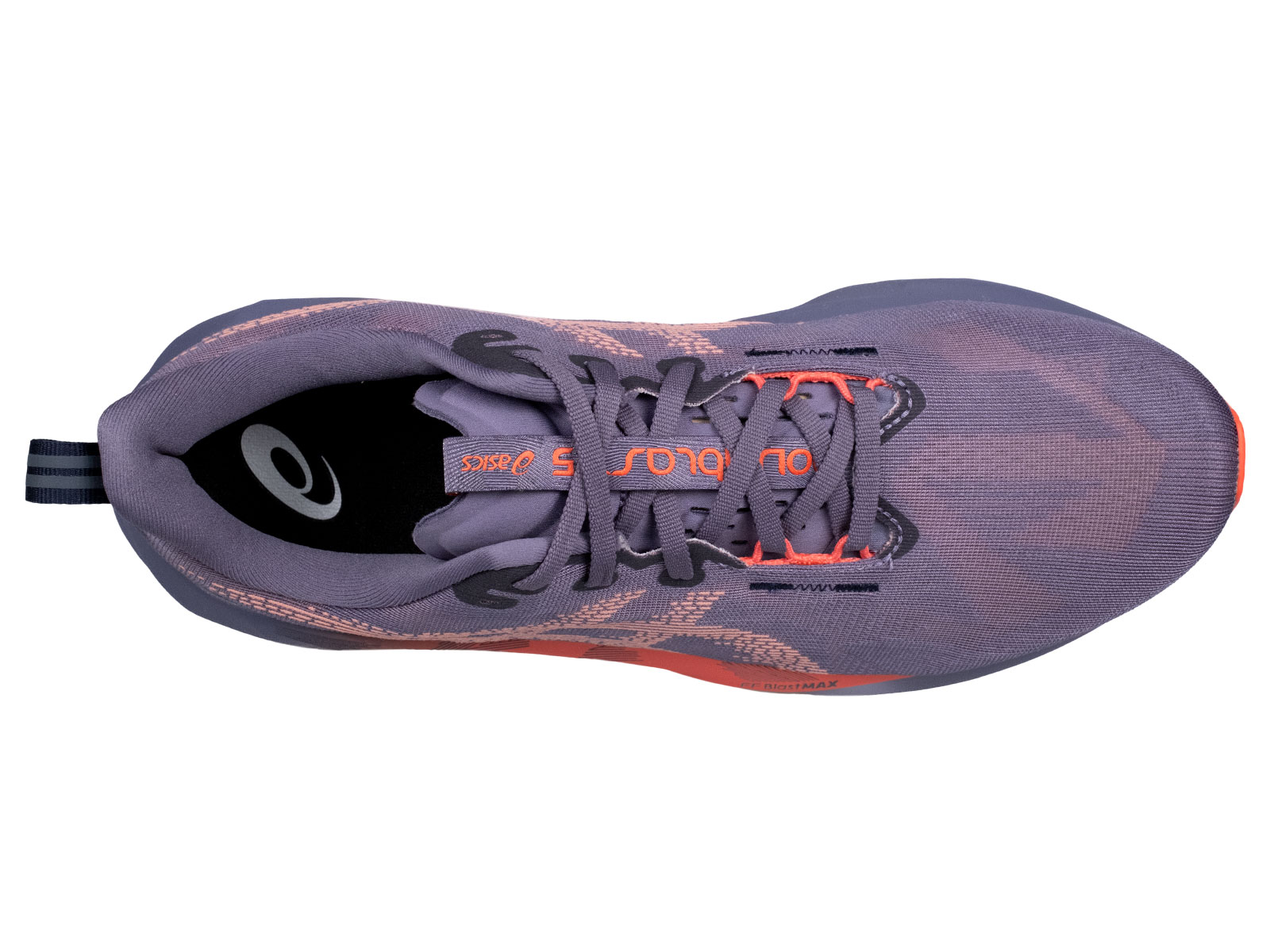
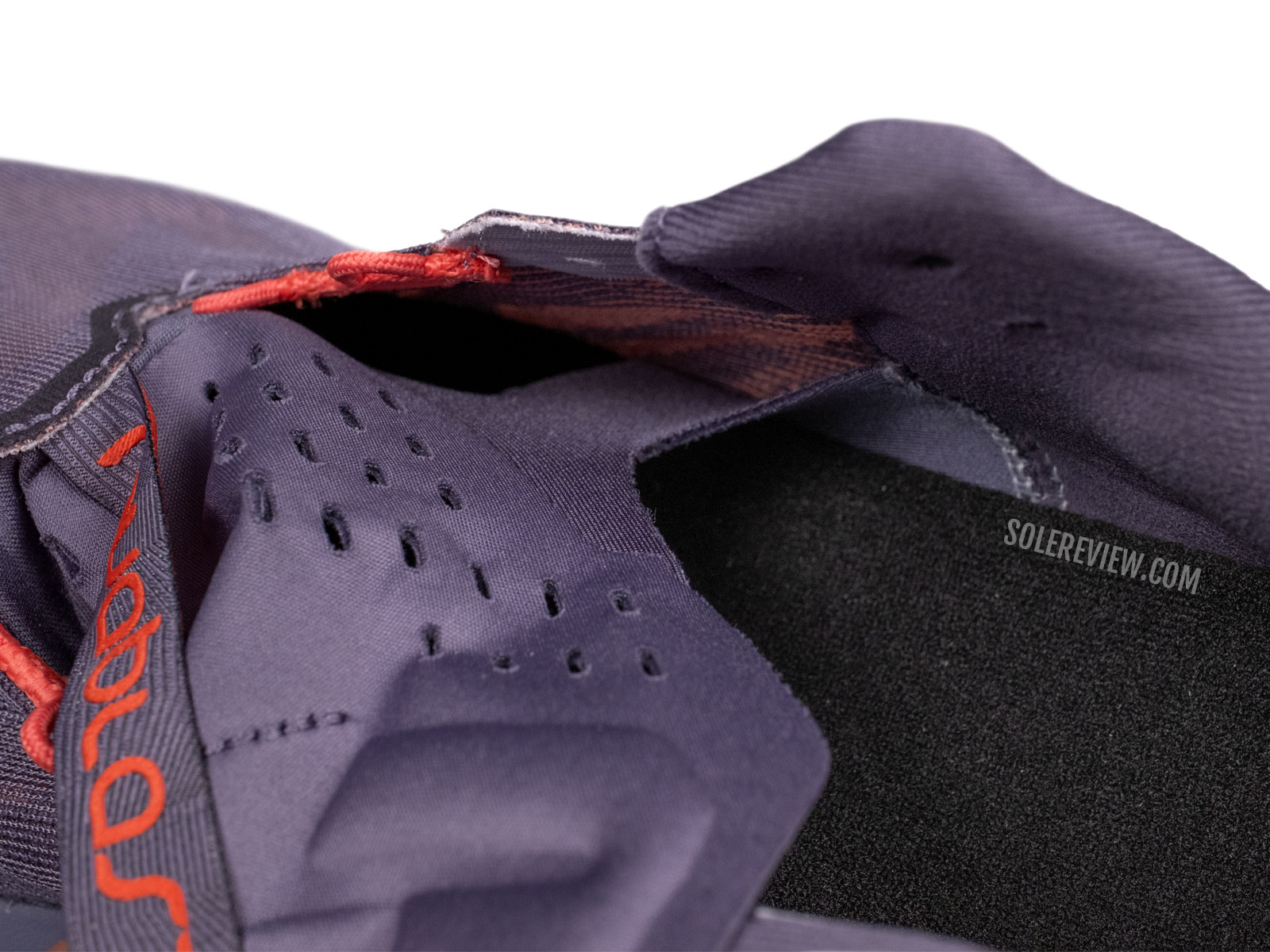
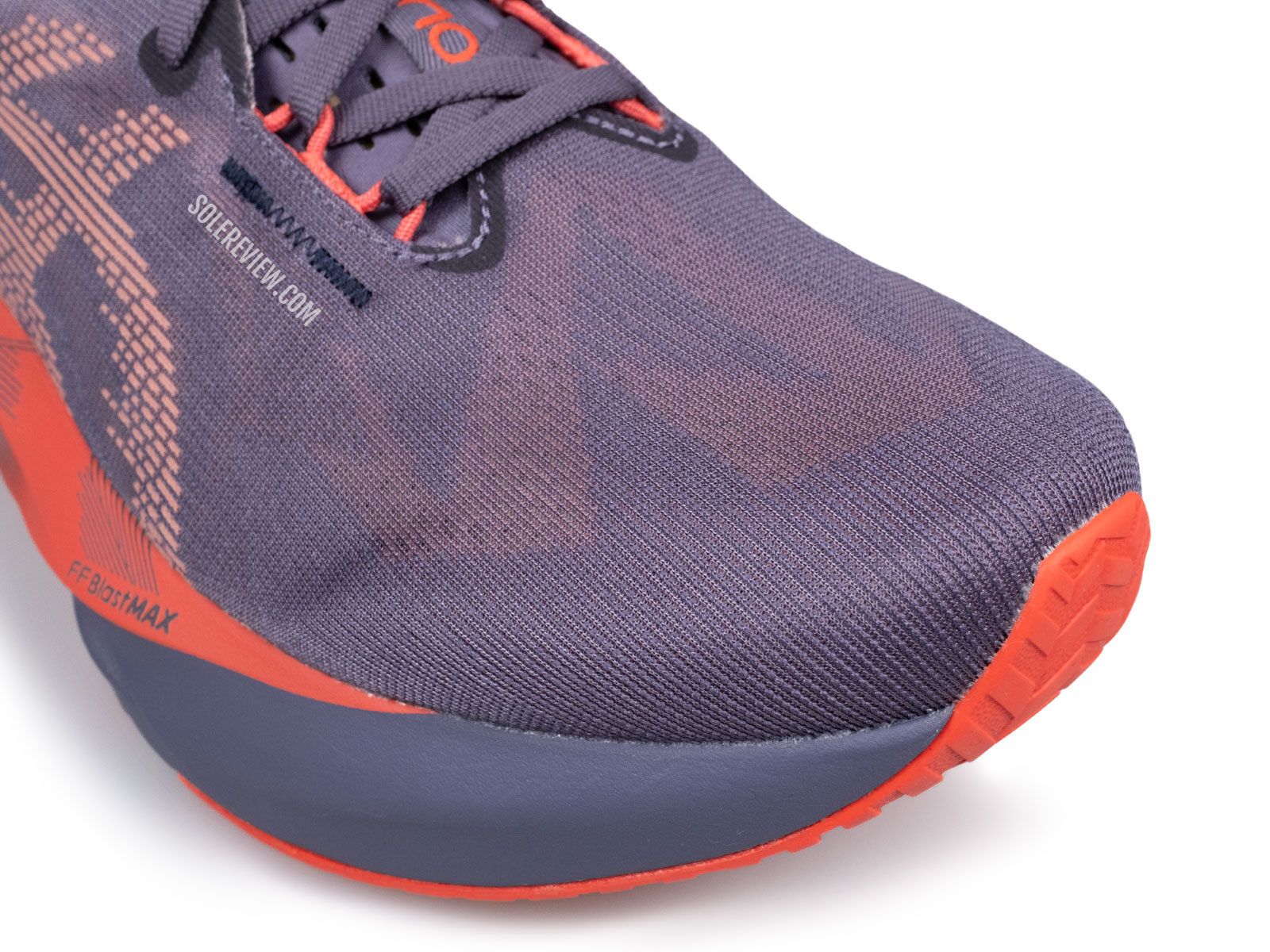
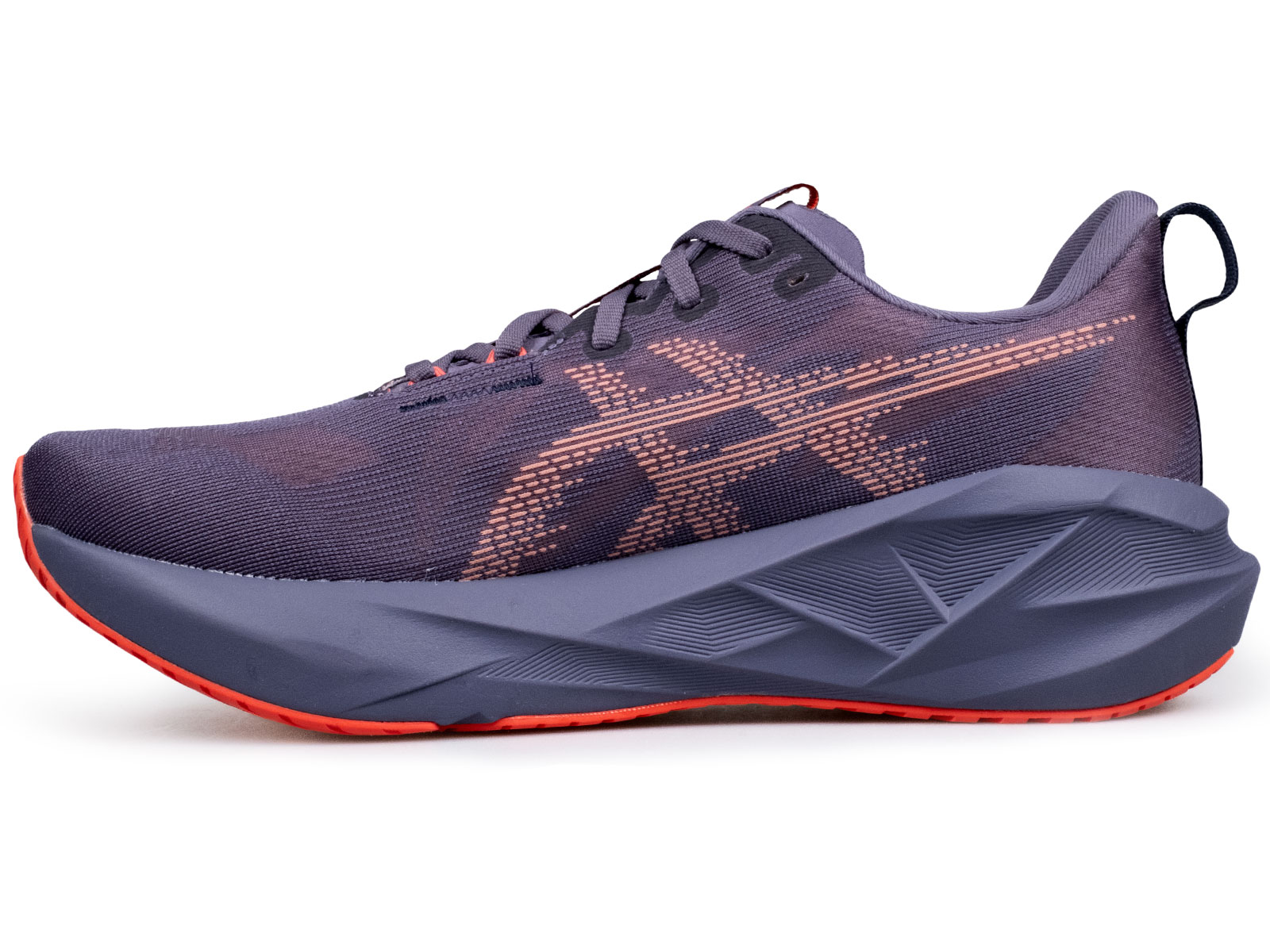
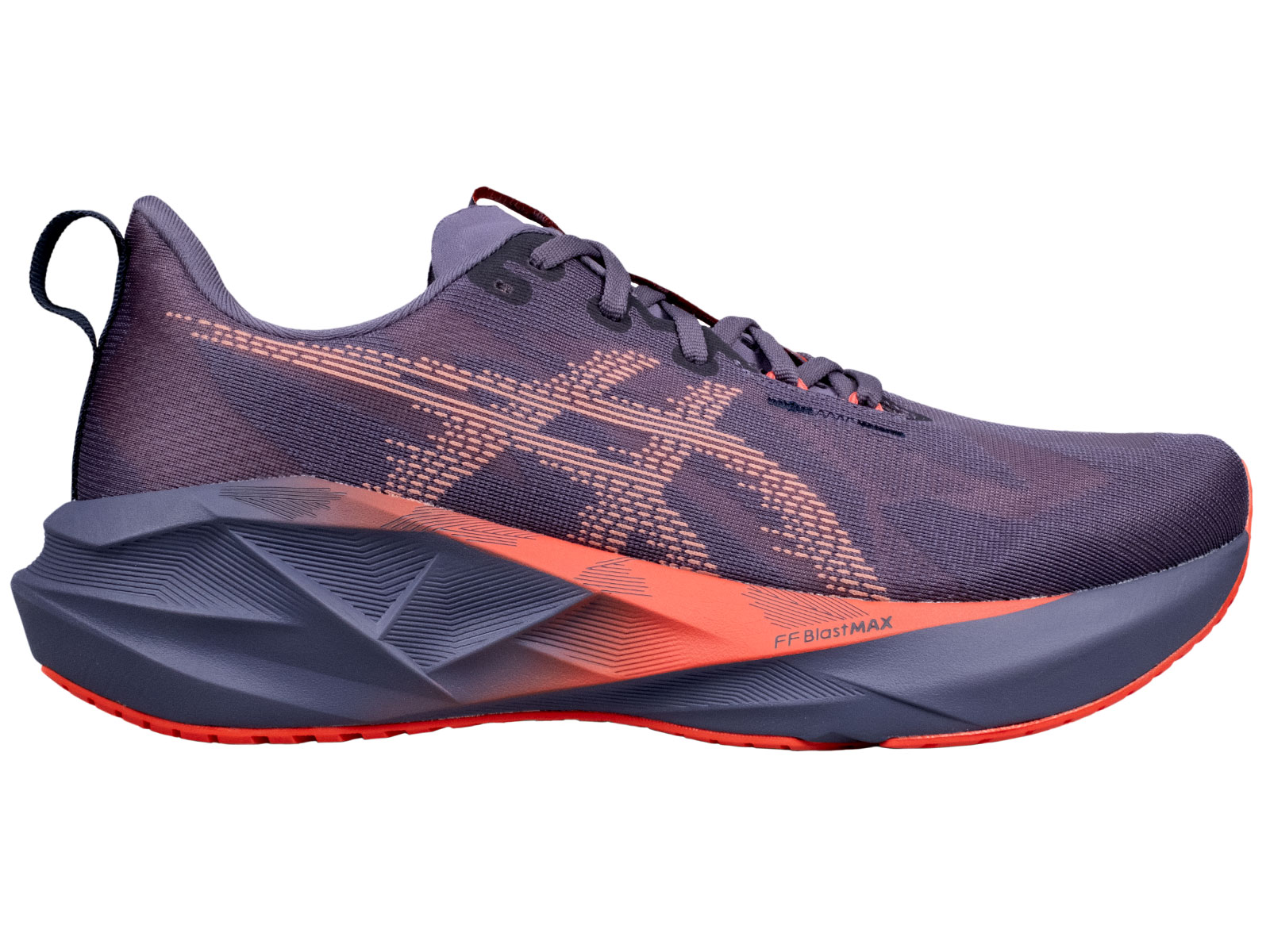
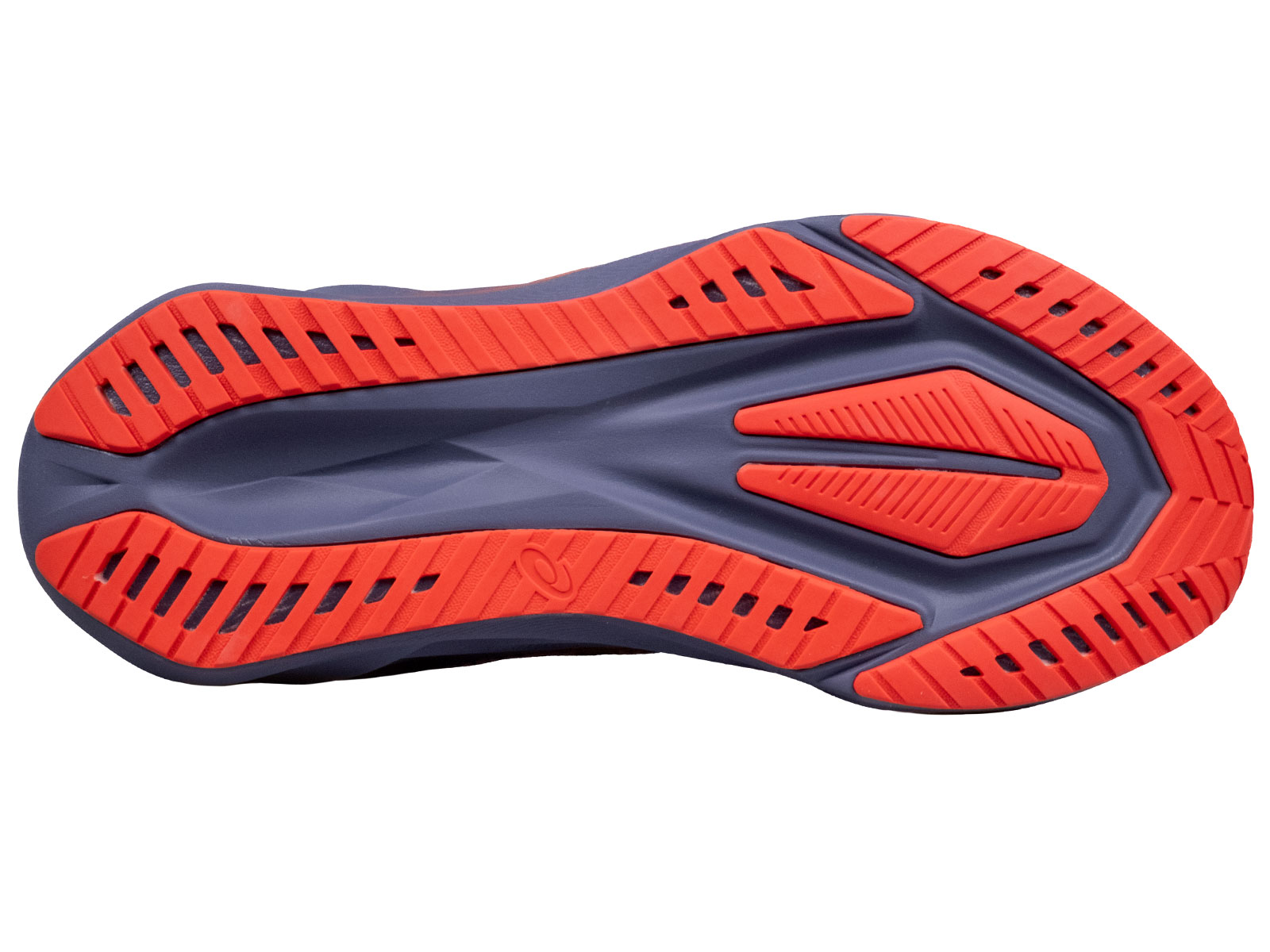
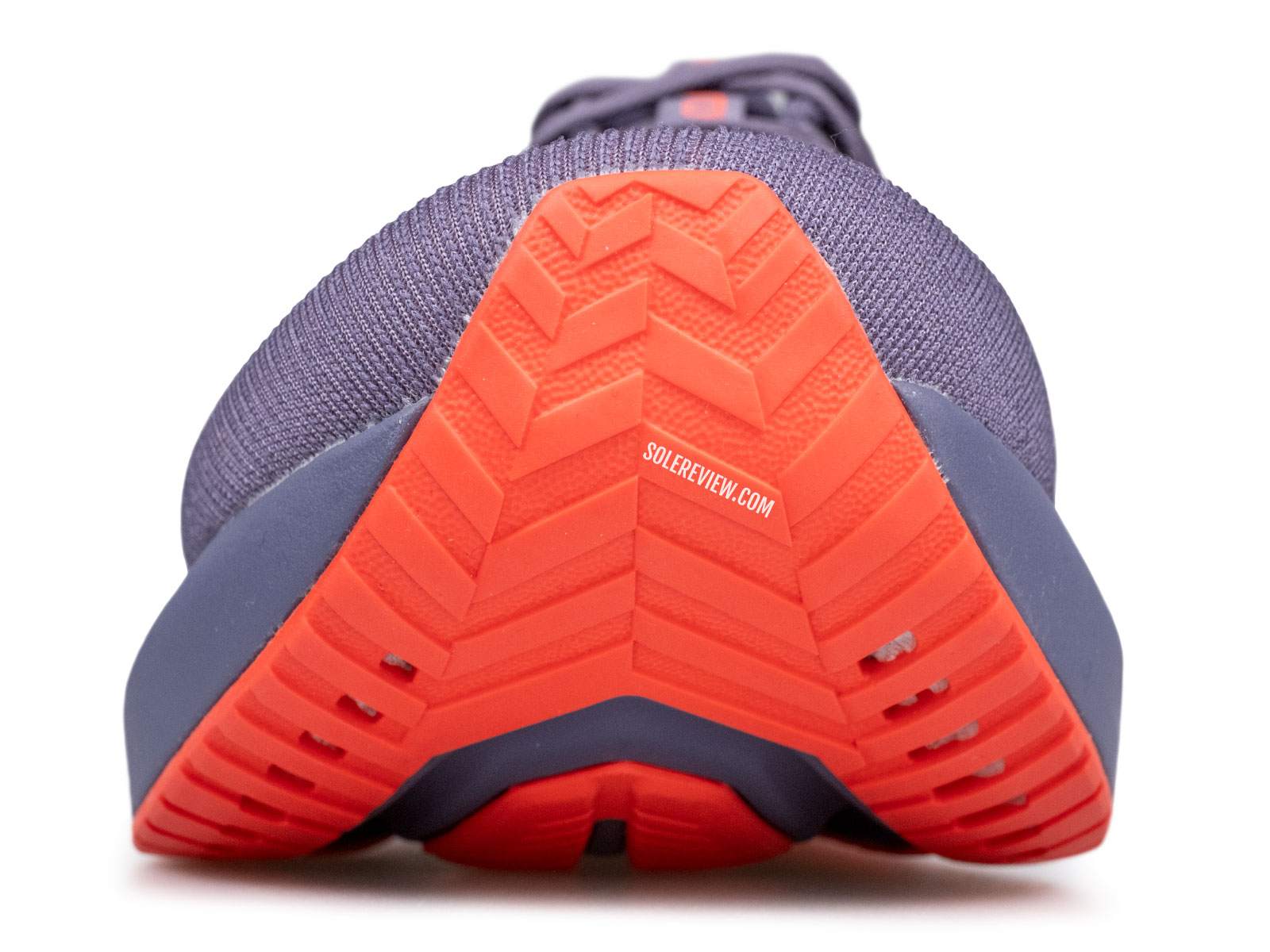
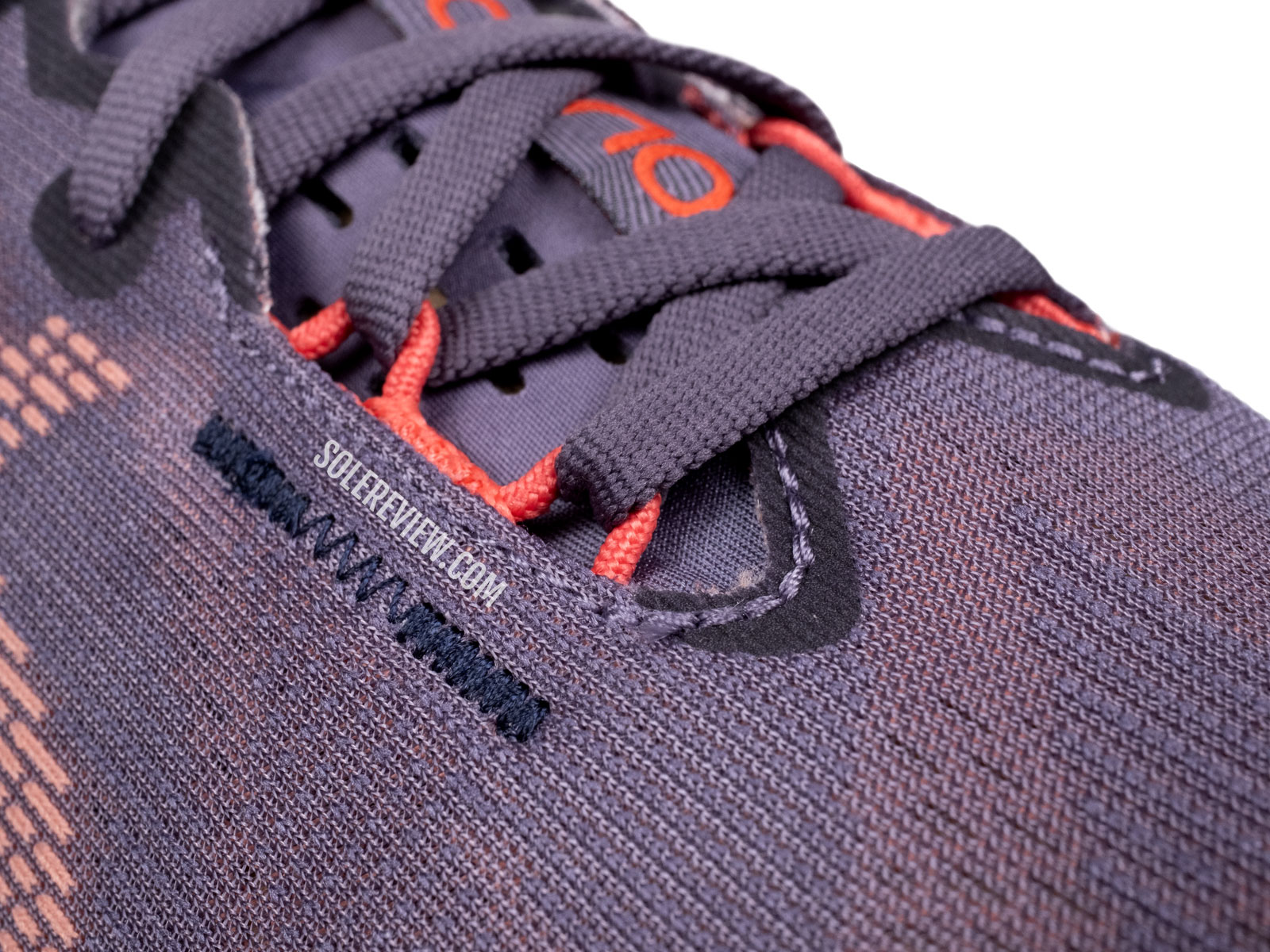
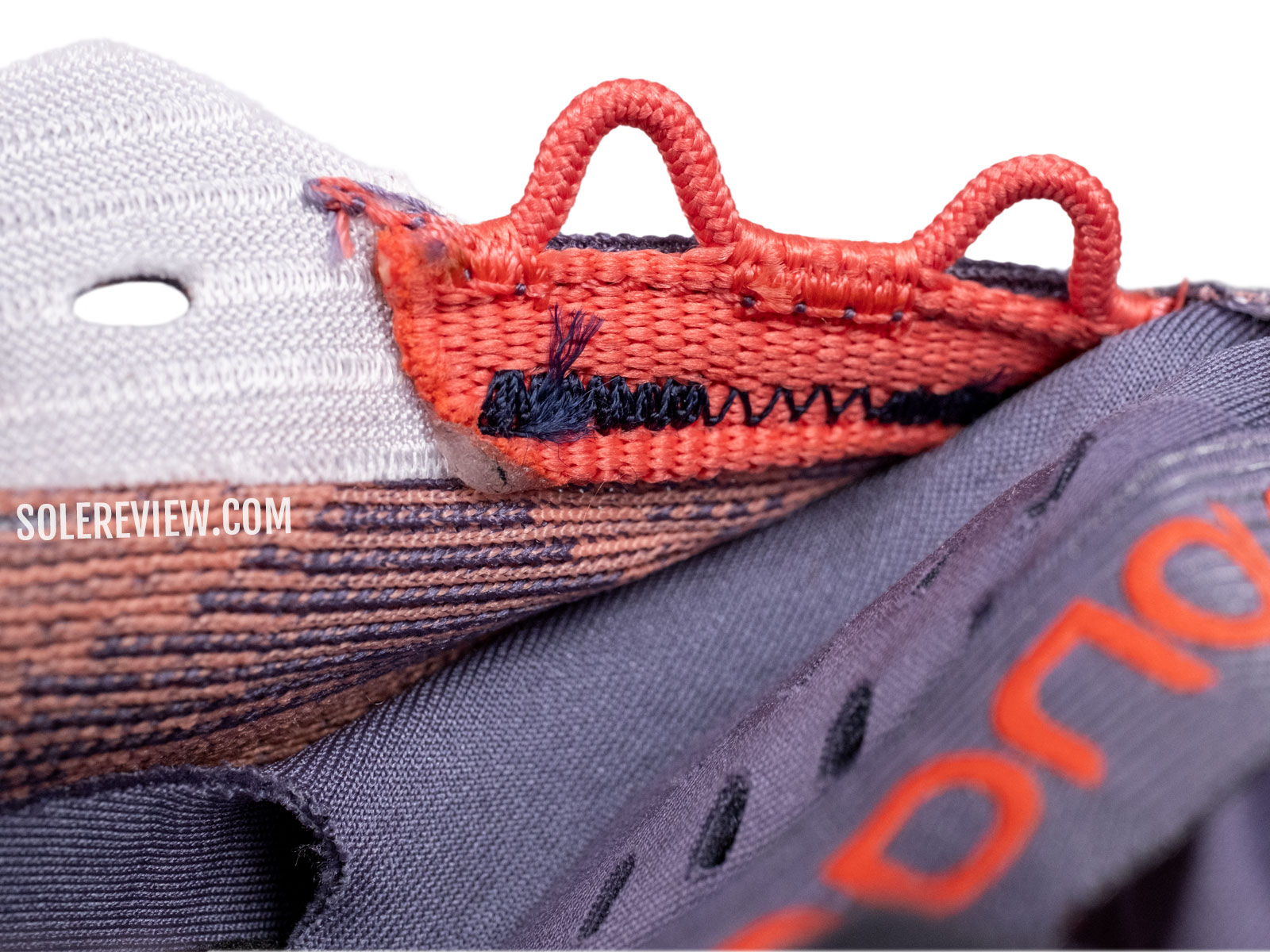
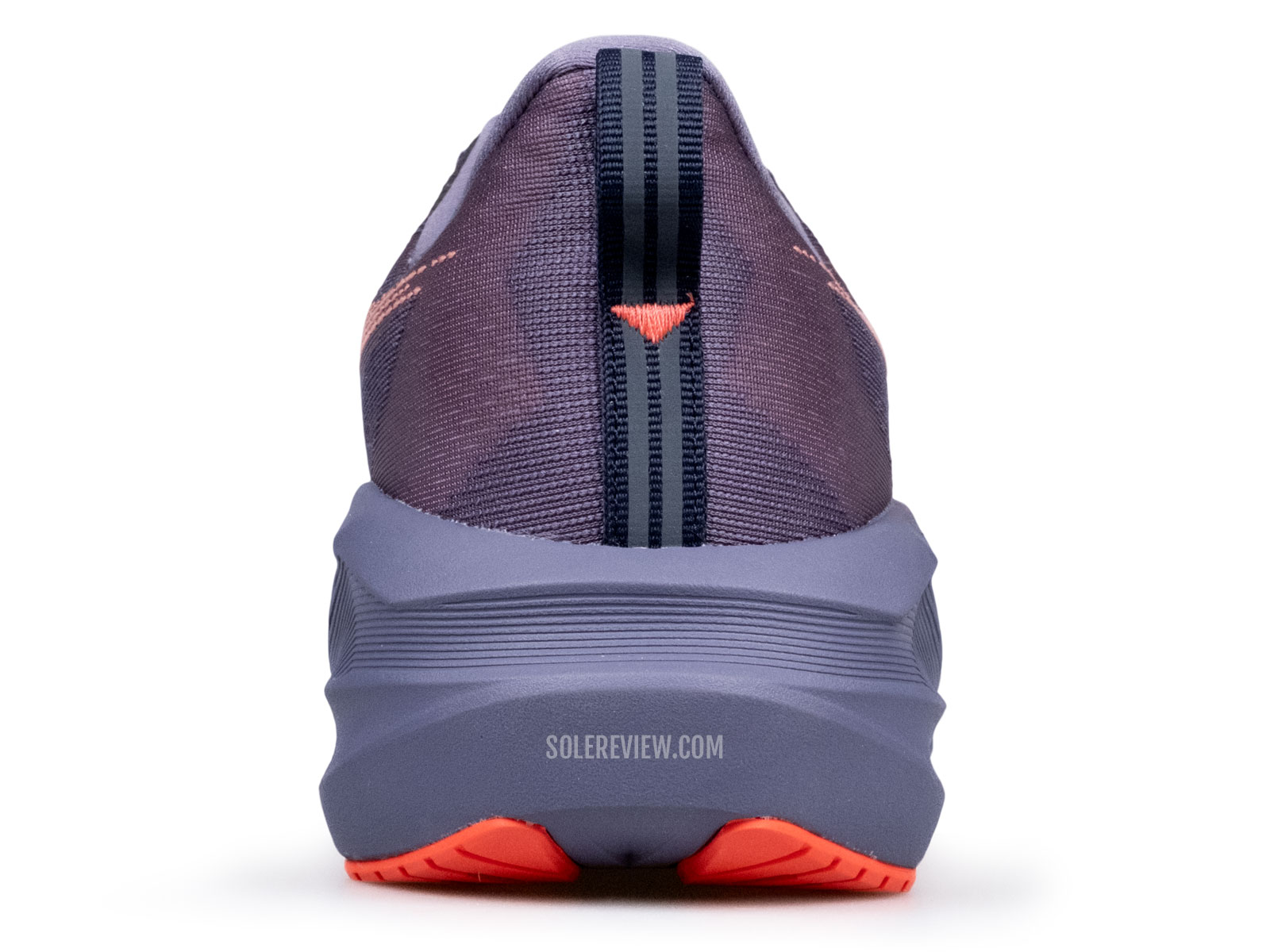
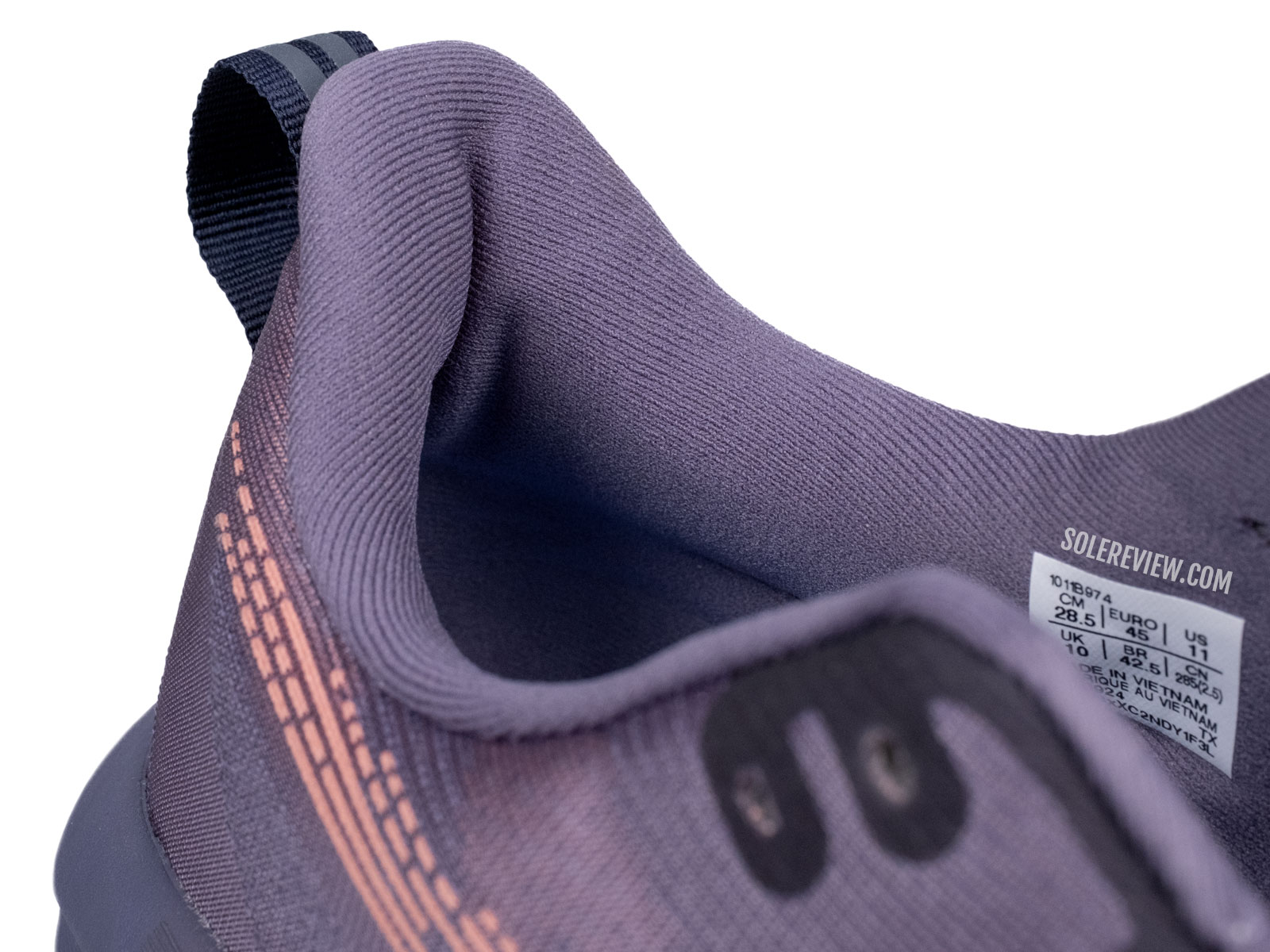
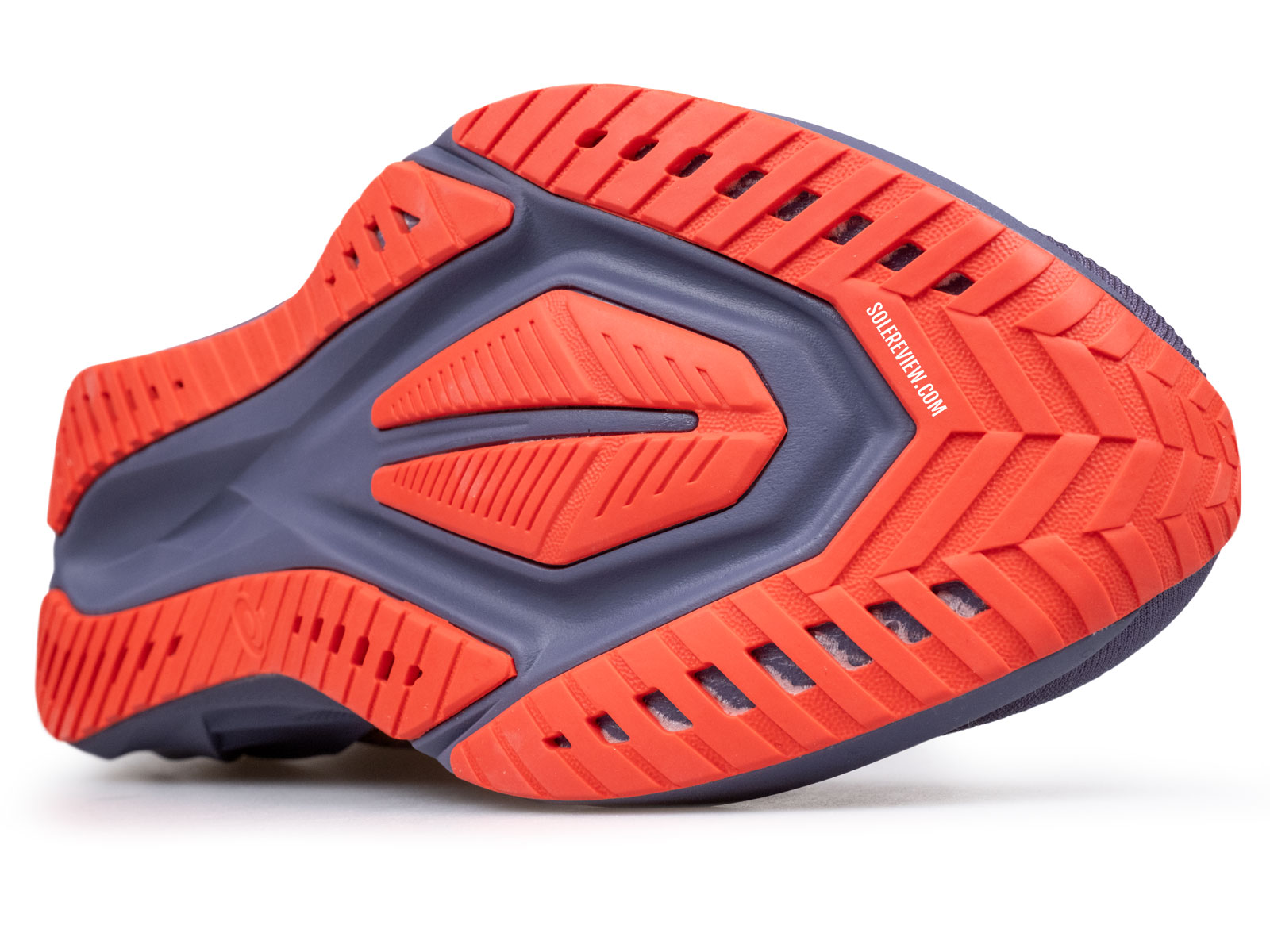
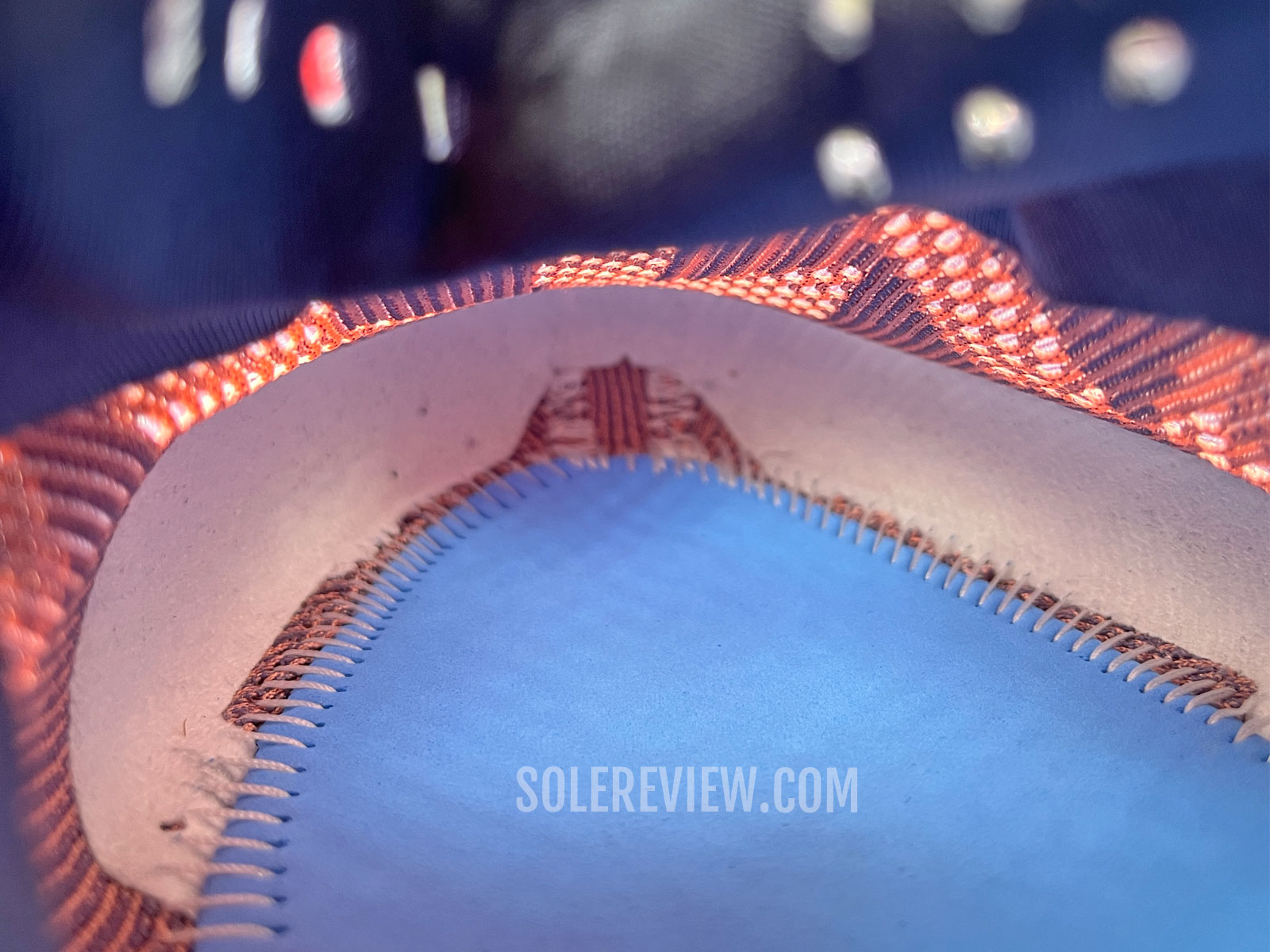

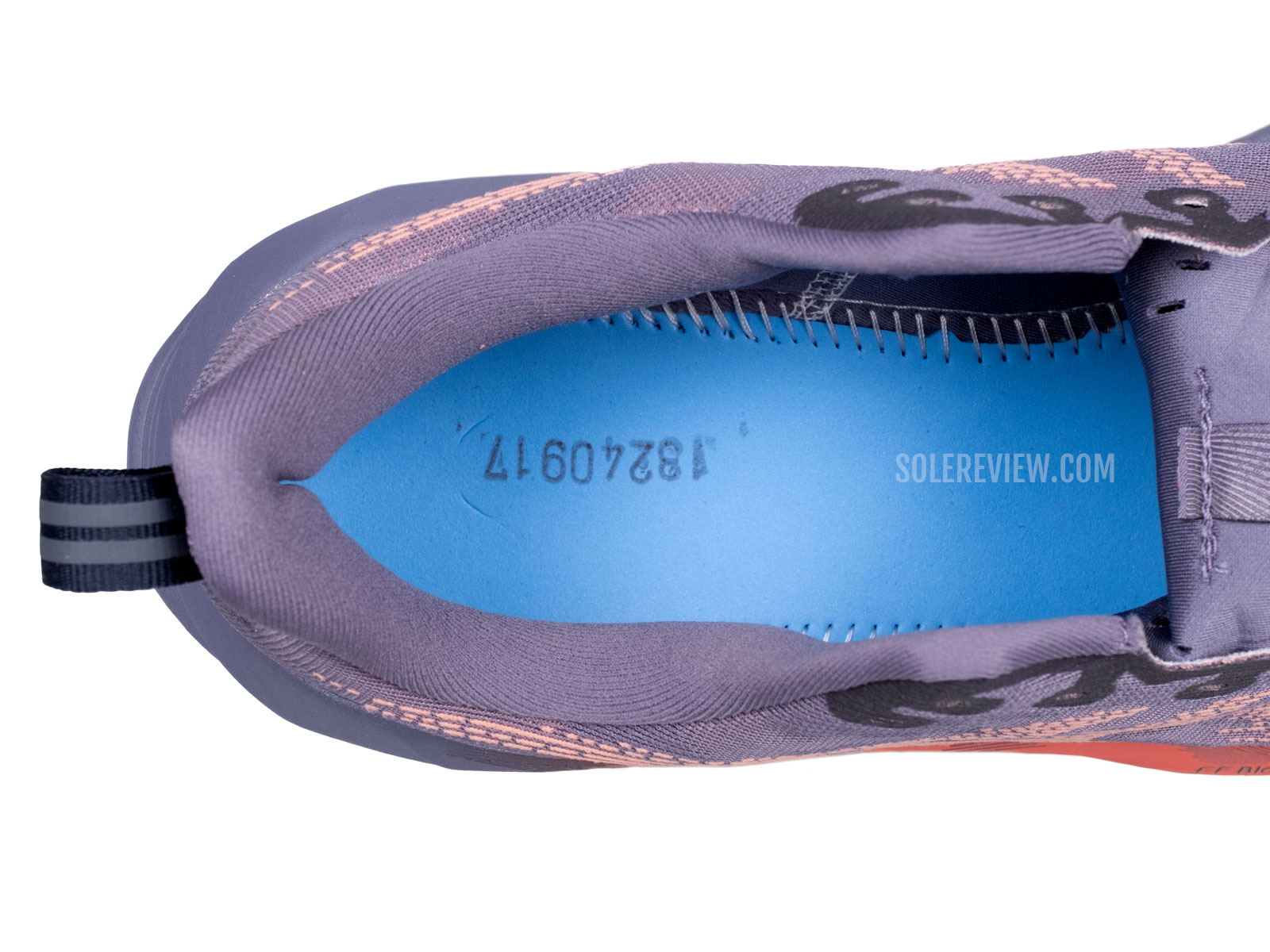
The wide heel and forefoot have plenty of cushioning and outsole grip for both heel and midfoot strikers. It’s slightly less supportive than the Novablast 4, so we don’t recommend the Novablast 5 for heavy runners. The Novablast 5 makes all kinds of runs comfortable – be it everyday training or a half-marathon. The midsole rocker makes the shoe speed-friendly by making it easier for the foot to tip forward. Its $140 price makes it an excellent value proposition. It’s priced the same as the Cumulus 27 and $25 cheaper than the Nimbus 27.
Also consider: The Asics Cumulus 27, if a more vanilla daily trainer is preferable.
- Asics’s marketing pitch: Dynamic bounce and responsive energy return.
- Upper: Engineered mesh, tongue gusset.
- Upper fit: True to size, narrow.
- Midsole: Full-length Flytefoam Blast Max foam. 8 mm heel drop.
- Outsole: Carbon rubber in high-wear areas.
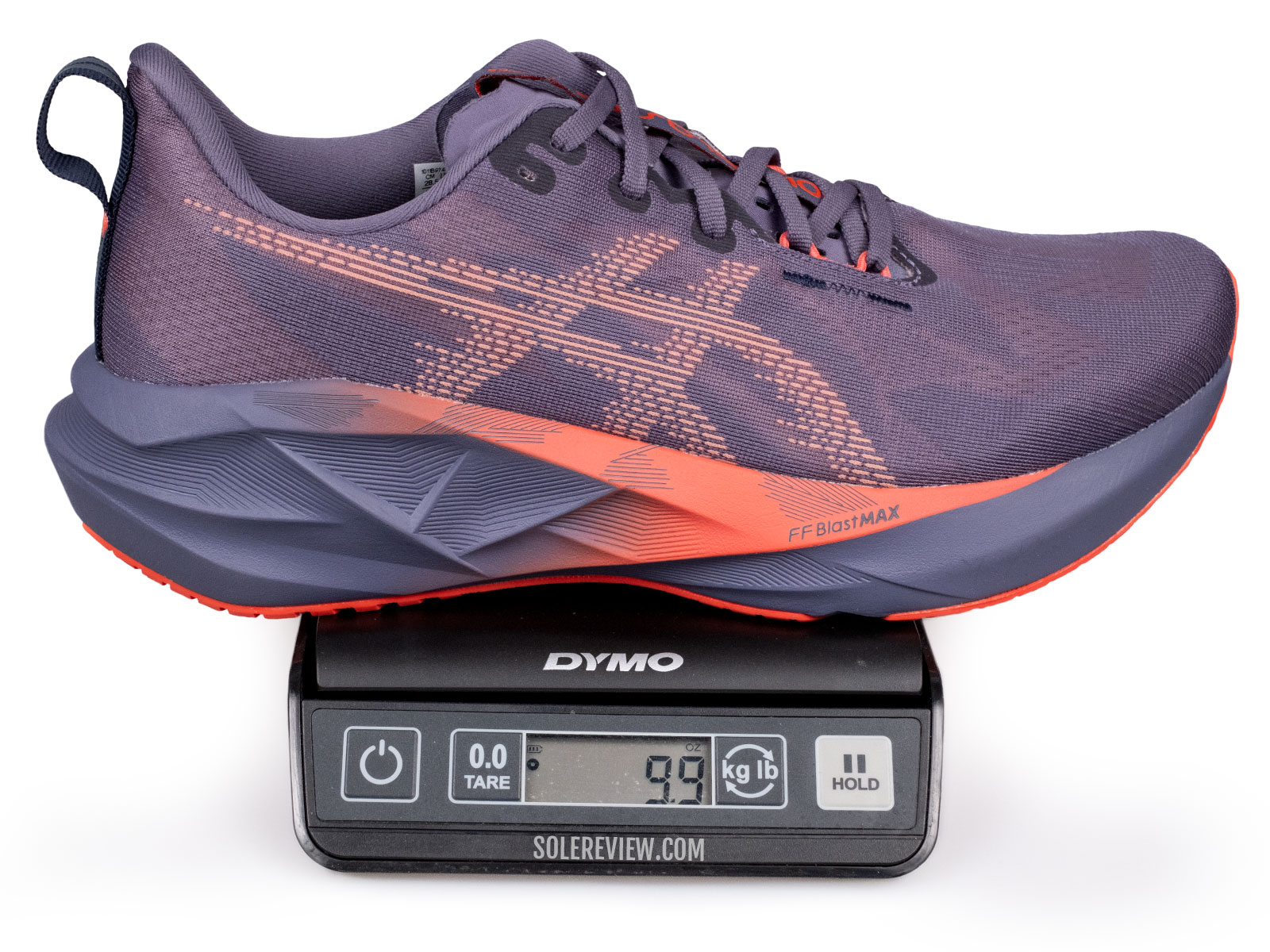
- Weight: 255 gms/ 9 Oz for a half pair of Men’s US 9/UK 8/EUR 42.5/CM 27
. - Stack heights: 41.5 mm (heel), 33.5 mm (forefoot).
- Available widths: D – regular (reviewed), 2E (wide).
- Previous model: Asics Novablast 4.
- Country of origin: Vietnam.
- Recommended use: Everyday training, tempo runs, marathons.
- Footstrike orientation: All types (heel/midfoot/forefoot).
- Median lifespan: 500 miles.
- Recommended paces: 4:00 min/km (6:30 min/mile) and slower.
- Recommended temperature range: Warmer than -5° C/23° F.
Pros
- Tempo-friendly ride comfort
- Smooth transitions
- Cushioning to weight ratio
- Secure upper fit
- Optional width
Cons
- Less stable than the Novablast 4
- Weaker rocker effect than the Novablast 4
Is the Nimbus 27 firmer or softer than the Nimbus 26? While the foam density feels similar, it behaves differently than the older model. The new foam is quicker to rebound and more responsive. The stiffer forefoot also makes the rocker more effective. The Nimbus 27 continues to be a generously cushioned shoe. The heel and forefoot stack heights are 43.5 mm and 35.5 mm, so runners will find ride comfort regardless of how they land.
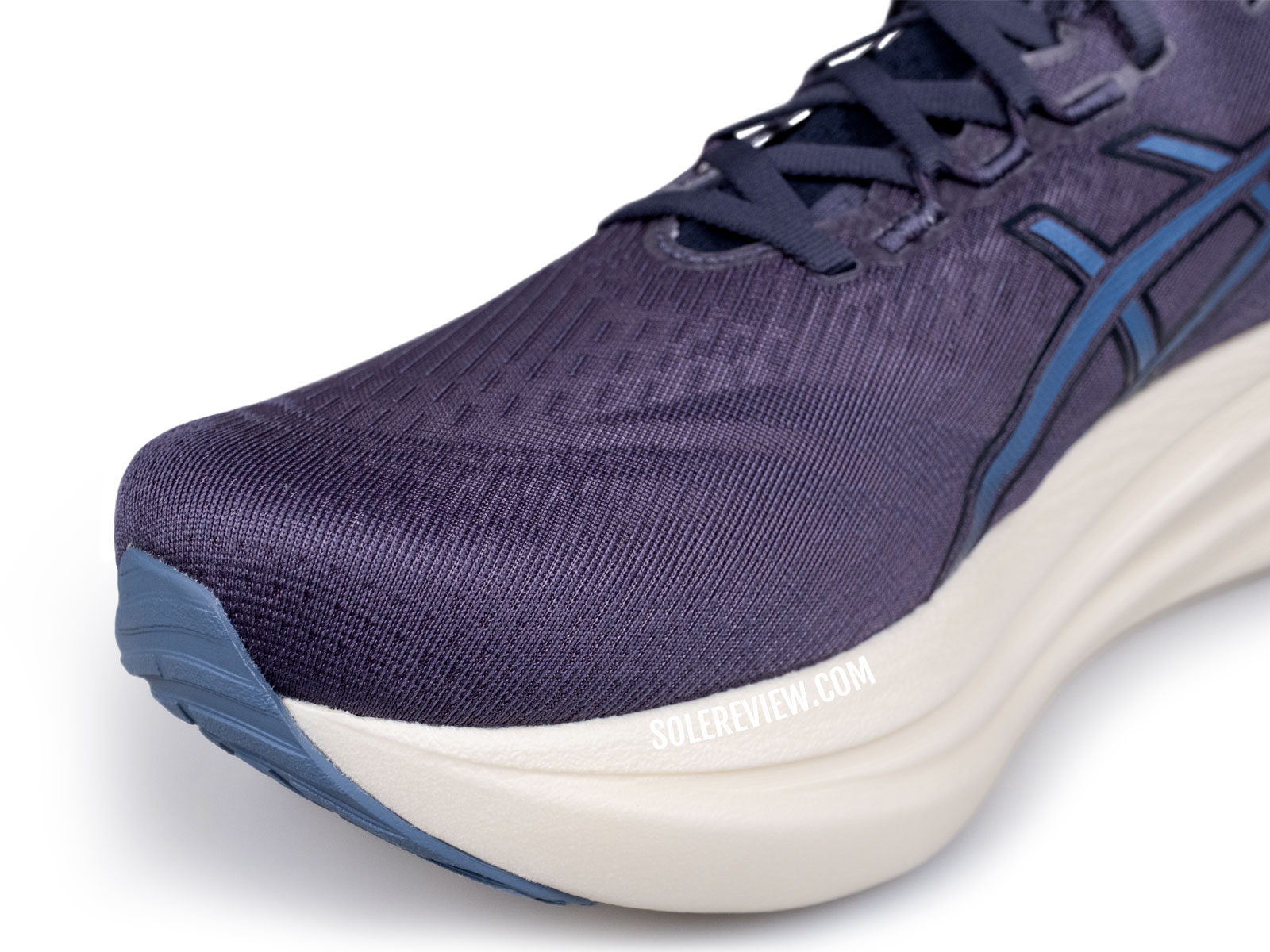

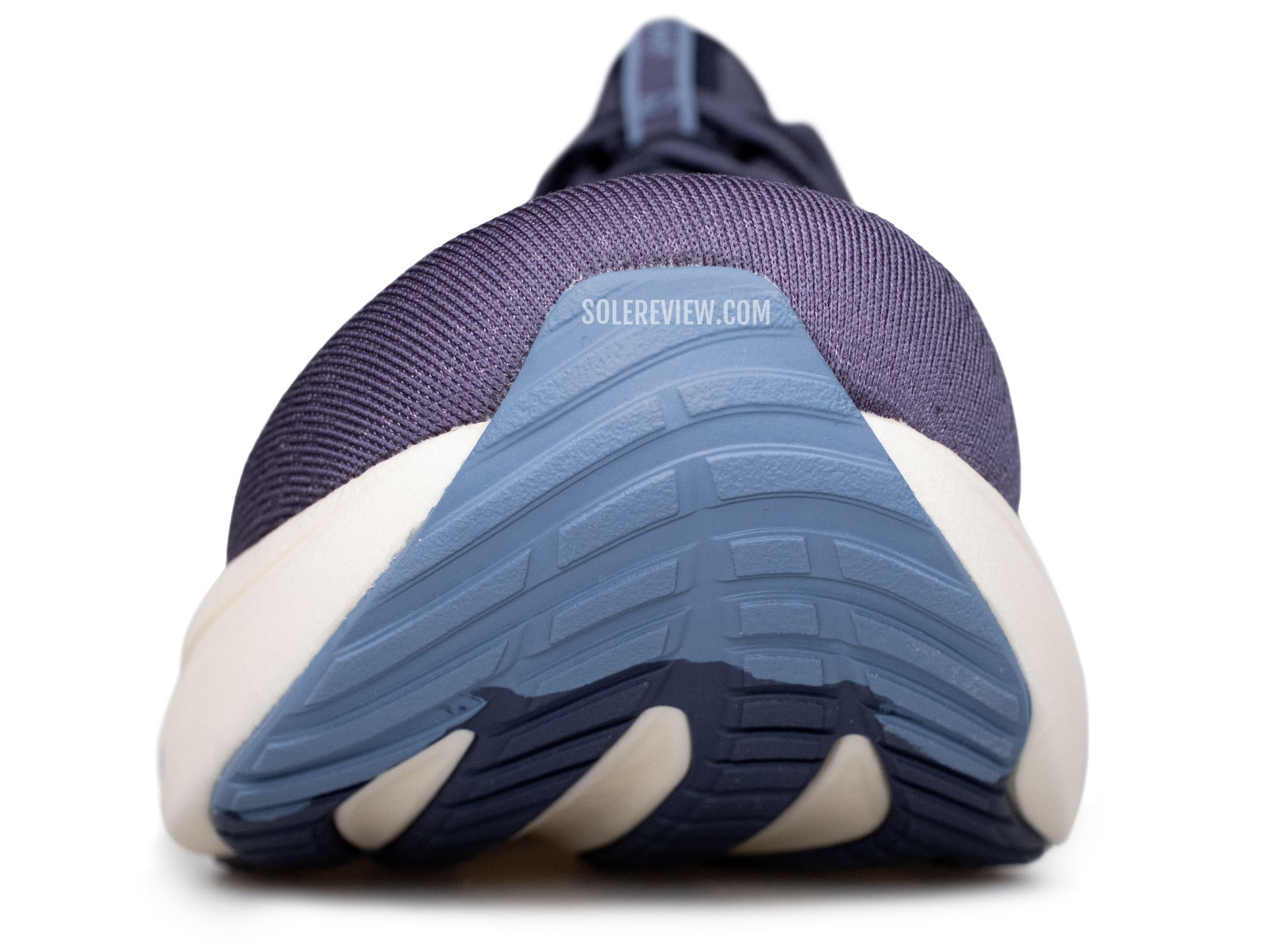
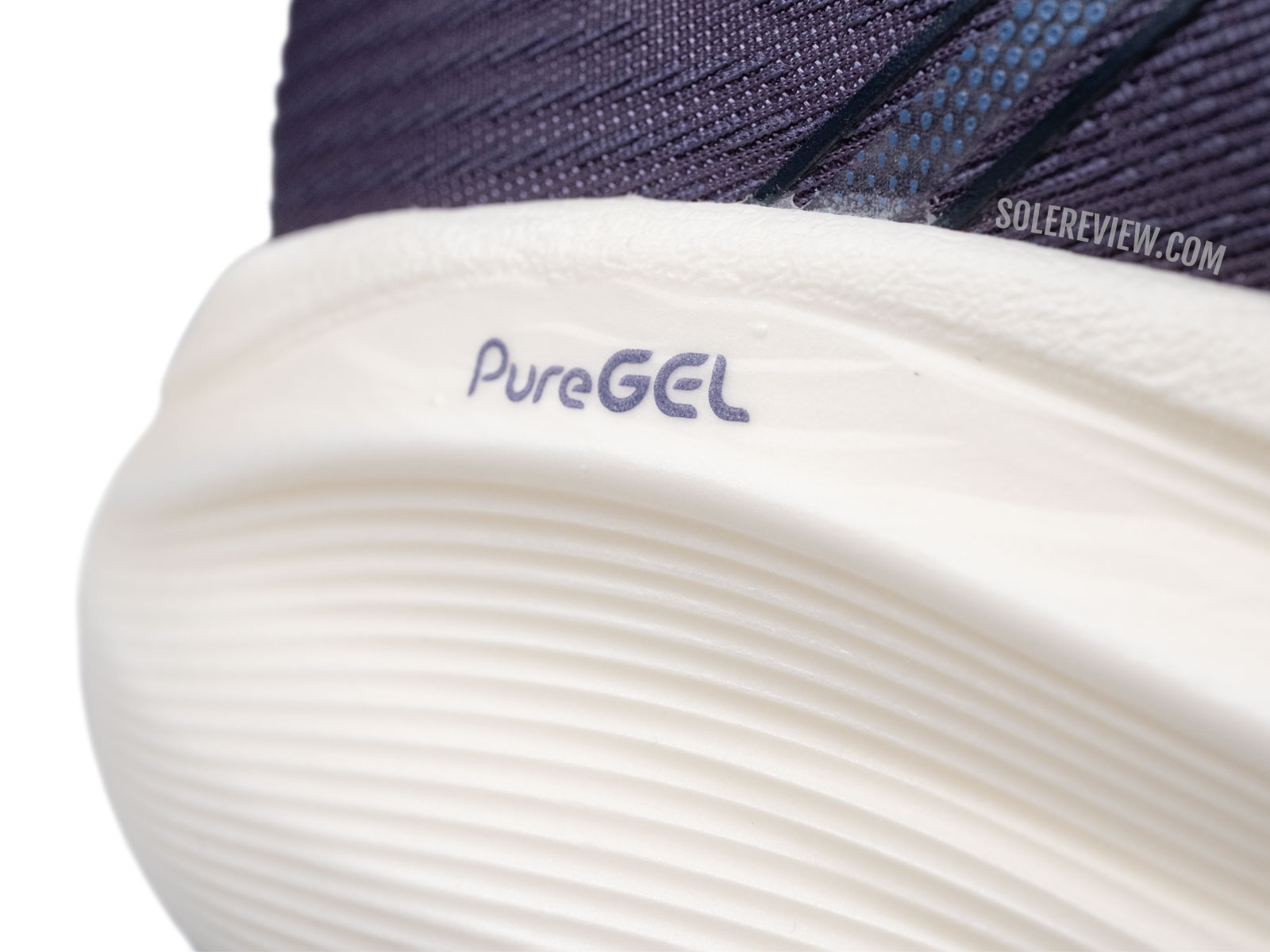
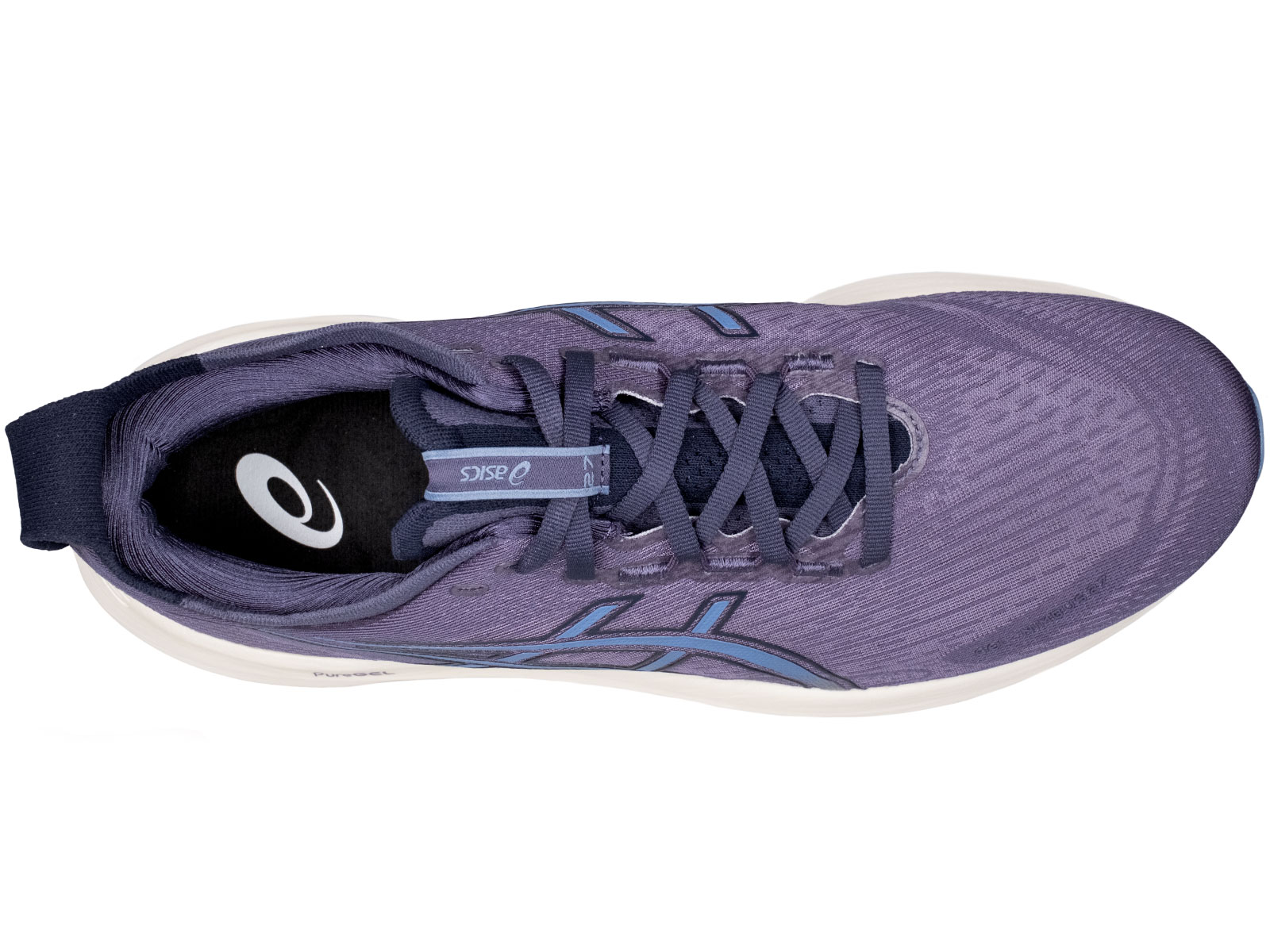
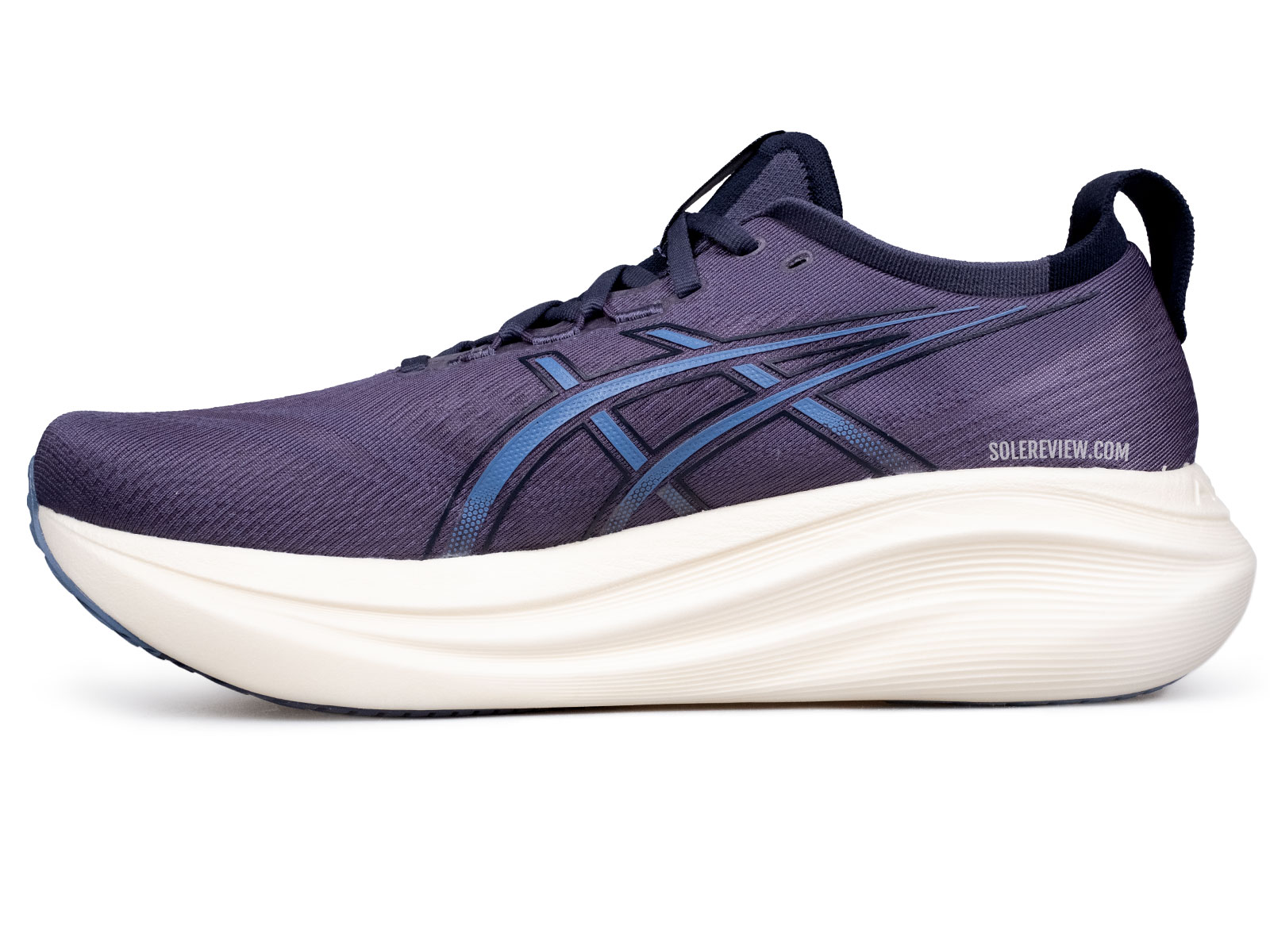
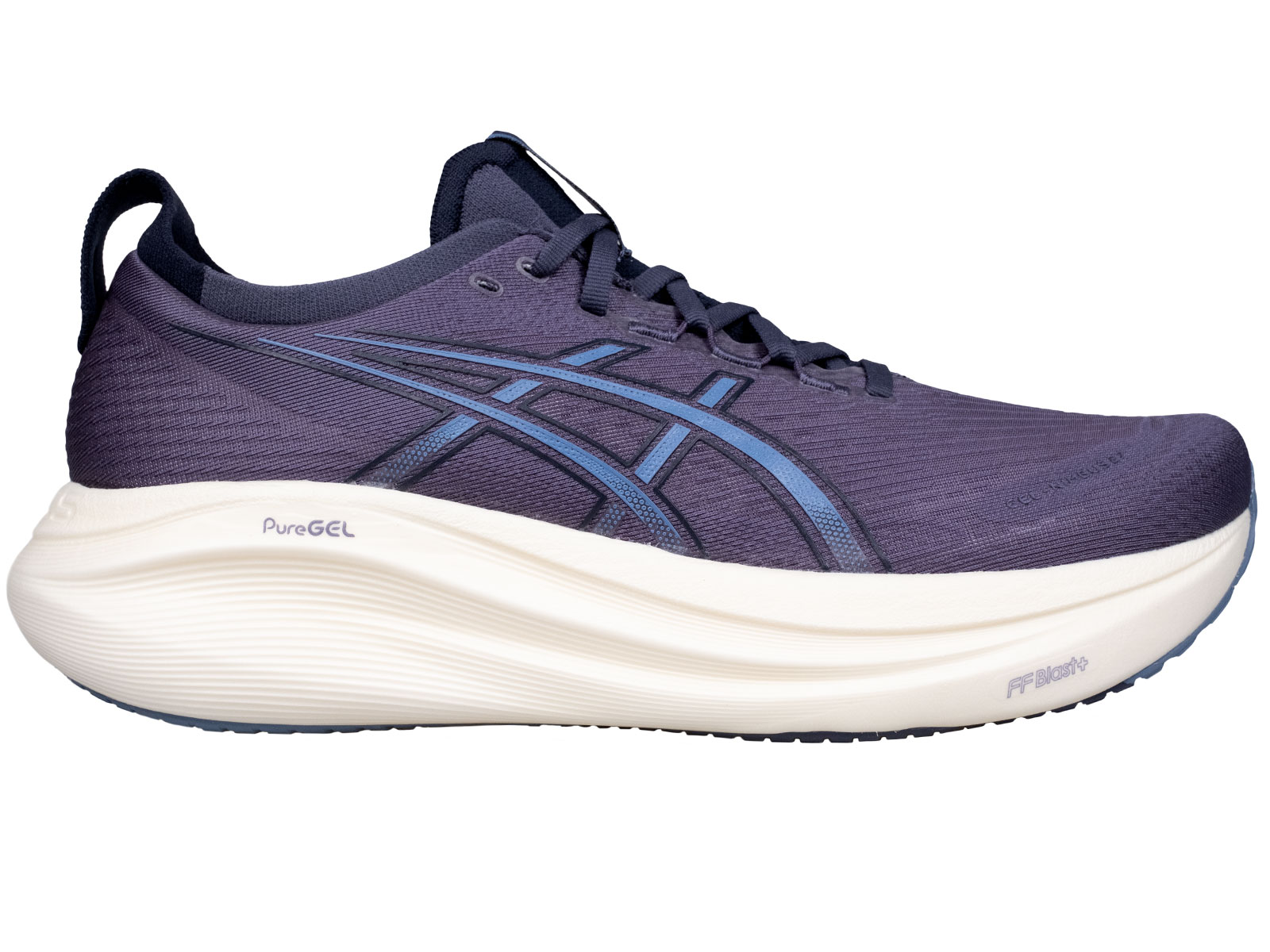
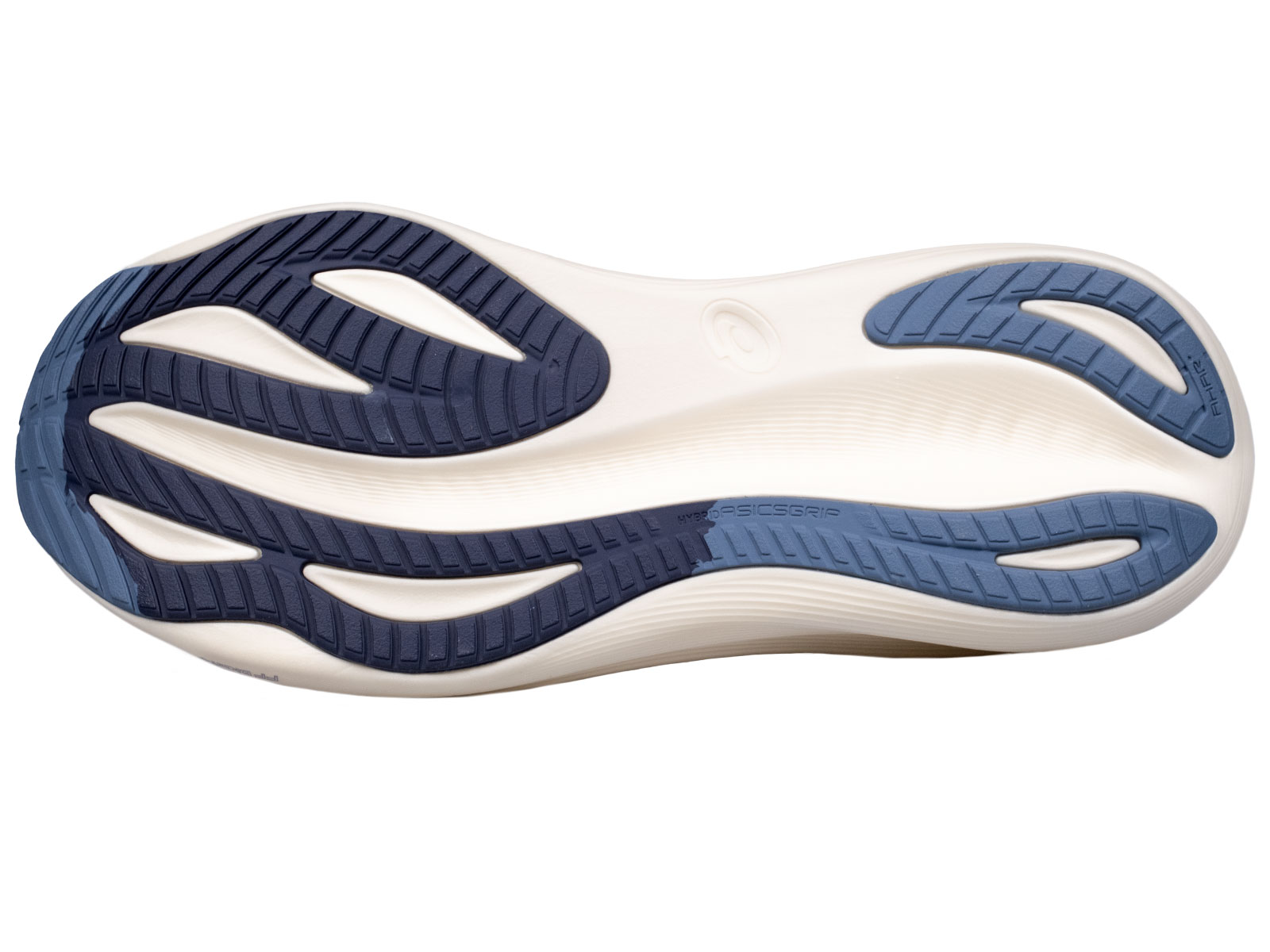
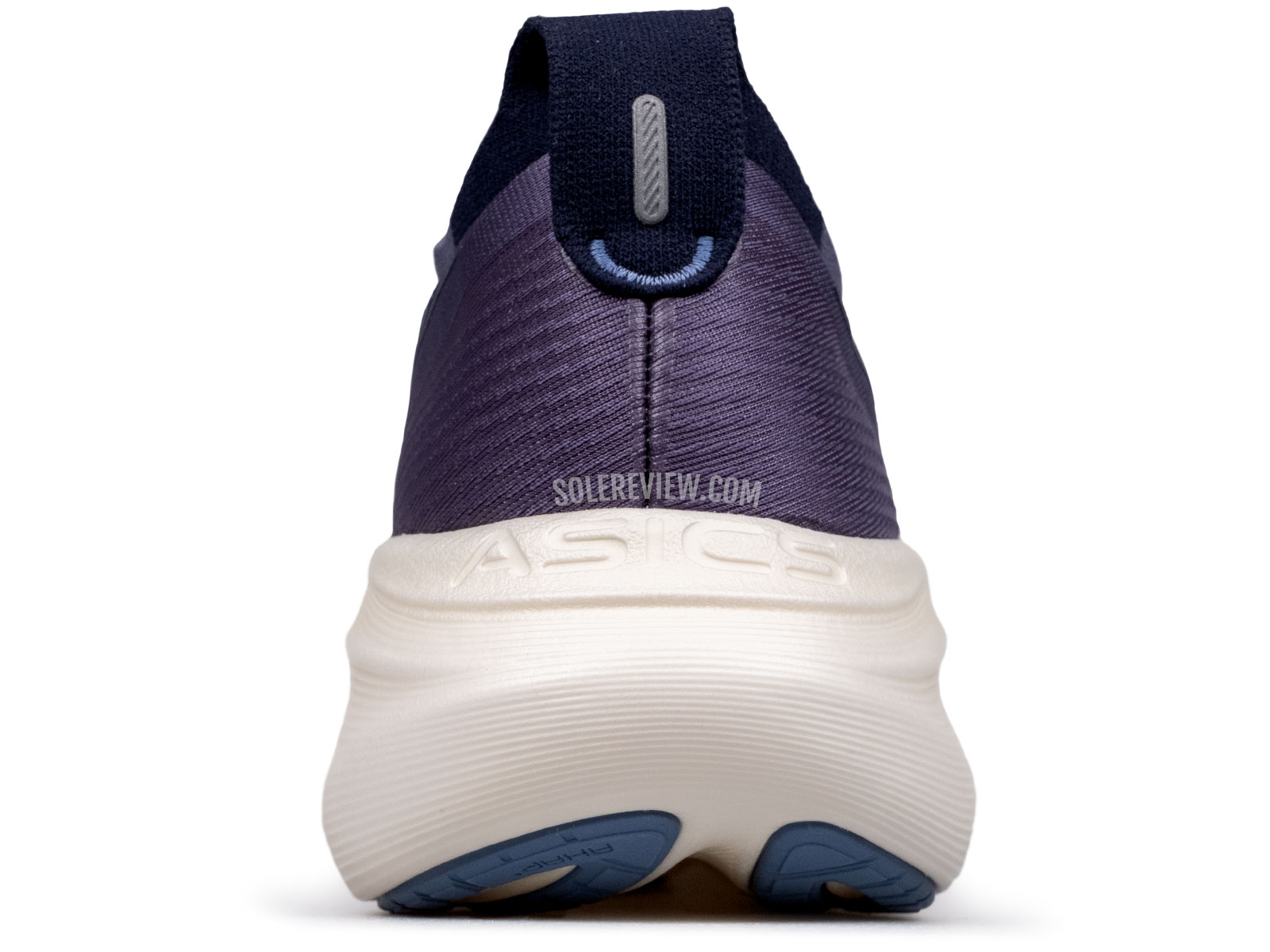
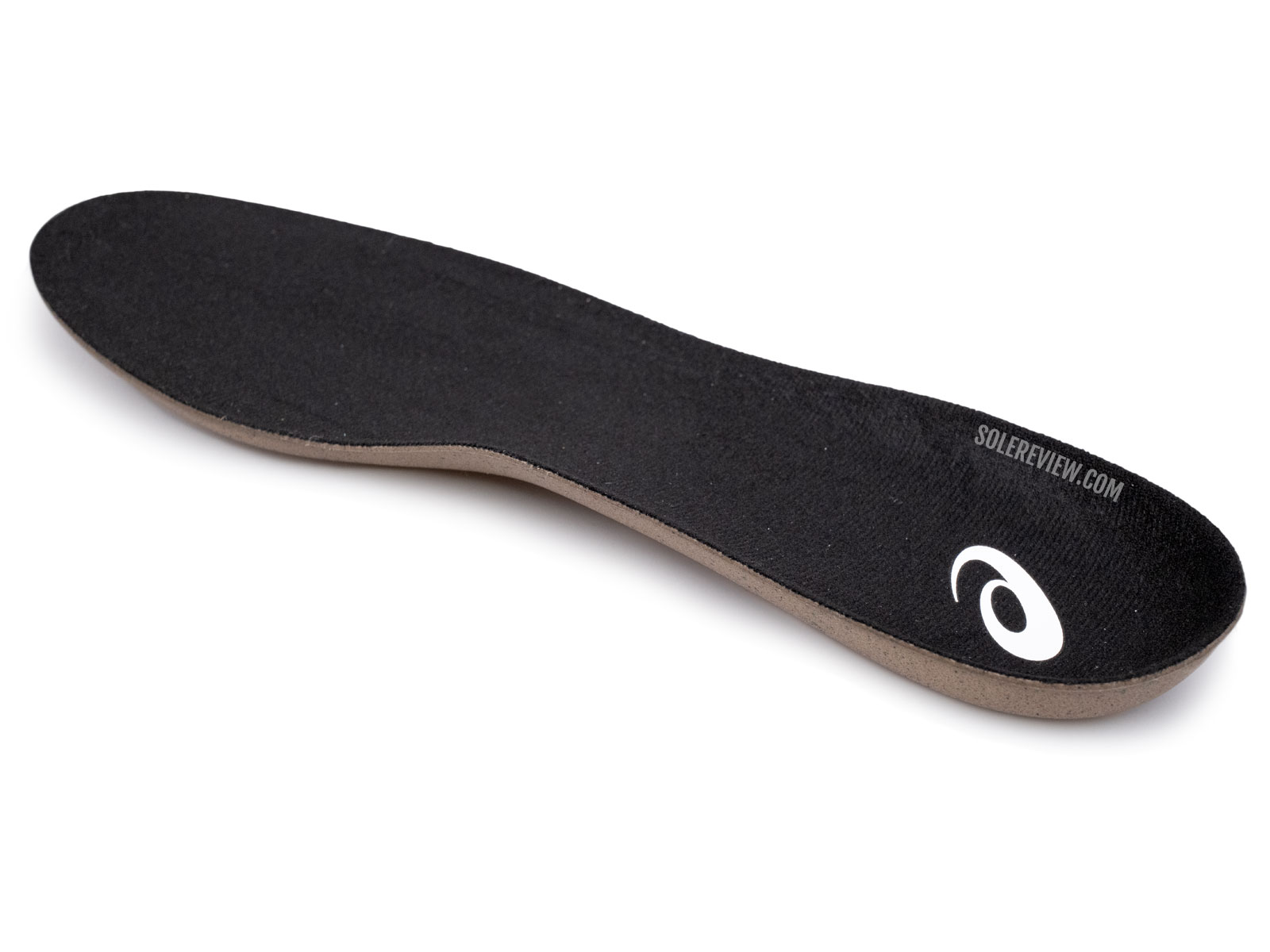
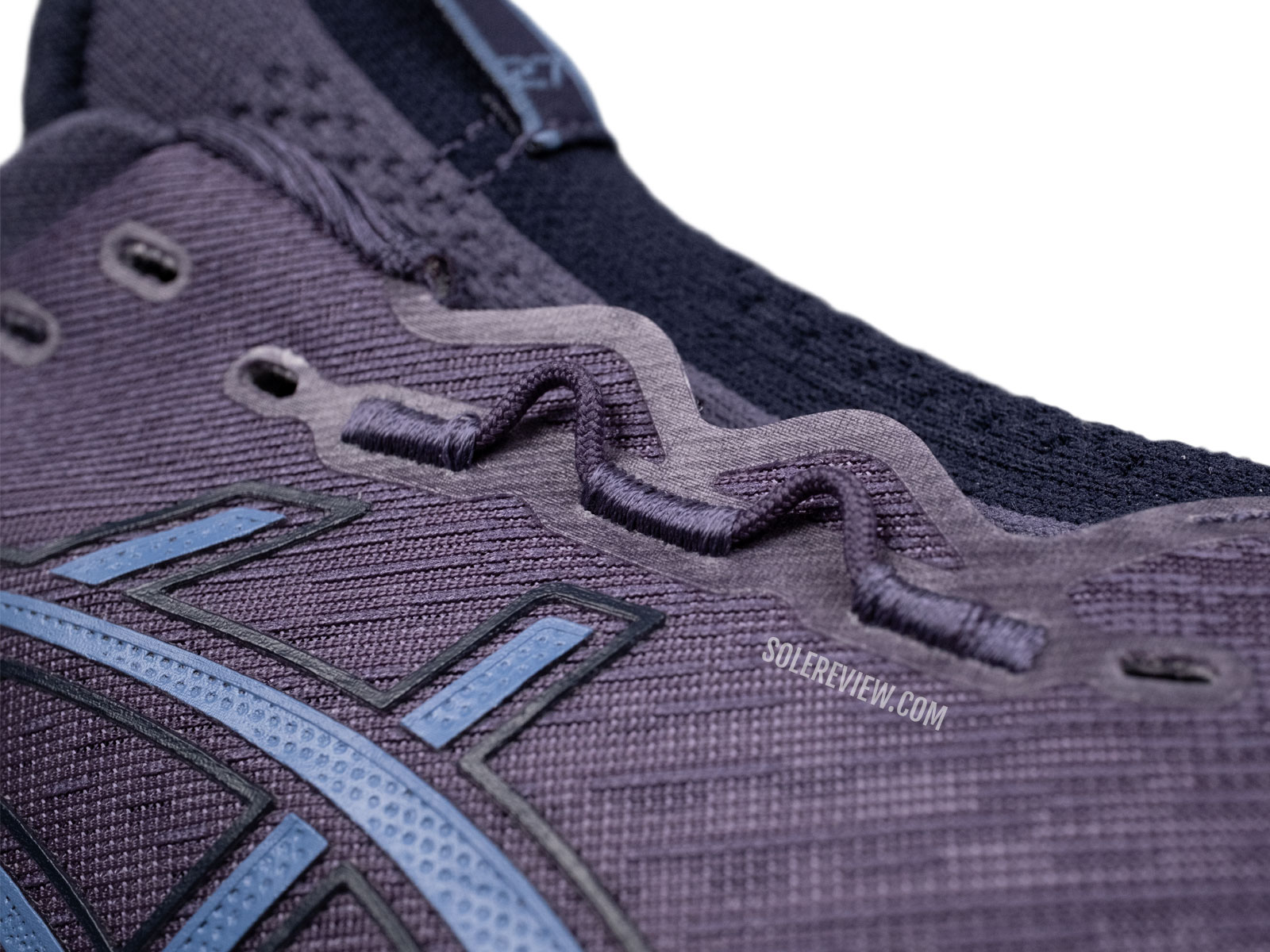
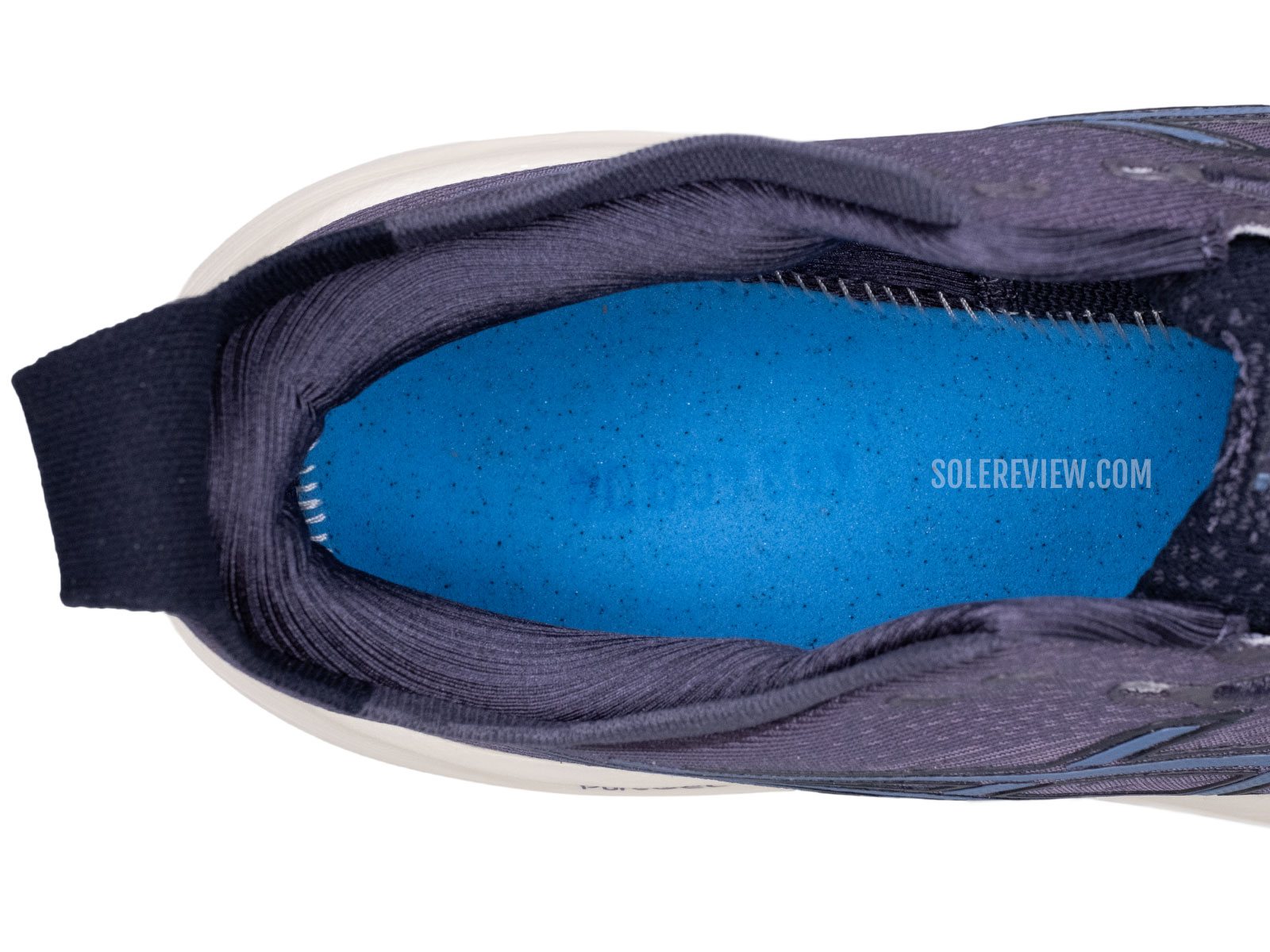
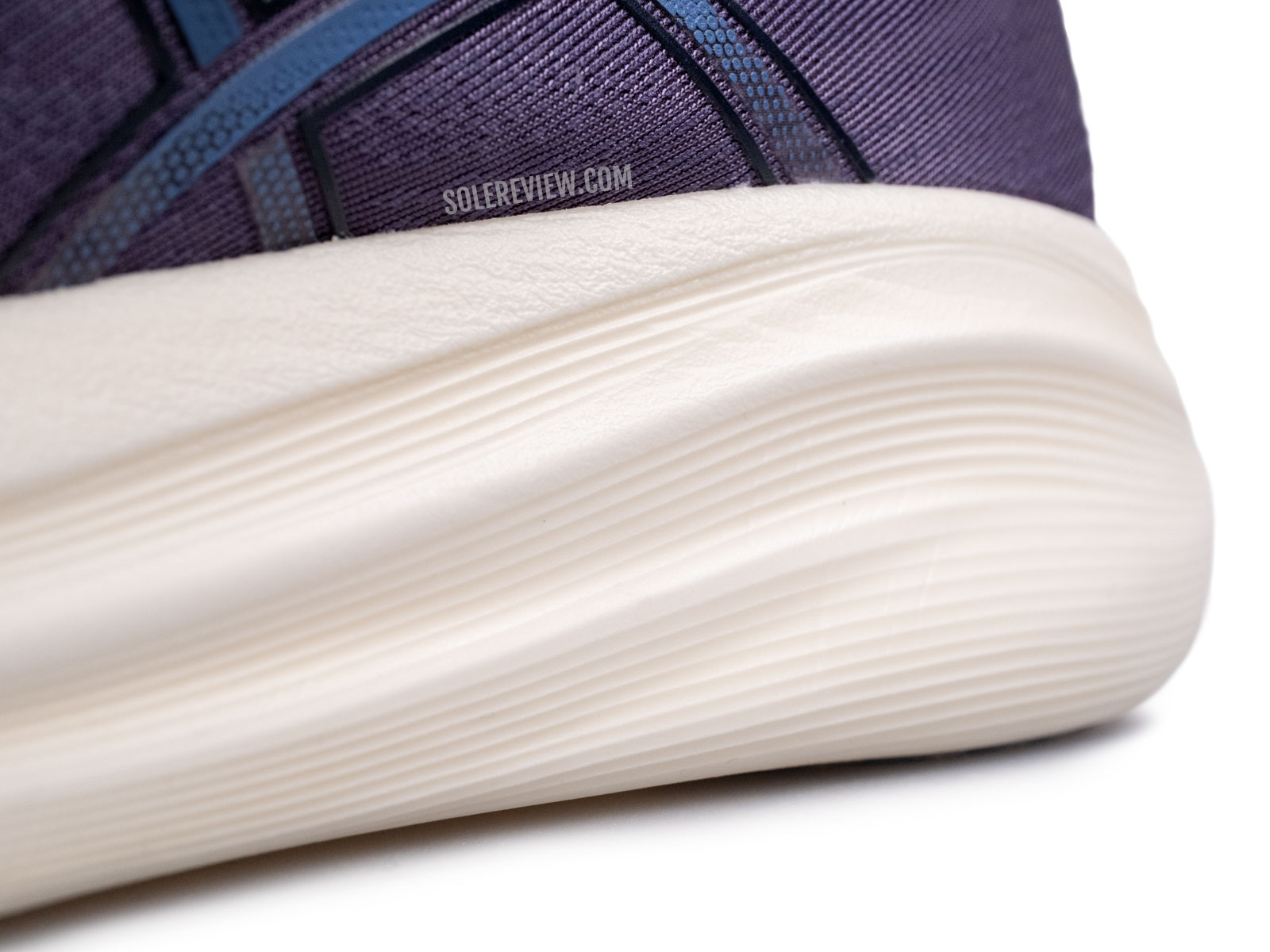
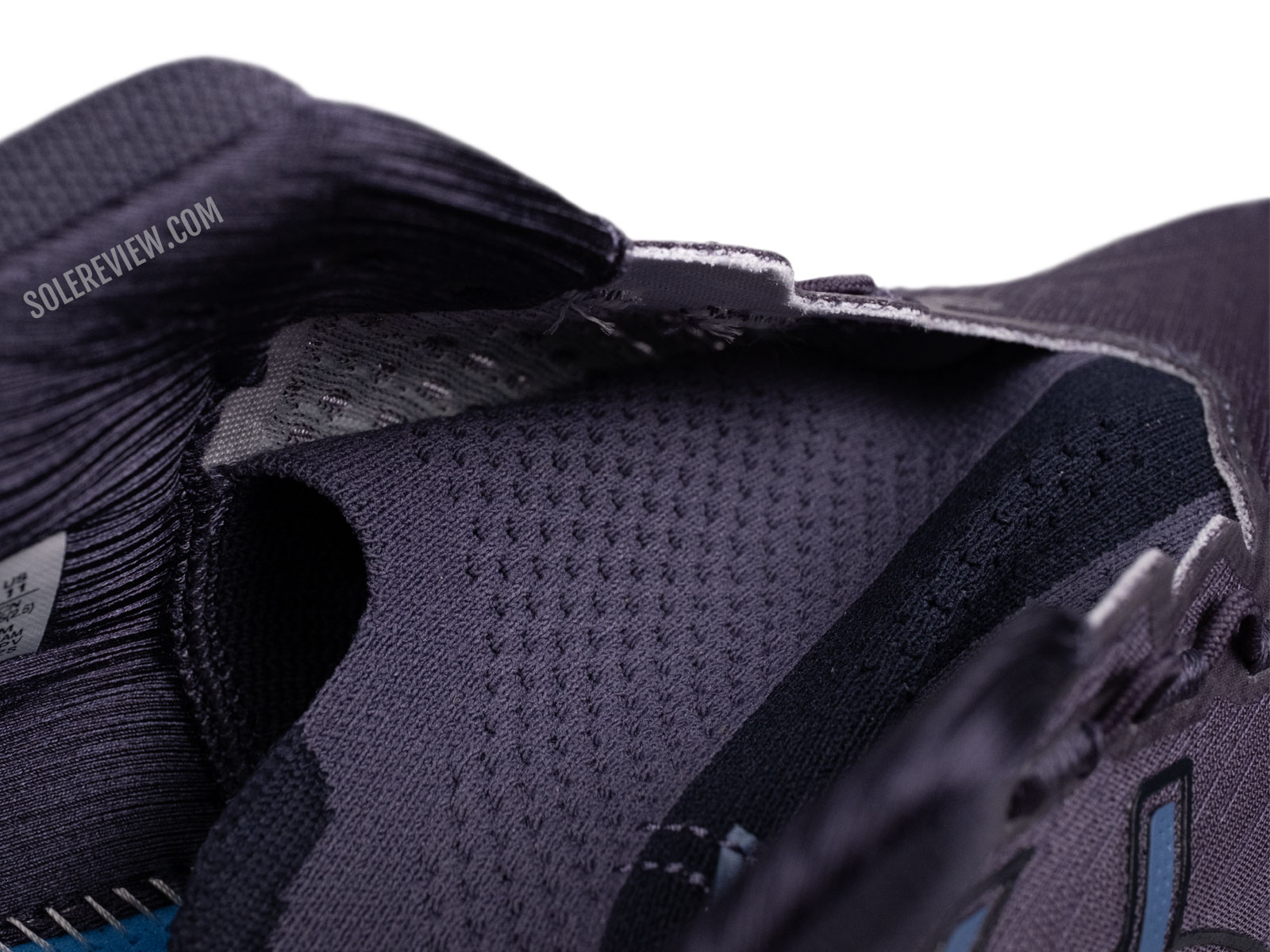
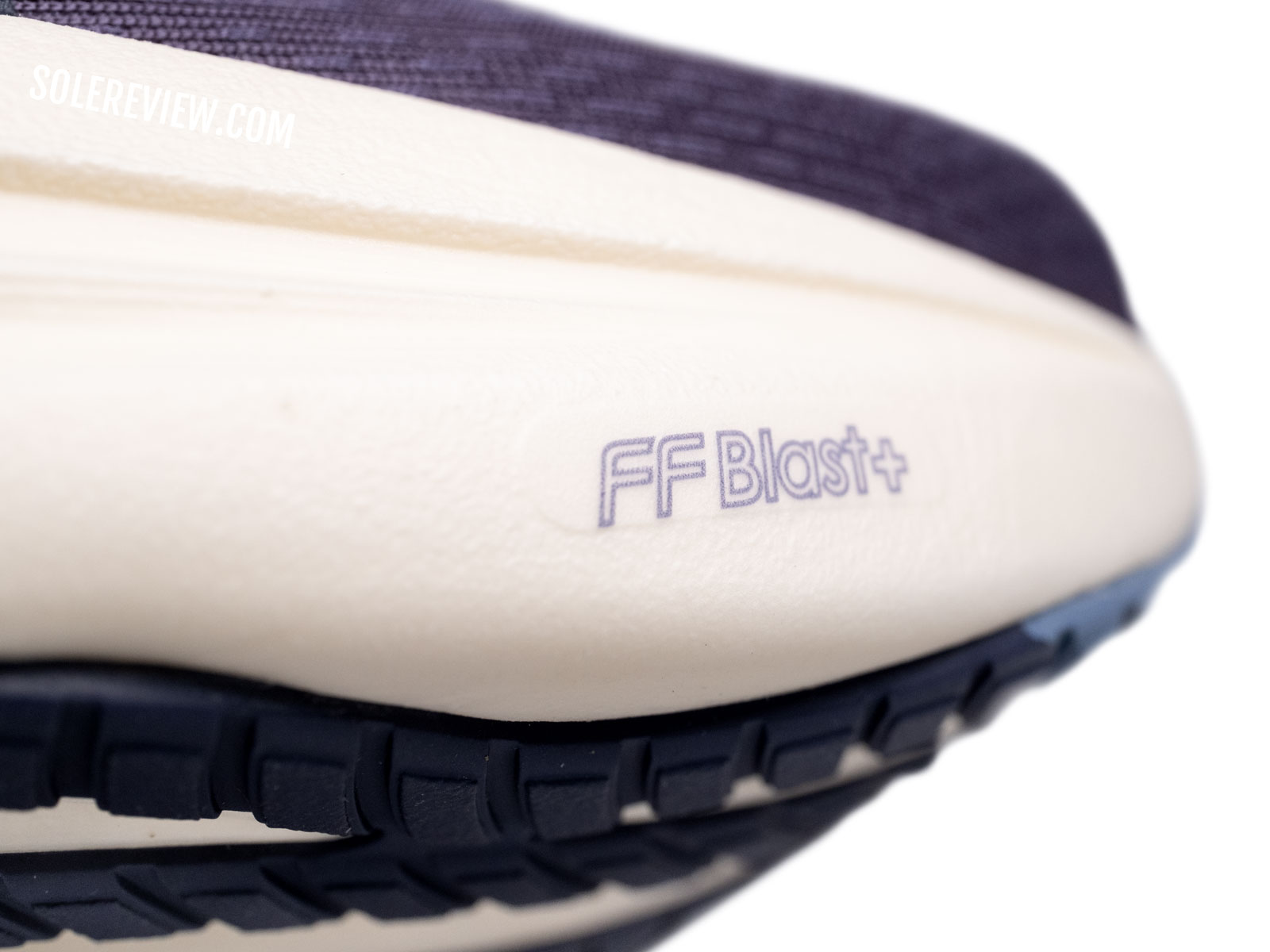
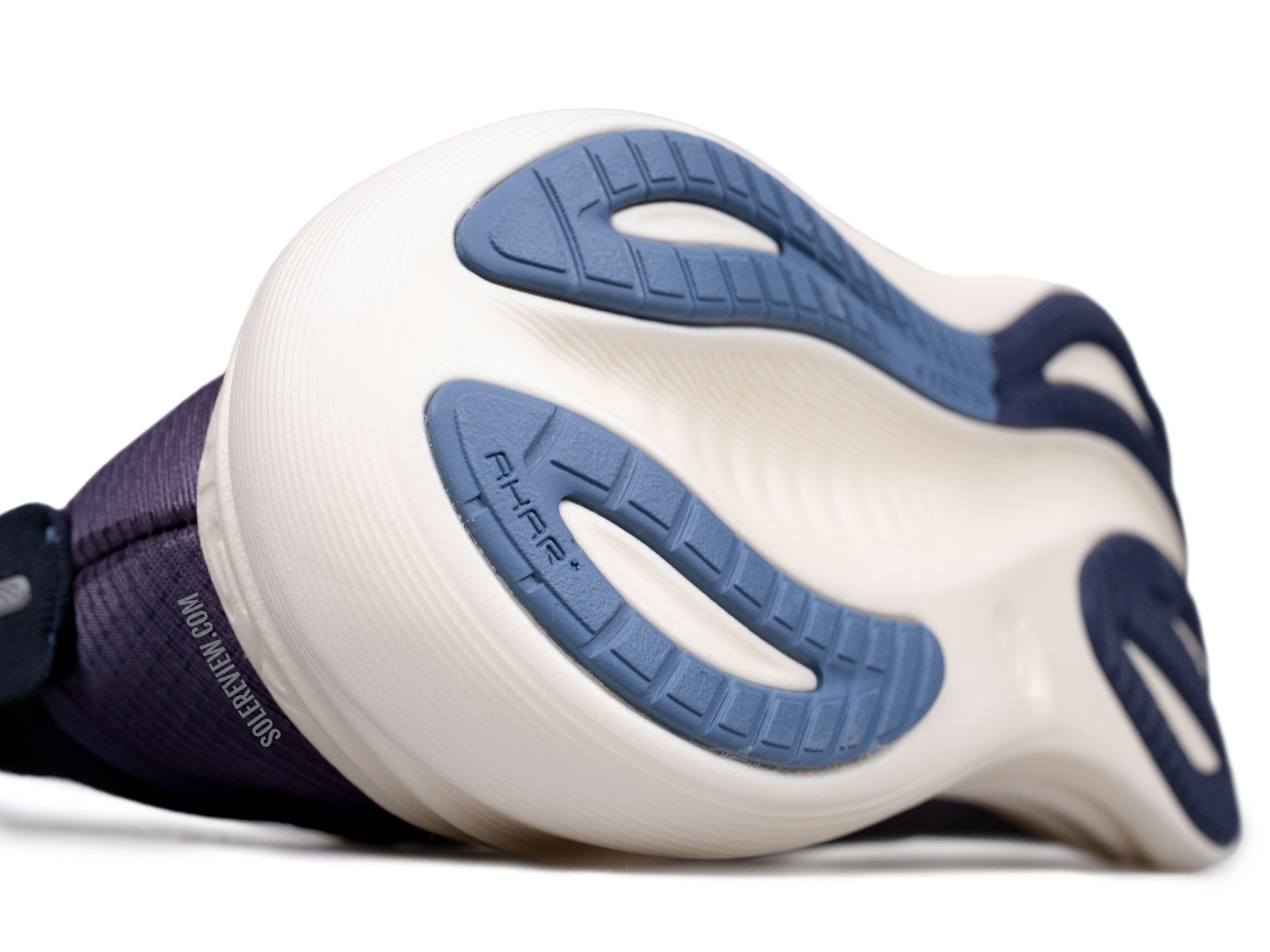
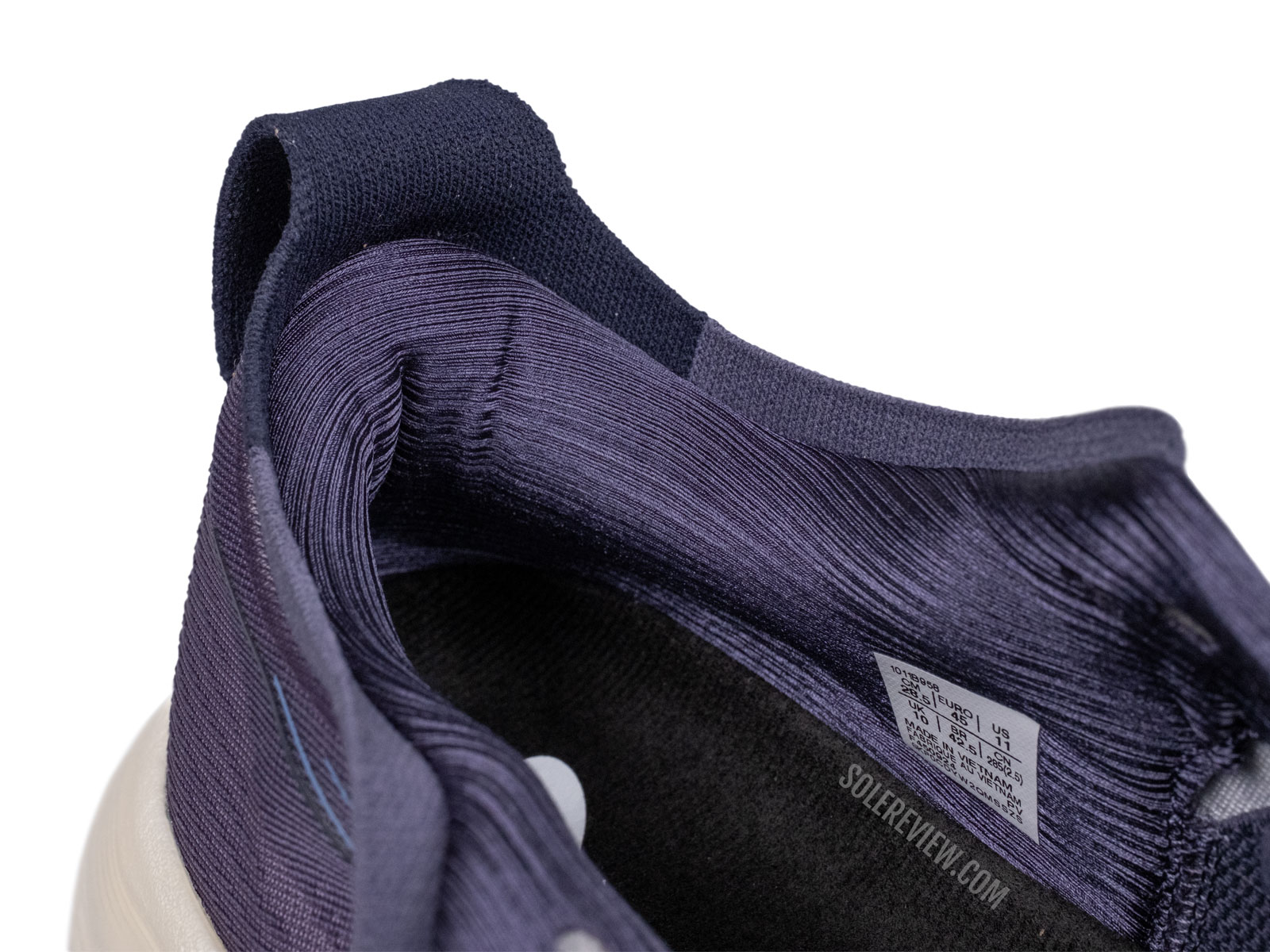
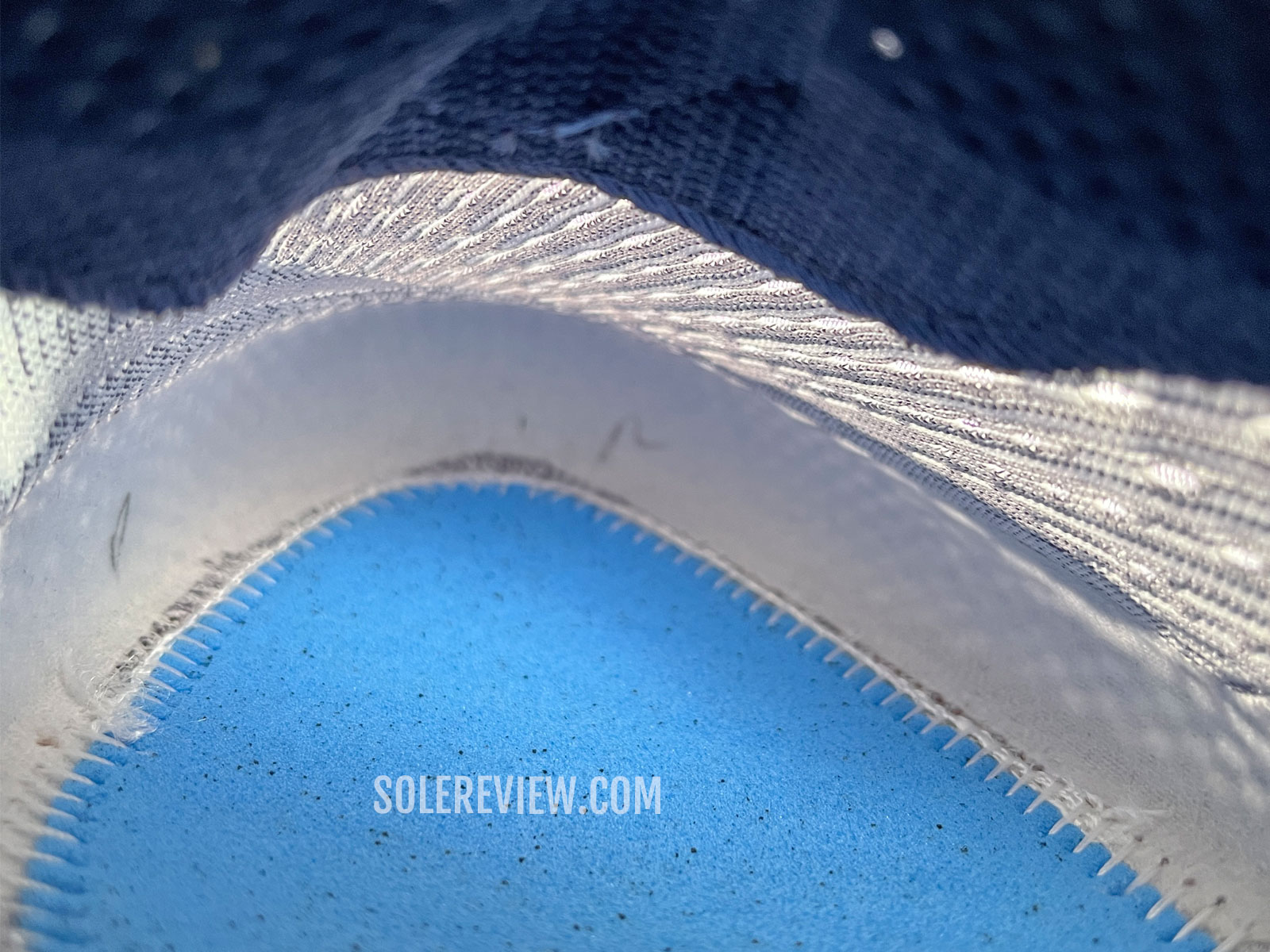
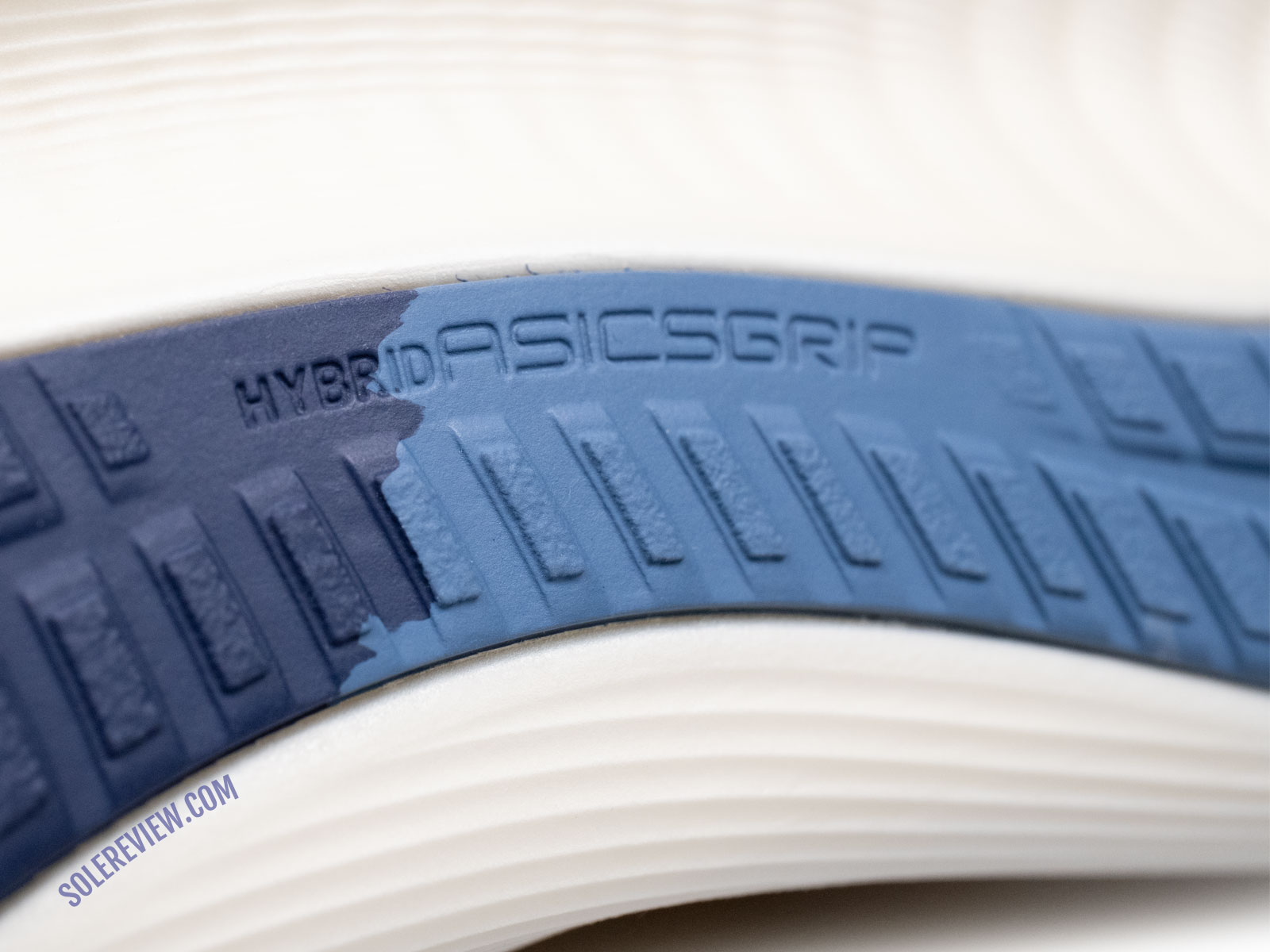
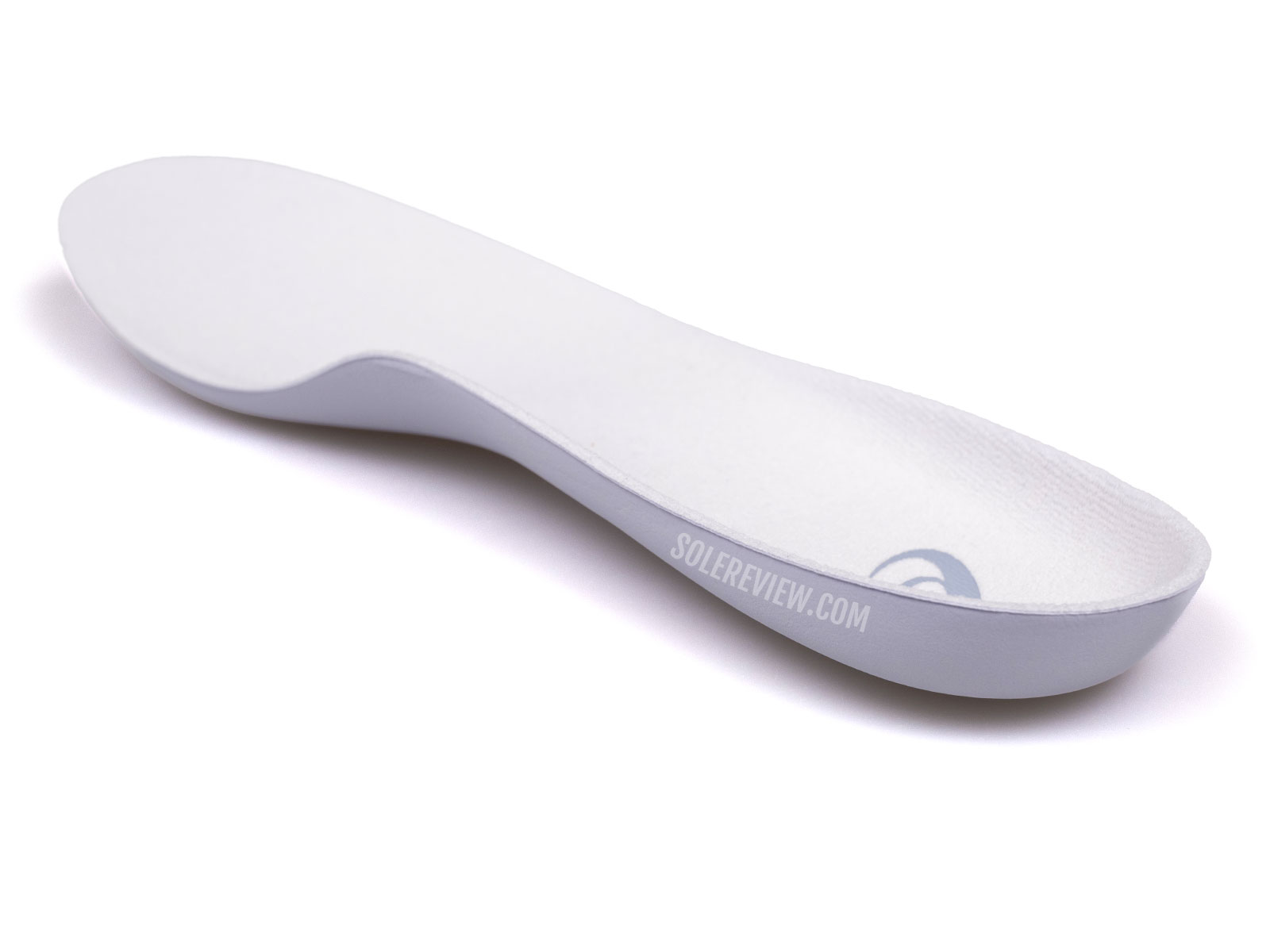
The thick Flytefoam Blast+ midsole adds a generous amount of cushioning to the ride. The step-in comfort is delivered by the plush Ortholite insole and lasting. The Nimbus 27 is not an ultra-soft shoe; it’s firmer than the New Balance 1080V14. While its cushioning depth is noticeable, it doesn’t feel slow. The stiff forefoot and midsole rocker add a propulsive flavor to the Flytefoam midsole. As for use cases, the Nimbus is good for everyday miles, recovery runs, and marathon training. Tempo runs are now within the Nimbus’s wheelhouse, as long as speeds are slower than 4:30 min/km (7:00 min/mile).
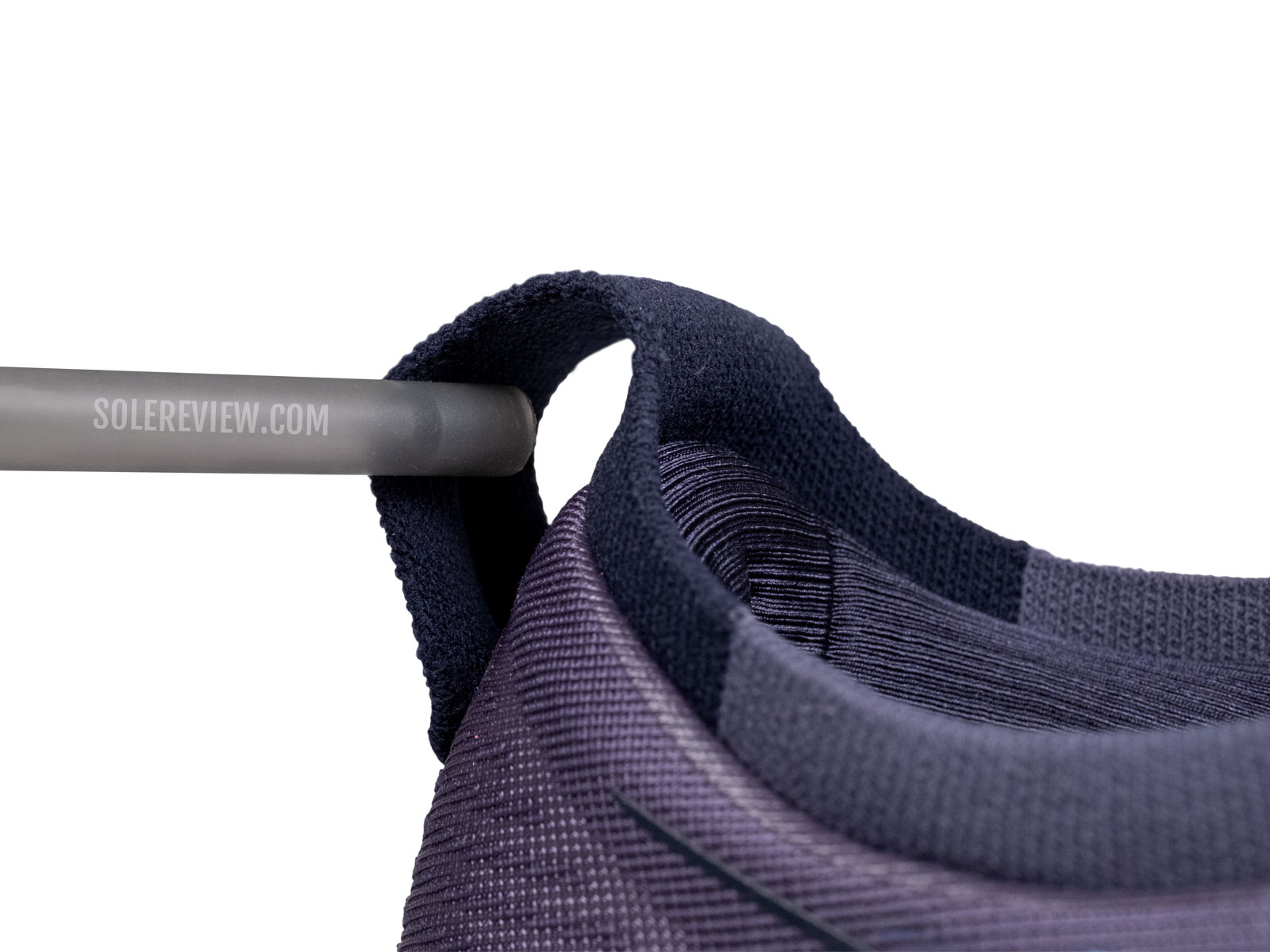
The true-to-size upper is less narrow than the 26. The thinner mesh doesn’t hug the foot the way the knit mesh from the previous version did. The heel collar padding and elastic tongue are almost identical to the last version. We still get the useful heel pull tab, which is good.
As always, the Nimbus 27 has gender-specific cushioning. The Women’s version has a 1 mm lower stack height.
- Asics’s marketing pitch: Feel Comfort, find calm.
- Upper: Engineered mesh, inner gusset.
- Midsole: Flytefoam Blast+ foam, heel Gel unit. 8 mm heel drop.
- Outsole: Hybrid Asicsgrip rubber.
- Weight: 305 gms/ 10.7 Oz for a half pair of Men’s US 9/UK 8/EUR 42.5/CM 27.
- Stack heights: 43.5 mm (heel), 35.5 mm (forefoot).
- Available widths: D – regular (reviewed), 2E (wide), 4E (extra-wide).
- Previous model: Asics Nimbus 26
- Country of origin: Vietnam.
- Recommended use: Daily trainer, tempo runs, marathons.
- Footstrike orientation: Heel, midfoot/forefoot (full contact).
- Median lifespan: 400 miles.
- Recommended paces: Slower than 4:30 min/km (7:00 min/mile).
- Recommended temperature range: Warmer than -5° C/23° F.
Pros
- Versatile ride comfort
- Stable and neutral cushioning
- Effective midsole rocker
- Optional wide, extra-wide sizes
Cons
- New midsole lacks the plush feel of the 25
- Upper fit doesn’t feel locked in
- Low reflectivity
- Tongue loop may irritate instep
Until the Kayano 30 arrived, the Kayano was the longest-running shoe series with a firmer medial post. The Kayano 30 changed that, and what we see on the Kayano 32 is the continuation of last year’s design.
Three features on the Kayano 32’s midsole make it a suitable shoe for overpronators. The inner midsole is more supportive than the outer sidewall, so that keeps the Kayano’s arch side from collapsing. Working in tandem, the groove under the heel slopes towards the outer side. Finally, the outer midsole has a deep groove running down its side. With this setup, the weight tends to lean towards the outer side by a few degrees. And that’s what you want a motion-control running shoe to do anyway – direct the weight or loading away from the arch side.
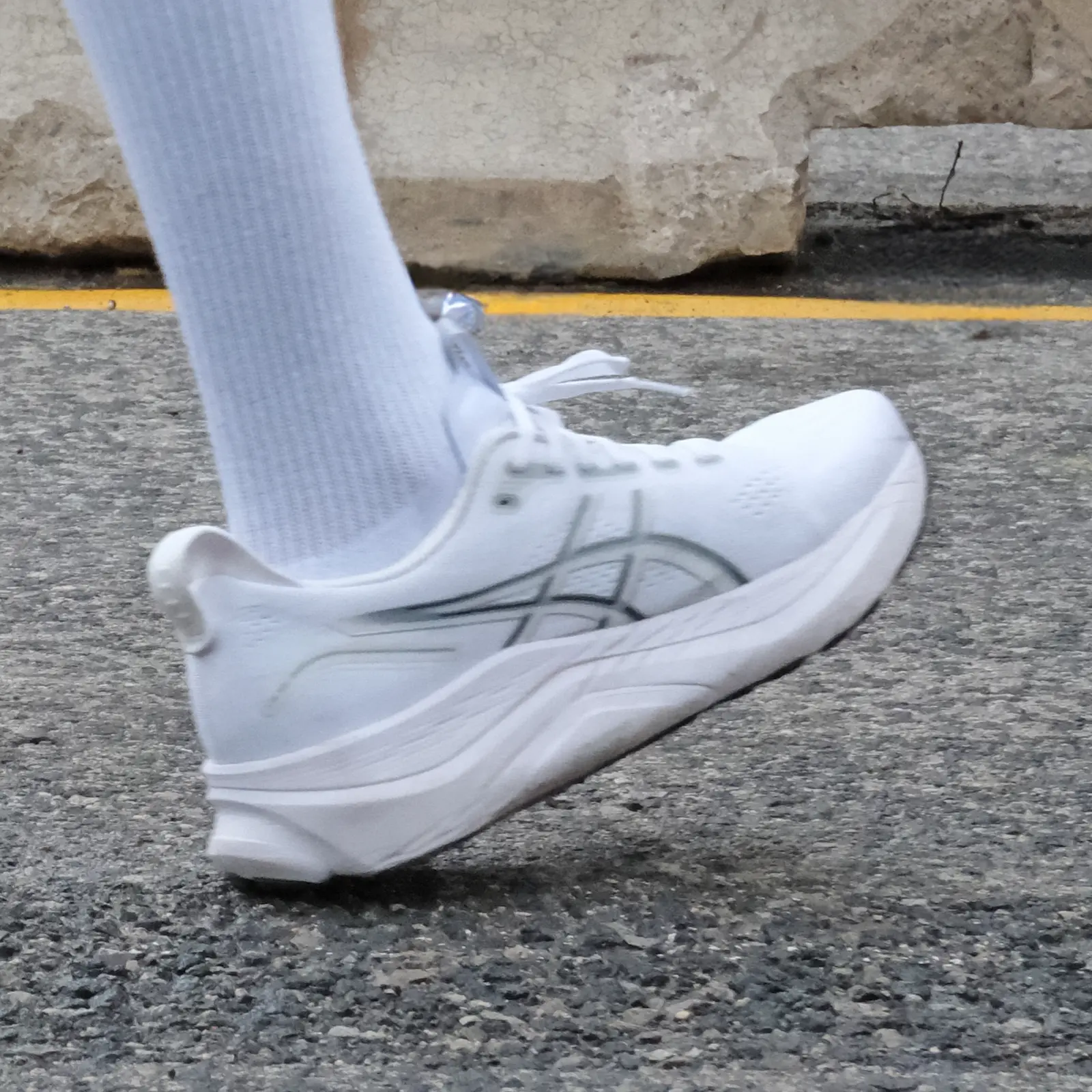
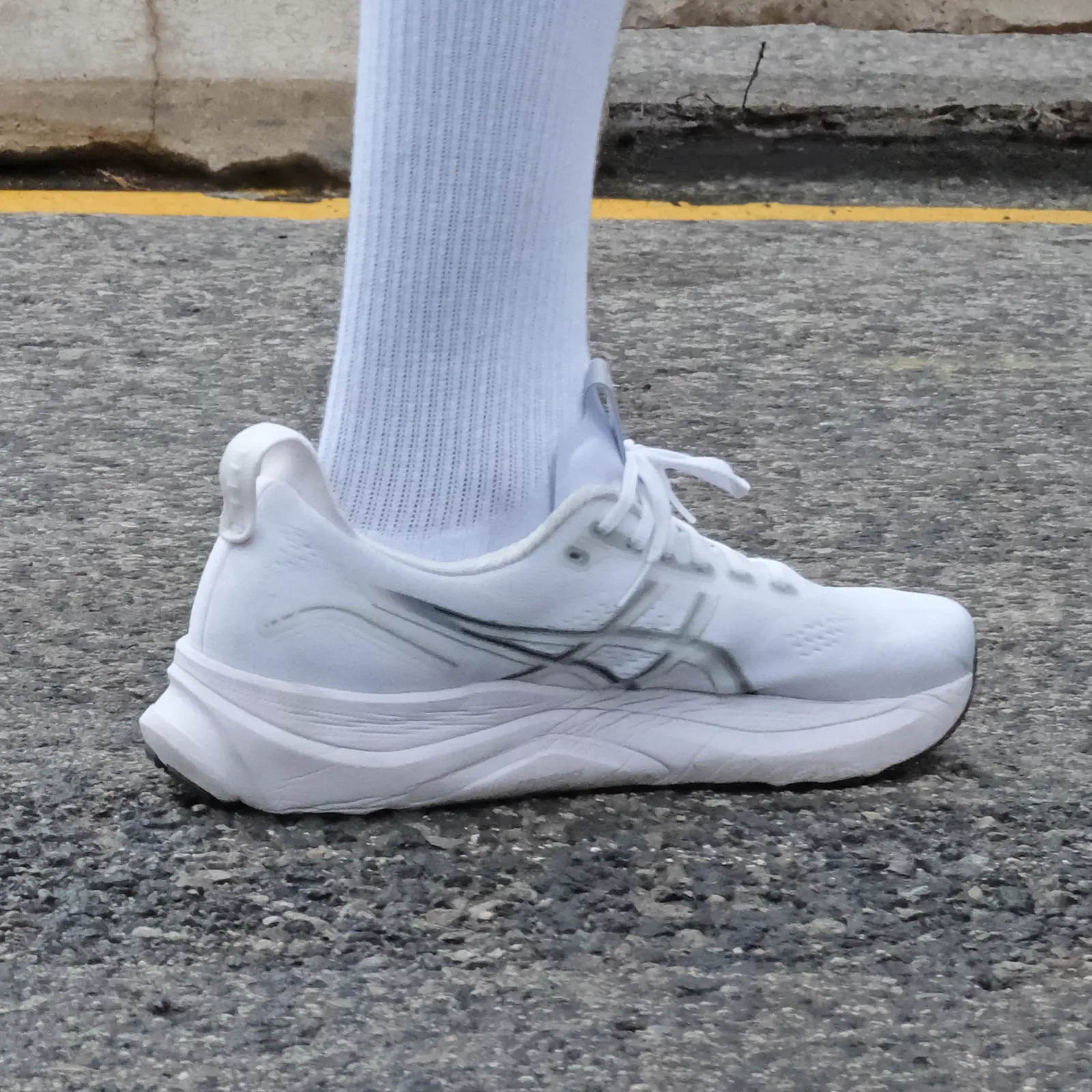
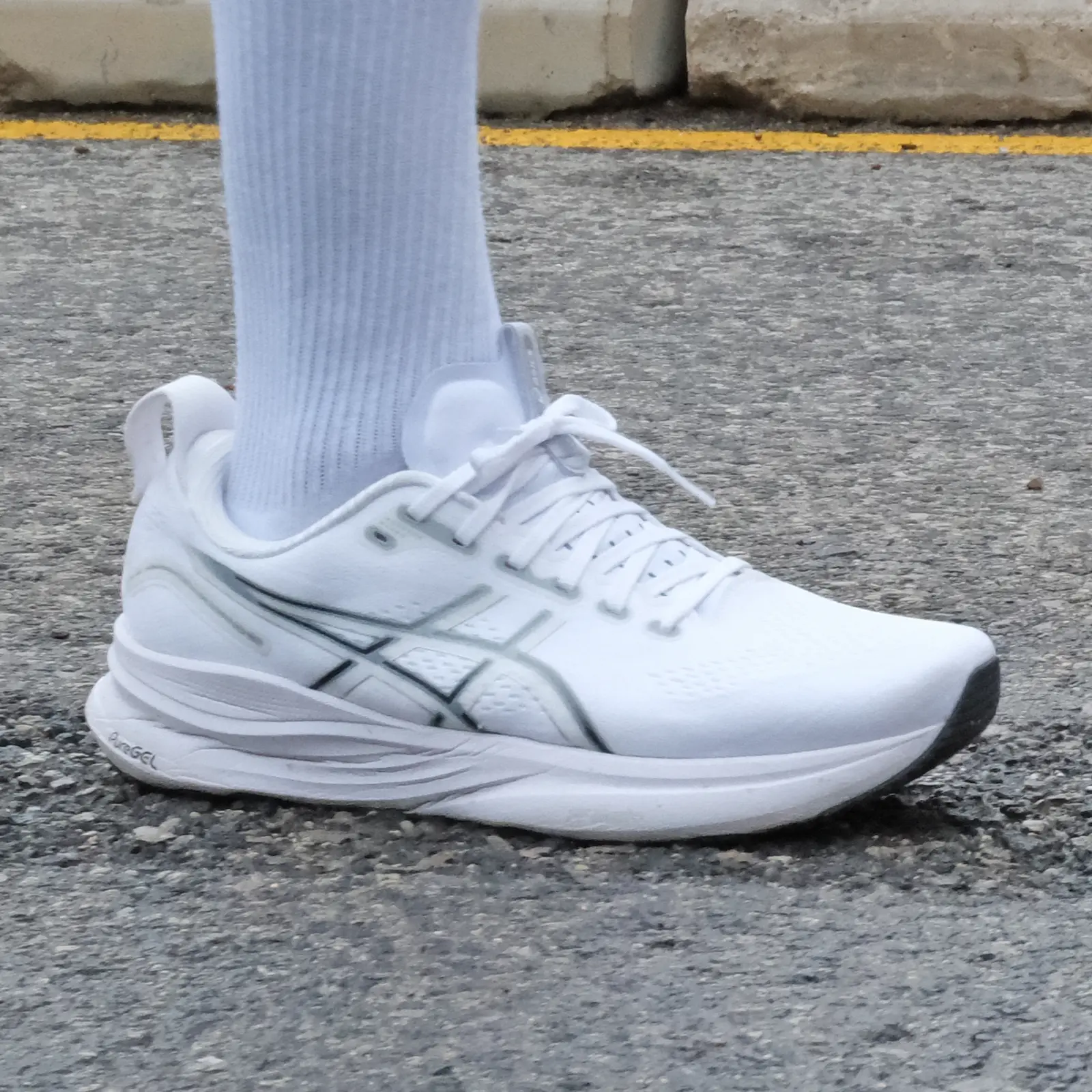
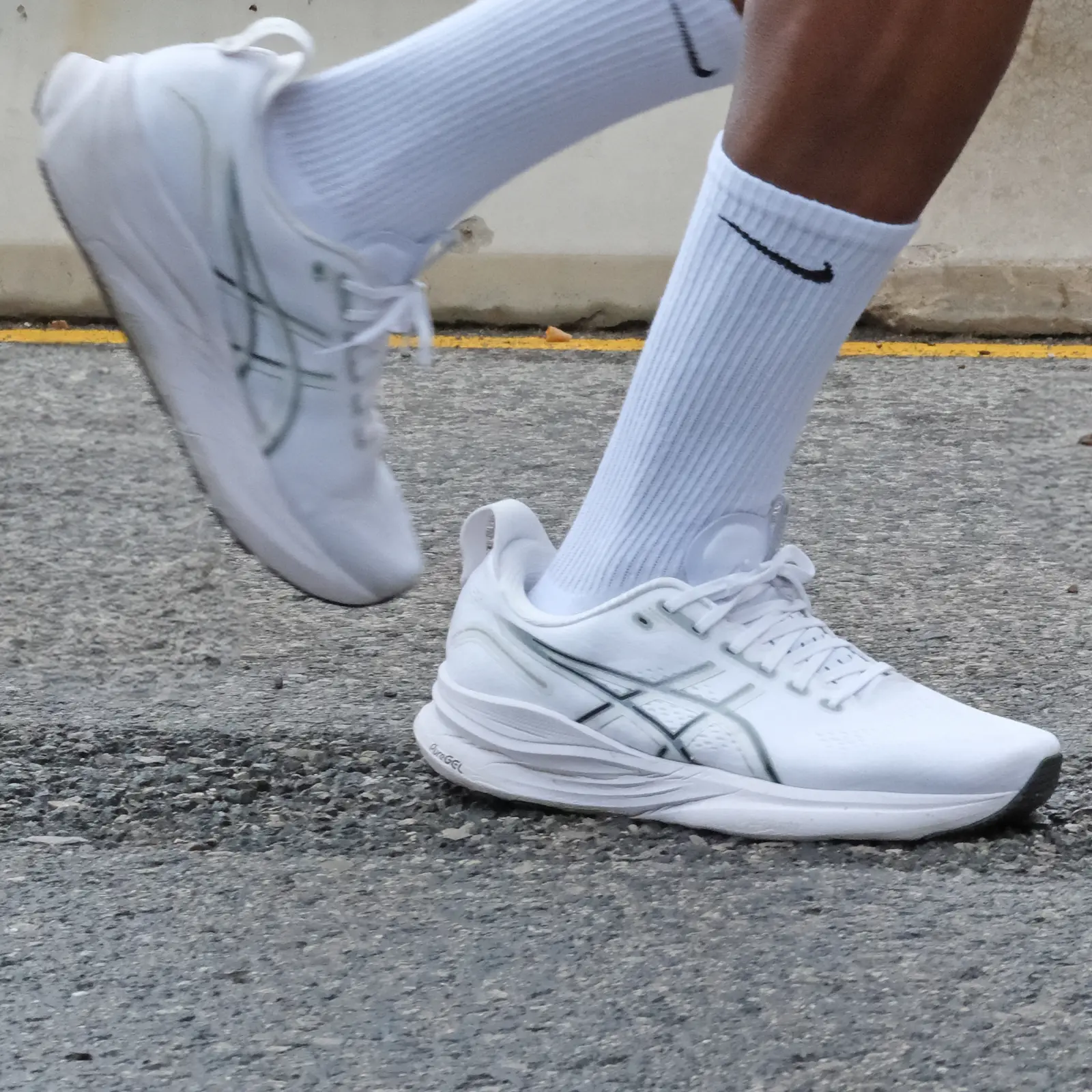
This motion-control character is only mildly prescriptive, making the Kayano 32 usable for even neutral runners. The Flytefoam Blast+ midsole adds comfort to everyday miles, whether short or long runs. The upper fit is excellent. It secures the foot in true-to-size plushness and is also offered in more widths.
Also consider: The Asics GT-2000 14 for a milder prescriptive midsole.
- Asics’s marketing pitch: The pinnacle of support and comfort.
- Upper: Engineered spacer mesh, inner gusset.
- Midsole: Flytefoam Blast+ foam, heel Gel unit. 10 mm heel drop.
- Outsole: Hybrid Asicsgrip rubber.
- Weight: 300 gms/ 10.6 Oz for a half pair of Men’s US 9/UK 8/EUR 42.5/CM 27.
- Stack heights: 40 mm (heel), 30 mm (forefoot).
- Available widths: D – regular (reviewed), 2E (wide), 4E (extra-wide).
- Previous model: Asics Kayano 31.
- Country of origin: Vietnam.
- Recommended use: Everyday training, tempo runs, marathons.
- Footstrike orientation: Heel, midfoot/forefoot (full contact).
- Median lifespan: 450 miles.
- Recommended paces: Slower than 4:00 min/km (6:30 min/mile).
- Recommended temperature range: Warmer than -5° C/23° F.
Pros
- Effective motion control
- Long-distance comfort
- Efficient transitons, versatile
- Outsole grip
- Plush and secure fit
- Optional widths
Cons
- Heavy
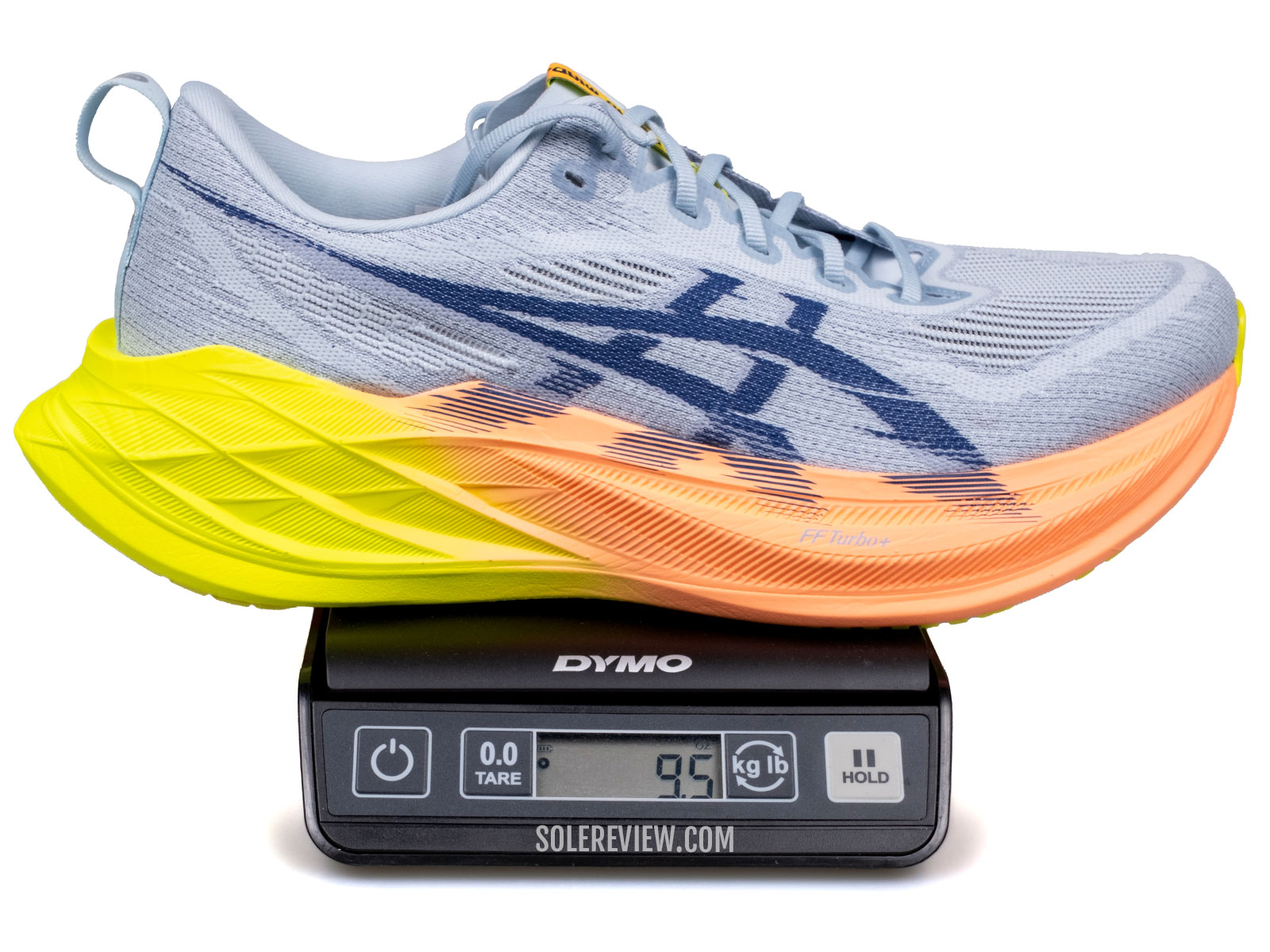
The Asics Superblast is a unique running shoe that combines high-mileage comfort with a tempo-friendly ride. It’s also more robust than race-day shoes like the Metaspeed Sky, so it’s ideal for logging pre-race miles. The wide and thick rocker midsole uses the lightweight Flytefoam Turbo (from the Metaspeed) over a firmer Flytefoam Blast+ bed. These foam layers work together with the rocker profile to deliver a very comfortable ride that also manages to feel efficient.
The wide midsole footprint also enhances stability. With that kind of versatility, the Superblast 2 can be used to cycle through kinds of pre-race marathons. Be it long recovery runs or threshold paces, the shoe has what it takes.
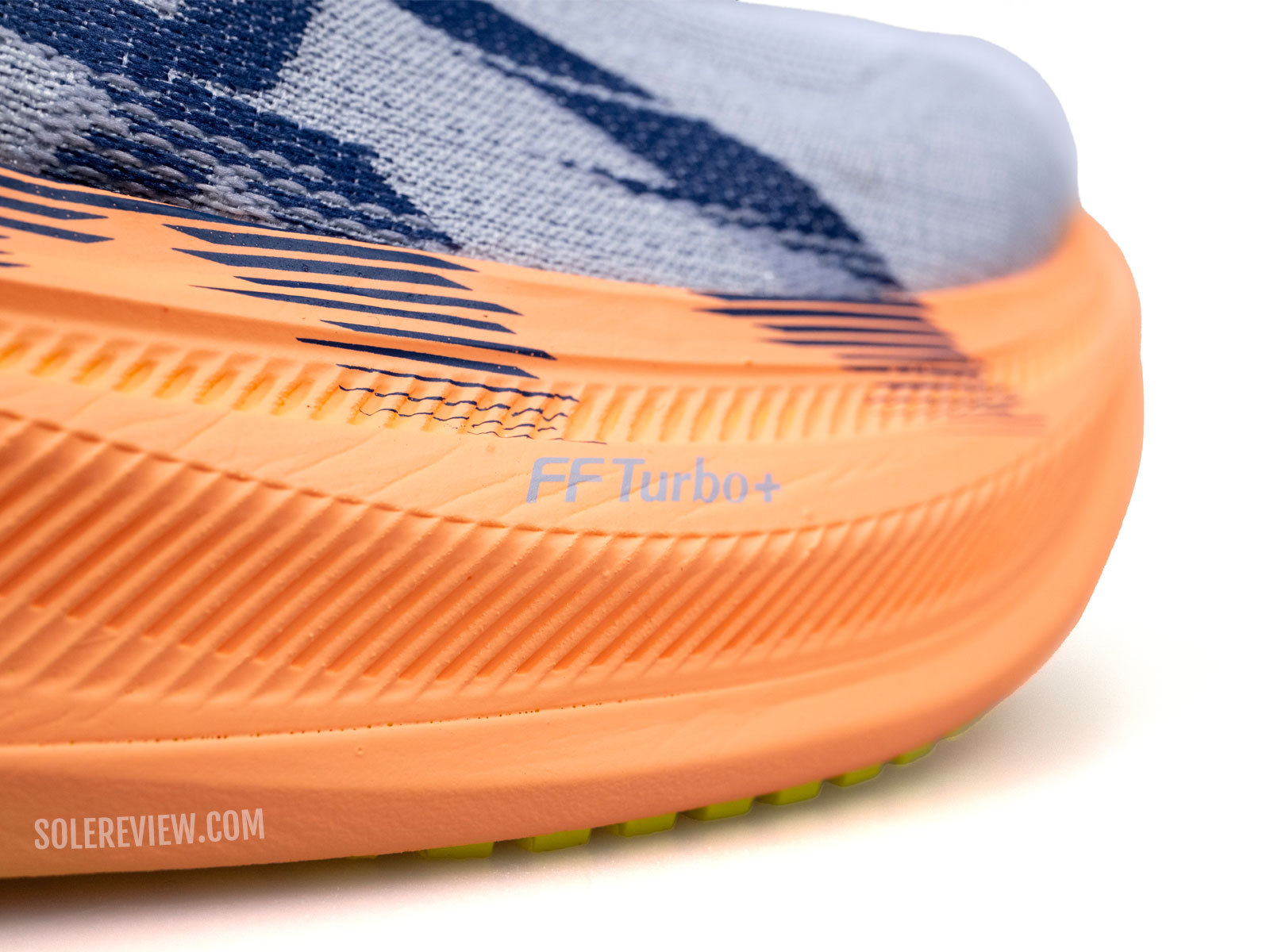
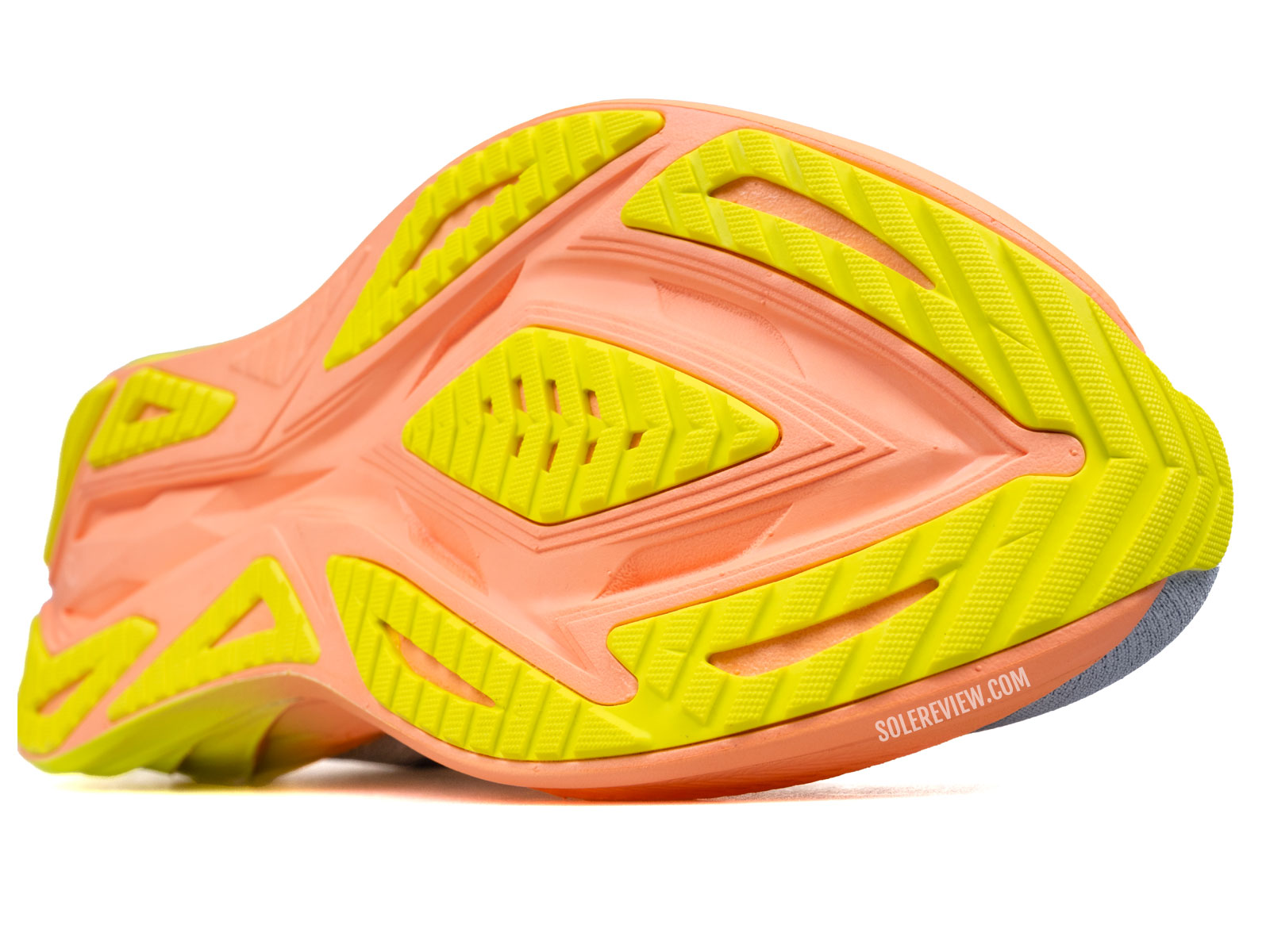
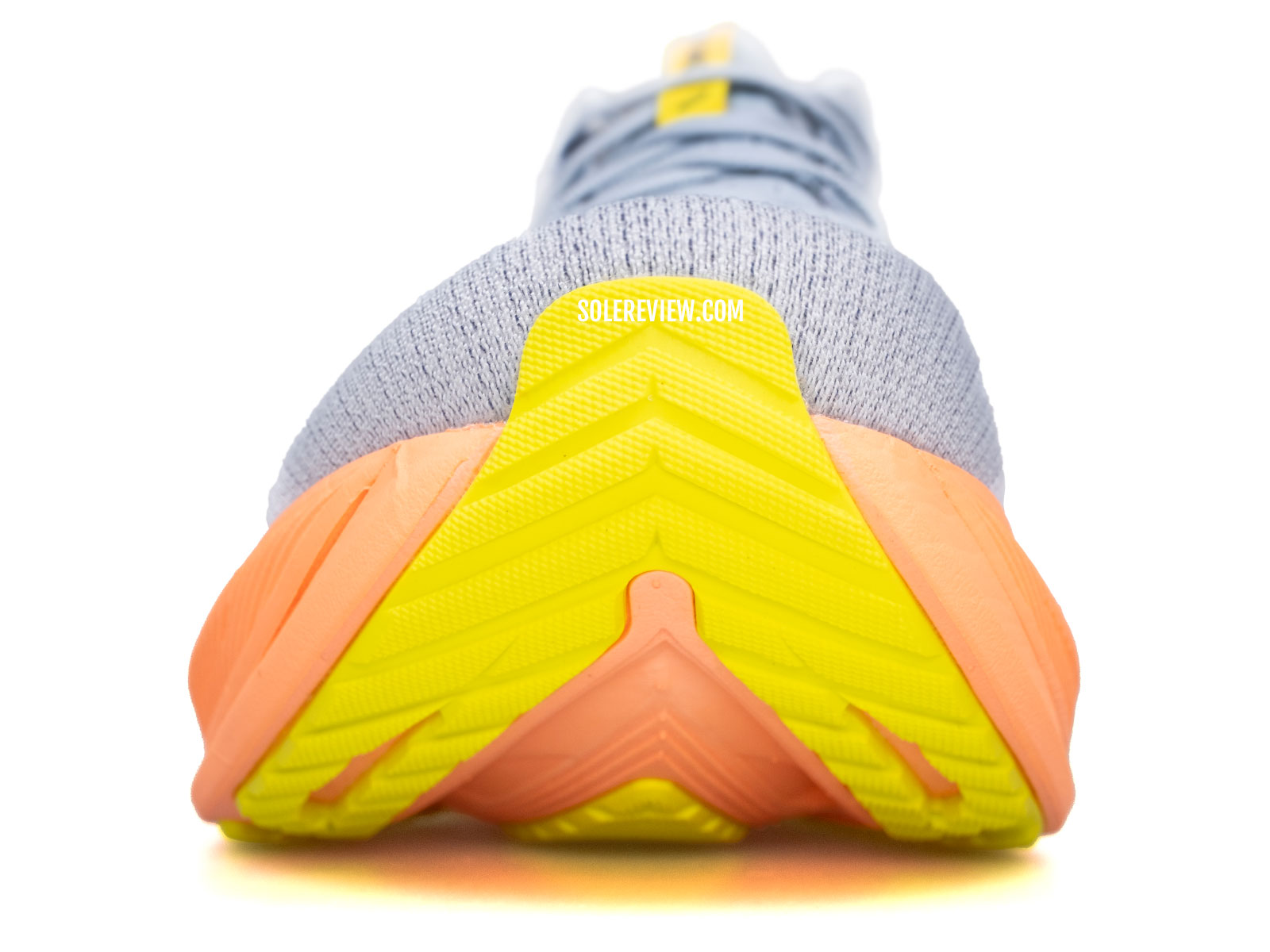
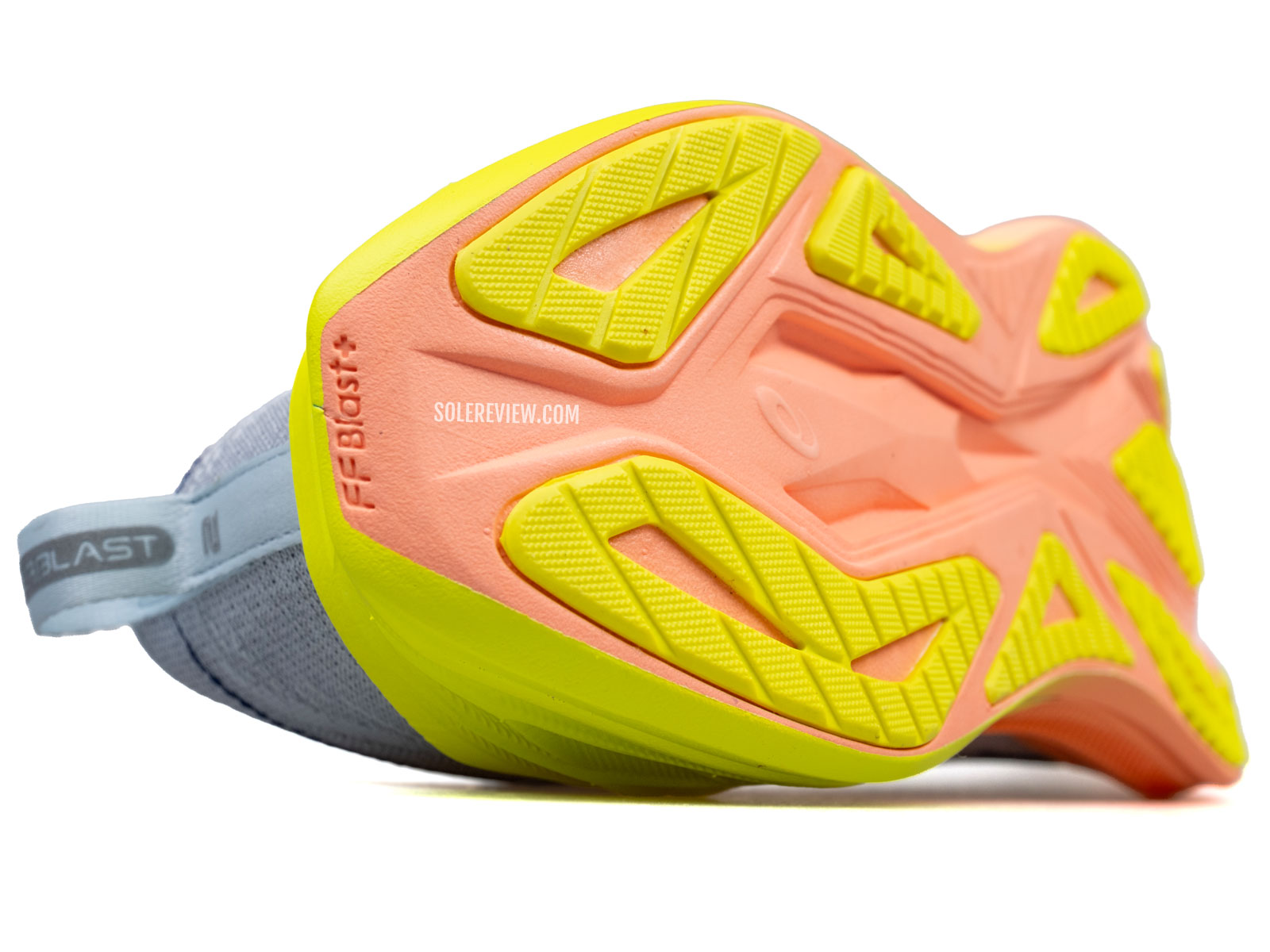
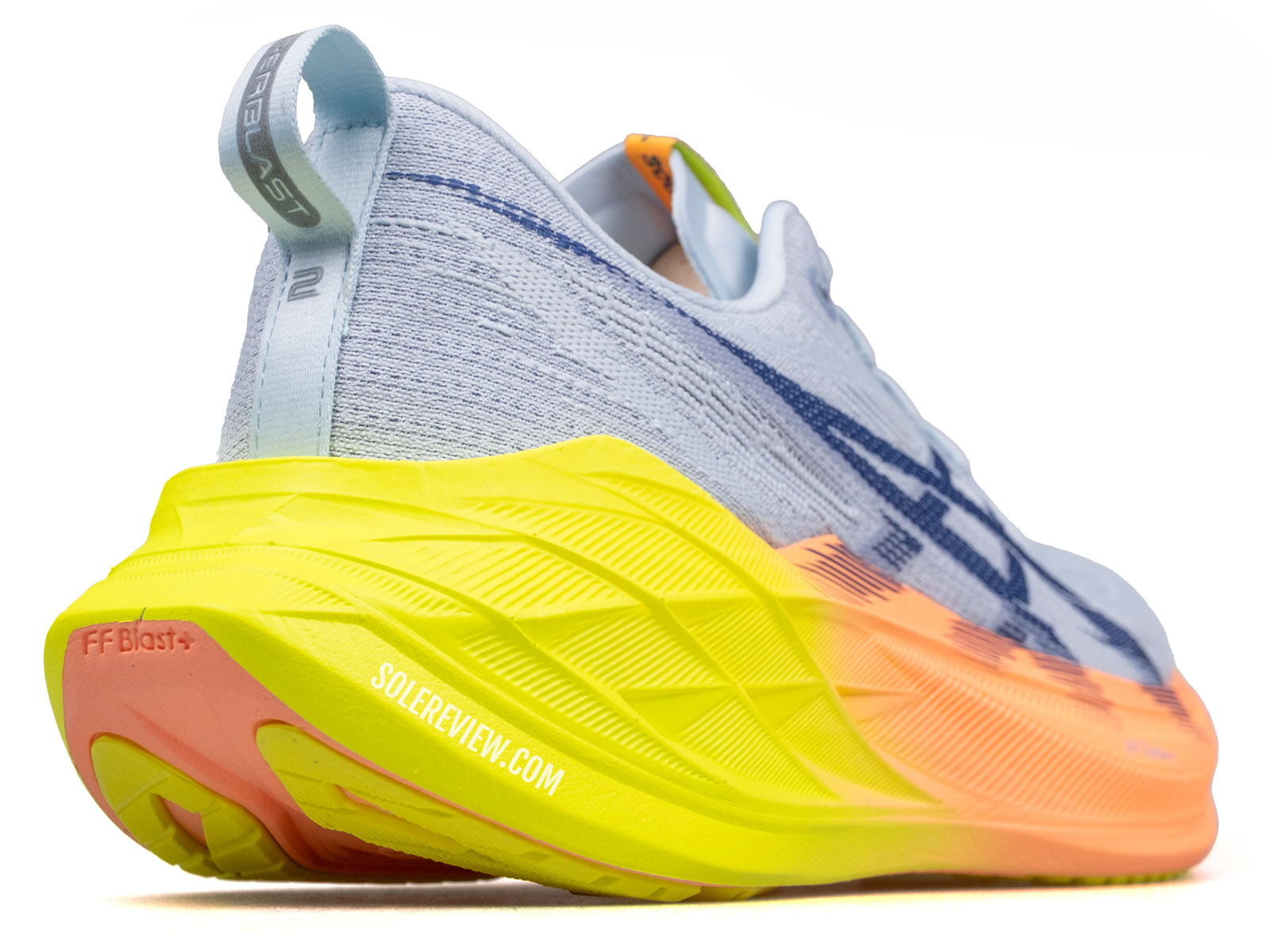
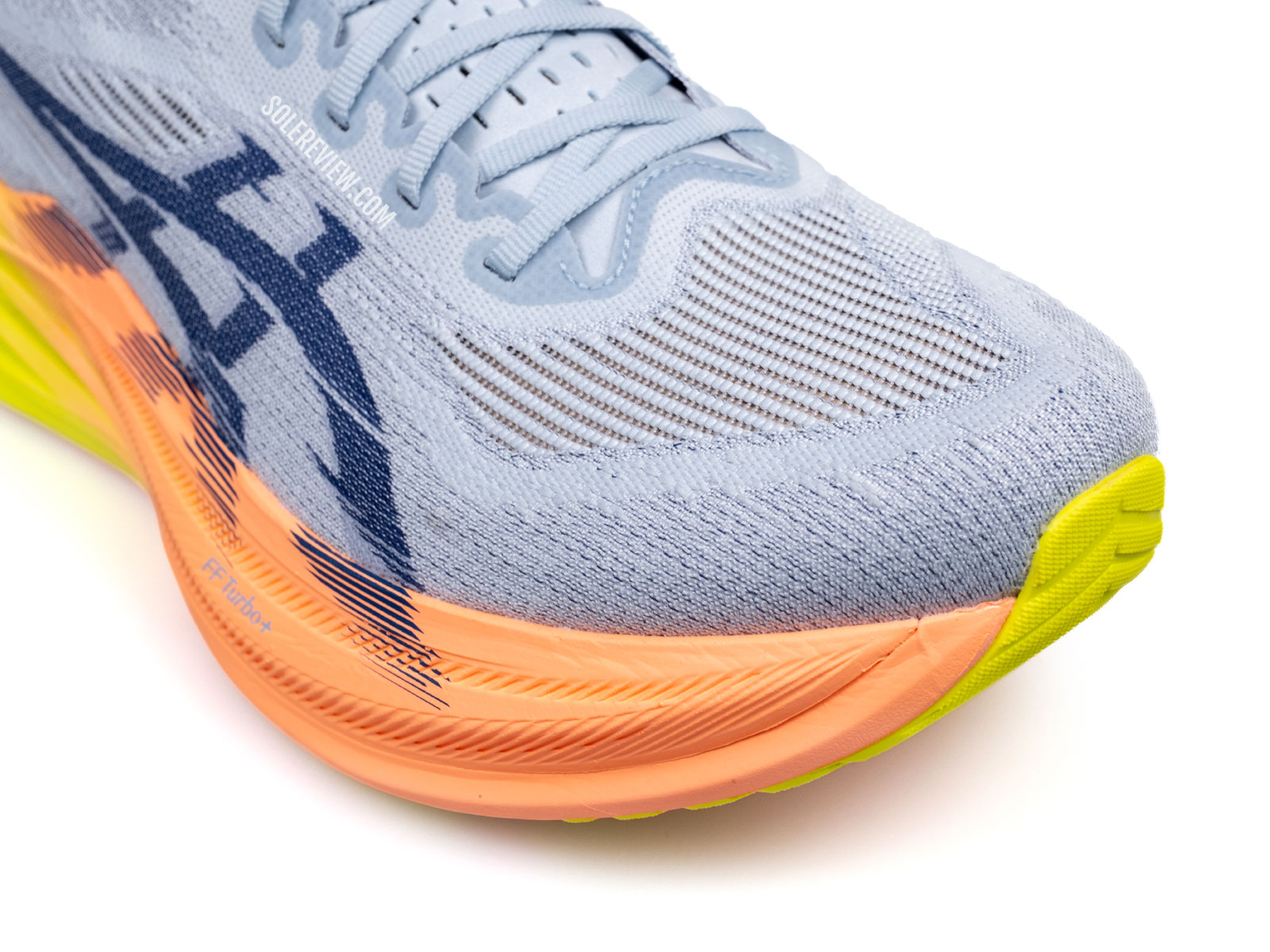

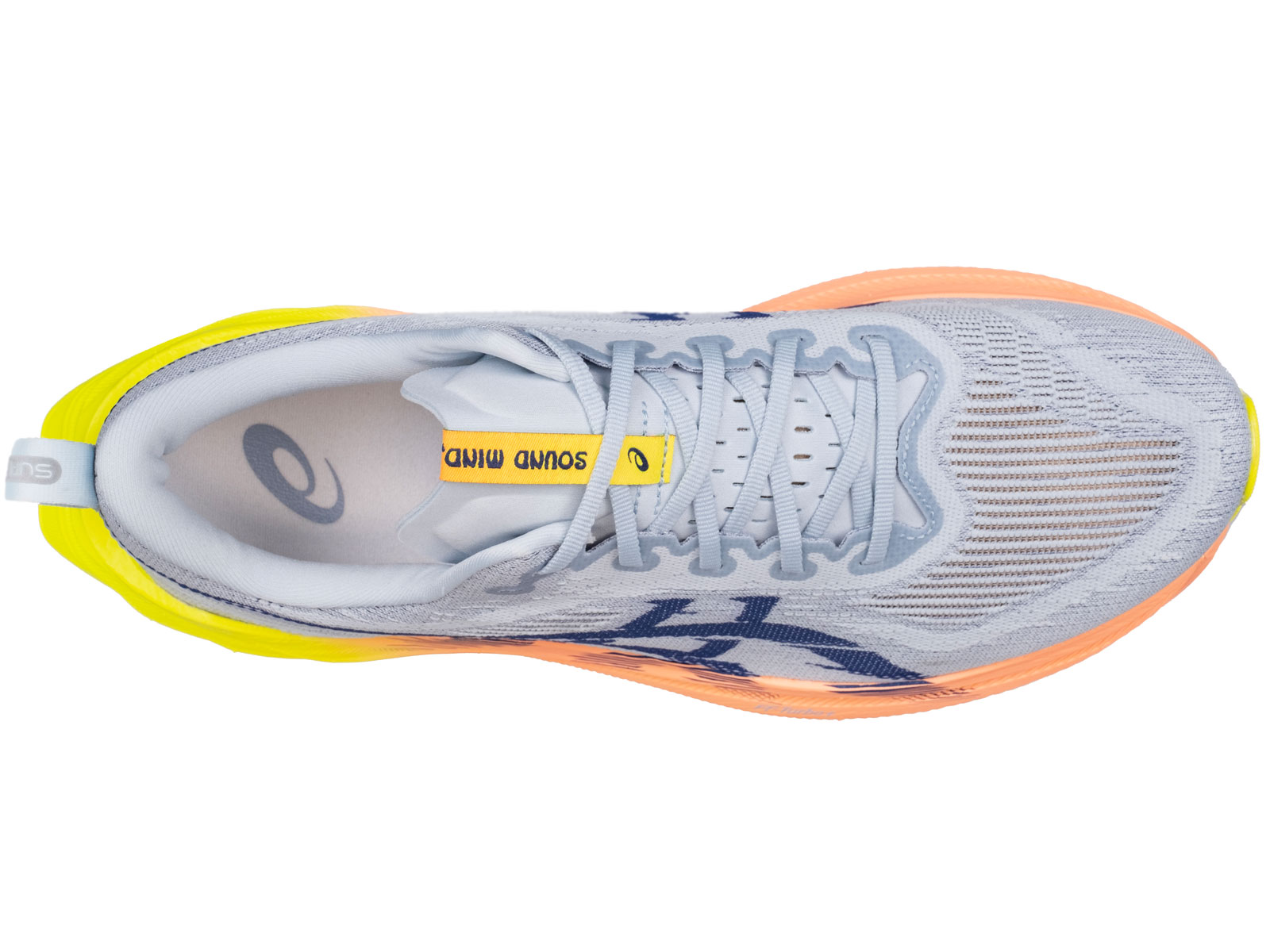
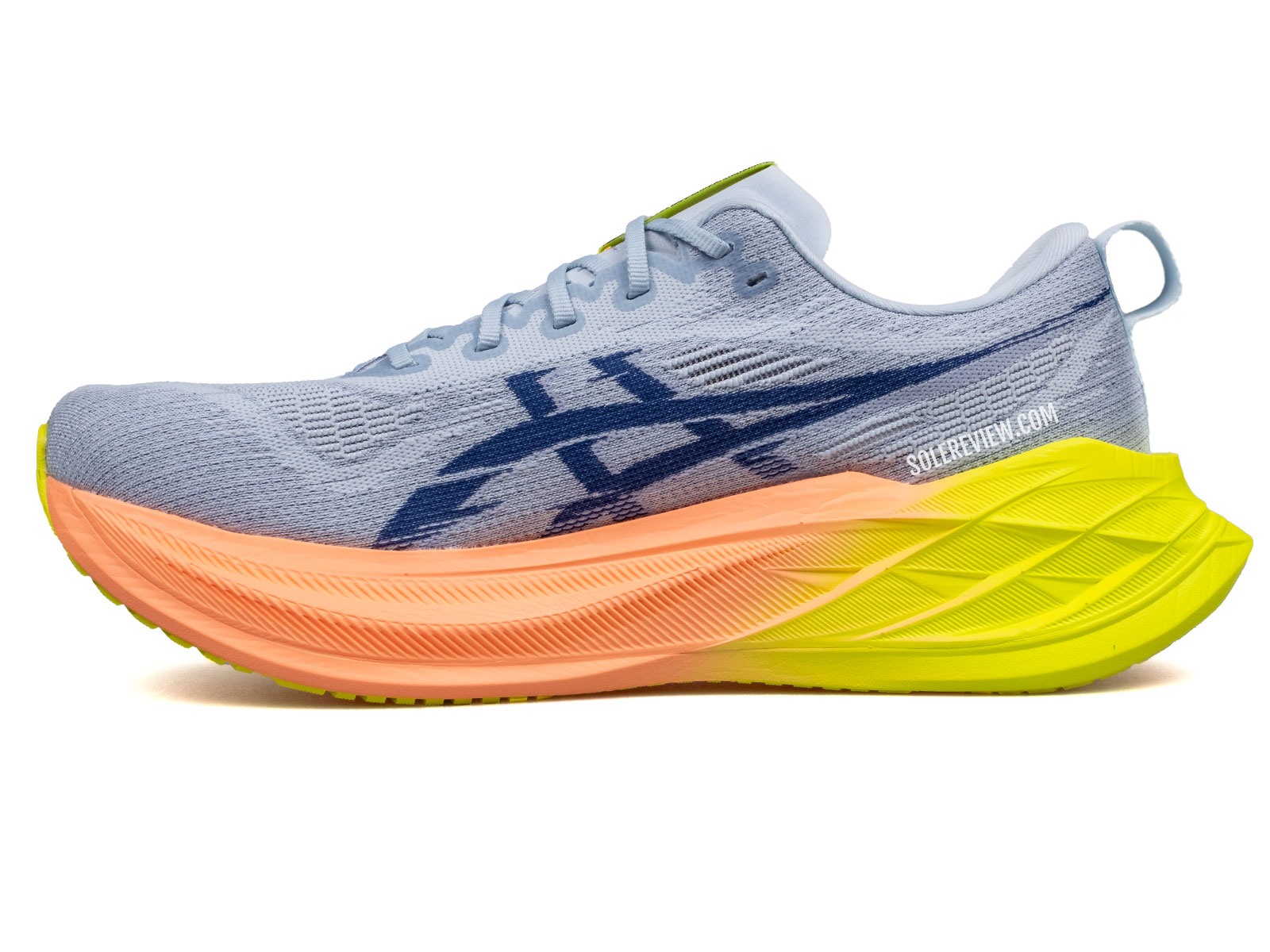
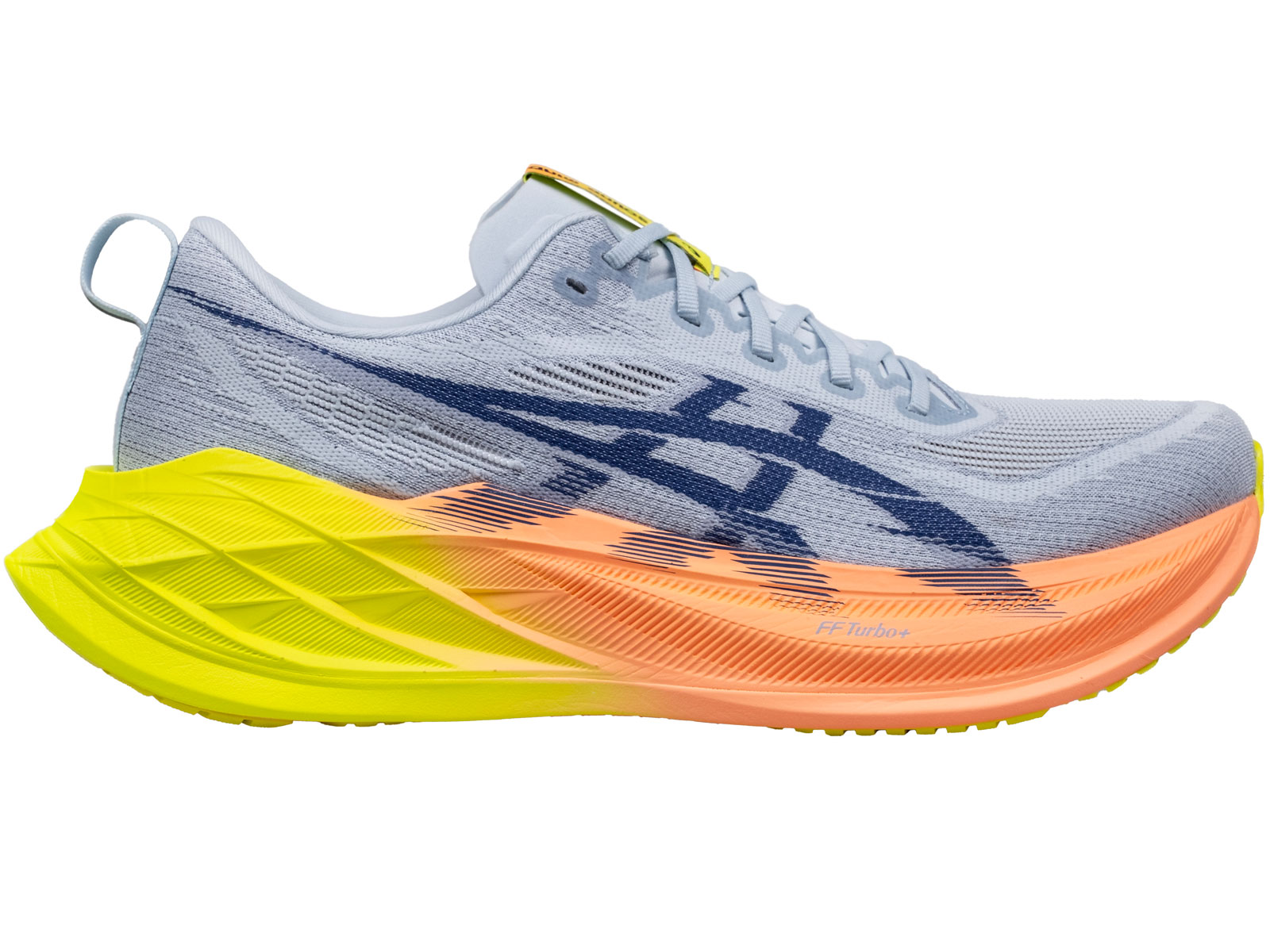
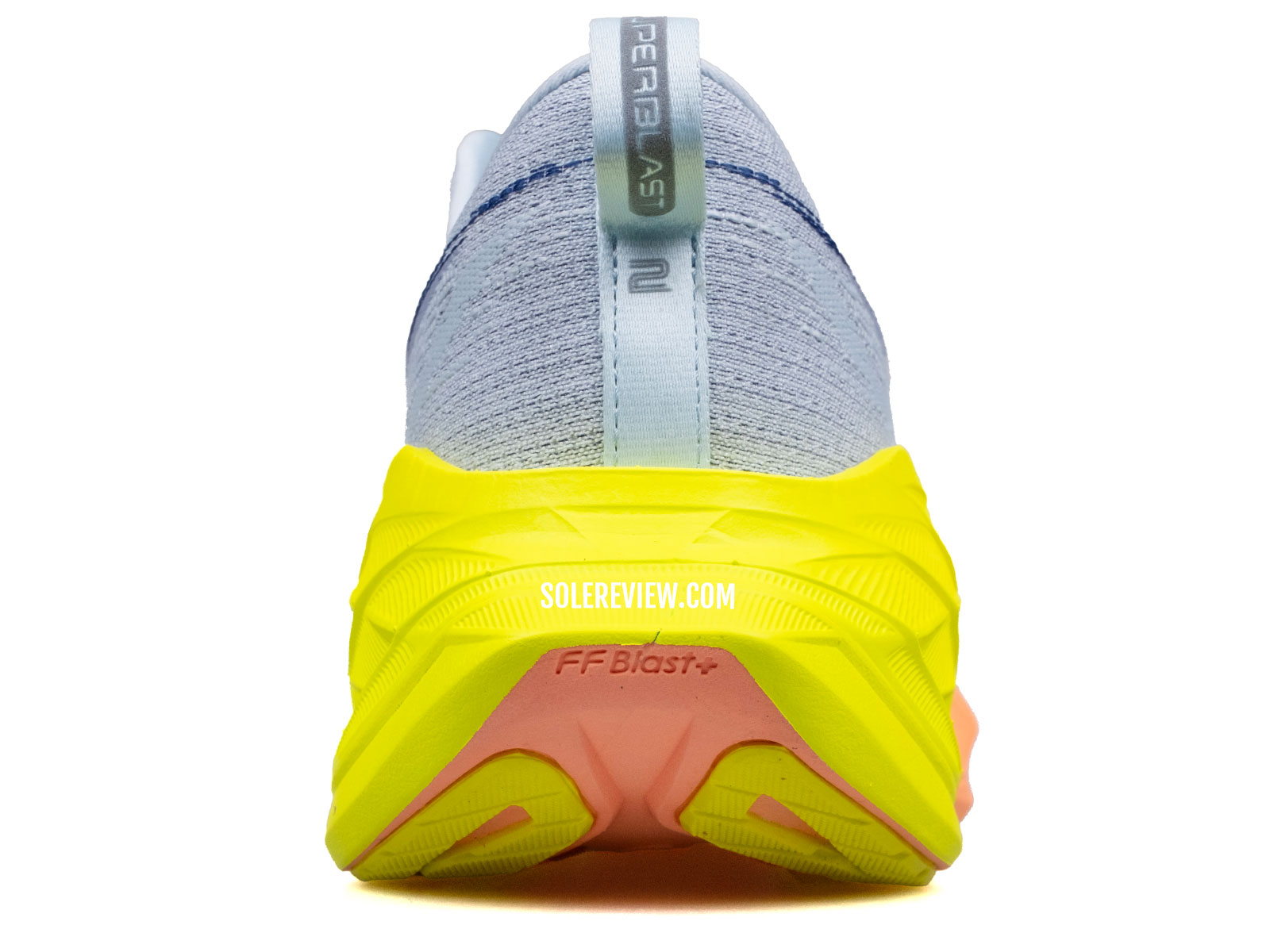
The midsole stability is excellent relative to its stack height and deep cushioning.
And if not training for marathon or half, the Superblast 2 also excels at being that one running shoe to do it all. It can be your daily trainer across different speed and distance ranges. The Superblast 2 is also a good alternative – and upgrade – from the firmer Novablast. Sure, there’s a price premium, but it’s still less expensive than the plated trainers from the Metaspeed series.
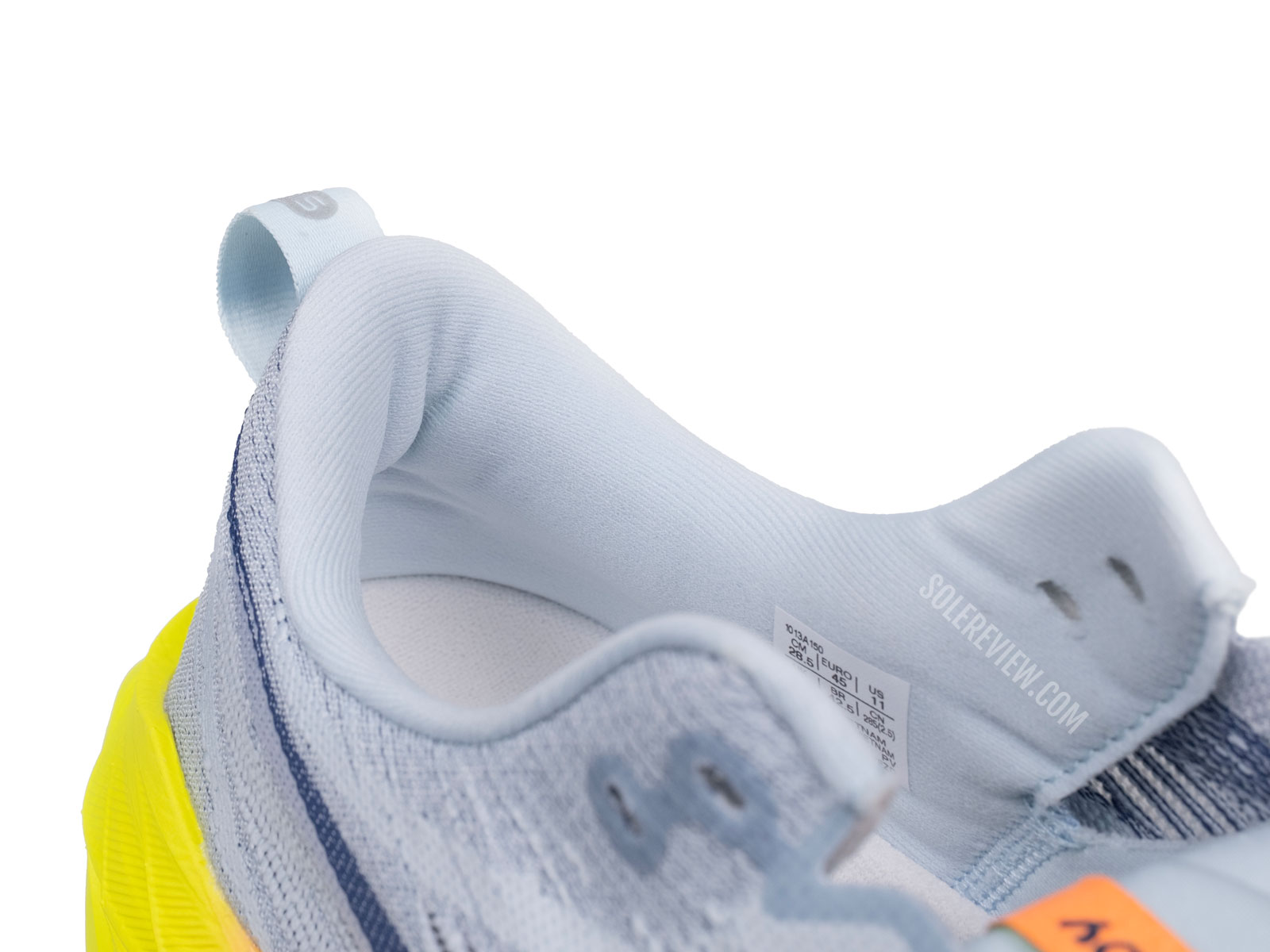
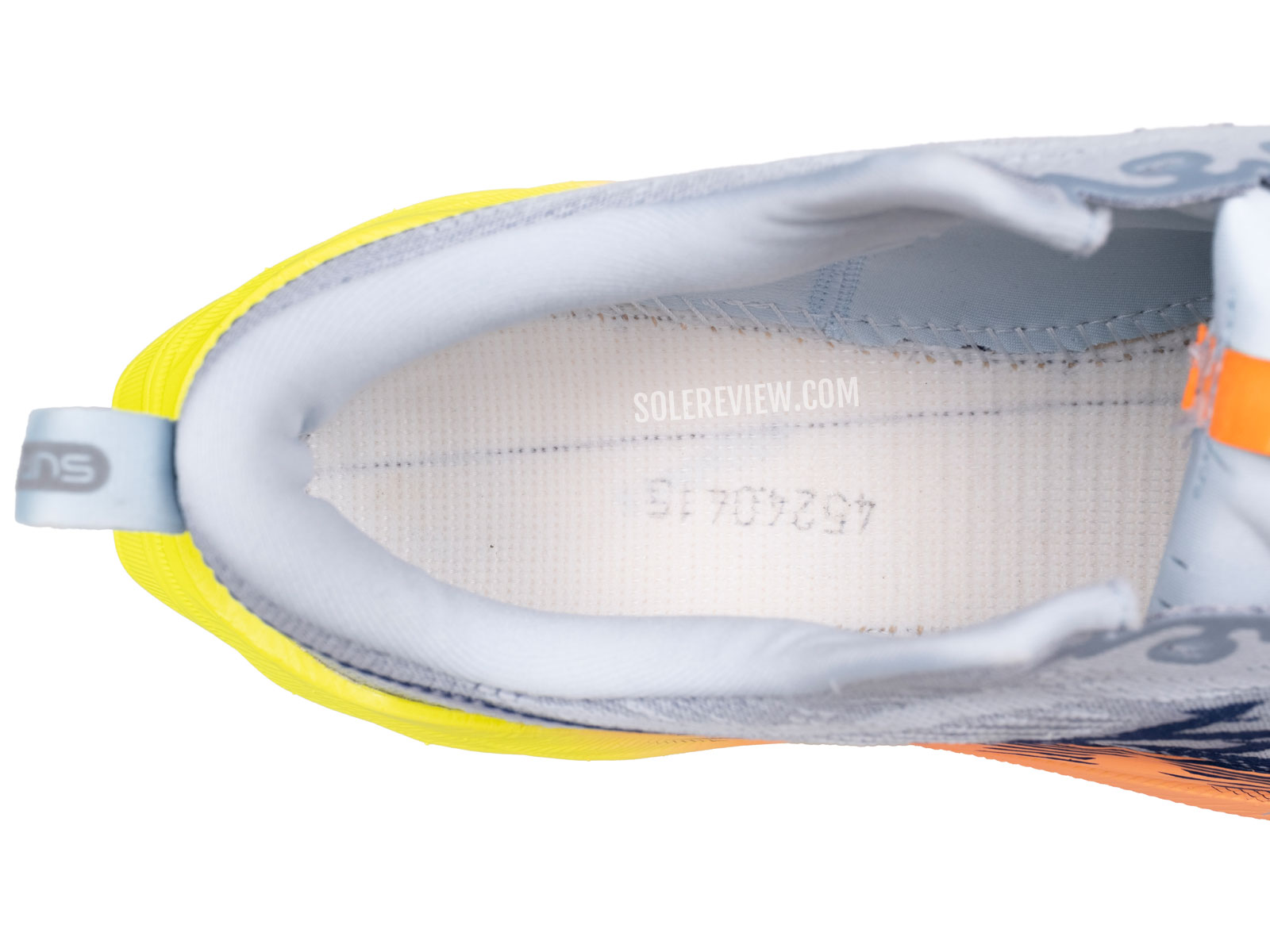
The true-to-size upper performs as expected. It’s lightweight, secure, and smooth on the inside. The redesigned upper has improved ventilation over the Superblast V1 with more toe-box room. On the flip side, the SB2 doesn’t feel as dialed in as the SB1. The upper doesn’t fit as securely, so the foot doesn’t feel as locked in. The softer Flytefoam Turbo midsole makes the SB2 less ‘quick’ than the previous model, relatively speaking.
And if you’re considering the Megablast instead, just enough that it has a much narrower fit than the Superblast. Read more in our in-depth review.
- Asics’s marketing pitch: Supercharged cushioning.
- Upper: Engineered mesh, gusseted tongue.
- Midsole: Flytefoam Turbo and FF Blast, 8 mm heel drop.
- Outsole: Asicsgrip rubber in high-wear areas.
- Weight: 250 gms/ 8.8 Oz for a half pair of Men’s US 9/UK 8/EUR 42.5/CM 27.
- Stack heights: 45 mm (heel), 37 mm (forefoot).
- Available widths: D – regular (reviewed).
- Previous model: Asics Superblast 1.
- Country of origin: Vietnam.
- Recommended use: Daily training, recovery runs, marathons.
- Footstrike orientation: Heel, midfoot/forefoot (full contact).
- Median lifespan: 450 miles.
- Recommended paces: Slower than 4:30 min/km (7:00 min/mile).
- Recommended temperature range: Warmer than -0° C/32° F.
Pros
- Lightweight yet deep cushioning
- Supportive ride
- No performance penalty for slow speeds and heel landings
- Ventilation
- Long-distance comfort
- Multiple widths
Cons
- Weak upper fit lockdown
- Diminished speed capabilities versus the V1
- Under-utilized rocker because of excess upper space and softer ride
- Lack of optional widths
- Scarce reflectivity
Also consider:
- Brooks Hyperion Max 3
- New Balance SC Trainer v3
- Nike Zoom Fly 6
- Use the Asics Superblast 2 for daily runs, recovery, and long runs
- Use the Asics Metaspeed Sky Tokyo or Saucony Endorphin Pro 4 for marathons
- Use the Asics Hyperspeed 5 or adidas Takumi 11 for intervals, tempo runs, and short races
The Metaspeed Edge Tokyo and Sky Tokyo share an identical upper, yet possess different ride characters. Choosing between the two can be confusing, so we recommend the Edge over the Sky. It has better overall stability and is the ‘faster’ of the two. The word ‘fast’ is subjective, but what makes the Metaspeed Edge a better shoe for relatively shorter distances (5k to a half-marathon) is its plate design.
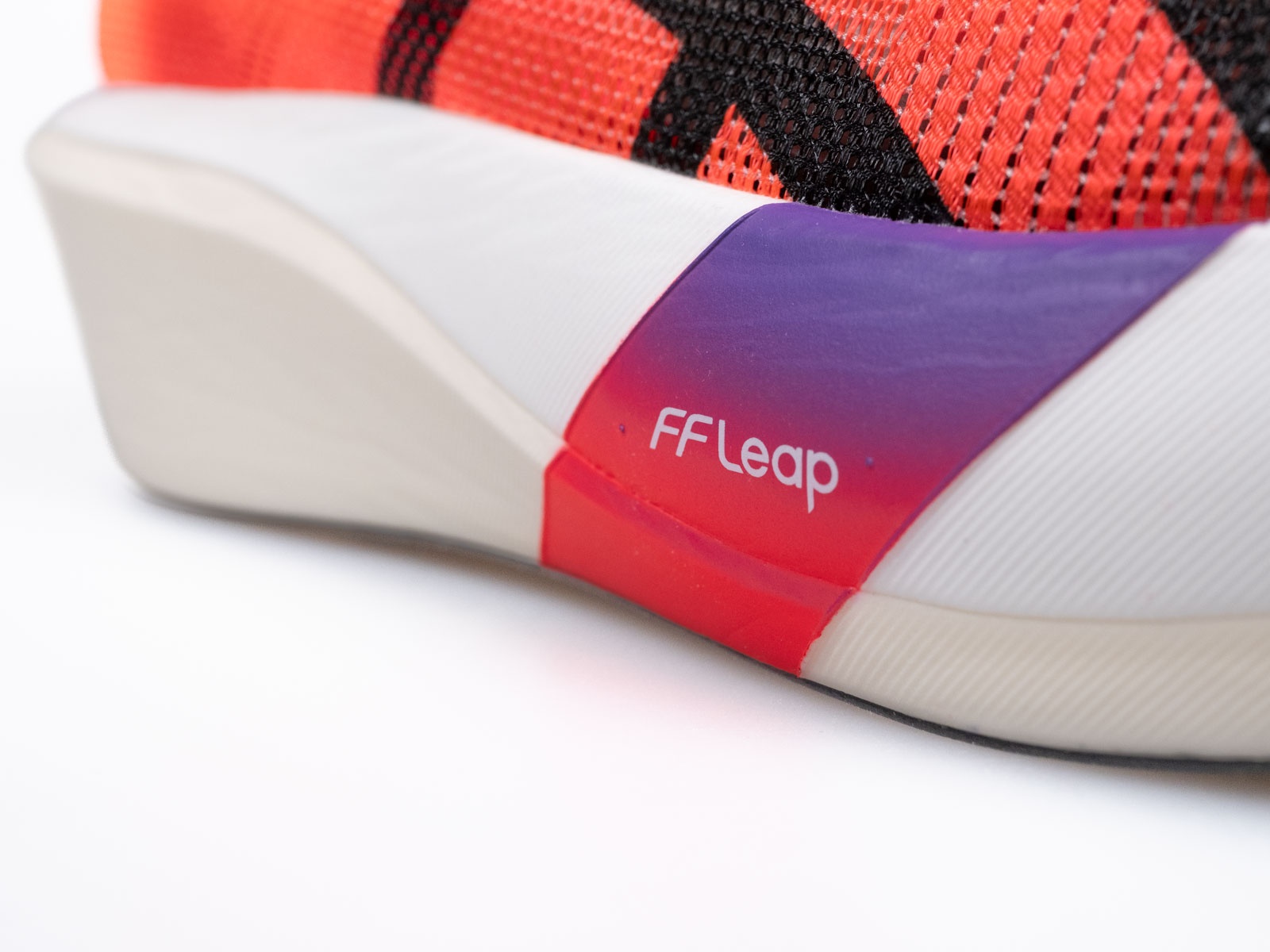
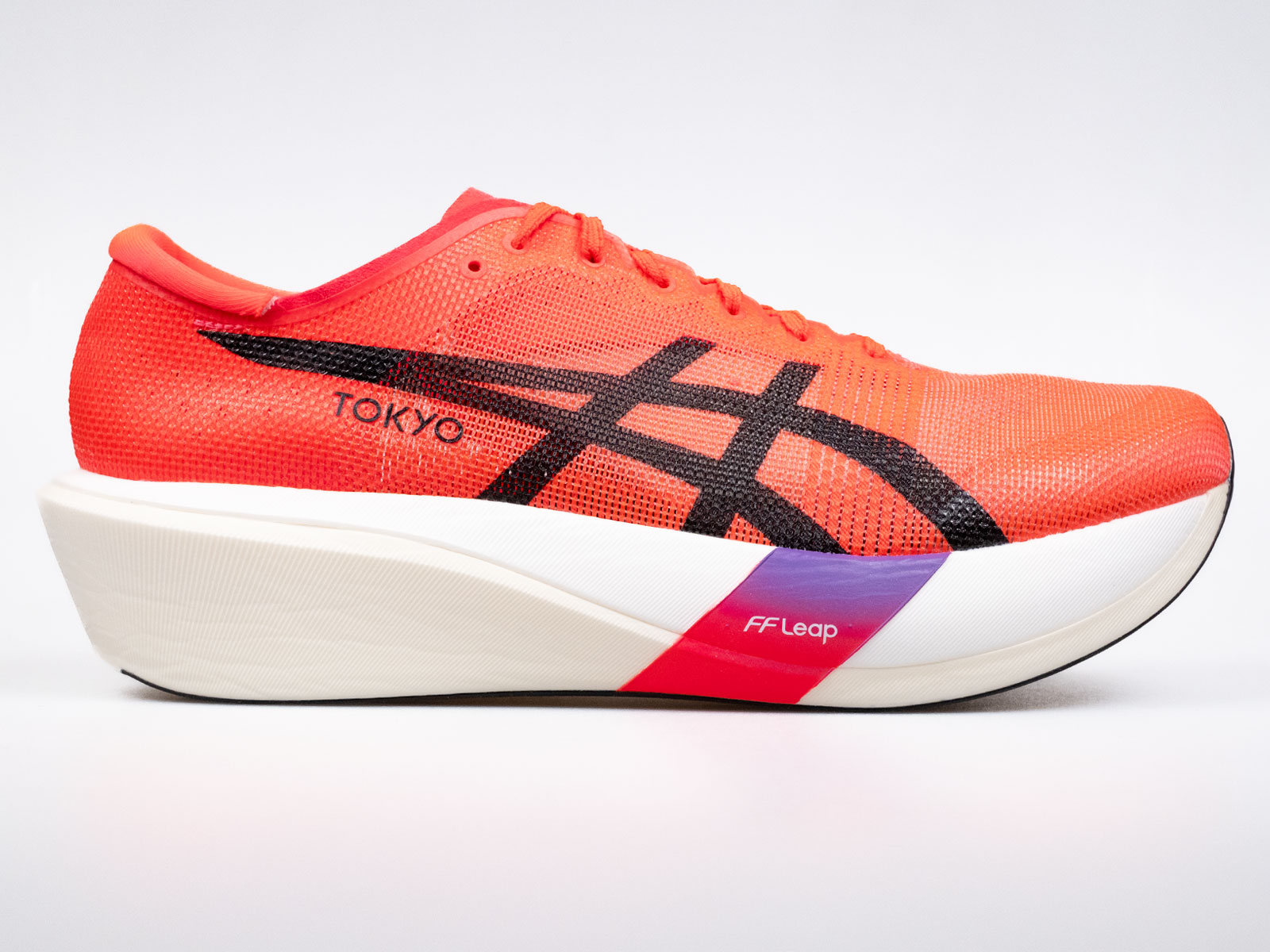
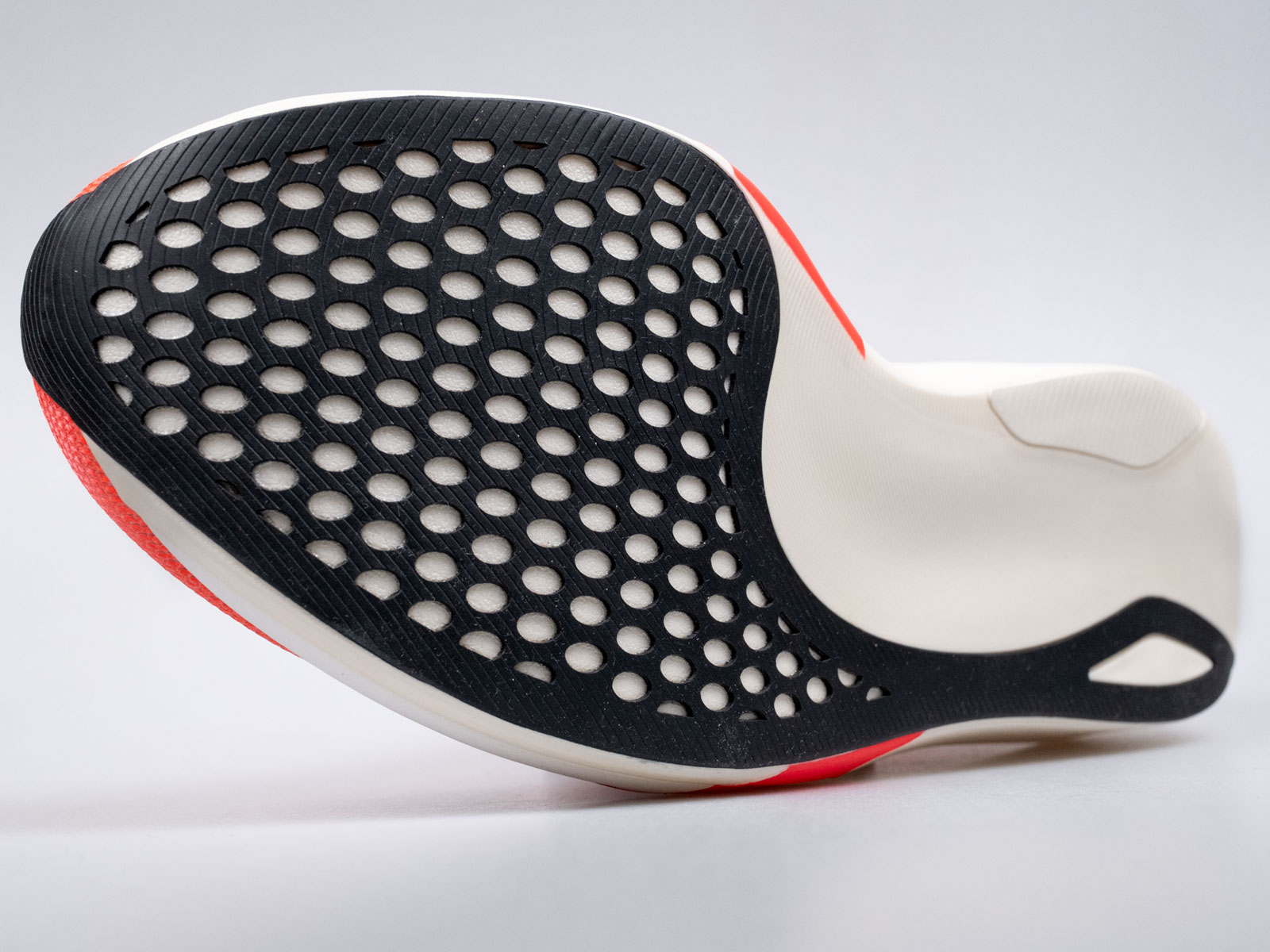
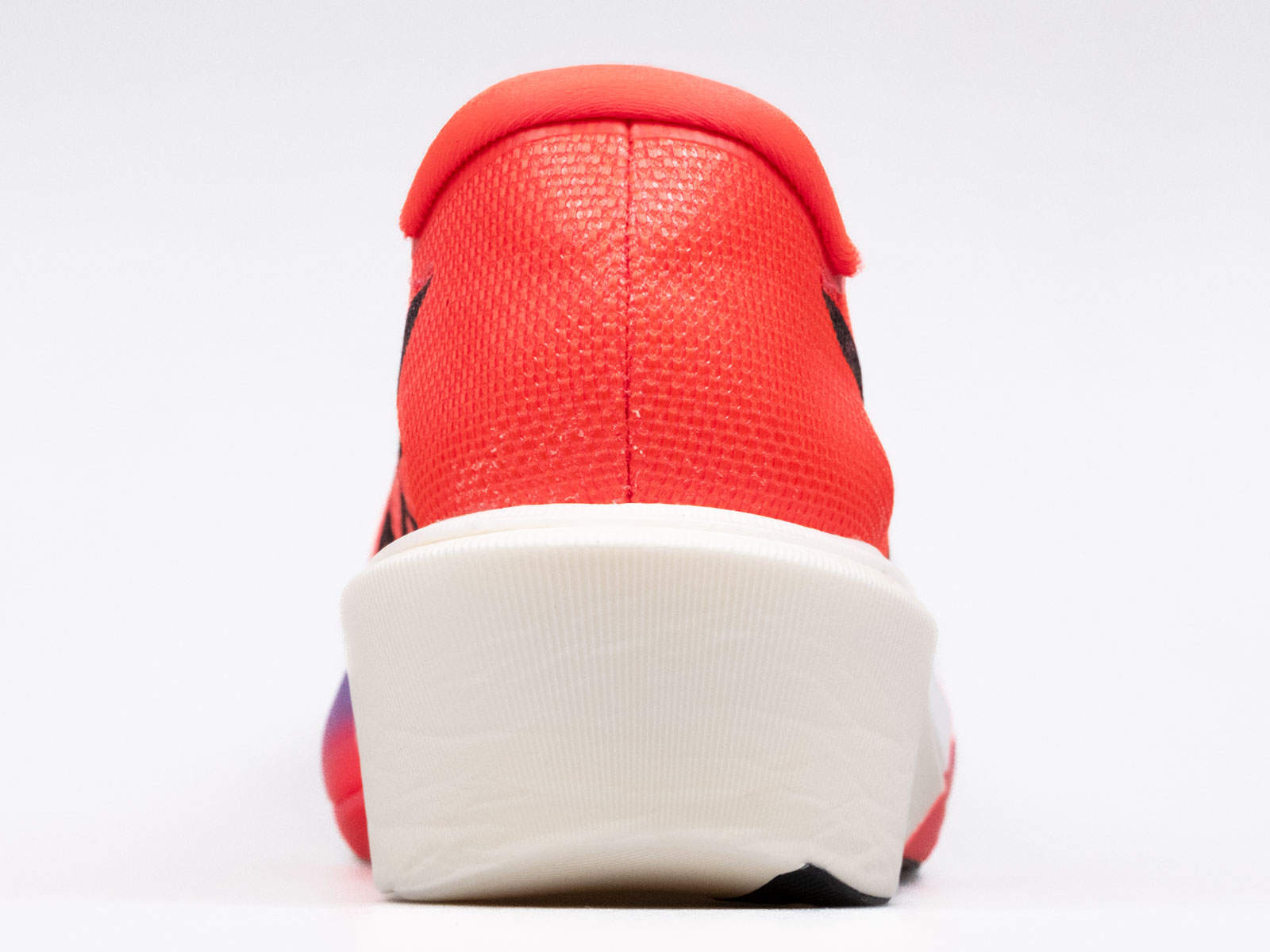
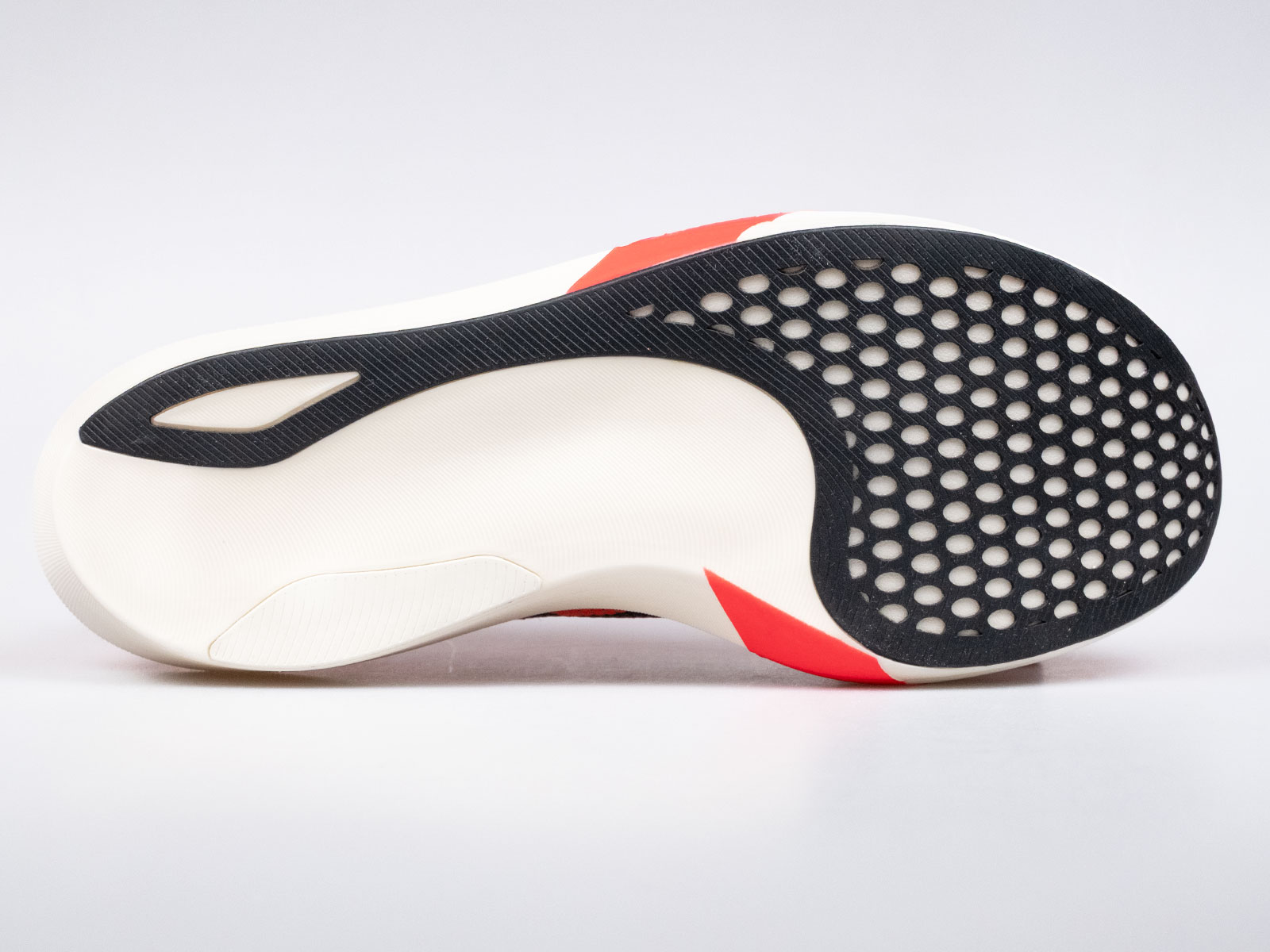
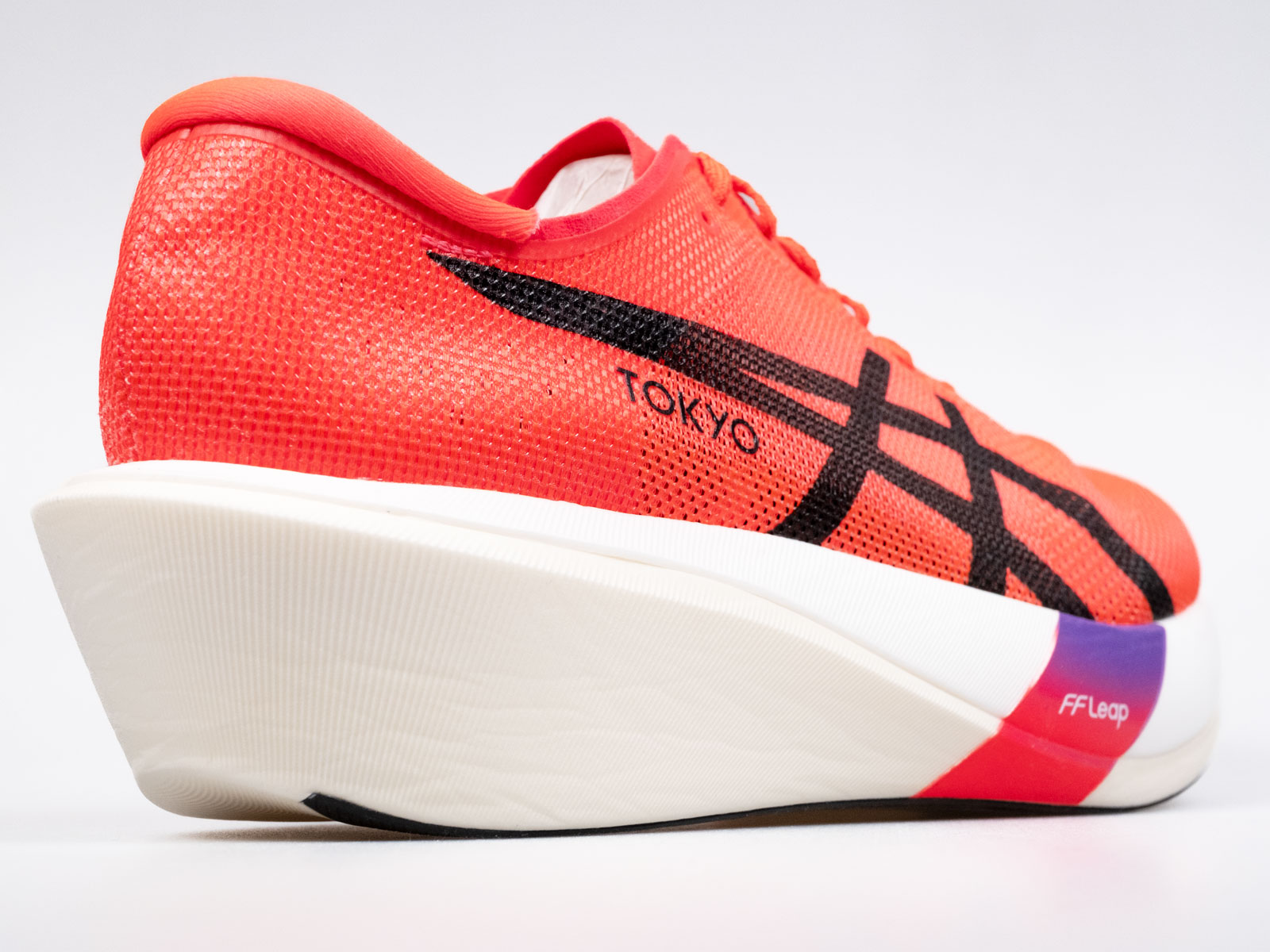
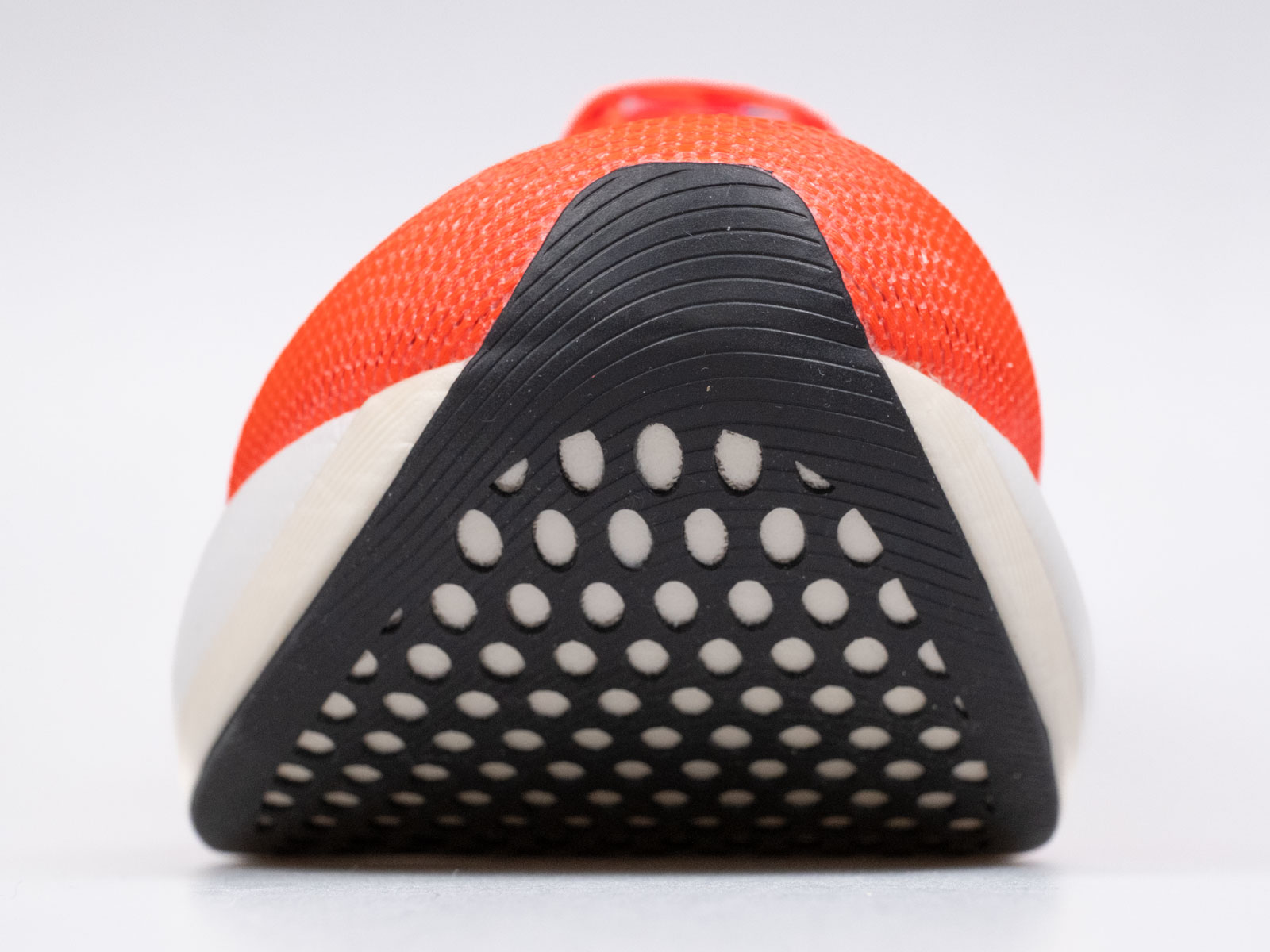

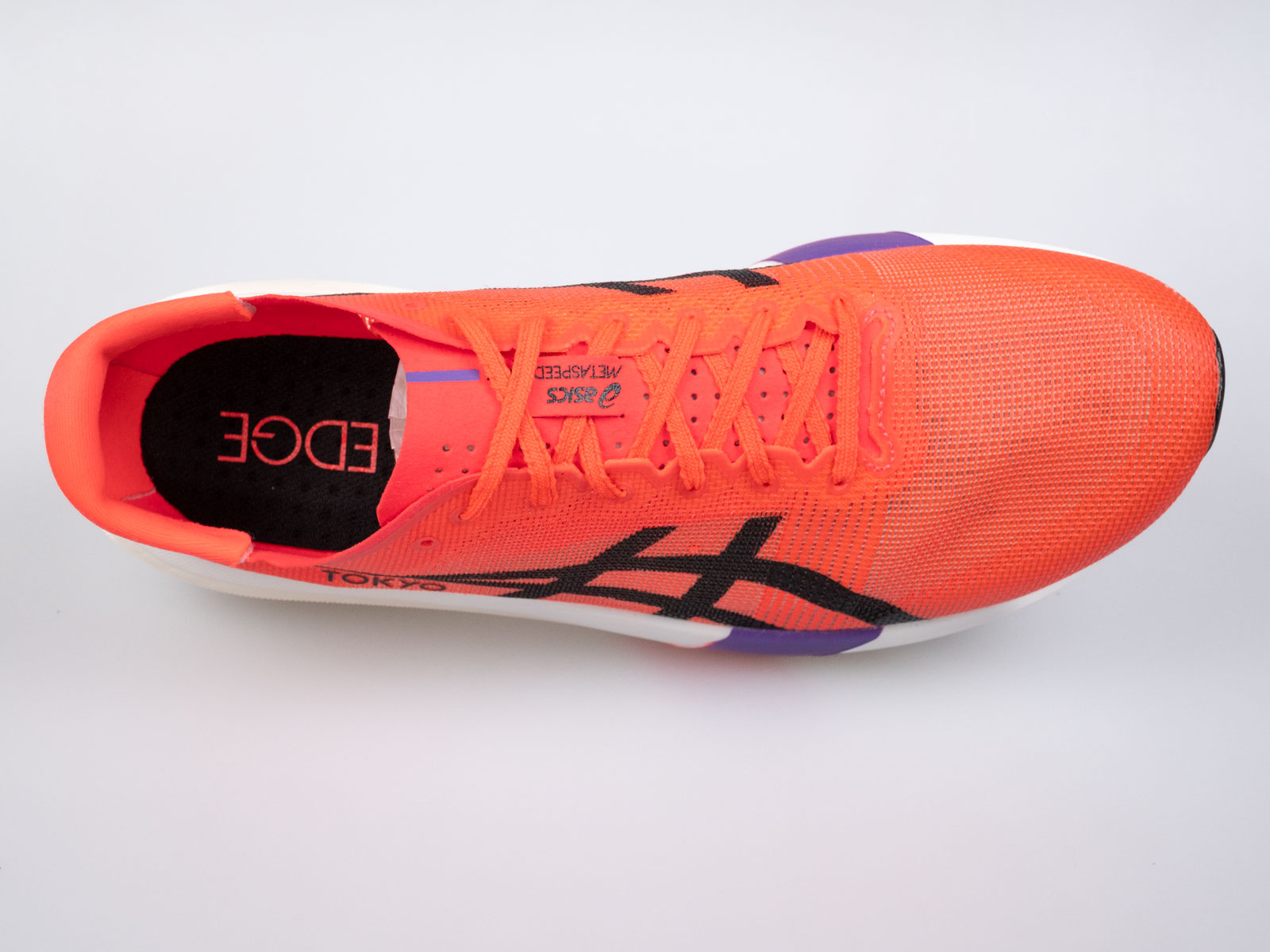
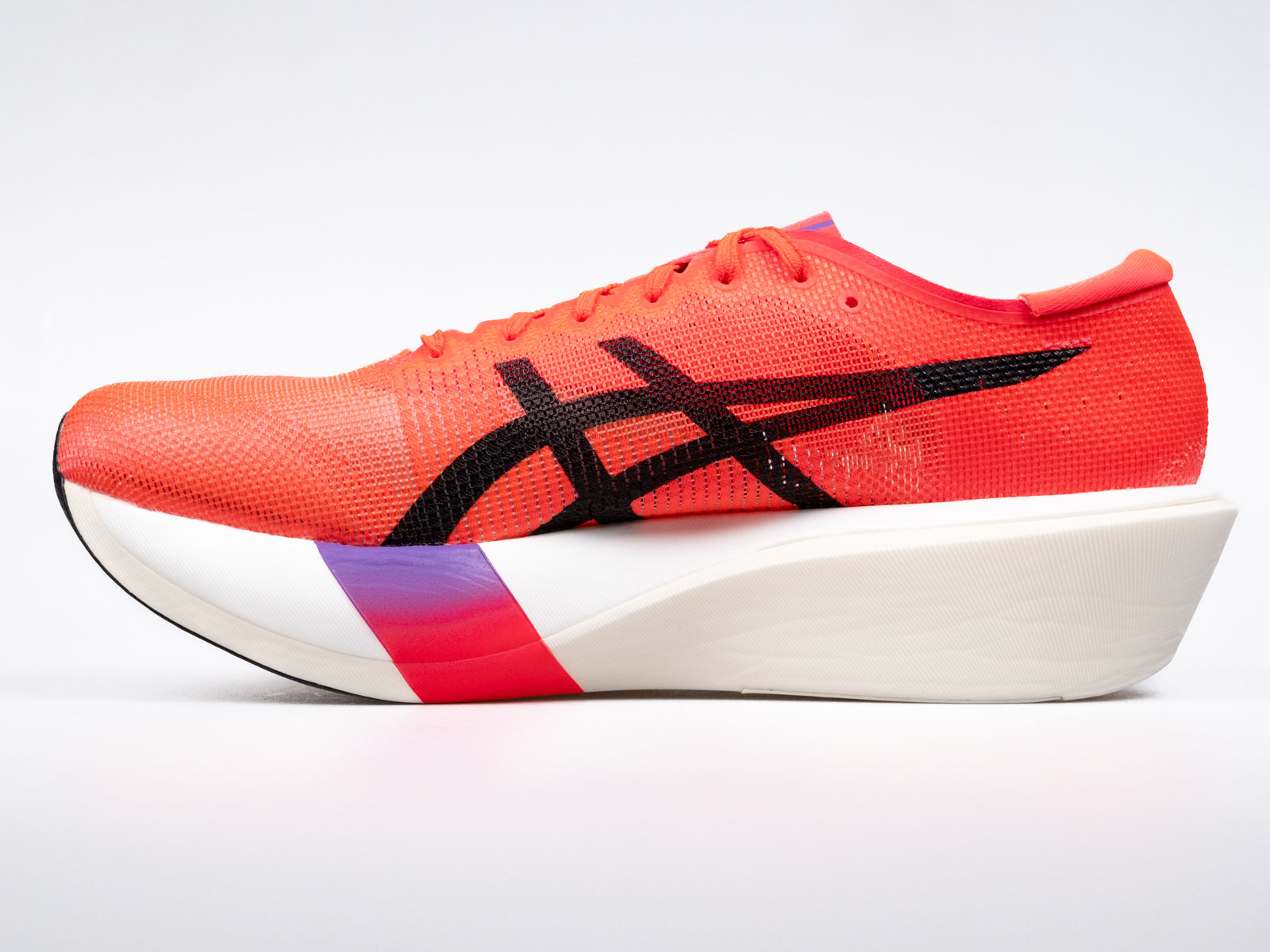

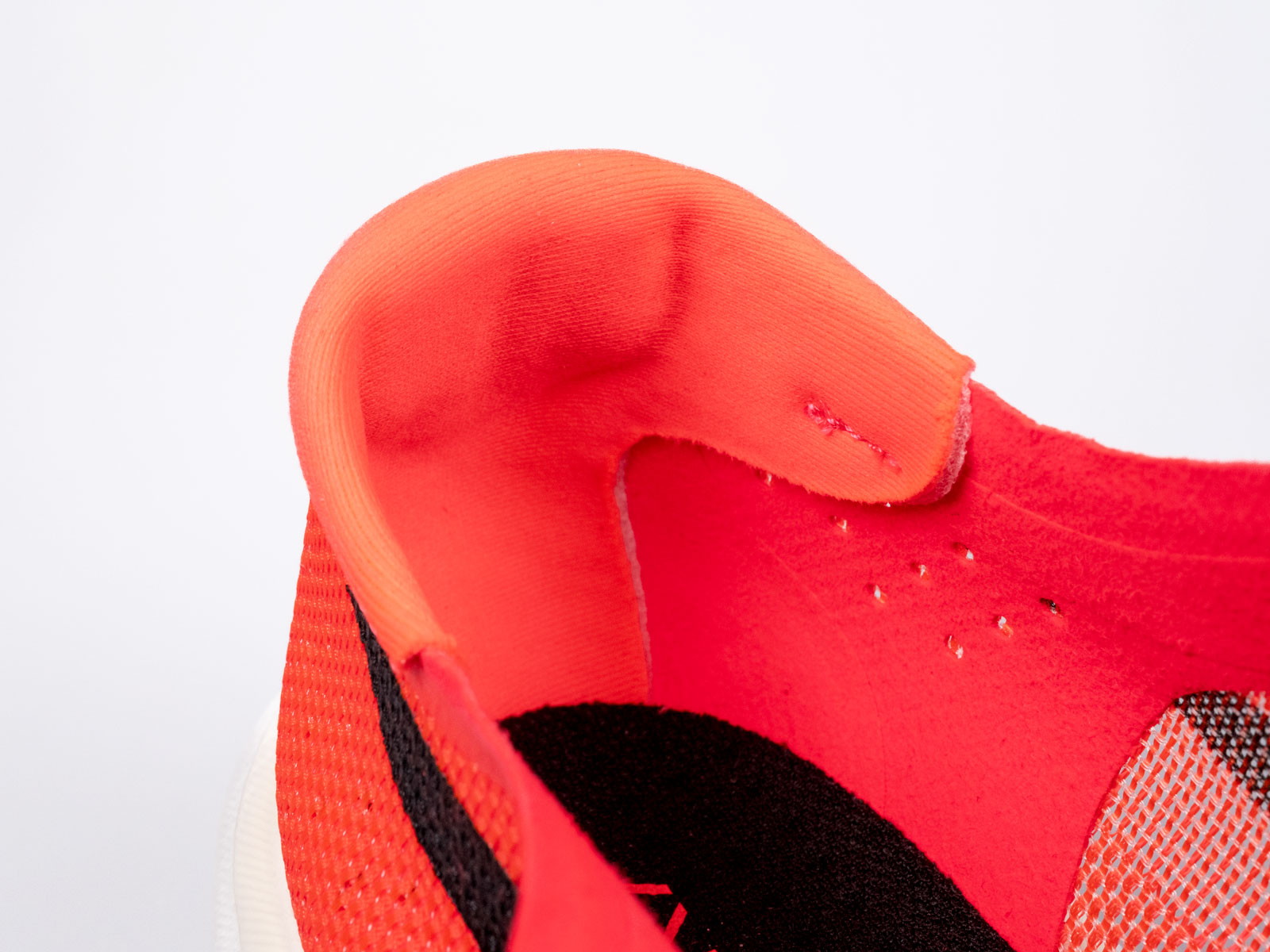
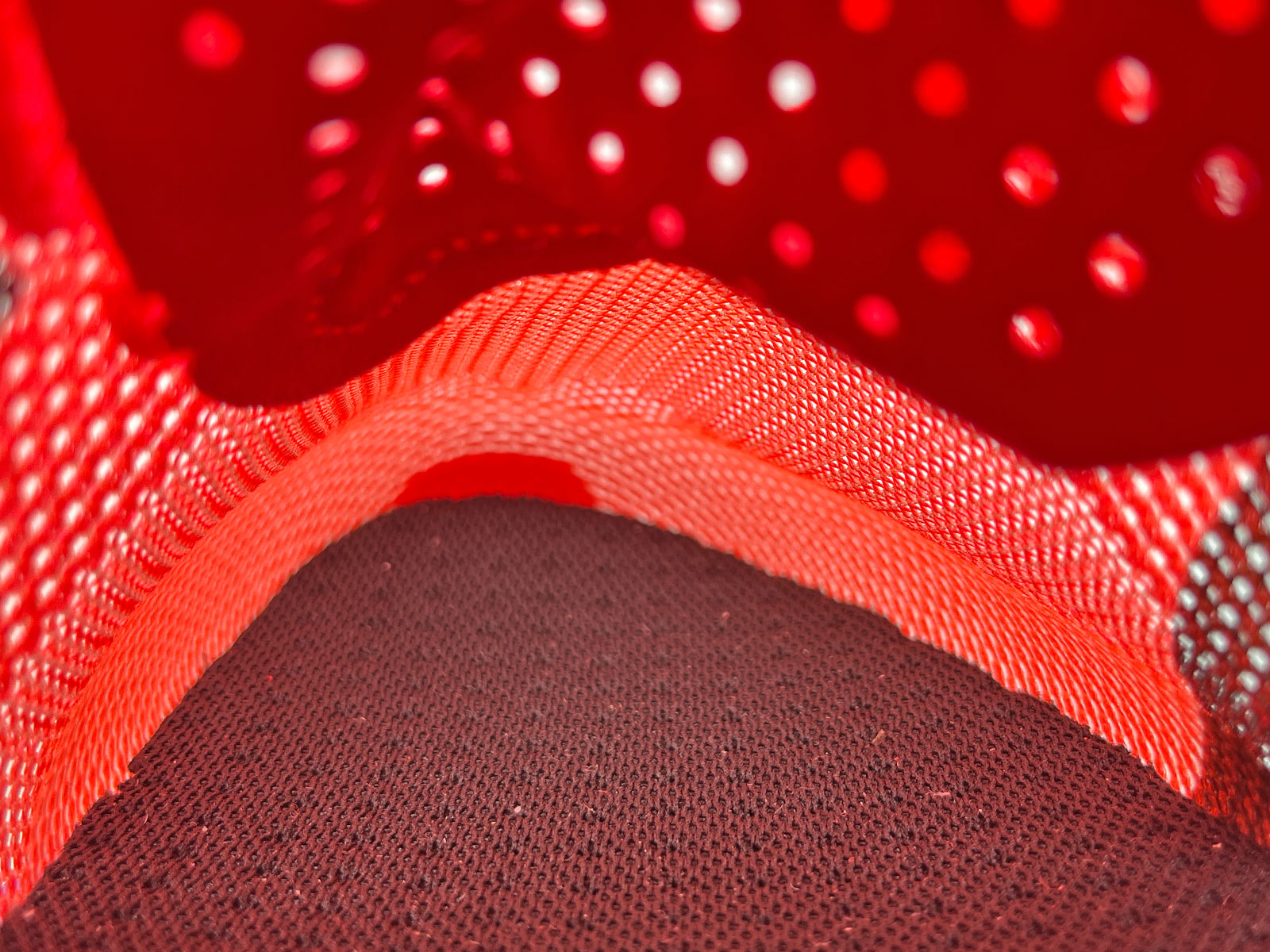
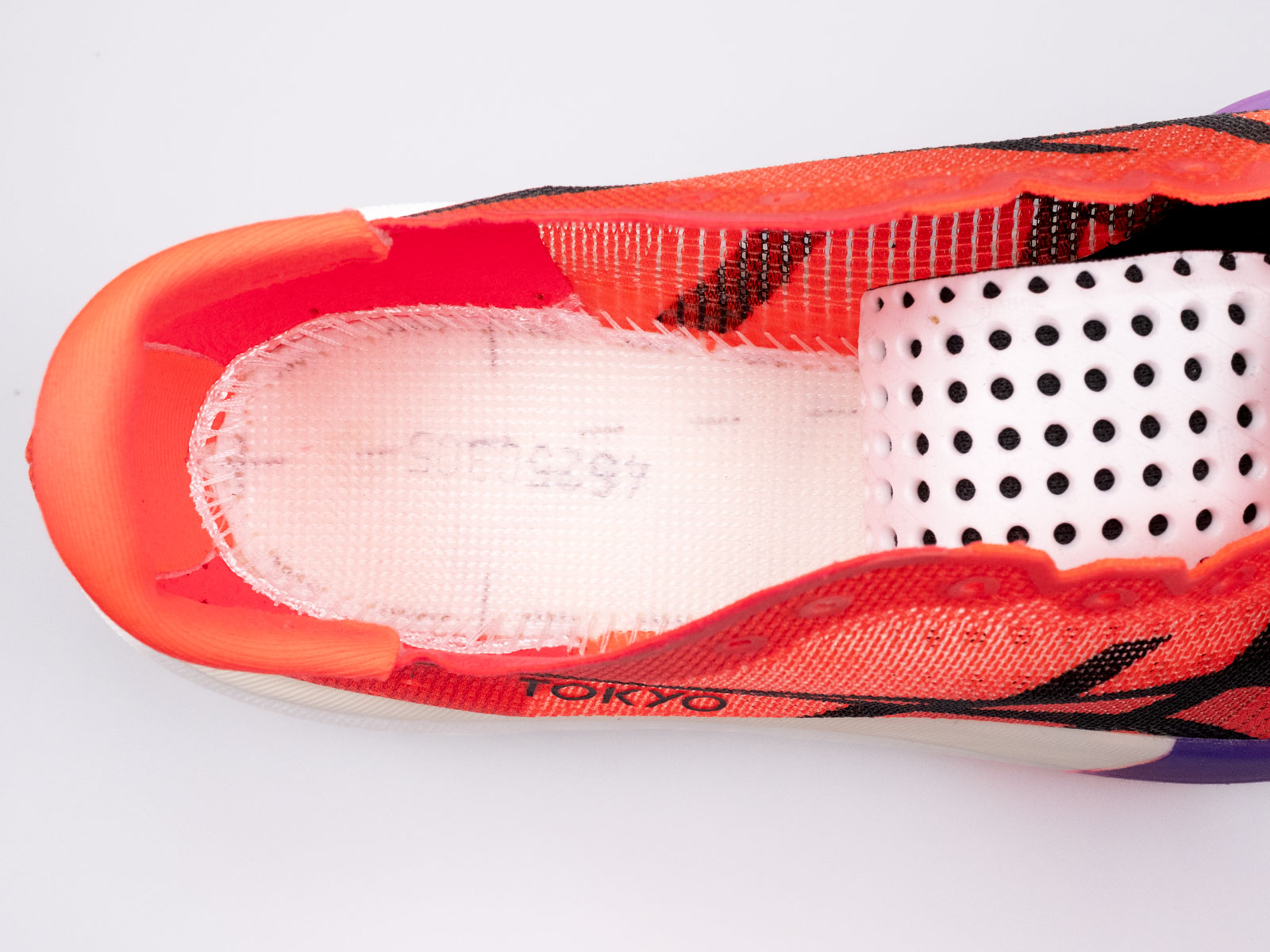
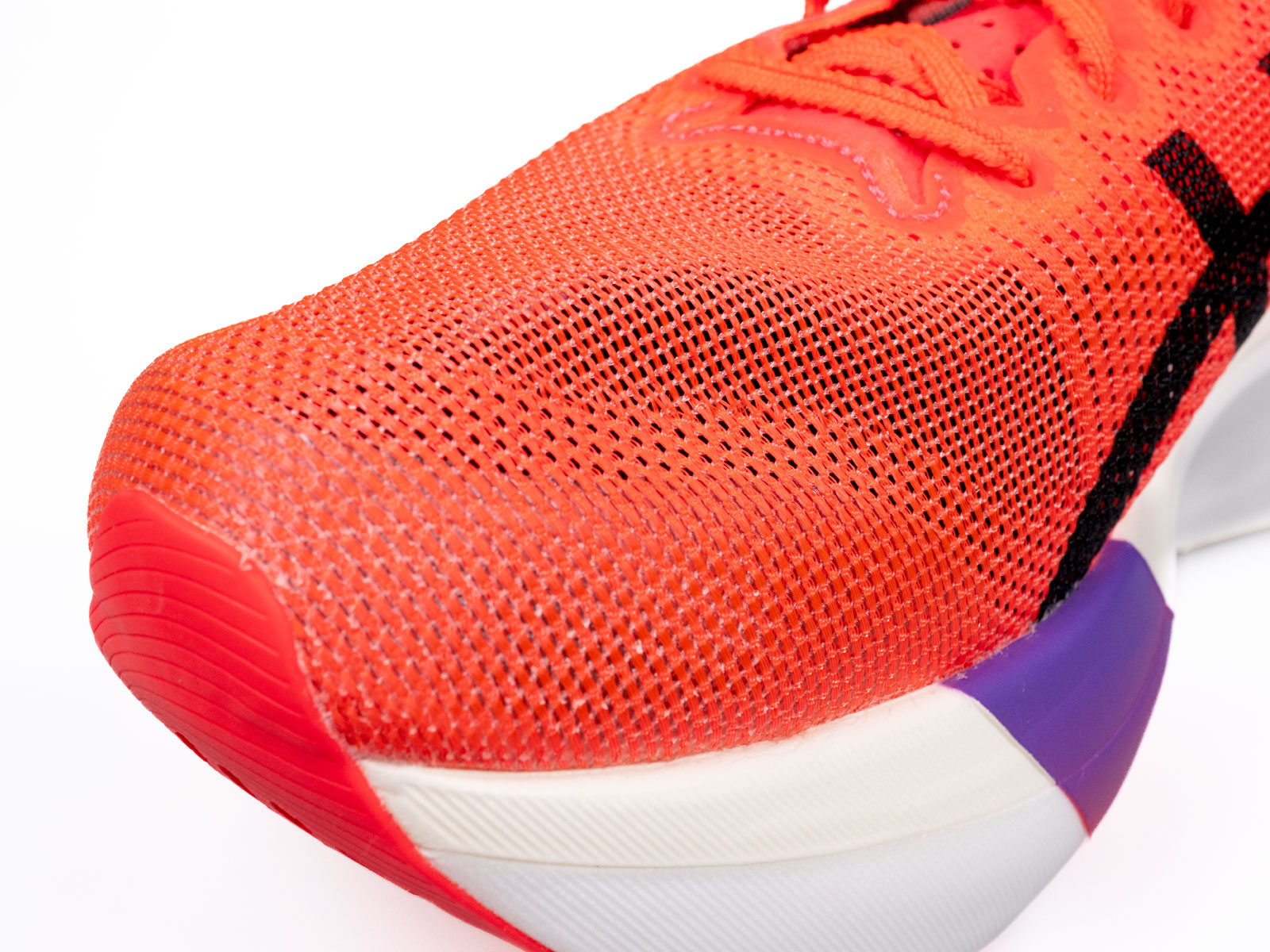
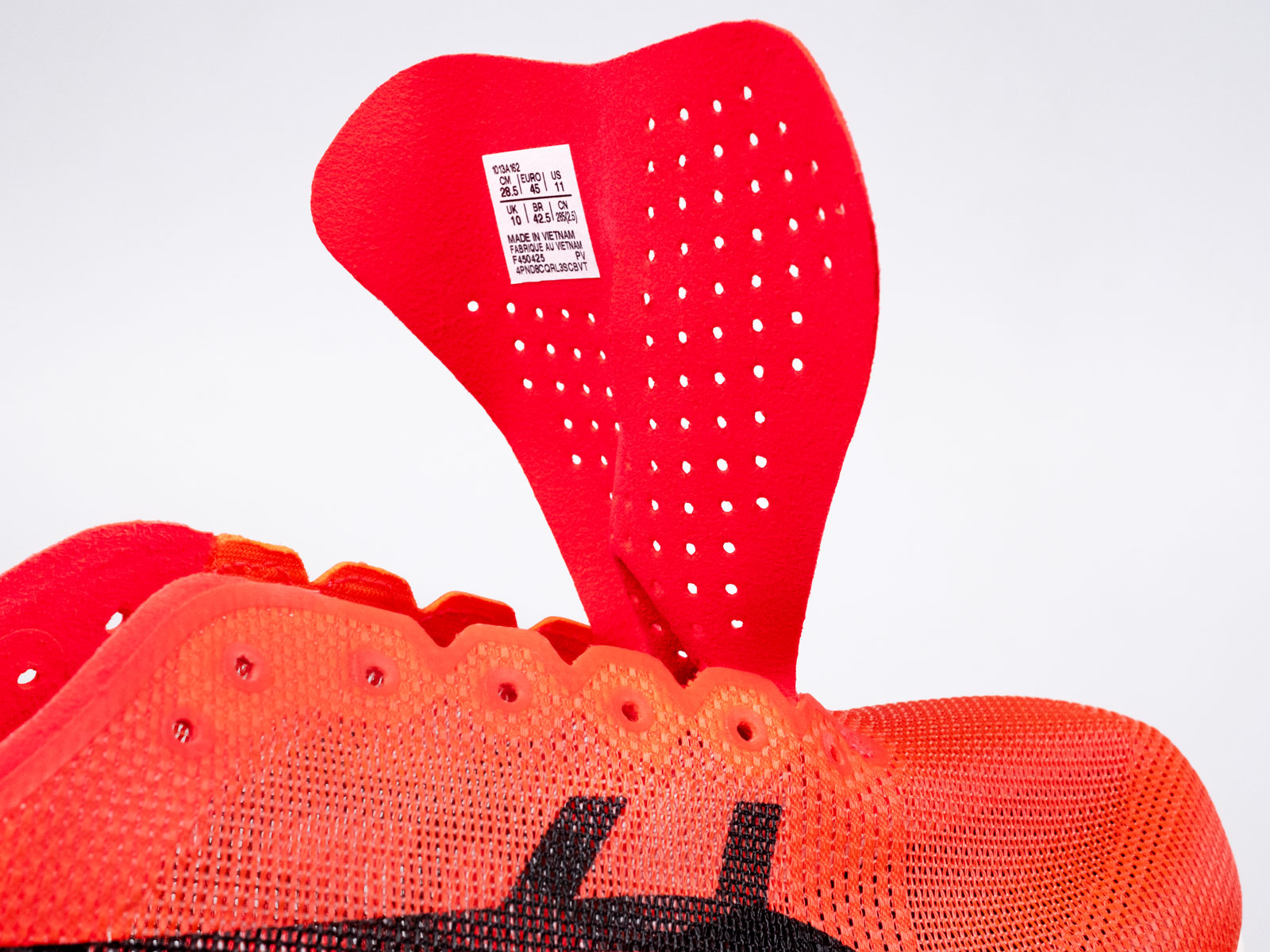
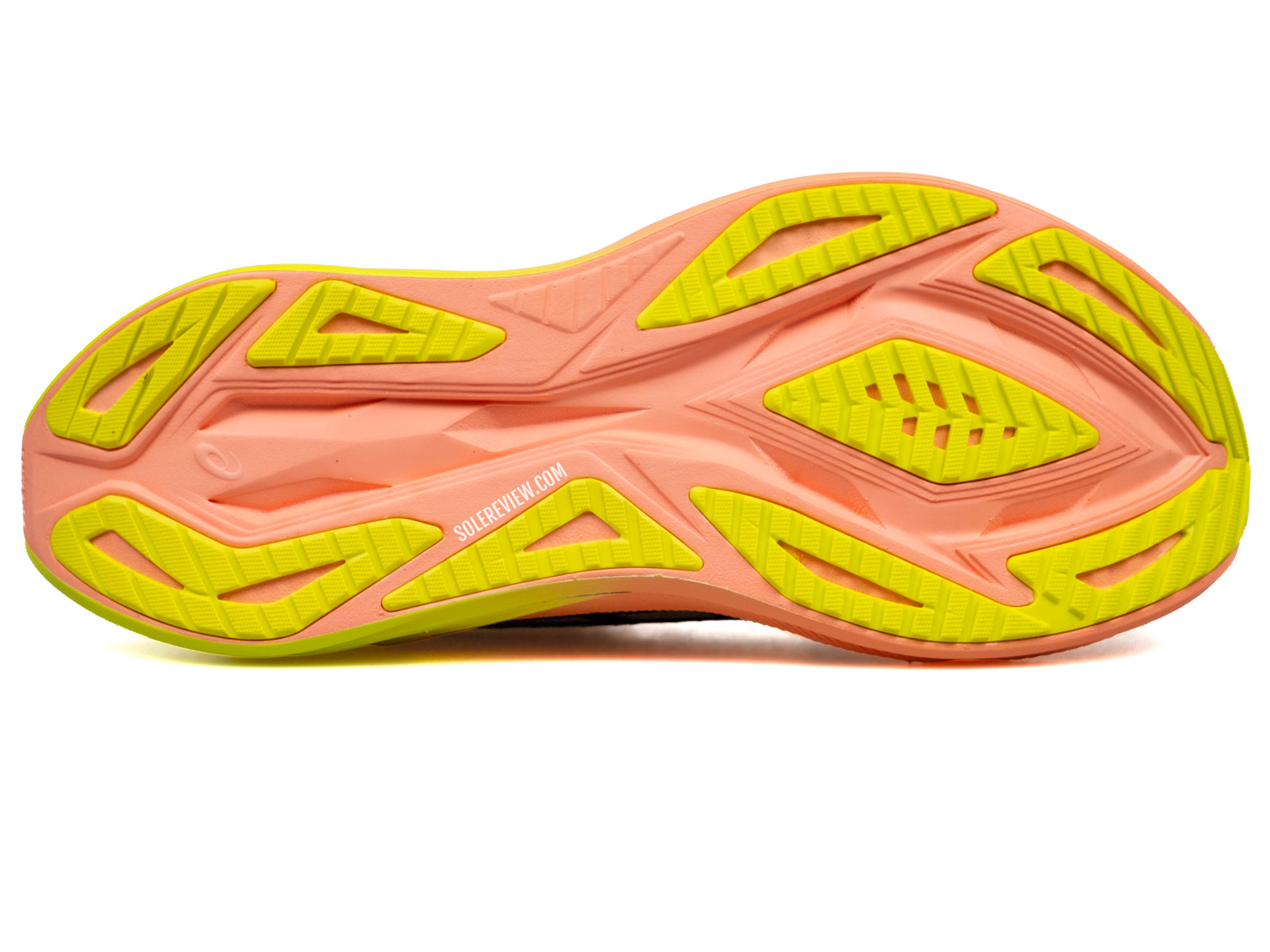
The plate has a deeper curve under the forefoot, and it’s closer to the ground. The Metaspeed Edge has a more traditional plate design – the kind that debuted on the Nike Vaporfly. The outsole is firmer too, as it lacks the windows of the Sky Tokyo. With the firmer FF Turbo base, the midsole is relatively more stable than the Metaspeed Sky Tokyo, where the setup is reversed. The Sky Tokyo has the softer FF Leap on the bottom.
The closer-to-the-ground and firmer feel makes forefoot turnovers quicker and efficient than the Sky. This works well for shorter distances, where it’s easier to post quicker 5K splits than a marathon.
The Trabuco 13 is Asics’s go-to Trail running shoe. The Trabuco is to Asics what the Cascadia 19 means for Brooks, or the Hierro V9 for New Balance. You get the idea – it’s a versatile trail running shoe that can also transition to pavements. It has an 8 mm heel drop, a rugged outsole, and a flexible rock plate. The ride comfort is powered by Flytefoam Blast foam, a material many road-running Asics shoes use.
The unimaginatively-named Asicsgrip outsole is excellent – both from a rubber compound and lug geometry viewpoint. The material sticks well on slick surfaces whereas the aggressive lugs bite well on dry trails. The 8 mm heel-to-toe offset encourages full contact or midfoot landings. The Trabuco is fairly stable as well. The wide midsole minimizes cushioning bias on the trail, and the firm foam prevents the midsole from ‘bottoming’.
The Trabuco 13’s comfortable and true-to-size upper fits like a road shoe. The secure interiors aren’t overly narrow, so the foot doesn’t feel boxed in. The rubberized layers add durability and some degree of splash resistance. We recommend the waterproof Trabuco 13 Gore-Tex (for $20 extra) for increased versatility on wet trails.
The Gel-Excite 11 isn’t particularly ‘exciting’ but it gets the job done – if a budget daily trainer is what you’re looking for. The Excite 11’s design taps into inspiration from the more expensive Nimbus 27, as evident from the engineered mesh upper and sculpted midsole.
Though the midsole is non-Flytefoam EVA, its contoured sidewalls are based on Asics’s new visual scheme. The Contend 9 is also nice with a similar ride, but the Excite looks like a more expensive shoe. That’s the reason why we have featured the Excite 11 over the Contend. Asics has done a good job with the upper too. The snug-fitting exterior holds the foot securely while managing to look good in the process. The heel and tongue are generously padded.
How we selected: What to look for
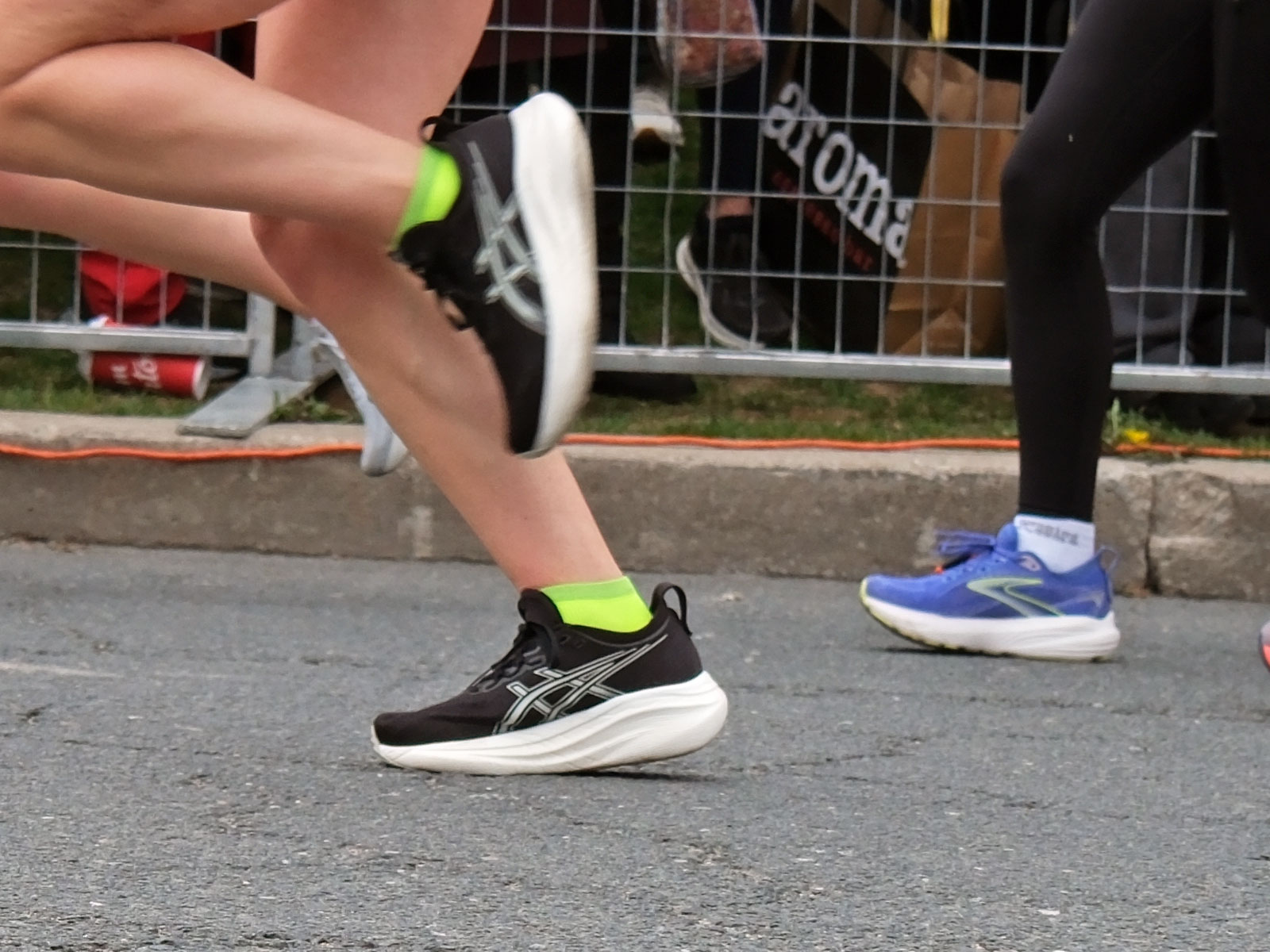
The Asics’s running shoe assortment has never been stronger – they have filled most of the product gaps, including trail footwear. Asics has reinvented itself over the last few years, and if there’s any sign of complacency, we’ve yet to see it. The brand has also done an excellent job of bringing the old and new together. On one hand, we see popular models like the Nimbus, Cumulus, and Kayano in the catalog, but updated with fresher designs and materials. For example, the Cumulus 27 shaves a lot of weight by skipping the rubber outsole altogether. The new Cumulus uses a dual-density midsole that also doubles as the outsole. It’s the lightest and softest it’s ever been.
The Superblast 2 is a souped-up version of the Novablast 5.
There are fun products like the Superblast 2 – a softer, lighter, and bouncier version of the Novablast. Using the lightweight Flytefoam Turbo on a rocker midsole makes the Superblast comfortable and quick. The 2nd version of this wildly popular model has been updated with a more spacious fit and better ventilation. The Metaspeed Sky and Edge Tokyo are excellent updates that are nicely differentiated – as long as you know what you’re looking for. The Megablast differentiates itself from the Superblast with a bouncier ride and tighter upper.
Also, the Japanese company is one of the last safe havens for affordable trainers like the Gel-Contend and Gel-Excite. Trail running offerings used to be lacking in the past, but the recent updates are encouraging. The Gel-Trabuco 13 is a versatile trail-road hybrid, and models like the Fuji Speed 4 and Trabuco Max 4 show a lot of promise.