
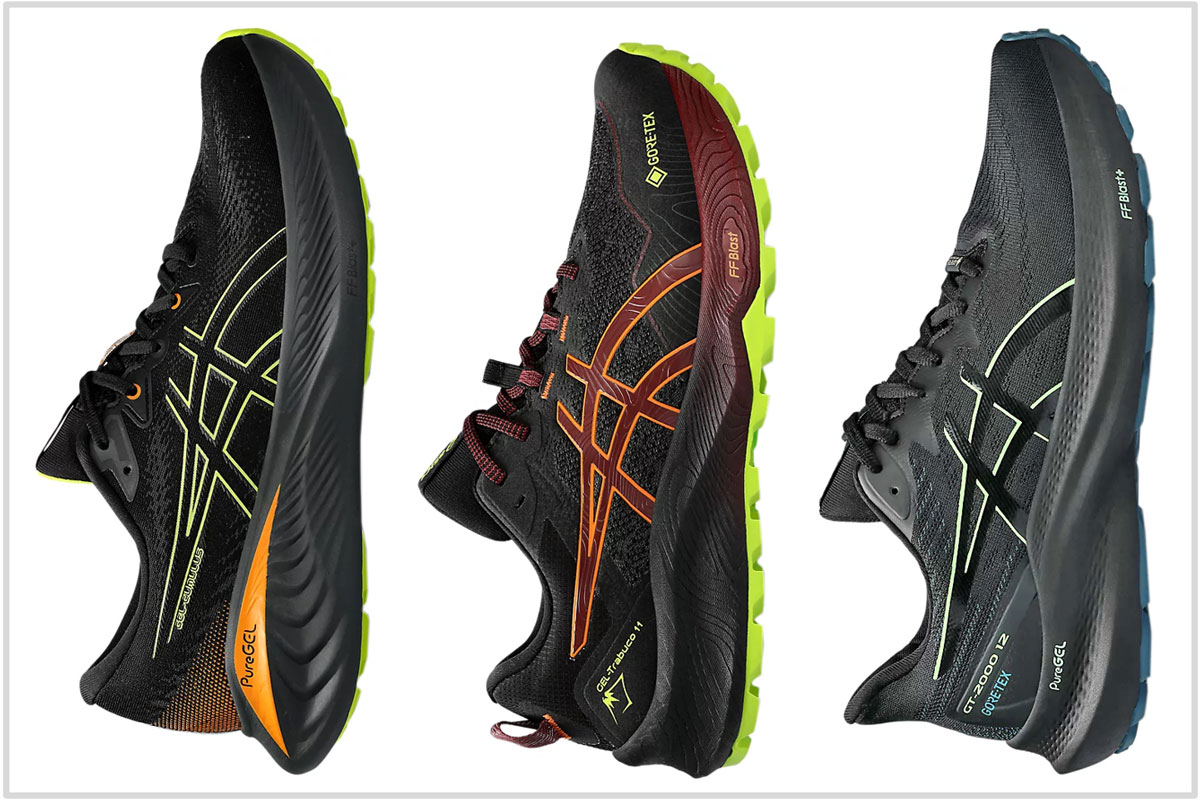
In this product guide:
Shoes such as the Asics GT-2000 14 are usually prescribed for overpronators, not because they can control the gait. Rather, shoes like these are designed to prevent the inner midsole from collapsing during overpronation. Typically, an overpronator will roll their foot in more than a runner with a neutral gait, so the inner midsole needs to resist deformation. That’s the objective of the Asics GT-2000 14, and it succeeds to a certain extent. Two features make that happen. First, the inner midsole lacks the groove of the outer sidewall, thereby limiting compression. Secondly, the groove under the heel is sloped towards the outer midsole, making that side easier to compress. Asics calls this the ‘3D guidance system’.
The midsole uses FF Blast Max for a softer and more rubbery cushioning than the firm GT-2000 13. The rubber outsole shares its design with the TR variant, featuring thicker and more aggressive lugs for wet-weather traction. Except for the waterproof Gore-Tex lining, the true-to-size upper is almost identical to the standard GT-2000 14. While the midsole doesn’t have specific transition assistance features such as an early-stage rocker or plate, the FF Blast Max midsole has the versatility for everyday runs.
Except for minor changes on the upper, the Cumulus 27 GTX is identical to the standard Cumulus 27. (Here’s our review) The Flytefoam Blast+ midsole delivers a predictable and safe ride, the kind we described as ‘bland competence.’ Meaning, the Cumulus has all the comfort that one needs for everyday runs, minus any excitement. It’s also firmer and less rubbery-feeling than the Cumulus 26, but offers greater stability in return. The outsole is similar to the previous model, featuring firm foam instead of rubber to keep the weight low. The traction is decent, but far from superlative.
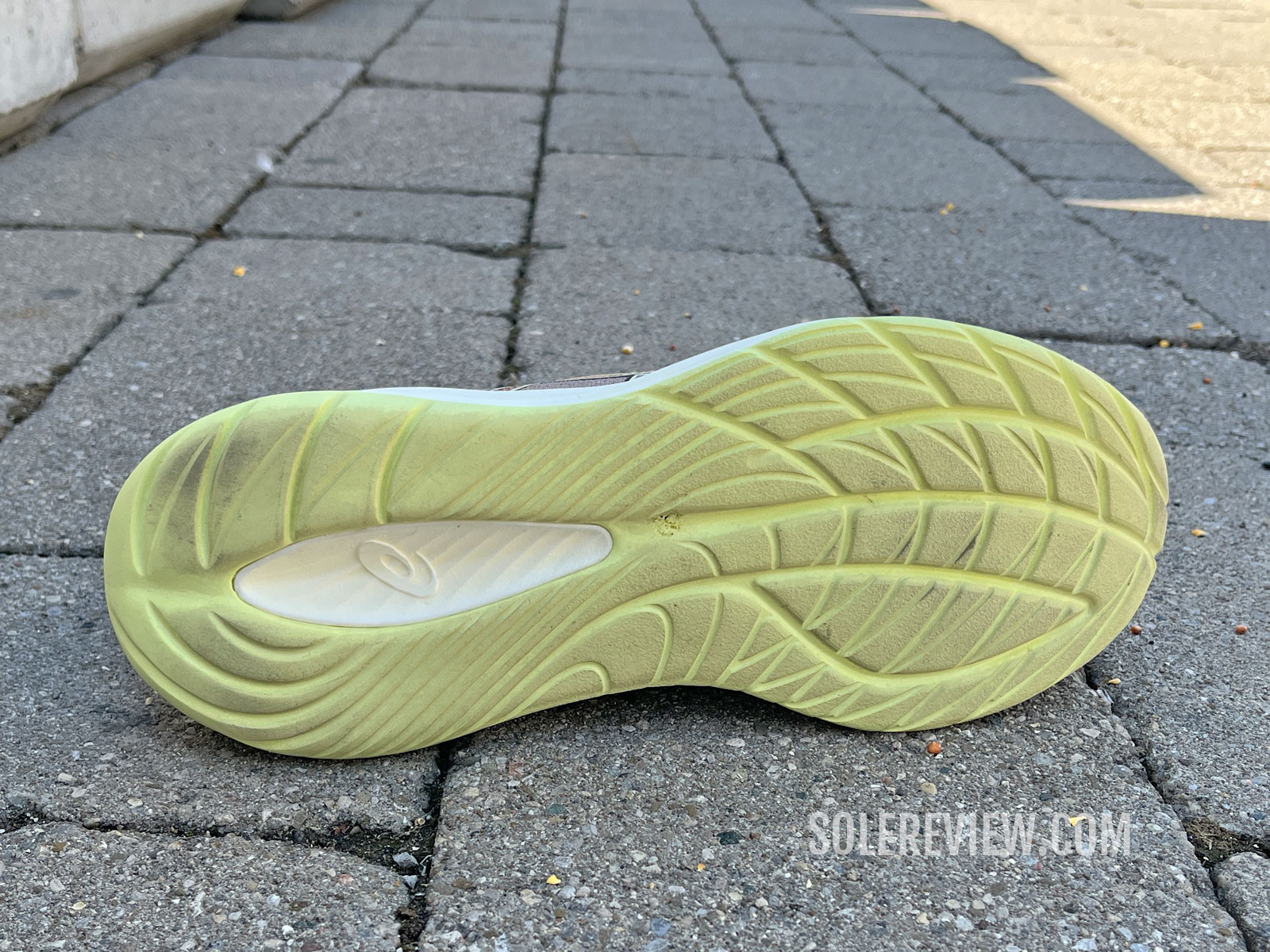
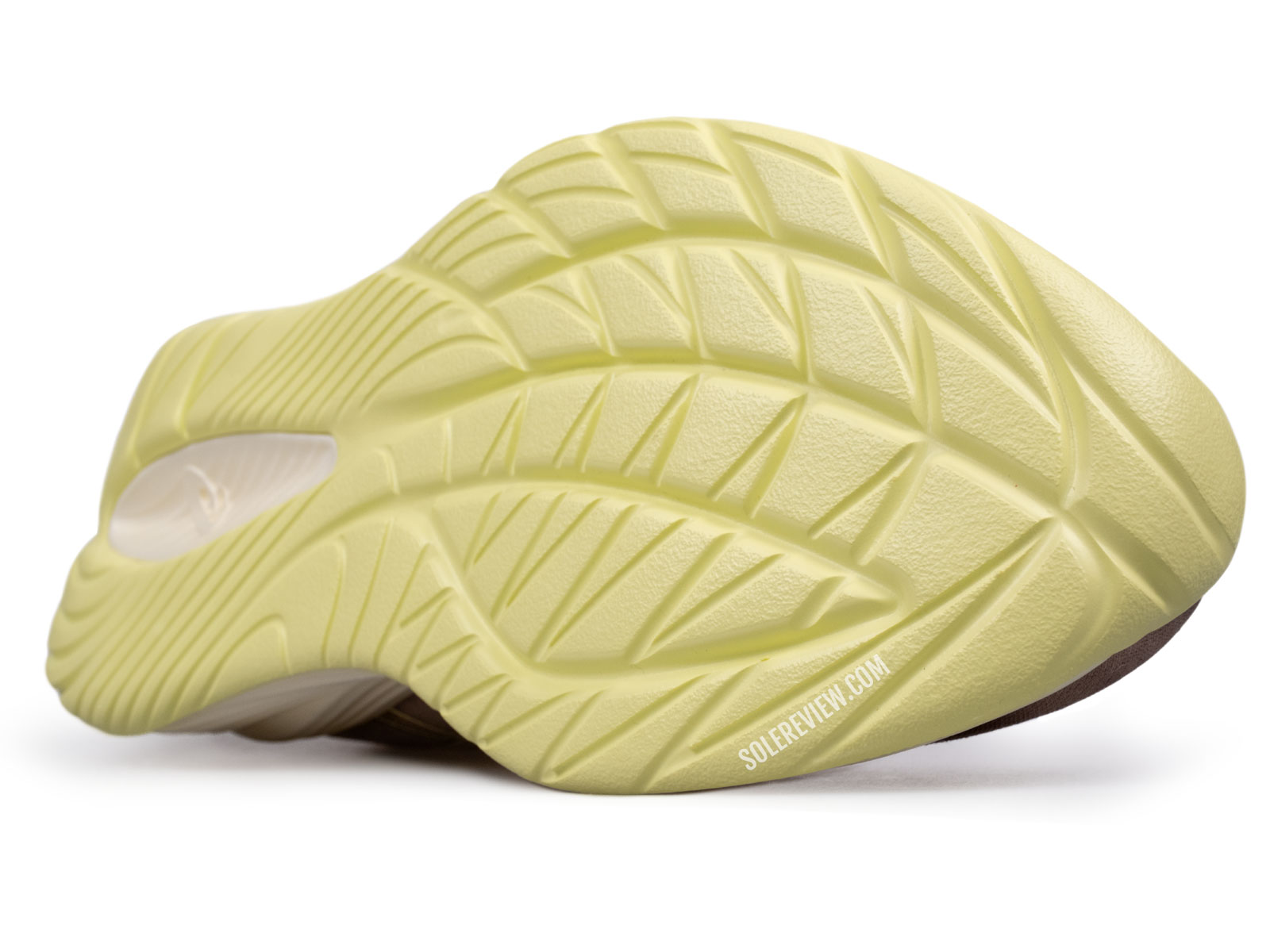

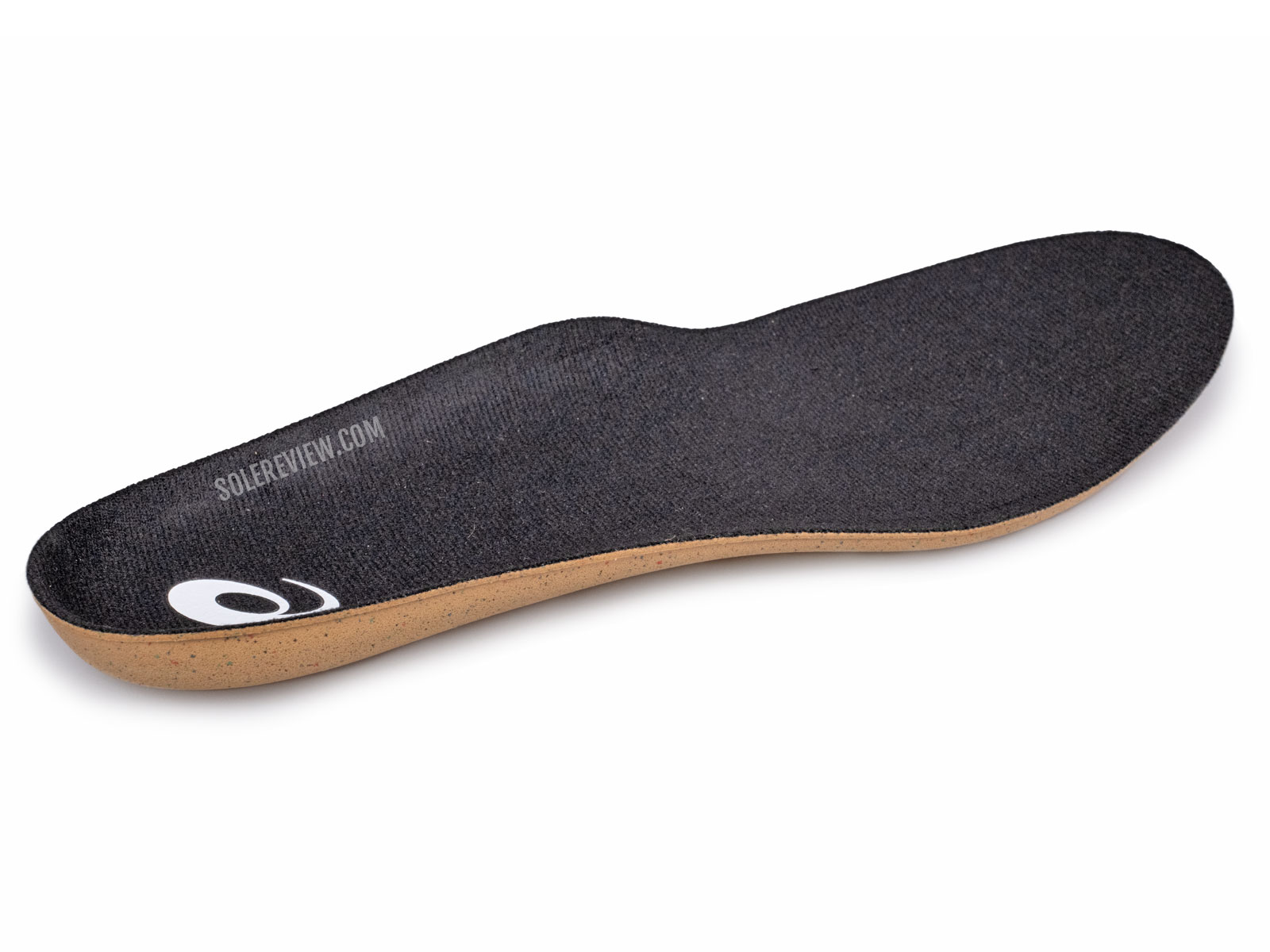
Besides the waterproof Gore-Tex lining and better reflectivity over the heel, the upper fits and feel the same as the regular Cumulus. Inside, you’ll find a true-to-size fit with a snug forefoot and padded tongue.
If you’re not familiar with the GT-1000 14, allow us to offer a summary. The Asics GT-1000 14 is a lower-spec version of the GT-2000 14, similar to how the Kayano 32 is a higher-end version of the GT-2000. All three are classified as ‘stability’ shoes that claim to lower the rate of pronation.
Neither of the three stability shoes has a medial post, so how do they manage overpronation? Our Kayano 31 review describes the process; by combining a sloped transition groove (under the heel) with a more supportive inner midsole, the loading is directed toward the outer side. The GT-1000 14 does something similar, but on a smaller scale. It stands to reason that the motion-control aspect is nearly non-existent.
The Flytefoam Blast midsole works well for everyday use. While there’s a Gel unit under the heel, it doesn’t contribute much to the overall cushioning. The rest of the shoe is functionally basic. A breathable mesh upper offers a snug fit that’s seamless and secure. Just know that the Gore-Tex membrane does not affect the upper fit versus the standard GT-1000 14.
Within Asics’s condensed assortment of trail running shoes, the Trabuco 13 tries hard to be a do-everything trail shoe. Asics has re-designed the midsole on this model, so the Trabuco gets a softer ride. This also makes the Trabuco 13 a decent road-trail hybrid as well.
The Flytefoam Blast midsole is comfortable enough for long trail runs, while the Asicsgrip rubber offers trail-worthy traction. A flexible rock plate protects the foot from pointy rocks and roots. The closed mesh and fused overlays make the Trabuco 13’s upper secure and protective on the trails. The Trabuco 13 is offered in both regular and waterproof (Gore-Tex) variants. Both versions share the same midsole and outsole, and have a price difference of $20.
Priced at $110, the Sonoma 8 GTX offers great value for money within Asics’s trail-running category. The waterproof Sonoma has all the functional bits that a basic trail running shoe needs.
A single-density Amplifoam EVA midsole (not Flytefoam) makes the Sonoma cushioned yet stable on the trail; a full rubber outsole with wide lug spacing provides reliable off-road traction.
The Gore-Tex upper blends the old with the new. We say that because the toe-bumper and heel are designed traditionally; they are stitched on instead of being fused. That being said, both construction methods achieve the same result. The layered upper protects and secures the foot on the trail.
How we selected
If there’s one thing that Asics is very good at, it’s consistency. The Kayano has been around for three decades, and both the Cumulus and Nimbus are over two decades old. The same consistency also applies to Gore-Tex running shoes in their catalog. For example, a GTX version of the GT-1000 and Cumulus is always offered for sale, along with several others like the Gel-Sonoma and Trabuco.
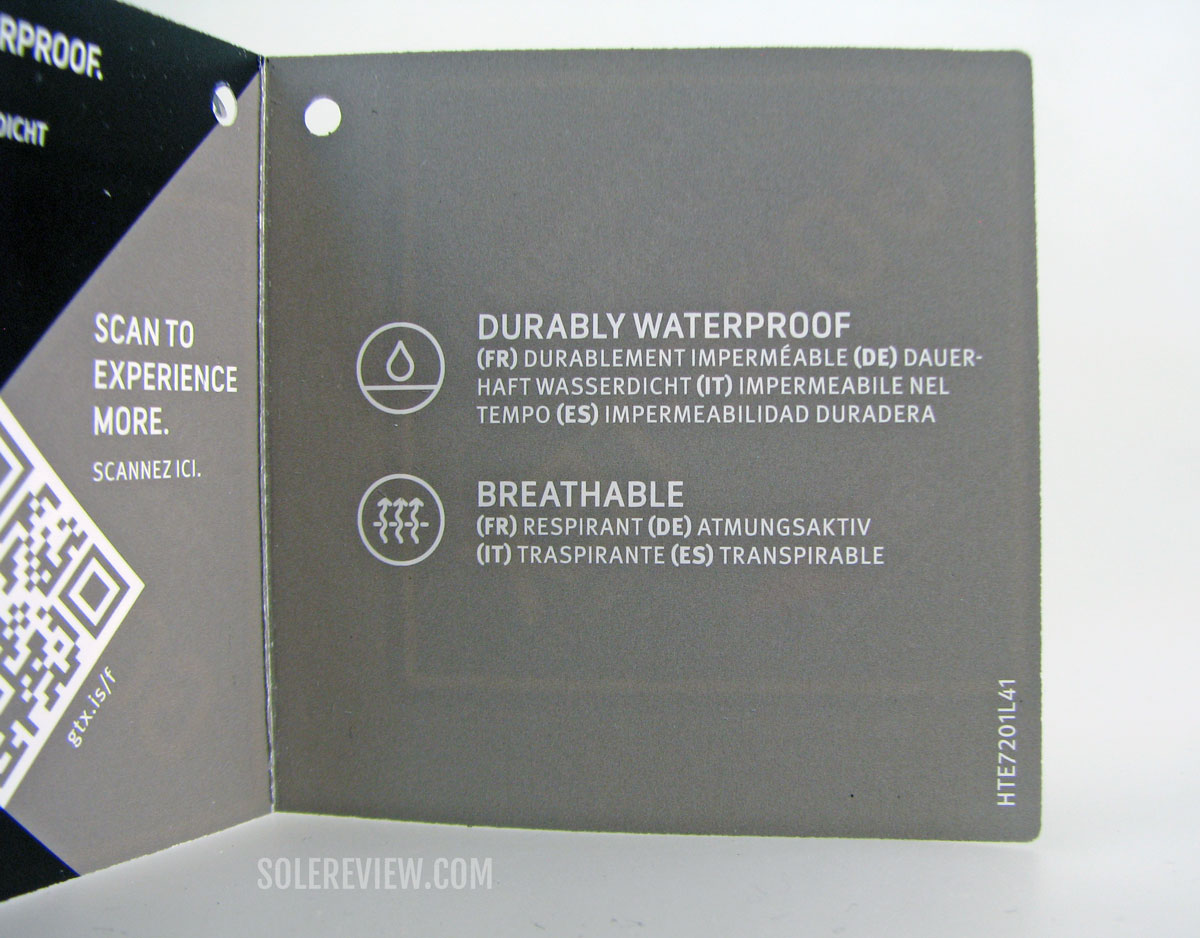
Historically, there’s a lag between the release dates of the regular (non-waterproof) models and their Gore-Tex versions. For example, the GTX version of the Cumulus 27 arrived nearly six months post-launch. Asics is making progress through; the waterproof version of the GT-2000 14 was released just a short while after the standard GT-2000 14.