

In this product guide:
Unlike the actual race day, marathon training isn’t fun. Depending on the runner’s fitness level and target finish time, preparing for a marathon takes months of tedious training with different kinds of workouts. Monday could be an easy run day, followed by strides on Wednesday and another easy run on Friday. The next week may include mixing easy runs with tempo runs. You’re also keeping an eye on your diet while incorporating mobility and strengthening exercises. And there’s the important matter of acquiring running shoes for the training phase.
Most race-day supershoes deliver excellent performance under ideal operating conditions. Usually, forefoot striking at speeds quicker than 4:30 min/km (7:00 min/mile) brings out the best in such shoes. On the flip side, marathon racers aren’t kind to heel strikers and slower paces. They also don’t stand up to the abuse of high-mileage training. It’s ideal to start running in them closer to the race day rather than for the entire training duration.
Our guide is equally balanced with two plated trainers and two all-foam trainers. A plated trainer helps prepare the foot to run in a plated racer while offering user-friendliness and a wider performance range. Regardless of the midsole design, our recommendations are durable and versatile enough for heel and forefoot strikers, and can accommodate overpronators and heavy runners (up to 210 lbs). Except for the Bondi 9, the recommended shoes are capable of race-day speeds. If you want to fine-tune your training footwear needs, rotating these shoes with other models will do the trick.
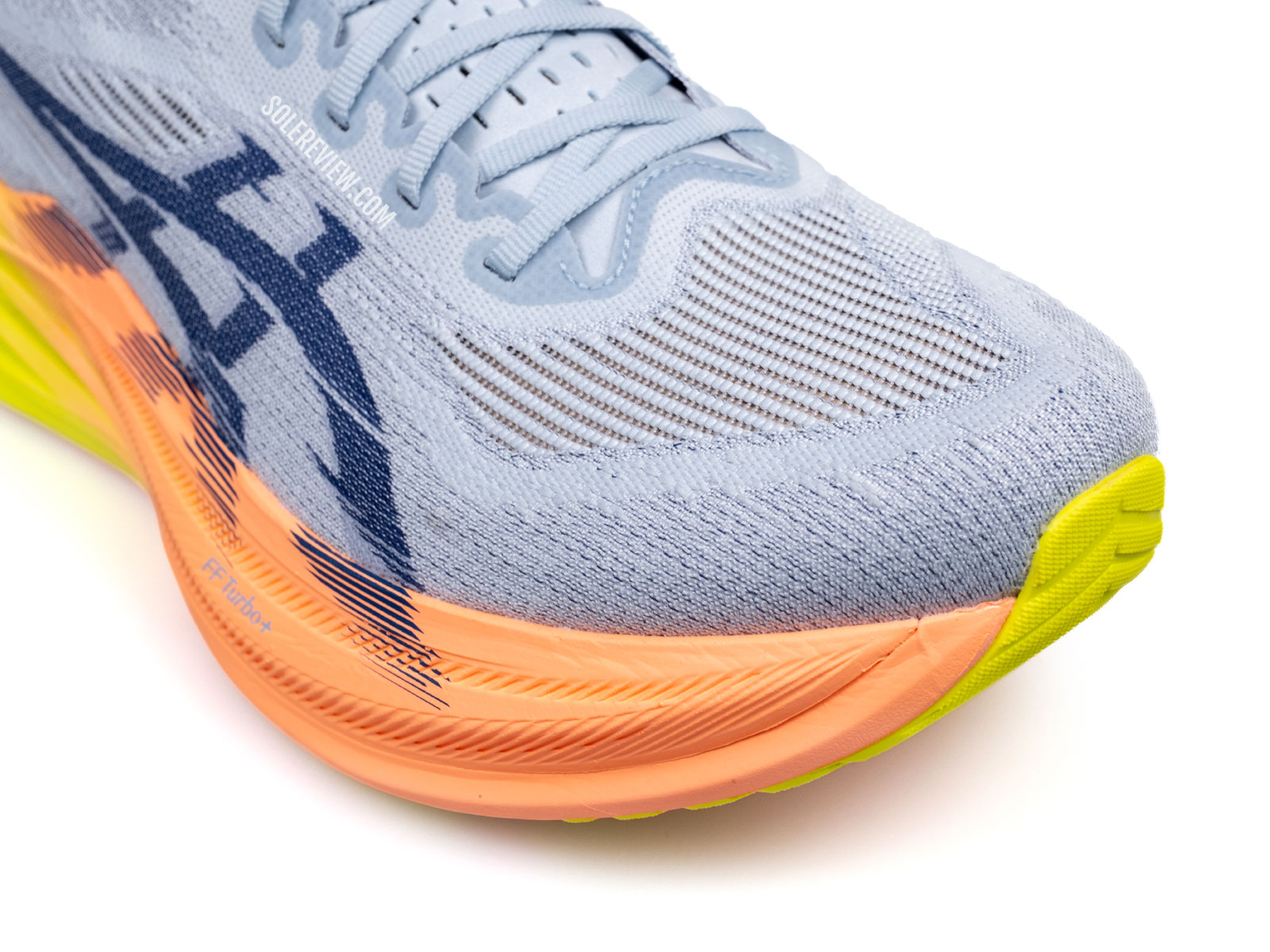
There’s a good reason why the Superblast 2 appears first on this list. If you don’t want to buy a second shoe (plated or otherwise) for race day, the Asics Superblast 2 could be that one shoe that does both. The midsole uses FlyteFoam Turbo – a lightweight and durable cushioning material with excellent versatility. During a long run, the 45 mm (heel) and 37 mm (forefoot) tall midsole keeps the feet fresh and supported. At quicker paces, the responsive nature of the FF Turbo foam kicks in. The curved forefoot creates a rocker effect, making the toe-offs more efficient. The Superblast 2’s expected lifespan of 450 miles makes it durable enough for high-mileage sessions.


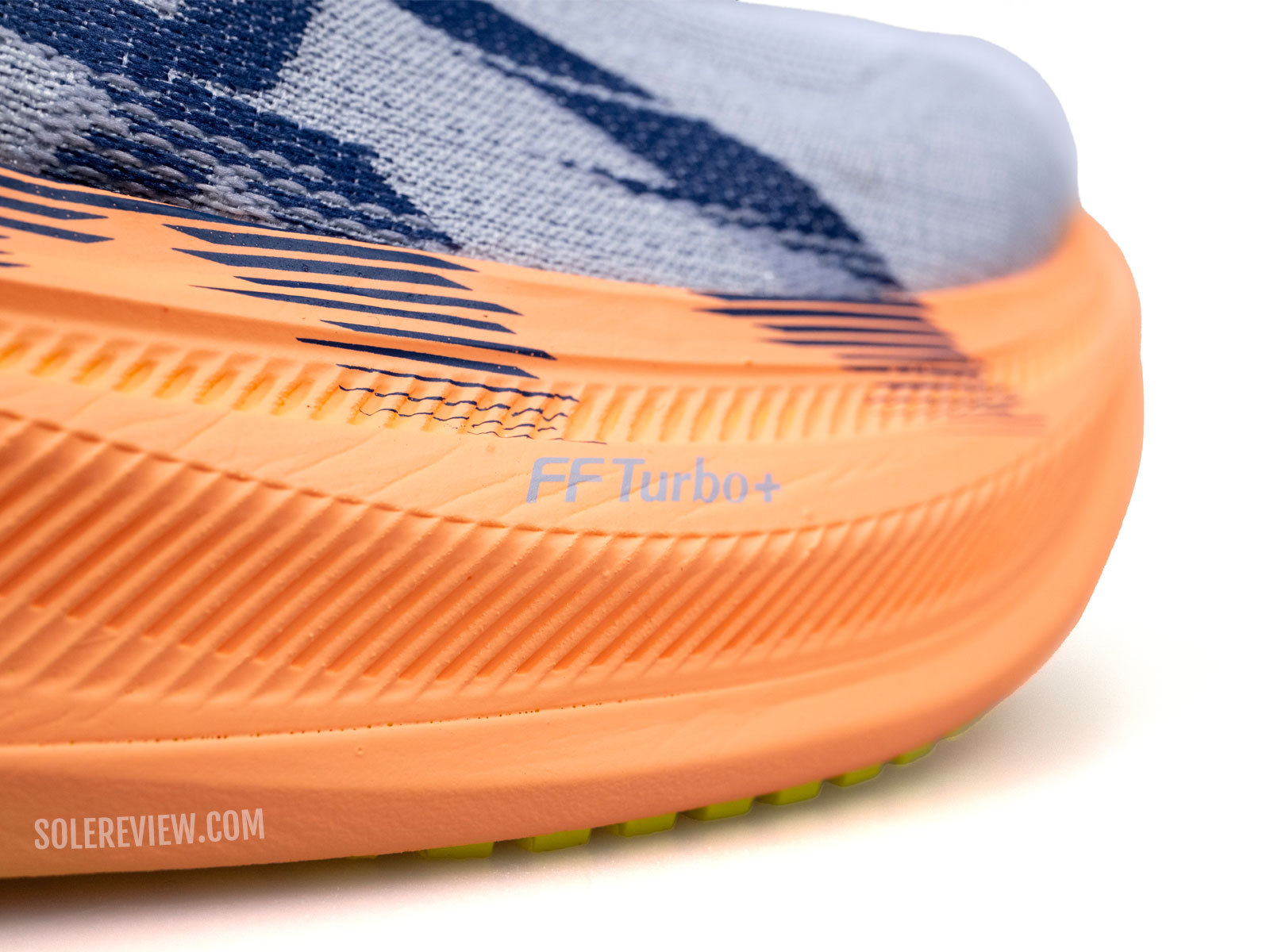
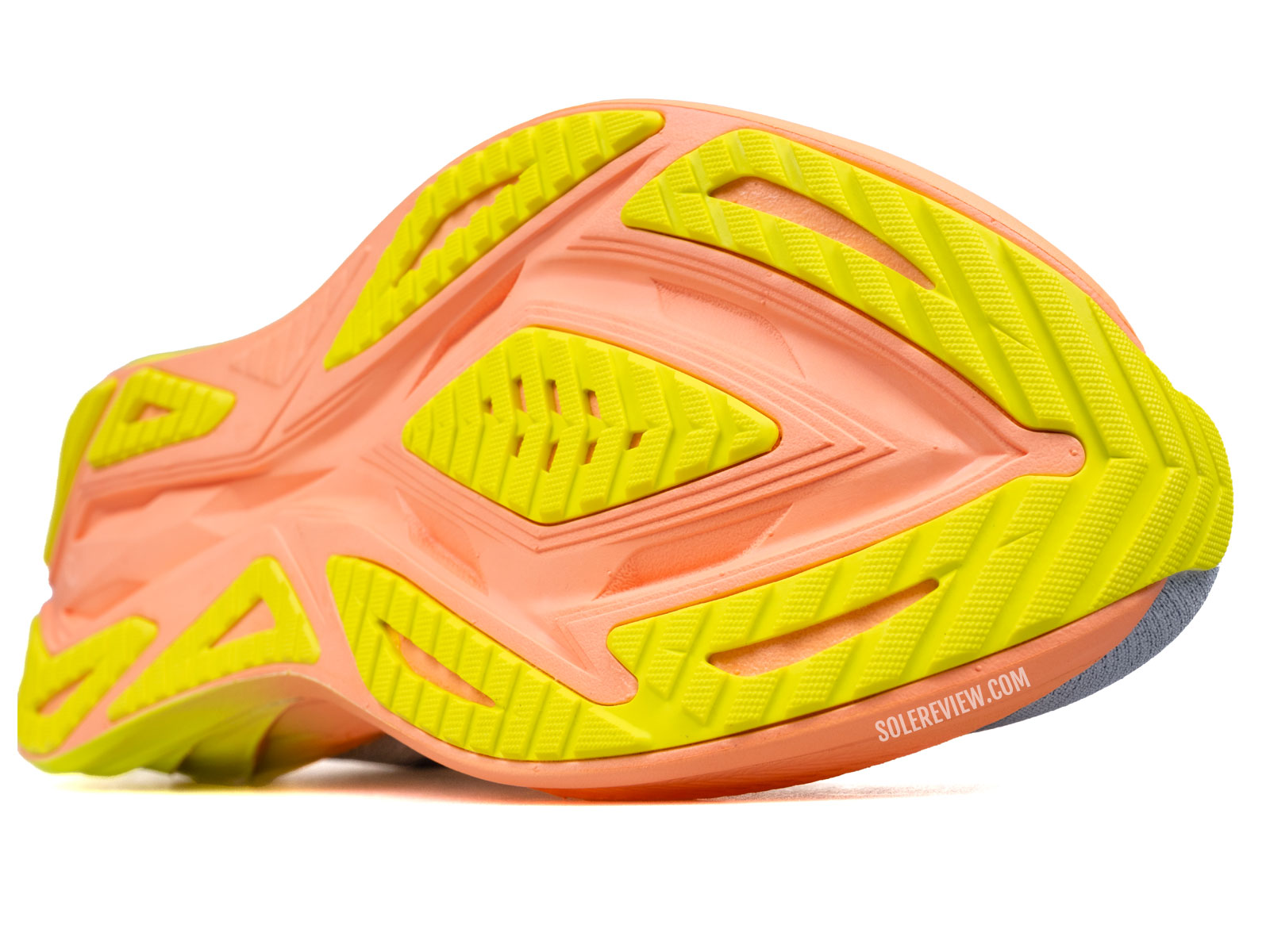
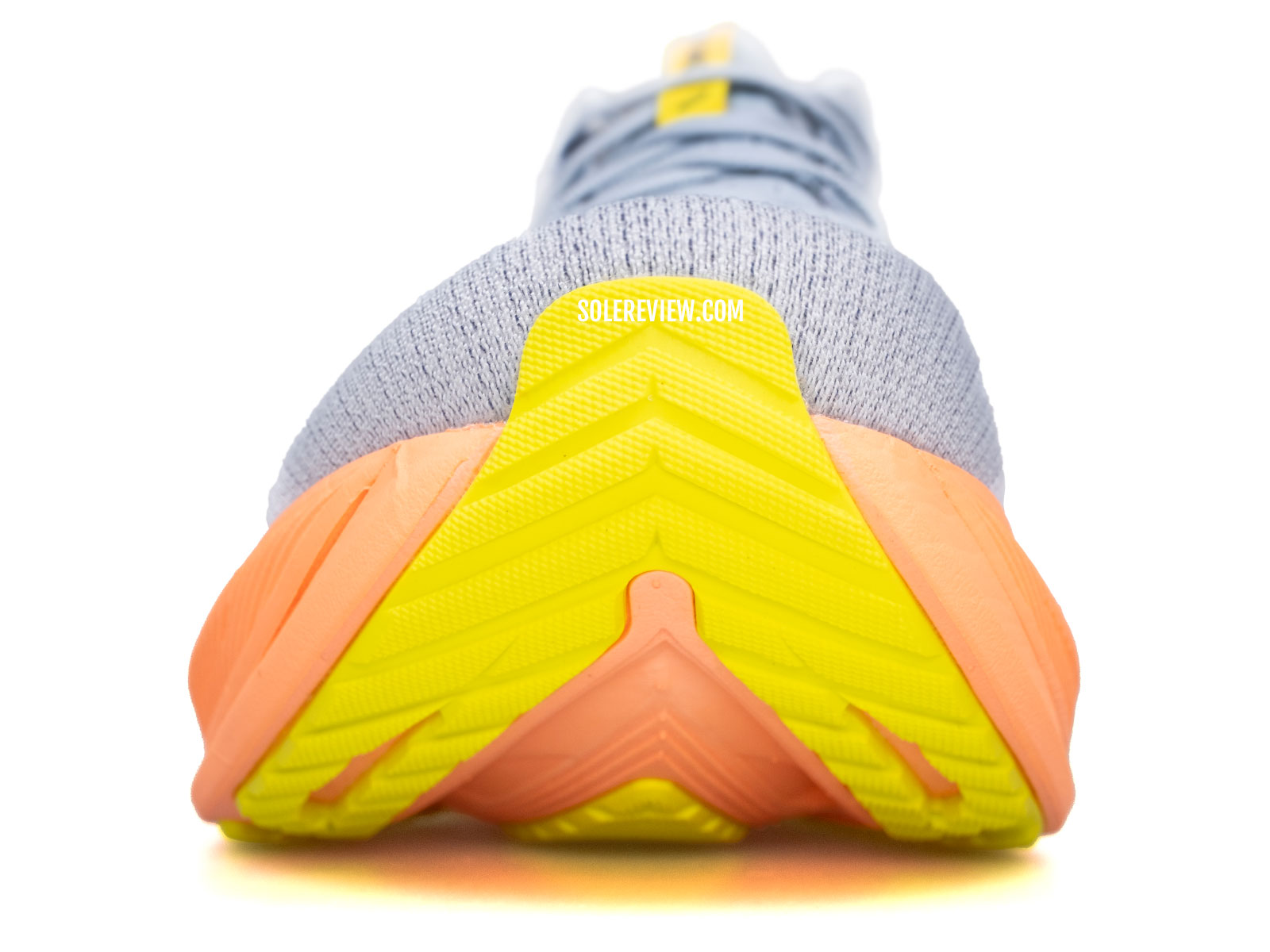
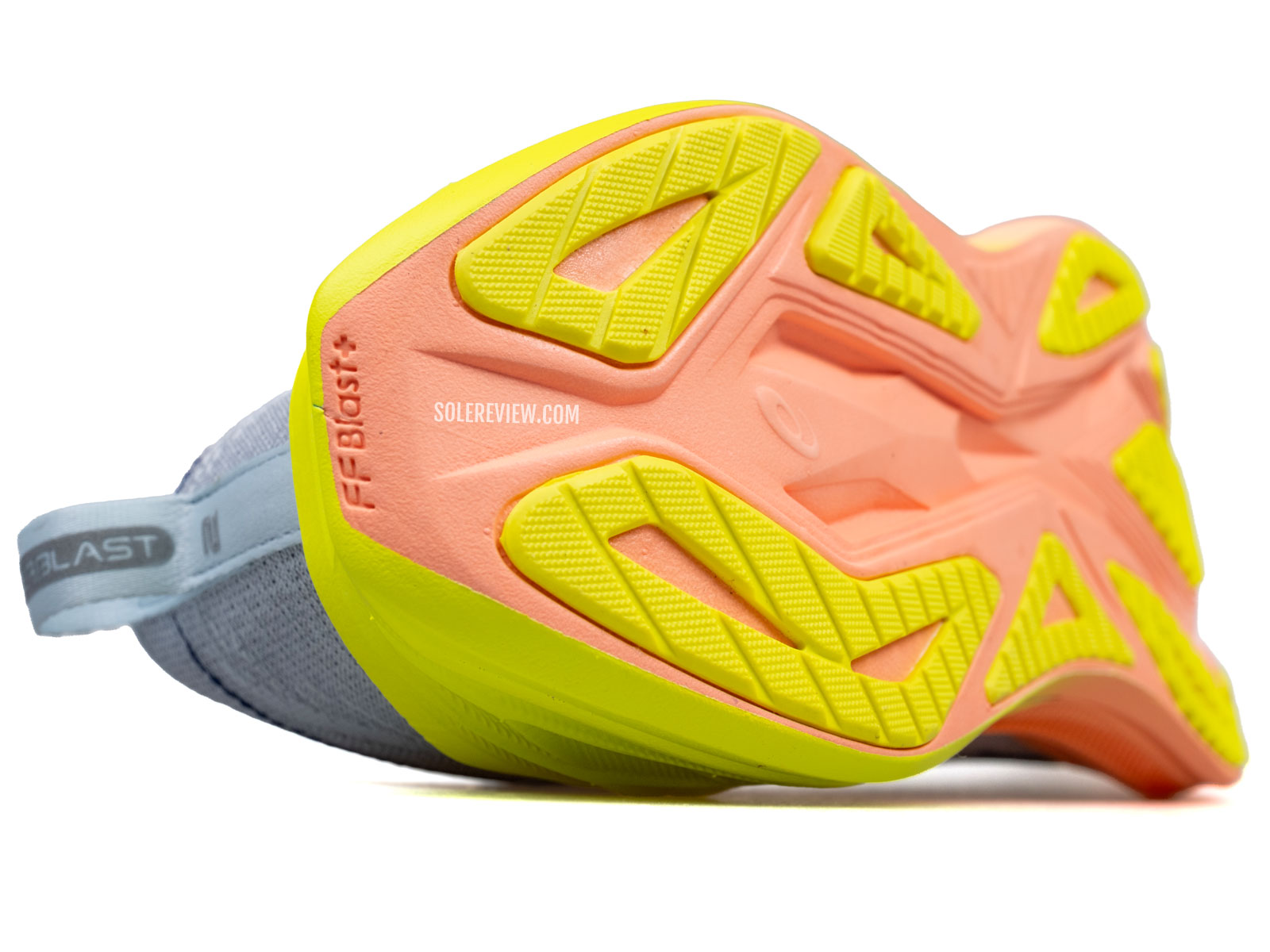
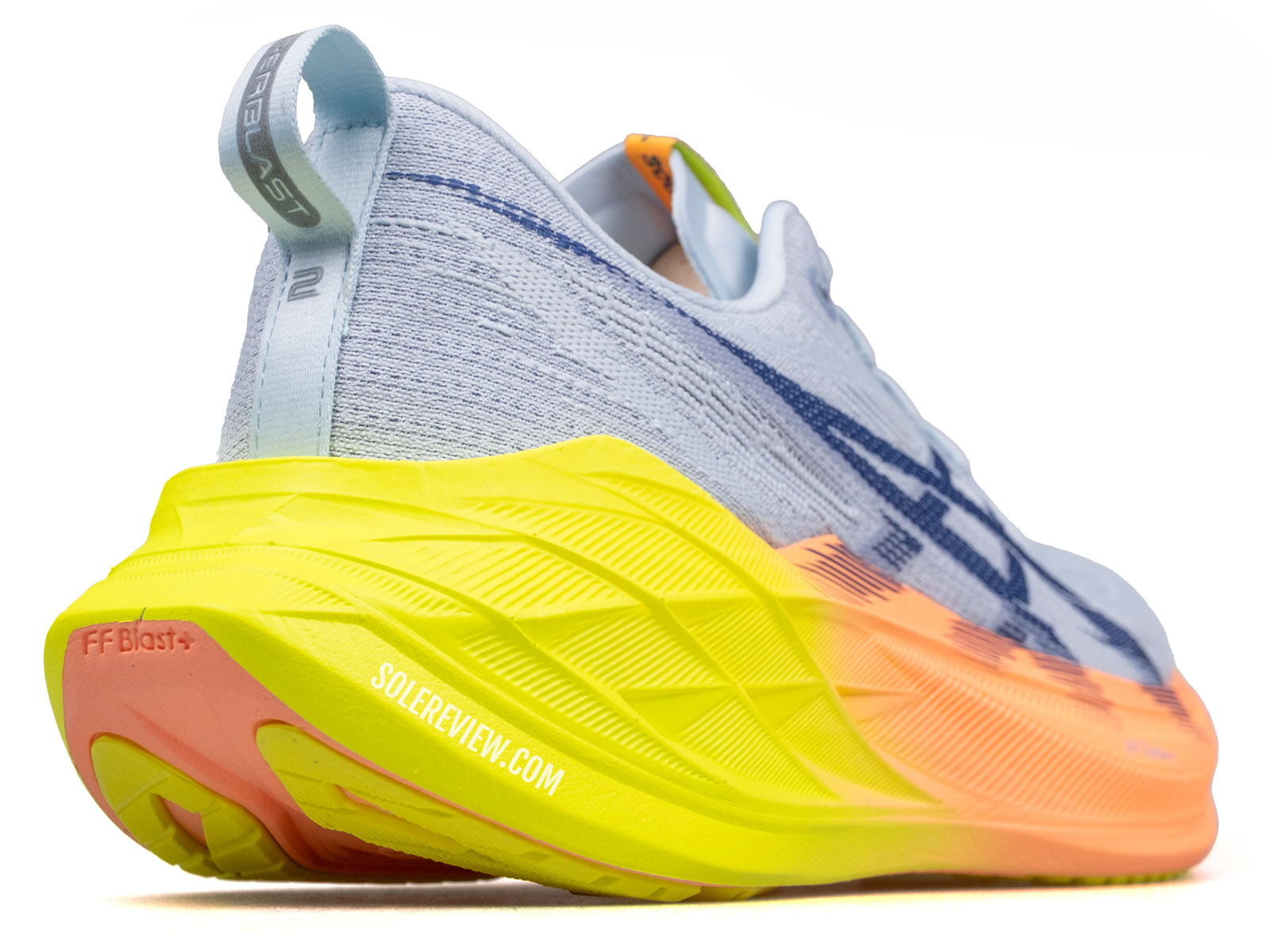
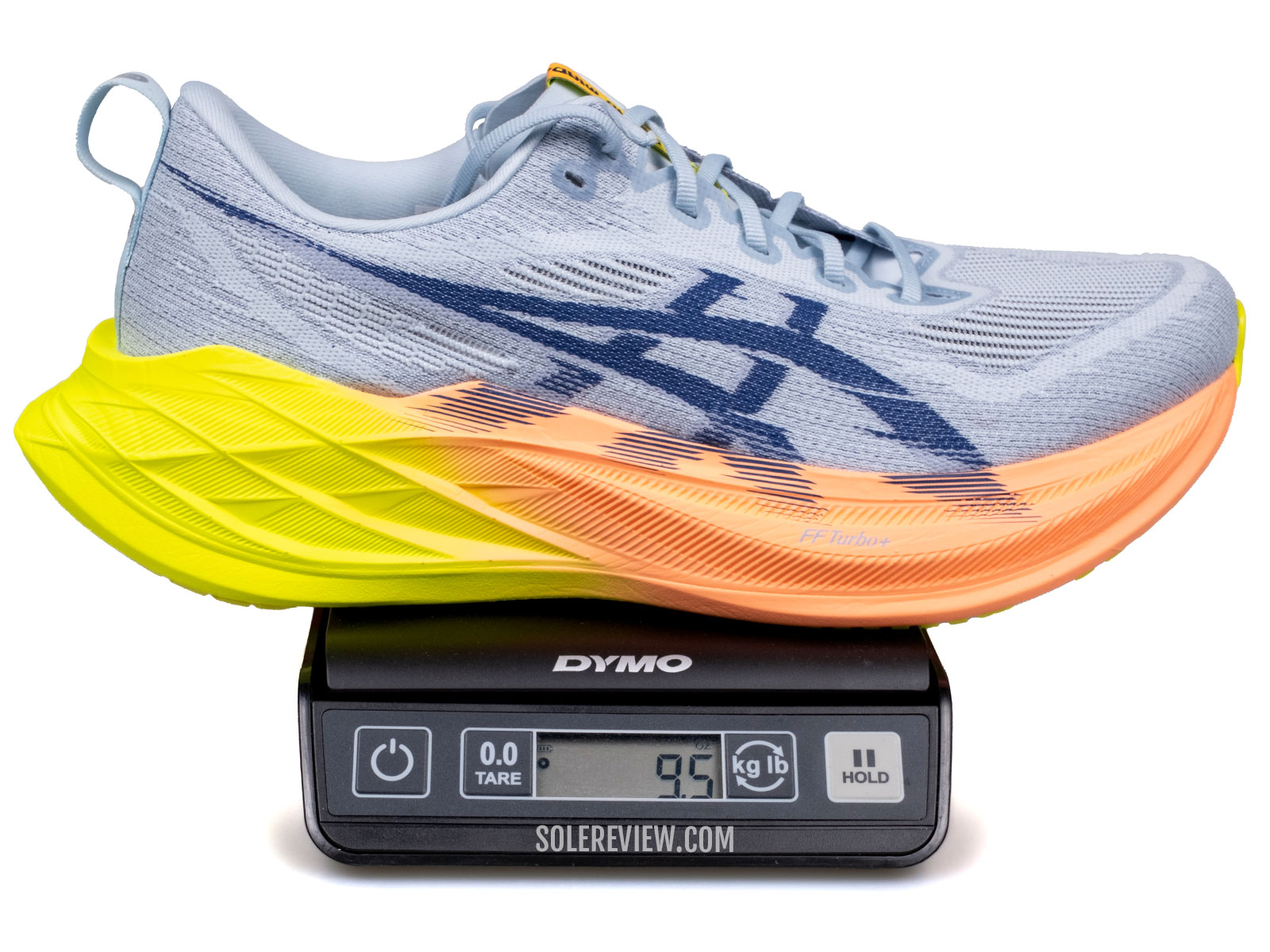

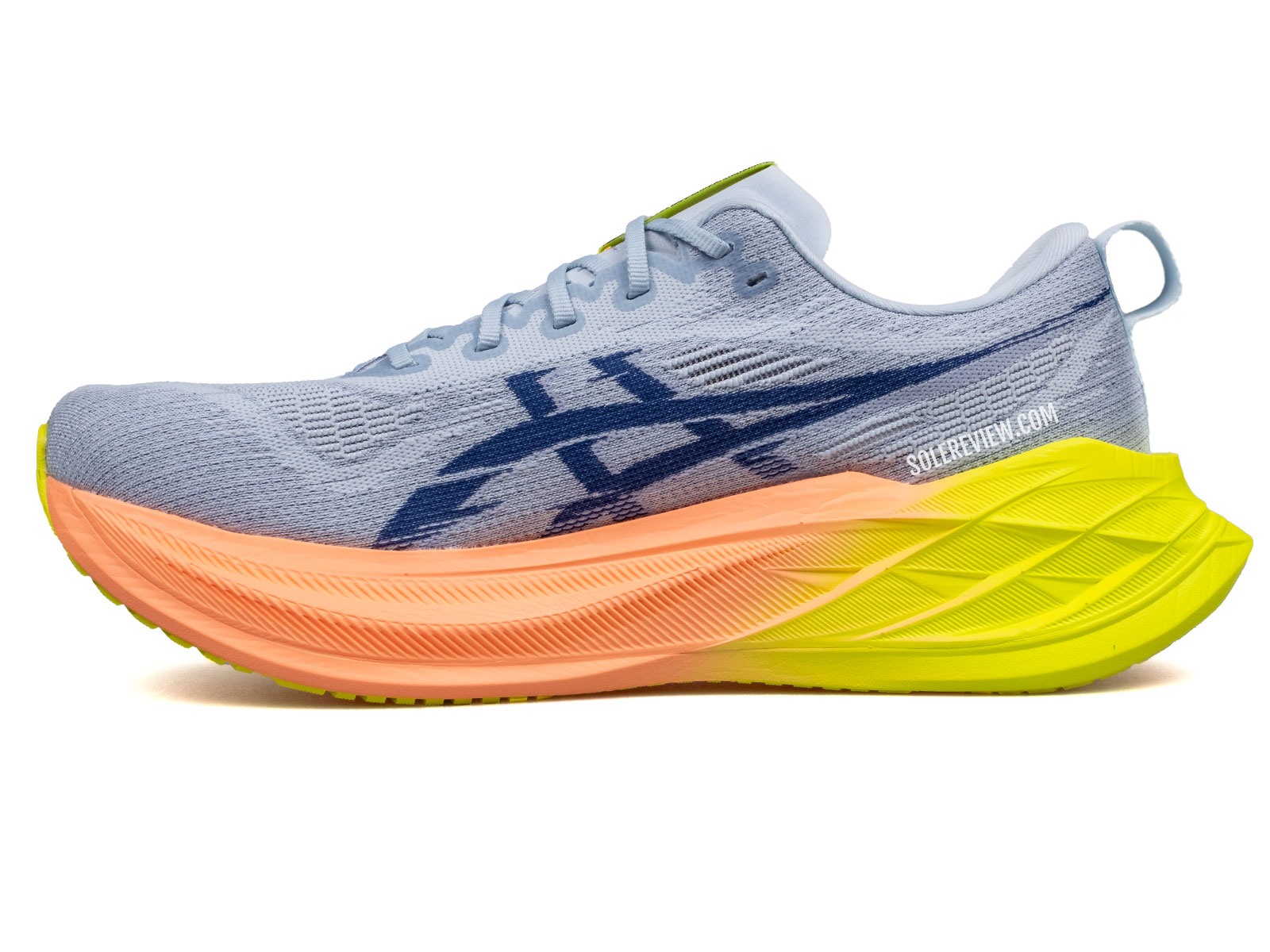
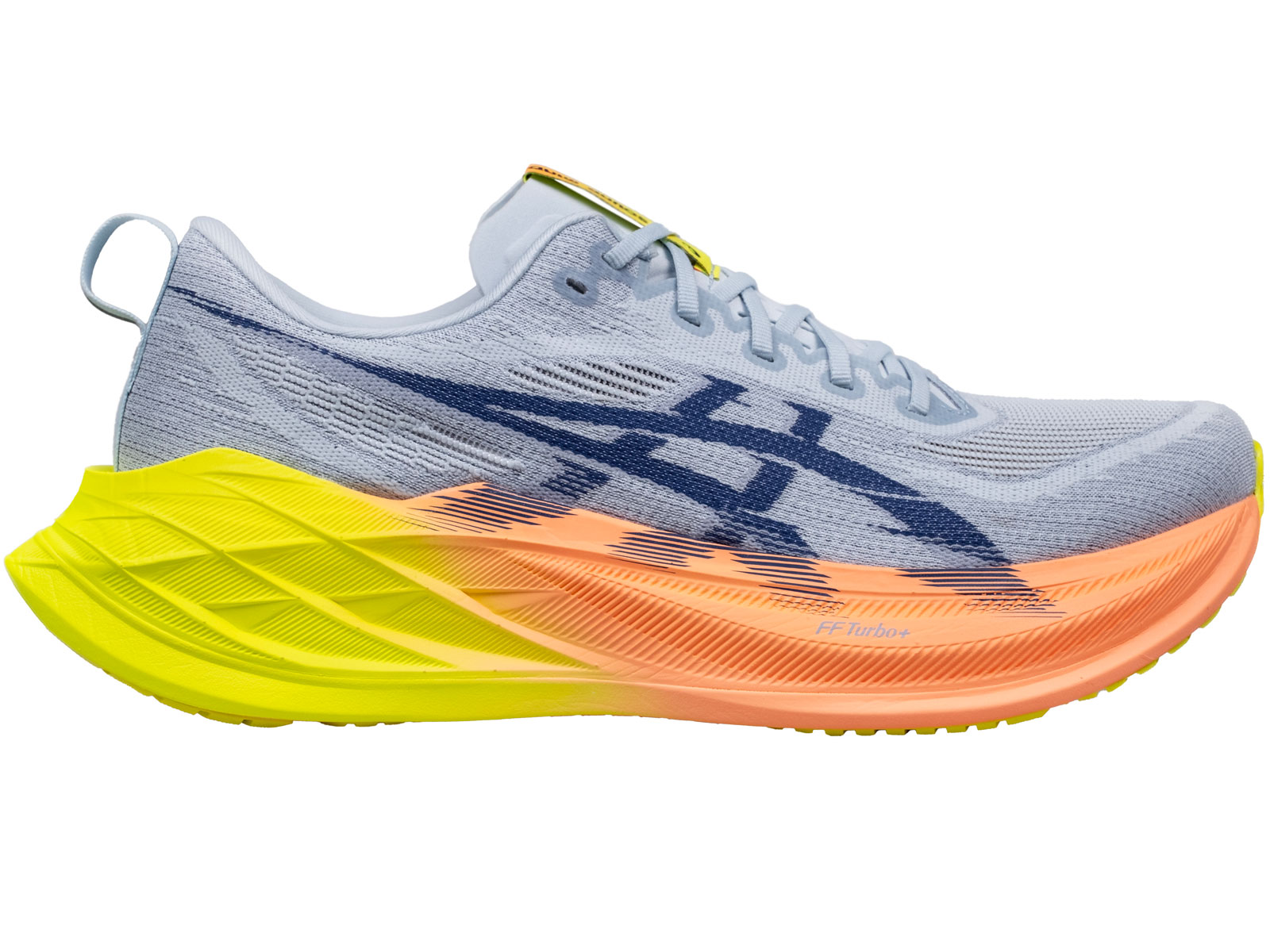
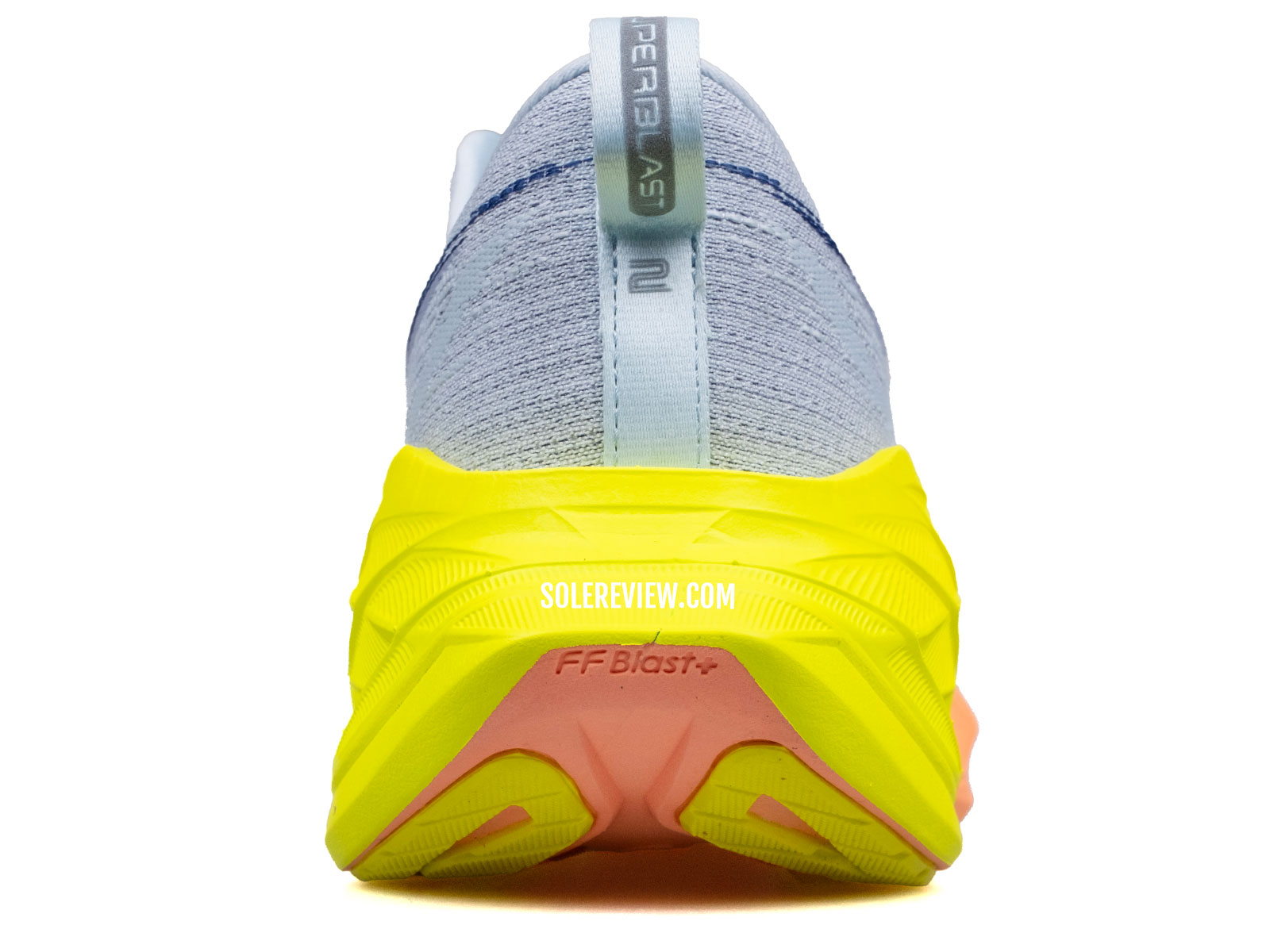
The midsole stability is excellent relative to its stack height and deep cushioning.
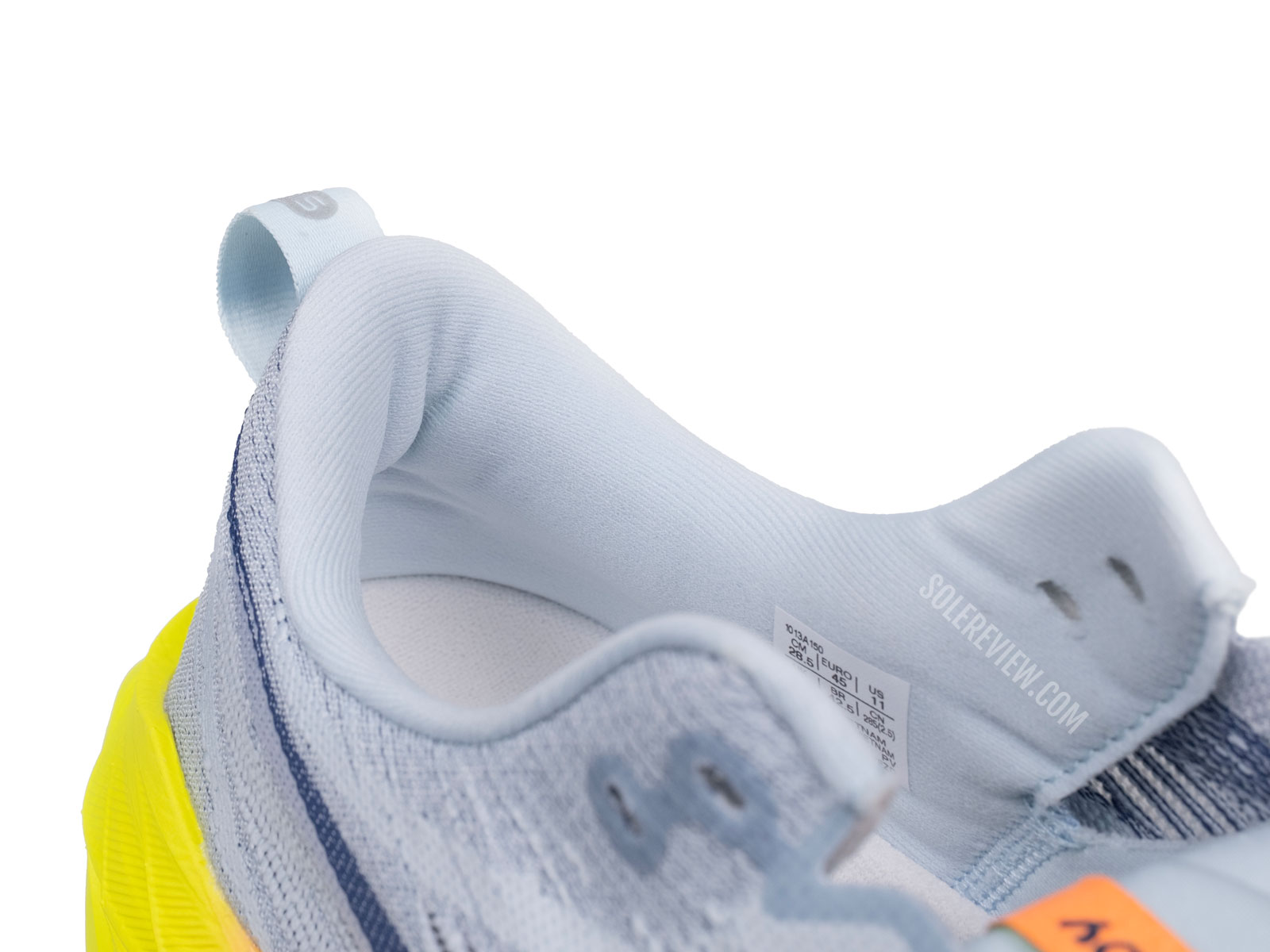
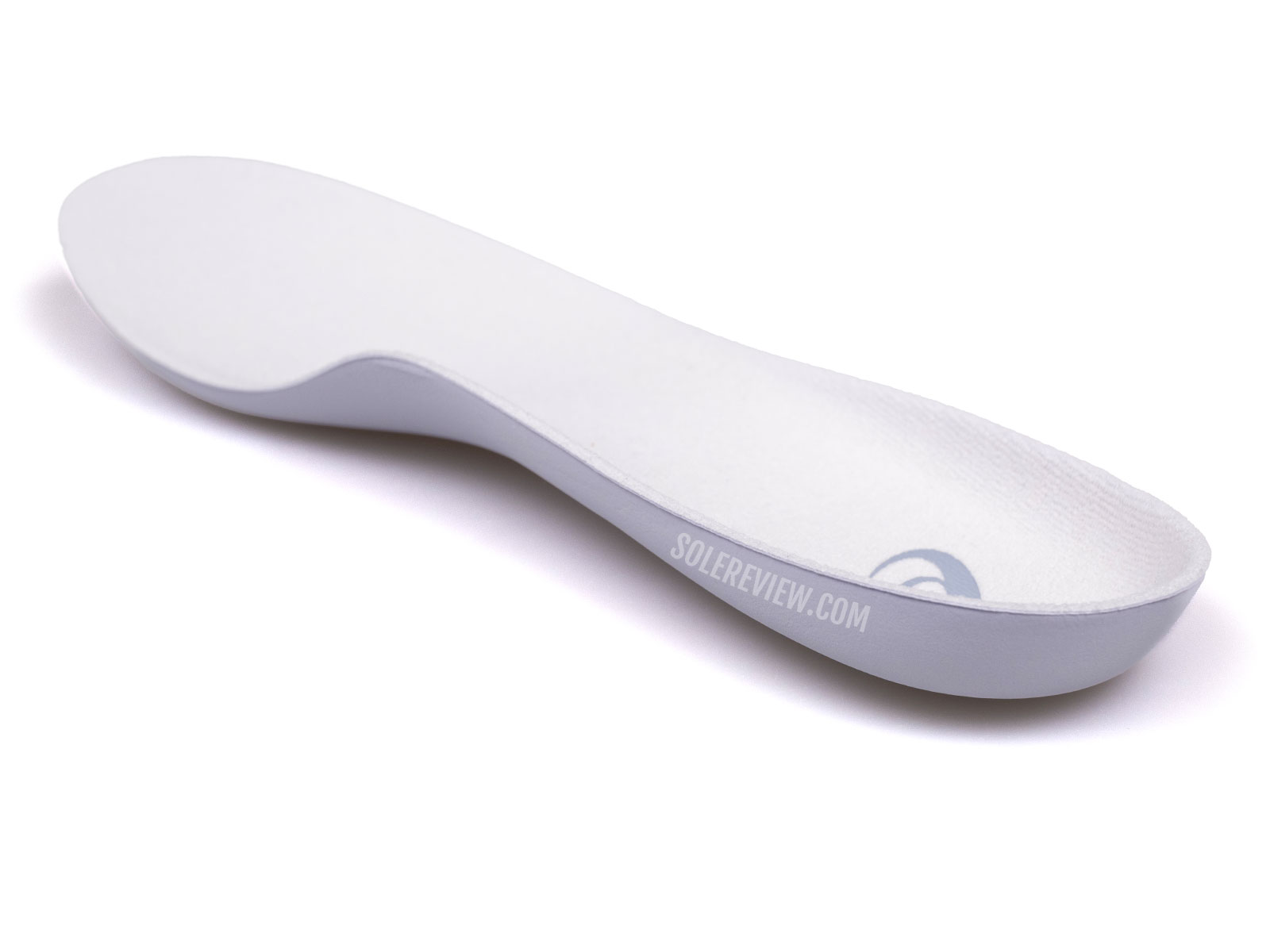
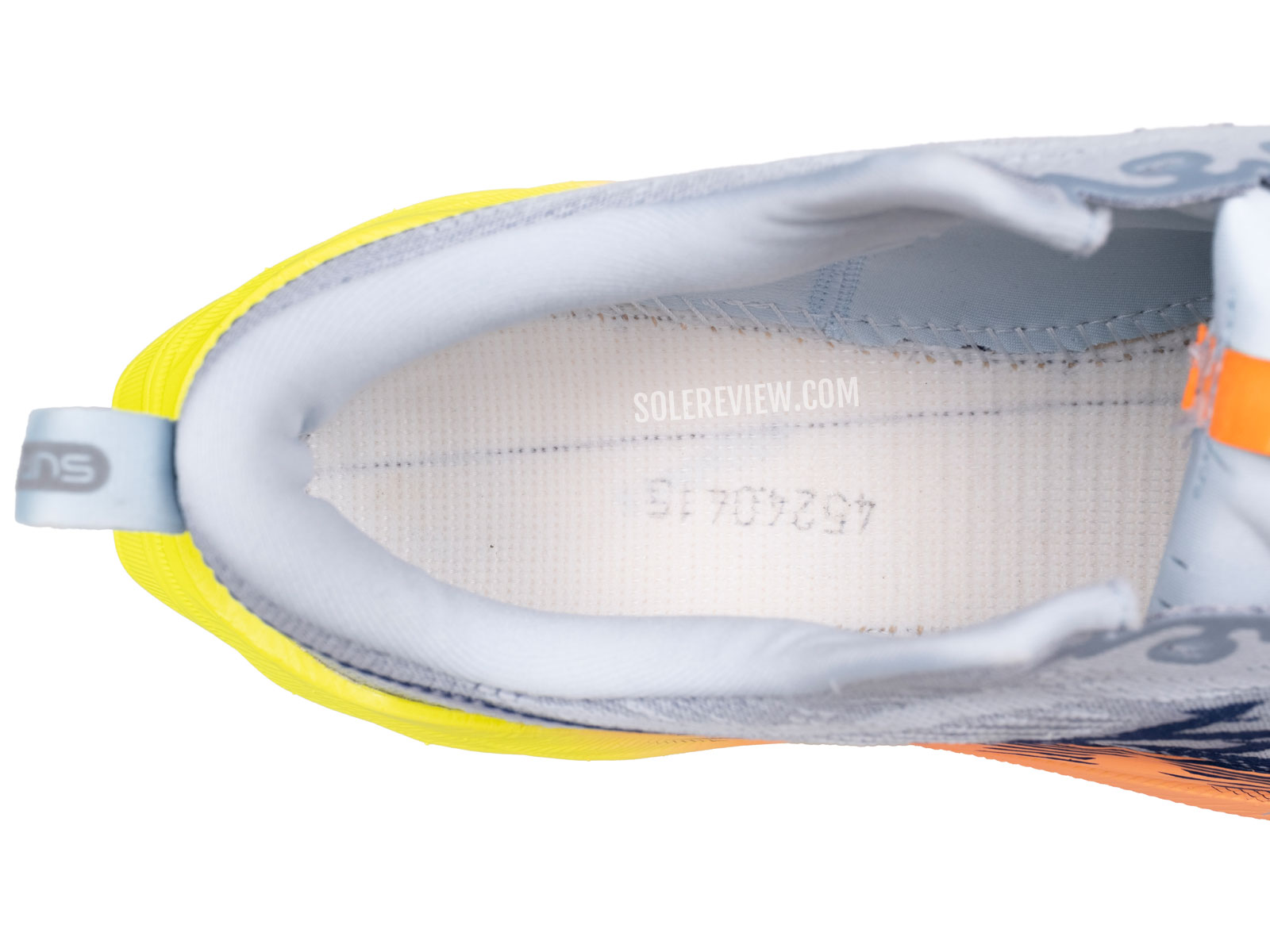
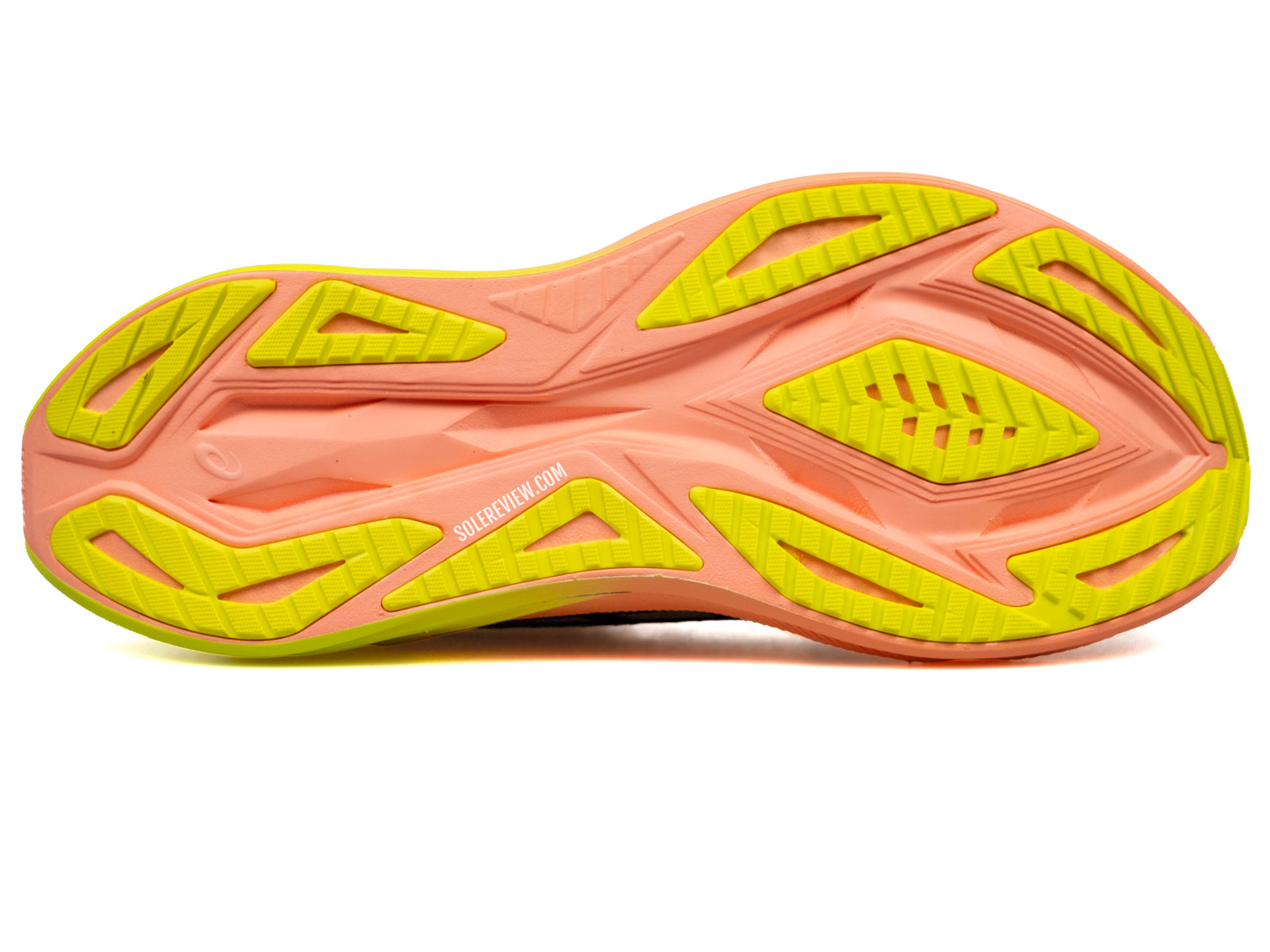
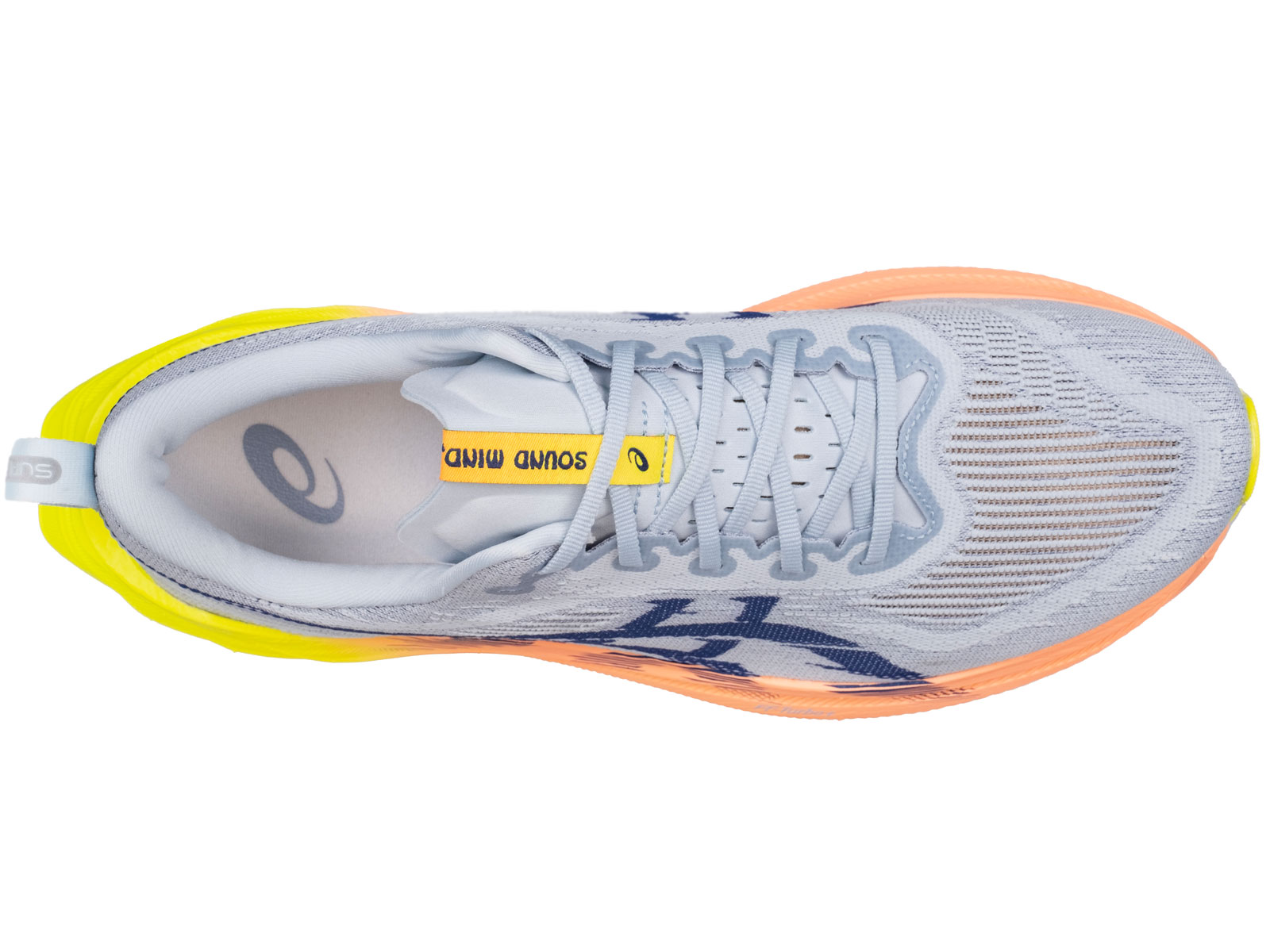
The Superblast 2 has more upper room than the Superblast 1. A spacious fit makes the fit more comfortable, but there are trade-offs. The power delivery (from the foot to the midsole and rocker) is weaker than before, so this model doesn’t feel as quick as the Superblast 1. The true-to-size upper has a padded heel and tongue for comfort, and the updated mesh improves the air flow.
- Asics’s marketing pitch: Supercharged cushioning.
- Upper: Engineered mesh, gusseted tongue.
- Midsole: Flytefoam Turbo and FF Blast, 8 mm heel drop.
- Outsole: Asicsgrip rubber in high-wear areas.
- Weight: 250 gms/ 8.8 Oz for a half pair of Men’s US 9/UK 8/EUR 42.5/CM 27.
- Stack heights: 45 mm (heel), 37 mm (forefoot).
- Available widths: D – regular (reviewed).
- Previous model: Asics Superblast 1.
- Country of origin: Vietnam.
- Recommended use: Daily training, recovery runs, marathons.
- Footstrike orientation: Heel, midfoot/forefoot (full contact).
- Median lifespan: 450 miles.
- Recommended paces: Slower than 4:30 min/km (7:00 min/mile).
- Recommended temperature range: Warmer than -0° C/32° F.
Pros
- Lightweight yet deep cushioning
- Supportive ride
- No performance penalty for slow speeds and heel landings
- Ventilation
- Long-distance comfort
- Multiple widths
Cons
- Weak upper fit lockdown
- Diminished speed capabilities versus the V1
- Under-utilized rocker because of excess upper space and softer ride
- Lack of optional widths
- Scarce reflectivity
Also consider:
- Brooks Hyperion Max 3
- New Balance SC Trainer v3
- Nike Zoom Fly 6
- Use the Asics Superblast 2 for daily runs, recovery, and long runs
- Use the Asics Metaspeed Sky Tokyo or Saucony Endorphin Pro 4 for marathons
- Use the Asics Hyperspeed 5 or adidas Takumi 10 for intervals, tempo runs, and short races
Here’s a fun thought. What if you intend to race in the SC Elite V5, but train in the SC Trainer V3? That would be the ideal scenario, considering how similar both shoes are. Thanks to its firmer Fuelcell midsole and padded upper, the SC Trainer is a more durable and supportive version of the SC Elite. At the same time, you’ll get the rocker-shaped carbon Arc plate that brings speed to pre-race training. The firmer Fuelcell midsole provides the stability and long-distance comfort during easy run days. The thick rubber outsole is strategically placed on the heel and forefoot for hard-wearing traction.


If you like your SC Trainer V3 to feel more at home during quicker runs, we recommend staying true to size. For a more comfortable fit, buy a half-size (US 10.5 instead of US 10) up. A 2E (wide) width is also available. The SC Trainer’s upper has a few extras over the SC Elite’s minimalist upper. The heel and tongue are fully padded for the regular trainer feel.
If you found the Brooks Hyperion Max 2 to be boring and flat, you’ll probably love the Hyperion Max 3’s updated midsole. On top is DNA Gold, a PEBA foam that’s also used on the Hyperion Elite 5. The new setup is a marked change from the firm DNA Flash midsole used on last year’s model. The new model still uses DNA Flash, except it’s softer and exists only as the base layer. The cushioning experience will depend on the footstrike. Forefoot strikers will feel the soft bounciness of the DNA Gold foam; rearfoot strikers will find the supportive cushioning of the DNA Flash base. The midsole is ridiculously cushioned, irrespective of the landing pattern.
The Nylon Speedvault plate creates an early-stage rocker effect for quick turnovers. While the Hyperion Max 3 is by no means a speed shoe, it does not struggle even at 4:00 ~ 4:30 min/km speeds. The new midsole vastly improves the comfort during long runs, but feels sluggish compared to the firmer Hyperion Max 2. For training requirements under 4:30 min/km (7:00 min/mile), we recommend either the Asics Superblast or New Balance SC Trainer. Even the previous Hyperion Max 2 works better for sub-4:00 min/km paces.


Brooks does something new with the upper, and the results are mixed. On the bright side, the tighter upper is good at driving power from the foot to the midsole. That said, the stretchy sock-like entry and thicker mesh make the interiors warmer than the previous model. It’s also harder to get inside the shoe, and the small heel loop is less helpful than it appears.
The Bondi 9 isn’t ideal for tempo runs, strides, fartleks, and anything other than an easy run. If most of the pre-marathon training volume consists of long easy runs, then this shoe is just right for the occasion. The massive stack heights (44 mm and 39 mm) cushions the feet during high-mileage runs, and there’s some transition-assist from the rocker midsole. In short, the Bondi 9’s deeply cushioned midsole doesn’t mean it’s sluggish. As always, the wide midsole footprint adds stability for heel strikers and heavier runners. We recommend the Bondi for target marathon finish times of 4:00 hours or more.


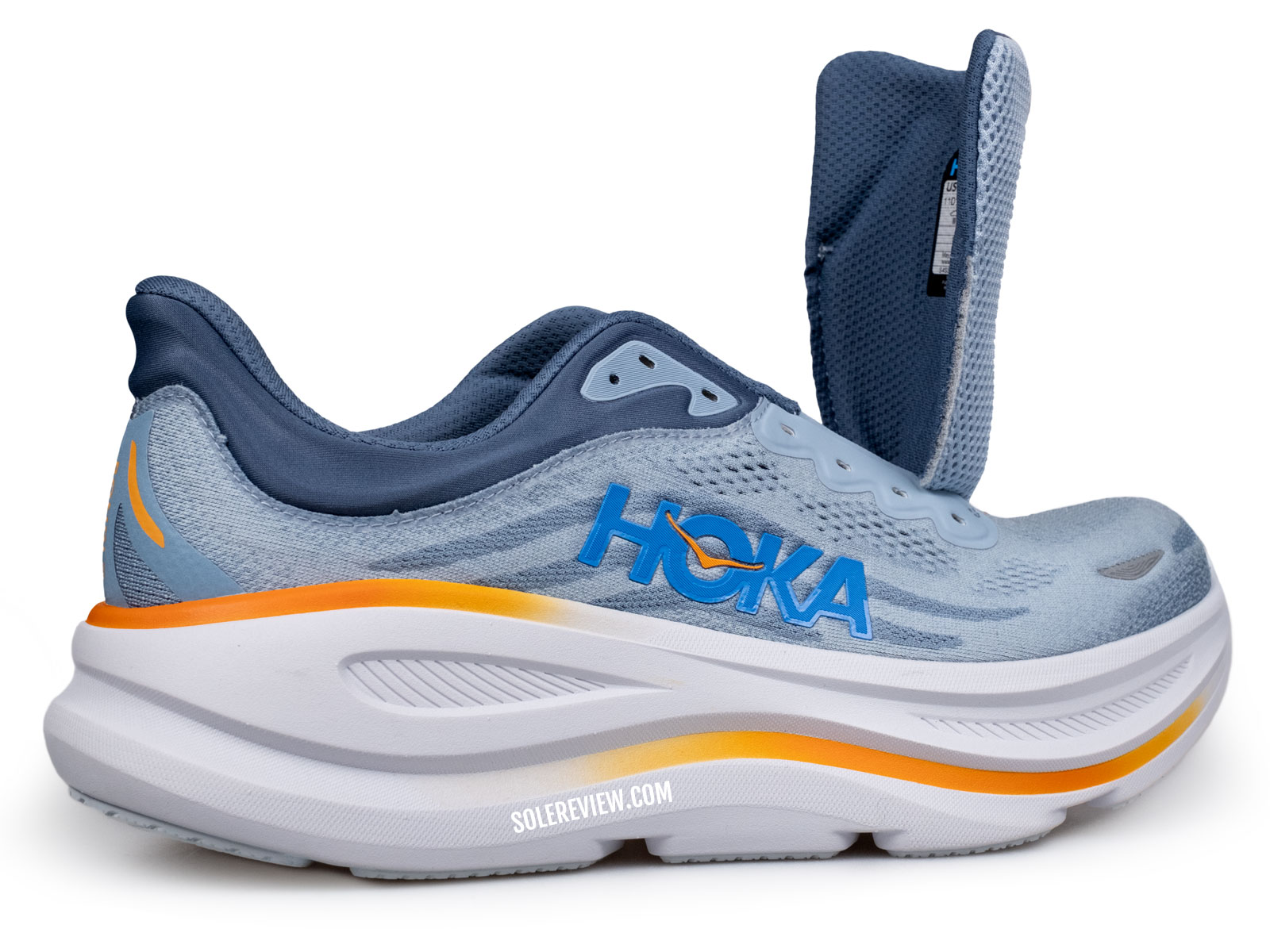
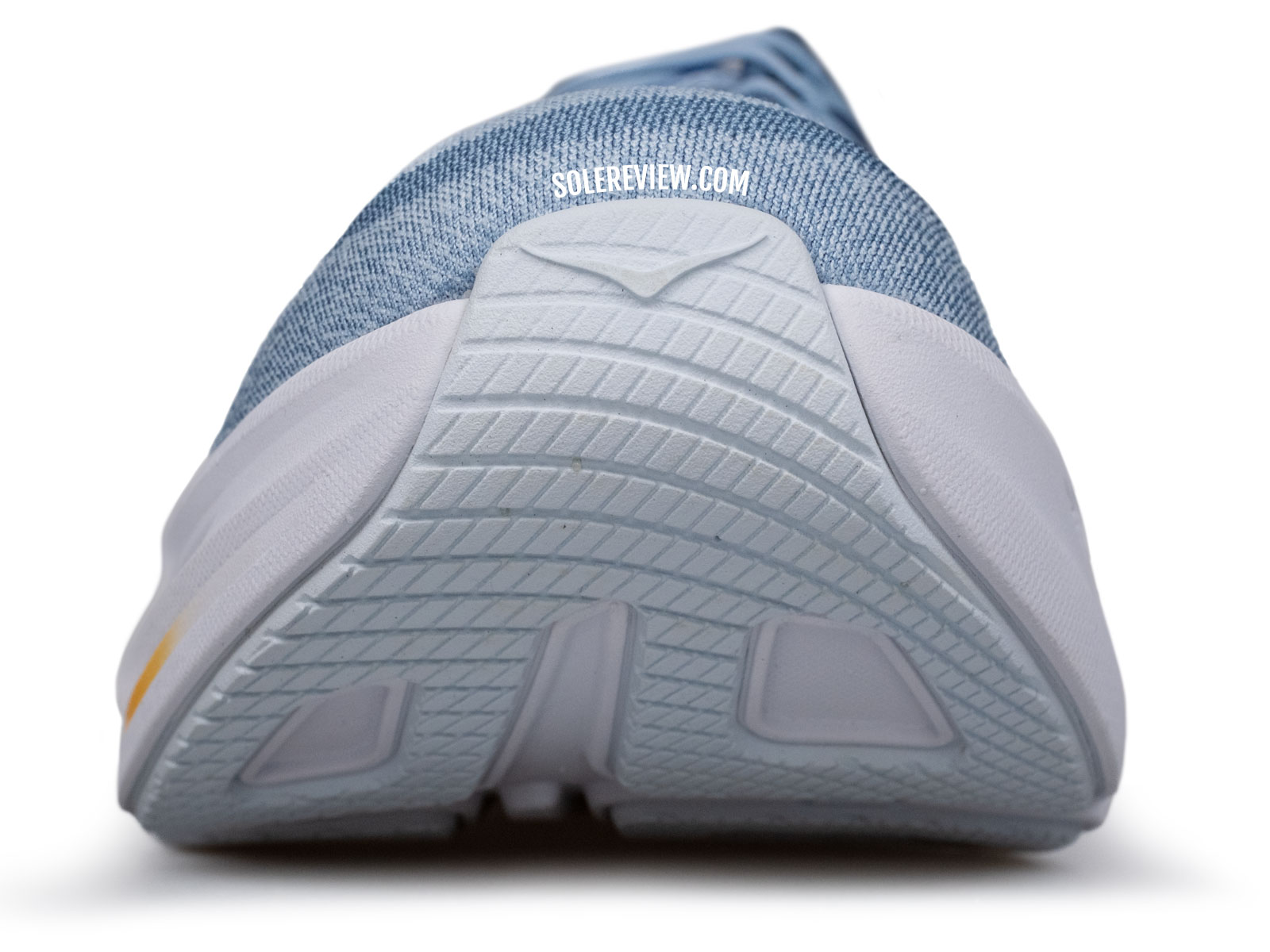
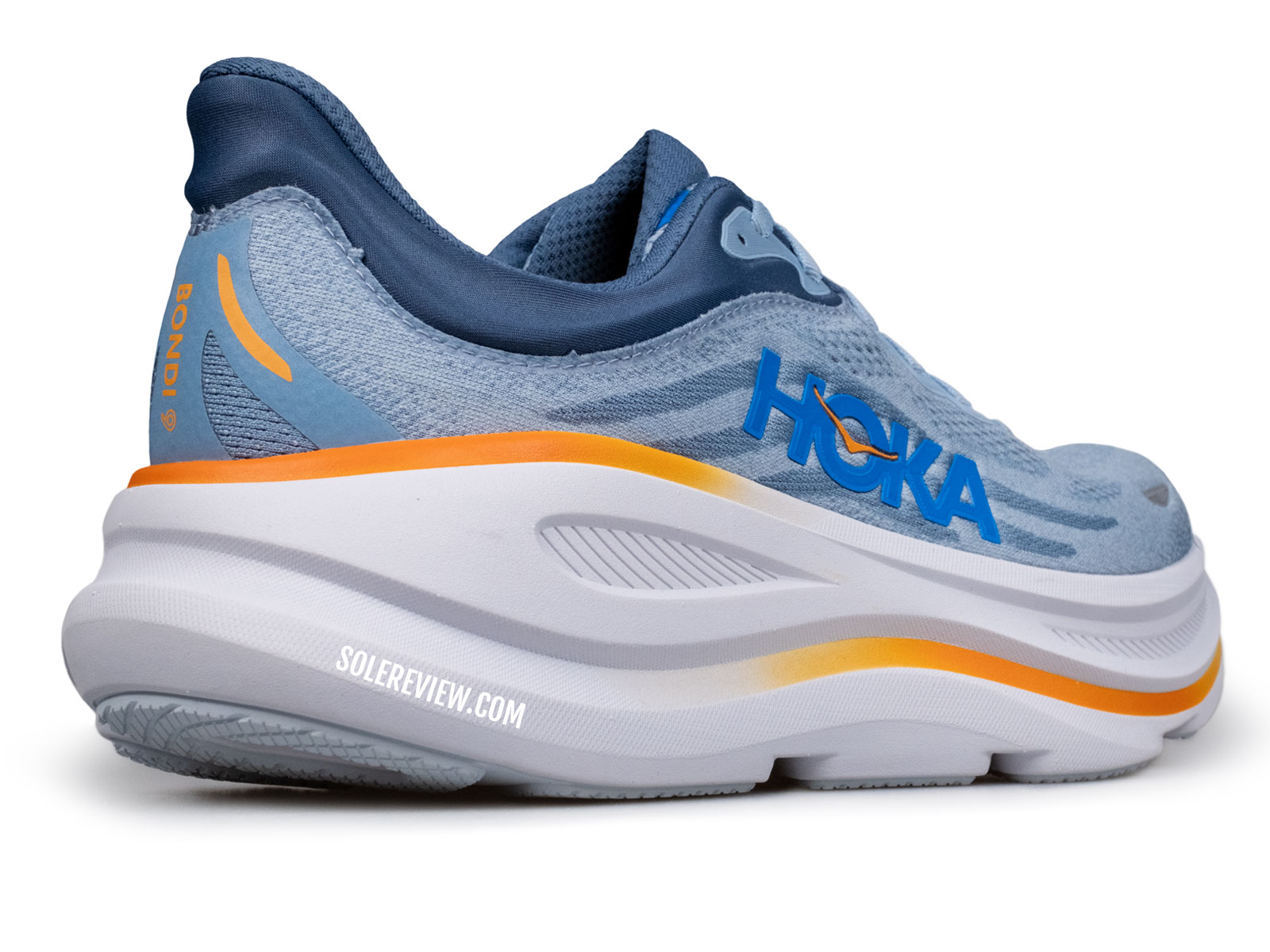
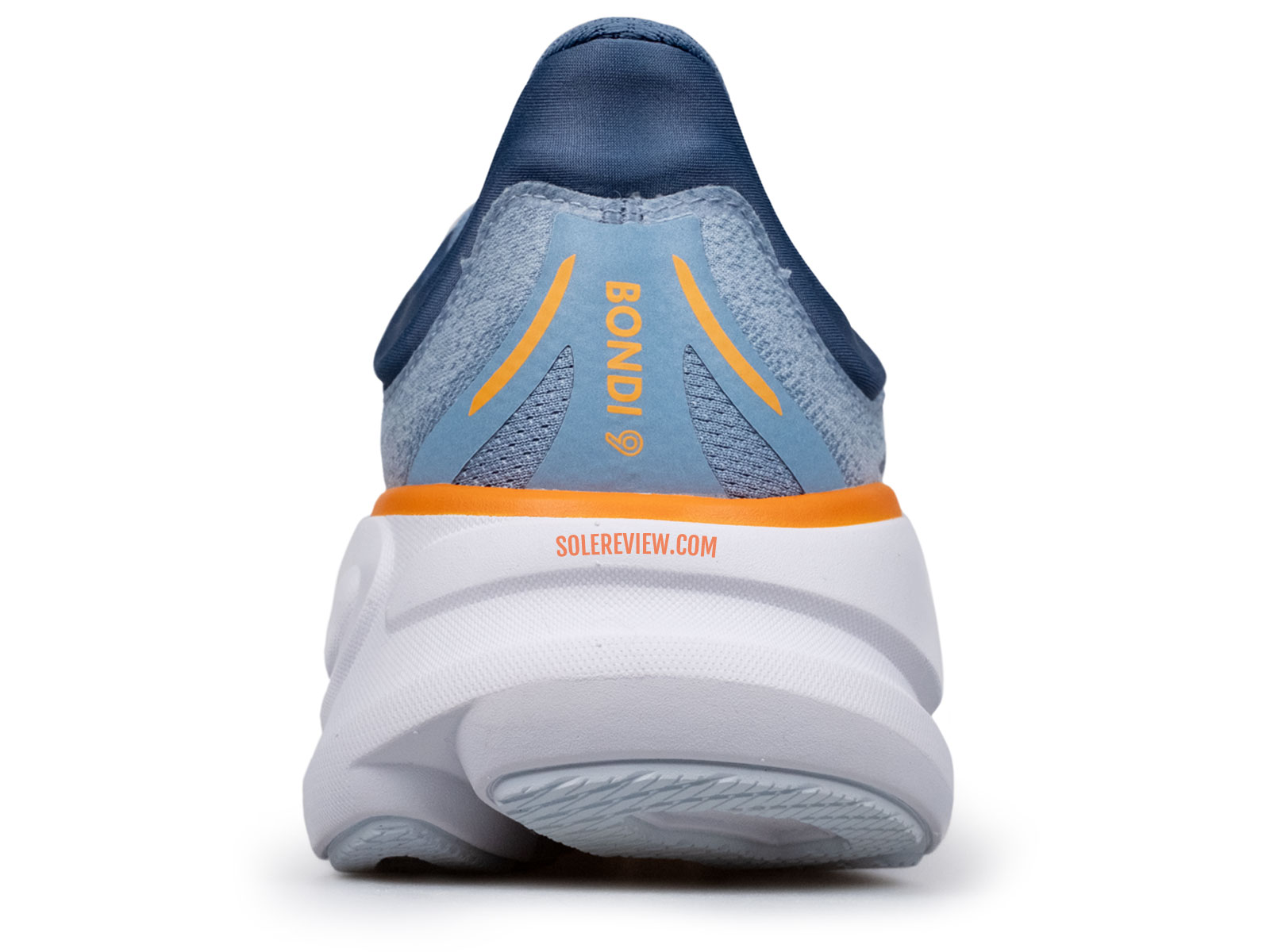
The Hoka Bondi 9 has a cushioned yet supportive midsole.
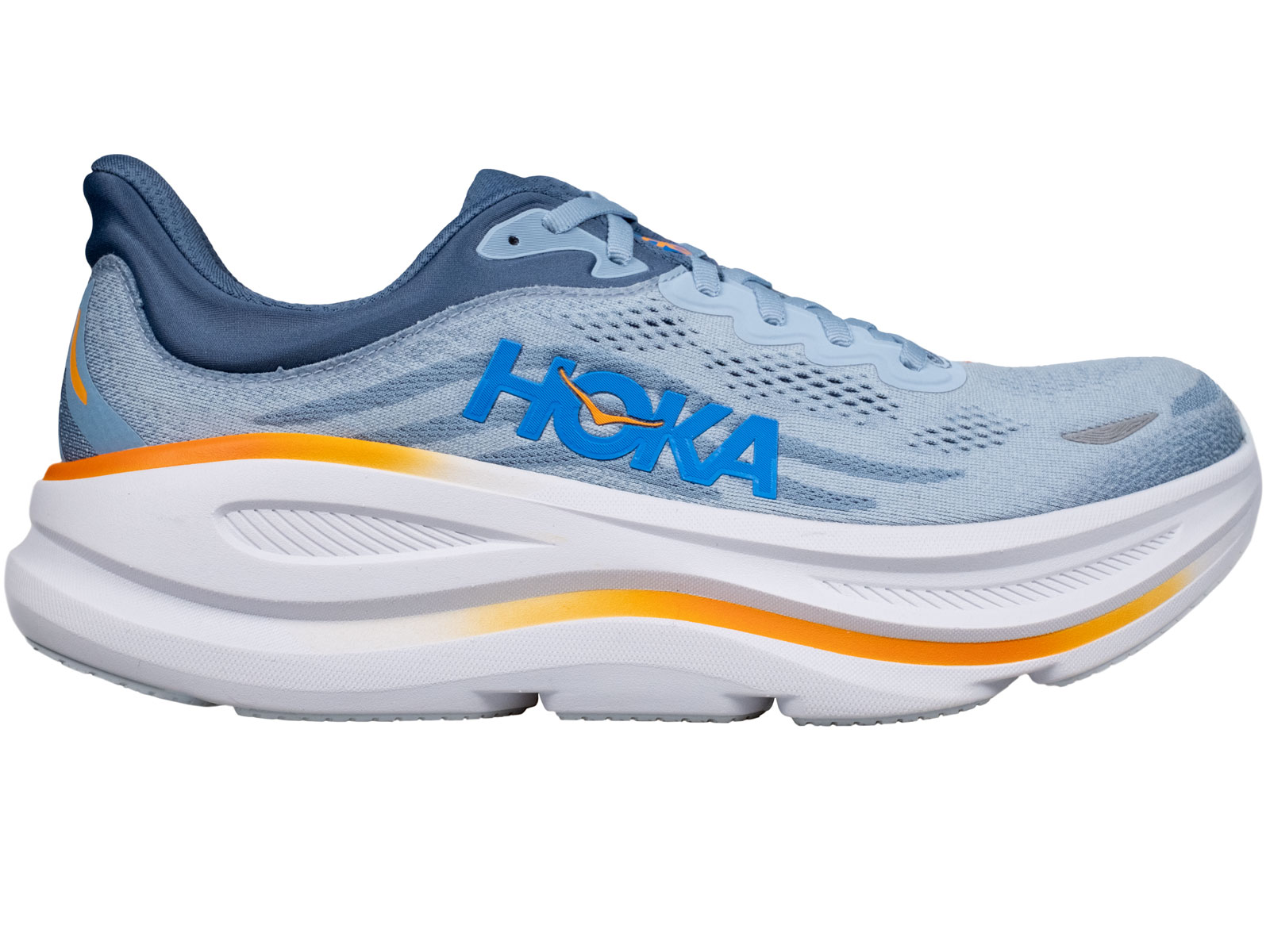
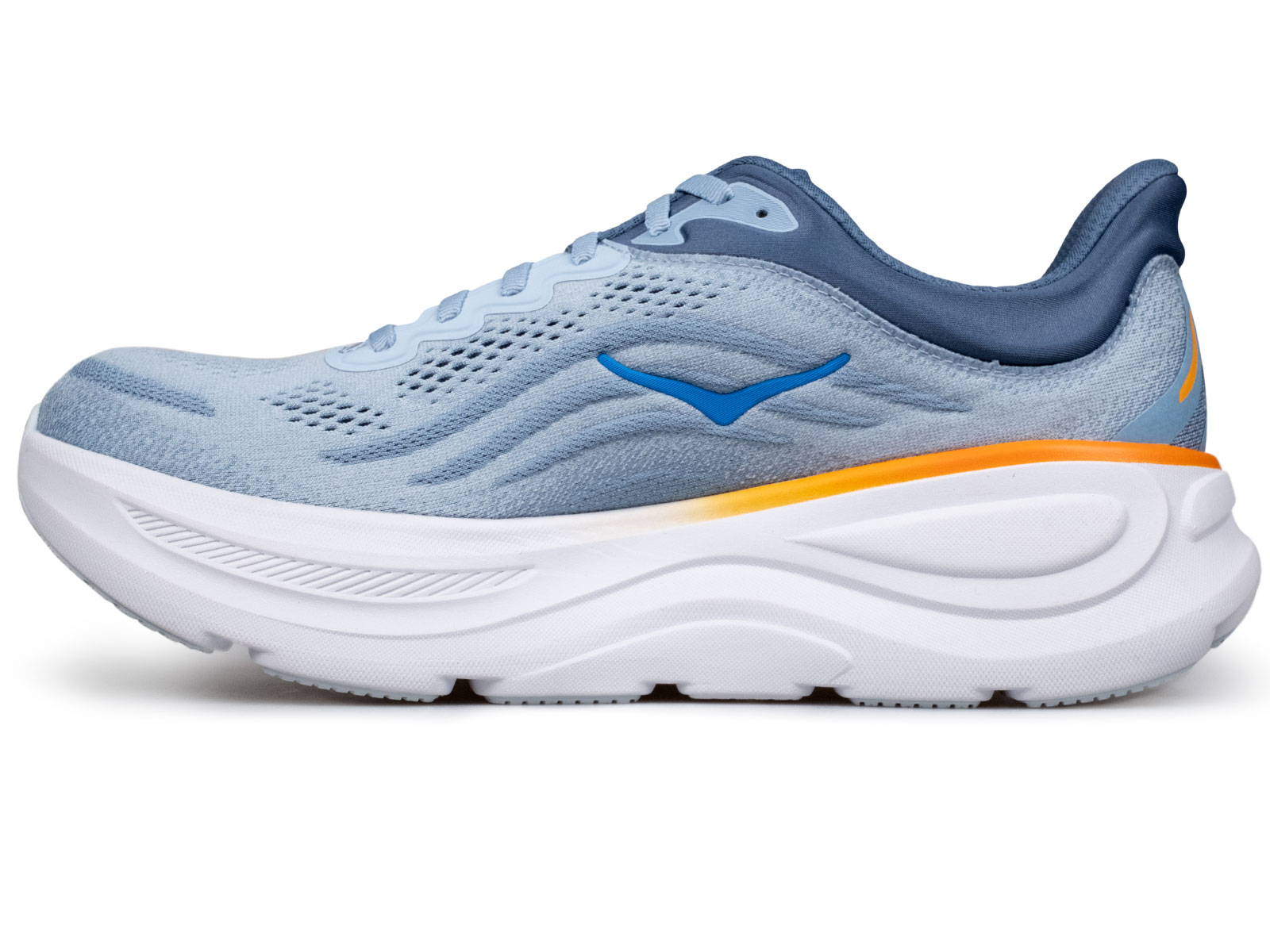
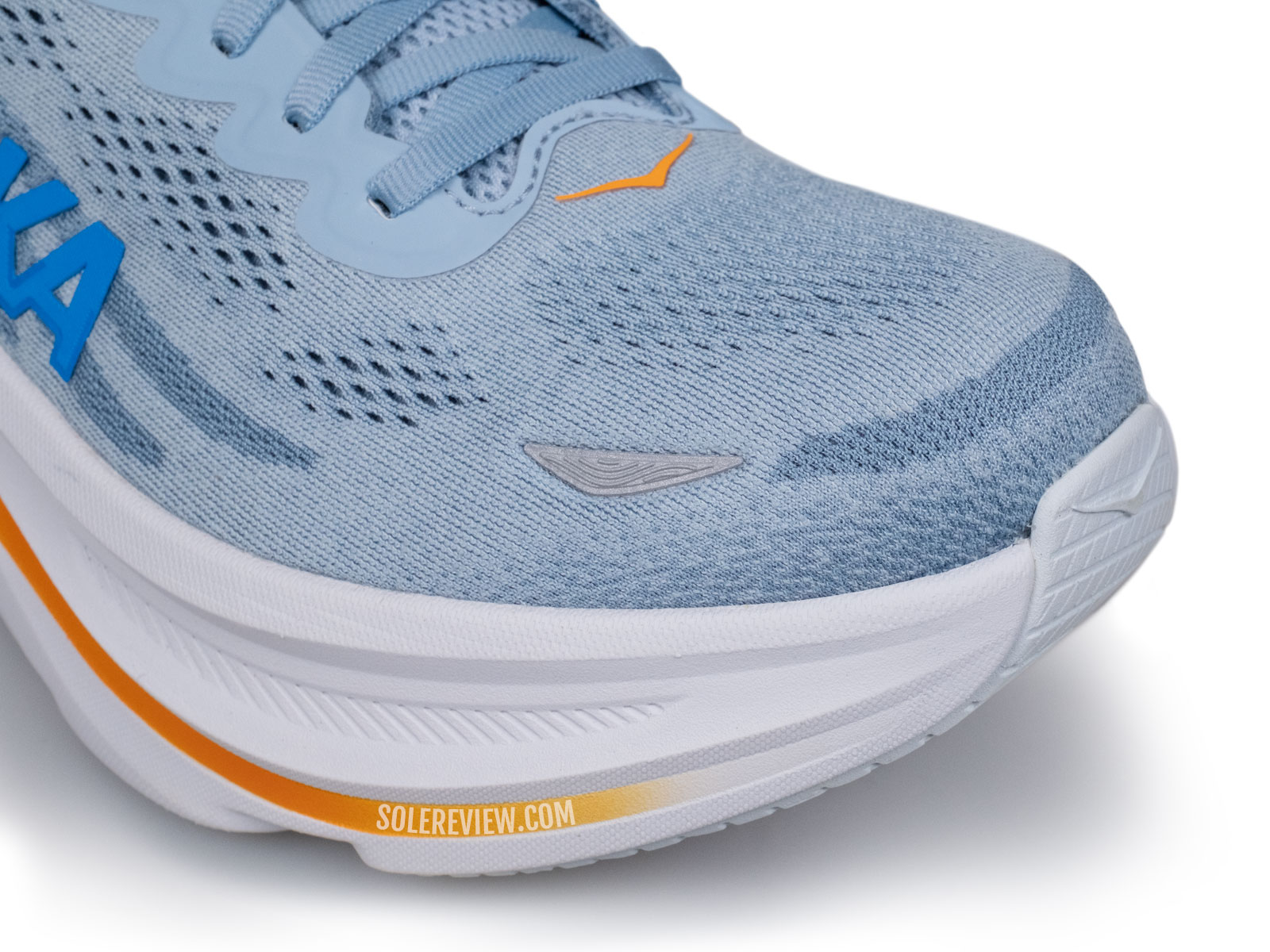
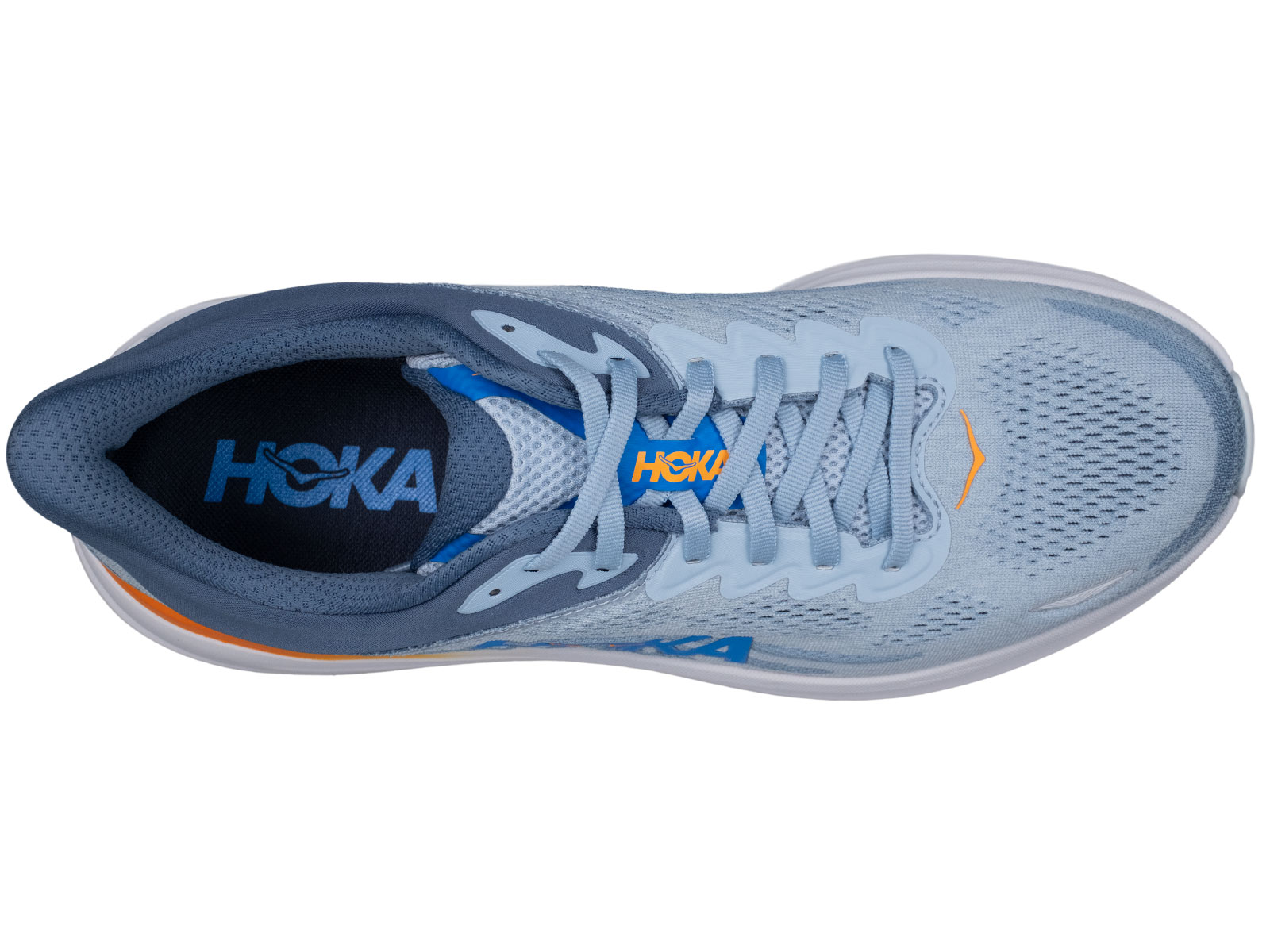
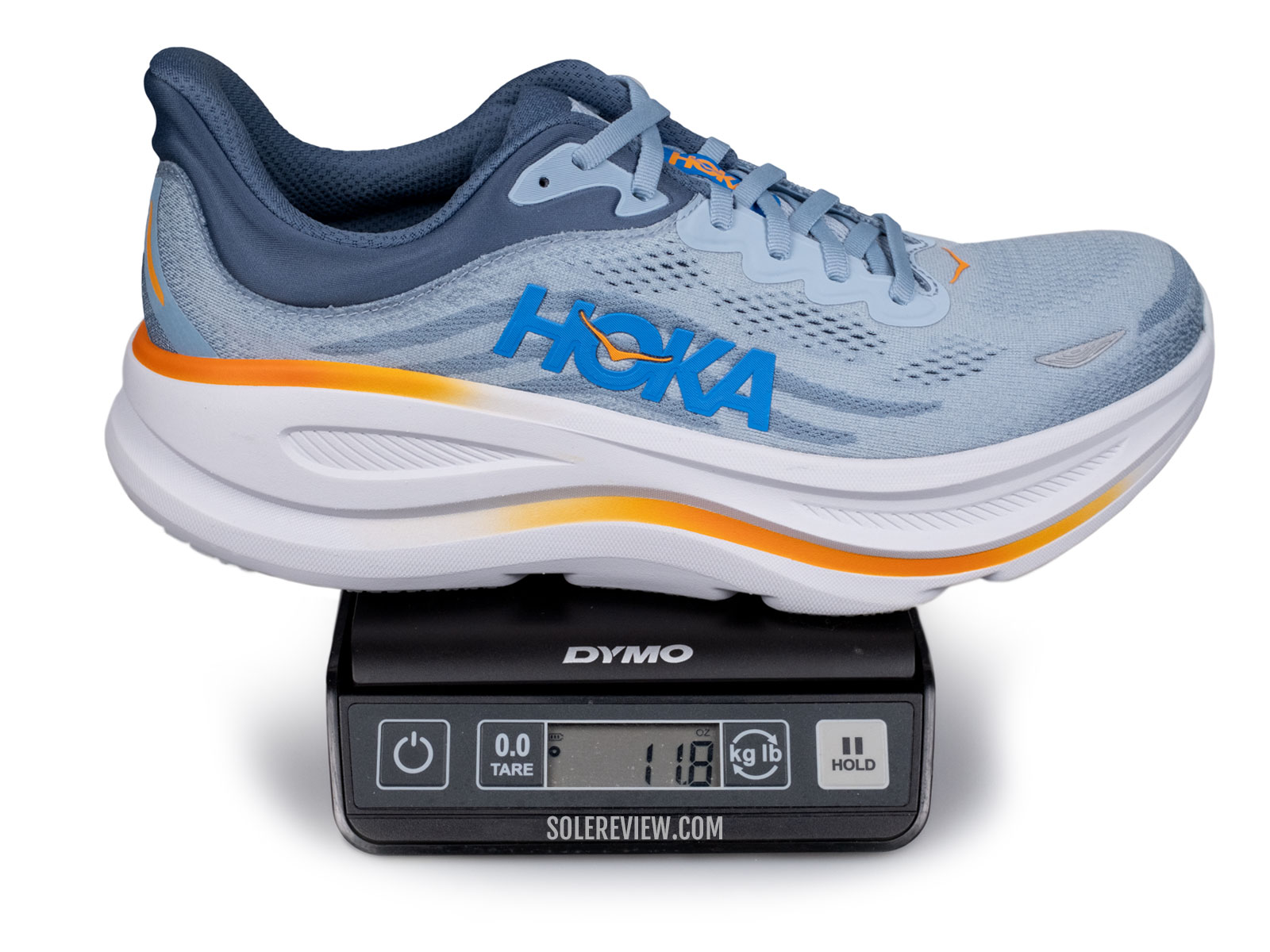


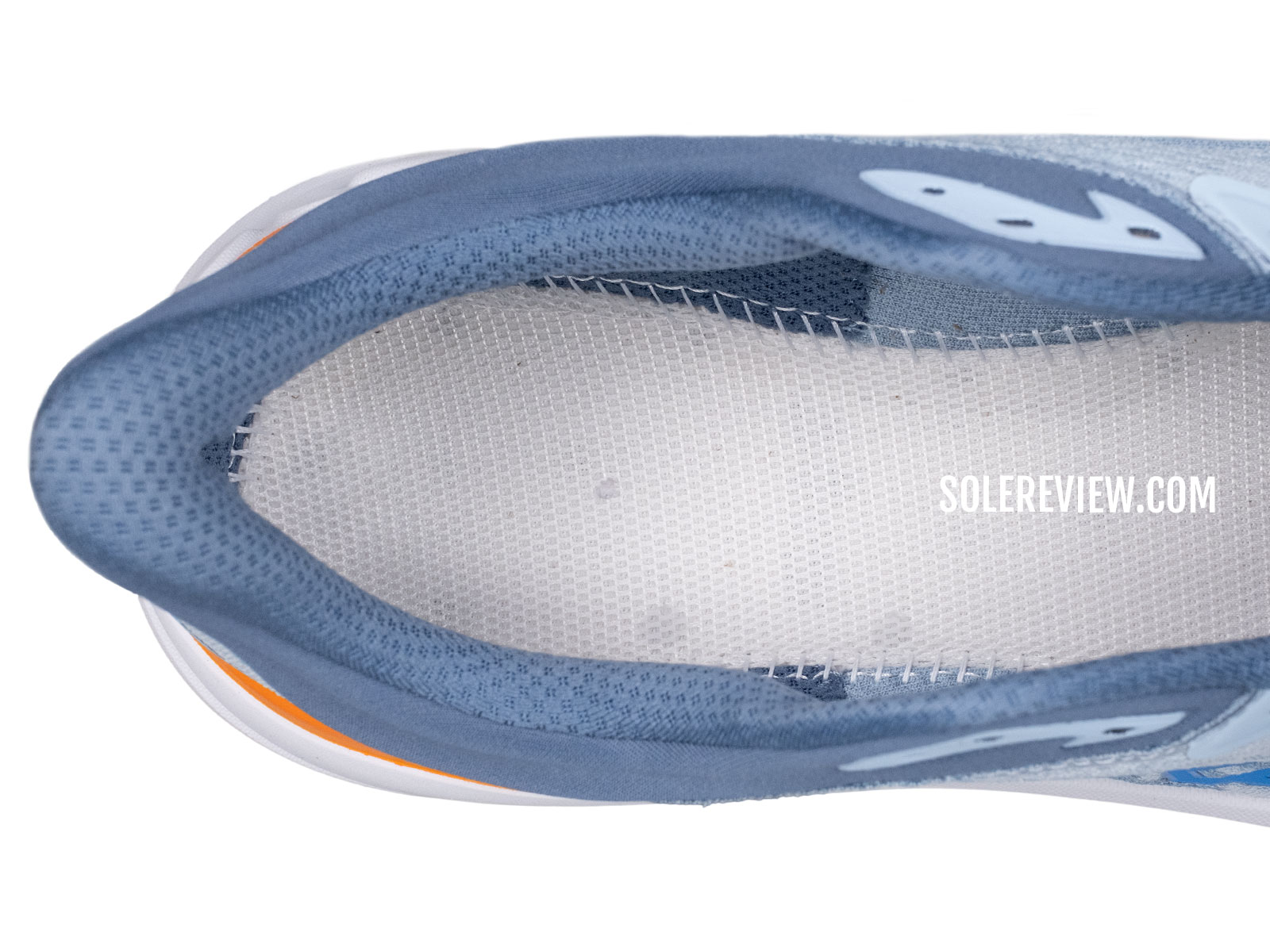
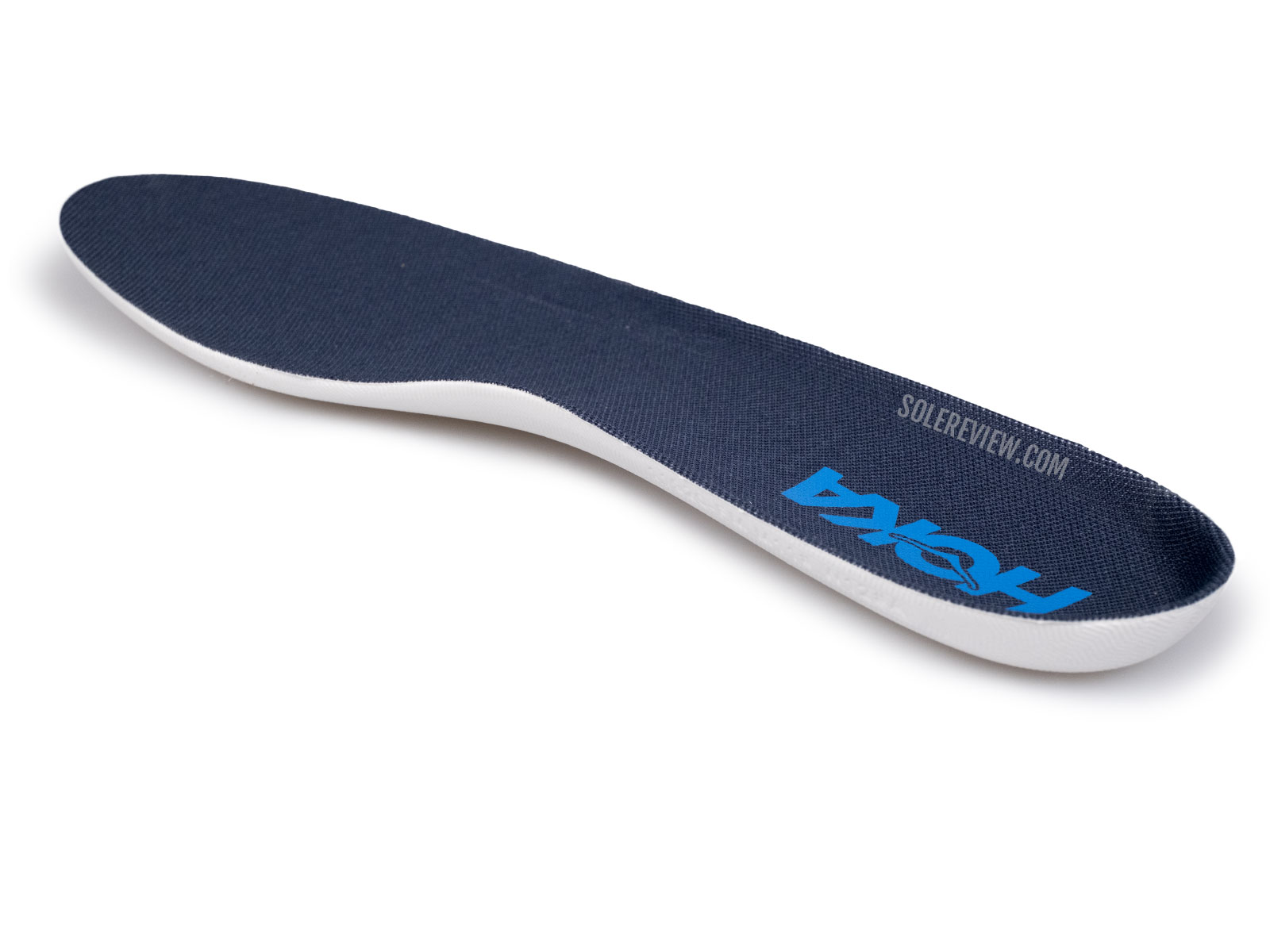
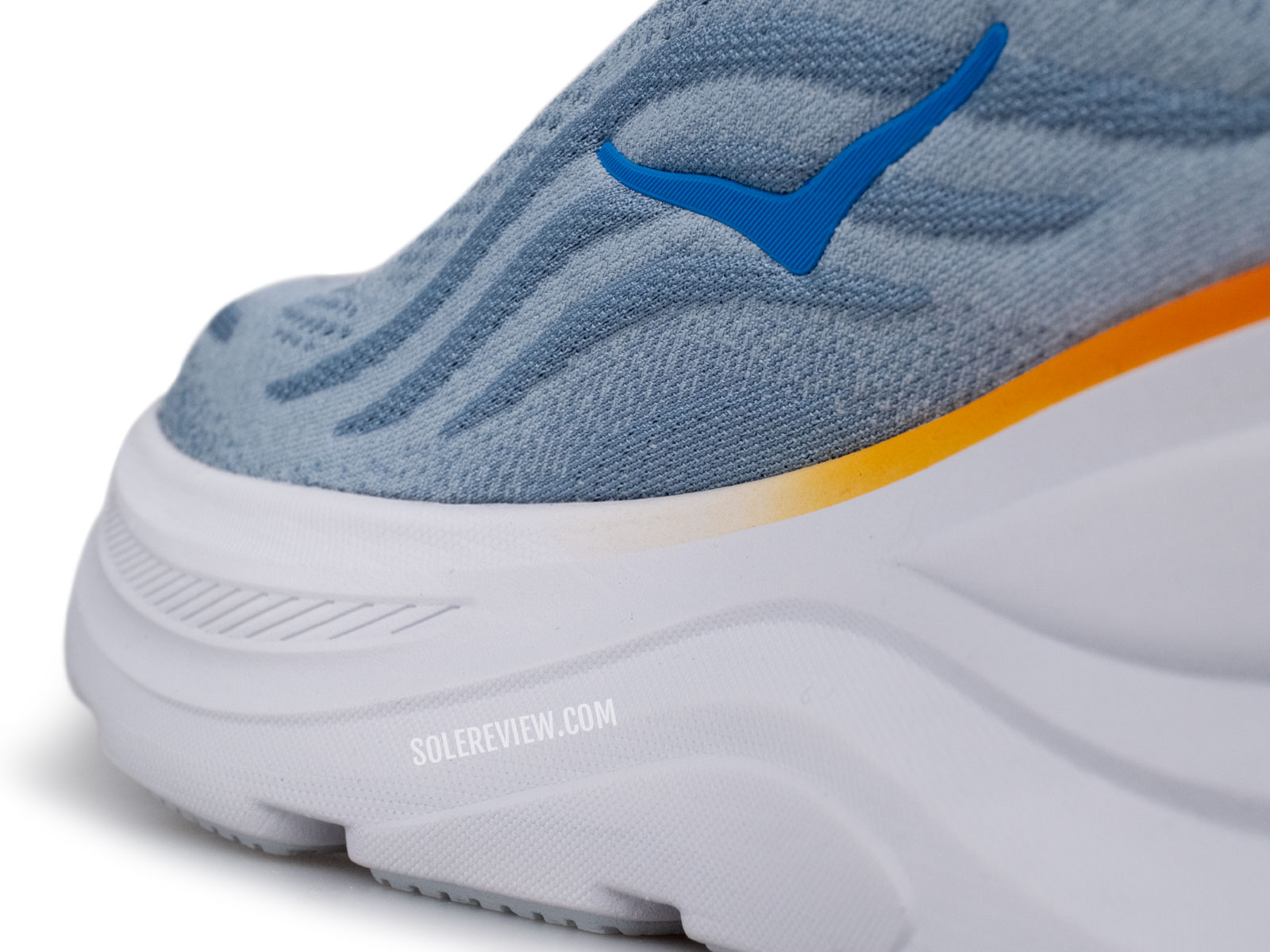
The upper fit is less constrictive than the Bondi 8, but it’s still snug around the forefoot. For more space, consider the 2E (wide) or 4E (extra-wide) options.
- Hoka’s marketing pitch: The ultra-cushioned game-changer.
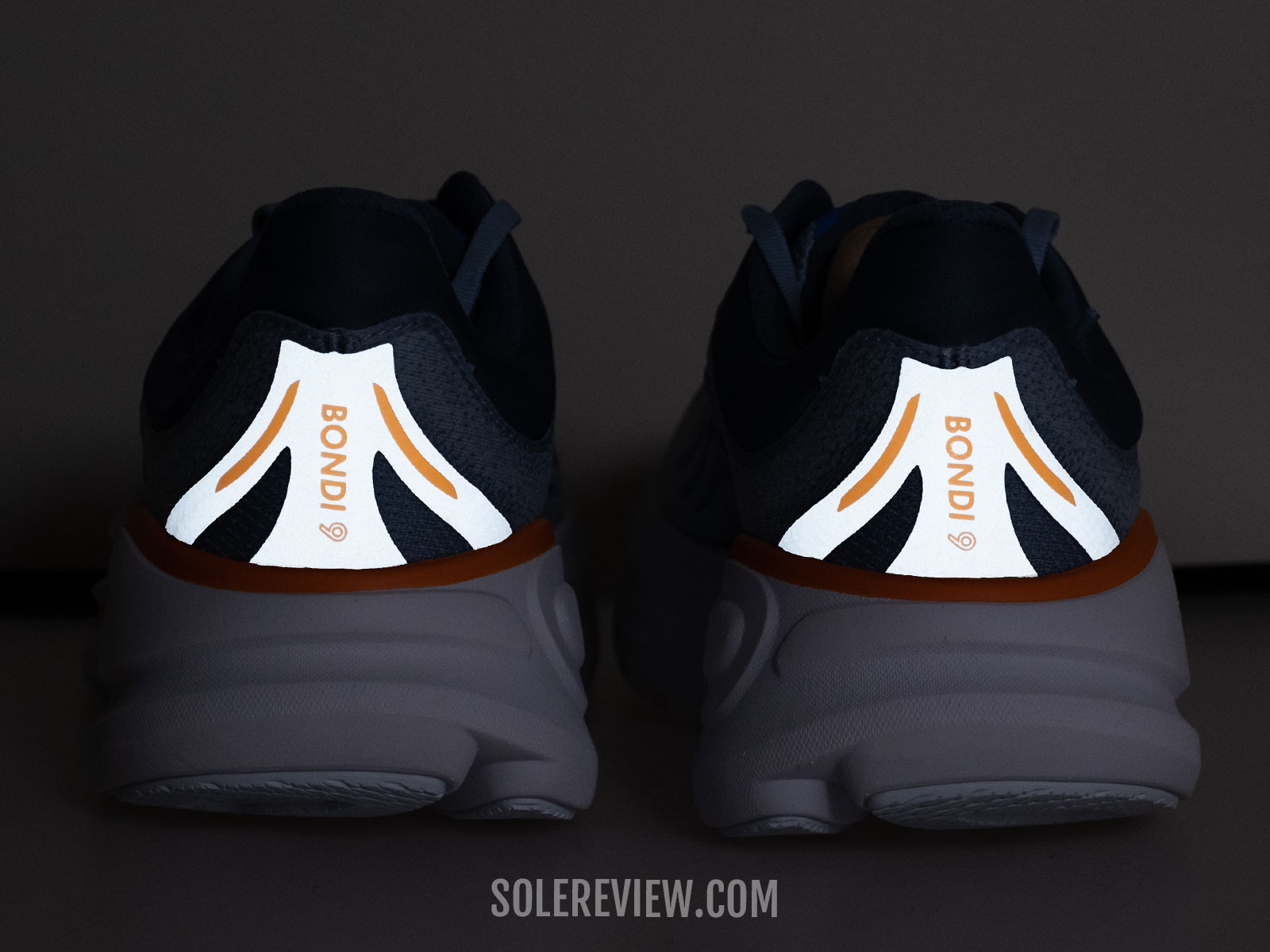
- Upper: Perforated engineered mesh, reflective details. No tongue gusset.
- Upper fit: True to size, narrow.
- Midsole: EVA foam and footbed. 5 mm heel drop.
- Outsole: Carbon rubber, exposed EVA foam.
- Weight: 298 gms/ 10.5 Oz for a half pair of Men’s US 9/UK 8.5/EUR 42.5/CM 27.
- Stack heights: 44 mm (heel), 39 mm (forefoot).
- Available widths: D – regular (reviewed), 2E – wide, 4E – extra wide.
- Previous model: Hoka Bondi 8.
- Country of origin: Vietnam.
- Recommended use: Everyday training, marathons.
- Footstrike orientation: All types (heel/midfoot/forefoot).
- Median lifespan: 450 miles.
- Recommended paces: 5:00 min/km (8:00 min/mile) and slower.
- Recommended temperature range: Warmer than -5° C/23° F.
Pros
- Cushioned and stable ride
- Reflective details
- Smooth transitions
- Secure upper fit
- Optional widths
Cons
- Antiquated cushioning tech
- Heavy
- Mild tongue slide