
In this product guide:
- 1. Best for daily runs: Nike Vomero 18
- 2. Best for arch support: Nike Structure 26
- 3. Best for 5K, 10K, and marathons: Nike Vaporfly 4
- 4. Best for rain and winter: Nike Vomero 18 Gore-Tex
- 5. Best for trail runs: Nike Wildhorse 10
- 6. Best for road and trail: Nike Pegasus Trail 5 Gore-Tex
- How we selected
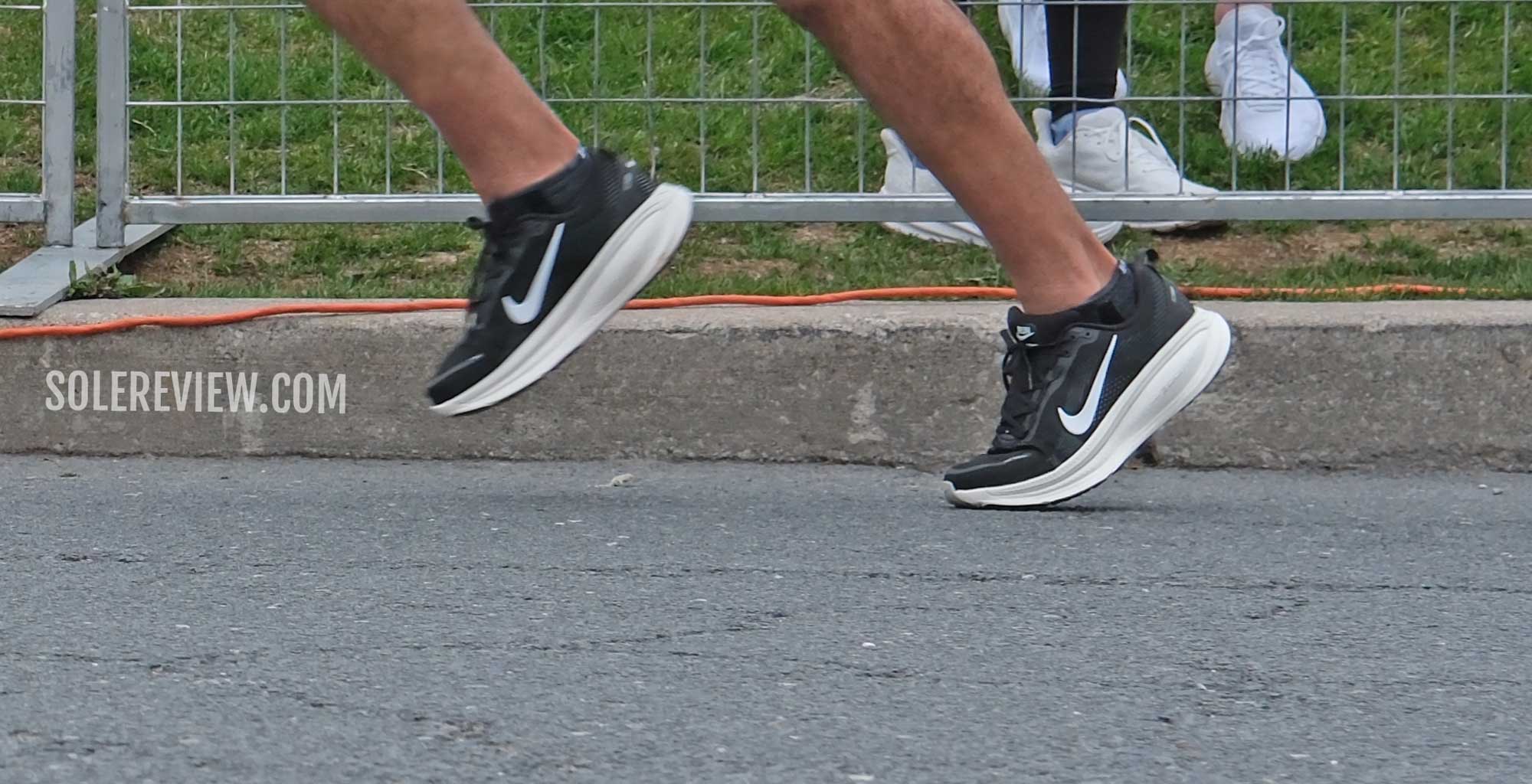
Nike gets a lot of flak these days, but they finally got the Vomero formula right. For over a decade, Solereview has been very vocal about the Vomero’s lack of purpose. As the shoe embraced mediocrity over the years, it fell behind its peers. The last few Vomero models were an afterthought in Nike’s running line-up. All that is in the past now. At the time of publishing this buyer’s guide, the Vomero 18 is Nike’s most versatile running shoe. It’s cushioned, bouncy, tempo-friendly, and supportive – traits that make the shoe ideal for many use cases. For example, if you want to run slow and long, the springy comfort has you covered. There’s enough stack for marathon training. The defined rocker delivers excellent performance during tempo runs. The stiff forefoot and rocker shape help the foot roll forward for faster turnovers.
At the heart of the Vomero 18’s cushioning is a tall midsole (44 mm and 34 mm stack height) made of ZoomX and ReactX foam.
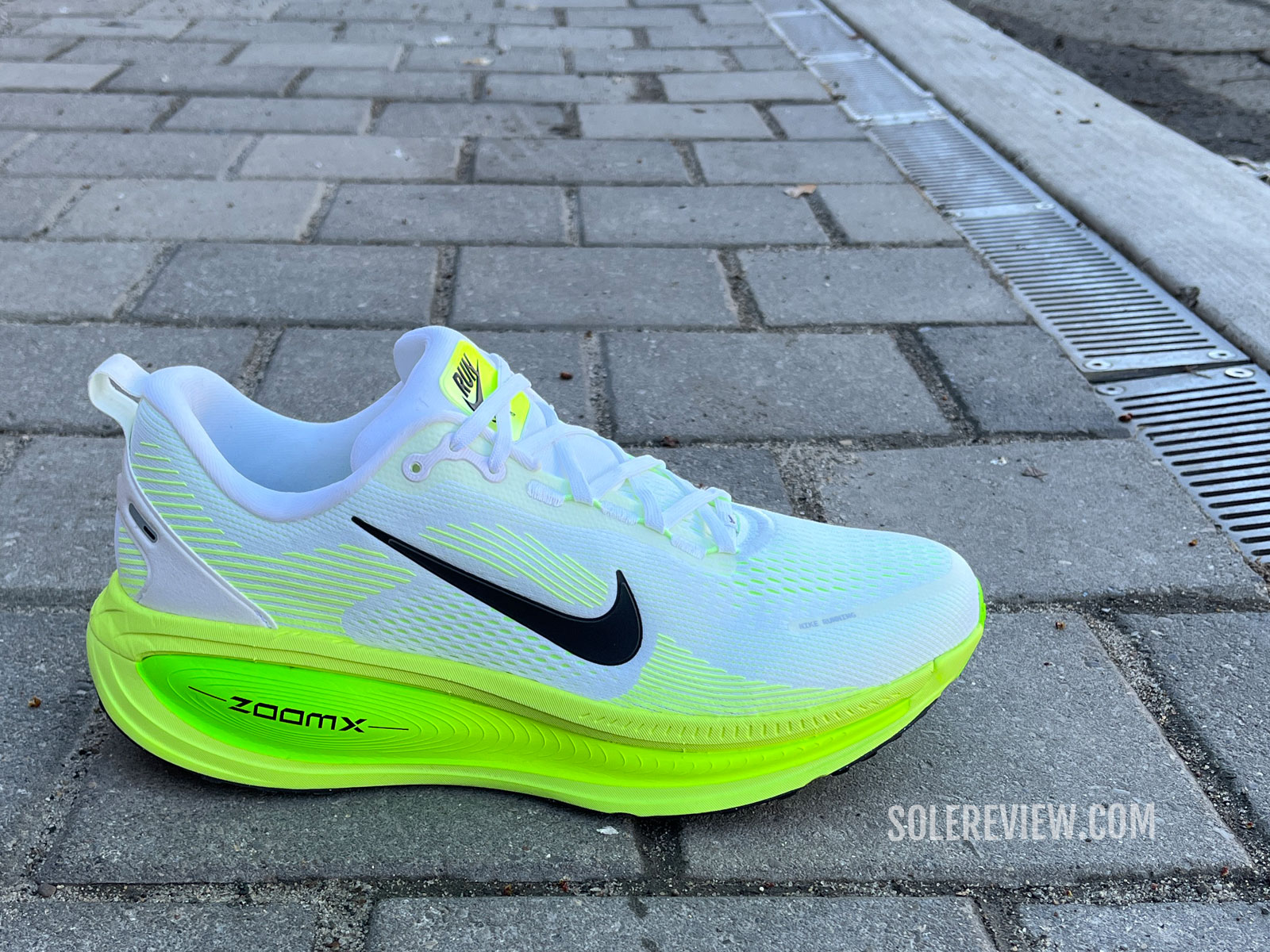
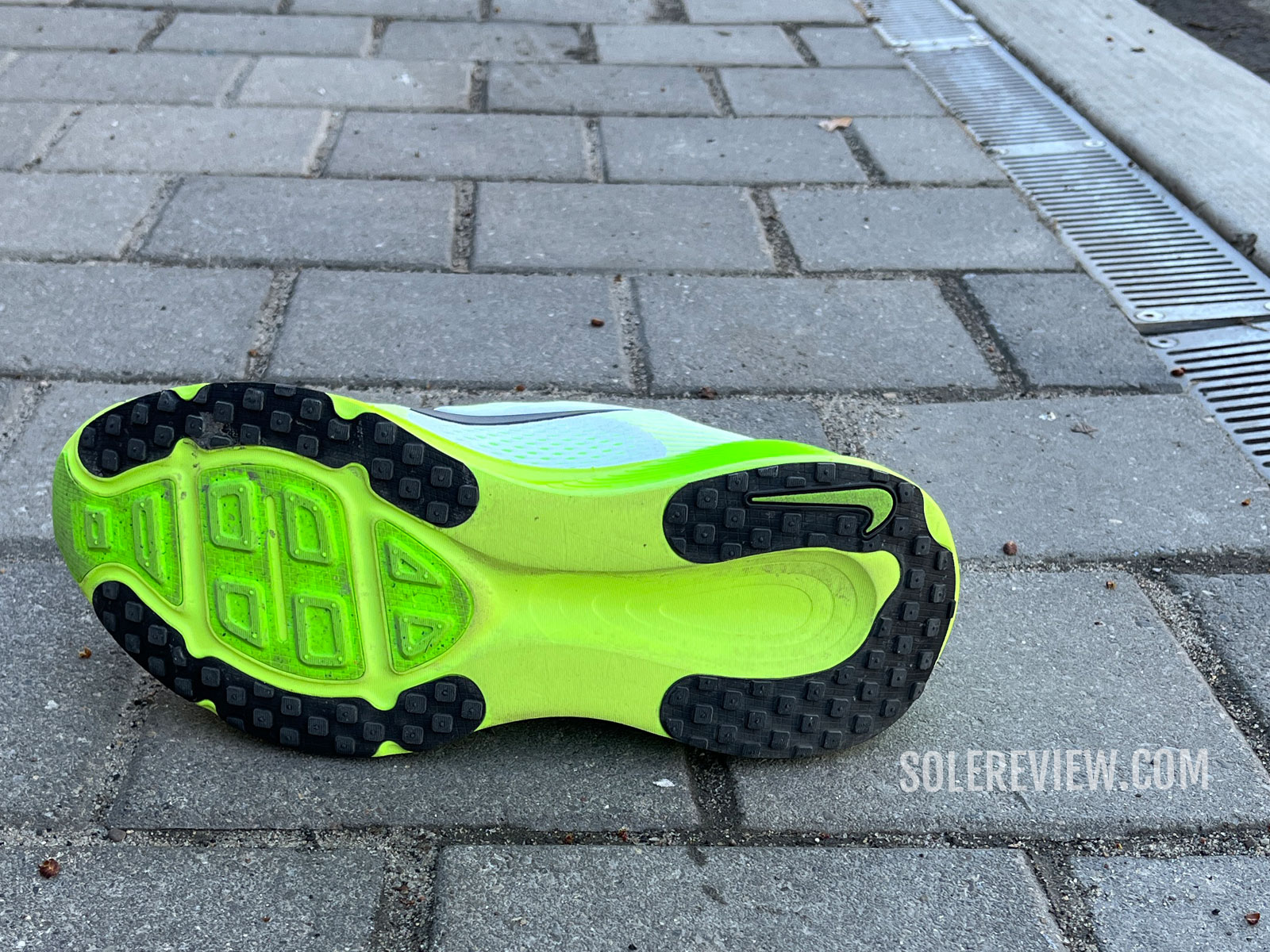
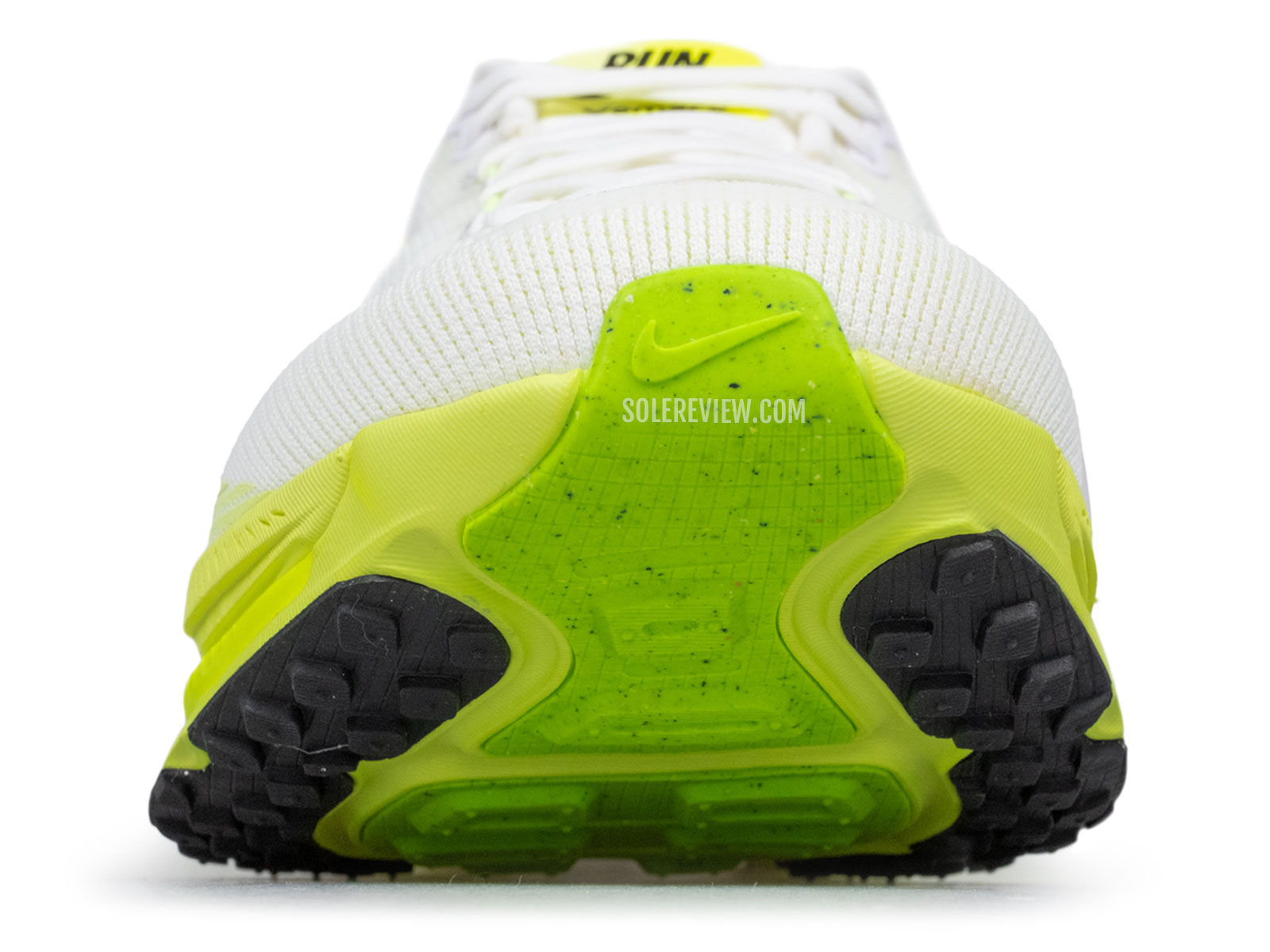
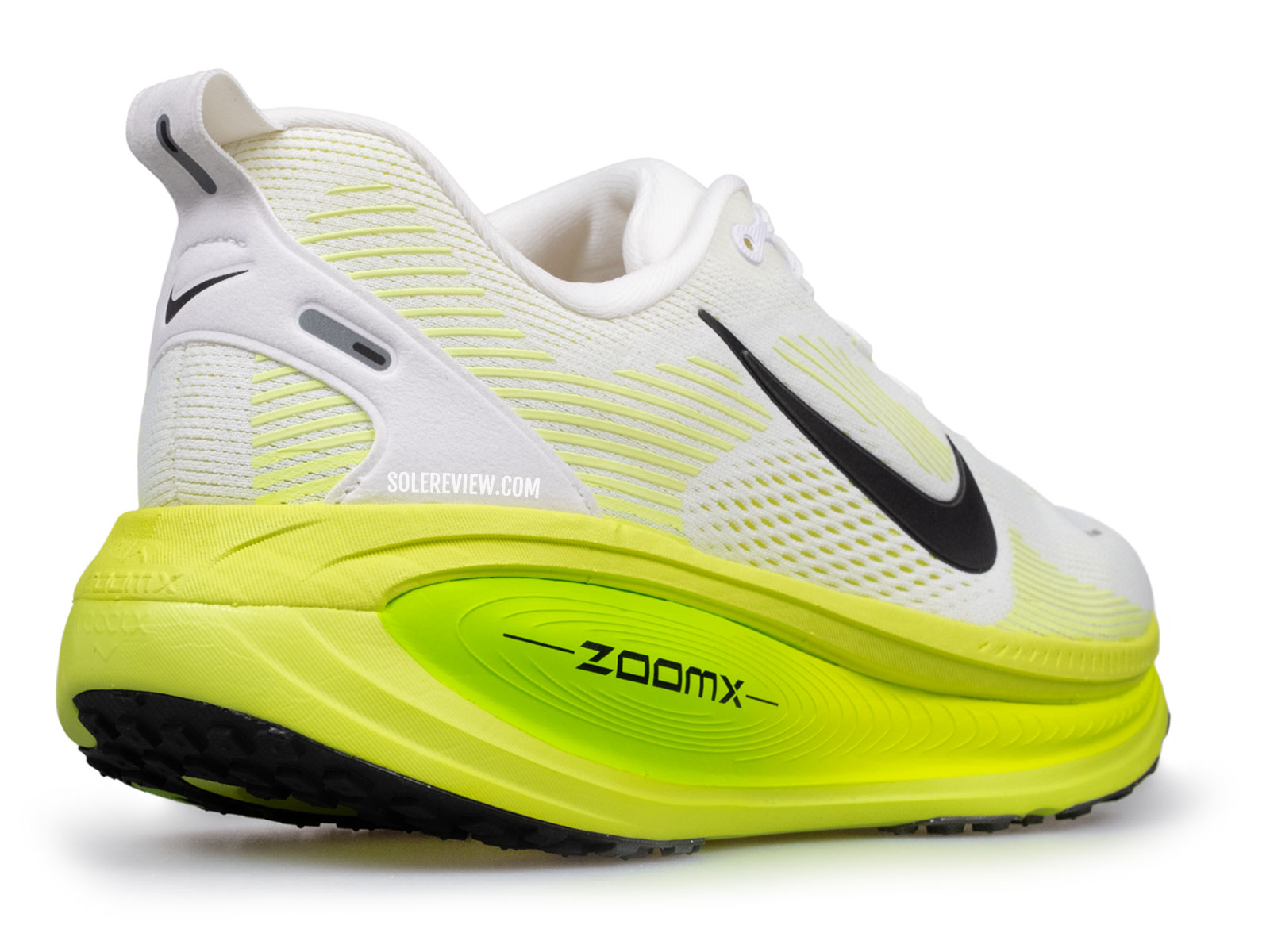
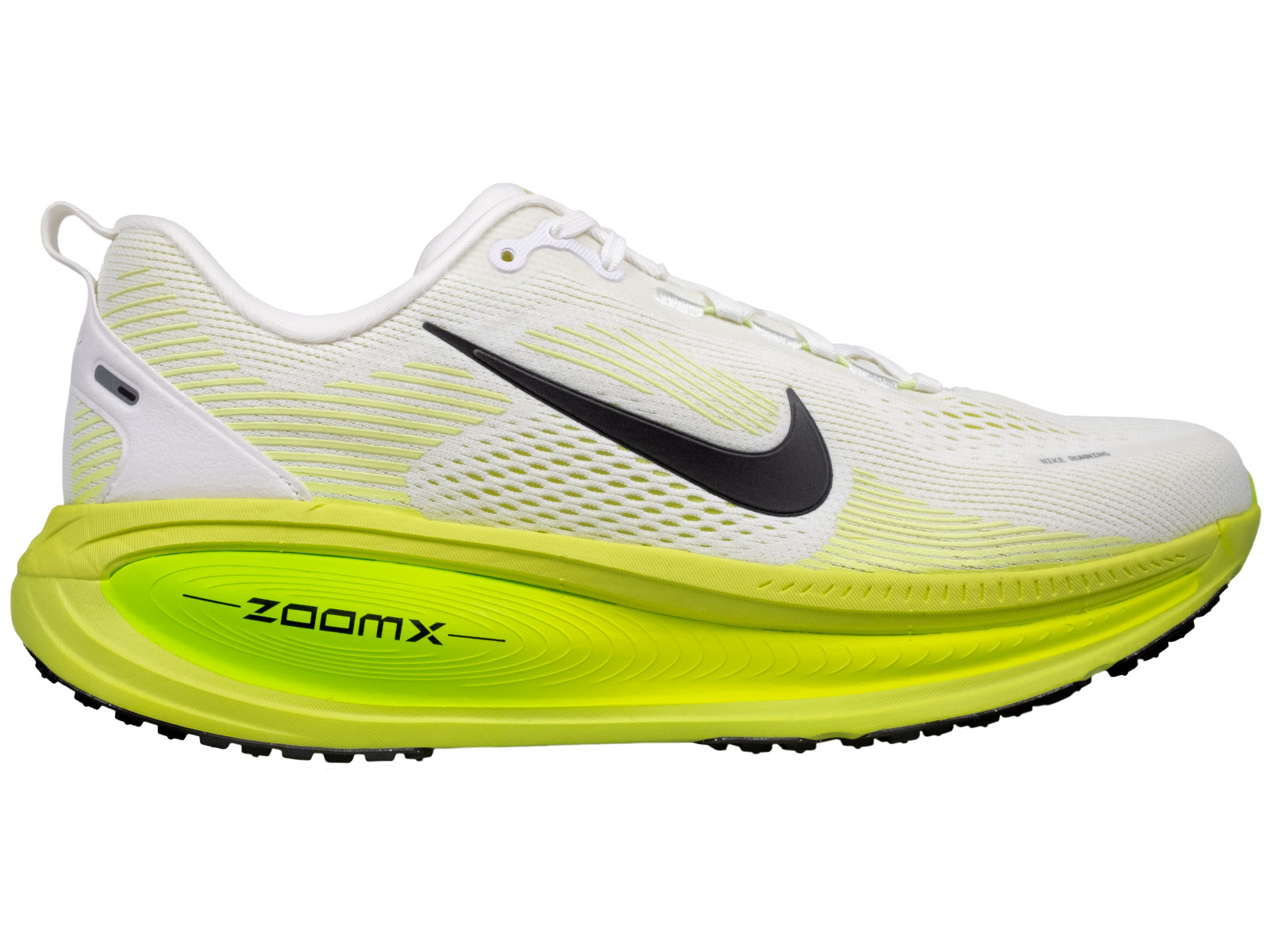
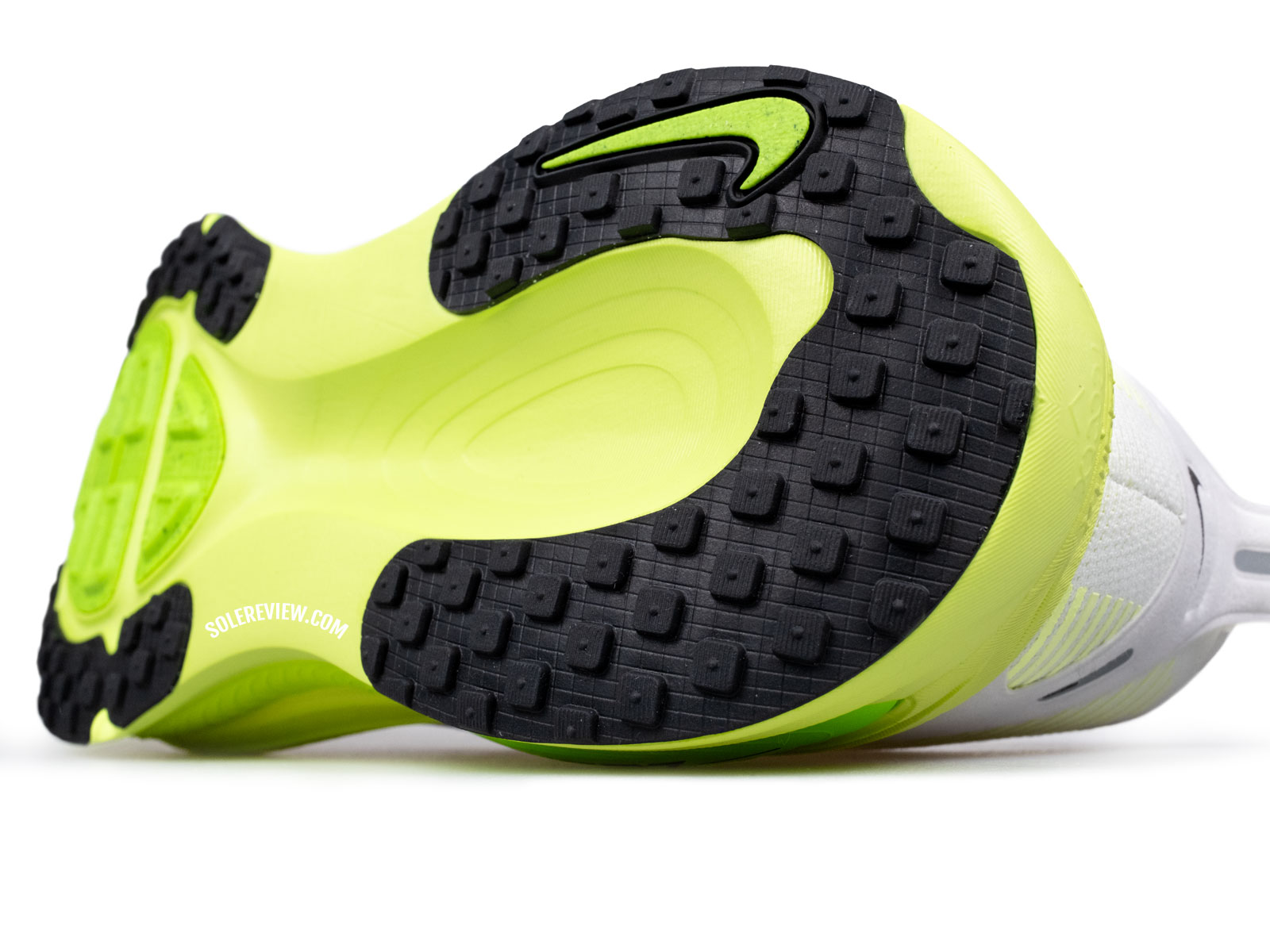
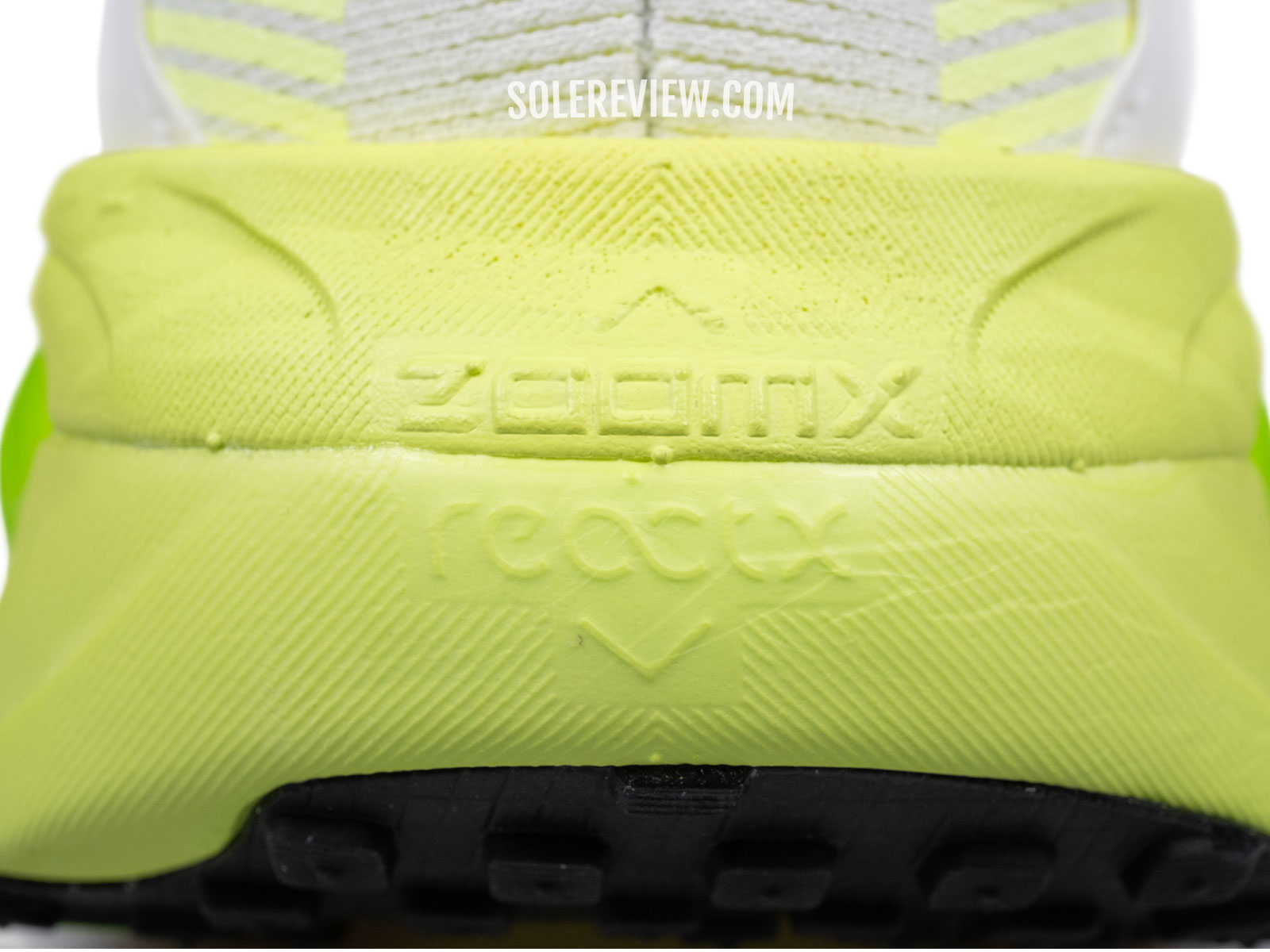
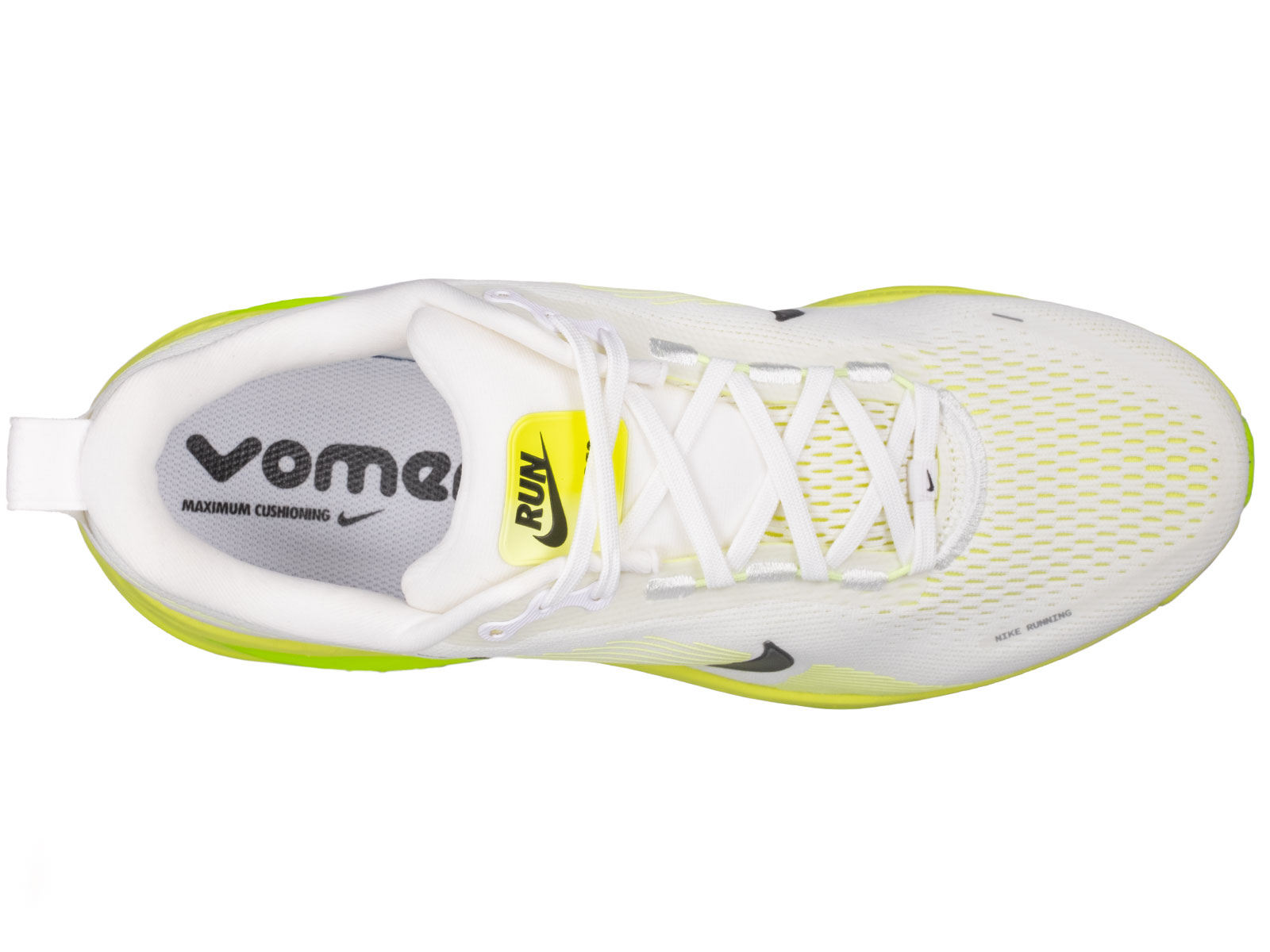
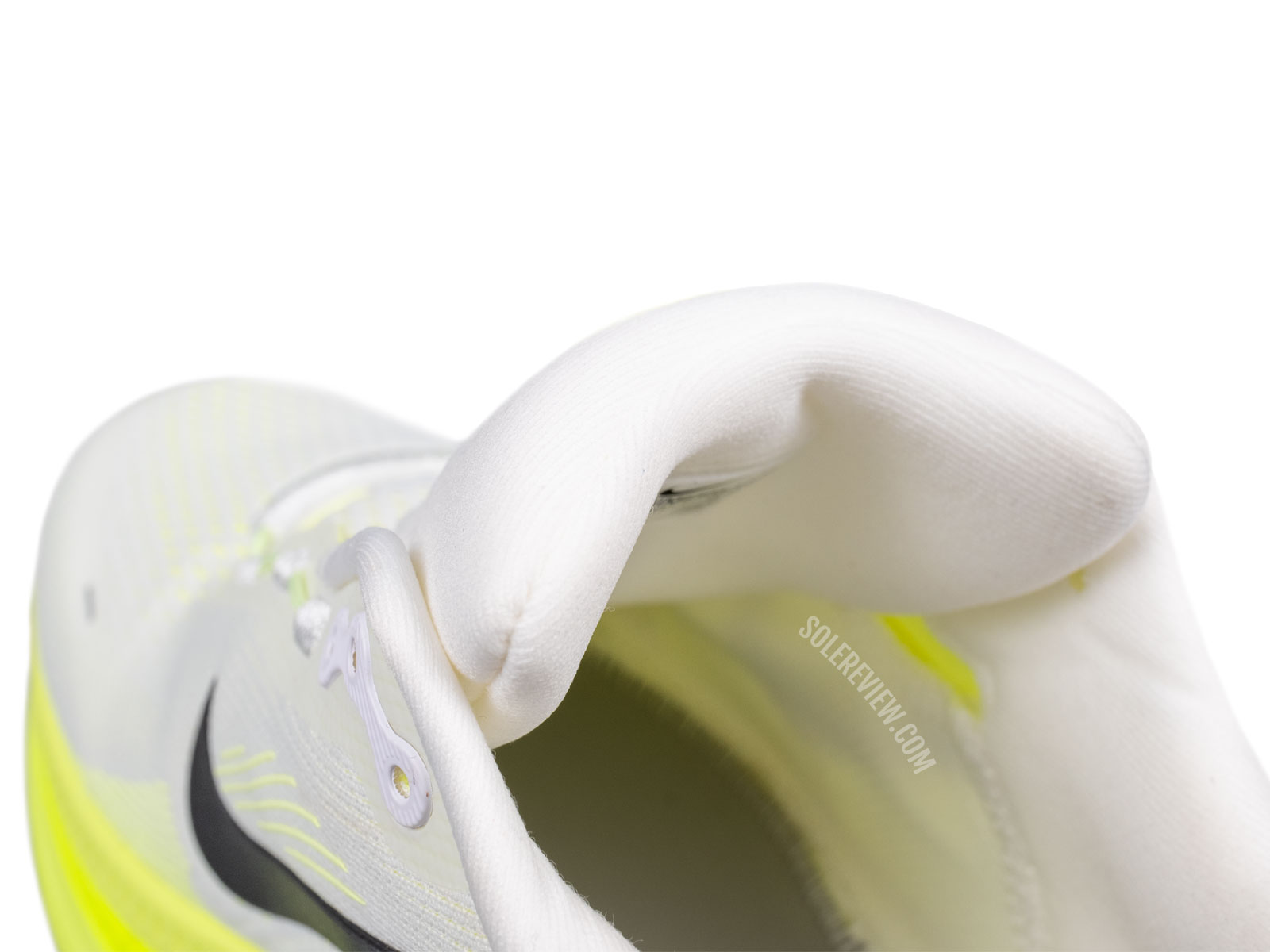
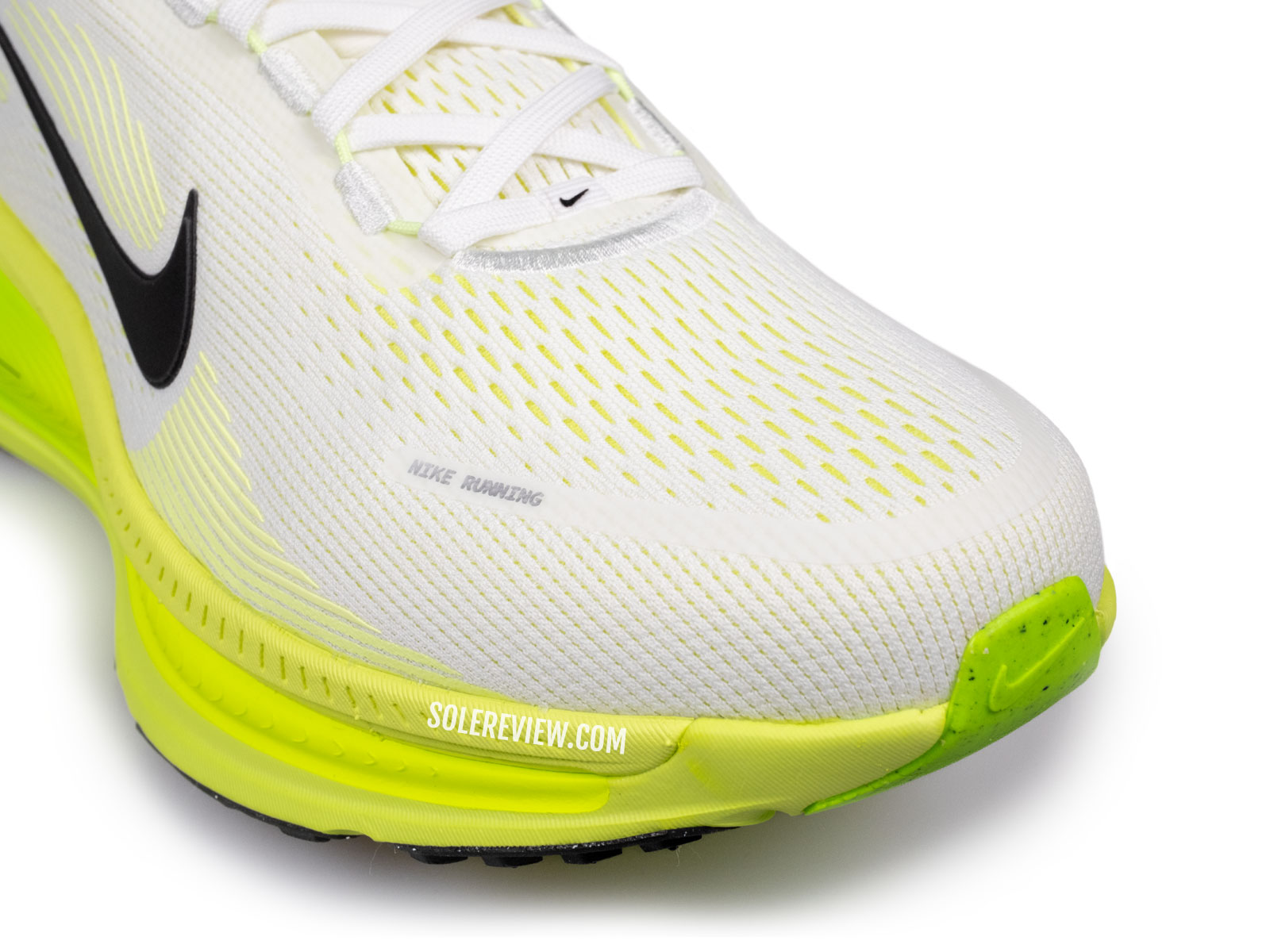
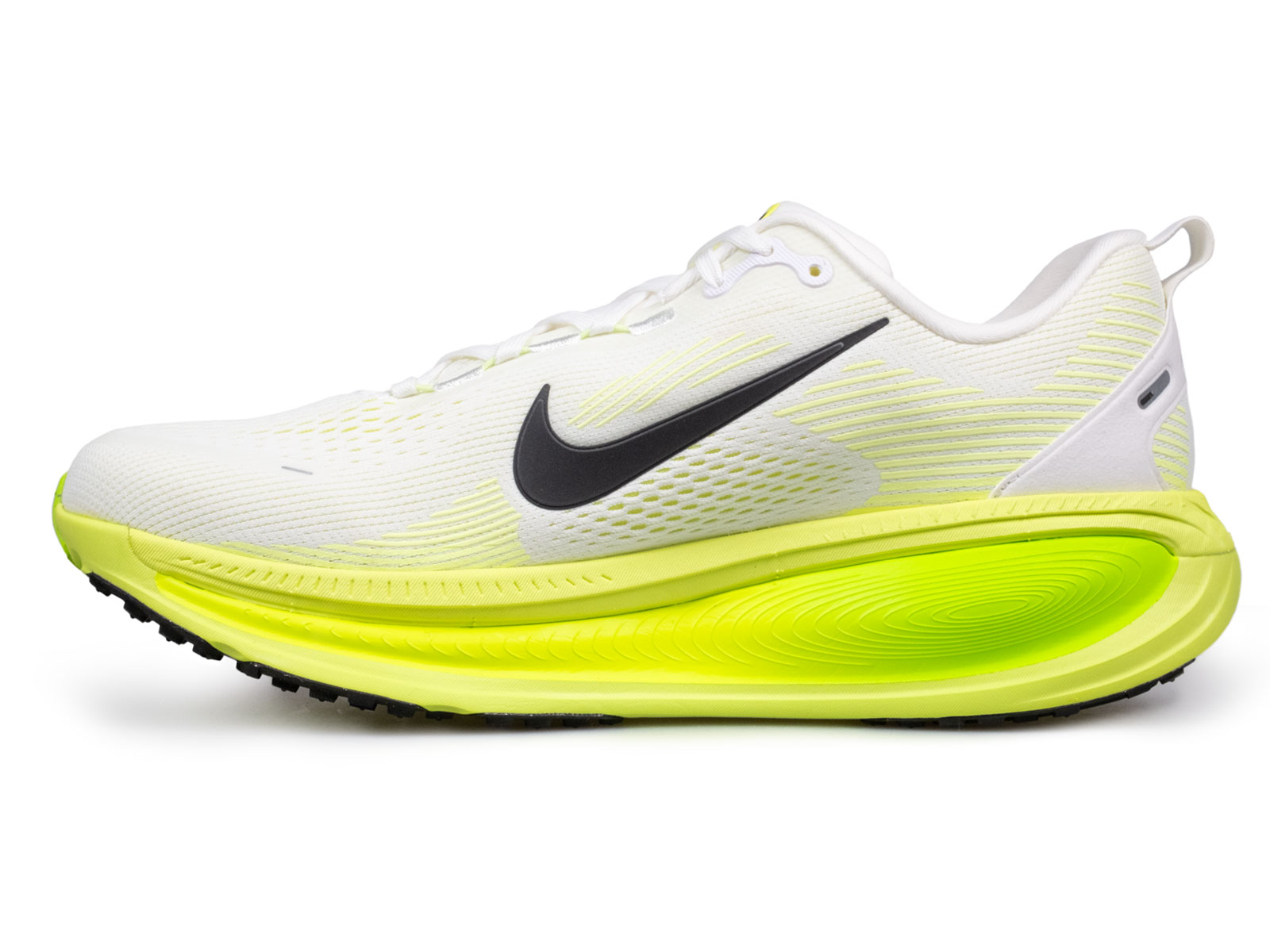
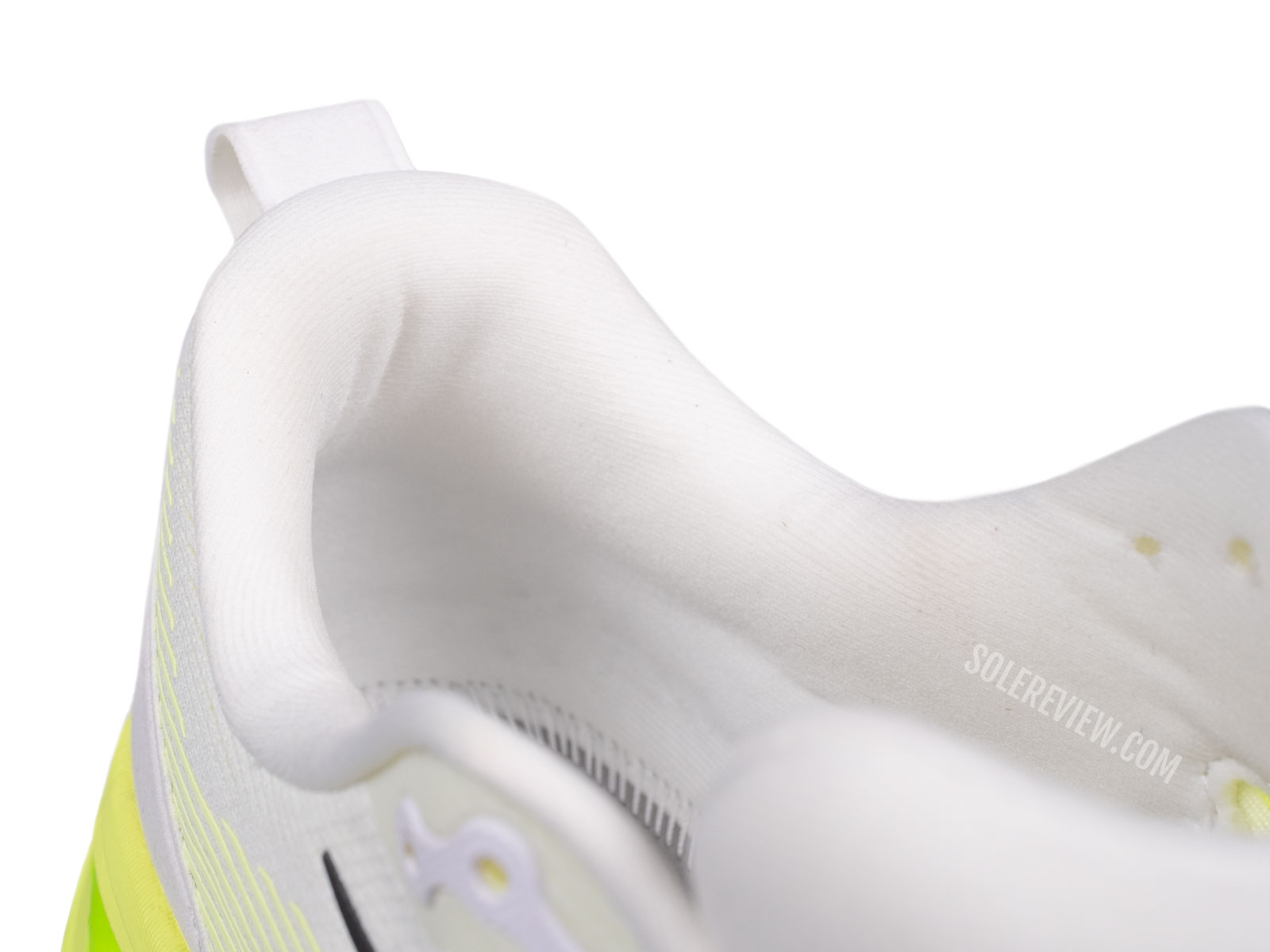
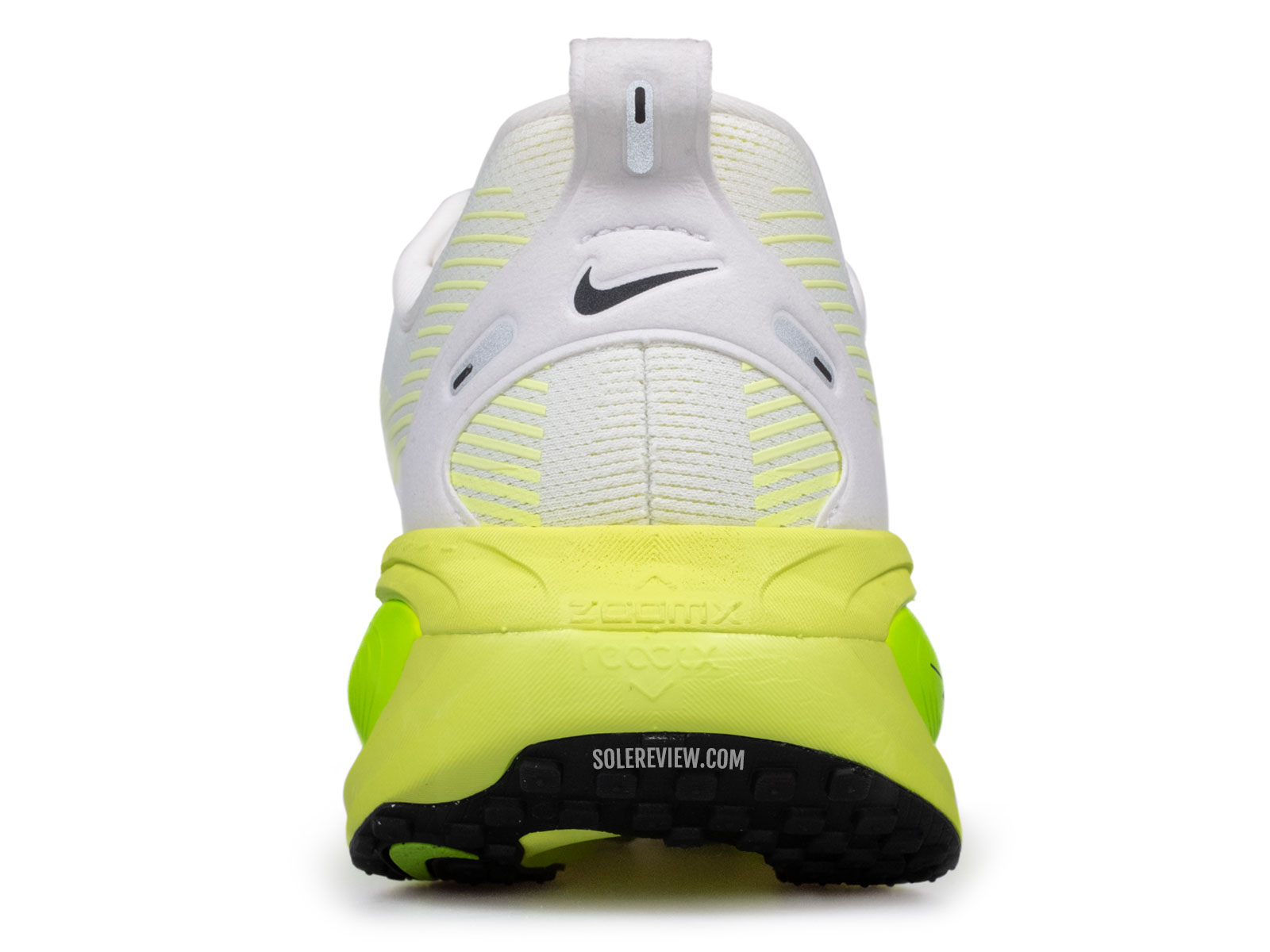
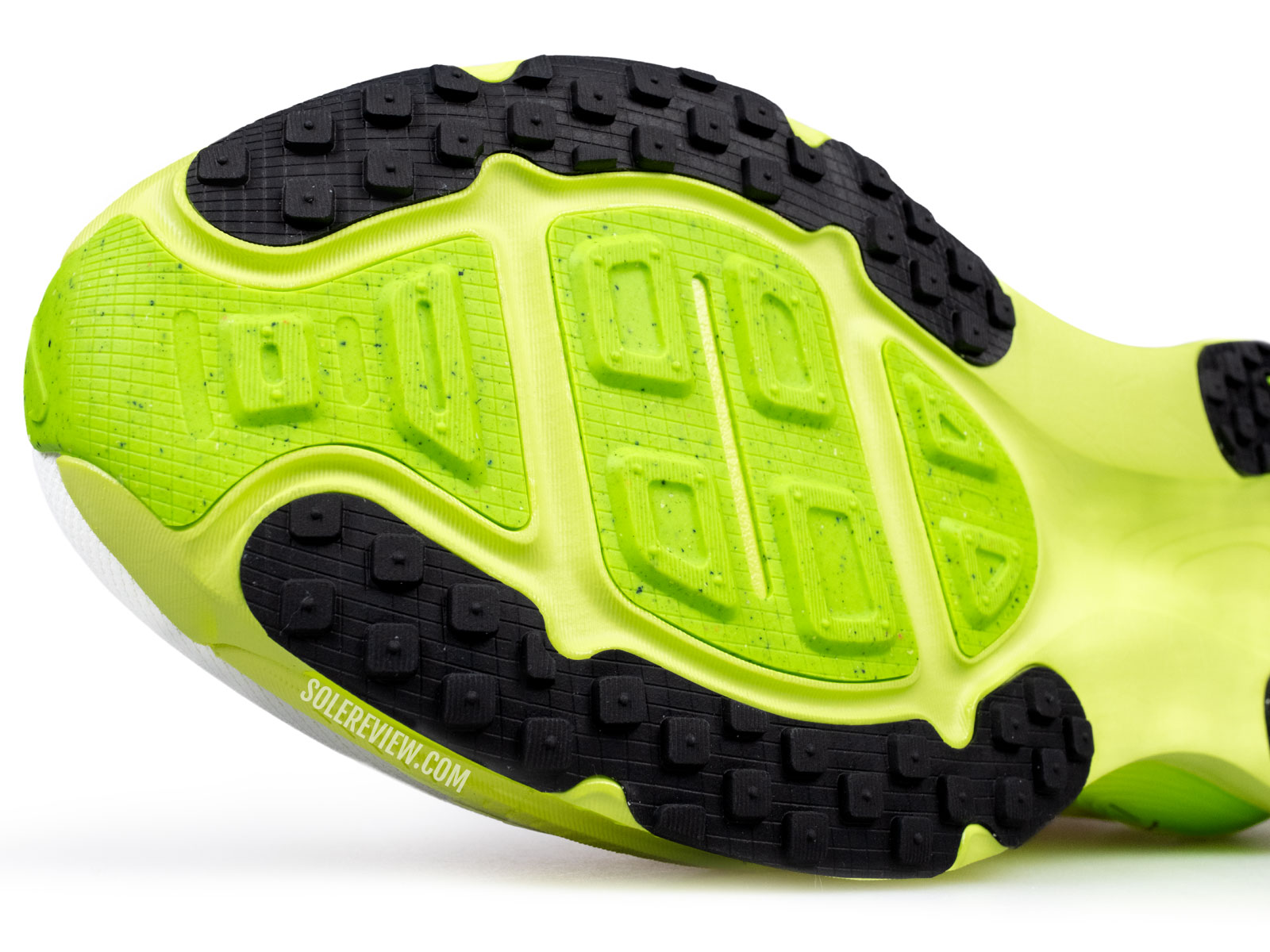
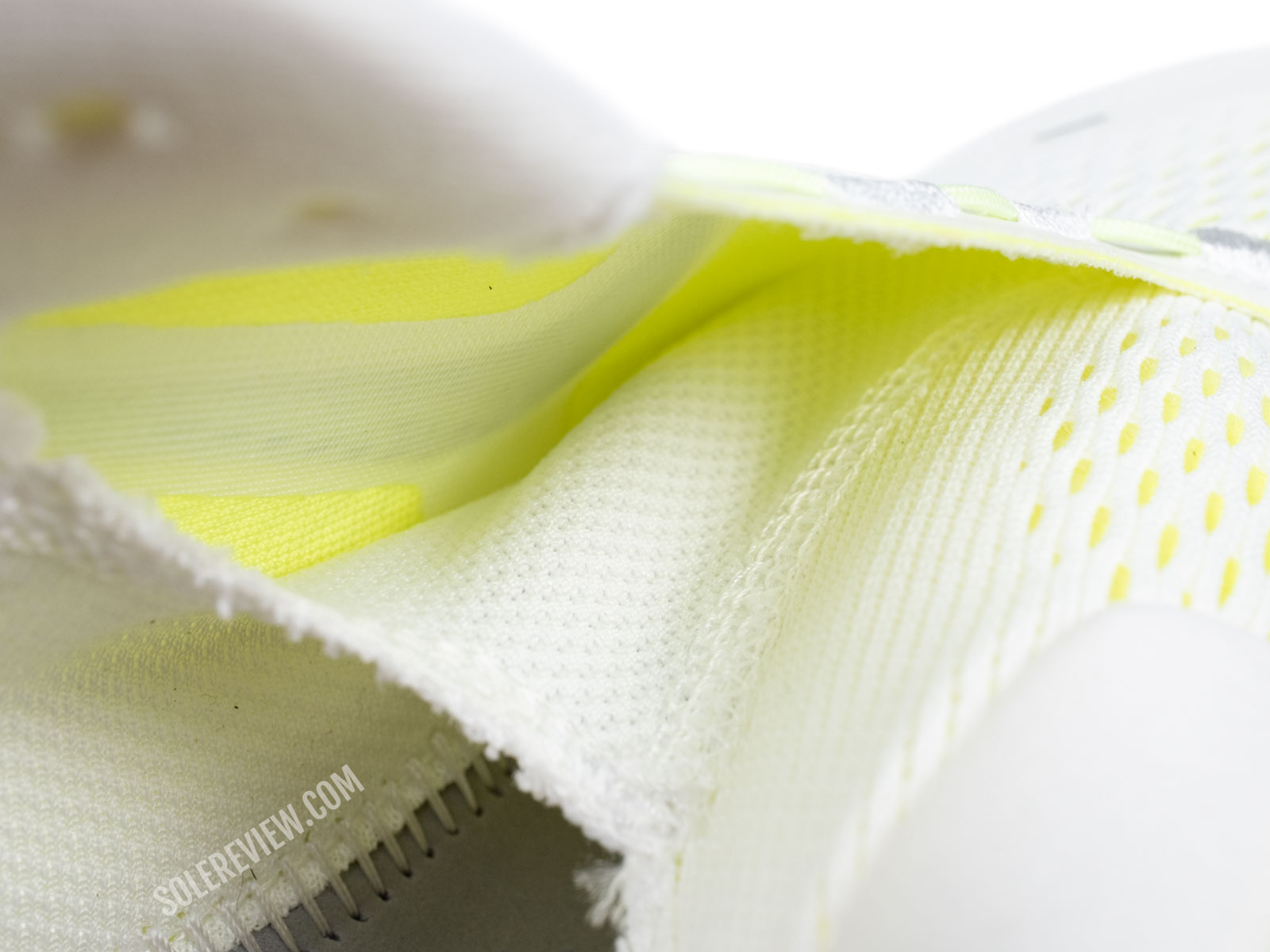
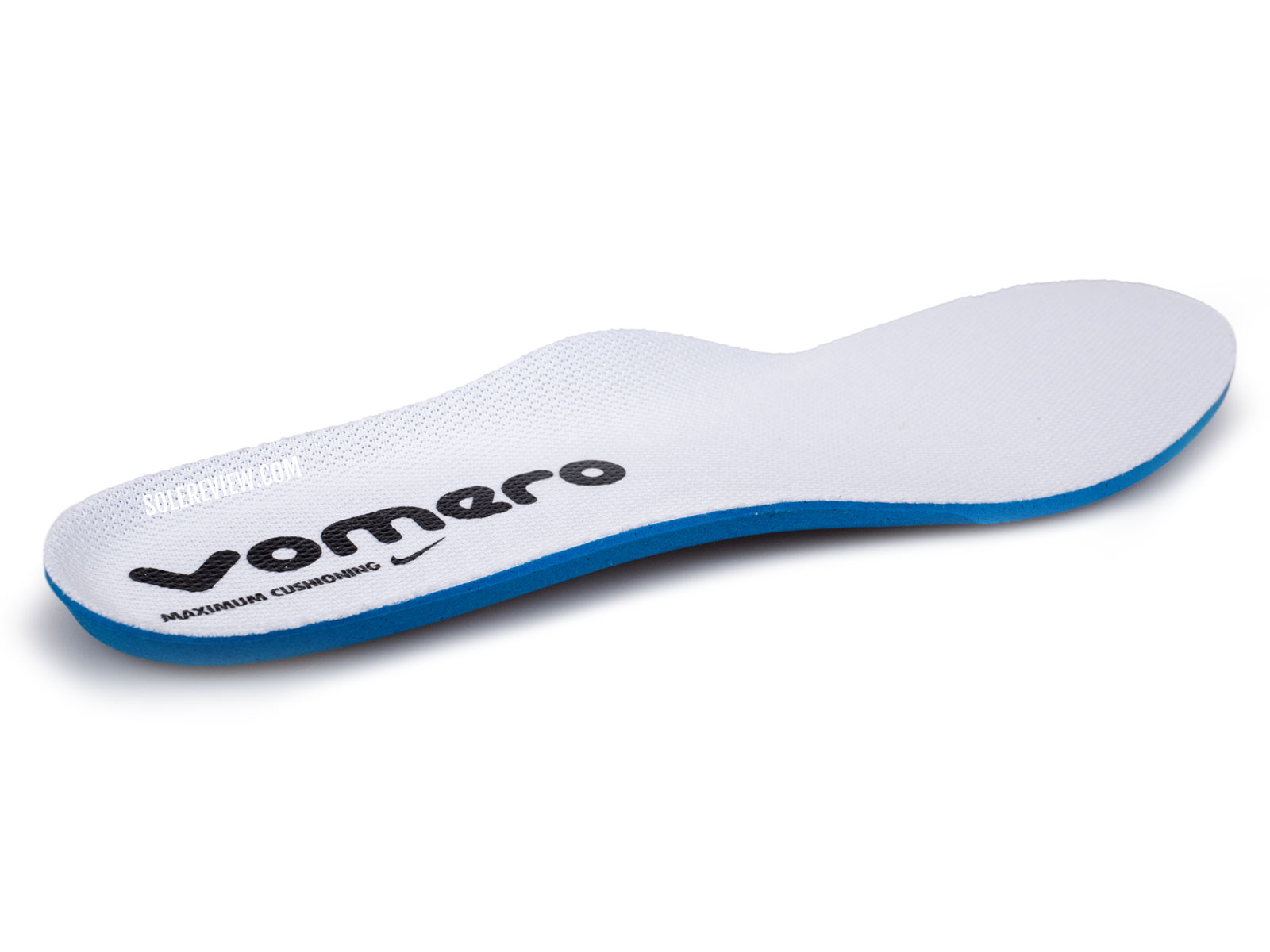
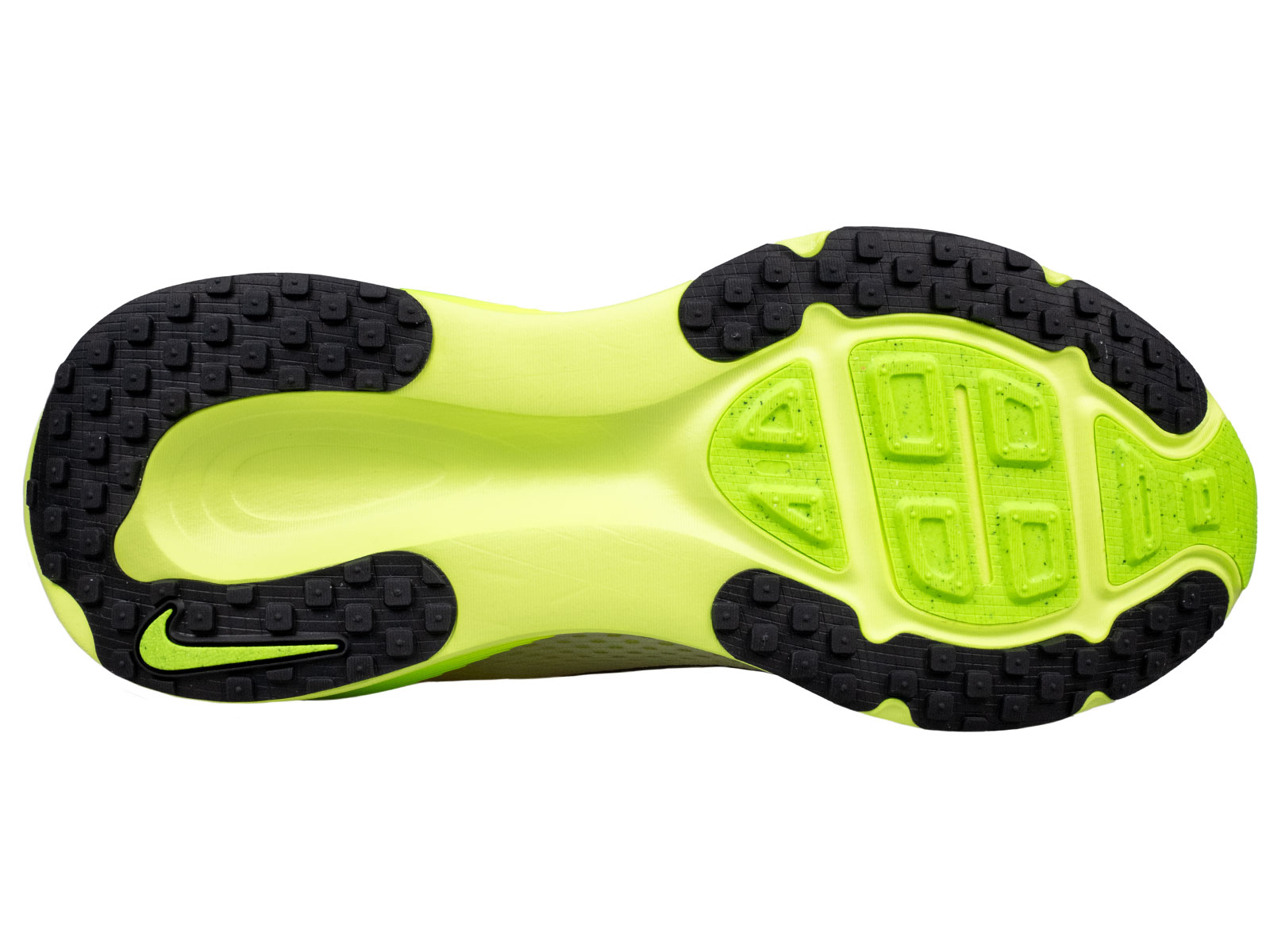
The React foam base does most of the heavy lifting – it’s the thickest part of the midsole. The deep scoop under the midsole accomplishes two things; it helps center the foot for stability while producing a ‘trampoline effect’. The Vomero 18 would be nowhere as bouncy if not for this cavity. On top, the footbed and soft ZoomX layer add step-in softness. The React X foam midsole isn’t mushy – a hint of firmness adds stability to the high-stack midsole. For the sake of brevity, we’ve left out the excellent Vomero Plus. While lacking the versatility of the Vomero 18, the Vomero Plus is ideal for long runs at easy paces.
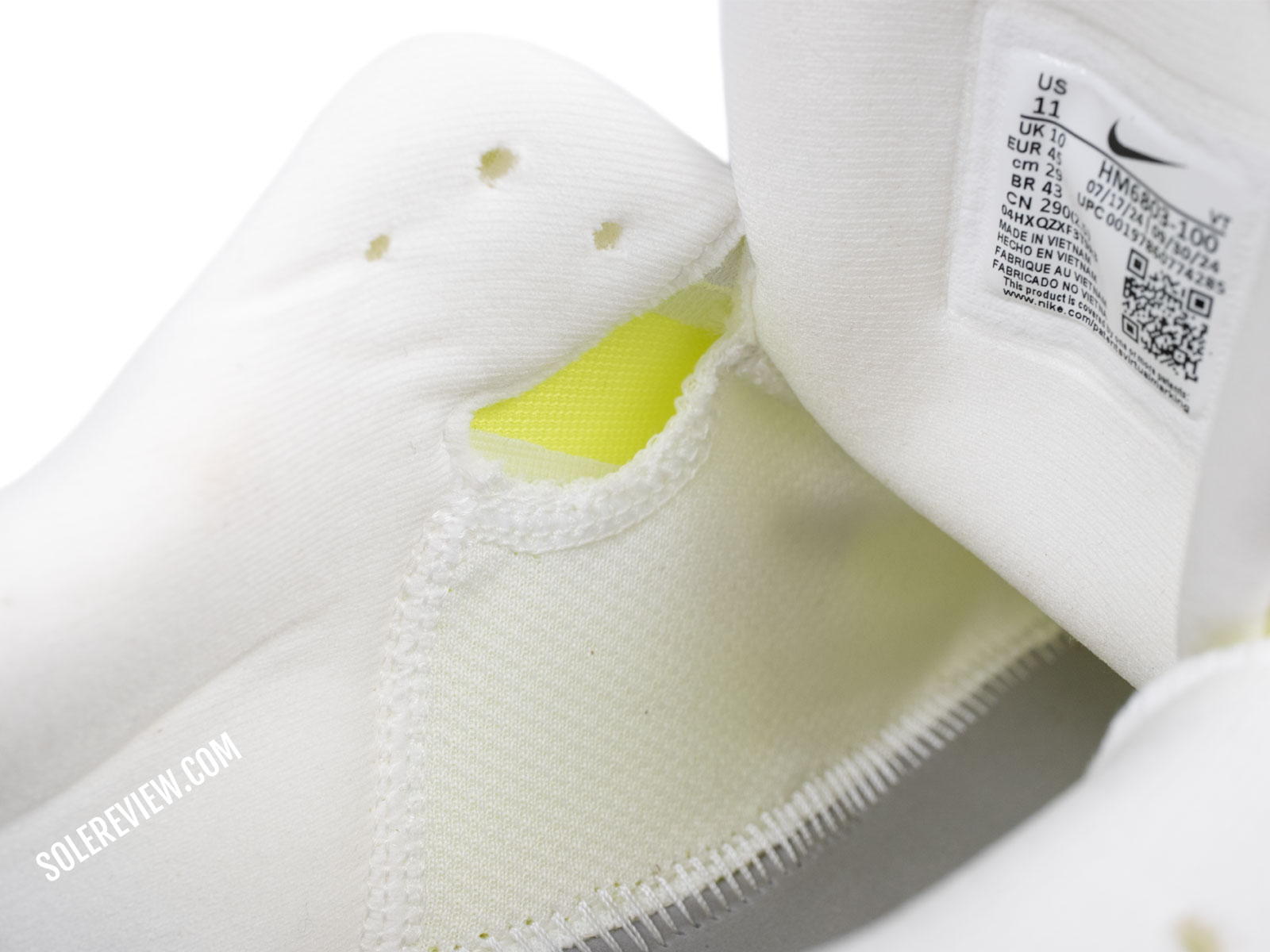
So far, Nike hasn’t offered widths for this model. In its stock form, the forefoot is neither too narrow or loose. The true-to-size upper also packs plenty of plushness – the tongue and heel secure the foot with their generous padding. A waterproof (Gore-Tex) version is also available.
Also see: The Nike Pegasus 41, if a firmer and more supportive ride is preferred.
- Nike’s marketing pitch: A comfortable ride for everyday runs.
- Upper: Engineered mesh with a full sleeve.
- Upper fit: True to size, just-right fit.
- Midsole: React X foam with ZoomX top layer. 10 mm heel drop.
- Outsole: Regrind rubber under the forefoot, Carbon rubber.
- Weight: 298 gms/ 10.5 Oz for a half pair of Men’s US 9/UK 8/EUR 42.5/CM 27.
- Stack heights: 44 mm (heel), 34 mm (forefoot).
- Available widths: Single – D (regular).
- Recommended use: Everyday runs, tempo runs, marathon training, walking.
- Footstrike orientation: All types (heel/midfoot/forefoot).
- Median lifespan: 450 miles.
- Country of origin: Vietnam.
- Recommended paces: 4:30 min/km (7:00 min/mile) and slower.
- Recommended temperature range: Warmer than -5° C/23° F.
Pros
- Versatile for different use cases
- Rocker assists with smooth roll offs
- Neutral and stable ride
- Goldilocks zone cushioning
- Just-right and plush fit
Cons
- No widths at this time
- Average grip on wet roads
- Runs warm due to full sleeve
- Low reflectivity
If you’re in the market for a stability shoe that actually delivers functional support, the Saucony Guide 18 remains a better bet than the Structure 26. Nike’s long-running stability model now leans more toward comfort than control. The soft ReactX foam midsole certainly adds plushness underfoot, but the trade-off is clear – it’s not as stable as before.
As for the so-called midfoot support system under the arch? Let’s just say that a small patch of foam isn’t going to meaningfully change pronation dynamics. What it does create, however, is a subtle sense of structure under the arch – more psychological than mechanical. Much like Brooks’ Guiderails, it’s a feature that feels supportive without actually doing much.
In essence, the Structure 26 has evolved into a cushioned daily trainer with a decidedly neutral ride. To its credit, the outsole does provide a broad and balanced platform through the midfoot – wider than most Nike trainers. The removal of the inner sleeve has also opened up the fit, with more space across the midfoot, forefoot, and toe box. In fact, this is the roomiest Structure to date. And while most runners won’t need it, an extra-wide width is available.
Also see: The Nike Pegasus 41, for a neutral and firmer ride without the raised under-arch area.
The original Vaporfly was the catalyst of the ‘carbon-plate-in-a-superfoam-midsole’ phenomenon. A full-length carbon plate made faster runs easier by adding a rocker effect under the forefoot and a ‘springboard’ effect under the heel. The full-length plate also helped the foot transition efficiently by minimizing energy loss. The tall stack of the soft and responsive PEBA foam (ZoomX) kept the feet fresh during a long race.


Not much has changed on the Vaporfly since its debut. The Vaporfly 4 features a familiar set-up, except that it exposes the carbon Flyplate through a midsole window. This update makes the heel softer, making the ‘springboard’ effect of the plate more noticeable. The upper no longer has a loose forefoot like the Vaporfly 3, fitting more securely without being uncomfortably tight. While it lacks the durability for everyday training, it’s an excellent shoe of choice for a 10K and a marathon.
- Nike’s marketing pitch: A fine-tuned shoe that’s trusted from a mile to a marathon.
- Upper: Perforated mesh, no sleeve.
- Upper fit: Secure, true-to-size fit.
- Midsole: Full-length ZoomX foam with carbon plate. 6 mm heel drop.
- Outsole: Carbon rubber in high-wear areas.
- Weight: 190 gms/6.7 Oz for a half pair of Men’s US 10/UK 9/EUR 44/CM 27.1
- Stack heights: 35 mm (rear), 29 mm (forefoot).
- Available widths: D – regular (reviewed).
- Previous model: Nike Vaporfly 3.
- Country of origin: China.
- Recommended use: 10K races, marathons.
- Footstrike orientation: Midfoot/forefoot (full contact).
- Median lifespan: 300 miles.
- Recommended paces: 4:30 min/km (7:00 min/mile) and quicker.
- Recommended temperature range: Warmer than -0° C/32° F.
Pros
- Lightweight and springy ride
- Seamless plate-foam integration
- Ventilation
- Secure upper
Cons
- No innovation except for minor updates
- No widths
- Not ideal for heavy runners and overpronators
It’s safe to say that Nike’s water-repellent Shield line is history. The brand’s latest weatherproofing approach now revolves around a Gore-Tex lining and a wet-traction outsole. The ‘Storm-Tread’ rubber provides excellent grip on damp pavement – just don’t expect any traction on ice.
Underneath, the midsole setup mirrors that of the standard Vomero 18, blending ReactX and ZoomX foams in a complementary way. The soft and springy ZoomX sits closer to the foot for comfort and energy return, while the firmer ReactX base offers structure and stability. The rocker geometry adds a mild sense of propulsion, and the stiff forefoot helps the foot roll smoothly through toe-off.
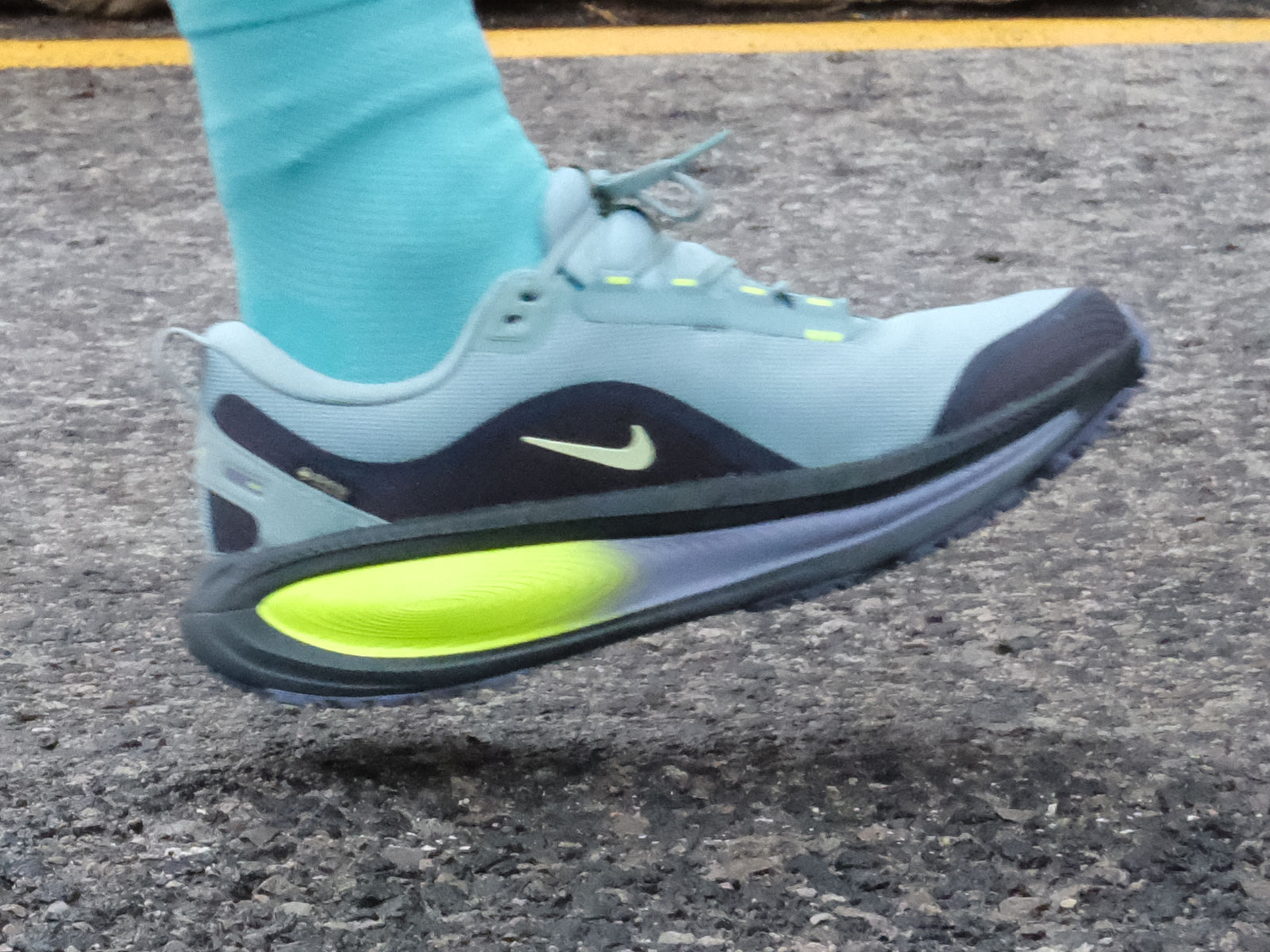
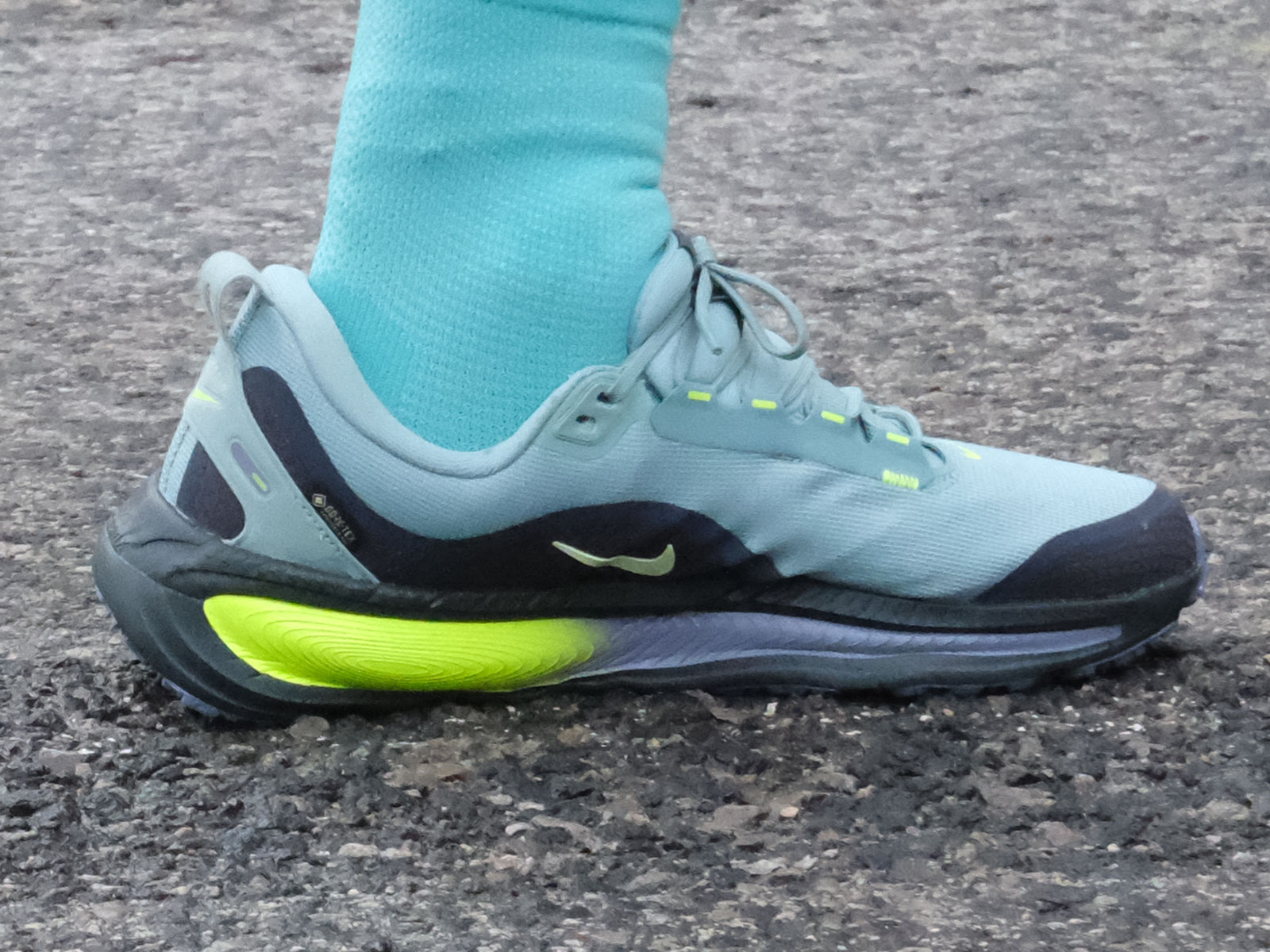
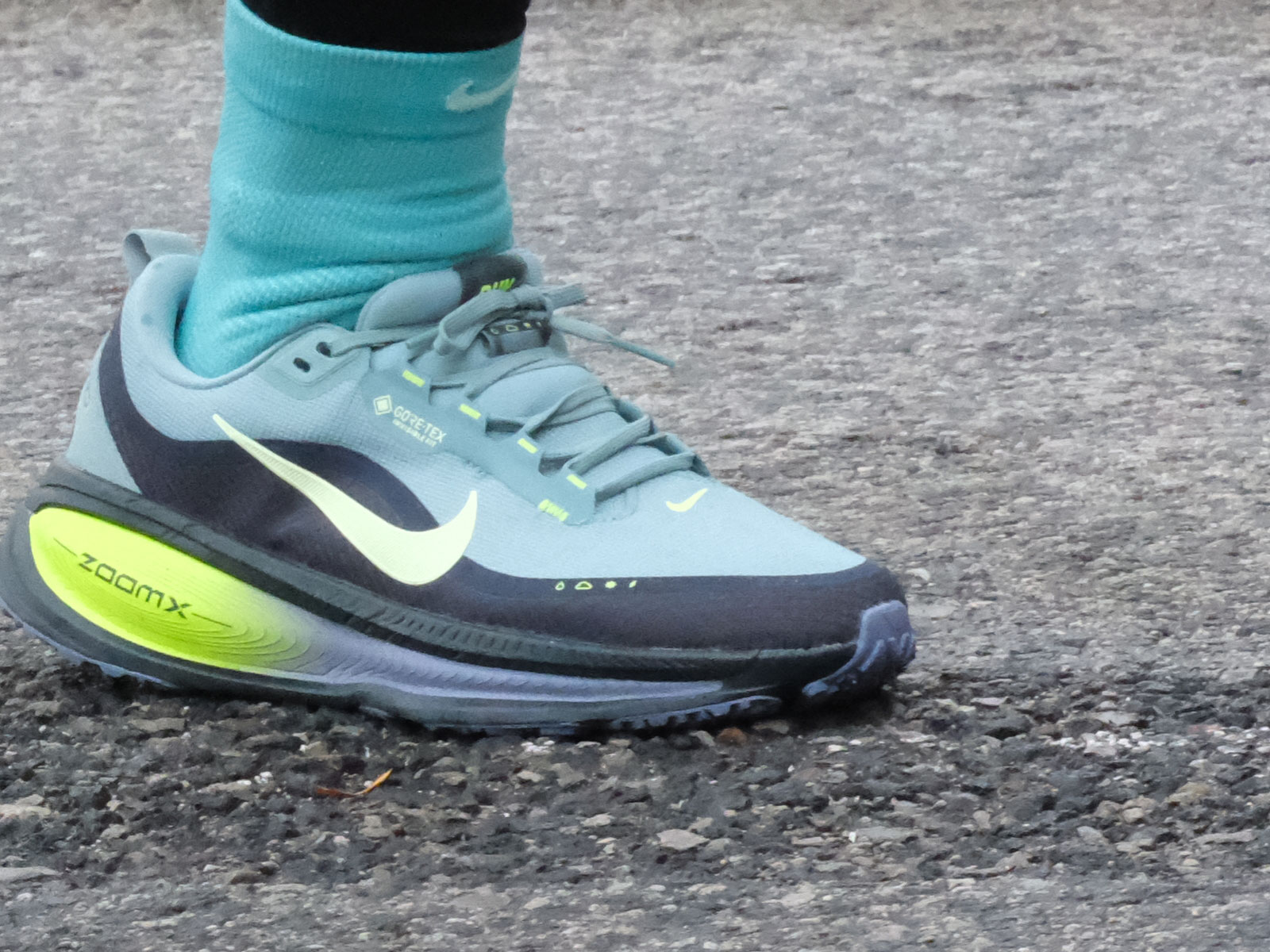
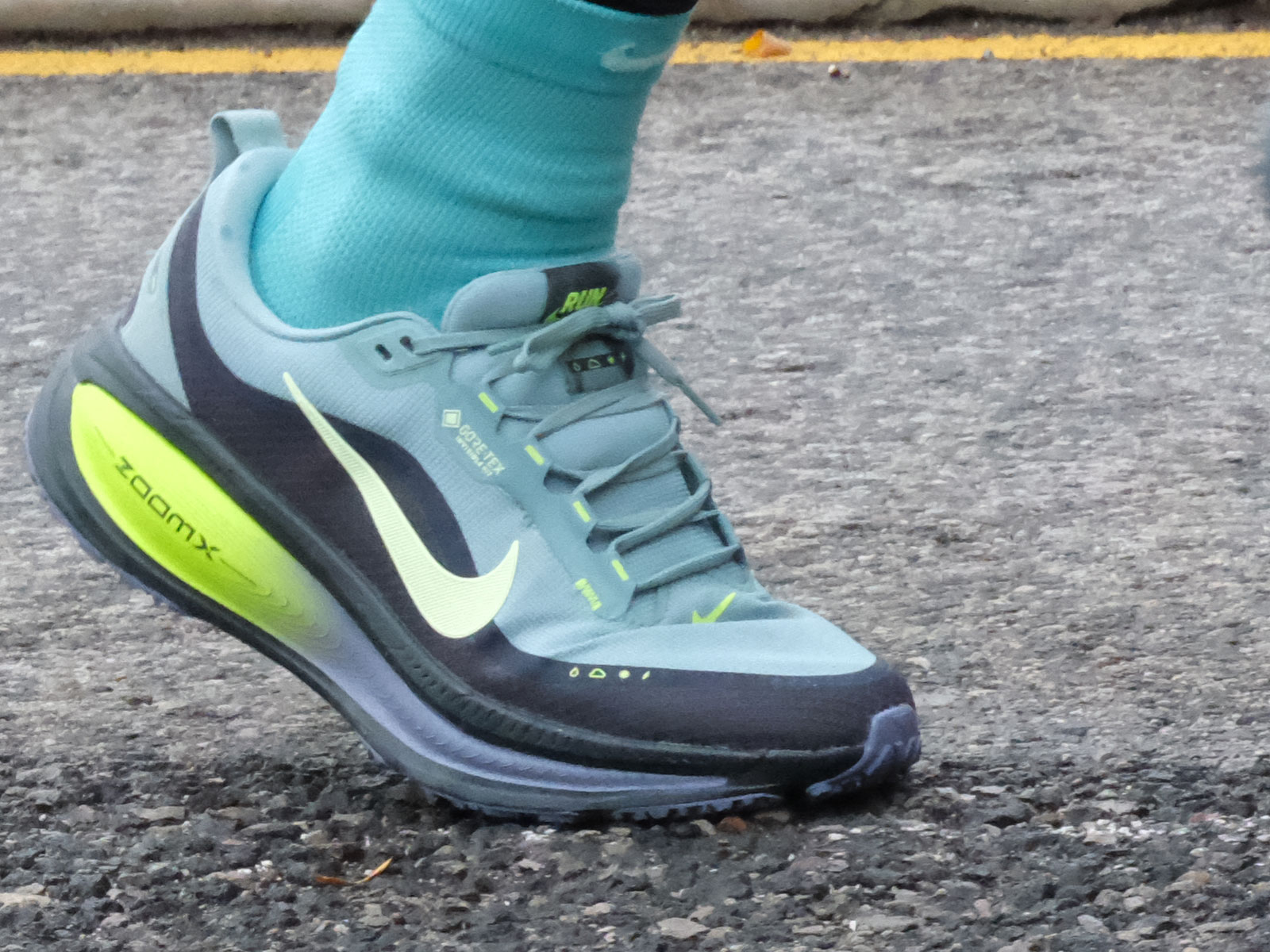
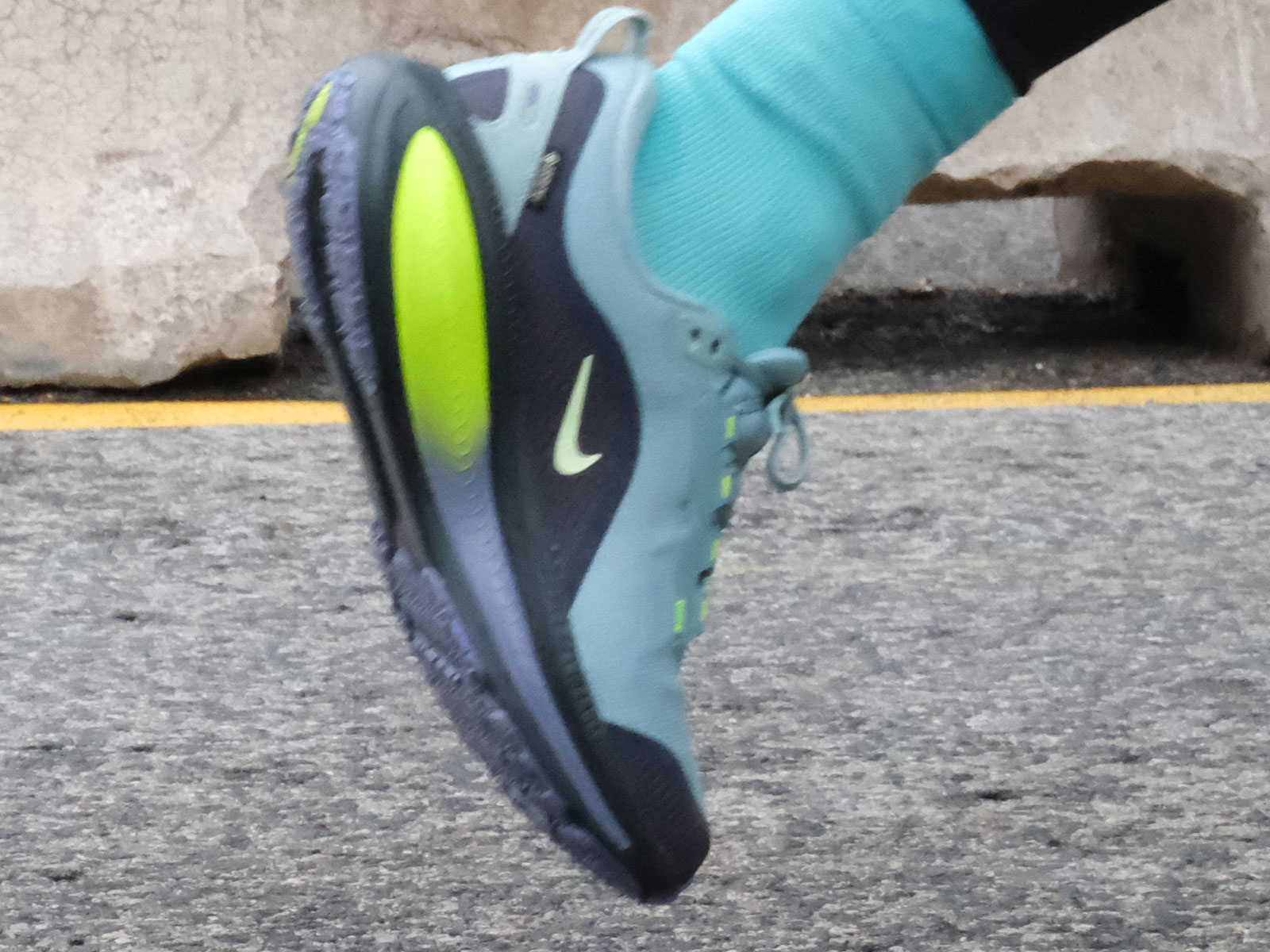
The upper construction is suitably rugged for wet weather. Technical mesh reinforced with pressed-on overlays keeps water and debris out, while reflective trims improve visibility in low light. The Gore-Tex ‘Invisible Fit’ membrane seals out moisture without compromising interior space – making the Vomero 18 GTX both waterproof and surprisingly accommodating for its category.
Also consider: Nike Pegasus 41 GTX.
If you prefer a running shoe that’s equally good on the road as it is on mild trails, consider the Pegasus Trail 5 – the next shoe on this guide. On the other hand, if you want a versatile trail runner with lots of protective cushioning, we recommend the Wildhorse 10. We chose this shoe over the Kiger because of its full-coverage outsole and forefoot plate. Also, the 9.5 mm heel drop midsole is gentler on the Achilles than the 5 mm drop Kiger 10.
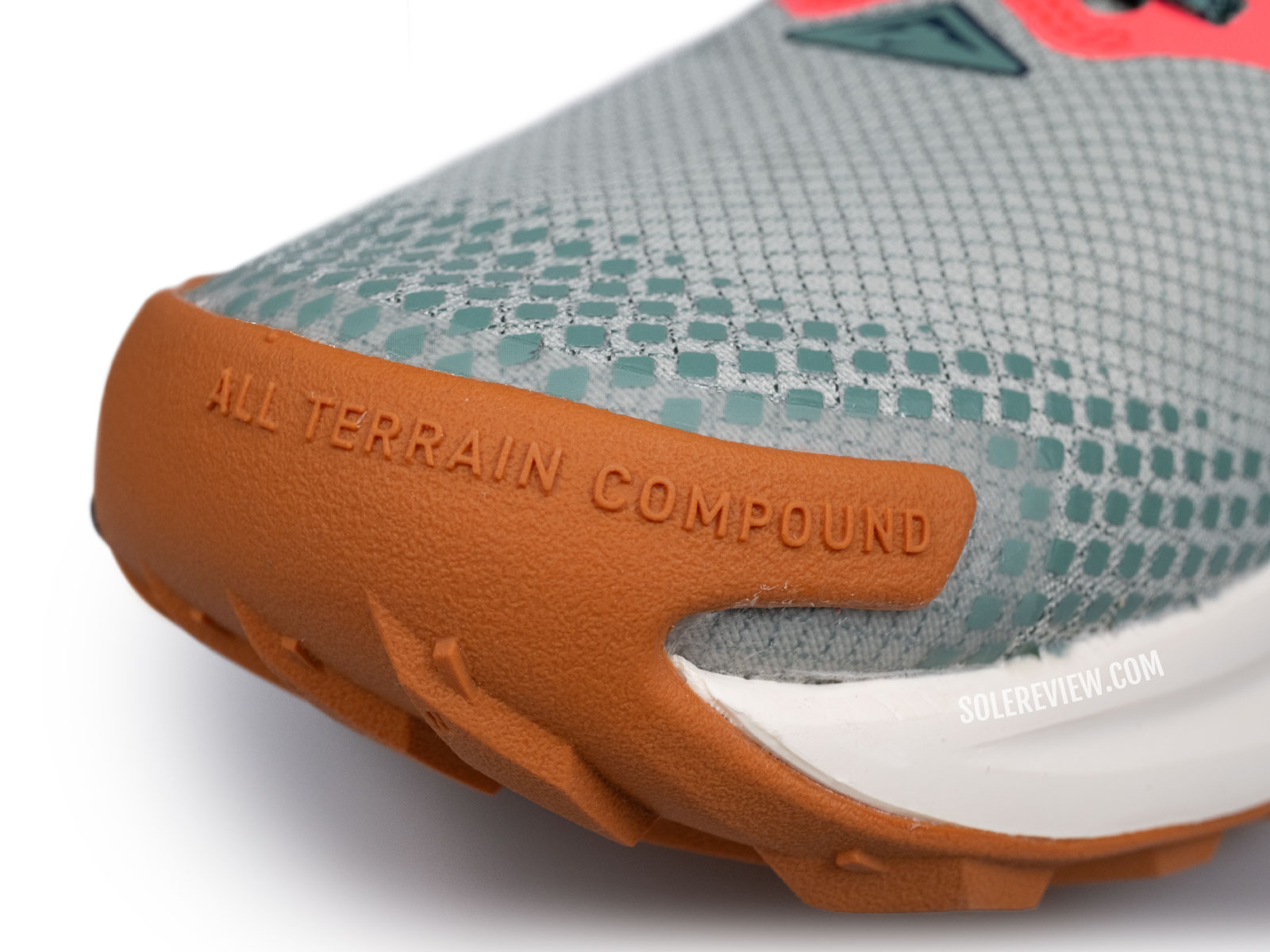
The React X midsole has the cushioning for everyday trail runs and longer distances up to 20k. The articulated rock plate protects the forefoot without negatively affecting the ground feel. The outsole design is optimized for trail use. The wide lug spacing reduces clogging while providing trail-worthy traction. Due to the thick midsole, we don’t recommend the Wildhorse for technical trails or speed runs that require a high level of proprioceptive feedback. Also, the outsole does use a Vibram Megagrip outsole like the Kiger 10; it sticks to Nike’s in-house ATR compound.
The true-to-size upper has a reinforced toe box with a rubber bumper, and uses breathable mesh in other areas for comfort. The ribbed laces stay tied on the trail, and the padded tongue filters the top-down pressure. The plush heel collar locks the foot in comfort.
The Pegasus Trail 5 is sold in regular and waterproof Gore-Tex versions, so which should you buy? We recommend the GTX variant for two reasons. One, the waterproof upper vastly decreases the chances of the feet getting wet. That way, you’re prepared for drizzles, puddles, and shallow stream crossings. The other reason would be its faux gaiter. Unlike the standard Pegasus Trail 5, the higher heel collar has a soft gaiter. This design does a better job of keeping the debris out than the low-cut design.
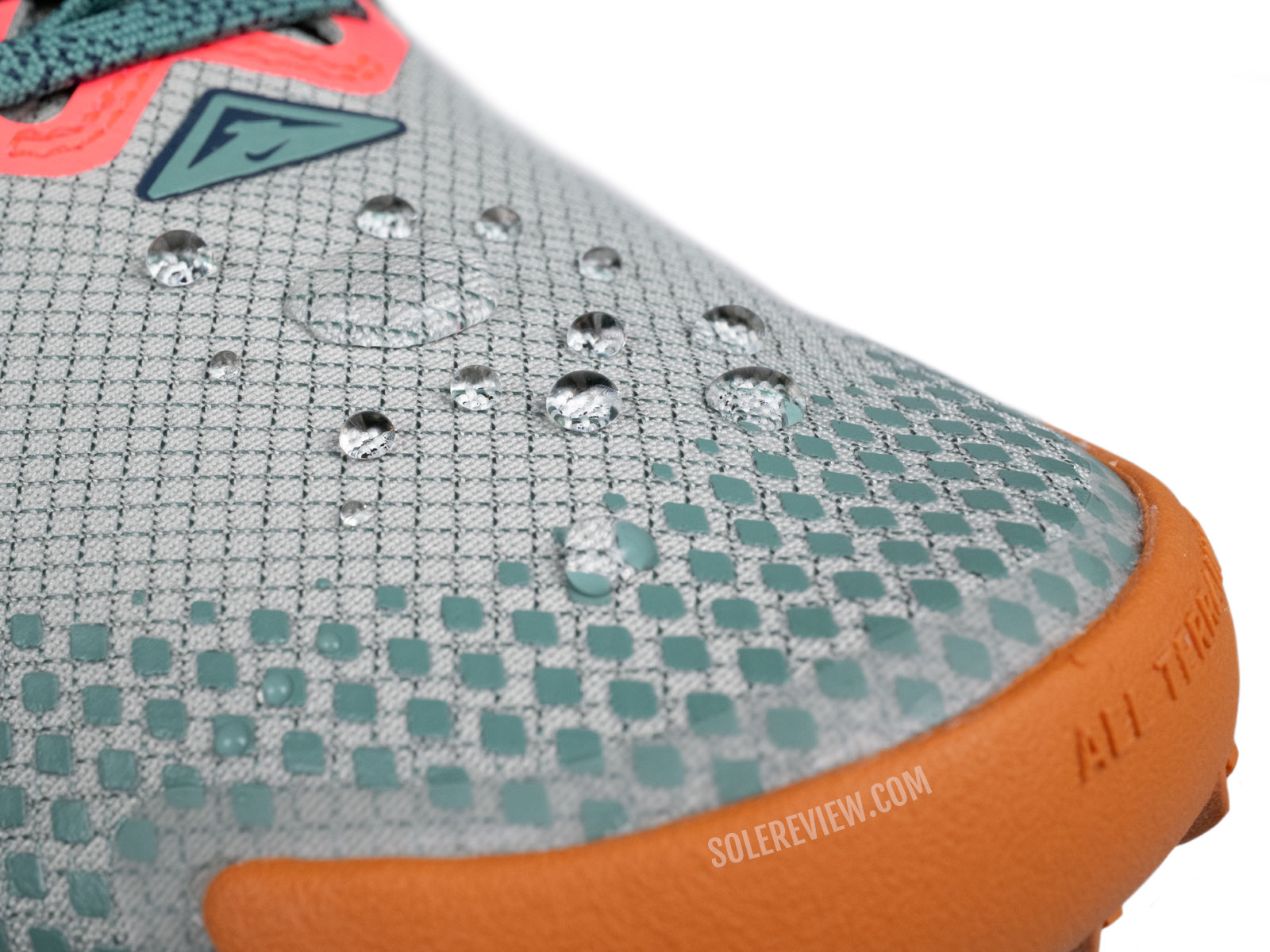
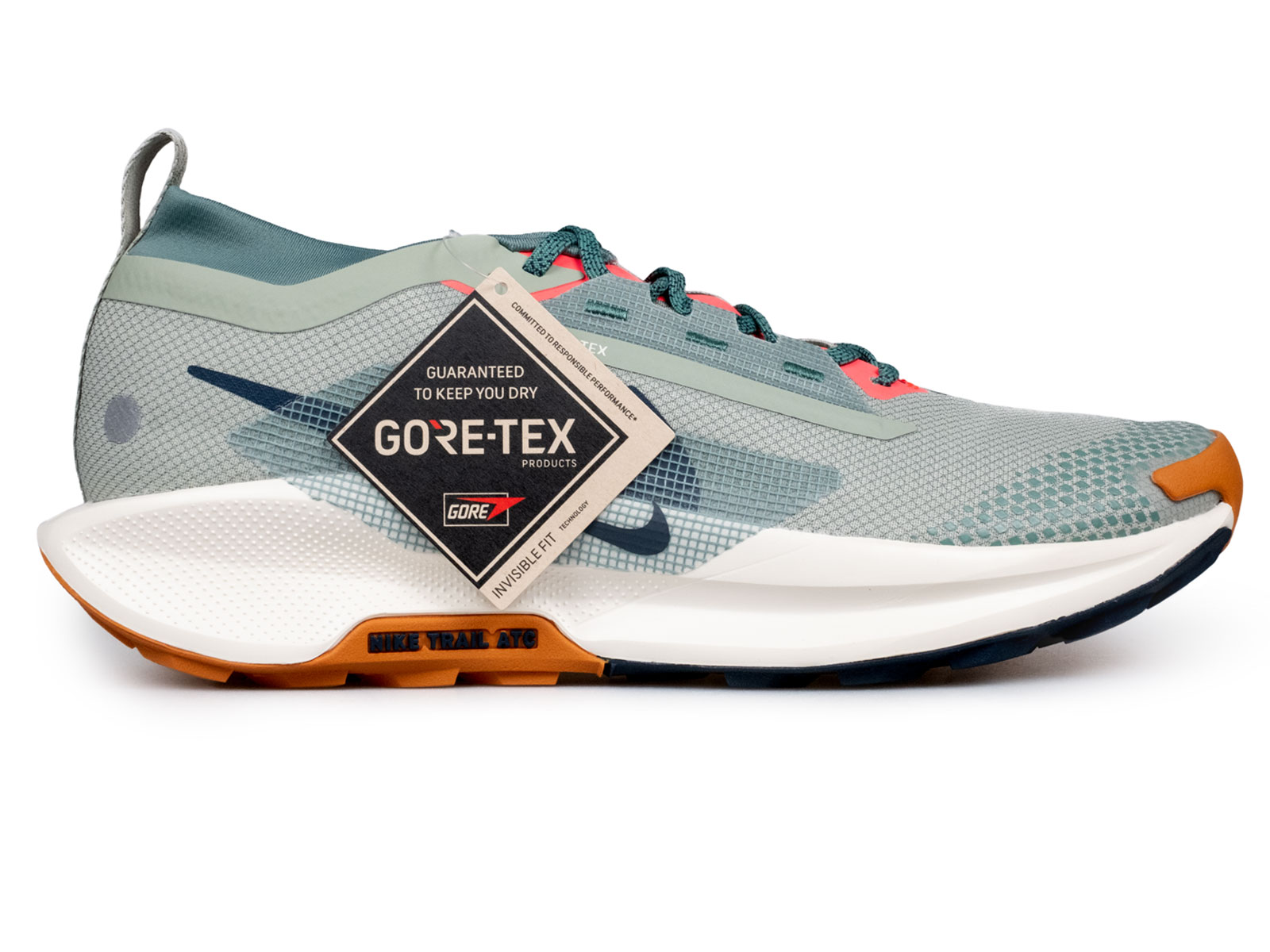
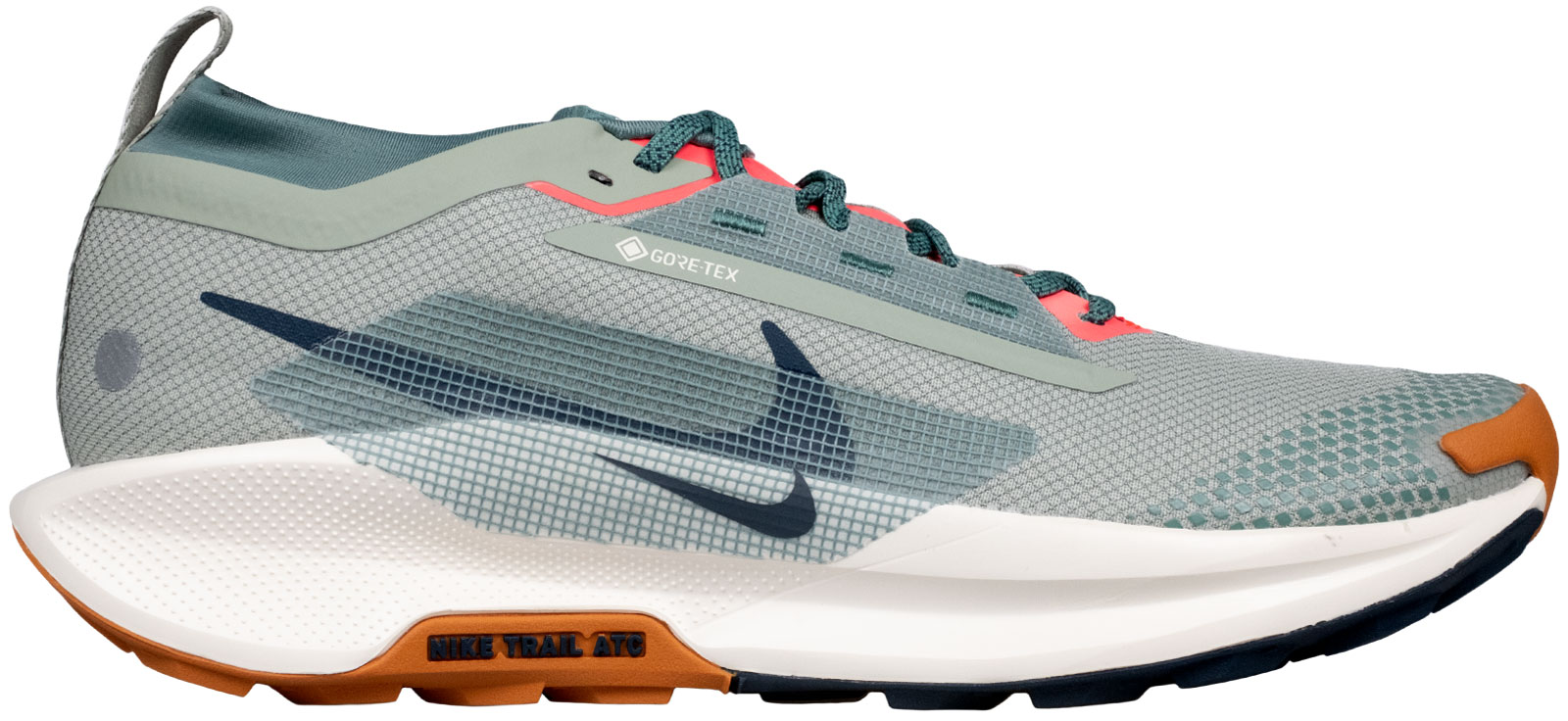
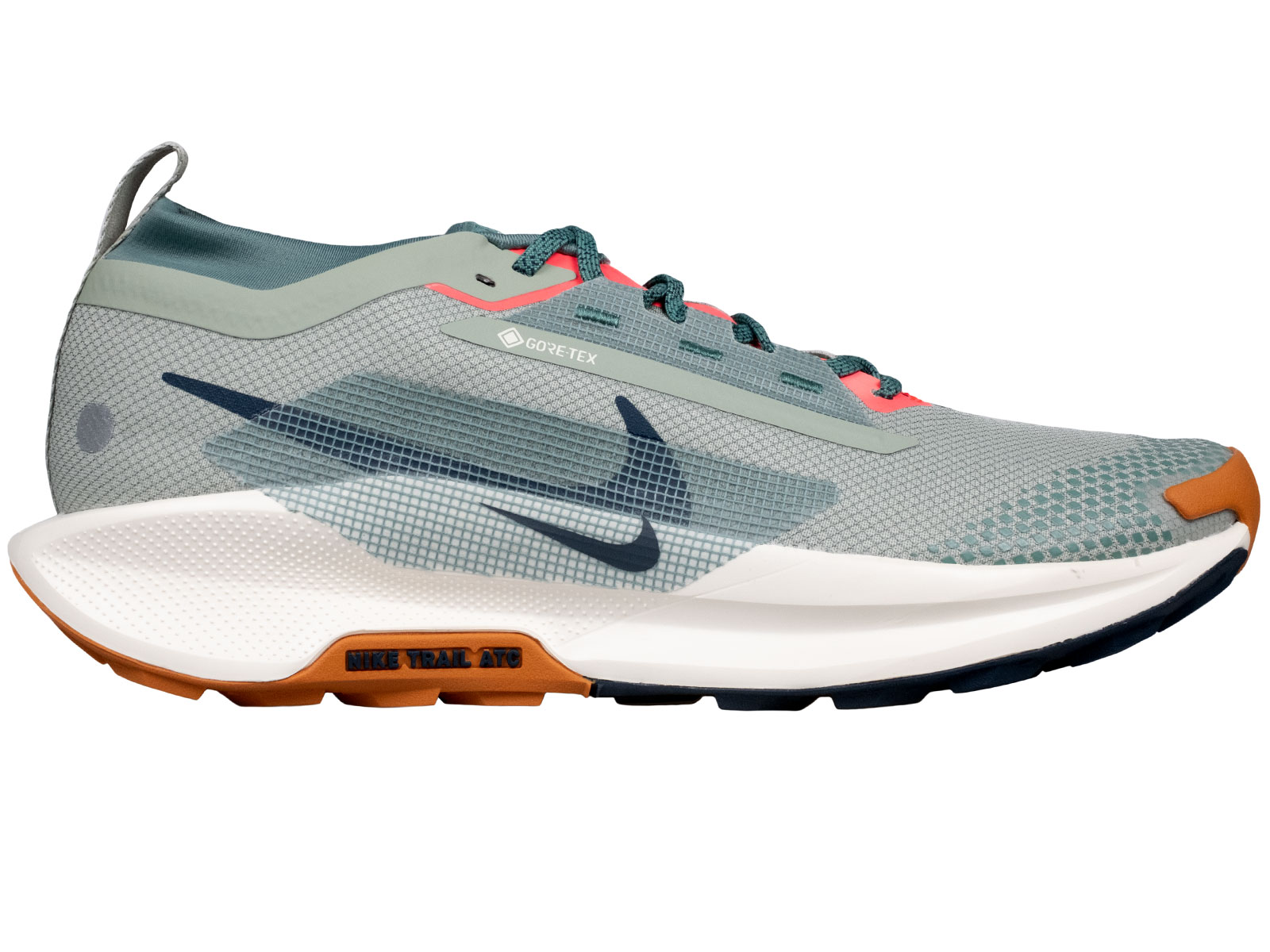
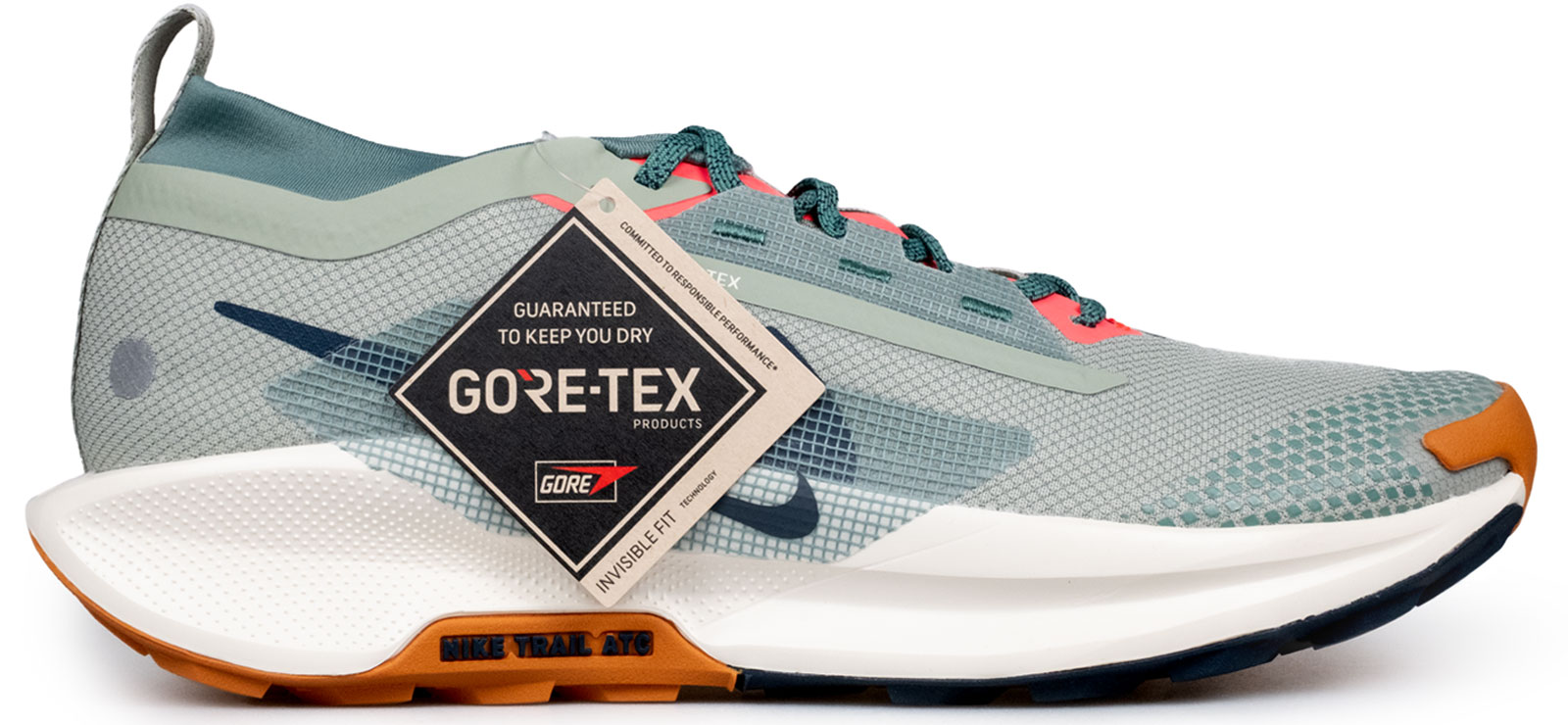
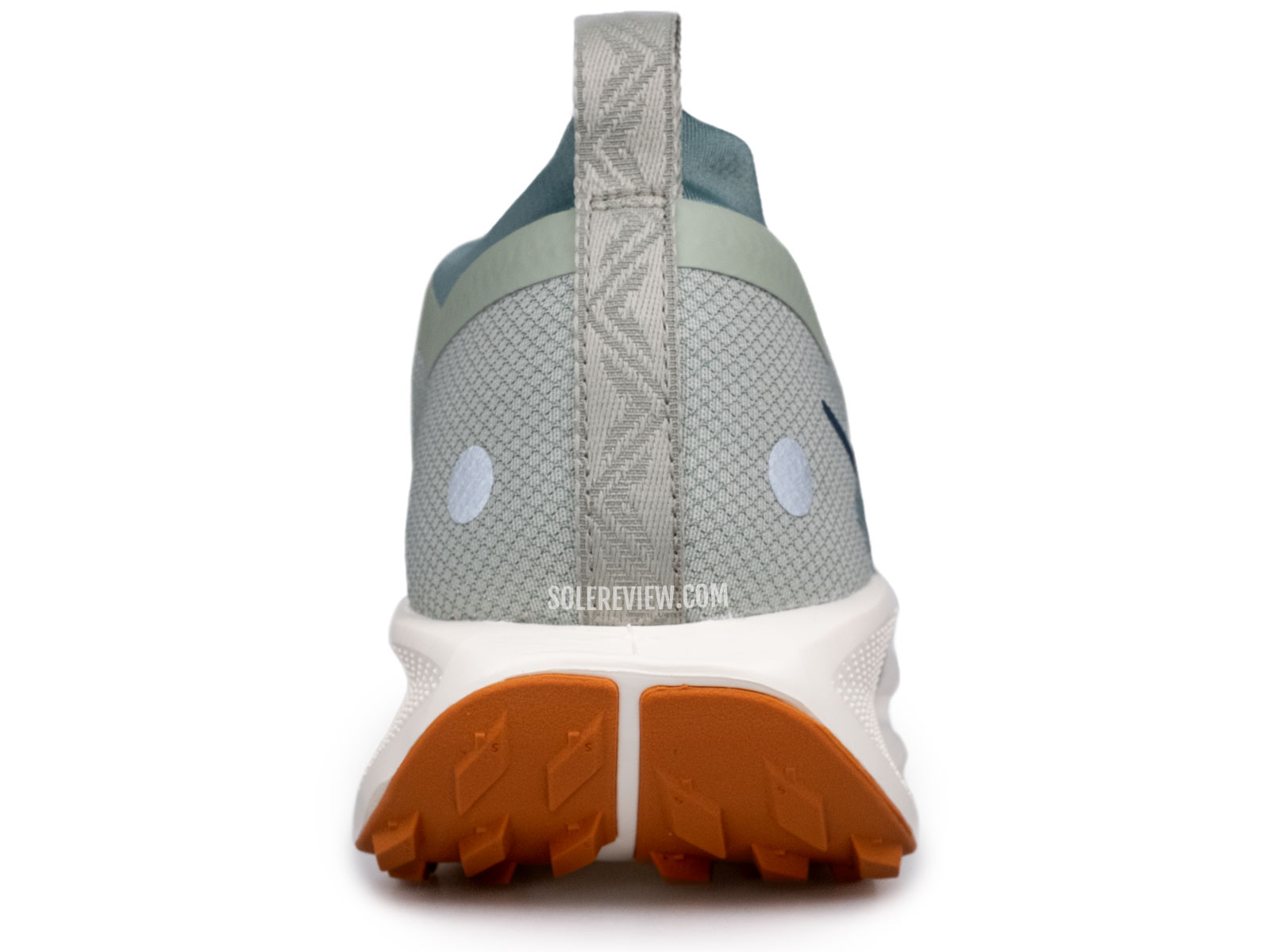
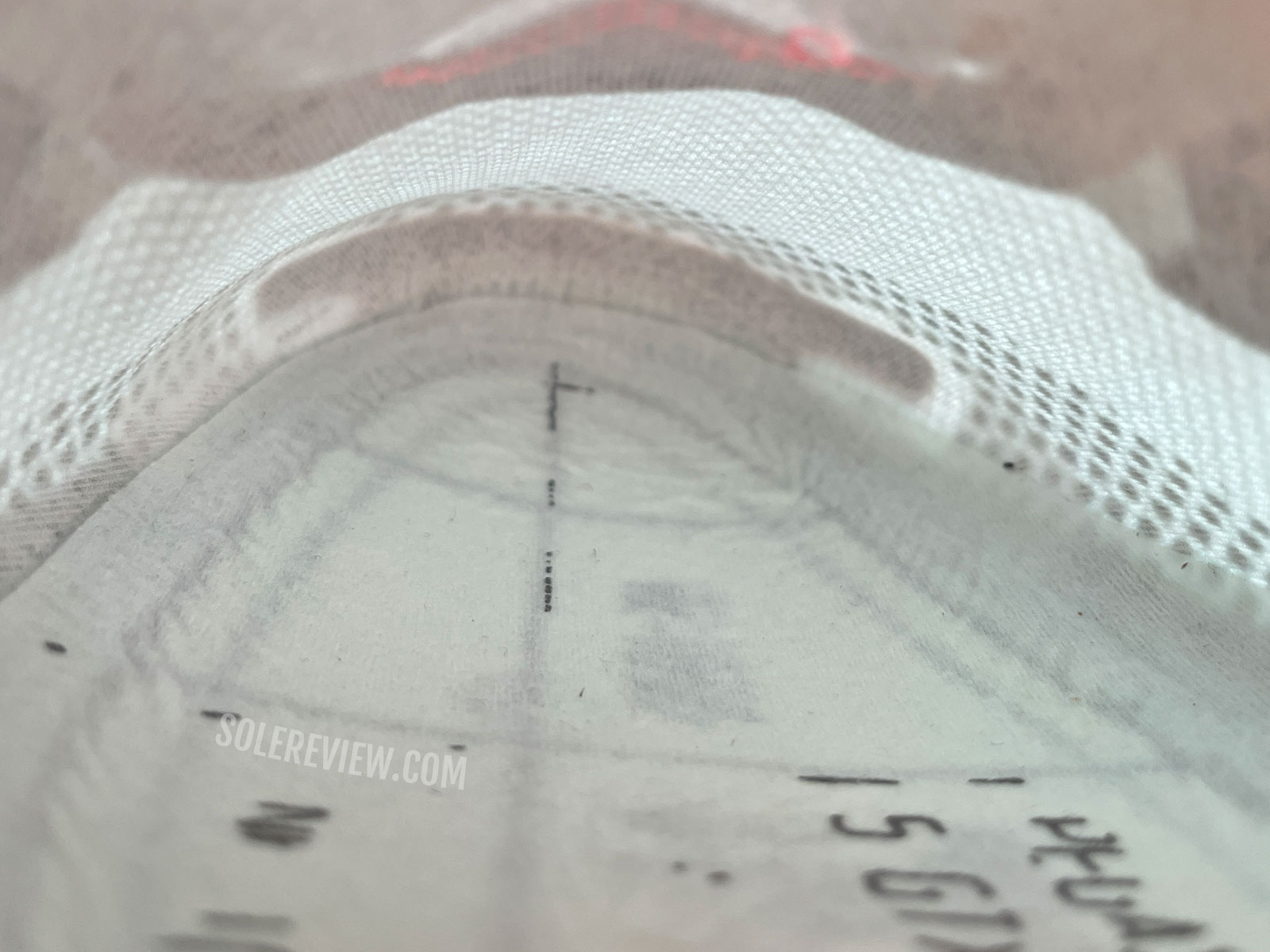
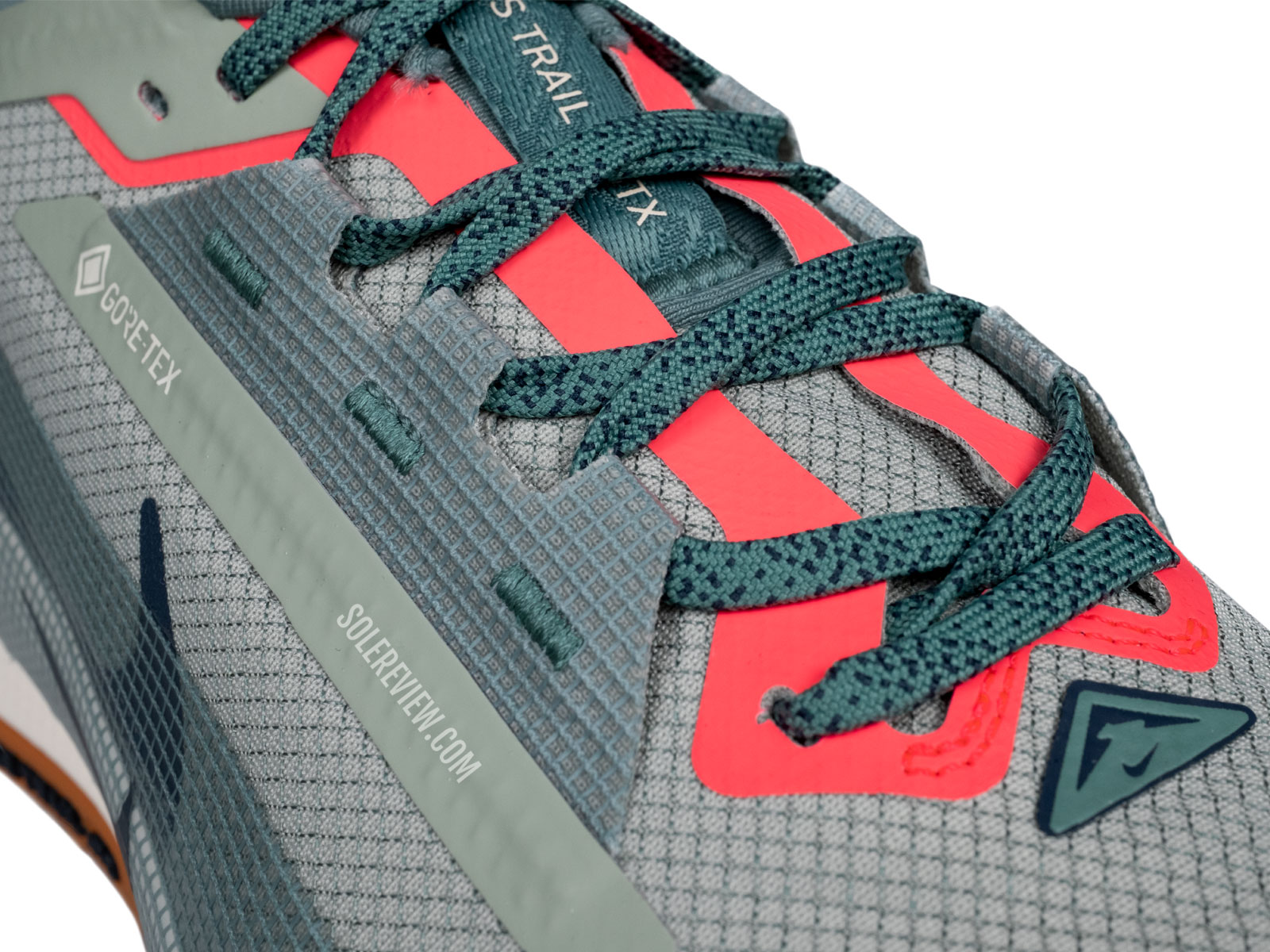
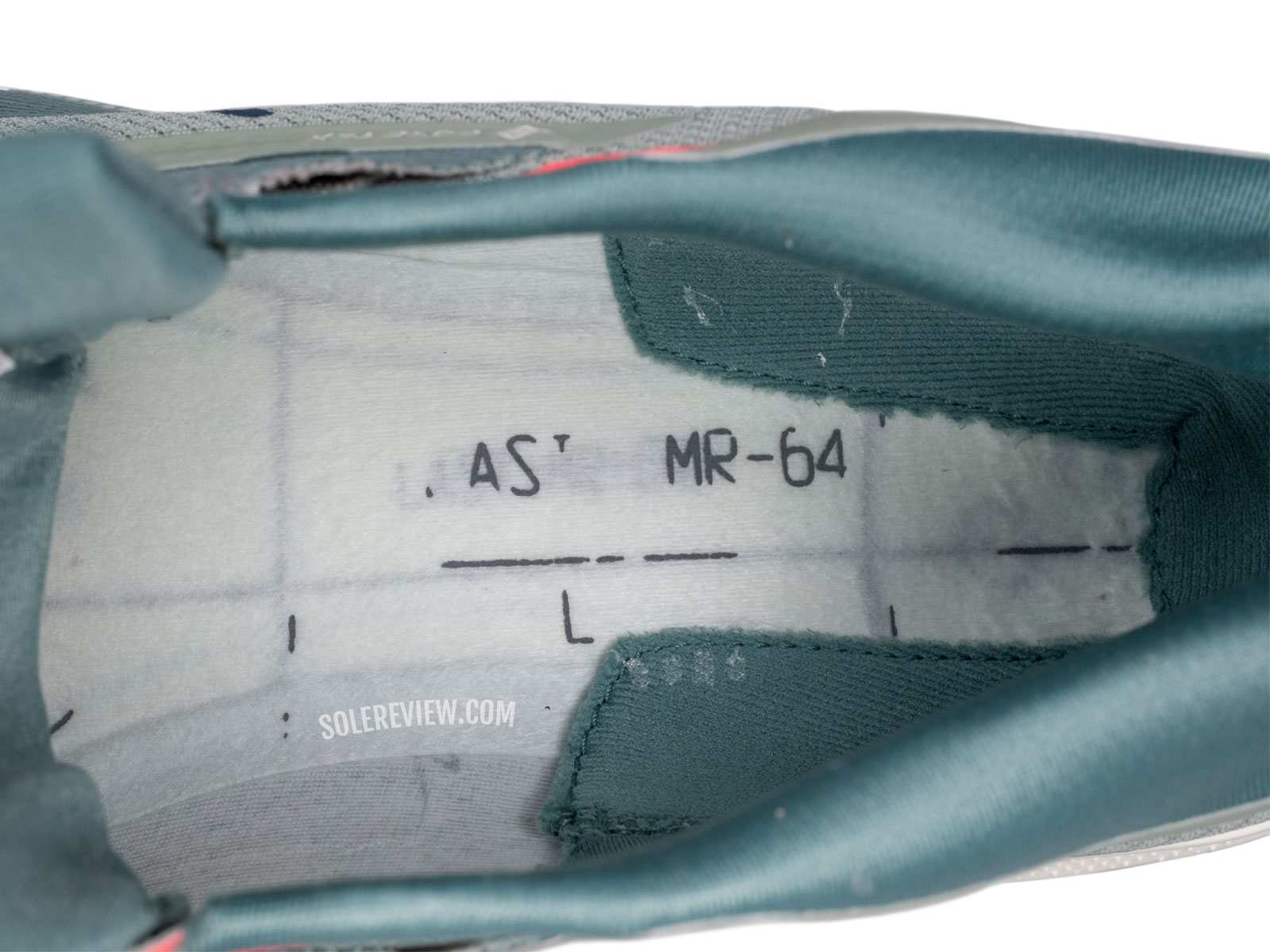
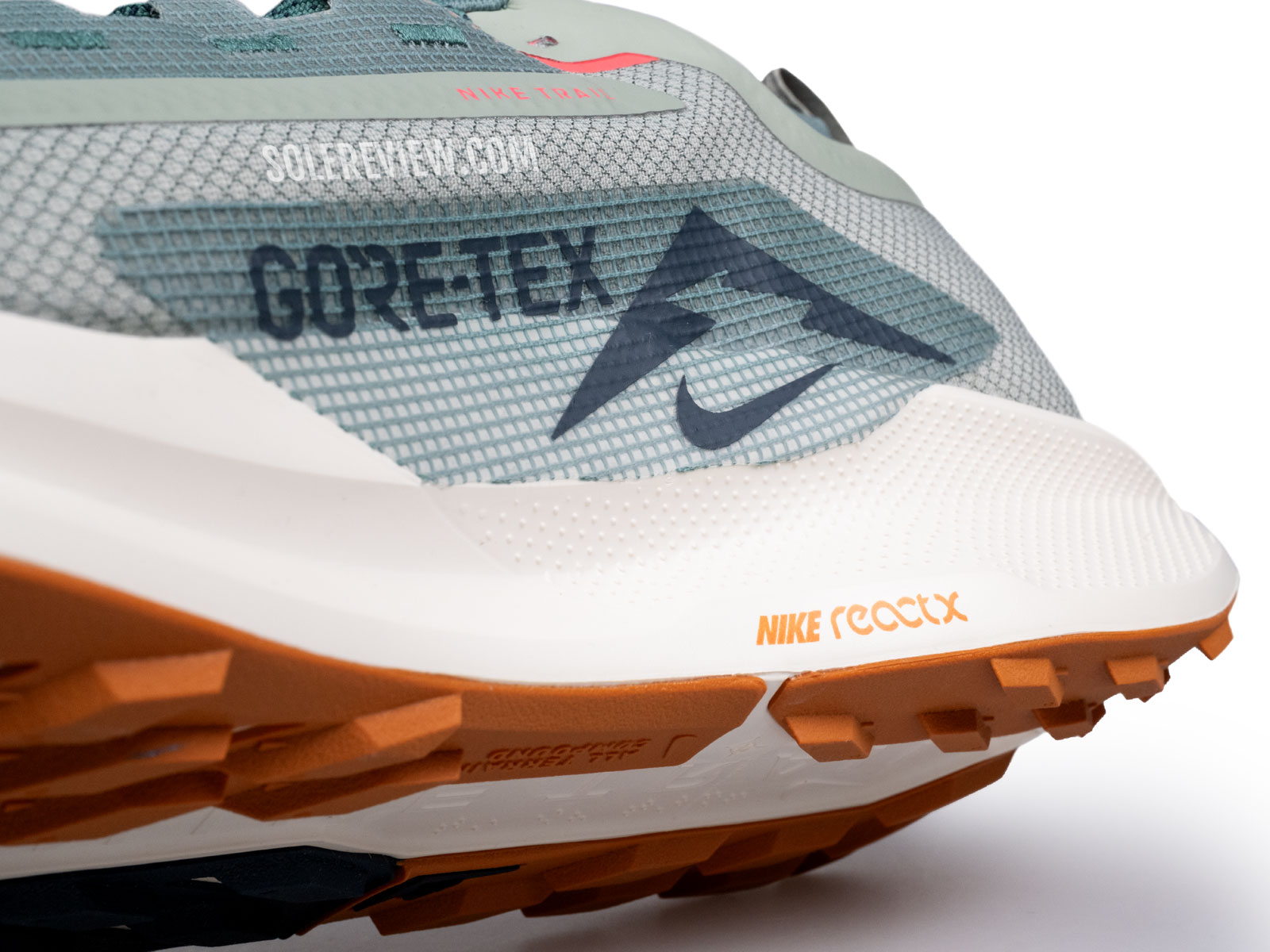
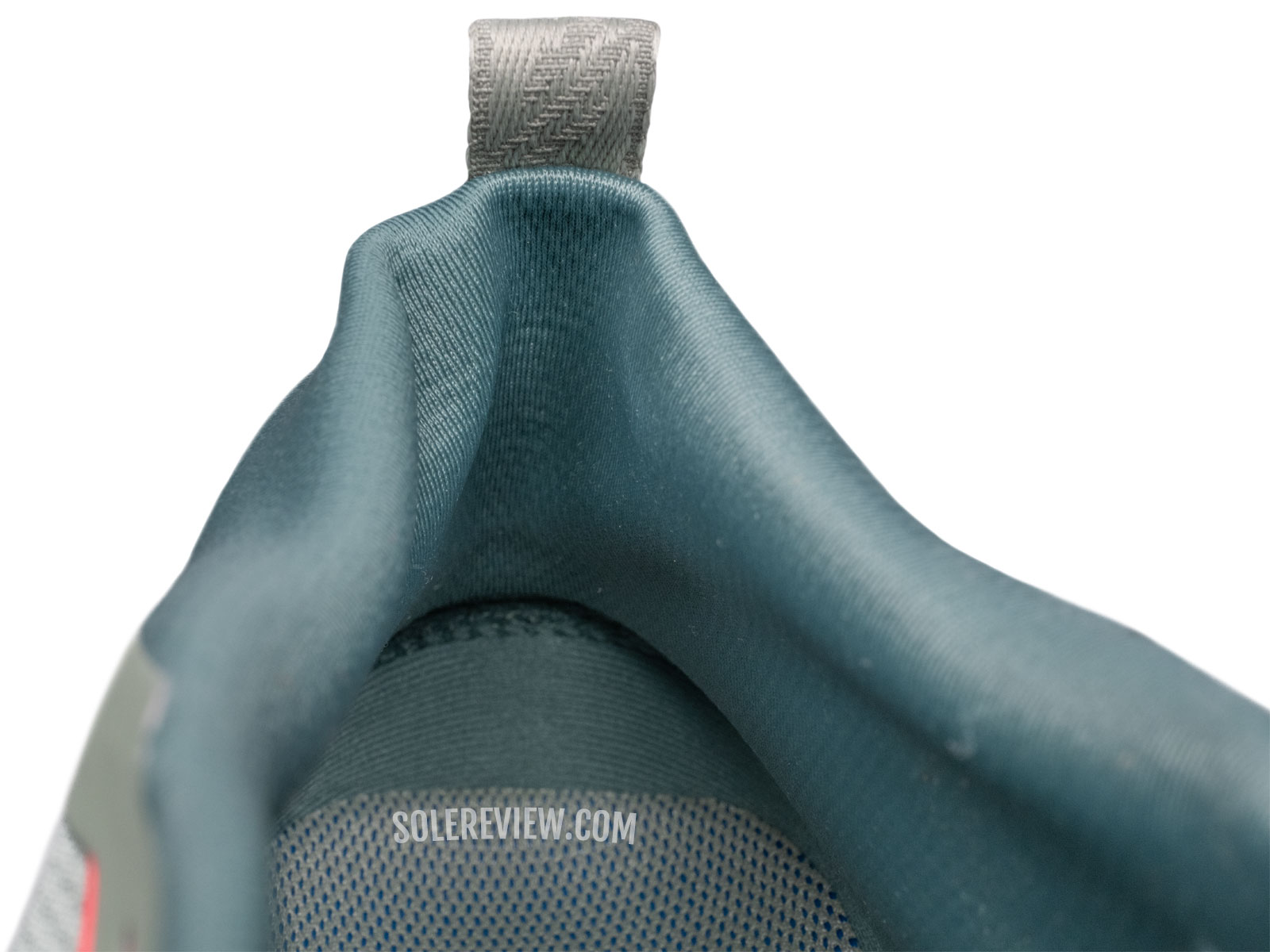
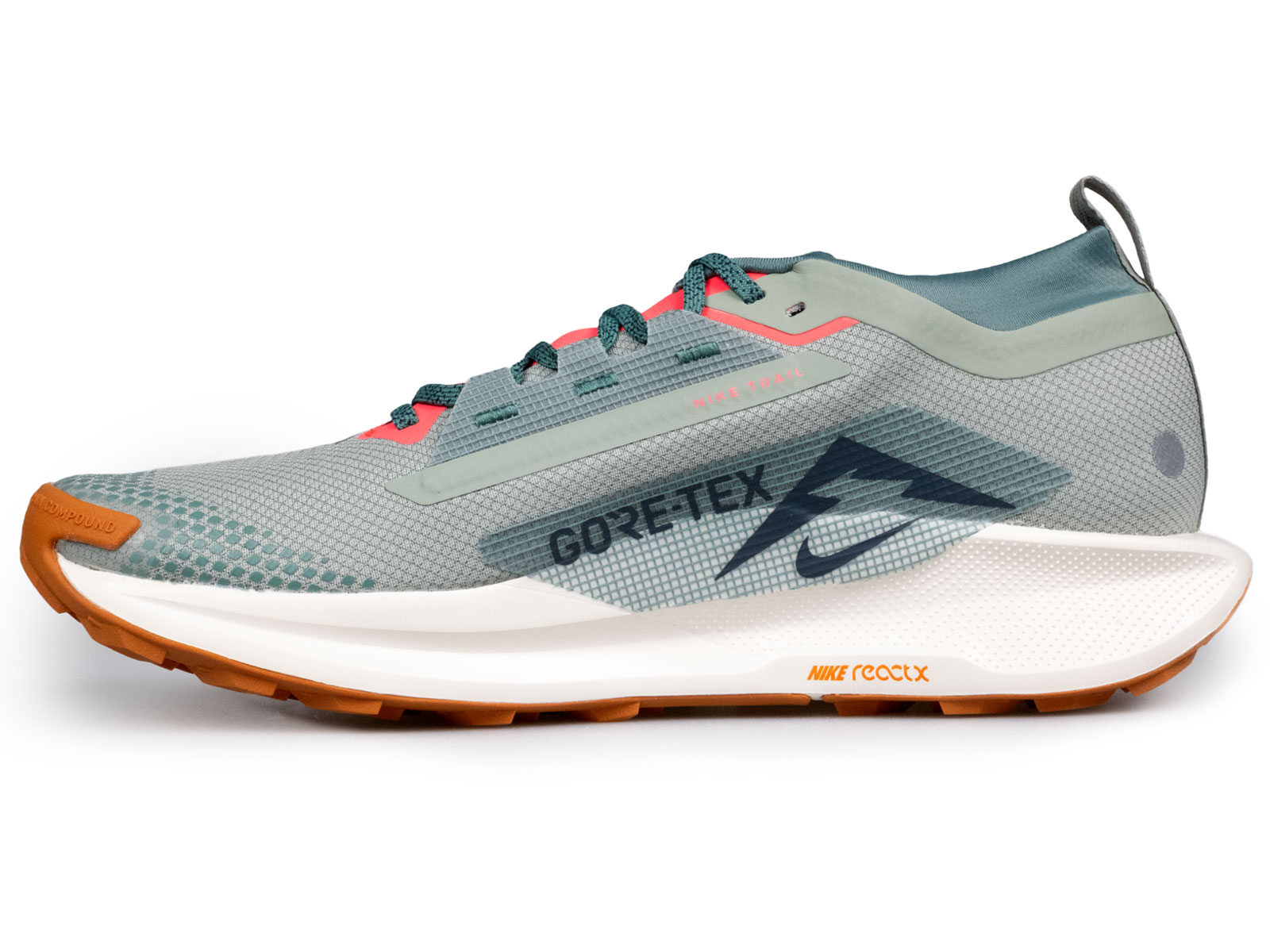
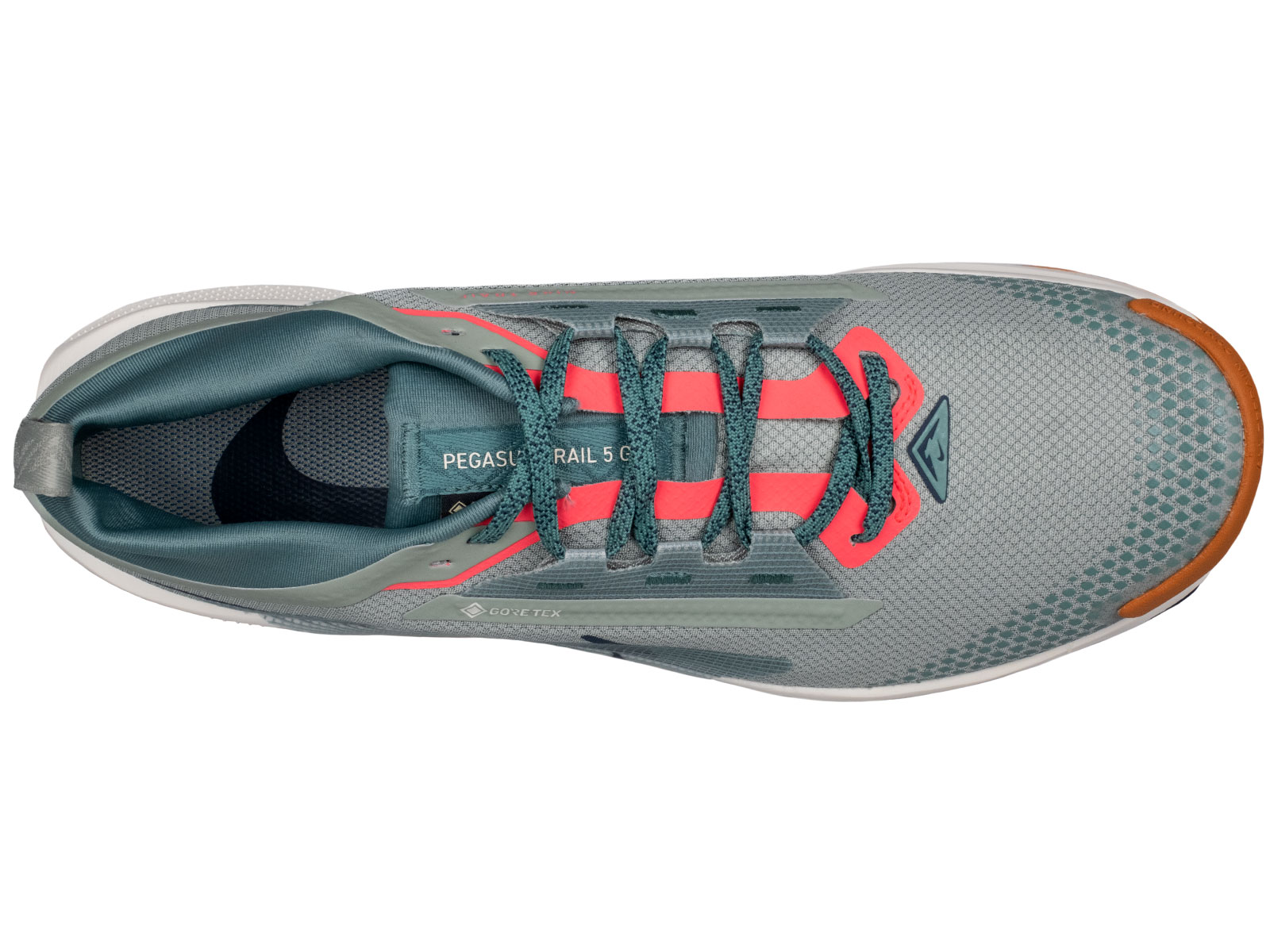
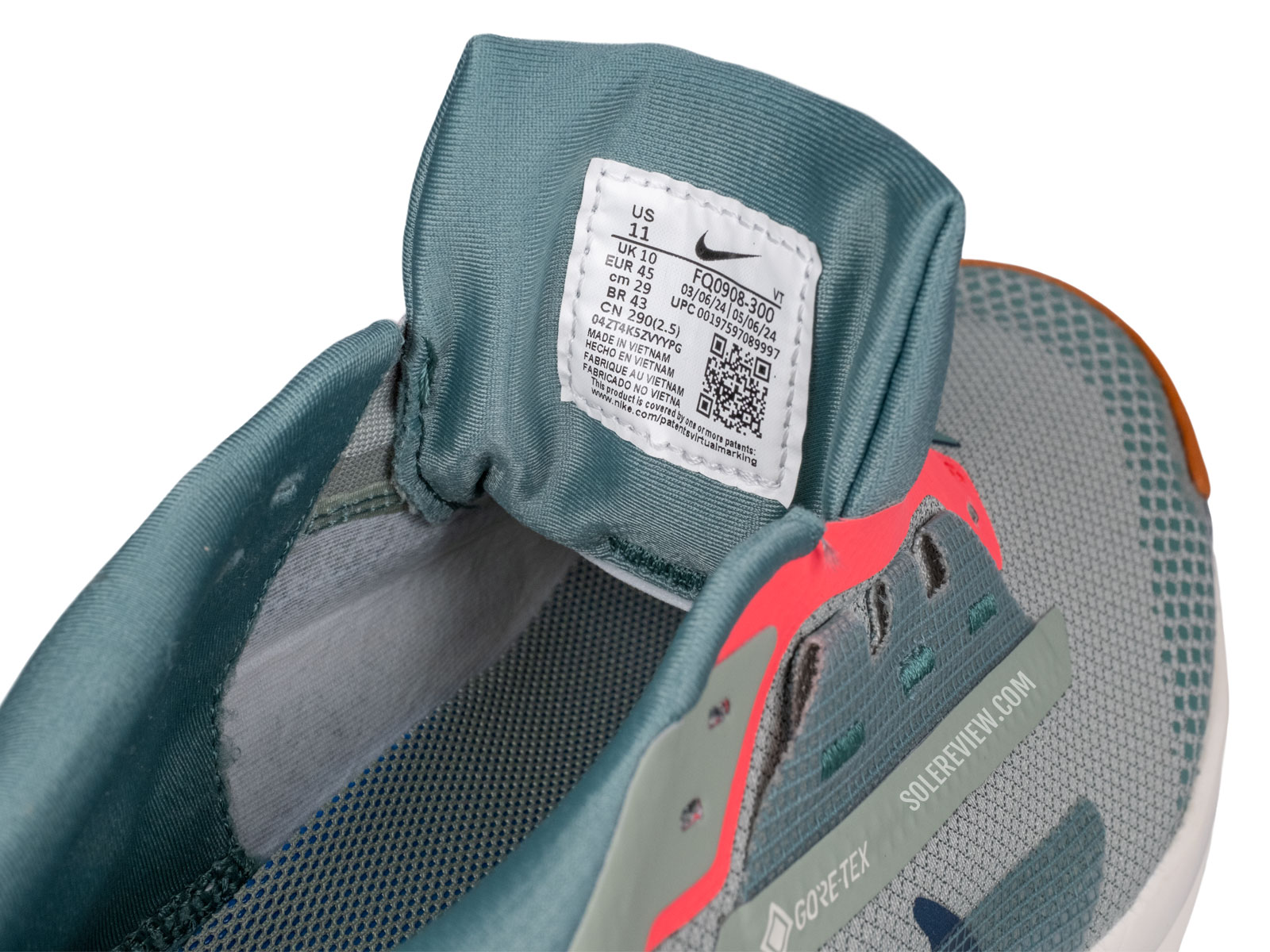
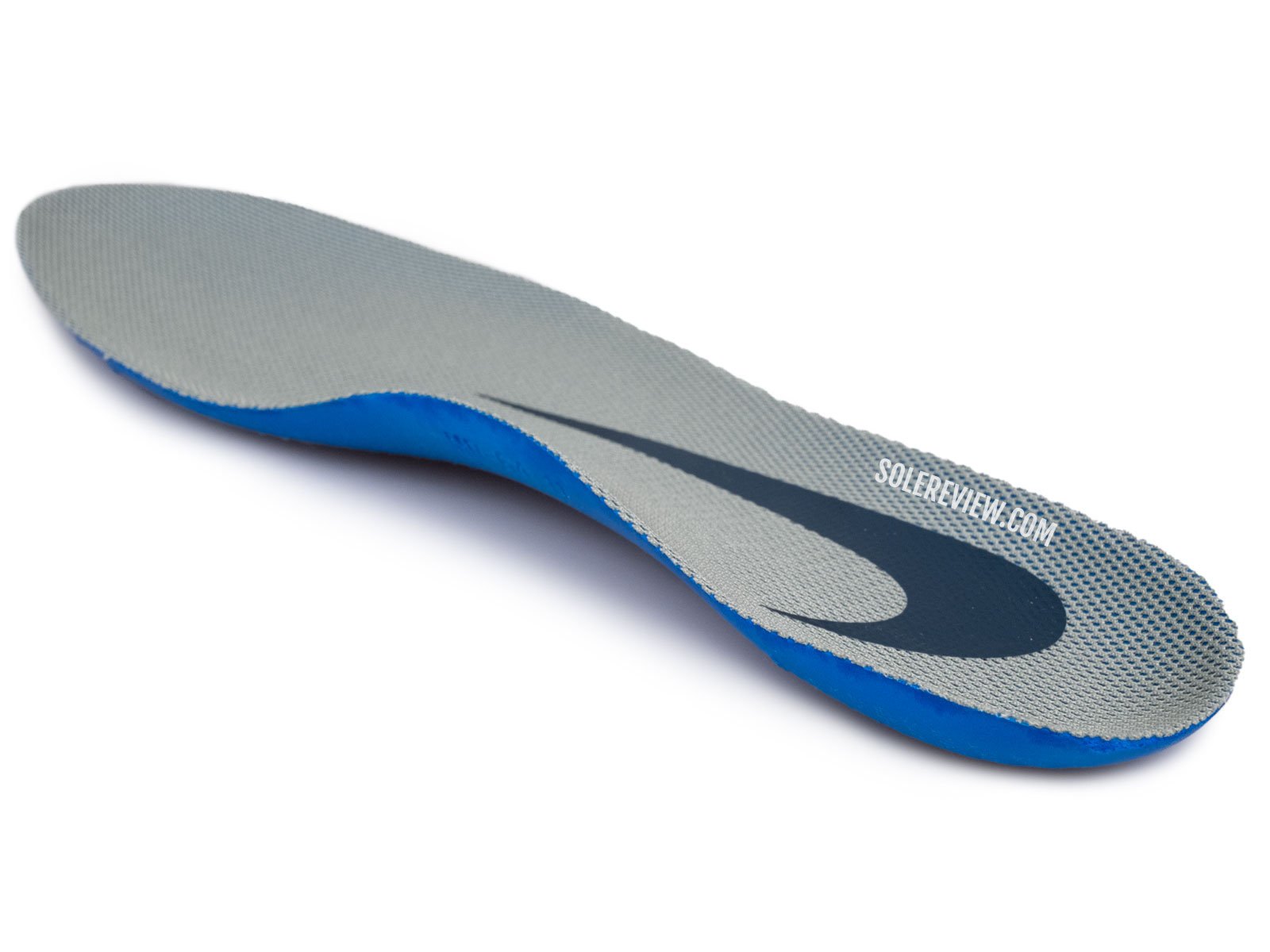
However, the Gore-Tex version doesn’t fit the same as the standard Pegasus Trail 5. The faux collar and the padding inside tend to push the foot forward. The result is a shorter-fitting shoe with nearly a half-size difference. For example, a US 10 Pegasus Trail 5 equals a US 10.5 in the GTX version.
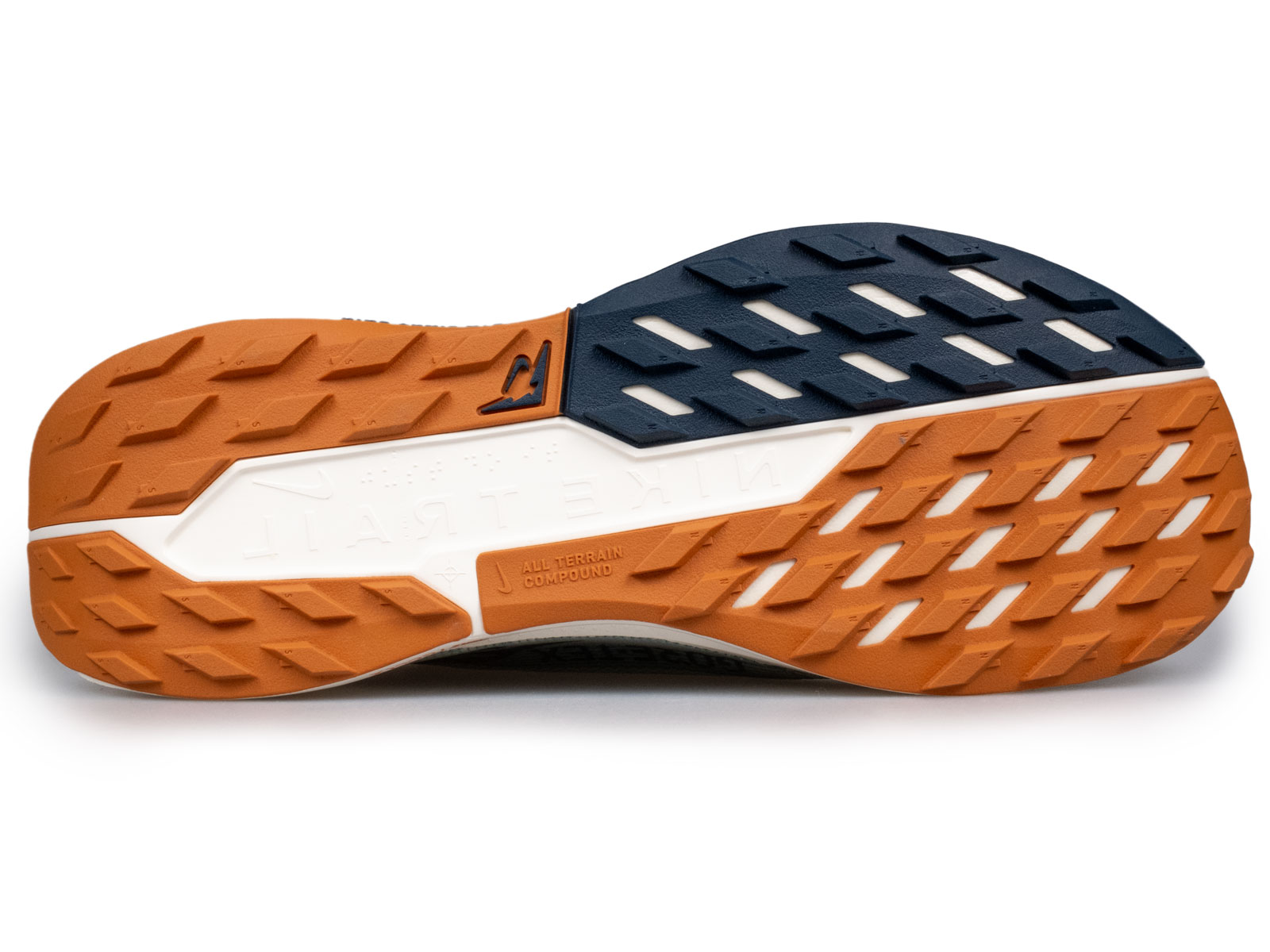
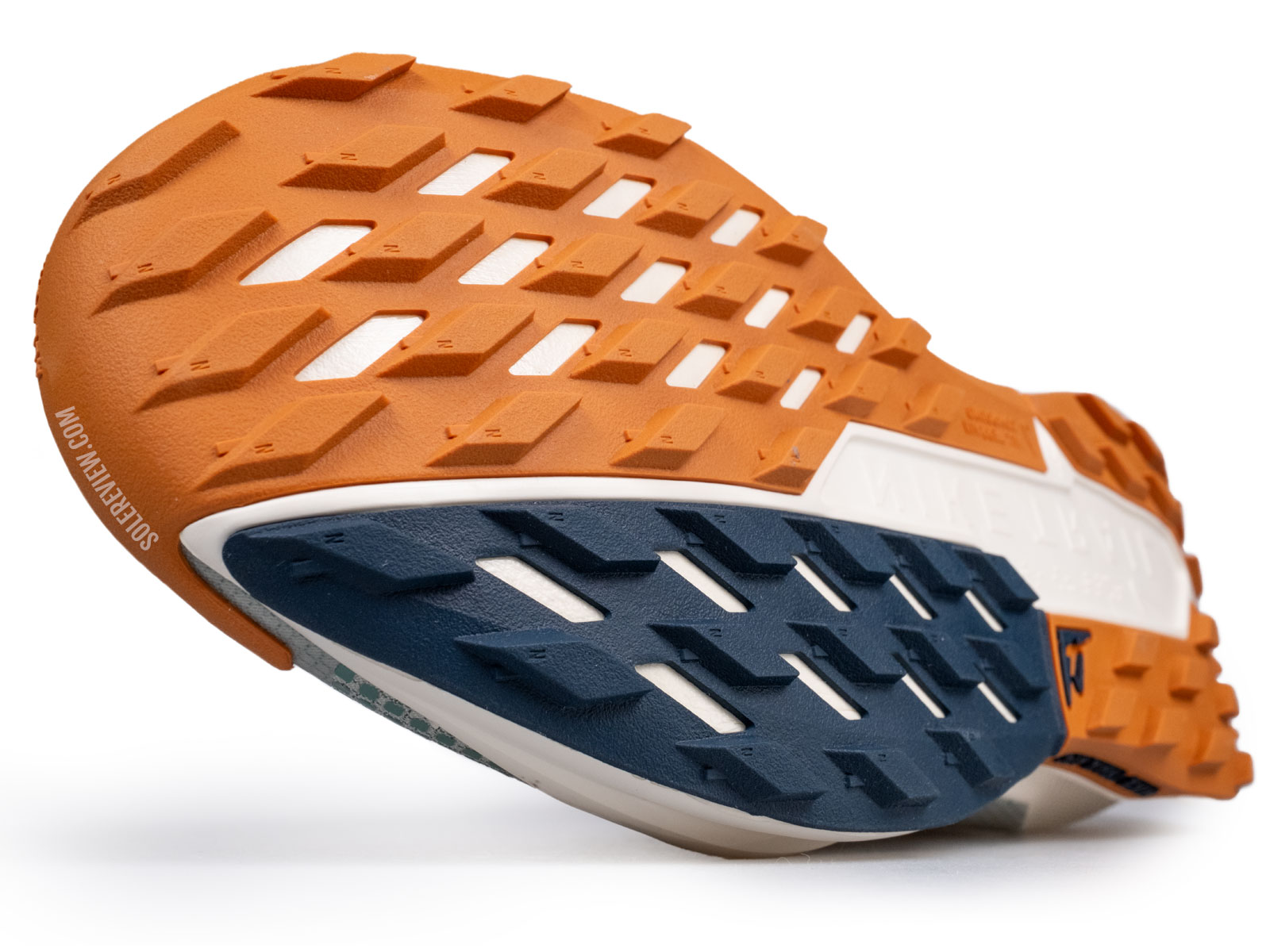
The React foam midsole is shared across both versions. It makes road runs comfortable and offers decent protection on non-technical trails. When used off-road, it works best for mild grades, park runs, chip trails, and gravel paths. The lack of a rock plate and thick rubber outsole offers limited protection for the (more) serious stuff. The four-piece outsole exposes a lot of midsole foam and has shallow lugs. That’s one of the reasons why the Pegasus Trail 5 is one of the most popular road-to-trail running shoes. The soft React midsole makes road running comfortable, while the articulated outsole improves ground feel on gentle trails.
- Nike’s marketing pitch: Helps you comfortably take on the elements.
- Upper: Waterproof mesh, Faux gaiter, Gore-Tex membrane.
- Upper fit: Fits shorter than regular Pegasus Trail 5.
- Midsole: React X foam. 9.5 mm heel drop.
- Outsole: All-terrain rubber with shallow lugs.
- Weight: 300 gms/ 10.5 Oz for a half pair of Men’s US 9/UK 8/EUR 42.5/CM 27.
- Stack heights: 36 mm (heel), 26.5 mm (forefoot).
- Available widths: Single – D (regular).
- Recommended use: Everyday runs on road, flat and mild trails.
- Footstrike orientation: All types (heel/midfoot/forefoot).
- Median lifespan: 400 miles.
- Recommended paces: 4:30 min/km (7:00 min/mile) and slower.
- Recommended temperature range: Warmer than -10° C/14° F.
Pros
- Cushioned and neutral ride
- Effective wind and water blocking
- Faux gaiter keeps debris out
- Protective rubber bumper
- Grip on wet roads
Cons
- No optional widths
- Inconsistent fit versus non-GTX Pegasus Trail
- Not for serious trail performance
HOW WE SELECTED
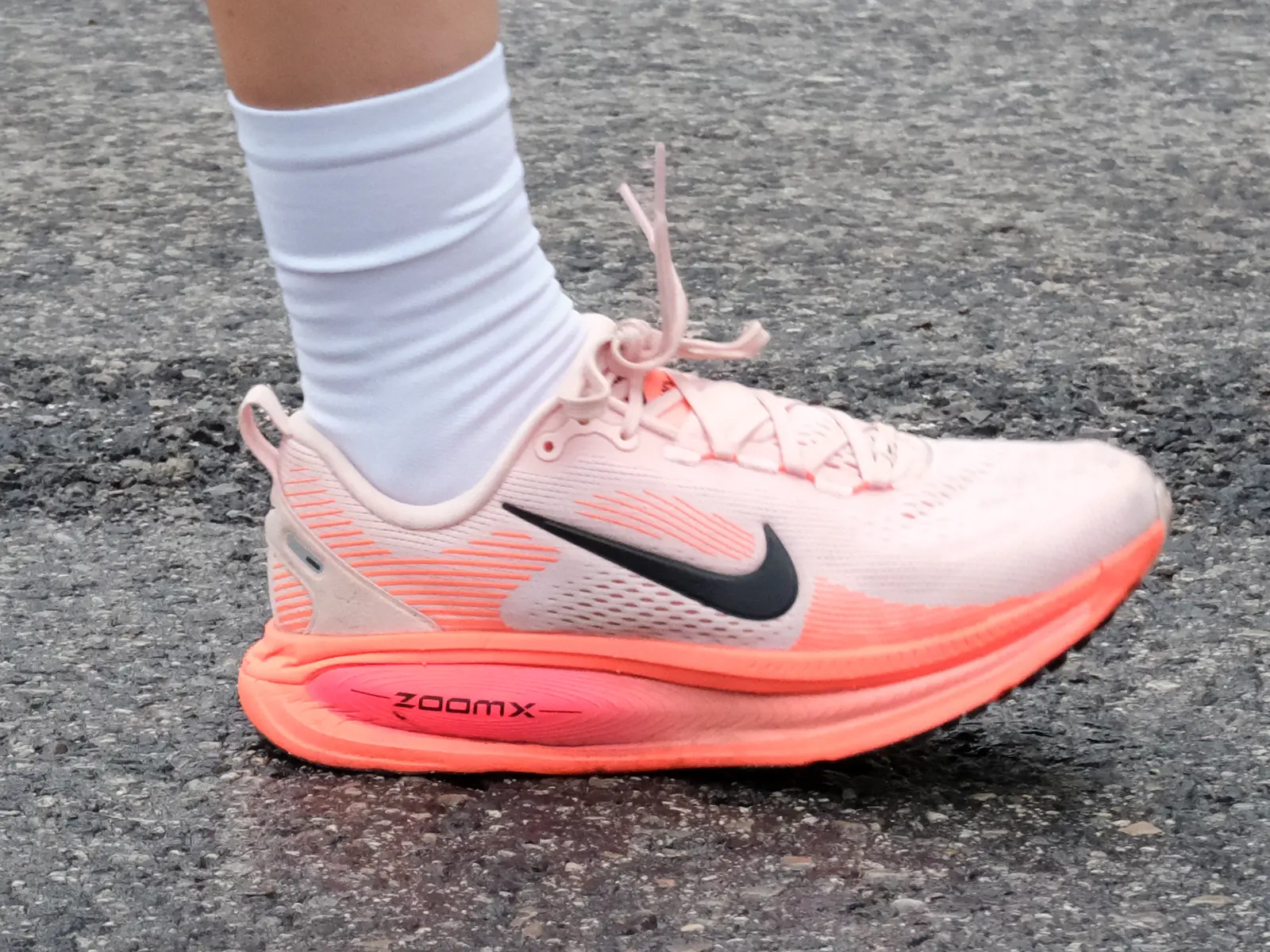
Some Nike running shoes – like the Vomero 18 and Pegasus 41 – come very close to being the one shoe to do it all. However, it’s hard to recommend which Nike shoe is the ‘best’ overall without context. For example, a Nike running shoe that’s an excellent everyday trainer could be a mediocre marathon racer. Similarly, a trail shoe will feel out of its element when used as a road trainer. So it makes sense to recommend Nike running shoes based on their use cases, which are as follows:
EVERYDAY TRAINERS
These running shoes are extremely versatile, since they work equally well across different speeds and distances. While these shoes are not exactly what one would call tempo trainers, they don’t feel mushy either. Usually, there’s ample cushioning comfort for up to half-marathon distances. Popular Nike models like the Pegasus 41 and Structure 26 are good examples. In this category, our top pick is the Nike Vomero 18 followed by the Nike Pegasus 41.
LONG-DISTANCE CRUISER
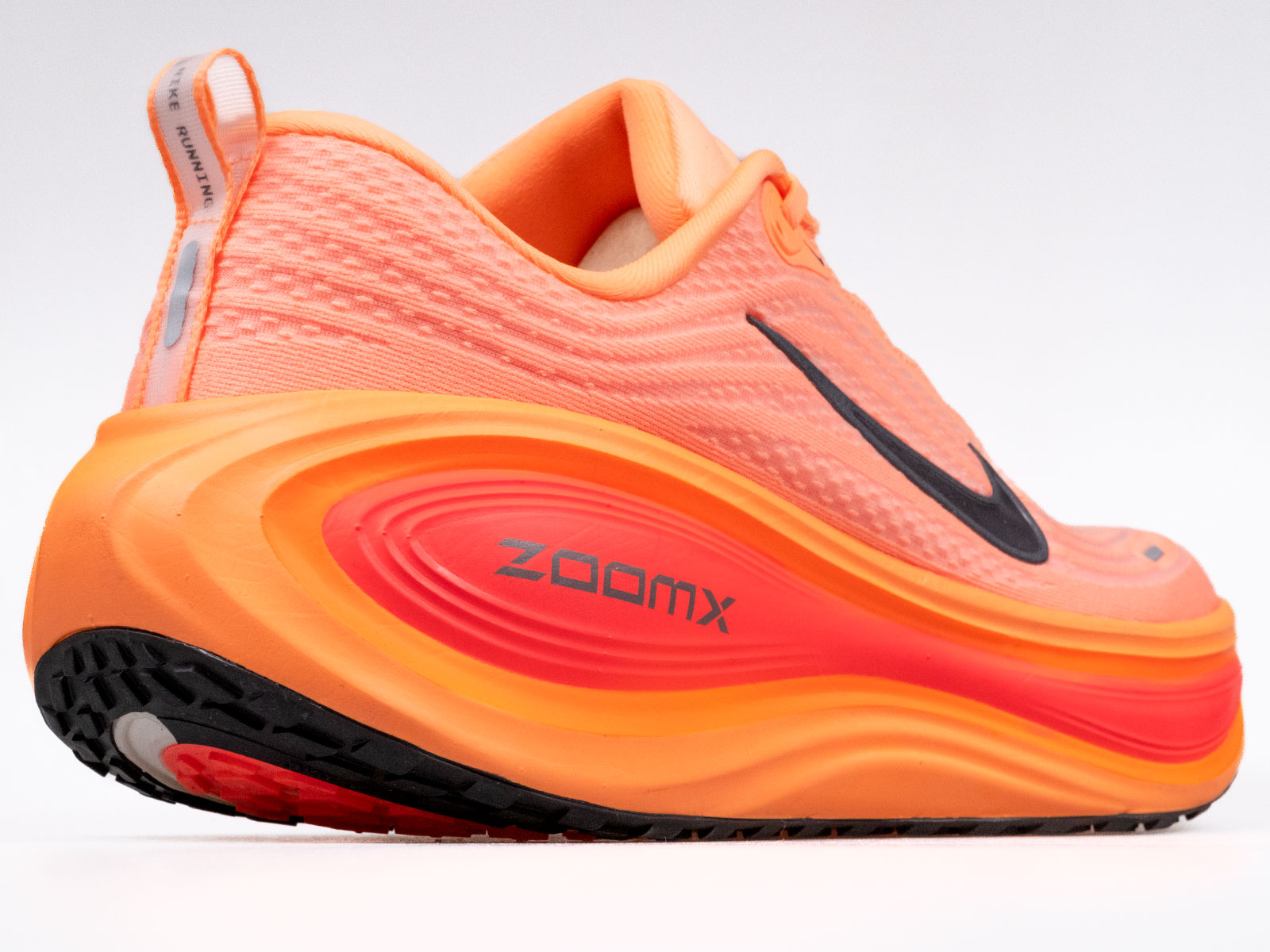
Most running shoe brands have a comfortable cruiser that prioritizes ride comfort over everything else. For New Balance, it’s the Fresh Foam 1080V14. The Glycerin Max fills that niche for Brooks. For Nike, that shoe is the Vomero Plus – a cushioning monster that never seems to run out of ride comfort. The 2025 Vomero 18 also works well in this scenario. It’s more versatile than the Vomero Plus.
(Related read: The most comfortable running shoes)
MARATHON RACER

Nike upended the marathon shoe landscape with the Vaporfly a few years ago, and it’s never been the same since. The Nike Vaporfly 4 continues to be a crowd favorite. That doesn’t come as a surprise. The PEBA foam midsole and Carbon plate produce a soft, bouncy, and speed-friendly ride in a lightweight package.
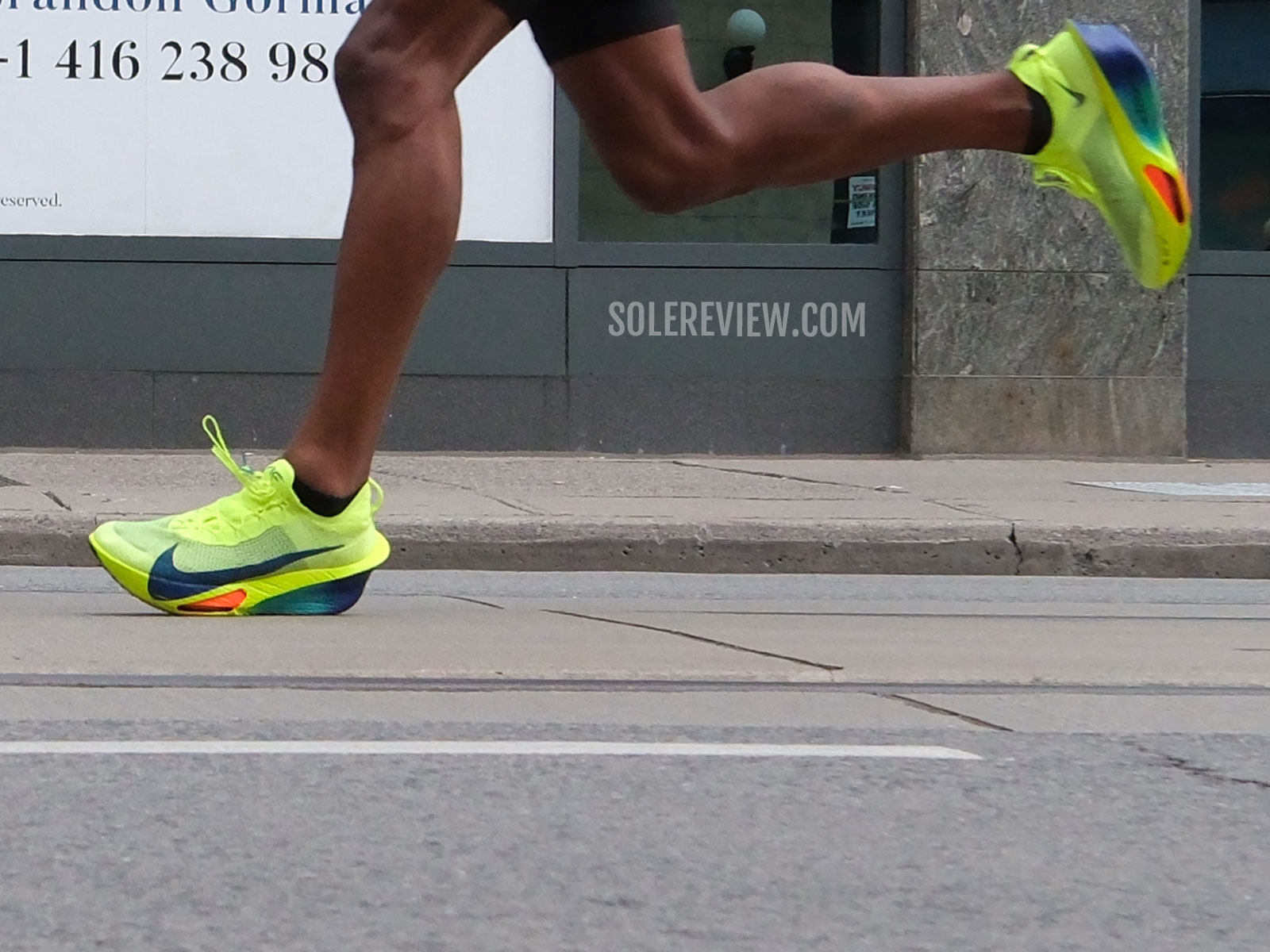
Pro runners who run sub-3-hour marathons and land forefoot-first will prefer the Alphafly 3. The super-sized Zoom Air bag under the forefoot propels the foot forward, while the plate creates a smooth transition path. The wider and firmer Alphafly offers better stability than the Vaporfly.
(Related read: The best marathon shoes)
5K, 10K, TEMPO AND INTERVAL TRAINING

The current generation Streakfly, while limited in its versatility, is excellent for 5K runs. It’s lightweight, breathable, and cushioned enough for short-distance runs. For 10K runs and tempo training, the Pegasus Plus works nicely. The lightweight ZoomX cushioning adds a lot of pep, while the tight upper keeps the foot locked in.
TRAIL RUNNING SHOES
Nike’s trail running assortment has grown stronger over the last few years, but two models stand out. The first shoe is the Nike React Pegasus Trail 5 – a comfortable trainer that works equally well on the road and trail. The Gore-Tex version has a waterproof upper and a higher heel with a soft gaiter. The second shoe is the Nike Wildhorse 10 – a versatile trail shoe that blends ride comfort with off-road performance. To keep this guide tight, we’ve left out the Zegama and Terra Kiger.
(Related read: The best trail running shoes)
OTHER CATEGORIES
Some Nike running shoes work better for specific purposes. The Vomero 18 GTX’s waterproof upper and grippy outsole make it a great winter running shoe.