

In this product guide:
Racing flats have a few defining characteristics. The midsole should preferably be low-profile and low drop to maximise proprioception or ground feel. The upper should fit securely for optimal power transfer and lockdown. The outsole grip should be better than that of a standard daily trainer for explosive take-offs. A shoe that meets these conditions is ideal for sprinting and 5K races.
When we think of racing flats, a running shoe like the New Balance Hanzo S V2 comes to mind. It was a Japan special, a technical low-profile racer brimming with tech. A colony of tacky DSP (Dual Stencil Process) outsole lugs delivered serious bite, and the plastic midfoot shank produced torsional stiffness. The minimal upper featured high-performance synthetic suede over a soft and breathable mesh shell. Unlike old-school racers, the fit did not constrict the foot.
In 2025, it’s hard to find a flat that even comes close to the Hanzo form factor. The current trend is making the midsole taller, not lower. Over the last few years, most racing flats have been discontinued due to low demand. You know, shoes like the Saucony Sinister, Fastwitch, Type A9, and the Reebok Run Fast Pro. adidas sells the Adios 9 and Takumi 11, but we’ve left them out of this guide because of their limited distribution.
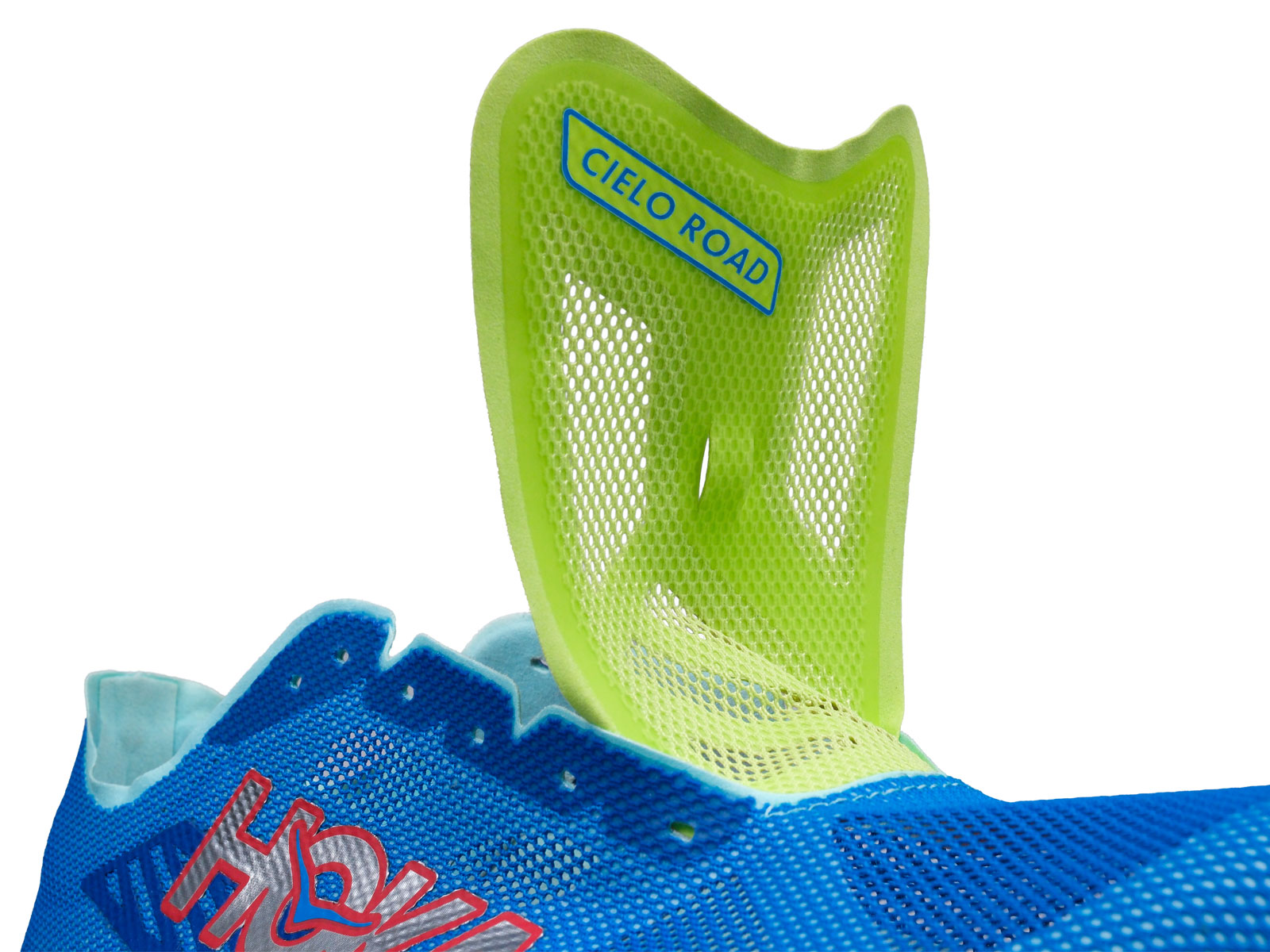
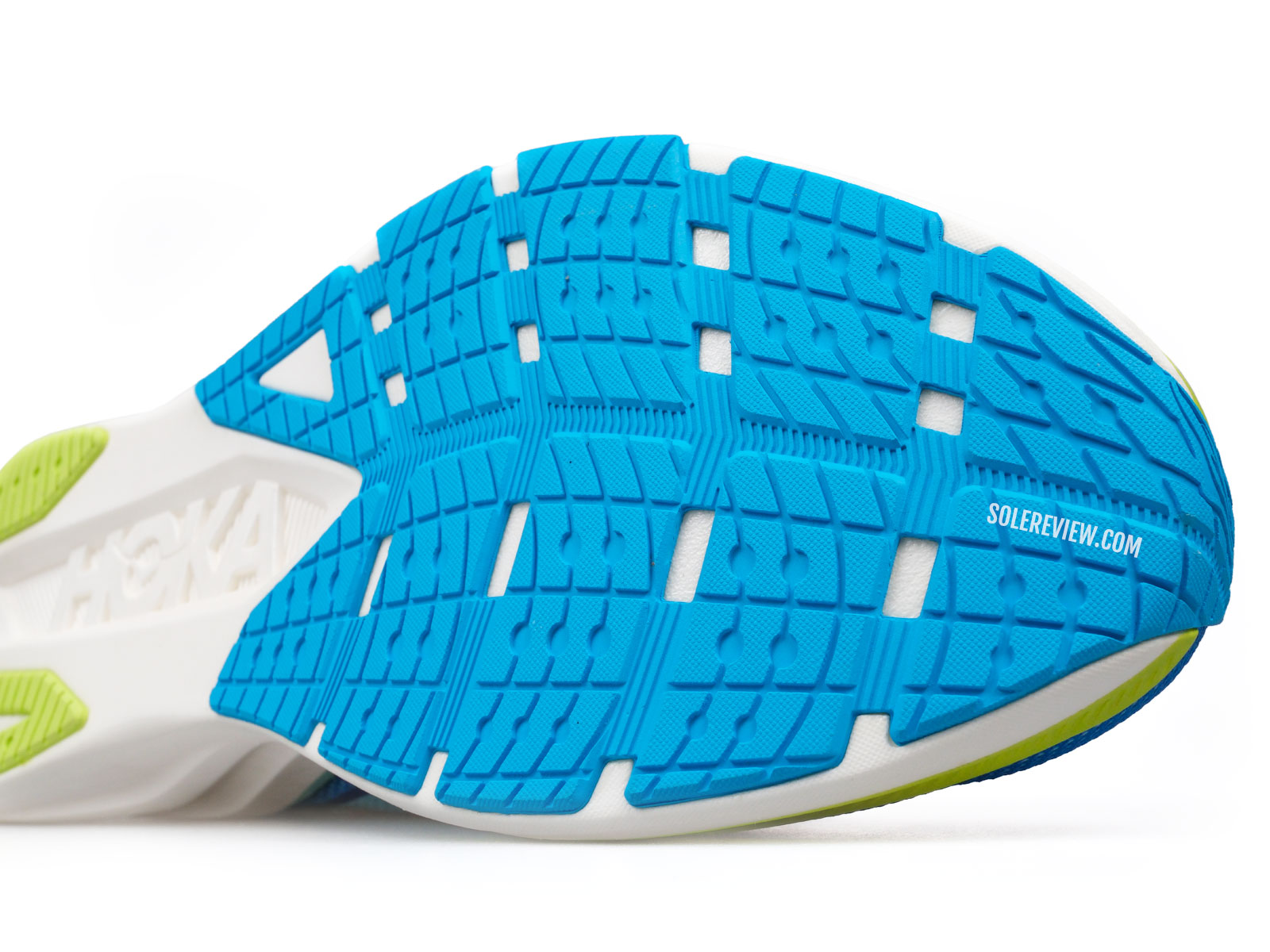
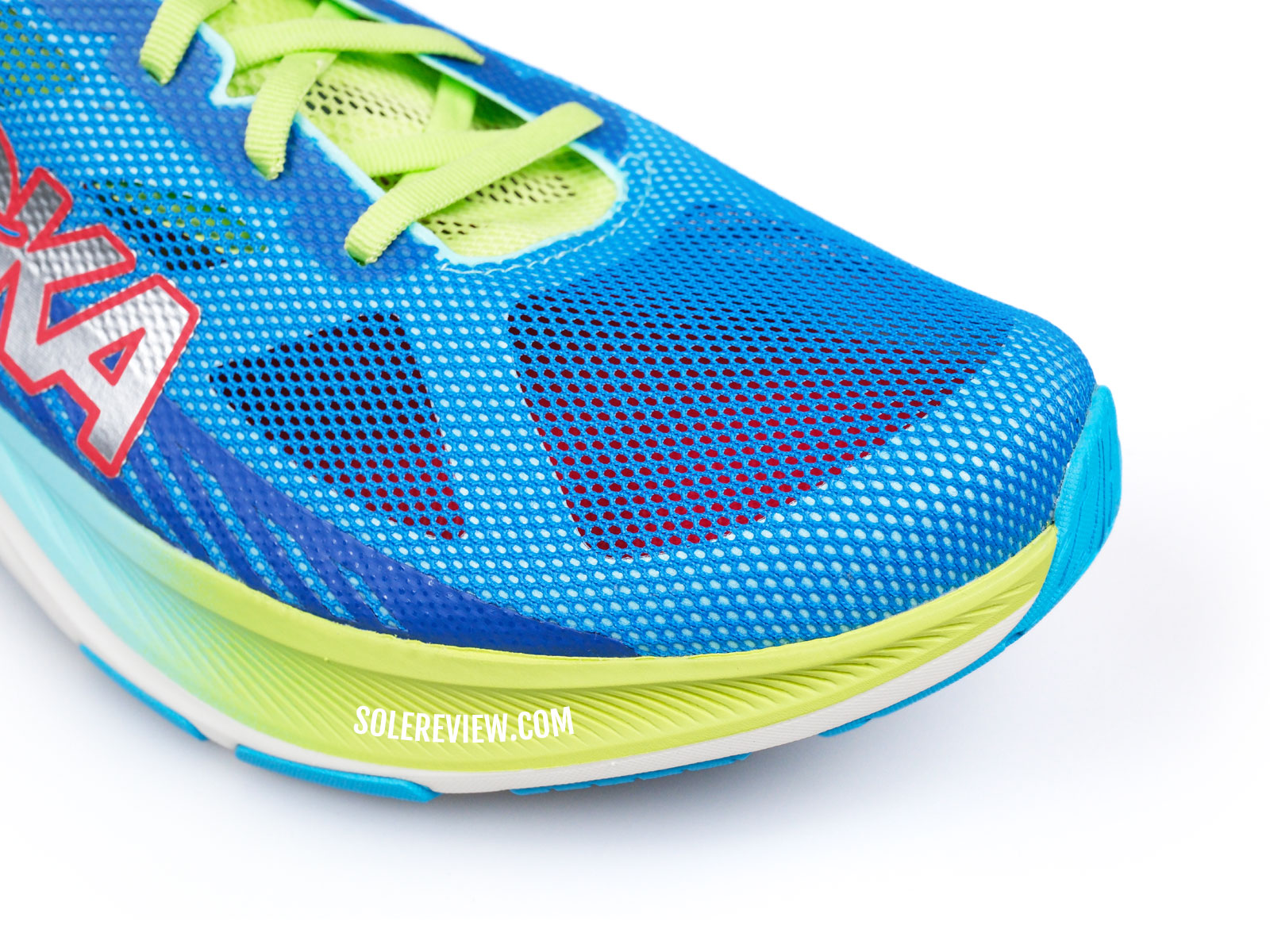
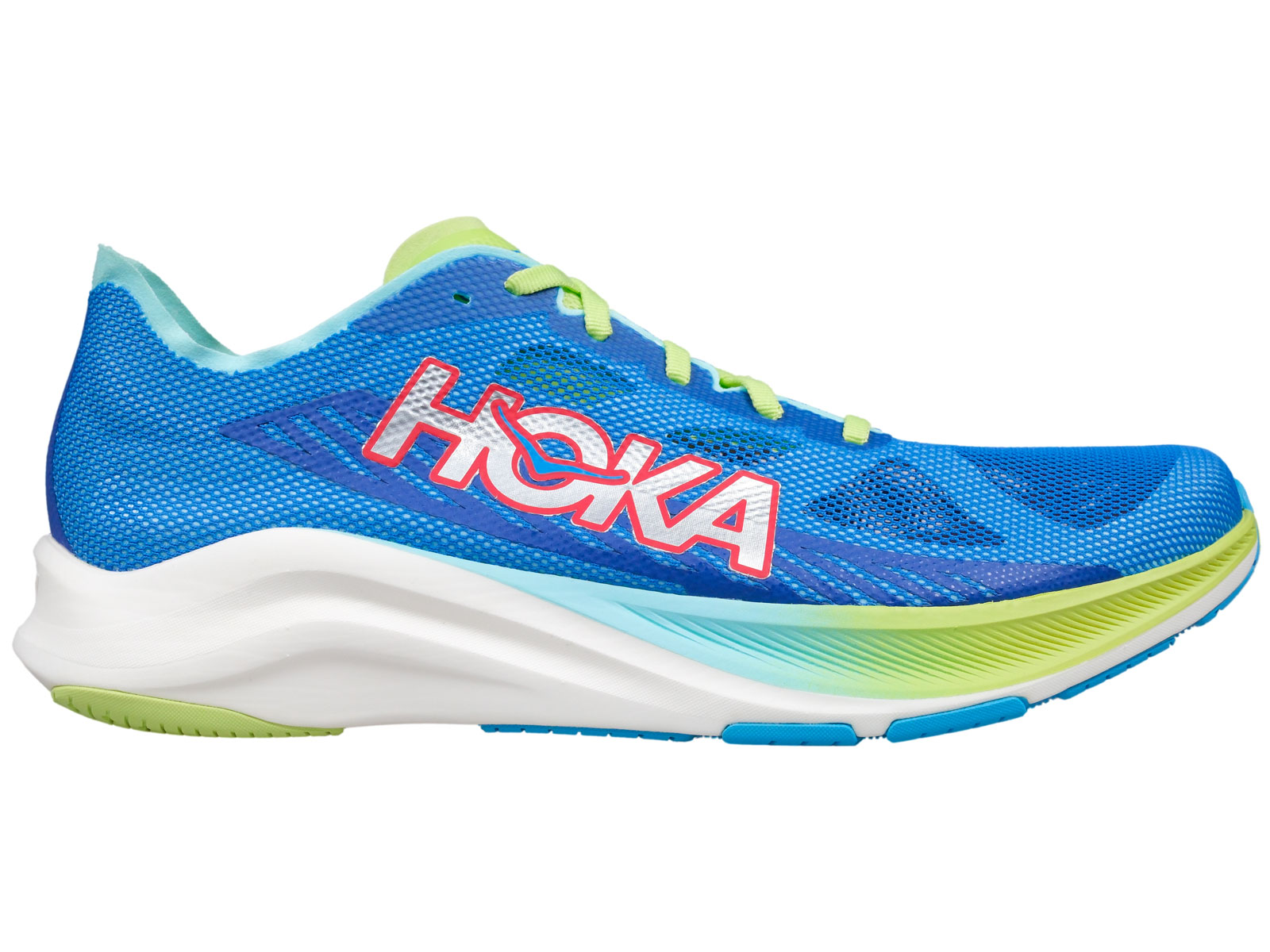

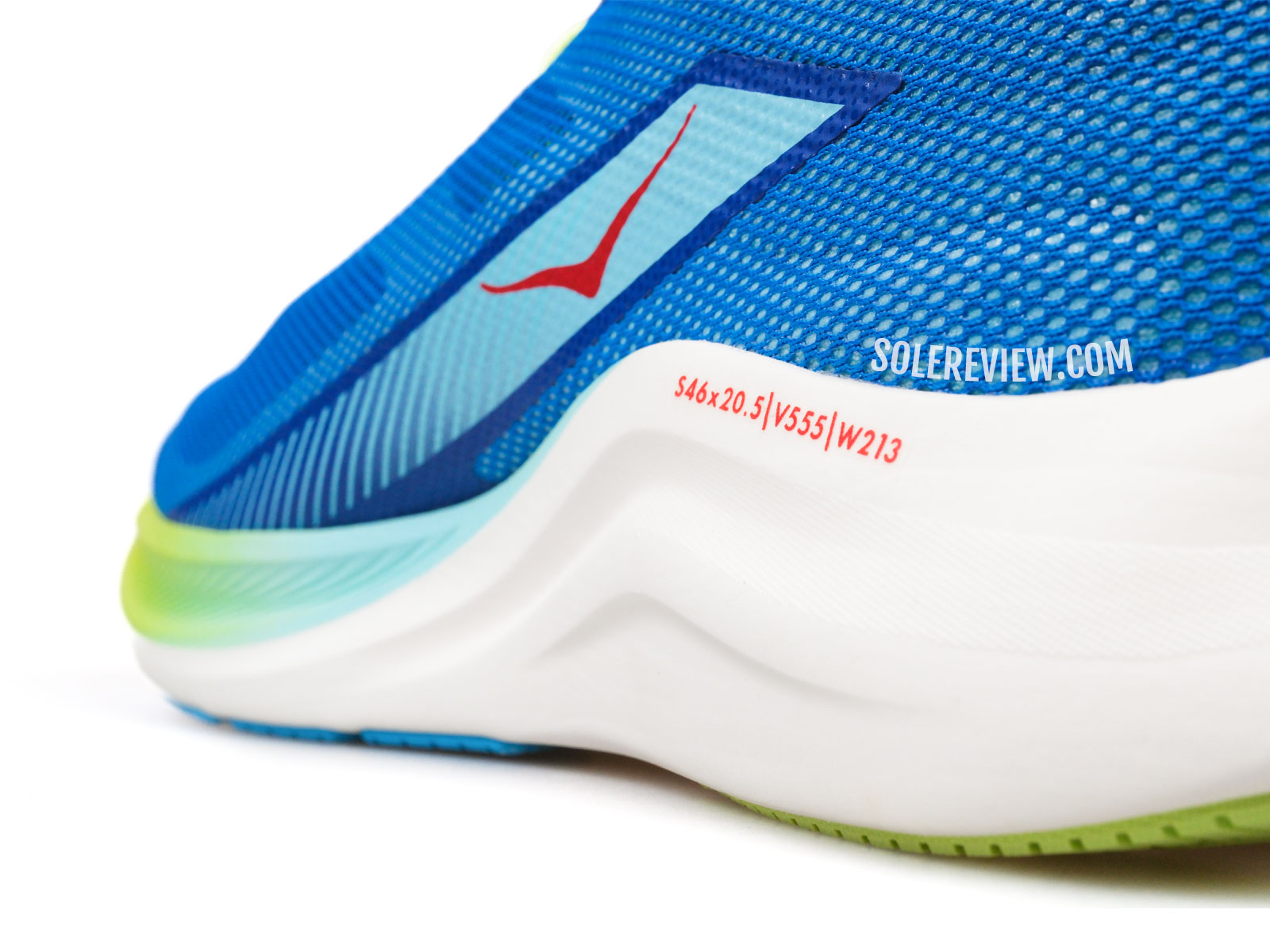
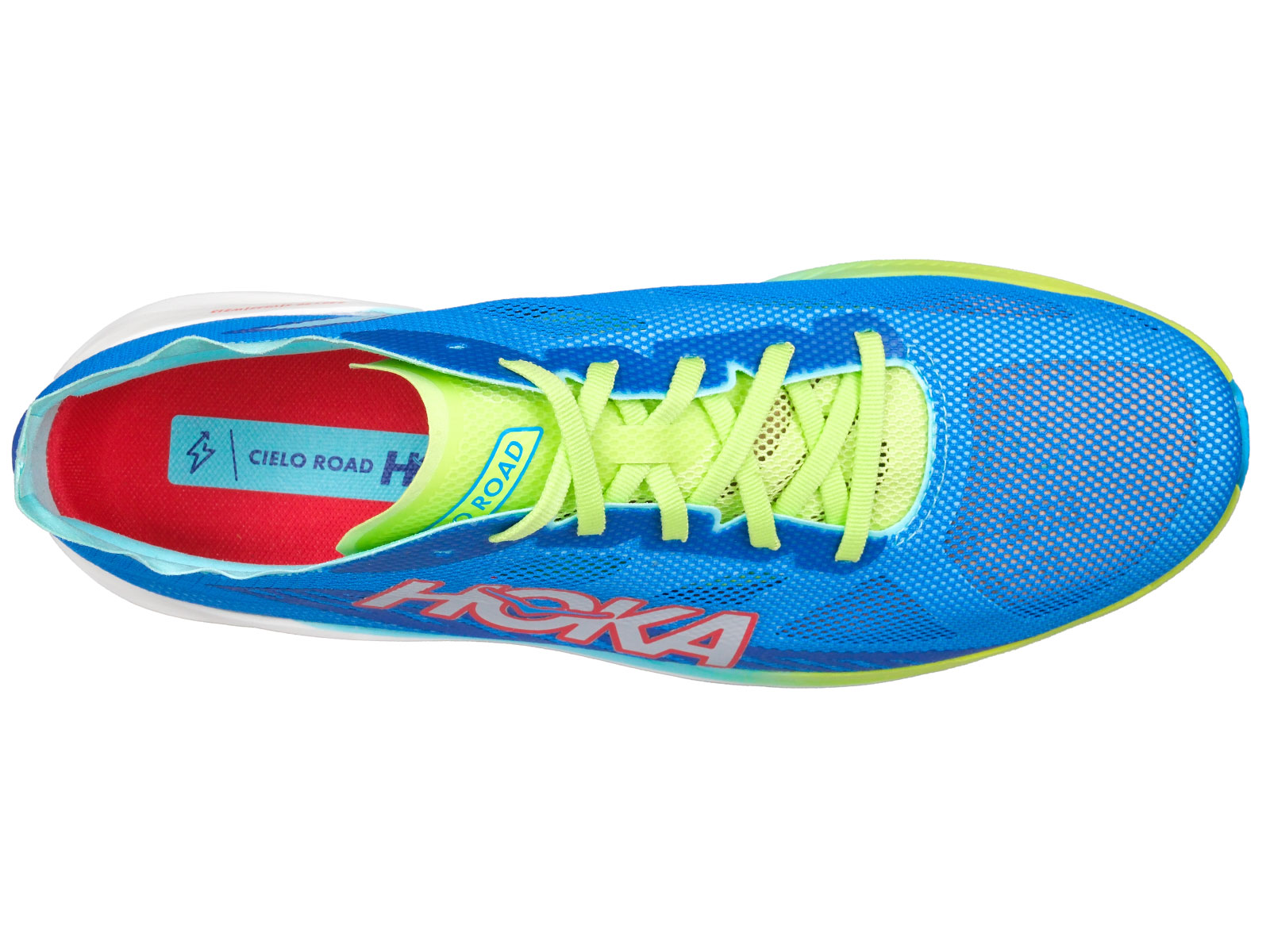
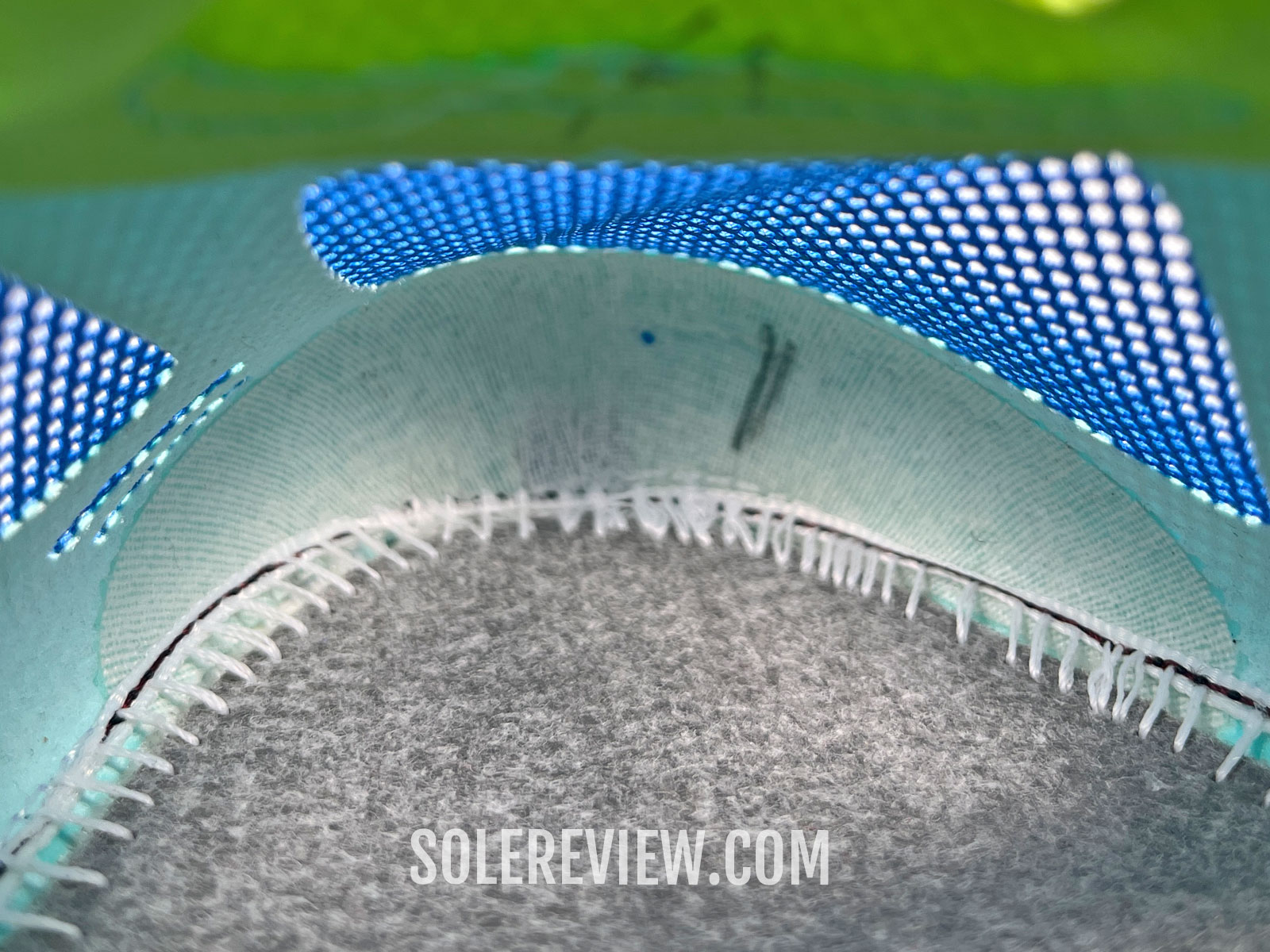
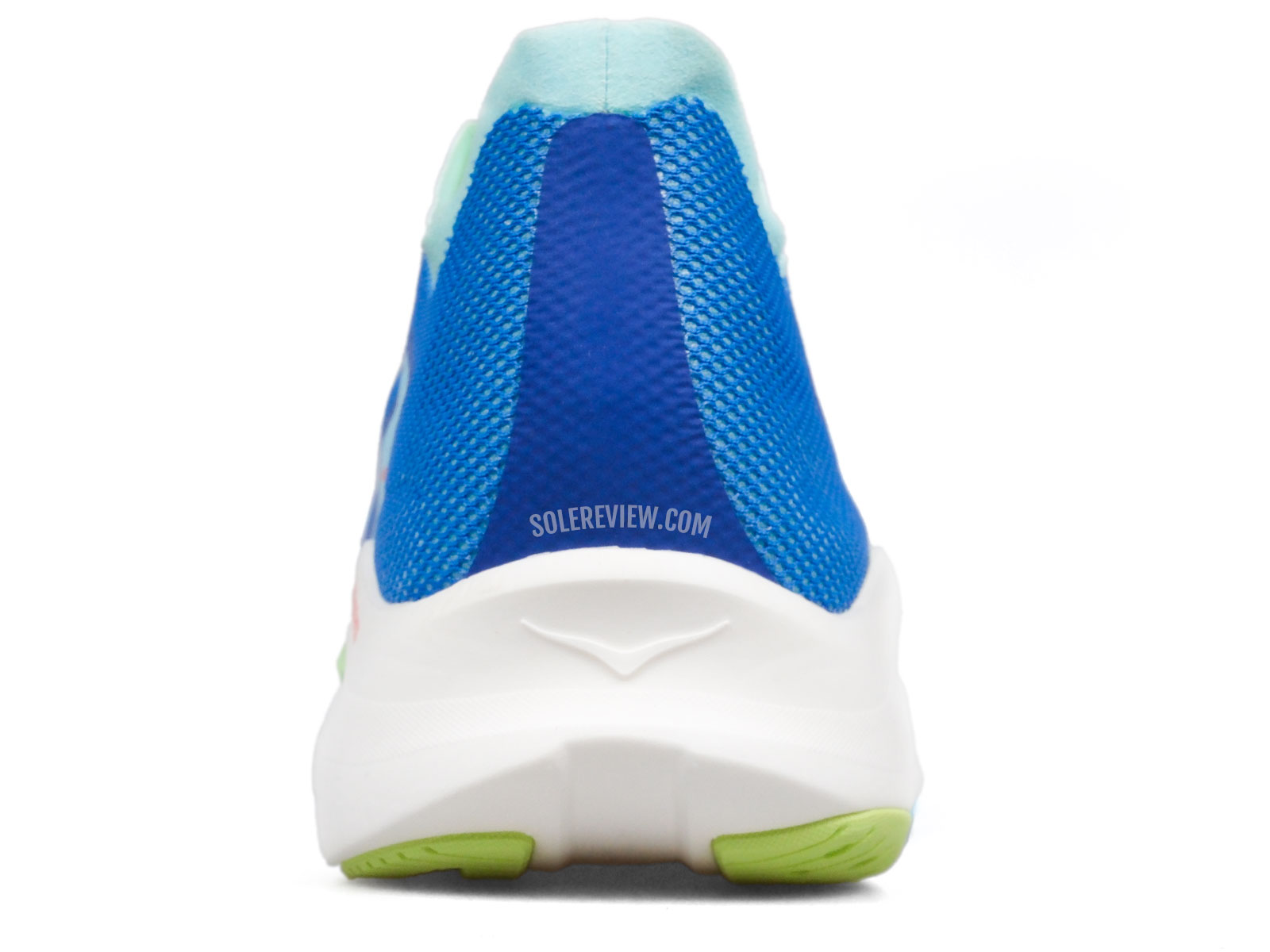
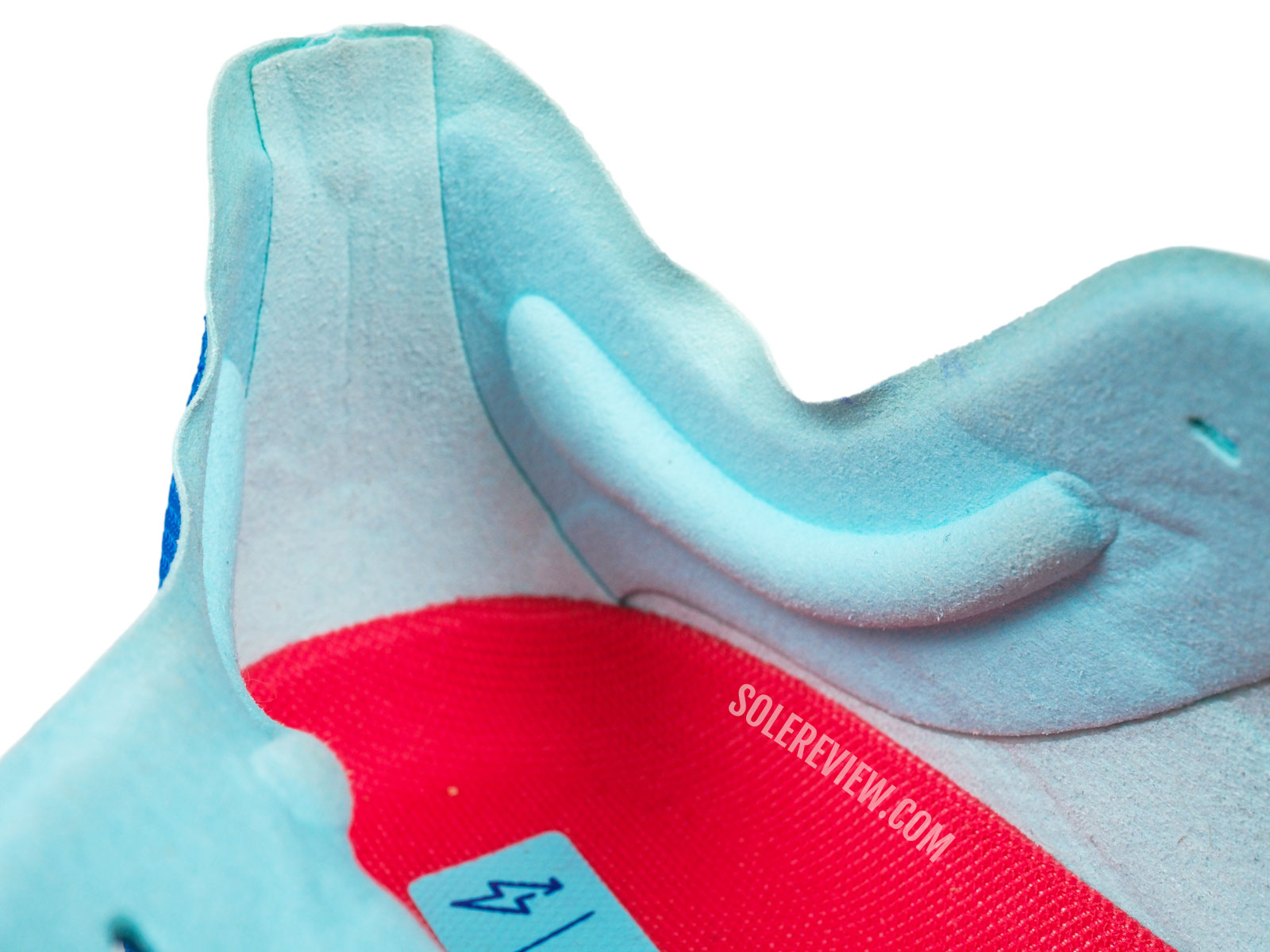
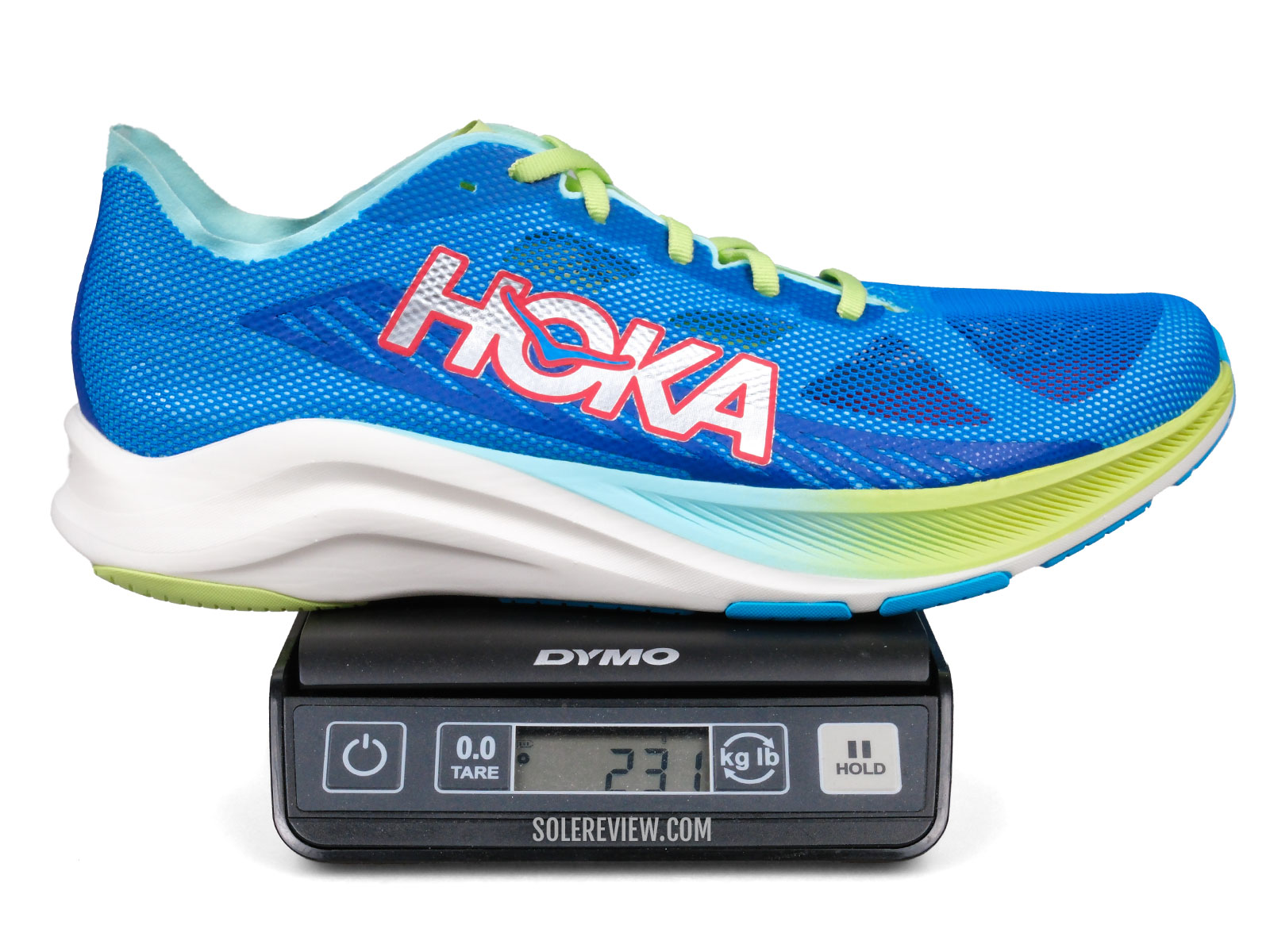
While not a part of this guide, the Hoka Cielo Road (pictured above) is worth mentioning. It’s an expensive racing flat with scarce availability, but the PEBA midsole and narrow upper fit do a great job of producing fast miles. The Cielo Road is worth considering if you can stretch your budget.
This product guide only features racers that are comfortable enough for the road. If you’re looking for track or XC (Cross country) flats, here are three spike-free recommendations, all priced between $70 and $85.
1. Nike Rival Waffle 6 XC flat.
2. New Balance XC7 V5 XC flat.
3. Saucony Kilkenny XC10 XC flat.
There are four shoes on this list – two without a plate, and two without. Ideally, racing flats should not have a plate, but the Nike Streakfly 2 and New Balance SC Pacer 2 try to benefit from the halo of cushioned marathon racers like the Nike Vaporfly and New Balance SC Elite.
The Escalante Racer 2 is a zero-drop racer with a consistent 22 mm stack height. The compression-molded EVA foam midsole protects the foot from repetitive stress while offering high levels of proprioception. The foot can fully sense the ground without a thick midsole or plate getting in the way; touch-downs and take-offs happen with clinical efficiency. Outsole rubber is available in key impact and transition zones for maximum effectiveness. The midsole lacks a rocker, so the foot has to work through the transition naturally.
Unlike traditional racers, the upper has a roomy toe-box so that the toes can splay wide for maximum ground feel. The ventilation is excellent, as the porous knit mesh is excellent at letting the air circulate. The foam-padded heel collar is one of the most comfortable we’ve come across in a racing flat so far.
The Rival Fly 4 has an 8 mm heel-to-toe offset, so technically it’s not a racing flat. On the other hand, if you’re looking for a low-profile speed trainer for track and road, the Rival Fly 4 makes a strong case for itself.
The midsole encases a forefoot Zoom Air bag inside an EVA foam casing. The Zoom Air bag adds stiff cushioning for speed-friendly take-offs, whereas the stiff plastic shank (not a plate) minimizes energy loss. The forefoot outsole uses a combination of waffle and ribbed lugs for confidence-inspiring traction during sprints. We view the Rival Fly 4 as a dual-purpose racing flat. It’s cushioned and protective enough for the road while capable of aggressive track sessions.
The Rival Fly 4 has a racer-like fit. The forefoot is narrow with a pointy toe box, which is ideal for sprints, 5K races, and other speed-focused runs. The speed loops on the midfoot are connected to reinforced bands, making the lacing easy to cinch. This shoe retails for just over $100, but is often marked down, making it a value proposition if you want a speed trainer with more meat on its midsole than a racing flat.
The Streakfly 2 is a very different shoe from the Streakfly 1. The latter had a soft and compliant ride, courtesy of the 100% ZoomX foam midsole. There was a midfoot shank, but no plate. The Streakfly 2 now has a full-length carbon Flyplate and a much tighter upper fit. These updates transform the Streakfly 2 into a true sprinting shoe. The stiff ride behaves like a track spike, and the outsole grip is more effective because of the stiffer forefoot that no longer bottoms out under a full load.


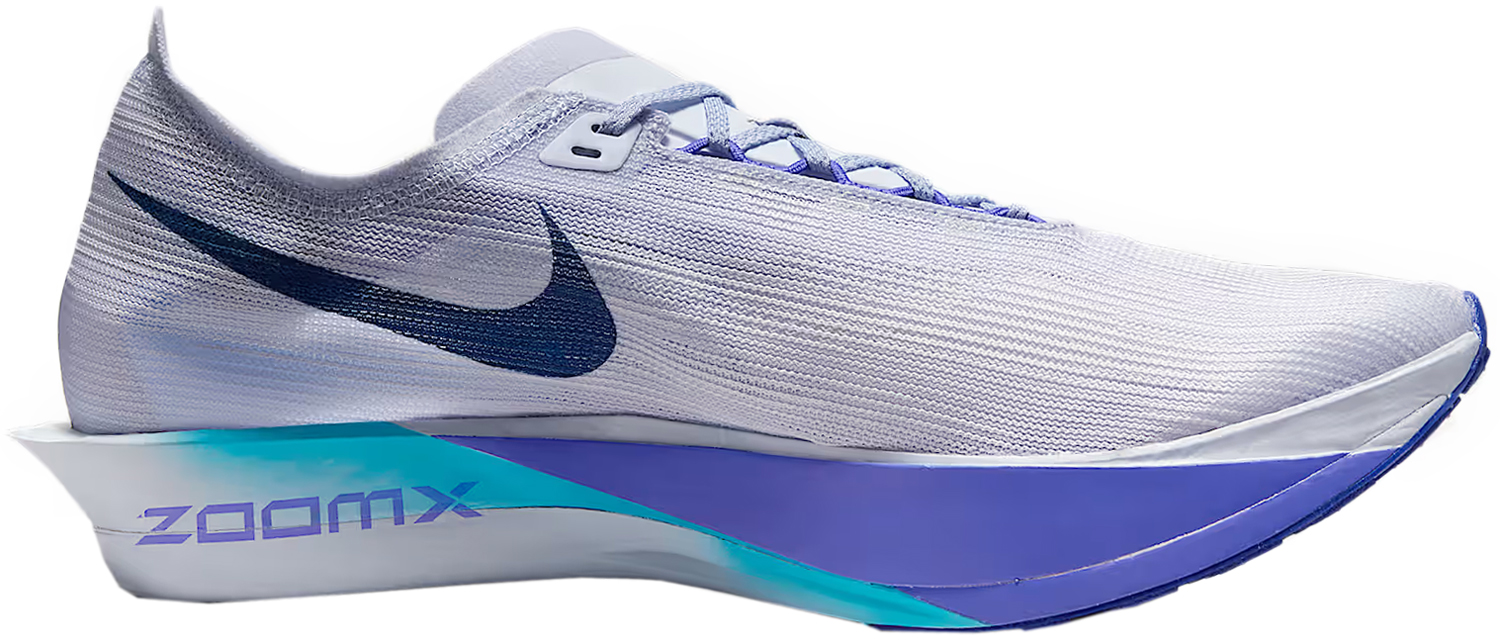
The ultra-narrow fit squishes the foot and toes over the midsole, improving power delivery to the ground. The upper is an exercise in minimalism; the outer shell is made of a single-piece mesh, with some foam padding around the foldable heel for comfort and grip.
There are two reasons why we featured the SC Pacer 2 last in this guide. It’s an expensive $200 shoe with stack heights of 35 mm and 27 mm. While these specs don’t belong on a racing flat, we recommend the Pacer 2 if you want a cushioned speed shoe for 5K and 10K races that’s less bulky than the SC Elite 4. The Pacer 2 is to the SC Elite 4 what the adidas Boston 13 is to the adidas Adios Pro 4. You get the idea – while not a racing flat by definition, the carbon-plated Fuelcell midsole offers a speed-friendly ride in a compact form factor.


The SC Pacer 2’s plate creates a rocker effect while the relatively tall Fuelcell midsole adds comfort during high-intensity runs. The outsole design is based on the SC Elite, so the forefoot gets most of the rubber coverage to help with quick push-offs. The breathable upper is quite accommodating by racing shoe standards.