
Product guide updates
(7 total)- 2026-09-25 — Replaced Adios Pro 4 with Adios Pro 5
- 2026-09-20 — Added 'Top recommendations summary' module
- 2026-08-06 — Replaced Clifton 10 with Clifton 11 in carousel
- 2026-08-06 — Replaced Novablast 5 with Novablast 6 in primary recommendation
- 2026-04-14 — Added alternatives to scrollable carousel under each recommendation.
- 2026-04-14 — Created FAQ with relevant question and answer pairs.
- 2026-04-14 — Migrated product guide to new editorial format.
In this product guide:
How we selected
This buyer’s guide for midfoot and forefoot strike-friendly running shoes is grouped by use cases. By connecting each feature with its respective function, the ‘why it works’ section explains why a particular shoe works for a specific use case. The scrollable carousel contains alternatives within each recommended category. For example, the alternatives to the Asics Novablast 5 (our daily trainer pick) are the Hoka Clifton 10, Saucony Guide 19, and two others. Combined, this product guide contains 20 different recommendations for mid and forefoot strikers that cover a range of usage scenarios.
- Best for daily runs: Focus areas are versatility and comfort.
- Best for 10K, marathons: Focus is speed-friendly cushioning.
- Best for recovery runs: Focus is maximum comfort.
- Best for tempo, intervals: Focus area is transition efficiency.
Our recommendations combines our influence-free, expert-led wear-testing with data sourced from over 20,000 high-speed images captured during actual road races. Visit our FAQ section at the bottom to know more about running shoes for midfoot and forefoot strikers.
The research behind our picks
What makes a running shoe forefoot and midfoot strike-friendly?
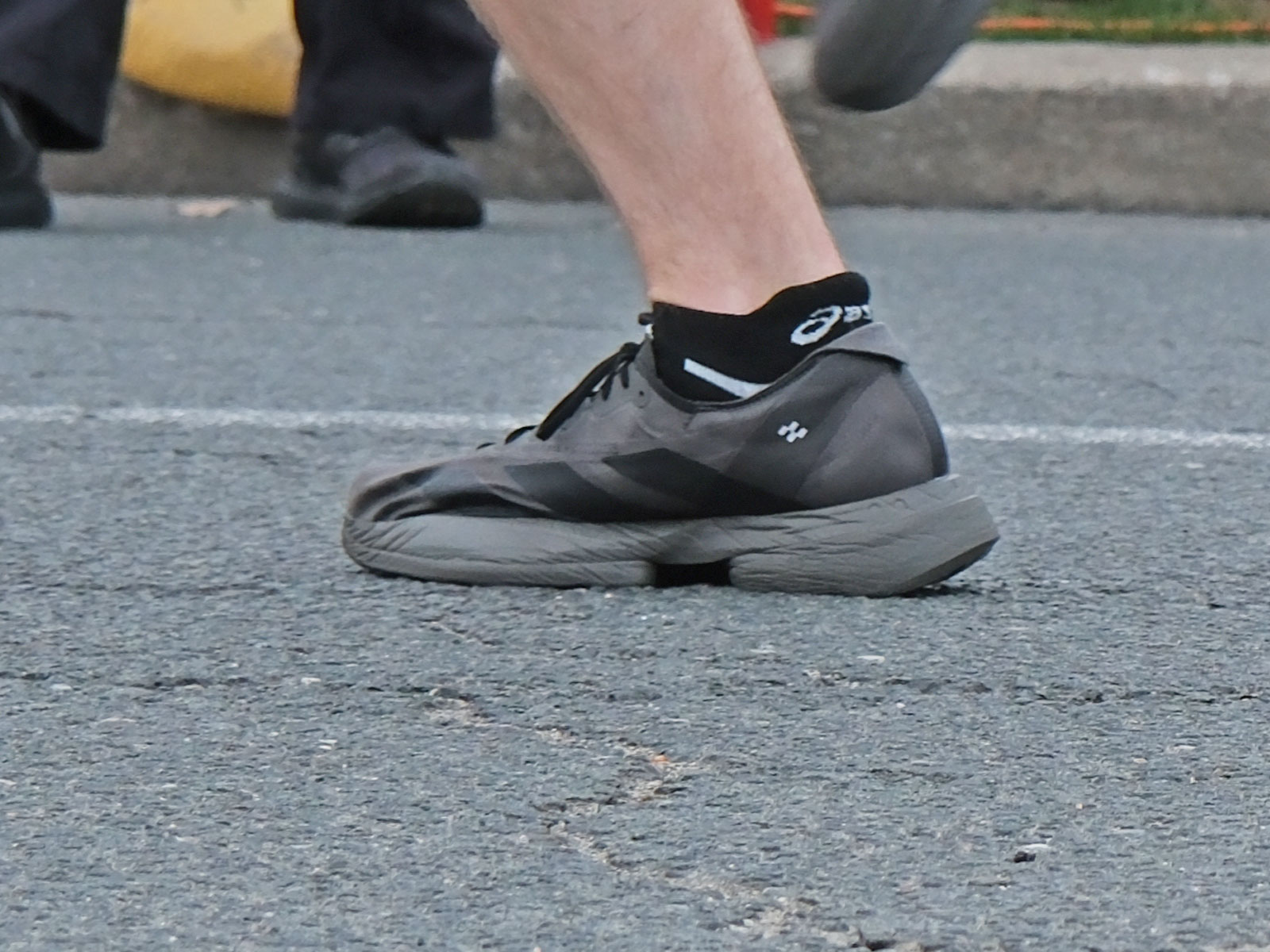
Here’s an illustrated guide of features that make a running shoe suitable for midfoot and forefoot strikers.
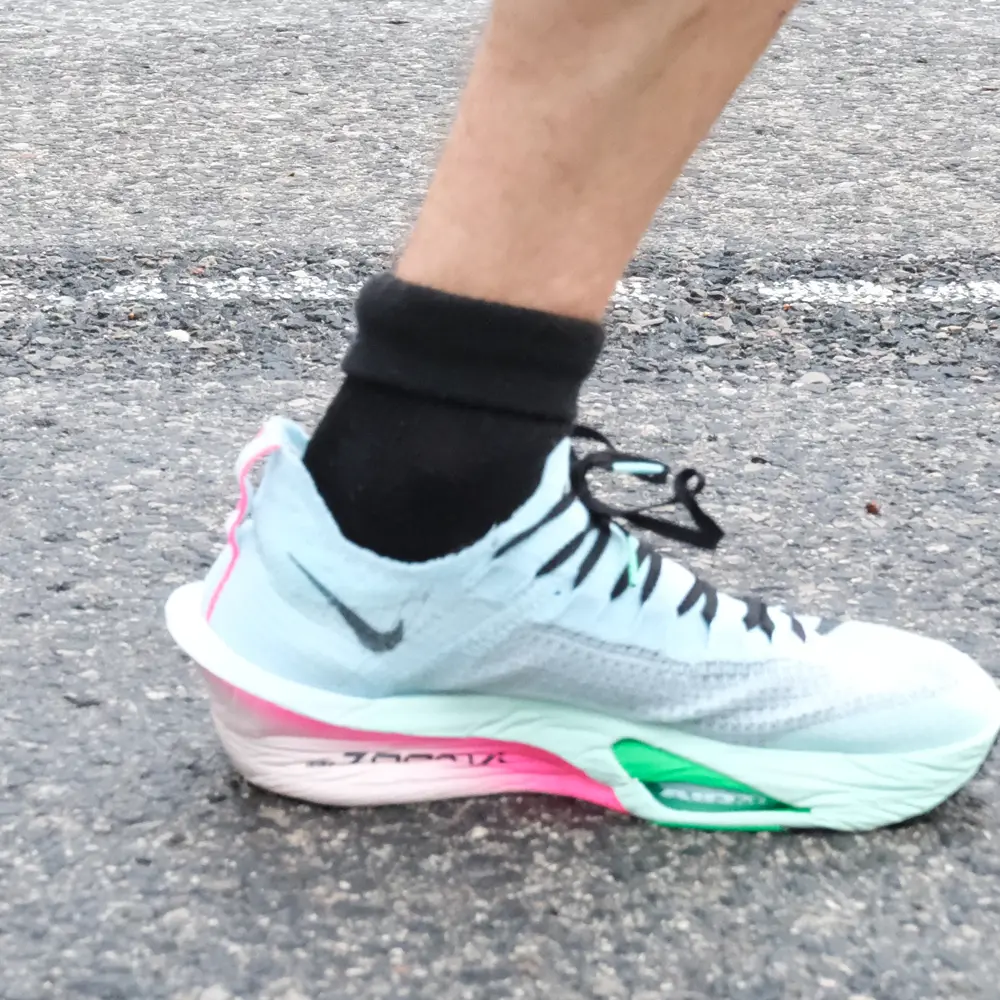
Wide forefoot base or flare: This creates the necessary contact surface for landings and toe offs.
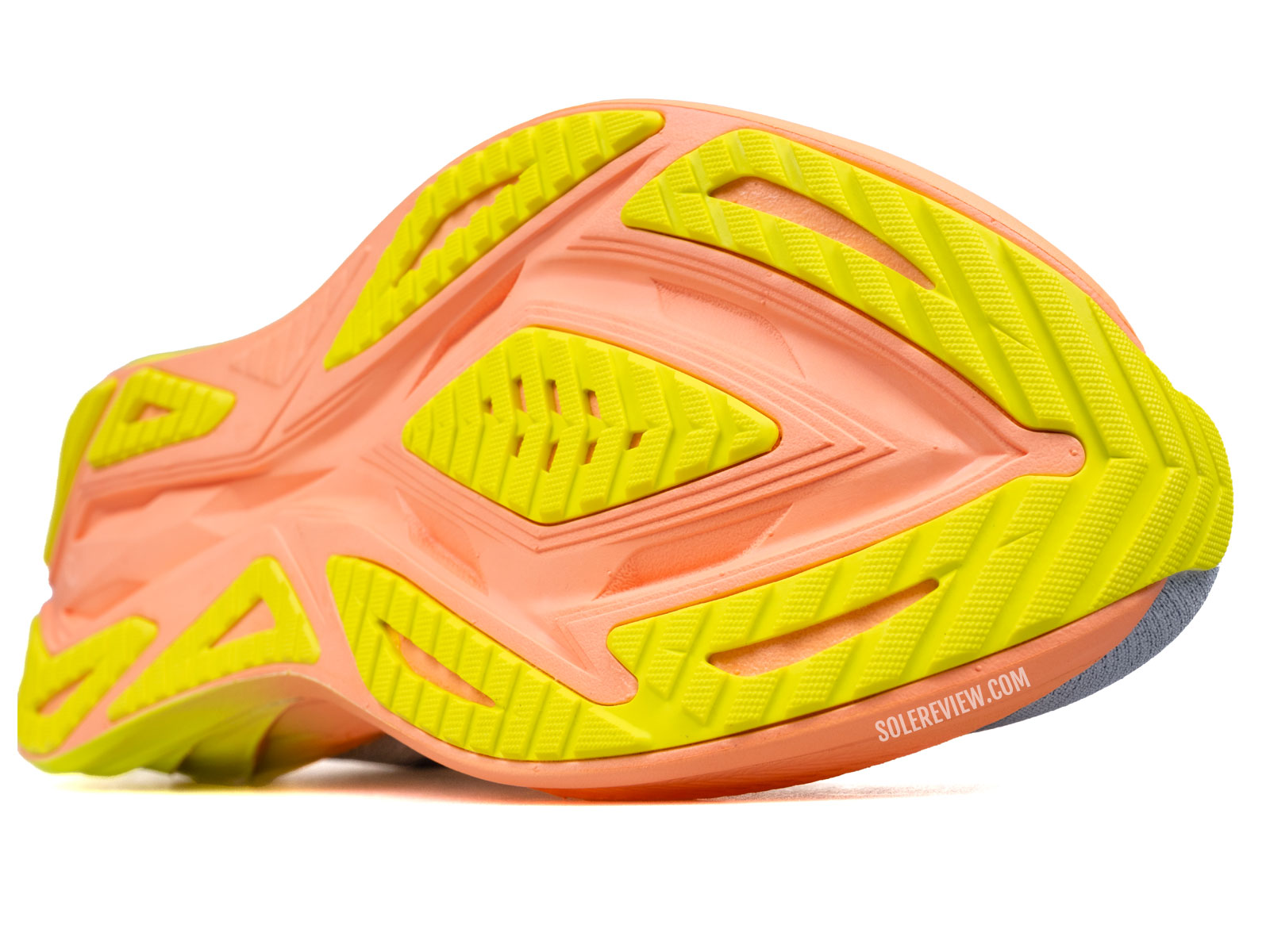
Outsole compound and geometry: Improves the traction quality during the gait cycle.

Forefoot cushioning: Lessens the impact from foot-strikes.

Secure forefoot fit: Improves transition efficiency by minimizing internal foot movement.
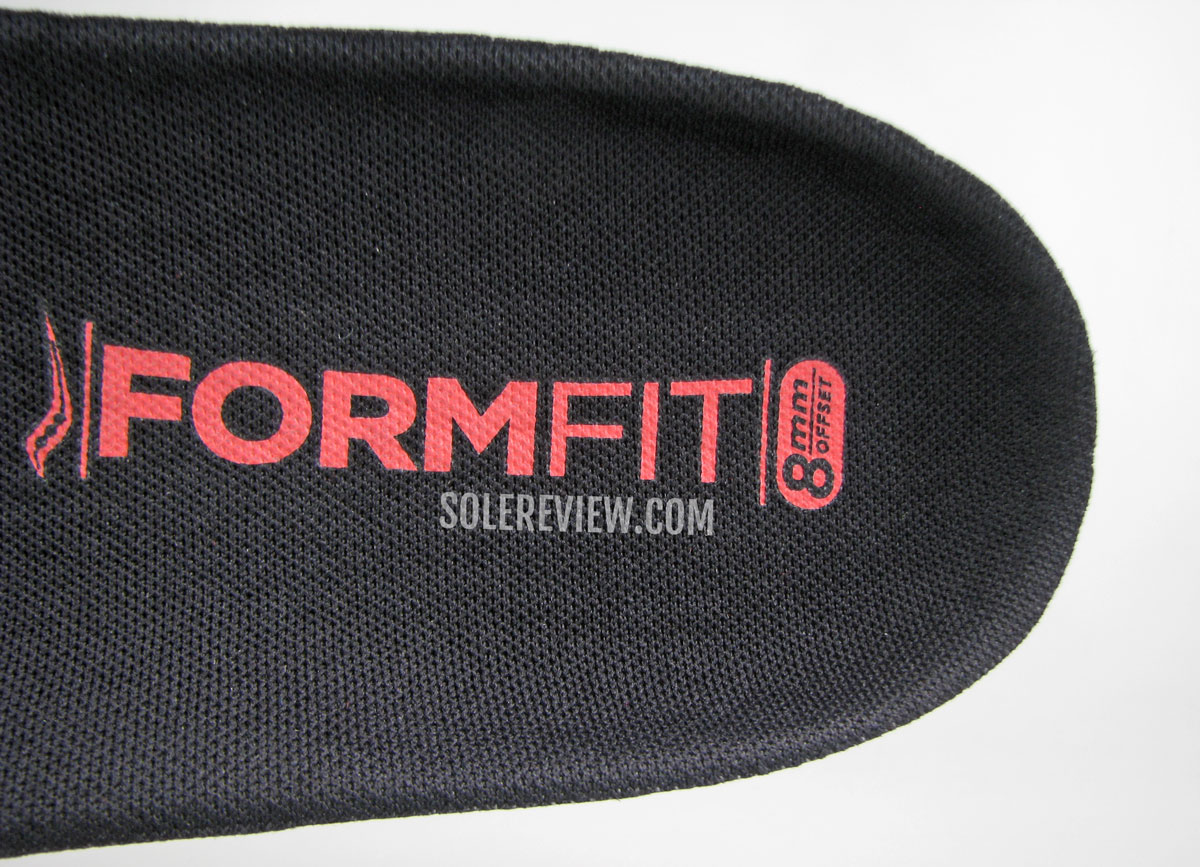
Heel-to-toe offset of 8 mm and below: Not a deal breaker, but it helps. A lot depends on the overall midsole architecture.
As a forefoot striker, which shoes should I avoid?
Stay clear of overly soft midsoles that are prone to foam shearing during landings, excessively roomy uppers, and ultra-thin midsoles (to avoid stress fractures). In some cases, an early stage rocker may be an impediment to forefoot striking because of the decreased contact area.
I'm a heel striker. Should I switch to midfoot and forefoot striking?
If you currently land rearfoot and are injury-free, there’s no reason to alter the technique just because some random influencer tells you to. While there is plenty of anecdotal support for forefoot striking – we also feel that full-contact landings are more efficient – there’s scant scientific evidence proving that forefoot striking is biomechanically more efficient or leads to fewer injuries.
There are so many components of a good running form, and the foot-strike pattern is just one part of it. However, it makes sense to avoid over-striding and exaggerated dorsiflexion, a state where the toes point skywards when landing heel-first. Heel and forefoot striking loads different structures. For example, forefoot landing loads the ankle joint and Achilles Tendon more than heel landing, while the latter loads different structures.[Source].
What kind of running shoes suit overpronators and heavy runners?
Avoid midsole that are too soft and uppers that are too loose. The firmer the midsole, the better they are for heavy runners and overpronators. A tighter upper does a better job of stabilizing the foot.
I don't see shoes from the current Asics Metaspeed Tokyo series (Edge, Sky, Ray) on this guide. Why?
The recent updates to the Metaspeed series include overly spacious upper fit and ultra-soft FF Leap midsoles. The loose upper fit doesn’t secure the foot during forefoot/midfoot strikes, and the soft foam midsole is prone to shearing. Instead, consider the previous versions (Metaspeed Paris series) or the lower-priced Asics Magic Speed 5 instead.

Why it works (the basics)
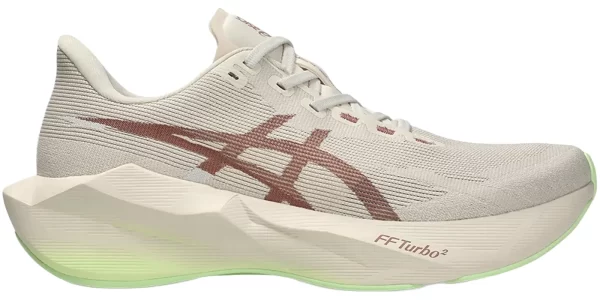
- FF Turbo² foam cassette → cushions forefoot landings
- Secure forefoot fit → prevents foot slide
- Wide forefoot base → increases contact area
- ASICSGRIP outsole → provides traction during landing and toe off
🔍 Deep Dive
The Novablast 6 differs from the Novablast 5 in three ways. The forefoot is softer and bouncier because of the FF Turbo² foam cassette, which of course, is good news for runners who land forefoot first. Also, the upper fit is tighter and shorter, as the increased heel collar padding pushes the foot forward. The third change is the squeaky outsole. A lug of sticky ASICSGRIP rubber protrudes from the center of the FF Turbo² foam cassette and produces an audible squeak on smooth floors because of friction. So if you were thinking of buying the Novablast 6 as a casual wear shoe, you might do better with the previous model instead.
Because of the different forefoot and heel midsole foam densities, the Novablast 6’s transition quality is less smooth for heel strikers. During a heel-to-toe loading pattern, heel strikers will dip into the relatively softer forefoot, which isn’t very efficient. The new version is very much a midfoot or forefoot striker’s shoe.
The Novablast 6 continues to be a versatile trainer for most run types, but if you were a fan of the last model, you’ll notice the cushioning difference. What’s not changed is the midsole’s forefoot strike-friendly character. The flared midsole cushions forefoot landings, while the segmented outsole and secure fit deliver the traction and lockdown.
Pros
- Versatile comfort.
- Forefoot and midfoot strike friendly.
- Does not penalize slow speeds.
- Secure upper fit.
- Optional width
Cons
- Noticeable outsole squeak on indoor floors
- Soft ride weakens rocker effect.
- FF Blast Max foam stiffens in freezing temperatures.
- Tighter/shorter fit vs. Novablast 5
- Uneven transition due to firm/soft foam contrast
Other daily trainers for midfoot/forefoot strikers
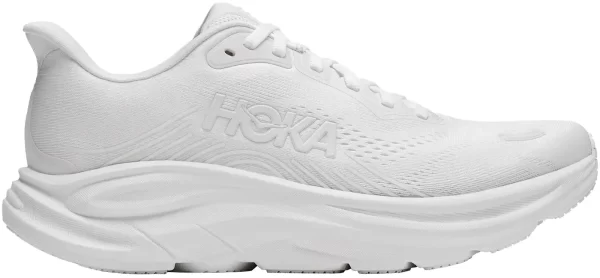
Hoka Clifton 11
This is your max-cushioned daily trainer option.
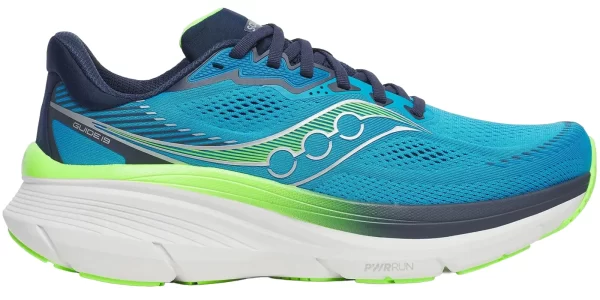
Saucony Guide 19
Delivers the stability for overpronating midfoot strikers.
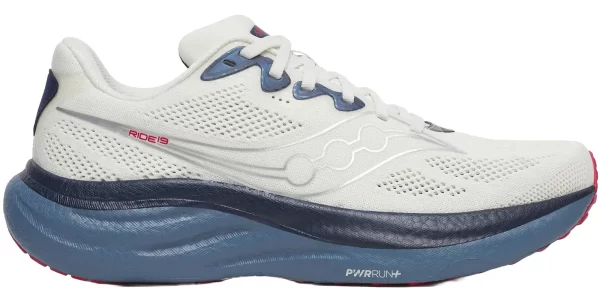
Saucony Ride 19
The dense midsole foam has the support that heavy runners need.
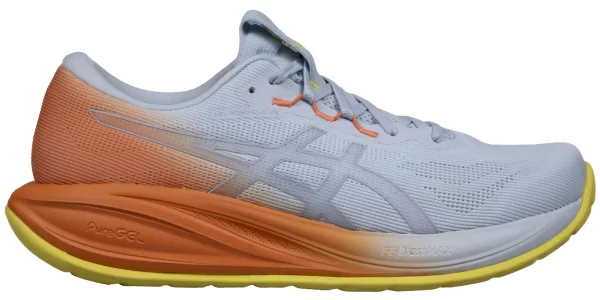
Asics Cumulus 28
Lightweight cushioning for all heel strike types.
Fit Notes
Nearly true to size with a tight fit. We say ‘nearly, as the increased heel padding moves the foot closer to the toe box and away from the heel.
Specs
- Heel stack: 41.5 mm
- Forefoot stack: 33.5 mm
- Drop: 8 mm
- Weight: 8.9 oz / 253 gms
- Widths: Regular, wide
- Midsole: Flytefoam Blast Max, FF Turbo² foam
- Insole: Molded, removable.
Why it works (the basics)
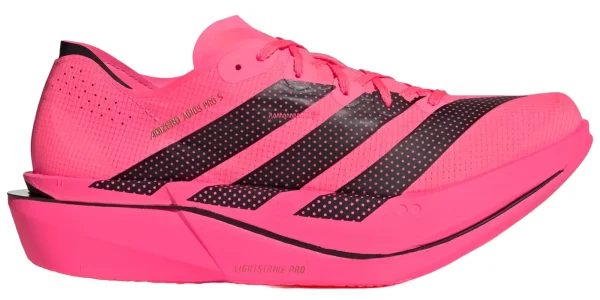
- Peripheral Energyrim → for unadulterated Lightstrike Pro cushioning
- 35 mm forefoot stack → delivers race-day comfort
- Continental forefoot plug → adds durable grip during toe offs
- Secure one-way stretch upper → creates strong foot-midsole connection
🔍 Deep Dive
Unlike the Adios Pro 4, the latest model no longer features the tubular EnergyRods system. That means that runners of all footstrike orientations – be it forefoot, midfoot, or heel – will experience nothing but the soft and bouncy Lightstrike Pro foam under the foot. Well, almost nothing. The EnergyRods have been replaced with Energyrims, a carbon-infused frame that runs around the periphery. Sandwiched between the top and bottom midsole, this frame improves the overall stability without compromising the propulsive character. With the filled-up medial midsole gap and shallower under-heel channel, the new midsole is noticeably more stable than the Pro 4.
The new heel collar design is a welcome update, as it swaps the Adios Pro 4’s irritation-prone design with softer foam pods. The forefoot has a snug fit like before, with a marginal increase in toe box room. The lacing extends deeper into the forefoot than most racers for a more tuned-in fit. A secure forefoot upper does a better job of transferring power from the foot to the midsole. This accentuates the bouncy ride quality of the midsole while enhancing the rocker feel.
Pros
- Propulsive and stable Energyrim
- Excellent foot-to-midsole connection
- Forefoot Continental outsole plug
- Softer and bouncier forefoot landings
- Extended lacing reach
- Outsole grip
Cons
- Lack of widths
Other 10K and marathon racers for forefoot strikers
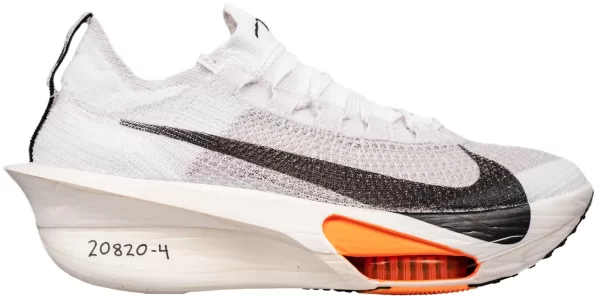
Nike Alphafly 4
For ultra-responsive forefoot landings.
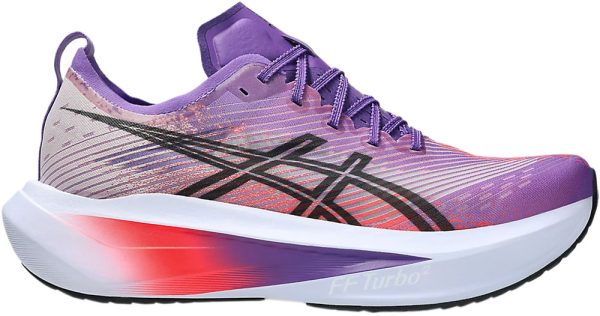
Asics Megablast
Delivers fast cushioning without a plate.
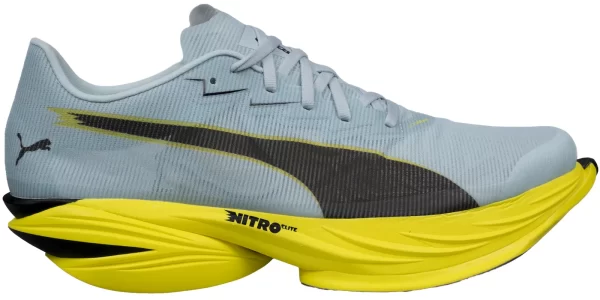
Puma Fast R Nitro 3
Similar to the Adios Pro 4, but with a firmer ride and better traction.
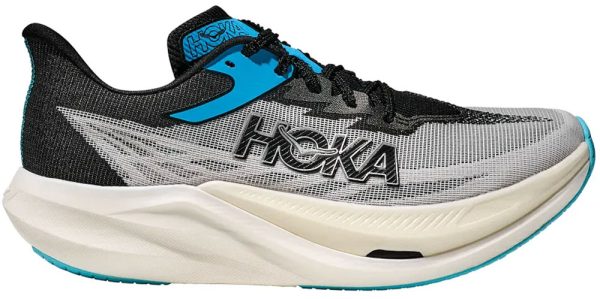
Hoka Rocket X3
The most well ventilated of the lot, near-perfect lockdown.
Fit Notes
True to size for a racing shoe, but runs slightly short - similar to Adios Pro 4. Attached tongue. Available in only a single width.
Specs
- Heel stack: 39 mm
- Forefoot stack: 35 mm
- Drop: 4 mm
- Weight: 6.2 oz / 177 gms
- Widths: Standard (single)
- Midsole: Lightstrike Pro, carbon-infused ENERGYRIMS
- Insole: Non-removable
Why it works (the basics)
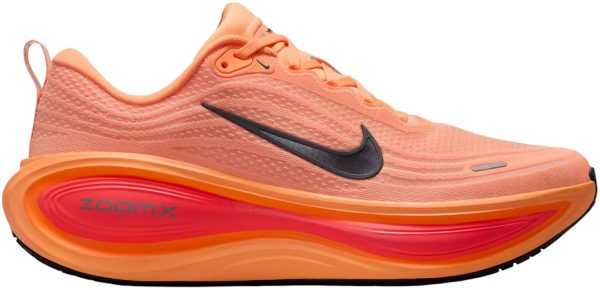
- Massive 35 mm forefoot stack → produces ultra-plush landings.
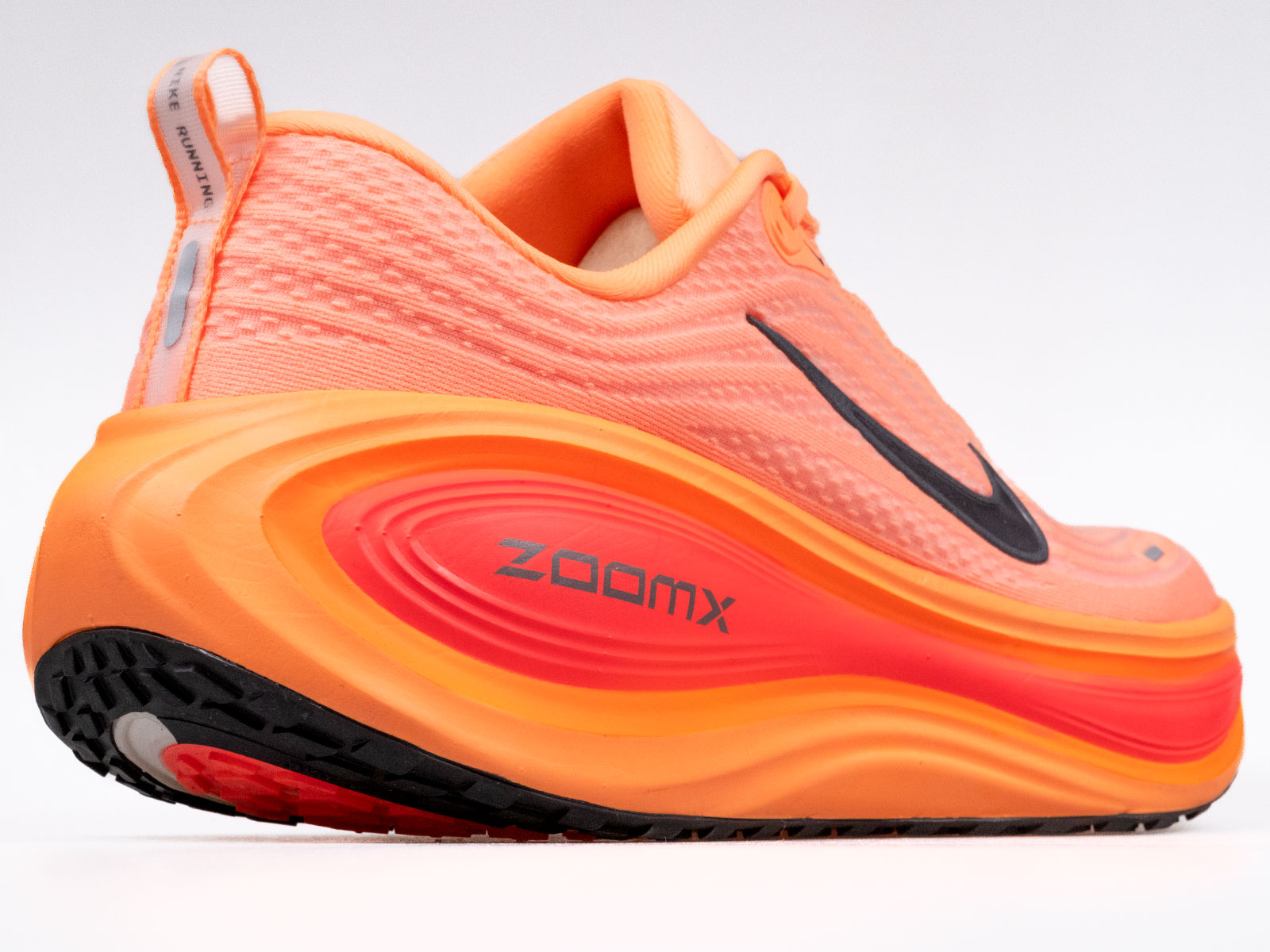
- 100% ZoomX foam core → adds bouncy softness.
- Removable Ortholite footbed → delivers step-in comfort.
- Late-stage rocker midsole → for smooth transitions and toe offs.
- Plush, spacious upper → elevates interior comfort.
🔍 Deep Dive
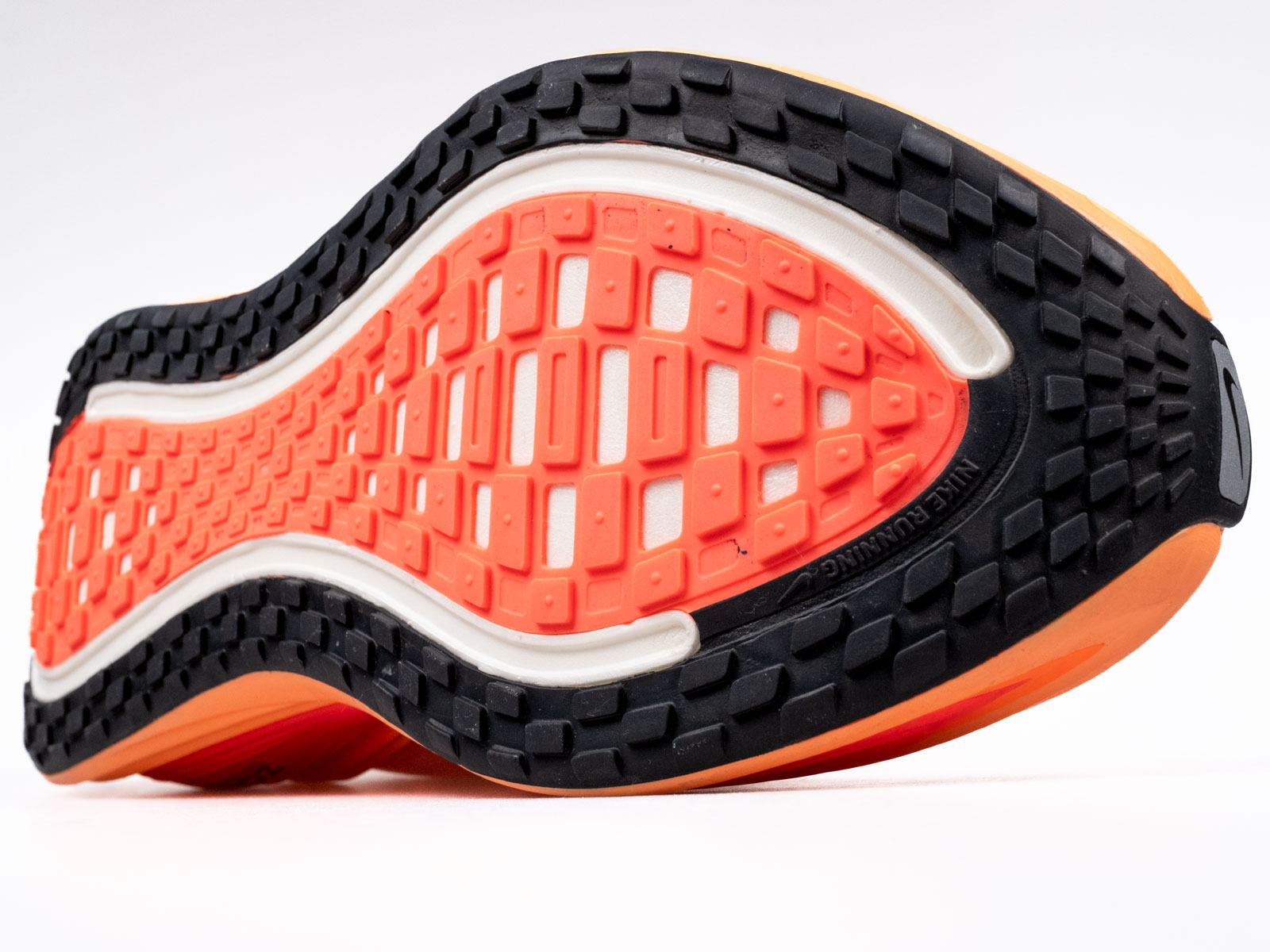
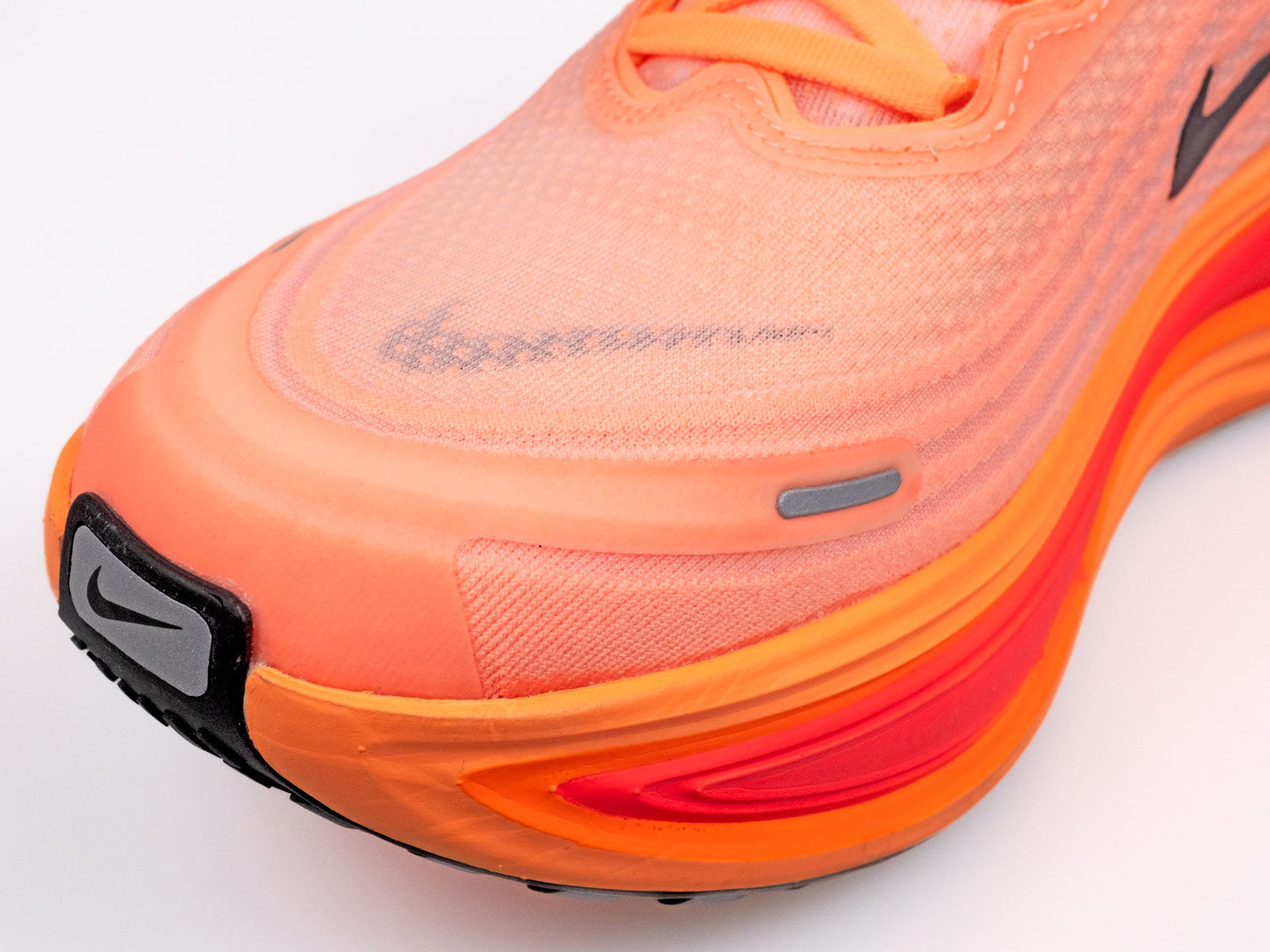
The Vomero 18 is the versatile everyday trainer; the Vomero Plus is its plusher version for low-intensity workouts and long training runs. The ultra-cushioned ZoomX midsole is a bottomless reservoir of soft and bouncy cushioning, both for midfoot and heel strikers alike. The midsole’s mildly propulsive behavior is the result of a late-stage rocker that gently helps roll the foot forward. The energetic midsole foam and its rocker stays clear of the ‘running in molasses’ territory that many max-cushioned trainers fall under. The sleeve-free upper is super plush due to its choice of lining and generously quilted tongue and heel.
Pros
- Max-cushioning with moderate rocker.
- Long distance comfort.
- Plush and roomy upper
- Midfoot and heel strike-friendly.
- Low-light visibility.
Cons
- Ventilation could be better.
- Outsole grip on wet roads.
Other recovery trainers for midfoot/forefoot strikers
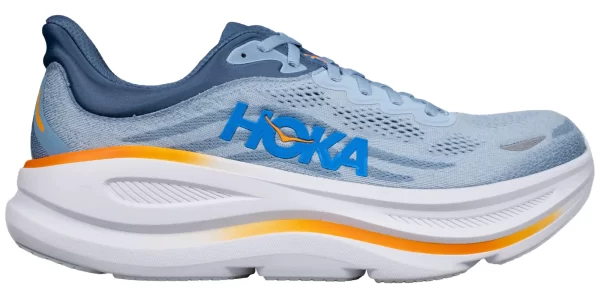
Hoka Bondi 9
High on max-cushioning, low on propulsion and versatility.
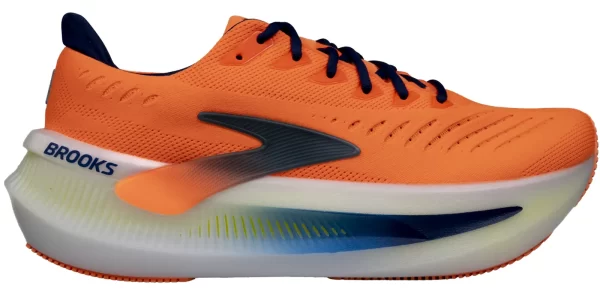
Brooks Glycerin Max 2
The DNA-tuned midsole is better 'tuned' for midfoot strikers.
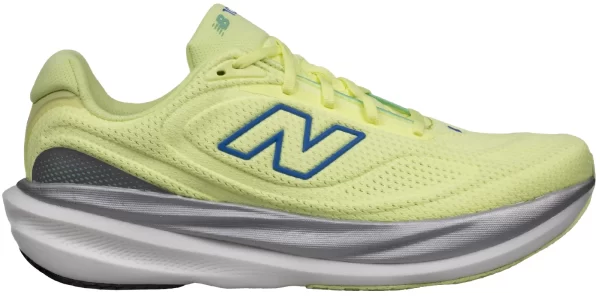
New Balance 1080V15
A lower stack option with plush forefoot cushioning.
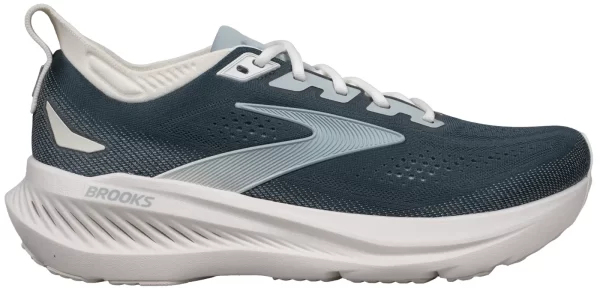
Brooks Glycerin 23
Predictable and supportive cushioning for midfoot strikers.
Fit Notes
True to size. Fits more spacious than the Vomero 18 because of the sleeveless design. Runs slightly warm.
Gallery
Specs
- Heel stack: 45 mm
- Forefoot stack: 35 mm
- Drop: 10 mm
- Weight: 10.3 oz / 292 gms
- Widths: Regular (single).
- Midsole: ZoomX foam
- Insole: Removable, open-cell Ortholite.
Why it works (the basics)
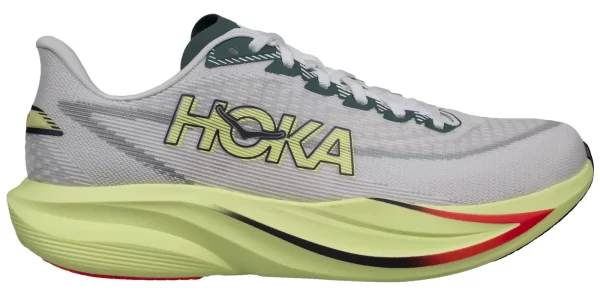
- Supercritical EVA foam → supports quick landings and toe offs.
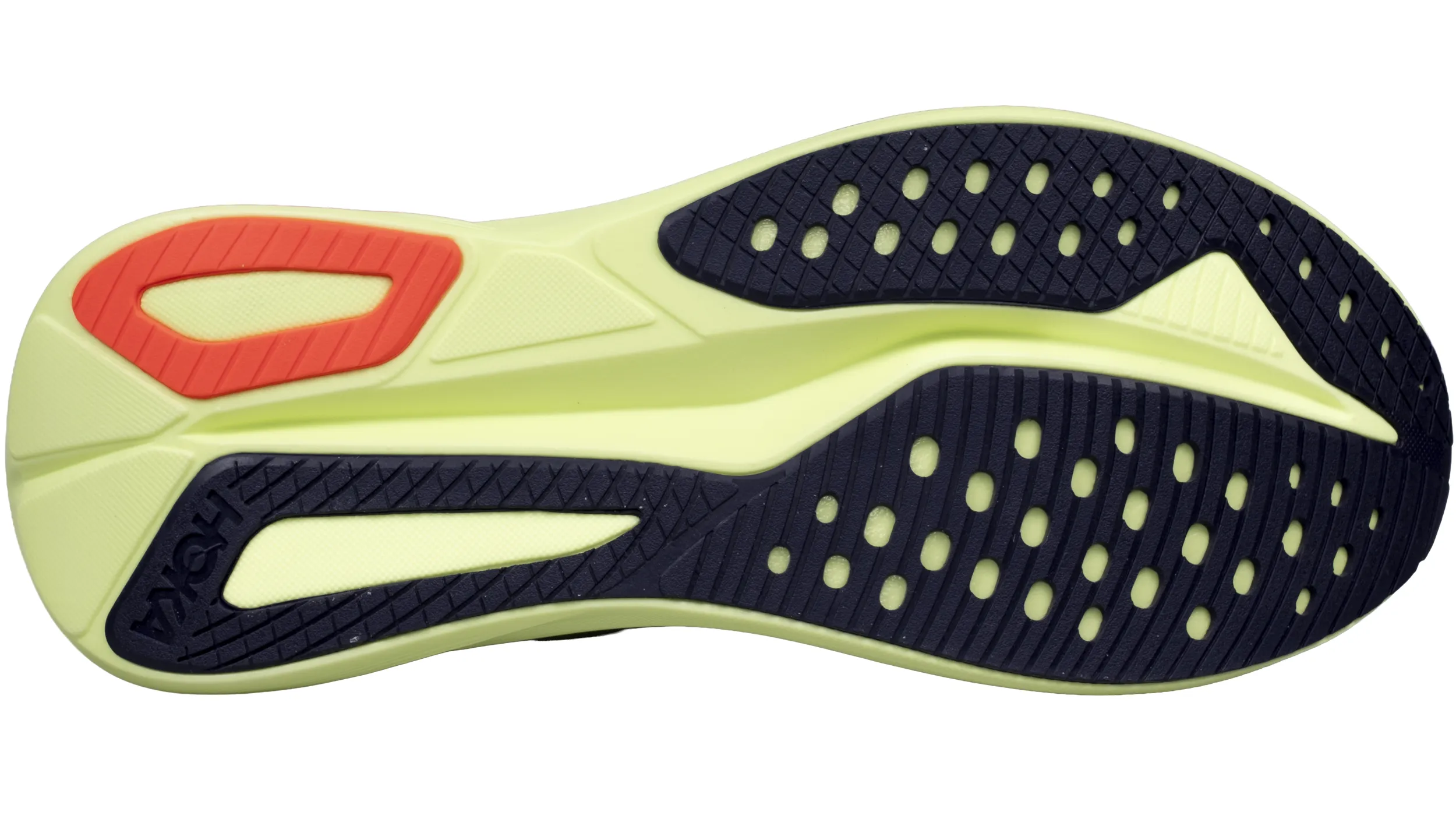
- Forefoot outsole coverage → provides traction during landings.
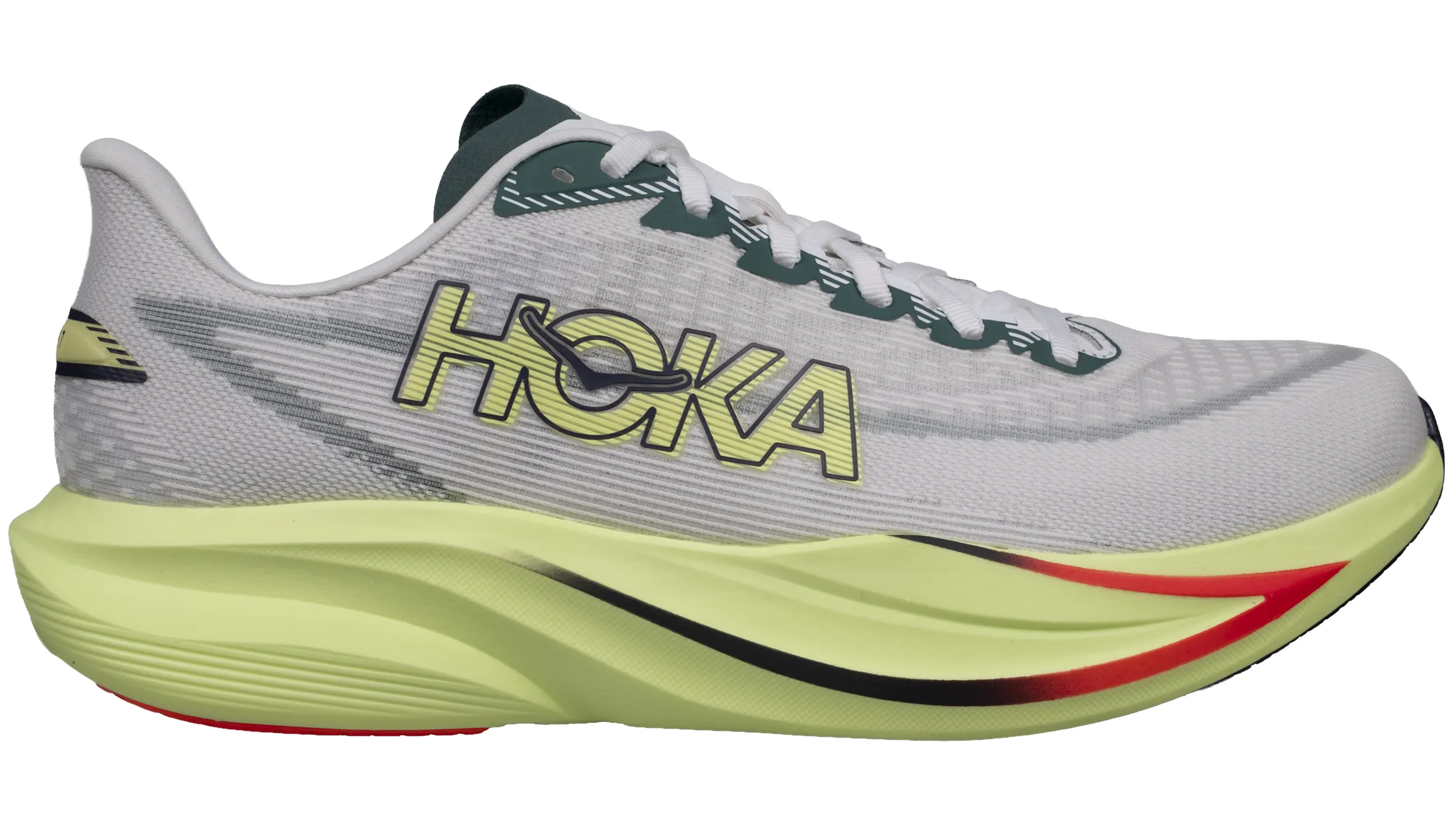
- Secure fit → establishes strong foot-to-midsole connection.
- Plate-free midsole → encourages proprioception.
- Firm and low-stack midsole → doesn't penalize form or pace.
🔍 Deep Dive
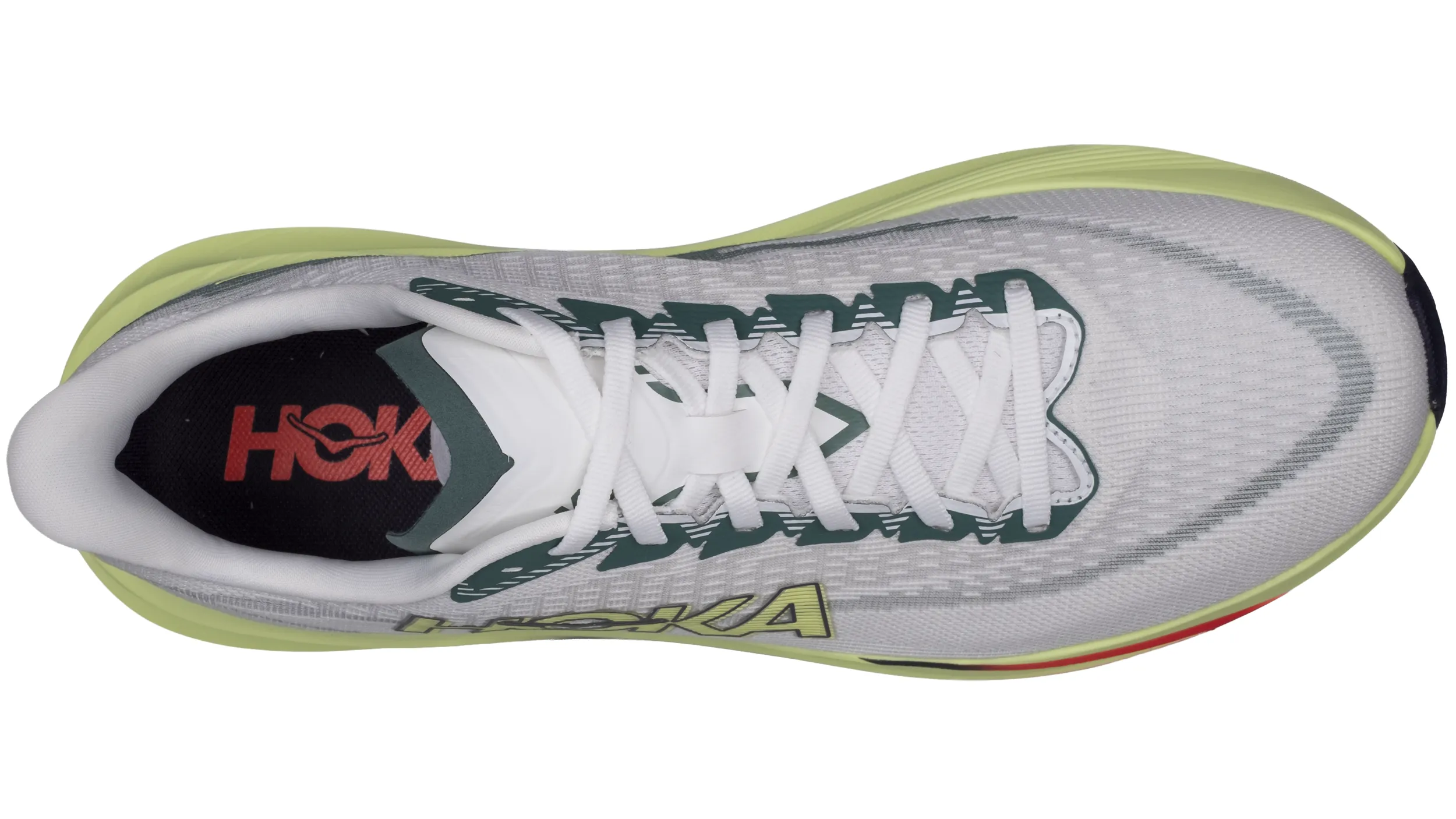
The Hoka Mach 7 doesn’t have a plate, and that’s ideal for speed training and short 5K races. The firm, super-critically foam EVA foam midsole promotes quick touch-and-go transitions. Be it interval runs or racing a 5K under 20 minutes, the relatively low stack midsole helps achieve quick transitions. There’s no rocker effect as such, so the foot has to do most of the work. Forefoot and midfoot strikers benefit from the generous outsole coverage and the snug fit that makes the power delivery to the midsole more effective.
Pros
- Speed-friendly ride character.
- Promotes ground feel or proprioception.
- Secure fit.
- Outsole grip.
- Optional width.
Cons
- Inconsistent fit versus the Mach 6.
Other tempo trainers for mid and forefoot strikers
adidas EVO SL
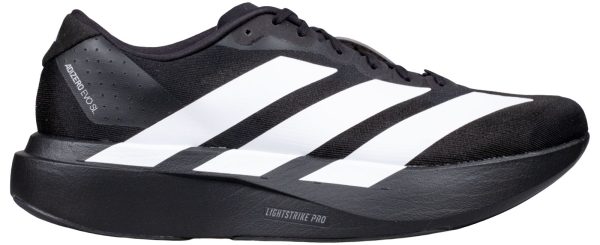
Consider for more upper space and a bouncier ride.
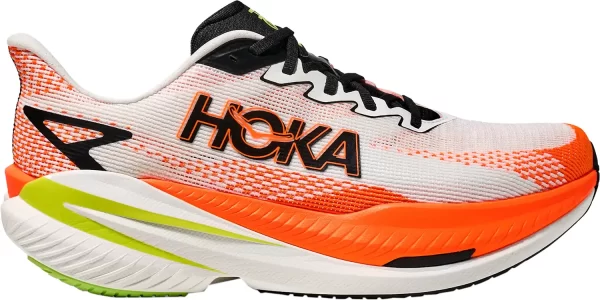
Hoka Mach X3
If it's plate that you want, a plate is what you get.
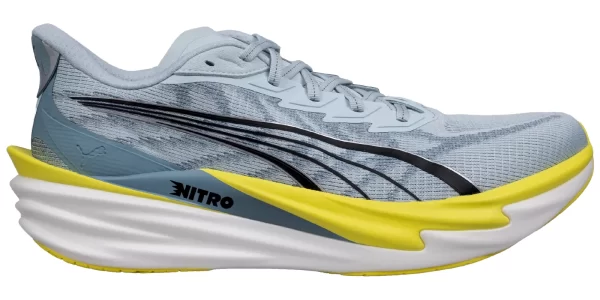
Puma Deviate 4
Cushioned midsole, meet plate. The result is a tempo-friendly shoe.
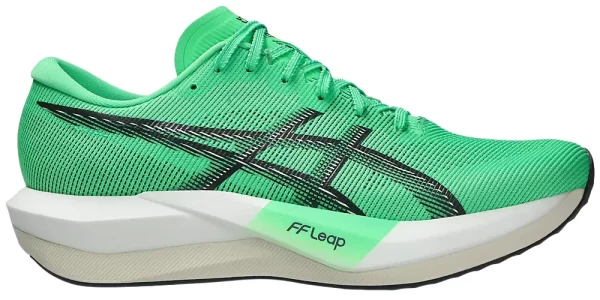
Asics Magic Speed 5
The toned-down version of the Metaspeed, except that it's more well behaved.
Fit Notes
True to size, but fits half-size longer than the Mach 6 due to the toned-down heel collar padding.
Gallery
Specs
- Heel stack: 37 mm
- Forefoot stack: 32 mm
- Drop: 5 mm
- Weight: 8.4 oz / 238 gms
- Widths: Regular (single), wide.
- Midsole: Supercritical EVA foam.
- Insole: Molded, removable.