
Product guide updates
(5 total)- 2026-08-19 — Updated with minor edits
- 2026-08-18 — Added alternatives under each primary recommendation
- 2026-08-18 — Created FAQ with relevant question and answer pairs
- 2026-08-18 — Migrated product guide to new editorial format
- 2026-08-18 — Updated all recommendations
In this product guide:
How we selected
Our recommended orthotic-compatible running shoes are grouped by use cases – daily runs, recovery runs, heavy runners, and overpronators. By connecting each feature with its respective function, the “Why it works” section explains why a particular shoe (in its respective class) is suitable for its recommended use case. We also suggest alternatives for each primary recommendation. For example, the alternatives to the Asics Kayano 33 (our overpronation pick) are the Altra Experience Flow ST (for a roomier fit), the Hoka Arahi 8 (for a firmer ride), and the New Balance 860 v15 (for a lateral cushioning tilt). When combined, this product guide contains 18 different orthotic-compatible shoe recommendations.
- Best for daily runs: Orthotic-friendly, versatile everyday trainers.
- Best for recovery runs: Ultra-cushioned shoes with aftermarket insole compatibility.
- Best for heavy runners: Compression-resistant shoes that accommodate orthotics.
- Best for overpronators: Supportive shoes that are orthotic-compatible.
Our recommendations combine our influence-free, expert-led wear-testing with biomechanical data sourced from over 33,000 high-speed images captured during actual road races. We combined our wear-test observations with an evidence-based screening of design features that make a running shoe orthotic-friendly. Visit our FAQ section at the bottom to learn more about specific design features that make a running shoe compatible with orthotics.
Why it works (the basics)
- Cushioned stock footbed → is thick enough to be replaced with an orthotic
- Stable DNA Loft midsole → complements the supportive orthotic
- Accommodating fit → is orthotic compatible
- 37 mm, 27 mm stack height → delivers everyday comfort
🔍 Deep Dive
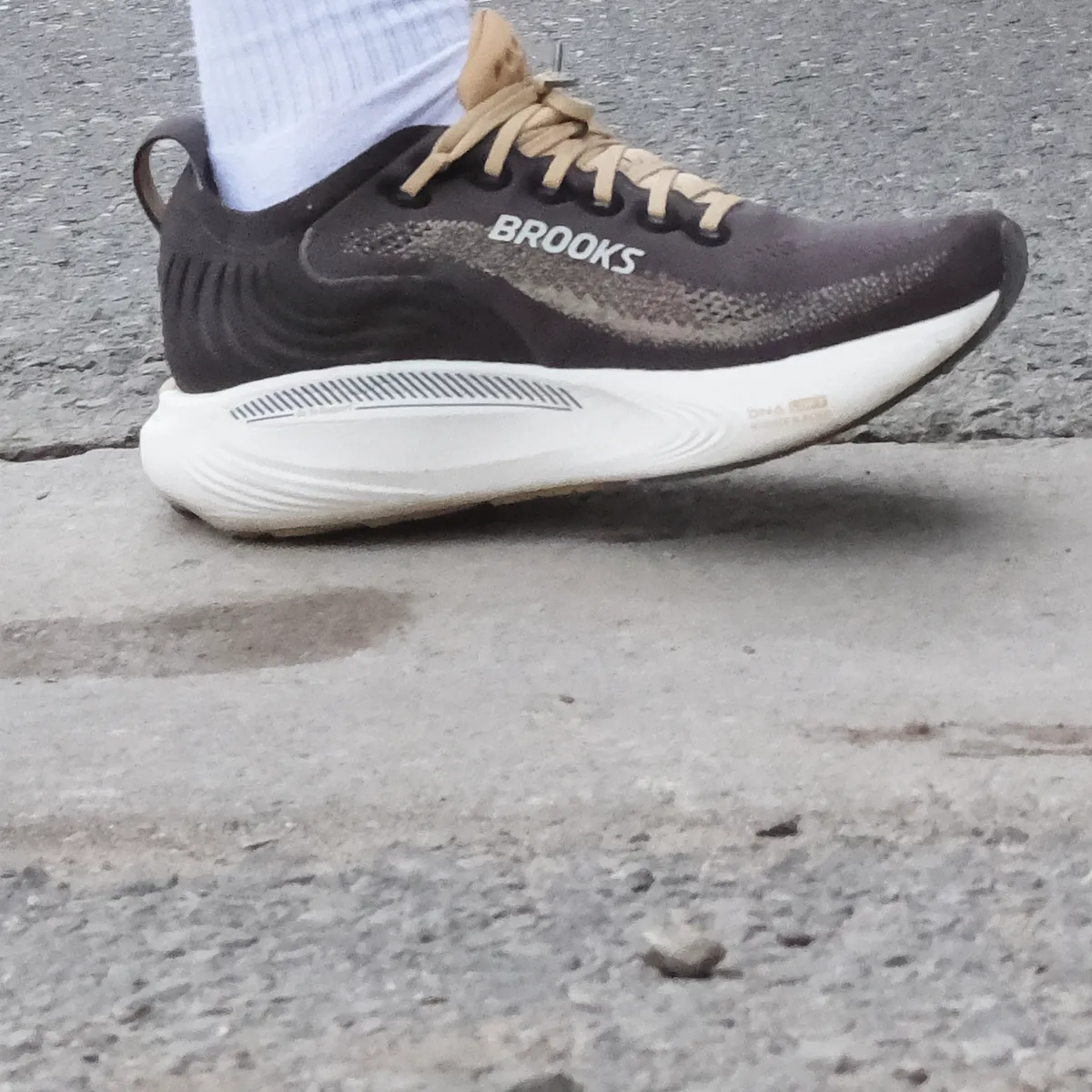
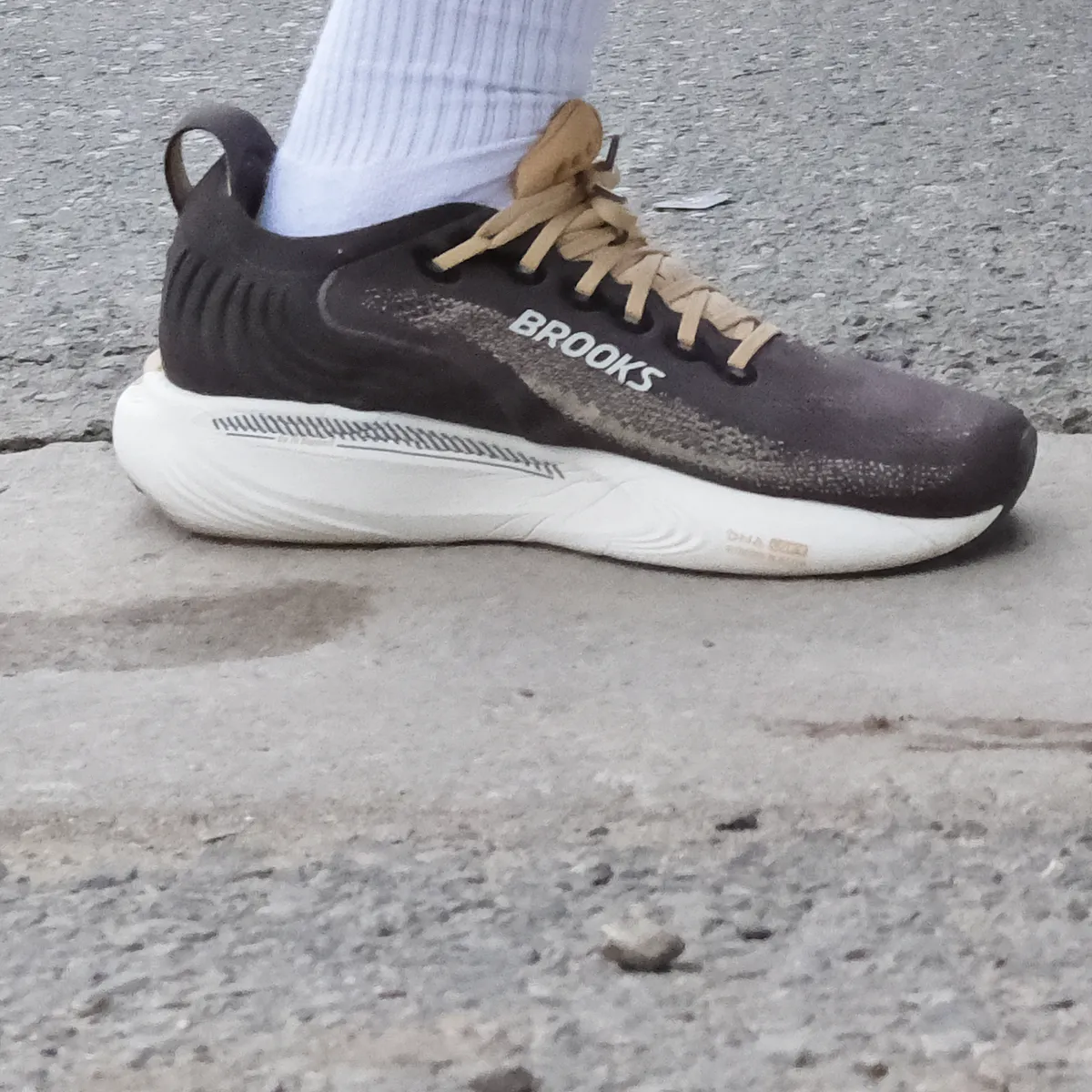
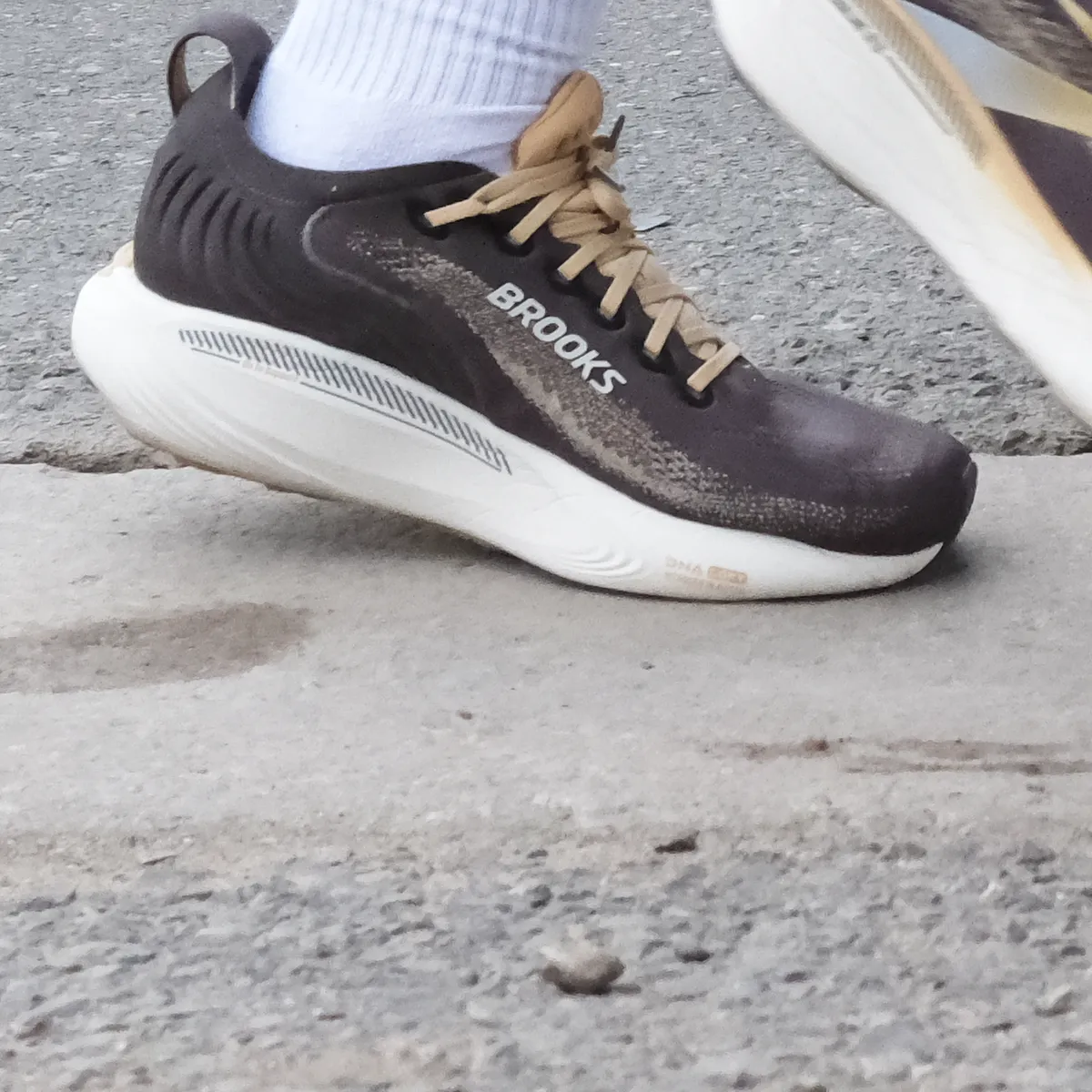
The Adrenaline GTS 25 uses a blown-foam insole with a molded profile and average thickness. That makes the shoe a good candidate for a replacement insole. Be it a pair of stock Superfeet or custom orthotics, most runners won’t have a problem fitting them in. The snug upper doesn’t have a gusset, making it easier to insert an insole. Should you need more room, the snug and comfortable upper is sold in wide and extra-wide sizes (only in select colors).
In its stock form, the Adrenaline GTS 25 is a reliable everyday trainer with a cushioned ride and a true-to-size upper. The supportive midsole and its slightly raised sidewalls complement aftermarket insoles by creating a stable base underneath.
Pros
- Stock insole is orthotic replaceable
- Orthotic-supporting midsole
- Gusset-free upper has room for orthotics
- Versatile, cushioned ride
- Optional wide and extra-wide widths
Cons
- GuideRails is a marketing gimmick
Other daily trainers for orthotics
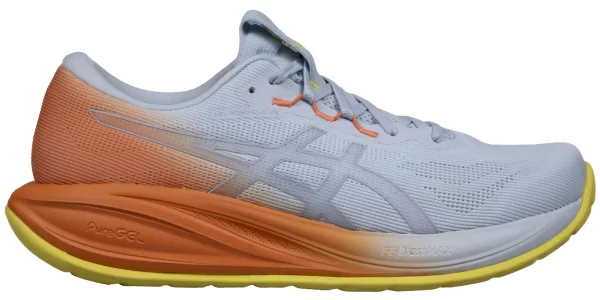
Asics Cumulus 28
Orthotic-friendly neutral trainer.
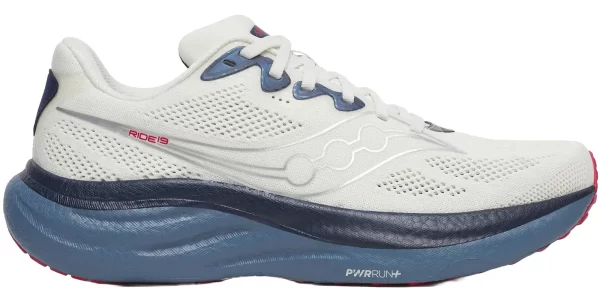
Saucony Ride 19
For a softer ride than the Adrenaline.
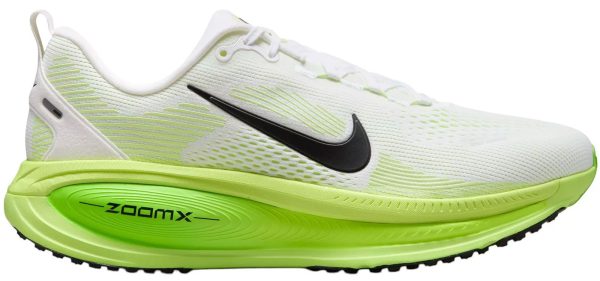
Nike Vomero 18
For a bouncier ride with a rocker midsole.
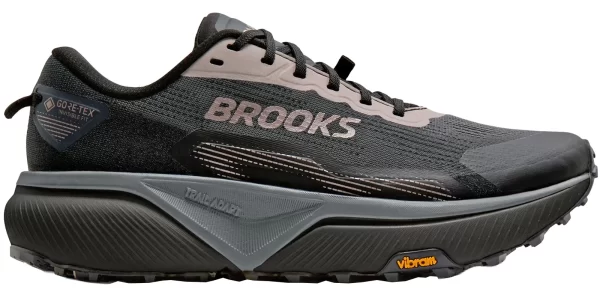
Brooks Cascadia 20
A trail shoe that complements orthotics.
Fit Notes
True to size with an accommodating fit. No tongue gusset. Also comes in a wide and extra-wide.
Gallery
Specs
- Heel stack: 37 mm
- Forefoot stack: 27 mm
- Drop: 10 mm
- Weight: 10.6 oz / 300.5 gms
- Widths: Regular, wide, extra-wide
- Midsole: Nitrogen-infused DNA Loft V3
- Insole: Molded, removable
Why it works (the basics)
- Dual-density DNA-Tuned midsole → complements orthotics with supportive comfort
- Firmer forefoot → supports structured orthotics
- Optional wide and extra-wide sizes → provides room for thicker insoles
- 38 mm, 30 mm stack → offers plush comfort for slower runs
🔍 Deep Dive
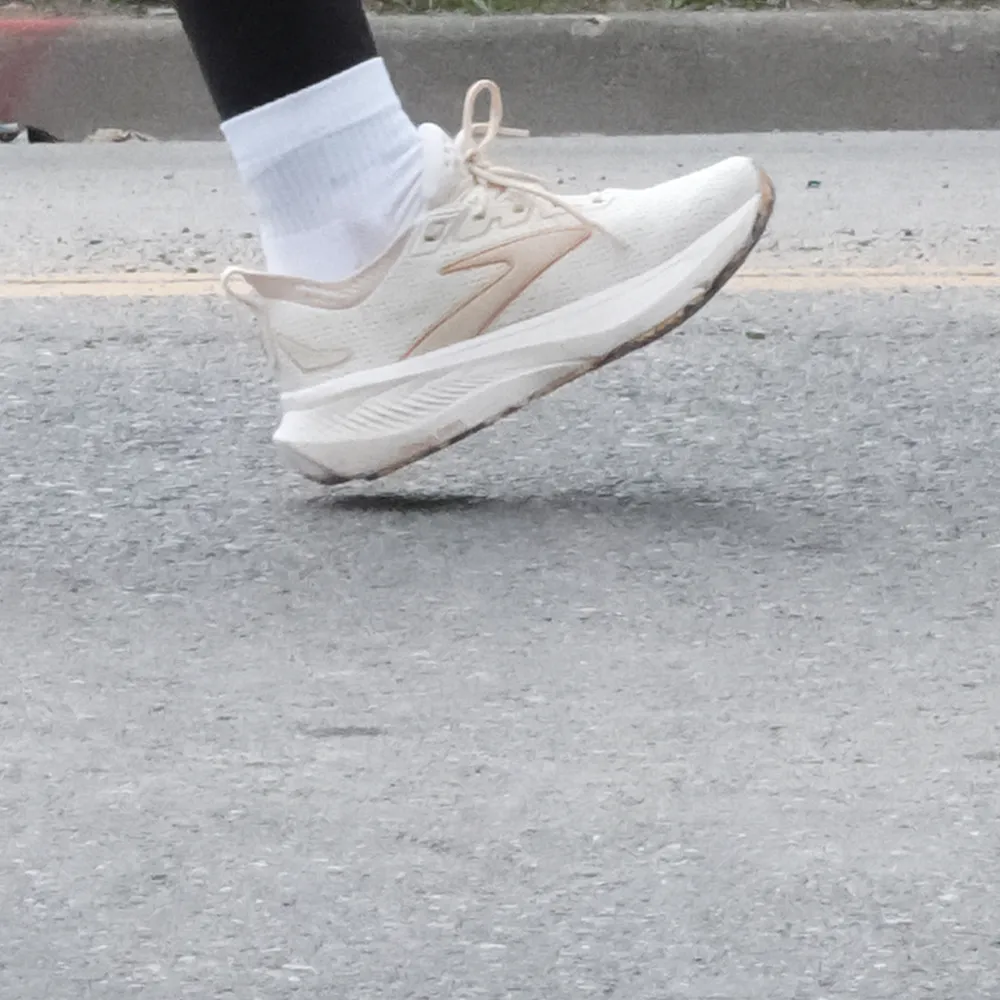
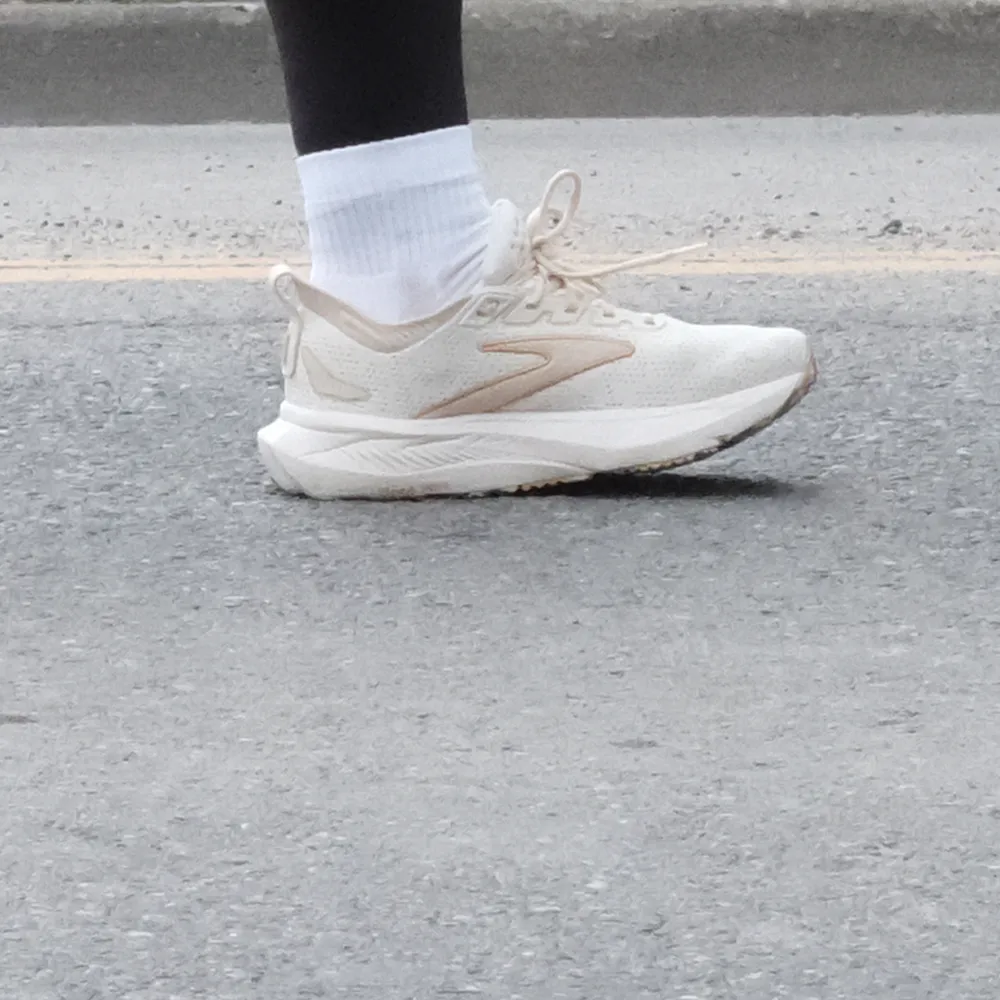
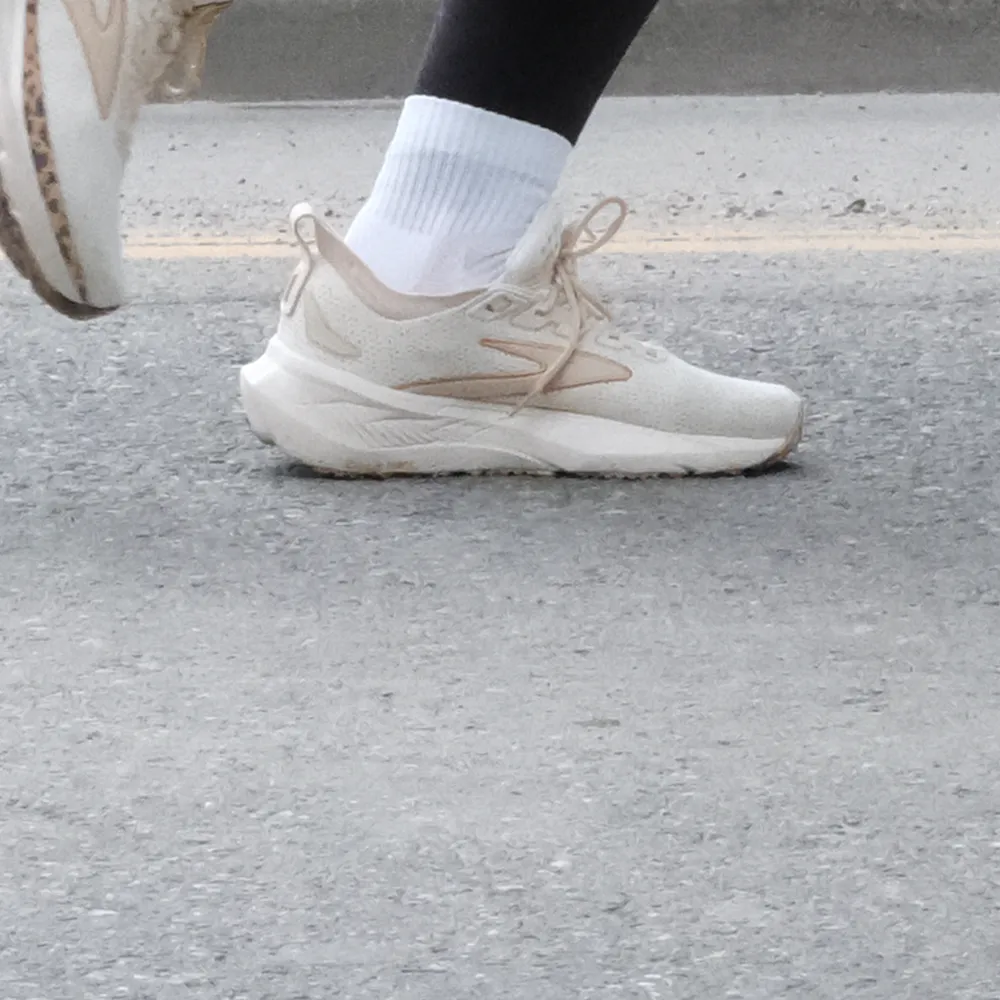
The Glycerin 23’s dual-density DNA-Tuned midsole offers a blend of plush comfort and support. The soft cushioning under the heel favors slower running speeds, making this shoe perfect for easier days rather than more aggressive workouts. The forefoot has a firmer DNA-Tuned foam insert for better stability and efficient push-offs. Unlike many modern ultra-cushioned trainers, the Glycerin doesn’t overdo it, sticking to moderate stack heights of 30 mm and 30 mm. That’s one of the reasons behind the Glycerin 23’s orthotic friendliness.
For this shoe, Brooks uses a smooth EVA footbed with raised edges, and removing it creates room for an orthotic. A structured insole complements the soft, DNA-Tuned cushioning by improving the Glycerin’s stability. The plush and true-to-size upper is also sold in wide and extra-wide sizes.
Pros
- Plush ride
- Firmer forefoot for transition effiiciency
- Molded stock insole can be swapped with an aftermarket one
- Choice of 2E and 4E widths
- Firm, DNA-Tuned forefoot complements orthotics
Cons
- Has a slight lateral midsole tilt
- Runs warm due to thick mesh
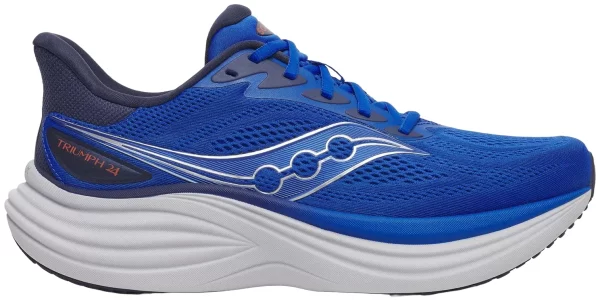
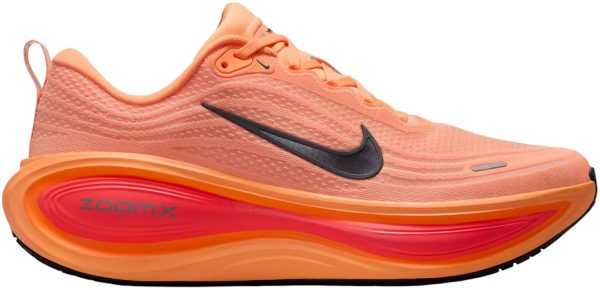
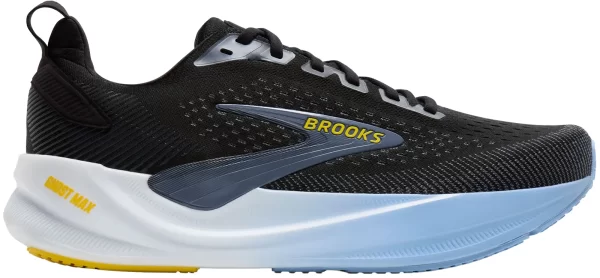
Other recovery trainers with orthotic compatibility
Fit Notes
True to size. Snug fit. Optional wide, extra wide widths.
Gallery
Specs
- Heel stack: 38 mm
- Forefoot stack: 30 mm
- Drop: 8 mm
- Weight: 10.6 oz / 300 gms
- Widths: D, 2E, 4E
- Midsole: Dual-density DNA-Tuned foam
- Insole: Molded, removable
Why it works (the basics)
- Ultra-wide footprint → creates stable base for orthotics
- Thick Pwrrun+ footbed → can be swapped with an aftermarket insole
- Breathable, semi-stretchy upper → accommodates orthotics
- Firm EVA foam midsole → is compression-resistant under heavy loads
🔍 Deep Dive
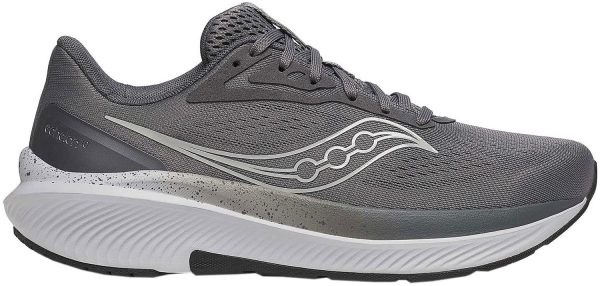
The Guide 19’s drop-in insole is one of the thickest in the business; it’s made of a thick expanded PU called PWRRUN+. Removing it creates enough space to fit an orthotic, be it an off-the-shelf Superfeet or a custom-made insole.
The Guide 19 doesn’t have the gait-management features of the New Balance 860 v15 or the GT-2000 15. However, what it has in spades is true stability – thanks to its ultra-wide midsole made of firm EVA foam. While not as soft and responsive as the Ride 19, the Saucony Guide is a supportive everyday trainer with plenty of ride comfort and stability. The true-to-size upper has enough space. Additional widths (wide and extra-wide) are also available should you need them.
Pros
- Ultra-stable ride
- Thick Pwrrun+ footbed is orthotic replaceable
- Firm ride resists packing under heavy weight
- Choice of widths
Cons
- Limited to slower runs
- Slightly heavy by current standards
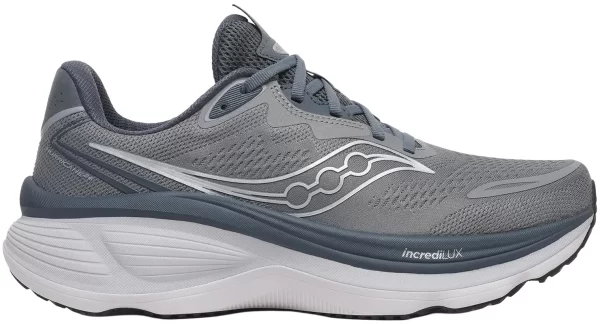
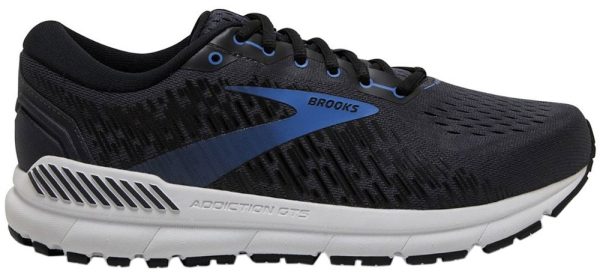
Other orthotic-compatible trainers for heavy runners
Fit Notes
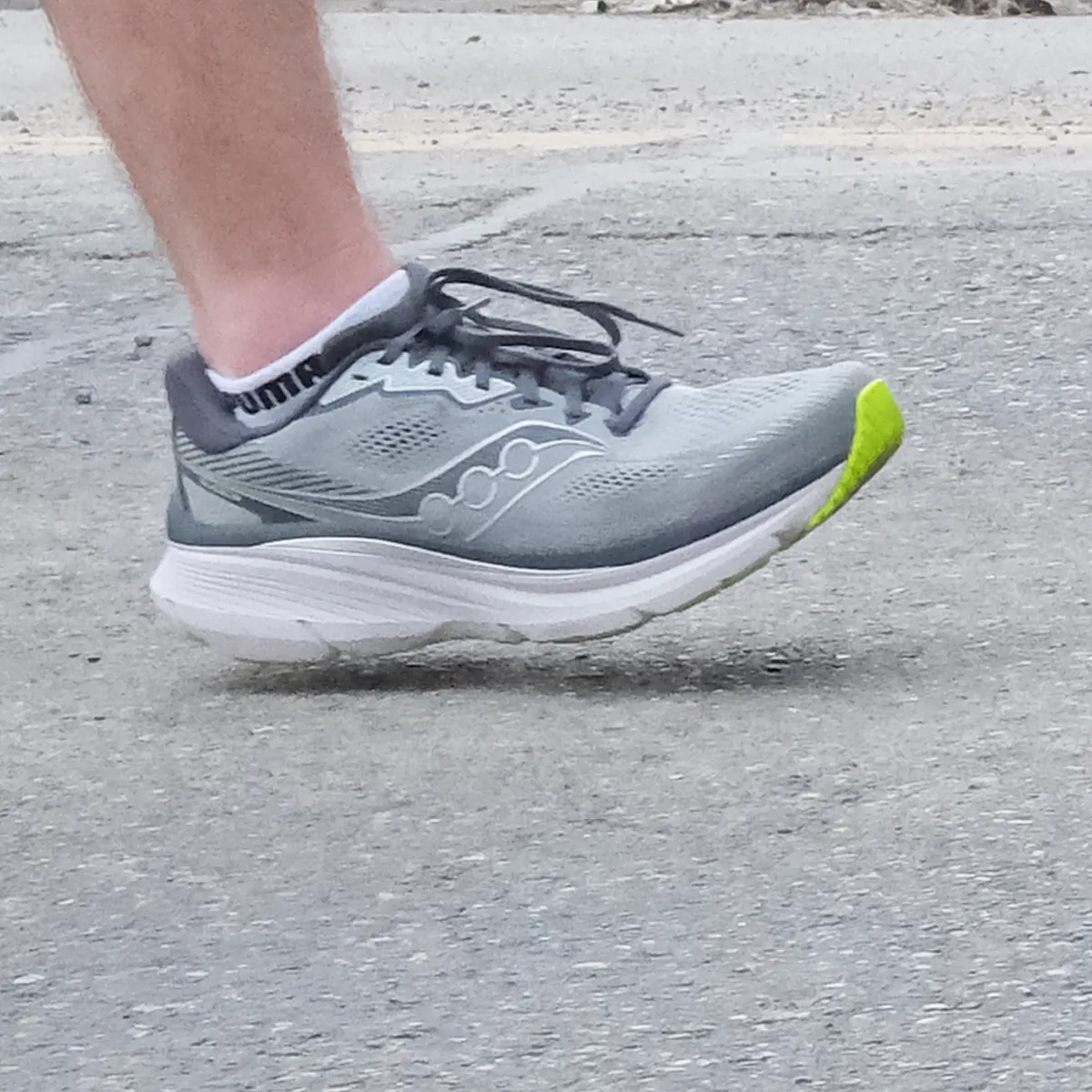
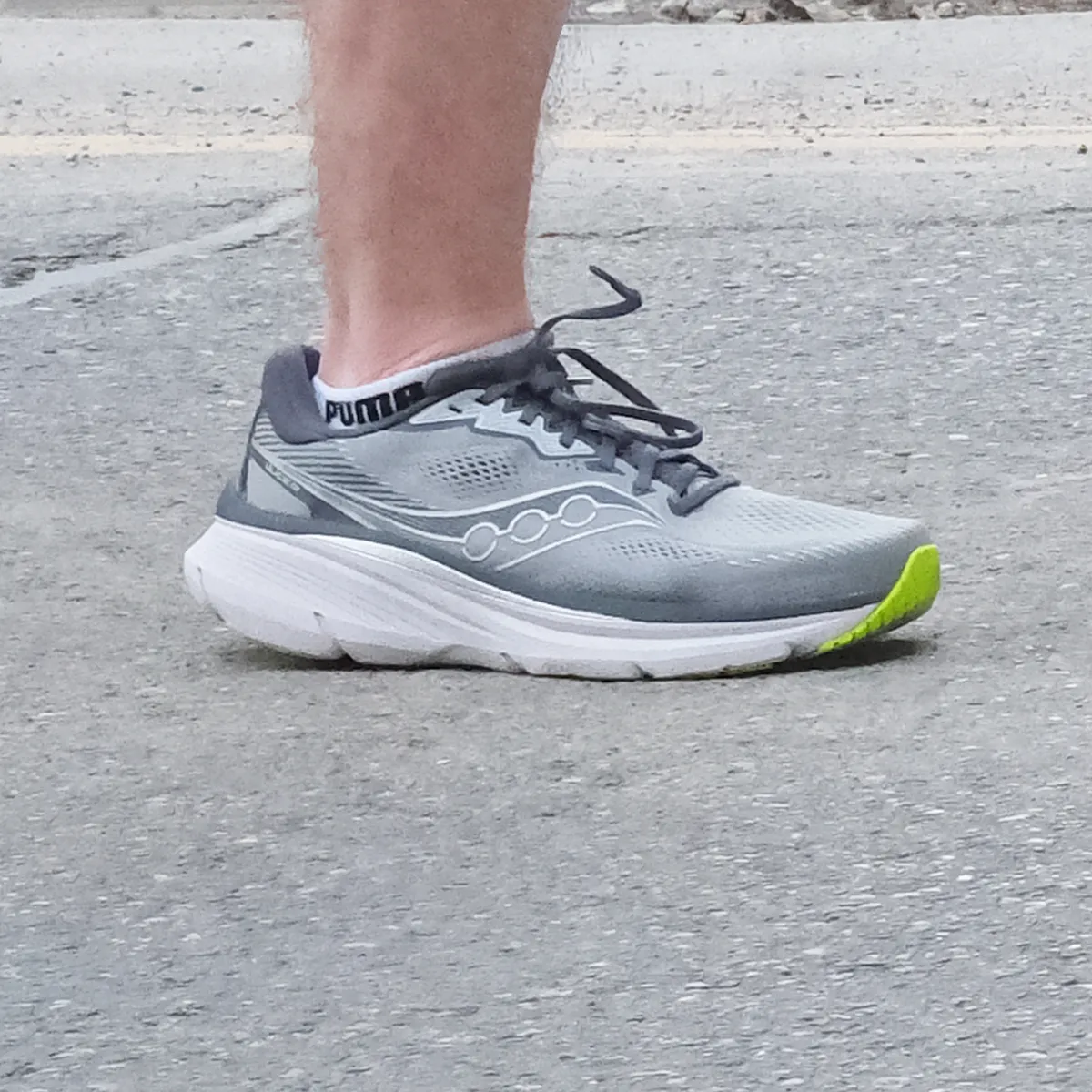
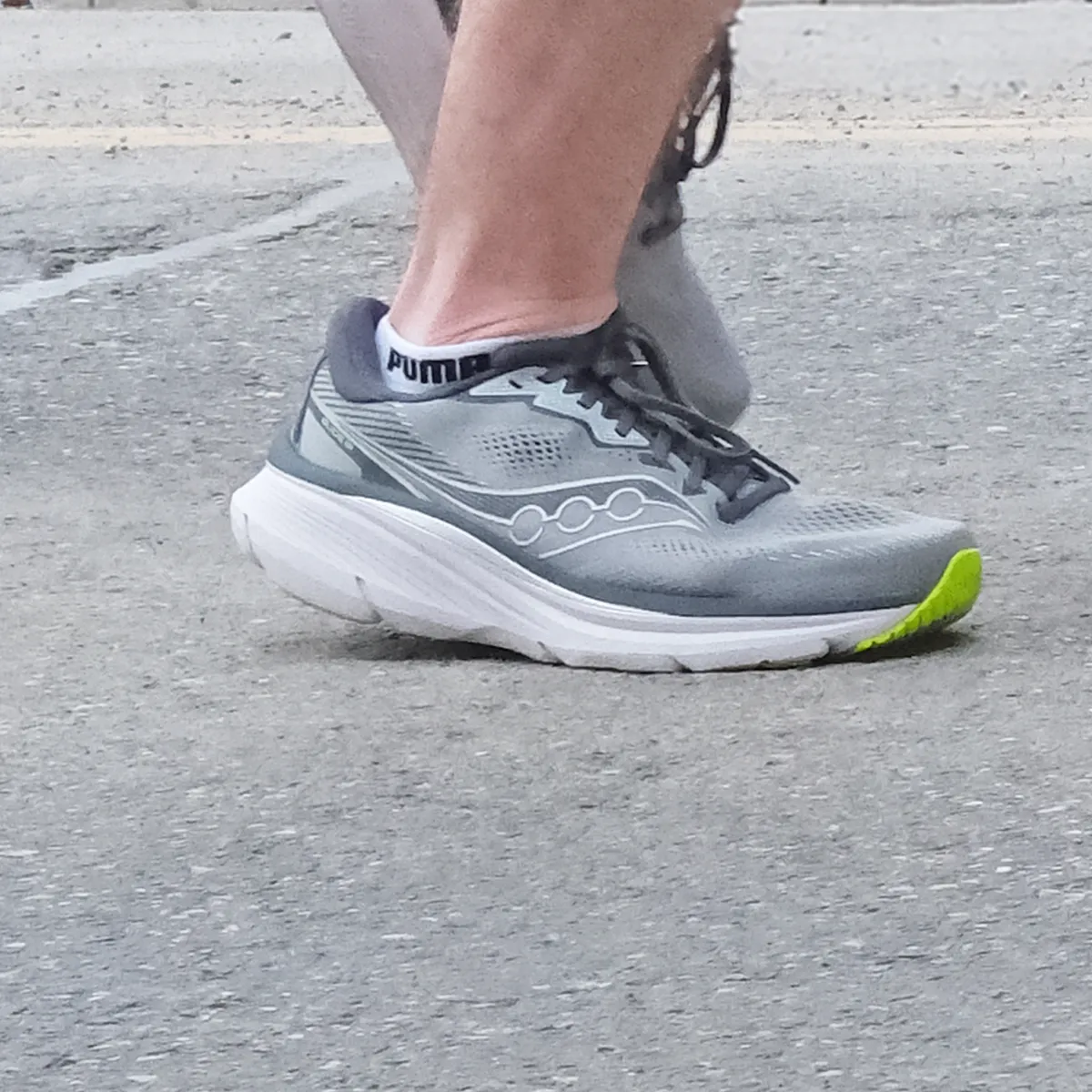
Fits true to size. Gusseted tongue, decent ventilation. Available in wide and extra-wide sizes.
Gallery
Specs
- Heel stack: 35 mm
- Forefoot stack: 29 mm
- Drop: 6 mm
- Weight: 9.7 oz / 275 gms
- Widths: Regular, wide, extra-wide
- Midsole: Injection-molded EVA foam
- Insole: Molded, removable
Why it works (the basics)
- FF Blast Max layer → delivers orthotic-compatible comfort
- Firmer FF Blast+ base → creates a supportive base for overpronators
- Blown foam insole → is thick enough to be replaced with an orthotic
- 39 mm, 31 mm stack height → adds comfort to everyday training
🔍 Deep Dive
Overpronating runners who want an orthotic-friendly shoe should consider the Asics Kayano 33. The latest iteration of this popular model has a brand-new midsole that stacks a layer of soft FF Blast Max foam over a supportive FF Blast+ base. This setup is different from the Kayano 32 that featured a more supportive inner midsole and a sloped channel to redirect the pronation away from the under-arch area. In short, the new Kayano 33 digresses from the Kayano 32’s form factor by adopting a more neutral character.
The soft OrthoLite footbed can be replaced with a custom orthotic or an aftermarket insole to improve stability or increase stiffness. On the road, the changed midsole architecture translates into a softer ride that loses some of its former stability and medial support in the process. The upper has a snug fit, so if the incoming orthotic happens to be thicker than the stock OrthoLite, get the wide or extra-wide version to be safe.
Pros
- Soft, closer-to-the-foot cushioning
- Firmer FF Blast+ base adds support
- Orthotic-swappable stock footbed
- Optional wide and extra-wide widths
Cons
- Snug upper lacks room for thicker orthotics
- Runs warm due to snug fit
- Departs from the past Kayano form factor
Other stability shoes that can accommodate aftermarket insoles
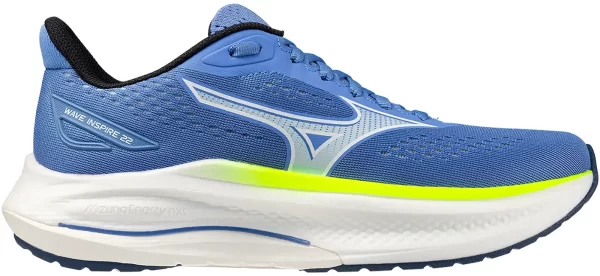
Mizuno Inspire 22
For the Wave plate’s signature ride quality.
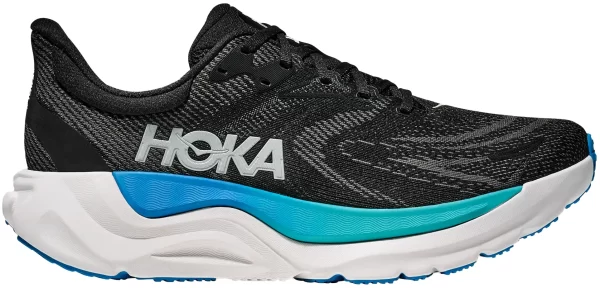
Hoka Arahi 8
A firm midsole that complements orthotics
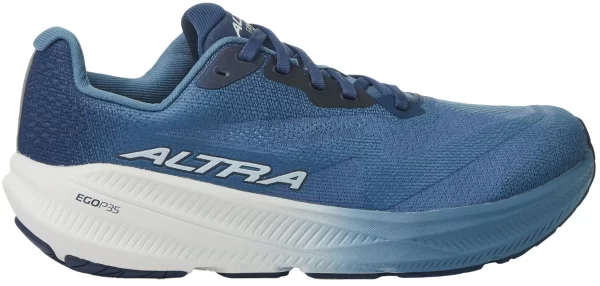
Altra Experience Flow ST
For lower heel drop and more room.
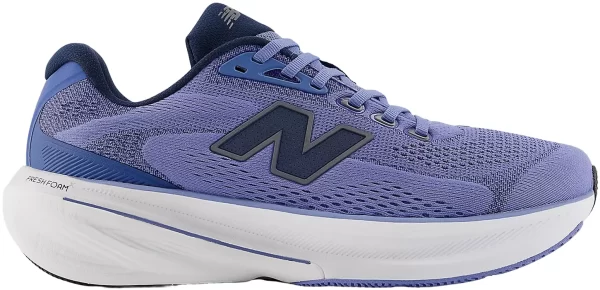
New Balance 860V15
If you prefer that lateral midsole tilt.
Fit Notes
Fits true to size with a snug forefoot. If your orthotic is thicker than the stock footbed, consider buying the optional wide or extra-wide.
Specs
- Heel stack: 39 mm
- Forefoot stack: 31 mm
- Drop: 8 mm
- Weight: 10.5 oz / 298 gms
- Widths: Regular, wide, extra-wide
- Midsole: FF Blast Plus, FF Blast Max foam
- Insole: Molded, removable
The research behind our picks
What do I need to know before replacing the stock footbed of my running shoe with an aftermarket orthotic?
The shoe-insole compatibility also depends on whether we’re talking about an all-foam orthotic or a structured insole with a rigid frame. So what happens if an overly cushioned or structured insole is inserted into just any running shoe? If the existing (stock) insole is thinner than the incoming orthotic, then the upper fit changes for the worse.
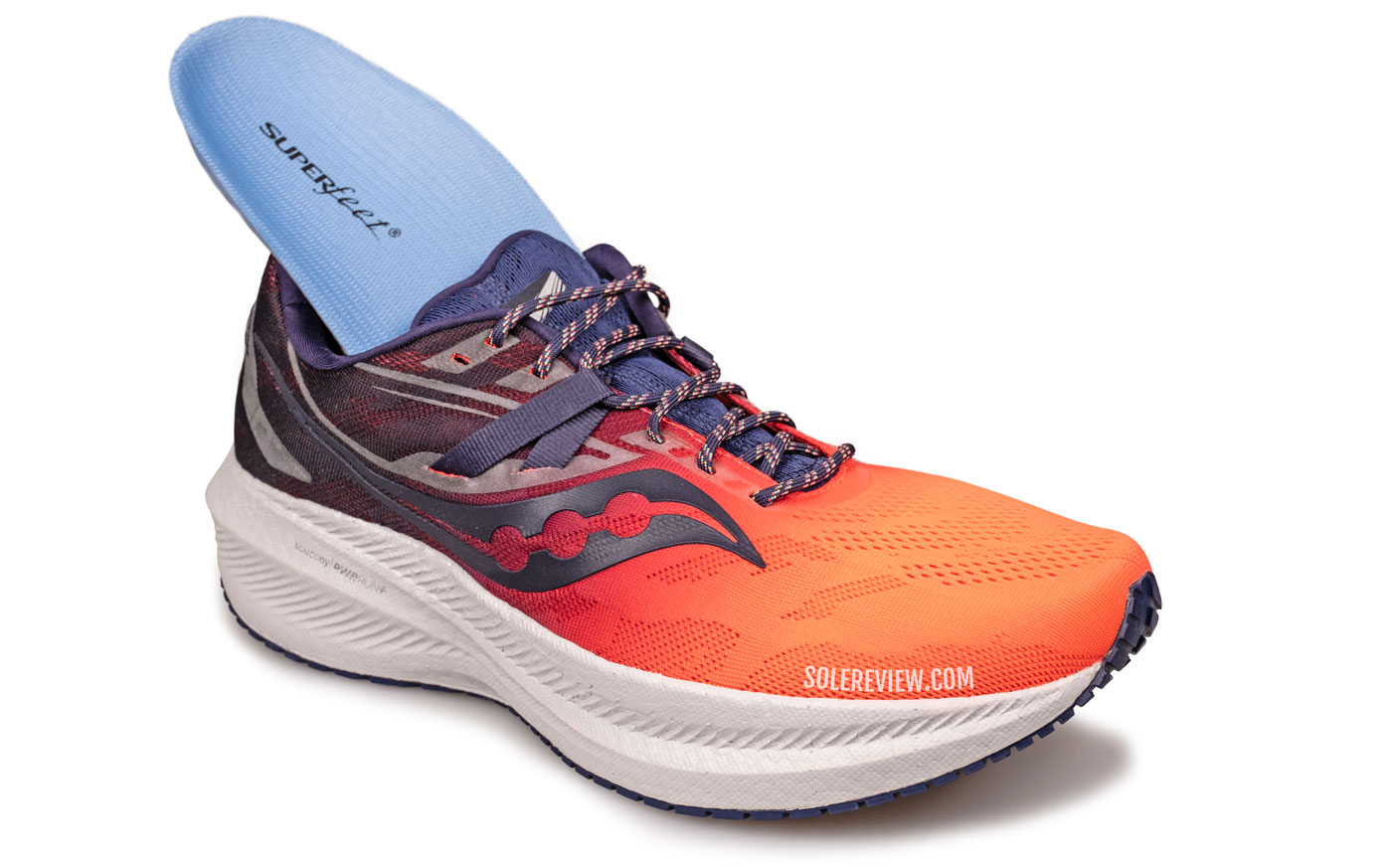
A thicker insert will push the foot upwards to create a tighter and more uncomfortable fit. The foot will also sit higher inside the shoe, potentially resulting in heel slippage and a tighter fit over the instep. Off-the-shelf and custom insoles can be loosely classified into three groups. The first kind is a cushioned orthotic made of foam or foam+gel. These insoles are designed to provide additional cushioning with optional arch support. The Spenco Arch Cushion is an example of this construction.
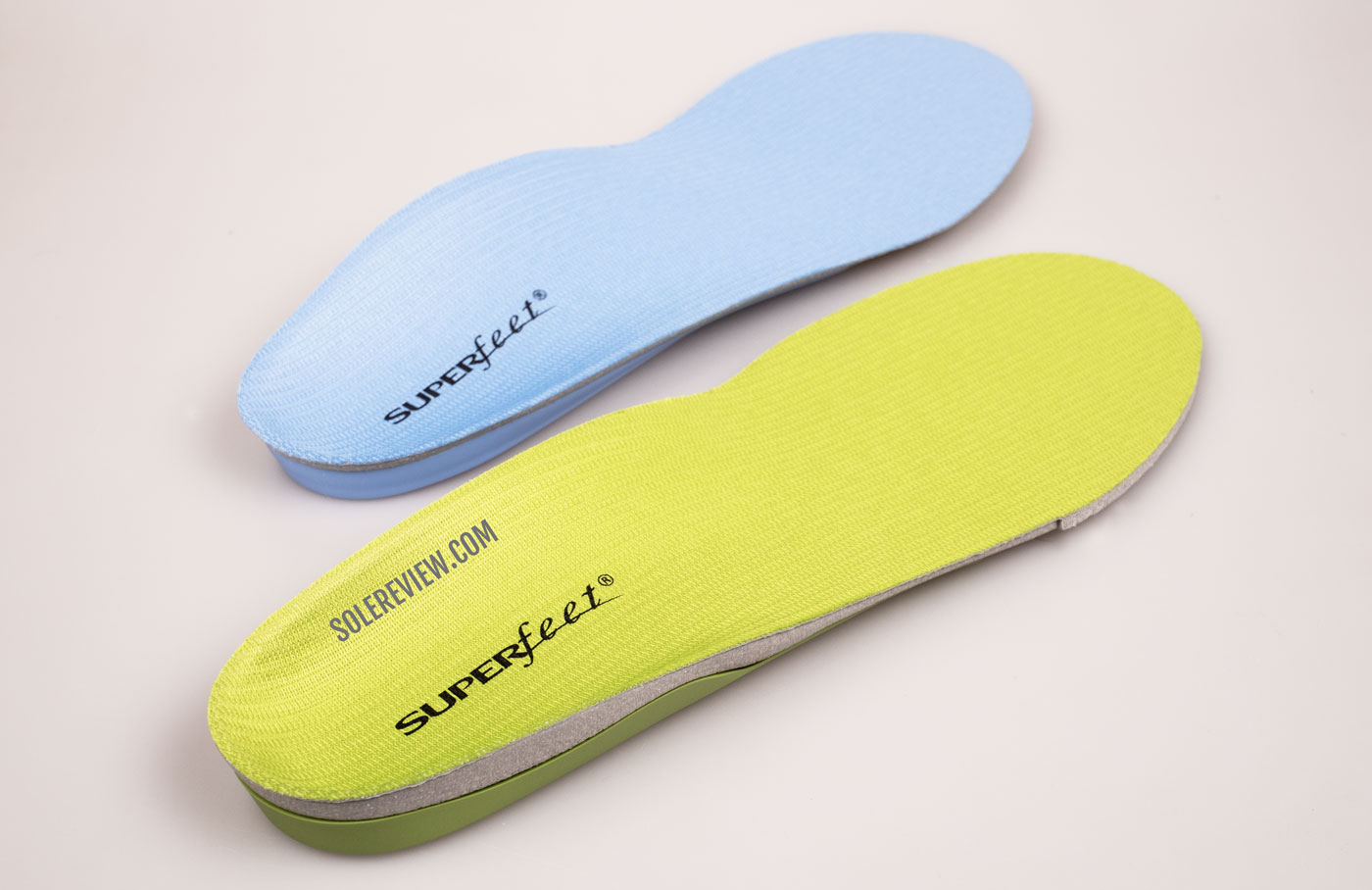
The second kind is a cushioned-support insole. Here, a soft foam base is layered over a supportive frame that’s usually situated under the midfoot and heel. This category forms the majority of aftermarket orthoses, with the Spenco Total Support being an example. Corrective insoles are the third kind. If you’re familiar with the uber-popular Superfeet Green, then you know what we’re talking about.
Here, a rigid frame made from nylon or TPE cups the foam layer. Technically speaking, even the first two insole categories can be ‘corrective’ from a functional standpoint. Having said that, rigid molded frames are less pliable than their counterparts made of foam or gel-foam hybrids. An orthotic can be either thick or thin in any of the said categories. For instance, the Superfeet Carbon (Run Pacer Elite) is a ‘corrective’ insert by our definition, but its thinness allows it to be placed inside most running shoes.
A few things need to be considered when matching a shoe with orthoses. With the rare exception, most stock insoles provided with running shoes do not have a heel-to-toe offset. The insole thickness stays the same throughout its length; insoles are ‘zero drop’ components. The same thing can’t be said of custom or aftermarket insoles. Many inserts have a higher heel, thus adding thickness to the overall rearfoot stack and altering the heel-to-toe drop.
Let’s say that we have a running shoe with a 4 mm heel-to-toe offset. However, if the aftermarket orthotic has a 4 mm heel drop, the combined heel drop will be twice the original drop. That’s worth keeping in mind when purchasing or custom building an orthotic. An insert usually affects the collar fit, so the last lacing row – also called the heel-lock lacing or runner’s loop – should be utilized for an optimal fit experience. The stock insoles of most $100+ shoes are thick enough to be replaced by foam-based cushioned orthotics or slim corrective insoles.
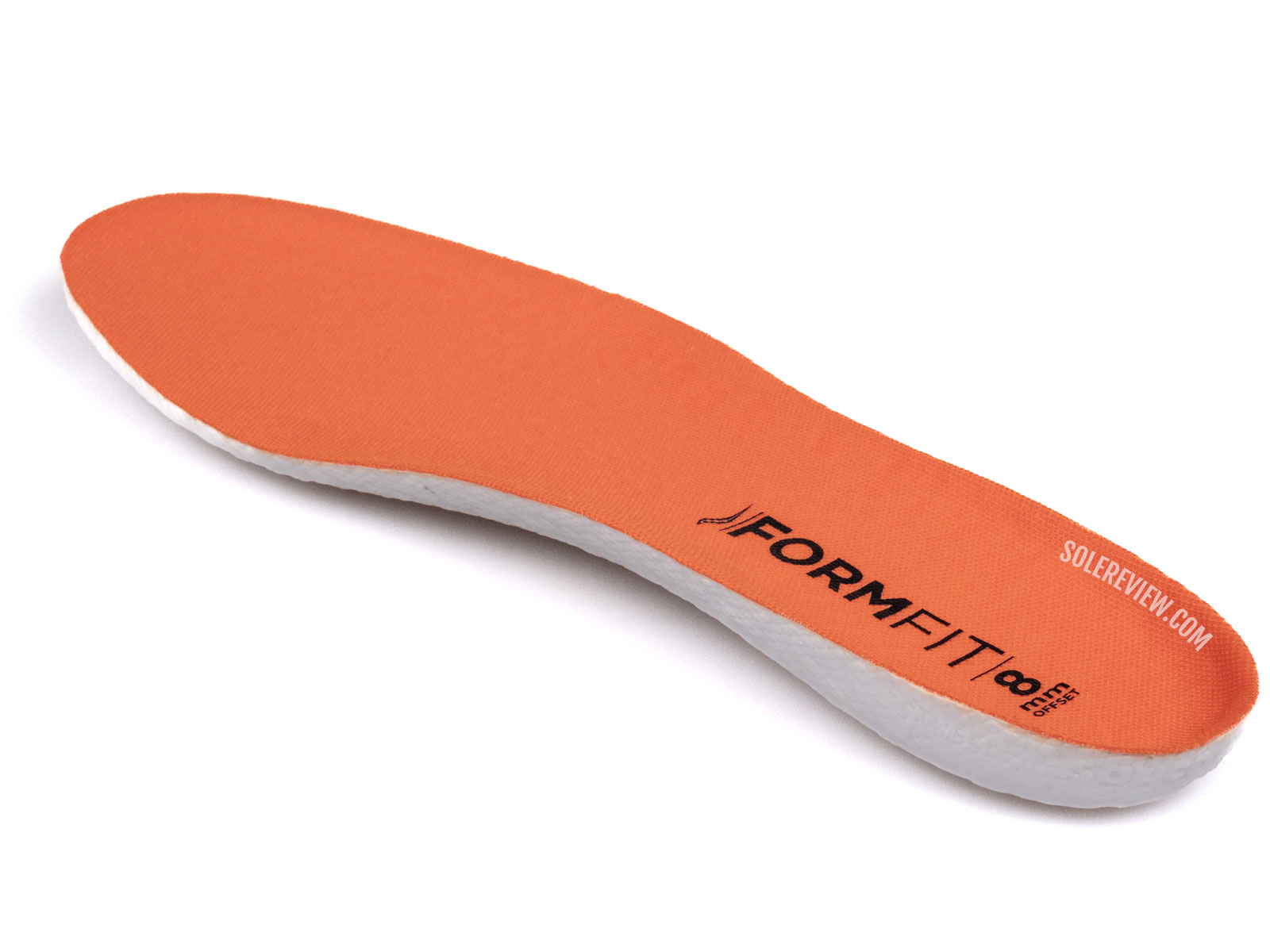
The Guide 19’s insole is made of PWRRUN+ E-TPU foam. It’s thick enough to be replaced by a stability orthotic.
What about carbon-plated super-shoes? Can I use an orthotic with those?
For the vast majority of plated super-shoes, the answer is no. There are a few reasons why most carbon-plated super shoes do not play well with orthotics. Most racers have glued-in footbeds that makes them removing harder. To save weight, most of these insoles are not molded, but are of a flat, die-cut kind. So unless your custom orthotic is an exact match for the thin and narrow stock insole, the racer will not take an orthotic.
There’s another less-talked-about reason why plated marathon racers are incompatible with orthotics. Many modern racers – like the Asics Metaspeed Edge Tokyo – have ultra-soft midsoles with a tapered bottom. Even if the stock insole was replaced with a rigid orthotic with a perfect 1:1 match (dimension-wise), it may worsen the stability. Unlike the soft stock insole, applying downward force (during landing, for example) on a structured orthotic may exaggerate midsole tilt on a soft and bouncy midsole.