

In this product guide:
- 1. Best for daily and long runs: Asics Novablast 5
- 2. Best for daily runs and casual use: Hoka Clifton 10
- 3. Best for 10k and marathons: Saucony Endorphin Pro 4
- 4. Best for soft cushioning: New Balance 1080 V14
- 5. Best on a budget: Nike Revolution 8
- 6. Best for trail: Salomon XT 6
- Our selection criteria
The Asics Novablast is very popular for a reason. It’s cushioned, yes – but there’s more to this shoe than its high midsole stack heights (41.5 mm and 33.5 mm). Its ride comfort doesn’t sacrifice speed.
The rocker midsole helps with quick turnovers, and the FF Blast Max foam is responsive. Except for the softer midsole, slightly improved grip, and reworked upper, the overall character is fairly similar to the Novablast 4. The push-offs take somewhat more effort due to the softer ride, but only just. The foam isn’t overly soft, so the ride stability isn’t negatively affected. The outsole now uses better-defined lugs and improved compound for reliable everyday traction.
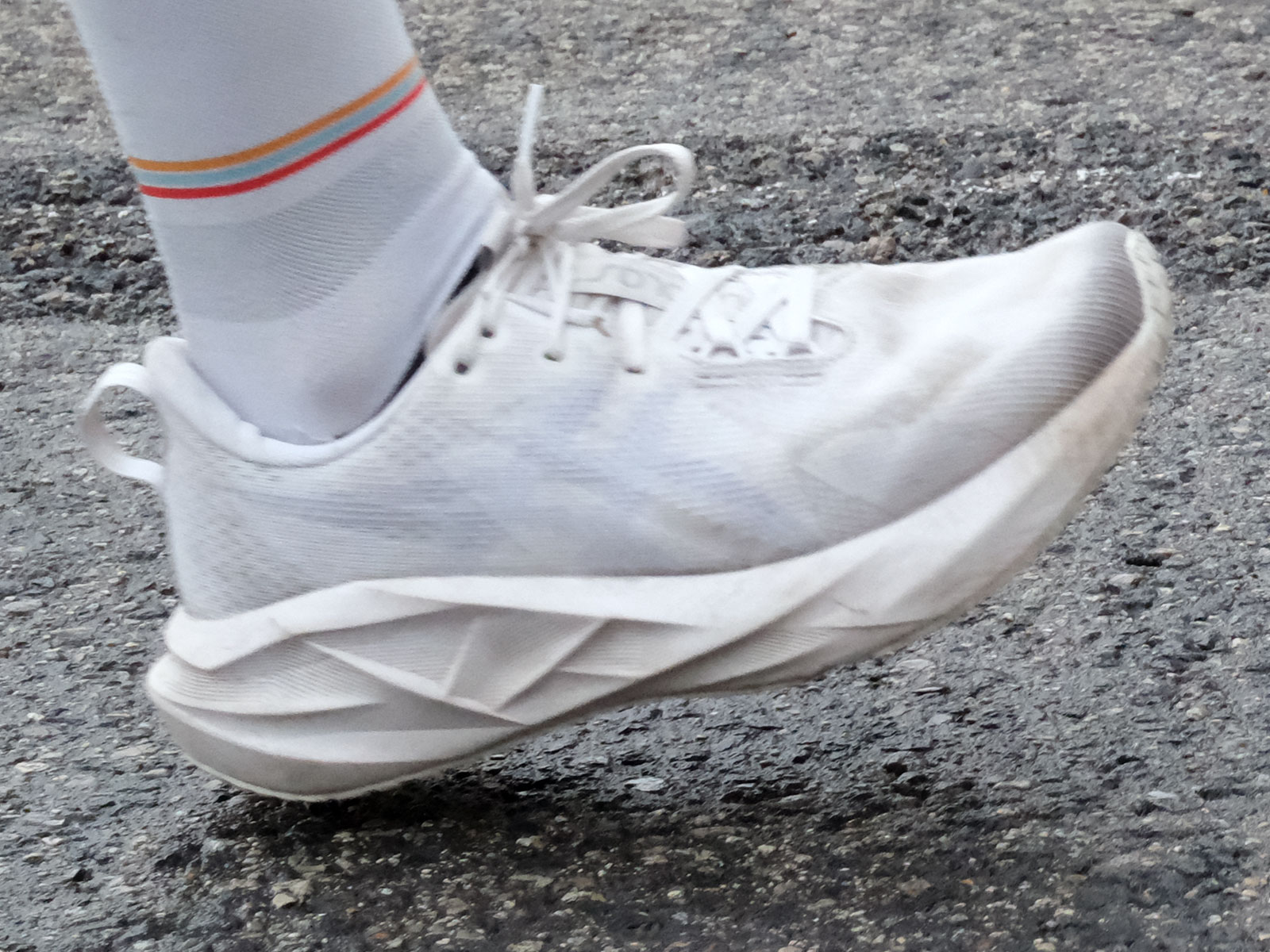
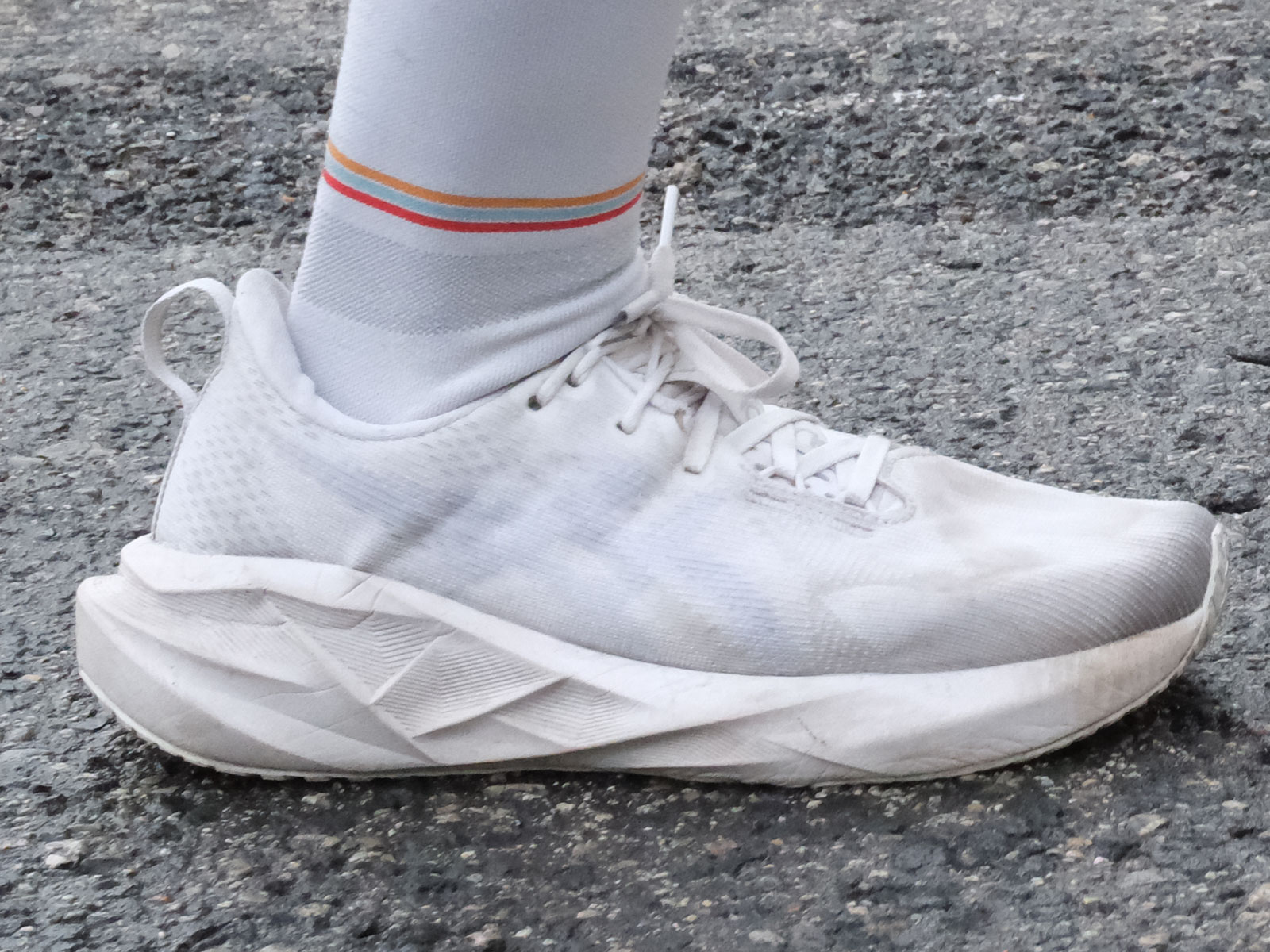
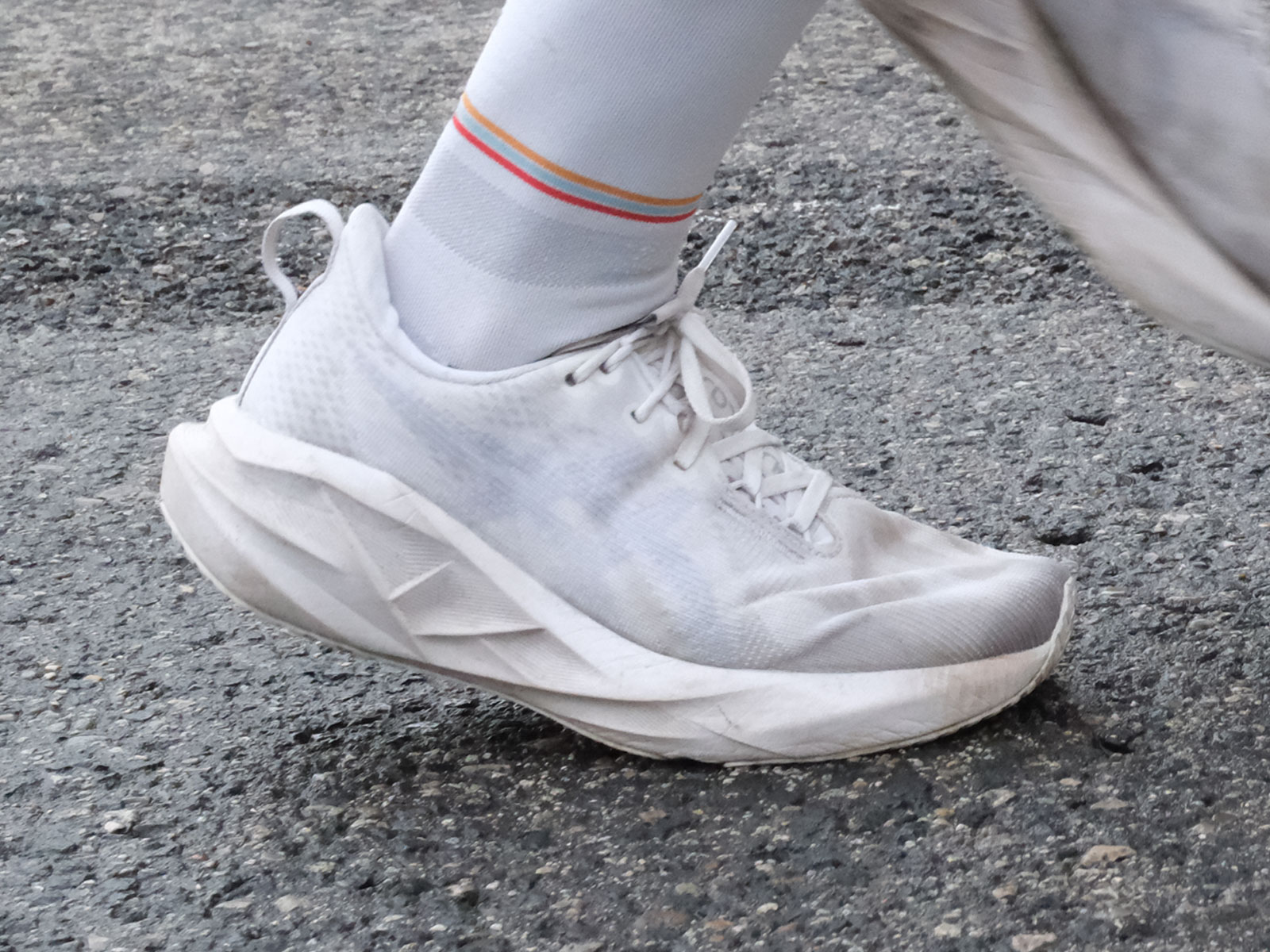
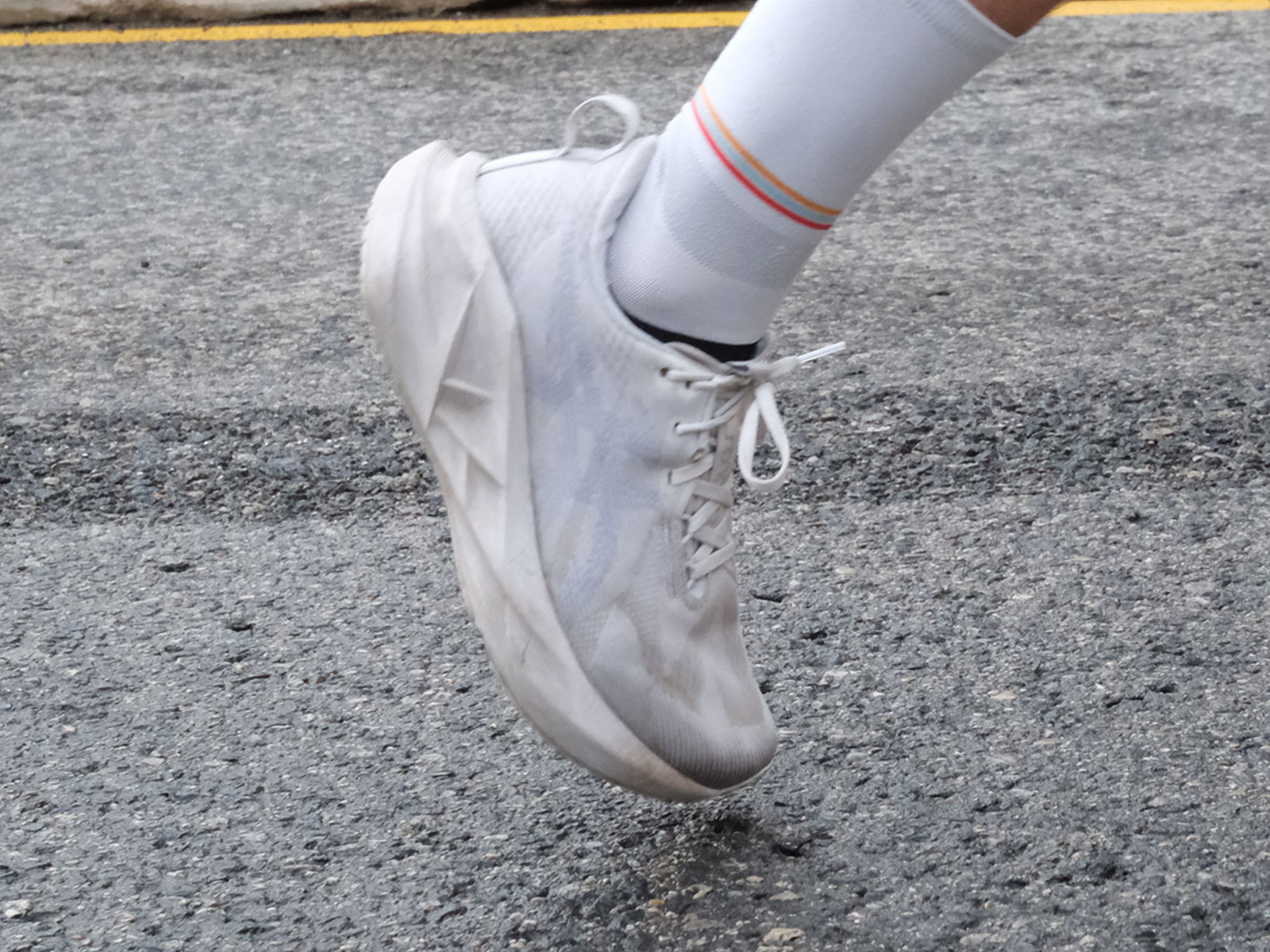
Asics has made slight improvements to the Novablast 5’s upper. The first two rows are now loops instead of eyelets, so it’s easier to customize the fit. Inside, the fit is secure and comfortable, thanks to the padded heel collar, internal toe bumper, and smooth exterior mesh. So what can the Novablast 5 be used for? Well, the question should be – is there anything it can’t do? It’s cushioned enough for a marathon, is sufficiently durable for everyday miles, and has the agility for tempo runs. It’s not recommended for sprints and trail use though.
While the Hoka Clifton 10 isn’t packed with the latest and greatest tech, it is still a legitimate trainer for daily training and long-distance runs. The 2014 Clifton was one of the original thick-stack running shoes with a rocker ride. After all these years, the Clifton 10 hasn’t changed – at least in spirit.
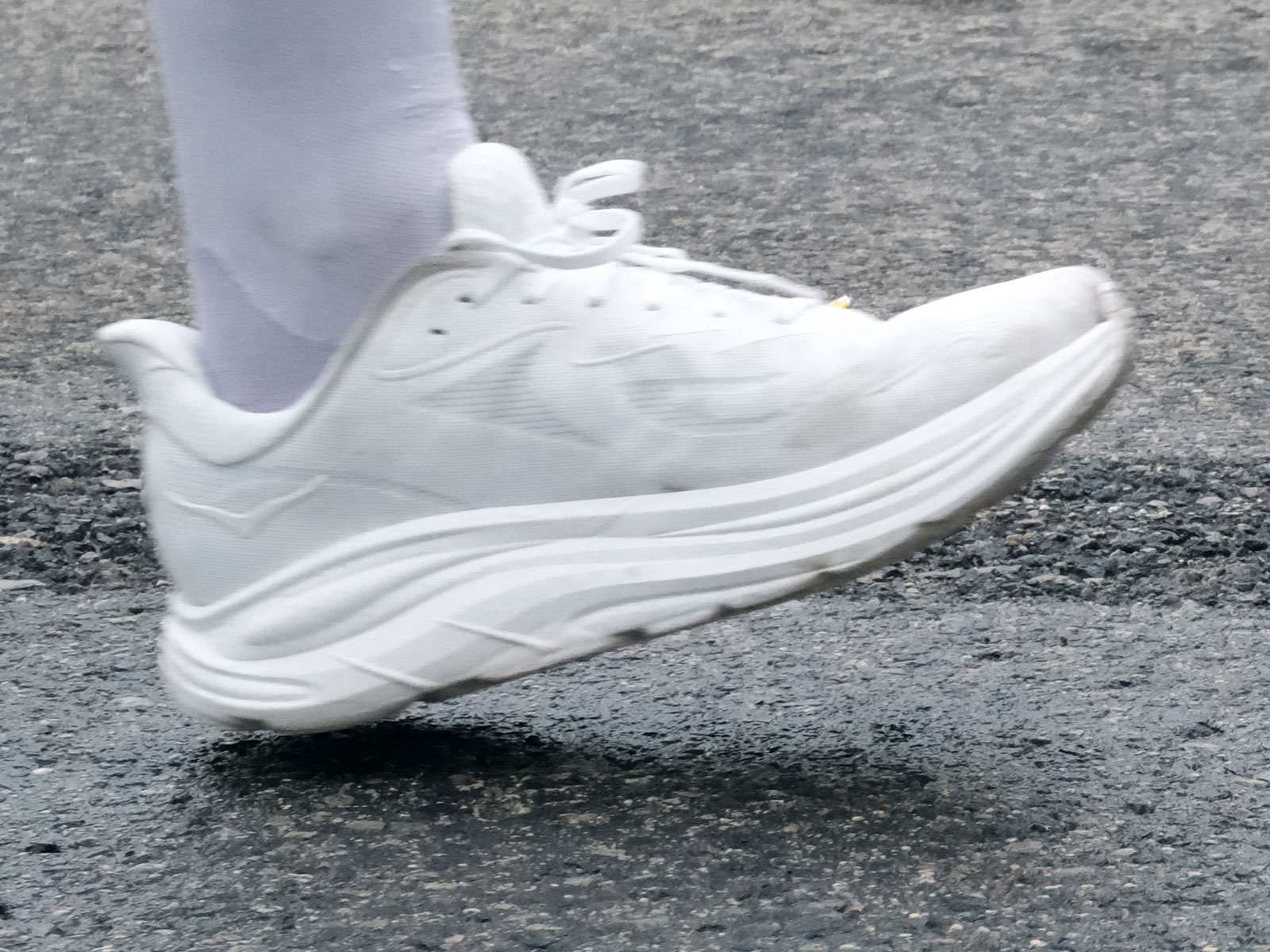
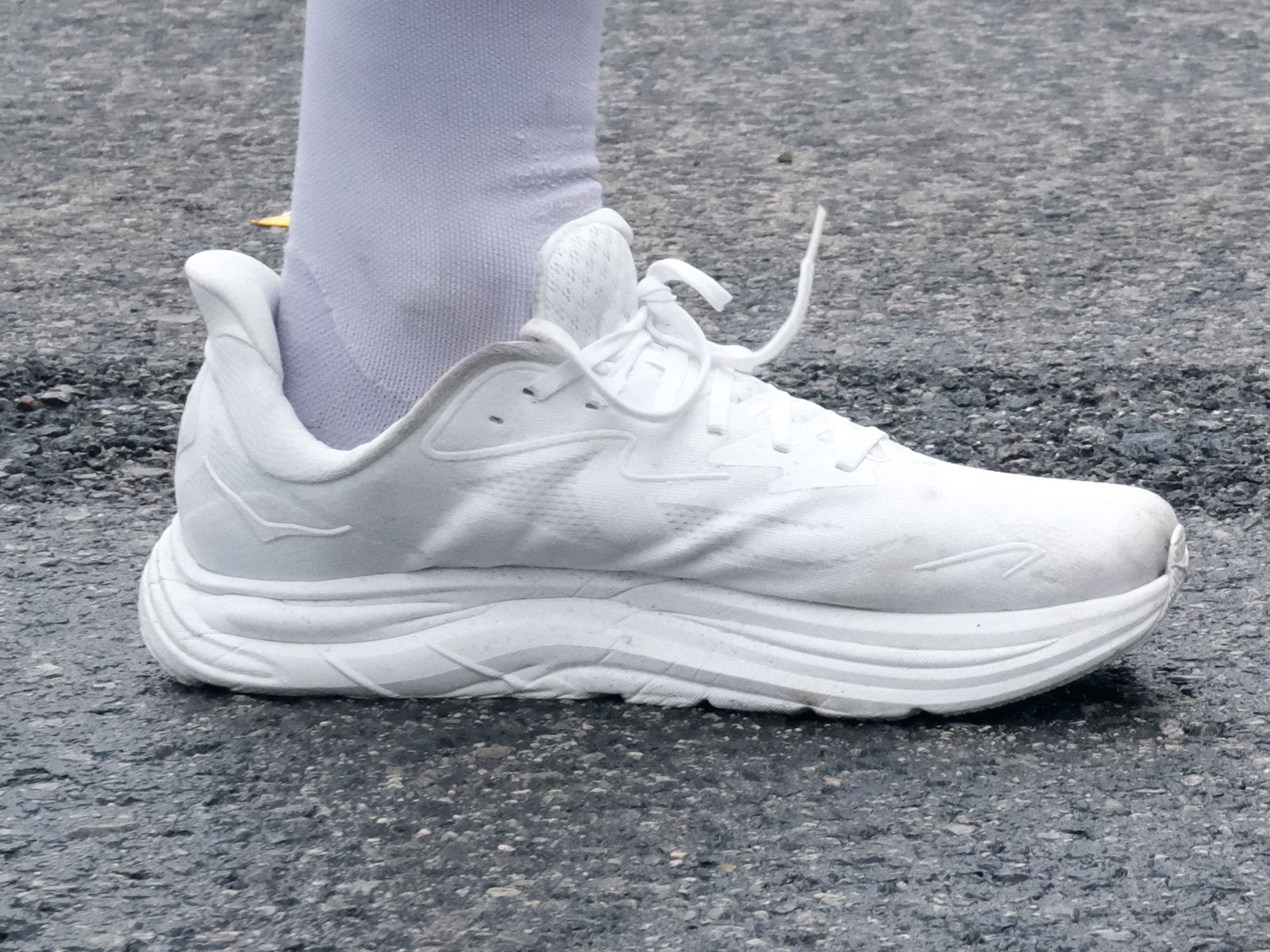
Under the soft and secure upper is an EVA midsole similar to the kind used on the early Cliftons. This 9.8-ounce shoe blends everyday comfort with a transition-friendly character; the tall midsole with the rocker profile makes that happen. Hoka’s most popular do-it-all trainer is sold in two widths and over a dozen colors – including an all-white variant.
- Hoka’s marketing pitch: Light and plush for everyday miles.
- Upper: Textured mesh with reflective detail. No sleeve.
- Sizing profile: True to size.
- Toe box fit: Spacious.
- Forefoot fit: Secure yet accomodating.
- Midfoot and heel fit: Secure.
- Midsole: EVA blend foam, EVA insole. 8 mm heel drop.
- Outsole: Carbon rubber in high-wear areas.
- Weight: 278 gms/ 9.8 Oz for a half pair of Men’s US 9/UK 8.5/EUR 42.5/CM 27.
- Stack heights: 43 mm (heel), 35 mm (forefoot).
- Available widths: Regular, wide, extra-wide.
- Recommended use: Daily training, Recovery runs, walking.
- Footstrike orientation: All types (heel/midfoot/forefoot).
- Median lifespan: 450 miles.
- Previous model: Hoka Clifton 9.
- Country of origin: Vietnam.
- Recommended paces: 5:00 min/km (8:00 min/mile) and slower.
- Recommended temperature range: Warmer than -5° C/23° F.
Pros
- Generous ride comfort
- Supportive midsole
- Secure, true-to-size fit
- Reflective details
- Mild rocker effect
- Achilles and beginner-friendly 8 mm drop
Cons
- Poor grip on wet roads
- Runs warm because of the thick mesh and tongue
- Slightly overpriced for its tech level
The Endorphin Pro 4 is one of the few carbon-plated shoes available in a white color scheme with metallic accents. The Nike Vaporfly 4 is also an option, but with black logos and a gray heel. The Endorphin Pro 4 delivers the quintessential super-shoe experience; the carbon plate delivers a snappy feel under the heel and adds a strong rocker effect for effective toe-offs. The PEBA foam (Pwrrun PB) is firmer than softer super-foams like the adidas Lightstrike Pro, so it’s stable enough for heel strikers. The 8 mm drop (39.5 mm and 31.5 mm stack) is gentle on the Achilles and calves, making the shoe user-friendly.
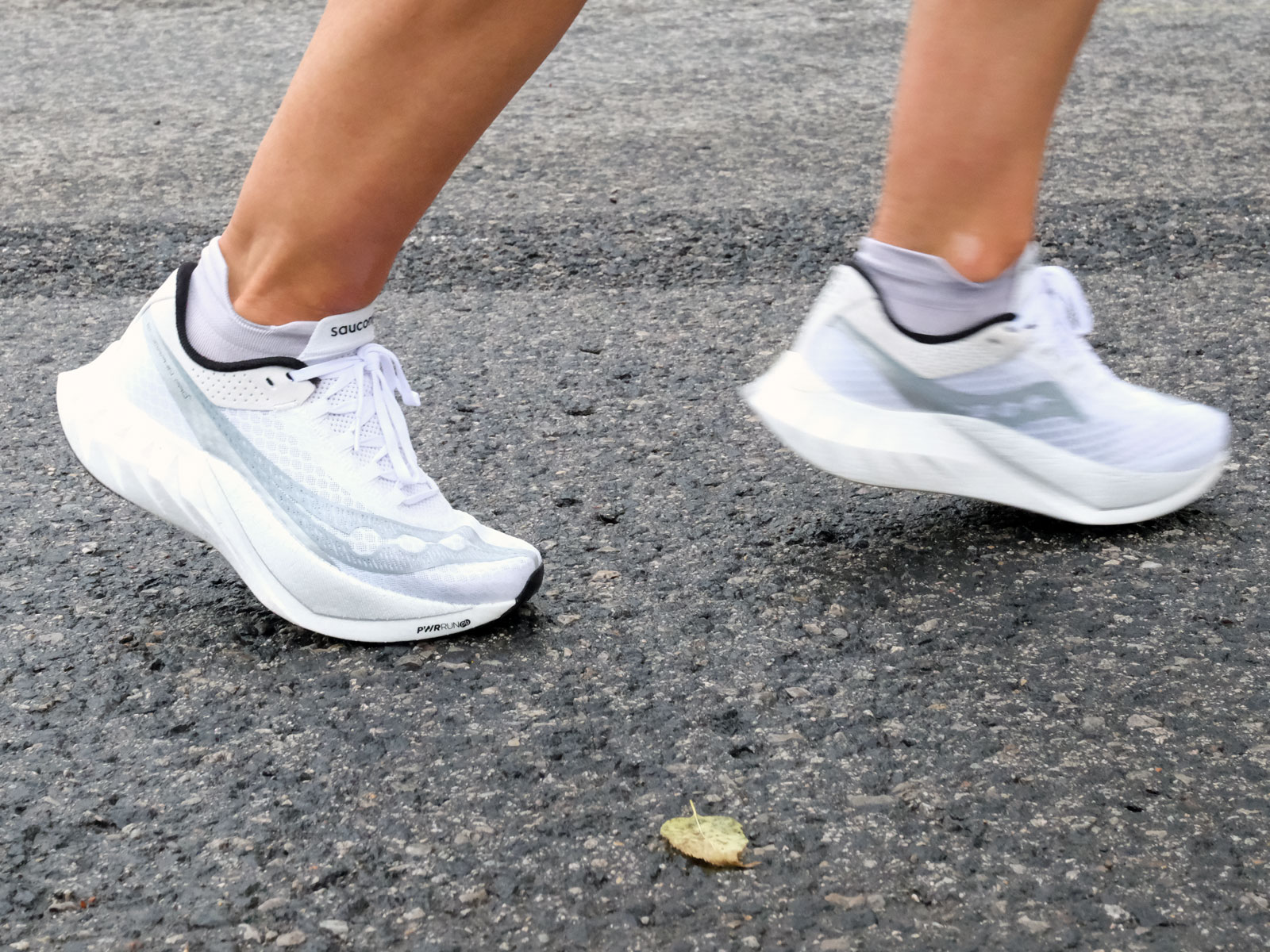
The upper combines the minimalist construction of a racer with comfort-focused trims. The breathable, true-to-size mesh upper has a secure, yet comfortable fit. The padded heel has a plush mesh lining without a stiff heel counter, meaning it is semi-collapsible to lower the risk of irritating the Achilles.
Our favorite long-distance cruiser is also available in all-white. And why is the New Balance 1080 V14 one of our high-mileage cruiser picks? For one, it’s got a very lively midsole made of Fresh Foam X – an improved version of what the 1080V13 had. The V14 is also the bounciest 1080 to date, even more so than last year’s 1080V13.

It’s extremely cushioned and comfortable for long runs, and the articulated blown rubber outsole delivers smooth transitions. On the flip side, the 1080V14 has a weaker ground feel than the V13. On one hand, the stronger rocker effect propels the foot forward. It’s far easier to sustain 4:00 to 4:30 min/km paces (6:30 to 7:00 min/mile) speeds than the previous model. At the same time, it’s harder to sense the ground because of the pronounced rocker and reconfigured outsole layout.
There’s more than one use case for this shoe. It’s excellent for racking up daily mileage, recovery runs, and marathon training. It’s not a bad tempo trainer either. The 1080’s soft and comfortable upper will accommodate most foot shapes. And if it doesn’t, New Balance sells multiple widths in the 1080.
Also consider: The Asics Nimbus 27 in white.
If you’re searching for an affordable all-white shoe for short runs, the $70 Nike Revolution makes a strong case for itself. There’s plenty of all-day comfort available in the cushy EVA foam midsole. The Revolution 8’s midsole borrows some of its aesthetics from the Nike Vomero 18.
The rubber outsole has tiny waffle lugs for traction along with a forefoot groove for flexibility. The exposed windows allow the outsole to flex together with the soft midsole. Though the Revolution 8’s upper is pretty basic, the fundamentals are in place. The all-mesh upper delivers a secure and breathable fit, and an extra-wide fit is optional. The upper is based on Nike’s MR-10 last – the same as the Pegasus.
There’s a color pop over the tongue, and there are traces of silver on the upper, but we’ll let this one pass. That’s because the XT6 is the only outdoor shoe that’s predominantly white. Of late, the Salomon XT6 has become somewhat of a lifestyle sneaker; it’s more likely to be found at Saks Fifth Avenue or a sneaker boutique than at your neighborhood running store. However, it’s still a very runnable shoe.
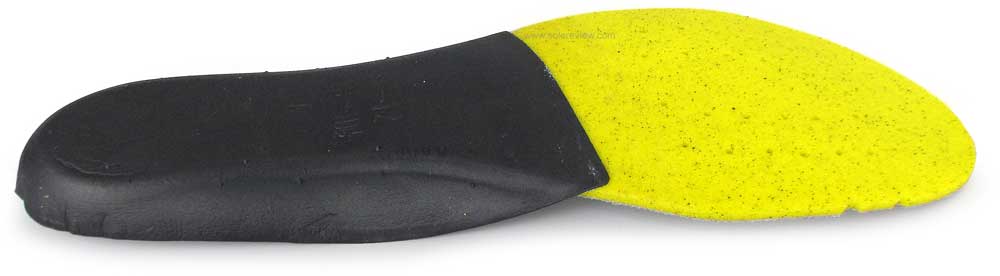
Like most Salomon trail runners, the Contragrip outsole is off-road worthy. The supportive TPU frame reinforces the foam midsole to result in stable cushioning on uneven terrain. The removable Ortholite footbed makes the ride soft just under the foot. The lacing is quintessential Salomon – a bungee-type closure that conveniently tucks into a ‘lace garage’ over the tongue.
How we selected
In our product guide for white sneakers, we called an all-white shoe the purest expression of footwear design.
Without bold colors or contrasting patterns, a white shoe needs to succeed on its merits – like the materials, construction, and even intangible strengths like a retro backstory. Evergreen classics like the adidas Stansmith and Nike AF1 fall in that category. A white sneaker is also a fashion staple that’s loaded with style versatility.
That said, we don’t see a compelling use case for all-white running shoes. White running shoes are easy to get soiled, and even more difficult to clean. Unlike a sneaker that’s usually made of leather or canvas, a running shoe is a mélange of meshes, synthetic overlays, outsole rubber, and foam midsoles. That makes the maintenance much harder. A creased foam midsole is harder to clean than, say, a rubber cupsole of an adidas Stansmith or Vans authentic. A white mesh upper is also a dirt magnet. Most white running shoes seen in the wild are often found on the feet of casual consumers. After all, the soft cushioning of foam midsoles is a lot more comfortable than firmer rubber cupsoles.