
Product guide updates
(6 total)- 2026-11-04 — Added Brooks Adrenaline GTS 26 to recommendations
- 2026-11-04 — Added Nike Structure Plus, Saucony Hurricane 26 to recommendations
- 2026-10-01 — Added 'Key considerations' section
- 2026-10-01 — Added 'Top recommendations summary' module
- 2026-10-01 — Migrated product guide to new editorial format
- 2026-10-01 — Updated all primary and secondary recommendations
In this product guide:
How we selected
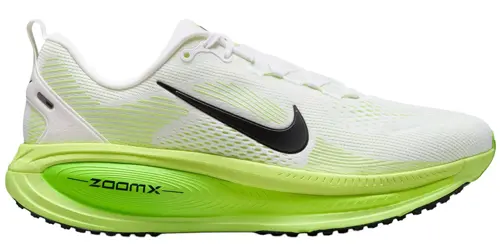
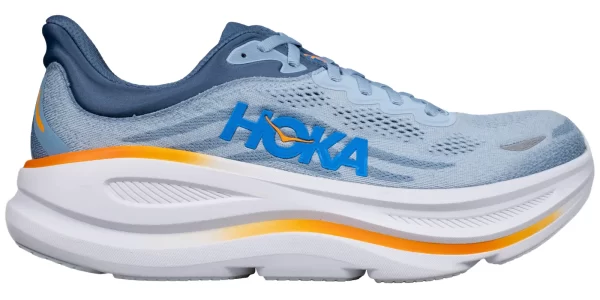
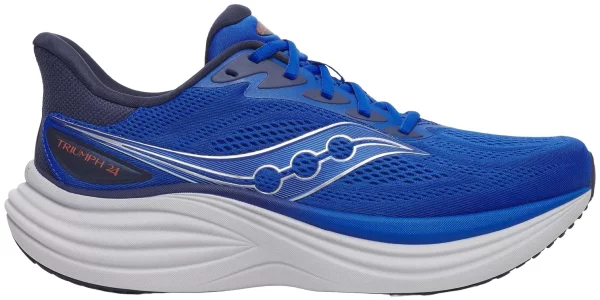
Our recommended shoes for recovery runs are grouped by features and attributes – top pick (soft neutral cushioning), heavy runners, overpronators, and plated cushioning. By connecting each feature with its respective function, the “Why it works” section explains why a particular shoe (in its respective class) is suitable for its recommended use case or attribute. Alternatives are suggested under the first recommended category. For example, the alternatives to the Nike Vomero Plus (our overall pick) are the Hoka Bondi 9 (for a narrower fit), the Saucony Triumph 24 (for a softer and slow ride), and the Nike Vomero 18 (for superior versatility). When combined, this product guide contains 10 different shoe recommendations for recovery runs.
- Our top pick: Highly cushioned trainers with a neutral ride.
- Best for heavy runners: A max-cushioned shoe that resists bottoming out.
- Best for overpronators: A shoe with supportive, non-prescriptive comfort.
- Best plated recovery trainer: A running shoe with plate-fitted max-cushioning.
Our recommendations combine our influence-free, expert-led wear-testing with biomechanical data sourced from over 33,000 high-speed images captured during actual road races. We combined our wear-test observations with an evidence-based screening of design features that make a running shoe ideal for recovery runs. The ‘Key consideration’ section below explains our selection criteria, including why we left out the Nike Vomero Premium, the Brooks Hyperion Max 4, and the New Balance 1080 v15.
Key considerations
What is Solereview’s definition of a ‘recovery’ run?
Recovery runs are short-duration workouts (under 40 minutes) at comfortable jogging paces, which are half as slow as an individual’s regular speed. It can also be described as a conversational pace, where the runner can comfortably talk with their companion. Within a structured training program, recovery runs are done a day after a high-intensity or high-endurance workout like a tempo run or a long run. As recovery runs happen in a fatigued state, they help improve overall conditioning and fitness.
Comfort is the central theme for recovery runs, so the choice of footwear should reflect that. A recovery trainer doesn’t need to prioritize speed and propulsive toe-offs. For this guide, we chose models with deep cushioning that do not feel flat or boring. While recovery runs and easy runs are not the same, these shoes can also be used for long and easy runs. For long training runs, please read our product guide for marathon trainers.
Why were models like the Brooks Hyperion Max 4, New Balance 1080 v15, and the Nike Vomero Premium not recommended in this guide?
That’s because both the Brooks Hyperion Max 4 (which shares the midsole with the H-Max 3) and the Nike Vomero Premium have sub-par stability, while the New Balance 1080 v15 tends to bottom out because of the excessively soft midsole. To clarify, the Brooks Hyperion Max lacks medial (arch side) stability because of the thin waist and midsole cut-out. On the other hand, the Vomero Premium lacks overall stability since the midsole delegates the loading responsibilities to the forefoot and heel Zoom Air units, with very little structural support on the sides.
Why it works (the basics)
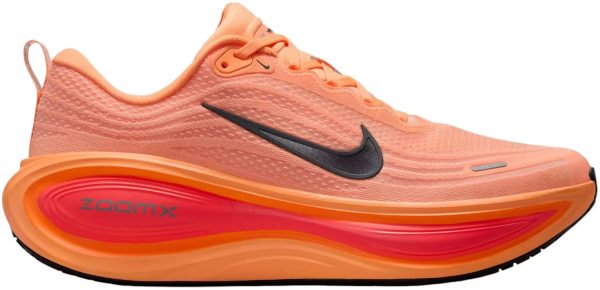
- 45 mm, 35 mm ZoomX stack → delivers abundant ride comfort
- Sleeve-free interior → adds splay room for the toes
- Optional width → offers more space for wide feet
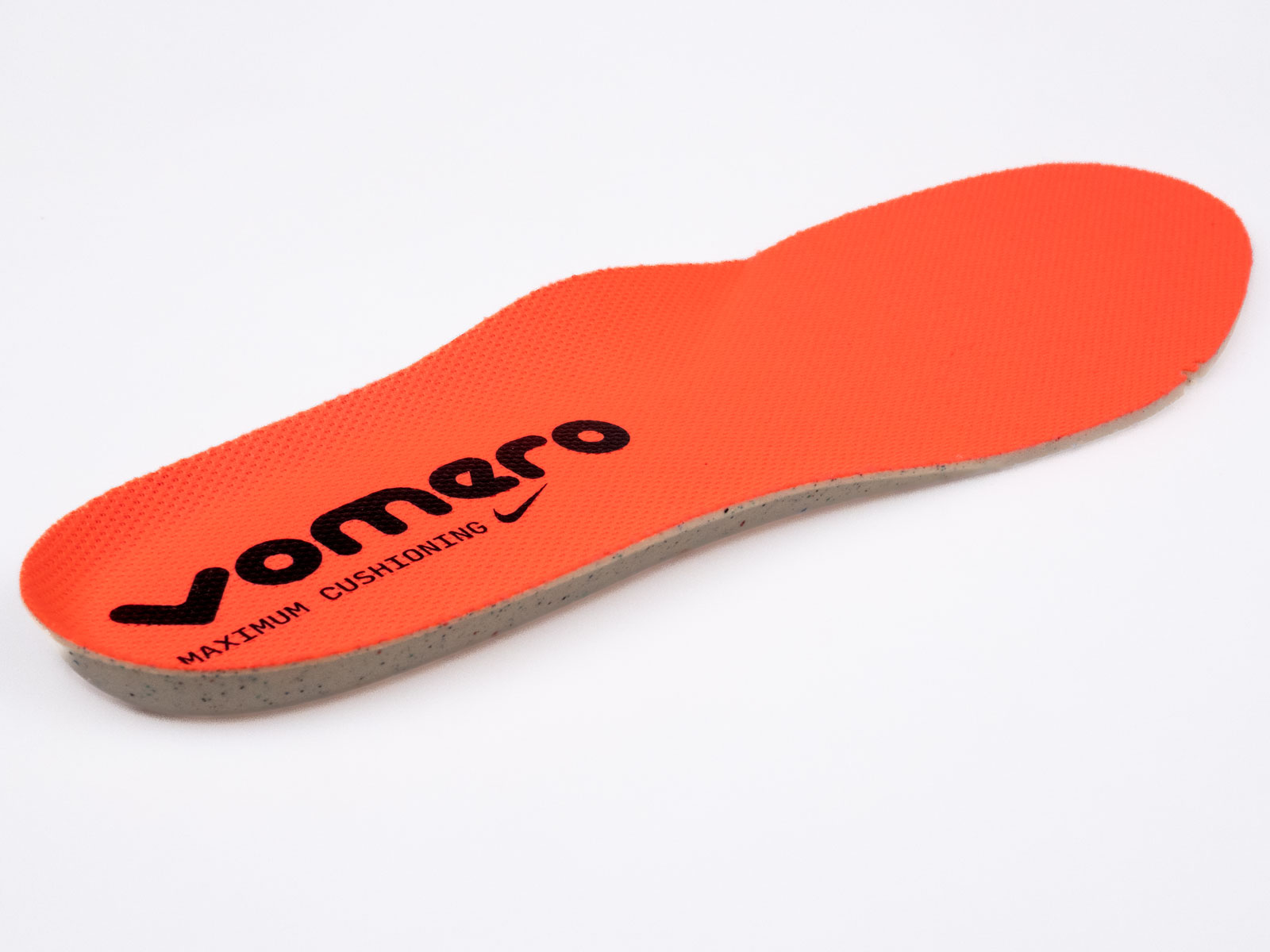
- Thick OrthoLite footbed → provides underfoot softness
🔍 Deep Dive
Despite the generous stack heights (45 mm heel and 35 mm forefoot), the Vomero Plus doesn’t feel mushy. Once the foot gets past the step-in softness of the removable OrthoLite insole, it’s supported by a non-mushy ZoomX core. There’s no negative space under the heel, and the rubber outsole offers continuous coverage from heel to toe. The ultra-cushioned midsole offers a predictable loading experience with plenty of outsole grip on dry surfaces. While the forefoot is stiff and rocker-shaped, it’s not noticeably propulsive, offering just a hint of assistance during toe-offs.
The upper fit and feel are also tuned for comfort. The forefoot has a snug yet accommodating fit, and there’s a choice of an extra-wide width. The wide toe box runs slightly larger than expected for a Nike shoe due to the absence of a full sleeve. We recommend staying true to size in this shoe for a comfortable and roomy fit.
Pros
- Max-comfort without the sink
- Smooth, rocker-led transitions
- Plush and spacious fit
- Optional width
Cons
- Average grip on wet roads
- Runs warm due to plush tongue
Other recovery running shoes
Fit Notes
Fits true to size, but has more space (compared to typical Nike fit) due to the sleeve-free design. That includes a roomy toe box. Also comes in an extra-wide.
Gallery
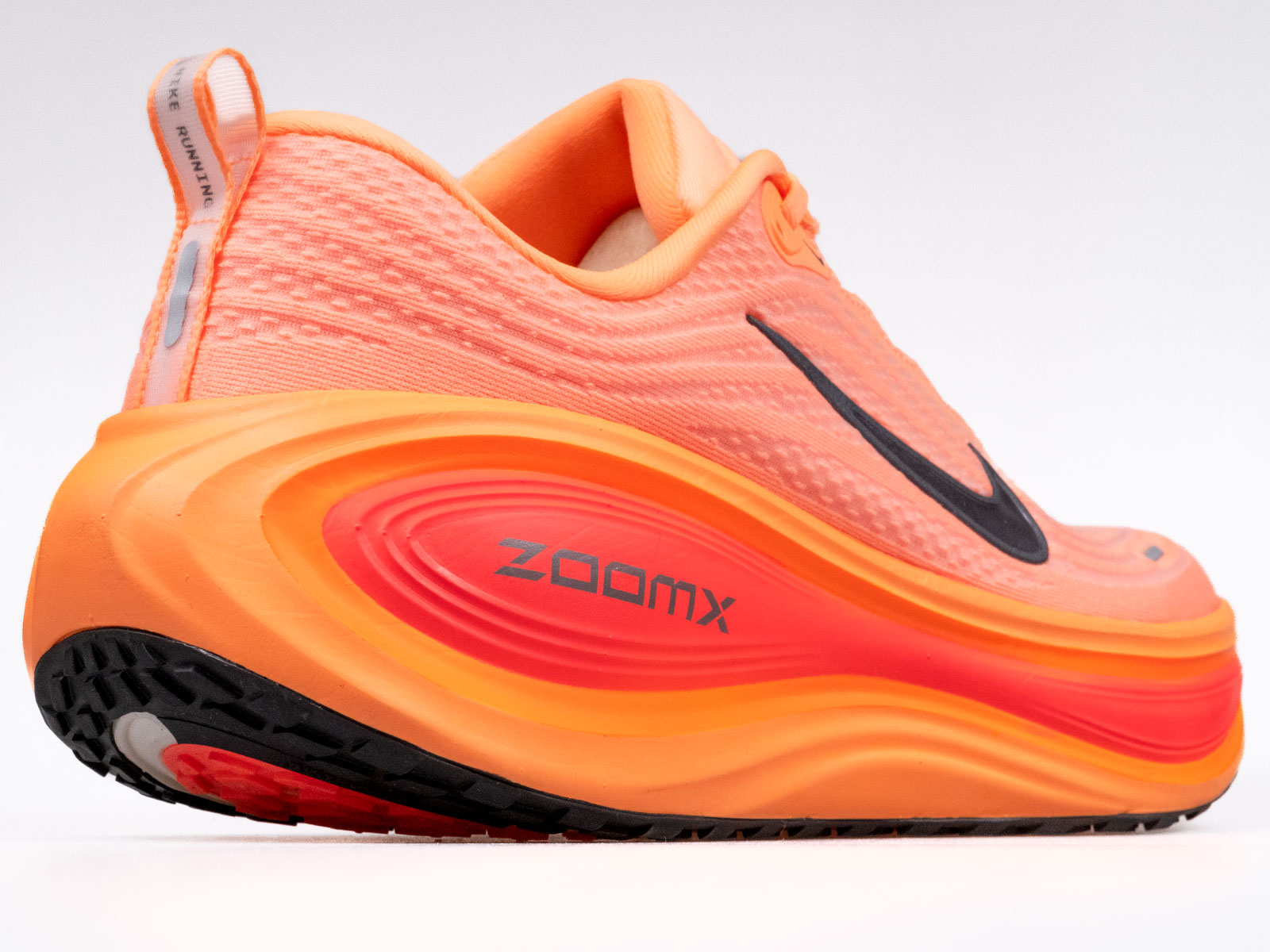
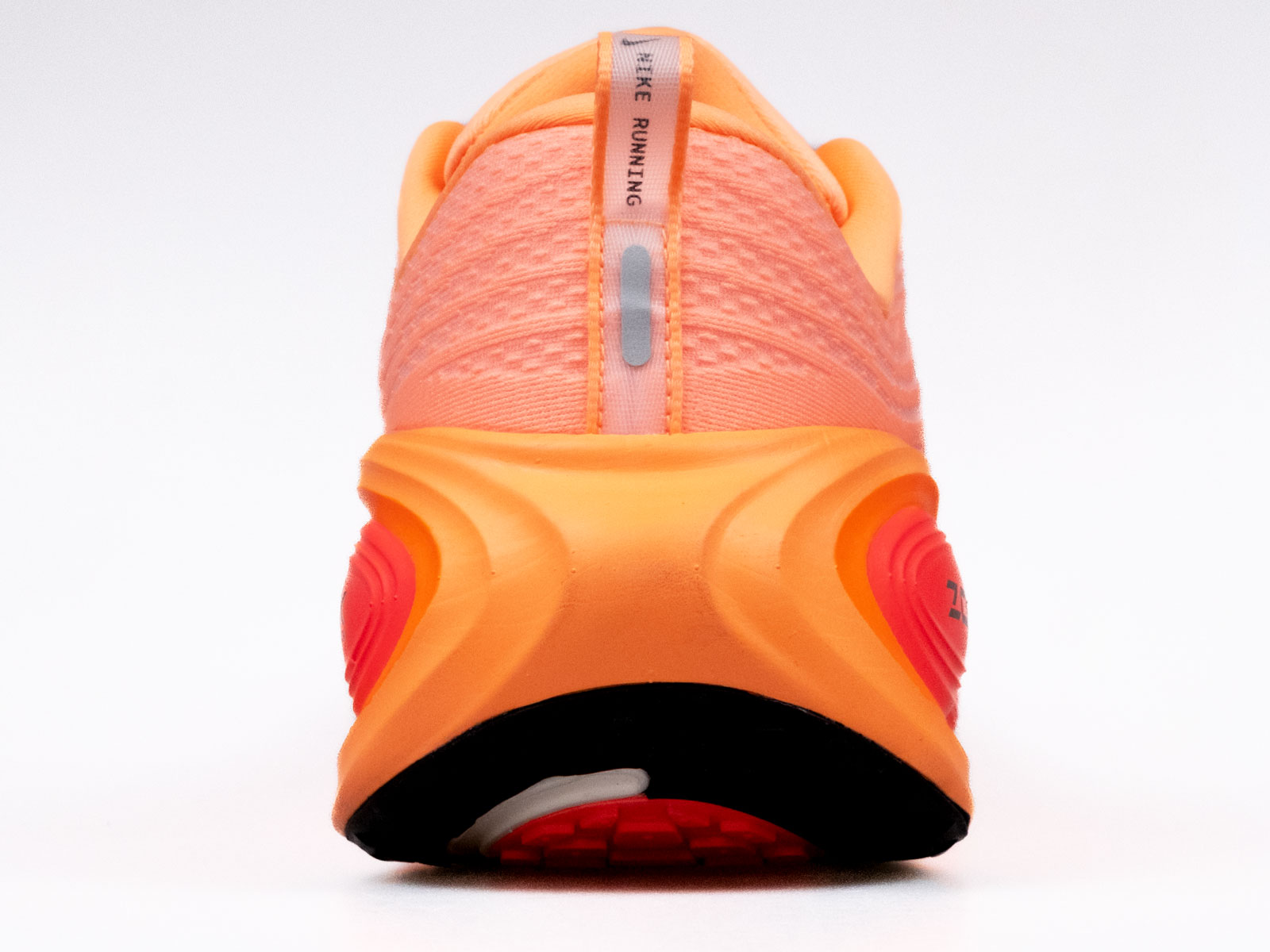
Specs
- Heel stack: 45 mm
- Forefoot stack: 35 mm
- Drop: 10 mm
- Weight: 10.3 oz / 292 gms
- Widths: Regular, wide
- Midsole: ZoomX foam
- Insole: Removable, open-cell Ortholite.
Why it works (the basics)
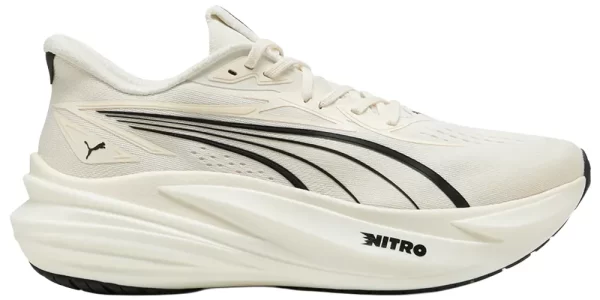
- 46 mm, 38 mm stack → makes recovery runs comfortable
- NitroFoam core → provides comfort without bottoming out
- Pumagrip outsole → offers superior traction
- Spacer mesh upper → delivers true-to-size ventilation
🔍 Deep Dive
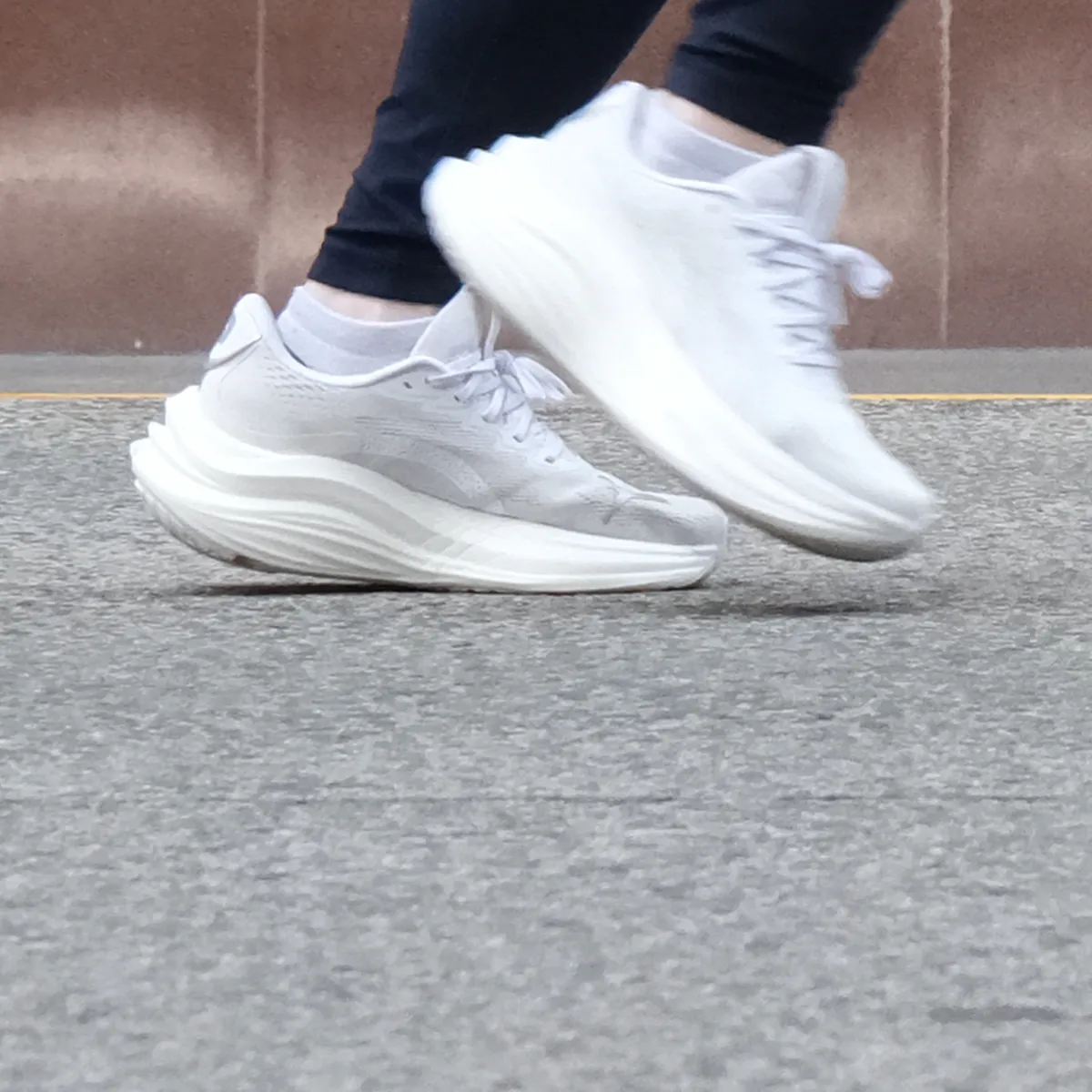
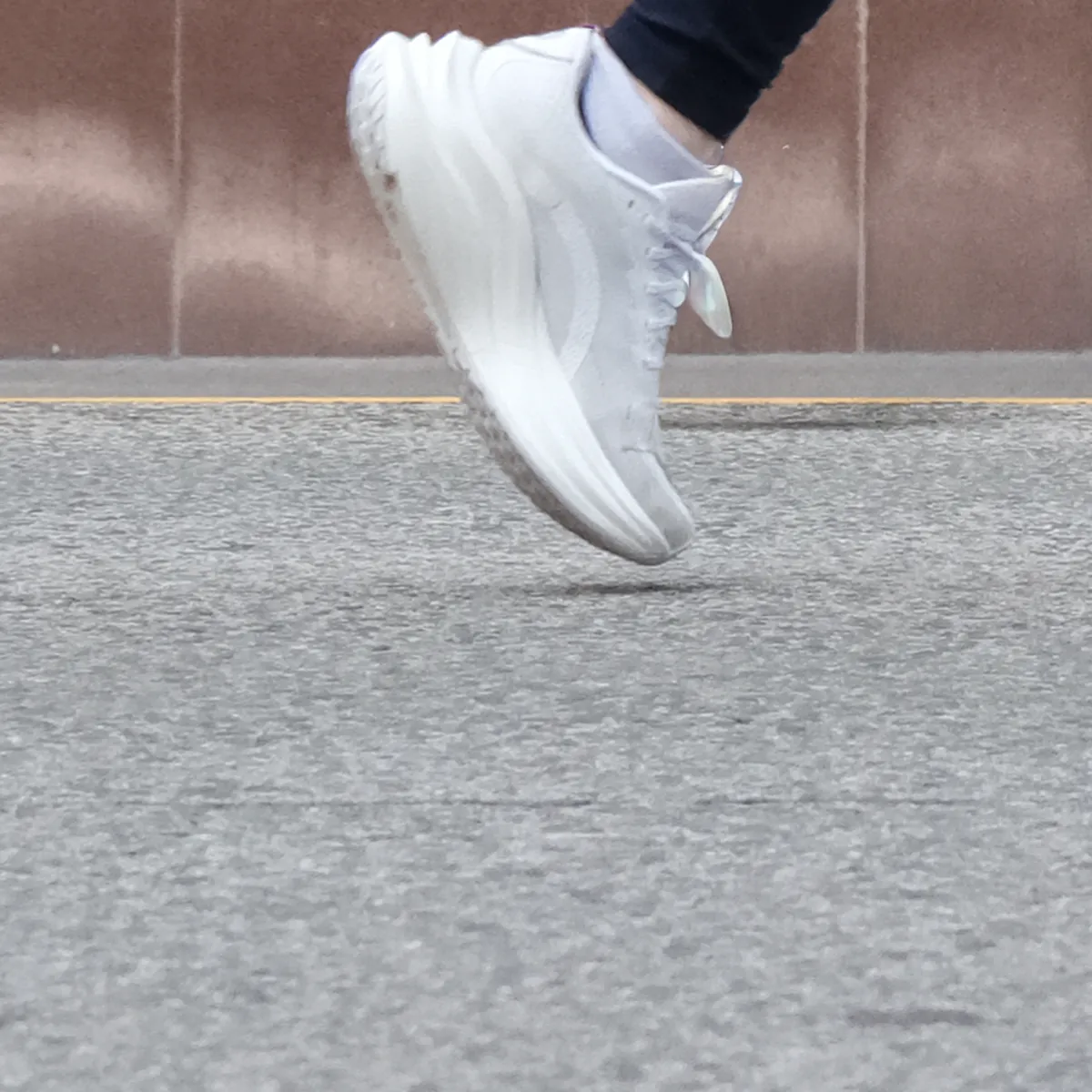
Puma running shoes are favored by geeks; the wider populace doesn’t give them the love they deserve. Be it the Deviate Nitro or the Fast-R Nitro Elite, Puma running shoes deliver highly functional on-road performance. The MagMax Nitro 2 is a somewhat underrated recovery trainer that not only delivers comfort during slow, cruising runs, but also performs well in three areas.
First, the NitroFoam midsole delivers its distance-friendly comfort without bottoming out under heavy loads. Second, the Pumagrip rubber outsole offers excellent traction, one that’s generally superior to Asics, Brooks, and Saucony outsoles. Third, the mesh upper offers better ventilation than many comparable recovery trainers. While the shoe is offered only in a single width, the true-to-size upper has a roomy toe box.
Pros
- Doesn’t bottom out under heavy loads
- Excellent outsole traction
- Long-distance ride comfort
- Rocker for smooth toe offs
- Secure, well-ventilated fit
Cons
- No optional widths
Fit Notes
True to size with a roomy toe box. Excellent ventilation. No optional widths.
Gallery
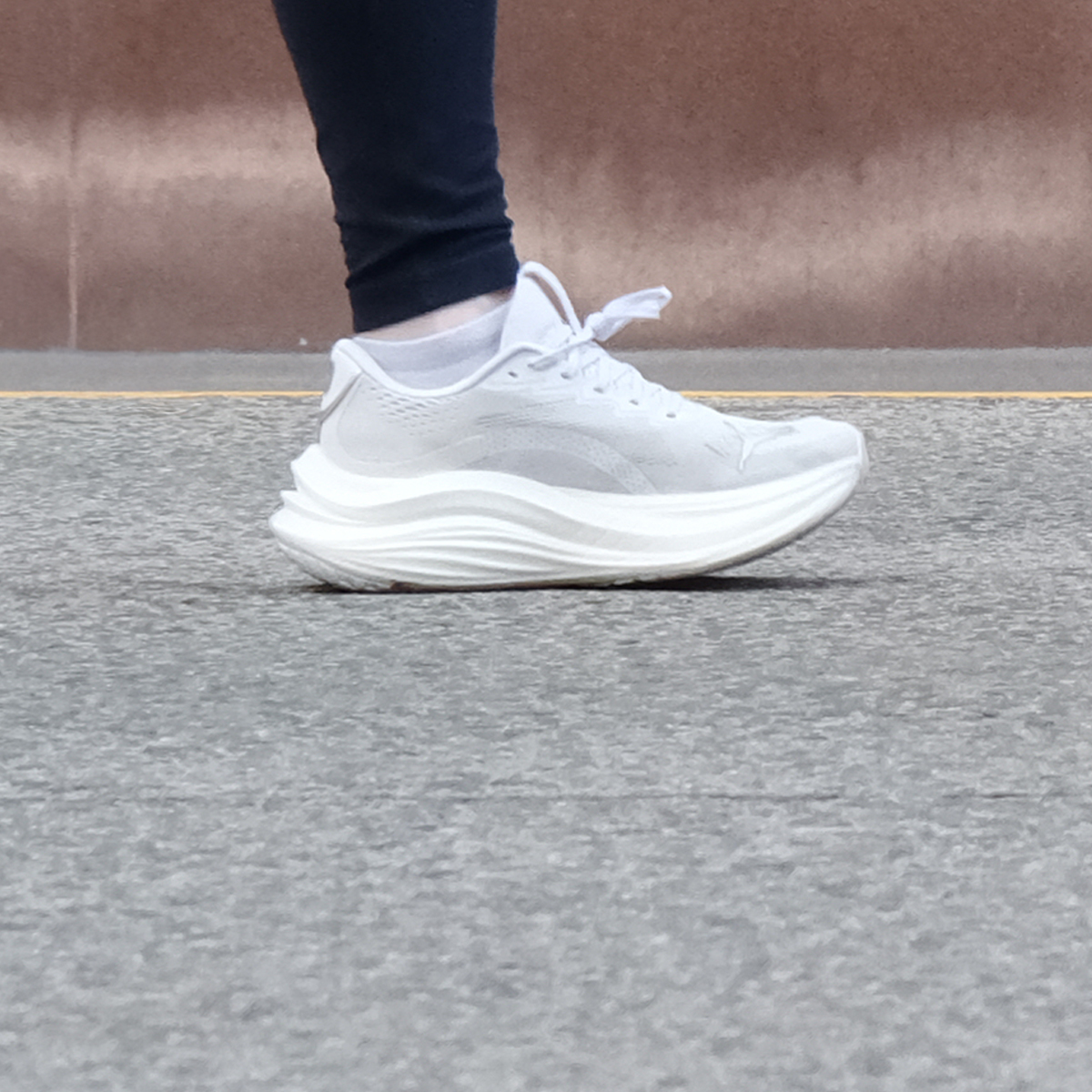
Specs
- Heel stack: 46 mm
- Forefoot stack: 38 mm
- Drop: 8 mm
- Weight: 10.1 oz / 275 gms
- Widths: Regular (single)
- Midsole: NitroFoam
- Insole: Molded, removable
Why it works (the basics)
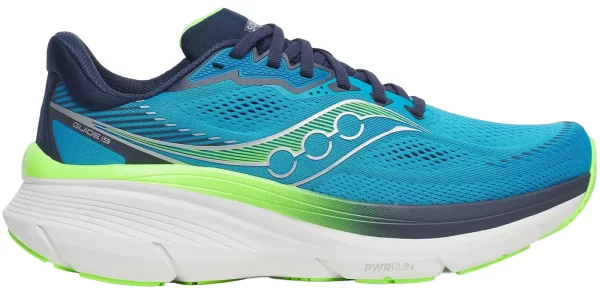
- Wide midsole footprint → improves overall ride stability
- Firm PWRRUN EVA midsole → maintains structural integrity
- 35 mm, 29 mm stack heights → delivers controlled cushioning
- Thick E-TPU footbed → adds step-in comfort over a stable base
🔍 Deep Dive
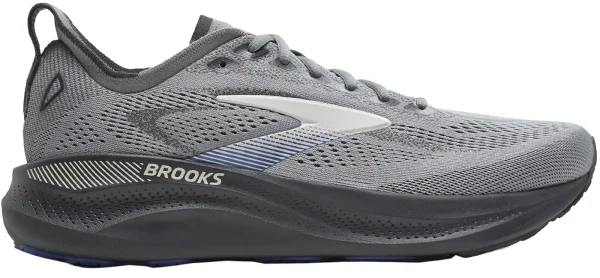
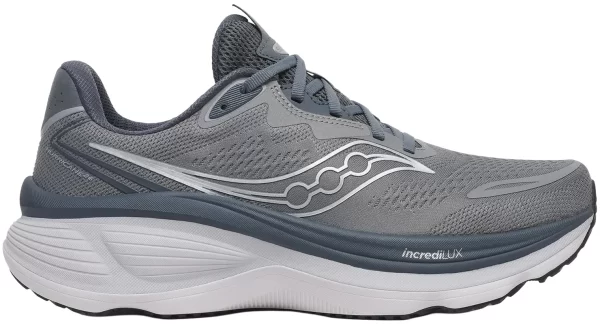
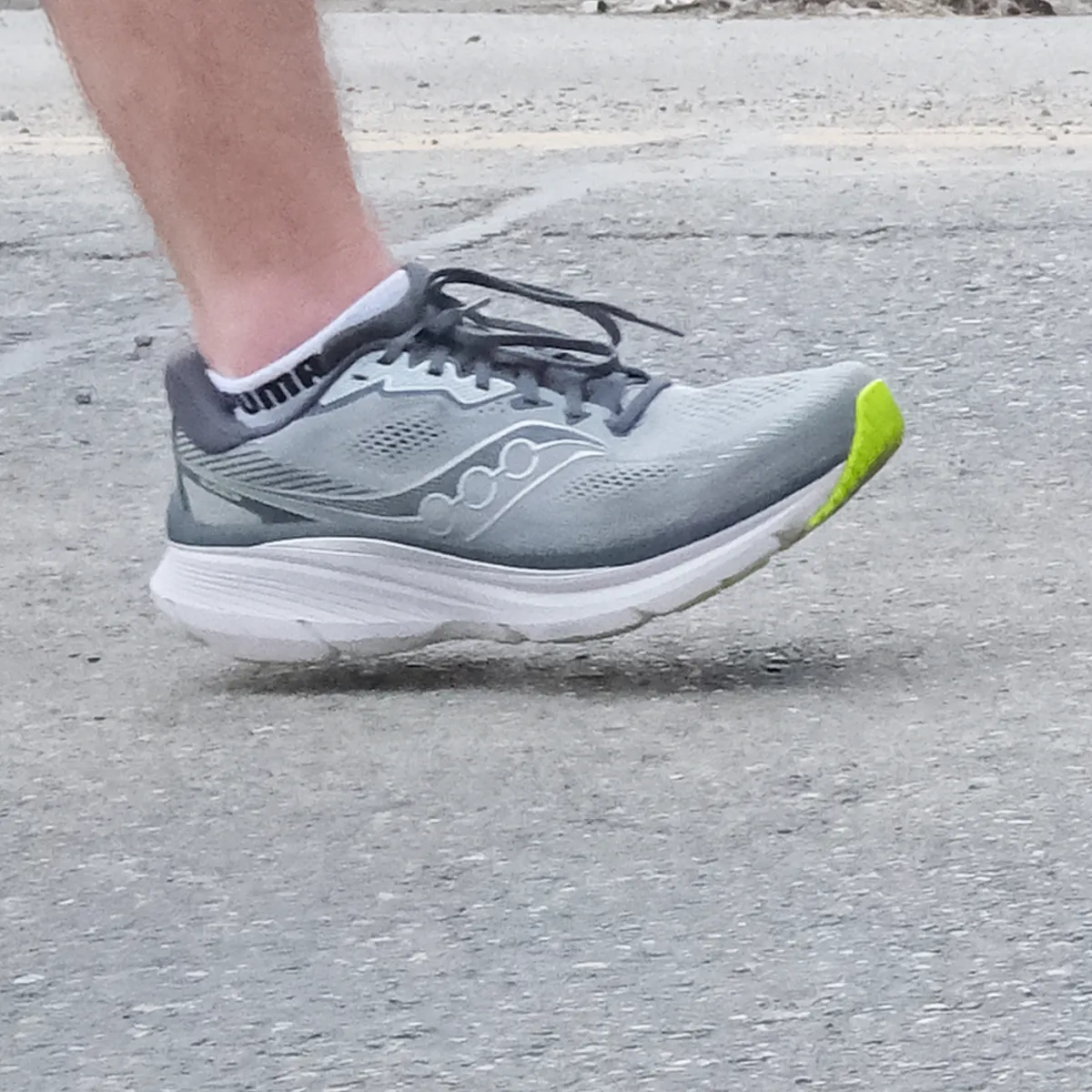
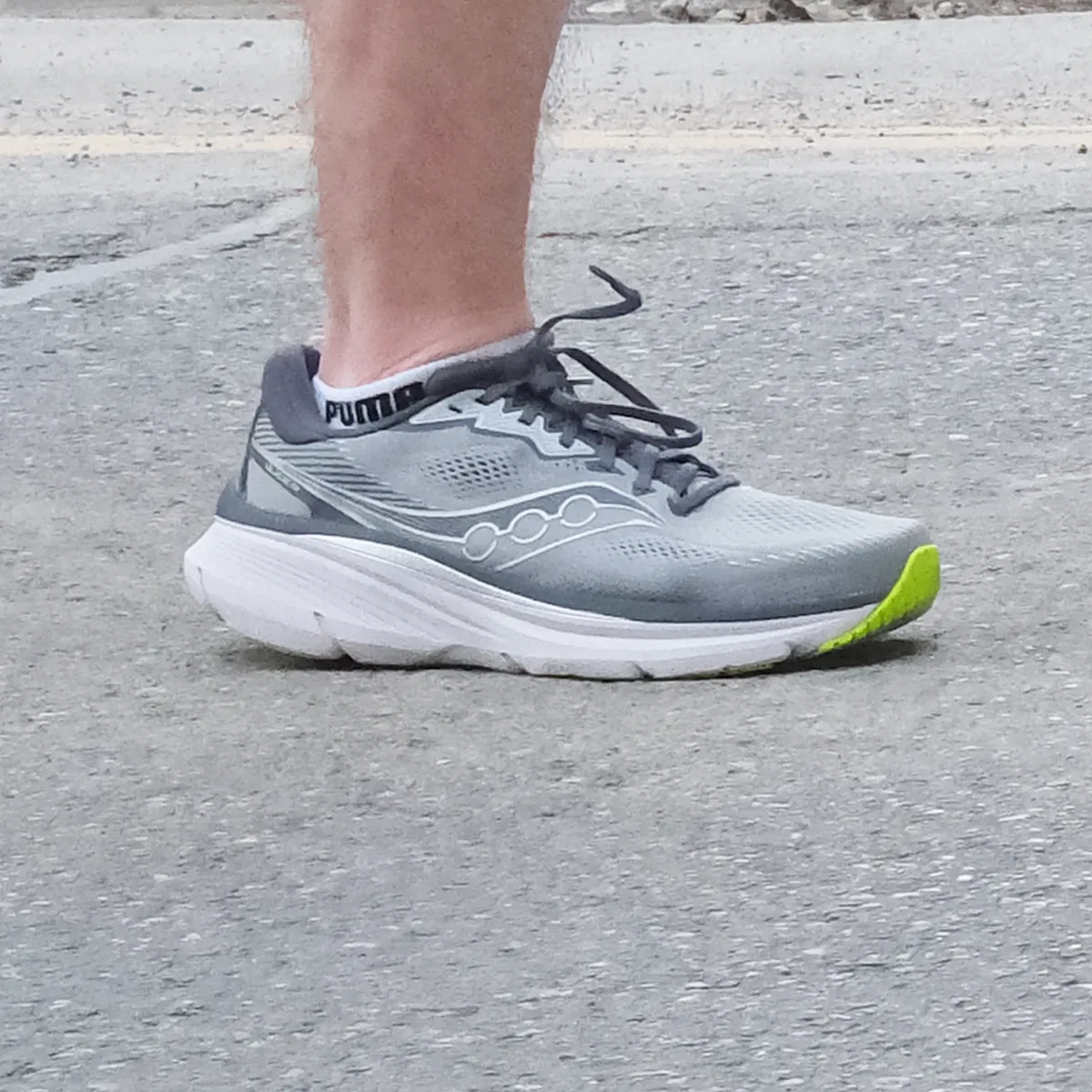
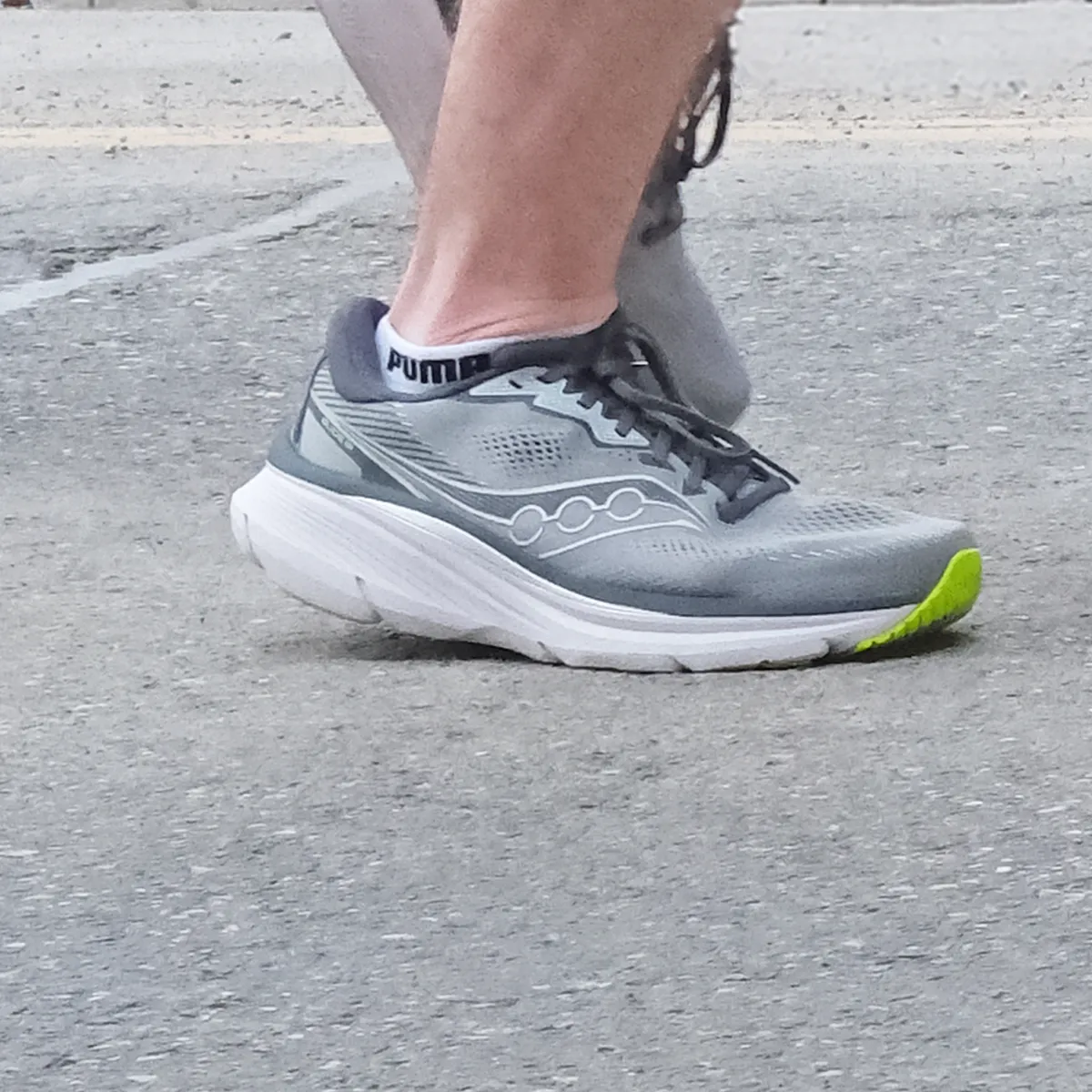
Readers may wonder why we chose the Guide 19 over the Hurricane 26. After all, isn’t softer better for recovery runs? Well, no – a soft ride shouldn’t be conflated with comfort. Besides, the target use case is overpronation, and ultra-soft shoes such as the Hurricane deliver lower levels of support than the Guide 19. The Saucony Guide 19 doesn’t have the plush ride of the Vomero Plus or the Puma MagMax Nitro 2. But that’s exactly what makes it ideal for overpronators.
The midsole uses an injection-molded EVA foam (PWRRUN) with excellent load-bearing capabilities. It does a superior job of managing foam compression on the medial side when the arch loads inward during an overpronated gait. Okay, some runners may miss the soft ride most modern running shoes offer, but it’s basic physics – the softer the shoe, the more unstable it is, and therefore worse for overpronators. The 35 mm and 29 mm stack heights provide plenty of comfort during recovery runs, except that it’s not the plush kind. As far as the step-in softness goes, that’s taken care of by a thick E-TPU footbed. The true-to-size upper has a roomy toe box and is sold in wide and extra-wide sizes.
Pros
- Excellent ride stability
- High medial compression resistance
- Dense footbed cushioning
- Choice of wide, extra-wide
Cons
- Weak rocker effect
- Slightly heavy by modern standards
Also consider

Fit Notes
True-to-size fit with roomy toe box. Gusseted tongue. Optional wide and extra-wide widths.
Gallery
Specs
- Heel stack: 35 mm
- Forefoot stack: 29 mm
- Drop: 6 mm
- Weight: 9.7 oz / 275 gms
- Widths: Regular, wide, extra-wide
- Midsole: Injection-molded EVA foam
- Insole: Molded, removable
Why it works (the basics)
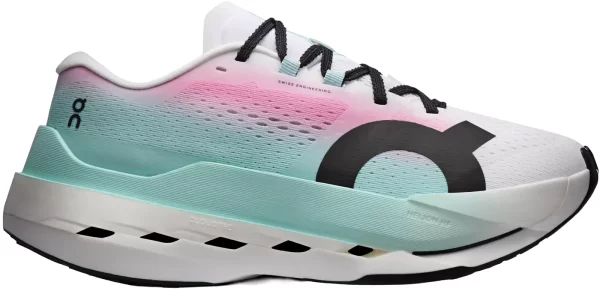
- 40 mm, 32 mm Helion HF Hyper stack → is ideal for recovery runs
- Wide base → adds supportive cushioning
- Raised midsole sidewalls → creates a cupping action
- True full-length plate → accommodates heel strikes
🔍 Deep Dive
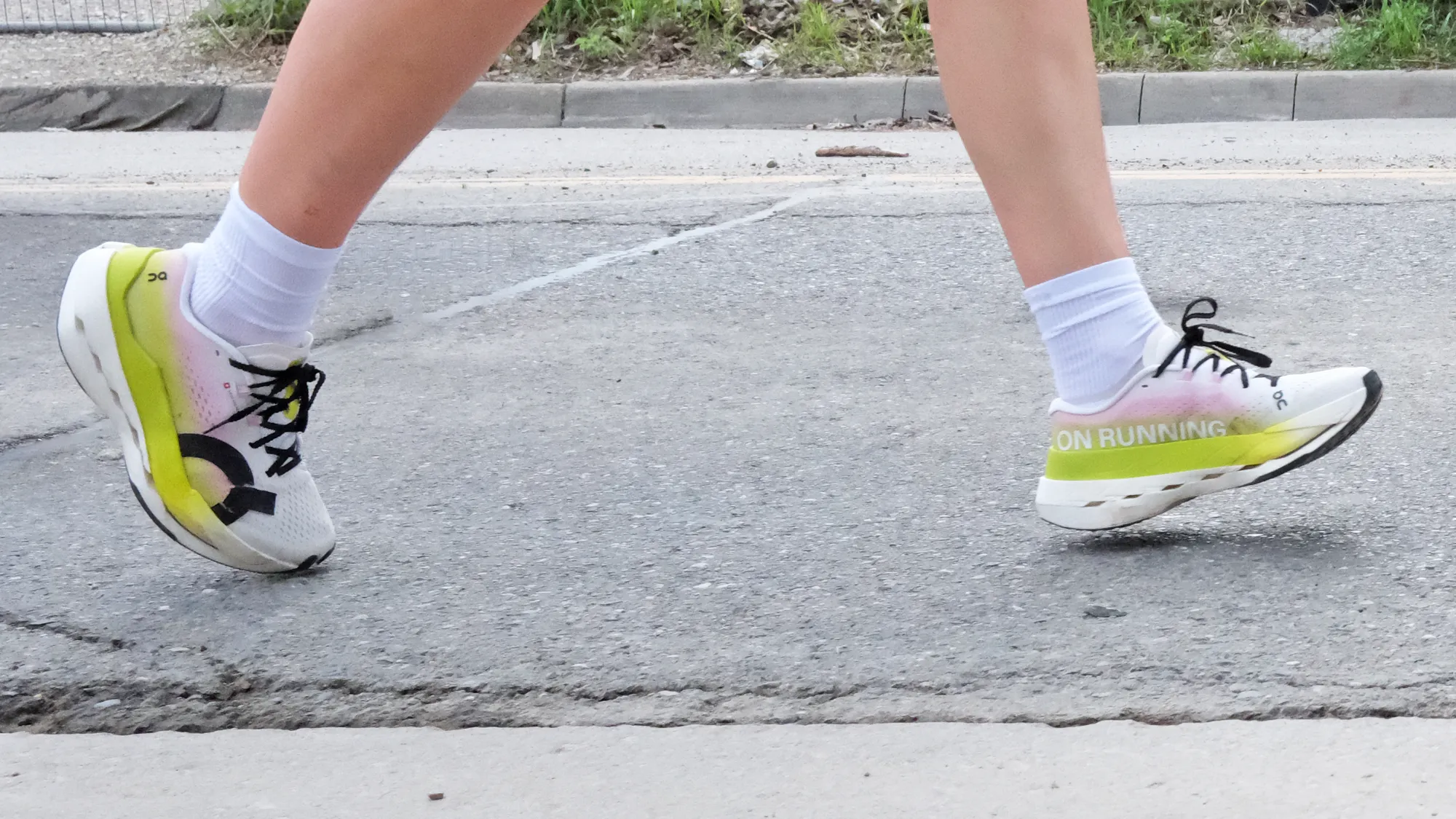
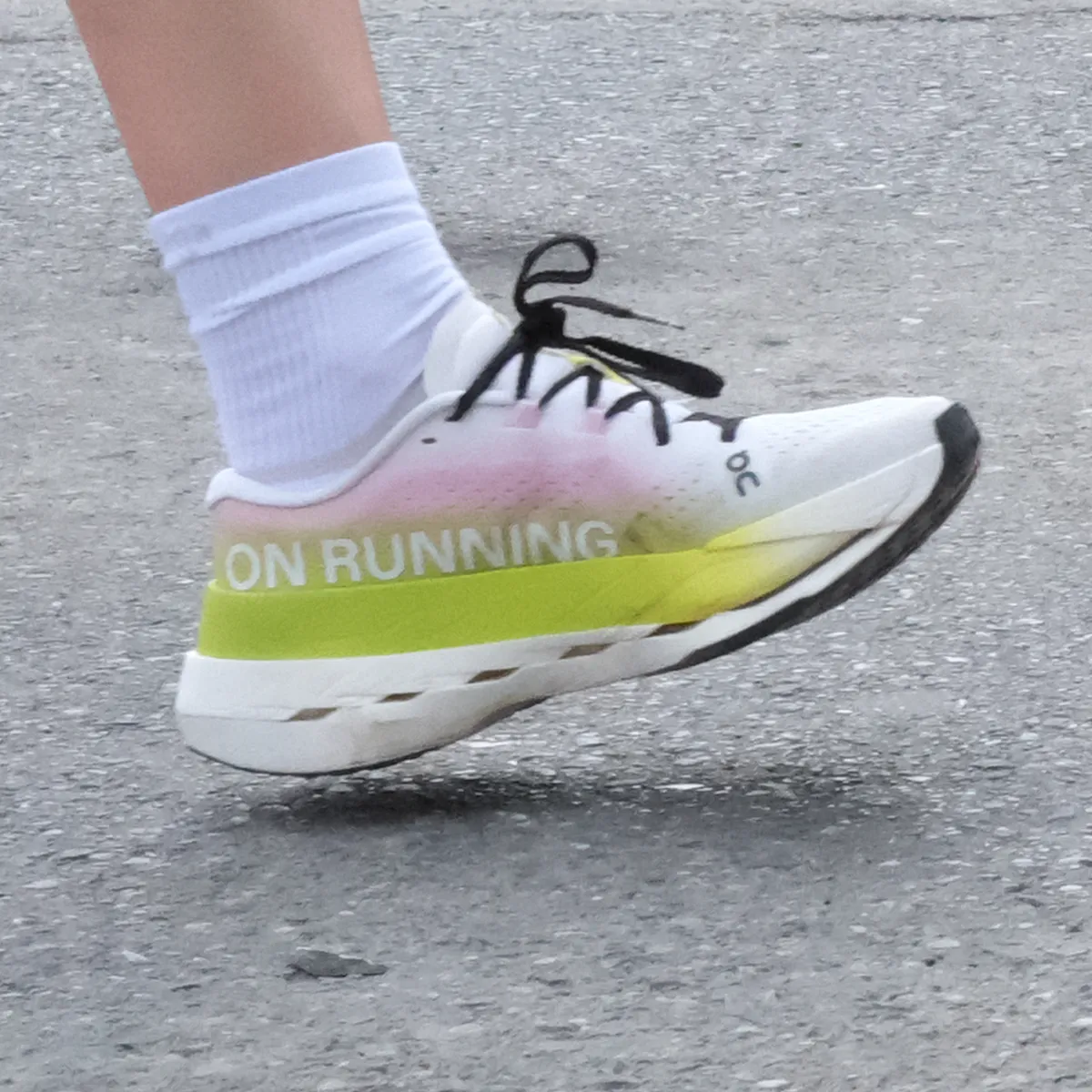
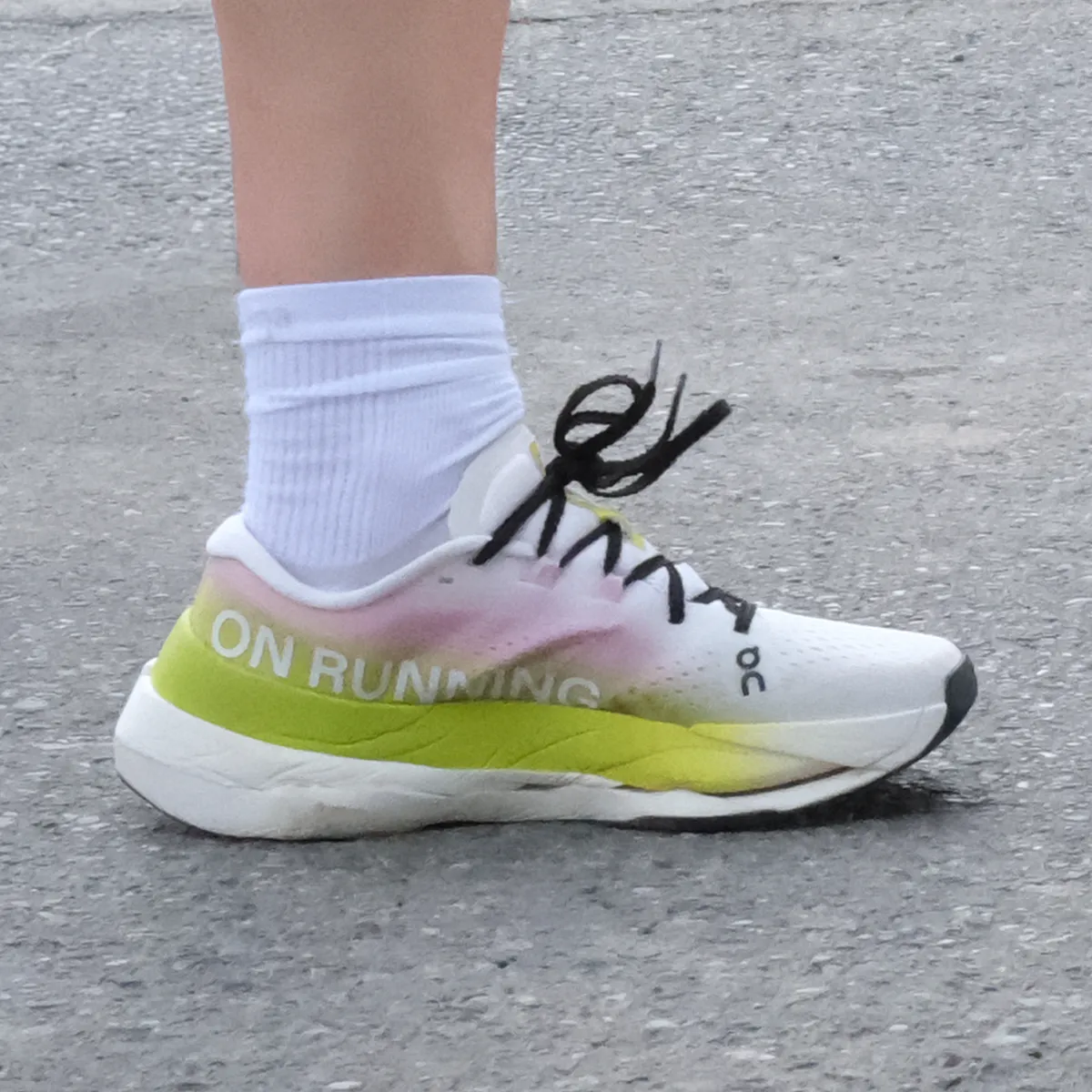
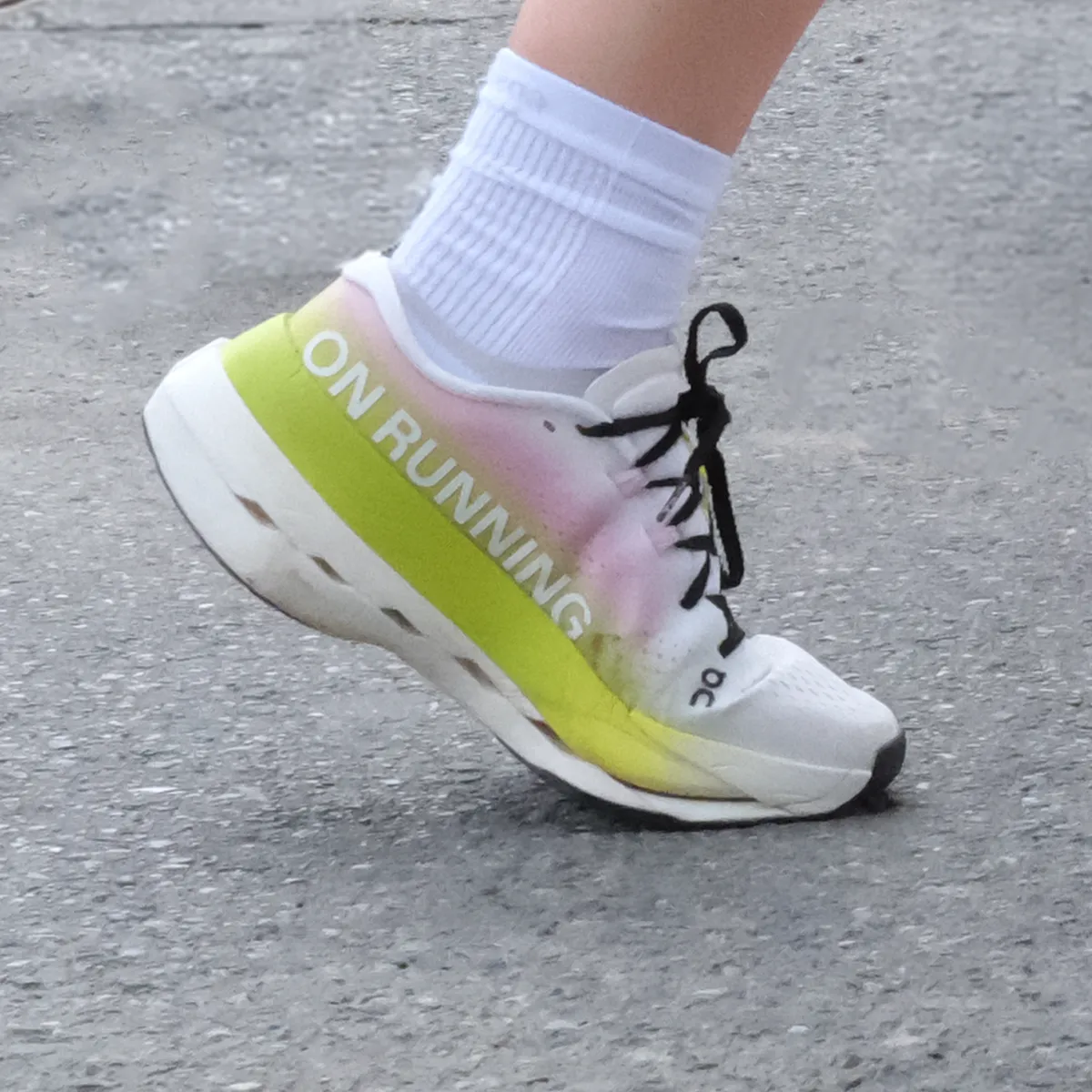
There aren’t many plated running shoes that play well at easier paces. However, the On Cloudboom Max is built differently than the rest, making it an exception among its peers. A competent recovery trainer needs more than mere stack heights; it needs the stability that accommodates slow speeds and heel strikes. While other plated On models like the Cloudboom Strike 2 hog all the attention, shoes such as the Cloudboom Max are more suited for a wider population of runners.
The midsole design is pretty unique for a plated shoe. Sure, you have two densities of On’s Helion HF Hyper stacked high, and that takes care of the cushioning comfort. But that’s not what makes the Cloudboom Max unique. The glass-fiber-infused plate is truly full-length, meaning it starts from the heel edge and ends at the forefoot in a split-toe design for better control during roll-offs. The high midsole sidewalls create a cupping action around the foot, and slower runs benefit from a wide base with plenty of outsole coverage. These features make the On Cloudboom Max highly tolerant of rearfoot landings and easy speeds, both of which overlap with recovery runs. The true-to-size and secure upper has best-in-class materials and finish – an area that On excels in.
Pros
- Doesn’t penalize slow speeds
- Supportive ride with cupping effect
- Outsole traction
- Heel edge plate supports heel strikers
- Relatively high durability
- High level of fit and finish
Cons
- No optional widths
- Heavy for a plated trainer
Fit Notes
Fits true to size with a snug fit. Single width only.
Gallery
Specs
- Heel stack: 40 mm
- Forefoot stack: 32 mm
- Drop: 8 mm
- Weight: 10.4 oz / 296 gms
- Widths: Regular (single)
- Midsole: Dual-density Helion HF Hyper, glass fiber-infused plate
- Insole: Molded, removable