
In this product guide:
When it first launched a decade ago, the Hoka Clifton broke the then-popular minimalist running shoe trend. With its tall rocker midsole, the Clifton was the shoe that made max-cushioning a thing. Fast forward ten years, and the Clifton 10 still feels familiar. While it’s a refined version of the original concept, it continues to offer plenty of usable comfort for running and walking. This version is the softest ever, featuring a 42 mm (heel) and 34 mm (forefoot) midsole made with a soft EVA-blend foam. The heel-to-toe offset has gone up to 8 mm from 6 mm on the Clifton 9, making it more compatible with walking. The beveled heel doesn’t catch the ground, and the rocker forefoot gently nudges the foot forward. The wide outsole creates a smooth motion path while supporting the bodyweight.

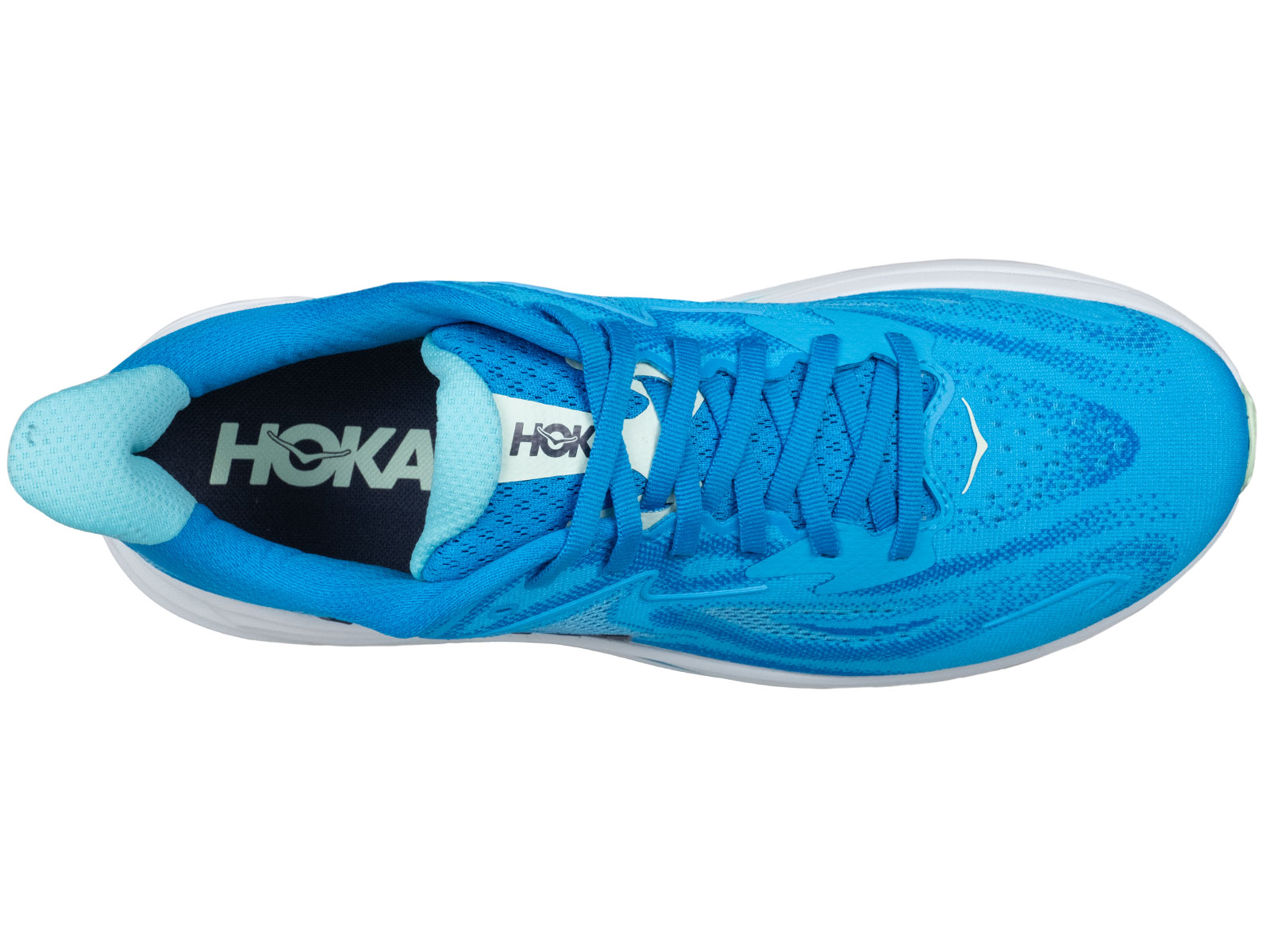
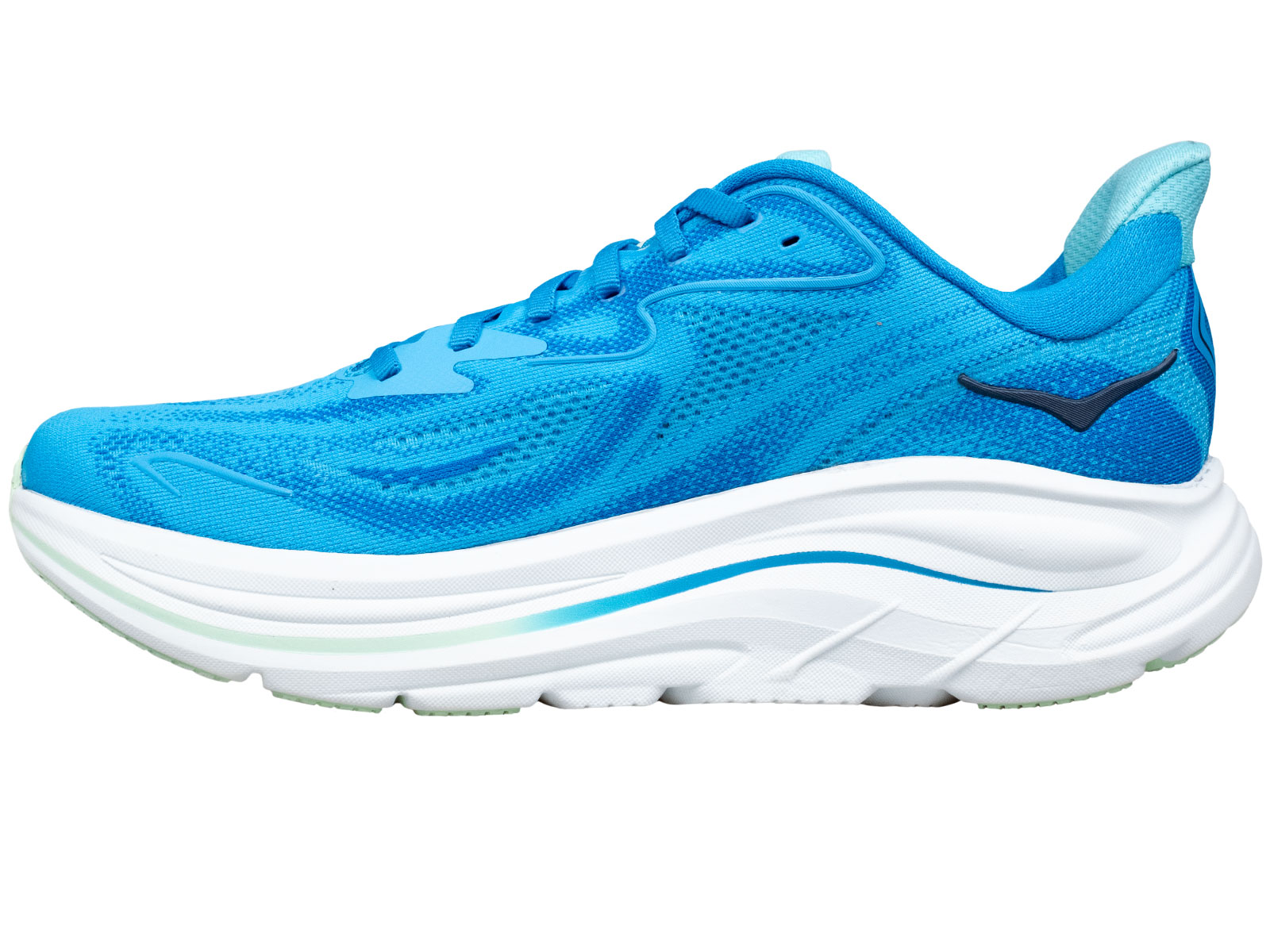
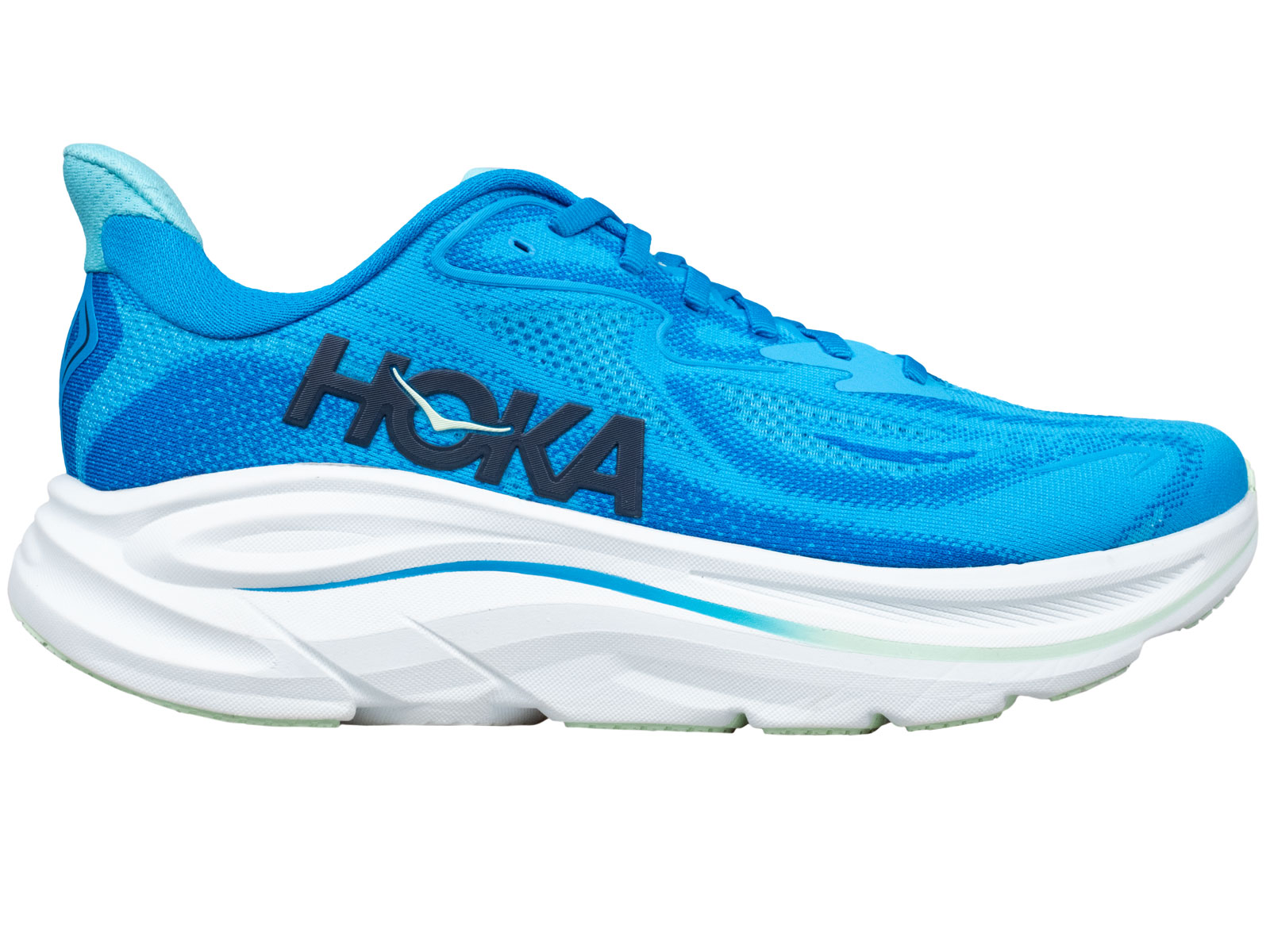
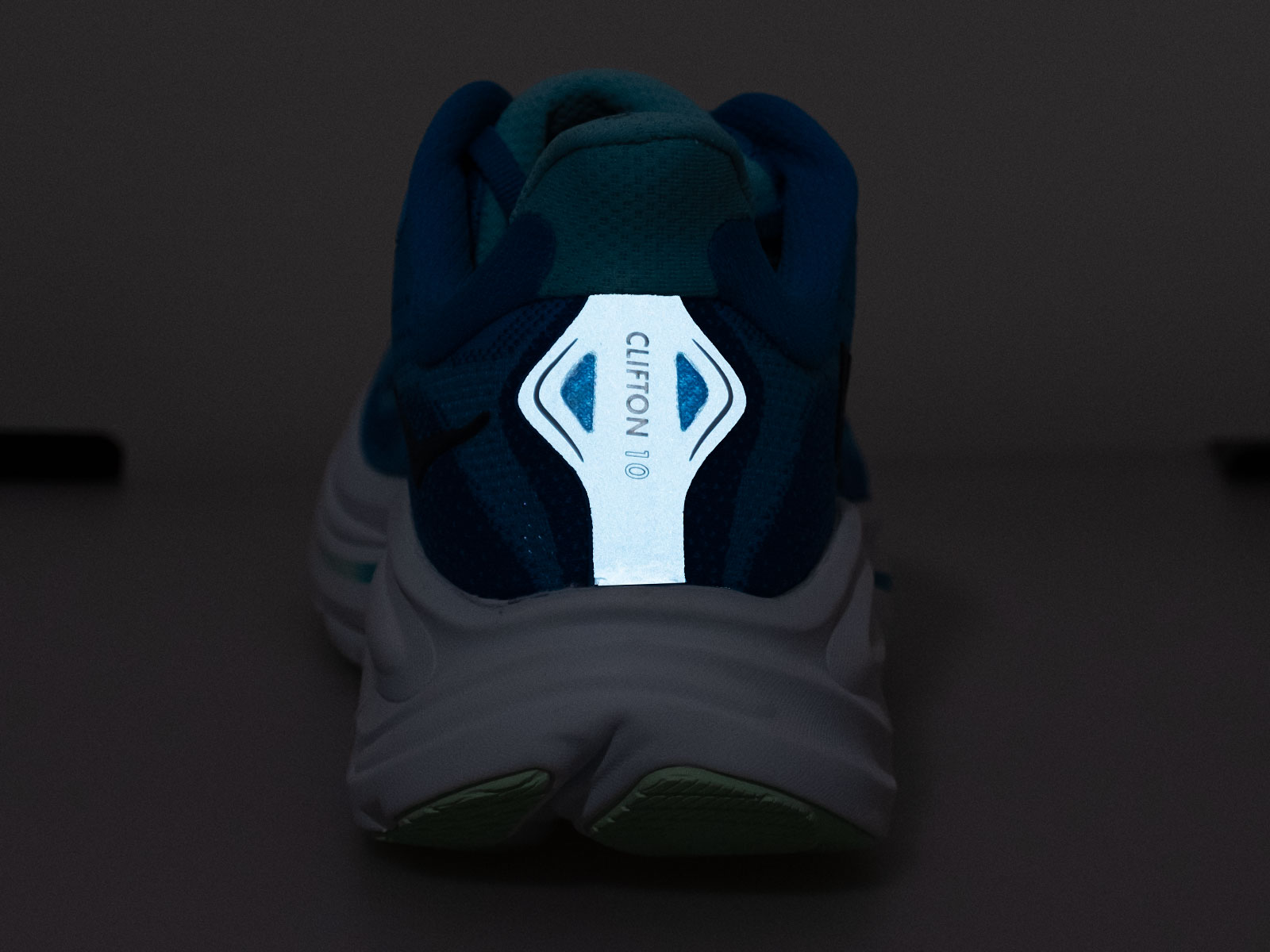
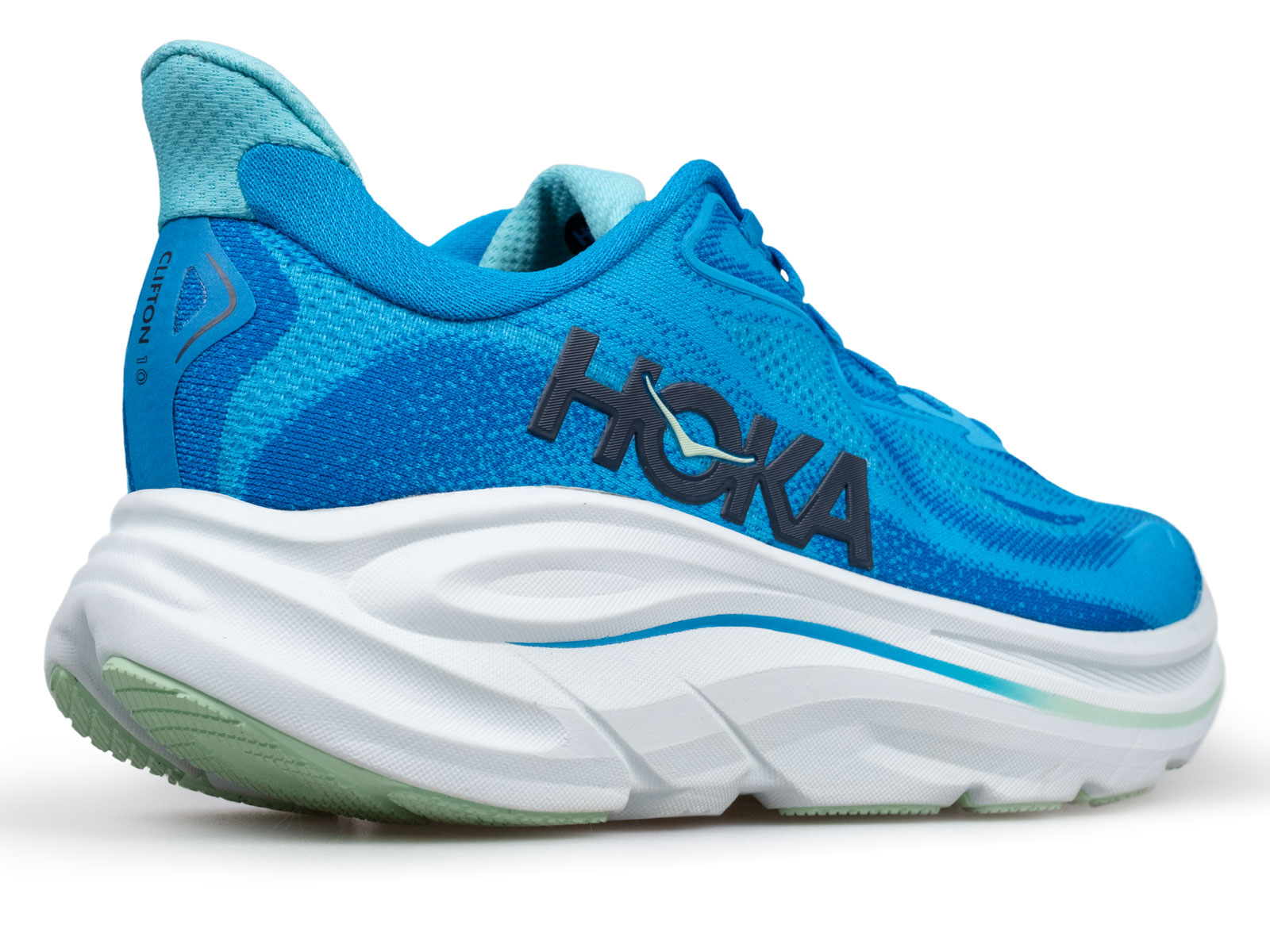
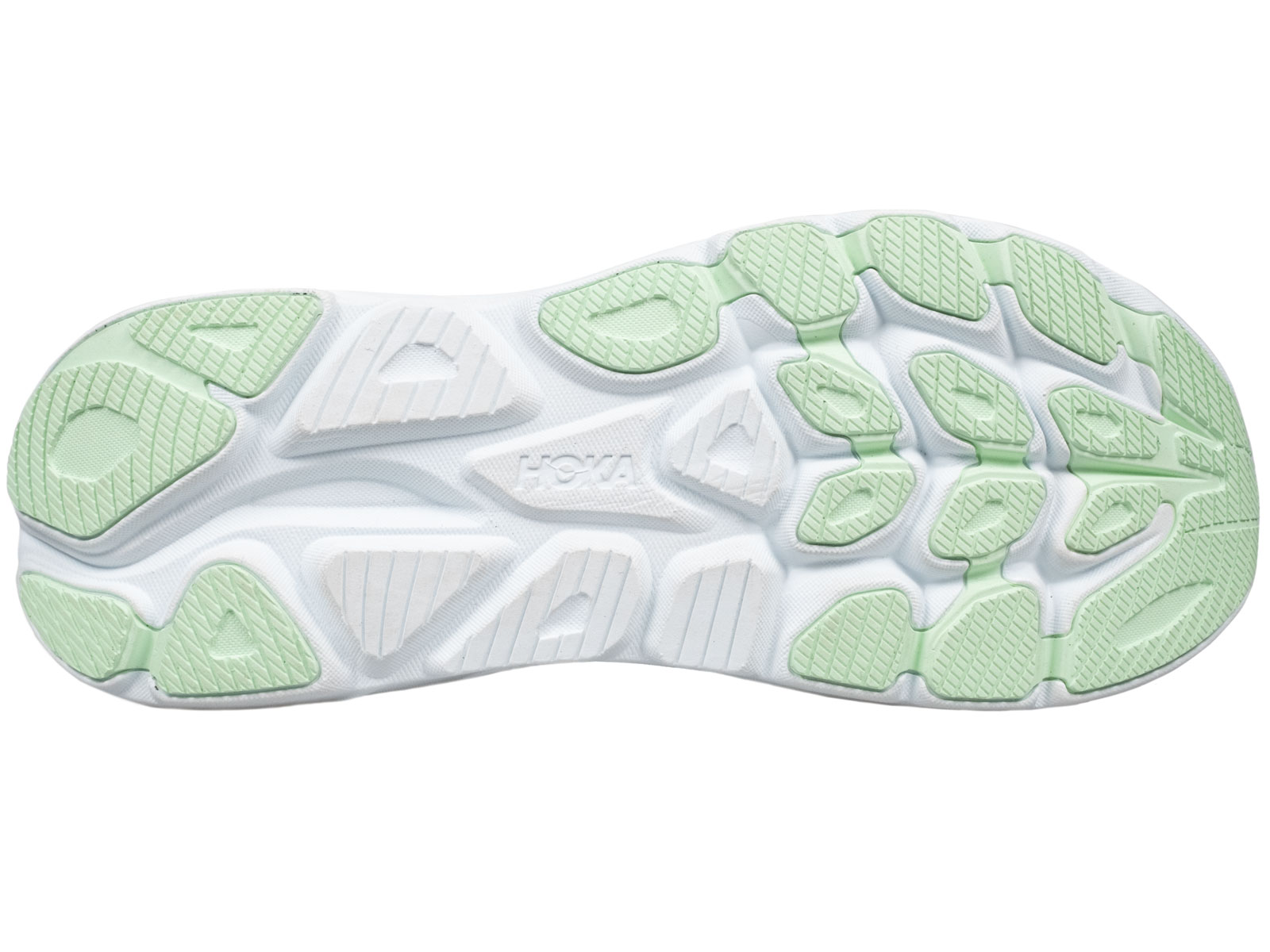
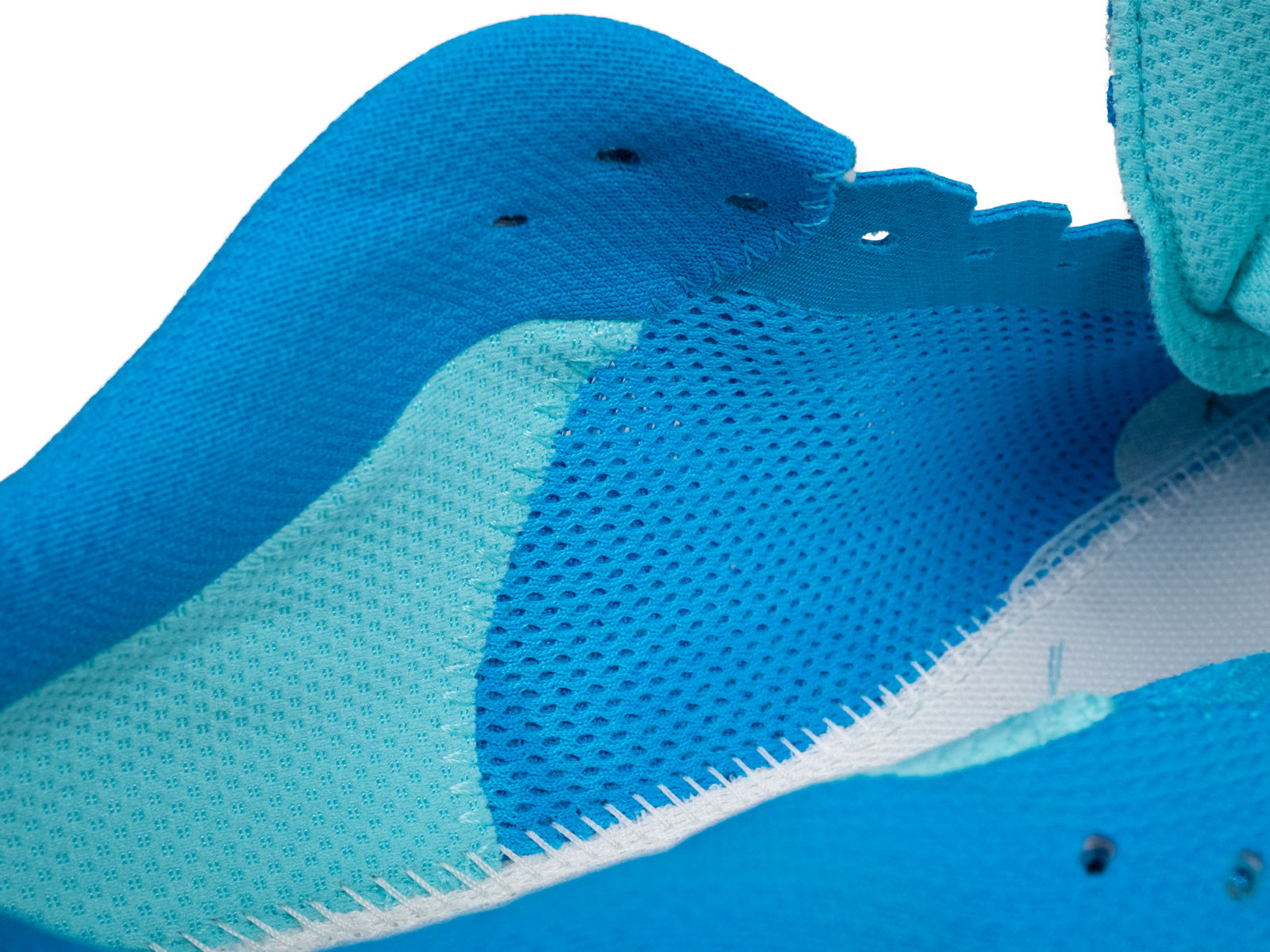
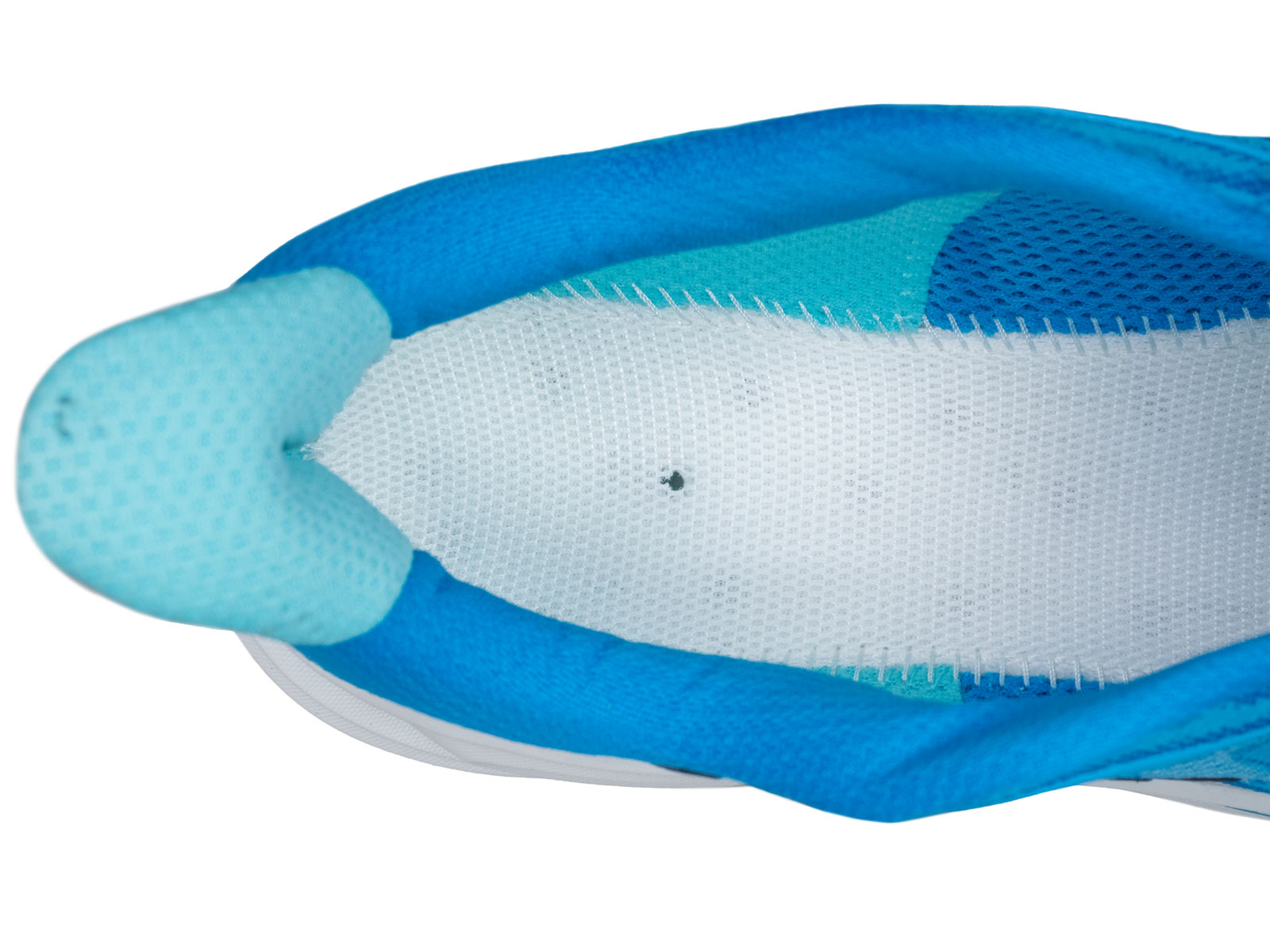
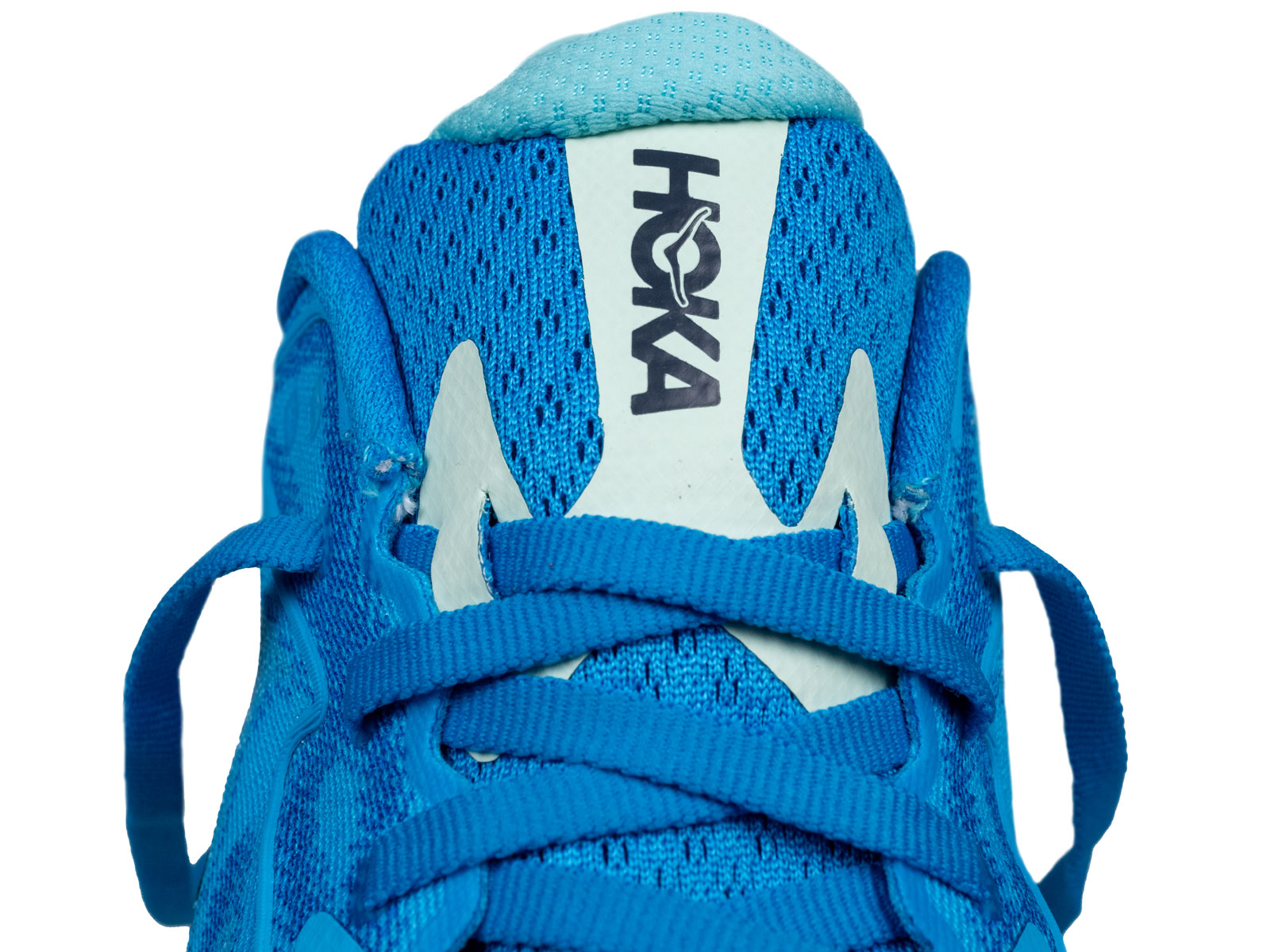
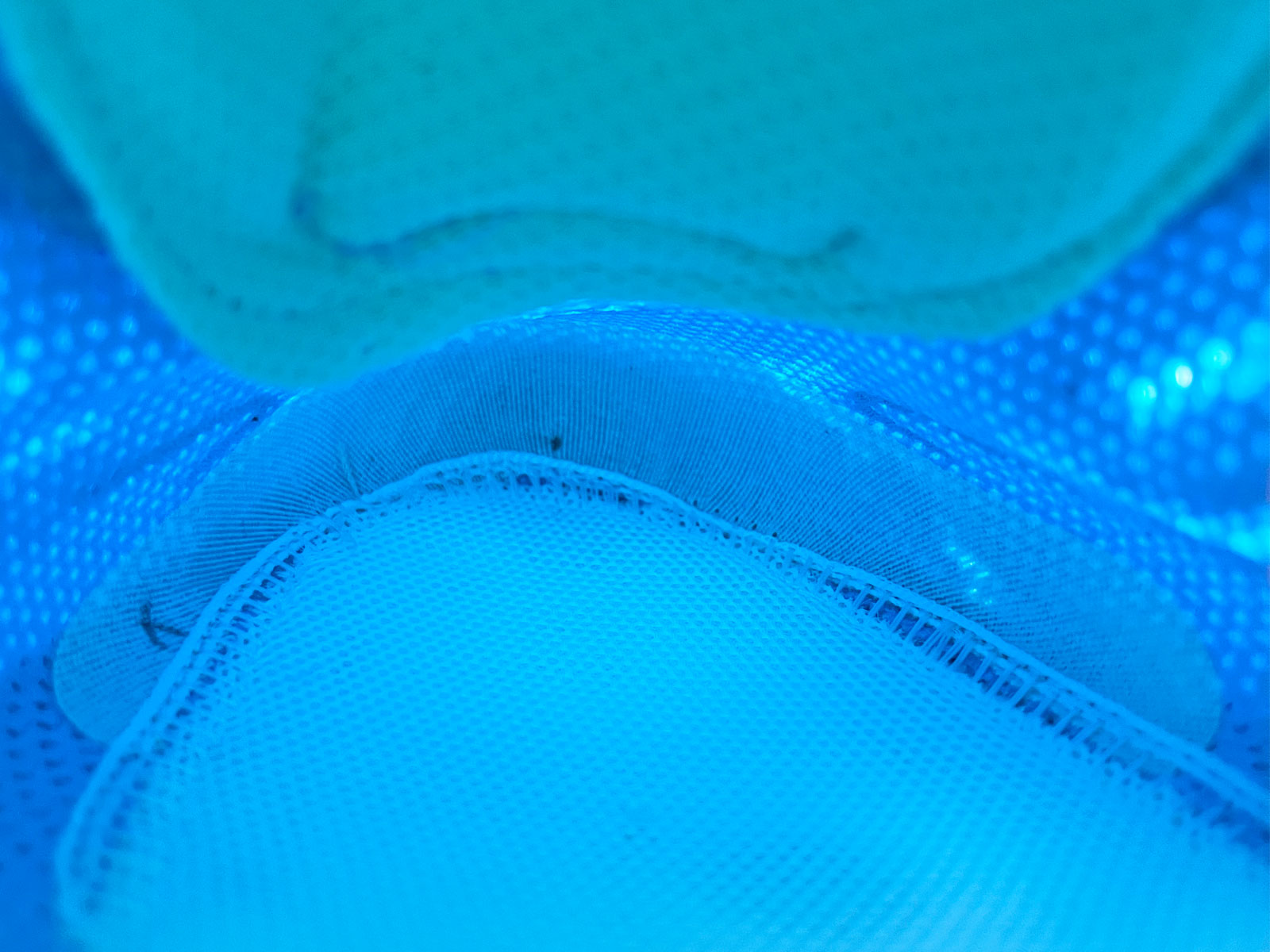
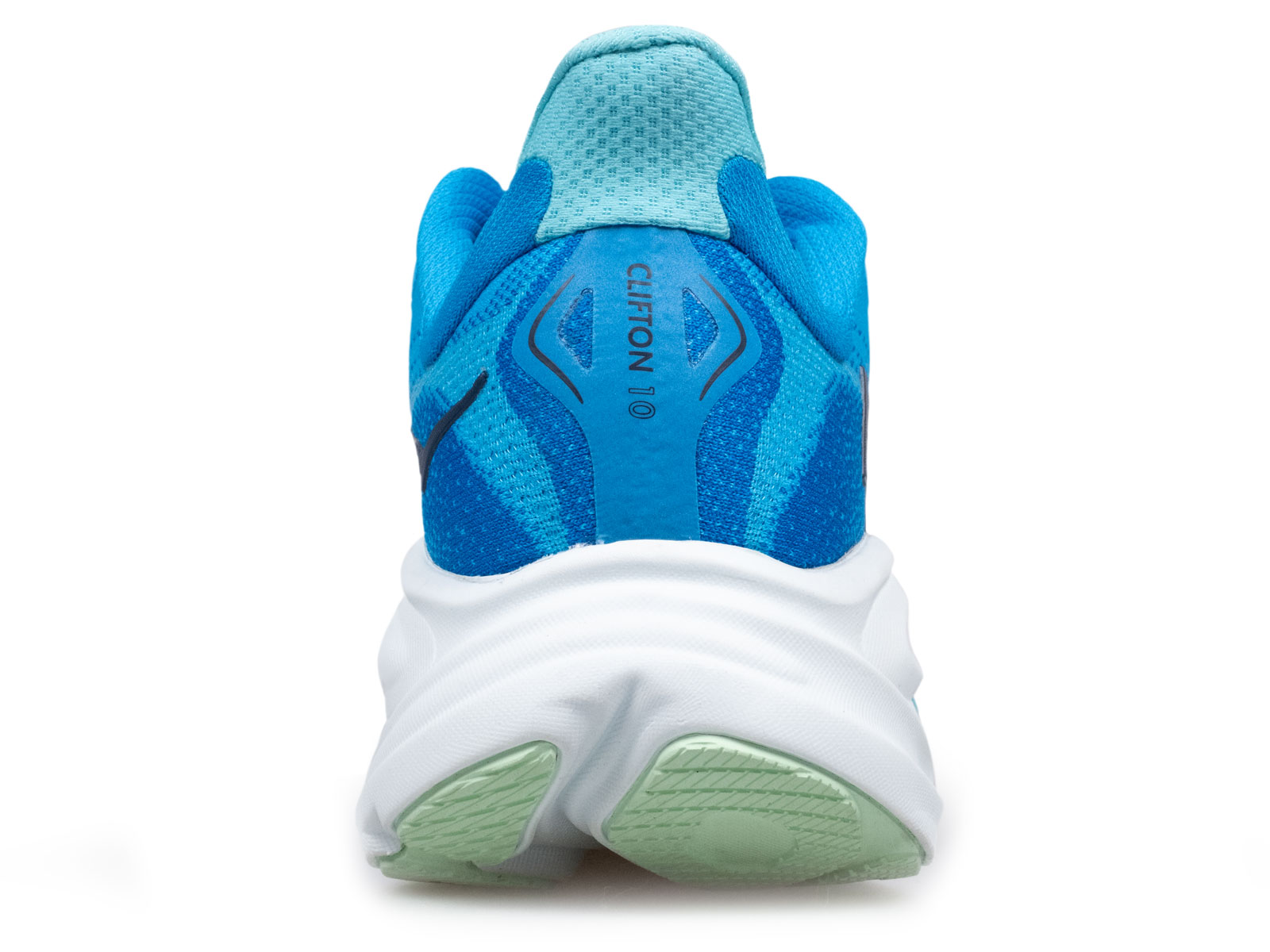
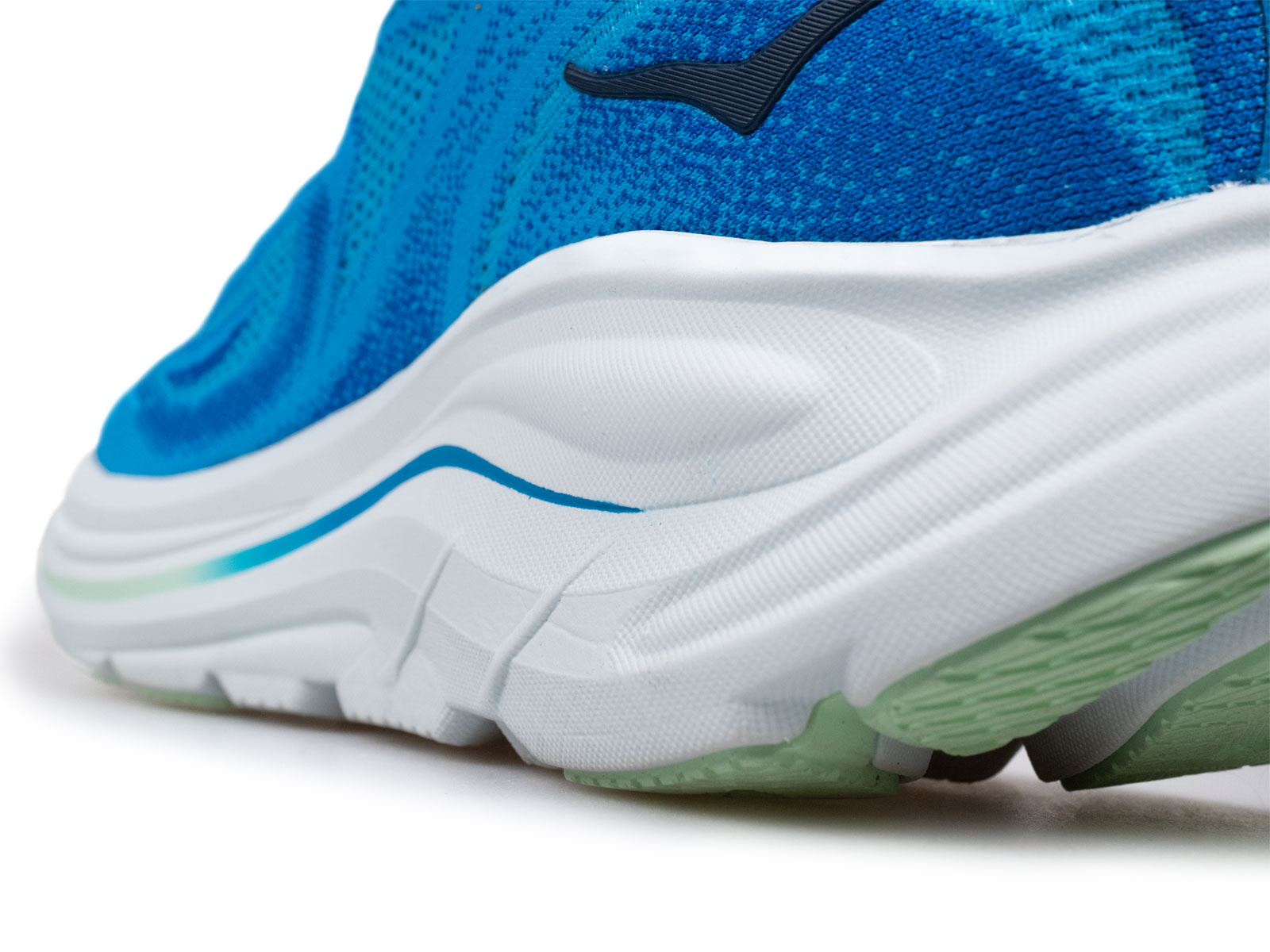
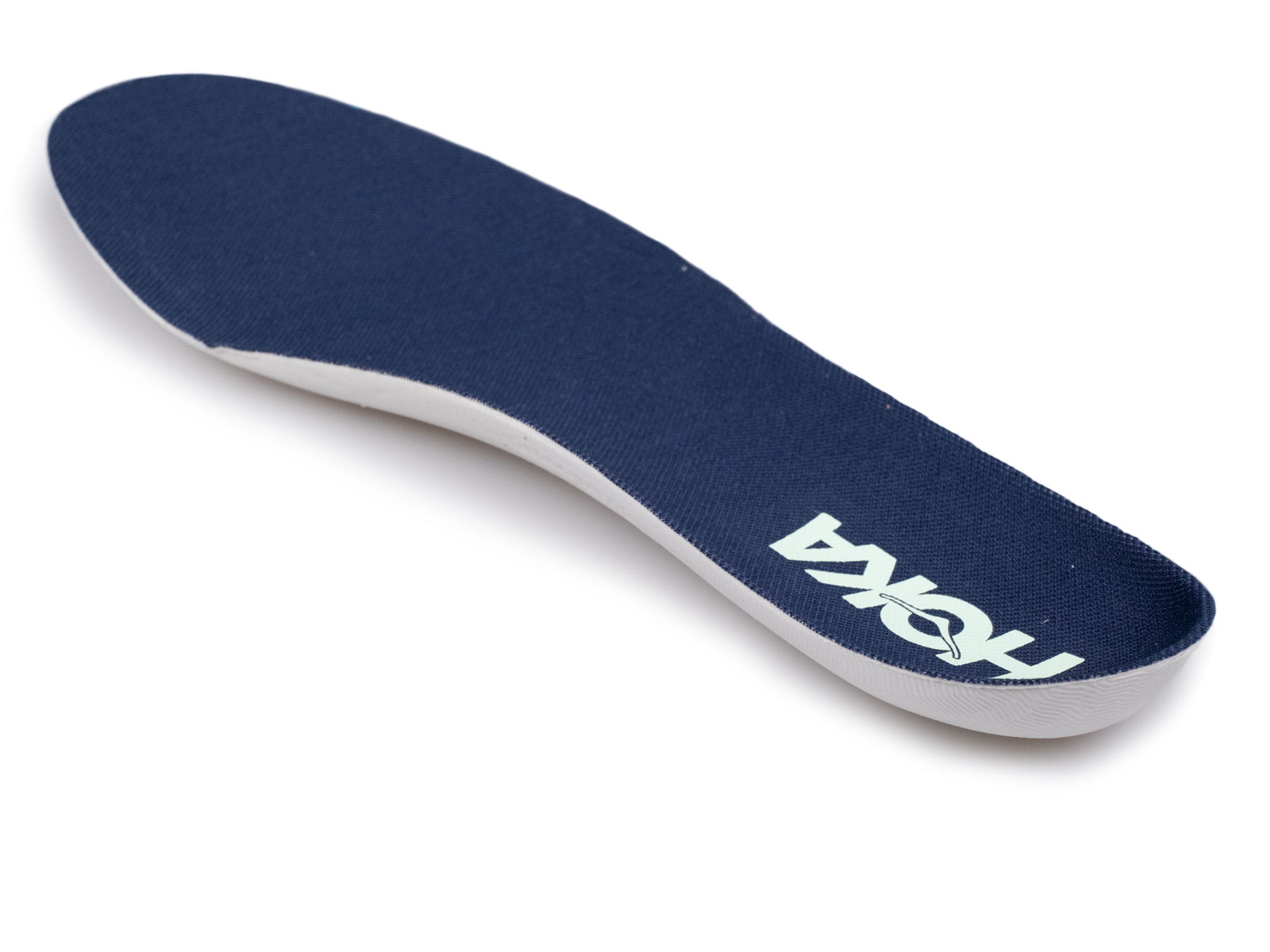
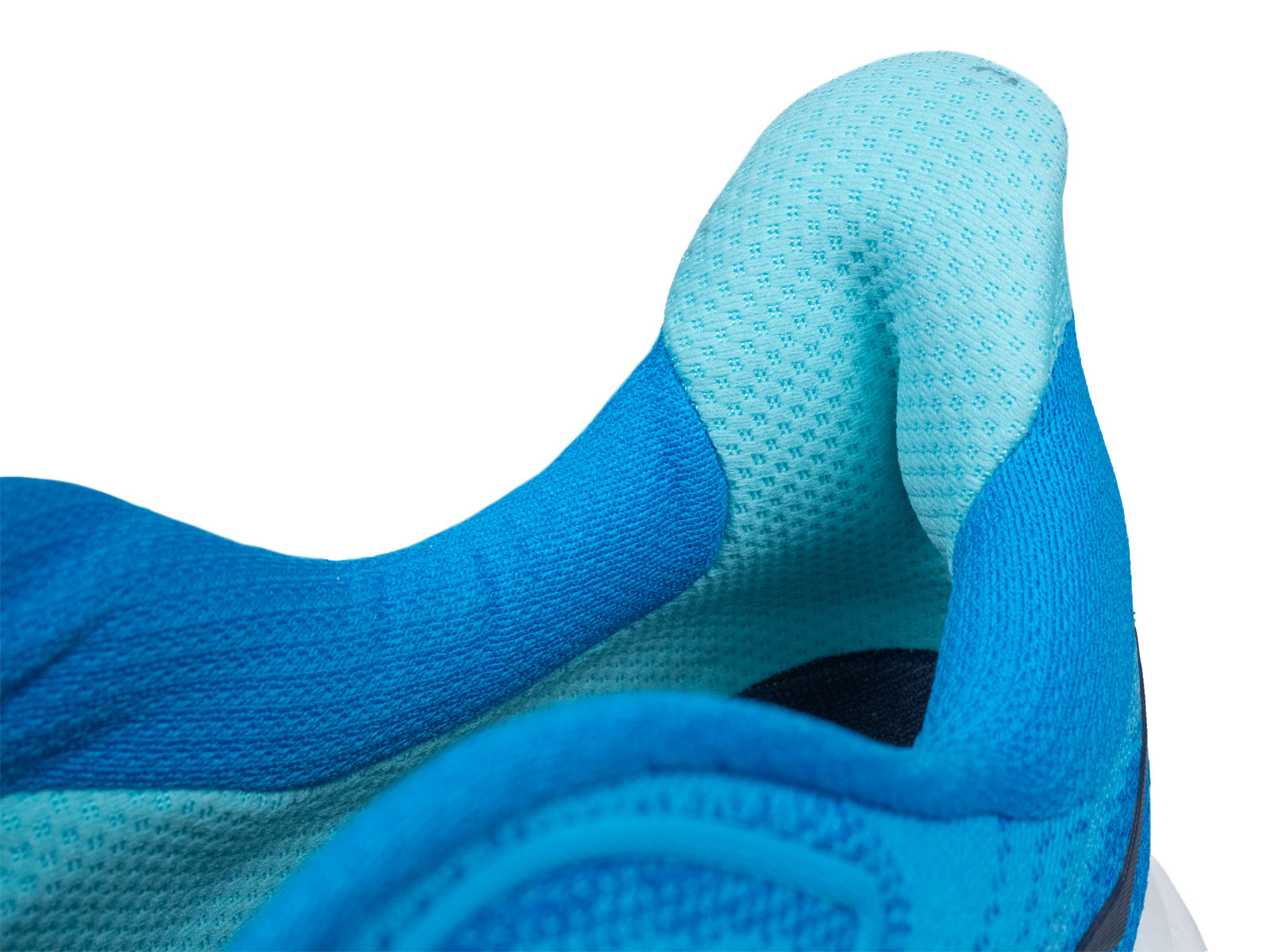
While the upper fits slightly long, buying a true-to-size fit is recommended for greater comfort. The tongue doesn’t have a gusset, but it doesn’t slide because of the twin lacing loop on top. Most colors are also available in a wide size, with the triple-black color also offered in an extra wide.
Also consider: The Hoka Clifton 9 Gore-Tex for waterproof performance.
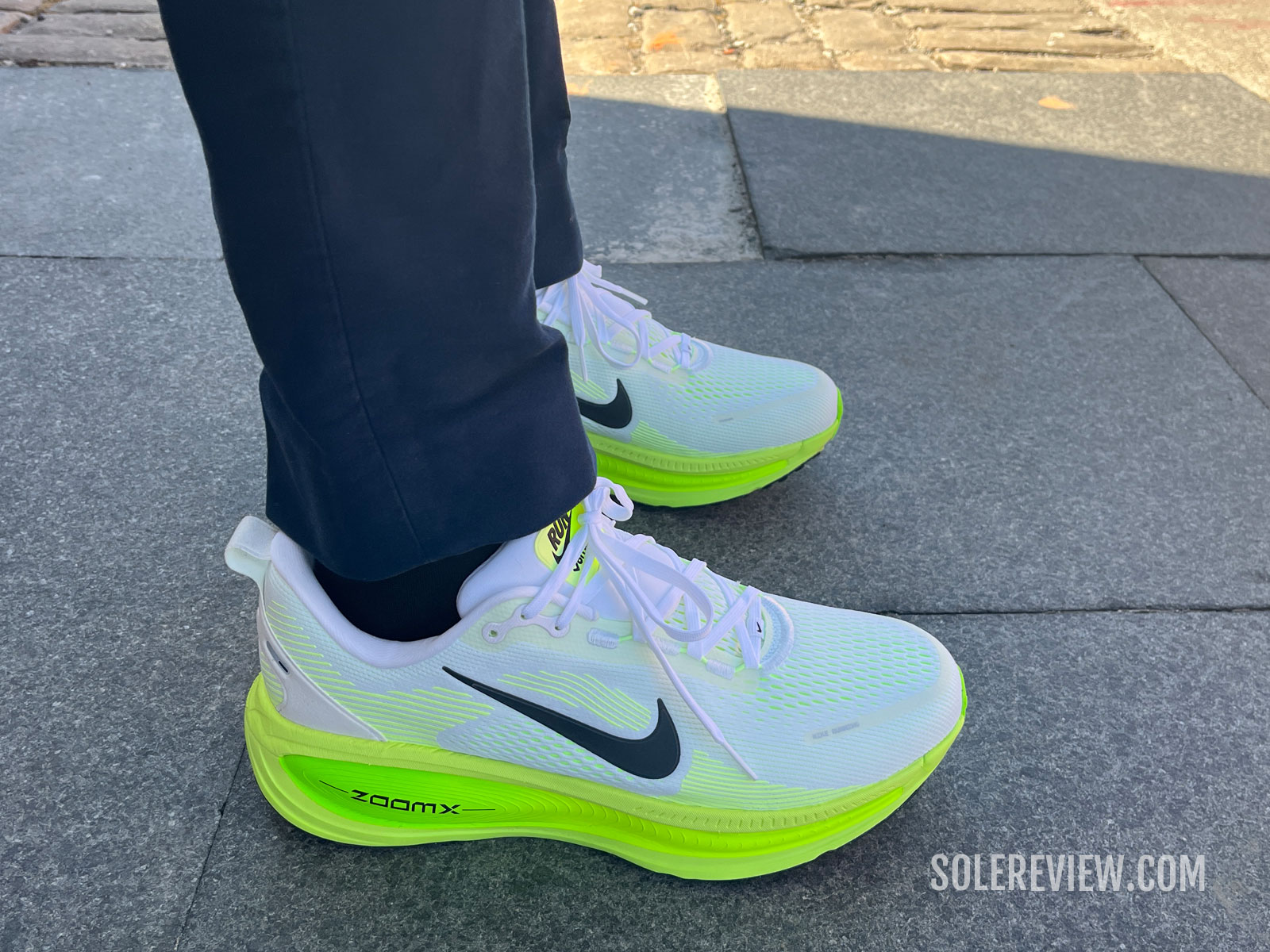
We’ve been doing quite a bit of walking in the new Vomero 18 lately, so you can have it on good authority that it is a great walking shoe. The set of features that make the Vomero a versatile running shoe also help when walking. Let’s begin with the midsole stack. The cushioning is powered by a 44 mm thick heel and a 34 mm tall forefoot. The high heel-to-toe offset of 10 mm also helps with walking. Unlike running, walking always involves heel-first contact.
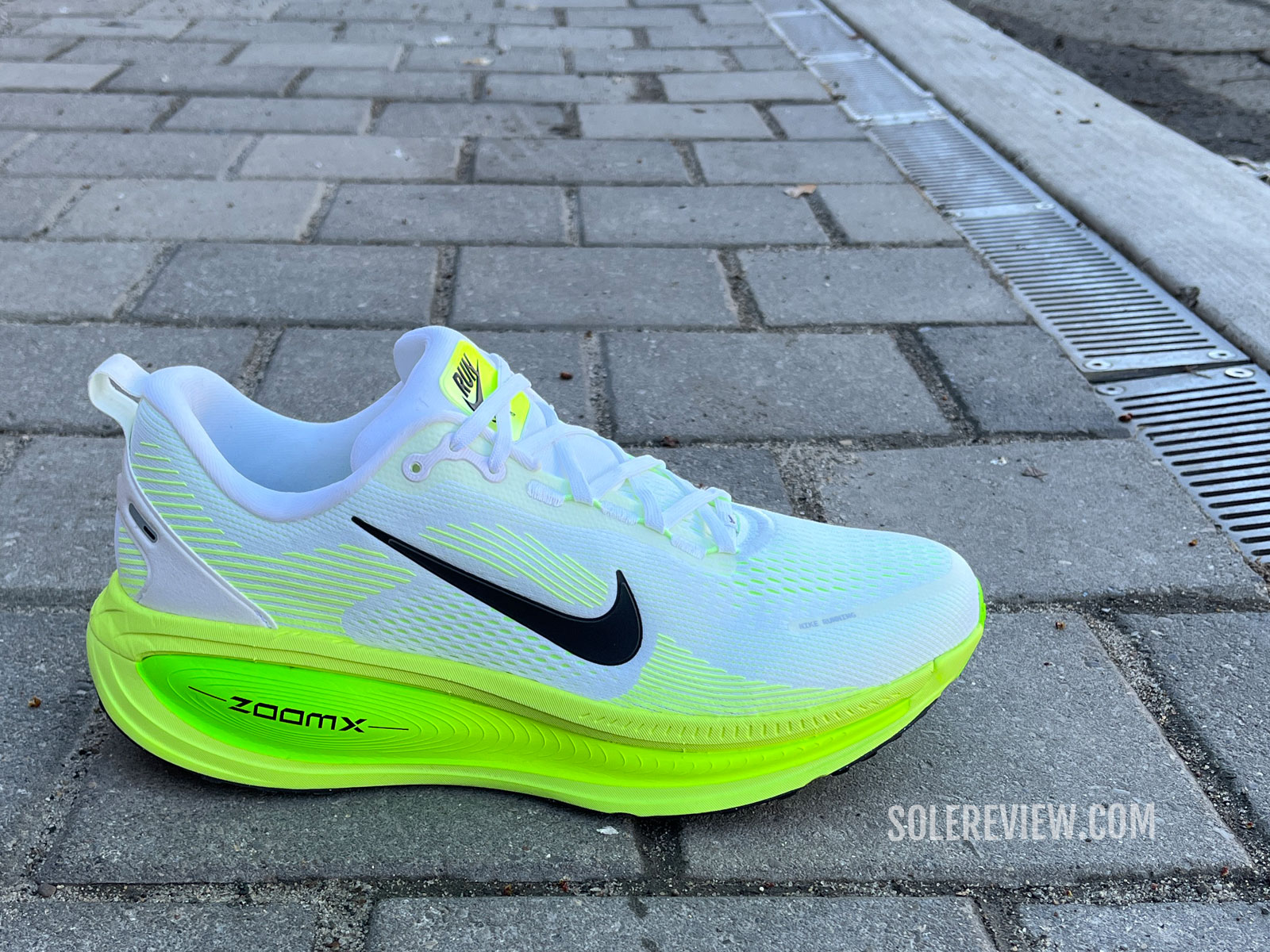
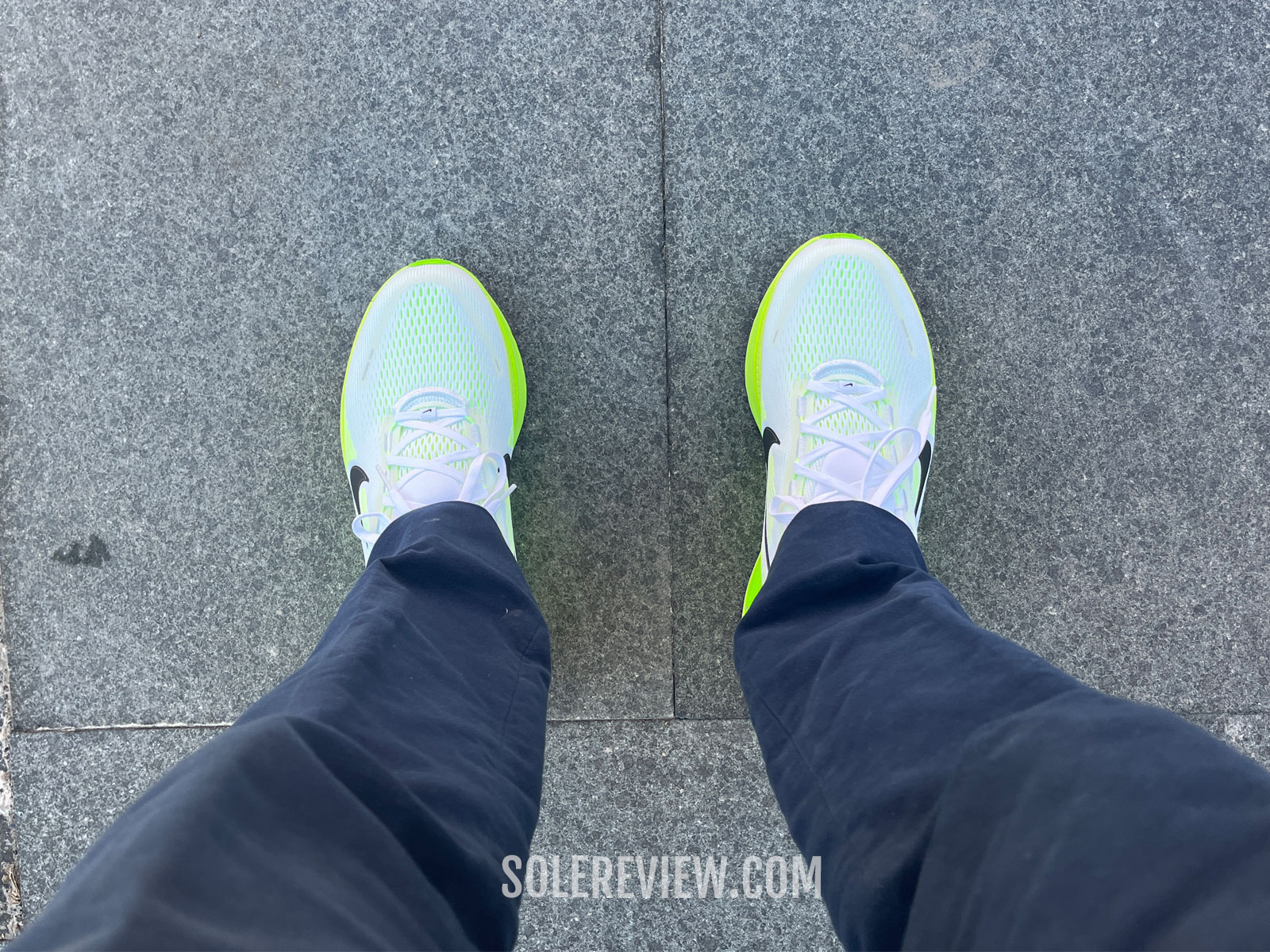
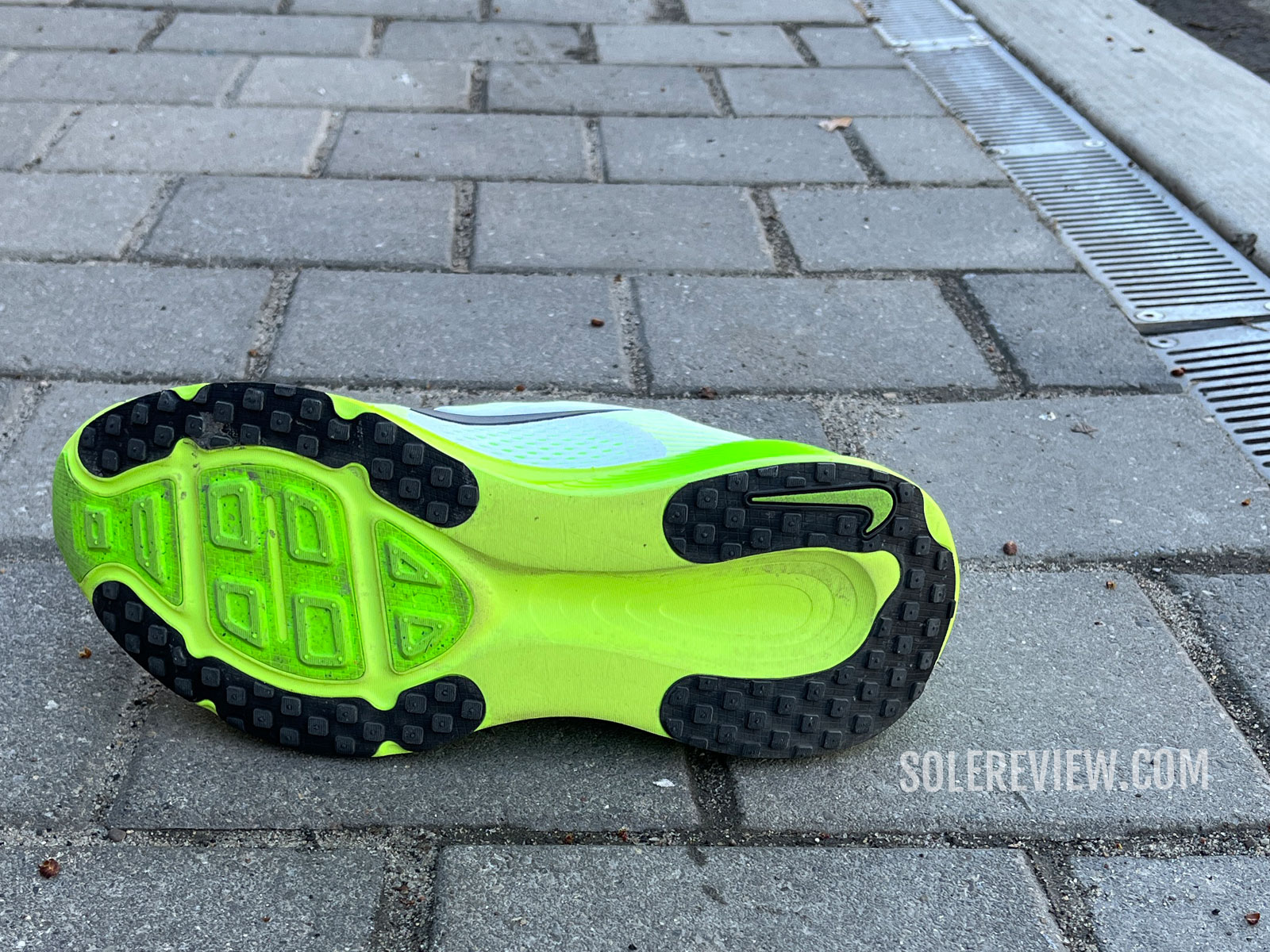
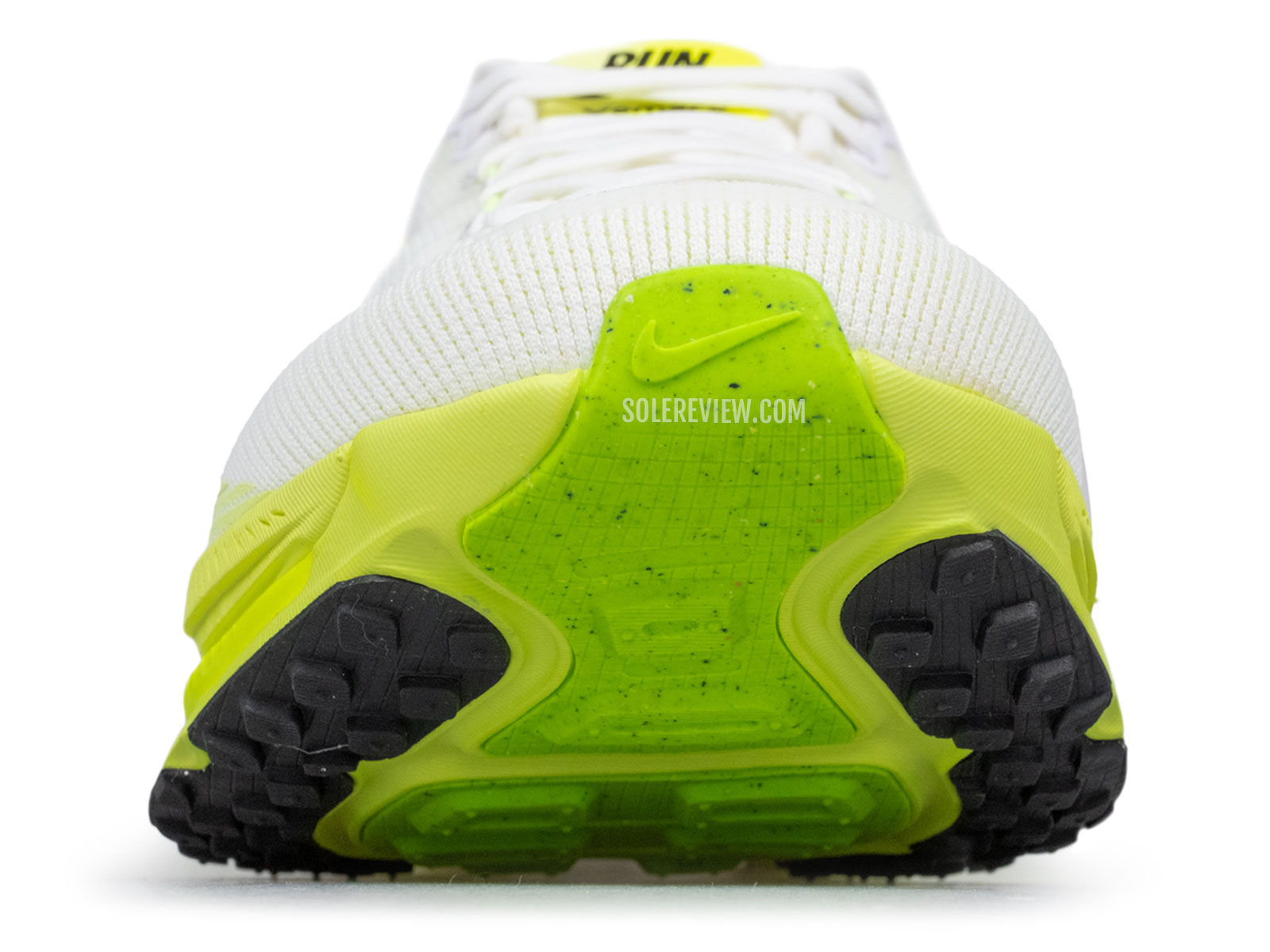
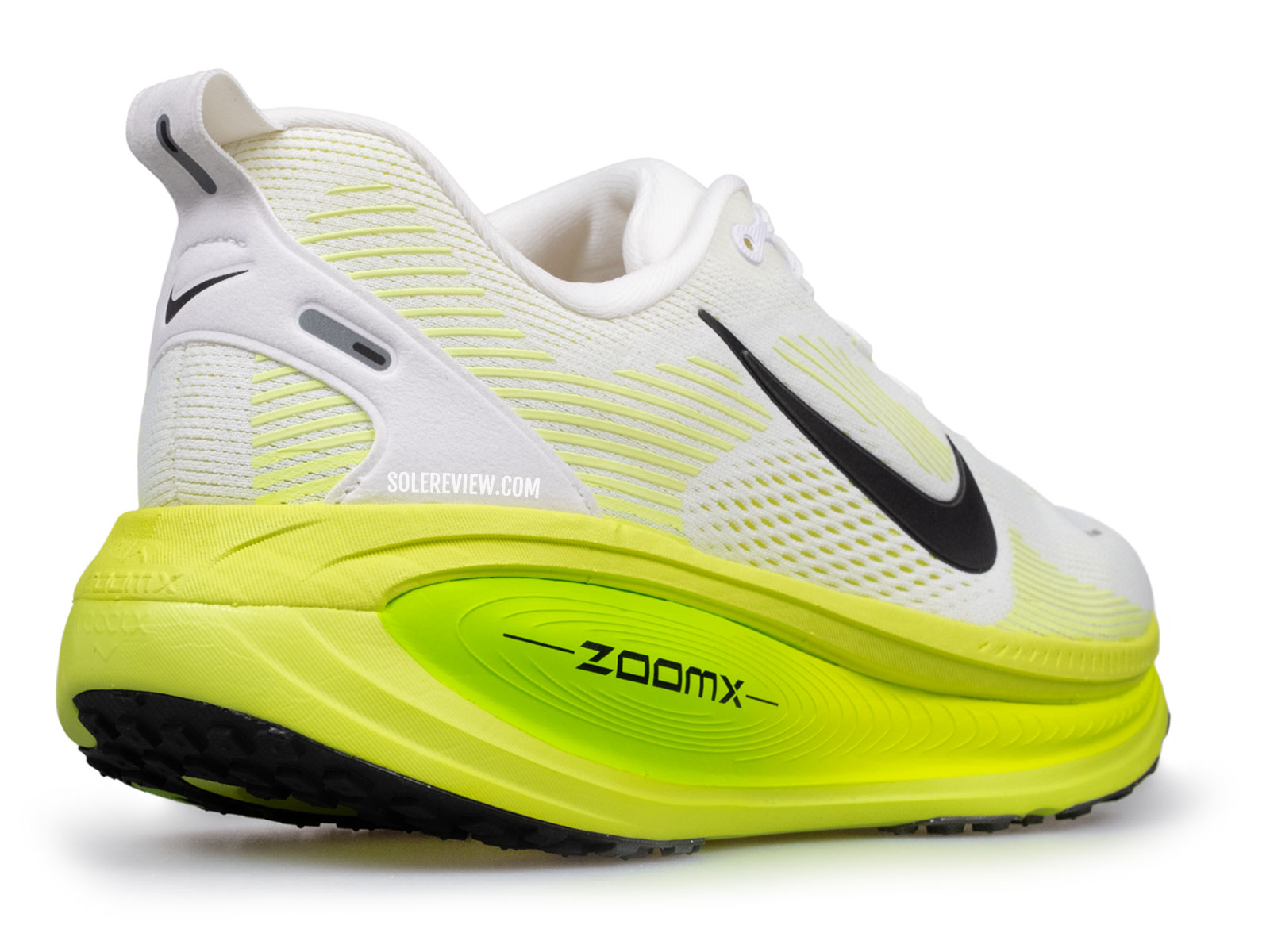
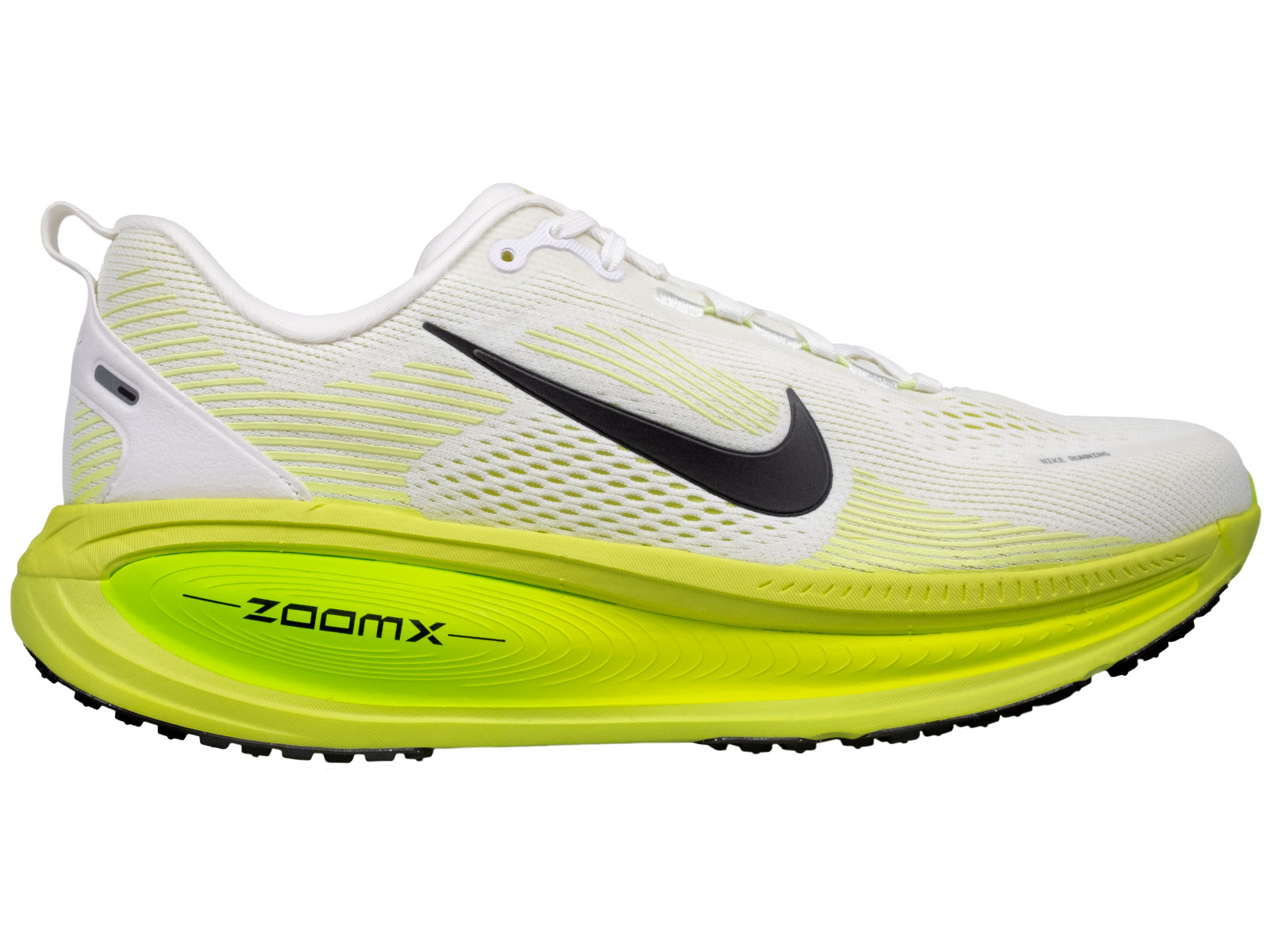
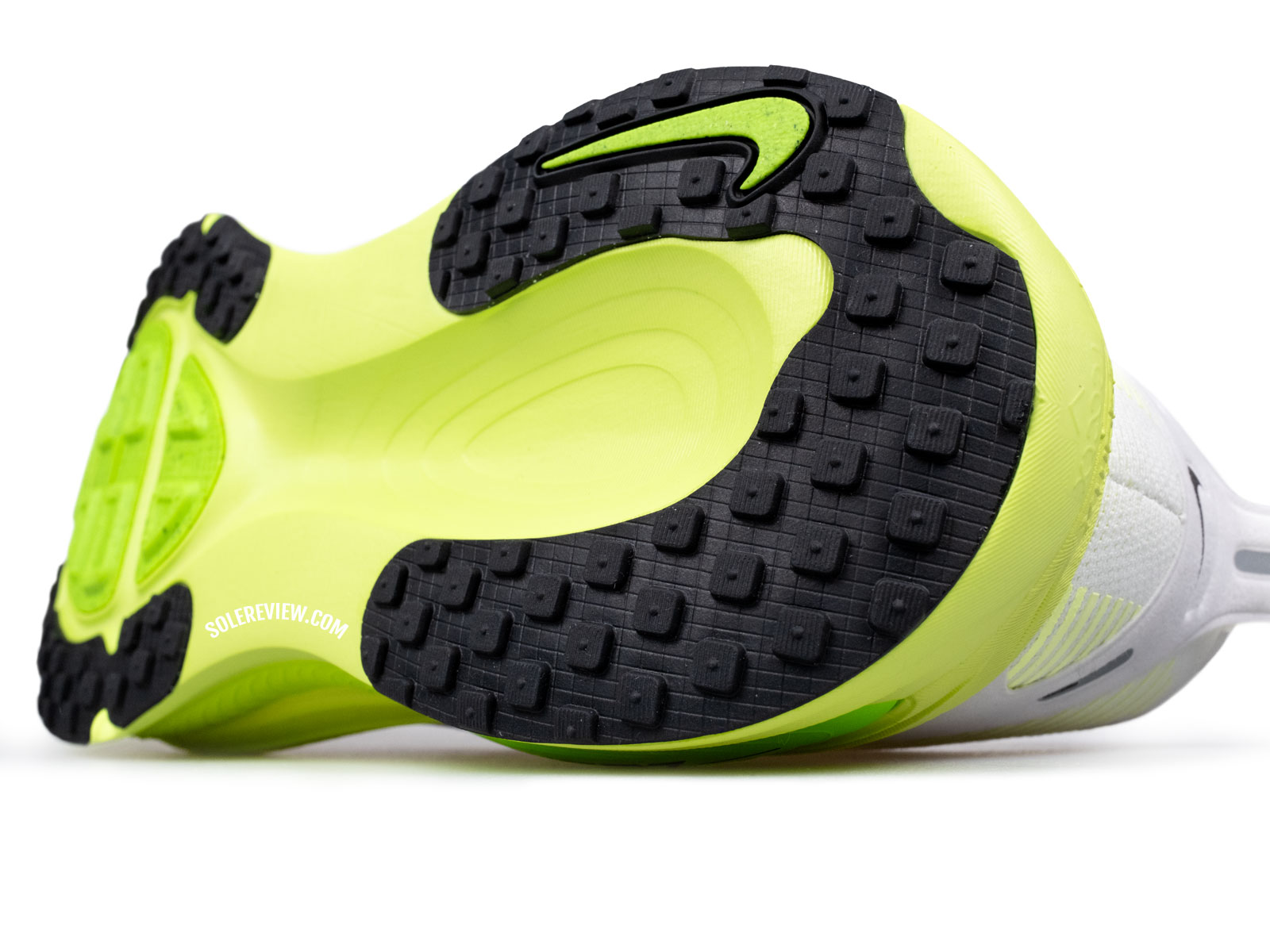
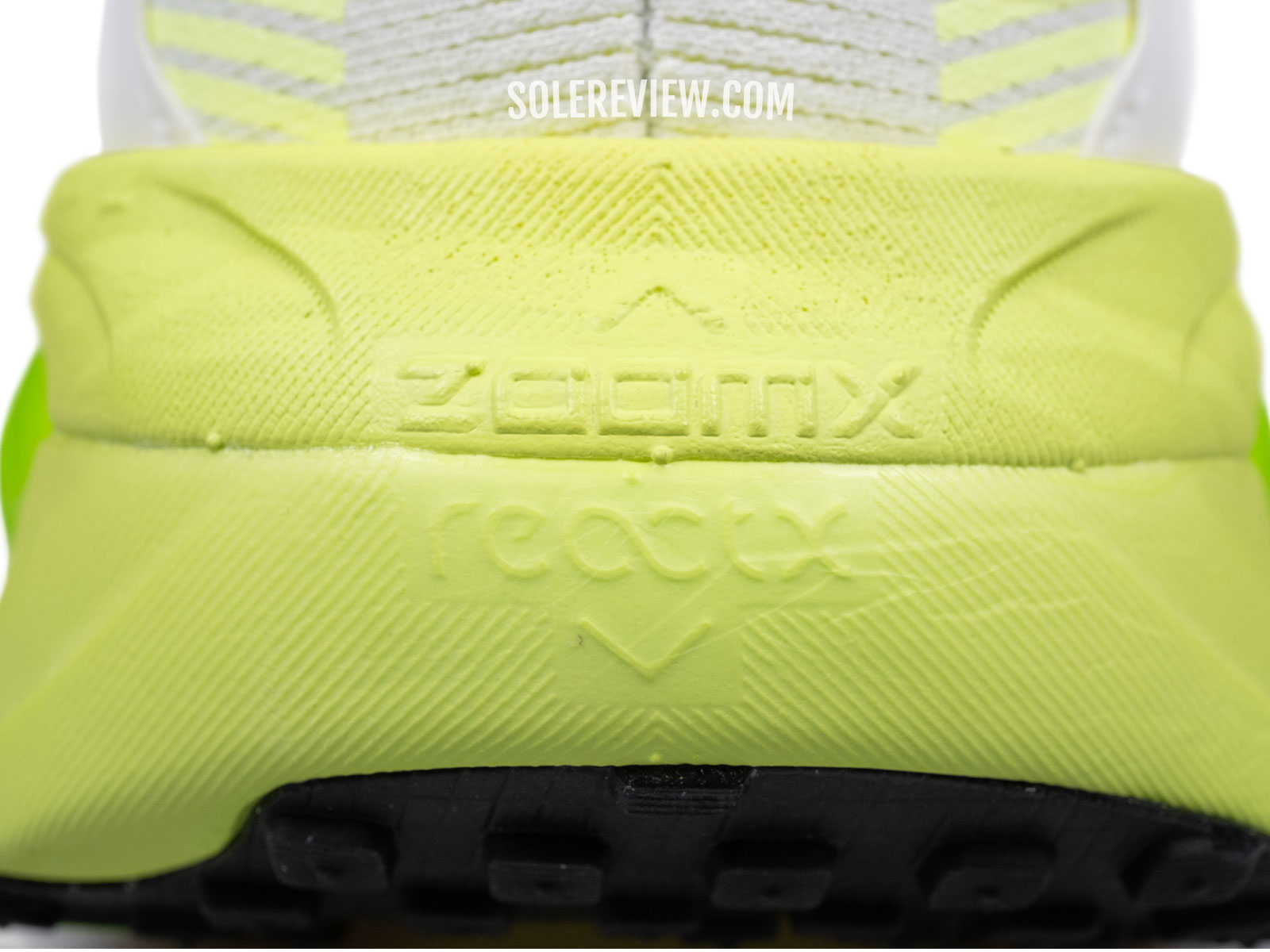
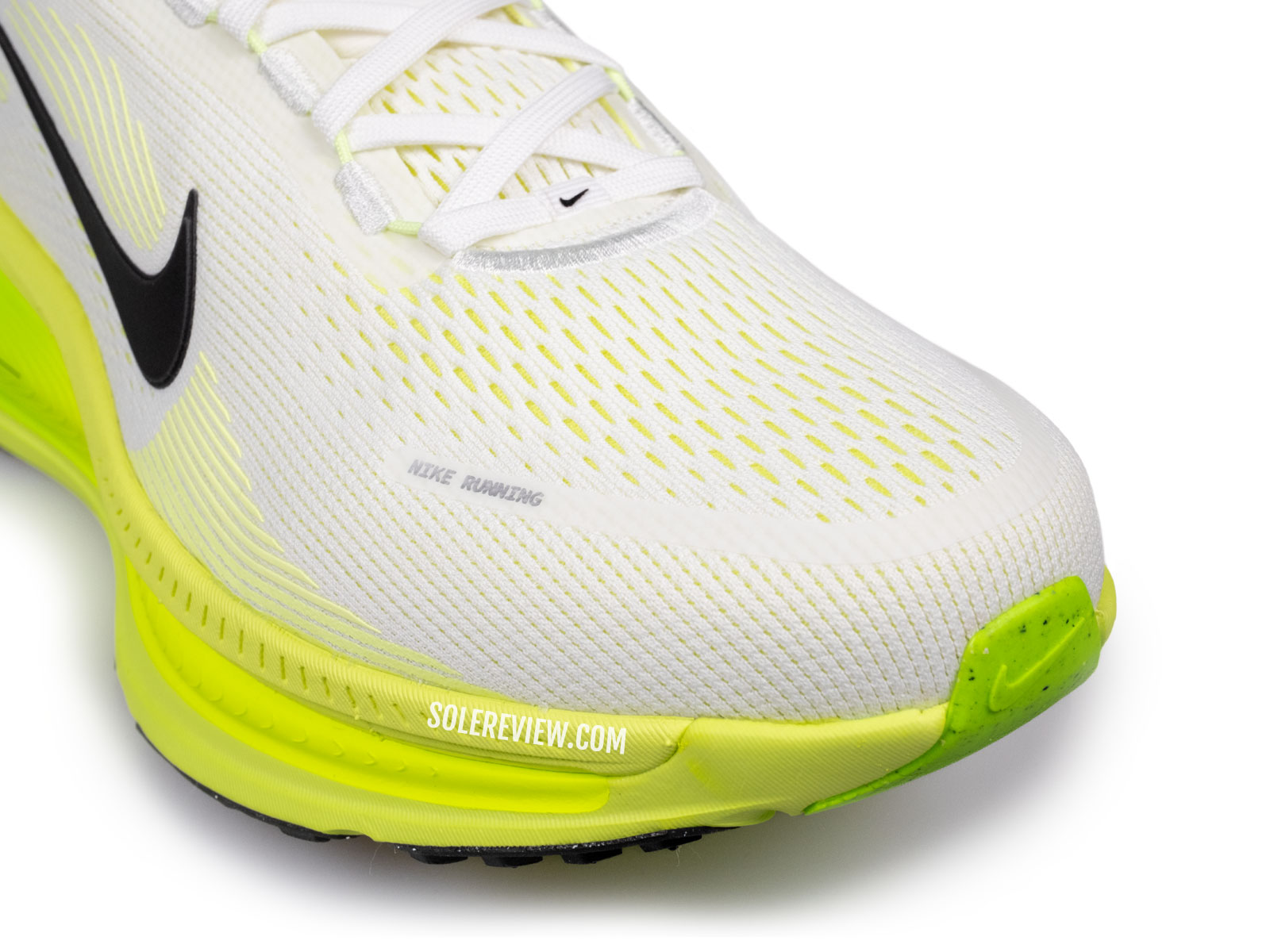
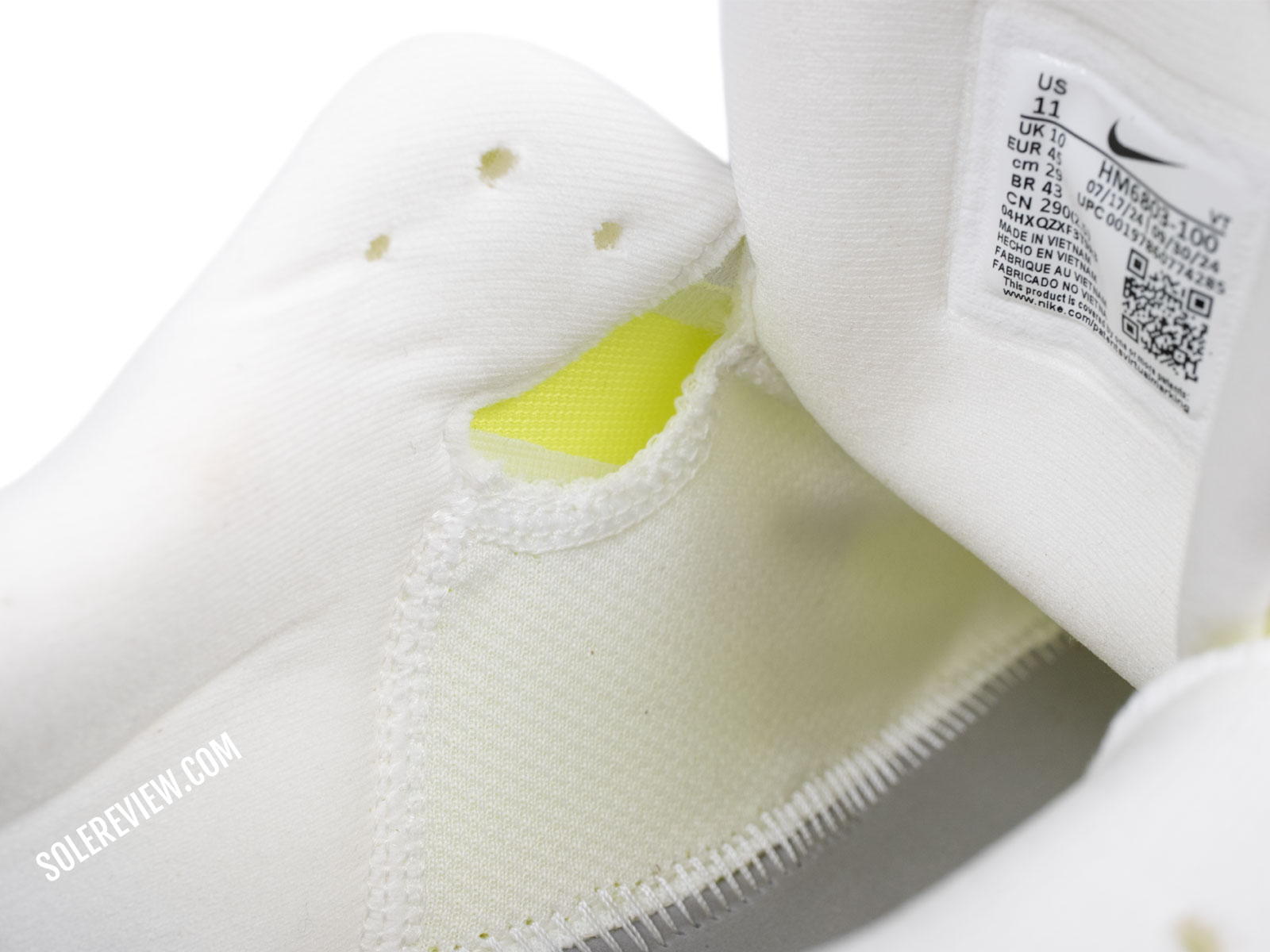
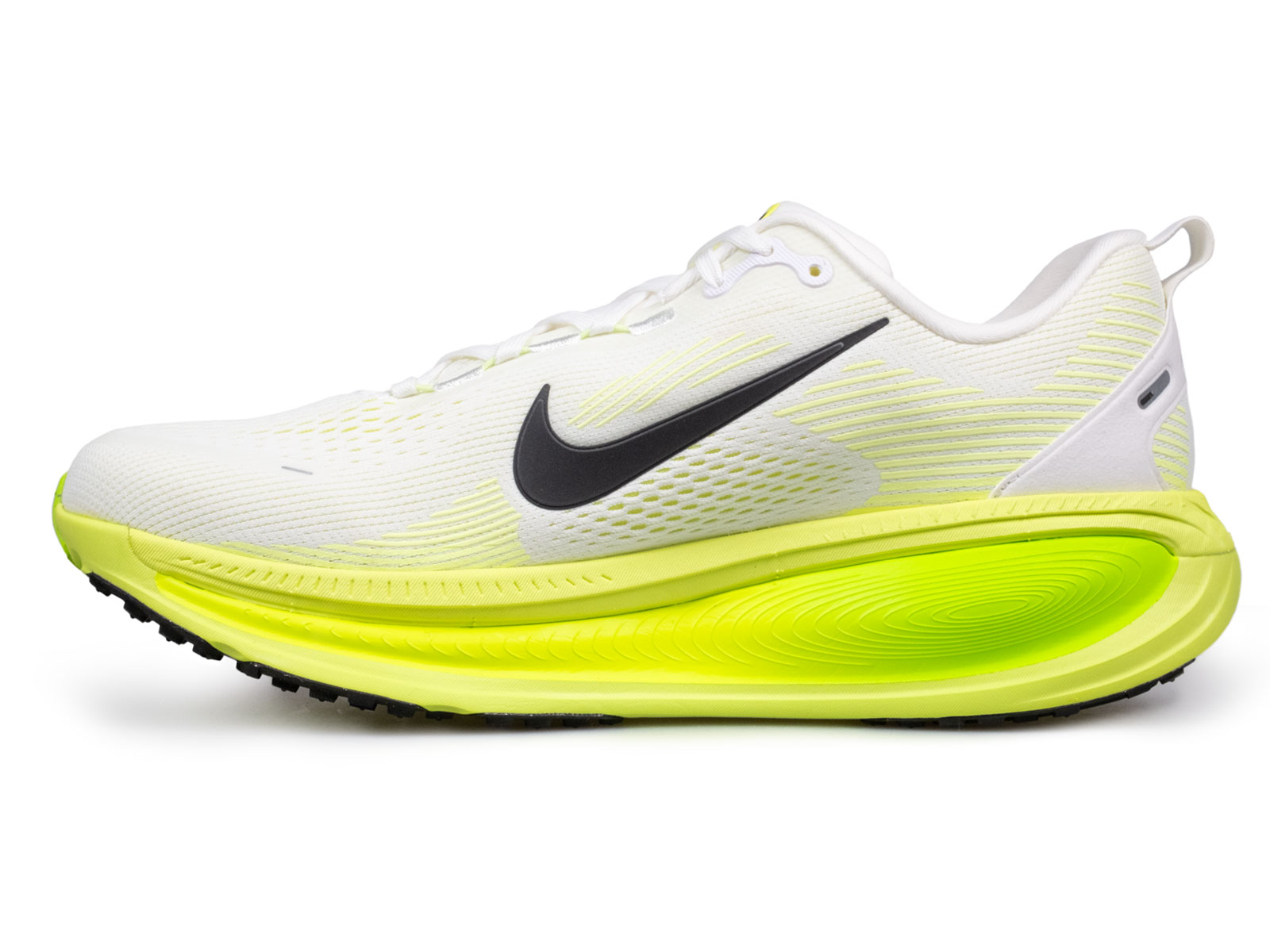
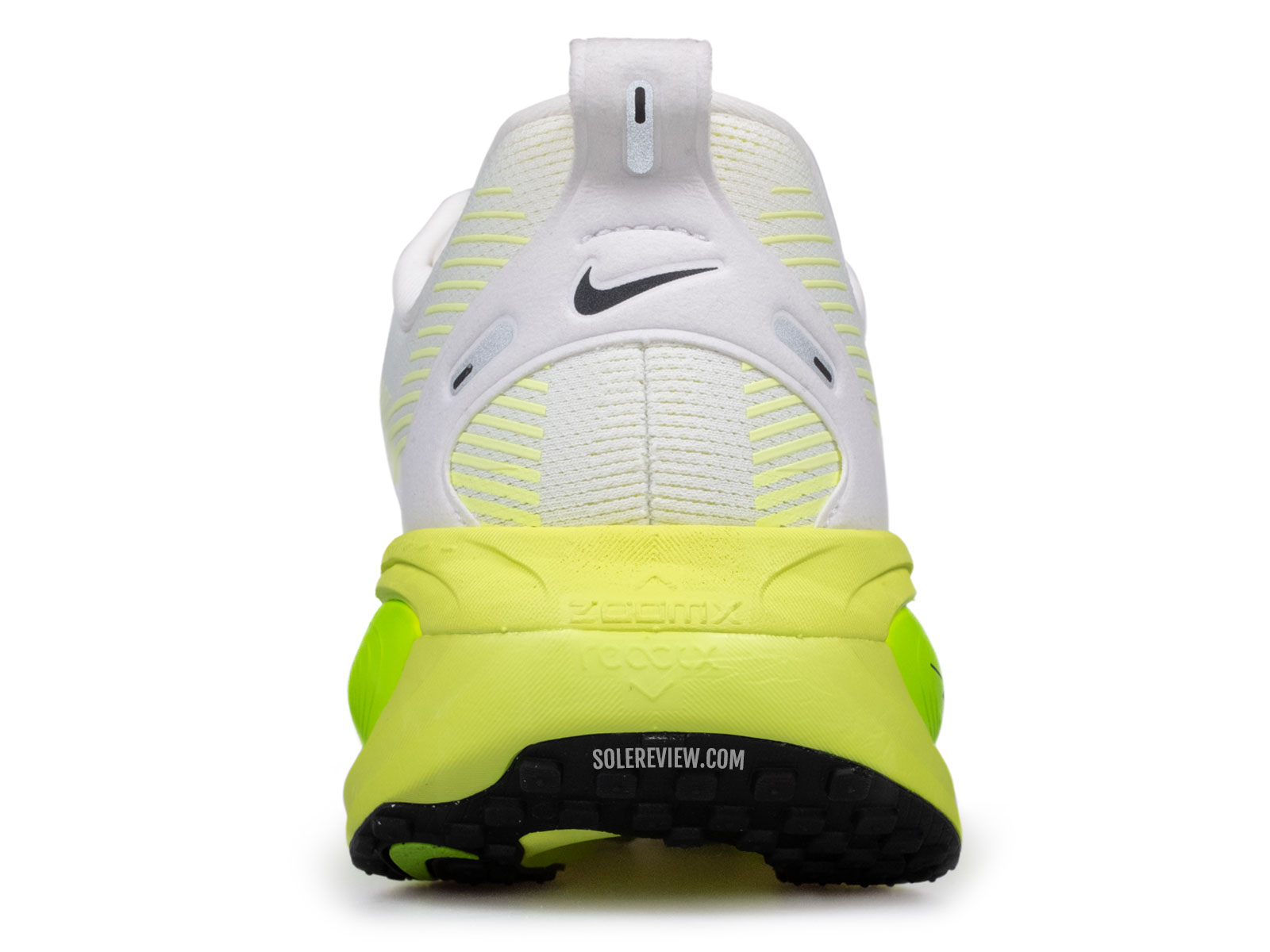
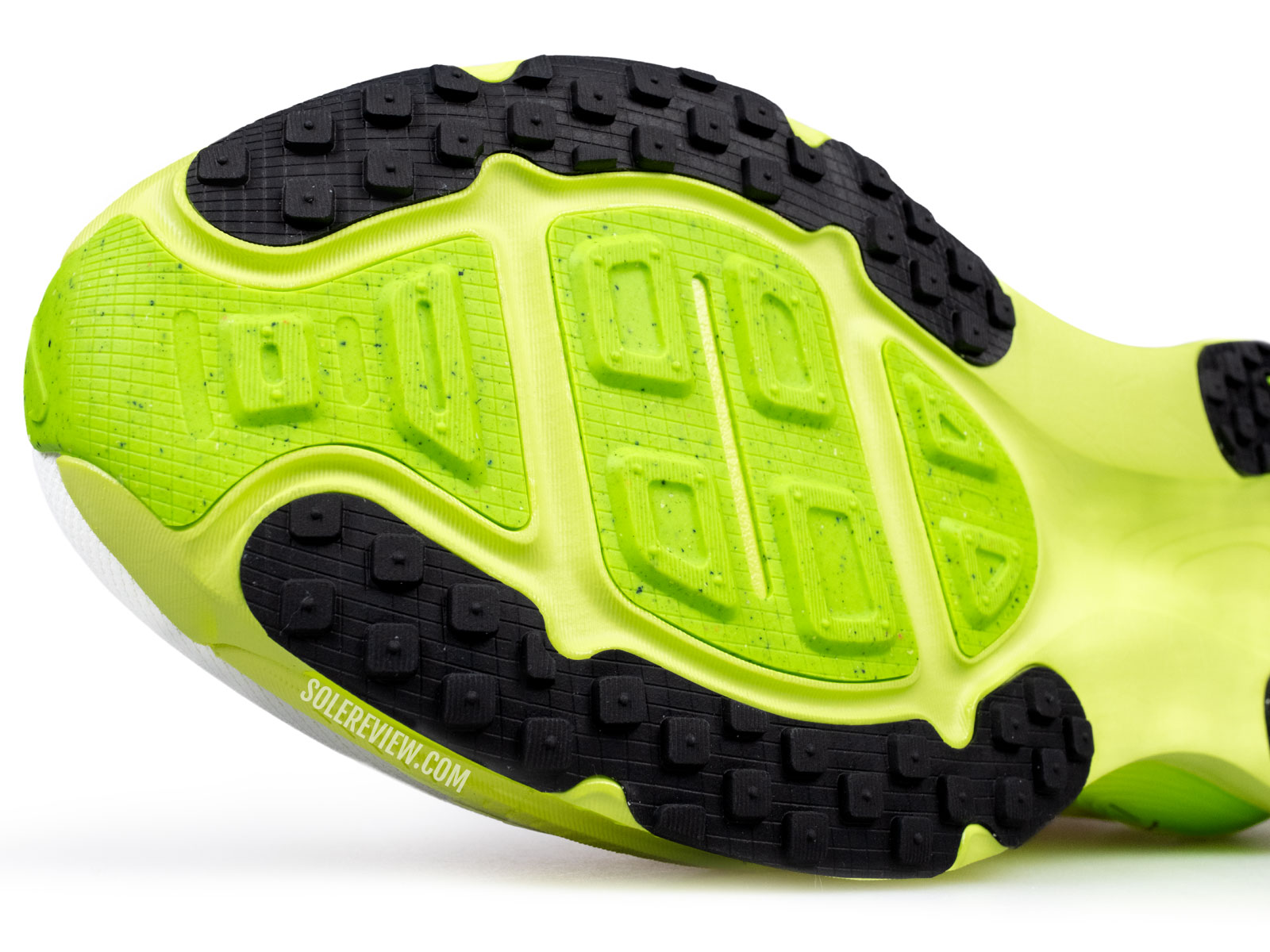
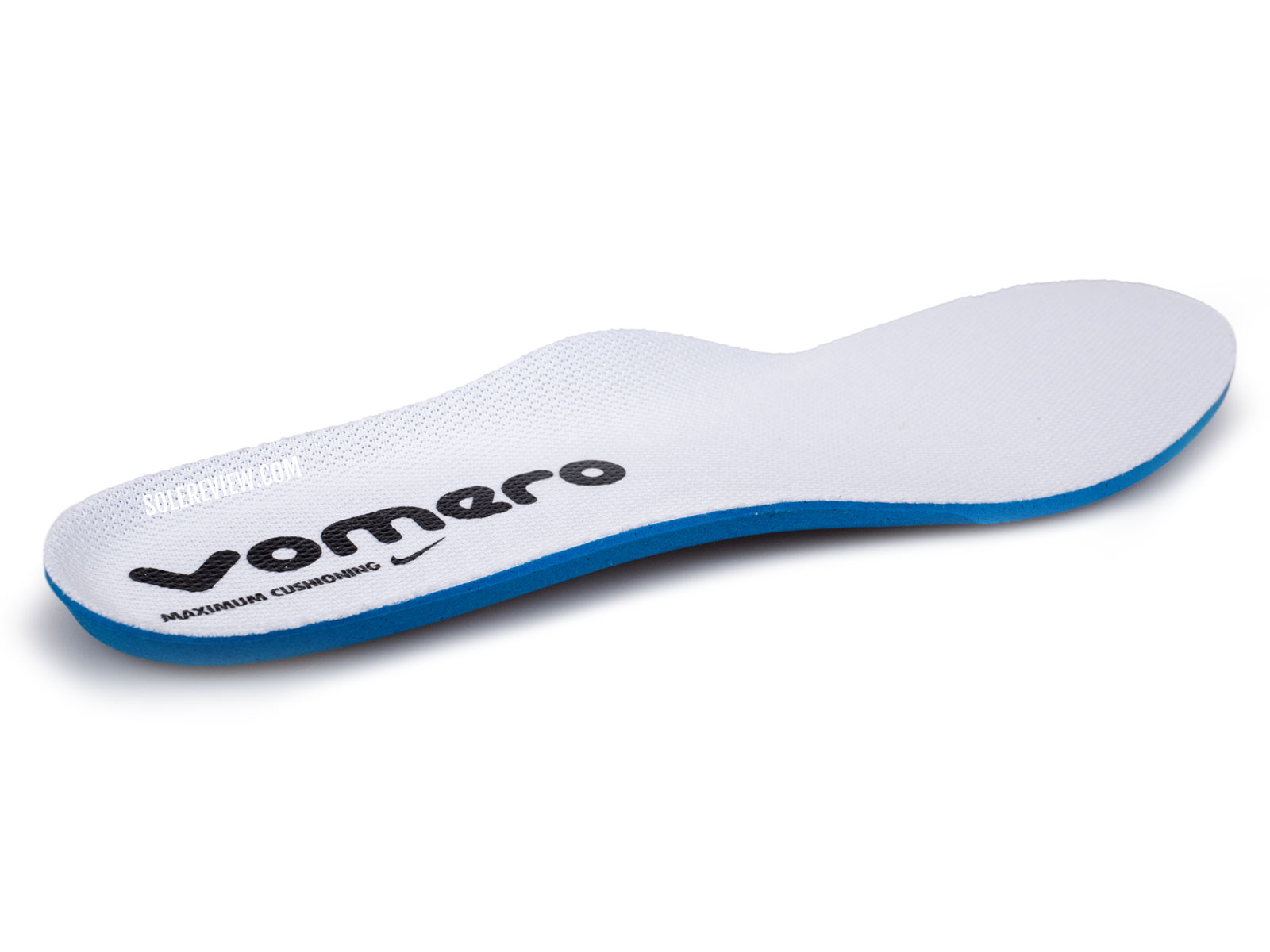
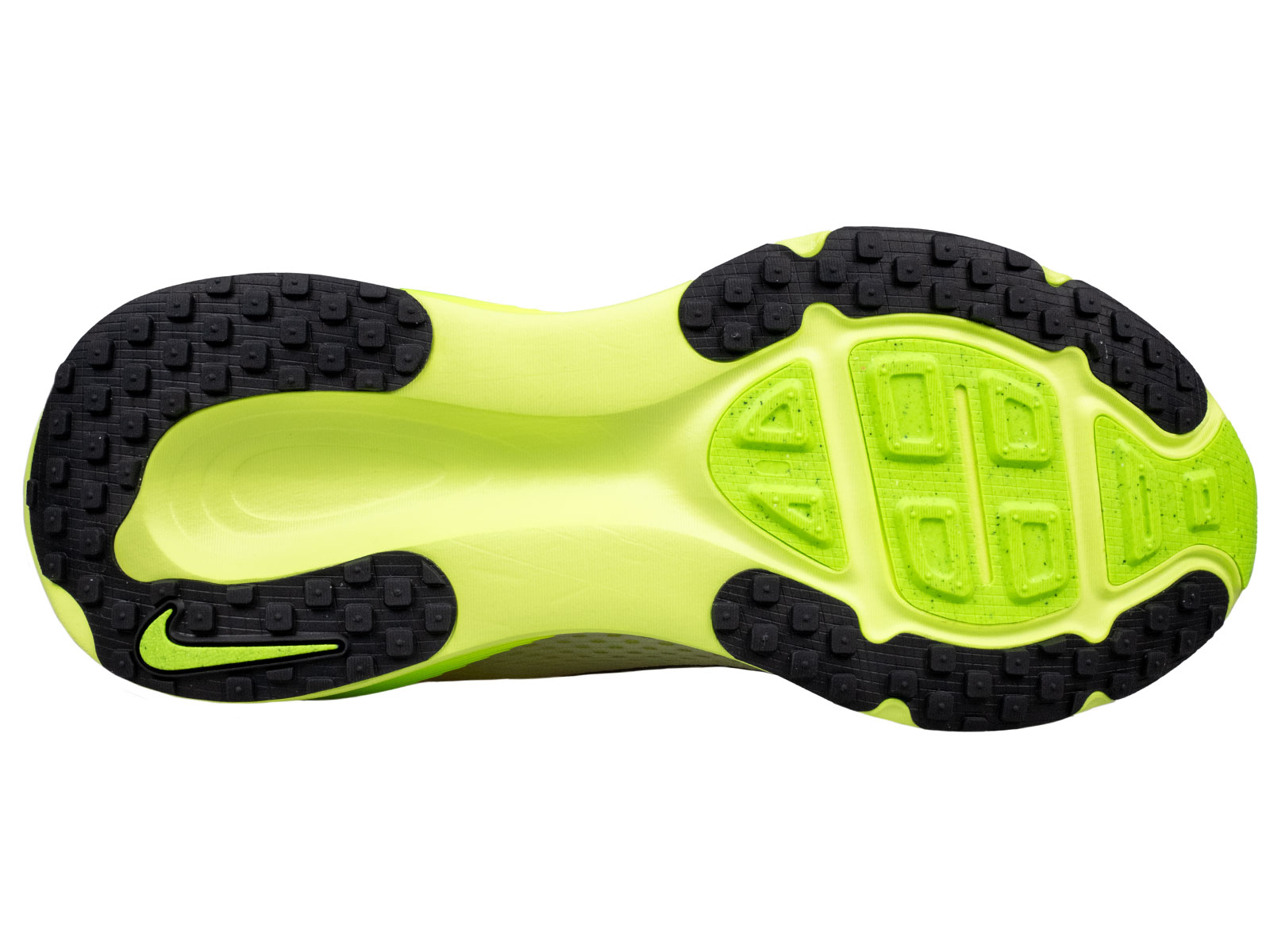
It’s not just about how tall the midsole is, but how it behaves under the foot. Nike uses a rubbery and supportive ReactX foam base with a softer ZoomX on top. The ReactX part of the midsole acts as a frame to guide the transitions, while the ZoomX layer and foam footbed provide step-in comfort.
The Vomero has a noticeably bouncy ride. The React-ZoomX blend is springy, with some help from the deep groove under the heel. It acts as a trampoline when loaded, resulting in a sense of springiness. This cavity also helps center the weight during walking. The bouncy heel is paired with a rocker-shaped forefoot. Roll-offs come naturally, courtesy of the rocker midsole. That way, the foot doesn’t have to work hard to push through the forefoot; the stiffness complements the rocker.
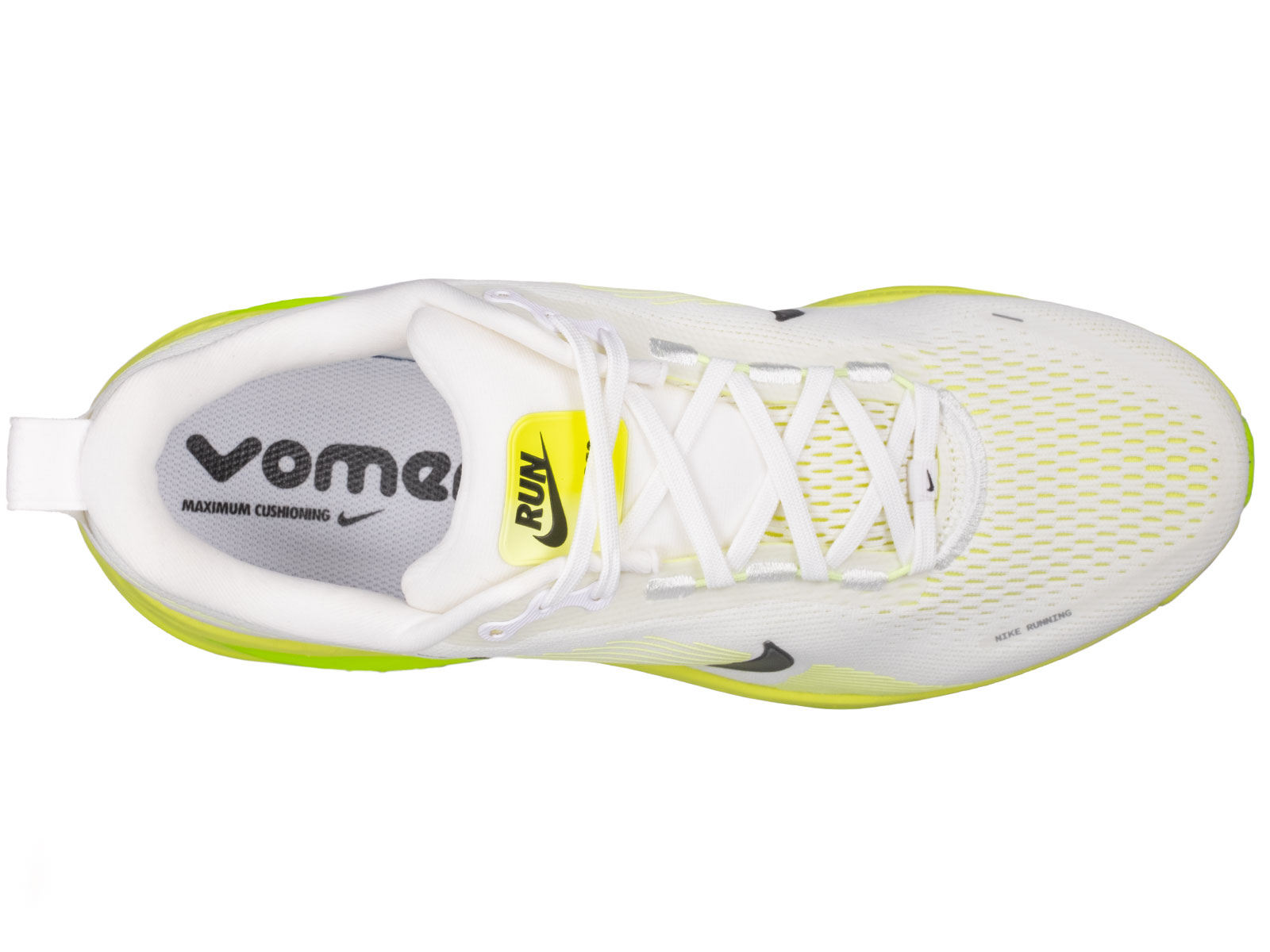
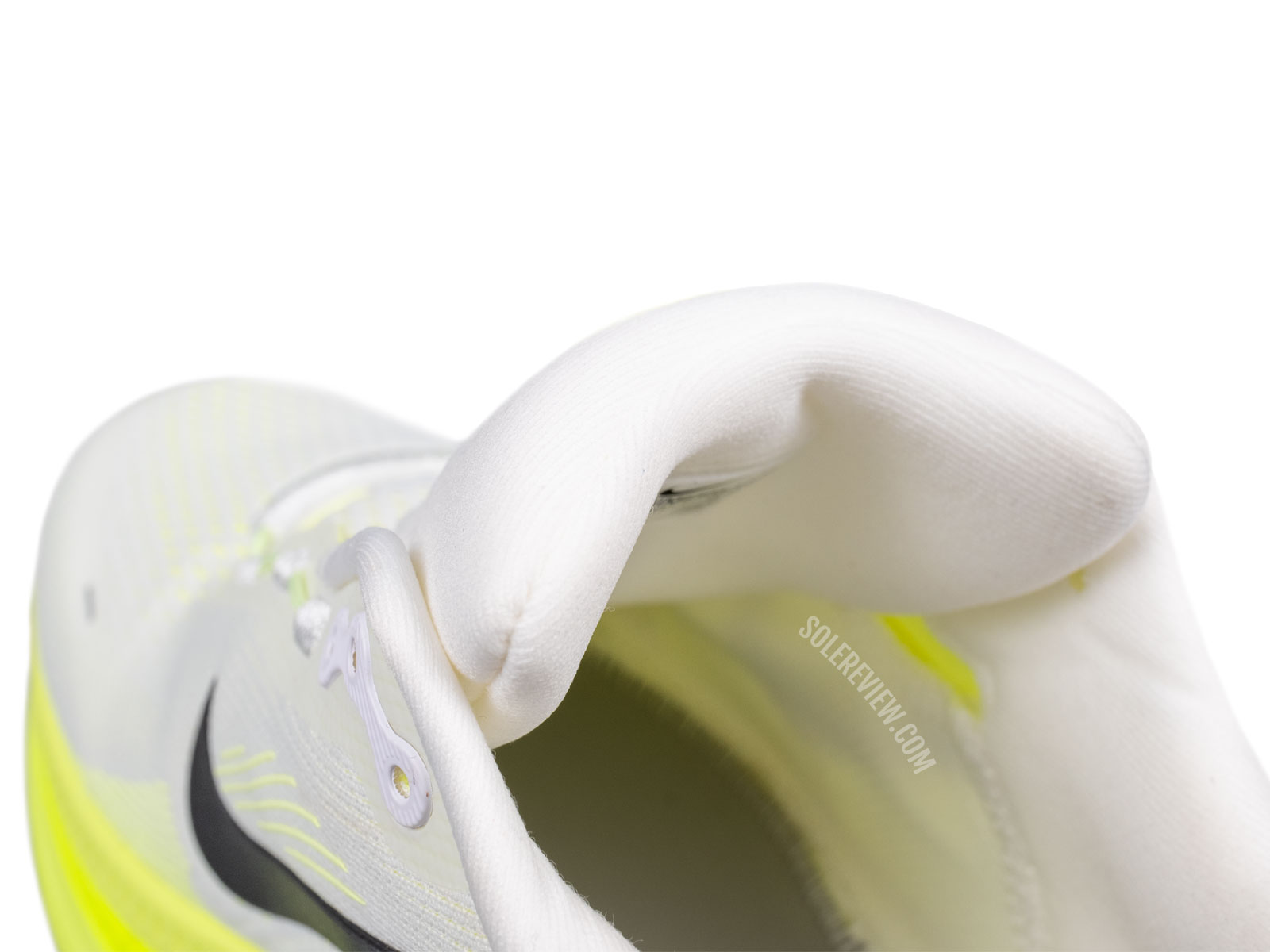
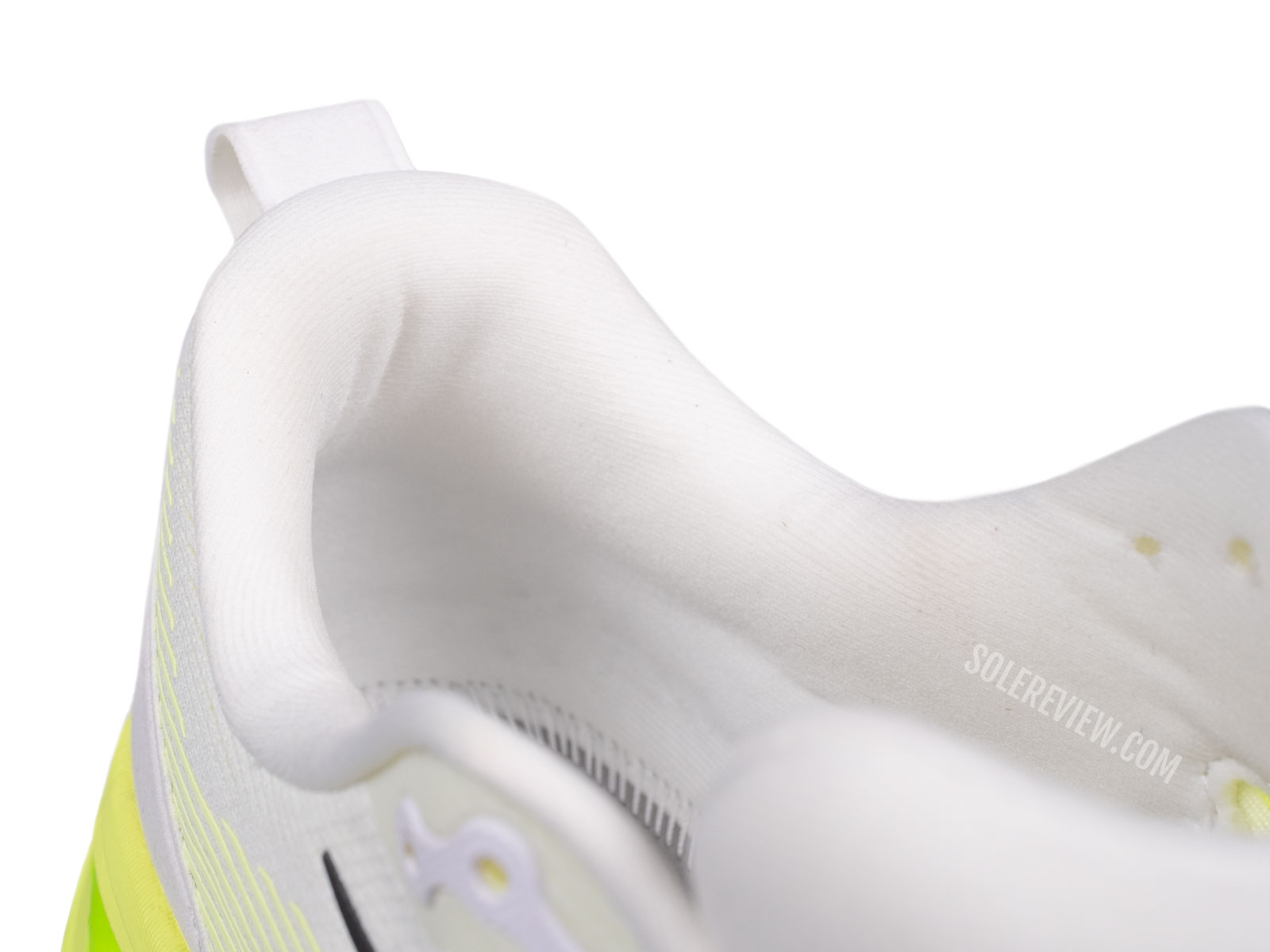
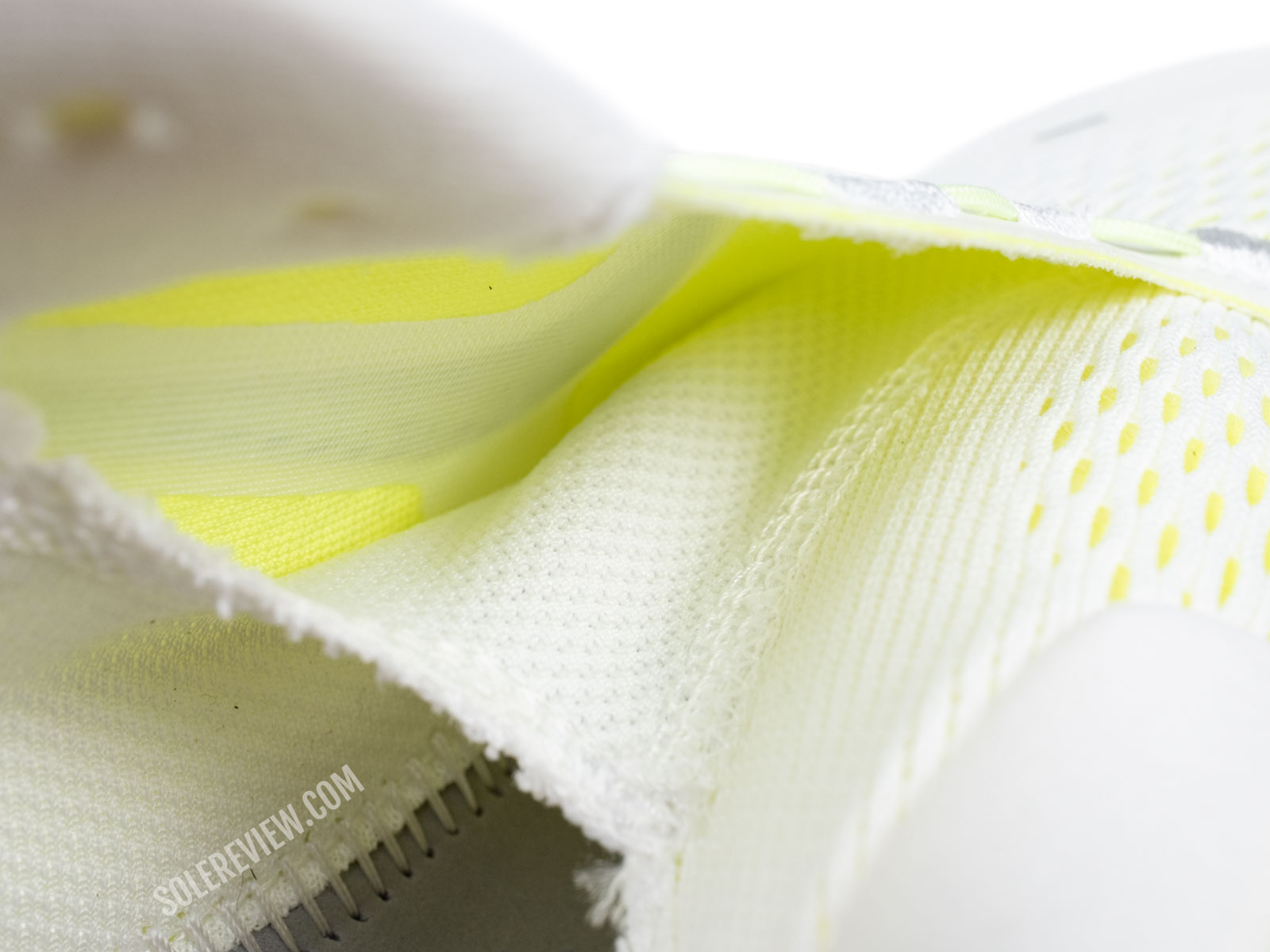
The Vomero 18 is generously cushioned for walks, long and short. The plush and accommodating upper pairs well with the comfortable ride. We wish the Vomero 18 is soon available in a leather upper (like the Ghost Max) or at least an all-black color.
- Nike’s marketing pitch: A comfortable ride for everyday runs.
- Upper: Engineered mesh with a full sleeve.
- Upper fit: True to size, just-right fit.
- Midsole: React X foam with ZoomX top layer. 10 mm heel drop.
- Outsole: Regrind rubber under the forefoot, Carbon rubber.
- Weight: 298 gms/ 10.5 Oz for a half pair of Men’s US 9/UK 8/EUR 42.5/CM 27.
- Stack heights: 44 mm (heel), 34 mm (forefoot).
- Available widths: Single – D (regular).
- Recommended use: Everyday runs, tempo runs, marathon training, walking.
- Footstrike orientation: All types (heel/midfoot/forefoot).
- Median lifespan: 450 miles.
- Country of origin: Vietnam.
- Recommended paces: 4:30 min/km (7:00 min/mile) and slower.
- Recommended temperature range: Warmer than -5° C/23° F.
Pros
- Versatile for different use cases
- Rocker assists with smooth roll offs
- Neutral and stable ride
- Goldilocks zone cushioning
- Just-right and plush fit
Cons
- No widths at this time
- Average grip on wet roads
- Runs warm due to full sleeve
- Low reflectivity
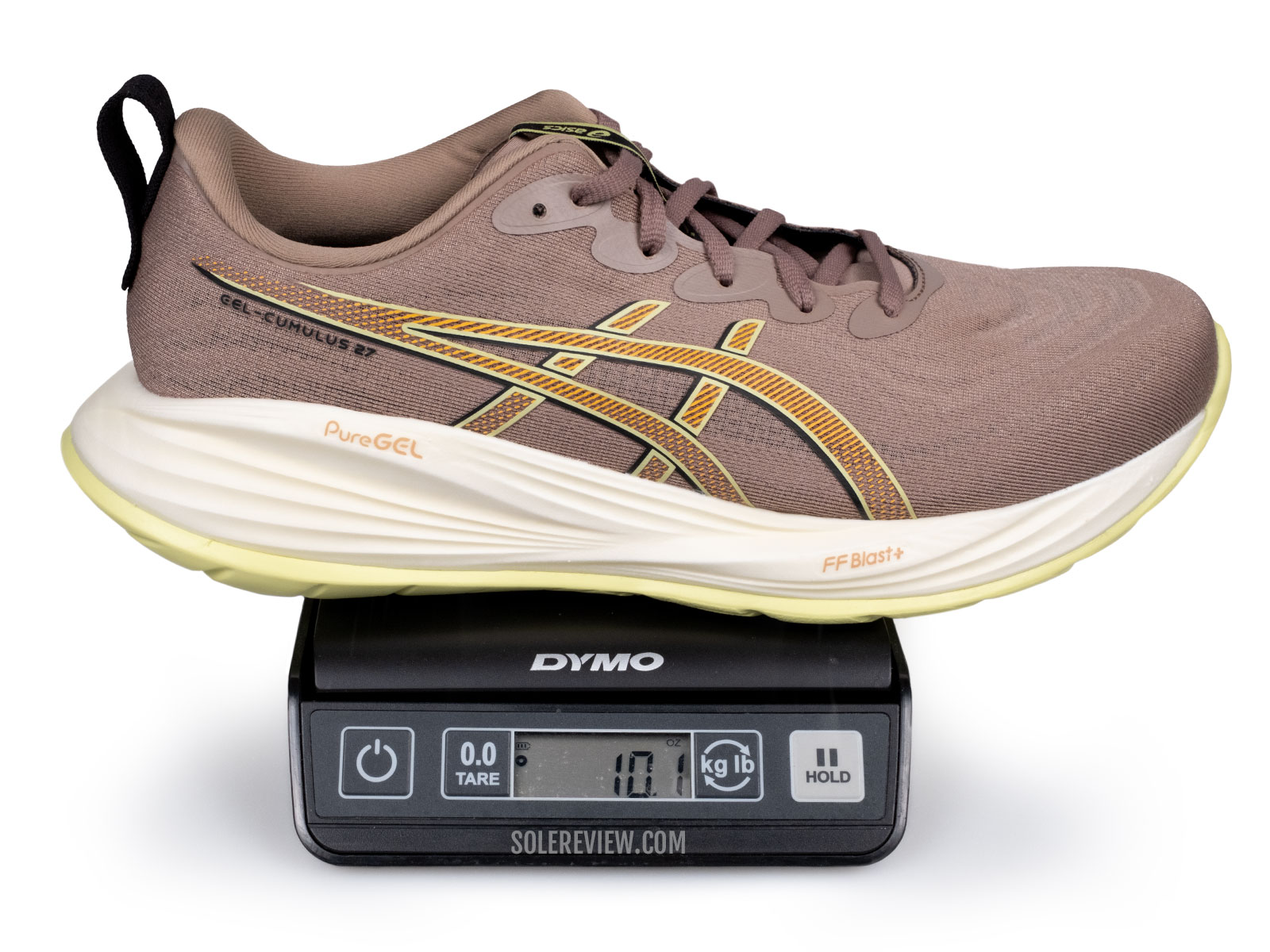
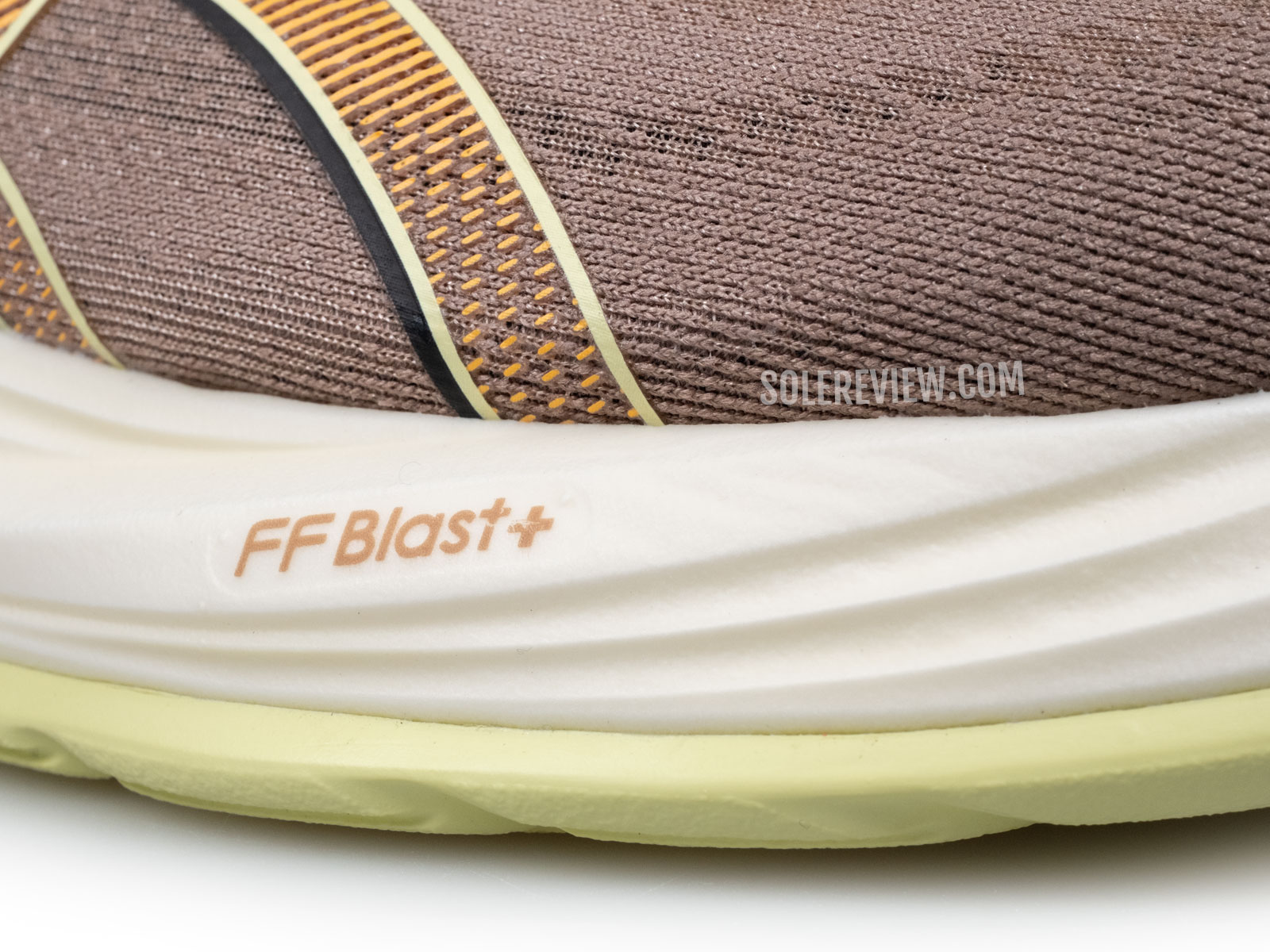
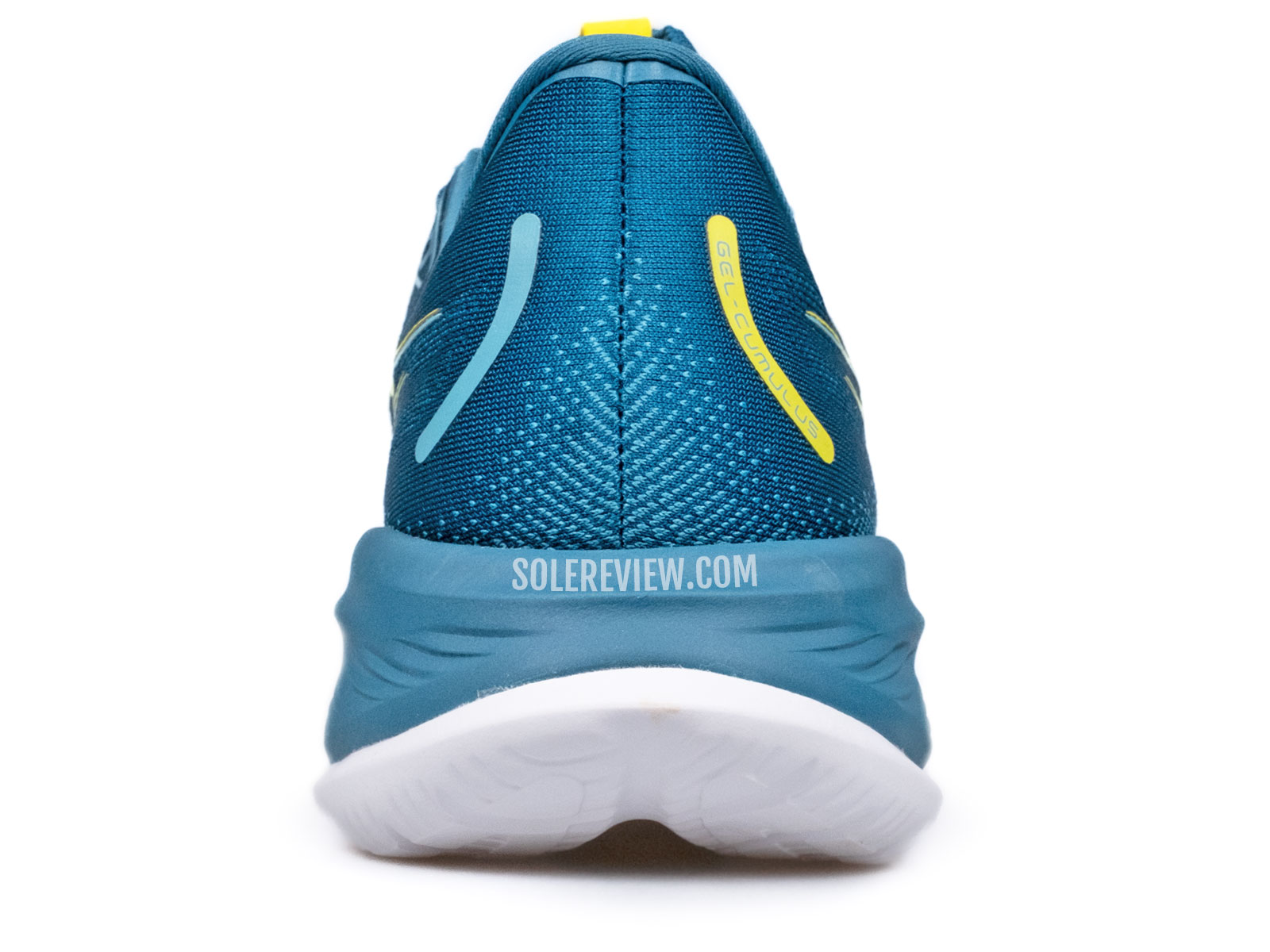
The supportive and lightweight cushioning makes the Cumulus a good walking shoe. The supportive and lightweight cushioning makes it a good walking shoe. To add, step-in comfort is available closer to the foot, thanks to the OrthoLite insole and cushy FlyteFoam midsole. Last year, the Cumulus switched to a rubber-free outsole. Since the Cumulus 26, the ‘outsole’ is now a part of the midsole. Unlike the top half, the lower midsole is made of firm EVA foam. This firm base creates a cushioned platform for walking while making the shoe lighter than prior models.
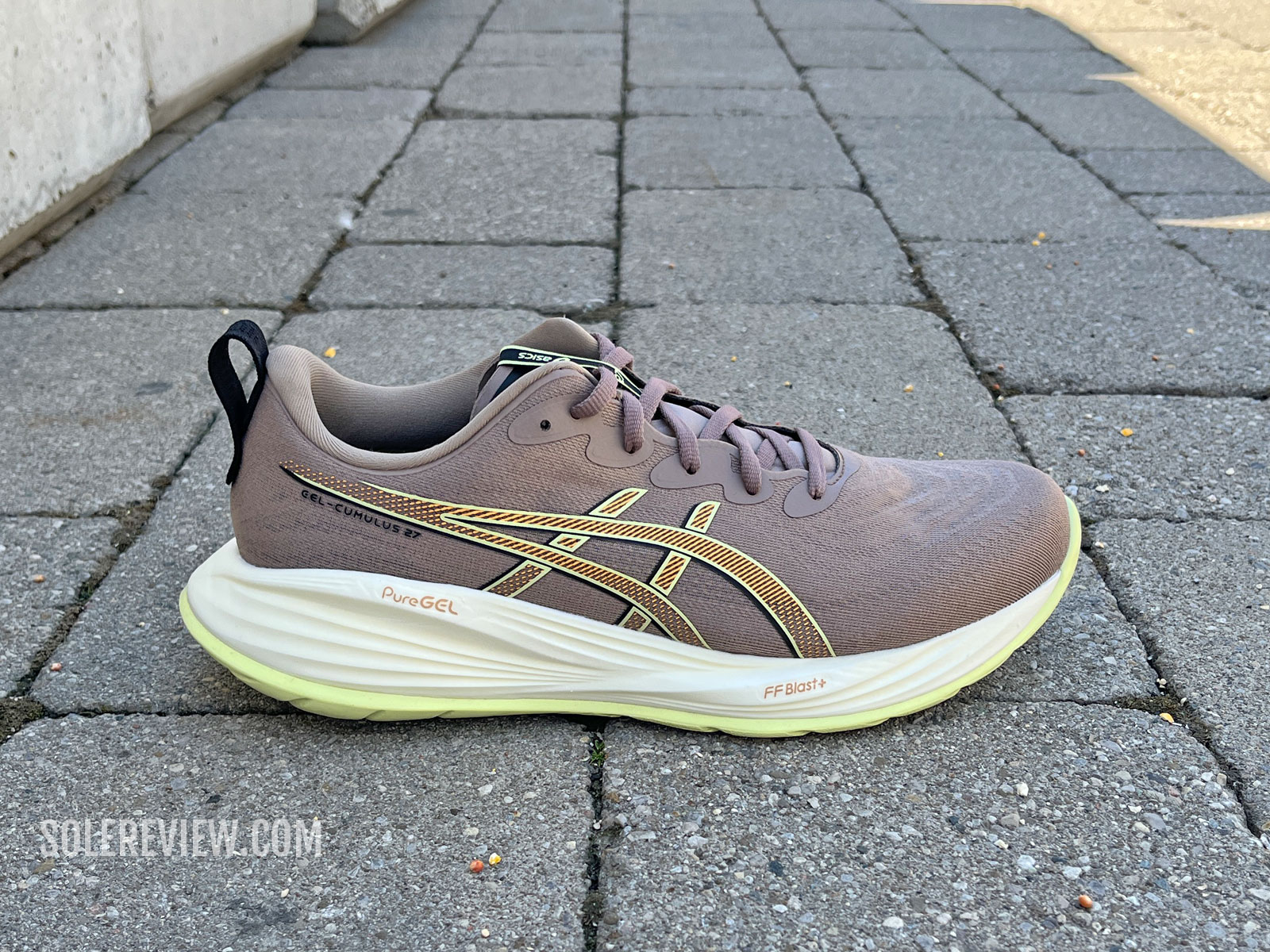
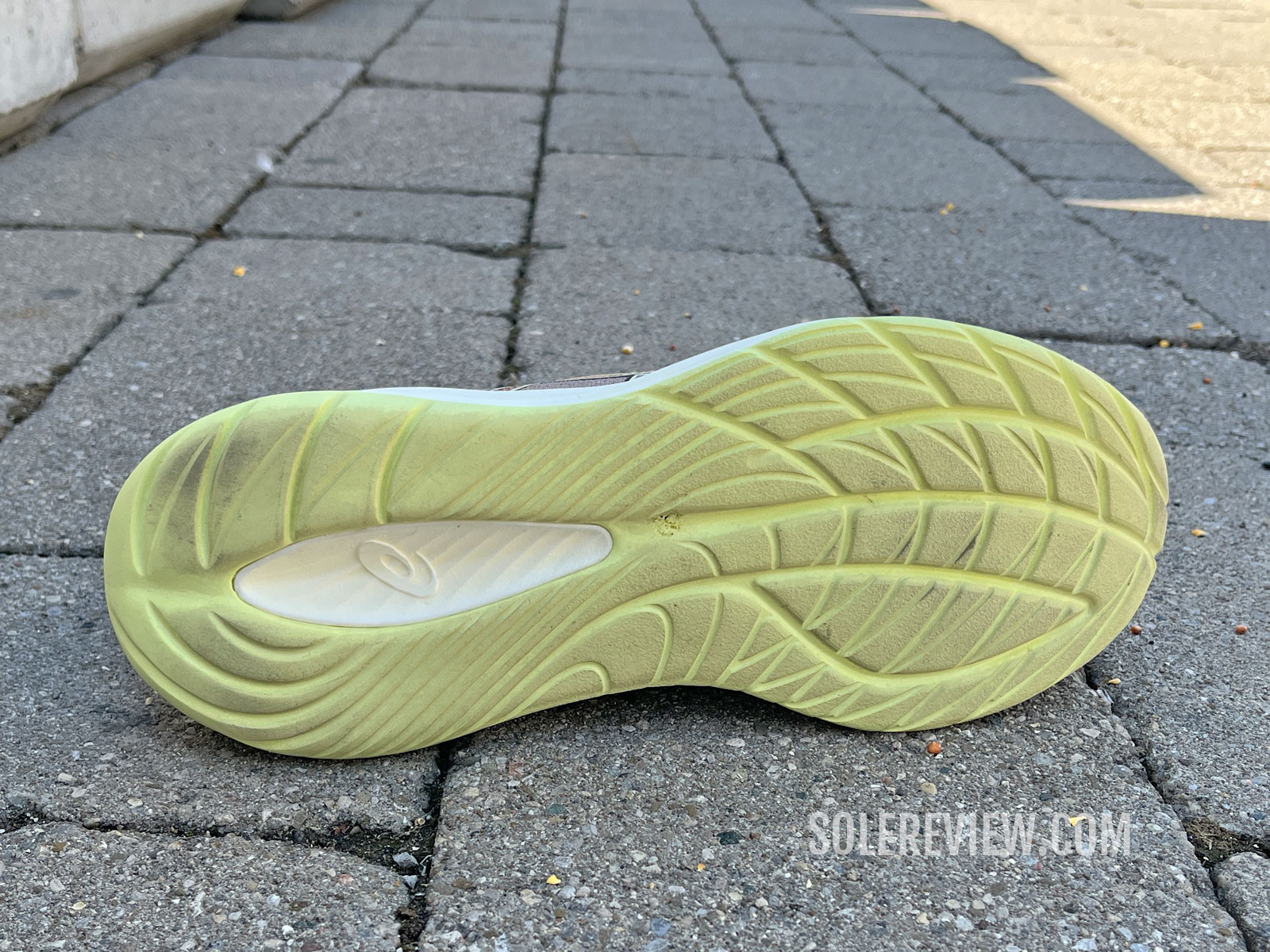

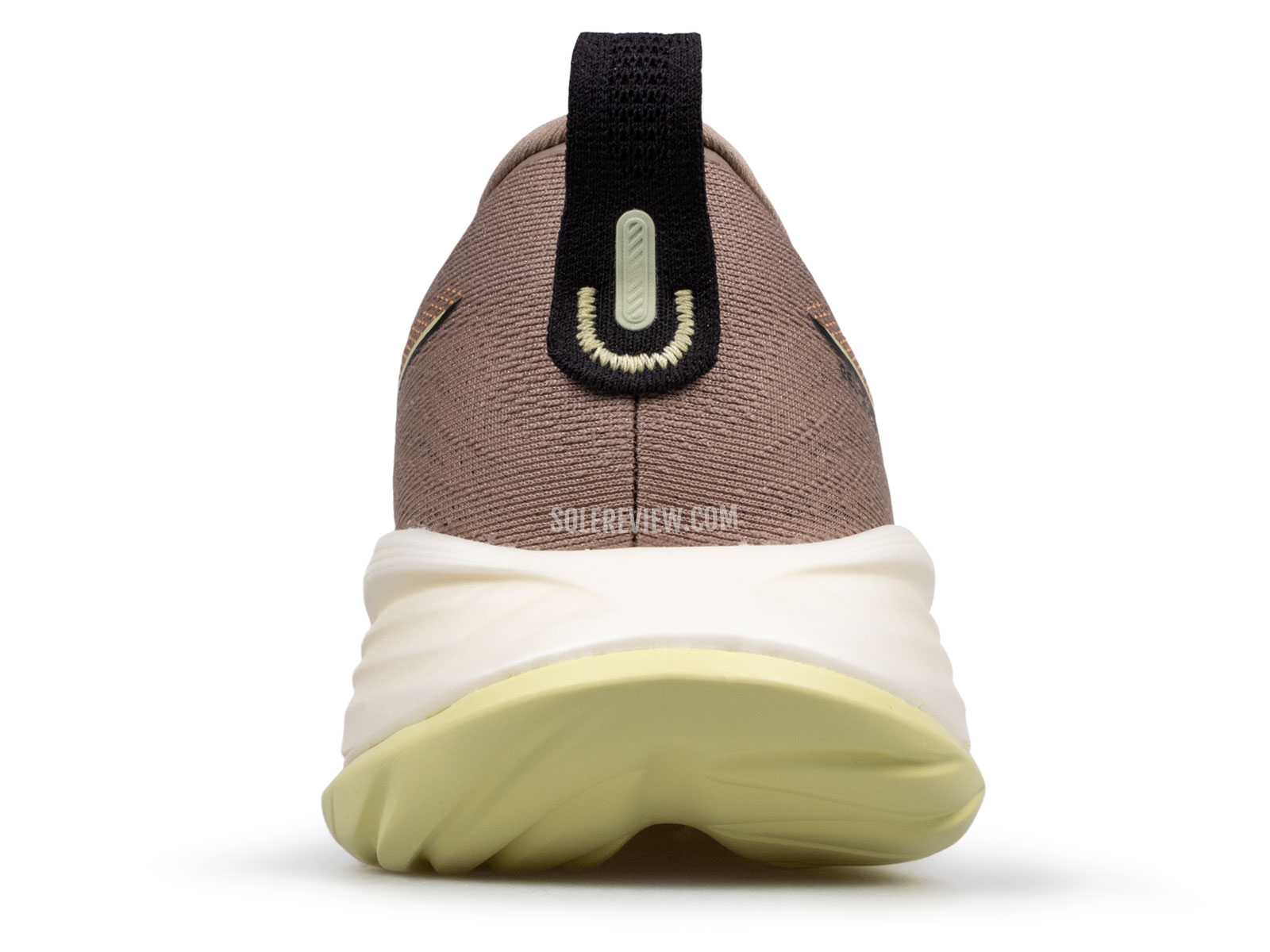
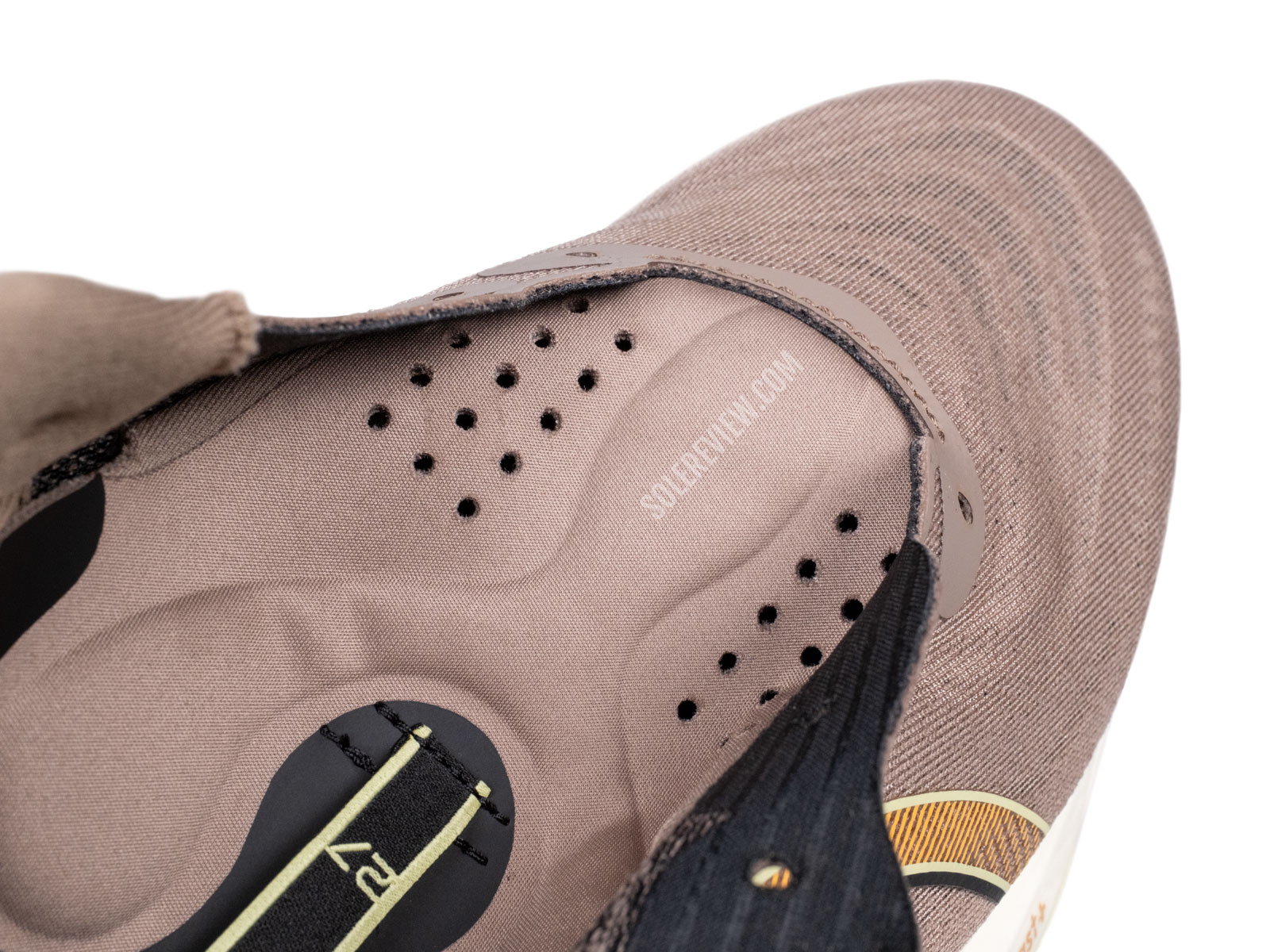
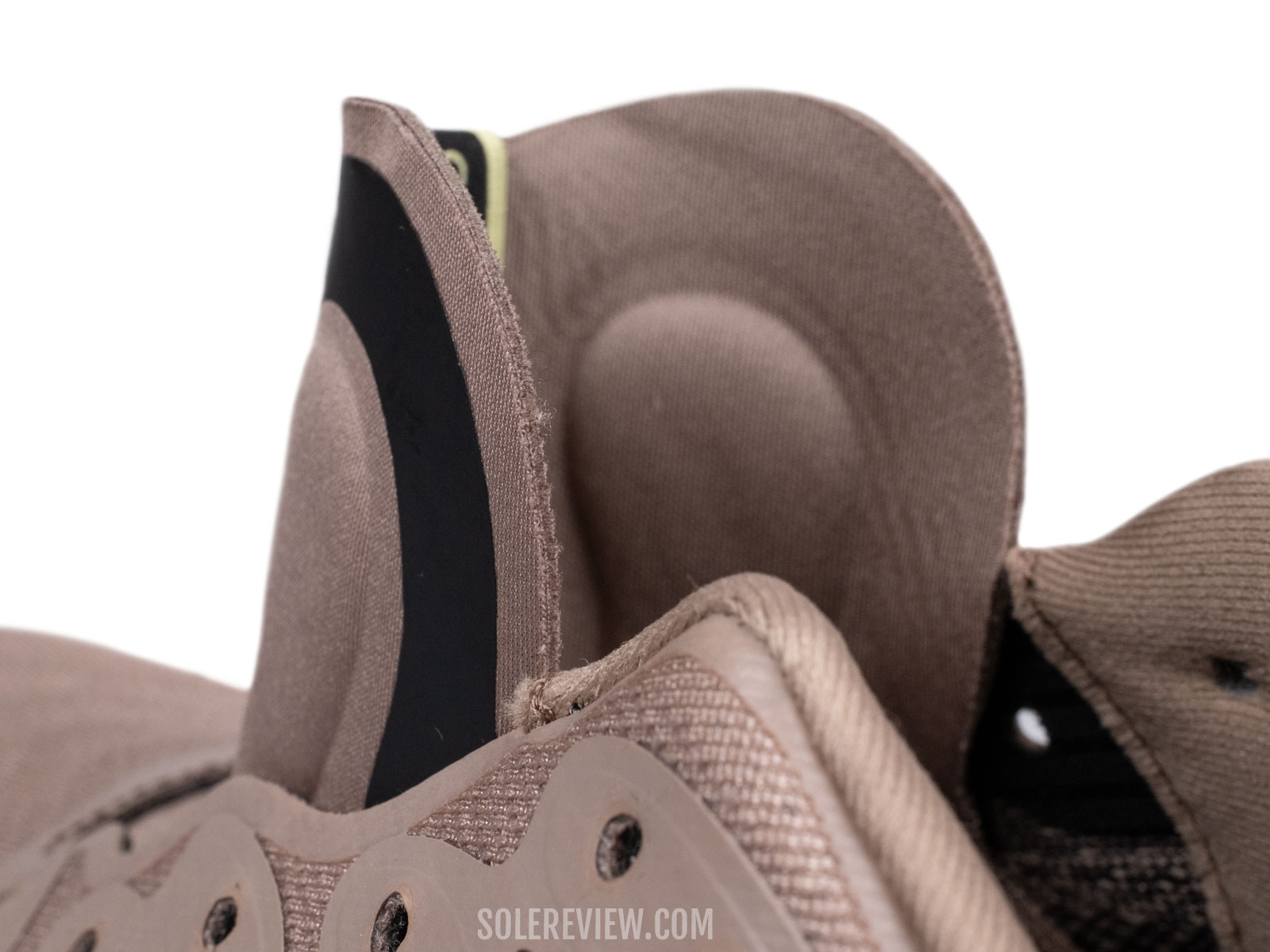
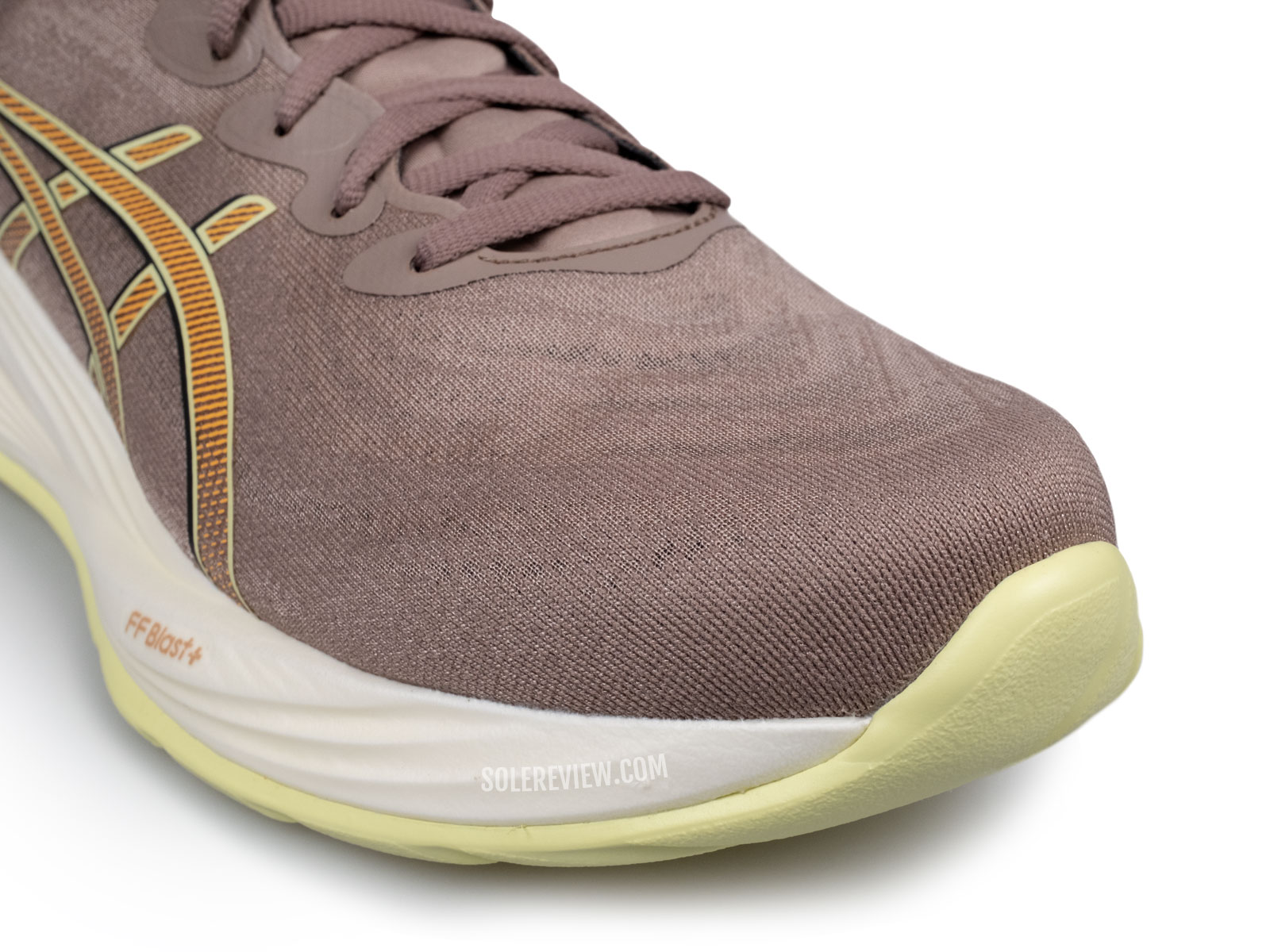
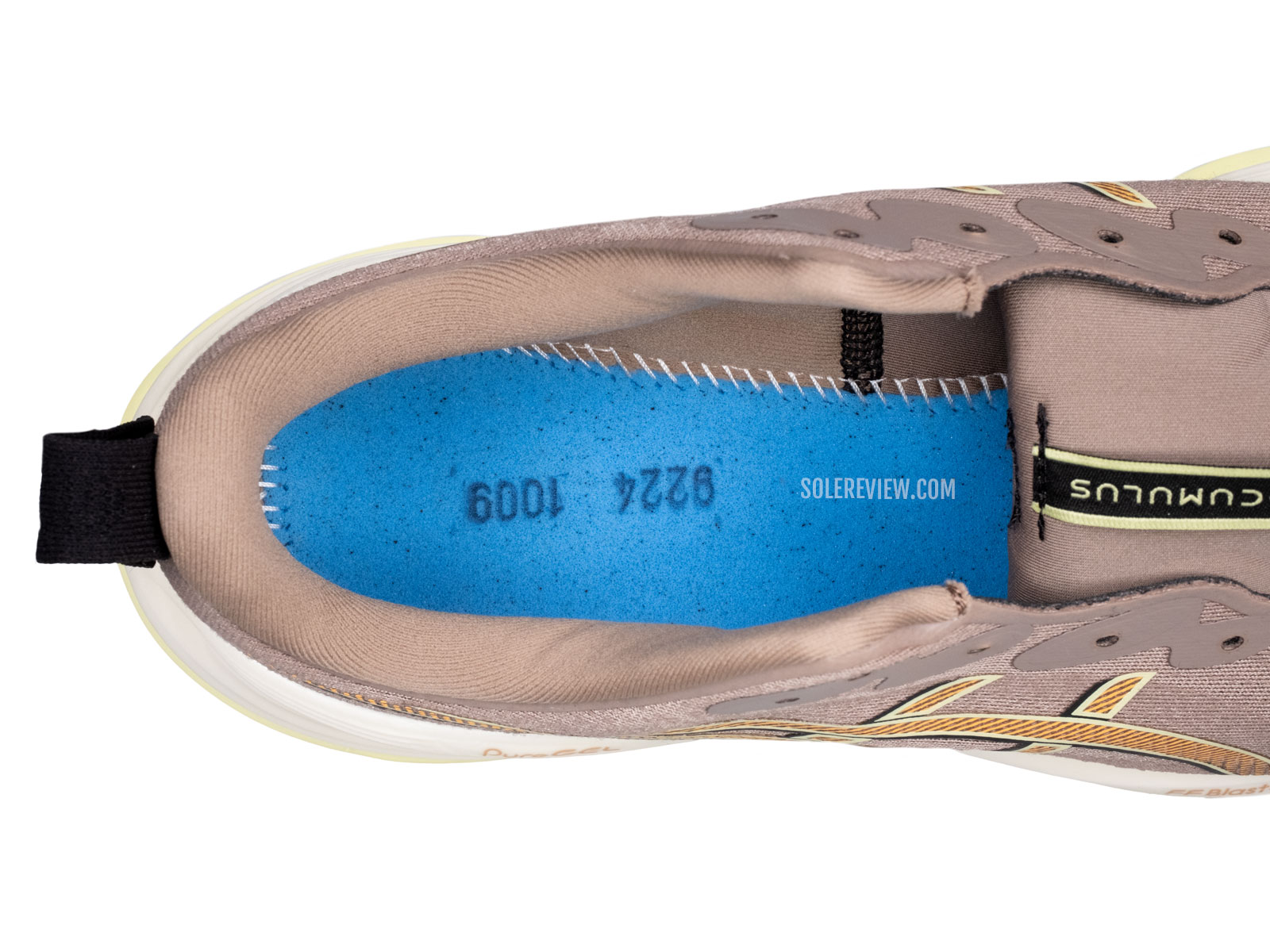
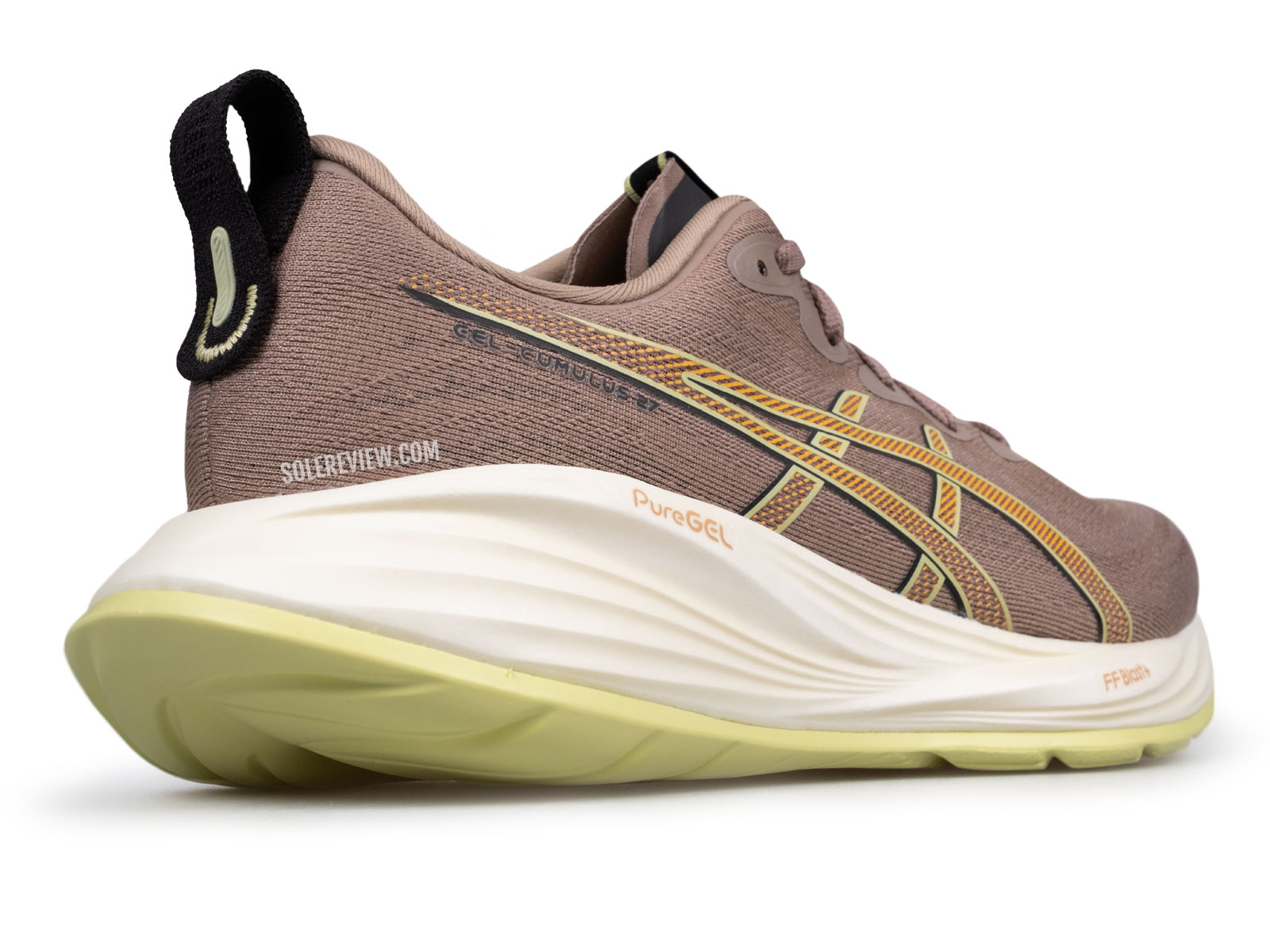

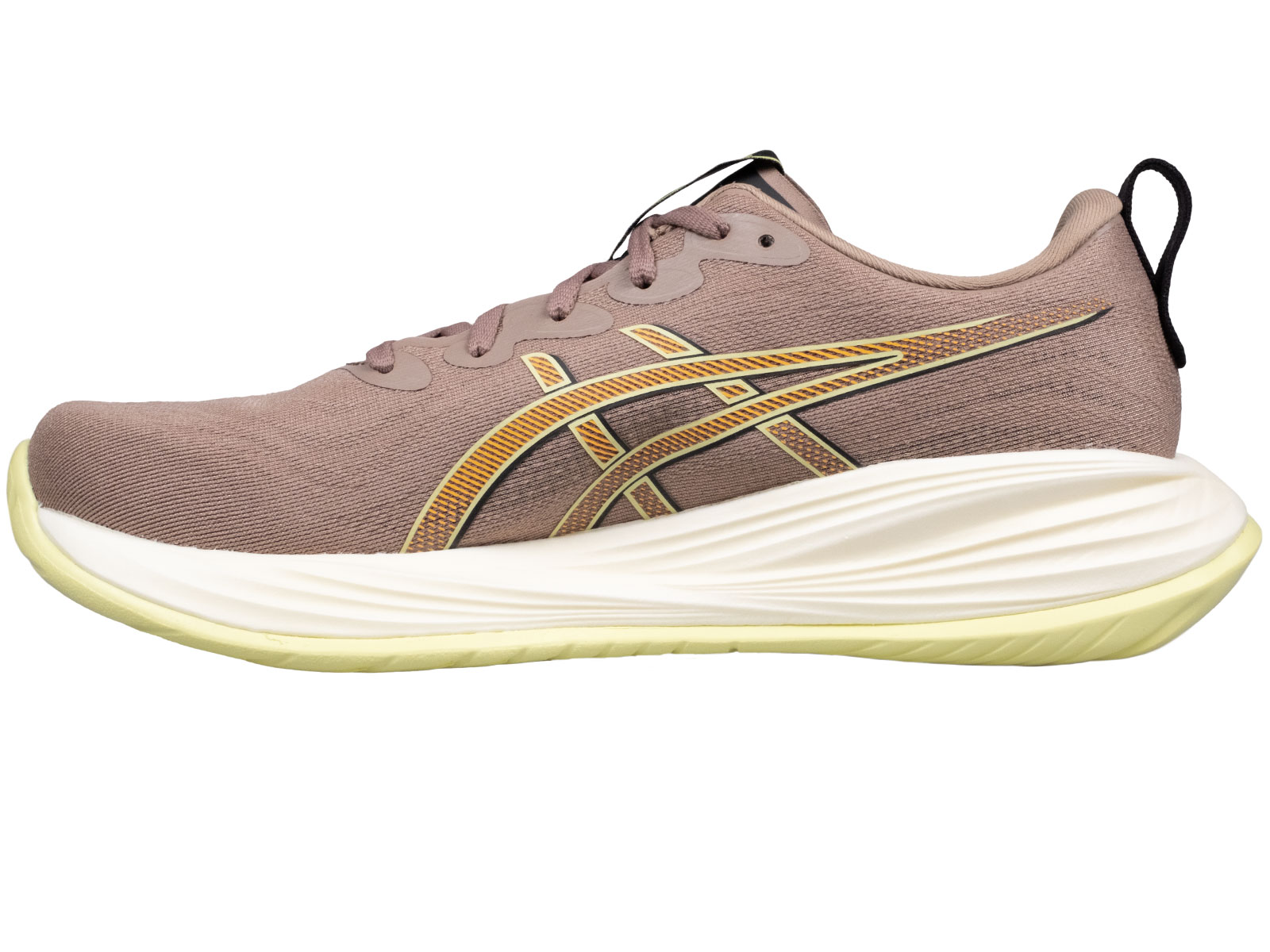


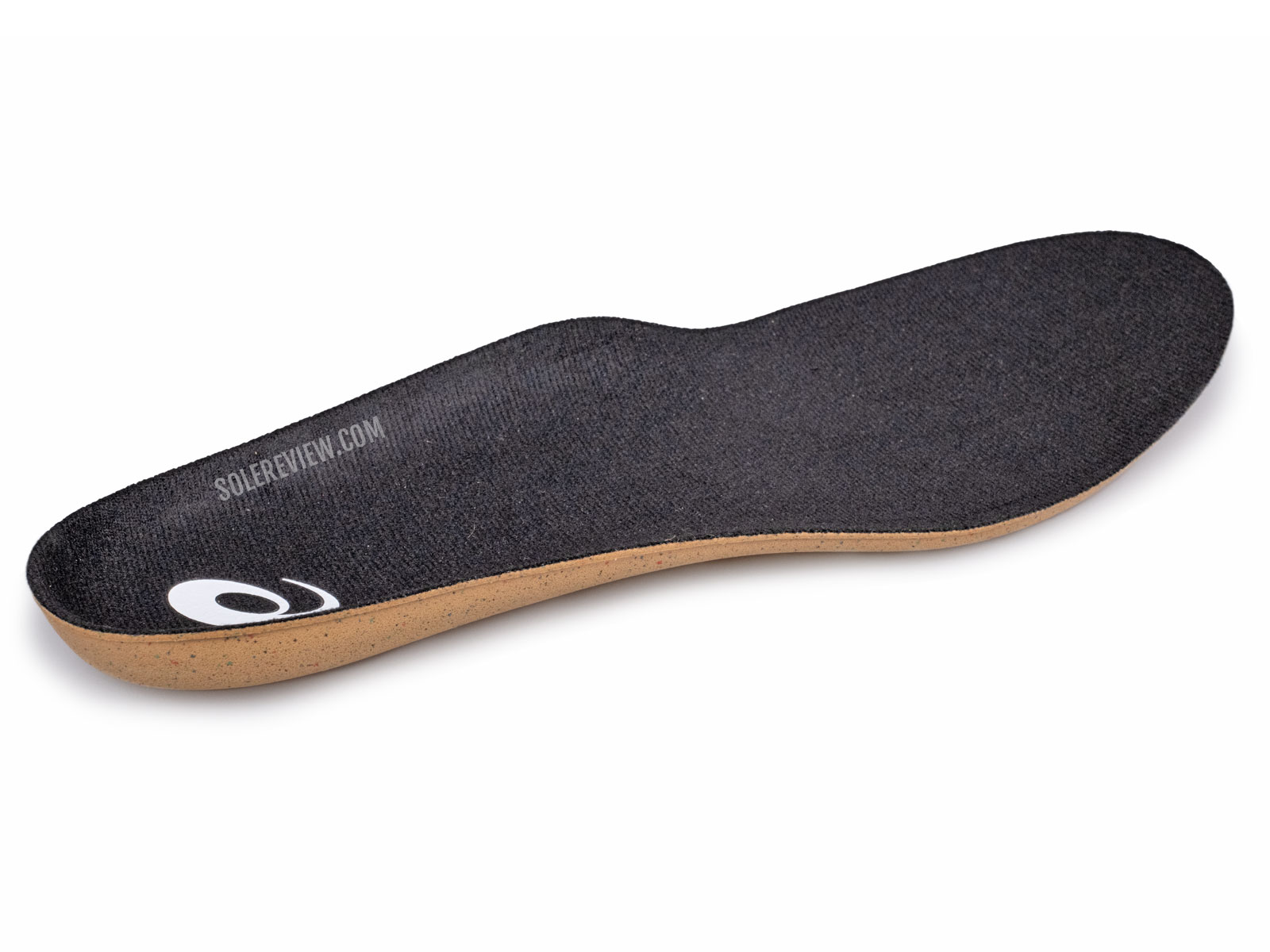
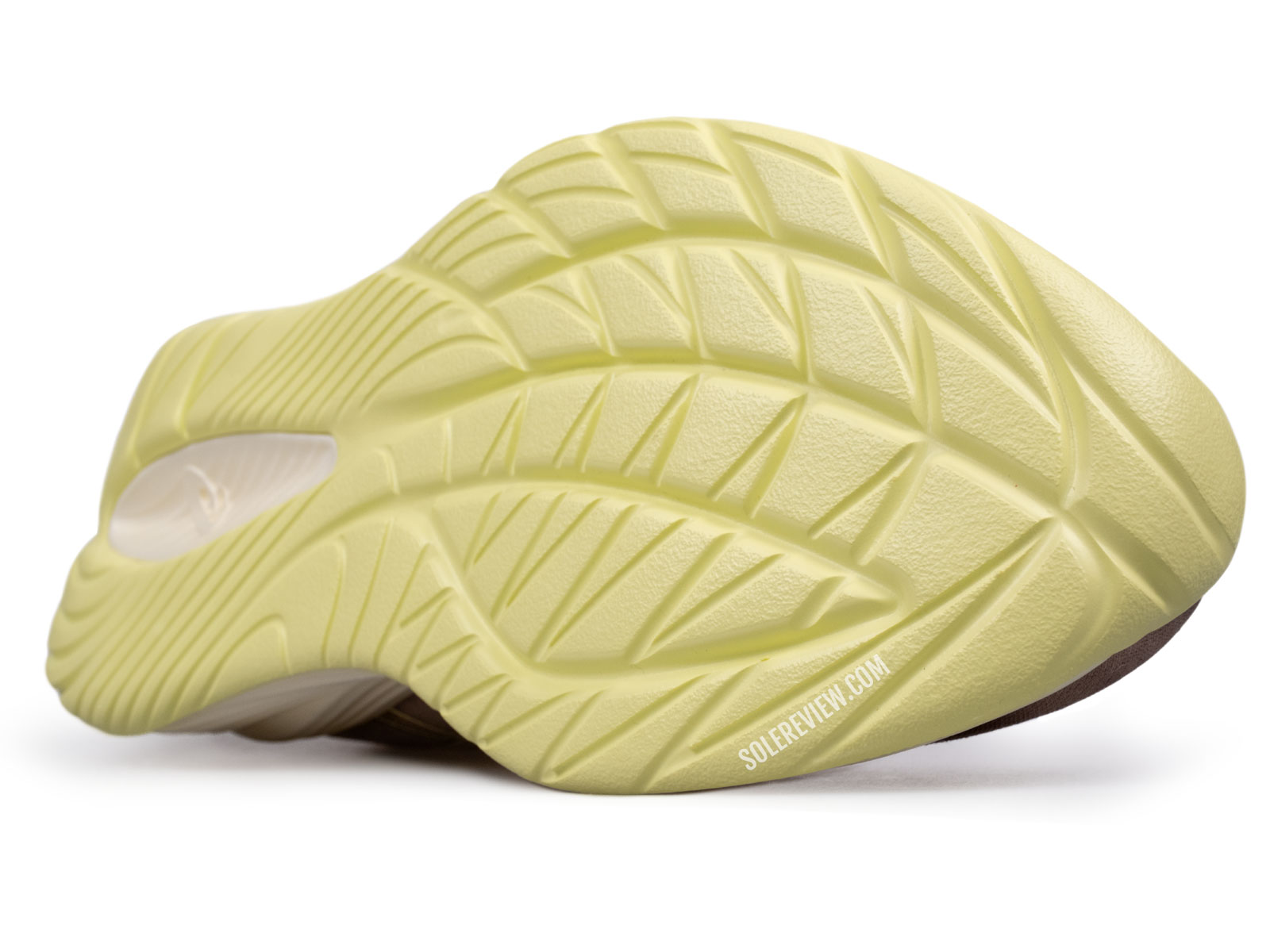
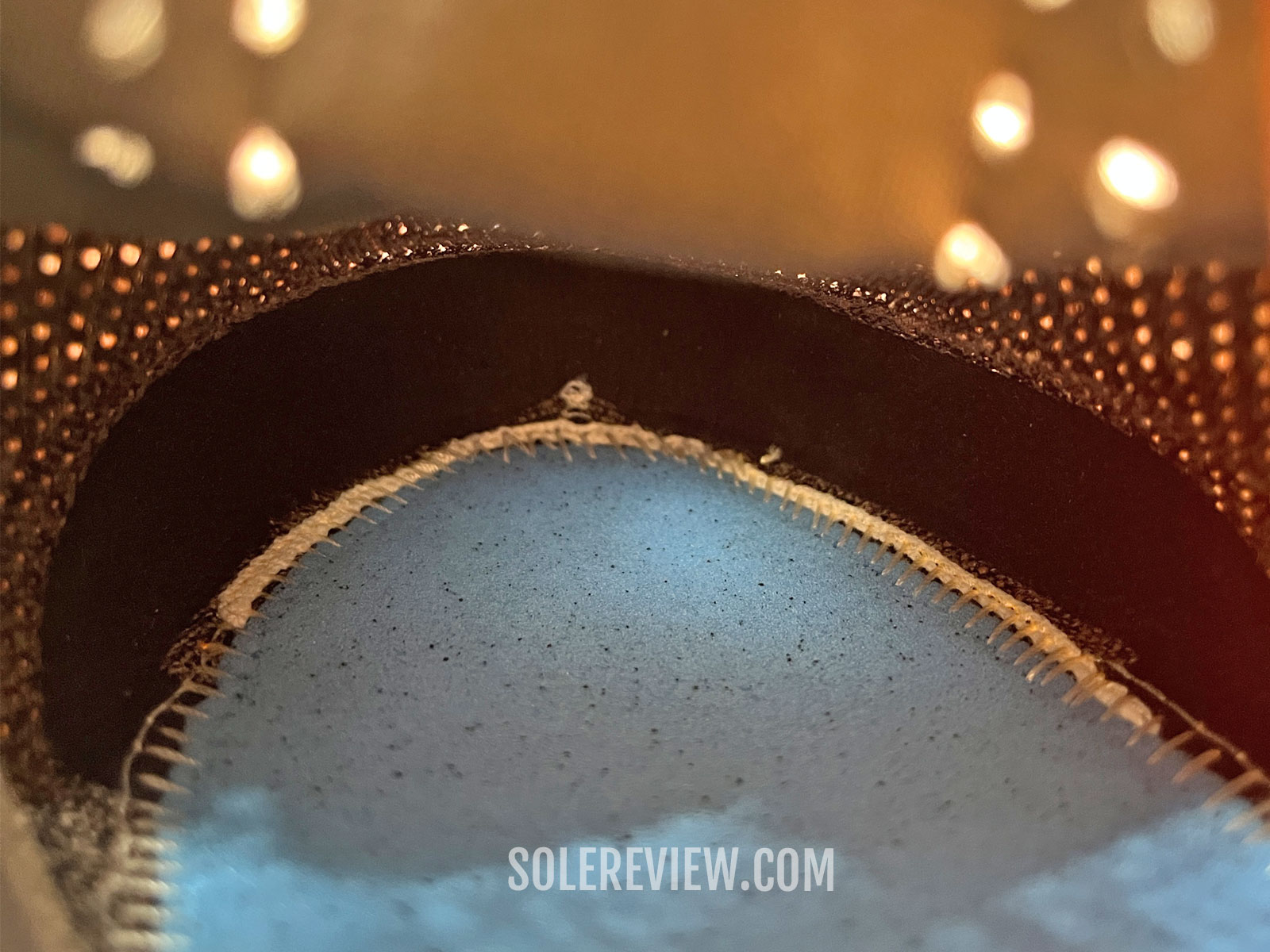
At walking speeds, the Cumulus offers better stability than the Asics Nimbus 27 and Brooks Glycerin 22. On the flip side, the rubber-free outsole doesn’t grip as well as the Nimbus and Glycerin do. The upper has more room than comparable neutral trainers like the Brooks Ghost and Nike Pegasus, which helps with the interior comfort.
- Asics’s marketing pitch:A versatile choice for different running workouts.
- Upper: Engineered mesh, inner gusset.
- Midsole: Flytefoam Blast+ foam, heel Gel unit. 8 mm heel drop.
- Outsole: Firm EVA foam; no rubber.
- Weight: 265 gms/ 9.3 Oz for a half pair of Men’s US 9/UK 8/EUR 42.5/CM 27.
- Stack heights: 40 mm (heel), 32 mm (forefoot).
- Available widths: Narrow (Women’s), D – regular (reviewed), 2E (wide), 4E (extra-wide).
- Previous model: Asics Cumulus 26.
- Country of origin: Vietnam.
- Recommended use: Everyday training, tempo runs, 10K, half-marathons.
- Footstrike orientation: Heel, midfoot/forefoot (full contact).
- Median lifespan: 400 miles.
- Recommended paces: Slower than 4:00 min/km (6:30 min/mile).
- Recommended temperature range: Warmer than -5° C/23° F.
Pros
- Versatile ride character
- Stable and neutral cushioning
- Lightweight build
- Optional widths
- Breathable upper
Cons
- Lack of reflective elements
- Outsole grip on slushy and smooth surfaces
- Not as plush as the Cumulus 26
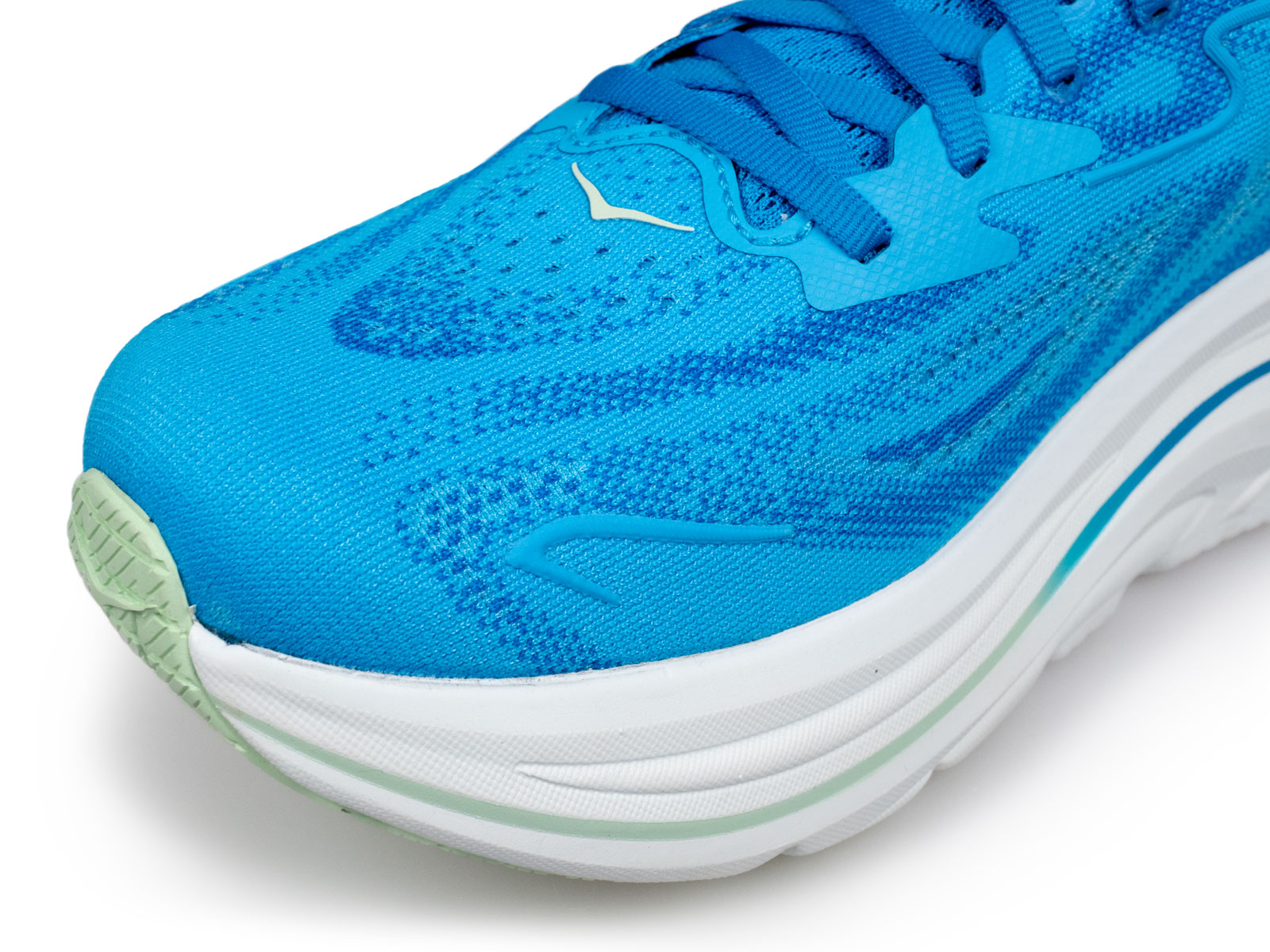
The Bondi 9 has a few updates, so we’ll quickly bring you up to speed. The midsole is softer and bouncier than the Bondi 7 and 8, and the upper fit is an improvement. The softer midsole also eliminates the pressure hot spot we experienced on the Bondi 8.
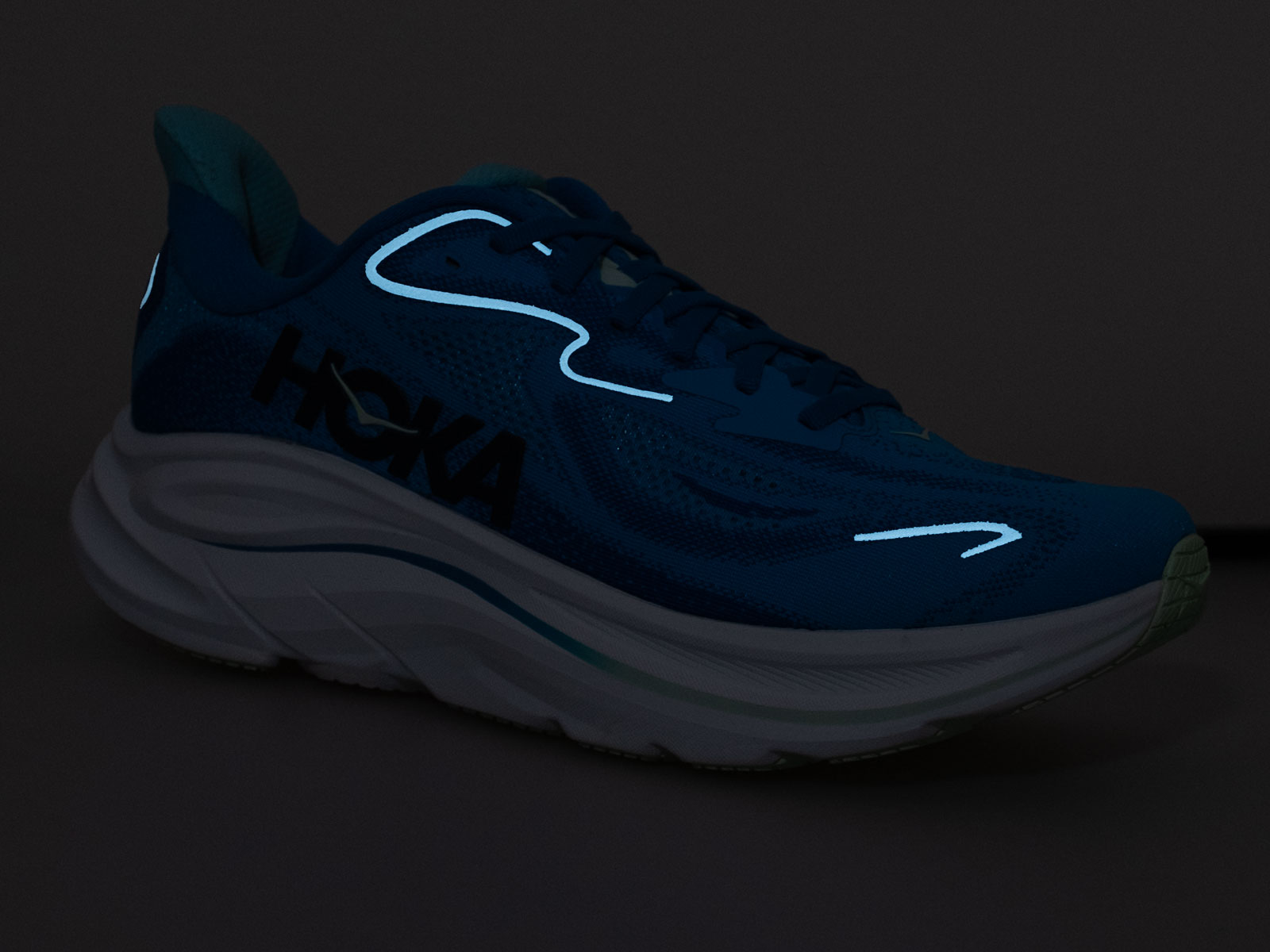
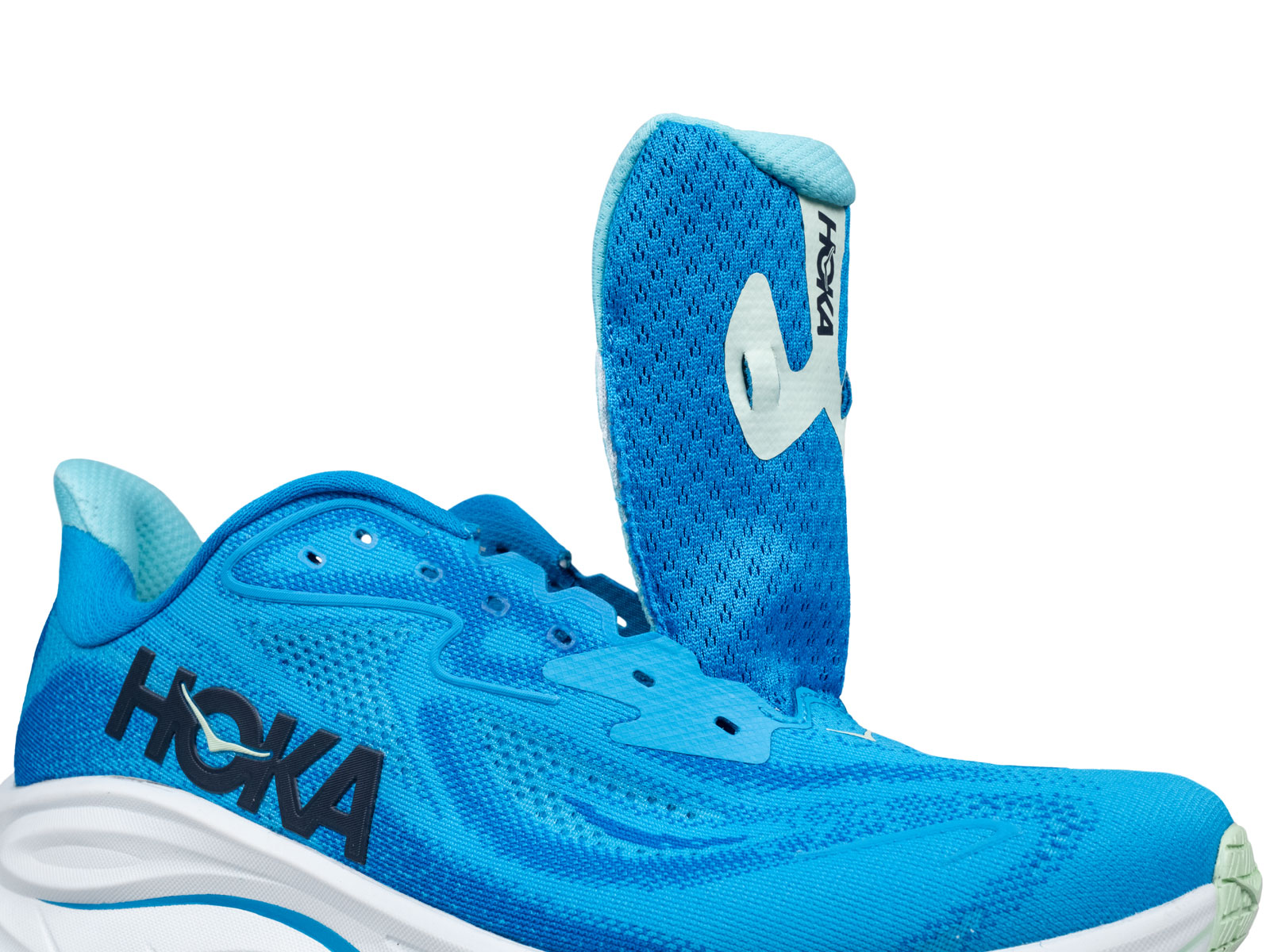
The softer mesh enhances comfort, and there’s a generous amount of padding in the tongue and heel. It’s worth mentioning that the new Bondi lacks a tongue gusset, but adds more reflectivity over the heel. This update boosts the Bondi 9’s low-light visibility.
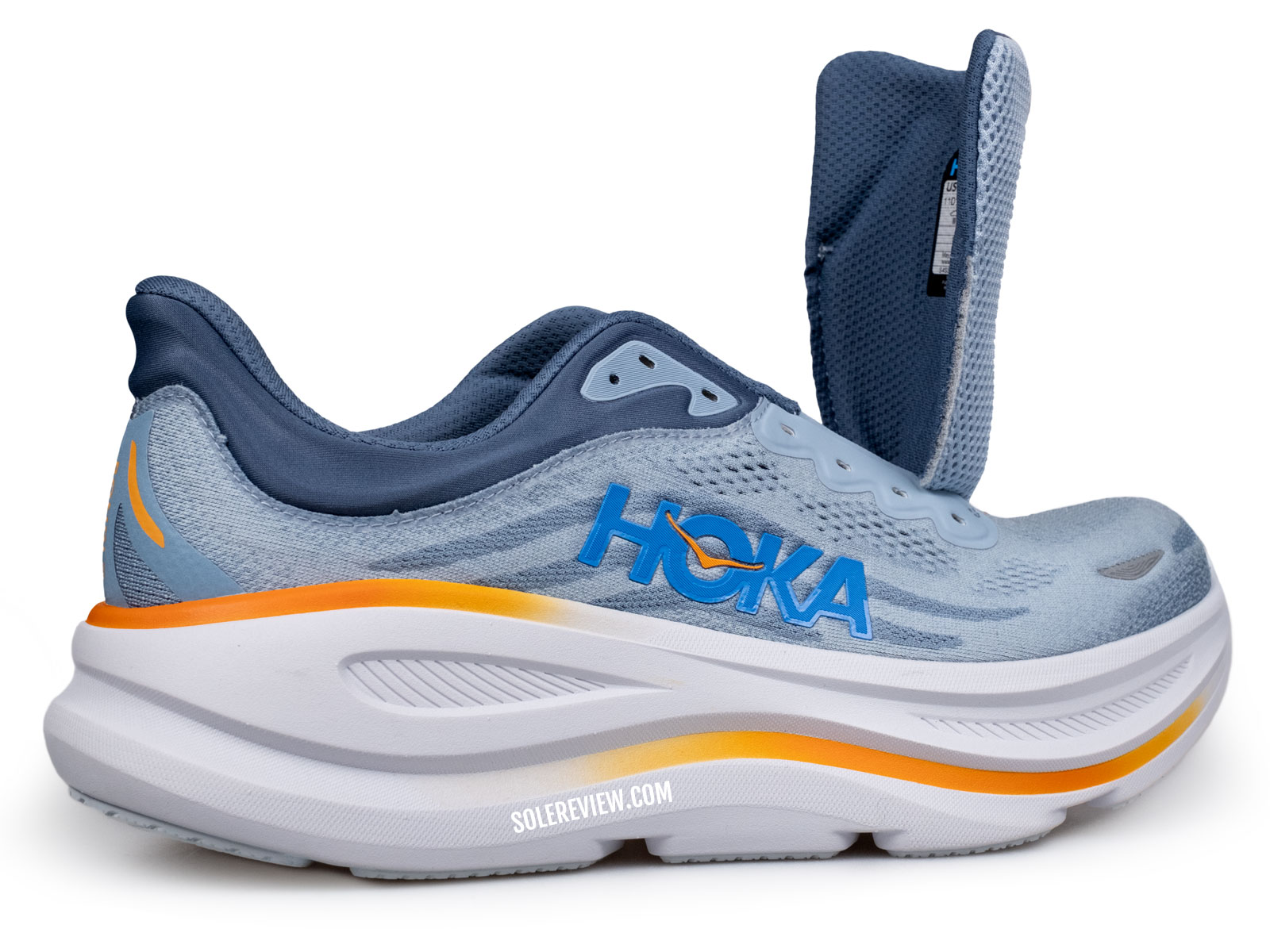
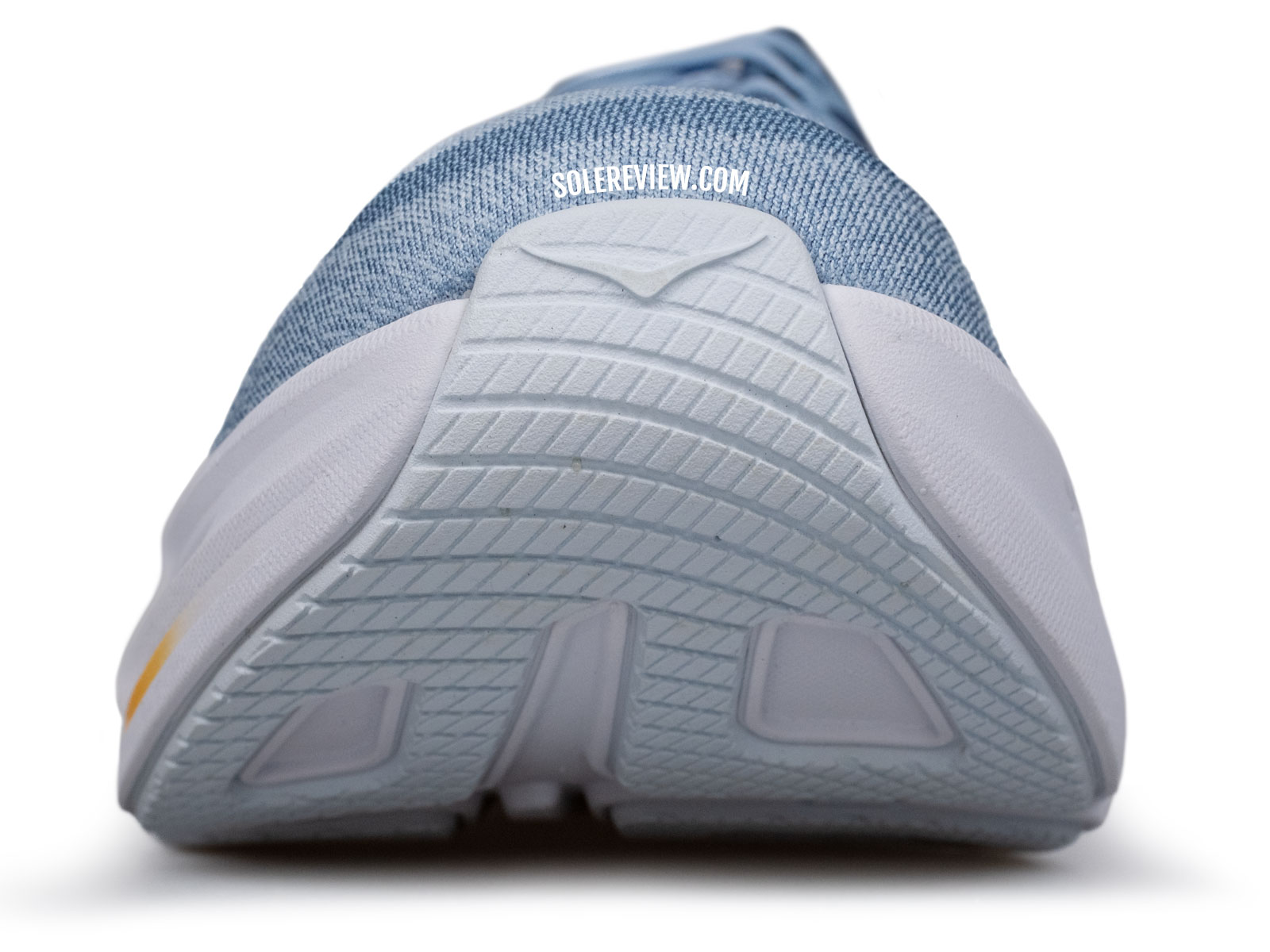
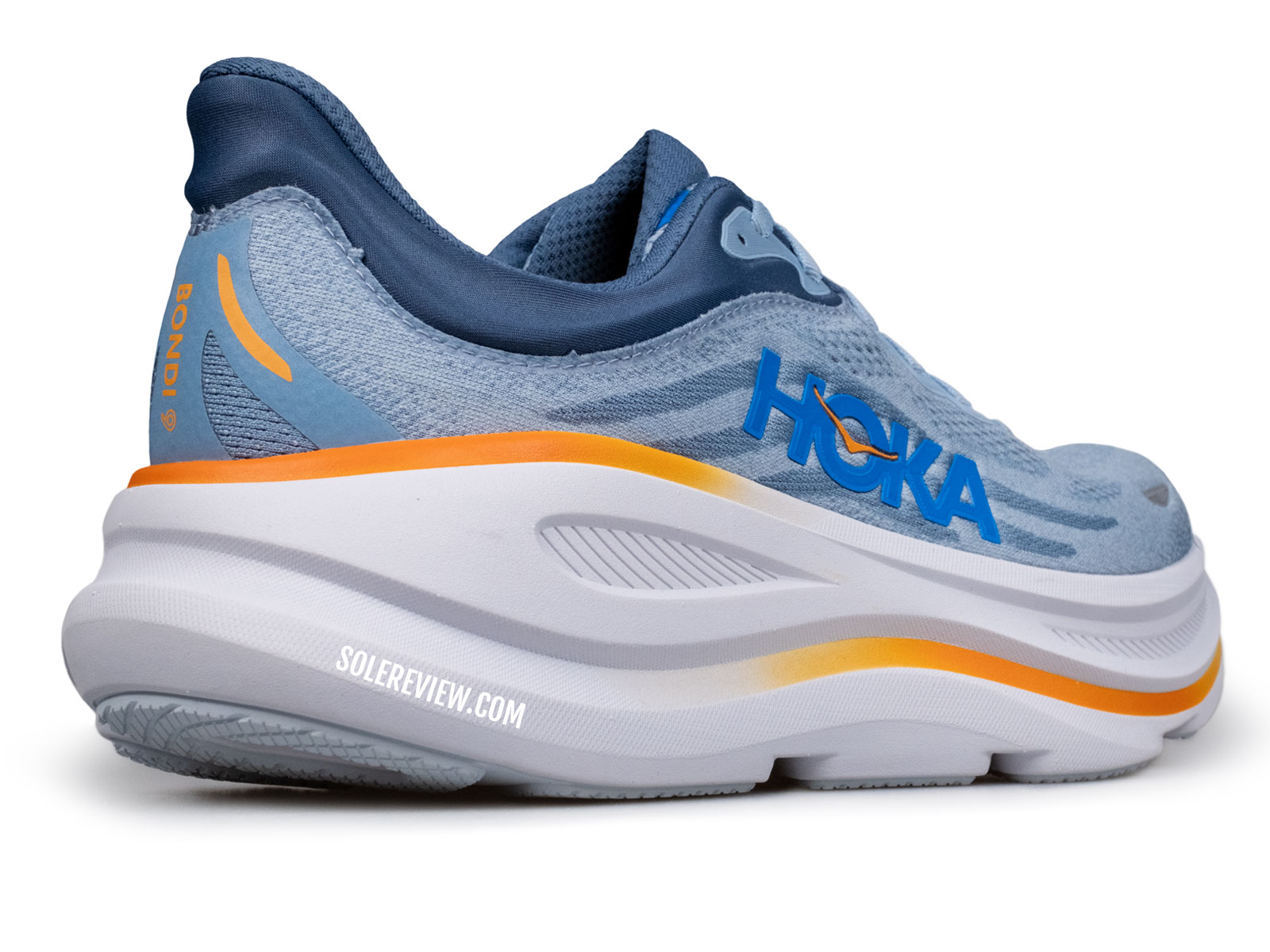
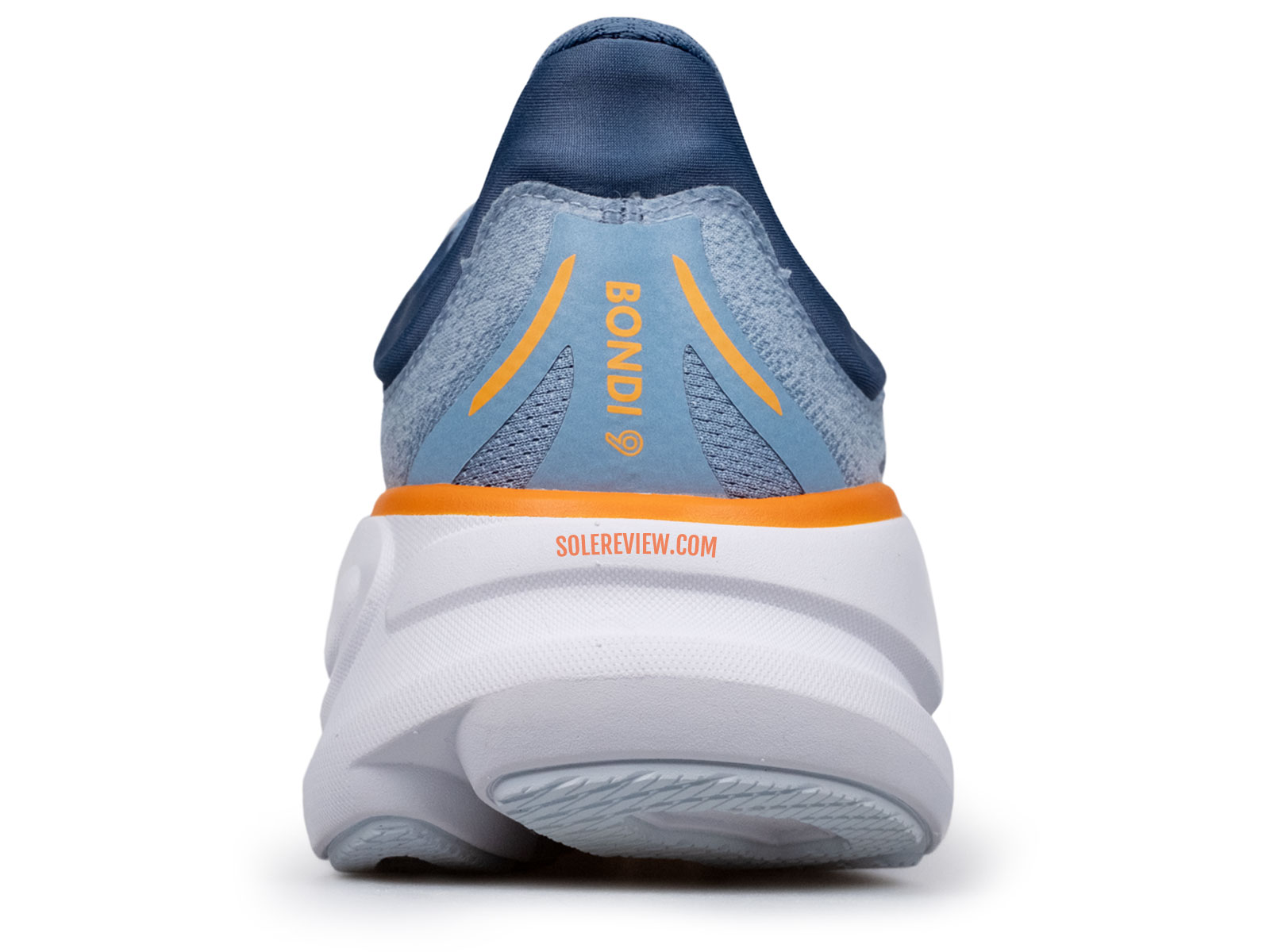
The Hoka Bondi 9 has a cushioned yet supportive midsole.
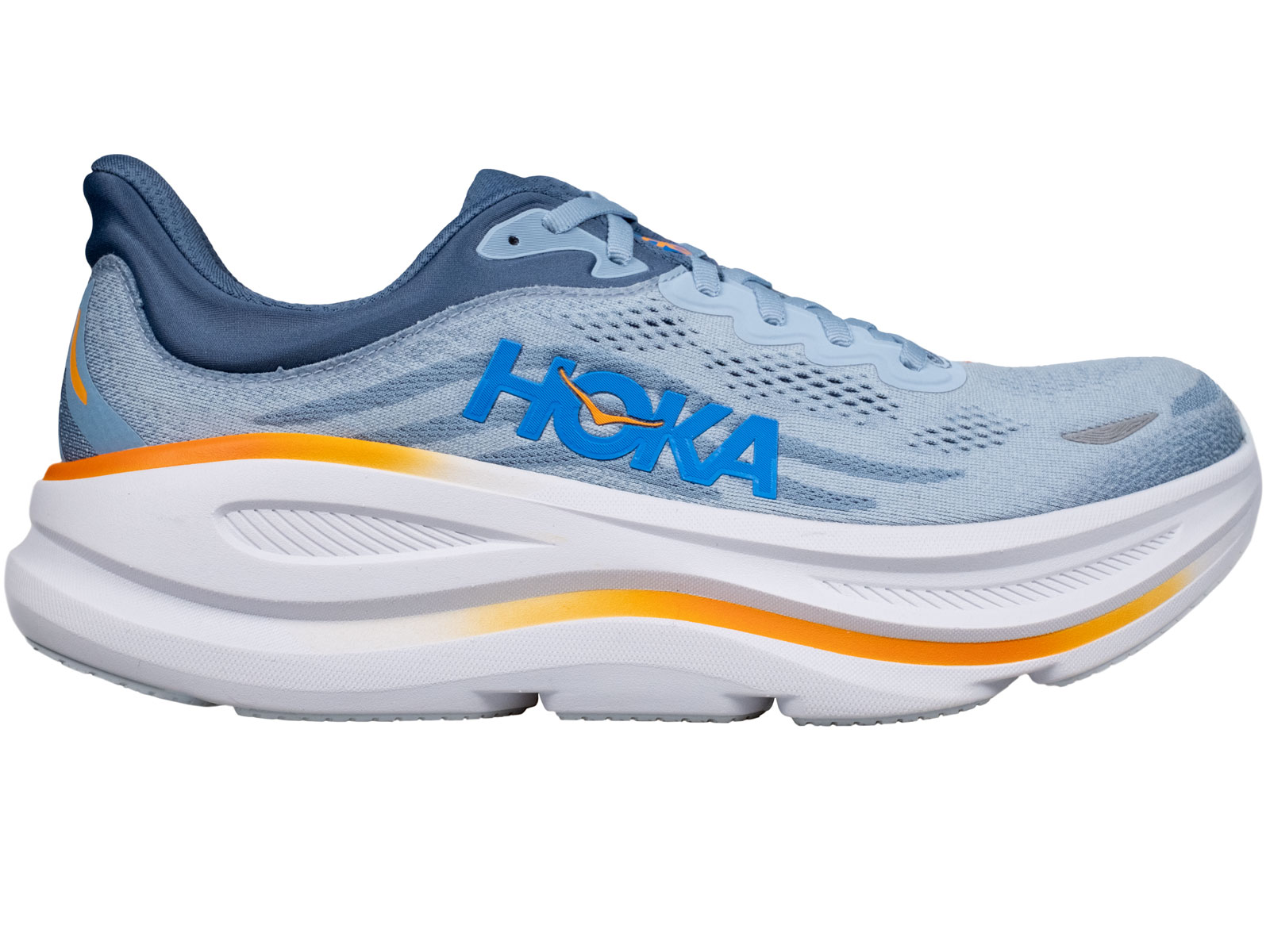
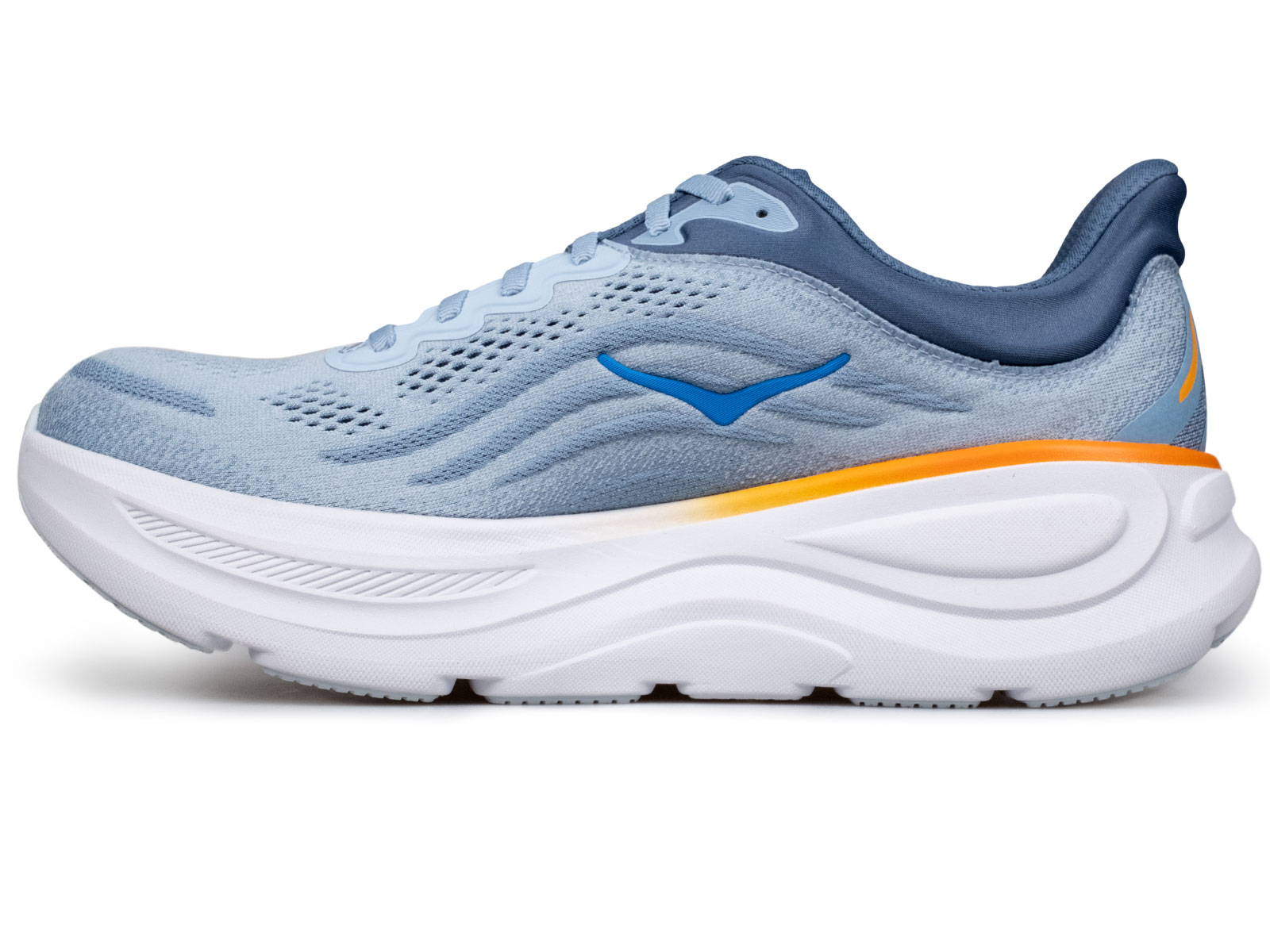
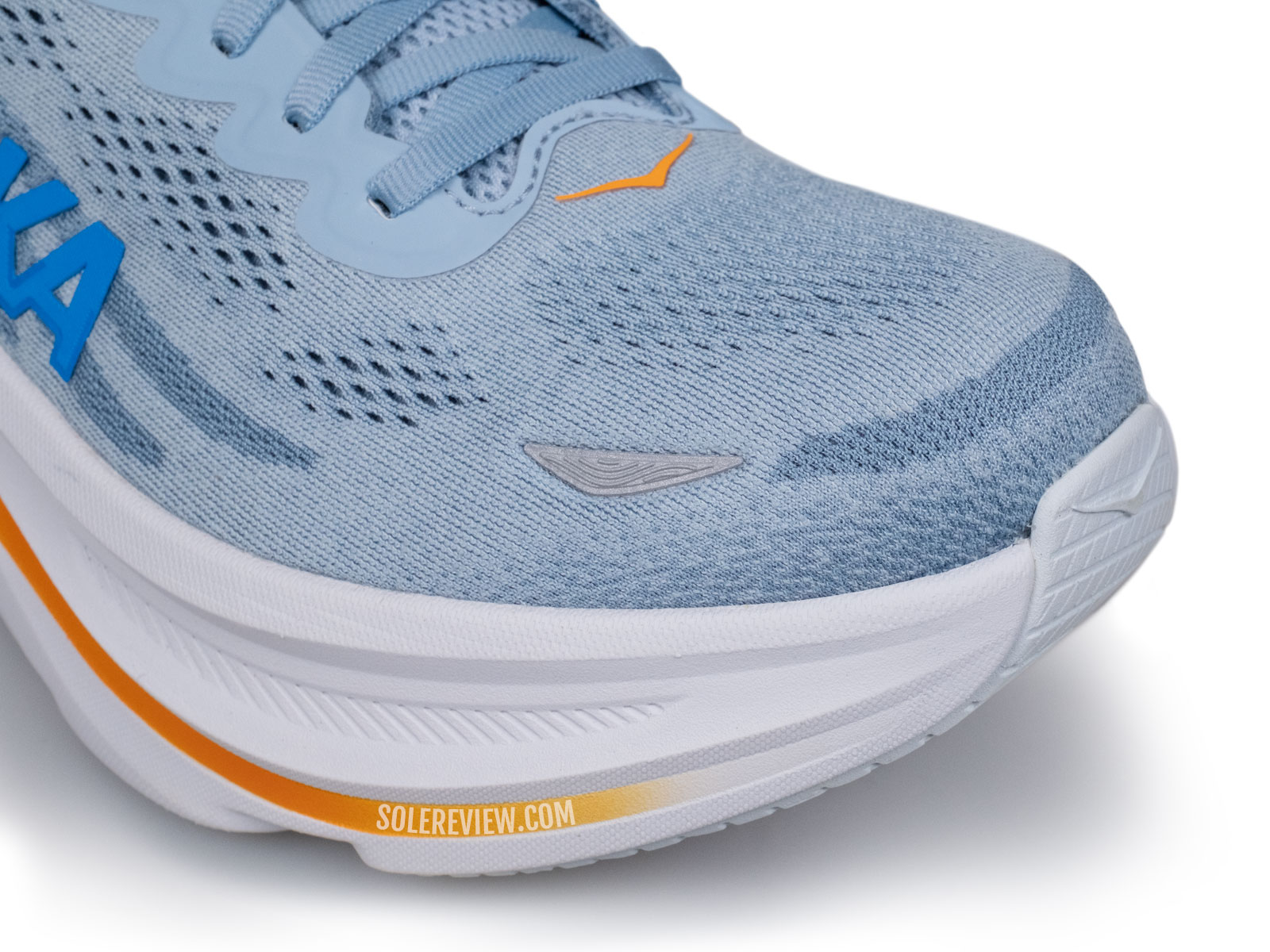
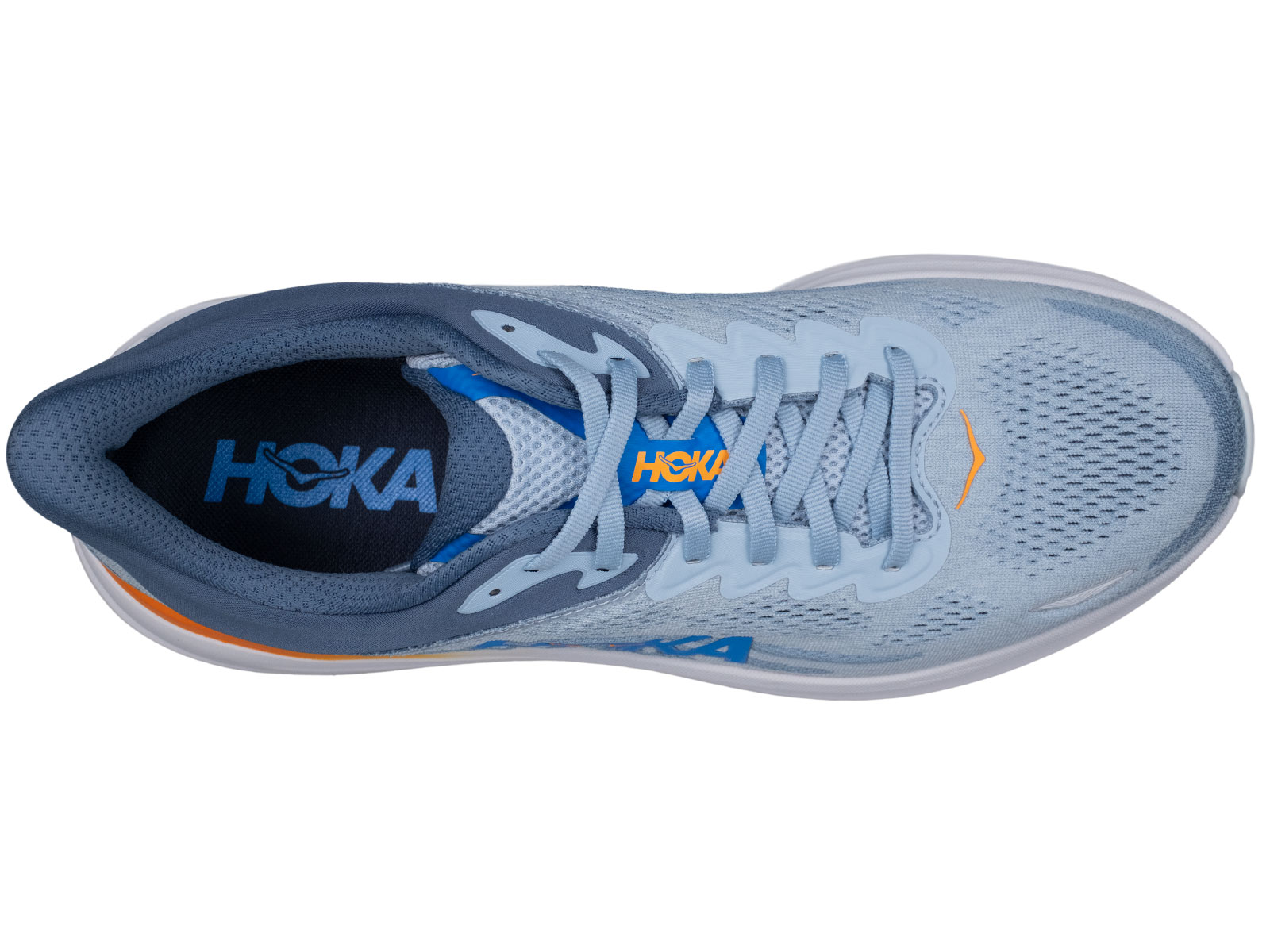
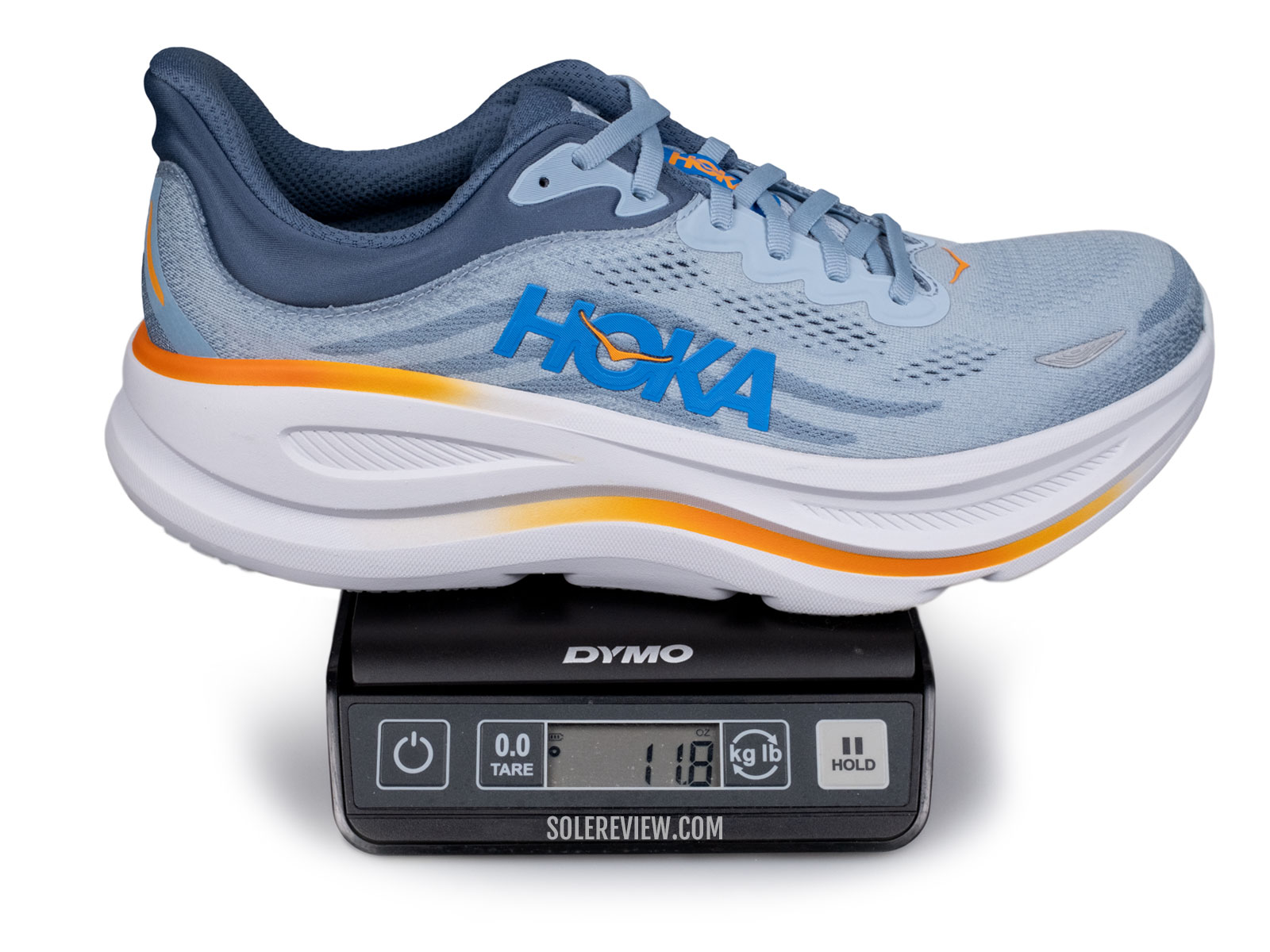


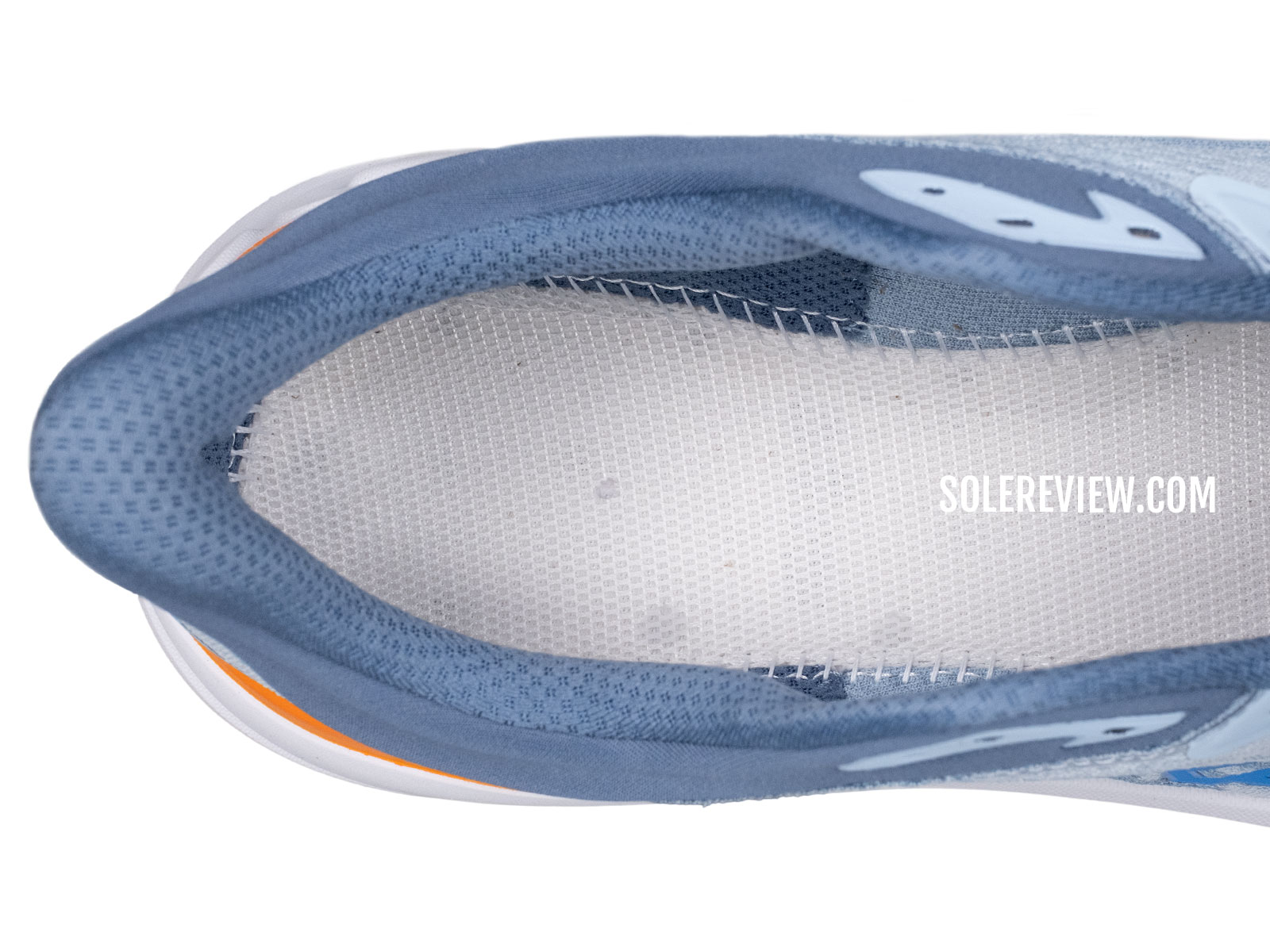
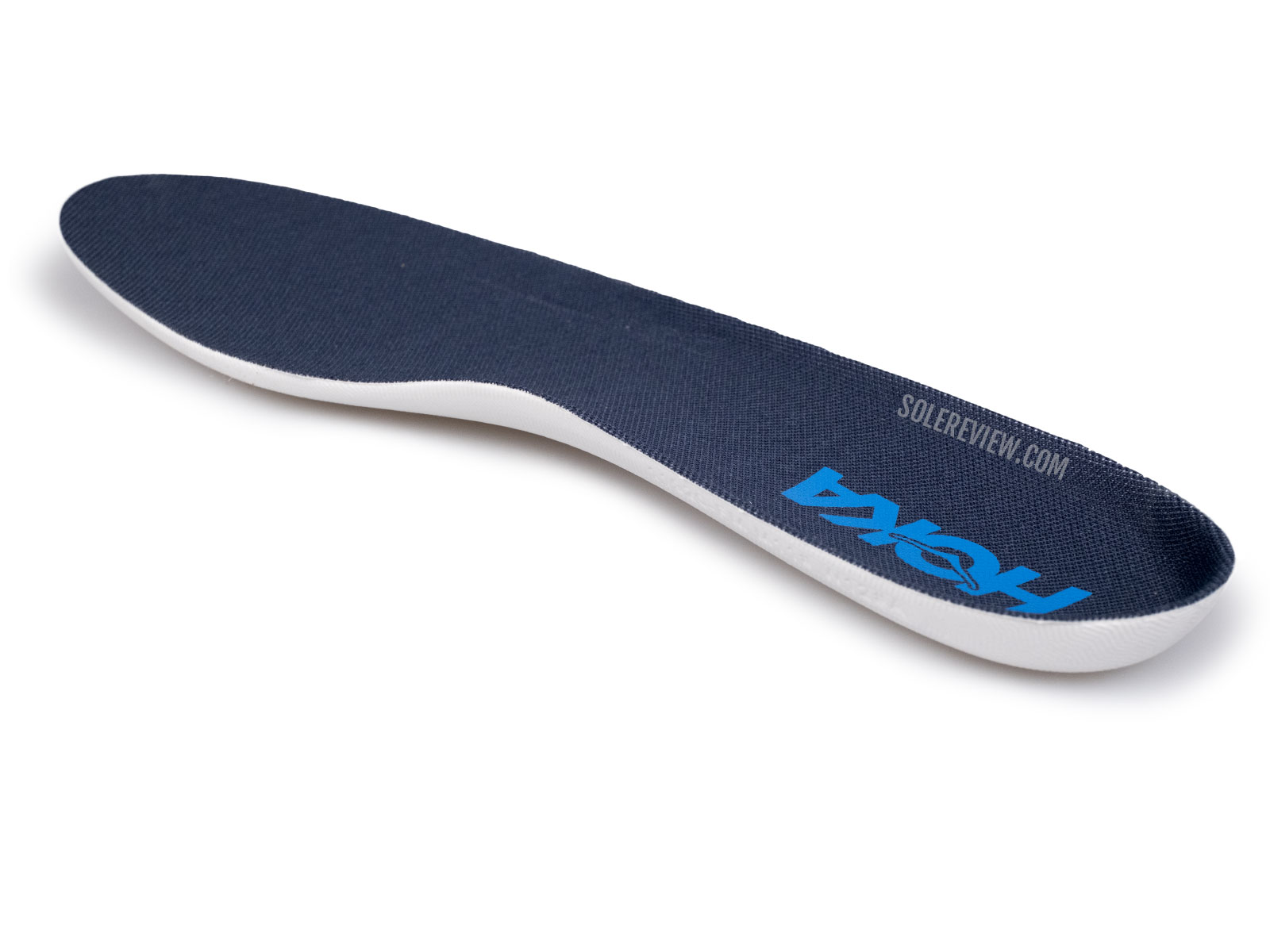
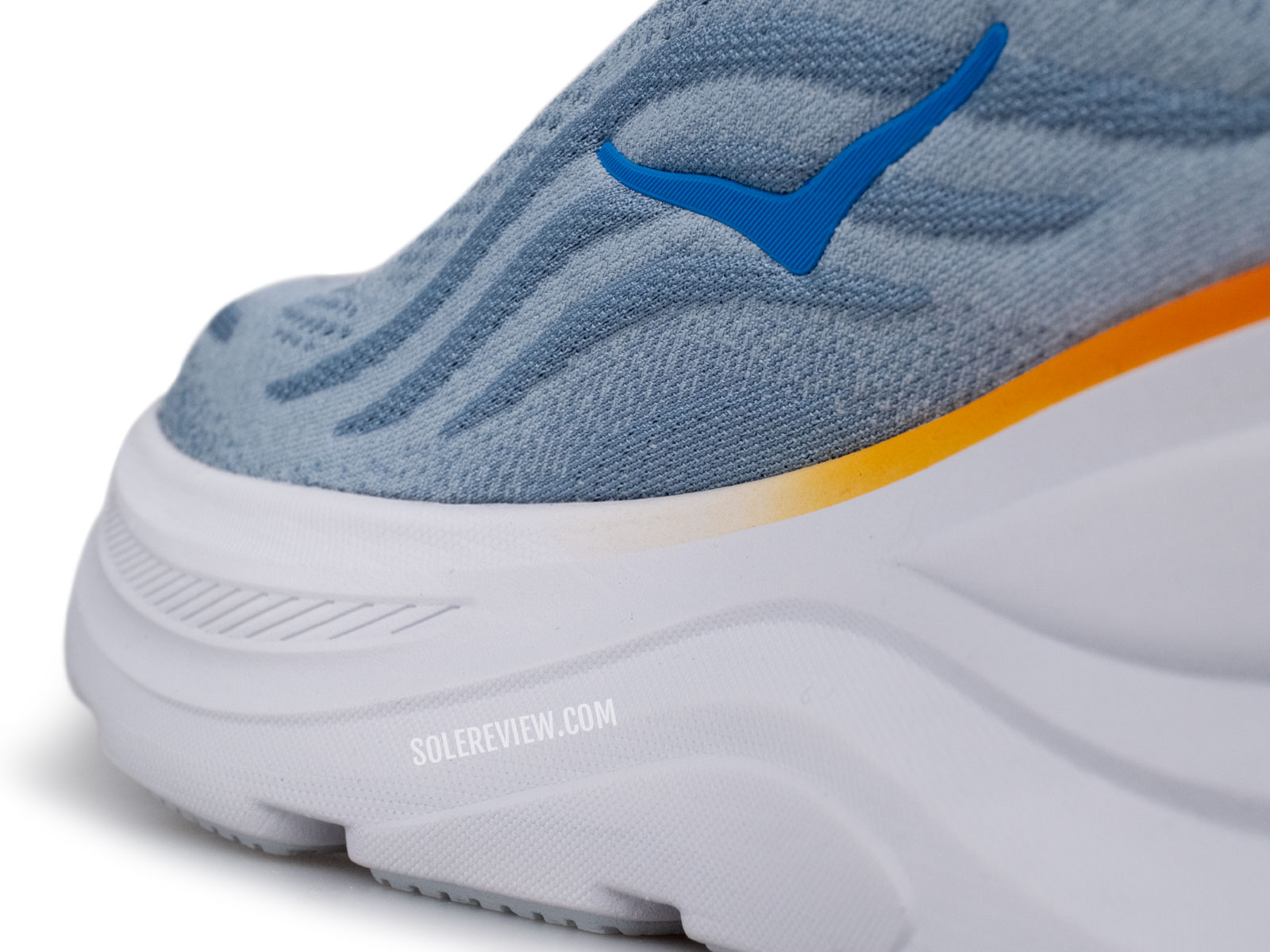
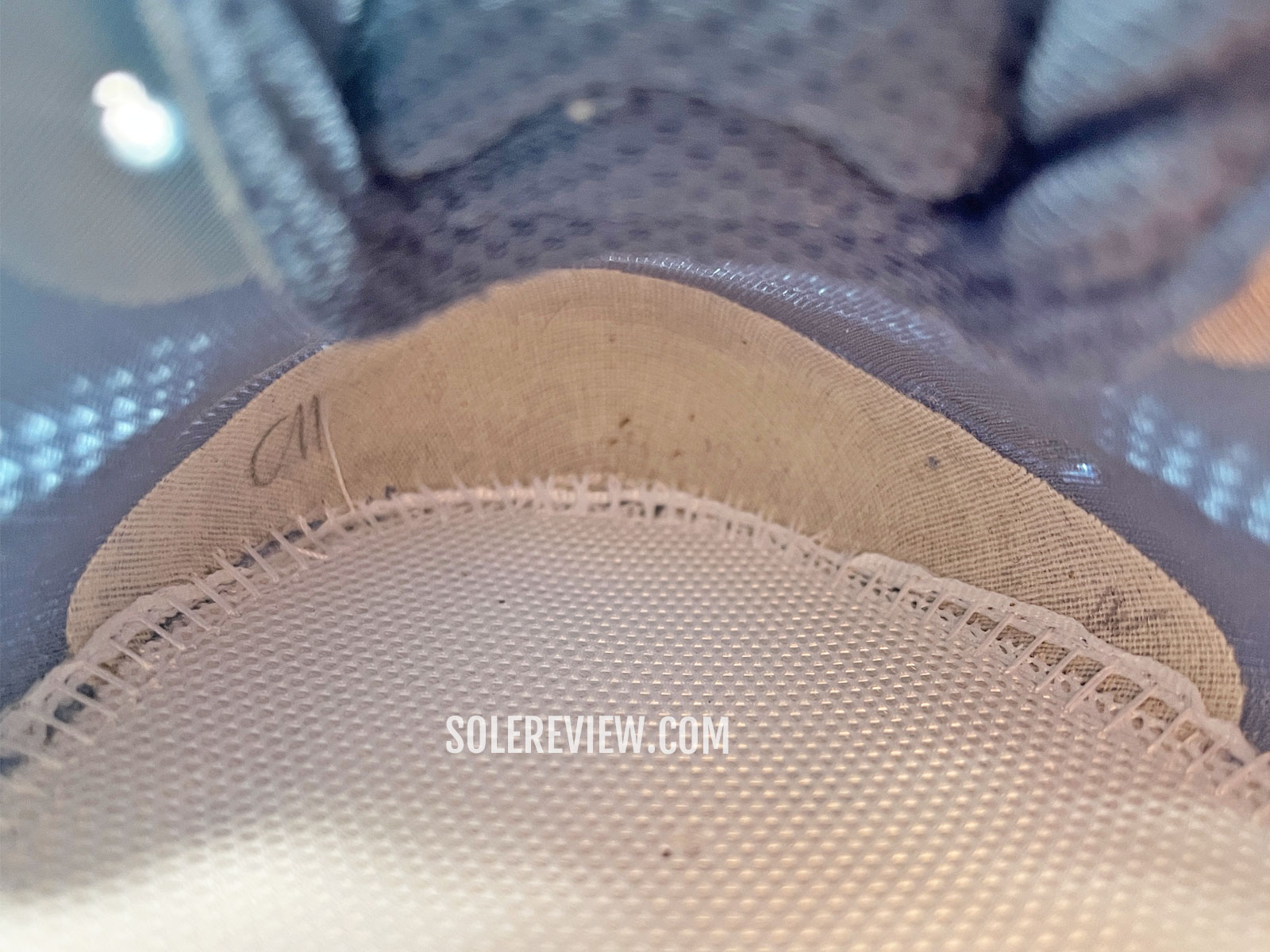
What makes the Bondi 9 excellent for walking is its wide and supportive midsole that’s also deeply cushioned. The EVA foam midsole is neither too soft nor too firm, and the outsole has a full-contact design. Unlike the Brooks Ghost Max 3, the Bondi 9 doesn’t use a high-performance foam material. Except for the added softness, the foam is similar to last year’s model.
The true-to-size upper has a plush and secure fit. The standard model has a narrow fit, so consider the optional wide and extra-wide sizes if you need more space for your toes.
- Hoka’s marketing pitch: The ultra-cushioned game-changer.
- Upper: Perforated engineered mesh, reflective details. No tongue gusset.
- Upper fit: True to size, narrow.
- Midsole: EVA foam and footbed. 5 mm heel drop.
- Outsole: Carbon rubber, exposed EVA foam.
- Weight: 298 gms/ 10.5 Oz for a half pair of Men’s US 9/UK 8.5/EUR 42.5/CM 27.
- Stack heights: 44 mm (heel), 39 mm (forefoot).
- Available widths: D – regular (reviewed), 2E – wide, 4E – extra wide.
- Previous model: Hoka Bondi 8.
- Country of origin: Vietnam.
- Recommended use: Everyday training, marathons.
- Footstrike orientation: All types (heel/midfoot/forefoot).
- Median lifespan: 450 miles.
- Recommended paces: 5:00 min/km (8:00 min/mile) and slower.
- Recommended temperature range: Warmer than -5° C/23° F.
Pros
- Cushioned and stable ride
- Reflective details
- Smooth transitions
- Secure upper fit
- Optional widths
Cons
- Antiquated cushioning tech
- Heavy
- Overpriced for what it offers
- Mild tongue slide
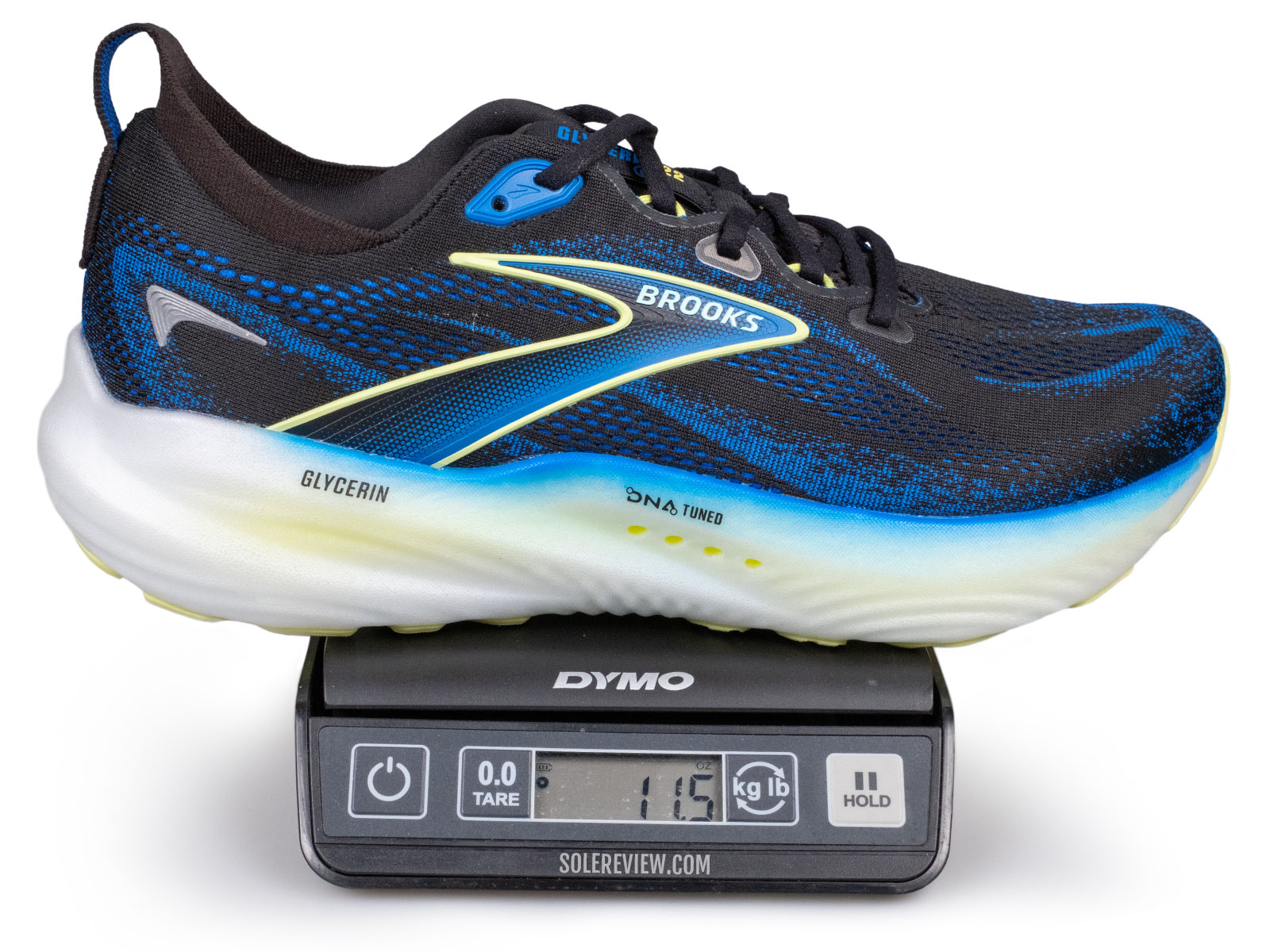
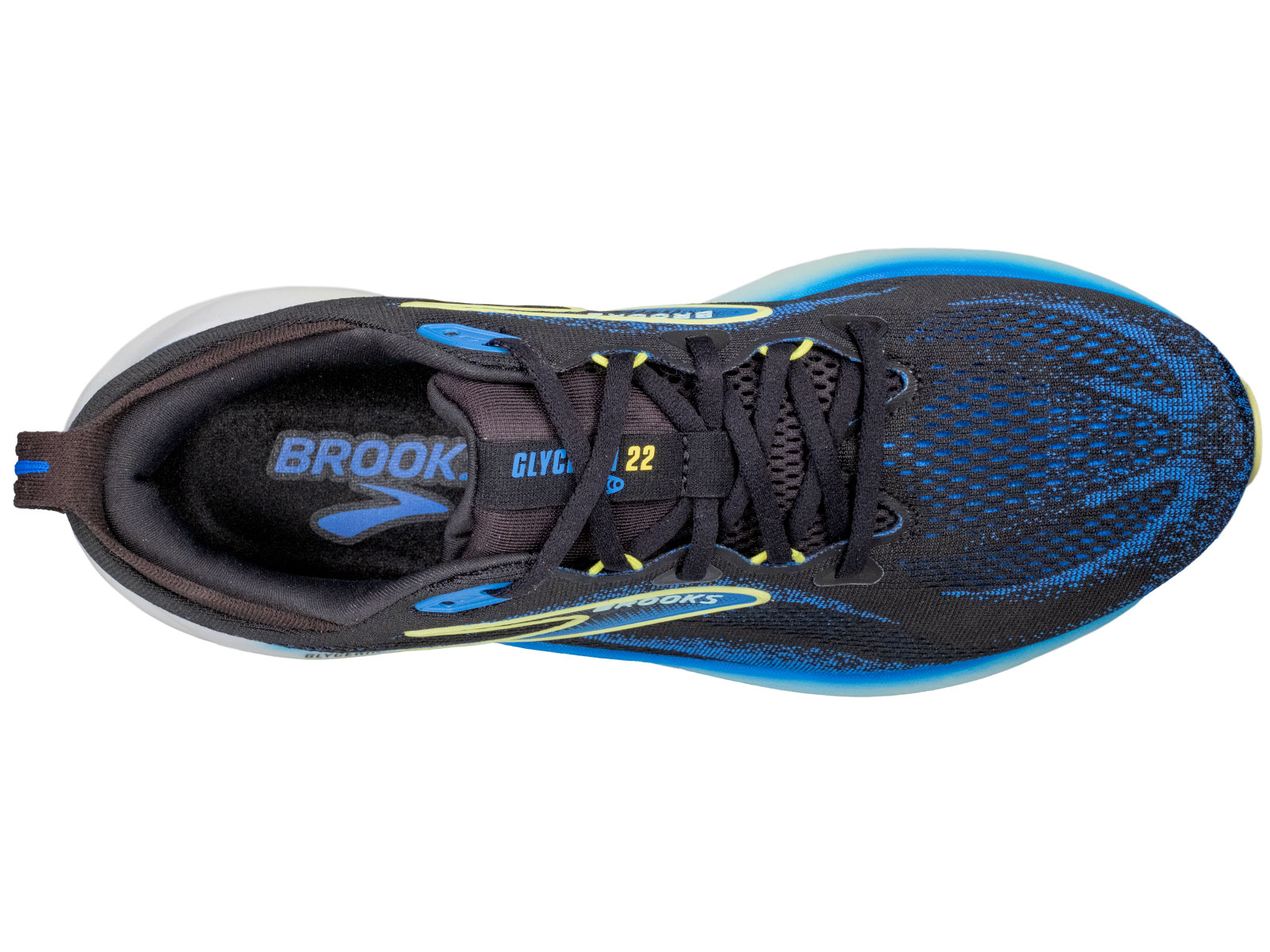
Brooks sells a slip-on version of the Glycerin 22 with a ‘SE’ suffix. The casual SE upper looks better on a walking shoe, but the SE version isn’t widely available. Both versions (lace-up and slip-on) use an identical midsole, so there’s no difference in the on-road performance. New for the Glycerin 22 is the ‘DNA-Tuned’ midsole with a firmer forefoot. The rest of the midsole uses a softer DNA foam that makes walking comfortable. There’s a lot of it too; the heel and forefoot are 38 mm and 28 mm thick. The plush footbed adds step-in comfort during walks. The wide base and raised midsole walls support the foot during the walking motion.


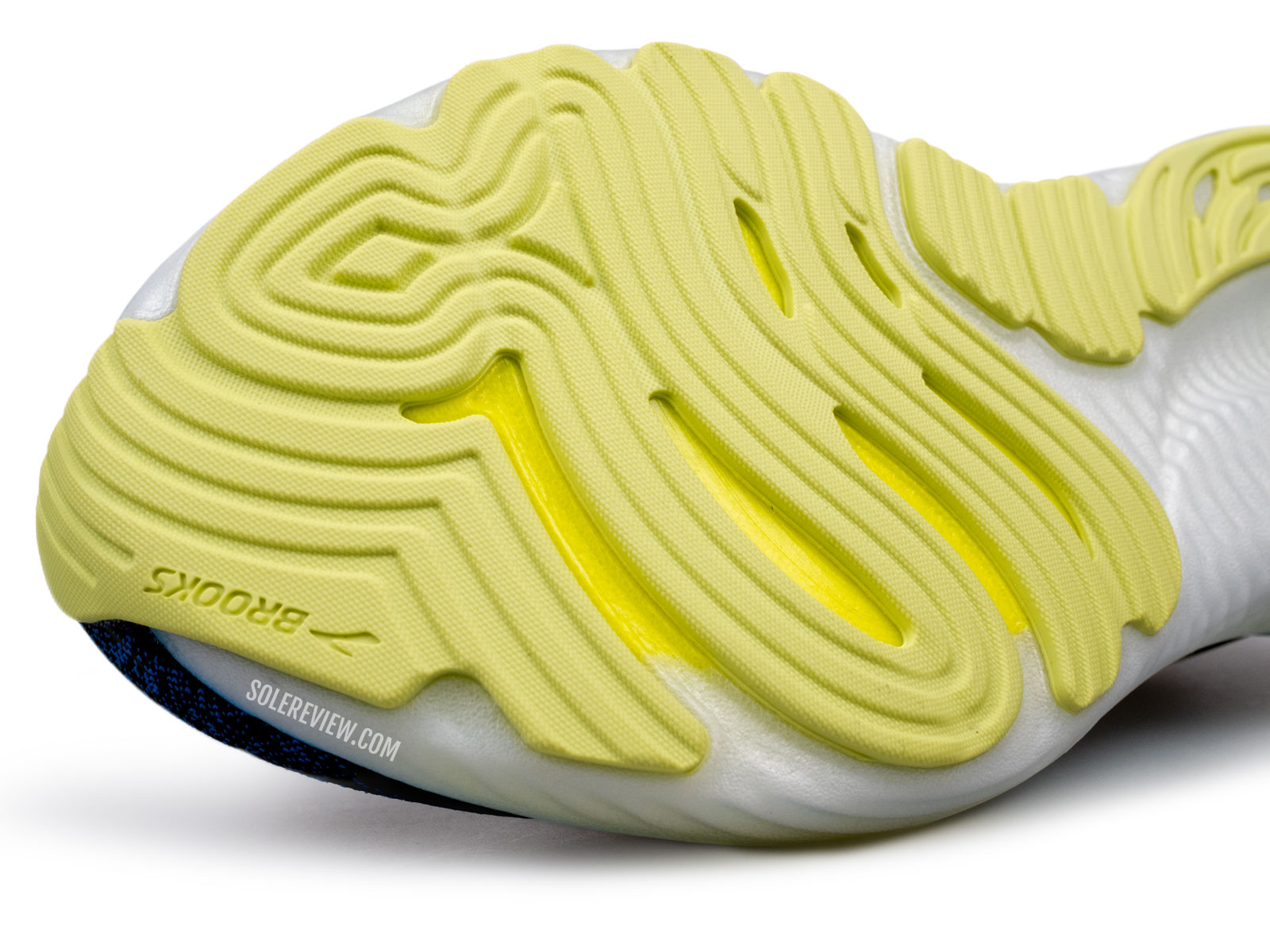
Pictured here is the cushioned and neutral DNA Tuned midsole of the Brooks Glycerin 22.
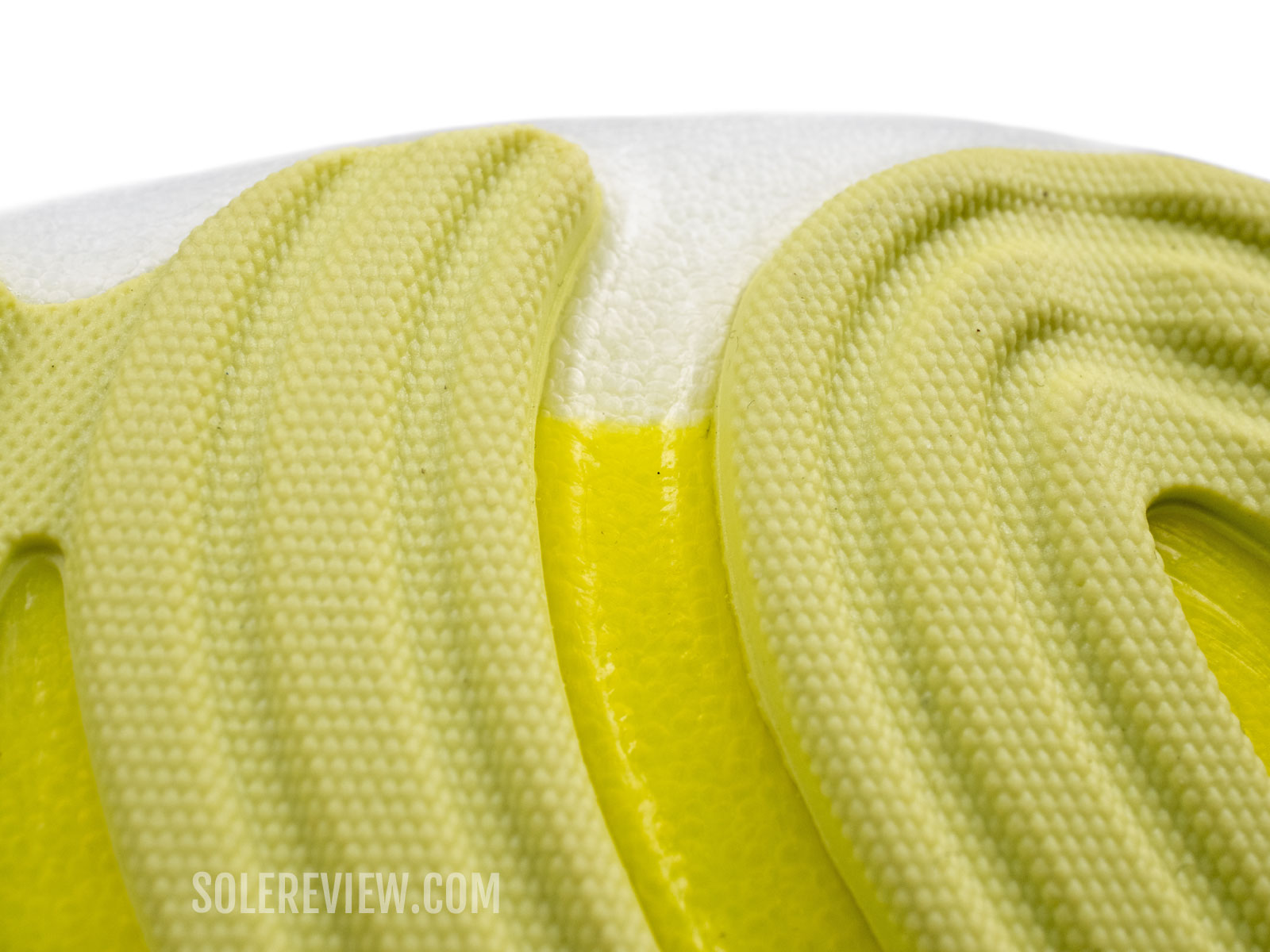
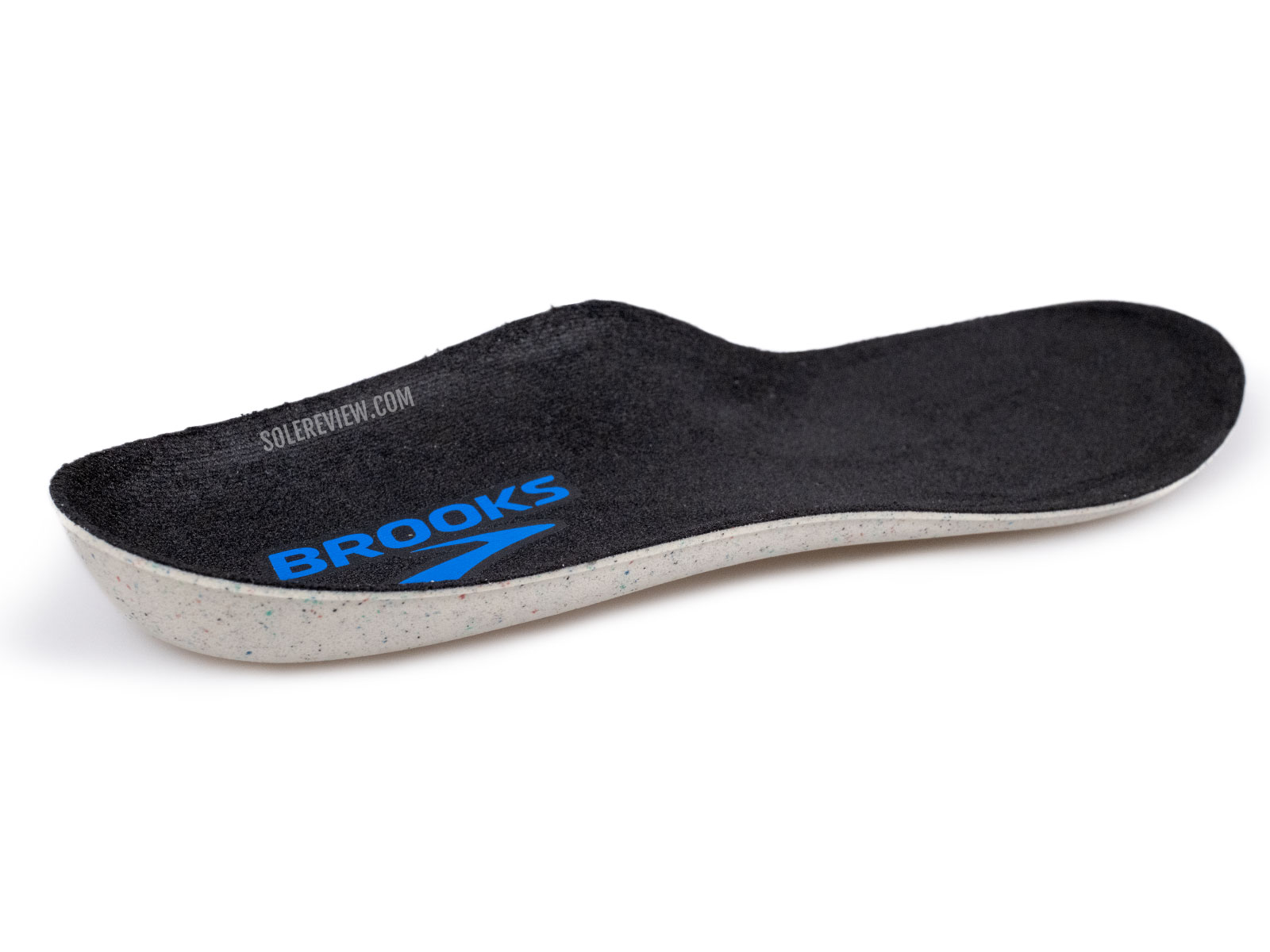
The Brooks Glycerin 22's footbed is thick enough to be replaced by a stability Orthotic.
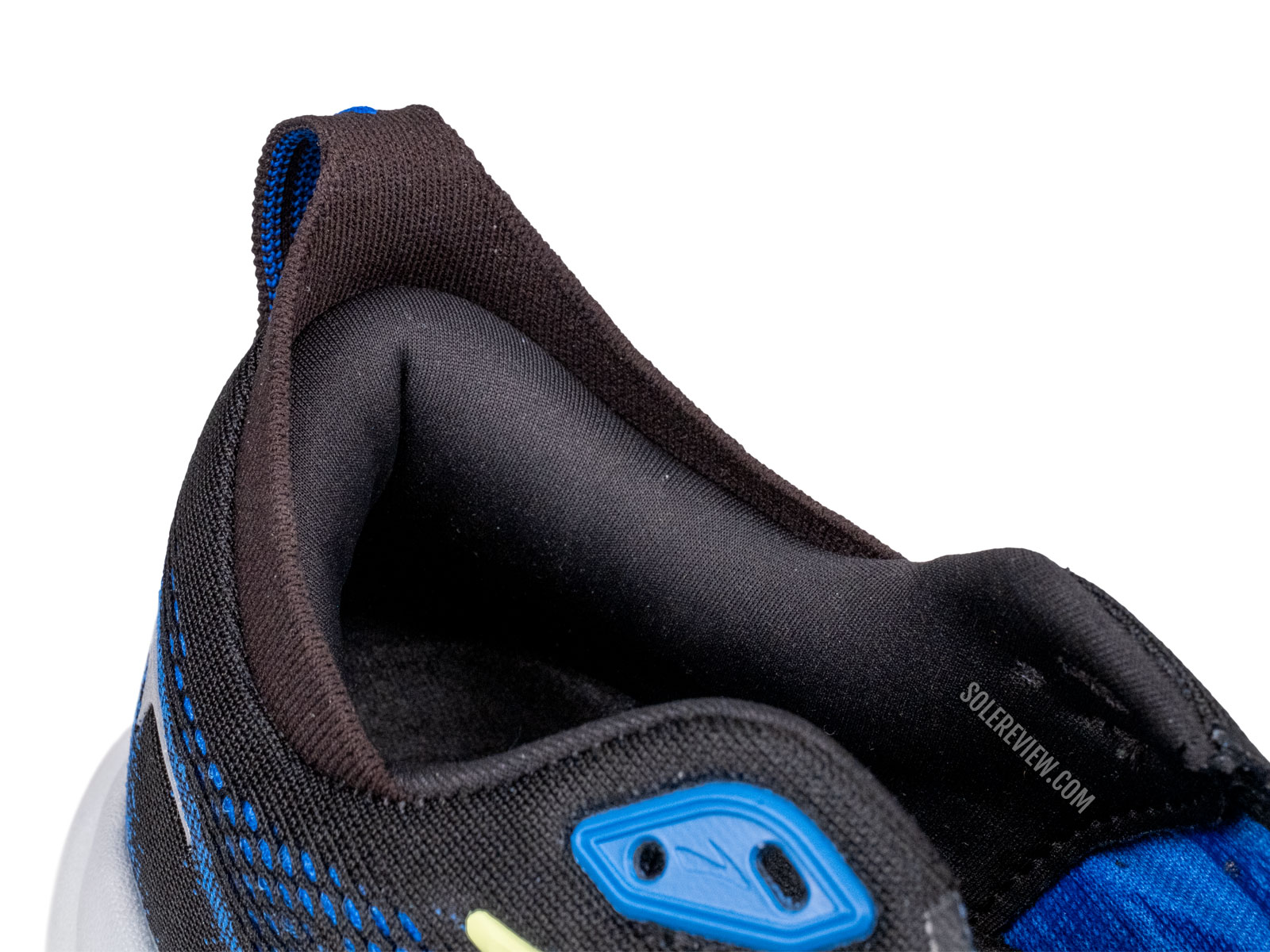
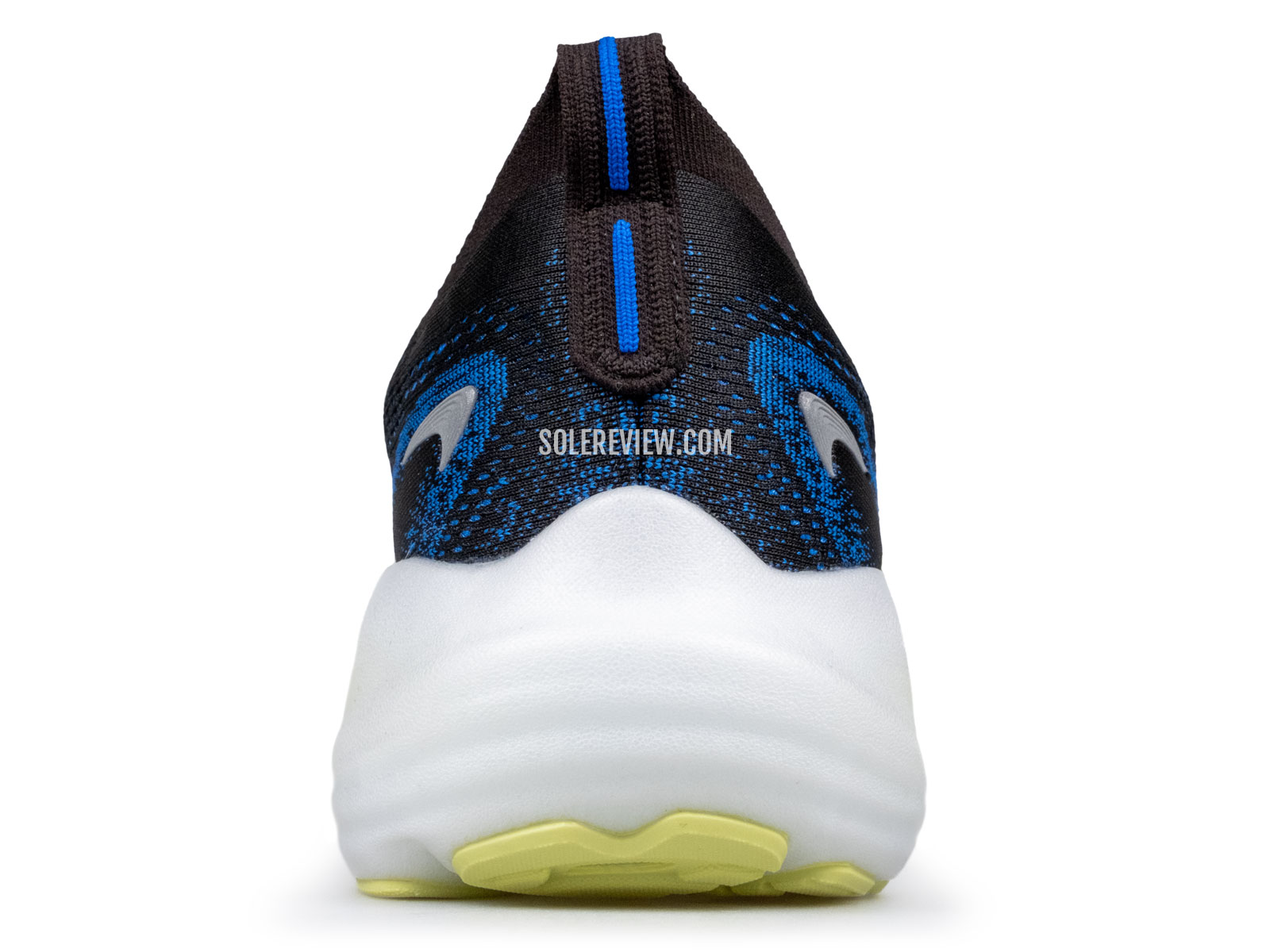


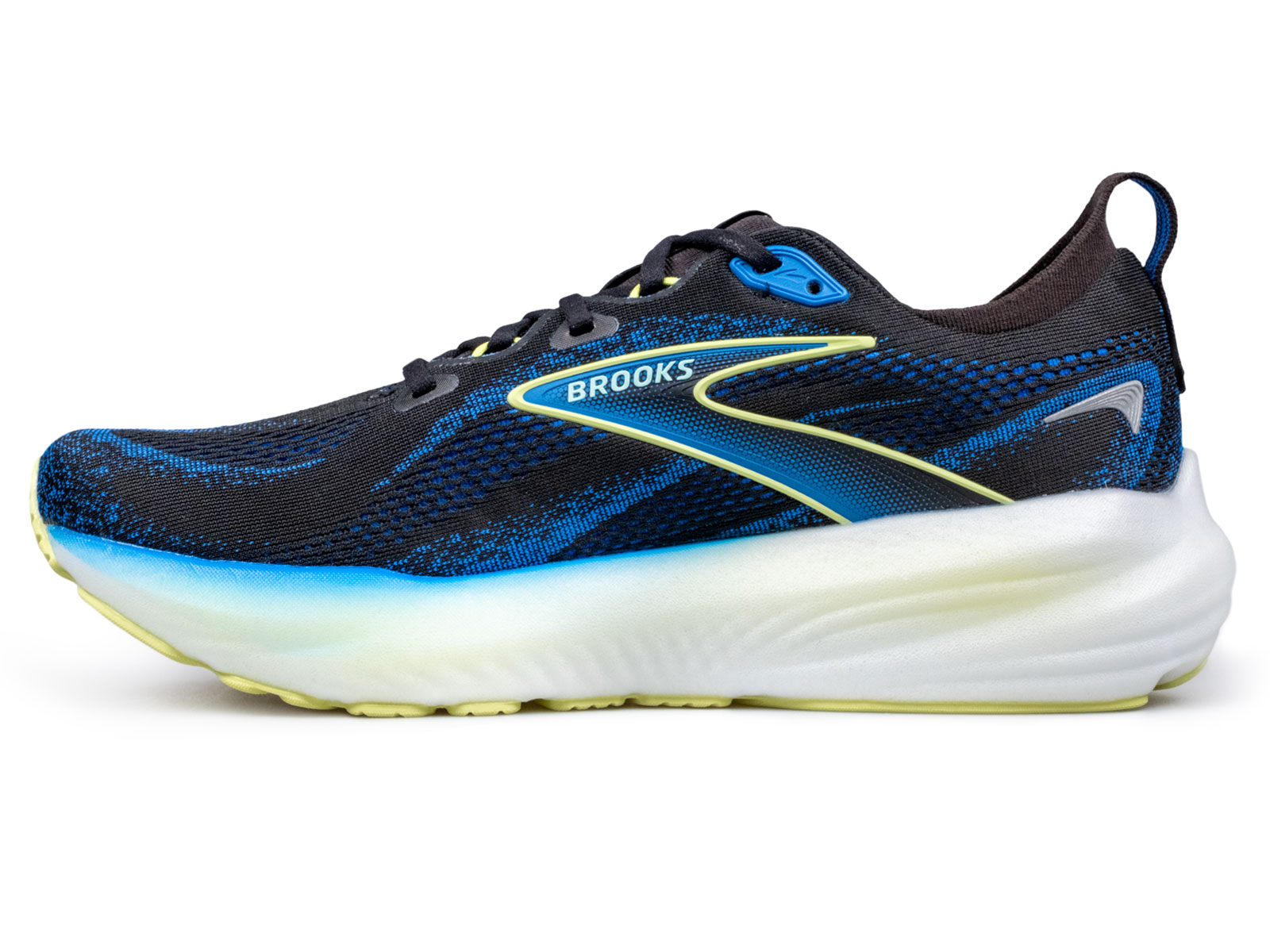

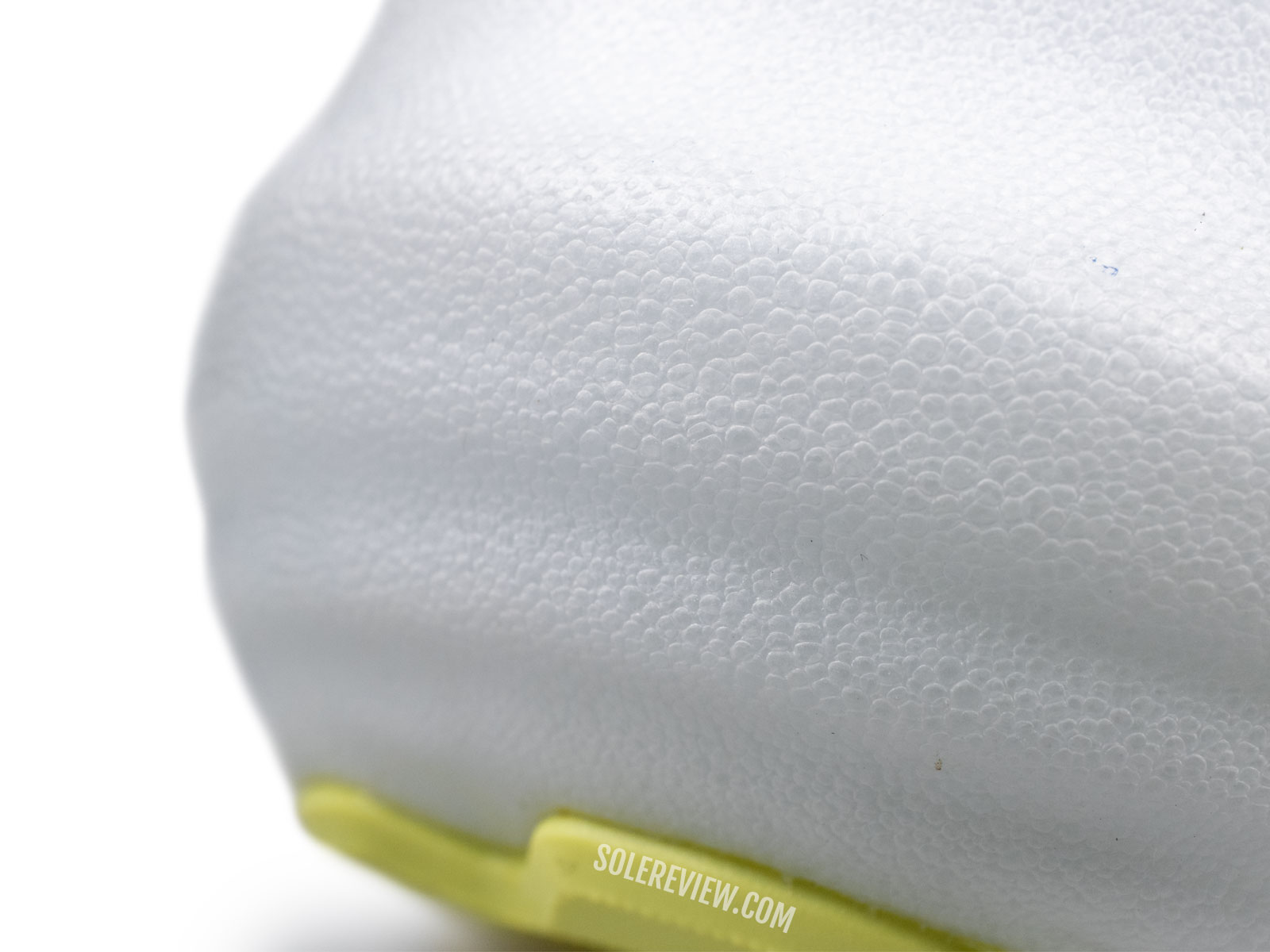
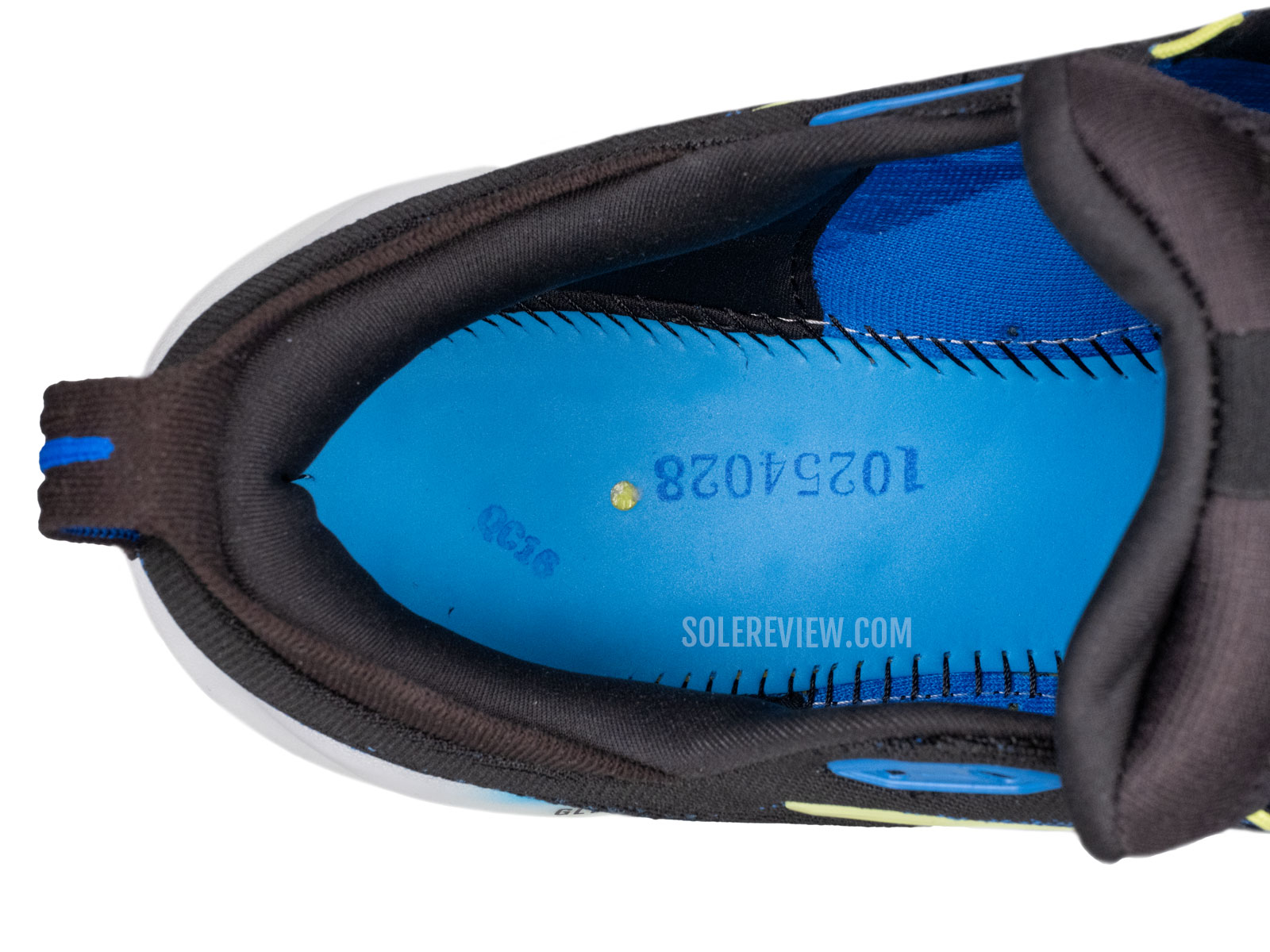

The outsole isn’t one piece, but articulated for a smoother ride. At slow walking speeds, the independent rubber lugs enhance the cushioning experience. The outsole provides plenty of coverage and grip. Unlike some running shoes, the Glycerin 22 lacks a rocker effect. If it’s any consolation, the firmer forefoot makes the roll-offs easier.
The upper fit is standard Brooks fare. The interiors have a roomier fit than the Glycerin 21 and has the plushness that walkers expect from a Brooks shoe. The new heel loop makes it easier to slip the shoe on.
- Brooks’s marketing pitch: Feel limitless in this super-soft running shoe.
- Upper: Engineered mesh, no gusset.
- Midsole: Dual density DNA Tuned foam. 10 mm heel drop.
- Outsole: Softer rubber (forefoot), firm rubber (heel).
- Weight: 298 gms/ 10.5 Oz for a half pair of Men’s US 9/UK 8/EUR 42.5/CM 27.
- Stack heights: 38 mm (heel), 28 mm (forefoot).
- Available widths: D – regular (reviewed), 2E (Wide), 4E (Extra Wide)
- Previous model: Brooks Glycerin 21.
- Country of origin: Vietnam.
- Median lifespan: 400 miles.
- Recommended temperature range: Warmer than -5° C/23° F.
Pros
- Cushioning comfort, targeted ride
- Plush interiors and just-right fit
- Smooth transitions
- Outsole traction
- Optional widths, reflectivity
Cons
- Low versatility versus peers
- Ride lacks peppiness
- Short tongue
- No internal sleeve
How we selected: What to look for
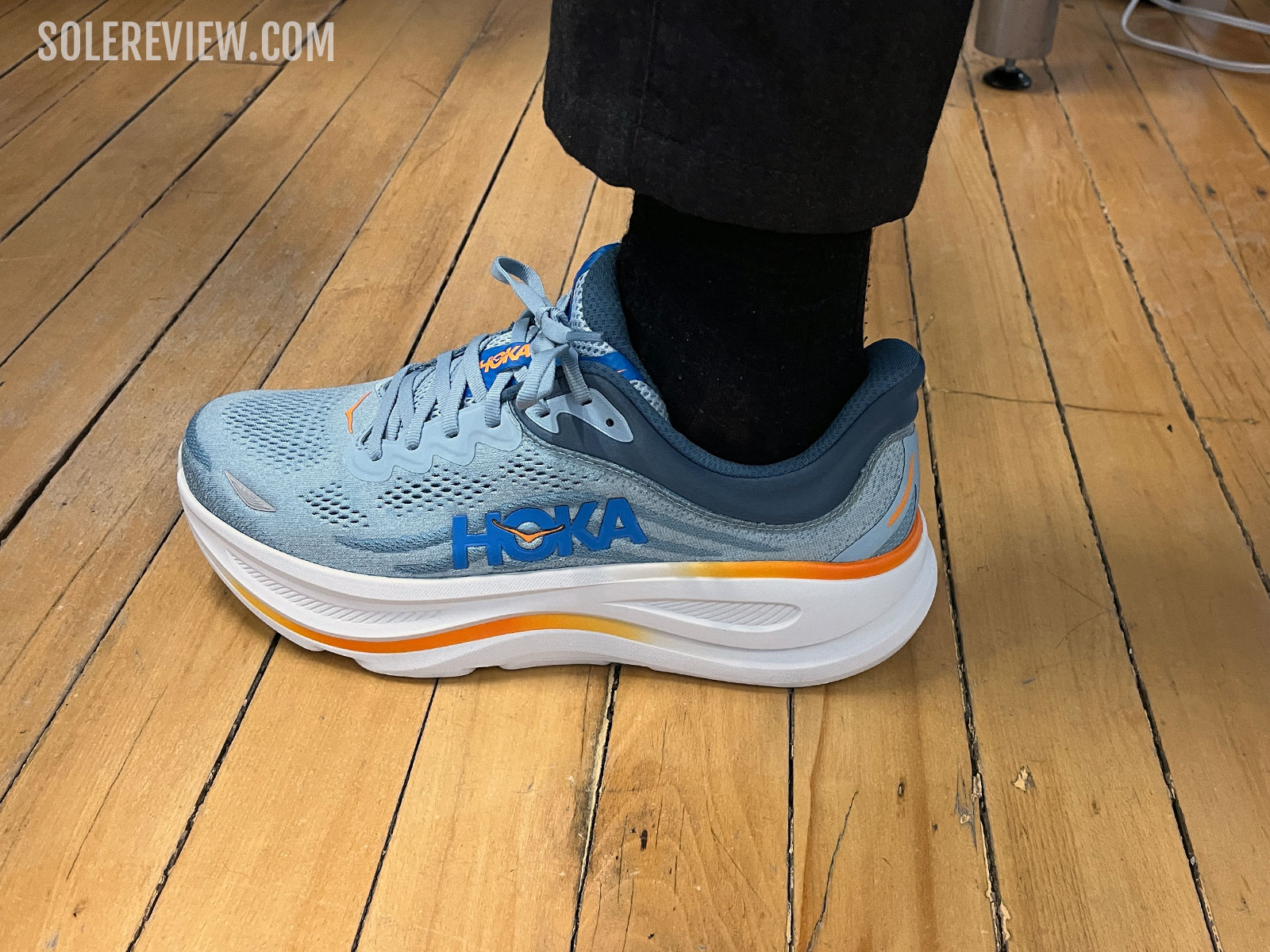
Can running shoes be worn for walking? Sure, but not all of them. But first, it is important to understand the fundamental difference between walking and running, and how that affects the choice of footwear. Shortly after the push-off phase of running, both of the feet are momentarily up in the air. Contrast this with walking, where both feet can be simultaneously in contact with the ground. One foot is flat on the ground while the tip of the other foot is still in contact with the road. Hence, the transitions occur more slowly during walking as the weight loading progresses gradually from the heel to toe.
If you’re familiar with Solereview’s shoe guides, you know the drill. We first lay out the selection criteria followed by the list of recommended shoes. Here goes:
A beveled heel edge is walking-friendly.
The shoe should have a beveled (angled) heel: Unlike running where people either forefoot strike or heel strike, walking involves 100% heel striking – and this isn’t optional. So an angled heel helps with smoother heel landings.
The outsole should have as much ground contact as possible: Since the weight loading happens in a very gradual way along the length of the shoe, a wide midfoot gap is undesirable. The midfoot should be bridged with rubber to provide continuous outsole coverage.
The forefoot should be flexible or have a rocker: Another aspect of walking is that the foot flexes more gradually than running. Hence, a stiff midsole is likely to tire the foot faster than a flexible kind – unless the midsole has a rocker shape that allows quick roll-offs.
The shoe should have ample cushioning: If you’re going to spend long hours on your feet, the midsole needs to be comfortable.
Also, ‘cushioning’ isn’t to be conflated with softness. A shoe can be cushioned without being mushy; an overly soft shoe creates more work for your muscles and could result in tiredness.
The Nike Vomero 18 features on this guide because it is very soft without being mushy – the inherent responsiveness is the antidote to the ultra-soft ride.
The upper should fit and breathe well: This one’s a non-negotiable. A shoe that is either too tight or too loose is not suitable for walking. Just like running, the foot swells during long-distance walking, so there needs to be enough room for the toes to splay. Conversely, a loose upper may cause blisters if the foot slides inside the shoe.
The choice of socks is important for long walks. Avoid thick and loose-fitting socks that can gather under the foot and cause blisters. Invest in a pair of moisture-wicking socks that fit well. Most running socks match this description.