
Product guide updates
(5 total)- 2026-06-16 — Minor edits, linked to relevant reviews
- 2026-06-15 — Added alternatives to scrollable carousel under each recommendation
- 2026-06-15 — Created FAQ with relevant question and answer pairs
- 2026-06-15 — Migrated product guide to new editorial format
- 2026-06-15 — Updated all the major recommendations
In this product guide:
How we selected
Our recommendations for breathable running shoes are grouped by use cases – daily training, 10Ks and marathons, recovery runs, and trail. By connecting each feature with its respective function, the “Why it works” section explains why a particular shoe (in its respective class) is ideal for warm weather and speedwork. The gallery sections contain our high-resolution images showing the internal view and ventilation-relevant design features. The scrollable carousel contains alternatives within each recommended category. For example, the alternatives to the adidas EVO SL (our daily trainer pick) are the Asics Cumulus 28 (for heavy runners), the Hoka Mach 7 (for a secure fit), and two others. When combined, this product guide contains 16 different breathable running shoe recommendations.
- Best for daily runs: Offers versatile cushioning with a breathable upper.
- Best for 10Ks, marathons: Speed-focused racers that do not trap heat.
- Best for recovery runs: Ultra-cushioned shoes with excellent ventilation.
- Best for trail: Off-road running shoes that breathe well.
Our recommendations combine our influence-free, expert-led wear-testing with biomechanical data sourced from over 33,000 high-speed images captured during actual road races. We also perform physical screening of footwear design features most likely to improve ventilation. Visit our FAQ section at the bottom to learn more about what makes a running shoe breathable, and which specific models you should avoid.
The research behind our picks
What makes a running shoe breathable?
How well a running shoe breathes depends on a combination of factors. Things like the kind of mesh used, the absence of a gusset, the level of tongue padding, mesh stretch properties, and the interior space. The type of run also affects ventilation; a shoe that feels perfectly well-ventilated during easy speeds may trap heat during high-intensity speedwork.
Over the years, we’ve realized that determining the level of ventilation in a running shoe is somewhat of a dark art. After reviewing hundreds of shoes, a pattern has emerged – one that informs us how footwear ventilation works. Where it gets confusing is that not all shoes that appear breathable pass muster under real-world conditions. The sensory aspect of ventilation is equally important.
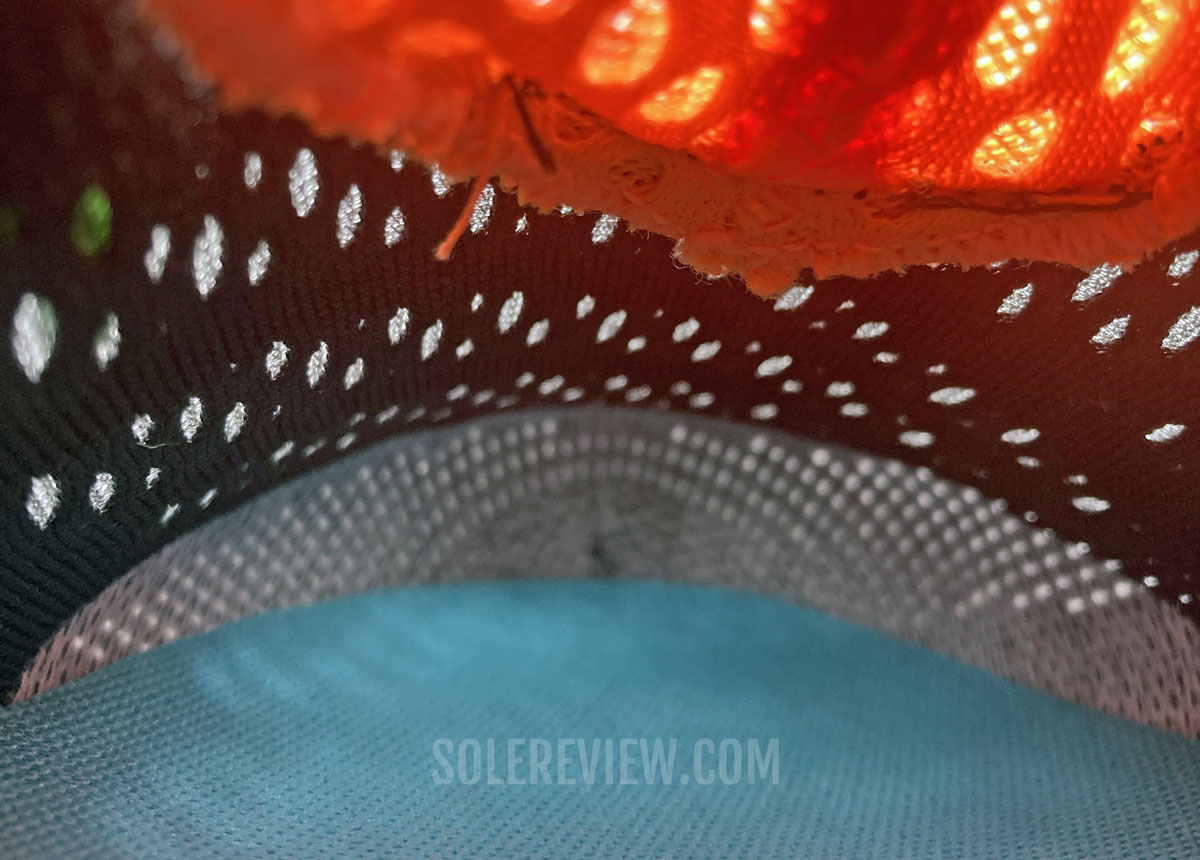
The total ventilation factor is the sum of a perforated mesh and a roomy toe-box.
For example, many knit upper designs have a generously perforated surface. Based on outward appearances alone, these shoes should be very breezy. But some of these uppers are stretchy with a snug fit. Since the upper is in close contact with the foot, it feels hotter than a shoe with a regular mesh upper.
A more spacious forefoot makes the shoe feel cooler – even though the mesh may not be generously perforated. It gets even more complicated. Even if the upper mesh isn’t stretchy and doesn’t have an inner sleeve, how a shoe fits around the midfoot also alters the perception of ‘hotness’. A shoe could have a super breathable forefoot, yet a stuffy midfoot makes the shoe feel warmer. There’s more. If a running shoe has an insole top cloth or a midsole geometry that results in friction, then heat is produced under the foot. Alternatively, or if we’re talking about a shoe where the midsole doesn’t offer sufficient thermal insulation from the warm road. Here, pancake-flat racing flats come to mind.
Even indoor running can get surprisingly warm – say, in the case of naturally-ventilated gyms without air conditioning. A treadmill inherently runs warm; given the high RPM of electronic treadmills, rubber belts acquire heat both through friction with the shoe and the warm motor. Walking instead of running leads to different ventilation outcomes. A running shoe that breathes well at a 5:30 min/km pace may run warm during standing or walking. If the principle sounds familiar, that’s because air-cooled combustion engines work in the same way. At slower speeds, air circulation becomes inefficient.
Under what circumstances do breathable uppers add the most value?
If you live in warmer climates, a breathable upper is excellent for dissipating heat. That also applies to warm and humid weather, where a ventilated running shoe will let moisture escape to prevent sweat pooling inside.
A breathable running shoe also adds value during races, or any run that involves speedwork. That is why most carbon-plated racers have a very breathable upper, and so do tempo trainers. Running faster generates heat through friction, and a breezy upper lets heat escape.
When should I avoid a breathable upper?
A breathable upper cuts both ways. While it’s effective at letting air out, it’s equally effective at letting air and moisture in. A running shoe with excellent ventilation will be a poor choice during cold winters and rain.
Can you provide examples of current running shoes that don't breathe well?
Examples include shoes that use a full sleeve, like the On Cloudmonster 3 Hyper and Nike Vomero 18, or running shoes with a thick mesh upper like the Asics Nimbus 28, Hoka Bondi 9, and Brooks Glycerin Max 2.
Why it works (the basics)
- Spacious toe-box → allows air circulation
- Lightweight mesh → helps ventilation
- Sleeve-free midfoot → doesn't trap heat
- Minimal tongue padding → keeps the top of the feet cool
🔍 Deep Dive
There’s a high probability that the adidas EVO SL is currently the best-selling performance running shoe on the market. Beneath its simple exterior lies a sophisticated performance package that appeals to runners of all experience levels. The EVO SL uses the same Lightstrike Pro foam as the adidas Adios Pro 3, but without the full-length Energy Rods. Instead, a stiff midfoot shank provides the necessary torsional rigidity. The energetic midsole foam delivers responsive comfort for everyday runs, speedwork, 10Ks, and marathons.
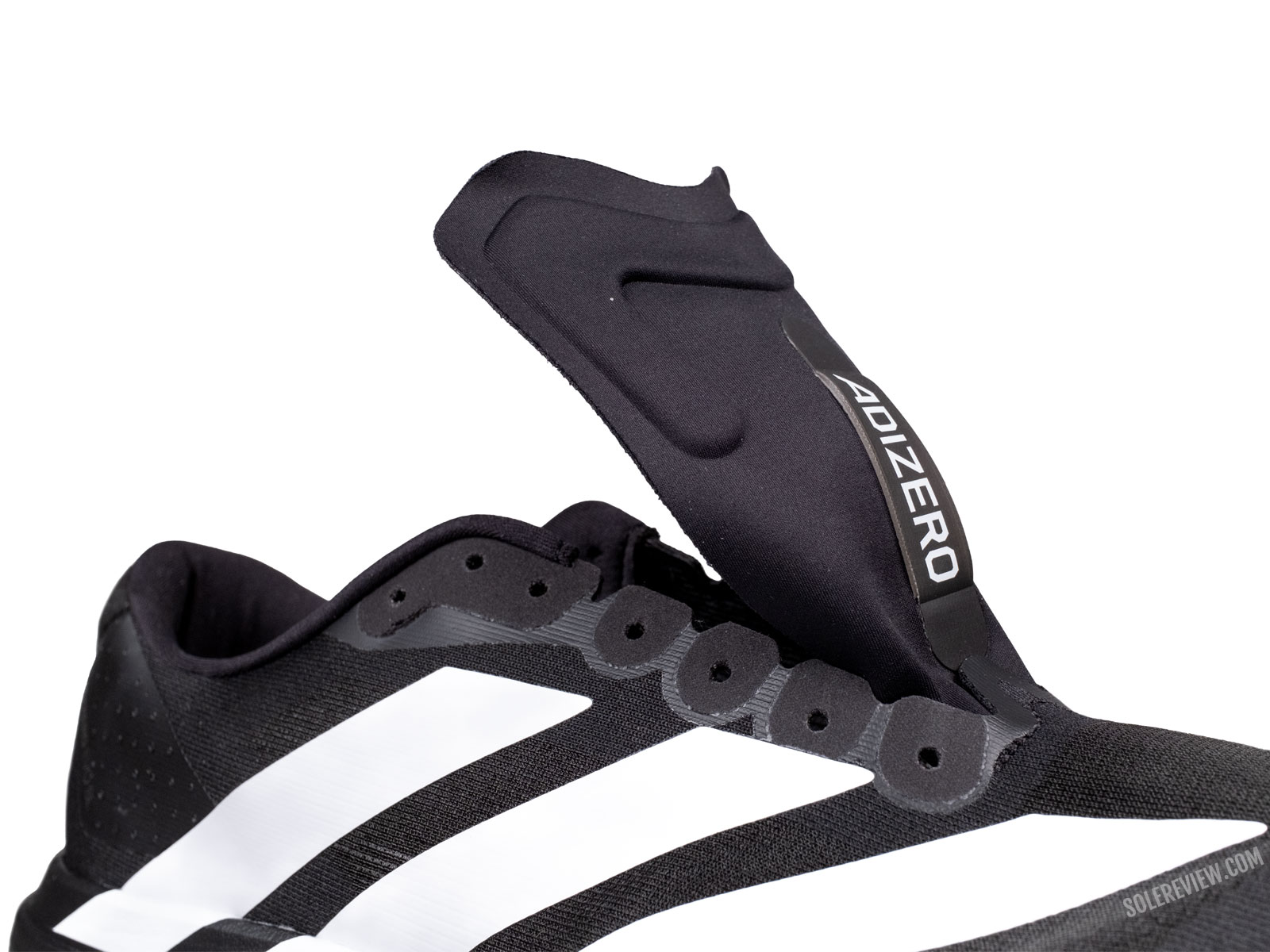
The EVO SL is one of the most breathable trainers in its class. The lightweight mesh upper does not include a heavily padded tongue or an internal sleeve, so air flows freely without obstruction.
Pros
- Versatile character
- Propulsive rocker
- Breathable upper
- Roomy, true-to-size fit
- Outsole grip
Cons
- Tongue slide
- Lack of widths
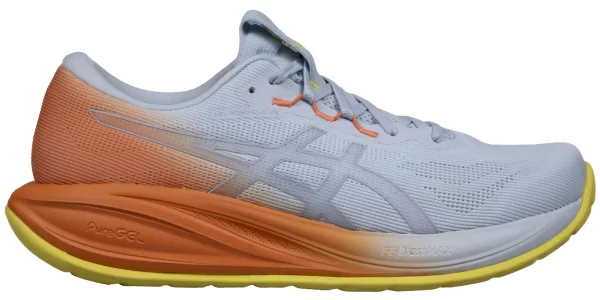
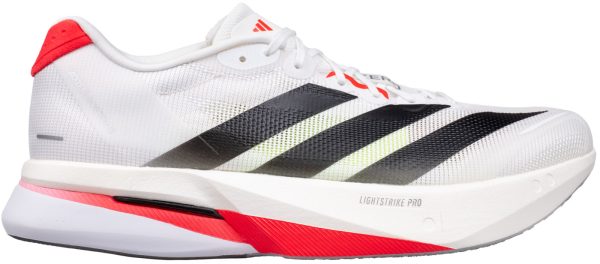
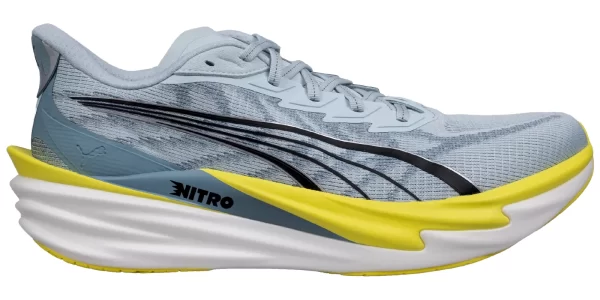
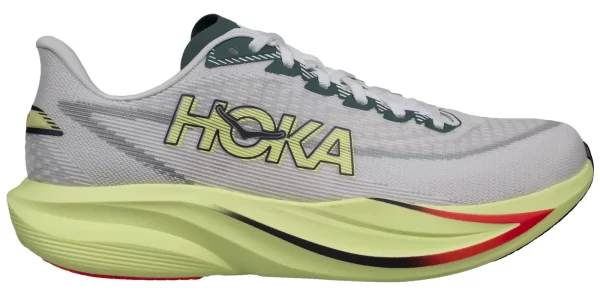
Other daily trainers with a breathable upper
Fit Notes
True to size with a spacious toe box. Breathes well. Lacks optional widths. Is also available in ATR and EXO upper variants.
Gallery

Specs
- Heel stack: 39 mm
- Forefoot stack: 33 mm
- Drop: 6 mm
- Weight: 7.9 oz / 224 gms
- Widths: Regular
- Midsole: Lightstrike Pro foam, midfoot shank
- Insole: Non-removable
Why it works (the basics)
- Ultra-light mesh upper → provides excellent ventilation
- Roomy fit → creates a breathable interior
- Perforated tongue → facilitates air flow
- No internal gusset → prevents heat build-up
🔍 Deep Dive
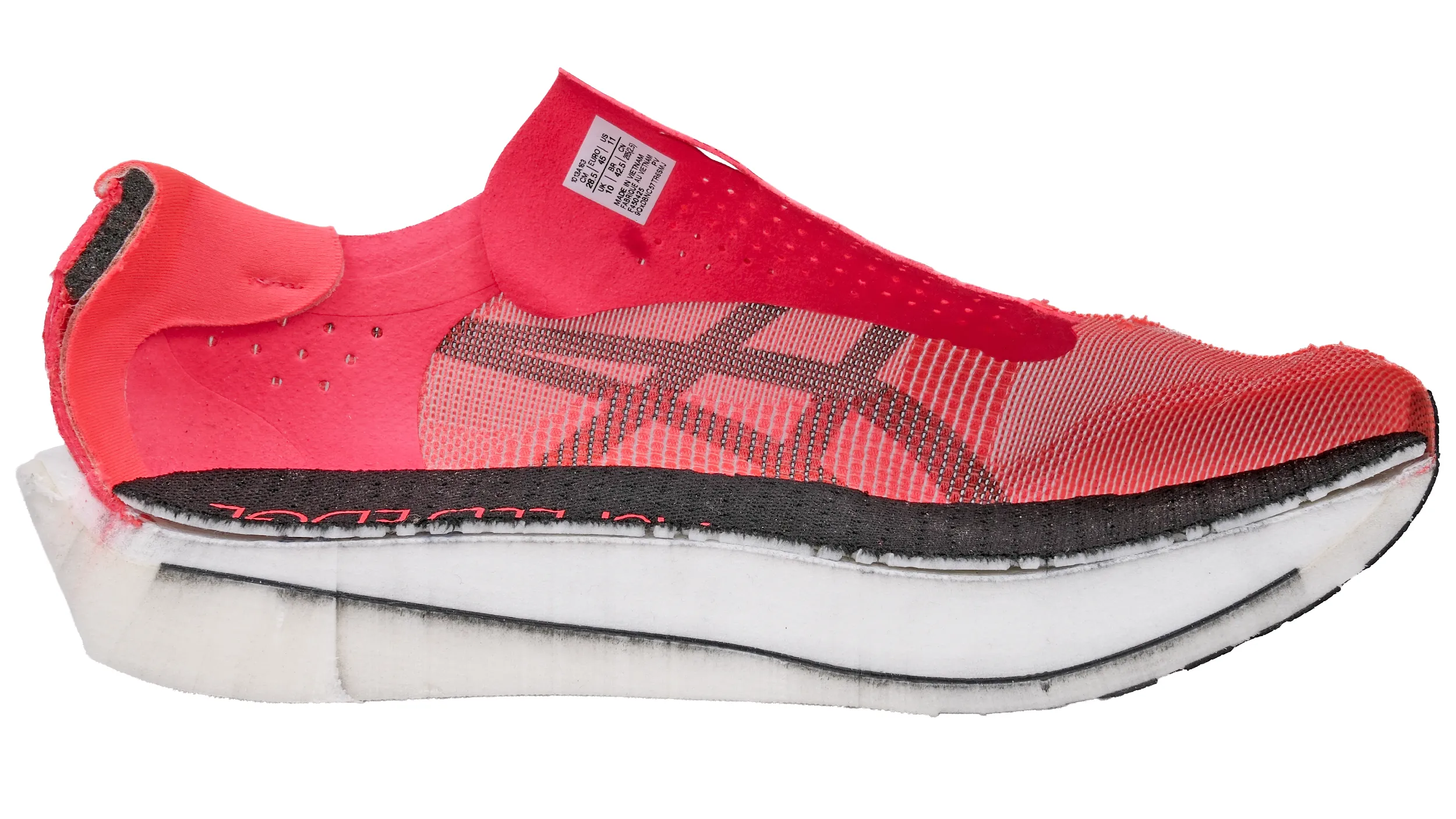
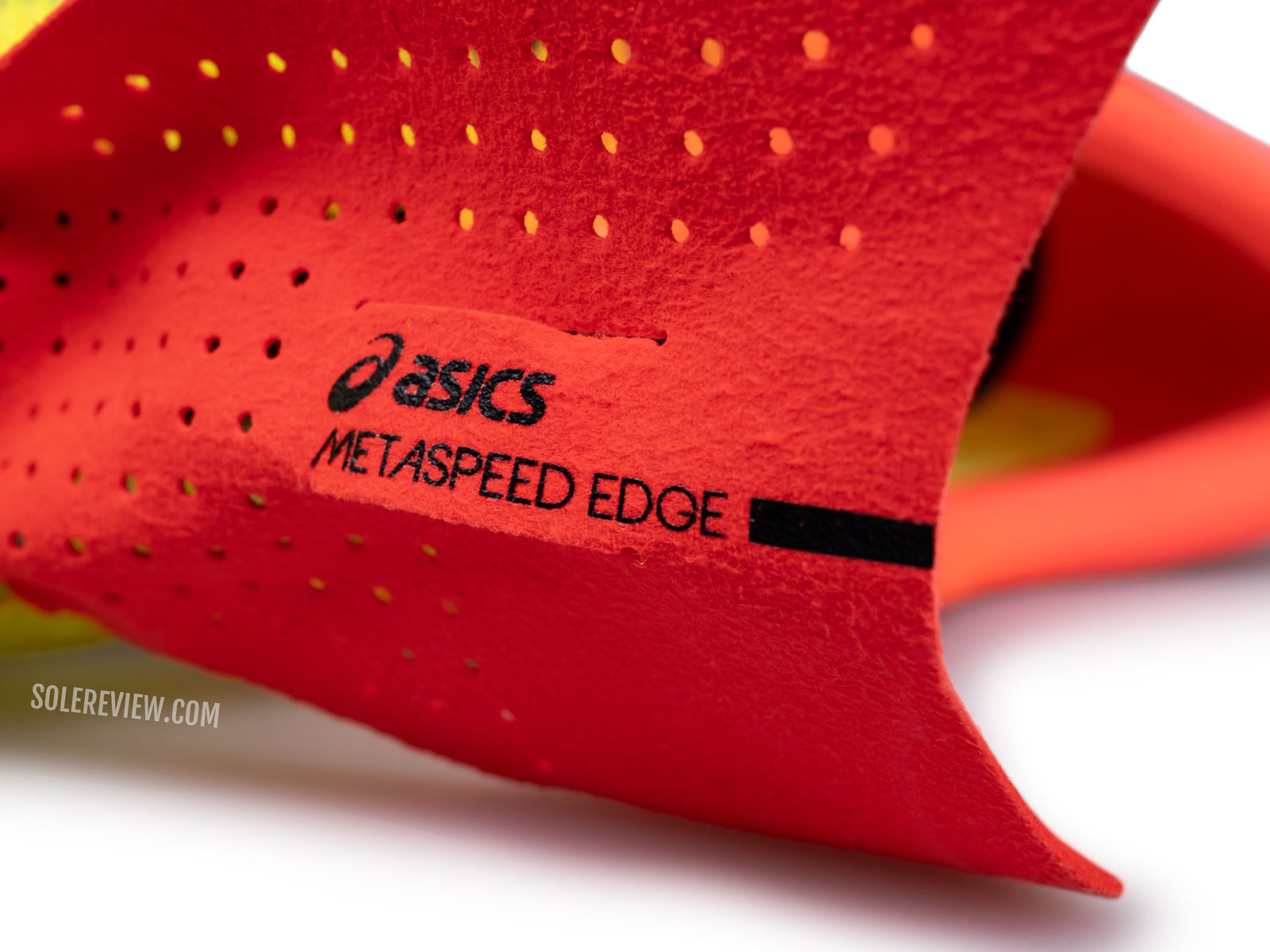
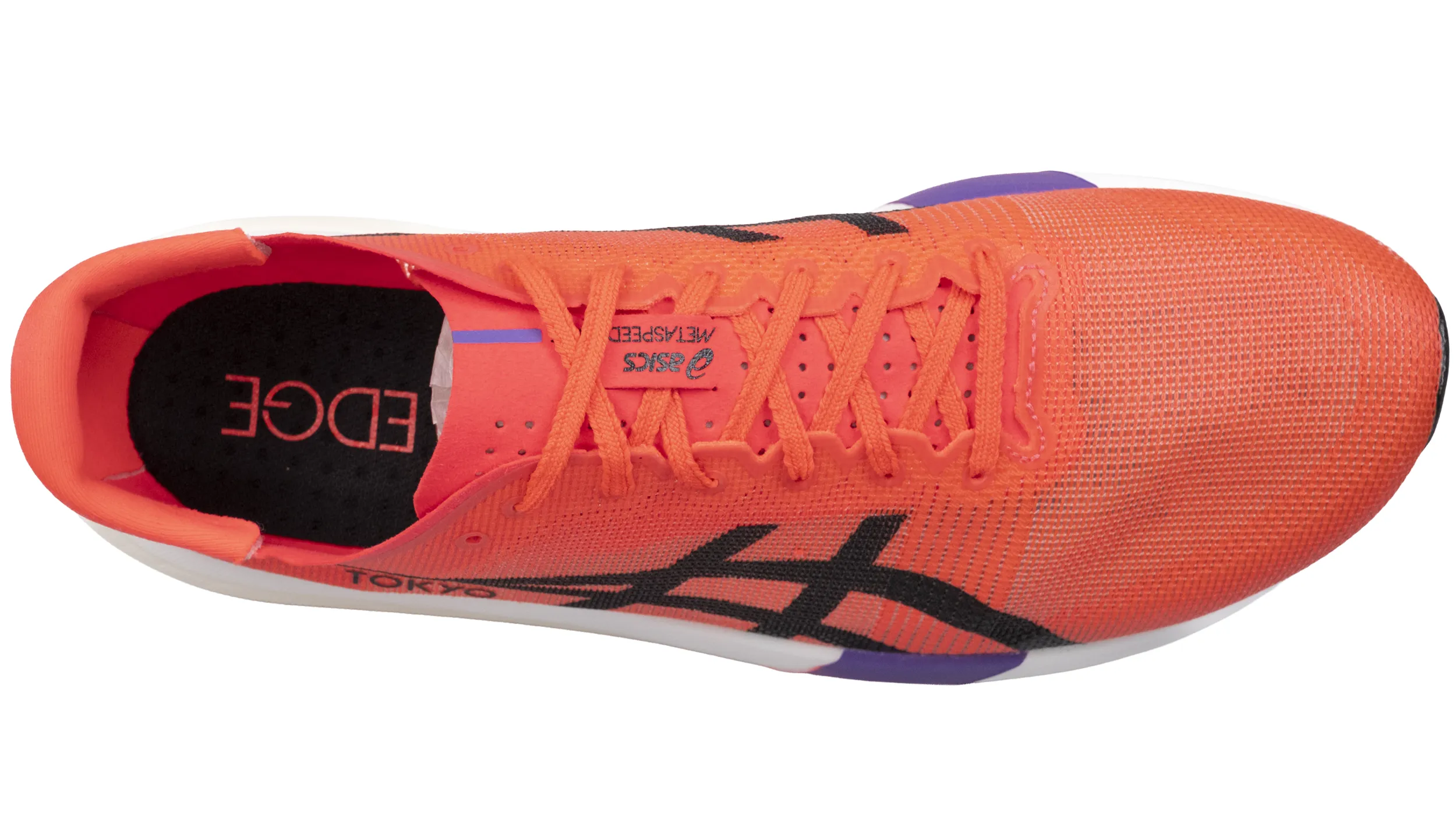
The latest Metaspeed variants (Edge and Sky Tokyo) aren’t in the same league as the previous ‘Paris’ versions. The midsole is much too soft, and the upper is excessively roomy for a racing shoe. Asics’ decision to use the soft FF Leap foam led to the increased softness, which negatively affects stability and overall speed-friendliness. We recommend staying with the firmer ‘Paris’ Metaspeed models and their more secure uppers. Either that, or consider one of the alternatives from our carousel below. The Metaspeed Edge variant offers slightly better stability than the Metaspeed Sky because of its thicker (and firmer) FF Turbo+ heel.
Reduced heel padding is the reason why the current Metaspeed Edge Tokyo has excessive room. On the bright side, the Asics Metaspeed Edge Tokyo is very breathable and excels at preventing heat build-up during warm weather and high-speed runs.
Pros
- Excellent ventilation
- Bouncy ride
- High cushioning-to-weight ratio
- Outsole grip
Cons
- Poor stability
- Weak fit security
Other 10K and marathon racers with a breathable upper
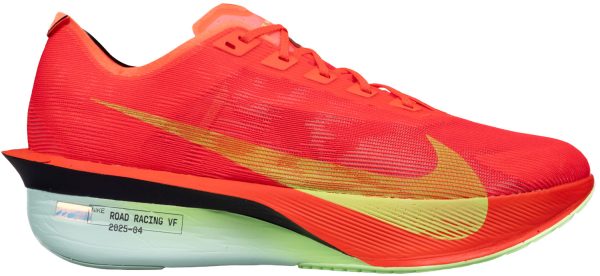
Nike Vaporfly 4
The original plated racer with a breathable fit
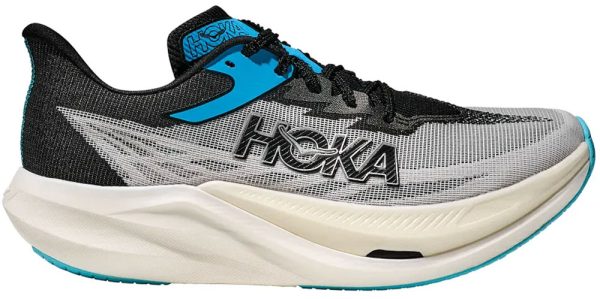
Hoka Rocket X3
Best if you prefer a secure fit
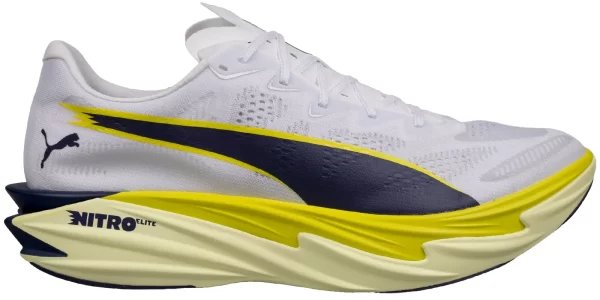
Puma Deviate Nitro Elite 4
Accommodates slow runners and heel strikers
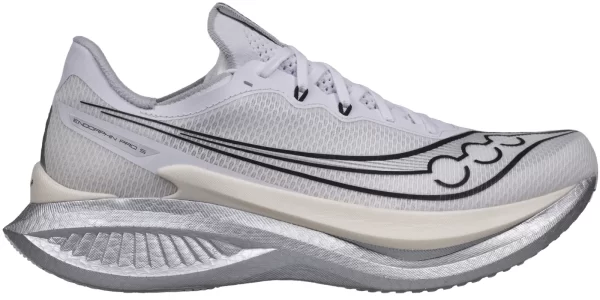
Saucony Endorphin Pro 5
Best for heavy runners and overpronators
Fit Notes
Fits half-size looser (larger) than the Metaspeed Edge Paris.
Gallery
Specs
- Heel stack: 36 mm
- Forefoot stack: 33 mm
- Drop: 3 mm
- Weight: 5.9 oz / 170 gms
- Widths: Regular (single)
- Midsole: Flytefoam Leap, FF Turbo+
- Insole: Non-removable
Why it works (the basics)
- Partial gusset → doesn't retain heat
- Lightweight unlined mesh → helps ventilation
- Thin perforated tongue → cools top of the feet
- Supportive Nitrofoam midsole → blends comfort with support
🔍 Deep Dive
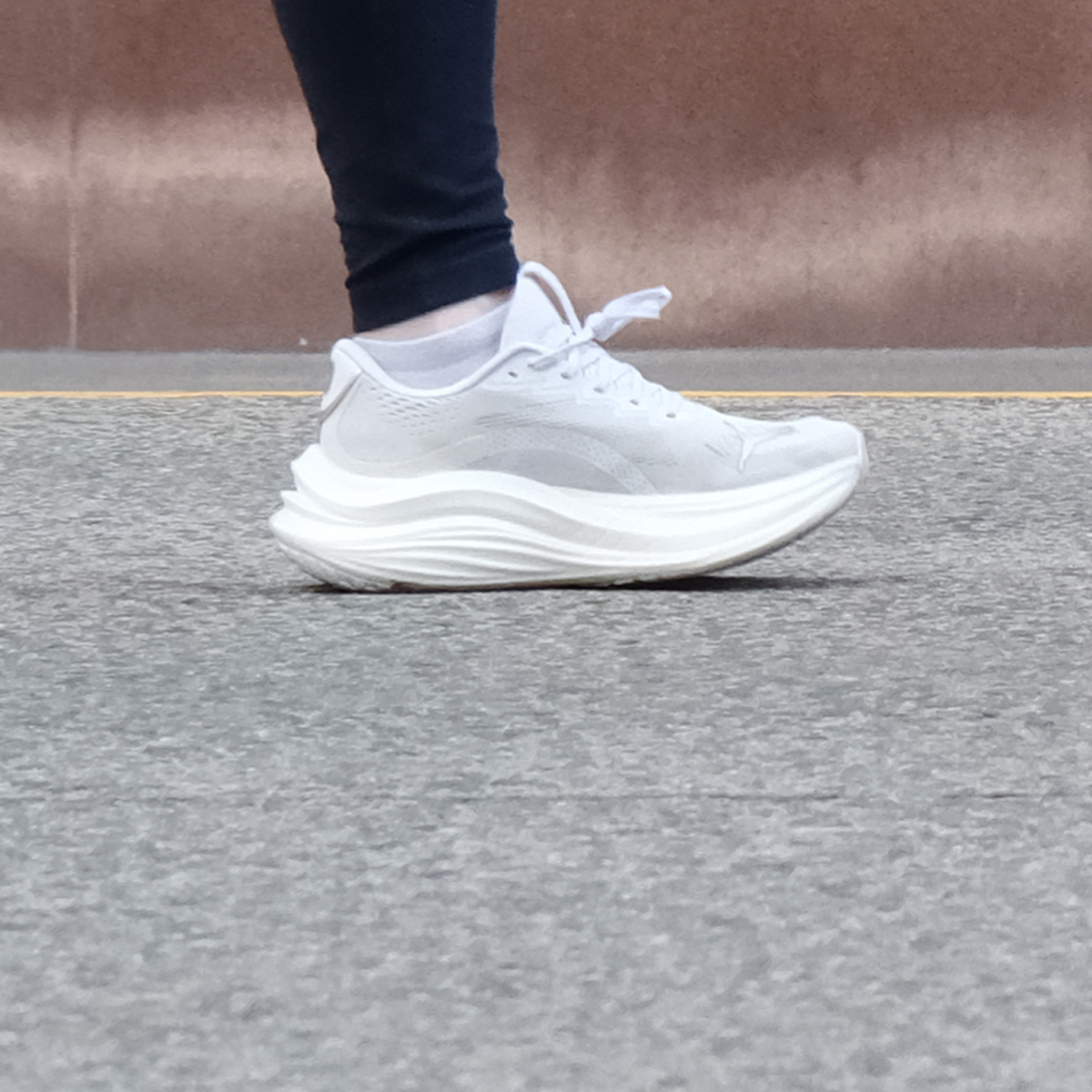
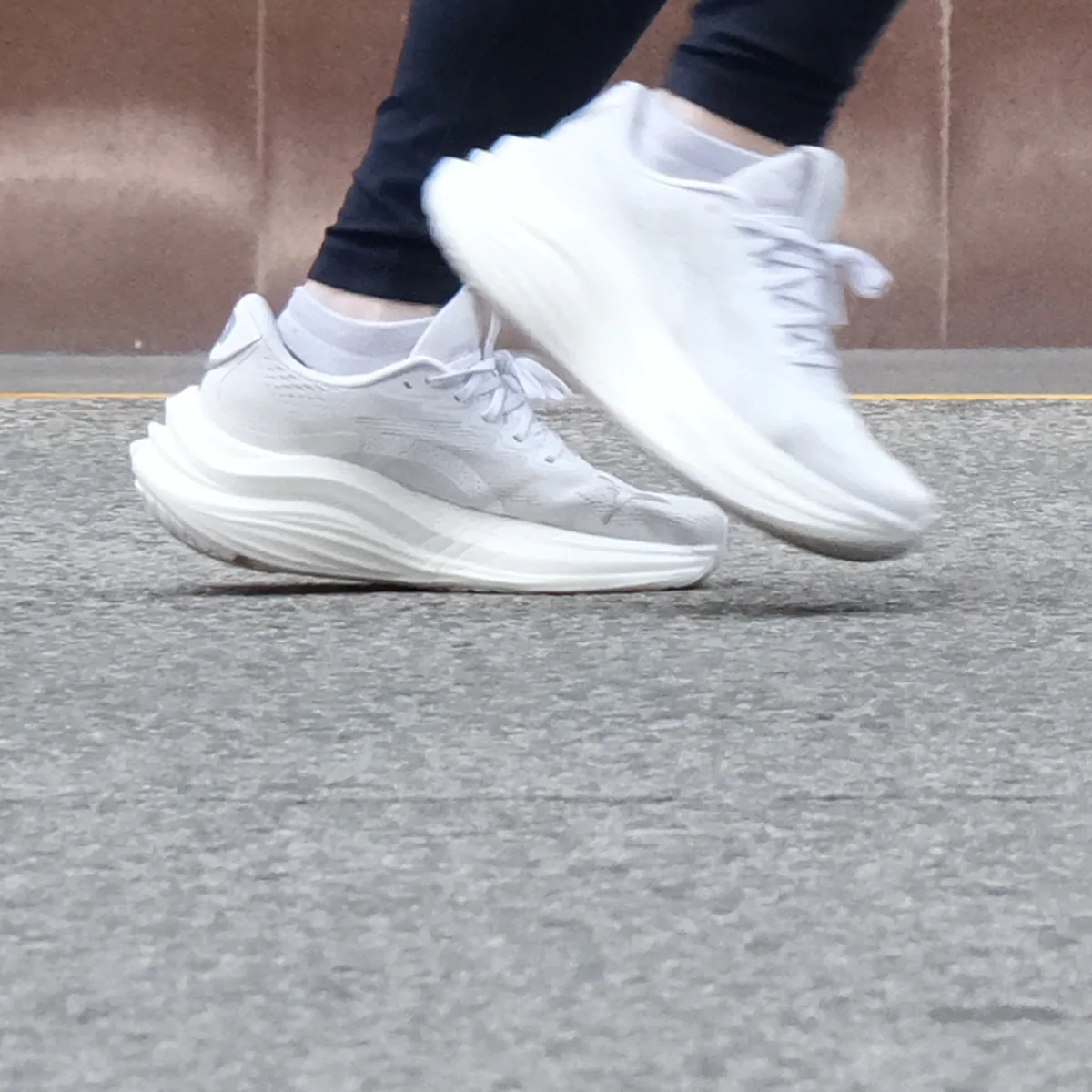
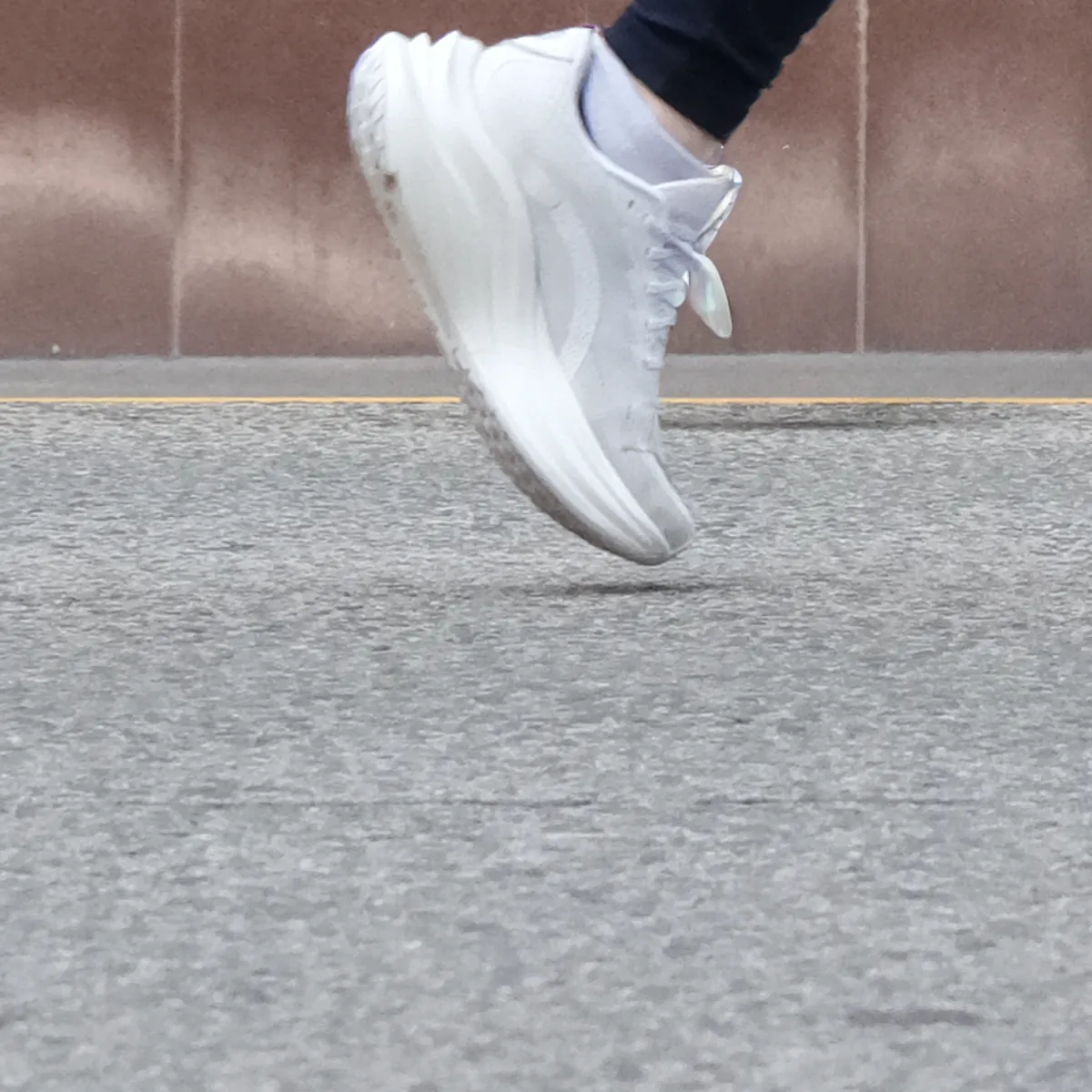
Surprisingly, not many ultra-cushioned trainers have a breathable upper. For example, shoes such as the Nike Vomero Plus, On Cloudmonster Hyper 3, and Hoka Bondi 9 run warm in comparison to the Puma MagMax Nitro 2. The MagMax Nitro 2 uses only a partial gusset to secure its perforated tongue, and unlike the Cloudmonster Hyper, the mesh is unlined. As a result, the upper allows the air to circulate without compromising fit security or comfort.
A breathable upper isn’t the only area where the MagMax Nitro performs well. Runners should consider this shoe over other max-cushioned trainers for its supportive Nitrofoam midsole and grippy Pumagrip outsole.
Pros
- Excellent ventilation
- Secure, true-to-size fit
- High-mileage comfort
- Supportive ride
- Outsole traction
Cons
- Lack of widths.
Fit Notes
True to size. Uses small gusset instead of a full sleeve.
Gallery
Specs
- Heel stack: 46 mm
- Forefoot stack: 38 mm
- Drop: 8 mm
- Weight: 9.7 oz / 275 gms
- Widths: Standard (single)
- Midsole: Nitrofoam
- Insole: Molded, removable
Why it works (the basics)
- Quick draining upper → allows the air to enter and exit
- Unpadded woven mesh tongue → keeps the midfoot ventilated
- Flexible rock plate → protects foot on technical trails
- Low profile midsole → delivers proprioceptive ground feel
🔍 Deep Dive
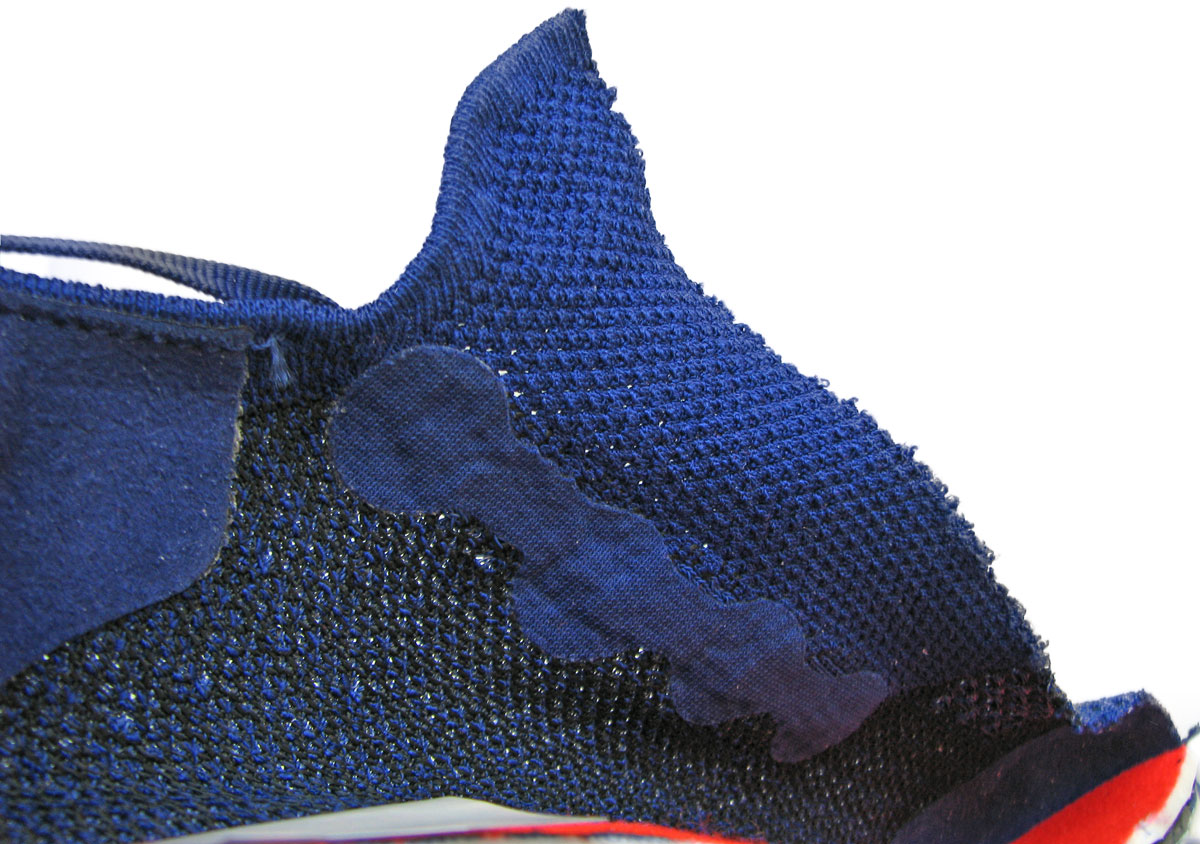
The Terra Kiger model has always been a breathable trail running shoe, and the latest version continues to deliver excellent ventilation. The woven mesh is designed to allow for quick drainage. The same porous weave that allows moisture to exit faster also helps keep the feet cool. The large pores, including those on the tongue, let air flow freely while providing a secure fit.
With a low-profile midsole, forefoot rock shield, and a Vibram Megagrip outsole, the Terra Kiger 10 works best during fast trail runs. While high levels of ground feel and stability make it ideal for challenging terrain, it lacks the comfort of more cushioned trail running shoes. The outsole lugs aren’t very deep, so they deliver only an average grip on muddy trails.
Pros
- Ground feel, proprioception
- Ventilated upper
- Protective rock shield
- Outsole grip on dry
- Ride stability
Cons
- Insufficient lug length for muddy trails
- Low durability for frequent use
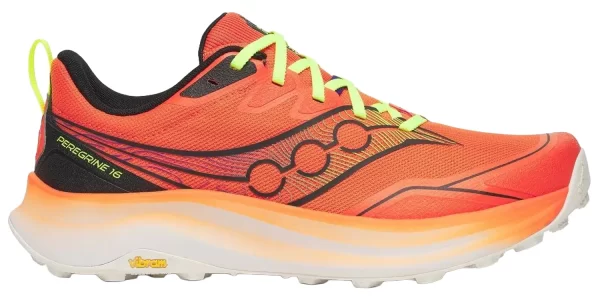
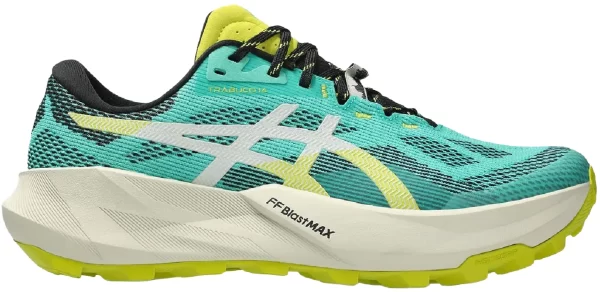
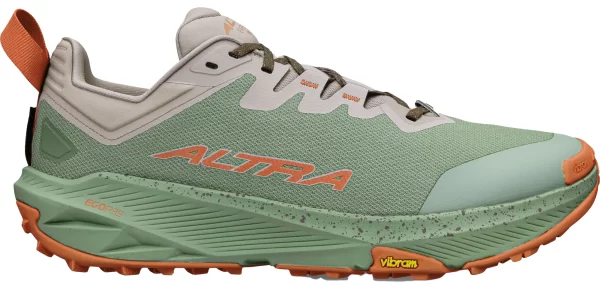
Other trail running shoes with a breathable upper
Fit Notes
True to size with a snug fit.
Specs
- Heel stack: 30 mm
- Forefoot stack: 25 mm
- Drop: 5 mm
- Weight: 9.8 oz / 276 gms
- Widths: Regular (single)
- Midsole: Cushlon EVA foam
- Insole: Molded, removable