
Product guide updates
(6 total)- 2026-09-20 — Added 'Top recommendations summary' module
- 2026-08-07 — Updated with SC Elite V6
- 2026-08-06 — Updated with Cloudboom Strike 2
- 2026-06-18 — Added alternatives to scrollable carousel under each recommendation
- 2026-06-18 — Created FAQ with relevant question and answer pairs
- 2026-06-18 — Migrated product guide to new editorial format
In this product guide:
How we selected
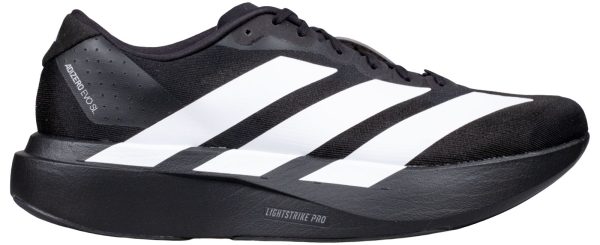
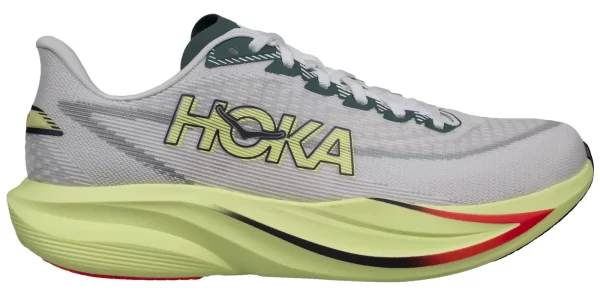
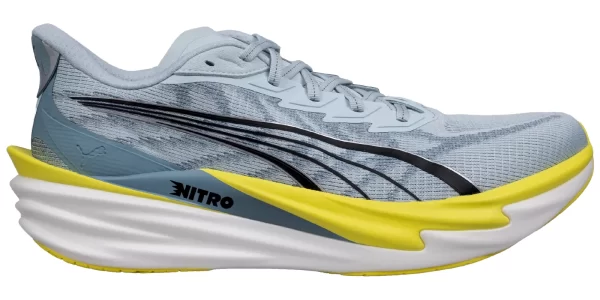
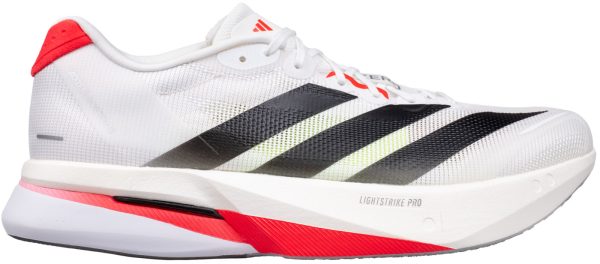
Our recommended shoes for high arches are grouped by use cases – daily training, 10Ks and marathons, recovery runs, and speedwork (5K, tempo, and intervals). By connecting each feature with its respective function, the “Why it works” section explains why a particular shoe (in its respective class) is suitable for high arches. The scrollable carousel contains alternatives within each recommended category. For example, the alternatives to the New Balance Rebel v5 (our 5K/Tempo run pick) are the adidas EVO SL (best for the plantar fasciitis), the Puma Deviate Nitro 4 (the plated option), and two others. When combined, this product guide contains 18 different recommendations for runners with high arches.
- Best for daily runs: Cushioning that does not restrict arch movement.
- Best for 10K, marathons: Speed shoes with a non-prescriptive ride character.
- Best for recovery runs: Ultra-cushioned shoes with compliant cushioning.
- Best for 5K and tempo runs: Lightweight, arch-friendly shoes for speedwork.
Our recommendations combine our influence-free, expert-led wear-testing with biomechanical data sourced from over 33,000 high-speed images captured during actual road races. We also perform evidence-based screening of design features most likely to benefit runners with high arches. Visit our FAQ section at the bottom to learn more about running shoes that work for high arches, and some common misconceptions around this subject.
The research behind our picks
What makes a running shoe ideal for high arches?
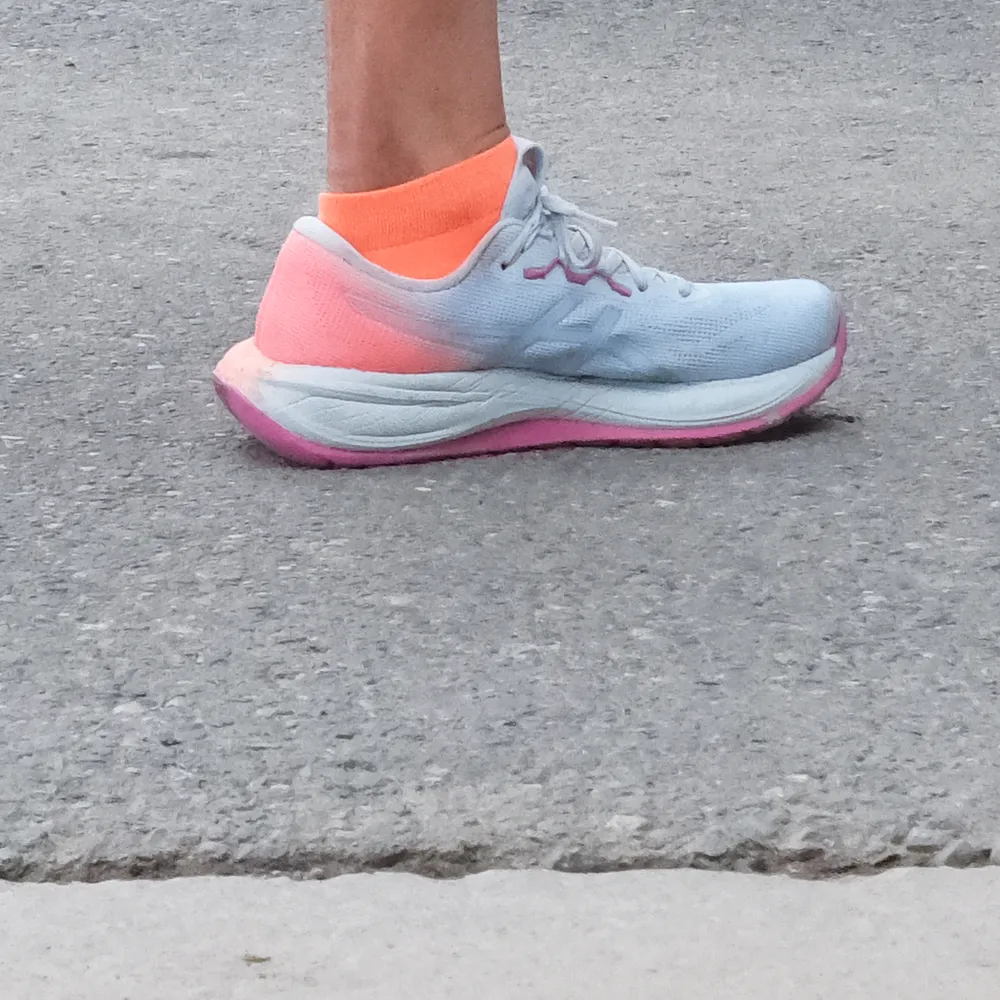
There are a couple of common misconceptions about feet with high arches. The first assumes that all runners with high arches – also known as pes cavus – supinate or roll outwards during running or walking. Supination is also called under-pronation, the opposite of over-pronation.
That assumption isn’t necessarily true. Under certain circumstances, a high-arched foot will also pronate. It is also assumed that high arches do not require footwear with arch support. That assumption is also misplaced. Under normal circumstances, the arch is meant to help absorb shock and stabilize the body. A high arch will redistribute the loading stress to the forefoot and heel. In theory, therefore, having adequate under-arch support and midsole cushioning makes the loading process safer. While many running shoes have a supportive midsole along with under-arch support, it may be a good idea to get a custom orthotic or an aftermarket insole. If that’s the route you want to take, read our buyer’s guide on orthotic-friendly shoes.
The running shoes that feature in this guide do two things very well. They have a cushioned ride that goes easy on your feet and the arch. At the same time, they aren’t overly structured and do not overcorrect the gait.
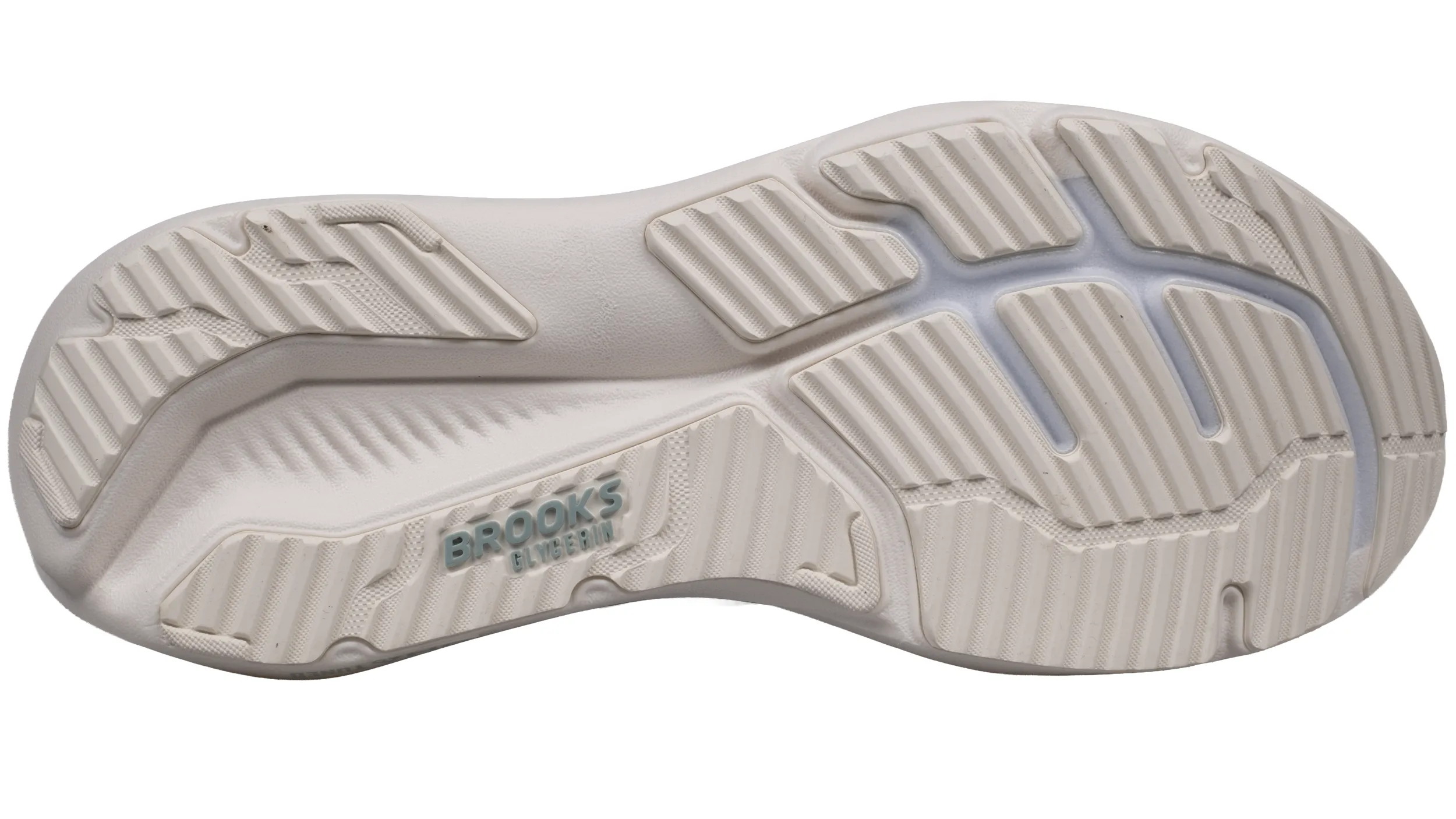
Pictured here is the cushioned DNA Tuned sole of the Brooks Glycerin 23.
The terms ‘cushioned’ and ‘softest’ are often conflated, but these aren’t the same thing. Excessive softness can cause a shoe to be unstable – and that is not good regardless of the arch type. However, if you want a really soft shoe, give the Nike Vomero Plus a try. It won’t go fast, but it is lightweight with soft and deep cushioning. None of the recommendations in this guide are excessively soft to the point of becoming unstable. Rather, these shoes combine impact-absorbing cushioning with a supportive ride.
Are orthotics recommended for high arches? If so, which shoes go well with orthotics?
Most shoes in this buyer’s guide are not lacking in under-arch support. That said, if wearing an orthotic is prescribed by a medical professional, an aftermarket insole may improve the ride experience. An orthotic-friendly running shoe should meet two basic criteria. One, it should have an accommodating upper fit.
Two, the stock insole should be of equal or similar thickness and stack height as the aftermarket insole. For example, most stock footbeds have a zero heel-to-toe drop, meaning the heel and forefoot have a uniform thickness. Some orthotics have a taller heel than the forefoot, so substituting a zero-drop stock insole with a 4mm drop orthotic will affect the upper fit and overall ride dynamics.
Why it works (the basics)
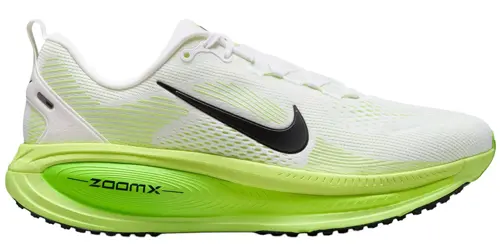
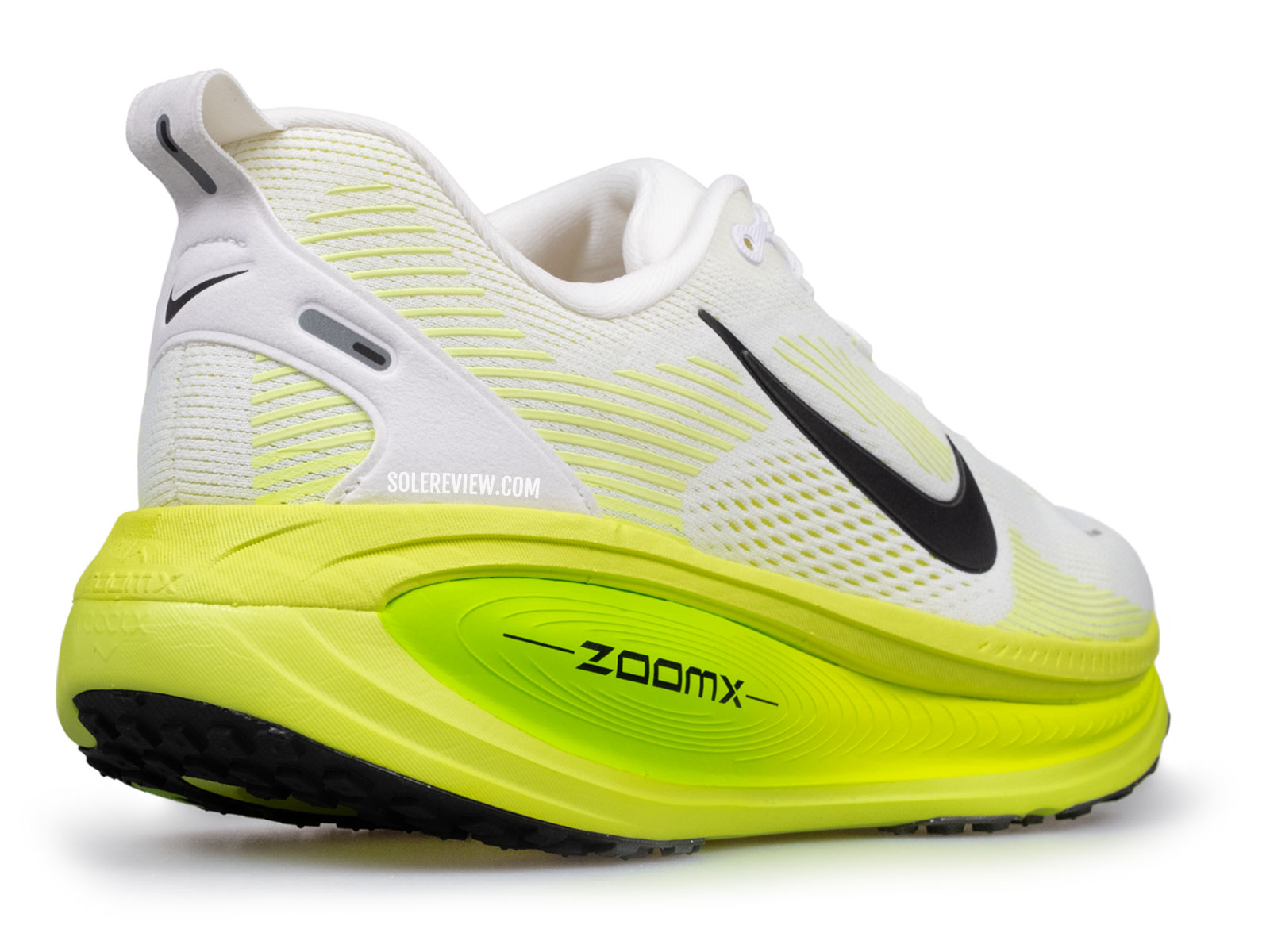
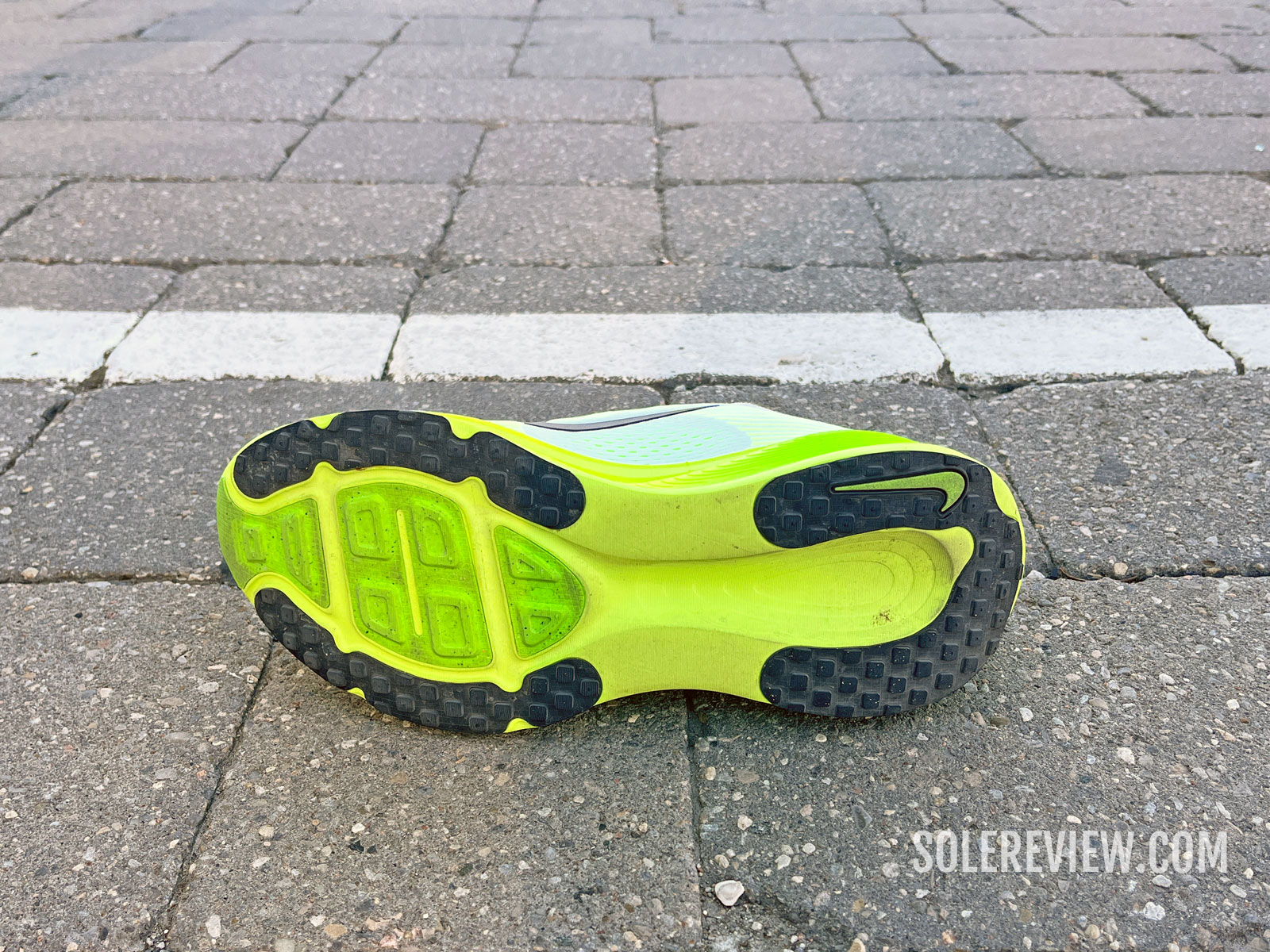
- Top ZoomX foam layer → lets the arch roll naturally
- Bottom ReactX midsole → creates supportive platform
- Fully sleeved upper → hugs the arch without hotspots
- Stiff forefoot → adds a propulsive feel
🔍 Deep Dive
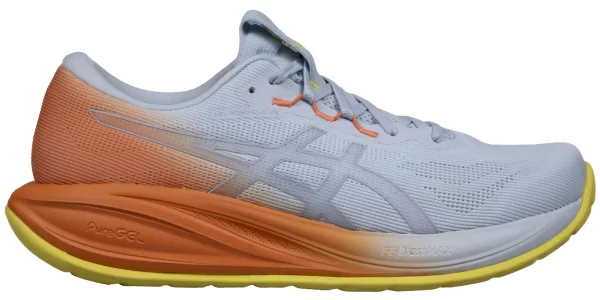
If we had to choose just one shoe out of Nike’s performance running lineup, that would be the Vomero 18. It’s surprisingly agile for a shoe with 44 mm and 34 mm stack heights. Rather than the foot sinking into the midsole with each landing, the Vomero manages to feel mildly propulsive. The firmer ReactX foam base makes the forefoot stiff, which in turn makes the rocker more effective. Add to that a secure upper, and we have a shoe that balances high-mileage comfort with the versatility for most run types (up to 4:30 min/km, 7:00 min/mile) except for aggressive speedwork.
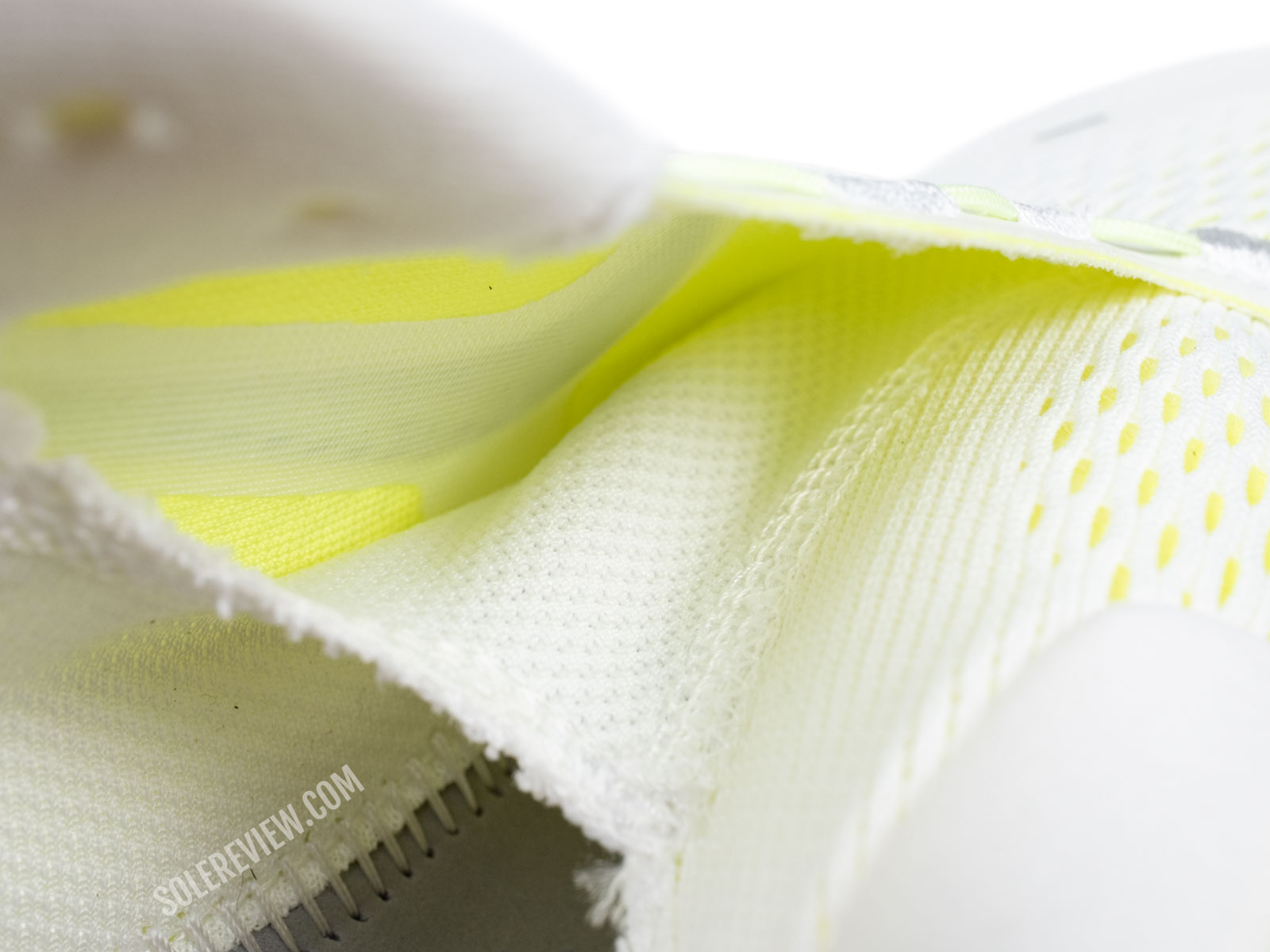
The softer ZoomX foam layer on top is ideal for high arches; having the softest part of the midsole close to the arch lets it roll naturally. The fully sleeved upper wraps the arch in smooth softness without pressure hotspots.
Pros
- Compliant ZoomX cushioning
- Arch-hugging upper fit
- Does not penalize slow speeds
- Blend of max-comfort and versatility
Cons
- Sleeved upper traps heat
- Average traction in the wet
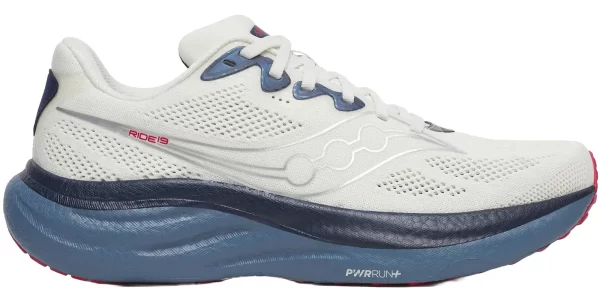
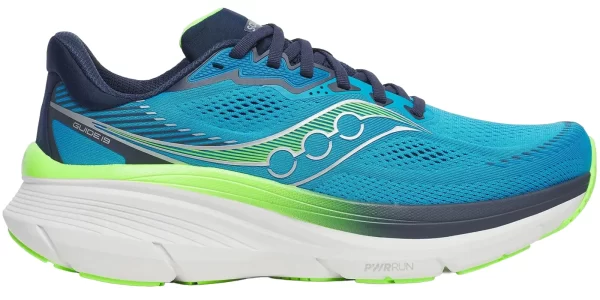
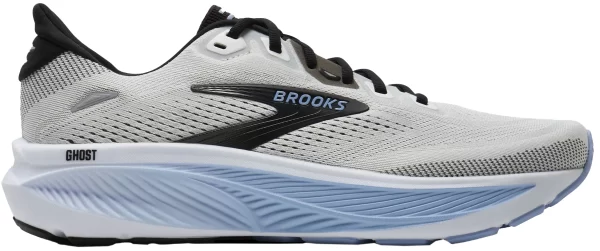
Other everyday running shoes for high arches
Fit Notes
True to size with a secure fit. Runs warm; the full sleeve restricts ventilation.
Gallery
Specs
- Heel stack: 44 mm
- Forefoot stack: 34 mm
- Drop: 10 mm
- Weight: 11.5 oz / 325 gms
- Widths: Regular, wide
- Midsole: ReactX under ZoomX foam
- Insole: Molded, removable
Why it works (the basics)
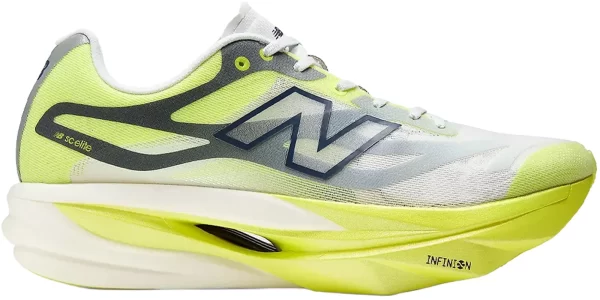
- Infinion foam midsole → produces non-prescriptive ride
- Corrugated EnergyArc plate → adds structural stiffness and rocker effect
- Soft, breathable upper → wraps arch in comfort
- Flat outsole geometry → improves forefoot traction
- Semi-collapsible heel collar → is gentle on the Achilles
🔍 Deep Dive
A couple of features make the SC Elite v6 an excellent pick for high arches. The soft and compliant Infinion foam midsole doesn’t interfere with arch movement during the mid-stance phase of the gait cycle. The upper uses a perforated and semi-stretchy gusset that gently wraps the arch without trapping heat or creating pressure spots. The fit is slightly more accommodating than the SC Elite V5, as the latest upper gets rid of the stiff heel counter. This change opens up some space in the toe box and forefoot. A more relaxed fit has a lower risk of developing frictional spots under the arch.
As expected of a marathon racer for high-speed runs, the corrugated EnergyArc plate provides the necessary stiffness for a propulsive ride. The corrugated (rippled) design of the plate makes it stiffer than a flat plate, making the rocker more efficient. The outsole traction has noticeably improved, particularly during the toe-off phase. This is because of the outsole redesign, with the V6 swapping the lug-based design for a flat geometry.
Pros
- High-arch-compliant comfort
- Transition-friendly EnergyArc plate
- Forefoot traction
- Secure, comfortable fit
- Achilles-friendly heel collar design
Cons
- Low heel-strike compatibility
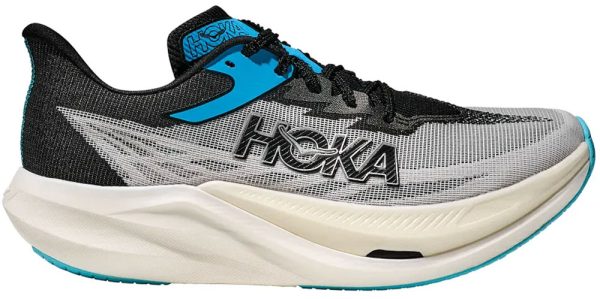
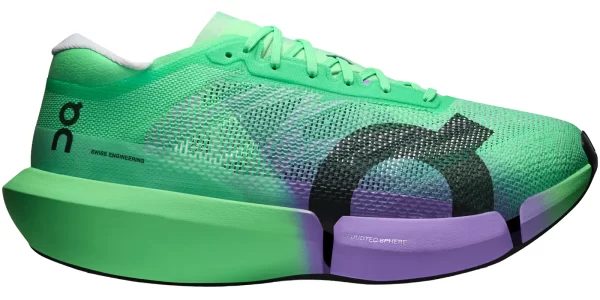
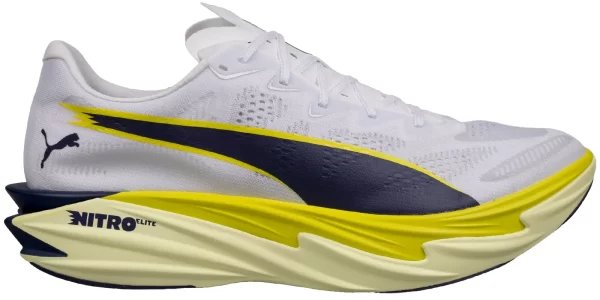
Other 10K and marathon running shoes for high arches
Fit Notes
Fits true-to-size, and is slightly roomier than the SC Elite V5 because the latter’s stiff heel counter has been removed. Wide variant is optional.
Specs
- Heel stack: 40 mm
- Forefoot stack: 32 mm
- Drop: 8 mm
- Weight: 7.6 oz / 215 gms
- Widths: Regular (single)
- Midsole: Fuelcell PEBA foam, EnergyArc carbon plate
- Insole: Non-removable
Why it works (the basics)
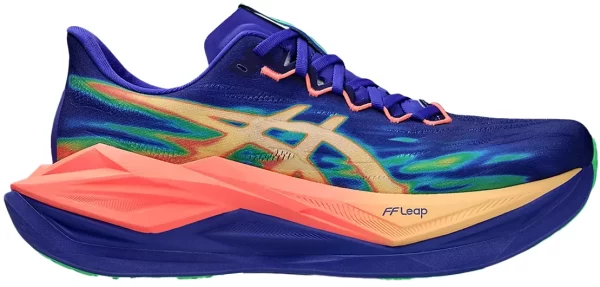
- FF Leap foam layer → cushions high arches
- Smooth internal gusset → provides distraction-free fit
- Wide outsole base → offers planted landings
- Balanced sidewall design → delivers a neutral ride experience
🔍 Deep Dive
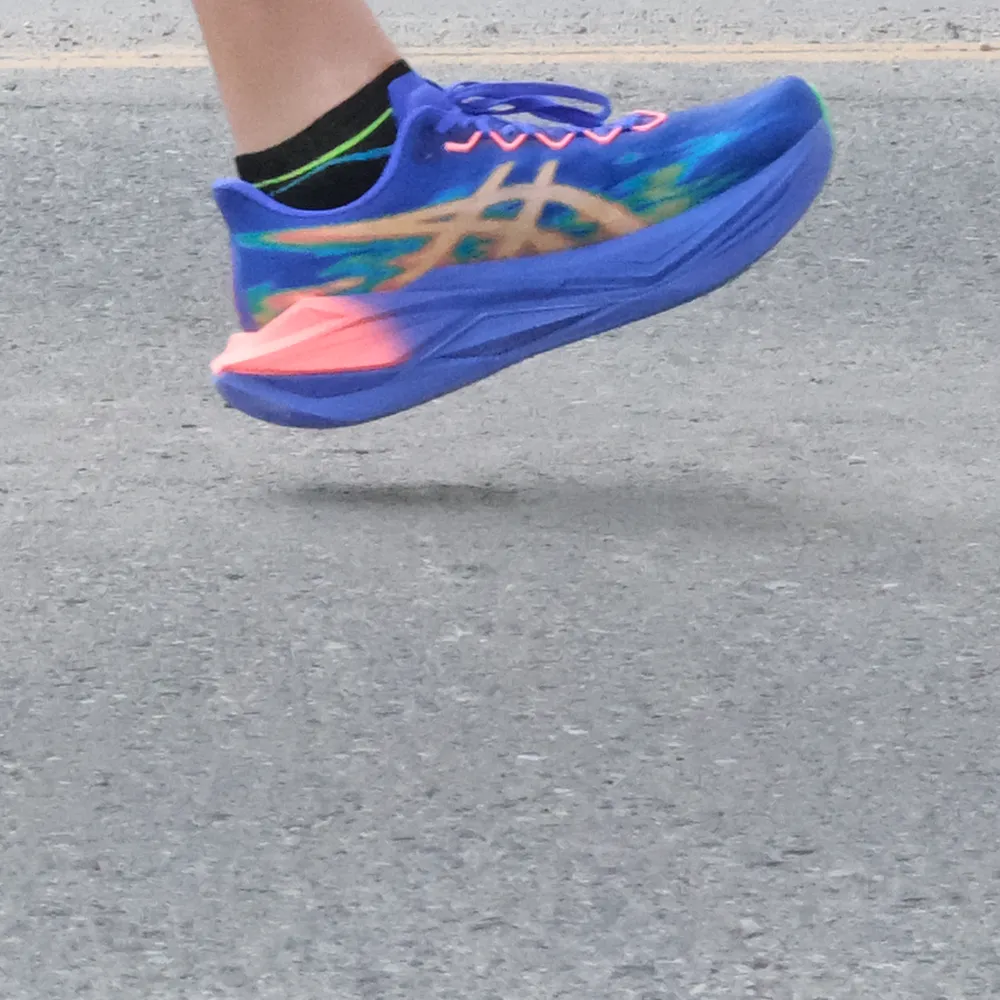
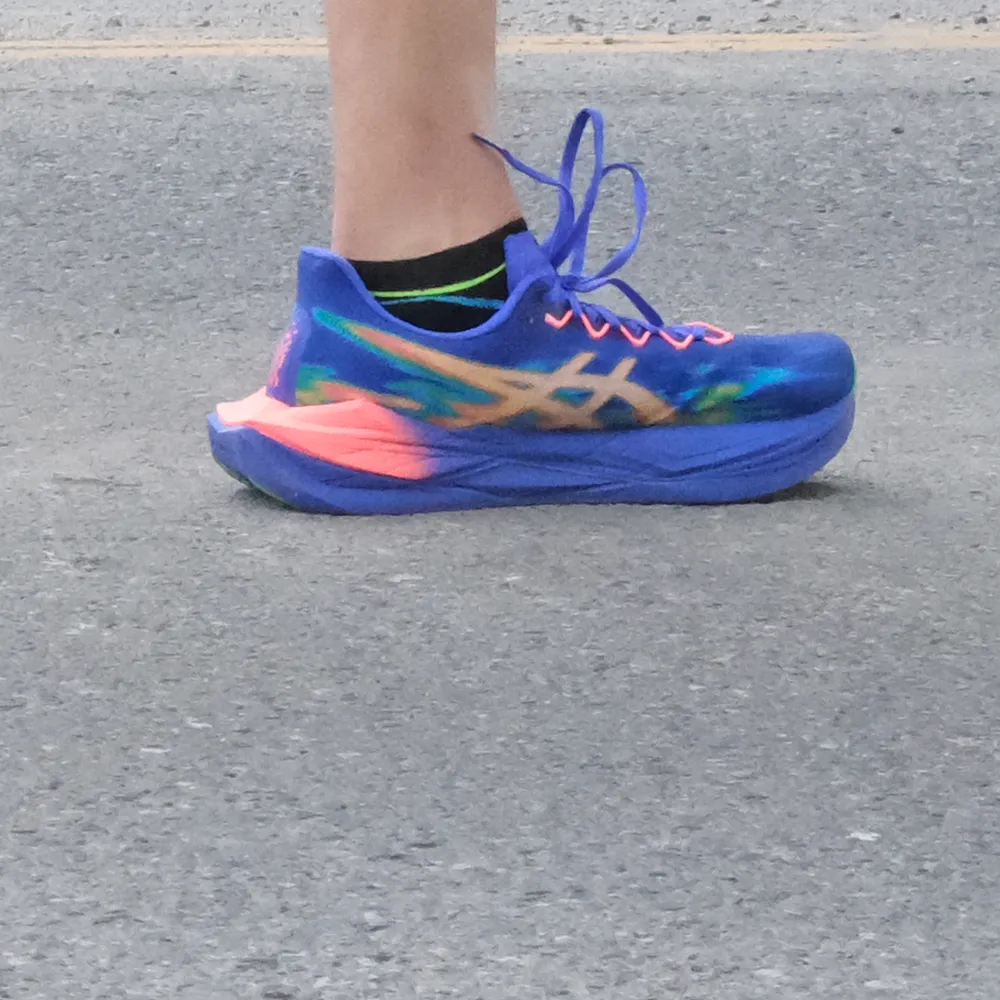
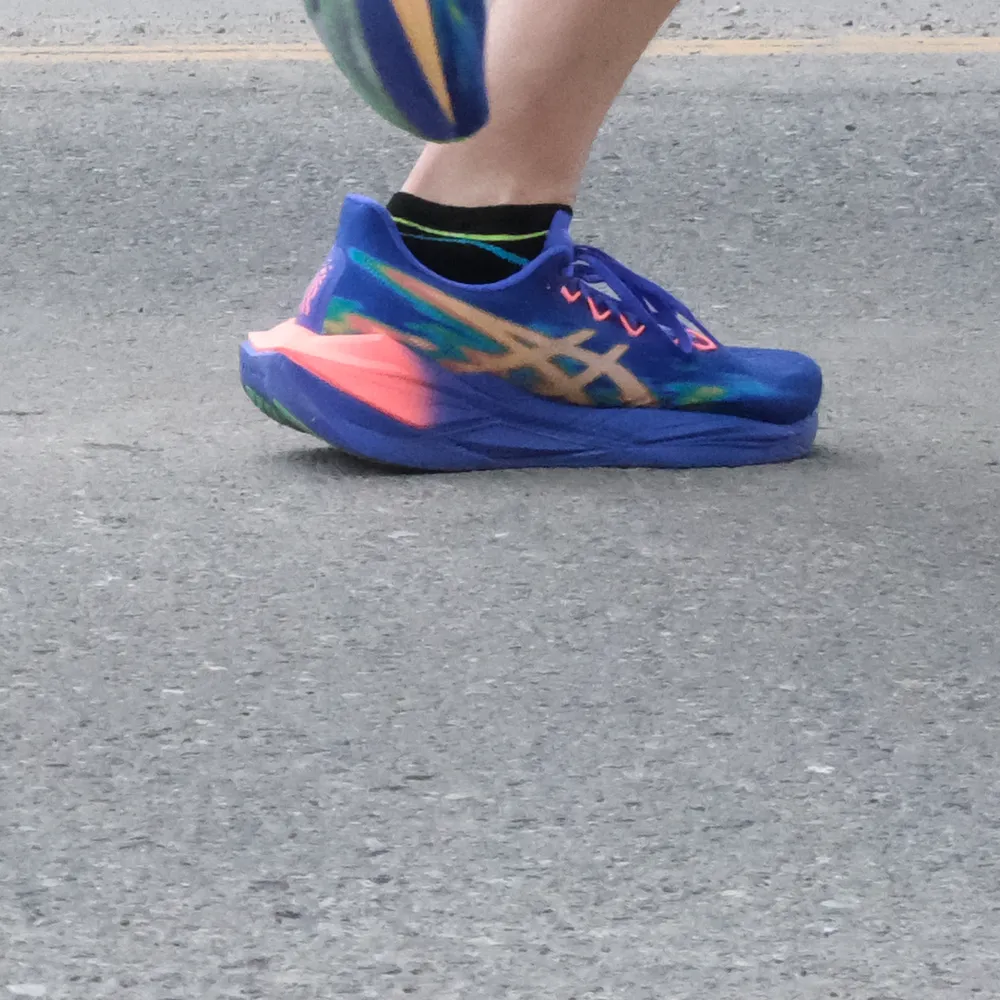
For our primary recovery trainer recommendation for high arches, we had to decide between the Superblast 3 and the Nike Vomero Plus. While both trainers deliver an ultra-cushioned ride that’s compliant for high arches, we chose the Superblast 3 as it edges out the Vomero Plus in overall versatility. To be clear, the new Superblast is nowhere as speed-friendly as the Superblast 1 or 2 because of its softer ride. That being said, the Superblast 3’s rocker effect is more effective than the Vomero Plus, lending it a more propulsive feel.
However, the softer FF Leap and FF Blast+ foam midsole saps the shoe’s speed-faring abilities. On the bright side, the softer and more compliant ride is ideal for high arches, as it cushions the foot in a non-controlling, non-prescriptive manner. The ultra-tall midsole with its 46 mm and 38 mm stack heights delivers a high cushioning-to-weight ratio for its 239 gram (8.4 ounce) build. Use it for everyday training, recovery runs, or marathons – high-arched runners will find plenty of usable comfort.
Pros
- Softer FF Leap is closest to the arch
- Neutral, non-prescriptive ride
- Irritation-free tongue gusset
- High cushioning-to-weight ratio
Cons
- Slower ride than Superblast 2
- Lower durability than previous models
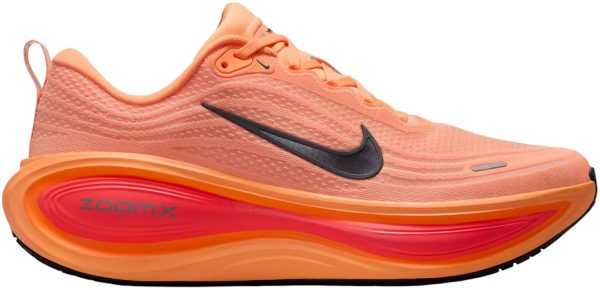
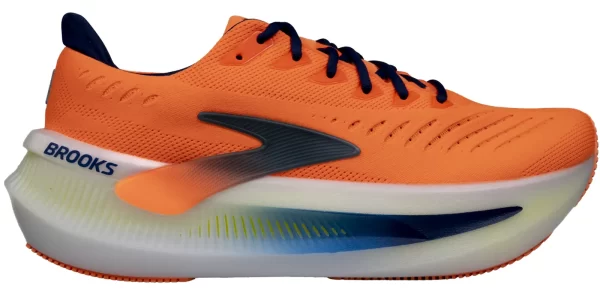
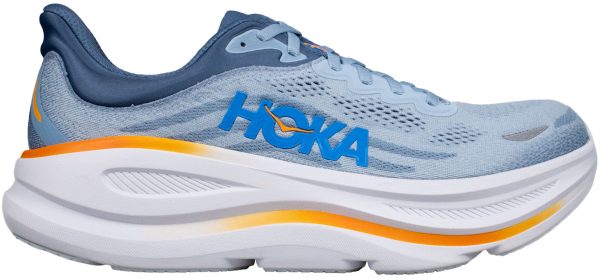
Other recovery running shoes for high arches
Fit Notes
True to size. Roomier and warmer than the Superblast 2.
Gallery
Specs
- Heel stack: 46 mm
- Forefoot stack: 48 mm
- Drop: 8 mm
- Weight: 8.4 oz / 239 gms
- Widths: Regular (single)
- Midsole: FF Leap, FF Blast+ foam
- Insole: Molded, removable
Why it works (the basics)
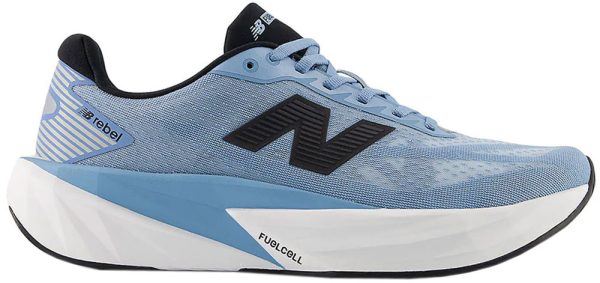
- Soft PEBA-EVA blend midsole → cushions the arch without restricting it
- Lightweight mesh upper → keeps the foot ventilated
- Tongue gusset → wraps the arch smoothly
- Lack of cushioning bias → produces a neutral ride
🔍 Deep Dive
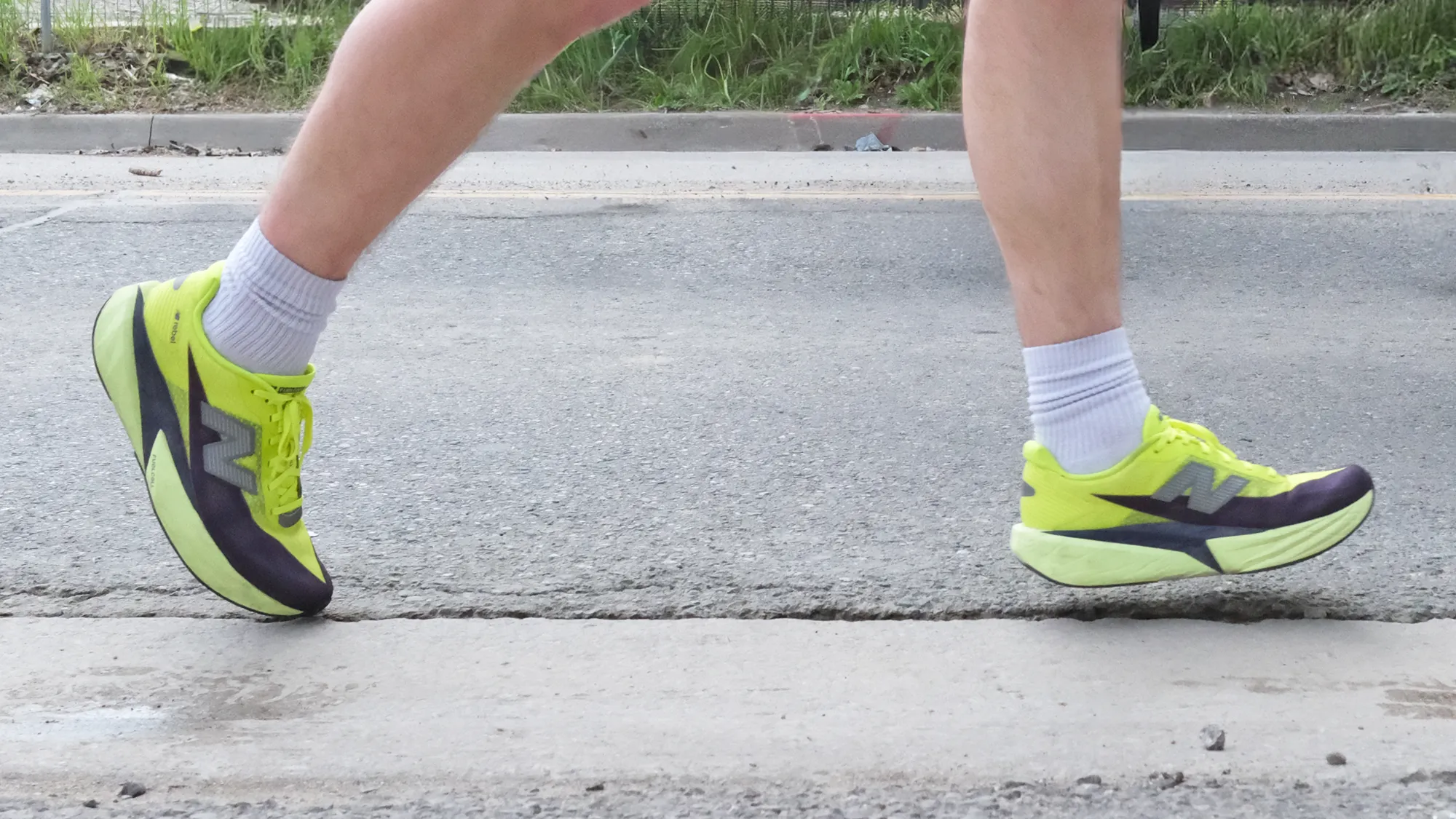
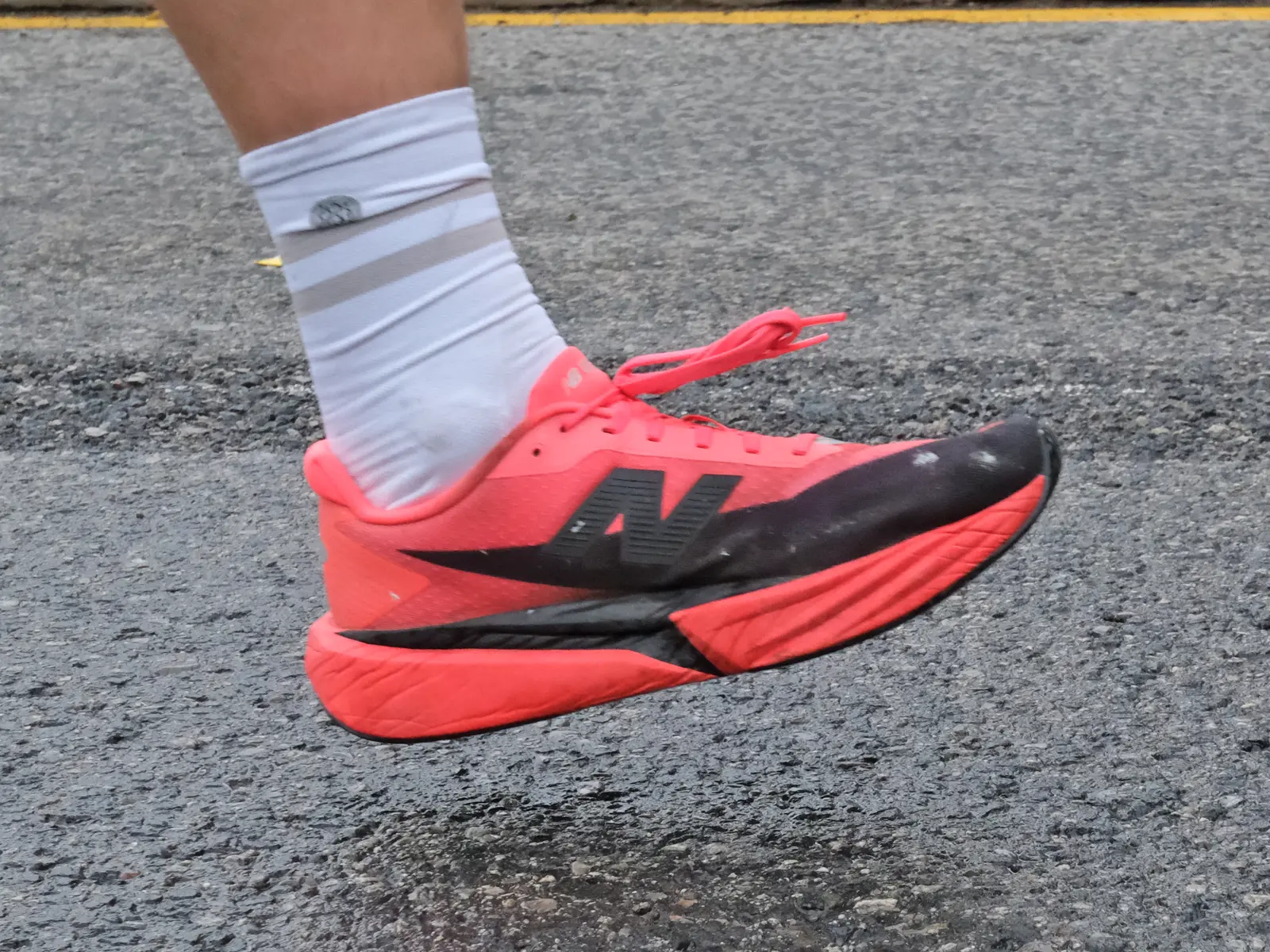
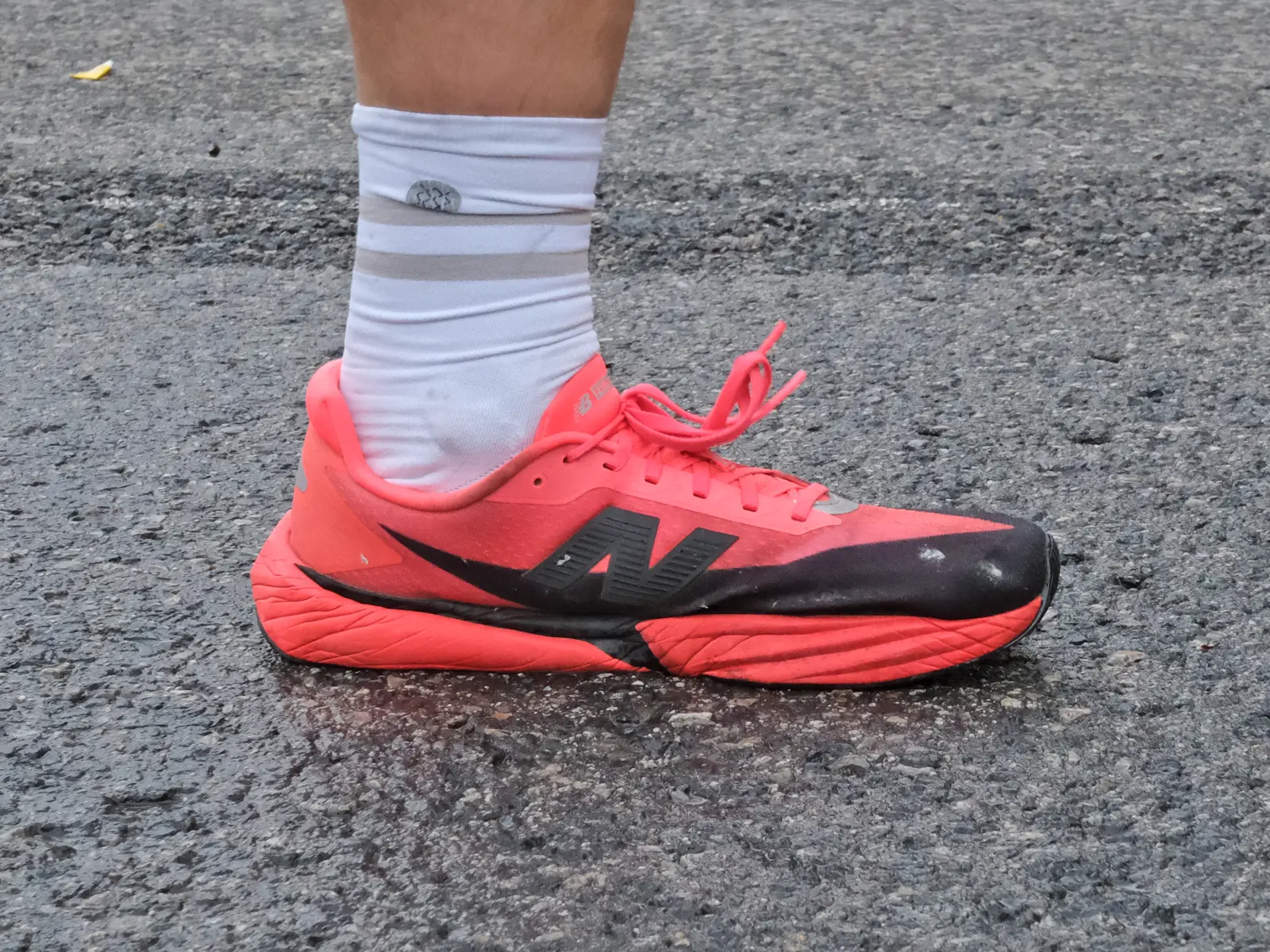
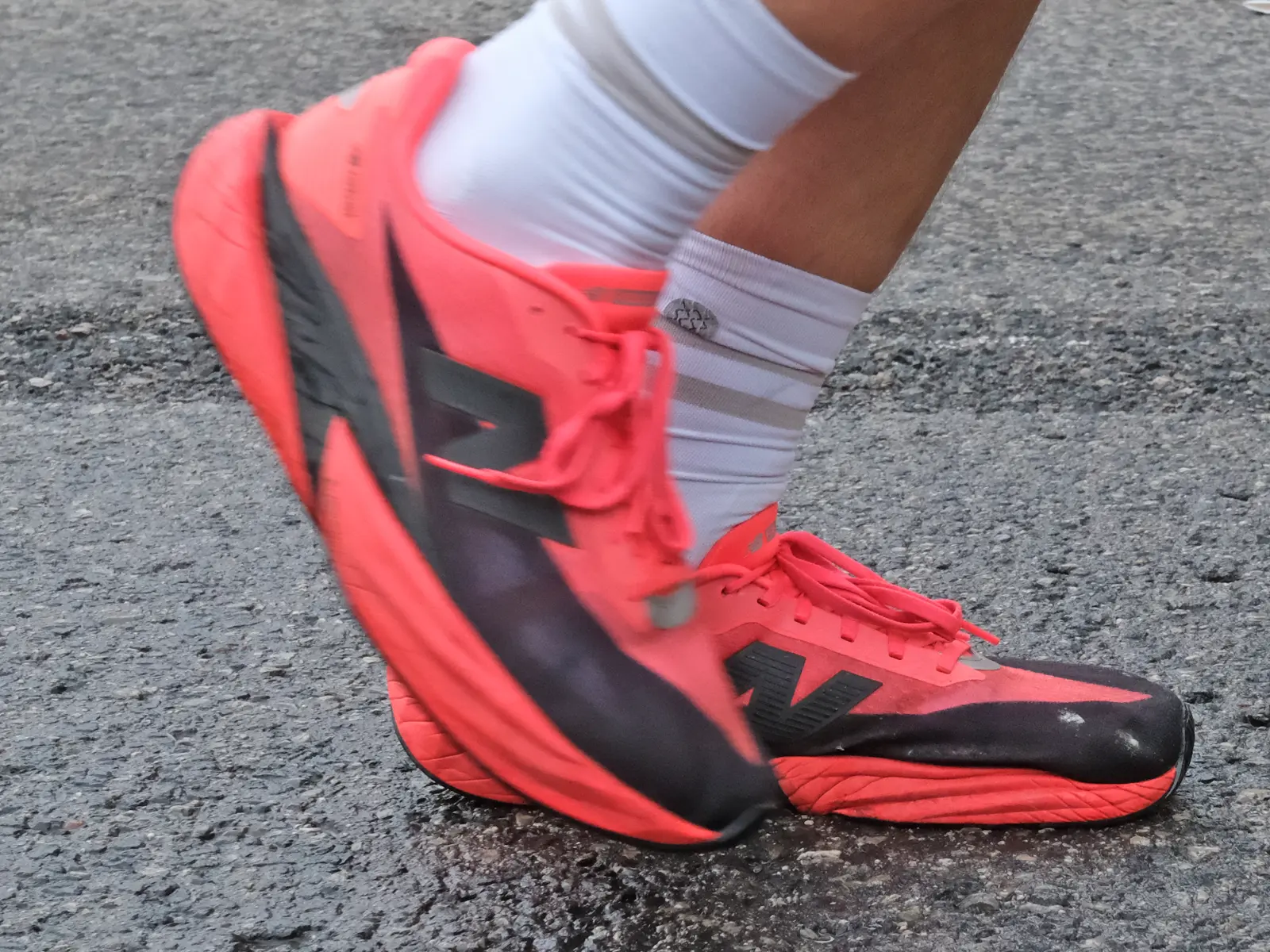
The New Balance Rebel v5 has a non-prescriptive ride, meaning the cushioning favors neither the outer nor inner midsole. What runners get is a rubbery soft cushioning with a wide base and generous outsole coverage, the kind of ride that works for high arches. The FuelCell (a PEBA-EVA blend) midsole and the lightweight upper minimize arch strain; it also delivers a ride versatile enough for daily runs, tempo workouts, and 10K races. The forefoot outsole has improved traction due to better coverage and spread. The Rebel has never been a durable running shoe, and this version is no different. If you plan to log significant mileage, consider more durable alternatives from our carousel below, like the adidas EVO SL and Puma Deviate Nitro 4.
When compared to last year’s Rebel v4, the upper has a tighter fit because of the mesh change and increased heel collar padding. The FuelCell formulation has been updated for a softer and bouncier ride.
Pros
- Compliant, non-prescriptive ride
- Versatile ride quality
- Forefoot traction
- Neutral cushioning quality
Cons
- Low durability for frequent use
- Loses the peppy feel of v3 and v4
- Insufficient rearfoot outsole coverage
Other 5K, tempo trainers for high arches
Fit Notes
True to size. Runs narrow, so consider the 2E version for more space.
Gallery
Specs
- Heel stack: 38 mm
- Forefoot stack: 32 mm
- Drop: 6 mm
- Weight: 7.9 oz / 223 gms
- Widths: Standard, wide
- Midsole: Fuelcell (PEBA/EVA blend)
- Insole: Molded, removable