
In this product guide:
- 1. Durable everyday trainer: Saucony Ride 18
- 2. Durable cushioning for heavy runners: Brooks Glycerin Max
- 3. Durable marathon trainer: Asics Superblast 2
- 4. Durable marathon racer: Saucony Endorphin Pro 4
- 5. Durable tempo/10K shoe: adidas Boston 13
- 6. Durable trail runner: Brooks Cascadia 19
- How we selected
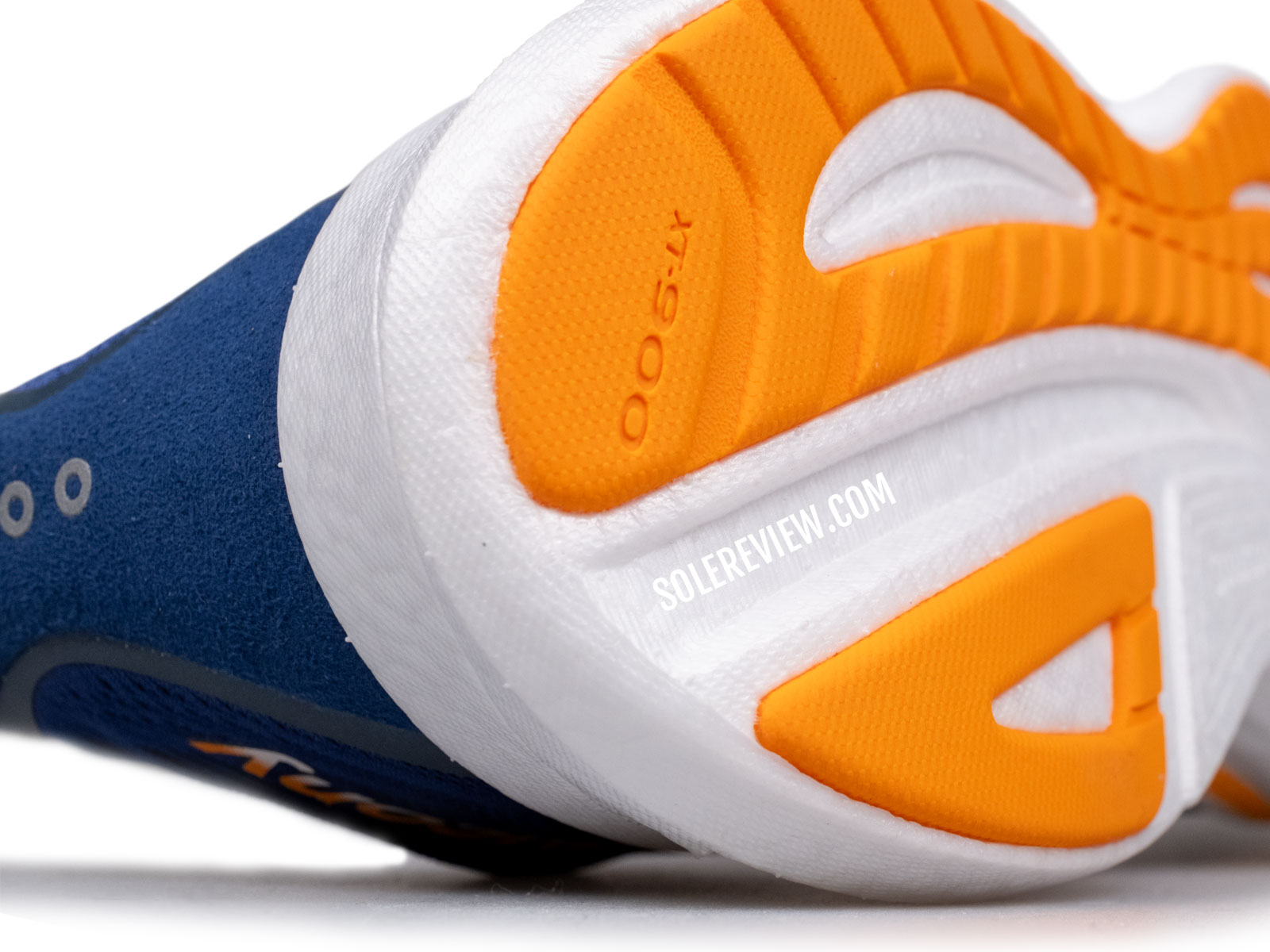
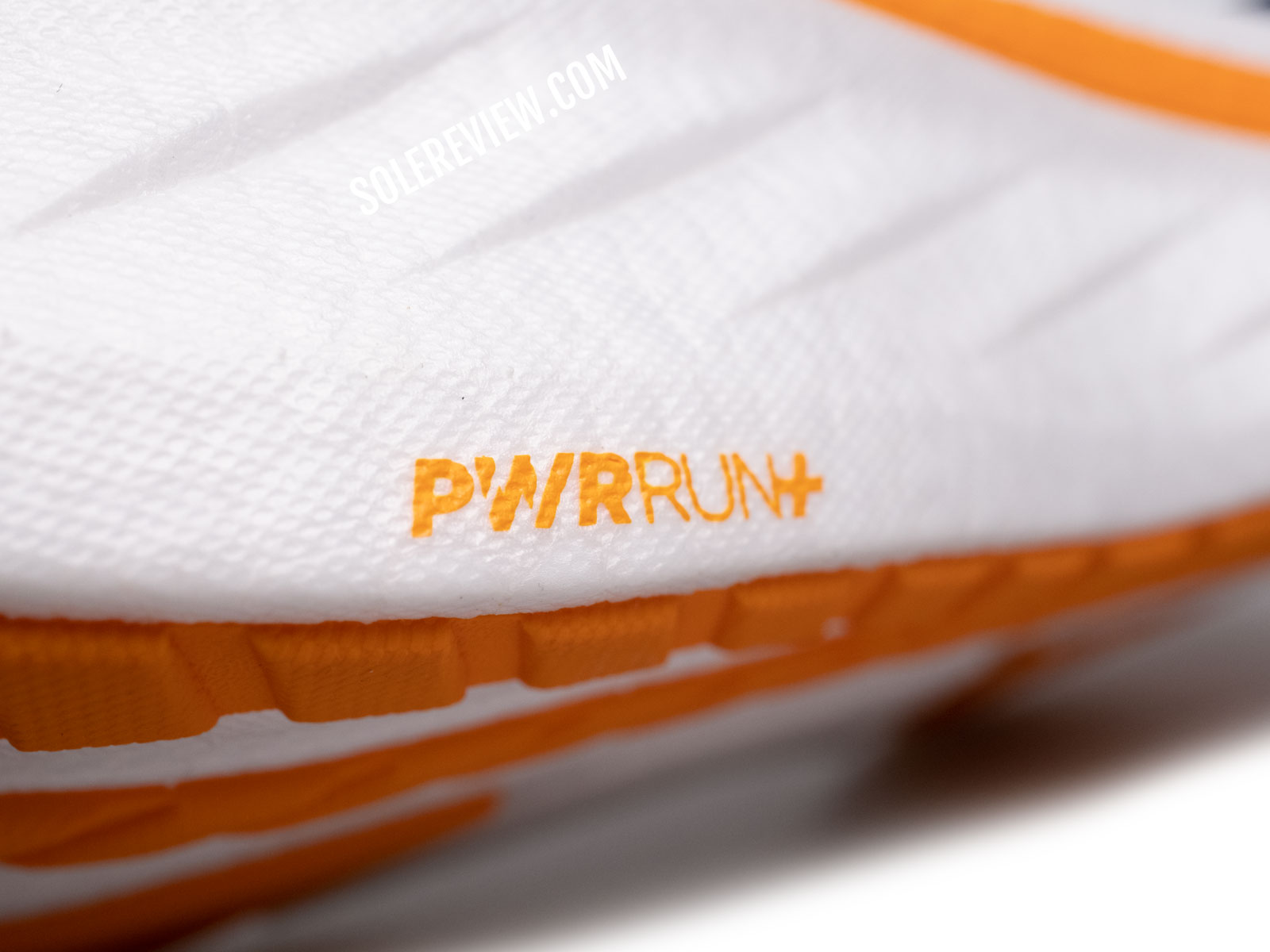
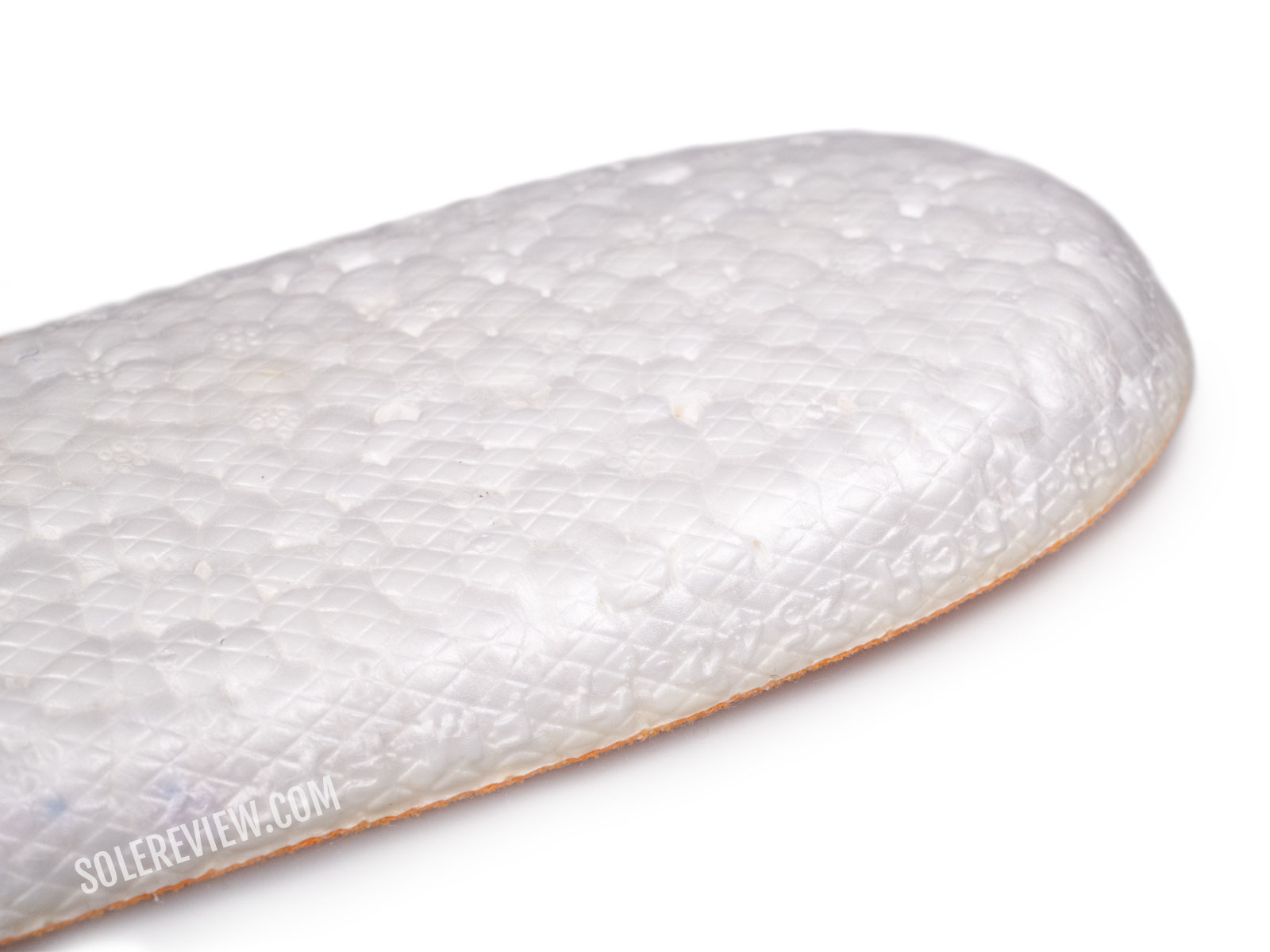
Nobody should be surprised to see the Ride 18 on this list; its new Pwrrun+ midsole adds miles to its lifespan. Like the previous year’s model, the Ride 18’s midsole uses long-lasting Pwrrun+. It’s an expanded Polyurethane foam similar to the adidas Boost foam. And we all know that Boost midsoles are nearly indestructible. Prior versions of the Saucony Triumph (21 and older) also used Pwrrun+, and those trainers have an excellent track record as well.
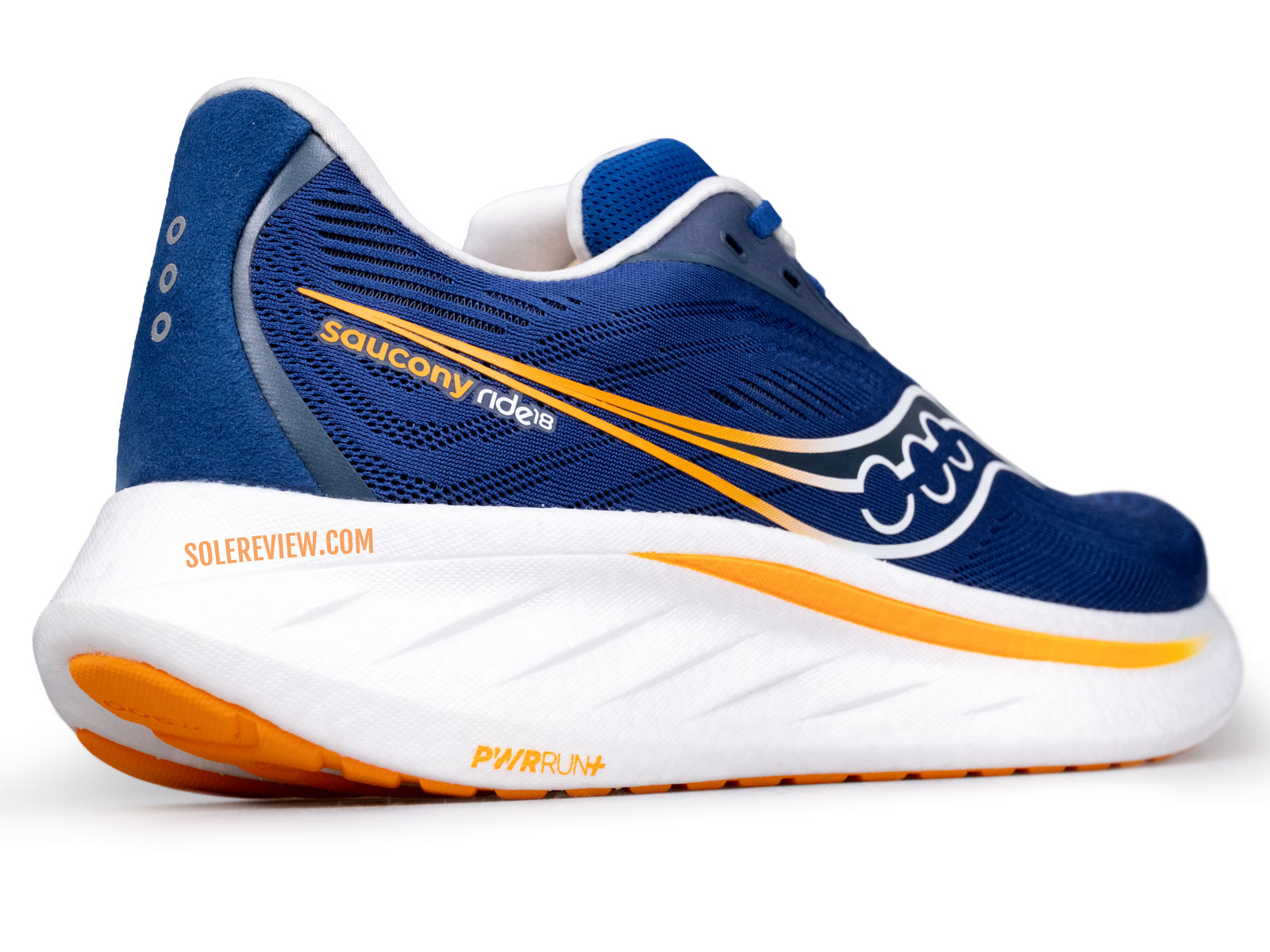
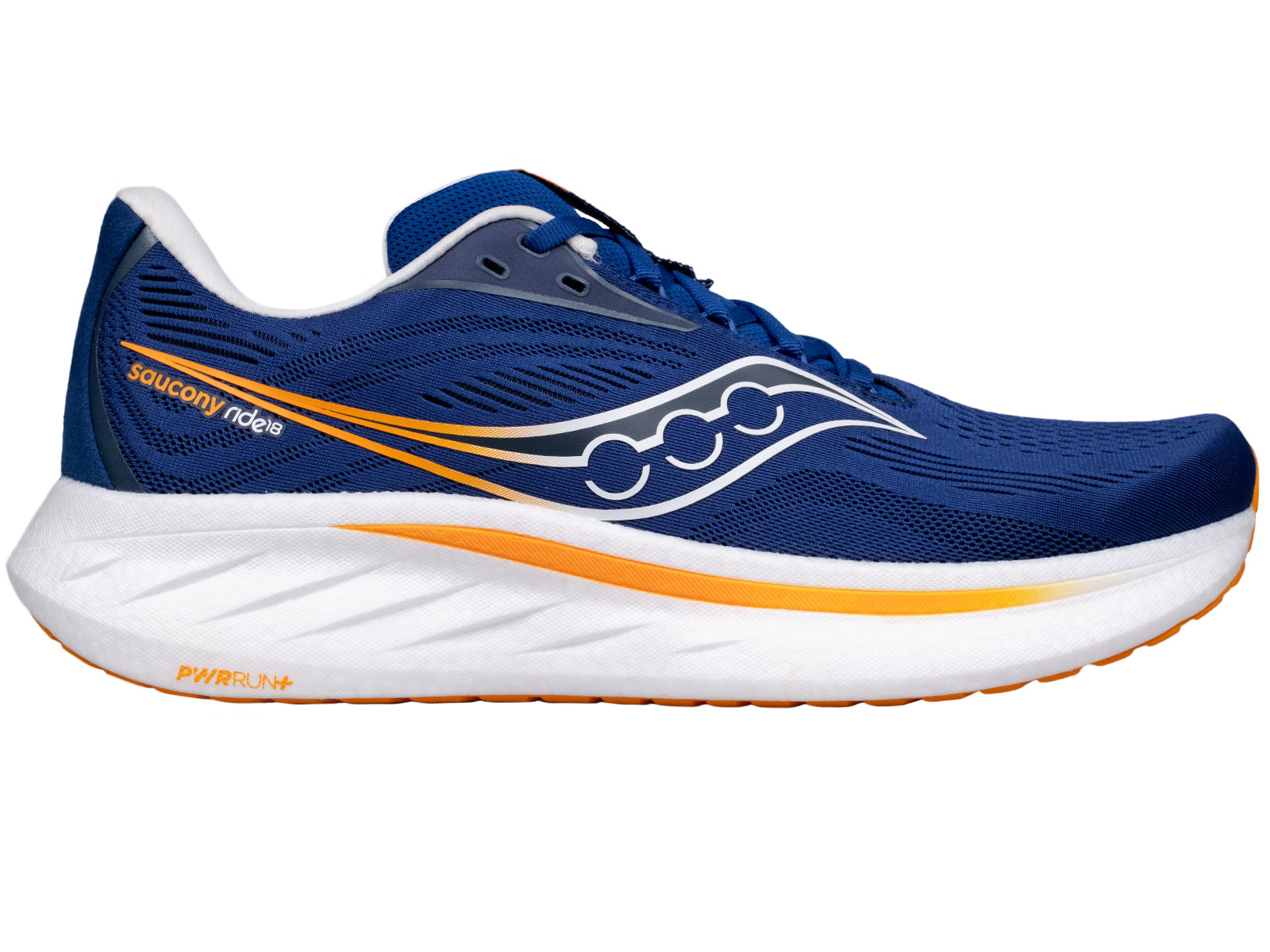
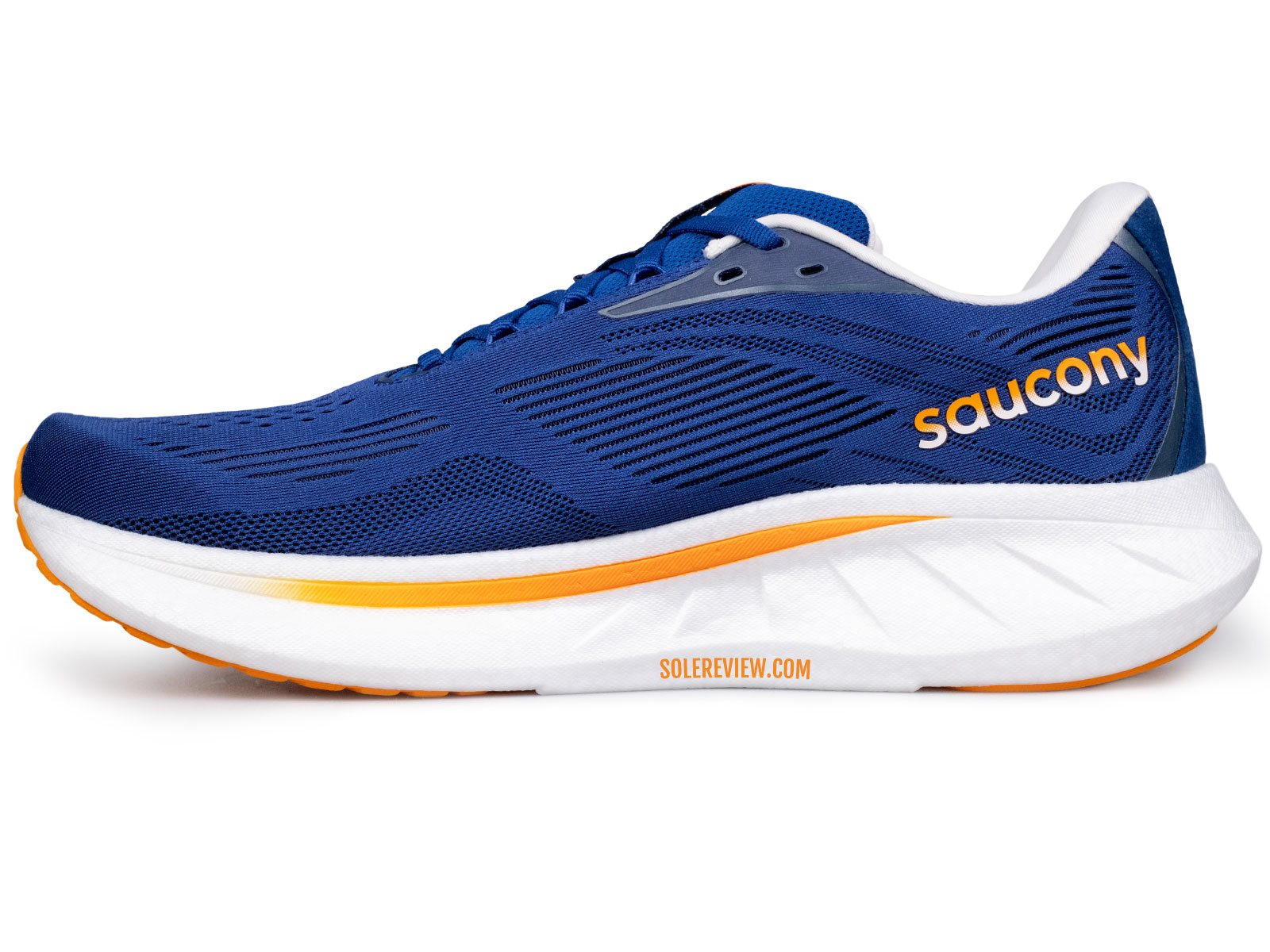
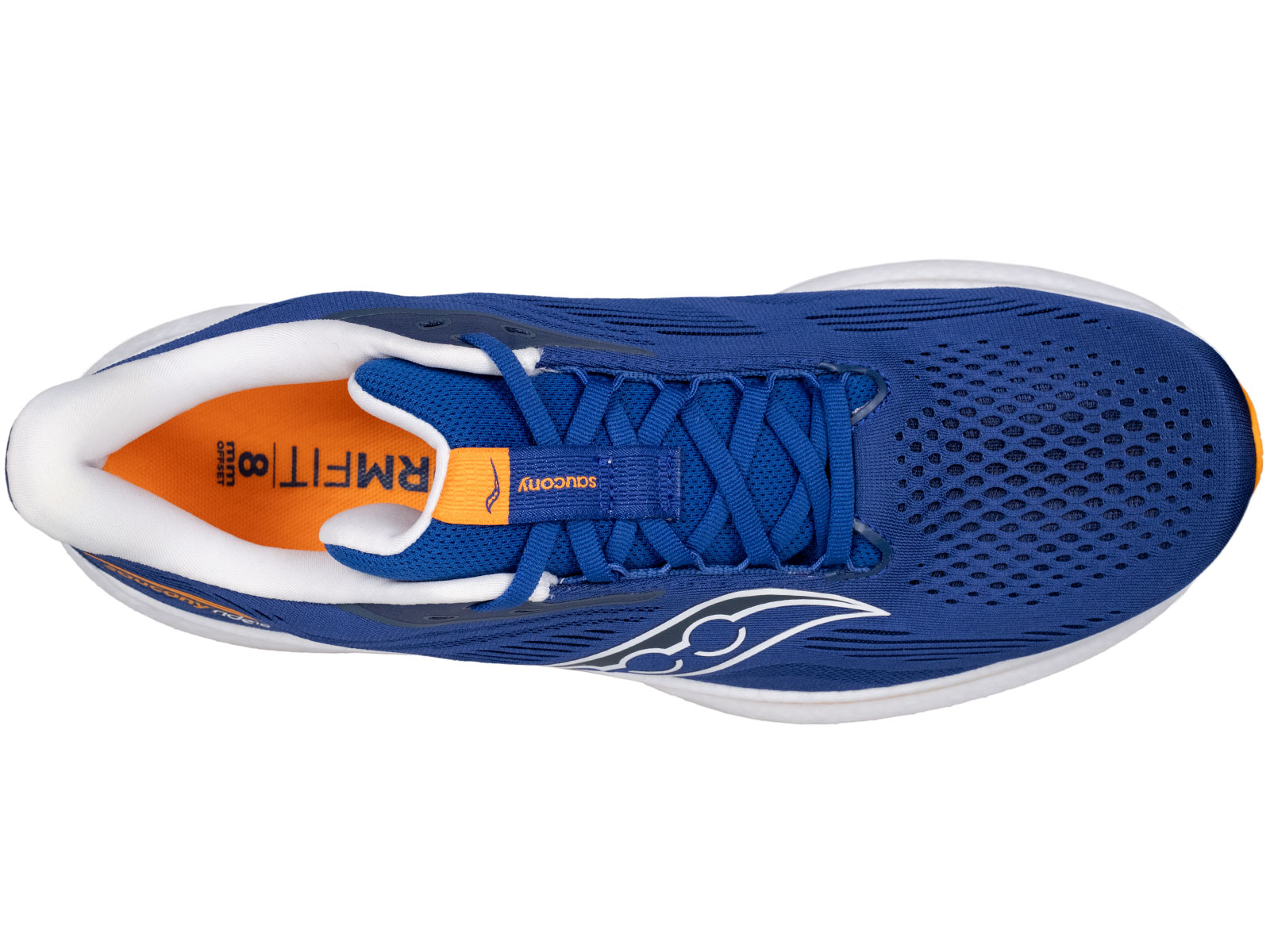
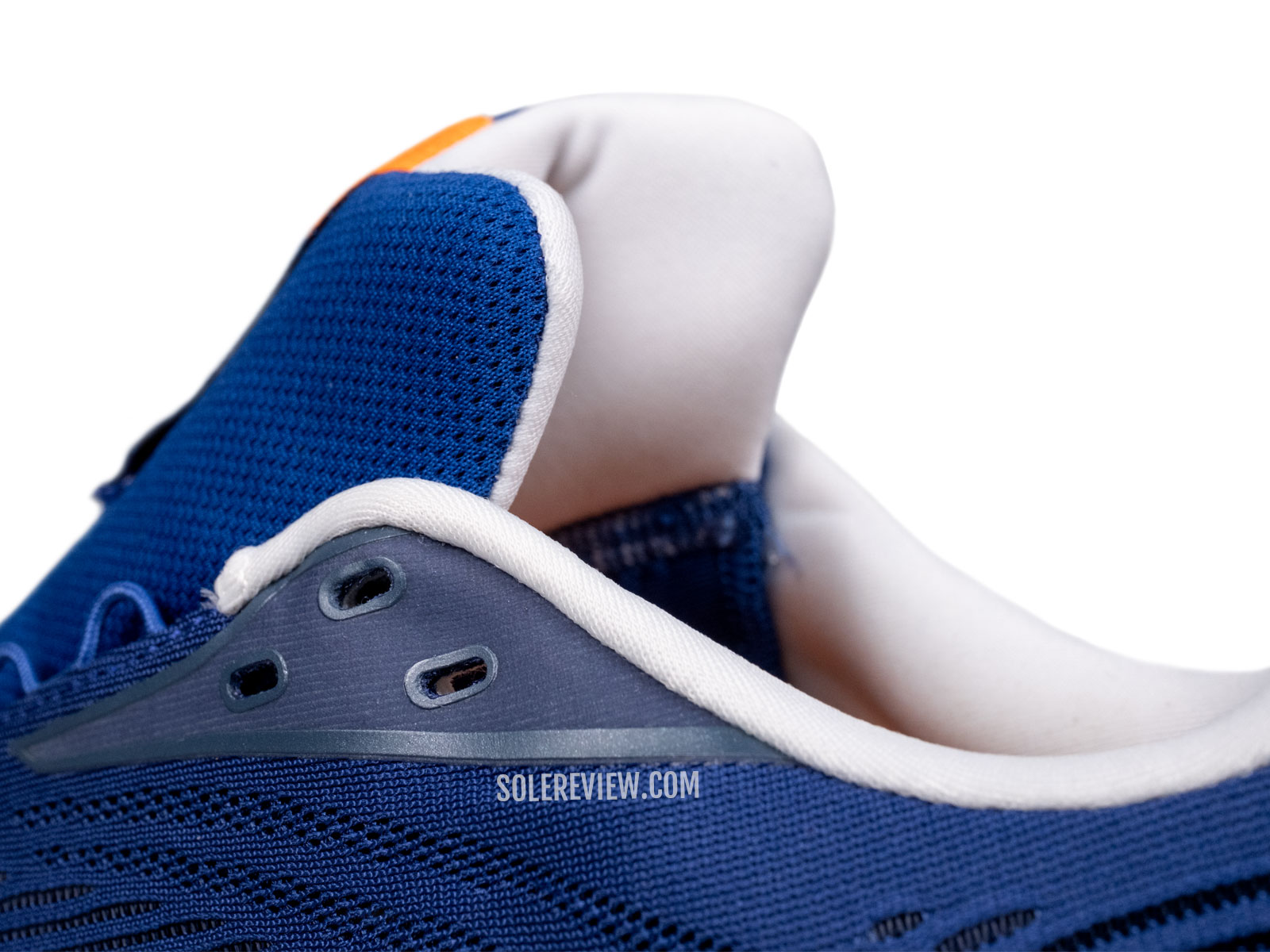
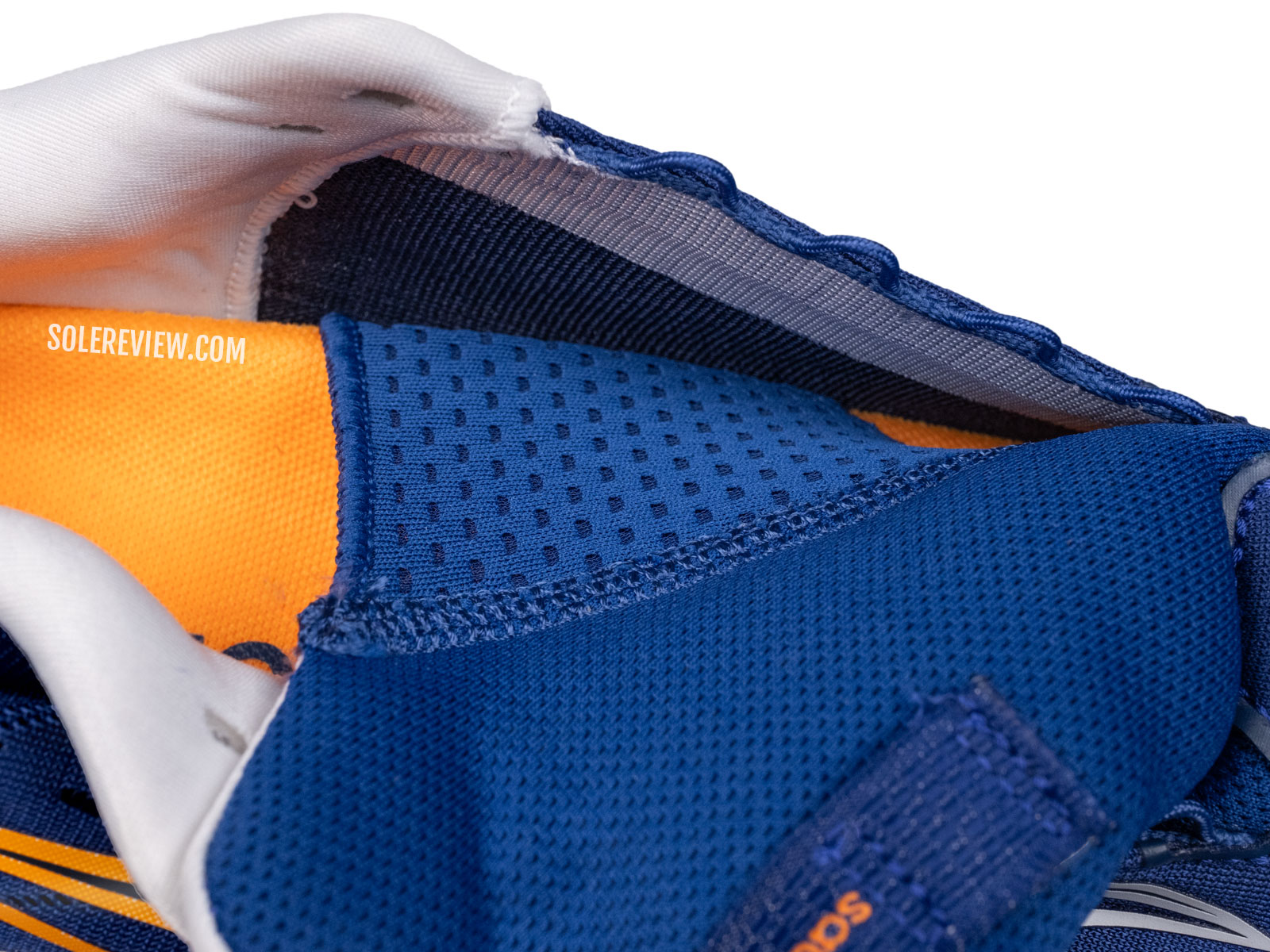
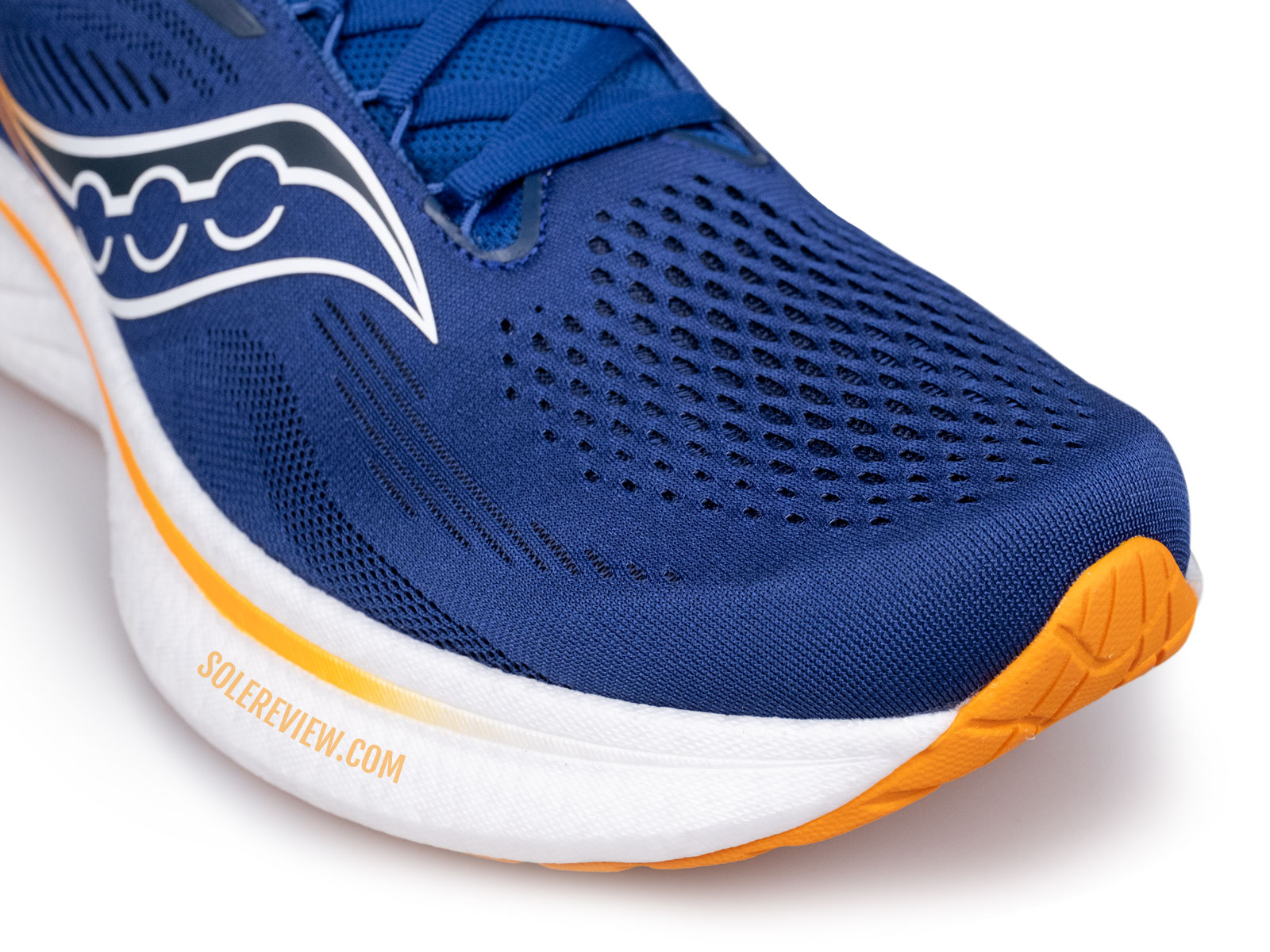

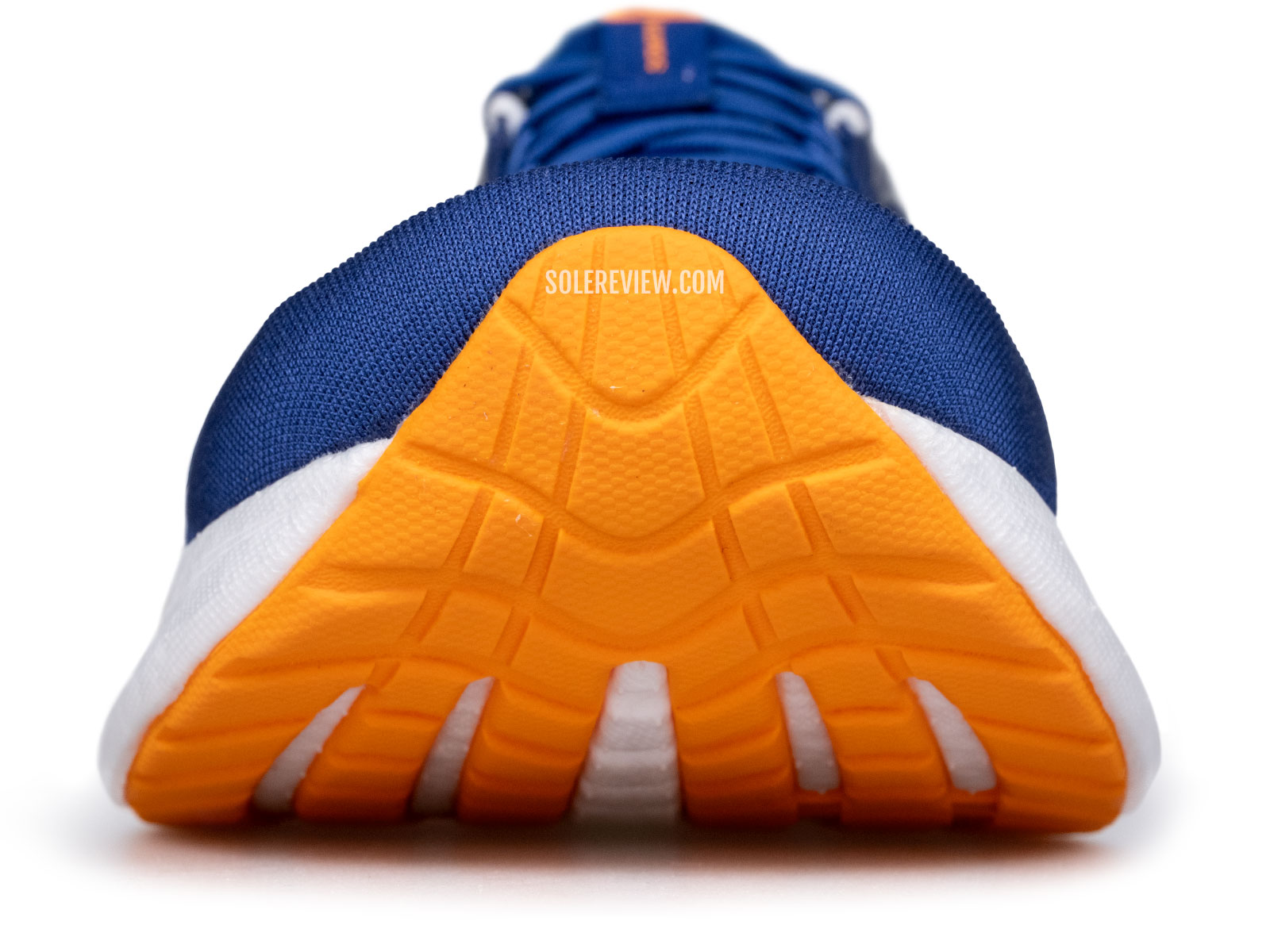
Rocker assist is unavailable on the Saucony Ride 18.
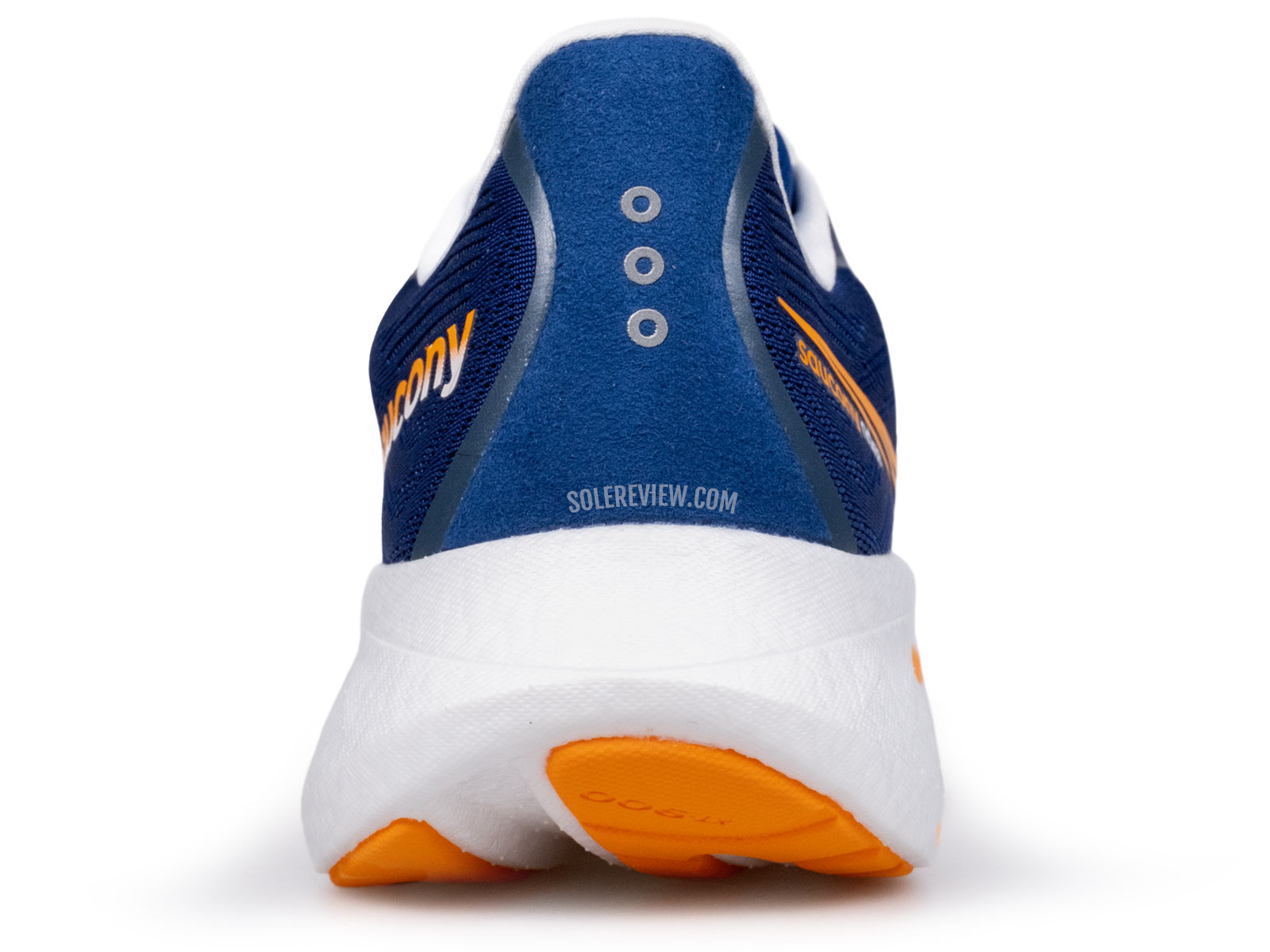
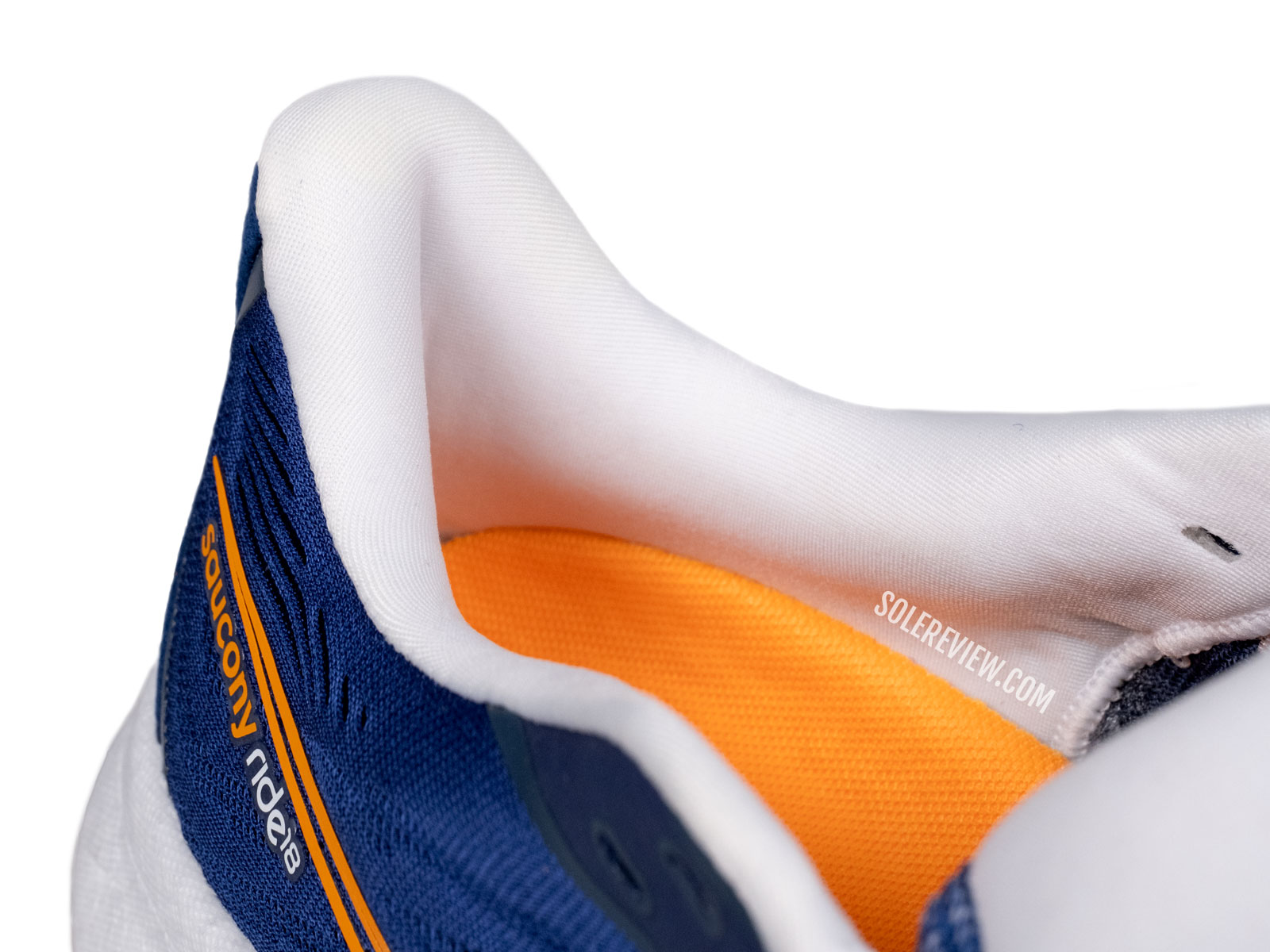
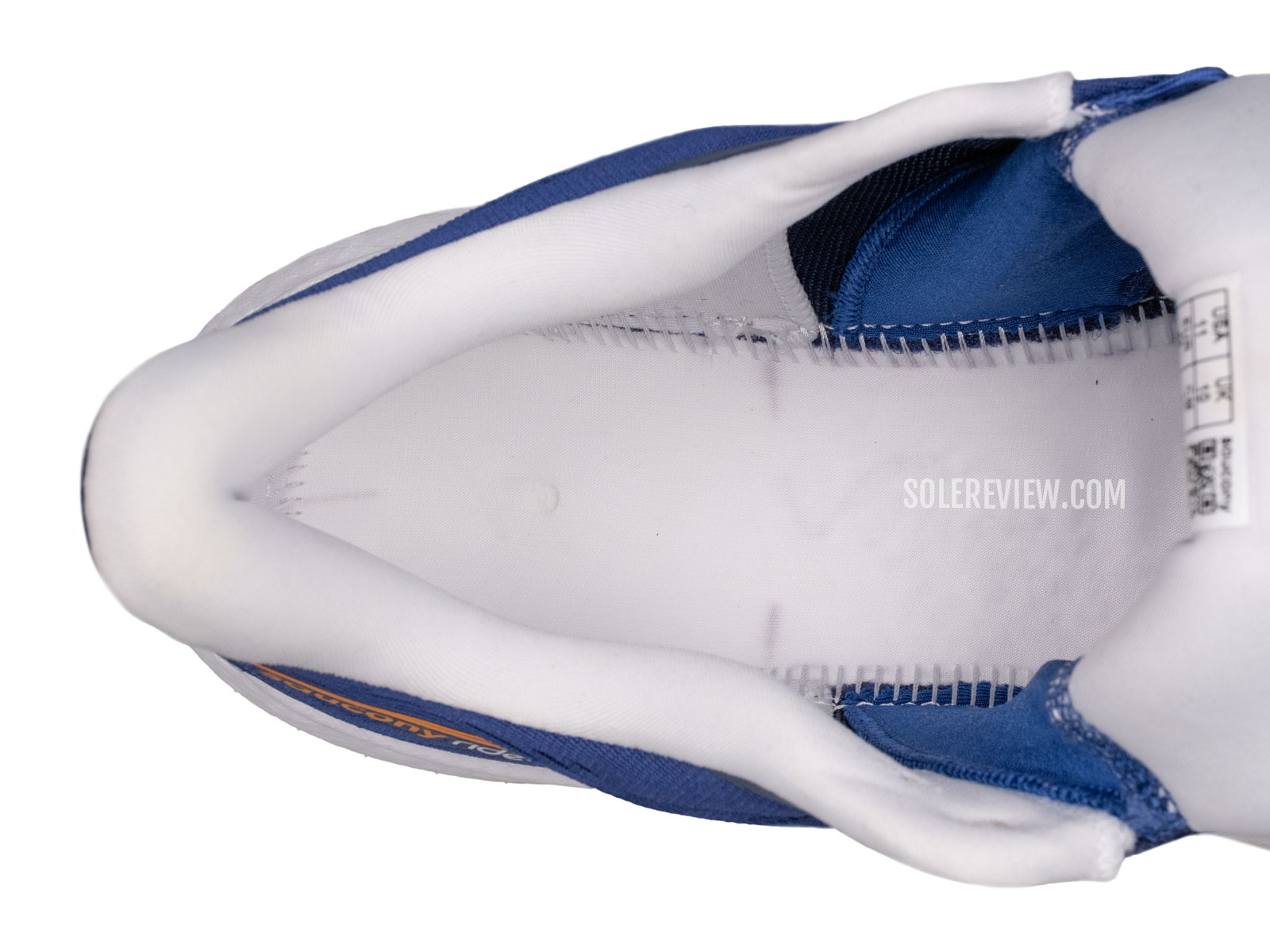
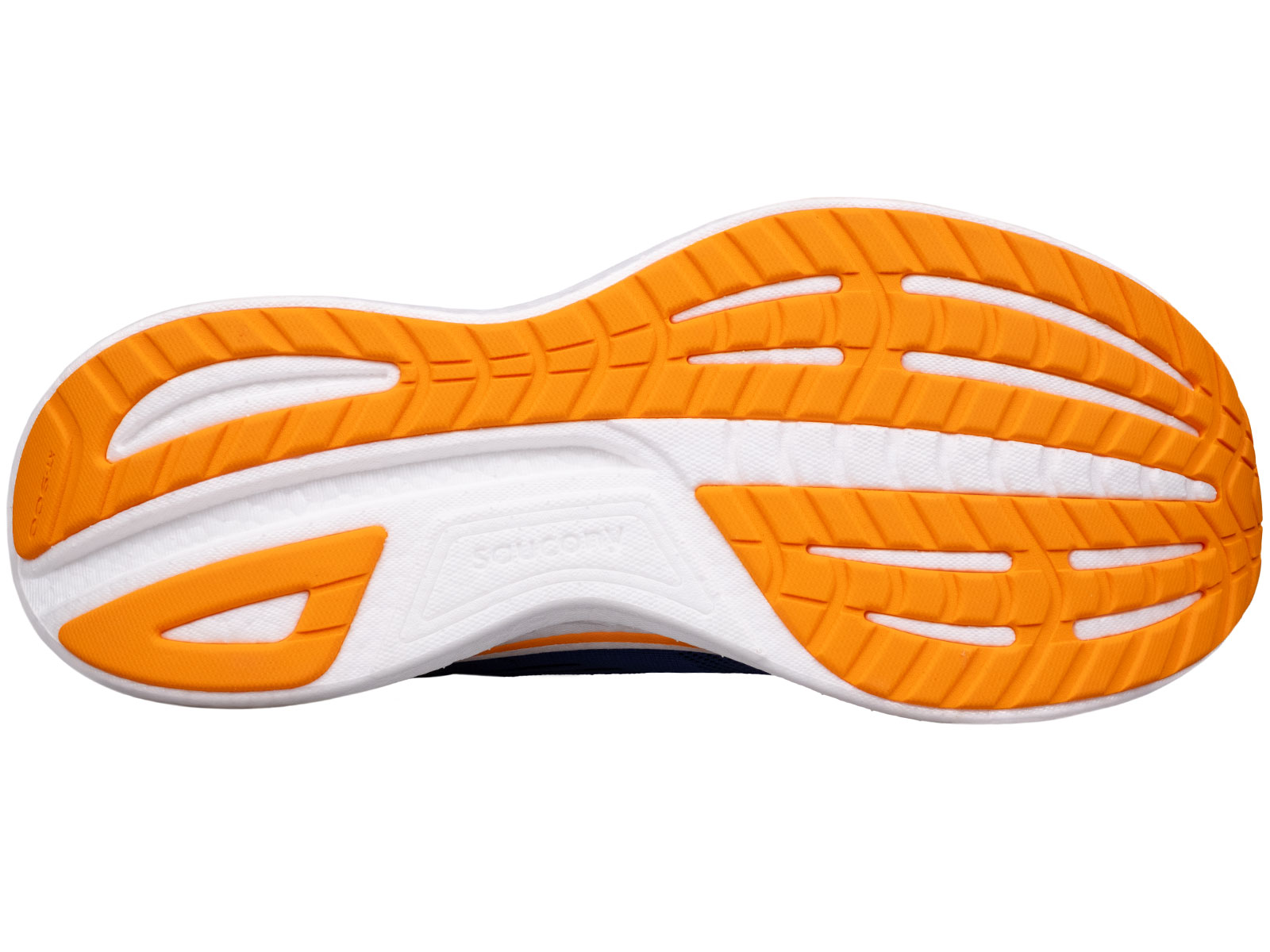
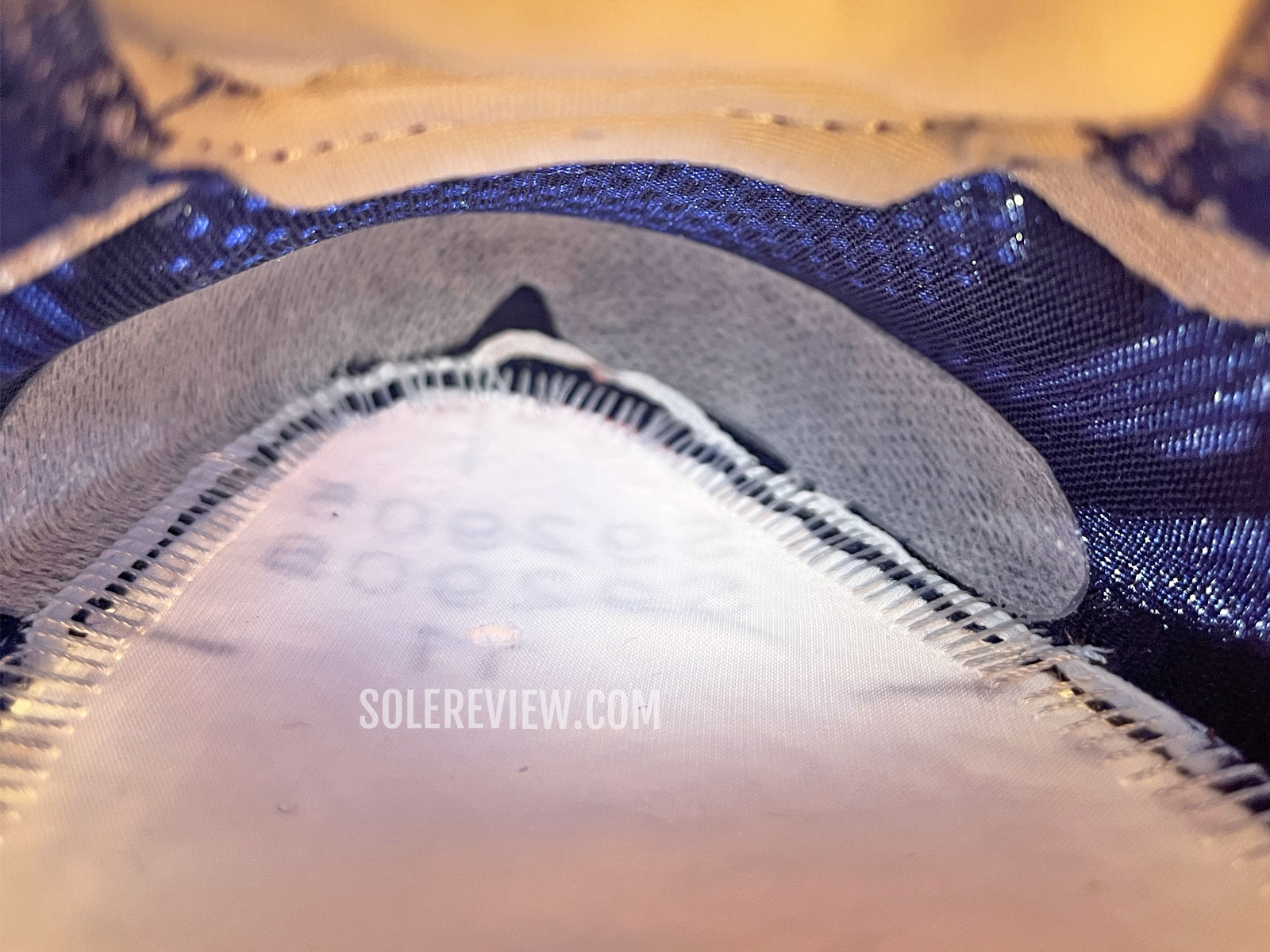
The outsole geometry also helps. Most of the rubber lugs are nearly flush with the midsole. That way, they don’t take direct hits from the footstrike and the transitions that follow. The lightweight upper has an inner sleeve for superior structural integrity. If you’re a current Ride 17 owner, you should know that the Ride 18 has softer and lighter cushioning. Also, the upper fits tighter because of the added heel and tongue padding.
Also consider: The Nike Pegasus 41.
- Saucony’s marketing pitch:Your perfect partner for every run.
- Upper: Engineered mesh, internal gusset.
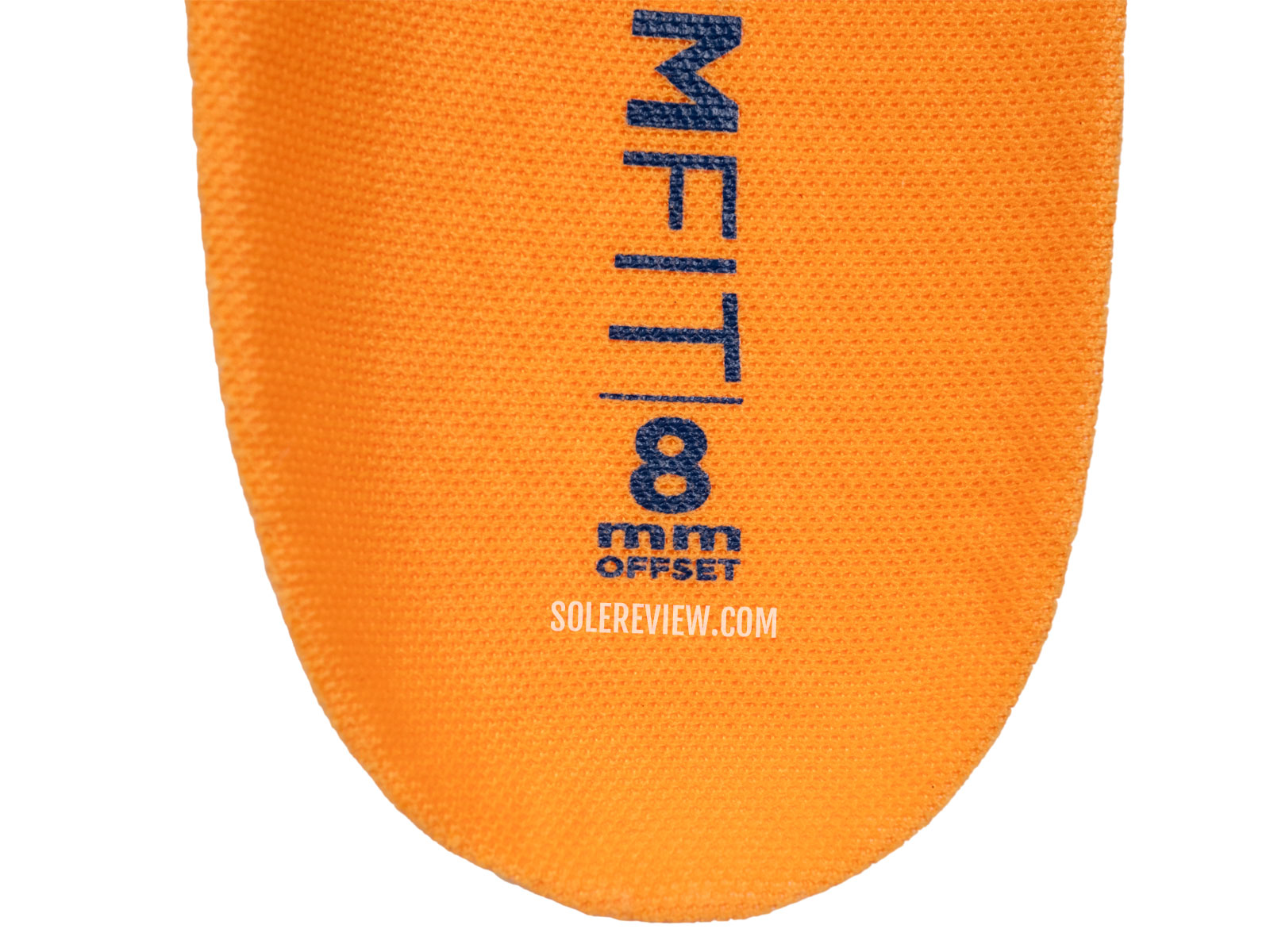
- Midsole: Expanded Polyurethane (Pwrrun+) foam. 8 mm heel drop.
- Outsole: Carbon rubber in high-wear areas.
- Weight: 259 gms/ 9.1 Oz for a half pair of Men’s US 9/UK 8/EUR 42.5/CM 27.
- Stack heights: 35 mm (heel), 27 mm (forefoot).
- Available widths: D – regular (reviewed), 2E – Wide.
- Previous model: Saucony Ride 17.
- Country of origin: Vietnam.
- Recommended use: Daily training, tempo runs, half-marathons.
- Footstrike orientation: Heel, midfoot/forefoot (full contact).
- Recommended paces: 4:30 min/km (7:30 min/mile) and slower.
- Median lifespan: 500 miles.
- Recommended temperature range: Warmer than -5° C/23° F.
Pros
- Just-right upper fit
- Neutral and supportive ride
- Smooth cushioning
- Versatile ride character
- Optional widths
- Comfortable interiors
Cons
- Sizing consistency versus the Ride 17
- Low reflectivity
There’s nothing quite like the Brooks Glycerin Max. It has a dual-density midsole, but not the kind everyone is familiar with.Two separate densities of supercritical foam are co-molded together. The outer casing (in white) is made of bigger ‘bubbles’ to make it softer. The part in blue has a denser molding for firmness. The forefoot has most of the blue stuff, so it’s firmer than the heel. The (firmer) forefoot is also stiff and rocker-shaped. Both complement each other perfectly – the stiff forefoot makes the rocker more effective. While the Glycerin Max is not a quick shoe, the rocker makes this ultra-cushioned trainer surprisingly agile.
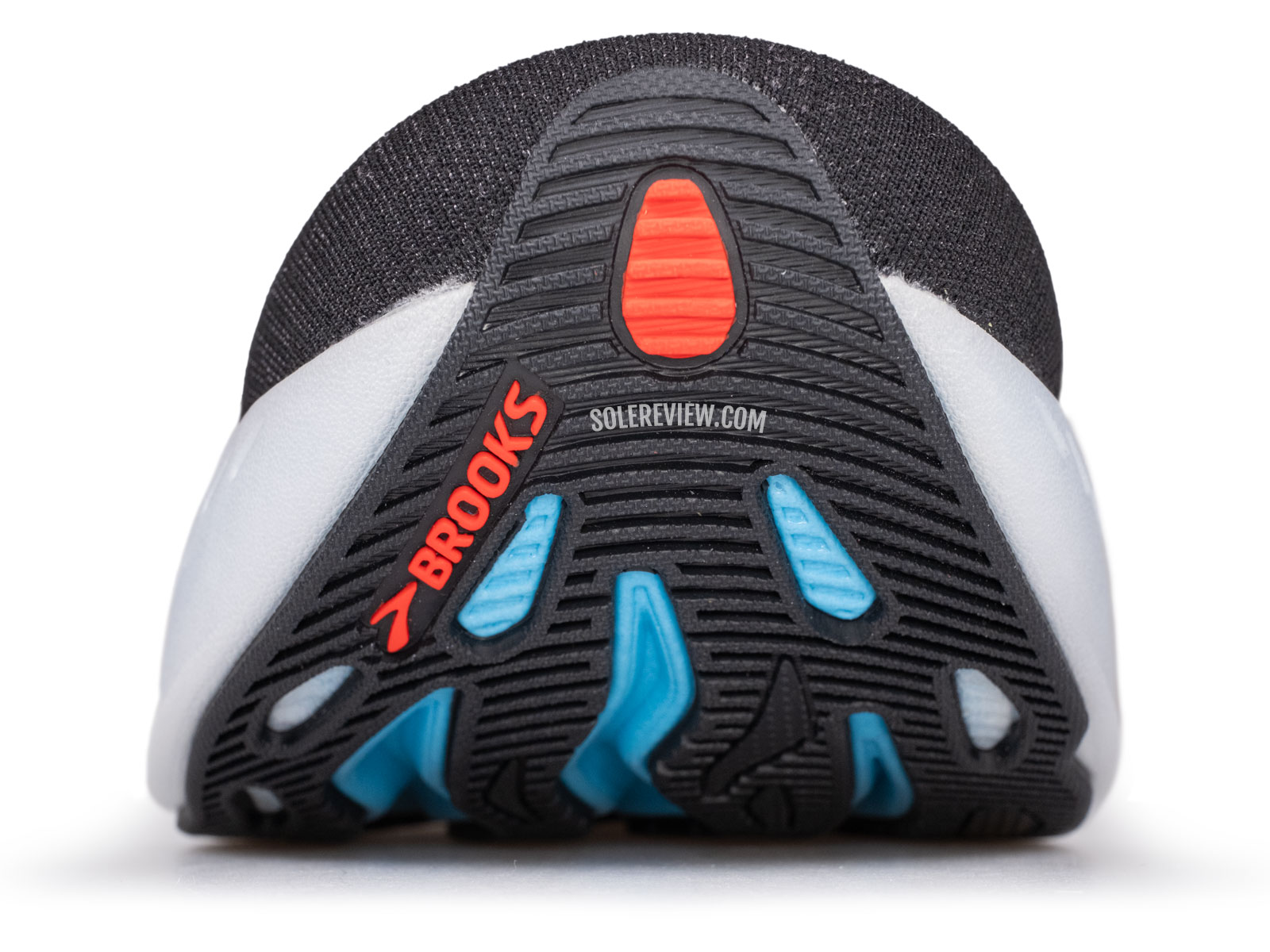
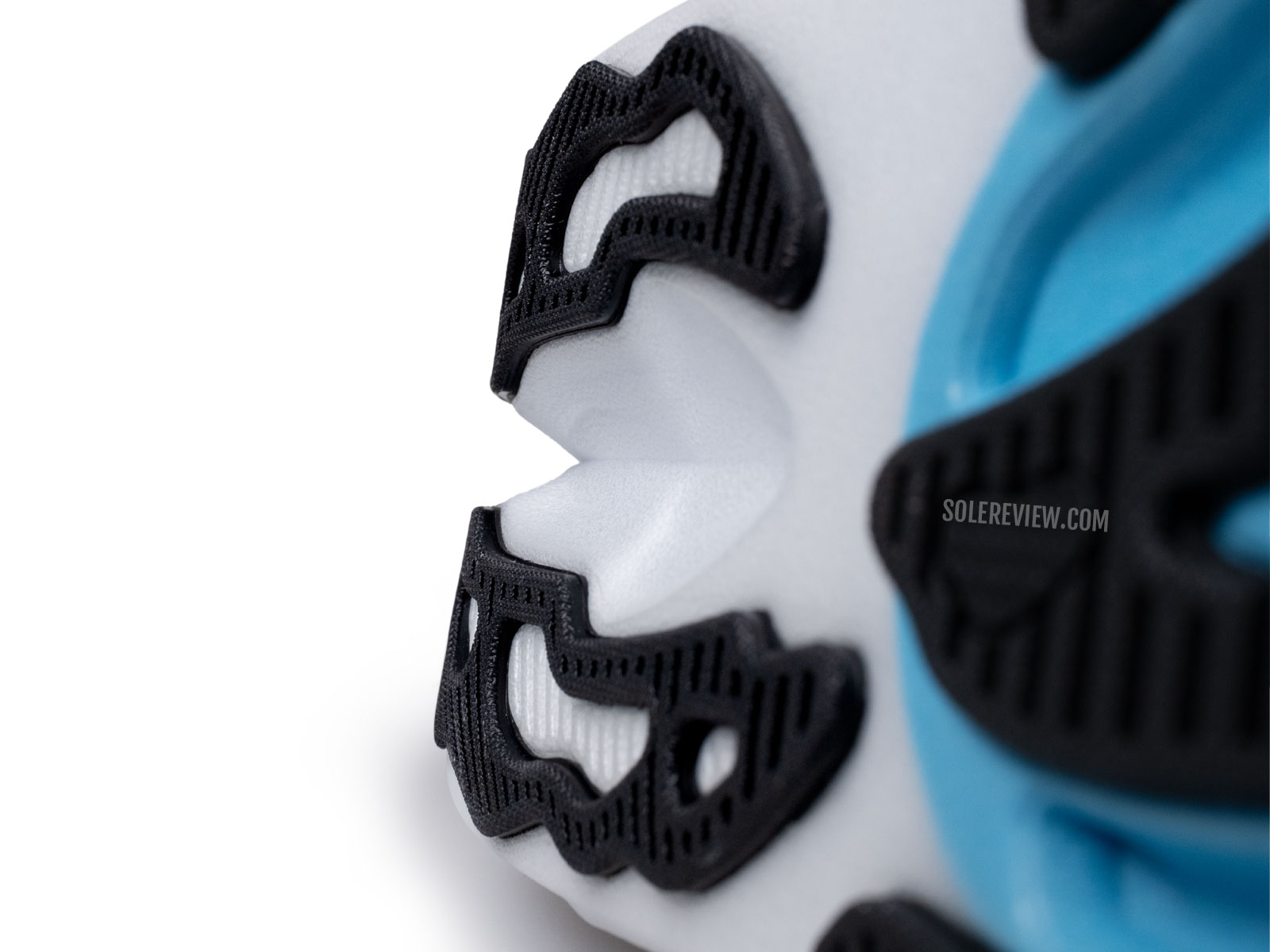
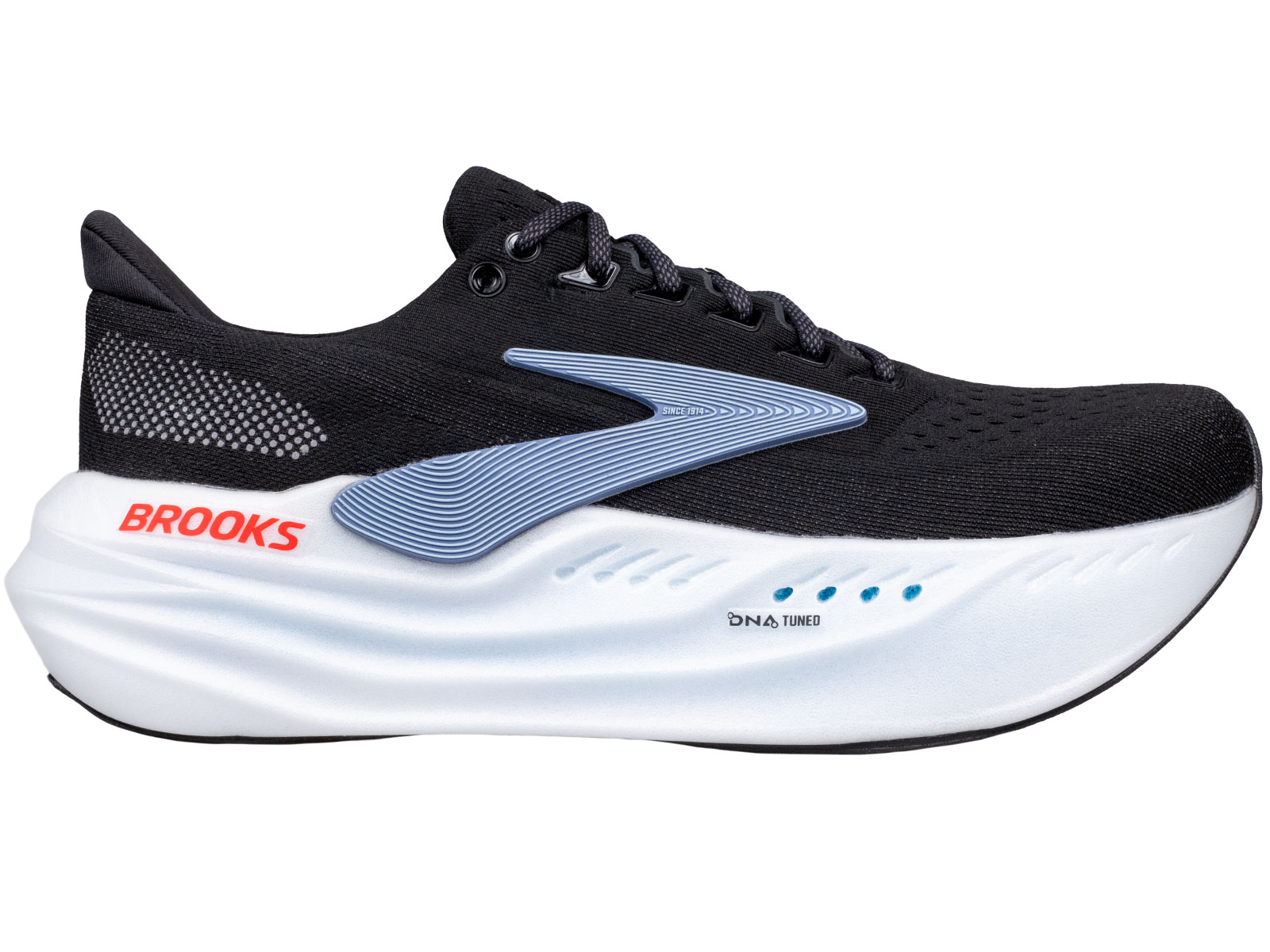
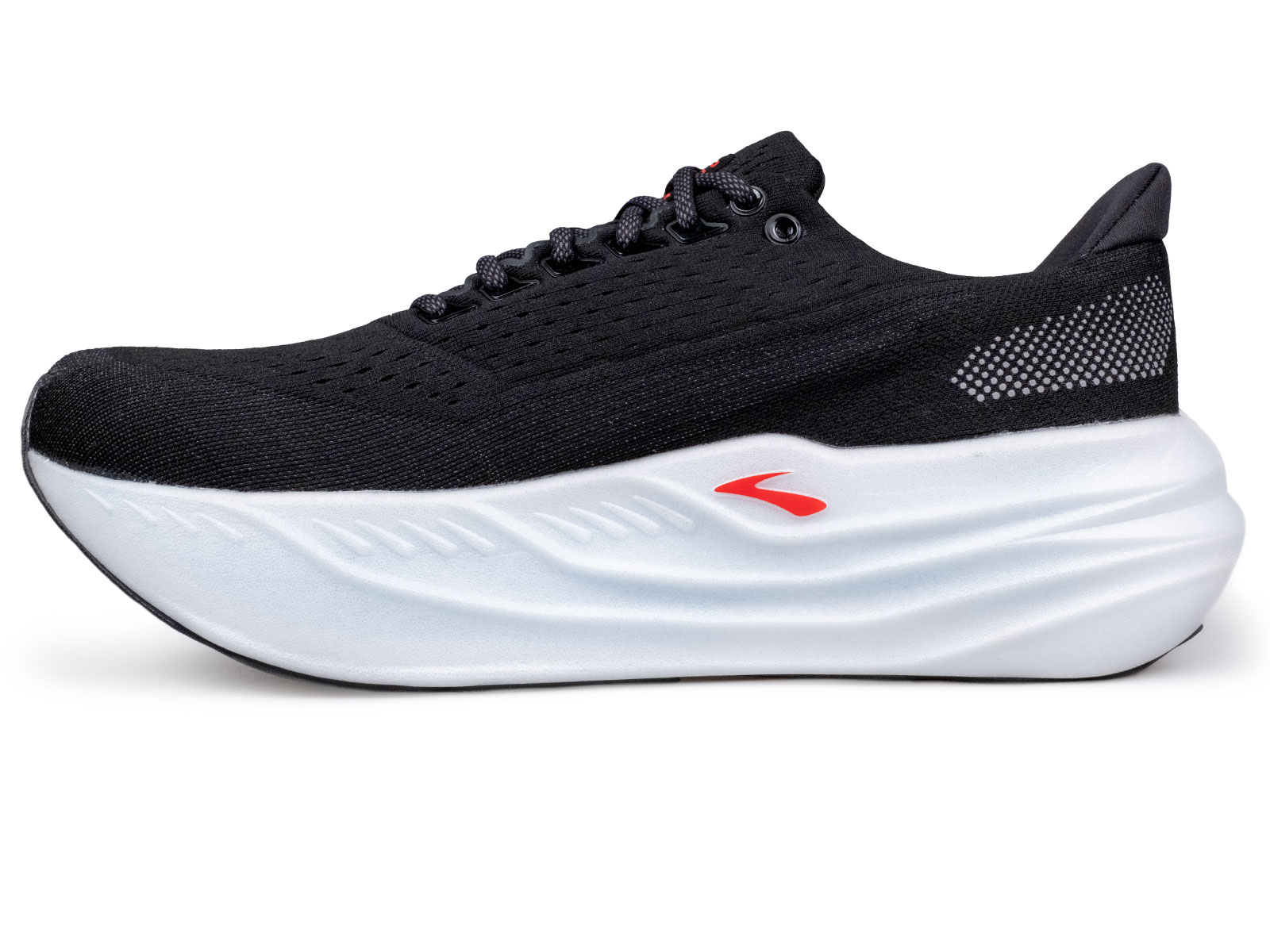
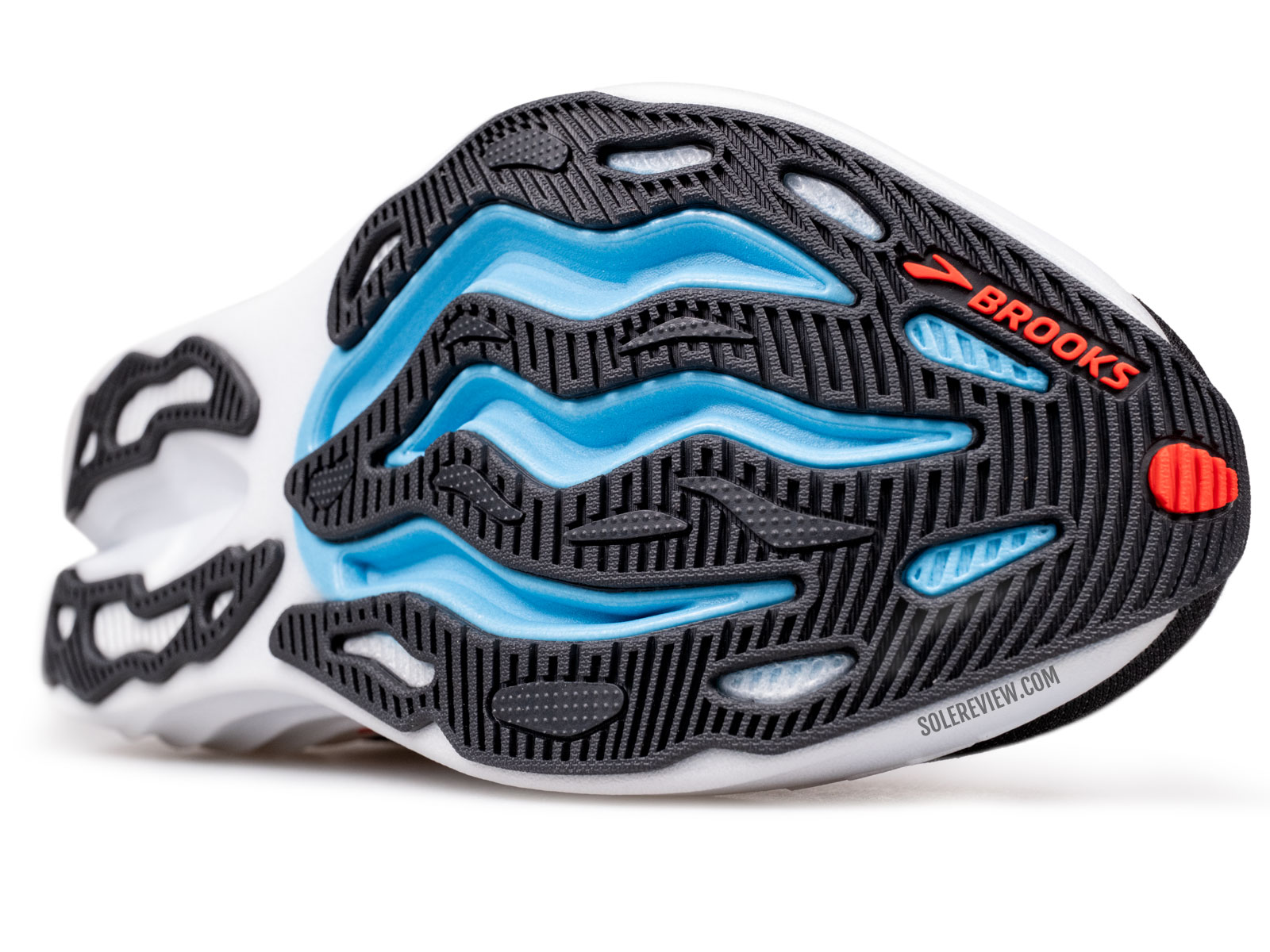
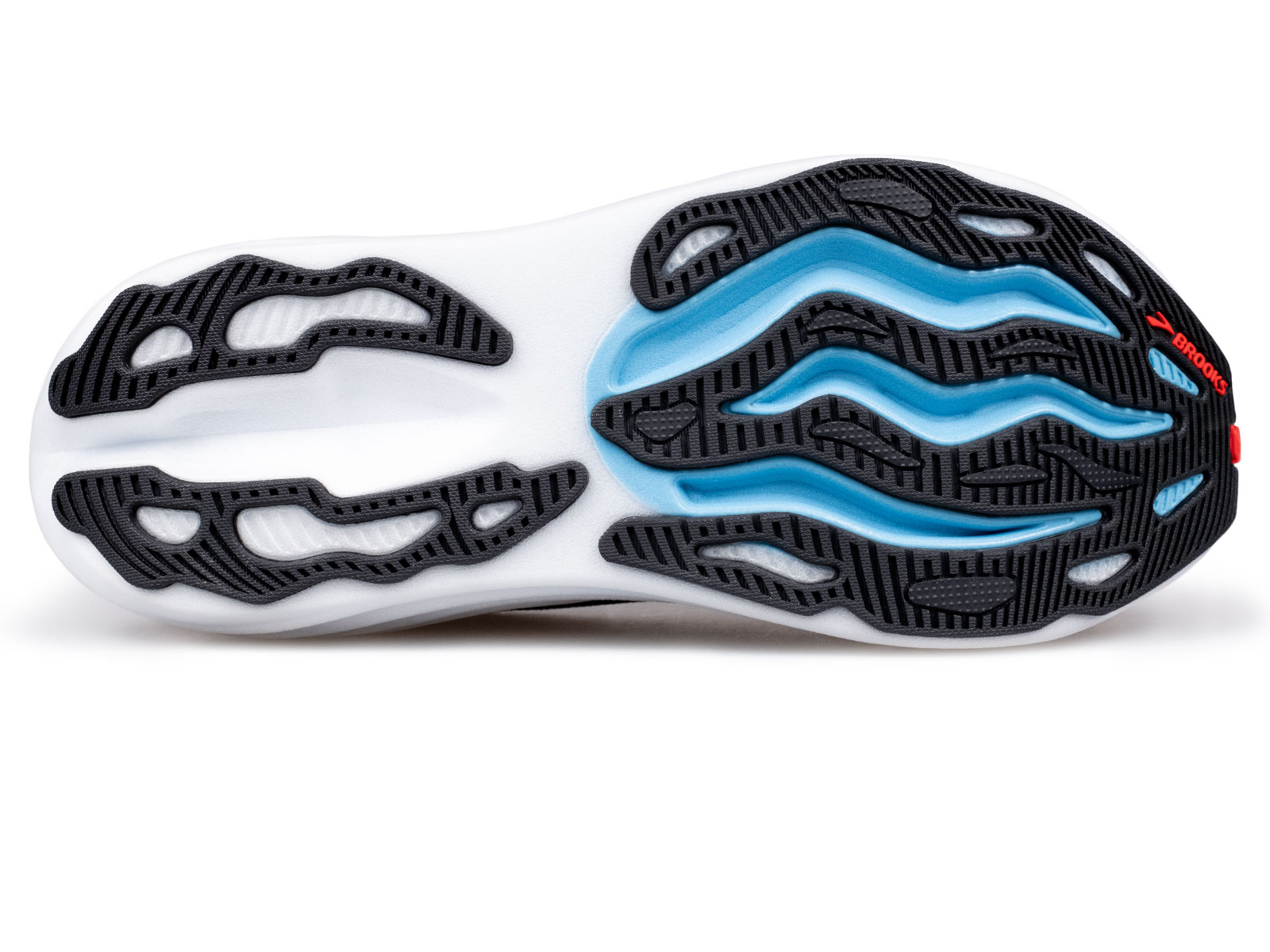
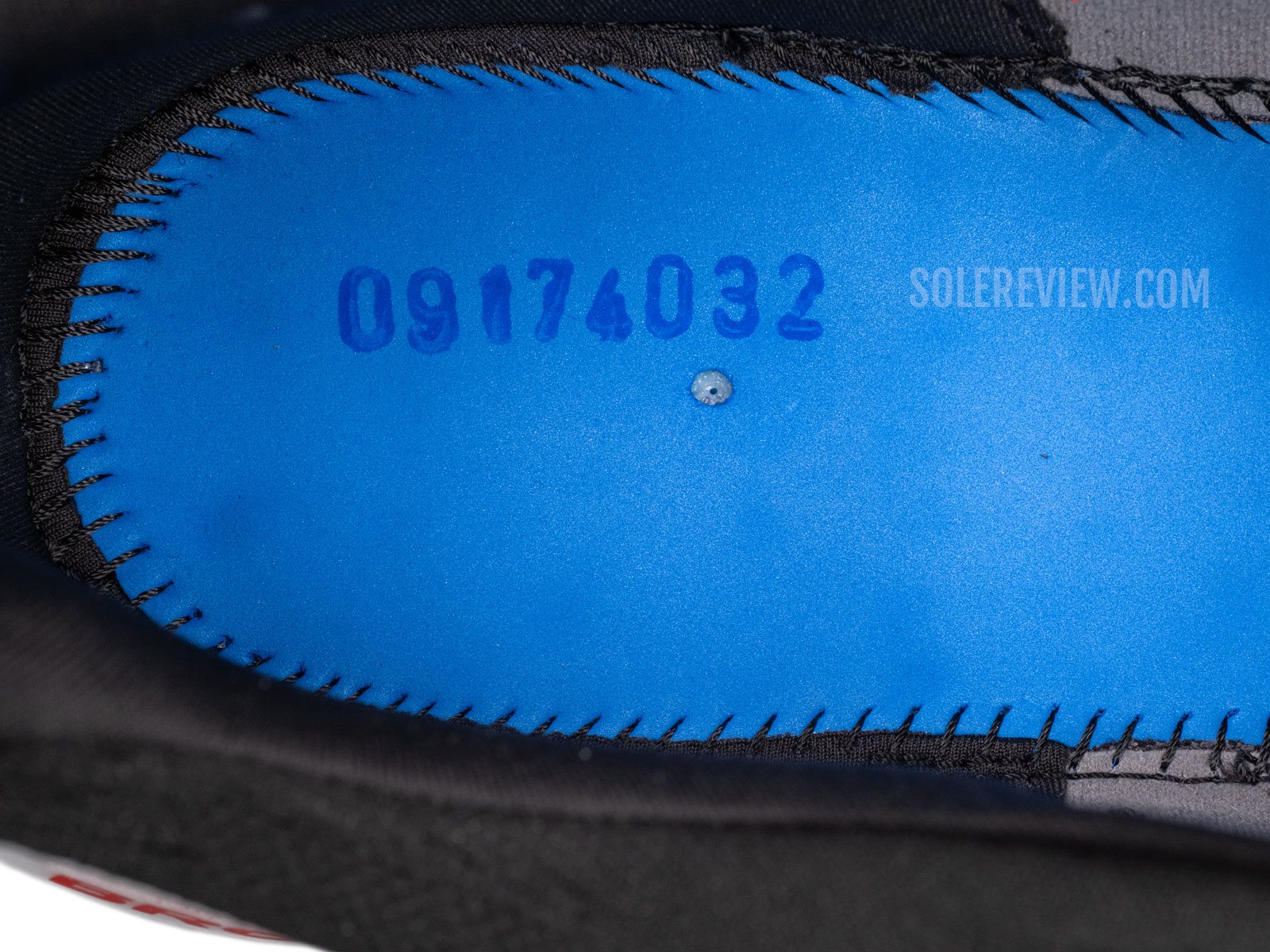
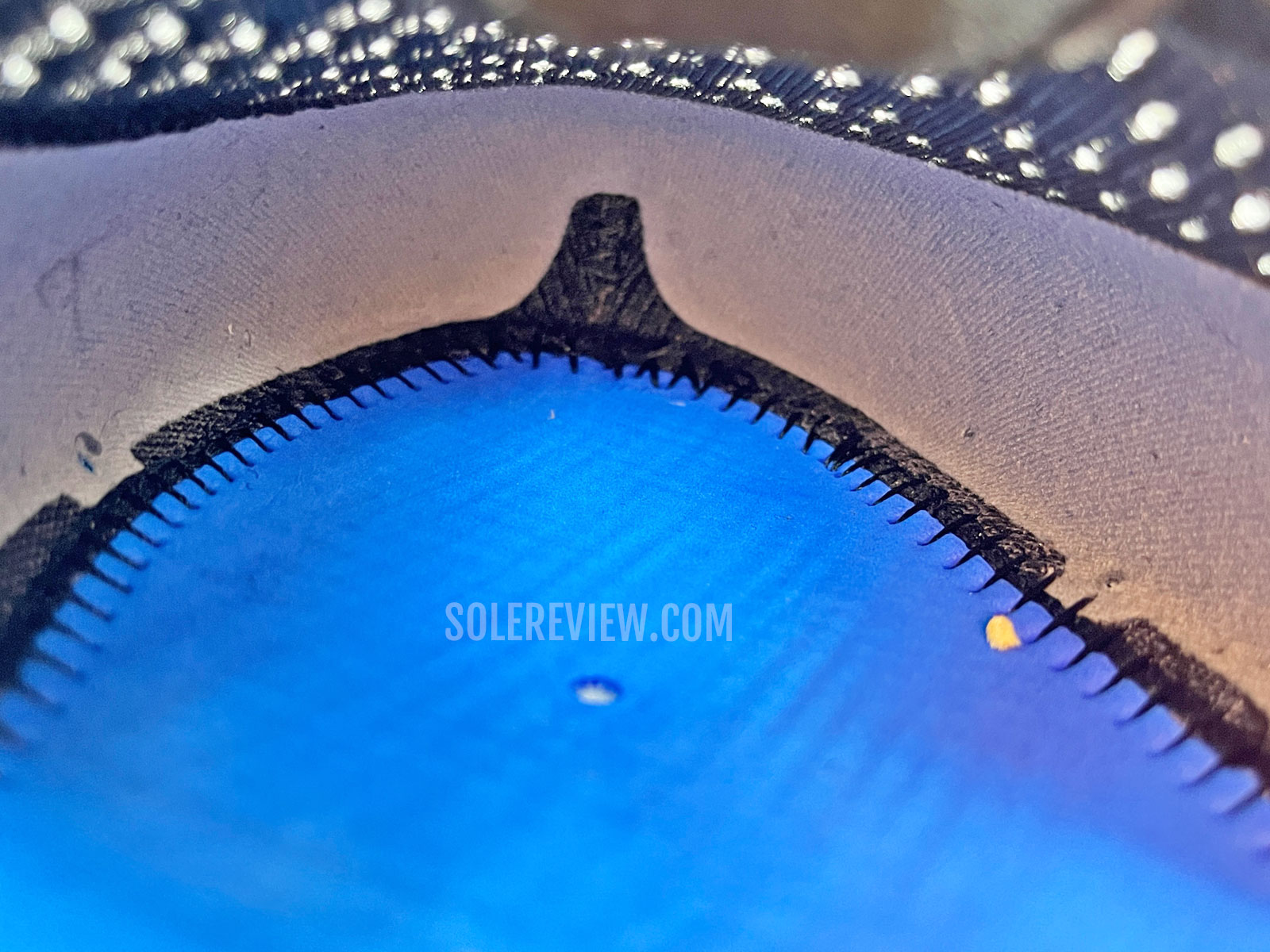
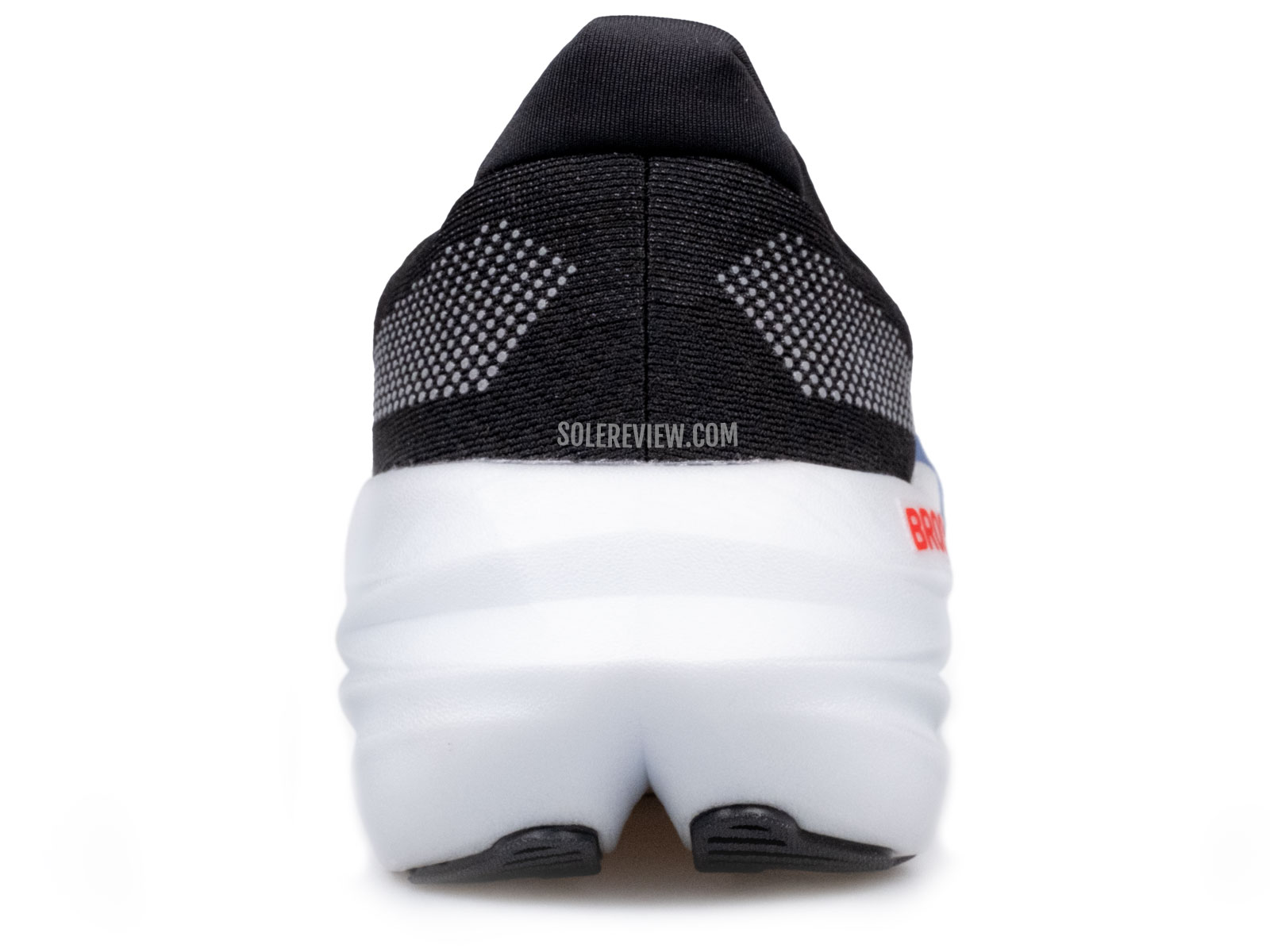
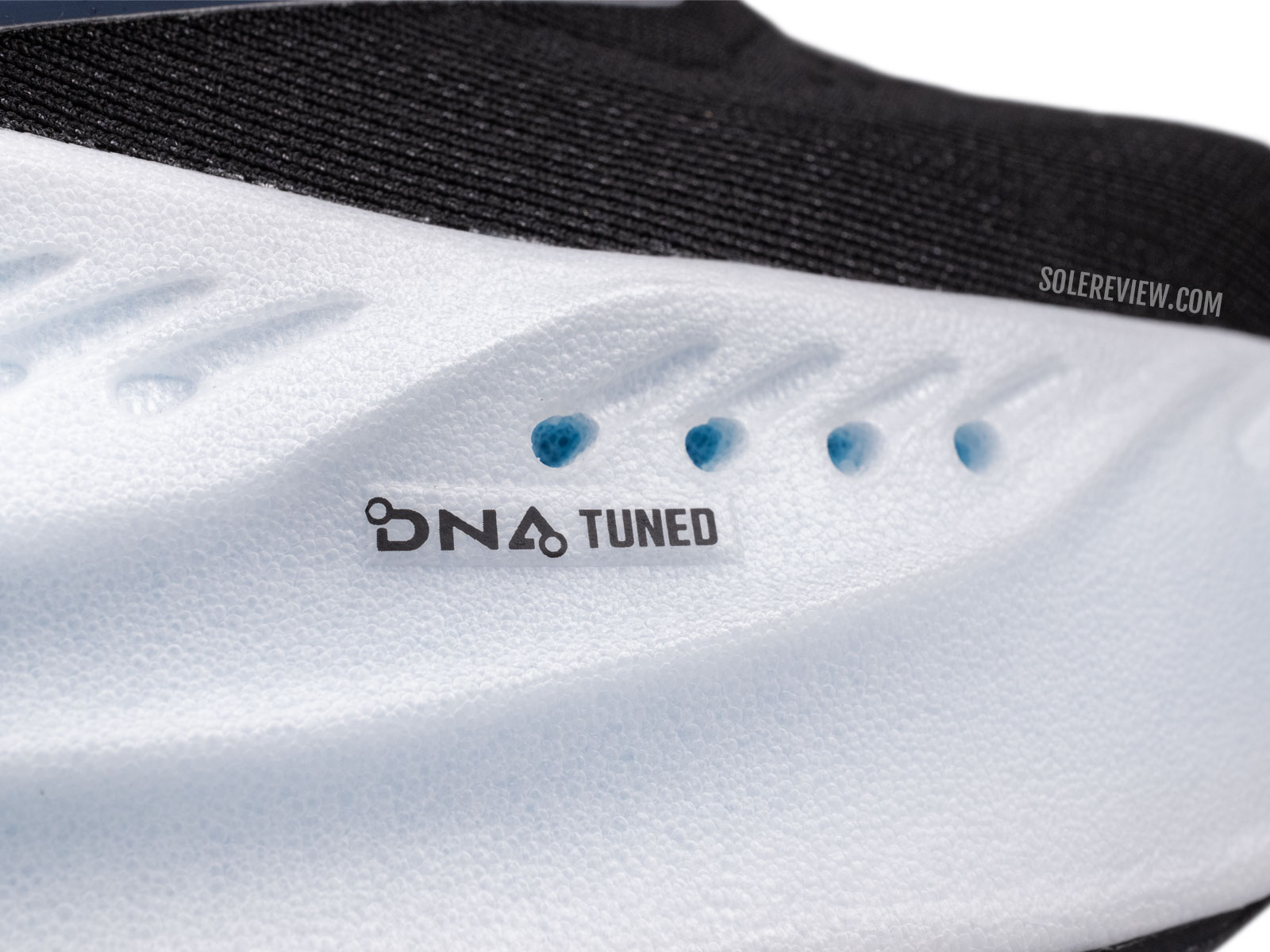
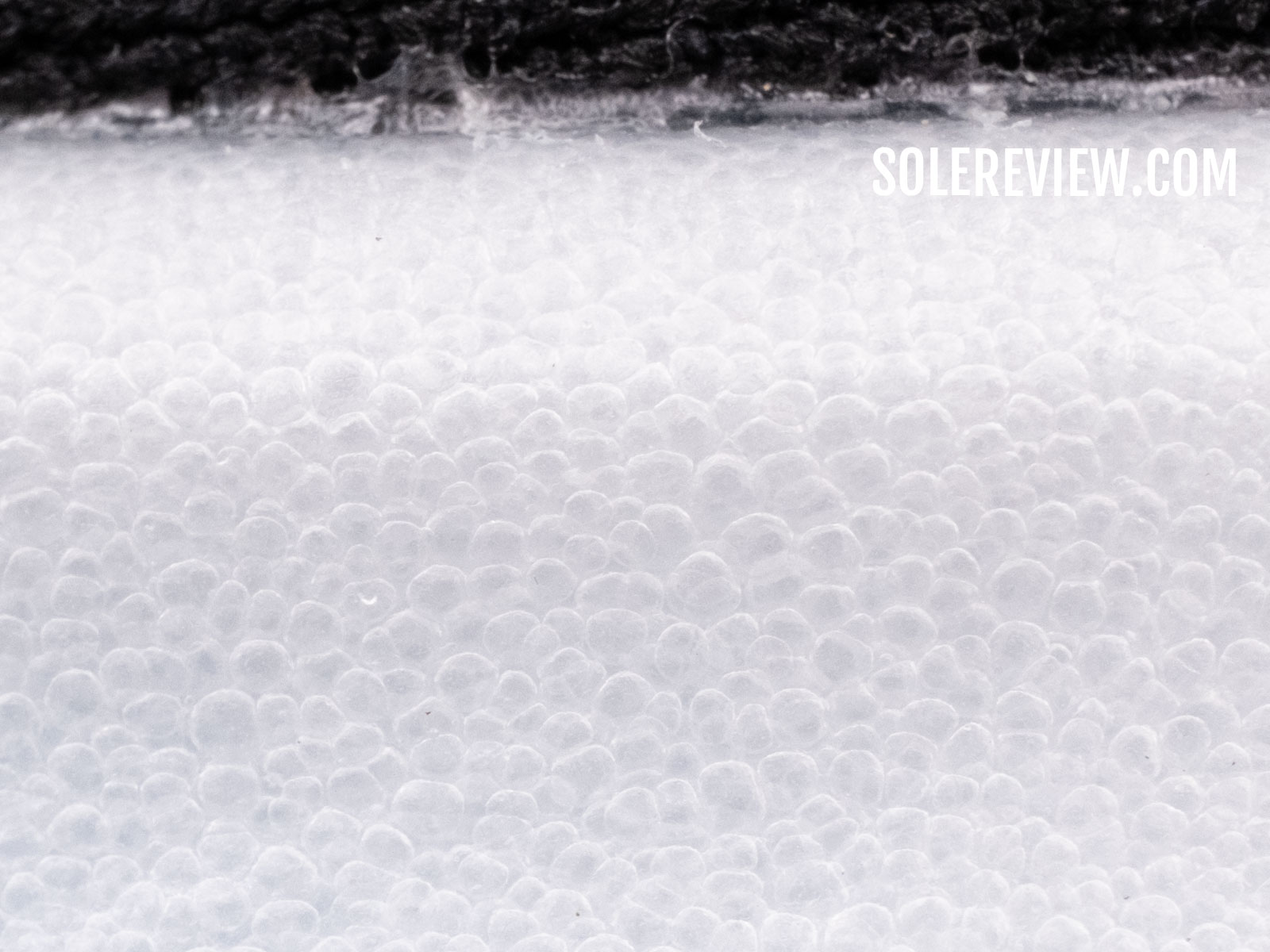
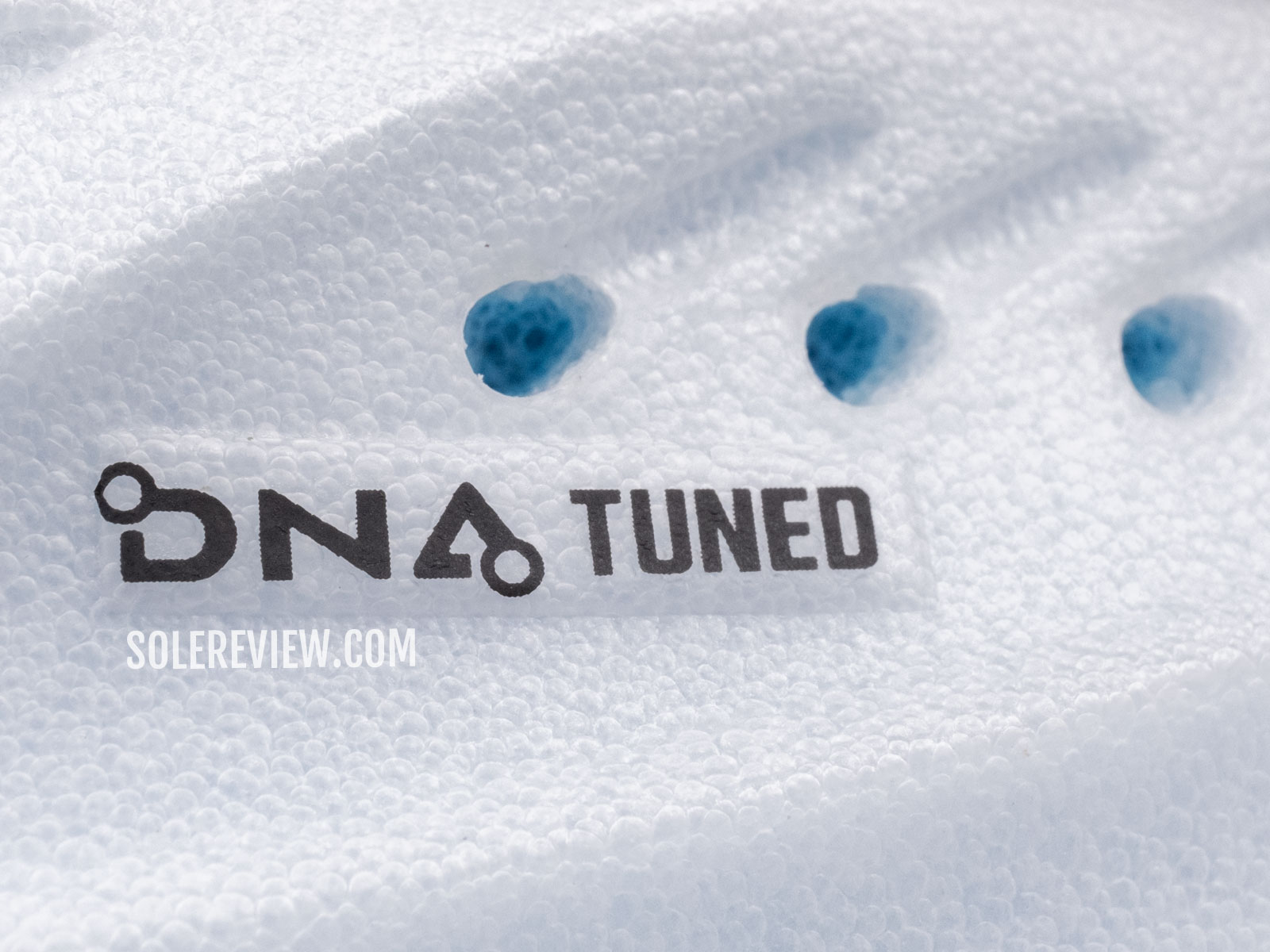
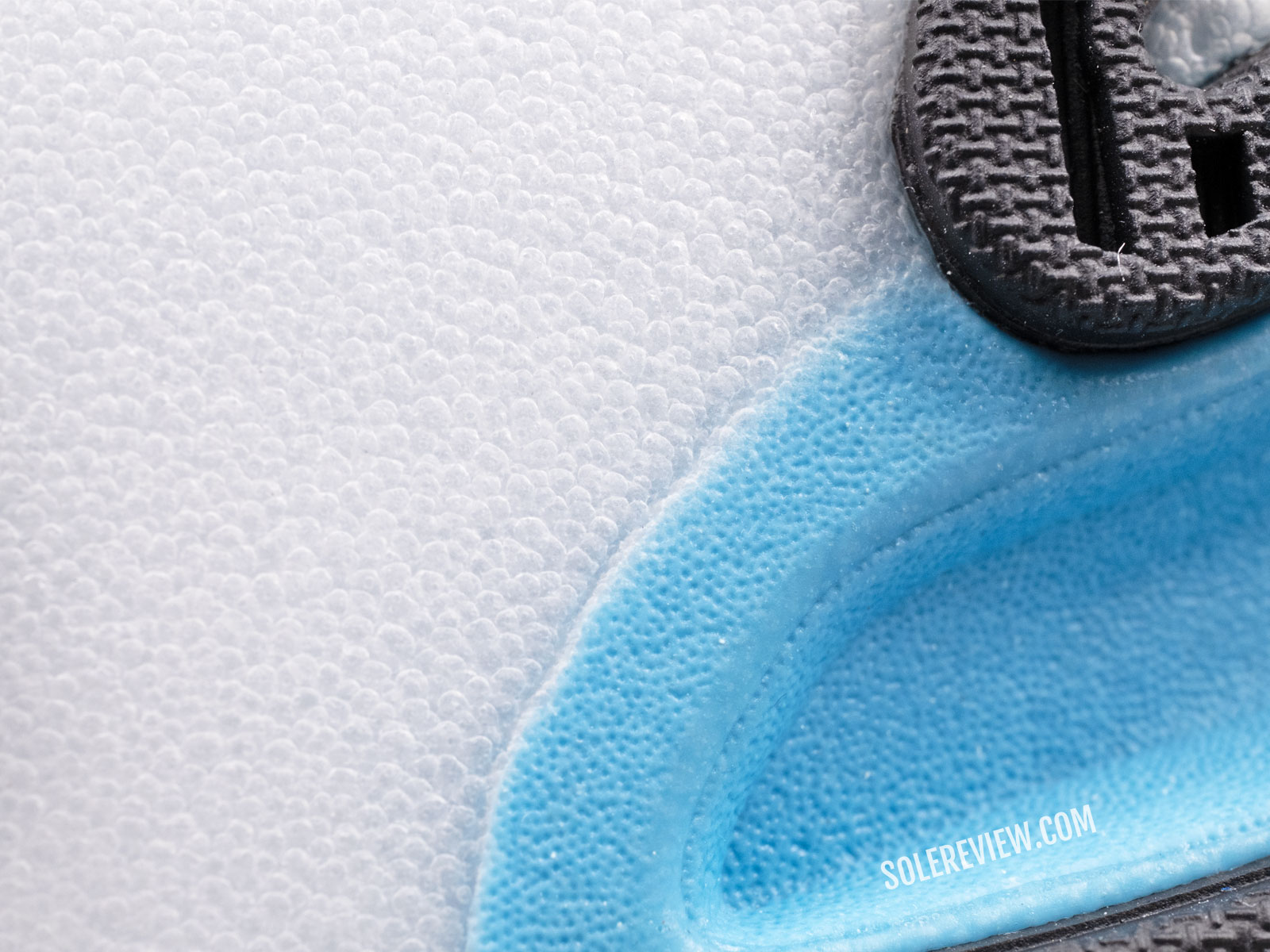
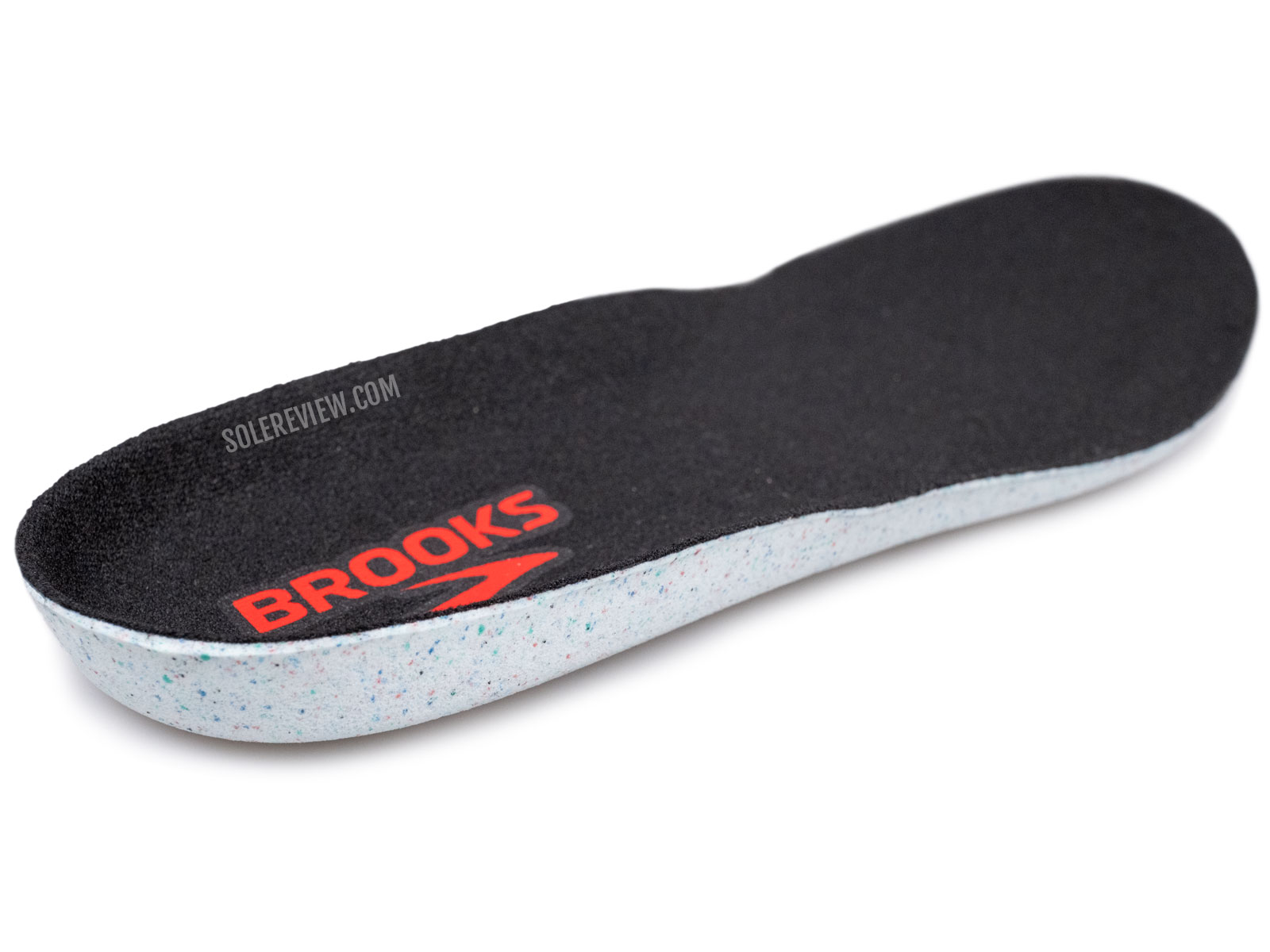

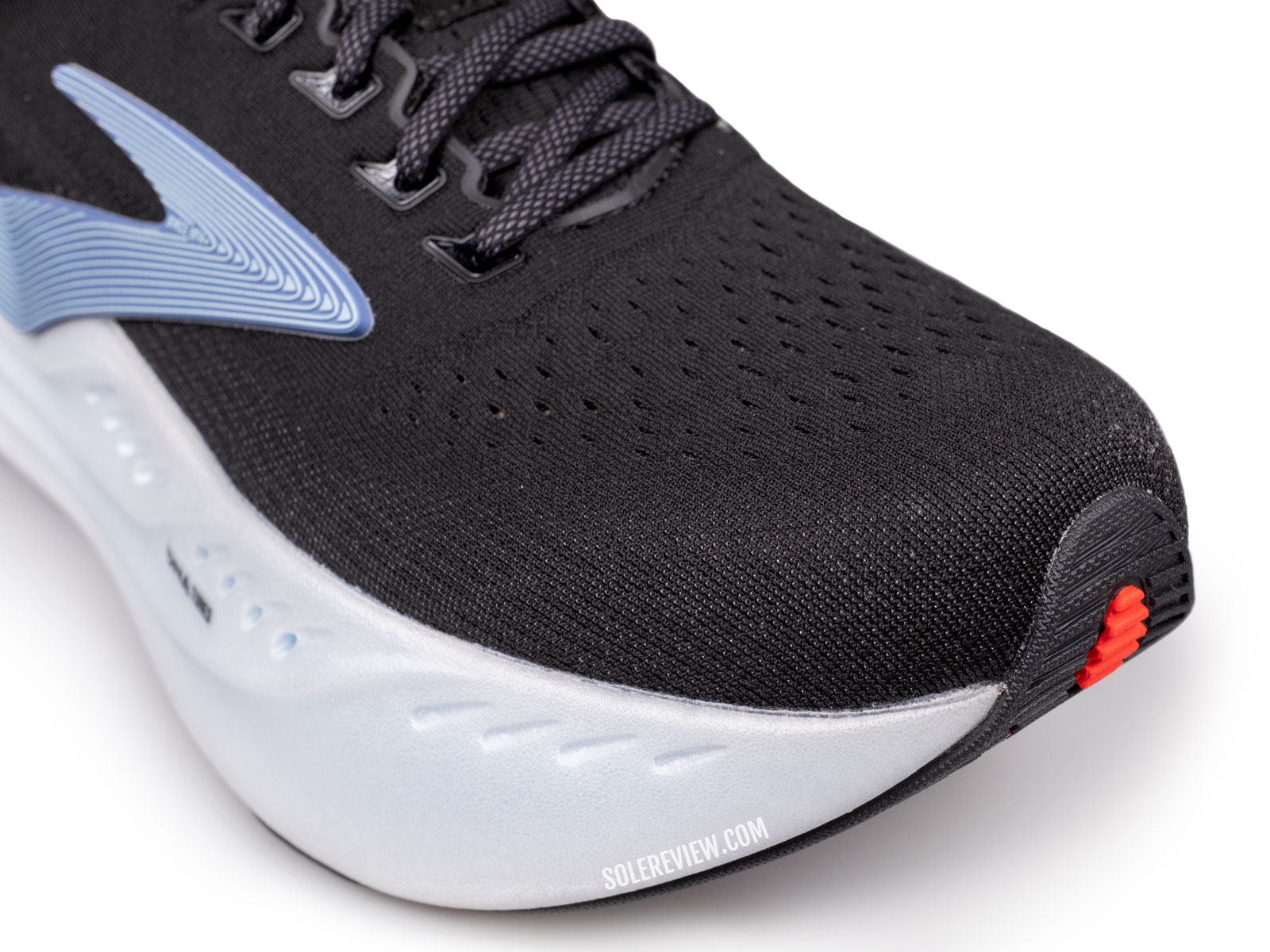
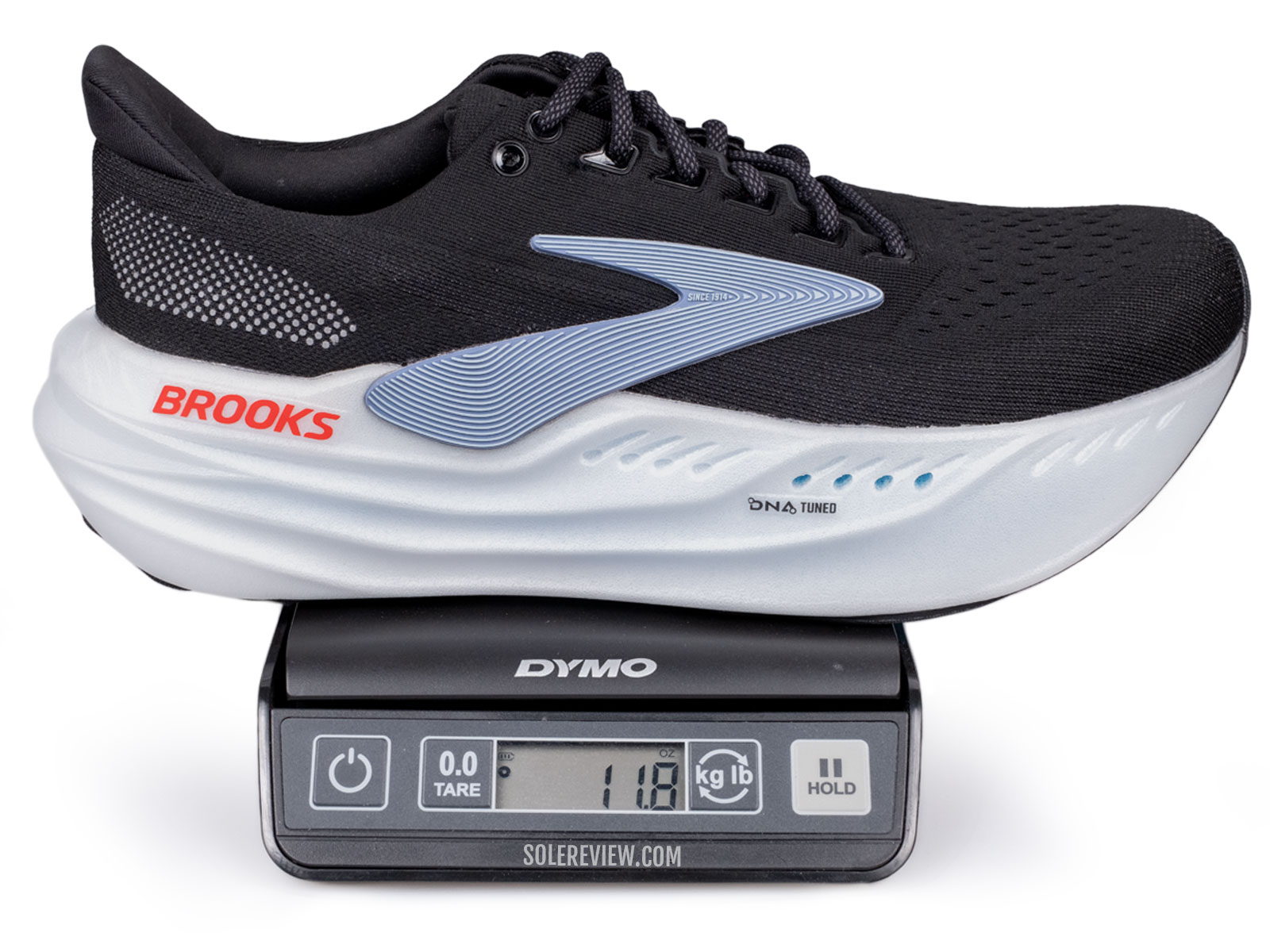
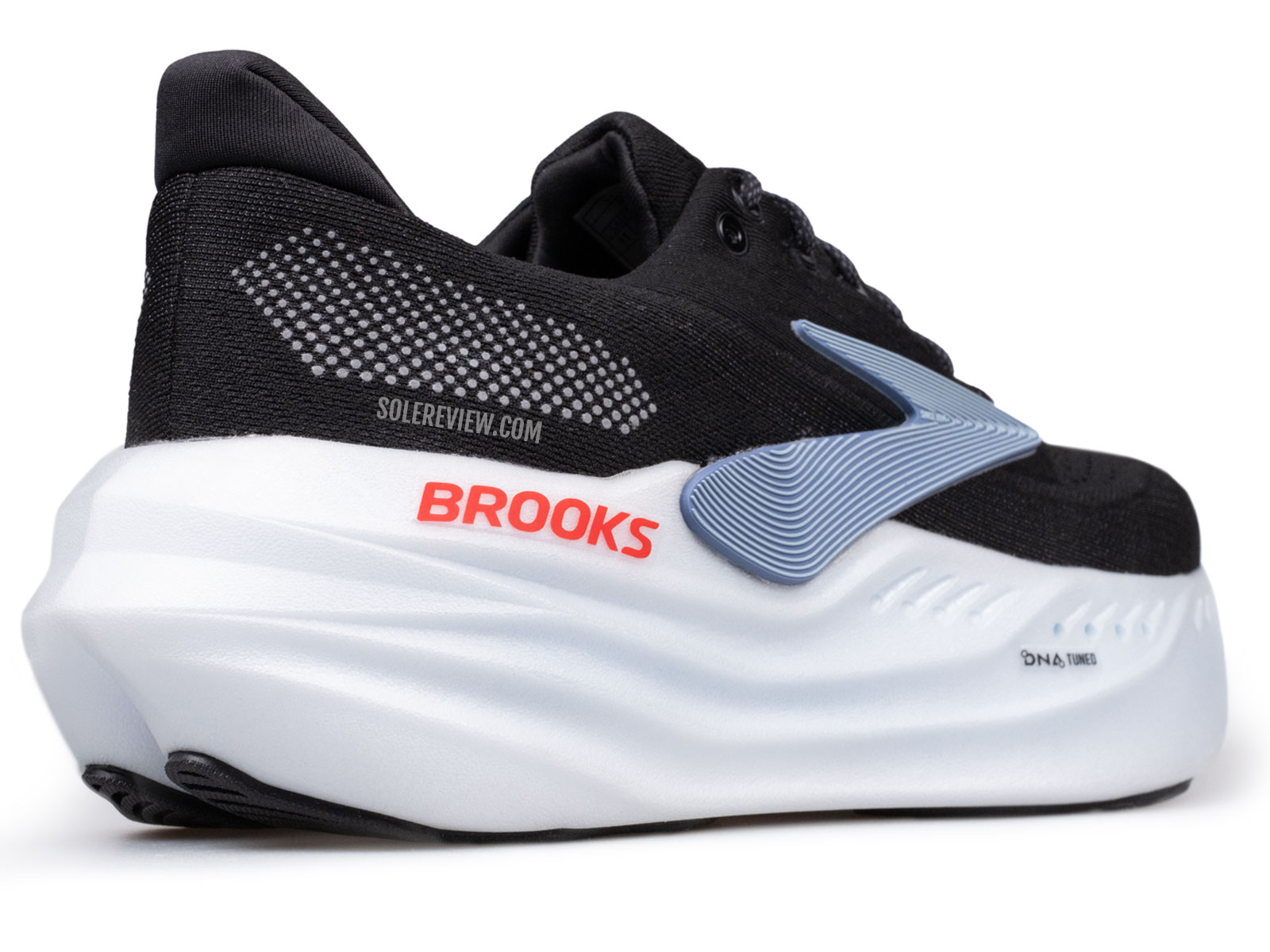
Stack heights of 47 mm and 41 mm are unheard of in a running shoe, but here we are. The softer heel makes the landings comfortable for heel strikers and offers decent stability – as long as you aren’t carving corners or running on uneven terrain. This shoe works for long runs and everyday training at speeds slower than 5 min/km (8 min/mile). The thick rubber outsole and dense supercritical foam (DNA Tuned) are hard-wearing, so you’ll get many miles of this shoe.
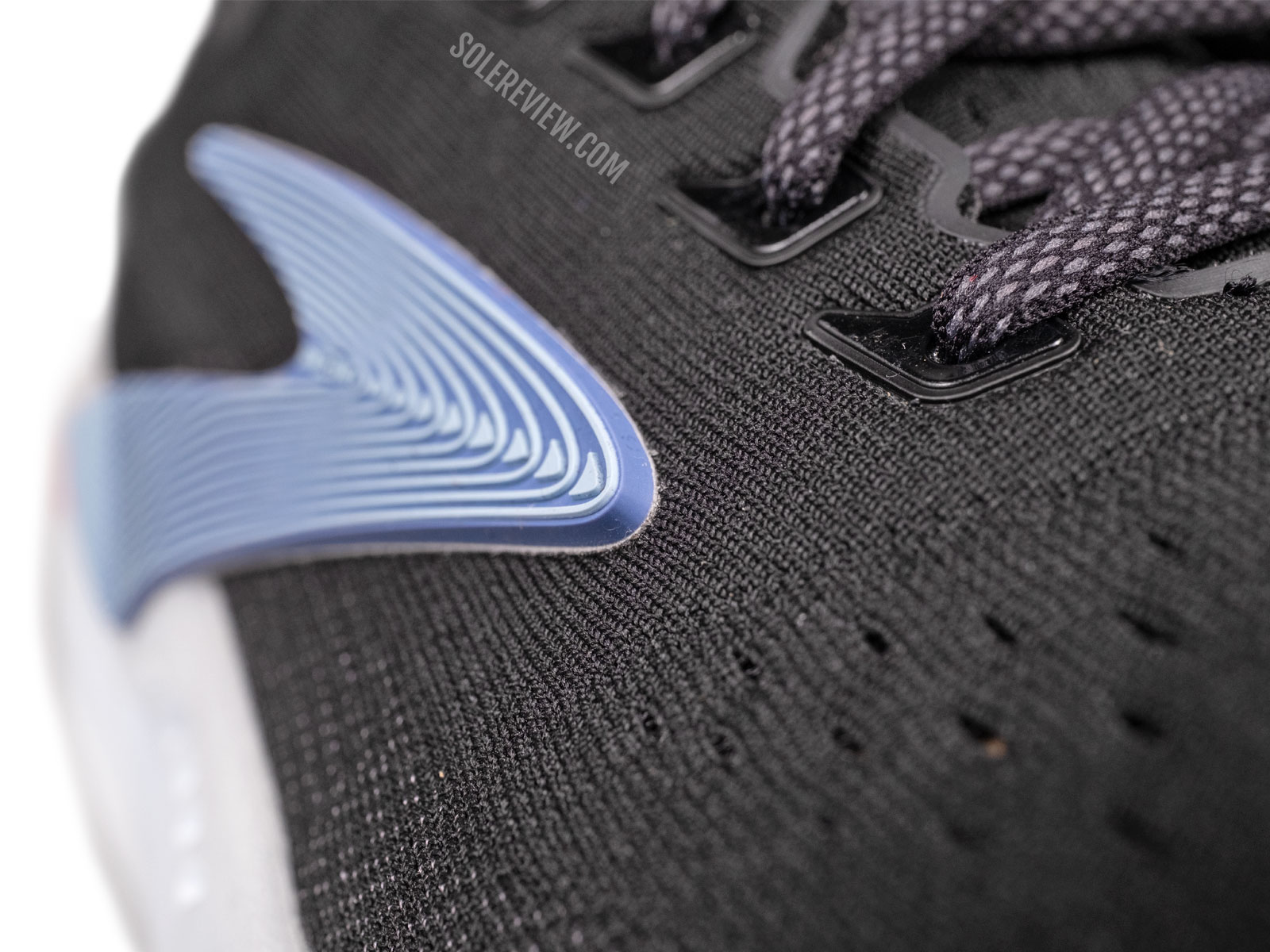
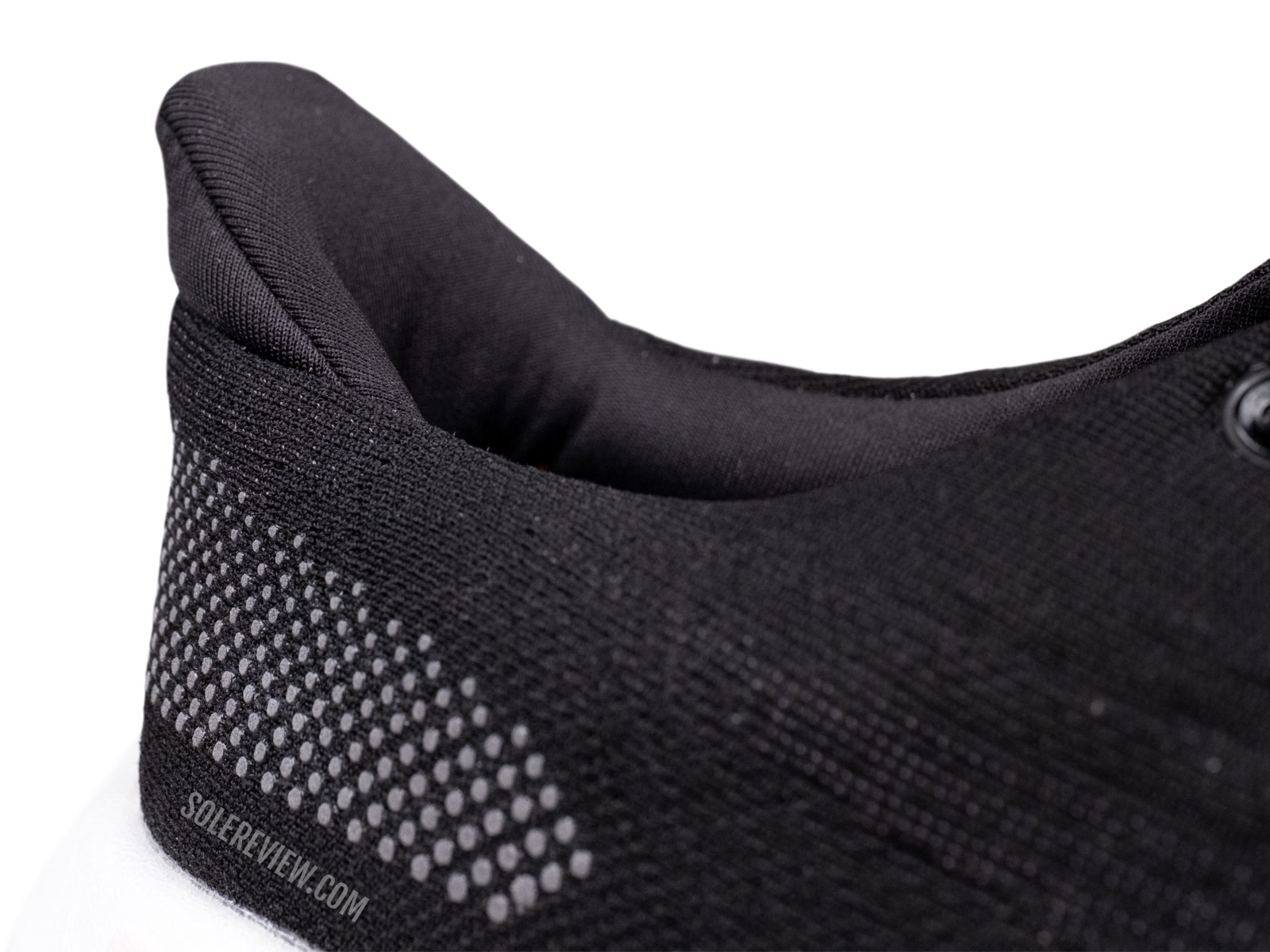
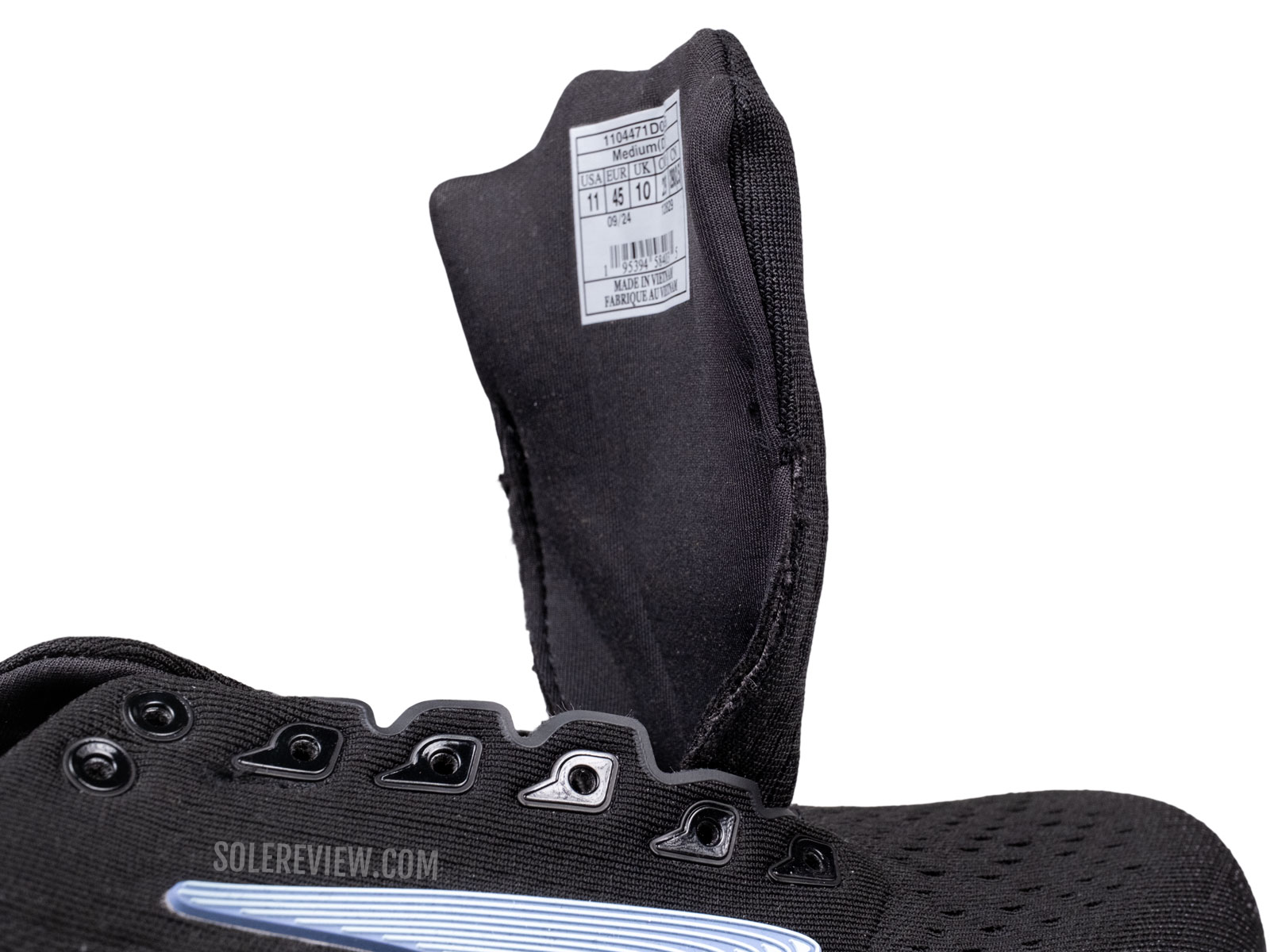
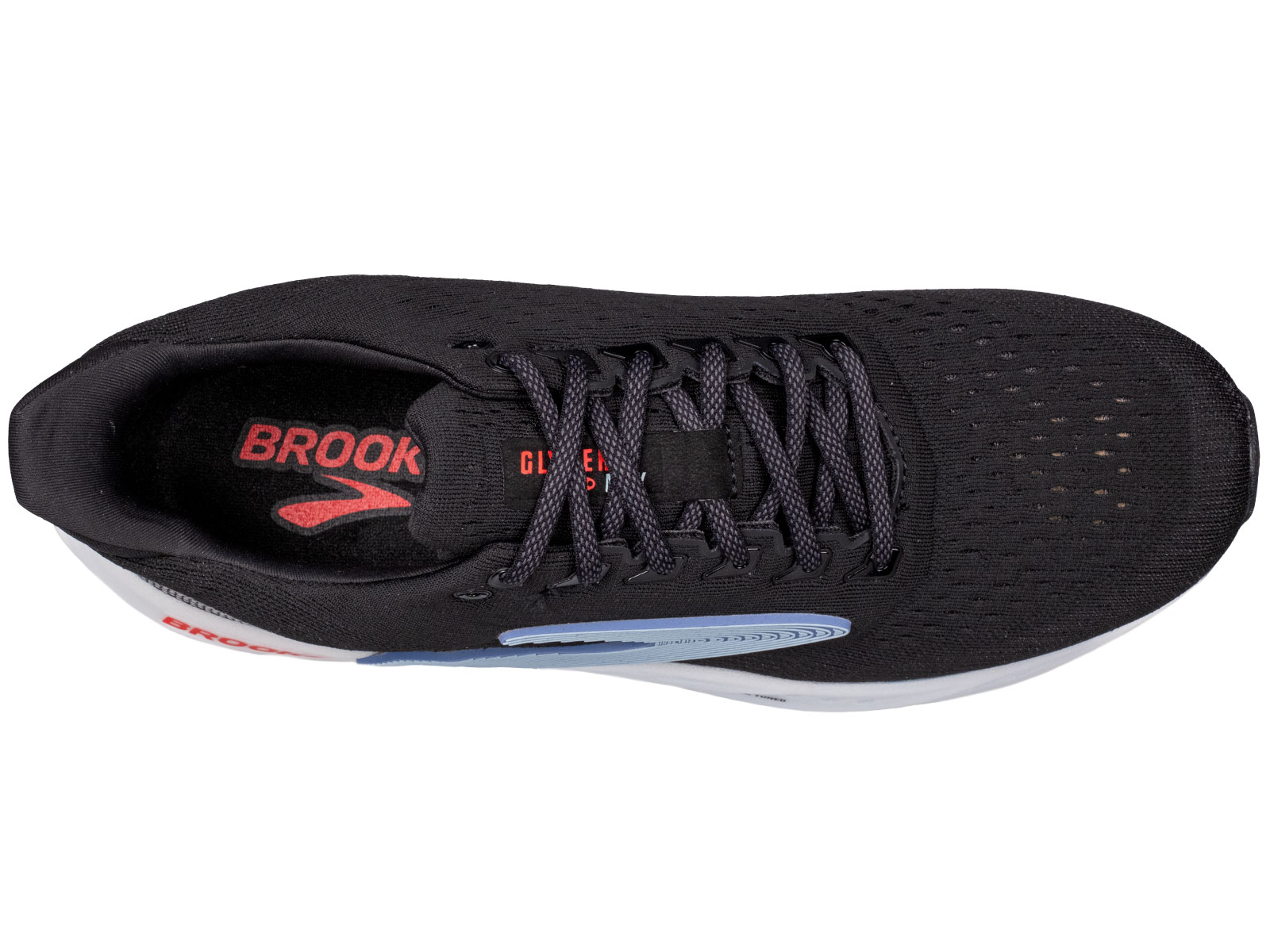
The upper is a mixed bag. The forefoot fits narrow, the heel collar is too low, and there’s no tongue gusset. It’s not a bad upper, but feels out of place on such a high-tech midsole.
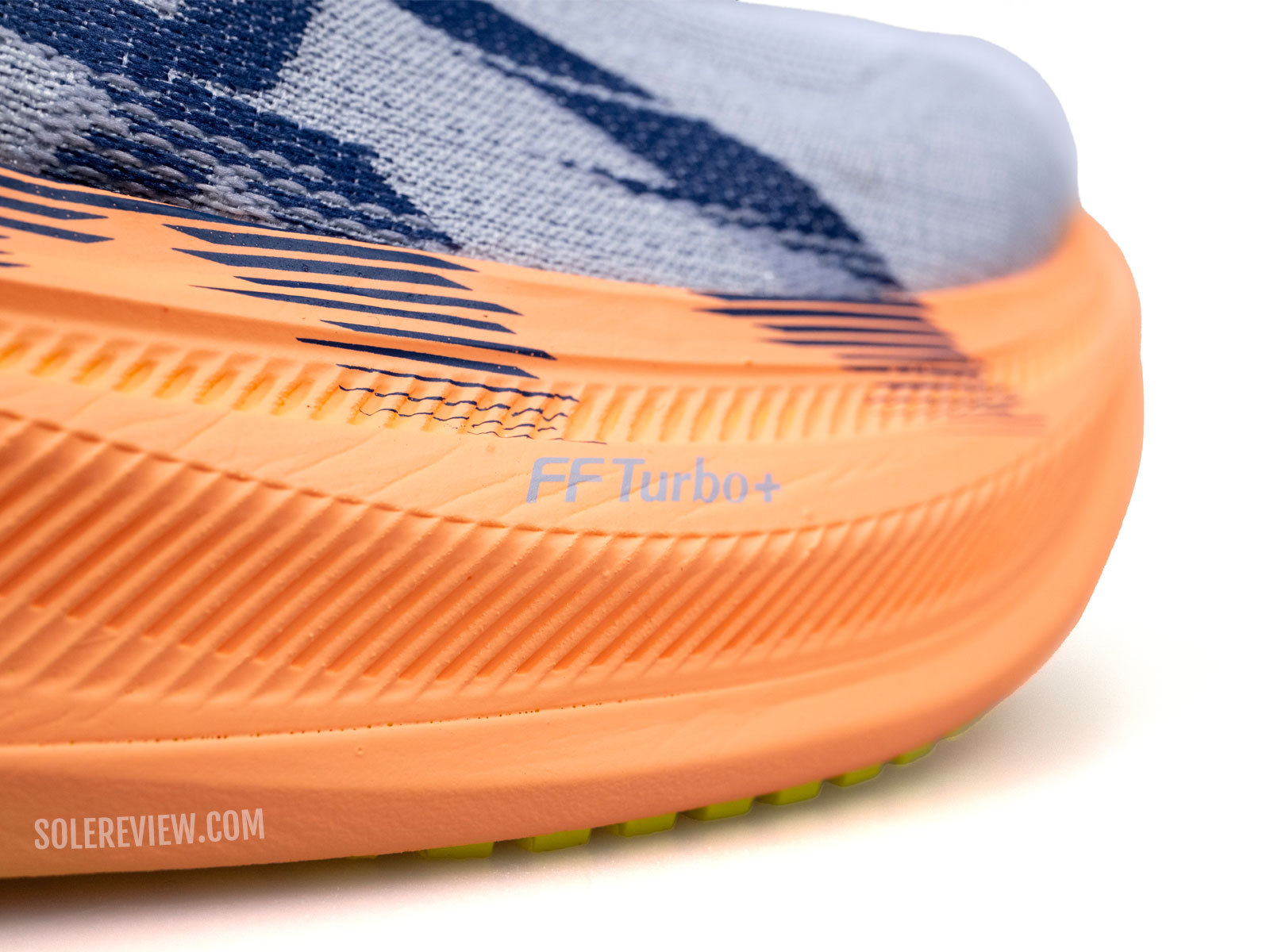
Sure, the Asics Superblast is a durable running shoe. But that’s not the only reason why it is immensely popular and always short in stock. Its 9-ounce weight gives an excellent cushioning-to-weight ratio, with most of the ride comfort delivered by the thick Flytefoam Turbo midsole. The firmer midsole base and rocker profile makes quick transitions happen. That being said, the Superblast 2 is a very forgiving shoe, thus making it equally suited for easy runs and daily training.
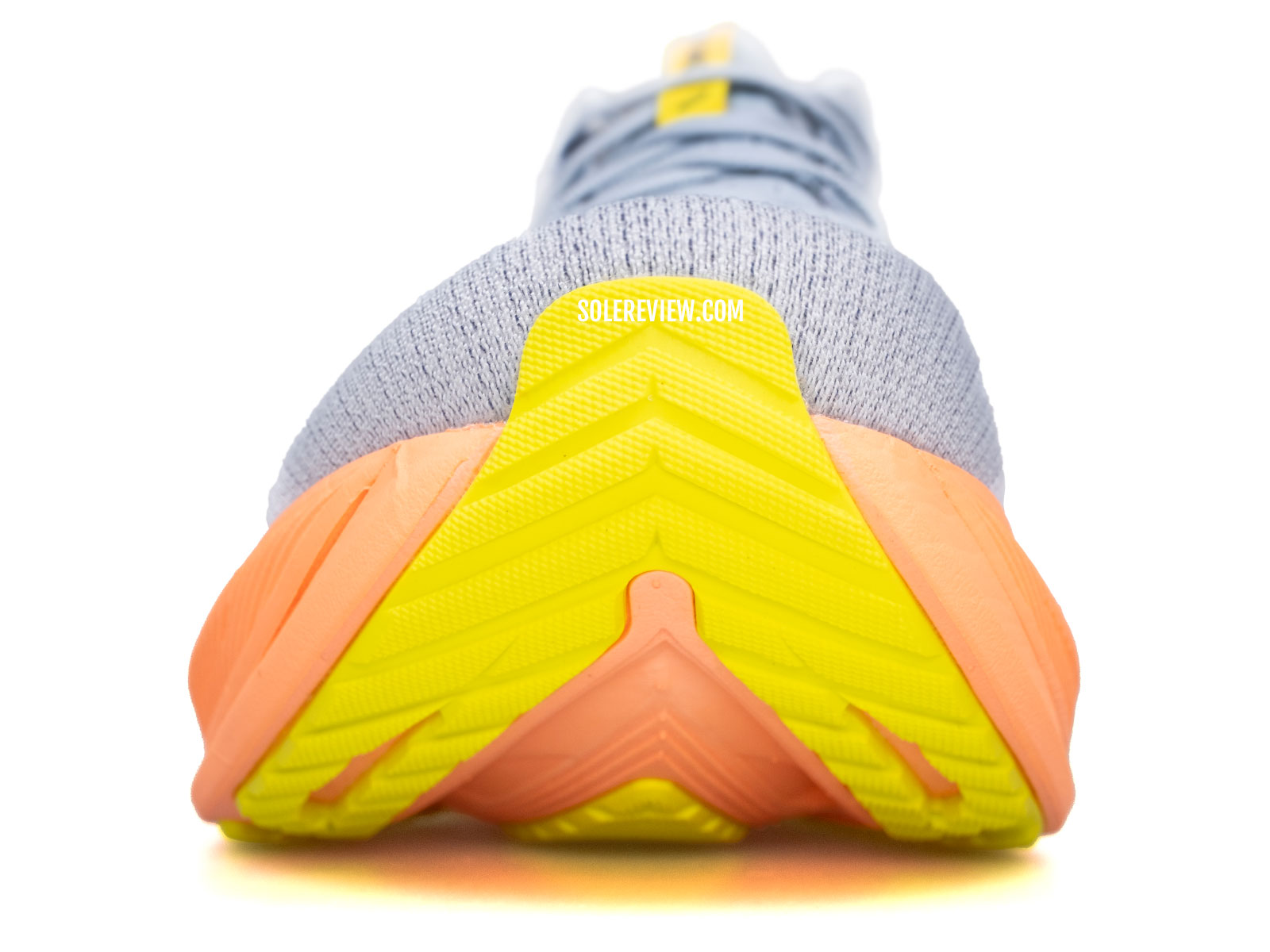
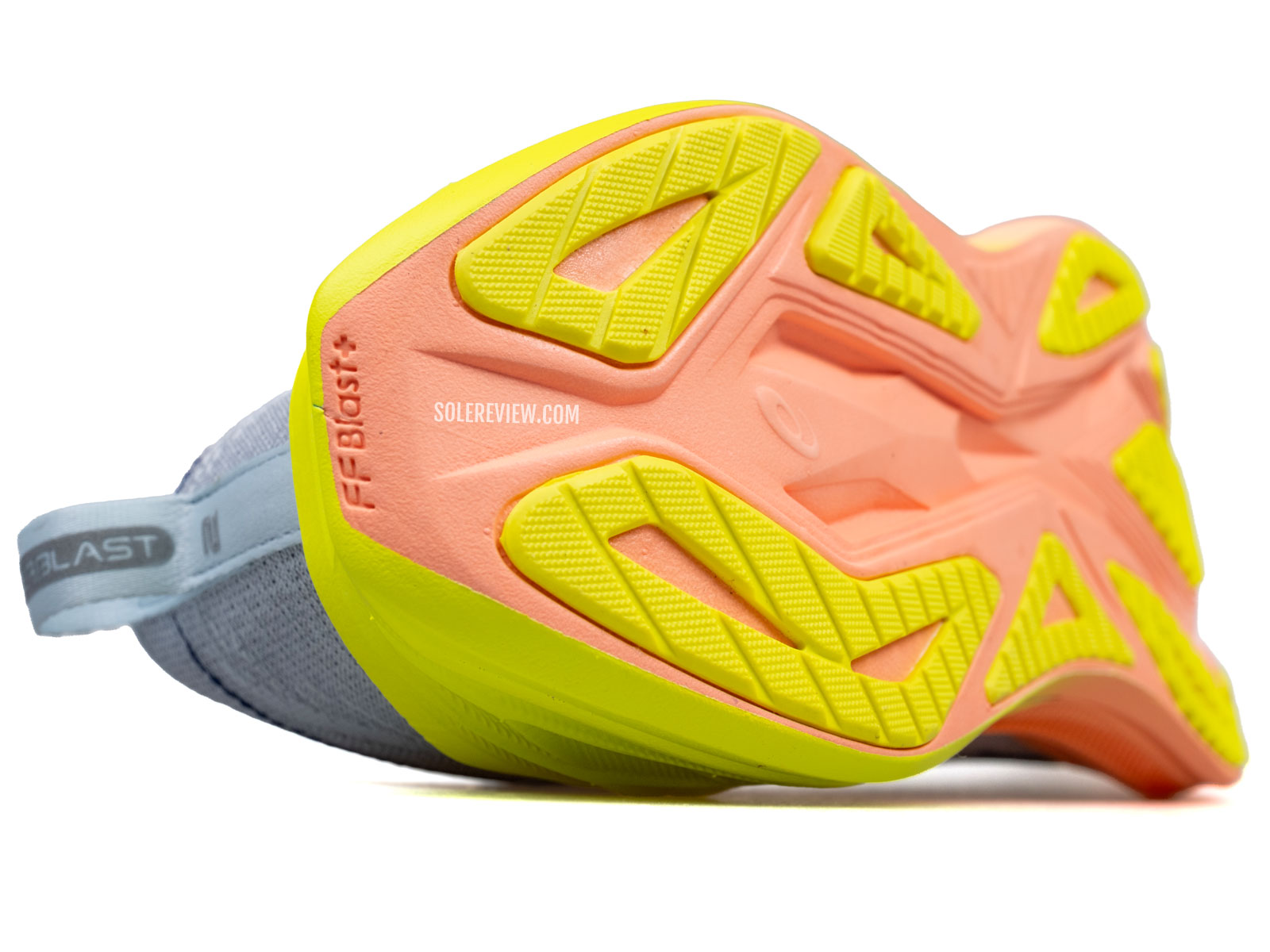
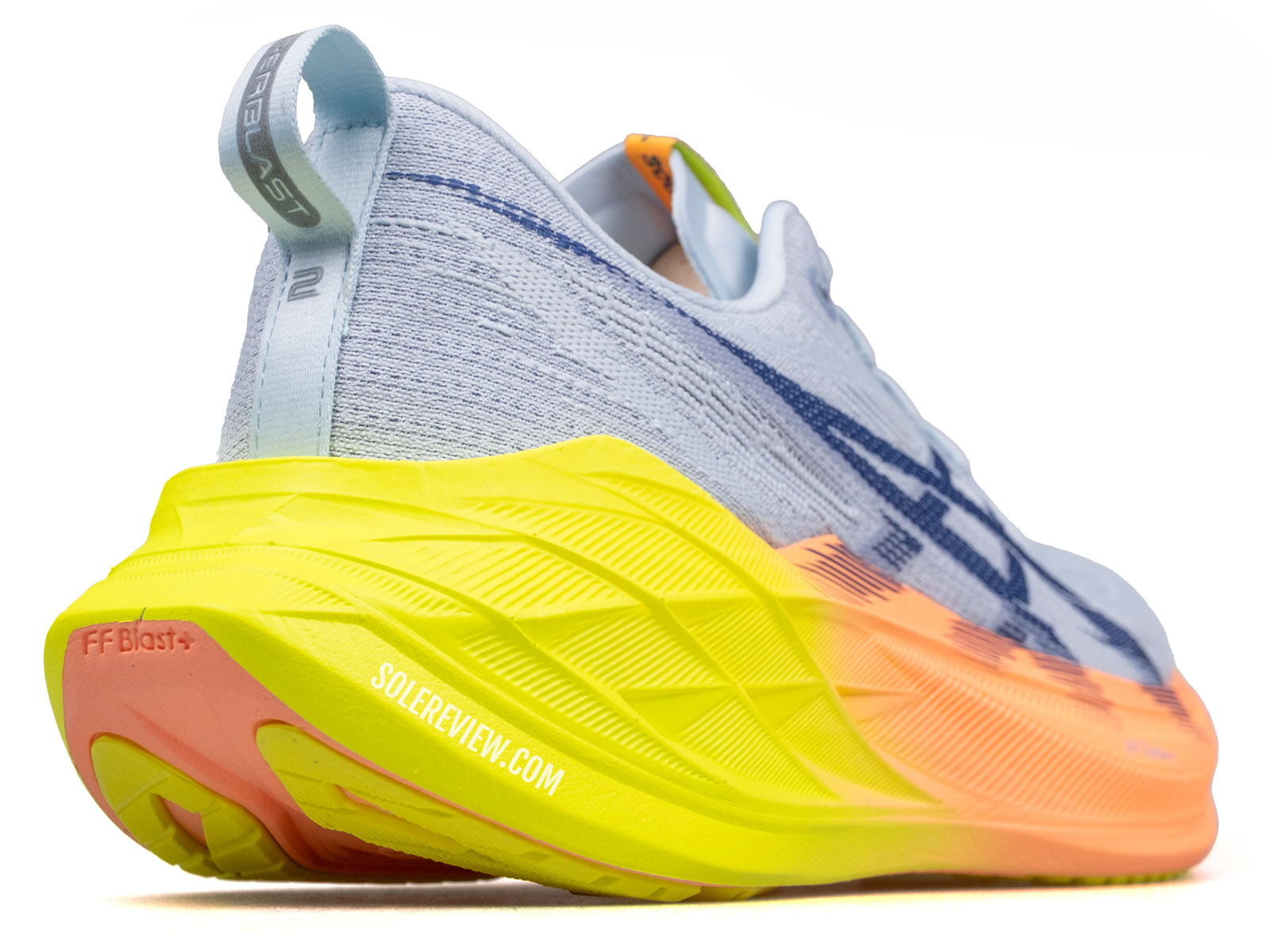
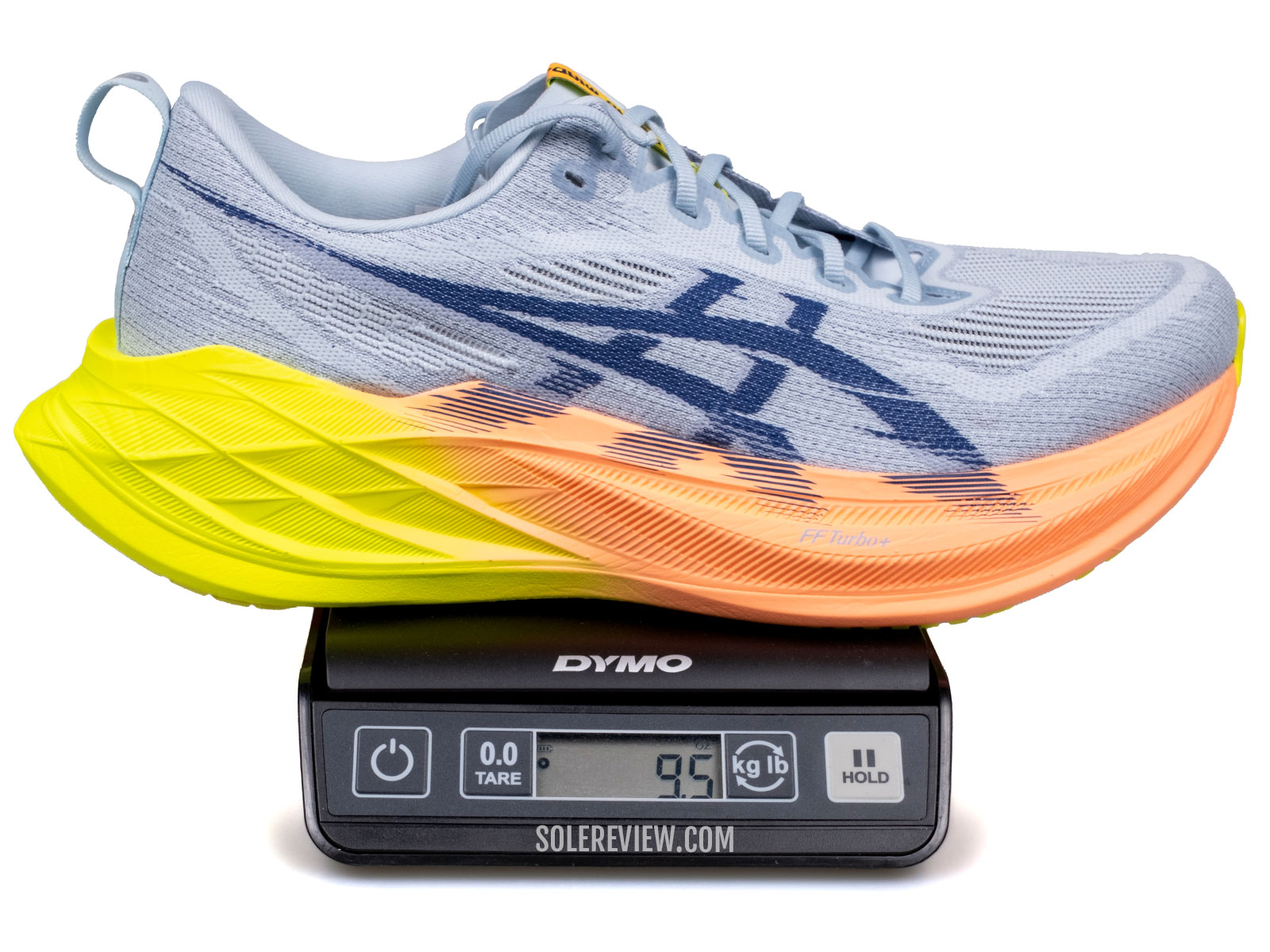
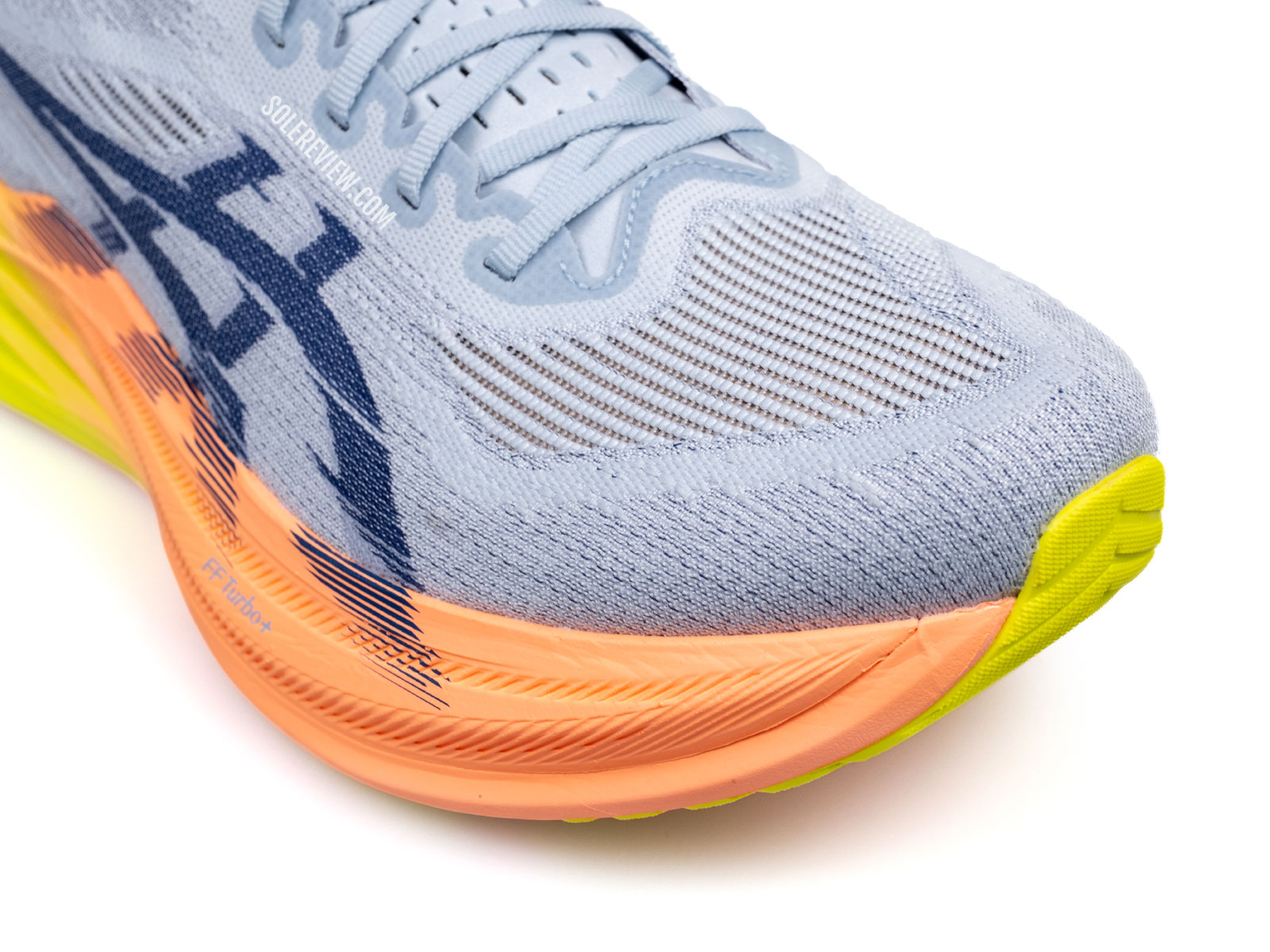

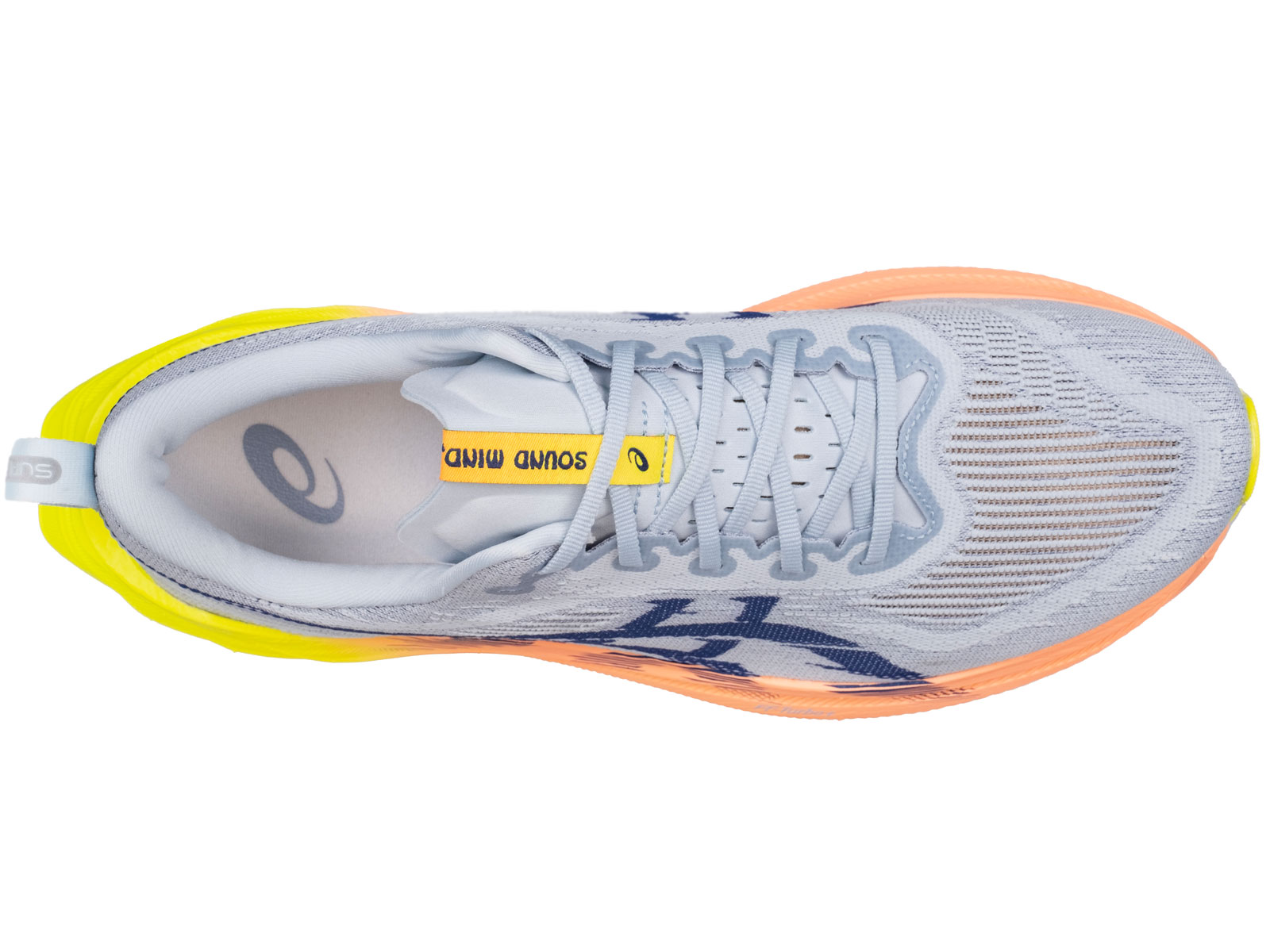
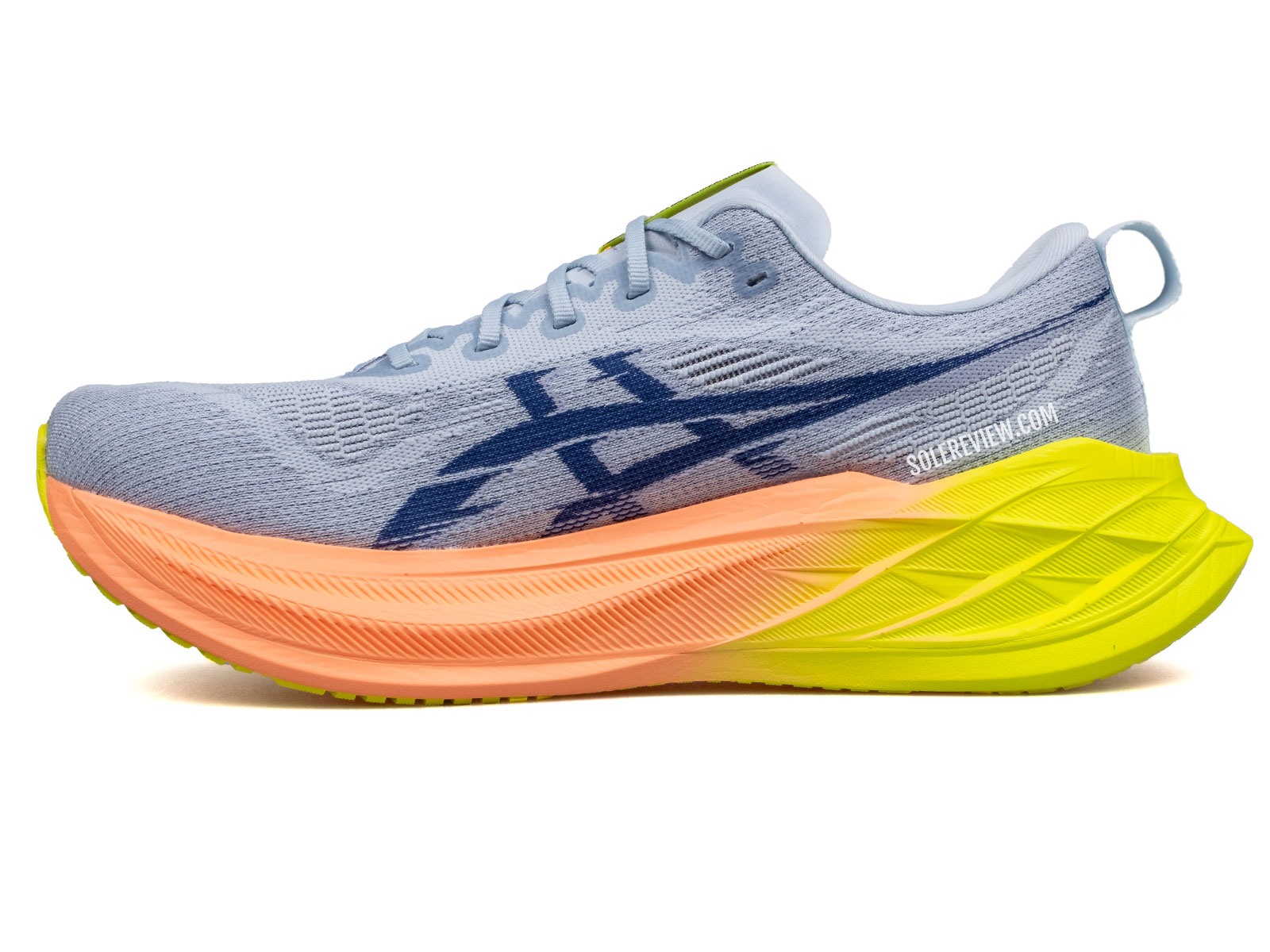
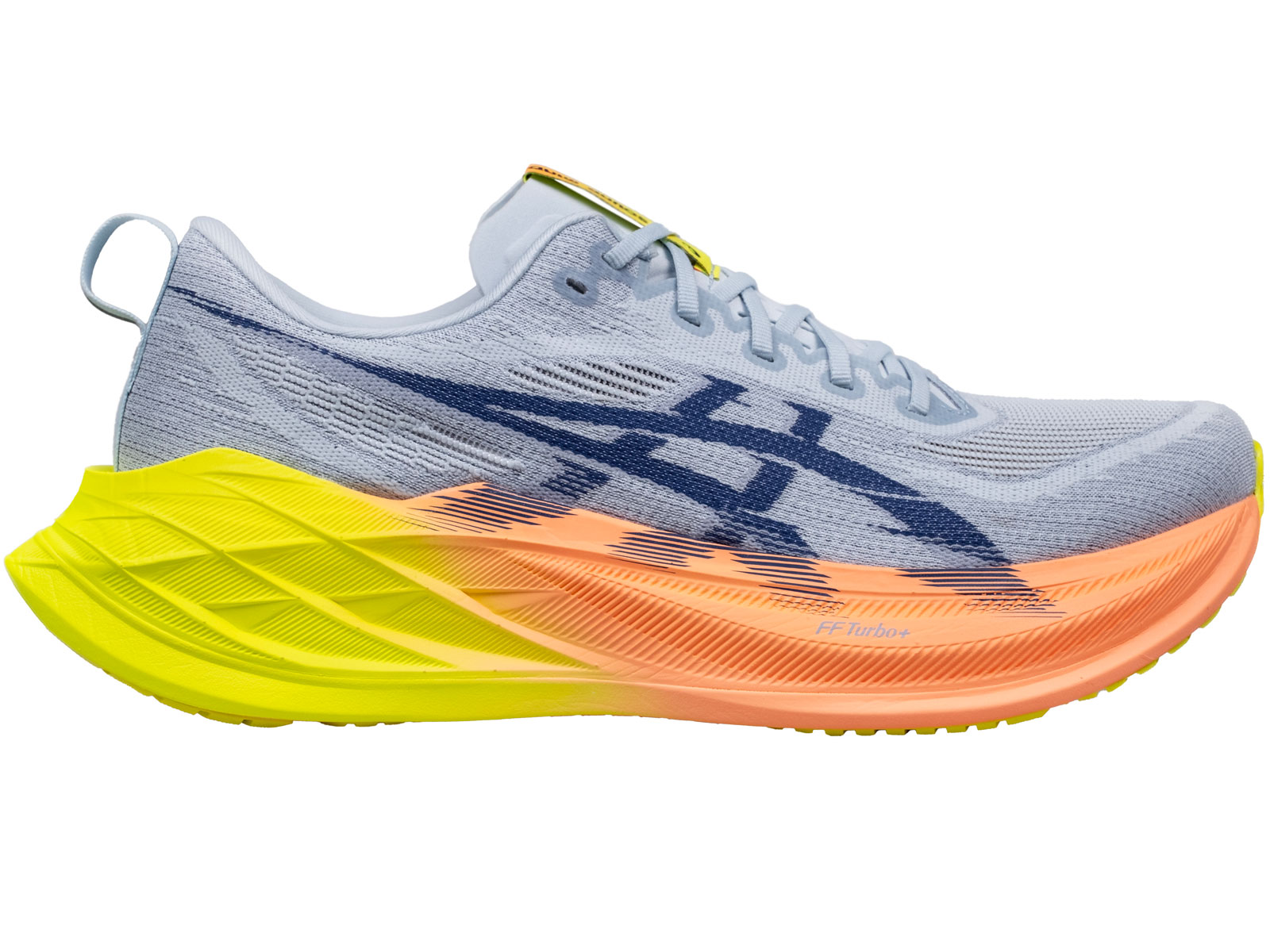
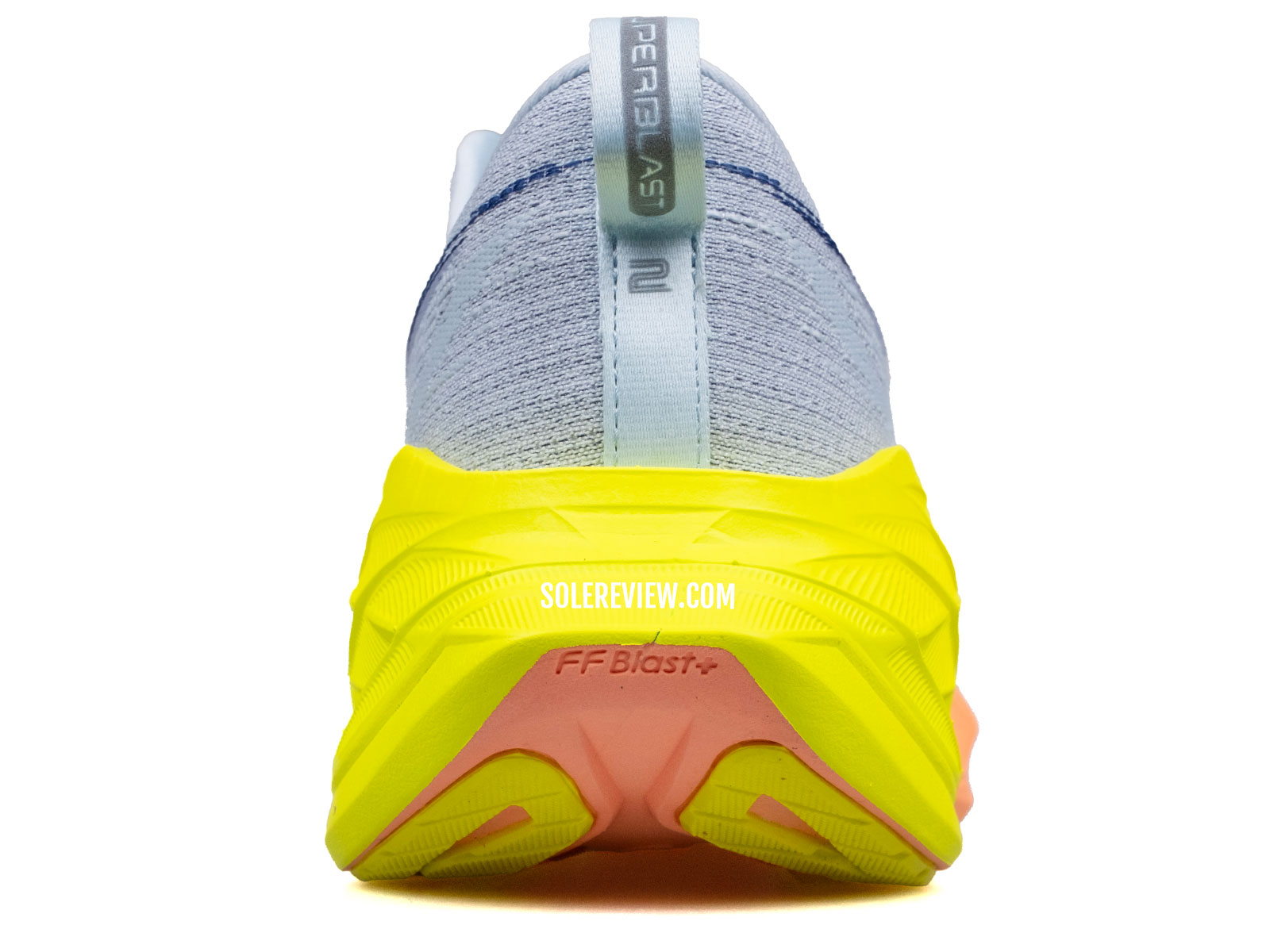
The midsole stability is excellent relative to its stack height and deep cushioning.
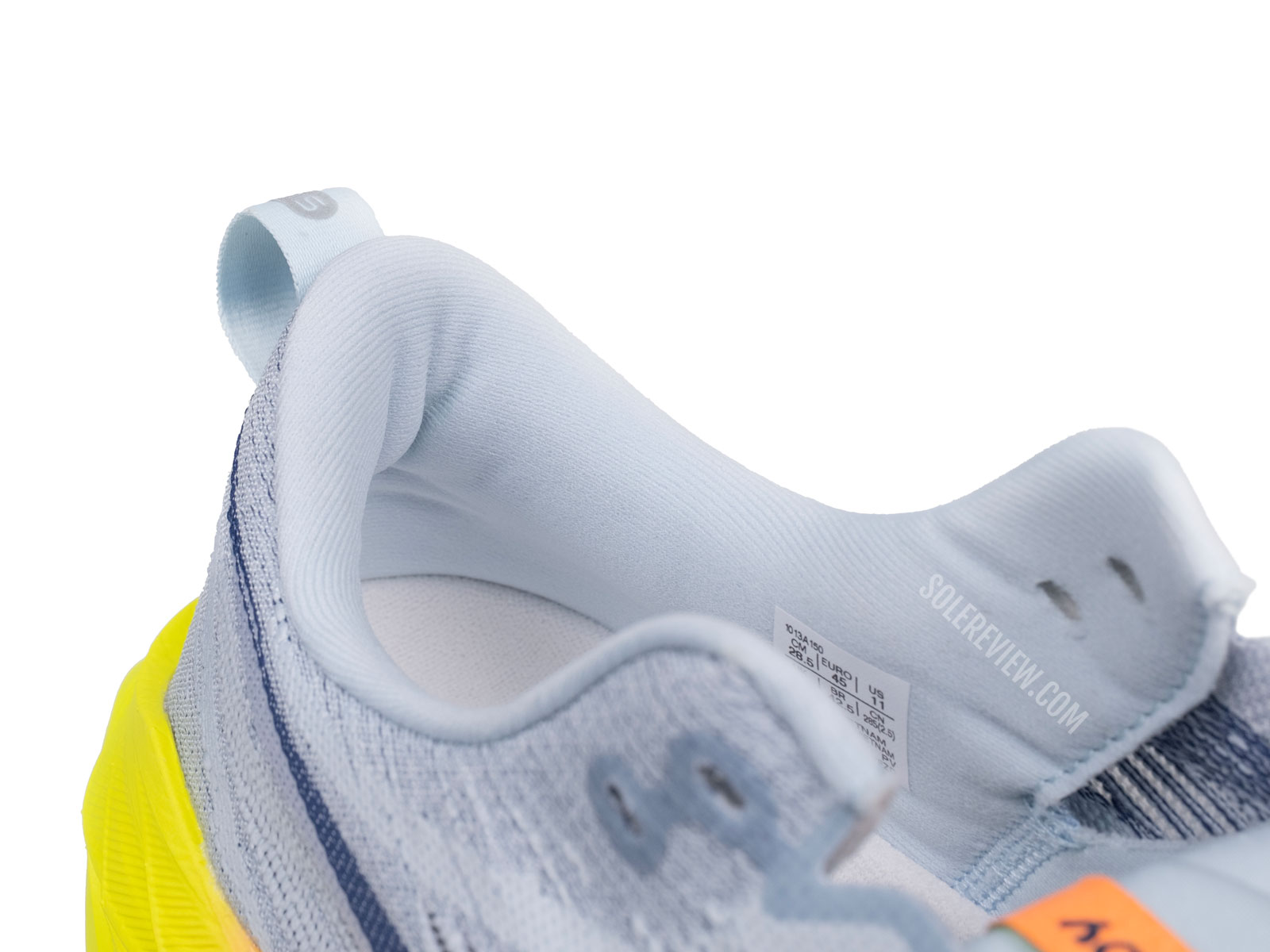
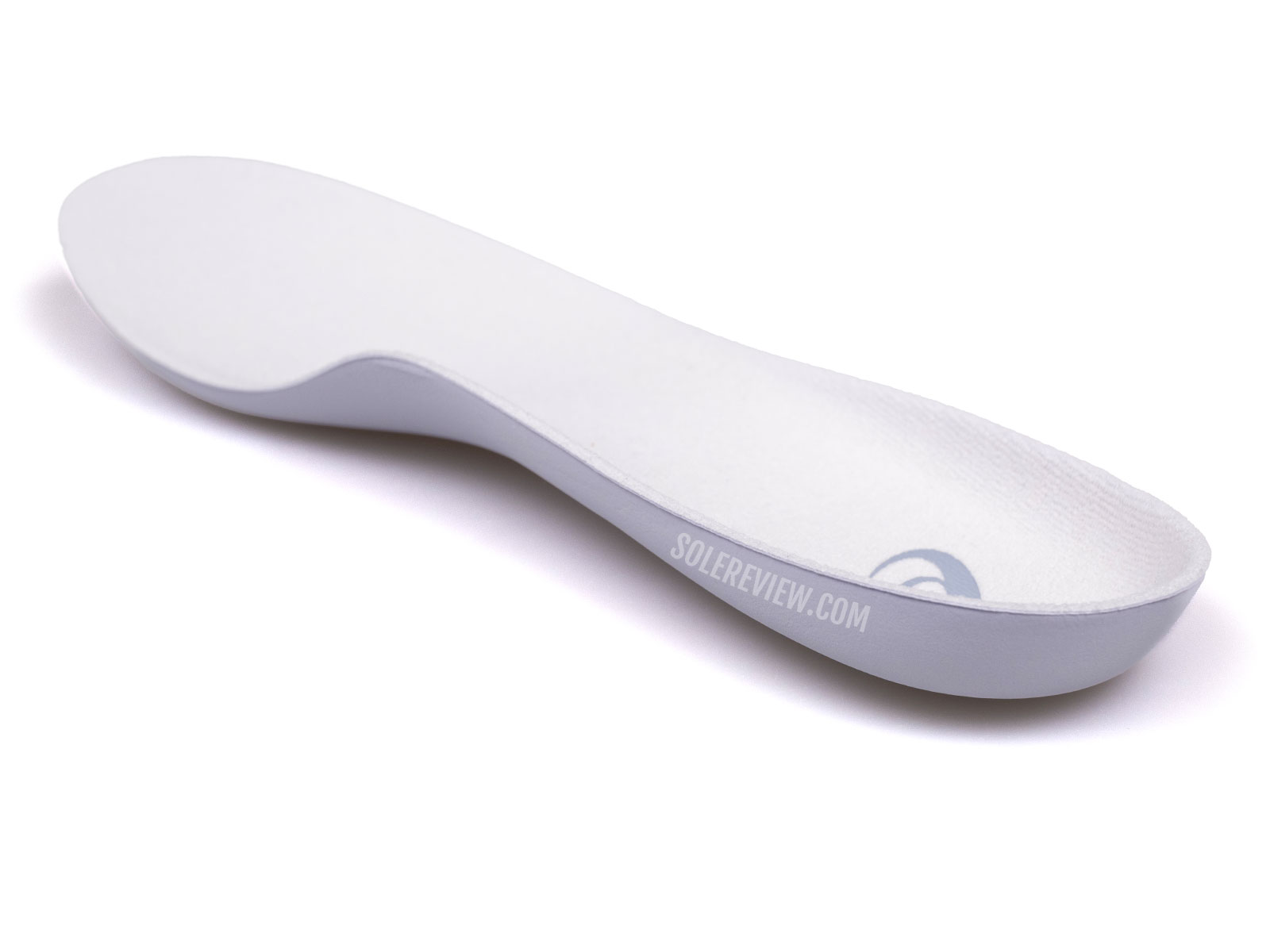
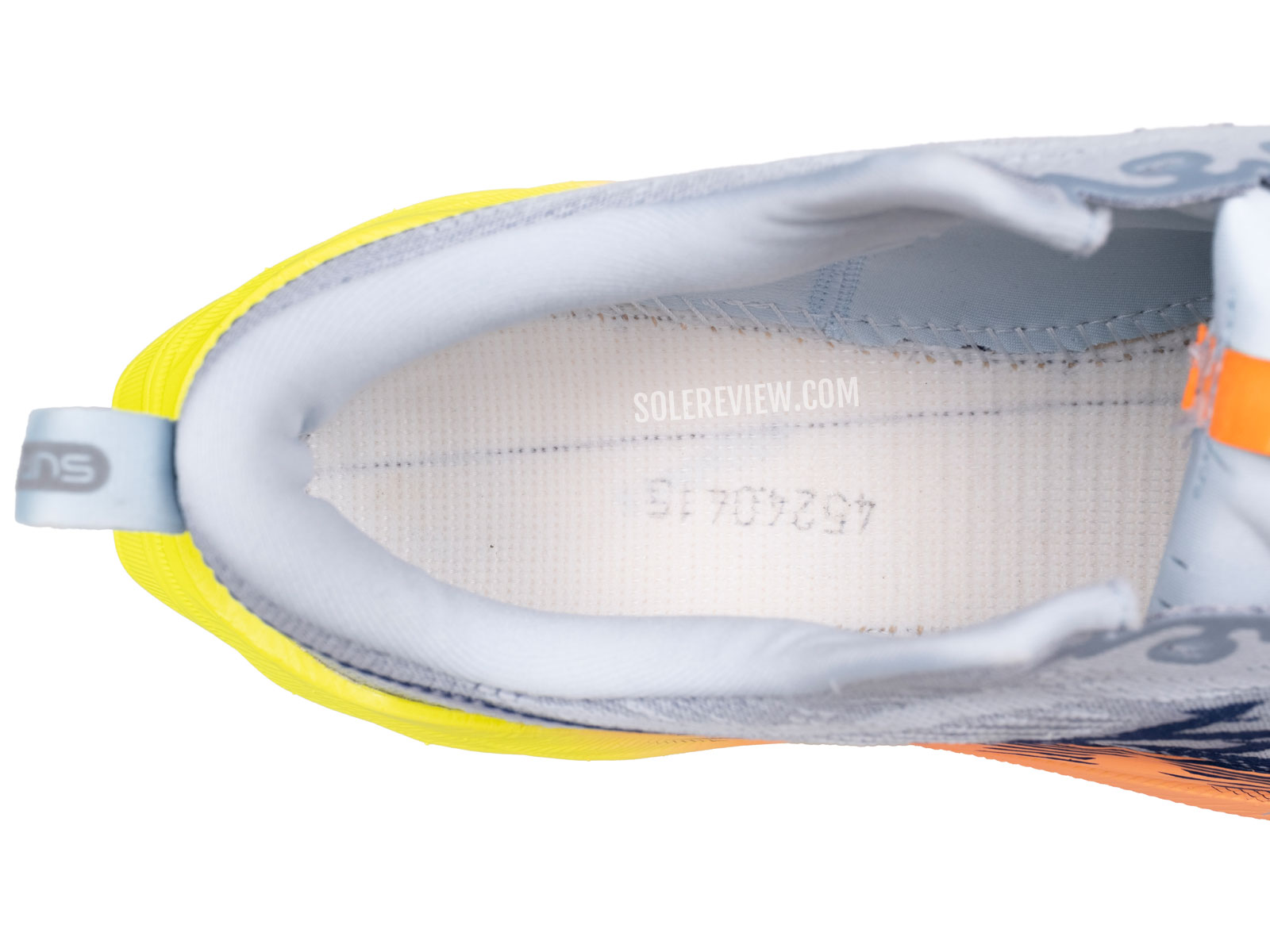
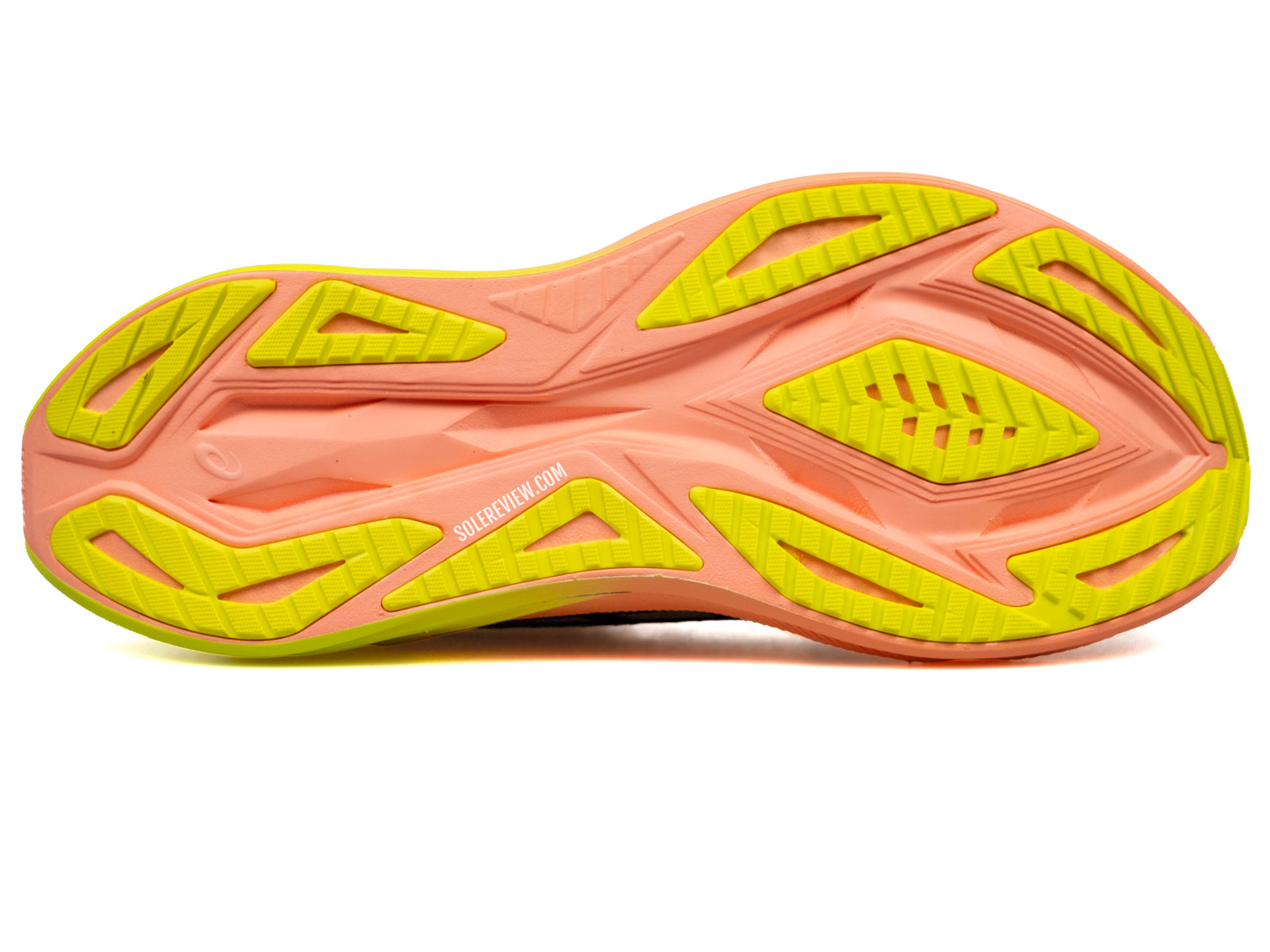
There’s one major difference between the Superblast 1 and Superblast 2. The updated Superblast has more upper room than the Superblast 1, so there are pros and cons of that change. On one hand, runners will appreciate the extra space during longer runs. On the flip side, the connection between the foot and midsole is weaker than before, so the Superblast 2 doesn’t feel as fast as the Superblast 1.
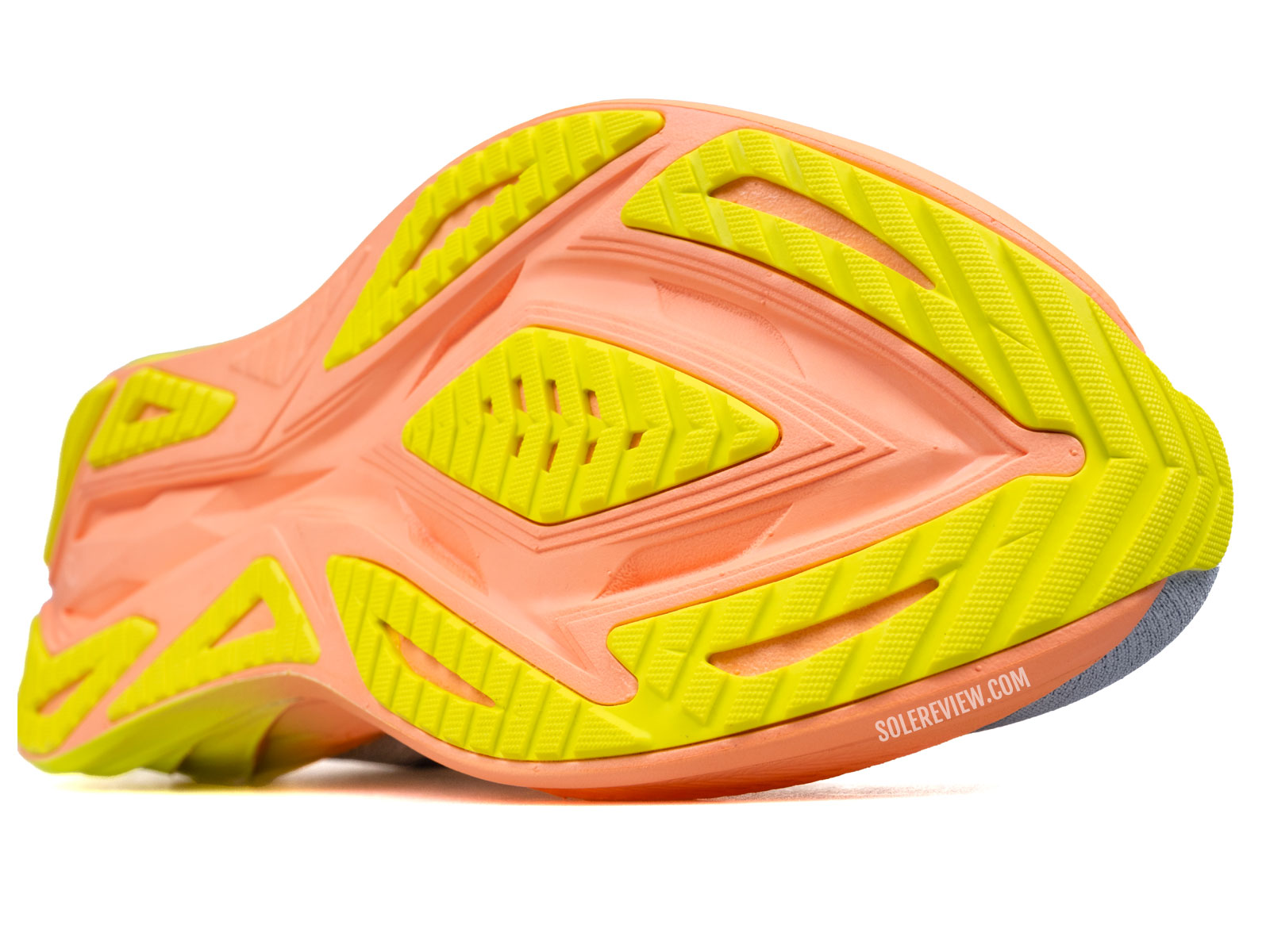
There isn’t a lot of outsole rubber covering the midsole. However, the outsole-midsole relationship is what makes the Superblast long-lasting. The spaced-out rubber lugs flex with the Flytefoam midsole rather than taking direct hits during landings. The Flytefoam midsole is also resistant to long-term cushioning loss.
Also consider: The Asics Megablast.
- Asics’s marketing pitch: Supercharged cushioning.
- Upper: Engineered mesh, gusseted tongue.
- Midsole: Flytefoam Turbo and FF Blast, 8 mm heel drop.
- Outsole: Asicsgrip rubber in high-wear areas.
- Weight: 250 gms/ 8.8 Oz for a half pair of Men’s US 9/UK 8/EUR 42.5/CM 27.
- Stack heights: 45 mm (heel), 37 mm (forefoot).
- Available widths: D – regular (reviewed).
- Previous model: Asics Superblast 1.
- Country of origin: Vietnam.
- Recommended use: Daily training, recovery runs, marathons.
- Footstrike orientation: Heel, midfoot/forefoot (full contact).
- Median lifespan: 450 miles.
- Recommended paces: Slower than 4:30 min/km (7:00 min/mile).
- Recommended temperature range: Warmer than -0° C/32° F.
Pros
- Lightweight yet deep cushioning
- Supportive ride
- No performance penalty for slow speeds and heel landings
- Ventilation
- Long-distance comfort
- Multiple widths
Cons
- Weak upper fit lockdown
- Diminished speed capabilities versus the V1
- Under-utilized rocker because of excess upper space and softer ride
- Lack of optional widths
- Scarce reflectivity
Also consider:
- Brooks Hyperion Max 3
- New Balance SC Trainer v3
- Nike Zoom Fly 6
- Use the Asics Superblast 2 for daily runs, recovery, and long runs
- Use the Asics Metaspeed Sky Tokyo or Saucony Endorphin Pro 4 for marathons
- Use the adidas Takumi 11 for intervals, tempo runs, and short races
Unlike most carbon-plated supershoes, the Saucony Endorphin Pro 4’s midsole is highly resistant to compression fatigue. By default, it’s also one of the most stable and user-friendly marathon racers that even heel strikers and slow runners can use. The Pwrrun PB midsole is produced by steam molding thousands of foam globules. The pressurized nature of production gives the foam midsole a dense structure that resists creasing and long-term breakdown. The stiff carbon plate also adds structural support. The rubber outsole covers the critical contact areas to slow down the rate of wear.
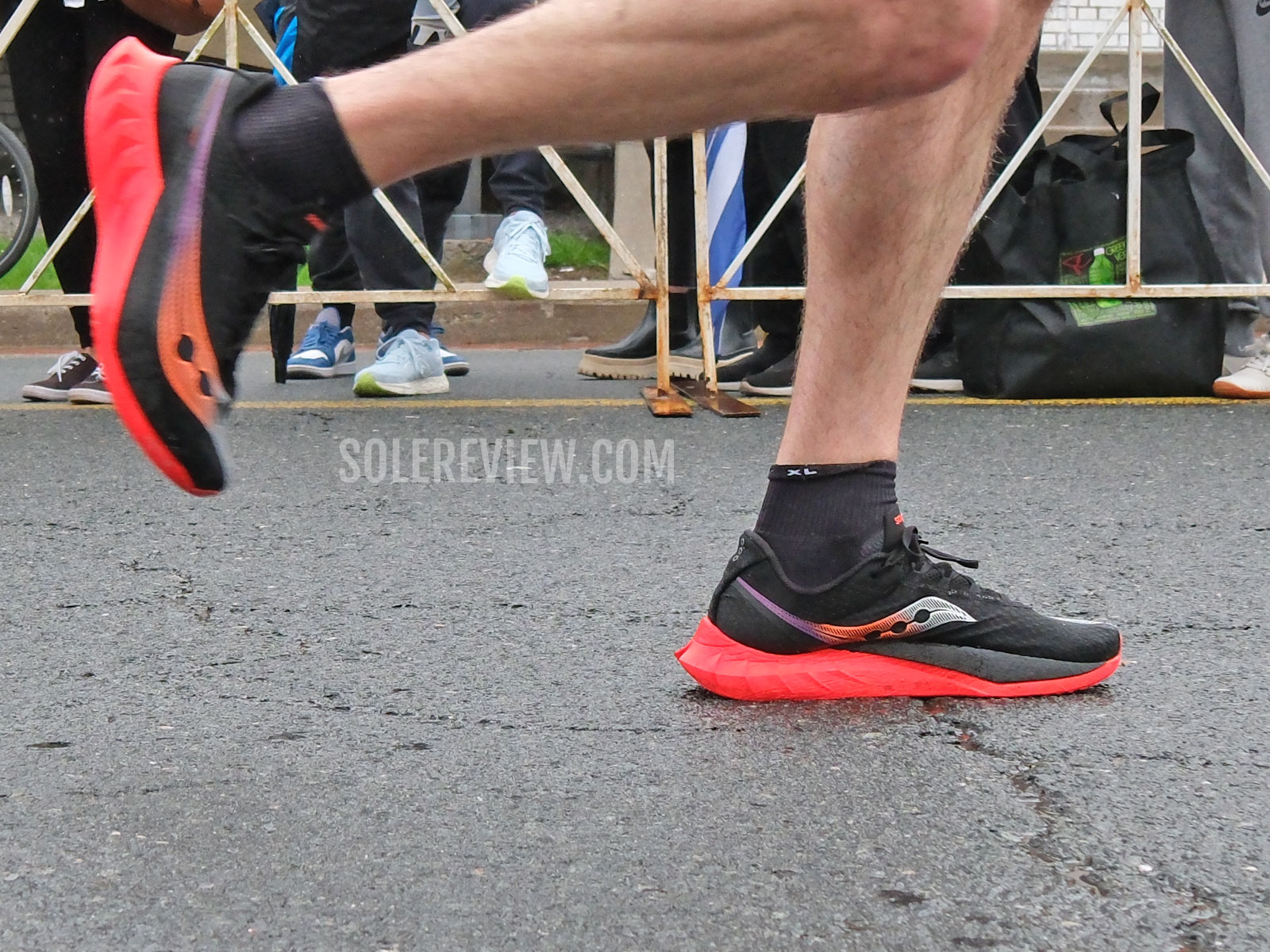
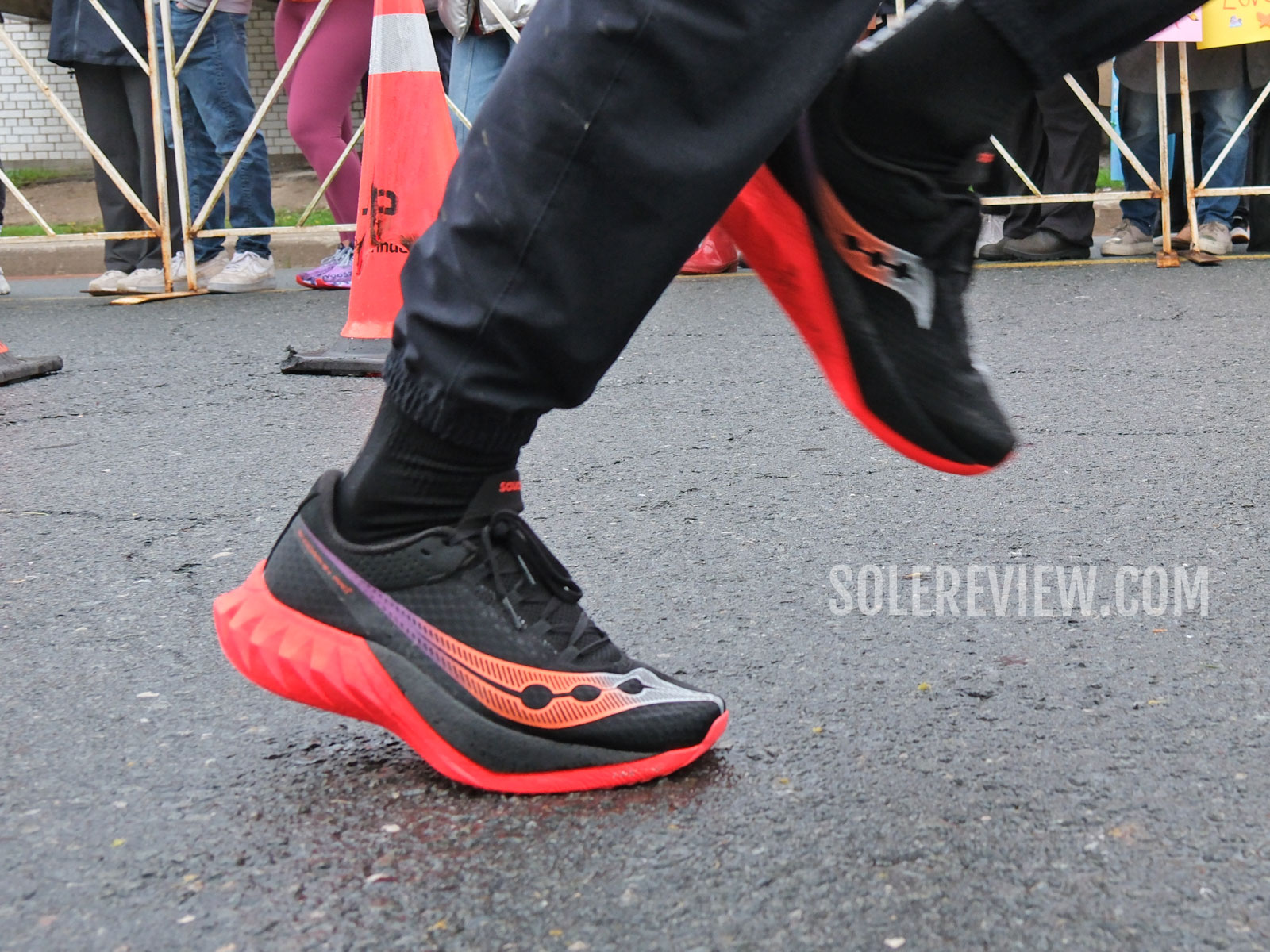
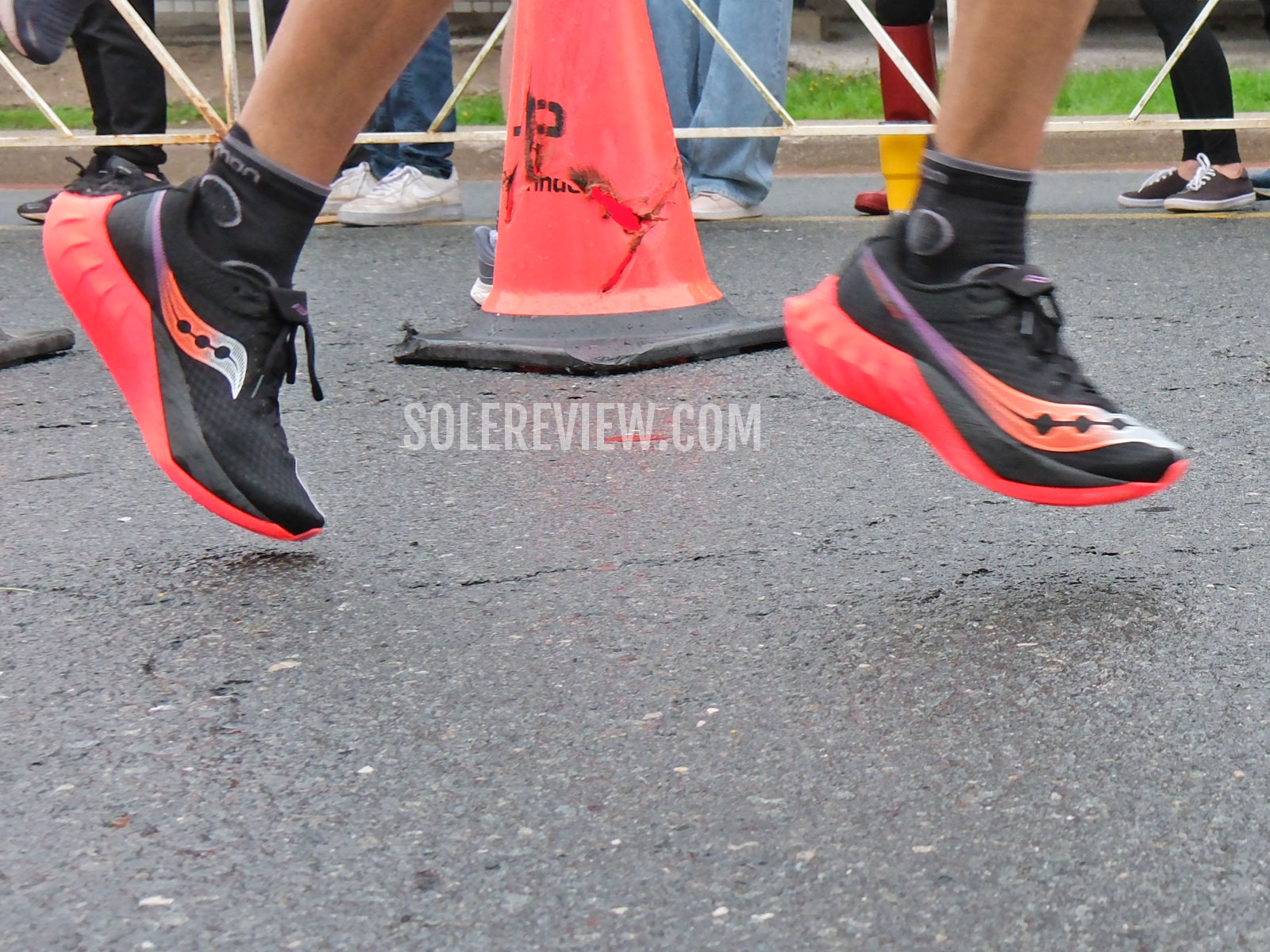

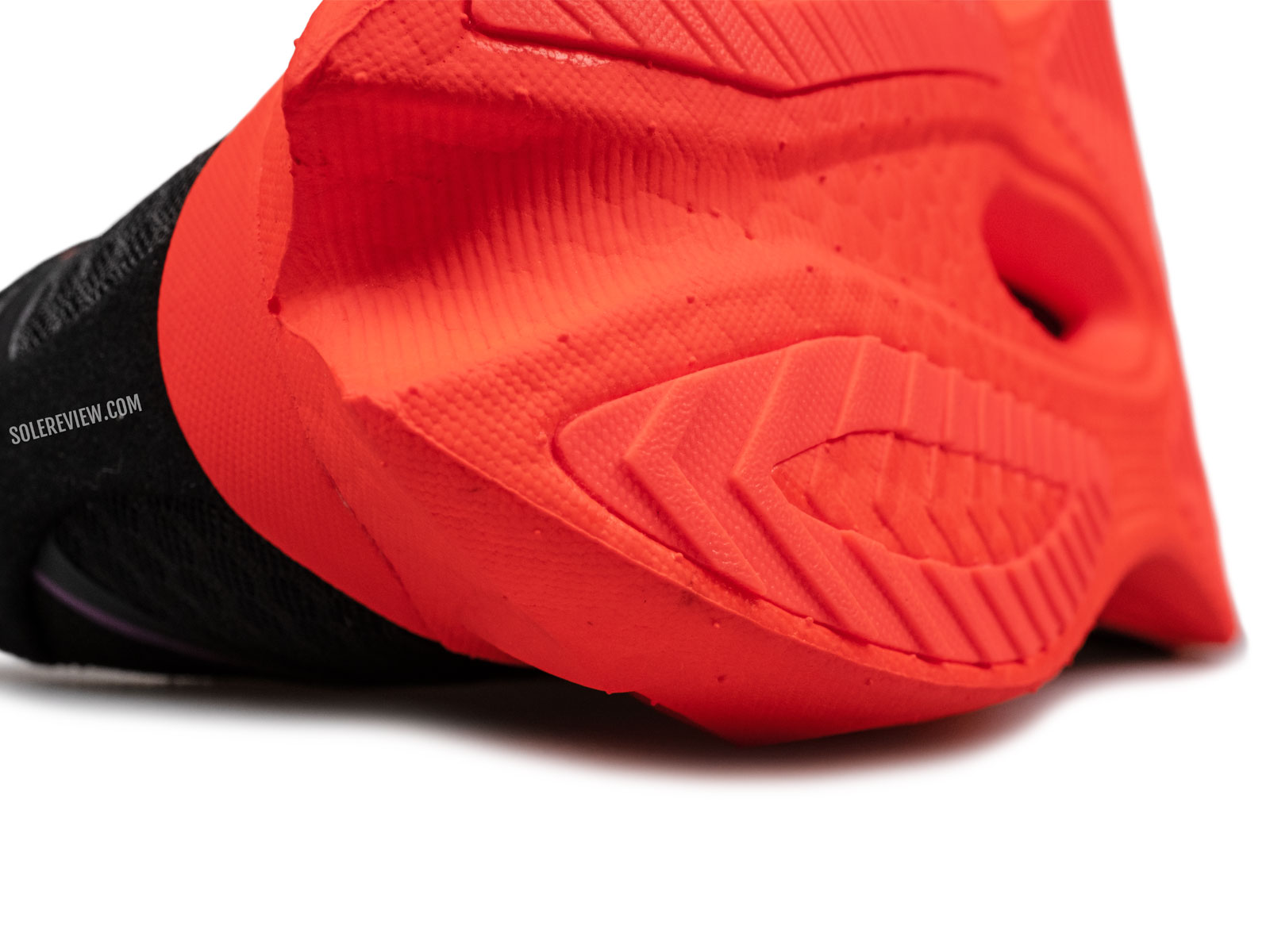
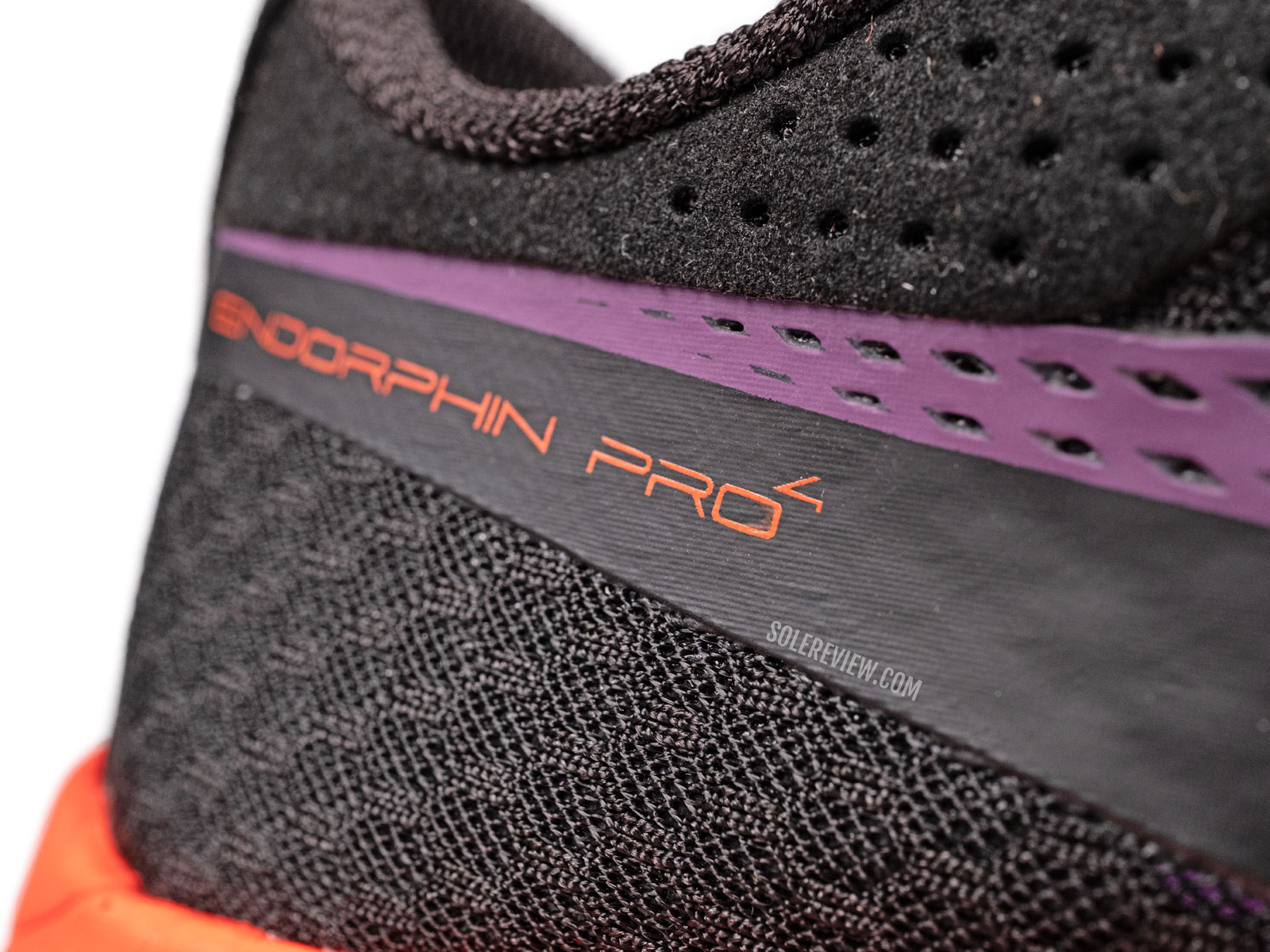
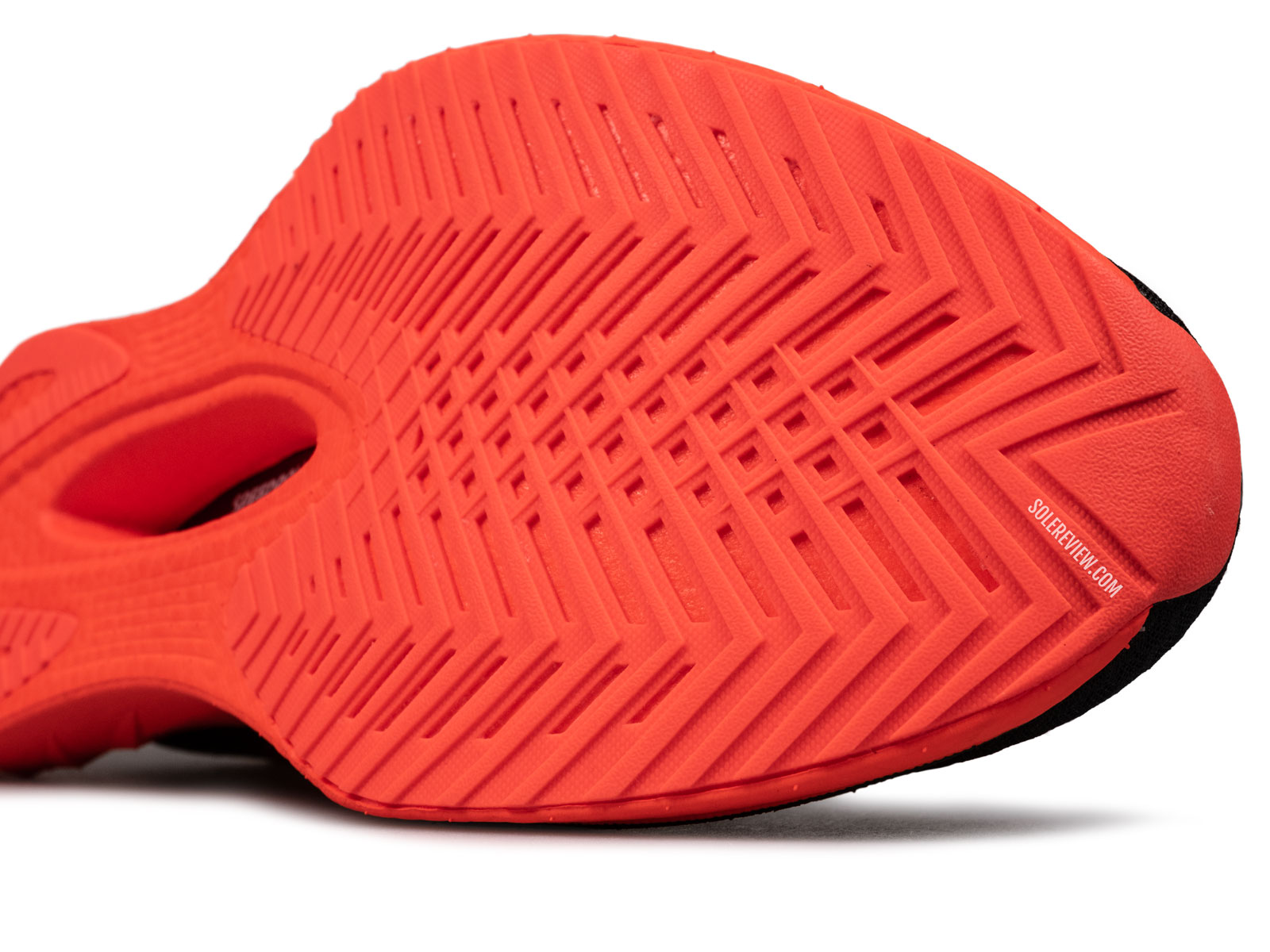
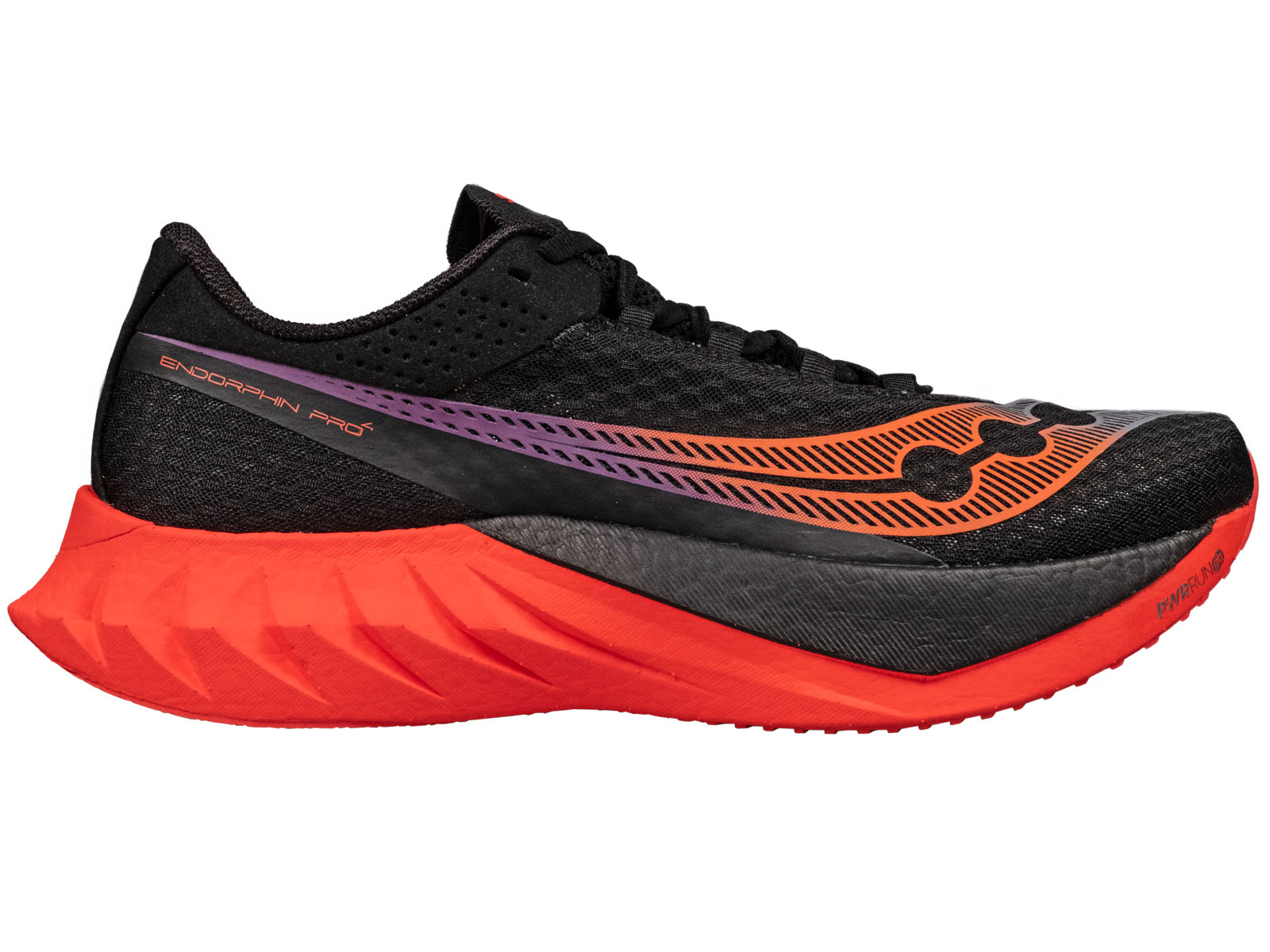
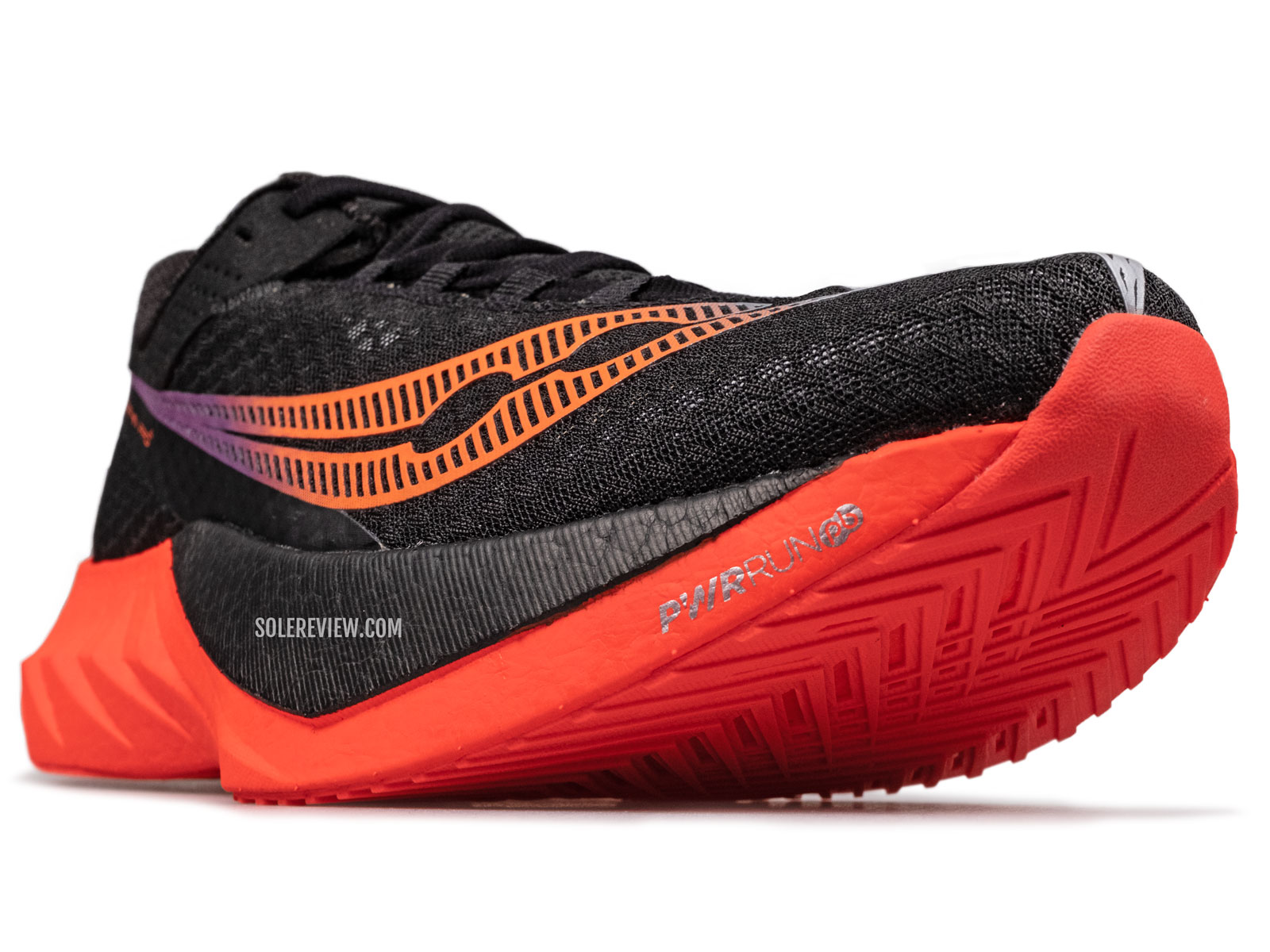


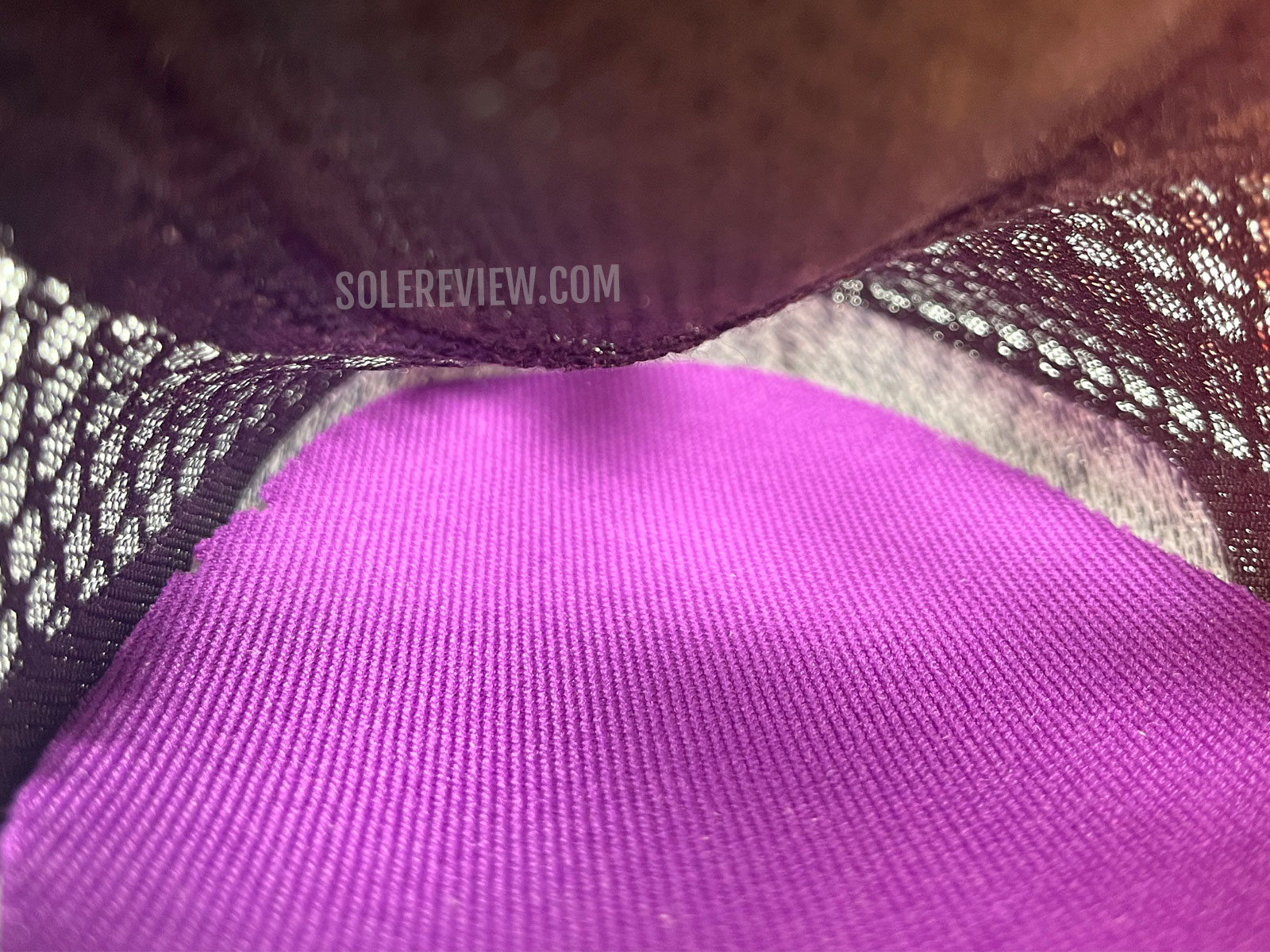
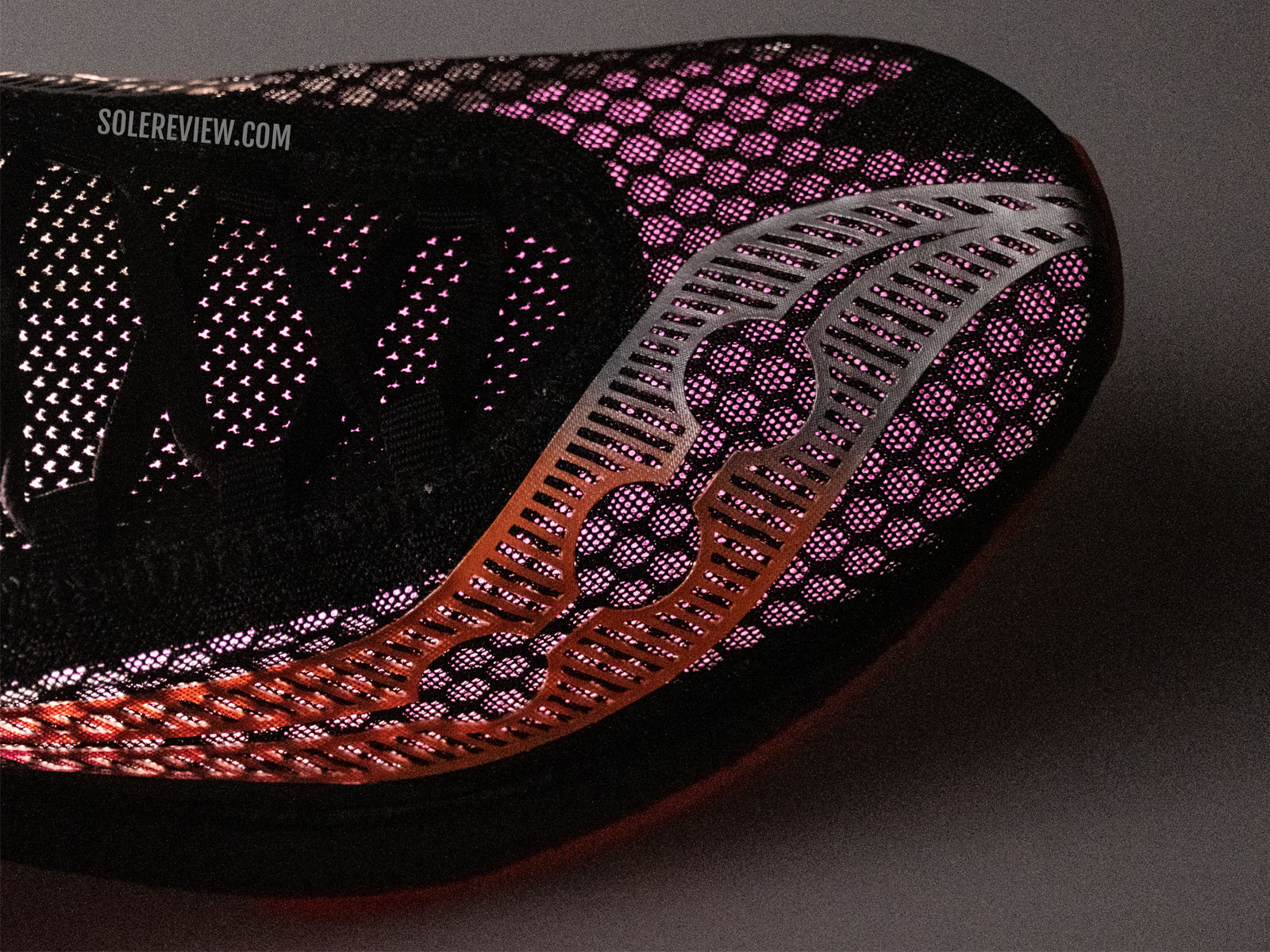
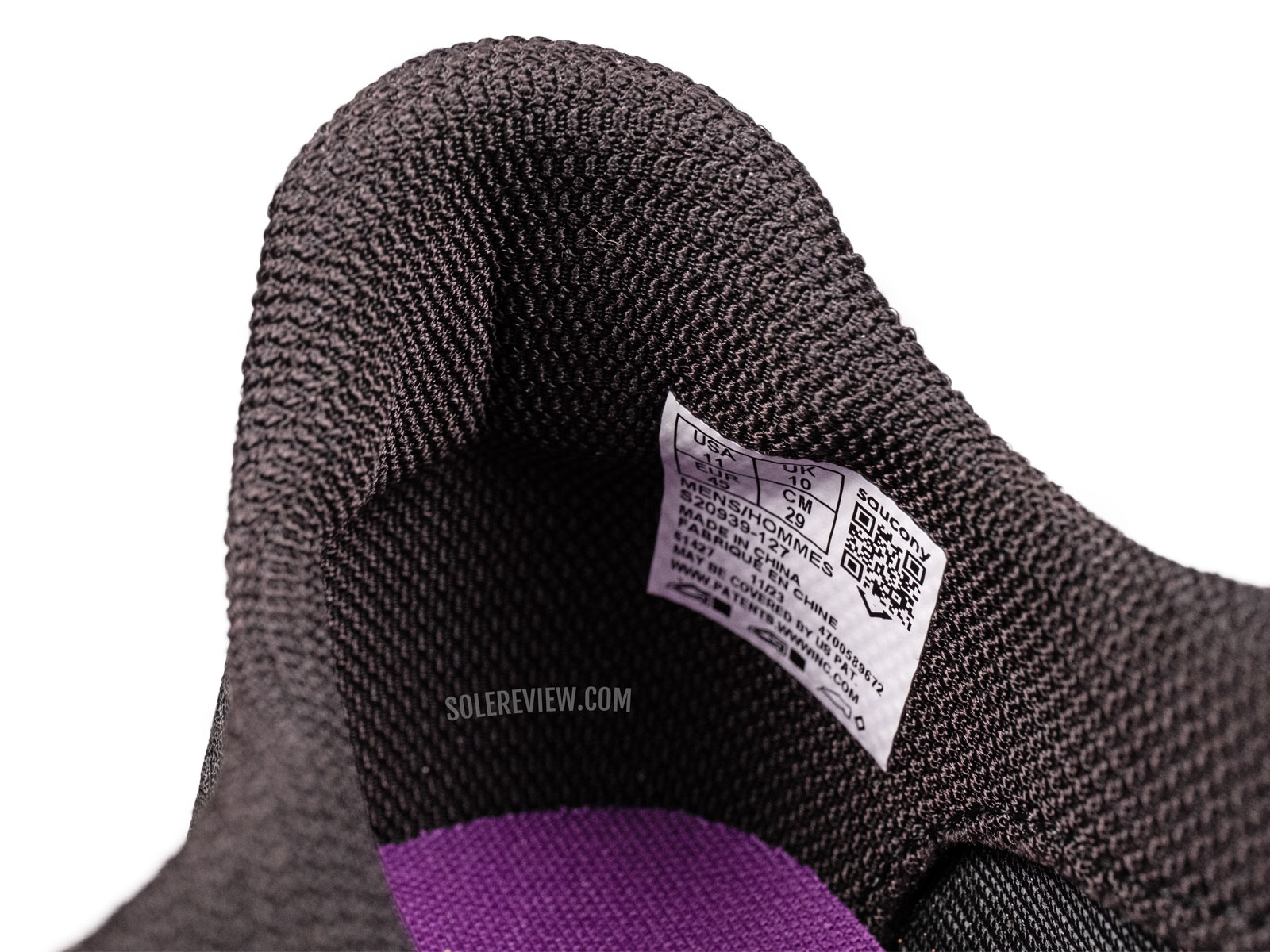
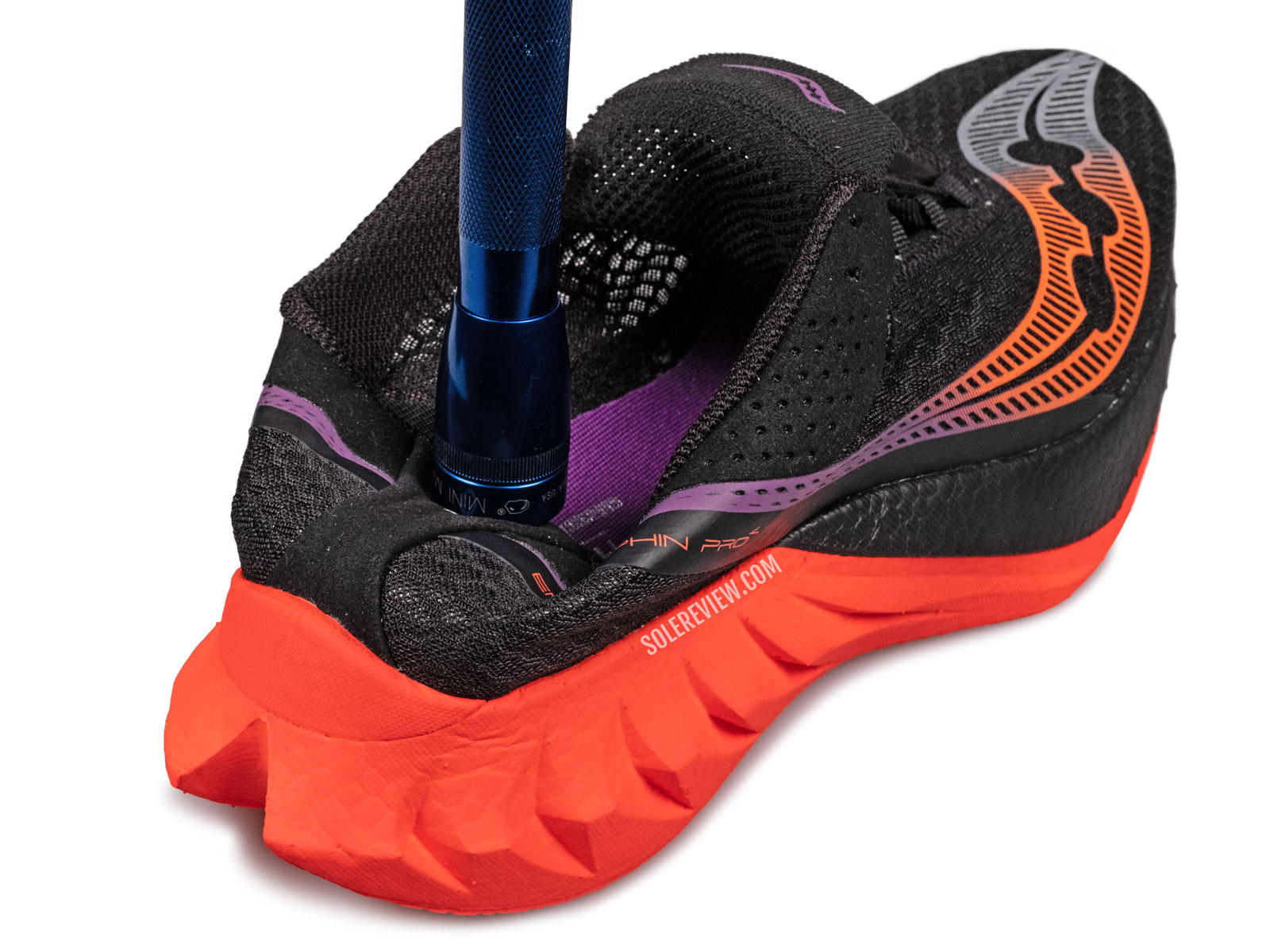
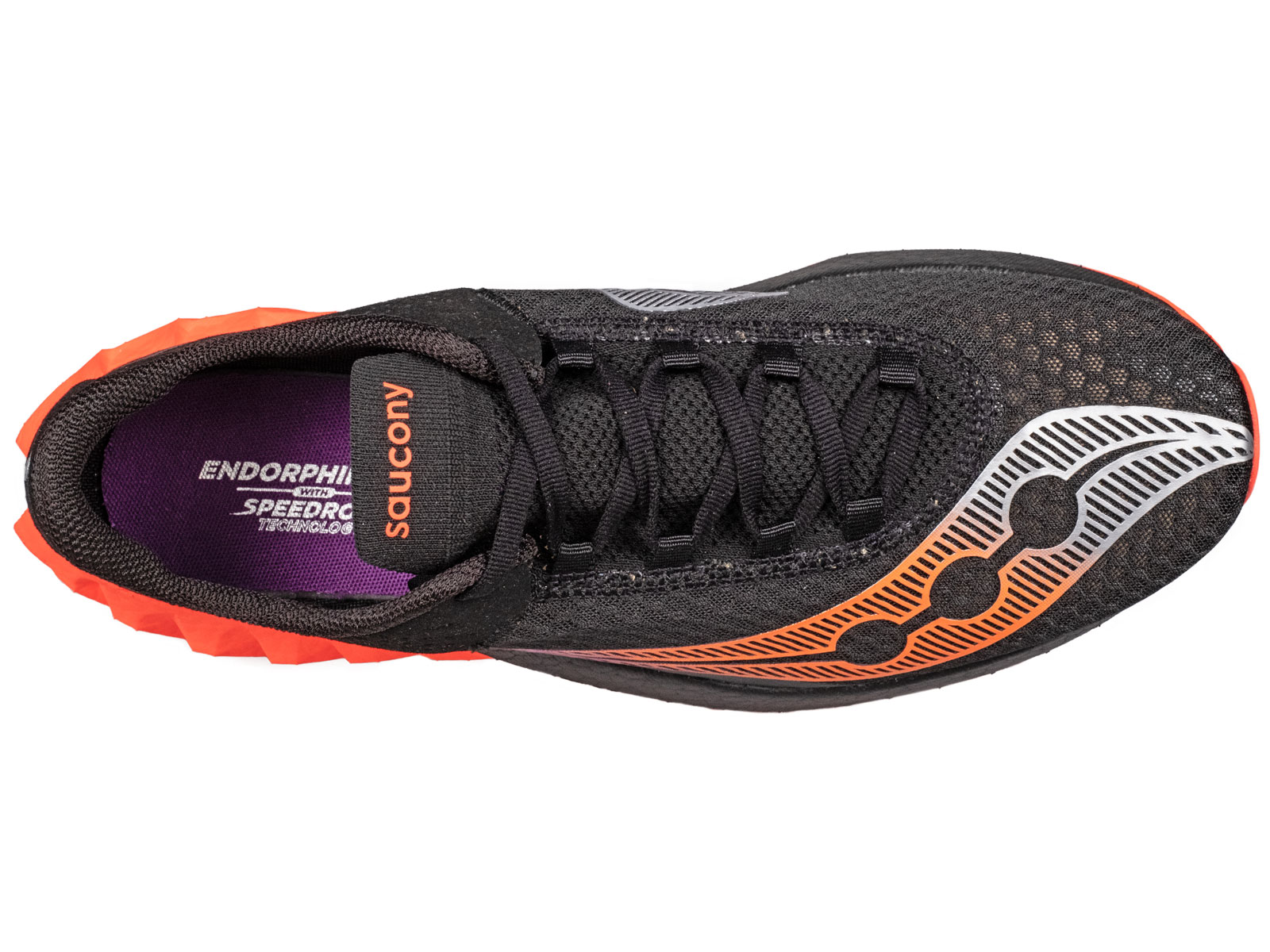
On the road, the Endorphin Pro 4 delivers plenty of usable performance. Be it rearfoot or forefoot landings, the foot-strikes feel solid and dependable. There’s none of that ultra-soft and unstable ride. The midsole has a wide base under the heel and forefoot to accommodate different speeds, gait, and footstrike patterns. The Pwrrun PB midsole keeps marathon-level runs from beating down the feet, while the plate creates a propulsive rocker effect and a springy rearfoot snap. The breathable upper fits true to size, fitting securely without sacrificing comfort.
Unlike the more popular adidas EVO SL, the Boston 13 features a dual-density midsole. On top is the soft and bouncy Lightstrike Pro foam for responsive comfort. The base is the firmer Lightstrike, an EVA-blend cushioning material. The outsole combines Lighttraxion and Continental rubber for durable traction. adidas uppers have an excellent track record of durability, so premature failure is unlikely. Safeguards such as filmic reinforcement near the upper-midsole edge strengthen the upper.


The Boston 13 is ideal for speed workouts, 5K, and 10K races. The 36 mm and 30 mm stack heights make it relatively ‘low-profile’ by modern standards, so the foot doesn’t need to wade through excess midsole stack. The springy Lightstrike Pro foam complements the stiff Energy Rods by adding comfort. At the bottom, the excellent outsole grip helps quick turnovers. adidas has updated the upper mesh and construction to make the interiors softer and better-fitting than the Boston 12.
- adidas’s marketing pitch: Lightweight running shoes for speed training and race prep.
- Upper: Lightweight mesh, tongue gusset.
- Midsole: Lightstrike Pro and Lightstrike EVA foam, Energy Rods. 6 mm heel drop.
- Outsole: Continental rubber (forefoot), Lighttraxion (heel).
- Weight: 260 gms/ 9.2 Oz for a half pair of Men’s US 9/UK 8.5/EUR 42.5/CM 27.
- Stack heights: 36 mm (heel), 30 mm (forefoot).
- Available widths: Single, D – regular (reviewed).
- Country of origin: China.
- Recommended use: Tempo/threshold, 5K, 10K, half-marathons.
- Footstrike orientation: Heel/midfoot/forefoot.
- Orthotic compatibility: No.
- Median lifespan: 500 miles.
- Recommended paces: 3:30 min/km (5:30 min/mile) and slower.
- Recommended temperature range: Warmer than -0° C/32° F.
Pros
- Cushioned ride
- Versatile and stable ride
- Outsole traction
- Lightweight, durable
- Breathable, spacious fit
- Works well even at slow speeds and heel strikes
Cons
- No reflectivity
- No optional width(s)
Also consider:
- New Balance Rebel V5
- Skechers Aero Spark
- Hoka Mach 6
- Brooks Hyperion 3
- Use the Nike Vomero 18 for daily training and recovery runs
- Use adizero Boston 13 for tempo, threshold, 5K, 10K, and half marathons
- Use the adidas Adios Pro 4 for marathons
The Brooks Cascadia 19 is a good example of how different features work together to enhance durability. The grippy Trail Tack rubber outsole protects the DNA Loft V3 midsole, an EVA foam blend that is resistant to compacting over time. The stiff ‘Trail Adapt’ plate adds structural reinforcement to the midsole. On top is a protective upper that is built to last. Fused panels are applied liberally to guard against scratches and bumps during trail runs.
The robust build quality isn’t the only reason why we recommend the Cascadia 19. This is a versatile and user-friendly trail running shoe that’s capable of performing multiple roles. The segmented outsole design encourages proprioception on off-road surfaces. Deep midsole grooves run through the center and sideways for better spread (and grip) on the trail. This isn’t a soft trail running shoe, so the ride is supportive. The resilient EVA blend (DNA Loft V3) cushions the impact without sinking in; the winged plate also stabilizes the shoe.
The snug upper forefoot fit locks in the foot on the trail. The Cascadia is also available in a 2E (wide) width, as well as in a waterproof Gore-Tex version that costs $30 more.
HOW WE SELECTED
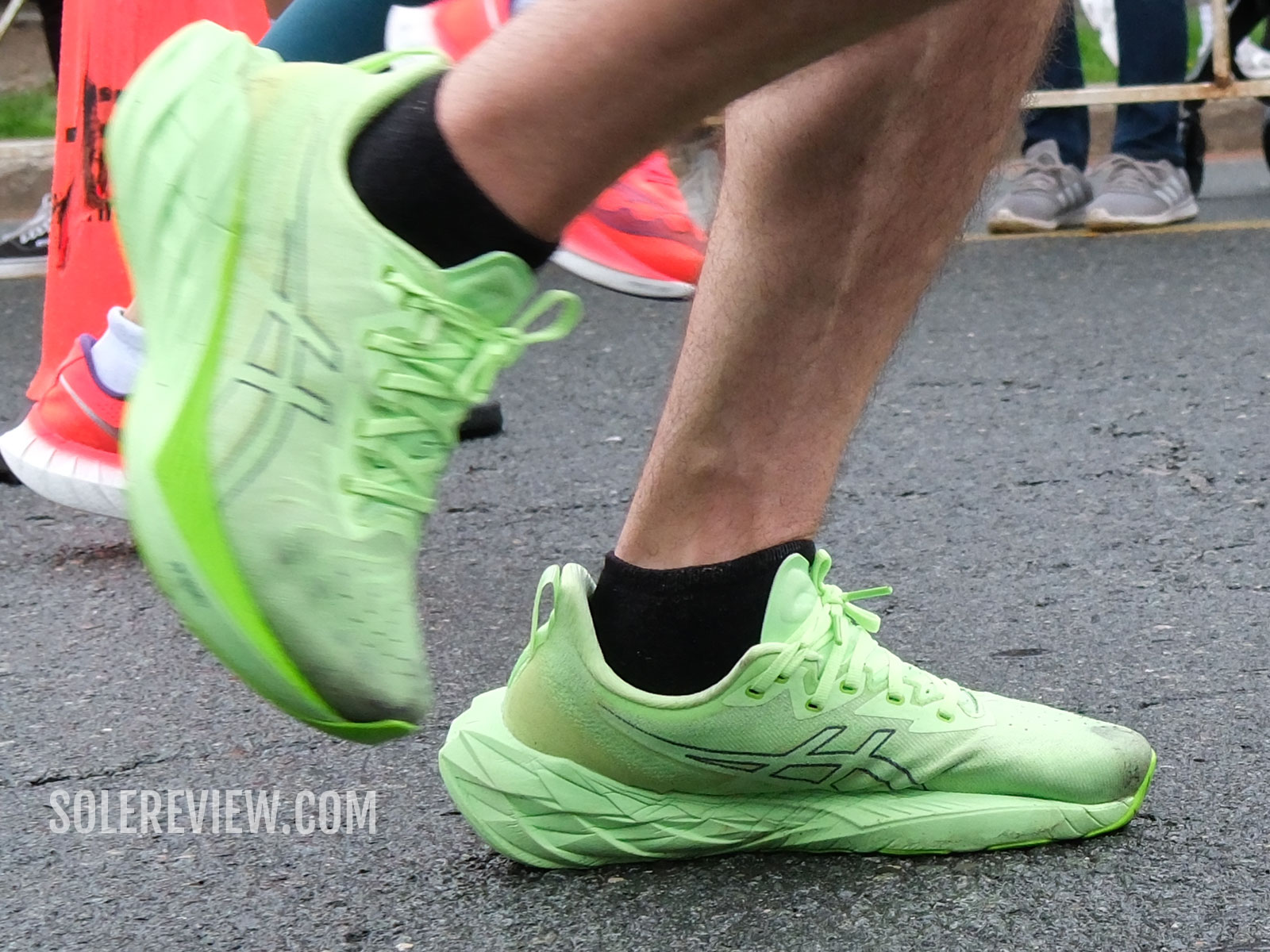
Three factors determine the shoe’s potential durability or the lack thereof:
1. The upper: Decoding the estimated lifespan of the upper is difficult for several reasons. At a very basic level, the materials used – be it the mesh or synthetic overlays – must flex and have a certain amount of thickness. But what’s of greater importance is the working relationship between the materials.
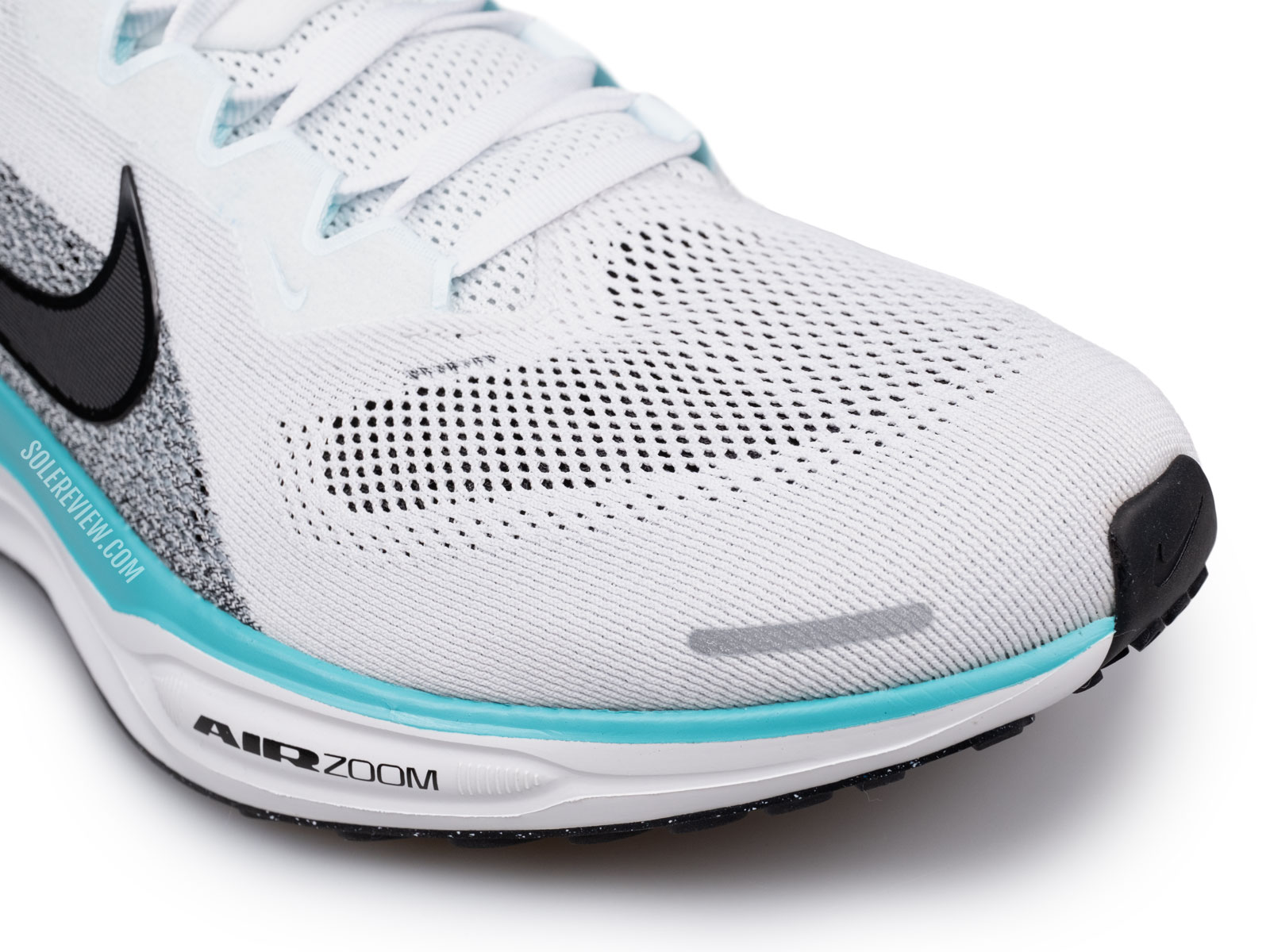
Even an upper made of thin materials can be durable – as long as it gets a few things right. The first is the absence of friction between the materials, and the second is the lack of pressure points. This can be made clear by a few examples. If the big toe rubs the area where the stitched toe-bumper (if applicable) and mesh meet, there is a chance that a tear could develop over time.
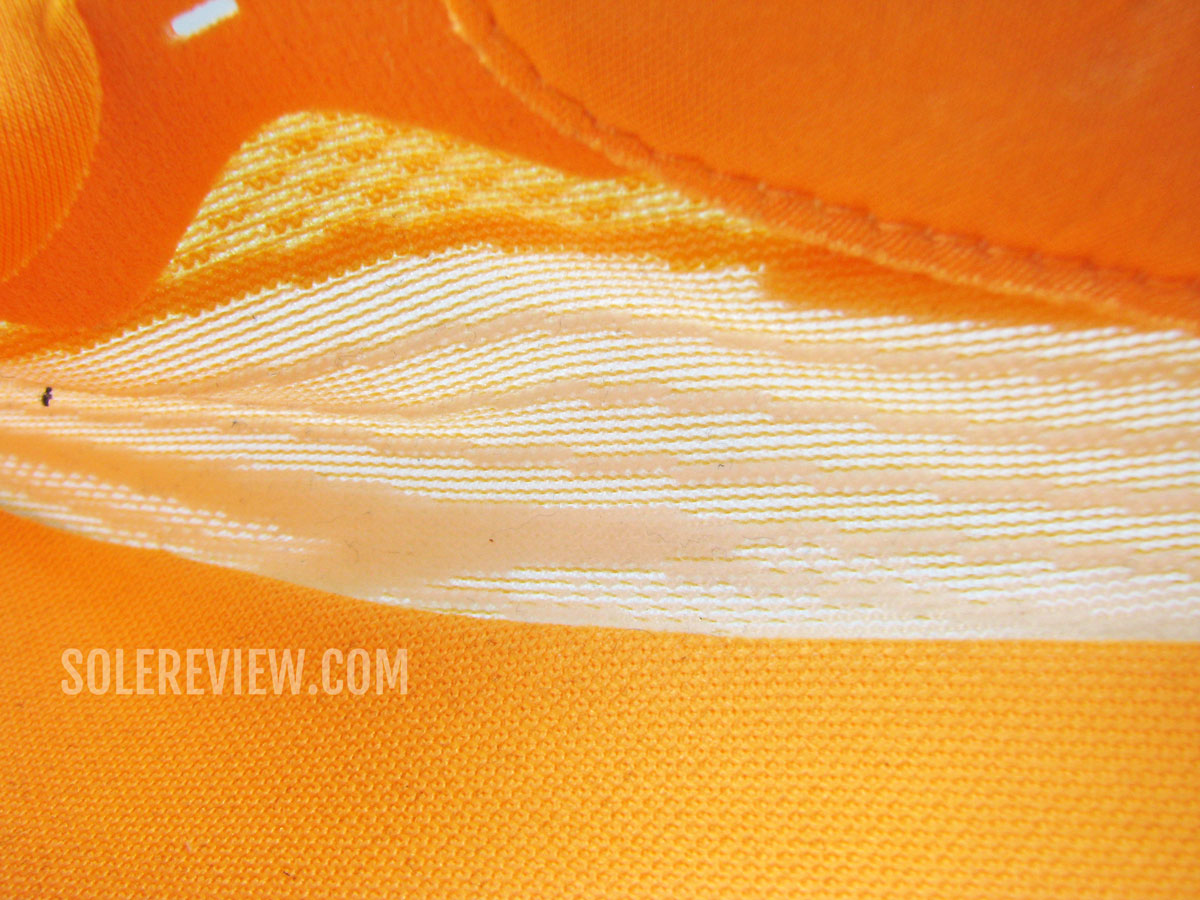
The Rebel 2’s lightweight mesh was great for ventilation, but was fragile.
This often happens if the toe-box mesh is thin and lacks an inner lining. However, this is becoming less of a concern since newer running shoes are based on knit uppers with internal bumpers. But every once in a while, an imperfect shoe with a fragile upper shows up – the New Balance Fuelcell Rebel 2 was a good example. Some brands rely on a fabric backer as a reinforcement, and you can feel this by inserting your hand under the upper. Other shoes skip the lining and rely on a thicker base material or an inner sleeve instead.
Some shoes use stiff materials around the last two rows of lacing. We’ve come across cases where this portion tears prematurely due to friction. There are a few cases of the heel lining coming apart, but that’s usually due to improper (shorter) sizing. Lacing eyelets rarely tear these days. But if you want to make sure that this doesn’t happen, turn over the lacing panel to check for reinforcement. The upper durability is also affected by how well (or not) the shoe fits; it is important to buy the right size and have enough room in the front. In many cases where the heel lining tears too soon may indicate a short size. Lastly, high-end uppers like the kind used on the adidas adizero line-up are tough as nails, even if they seem paper-thin.
2. The midsole material: The lifespan of the midsole depends on three things – the compound, the density (firmness, softness), or a combination of both.
Polyurethane, PEBA, and SBES-based foams last longer than EVA (Ethylene Vinyl Acetate) ones. Polyurethane (PU) is used in two forms; a poured kind like the Puma Ignite and Brooks Levitate, or the popular variety known as E-TPU.
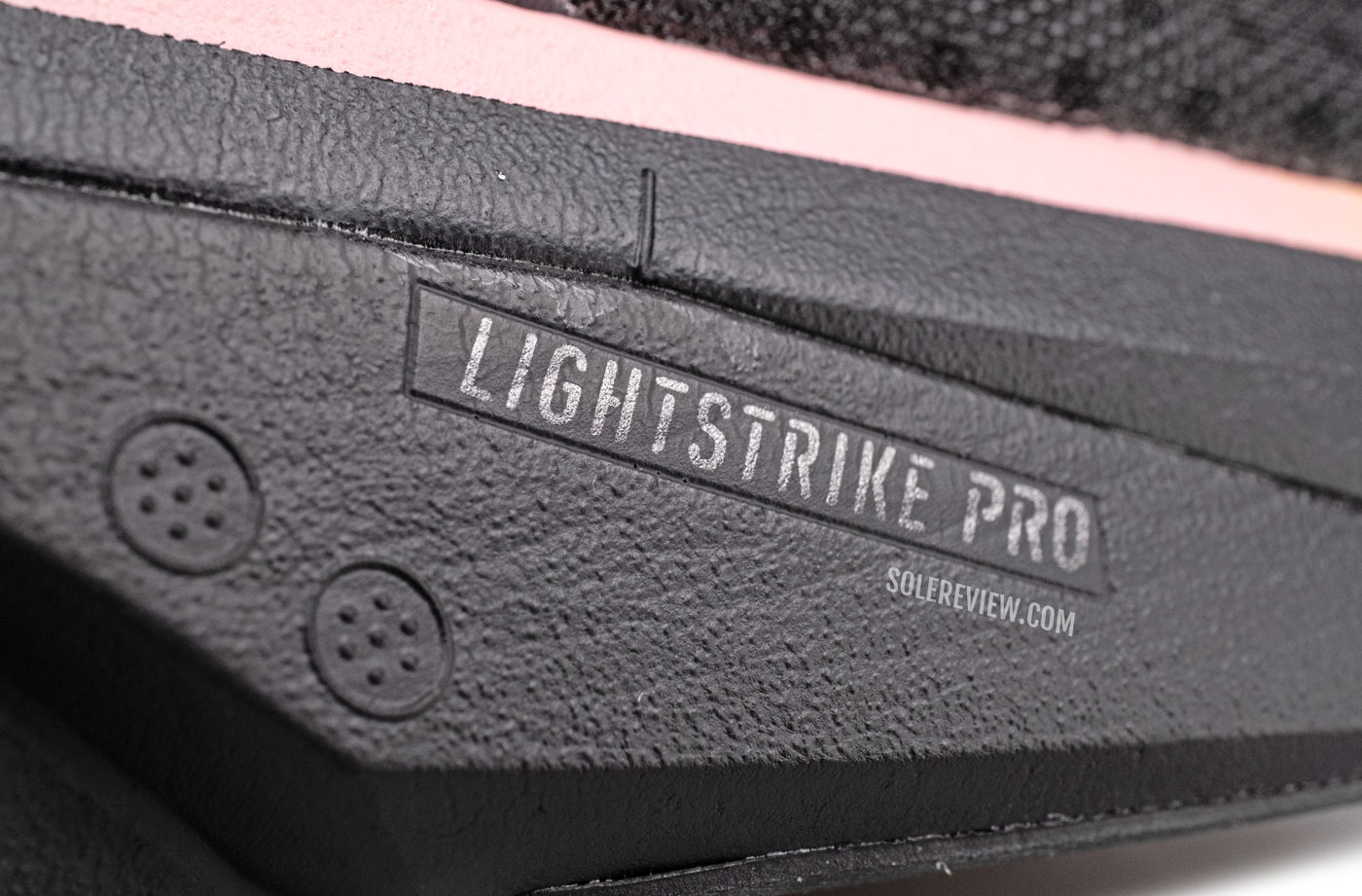
The durable adidas Lightstrike Pro foam is supportive and temperature resistant.
These materials have a higher resistance to abuse from repeated compression and temperature, making them extremely durable. E-TPU is commonly used as adidas Boost or the Saucony Pwrrun+.
As for the adidas Lightstrike Pro, we don’t know what exactly it’s made of. That said, it’s very resistant to compression fatigue – unlike the crease-prone PEBA foam. The Saucony Endorphin Elite also uses a similar material as the adidas Lightstrike Pro. Standard Polyurethane midsoles can be distinguished from EVA with a few visual cues; read this solereview article for more. The Brooks Levitate also uses a Polyurethane midsole.
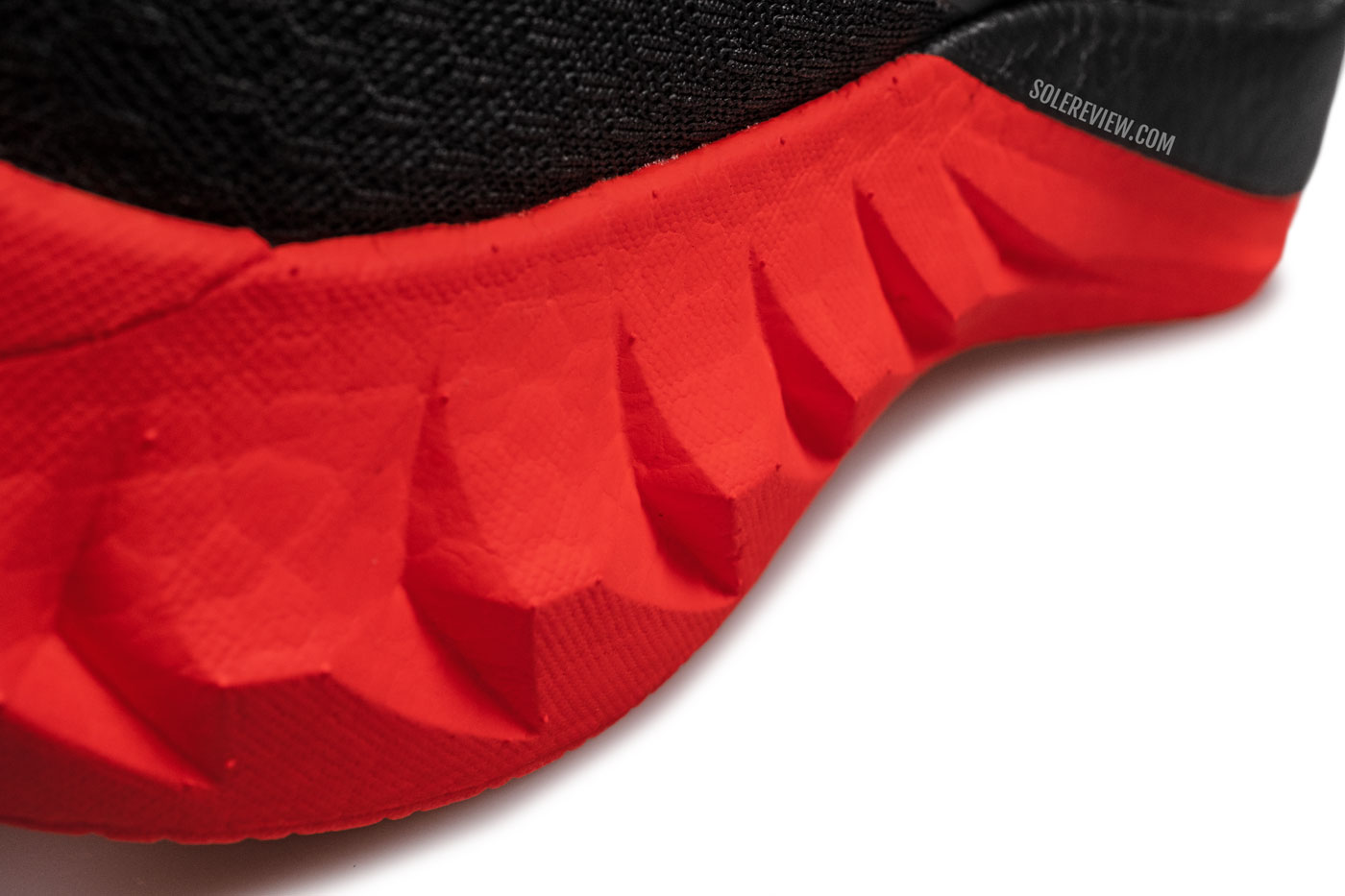
Meet Pwrrun PB – Saucony’s spin on the PEBA foam cushioning.
Saucony uses PEBA (Poly Ether Block Amide) foam for its Endorphin Speed and Pro models. The feedback on Pwrrun PB’s durability has been very positive so far.
The Superblast 2’s Flytefoam midsole is a durable cushioning material.
EVA midsoles are ubiquitous and form the majority of running shoe midsoles. Though not as durable as newer foams, most last reasonably long. That said, there are a few things to keep in mind. The softer the EVA midsole, the shorter its life. A softer-density EVA midsole is likely to lose its cushioning properties sooner.
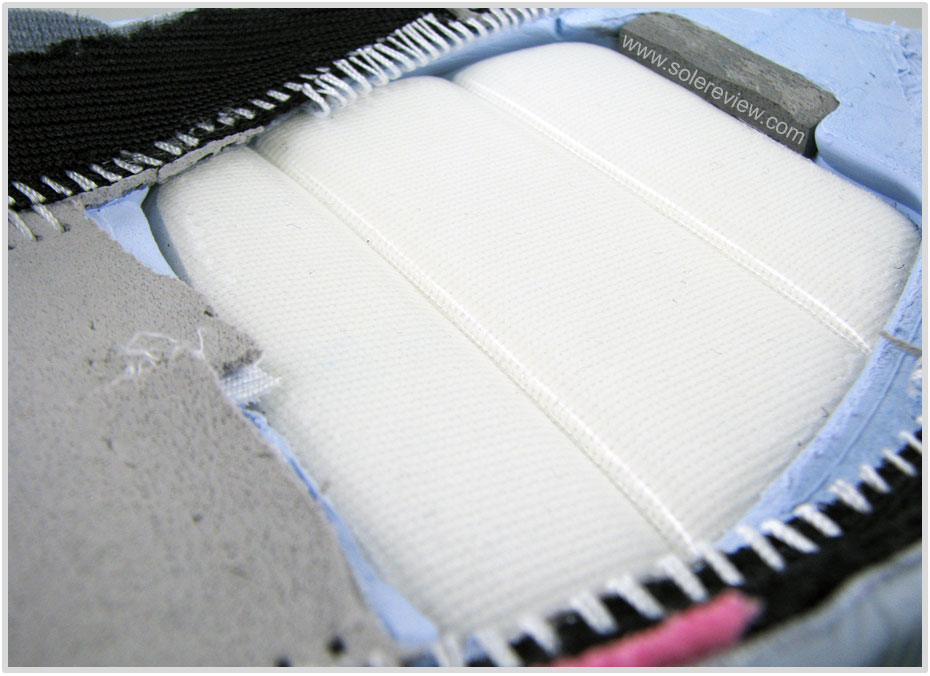
The Zoom Air bag of the Pegasus 41 makes the cushioning durable.
Besides the firmness, midsole inserts such as Nike Zoom Air (like the one inside the Pegasus 40) increase cushioning durability.
3. The outsole: In the majority of cases, the rubber outsole is the first point of failure. The upper and midsole may be in perfect condition, but the outsole could get shredded into wafer-like thinness after a few hundred kilometers.
Three things matter when it comes to the outsole life – the rubber material, the layout/geometry, and how well it works together with the midsole. A running shoe that uses only hard rubber for its outsole will outlive a model that uses a mix of soft blown rubber (forefoot) and a harder rubber under the rearfoot.
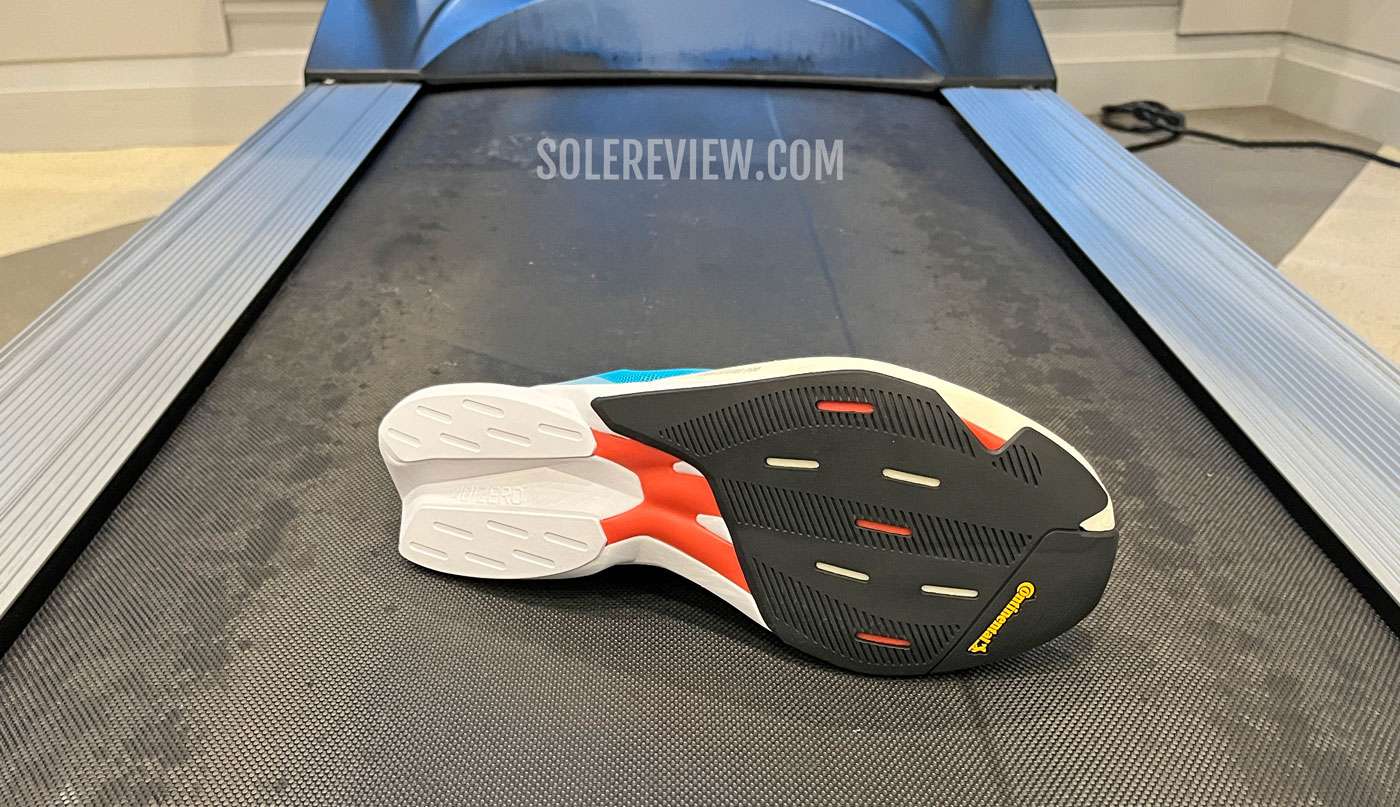
The adidas Continental rubber compound has proven durability.
Generally speaking, compounds like Puma’s outsole rubber and adidas Continental are more durable than regular rubber. A flat and full-coverage outsole will outlast a design that features prominent lugs. Pointy outsole lugs take the brunt of the wear and tear – as opposed to a flat profile outsole that spreads the wear and tear over a wider area.
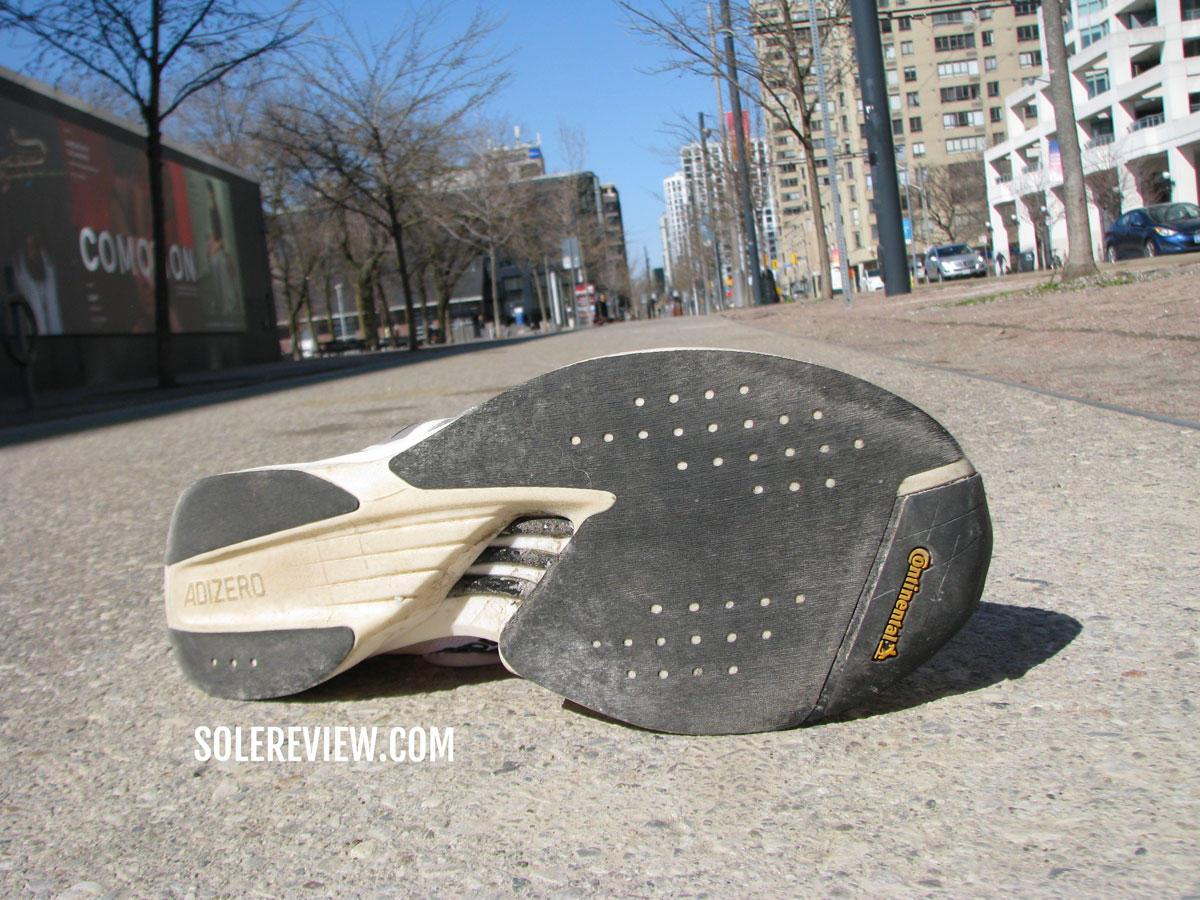
Using a hard rubber compound with a flat profile usually delivers a higher mileage. We’re always surprised at the extent of the positive effect a flat outsole has on durability – even with soft rubber. At times, the outsole lifespan depends not on the material but on how it works together with the midsole. The Asics Superblast is a good example of what we mean. Its thin outsole flexes along with the soft midsole and slows down the rate of wear and tear. Our readers have unanimous praise for the Asics Superblast’s high mile-per-dollar value.
The shoes in this guide satisfy most of the selection criteria. The adidas Continental rubber outsole used to be the only show in town, but that time has passed. Other brands have caught up and now offer a wide selection of durable running shoes. Under normal usage conditions, these shoes will last at least 400 miles. Unless you’re a heavy runner living in a warm country, most of these shoes will give you 600 miles (and beyond) without any degradation in performance.