
In this product guide:
A running shoe must be good at just two things to qualify as a daily trainer. It needs to be versatile while helping condition the foot. That’s the gist of it, but let’s dive a little deeper. A versatile shoe wears many hats. It needs to have protective cushioning for up to a half-marathon distance, if not more. The midsole should be stable enough for different bodyweight classes, running speeds, and footstrike patterns. The shoe needs to be durable enough to meet the demanding requirements of high-mileage training. The upper should be secure, but not narrow, so it can comfortably accommodate diverse foot profiles. We don’t see any reason why anyone should spend more than US $160 on a daily trainer, so our recommended shoes cost meet that threshold.
We intentionally left out shoes with a full-length solid plate. A full plate isn’t great for proprioception, which is the body’s ability to sense its movement. In the running shoe industry, this is commonly known as ‘ground feel’. The adidas Boston 13 has Energy Rods instead – a set of tubes that help with transitions without being prescriptive or controlling. The other recommended shoes have a rocker midsole that add a propulsive effect while leaving most of the workload to the foot. Such type of shoes condition the foot better than a fully plated midsole.
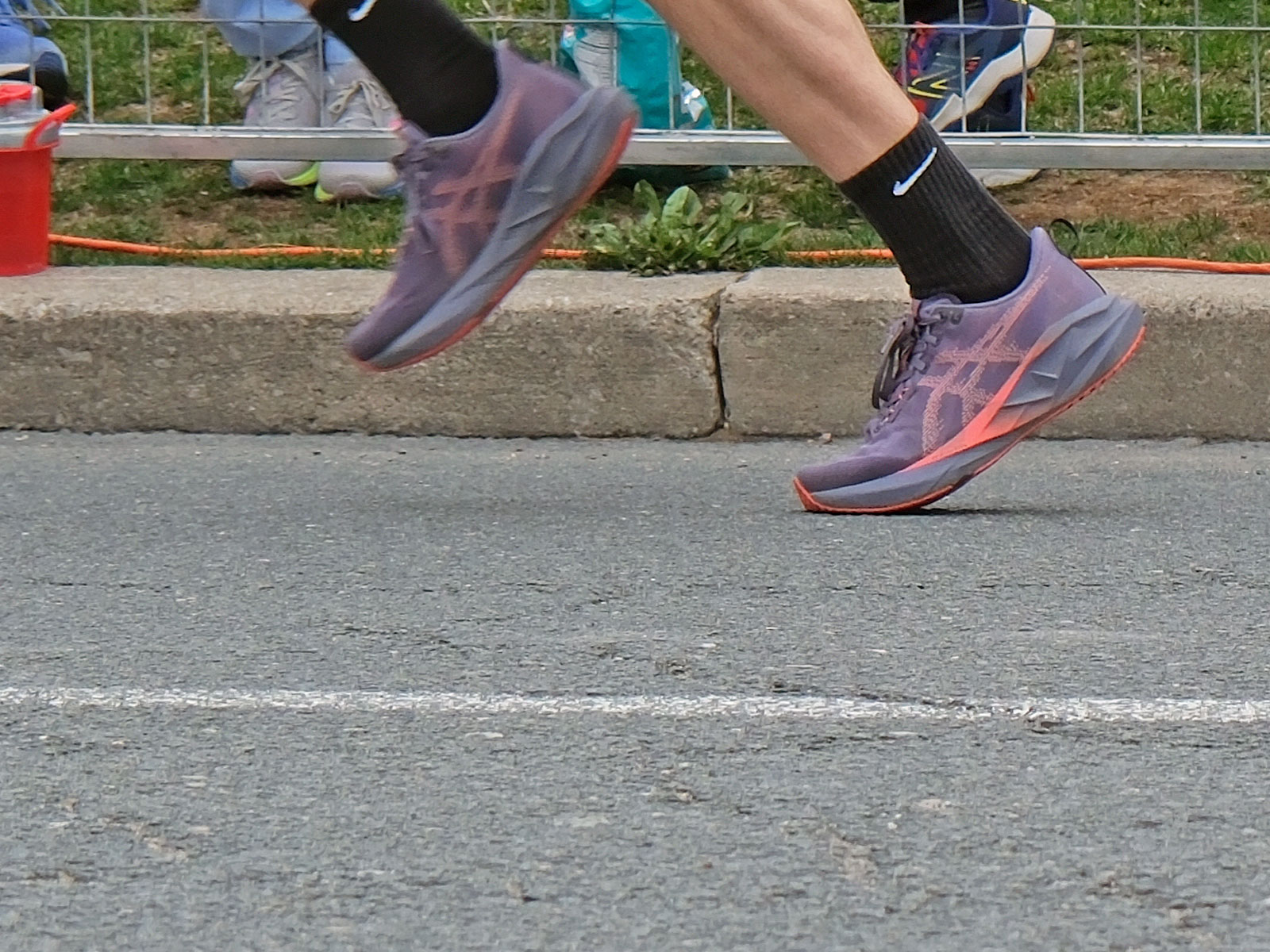
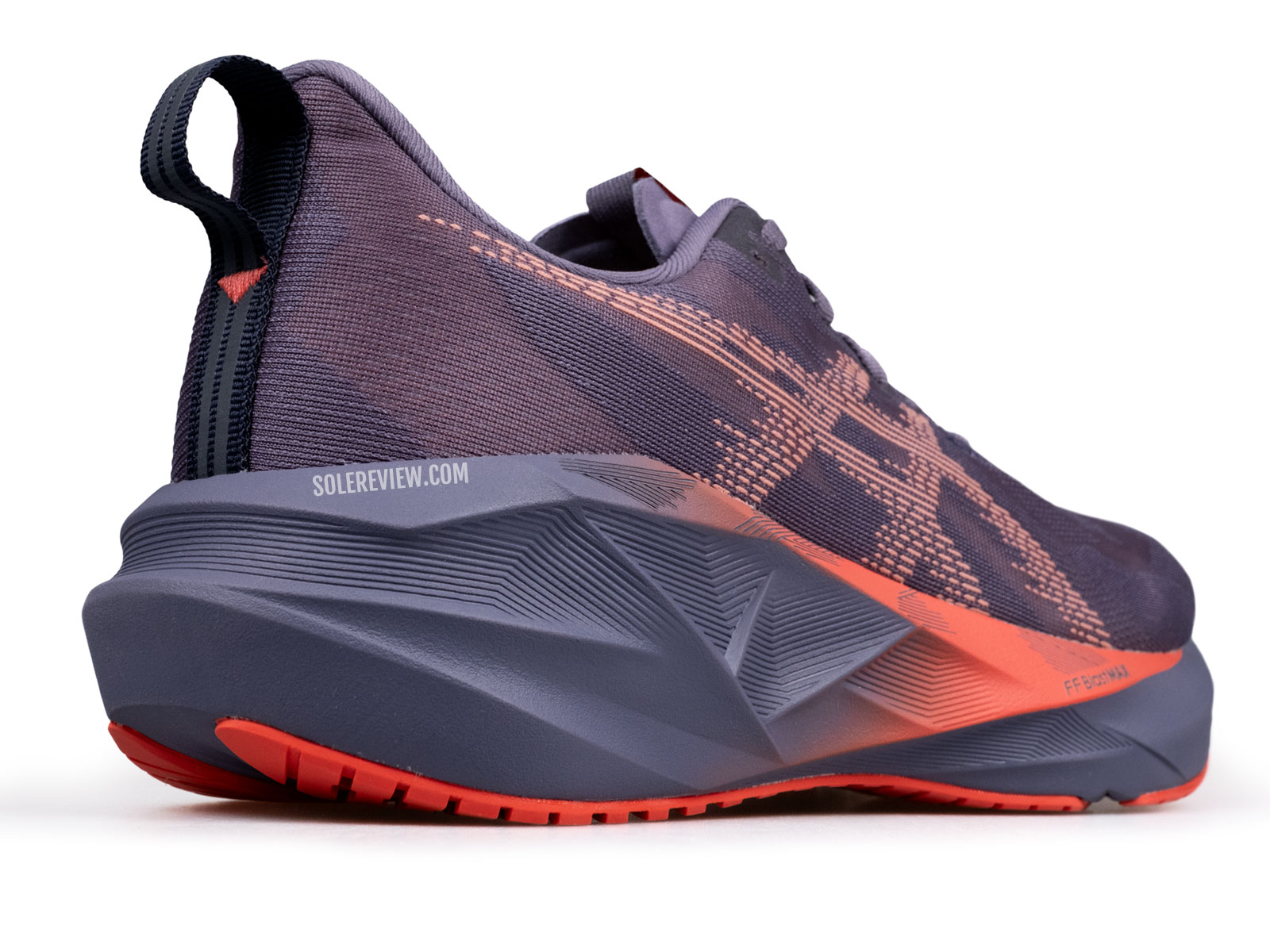
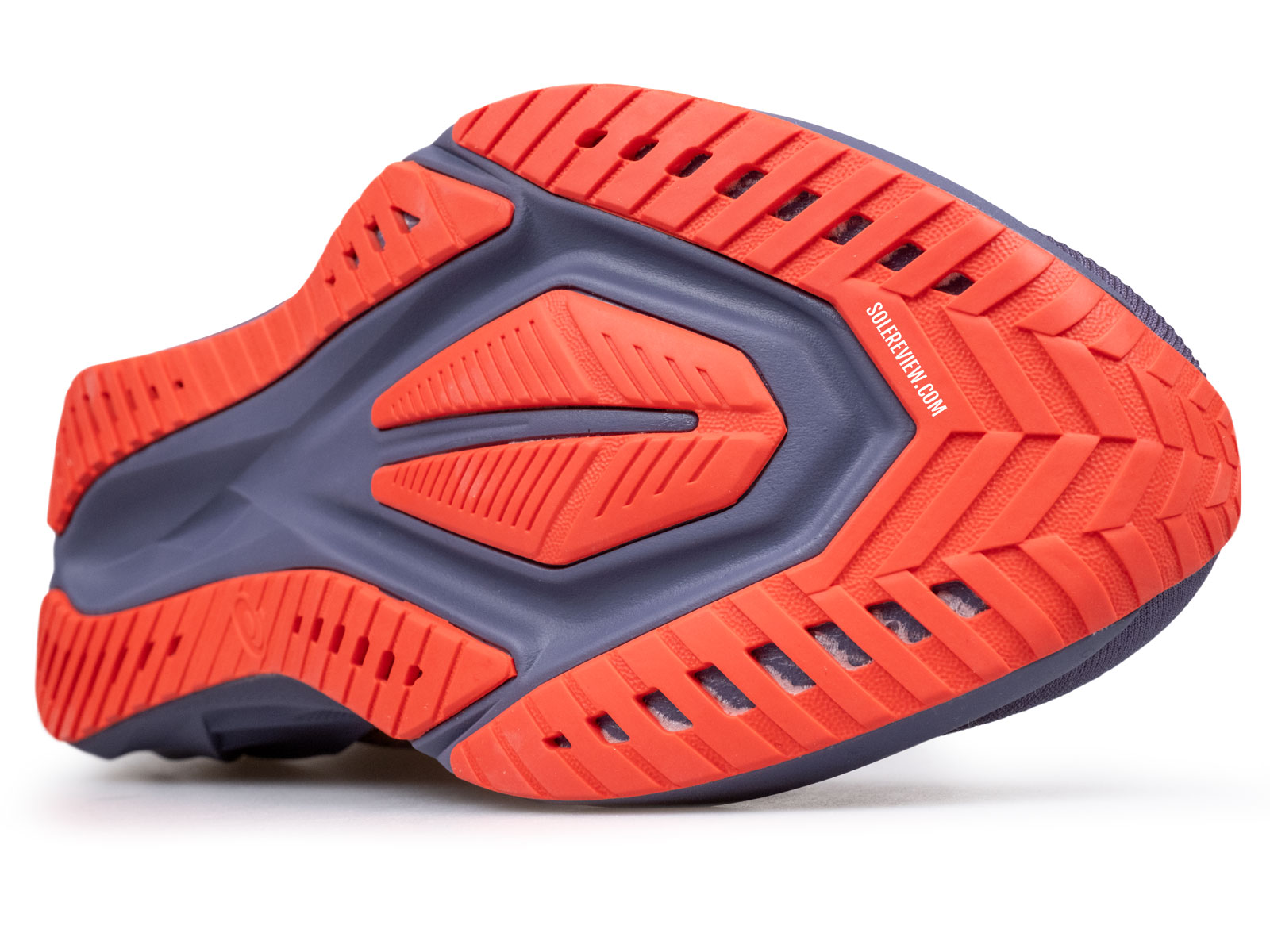
The Novablast 5 will likely find more takers than any other version of this shoe. The midsole is now rubbery-soft FlyteFoam Blast Max foam, and the upper is more spacious than the last model. The softer midsole reduces the efficacy of the rocker, but that’s not a bad thing for a daily trainer. The non-prescriptive midsole cushions the foot with healthy levels of proprioceptive feedback.
The lightweight cushioning is peppy enough for short runs. During longer runs, the tall stacks (41.5 mm and 33.5 mm) keep the feet fresh. The 8 mm drop midsole keeps the pressure off the Achilles and works equally well for heel and forefoot strikers. Our recommended top speed for the Novablast 5 is 4:30 min/km (7:00 min/mile). For faster speeds, consider either the adidas Boston 13 or adidas EVO SL.
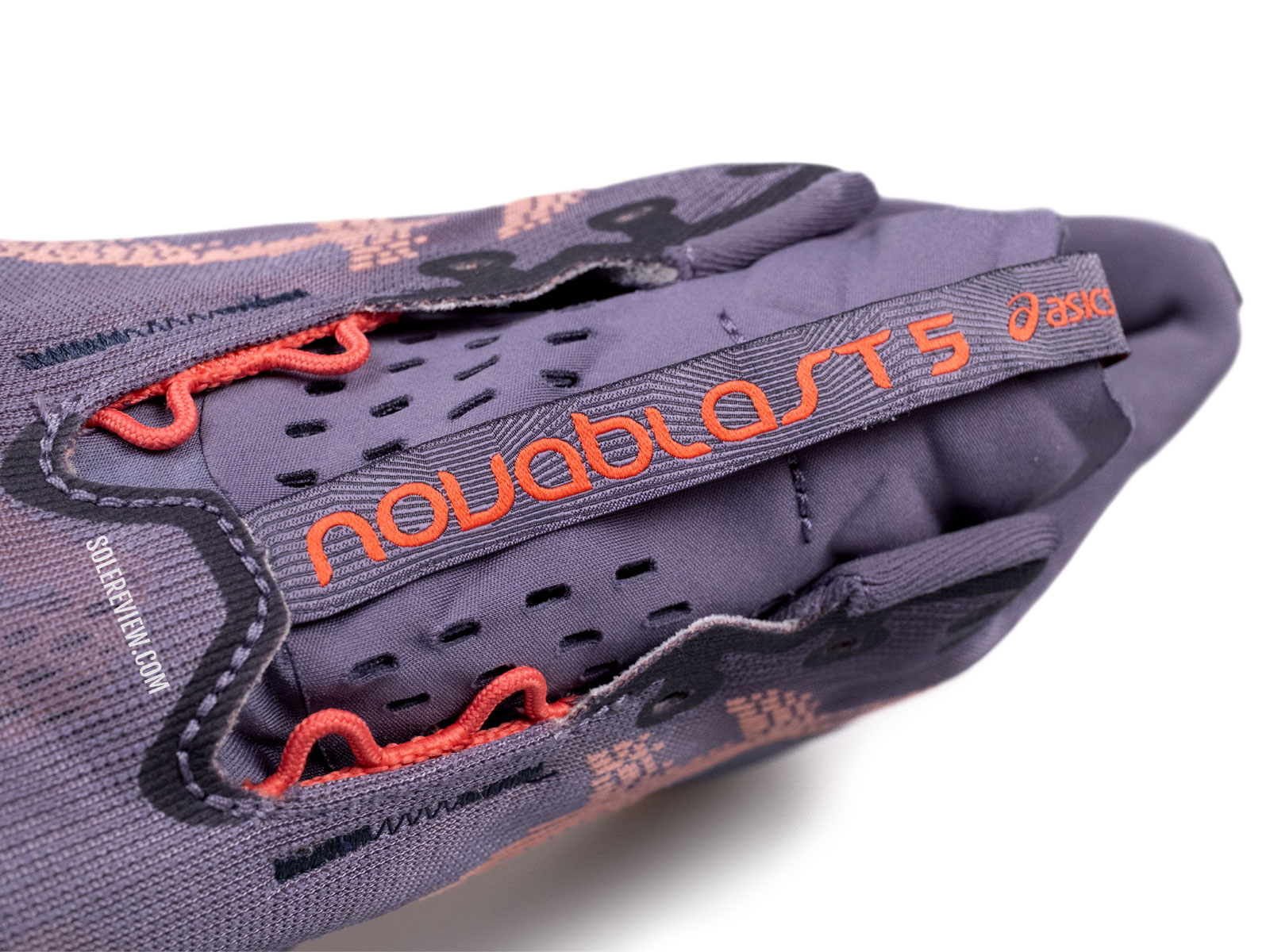
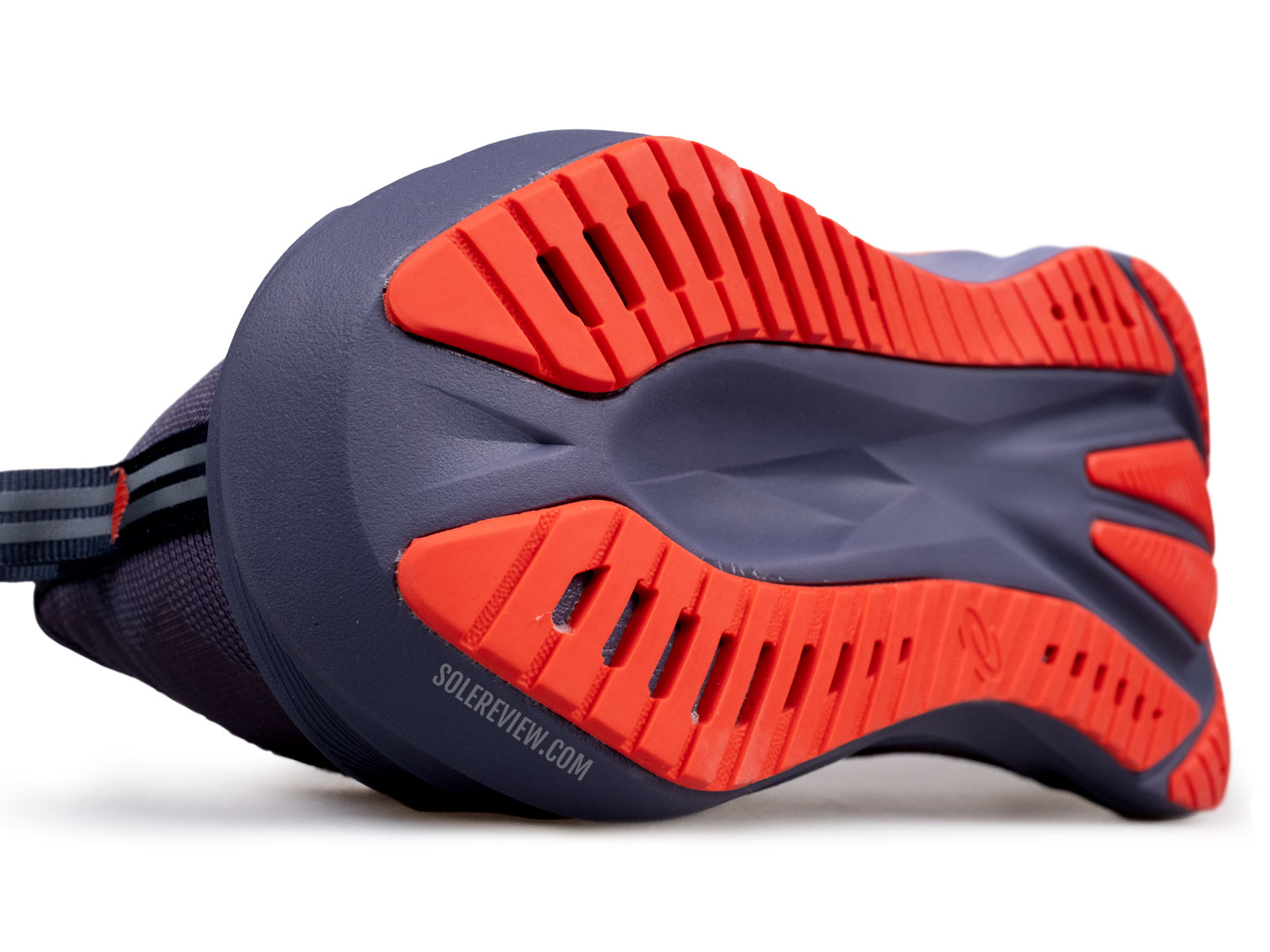
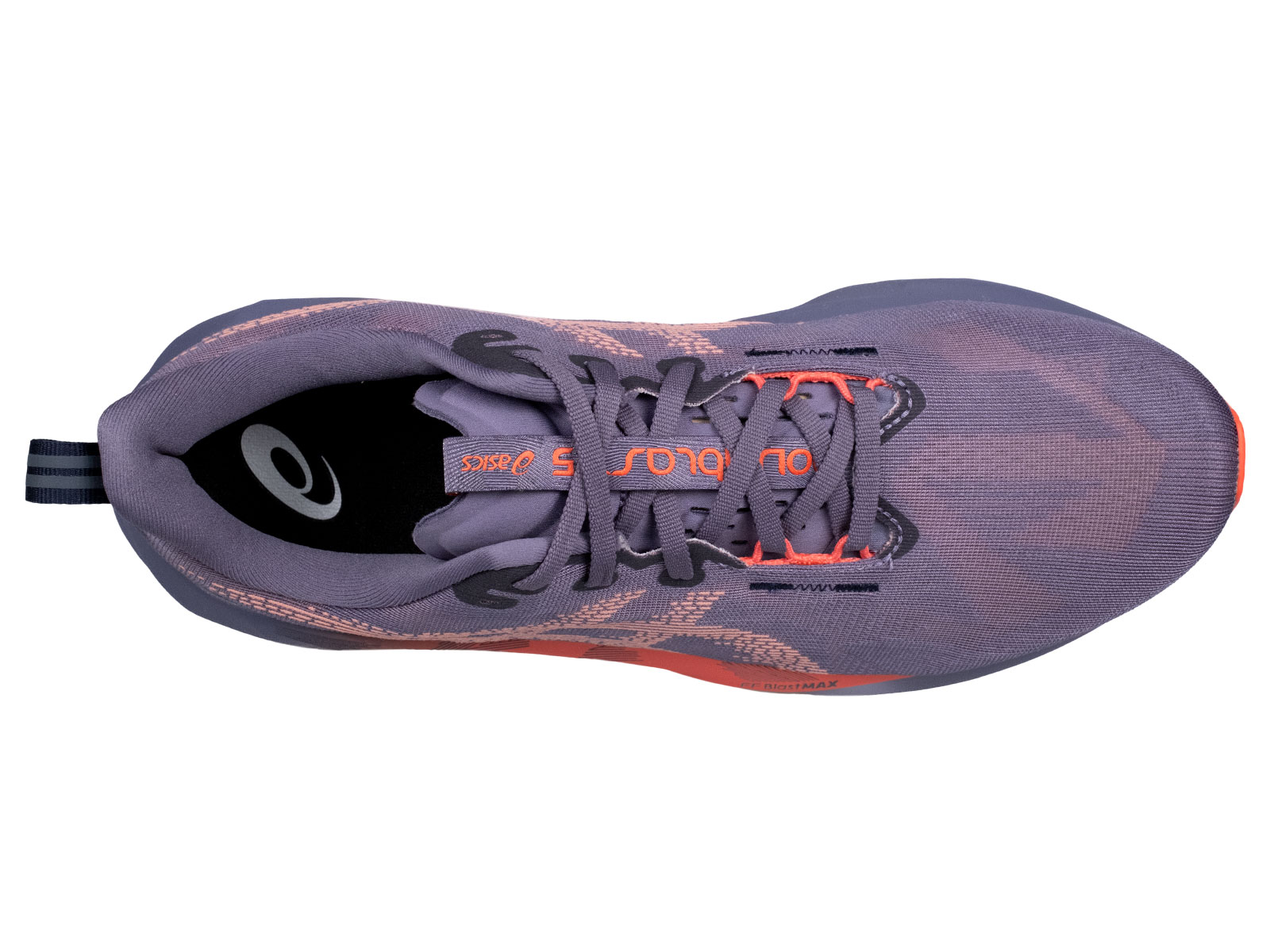
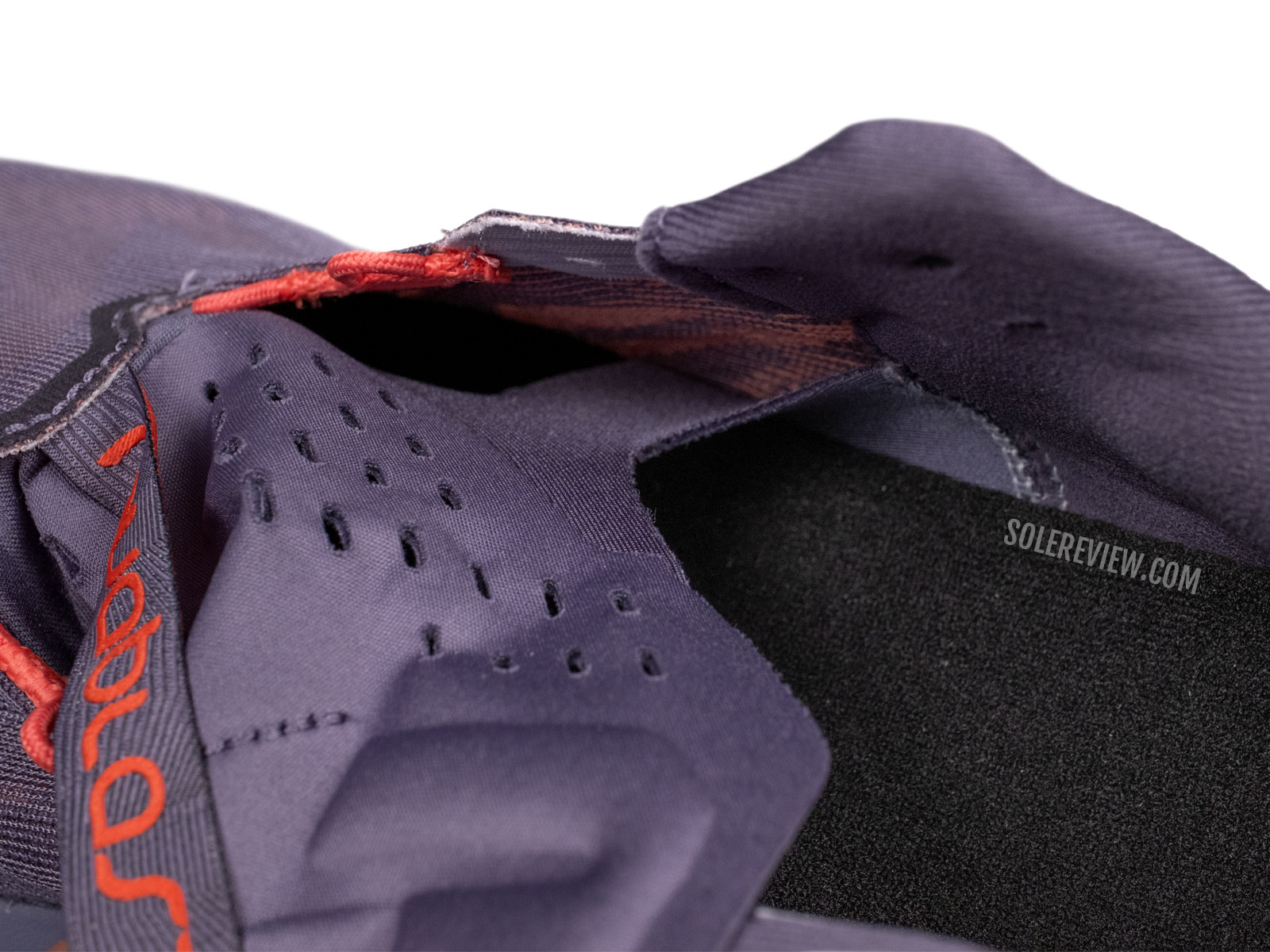
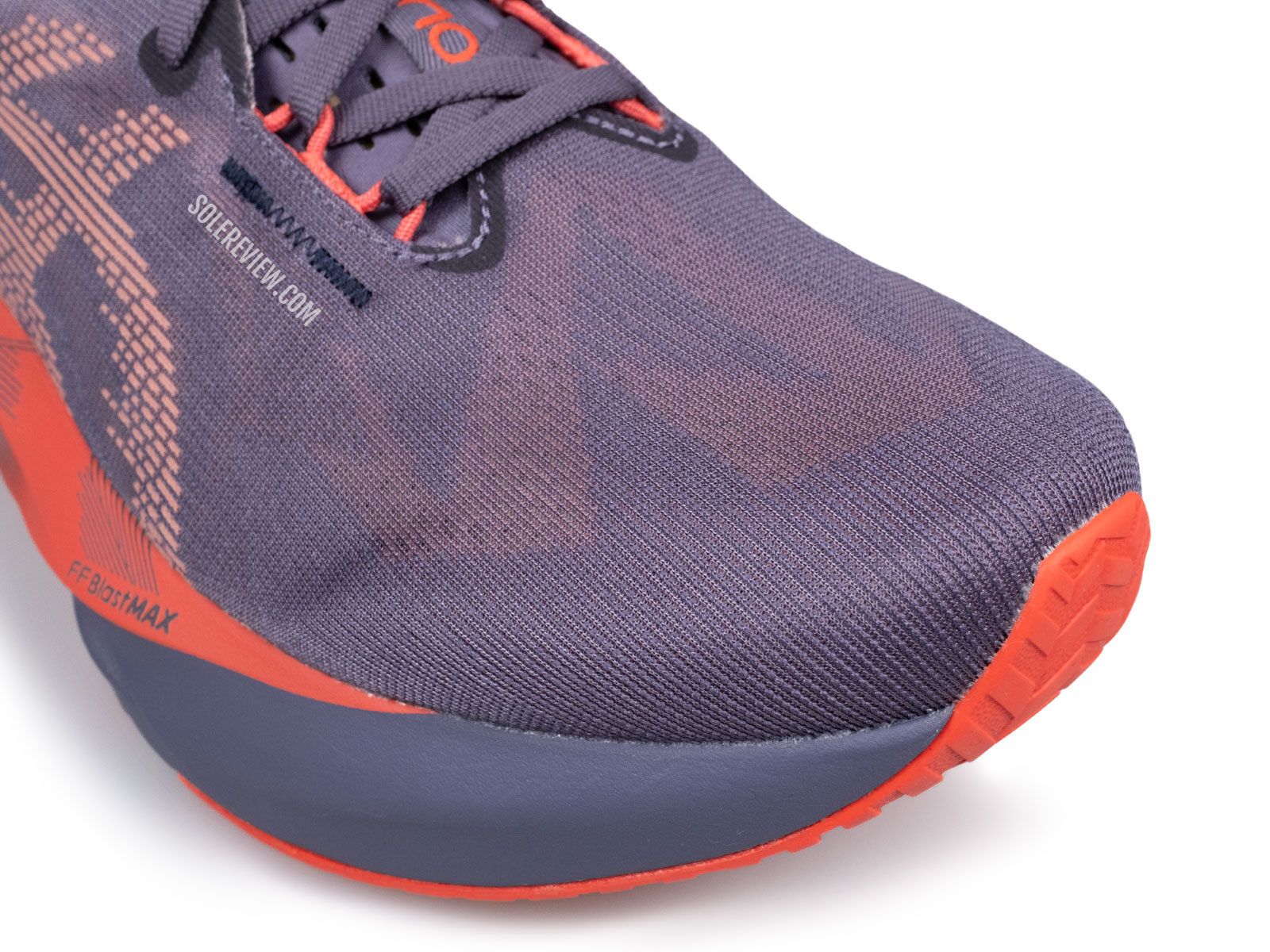
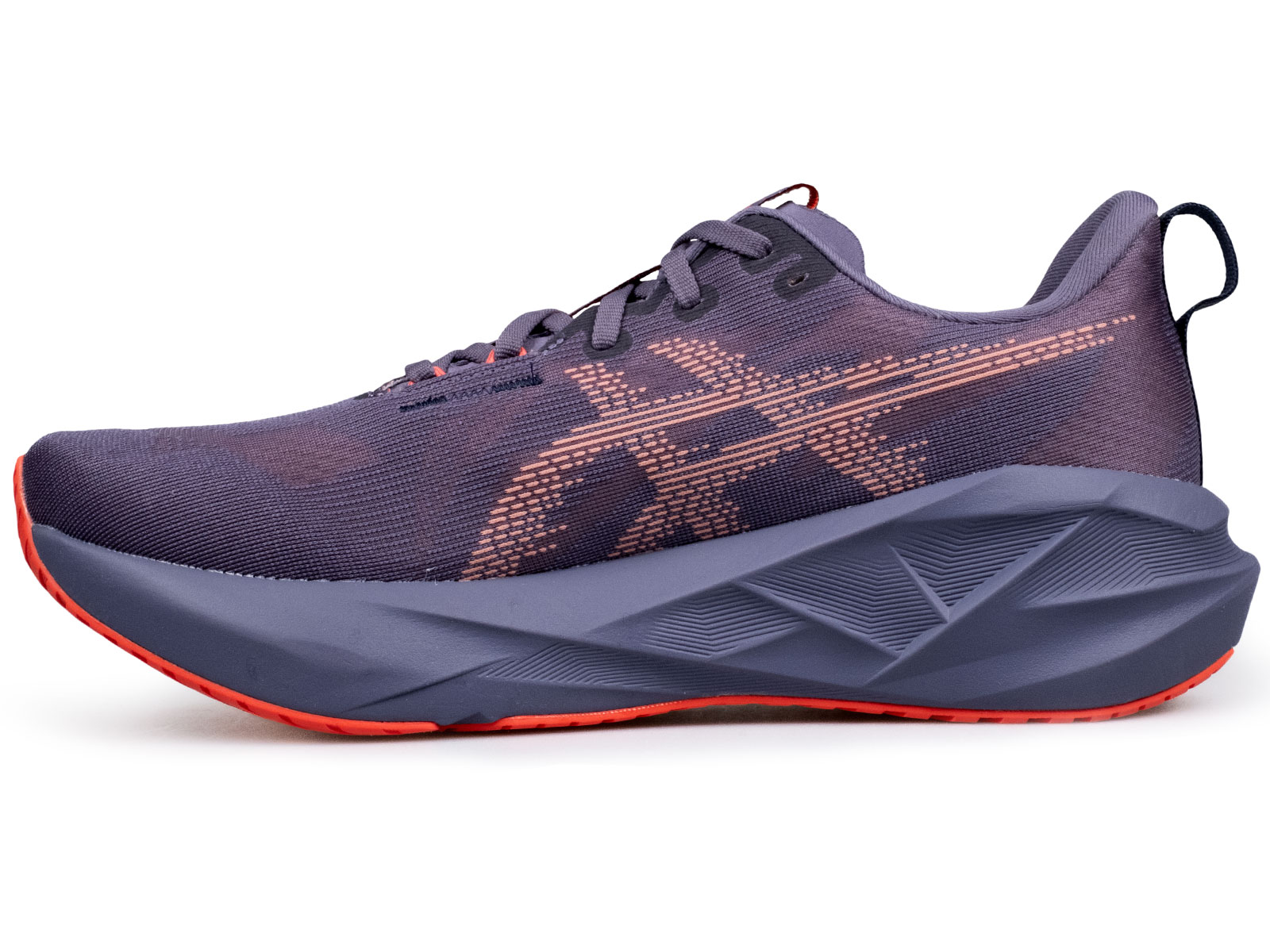
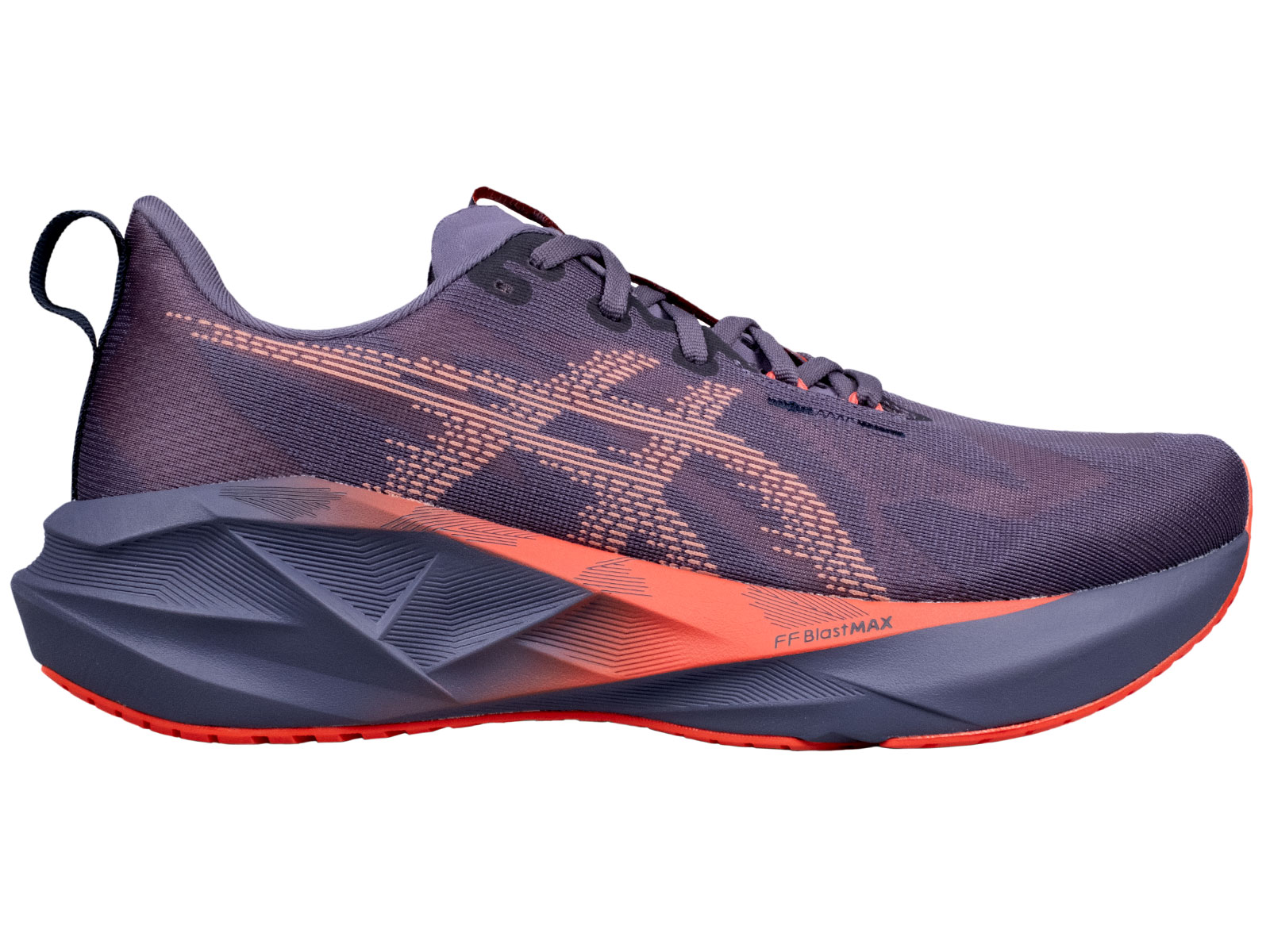
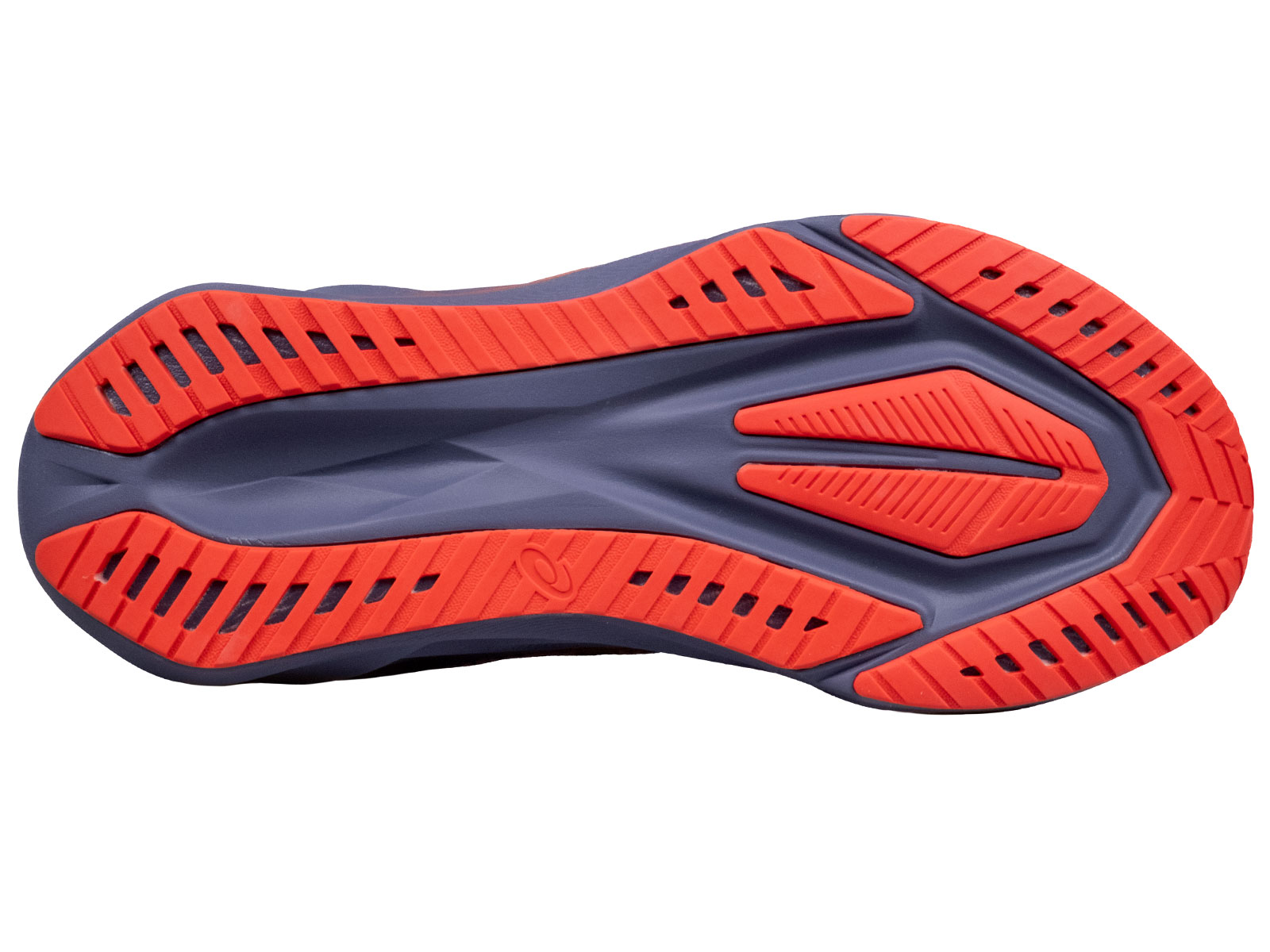
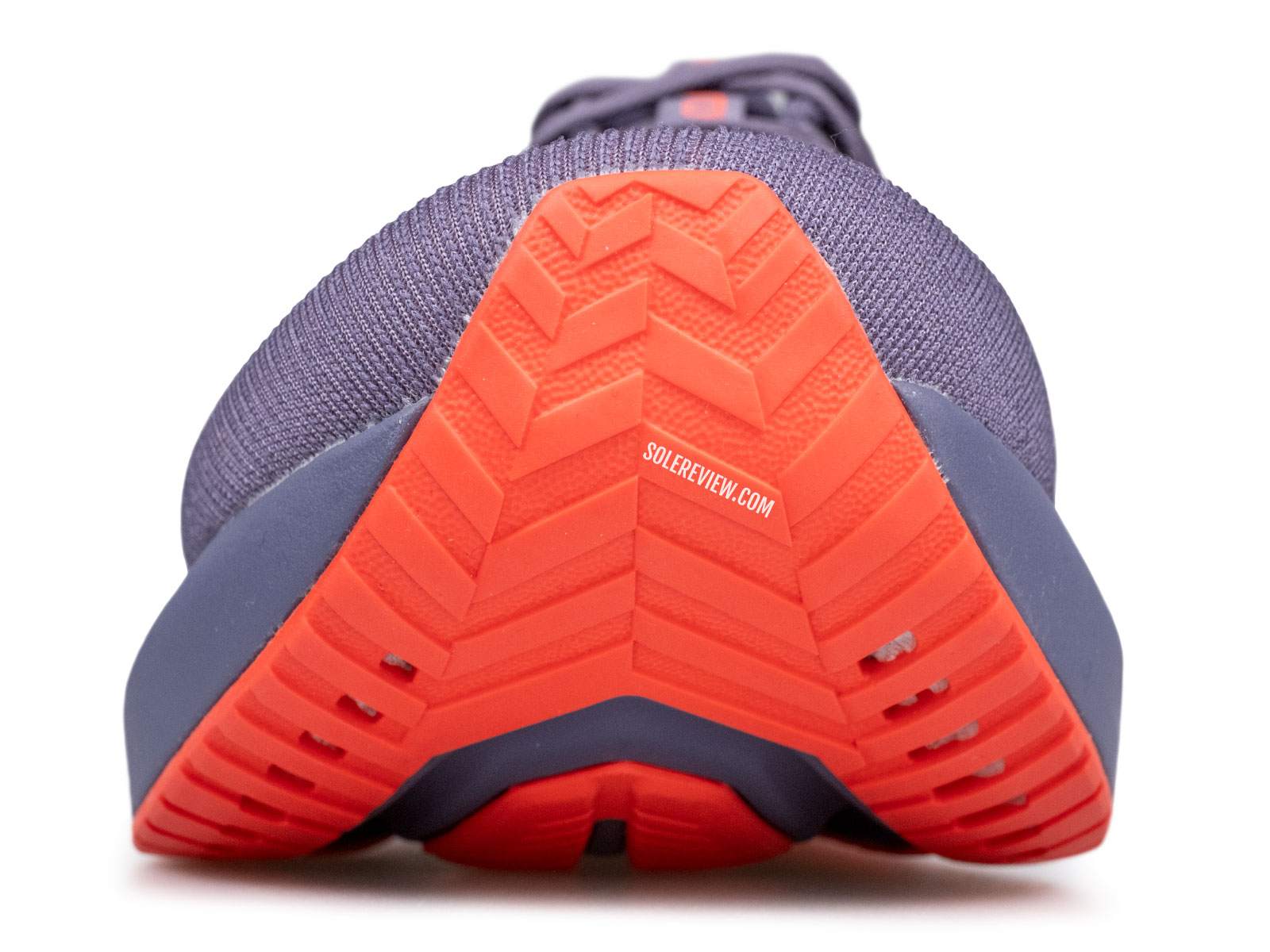
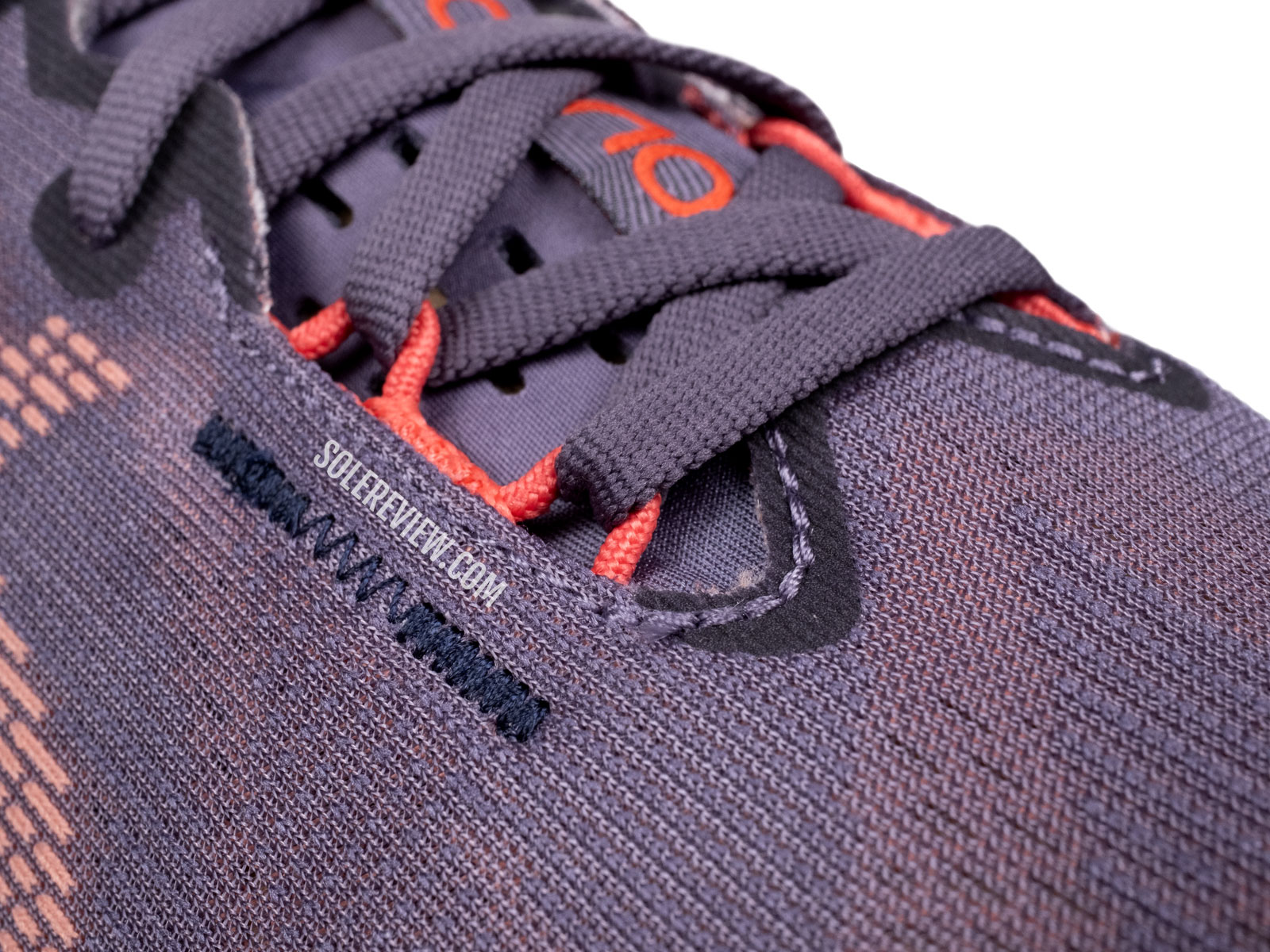
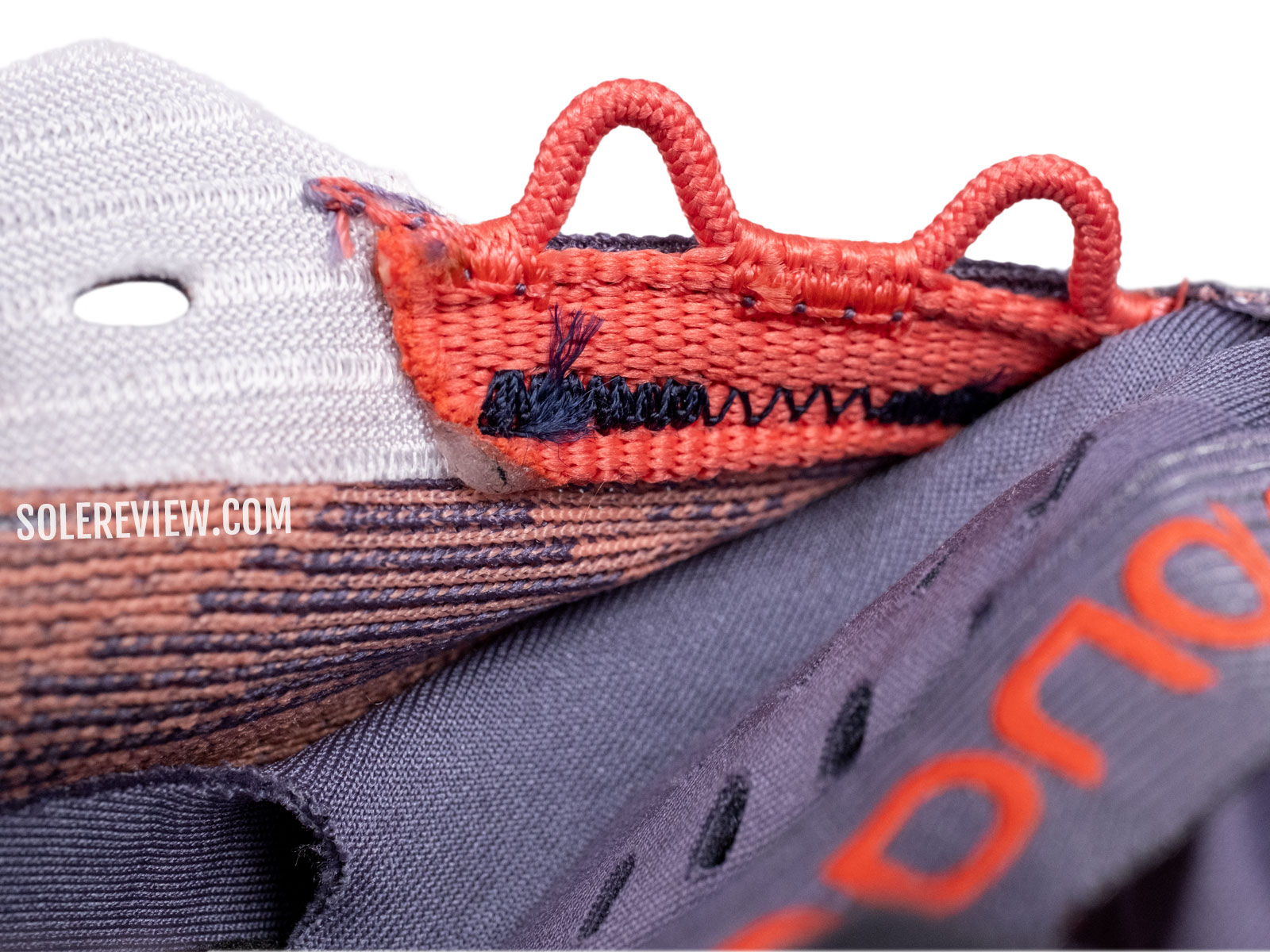
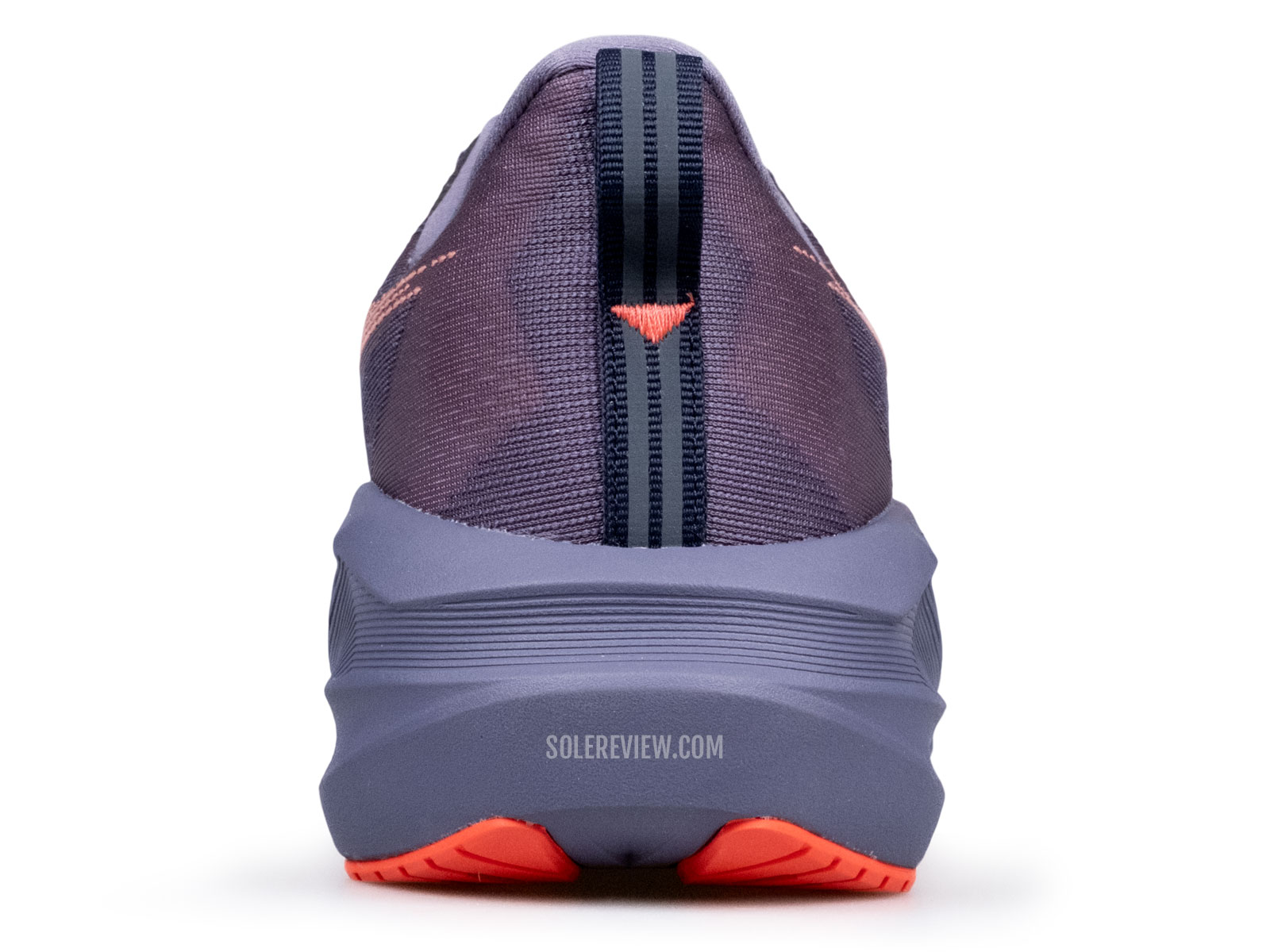
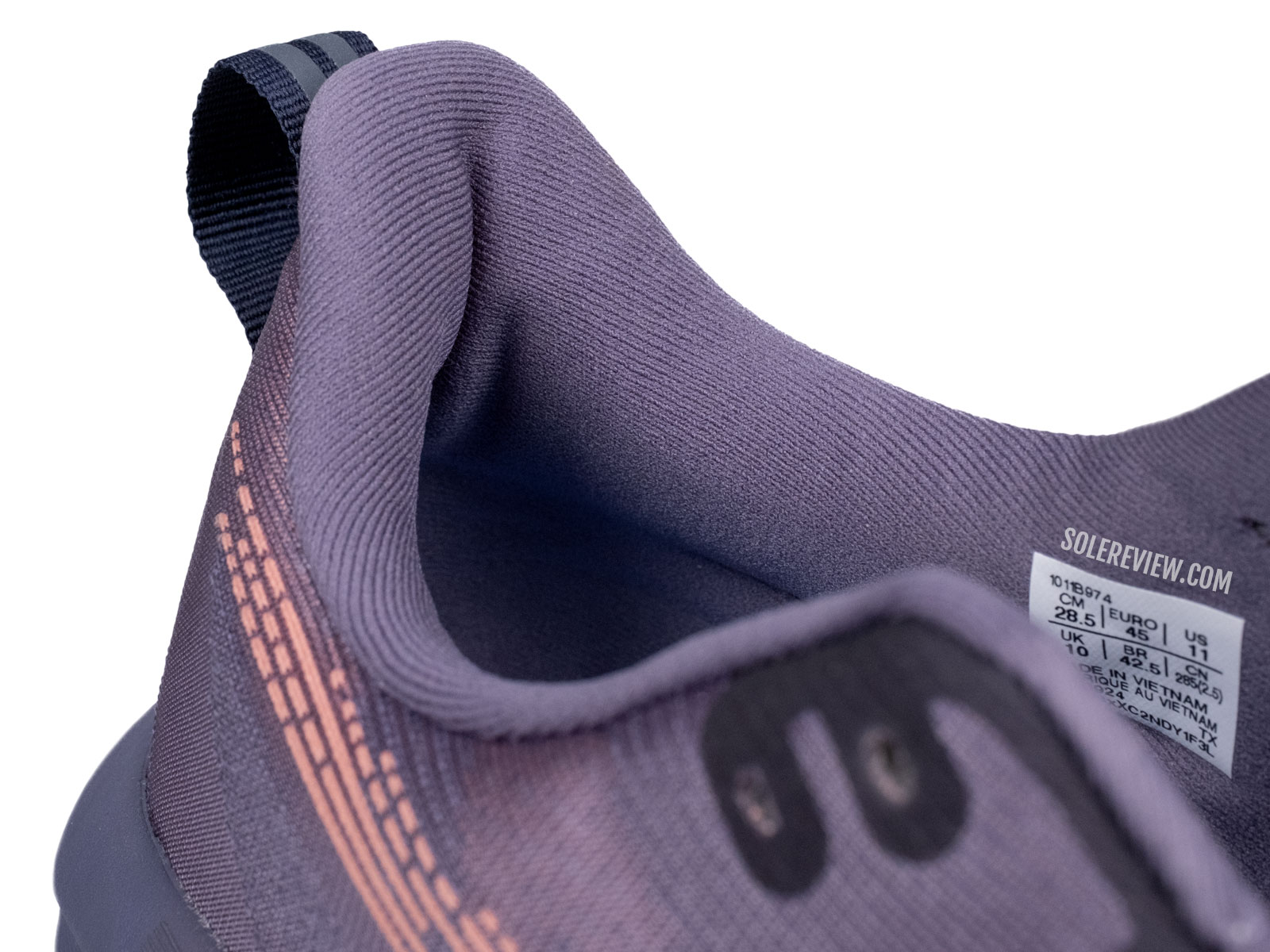
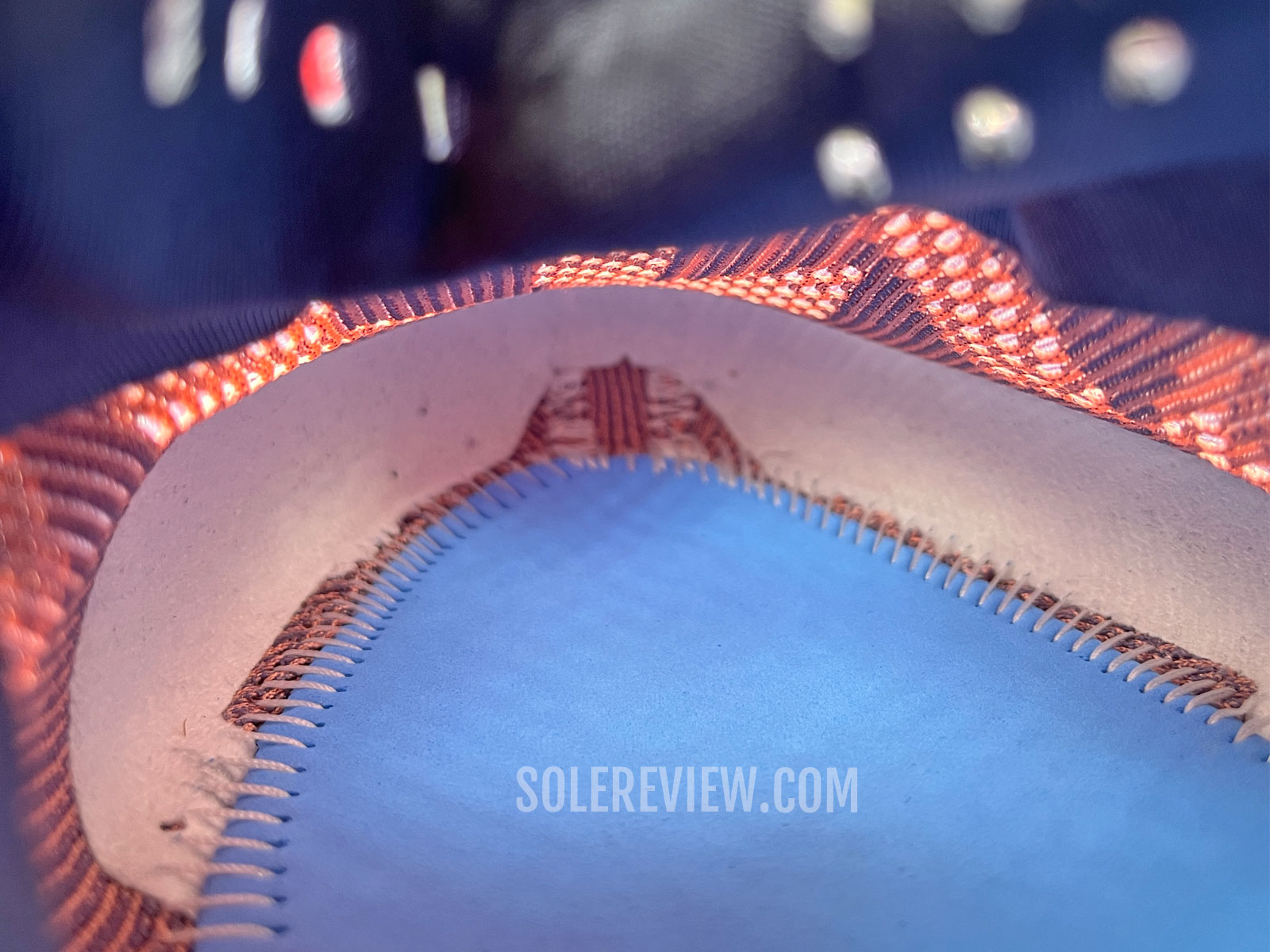

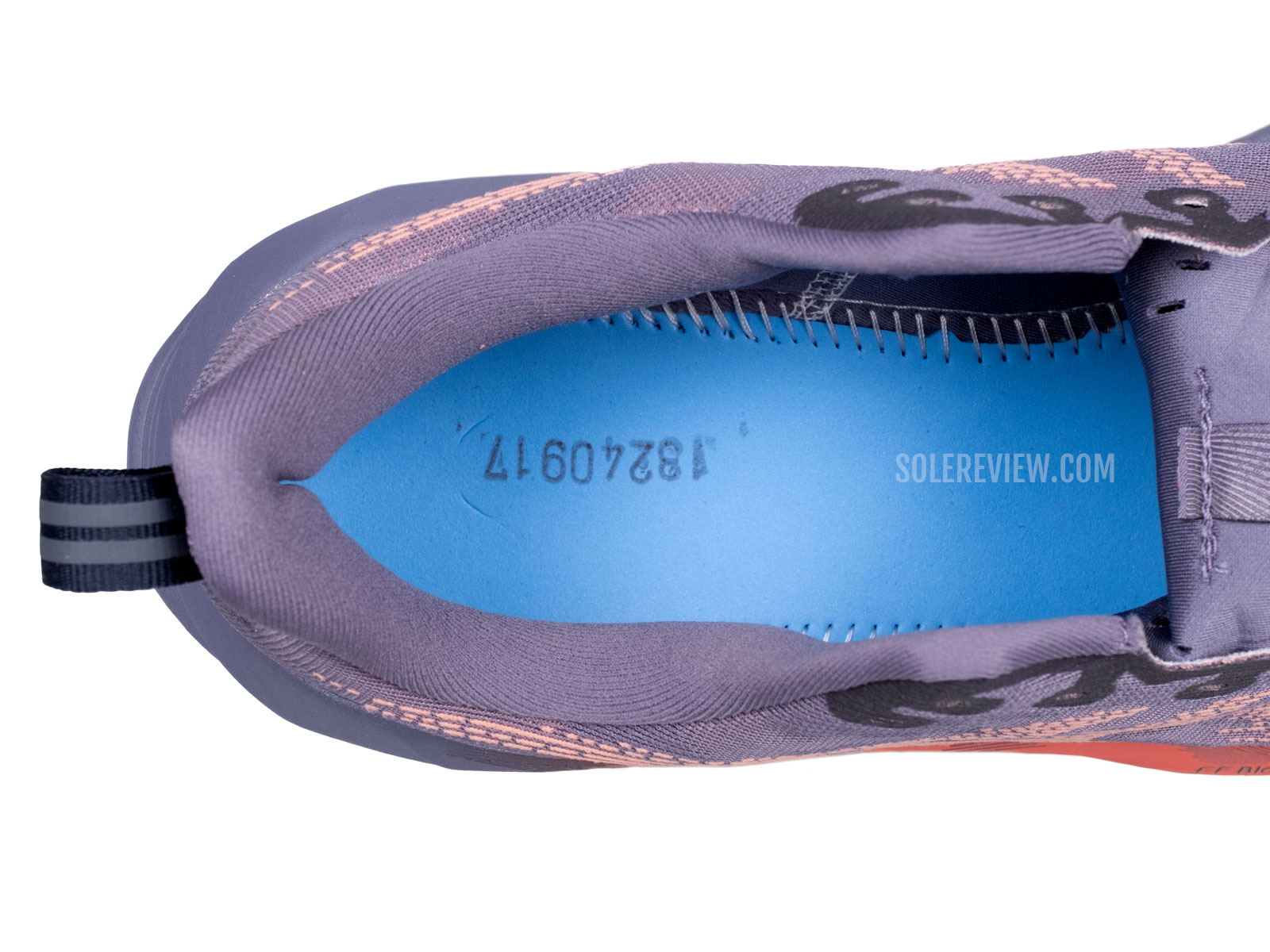
Asics sells a wide in this model, but most runners won’t need it. The true-to-size upper is snug but not tight, and the soft mesh feels accommodating. The tongue is perforated for ventilation and has a gusset to prevent it from sliding.
- Asics’s marketing pitch: Dynamic bounce and responsive energy return.
- Upper: Engineered mesh, tongue gusset.
- Upper fit: True to size, narrow.
- Midsole: Full-length Flytefoam Blast Max foam. 8 mm heel drop.
- Outsole: Carbon rubber in high-wear areas.
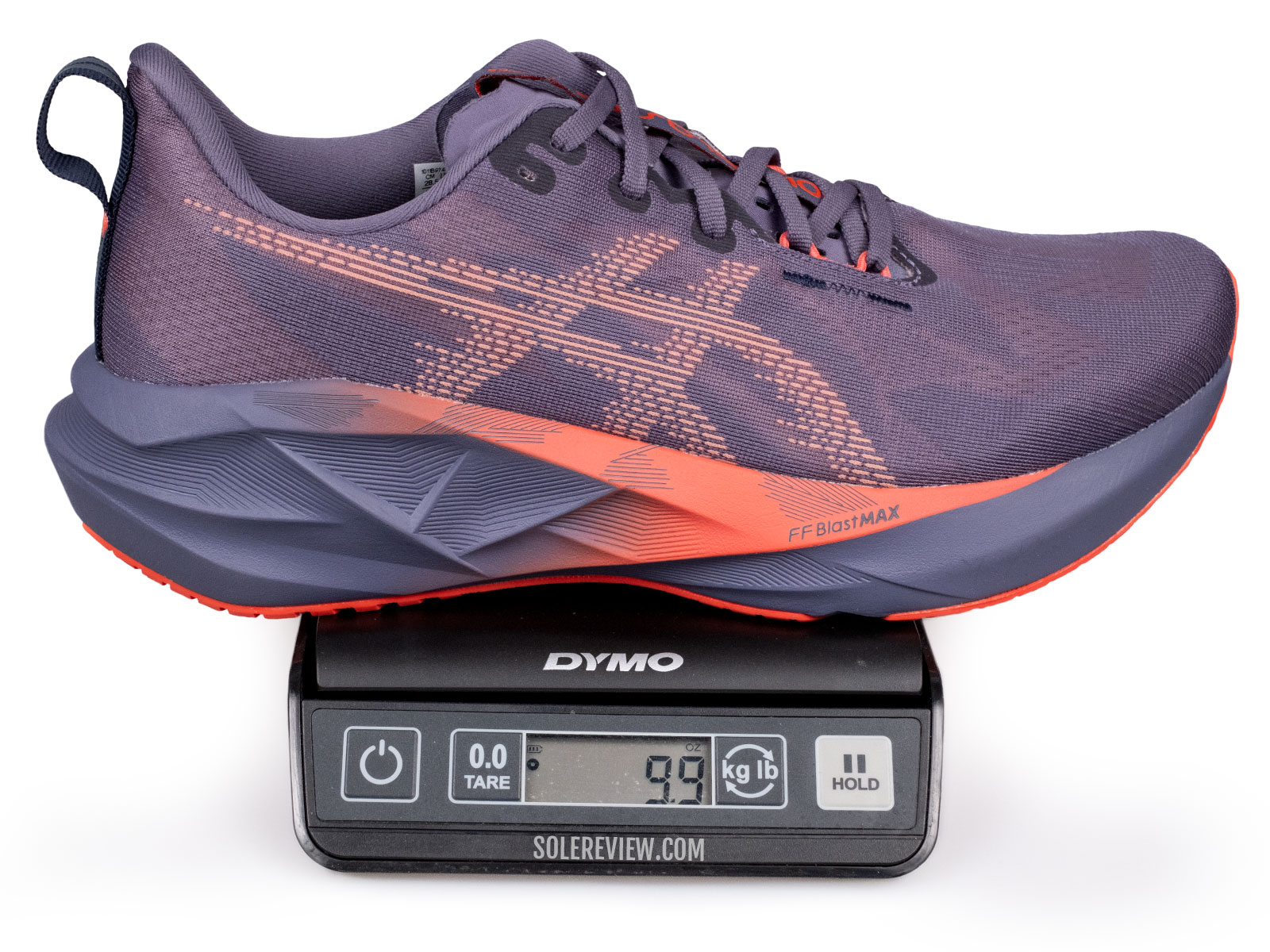
- Weight: 255 gms/ 9 Oz for a half pair of Men’s US 9/UK 8/EUR 42.5/CM 27
. - Stack heights: 41.5 mm (heel), 33.5 mm (forefoot).
- Available widths: D – regular (reviewed), 2E (wide).
- Previous model: Asics Novablast 4.
- Country of origin: Vietnam.
- Recommended use: Everyday training, tempo runs, marathons.
- Footstrike orientation: All types (heel/midfoot/forefoot).
- Median lifespan: 500 miles.
- Recommended paces: 4:00 min/km (6:30 min/mile) and slower.
- Recommended temperature range: Warmer than -5° C/23° F.
Pros
- Tempo-friendly ride comfort
- Smooth transitions
- Cushioning to weight ratio
- Secure upper fit
- Optional width
Cons
- Less stable than the Novablast 4
- Weaker rocker effect than the Novablast 4
According to conventional wisdom, a running shoe with stack heights of 44 mm (heel) and 34 mm (forefoot) shouldn’t be a versatile daily trainer, but here we are. Unless you’re sprinting or trying to set personal bests, the Vomero does everything (else) very well.
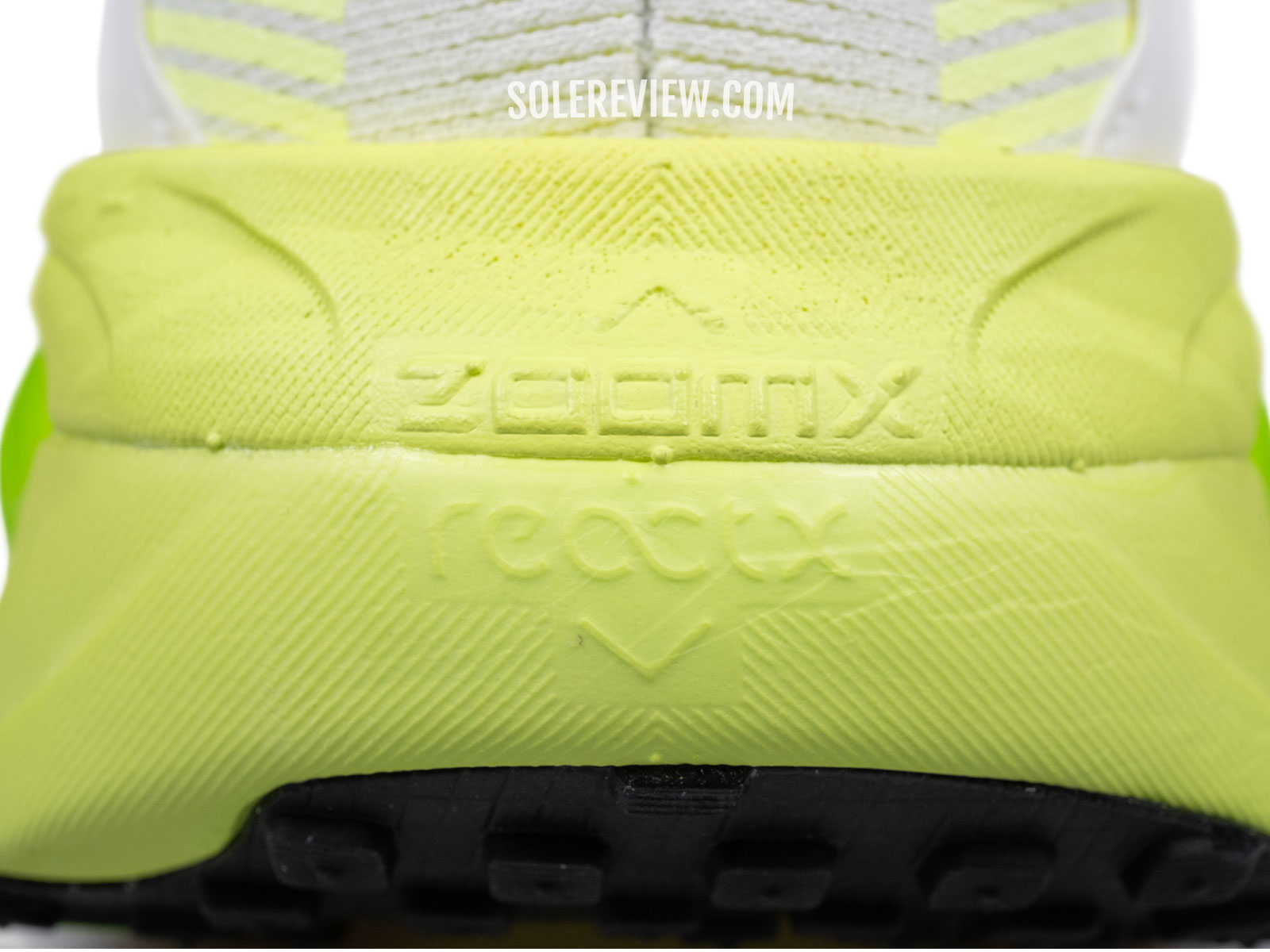
The midsole design is the key to the shoe’s do-everything character. While there is a softer layer of ZoomX foam close to the foot, most of the cushioning is powered by the lightweight and firm React X foam base. The ReactX layer supports different bodyweight classes and adds stiffness to the rocker. The scooped area under the heel enhances the cushioning feel and stabilizes the foot even for heavy runners (180 ~ 210 lbs). During long-distance runs, the tall midsole has all the cushioning that a runner wants – and needs. The rocker is eager to roll the foot forward, making the Vomero useful even at 4:30 min/km (7:00 min/mile) speeds.
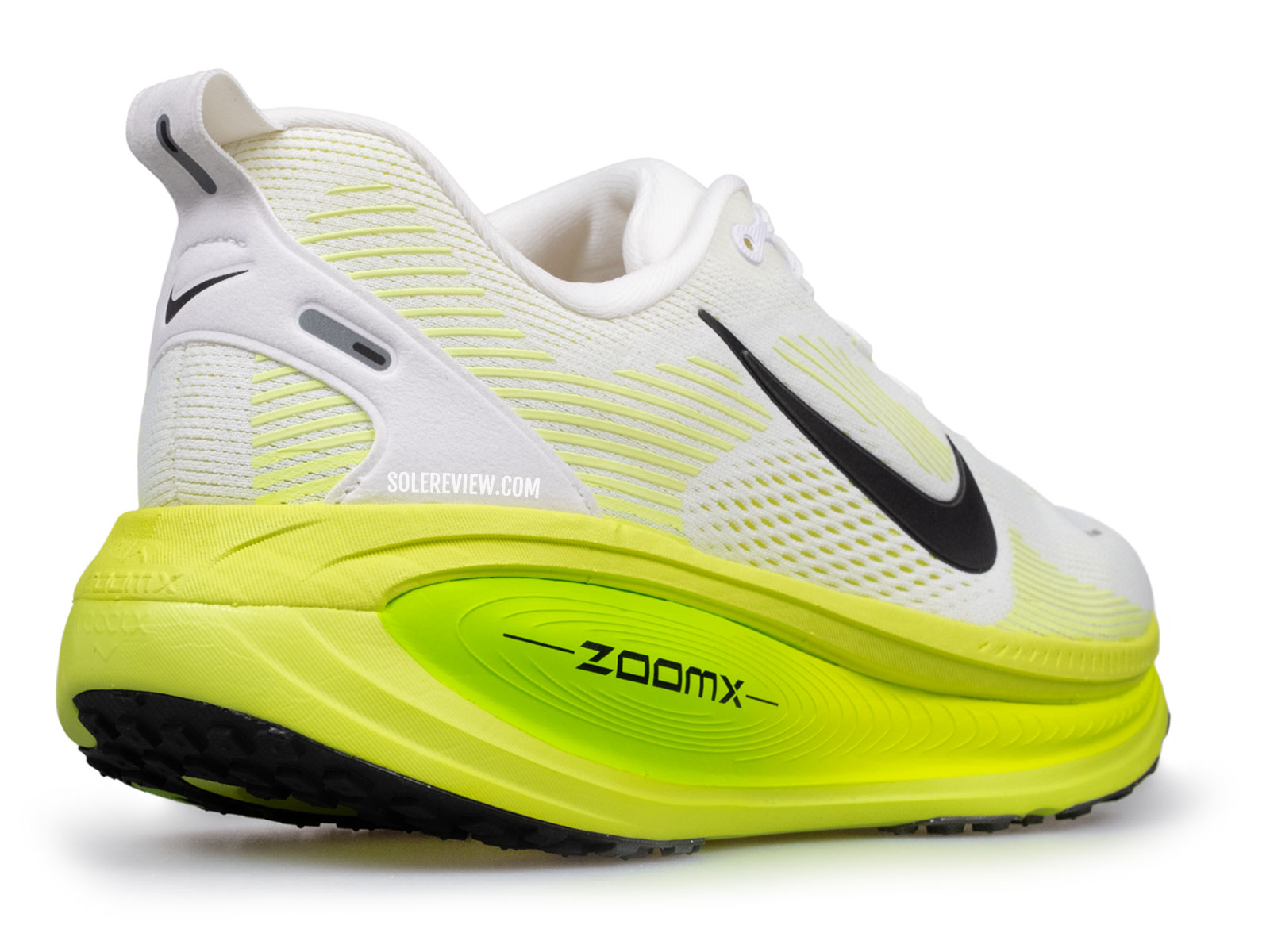
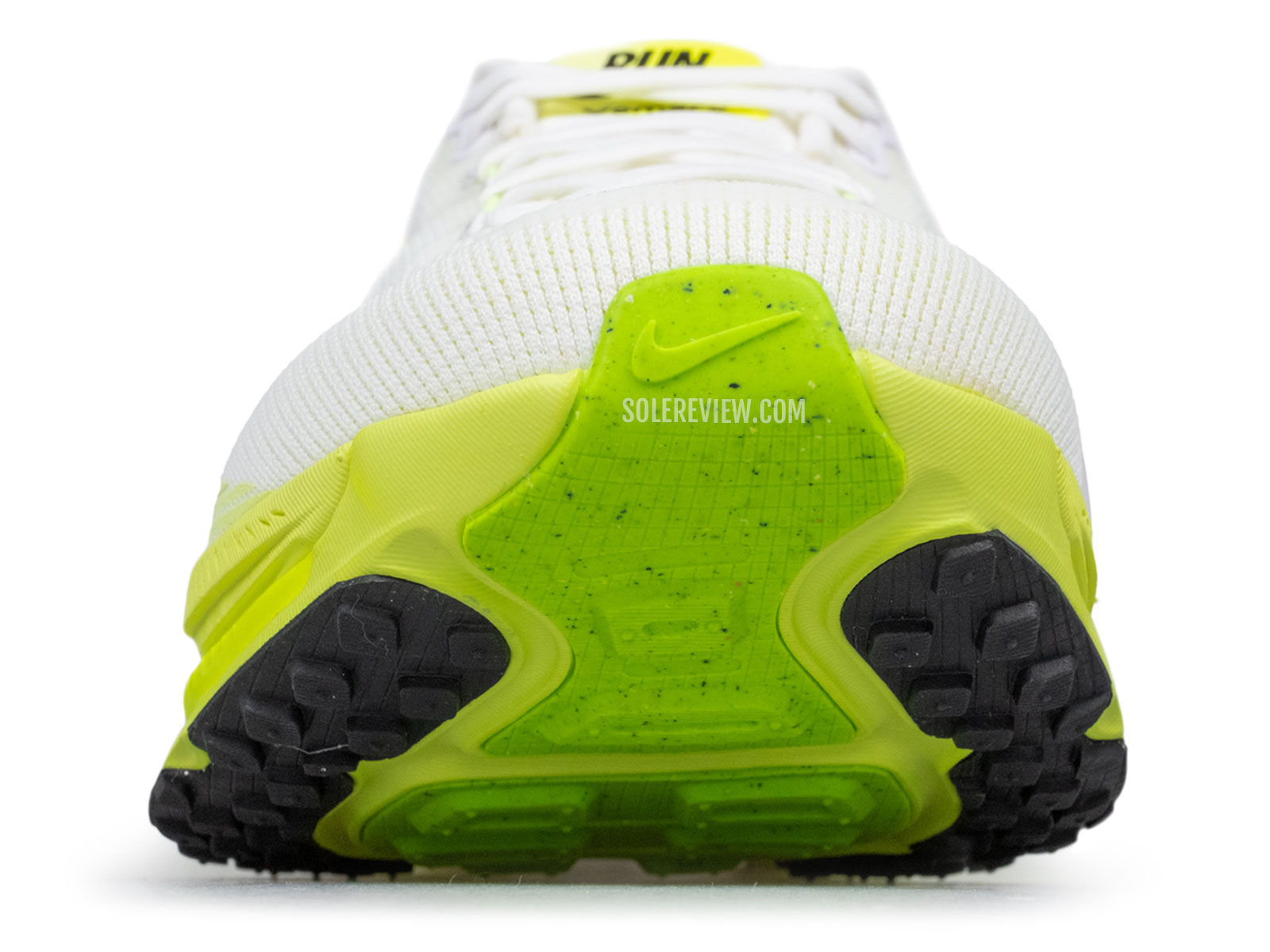
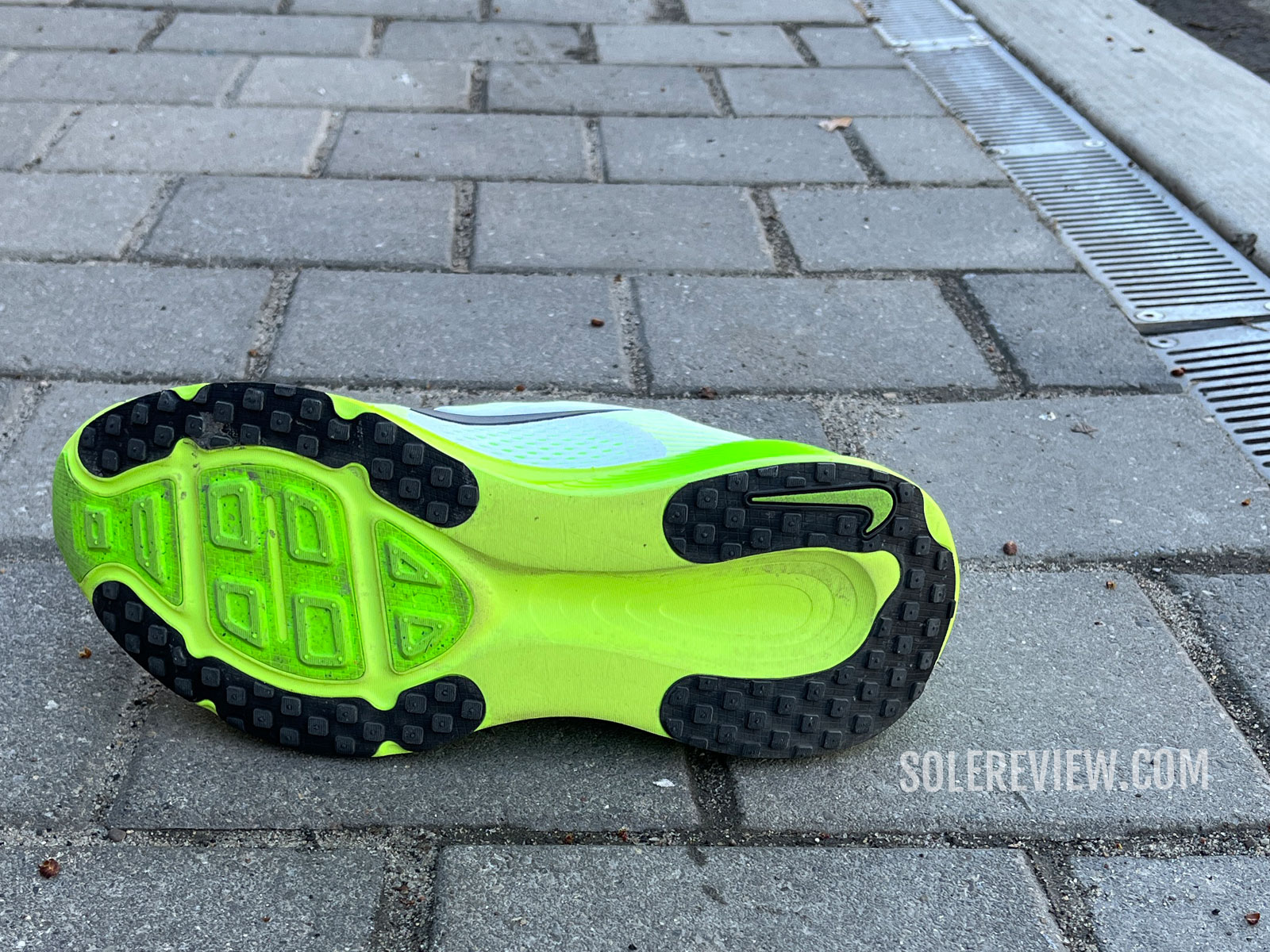
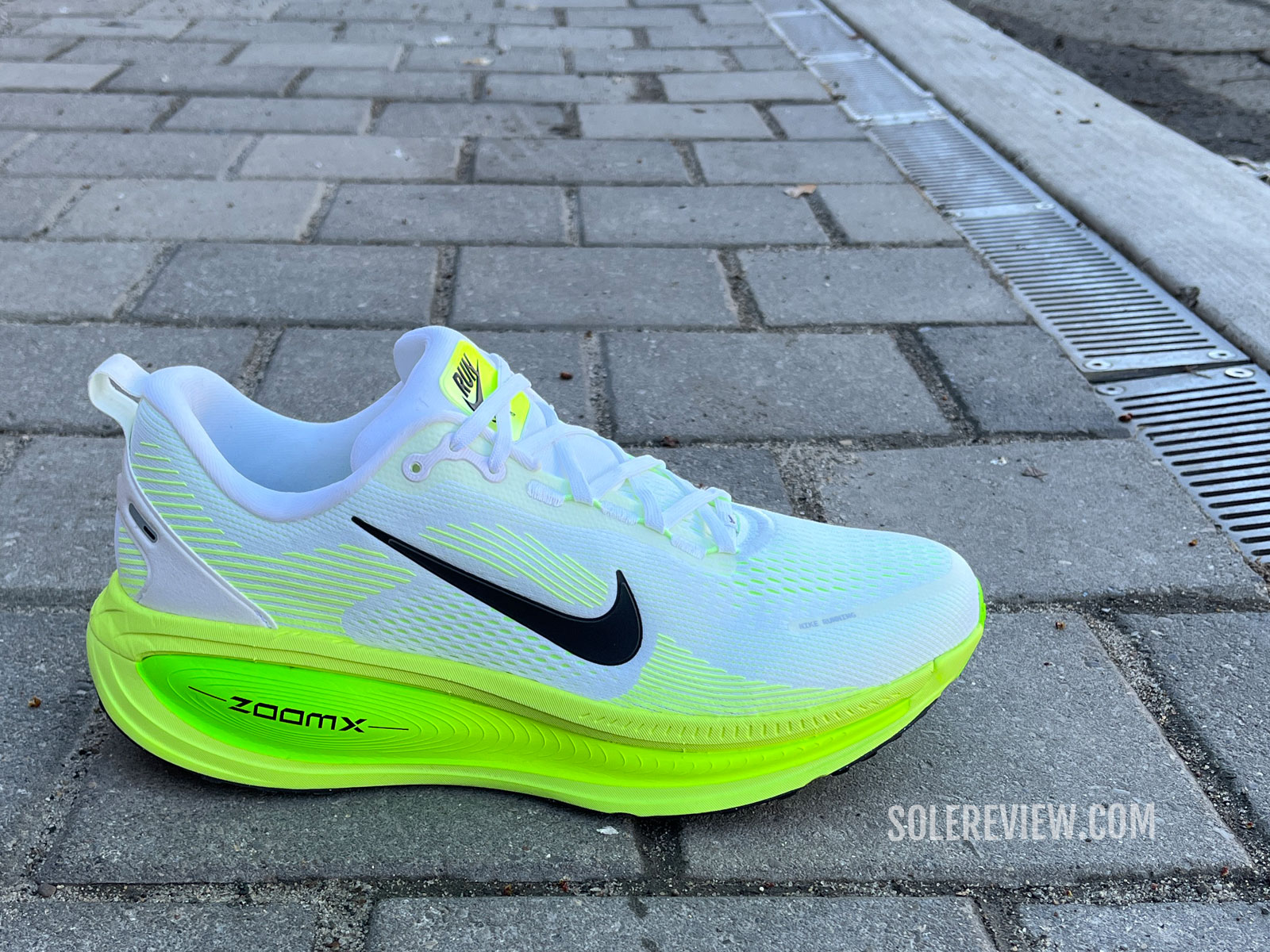
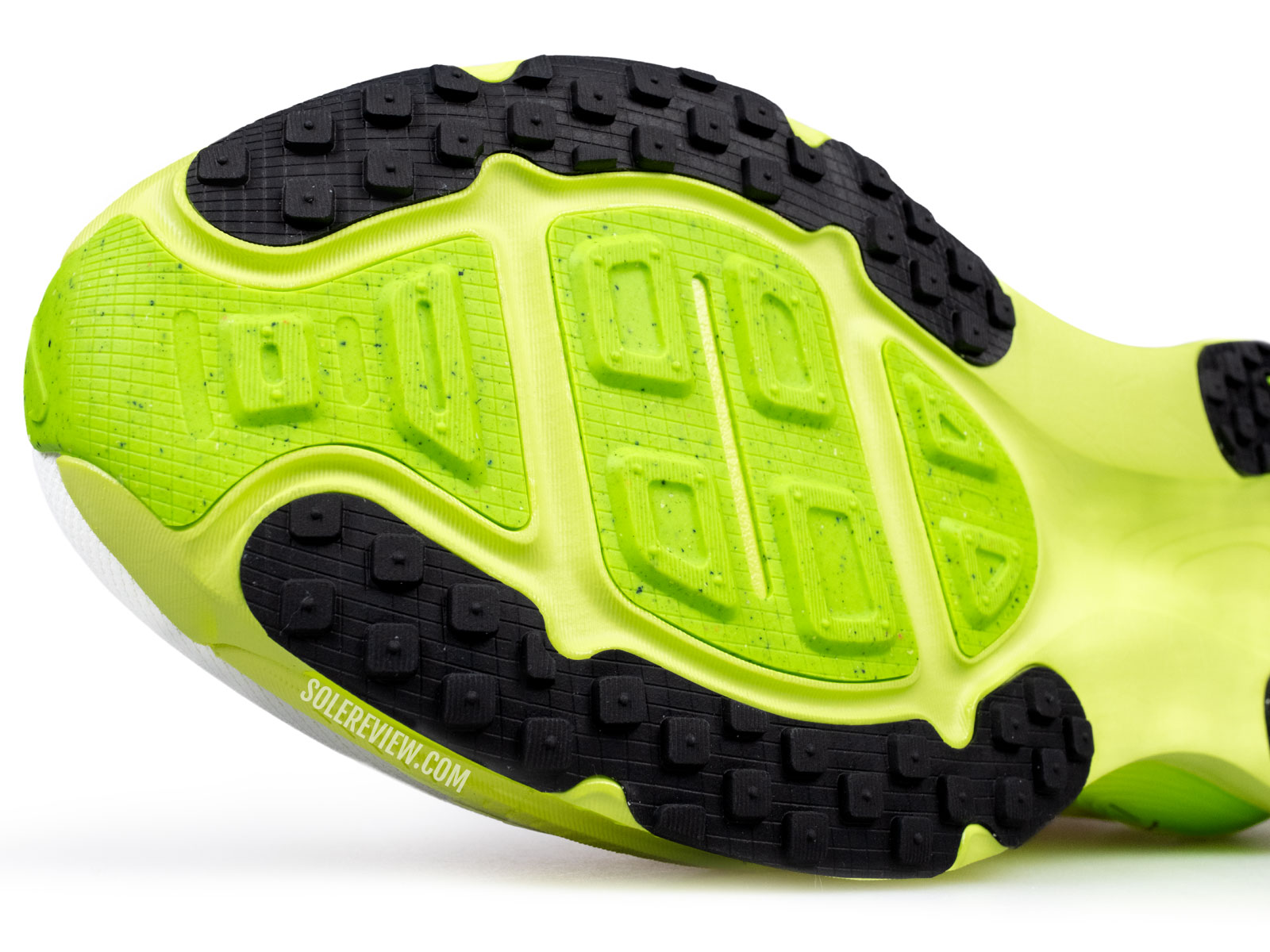
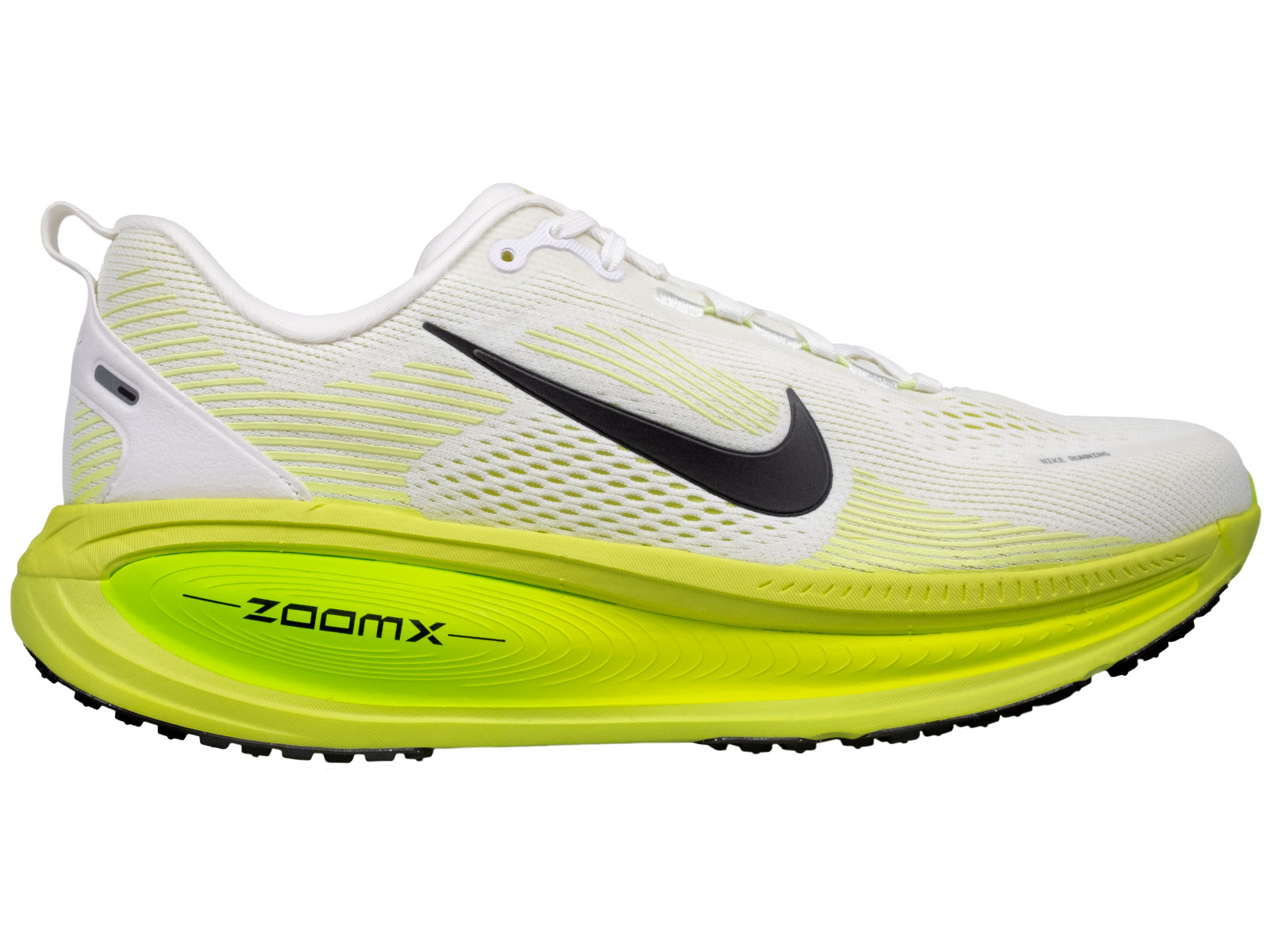
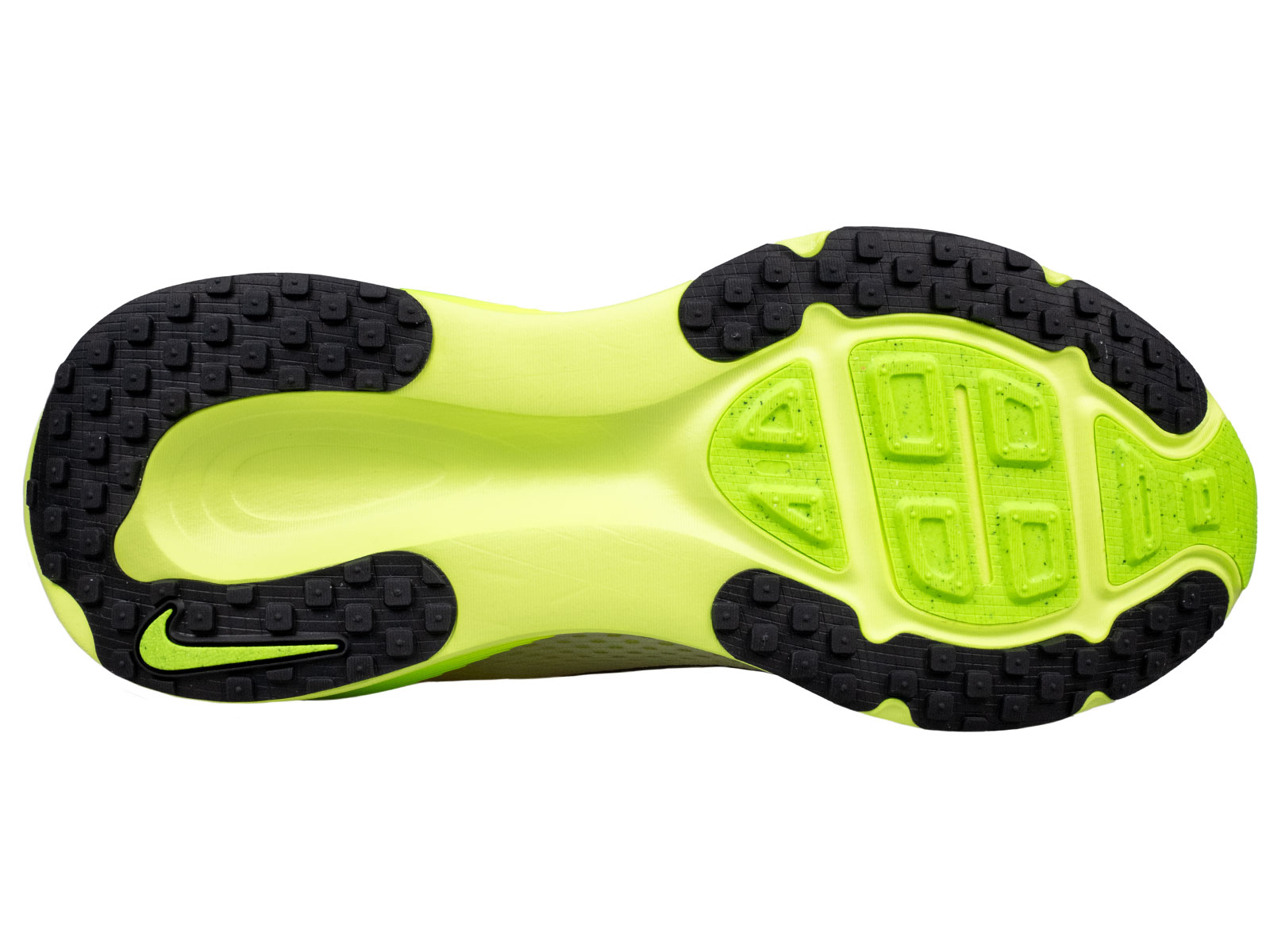
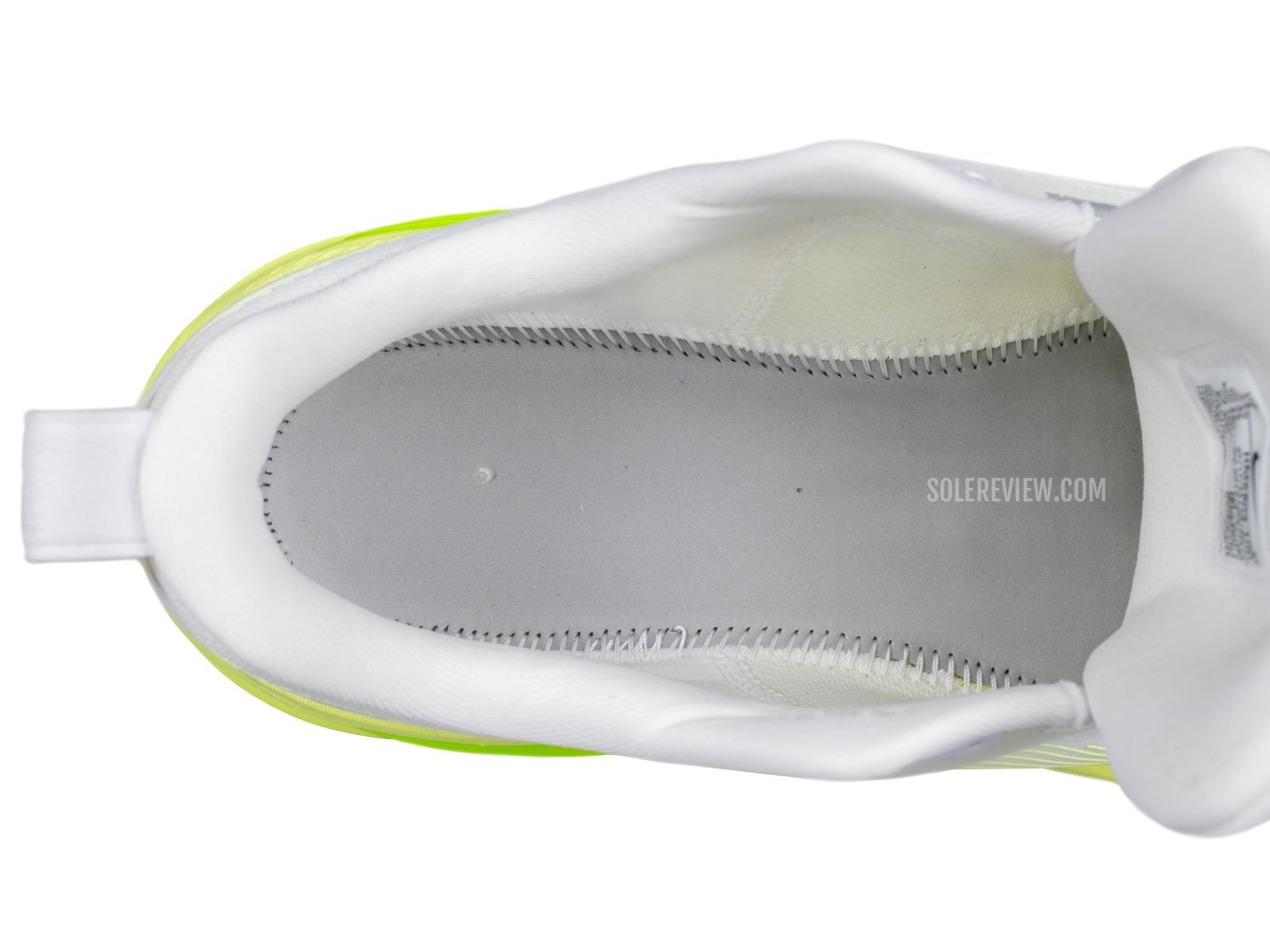
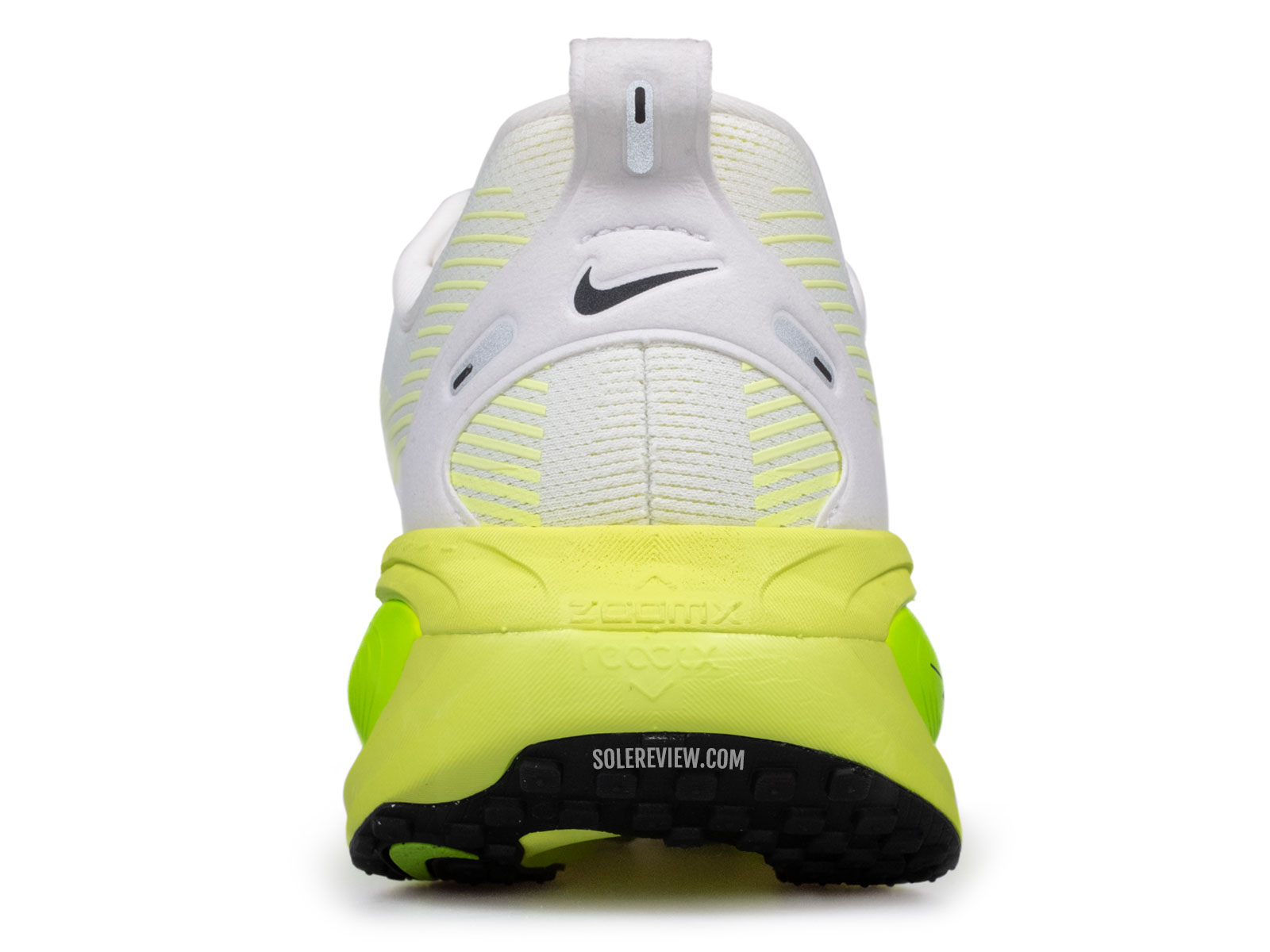
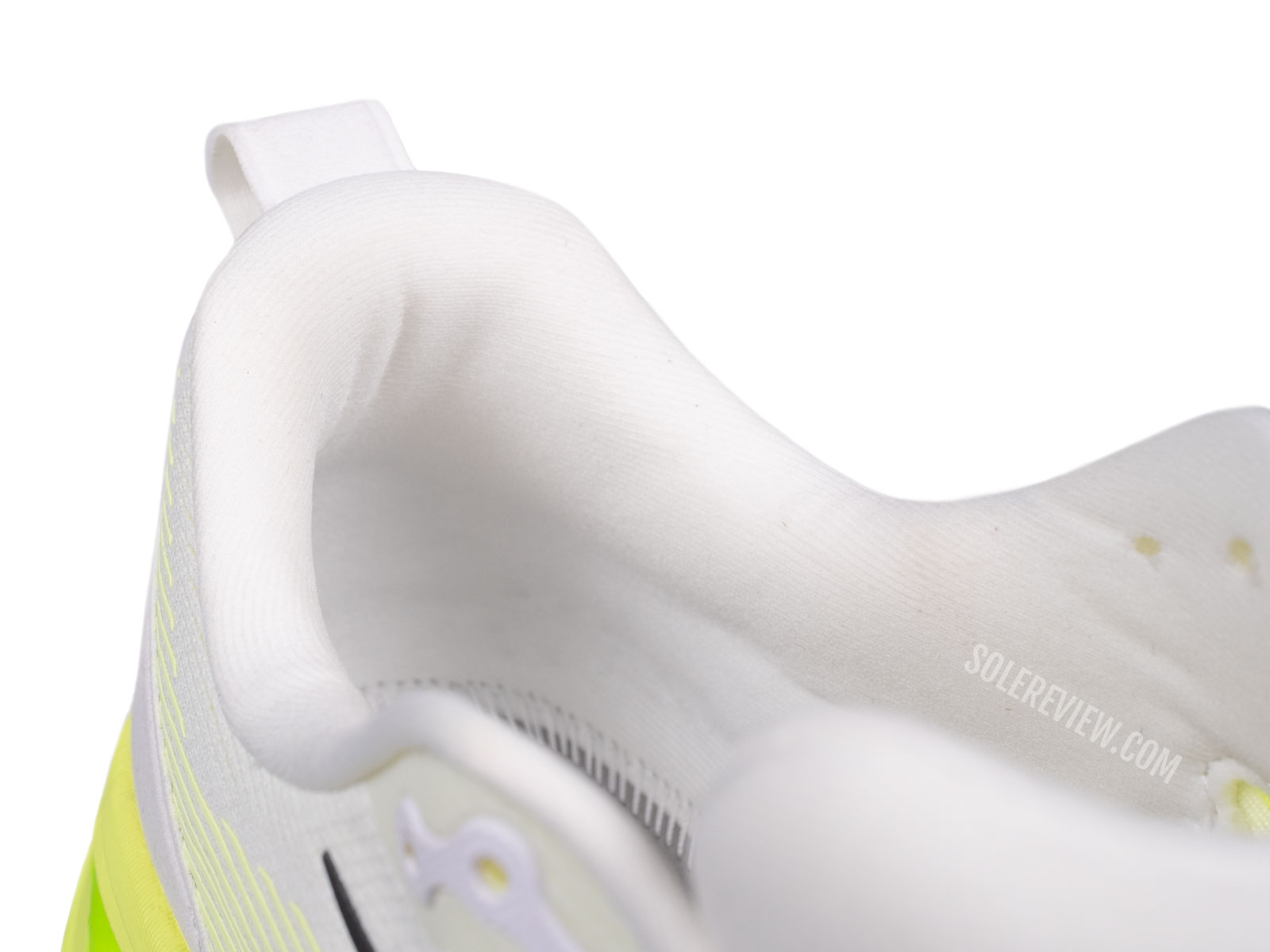
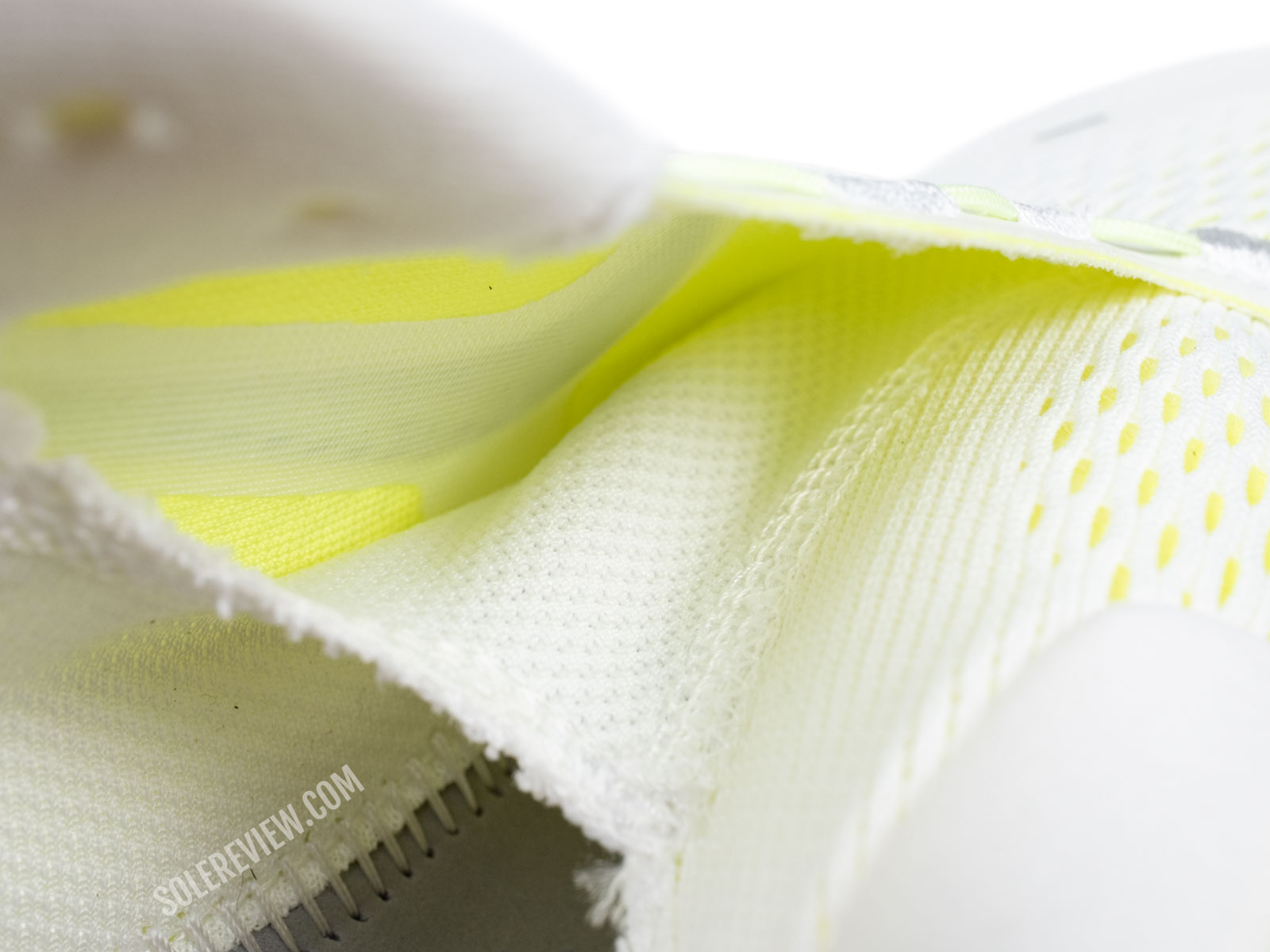
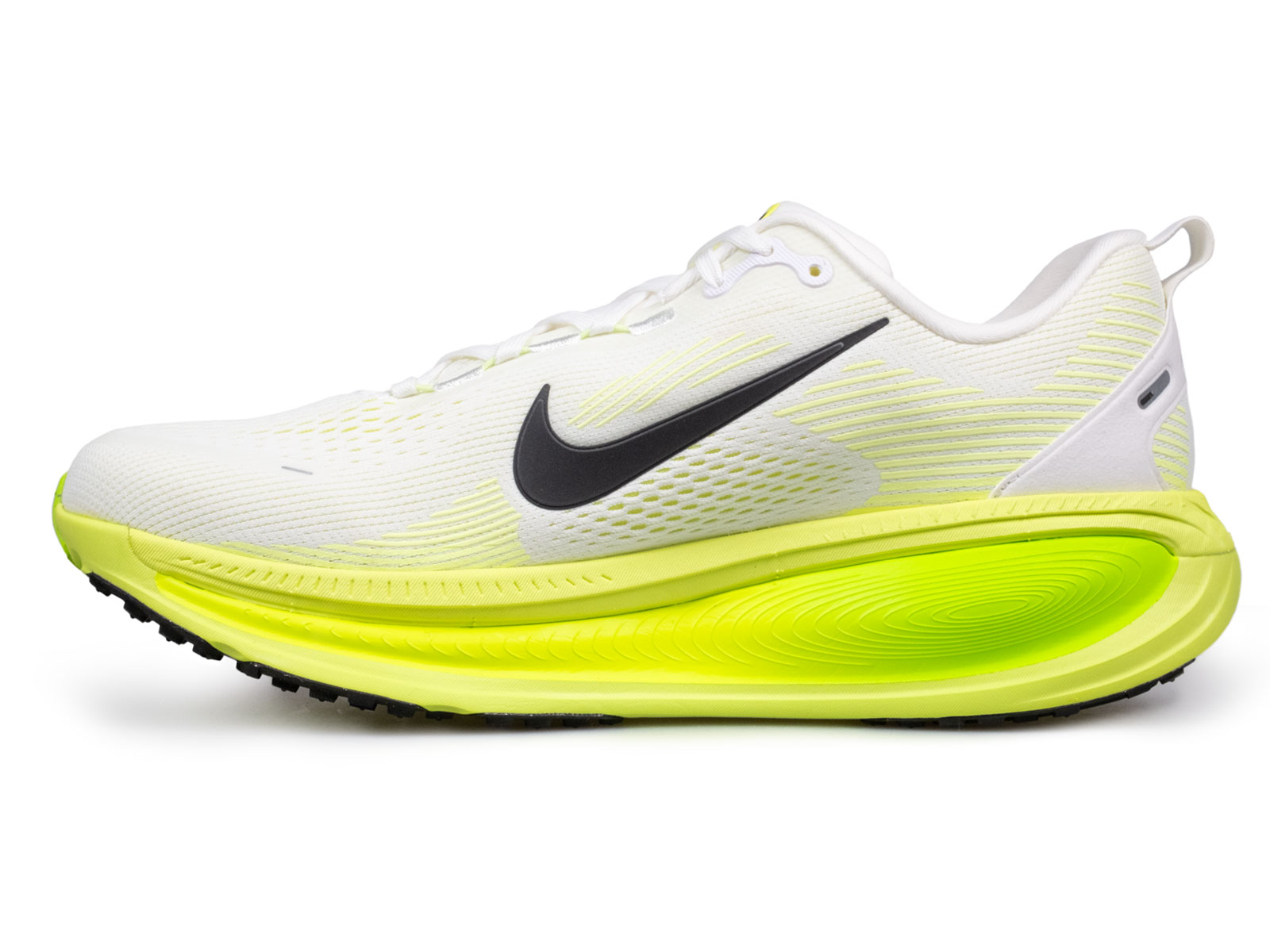
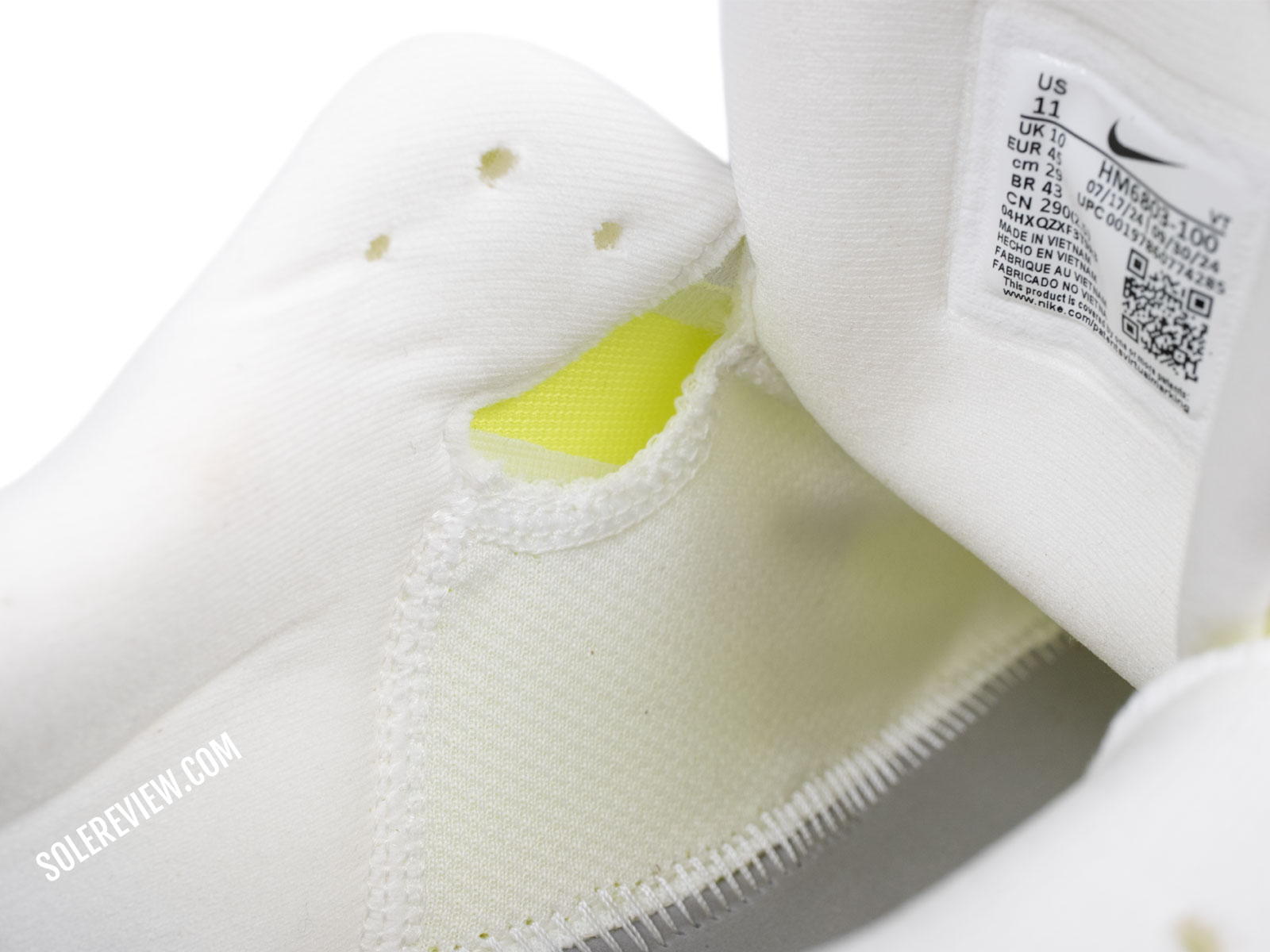
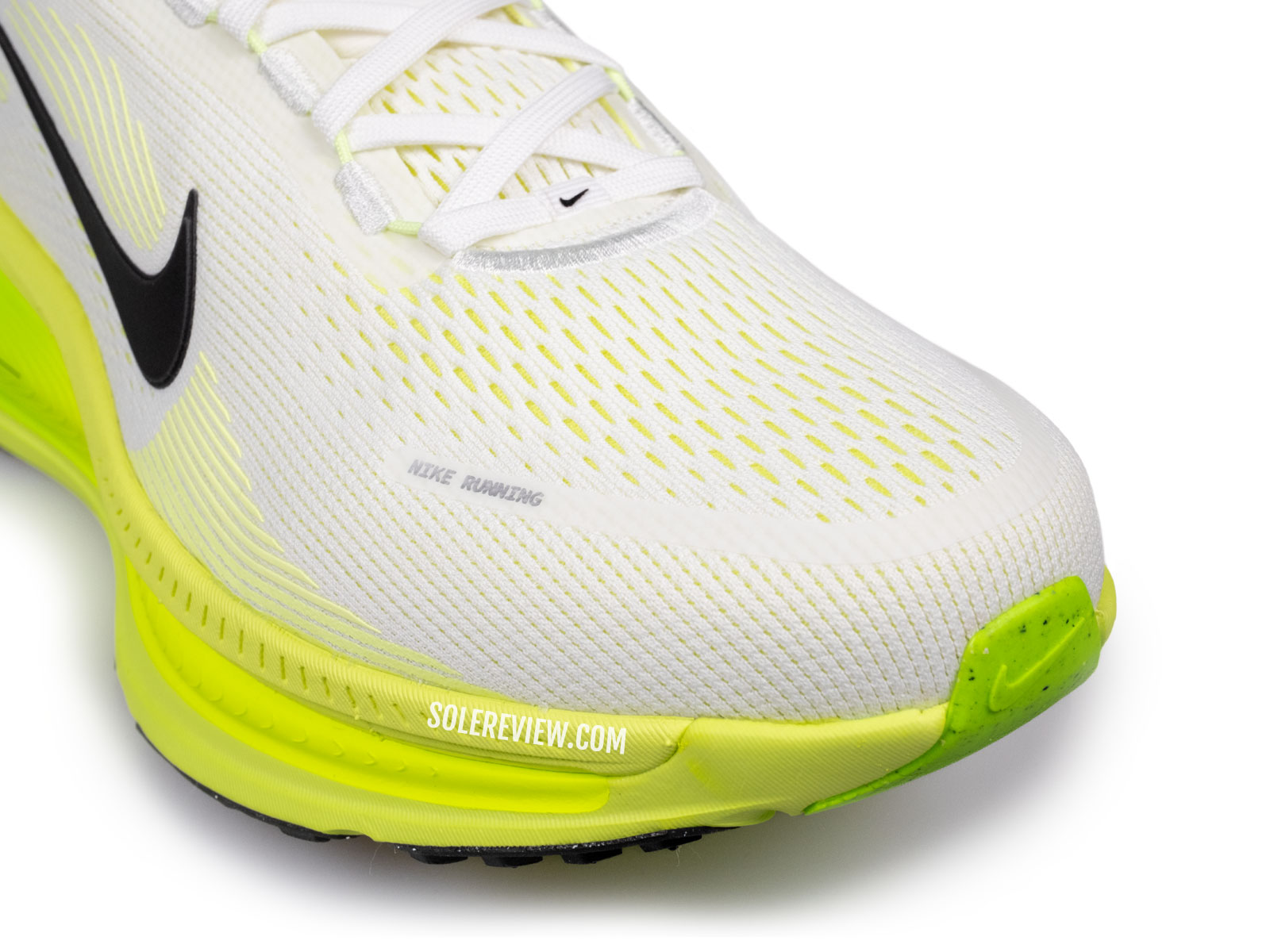
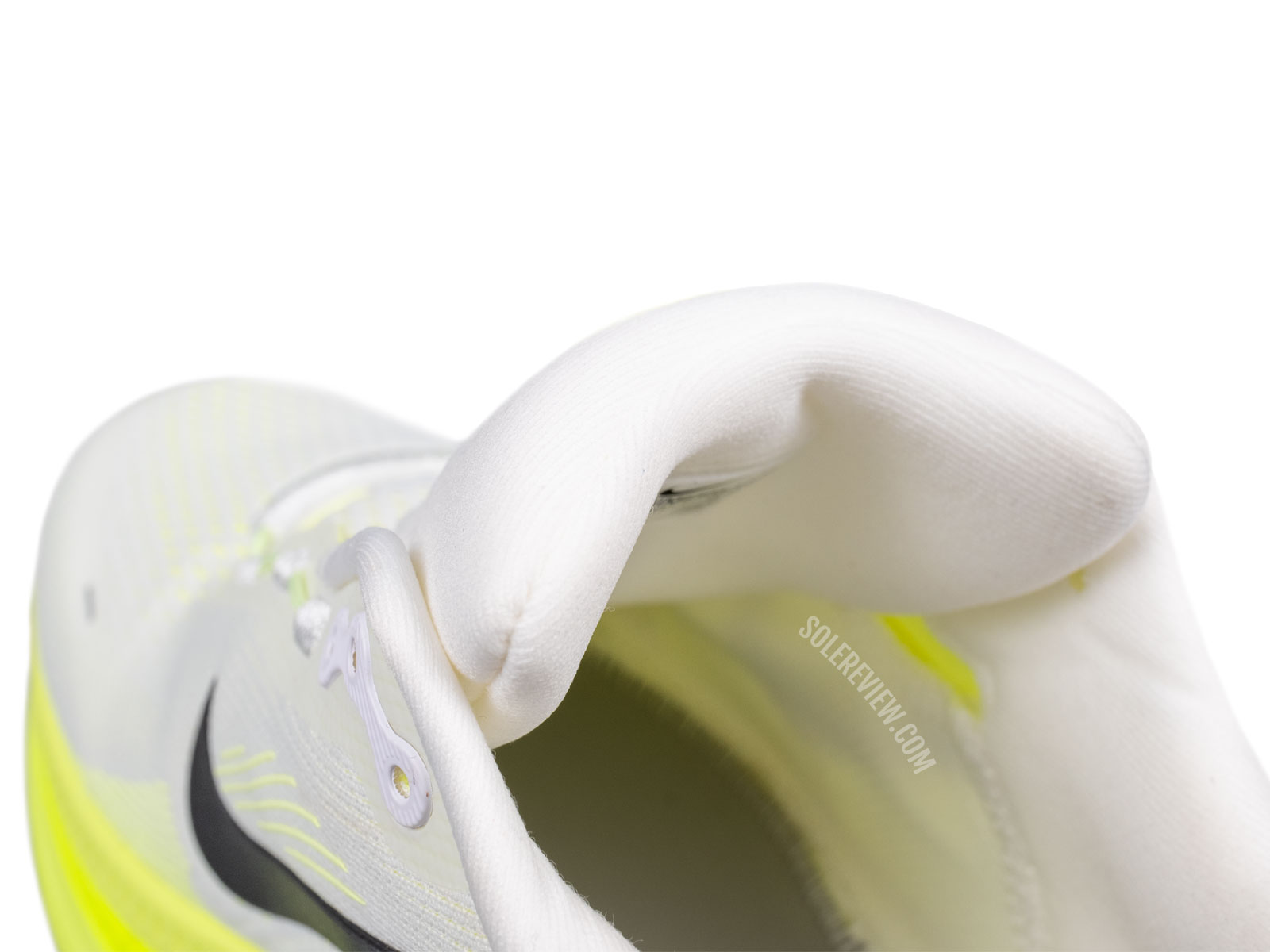
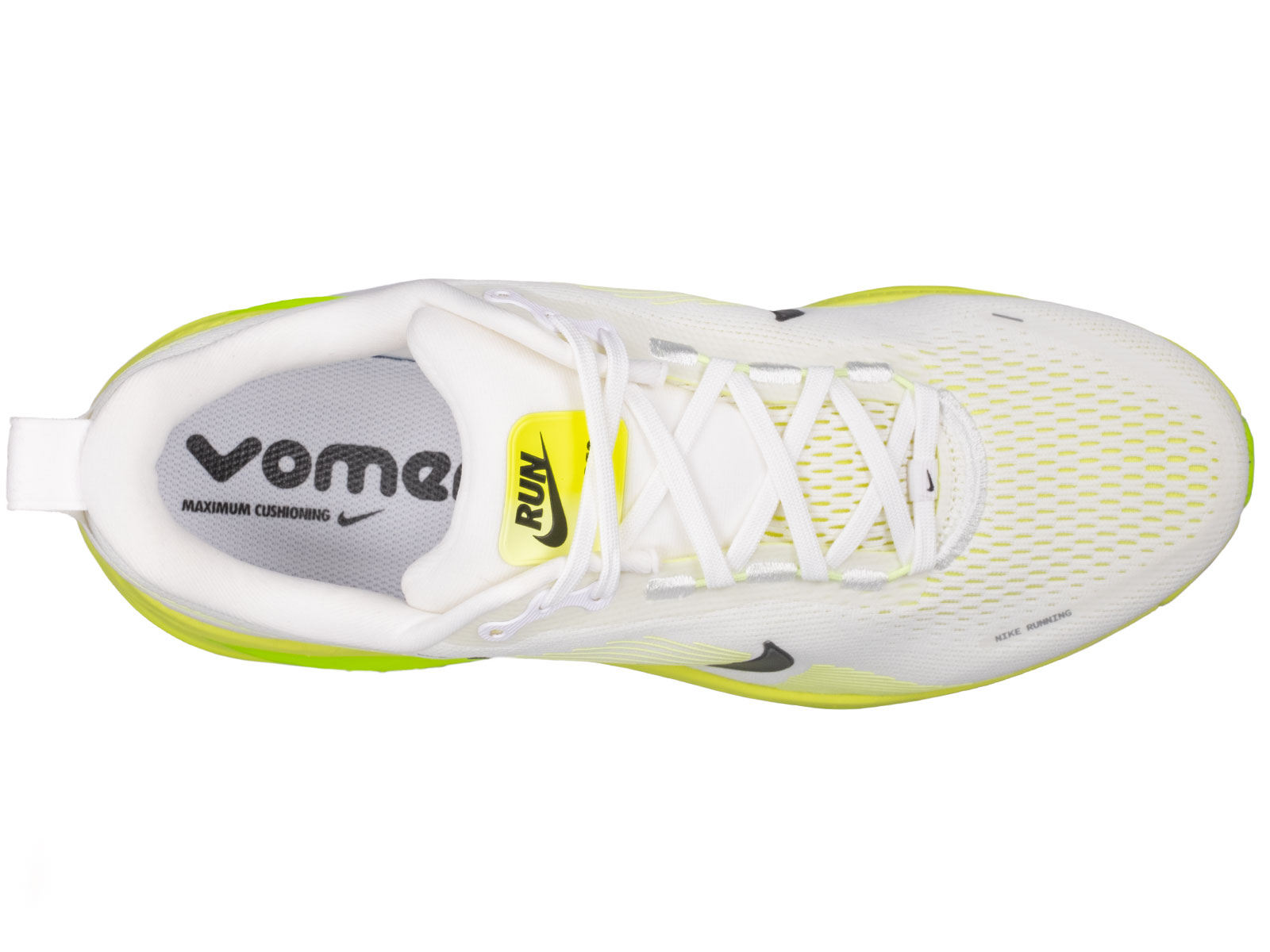
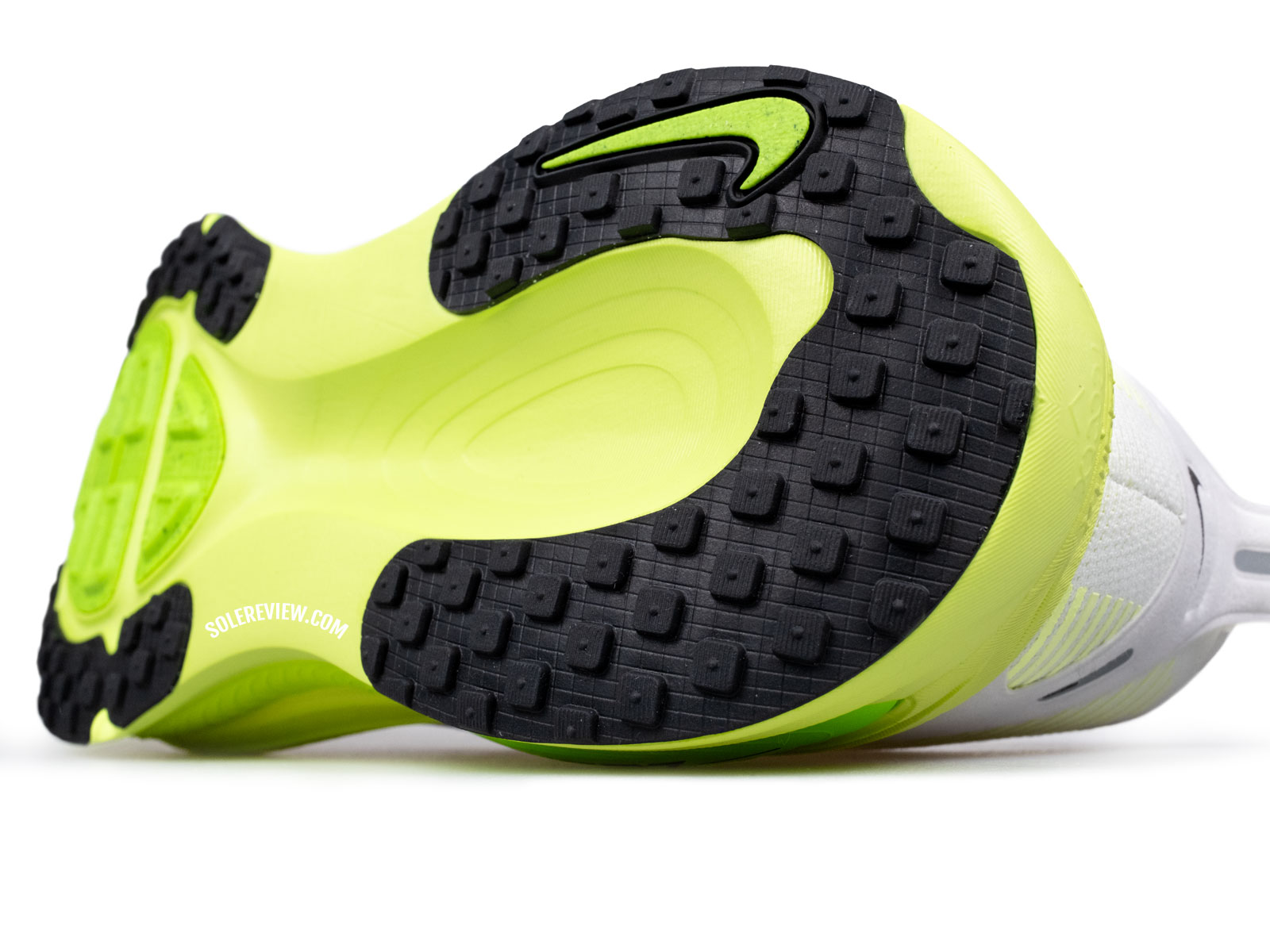
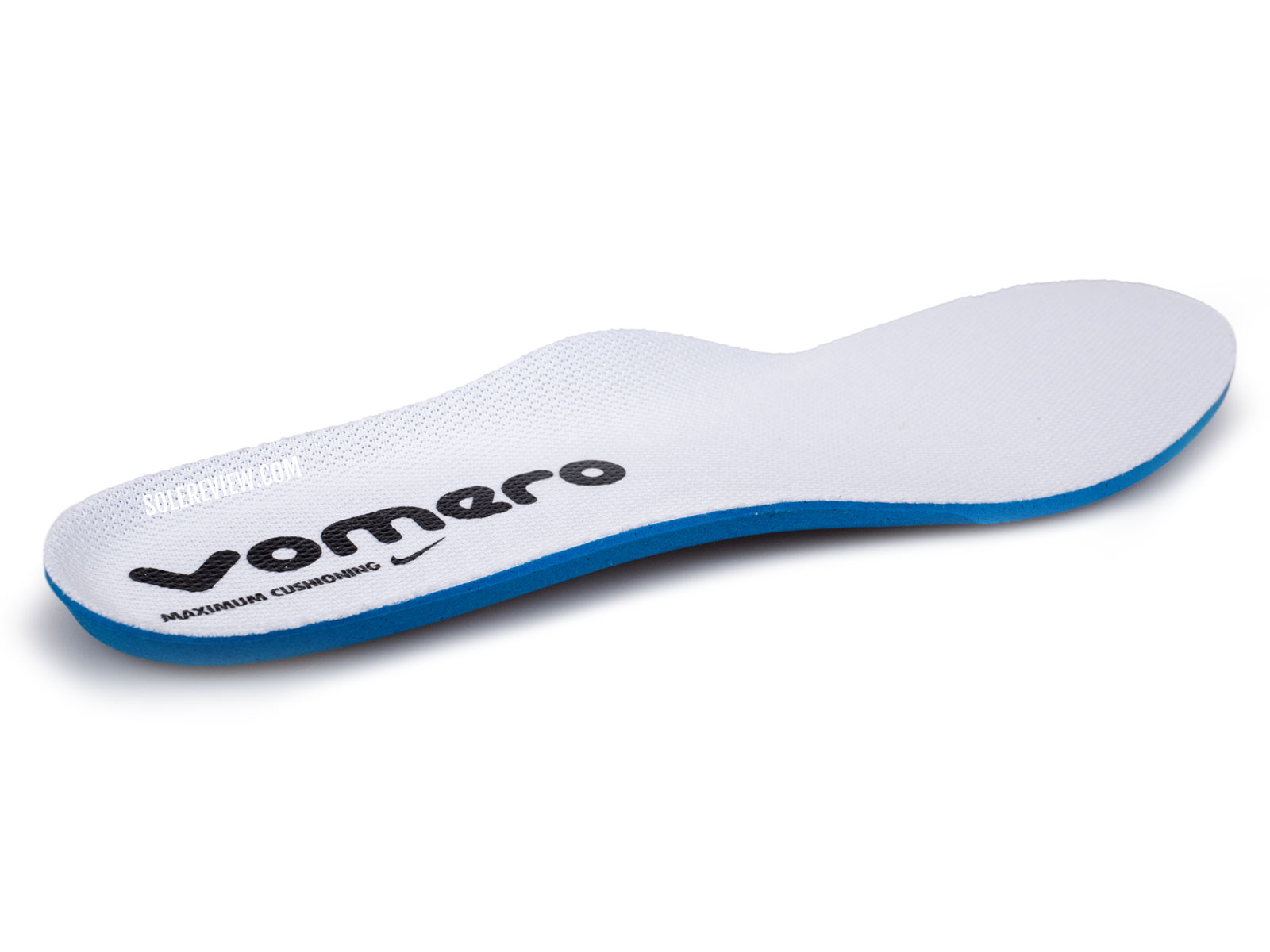
The Vomero 18’s full sleeve lines the midfoot and forefoot for a secure, true-to-size fit, but the ventilation is average. The interiors feel ridiculously plush because of the generous tongue and heel padding, as well as the spacer mesh lining.
- Nike’s marketing pitch: A comfortable ride for everyday runs.
- Upper: Engineered mesh with a full sleeve.
- Upper fit: True to size, just-right fit.
- Midsole: React X foam with ZoomX top layer. 10 mm heel drop.
- Outsole: Regrind rubber under the forefoot, Carbon rubber.
- Weight: 298 gms/ 10.5 Oz for a half pair of Men’s US 9/UK 8/EUR 42.5/CM 27.
- Stack heights: 44 mm (heel), 34 mm (forefoot).
- Available widths: Single – D (regular).
- Recommended use: Everyday runs, tempo runs, marathon training, walking.
- Footstrike orientation: All types (heel/midfoot/forefoot).
- Median lifespan: 450 miles.
- Country of origin: Vietnam.
- Recommended paces: 4:30 min/km (7:00 min/mile) and slower.
- Recommended temperature range: Warmer than -5° C/23° F.
Pros
- Versatile for different use cases
- Rocker assists with smooth roll offs
- Neutral and stable ride
- Goldilocks zone cushioning
- Just-right and plush fit
Cons
- No widths at this time
- Average grip on wet roads
- Runs warm due to full sleeve
- Low reflectivity
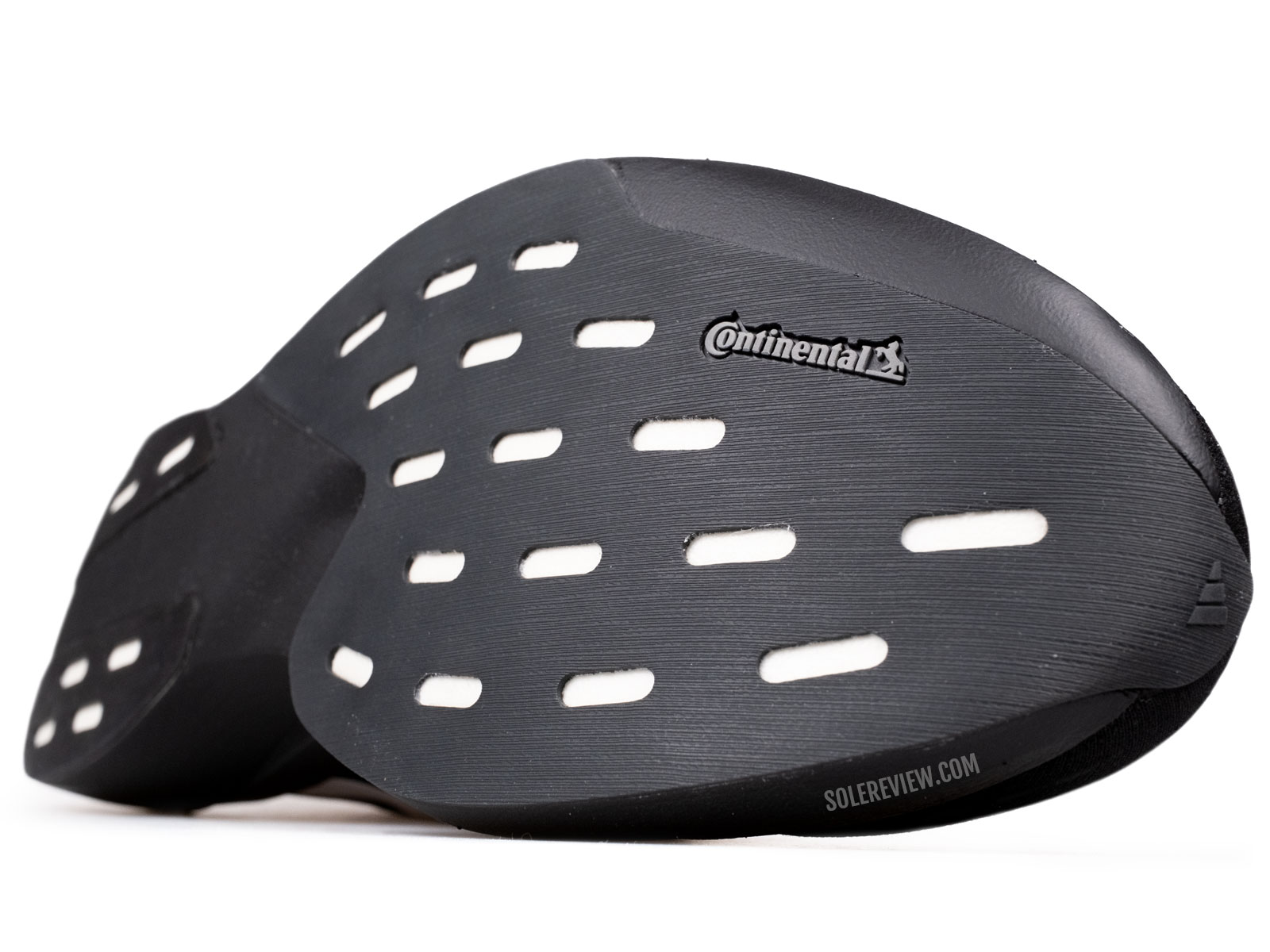
The adidas EVO SL is like adidas Adios Pro 3 (from 2023), but minus the Energy Rods. The midsole has generous stack heights of 39 mm (heel) and 33 mm (forefoot), made entirely of the soft and bouncy Lightstrike Pro foam. The Continental and clear rubber outsole is perforated to help it spread wide for better grip. Both forefoot and heel strikers will love the bouncy responsiveness that promotes quicker runs.
The EVO SL is ideal for tempo runs, intervals, mile repeats, and steady-state workouts. Even though the midsole lacks the snappy Energy Rods, the rocker provides just enough forward roll without obstructing proprioception. The midfoot has a composite shank to minimize energy loss. Slower runs are rewarded with soft and springy comfort that is adequate for up to a marathon distance. The heel midsole is solid without a void, so it has the stability that rearfoot strikers need.
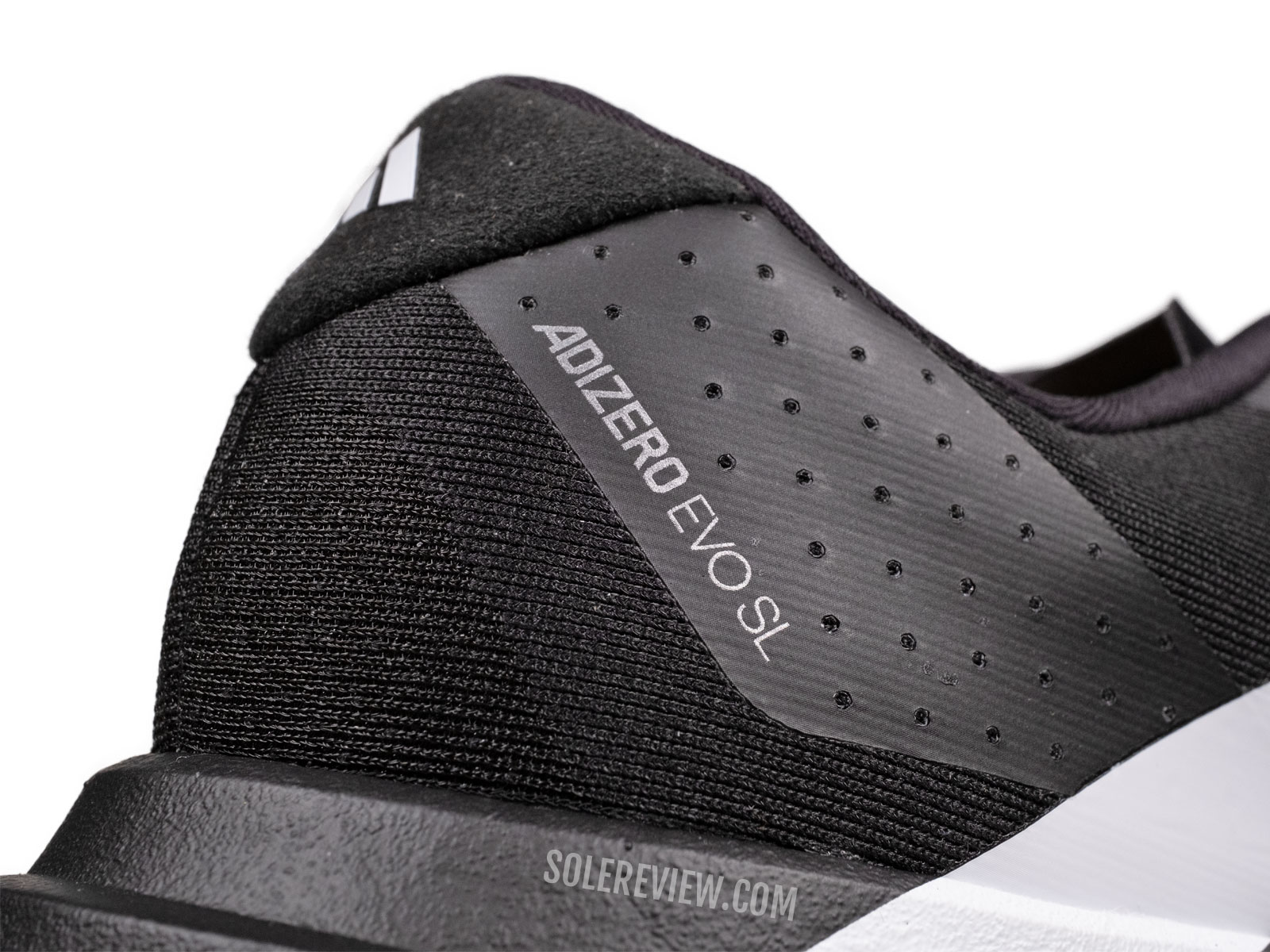
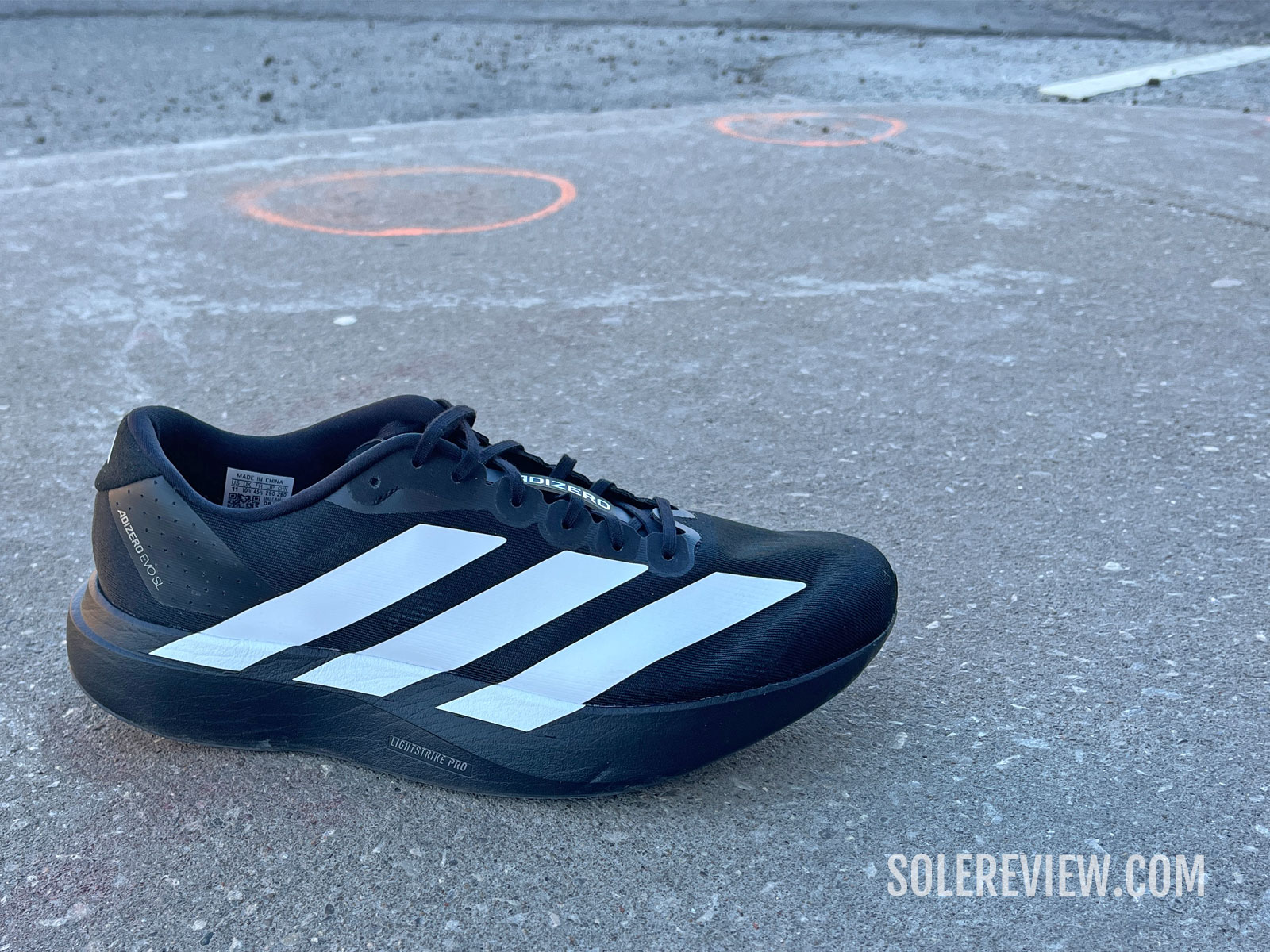
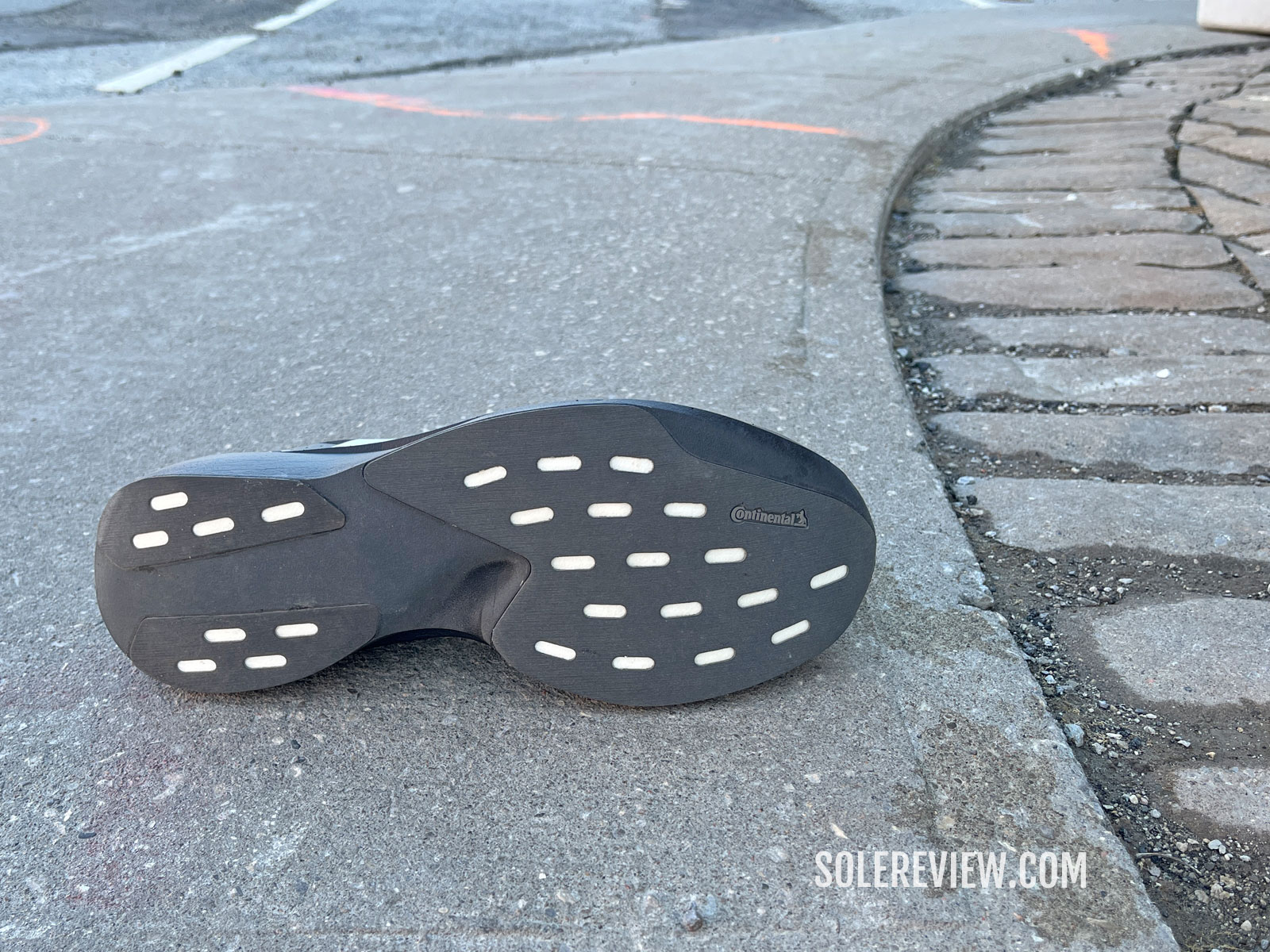
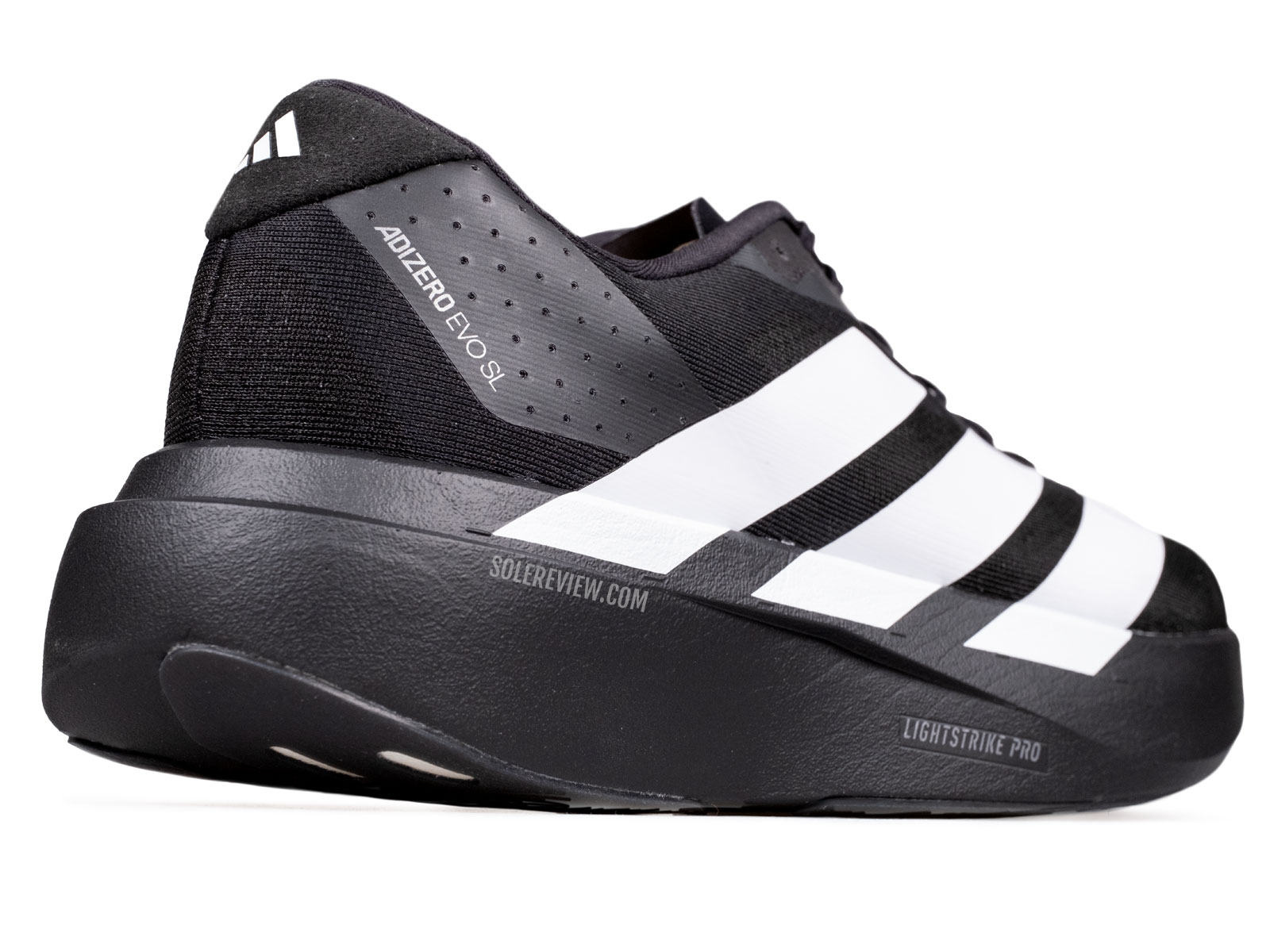
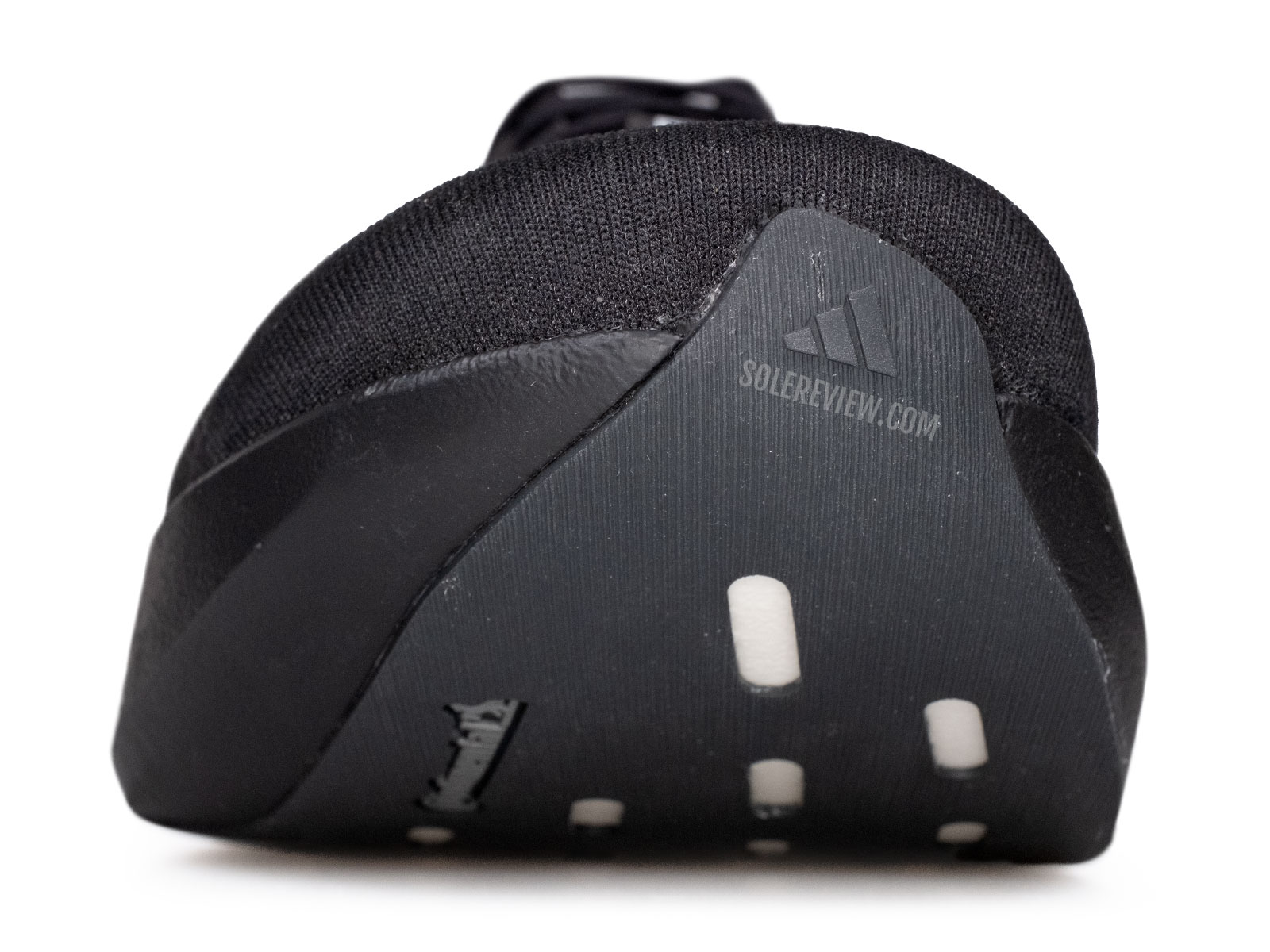
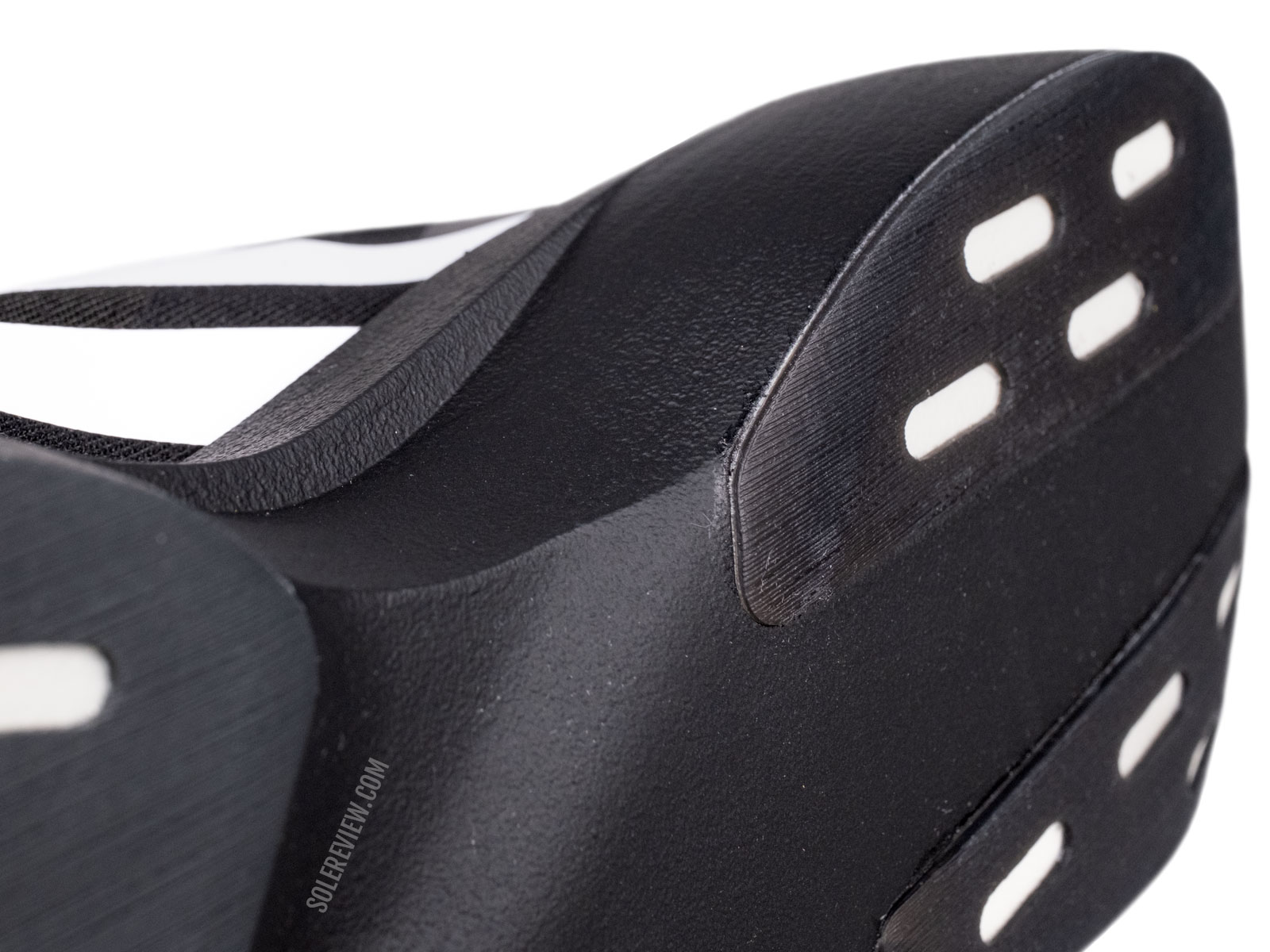
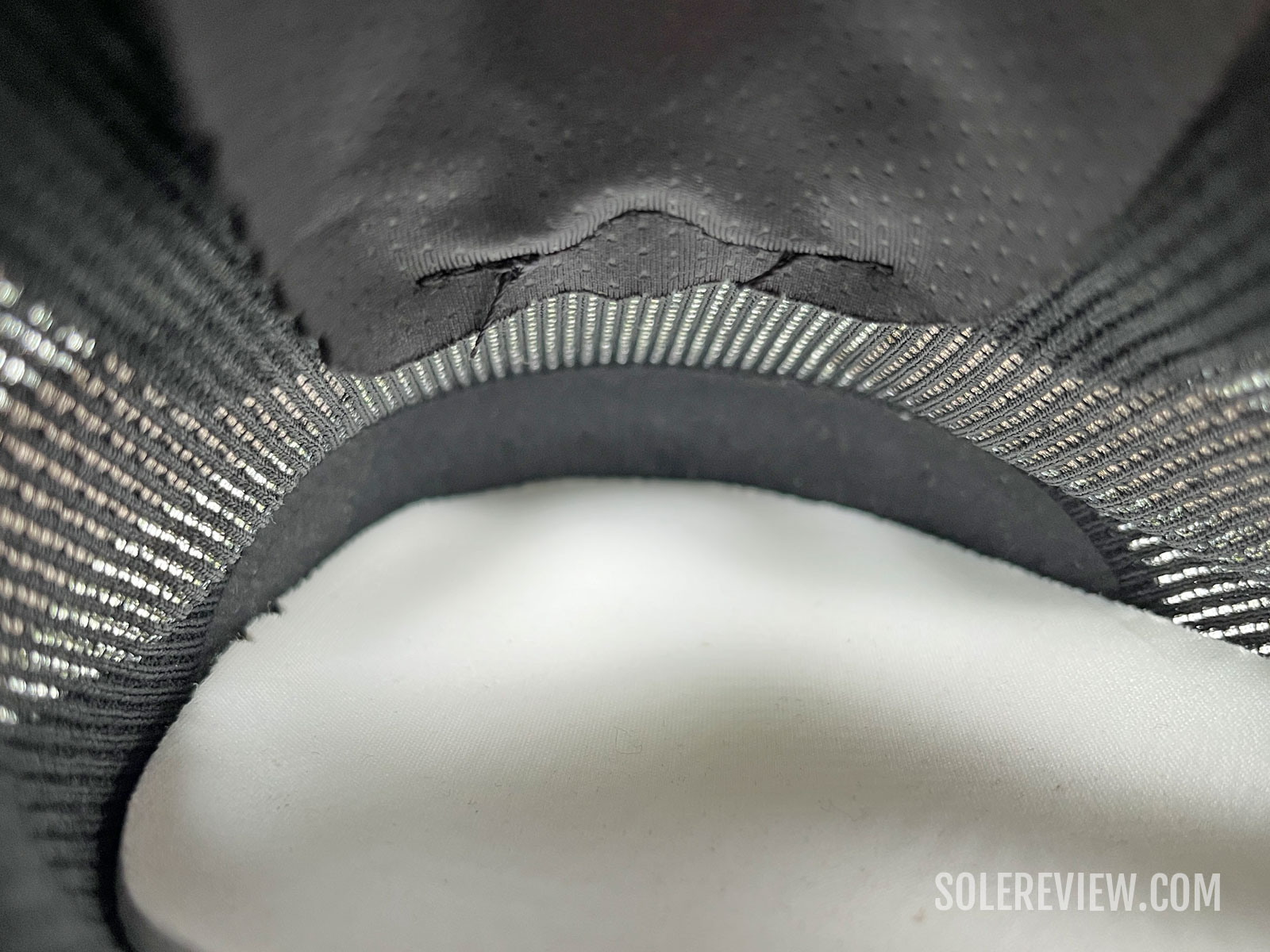
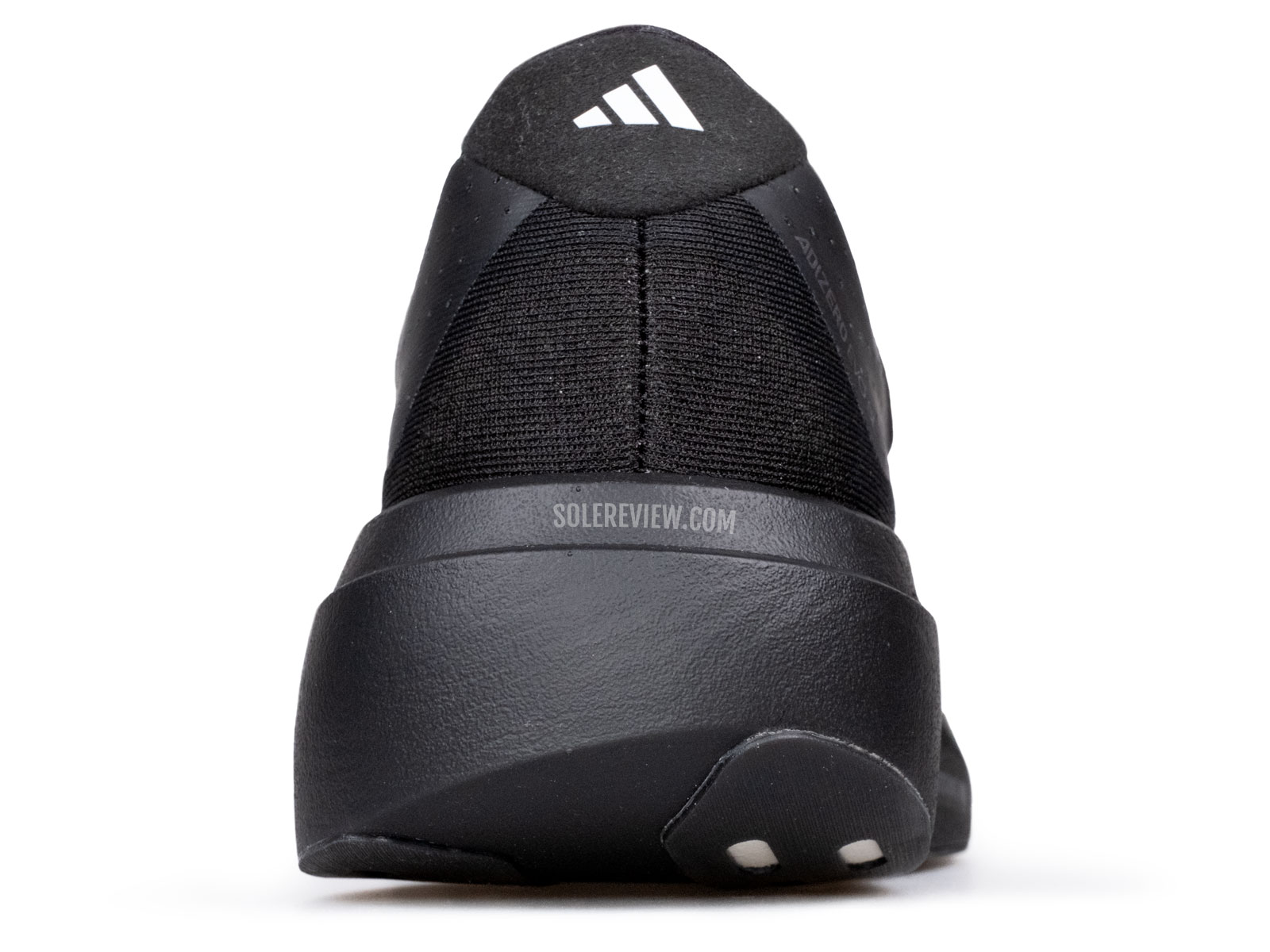
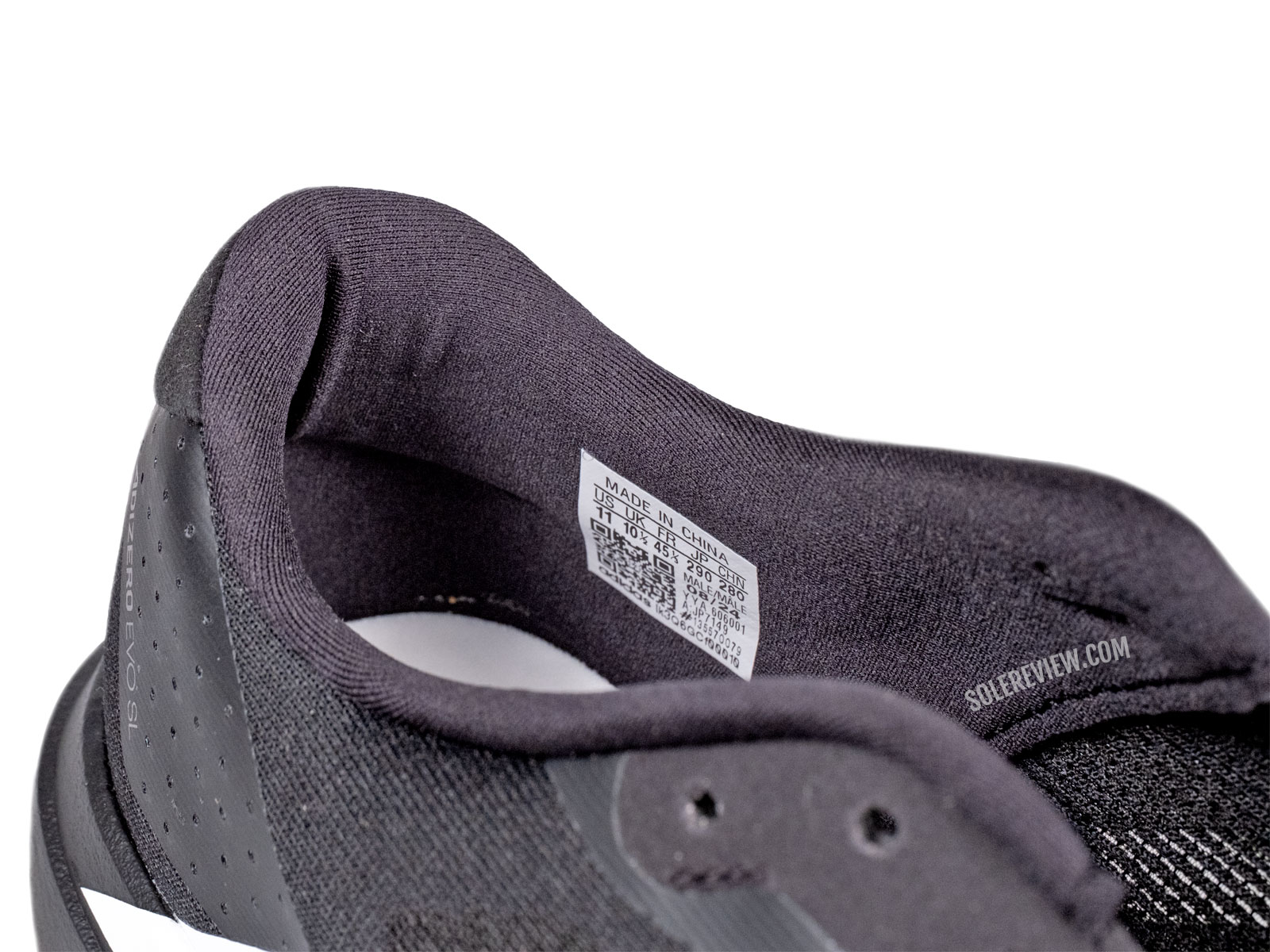
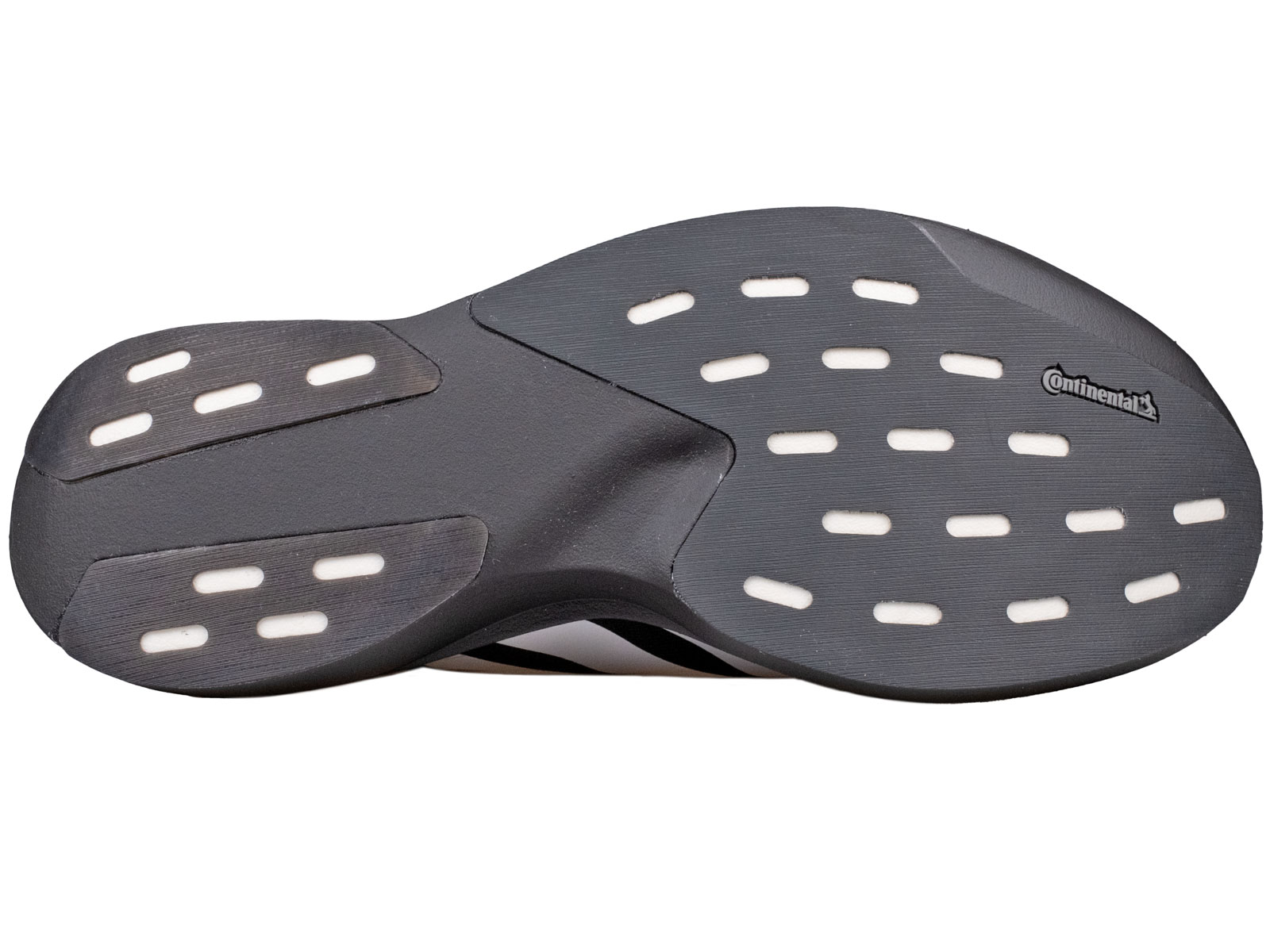

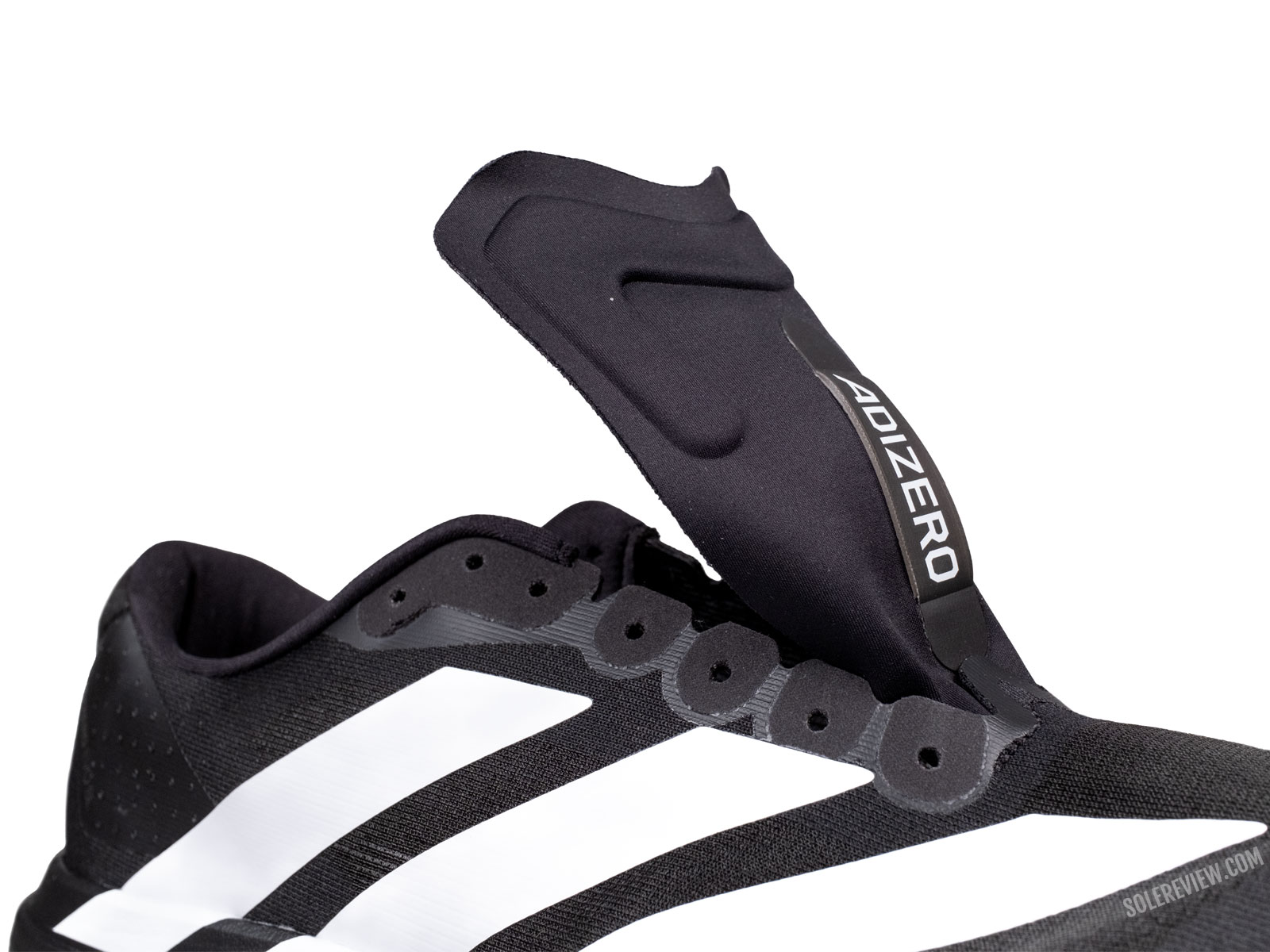

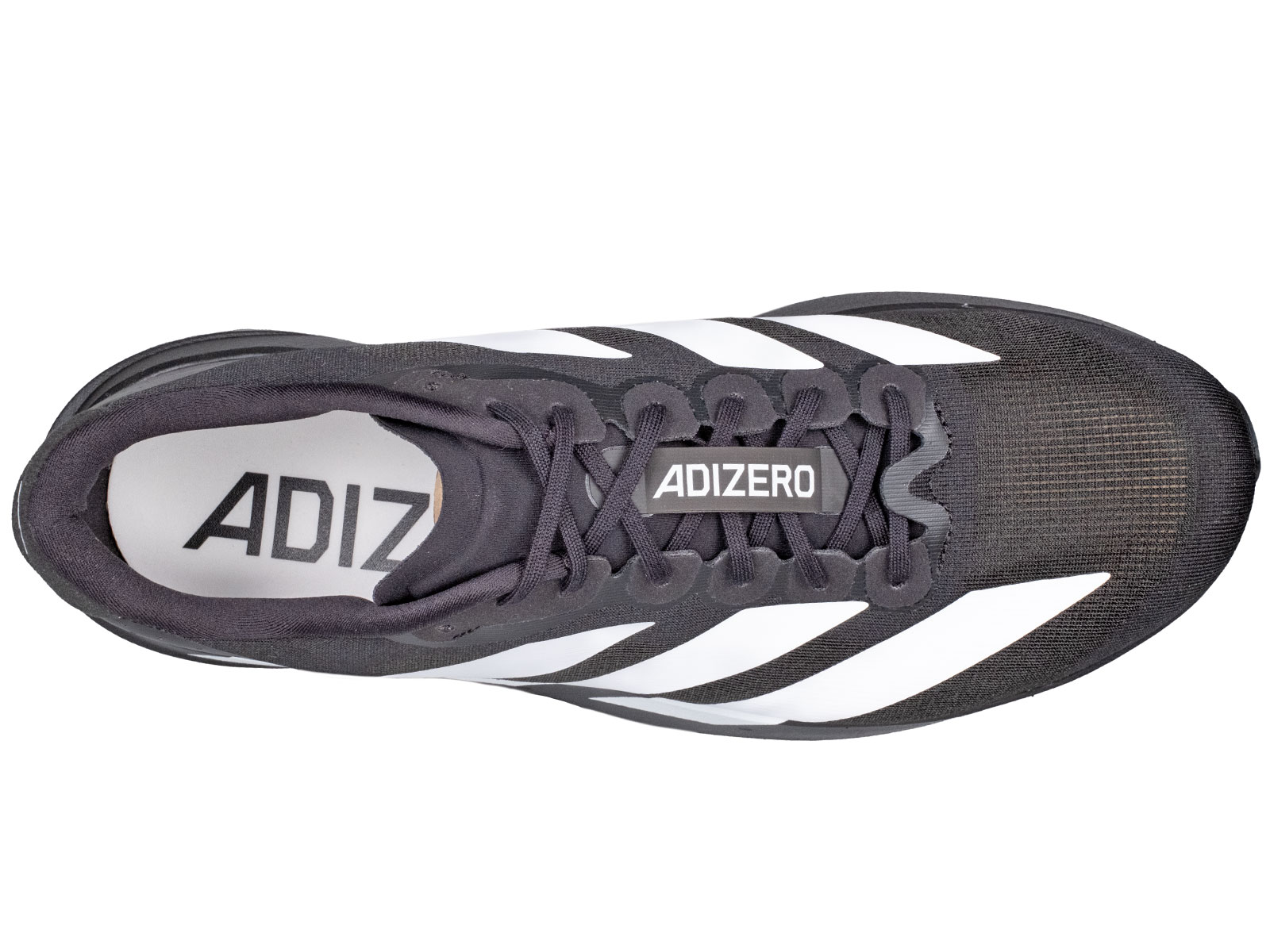
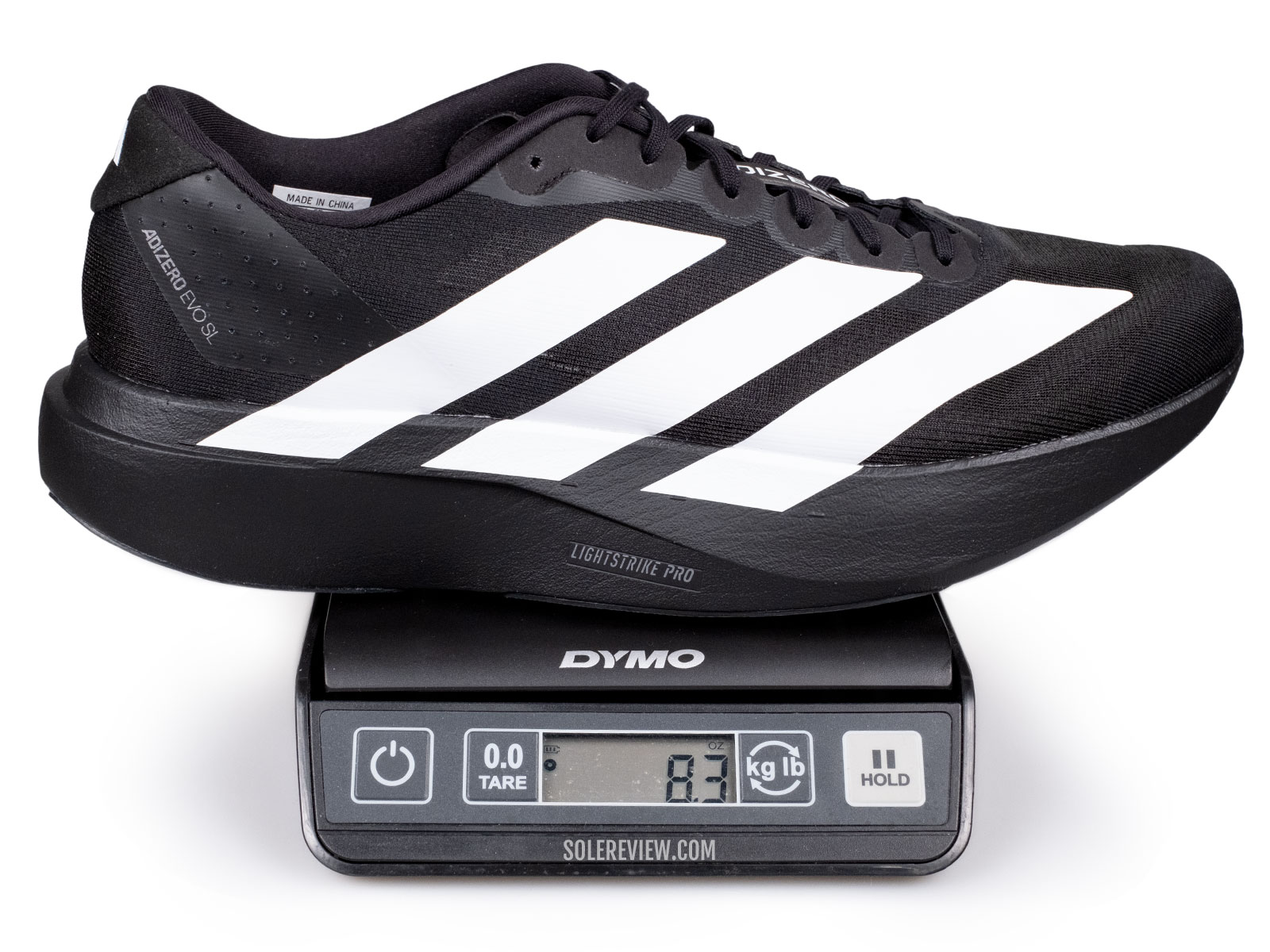
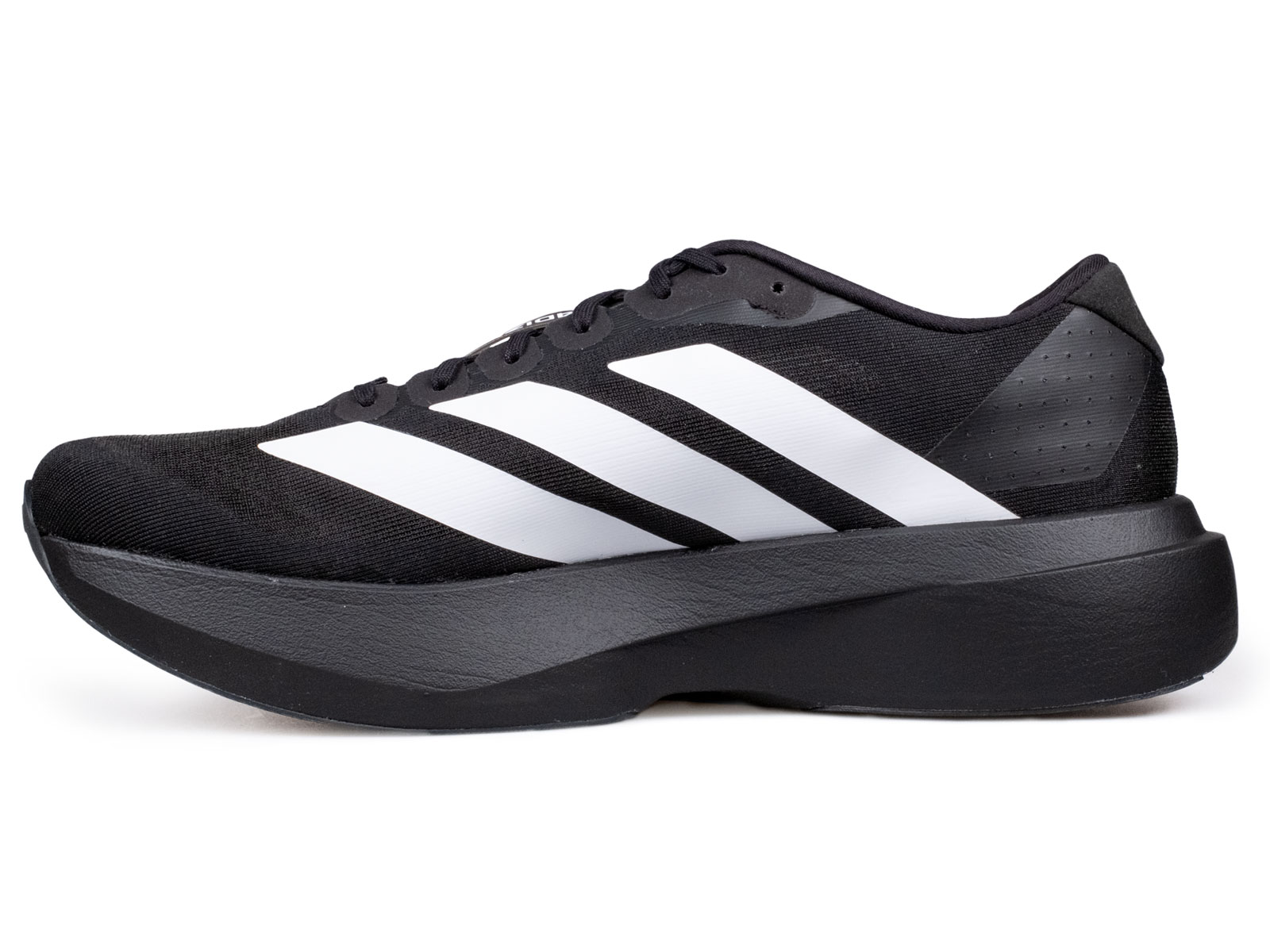
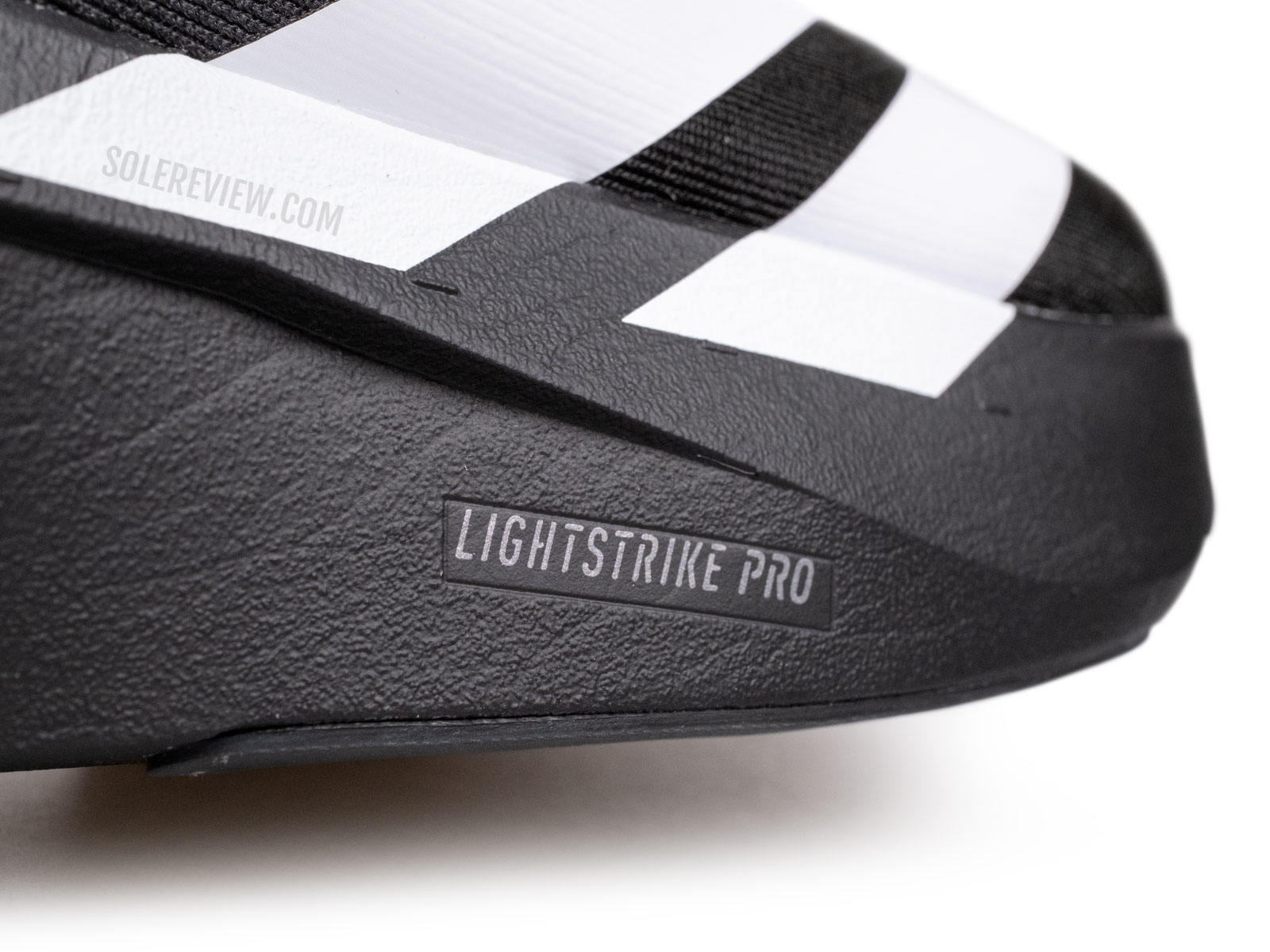
The EVO SL’s roomy forefoot will accommodate most runners. The spacious forefoot and toe-box offers greater comfort than a traditional ‘racer fit’ trainer. The ventilation is excellent, courtesy of the lightweight mesh upper. The tongue design can be improved, as the gusset-free design and slim flap makes it prone to sliding.
- adidas’s marketing pitch: Experience the feeling of fast.
- Upper: Lightweight mesh, no inner sleeve.
- Midsole: Full-length Lightstrike Pro foam. 7 mm heel drop.
- Outsole: Continental rubber (forefoot), Clear rubber (heel).
- Weight: 224 gms/ 7.9 Oz for a half pair of Men’s US 9/UK 8.5/EUR 42.5/CM 27.
- Stack heights: 39 mm (heel), 32 mm (forefoot).
- Available widths: Single, D – regular (reviewed)
- Country of origin: China.
- Recommended use: 5K, 10K, half-marathons.
- Footstrike orientation: Midfoot/forefoot (full contact).
- Orthotic compatibility: No.
- Median lifespan: 400 miles.
- Recommended paces: 4:00 min/km (6:30 min/mile) and slower.
- Recommended temperature range: Warmer than -0° C/32° F.
Pros
- Soft and bouncy comfort
- Effective midsole rocker
- Outsole traction
- Breathable, just-right fit
- Works well even at slow speeds and heel strikes
Cons
- No reflectivity
- No optional width(s)
- Tongue has tendency to ride down
The redesigned midsole makes the Boston 13 the most comfortable version to date, but it doesn’t lose sight of its goal. Long before plated racers existed, the adizero Boston was originally a cushioned marathon racer designed for fast and efficient runs. While this shoe has evolved over the years, the midsole architecture delivers reliable performance under demanding conditions. adidas combines the Energy Rods system with springy Lightstrike Pro foam to create a ride character that’s capable of going quick without punishing the foot. The Energy Rods makes the transition efficient through its stiffness and rocker-like shape, but doesn’t dictate the gait. The rods blend into the foam midsole to share the workload with the foot.
The ride experience is footstrike-dependent. Forefoot strikers will discover the soft and bouncy Lightstrike Pro foam core, while heel strikers will land on the more supportive Lightstrike EVA base. While Lightstrike Pro foam is available for heel-first landings, it’s not as abundant. The Continental and Lighttraxion rubber outsole helps power through quick paces through its durable grip. The Boston 13 feels at home during tempo runs, intervals, and mile-repeats at speeds of 3:30 min/km (5:30 min/mile) and slower.


Runners will find the Boston’s upper to be spacious, breathable, and soft. The broad toe box helps the feet spread wide for a better ground feel. The true-to-size upper also uses soft and padded tongue and heel to elevate interior comfort. The soft gusset locks in the tongue over the midfoot.
- adidas’s marketing pitch: Lightweight running shoes for speed training and race prep.
- Upper: Lightweight mesh, tongue gusset.
- Midsole: Lightstrike Pro and Lightstrike EVA foam, Energy Rods. 6 mm heel drop.
- Outsole: Continental and Lighttraxion rubber.
- Weight: 260 gms/ 9.2 Oz for a half pair of Men’s US 9/UK 8.5/EUR 42.5/CM 27.
- Stack heights: 36 mm (heel), 30 mm (forefoot).
- Available widths: Single, D – regular (reviewed).
- Country of origin: China.
- Recommended use: Tempo/threshold, 5K, 10K, half-marathons.
- Footstrike orientation: Heel/midfoot/forefoot.
- Orthotic compatibility: No.
- Median lifespan: 500 miles.
- Recommended paces: 3:30 min/km (5:30 min/mile) and slower.
- Recommended temperature range: Warmer than -0° C/32° F.
Pros
- Cushioned ride
- Versatile and stable ride
- Outsole traction
- Lightweight, durable
- Breathable, spacious fit
- Works well even at slow speeds and heel strikes
Cons
- No reflectivity
- No optional width(s)
Also consider:
- New Balance Rebel V4
- Skechers Aero Spark
- Hoka Mach 6
- Brooks Hyperion 3
- Use the Nike Vomero 18 for daily training and recovery runs
- Use adizero Boston 13 for tempo, threshold, 5K, 10K, and half marathons
- Use the adidas Adios Pro 4 for marathons