
Product guide updates
(4 total)- 2026-08-06 — Updated carousel with Cloudboom Strike 2 and Clifton 11
- 2026-06-24 — Added alternatives to scrollable carousel under each recommendation
- 2026-06-24 — Created FAQ with relevant question and answer pairs
- 2026-06-24 — Migrated product guide to new editorial format
In this product guide:
How we selected
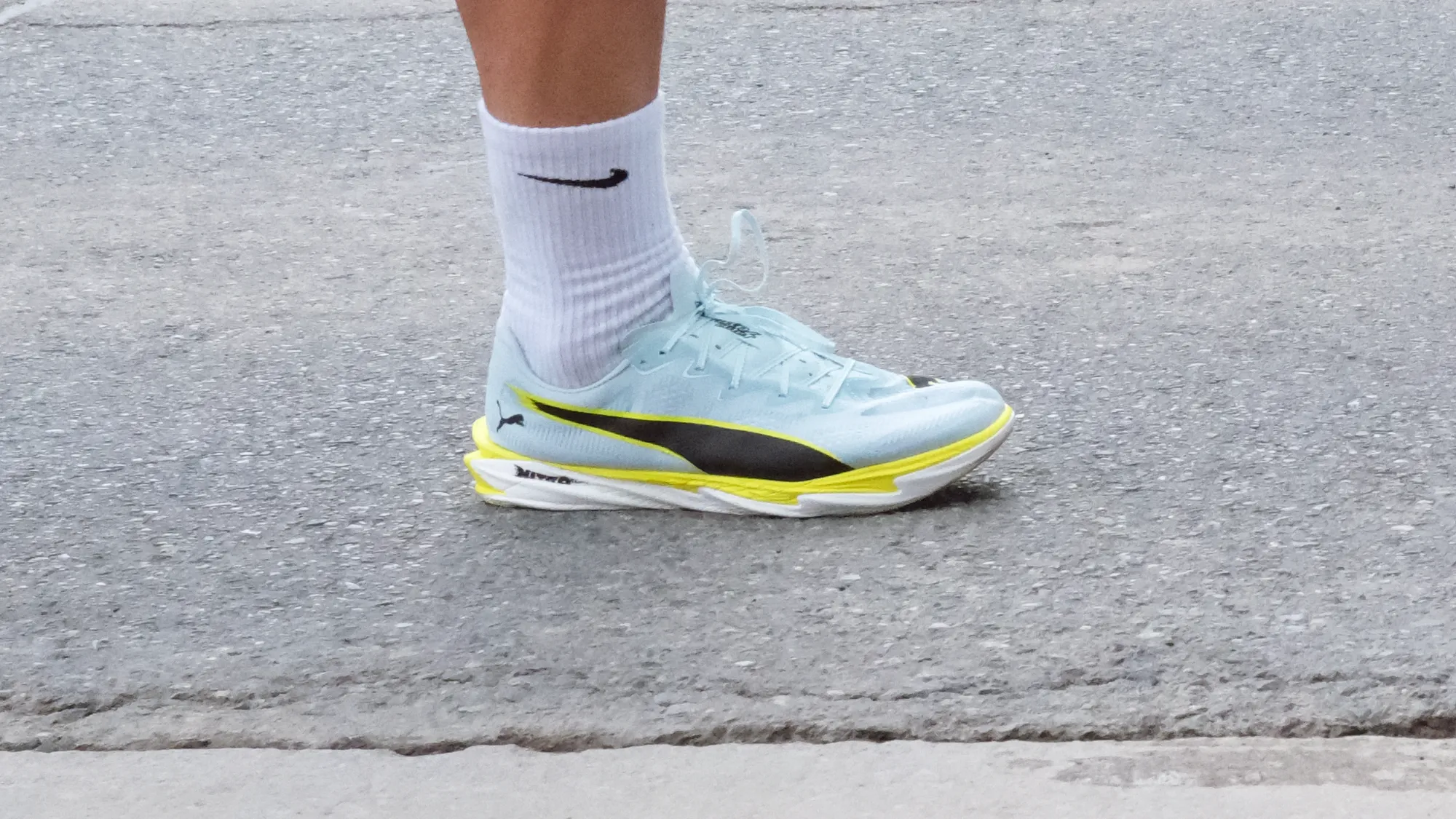
Our running shoe recommendations for heel strikers are grouped by use cases – daily training, 10Ks and marathons, recovery runs, and 5K + speedwork. By connecting each feature with its respective function, the “Why it works” section explains why a particular shoe (in its respective class) is suitable for heel strikers. The scrollable carousel contains alternatives within each recommended category. For example, the alternatives to the Puma Deviate Nitro Elite 4 (our 10K/marathon pick) are the Asics Superblast (for a soft ride without a plate), the Hoka Mach X 3 (for heavy runners and overpronators), and two others. When combined, this product guide contains 19 different running shoe recommendations for heel strikers.
- Best for daily runs: Durable, everyday cushioning that supports heel strikes.
- Best for 10Ks, marathons: A curation of plated and non-plated shoes for heel strikers.
- Best for recovery runs: Ultra-cushioned shoes with rearfoot stability.
- Best for 5Ks and speedwork: Lightweight cushioning that doesn’t bottom out.
Our recommendations combine our influence-free, expert-led wear-testing with biomechanical data sourced from over 33,000 high-speed images captured during actual road races. We also perform an evidence-based screening of design features most likely to benefit heel-striking runners. Visit our FAQ section at the bottom to learn more about running shoes that work for rearfoot strikers, and the shoes (including specific models) they should stay away from.
Why it works (the basics)
- Generous outsole coverage → creates durable contact patch
- Firm FF Blast Max midsole → supports heel landings
- 40 mm, 32 mm stack heights → provides everyday comfort
- Stiff heel counter → locks the foot in during landings
🔍 Deep Dive
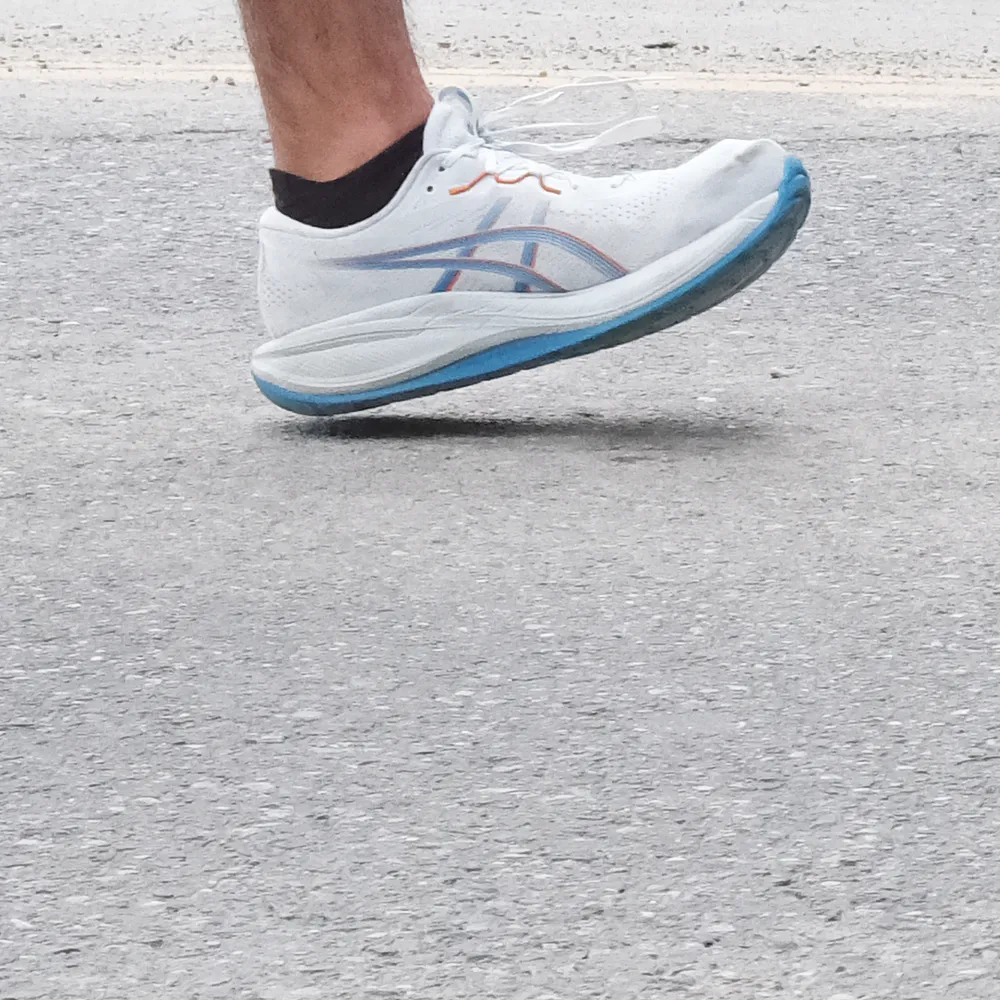
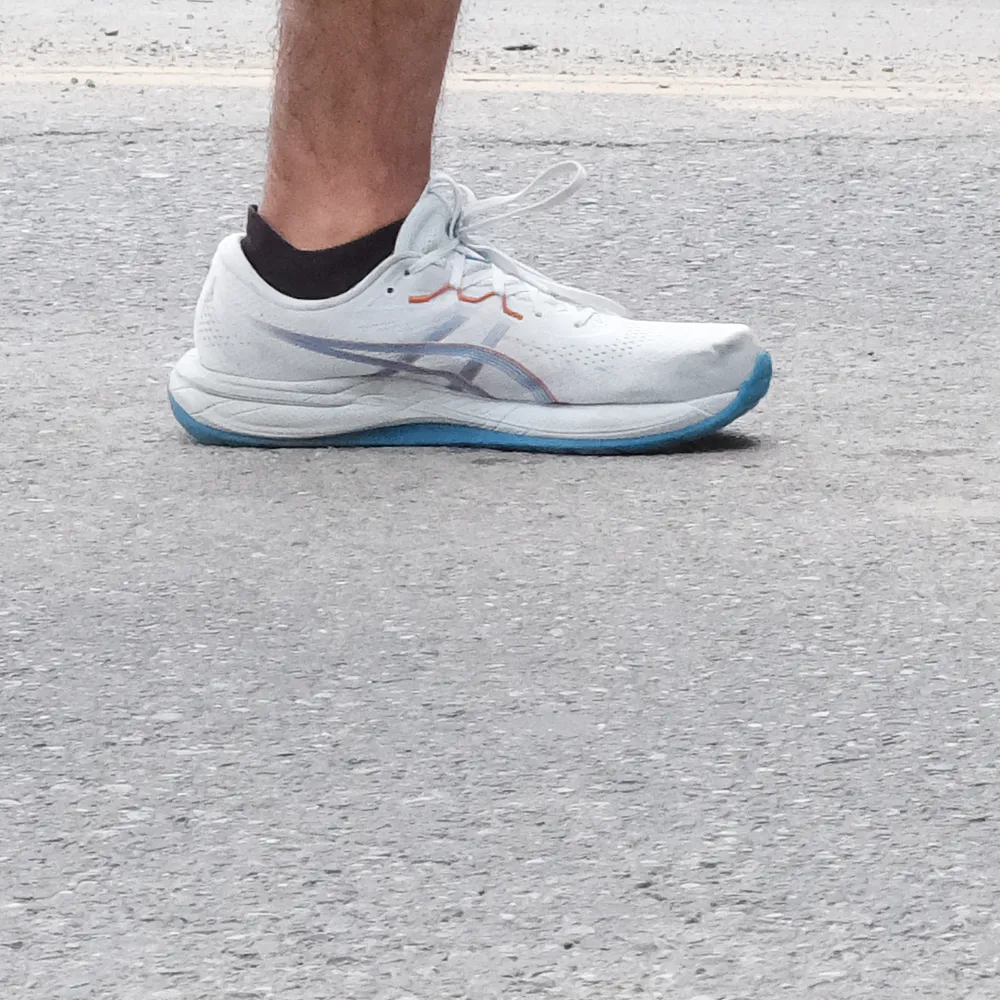
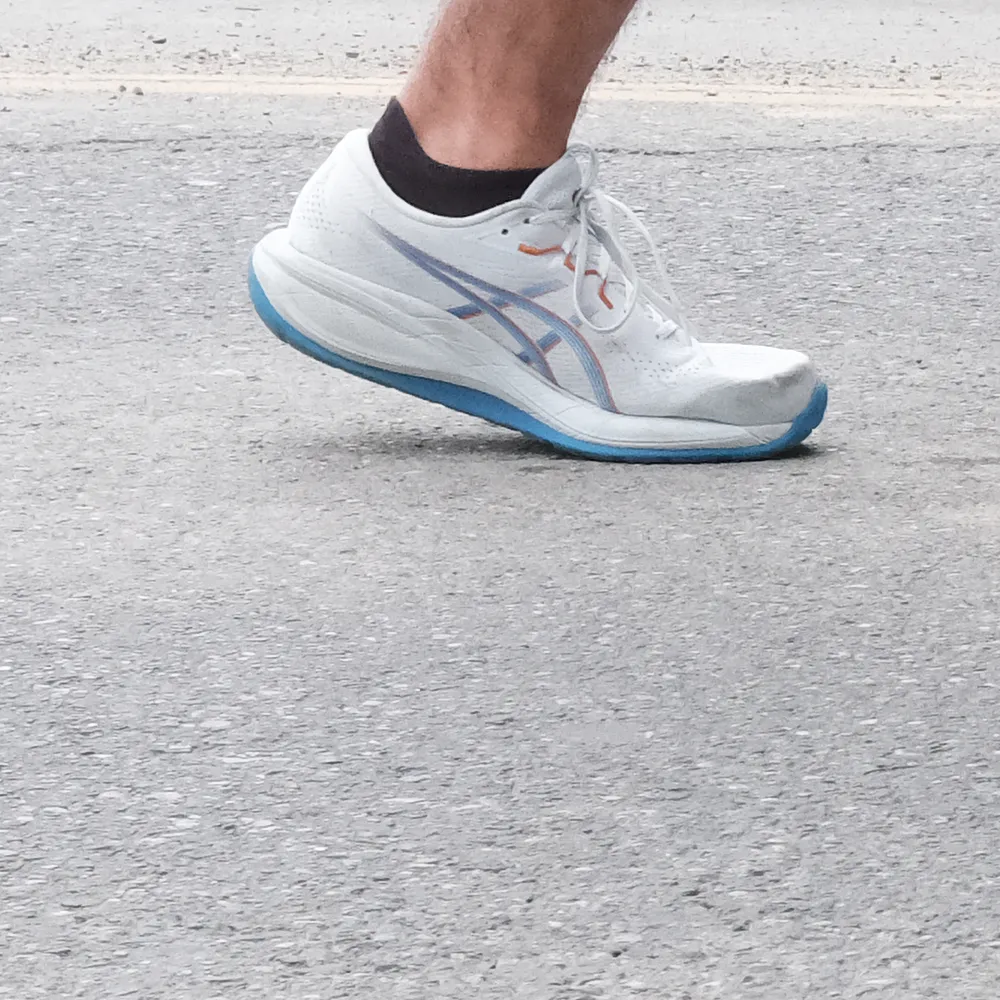
The Cumulus 28 is truly underrated. On the surface, it comes across as a bit boring, as the midsole lacks the energetic ride or softness of shoes like the Evo SL or the Novablast.
However, what makes it boring is exactly what makes it ideal for heel strikers. A firm, or ‘boring’ ride delivers the stability that softer midsoles cannot. The FF Blast Max resists bottoming out when loaded while providing the cushioning protection for rearfoot landings. Outsole coverage is available at all contact points and is reinforced with a harder rubber plug on the outer heel.
Pros
- Rearfoot stability
- Resists bottoming out
- Durable build
- Secure fit
- Also works for overpronators and heavy runners
Cons
- None worth mentioning for heel strikers
Other daily trainers for heel strikers
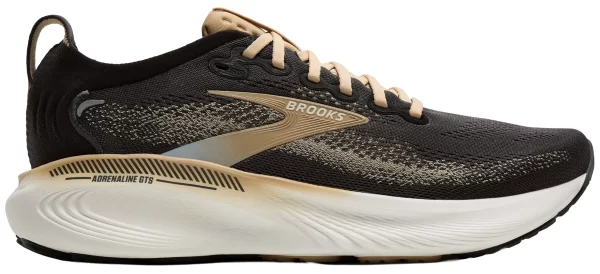
Brooks Adrenaline GTS 25
If you require more medial support
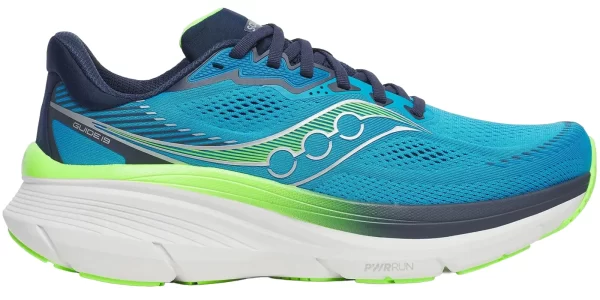
Saucony Guide 19
For a slower ride with higher level of stability
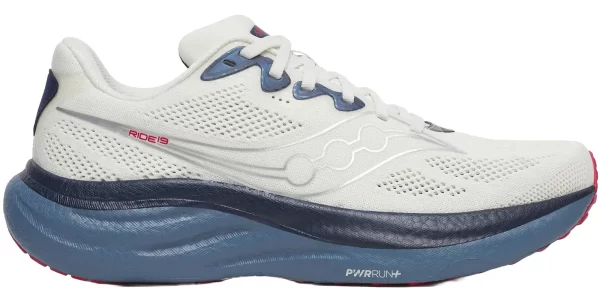
Saucony Ride 19
Best for a softer ride
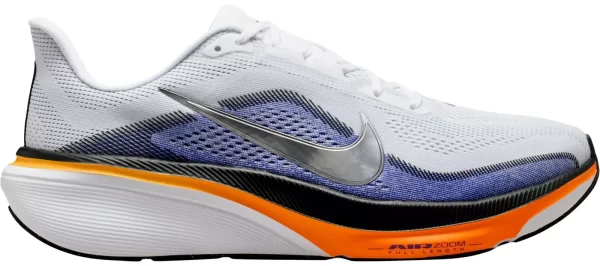
Nike Pegasus 42
For a more energetic ride than the Cumulus
Fit Notes
True to size. Gusseted tongue, decent ventilation. Excellent heel grip. Wide and extra-wide optional.
Gallery
Specs
- Heel stack: 40 mm
- Forefoot stack: 32 mm
- Drop: 8 mm
- Weight: 9.1 oz / 259 gms
- Widths: Regular
- Midsole: FF Blast Max foam
- Insole: Molded Ortholite, removable
Why it works (the basics)
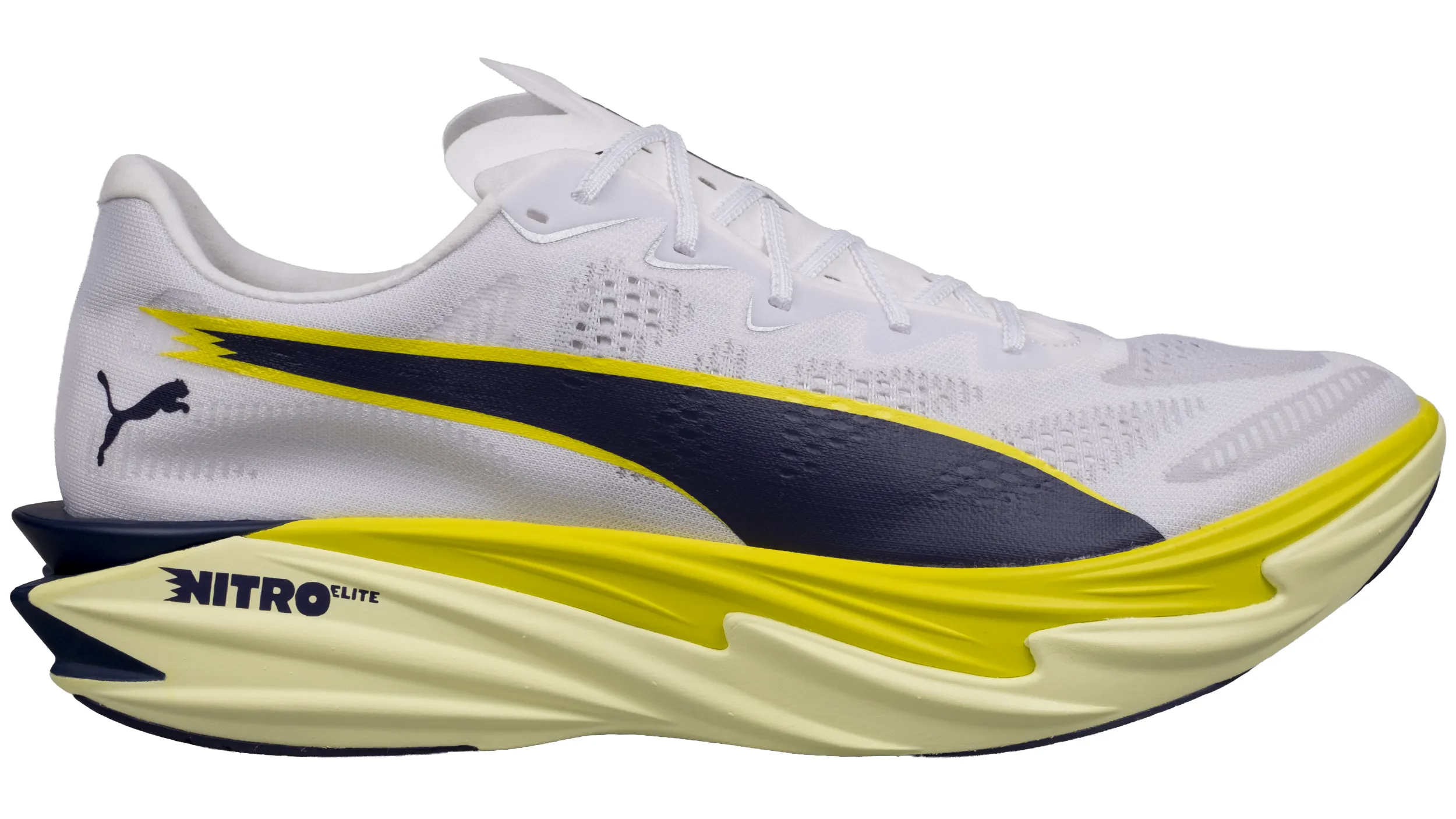
- Nitrofoam Elite midsole → does not bottom out during heel strikes
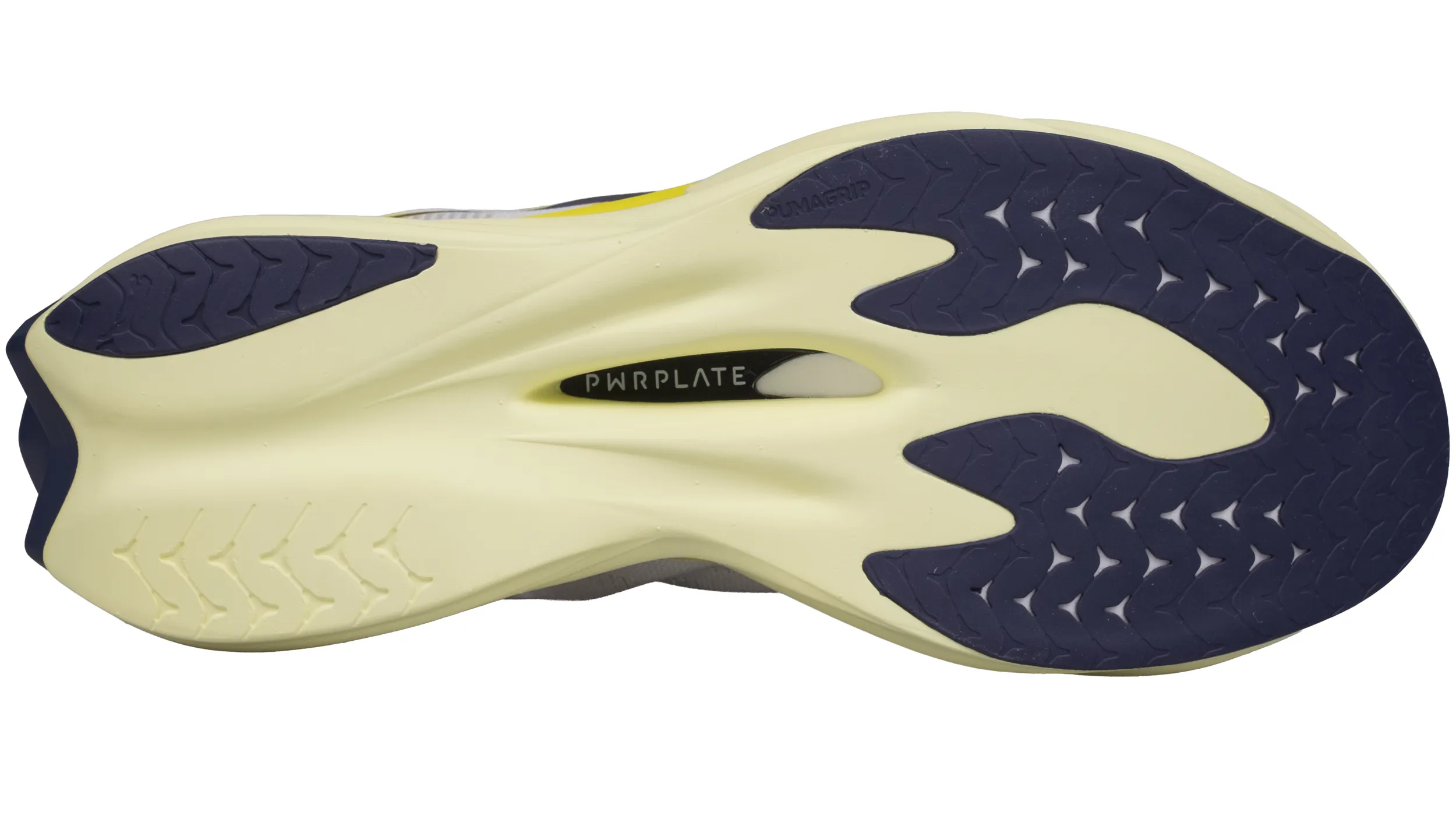
- Carbon Pwrplate → adds quickness and torsional rigidity
- 8 mm heel drop → minimizes Achilles and calf strain
- Pumagrip rubber → delivers excellent traction
🔍 Deep Dive
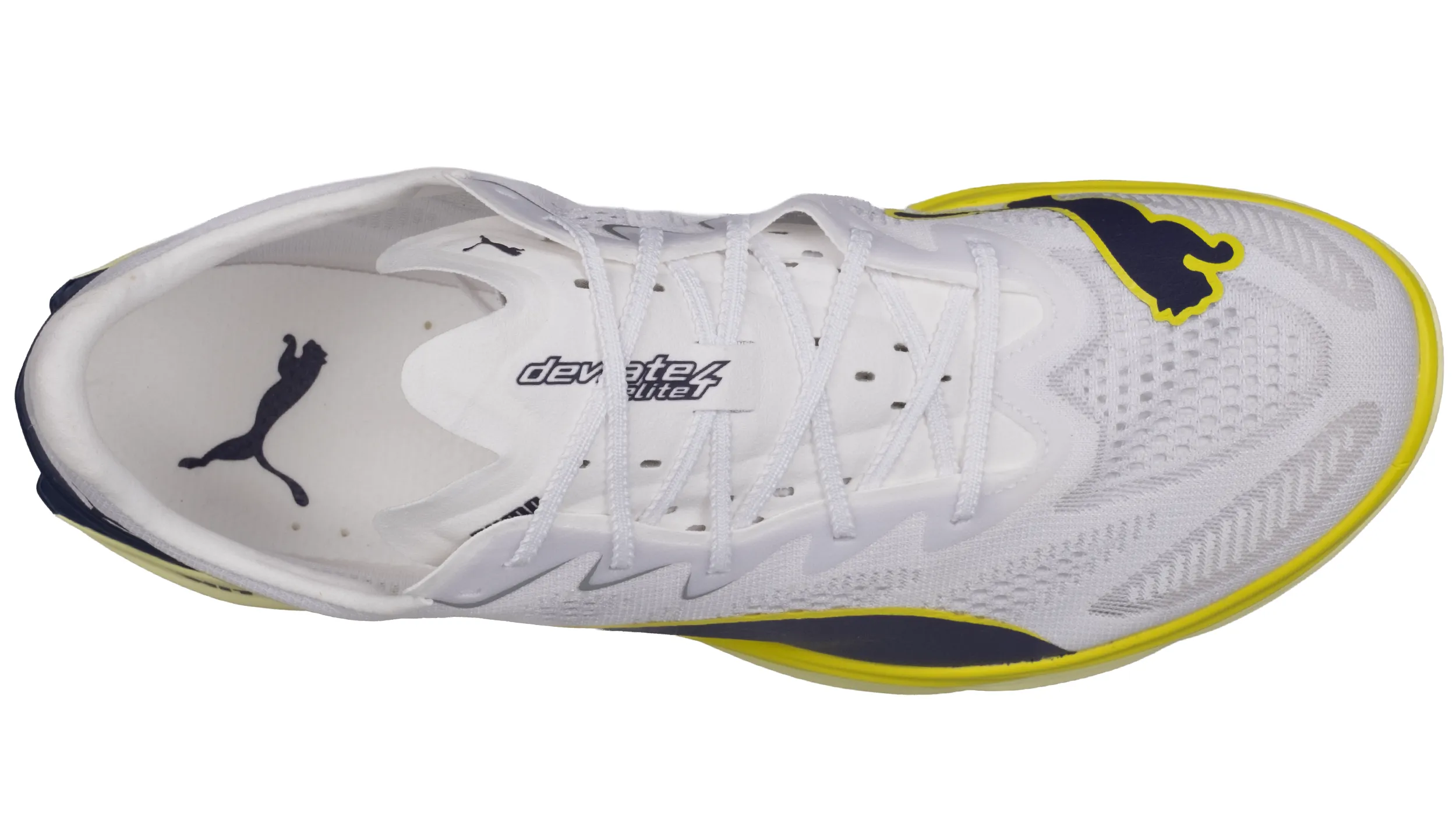
Generally speaking, Puma running shoes score high on traits such as stability and compression resistance. For that, we have the Nitro Elite foam to thank. This nitrogen-infused superfoam delivers its energetic cushioning without the mushy feel of Asics FF Leap or adidas’s latest Lightstrike Pro foam. While most carbon-plated racers lack the stability for heel strikers, the Deviate Nitro Elite 4 is relatively superior in this aspect. The midsole resists bottoming out during landings while providing the propulsive comfort expected from a plated racing shoe.
Pros
- Midsole resists bottoming out
- Propulsive rocker
- Outsole traction
- Breathable and secure upper
Cons
- Heel outsole coverage
- Lacks durability for frequent mileage
- Lack of widths
Other 10K and marathon racers for heel strikers
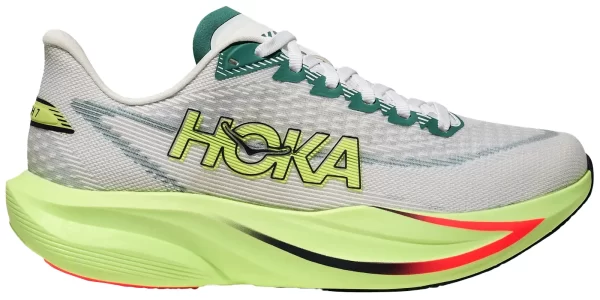
Hoka Mach X3
For heavy runners and overpronators
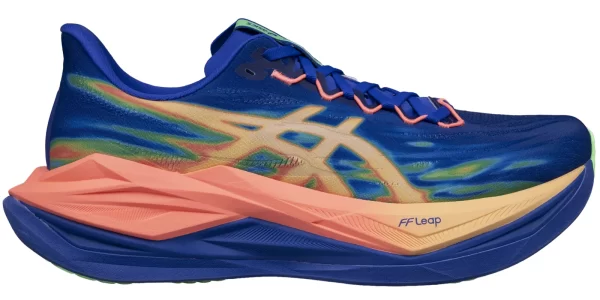
Asics Superblast 3
Delivers soft cushioning without a plate
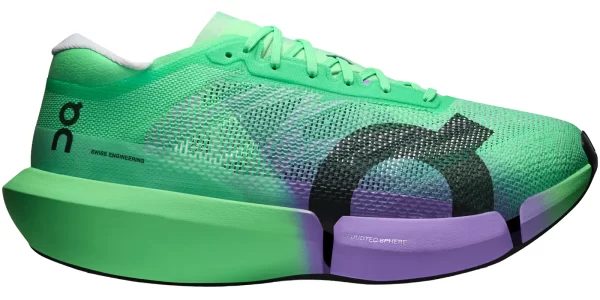
On Cloudboom Strike 2
Plated racer with deeper cushioning and a 5 mm drop
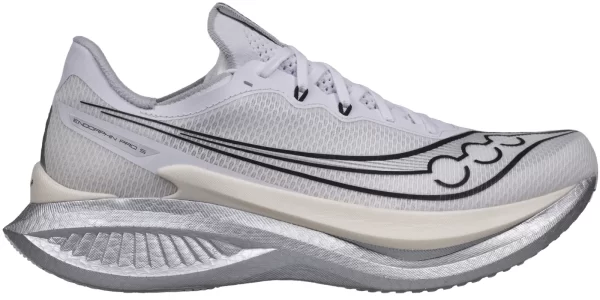
Saucony Endorphin Pro 5
Offers the highest rearfoot stability
Fit Notes
True to size. Fits snug and close to the foot for a race-day fit. Excellent ventilation; available only in a single width.
Gallery
Specs
- Heel stack: 40 mm
- Forefoot stack: 32 mm
- Drop: 8 mm
- Weight: 6.1 oz / 174 gms
- Widths: Regular (single)
- Midsole: Nitrogen-infused Nitrofoam Elite
- Insole: Non-removable
Why it works (the basics)
- Firm ReactX foam base → stabilizes heel landings
- U-shaped heel outsole → helps with grip and durability
- Softer top ZoomX layer → adds comfort to rearfoot strikes
- Secure upper fit → prevents heel movement
🔍 Deep Dive
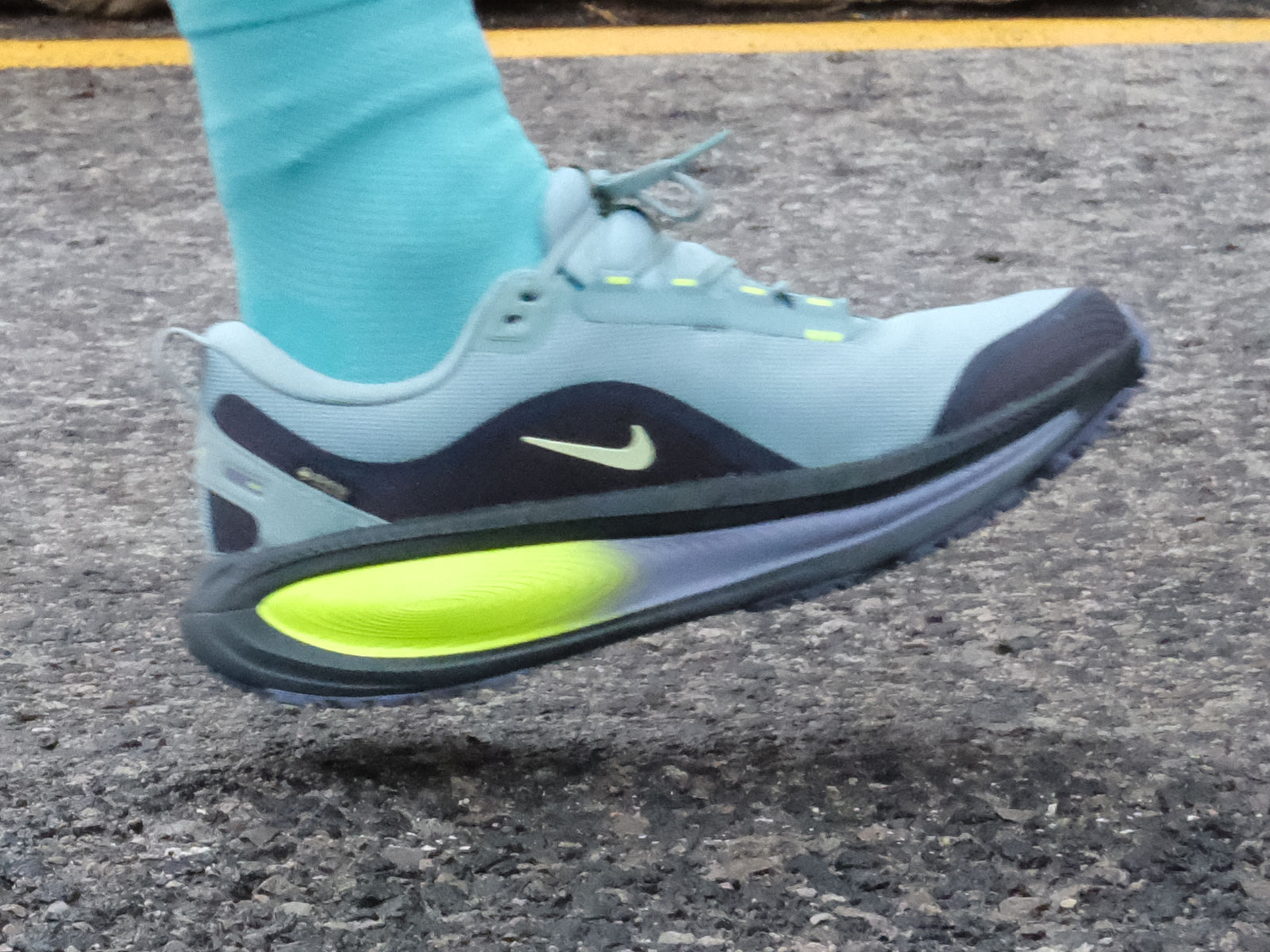
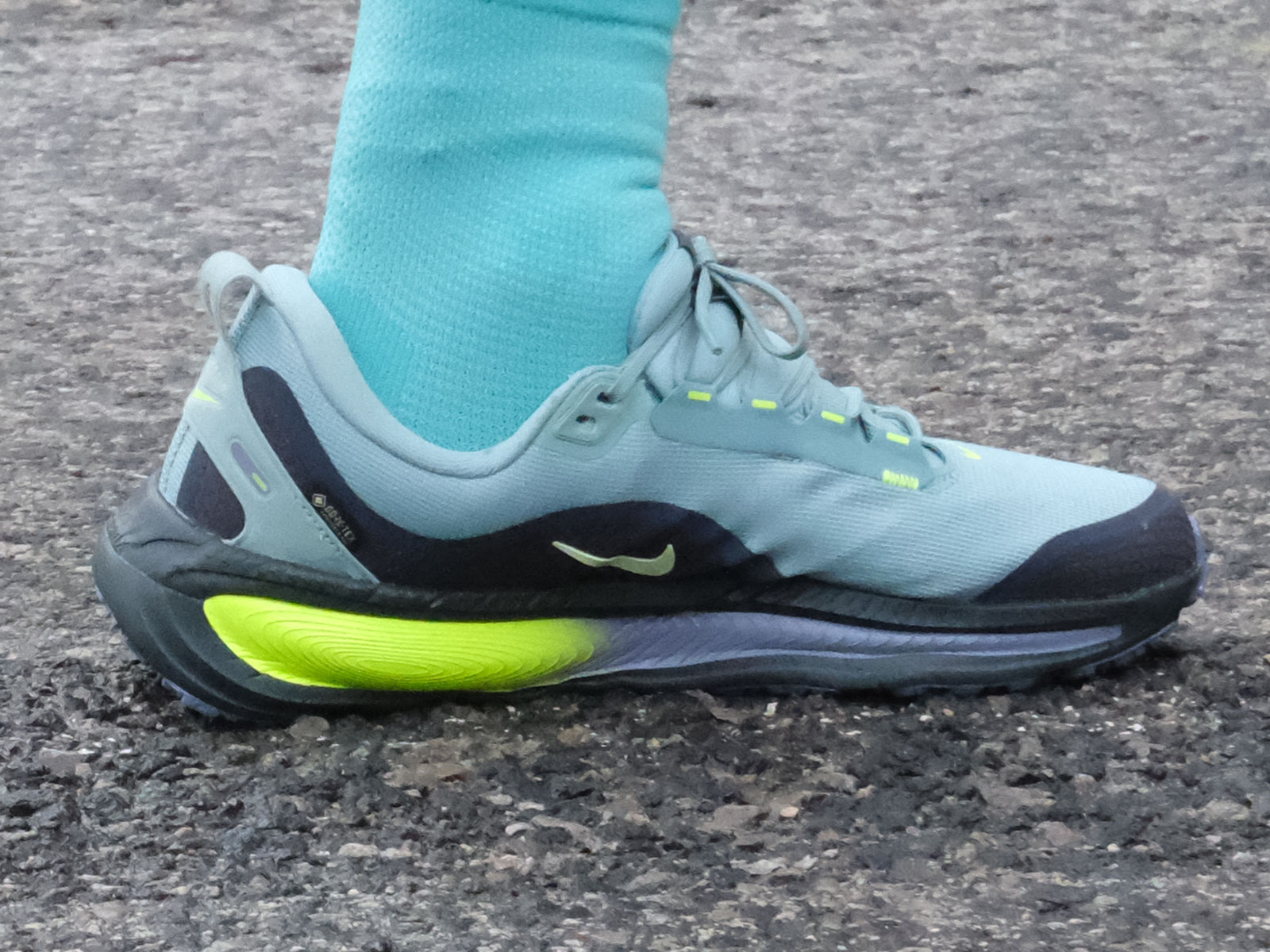
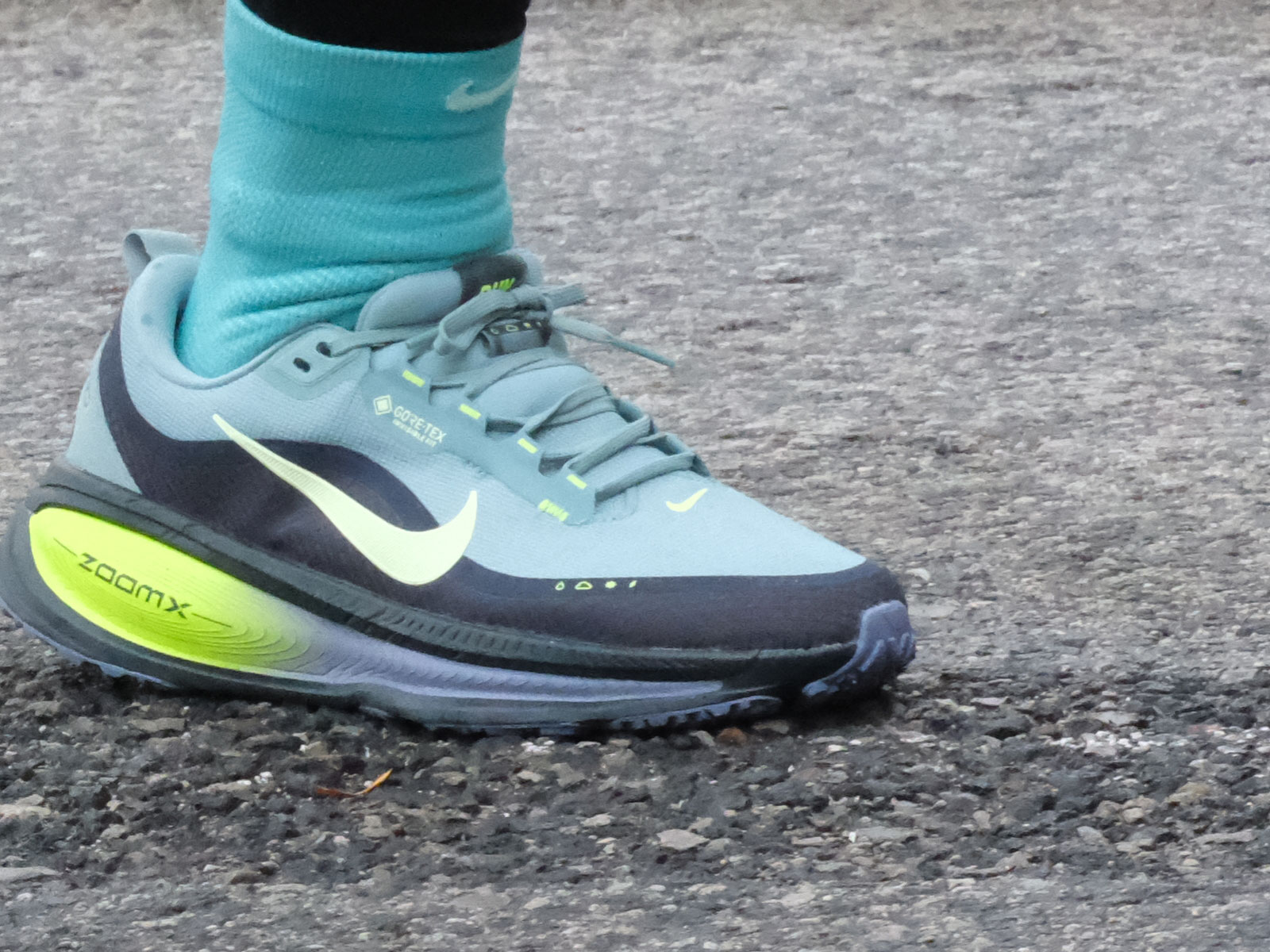
Listing the Vomero 18 under our “recovery run” recommendation undersells it. While the tall stack heights and cushioned ride make it ideal for long runs at easy speeds, the dual-density midsole is capable of more. The stiff forefoot has a propulsive effect, as the firm ReactX base creates a functional rocker. For example, the Vomero 18 feels quicker than the Asics Nimbus 28 and even the Brooks Glycerin 23 with its DNA Tuned forefoot.
The firm ReactX base prevents the midsole from bottoming out during heel strikes. The U-shaped outsole rubber provides complete coverage for the initial heel contact, delivering both grip and durability for heel strikers.
Pros
- Supportive heel midsole
- High negative drop resistance
- Heel outsole coverage
- Snug upper heel fit
Cons
- Runs warm because of full sleeve
- Forefoot traction on wet roads
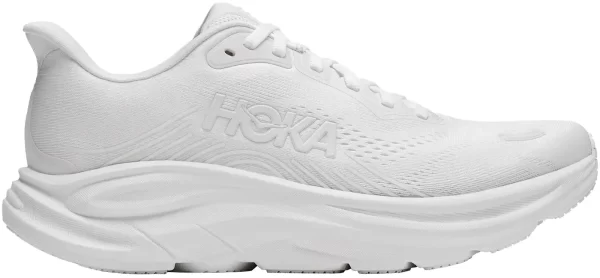
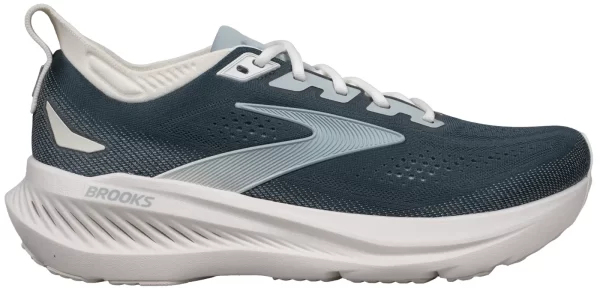
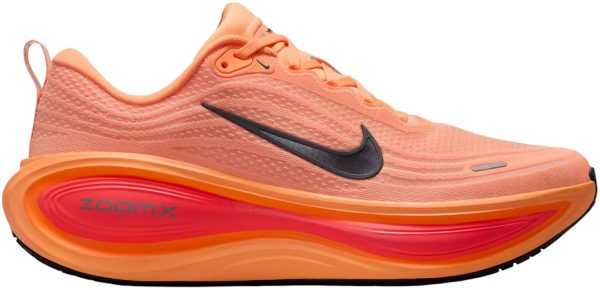
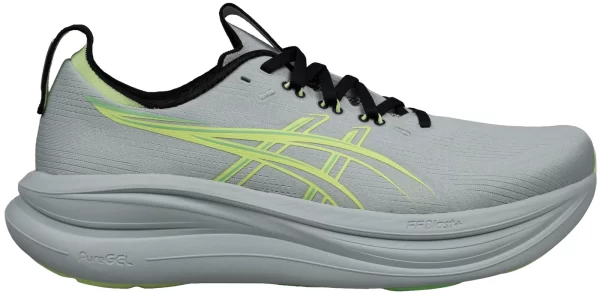
Other recovery trainers for heel strikers
Fit Notes
True to size. The upper runs snug and warm because of full inner sleeve. Optional wide available.
Gallery
Specs
- Heel stack: 44 mm
- Forefoot stack: 34 mm
- Drop: 10 mm
- Weight: 11.5 oz / 325 gms
- Widths: Regular, wide
- Midsole: ReactX, ZoomX foam
- Insole: Molded, removable
Why it works (the basics)
- Supercritically foam EVA midsole → resists bottoming out
- Absence of negative under heel space → prevents midsole sink
- Heel crash pad → is rubber-covered for grip
- Padded upper with counter → keeps heel locked in
🔍 Deep Dive
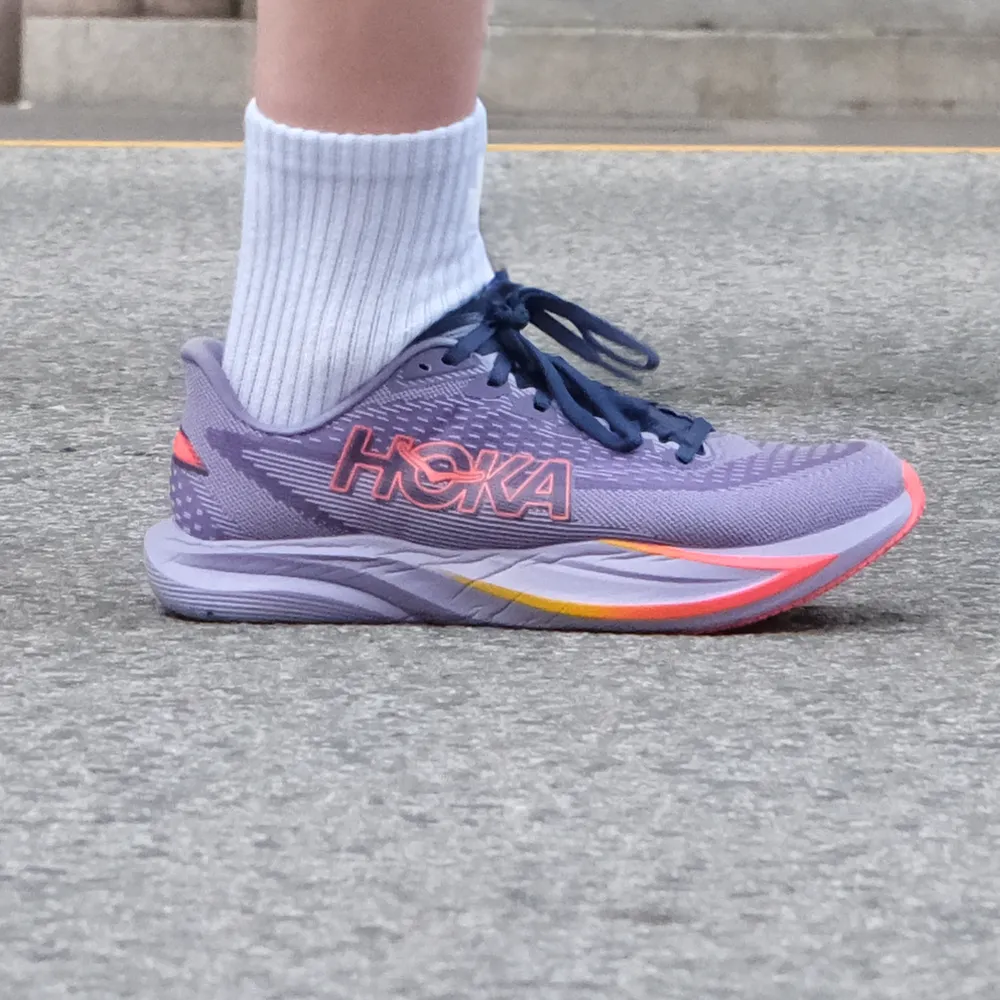
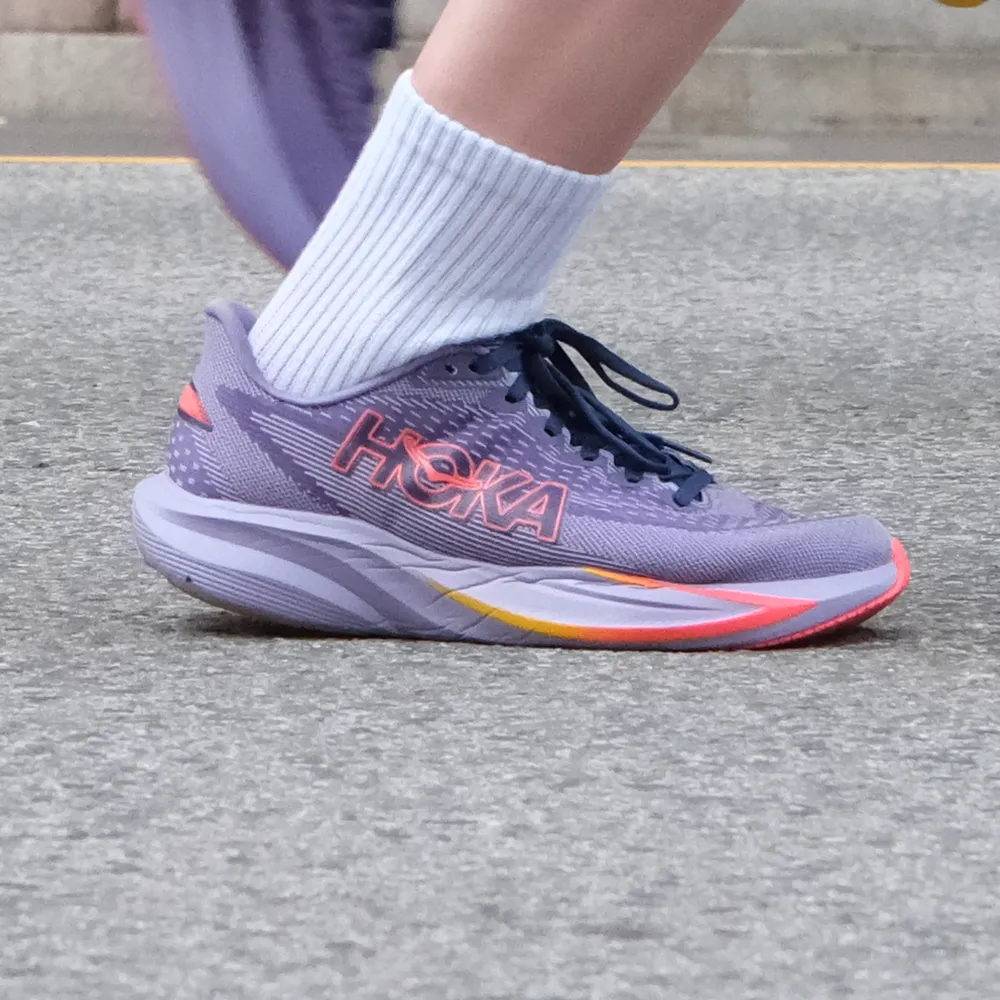
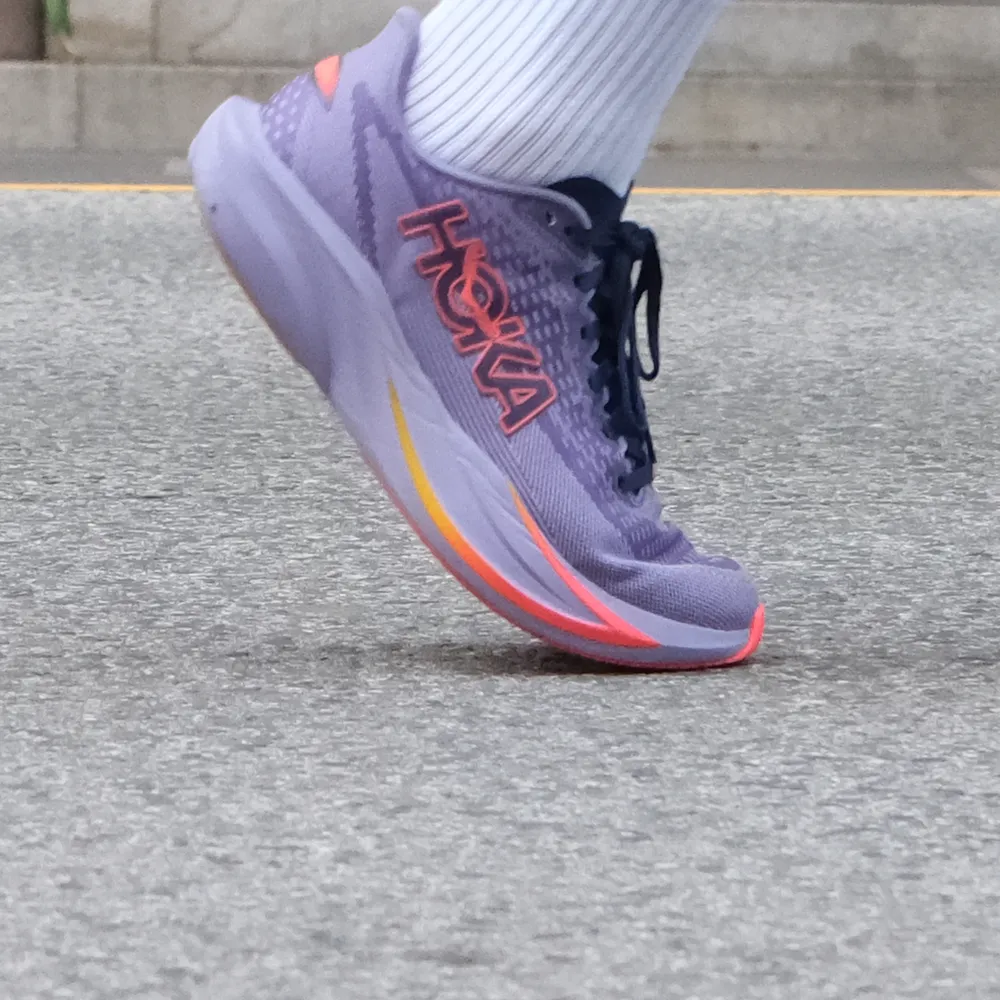
Our biomechanical review of the Hoka Mach 7 is the best place to see how the shoe reacts to a typical heel strike. The supercritically-foamed EVA midsole demonstrates a textbook example of controlled compression during heel strikes. The midsole loses some of its stack height when loaded, but rarely to the point of bottoming out. The midsole is low-profile by today’s standards, making the Mach 7’s weight low while adding a peppy feel. There’s no plate, so don’t expect a propulsive rocker – there is none. This is a shoe that leaves most of the workload to the runner, but without getting in the way. Be it daily runs, PR-setting 5Ks, tempo workouts, intervals or track training, the Mach 7 offers a versatile performance range.
Pros
- Versatile, do-it-all character
- Doesn't negative drop or bottom out
- Outsole traction
- Secure upper fit
Cons
- Slightly short tongue
Other tempo and interval trainers for heel strikers
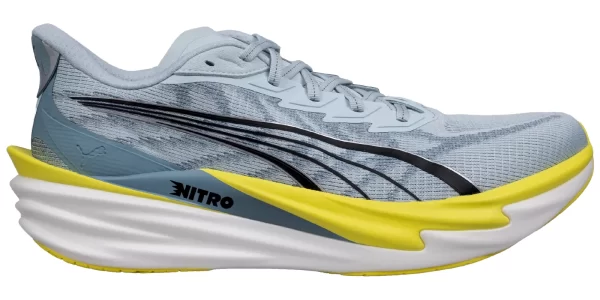
Puma Deviate 4
A plated trainer with excellent road bite
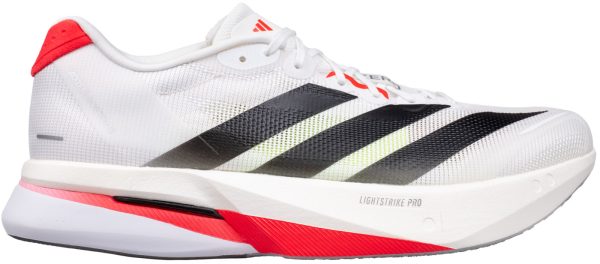
adidas Boston 13
Best for forefoot room and breathability
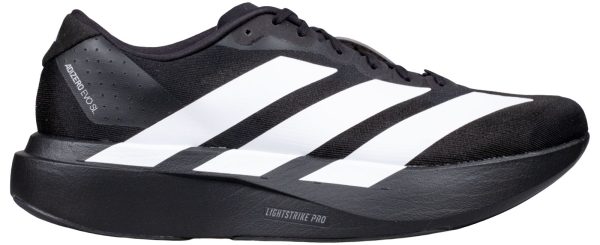
adidas EVO SL
Softer, bouncier, and roomier than the Mach 7
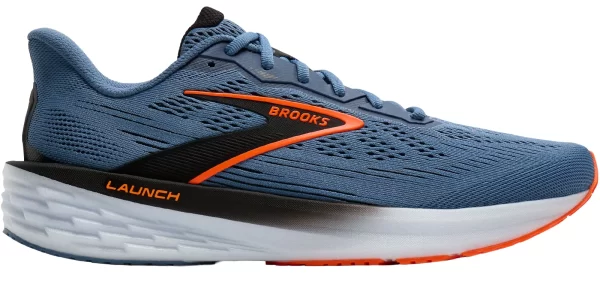
Brooks Launch 12
If you want a firmer ride than the Mach 7
Fit Notes
True to size. Secure fit, very breathable. Optional wide available.
Gallery
Specs
- Heel stack: 35 mm
- Forefoot stack: 30 mm
- Drop: 5 mm
- Weight: 8.37 oz / 237 gms
- Widths: Regular, wide
- Midsole: Supercritically foamed EVA
- Insole: Molded, removable
The research behind our picks
Which features make a running shoe suitable for heel strikes?
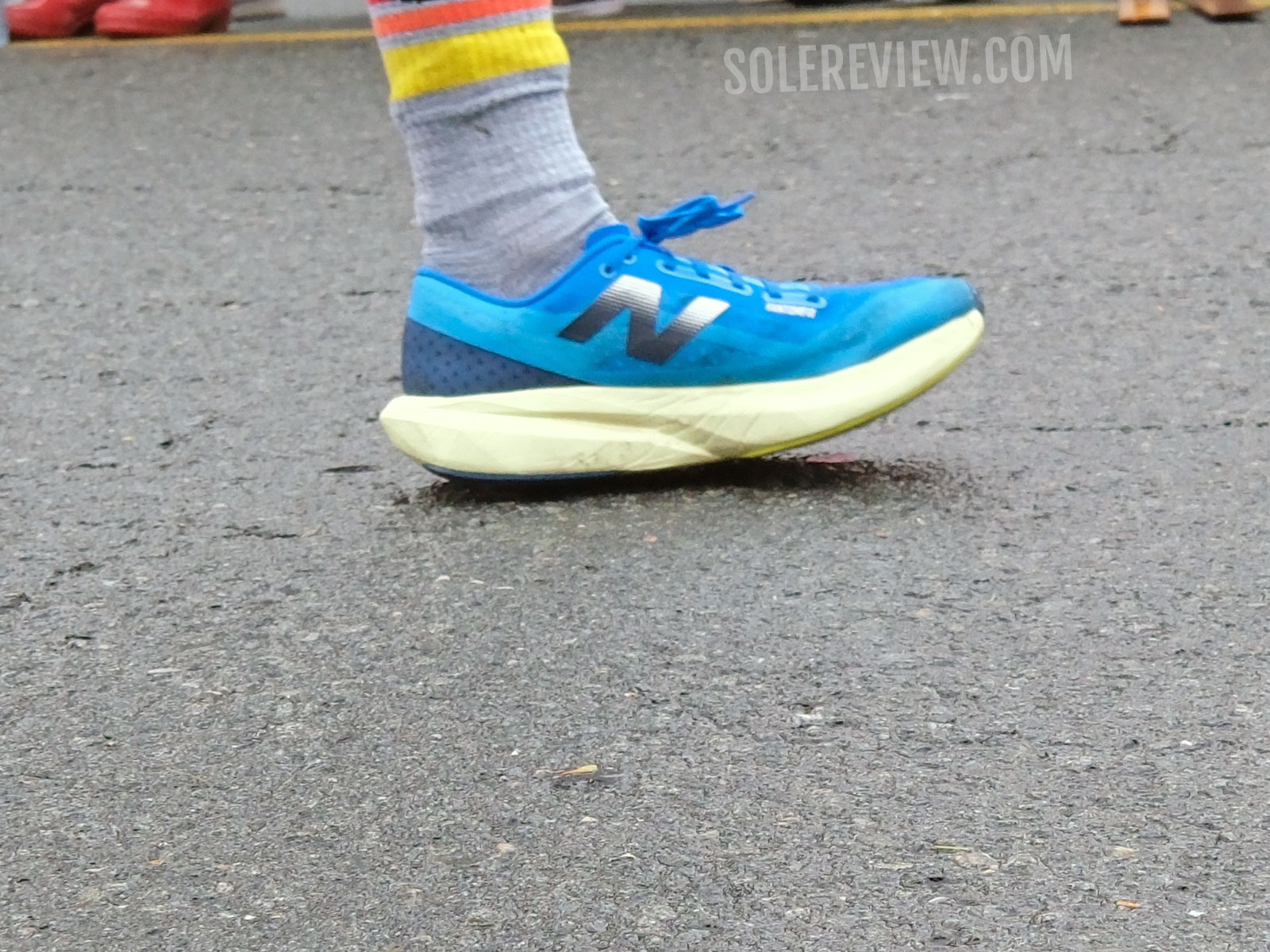
It takes a lot more than just a cushioned heel for a running shoe to be rearfoot-friendly. There are other overlooked aspects like the heel-to-toe offset, rearfoot stability, and a midsole design that promotes smoother landings. How do these factors help? Here’s a quick primer.
A high heel-to-toe offset
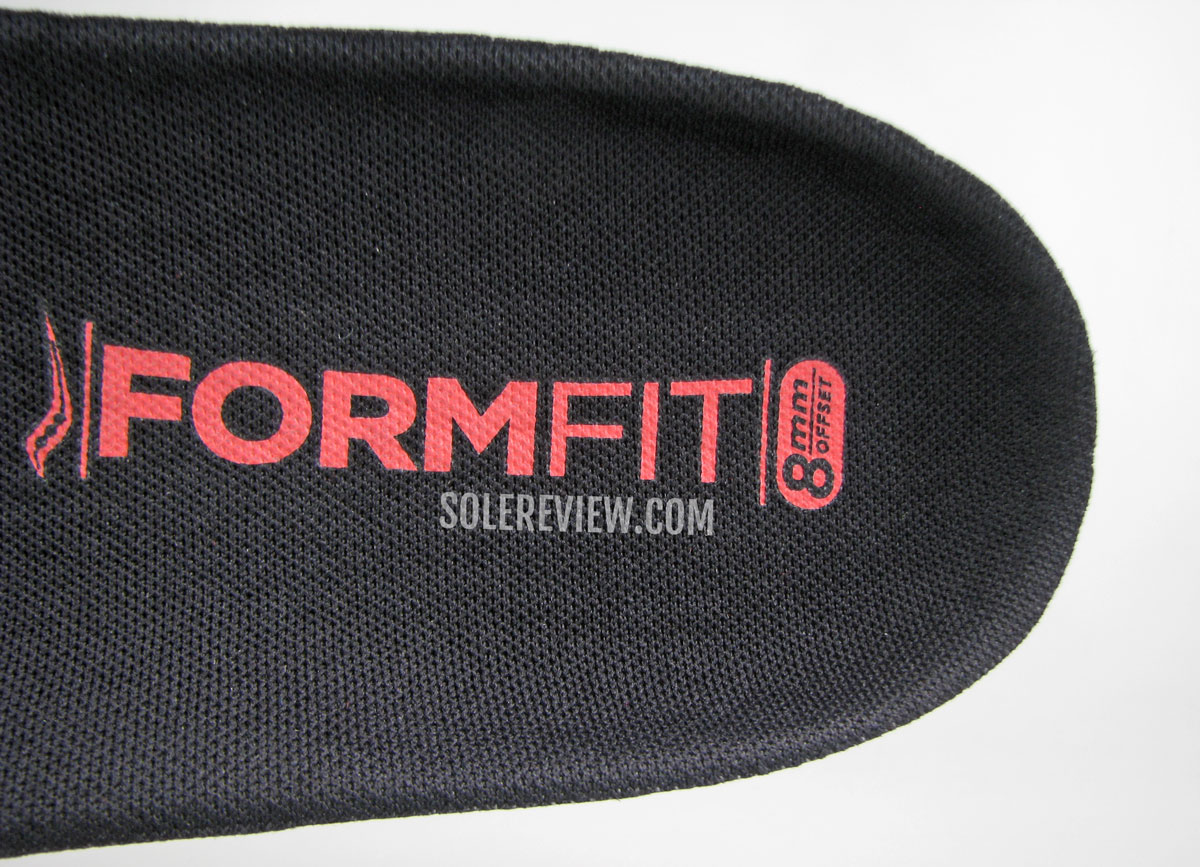
The ‘drop’ or offset of a shoe is defined as the thickness between the front and rear midsole heights. After reviewing shoes for over a decade, we believe that a heel-to-toe drop of between 5 mm and 10 mm is the sweet spot for heel strikers.
A high heel-to-toe offset implies that the rear is substantially thicker than the front. Not only does that result in a higher level of cushioning, but the thicker heel also promotes comfortable rearfoot landings. The opposite is also true, and that is why midfoot/forefoot strikers prefer running shoes with a lower offset.
Just know that this so-called ‘rule’ isn’t a blanket generalization, but it increases the chances of a running shoe being rearfoot-friendly. For most runners, low-offset models will work just fine.
A supportive rearfoot
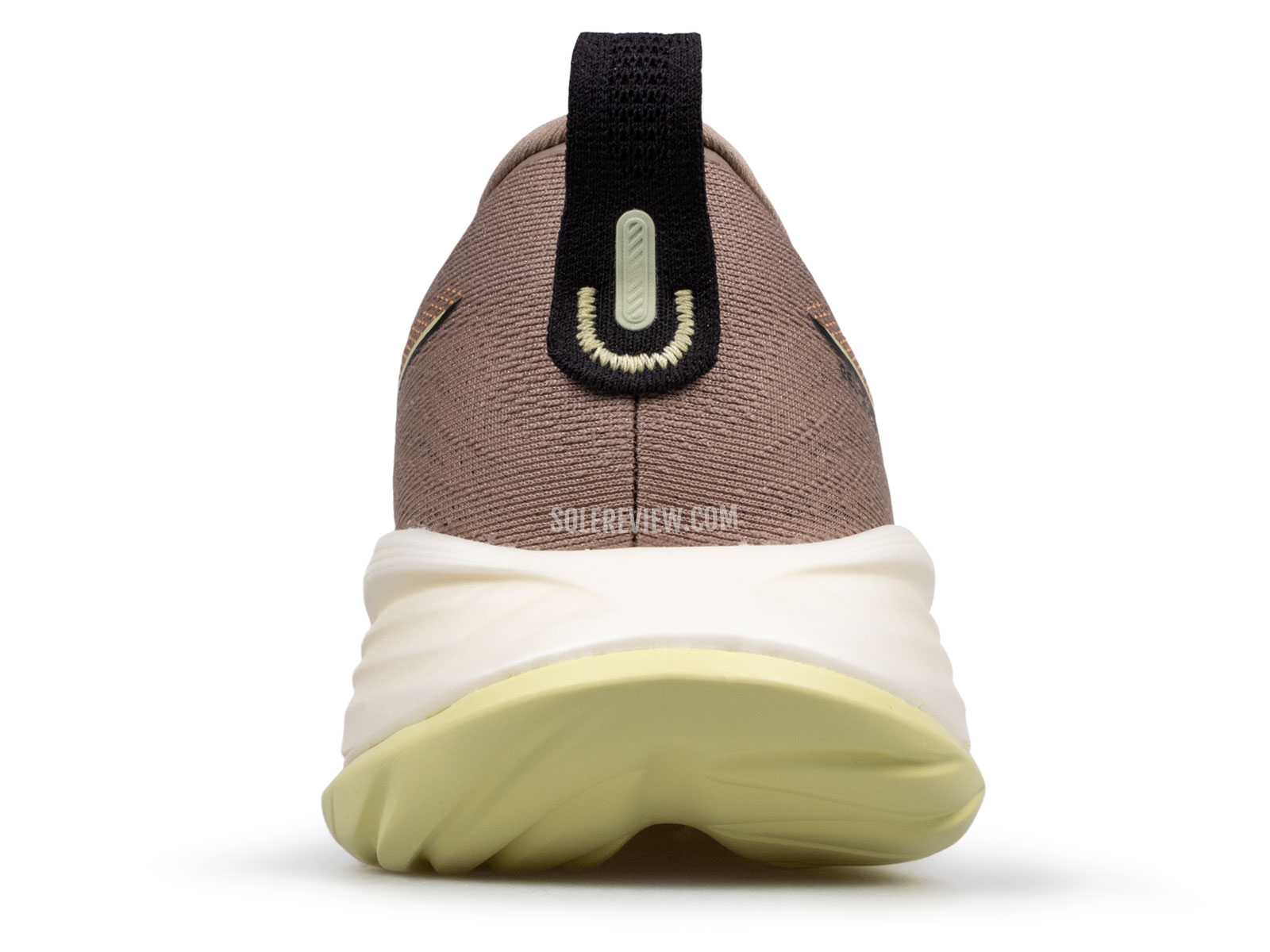
The wide midsole of the Cumulus 26 produces a neutral and supportive ride.
Not everything ends and begins with the midsole cushioning. If the rearfoot is the first point of contact during the gait cycle, it needs to be stable. The midsole should have a neutral ride character with minimal cushioning bias. In other words, one side of the midsole shouldn’t be excessively softer than the other.
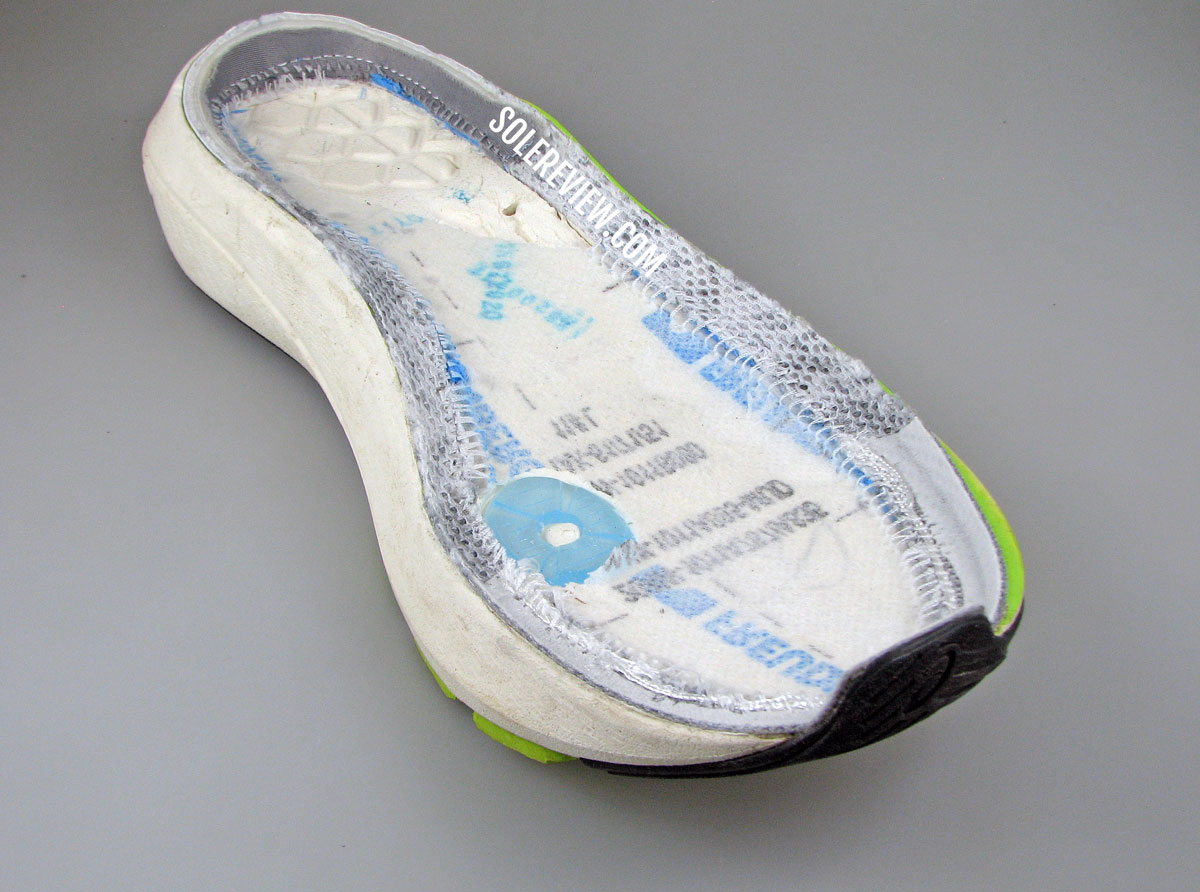
A supportive heel midsole makes a running shoe suitable for heel strikers.
Also, the entire heel shouldn’t be overly soft. That’s the reason why this guide excludes models such as the Hoka Rocket X 3 and adidas Adios Pro 4. While those are excellent products, the heel isn’t stable enough for rearfoot landings. A midsole that’s too soft also runs the risk of bottoming out, which then increases the risk of stress fractures rather than decreasing it. Based on what’s currently available in the market, brands like Hoka, Nike, and Puma (except the Fast-R Nitro Elite 3) offer the most heel-strike-friendly shoes.
A beveled heel edge
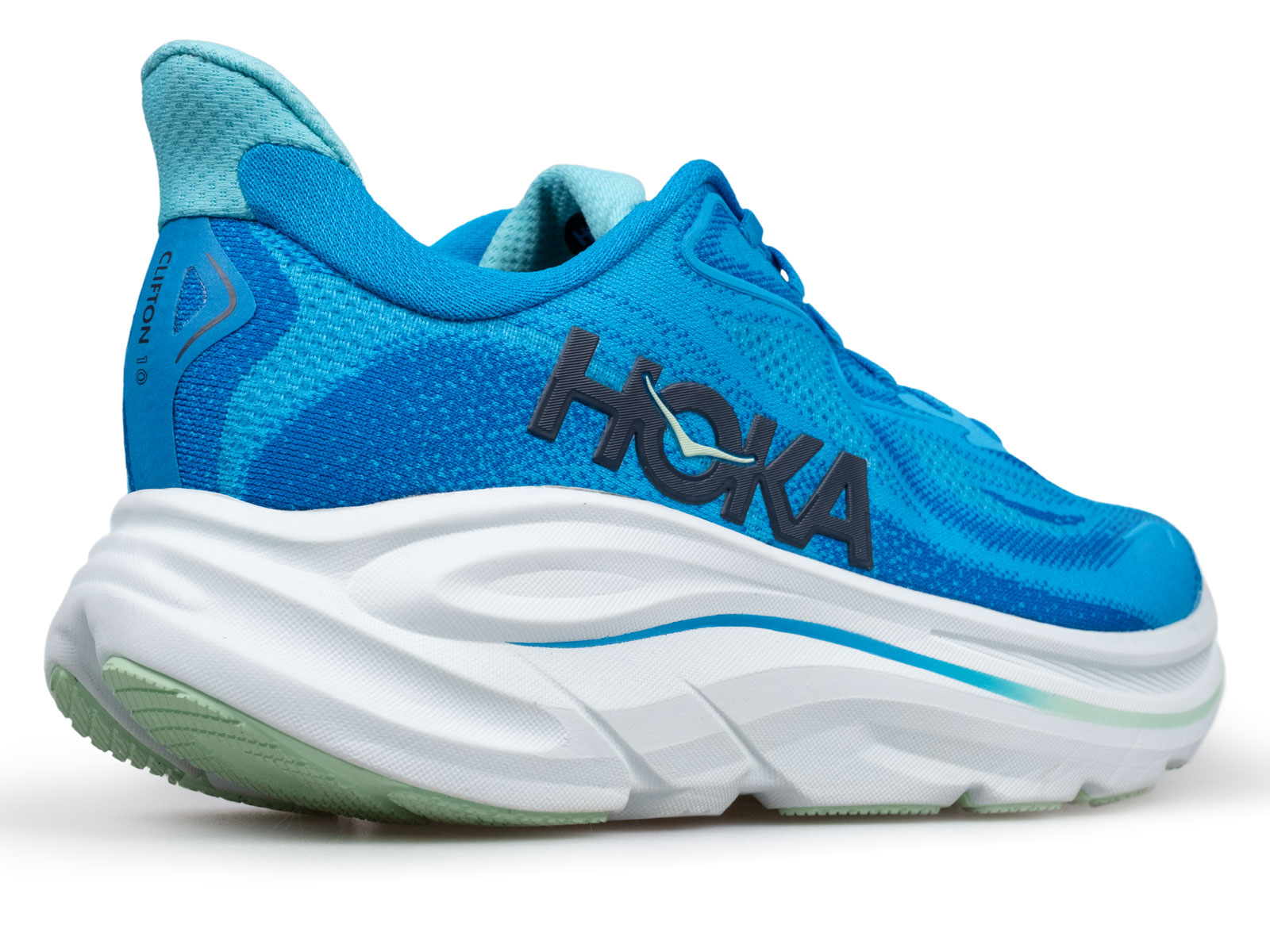
A heel with an angled curve (also called the heel spring) allows the foot to land gradually instead of edge striking abruptly. It helps if the outsole crash pad is segmented or split from the main outsole by a groove. Such crash pads flex during landing for gentle transitions. Not all shoes on this guide have an articulated landing zone, but we’ve tried our best to find the ones that do.
As a rearfoot striker, what kind of shoes should I avoid? Give me specific examples.
Ignore published stack heights or heel drop numbers; they are not reliable indicators of heel-striking-friendliness. Just stay away from ultra-soft shoes like the adidas Adios Pro 4 and the Asics Metaspeed family (Edge, Sky, and Ray models). Soft running shoes with deep under-heel channels also lack the stability that heel strikers require. That would include models like the New Balance SC Elite v5, Brooks Hyperion Max 3, and the Brooks Glycerin Max 2.
I'm a heavy heel striker who overpronates. Any recommendations?
You can refer to our separate buyer’s guides for heavy runners and overpronators. Alternatively, you can consider some of the carousel options underneath our primary recommendations in this buyer’s guide. For example, one of the carousel options under our 10K/marathon shoe recommendation is the Hoka Mach X 3 – a stable shoe that works equally well for heavy runners and overpronators.