
In this product guide:
How we selected
Brands do not make running shoes specifically for women. Instead, they just use a narrower last (B width, rather than D for mens) to achieve a tighter fit than mens. Other than that, the men’s and women’s running shoes are identical. So that strategy has worked, more or less, so brands have no reason to change it. We used the following criteria for our picks:
- We selected a single shoe in each segment that was most likely to work for women.
- None of these shoes have an ultra-minimal or harsh ride.
- We chose shoes with a snug fit, with the Hoka Mach 6 being the narrowest.
- For the following picks, brands offer a wide choice of colors for women.
- These shoes are readily available at retailers in most countries.
Each pick combines our own wear-test data with real-world observations of how these shoes perform on runners of all sizes, paces, and footstrike patterns.
Why it works (the basics)
- Sufficient cushioning for any distance, including marathons.
- Just-right upper fit; neither too loose nor too tight.
- Heel and midfoot-strike friendly.
- Wide midsole base offers adequate support.
- Optional widths are offered for wider feet.
🔍 Deep Dive
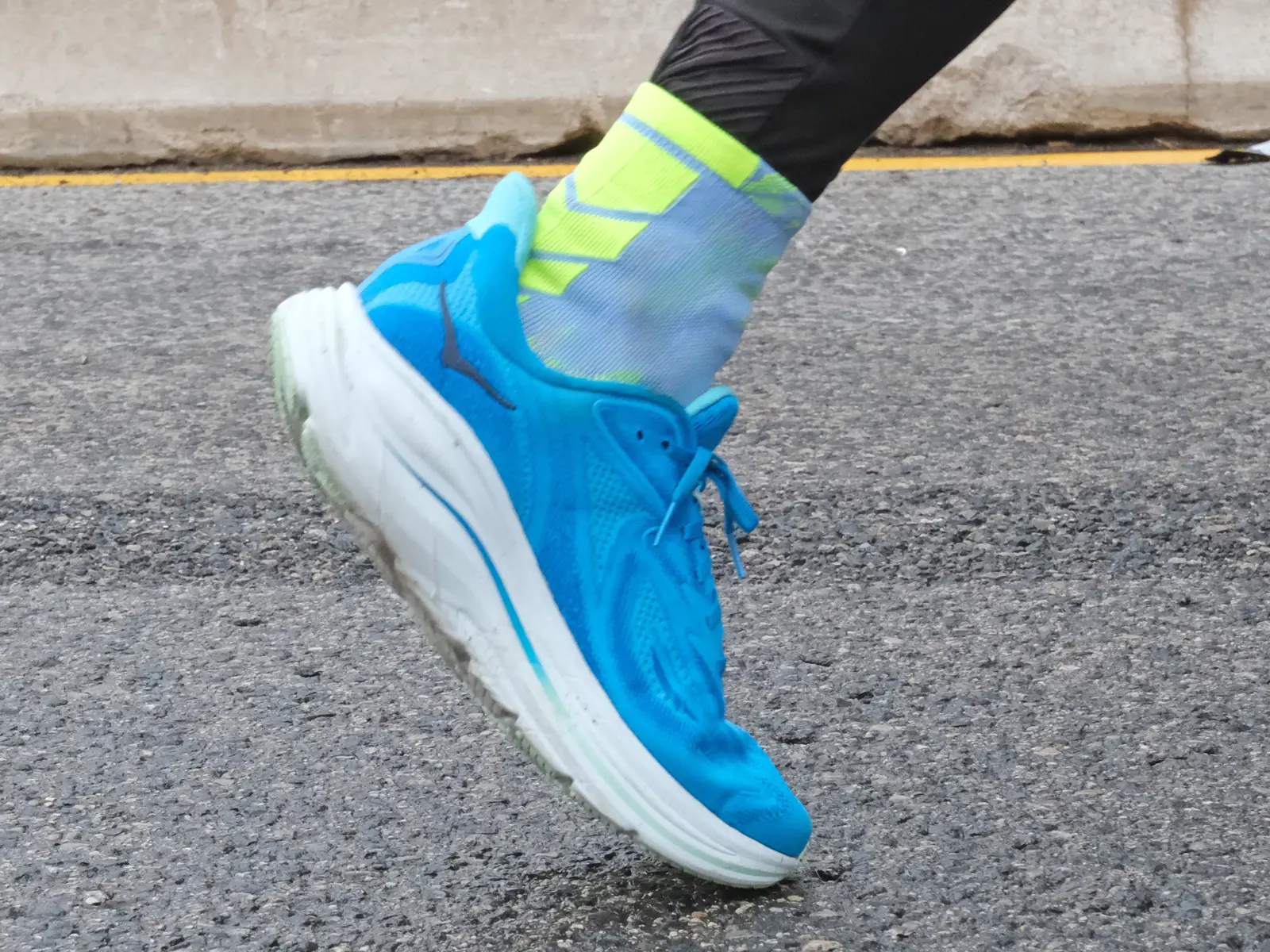
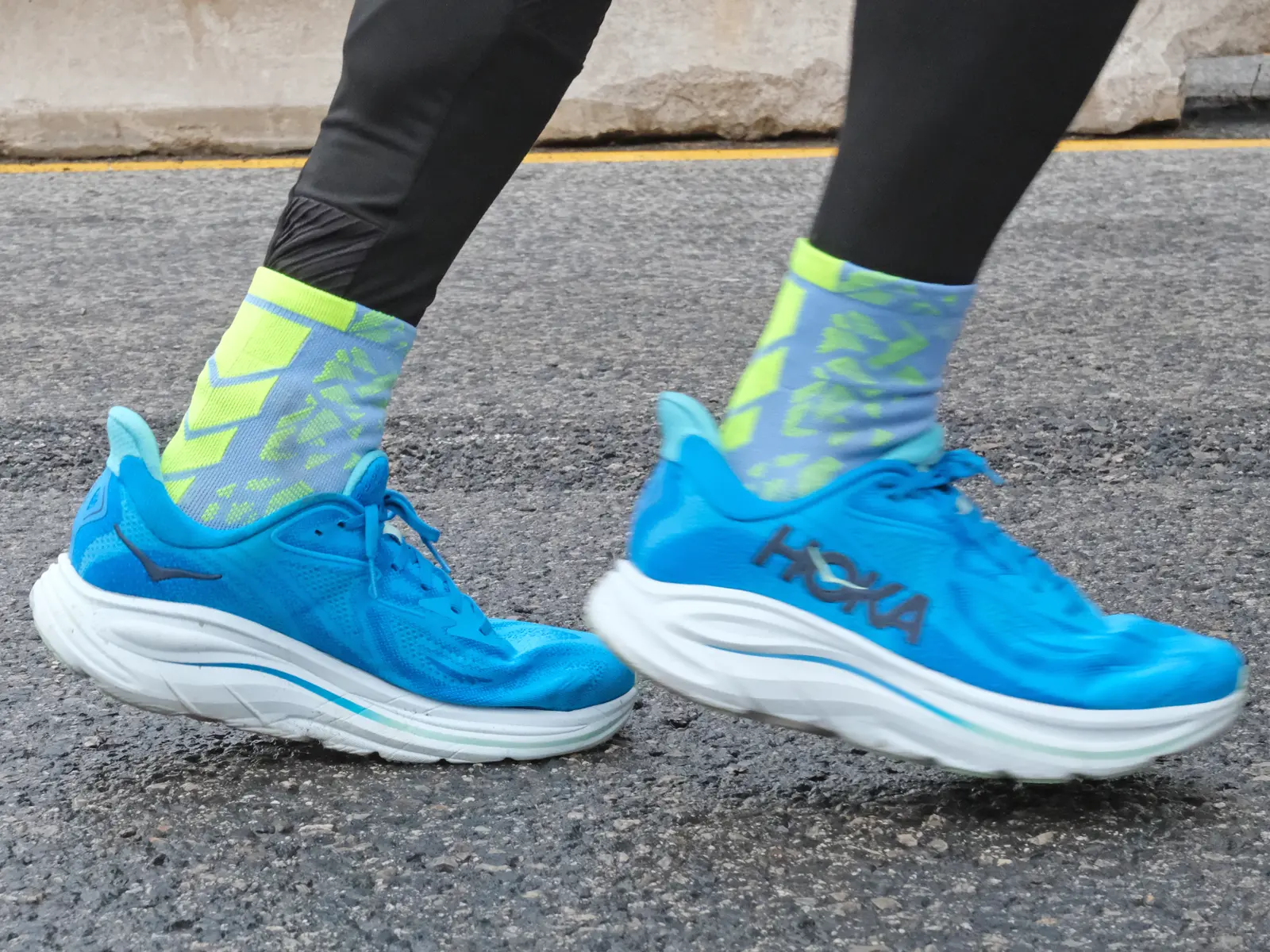
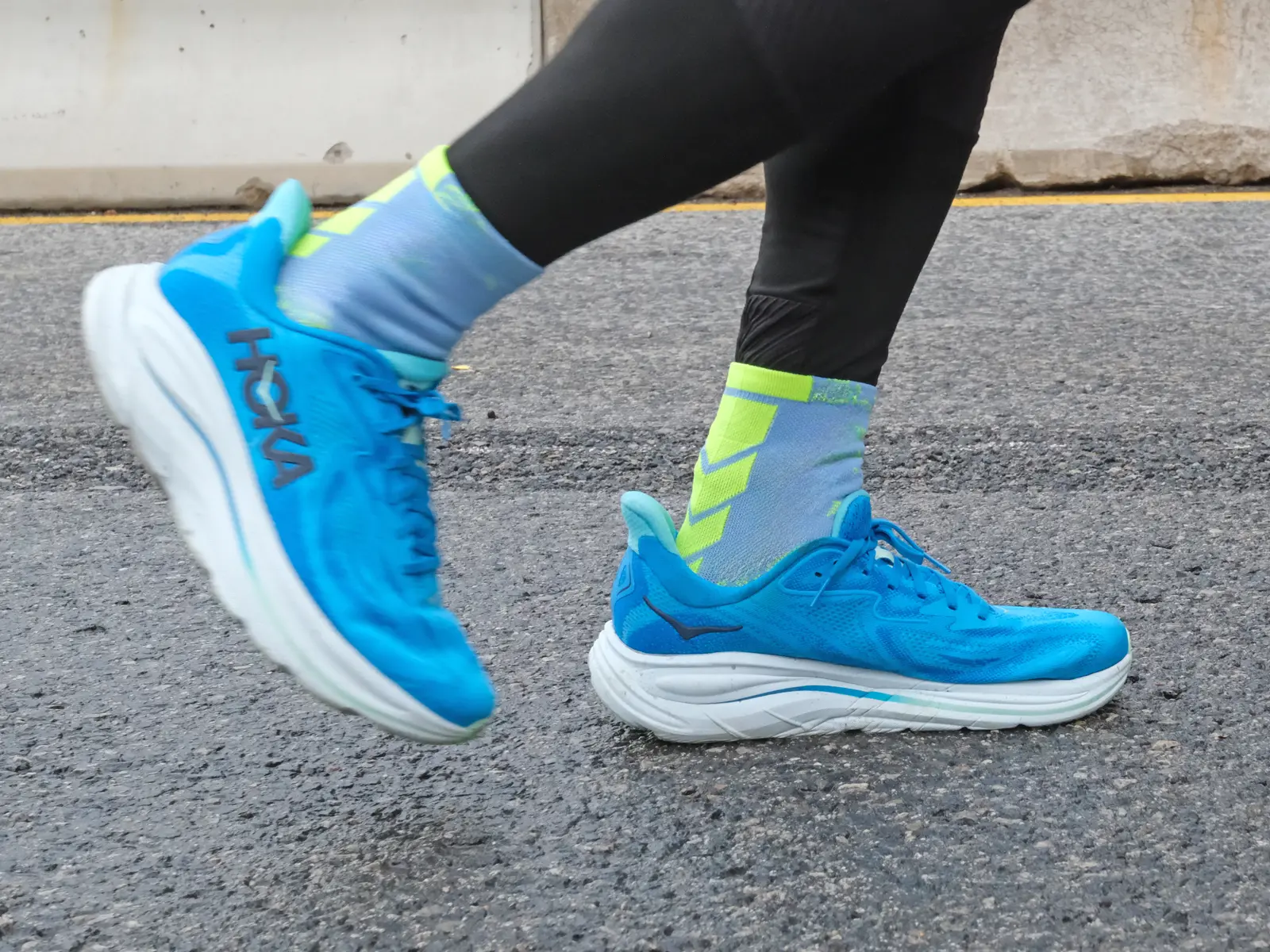
The Clifton 10 performs best at paces slower than 5:00 min/km (8:00 min/mile). Its soft CM-EVA midsole prioritizes comfort over speed, so tempo runs, intervals, and race-pace sessions (sub-2 half, sub-4 full) fall outside its strengths. The wide base and balanced cushioning support heel and midfoot strikes but lacks the peppiness needed for faster runs.
Additional insights
- Is an ounce heavier and 3 mm taller than the Clifton 9.
- Has a 3 mm higher heel drop than before.
- CM-EVA midsole hardens in extreme cold.
- Wet-road outsole traction is average.
Fit Notes
True to size. Upper runs slightly warm. Tongue loops prevent movement. Good reflectivity.
Gallery
Also consider:
- Brooks Glycerin 22 = tighter fit.
- Asics Novablast 5 = softer ride.
- Nike Vomero 18 = better rocker.
- Saucony Guide 18 = higher stability.
Specs
- Heel stack: 43 mm
- Forefoot stack: 35 mm
- Drop: 8 mm
- Weight: 8.8 oz/249 gms (W)
- Widths: Regular, wide, extra-wide
- Midsole: Removable insole, CM-EVA foam
- Insole: Removable.
Why it works (the basics)
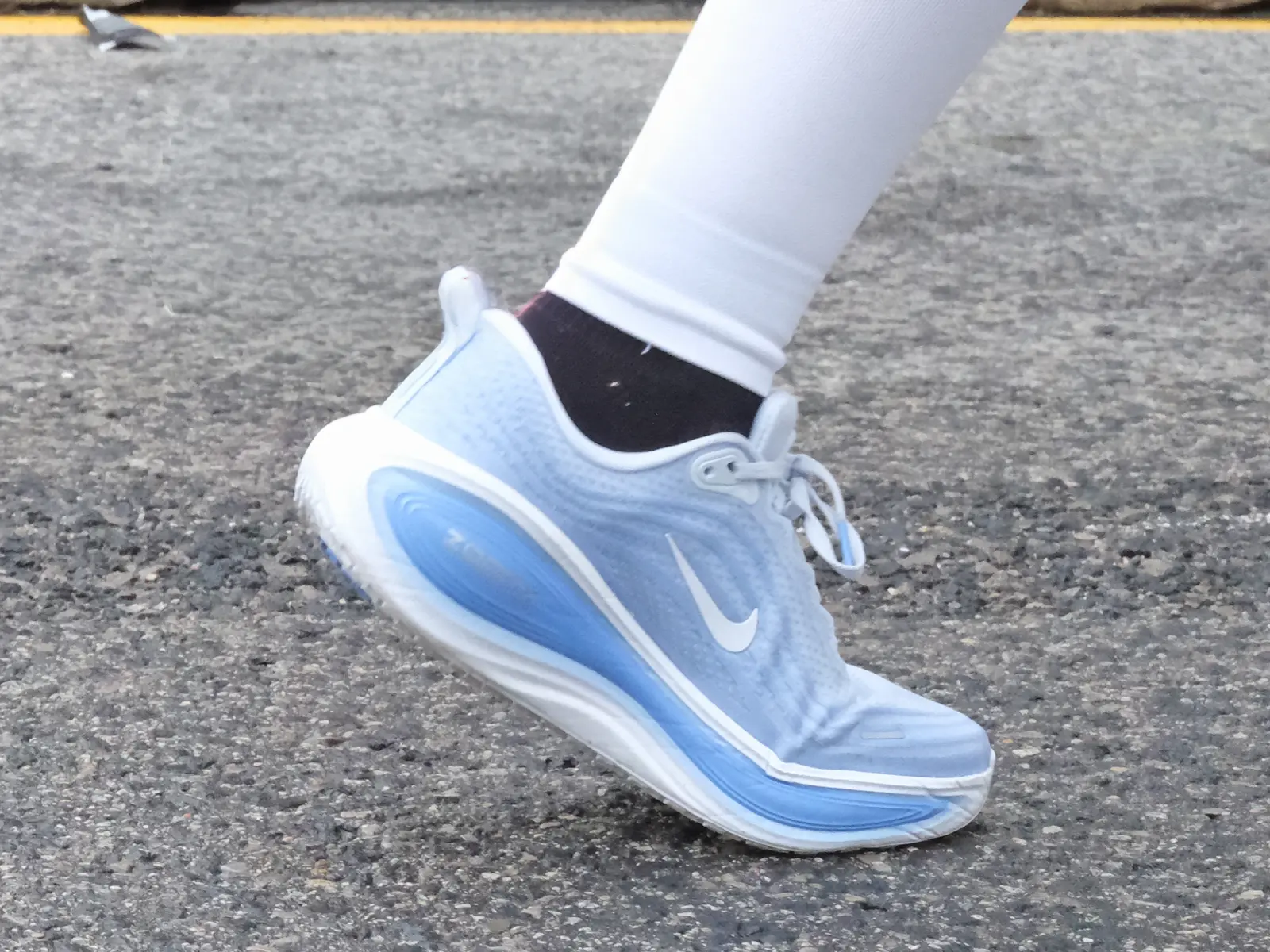
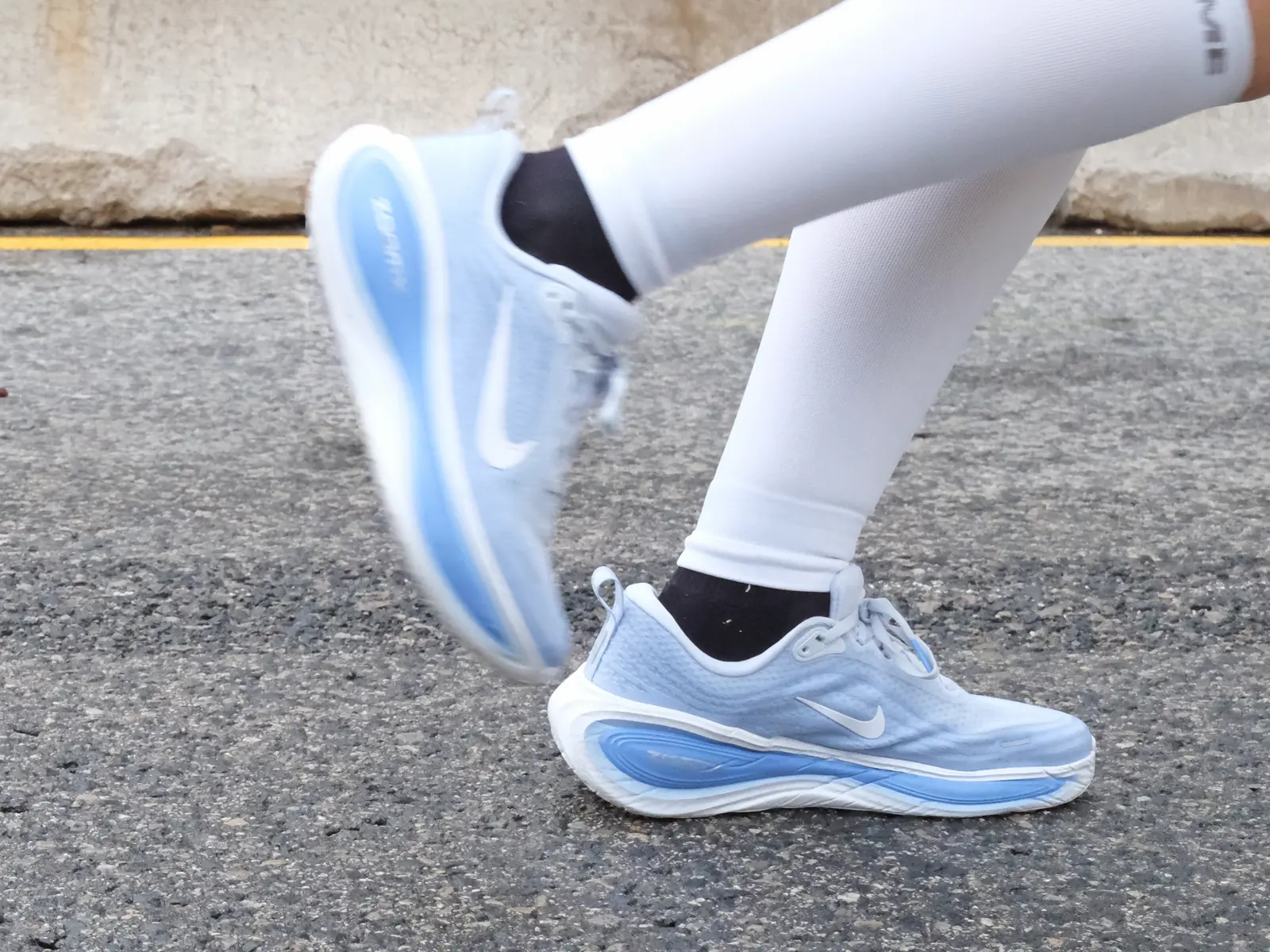
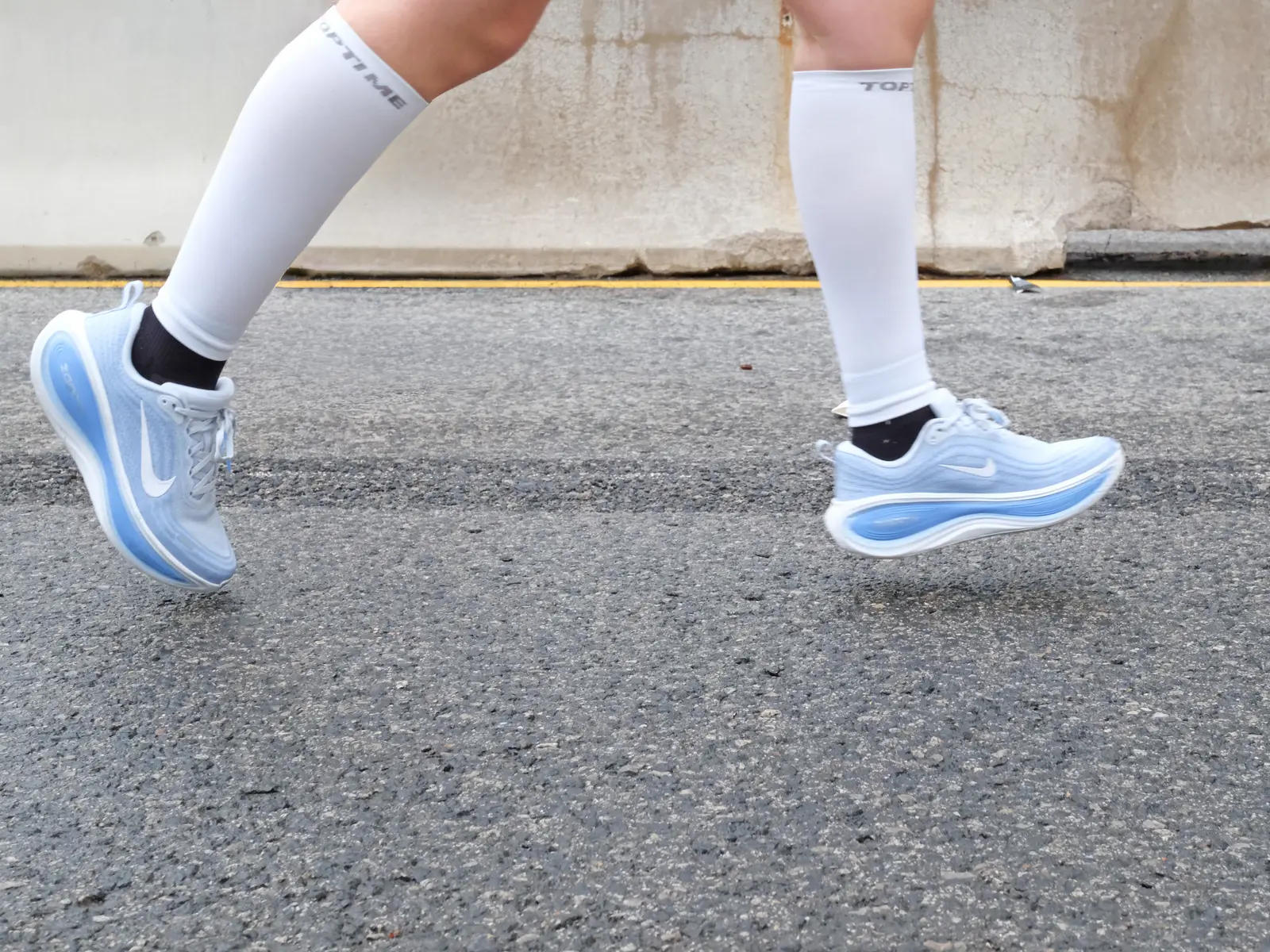
- Tall and plush midsole → long-distance comfort.
- 100% soft and bouncy ZoomX → engaging ride.
- Wide midsole base and bevel → supports heel and midfoot landings.
- Midsole rocker → adds versatility through quicker turnovers.
- Plush and roomy upper → complements midsole comfort.
🔍 Deep Dive
The tall ZoomX midsole is ideal for above 5:00 min/km (8:00 min/mile) paces. It’s not built for tempo or intervals, nor for race-pace training (sub-2 half, sub-4 full). Beyond recovery and daily runs, it works well for recreational half and full marathons – thanks to its plush cushioning. If you want a relatively faster option, consider the Nike Vomero 18.
Additional insights
- Plush footbed and lasting adds step-in softness.
- Wet-road outsole traction is average.
- Reflective elements are placed in strategic areas.
- The Vomero Plus is the unofficial successor to the Nike Invincible 3.
Fit Notes
Half-size roomier than sleeved Nike uppers. Thick mesh and padded tongue limit ventilation.
Gallery
Also consider:
- Hoka Bondi 9 = reflectivity, widths.
- Brooks Glycerin Max = softer heel midsole.
- Puma Magmax Nitro = more support.
- Saucony Hurricane 25 = for overpronators.
Specs
- Heel stack: 45 mm
- Forefoot stack: 35 mm
- Drop: 10 mm
- Weight: 8.8 oz/249 gms (W)
- Widths: Regular, extra-wide
- Midsole: 100% ZoomX foam.
- Insole: Removable.
Why it works (the basics)
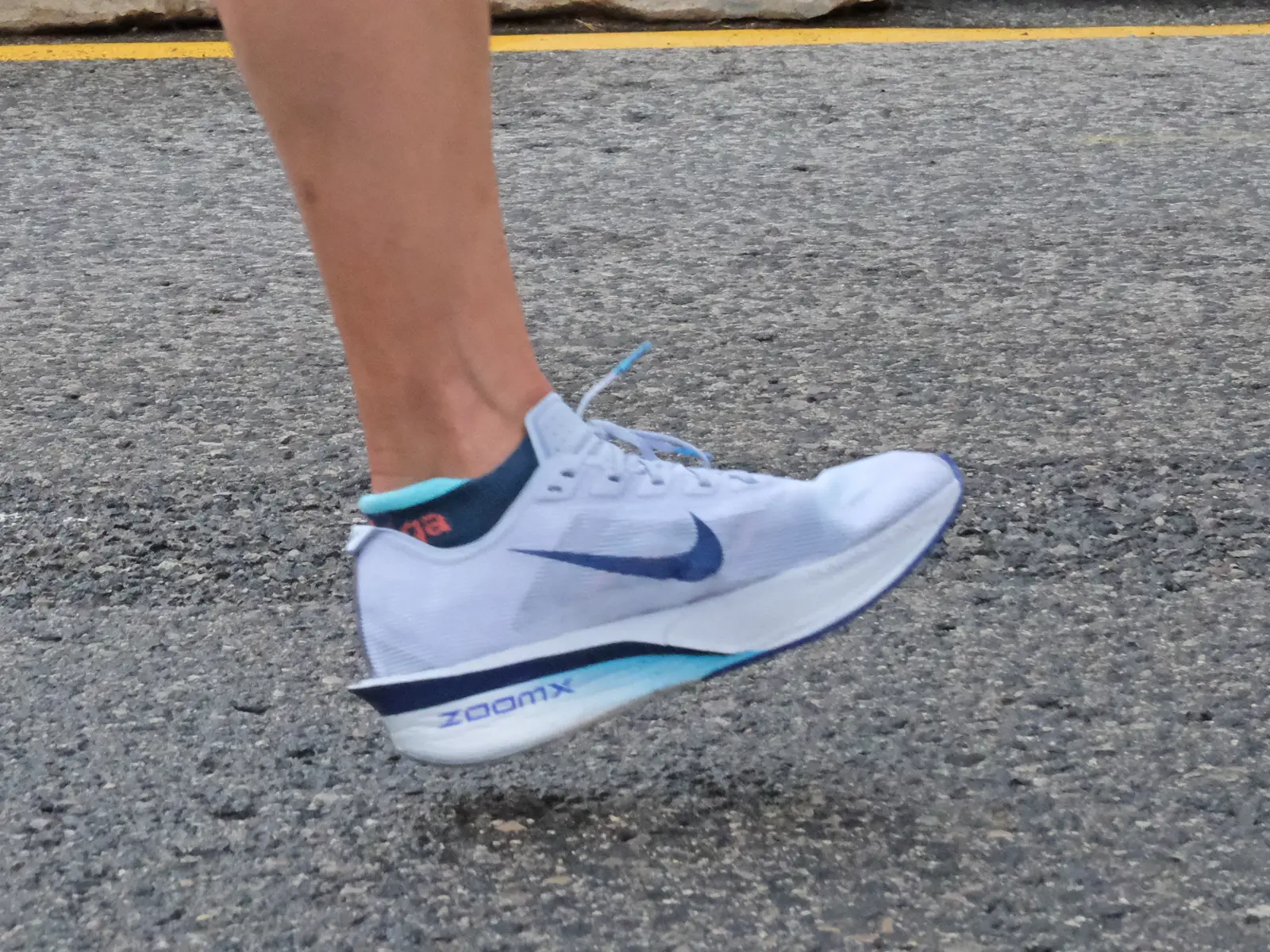
- ZoomX midsole → comfort for 10K, half, and marathons.
- Carbon plate → makes ride fast and efficient.
- Forefoot rocker → quicker take-offs.
- Secure upper fit → strong foot–midsole connection.
- Midsole ridges → stabilized landings.
🔍 Deep Dive
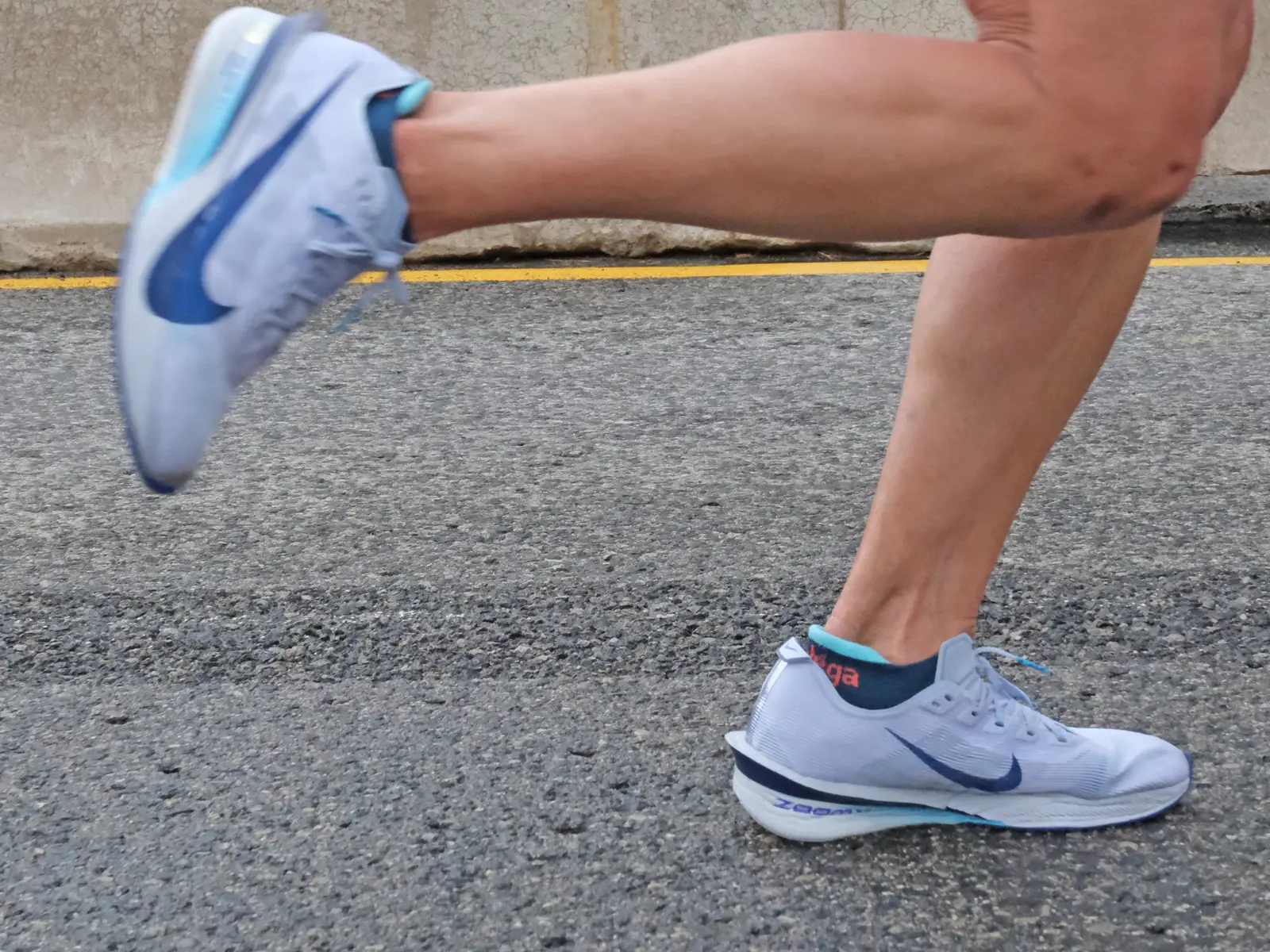
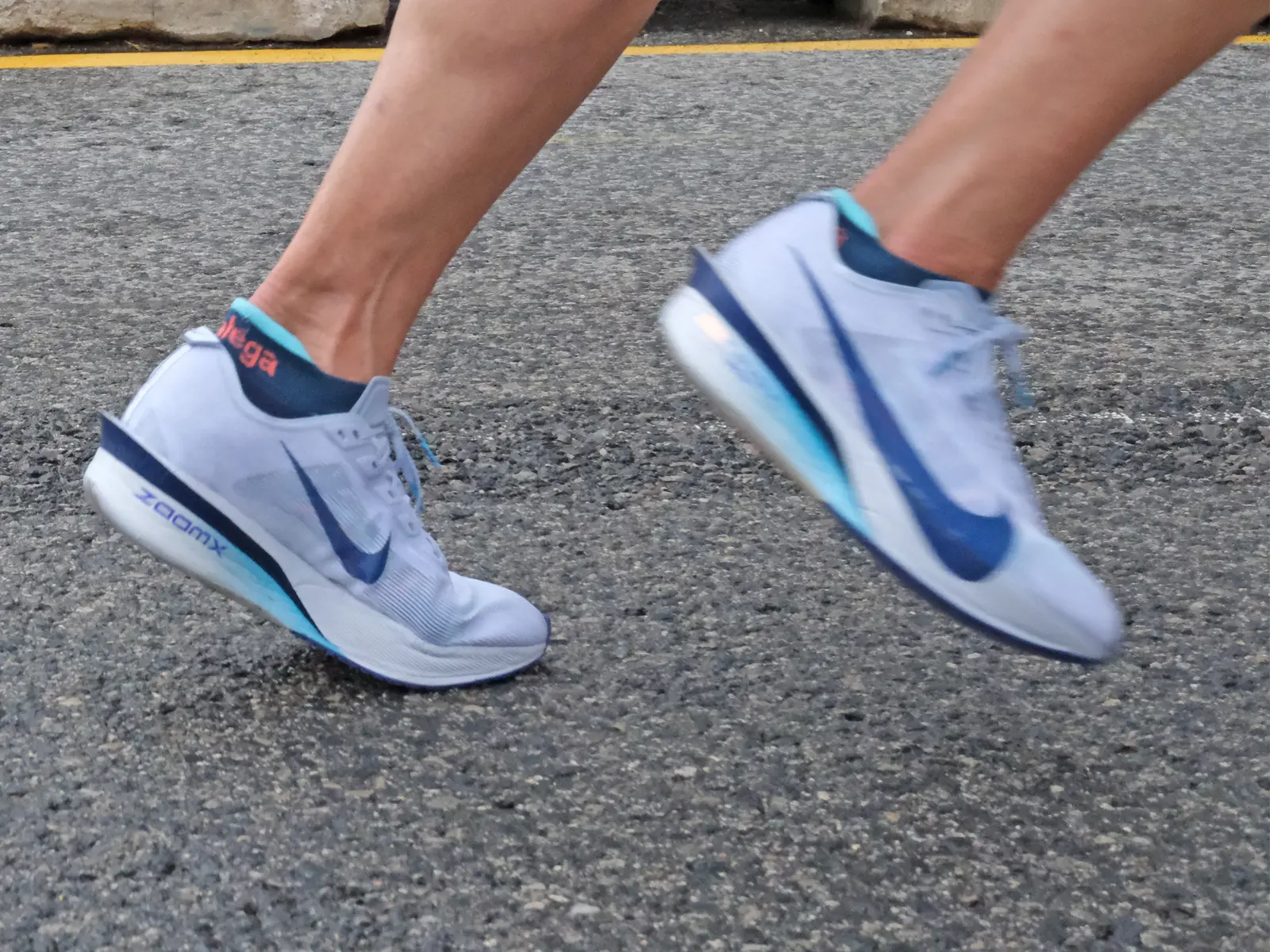
The Vaporfly 4 is ideal for race day but lacks the durability for pre-race and everyday training. Rotate with other models for best results. For example, the Nike Vomero 18 is ideal for high-mileage training, while models such as the Hoka Mach 6 are better suited for tempo runs and intervals. The heel stability is average, so non-elite runners should consider alternatives.
Additional insights
- Improved ZoomX foam is softer and bouncier.
- Midsole ridges provide structural reinforcement during overpronation.
- 10% lighter and 2 mm lower stack than the Nike Vaporfly 3.
- Optional widths not offered; the New Balance SC Elite 5 does.
Fit Notes
True-to-size; fits more securely than the Vaporfly 3. Average heel fit, as the new molded footbed raises the foot.
Gallery
Also consider:
- Saucony Endorphin Pro 4 = heel strikers.
- Hoka Rocket X3 = tighter fit.
- Puma Deviate Nitro Elite 3 = higher stability.
- New Balance SC Elite 5 = optional width, best grip.
Specs
- Heel stack: 35 mm
- Forefoot stack: 29 mm
- Drop: 6 mm
- Weight: 5.4 oz/152 gms (W8)
- Widths: Regular
- Midsole: ZoomX foam, carbon plate
- Insole: Non-removable
Why it works (the basics)
- FF Turbo+ midsole → lightweight, durable cushioning.
- FF Blast base → adds support.
- Forefoot rocker → smoother take-offs.
- Wide midsole base → heel and forefoot strike–friendly.
- Breathable mesh upper → keeps feet cool.
- Strategic outsole coverage → grips where needed.
🔍 Deep Dive
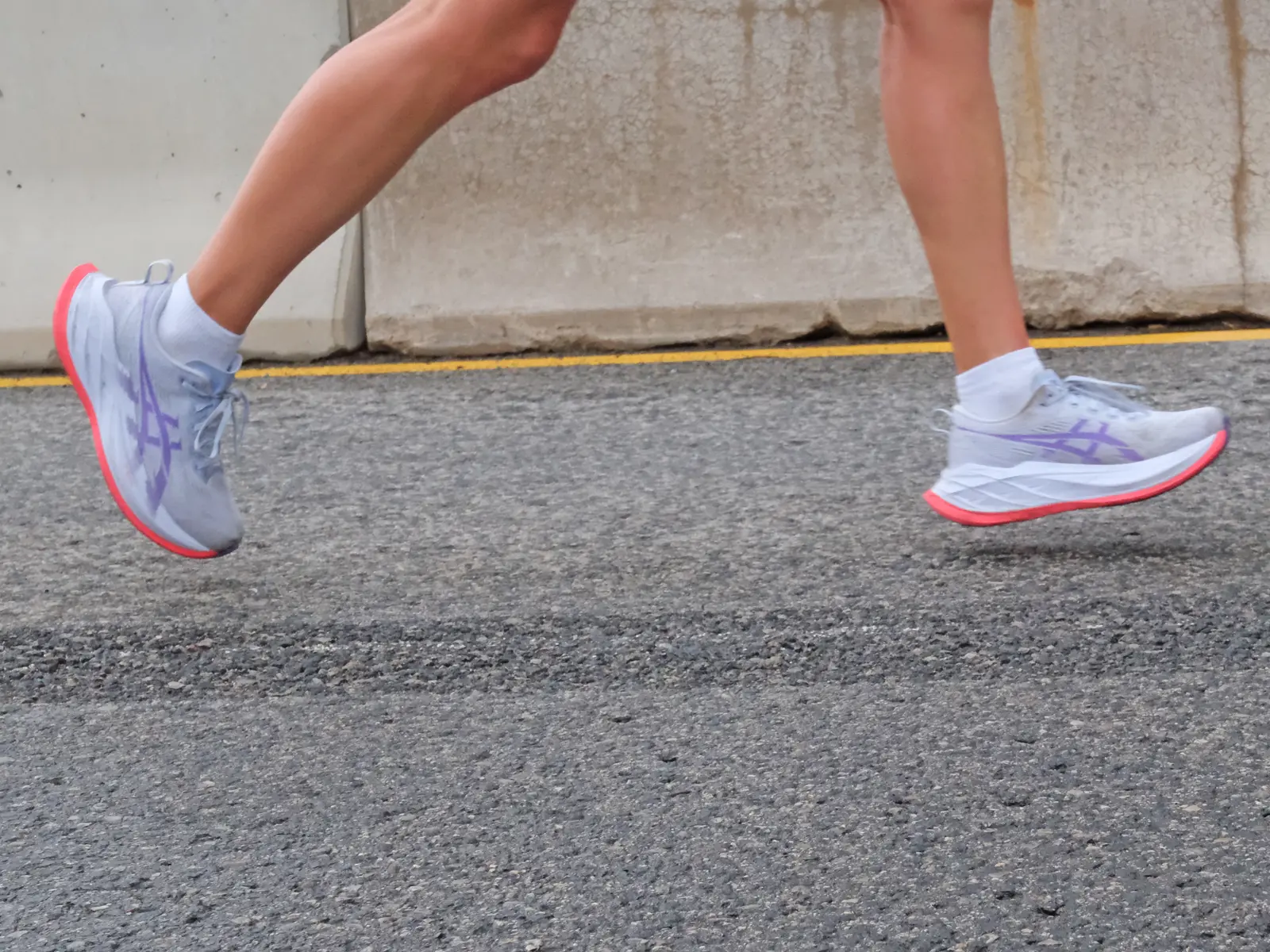
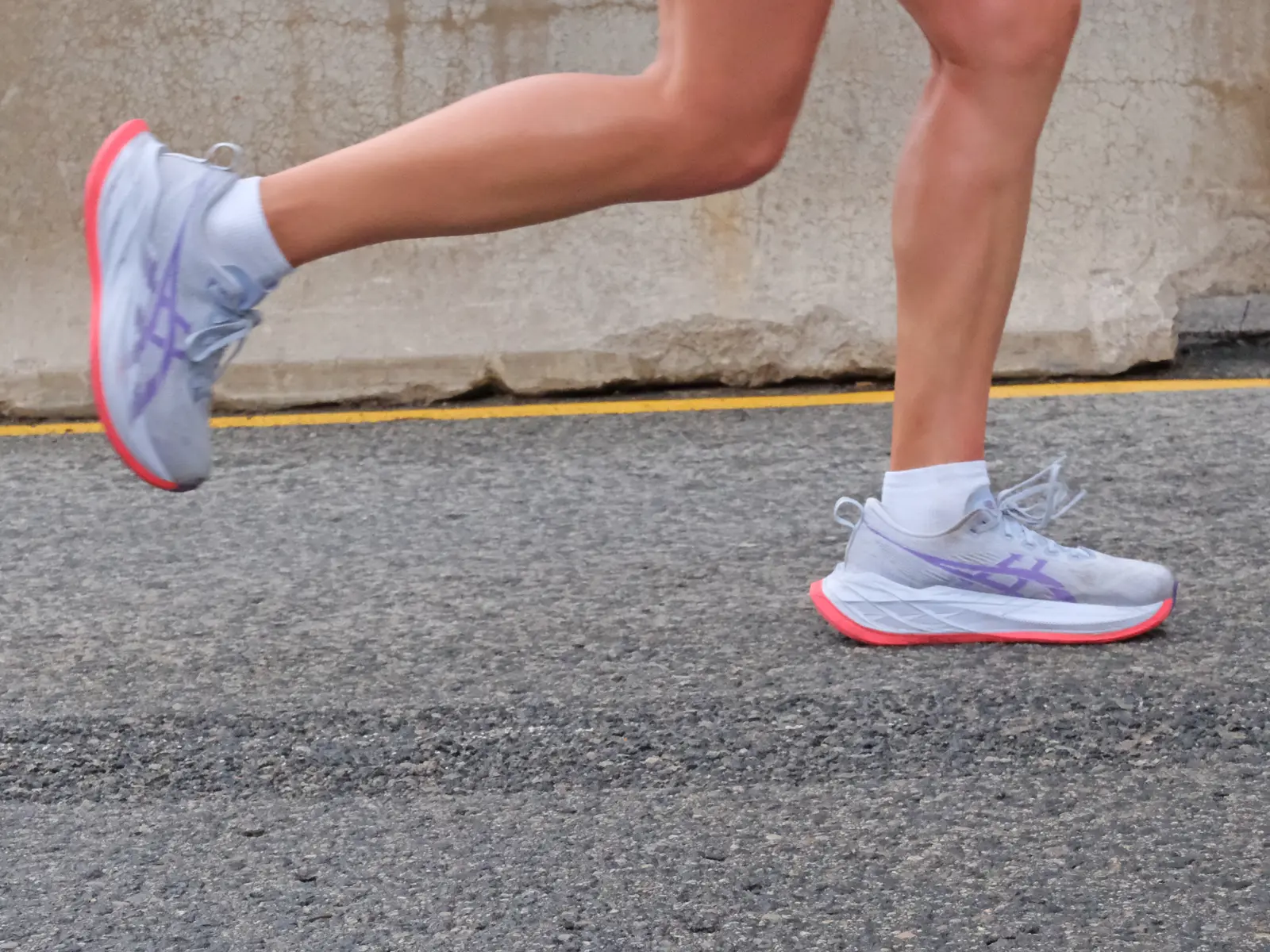
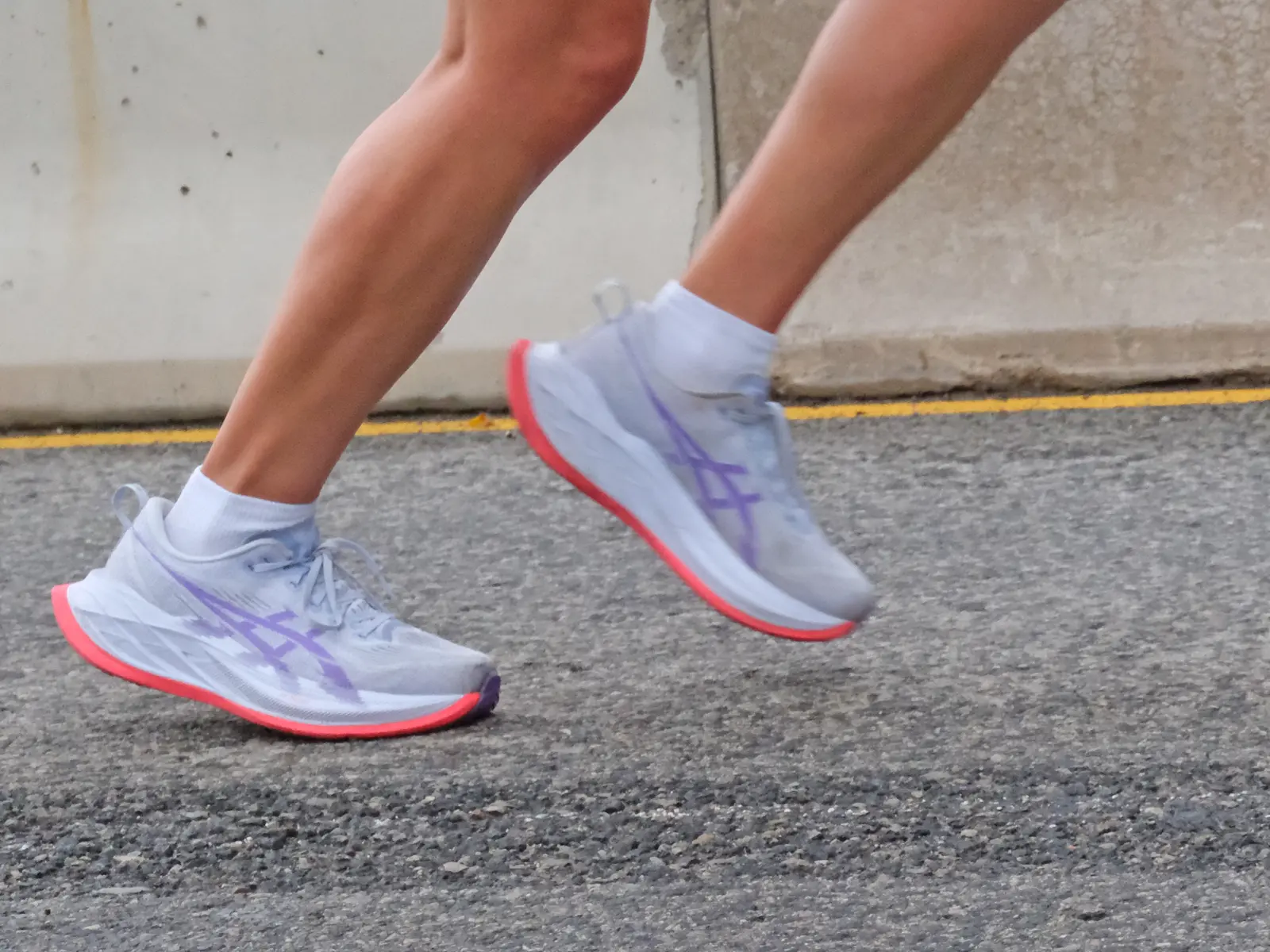
The Superblast 2 is an excellent choice for daily runs, tempo, pre-marathon training, and marathons. The FF Turbo+ foam delivers quick rebound at higher paces and lightweight comfort at slower speeds. The firmer FF Blast foam base stabilizes landings, minimizing midsole sink.
The roomier true-to-size upper is comfortable, but lacks the secure lockdown of the Asics Superblast 1.
Additional insights
- The spacious upper makes it less speed-friendly than before.
- Ample space for an aftermarket orthotic.
- Higher than average cushioning-to-weight ratio.
- Stable enough for heavy runners and overpronators.
Fit Notes
True-to-size; offers significantly more room than the Superblast 1. Improved ventilation, but the increased space affects foot-to-midsole connection and speed-friendliness.
Gallery
Also consider:
- Asics Megablast = for narrower feet.
- adidas adizero EVO SL = lower stack option.
- Nike Zoom Fly 6 = for a bouncier ride.
- New Balance SC Trainer V3 = plate-assisted cushioning.
Specs
- Heel stack: 45 mm
- Forefoot stack: 37 mm
- Drop: 8 mm
- Weight: 8.8 oz/250 gms
- Widths: Regular
- Midsole: FF Turbo+, FF Blast
- Insole: Removable
Why it works (the basics)
- Tight fit → efficient power delivery during higher paces.
- Supercritical foam midsole → responsive cushioning.
- 37 mm / 32 mm stack → comfort for high-intensity runs/races.
- Generous outsole coverage → durable traction.
- Supportive midsole → good for heel and forefoot strikers.
🔍 Deep Dive
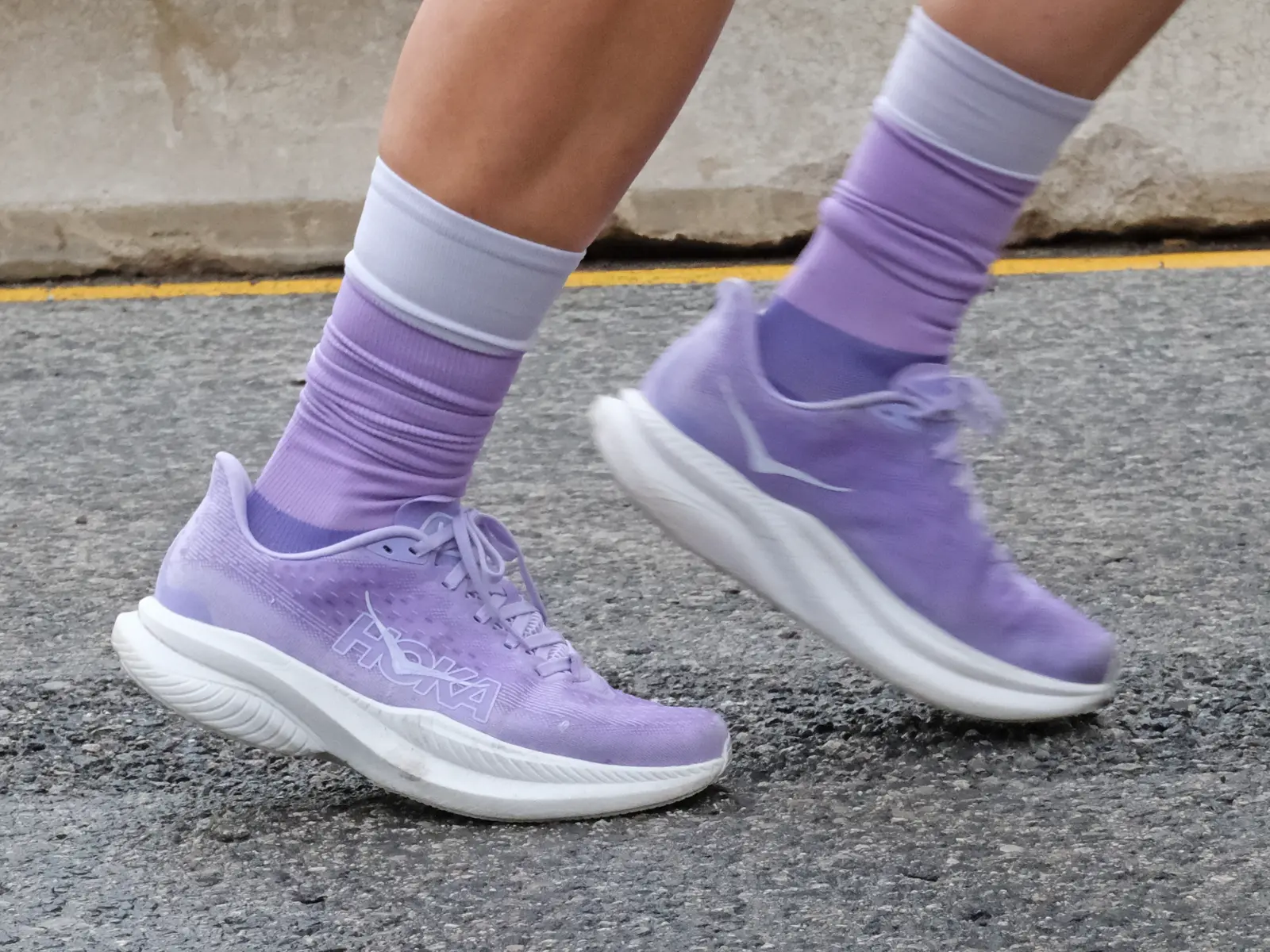
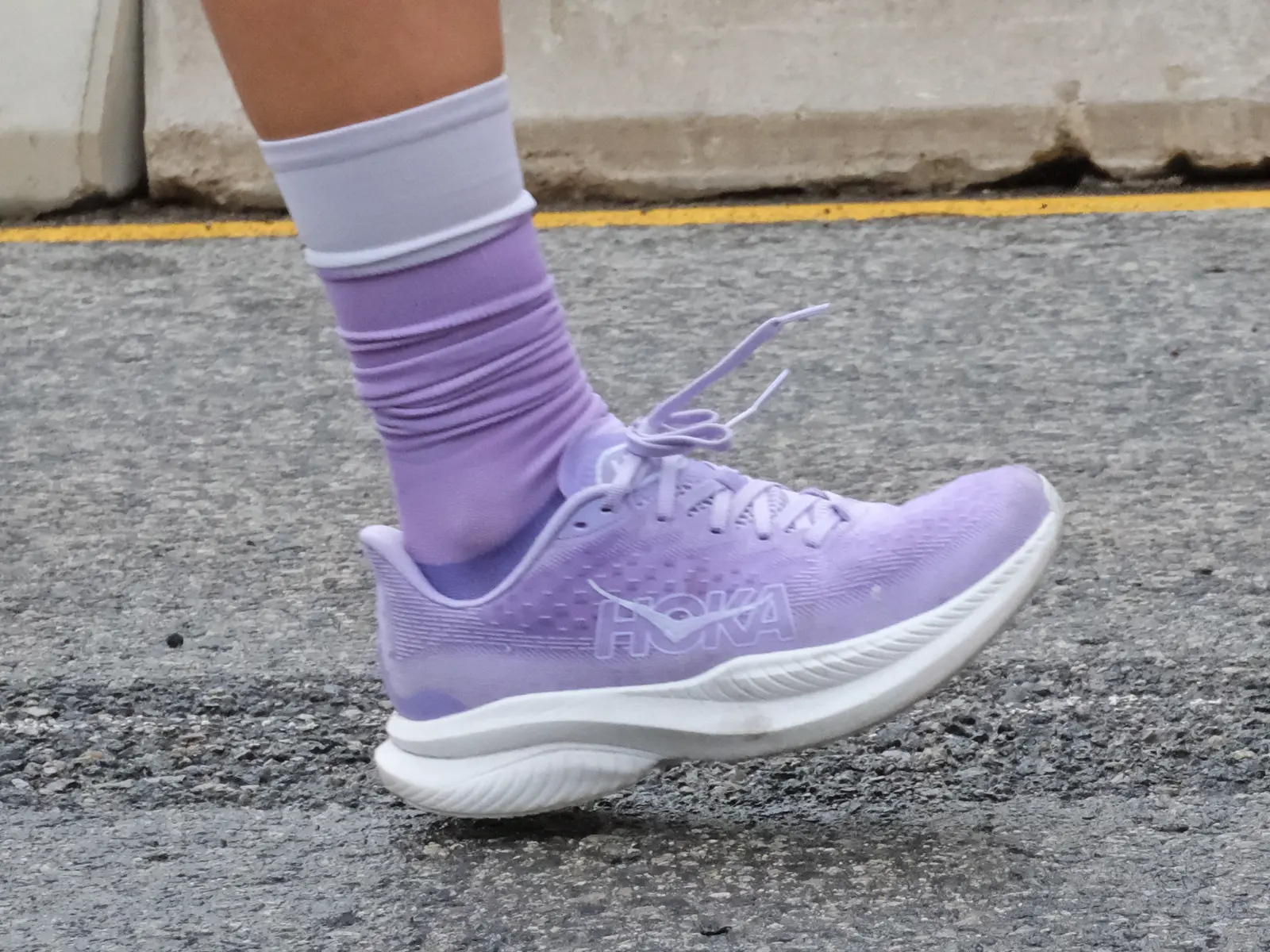
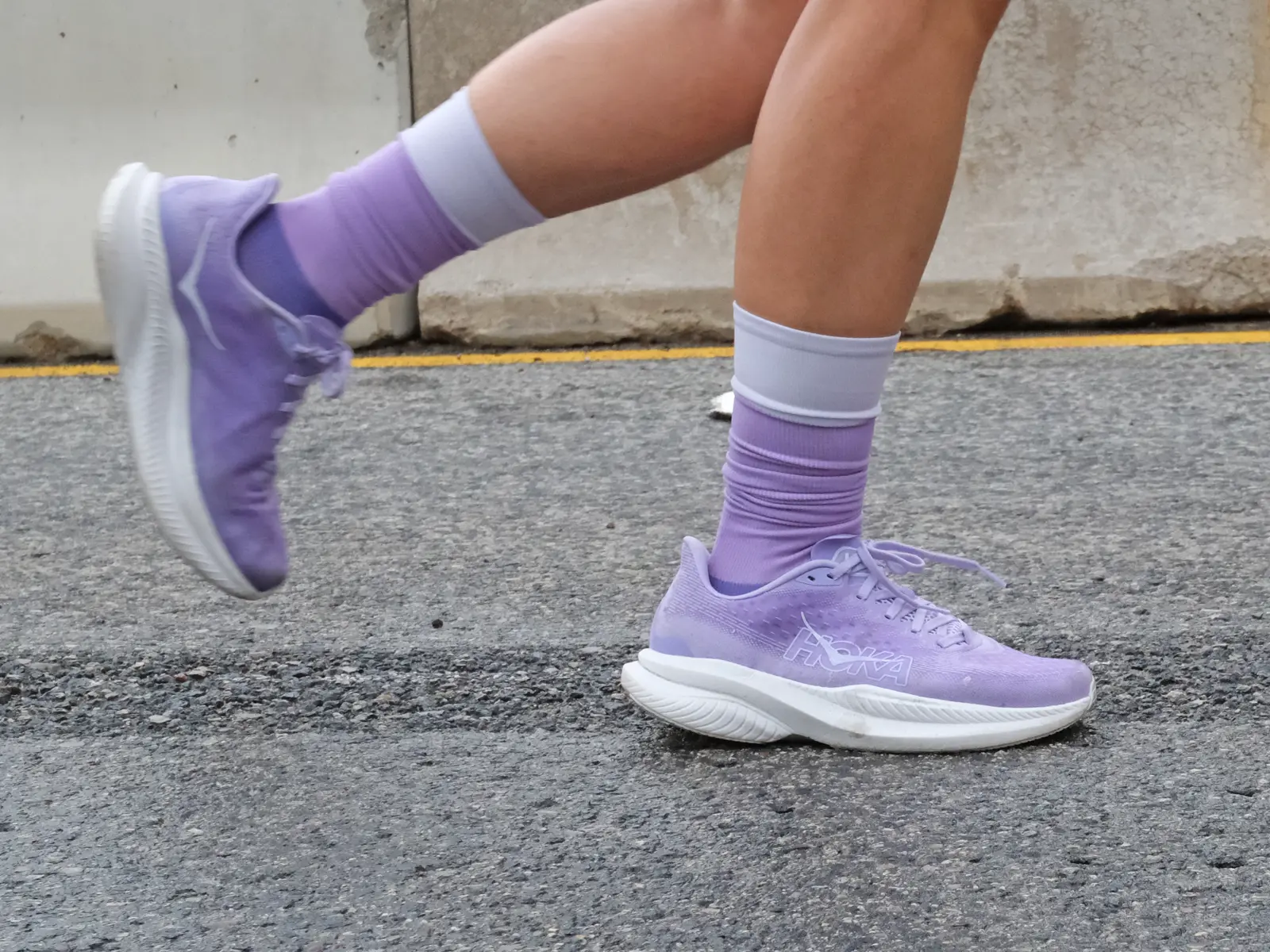
The Hoka Mach 6 is perfect for speed workouts and run short races. The supercritical foam midsole offers lightweight softness and bounciness without compromising durability and stability. The narrow upper establishes a strong connection between the foot and the midsole.
Additional insights
- The elastic gussets keep the tongue locked in.
- Soft heel padding and lining add a plush feel.
- Competitive retail pricing based on its tech level.
- Good for fast and slow runs; no performance penalty.
Fit Notes
The Mach 6 fits nearly half-size shorter (e.g., US 10.5 instead of US 11) than the Mach 5. When used as a speed trainer or 5K/10K racer, recommend staying true to size. A wide width is optional.
Gallery
Also consider:
- adidas adizero EVO SL = more upper space.
- New Balance Rebel 5 = softer ride.
- adidas Boston 13 = energy-rod infused ride.
Specs
- Heel stack: 37 mm
- Forefoot stack: 32 mm
- Drop: 5 mm
- Weight: 6.7 oz/190 gms
- Widths: Regular, wide
- Midsole: Supercritical foam
- Insole: Removable
Why it works (the basics)
- DNA Loft V3 midsole → protective off-road comfort.
- Articulated TrailTack outsole → enhanced ground feel and grip.
- Trail Adapt rock plate → flexible protection.
- Reinforced upper → resists abrasion on the trail.
- Wide base → off-road stability.
🔍 Deep Dive
Trail running shoes tend to be very use-case specific. Some are cushioned road-to-trail hybrids; others work better during fast, short trail runs. Brands also offer max-cushioned trail shoes for ultras. The Brooks Cascadia 19’s do-everything versatile is a differentiator, as it combines several traits into a single shoe.
Additional insights
- A waterproof (GTX) variant is available for $30 more.
- Tongue loops tucks way lace ends.
- The heel and forefoot are 2 mm and 4 mm taller than the Cascadia 18.
- Lacks a front D-ring for gaiter attachment.
Fit Notes
True-to-size, secure fit. Padded tongue and heel add plushness without hotspots.
Also consider:
- Salomon Speedcross 6 = narrower fit.
- Saucony Peregrine 15 = faster, technical trails.
- Nike Pegasus Trail = energy rod-infused ride.
- Hoka Stinson 7 = max cushioning.
Specs
- Heel stack: 35 mm
- Forefoot stack: 29 mm
- Drop: 6 mm
- Weight: 9.8 oz/277 gms
- Widths: Regular, wide
- Midsole: Rock plate, DNA Loft V3
- Insole: Removable
FAQs
How do the men’s and women’s running shoes differ?
Brands build the women’s version on the ‘B’ (narrow) version of the same last as men’s running shoes, which use a ‘D’ (regular) width. Besides color, there might be other minor variances like different in midsole stack heights. To our knowledge, only Asics does that.
Can I buy a men’s version, but in a smaller size?
Yes, if you have wide feet, the men’s version based on a wider last (D width) may fit you. Also consider buying running shoes in larger GS (grade school) or youth sizes, as they offer similar performance at a lower price.
Why does this guide have only six shoes? What about other models?
We selected shoes that were most likely to appeal to most female runners. Our ‘also consider’ section lists alternatives and explains why you should choose one over another.